Around 1800 Suishinshi Masahide argued in his writings that the craft must return to the old masters’ methods: the fukkotō revival. His greatest successor Naotane worked convincingly in Bizen and Sōshū manners that had been dead for centuries.
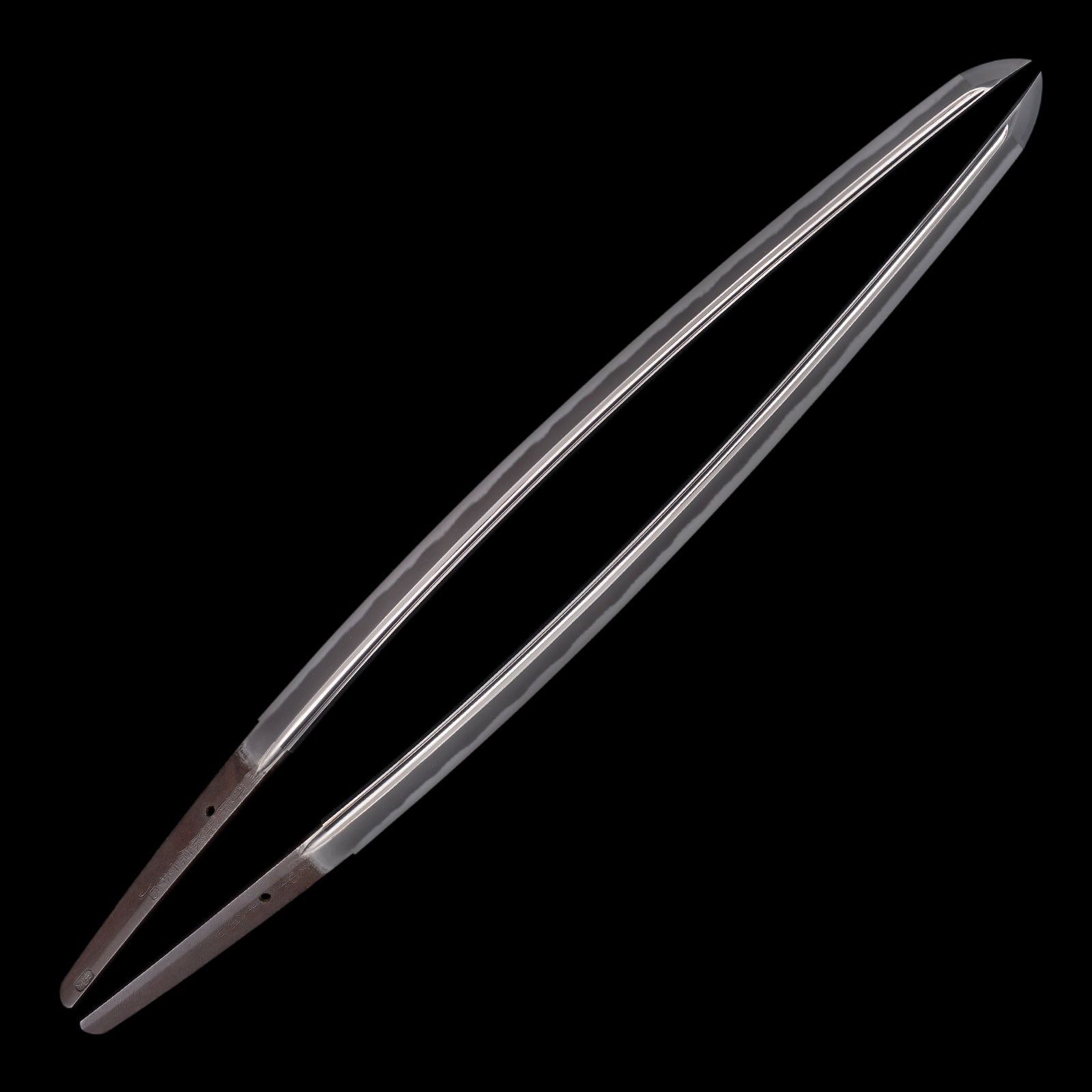
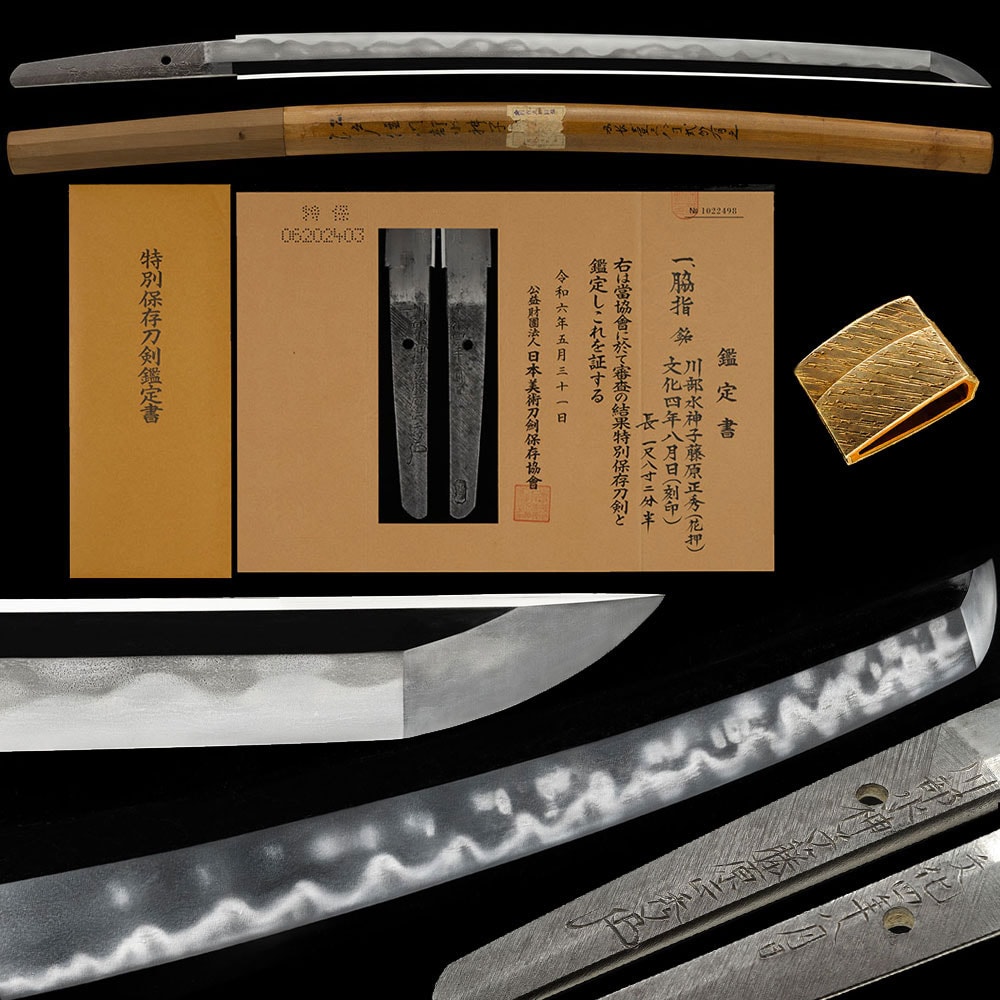
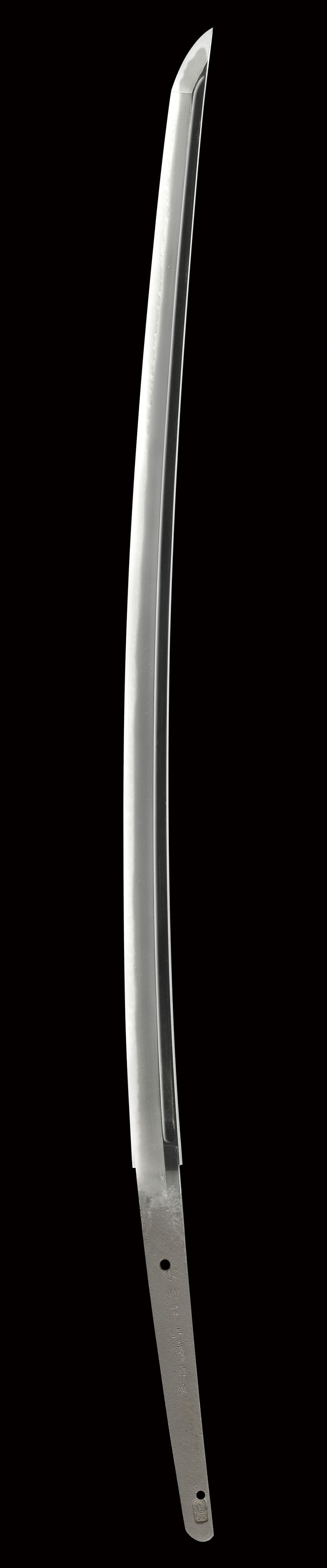
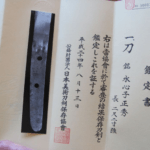
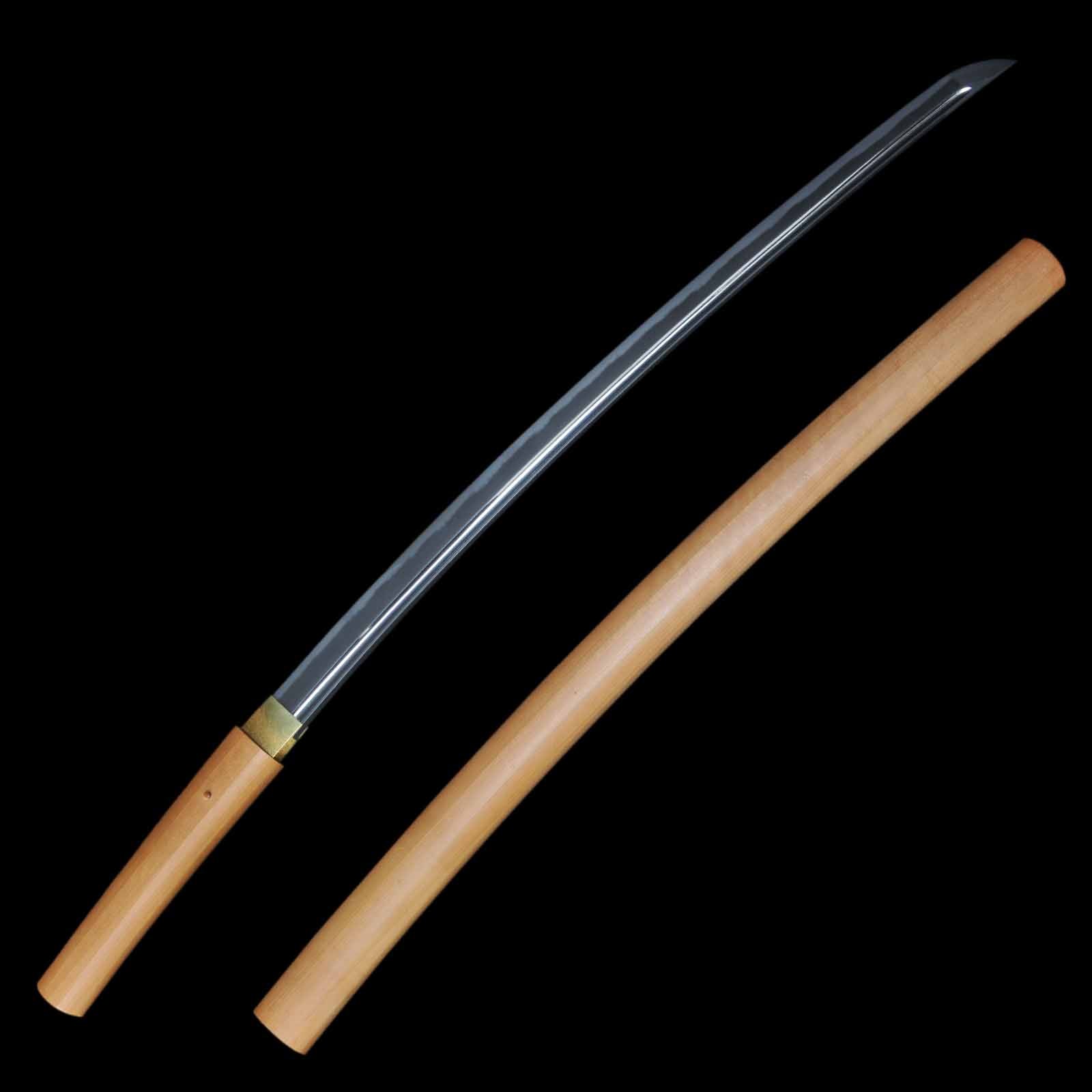
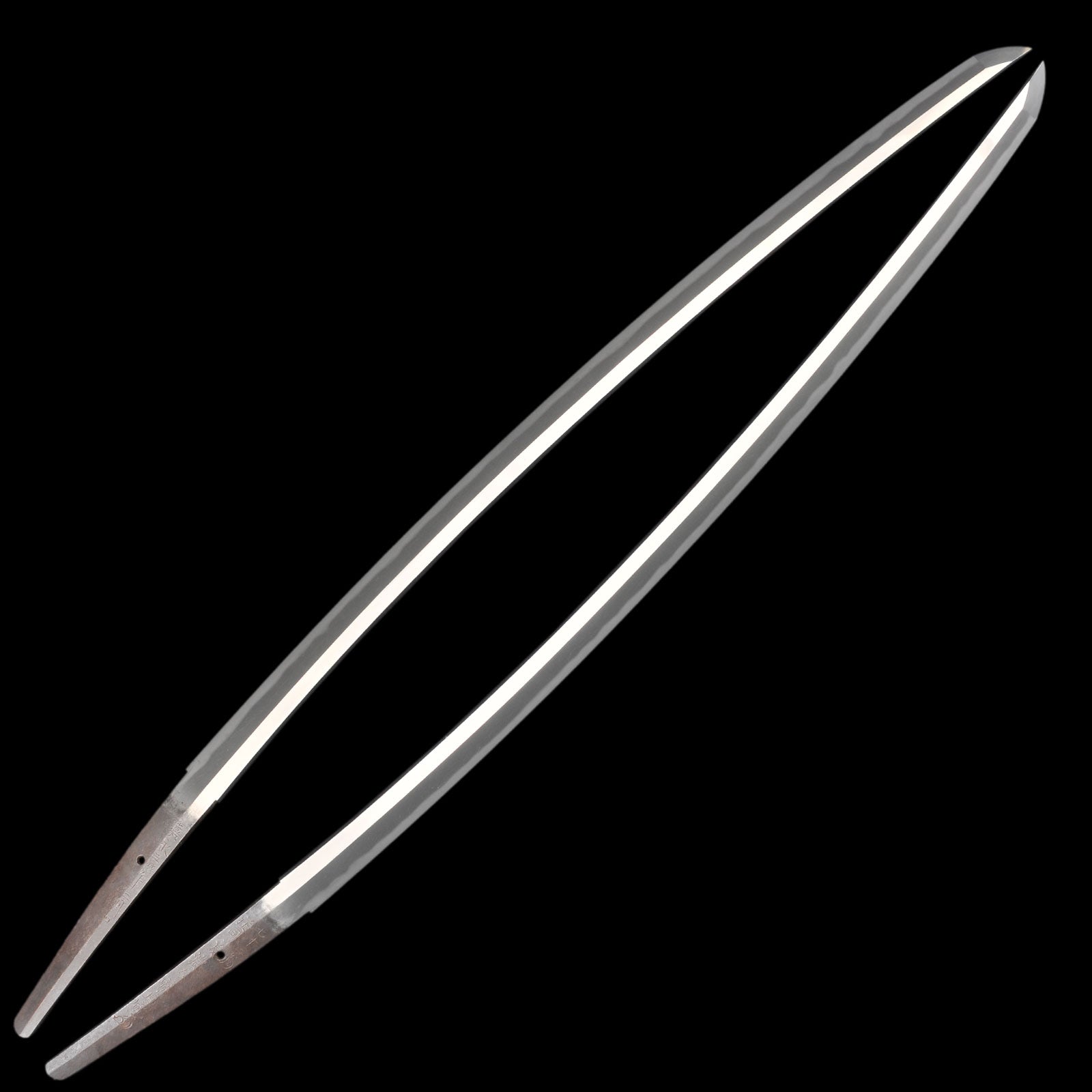
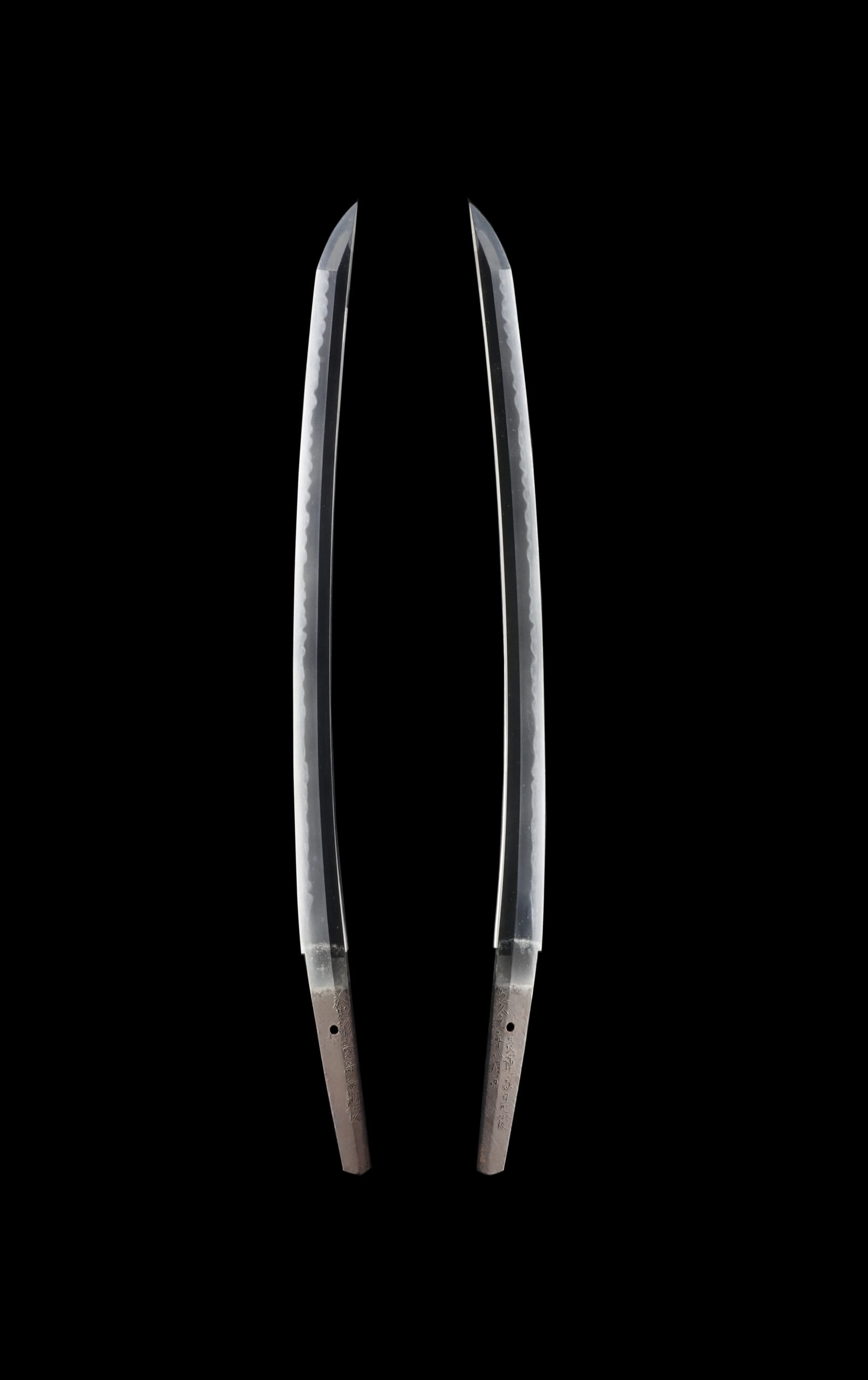
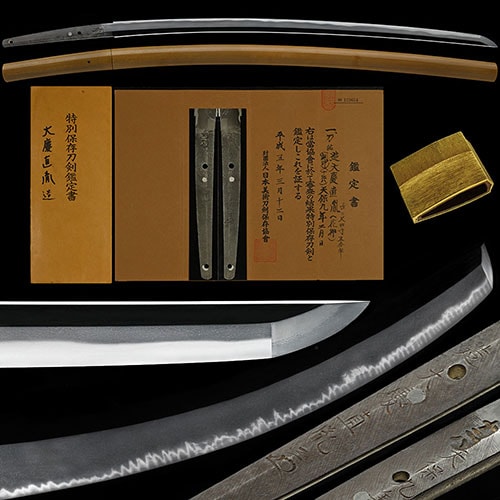
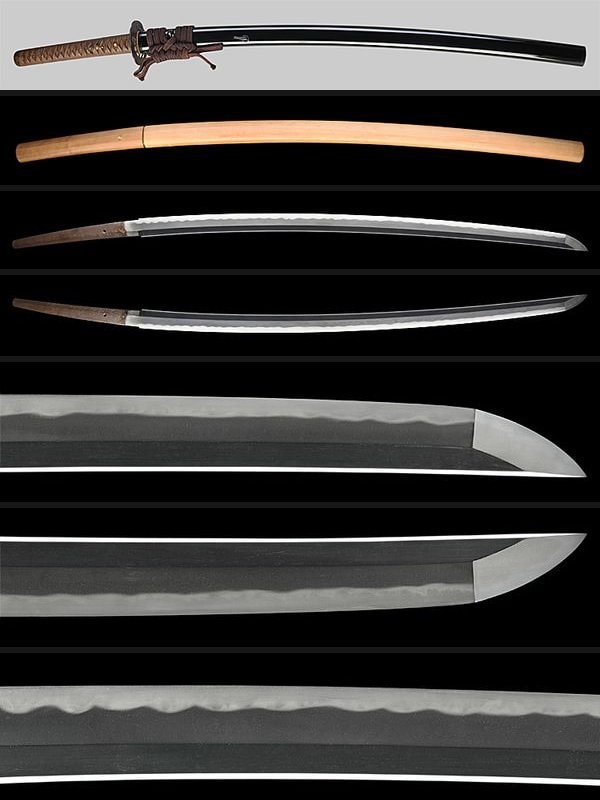
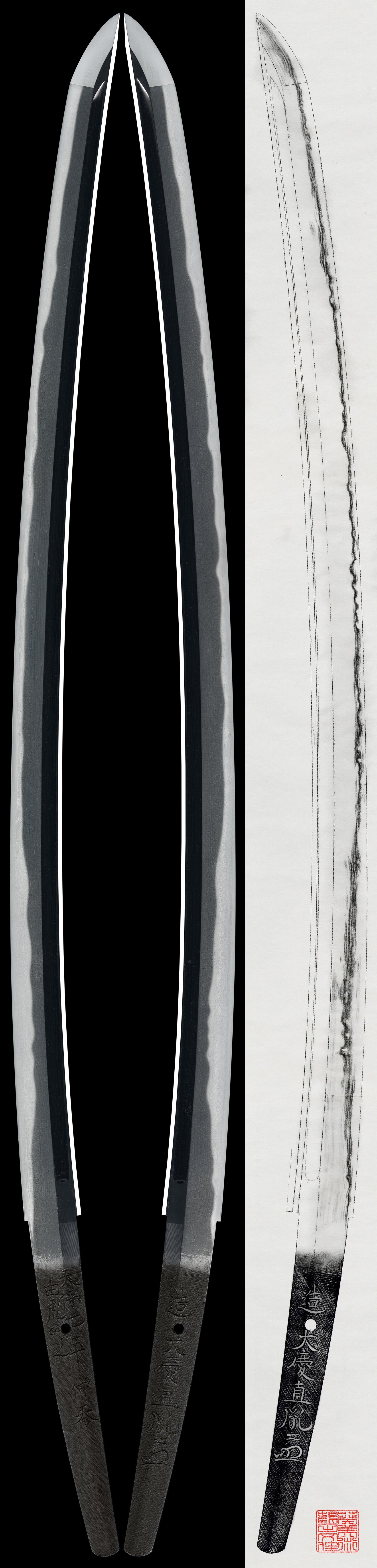
This katana is a masterpiece by Suishinshi Masahide, made in the 3rd year of Bunsei (1820) when he was 72 years old. It features a Kataochi Gunome hamon, copying the style of Kagemitsu. The blade is accompanied by an NBTHK Tokubetsu Hozon certificate.
 NihontoWatch
mei · Tenmei (1781-1789) · nagasa 69.8cm · sori 1.6cm
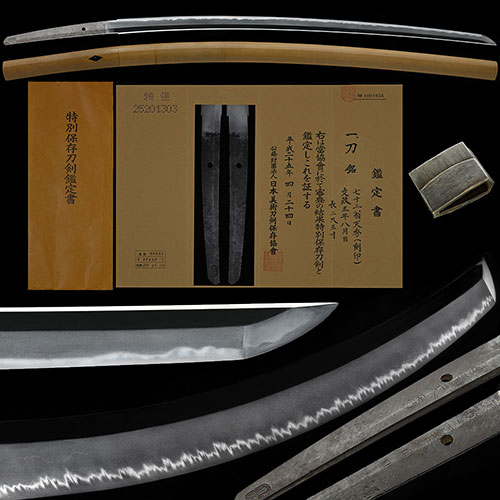
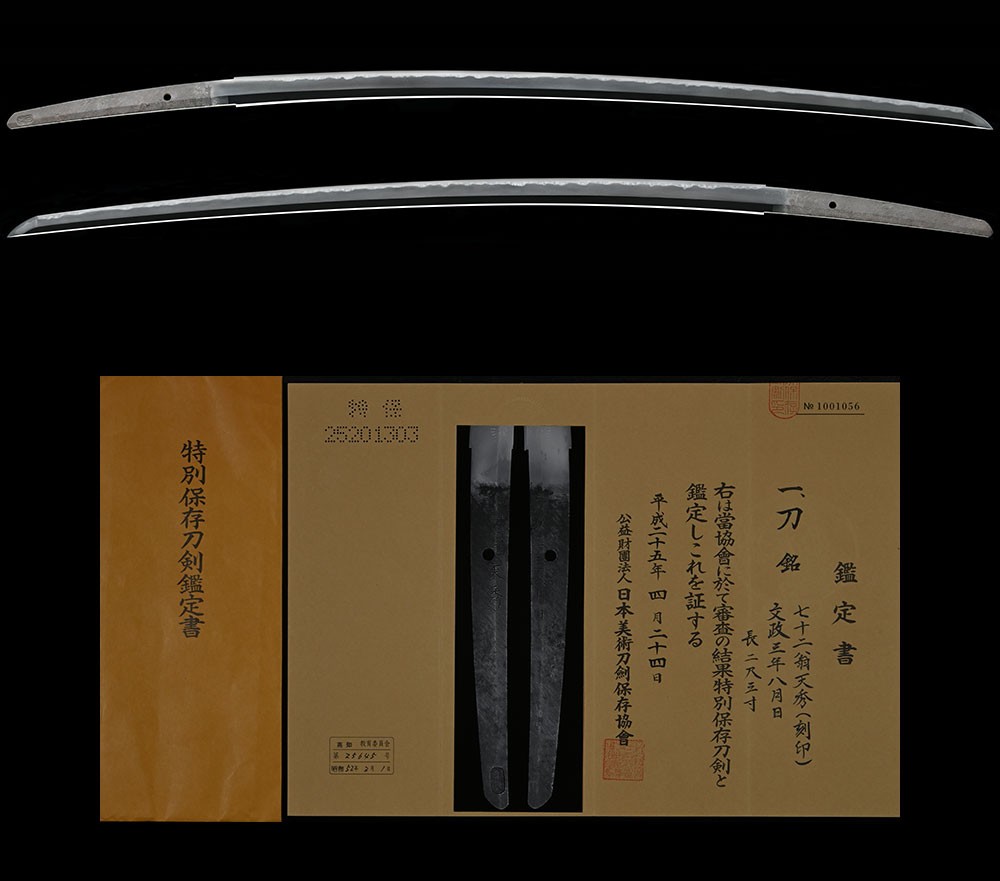

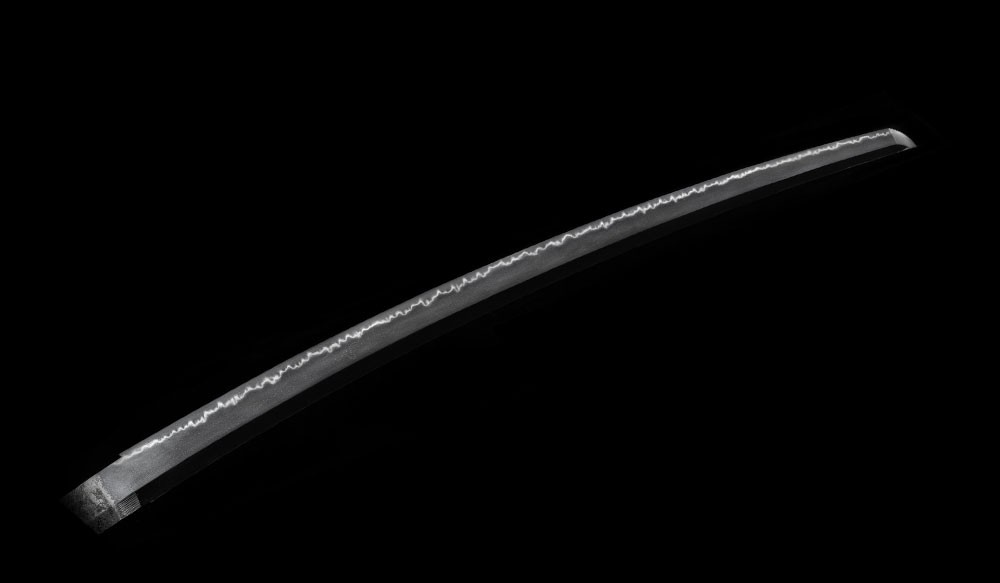
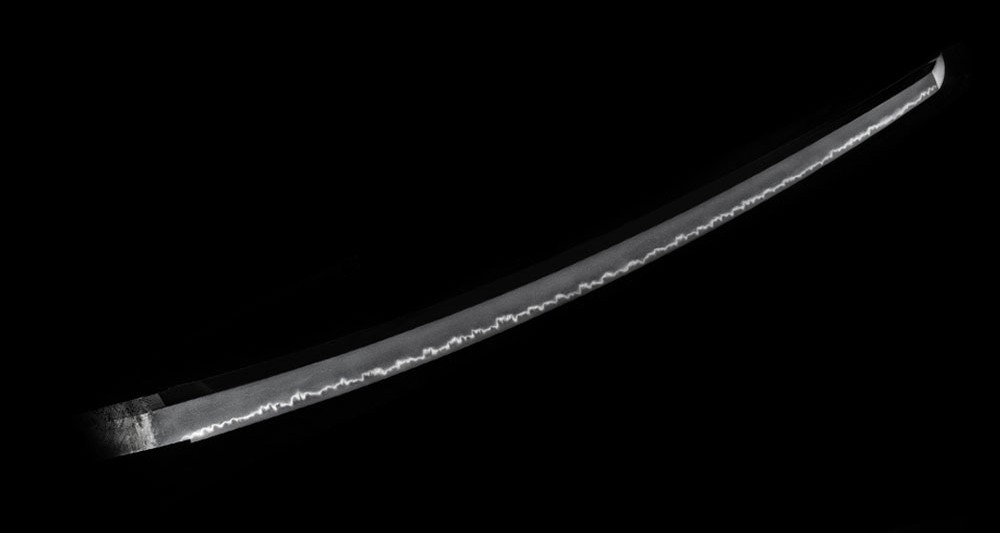
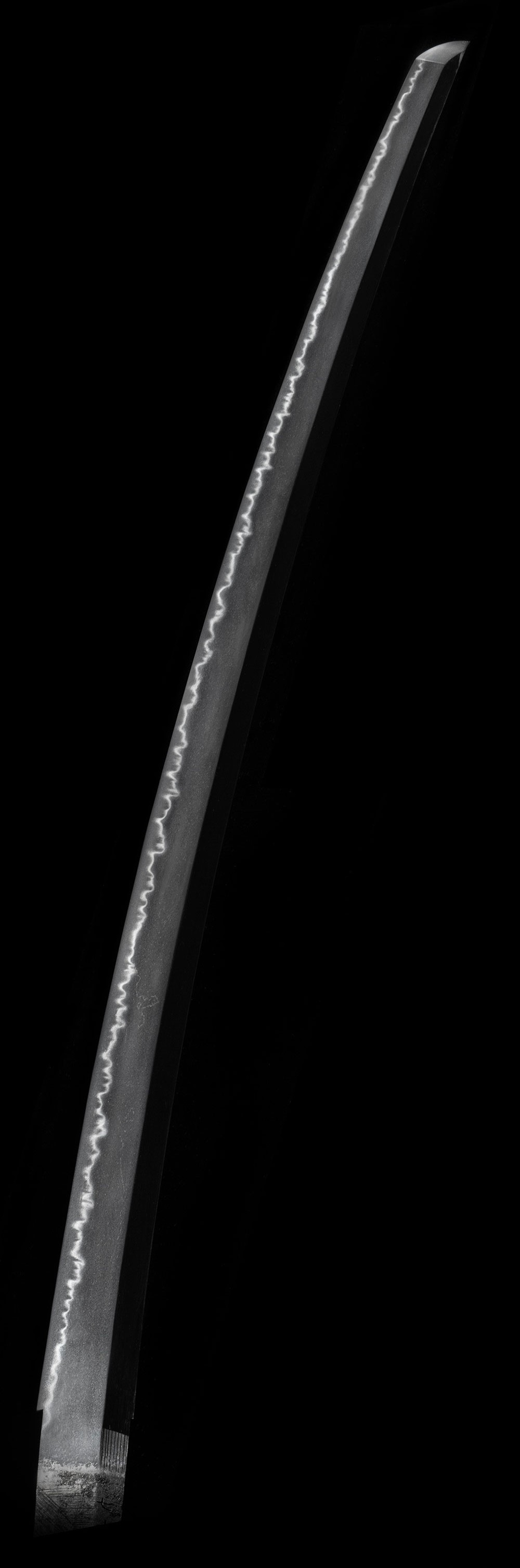
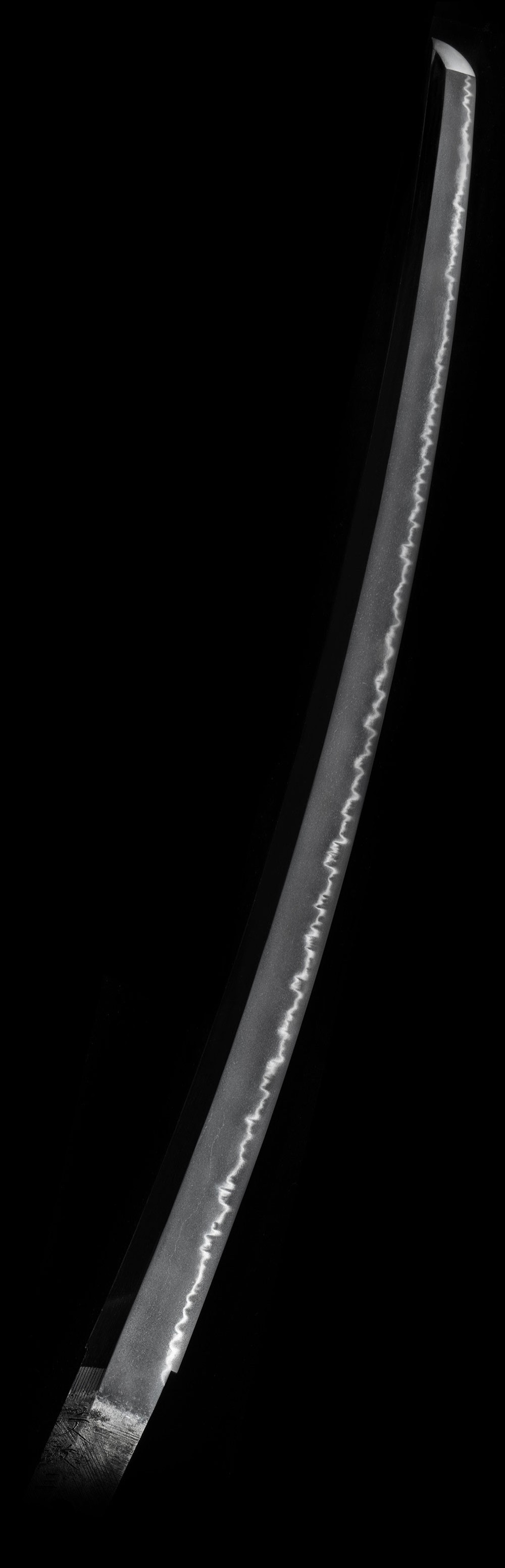
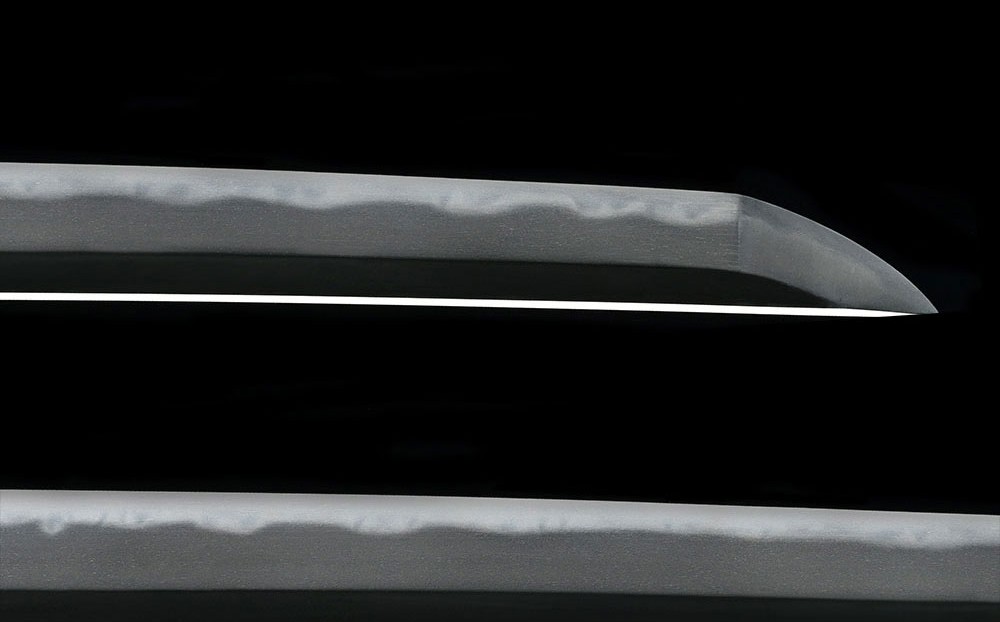
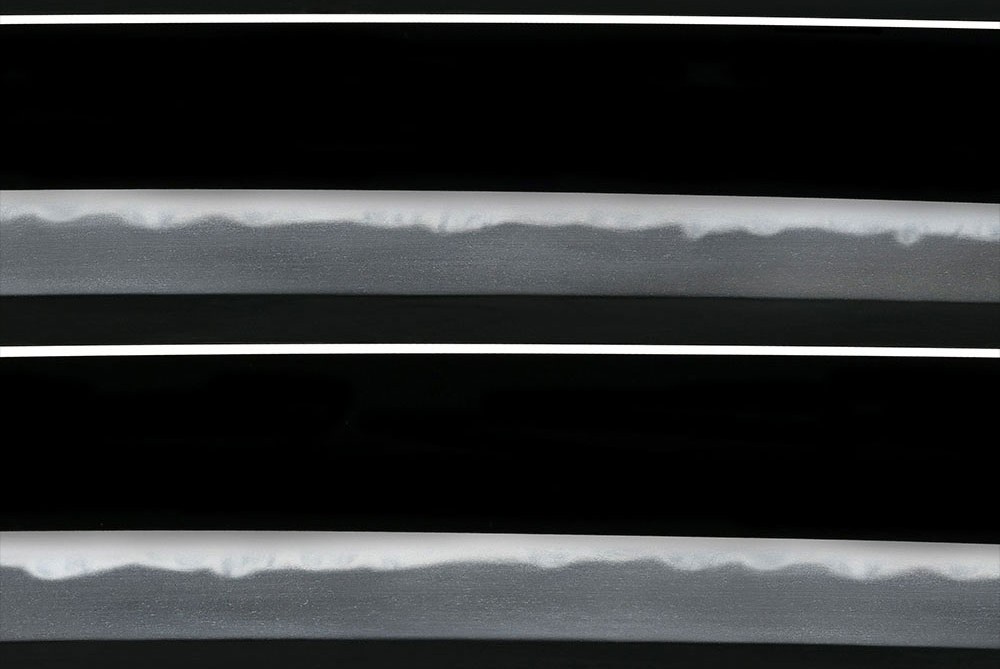
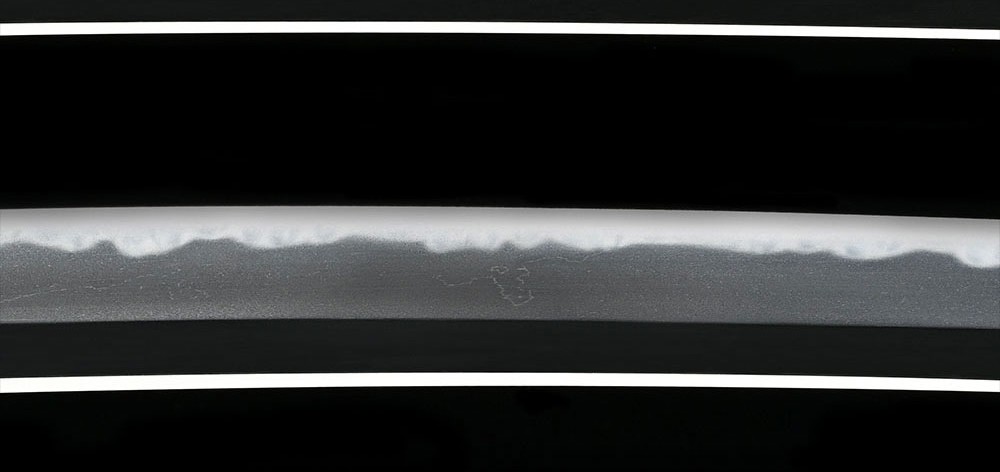
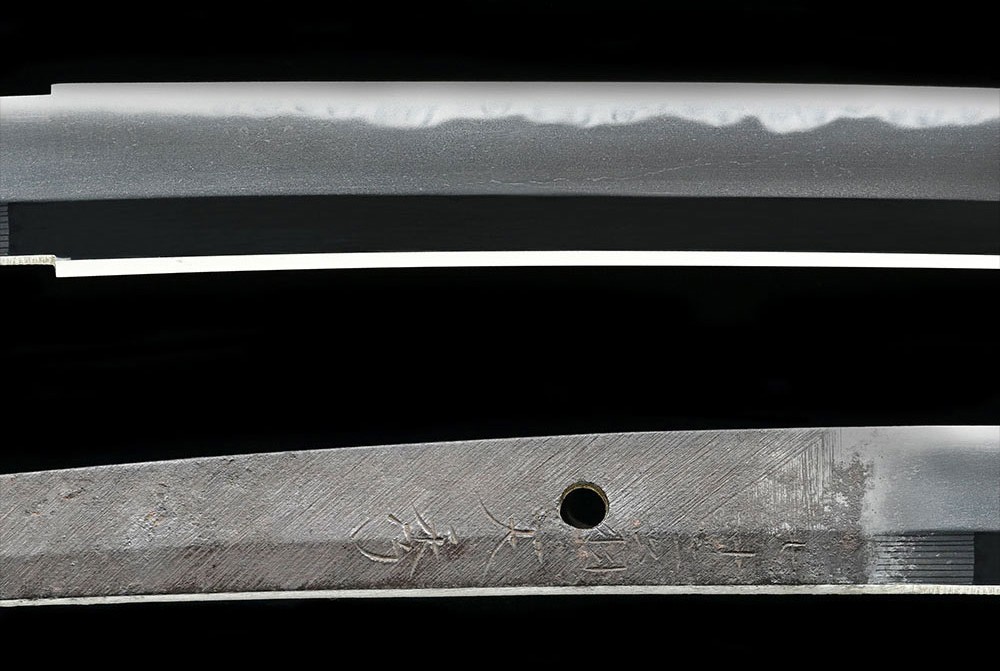
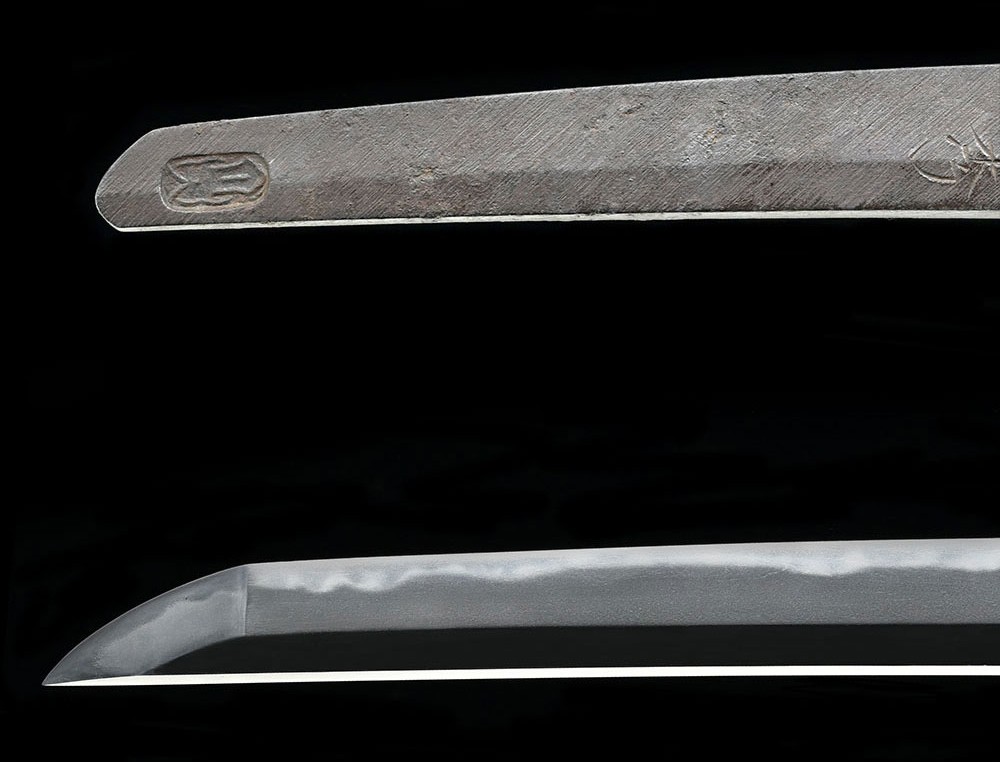
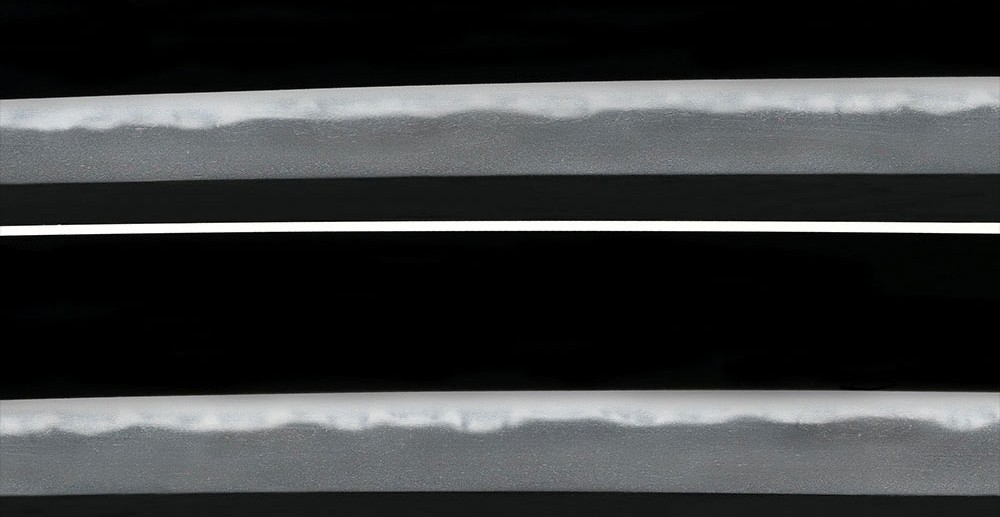
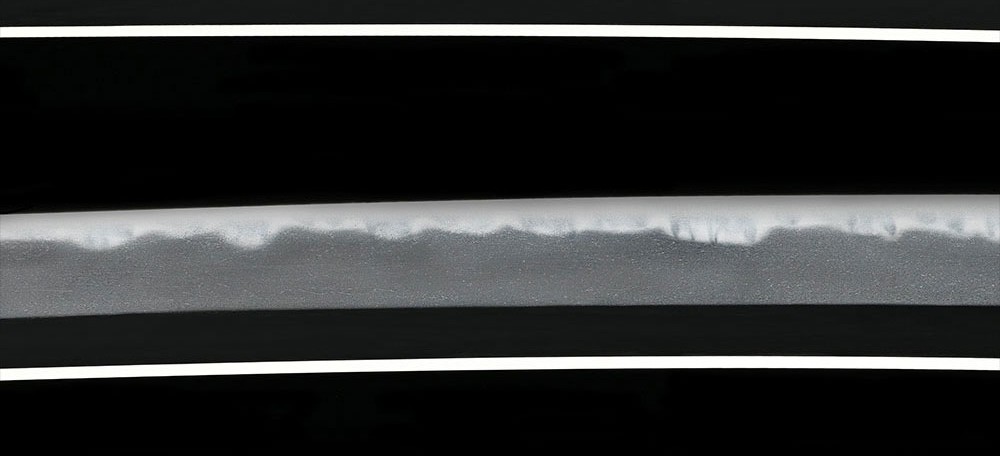
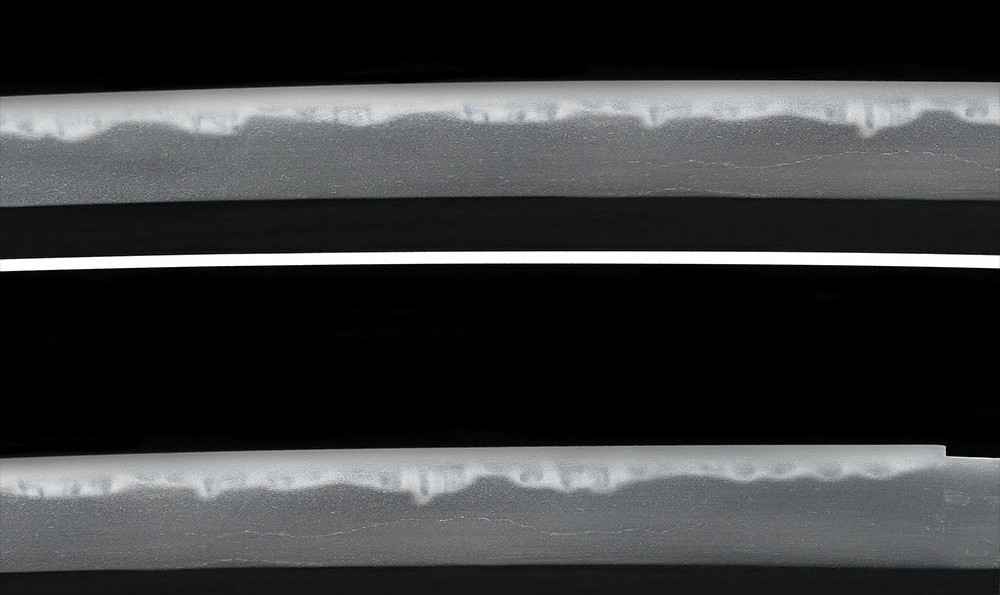
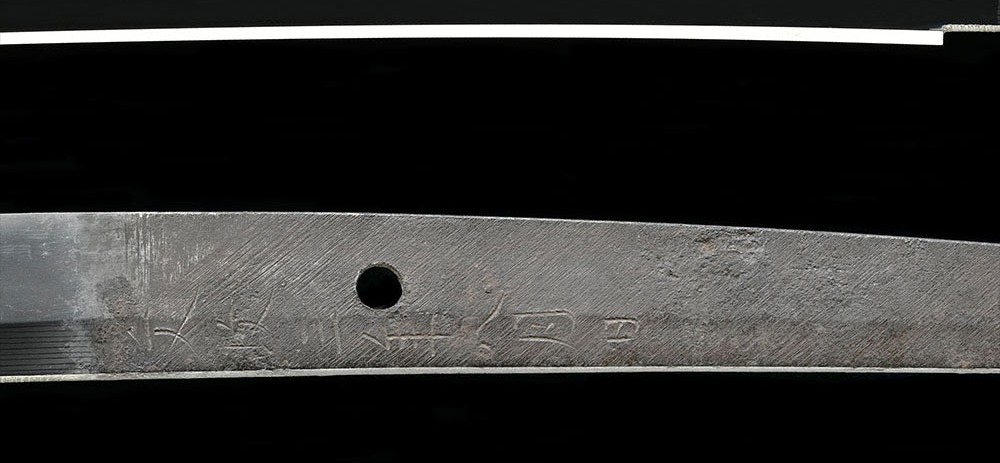
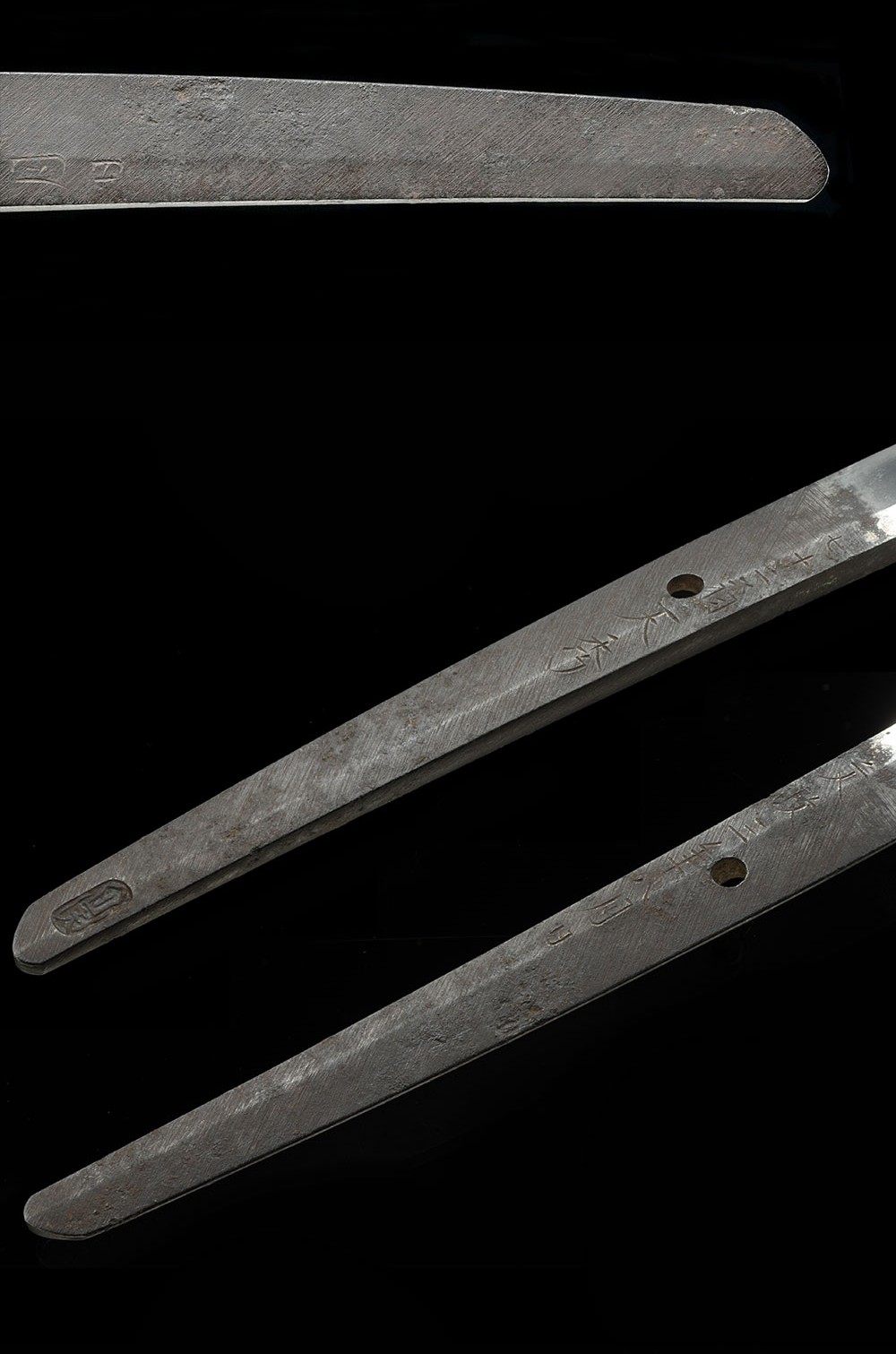
Suishinshi Masahide (shinshinto founder of the revival-sword movement, Yamagata / Edo) · Musashi · around 1777-1817
Fujishiro Sai-jo saku · Tōken Taikan top 11%
9 pieces on the market now
Suishinshi Masahide was born Kawabe Gihachirō in Kan'en 3 (1750) at Akayu in Dewa, signed first as Suzuki Takahide and then Eikoku, studied under the Shitahara smith Yoshihide of Musashi, took the name Masahide in An'ei 3, served the Akimoto house of Yamagata, and later moved to Hamachō in Edo, where he died in Bunsei 8 at the age of seventy-six after a working career of nearly fifty years. He is the founding father of the shinshintō and the theorist of the revival-sword (fukko-tō) movement, the doctrine that all swords ought to return to the Kamakura models. The figure who matters most in that story is the one he taught: among his many disciples stood Taikei Naotane, who gave the revival theory its actual form, and the future second Masayoshi, Hosokawa Morihide. The published sources are unusually candid about where Masahide's own gift lay, and it was not in the theory he is remembered for proclaiming.
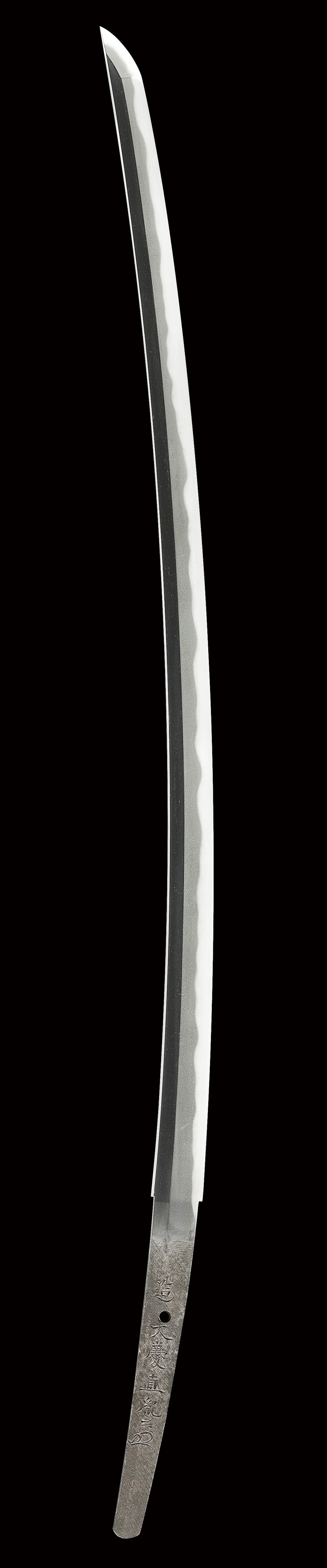
His characteristic hand is the Ōsaka-utsushi, the work he made up through his prime in private emulation of the Ōsaka shintō masters, and the published sources call these his finest pieces. Over a tightly packed ko-itame that often tightens toward a plain, near-grainless surface, with thick ji-nie, he sets the surging tōran-midare of Tsuda Sukehiro, a large gunome billowing like waves and usually opening from a long straight yakidashi, ashi entering, the nioi deep and the nioiguchi bright. The other Ōsaka idiom he commands is a suguha and broad suguha-chō after Inoue Shinkai and Naokai, deep in nioi with well-adhering nie, and on rare occasion a manner recalling Ikkanshi Tadatsuna. The tell that betrays his hand even on his best copies is constant: a blackish, coarse-grained nie that spills from within the ha down into the ji. The NBTHK names it on one Shinkai-target blade as a typical example of his manner in this approach, 「彼の手癖が見られる」 ("his habitual hand is revealed")[[c:1]], and on a Sukehiro tōran as 「これにもその手癖が示された典型的な一口」 ("a typical piece in which this habitual hand of his is shown")[[c:2]].
The jigane is the steady foundation of all this. It is a ko-itame, finely and closely forged, frequently approaching a muji-like plainness, with ji-nie that adheres well and, in places, somewhat clustered. The published sources praise the steel as beautiful and clear, then immediately qualify it: of his Shinkai copy they write that, fine as the jigane is, 「黒ずんだ荒汸がつき」 ("a darkened, coarse nie attaches")[[c:3]], running 「めくらがねに近く」 ("close to mekura-gane")[[c:4]], the blind steel in which the hada does not readily appear. Over that jigane the temper carries deep nioi and well-adhering nie, often coarse, and the bōshi runs straight to a ko-maru, sometimes deeply tempered and rounded, occasionally with a single tama-yaki. A genuine koto reflection is not part of his repertoire: a midare-utsuri is named on only one early piece, not the reliable revived utsuri his pupil would later set on the jigane.
His record divides cleanly into two phases, and the sources let the division speak. The earlier, the Ōsaka copies, they call his strongest; the later, the fukko-tō revival of his theory years, they treat more soberly. His Bizen-den is consistently shallow-tempered, a notare mixed with gunome and the occasional pointed element, on one blade taking a boxed, hako-like notare with yahazu-like elements and slight tobiyaki. His Sōshū-den, signalled by the homage in which he styled himself "Gorō Masahide" after Gorō Masamune, runs a notare with gunome over a flowing, slightly standing itame, sunagashi entering. The honest period mark runs through all of it, for the line is never the pure nioi-deki of the old Bizen but carries coarse nie throughout. Of one Sukehiro copy a judge writes that, between the early Ōsaka work and the later revival, 「出来はむしろ前者に佳作を見る」 ("in quality the finer pieces are rather to be found among the former")[[c:5]]. His signed and dated blades, cut in both block and cursive script and varying considerably from year to year, make him among the most exactly knowable of the shinshintō masters.
What sets him apart is therefore not a kantei problem but a candid place in the line. He is the teacher at the head of the revival, and the published sources do not flatter that role: of his Bizen and Sōshū work they write plainly that 「その技は弟子の大慶直胤に及ばない」 ("his technical skill did not reach that of his disciple Taikei Naotane")[[c:6]]. His distinction lies elsewhere, in the bright, surging tōran and the broad Shinkai suguha of his prime, and in the coarse spilling nie by which a connoisseur reads his hand behind even a close Ōsaka copy. His finest copies come so near the originals that the NBTHK records them as 「殆んど本科に迫るものがある」 ("all but reaching the original models")[[c:7]], one Tenmei piece called 「いわゆる大坂写しの僑出の一口」 ("an outstanding example of the so-called Ōsaka copy")[[c:8]]. It is the precision of these copies, more than the theory, that the published record honours.
For the collector Masahide is a signed and dated open book rather than an attribution puzzle. Fujishiro grades him Jō-jō saku. He has no National Treasures and no Important Cultural Properties; his record runs instead through the Jūyō rank and the prewar Jūyō Bijutsuhin, with twenty-four blades in the Jūyō tier among some twenty-five designated works on the published record, all of them signed and dated across the An'ei to Bunka years. Provenance is recorded for only a few: one Jūyō Bijutsuhin katana of Kyōwa 3 passed through the Imperial Family and the Imperial Household before the Shiga Mutual Aid Association, and his domain service ties him to the Akimoto family of Yamagata. The published commentary singles out his masterpieces by name, an early Tenmei katana it calls 「いわゆる大坂写しの僑出の一口」 and a rare daishō with gold-inlaid dragon poems it ranks 「同作中の優品」 ("a superior piece among his works"); his uncommon collaborations with disciples, jointly signed with the tenth-generation Sendai Kunikane and with Hosokawa Morihide, it prizes as study material. Because he was prolific and entirely signed, a Masahide is not beyond reach as the great Kamakura names are. A signed, dated example of his Ōsaka manner appears at the higher tiers from time to time, and to acquire one is to hold a document of the moment Edo swordmaking turned back toward the old models, in the hand of the man who turned it.
Where Masahide stands among comparable artisans: across all of nihontō, and within tradition, era, and period. The tiers (Foremost · Leading · Major · Notable) weigh official designations from the NBTHK and Japan's Agency for Cultural Affairs, together with historical honors of lasting repute such as the Sansaku and Meibutsu-chō.
Select a lens to see how it's measured.
Years he was demonstrably active, proven by signed-and-dated blades
Shinshinto · Musashi
80 pieces on the market now
At Hamachō in Edo, in the closing decades of the eighteenth century and the opening ones of the nineteenth, Suishinshi Masahide[[c:1]] gathered the school that would turn Japanese swordmaking back toward its medieval models. Born Kawabe Gihachirō at Akayu in Dewa in 1750, signing first as Suzuki Takahide and then Eikoku, he studied under the Shitahara smith Yoshihide of Musashi, took the name Masahide in An'ei 3, and served the Akimoto house of Yamagata before settling in Edo, where he worked for nearly fifty years. He is the founding figure of the shinshintō and the theorist of the fukko-tō (revival-sword) doctrine, the argument that the sword ought to return to its Kamakura forms. Around that teaching he drew a large body of pupils, among them Taikei Naotane, who would give the revival its fullest practical form, the future second Masayoshi (Hosokawa Morihide), and a wider Edo and provincial following that carried the program into the Mito, Yonezawa, Tsuyama, and Tatebayashi domains. The shared vocabulary of the school is the deliberate reach back into the koto traditions, worked over a tightly forged, often muji-toned ko-itame with thick ji-nie. Masahide's own prime hand was the Ōsaka-utsushi, the surging tōran-midare of Tsuda Sukehiro opening from a long yakidashi and the broad suguha after Inoue Shinkai, betrayed on even his closest copies by a blackish, coarse nie that spills from the ha into the ji. Naotane gave the revival its Bizen and Sōshū faces: a reverse-leaning chōji-midare with angular kaku-gunome and saka-ashi, modeled on the late-Kamakura Osafune masters Kagemitsu and Kanemitsu and anchored by a consciously revived midare-utsuri that no ordinary shinshintō steel carries, set beside a Sōshū notare with its whorled uzumaki-hada and coarse, striped nie. The pupils divided this inheritance along their own lines. Jirōtarō Naokatsu, Naotane's adopted son, took a Bizen-den led by a kataochi-gunome from Kanemitsu with a pervasive saka-gakari slant and chōji- or midare-utsuri in the ji.
Suishinshi Masatsugu reproduced Naotane's two traditions, Sōshū and Bizen, down to the cut of his signature. Through Masayoshi the Bizen current passed to his heir Hosokawa Masamori of Tsuyama, whose chōji clusters mixed with gunome-chōji and togariba. The Osaka wave traveled separately into Mito through Naoe Sukemasa, who set a Shinkai-styled suguha and a Sukehiro tōran over a clear ko-itame, while Chōunsai Tsunatoshi of the Uesugi service carried a nioi-deki chōji mixed with gunome, suguha, and tōran-midare, often with carving by his own hand. To kantei the school is to weigh a tradition consciously copied against the period marks the copy cannot shed: the constant of the line is that the hamon is never the pure nioi-deki of old Bizen but carries nie throughout, a difference the NBTHK names outright as the divide between koto and shinshintō. The revived utsuri in Naotane and Naokatsu, the spilling nie in Masahide, the whorled uzumaki-hada shared across the line, and the broad, thick-kasane late-Edo sugata are the surest tells, narrowed further by the school's habit of full, dated signatures that make these smiths among the most exactly knowable of their age. Masahide stands at the head as the teacher and theorist, his finest work in his Ōsaka copies rather than the doctrine he proclaimed; Naotane stands ahead of him in execution, his Bizen-den held the finest among the shinshintō. Their pupils define the late-Edo Osafune and Sōshū revivals as practiced through Edo and the domains, with Naokatsu and Masatsugu read as the next hands after Naotane and Masayoshi. The provenance of the school runs through domain commission and bestowal (Mito blades forged at the Kōrakuen by lordly order, Tsuyama and Yonezawa fief work, Naotane's Sanada daishō and an Imperial-collection tachi) rather than ancient daimyō transmission, fitting for a movement that, within a single generation at Edo, redrew the direction of nineteenth-century swordmaking by turning it back toward the old models. Learn more →
| Smith | Era | Designated |
|---|---|---|
| Naotane直胤 | 1801-1837 | 40 |
| Masahide正秀 | 1777-1817 | 28 |
| Sukemasa助政 | 1804-1825 | 8 |
| Jirotaro Naokatsu直勝 | 1805-1858 | 6 |
| Masayoshi正義 | 1791-1860 | 5 |
The Shinshintō revival
Around 1800 Suishinshi Masahide argued in his writings that the craft must return to the old masters’ methods: the fukkotō revival. His greatest successor Naotane worked convincingly in Bizen and Sōshū manners that had been dead for centuries.
A Hozon-certified blade judged to show notably superior workmanship and a better state of preservation. The bar is higher: re-tempered blades and most unsigned Muromachi/Edo works are excluded.
The NBTHK (Nihon Bijutsu Tōken Hozon Kyōkai, the Society for the Preservation of Japanese Art Swords) is a public-interest incorporated foundation founded in 1948 and supervised by Japan’s Agency for Cultural Affairs (Bunkachō); it is based at the Japanese Sword Museum in Tokyo. Its expert panels physically examine each submitted work (shinsa) and issue a certificate (kanteishō) ranking it by artistic and historical merit. NBTHK papers are the most widely recognized standard of authentication for Japanese swords and fittings.
NBTHK official siteReturns/exchanges/cancellations not accepted after shipment except for significant defects; if defective, return/exchange possible within 3 days of arrival (return shipping paid by customer).
¥2,000,000