室町は刀剣業を産業に変えた。徒歩の集団戦とともに打刀が興り、長船と関は数打ち物と注文打ちを並行して産し、勘合貿易は日本刀を数万振の単位で海外へ運んだ。
 NihontoWatchNihontoWatch
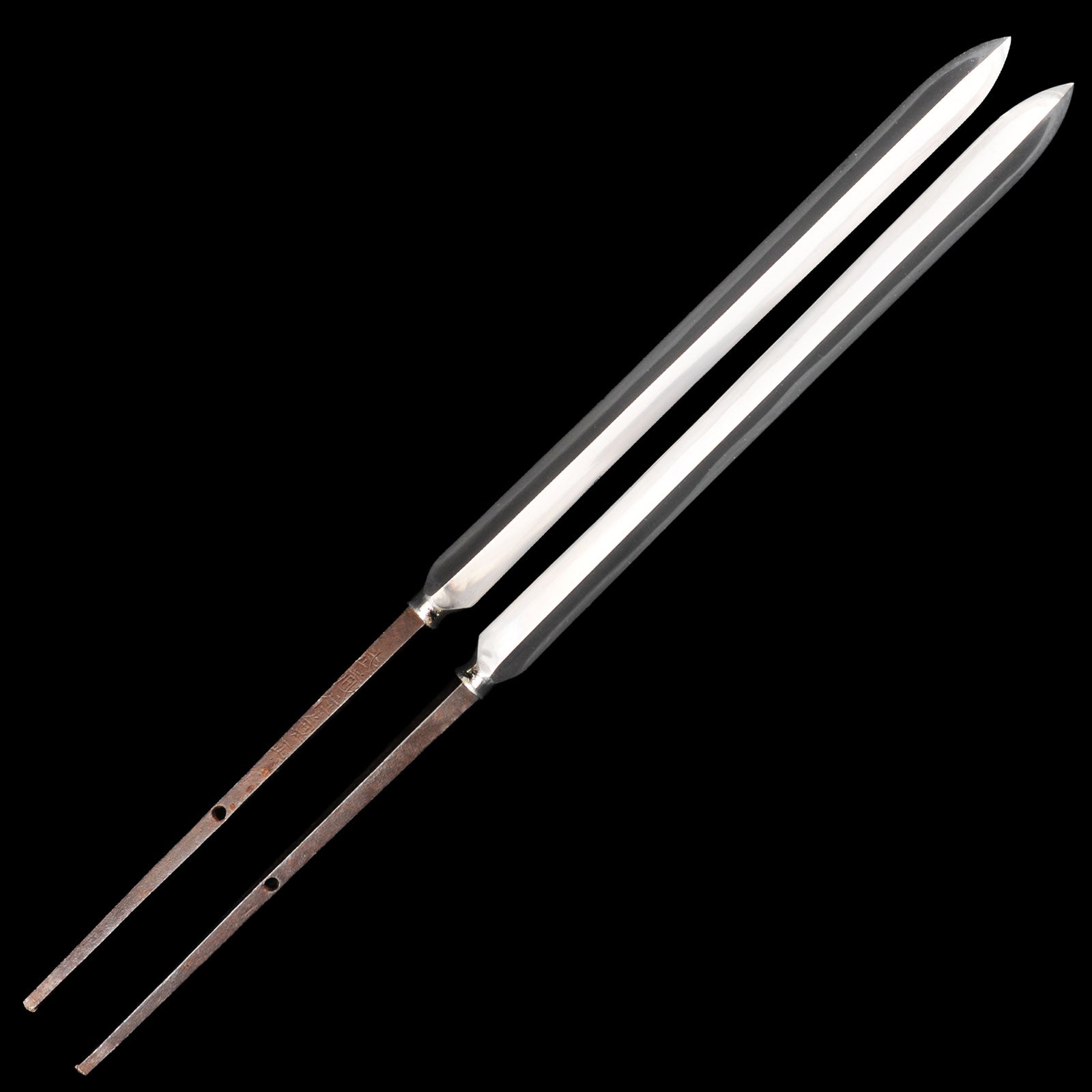
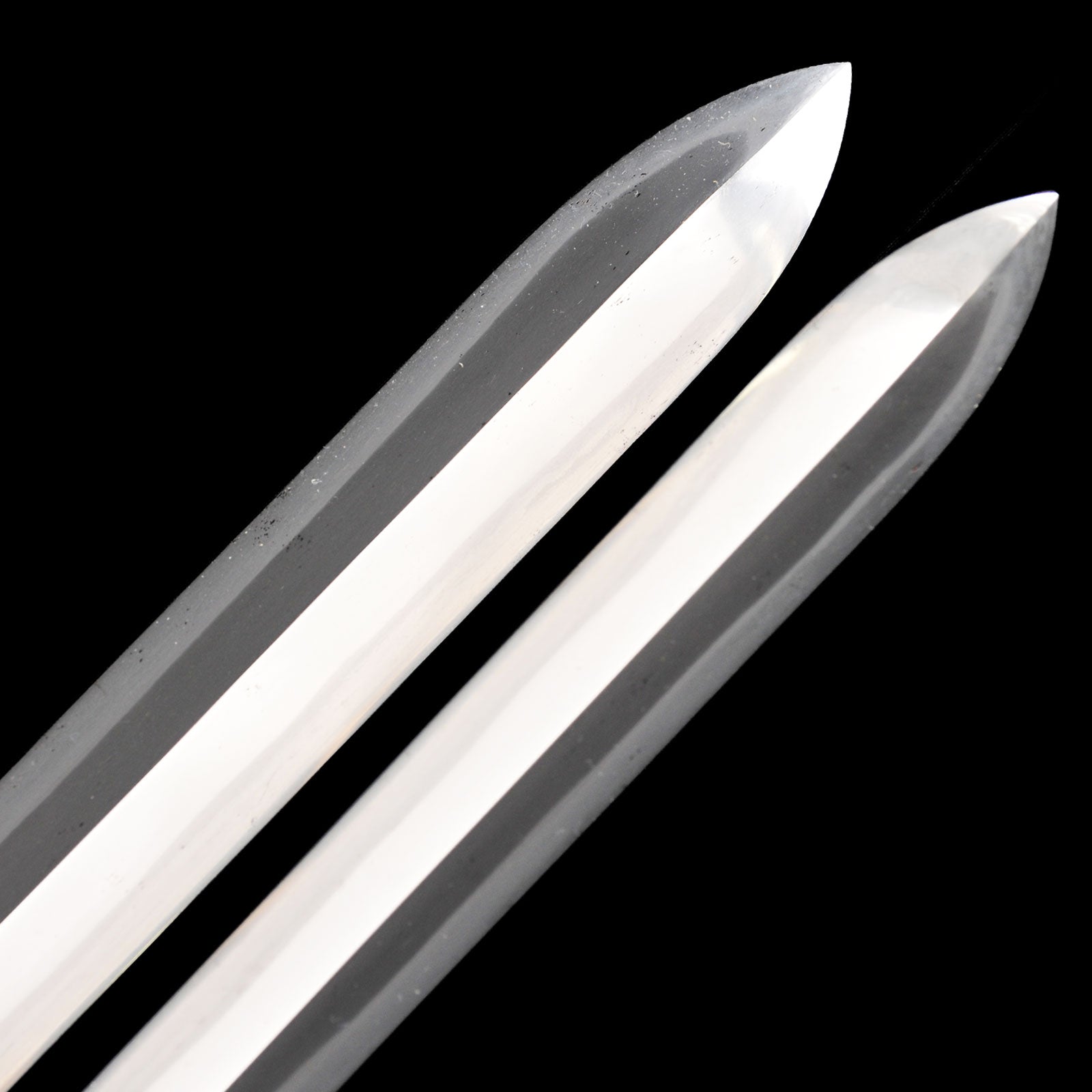
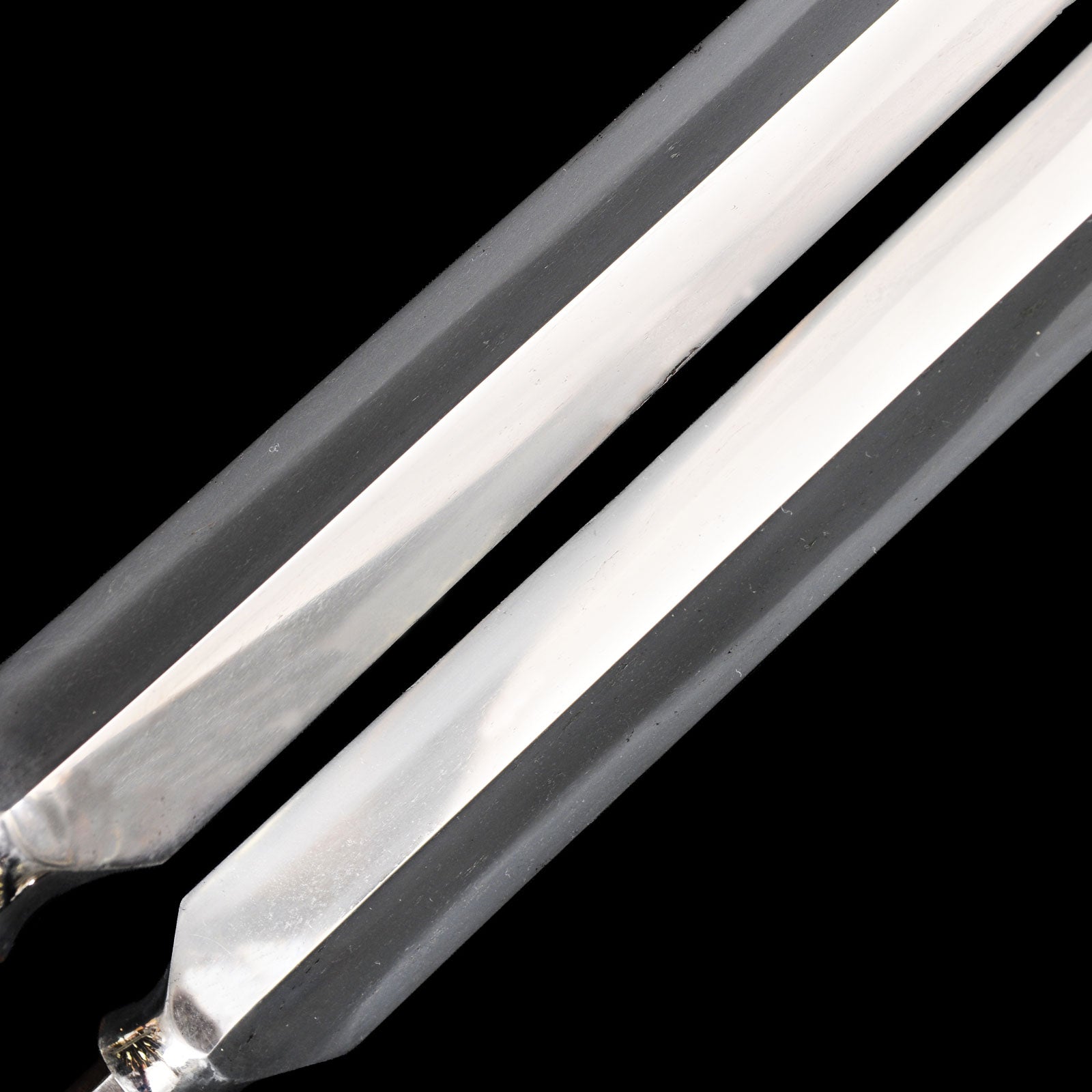
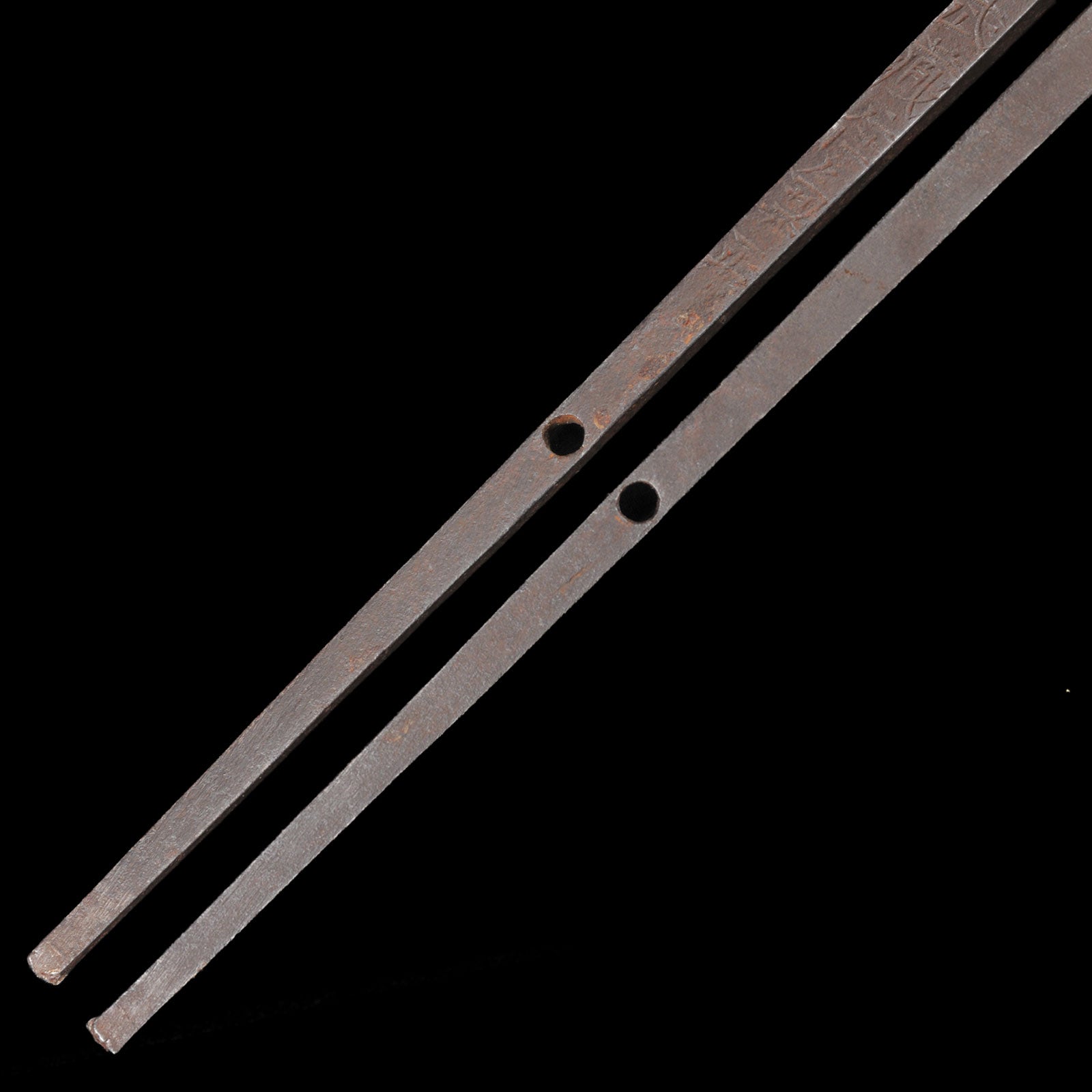
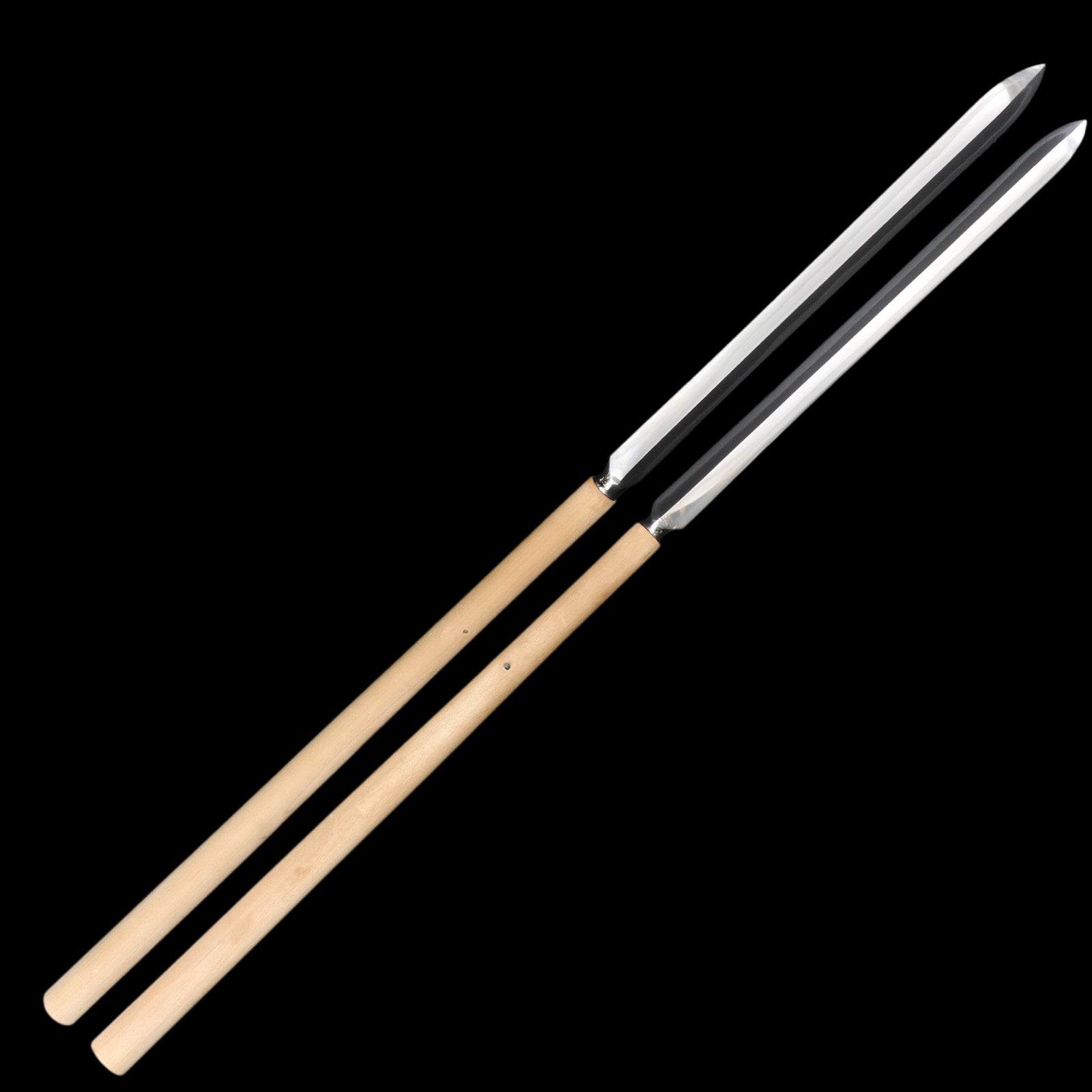
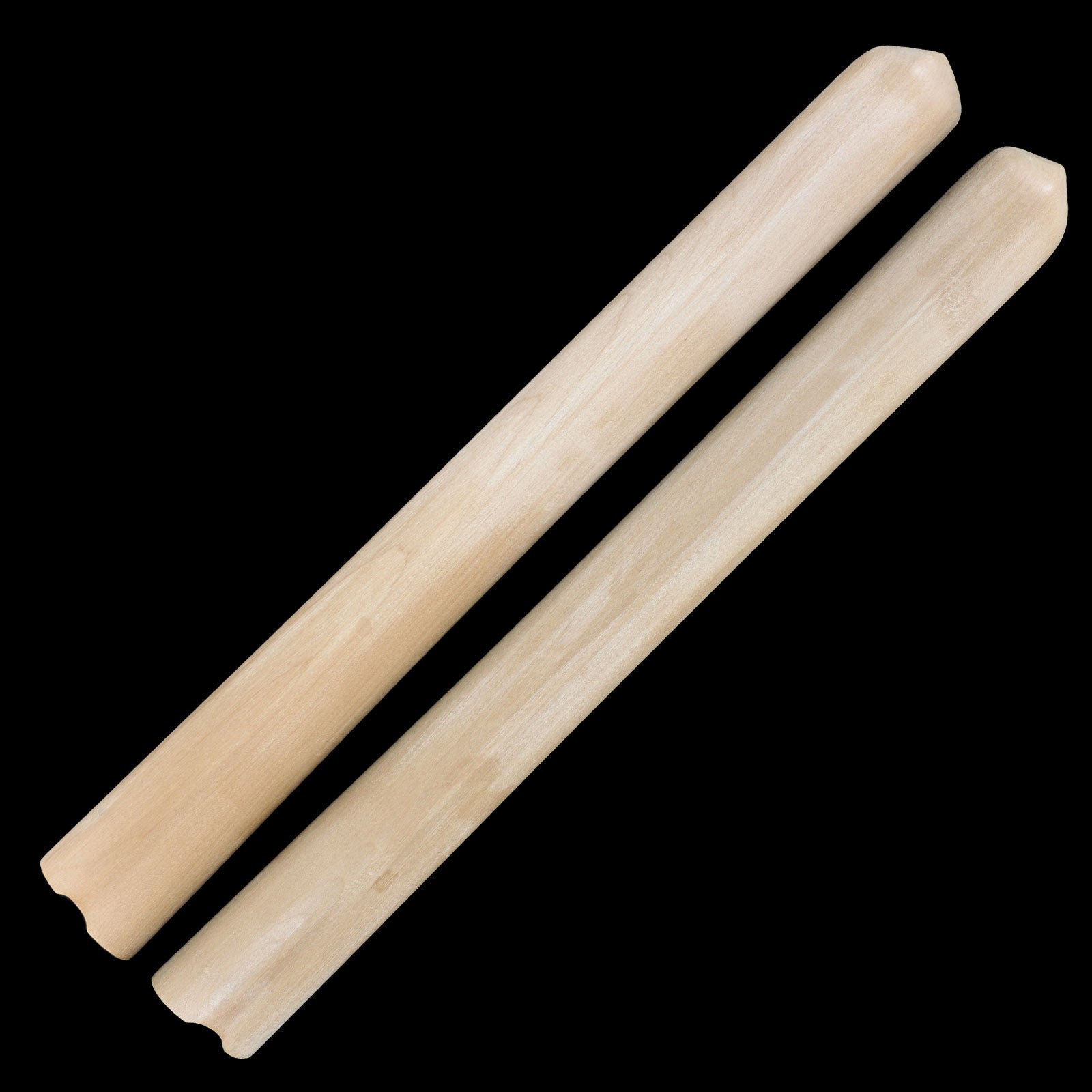
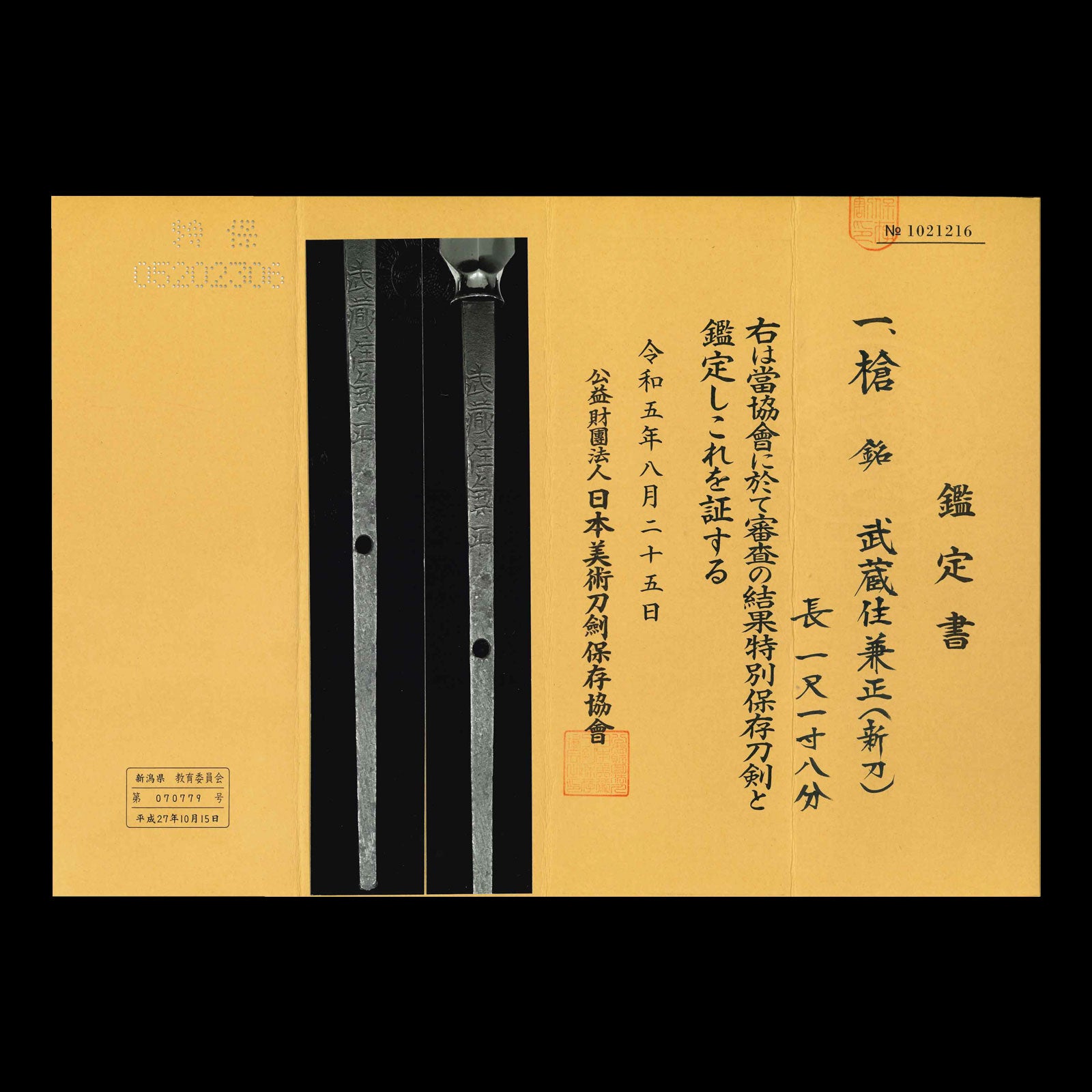
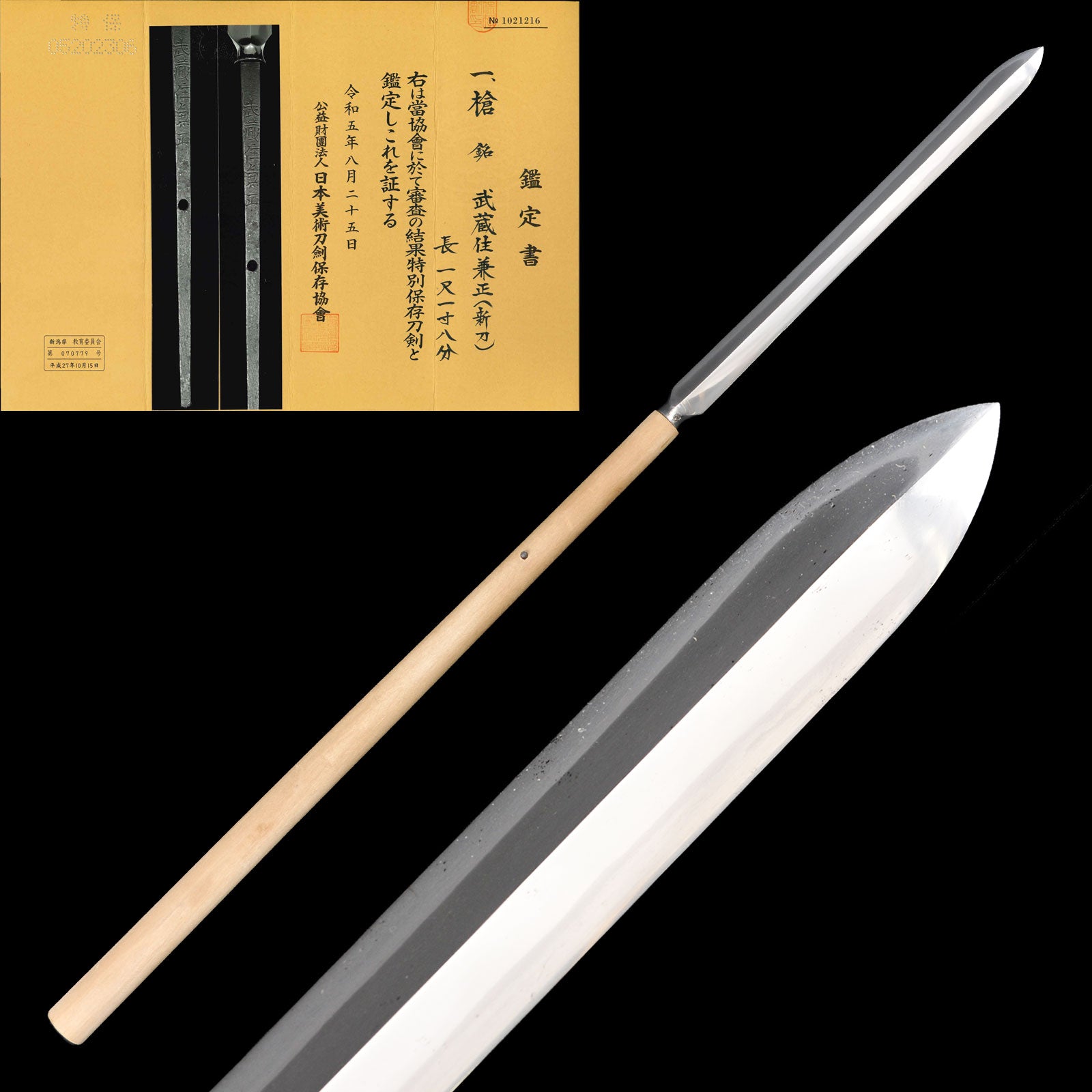
Antique Japanese Yari (spear), signed "Musashi-jū Kanemasa" (武蔵住兼正) — a grand ōmi sasa-ho yari, NBTHK Tokubetsu Hozon Tōken An imposing large bamboo-leaf-shaped spear by an early-Edo (Shintō) smith of the Mino/Seki Kanenori line — thick, healthy, and finely forged; in shirasaya with a display shaft A guaranteed piece designated "Tokubetsu Hozon Tōken" (Especially Worthy of Preservation) by the NBTHK (Nihon Bijutsu Tōken Hozon Kyōkai). With the overwhelming presence unique to a large ōmi sasa-ho yari (great bamboo-leaf spear) and the sure forging that inherits the tradition of the Seki Kanenori school, it can be recommended with full confidence — both as a centerpiece for an existing sword collection and as a single work for savoring the beauty of the Japanese spear. Workmanship and condition The jigane is an itame with flowing masame , showing a beautiful, clear steel character. The temper line is a midare of leisurely notare mixed with ko-gunome ; fine nie gather along the temper border, glowing with a bright, clear brilliance when the light catches them. Freshly polished — though the very finest faint scratches can be seen, the overall condition of steel and temper is very good. The contrast between the grain spreading across the broad flat surface ( hira-ji ) unique to a large spear and the clear temper border is a major highlight for the Japanese-sword enthusiast. Form A grand ōmi sasa-ho yari (large bamboo-leaf-shaped spear) boasting a blade length of 35.8 cm. It has a full, beautiful fukura (curved swell) while drawing in to a dignified taper toward the base — a crisp, upright construction. It retains a thick, solid kasane from base to tip (about 11 mm at the base), uniting the sturdiness of a practical spear with sculptural beauty as a work of art at a high level. On the smith — Kanemasa (兼正) Kanemasa, the maker of this work, was a fifth-generation descendant of Kanenori (兼法), a master smith of Mino Province (Seki) in the late Muromachi period. A smith of rea
NihontoWatch
美濃 · 1558-1570頃
室町時代
室町は刀剣業を産業に変えた。徒歩の集団戦とともに打刀が興り、長船と関は数打ち物と注文打ちを並行して産し、勘合貿易は日本刀を数万振の単位で海外へ運んだ。
保存刀剣のうち、出来が一層優れ、保存状態も良好と認められたものです。再刃や、室町・江戸期の多くの無銘作は対象外となり、保存刀剣より高い基準が課されます。
日本美術刀剣保存協会(NBTHK)は、1948年に設立され、文化庁の監督を受ける公益財団法人で、東京・刀剣博物館に本部を置きます。専門の審査員が出品作を直接審査し、美術的・歴史的価値に応じた鑑定書を発行します。NBTHKの鑑定書は、日本刀および刀装具の真正性を示す最も広く認知された基準です。
NBTHK公式サイトAs a general rule, returns/exchanges are not accepted on Japanese sword orders unless damaged upon delivery. Other items: returns/exchanges accepted within 7 days of delivery. Cancellation for personal reasons incurs a 30% restocking fee (70% refunded). Return shipping must be prepaid and insured by the buyer; shipping/handling fees are non-refundable. Contact katana@tozando.co.jp to initiate a return.