室町は刀剣業を産業に変えた。徒歩の集団戦とともに打刀が興り、長船と関は数打ち物と注文打ちを並行して産し、勘合貿易は日本刀を数万振の単位で海外へ運んだ。
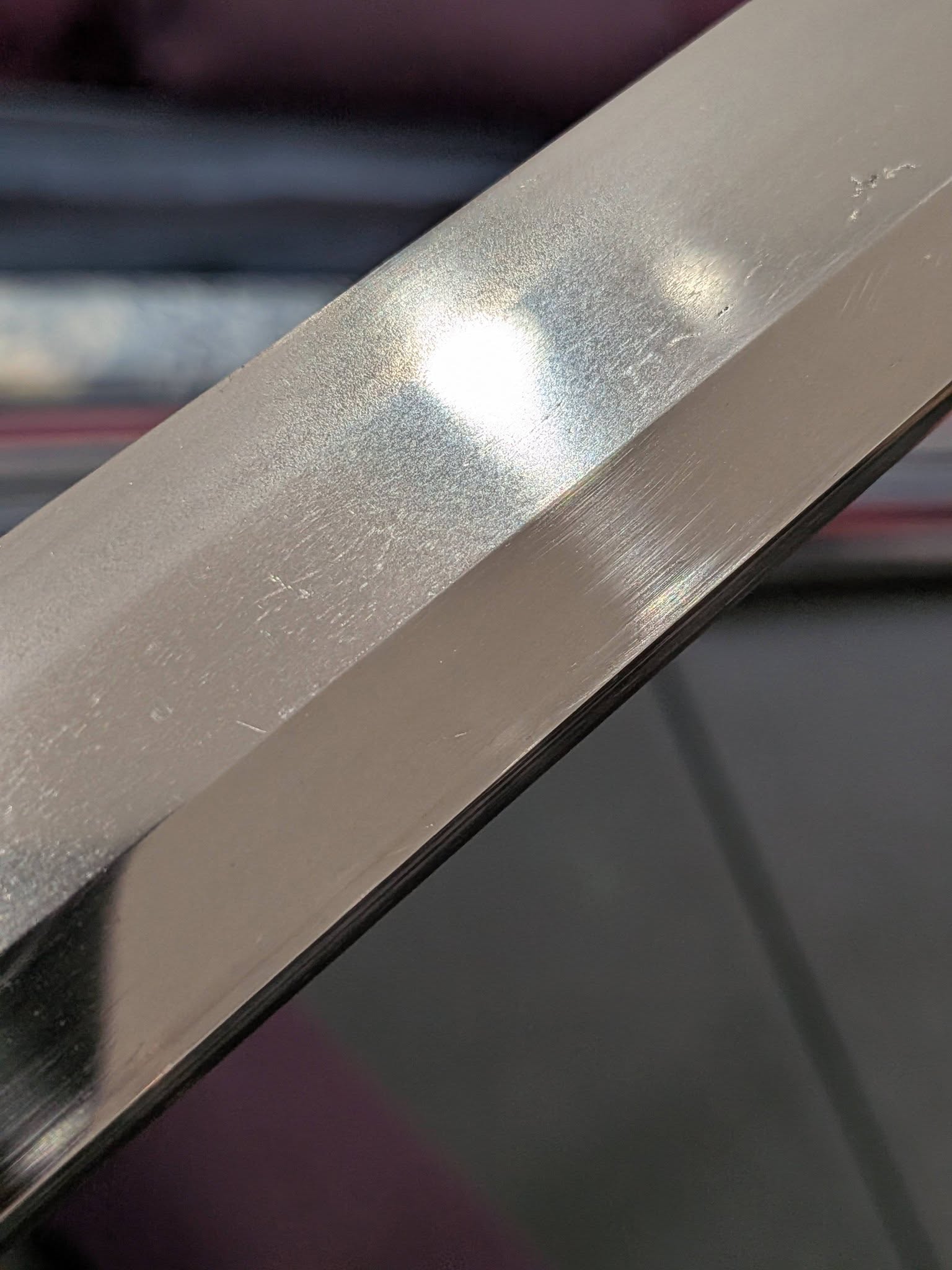
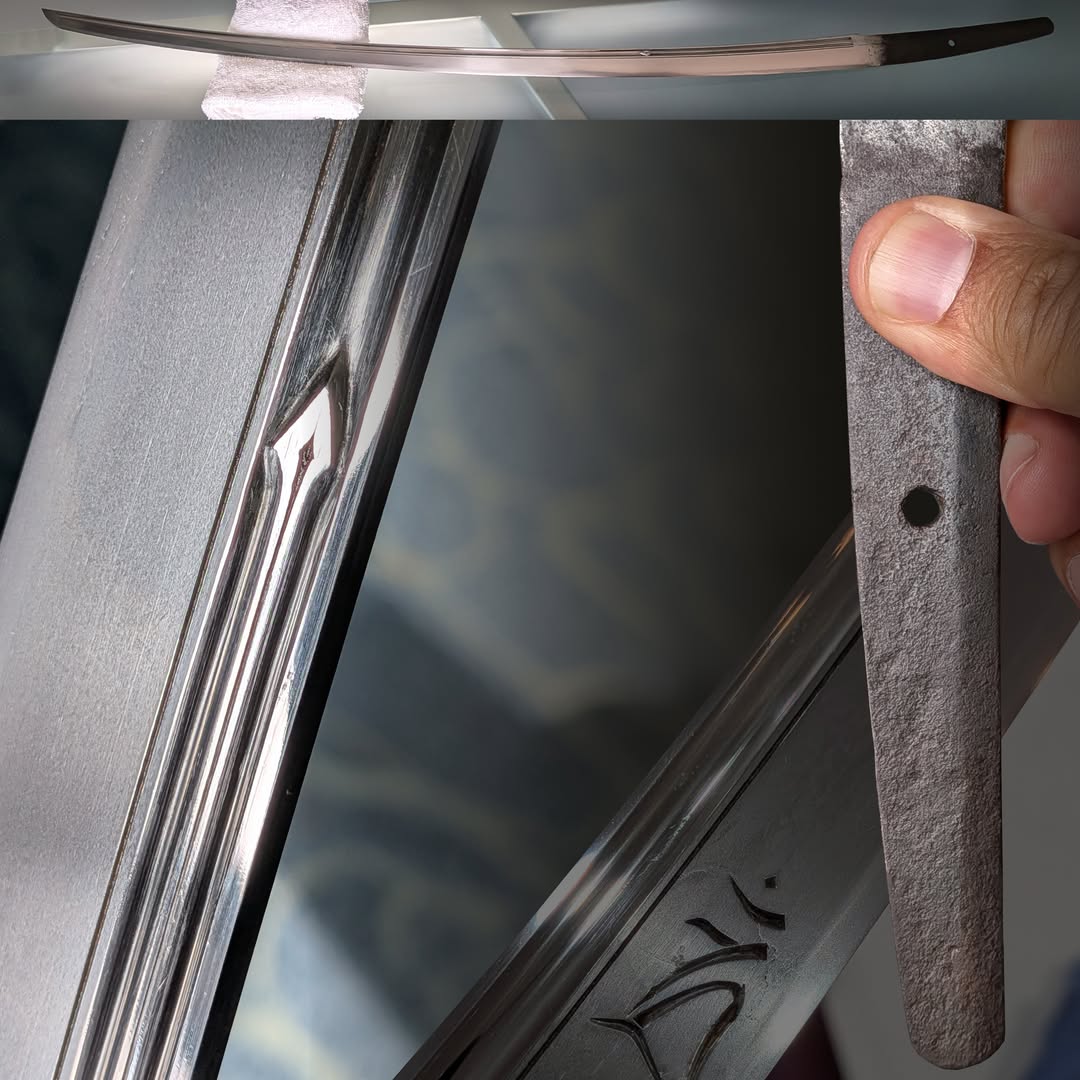
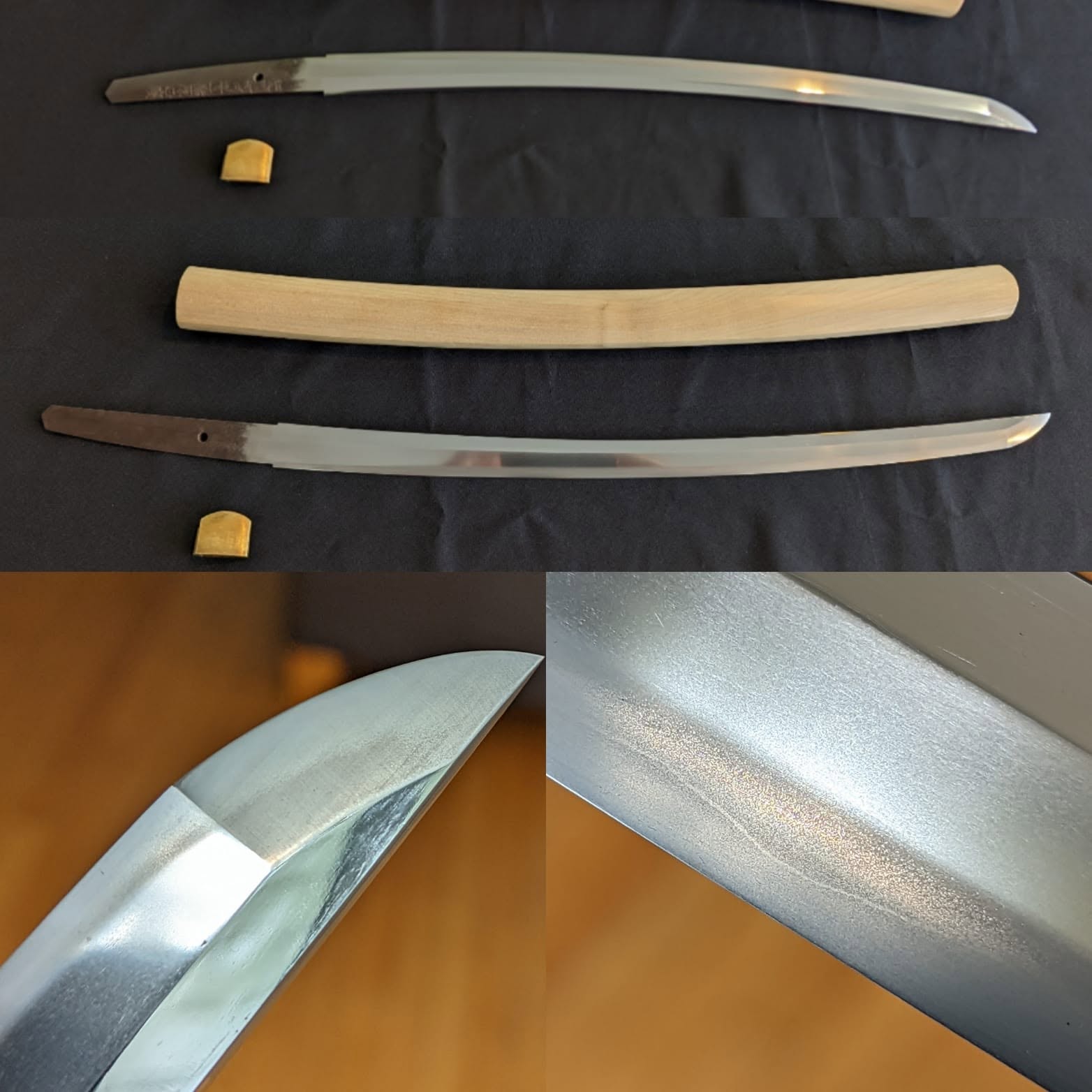
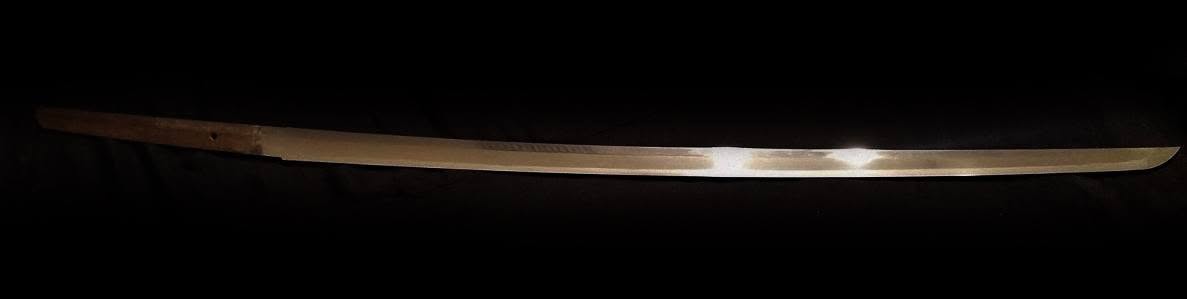
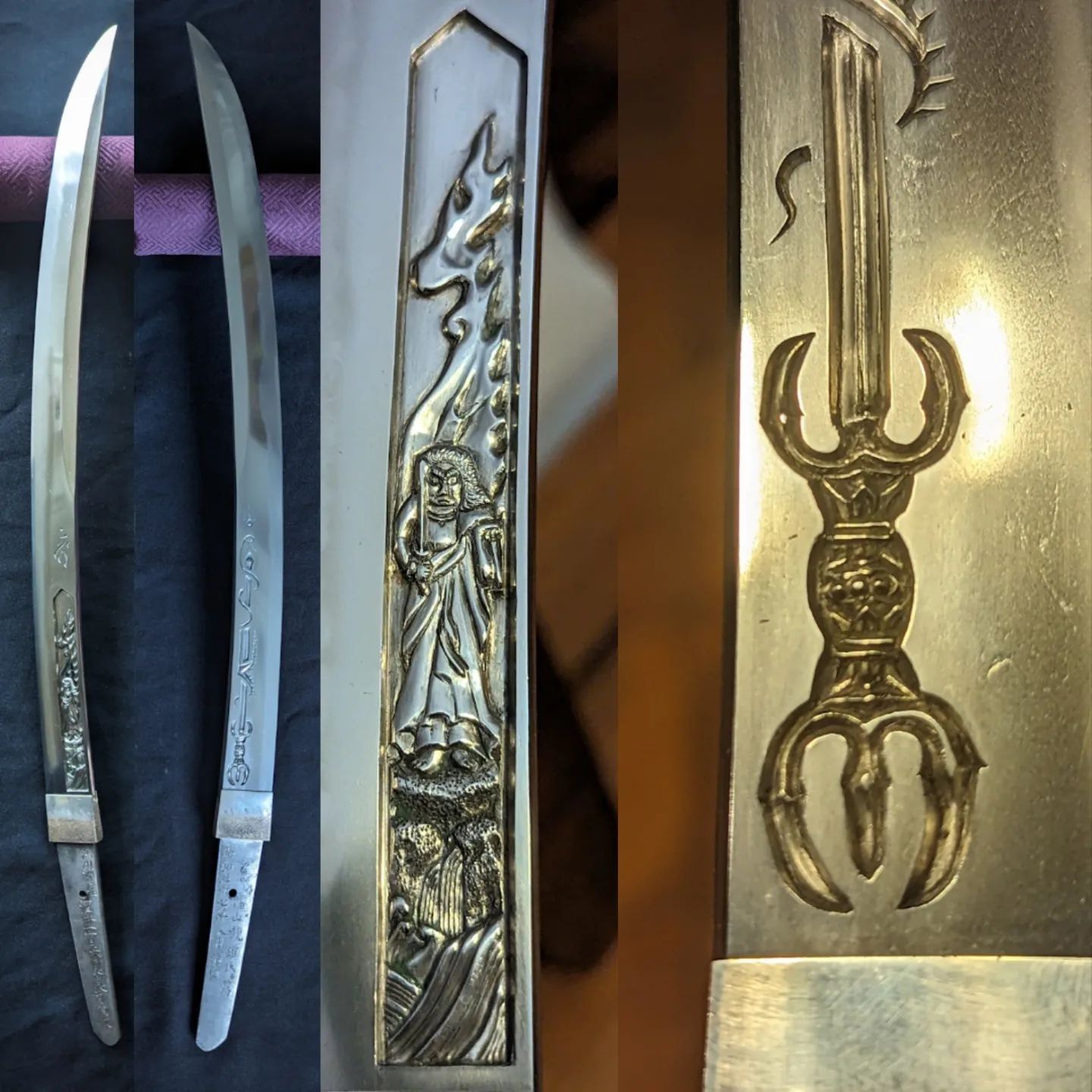
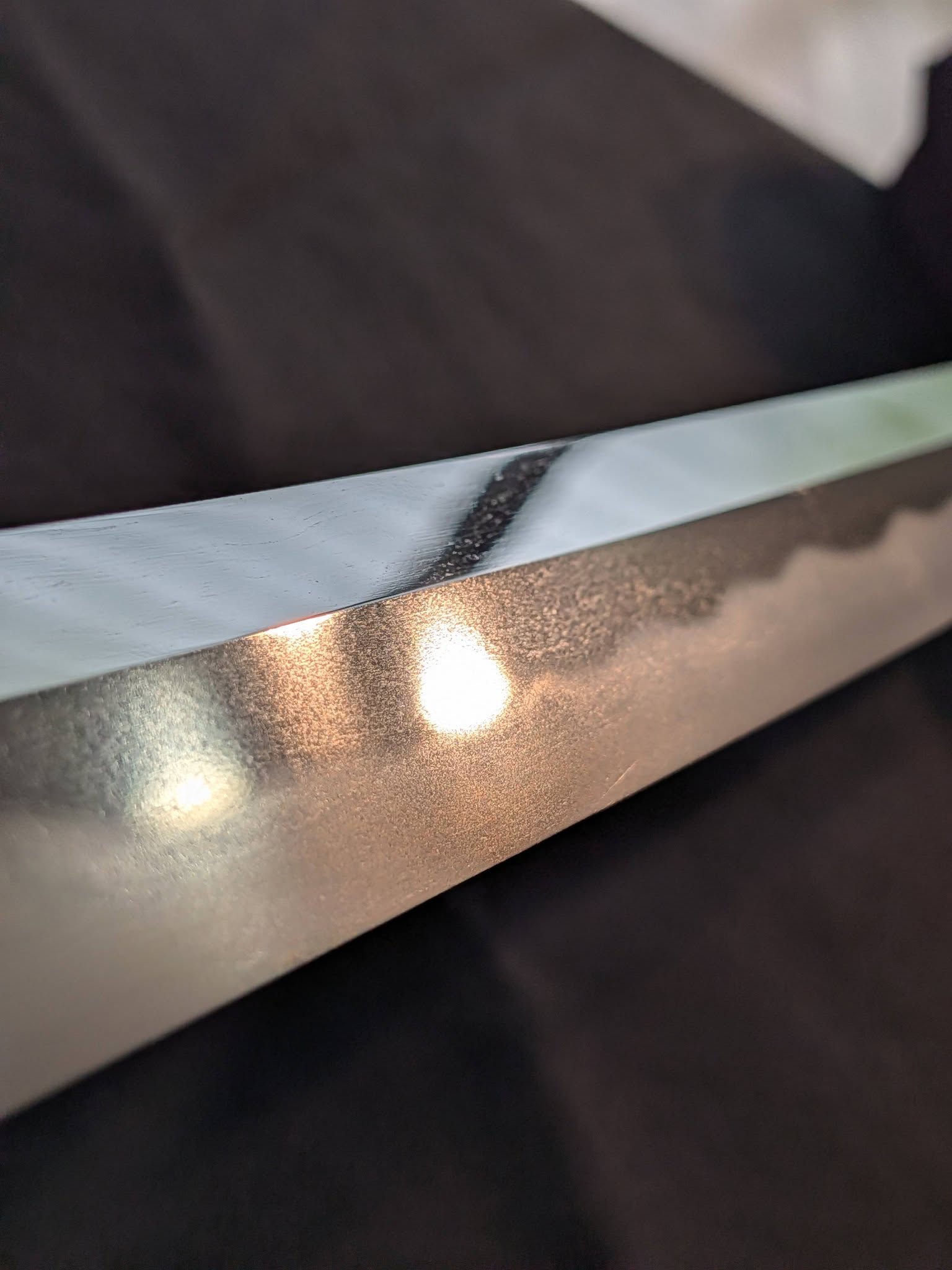
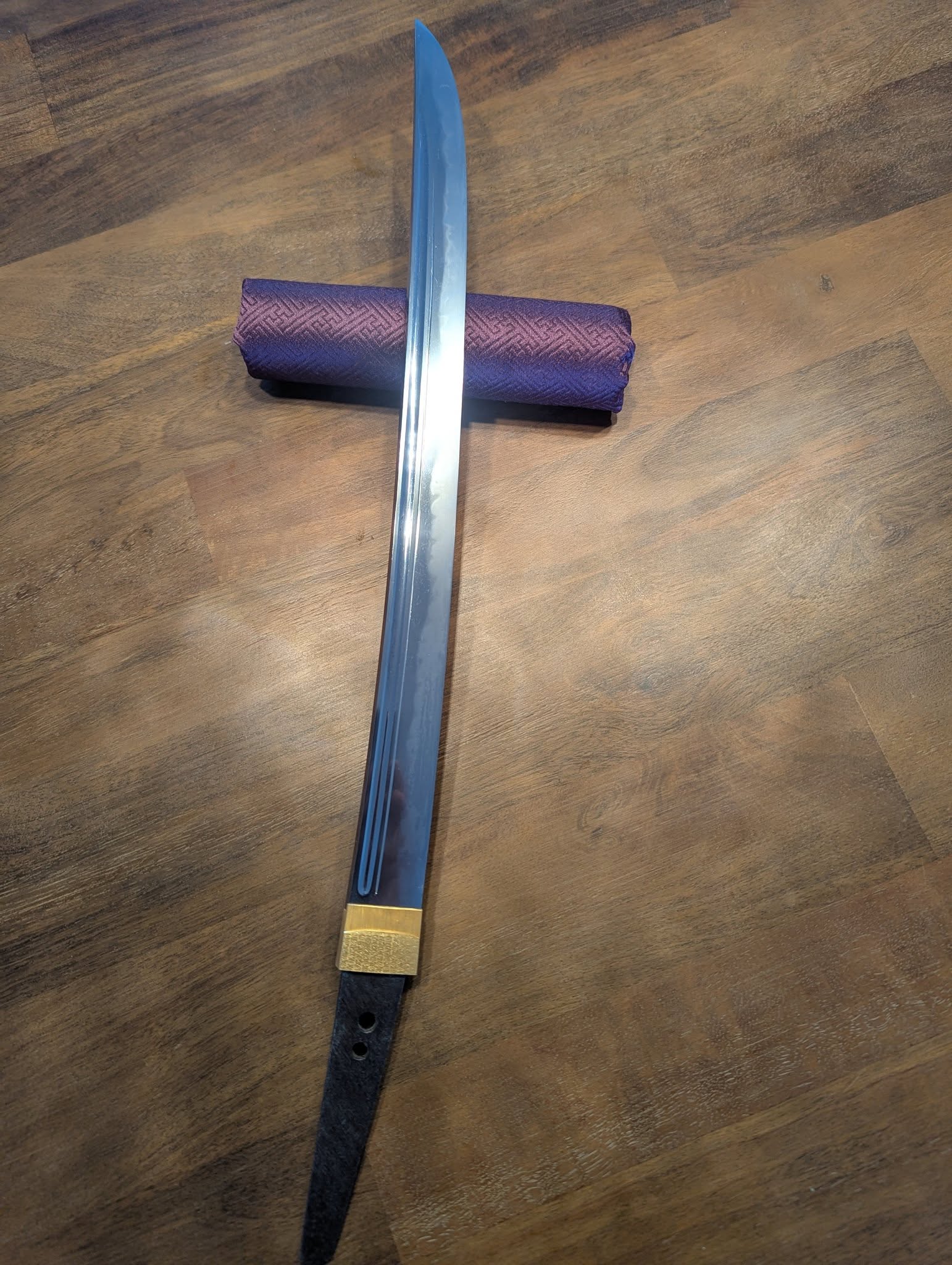
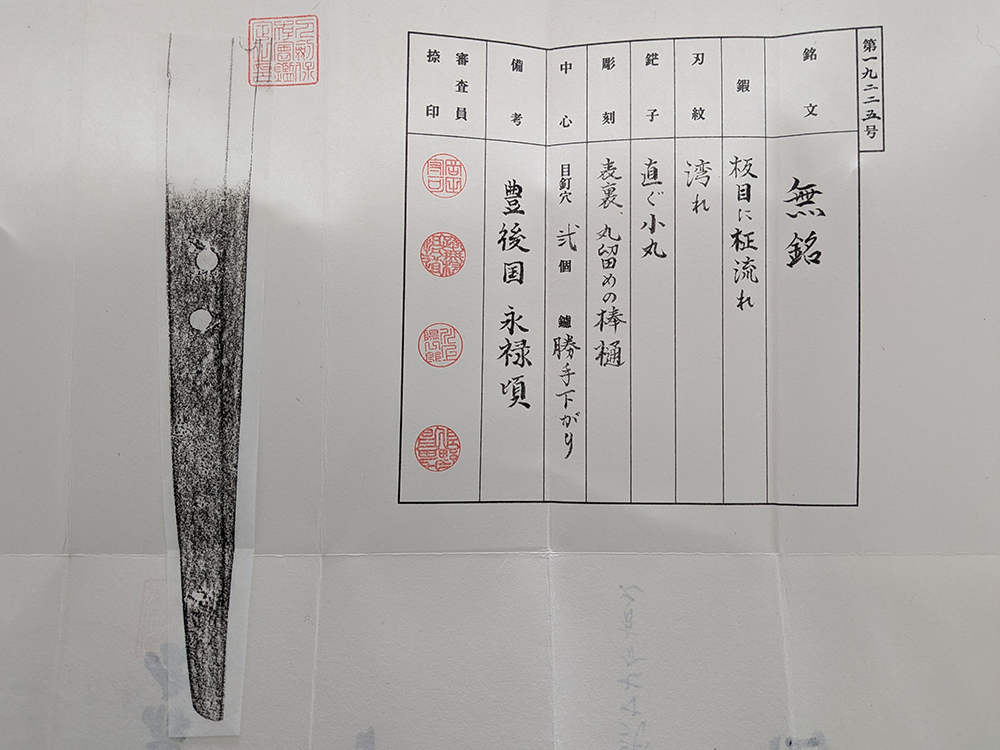
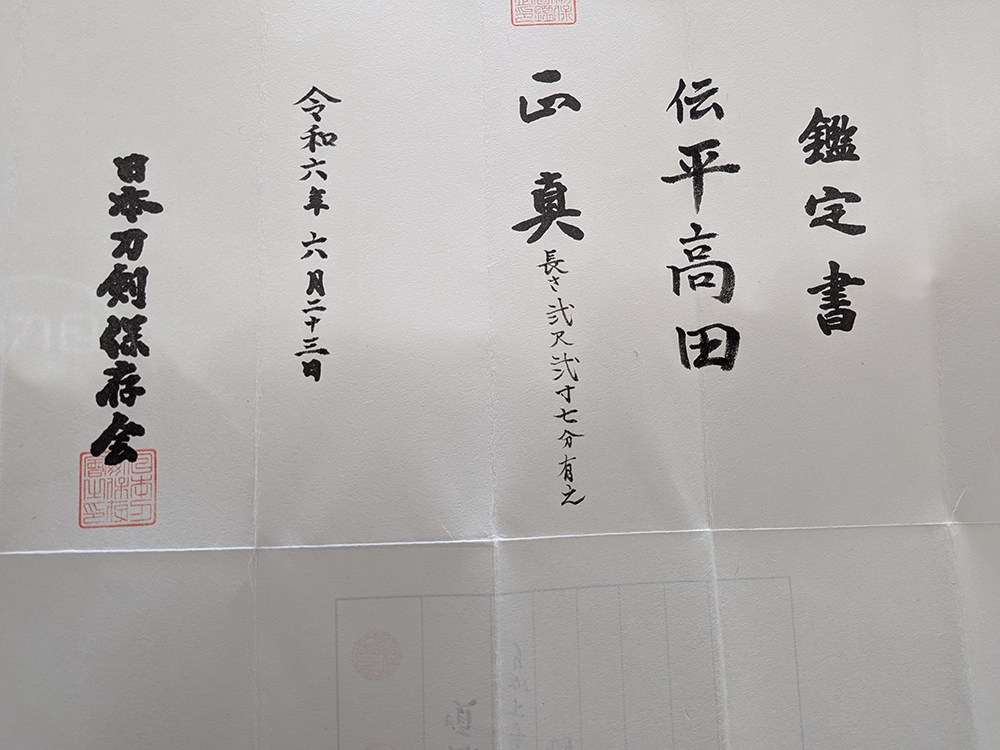
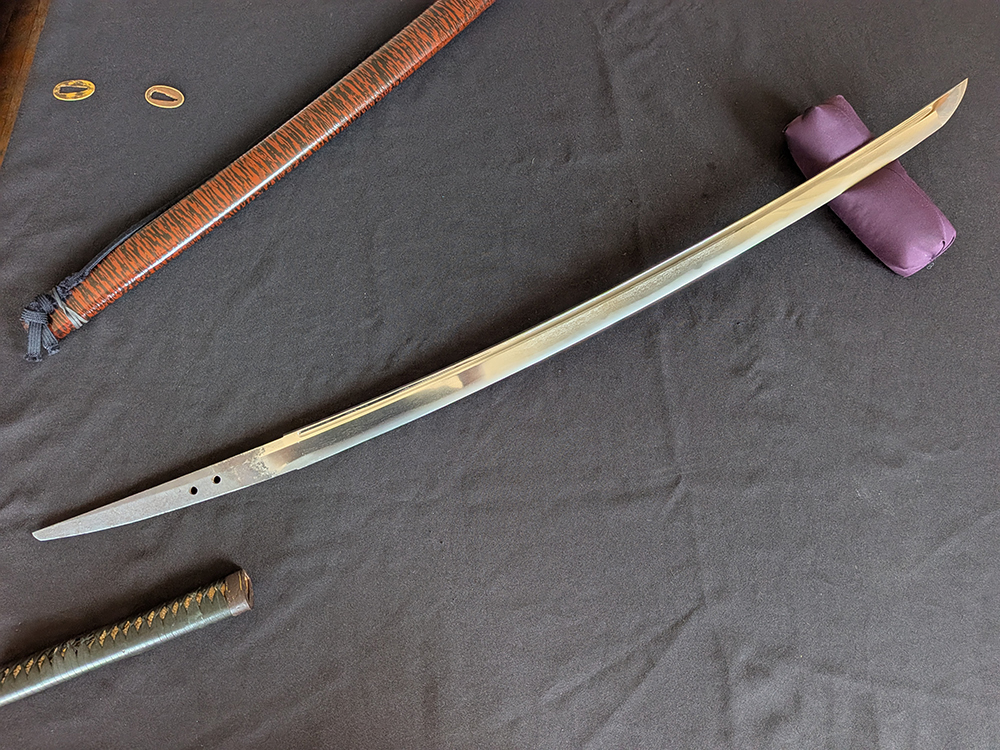
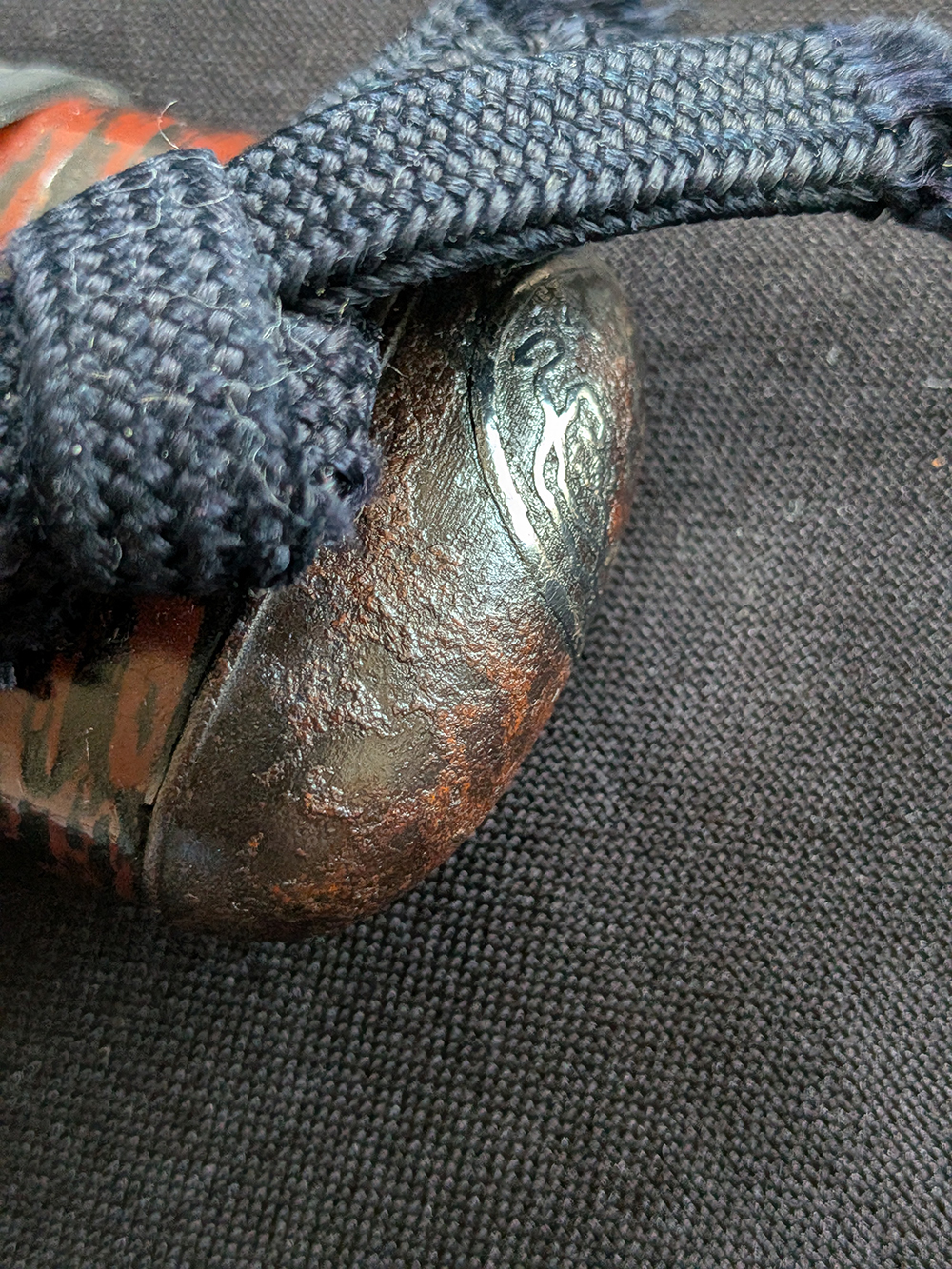
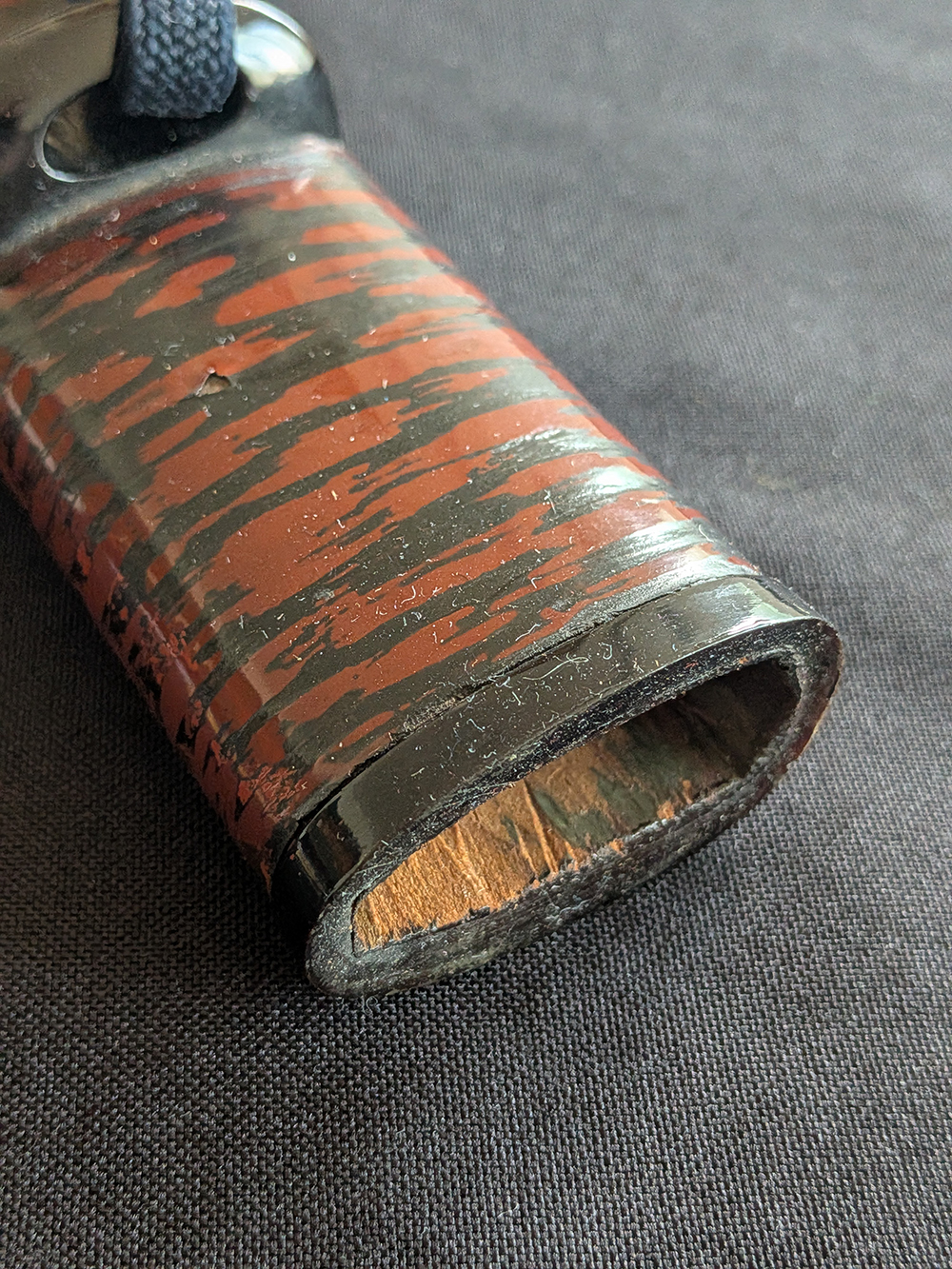
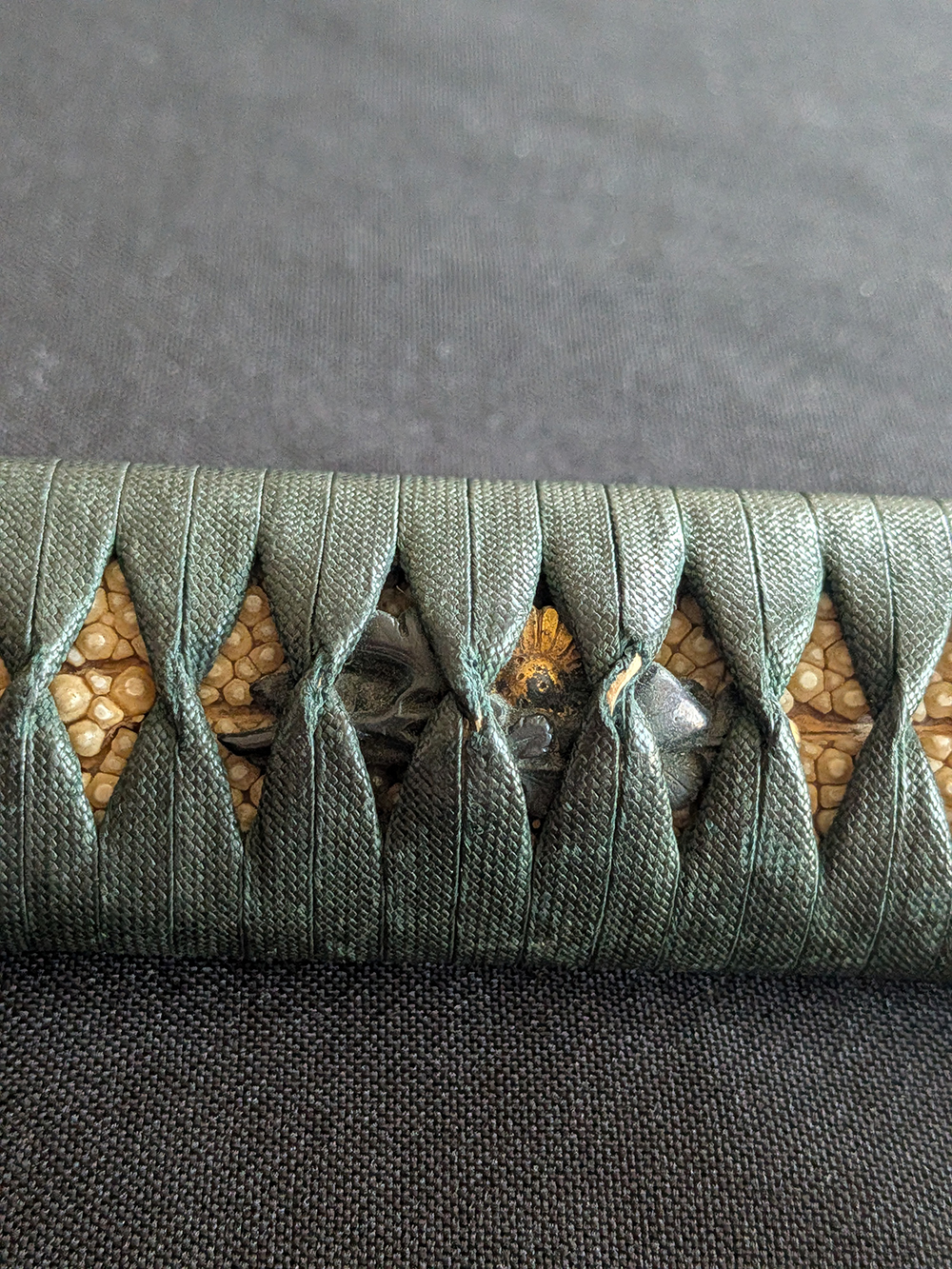
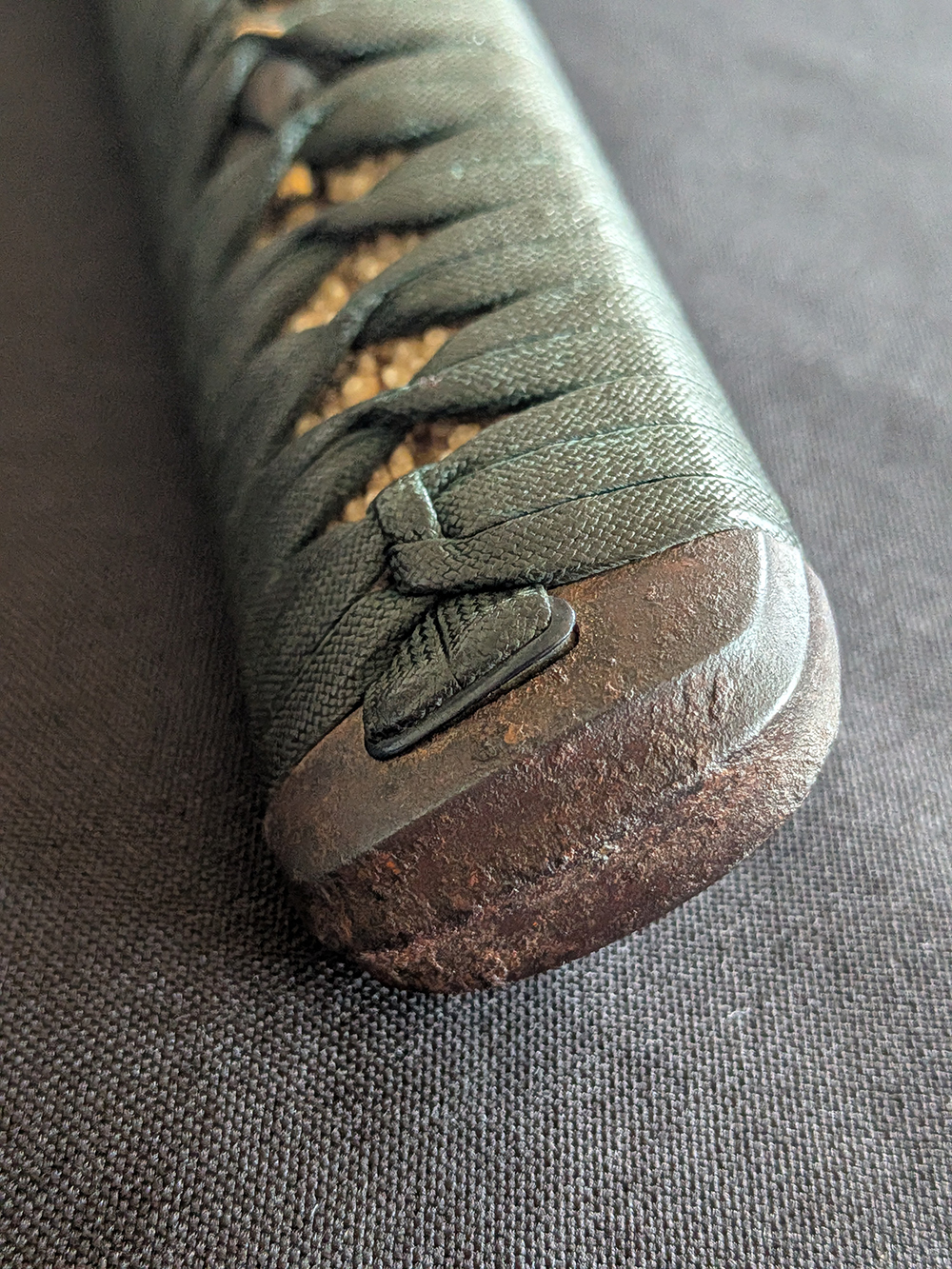
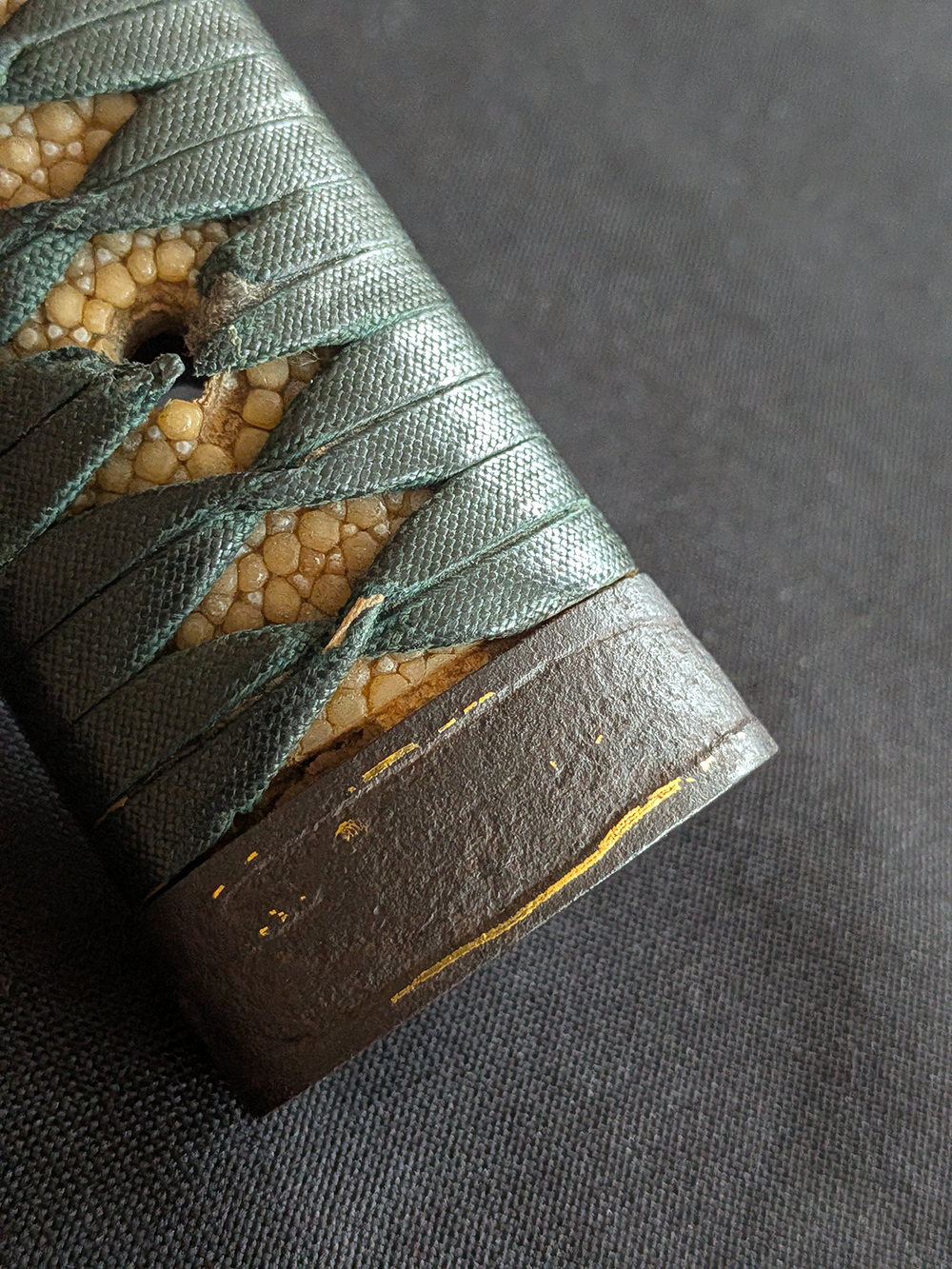
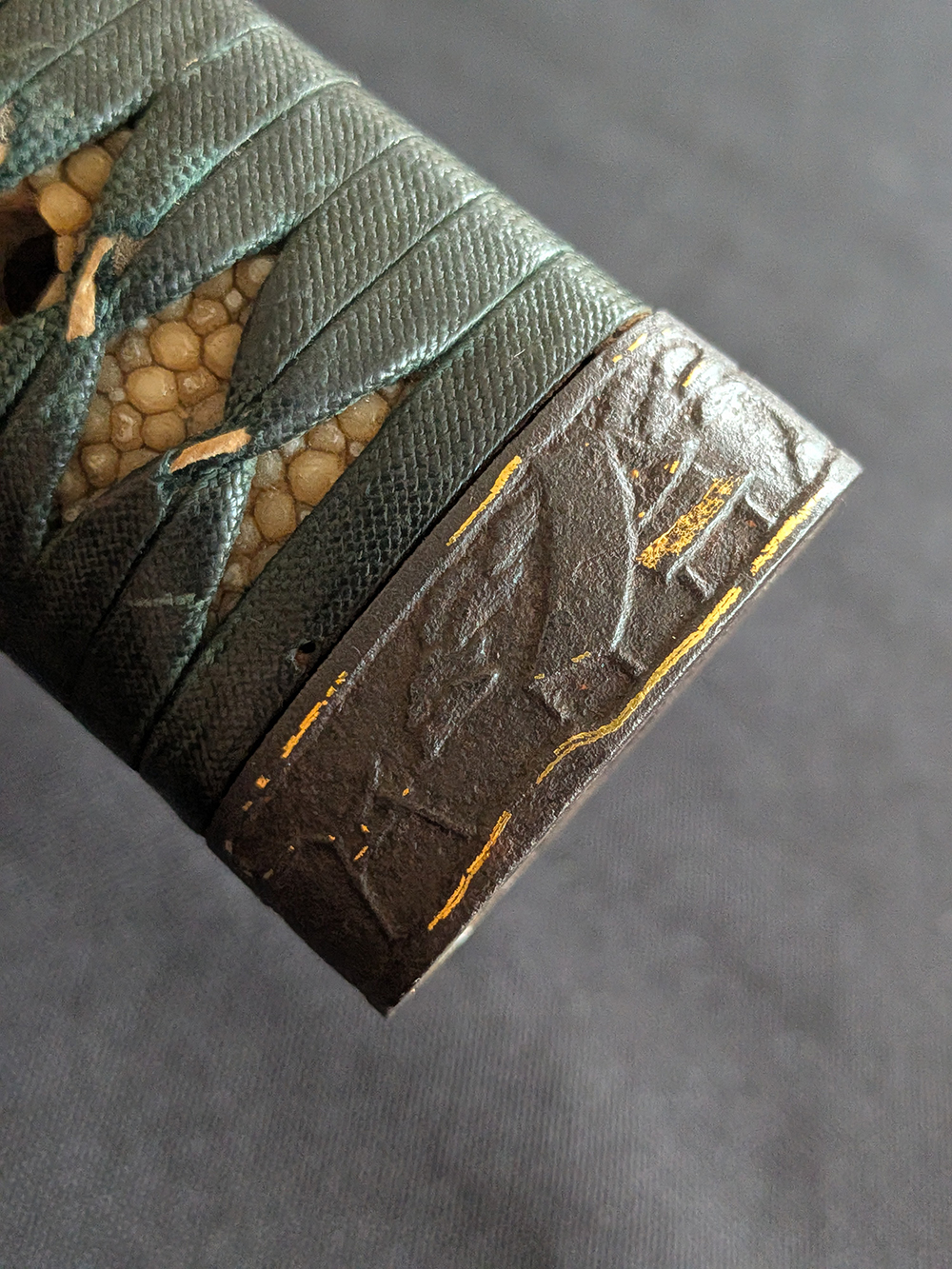
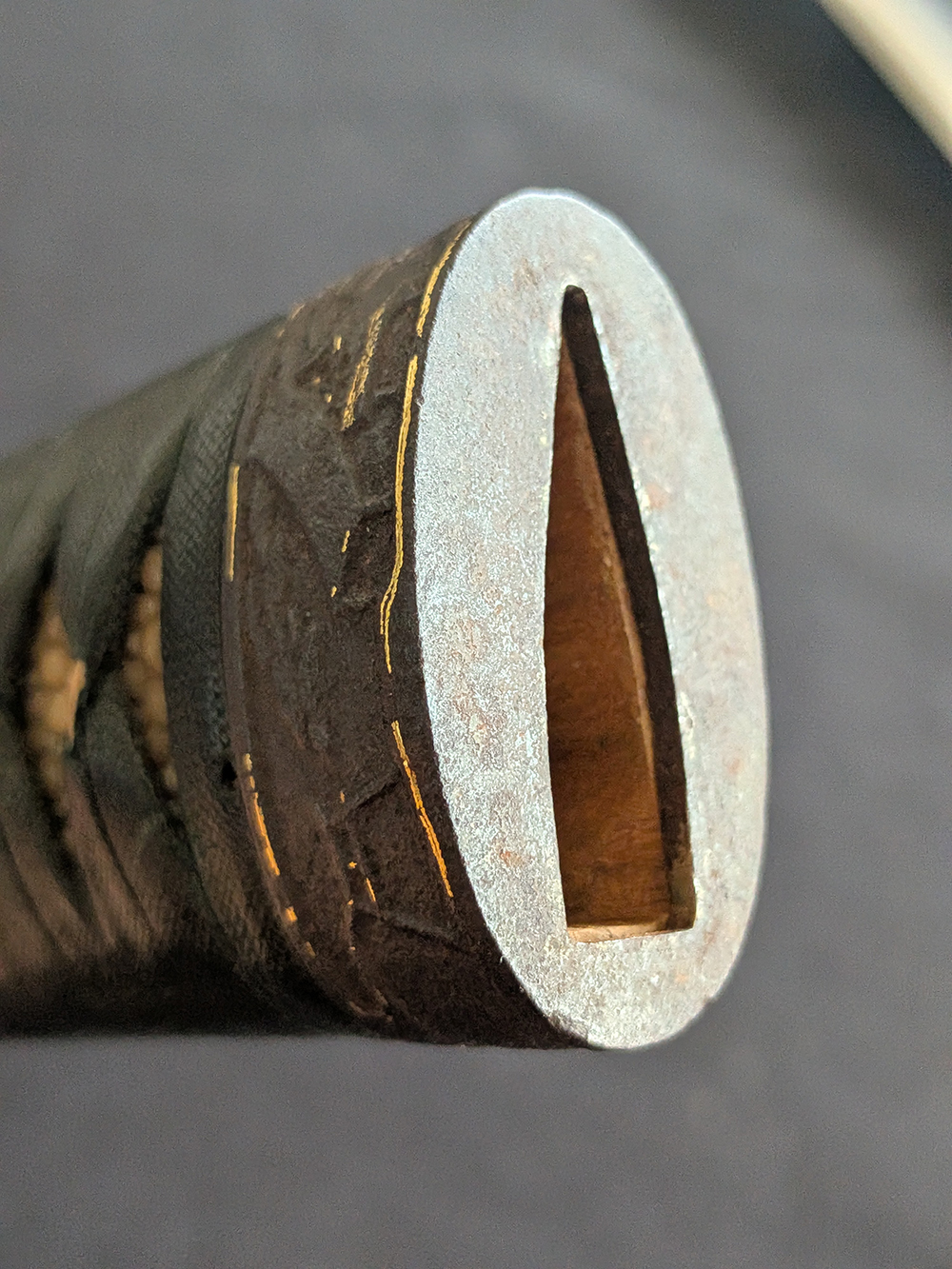
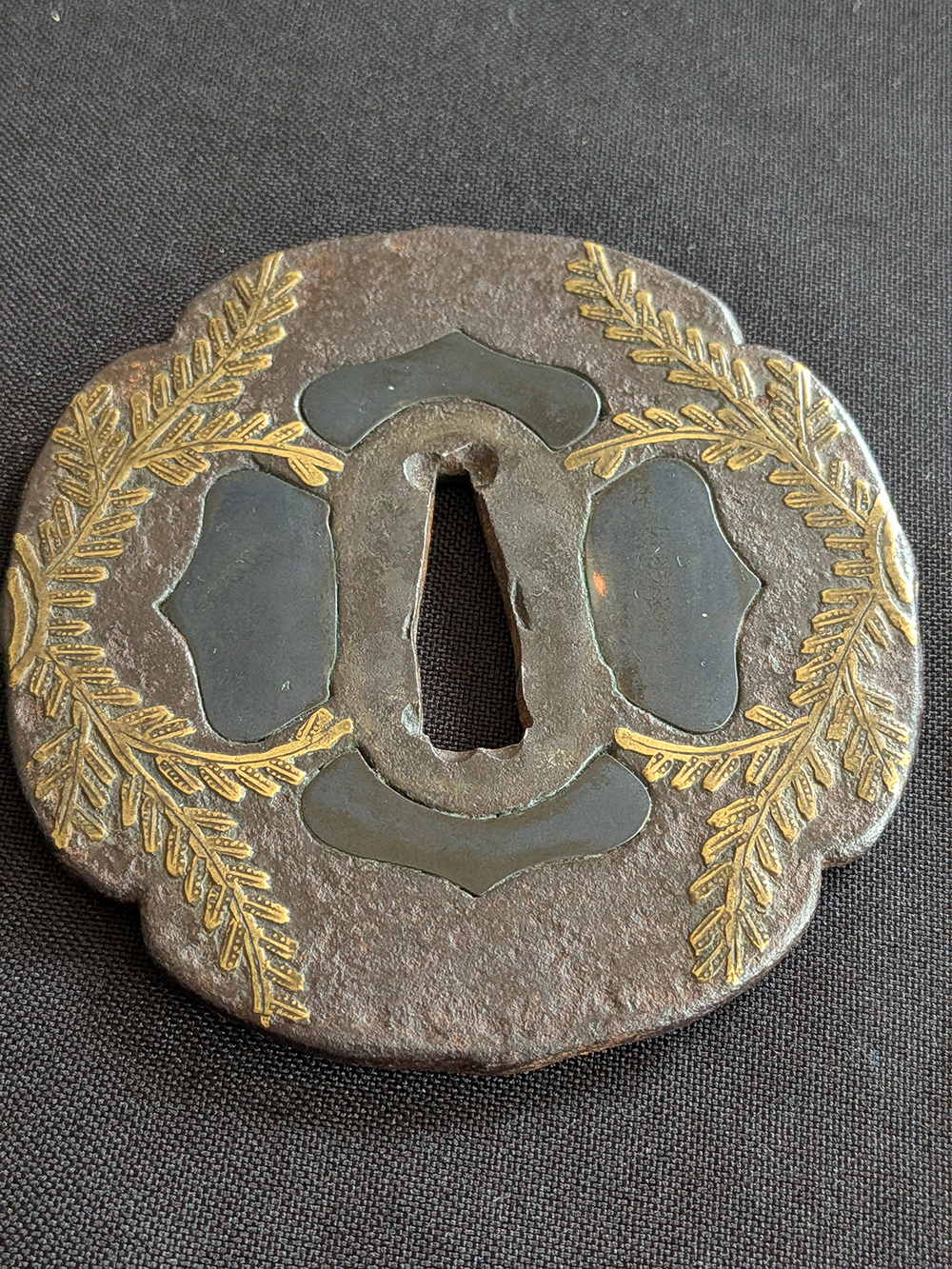
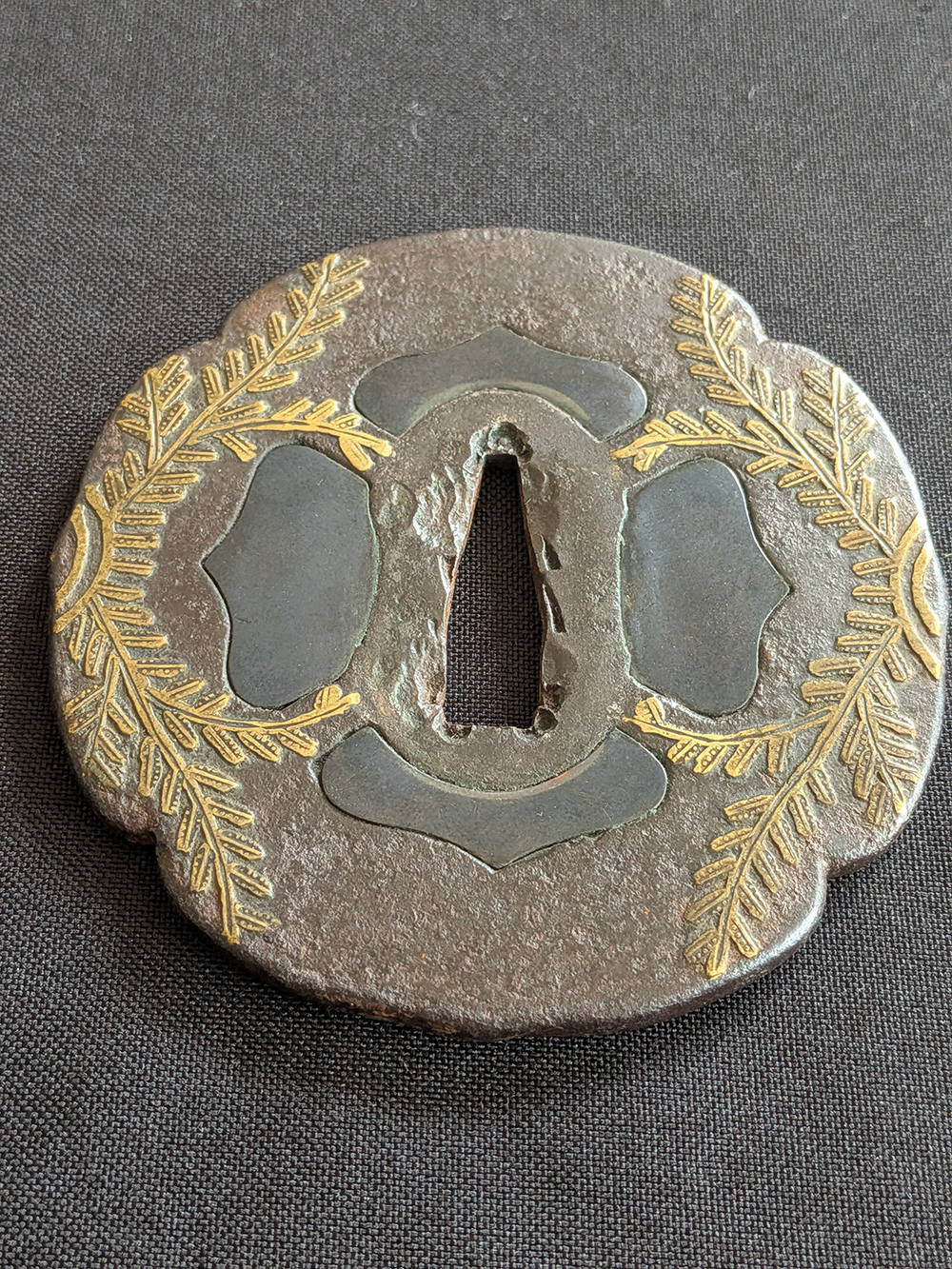
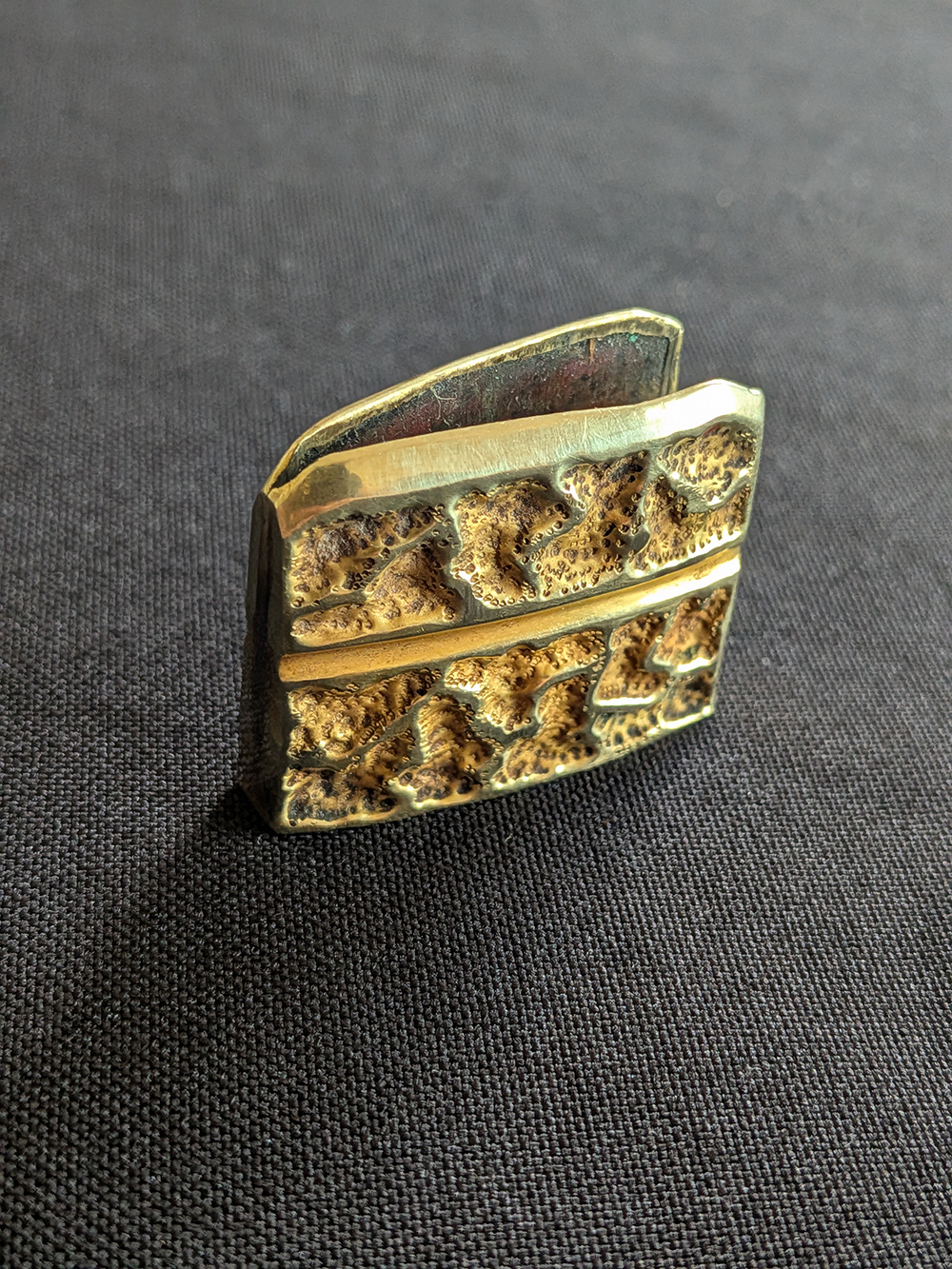
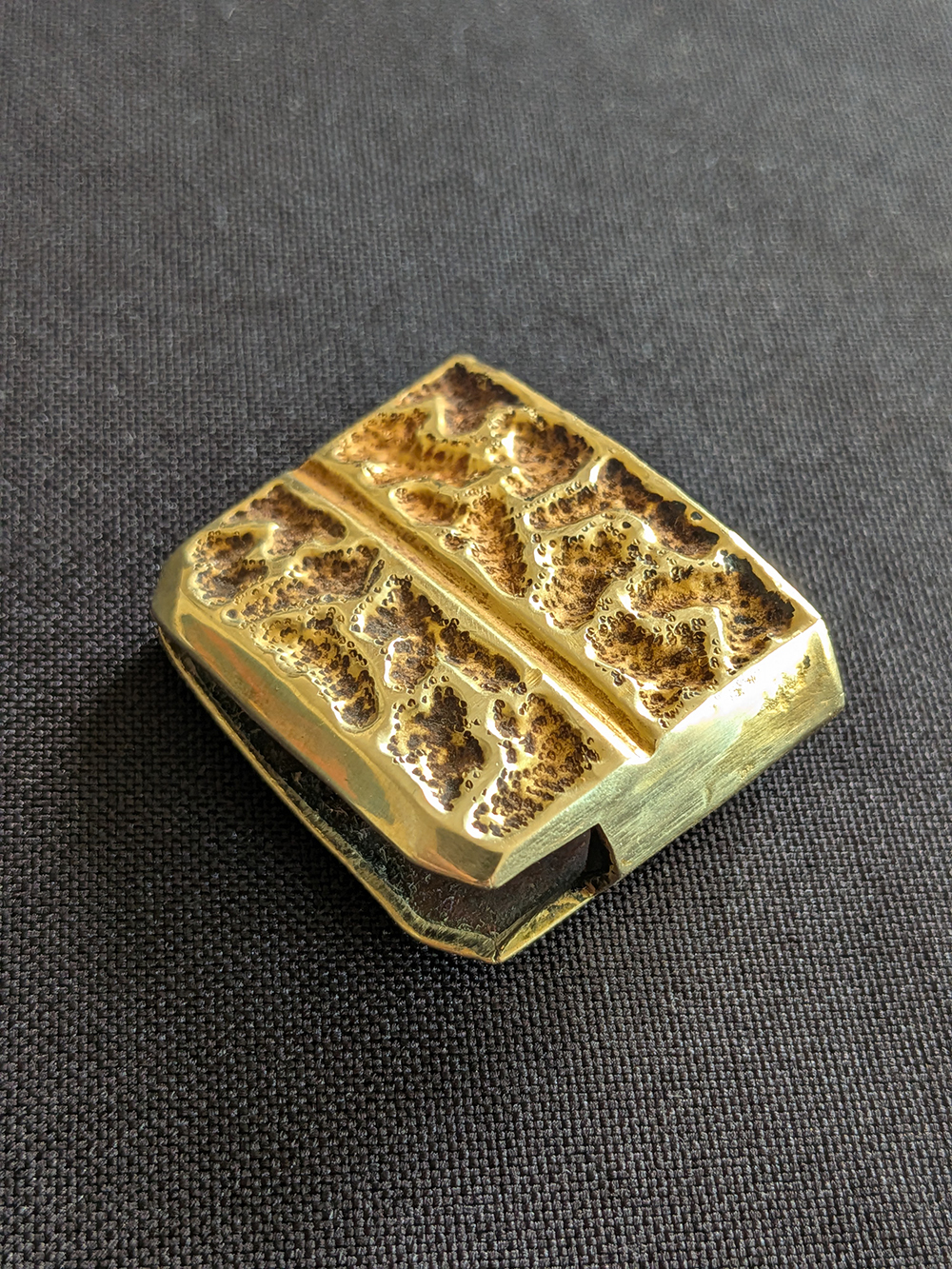
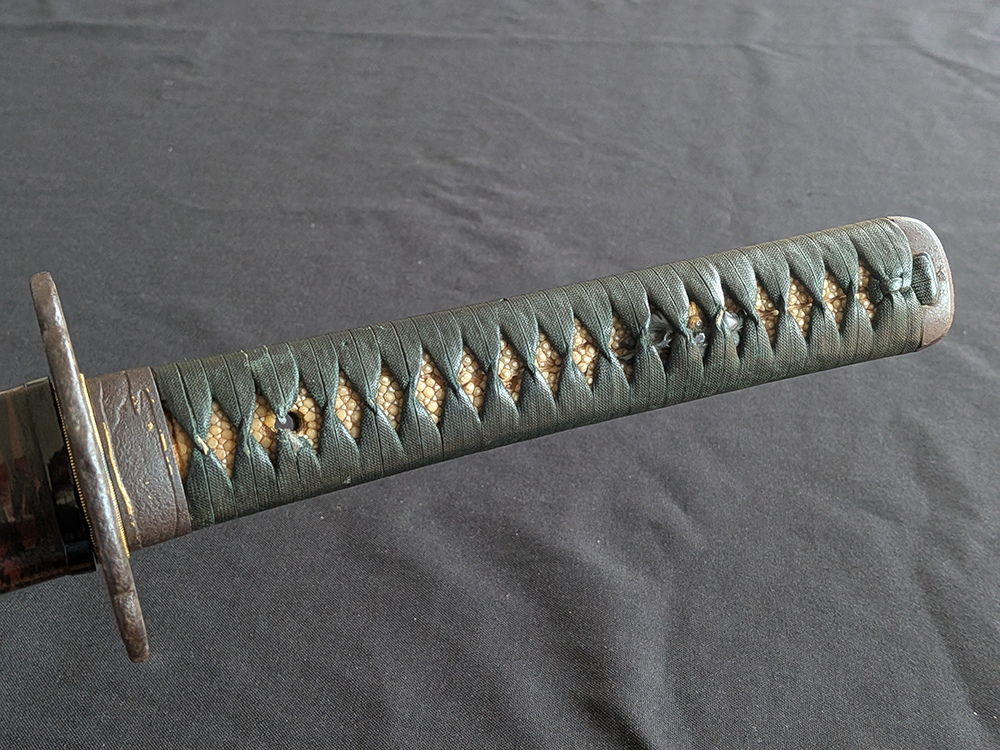
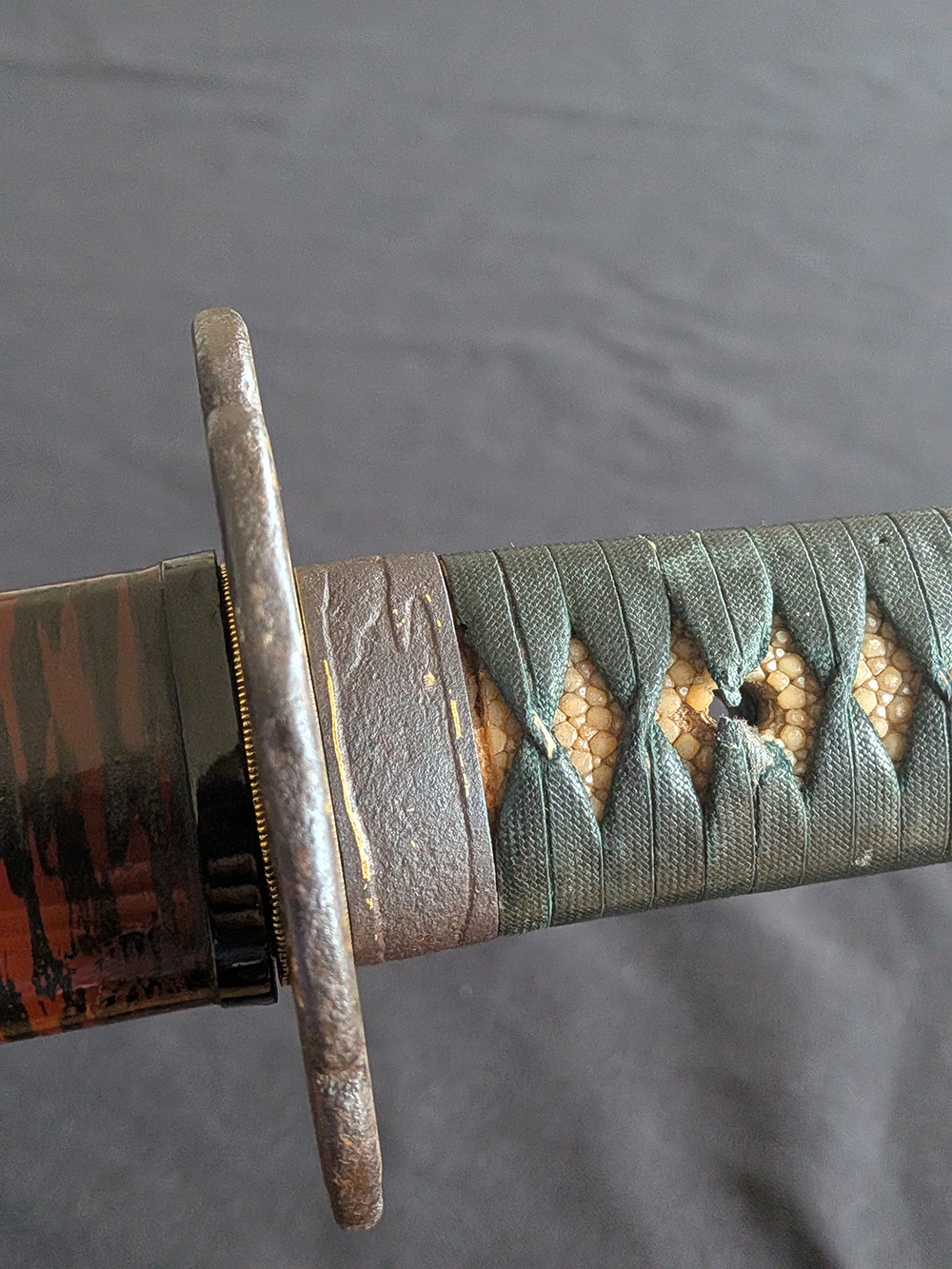
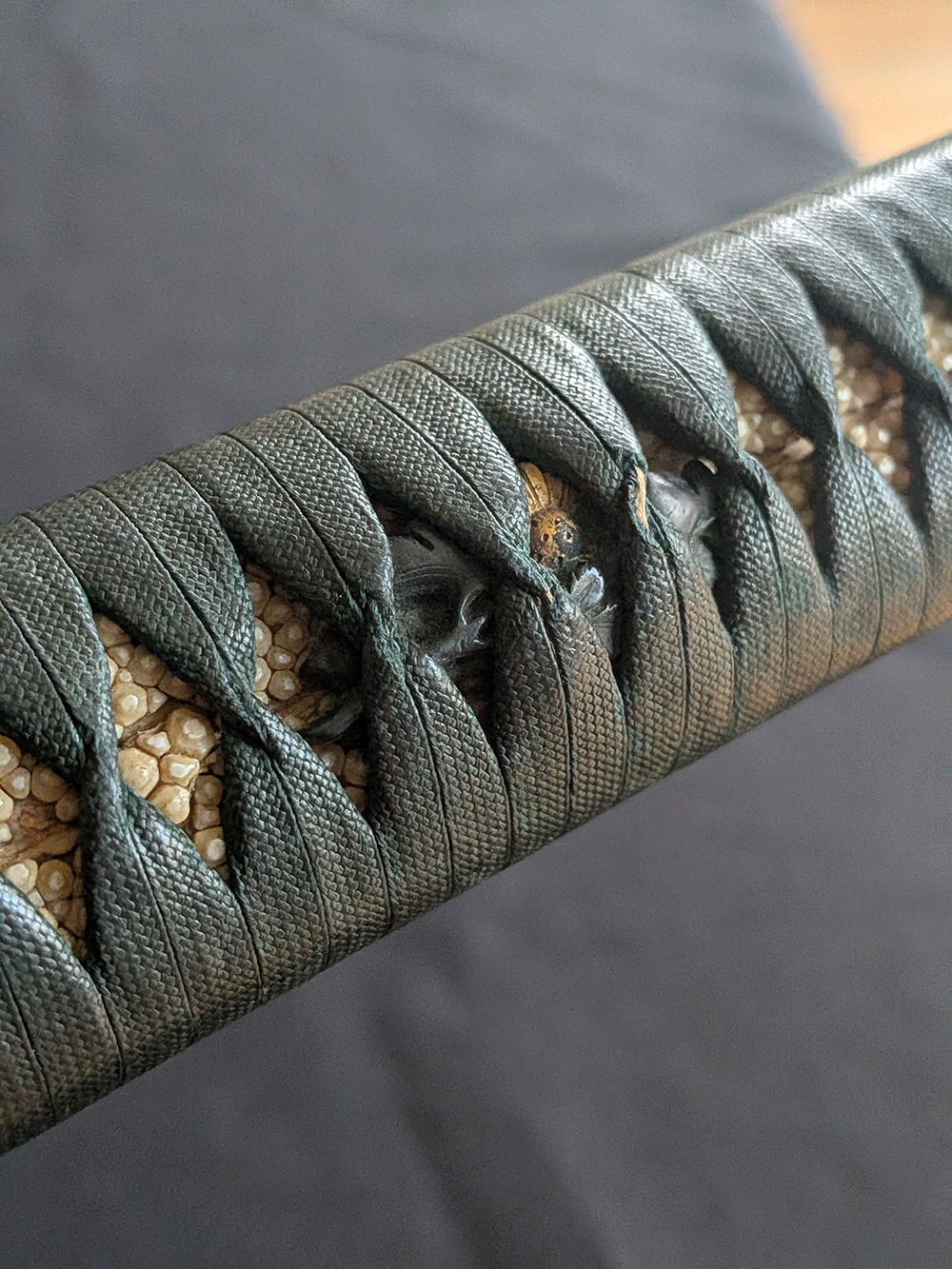
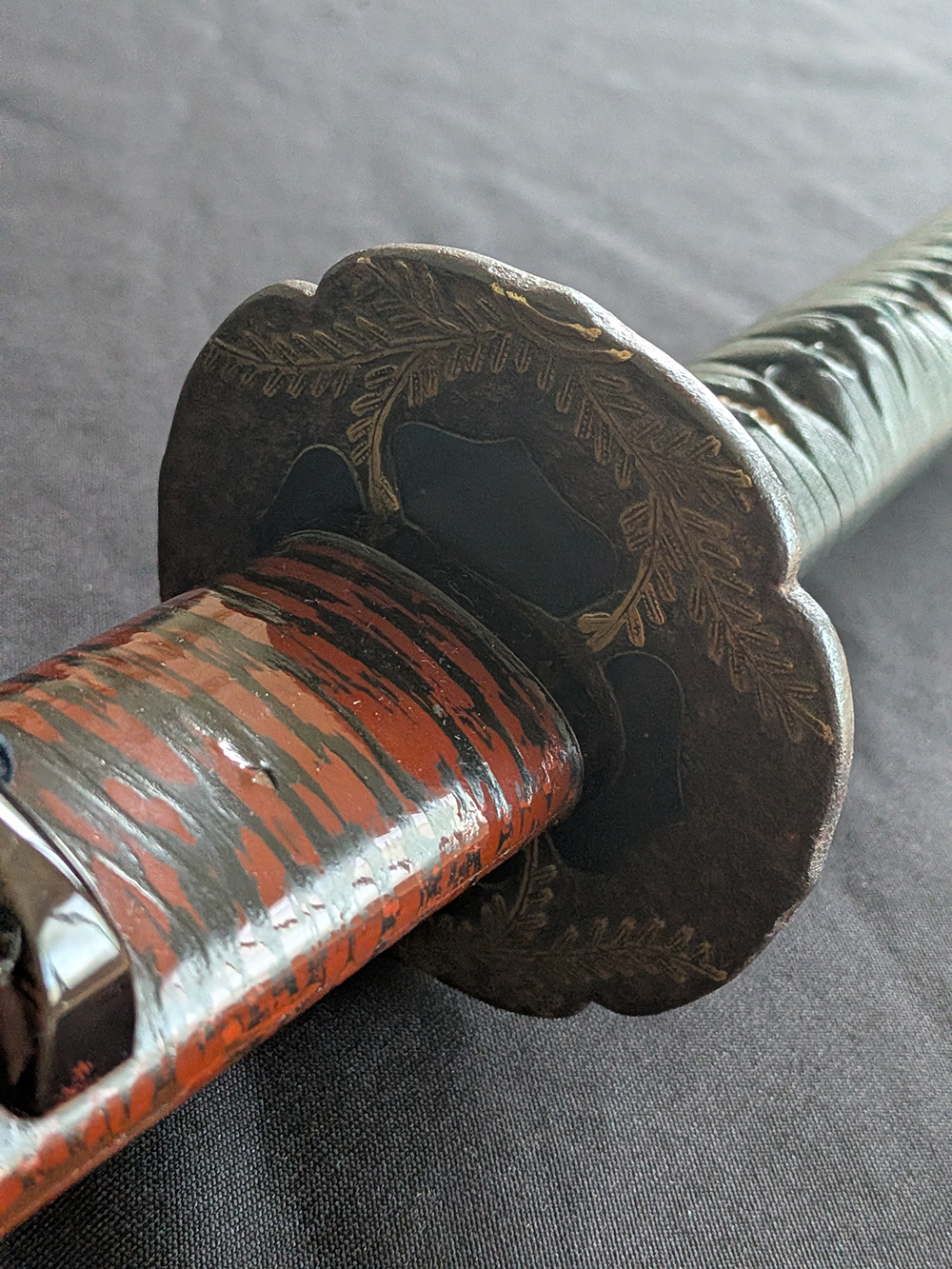
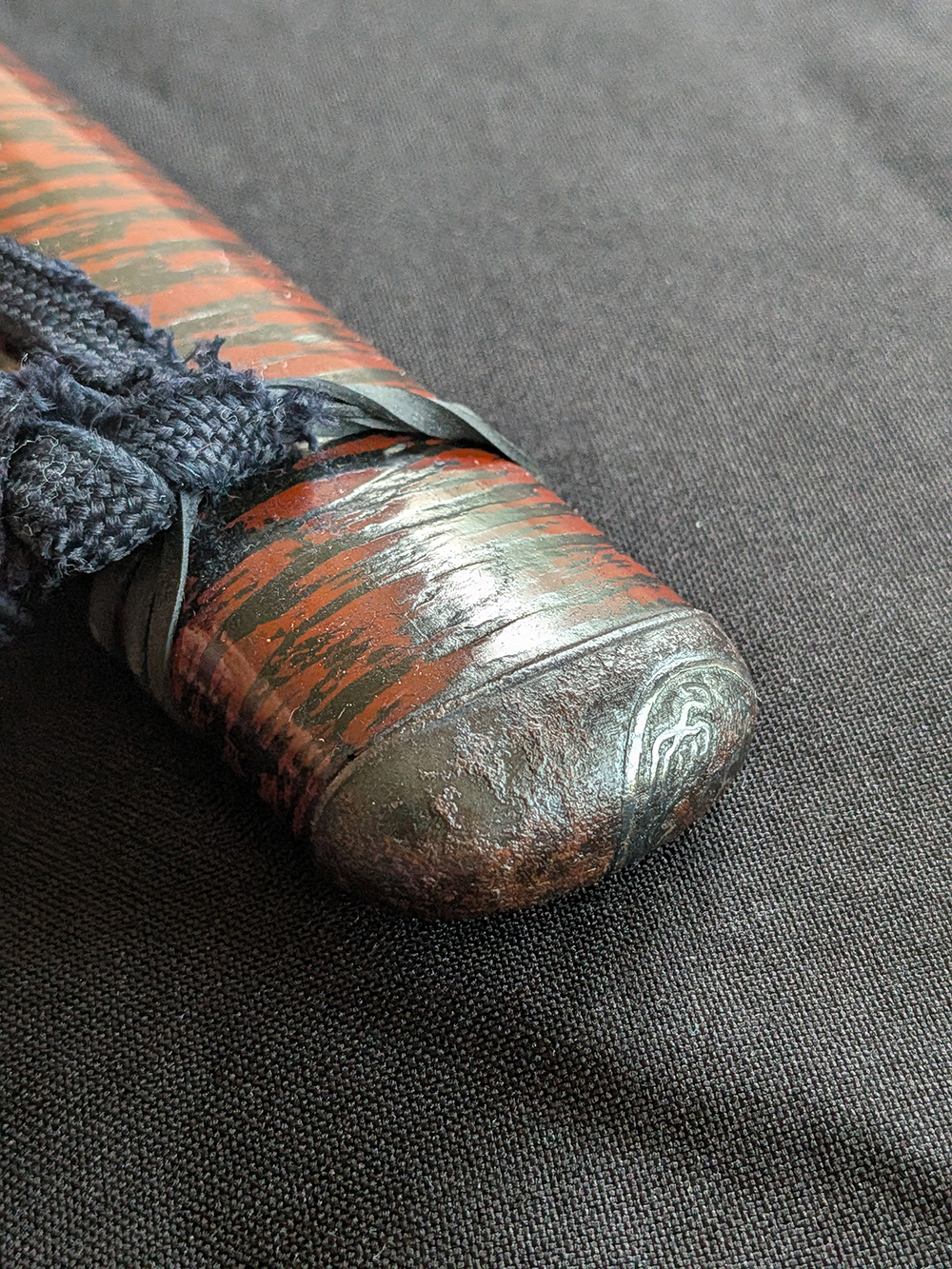
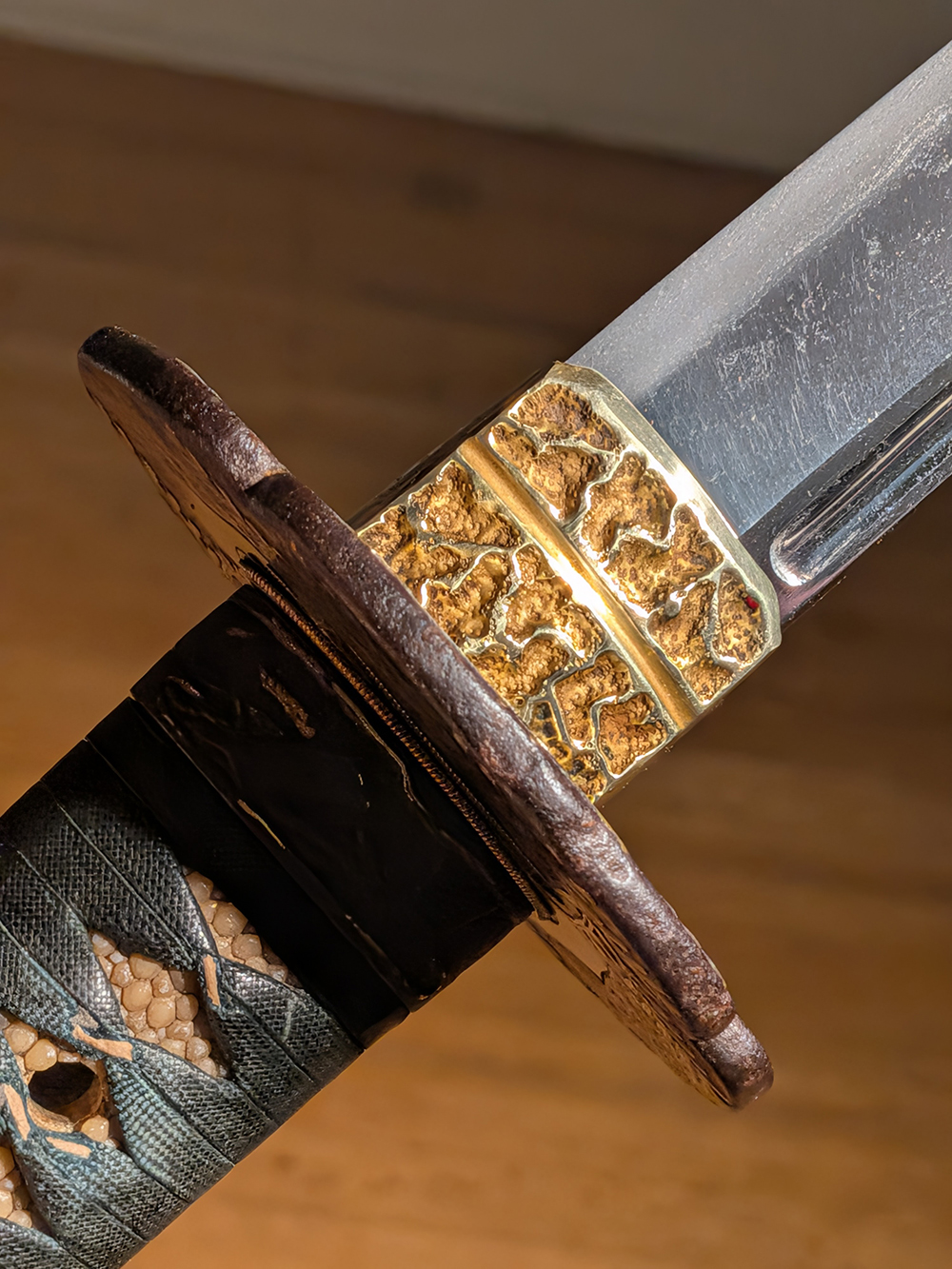
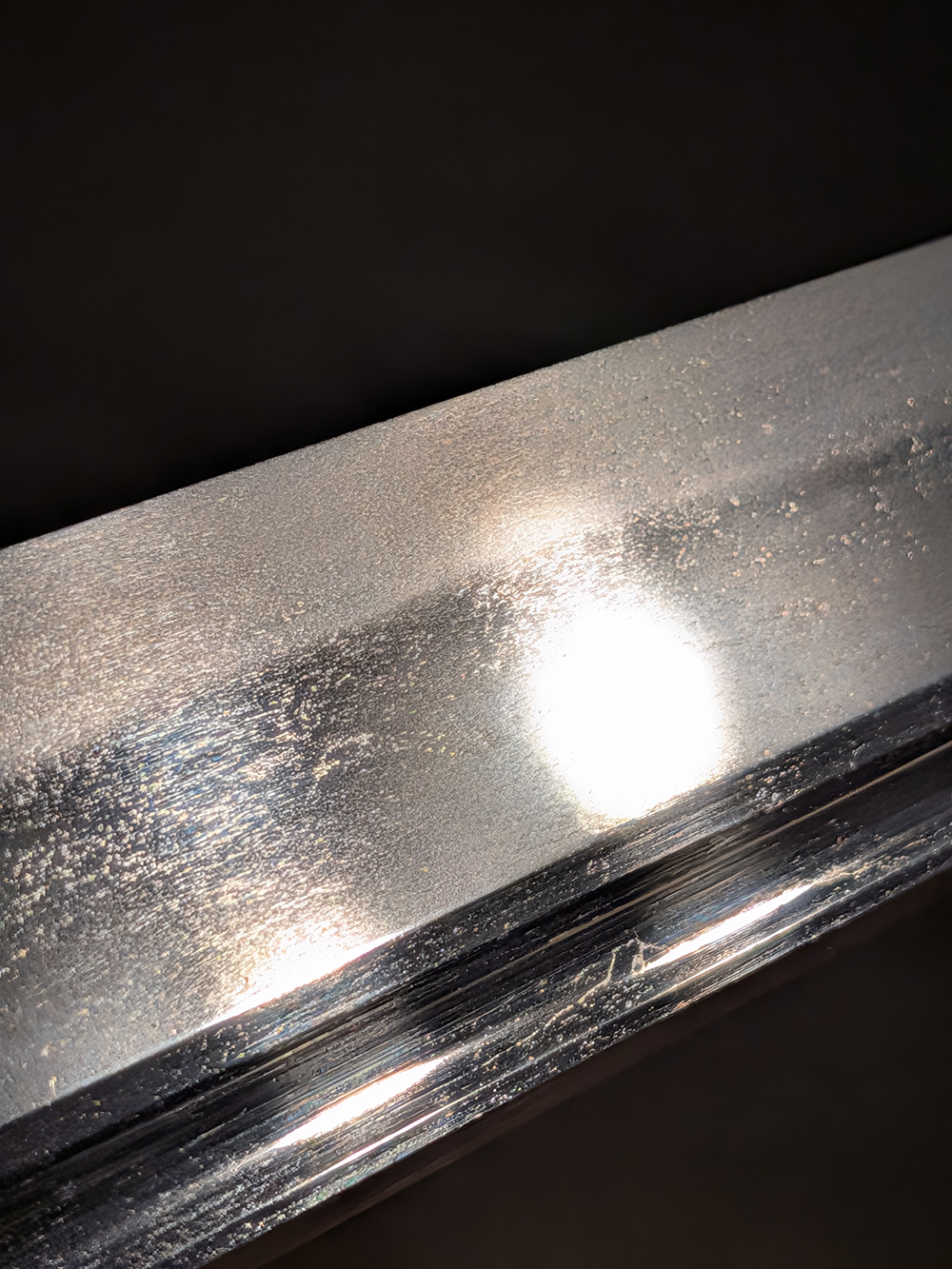
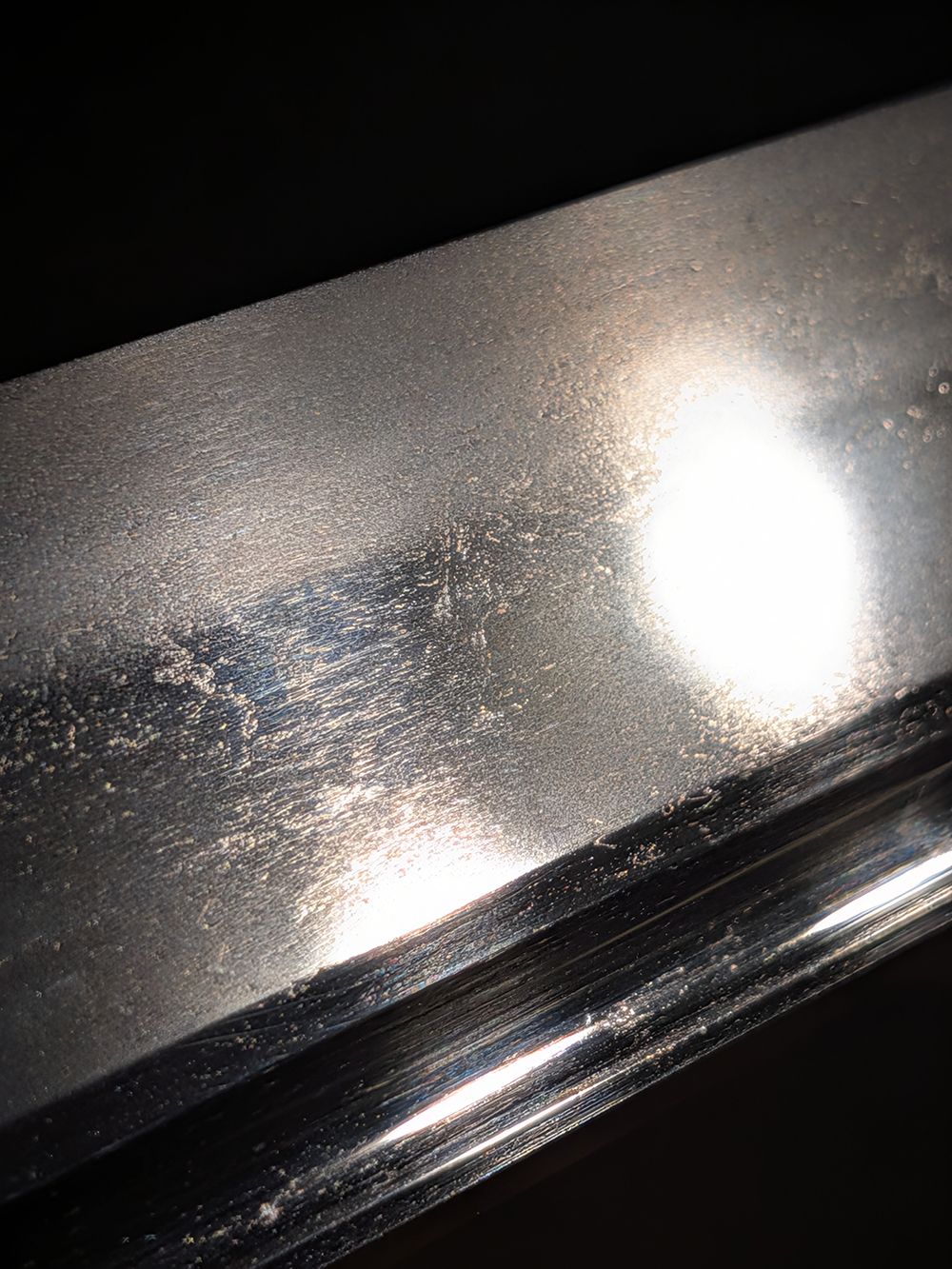
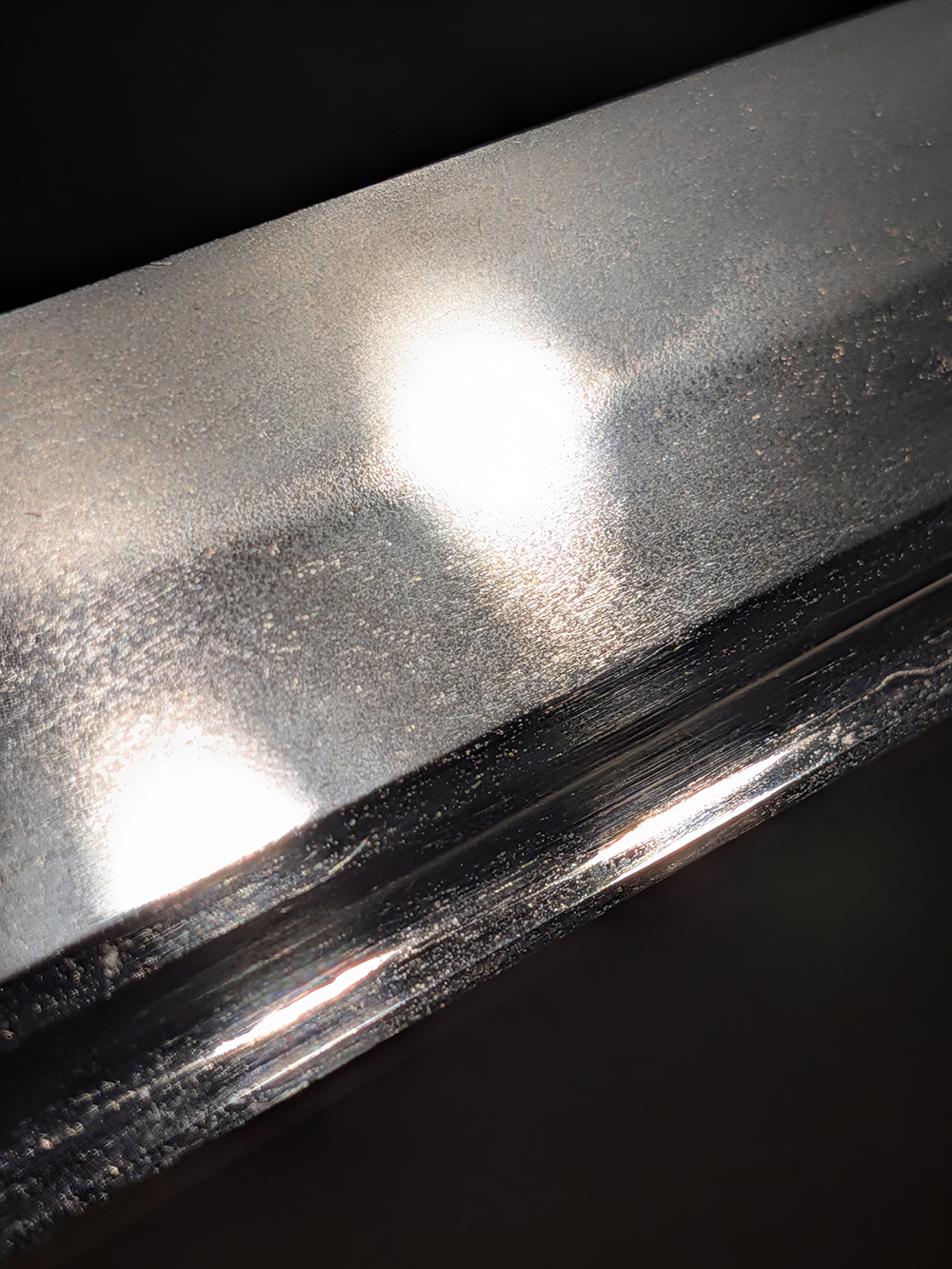
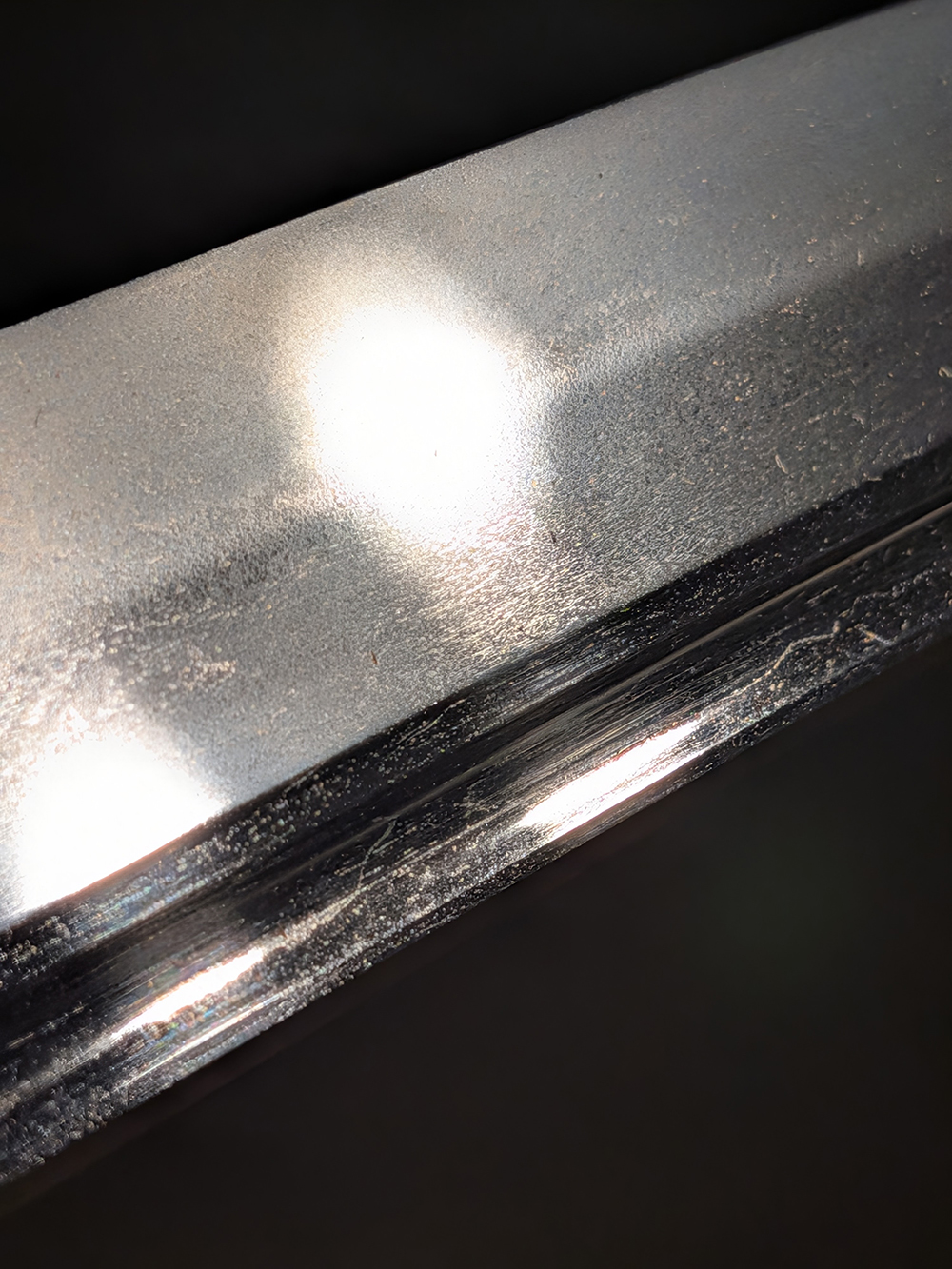
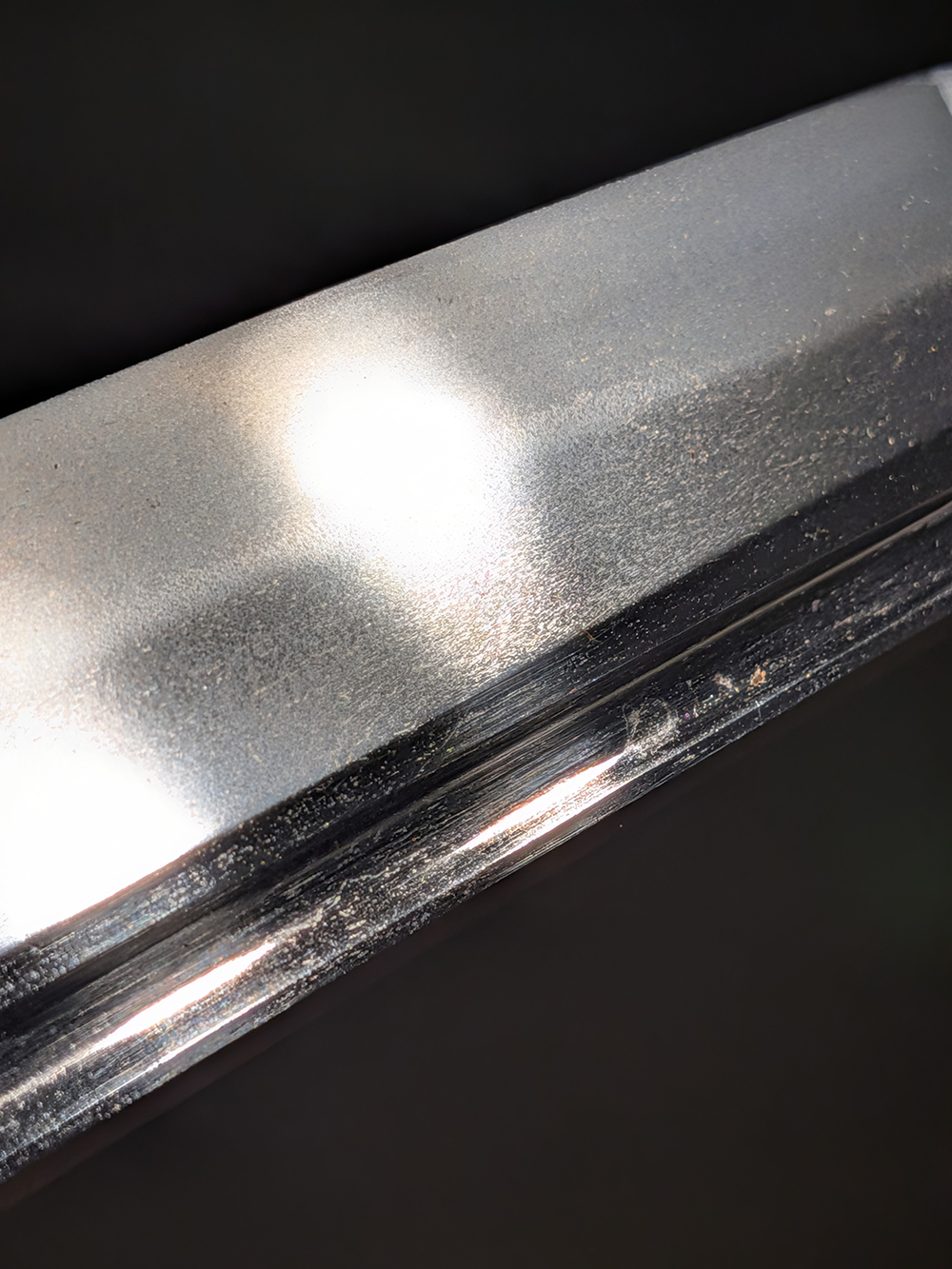
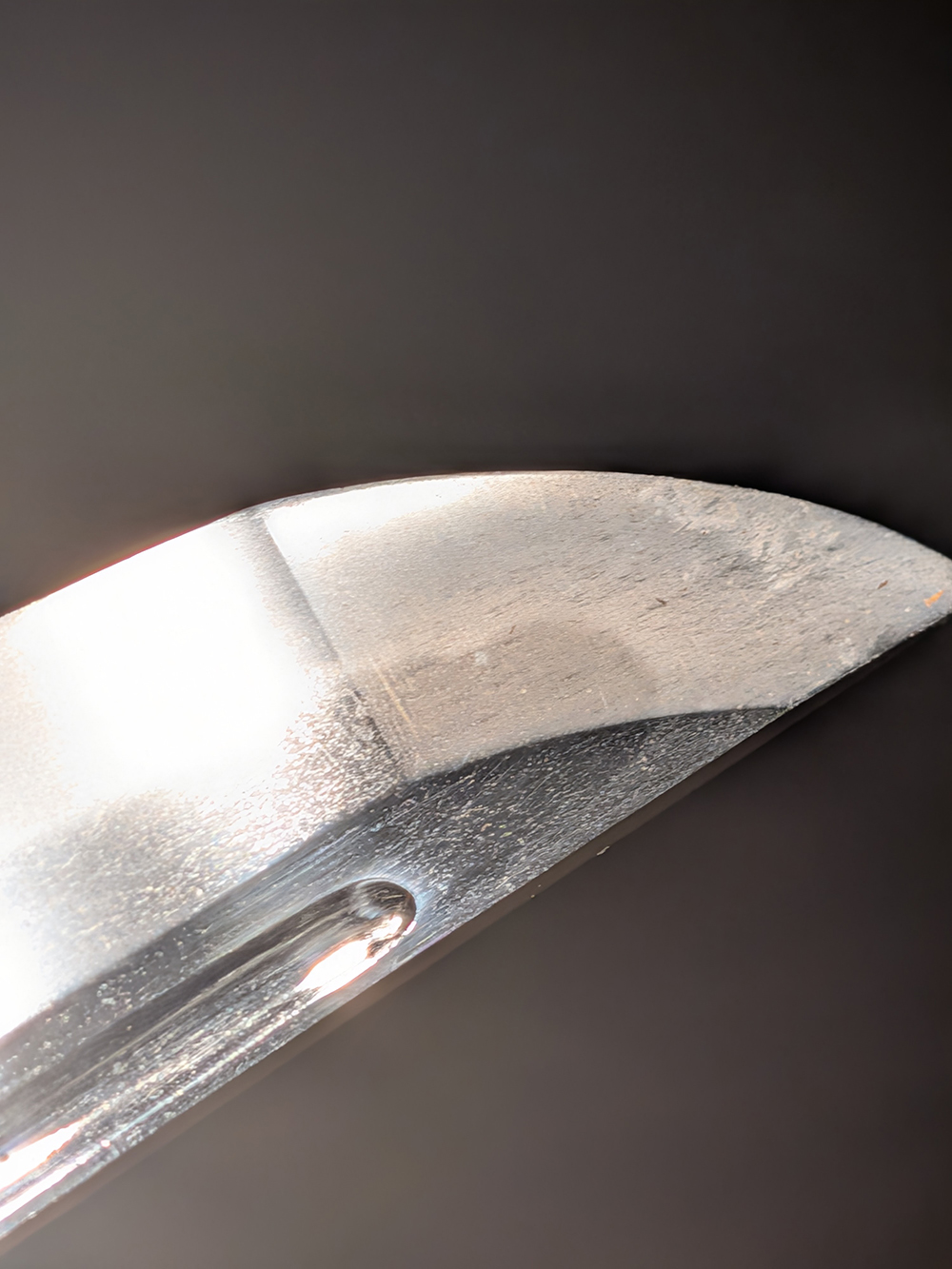
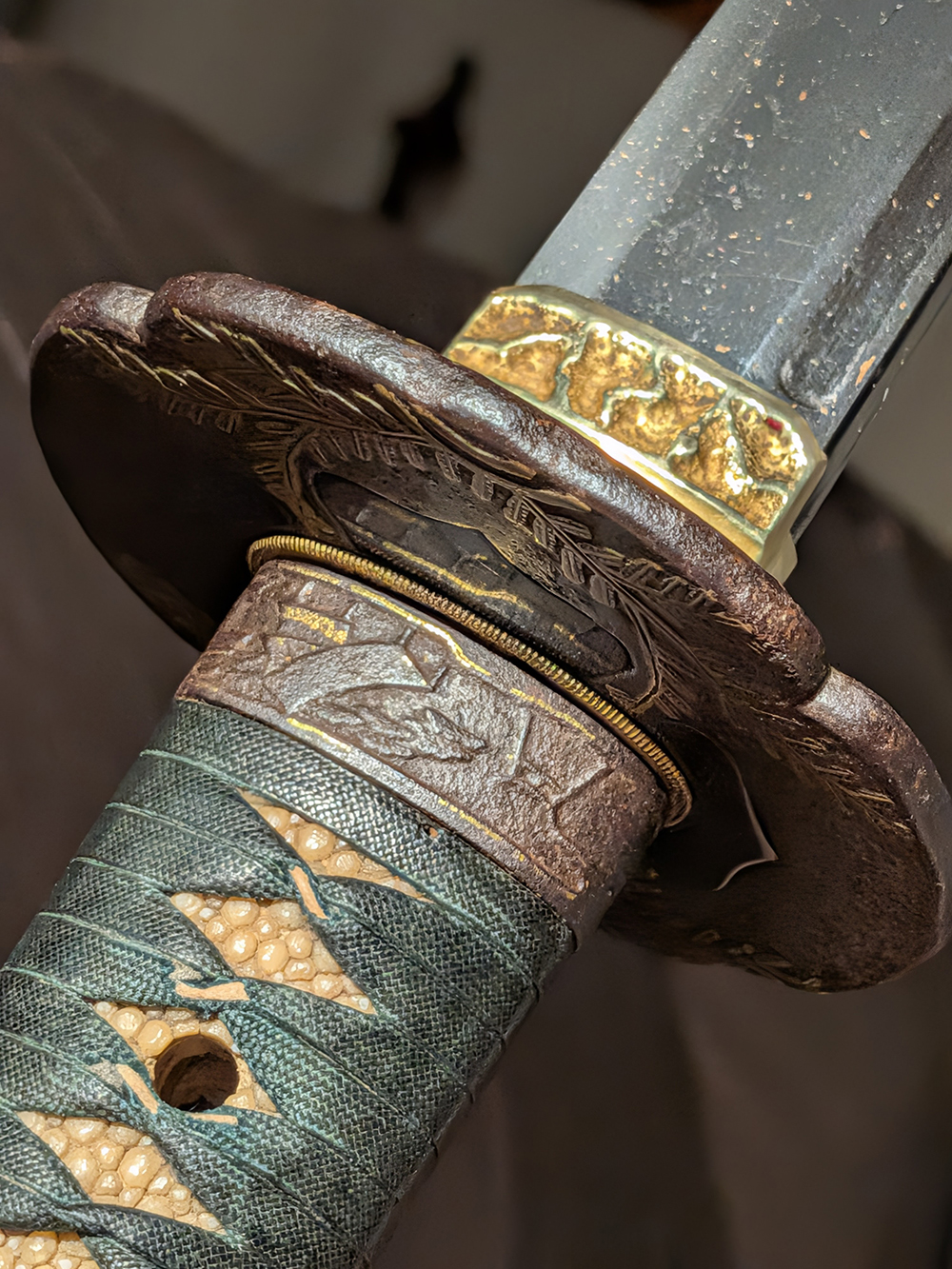
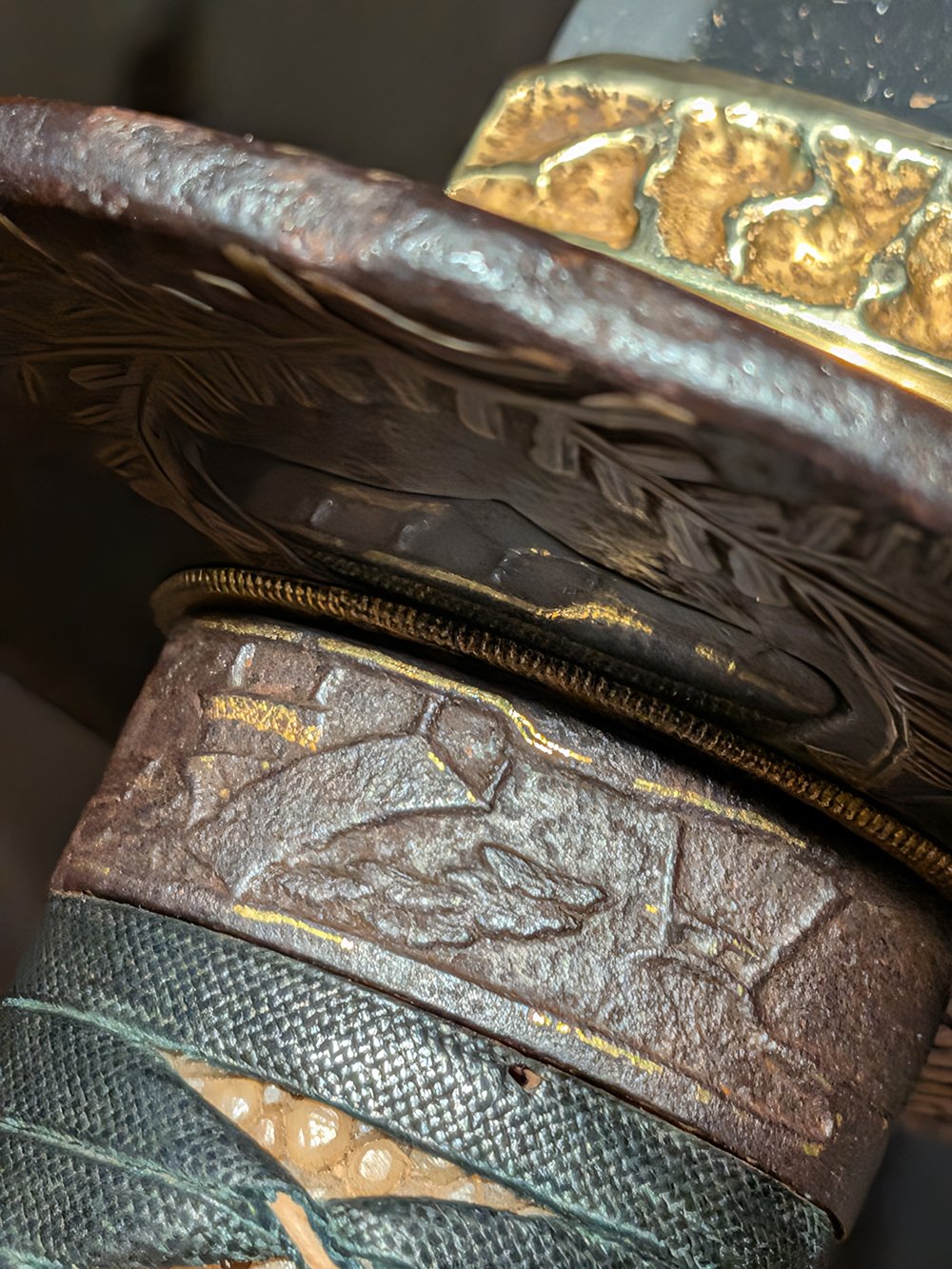
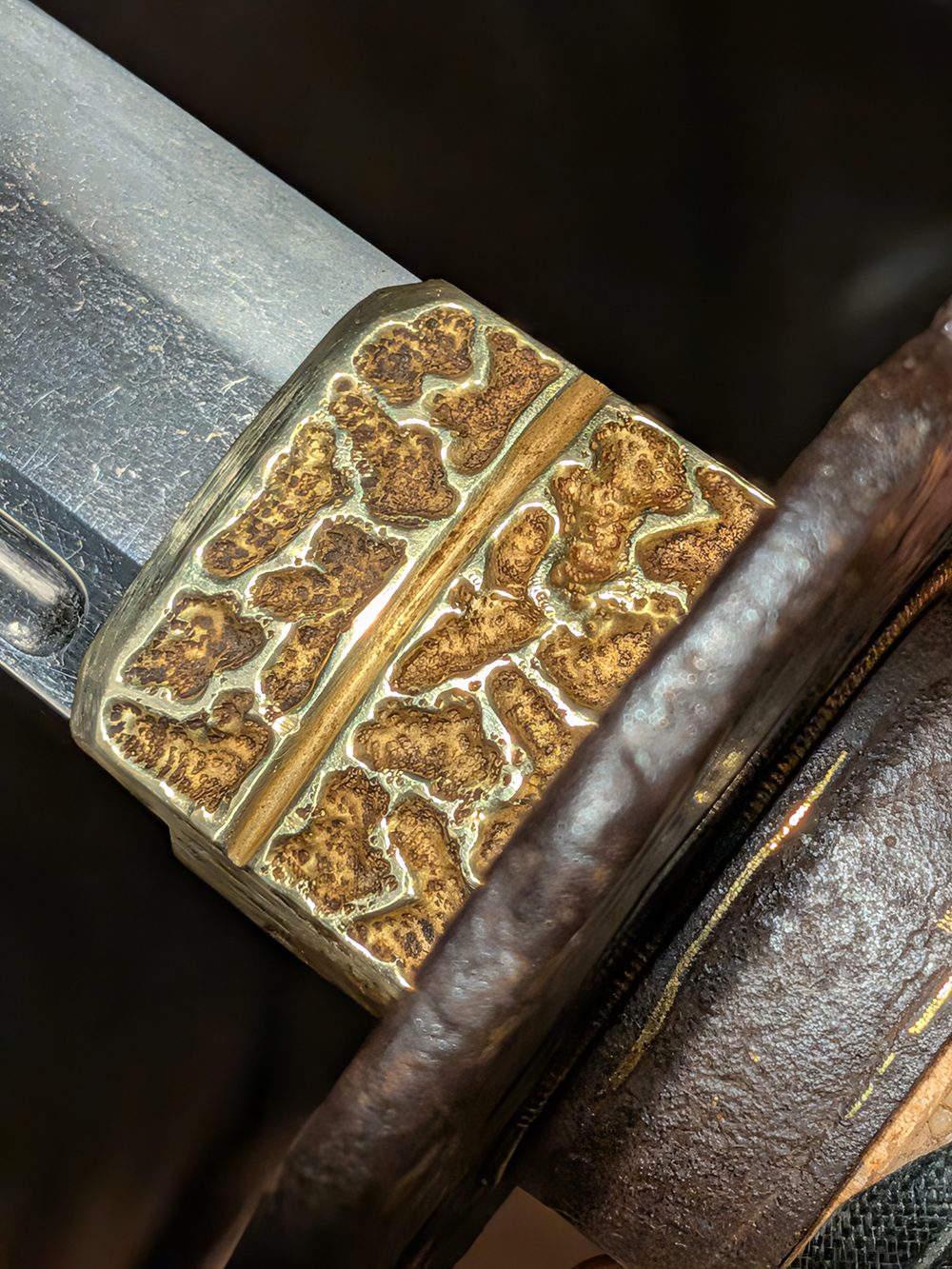
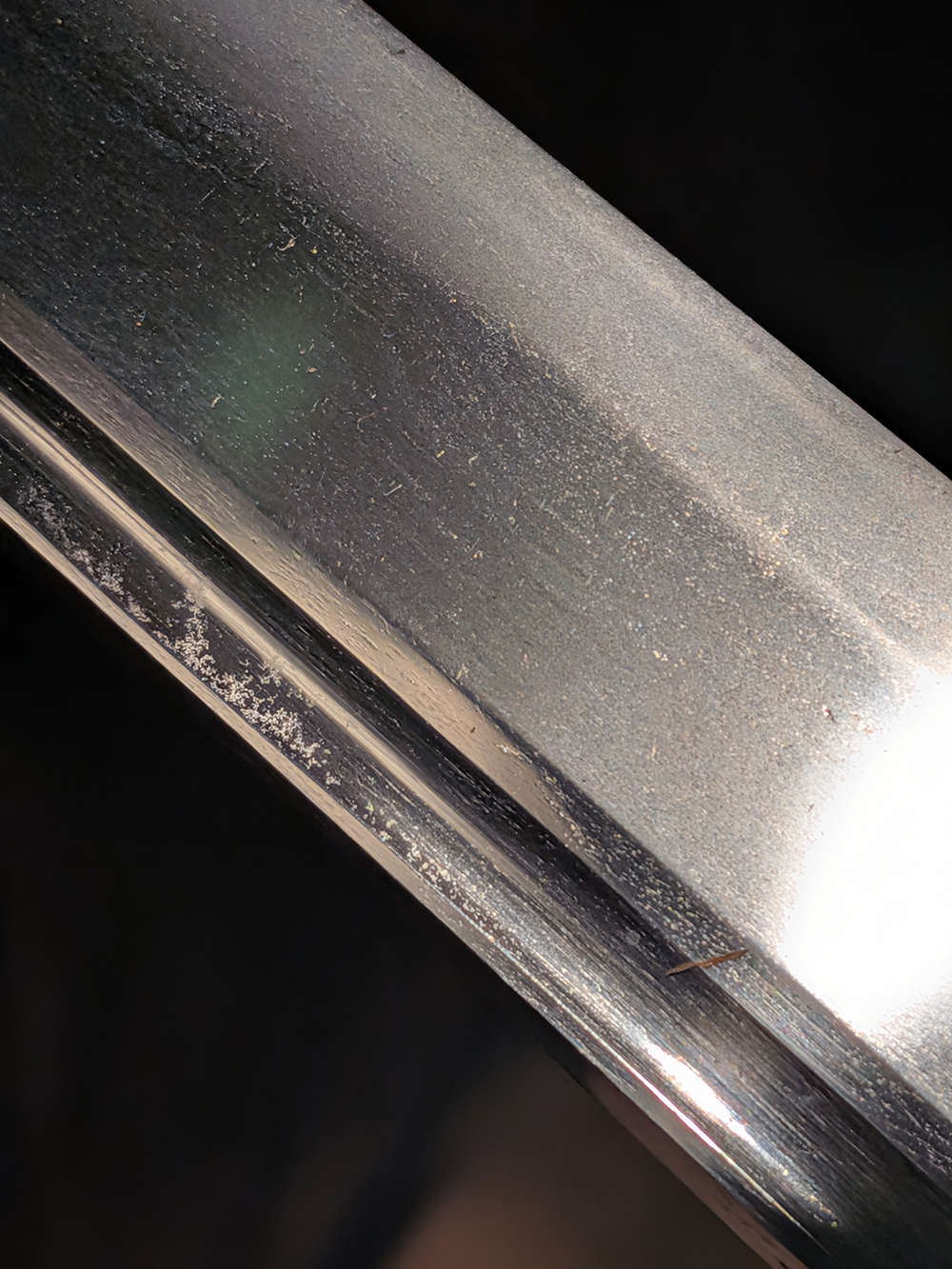
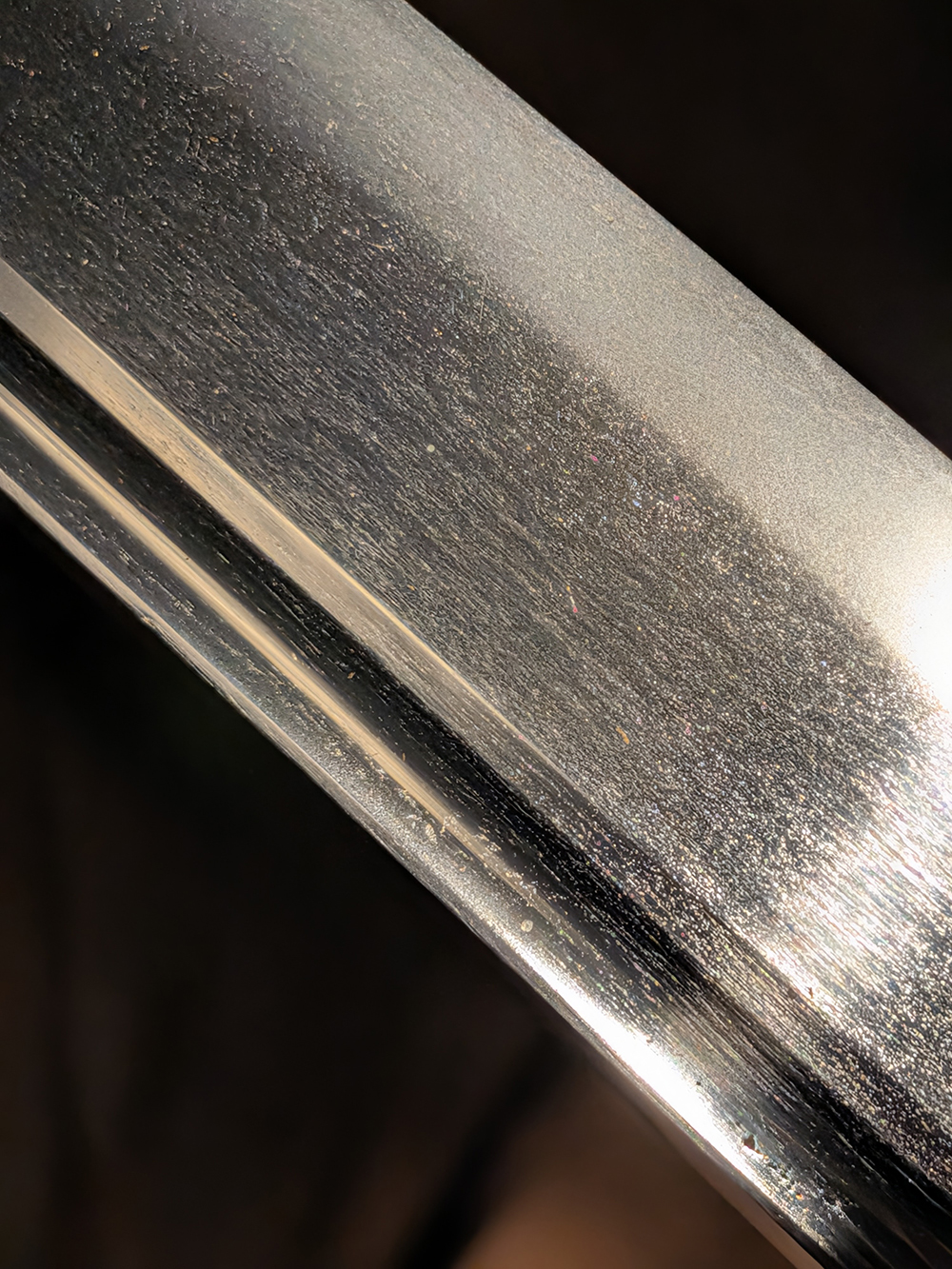
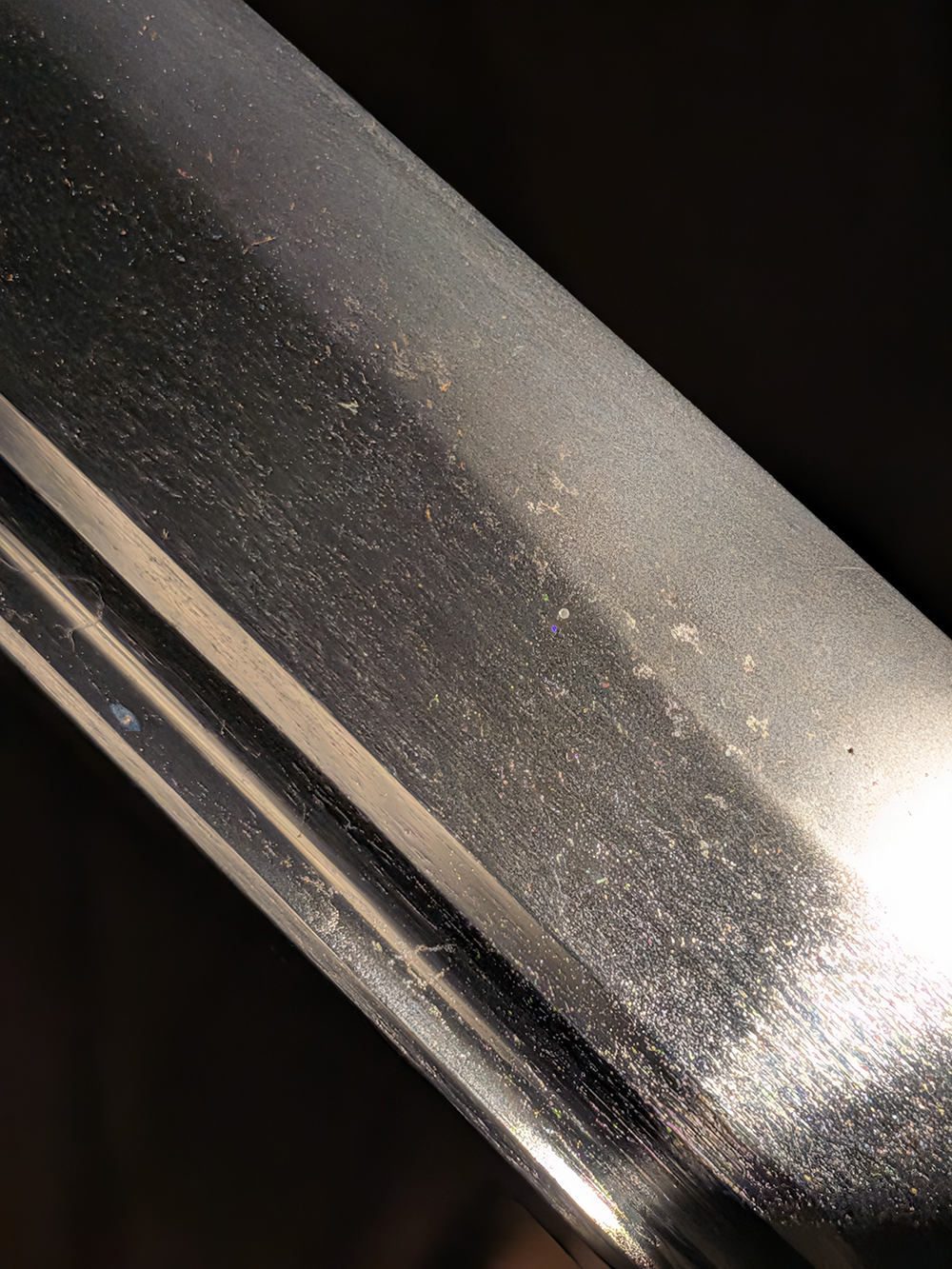
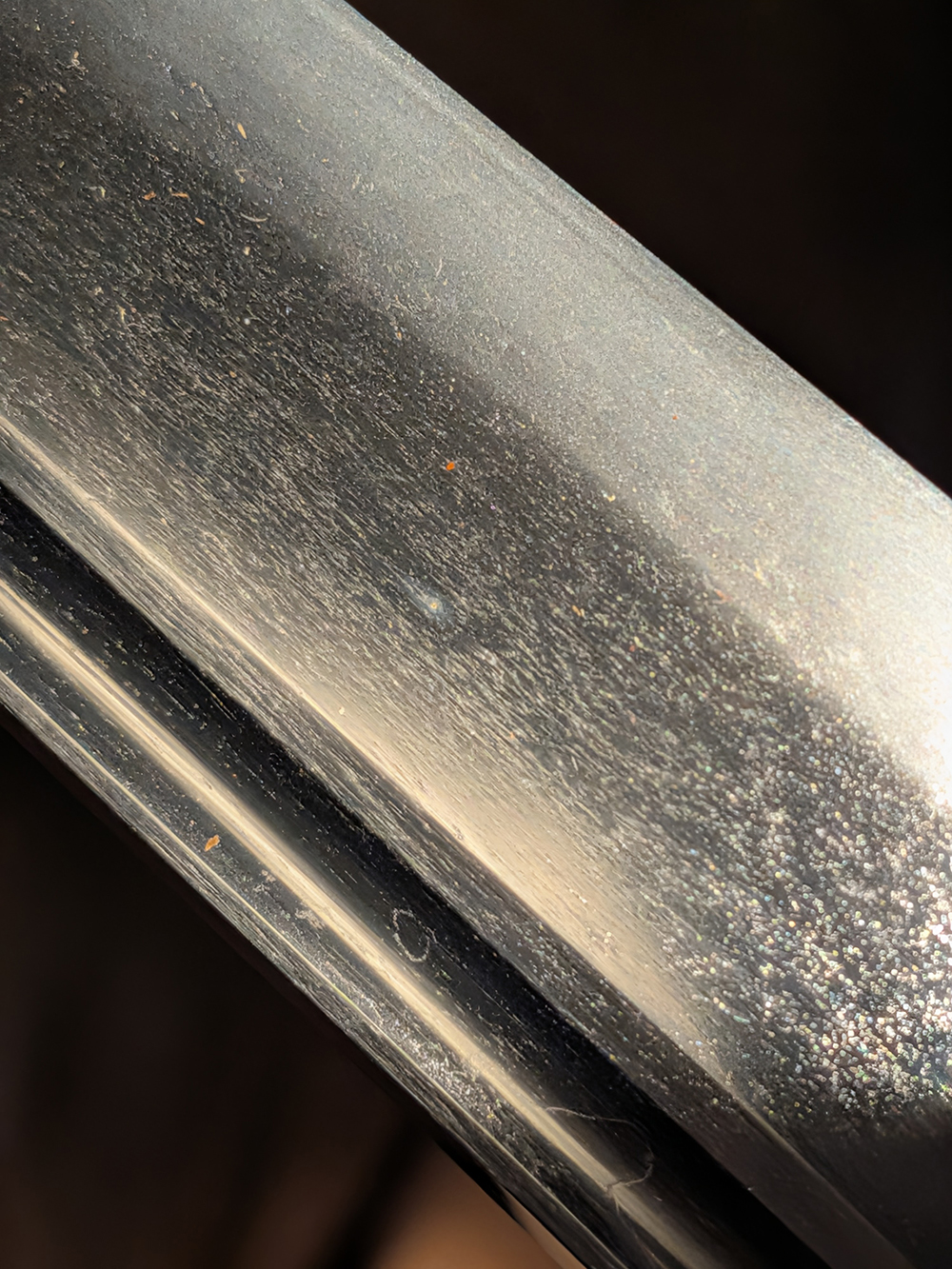
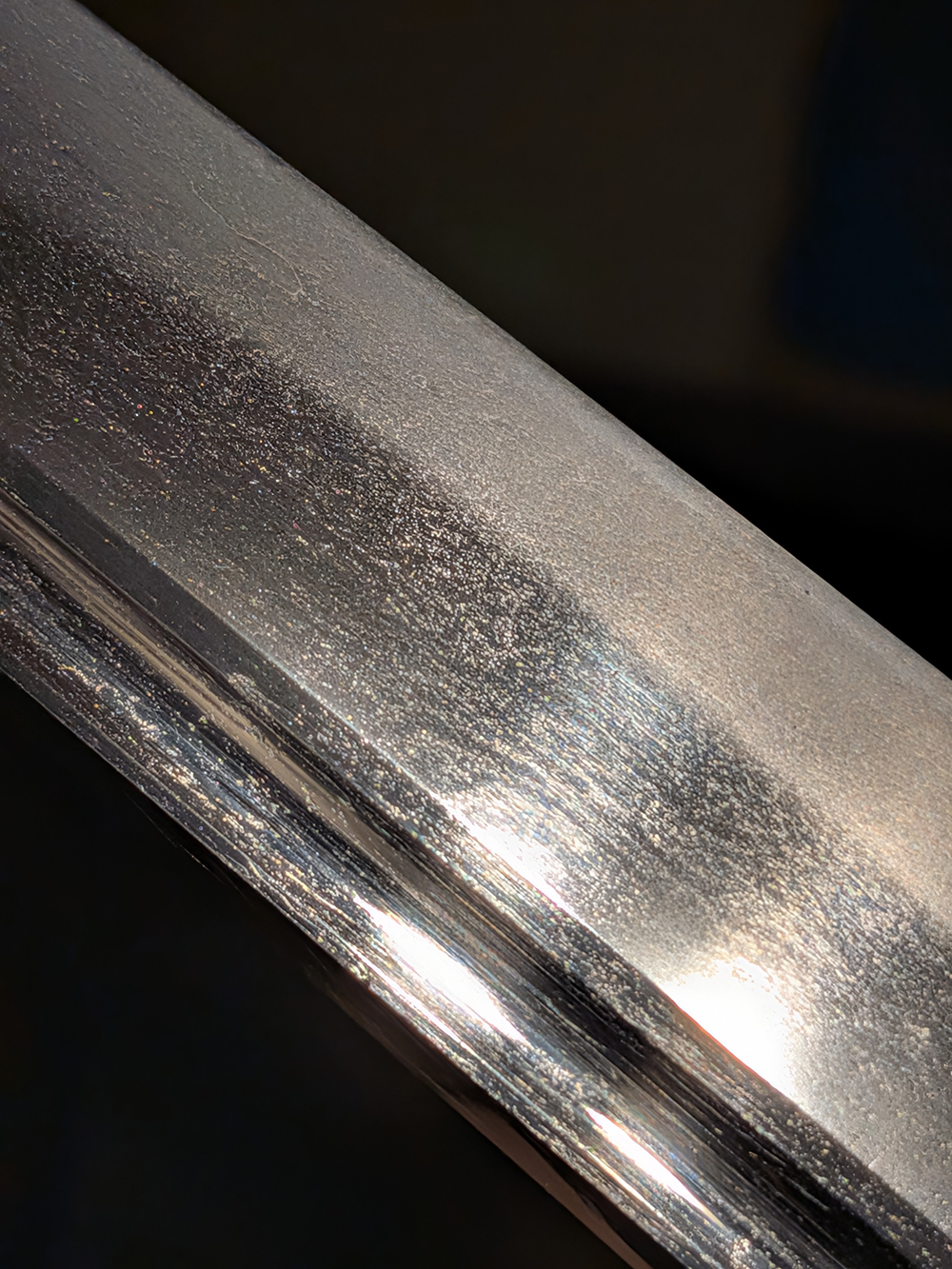
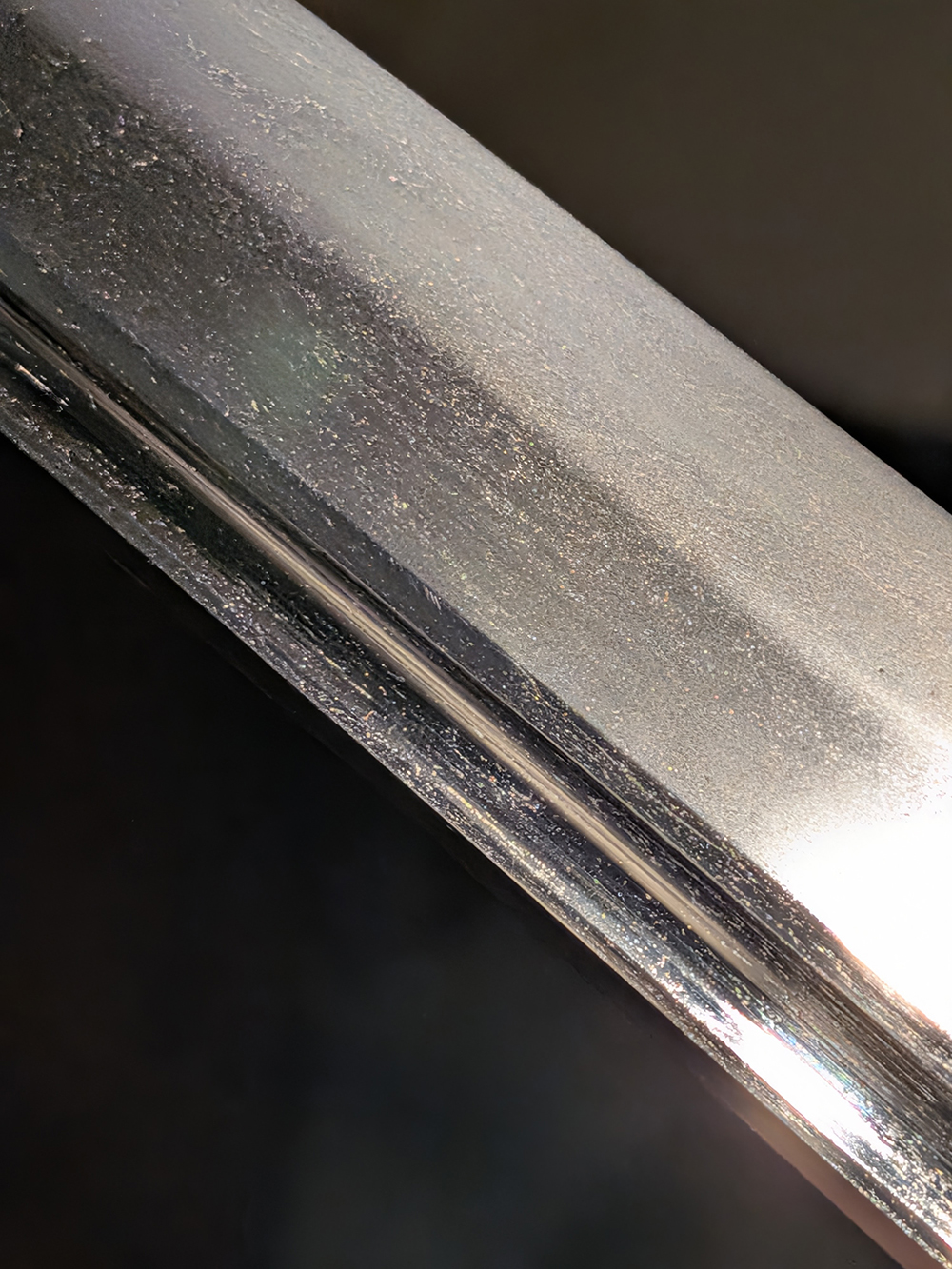
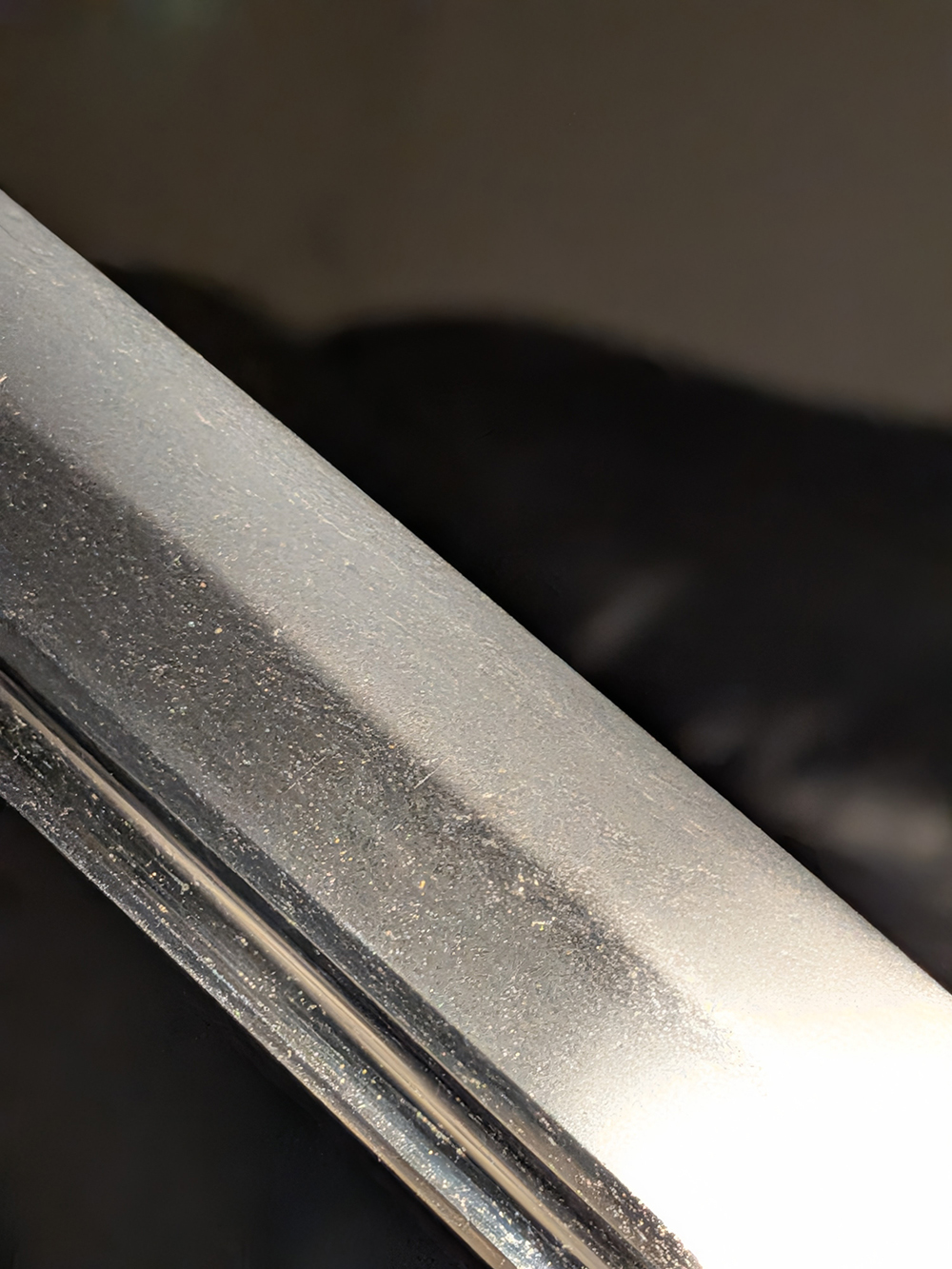
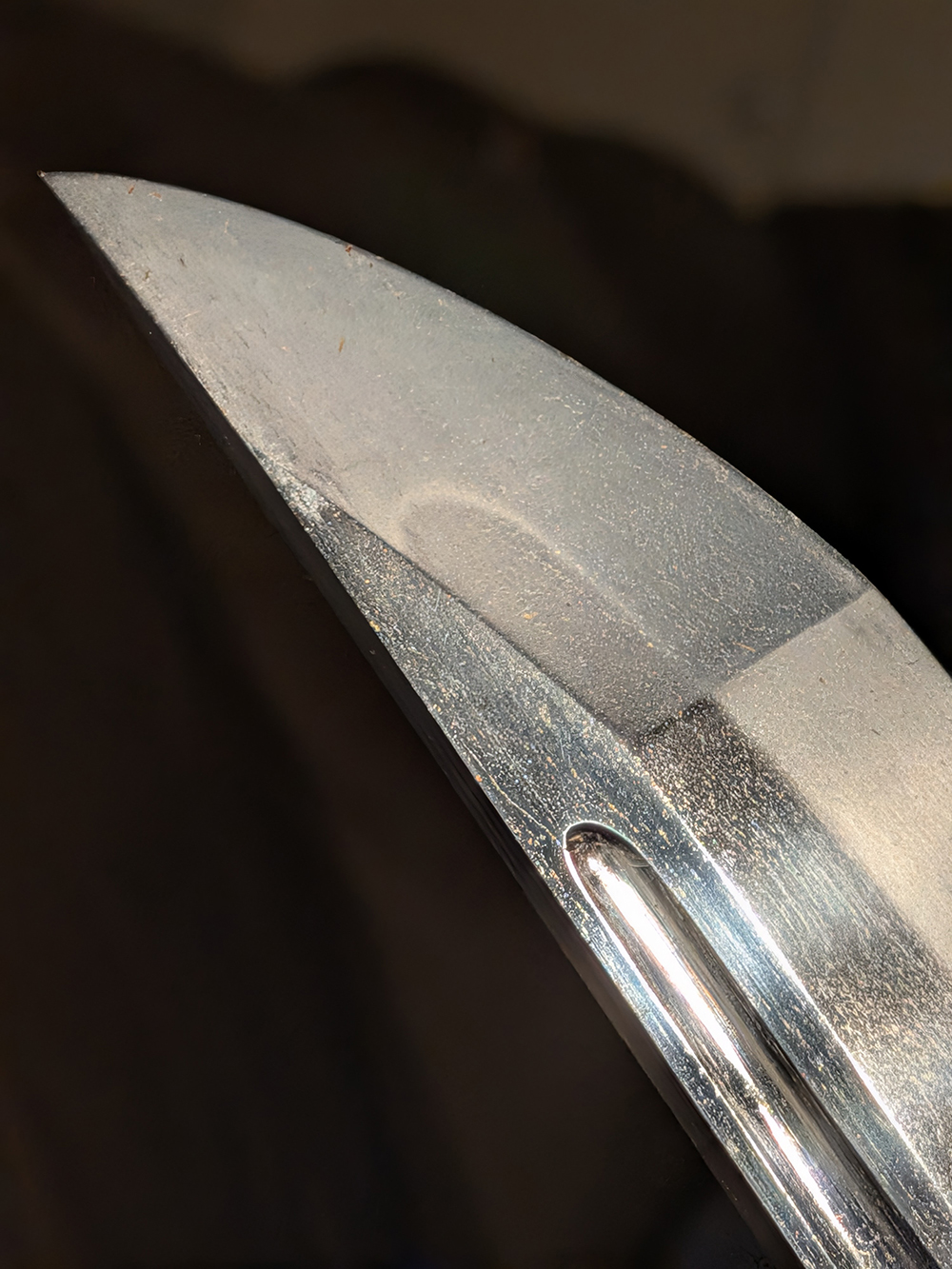
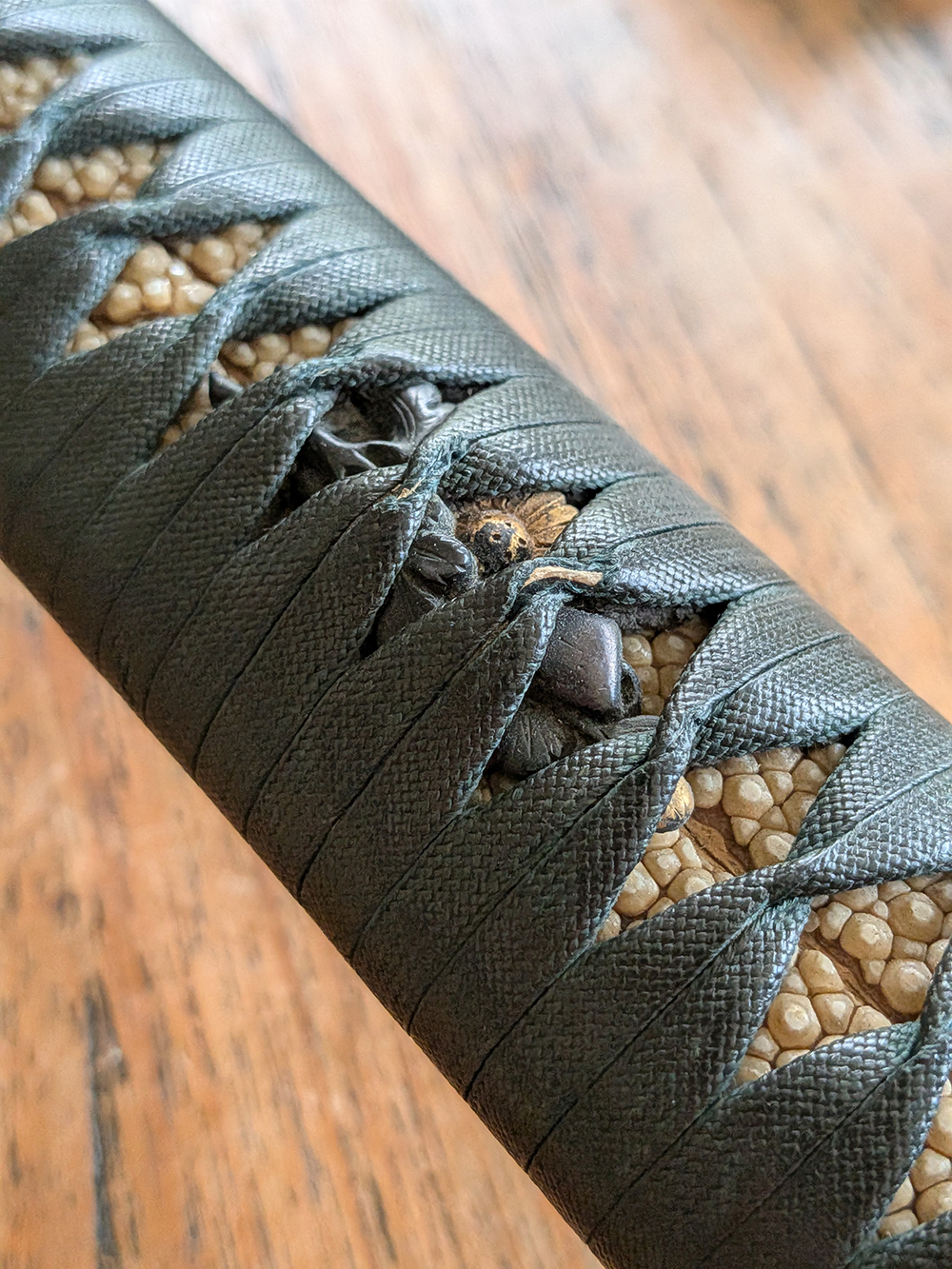
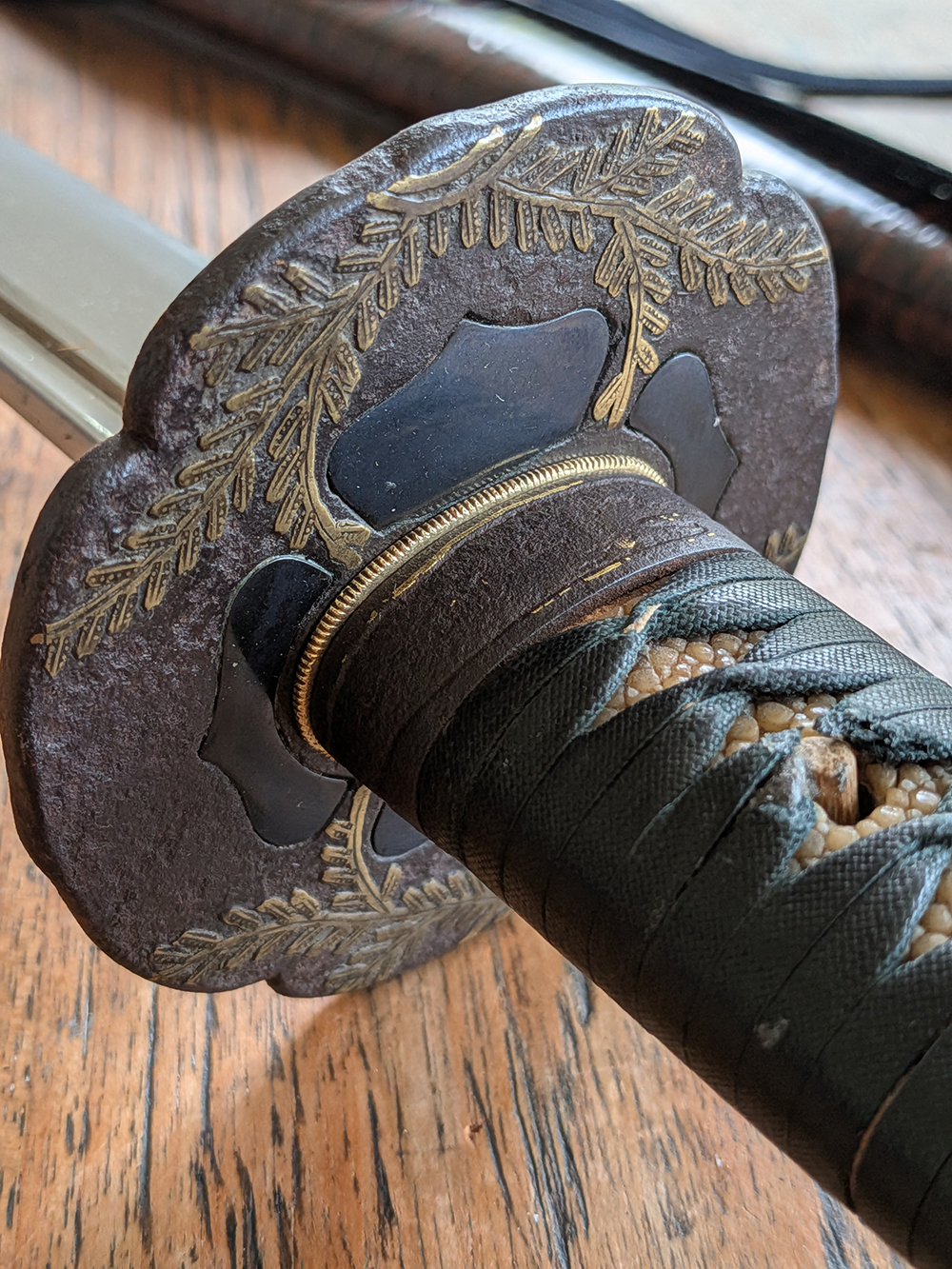
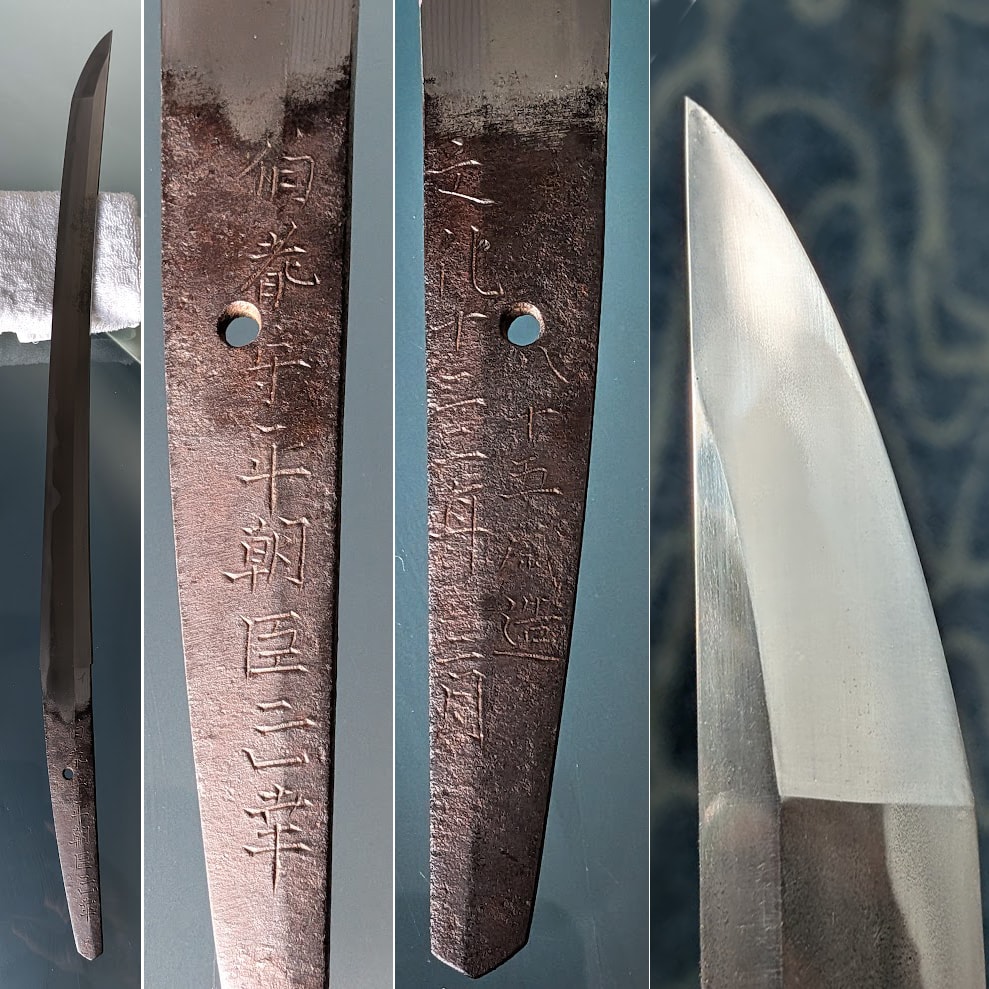
Mumei katana, attributed to Taira Takada — Bungo Province, Eiroku era (1558–1570)NTHK kanteishō, no. 1925, issued 23 June 2024 — shōshinNagasa68.8 cm (2 shaku 2 sun 7 bu)KitaeItame with masame-nagareHamonNotareBōshiSugu, ko-maruHorimonoBō-hi with maru-dome, omote and uraNakagoTwo mekugi-ana, yasurime katte-sagariHabakiGold foil, nugget-textured groundMountingsKoshiraePrice$6,500 + shippingThe Takada school of Bungo occupies a particular place in the affections of collectors who care about swords as swords. The distinction that dates a Takada blade is one of signature: kotō smiths of the line signed with the Taira clan name, adopting Fujiwara only from Keichō onward. A blade judgedTairaTakada is therefore a kotō piece by the school’s own convention — and the NTHK has narrowed it further, to the Eiroku era, which places this katana in the hardest-used decade of the school’s history. Bungo in the 1560s was Ōtomo Sōrin’s province at the height of its ambitions in Kyushu, and Takada forges were supplying the swords those ambitions consumed. This is a blade made when the demand was real.Itame carrying masame-nagare is the Takada jigane — the flowing straight grain drawn through the ji is close to a school fingerprint, and it is what separates Bungo work from the Bizen and Mino idioms it otherwise borrows from. Against that ground the smith has set a notare, an unhurried undulating hamon rather than the gunome-midare that Takada is more often associated with, closing in a sugu ko-maru bōshi. The combination points to the Sōshū-influenced side of the school’s repertoire, and it is the harder choice to bring off: notare gives a smith nowhere to hide behind activity. What it offers instead is breadth and a certain calm in the ha, the temper reading as a slow wave along the length of the blade rather than a series of incidents.Bō-hi with maru-dome cut through both sides does real work here. Beyond lightening a blade meant to be carried, the paired grooves give the sugata a lea
 NihontoWatch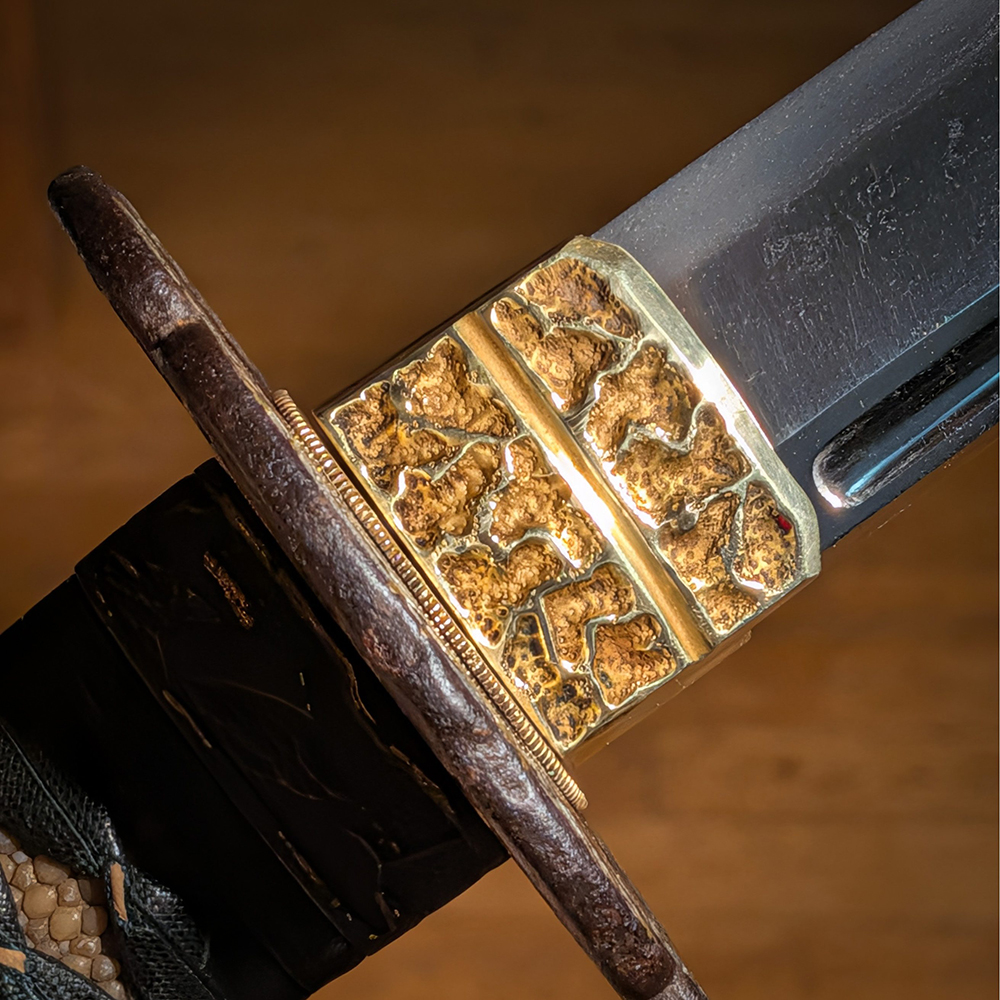
室町時代
室町は刀剣業を産業に変えた。徒歩の集団戦とともに打刀が興り、長船と関は数打ち物と注文打ちを並行して産し、勘合貿易は日本刀を数万振の単位で海外へ運んだ。
販売店の出品ページで鑑定書を確認できませんでした。日本刀および刀装具は通常、NBTHK(または NTHK)の鑑定を受けます。鑑定書がない場合、極めは販売店の見解にとどまり、第三者による確認は行われていません。ご購入前に販売店へ鑑定書の有無をお問い合わせのうえ、慎重にご判断ください。
$6,500
Mumei katana, attributed to Taira Takada — Bungo Province, Eiroku era (1558–1570)NTHK kanteishō, no. 1925, issued 23 June 2024 — shōshinNagasa68.8 cm (2 shaku 2 sun 7 bu)KitaeItame with masame-nagareHamonNotareBōshiSugu, ko-maruHorimonoBō-hi with maru-dome, omote and uraNakagoTwo mekugi-ana, yasurime katte-sagariHabakiGold foil, nugget-textured groundMountingsKoshiraePrice$6,500 + shippingThe Takada school of Bungo occupies a particular place in the affections of collectors who care about swords as swords. The distinction that dates a Takada blade is one of signature: kotō smiths of the line signed with the Taira clan name, adopting Fujiwara only from Keichō onward. A blade judgedTairaTakada is therefore a kotō piece by the school’s own convention — and the NTHK has narrowed it further, to the Eiroku era, which places this katana in the hardest-used decade of the school’s history. Bungo in the 1560s was Ōtomo Sōrin’s province at the height of its ambitions in Kyushu, and Takada forges were supplying the swords those ambitions consumed. This is a blade made when the demand was real.Itame carrying masame-nagare is the Takada jigane — the flowing straight grain drawn through the ji is close to a school fingerprint, and it is what separates Bungo work from the Bizen and Mino idioms it otherwise borrows from. Against that ground the smith has set a notare, an unhurried undulating hamon rather than the gunome-midare that Takada is more often associated with, closing in a sugu ko-maru bōshi. The combination points to the Sōshū-influenced side of the school’s repertoire, and it is the harder choice to bring off: notare gives a smith nowhere to hide behind activity. What it offers instead is breadth and a certain calm in the ha, the temper reading as a slow wave along the length of the blade rather than a series of incidents.Bō-hi with maru-dome cut through both sides does real work here. Beyond lightening a blade meant to be carried, the paired grooves give the sugata a lea
NihontoWatch室町時代
室町は刀剣業を産業に変えた。徒歩の集団戦とともに打刀が興り、長船と関は数打ち物と注文打ちを並行して産し、勘合貿易は日本刀を数万振の単位で海外へ運んだ。
販売店の出品ページで鑑定書を確認できませんでした。日本刀および刀装具は通常、NBTHK(または NTHK)の鑑定を受けます。鑑定書がない場合、極めは販売店の見解にとどまり、第三者による確認は行われていません。ご購入前に販売店へ鑑定書の有無をお問い合わせのうえ、慎重にご判断ください。
$6,500