室町は刀剣業を産業に変えた。徒歩の集団戦とともに打刀が興り、長船と関は数打ち物と注文打ちを並行して産し、勘合貿易は日本刀を数万振の単位で海外へ運んだ。
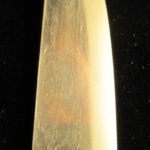
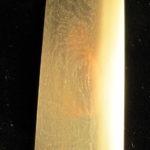
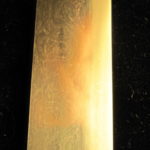
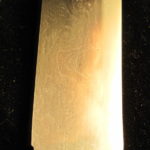
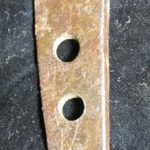
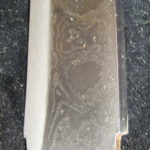
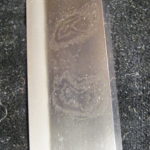
Q789. Mumei tanto.Nagasa: 8′′ 20.5 cm.Sori: slight uchizoriMoto haba: 2.3 cm.Moto kasane: .5 cm.Nakago nagasa: 3 1/8′′ 7.9 cm.Overall in shirasaya: 13 1/2′′ 34.4 cm.Hira zukuri, iore mune. The hada is itame with prominent mokume in bright ji-nie. The hamon is suguba with fine lines of kinsuji/sunagashi ending in a ko-maru boshi and a short kaeri, all in a bright nioi guchi covered in ko-nie. The nakago is, most likely, ubu with 2 ana. It looks to have signed at one time but the signature is lost to time. The tanto is in polish, mounted with a gold colored habaki (it isn’t foil and I don’t think it is solid gold; maybe an alloy or a well done plate), and in shirasaya. Other than for a few tiny, tiny pin pricks, it is flawless.The aikuchi (without a tsuba) koshirae is in excellent condition; no damage to the lacquer and the handle wrap is intact. All the metal parts are en suite of shibuichi or something similar. There are pockets in the saya for kogai and kotsuka but these are missing. The mounts are held together with a well made tsunagi (wood blade) with wood habaki. Both the blade in shirasaya and the koshirae come with Japanese sword bags.Mark Jones and I own this tanto. When we bought it it came with a paper from the NTHK giving it to Gassan. Mark and I had our doubts so we sent it to Jimmy Hayashi for polish and John Tirado for shirasaya and tsunagi. We haven’t submitted this tanto for new paper but best guess from Mr. Hayashi and a few others who have seen it is something like Shitahara School and sometime in Muromachi period. The prominent mokume is consistent with Shitahara work.Whatever this ends up being, it is quite nice. 500 or so years old, in excellent polish and excellent condition, with koshirae and paper: there is a lot here to appreciate. 1 pound, 3 ounces. $2,995.
 NihontoWatch
新刀 · 武蔵
現在13点販売中
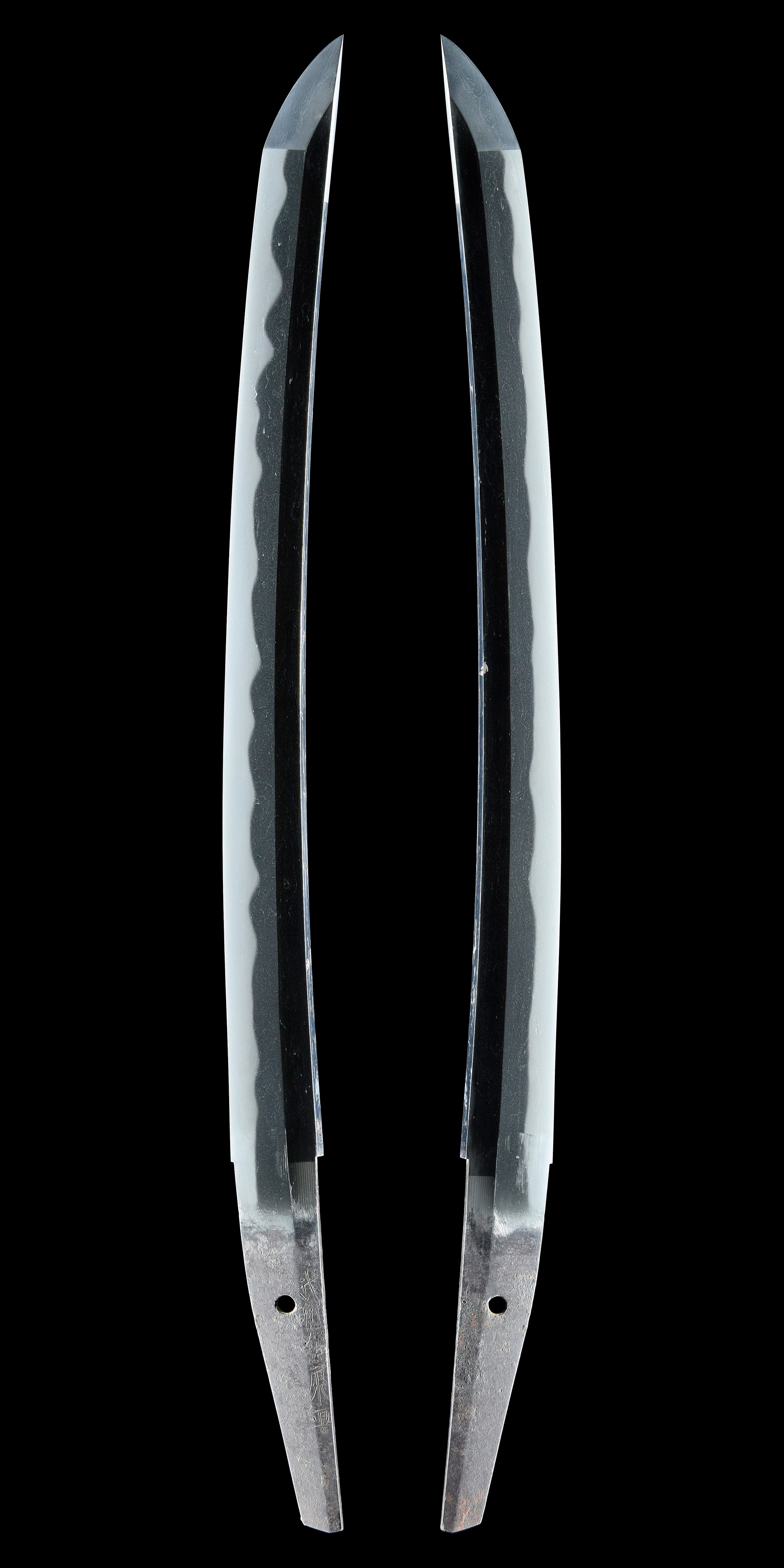
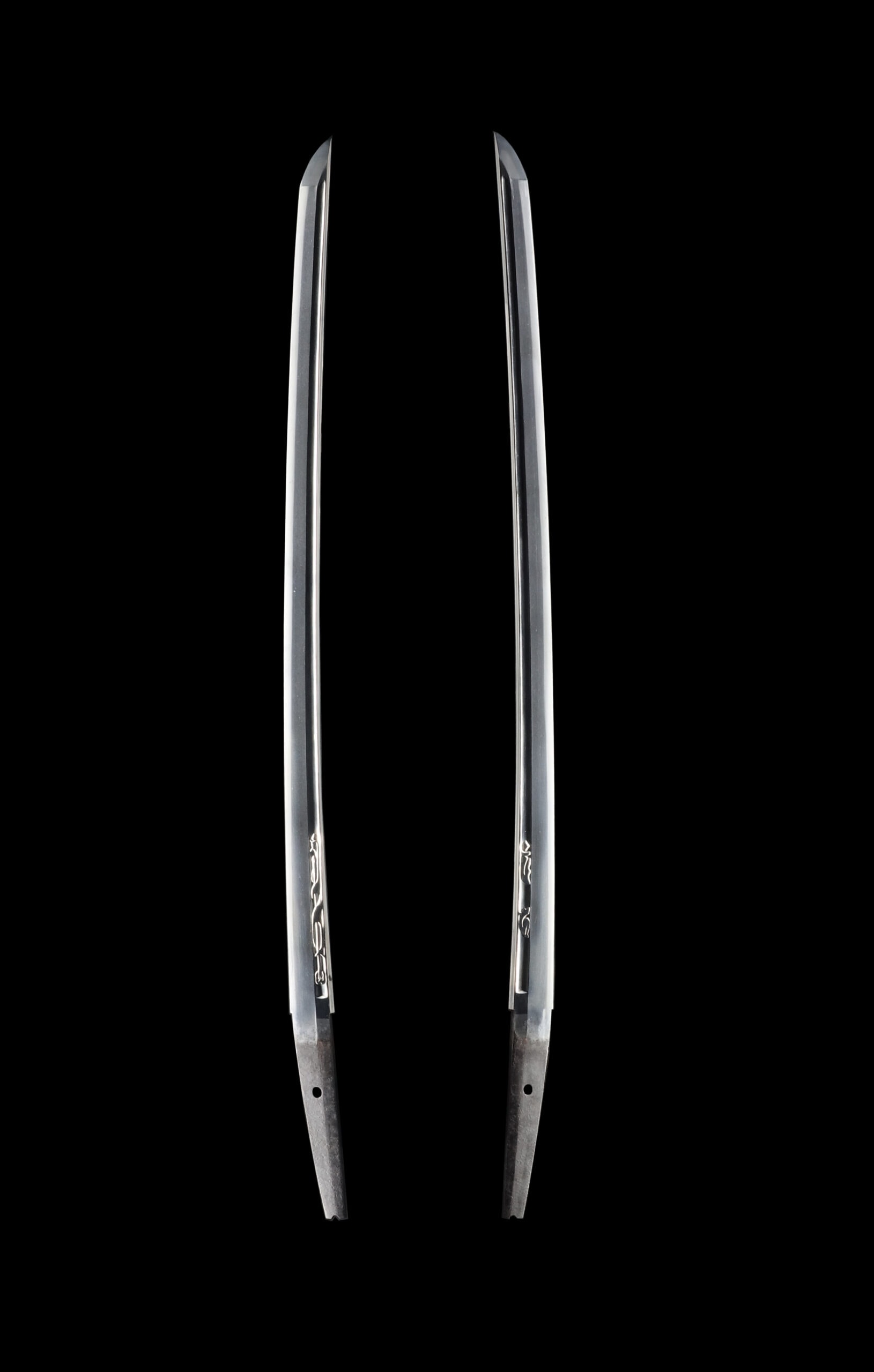
下原派は武蔵国八王子の地に拠った刀工の一群で、室町末期に興り、以後江戸末期に至るまで作刀を続けた。古刀期の武蔵国を代表する鍛冶とされ、説示では周重・康重・照重・広重の四工を著名な工として挙げる。なかでも照重は康重・広重と並んで一派を代表する存在で、山本源二郎照重、山本与五郎康重のように山本姓を称した工も知られる。照重については銘鑑が初代を享禄、二代を永禄、三代を天正に充てており、永禄から天正の頃の作がもっとも時代の上がるものと鑑せられている。甲州の注文に応じて鍛えた薙刀も伝わり、地方を越えて求められた様子がうかがえる。 作風は末相州および村正一派の風に末関風を加味したものと説かれる。鍛えは板目に杢がしきりに交じって肌立ち、刃寄りが流れて綾杉風となり、渦を巻いたような肌があらわれる点に地がねの特色がある。刃文は湾れを基調に互の目が二つ三つ連れて尖り刃を交え、やや規則的に乱れて小沸がつき、砂流しのかかるものもある。帽子は乱れ込んで丸く返るものや先の尖って返るものがみられる。細かに肌立った杢目の地がねと、規則的に連れる互の目乱れにのたれを交えた刃文の組み合わせが、この一派を見分ける手がかりとなる。 鑑定にあたっては、肌立った地がねに綾杉風の流れと渦巻く肌があらわれること、互の目が規則的に連れて乱れる刃文の調子を要点とする。彫物では表に棒樋を掻き、倶利迦羅竜や不動、梵字を添えるものが多く、倶利迦羅竜の尾の巻き方に一派らしさが出るとされる。茎は栗尻に切鑢を施し、棟寄りに長銘を切るものが多い。室町末期の打刀や薙刀を代表する優品が重要刀剣に列せられており、照重の薙刀は両刃造という珍しい形状を伝える。武蔵国の在地鍛冶として実用に応えつつ、相州と関の風を併せ呑んだ独自の地刃を築いた点に、下原一派の位置づけがある。 詳しく見る →
室町は刀剣業を産業に変えた。徒歩の集団戦とともに打刀が興り、長船と関は数打ち物と注文打ちを並行して産し、勘合貿易は日本刀を数万振の単位で海外へ運んだ。
NTHKの中心的な鑑定書で、相応の出来を備えた作に発行されます。在銘作は銘の正真を、無銘作は審査員による刀工・流派の極めを示します。点数を記す詳細な審査表が付されます。
NTHK(日本刀剣保存会)は、NBTHK(1948年設立)に先立つ1910年に創立された、日本で最も古い刀剣鑑定団体です。長く会を率いた会長の没後、NTHKとNTHK-NPOの二つに分かれ、いずれも審査を続けています。NTHKの鑑定書は、点数と審査員の所見を併記する詳細な審査表が特徴で、特に無銘作の極めに定評があります。
3-day return window from receipt.
Q789. Mumei tanto.Nagasa: 8′′ 20.5 cm.Sori: slight uchizoriMoto haba: 2.3 cm.Moto kasane: .5 cm.Nakago nagasa: 3 1/8′′ 7.9 cm.Overall in shirasaya: 13 1/2′′ 34.4 cm.Hira zukuri, iore mune. The hada is itame with prominent mokume in bright ji-nie. The hamon is suguba with fine lines of kinsuji/sunagashi ending in a ko-maru boshi and a short kaeri, all in a bright nioi guchi covered in ko-nie. The nakago is, most likely, ubu with 2 ana. It looks to have signed at one time but the signature is lost to time. The tanto is in polish, mounted with a gold colored habaki (it isn’t foil and I don’t think it is solid gold; maybe an alloy or a well done plate), and in shirasaya. Other than for a few tiny, tiny pin pricks, it is flawless.The aikuchi (without a tsuba) koshirae is in excellent condition; no damage to the lacquer and the handle wrap is intact. All the metal parts are en suite of shibuichi or something similar. There are pockets in the saya for kogai and kotsuka but these are missing. The mounts are held together with a well made tsunagi (wood blade) with wood habaki. Both the blade in shirasaya and the koshirae come with Japanese sword bags.Mark Jones and I own this tanto. When we bought it it came with a paper from the NTHK giving it to Gassan. Mark and I had our doubts so we sent it to Jimmy Hayashi for polish and John Tirado for shirasaya and tsunagi. We haven’t submitted this tanto for new paper but best guess from Mr. Hayashi and a few others who have seen it is something like Shitahara School and sometime in Muromachi period. The prominent mokume is consistent with Shitahara work.Whatever this ends up being, it is quite nice. 500 or so years old, in excellent polish and excellent condition, with koshirae and paper: there is a lot here to appreciate. 1 pound, 3 ounces. $2,995.
NihontoWatch新刀 · 武蔵
現在13点販売中
下原派は武蔵国八王子の地に拠った刀工の一群で、室町末期に興り、以後江戸末期に至るまで作刀を続けた。古刀期の武蔵国を代表する鍛冶とされ、説示では周重・康重・照重・広重の四工を著名な工として挙げる。なかでも照重は康重・広重と並んで一派を代表する存在で、山本源二郎照重、山本与五郎康重のように山本姓を称した工も知られる。照重については銘鑑が初代を享禄、二代を永禄、三代を天正に充てており、永禄から天正の頃の作がもっとも時代の上がるものと鑑せられている。甲州の注文に応じて鍛えた薙刀も伝わり、地方を越えて求められた様子がうかがえる。 作風は末相州および村正一派の風に末関風を加味したものと説かれる。鍛えは板目に杢がしきりに交じって肌立ち、刃寄りが流れて綾杉風となり、渦を巻いたような肌があらわれる点に地がねの特色がある。刃文は湾れを基調に互の目が二つ三つ連れて尖り刃を交え、やや規則的に乱れて小沸がつき、砂流しのかかるものもある。帽子は乱れ込んで丸く返るものや先の尖って返るものがみられる。細かに肌立った杢目の地がねと、規則的に連れる互の目乱れにのたれを交えた刃文の組み合わせが、この一派を見分ける手がかりとなる。 鑑定にあたっては、肌立った地がねに綾杉風の流れと渦巻く肌があらわれること、互の目が規則的に連れて乱れる刃文の調子を要点とする。彫物では表に棒樋を掻き、倶利迦羅竜や不動、梵字を添えるものが多く、倶利迦羅竜の尾の巻き方に一派らしさが出るとされる。茎は栗尻に切鑢を施し、棟寄りに長銘を切るものが多い。室町末期の打刀や薙刀を代表する優品が重要刀剣に列せられており、照重の薙刀は両刃造という珍しい形状を伝える。武蔵国の在地鍛冶として実用に応えつつ、相州と関の風を併せ呑んだ独自の地刃を築いた点に、下原一派の位置づけがある。 詳しく見る →
室町は刀剣業を産業に変えた。徒歩の集団戦とともに打刀が興り、長船と関は数打ち物と注文打ちを並行して産し、勘合貿易は日本刀を数万振の単位で海外へ運んだ。
NTHKの中心的な鑑定書で、相応の出来を備えた作に発行されます。在銘作は銘の正真を、無銘作は審査員による刀工・流派の極めを示します。点数を記す詳細な審査表が付されます。
NTHK(日本刀剣保存会)は、NBTHK(1948年設立)に先立つ1910年に創立された、日本で最も古い刀剣鑑定団体です。長く会を率いた会長の没後、NTHKとNTHK-NPOの二つに分かれ、いずれも審査を続けています。NTHKの鑑定書は、点数と審査員の所見を併記する詳細な審査表が特徴で、特に無銘作の極めに定評があります。
3-day return window from receipt.
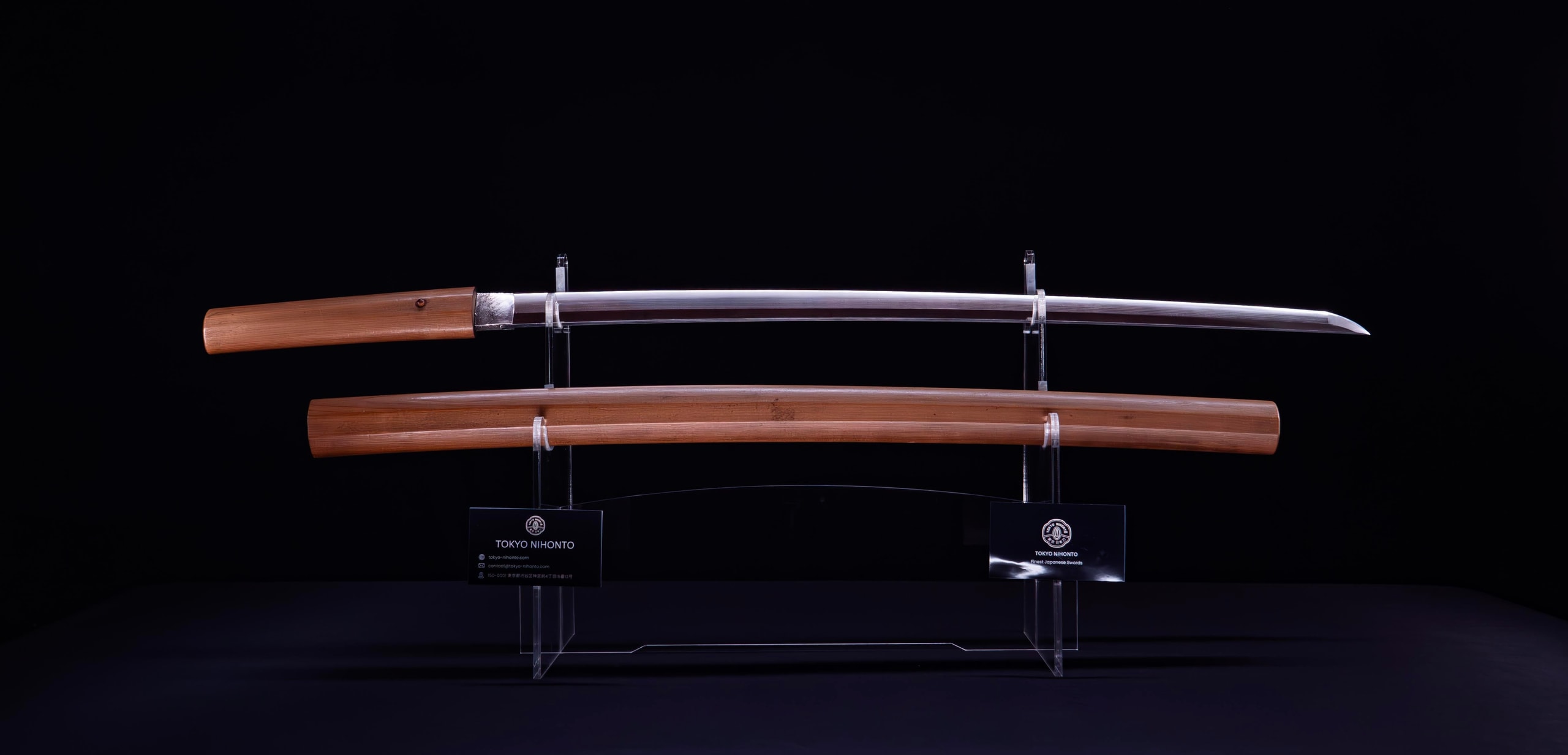
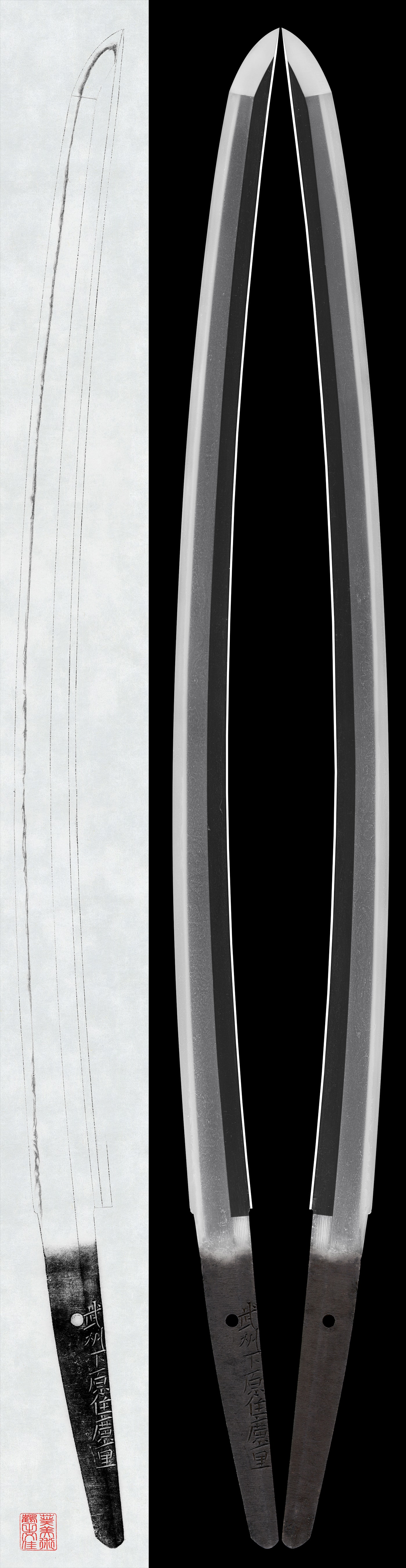
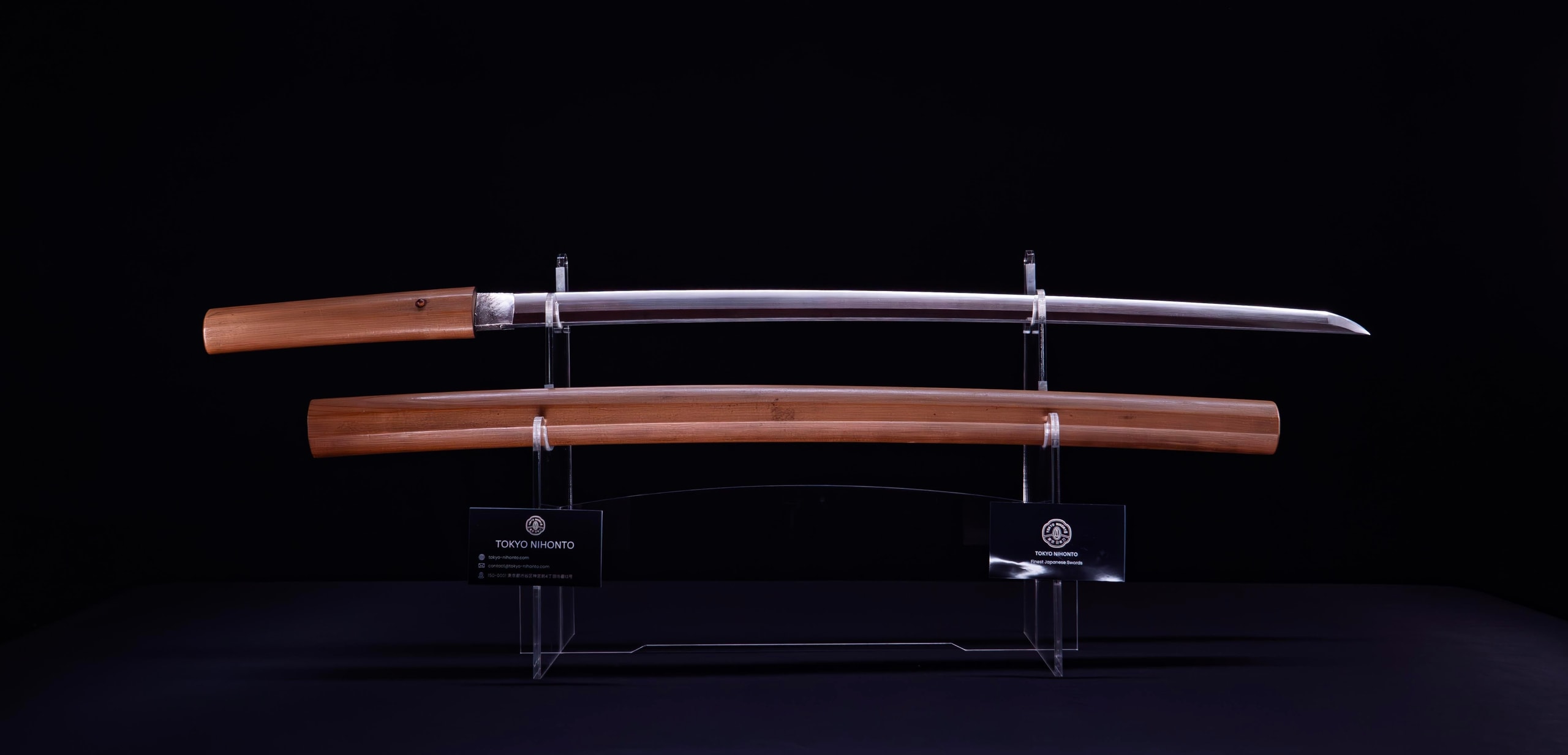
![Katana - Hozon - by Shitahara School - Katana [Bushu-jyu-Yasuie] [N.B.T.H.K] Hozon Token](/_next/image?url=https%3A%2F%2Fitbhfhyptogxcjbjfzwx.supabase.co%2Fstorage%2Fv1%2Fobject%2Fpublic%2Flisting-images%2Fworld-seiyudo%2FL32362%2F00.jpg&w=2560&q=90)