江戸は刀の目利きの時代である。本阿弥の鑑定、1719年の享保名物帳、盛んな刀剣書が、戦で抜かれることのなくなった刀を学問の対象へと変えていった。
 NihontoWatchNihontoWatch
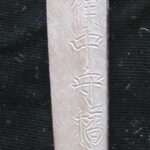
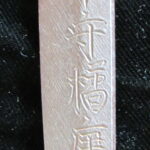
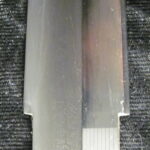
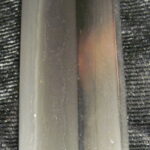
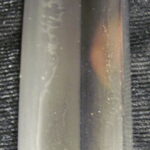
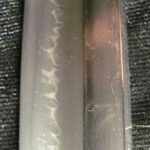
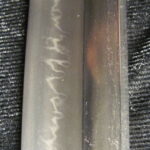
Q836. Katana signed Bitchu no Kami Tachibana Yasuhiro. Nagasa: 27 7/16″ 69.6 cm. Sori: 1.75 cm. Moto haba: 3.1 cm. Moto kasane: .8 cm. Saki haba: 2 cm. Saki kasane: .5 cm. Nakago nagasa: 7 7/16″ 19 cm. Overall in shirasaya: 38 1/2″ 98 cm. Shinogi zukuri, shallow koshi zori, iore mune, and chu kissaki. The hada is ko itame with utsuri; in the shinogi ji it is a fine masame. The hamon begins with a straight yaki dashi and becomes wide variations of chogi with leggy ashi, hotsure, and tobiyaki, all in a bright nioi guchi covered in finest ko-nie. The boshi is slightly undulating and ends in a bit of hakkikake in ko-maru with a long kaeri that shows as mune-yaki down the back of the blade. The katana is wider and thicker than the standard model; it is impressively heavy. It is mounted with a quite nice double gold foil habaki and in well made shirasaya. It is in polish and comes with a Tokubetsu Hozon paper from the NBTHK in Tokyo, dated 2009 and attesting to the quality and validity of the signature. This blade is flawless. 1st generation Yasuhiro was the 2nd son of the founder of the Kishu Ishido School: Tosa Shogen Tameyasu. The Ishido School and its various branches arose in early Edo and made their mark in copying work of early Bizen Ichimonji. Yasuhiro worked in the latter half of the 17th century; he is rated Chujosaku and Wazamono in Fujishiro’s Nihon Toko Jiten. My pictures don’t do justice to the bright and clear choji hamon on this one; I can guarantee you’ll like it better in hand. 3 pounds, 1 ounce.
NihontoWatch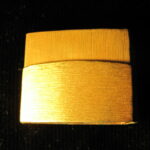
新刀 · 紀伊
現在3点販売中
江戸時代
江戸は刀の目利きの時代である。本阿弥の鑑定、1719年の享保名物帳、盛んな刀剣書が、戦で抜かれることのなくなった刀を学問の対象へと変えていった。
保存刀剣のうち、出来が一層優れ、保存状態も良好と認められたものです。再刃や、室町・江戸期の多くの無銘作は対象外となり、保存刀剣より高い基準が課されます。
日本美術刀剣保存協会(NBTHK)は、1948年に設立され、文化庁の監督を受ける公益財団法人で、東京・刀剣博物館に本部を置きます。専門の審査員が出品作を直接審査し、美術的・歴史的価値に応じた鑑定書を発行します。NBTHKの鑑定書は、日本刀および刀装具の真正性を示す最も広く認知された基準です。
NBTHK公式サイト3-day return window from receipt.