江戸は刀の目利きの時代である。本阿弥の鑑定、1719年の享保名物帳、盛んな刀剣書が、戦で抜かれることのなくなった刀を学問の対象へと変えていった。
 NihontoWatchNihontoWatch
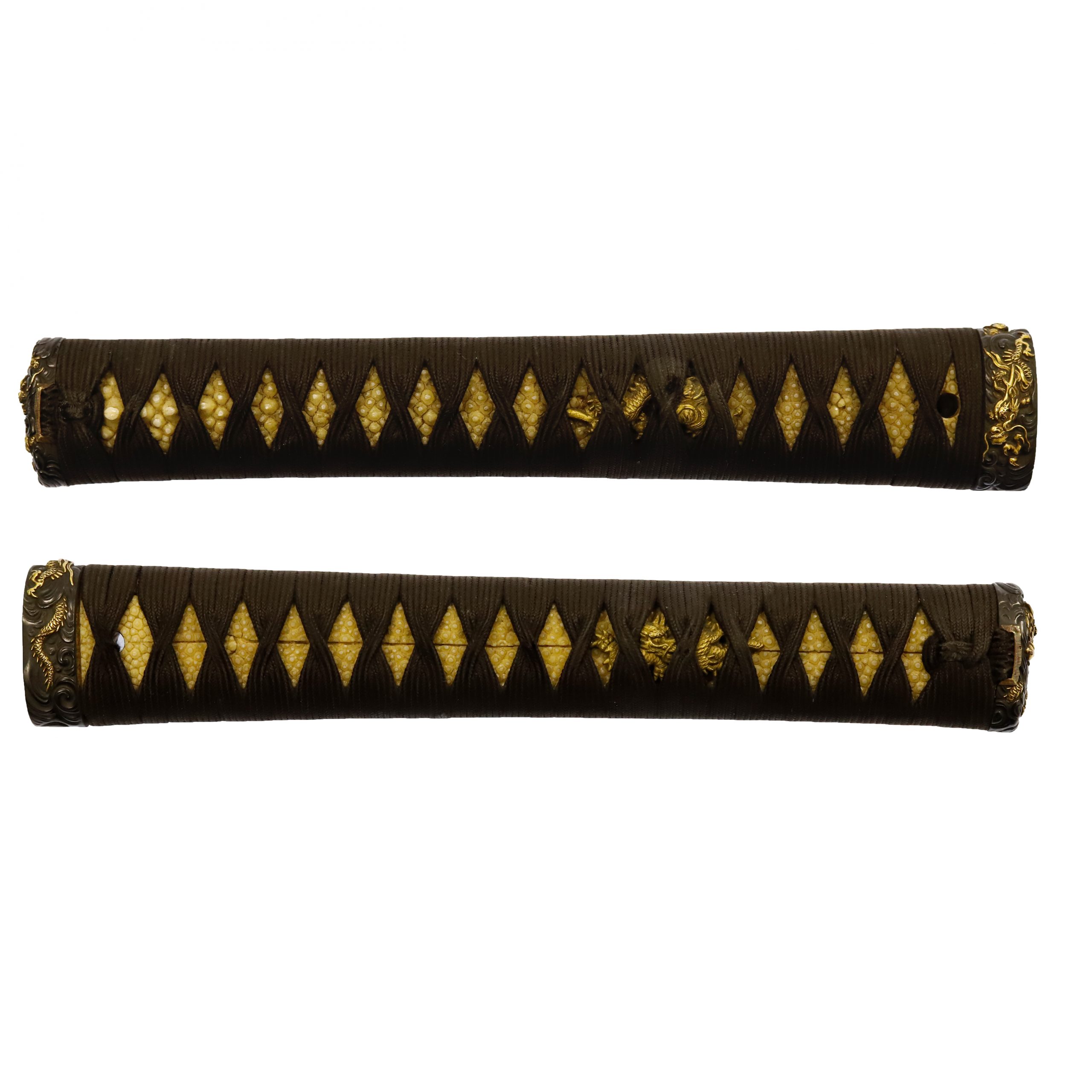
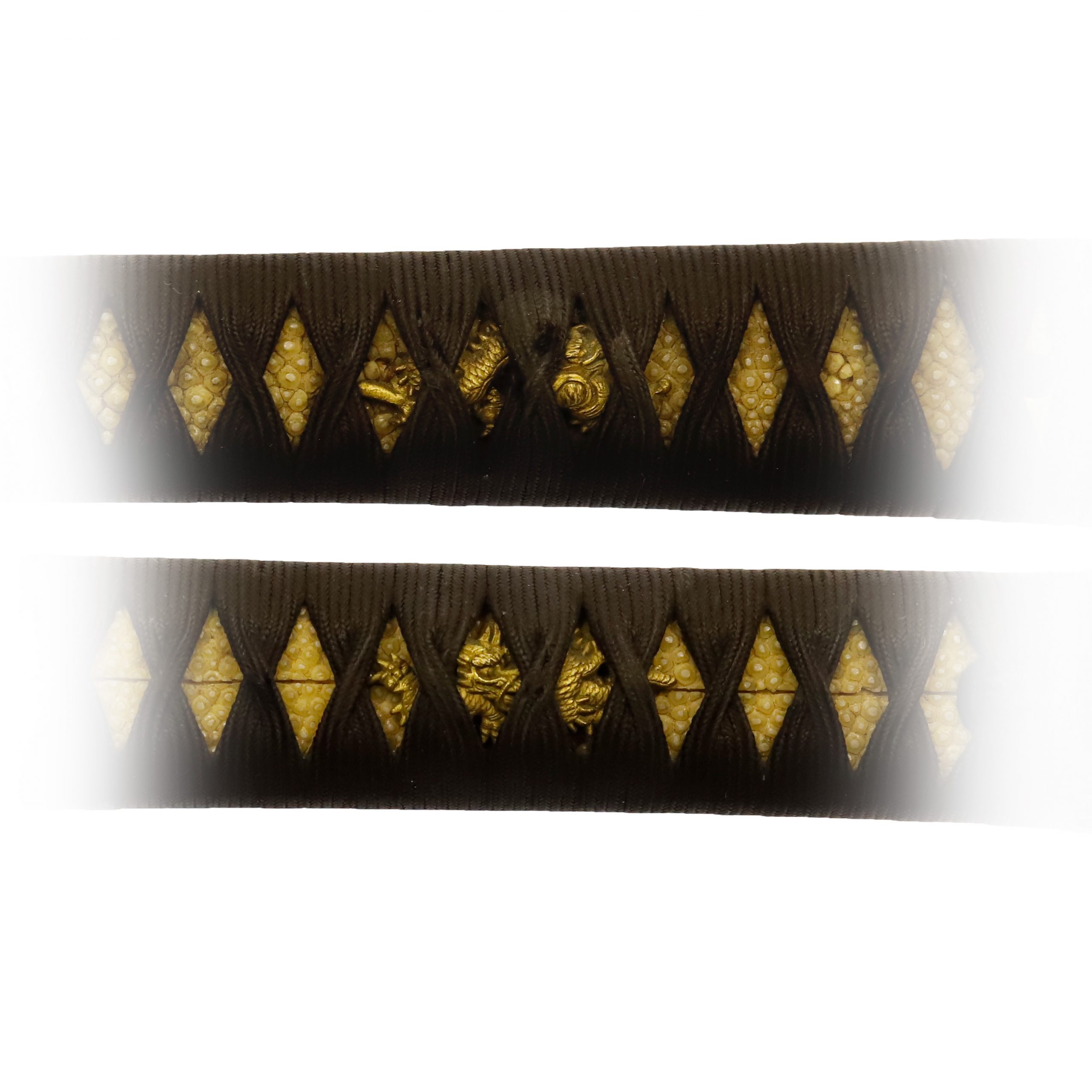
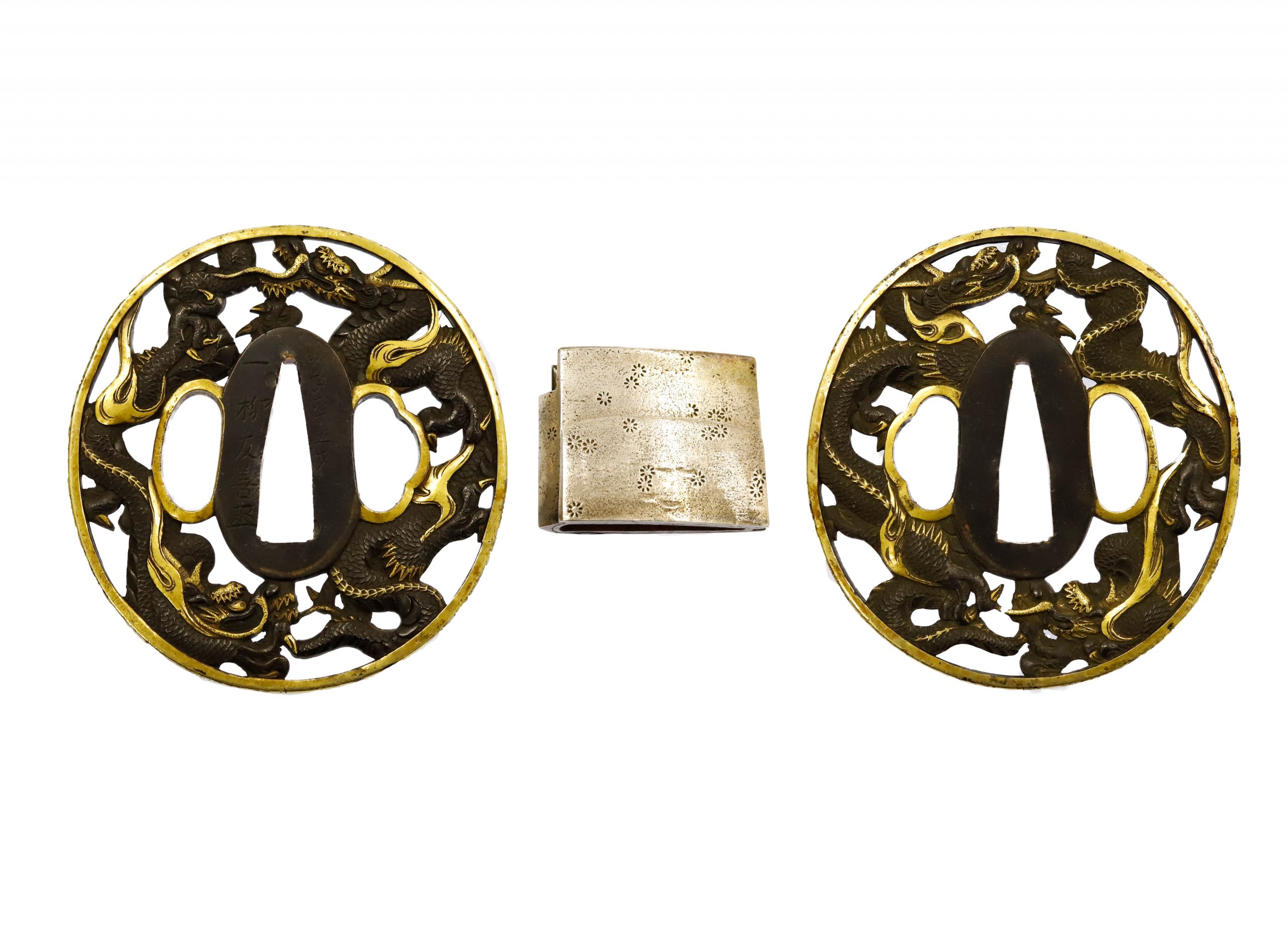
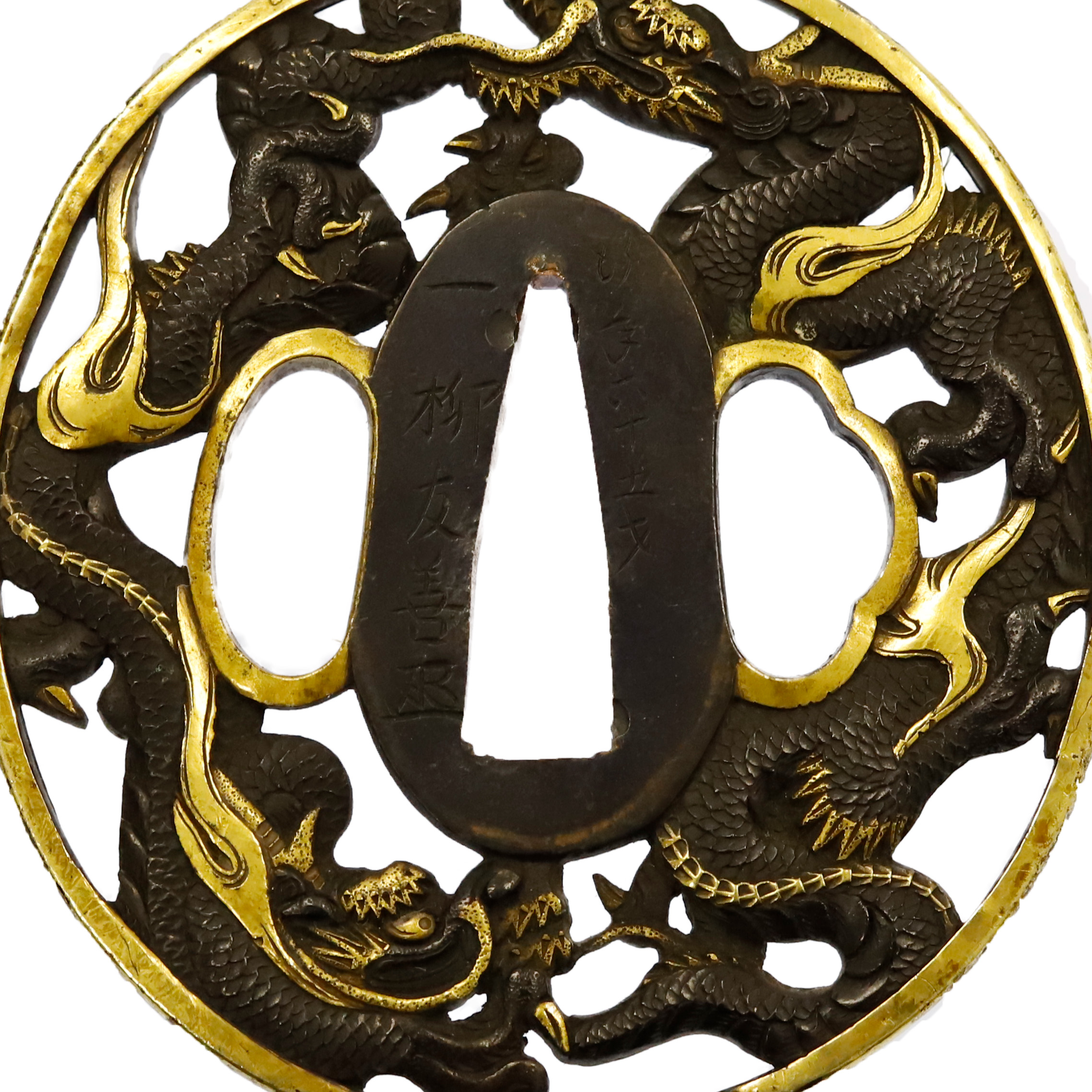
Summary This blade was signed by Bushu Jyu Yasuyoshi (武州住安儀), who was especially active during the Enpo era (Early Edo period: 1673-1681). Bushu Jyu means that he lived in Bushu domain (today’s Tokyo). He was an apprentice of Yamato no Kami Yasusada (大和守安定), one of the most famous swordsmiths in the early Edo period. It is said that Yasuyoshi regularly did Daisaku for his master, Yasusada. That means that his master highly acknowledged Yasuyoshi’s craftmanship. Daisaku is a regular act where an apprentice or a child of the swordsmith signed his master’s name with his master’s permission or forged a blade on behalf of the master. That is also why there aren’t many remaining blades signed by Yasuyoshi, who dedicated his career to helping his master. We also presume that Yasuyoshi might have received his sword maker’s name “安(Yasu)” from Yasusada. Yamato no Kami Yasusada (His master) Yamato no Yasusada belonged to Kishu Ishido School, one of Ishido school’s branches. Ishido school was initially founded by Sukenaga, an offspring of Ichimonji Sukemune, who had created Fukuoka Ichimonji school in Bizen province(Today’s Okayama prefecture). During 1492-1501 (Mid Muromachi period), Sukenaga and his school moved from Bizen province to Omi province after being summoned by Gamou family, a powerful feudal line in that region. Sukenaga started to live in front of Ishido temple, and he changed his surname to Ishido. As of the early Edo period, many Ishido swordsmiths in Omi province moved to other parts of Japan. Four major branches flourished: Edo, Osaka, Kishu(Wakayama prefecture), and Chikuzen(Fukuoka prefecture). Following this trend, Yasuhiro, a prominent figure in Omi Ishido school and the father of Yasusada, moved to Kishu province from Omi province. It is said that Yasuhiro was the founder of Kishu Ishido school. In his early career, Yasusada served Kishu domain with his father. In the third year of the Shouho era (1646), Yasuhiro and Yasusada moved to Edo city. Since then, Yasusada lived in Edo city, working under prominent swordsmiths, such as the third-gen Yasutsugu and Izumi no Kami Kaneshige. Considering Yasusada was a renowned swordsmith, letting Yasuyoshi forge blades on his behalf, we believe Yauyoshi was also a high-skilled swordsmith. This blade also comes with beautiful auspicious dragon-themed sword mounting. This blade is appraised as a Tokubetsu Hozon Token(特別保存刀剣) issued by NBTHK(Nihon Bijutsu Touken Hozon Kyokai:日本美術刀剣保存協会). Fuchi-Kashira The whole sword mounting has dragon design. Initially, the dragon is an imaginary creature found in ancient foreign traditions or myths. Furthermore, it is regarded as a symbol of auspicious signs. Its body is likened to nine animals: antlers are deer, the head is a camel, eyes are demons, the neck is a snake, belly is the Mizuchi (蛟, a mythical animal in Japan that looks like a snake and has a horn and four legs), scales are fish, claws are falcons, palms are tigers, and ears are cows. It was thought that the dragon would reign at the top of all animals because of its odd-looking appearance. Tsuka and Menuki As mentioned above, this Menuki’s motif is also the dragon. The entire of this Menuki is colored with golden paint and remains this coloring relatively in good condition. In Japan, there is a belief that worships a dragon as a water god. Since rice cultivation has flourished in this country, water is always an essential resource. Therefore, the dragon motif has been familiar to Japanese people for a long time. Understandably, this dignified beast motif is seen in many sword mountings. It shows lots of Samurais appreciated this design. Tsuba and Habaki Oval-shaped Tsuba that has Kozuka and Kougai holes. Golden coloring is applied to the outline of the Tsuba, Kozuka hole, Kougai hole, and clouds. It seems dragons’ bodies were also initially colored with the same color. This Tsuba has the signature of Ichiryu Tomoyoshi (一柳友善), whose name lasted 6th generations from the Edo period to Taisho period. Tomoyoshi was a famous metal worker in Mito domain (today’s Ibaraki prefecture). The most famous one is 4th generation. Saya Raden technique is applied on this Saya. It is a kind of decorative technique that is often used for traditional craftworks. It uses the pearl part of seashells and put it into the engraved surface of lacquer or wood. Thanks to its iridescent luster, it gives a luxurious look to works. Authentication Paper They authenticated the blade on Dec 10th in the 30th year of Heisei (2018). They appraised it as Tokubetsu Hozon Touken, the blade especially worth preserving for Japanese society.

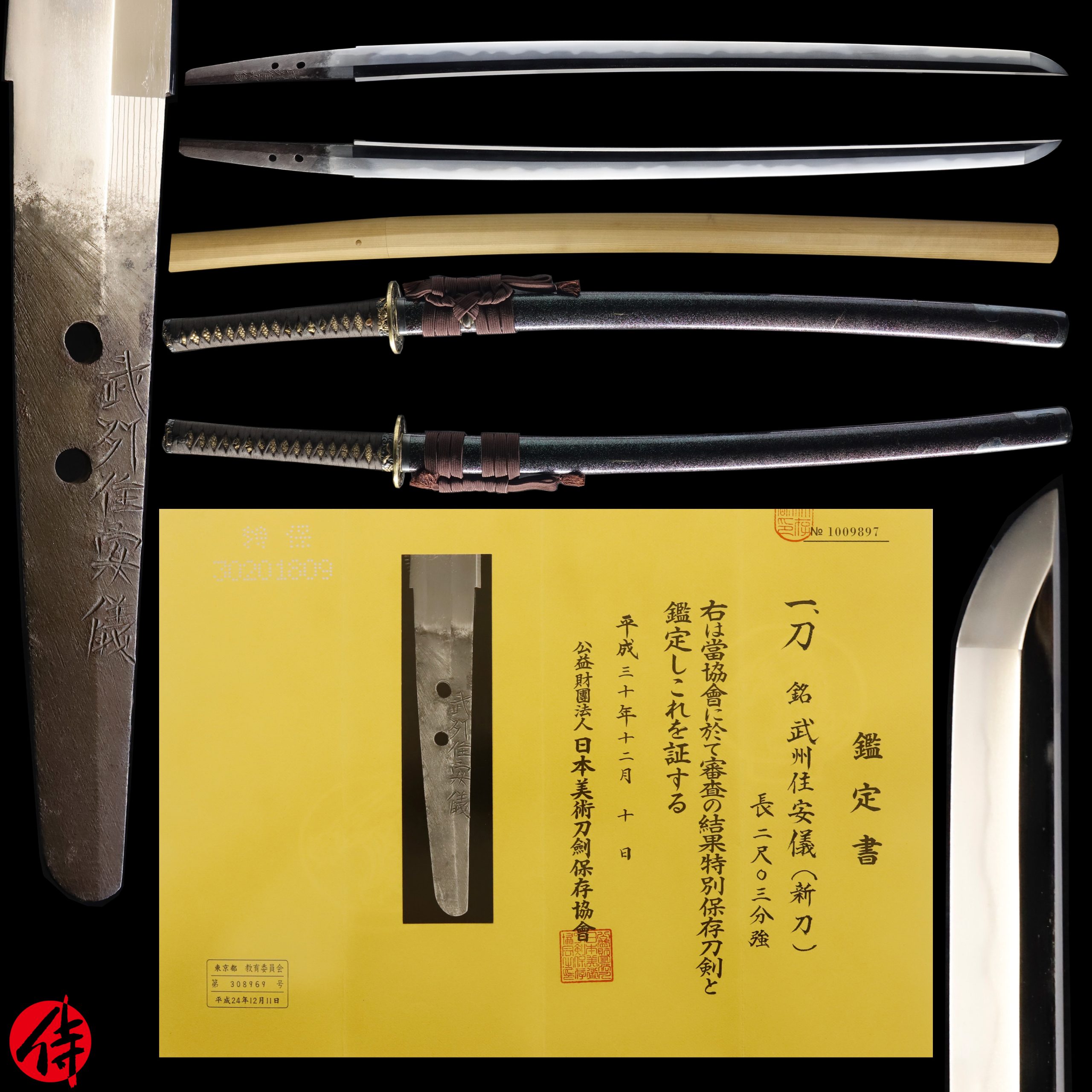
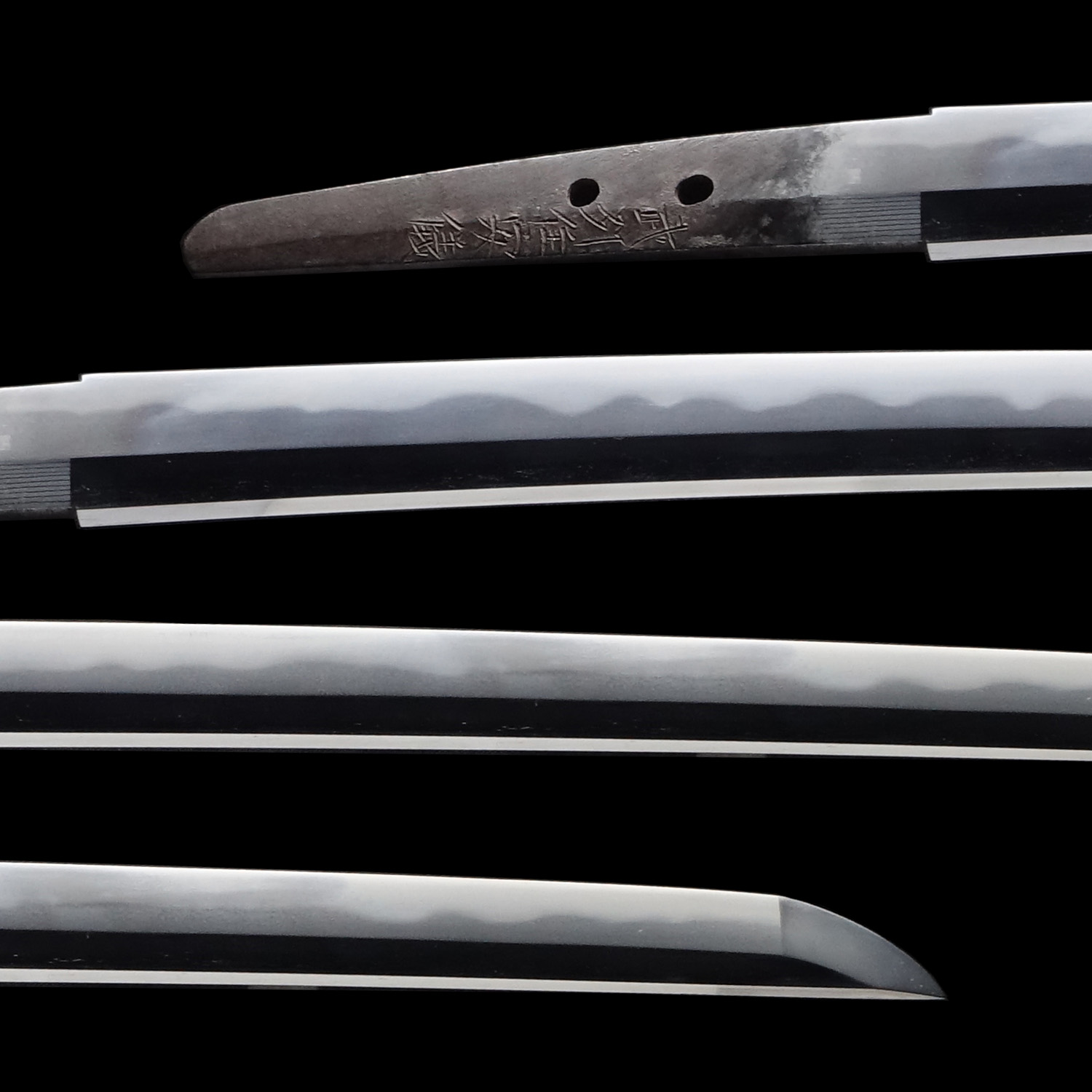
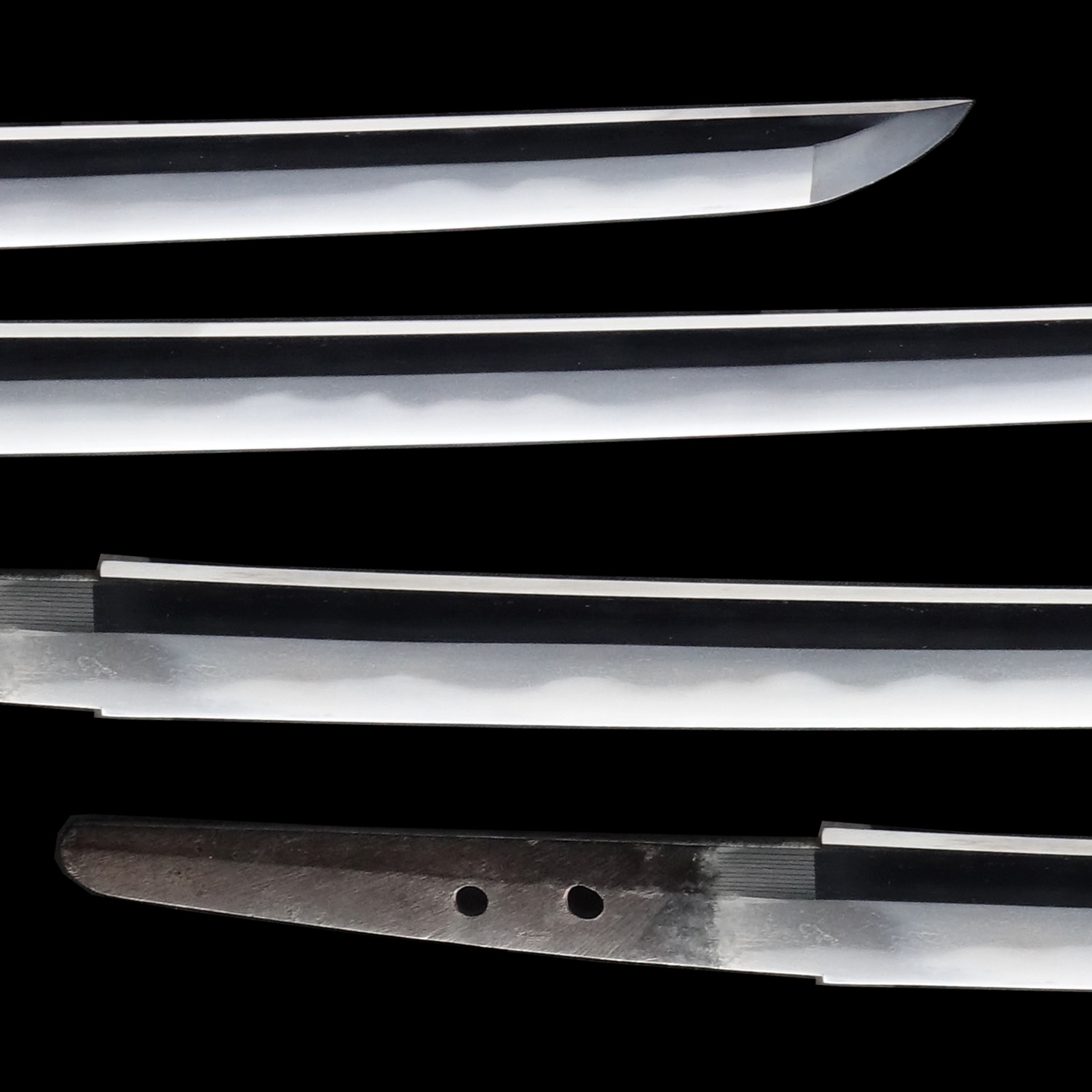
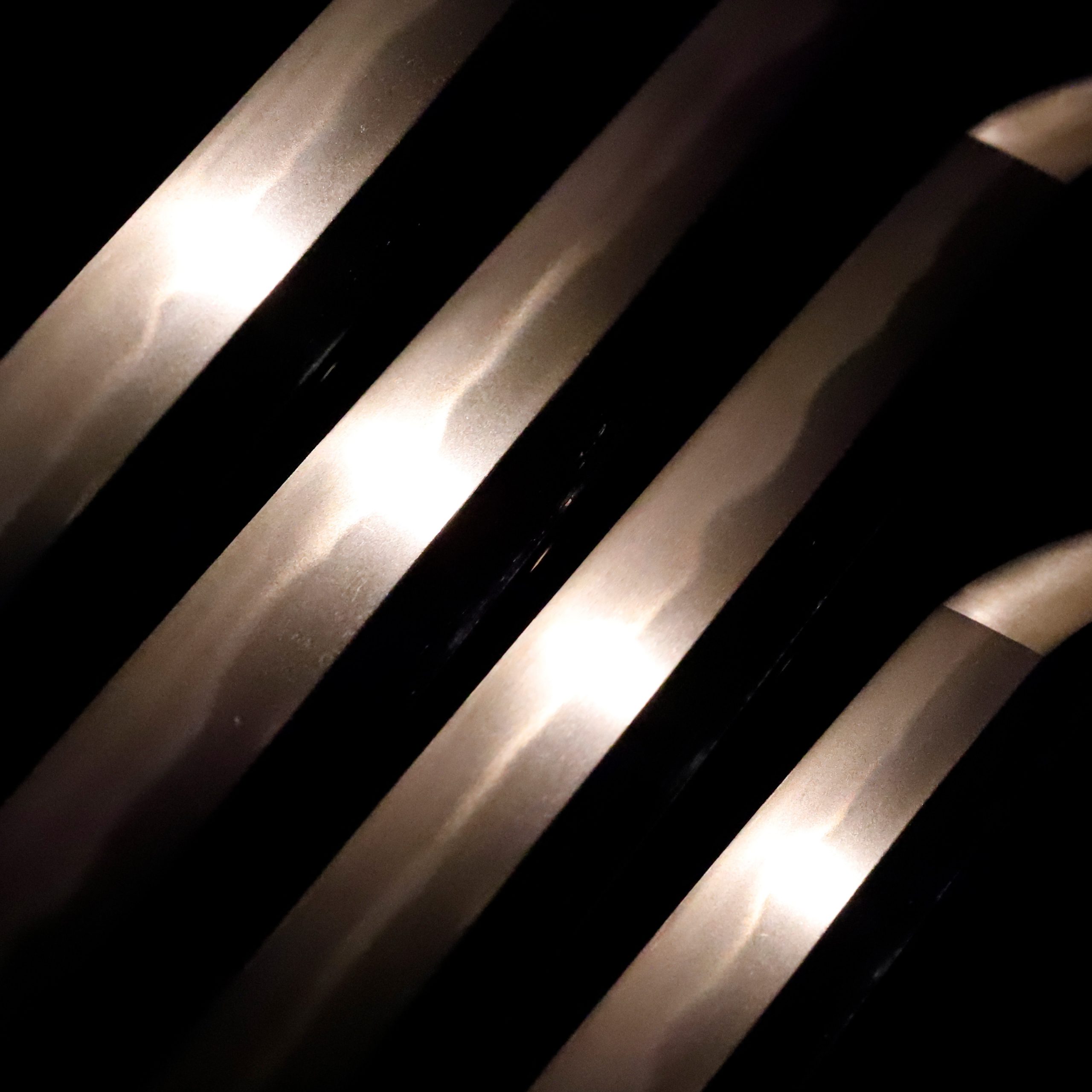
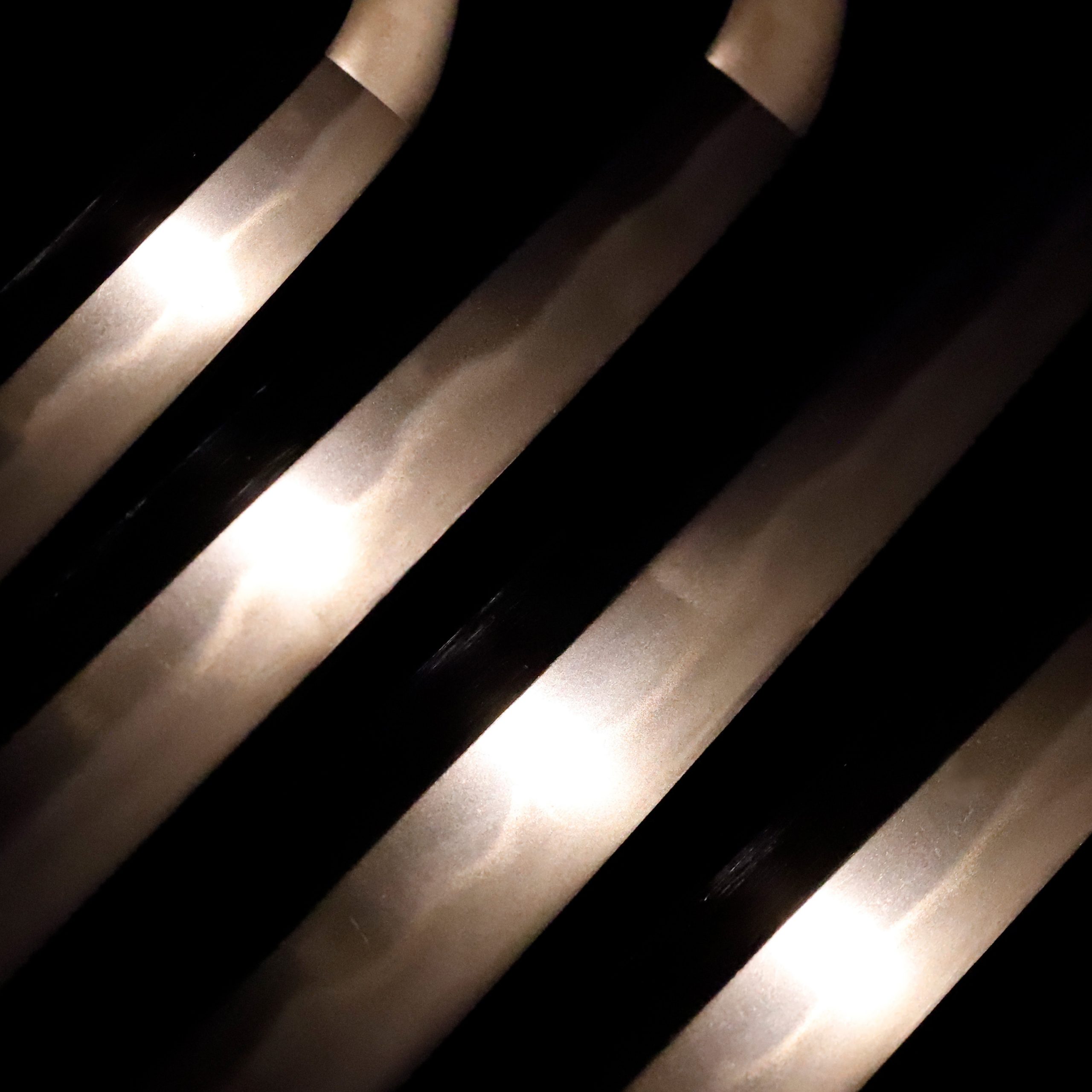
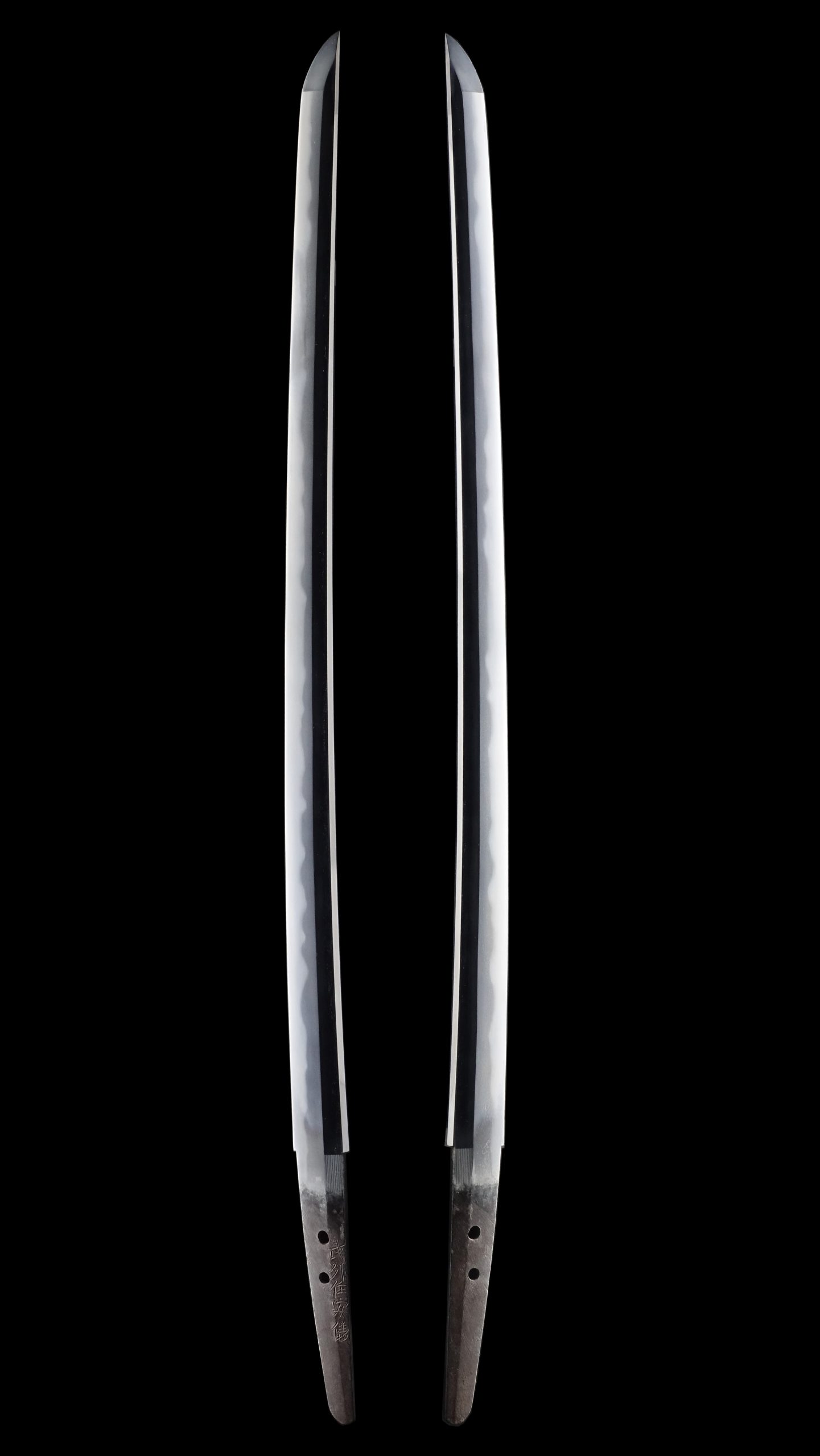
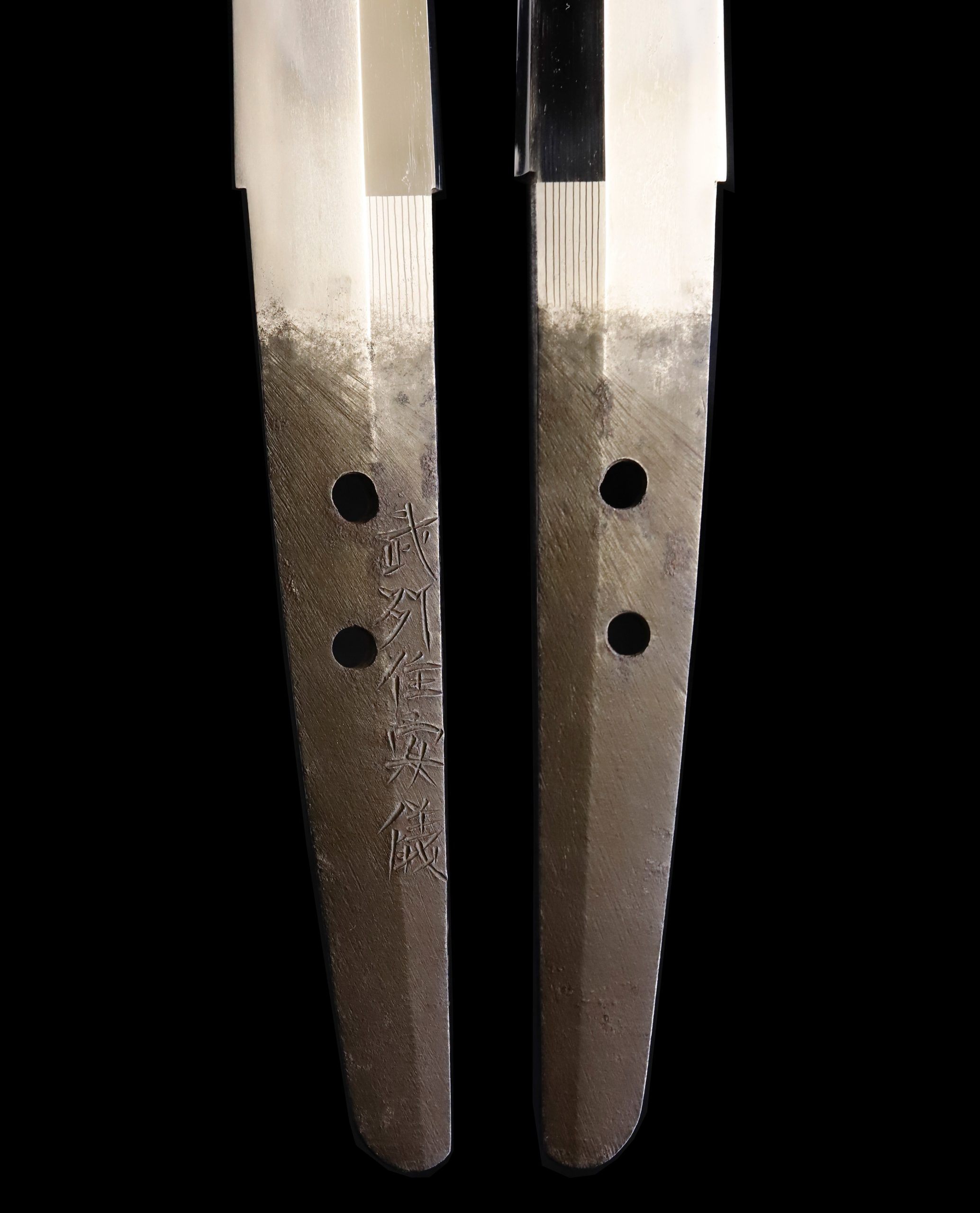
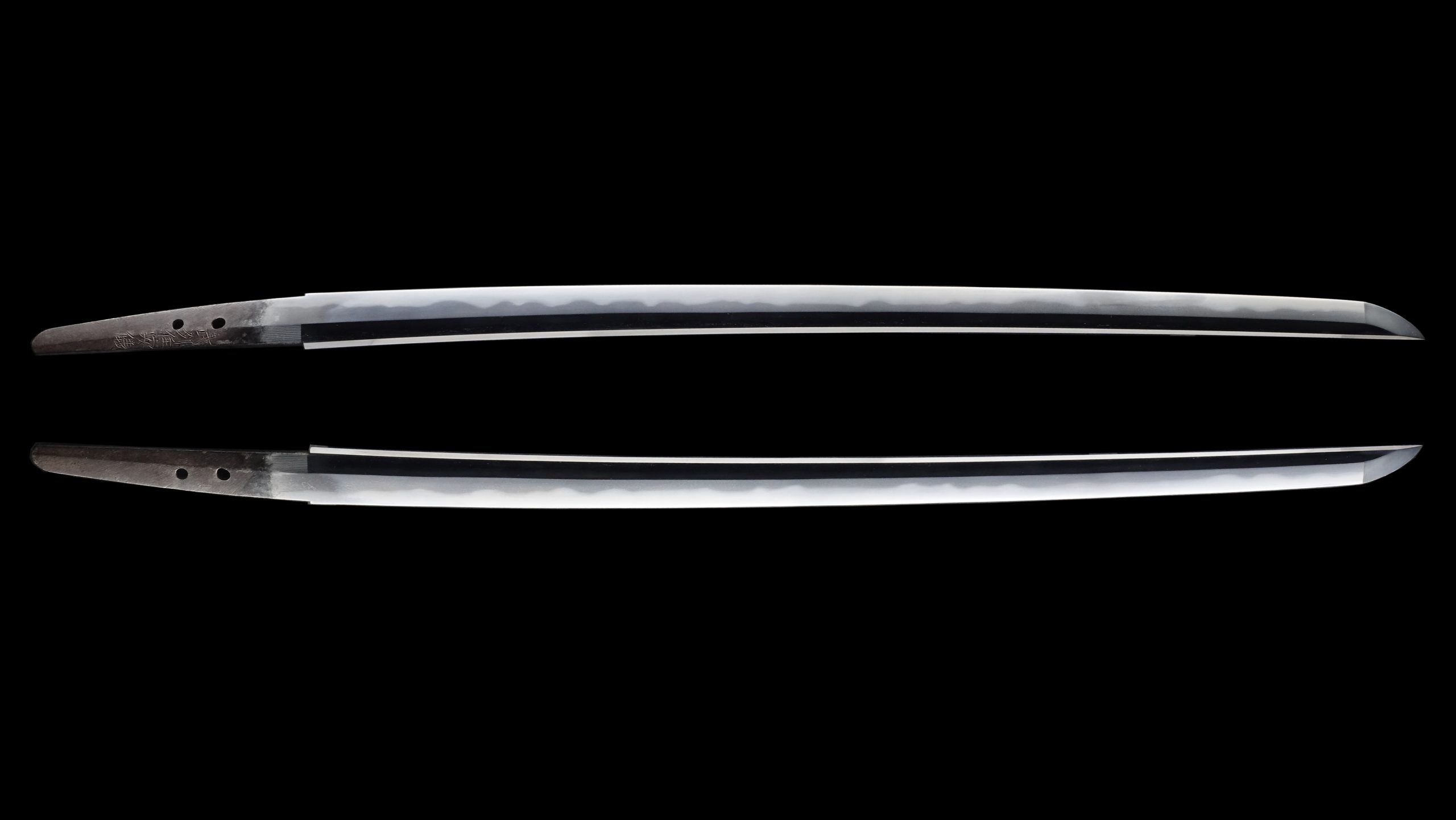
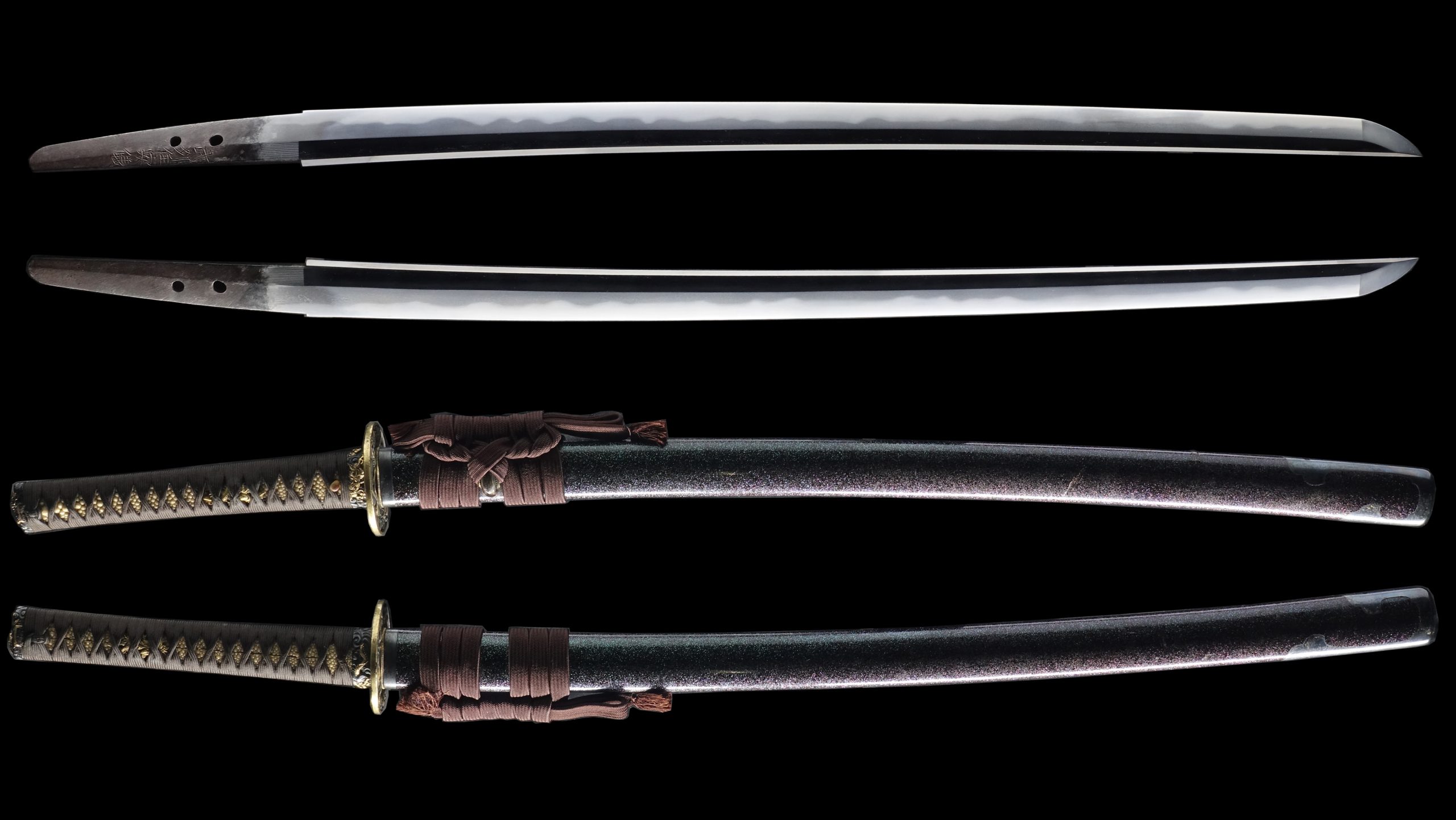
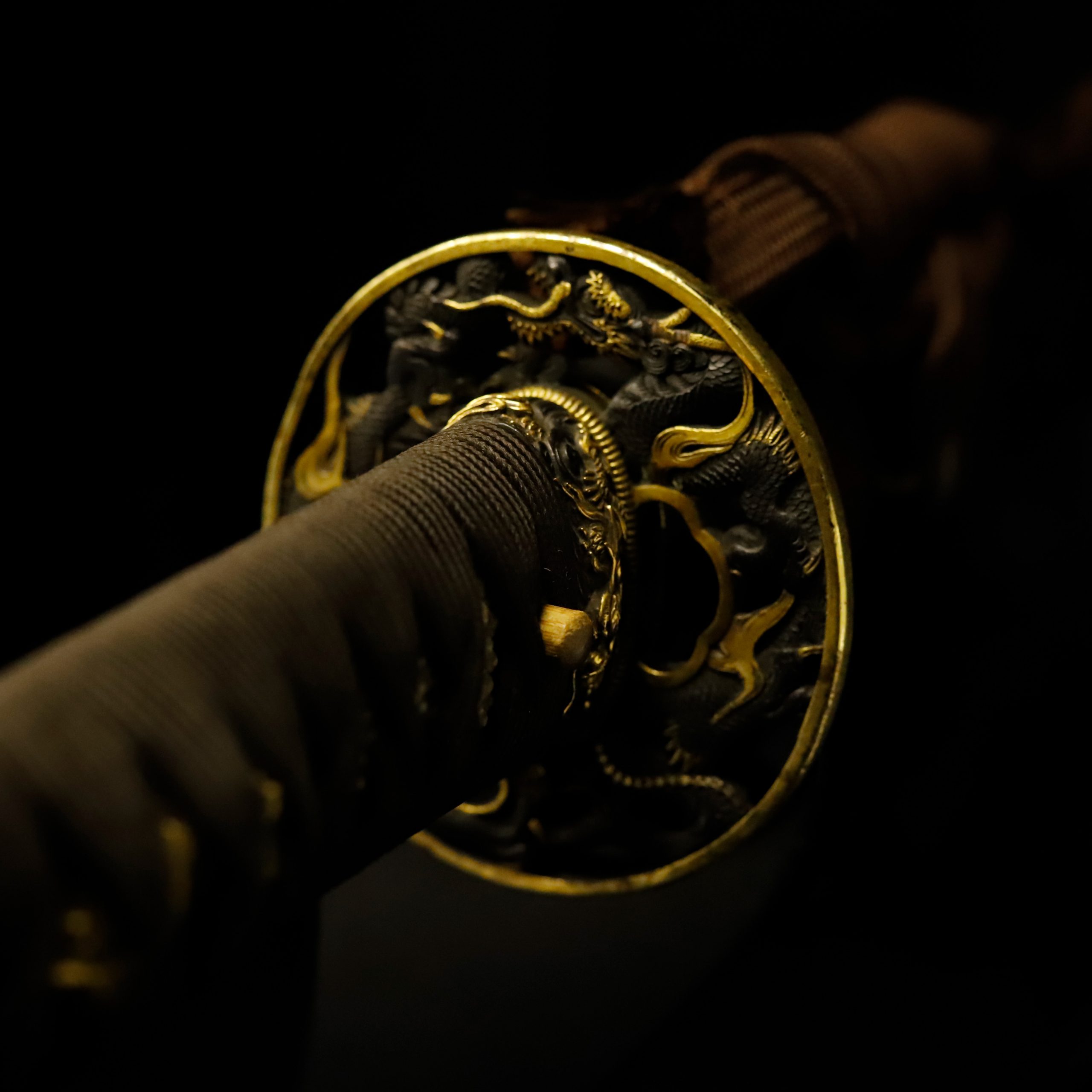
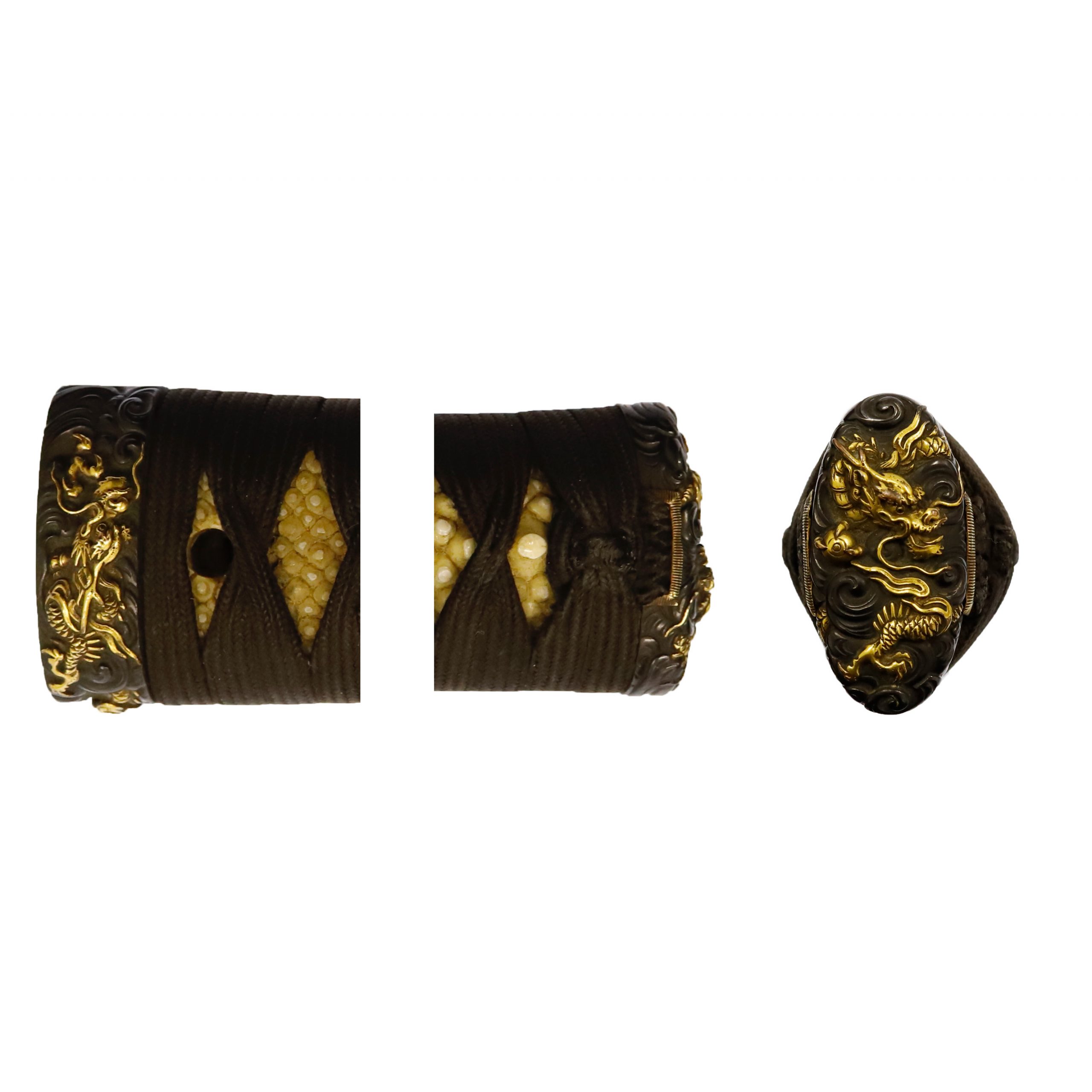
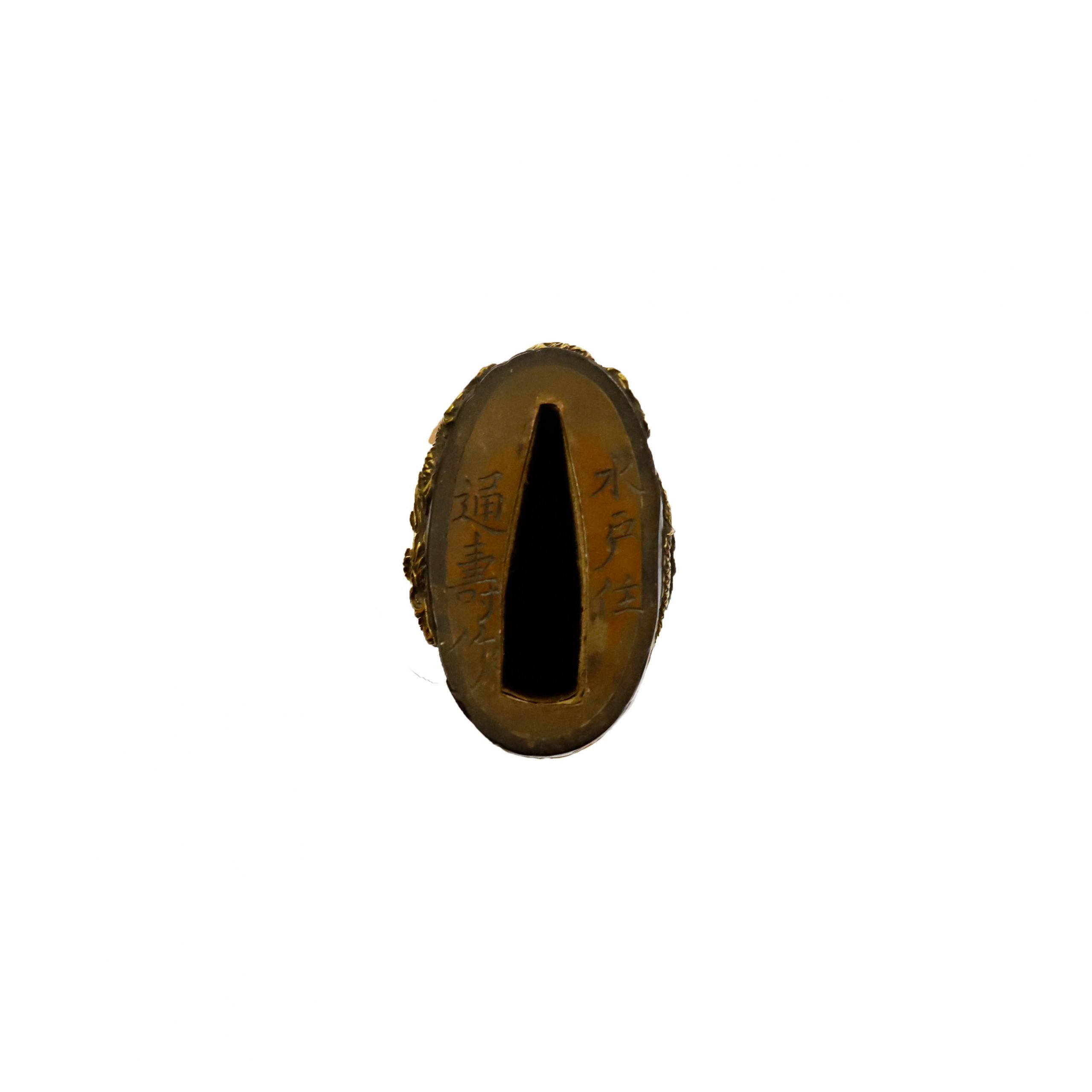
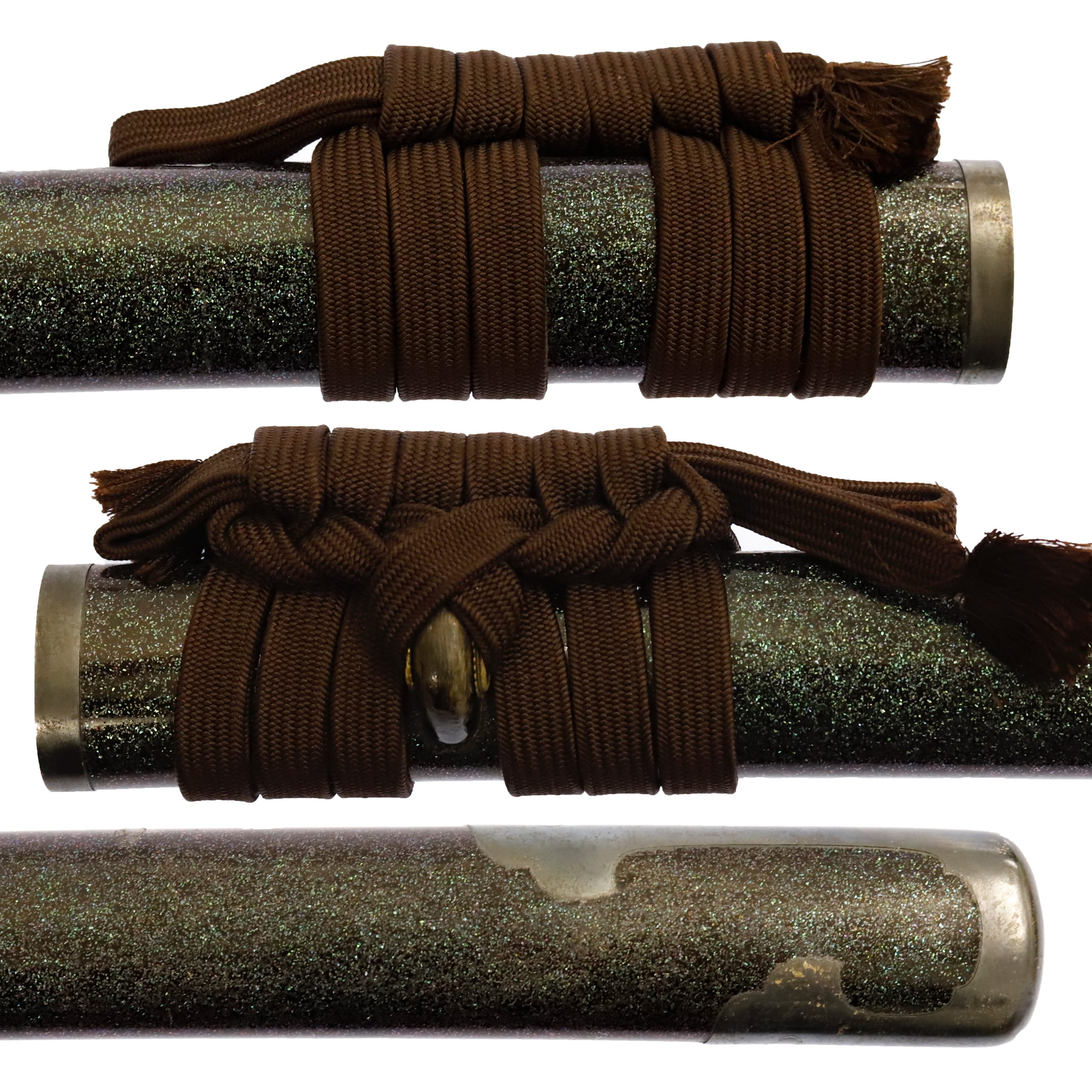
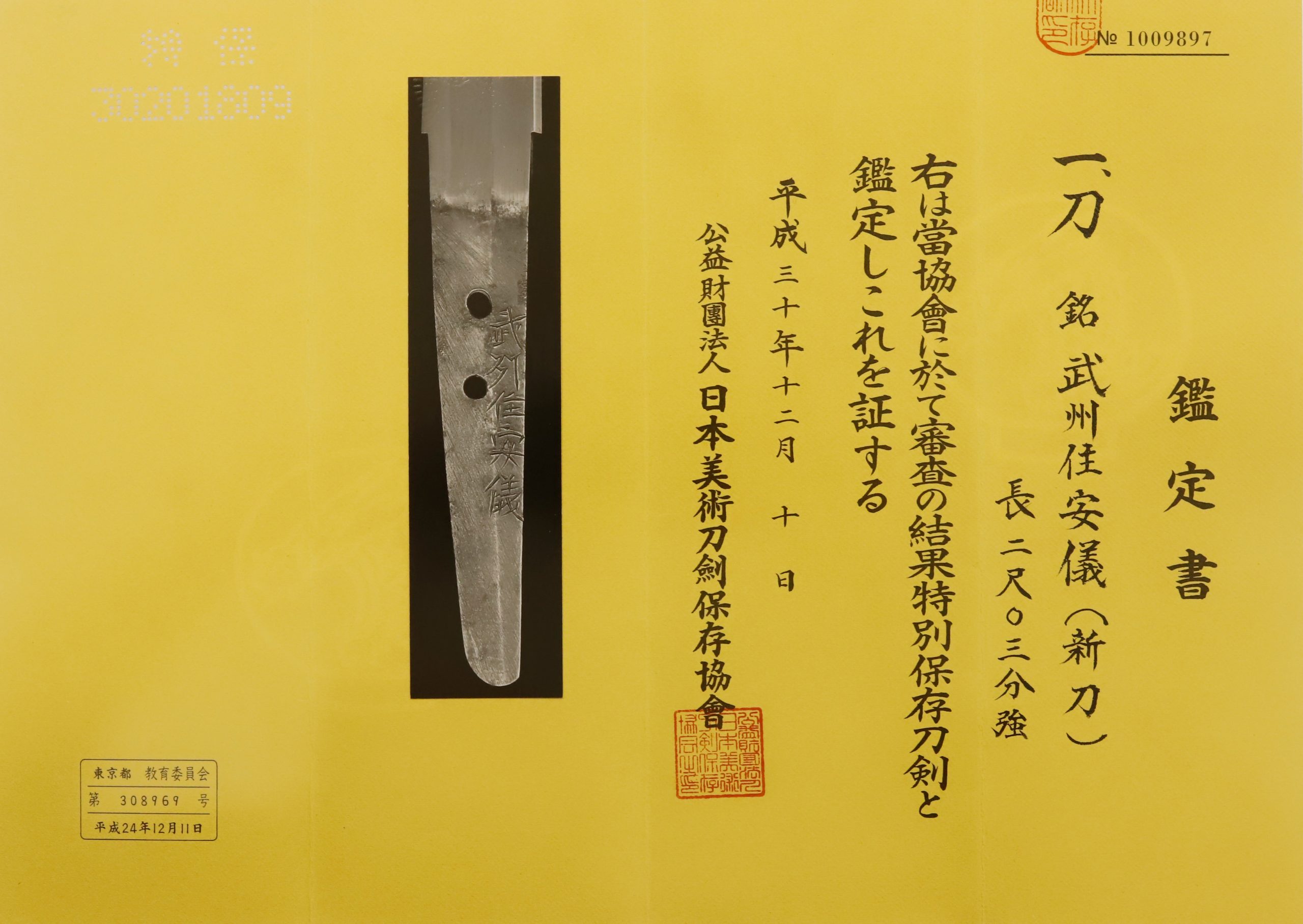
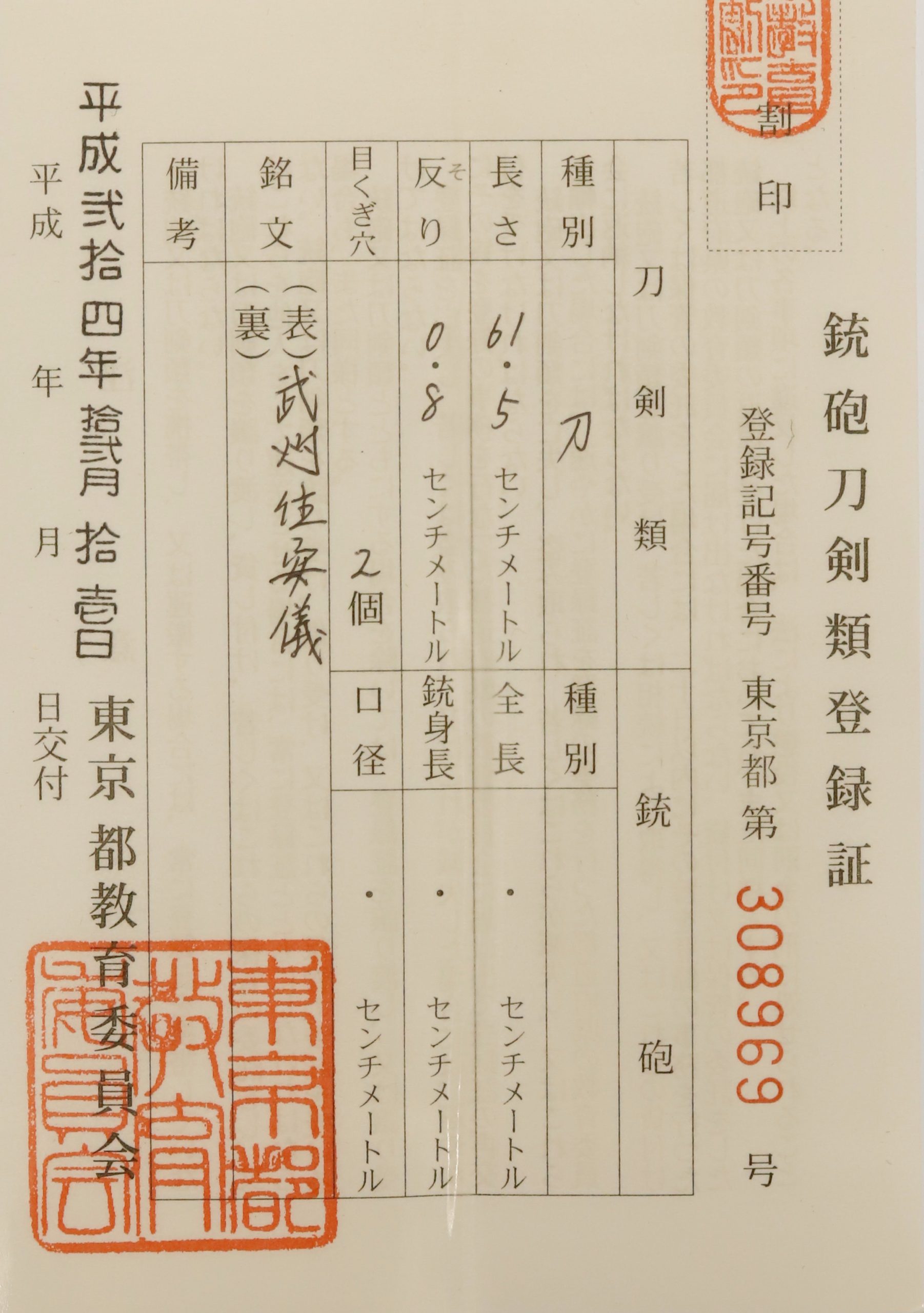
販売店の記載のまま
(翻訳なし) 店主の原文のまま表示しています。正確さの確認を通った翻訳のみを表示します。
新刀 · 紀伊
現在3点販売中
江戸時代
江戸は刀の目利きの時代である。本阿弥の鑑定、1719年の享保名物帳、盛んな刀剣書が、戦で抜かれることのなくなった刀を学問の対象へと変えていった。
保存刀剣のうち、出来が一層優れ、保存状態も良好と認められたものです。再刃や、室町・江戸期の多くの無銘作は対象外となり、保存刀剣より高い基準が課されます。
日本美術刀剣保存協会(日刀保)は、1948年に設立され、文化庁の監督を受ける公益財団法人で、東京・刀剣博物館に本部を置きます。専門の審査員が出品作を直接審査し、美術的・歴史的価値に応じた鑑定書を発行します。日刀保の鑑定書は、日本刀および刀装具の真正性を示す最も広く認知された基準です。
日刀保公式サイトReturns/exchanges limited to defects caused by shipping (except willful misconduct or gross negligence by the company); customers must contact within 72 hours of receiving the product.