徳川の泰平のもと、大小は法度の定める身分の制服となり、需要は城下町、とりわけ江戸に集まった。工芸は二つに分かれる。目利きのための華やかな鑑賞の作と、截断の結果を金象嵌に刻む実証の刀である。
 NihontoWatchNihontoWatch
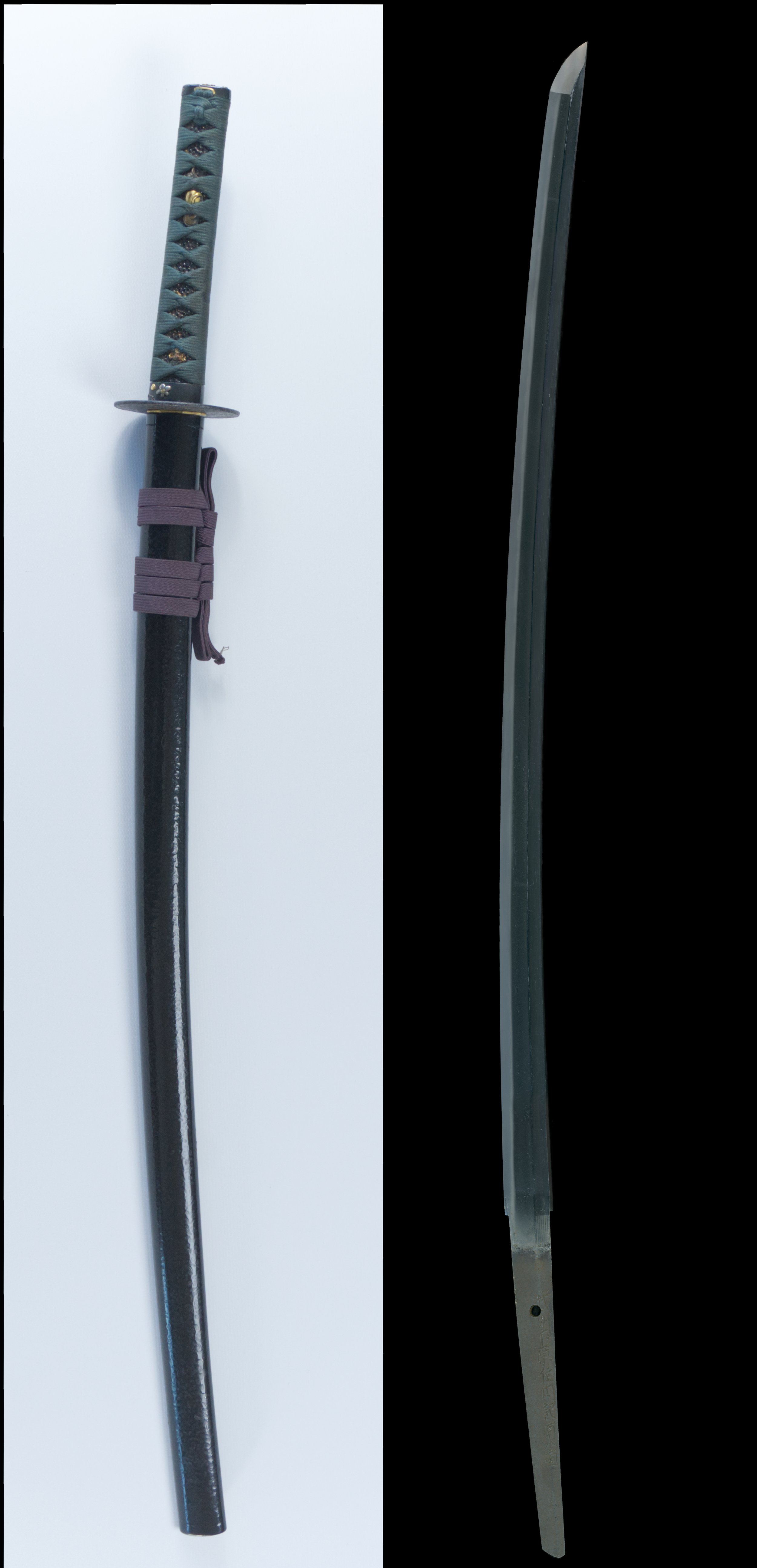
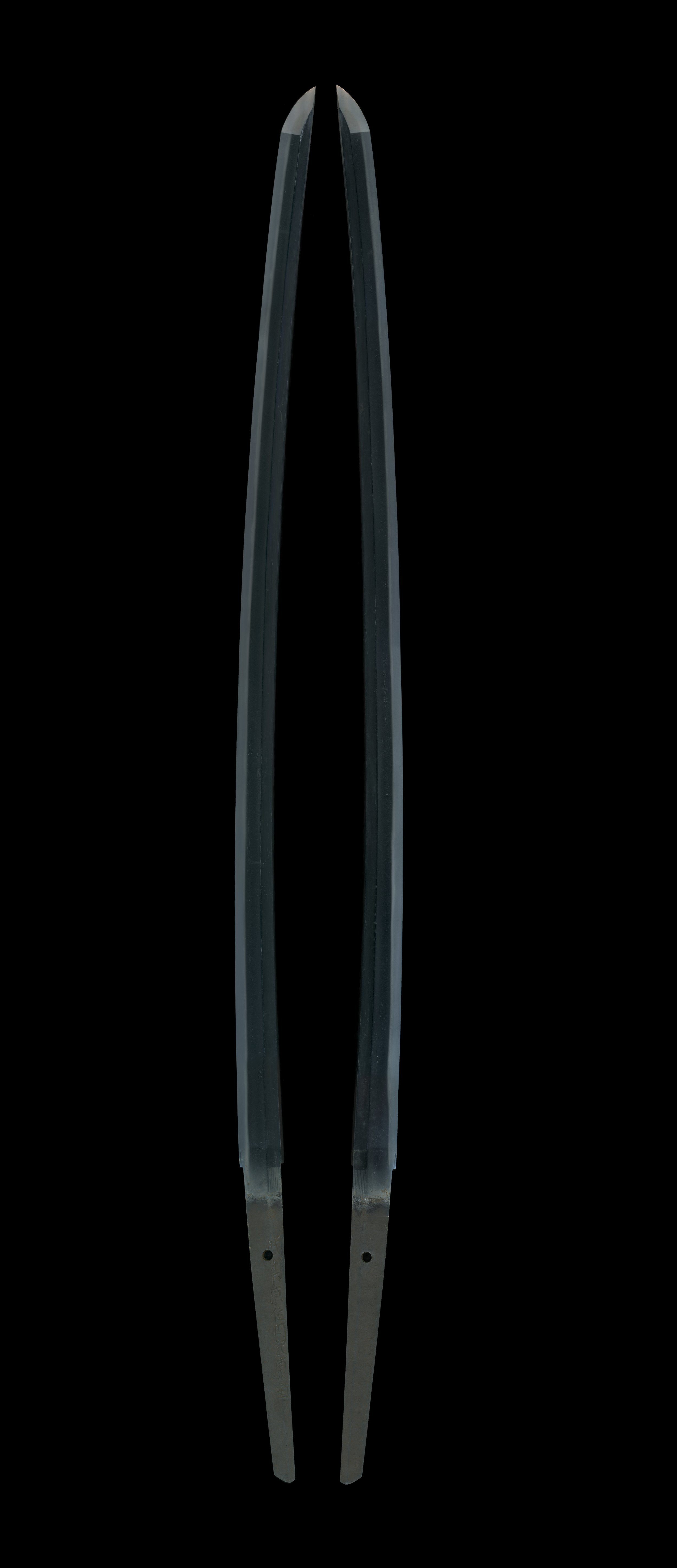
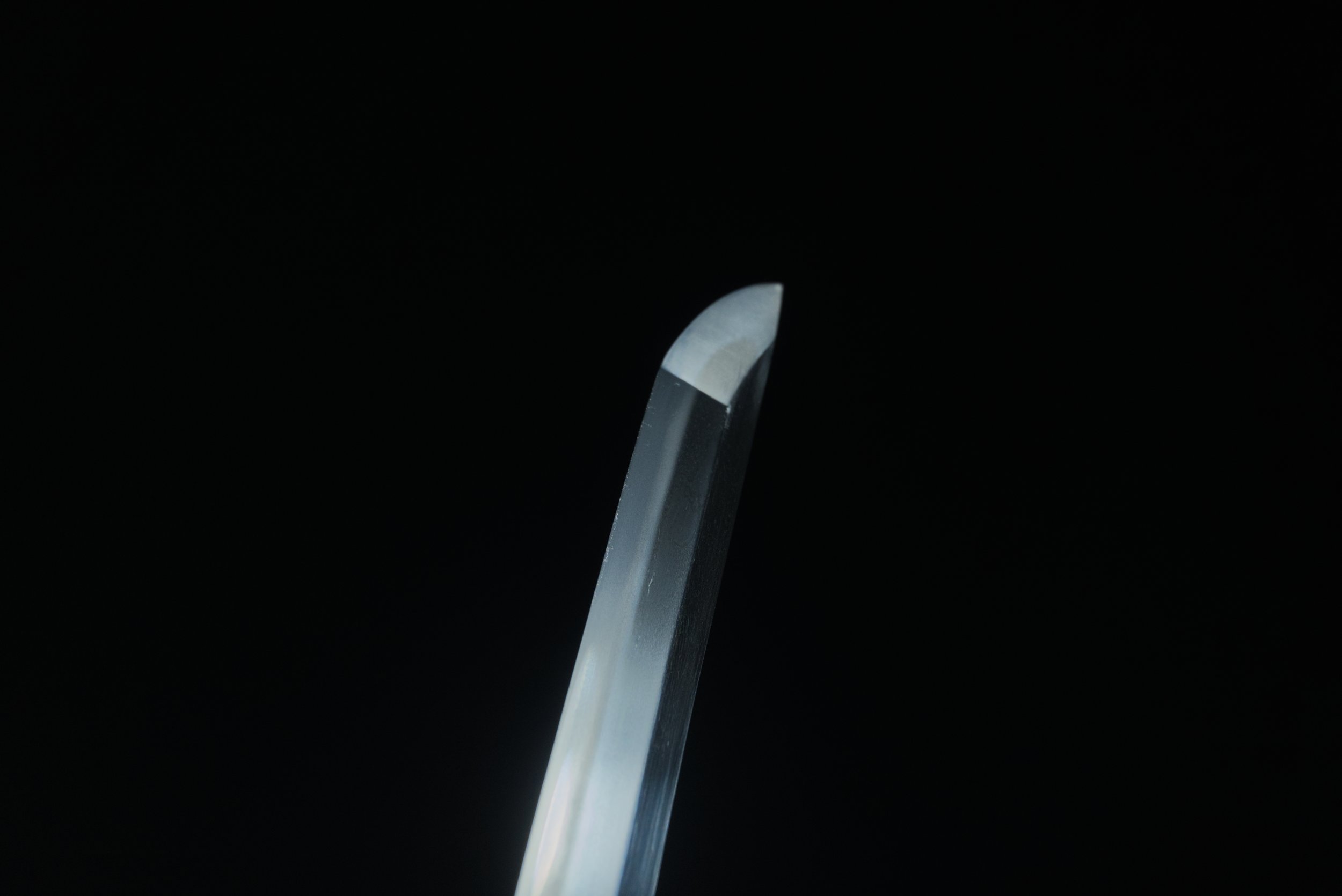
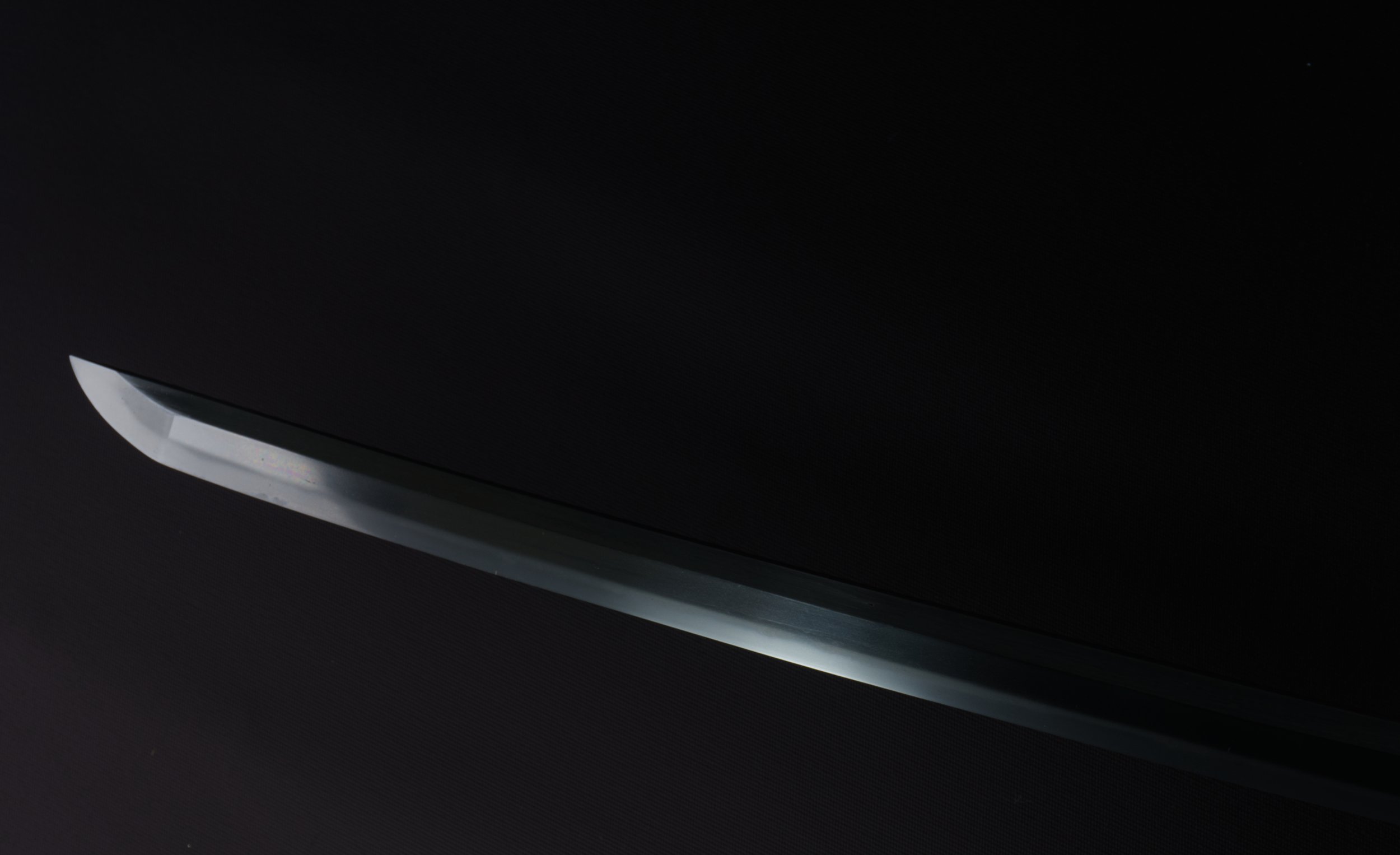
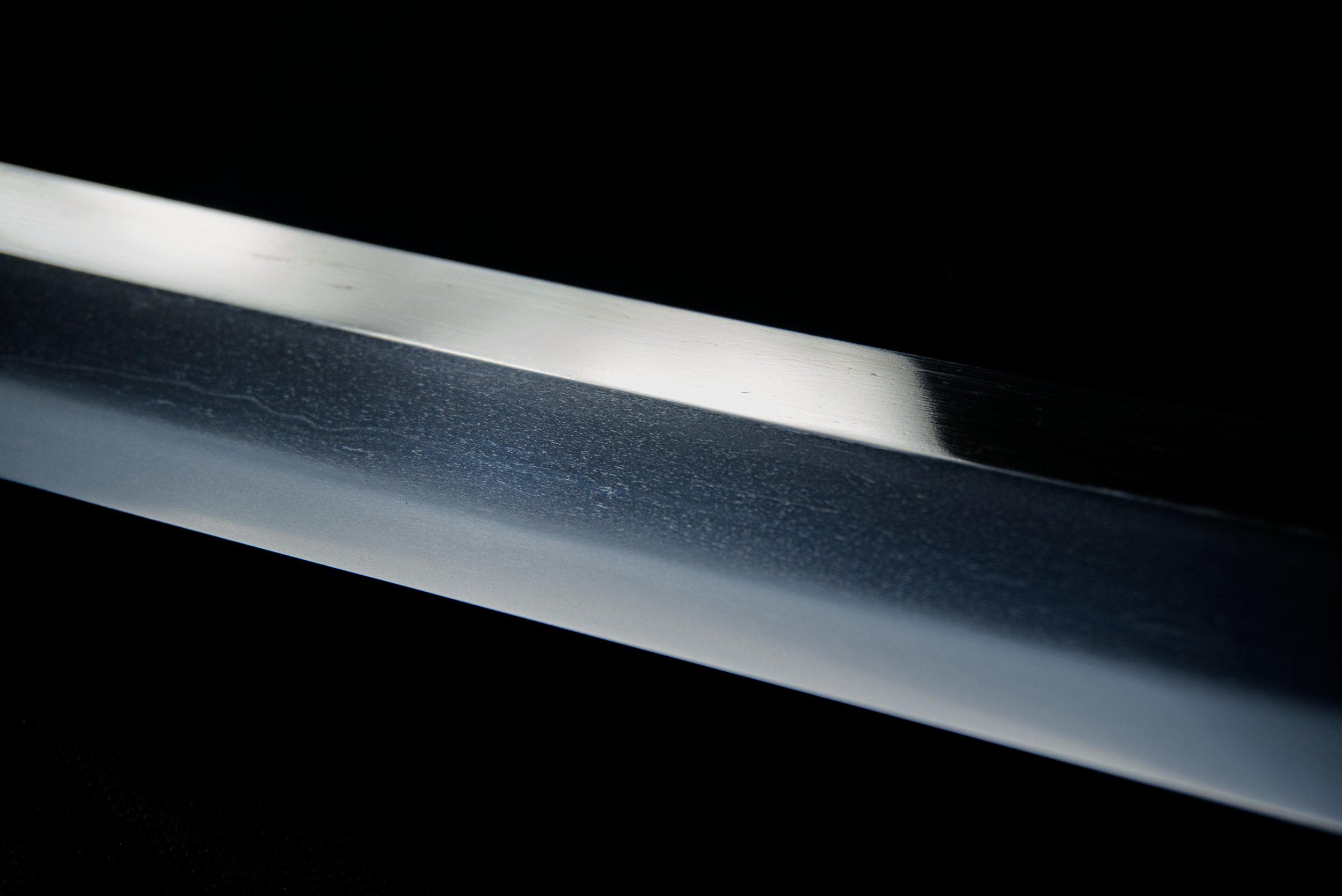
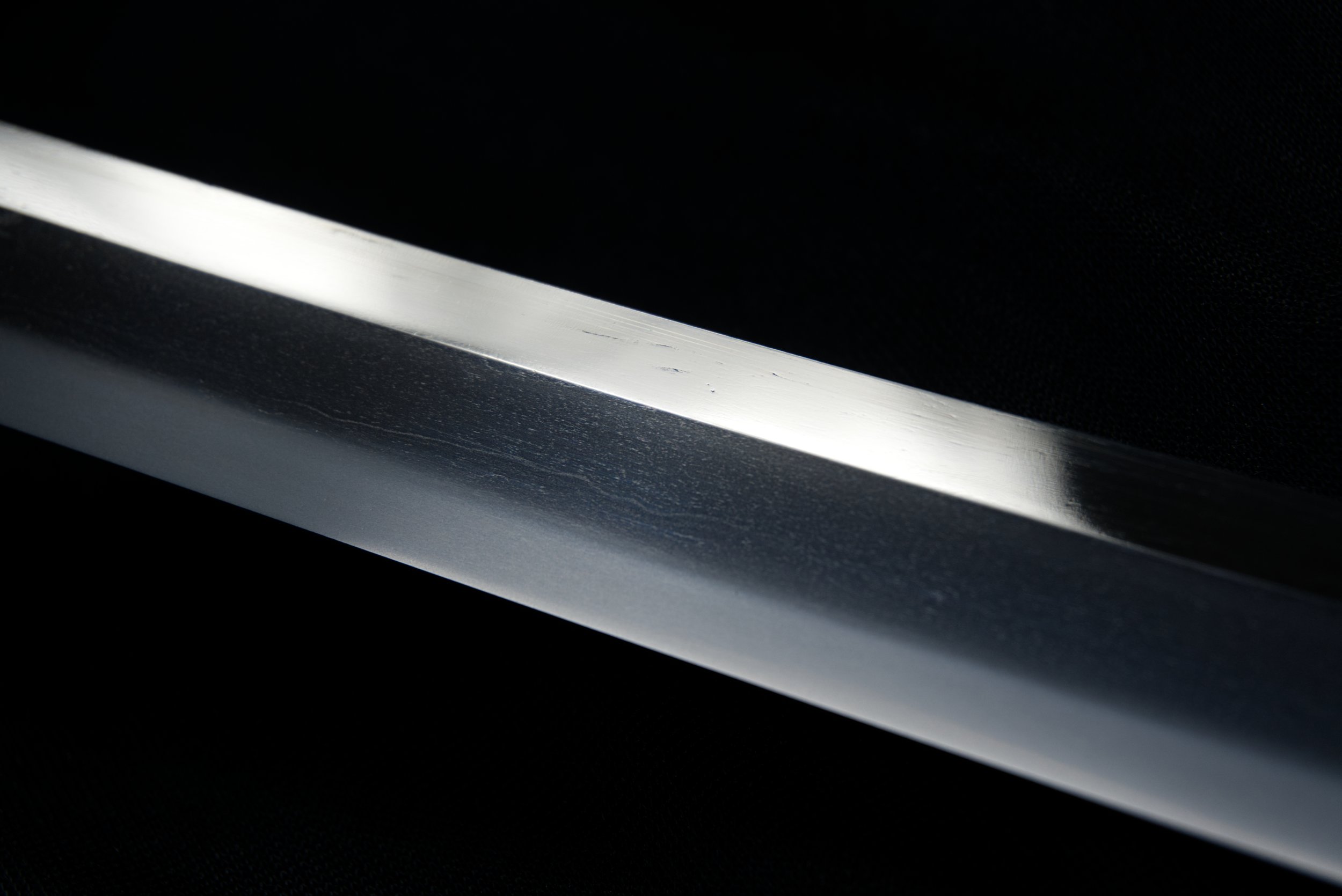
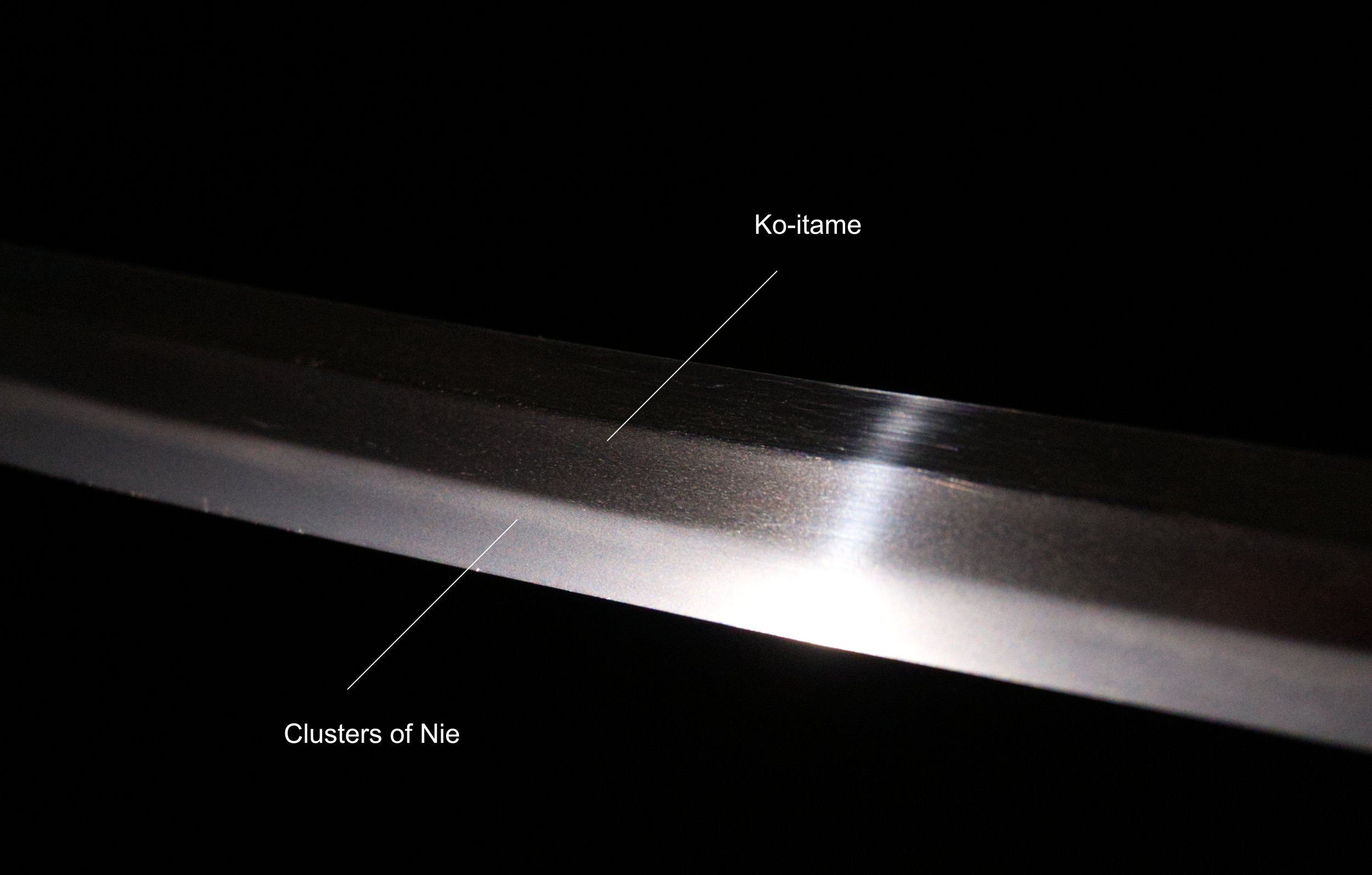
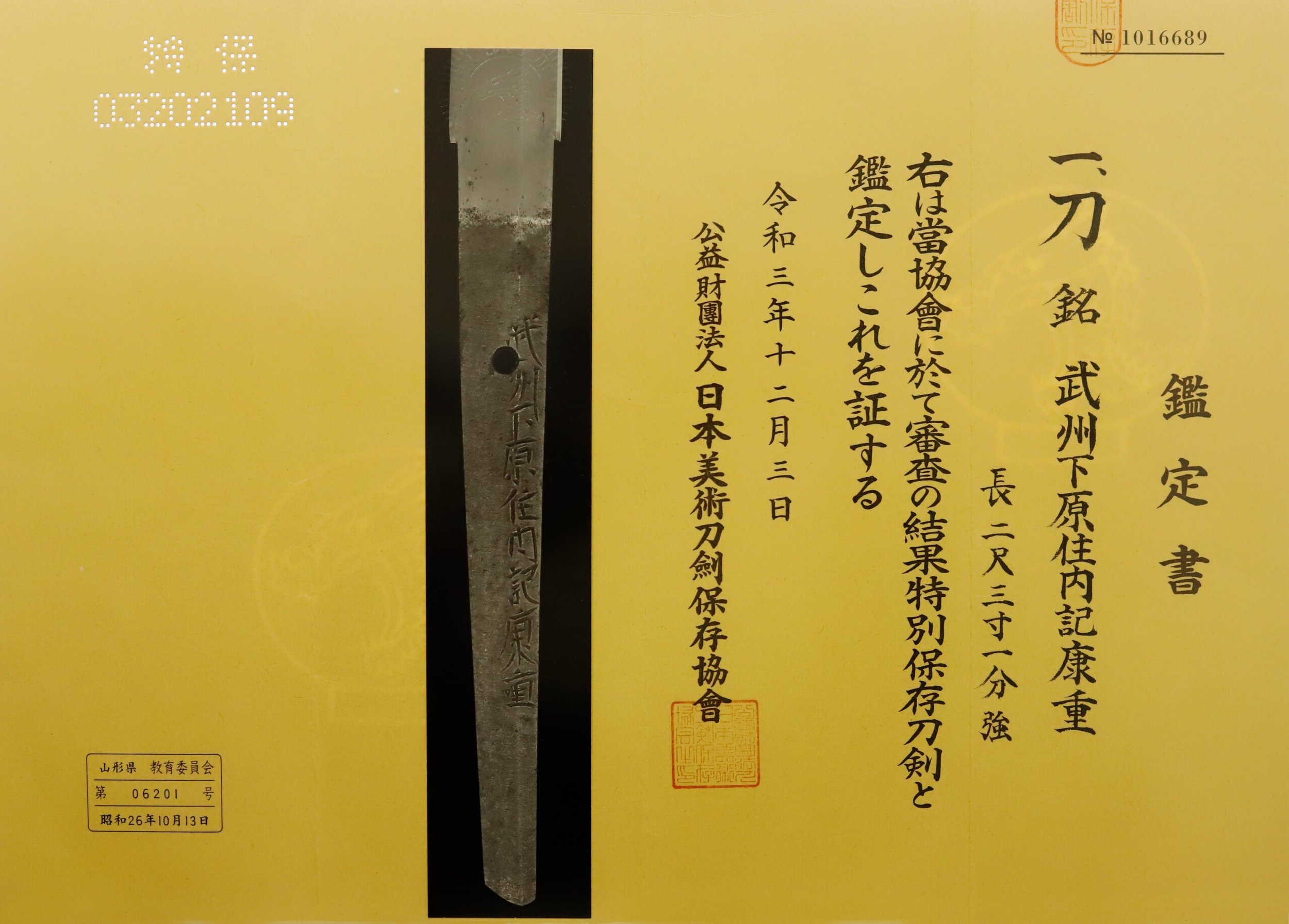
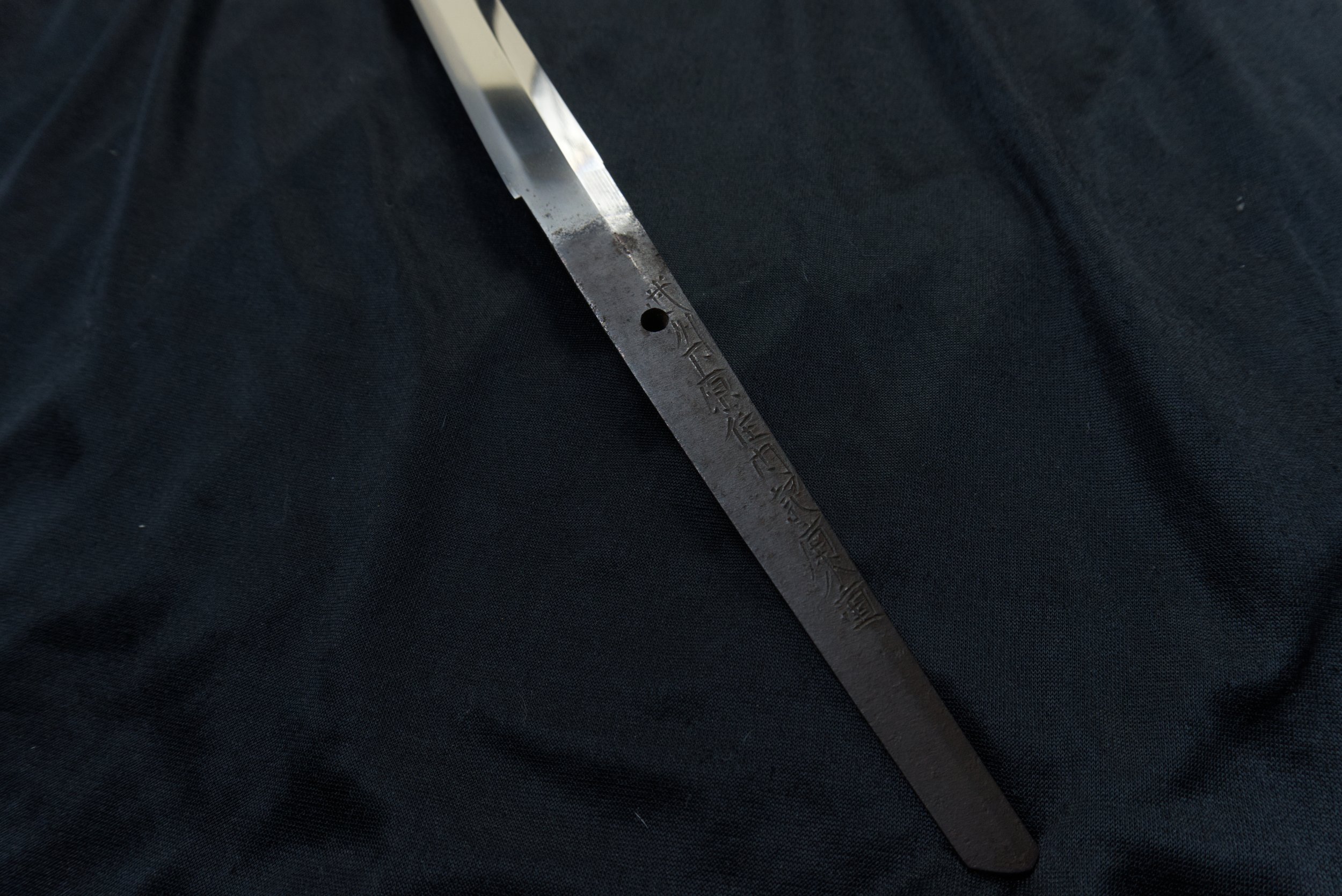
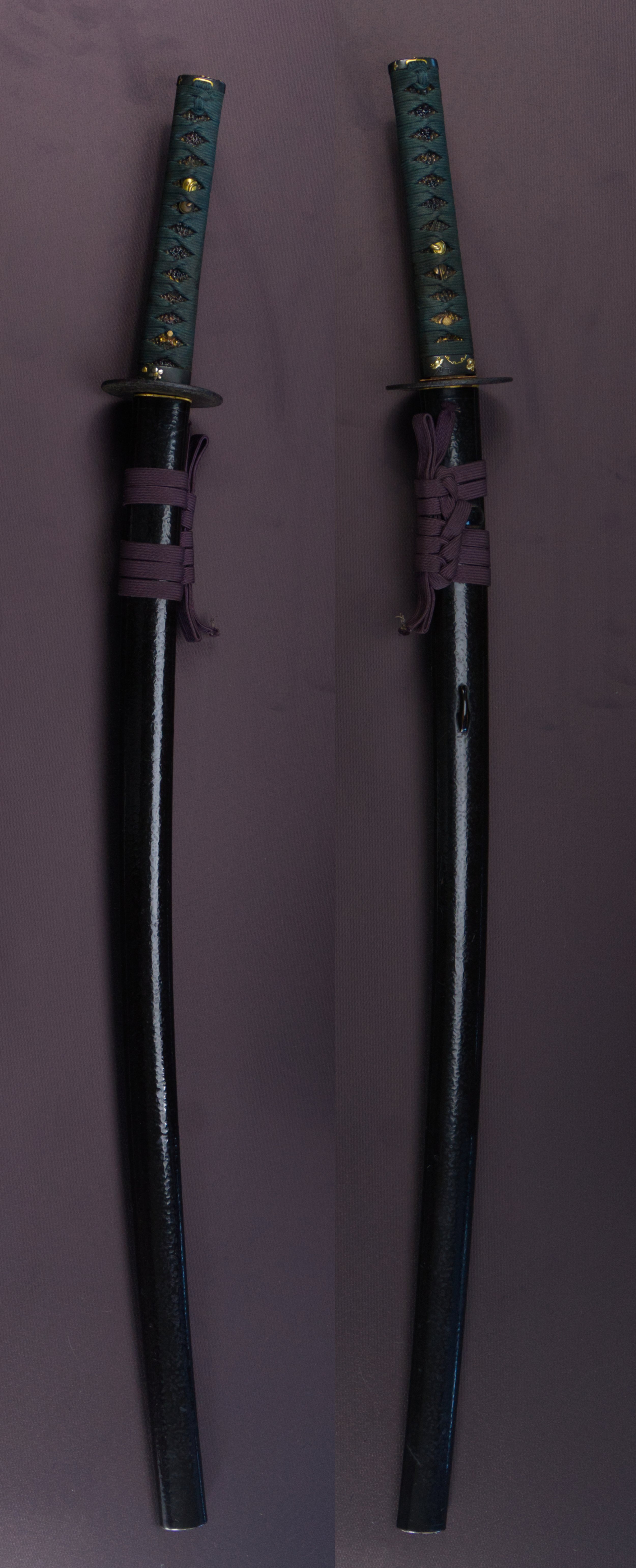
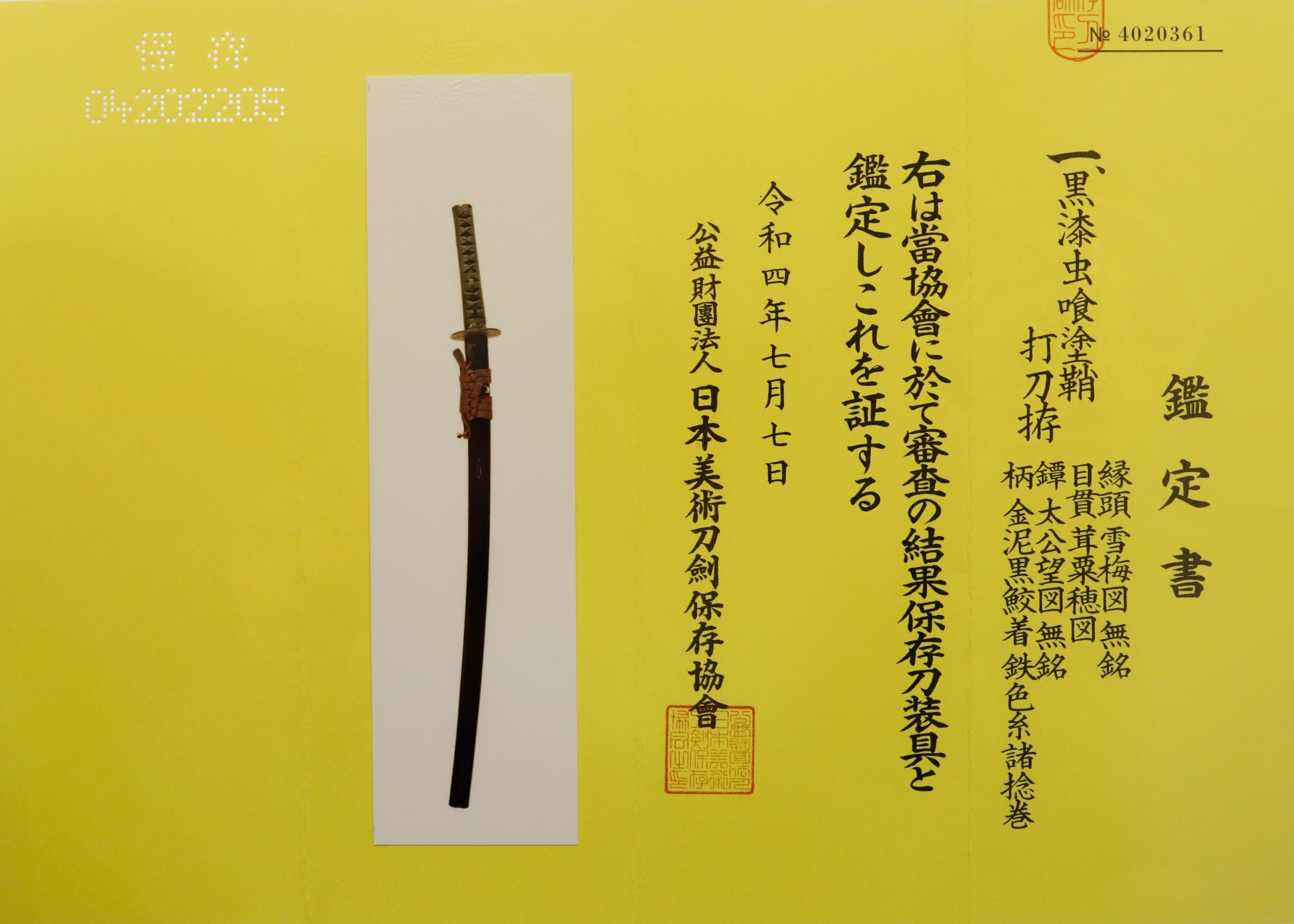
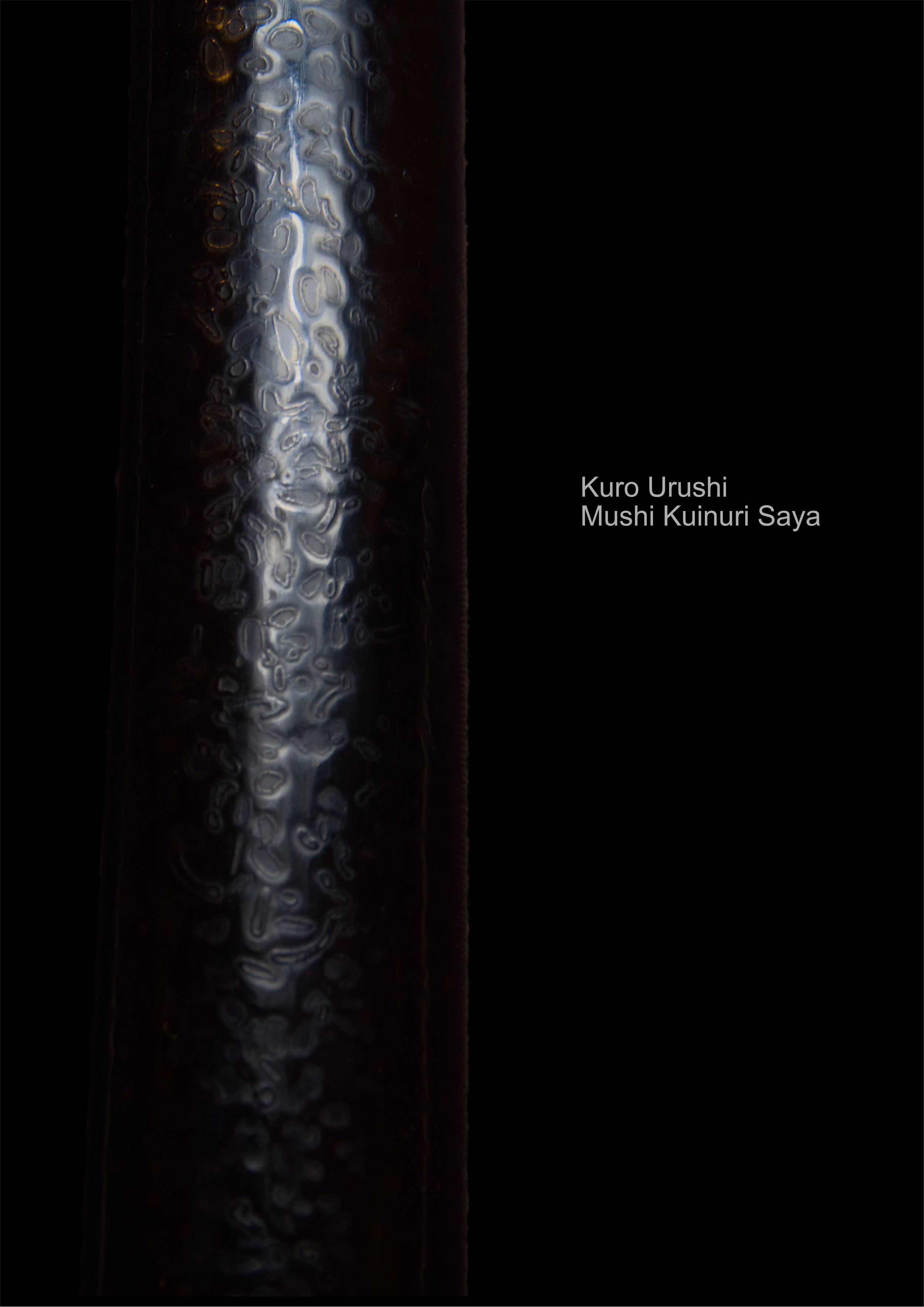
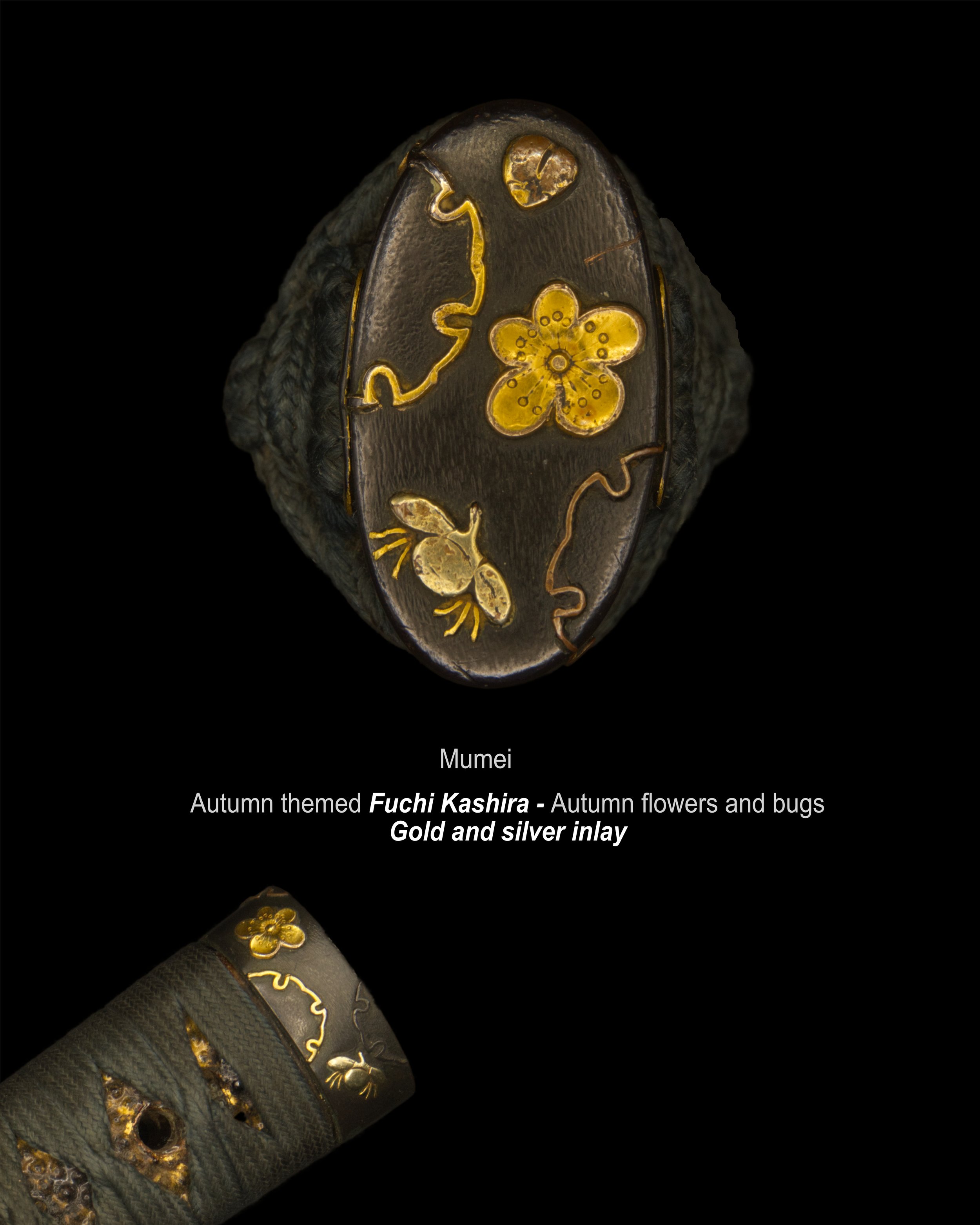
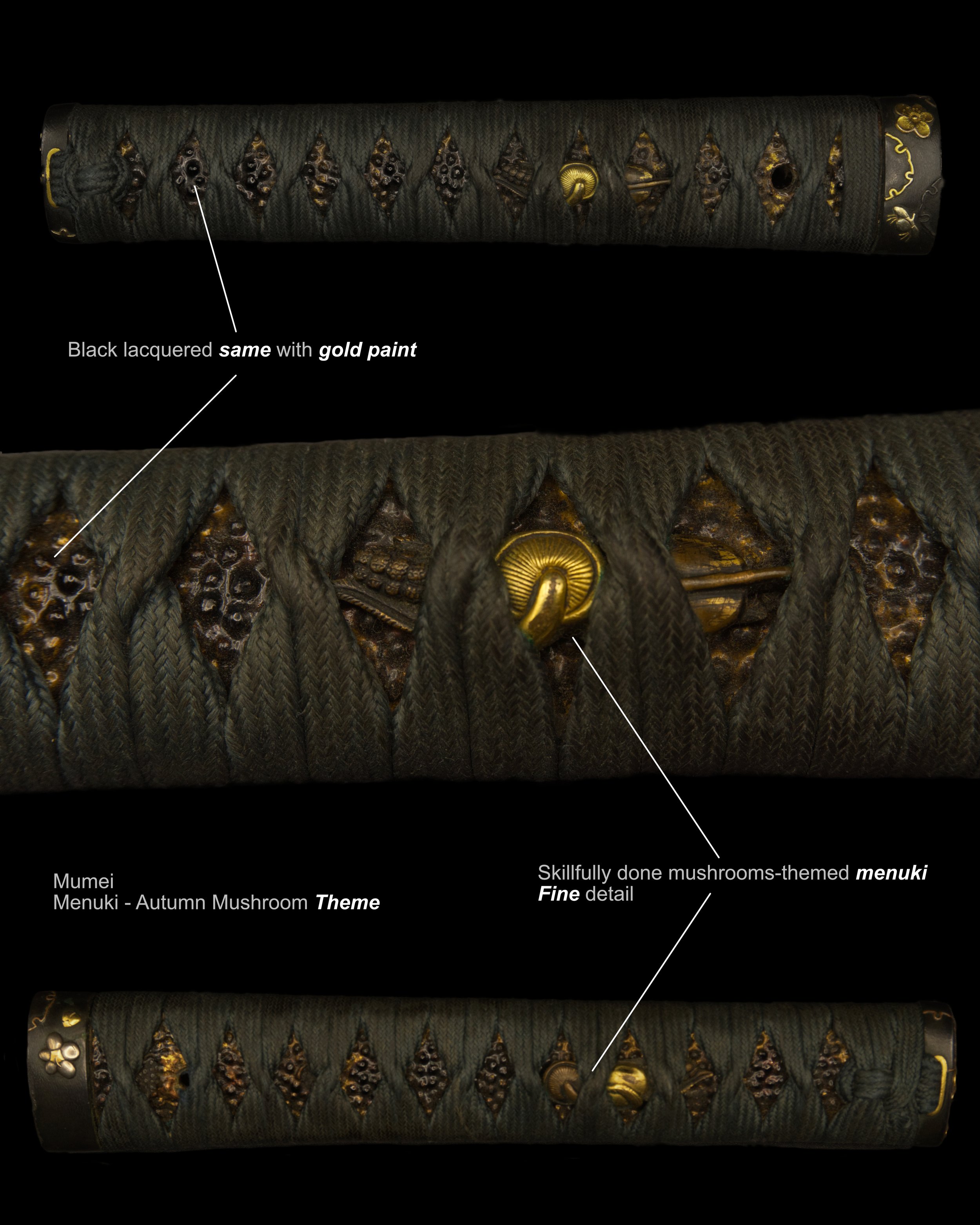
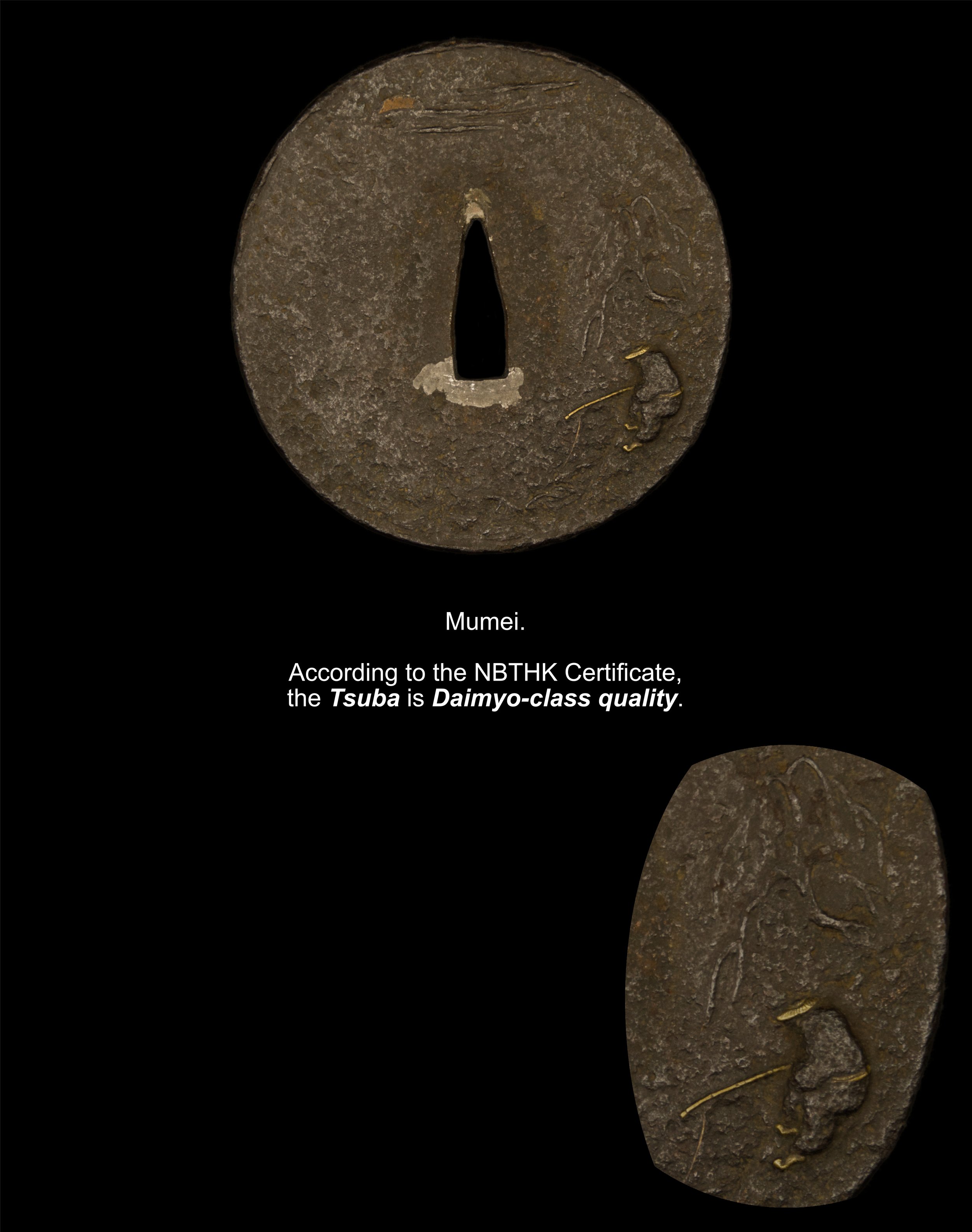
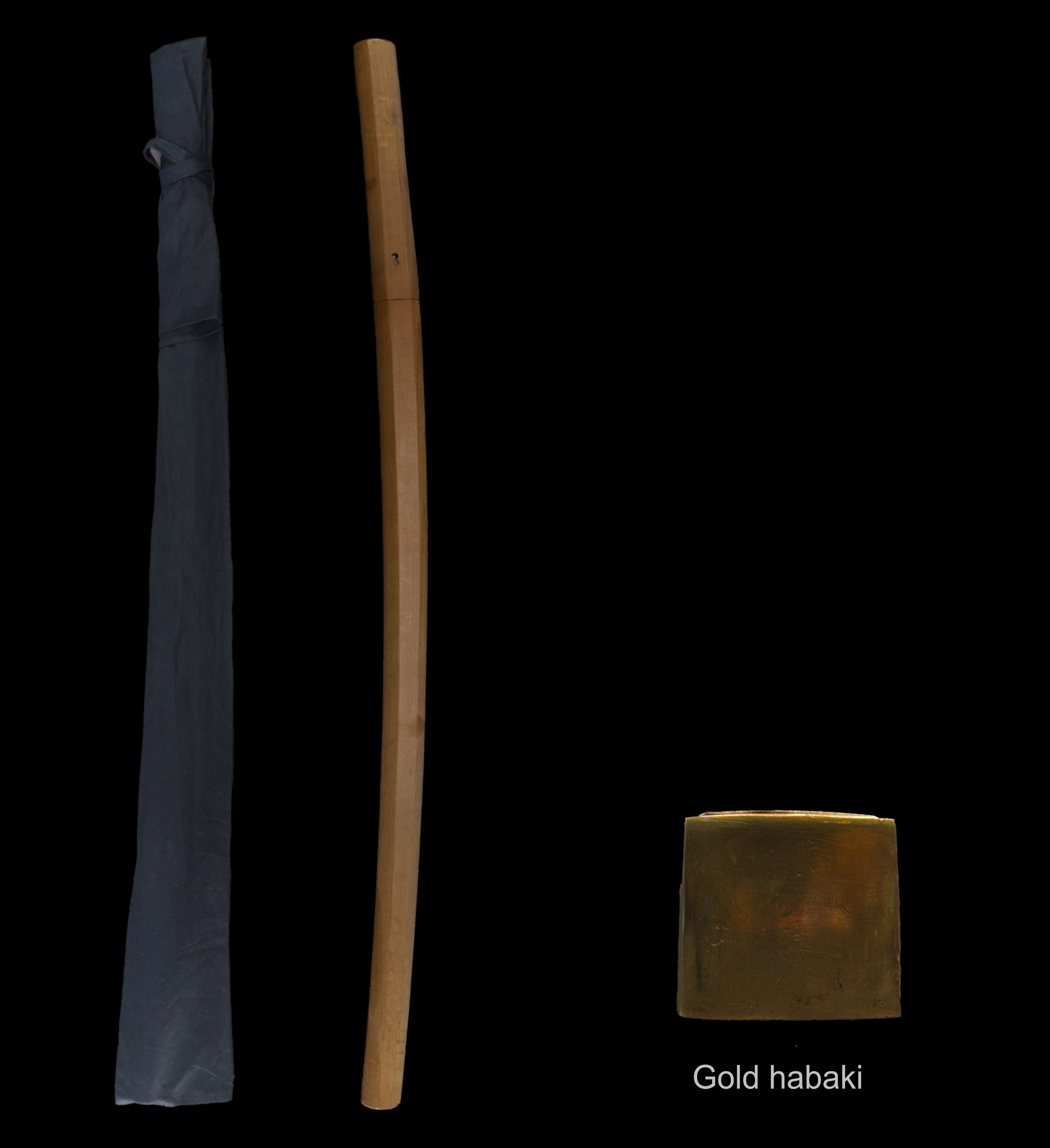
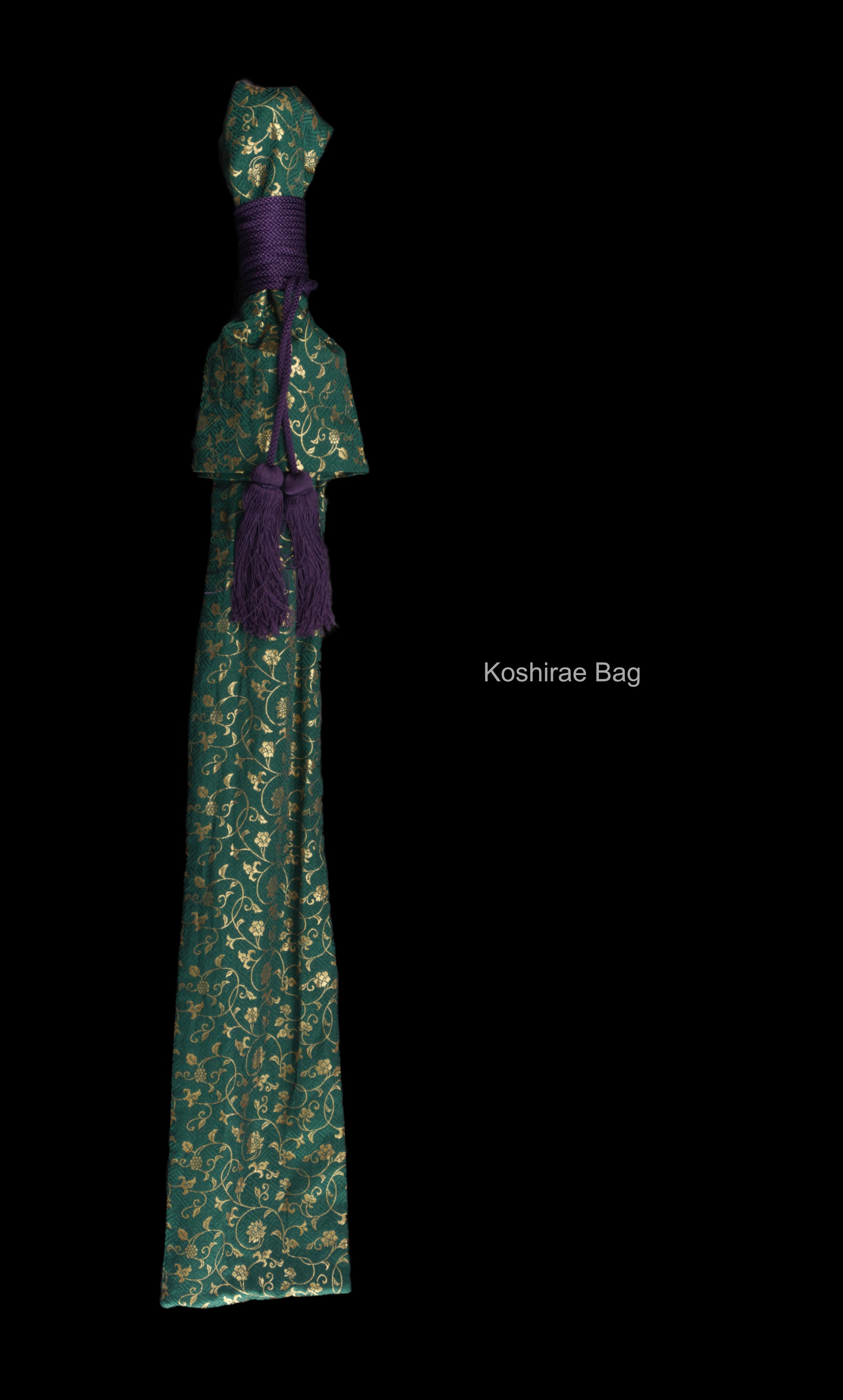
The Bushu Shitahara School was a significant swordsmithing tradition based in the Bushu region, modern-day Tokyo, specifically around Hachioji City. This school gained prominence during the late Muromachi period and continued to produce swords through the Edo period. It is known for its functional and reliable blades, which catered to the needs of both samurai and common warriors during a time of social and military transformation in Japan. The swordsmiths residing in Shitahara were known as Shitahara Kaji. Initially, they operated under the patronage of the Hojo clan, a powerful feudal family during the late Muromachi period. The first-generation Yasushige is said to have been the son of Chikashige, another notable figure in the school. Yasushige originally signed his works as Chikashige but later adopted the name Yasushige after receiving the character 康 ("Yasu") from Hojo Ujiyasu, a prominent feudal lord he served. After the Toyotomi clan overthrew the Hojo during the Azuchi-Momoyama period, the Shitahara swordsmiths began serving the Tokugawa clan as Okakae Kaji, craftsmen dedicated to a specific feudal family. Most Shitahara smiths had the family name Yamamoto. The school thrived particularly during the late Muromachi and early Edo periods, continuing to forge swords for the Tokugawa clan until the end of the Edo period. Among the Bushu Shitahara smiths, Yasushige became one of the most renowned names. The name Yasushige was carried on by multiple generations of smiths from the late Muromachi period to the end of the Edo period. This blade was crafted by a later-generation Yasushige, who was active in the early Edo period. Beginning with the fourth generation, Yasushige smiths began including "Naiki" in their signatures. The Katana This Bushu Shitahara Jyu Naiki Yasushige katana is a superb example of Shinto-period swordsmithing, crafted by a master of the Shitahara school in Bushu (modern Tokyo). Its design reflects the distinctive features of the Kanbun Shinto style, developed during a time of peace under the Tokugawa shogunate. Features and Characteristics: Kanbun Shinto Shape: The blade embodies the Kanbun Shinto style, characterized by a shallow curvature (sori) of 1.2 cm, giving it an almost straight appearance. The overall profile is slimmer, with a less dramatic taper from the base to the tip. These features were specifically designed for iai (quick-draw techniques) and thrusting, aligning with the martial practices and formal aesthetics of the period rather than battlefield combat. Swords of the Shinto period often moved away from the robust, deeply curved designs of earlier eras, instead focusing on balance, precision, and functionality in a time of relative peace. This katana exemplifies these trends, making it an ideal representation of the period’s craftsmanship. Hamon: The blade’s gentle Suguha hamon flows elegantly along the cutting edge, showcasing the skill and refined artistry of Naiki Yasushige. The subtle temper line complements the overall design, enhancing the blade’s understated beauty. Jigane The jigane of this Bushu Shitahara Jyu Naiki Yasushige katana is a stunning example of refined craftsmanship. Forged in a ko-itame hada (small, tight wood-grain pattern), the surface exhibits an exceptionally fine texture, indicative of the swordsmith’s masterful control during the folding process. One of the most striking features of this blade is its bright and clear ji, which reflects light beautifully and accentuates the intricate grain of the steel. This brightness not only enhances the blade’s visual appeal but also underscores the high-quality forging techniques of the Shitahara school. The clarity of the jigane is particularly prized among collectors, as it speaks to both the skill of Naiki Yasushige and the meticulous care taken in the blade’s construction. This exquisite jigane, with its uniform ko-itame and luminous polish, embodies the elegance and precision of Shinto-period swords, making this katana a superb addition to any collection. The Koshirae The Naiki Yasushige Katana is accompanied by an antique koshirae of extraordinary craftsmanship, bearing the esteemed NBTHK Hozon certification. This designation affirms its exceptional quality, historical significance, and artistic value. Every component of this koshirae reflects the skill and refined taste of its original creators, making it a rare and remarkable ensemble. The koshirae accompanying the Naiki Yasushige Katana is not merely a set of functional sword fittings—it is a standalone work of art. From the rare Kuro Urushi Mushi Kuinuri Saya to the autumn-themed fittings and Daimyo-class tsuba, each element reflects the pinnacle of traditional Japanese craftsmanship. This koshirae represents the perfect harmony of aesthetics and utility, offering a truly unique and breathtaking addition to any collection. Kuro Urushi Mushi Kuinuri Saya, a scabbard crafted with a rare and intricate lacquer technique. The term Mushi Kuinuri evokes the appearance of natural wear, as if the lacquer has been subtly nibbled or eroded by insects, resulting in a textured, organic surface. This aesthetic, achieved through meticulous layers of deep black urushi lacquer, is highly prized for its uniqueness and unparalleled artistry. Such craftsmanship not only enhances the saya's visual appeal but also transforms it into a functional yet poetic work of art, emblematic of traditional Japanese elegance. Autumn-Themed Fittings The menuki, fuchi, and kashira of this koshirae are united by a charming theme of autumn flowers, plants, and mushrooms, rendered with exquisite attention to detail. These fittings are further embellished with gold and silver inlays, creating a harmonious interplay of colors and textures that capture the beauty and transience of the autumn season. This cohesive design imbues the koshirae with a naturalistic and deeply evocative character, perfectly complementing the blade it adorns. Daimyo-Class Iron Tsuba A striking feature of this koshirae is its finely crafted iron tsuba, a sword guard of such exceptional quality that it is described as Daimyo bou mumei—a piece fit for a feudal lord. Though unsigned, the NBTHK has recognized its intricate detailing and noble aesthetics as hallmarks of Daimyo-class craftsmanship. Its refined design and masterful execution elevate the entire koshirae, underscoring its status as a piece of historical and artistic significance.

販売店の記載のまま
新刀 · 武蔵 · 1661-1704頃
現在1点販売中
新刀 · 武蔵
現在8点販売中
下原派は武蔵国八王子の地に拠った刀工の一群で、室町末期に興り、以後江戸末期に至るまで作刀を続けた。古刀期の武蔵国を代表する鍛冶とされ、説示では周重・康重・照重・広重の四工を著名な工として挙げる。なかでも照重は康重・広重と並んで一派を代表する存在で、山本源二郎照重、山本与五郎康重のように山本姓を称した工も知られる。照重については銘鑑が初代を享禄、二代を永禄、三代を天正に充てており、永禄から天正の頃の作がもっとも時代の上がるものと鑑せられている。甲州の注文に応じて鍛えた薙刀も伝わり、地方を越えて求められた様子がうかがえる。 作風は末相州および村正一派の風に末関風を加味したものと説かれる。鍛えは板目に杢がしきりに交じって肌立ち、刃寄りが流れて綾杉風となり、渦を巻いたような肌があらわれる点に地がねの特色がある。刃文は湾れを基調に互の目が二つ三つ連れて尖り刃を交え、やや規則的に乱れて小沸がつき、砂流しのかかるものもある。帽子は乱れ込んで丸く返るものや先の尖って返るものがみられる。細かに肌立った杢目の地がねと、規則的に連れる互の目乱れにのたれを交えた刃文の組み合わせが、この一派を見分ける手がかりとなる。 鑑定にあたっては、肌立った地がねに綾杉風の流れと渦巻く肌があらわれること、互の目が規則的に連れて乱れる刃文の調子を要点とする。彫物では表に棒樋を掻き、倶利迦羅竜や不動、梵字を添えるものが多く、倶利迦羅竜の尾の巻き方に一派らしさが出るとされる。茎は栗尻に切鑢を施し、棟寄りに長銘を切るものが多い。室町末期の打刀や薙刀を代表する優品が重要刀剣に列せられており、照重の薙刀は両刃造という珍しい形状を伝える。武蔵国の在地鍛冶として実用に応えつつ、相州と関の風を併せ呑んだ独自の地刃を築いた点に、下原一派の位置づけがある。 詳しく見る →
江戸時代
徳川の泰平のもと、大小は法度の定める身分の制服となり、需要は城下町、とりわけ江戸に集まった。工芸は二つに分かれる。目利きのための華やかな鑑賞の作と、截断の結果を金象嵌に刻む実証の刀である。
銘が正しい、または無銘でも年代・国・系統を確実に指摘できる、保存に値する真正の作と鑑定されたものです。
日本美術刀剣保存協会(NBTHK)は、1948年に設立され、文化庁の監督を受ける公益財団法人で、東京・刀剣博物館に本部を置きます。専門の審査員が出品作を直接審査し、美術的・歴史的価値に応じた鑑定書を発行します。NBTHKの鑑定書は、日本刀および刀装具の真正性を示す最も広く認知された基準です。
NBTHK公式サイトWe offer a three-day inspection period. To initiate a return, you must notify us within three days of the package being delivered. Once we confirm your request, you have seven days to ship the item back to us. The item must be returned in its original condition, including all accompanying documents, certificates, and packaging materials. The buyer is responsible for covering the shipping costs and insurance for the return shipment.