二世紀半の泰平のあいだ、刀は武器である以上に武士の身分の標章であった。江戸の実証と大坂の華やぎのように都市ごとの作風が育ち、時代の末には需要も細っていく。
 NihontoWatchNihontoWatch
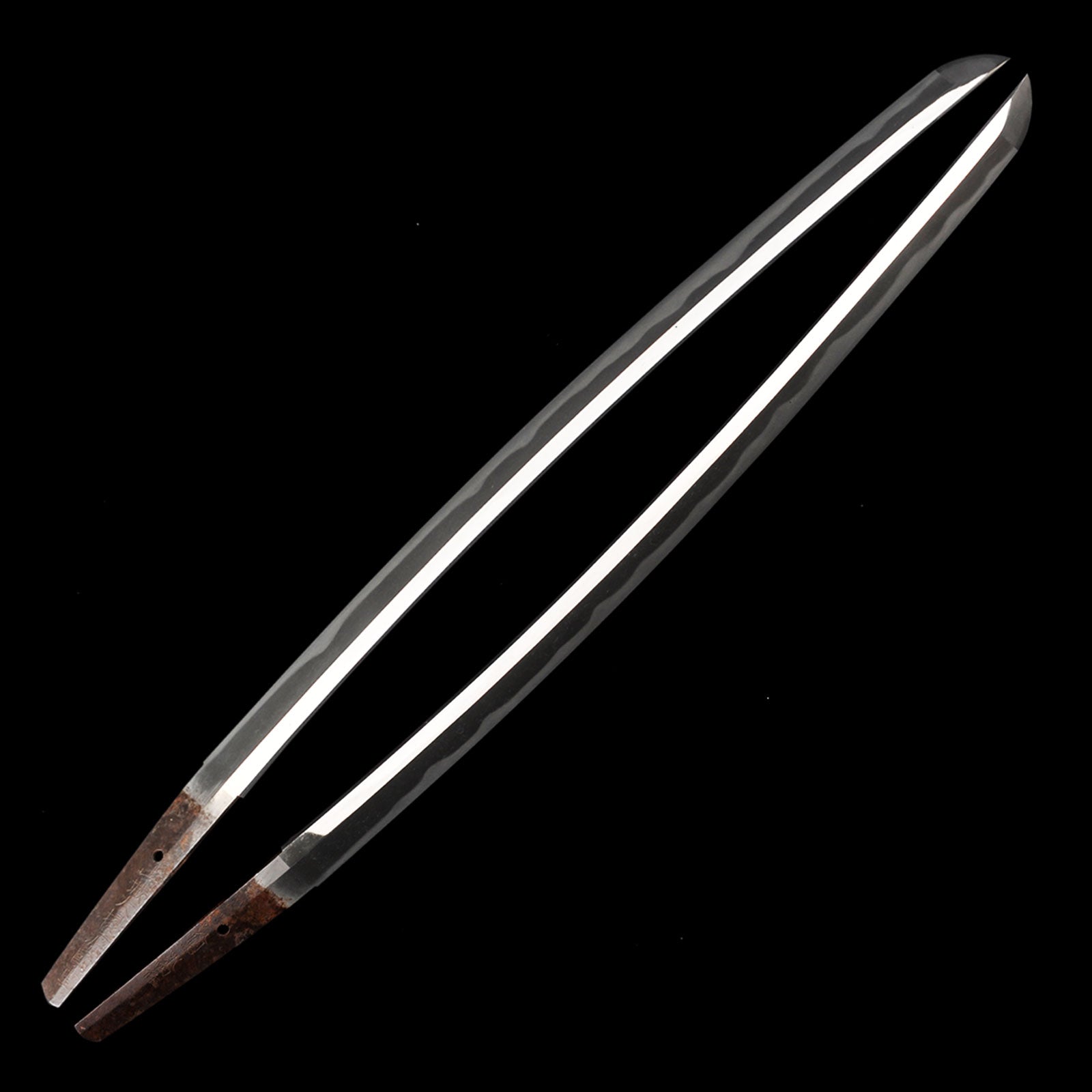
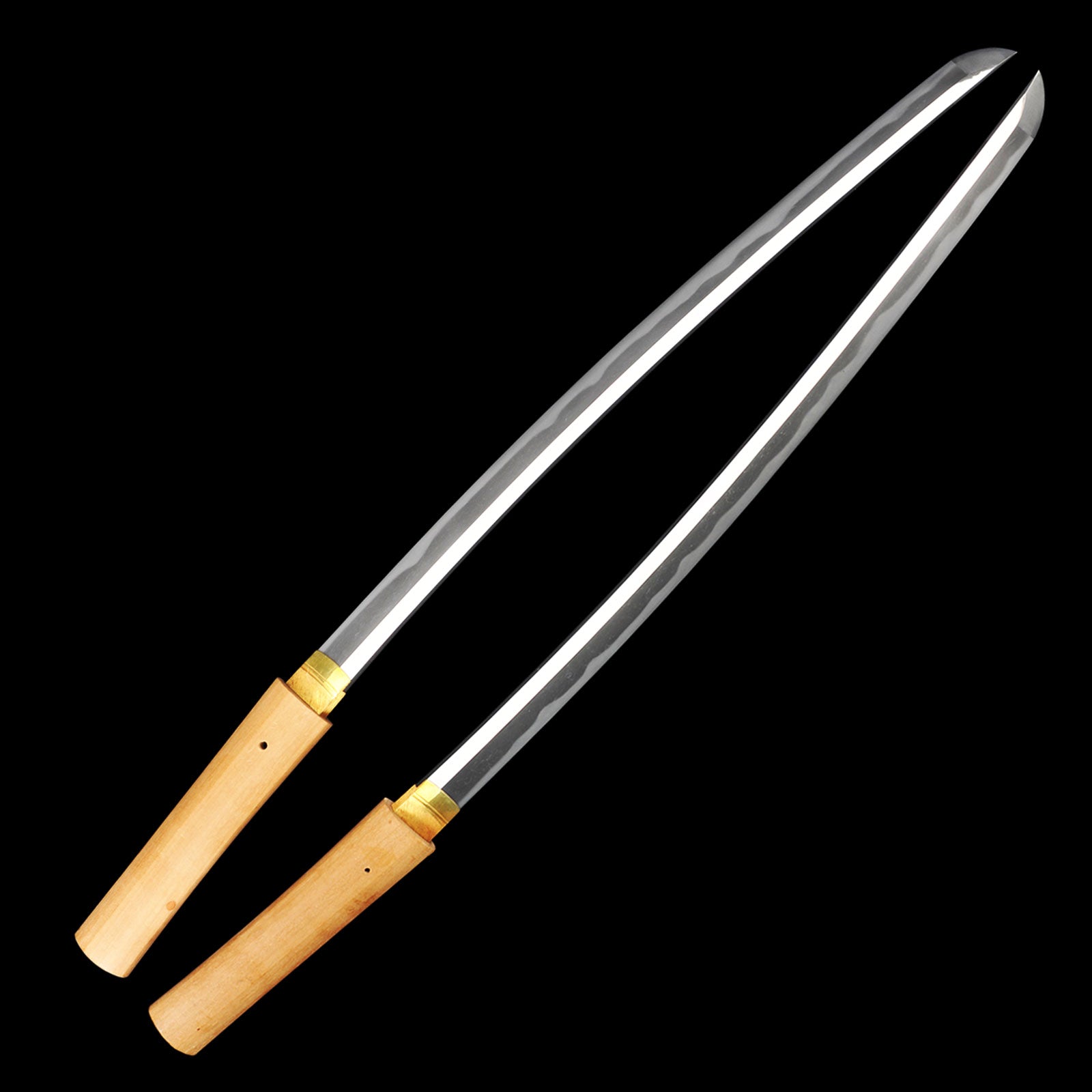
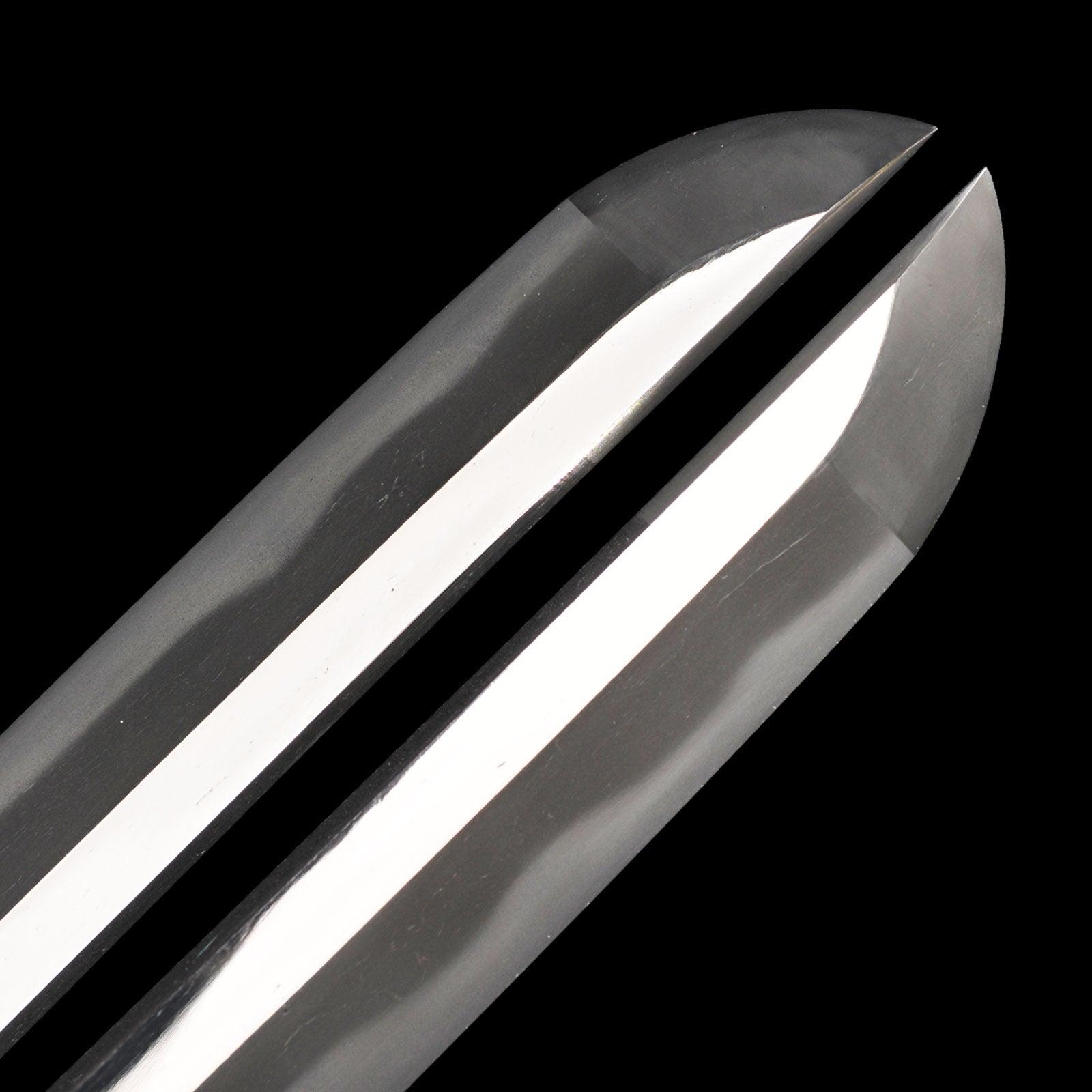
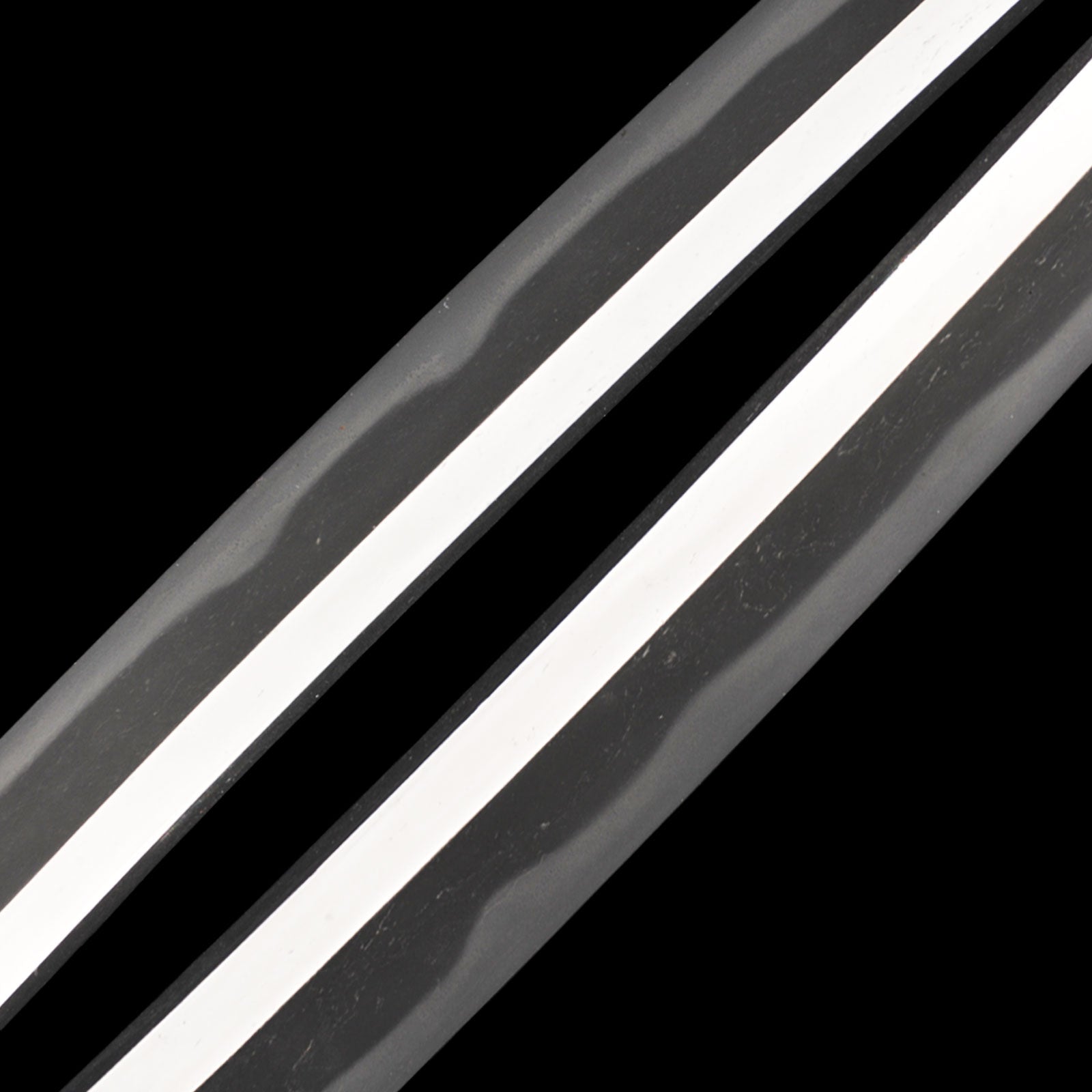
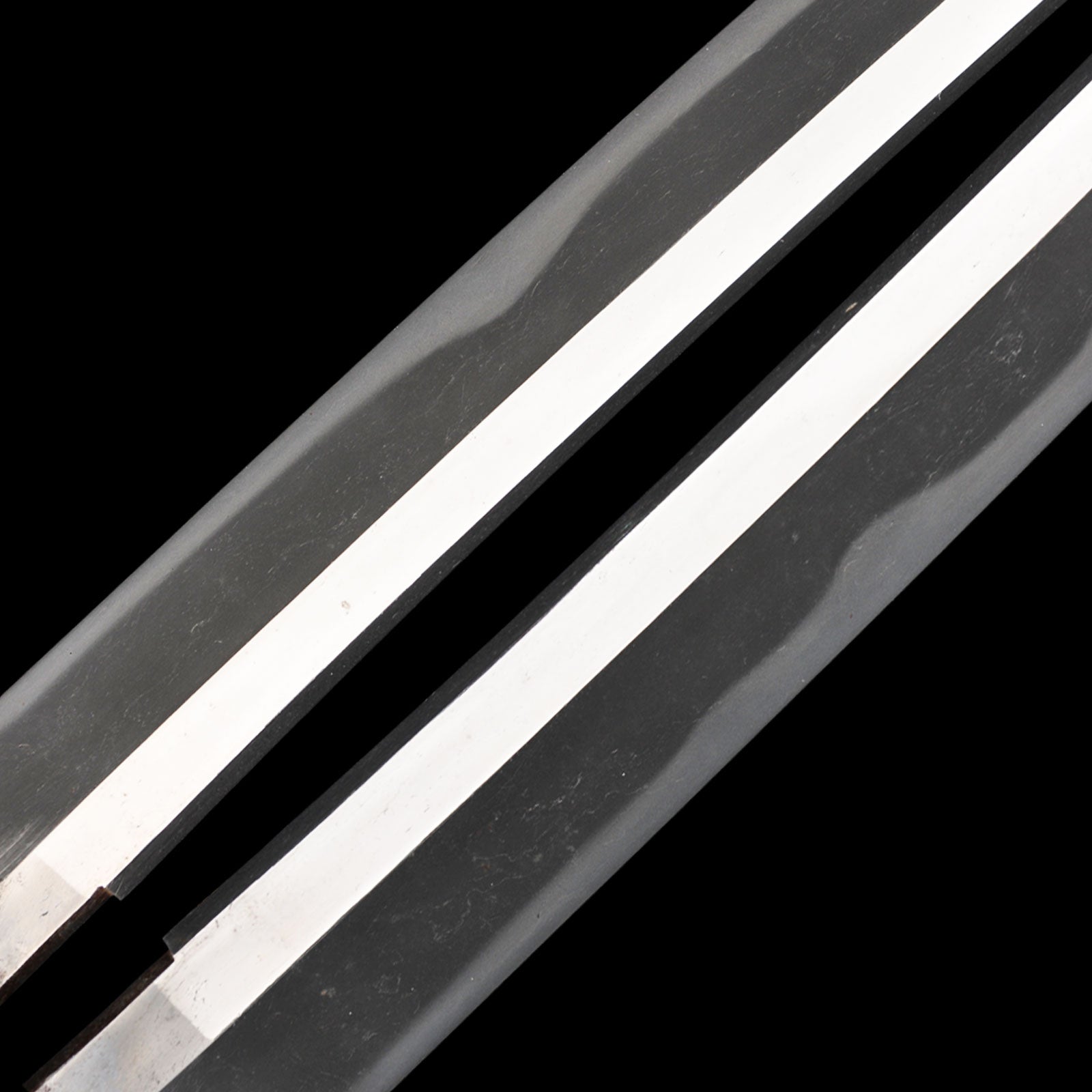
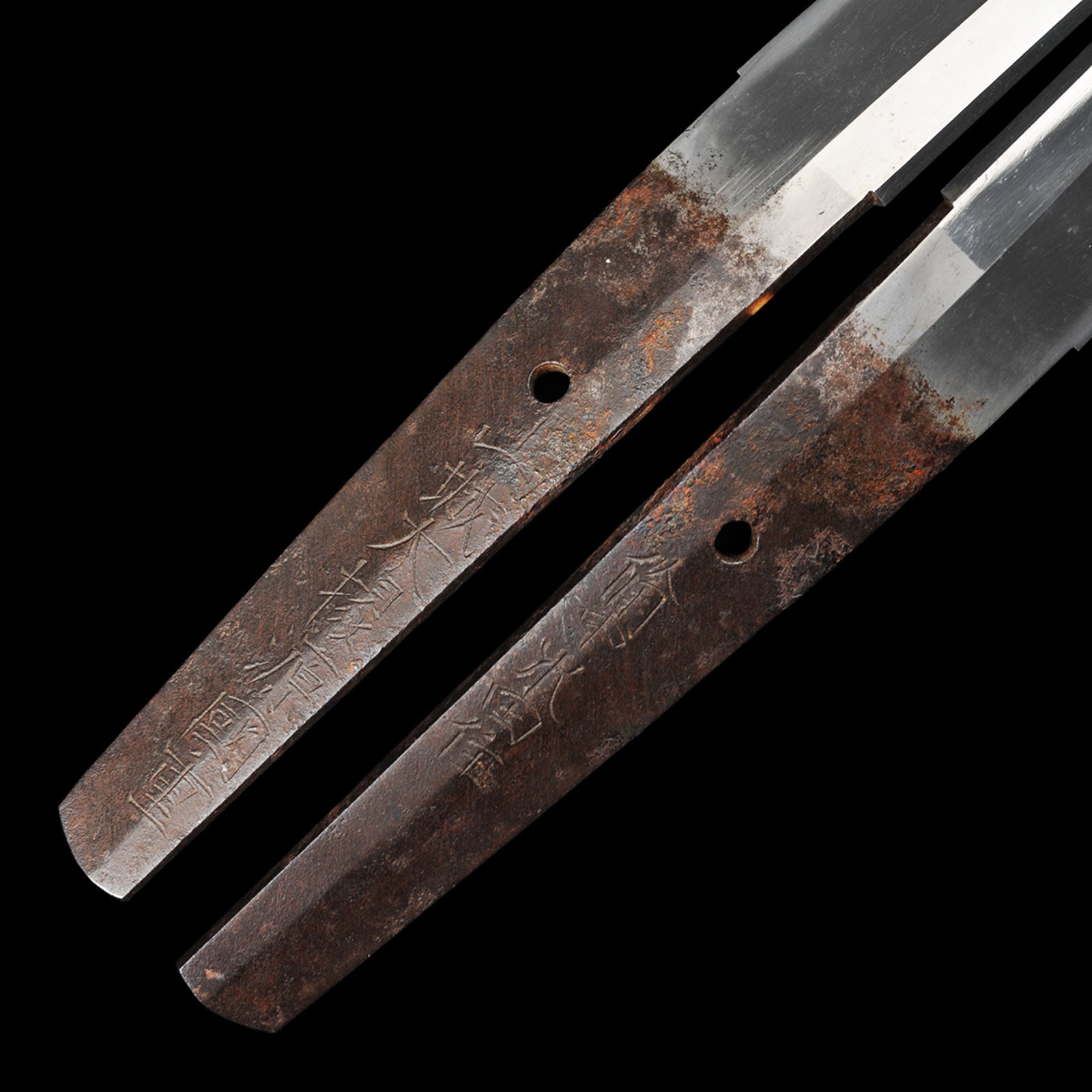
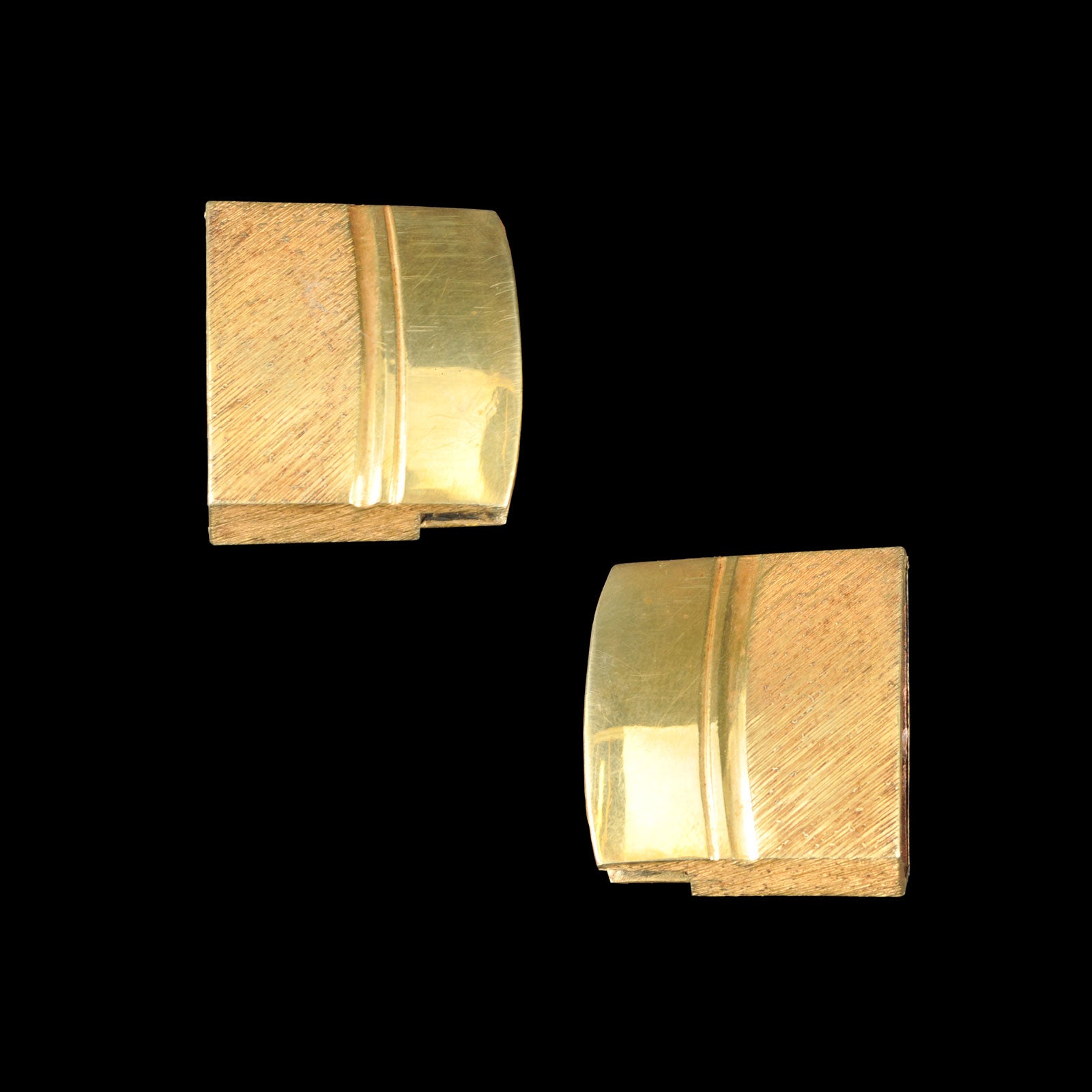
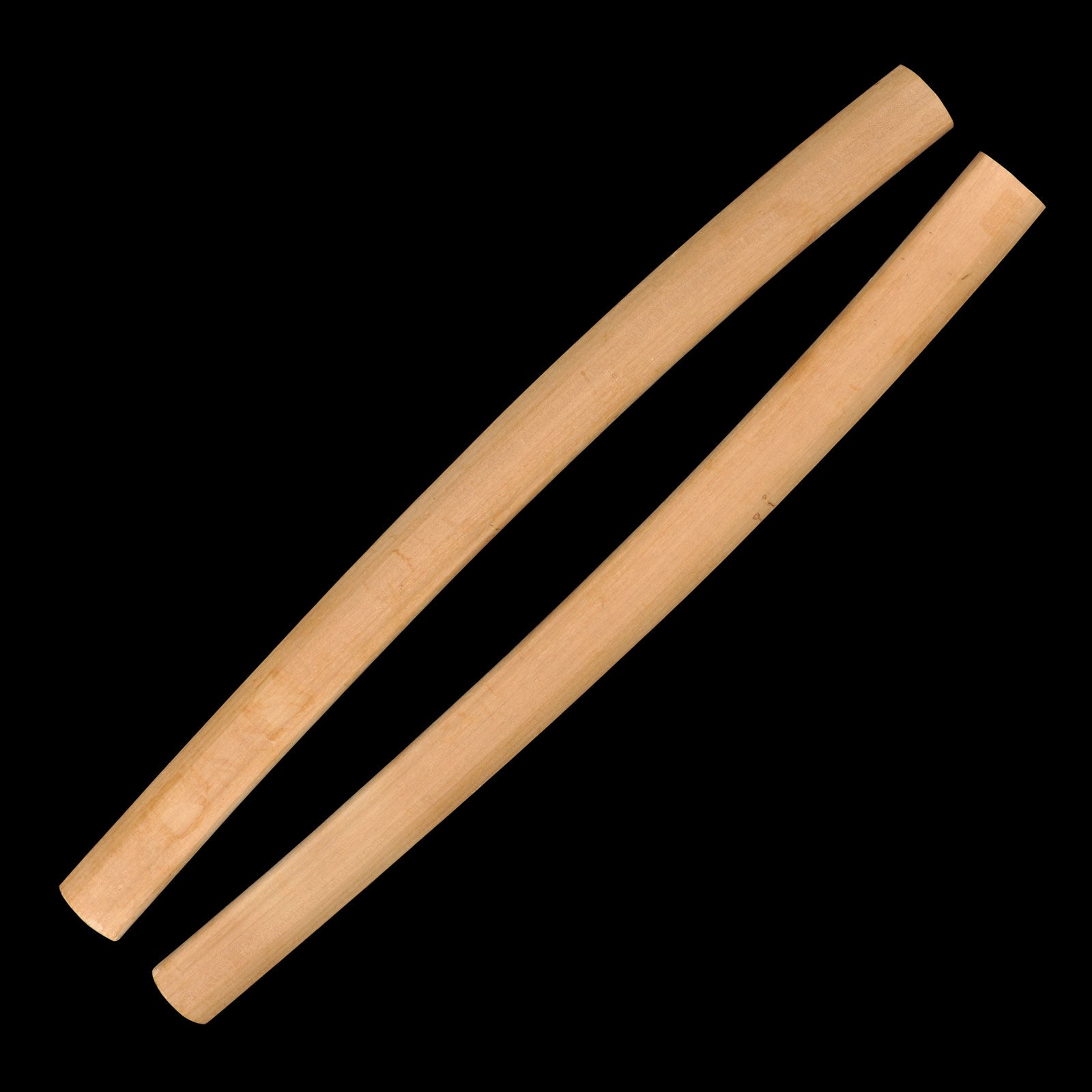
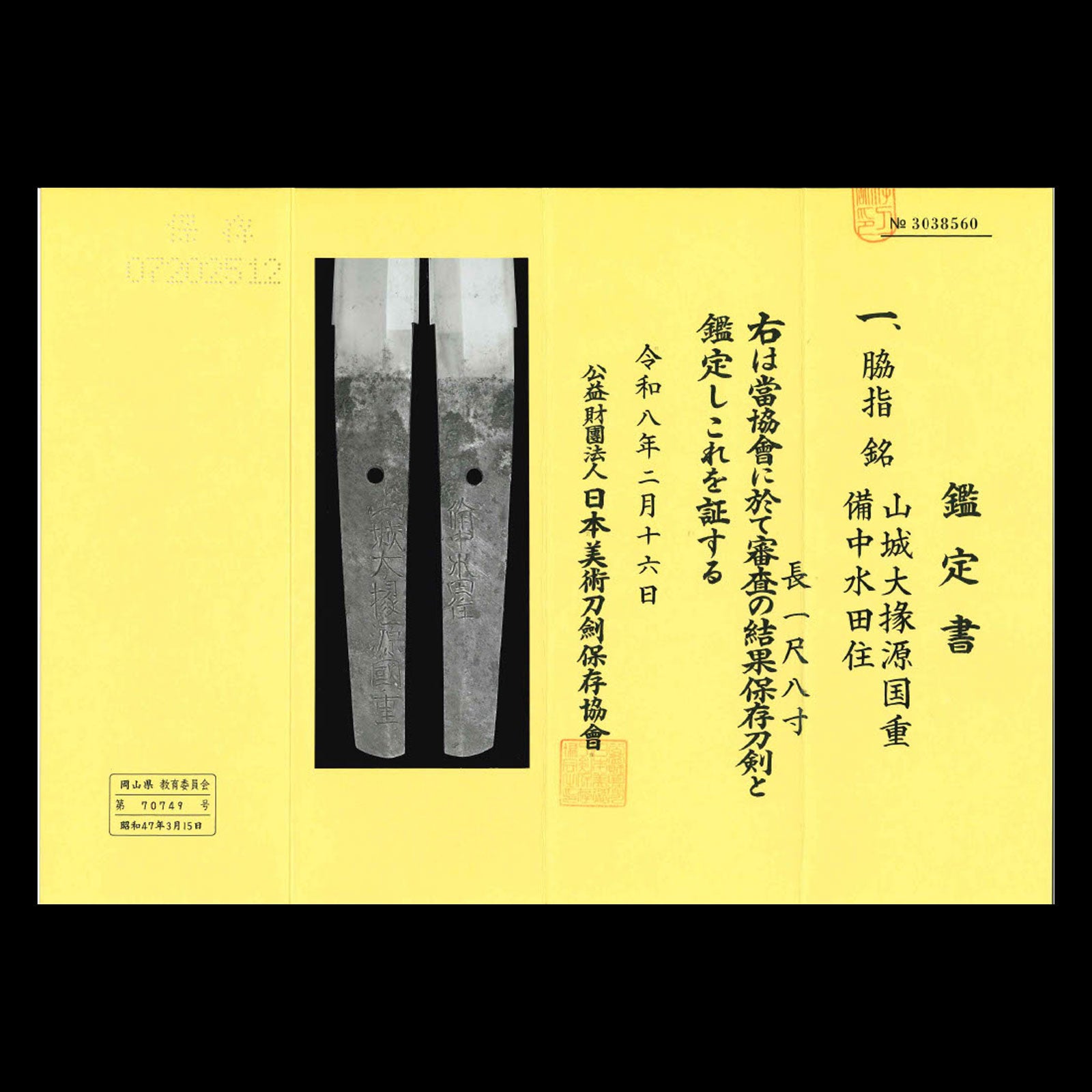
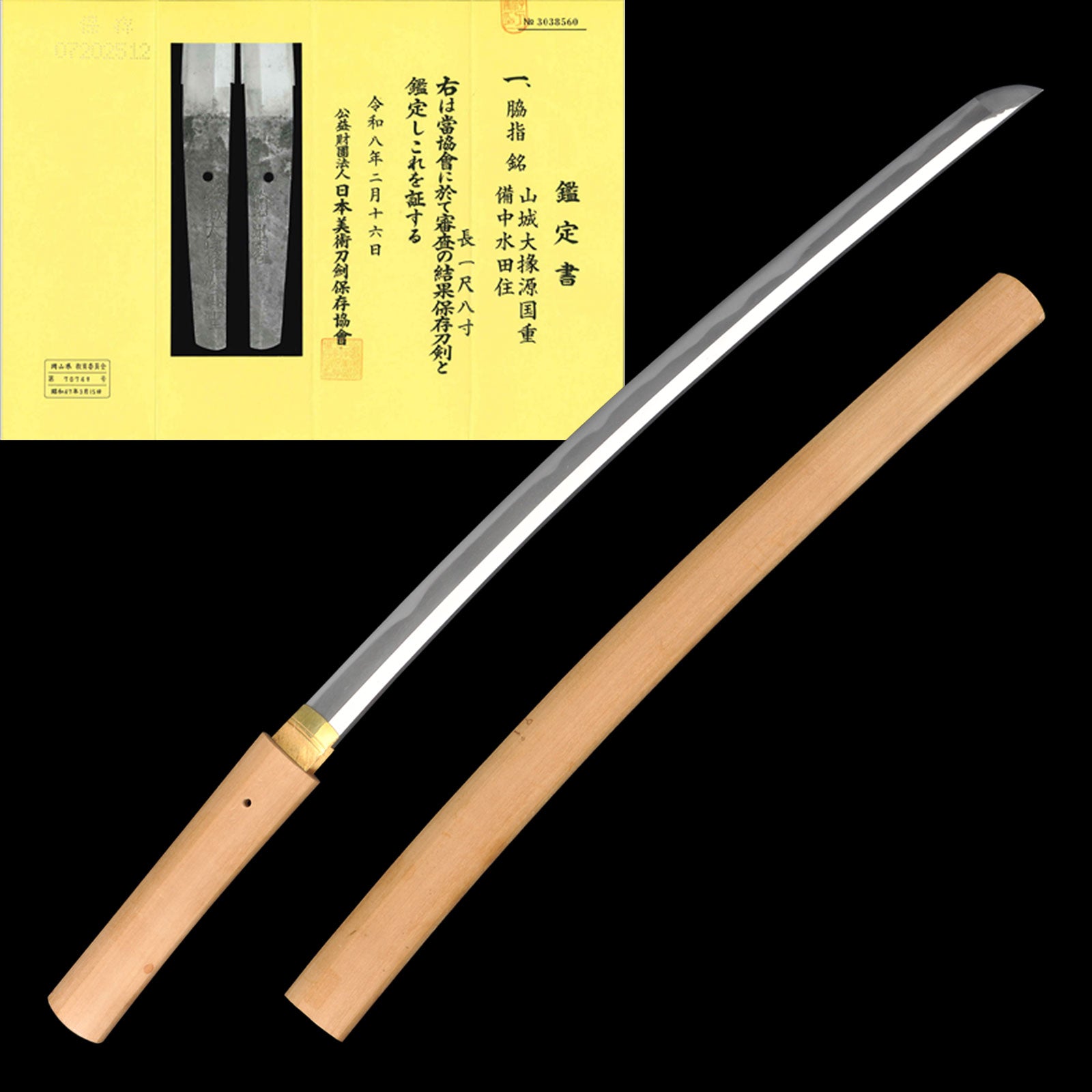
Antique Japanese Wakizashi, signed Yamashiro Daijō Minamoto Kunishige — NBTHK Hozon Tōken Bitchū Mizuta school · Early Edo period, c. Kan'ei–Shōhō era (1624–1648) Accompanied by an NBTHK Hozon Tōken ("Sword Worthy of Preservation") certificate. A superb wakizashi, its quality and historical importance confirmed by the NBTHK Hozon Tōken certificate of the Society for the Preservation of Japanese Art Swords. The tang is crisply signed Yamashiro Daijō Minamoto Kunishige (山城大掾源国重) on the omote and Bitchū Mizuta-jū (備中水田住) on the reverse — the mark of the celebrated Mizuta school of Bitchū , whose blades earned a formidable reputation in the early Edo period as practical swords beloved of the samurai. Workmanship and condition The blade is in polished condition and, remarkably, very nearly flawless. The workmanship of both ground and edge is outstanding, and — most notably for a blade of its age — it has suffered exceptionally little loss to past polishing: the hiraniku (the flesh of the blade) remains full and thick, giving it a substantial, weighty presence that is striking the moment it is taken in hand. Over a powerful jigane of beautifully forged itame (wood-grain) steel, the smith has tempered a broad, gently rolling notare hamon that moves along the edge like a slow ocean swell. The smith: Yamashiro Daijō Minamoto Kunishige The Kunishige name stands at the head of the Mizuta school, which flourished in the Mizuta district of Bitchū province (present-day Okayama). The maker of this blade, Yamashiro Daijō Minamoto Kunishige , worked in Bitchū through the Kan'ei to Shōhō eras of the early Edo period (c. 1624–1648), and is counted among the smiths who built the school's golden age. Mizuta Kunishige blades were trusted by daimyō houses and senior samurai as superbly sharp swords made for real use. The name "Kunishige" carried, for warriors who prized strength and victory, the weight of both a status symbol and a talisman — a reputation underscored by the fact that the
NihontoWatch
備中 · 1644-1648頃
藤代 中上作 · 刀剣大鑑 上位87%
江戸時代
二世紀半の泰平のあいだ、刀は武器である以上に武士の身分の標章であった。江戸の実証と大坂の華やぎのように都市ごとの作風が育ち、時代の末には需要も細っていく。
銘が正しい、または無銘でも年代・国・系統を確実に指摘できる、保存に値する真正の作と鑑定されたものです。
日本美術刀剣保存協会(NBTHK)は、1948年に設立され、文化庁の監督を受ける公益財団法人で、東京・刀剣博物館に本部を置きます。専門の審査員が出品作を直接審査し、美術的・歴史的価値に応じた鑑定書を発行します。NBTHKの鑑定書は、日本刀および刀装具の真正性を示す最も広く認知された基準です。
NBTHK公式サイトAs a general rule, returns/exchanges are not accepted on Japanese sword orders unless damaged upon delivery. Other items: returns/exchanges accepted within 7 days of delivery. Cancellation for personal reasons incurs a 30% restocking fee (70% refunded). Return shipping must be prepaid and insured by the buyer; shipping/handling fees are non-refundable. Contact katana@tozando.co.jp to initiate a return.