NihontoWatch Mon

NihontoWatch

マーケット
事典
鑑定
NihontoWatch Mon

NihontoWatch

マーケット
事典
鑑定

説明

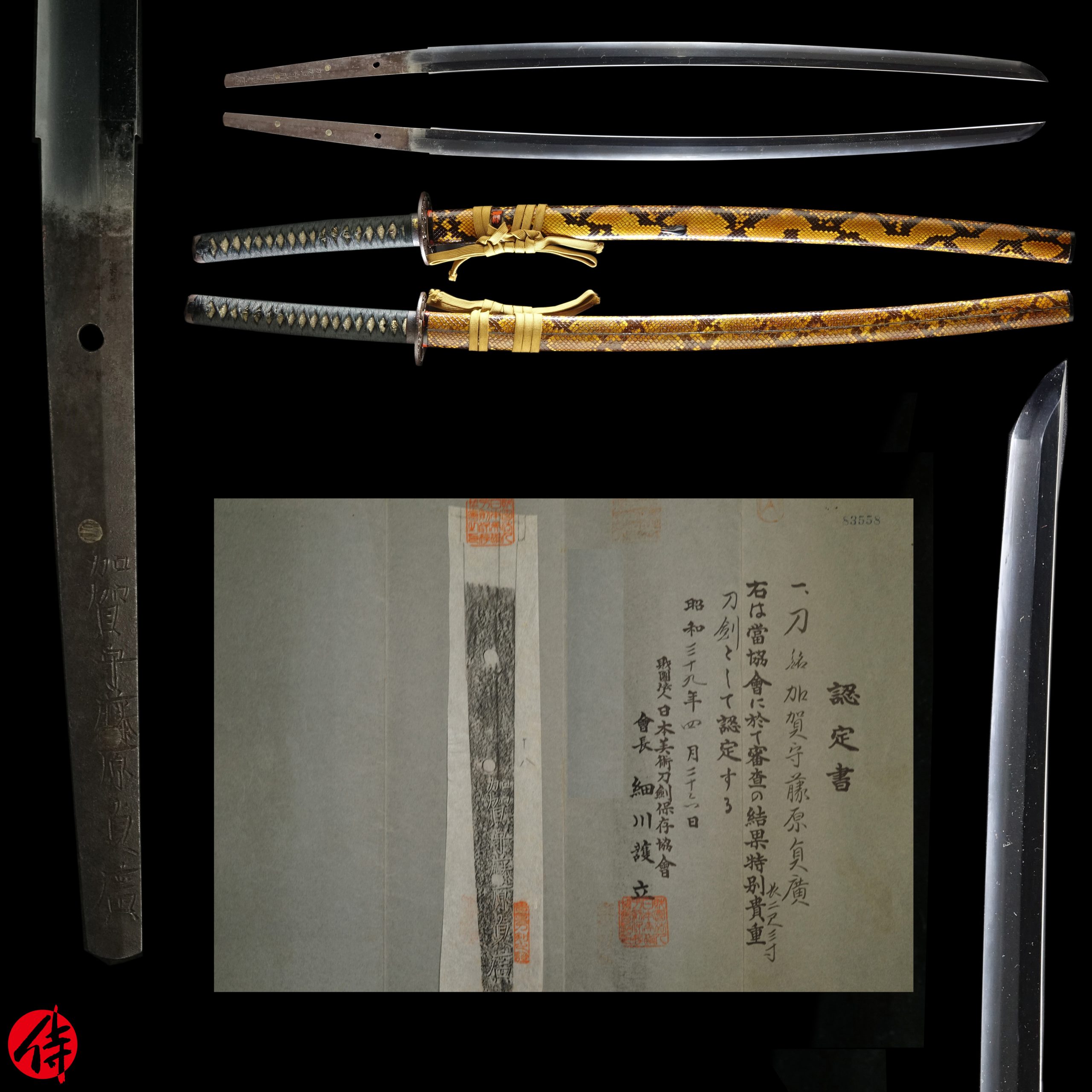
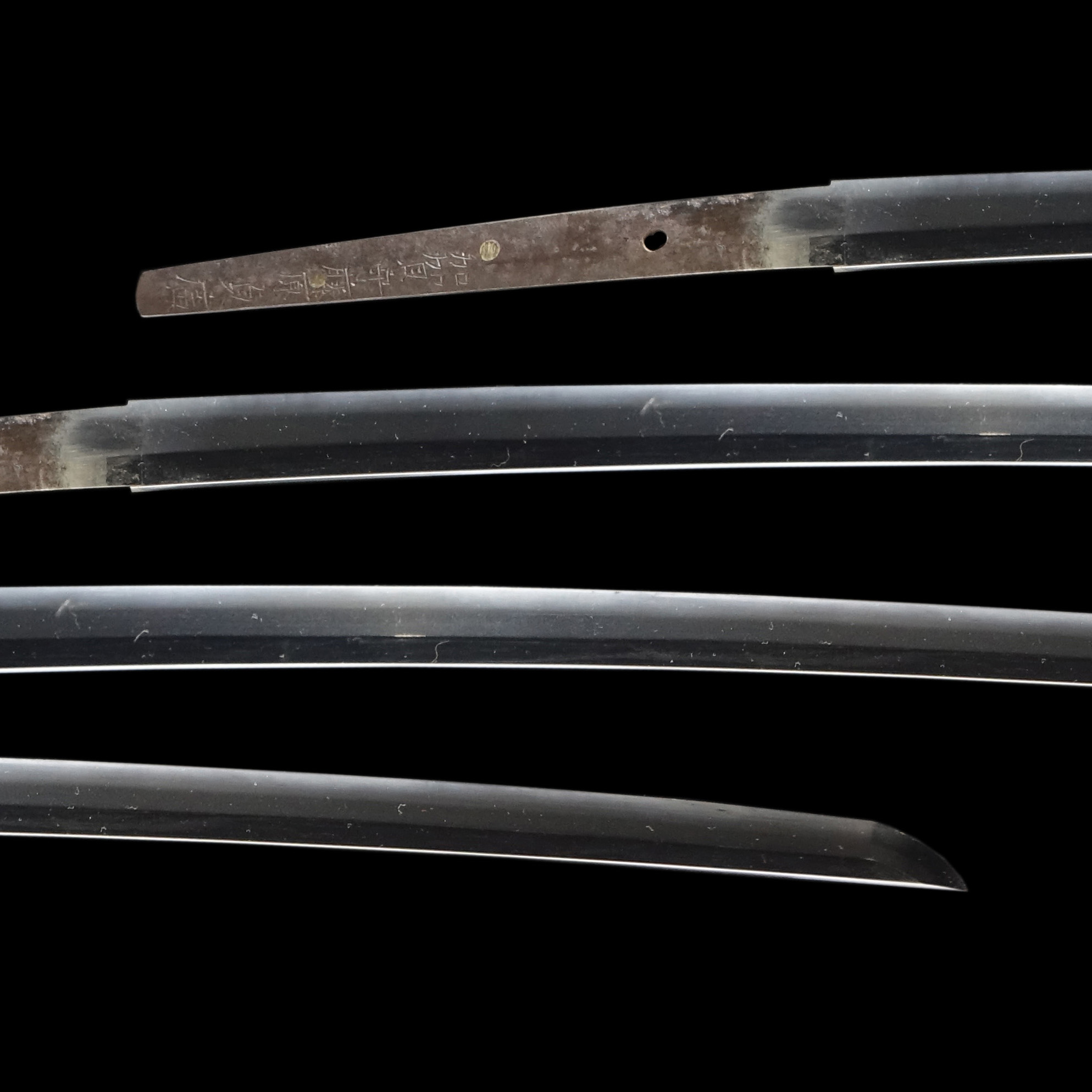
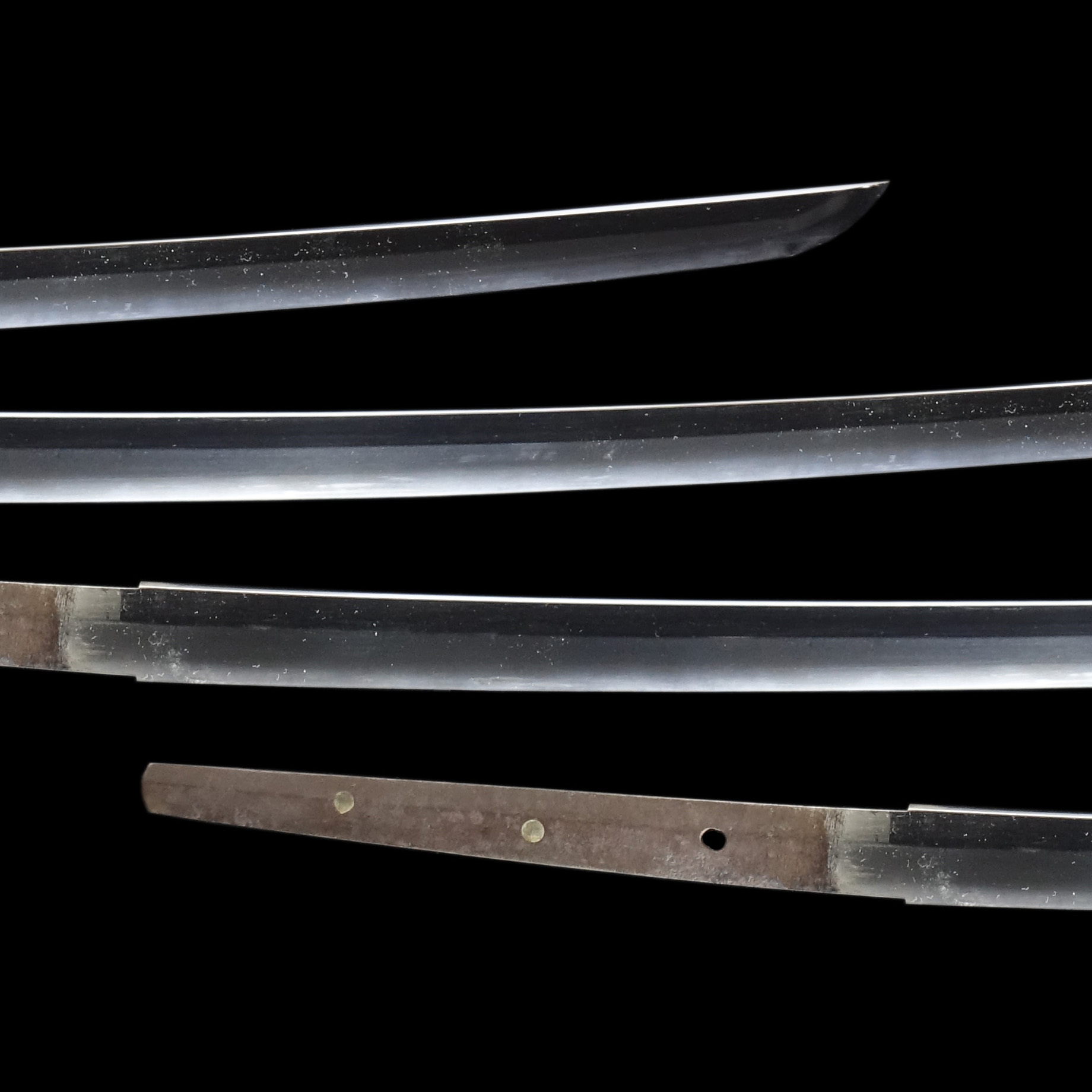
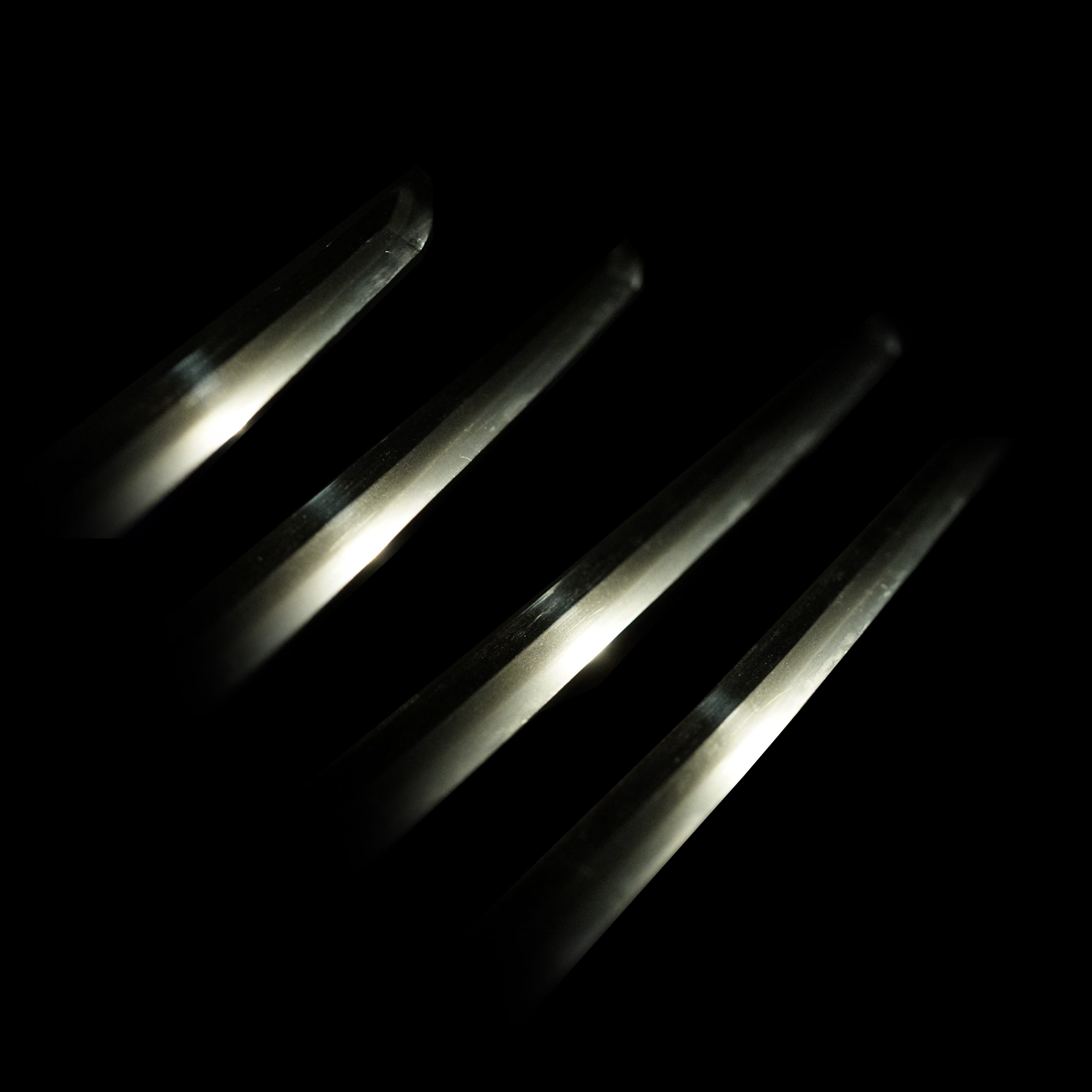
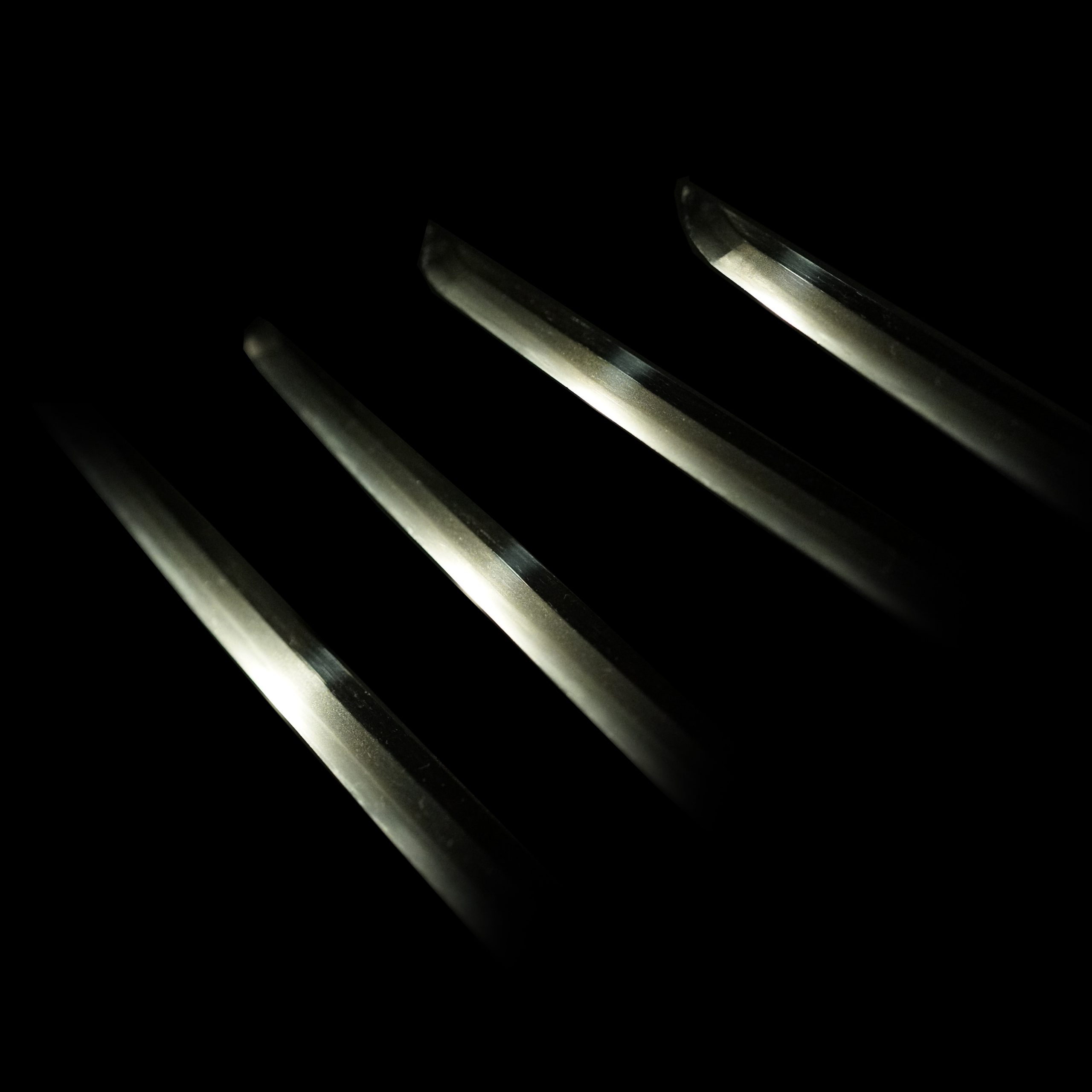
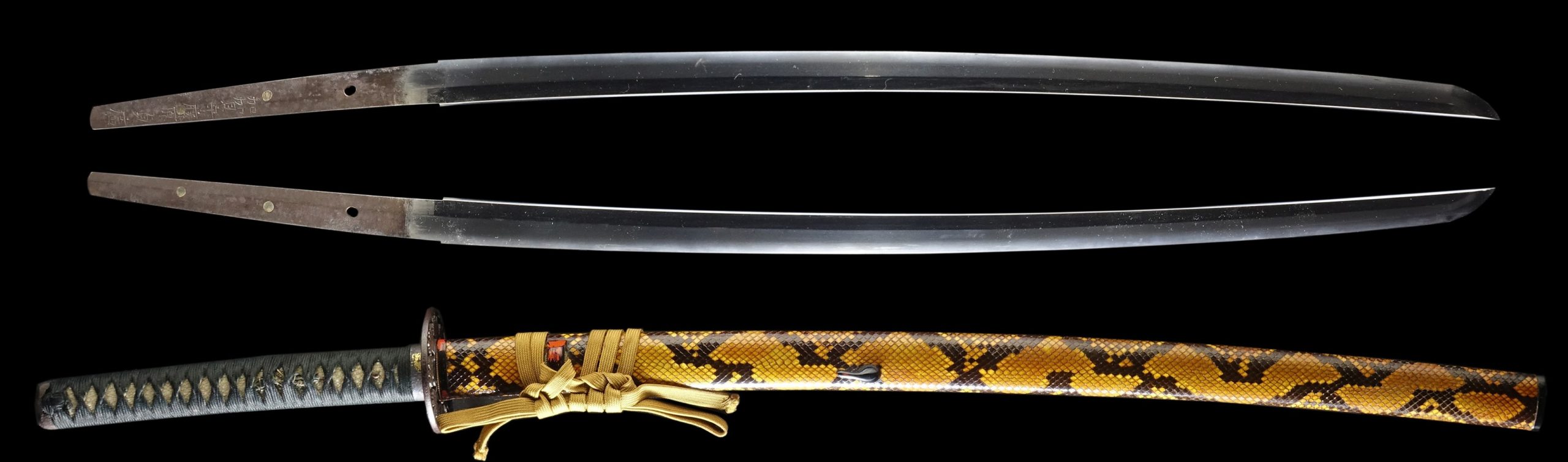
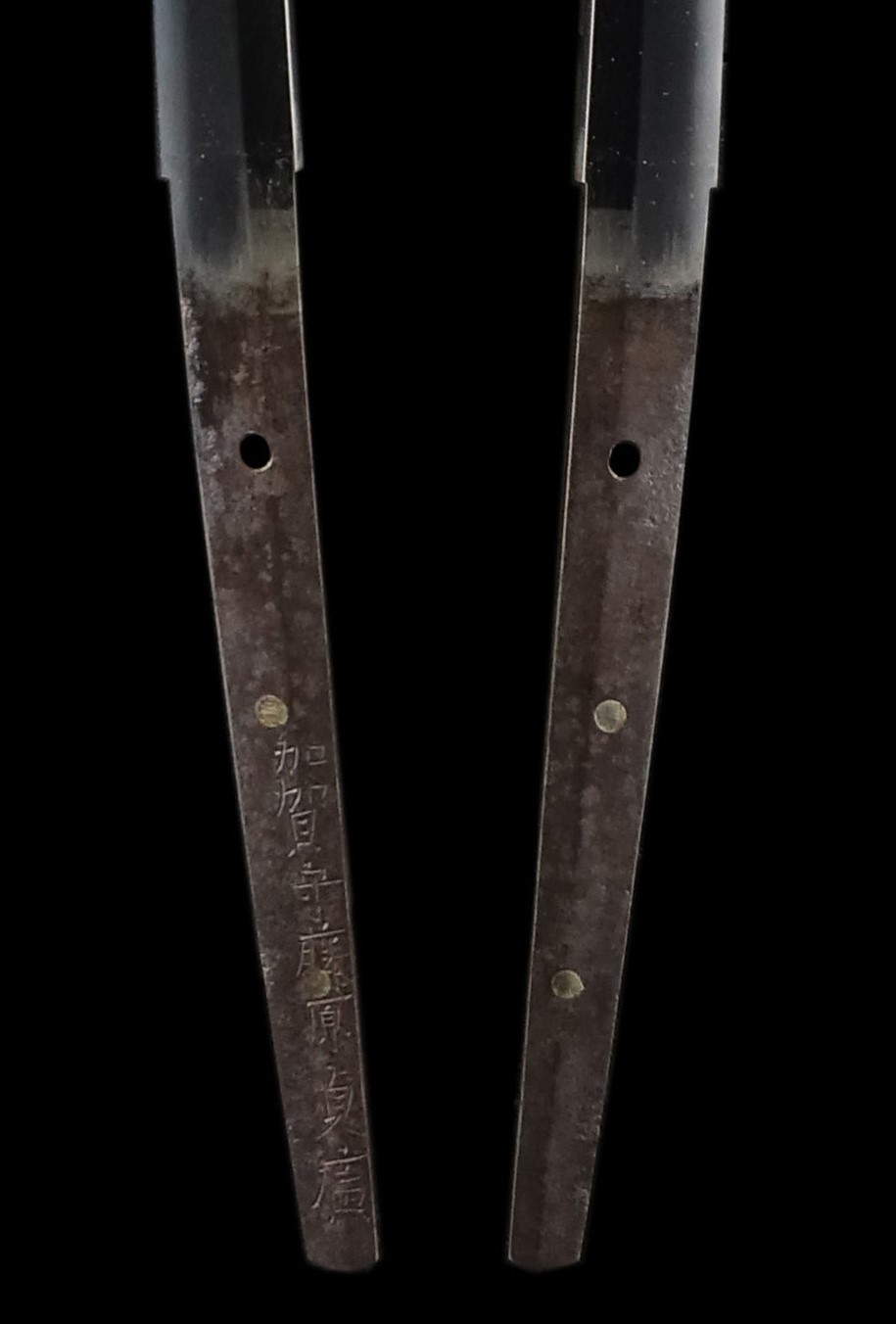
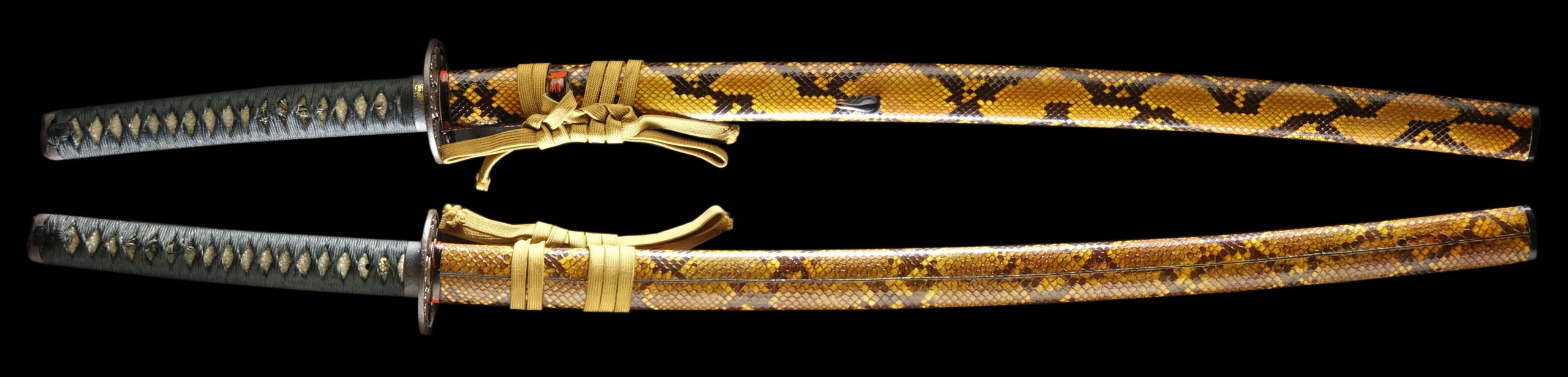
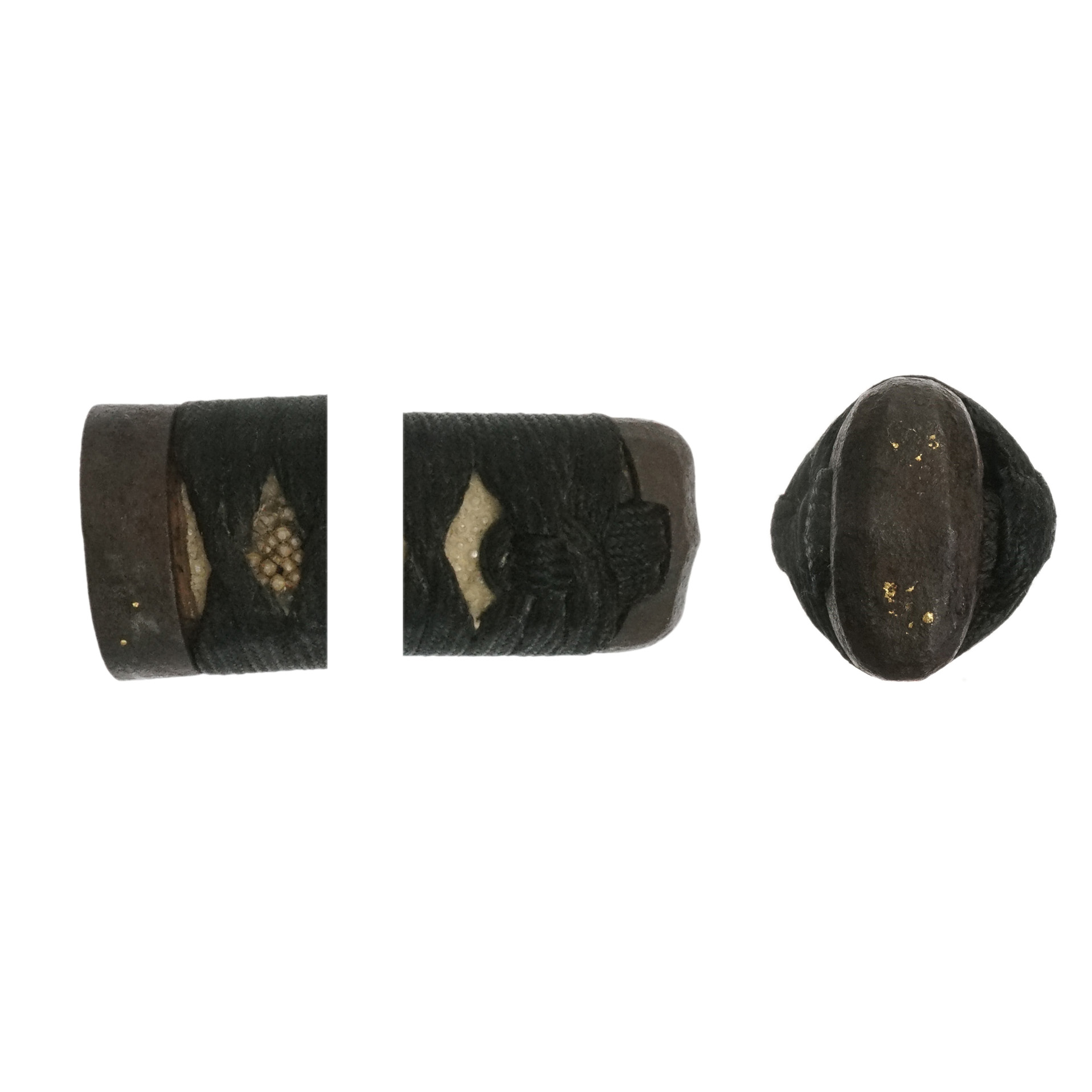
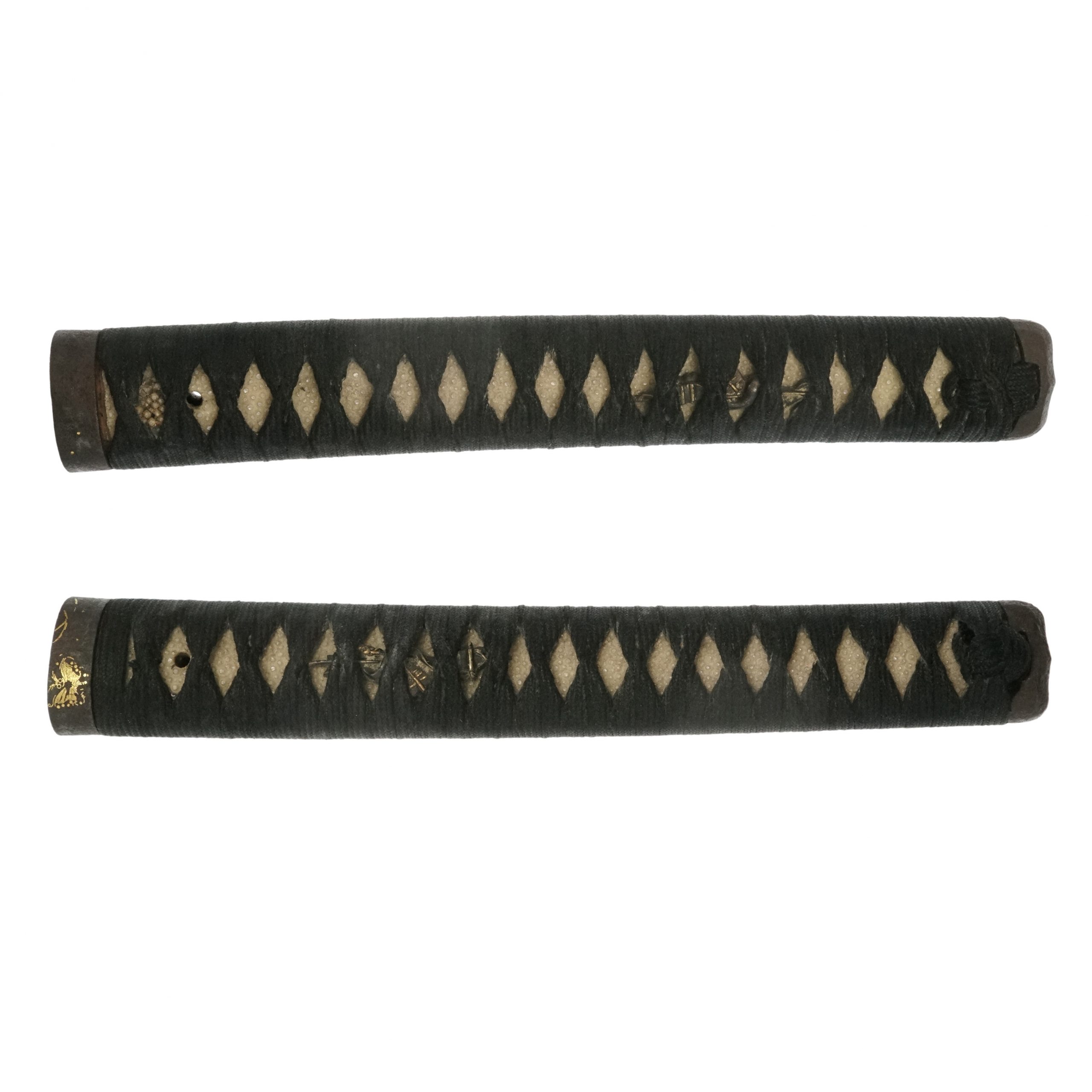
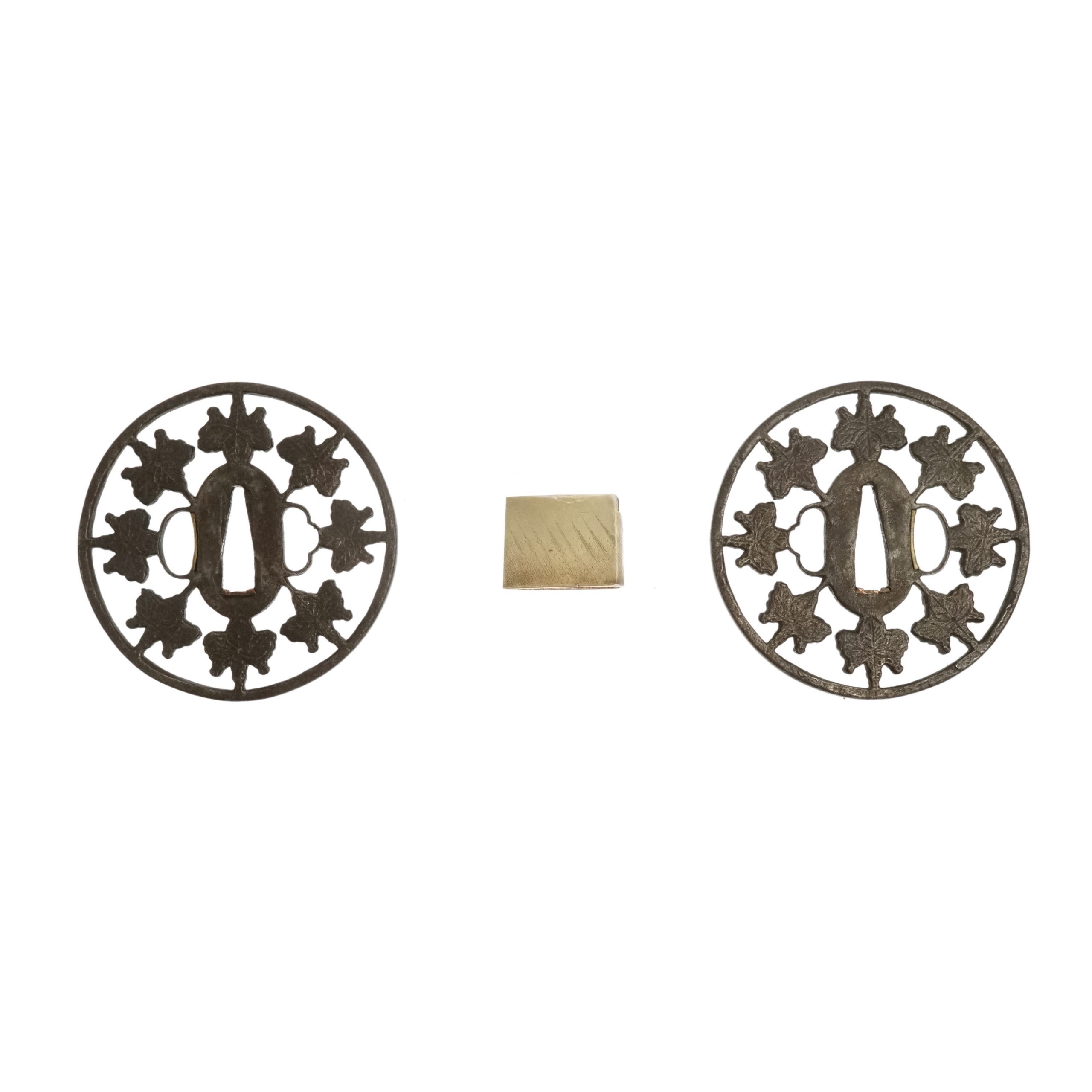
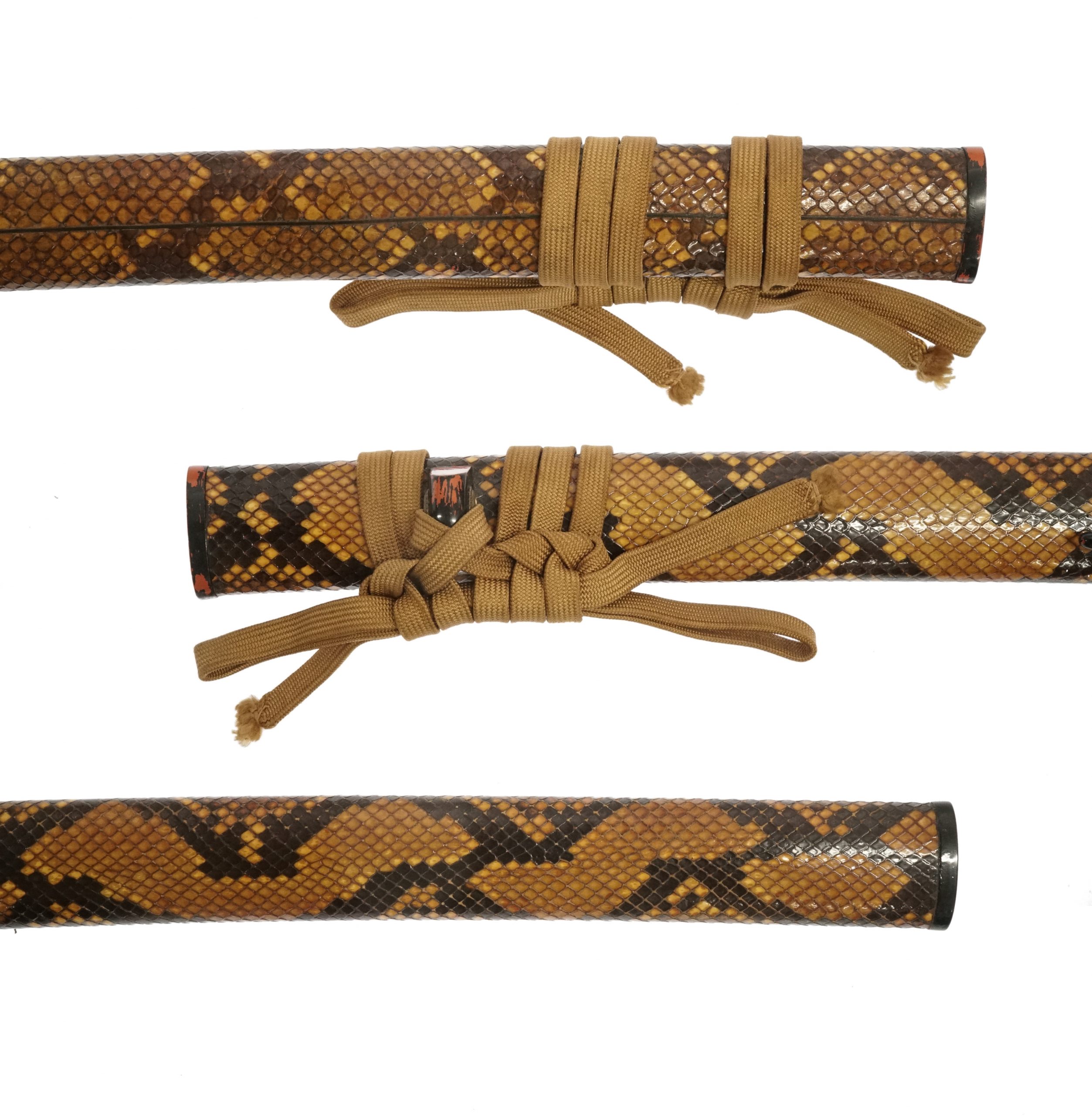
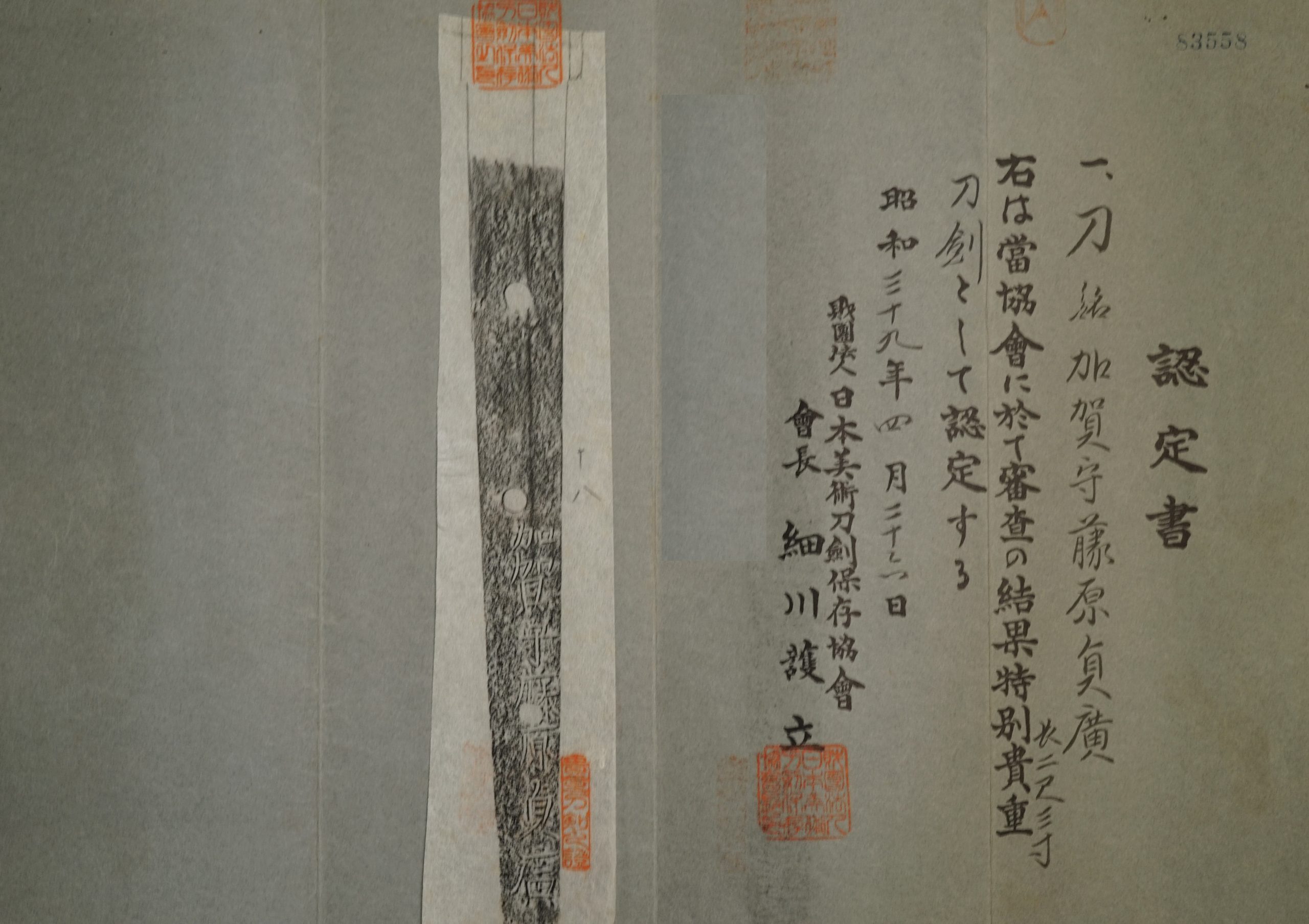
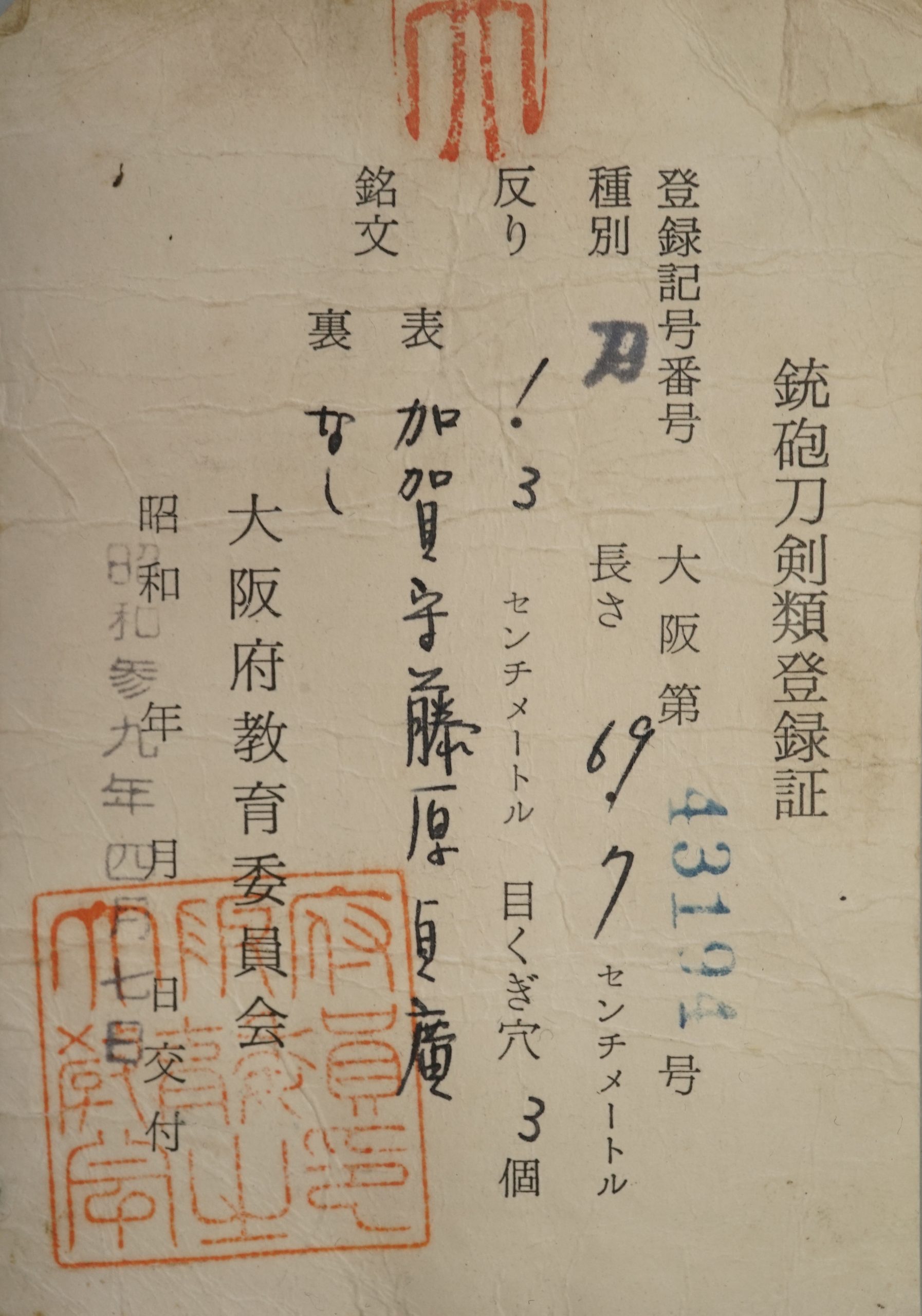
Antique Japanese Sword Katana Signed by Sadahiro with NBTHK Certificate 【Description】 Kaga no Kami Fujiwara Sadahiro(加賀守藤原貞廣) was born in 1640 in Echizen Shimosaka(today’s Fukui prefecture) and forged swords in the middle of the Edo period, specifically the Genroku Era(1688-1704). Most of his remaining work has Suguha Hamon(Straight Tempering pattern). This blade is one of them. Sadahiro belonged to Shimosaka school, initially founded in Shimosaka town in Shiga prefecture at the end of the Muromachi period. And the school moved to Echizen city(Fukui prefecture) at the beginning of the Edo period. Sadahiro engraved the title “(Kaga no Kami),” and his maker’s name “藤原貞廣(Fujiwara Tsuguhiro)” on the front. There was also a record where Sadahiro forged swords in Settsu province(Osaka prefecture) after leaving Echizen province. Echizen Province was famous for forging razor-sharp, practically-designed swords. The Edo government, run by the Tokugawa clan, ordered many blades from the swordsmiths in this province during the Edo period(1603-1868). There were so many swordsmiths originally from the Mino province(Gifu prefecture) in Echizen province, which is known as one of the five great Japanese sword styles MINO-DEN. This blade comes with a snakeskin-coated gorgeous scabbard with intricate sword mountings. 【 Blade】 Cutting Edge Length(Nagasa): 69.7 cm ( 27.44 inches) Curvature(Sori) : 1.3 cm( 0.51 inches) Hamon : The crystalline structure which forms along the cutting edge of a blade as a result of the hardening process Jimon(Jihada) : visible steel surface pattern created by folding and hammering during forging process Nakago : Nakago is the tang of the Japanese sword. Japanese swordsmiths left the black rust on the tang because it prevents red rust while the tang is in its handle. And the discoloration of the tang was created over time, and it is a great indicator for a Japanese sword specialist to estimate when the sword was forged. Koshirae: Koshirae is the mounting of the Japanese sword. There are several parts that consist of Koshirae such as Saya(Sabbard), Tsuka( Handle), Tsuba(Handguard). Fuchi-Kashira : A pair of matching sword fittings that cover the upper and bottom parts of its sword hilt. Due to the deterioration over time and friction, the original design of this Fuchi Kashira cannot be identified. It is considered that the brass inlay was applied. Tsuka and Menuki : Tsuka is the handle of the Japanese sword and Menuki is its decoration. The motif of this Menuki might be a kind of flag that was used in battlefields. You could find a golden butterfly that is designed for Fuchi. As a butterfly changes its shape from egg to larvae to adult, people considered the butterfly was a symbol of immortality. According to a theory, this insect design had begun to be used with the wish of longevity. Therefore, this motif was appreciated among Samurai who were always on the verge of danger. Tsuba and Habaki : Tsuba is the handguard for the Japanese Sword and Habaki is the equipment to make the blade not touch its scabbard inside. It prevents the blade from getting rusty and chipped. Circle-shaped Tsuba made from iron. The Kiri (桐, paulownia) pattern is arranged evenly. This plant motif was used as an imperial pattern and eventually became the pattern to be given by the emperor to the administration’s ruler as proof. The paulownia design has been treated as a noble pattern. Saya : Saya is the scabbard for the Japanese sword. In Japan, there is a belief that a snake is enshrined as a water god. As agriculture is flourishing in this country, water gods and agriculture were closely related. Also, snakes shed their skin several times. This behavior was considered a symbol of the rebirth of life. Furthermore, snakes could live without eating for a long time. Its strong vitality might be why this creature motif was loved as decoration for Samurai’s tools. Authentication Paper : NBTHK TOKUBETSU Kicho Certificate for the blade NBTHK , also kno

NihontoWatch MonNihontoWatch
MarketEncyclopediaKantei
刀剣›貞廣›Antique Japanese Sword Katana Signed by Sadahiro NBTHK Tokubetsu Kicho Certificate
刀特別貴重
貞廣

Antique Japanese Sword Katana Signed by Sadahiro NBTHK Tokubetsu Kicho Certificate

在銘 · Shimosaka · 江戸 · 長さ 69.7cm · 反り 1.3cm

売却済
貞廣 — 1 of 16
貞廣 — 2 of 16
貞廣 — 3 of 16
貞廣 — 4 of 16
貞廣 — 5 of 16
貞廣 — 6 of 16
貞廣 — 7 of 16
貞廣 — 8 of 16
貞廣 — 9 of 16
貞廣 — 10 of 16
貞廣 — 11 of 16
貞廣 — 12 of 16
貞廣 — 13 of 16
貞廣 — 14 of 16
貞廣 — 15 of 16
貞廣 — 16 of 16
1 / 16
1 / 16
貞廣 — 1 of 16貞廣 — 2 of 16貞廣 — 3 of 16貞廣 — 4 of 16貞廣 — 5 of 16貞廣 — 6 of 16貞廣 — 7 of 16貞廣 — 8 of 16貞廣 — 9 of 16貞廣 — 10 of 16貞廣 — 11 of 16貞廣 — 12 of 16貞廣 — 13 of 16貞廣 — 14 of 16貞廣 — 15 of 16貞廣 — 16 of 16
法量・詳細
刀工
貞廣
種別
刀
活動期
1661–1673年頃(Kanbun)
国
越前
銘
在銘
法量
長さ 69.7cm反り 1.3cm
説明

Antique Japanese Sword Katana Signed by Sadahiro with NBTHK Certificate 【Description】 Kaga no Kami Fujiwara Sadahiro(加賀守藤原貞廣) was born in 1640 in Echizen Shimosaka(today’s Fukui prefecture) and forged swords in the middle of the Edo period, specifically the Genroku Era(1688-1704). Most of his remaining work has Suguha Hamon(Straight Tempering pattern). This blade is one of them. Sadahiro belonged to Shimosaka school, initially founded in Shimosaka town in Shiga prefecture at the end of the Muromachi period. And the school moved to Echizen city(Fukui prefecture) at the beginning of the Edo period. Sadahiro engraved the title “(Kaga no Kami),” and his maker’s name “藤原貞廣(Fujiwara Tsuguhiro)” on the front. There was also a record where Sadahiro forged swords in Settsu province(Osaka prefecture) after leaving Echizen province. Echizen Province was famous for forging razor-sharp, practically-designed swords. The Edo government, run by the Tokugawa clan, ordered many blades from the swordsmiths in this province during the Edo period(1603-1868). There were so many swordsmiths originally from the Mino province(Gifu prefecture) in Echizen province, which is known as one of the five great Japanese sword styles MINO-DEN. This blade comes with a snakeskin-coated gorgeous scabbard with intricate sword mountings. 【 Blade】 Cutting Edge Length(Nagasa): 69.7 cm ( 27.44 inches) Curvature(Sori) : 1.3 cm( 0.51 inches) Hamon : The crystalline structure which forms along the cutting edge of a blade as a result of the hardening process Jimon(Jihada) : visible steel surface pattern created by folding and hammering during forging process Nakago : Nakago is the tang of the Japanese sword. Japanese swordsmiths left the black rust on the tang because it prevents red rust while the tang is in its handle. And the discoloration of the tang was created over time, and it is a great indicator for a Japanese sword specialist to estimate when the sword was forged. Koshirae: Koshirae is the mounting of the Japanese sword. There are several parts that consist of Koshirae such as Saya(Sabbard), Tsuka( Handle), Tsuba(Handguard). Fuchi-Kashira : A pair of matching sword fittings that cover the upper and bottom parts of its sword hilt. Due to the deterioration over time and friction, the original design of this Fuchi Kashira cannot be identified. It is considered that the brass inlay was applied. Tsuka and Menuki : Tsuka is the handle of the Japanese sword and Menuki is its decoration. The motif of this Menuki might be a kind of flag that was used in battlefields. You could find a golden butterfly that is designed for Fuchi. As a butterfly changes its shape from egg to larvae to adult, people considered the butterfly was a symbol of immortality. According to a theory, this insect design had begun to be used with the wish of longevity. Therefore, this motif was appreciated among Samurai who were always on the verge of danger. Tsuba and Habaki : Tsuba is the handguard for the Japanese Sword and Habaki is the equipment to make the blade not touch its scabbard inside. It prevents the blade from getting rusty and chipped. Circle-shaped Tsuba made from iron. The Kiri (桐, paulownia) pattern is arranged evenly. This plant motif was used as an imperial pattern and eventually became the pattern to be given by the emperor to the administration’s ruler as proof. The paulownia design has been treated as a noble pattern. Saya : Saya is the scabbard for the Japanese sword. In Japan, there is a belief that a snake is enshrined as a water god. As agriculture is flourishing in this country, water gods and agriculture were closely related. Also, snakes shed their skin several times. This behavior was considered a symbol of the rebirth of life. Furthermore, snakes could live without eating for a long time. Its strong vitality might be why this creature motif was loved as decoration for Samurai’s tools. Authentication Paper : NBTHK TOKUBETSU Kicho Certificate for the blade NBTHK , also kno

作者について

貞廣

越前 · 1661-1673頃

藤代 Chu saku

現在1点販売中

›
貞廣の作 1点が現在販売中→
貞廣 — 詳細

歴史的背景

徳川の泰平のもと、大小は法度の定める身分の制服となり、需要は城下町、とりわけ江戸に集まった。工芸は二つに分かれる。目利きのための華やかな鑑賞の作と、截断の結果を金象嵌に刻む実証の刀である。

江戸時代 →

真贋は保証されません

本作はNBTHKの旧鑑定書(貴重・特別貴重)を有しますが、これらは現在発行されておらず、信頼性に欠けるとされています。極めを確認するには、公的な鑑定機関(NBTHK・NTHKなど)への再提出による現代の鑑定をご検討いただけます。

販売店
サ
サムライミュージアム
🇯🇵日本から発送
›
✓認証販売店samuraimuseum.jp
✓海外発送可✓英語対応PayPalクレジットカード
返品ポリシー

Returns/exchanges limited to defects caused by shipping (except willful misconduct or gross negligence by the company); customers must contact within 72 hours of receiving the product.

サムライミュージアムの出品一覧を見る→販売店サイトでこの商品を見る→

貞廣の他の作

すべて見る →
刀心
保存
Katana - Hozon - by Shimosaka Sadahiro - 加賀守藤原貞廣 越前住下坂- Kaga no kami Fujiwara Sadahiro - 2-1175Katana - Hozon - by Shimosaka Sadahiro - 加賀守藤原貞廣 越前住下坂- Kaga no kami Fujiwara Sadahiro - 2-1175

刀

作貞廣
70.07cm·Kanbun (1661-1673)
¥748,000

貞廣の売約済み

サムライミュージアム
特別保存
Wakizashi - Tokuho - by Shimosaka Sadahiro - 日本刀 脇差 銘 貞広 日本美術刀剣保存協会 特別保存刀剣鑑定書付Wakizashi - Tokuho - by Shimosaka Sadahiro - 日本刀 脇差 銘 貞広 日本美術刀剣保存協会 特別保存刀剣鑑定書付
売切れ

脇差

作貞廣
46.5cm·Kanbun (1661-1673)
売却済
銀座誠友堂
保存
Katana - Hozon - by Shimosaka Sadahiro - 刀[加賀守藤原貞広][日本美術刀剣保存協会]保存刀剣Katana - Hozon - by Shimosaka Sadahiro - 刀[加賀守藤原貞広][日本美術刀剣保存協会]保存刀剣
売切れ

刀

作貞廣
75.5cm·Kanbun (1661-1673)
売却済

Shimosaka派の作

刀心
保存
Katana - Hozon - by Shimosaka Hirotaka - 両胴切落(伯耆守汎隆)- Futatsudo kiriotosu - 2-997Katana - Hozon - by Shimosaka Hirotaka - 両胴切落(伯耆守汎隆)- Futatsudo kiriotosu - 2-997

刀

作汎隆
69.45cm·新刀
¥1,100,000
葵美術
特別保存
Wakizashi - Tokuho - by Shimosaka Tsuguhiro - 脇差:以南蛮鉄近江守藤原継広 越前住下坂(特別保存刀剣)Wakizashi - Tokuho - by Shimosaka Tsuguhiro - 脇差:以南蛮鉄近江守藤原継広 越前住下坂(特別保存刀剣)

脇差

作繼廣
40cm·Kanbun (1661-1673)
¥480,000
矢澤商会
特別保存
Wakizashi - Tokuho - by Shimosaka School - 越前住日向大掾貞次 特別保存 刃渡り49.4cm 反り1.4cm 江戸初期Wakizashi - Tokuho - by Shimosaka School - 越前住日向大掾貞次 特別保存 刃渡り49.4cm 反り1.4cm 江戸初期

脇差

作下坂派
49.4cm·江戸
¥300,000
刀剣杉田
特別保存
Wakizashi - Tokuho - by Shimosaka Kunitsuna - 相模守藤原國綱 越前住以南蛮鉄作 (越前)(北陸道)Wakizashi - Tokuho - by Shimosaka Kunitsuna - 相模守藤原國綱 越前住以南蛮鉄作 (越前)(北陸道)

脇差

作國綱
54.2cm·江戸
¥480,000
サムライミュージアム
特別保存
Katana - Tokuho - by Zensho Kanenobu - 日本刀 刀 銘 兼信 NBTHK 特別保存刀剣鑑定書付Katana - Tokuho - by Zensho Kanenobu - 日本刀 刀 銘 兼信 NBTHK 特別保存刀剣鑑定書付

刀

作兼信
75.5cm·Kanei (1624-1644)
¥8,802
銀座誠友堂
特別保存
Wakizashi - Tokuho - by Tsugunaga - 脇差[越前下坂継長][日本美術刀剣保存協会]特別保存刀剣Wakizashi - Tokuho - by Tsugunaga - 脇差[越前下坂継長][日本美術刀剣保存協会]特別保存刀剣

脇差

作繼永
52.5cm·Genroku (1688-1704)
¥700,000
濃州堂
保存
Katana - Hozon - by Shimosaka Munemichi - 無銘(上総守宗道)Katana - Hozon - by Shimosaka Munemichi - 無銘(上総守宗道)

刀

作宗道
69.8cm·Kanbun (1661-1673)
¥600,000
銀座長州屋
特別保存
Wakizashi - Tokuho - by Shimosaka School - 脇差 銘 越州住下坂當國Wakizashi - Tokuho - by Shimosaka School - 脇差 銘 越州住下坂當國

脇差

作下坂派
40.5cm·Kanbun (1661-1673)
お問い合わせ

刀剣

  • 刀
  • 脇差
  • 短刀
  • 太刀
  • 薙刀
  • 槍

刀装具

  • 鍔
  • 縁頭
  • 小柄
  • 目貫

甲冑武具

  • 兜
  • 甲冑

鑑定別

  • 特重
  • 重要
  • 特別保存
  • 保存

リソース

  • 刀剣商一覧
  • 刀工一覧
  • 誌上鑑定
  • すべて見る
Nihontowatch© 2026
利用規約プライバシーCookie運営者情報

説明

Antique Japanese Sword Katana Signed by Sadahiro with NBTHK Certificate 【Description】 Kaga no Kami Fujiwara Sadahiro(加賀守藤原貞廣) was born in 1640 in Echizen Shimosaka(today’s Fukui prefecture) and forged swords in the middle of the Edo period, specifically the Genroku Era(1688-1704). Most of his remaining work has Suguha Hamon(Straight Tempering pattern). This blade is one of them. Sadahiro belonged to Shimosaka school, initially founded in Shimosaka town in Shiga prefecture at the end of the Muromachi period. And the school moved to Echizen city(Fukui prefecture) at the beginning of the Edo period. Sadahiro engraved the title “(Kaga no Kami),” and his maker’s name “藤原貞廣(Fujiwara Tsuguhiro)” on the front. There was also a record where Sadahiro forged swords in Settsu province(Osaka prefecture) after leaving Echizen province. Echizen Province was famous for forging razor-sharp, practically-designed swords. The Edo government, run by the Tokugawa clan, ordered many blades from the swordsmiths in this province during the Edo period(1603-1868). There were so many swordsmiths originally from the Mino province(Gifu prefecture) in Echizen province, which is known as one of the five great Japanese sword styles MINO-DEN. This blade comes with a snakeskin-coated gorgeous scabbard with intricate sword mountings. 【 Blade】 Cutting Edge Length(Nagasa): 69.7 cm ( 27.44 inches) Curvature(Sori) : 1.3 cm( 0.51 inches) Hamon : The crystalline structure which forms along the cutting edge of a blade as a result of the hardening process Jimon(Jihada) : visible steel surface pattern created by folding and hammering during forging process Nakago : Nakago is the tang of the Japanese sword. Japanese swordsmiths left the black rust on the tang because it prevents red rust while the tang is in its handle. And the discoloration of the tang was created over time, and it is a great indicator for a Japanese sword specialist to estimate when the sword was forged. Koshirae: Koshirae is the mounting of the Japanese sword. There are several parts that consist of Koshirae such as Saya(Sabbard), Tsuka( Handle), Tsuba(Handguard). Fuchi-Kashira : A pair of matching sword fittings that cover the upper and bottom parts of its sword hilt. Due to the deterioration over time and friction, the original design of this Fuchi Kashira cannot be identified. It is considered that the brass inlay was applied. Tsuka and Menuki : Tsuka is the handle of the Japanese sword and Menuki is its decoration. The motif of this Menuki might be a kind of flag that was used in battlefields. You could find a golden butterfly that is designed for Fuchi. As a butterfly changes its shape from egg to larvae to adult, people considered the butterfly was a symbol of immortality. According to a theory, this insect design had begun to be used with the wish of longevity. Therefore, this motif was appreciated among Samurai who were always on the verge of danger. Tsuba and Habaki : Tsuba is the handguard for the Japanese Sword and Habaki is the equipment to make the blade not touch its scabbard inside. It prevents the blade from getting rusty and chipped. Circle-shaped Tsuba made from iron. The Kiri (桐, paulownia) pattern is arranged evenly. This plant motif was used as an imperial pattern and eventually became the pattern to be given by the emperor to the administration’s ruler as proof. The paulownia design has been treated as a noble pattern. Saya : Saya is the scabbard for the Japanese sword. In Japan, there is a belief that a snake is enshrined as a water god. As agriculture is flourishing in this country, water gods and agriculture were closely related. Also, snakes shed their skin several times. This behavior was considered a symbol of the rebirth of life. Furthermore, snakes could live without eating for a long time. Its strong vitality might be why this creature motif was loved as decoration for Samurai’s tools. Authentication Paper : NBTHK TOKUBETSU Kicho Certificate for the blade NBTHK , also kno

NihontoWatch MonNihontoWatch
MarketEncyclopediaKantei
刀剣›貞廣›Antique Japanese Sword Katana Signed by Sadahiro NBTHK Tokubetsu Kicho Certificate
刀特別貴重
貞廣

Antique Japanese Sword Katana Signed by Sadahiro NBTHK Tokubetsu Kicho Certificate

在銘 · Shimosaka · 江戸 · 長さ 69.7cm · 反り 1.3cm

売却済
貞廣 — 1 of 16
貞廣 — 2 of 16
貞廣 — 3 of 16
貞廣 — 4 of 16
貞廣 — 5 of 16
貞廣 — 6 of 16
貞廣 — 7 of 16
貞廣 — 8 of 16
貞廣 — 9 of 16
貞廣 — 10 of 16
貞廣 — 11 of 16
貞廣 — 12 of 16
貞廣 — 13 of 16
貞廣 — 14 of 16
貞廣 — 15 of 16
貞廣 — 16 of 16
1 / 16
1 / 16
貞廣 — 1 of 16貞廣 — 2 of 16貞廣 — 3 of 16貞廣 — 4 of 16貞廣 — 5 of 16貞廣 — 6 of 16貞廣 — 7 of 16貞廣 — 8 of 16貞廣 — 9 of 16貞廣 — 10 of 16貞廣 — 11 of 16貞廣 — 12 of 16貞廣 — 13 of 16貞廣 — 14 of 16貞廣 — 15 of 16貞廣 — 16 of 16
法量・詳細
刀工
貞廣
種別
刀
活動期
1661–1673年頃(Kanbun)
国
越前
銘
在銘
法量
長さ 69.7cm反り 1.3cm
説明

Antique Japanese Sword Katana Signed by Sadahiro with NBTHK Certificate 【Description】 Kaga no Kami Fujiwara Sadahiro(加賀守藤原貞廣) was born in 1640 in Echizen Shimosaka(today’s Fukui prefecture) and forged swords in the middle of the Edo period, specifically the Genroku Era(1688-1704). Most of his remaining work has Suguha Hamon(Straight Tempering pattern). This blade is one of them. Sadahiro belonged to Shimosaka school, initially founded in Shimosaka town in Shiga prefecture at the end of the Muromachi period. And the school moved to Echizen city(Fukui prefecture) at the beginning of the Edo period. Sadahiro engraved the title “(Kaga no Kami),” and his maker’s name “藤原貞廣(Fujiwara Tsuguhiro)” on the front. There was also a record where Sadahiro forged swords in Settsu province(Osaka prefecture) after leaving Echizen province. Echizen Province was famous for forging razor-sharp, practically-designed swords. The Edo government, run by the Tokugawa clan, ordered many blades from the swordsmiths in this province during the Edo period(1603-1868). There were so many swordsmiths originally from the Mino province(Gifu prefecture) in Echizen province, which is known as one of the five great Japanese sword styles MINO-DEN. This blade comes with a snakeskin-coated gorgeous scabbard with intricate sword mountings. 【 Blade】 Cutting Edge Length(Nagasa): 69.7 cm ( 27.44 inches) Curvature(Sori) : 1.3 cm( 0.51 inches) Hamon : The crystalline structure which forms along the cutting edge of a blade as a result of the hardening process Jimon(Jihada) : visible steel surface pattern created by folding and hammering during forging process Nakago : Nakago is the tang of the Japanese sword. Japanese swordsmiths left the black rust on the tang because it prevents red rust while the tang is in its handle. And the discoloration of the tang was created over time, and it is a great indicator for a Japanese sword specialist to estimate when the sword was forged. Koshirae: Koshirae is the mounting of the Japanese sword. There are several parts that consist of Koshirae such as Saya(Sabbard), Tsuka( Handle), Tsuba(Handguard). Fuchi-Kashira : A pair of matching sword fittings that cover the upper and bottom parts of its sword hilt. Due to the deterioration over time and friction, the original design of this Fuchi Kashira cannot be identified. It is considered that the brass inlay was applied. Tsuka and Menuki : Tsuka is the handle of the Japanese sword and Menuki is its decoration. The motif of this Menuki might be a kind of flag that was used in battlefields. You could find a golden butterfly that is designed for Fuchi. As a butterfly changes its shape from egg to larvae to adult, people considered the butterfly was a symbol of immortality. According to a theory, this insect design had begun to be used with the wish of longevity. Therefore, this motif was appreciated among Samurai who were always on the verge of danger. Tsuba and Habaki : Tsuba is the handguard for the Japanese Sword and Habaki is the equipment to make the blade not touch its scabbard inside. It prevents the blade from getting rusty and chipped. Circle-shaped Tsuba made from iron. The Kiri (桐, paulownia) pattern is arranged evenly. This plant motif was used as an imperial pattern and eventually became the pattern to be given by the emperor to the administration’s ruler as proof. The paulownia design has been treated as a noble pattern. Saya : Saya is the scabbard for the Japanese sword. In Japan, there is a belief that a snake is enshrined as a water god. As agriculture is flourishing in this country, water gods and agriculture were closely related. Also, snakes shed their skin several times. This behavior was considered a symbol of the rebirth of life. Furthermore, snakes could live without eating for a long time. Its strong vitality might be why this creature motif was loved as decoration for Samurai’s tools. Authentication Paper : NBTHK TOKUBETSU Kicho Certificate for the blade NBTHK , also kno

作者について

貞廣

越前 · 1661-1673頃

藤代 Chu saku

現在1点販売中

›
貞廣の作 1点が現在販売中→
貞廣 — 詳細

歴史的背景

徳川の泰平のもと、大小は法度の定める身分の制服となり、需要は城下町、とりわけ江戸に集まった。工芸は二つに分かれる。目利きのための華やかな鑑賞の作と、截断の結果を金象嵌に刻む実証の刀である。

江戸時代 →

真贋は保証されません

本作はNBTHKの旧鑑定書(貴重・特別貴重)を有しますが、これらは現在発行されておらず、信頼性に欠けるとされています。極めを確認するには、公的な鑑定機関(NBTHK・NTHKなど)への再提出による現代の鑑定をご検討いただけます。

販売店
サ
サムライミュージアム
🇯🇵日本から発送
›
✓認証販売店samuraimuseum.jp
✓海外発送可✓英語対応PayPalクレジットカード
返品ポリシー

Returns/exchanges limited to defects caused by shipping (except willful misconduct or gross negligence by the company); customers must contact within 72 hours of receiving the product.

サムライミュージアムの出品一覧を見る→販売店サイトでこの商品を見る→

貞廣の他の作

すべて見る →
刀心
保存
Katana - Hozon - by Shimosaka Sadahiro - 加賀守藤原貞廣 越前住下坂- Kaga no kami Fujiwara Sadahiro - 2-1175Katana - Hozon - by Shimosaka Sadahiro - 加賀守藤原貞廣 越前住下坂- Kaga no kami Fujiwara Sadahiro - 2-1175

刀

作貞廣
70.07cm·Kanbun (1661-1673)
¥748,000

貞廣の売約済み

サムライミュージアム
特別保存
Wakizashi - Tokuho - by Shimosaka Sadahiro - 日本刀 脇差 銘 貞広 日本美術刀剣保存協会 特別保存刀剣鑑定書付Wakizashi - Tokuho - by Shimosaka Sadahiro - 日本刀 脇差 銘 貞広 日本美術刀剣保存協会 特別保存刀剣鑑定書付
売切れ

脇差

作貞廣
46.5cm·Kanbun (1661-1673)
売却済
銀座誠友堂
保存
Katana - Hozon - by Shimosaka Sadahiro - 刀[加賀守藤原貞広][日本美術刀剣保存協会]保存刀剣Katana - Hozon - by Shimosaka Sadahiro - 刀[加賀守藤原貞広][日本美術刀剣保存協会]保存刀剣
売切れ

刀

作貞廣
75.5cm·Kanbun (1661-1673)
売却済

Shimosaka派の作

刀心
保存
Katana - Hozon - by Shimosaka Hirotaka - 両胴切落(伯耆守汎隆)- Futatsudo kiriotosu - 2-997Katana - Hozon - by Shimosaka Hirotaka - 両胴切落(伯耆守汎隆)- Futatsudo kiriotosu - 2-997

刀

作汎隆
69.45cm·新刀
¥1,100,000
葵美術
特別保存
Wakizashi - Tokuho - by Shimosaka Tsuguhiro - 脇差:以南蛮鉄近江守藤原継広 越前住下坂(特別保存刀剣)Wakizashi - Tokuho - by Shimosaka Tsuguhiro - 脇差:以南蛮鉄近江守藤原継広 越前住下坂(特別保存刀剣)

脇差

作繼廣
40cm·Kanbun (1661-1673)
¥480,000
矢澤商会
特別保存
Wakizashi - Tokuho - by Shimosaka School - 越前住日向大掾貞次 特別保存 刃渡り49.4cm 反り1.4cm 江戸初期Wakizashi - Tokuho - by Shimosaka School - 越前住日向大掾貞次 特別保存 刃渡り49.4cm 反り1.4cm 江戸初期

脇差

作下坂派
49.4cm·江戸
¥300,000
刀剣杉田
特別保存
Wakizashi - Tokuho - by Shimosaka Kunitsuna - 相模守藤原國綱 越前住以南蛮鉄作 (越前)(北陸道)Wakizashi - Tokuho - by Shimosaka Kunitsuna - 相模守藤原國綱 越前住以南蛮鉄作 (越前)(北陸道)

脇差

作國綱
54.2cm·江戸
¥480,000
サムライミュージアム
特別保存
Katana - Tokuho - by Zensho Kanenobu - 日本刀 刀 銘 兼信 NBTHK 特別保存刀剣鑑定書付Katana - Tokuho - by Zensho Kanenobu - 日本刀 刀 銘 兼信 NBTHK 特別保存刀剣鑑定書付

刀

作兼信
75.5cm·Kanei (1624-1644)
¥8,802
銀座誠友堂
特別保存
Wakizashi - Tokuho - by Tsugunaga - 脇差[越前下坂継長][日本美術刀剣保存協会]特別保存刀剣Wakizashi - Tokuho - by Tsugunaga - 脇差[越前下坂継長][日本美術刀剣保存協会]特別保存刀剣

脇差

作繼永
52.5cm·Genroku (1688-1704)
¥700,000
濃州堂
保存
Katana - Hozon - by Shimosaka Munemichi - 無銘(上総守宗道)Katana - Hozon - by Shimosaka Munemichi - 無銘(上総守宗道)

刀

作宗道
69.8cm·Kanbun (1661-1673)
¥600,000
銀座長州屋
特別保存
Wakizashi - Tokuho - by Shimosaka School - 脇差 銘 越州住下坂當國Wakizashi - Tokuho - by Shimosaka School - 脇差 銘 越州住下坂當國

脇差

作下坂派
40.5cm·Kanbun (1661-1673)
お問い合わせ

刀剣

  • 刀
  • 脇差
  • 短刀
  • 太刀
  • 薙刀
  • 槍

刀装具

  • 鍔
  • 縁頭
  • 小柄
  • 目貫

甲冑武具

  • 兜
  • 甲冑

鑑定別

  • 特重
  • 重要
  • 特別保存
  • 保存

リソース

  • 刀剣商一覧
  • 刀工一覧
  • 誌上鑑定
  • すべて見る
Nihontowatch© 2026
利用規約プライバシーCookie運営者情報
NihontoWatch Mon

NihontoWatch

マーケット
事典
鑑定
NihontoWatch Mon

NihontoWatch

マーケット
事典
鑑定