NihontoWatch MonNihontoWatch
マーケット
事典
鑑定
NihontoWatch MonNihontoWatch
マーケット
事典
鑑定

説明

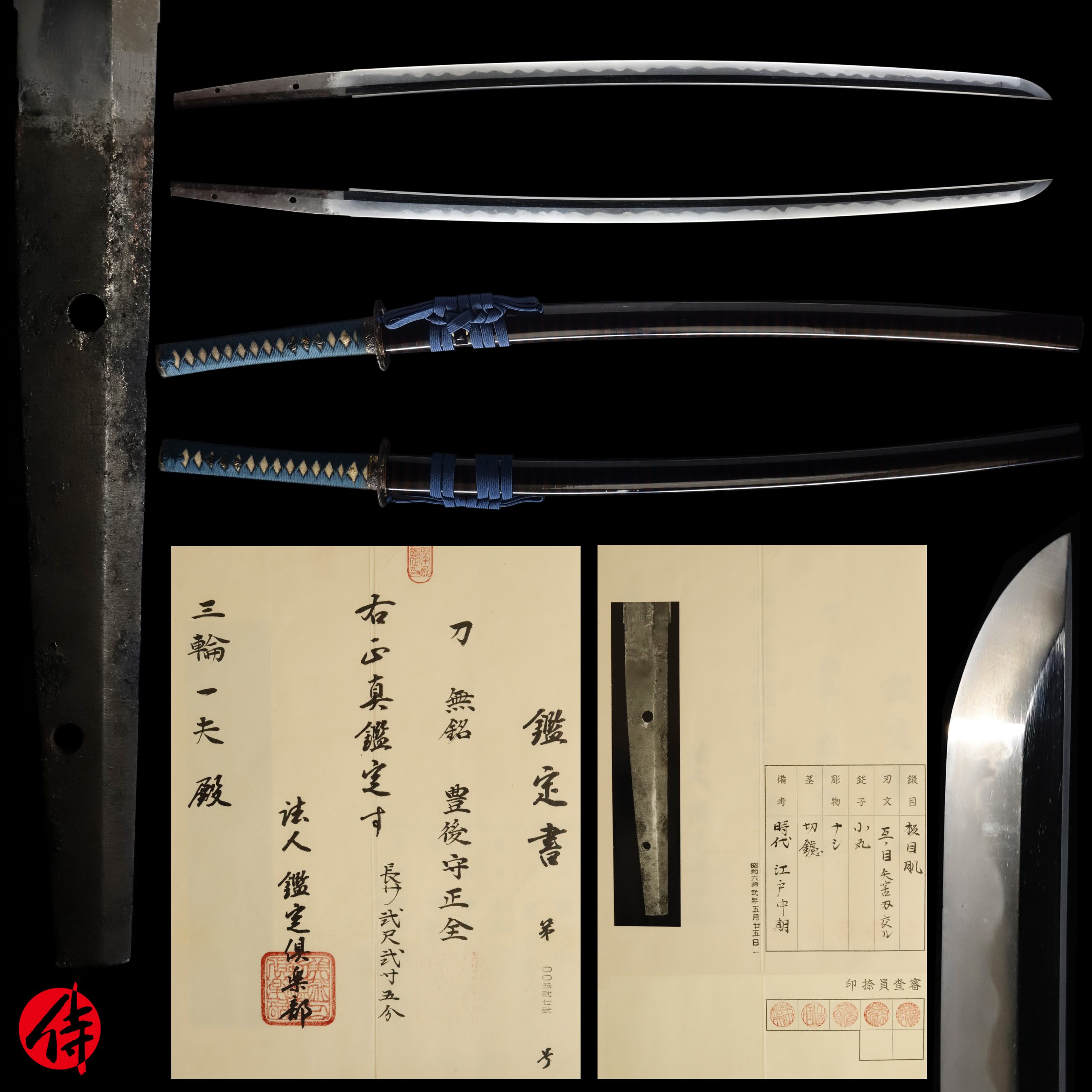
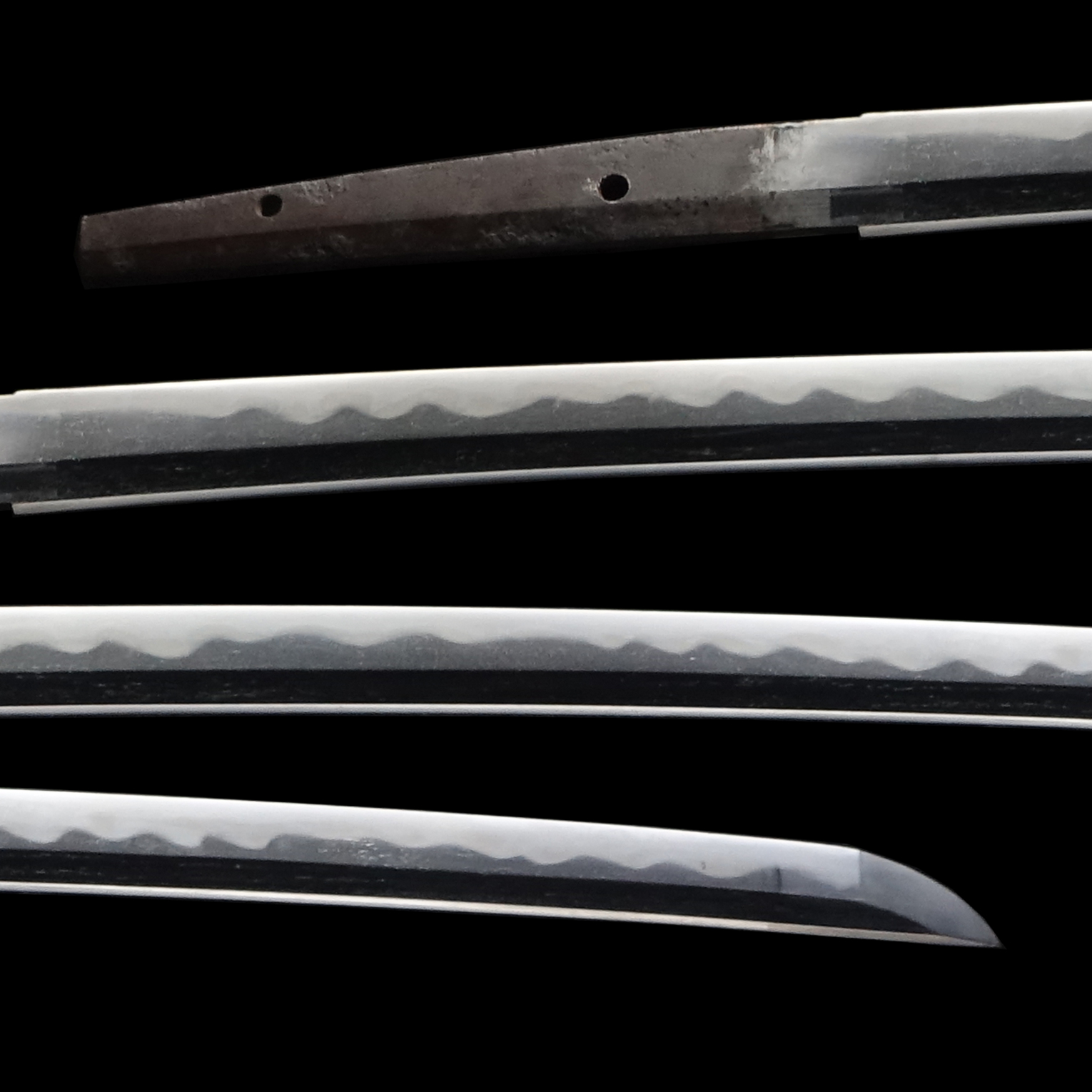
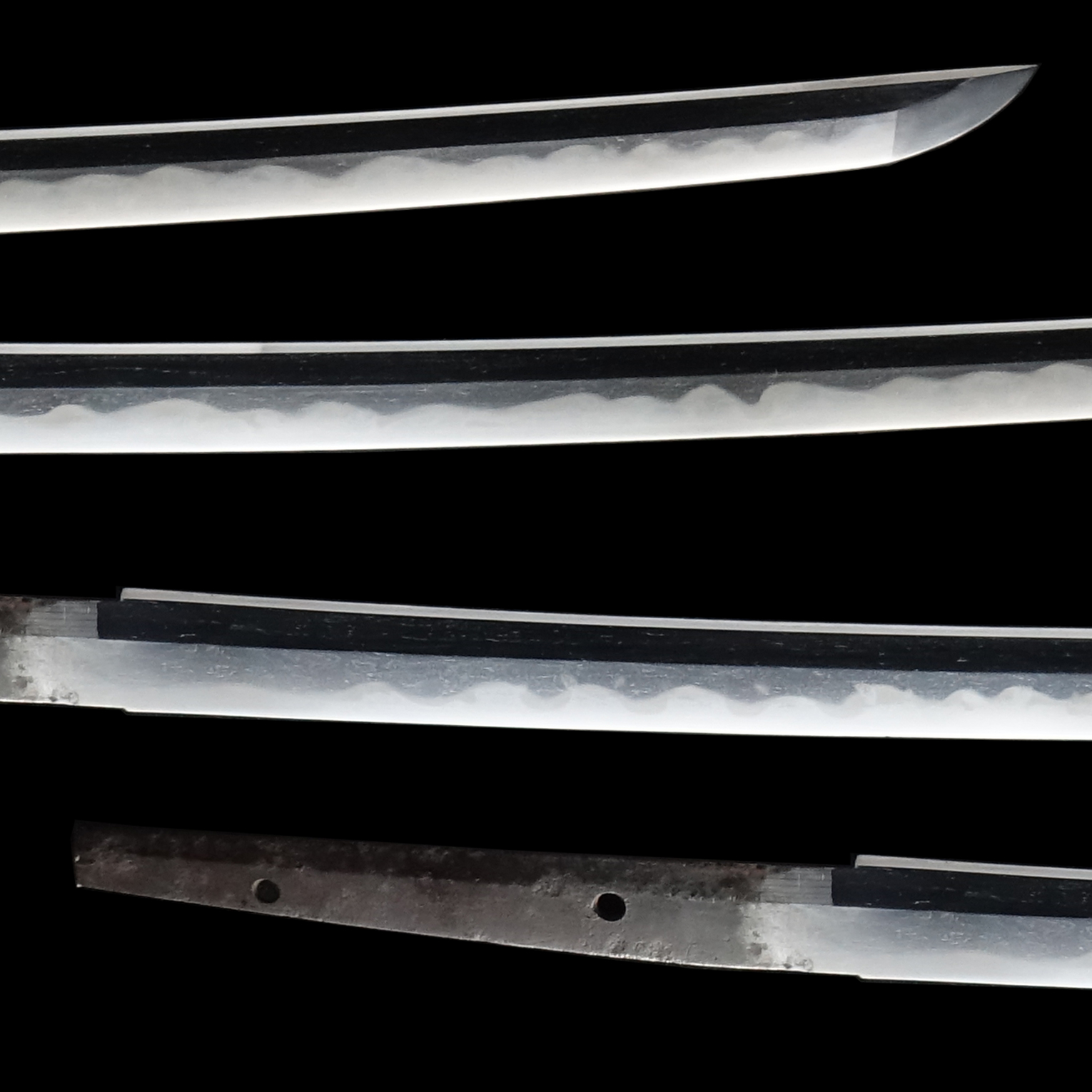
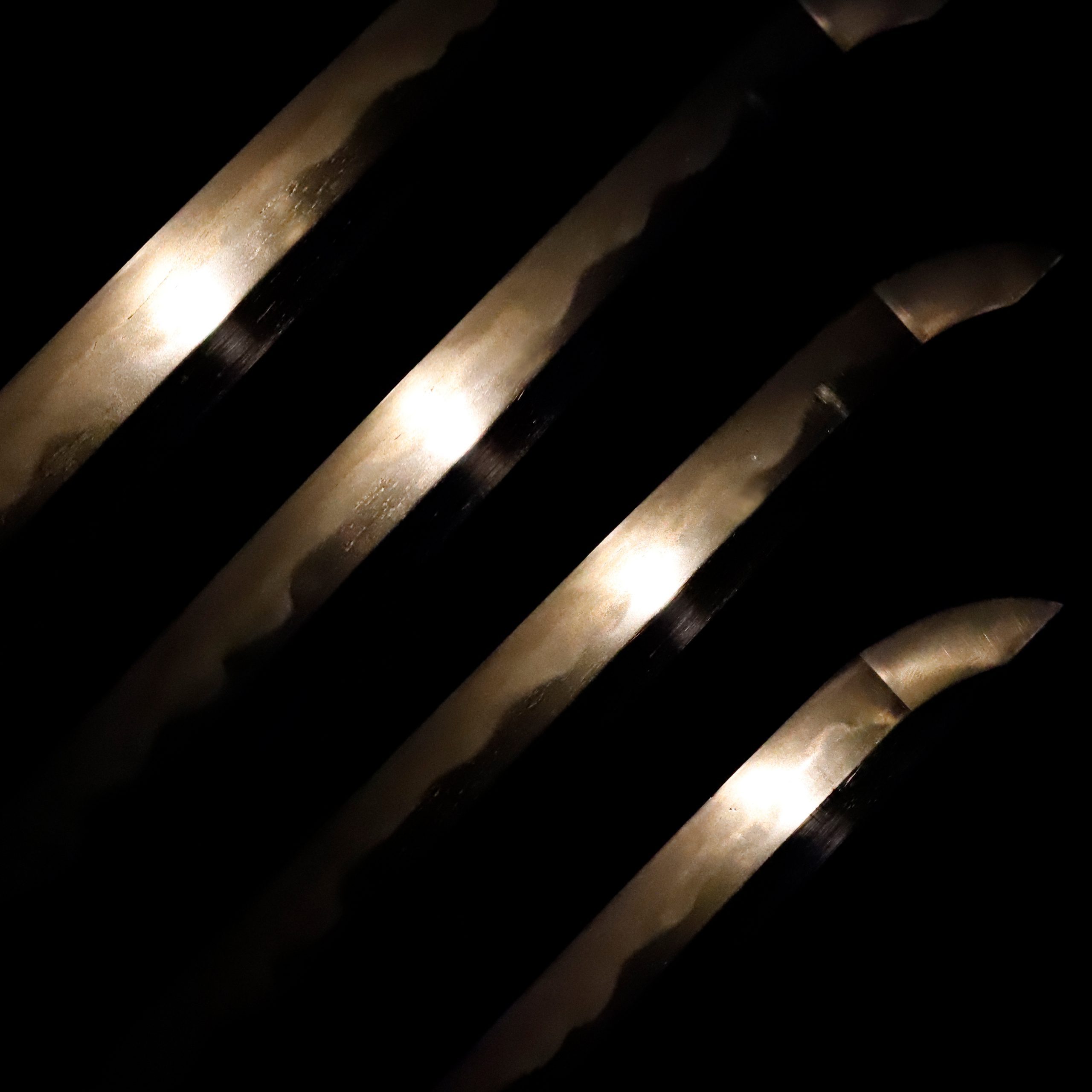
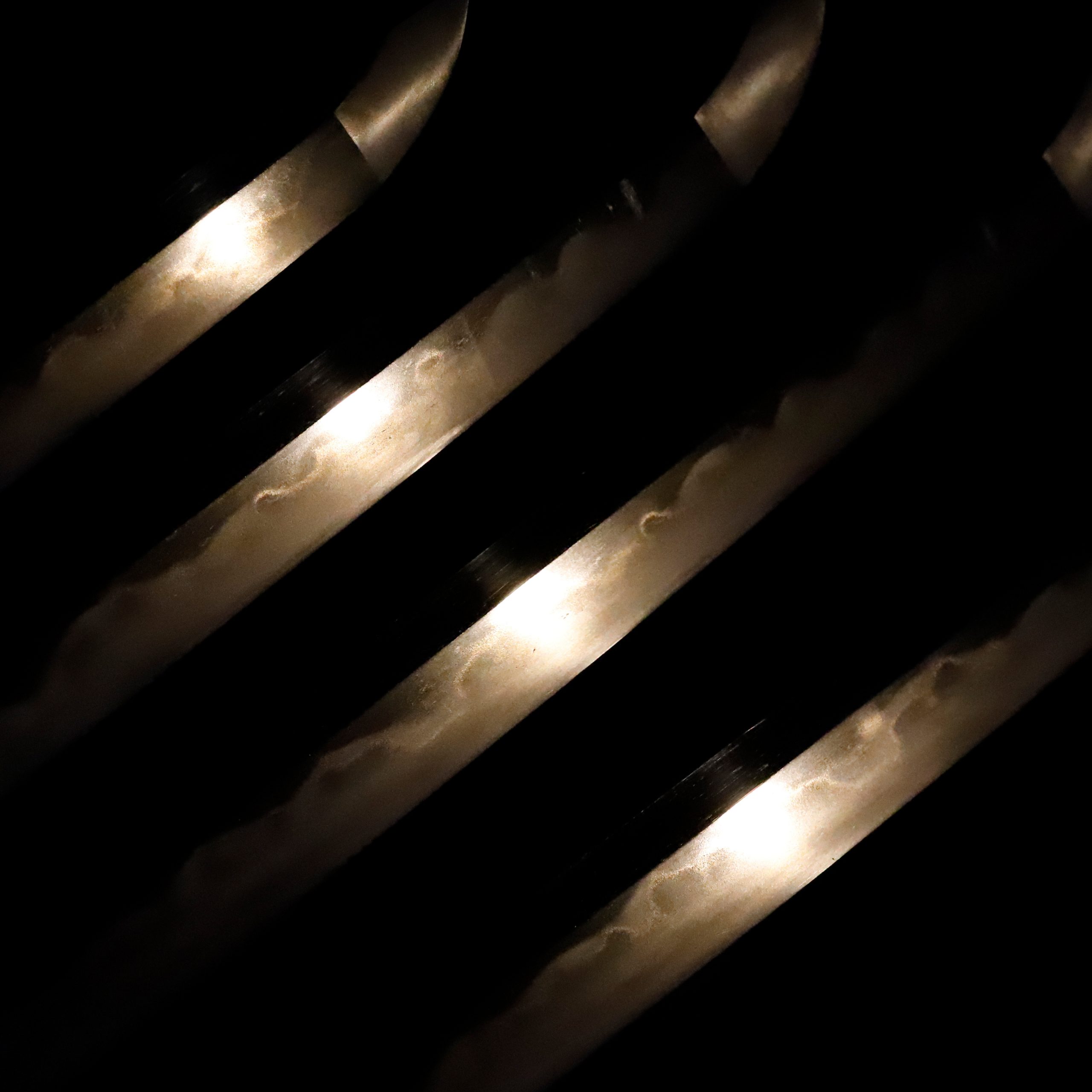
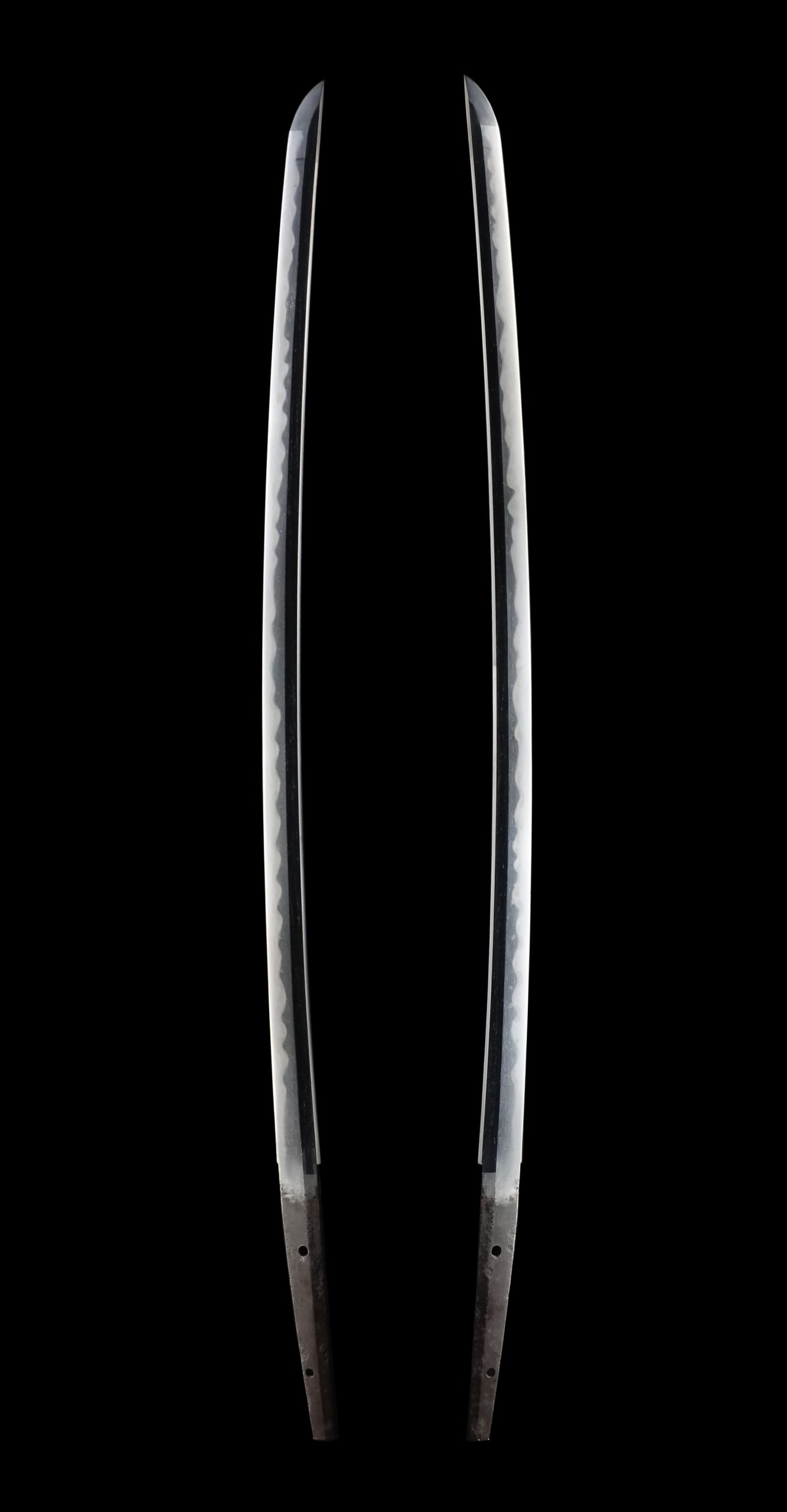
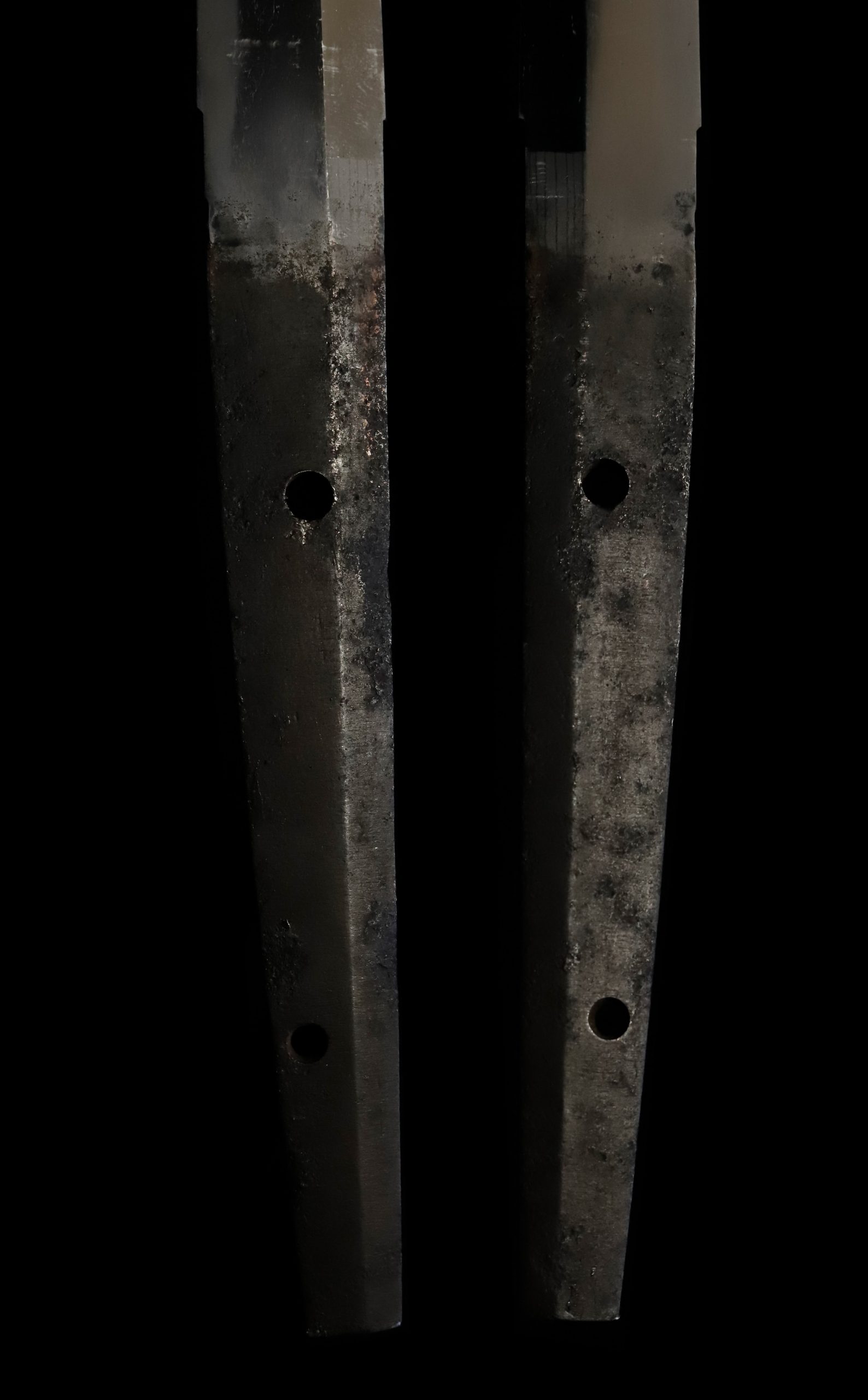
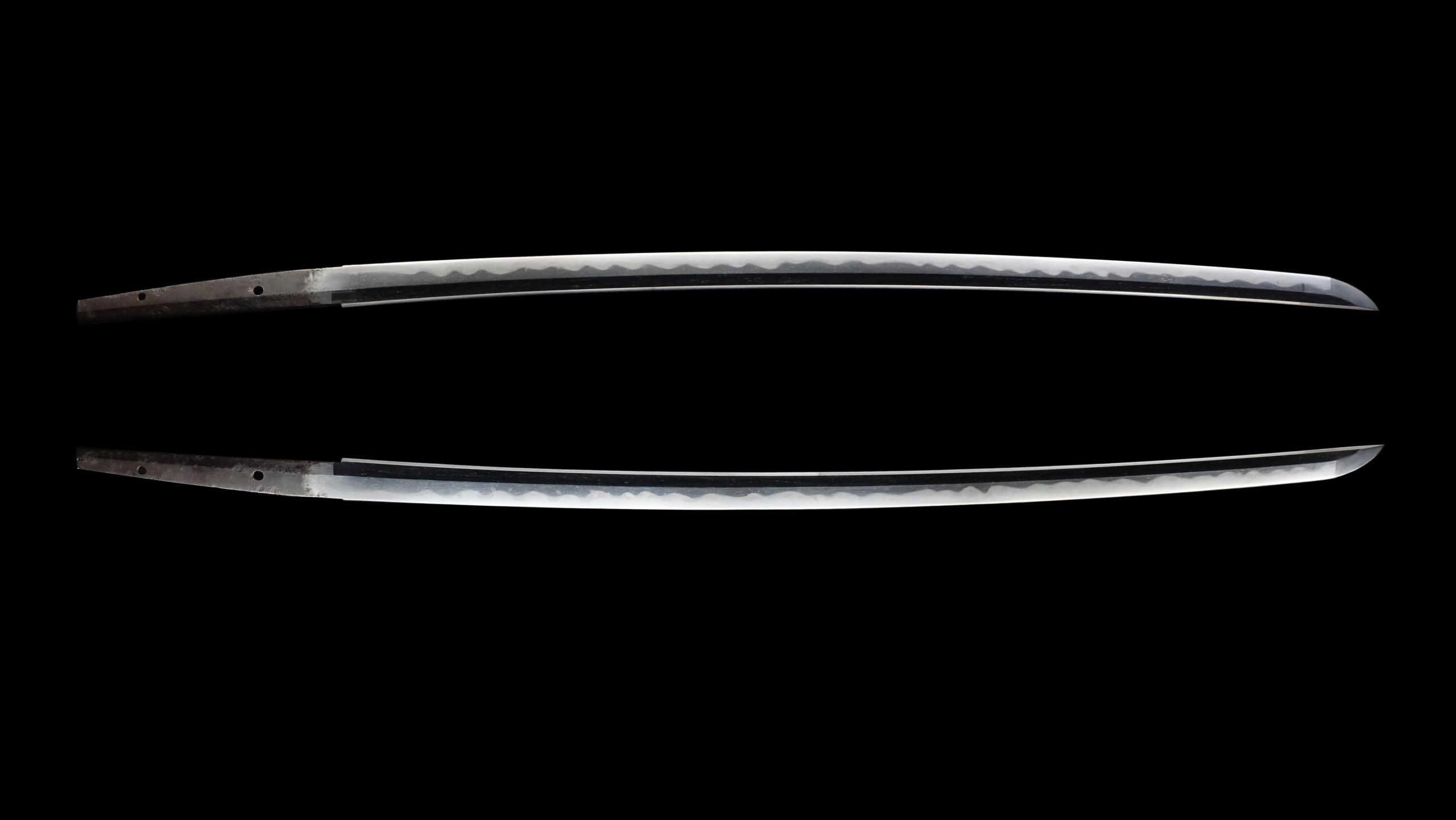
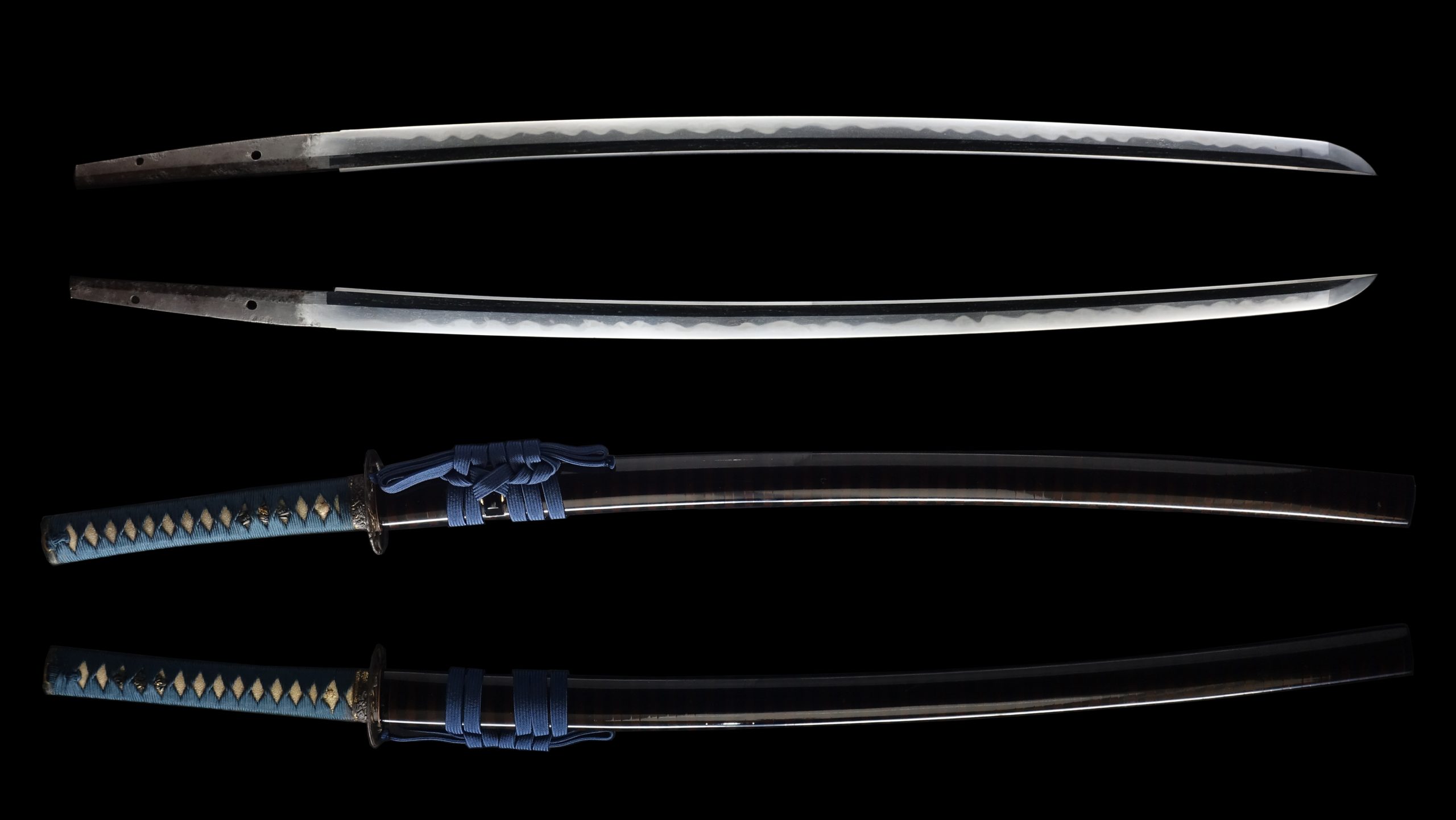
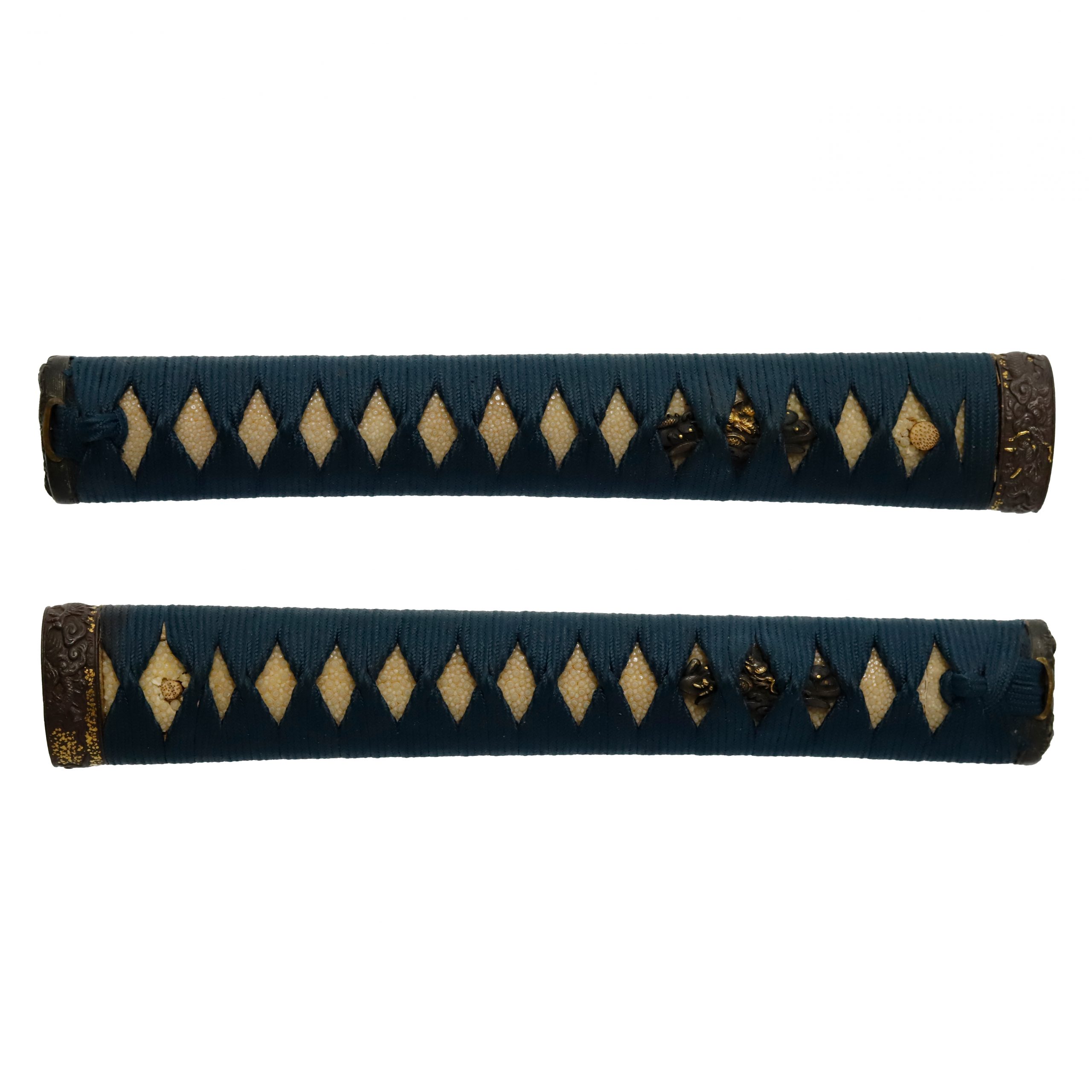
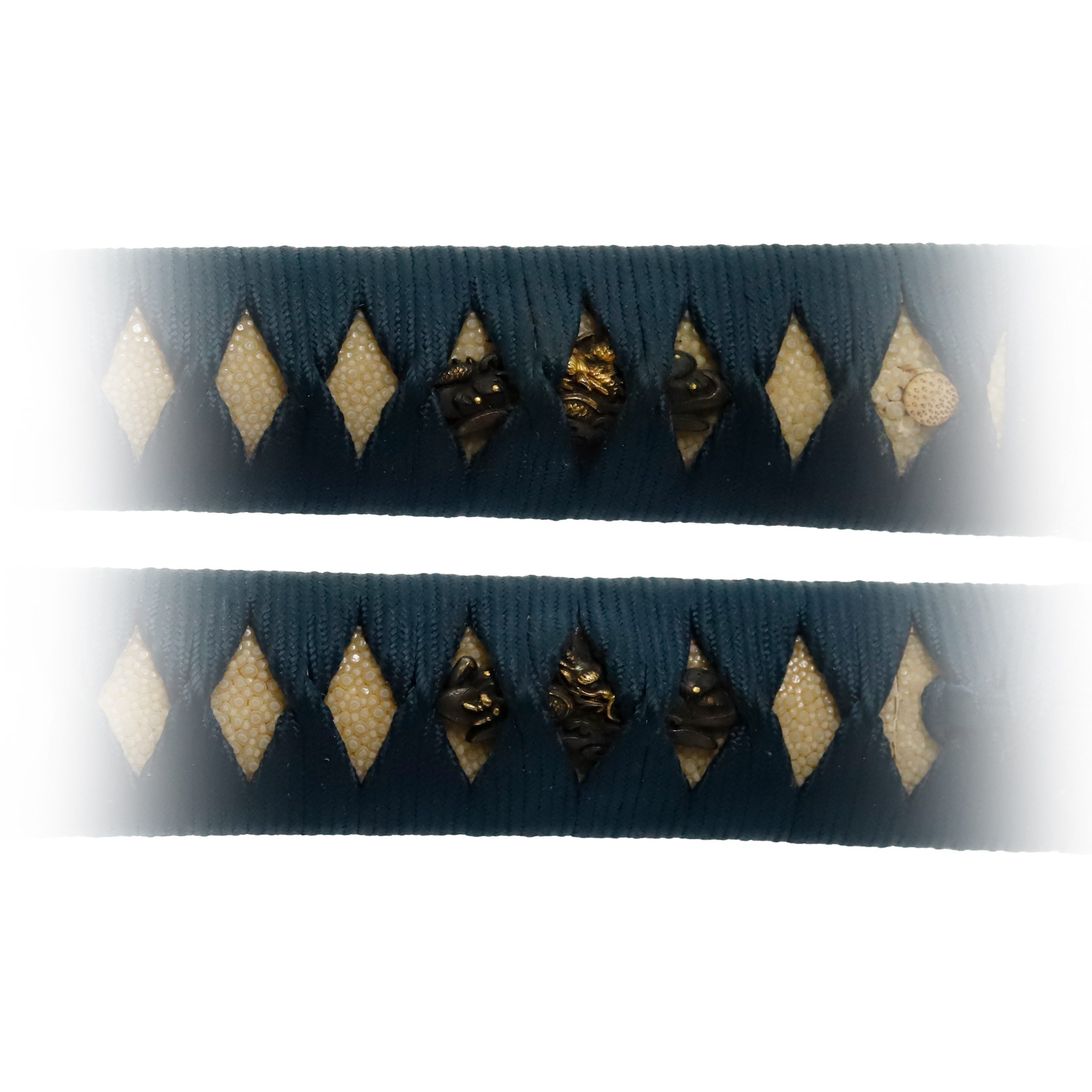
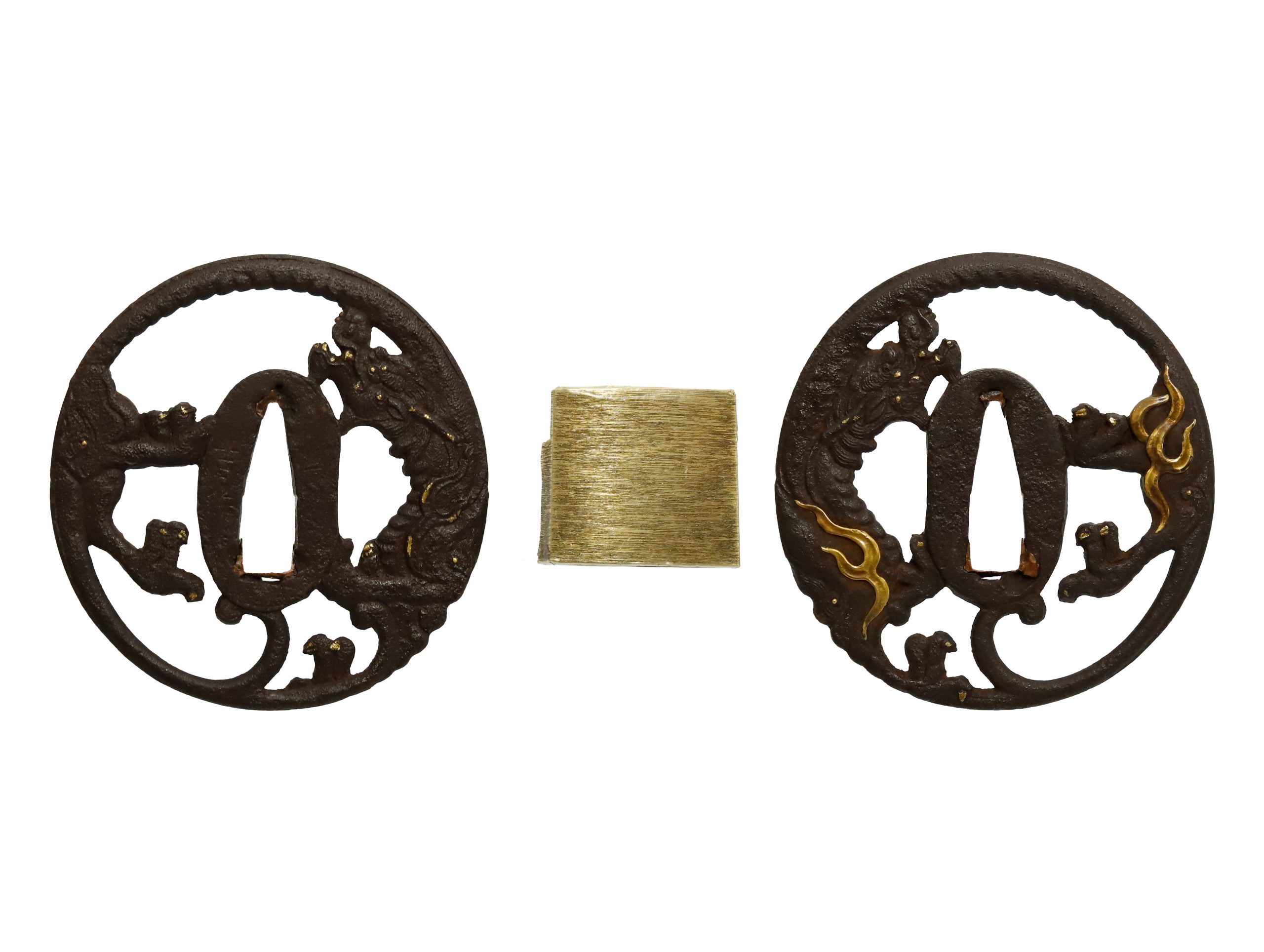
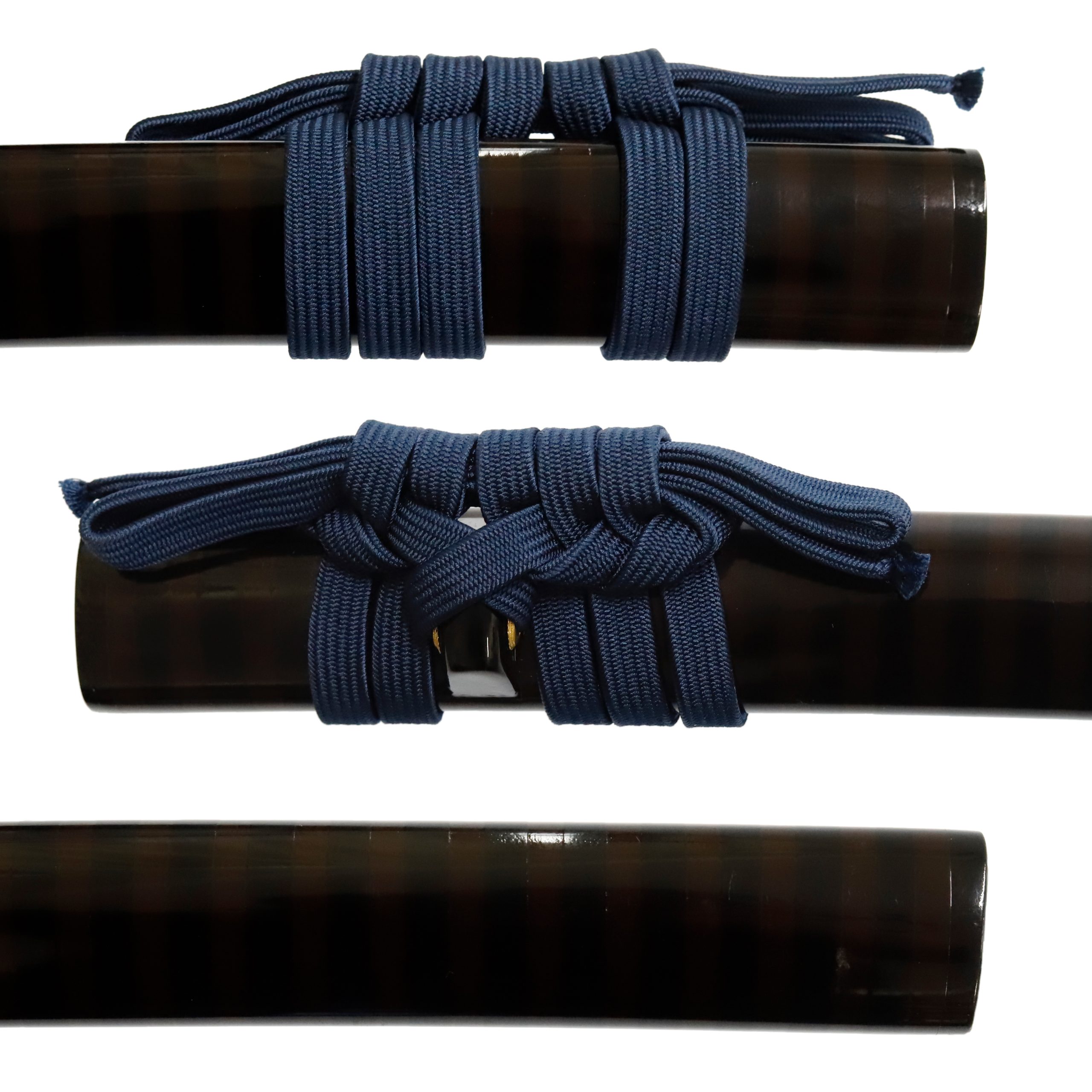
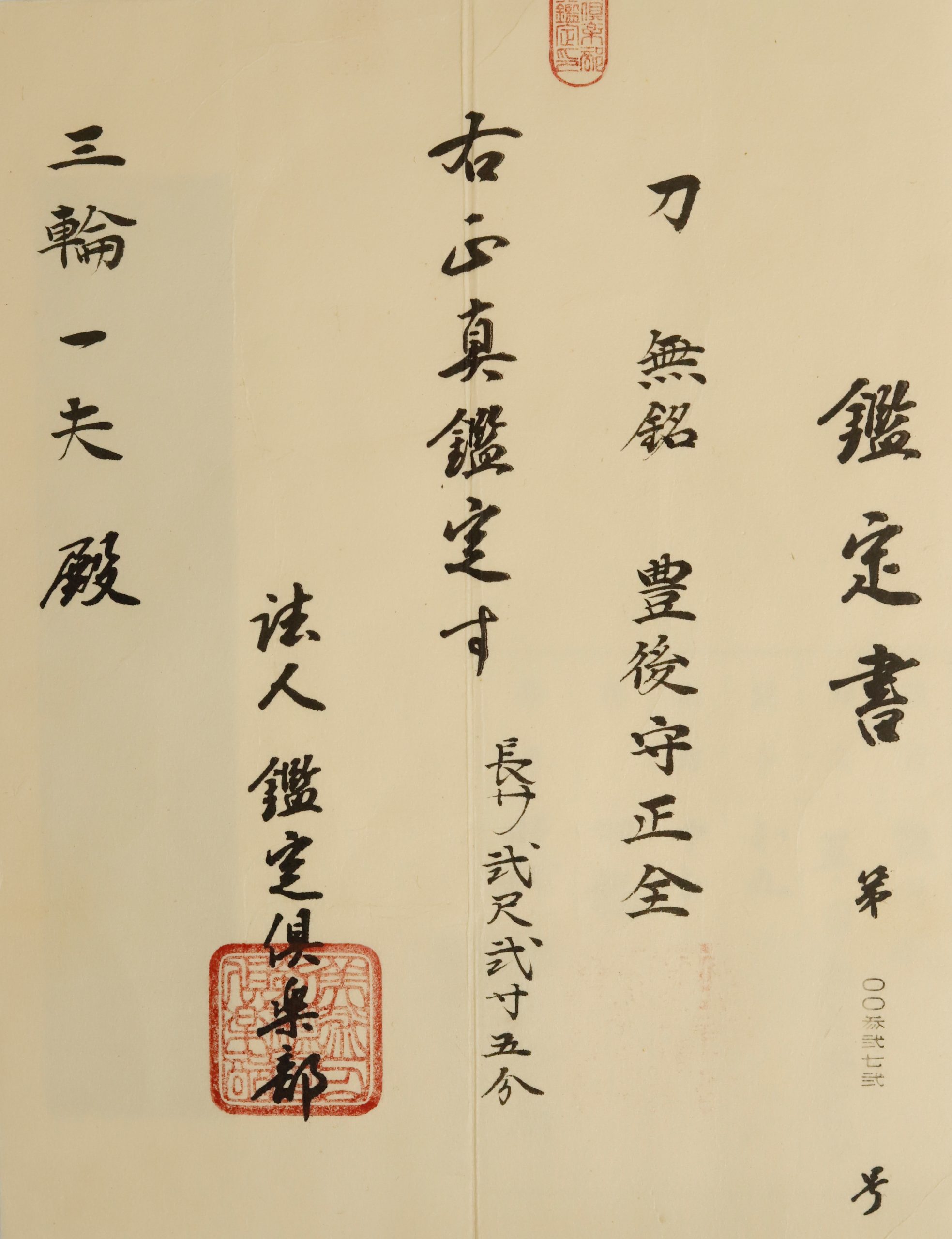
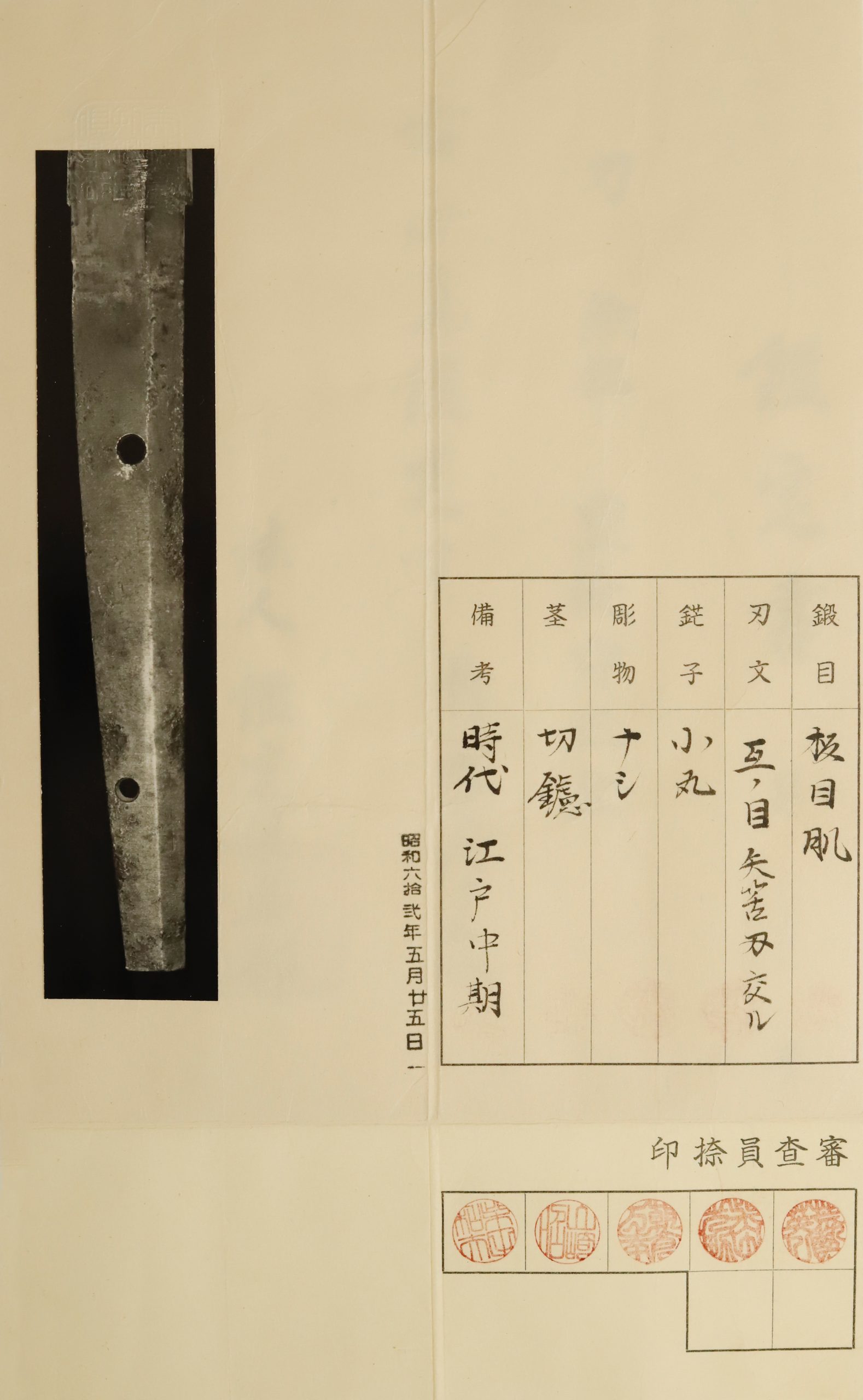
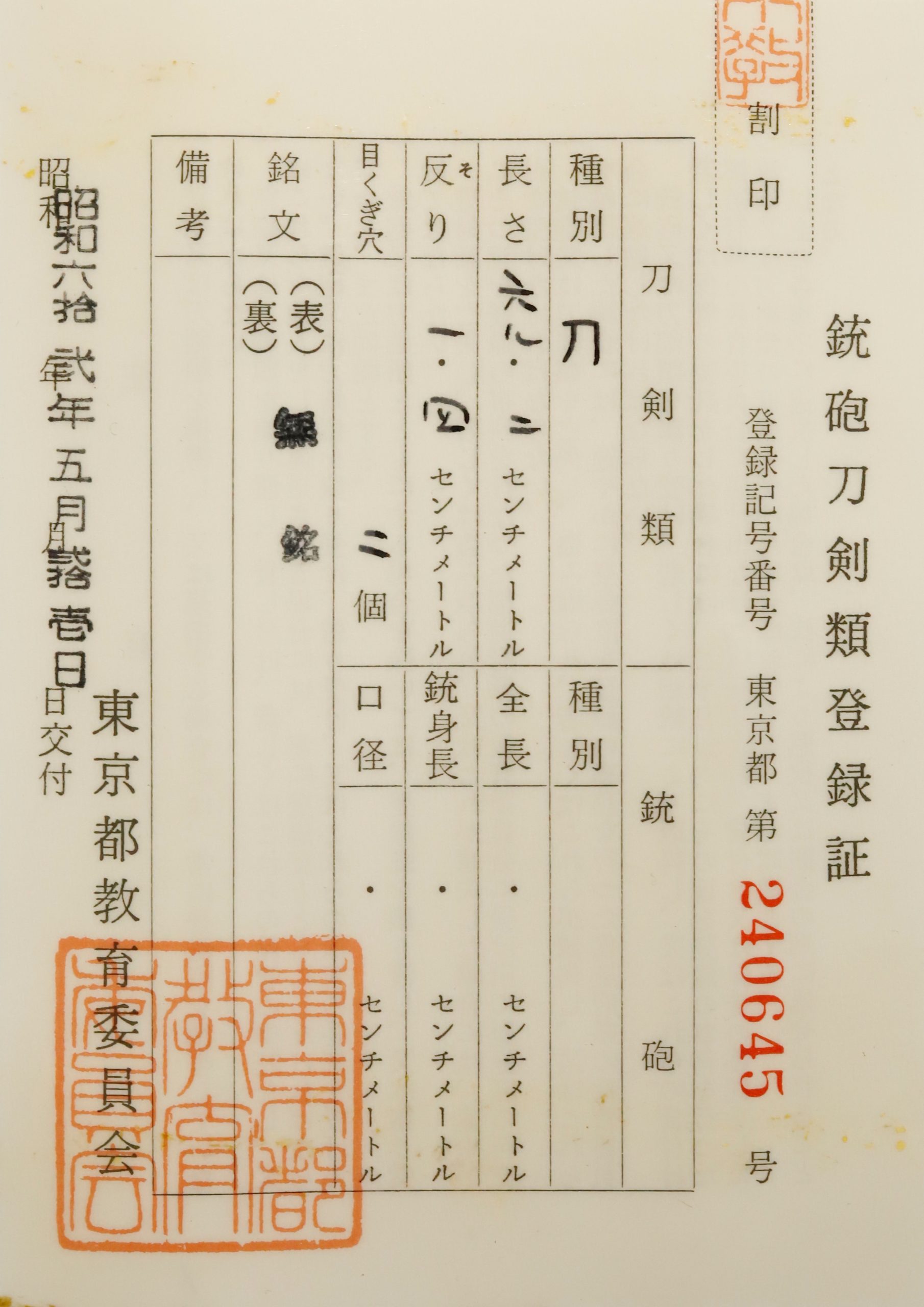
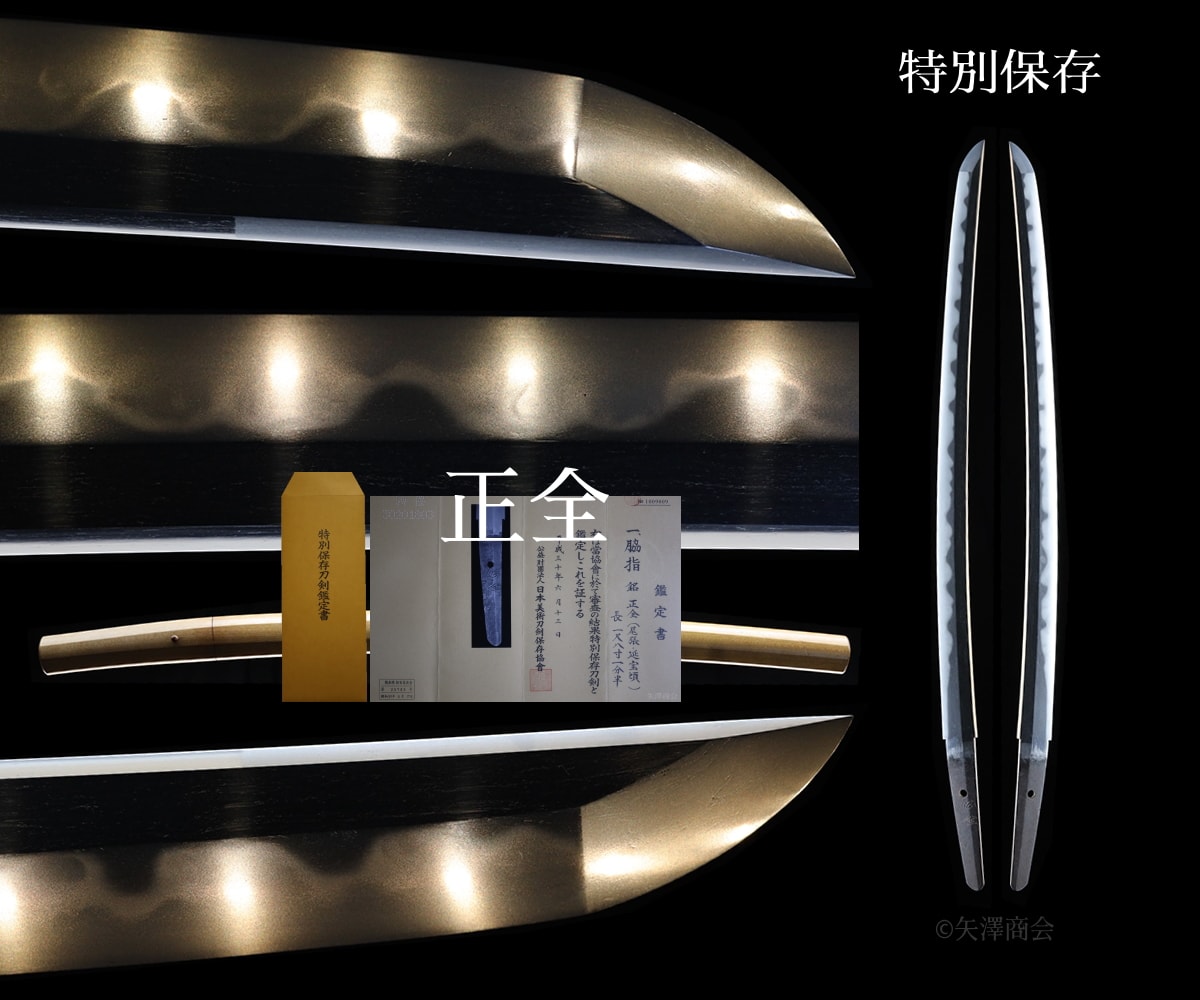
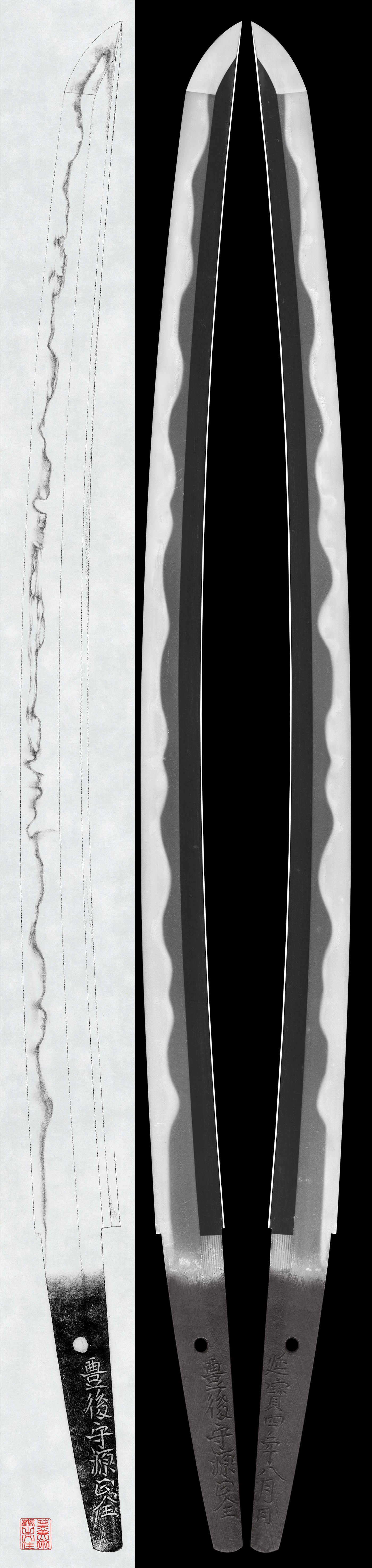
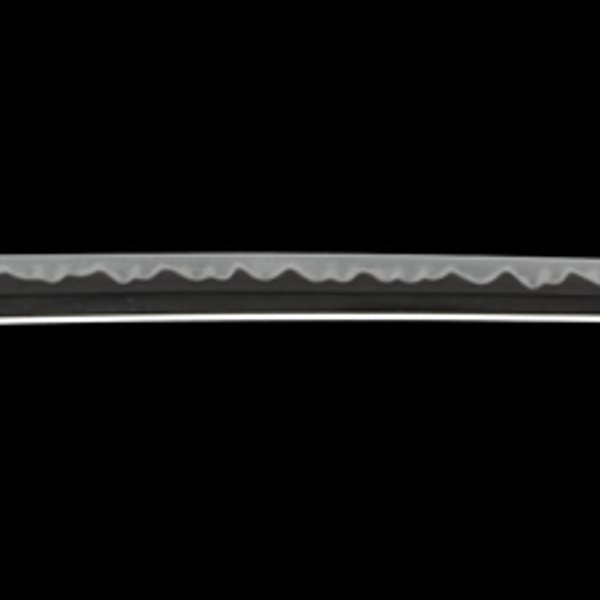
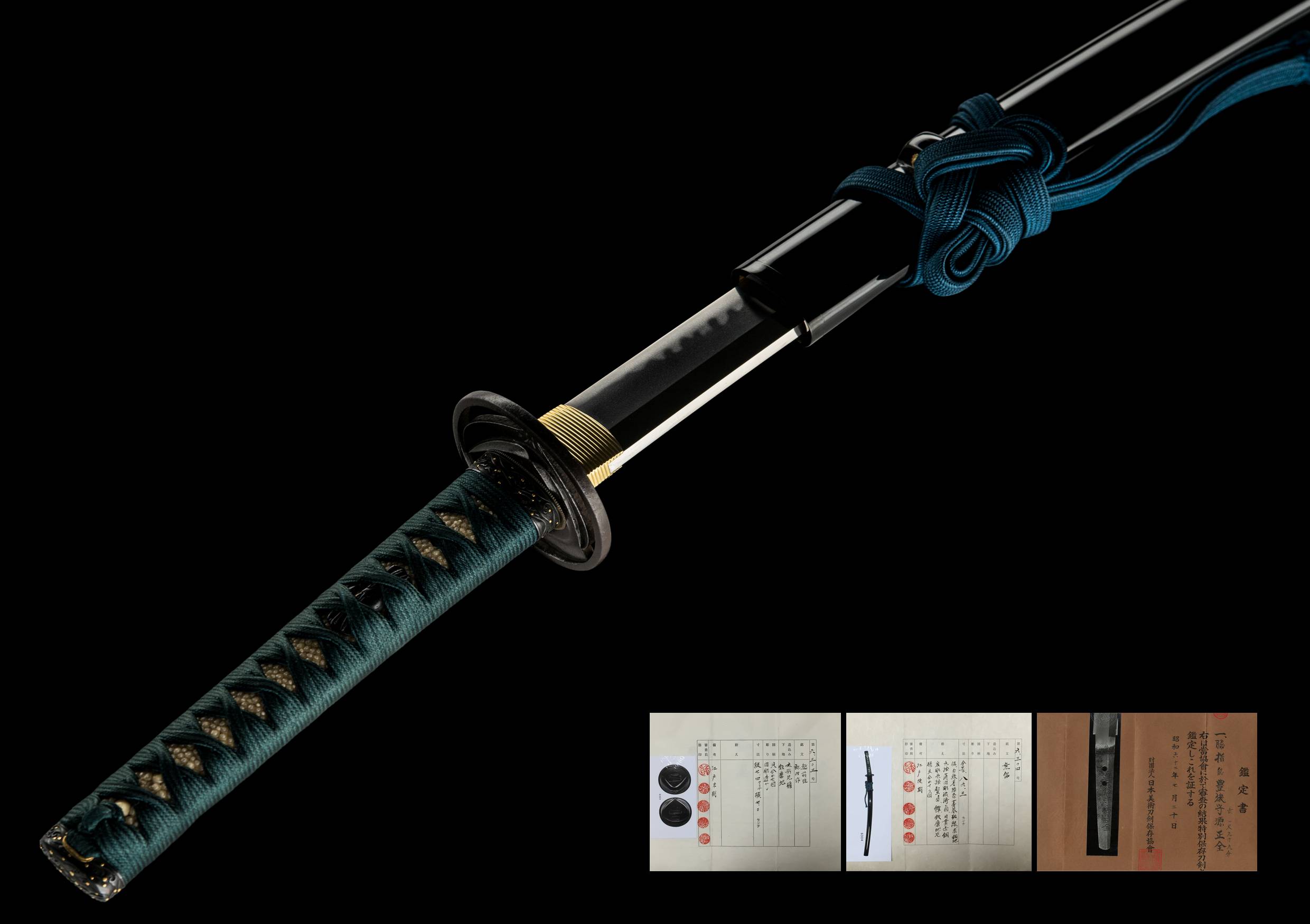
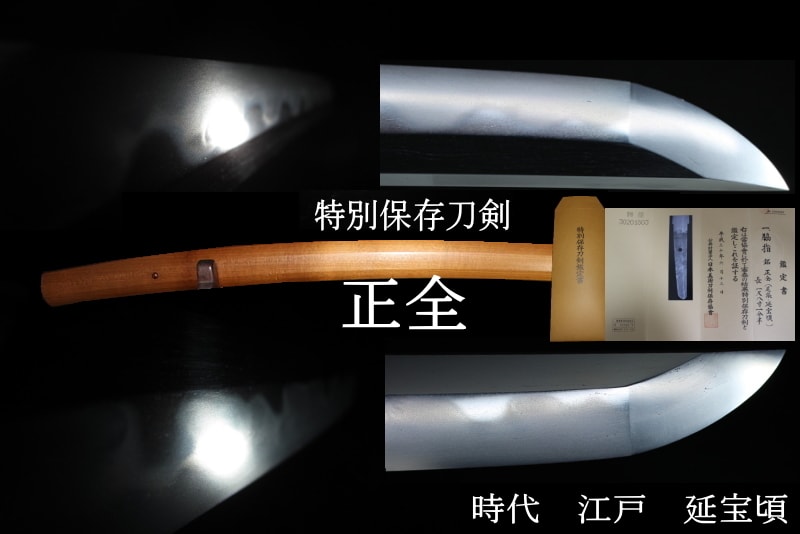
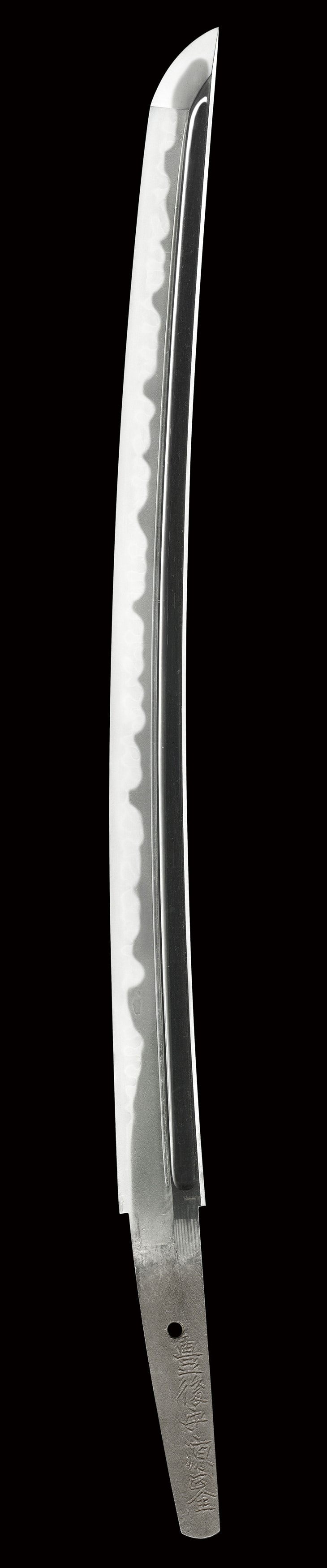
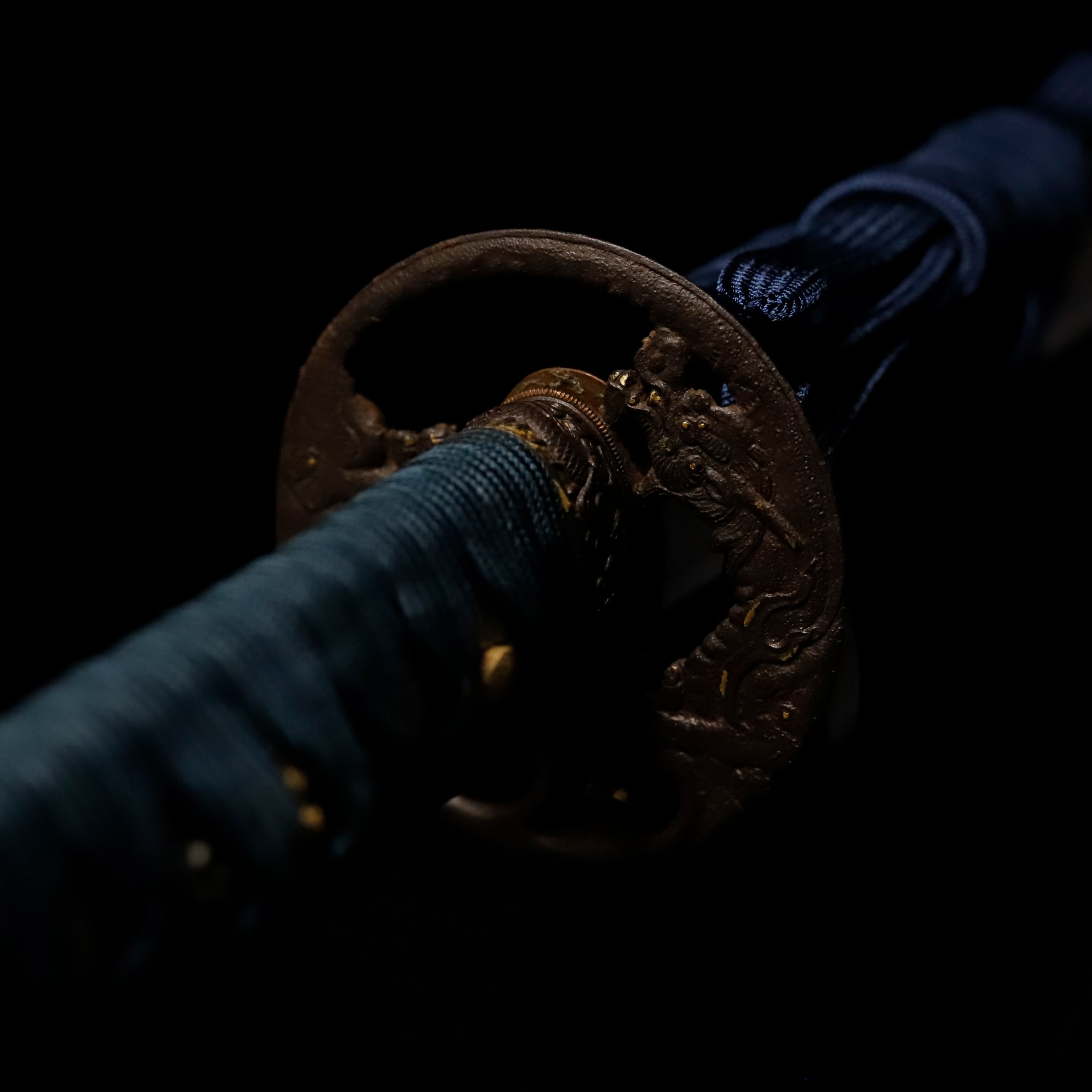
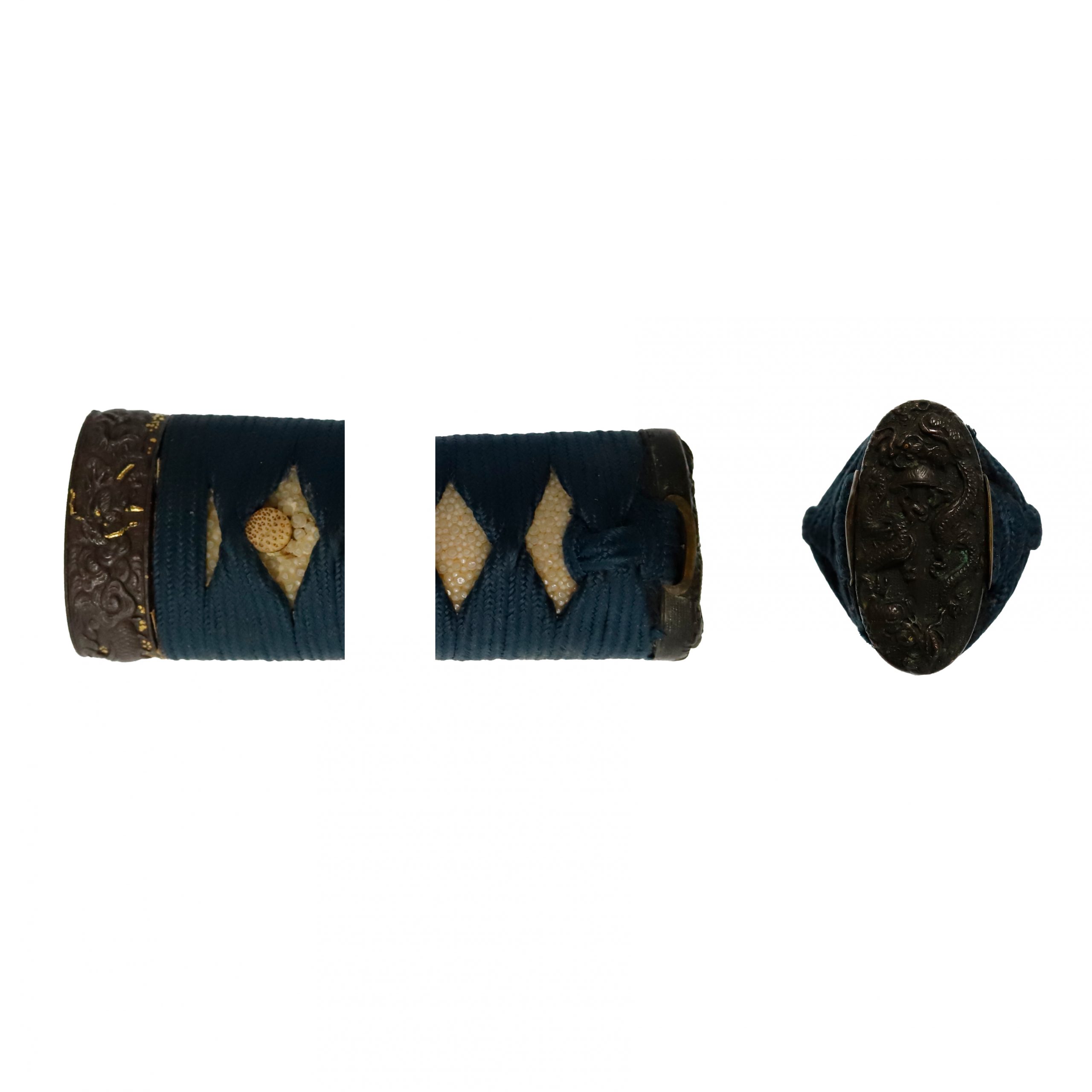
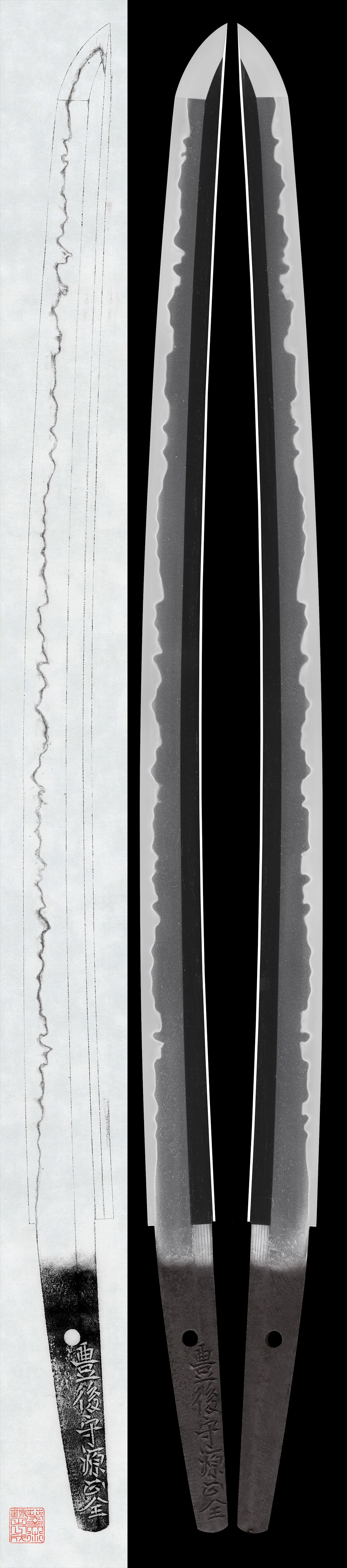
Antique Japanese Sword Katana Attributed to Masayasu with Kantei Club Kanteisho Certificate 【Description】 This blade is attributed to the work of Bungo no Kami Masatomo(豊後守正全) while there is no remaining signature on the tang. It was appraised by Kantei Club(Not NBHTK or NTHK). Masatomo was born in Seki city, Mino province(today’s Gifu prefecture). He was a descendant of Sakakura Seki Masatoshi, one of the most renowned swordsmiths in Mino province. Masatomo was an apprentice of Iga no Kami Kinmichi(伊賀守金道) before becoming an independent swordsmith in Owari province(today’s Aichi prefecture). He received an honorable title of Bungo Daijyo in the fourth year of the Kanbun era(1664). He then received Bungo no Kami, one rank higher title among Japanese swordsmiths. He was active in sword-forging during the early-mid Edo period(1661-1681), judging from available resources. It is said that Masatomo lived near Nagoya castle, and we assume he forged swords for those who resided in that area. 【 Blade】 Cutting Edge Length(Nagasa) : 68.2 cm(26.85 inches) Curvature(Sori) : 1.4 cm( 0.55 inches) Hamon : The crystalline structure which forms along the cutting edge of a blade as a result of the hardening process Jimon(Jihada) : visible steel surface pattern created by folding and hammering during forging process Nakago : Nakago is the tang of the Japanese sword. Japanese swordsmiths left the black rust on the tang because it prevents red rust while the tang is in its handle. And the discoloration of the tang was created over time, and it is a great indicator for a Japanese sword specialist to estimate when the sword was forged. Koshirae: Koshirae is the mounting of the Japanese sword. There are several parts that consist of Koshirae such as Saya(Scabbard), Tsuka( Handle), Tsuba(Handguard). Fuchi-Kashira : A pair of matching sword fittings that cover the upper and bottom parts of its sword hilt. Dragons are designed for this Fuchi Kashira. At the Fuchi part, you see that clouds cover some parts of the dragon’s body. The combination of dragon pattern and cloud pattern is often found in sword mountings. According to a theory, dragons and gods dwell in clouds. Clouds bring rain and snow, and their movements significantly affect the weather of the day. People once probably have associated its supernatural power with the fantasy beast, dragon. In Japan, there is a belief that worships a dragon as a water god. Since rice cultivation flourished in this country, water is always an essential resource. The blessed rain is indispensable for agriculture. So, it is understandable that the dragon: water god and clouds design have been familiar to Japanese people since a long time ago. Tsuka and Menuki : Tsuka is the handle of the Japanese sword and Menuki is its decoration. By seeing through the gaps of the Tsukamaki thread, the motif of this Menuki is also probably dragon. It seems the gold paint was initially applied to it. Originally, the dragon was an imaginary creature found in ancient traditions or myths. Furthermore, it is regarded as a symbolic beast of auspicious signs. Its body is likened to nine animals: antlers are deer, the head is a camel, eyes are demons, the neck is a snake, belly is the Mizuchi (蛟, mythical animal in Japan which looks like a snake and have a horn and four legs), scales are fish, claws are falcons, palms are tigers, and ears are cows. It was thought that the dragon would reign at the top of all animals because of its odd-looking appearance. Tsuba and Habaki : Tsuba is the handguard for the Japanese Sword and Habaki is the equipment to make the blade not touch its scabbard inside. It prevents the blade from getting rusty and chipped. Same as the Fuchi Kashira and the Menuki, this Tsuba is also related to the dragon design. The dragon twists its elongated body and makes a circle shape. The golden flame is burning around the dragon. We can find the combination of dragon and fire in the Kurikara-Ken (倶利伽羅剣). It depicts the figur

NihontoWatch MonNihontoWatch
MarketEncyclopediaKantei
刀剣›正全›Antique Japanese Sword Katana Attributed to Masayasu Kantei Club Kanteisho Certificate
刀
正全

Antique Japanese Sword Katana Attributed to Masayasu Kantei Club Kanteisho Certificate

無銘 · 延宝 · 長さ 68.2cm · 反り 1.4cm
売却済
正全 · 延宝販売中 4点 →
刀
刀身だけで刀工を見抜けますか? 本日の鑑定 →
正全 — 1 of 18
正全 — 2 of 18
正全 — 3 of 18
正全 — 4 of 18
正全 — 5 of 18
正全 — 6 of 18
正全 — 7 of 18
正全 — 8 of 18
正全 — 9 of 18
正全 — 10 of 18
正全 — 11 of 18
正全 — 12 of 18
正全 — 13 of 18
正全 — 14 of 18
正全 — 15 of 18
正全 — 16 of 18
正全 — 17 of 18
正全 — 18 of 18
1 / 18
1 / 18
正全 — 1 of 18正全 — 2 of 18正全 — 3 of 18正全 — 4 of 18正全 — 5 of 18正全 — 6 of 18正全 — 7 of 18正全 — 8 of 18正全 — 9 of 18正全 — 10 of 18正全 — 11 of 18正全 — 12 of 18正全 — 13 of 18正全 — 14 of 18正全 — 15 of 18正全 — 16 of 18正全 — 17 of 18正全 — 18 of 18
正全 · 延宝販売中 4点 →
刀
刀身だけで刀工を見抜けますか? 本日の鑑定 →
法量・詳細
刀工
正全
種別
刀
活動期
1673–1681年頃(延宝)
国
尾張
銘
無銘
法量
長さ 68.2cm反り 1.4cm
説明

Antique Japanese Sword Katana Attributed to Masayasu with Kantei Club Kanteisho Certificate 【Description】 This blade is attributed to the work of Bungo no Kami Masatomo(豊後守正全) while there is no remaining signature on the tang. It was appraised by Kantei Club(Not NBHTK or NTHK). Masatomo was born in Seki city, Mino province(today’s Gifu prefecture). He was a descendant of Sakakura Seki Masatoshi, one of the most renowned swordsmiths in Mino province. Masatomo was an apprentice of Iga no Kami Kinmichi(伊賀守金道) before becoming an independent swordsmith in Owari province(today’s Aichi prefecture). He received an honorable title of Bungo Daijyo in the fourth year of the Kanbun era(1664). He then received Bungo no Kami, one rank higher title among Japanese swordsmiths. He was active in sword-forging during the early-mid Edo period(1661-1681), judging from available resources. It is said that Masatomo lived near Nagoya castle, and we assume he forged swords for those who resided in that area. 【 Blade】 Cutting Edge Length(Nagasa) : 68.2 cm(26.85 inches) Curvature(Sori) : 1.4 cm( 0.55 inches) Hamon : The crystalline structure which forms along the cutting edge of a blade as a result of the hardening process Jimon(Jihada) : visible steel surface pattern created by folding and hammering during forging process Nakago : Nakago is the tang of the Japanese sword. Japanese swordsmiths left the black rust on the tang because it prevents red rust while the tang is in its handle. And the discoloration of the tang was created over time, and it is a great indicator for a Japanese sword specialist to estimate when the sword was forged. Koshirae: Koshirae is the mounting of the Japanese sword. There are several parts that consist of Koshirae such as Saya(Scabbard), Tsuka( Handle), Tsuba(Handguard). Fuchi-Kashira : A pair of matching sword fittings that cover the upper and bottom parts of its sword hilt. Dragons are designed for this Fuchi Kashira. At the Fuchi part, you see that clouds cover some parts of the dragon’s body. The combination of dragon pattern and cloud pattern is often found in sword mountings. According to a theory, dragons and gods dwell in clouds. Clouds bring rain and snow, and their movements significantly affect the weather of the day. People once probably have associated its supernatural power with the fantasy beast, dragon. In Japan, there is a belief that worships a dragon as a water god. Since rice cultivation flourished in this country, water is always an essential resource. The blessed rain is indispensable for agriculture. So, it is understandable that the dragon: water god and clouds design have been familiar to Japanese people since a long time ago. Tsuka and Menuki : Tsuka is the handle of the Japanese sword and Menuki is its decoration. By seeing through the gaps of the Tsukamaki thread, the motif of this Menuki is also probably dragon. It seems the gold paint was initially applied to it. Originally, the dragon was an imaginary creature found in ancient traditions or myths. Furthermore, it is regarded as a symbolic beast of auspicious signs. Its body is likened to nine animals: antlers are deer, the head is a camel, eyes are demons, the neck is a snake, belly is the Mizuchi (蛟, mythical animal in Japan which looks like a snake and have a horn and four legs), scales are fish, claws are falcons, palms are tigers, and ears are cows. It was thought that the dragon would reign at the top of all animals because of its odd-looking appearance. Tsuba and Habaki : Tsuba is the handguard for the Japanese Sword and Habaki is the equipment to make the blade not touch its scabbard inside. It prevents the blade from getting rusty and chipped. Same as the Fuchi Kashira and the Menuki, this Tsuba is also related to the dragon design. The dragon twists its elongated body and makes a circle shape. The golden flame is burning around the dragon. We can find the combination of dragon and fire in the Kurikara-Ken (倶利伽羅剣). It depicts the figur

作者について

正全

尾張 · 1673-1681頃

現在4点販売中

›
正全の作 4点が現在販売中→
正全 — 詳細

この作者について学ぶ →

歴史的背景

江戸時代

›

二世紀半の泰平のあいだ、刀は武器である以上に武士の身分の標章であった。江戸の実証と大坂の華やぎのように都市ごとの作風が育ち、時代の末には需要も細っていく。

江戸時代 →

ご注意 — 鑑定書が見つかりません

販売店の出品ページで鑑定書を確認できませんでした。日本刀および刀装具は通常、NBTHK(または NTHK)の鑑定を受けます。鑑定書がない場合、極めは販売店の見解にとどまり、第三者による確認は行われていません。ご購入前に販売店へ鑑定書の有無をお問い合わせのうえ、慎重にご判断ください。

販売店
サ
サムライミュージアム
🇯🇵日本から発送
›
✓認証販売店samuraimuseum.jp
✓海外発送可✓英語対応PayPalクレジットカード
返品ポリシー

Returns/exchanges limited to defects caused by shipping (except willful misconduct or gross negligence by the company); customers must contact within 72 hours of receiving the product.

サムライミュージアムの出品一覧を見る→販売店サイトでこの商品を見る→

正全の他の作

すべて見る →
葵美術
特別保存
Katana - Tokuho - 作 正全 - 刀:藤原正全作(日本美術刀剣保存協会 特別保存刀剣)Katana - Tokuho - 作 正全 - 刀:藤原正全作(日本美術刀剣保存協会 特別保存刀剣)

刀

作正全
75.4cm·延宝
開始価格¥800,000
葵美術
保存
Wakizashi - Hozon - 作 正全 - Bungo no Kami Minamoto MasayasuWakizashi - Hozon - 作 正全 - Bungo no Kami Minamoto Masayasu

脇差

作正全
51.7cm·江戸
開始価格¥450,000
矢澤商会
特別保存
Wakizashi - Tokuho - 作 正全 - 特別保存刀剣 正全(生ぶ在銘希少二字銘) 鎬地にかかる腰高き焼刃に身幅は32ミリ超える豪刀脇差 江戸時代延宝頃 w250311Wakizashi - Tokuho - 作 正全 - 特別保存刀剣 正全(生ぶ在銘希少二字銘) 鎬地にかかる腰高き焼刃に身幅は32ミリ超える豪刀脇差 江戸時代延宝頃 w250311

脇差

作正全
55.2cm·江戸
¥500,000
葵美術
特別保存
Wakizashi - Tokuho - 作 正全 - 脇差:豊後守源正康(日本美術刀剣保存協会 特別保存刀剣)Wakizashi - Tokuho - 作 正全 - 脇差:豊後守源正康(日本美術刀剣保存協会 特別保存刀剣)

脇差

作正全
52.1cm·延宝
¥500,000

正全の売約済み

すべて見る →
銀座誠友堂
特別保存
Katana - Tokuho - 作 正全 - Katana [Bungo-no-kami Minamoto Masayasu][N.B.T.H.K]Tokubetsu Hozon TokenKatana - Tokuho - 作 正全 - Katana [Bungo-no-kami Minamoto Masayasu][N.B.T.H.K]Tokubetsu Hozon Token
売切れ

刀

作正全
71.1cm·延宝
売却済
銀座長州屋
Katana - 作 正全 - 銘 藤原正全作Katana - 作 正全 - 銘 藤原正全作
売切れ

刀

作正全
延宝
売却済
銀座長州屋
Katana - 作 正全 - 無銘 尾張関Katana - 作 正全 - 無銘 尾張関
売切れ

刀

作正全
江戸
売却済
銀座長州屋
Katana - 作 正全 - 銘 豊後守源正全Katana - 作 正全 - 銘 豊後守源正全
売切れ

刀

作正全
延宝
売却済
銀座誠友堂
特別保存
Katana - Tokuho - 作 正全 - Katana [Bungo-nokami Minamotono Masayasu (Syouzen)][N.B.T.H.K] Tokubetsu Hozon TokenKatana - Tokuho - 作 正全 - Katana [Bungo-nokami Minamotono Masayasu (Syouzen)][N.B.T.H.K] Tokubetsu Hozon Token
売切れ

刀

作正全
72.9cm·延宝
売却済
Unique Japan
特別保存
Katana - Tokuho - 作 正全 - A MASATOMI KATANA (源正友)Katana - Tokuho - 作 正全 - A MASATOMI KATANA (源正友)
売切れ

刀

作正全
60.4cm·延宝
売却済
矢澤商会
特別保存
Wakizashi - Tokuho - 作 正全 - k231920 特別保存刀剣 正全 江戸時代延宝頃Wakizashi - Tokuho - 作 正全 - k231920 特別保存刀剣 正全 江戸時代延宝頃
売切れ

脇差

作正全
55.2cm·江戸
売却済
コレクション情報
特別保存
Wakizashi - Tokuho - 作 正全 - 脇差し 豊後守源正全 Wakizashi:Bungonokami Minamotono MasayasuWakizashi - Tokuho - 作 正全 - 脇差し 豊後守源正全 Wakizashi:Bungonokami Minamotono Masayasu
売切れ

脇差

作正全
47cm·新刀
売却済

刀剣

  • 刀
  • 脇差
  • 短刀
  • 太刀
  • 薙刀
  • 槍
  • 日本刀の販売
  • サムライソード

刀装具

  • 鍔
  • 縁頭
  • 小柄
  • 目貫
  • 鍔(ソードガード)

甲冑武具

  • 兜
  • 甲冑
  • 甲冑・武具一覧

鑑定別

  • 特重
  • 重要
  • 特別保存
  • 保存

リソース

  • 刀剣商一覧
  • 刀工一覧
  • 誌上鑑定
  • すべて見る
Nihontowatch© 2026
利用規約プライバシーCookie運営者情報
売切れ

説明

Antique Japanese Sword Katana Attributed to Masayasu with Kantei Club Kanteisho Certificate 【Description】 This blade is attributed to the work of Bungo no Kami Masatomo(豊後守正全) while there is no remaining signature on the tang. It was appraised by Kantei Club(Not NBHTK or NTHK). Masatomo was born in Seki city, Mino province(today’s Gifu prefecture). He was a descendant of Sakakura Seki Masatoshi, one of the most renowned swordsmiths in Mino province. Masatomo was an apprentice of Iga no Kami Kinmichi(伊賀守金道) before becoming an independent swordsmith in Owari province(today’s Aichi prefecture). He received an honorable title of Bungo Daijyo in the fourth year of the Kanbun era(1664). He then received Bungo no Kami, one rank higher title among Japanese swordsmiths. He was active in sword-forging during the early-mid Edo period(1661-1681), judging from available resources. It is said that Masatomo lived near Nagoya castle, and we assume he forged swords for those who resided in that area. 【 Blade】 Cutting Edge Length(Nagasa) : 68.2 cm(26.85 inches) Curvature(Sori) : 1.4 cm( 0.55 inches) Hamon : The crystalline structure which forms along the cutting edge of a blade as a result of the hardening process Jimon(Jihada) : visible steel surface pattern created by folding and hammering during forging process Nakago : Nakago is the tang of the Japanese sword. Japanese swordsmiths left the black rust on the tang because it prevents red rust while the tang is in its handle. And the discoloration of the tang was created over time, and it is a great indicator for a Japanese sword specialist to estimate when the sword was forged. Koshirae: Koshirae is the mounting of the Japanese sword. There are several parts that consist of Koshirae such as Saya(Scabbard), Tsuka( Handle), Tsuba(Handguard). Fuchi-Kashira : A pair of matching sword fittings that cover the upper and bottom parts of its sword hilt. Dragons are designed for this Fuchi Kashira. At the Fuchi part, you see that clouds cover some parts of the dragon’s body. The combination of dragon pattern and cloud pattern is often found in sword mountings. According to a theory, dragons and gods dwell in clouds. Clouds bring rain and snow, and their movements significantly affect the weather of the day. People once probably have associated its supernatural power with the fantasy beast, dragon. In Japan, there is a belief that worships a dragon as a water god. Since rice cultivation flourished in this country, water is always an essential resource. The blessed rain is indispensable for agriculture. So, it is understandable that the dragon: water god and clouds design have been familiar to Japanese people since a long time ago. Tsuka and Menuki : Tsuka is the handle of the Japanese sword and Menuki is its decoration. By seeing through the gaps of the Tsukamaki thread, the motif of this Menuki is also probably dragon. It seems the gold paint was initially applied to it. Originally, the dragon was an imaginary creature found in ancient traditions or myths. Furthermore, it is regarded as a symbolic beast of auspicious signs. Its body is likened to nine animals: antlers are deer, the head is a camel, eyes are demons, the neck is a snake, belly is the Mizuchi (蛟, mythical animal in Japan which looks like a snake and have a horn and four legs), scales are fish, claws are falcons, palms are tigers, and ears are cows. It was thought that the dragon would reign at the top of all animals because of its odd-looking appearance. Tsuba and Habaki : Tsuba is the handguard for the Japanese Sword and Habaki is the equipment to make the blade not touch its scabbard inside. It prevents the blade from getting rusty and chipped. Same as the Fuchi Kashira and the Menuki, this Tsuba is also related to the dragon design. The dragon twists its elongated body and makes a circle shape. The golden flame is burning around the dragon. We can find the combination of dragon and fire in the Kurikara-Ken (倶利伽羅剣). It depicts the figur

NihontoWatch MonNihontoWatch
MarketEncyclopediaKantei
刀剣›正全›Antique Japanese Sword Katana Attributed to Masayasu Kantei Club Kanteisho Certificate
刀
正全

Antique Japanese Sword Katana Attributed to Masayasu Kantei Club Kanteisho Certificate

無銘 · 延宝 · 長さ 68.2cm · 反り 1.4cm
売却済
正全 · 延宝販売中 4点 →
刀
刀身だけで刀工を見抜けますか? 本日の鑑定 →
正全 — 1 of 18
正全 — 2 of 18
正全 — 3 of 18
正全 — 4 of 18
正全 — 5 of 18
正全 — 6 of 18
正全 — 7 of 18
正全 — 8 of 18
正全 — 9 of 18
正全 — 10 of 18
正全 — 11 of 18
正全 — 12 of 18
正全 — 13 of 18
正全 — 14 of 18
正全 — 15 of 18
正全 — 16 of 18
正全 — 17 of 18
正全 — 18 of 18
1 / 18
1 / 18
正全 — 1 of 18正全 — 2 of 18正全 — 3 of 18正全 — 4 of 18正全 — 5 of 18正全 — 6 of 18正全 — 7 of 18正全 — 8 of 18正全 — 9 of 18正全 — 10 of 18正全 — 11 of 18正全 — 12 of 18正全 — 13 of 18正全 — 14 of 18正全 — 15 of 18正全 — 16 of 18正全 — 17 of 18正全 — 18 of 18
正全 · 延宝販売中 4点 →
刀
刀身だけで刀工を見抜けますか? 本日の鑑定 →
法量・詳細
刀工
正全
種別
刀
活動期
1673–1681年頃(延宝)
国
尾張
銘
無銘
法量
長さ 68.2cm反り 1.4cm
説明

Antique Japanese Sword Katana Attributed to Masayasu with Kantei Club Kanteisho Certificate 【Description】 This blade is attributed to the work of Bungo no Kami Masatomo(豊後守正全) while there is no remaining signature on the tang. It was appraised by Kantei Club(Not NBHTK or NTHK). Masatomo was born in Seki city, Mino province(today’s Gifu prefecture). He was a descendant of Sakakura Seki Masatoshi, one of the most renowned swordsmiths in Mino province. Masatomo was an apprentice of Iga no Kami Kinmichi(伊賀守金道) before becoming an independent swordsmith in Owari province(today’s Aichi prefecture). He received an honorable title of Bungo Daijyo in the fourth year of the Kanbun era(1664). He then received Bungo no Kami, one rank higher title among Japanese swordsmiths. He was active in sword-forging during the early-mid Edo period(1661-1681), judging from available resources. It is said that Masatomo lived near Nagoya castle, and we assume he forged swords for those who resided in that area. 【 Blade】 Cutting Edge Length(Nagasa) : 68.2 cm(26.85 inches) Curvature(Sori) : 1.4 cm( 0.55 inches) Hamon : The crystalline structure which forms along the cutting edge of a blade as a result of the hardening process Jimon(Jihada) : visible steel surface pattern created by folding and hammering during forging process Nakago : Nakago is the tang of the Japanese sword. Japanese swordsmiths left the black rust on the tang because it prevents red rust while the tang is in its handle. And the discoloration of the tang was created over time, and it is a great indicator for a Japanese sword specialist to estimate when the sword was forged. Koshirae: Koshirae is the mounting of the Japanese sword. There are several parts that consist of Koshirae such as Saya(Scabbard), Tsuka( Handle), Tsuba(Handguard). Fuchi-Kashira : A pair of matching sword fittings that cover the upper and bottom parts of its sword hilt. Dragons are designed for this Fuchi Kashira. At the Fuchi part, you see that clouds cover some parts of the dragon’s body. The combination of dragon pattern and cloud pattern is often found in sword mountings. According to a theory, dragons and gods dwell in clouds. Clouds bring rain and snow, and their movements significantly affect the weather of the day. People once probably have associated its supernatural power with the fantasy beast, dragon. In Japan, there is a belief that worships a dragon as a water god. Since rice cultivation flourished in this country, water is always an essential resource. The blessed rain is indispensable for agriculture. So, it is understandable that the dragon: water god and clouds design have been familiar to Japanese people since a long time ago. Tsuka and Menuki : Tsuka is the handle of the Japanese sword and Menuki is its decoration. By seeing through the gaps of the Tsukamaki thread, the motif of this Menuki is also probably dragon. It seems the gold paint was initially applied to it. Originally, the dragon was an imaginary creature found in ancient traditions or myths. Furthermore, it is regarded as a symbolic beast of auspicious signs. Its body is likened to nine animals: antlers are deer, the head is a camel, eyes are demons, the neck is a snake, belly is the Mizuchi (蛟, mythical animal in Japan which looks like a snake and have a horn and four legs), scales are fish, claws are falcons, palms are tigers, and ears are cows. It was thought that the dragon would reign at the top of all animals because of its odd-looking appearance. Tsuba and Habaki : Tsuba is the handguard for the Japanese Sword and Habaki is the equipment to make the blade not touch its scabbard inside. It prevents the blade from getting rusty and chipped. Same as the Fuchi Kashira and the Menuki, this Tsuba is also related to the dragon design. The dragon twists its elongated body and makes a circle shape. The golden flame is burning around the dragon. We can find the combination of dragon and fire in the Kurikara-Ken (倶利伽羅剣). It depicts the figur

作者について

正全

尾張 · 1673-1681頃

現在4点販売中

›
正全の作 4点が現在販売中→
正全 — 詳細

この作者について学ぶ →

歴史的背景

江戸時代

›

二世紀半の泰平のあいだ、刀は武器である以上に武士の身分の標章であった。江戸の実証と大坂の華やぎのように都市ごとの作風が育ち、時代の末には需要も細っていく。

江戸時代 →

ご注意 — 鑑定書が見つかりません

販売店の出品ページで鑑定書を確認できませんでした。日本刀および刀装具は通常、NBTHK(または NTHK)の鑑定を受けます。鑑定書がない場合、極めは販売店の見解にとどまり、第三者による確認は行われていません。ご購入前に販売店へ鑑定書の有無をお問い合わせのうえ、慎重にご判断ください。

販売店
サ
サムライミュージアム
🇯🇵日本から発送
›
✓認証販売店samuraimuseum.jp
✓海外発送可✓英語対応PayPalクレジットカード
返品ポリシー

Returns/exchanges limited to defects caused by shipping (except willful misconduct or gross negligence by the company); customers must contact within 72 hours of receiving the product.

サムライミュージアムの出品一覧を見る→販売店サイトでこの商品を見る→

正全の他の作

すべて見る →
葵美術
特別保存
Katana - Tokuho - 作 正全 - 刀:藤原正全作(日本美術刀剣保存協会 特別保存刀剣)Katana - Tokuho - 作 正全 - 刀:藤原正全作(日本美術刀剣保存協会 特別保存刀剣)

刀

作正全
75.4cm·延宝
開始価格¥800,000
葵美術
保存
Wakizashi - Hozon - 作 正全 - Bungo no Kami Minamoto MasayasuWakizashi - Hozon - 作 正全 - Bungo no Kami Minamoto Masayasu

脇差

作正全
51.7cm·江戸
開始価格¥450,000
矢澤商会
特別保存
Wakizashi - Tokuho - 作 正全 - 特別保存刀剣 正全(生ぶ在銘希少二字銘) 鎬地にかかる腰高き焼刃に身幅は32ミリ超える豪刀脇差 江戸時代延宝頃 w250311Wakizashi - Tokuho - 作 正全 - 特別保存刀剣 正全(生ぶ在銘希少二字銘) 鎬地にかかる腰高き焼刃に身幅は32ミリ超える豪刀脇差 江戸時代延宝頃 w250311

脇差

作正全
55.2cm·江戸
¥500,000
葵美術
特別保存
Wakizashi - Tokuho - 作 正全 - 脇差:豊後守源正康(日本美術刀剣保存協会 特別保存刀剣)Wakizashi - Tokuho - 作 正全 - 脇差:豊後守源正康(日本美術刀剣保存協会 特別保存刀剣)

脇差

作正全
52.1cm·延宝
¥500,000

正全の売約済み

すべて見る →
銀座誠友堂
特別保存
Katana - Tokuho - 作 正全 - Katana [Bungo-no-kami Minamoto Masayasu][N.B.T.H.K]Tokubetsu Hozon TokenKatana - Tokuho - 作 正全 - Katana [Bungo-no-kami Minamoto Masayasu][N.B.T.H.K]Tokubetsu Hozon Token
売切れ

刀

作正全
71.1cm·延宝
売却済
銀座長州屋
Katana - 作 正全 - 銘 藤原正全作Katana - 作 正全 - 銘 藤原正全作
売切れ

刀

作正全
延宝
売却済
銀座長州屋
Katana - 作 正全 - 無銘 尾張関Katana - 作 正全 - 無銘 尾張関
売切れ

刀

作正全
江戸
売却済
銀座長州屋
Katana - 作 正全 - 銘 豊後守源正全Katana - 作 正全 - 銘 豊後守源正全
売切れ

刀

作正全
延宝
売却済
銀座誠友堂
特別保存
Katana - Tokuho - 作 正全 - Katana [Bungo-nokami Minamotono Masayasu (Syouzen)][N.B.T.H.K] Tokubetsu Hozon TokenKatana - Tokuho - 作 正全 - Katana [Bungo-nokami Minamotono Masayasu (Syouzen)][N.B.T.H.K] Tokubetsu Hozon Token
売切れ

刀

作正全
72.9cm·延宝
売却済
Unique Japan
特別保存
Katana - Tokuho - 作 正全 - A MASATOMI KATANA (源正友)Katana - Tokuho - 作 正全 - A MASATOMI KATANA (源正友)
売切れ

刀

作正全
60.4cm·延宝
売却済
矢澤商会
特別保存
Wakizashi - Tokuho - 作 正全 - k231920 特別保存刀剣 正全 江戸時代延宝頃Wakizashi - Tokuho - 作 正全 - k231920 特別保存刀剣 正全 江戸時代延宝頃
売切れ

脇差

作正全
55.2cm·江戸
売却済
コレクション情報
特別保存
Wakizashi - Tokuho - 作 正全 - 脇差し 豊後守源正全 Wakizashi:Bungonokami Minamotono MasayasuWakizashi - Tokuho - 作 正全 - 脇差し 豊後守源正全 Wakizashi:Bungonokami Minamotono Masayasu
売切れ

脇差

作正全
47cm·新刀
売却済

刀剣

  • 刀
  • 脇差
  • 短刀
  • 太刀
  • 薙刀
  • 槍
  • 日本刀の販売
  • サムライソード

刀装具

  • 鍔
  • 縁頭
  • 小柄
  • 目貫
  • 鍔(ソードガード)

甲冑武具

  • 兜
  • 甲冑
  • 甲冑・武具一覧

鑑定別

  • 特重
  • 重要
  • 特別保存
  • 保存

リソース

  • 刀剣商一覧
  • 刀工一覧
  • 誌上鑑定
  • すべて見る
Nihontowatch© 2026
利用規約プライバシーCookie運営者情報
売切れ
NihontoWatch MonNihontoWatch
マーケット
事典
鑑定
NihontoWatch MonNihontoWatch
マーケット
事典
鑑定