徳川の泰平のもと、大小は法度の定める身分の制服となり、需要は城下町、とりわけ江戸に集まった。工芸は二つに分かれる。目利きのための華やかな鑑賞の作と、截断の結果を金象嵌に刻む実証の刀である。
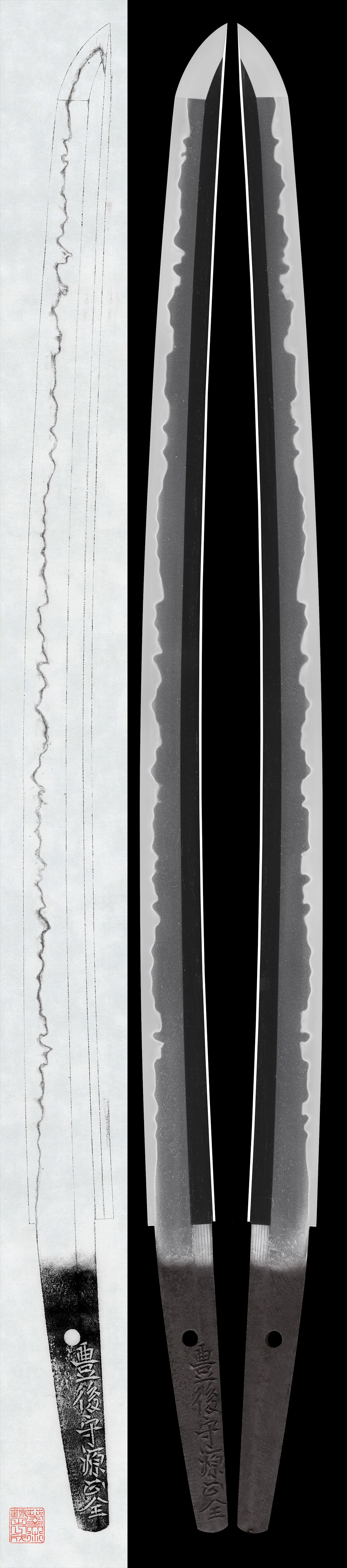
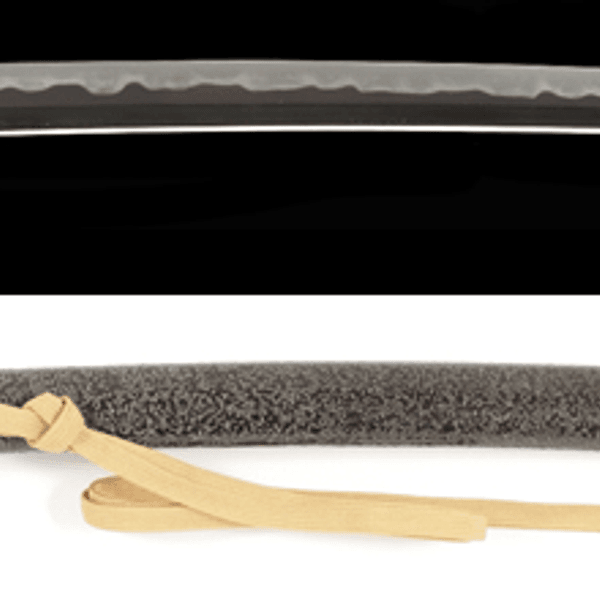
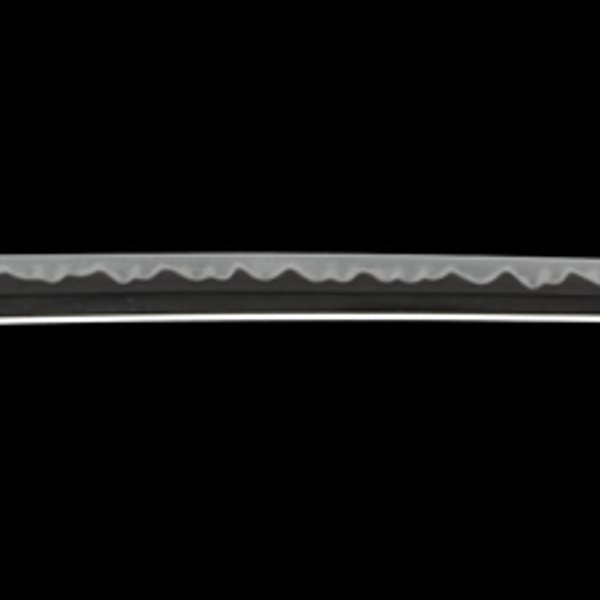
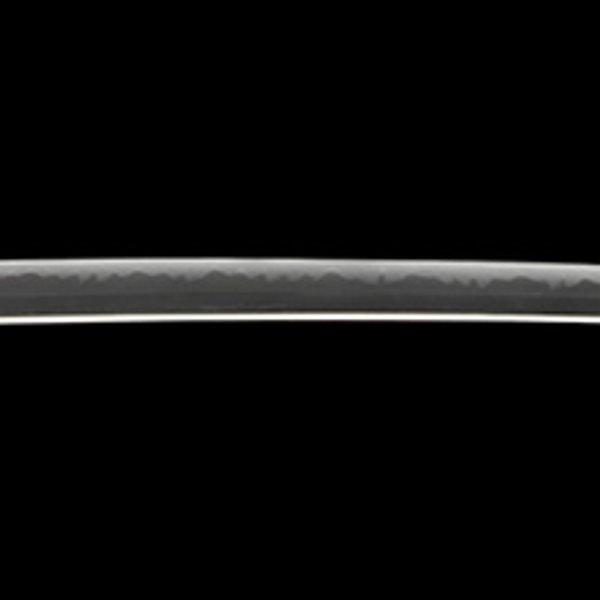
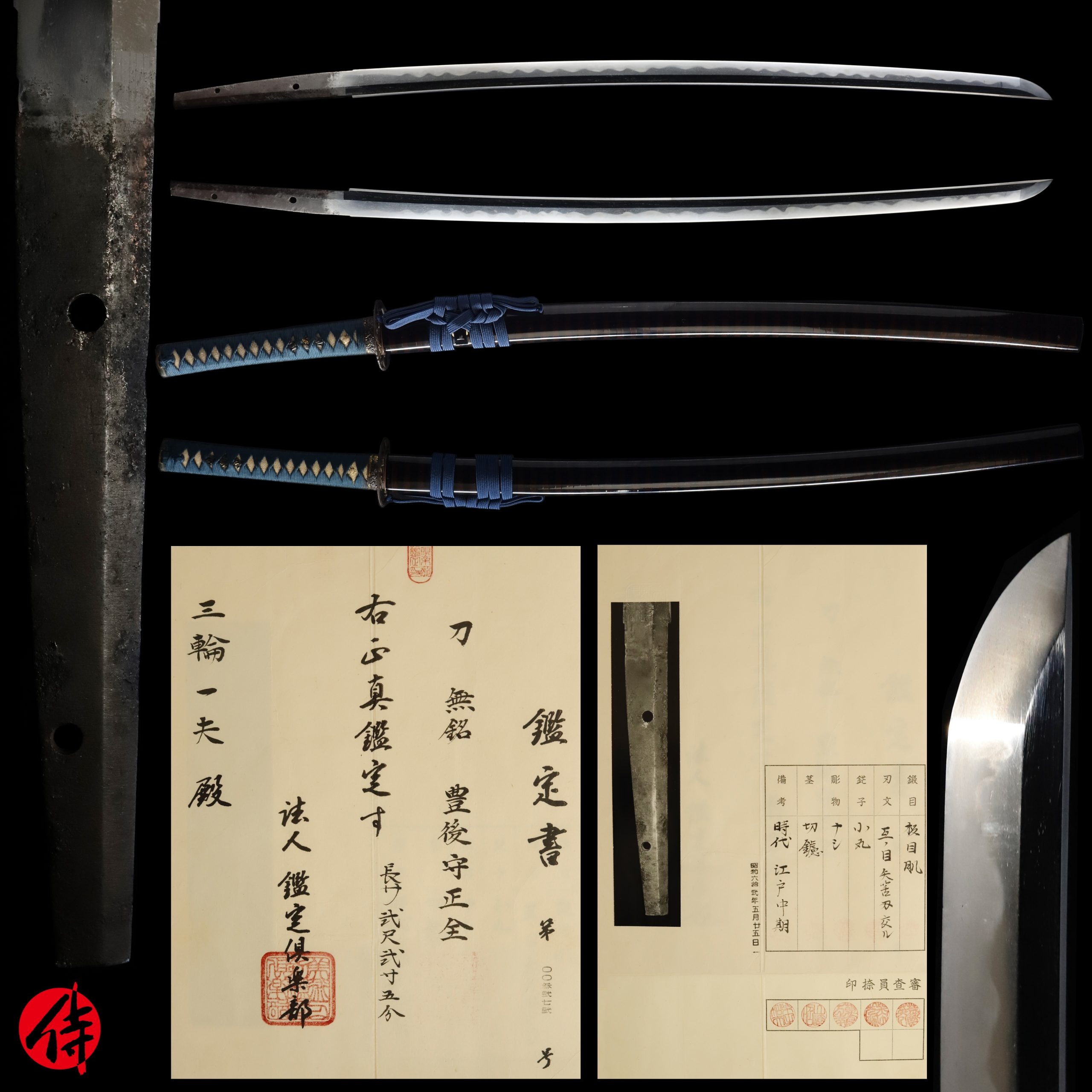
Skip to content ITEM# UJKA140 – Catalogue 20 – Sold A Masatomi Katana (豊後守源正全) Bungo no Kami Masatomi – given name Minamoto Masatomi, also known as Shozen – was a swordsmith who relocated from Mino province to Owari, settling in Nagoya during the early Edo period. His work draws favourable comparisons with Hoki no Kami Nobutaka, sharing a similar vitality and refinement that marks the best of the Owari tradition. This is a blade that rewards close study from kissaki to kashira. The hamon is a brilliant choji-midare that leaps off the blade with clarity and presence. Bursting with sunagashi and animated by a high yakidaka , the temper line is wild yet controlled – the kind of hamon one rarely encounters. It is genuinely beautiful work. The accompanying Edo-period koshirae is a masterpiece in its own right, paying tribute to the ocean at every turn. An Echizen Kinai School clamshell-design tsuba, waves carved in relief on the fuchi-kashira, and Heike warrior crab menuki – the fittings are thematically unified and of excellent quality. Four certificates of authenticity accompany this sword. Item Number UJKA140 Sword Type Katana Swordsmith Bungo no Kami Masatomi Swordsmith (JP) 源正全 Signature Bungo no Kami Masatomi (Minamoto Masatomi / Shozen) School Owari (Mino-trained) Province Owari (Nagoya) Period Shintô – Early Edo period (Jôkyô era: 1684-1688) Nagasa 60.4cm (ubu) Sori 1.4cm Moto-haba 3.2cm Jihada Ko-itame (wood grain pattern) Hamon Choji-midare, sunagashi, yakidaka and hakeru Certificates NBTHK Tokubetsu Hozon; NTHK-NPO Kanteisho (sword, koshirae, and tsuba) Koshirae Edo-period koshirae with ocean-theme fittings Tsuba Echizen Kinai School, clamshell design Fuchi-kashira Carved waves with gold accents Menuki Heike warrior crab Catalogue Catalogue 20 Status Sold Includes Edo-period koshirae, shirasaya, brocade carry bag, sword stand, maintenance kit, DVD, printed care guide, registration and all exportation paperwork ⇩ Download PDF Description HOME Swords available s
 NihontoWatch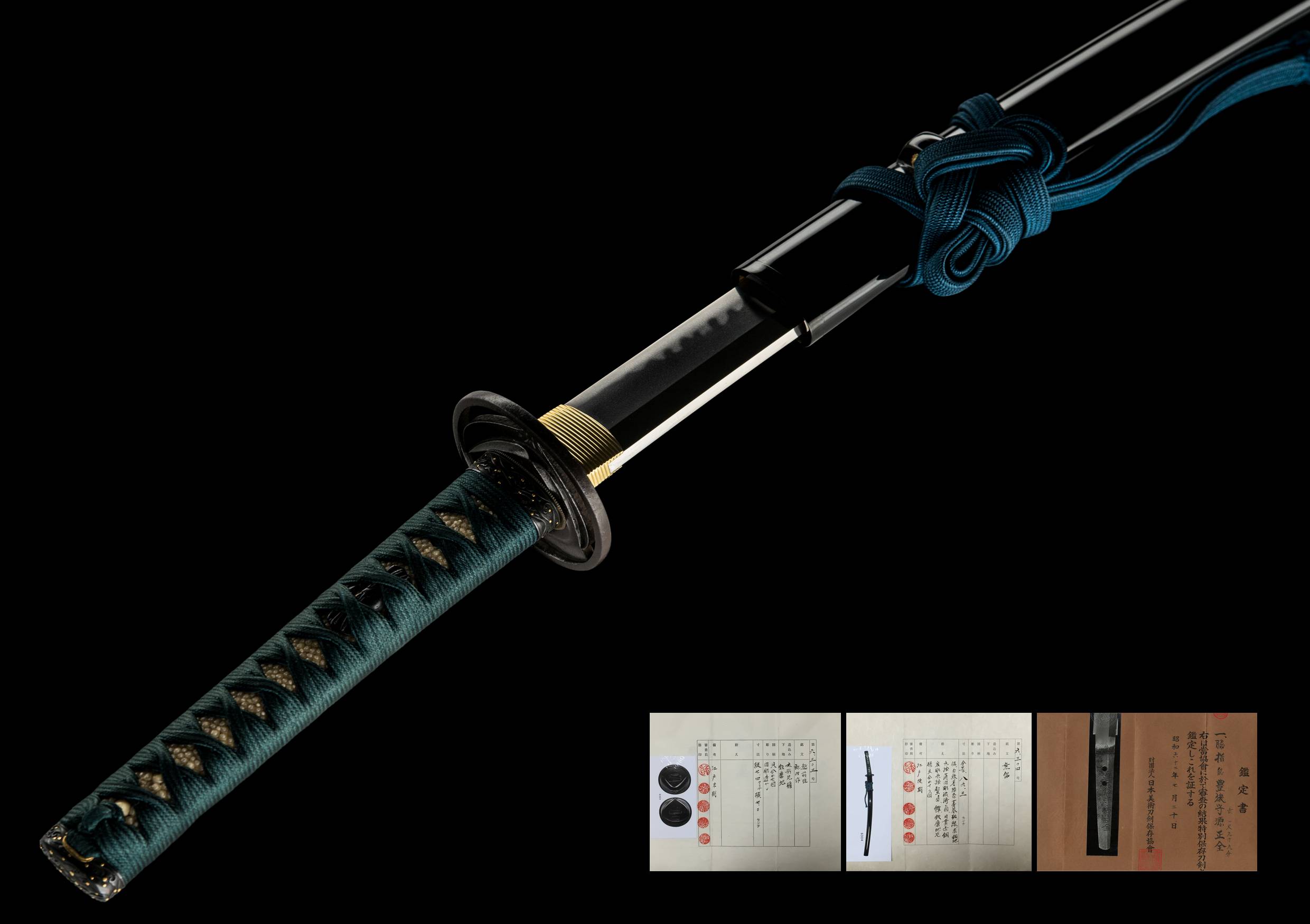
尾張 · 1673-1681頃
現在4点販売中
江戸時代
徳川の泰平のもと、大小は法度の定める身分の制服となり、需要は城下町、とりわけ江戸に集まった。工芸は二つに分かれる。目利きのための華やかな鑑賞の作と、截断の結果を金象嵌に刻む実証の刀である。
保存刀剣のうち、出来が一層優れ、保存状態も良好と認められたものです。再刃や、室町・江戸期の多くの無銘作は対象外となり、保存刀剣より高い基準が課されます。
日本美術刀剣保存協会(NBTHK)は、1948年に設立され、文化庁の監督を受ける公益財団法人で、東京・刀剣博物館に本部を置きます。専門の審査員が出品作を直接審査し、美術的・歴史的価値に応じた鑑定書を発行します。NBTHKの鑑定書は、日本刀および刀装具の真正性を示す最も広く認知された基準です。
NBTHK公式サイトAll swords come with a three-day inspection period beginning from the date of delivery. If not satisfied, the sword may be returned within this period for a full refund of the purchase price. Outside of this period, all sales are final. Swords purchased on a layaway payment plan are not eligible for the three-day inspection period.
Skip to content ITEM# UJKA140 – Catalogue 20 – Sold A Masatomi Katana (豊後守源正全) Bungo no Kami Masatomi – given name Minamoto Masatomi, also known as Shozen – was a swordsmith who relocated from Mino province to Owari, settling in Nagoya during the early Edo period. His work draws favourable comparisons with Hoki no Kami Nobutaka, sharing a similar vitality and refinement that marks the best of the Owari tradition. This is a blade that rewards close study from kissaki to kashira. The hamon is a brilliant choji-midare that leaps off the blade with clarity and presence. Bursting with sunagashi and animated by a high yakidaka , the temper line is wild yet controlled – the kind of hamon one rarely encounters. It is genuinely beautiful work. The accompanying Edo-period koshirae is a masterpiece in its own right, paying tribute to the ocean at every turn. An Echizen Kinai School clamshell-design tsuba, waves carved in relief on the fuchi-kashira, and Heike warrior crab menuki – the fittings are thematically unified and of excellent quality. Four certificates of authenticity accompany this sword. Item Number UJKA140 Sword Type Katana Swordsmith Bungo no Kami Masatomi Swordsmith (JP) 源正全 Signature Bungo no Kami Masatomi (Minamoto Masatomi / Shozen) School Owari (Mino-trained) Province Owari (Nagoya) Period Shintô – Early Edo period (Jôkyô era: 1684-1688) Nagasa 60.4cm (ubu) Sori 1.4cm Moto-haba 3.2cm Jihada Ko-itame (wood grain pattern) Hamon Choji-midare, sunagashi, yakidaka and hakeru Certificates NBTHK Tokubetsu Hozon; NTHK-NPO Kanteisho (sword, koshirae, and tsuba) Koshirae Edo-period koshirae with ocean-theme fittings Tsuba Echizen Kinai School, clamshell design Fuchi-kashira Carved waves with gold accents Menuki Heike warrior crab Catalogue Catalogue 20 Status Sold Includes Edo-period koshirae, shirasaya, brocade carry bag, sword stand, maintenance kit, DVD, printed care guide, registration and all exportation paperwork ⇩ Download PDF Description HOME Swords available s
NihontoWatch尾張 · 1673-1681頃
現在4点販売中
江戸時代
徳川の泰平のもと、大小は法度の定める身分の制服となり、需要は城下町、とりわけ江戸に集まった。工芸は二つに分かれる。目利きのための華やかな鑑賞の作と、截断の結果を金象嵌に刻む実証の刀である。
保存刀剣のうち、出来が一層優れ、保存状態も良好と認められたものです。再刃や、室町・江戸期の多くの無銘作は対象外となり、保存刀剣より高い基準が課されます。
日本美術刀剣保存協会(NBTHK)は、1948年に設立され、文化庁の監督を受ける公益財団法人で、東京・刀剣博物館に本部を置きます。専門の審査員が出品作を直接審査し、美術的・歴史的価値に応じた鑑定書を発行します。NBTHKの鑑定書は、日本刀および刀装具の真正性を示す最も広く認知された基準です。
NBTHK公式サイトAll swords come with a three-day inspection period beginning from the date of delivery. If not satisfied, the sword may be returned within this period for a full refund of the purchase price. Outside of this period, all sales are final. Swords purchased on a layaway payment plan are not eligible for the three-day inspection period.

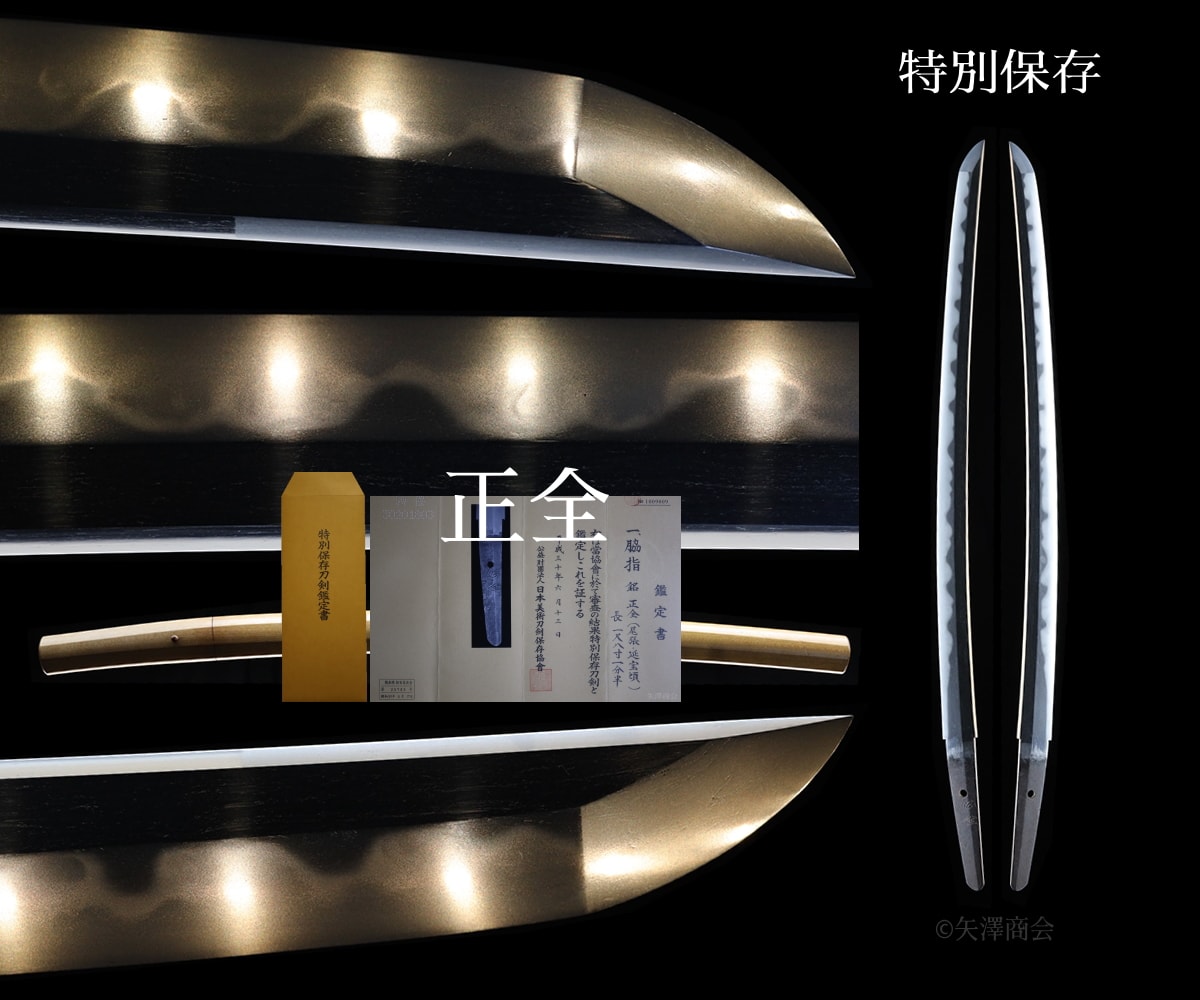
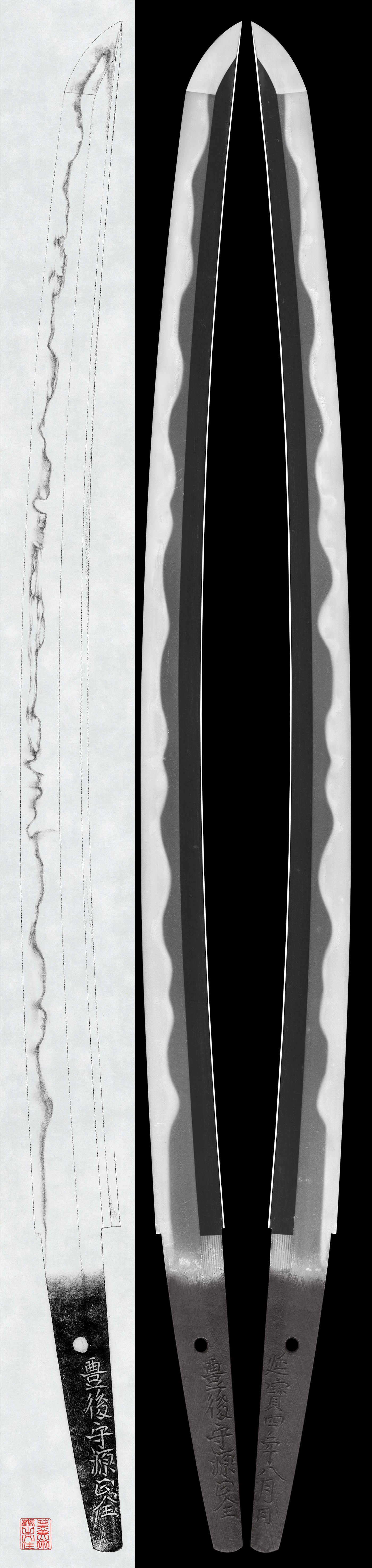
![Katana - Tokuho - 作 正全 - Katana [Bungo-no-kami Minamoto Masayasu][N.B.T.H.K]Tokubetsu Hozon Token](/_next/image?url=https%3A%2F%2Fitbhfhyptogxcjbjfzwx.supabase.co%2Fstorage%2Fv1%2Fobject%2Fpublic%2Flisting-images%2Fworld-seiyudo%2FL31391%2F00.jpg&w=2560&q=90)
![Katana - Tokuho - 作 正全 - Katana [Bungo-nokami Minamotono Masayasu (Syouzen)][N.B.T.H.K] Tokubetsu Hozon Token](/_next/image?url=https%3A%2F%2Fitbhfhyptogxcjbjfzwx.supabase.co%2Fstorage%2Fv1%2Fobject%2Fpublic%2Flisting-images%2Fworld-seiyudo%2FL32023%2F00.jpg&w=2560&q=90)
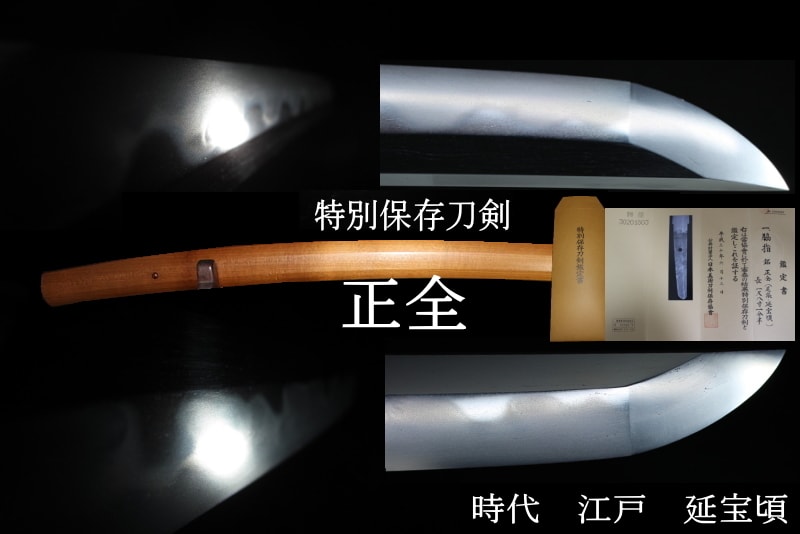
![Wakizashi - Hozon - 作 正全 - Wakizashi [Bungo-no-kami Minamoto Masayasu] [N.B.T.H.K Hozon Token]](/_next/image?url=https%3A%2F%2Fitbhfhyptogxcjbjfzwx.supabase.co%2Fstorage%2Fv1%2Fobject%2Fpublic%2Flisting-images%2Fworld-seiyudo%2FL32253%2F00.jpg&w=2560&q=90)