江戸は刀の目利きの時代である。本阿弥の鑑定、1719年の享保名物帳、盛んな刀剣書が、戦で抜かれることのなくなった刀を学問の対象へと変えていった。
 NihontoWatchNihontoWatch
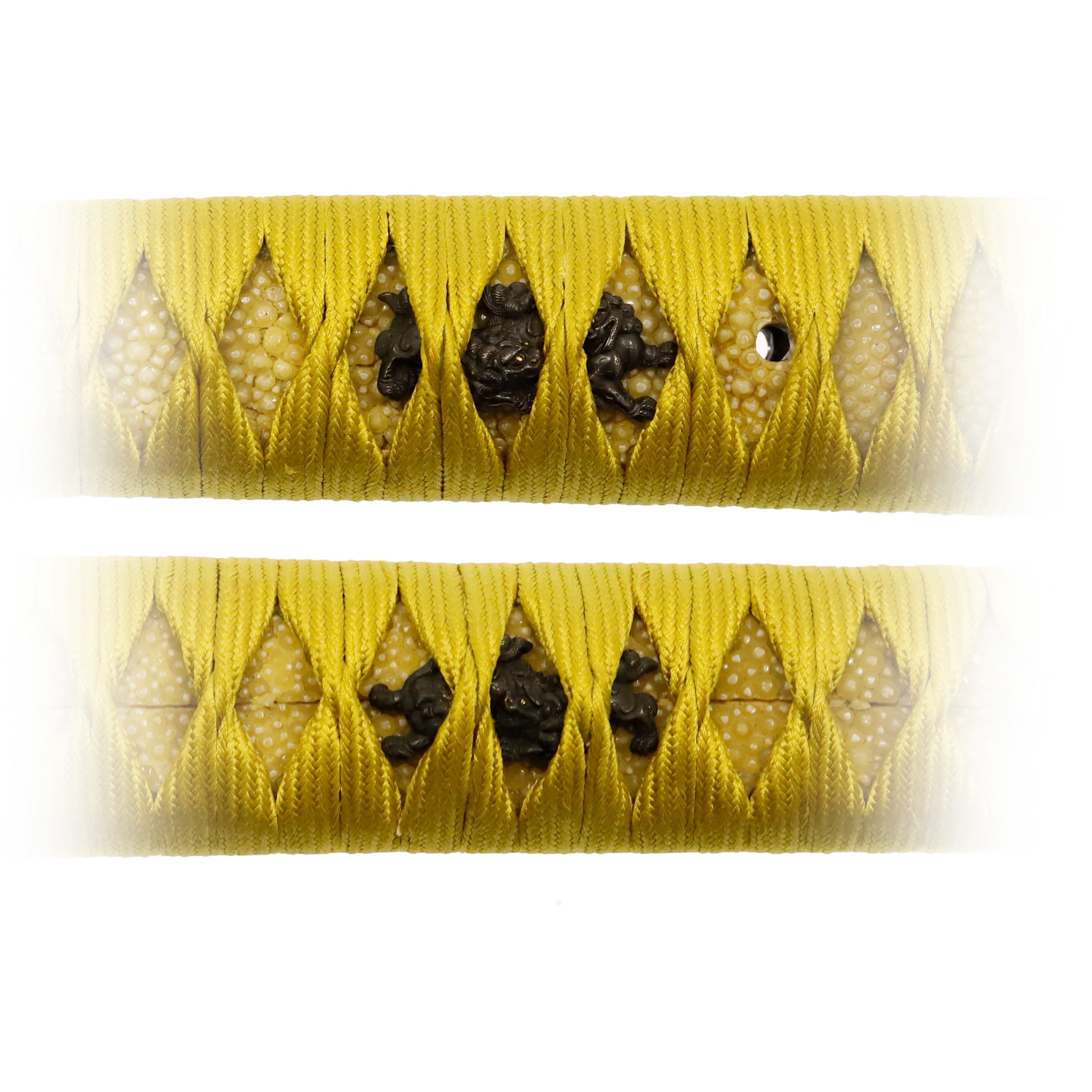
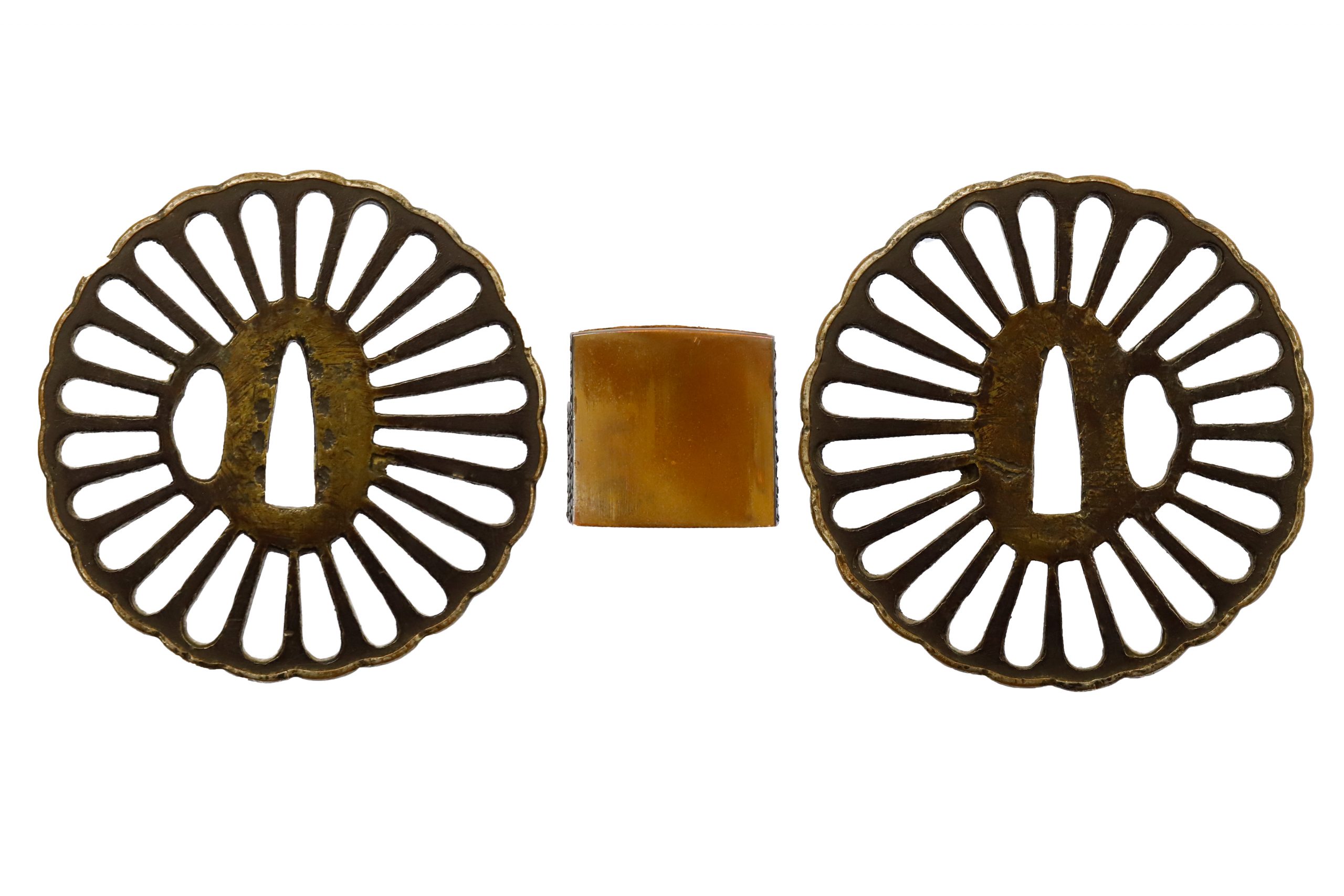
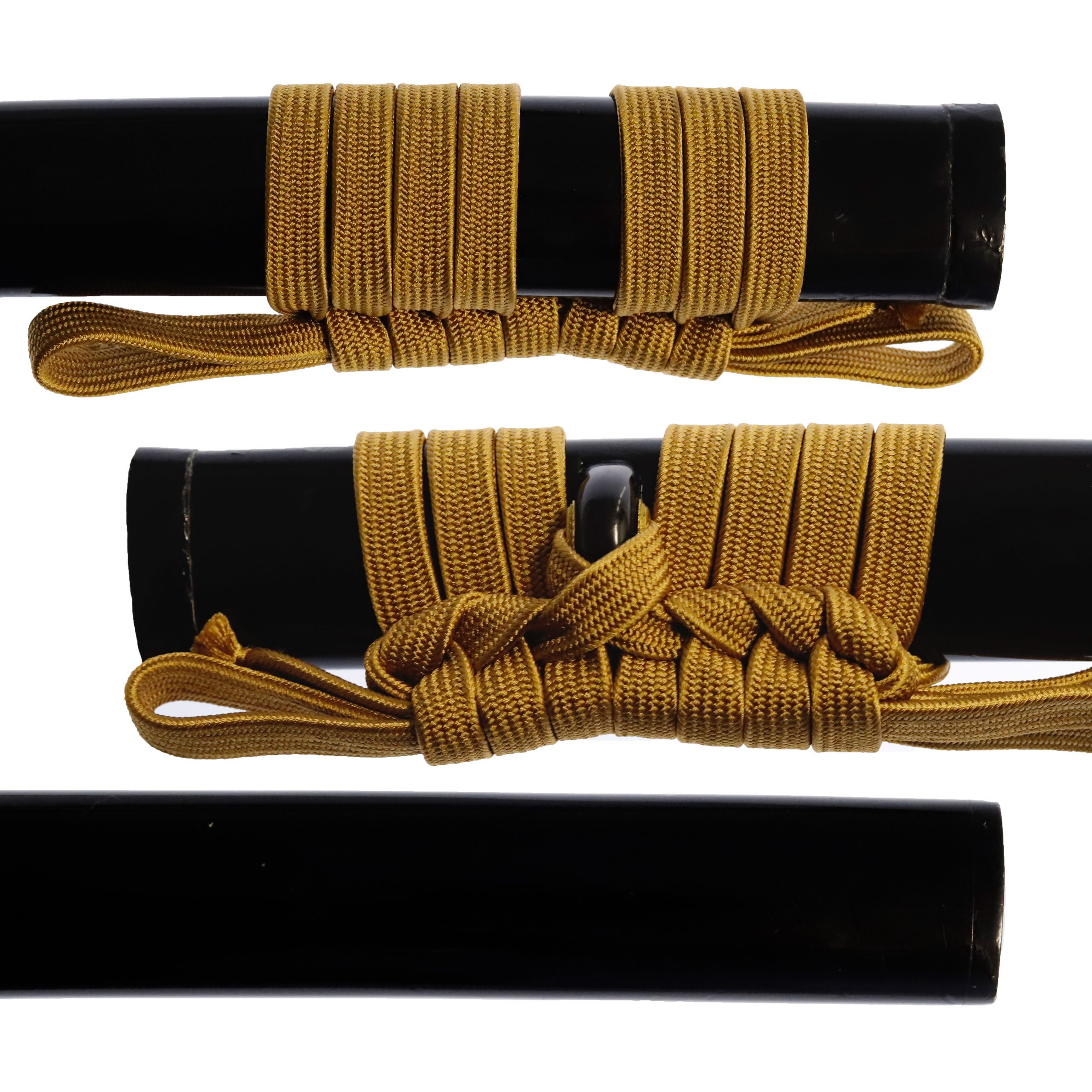
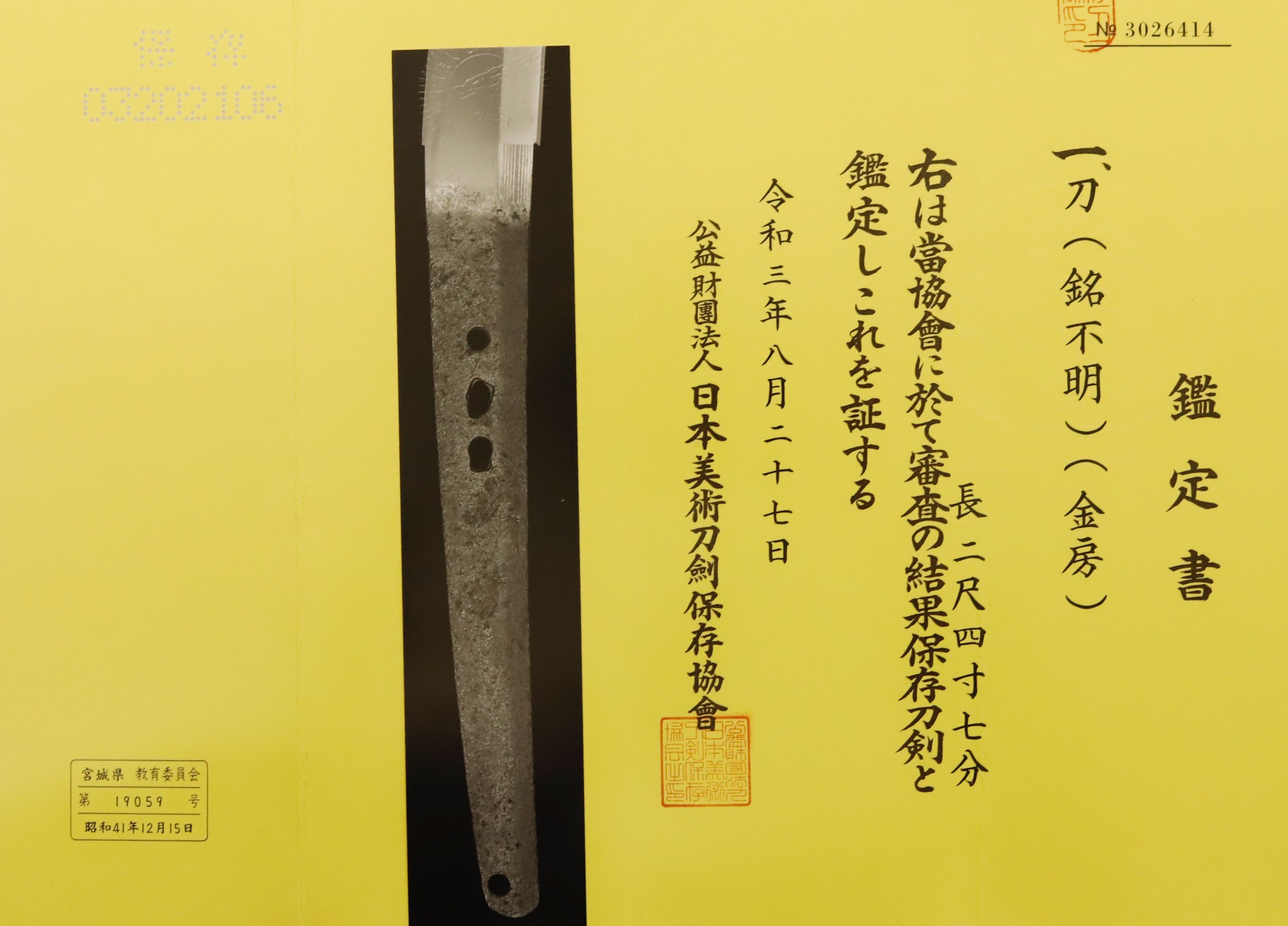
Summary This blade is attributed to a work of Kanabo (金房) school, according to the NBTHK’s appraisal. Kanabo (金房) school flourished in the late Muromachi-Azuchi Momoyama Period (Mid-Late 16th century). We believe this blade was made in the late Muromachi period (the 1570s), judging from the active period of this school. It is said that Kanabo school was founded in the Dai-Ei era (1521-1527: the late Muromachi period) by Kanabo Masanaga, an offspring of a member of Tegai school in Yamato region(today’s Nara prefecture). The swordsmiths who belonged to Kanabo school made blades for Sohei, Buddist warrior monks, and Samurai in the area during the warring state period called SENGOKU JIDAI when there were so many rivalries and civil wars among feudal lords. One of the most renowned swordsmiths in Kanabo school is Kanabo Masatsugu (金房政次). According to Kokin Kaji Biko (古今鍛冶備考), a book about famous Japanese swords written during the Edo period, a spear forged by a member of Kanabo school is listed as one of the three most renowned spears. This spear is called Nihongo (日本号). About Tegai school There were five prestigious schools, including Tegai, during the Kamakura-Nanbokucho period. They are called Yamato Goha(大和五派); Senjyuin(千手院), Tegai(手掻), Taima(当麻), Hosho(保昌) and Shikkake school. They served politically powerful monks and temples in Nara, such as Todaiji temples. They were initially forging swords for military monks who became powerful due to the government’s policy. Monks needed many weapons as there were many political rivalries between influential temples, and they needed strong weapons like swords to protect themselves. During this time, Tegai school or other Yamato sword schools met the requests from monks. They also forged blades for Samurai hired by those monks during their heyday. Tegai school belonged to YAMATO DEN, the longest history among GOKADEN and five Japanese sword forging techniques. The blades forged by swordsmiths residing in Yamato region are generally called Yamato Mono. This blade is appraised as a Hozon Token(保存刀剣) issued by NBTHK(Nihon Bijutsu Touken Hozon Kyokai:日本美術刀剣保存協会). Fuchi-Kashira Dragons are designed on this Fuchi Kashira. Golden paint is applied to their bodies, and clouds surround them. Initially, the dragon was an imaginary creature found in ancient traditions or myths. Furthermore, it was regarded as a symbol of auspicious signs. Its body is likened to nine animals: antlers are deer, the head is a camel, eyes are demons, the neck is a snake, belly is the Mizuchi (蛟, a mythical animal in Japan that looks like a snake and has a horn and four legs), scales are fish, claws are falcons, palms are tigers, and ears are cows. It was thought that the dragon would reign at the top of all animals because of its odd-looking appearance. Also, in Japan, there is a belief that worships dragon as a water god. Since rice cultivation has flourished in this country, water is always an essential resource. Therefore, the dragon motif has been familiar to Japanese people for a long time. We imagine many Samurais appreciated this dignified beast motif, and we guess that is why this design is often seen in sword mountings. Tsuka and Menuki Seeing from the curly hair of these animals, we believe this motif is the Karajishi (唐獅子). It depicts the figure of two Karajishis running facing each other. It seems some parts were initially colored with golden paint. The Shishi (獅子) means a lion in Japanese, and the Karajishi is a lion brought from the continent to Japan in the Toh period (唐, Tang dynasty, 618-907). The Karajishi typically has curly hair for its head, neck, body, and tail, as you see in this work. In Buddhism, the Karajishi is regarded as a symbol of wisdom, and Monju Bosatu (文殊菩薩, Manjushri Bodhisattva) rides lions. According to a theory, the Karajishi is the origin of Komainu (狛犬, stone guardian dogs that exorcize evil spirits). It shows this beast motif has been familiar to Japanese people since ancient times. Tsuba and Habaki Chrysanthemum is the motif of this Tsuba. It looks like the petals are arranged symmetrically, and you would see that the entire shape of this Tsuba looks like a chrysanthemum flower. The Mimi (耳, edge) part is framed with a thin metal plate. It adds decorativeness to this work and protects the Tsuba from damage. A long time ago, the chrysanthemum was used as a medicine for obtaining a long life in the continent, and it was brought to Japan with this thought in the Nara period (648-781). Chrysanthemum symbolizes fall, and people have appreciated it very much since ancient times. As its petals form radially, the chrysanthemum has been likened to the sun. That is why this flower pattern is treated as the symbol of perpetual youth and longevity or good health. Authentication Paper They authenticated the blade on Aug 27th in the 3rd year of Reiwa (2021). They appraised it as Hozon Touken, the blade worth preserving for Japanese society.

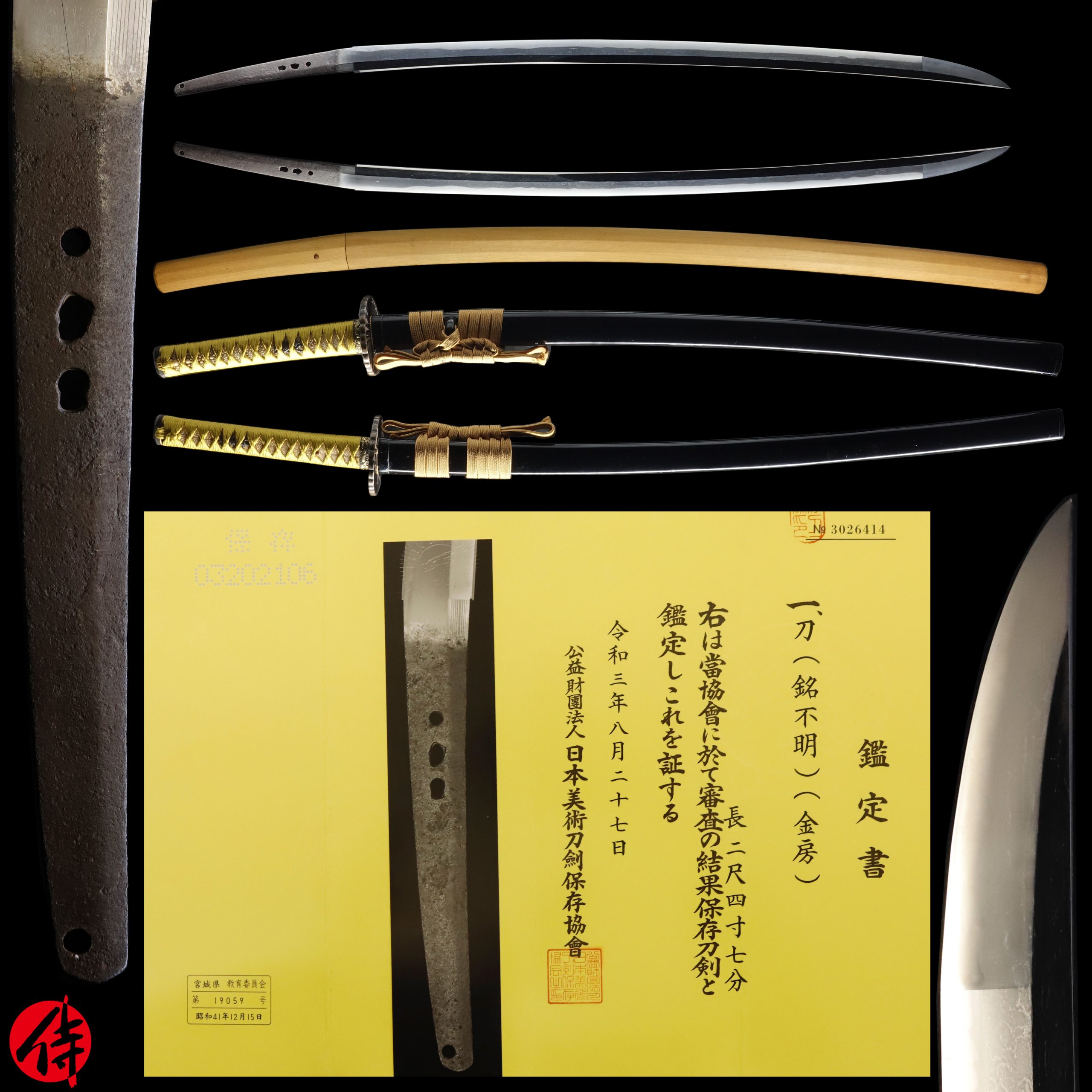
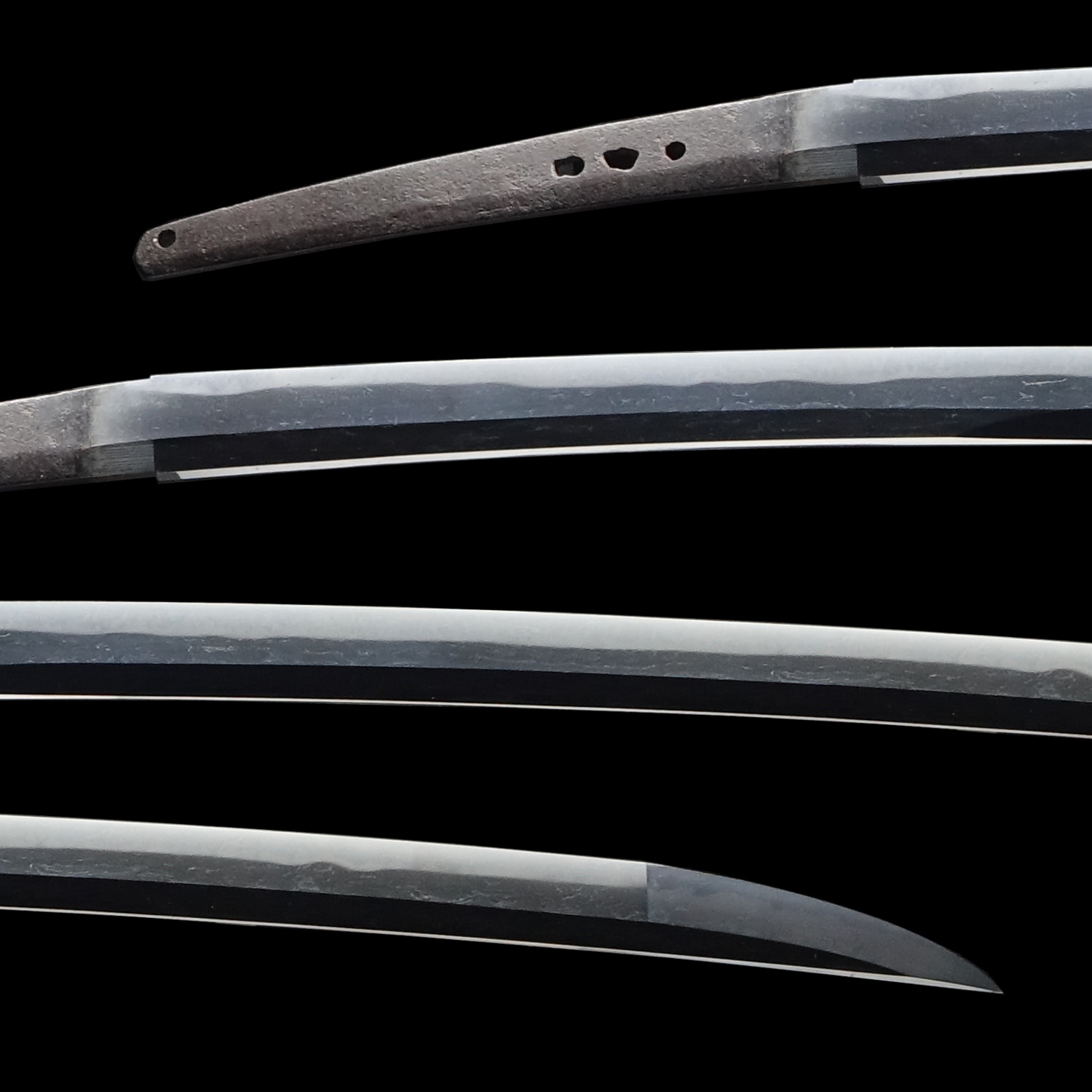
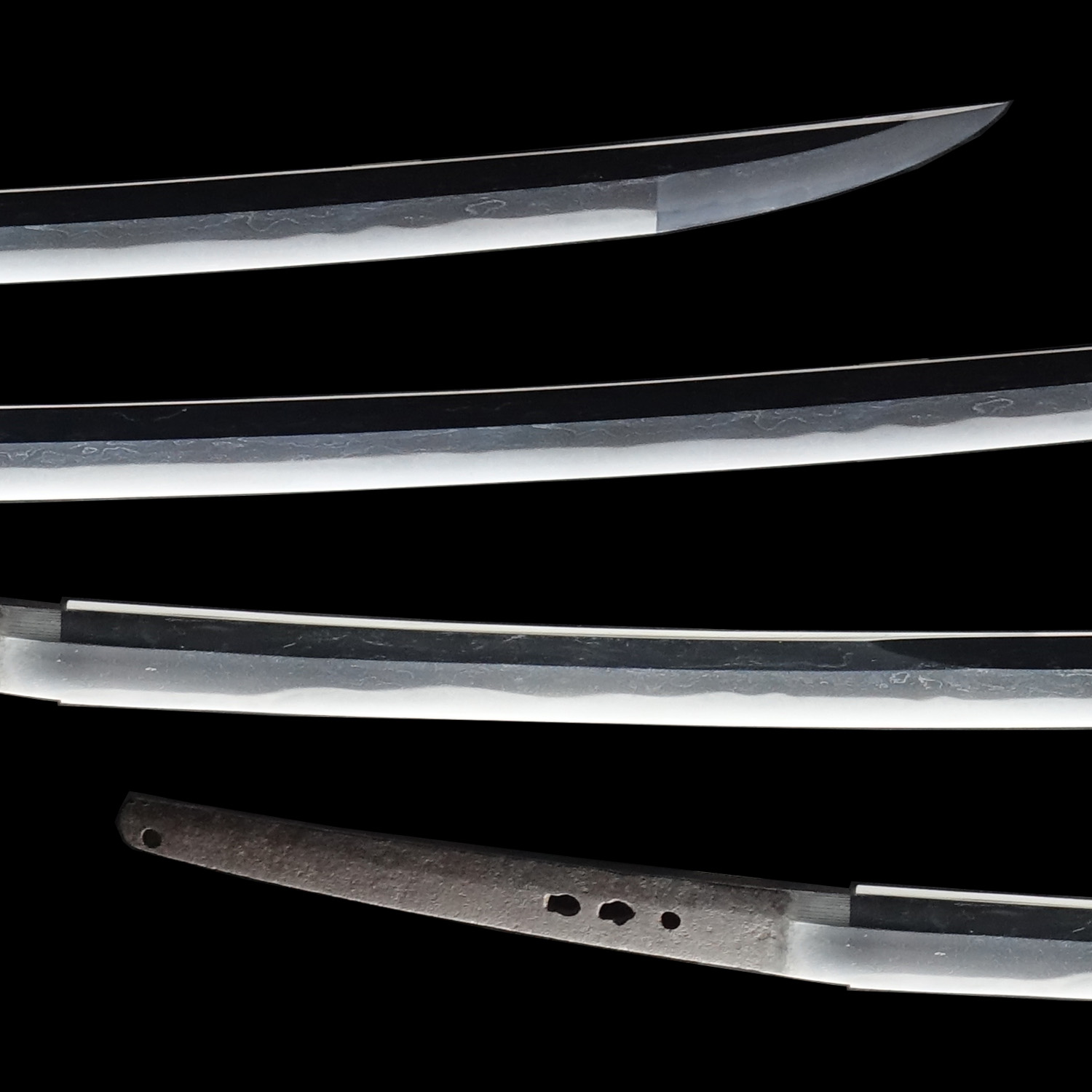
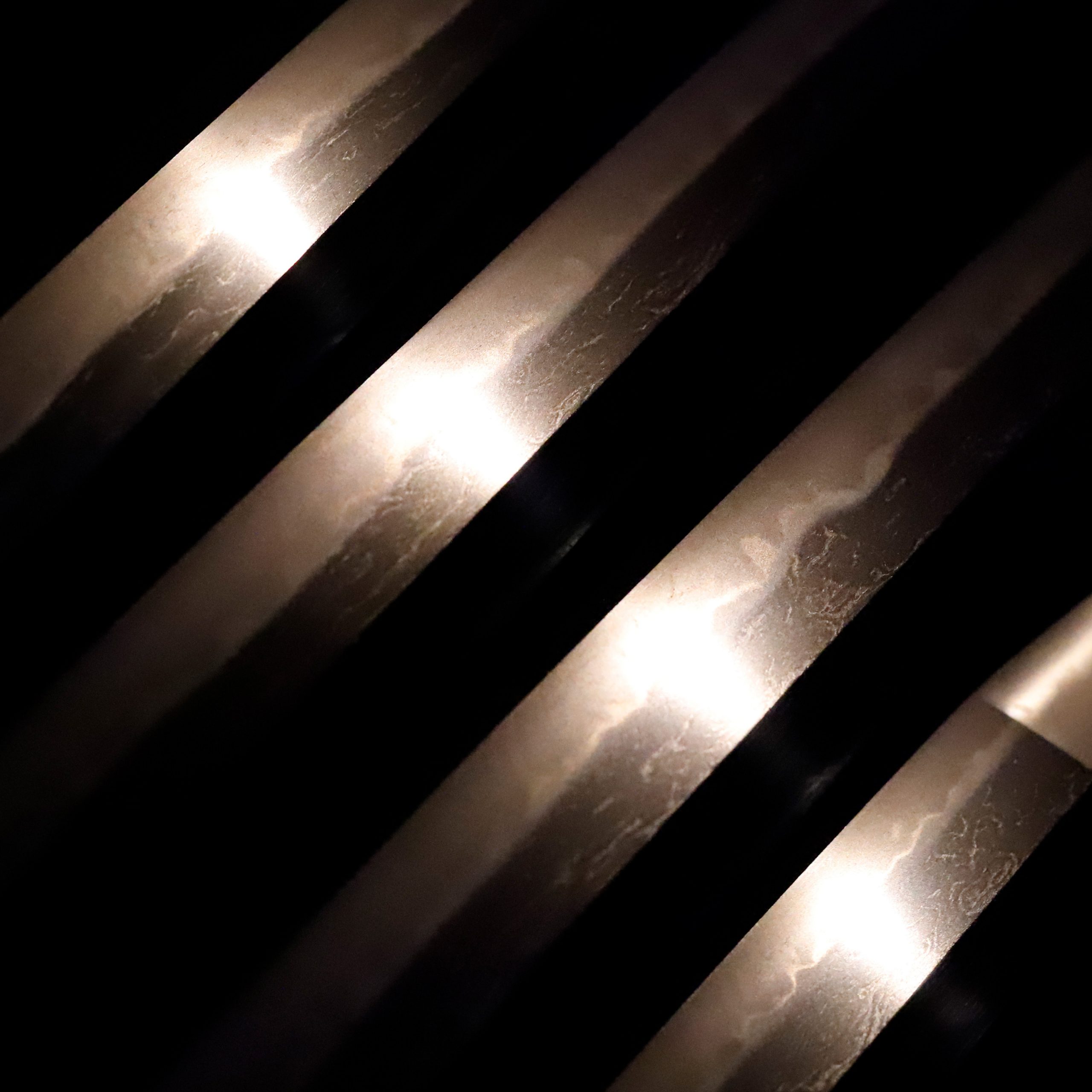
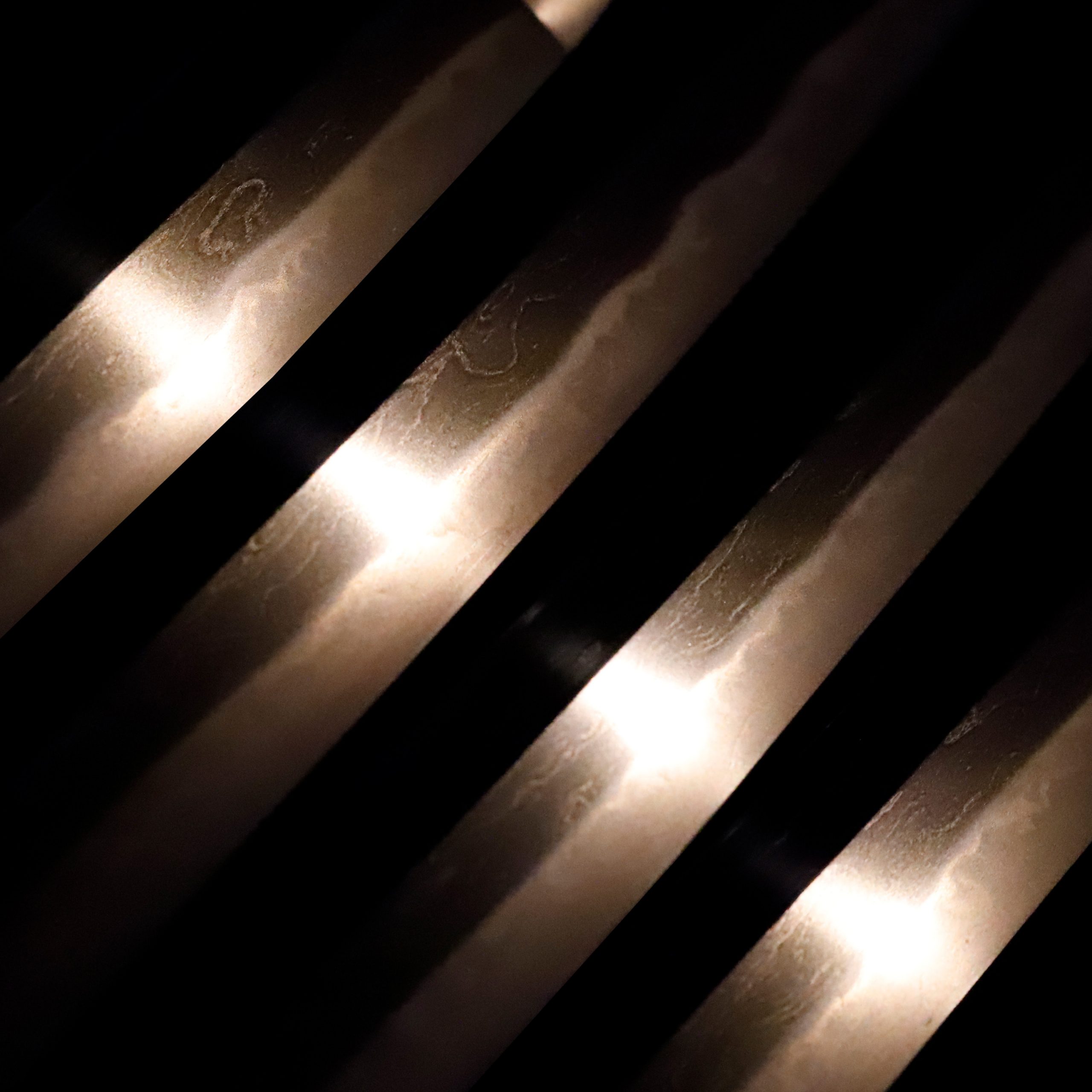
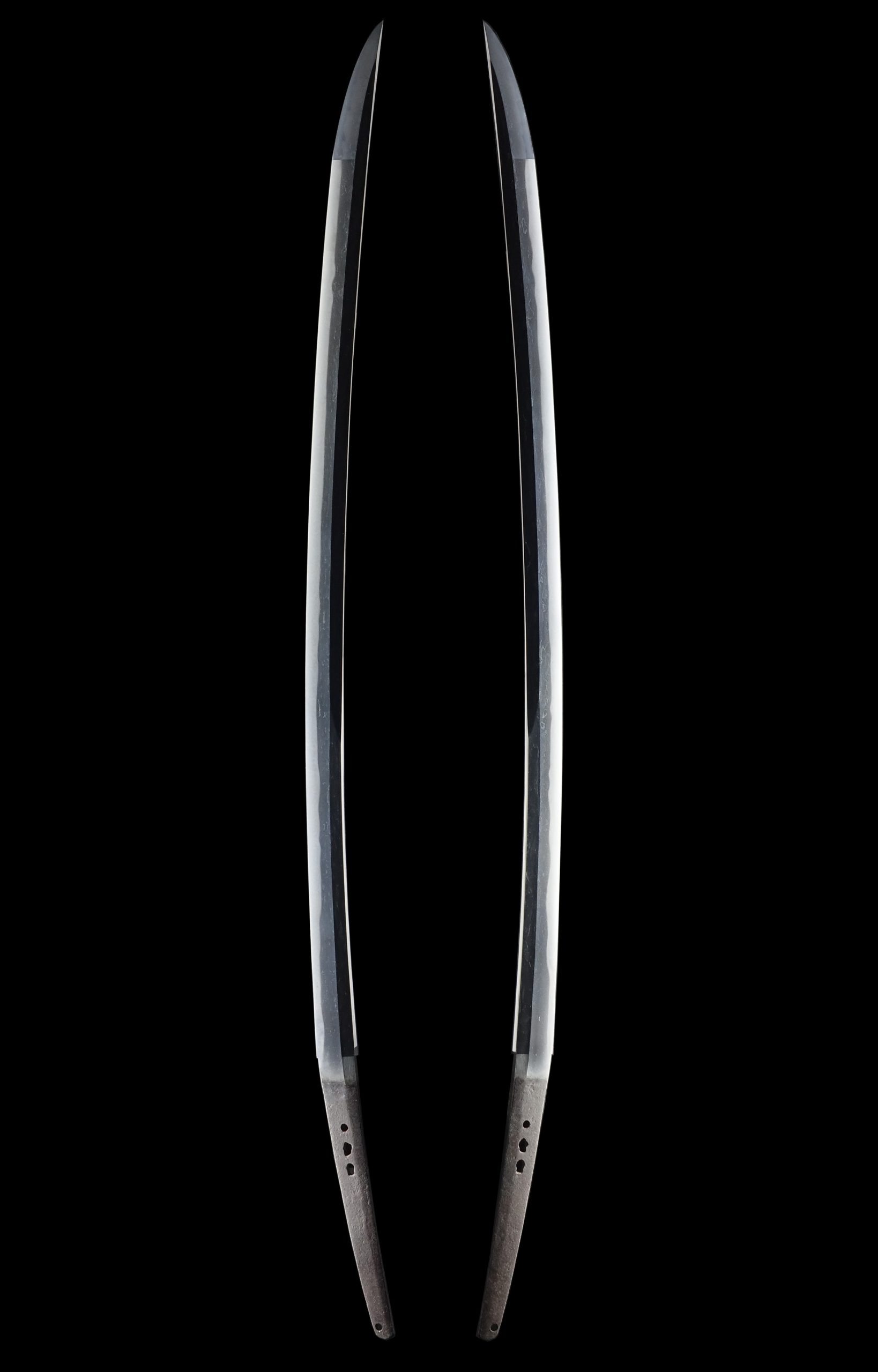
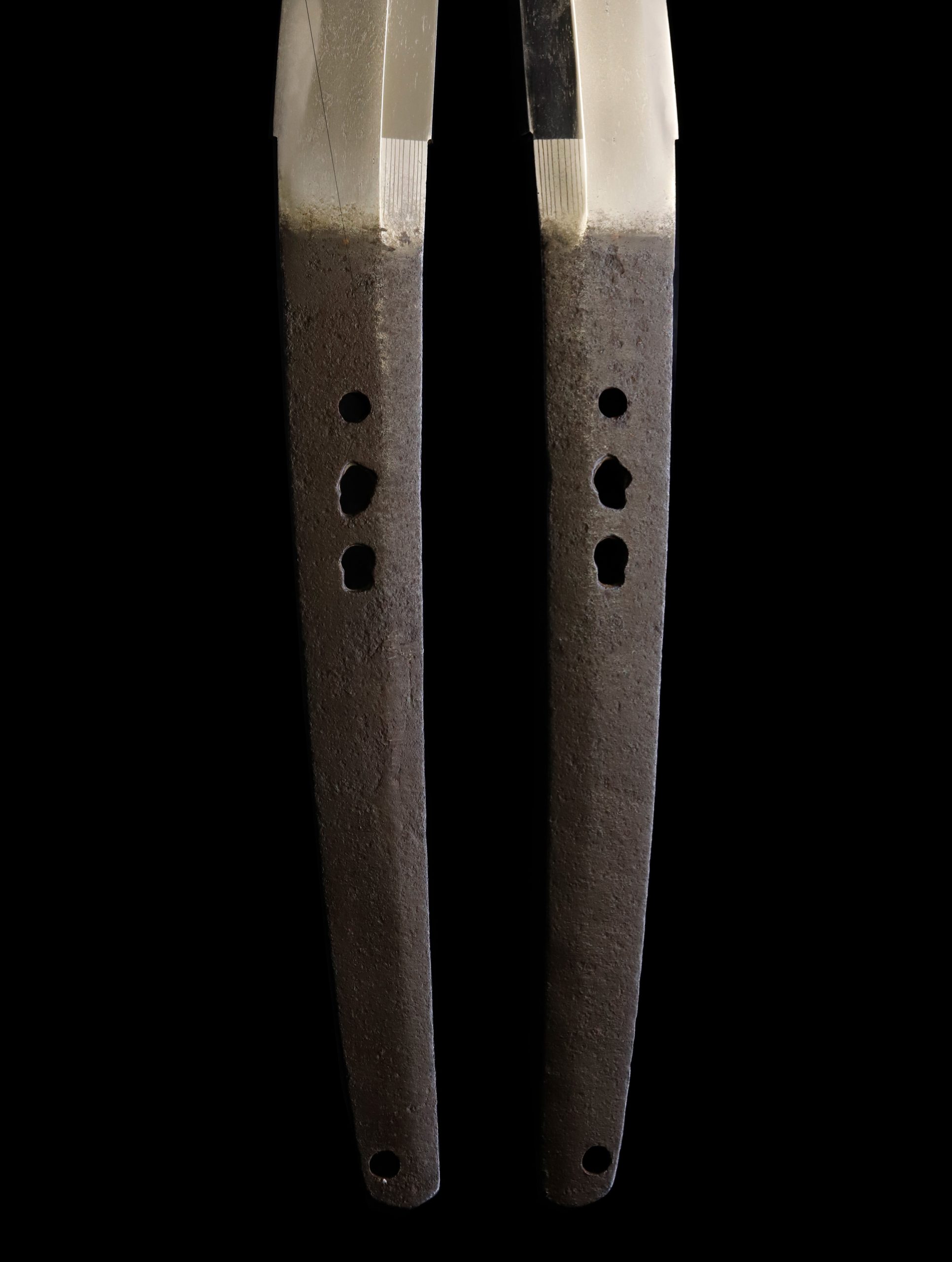
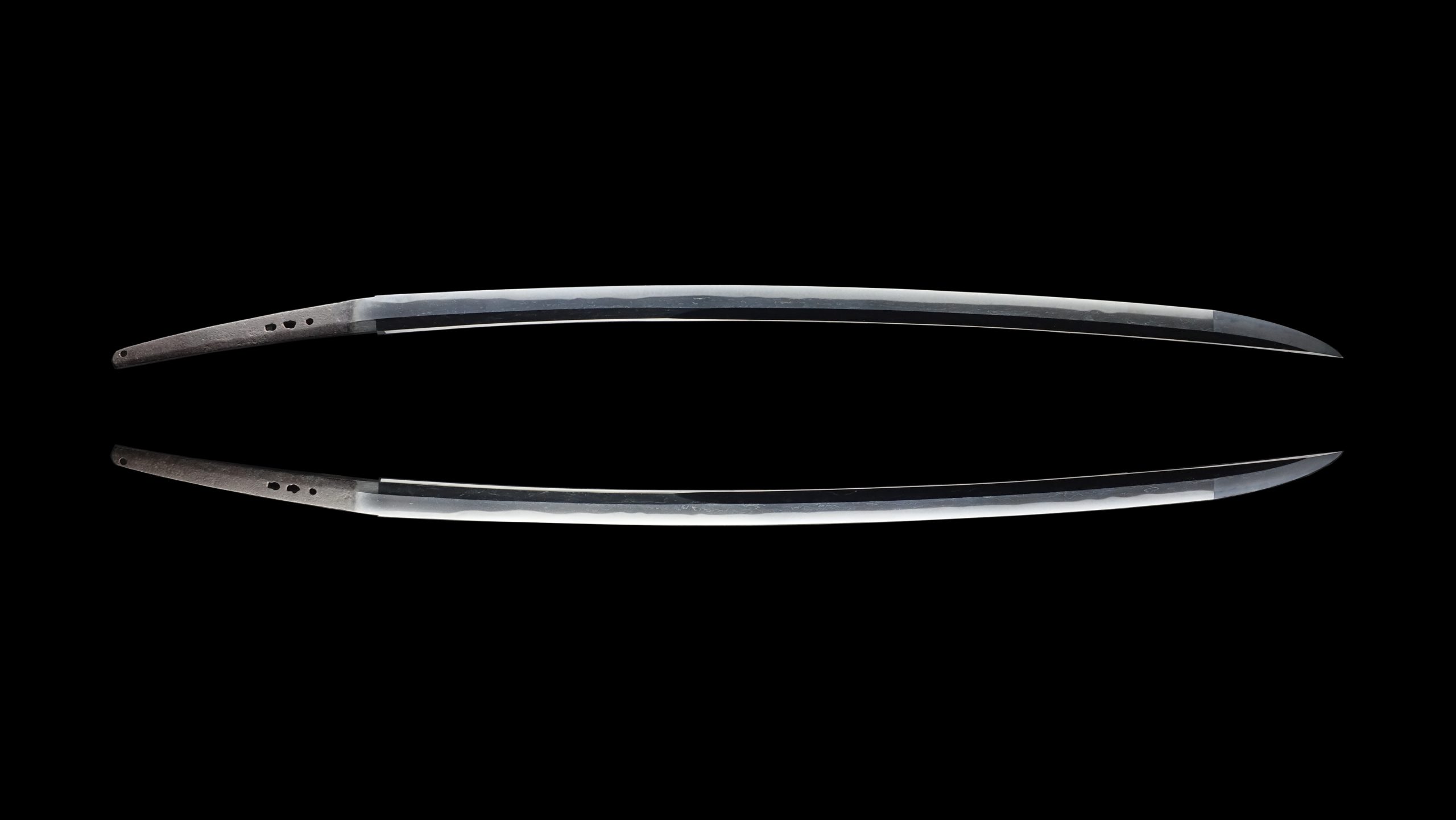
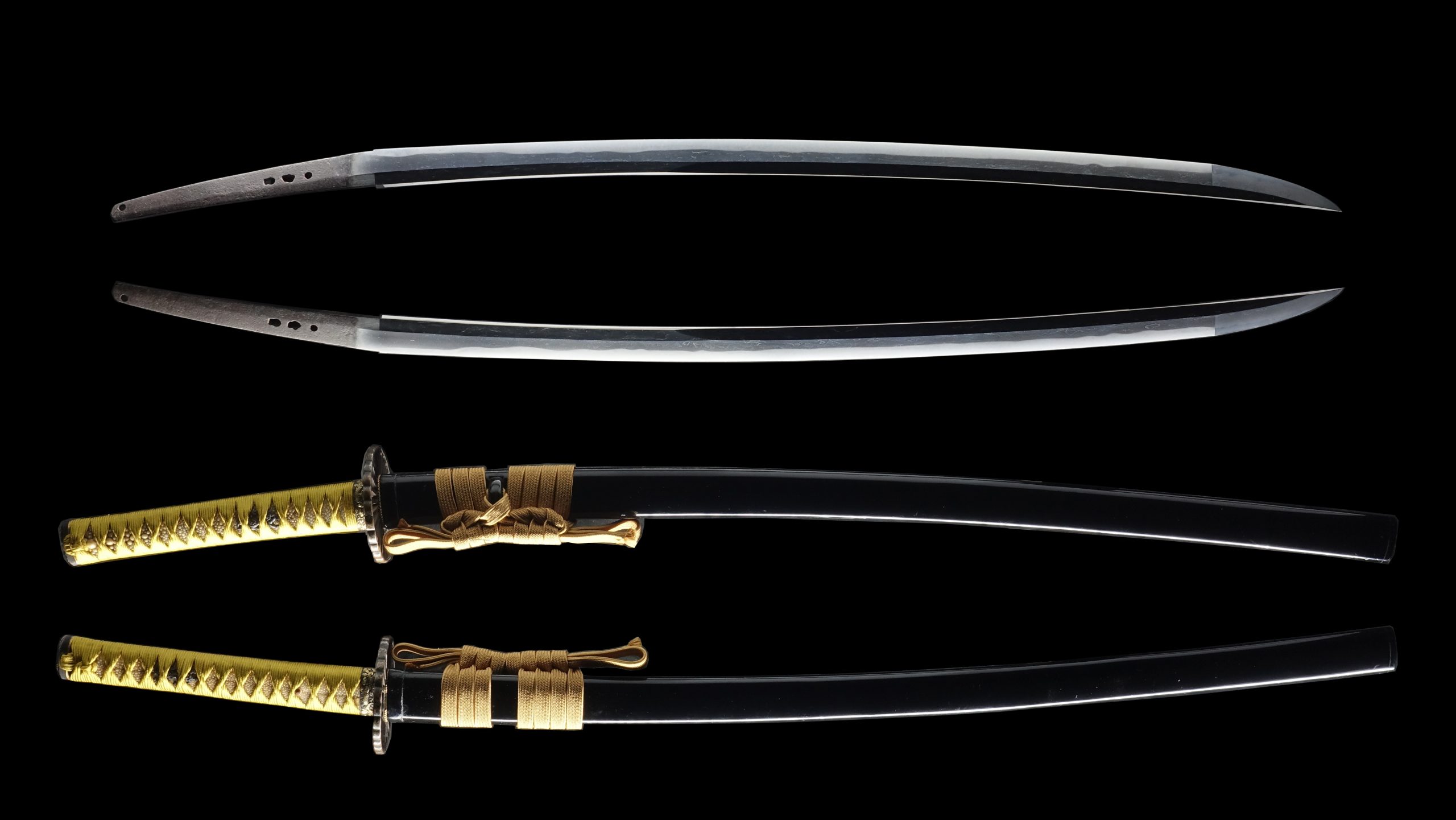
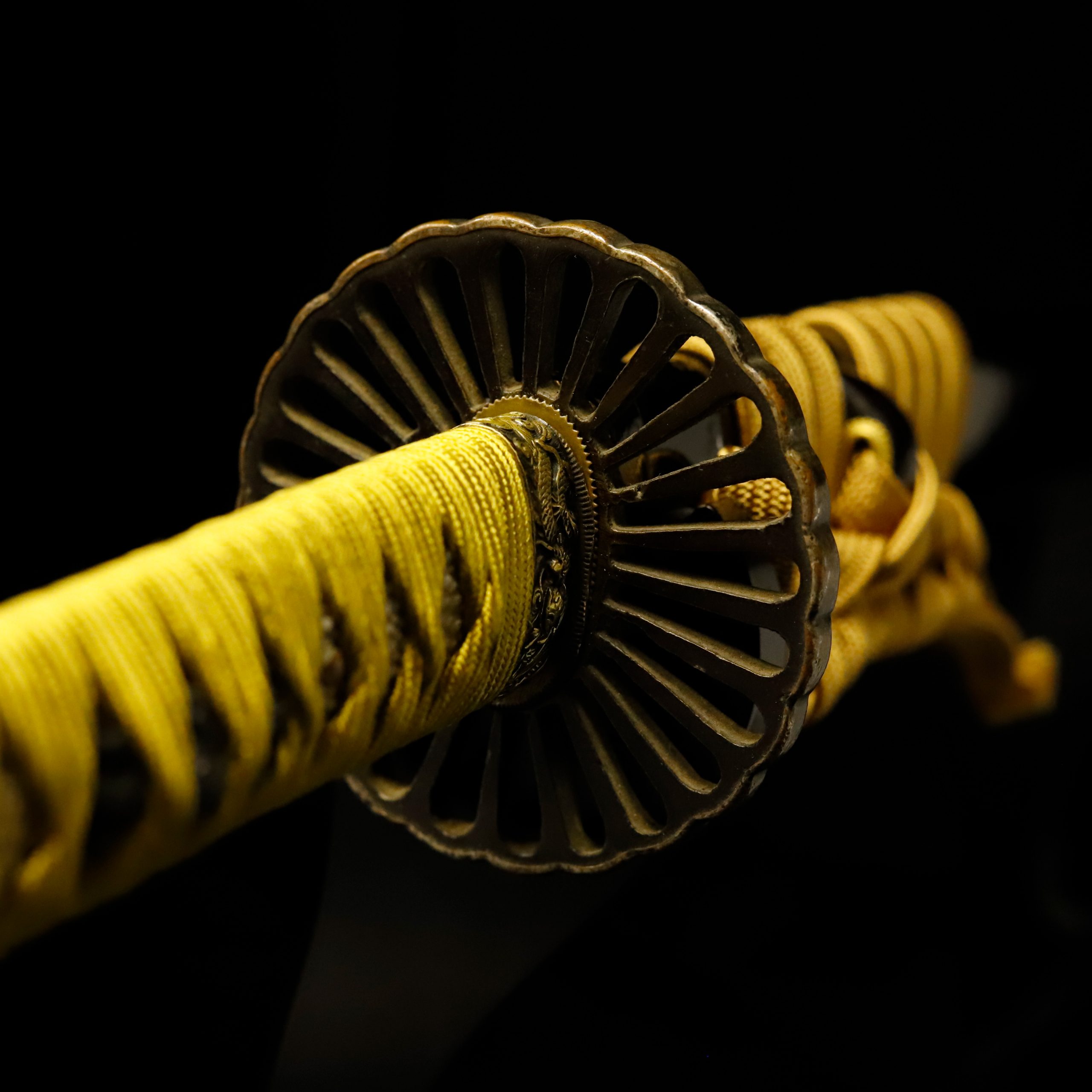
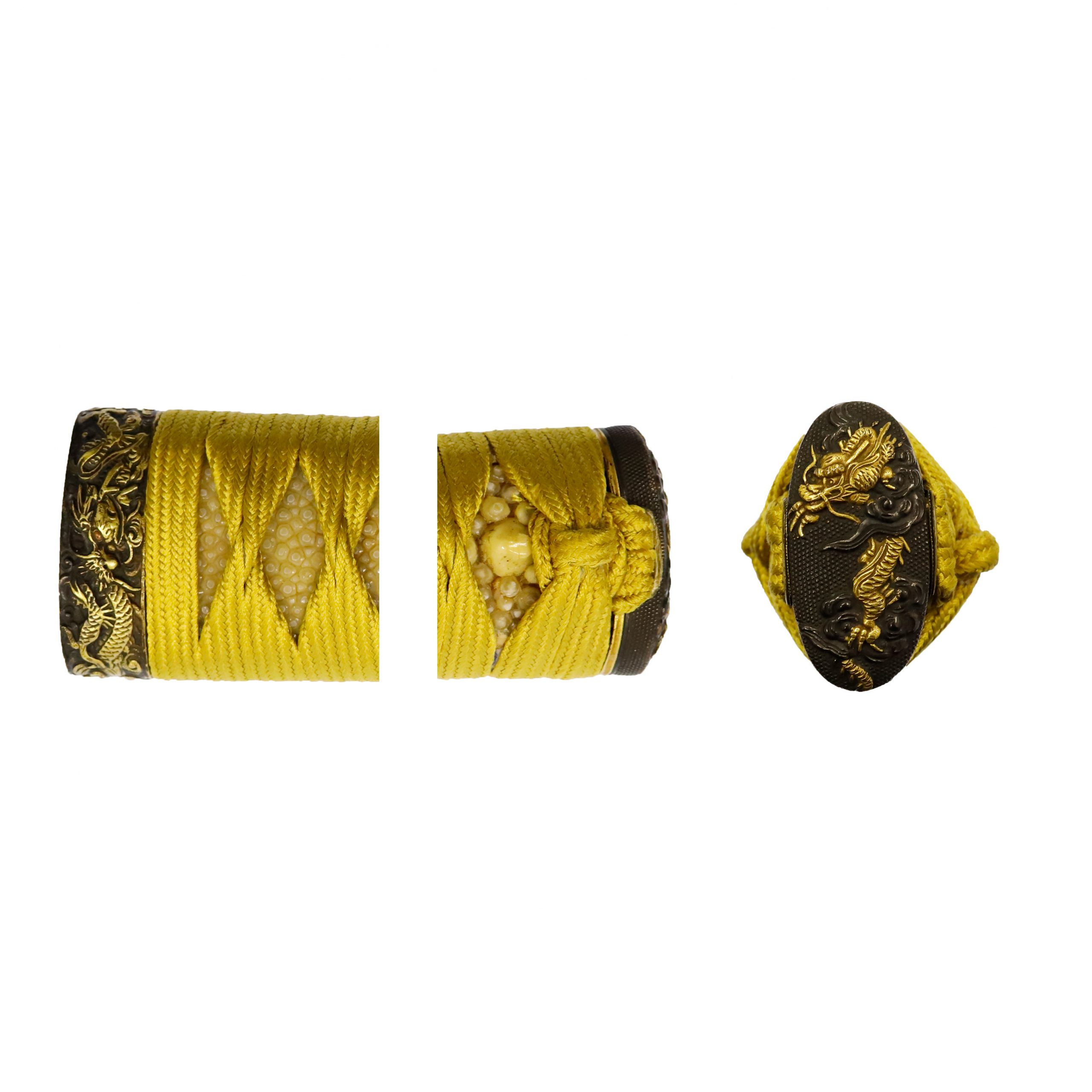
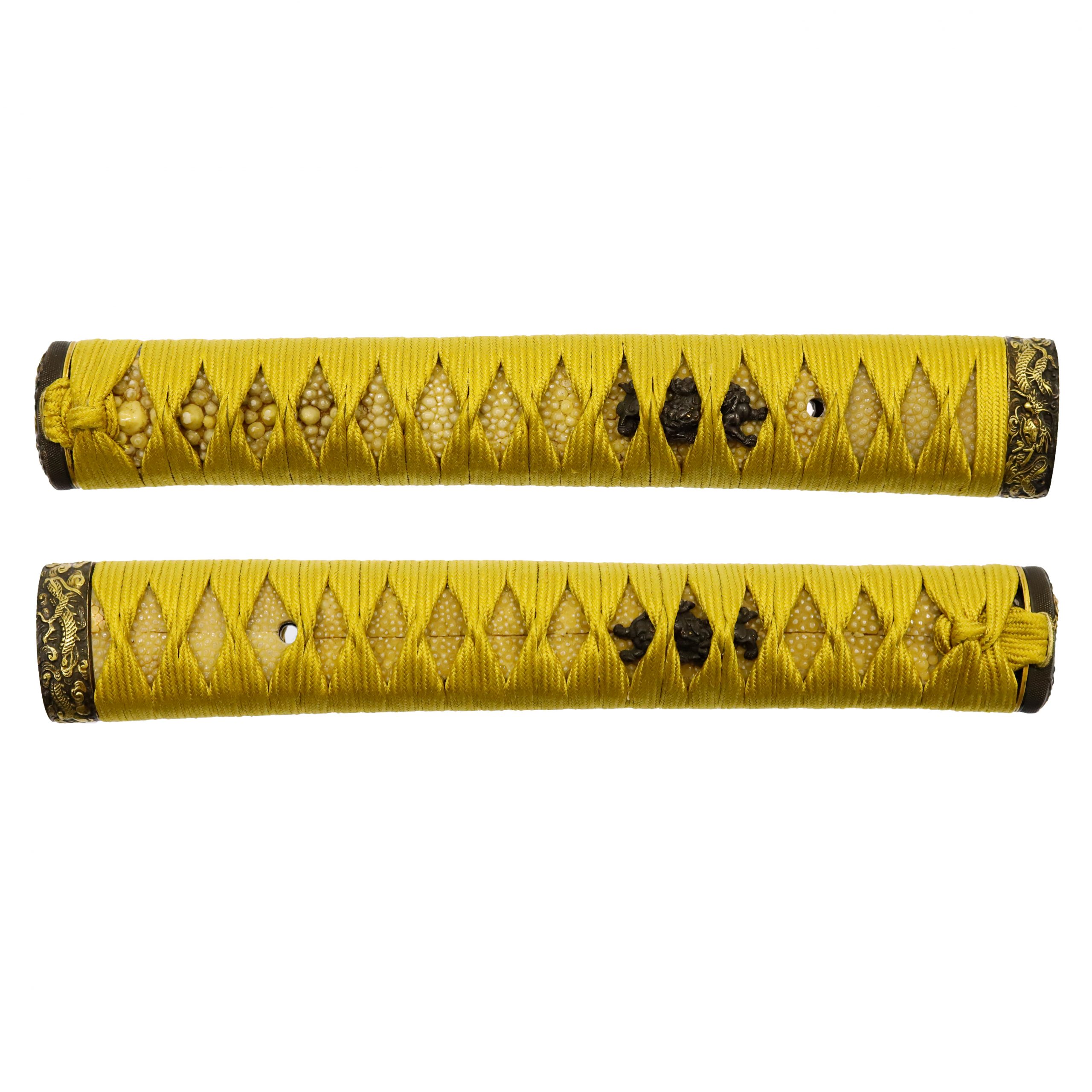
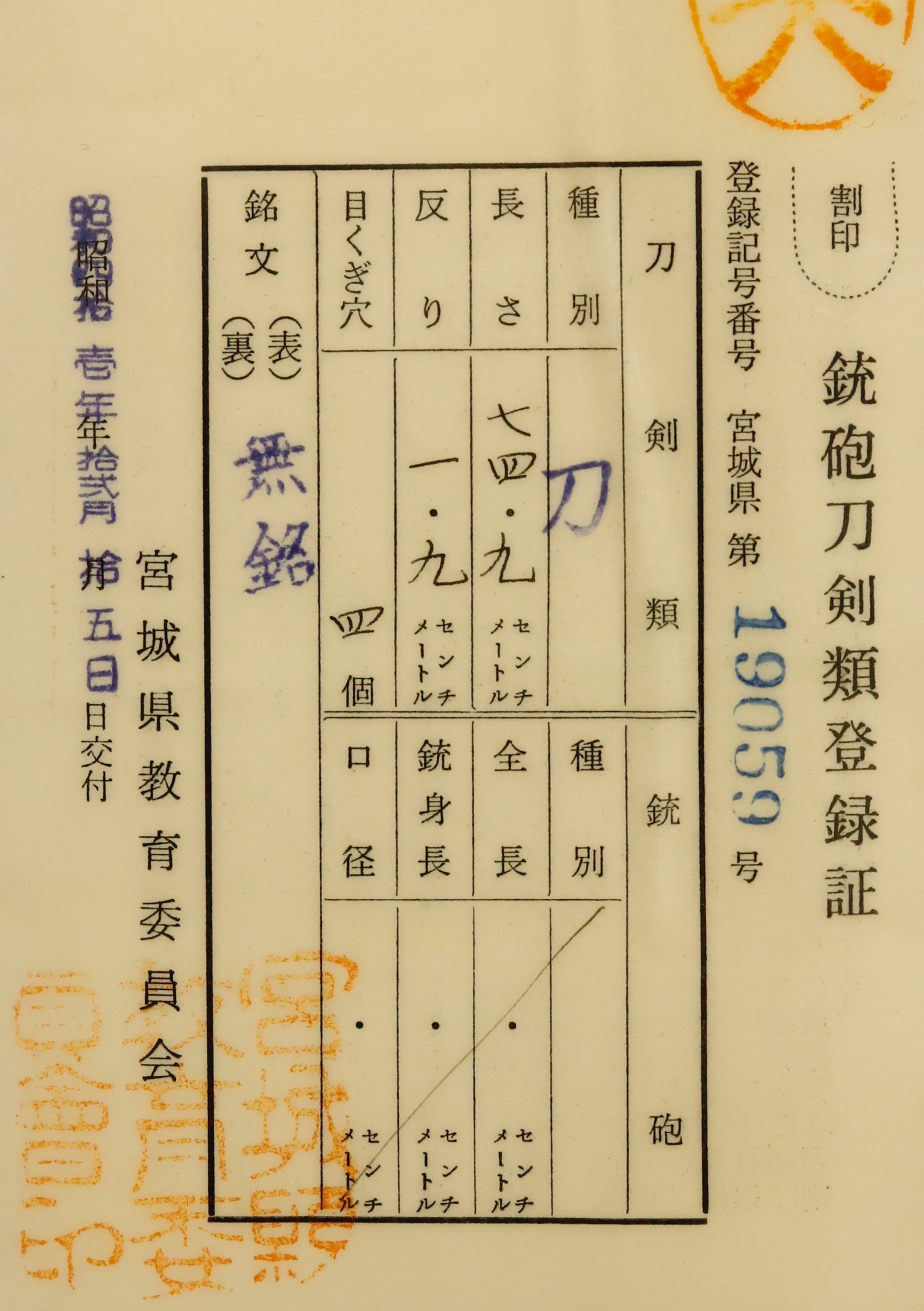
販売店の記載のまま
脇物 · 大和
現在9点販売中
金房派は、大和国奈良すなわち南都を本拠として室町末期から新刀期にかけて活動した一群である。説示によれば、金房某と銘する刀工が数多く知られて栄え、永正以降の年紀作をままみるという。同派の代表工としては政次があり、南都住金房兵衛尉政次と長銘を切る。ほかに政定が伝わり、南都住藤原朝臣金房左衛門尉政定作と銘し、永禄二年の年紀を有する作が知られる。大和の伝統的な五派との関係は明らかでないと説示は記しており、同地に拠りながらも別個の一派として隆盛をみたものと位置づけられる。同派に薙刀の遺例が比較的目立つのは、興福寺をはじめとする南都七大寺の僧兵の需要にこたえたものと説示は説く。 作風について説示が共通して挙げるのは、板目が流れて柾がかり、肌立つ鍛であり、地沸のつくもの、白気映りの立つものがみられる点である。刃文は、説示の一には直刃が最も多いとし、ほかにのたれや互の目を焼くと記すが、互の目調の大乱を主とする作も多く、腰の開いた互の目乱れに小足・葉のよく入るもの、足・葉が太く入るものが見受けられる。匂口は締まりごころとなるものを多く挙げ、一方で沈みごころとなるものにも触れる。帽子は乱れ込んで掃きかけ、先尖りごころに返るものや、やや長く焼き下げるものがある。造込みは身幅広く反り浅い大鋒の打刀姿を採り、末備前・末関などと共通する姿を示すと説示は述べ、薙刀造の作と併せて、実用に応じた一派の性格をうかがわせる。彫物には棒樋や倶利迦羅を施す例があり、茎は生ぶ、鑢目は勝手下りや筋違を交える。 鑑定にあたっては、柾がかって流れる板目鍛と、足・葉の目立つ互の目調の刃を要点とし、薙刀を含む実用本位の造込みを併せて見るべきものである。代表作としては政次の長大な薙刀があり、説示はこれを同派中の著名な一典型とする。政定の打刀には永禄の年紀と倶利迦羅の彫を備えた作が伝わる。なお薙刀には朱塗長巻拵などを附帯し、中身の製作に合わせて誂えられ、金具・塗りともそのままに保存される例もある。資料は僅少であるが、説示の記すところに従えば、金房派は大和奈良に拠りつつ伝統的な大和伝とは異なる作風を展開し、僧兵の需要を背景に薙刀と実用の刀槍を手がけた、室町末期を代表する一派として理解される。 詳しく見る →
江戸時代
江戸は刀の目利きの時代である。本阿弥の鑑定、1719年の享保名物帳、盛んな刀剣書が、戦で抜かれることのなくなった刀を学問の対象へと変えていった。
銘が正しい、または無銘でも年代・国・系統を確実に指摘できる、保存に値する真正の作と鑑定されたものです。
日本美術刀剣保存協会(NBTHK)は、1948年に設立され、文化庁の監督を受ける公益財団法人で、東京・刀剣博物館に本部を置きます。専門の審査員が出品作を直接審査し、美術的・歴史的価値に応じた鑑定書を発行します。NBTHKの鑑定書は、日本刀および刀装具の真正性を示す最も広く認知された基準です。
NBTHK公式サイトReturns/exchanges limited to defects caused by shipping (except willful misconduct or gross negligence by the company); customers must contact within 72 hours of receiving the product.