鎌倉時代は備前の頂点である。伝えでは一文字派の工が後鳥羽上皇の御番鍛冶に列し、世紀の半ばには光忠が長船派を興して、注文は公家からも武家政権からも流れ込んだ。国宝刀剣の数で備前に並ぶ国はない。
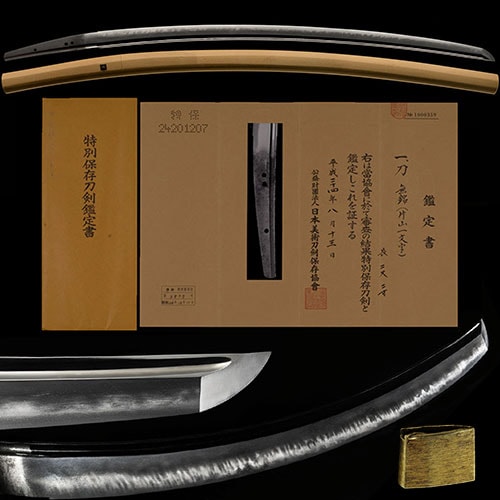
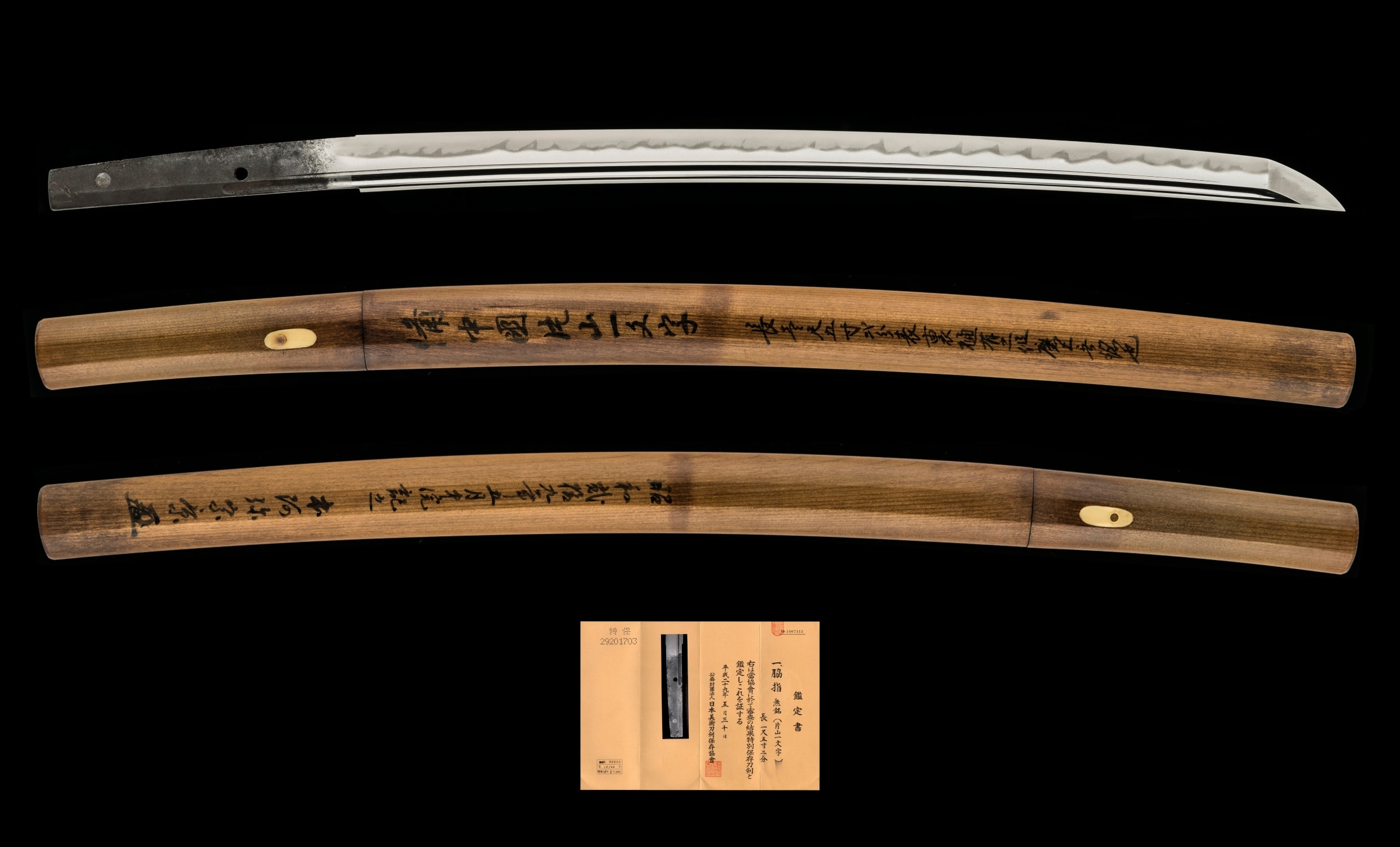
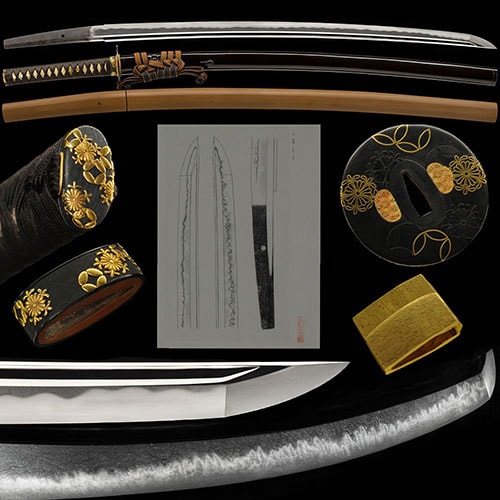
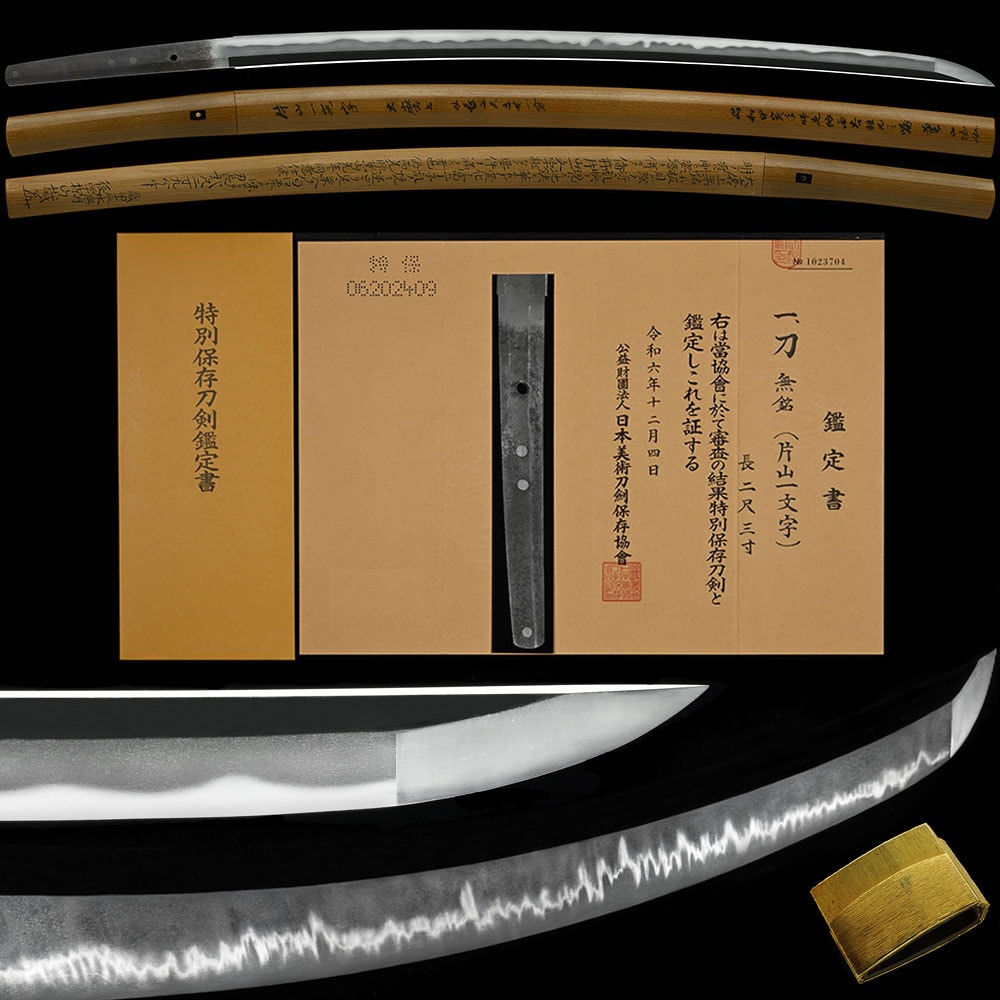
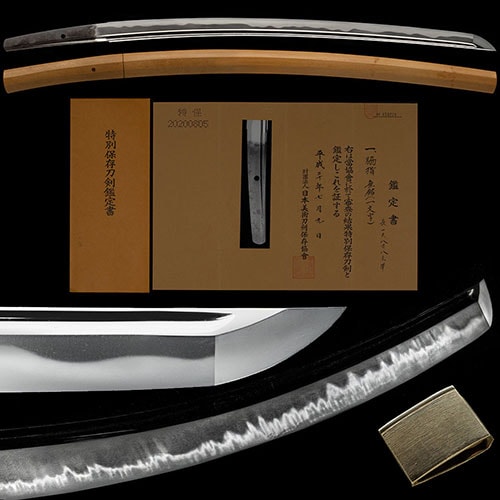
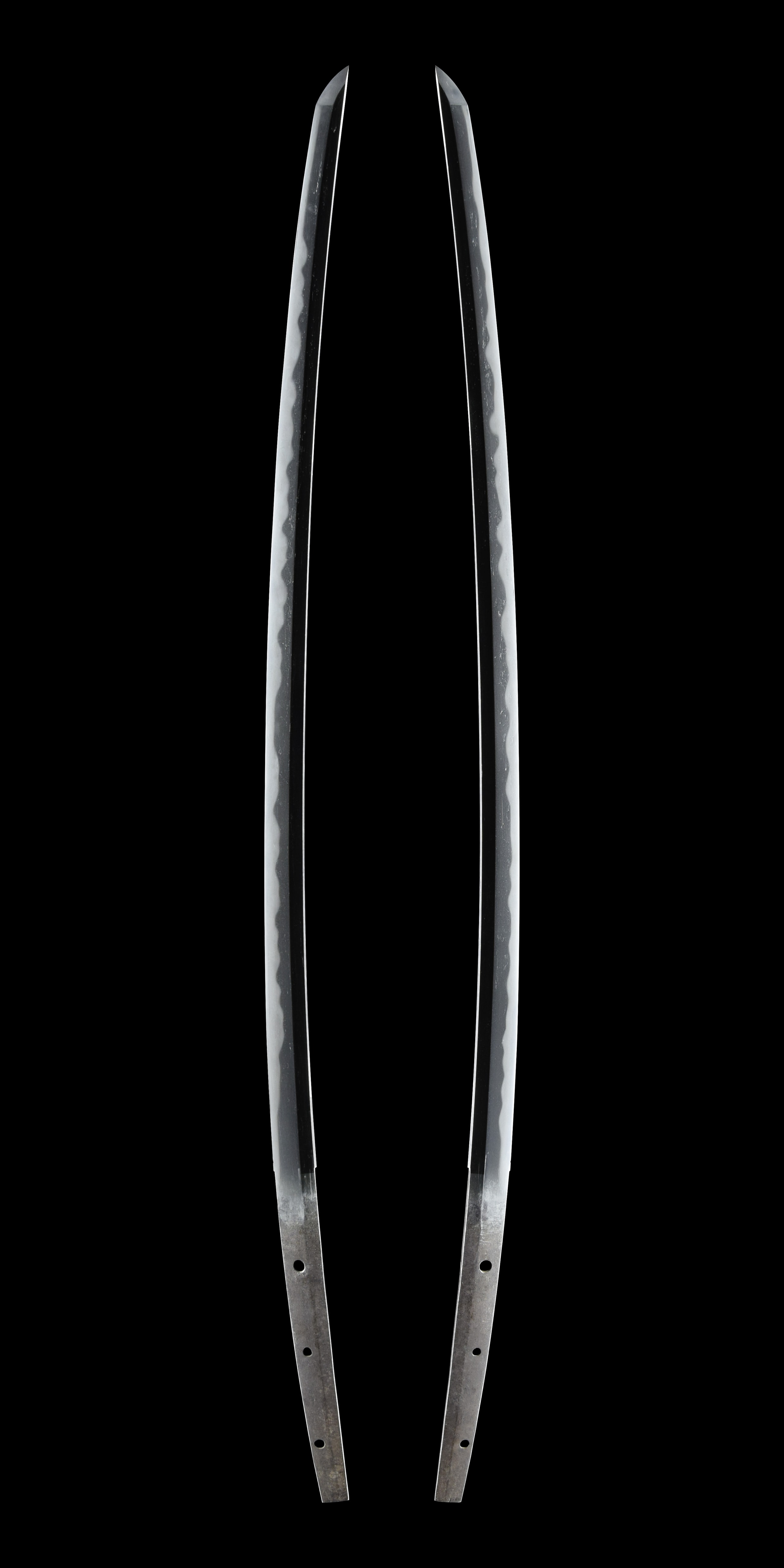
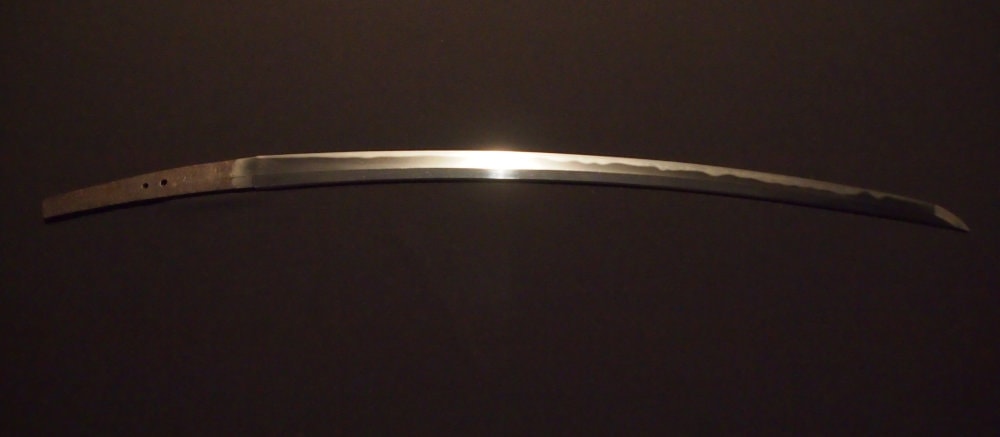
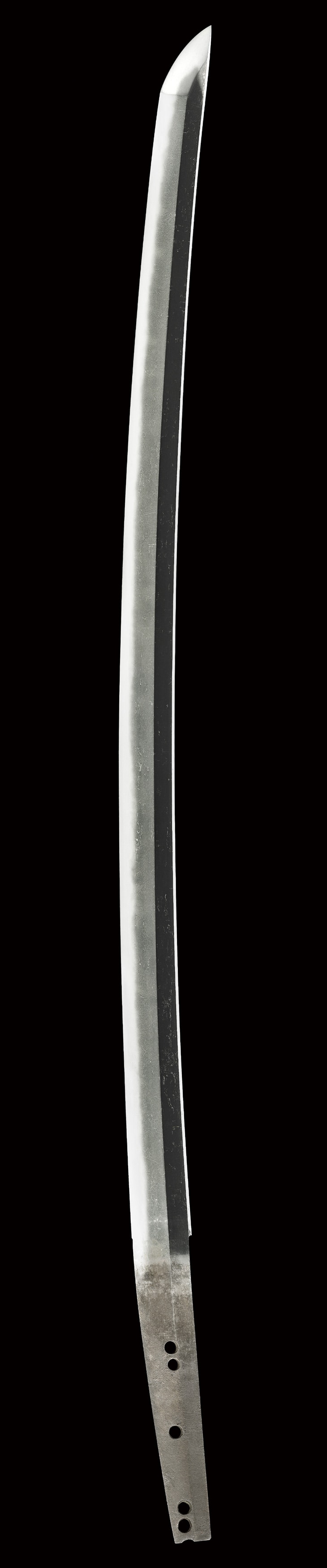
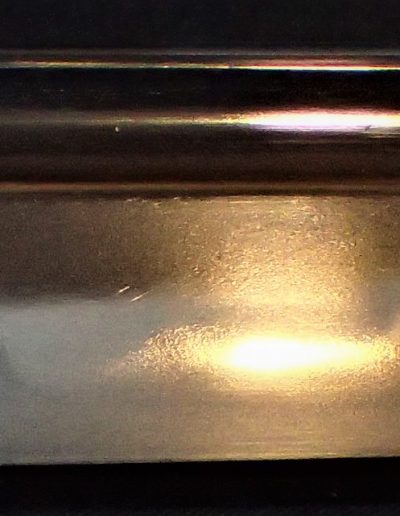
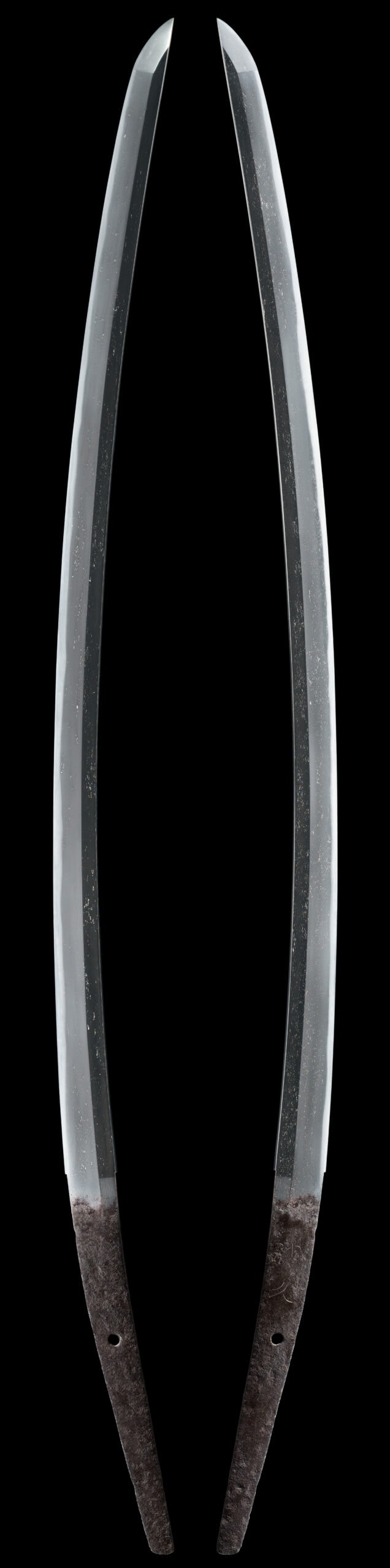
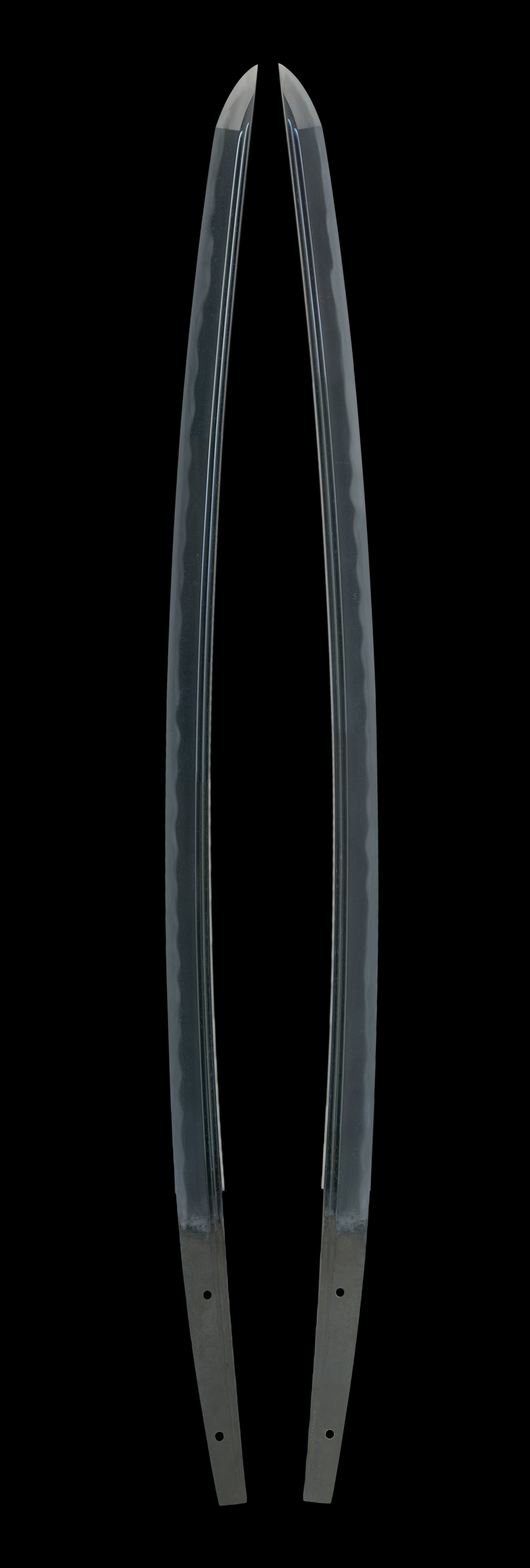
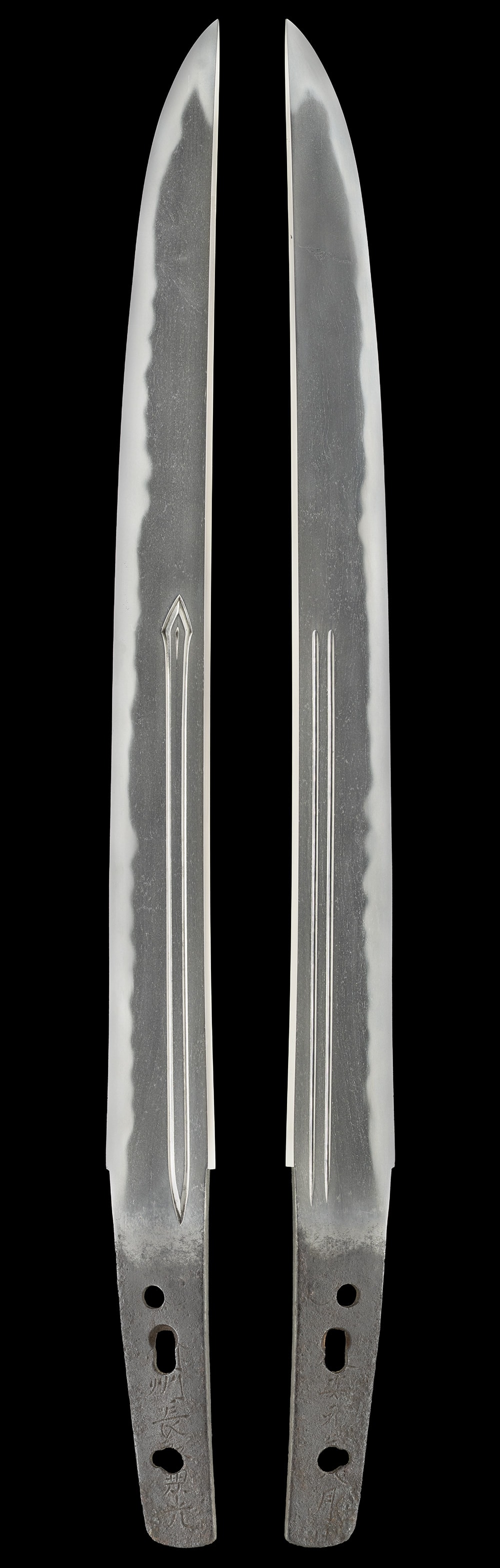
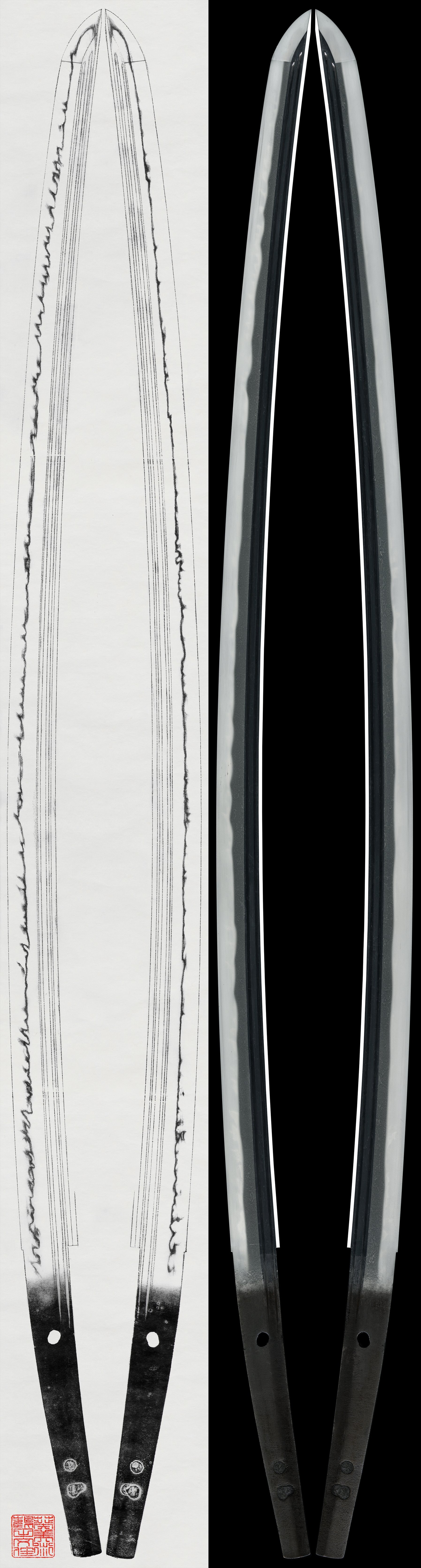
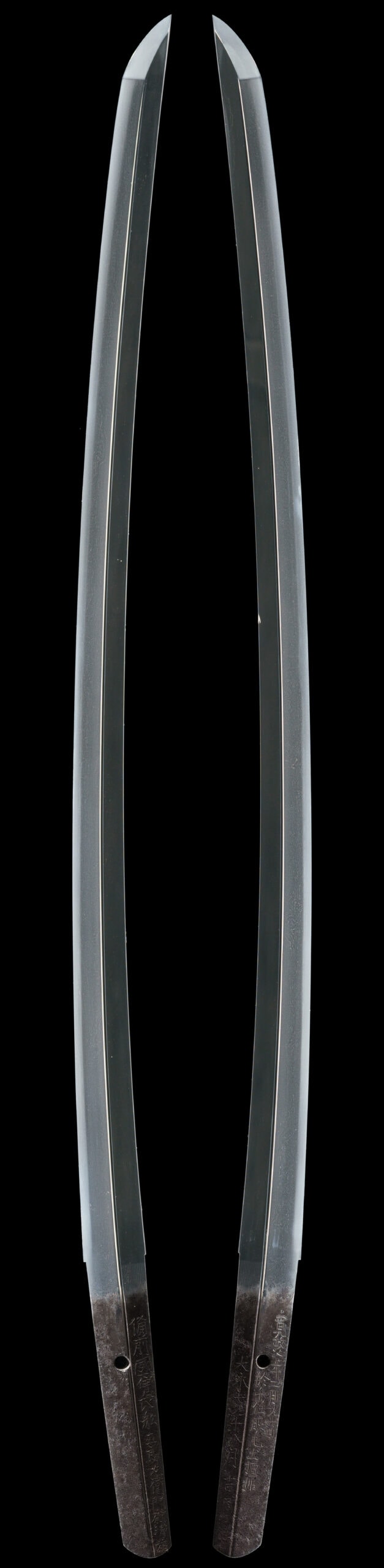
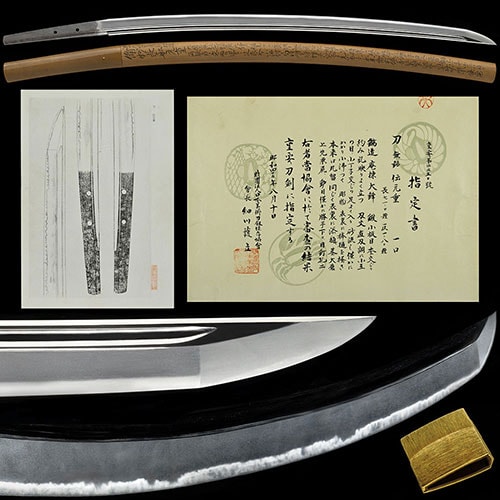
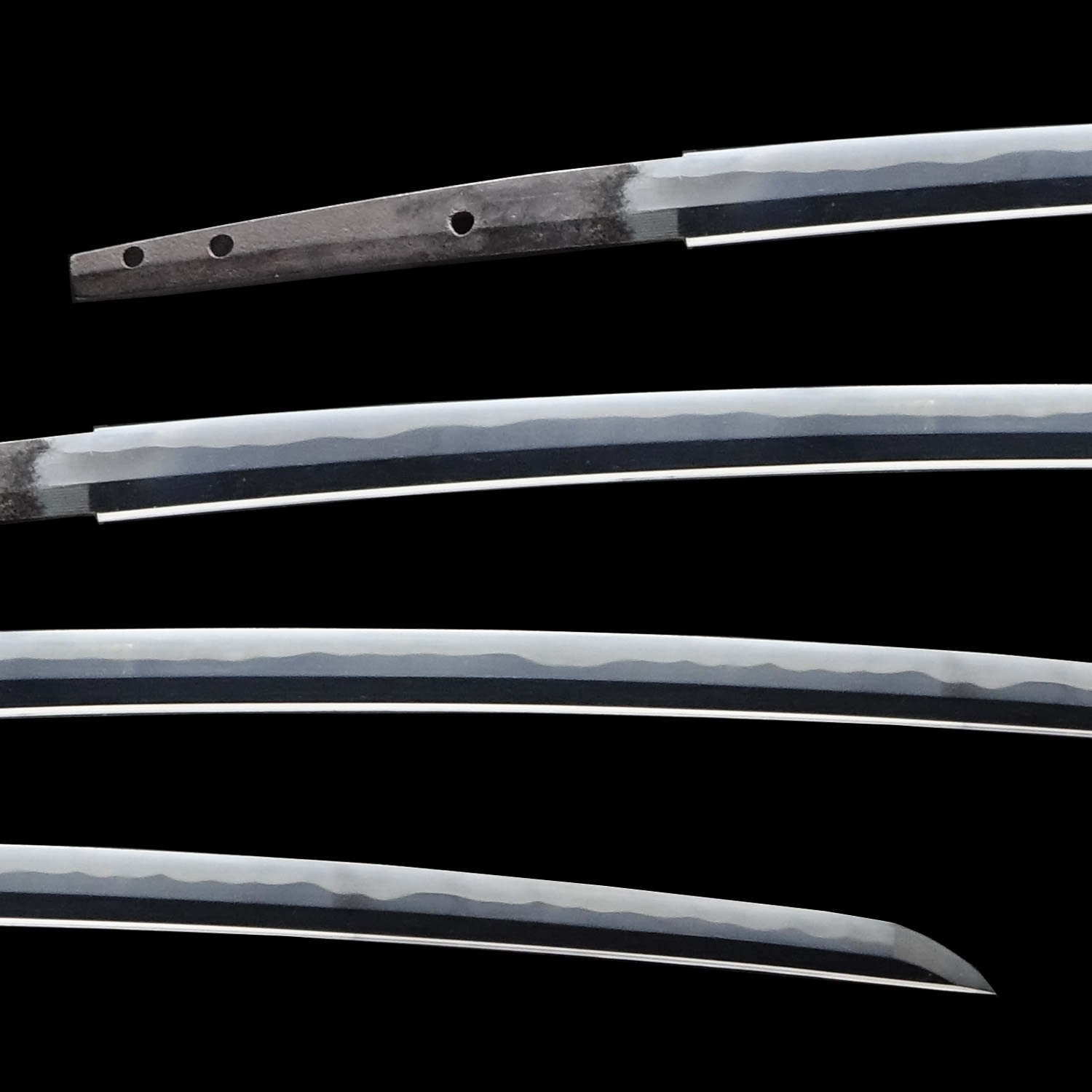
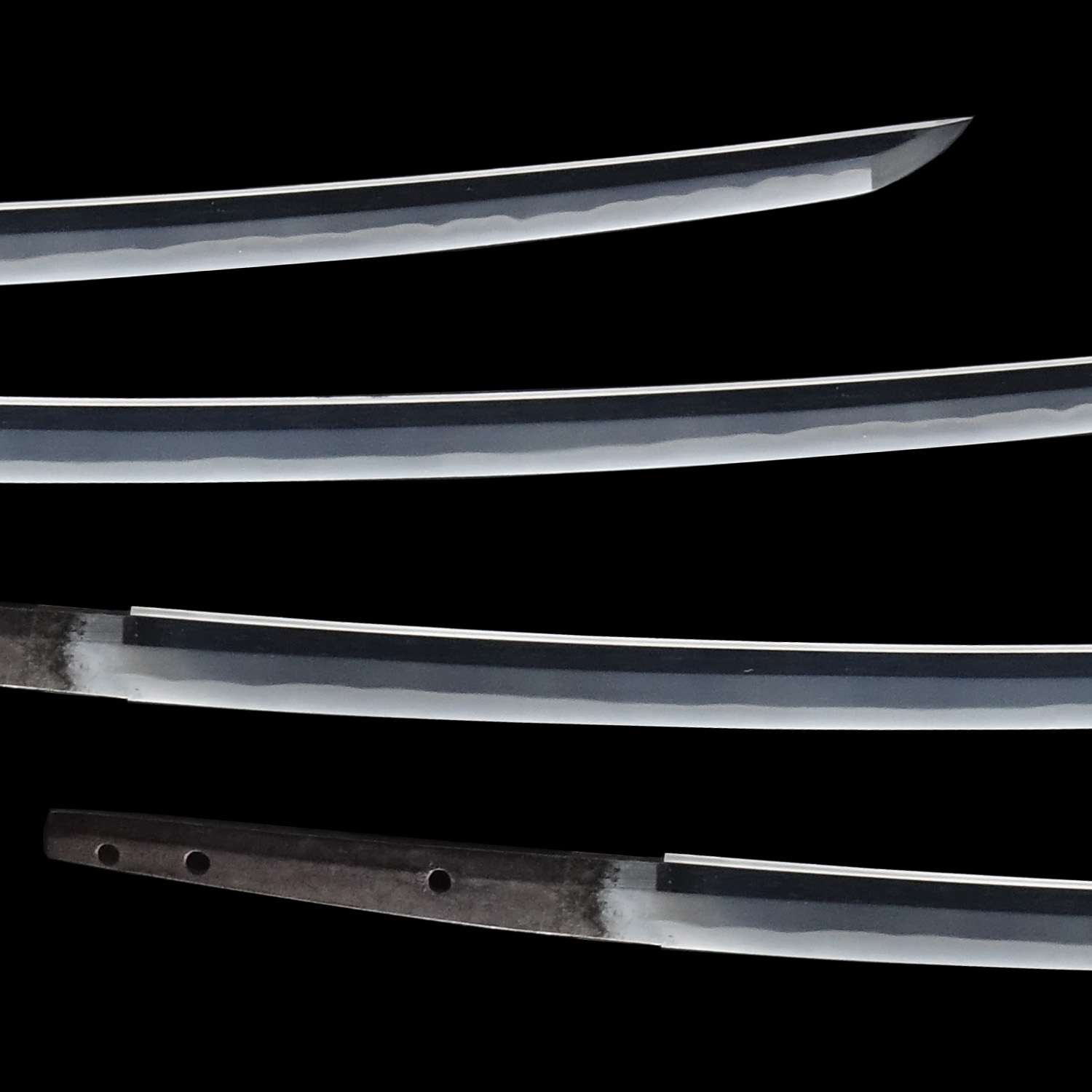
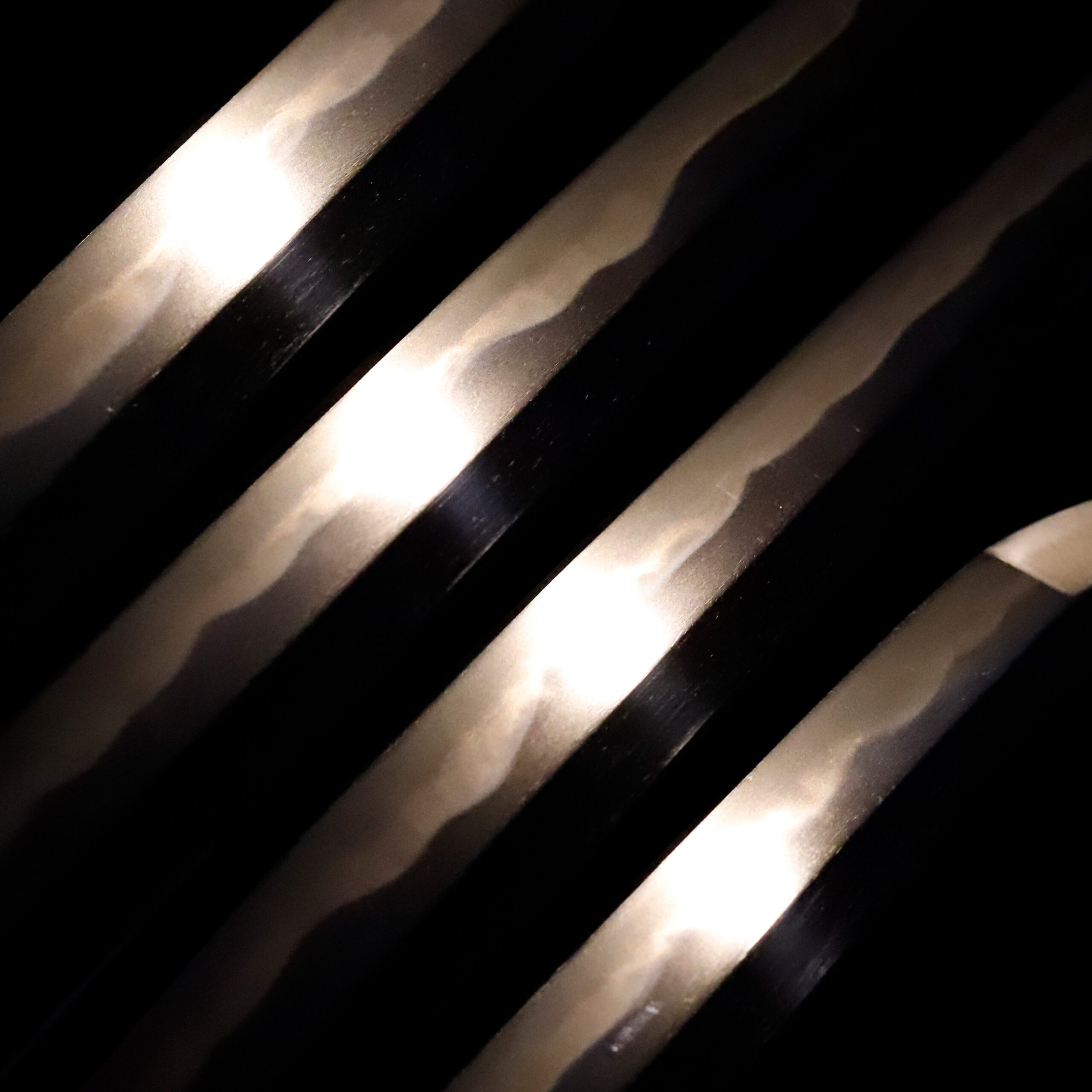
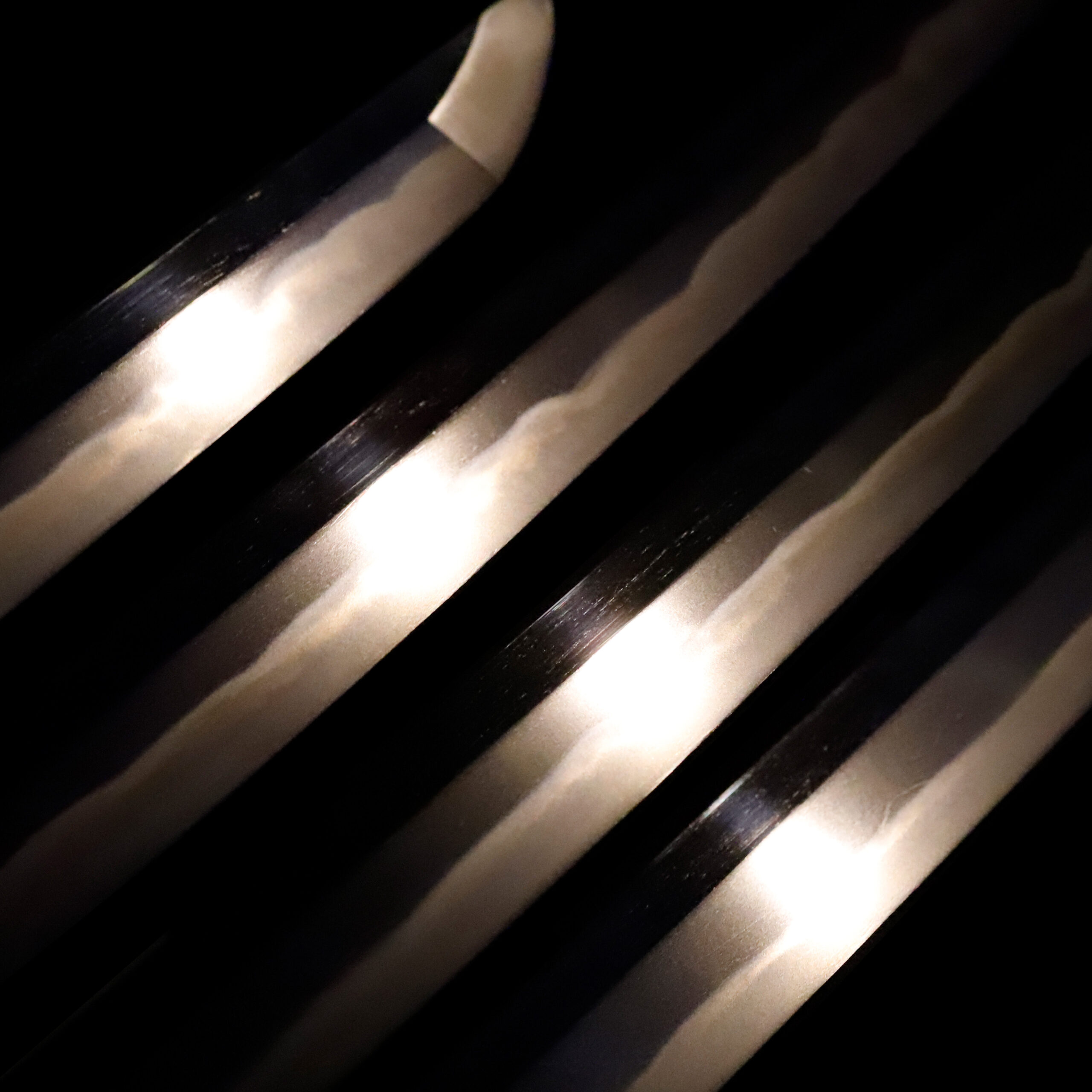
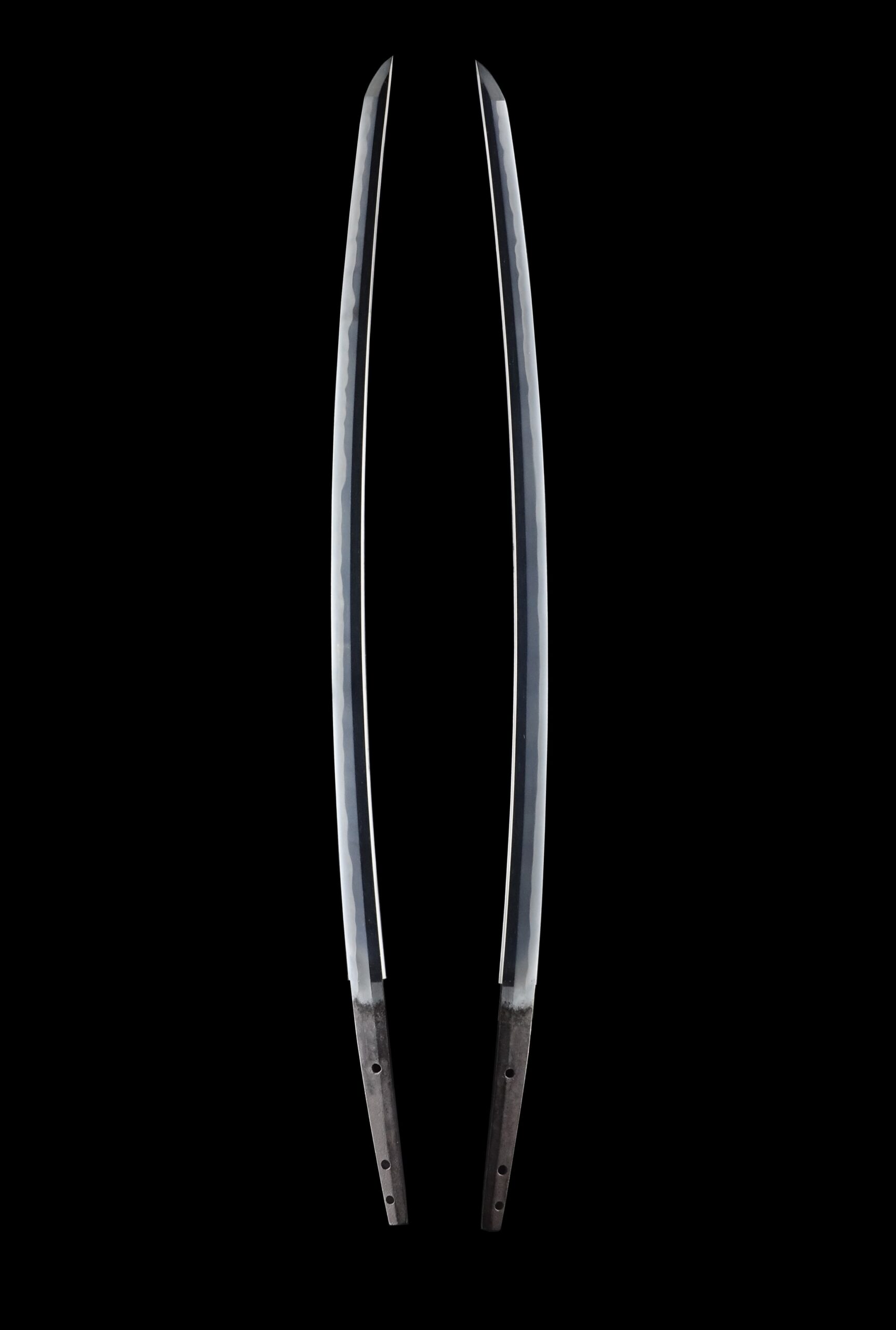
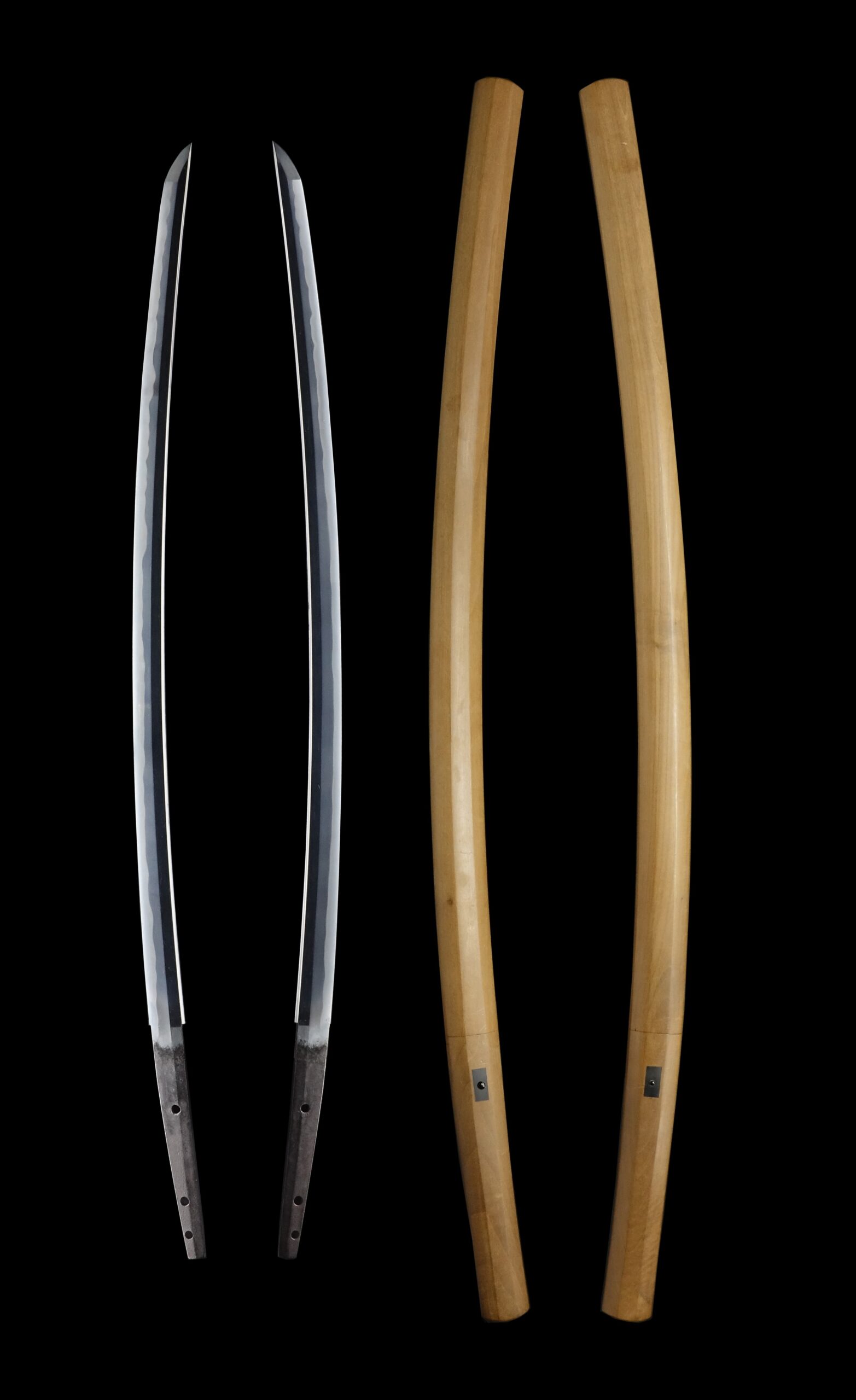
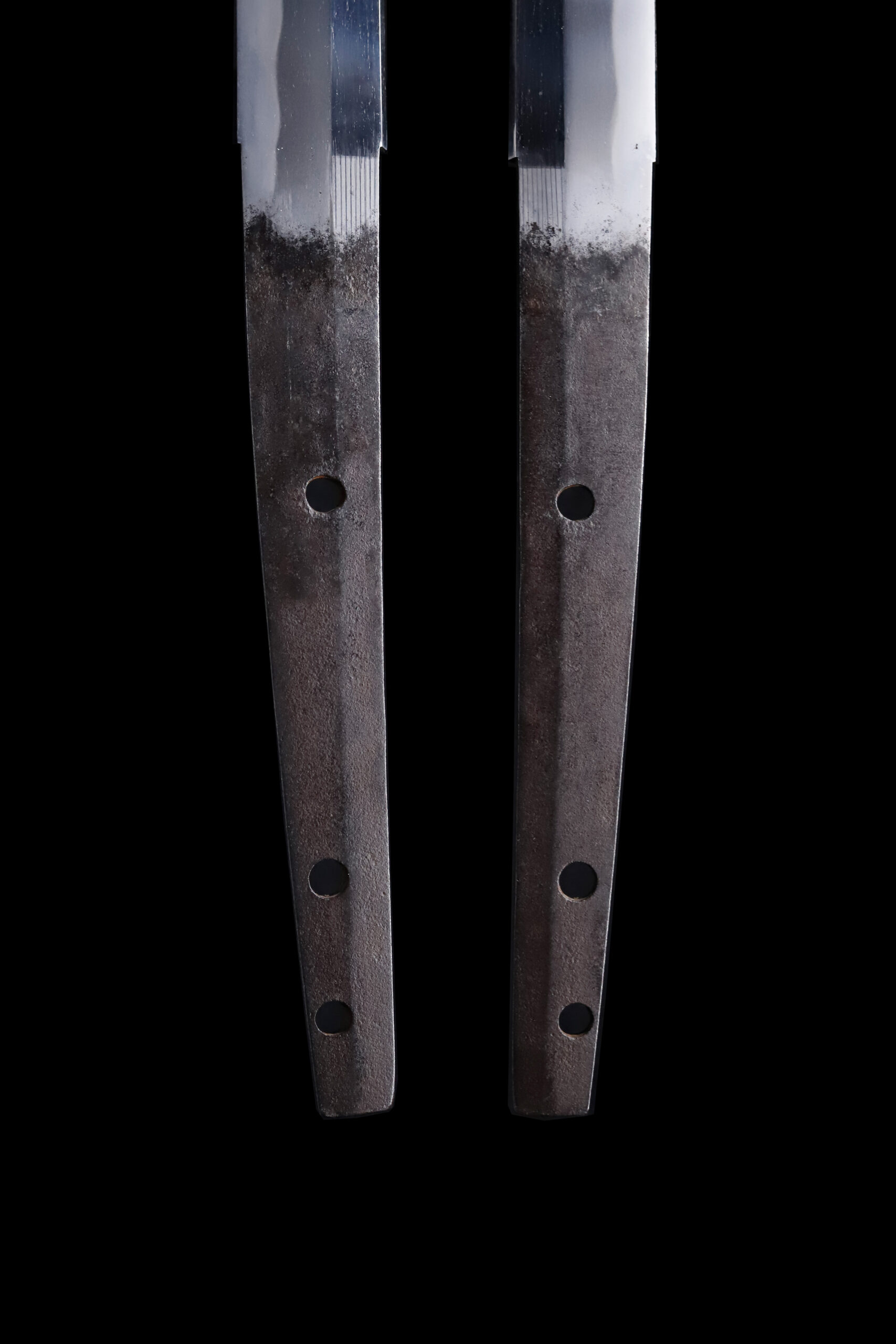
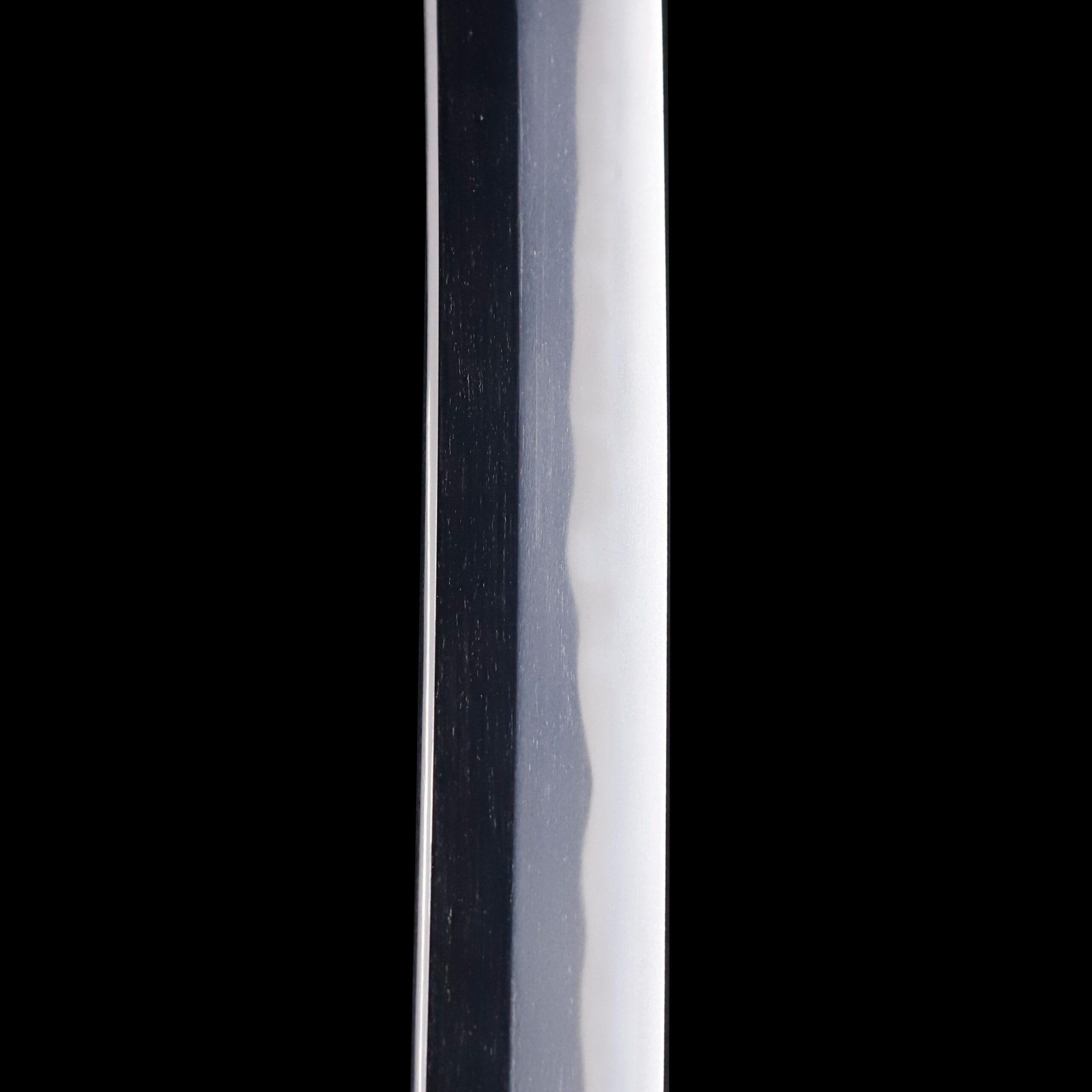
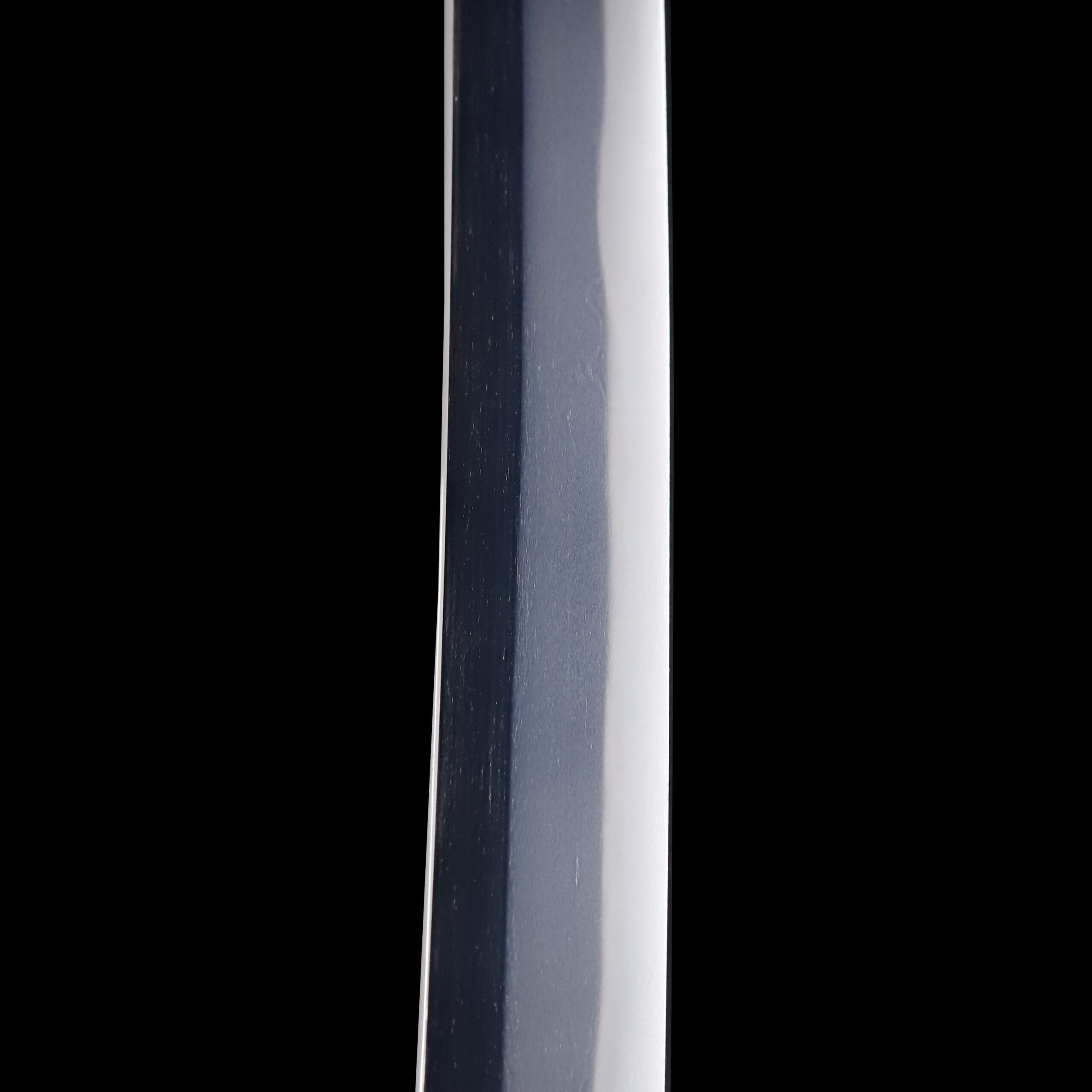
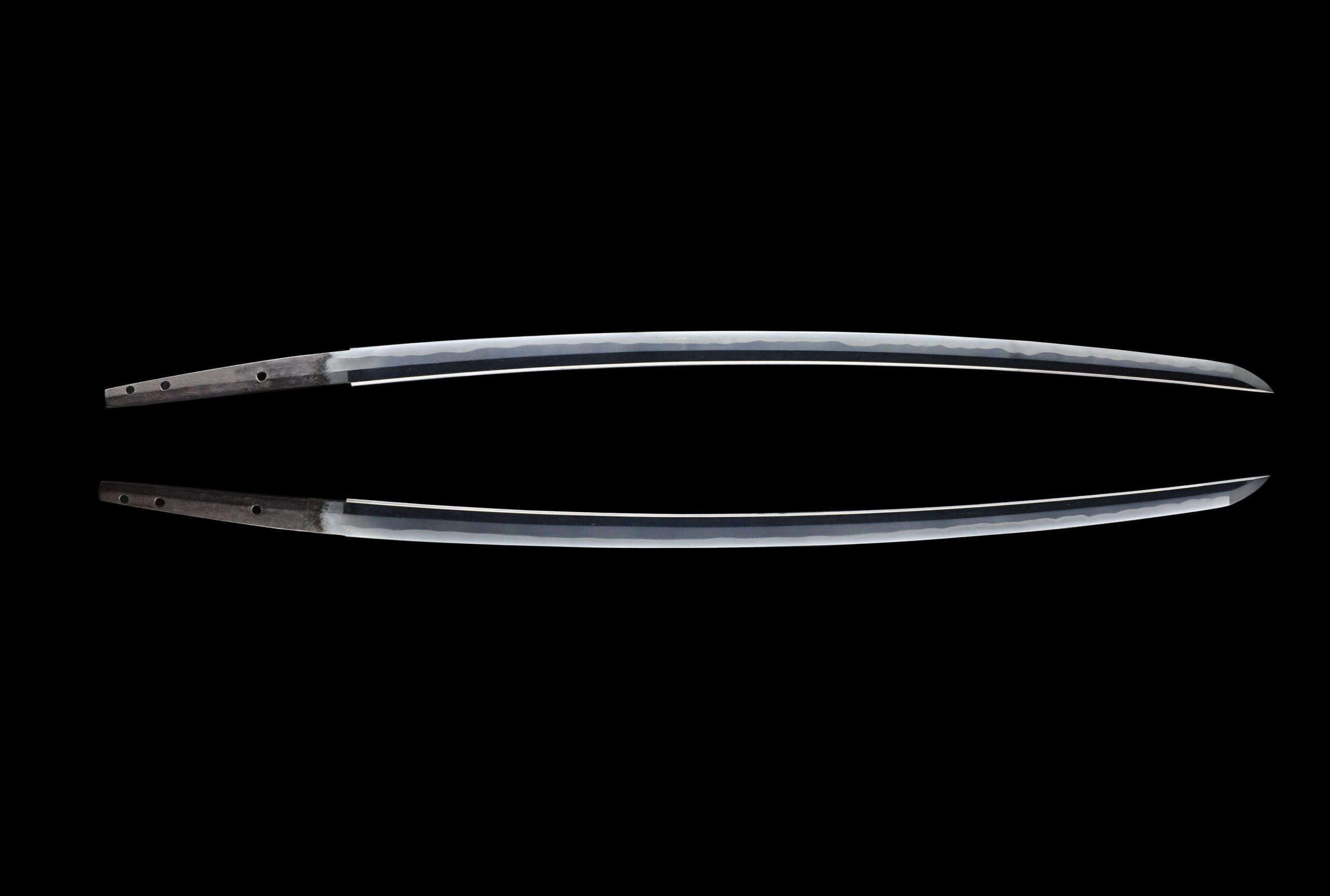
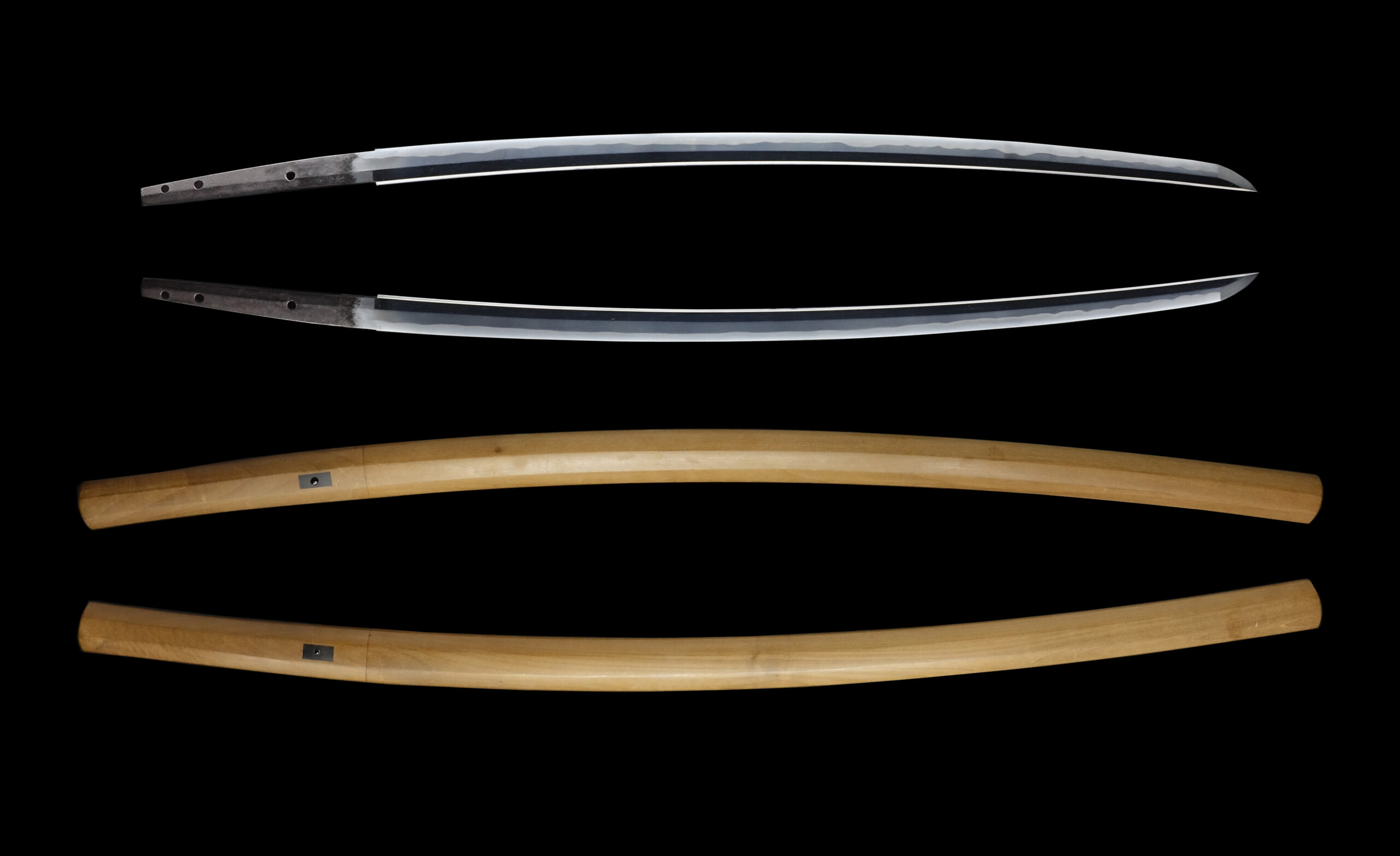
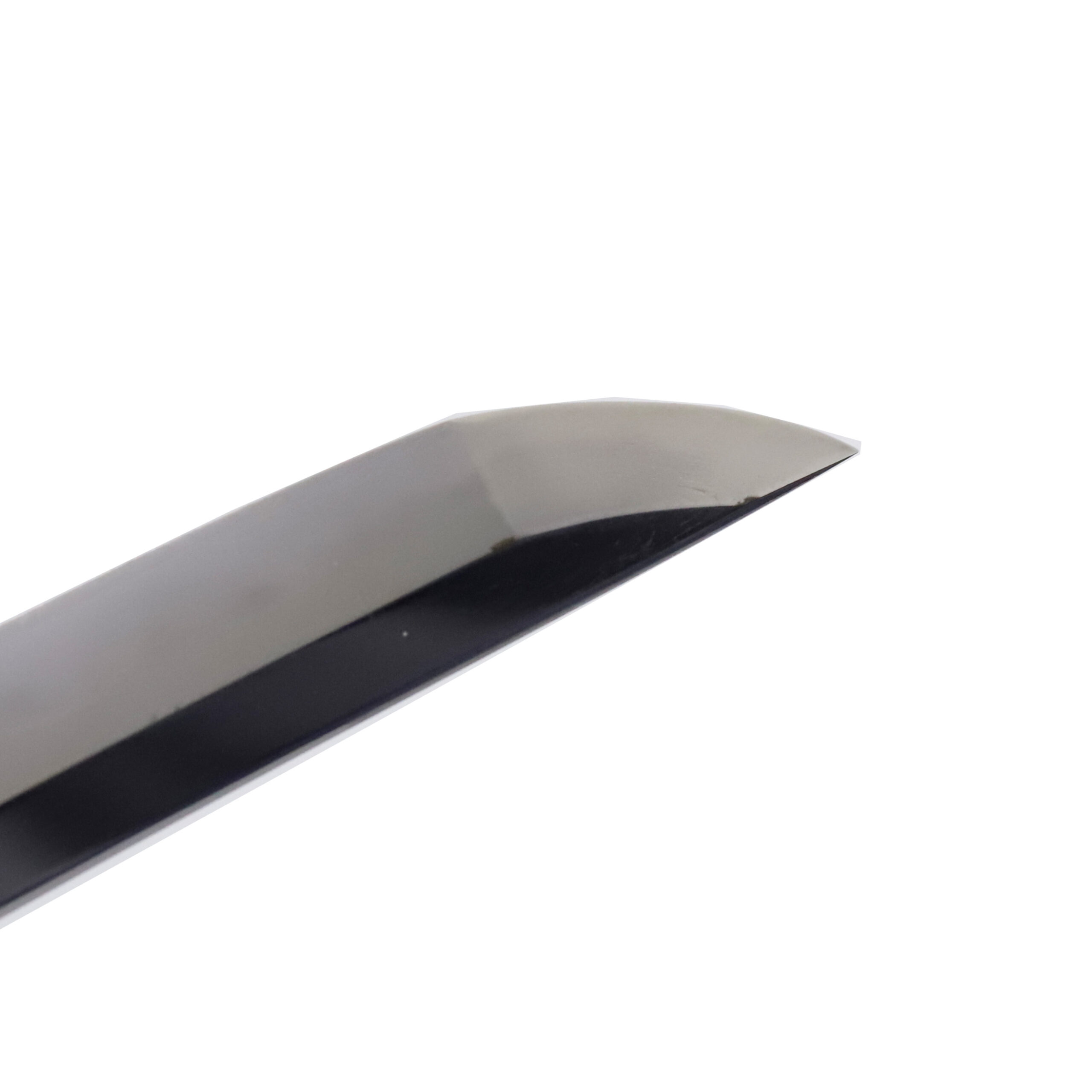
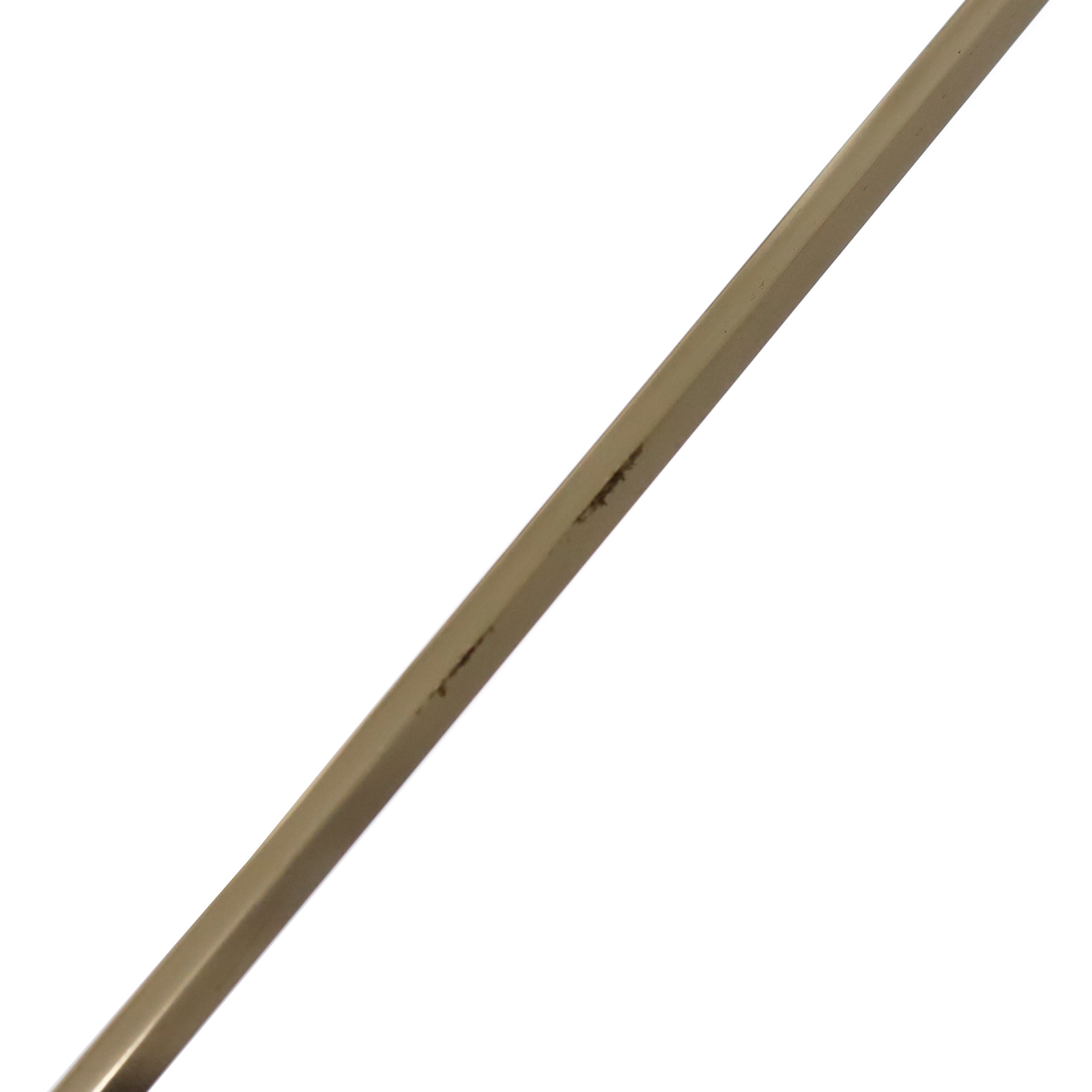
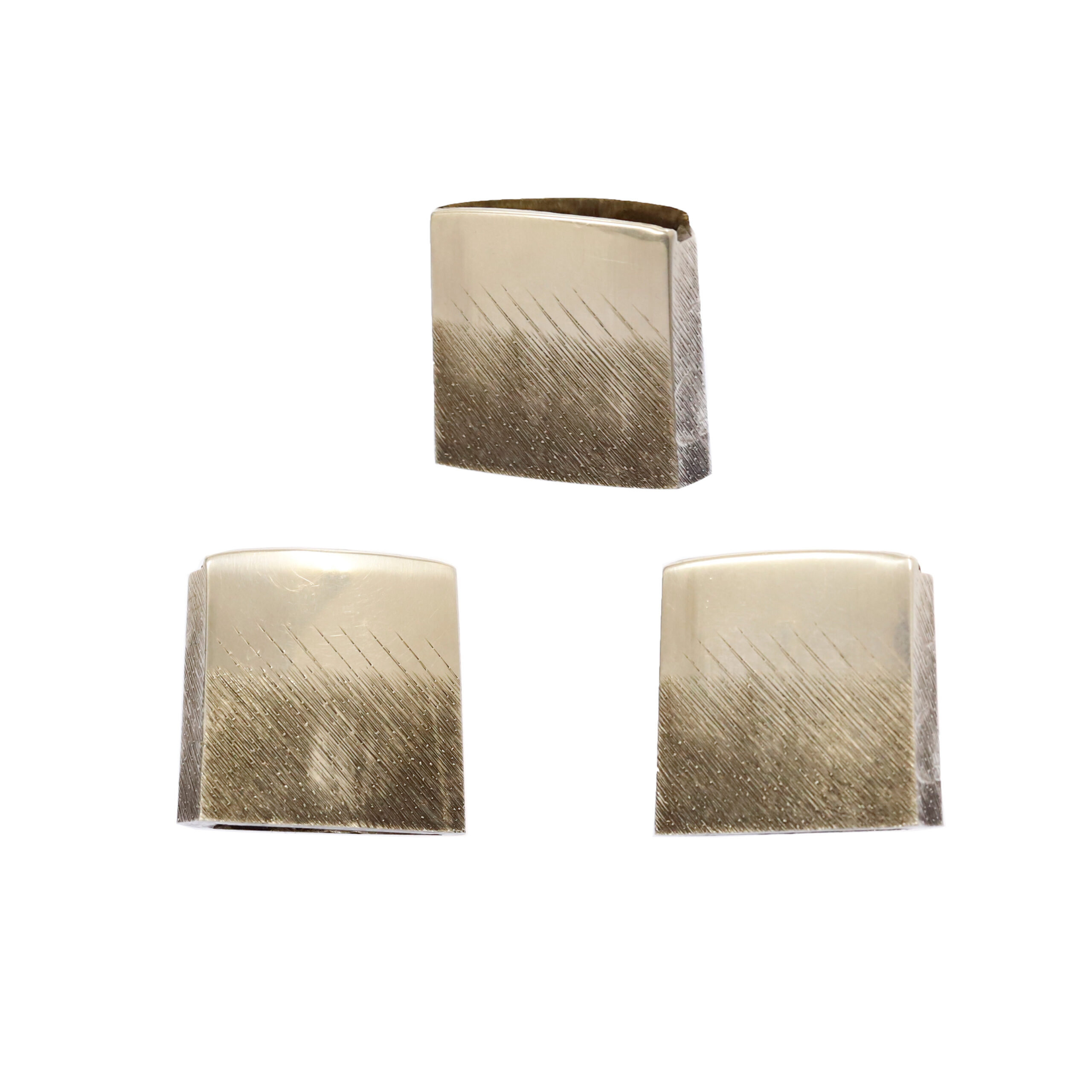
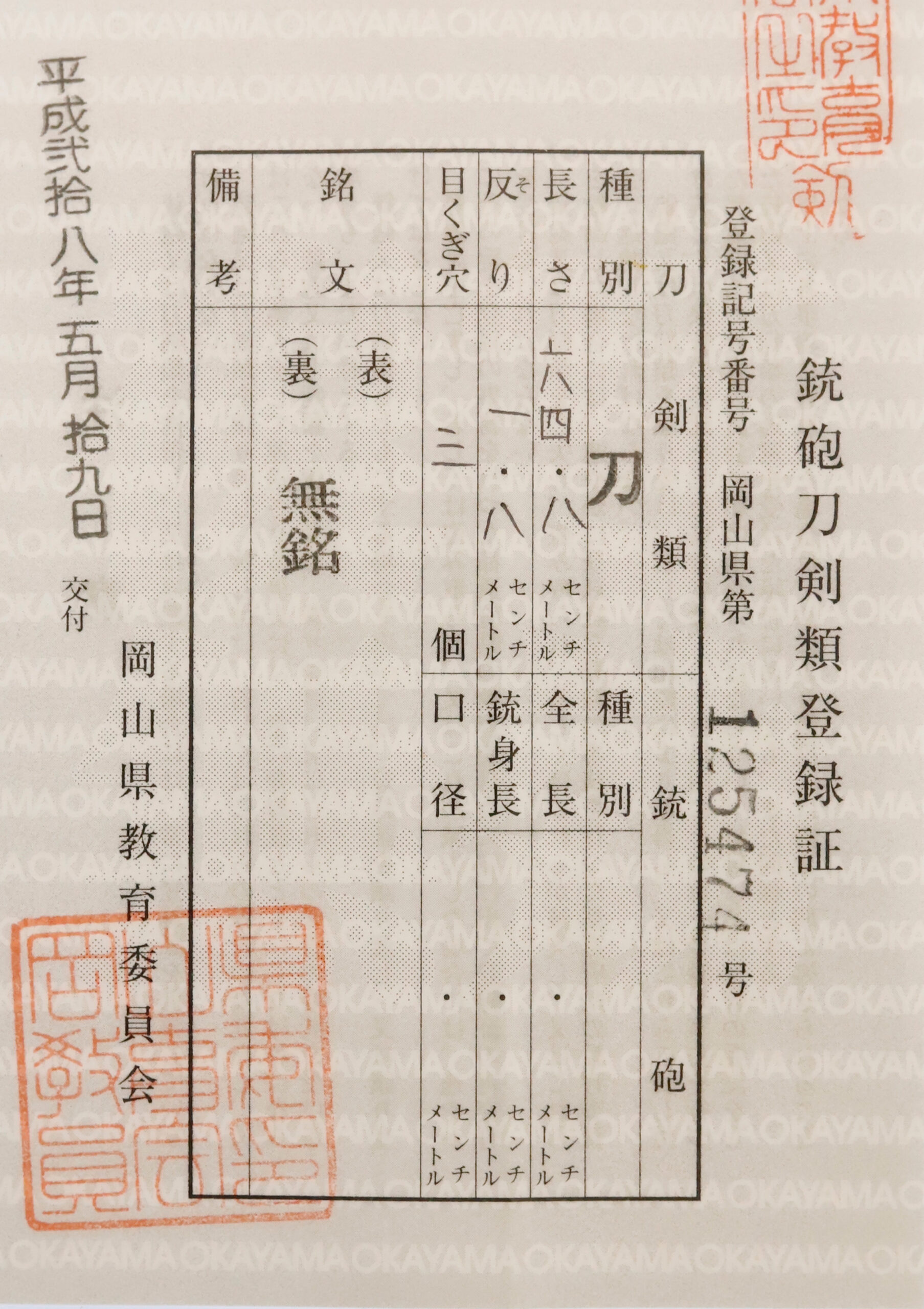
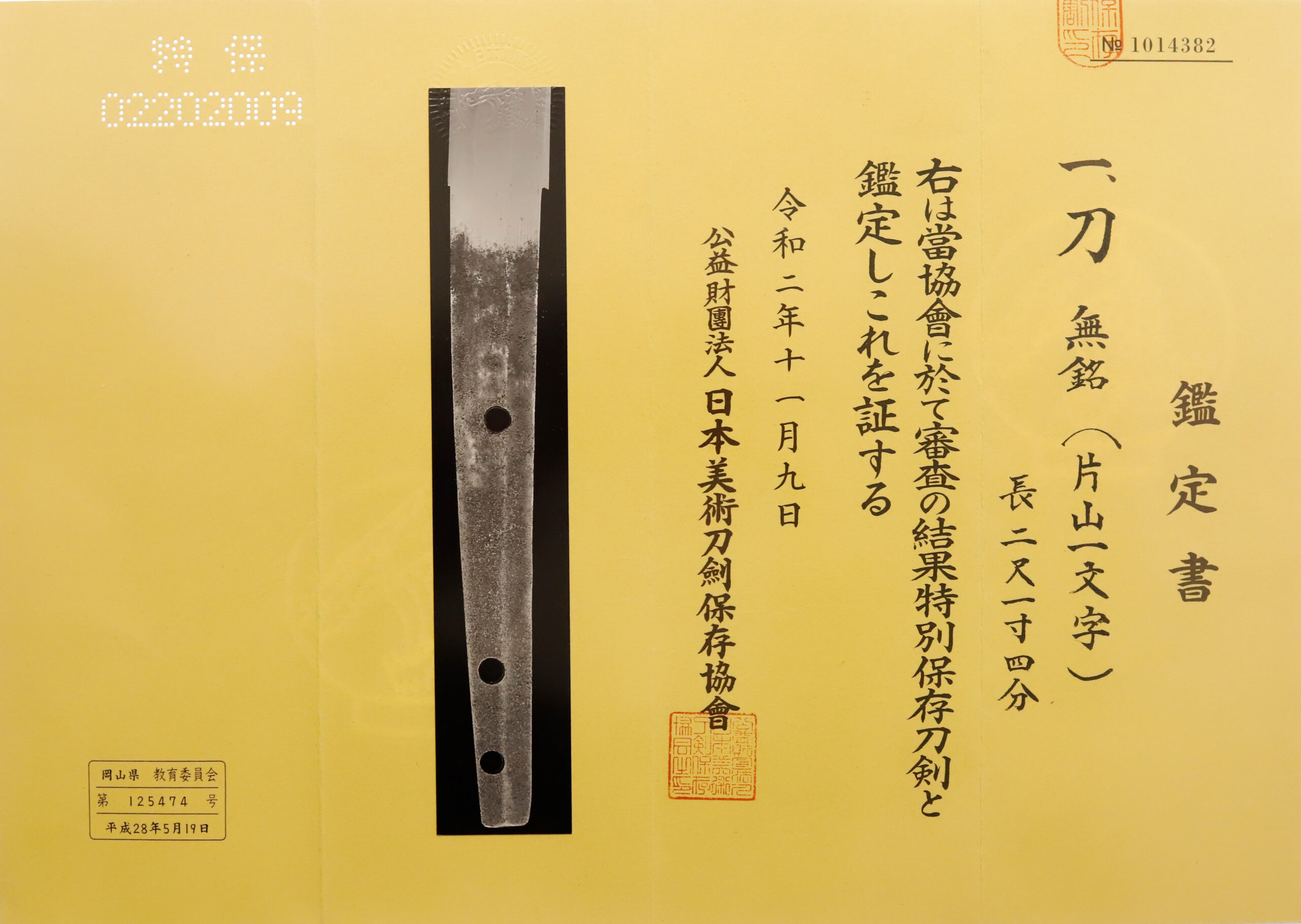
特別保存刀剣鑑定書付 片山一文字大磨上無銘 刀 【解説】 本作は、鎌倉時代中期(13世紀半ば)に隆盛を極めた名門、片山一文字(かたやまいちもんじ)と極められた一口です。一文字派は現在の岡山県に拠点を置いた流派の総称であり、福岡一文字、吉岡一文字などが知られています。 片山一文字派は、備前国福岡一文字の則房が備中国片山に移住したことに始まると伝えられています。 備中国は中国山地に近く、日本刀の主原料である良質な砂鉄が豊富であり、また吉井川の恩恵により水や炭の確保も容易でした。こうした地理的条件が、洗練された高品質な作刀を可能にしました。備中地方は古来より刀剣制作が非常に盛んな土地柄です。 なお、備前と備中は共に現在の岡山県に位置しますが、一説には片山一文字の拠点は備前国の片山であったとも言われています。 本作は、公益財団法人 日本美術刀剣保存協会(NBTHK)より「特別保存刀剣」に認定されています。この鑑定書は、保存状態が極めて良く、かつ美術的価値の高い真作の日本刀に対してのみ発行されるものです。 ※切先付近に一部黒錆が見られます。詳細なコンディションについては、お気軽にお問い合わせください。 【刀身】 長さ(Nagasa):64.8 cm 反り(Sori):1.8 cm 刃文(Hamon):焼入れによって刃縁に現れる結晶構造 地紋(Jihada):鍛錬の過程で現れる鋼の模様 茎(Nakago): 日本刀の茎には、柄内部での赤錆を防ぐために意図的に黒錆(古色)が残されます。この茎の朽ち込み具合や色調は、専門家が制作年代を推定する上での重要な指標となります。 鎺(Habaki): 刀身が鞘の内部に直接触れるのを防ぎ、刀身の保護と固定を担う金具です。 鑑定書: 日本美術刀剣保存協会(NBTHK)特別保存刀剣鑑定書(第1014382号) NBTHKは、現代日本において最も権威ある刀剣鑑定機関の一つです。本作は令和2年(2020年)11月9日に「特別保存刀剣」として認定されました。ご購入者様にはこの鑑定書原本をお渡しいたします。ご希望に応じて、鑑定内容の英訳PDFを作成することも可能です。 登録証: 岡山県 第125474号 本作には岡山県教育委員会発行の「銃砲刀剣類登録証」が付随しています。文化庁により美術品として認められた日本刀には必ずこの登録証が交付されます。 登録の対象となるのは、伝統的な技法で玉鋼を用いて鍛錬された刀剣のみであり、日本国内で合法的に所有することが認められています。海外輸出の際は、この登録証に基づき輸出監査証明を取得いたします。 輸出時に原本は教育委員会へ返納されますが、写し(コピー)を同封いたします。ご希望により英訳も承ります。 —————————————————————– 【当館について】 サムライミュージアムは東京に位置し、侍の歴史に関する古美術品を展示しております。サムライミュージアムショップでは……
 NihontoWatch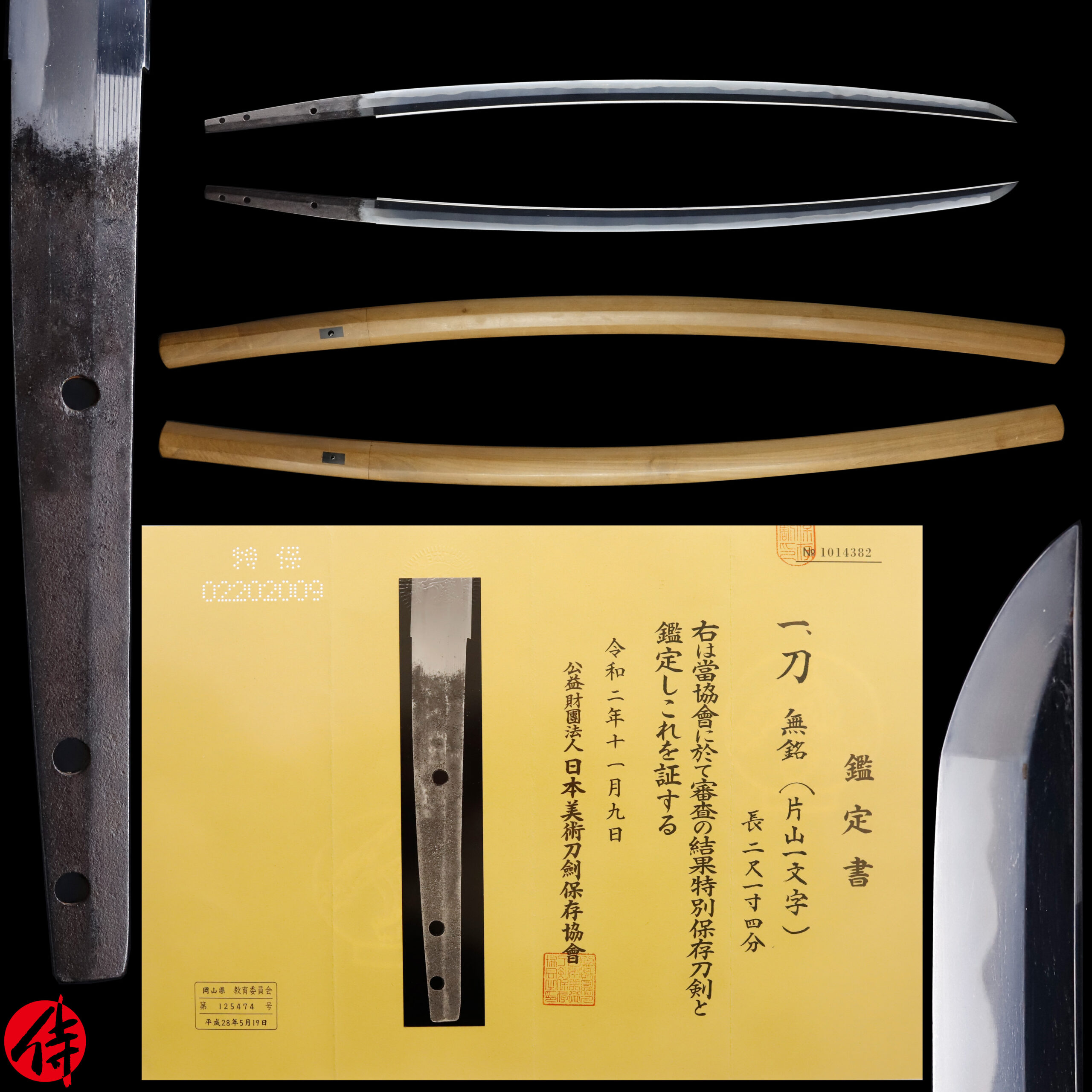
備前伝 · 備中
現在2点販売中
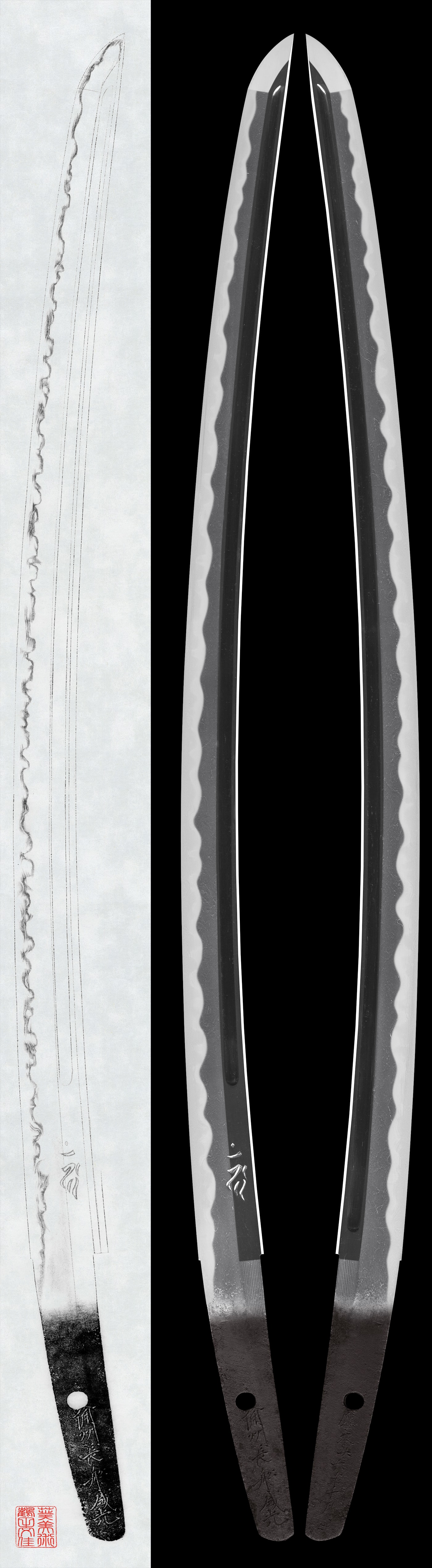
片山一文字派は、福岡一文字派の名匠則房が片山の地に移住したことに始まる。従来、片山なる場所については備中国とするのが通説であったが、近年、備前国福岡近在の片山ではないかとする説が唱えられ、今後の検討を促している。則房は助真・吉房と並んで鎌倉時代中期の一文字派を代表する刀工であり、特に華やかな丁子乱れを焼くことで知られる。則房の銘字には数種の書体が見られ、また作風にも幅があることから、同銘は一代限りでなく数代存続したと考えられる。この一派は片山の地で繁栄を続け、後世まで多くの優品を遺した。 片山一文字派の作風は、地鉄が強く冴え、地沸が微塵に厚くつき、地景が細かに入り、乱れ映りが鮮明に立つことを特色とする。刃文は丁子に小丁子、小互の目、尖り刃などを交えて密に焼き、福岡一文字派に比して幾分小模様を呈する。最大の見どころは、焼刃が逆がかる態を顕著に示すことであり、刃中に小足・葉が細かく頻りに入る。匂勝ちに小沸がつき、金筋・砂流し・湯走りがかかり、匂口は明るく冴える。帽子は乱れ込んで焼詰め風となるものが多い。板目肌はよくつみ、処々に杢や流れ肌を交え、肌立ちごころとなるものもある。 古来、片山一文字派は薙刀を得意としたと伝え、現存する無銘作にそれと伝えるものが多く遺存している。一方、現存する有銘の作は太刀に限られており、薙刀の有銘作は確認されていない。薙刀直しの作は身幅広く、鎬地を卸して重ね薄く、大鋒となるものが多い。これらは大磨上無銘であっても、地鉄が精良で、逆丁子の華やかな刃文が明瞭に認められ、片山一文字の極めどころを十分に示している。則房個銘の極めを受けた作もあり、本阿弥光遜による金象嵌銘を有する優品も遺存する。地刃共に健全で明るく冴え、覇気に満ちた作風は、鎌倉中期の一文字派の技量の高さを今に伝えている。 詳しく見る →
鎌倉時代の備前
鎌倉時代は備前の頂点である。伝えでは一文字派の工が後鳥羽上皇の御番鍛冶に列し、世紀の半ばには光忠が長船派を興して、注文は公家からも武家政権からも流れ込んだ。国宝刀剣の数で備前に並ぶ国はない。
保存刀剣のうち、出来が一層優れ、保存状態も良好と認められたものです。再刃や、室町・江戸期の多くの無銘作は対象外となり、保存刀剣より高い基準が課されます。
日本美術刀剣保存協会(NBTHK)は、1948年に設立され、文化庁の監督を受ける公益財団法人で、東京・刀剣博物館に本部を置きます。専門の審査員が出品作を直接審査し、美術的・歴史的価値に応じた鑑定書を発行します。NBTHKの鑑定書は、日本刀および刀装具の真正性を示す最も広く認知された基準です。
NBTHK公式サイトReturns/exchanges limited to defects caused by shipping (except willful misconduct or gross negligence by the company); customers must contact within 72 hours of receiving the product.
特別保存刀剣鑑定書付 片山一文字大磨上無銘 刀 【解説】 本作は、鎌倉時代中期(13世紀半ば)に隆盛を極めた名門、片山一文字(かたやまいちもんじ)と極められた一口です。一文字派は現在の岡山県に拠点を置いた流派の総称であり、福岡一文字、吉岡一文字などが知られています。 片山一文字派は、備前国福岡一文字の則房が備中国片山に移住したことに始まると伝えられています。 備中国は中国山地に近く、日本刀の主原料である良質な砂鉄が豊富であり、また吉井川の恩恵により水や炭の確保も容易でした。こうした地理的条件が、洗練された高品質な作刀を可能にしました。備中地方は古来より刀剣制作が非常に盛んな土地柄です。 なお、備前と備中は共に現在の岡山県に位置しますが、一説には片山一文字の拠点は備前国の片山であったとも言われています。 本作は、公益財団法人 日本美術刀剣保存協会(NBTHK)より「特別保存刀剣」に認定されています。この鑑定書は、保存状態が極めて良く、かつ美術的価値の高い真作の日本刀に対してのみ発行されるものです。 ※切先付近に一部黒錆が見られます。詳細なコンディションについては、お気軽にお問い合わせください。 【刀身】 長さ(Nagasa):64.8 cm 反り(Sori):1.8 cm 刃文(Hamon):焼入れによって刃縁に現れる結晶構造 地紋(Jihada):鍛錬の過程で現れる鋼の模様 茎(Nakago): 日本刀の茎には、柄内部での赤錆を防ぐために意図的に黒錆(古色)が残されます。この茎の朽ち込み具合や色調は、専門家が制作年代を推定する上での重要な指標となります。 鎺(Habaki): 刀身が鞘の内部に直接触れるのを防ぎ、刀身の保護と固定を担う金具です。 鑑定書: 日本美術刀剣保存協会(NBTHK)特別保存刀剣鑑定書(第1014382号) NBTHKは、現代日本において最も権威ある刀剣鑑定機関の一つです。本作は令和2年(2020年)11月9日に「特別保存刀剣」として認定されました。ご購入者様にはこの鑑定書原本をお渡しいたします。ご希望に応じて、鑑定内容の英訳PDFを作成することも可能です。 登録証: 岡山県 第125474号 本作には岡山県教育委員会発行の「銃砲刀剣類登録証」が付随しています。文化庁により美術品として認められた日本刀には必ずこの登録証が交付されます。 登録の対象となるのは、伝統的な技法で玉鋼を用いて鍛錬された刀剣のみであり、日本国内で合法的に所有することが認められています。海外輸出の際は、この登録証に基づき輸出監査証明を取得いたします。 輸出時に原本は教育委員会へ返納されますが、写し(コピー)を同封いたします。ご希望により英訳も承ります。 —————————————————————– 【当館について】 サムライミュージアムは東京に位置し、侍の歴史に関する古美術品を展示しております。サムライミュージアムショップでは……
NihontoWatch備前伝 · 備中
現在2点販売中
片山一文字派は、福岡一文字派の名匠則房が片山の地に移住したことに始まる。従来、片山なる場所については備中国とするのが通説であったが、近年、備前国福岡近在の片山ではないかとする説が唱えられ、今後の検討を促している。則房は助真・吉房と並んで鎌倉時代中期の一文字派を代表する刀工であり、特に華やかな丁子乱れを焼くことで知られる。則房の銘字には数種の書体が見られ、また作風にも幅があることから、同銘は一代限りでなく数代存続したと考えられる。この一派は片山の地で繁栄を続け、後世まで多くの優品を遺した。 片山一文字派の作風は、地鉄が強く冴え、地沸が微塵に厚くつき、地景が細かに入り、乱れ映りが鮮明に立つことを特色とする。刃文は丁子に小丁子、小互の目、尖り刃などを交えて密に焼き、福岡一文字派に比して幾分小模様を呈する。最大の見どころは、焼刃が逆がかる態を顕著に示すことであり、刃中に小足・葉が細かく頻りに入る。匂勝ちに小沸がつき、金筋・砂流し・湯走りがかかり、匂口は明るく冴える。帽子は乱れ込んで焼詰め風となるものが多い。板目肌はよくつみ、処々に杢や流れ肌を交え、肌立ちごころとなるものもある。 古来、片山一文字派は薙刀を得意としたと伝え、現存する無銘作にそれと伝えるものが多く遺存している。一方、現存する有銘の作は太刀に限られており、薙刀の有銘作は確認されていない。薙刀直しの作は身幅広く、鎬地を卸して重ね薄く、大鋒となるものが多い。これらは大磨上無銘であっても、地鉄が精良で、逆丁子の華やかな刃文が明瞭に認められ、片山一文字の極めどころを十分に示している。則房個銘の極めを受けた作もあり、本阿弥光遜による金象嵌銘を有する優品も遺存する。地刃共に健全で明るく冴え、覇気に満ちた作風は、鎌倉中期の一文字派の技量の高さを今に伝えている。 詳しく見る →
鎌倉時代の備前
鎌倉時代は備前の頂点である。伝えでは一文字派の工が後鳥羽上皇の御番鍛冶に列し、世紀の半ばには光忠が長船派を興して、注文は公家からも武家政権からも流れ込んだ。国宝刀剣の数で備前に並ぶ国はない。
保存刀剣のうち、出来が一層優れ、保存状態も良好と認められたものです。再刃や、室町・江戸期の多くの無銘作は対象外となり、保存刀剣より高い基準が課されます。
日本美術刀剣保存協会(NBTHK)は、1948年に設立され、文化庁の監督を受ける公益財団法人で、東京・刀剣博物館に本部を置きます。専門の審査員が出品作を直接審査し、美術的・歴史的価値に応じた鑑定書を発行します。NBTHKの鑑定書は、日本刀および刀装具の真正性を示す最も広く認知された基準です。
NBTHK公式サイトReturns/exchanges limited to defects caused by shipping (except willful misconduct or gross negligence by the company); customers must contact within 72 hours of receiving the product.