二十世紀は二度この工芸を殺しかけた。戦時の歪みと、占領下の禁令である。1948年の日刀保設立と1953年の作刀再開が刀を美術として再建し、人間国宝と無鑑査がその頂に立つ。
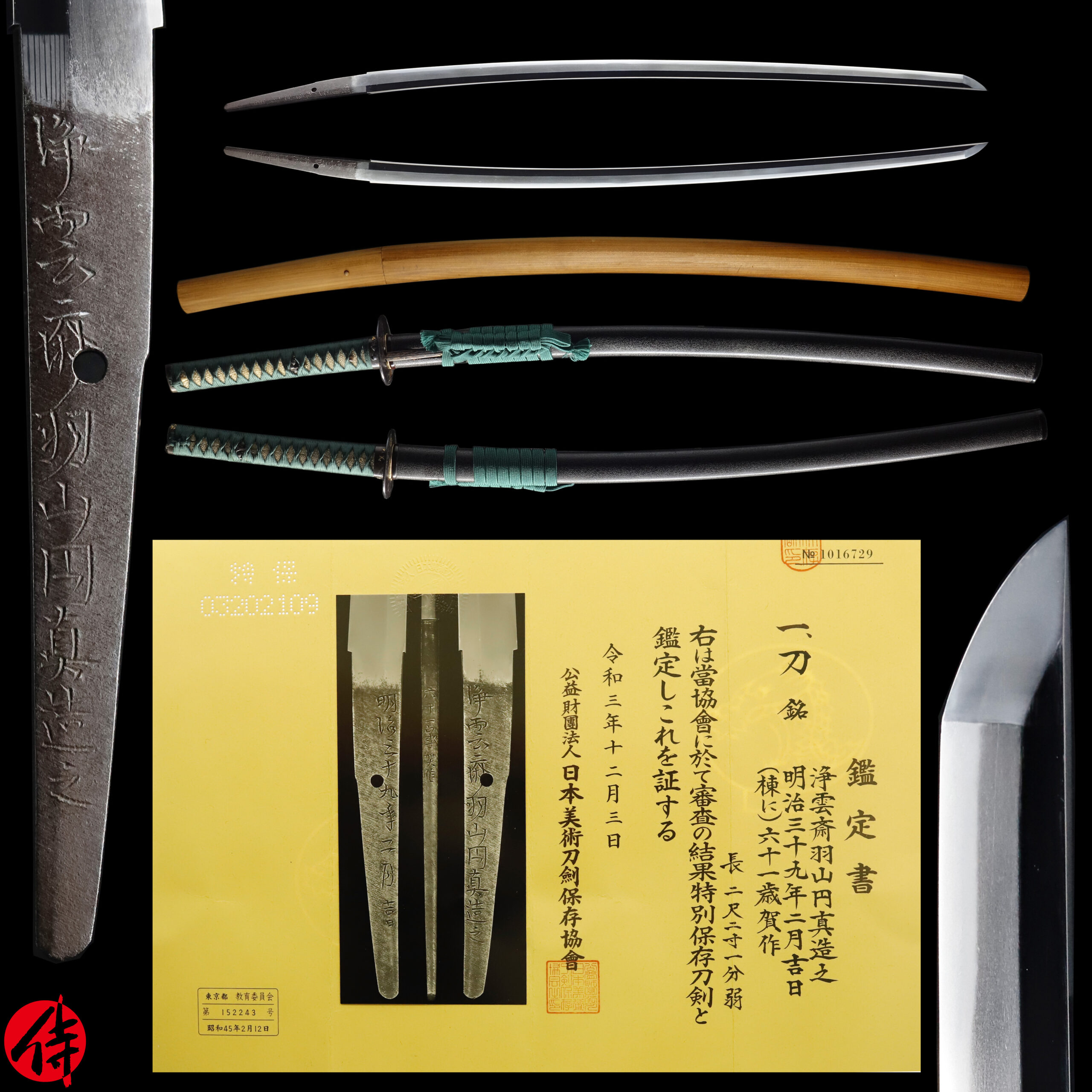
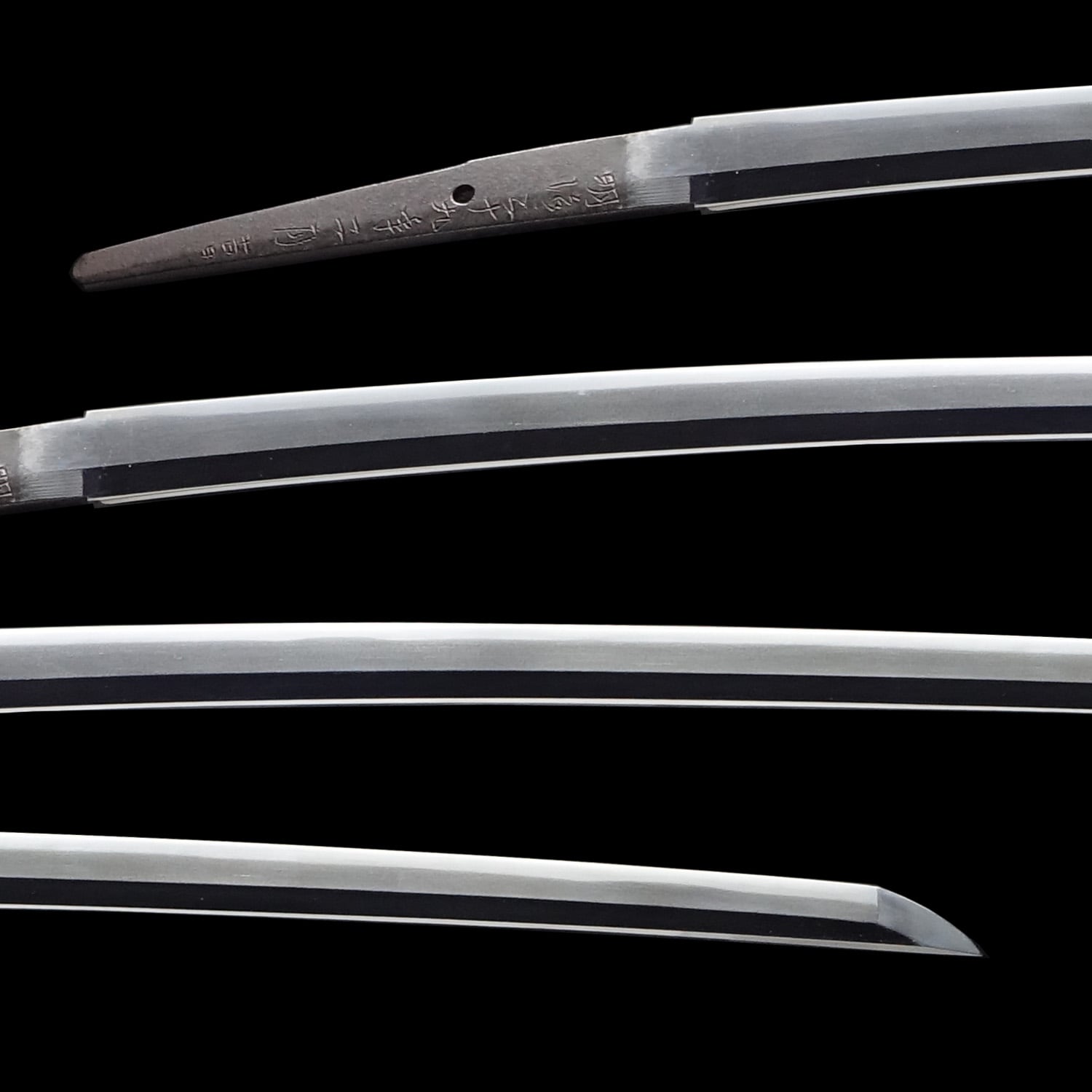
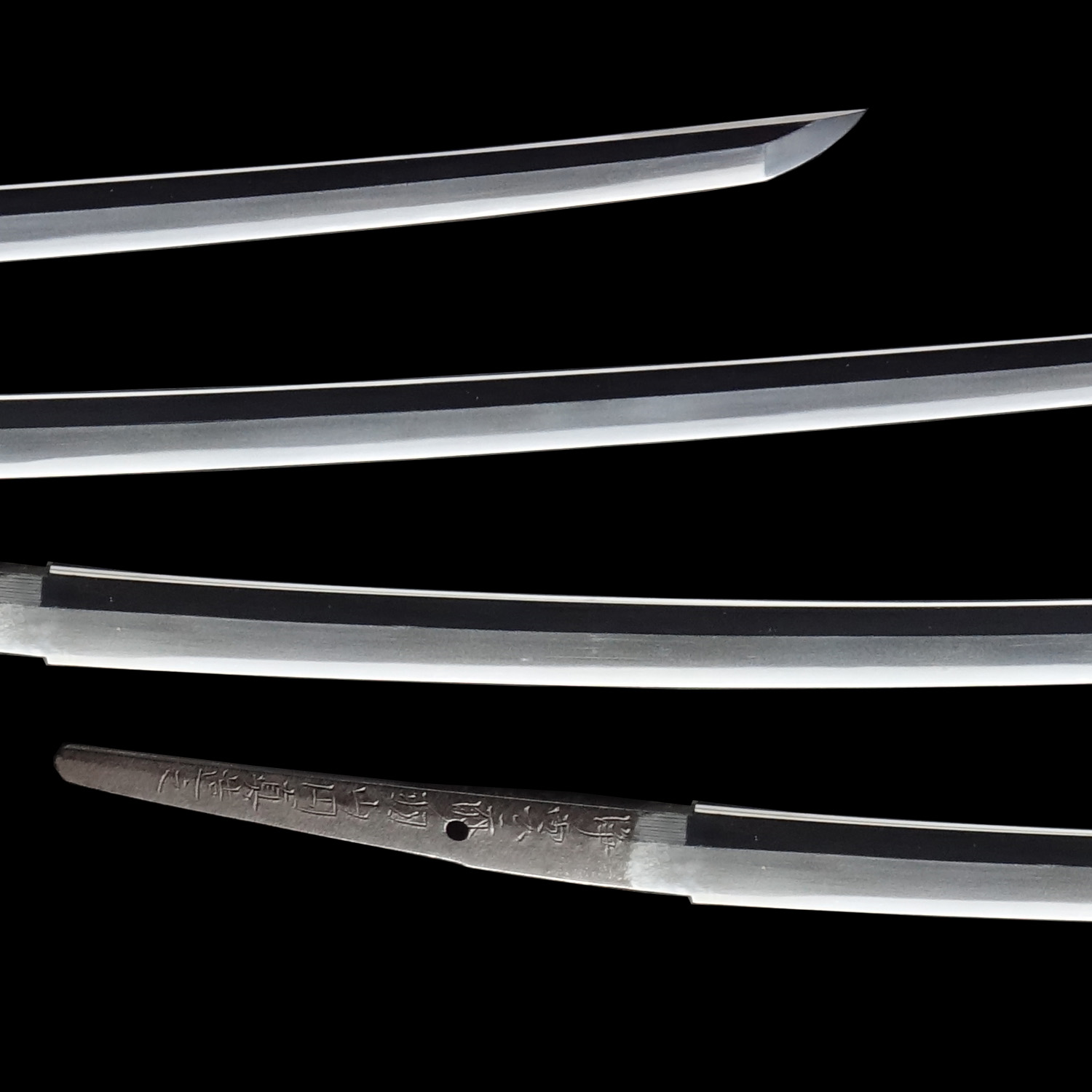
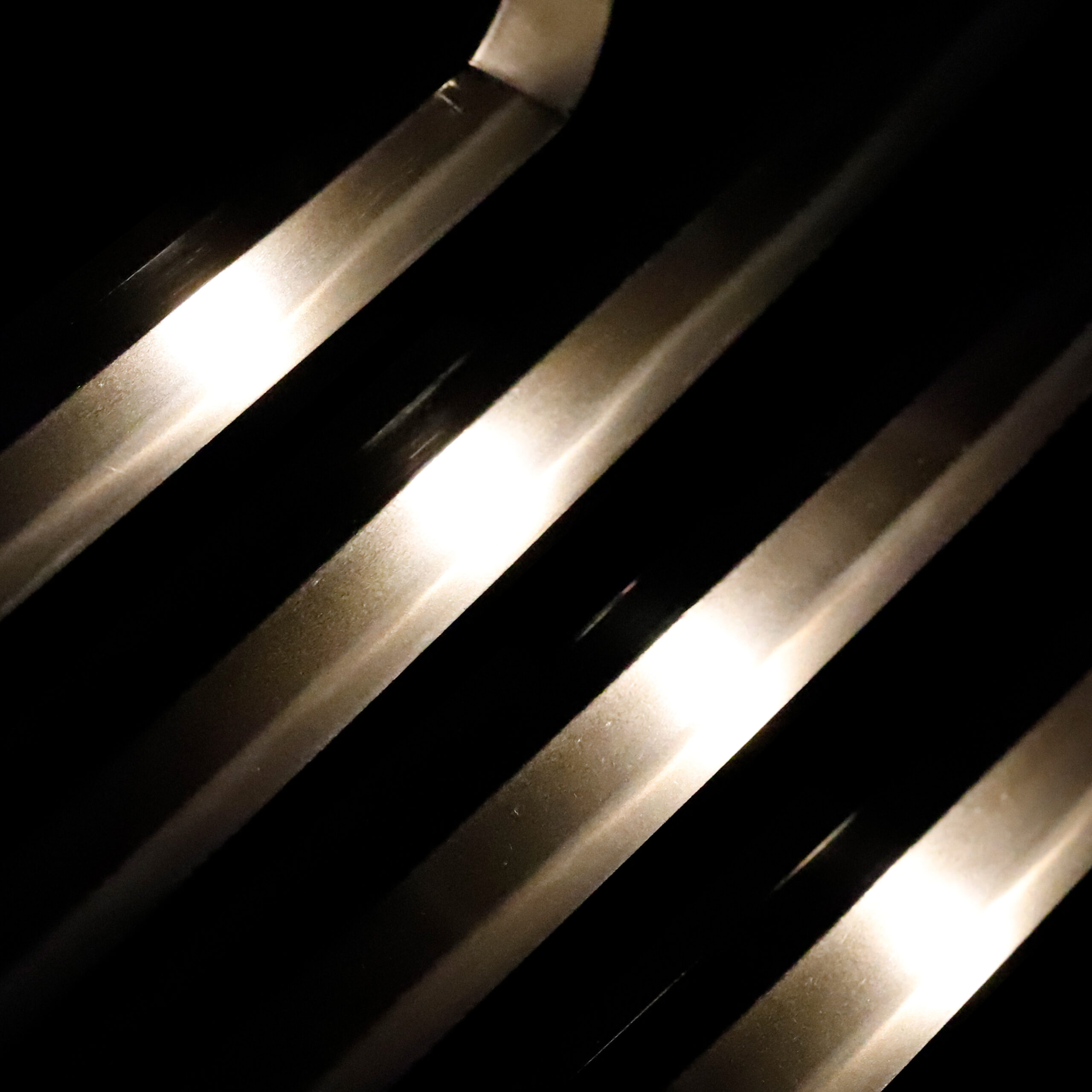
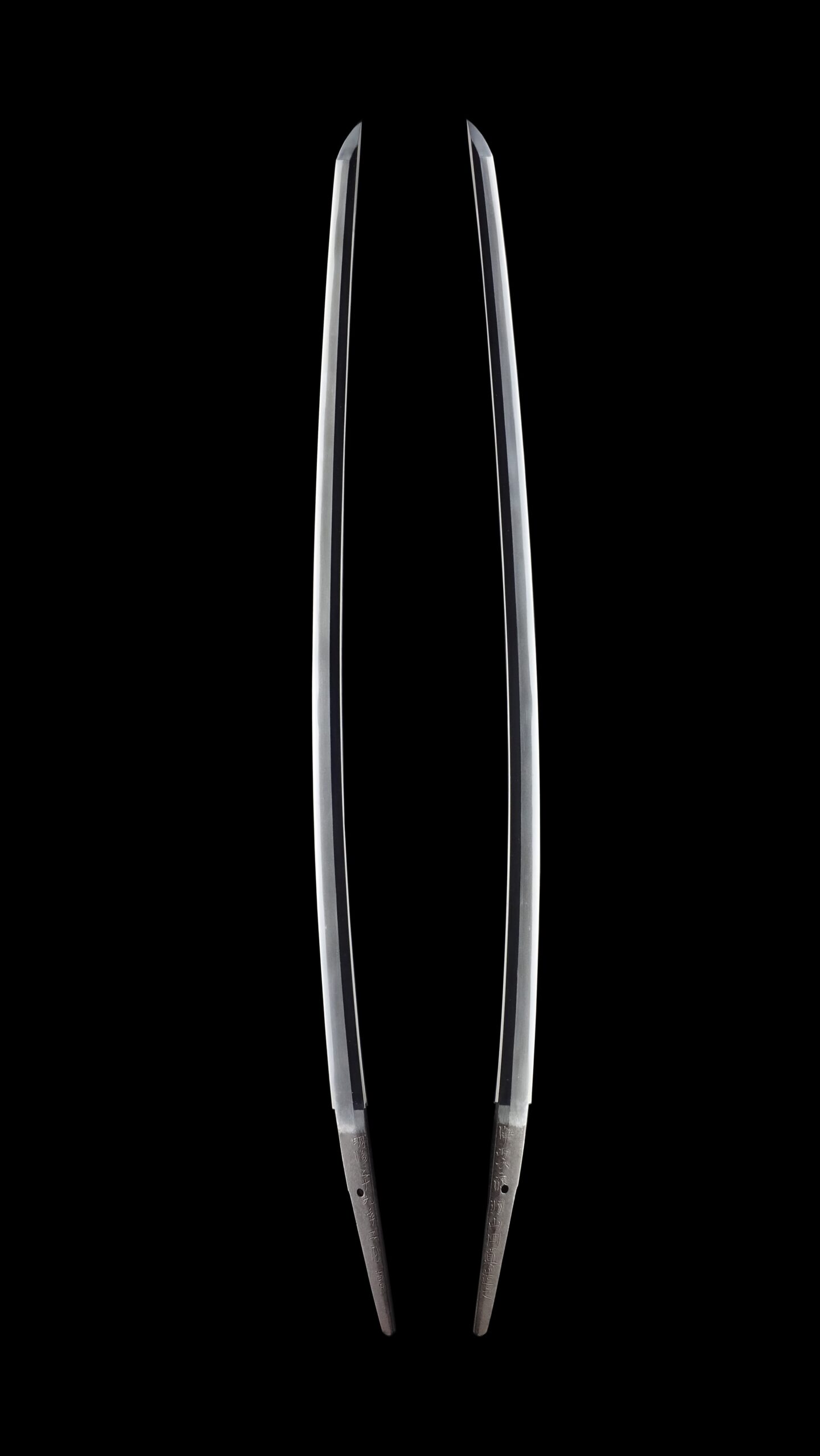
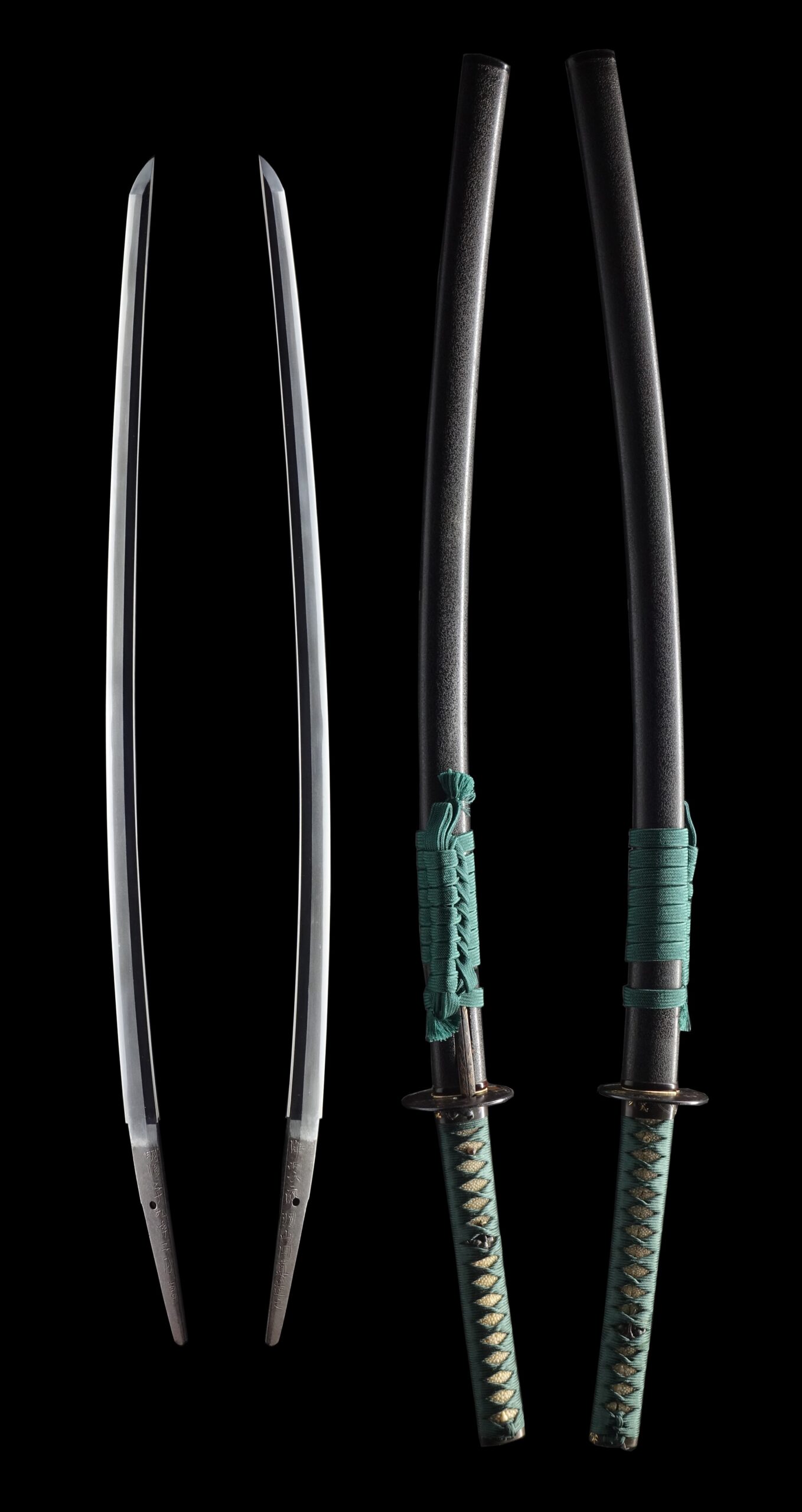
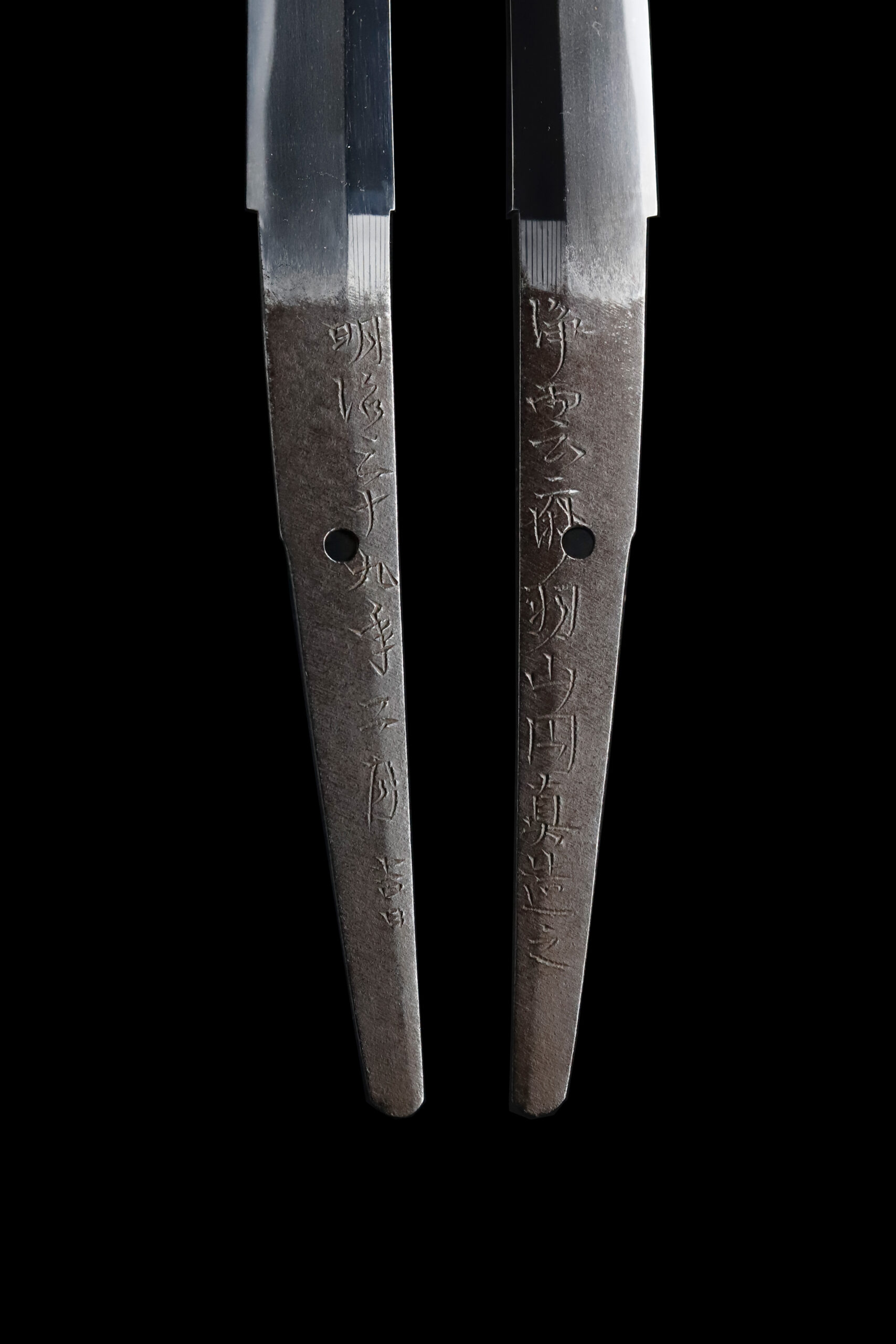
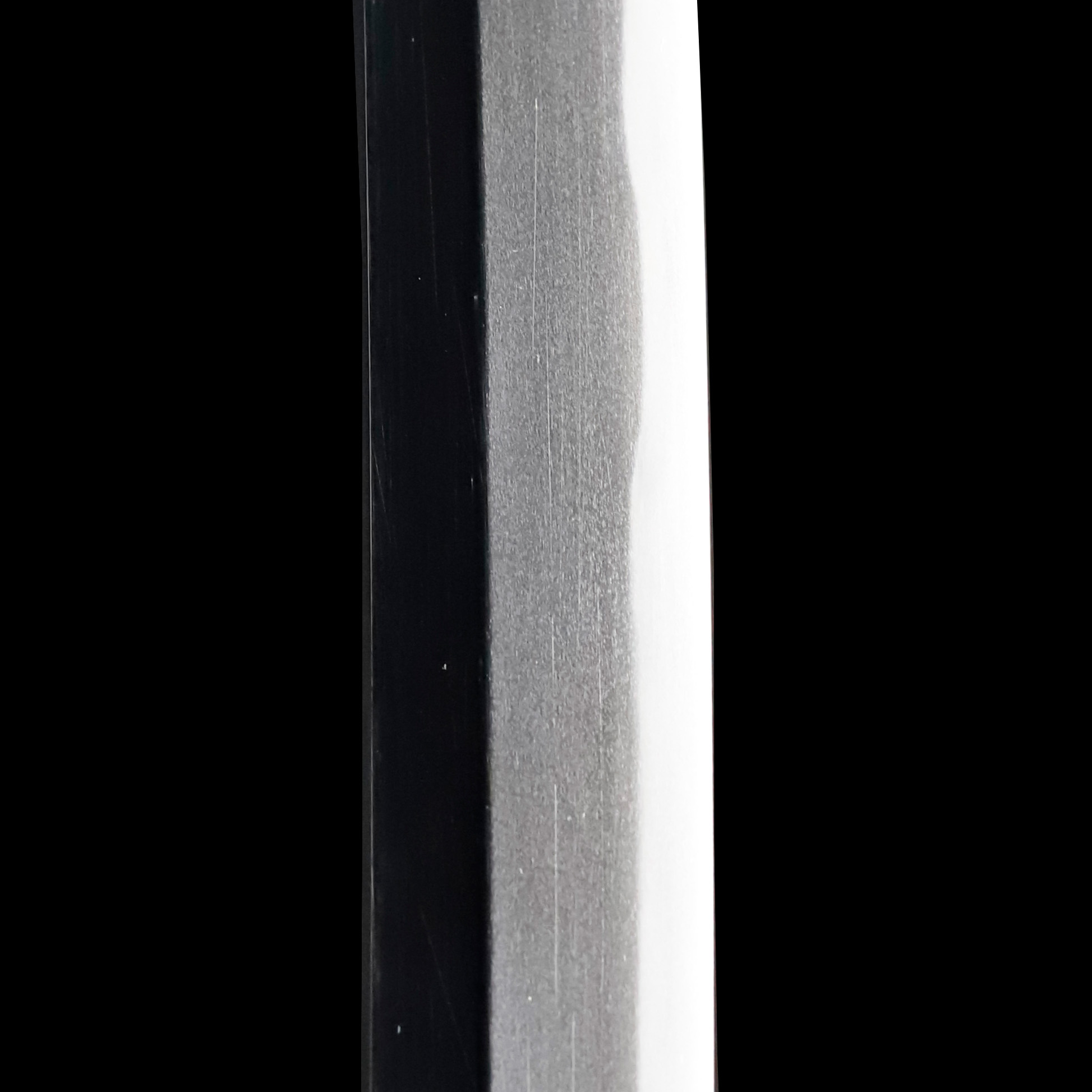
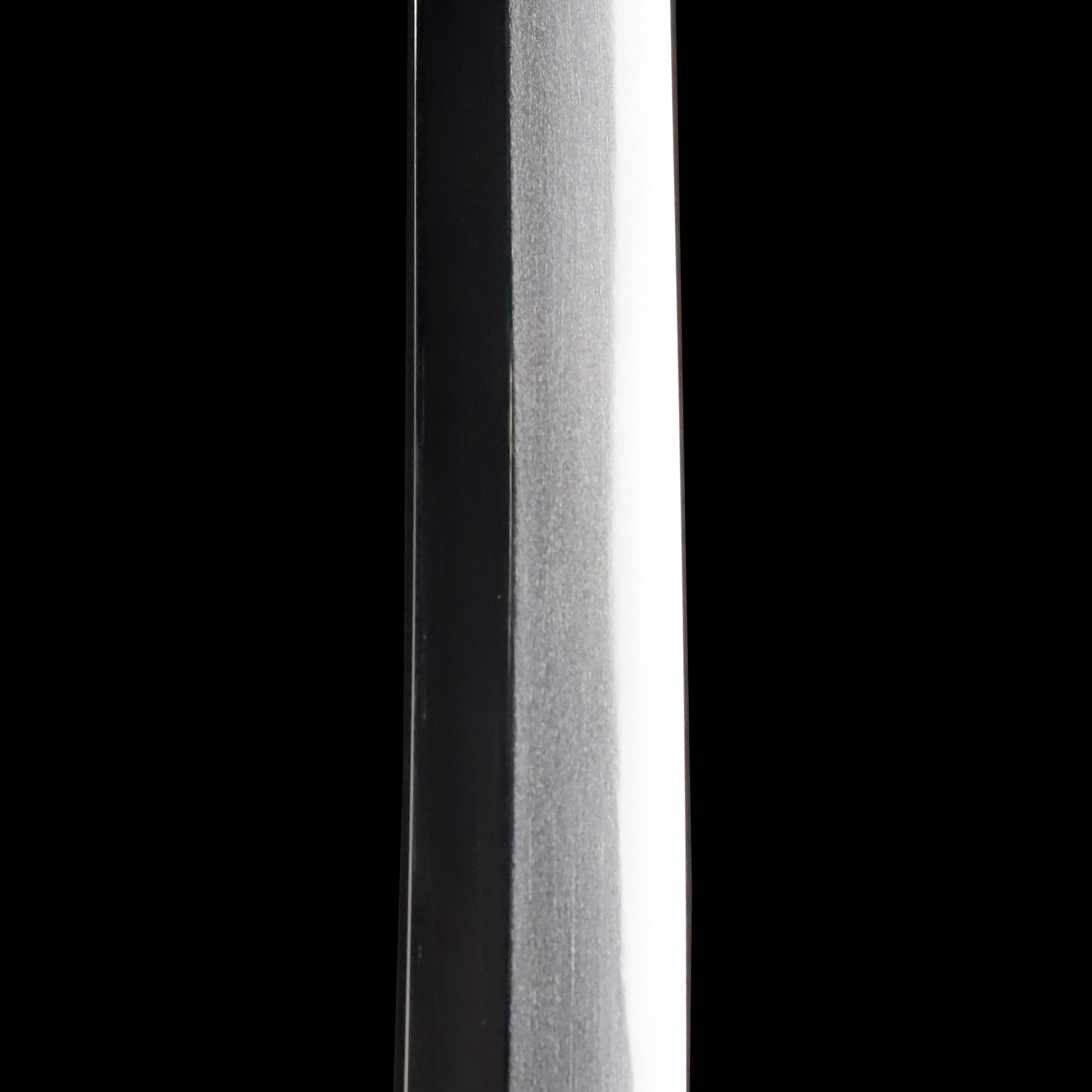
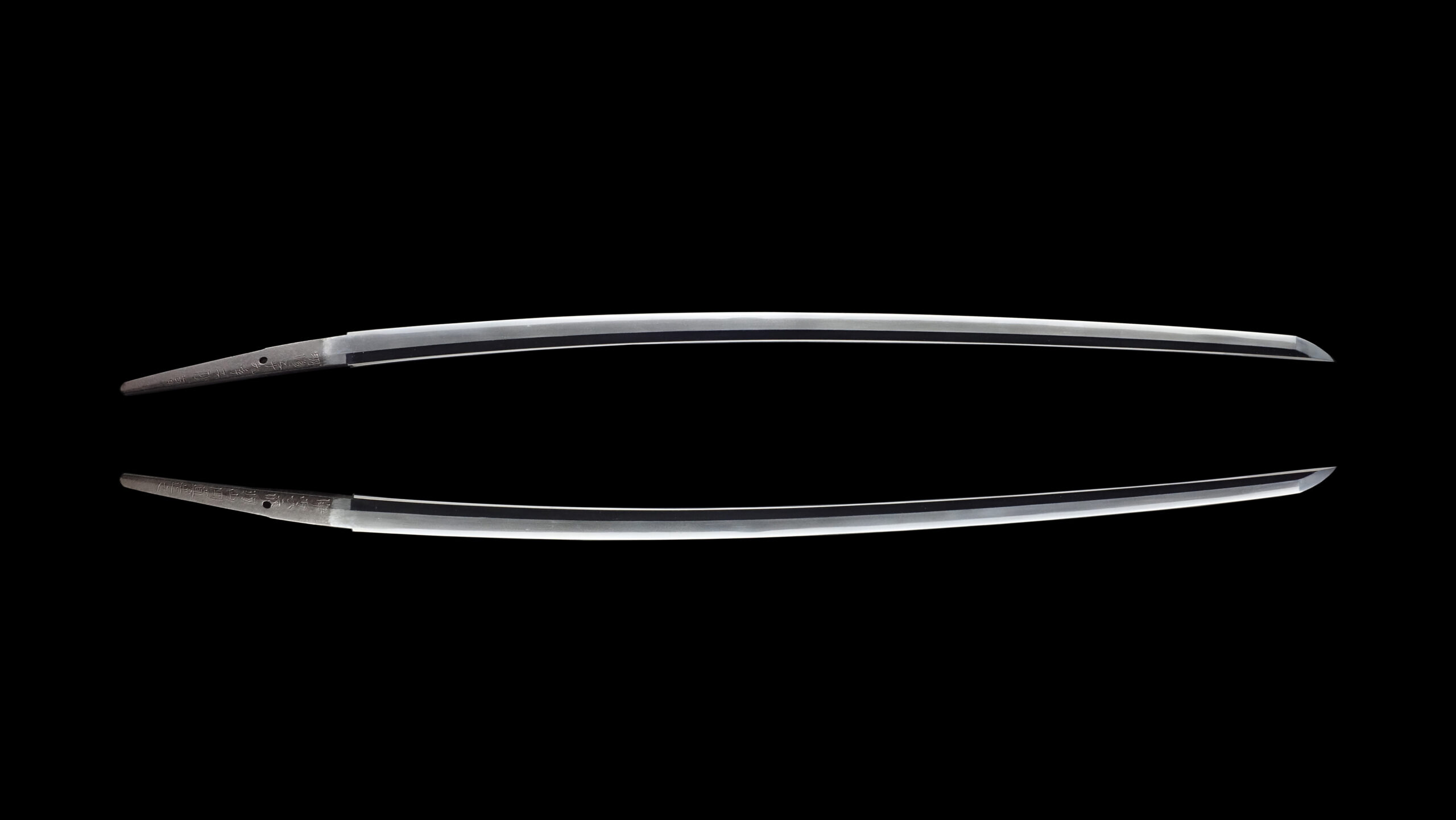
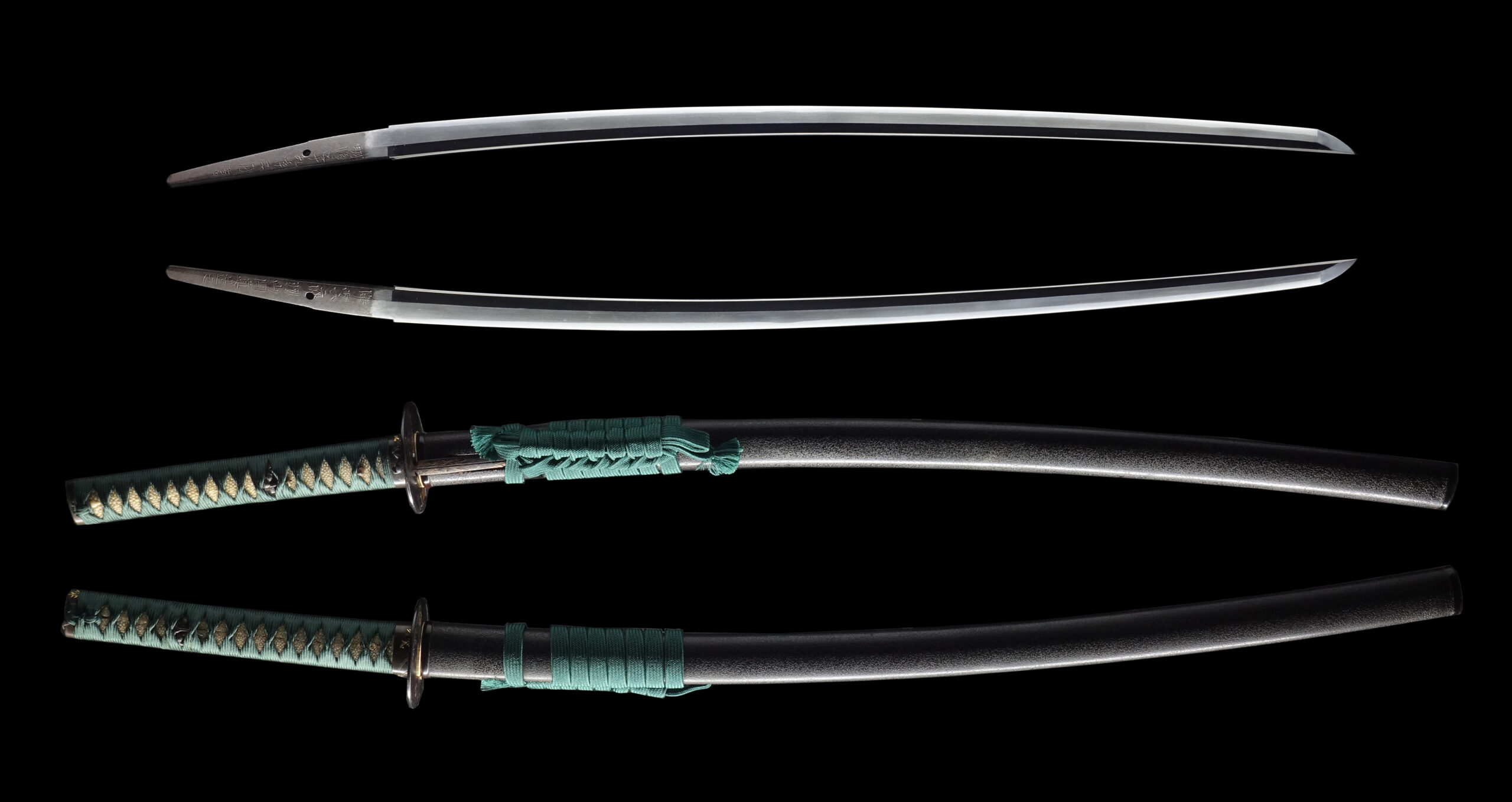
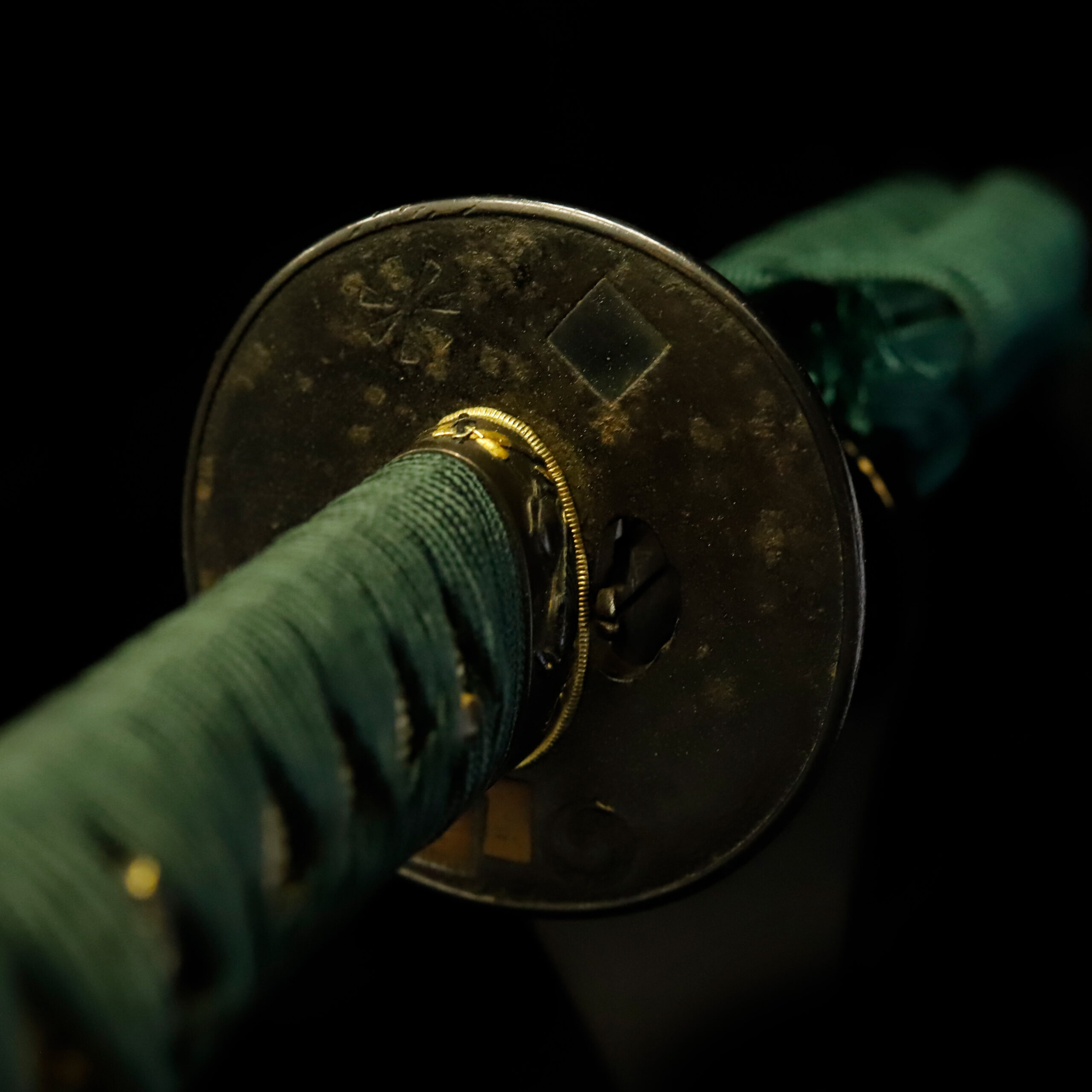
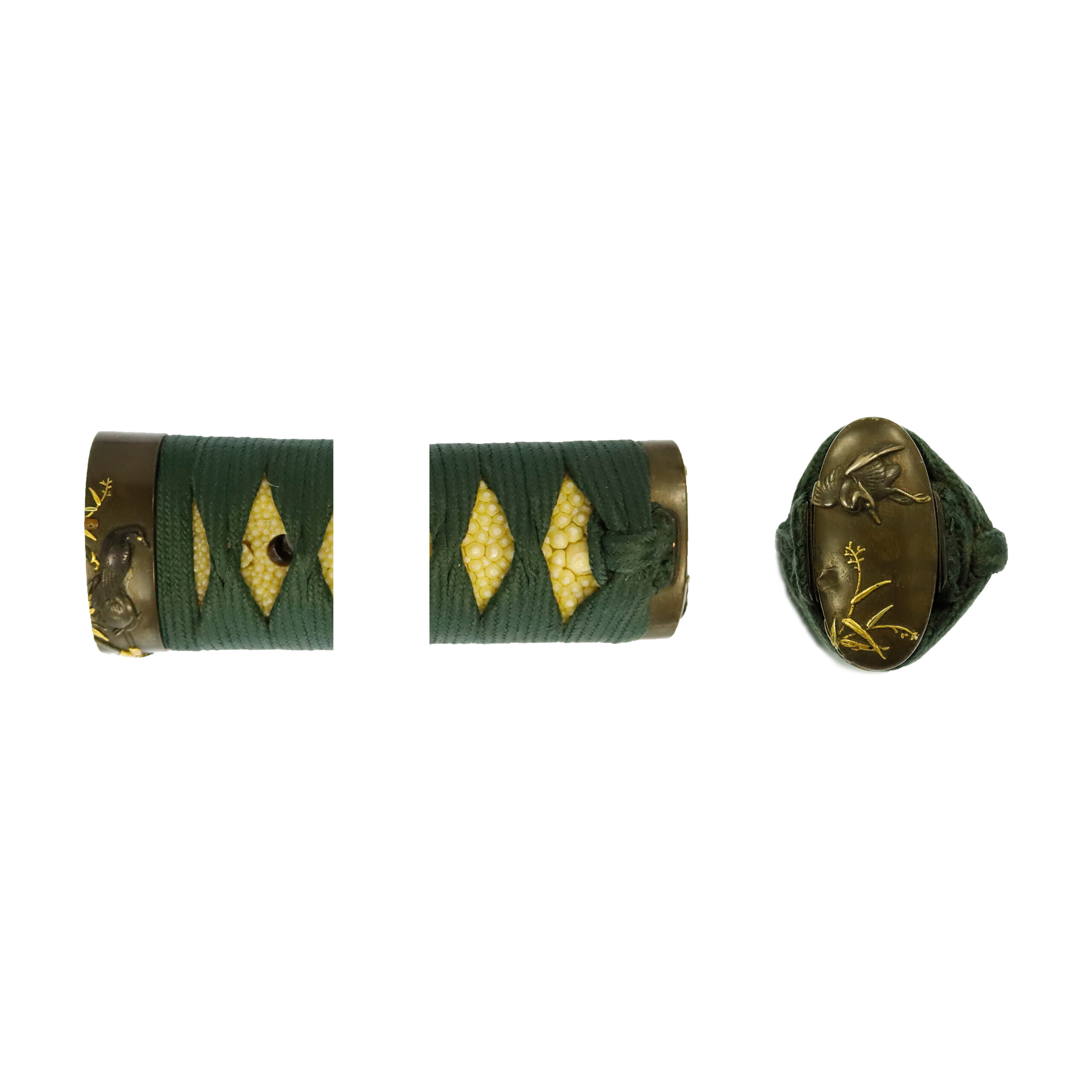
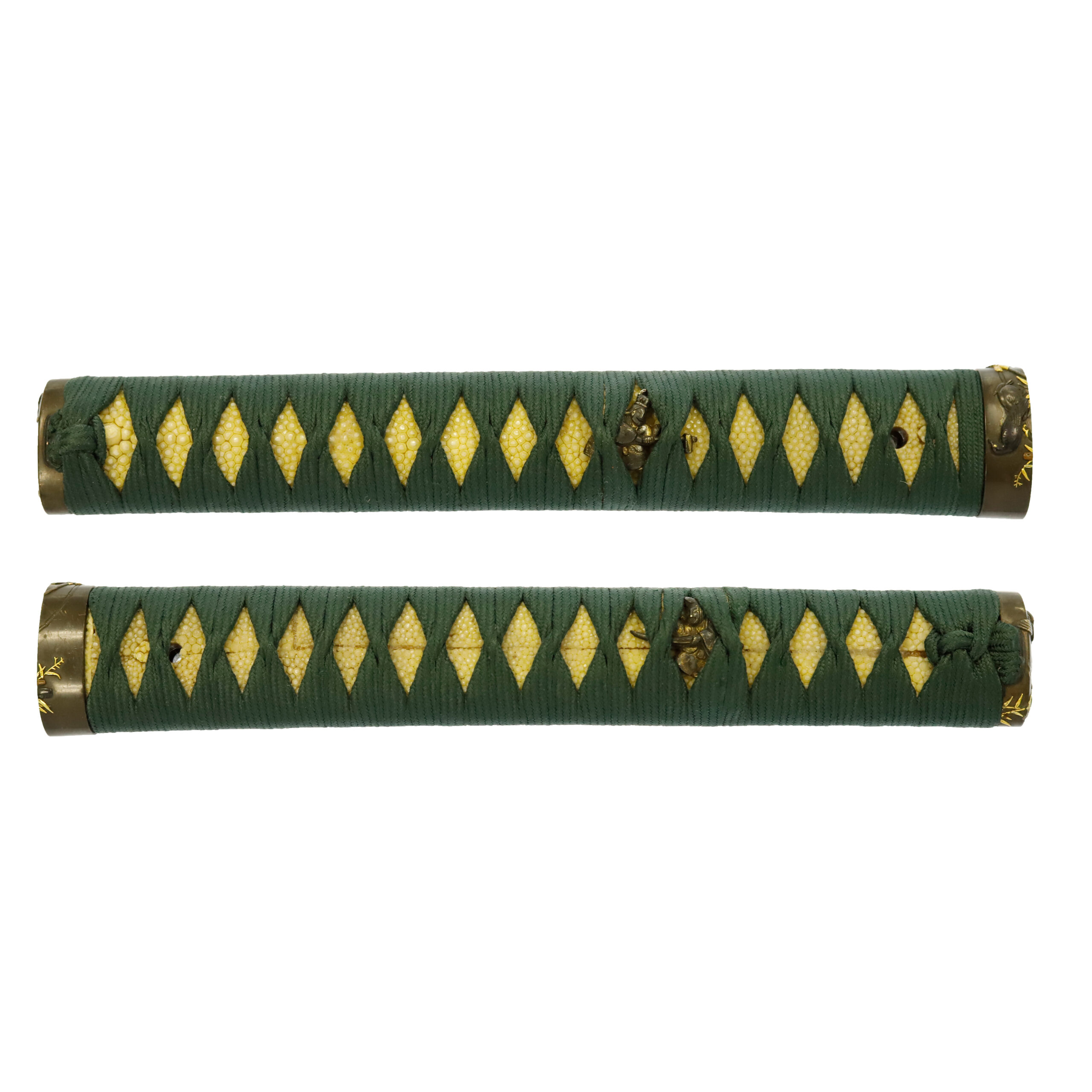
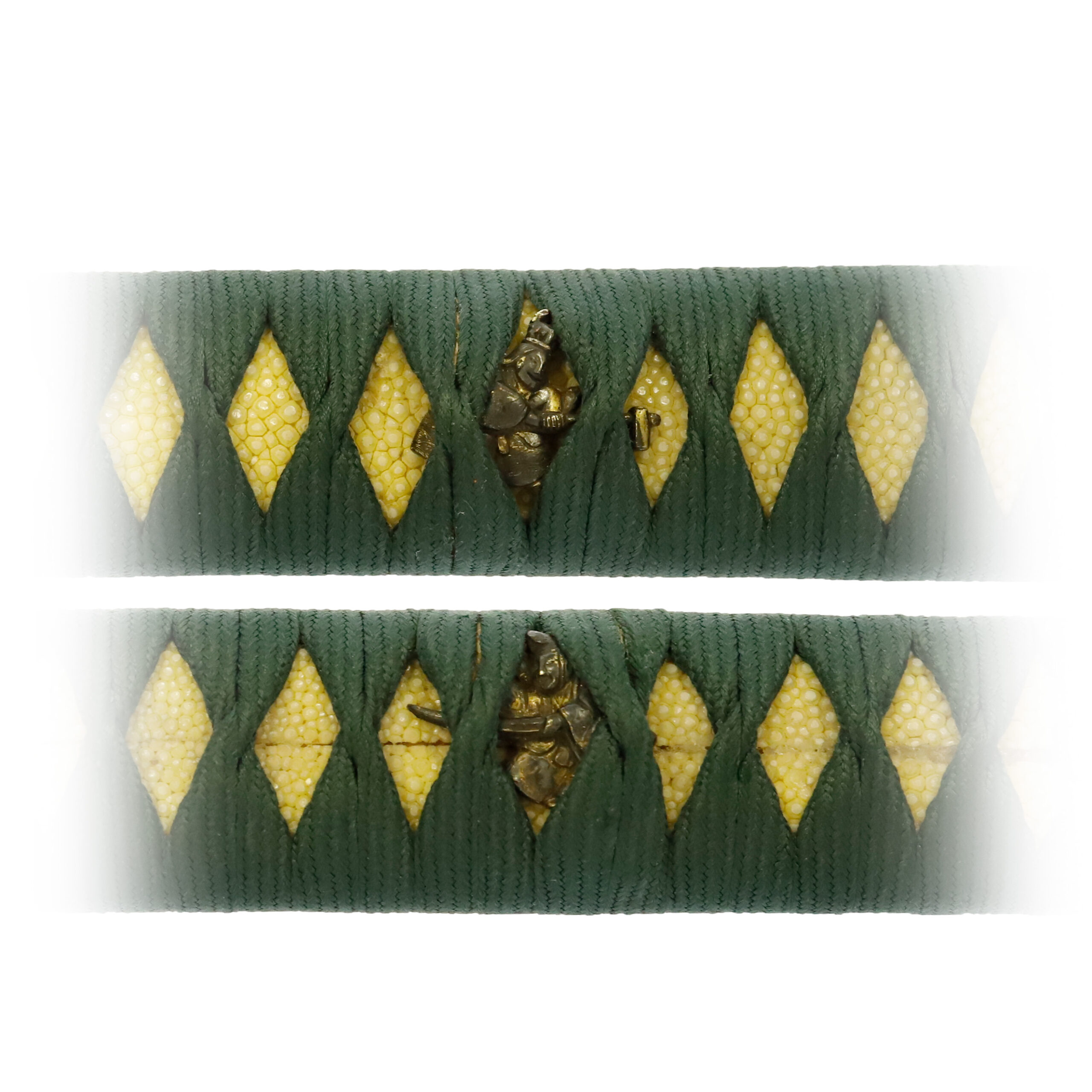
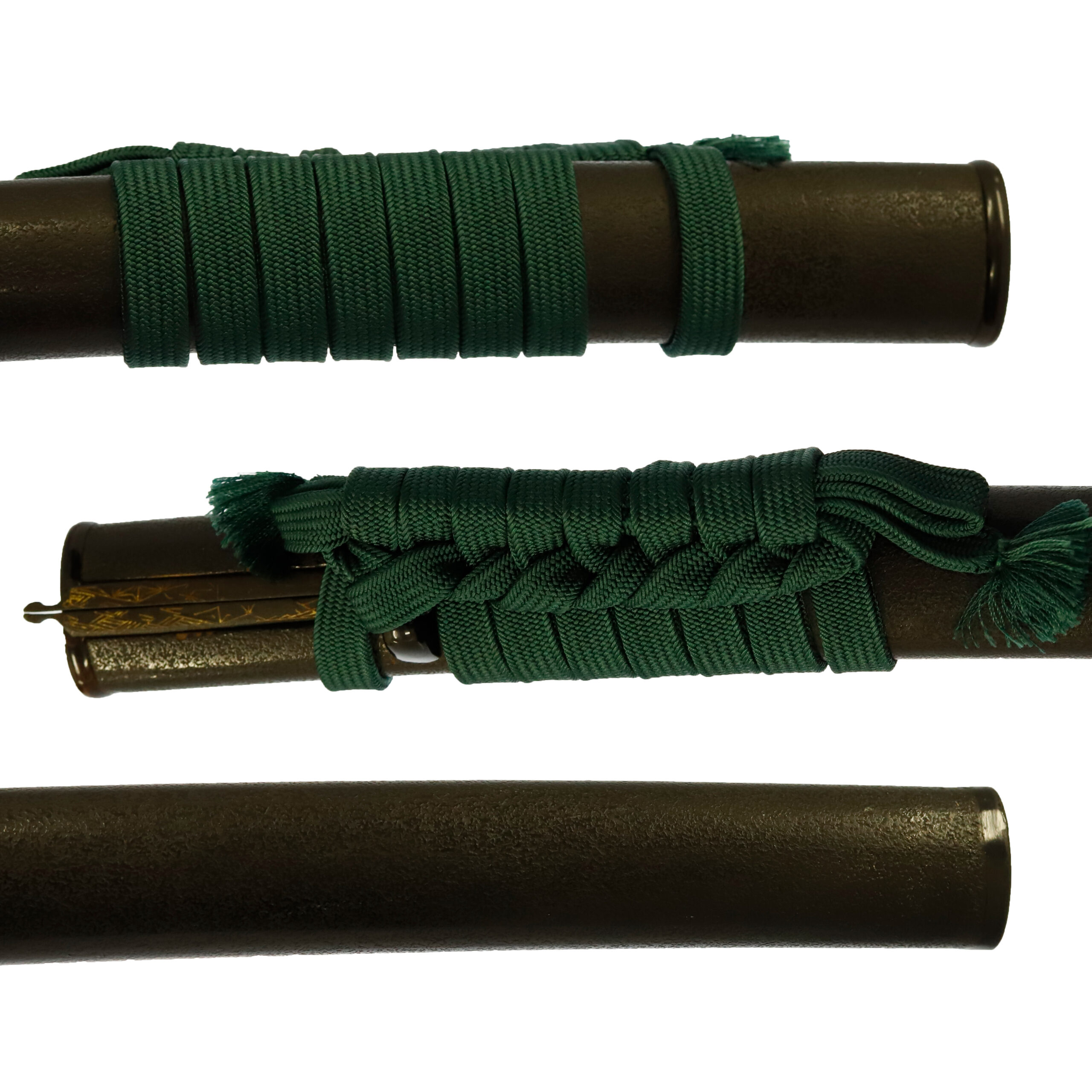
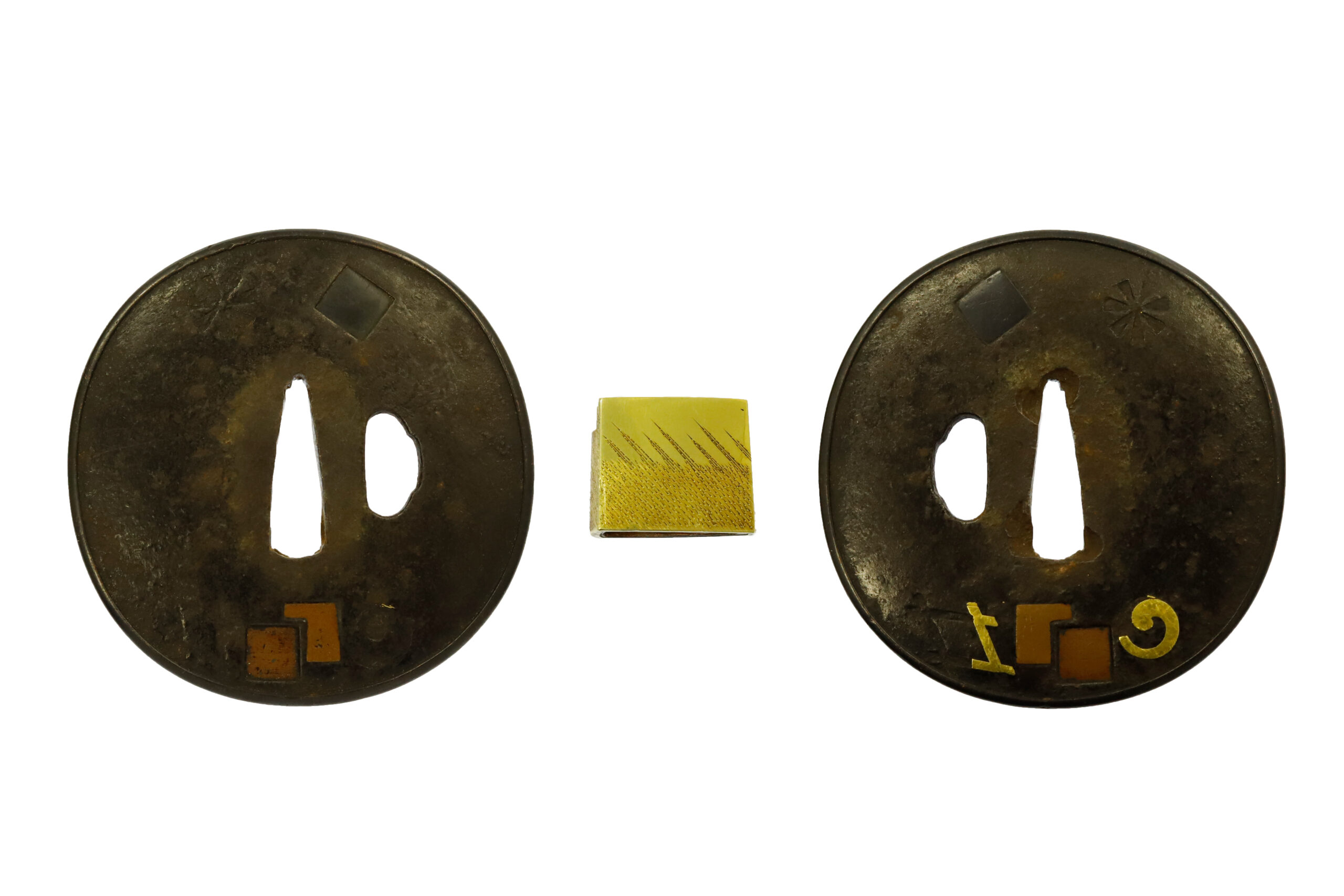
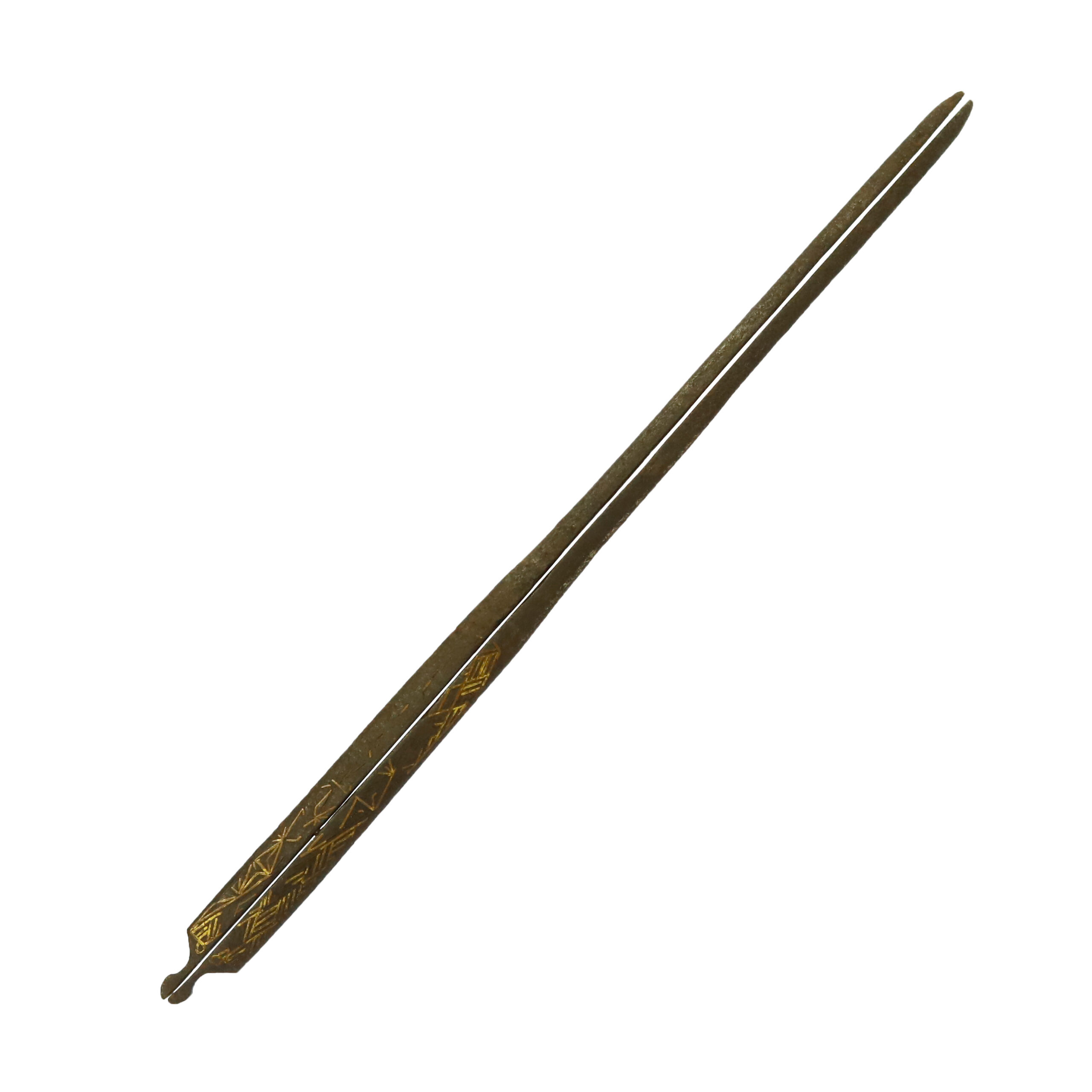
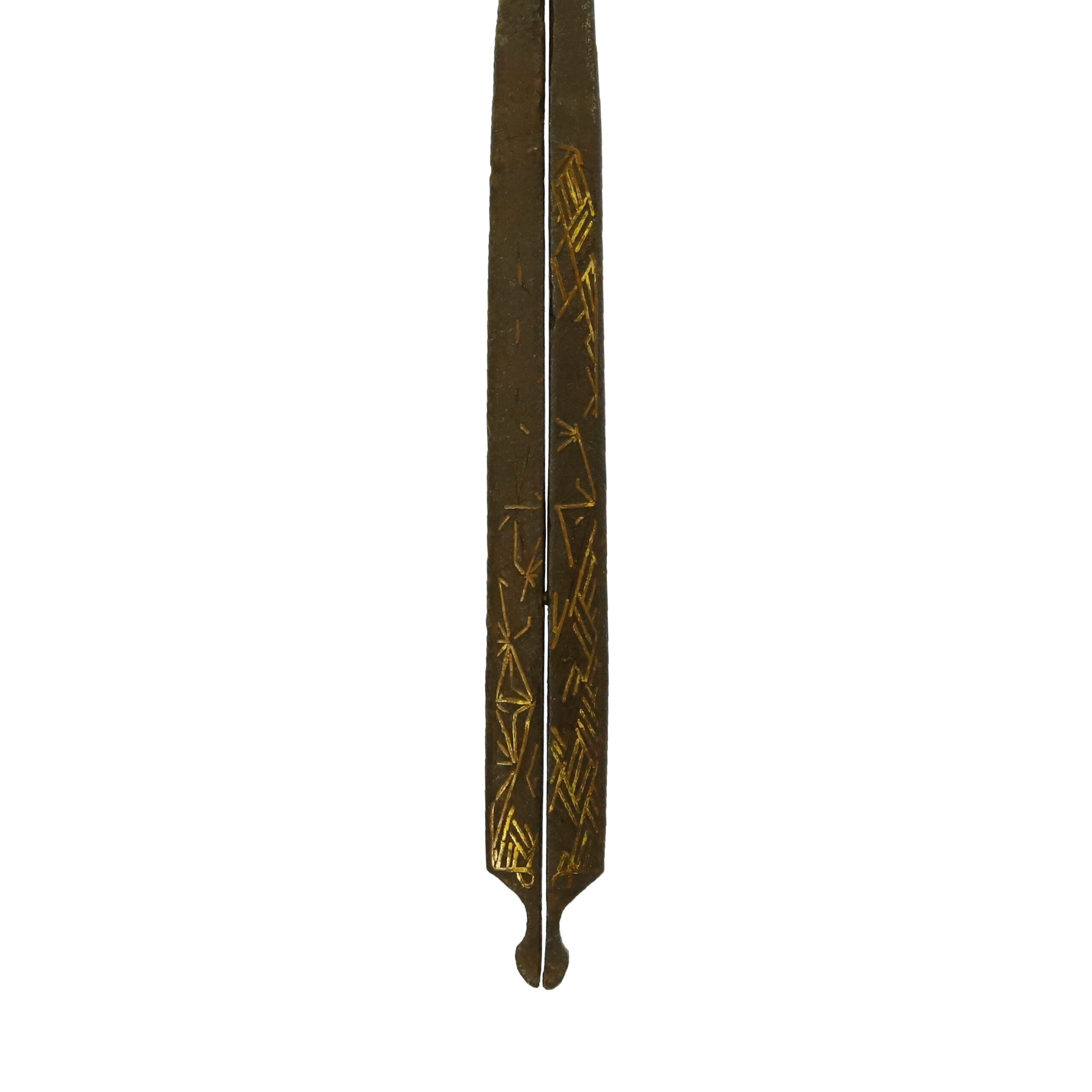
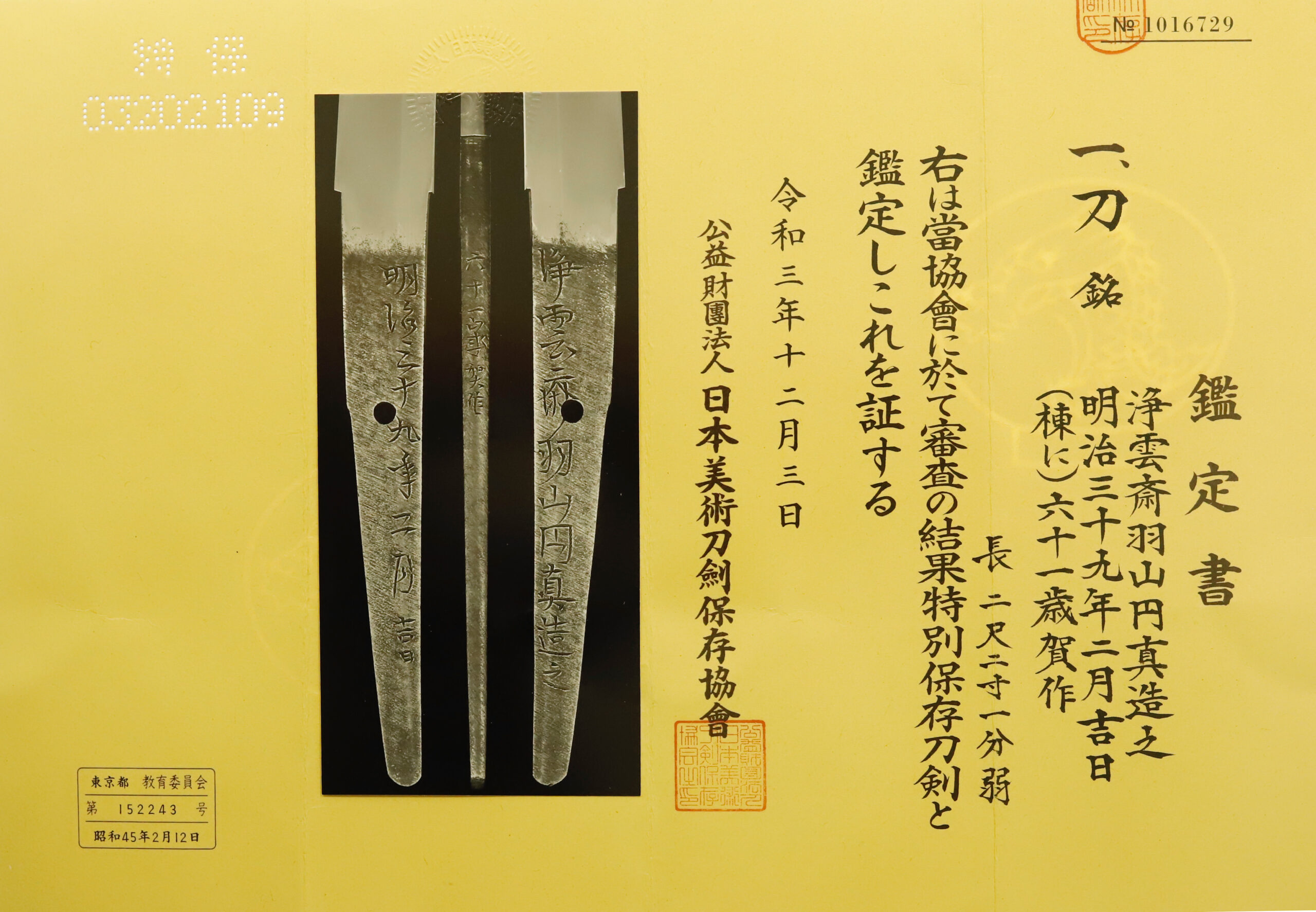
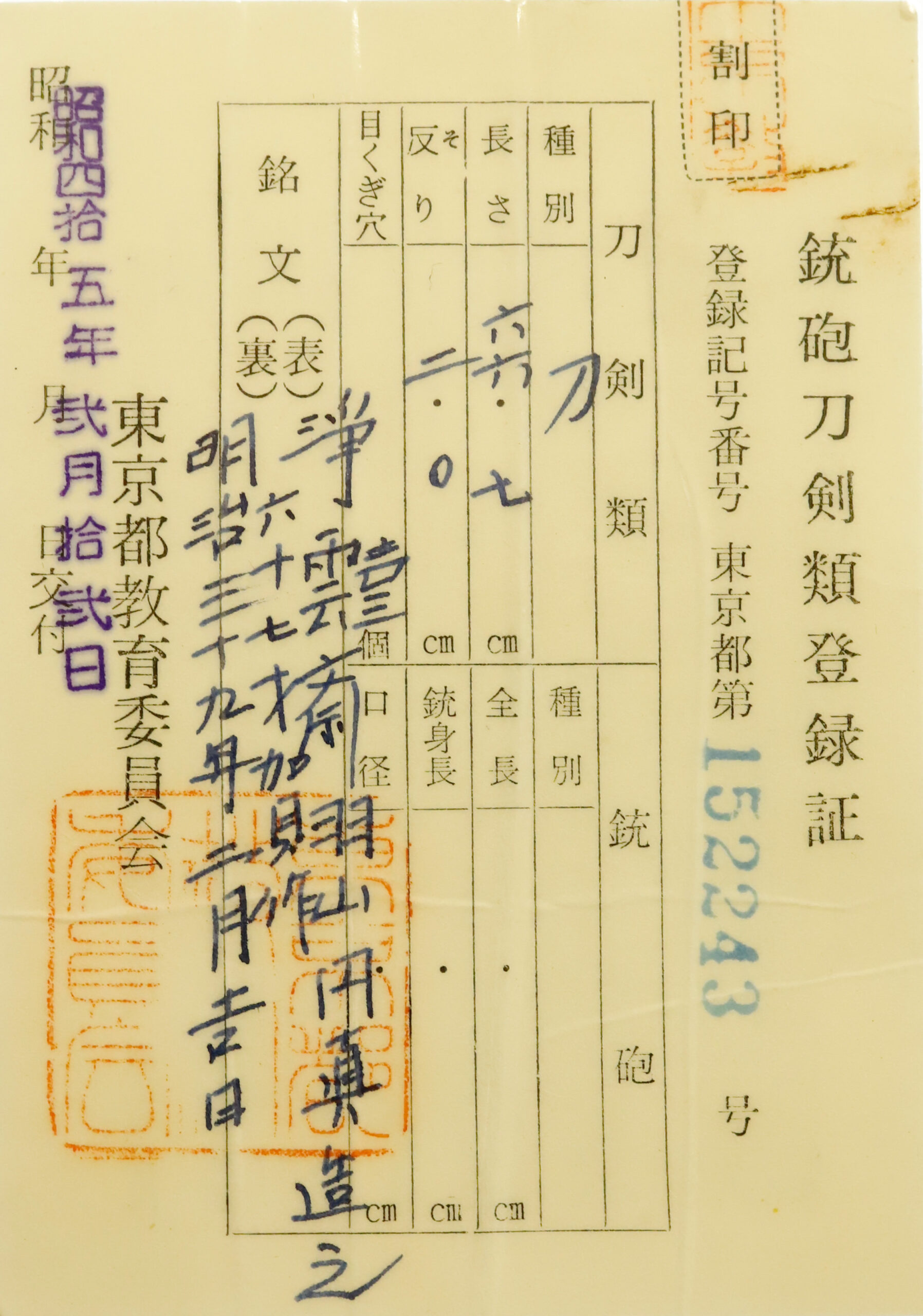
Modern Japanese Sword Katana Signed by Jounsai Hayama Enshin with Tokubetsu Hozon Certificate 【Description】 Summary This blade was signed by Jyounsai Hayama Enshin (浄雲斎羽山円真) in Feb, the 39th year of the Meiji era ( 1906 ). There is also an inscription that says it was made when he was 61 years old when he mastered excellent craftsmanship. Enshin was born in the second year of the Koka era (1845: The Late Edo period) in Edo city. His birth name was Suzuki Masahiro. He learned sword-forging techniques from Suzuki Masao, an apprentice of Kiyomaro, one of the most famous swordsmiths at the end of the Edo period. Enshin lived in Edo city while he was a Samurai from Toyohashi city (Aichi prefecture). Enshin was one of the most renowned swordsmiths during the Meiji-Taisho era, and he preferred to use Swiss carbon steel, while other swordsmiths used Tamahagane, traditional Japanese carbon steel. He was known as a master of using western carbon steel. He was excellent at making *Utsushi of famous Japanese swords such as Awataguchi Kuniyoshi (粟田口国吉). The shape of Nakago (tang) in his work is very peculiar, and it is called Kiji Momo Gata Nakago (雉子股型茎). You can see the sudden bump on the upper part of the Nakago. It was named after the fact that its shape resembles a pheasant’s thigh. In Japanese, pheasant is pronounced as Kiji, and thigh is Momo. This Nakago shape was often found in the Tachi blades forged in the Heian and Kamakura period. Kiji Momo Gata Nakago symbolizes famous swords in ancient times. When Enshin started his career, it was the end of the Edo period, when the military government of Samurai(Tokugawa Shogunate)controlled Japan, and feudal society was the norm. There was plenty of demand for weapons from Samurais back then. However, in 1868, there was a civil war between Tokugawa’s shogunate government and the new Meiji imperial government. After this battle, the Tokugawa shogunate was ousted, and the imperial government gained control. The whole feudal system was dismantled, and the new government took Samurai’s social status. The demand for Japanese swords decreased dramatically from the beginning of the Meiji era. Many swordsmiths lost their jobs or changed their career. However, Enshin kept forging swords to keep the tradition alive. He died at 75 on Feb 14th in the 9th year of the Taisho era. *Utsushi is a Japanese sword whose specification was based on historically famous swords, but it was made by a different swordsmith to pay respect to a renowned swordsmith. It is appraised as a Tokubetsu Hozon Token (特別保存刀剣) issued by NBTHK(Nihon Bijutsu Touken Hozon Kyokai:日本美術刀剣保存協会). This authentication paper was only given to authentic Japanese swords, especially well preserved and high quality with artistic value. 【 Blade】 Cutting Edge Length(Nagasa) : 66.7 cm ( 26.2 inches) Curvature(Sori) : 2.0 cm ( 0.78 inches) Hamon : The crystalline structure which forms along the cutting edge of a blade as a result of the hardening process Jimon(Jihada) : visible steel surface pattern created by folding and hammering during forging process Nakago : Nakago is the tang of the Japanese sword. Japanese swordsmiths left the black rust on the tang because it prevents red rust while the tang is in its handle. And the discoloration of the tang was created over time, and it is a great indicator for a Japanese sword specialist to estimate when the sword was forged. Koshirae: Koshirae is the mounting of the Japanese sword. There are several parts that consist of Koshirae such as Saya(Scabbard), Tsuka(Handle), Tsuba(Handguard). Fuchi-Kashira : A pair of matching sword fittings that cover the upper and bottom parts of its sword hilt. You would find that birds and plants are engraved on this Fuchi Kashira. The bird which is designed on the Kashira part is probably a Sagi (鷺, egret). Although its original coloring has already faded due to aging, it seems it was initially colored with silvery and golden paints. Egret is a popular motif because of it
 NihontoWatch
在銘 · 現代刀 · 長さ 66.7cm · 反り 2cm
Tokyo · 1912-1926頃
現在2点販売中
昭和から現代へ 断絶と再生
二十世紀は二度この工芸を殺しかけた。戦時の歪みと、占領下の禁令である。1948年の日刀保設立と1953年の作刀再開が刀を美術として再建し、人間国宝と無鑑査がその頂に立つ。
保存刀剣のうち、出来が一層優れ、保存状態も良好と認められたものです。再刃や、室町・江戸期の多くの無銘作は対象外となり、保存刀剣より高い基準が課されます。
日本美術刀剣保存協会(NBTHK)は、1948年に設立され、文化庁の監督を受ける公益財団法人で、東京・刀剣博物館に本部を置きます。専門の審査員が出品作を直接審査し、美術的・歴史的価値に応じた鑑定書を発行します。NBTHKの鑑定書は、日本刀および刀装具の真正性を示す最も広く認知された基準です。
NBTHK公式サイトReturns/exchanges limited to defects caused by shipping (except willful misconduct or gross negligence by the company); customers must contact within 72 hours of receiving the product.
Modern Japanese Sword Katana Signed by Jounsai Hayama Enshin with Tokubetsu Hozon Certificate 【Description】 Summary This blade was signed by Jyounsai Hayama Enshin (浄雲斎羽山円真) in Feb, the 39th year of the Meiji era ( 1906 ). There is also an inscription that says it was made when he was 61 years old when he mastered excellent craftsmanship. Enshin was born in the second year of the Koka era (1845: The Late Edo period) in Edo city. His birth name was Suzuki Masahiro. He learned sword-forging techniques from Suzuki Masao, an apprentice of Kiyomaro, one of the most famous swordsmiths at the end of the Edo period. Enshin lived in Edo city while he was a Samurai from Toyohashi city (Aichi prefecture). Enshin was one of the most renowned swordsmiths during the Meiji-Taisho era, and he preferred to use Swiss carbon steel, while other swordsmiths used Tamahagane, traditional Japanese carbon steel. He was known as a master of using western carbon steel. He was excellent at making *Utsushi of famous Japanese swords such as Awataguchi Kuniyoshi (粟田口国吉). The shape of Nakago (tang) in his work is very peculiar, and it is called Kiji Momo Gata Nakago (雉子股型茎). You can see the sudden bump on the upper part of the Nakago. It was named after the fact that its shape resembles a pheasant’s thigh. In Japanese, pheasant is pronounced as Kiji, and thigh is Momo. This Nakago shape was often found in the Tachi blades forged in the Heian and Kamakura period. Kiji Momo Gata Nakago symbolizes famous swords in ancient times. When Enshin started his career, it was the end of the Edo period, when the military government of Samurai(Tokugawa Shogunate)controlled Japan, and feudal society was the norm. There was plenty of demand for weapons from Samurais back then. However, in 1868, there was a civil war between Tokugawa’s shogunate government and the new Meiji imperial government. After this battle, the Tokugawa shogunate was ousted, and the imperial government gained control. The whole feudal system was dismantled, and the new government took Samurai’s social status. The demand for Japanese swords decreased dramatically from the beginning of the Meiji era. Many swordsmiths lost their jobs or changed their career. However, Enshin kept forging swords to keep the tradition alive. He died at 75 on Feb 14th in the 9th year of the Taisho era. *Utsushi is a Japanese sword whose specification was based on historically famous swords, but it was made by a different swordsmith to pay respect to a renowned swordsmith. It is appraised as a Tokubetsu Hozon Token (特別保存刀剣) issued by NBTHK(Nihon Bijutsu Touken Hozon Kyokai:日本美術刀剣保存協会). This authentication paper was only given to authentic Japanese swords, especially well preserved and high quality with artistic value. 【 Blade】 Cutting Edge Length(Nagasa) : 66.7 cm ( 26.2 inches) Curvature(Sori) : 2.0 cm ( 0.78 inches) Hamon : The crystalline structure which forms along the cutting edge of a blade as a result of the hardening process Jimon(Jihada) : visible steel surface pattern created by folding and hammering during forging process Nakago : Nakago is the tang of the Japanese sword. Japanese swordsmiths left the black rust on the tang because it prevents red rust while the tang is in its handle. And the discoloration of the tang was created over time, and it is a great indicator for a Japanese sword specialist to estimate when the sword was forged. Koshirae: Koshirae is the mounting of the Japanese sword. There are several parts that consist of Koshirae such as Saya(Scabbard), Tsuka(Handle), Tsuba(Handguard). Fuchi-Kashira : A pair of matching sword fittings that cover the upper and bottom parts of its sword hilt. You would find that birds and plants are engraved on this Fuchi Kashira. The bird which is designed on the Kashira part is probably a Sagi (鷺, egret). Although its original coloring has already faded due to aging, it seems it was initially colored with silvery and golden paints. Egret is a popular motif because of it
NihontoWatch在銘 · 現代刀 · 長さ 66.7cm · 反り 2cm
Tokyo · 1912-1926頃
現在2点販売中
昭和から現代へ 断絶と再生
二十世紀は二度この工芸を殺しかけた。戦時の歪みと、占領下の禁令である。1948年の日刀保設立と1953年の作刀再開が刀を美術として再建し、人間国宝と無鑑査がその頂に立つ。
保存刀剣のうち、出来が一層優れ、保存状態も良好と認められたものです。再刃や、室町・江戸期の多くの無銘作は対象外となり、保存刀剣より高い基準が課されます。
日本美術刀剣保存協会(NBTHK)は、1948年に設立され、文化庁の監督を受ける公益財団法人で、東京・刀剣博物館に本部を置きます。専門の審査員が出品作を直接審査し、美術的・歴史的価値に応じた鑑定書を発行します。NBTHKの鑑定書は、日本刀および刀装具の真正性を示す最も広く認知された基準です。
NBTHK公式サイトReturns/exchanges limited to defects caused by shipping (except willful misconduct or gross negligence by the company); customers must contact within 72 hours of receiving the product.


