肥前刀は藩営の産業である。鍋島家は1596年頃、忠吉を京の埋忠明寿のもとに学ばせ、帰国したその工を核に公認の一門を築いた。小糠肌で名高いその作は、九代にわたり明治まで続いている。
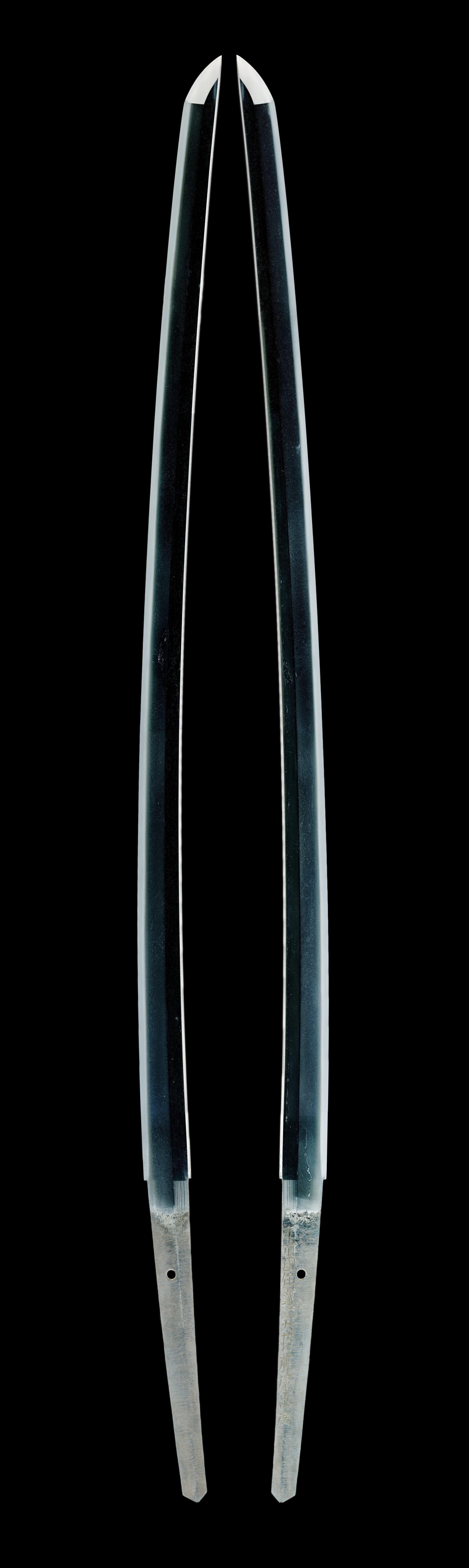
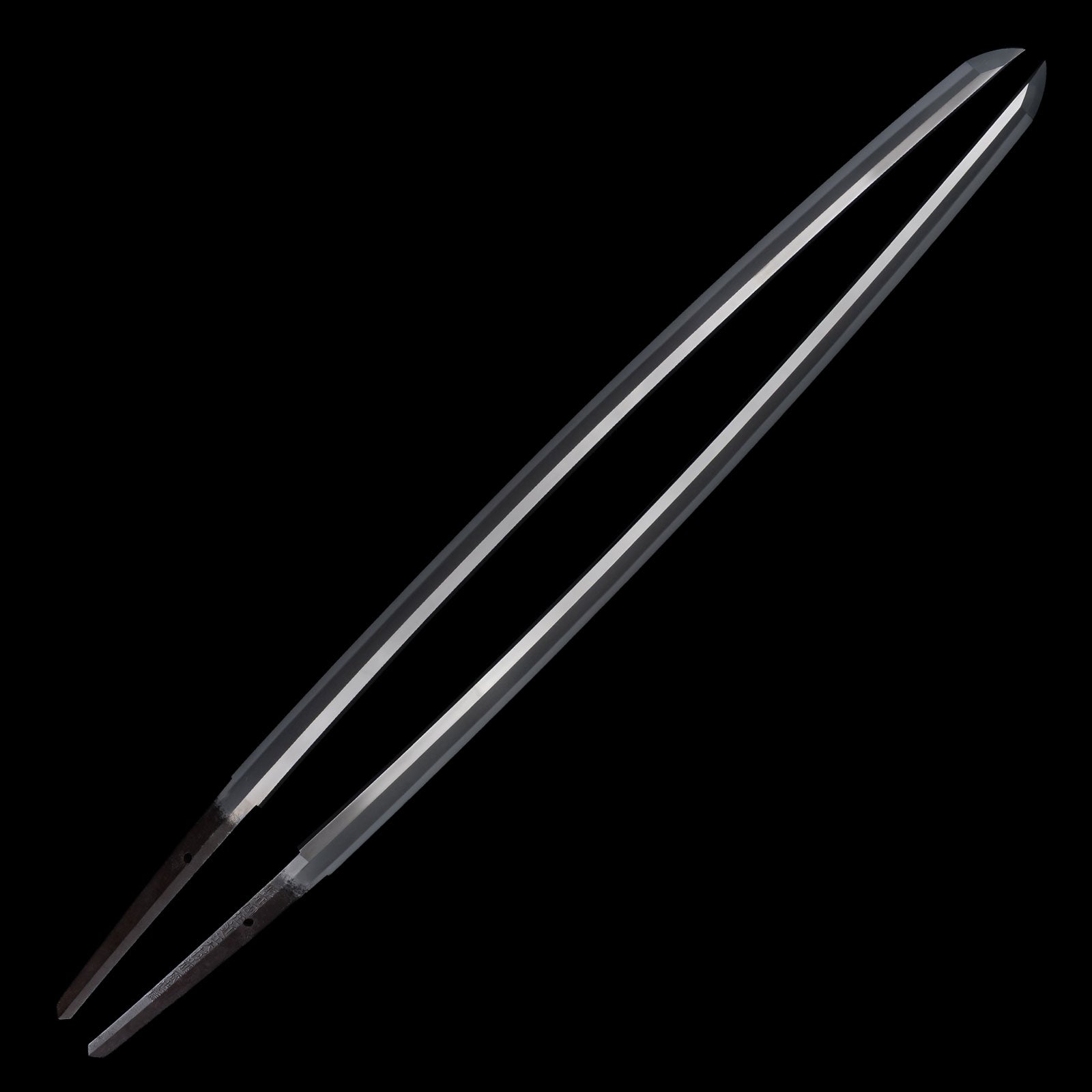
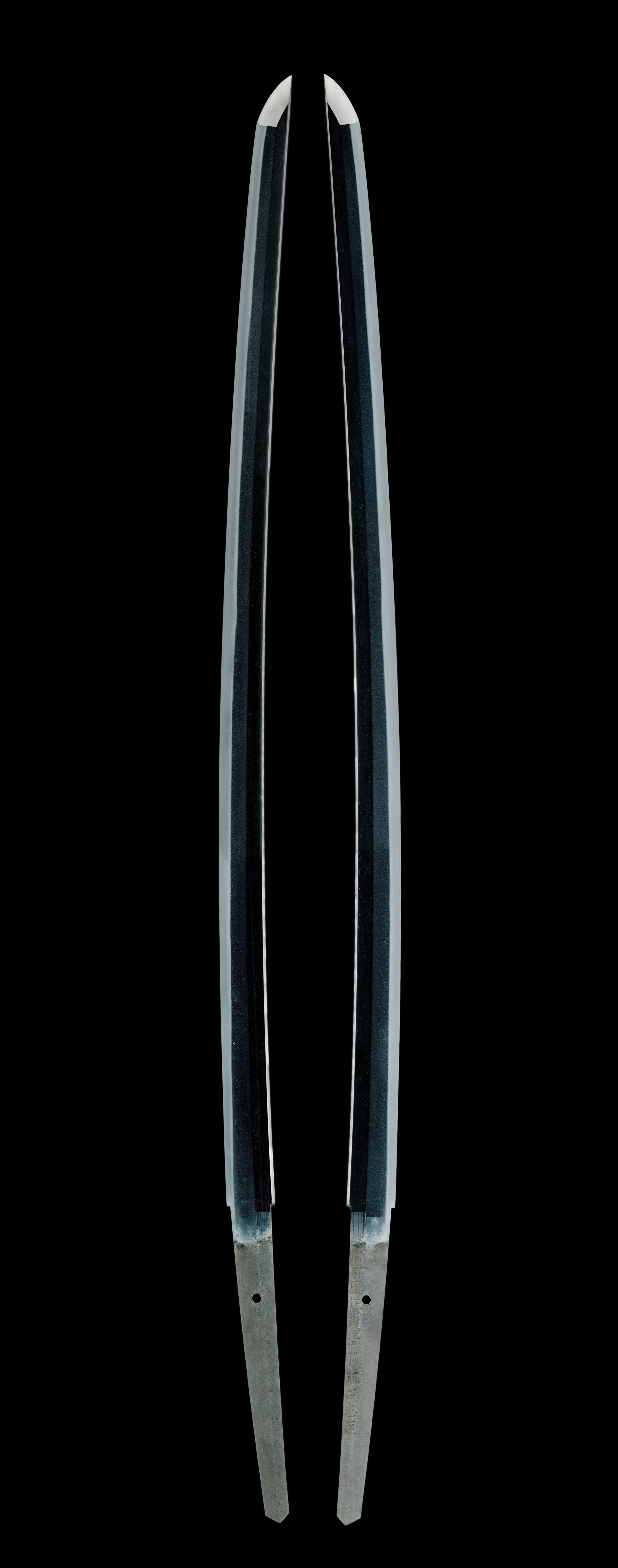
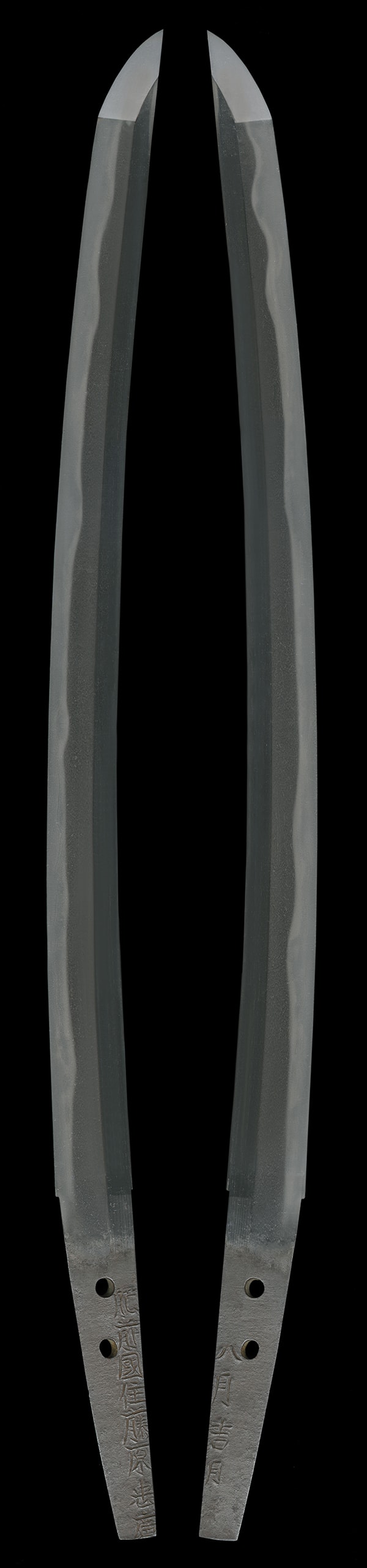
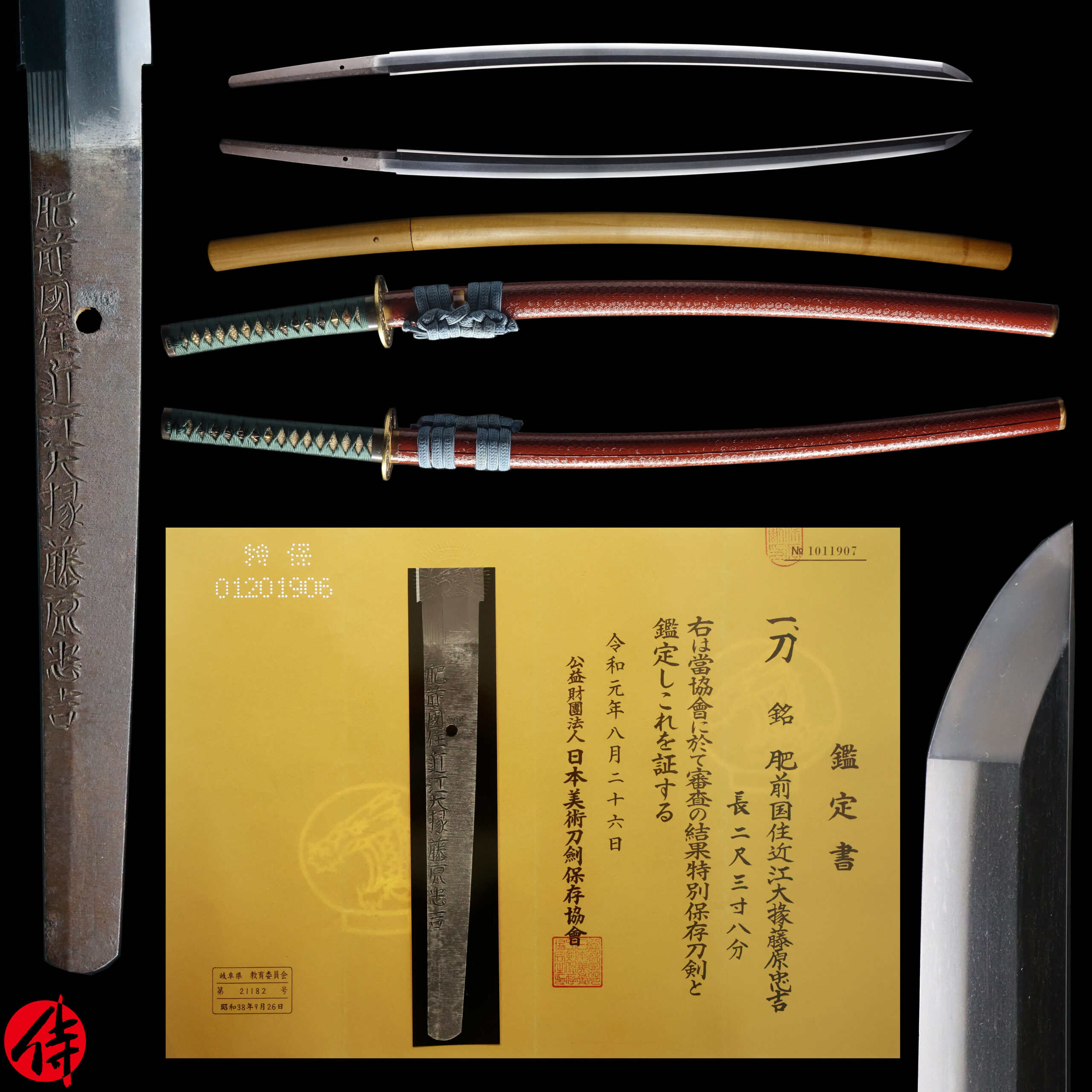
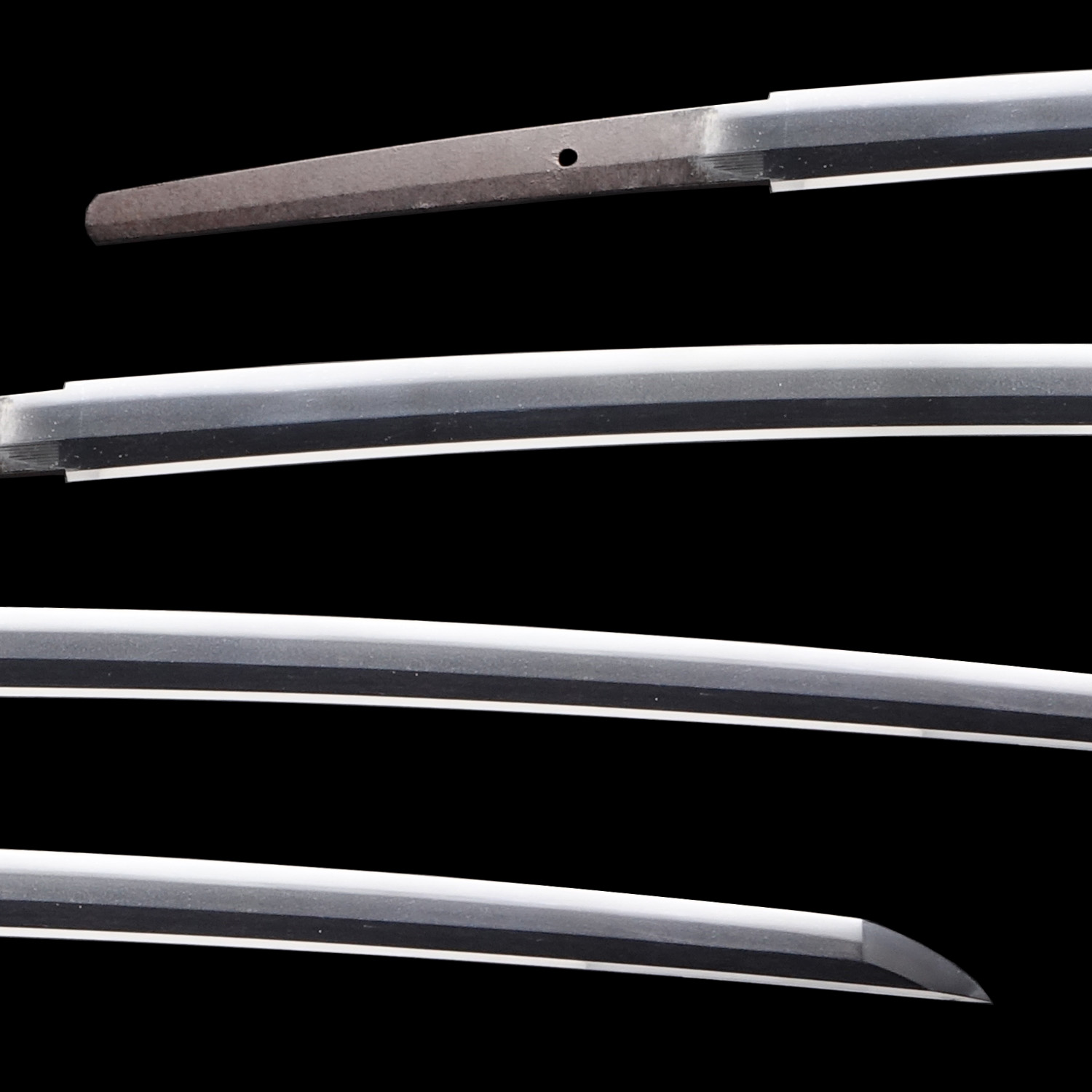
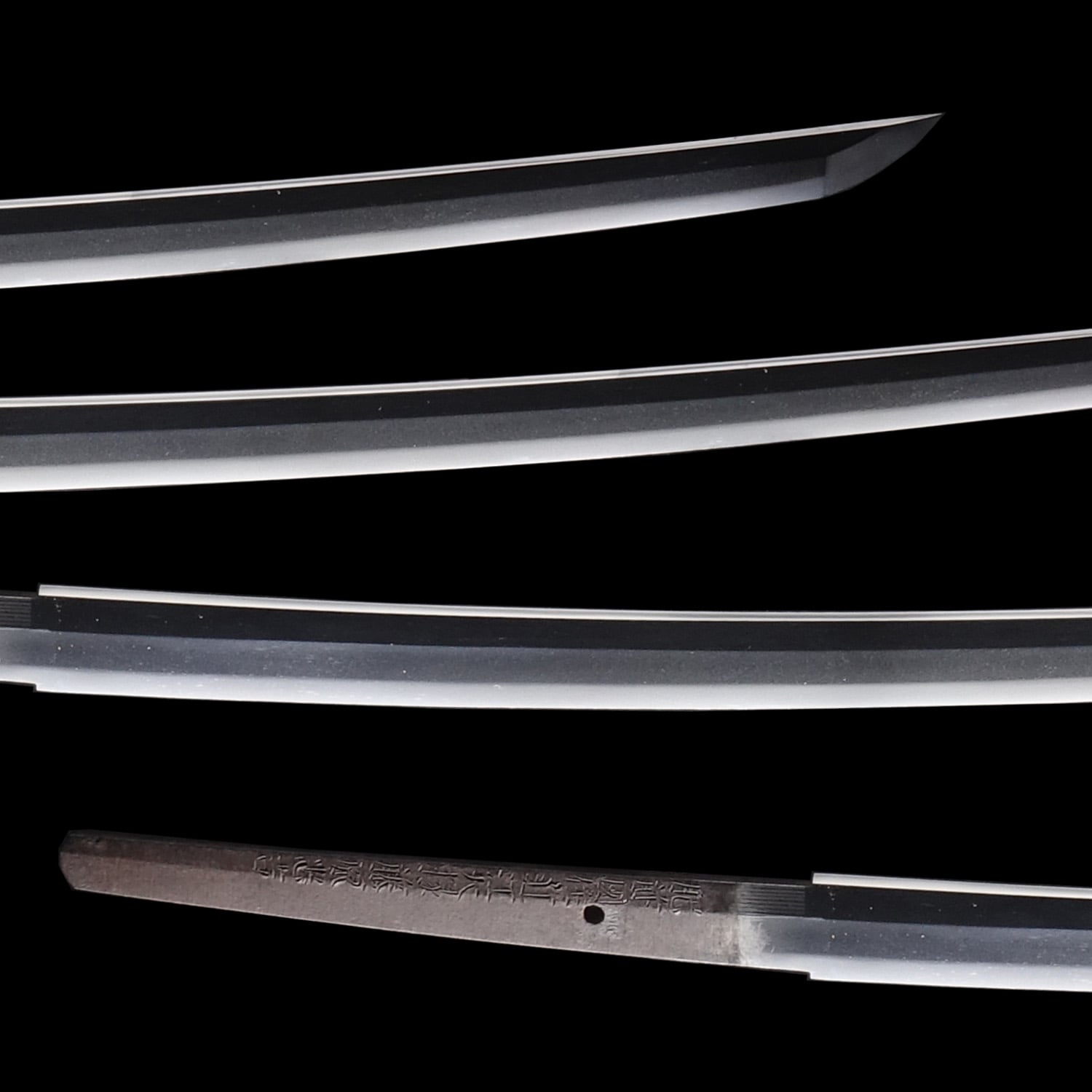
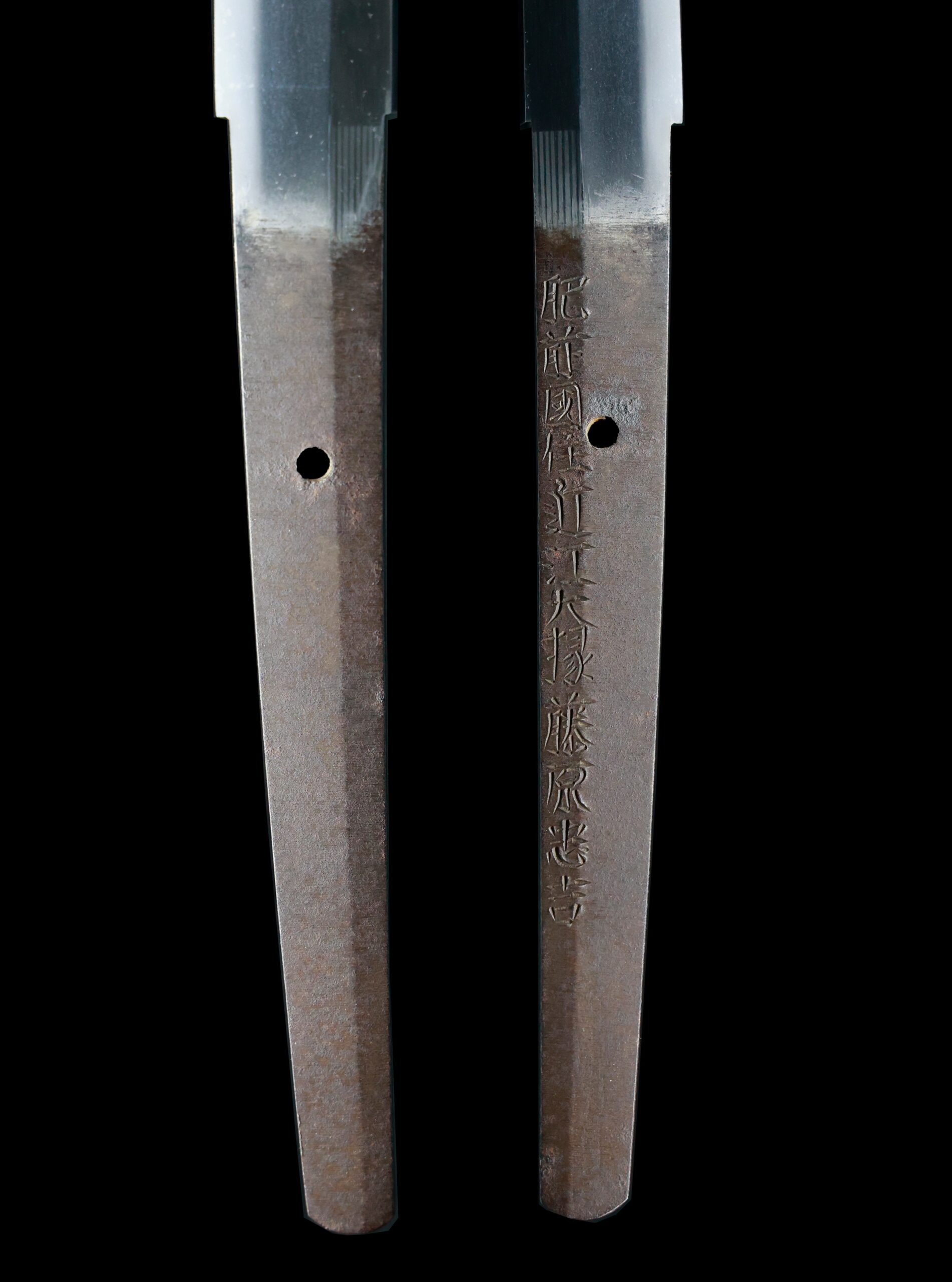
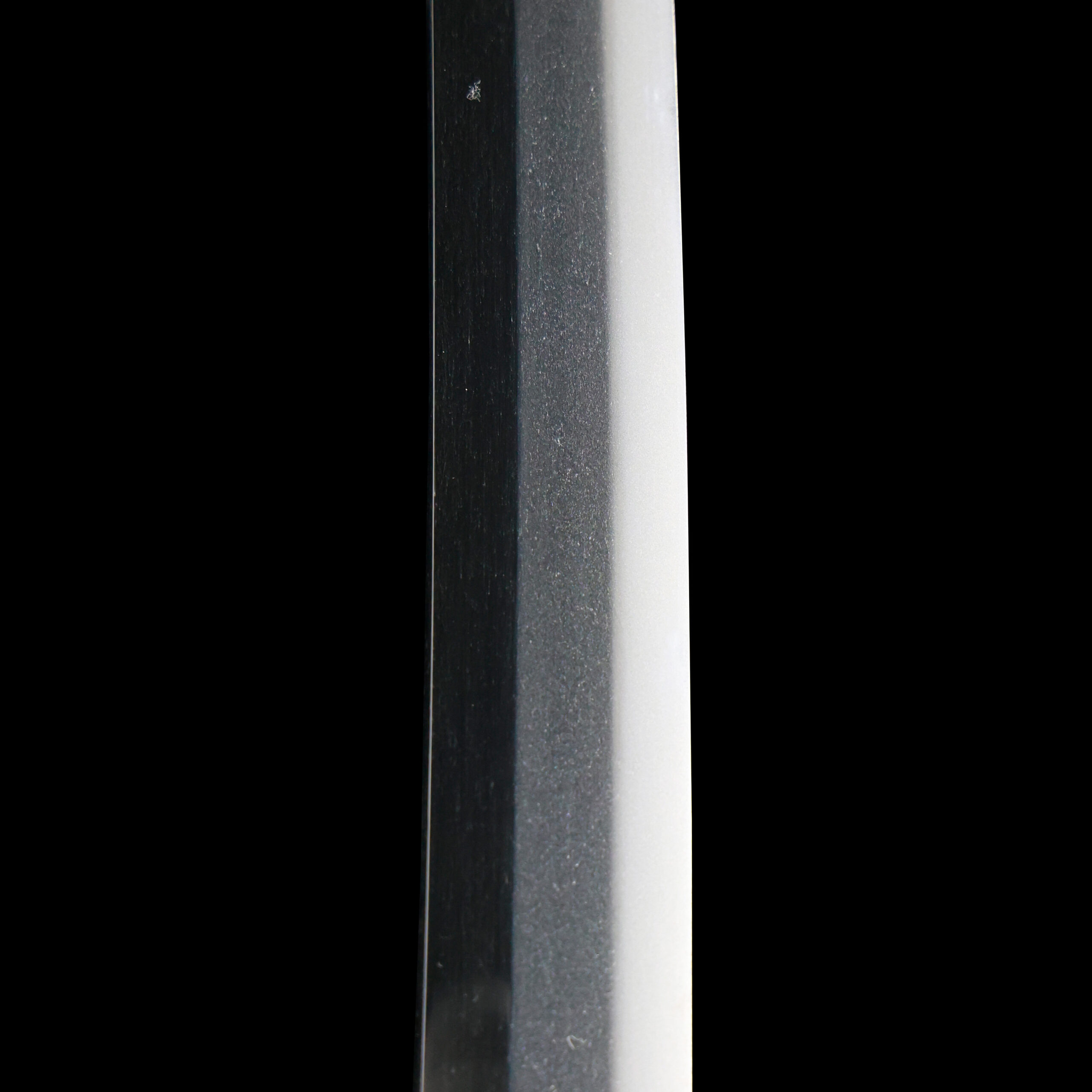
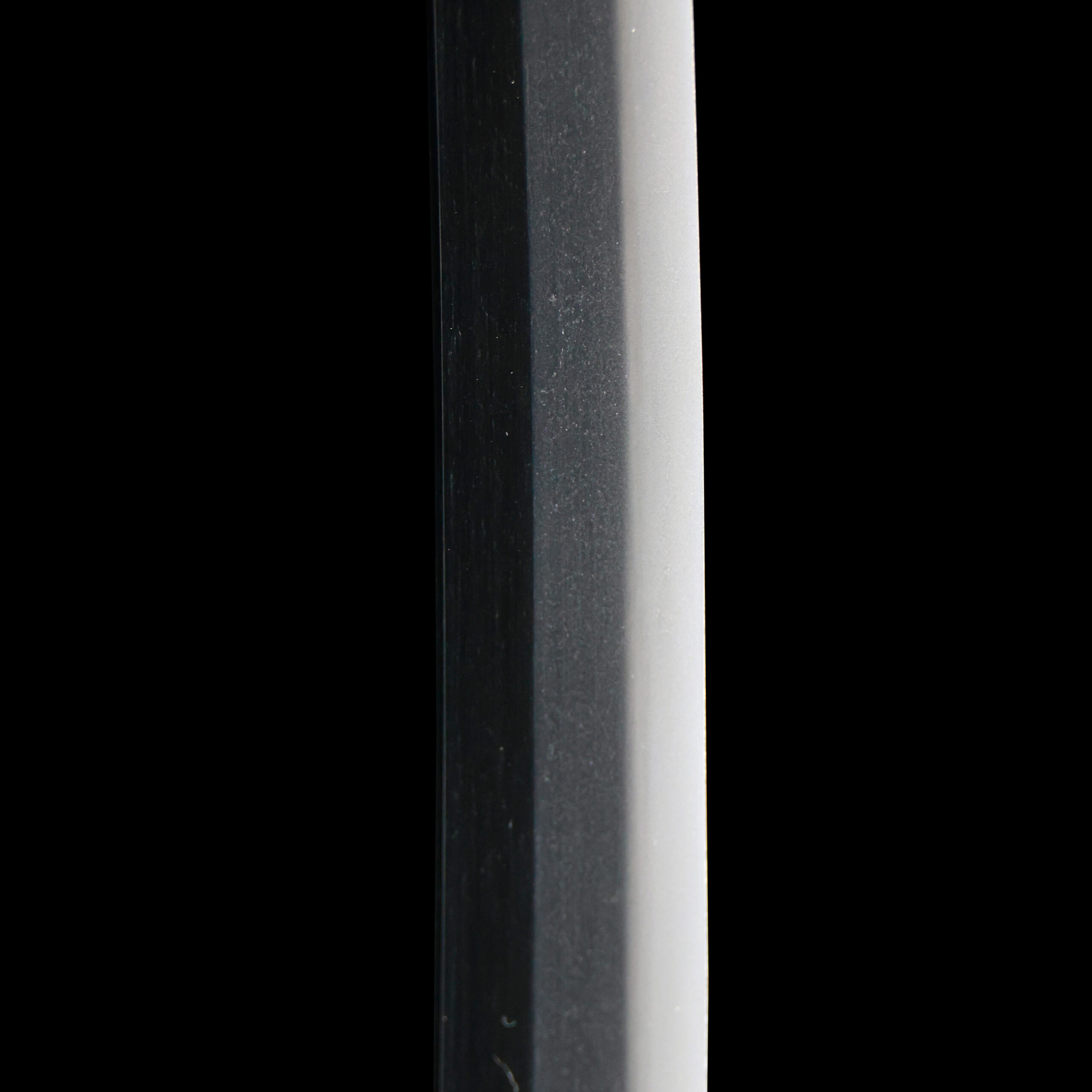
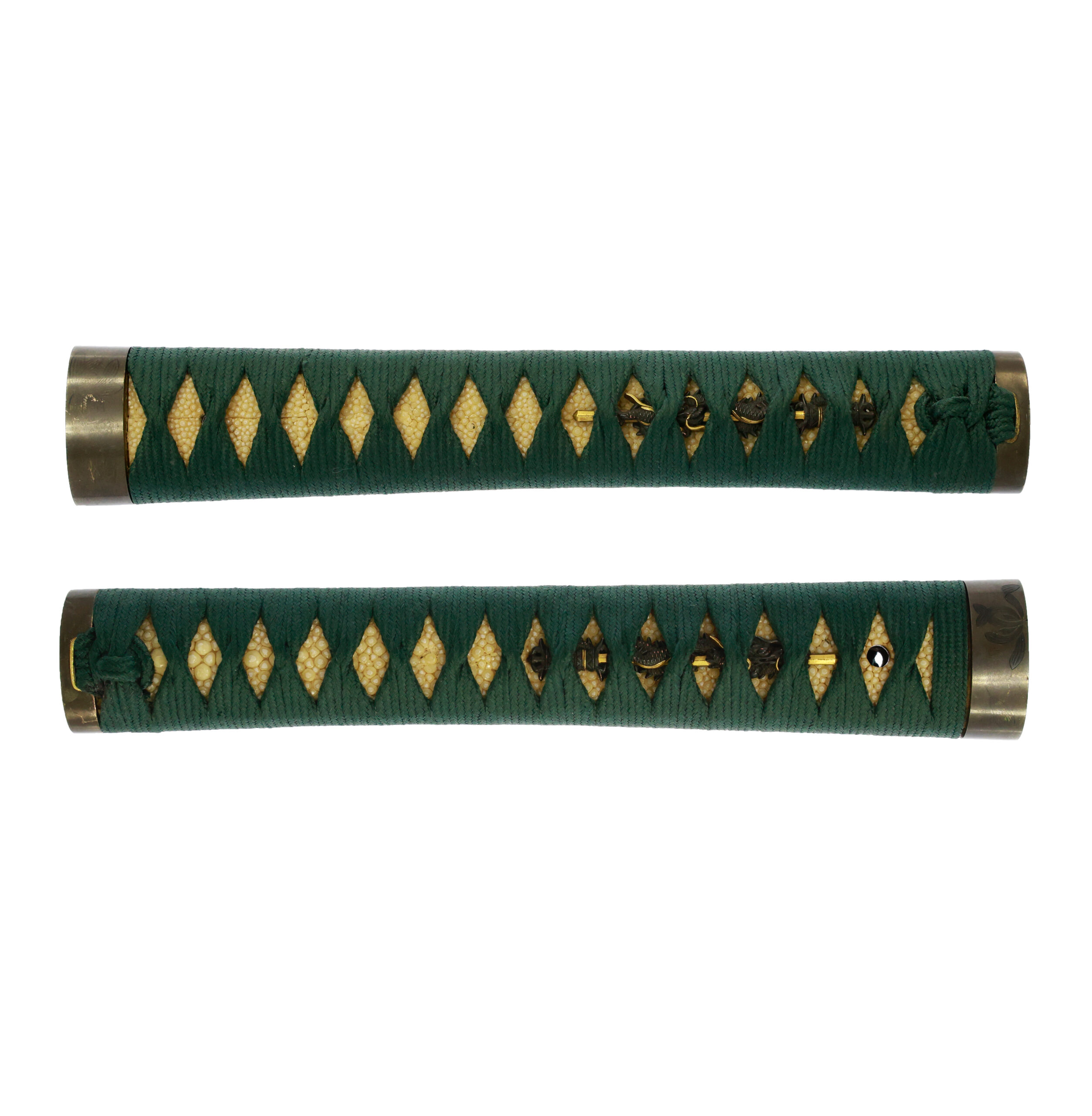
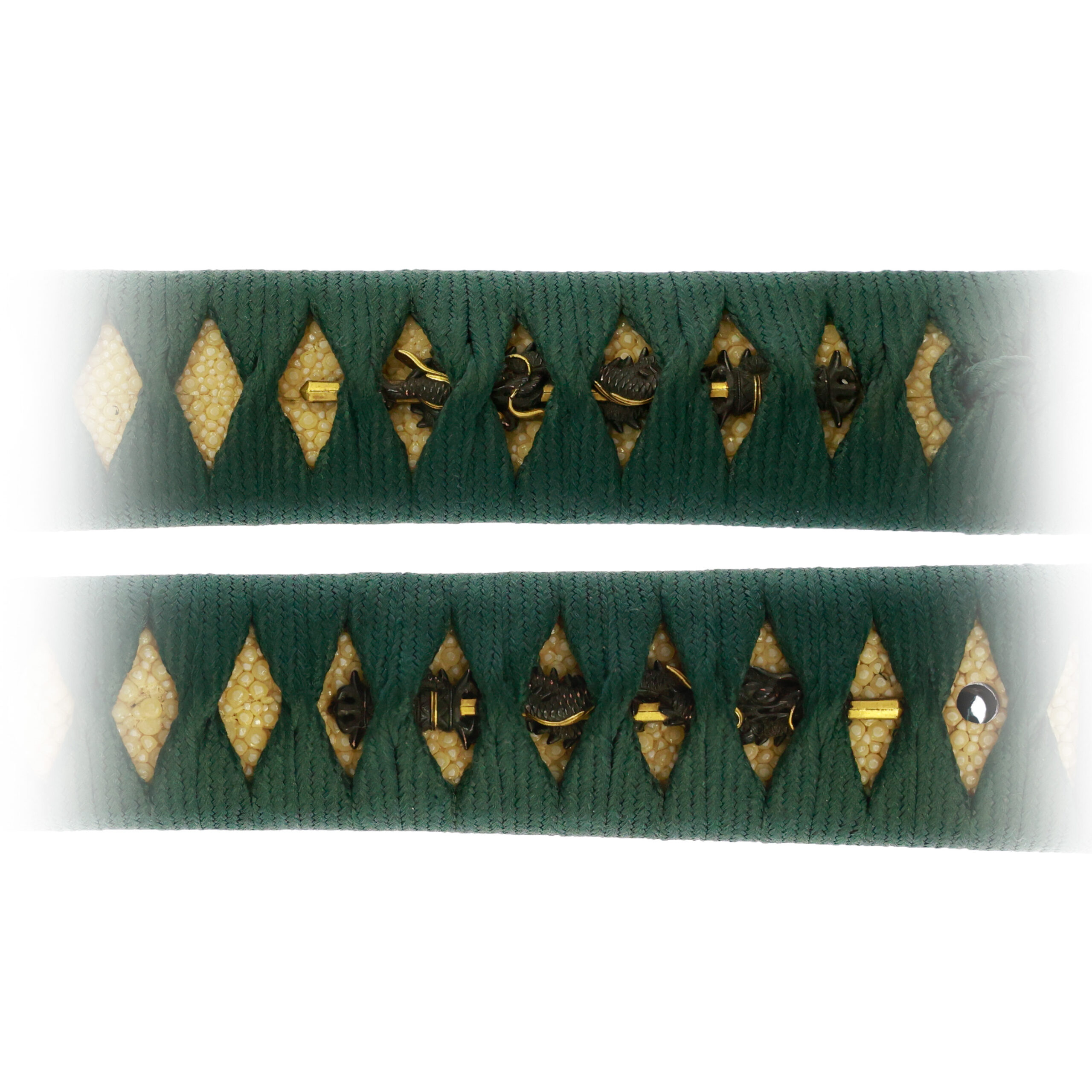
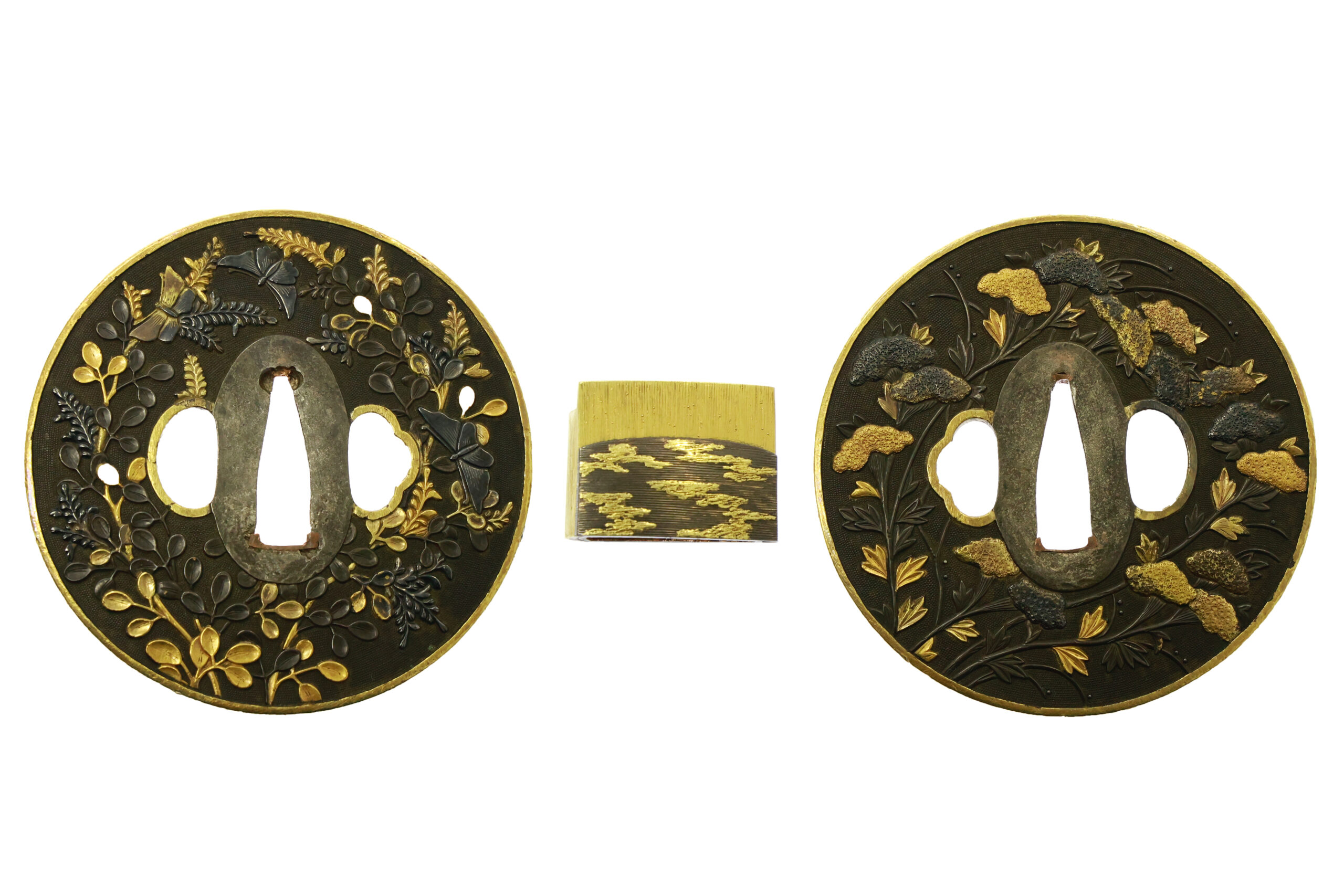
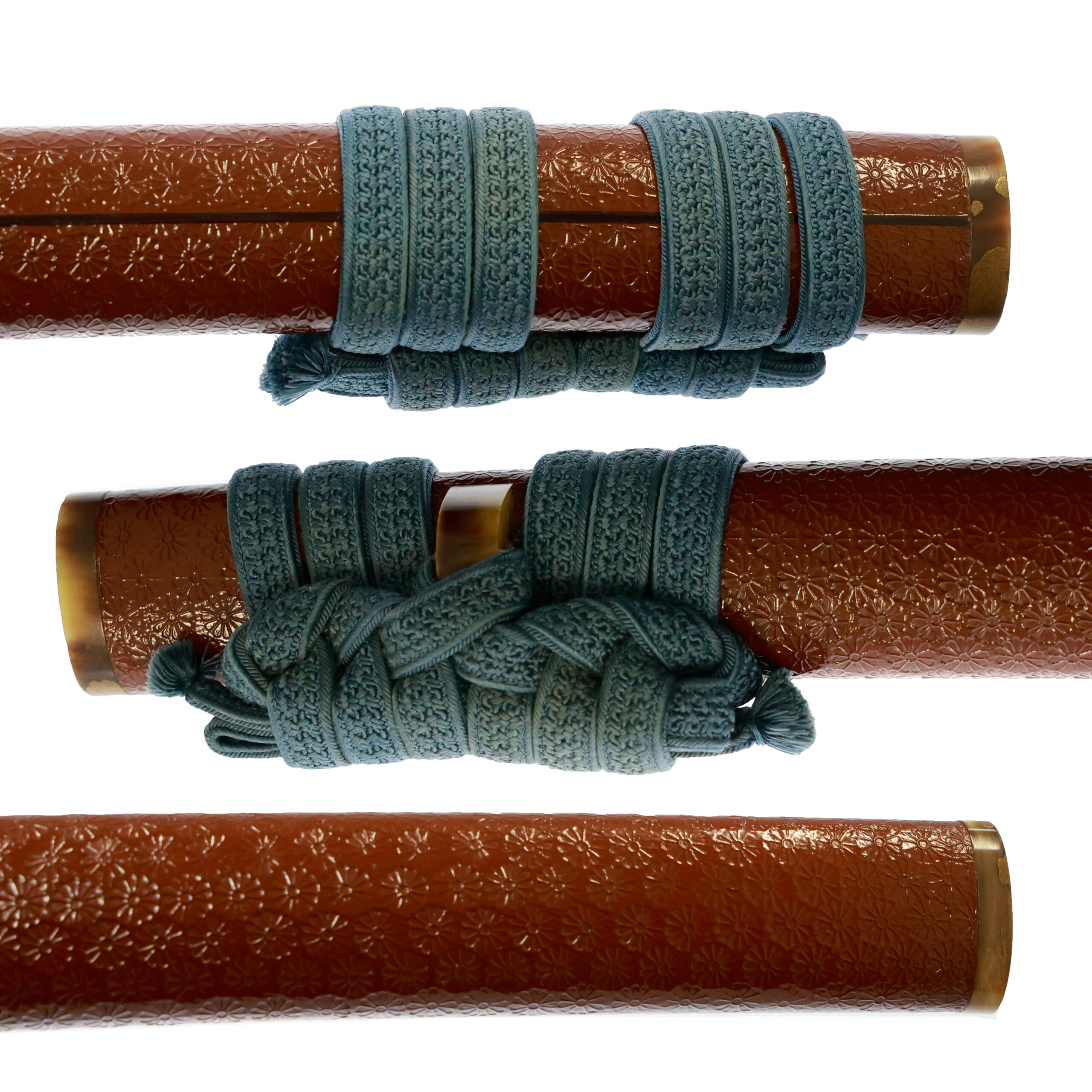
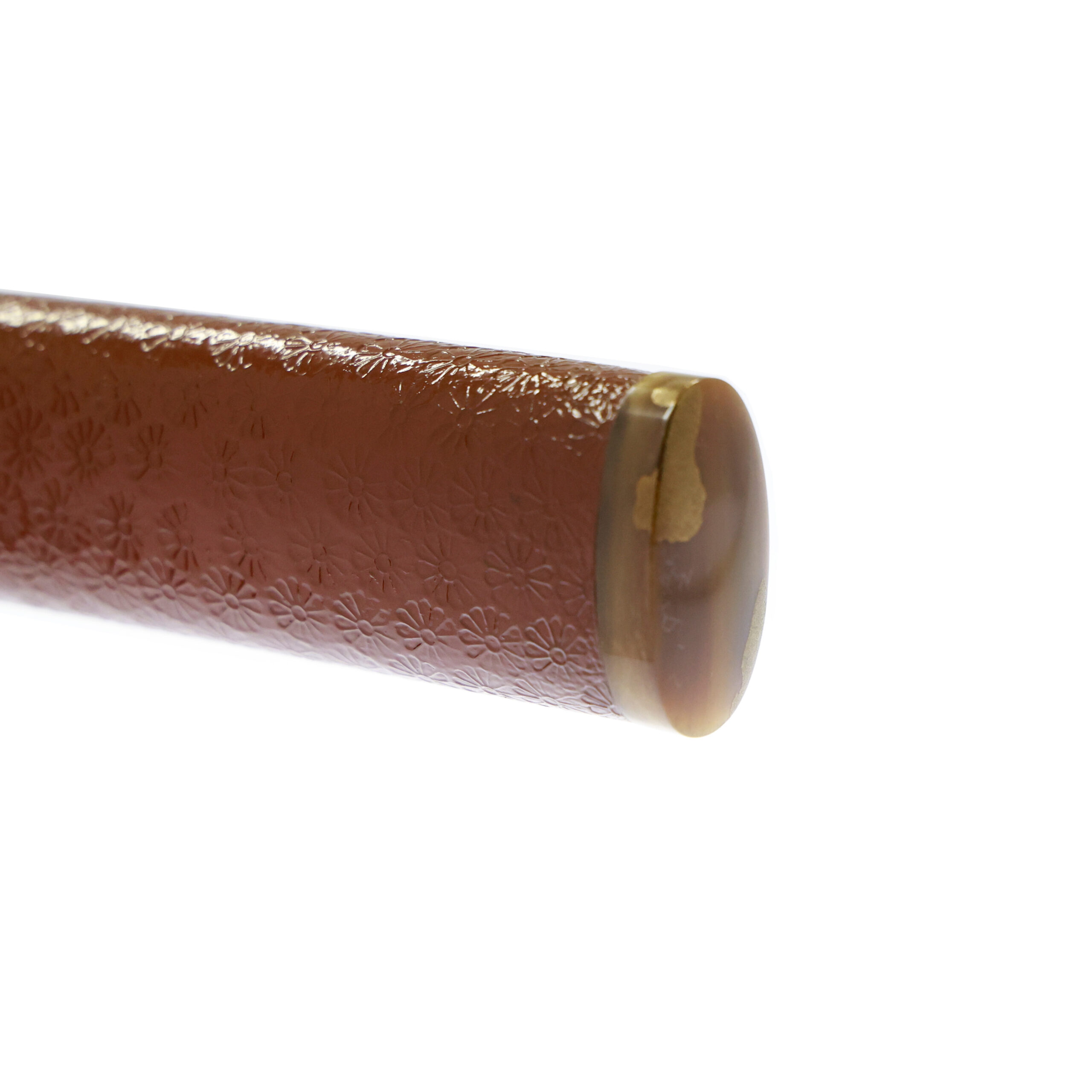
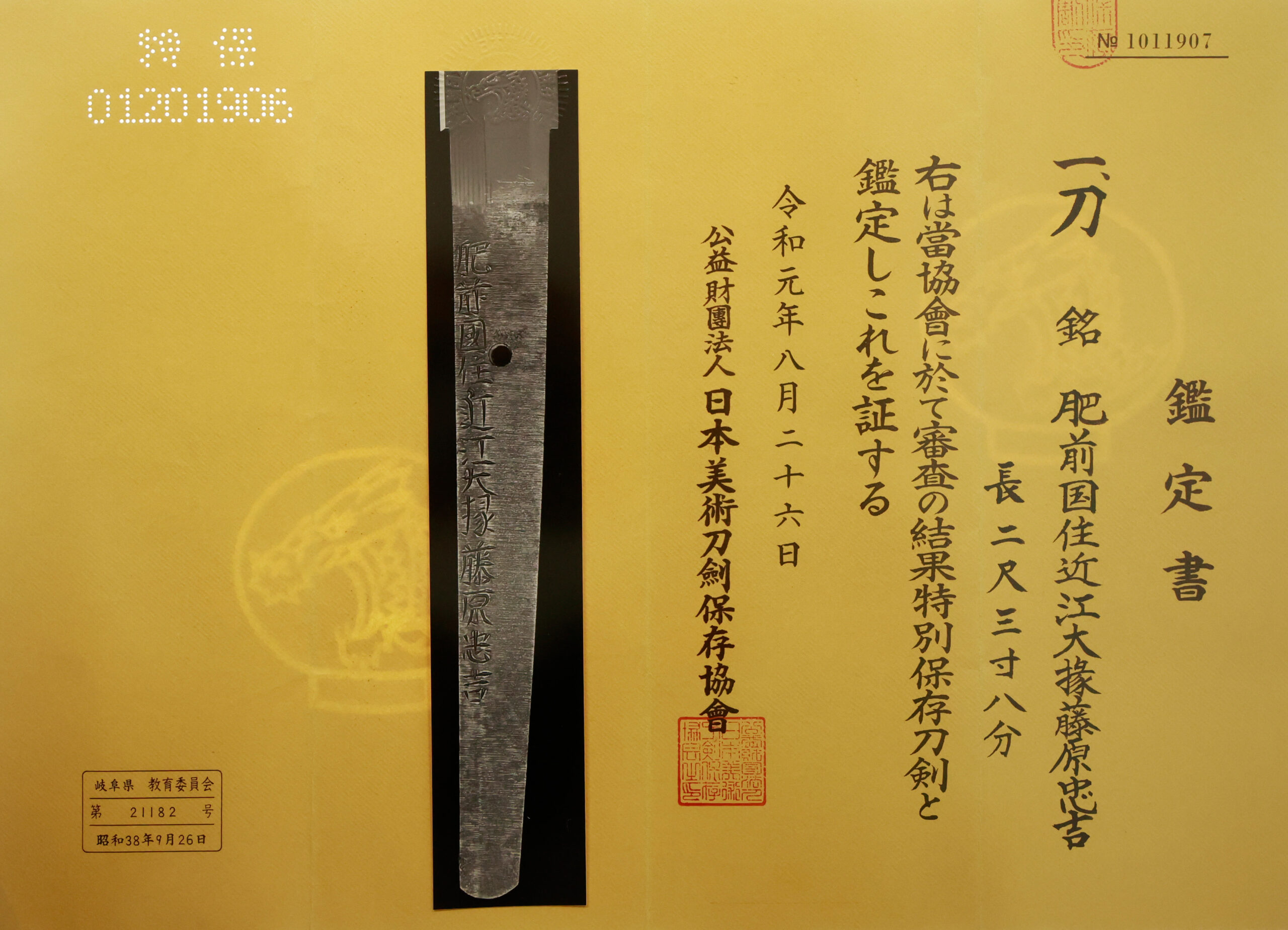
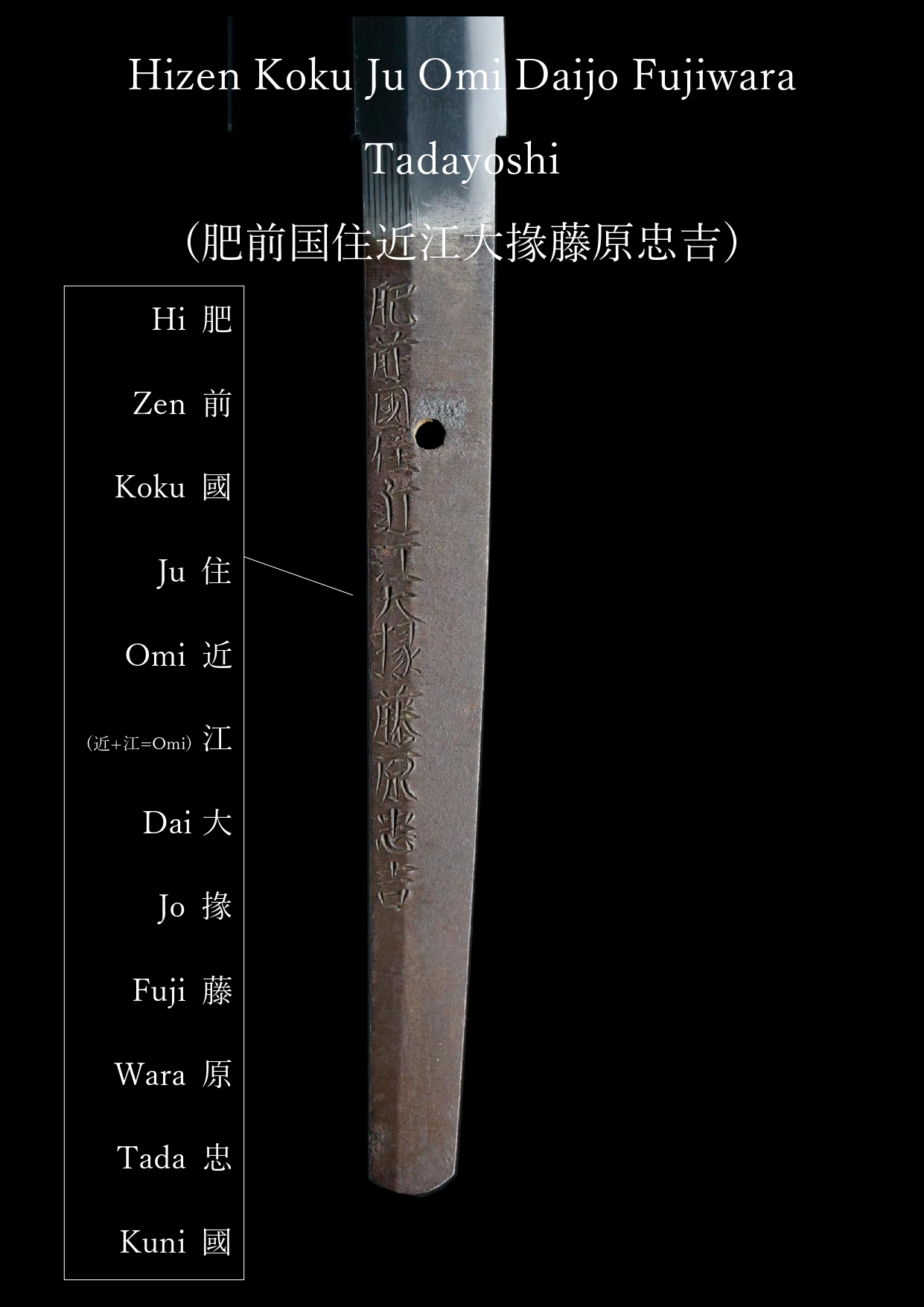
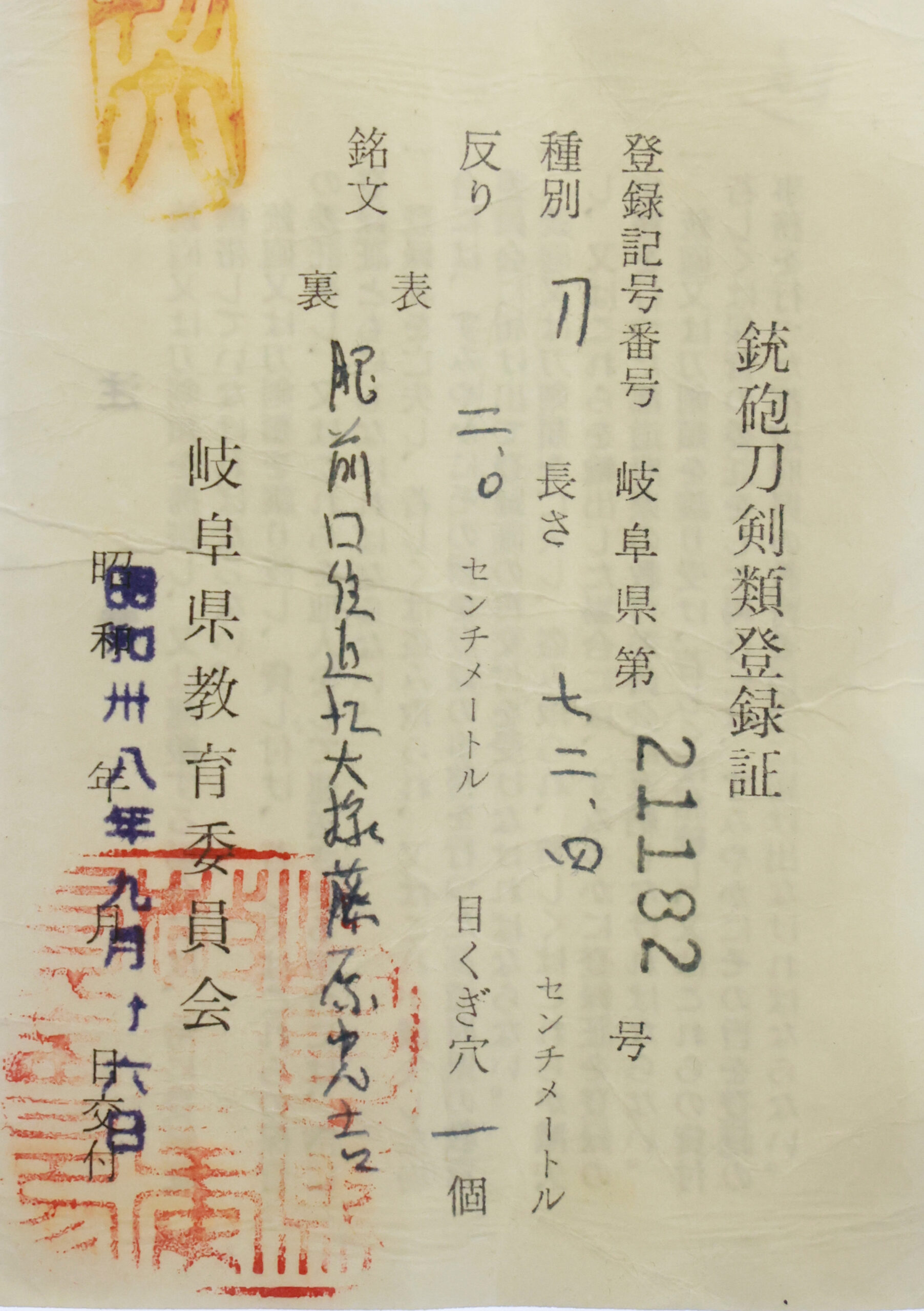
Antique Japanese Sword Katana Signed by Tadayoshi with NBTHK Tokubetsu Hozon Certificate 【Description】 Summary This blade was signed by Hizen Koku Ju Omi Daijo Fujiwara Tadayoshi (肥前国住近江大掾藤原忠吉). The maker’s name Tadayoshi lasted nine generations during the Edo period (1603-1868) in Hizen province (today’s Saga prefecture), and this blade was forged by 4th-gen Tadayoshi, who was active during the Genroku era (1688-1704: Mid Edo period). The fourth-generation Tadayoshi was born in the 8th year of the Kanbun era (1667) as the son of the third-gen Tadayoshi, also known as Mutsu no Kami Tadayoshi. The fourth gen’s birth name was Hashimoto Gensuke. He learned most of the sword-forging techniques from the second-gen Tadahiro, his grandfather because his father died in the third year of Jokyo (1686) when Tadayoshi was just 19 years old. The 4th gen Tadayoshi mastered excellent craftsmanship from his grandfather until the grandfather died in the 6th year of the Genroku era (1693). It is said that the 4th-gen Tadayoshi often did a Daisaku for his grandfather, the second-gen Tadahiro. Daisaku is a regular act where an apprentice or a child of the swordsmith signs his master’s name with his master’s permission or forges a blade on behalf of the master. That means that his master highly acknowledged Sadakuni’s craftsmanship. Considering the fact that the 4th-gen Tadayoshi did Daisaku for the second-gen Tadahiro, they must have had a very close relationship and trusted each other. The fourth-gen Tadayoshi received the honorable official title of Omi Daijo in the 13th year of the Genroku era (1700). He kept forging superb quality blades until he died at 80 years old. The First Generation Tadayoshi The first-gen Tadayoshi was born and raised in the Saga domain. In 1596, under the domain’s order, he went to Kyoto to learn the sword-forging technique from Umetada Myojyu (埋忠明寿), one of the greatest swordsmiths in the early Edo period. He improved his craftsmanship and returned to the Saga domain two years later (1598). The first head of the Nabeshima clan, Nabeshima Katsushige, appreciated the work of the first-gen Tadayoshi very much. Then, Katsushige appointed him as his Okakaekaji, a swordsmith who exclusively forged swords for a specific domain or clan. And Tadayoshi started to stay near Saga castle, which is the headquarter of the Nabeshima clan. And, he founded Hizen Tadayoshi school, which trained more than 100 swordsmiths during the Edo period. The generation of Tadayoshi served Nabeshima clan by the end of the Edo period. Hizen Province The swordsmiths in the Hizen province worked under the auspices of the Nabeshima clan like Tadayoshi. They could produce beautiful Jigane-patterned blades, also known as Hizen To, using and mixing carbon steel made in western countries. Hizenkoku had been flourishing by international trading. The geographic location of this domain made it possible to have easy access to western carbon steel. Appraisal It is appraised as a Tokubetsu Hozon Token (特別保存刀剣) issued by NBTHK (Nihon Bijutsu Touken Hozon Kyokai:日本美術刀剣保存協会). This authentication paper was only given to authentic Japanese swords, especially well preserved and high quality with artistic value. 【Blade】 Cutting Edge Length(Nagasa) : 72.4 cm (28.46 inches) Curvature(Sori) : 2.0 cm (0.79 inches) Hamon : The crystalline structure which forms along the cutting edge of a blade as a result of the hardening process Jimon(Jihada) : visible steel surface pattern created by folding and hammering during forging process Kissaki : Kissaki is the tip of the Japanese sword. Nakago : Nakago is the tang of the Japanese sword. Japanese swordsmiths left the black rust on the tang because it prevents red rust while the tang is in its handle. And the discoloration of the tang was created over time, and it is a great indicator for a Japanese sword specialist to estimate when the sword was forged. Koshirae: Koshirae is the mounting of the Japanese sword. There are several p
 NihontoWatch
在銘 · Hizen Tadayoshi · 元禄 · 長さ 72.4cm · 反り 2cm
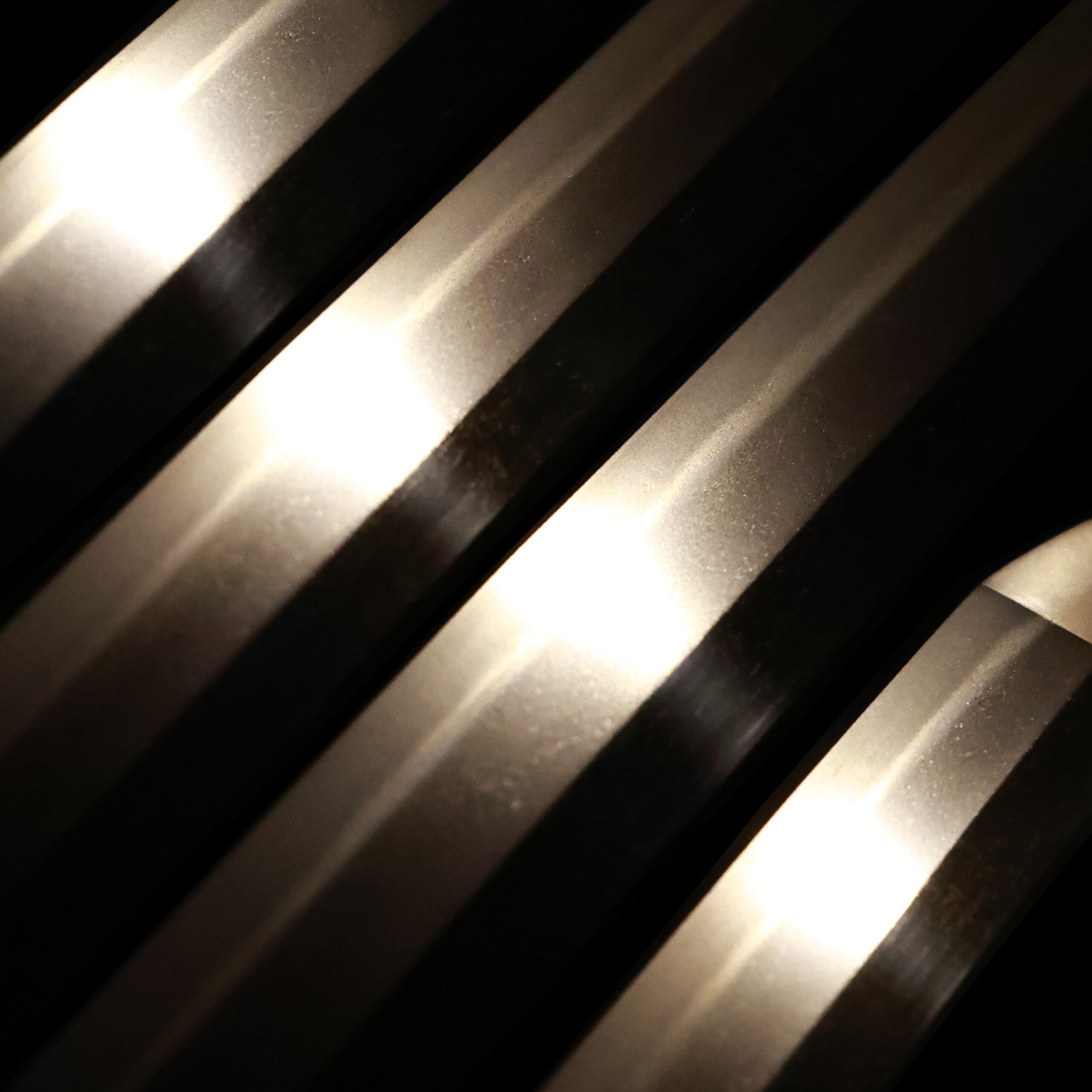
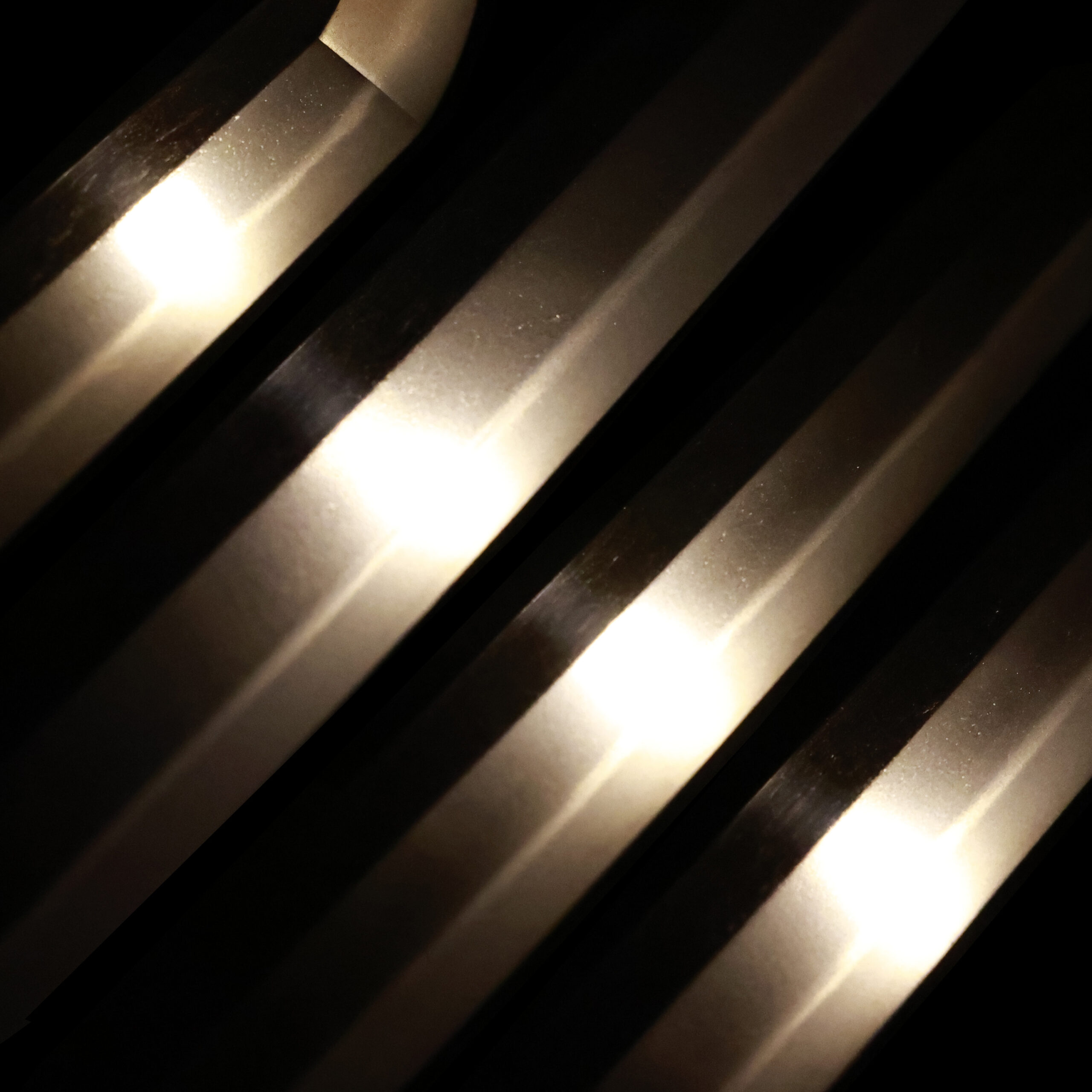
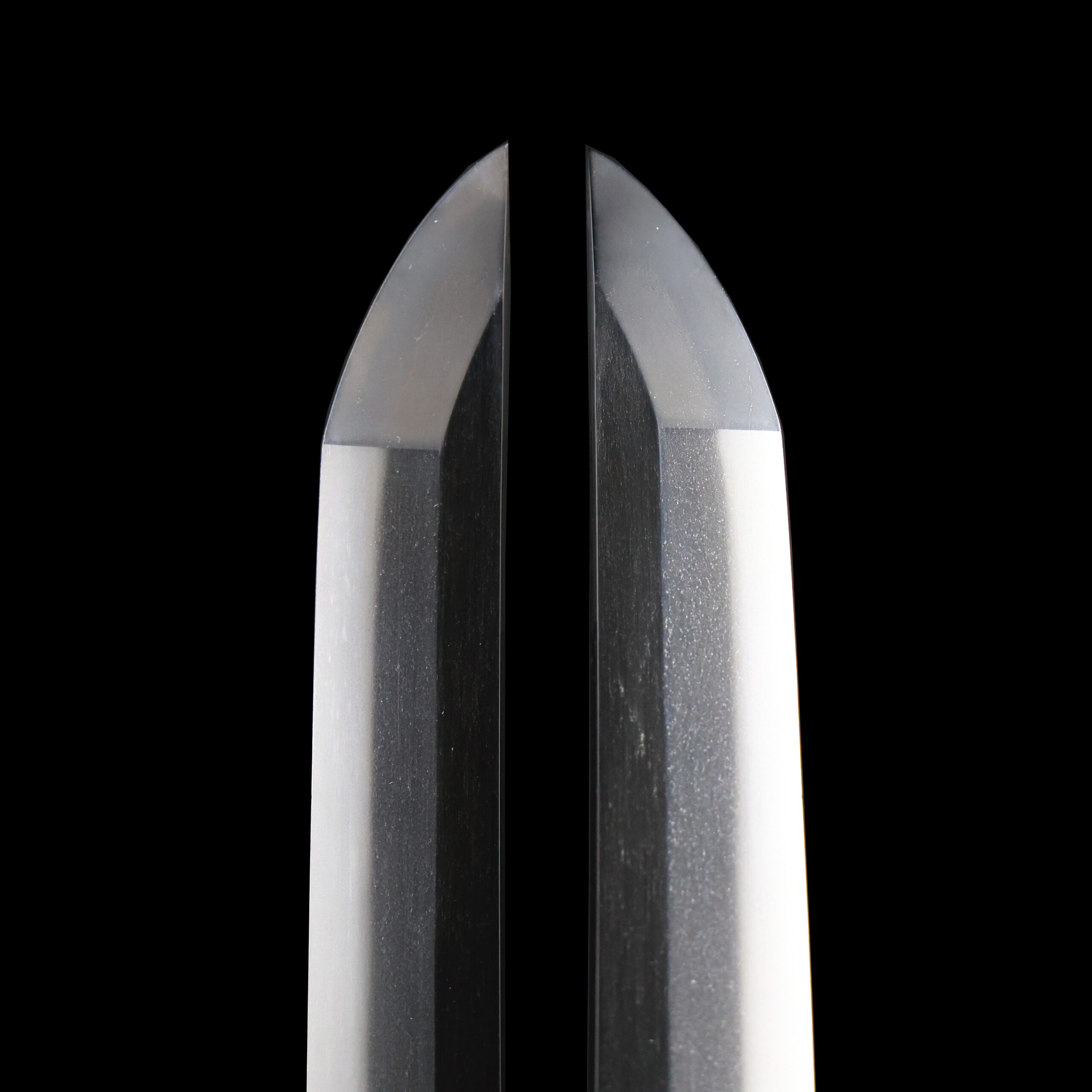
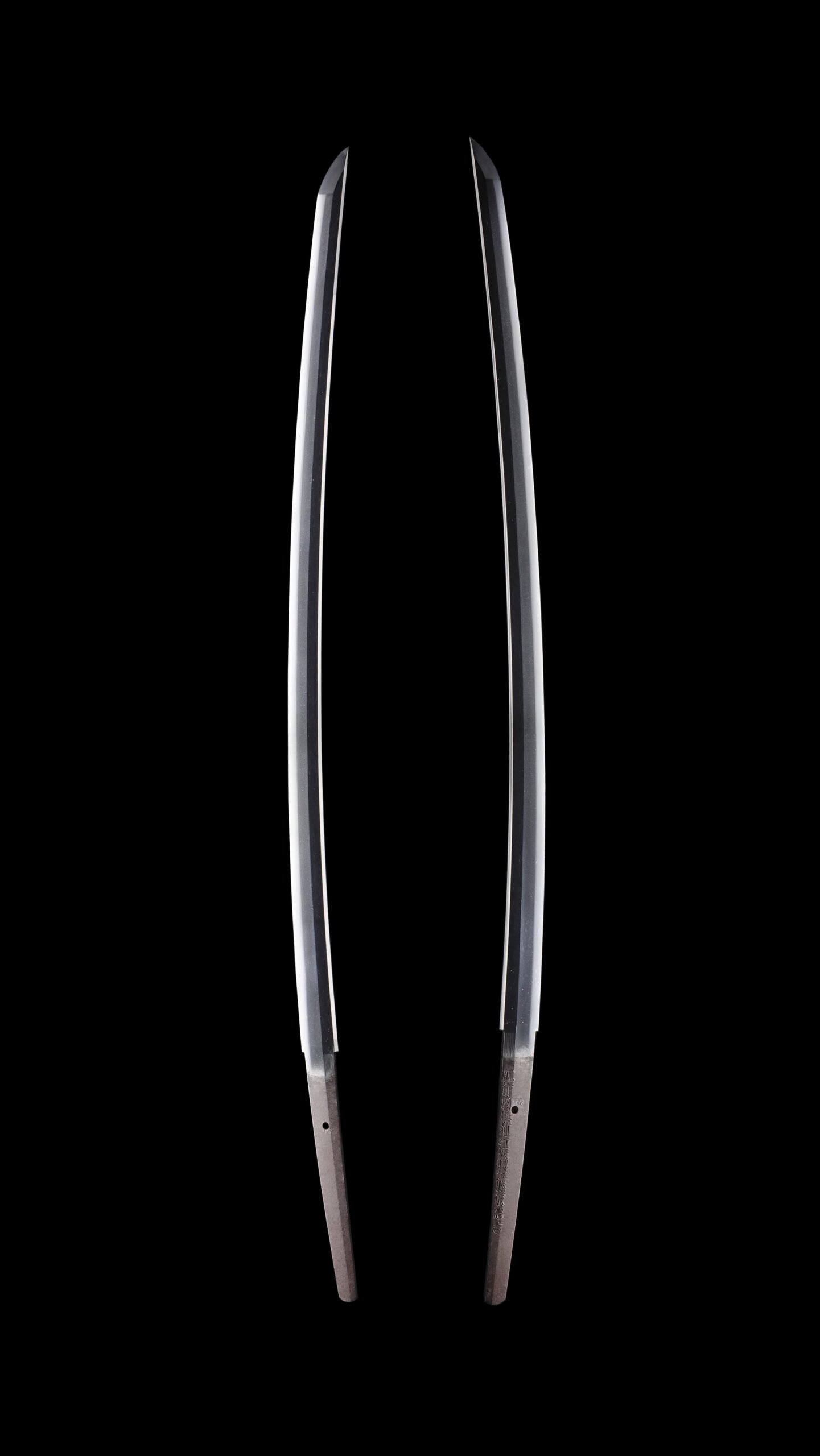
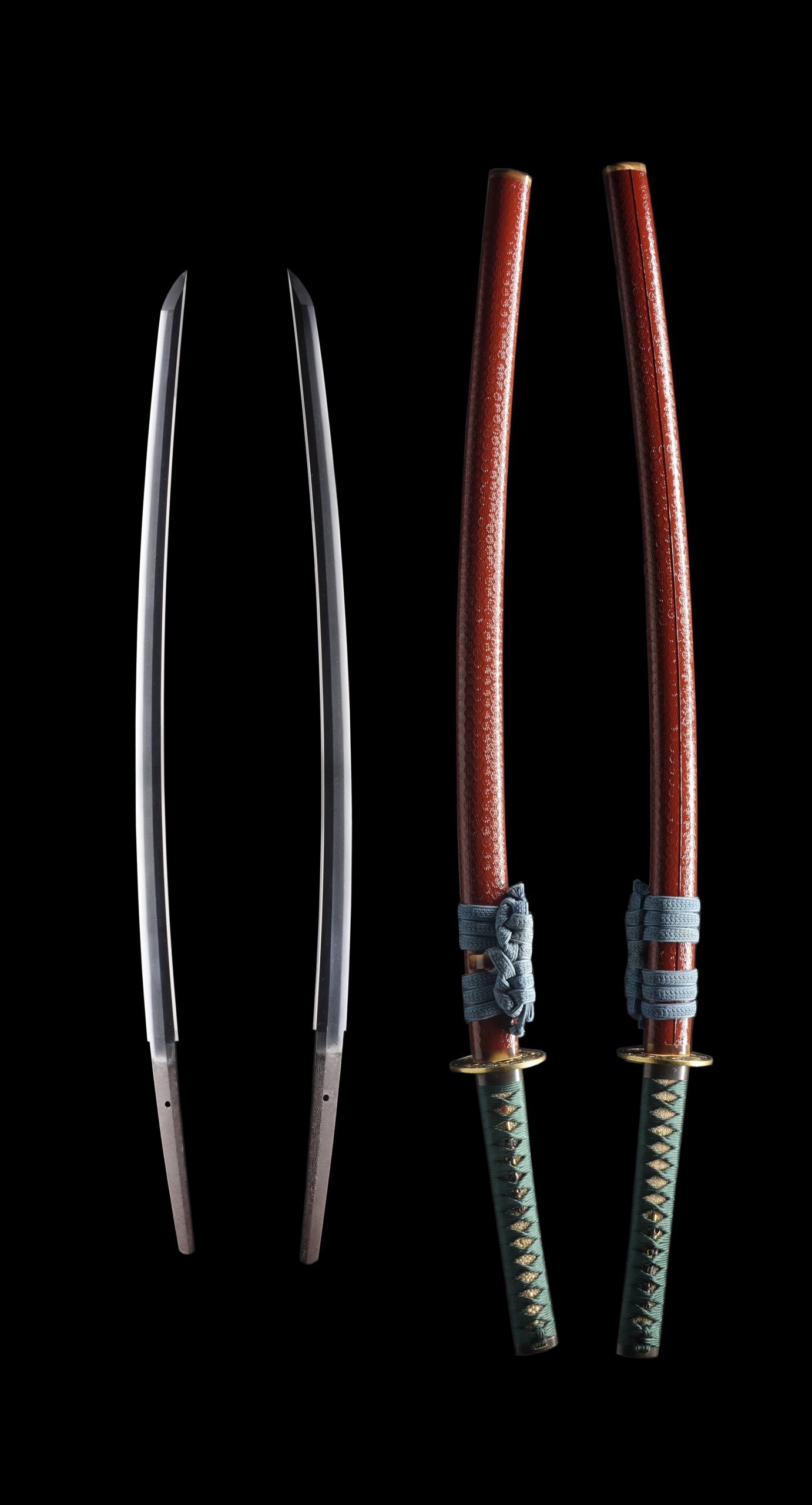
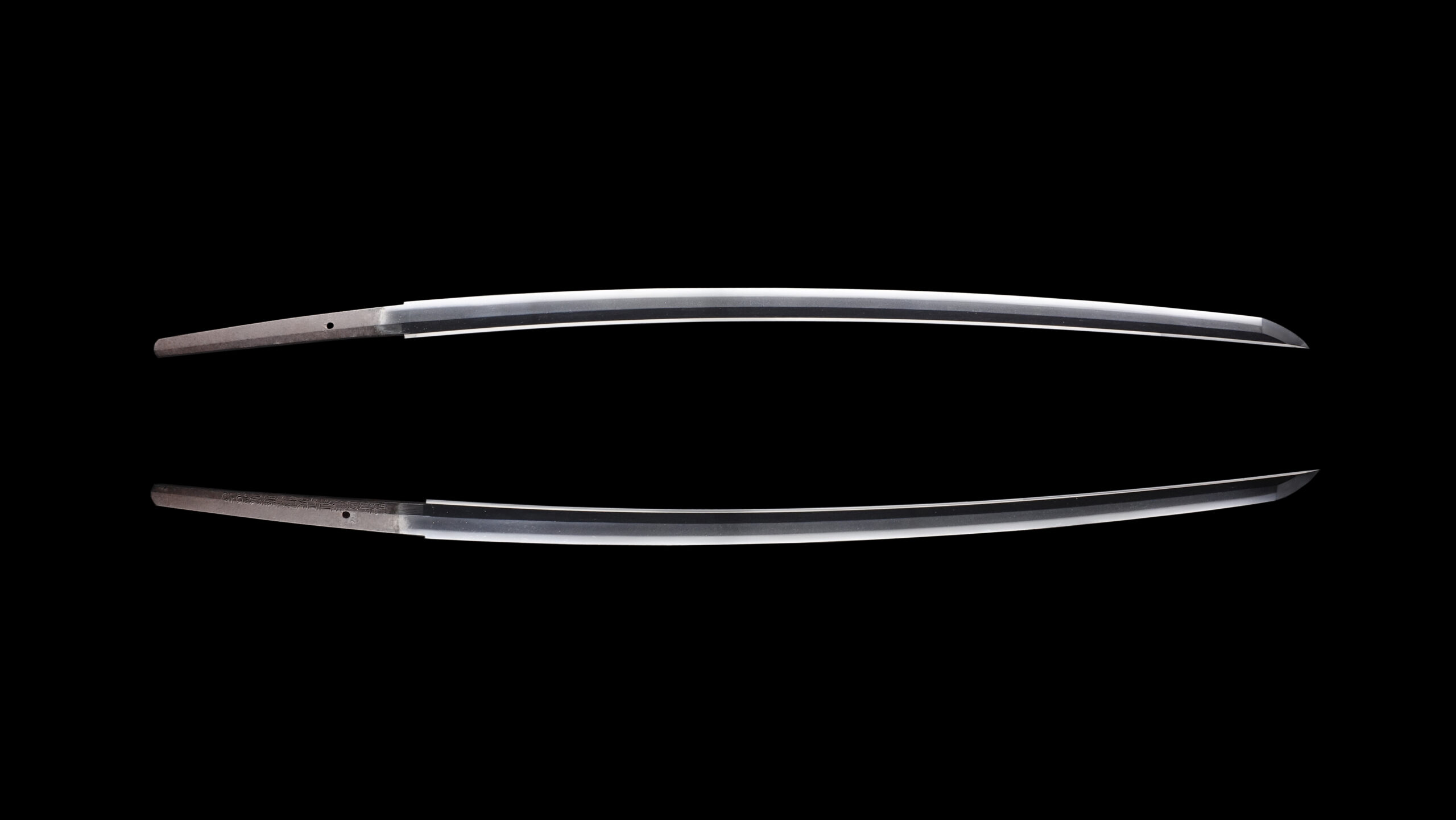
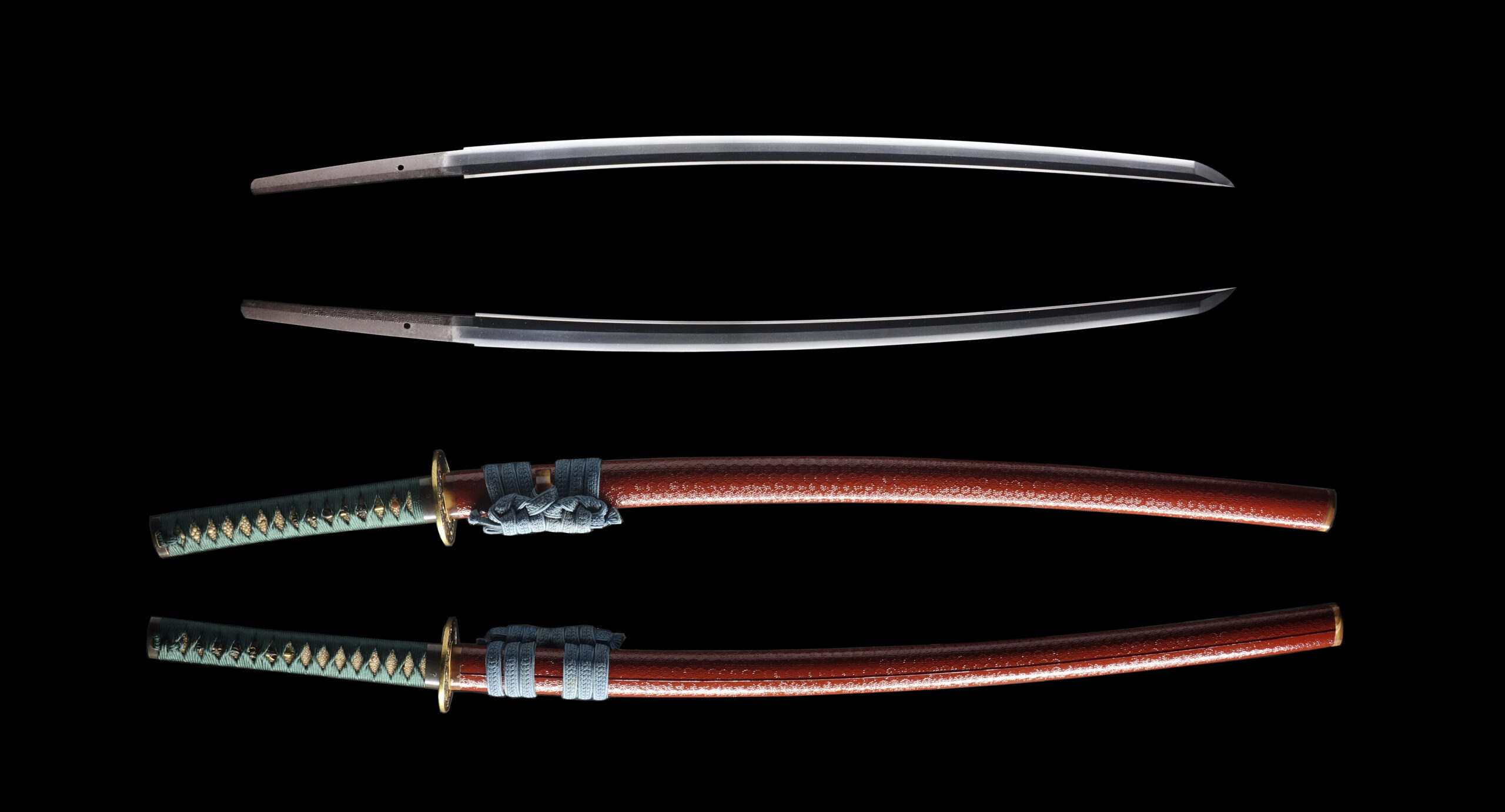
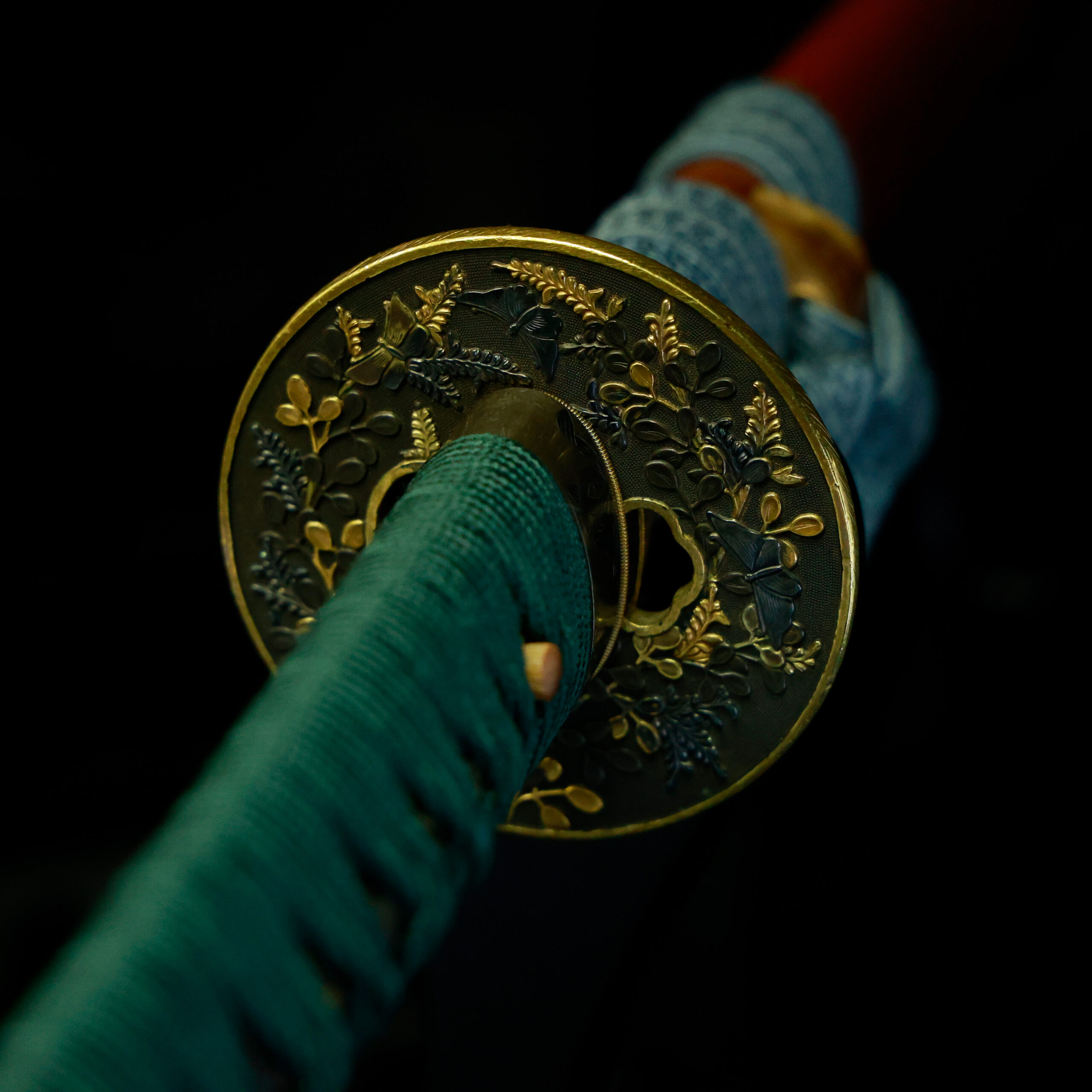
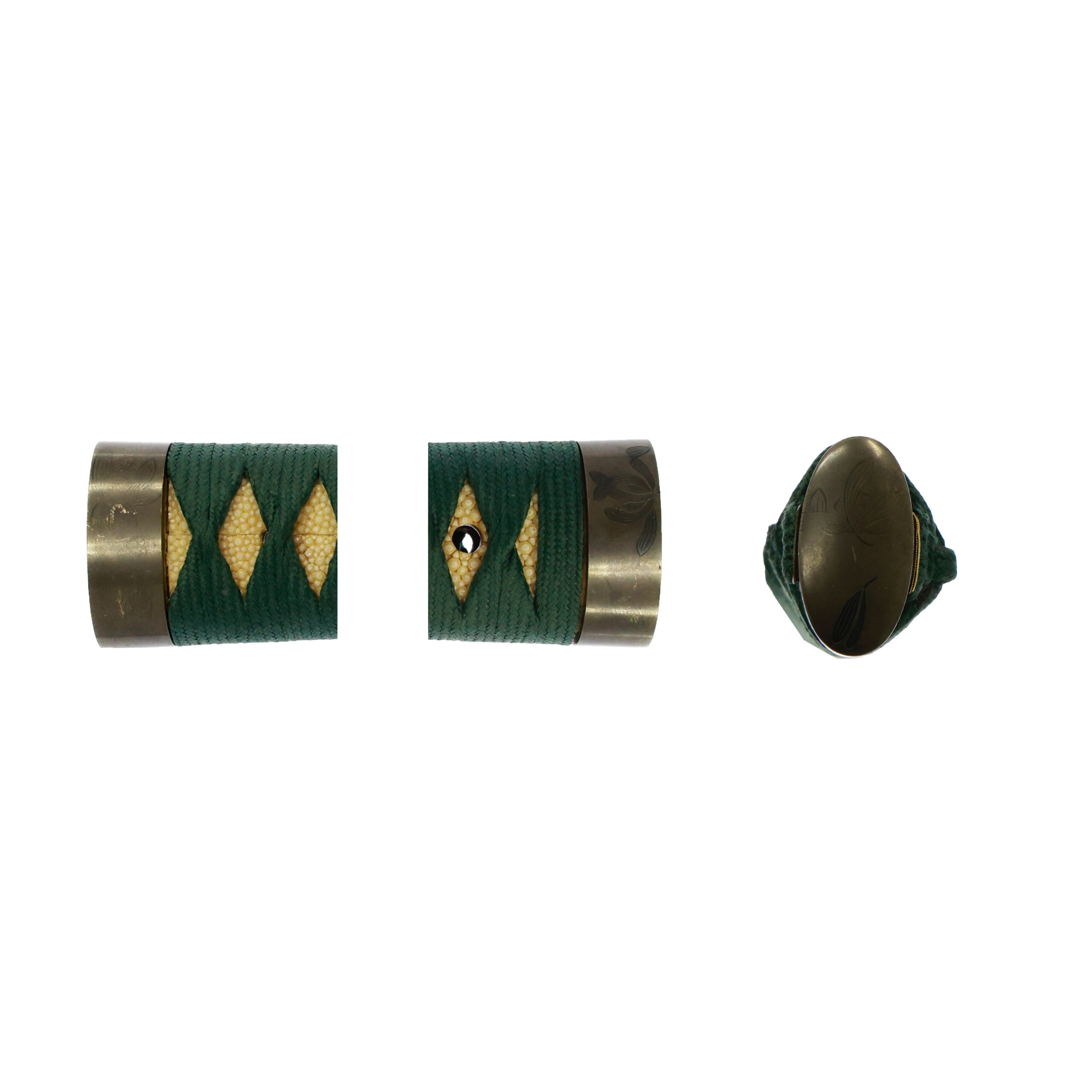
新刀 · 肥前 · 1688-1704頃
藤代 Jo saku · 刀剣大鑑 上位37%
現在2点販売中
忠吉の位置づけを、日本刀全体および伝統・時代・時期ごとに示します。各位(随一・屈指・有数・著名)は、NBTHK および文化庁による指定に加え、三作や名物帳などの歴史的栄誉を加味したものです。
各項目を選ぶと評価方法が表示されます。
新刀 · 肥前
現在134点販売中
肥前忠吉派は、肥前佐賀の城下を中心に興った新刀期の一流であり、その祖は橋本新左衛門と称した初代忠吉である。資料によれば、初代は鍋島家の抱え工として、慶長元年に藩命により彫工宗長とともに上洛して京の埋忠明寿の門に入り、忠吉は鍛刀を、宗長は彫技を学んだという。同三年に帰国して佐賀城下に住し、鍋島藩の庇護のもとに一門は大いに栄えた。年紀は慶長五年に始まり、元和十年には再び上洛して武蔵大掾を受領し、名を忠吉から忠広に、氏を源から藤原に改めている。この改名は同一の手の変遷であって別人ではない。初代の嫡子たる二代近江大掾忠広は六十有余年に及ぶ作刀生活を送って肥前最多作の工となり、本家の忠吉銘は土佐守家を経て三代陸奥守忠吉へと返上襲名されて、上三代の本流を成した。これと並んで、初代の門人や身内から、播磨大掾忠国の系、河内大掾正広に発する正広の系、出羽守行広の系といった分家、すなわち傍肥前と汎称される諸工が興り、代を重ねて佐賀の工房は確立された。 一門の共通する作風は、まずその地鉄に表れる。よく約んだ小板目を緻密に鍛え、地沸が微塵に厚く均しくつき、地景が細かに頻りに入って、かね明るく冴える。資料はこれを肥前特有の米糠肌と名指し、他派の出さない細かく明るい肌であるとする。この精良な地の上に、本家の本領たる中直刃を焼く。浅くのたれごころを帯び、処々に小互の目を交え、小足・葉が入り、匂深く小沸が細かについて締まり明るく、帽子は直ぐに小丸へ静かに返る。本来狙った来一門の直刃に対しては、匂口がより締まって明るく、鍛えに覇気がある点で分かれると説く。一方、初代の初期作には直江志津・古作大和物・来一門・鎌倉名工を狙った多様な写し物があり、掃きかけの帽子など本家の通則の例外も見える。代や系統による差異も資料の支持する範囲で明らかである。二代忠広と三代忠吉は本家本領の静かな直刃を継ぎ、なかでも三代は祖父初代を想わせる強く精美な鍛えを身上とする。これに対し傍肥前の諸工は華やかな乱れ刃を好み、正広は丁子を主調とした乱れに互の目を交え、行広は竪長の足長丁子乱れを焼き、忠国は一門の中で最も砂流しが目立つ足長丁子をあらわした。本家が直刃で読まれるのに対し、傍系はその精良な地を覇気ある乱刃へ運んだのである。 肥前刀の鑑定の勘所は、何よりこの米糠肌にある。明るく冴えた小糠肌の上に締まった直刃を焼くという組合せこそ、収集家が肥前刀を求める核心であり、地鉄と刃文が相俟って同派同定の眼目を成す。さらに銘振りもまた鑑定の一部をなし、本家は刀に指裏すなわち太刀銘に切るのを常とし、五字銘・住人銘・受領銘の別が時期を語る。主要刀工の格は資料の伝える通りで、初代忠吉は藤代の極めで最上作、二代忠広・三代忠吉や正広・行広は上々作ないし上作に位置づけられる。代表作には鍋島家伝来の作が多く、来歴には尾張徳川家・佐竹家・皇室などの名が録され、初代の一口には師明寿の添銘が遺り、忠国・正広の作には山野加右衛門ら截断銘を金象嵌に帯びるものがあって、手のみならず刃味の証となる。指定を受けた作の多くは旧蔵家や公の収蔵に永く蔵されて市に現れることは少なく、傍系の作も折にふれて世に出るにとどまる。されば在銘の肥前忠吉は手の届かぬものではないが、祖その人の作や、最も精美な米糠肌に直刃を焼いた一口が現れることは時折のことであり、現れれば肥前刀の一里塚というべきものである。 詳しく見る →
肥前 藩営の刀
肥前刀は藩営の産業である。鍋島家は1596年頃、忠吉を京の埋忠明寿のもとに学ばせ、帰国したその工を核に公認の一門を築いた。小糠肌で名高いその作は、九代にわたり明治まで続いている。
保存刀剣のうち、出来が一層優れ、保存状態も良好と認められたものです。再刃や、室町・江戸期の多くの無銘作は対象外となり、保存刀剣より高い基準が課されます。
日本美術刀剣保存協会(NBTHK)は、1948年に設立され、文化庁の監督を受ける公益財団法人で、東京・刀剣博物館に本部を置きます。専門の審査員が出品作を直接審査し、美術的・歴史的価値に応じた鑑定書を発行します。NBTHKの鑑定書は、日本刀および刀装具の真正性を示す最も広く認知された基準です。
NBTHK公式サイトReturns/exchanges limited to defects caused by shipping (except willful misconduct or gross negligence by the company); customers must contact within 72 hours of receiving the product.
Antique Japanese Sword Katana Signed by Tadayoshi with NBTHK Tokubetsu Hozon Certificate 【Description】 Summary This blade was signed by Hizen Koku Ju Omi Daijo Fujiwara Tadayoshi (肥前国住近江大掾藤原忠吉). The maker’s name Tadayoshi lasted nine generations during the Edo period (1603-1868) in Hizen province (today’s Saga prefecture), and this blade was forged by 4th-gen Tadayoshi, who was active during the Genroku era (1688-1704: Mid Edo period). The fourth-generation Tadayoshi was born in the 8th year of the Kanbun era (1667) as the son of the third-gen Tadayoshi, also known as Mutsu no Kami Tadayoshi. The fourth gen’s birth name was Hashimoto Gensuke. He learned most of the sword-forging techniques from the second-gen Tadahiro, his grandfather because his father died in the third year of Jokyo (1686) when Tadayoshi was just 19 years old. The 4th gen Tadayoshi mastered excellent craftsmanship from his grandfather until the grandfather died in the 6th year of the Genroku era (1693). It is said that the 4th-gen Tadayoshi often did a Daisaku for his grandfather, the second-gen Tadahiro. Daisaku is a regular act where an apprentice or a child of the swordsmith signs his master’s name with his master’s permission or forges a blade on behalf of the master. That means that his master highly acknowledged Sadakuni’s craftsmanship. Considering the fact that the 4th-gen Tadayoshi did Daisaku for the second-gen Tadahiro, they must have had a very close relationship and trusted each other. The fourth-gen Tadayoshi received the honorable official title of Omi Daijo in the 13th year of the Genroku era (1700). He kept forging superb quality blades until he died at 80 years old. The First Generation Tadayoshi The first-gen Tadayoshi was born and raised in the Saga domain. In 1596, under the domain’s order, he went to Kyoto to learn the sword-forging technique from Umetada Myojyu (埋忠明寿), one of the greatest swordsmiths in the early Edo period. He improved his craftsmanship and returned to the Saga domain two years later (1598). The first head of the Nabeshima clan, Nabeshima Katsushige, appreciated the work of the first-gen Tadayoshi very much. Then, Katsushige appointed him as his Okakaekaji, a swordsmith who exclusively forged swords for a specific domain or clan. And Tadayoshi started to stay near Saga castle, which is the headquarter of the Nabeshima clan. And, he founded Hizen Tadayoshi school, which trained more than 100 swordsmiths during the Edo period. The generation of Tadayoshi served Nabeshima clan by the end of the Edo period. Hizen Province The swordsmiths in the Hizen province worked under the auspices of the Nabeshima clan like Tadayoshi. They could produce beautiful Jigane-patterned blades, also known as Hizen To, using and mixing carbon steel made in western countries. Hizenkoku had been flourishing by international trading. The geographic location of this domain made it possible to have easy access to western carbon steel. Appraisal It is appraised as a Tokubetsu Hozon Token (特別保存刀剣) issued by NBTHK (Nihon Bijutsu Touken Hozon Kyokai:日本美術刀剣保存協会). This authentication paper was only given to authentic Japanese swords, especially well preserved and high quality with artistic value. 【Blade】 Cutting Edge Length(Nagasa) : 72.4 cm (28.46 inches) Curvature(Sori) : 2.0 cm (0.79 inches) Hamon : The crystalline structure which forms along the cutting edge of a blade as a result of the hardening process Jimon(Jihada) : visible steel surface pattern created by folding and hammering during forging process Kissaki : Kissaki is the tip of the Japanese sword. Nakago : Nakago is the tang of the Japanese sword. Japanese swordsmiths left the black rust on the tang because it prevents red rust while the tang is in its handle. And the discoloration of the tang was created over time, and it is a great indicator for a Japanese sword specialist to estimate when the sword was forged. Koshirae: Koshirae is the mounting of the Japanese sword. There are several p
NihontoWatch在銘 · Hizen Tadayoshi · 元禄 · 長さ 72.4cm · 反り 2cm
新刀 · 肥前 · 1688-1704頃
藤代 Jo saku · 刀剣大鑑 上位37%
現在2点販売中
忠吉の位置づけを、日本刀全体および伝統・時代・時期ごとに示します。各位(随一・屈指・有数・著名)は、NBTHK および文化庁による指定に加え、三作や名物帳などの歴史的栄誉を加味したものです。
各項目を選ぶと評価方法が表示されます。
新刀 · 肥前
現在134点販売中
肥前忠吉派は、肥前佐賀の城下を中心に興った新刀期の一流であり、その祖は橋本新左衛門と称した初代忠吉である。資料によれば、初代は鍋島家の抱え工として、慶長元年に藩命により彫工宗長とともに上洛して京の埋忠明寿の門に入り、忠吉は鍛刀を、宗長は彫技を学んだという。同三年に帰国して佐賀城下に住し、鍋島藩の庇護のもとに一門は大いに栄えた。年紀は慶長五年に始まり、元和十年には再び上洛して武蔵大掾を受領し、名を忠吉から忠広に、氏を源から藤原に改めている。この改名は同一の手の変遷であって別人ではない。初代の嫡子たる二代近江大掾忠広は六十有余年に及ぶ作刀生活を送って肥前最多作の工となり、本家の忠吉銘は土佐守家を経て三代陸奥守忠吉へと返上襲名されて、上三代の本流を成した。これと並んで、初代の門人や身内から、播磨大掾忠国の系、河内大掾正広に発する正広の系、出羽守行広の系といった分家、すなわち傍肥前と汎称される諸工が興り、代を重ねて佐賀の工房は確立された。 一門の共通する作風は、まずその地鉄に表れる。よく約んだ小板目を緻密に鍛え、地沸が微塵に厚く均しくつき、地景が細かに頻りに入って、かね明るく冴える。資料はこれを肥前特有の米糠肌と名指し、他派の出さない細かく明るい肌であるとする。この精良な地の上に、本家の本領たる中直刃を焼く。浅くのたれごころを帯び、処々に小互の目を交え、小足・葉が入り、匂深く小沸が細かについて締まり明るく、帽子は直ぐに小丸へ静かに返る。本来狙った来一門の直刃に対しては、匂口がより締まって明るく、鍛えに覇気がある点で分かれると説く。一方、初代の初期作には直江志津・古作大和物・来一門・鎌倉名工を狙った多様な写し物があり、掃きかけの帽子など本家の通則の例外も見える。代や系統による差異も資料の支持する範囲で明らかである。二代忠広と三代忠吉は本家本領の静かな直刃を継ぎ、なかでも三代は祖父初代を想わせる強く精美な鍛えを身上とする。これに対し傍肥前の諸工は華やかな乱れ刃を好み、正広は丁子を主調とした乱れに互の目を交え、行広は竪長の足長丁子乱れを焼き、忠国は一門の中で最も砂流しが目立つ足長丁子をあらわした。本家が直刃で読まれるのに対し、傍系はその精良な地を覇気ある乱刃へ運んだのである。 肥前刀の鑑定の勘所は、何よりこの米糠肌にある。明るく冴えた小糠肌の上に締まった直刃を焼くという組合せこそ、収集家が肥前刀を求める核心であり、地鉄と刃文が相俟って同派同定の眼目を成す。さらに銘振りもまた鑑定の一部をなし、本家は刀に指裏すなわち太刀銘に切るのを常とし、五字銘・住人銘・受領銘の別が時期を語る。主要刀工の格は資料の伝える通りで、初代忠吉は藤代の極めで最上作、二代忠広・三代忠吉や正広・行広は上々作ないし上作に位置づけられる。代表作には鍋島家伝来の作が多く、来歴には尾張徳川家・佐竹家・皇室などの名が録され、初代の一口には師明寿の添銘が遺り、忠国・正広の作には山野加右衛門ら截断銘を金象嵌に帯びるものがあって、手のみならず刃味の証となる。指定を受けた作の多くは旧蔵家や公の収蔵に永く蔵されて市に現れることは少なく、傍系の作も折にふれて世に出るにとどまる。されば在銘の肥前忠吉は手の届かぬものではないが、祖その人の作や、最も精美な米糠肌に直刃を焼いた一口が現れることは時折のことであり、現れれば肥前刀の一里塚というべきものである。 詳しく見る →
肥前 藩営の刀
肥前刀は藩営の産業である。鍋島家は1596年頃、忠吉を京の埋忠明寿のもとに学ばせ、帰国したその工を核に公認の一門を築いた。小糠肌で名高いその作は、九代にわたり明治まで続いている。
保存刀剣のうち、出来が一層優れ、保存状態も良好と認められたものです。再刃や、室町・江戸期の多くの無銘作は対象外となり、保存刀剣より高い基準が課されます。
日本美術刀剣保存協会(NBTHK)は、1948年に設立され、文化庁の監督を受ける公益財団法人で、東京・刀剣博物館に本部を置きます。専門の審査員が出品作を直接審査し、美術的・歴史的価値に応じた鑑定書を発行します。NBTHKの鑑定書は、日本刀および刀装具の真正性を示す最も広く認知された基準です。
NBTHK公式サイトReturns/exchanges limited to defects caused by shipping (except willful misconduct or gross negligence by the company); customers must contact within 72 hours of receiving the product.
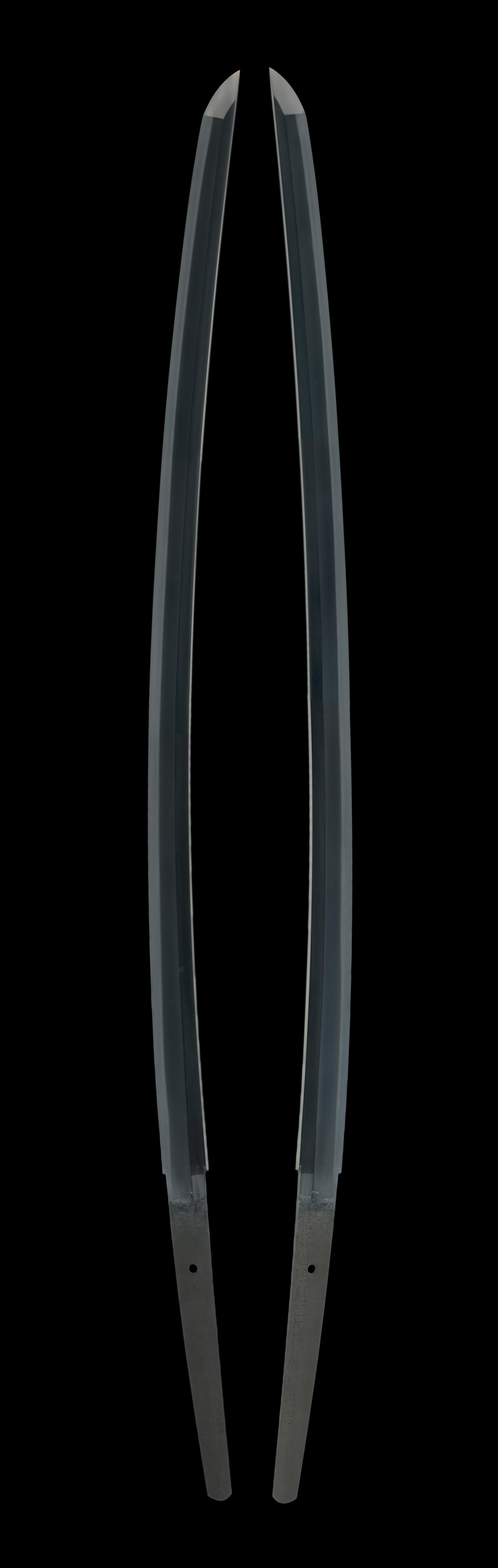


![Katana - Tokuho - by Hizen Tadayoshi - Katana [Hizen-koku Omi-Daijo Fujiwara Tadayoshi (4th generation)(Yoki-wazamono)][N.B.T.H.K] Tokubetsu Hozon Token](/_next/image?url=https%3A%2F%2Fitbhfhyptogxcjbjfzwx.supabase.co%2Fstorage%2Fv1%2Fobject%2Fpublic%2Flisting-images%2Fworld-seiyudo%2FL31366%2F00.jpg&w=2560&q=90)