1800年前後、水心子正秀は著述をもって、鍛刀は古作の法に立ち返るべしと説いた。復古刀の運動である。最大の後継者直胤は、数百年絶えていた備前伝と相州伝を確信をもって再現した。
 NihontoWatchNihontoWatch
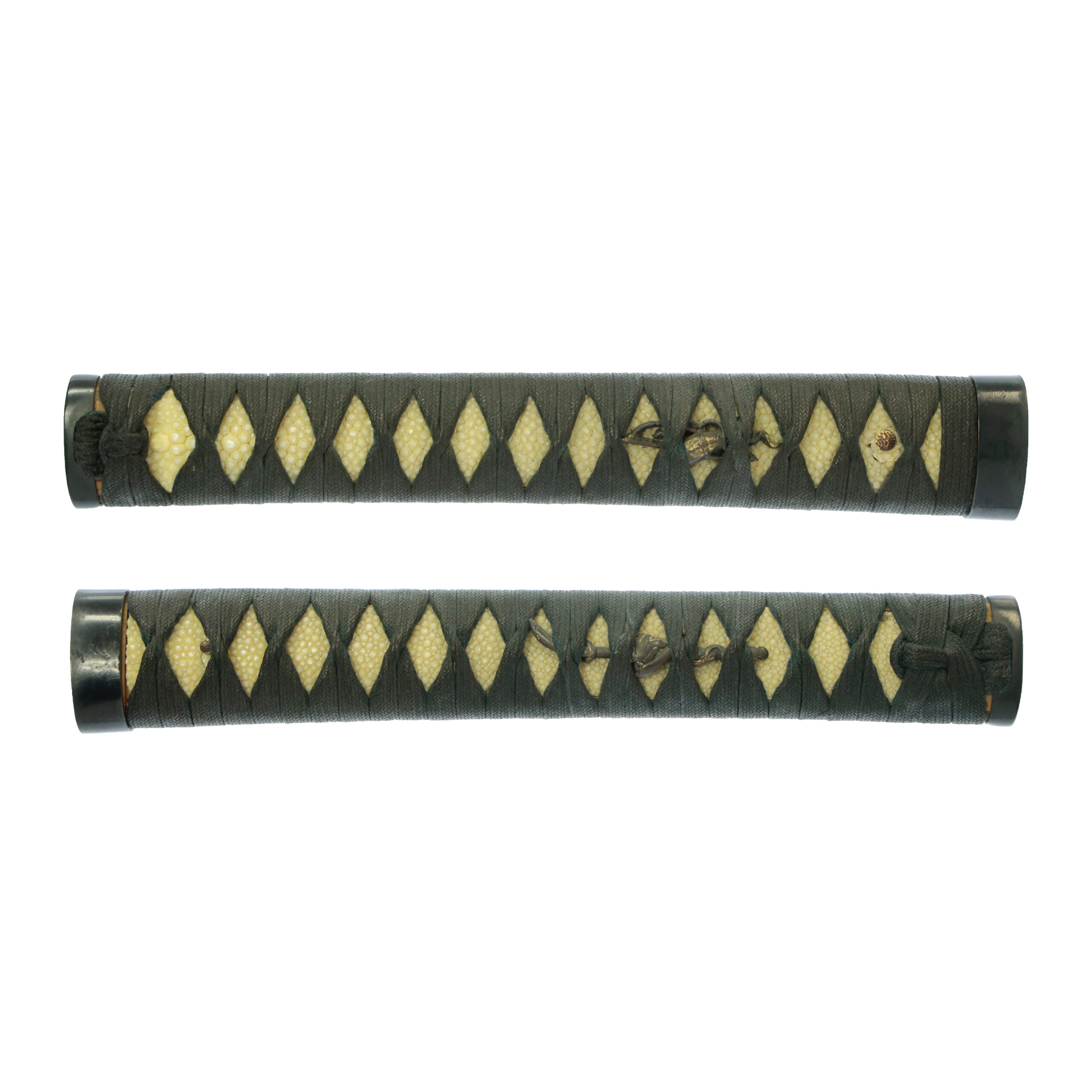
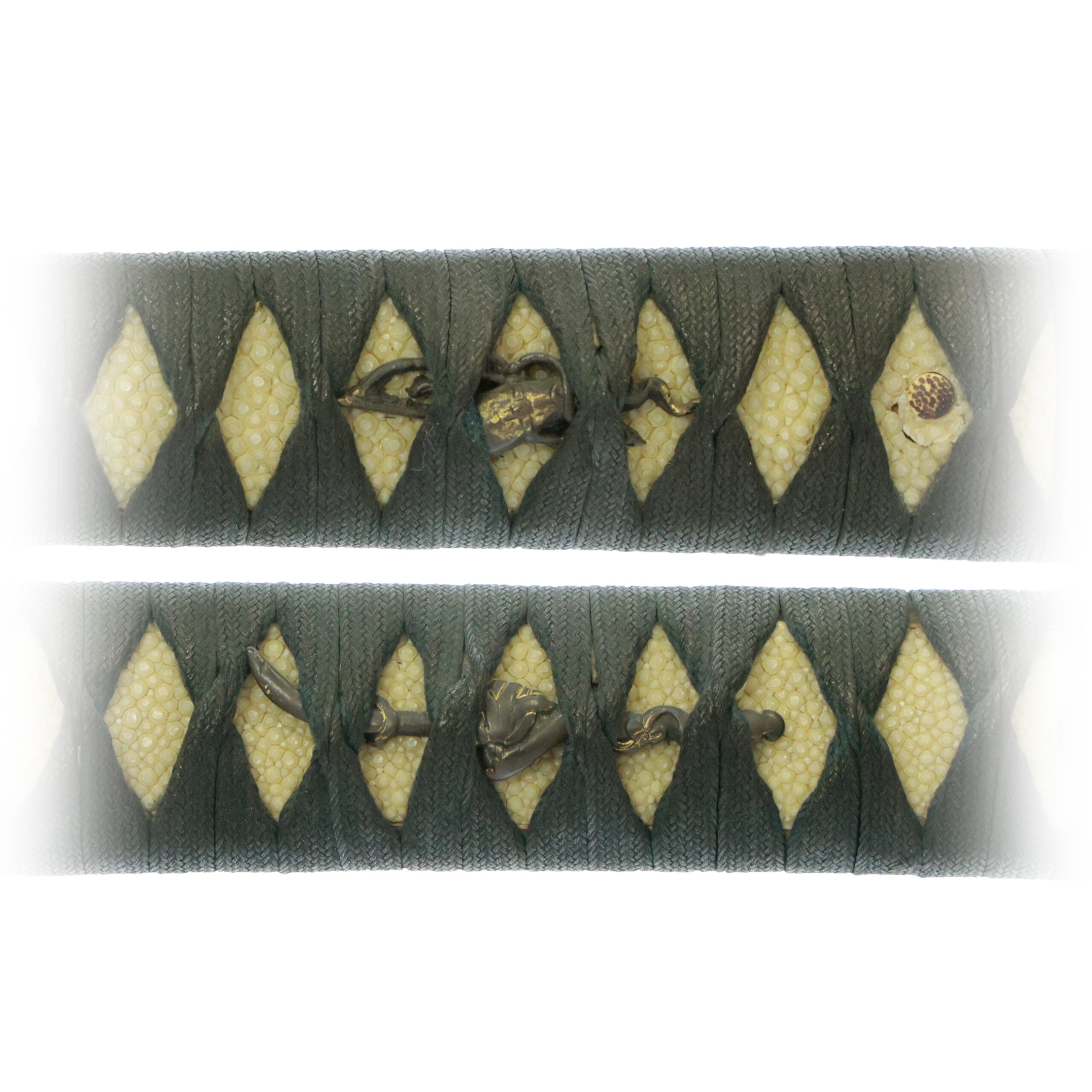
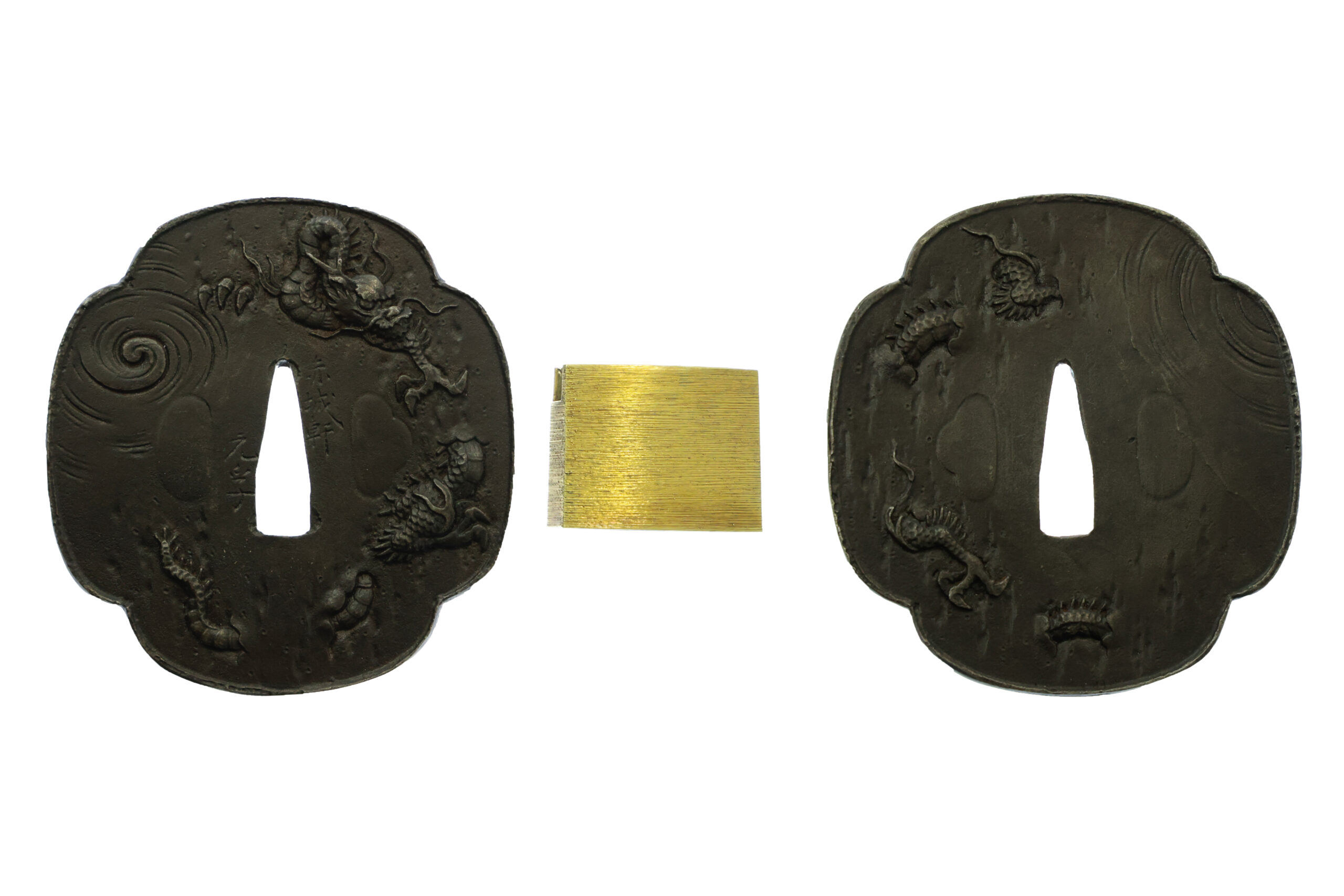
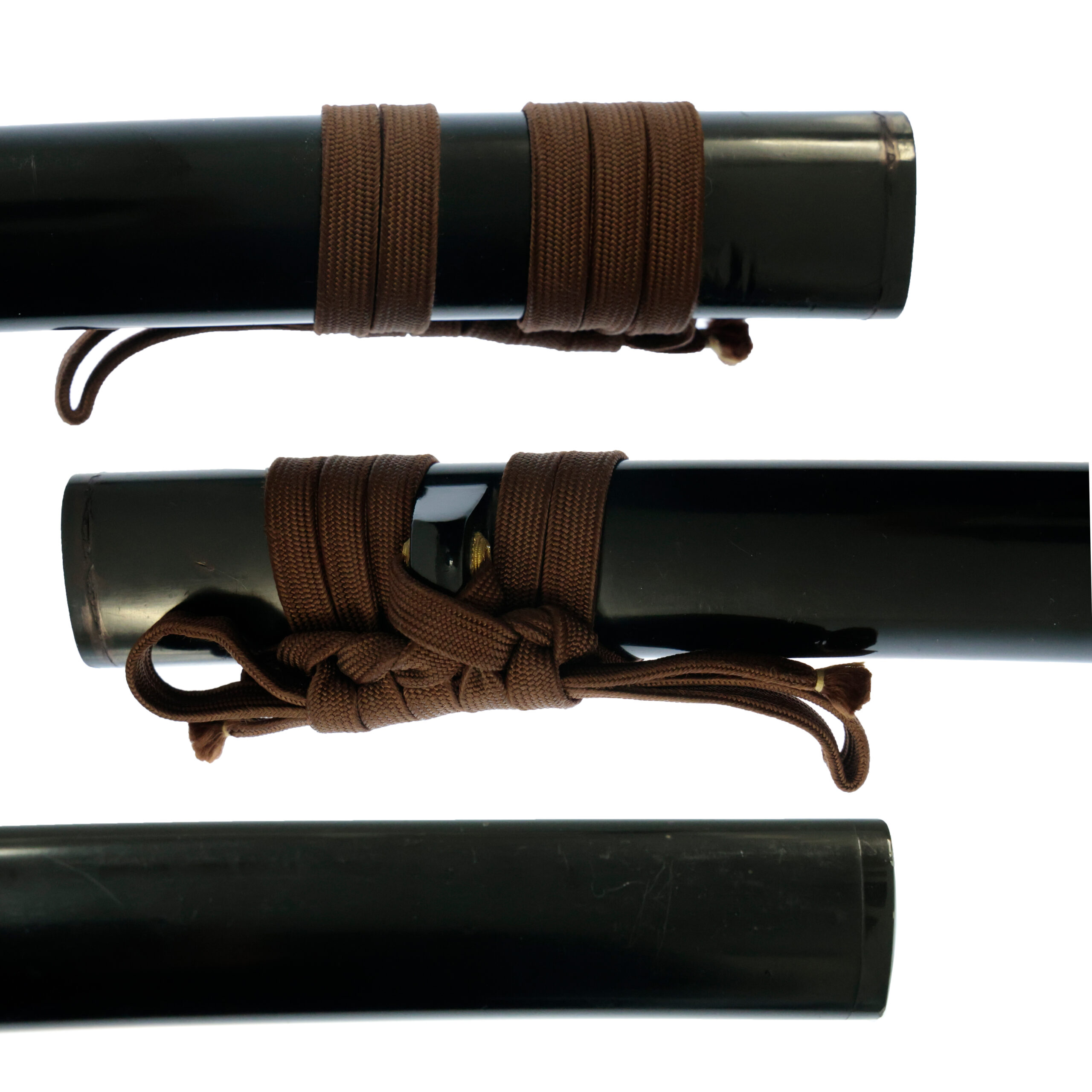
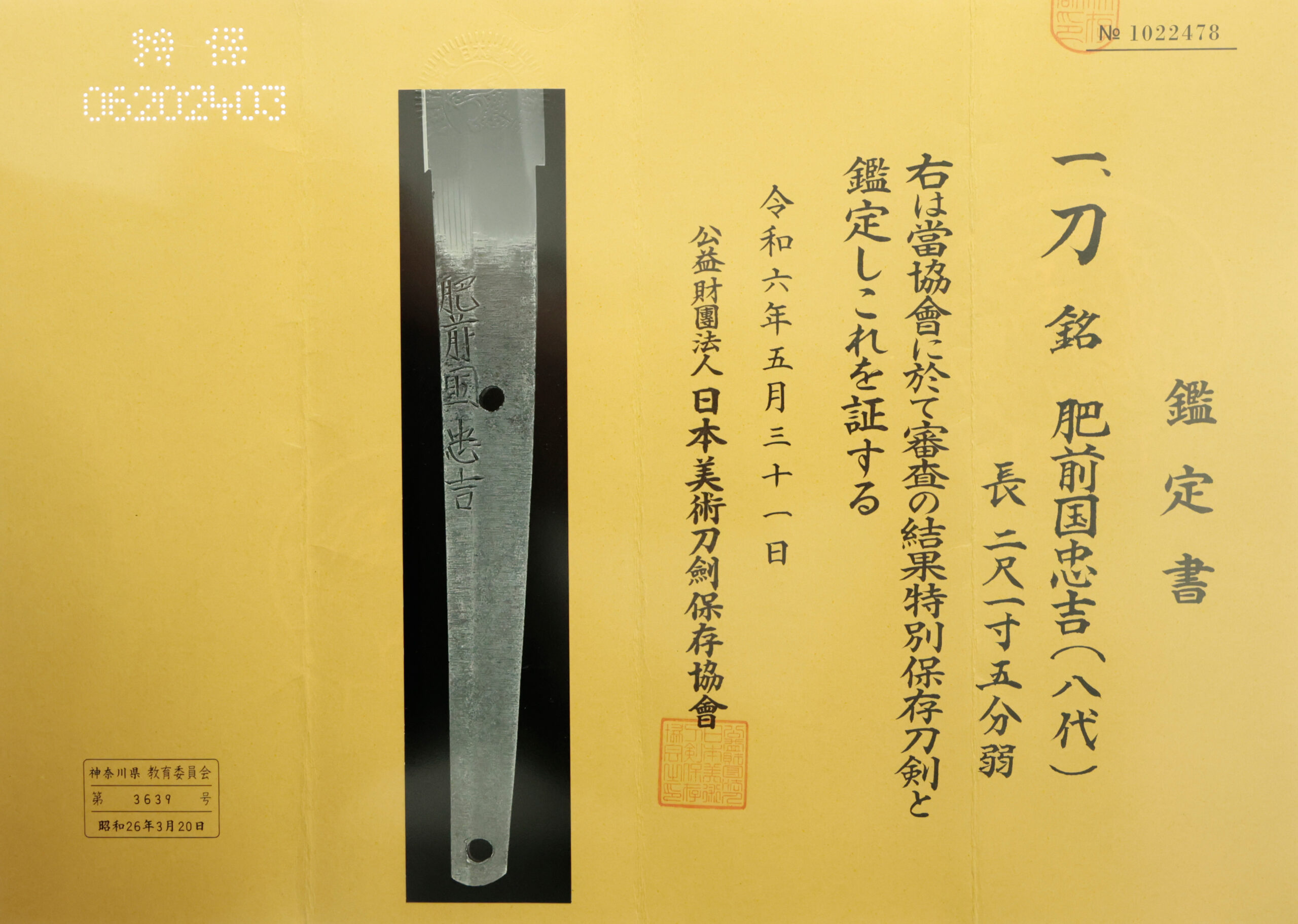
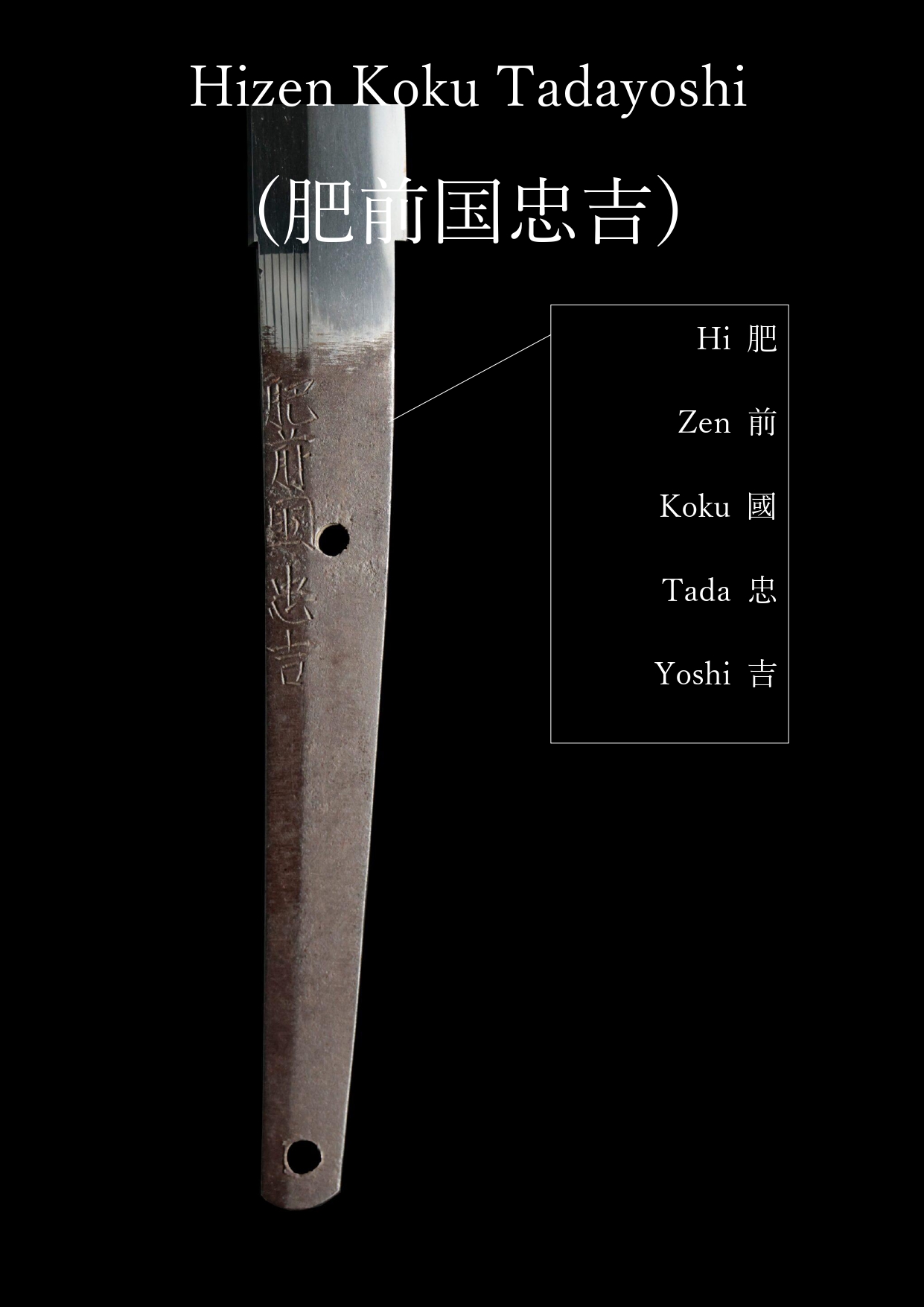
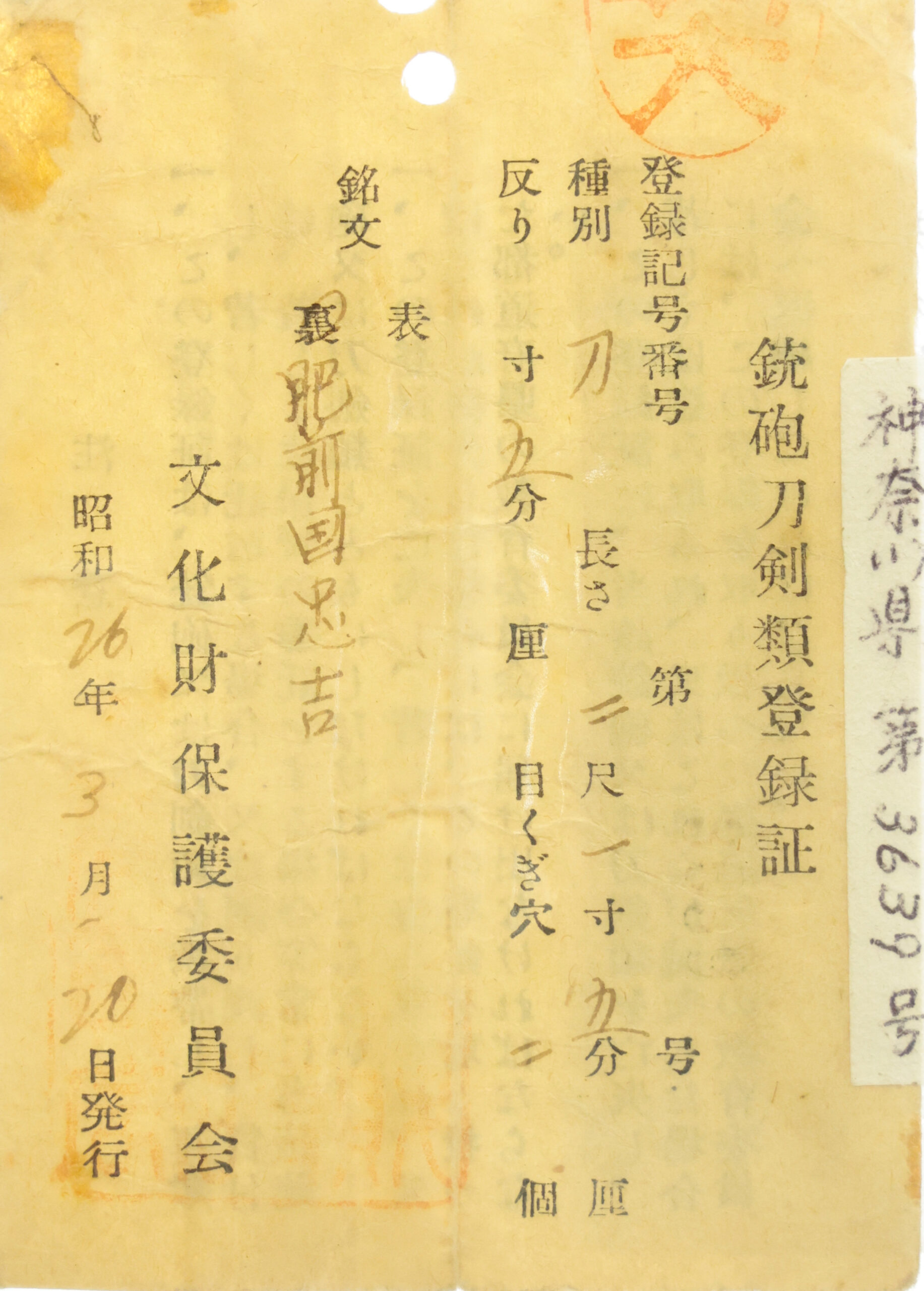
Summary This blade was signed by Hizen Koku Tadayoshi (肥前国忠吉) or Hizen no Kuni Tadayoshi. The maker’s name Tadayoshi lasted nine generations during the Edo period. According to its NBTHK’s appraisal, it was made by the 8th- gen Tadaysohi (八代忠吉) during the Tenpo era (1830-1844). Among other generations of Tadayoshi, the eighth-gen was a renowned figure and mastered a high level of craftsmanship passed down from the previous generations. All the generations of Tadayoshi served Nabeshima clan, which controlled Saga domain (Today’s Saga prefecture). The 8th-gen Tadayoshi was born as the son of Furukawa family in Saga domain in 1801. He was eventually adopted by the 7th-gen Tadayoshi, and he changed his name to Hashimoto Shinzaemon (橋本新左衛門). He took over Tadayoshi school from the 7th-gen in the 13th year of the Bunka era (1816). The domain acknowledged his skill, and he played a vital role in modernizing the weaponry of Saga domain. In 1850, he was in charge of making a cannon for the domain because of his refined blacksmithing. He died at 59 in the 6th year of the Ansei era (1859). The swordsmiths in the Hizen province worked under the auspices of the Nabeshima clan like Tadayoshi. They could produce beautiful blades with Konuka Hada, whose steel surface is very smooth. This Hada is one of the most well-known characteristics of the blades produced in Hizen province. The swordsmiths also used and mixed carbon steel made in western countries. Since Hizenkoku had been flourishing through international trading, it had easy access to western carbon steel. The first-gen Tadayoshi The first-gen Tadayoshi was born and raised in the Saga domain. In 1596, under the domain’s order, he went to Kyoto to learn the sword-forging technique from Umetada Myojyu (埋忠明寿), one of the greatest swordsmiths in the early Edo period. He improved his craftsmanship and returned to the Saga domain two years later (1598). The first head of the Nabeshima clan, Nabeshima Katsushige, appreciated the work of the first-gen Tadayoshi very much. Then, Katsushige appointed him as his Okakaekaji, a swordsmith who exclusively forged swords for a specific domain or clan. Moreover, he founded Hizen Tadayoshi school, which trained more than 100 swordsmiths during the Edo period. It is appraised as a Tokubetsu Hozon Token (特別保存刀剣) issued by NBTHK (Nihon Bijutsu Touken Hozon Kyokai:日本美術刀剣保存協会). *Please keep in mind that there is a blak rust on the mune of this blade. Tsuka and Menuki For this Menuki, two combinations which are related to weapons and tools of Samurai are used. The first, the upper Menuki, is the combination of Yumi (弓, bow) and Utsubo (弓靭 or 空穂, an arrow quiver), and the second, the lower Menuki, is the combination of Naginata (薙刀, Japanese halberd) and Saihai (采配, a tool made by attaching strips of cloth or paper to the end of a stick so that it could be seen from a distance). The bow and arrow called Yumi-Ya (弓矢) was once one of the classical primary weapons for Samurai. Therefore, we could imagine that this motif reminded them of battlefields. Also, as an arrow goes straight forward, lots of Samurai loved the arrow pattern. Additionally, each home displayed decorated arrows wishing that it would exorcize evil spirits in the house. This talisman is called Hamaya (破魔矢) in Japanese, and this custom is still kept today. And, the other side is Kabuto (Samurai helmet) theme. Naginata is a traditional Japanese pole sword and it was once a primary weapon like Yumi-Ya; this trend changed during the Samurai period. Also, Naginata has a longer history than Katana has as a weapon, and this weapon was highly valued among Samurai families because of its history, which led them to believe it was an excellent weapon. The Saihai (采配) is a tool made by attaching strips of cloth or paper to the end of a stick so that it could be seen from a distance. It began to be used around the end of the Muromachi period (室町時代, 1336-1573) and is also written as 采幣, 再拝, or 采 in Japanese. This item initially comes from the Sai (旄), a tool used to call a tamed falcon, and its name influenced the name of Saihai. Those who could use a Saihai were limited to the commander of the Ashigaru (足軽, foot soldier) or above or Samurai warriors who had notable military exploits. Being allowed to possess this tool meant commanding a unit, and it was a convenient tool. At the same time, it also had a strong meaning of showing the rank and authority of a military commander. In an actual battle, the movement of the troops was controlled in detail by swinging the Saihai, such as using it as a signal to advance. The signal from this tool differs depending on each military commander, and there is no set pattern. Therefore, it was necessary for the soldiers who received the order to understand the content of the signal perfectly. A theory says that warlords chose their Saihais according to their preferences in the Warring States period. However, in the Edo period, when battles were abolished, this tool became more meaningful than ever as a symbol of authority. The Tokugawa (徳川) family, who ruled the Edo Shogunate, restricted the ownership of these tools based on social status. Saihais were generally made of paper or yak tail hair. Since the Saihai attached to this armor is made of paper, it is the one which was often used on battlefields. Since a Meniki adds a little flair to the Japanese sword, it is said that using the design of Samurai related items such as the bow and arrows was based on the wishes of warlords hoping to become stronger than anyone else. Tsuba and Habaki The theme of this Tsuba is the Unryu Zu (雲龍図). It is a combination of dragons (龍) and clouds (雲). Initially, dragons were imaginary creatures found in ancient foreign traditions or myths. Furthermore, it is regarded as a symbolic beast of auspicious signs. Its body is likened to nine animals: antlers are deer, the head is a camel, eyes are demons, the neck is a snake, the belly is the Mizuchi (蛟, a mythical animal in Japan that looks like a snake and has a horn and four legs), scales are fish, claws are falcons, palms are tigers and ears are cows. It was thought that the dragon would reign at the top of all animals because of its odd-looking appearance. Regarding the cloud pattern, clouds bring blessed rain and snow, and their movements significantly affect the day’s weather. Due to its supernatural power, a theory says that gods, spirits, and dragons dwell in the clouds. In Japan, there is a belief that worships dragons as water gods. Since rice cultivation has flourished in this country, people always treat water as an essential resource. We imagine some people wished for a plentiful harvest in the Unryu theme. From such a religious aspect, we could infer that dragon designs were familiar to people. Authentication Paper They authenticated the blade on May 31st in the 6th year of Reiwa (2024). They appraised it as Tokubetsu Hozon Touken, the blade especially worth preserving for Japanese society.

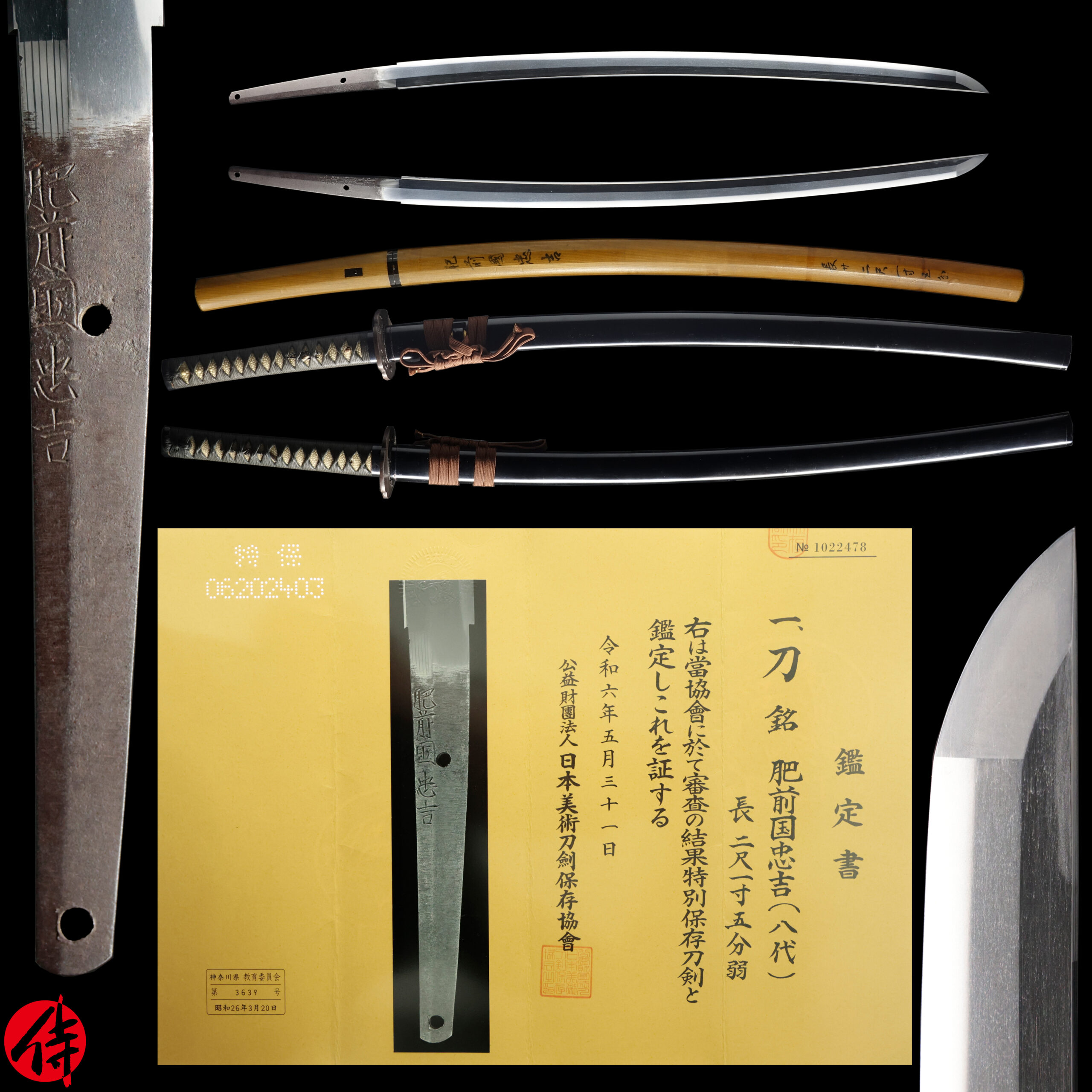
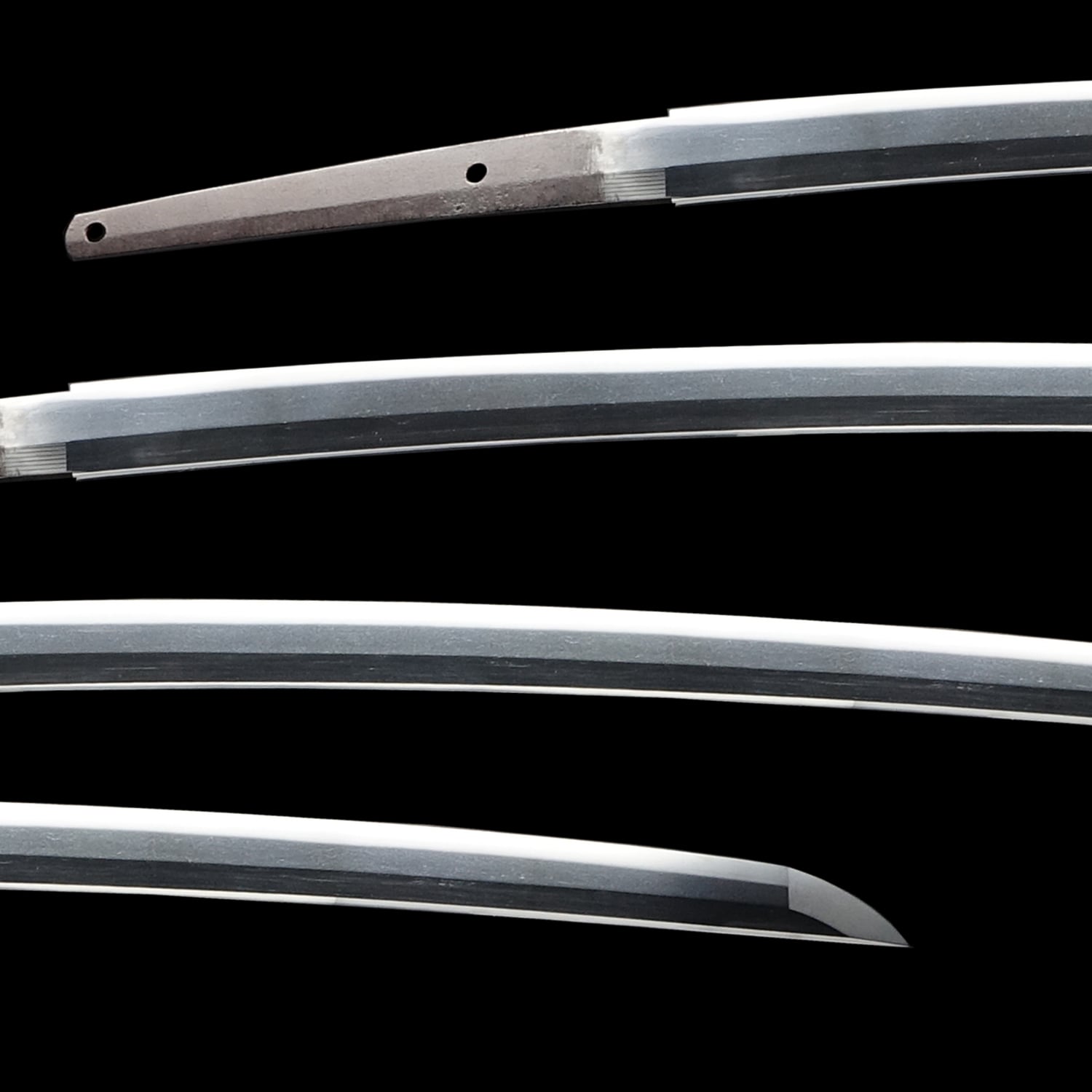
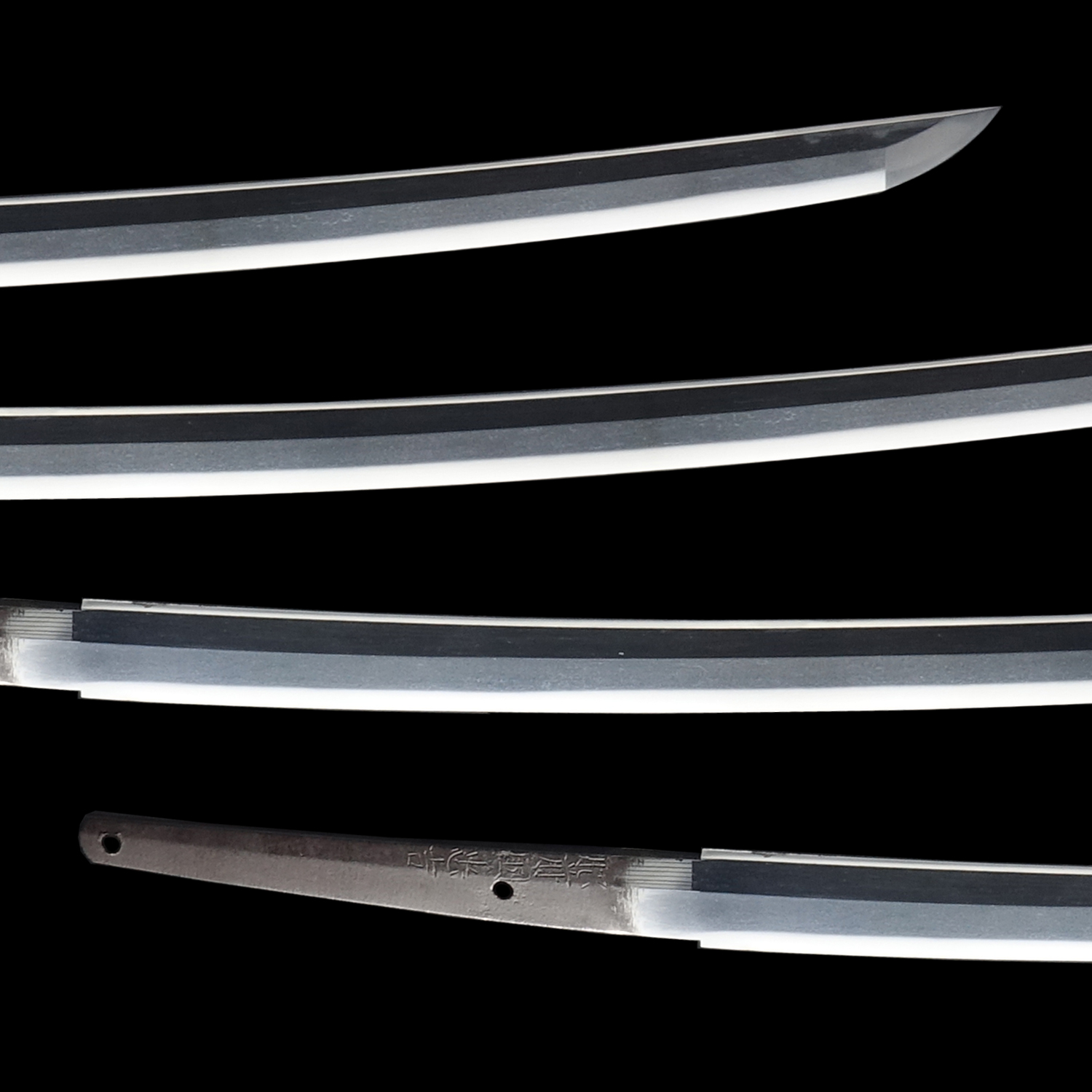
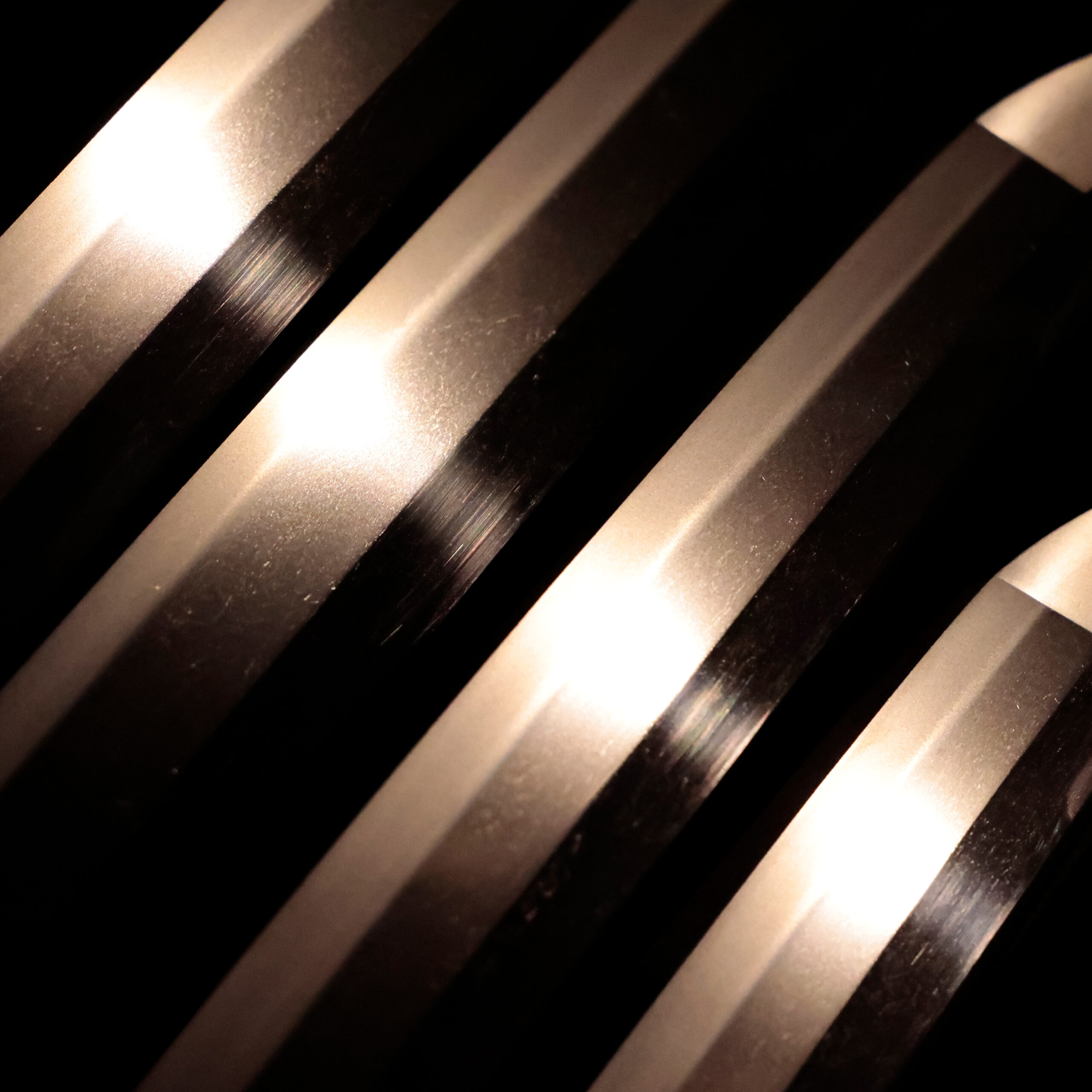
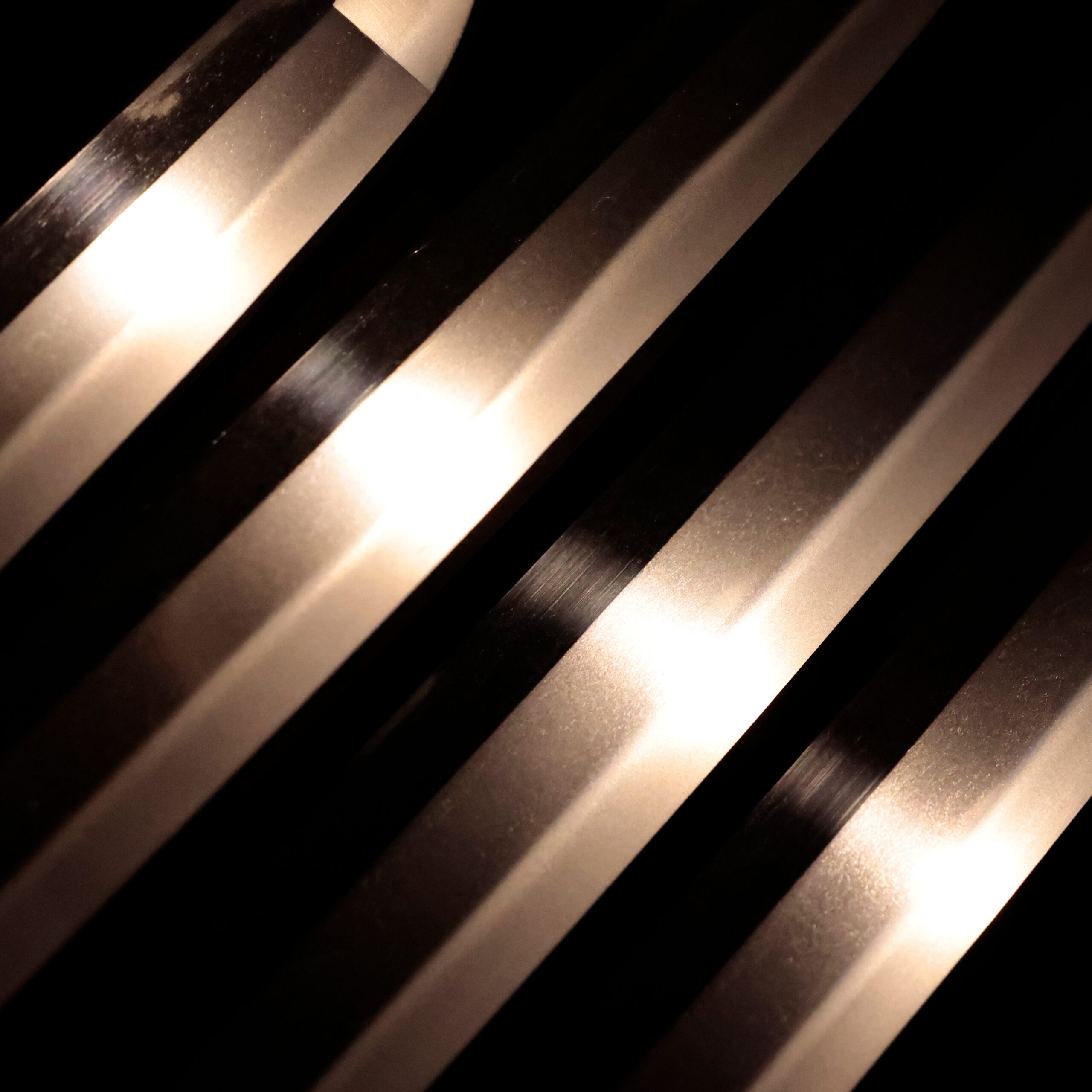
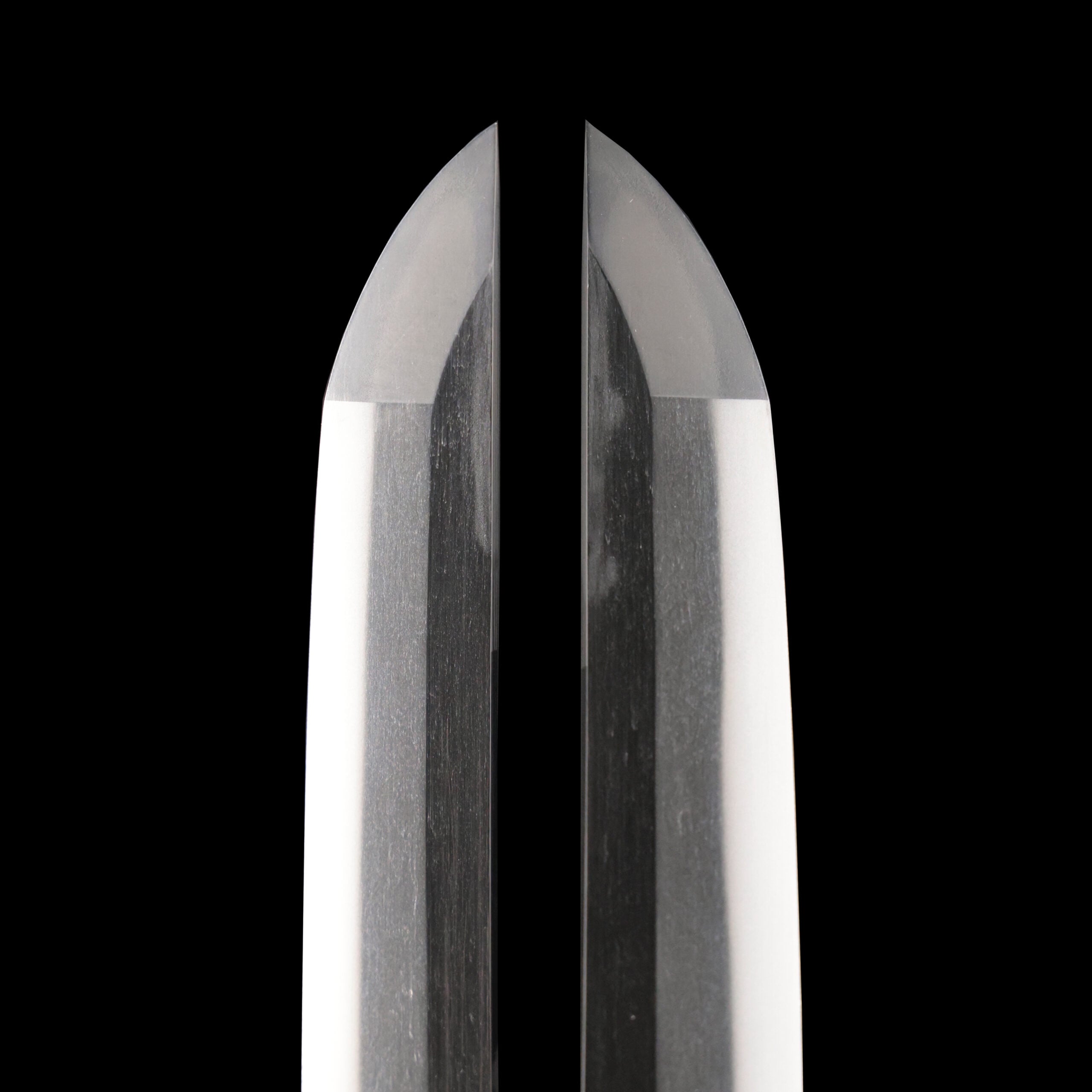
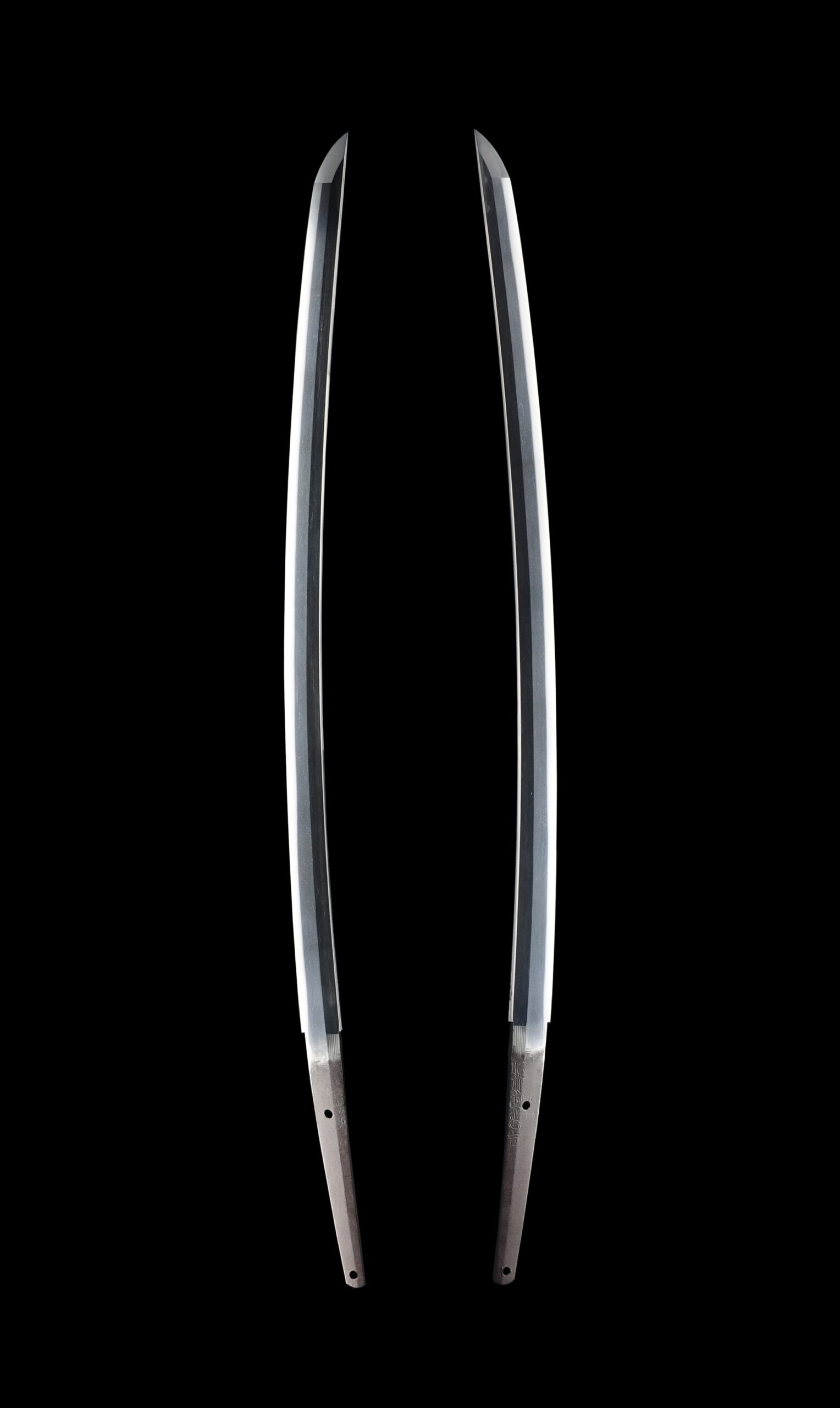
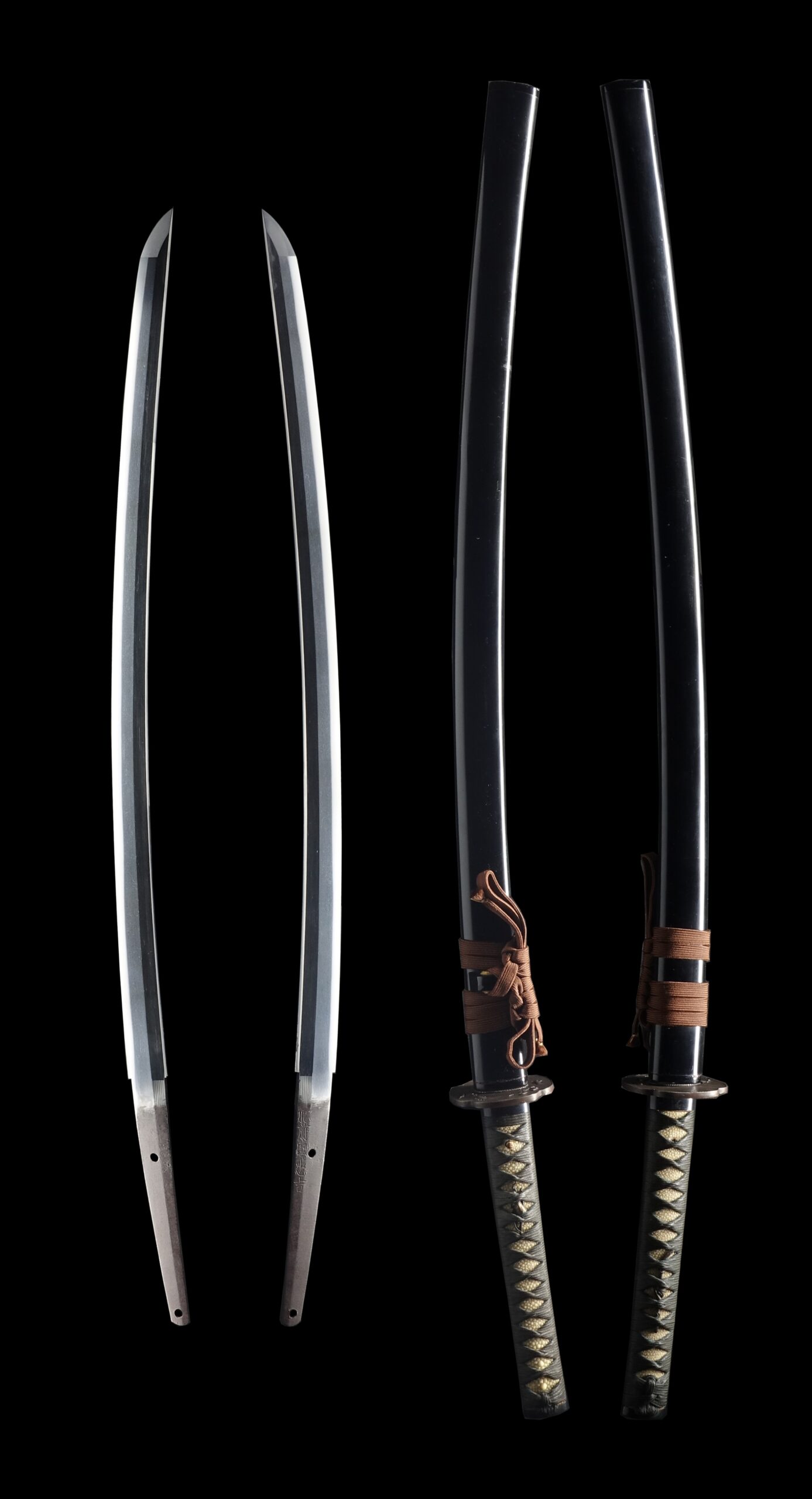
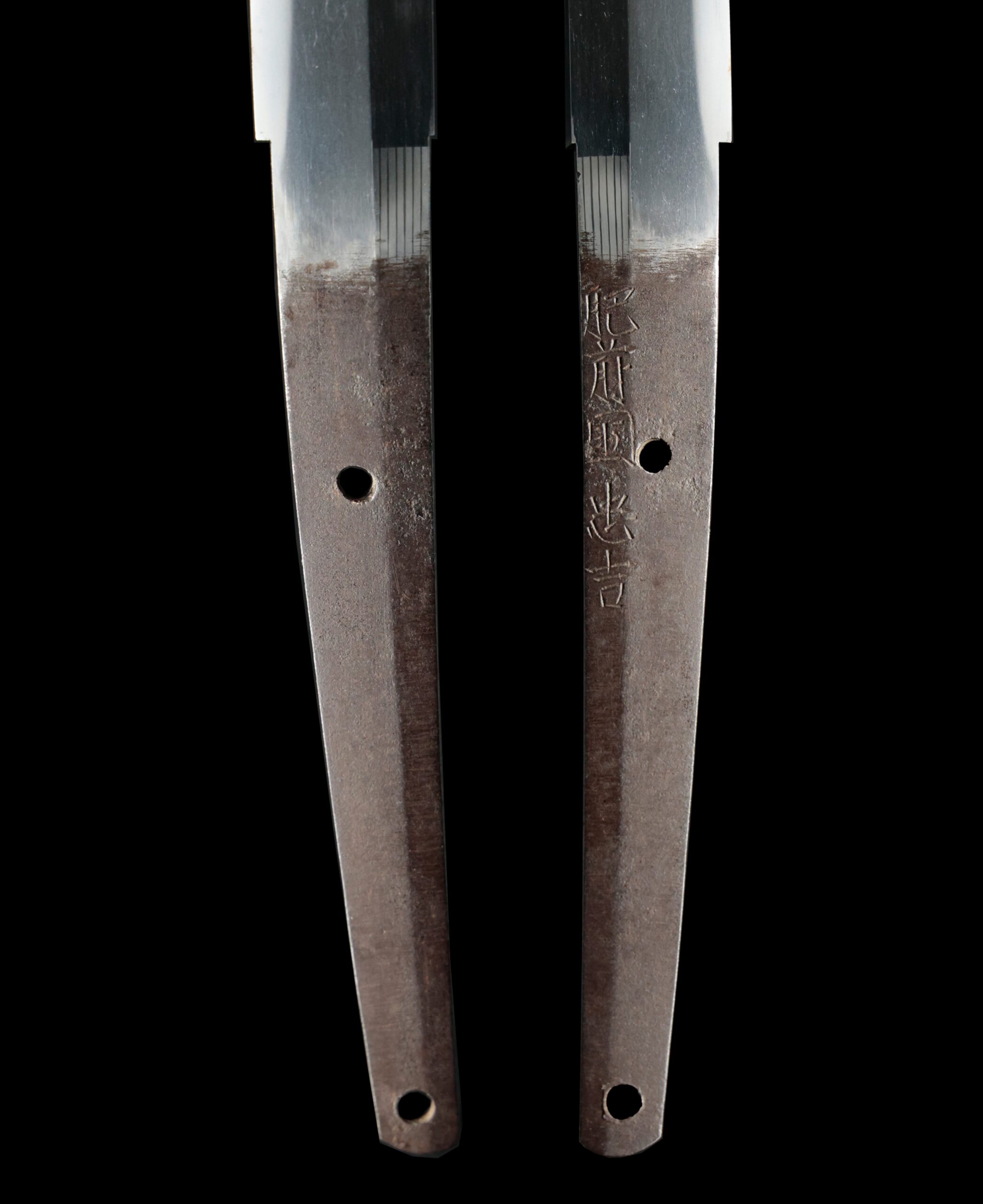
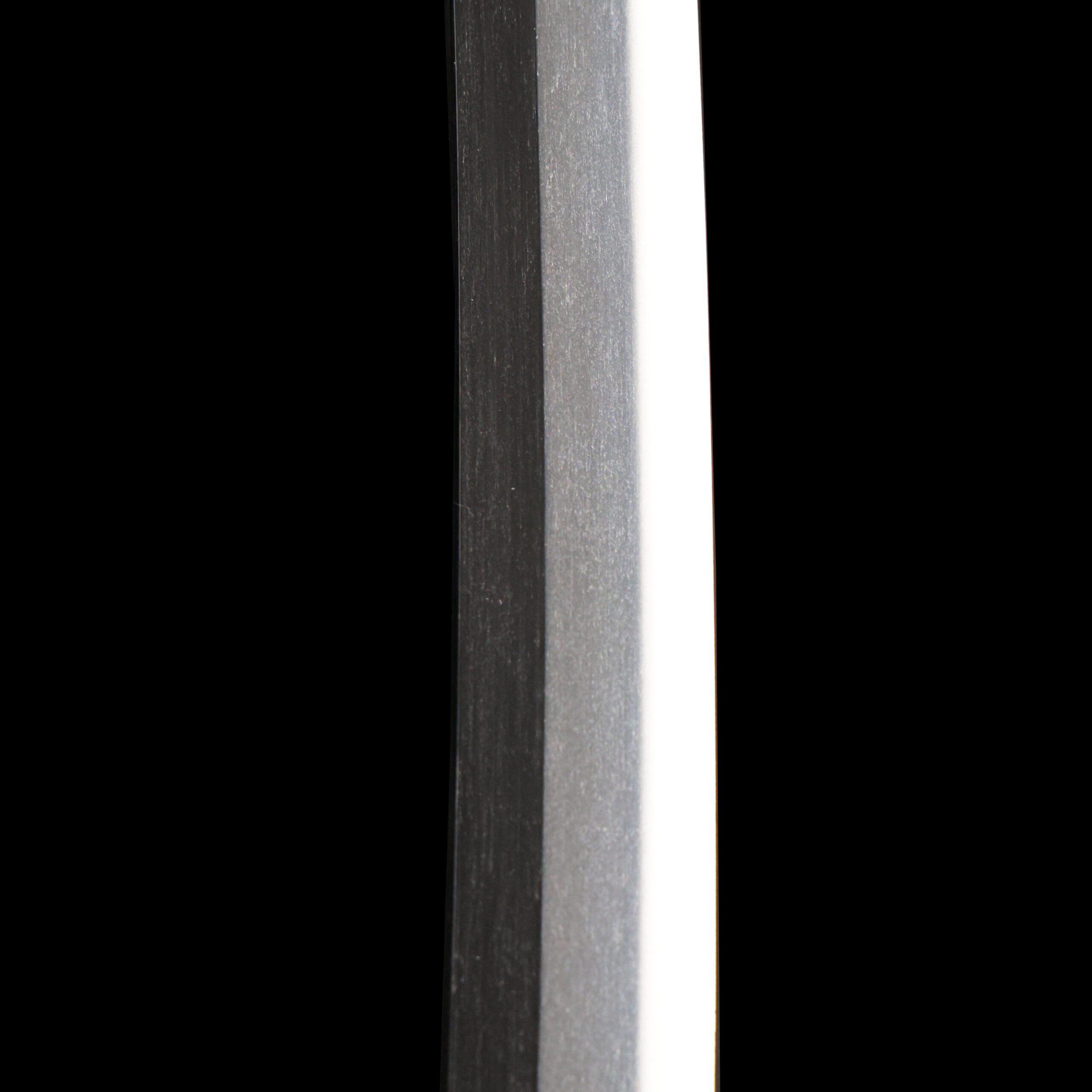
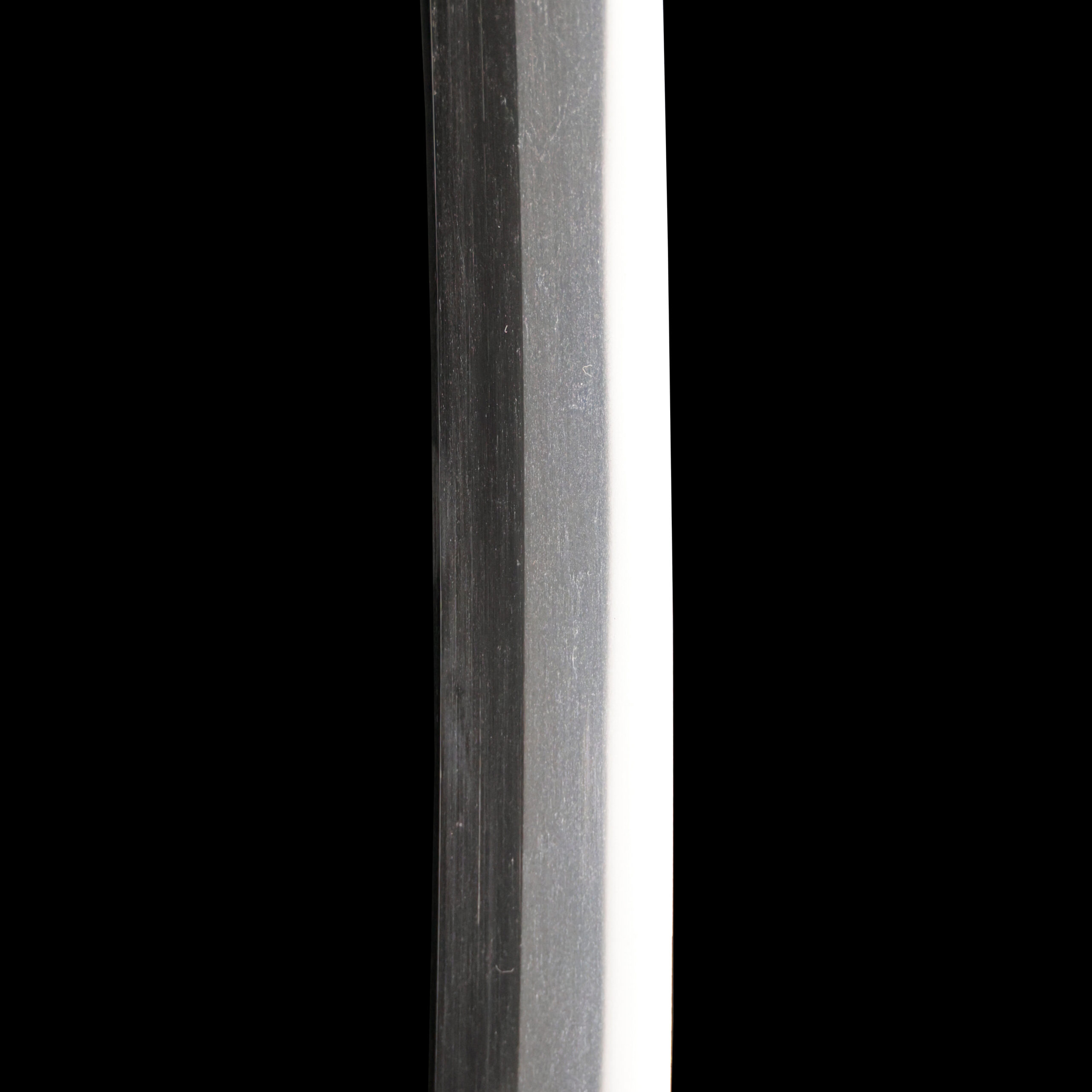
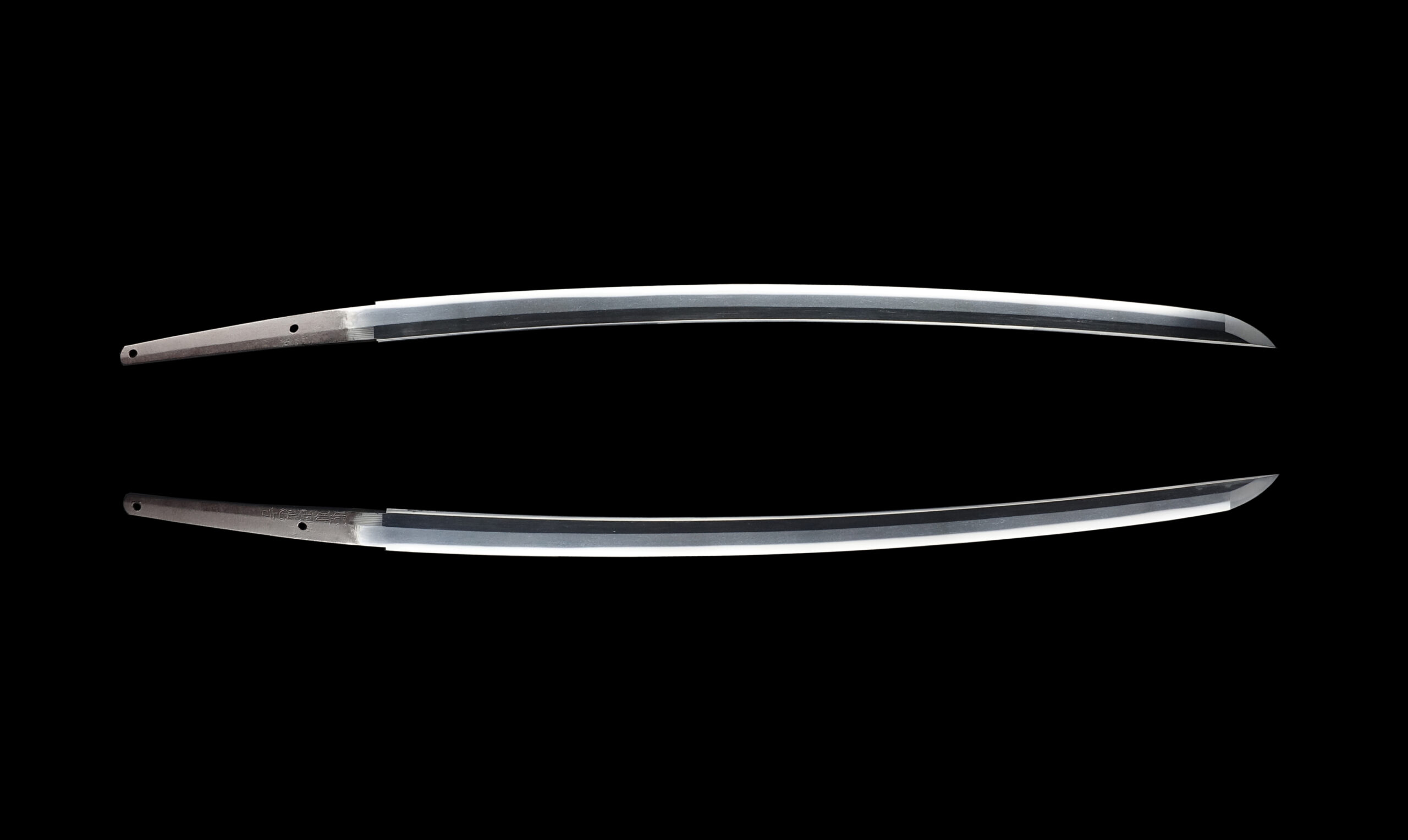
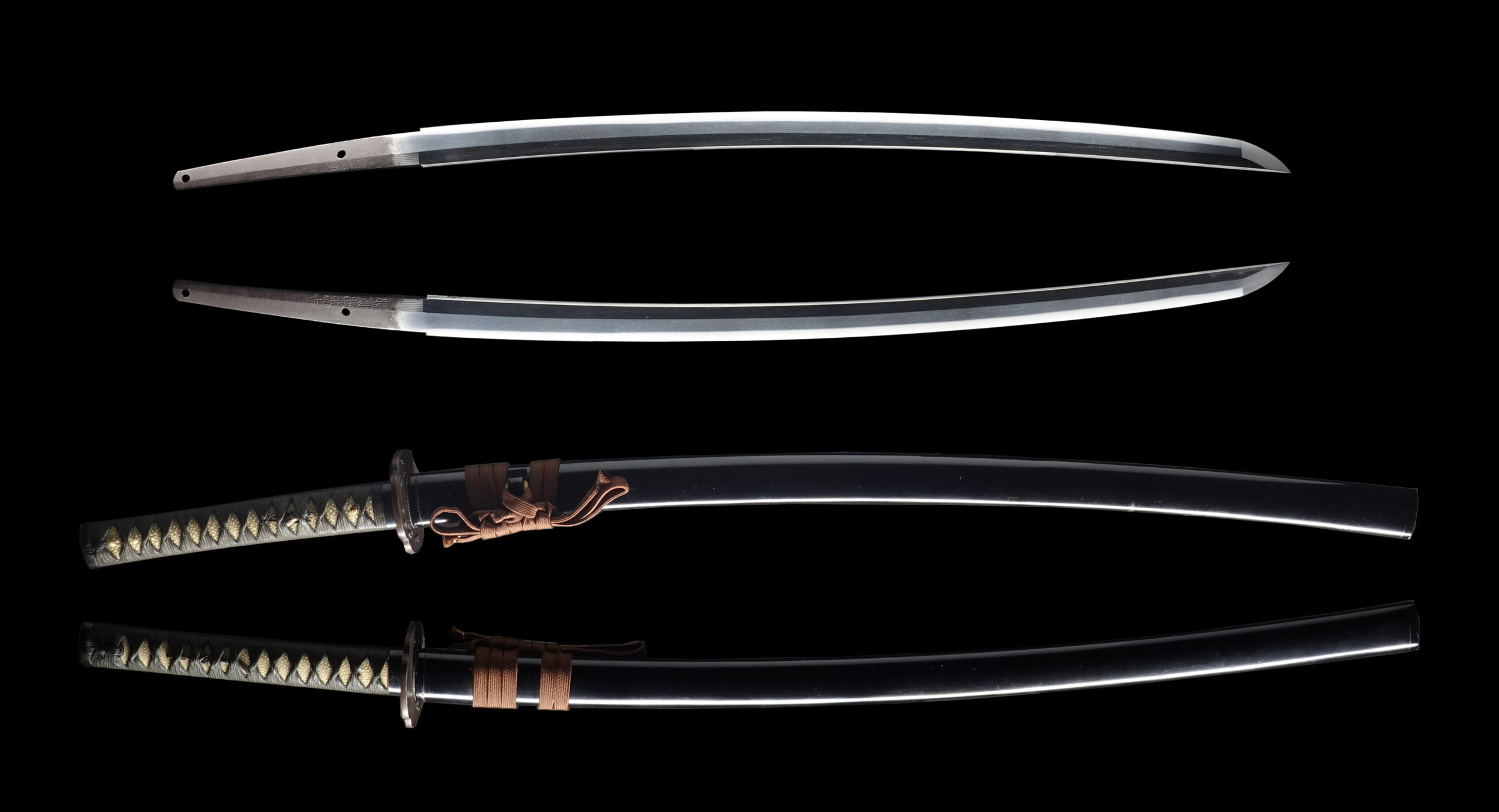
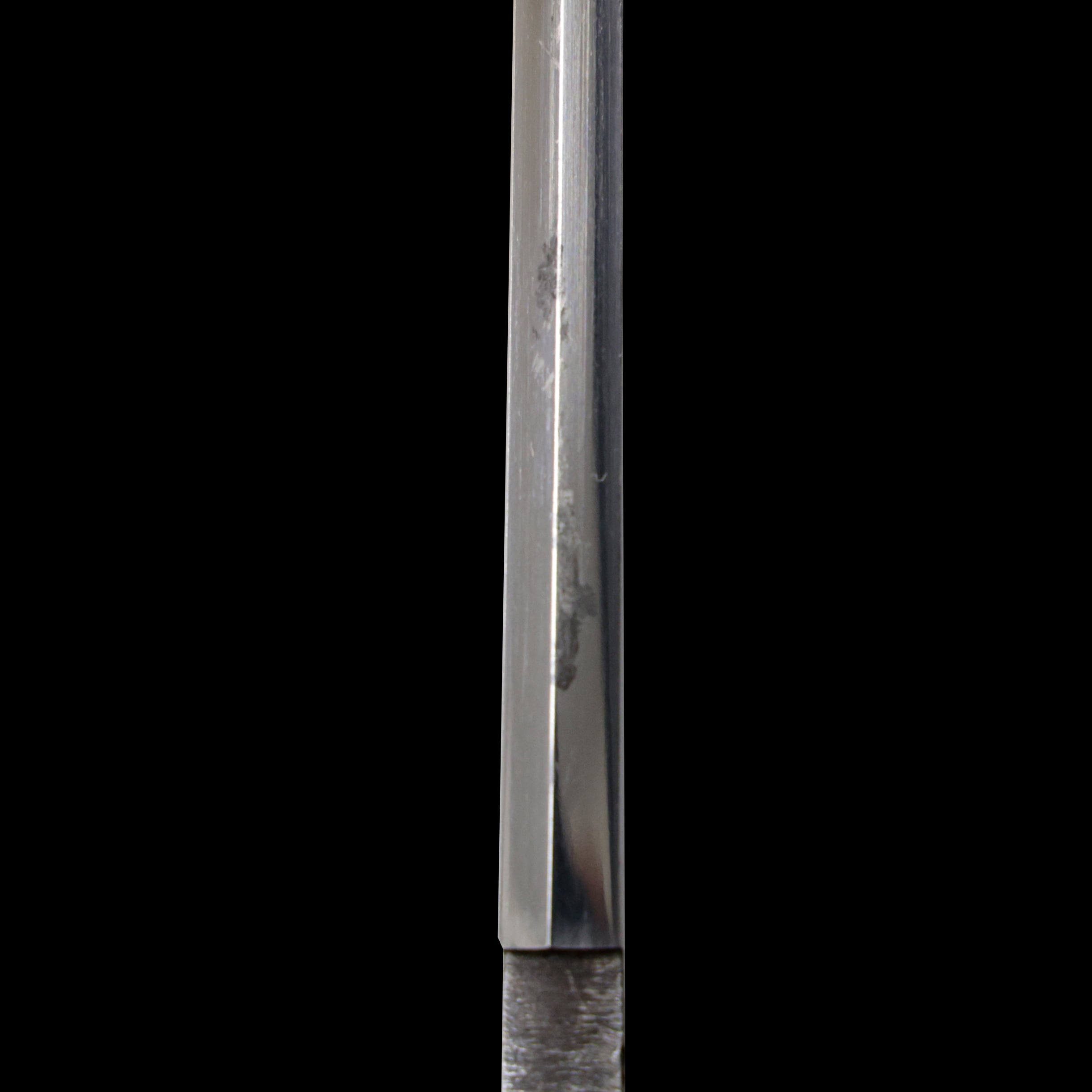
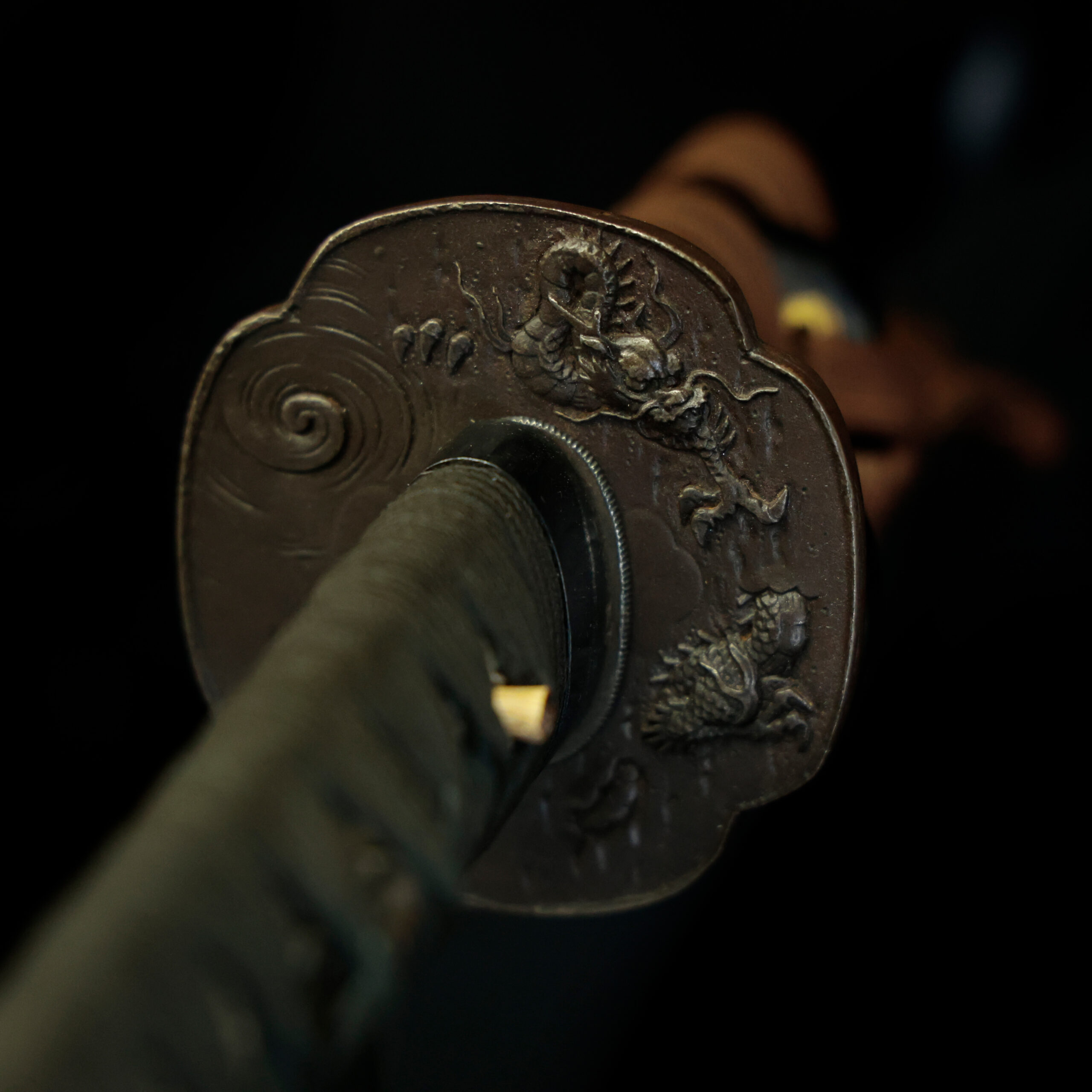
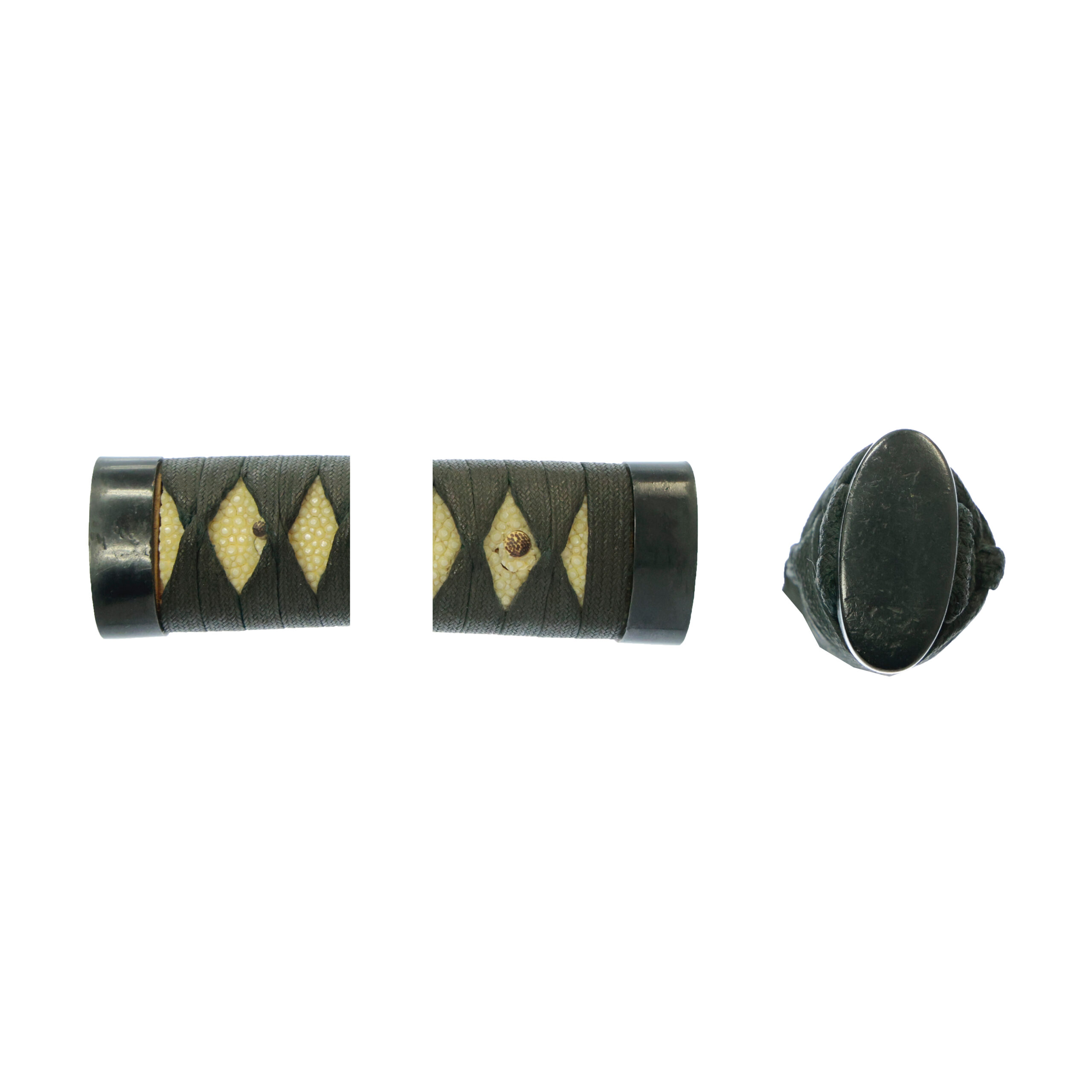
販売店の記載のまま
新刀 · 肥前 · 1830-1844頃
藤代 中上作 · 刀剣大鑑 上位76%
現在4点販売中
新刀 · 肥前
現在107点販売中
肥前派は、肥前佐賀の城下を中心に興った新刀期の一流であり、その祖は橋本新左衛門と称した初代忠吉である。資料によれば、初代は鍋島家の抱え工として、慶長元年に藩命により彫工宗長とともに上洛して京の埋忠明寿の門に入り、忠吉は鍛刀を、宗長は彫技を学んだという。同三年に帰国して佐賀城下に住し、鍋島藩の庇護のもとに一門は大いに栄えた。年紀は慶長五年に始まり、元和十年には再び上洛して武蔵大掾を受領し、名を忠吉から忠広に、氏を源から藤原に改めている。この改名は同一の手の変遷であって別人ではない。初代の嫡子たる二代近江大掾忠広は六十有余年に及ぶ作刀生活を送って肥前最多作の工となり、本家の忠吉銘は土佐守家を経て三代陸奥守忠吉へと返上襲名されて、上三代の本流を成した。これと並んで、初代の門人や身内から、播磨大掾忠国の系、河内大掾正広に発する正広の系、出羽守行広の系といった分家、すなわち傍肥前と汎称される諸工が興り、代を重ねて佐賀の工房は確立された。 一門の共通する作風は、まずその地鉄に表れる。よく約んだ小板目を緻密に鍛え、地沸が微塵に厚く均しくつき、地景が細かに頻りに入って、かね明るく冴える。資料はこれを肥前特有の米糠肌と名指し、他派の出さない細かく明るい肌であるとする。この精良な地の上に、本家の本領たる中直刃を焼く。浅くのたれごころを帯び、処々に小互の目を交え、小足・葉が入り、匂深く小沸が細かについて締まり明るく、帽子は直ぐに小丸へ静かに返る。本来狙った来一門の直刃に対しては、匂口がより締まって明るく、鍛えに覇気がある点で分かれると説く。一方、初代の初期作には直江志津・古作大和物・来一門・鎌倉名工を狙った多様な写し物があり、掃きかけの帽子など本家の通則の例外も見える。代や系統による差異も資料の支持する範囲で明らかである。二代忠広と三代忠吉は本家本領の静かな直刃を継ぎ、なかでも三代は祖父初代を想わせる強く精美な鍛えを身上とする。これに対し傍肥前の諸工は華やかな乱れ刃を好み、正広は丁子を主調とした乱れに互の目を交え、行広は竪長の足長丁子乱れを焼き、忠国は一門の中で最も砂流しが目立つ足長丁子をあらわした。本家が直刃で読まれるのに対し、傍系はその精良な地を覇気ある乱刃へ運んだのである。 肥前刀の鑑定の勘所は、何よりこの米糠肌にある。明るく冴えた小糠肌の上に締まった直刃を焼くという組合せこそ、収集家が肥前刀を求める核心であり、地鉄と刃文が相俟って同派同定の眼目を成す。さらに銘振りもまた鑑定の一部をなし、本家は刀に指裏すなわち太刀銘に切るのを常とし、五字銘・住人銘・受領銘の別が時期を語る。主要刀工の格は資料の伝える通りで、初代忠吉は藤代の極めで最上作、二代忠広・三代忠吉や正広・行広は上々作ないし上作に位置づけられる。代表作には鍋島家伝来の作が多く、来歴には尾張徳川家・佐竹家・皇室などの名が録され、初代の一口には師明寿の添銘が遺り、忠国・正広の作には山野加右衛門ら截断銘を金象嵌に帯びるものがあって、手のみならず刃味の証となる。指定を受けた作の多くは旧蔵家や公の収蔵に永く蔵されて市に現れることは少なく、傍系の作も折にふれて世に出るにとどまる。されば在銘の肥前忠吉は手の届かぬものではないが、祖その人の作や、最も精美な米糠肌に直刃を焼いた一口が現れることは時折のことであり、現れれば肥前刀の一里塚というべきものである。 詳しく見る →
新々刀 復古の運動
1800年前後、水心子正秀は著述をもって、鍛刀は古作の法に立ち返るべしと説いた。復古刀の運動である。最大の後継者直胤は、数百年絶えていた備前伝と相州伝を確信をもって再現した。
保存刀剣のうち、出来が一層優れ、保存状態も良好と認められたものです。再刃や、室町・江戸期の多くの無銘作は対象外となり、保存刀剣より高い基準が課されます。
日本美術刀剣保存協会(NBTHK)は、1948年に設立され、文化庁の監督を受ける公益財団法人で、東京・刀剣博物館に本部を置きます。専門の審査員が出品作を直接審査し、美術的・歴史的価値に応じた鑑定書を発行します。NBTHKの鑑定書は、日本刀および刀装具の真正性を示す最も広く認知された基準です。
NBTHK公式サイトReturns/exchanges limited to defects caused by shipping (except willful misconduct or gross negligence by the company); customers must contact within 72 hours of receiving the product.