二十世紀は二度この工芸を殺しかけた。戦時の歪みと、占領下の禁令である。1948年の日刀保設立と1953年の作刀再開が刀を美術として再建し、人間国宝と無鑑査がその頂に立つ。
 NihontoWatchNihontoWatch
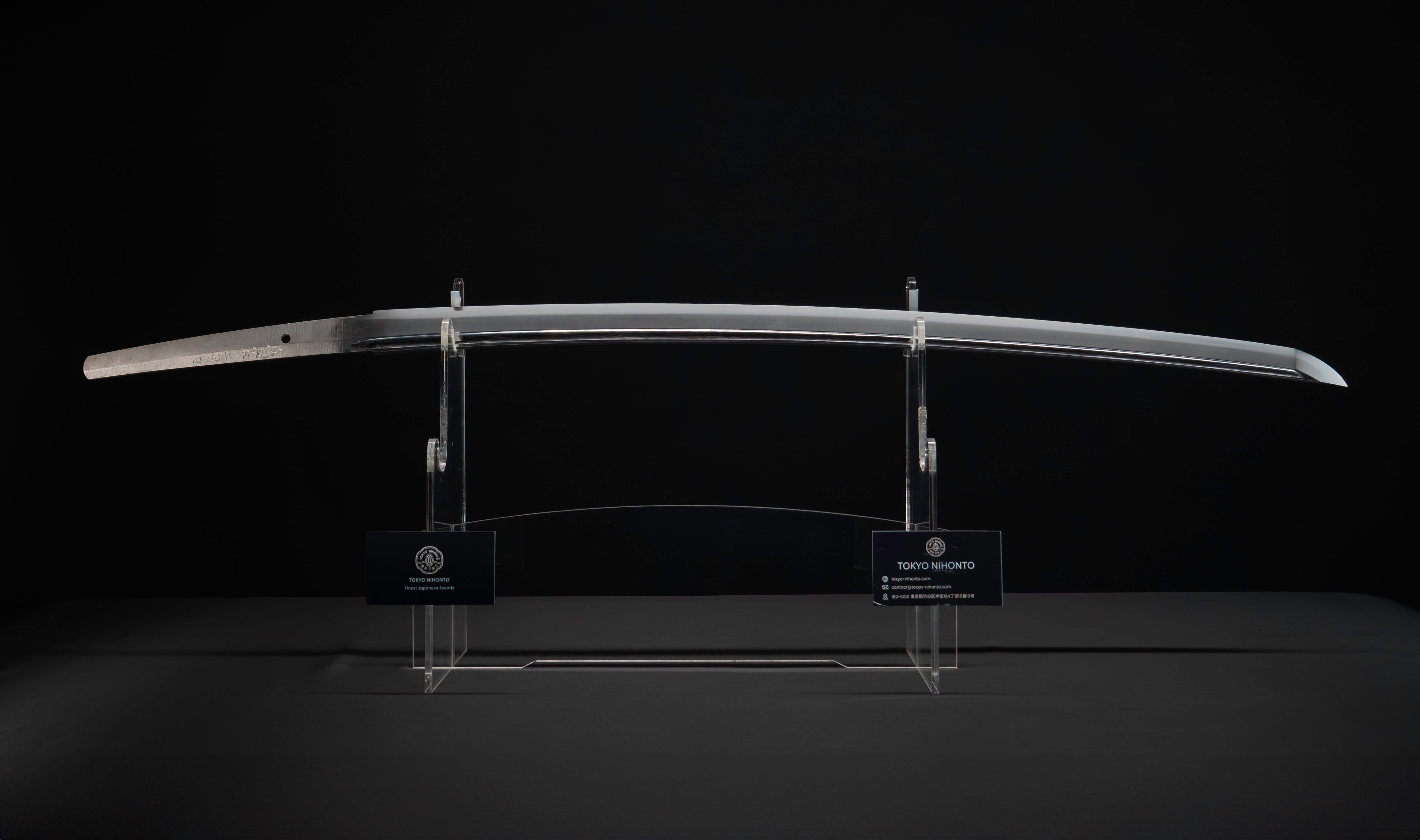
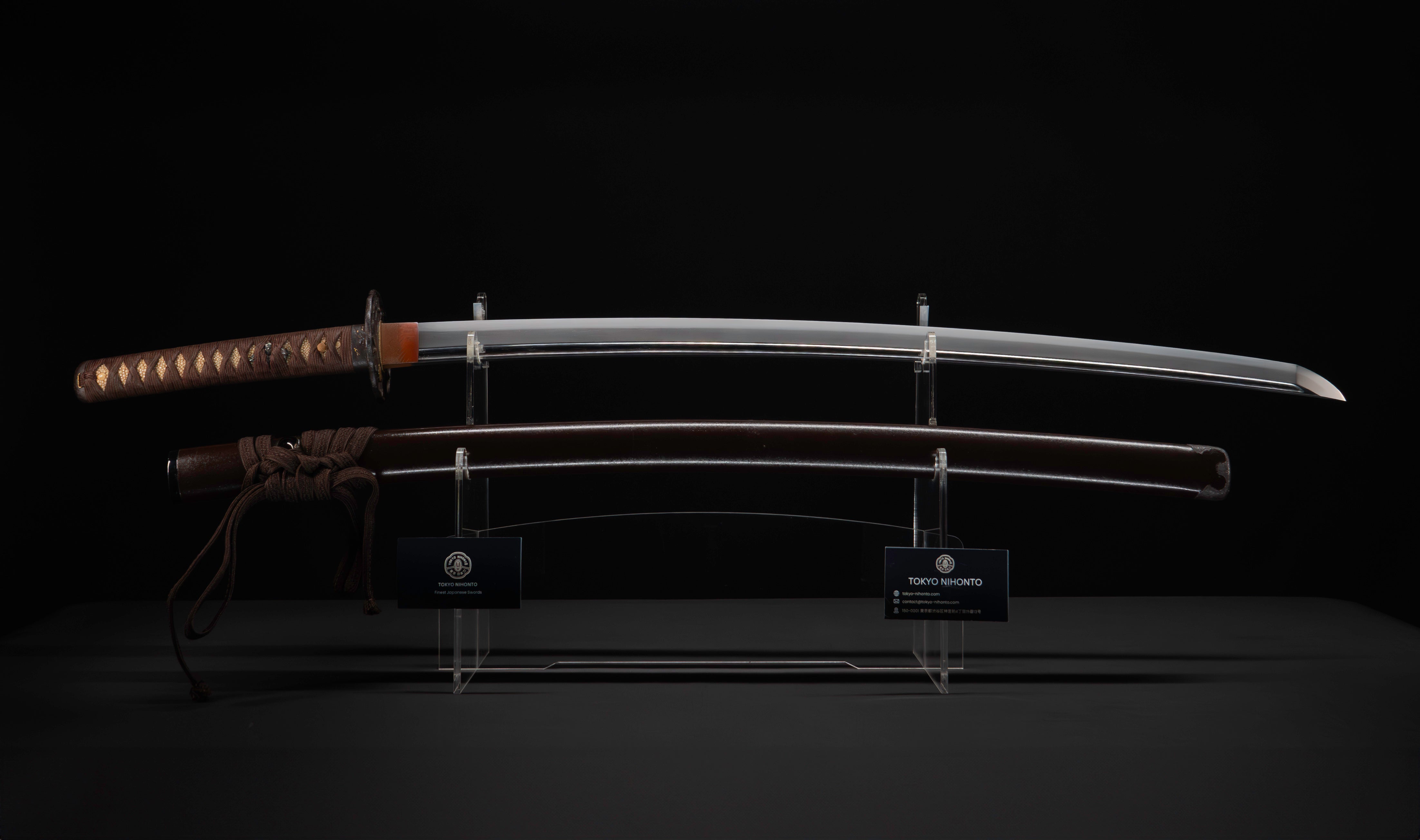
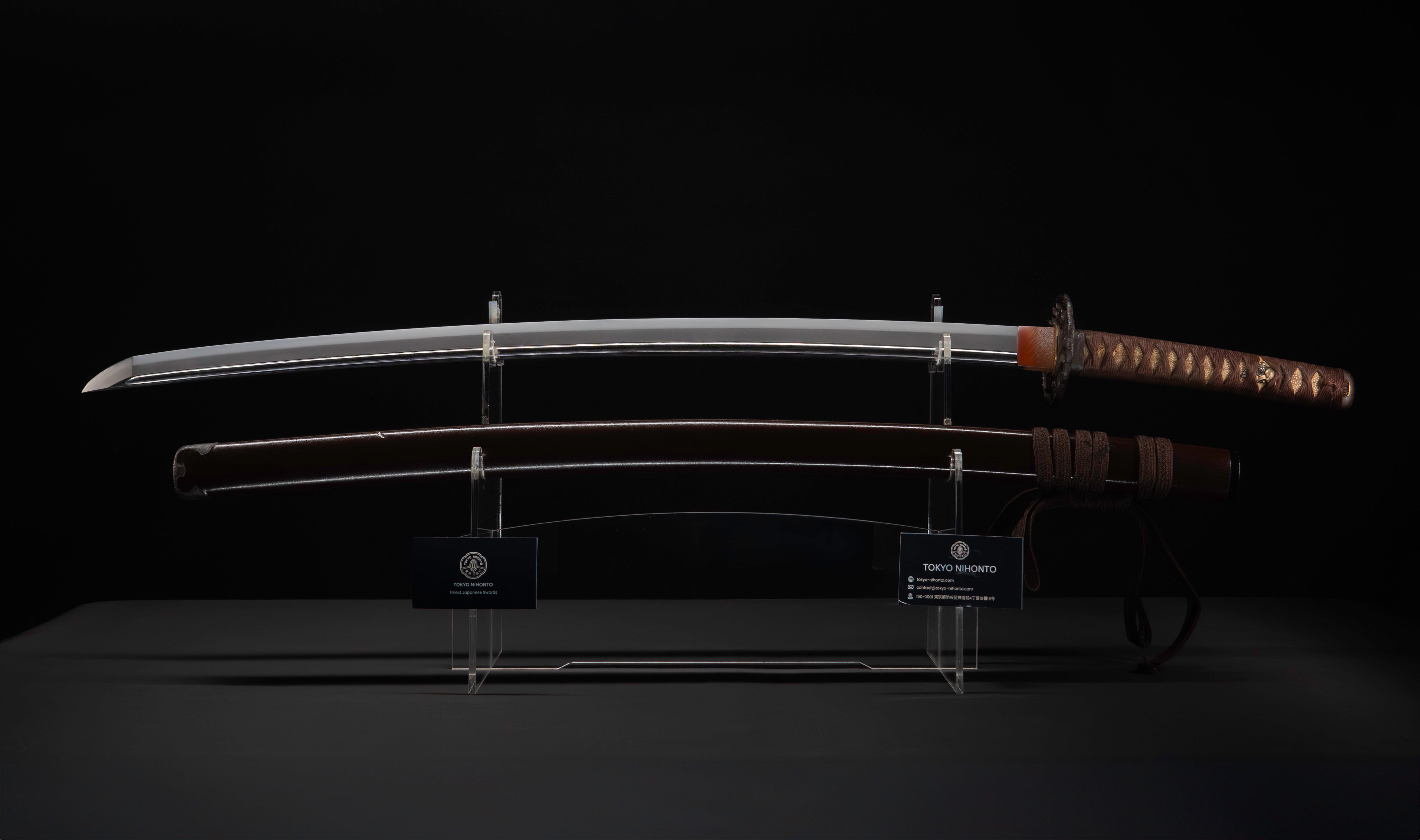
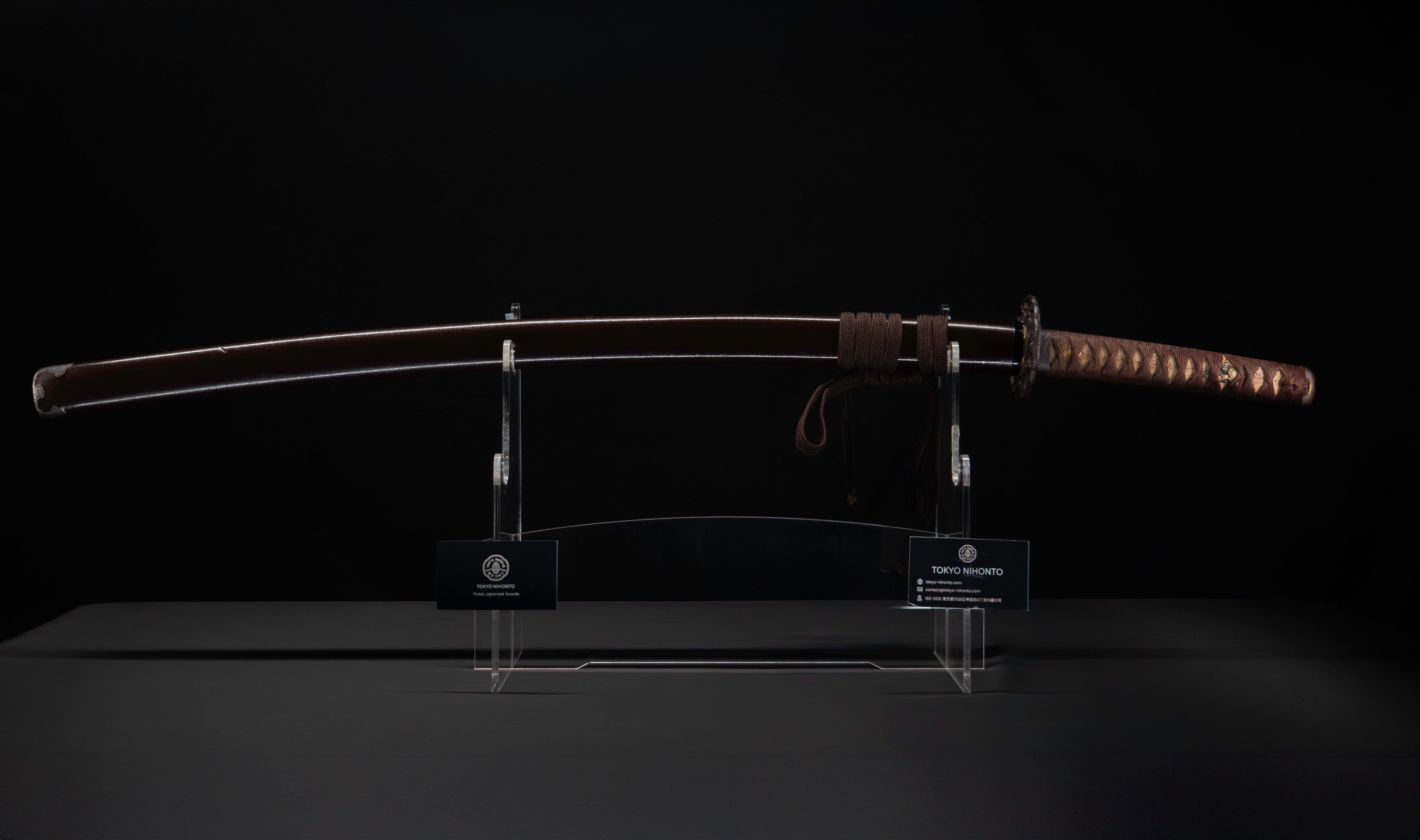
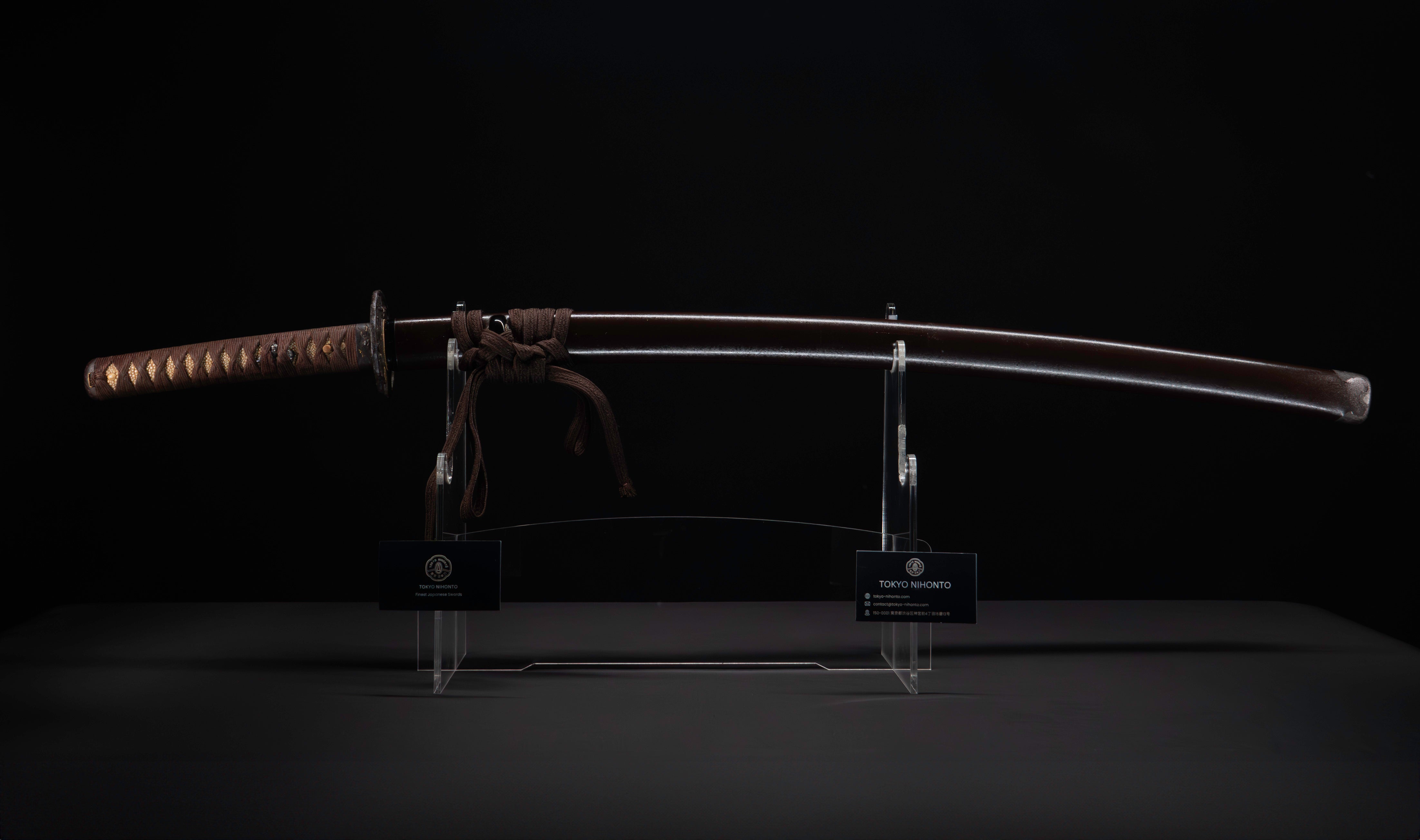
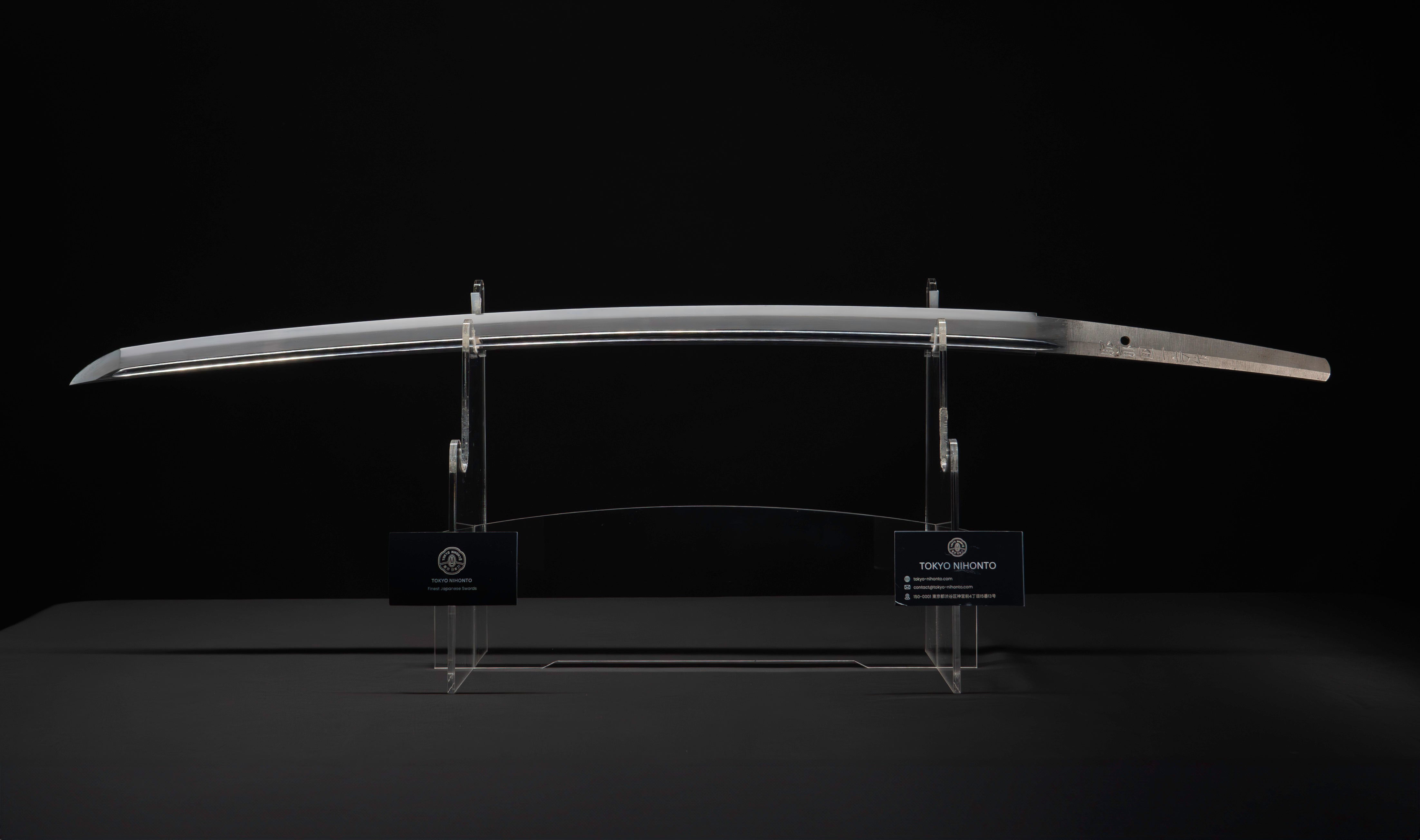
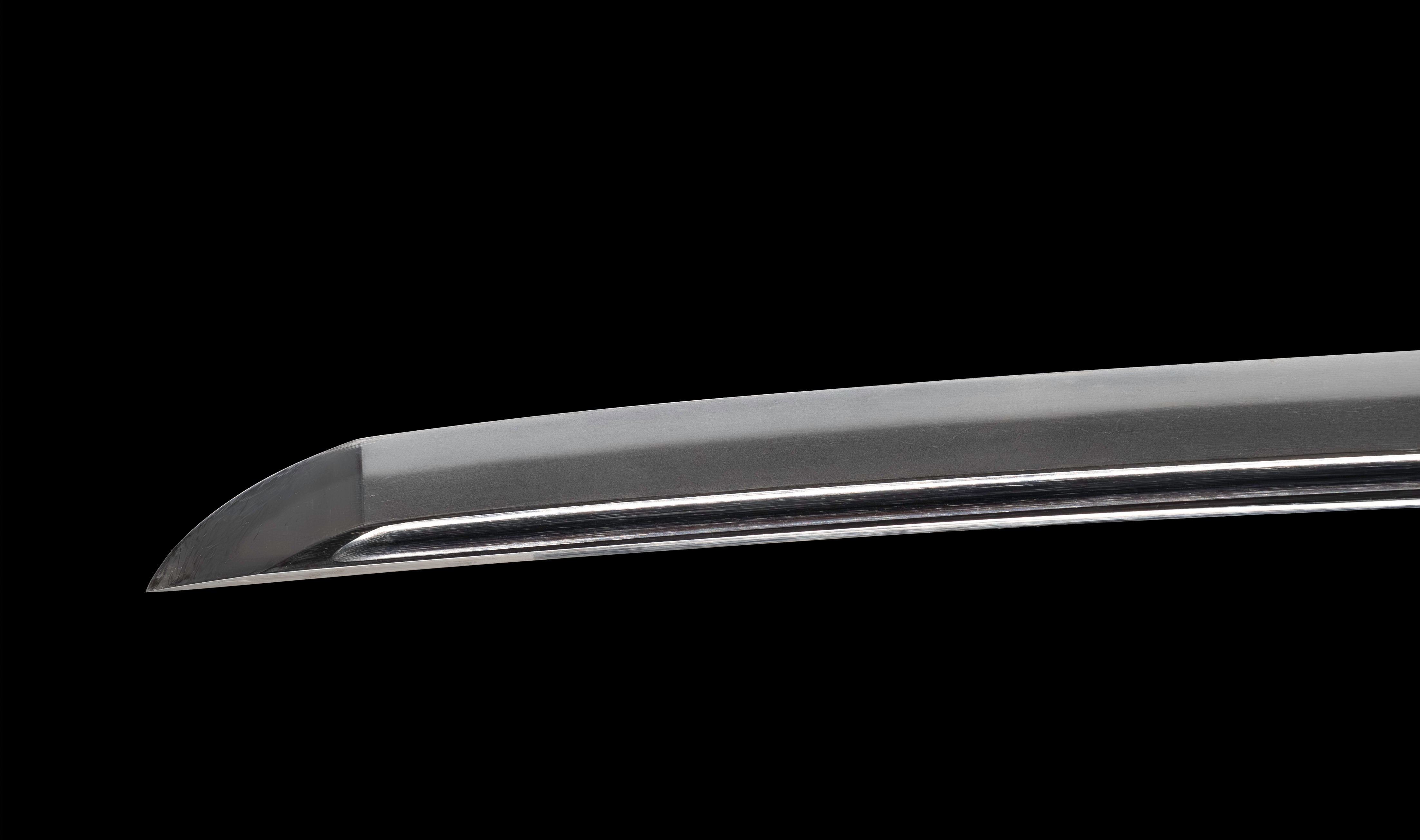
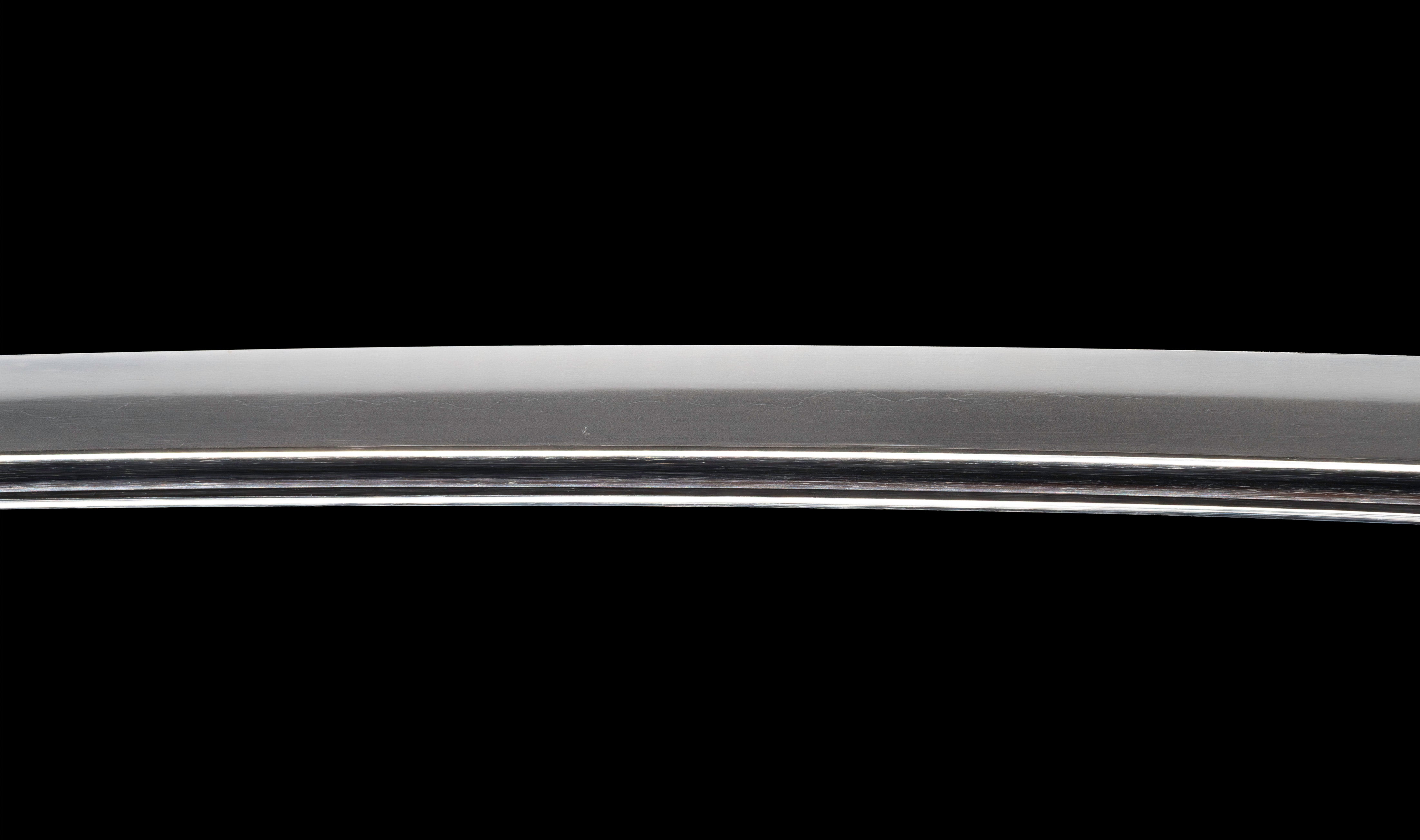
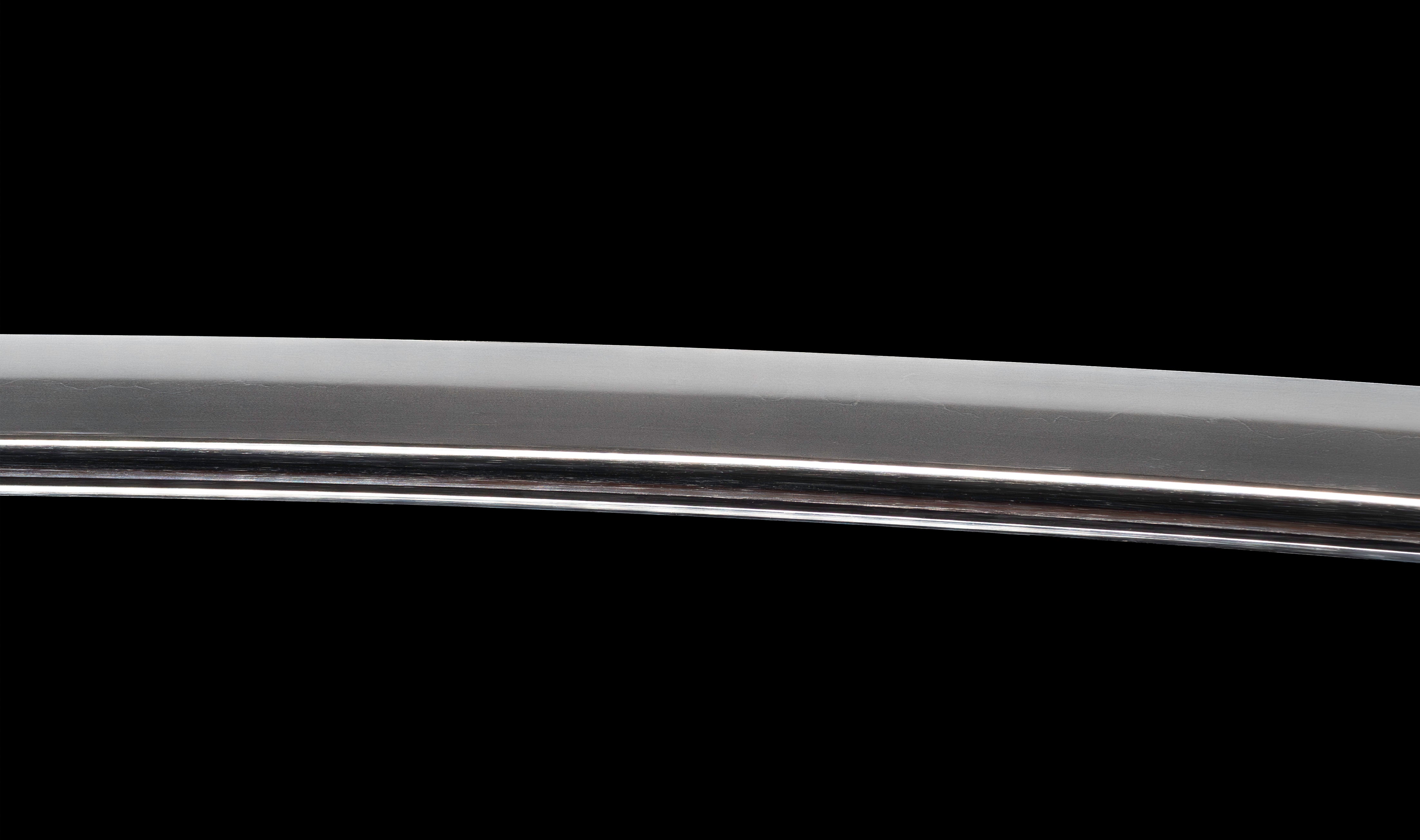
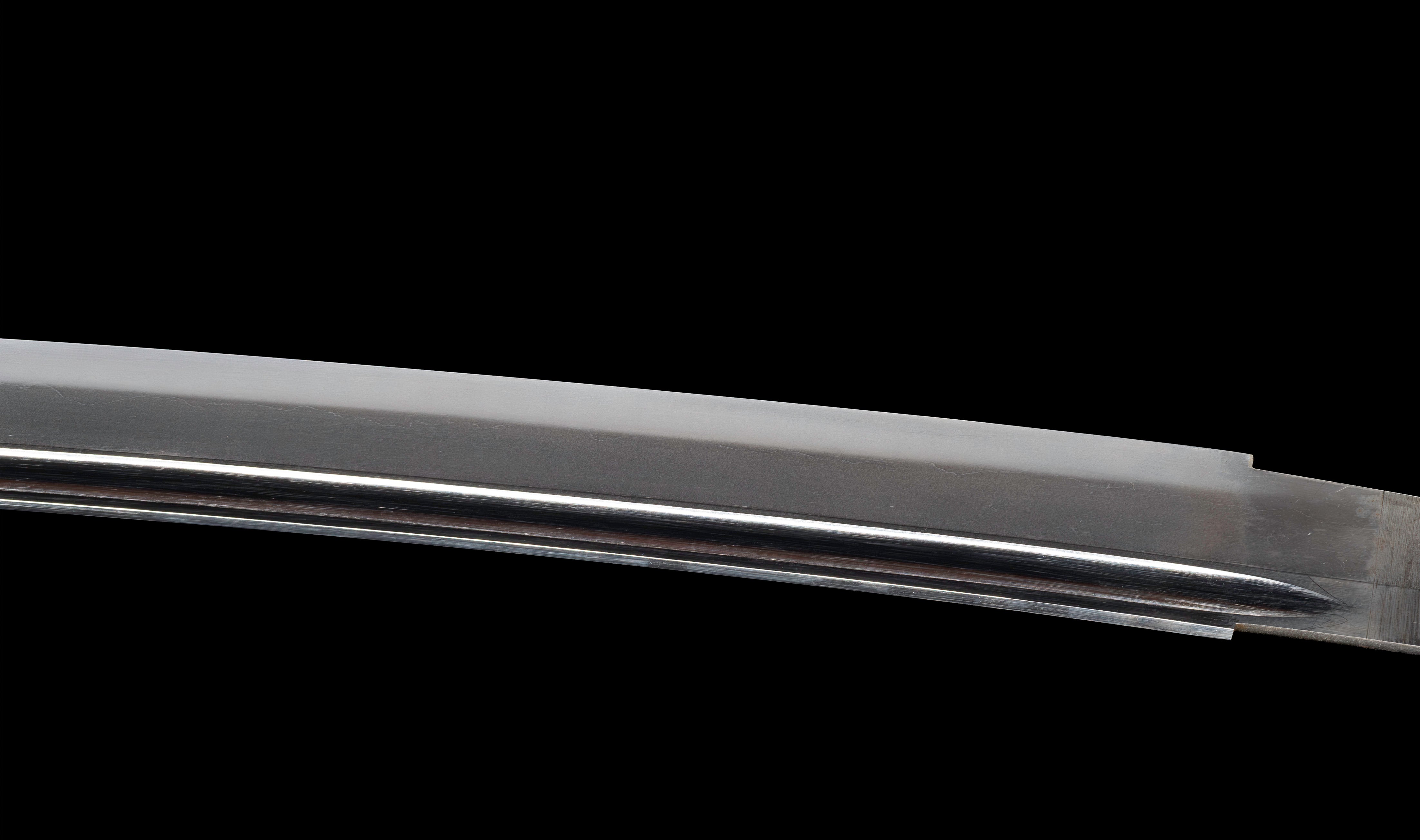
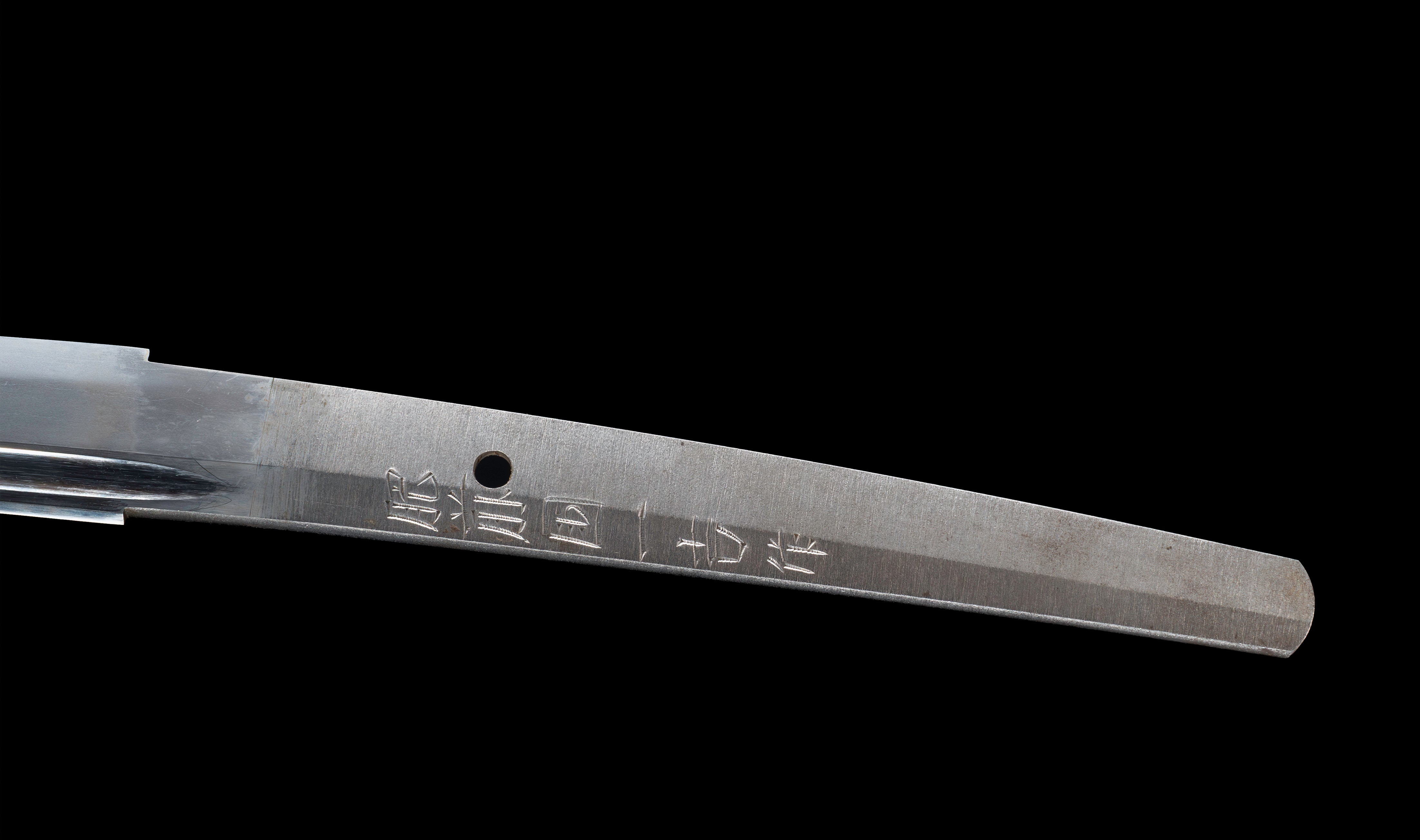
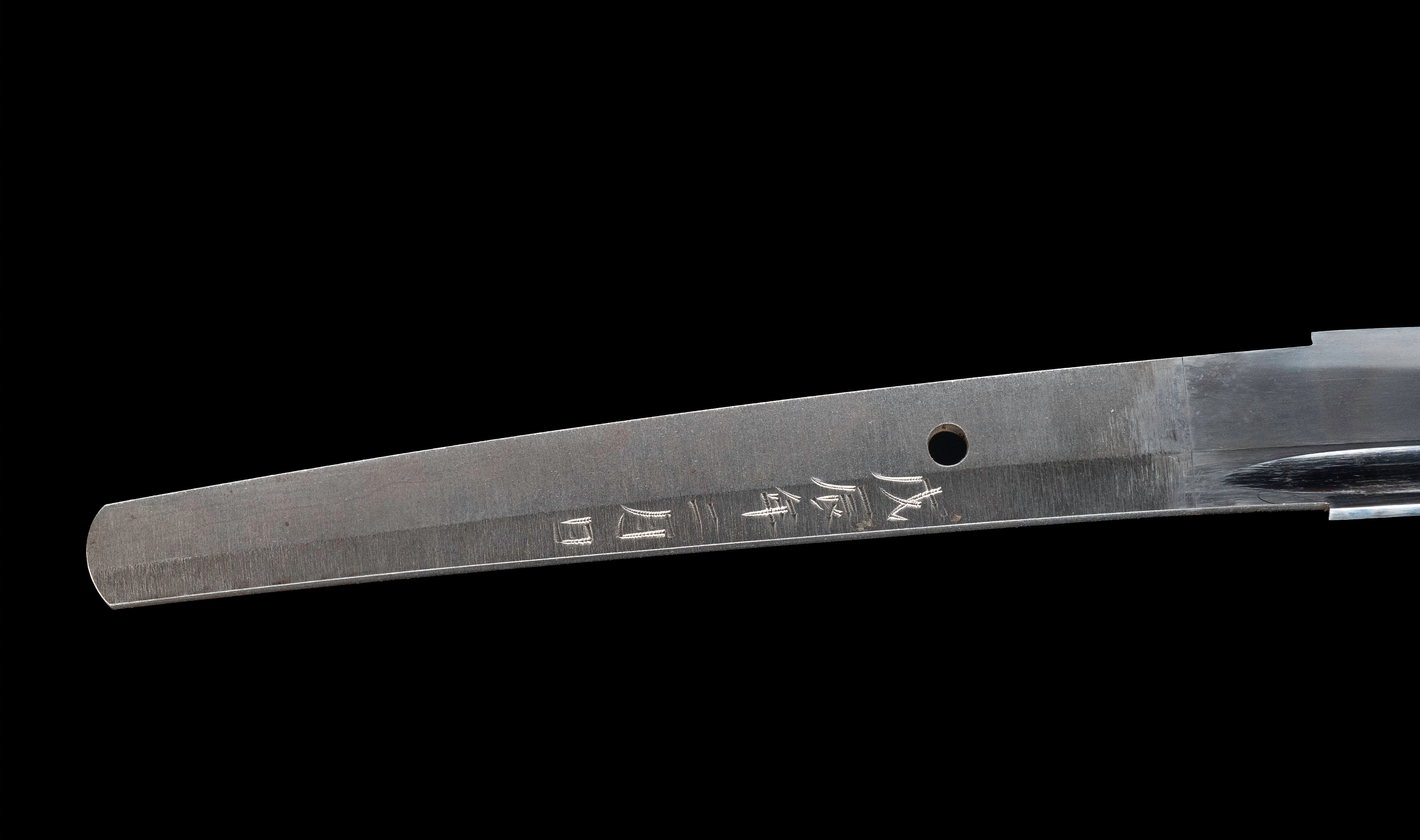
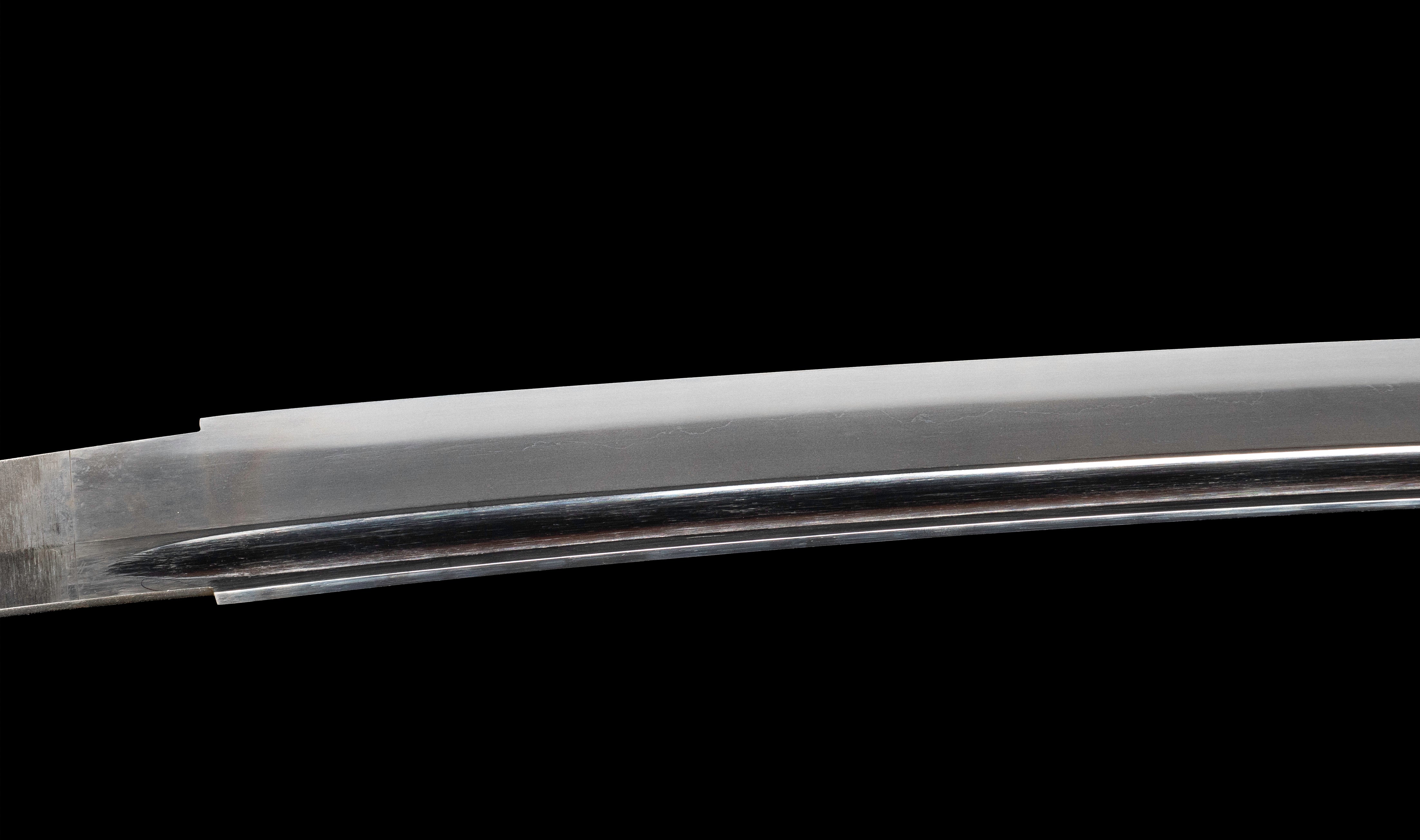
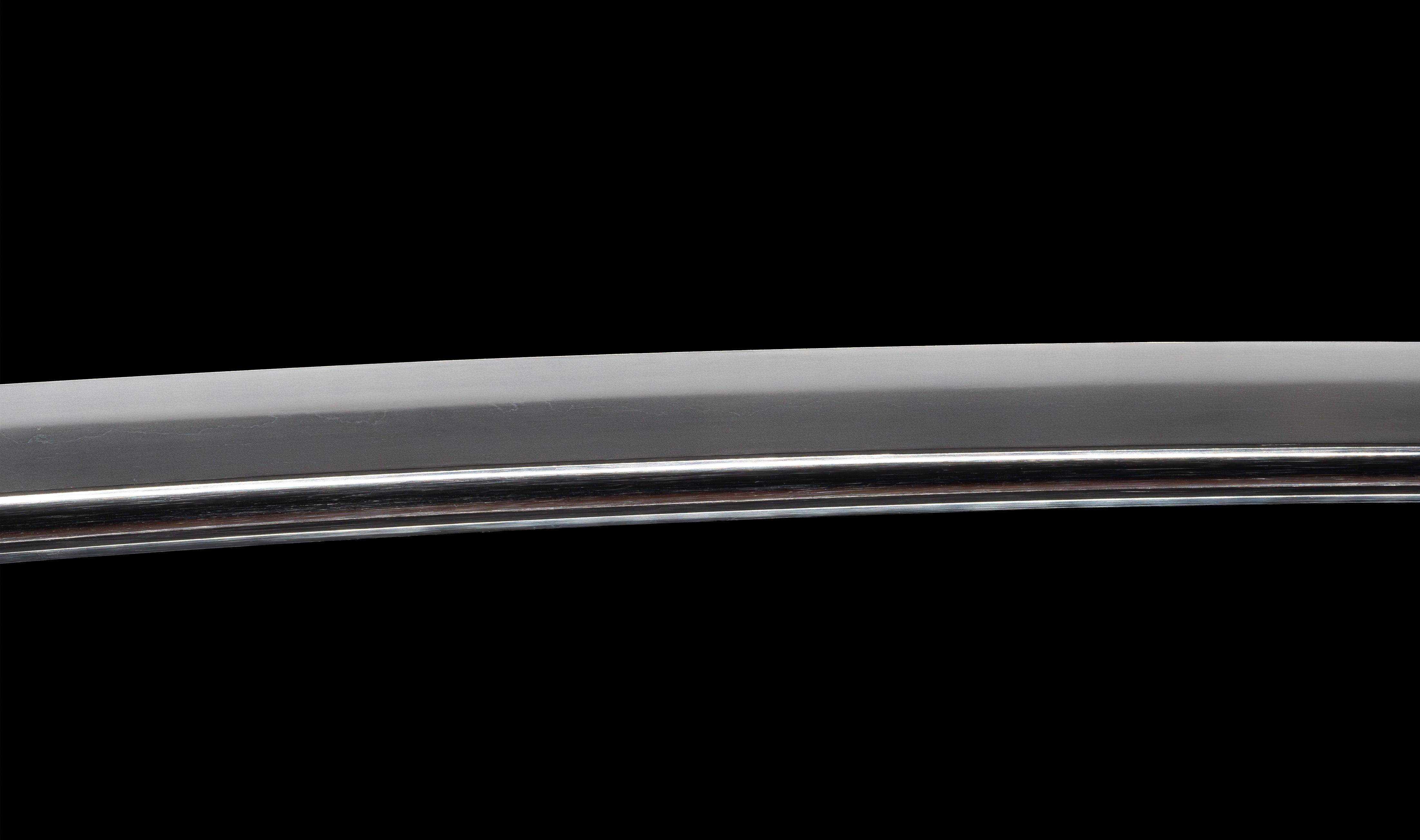
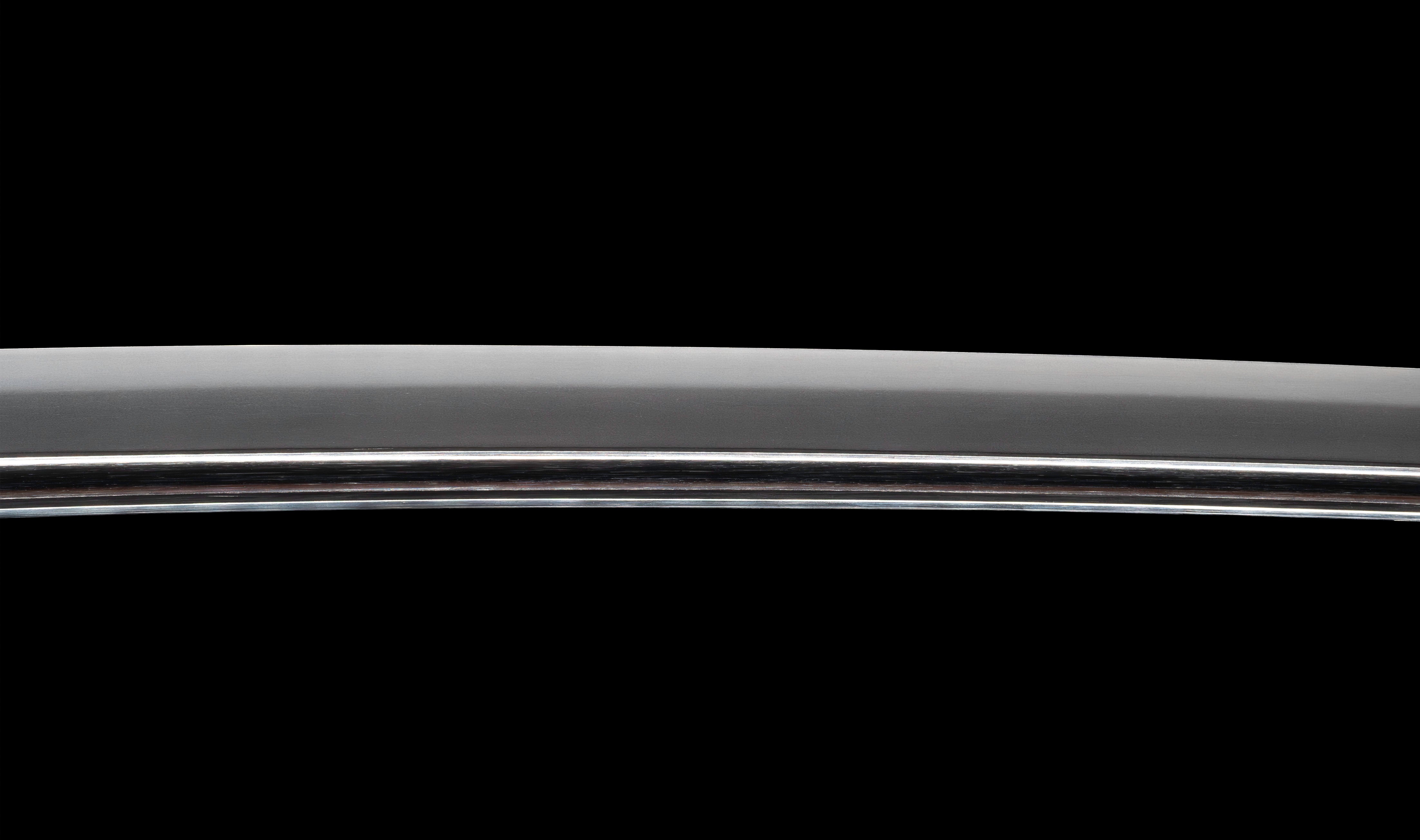
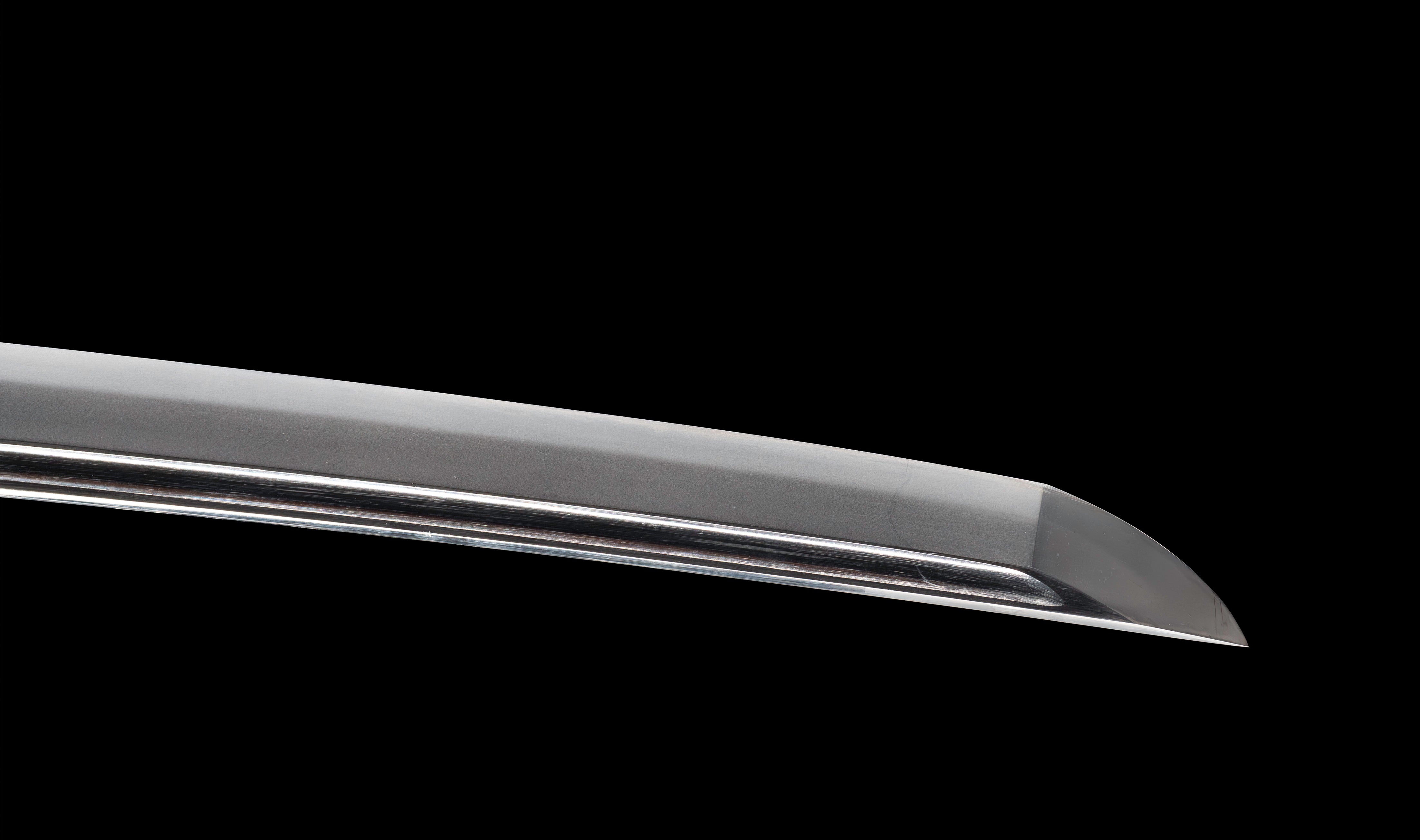
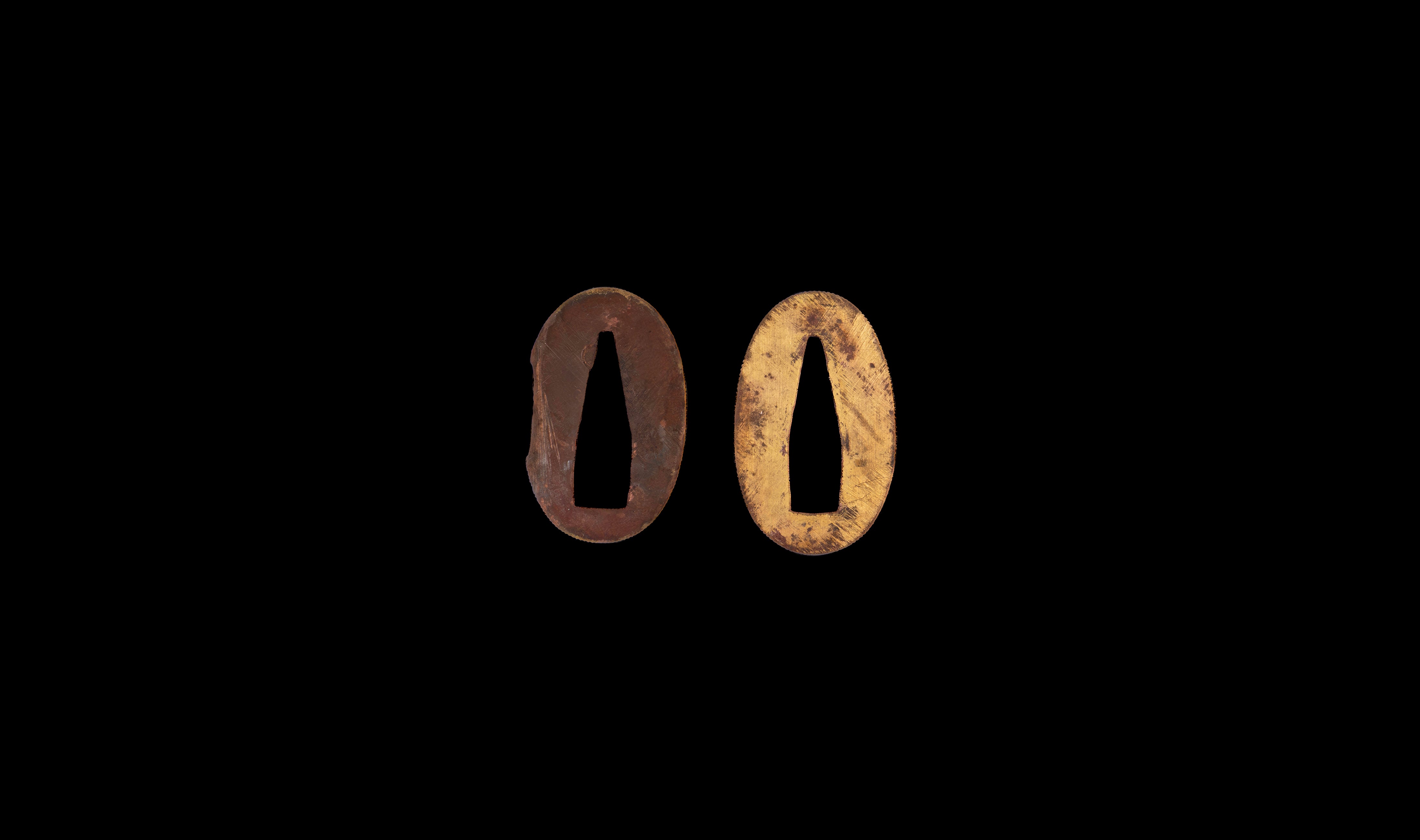
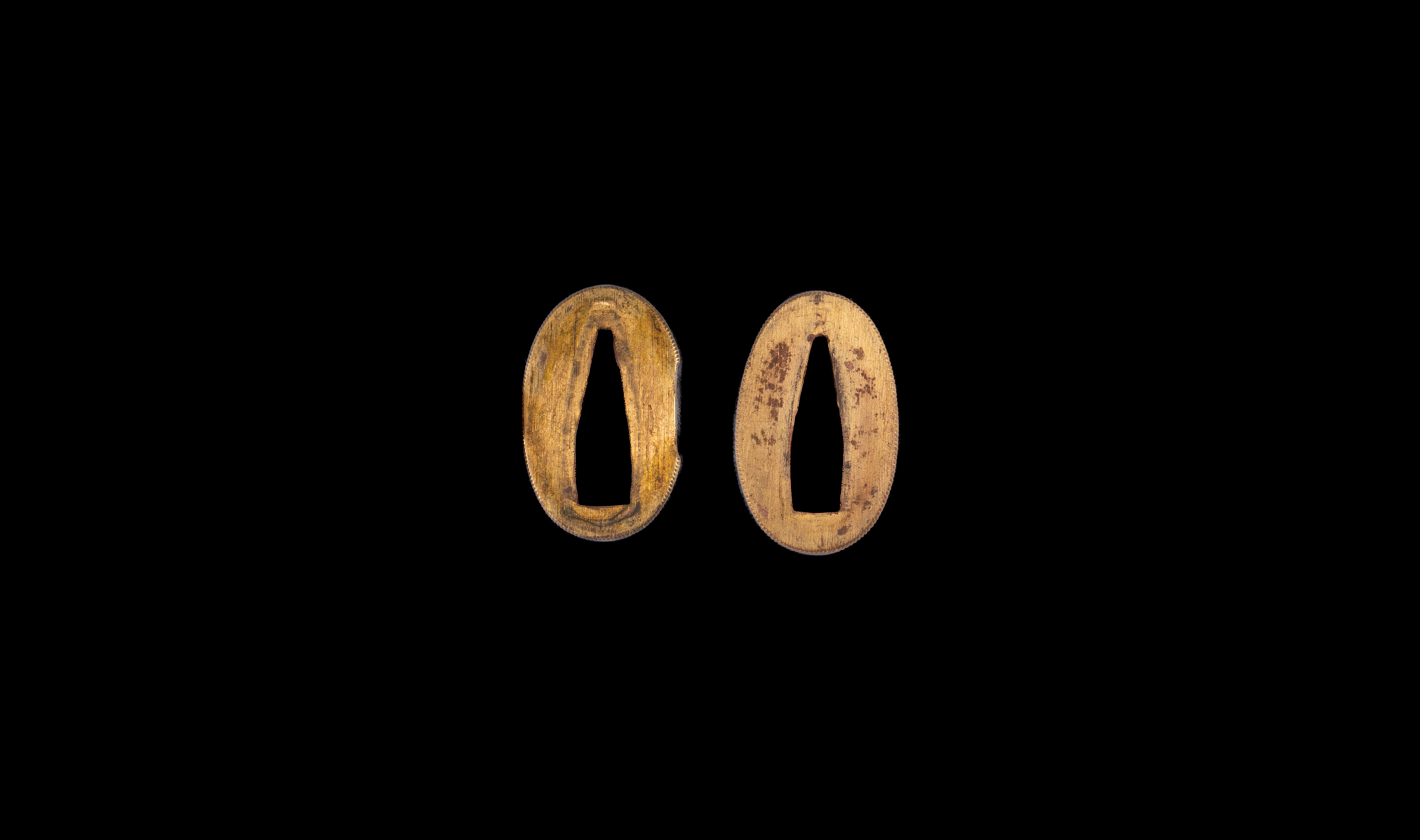
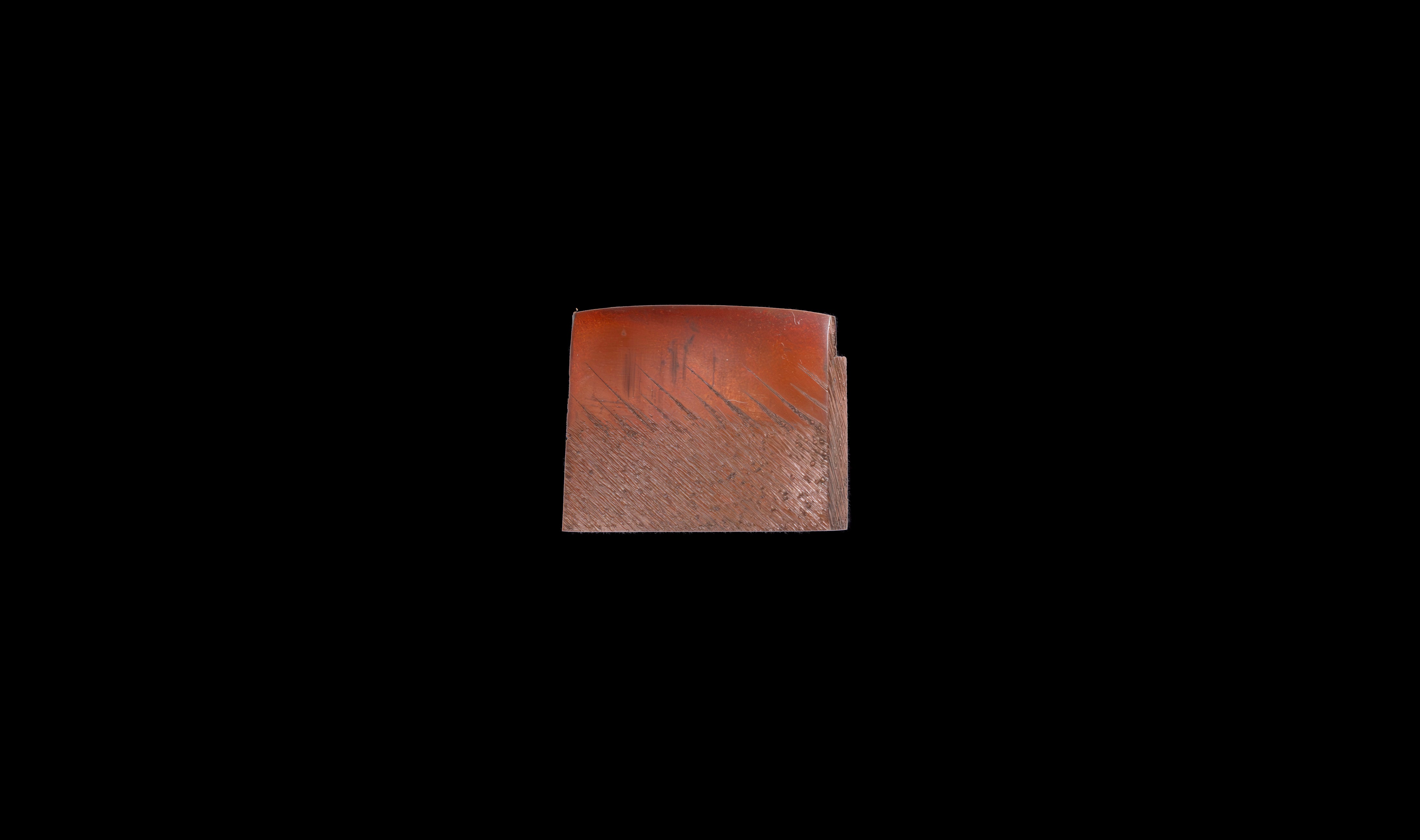
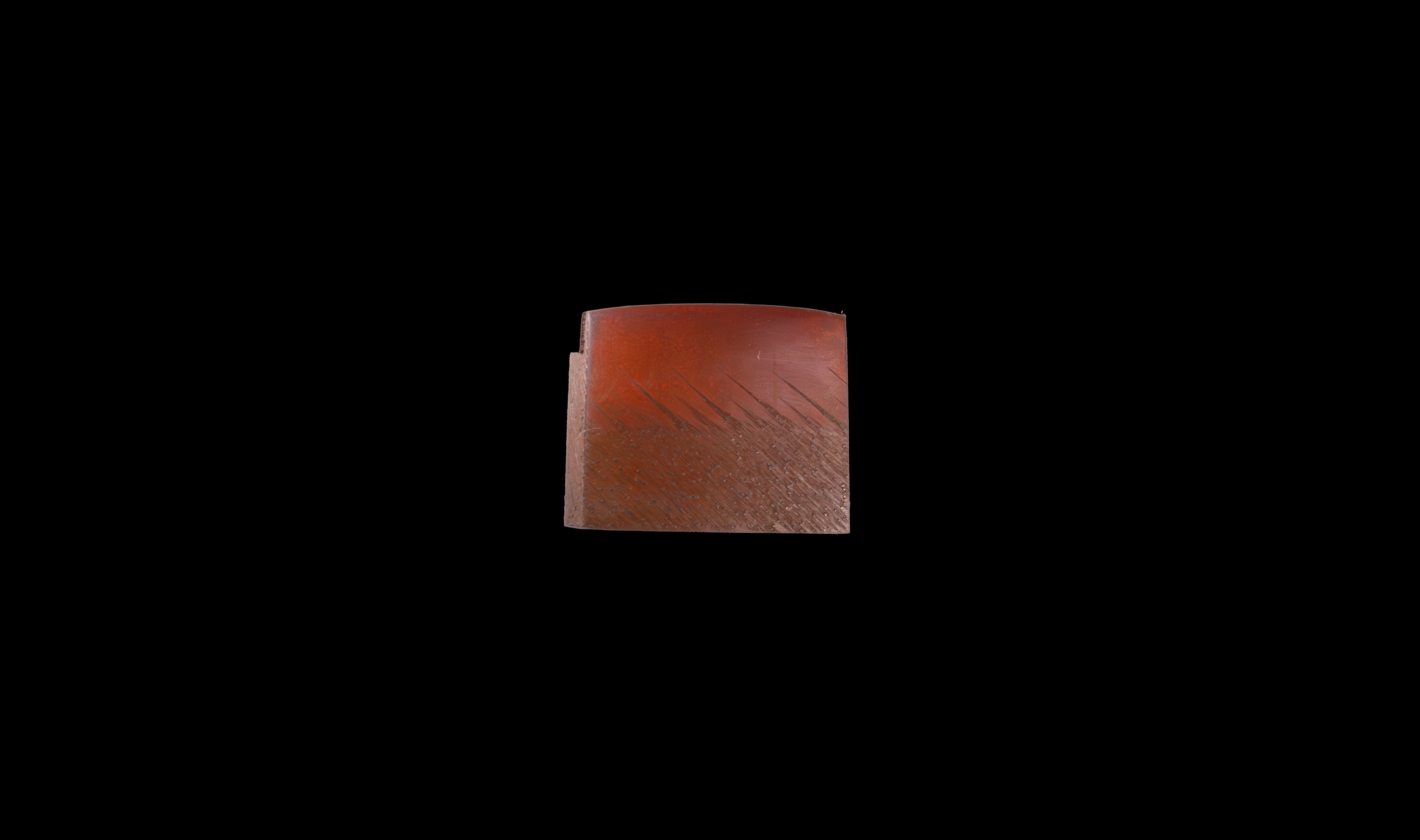
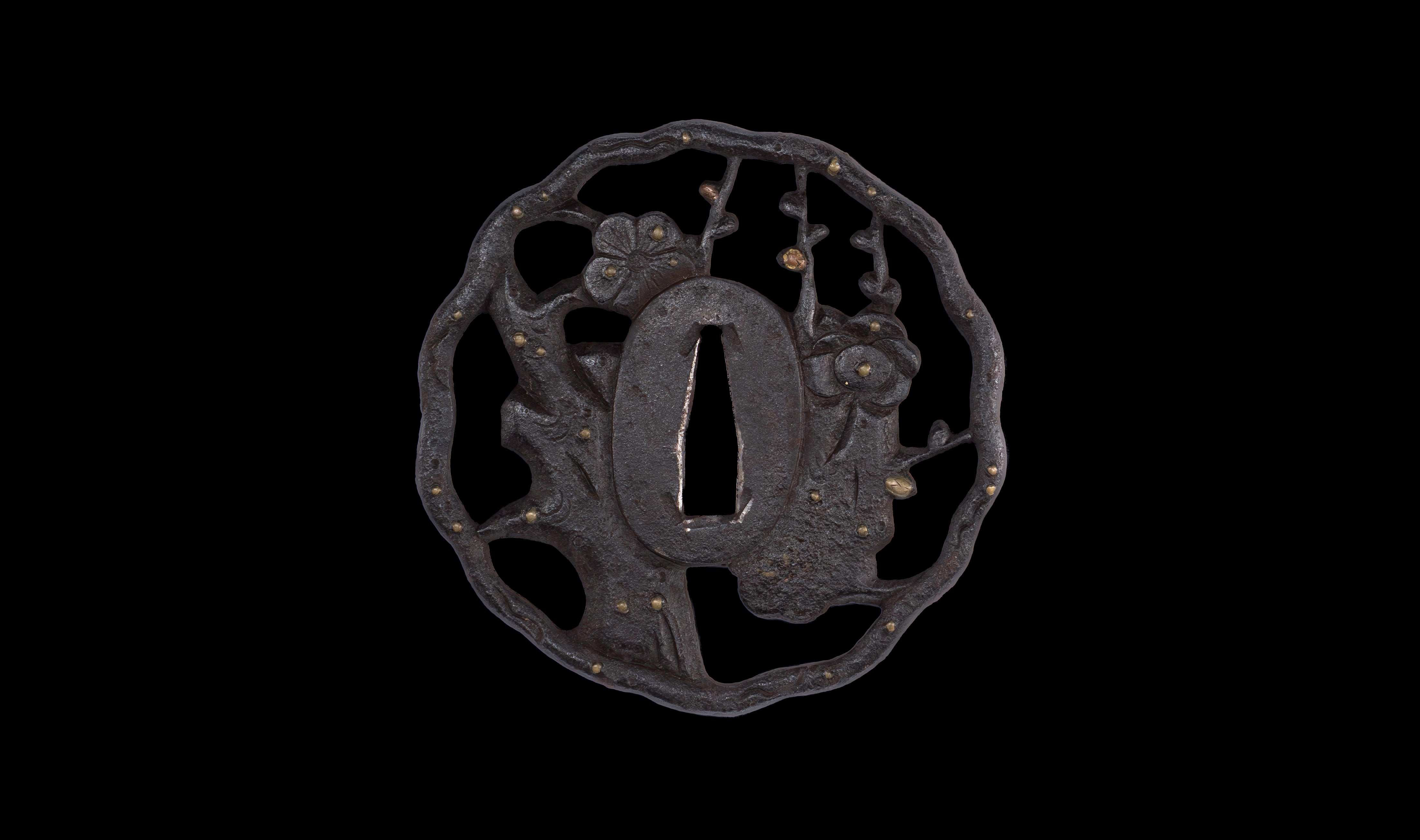
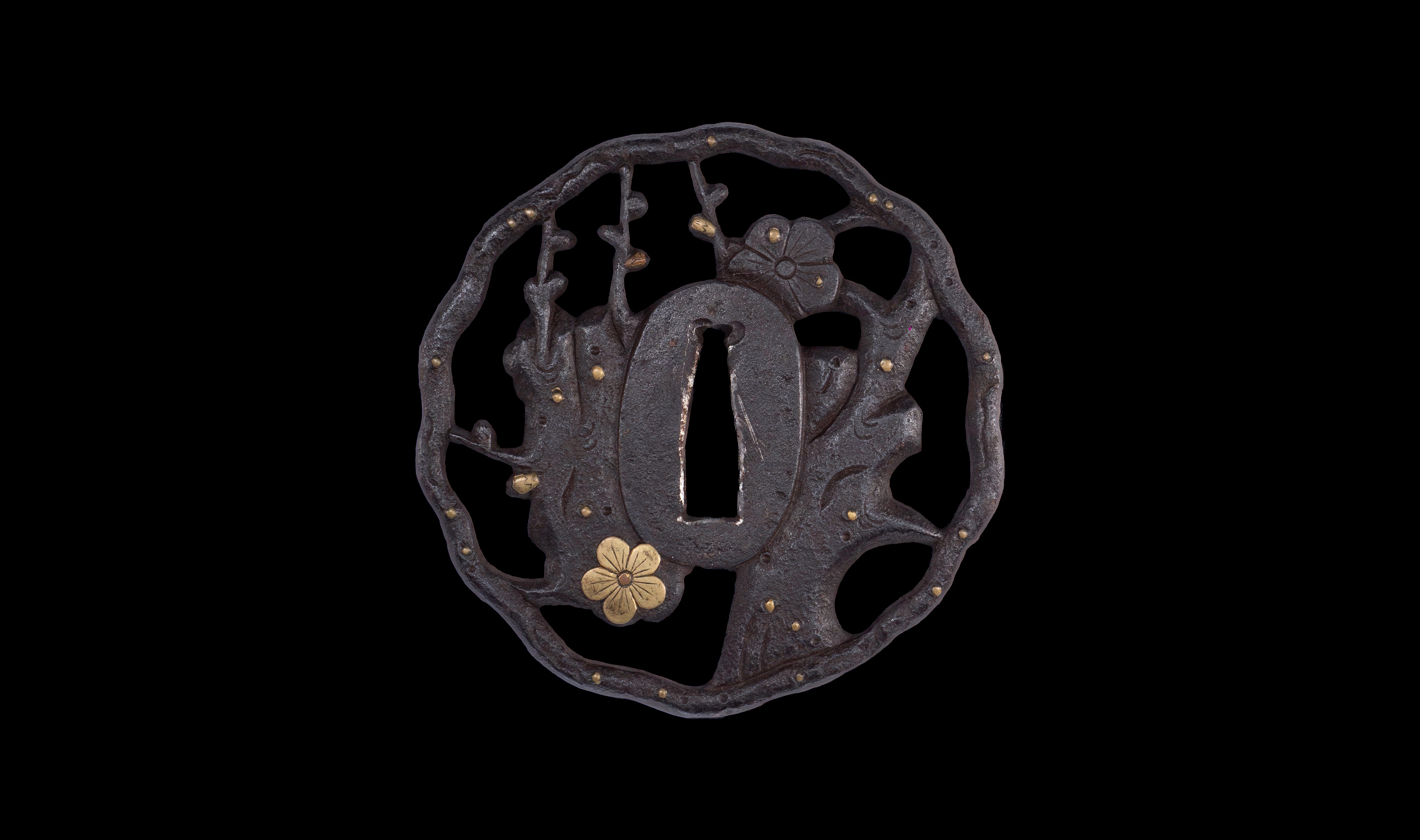
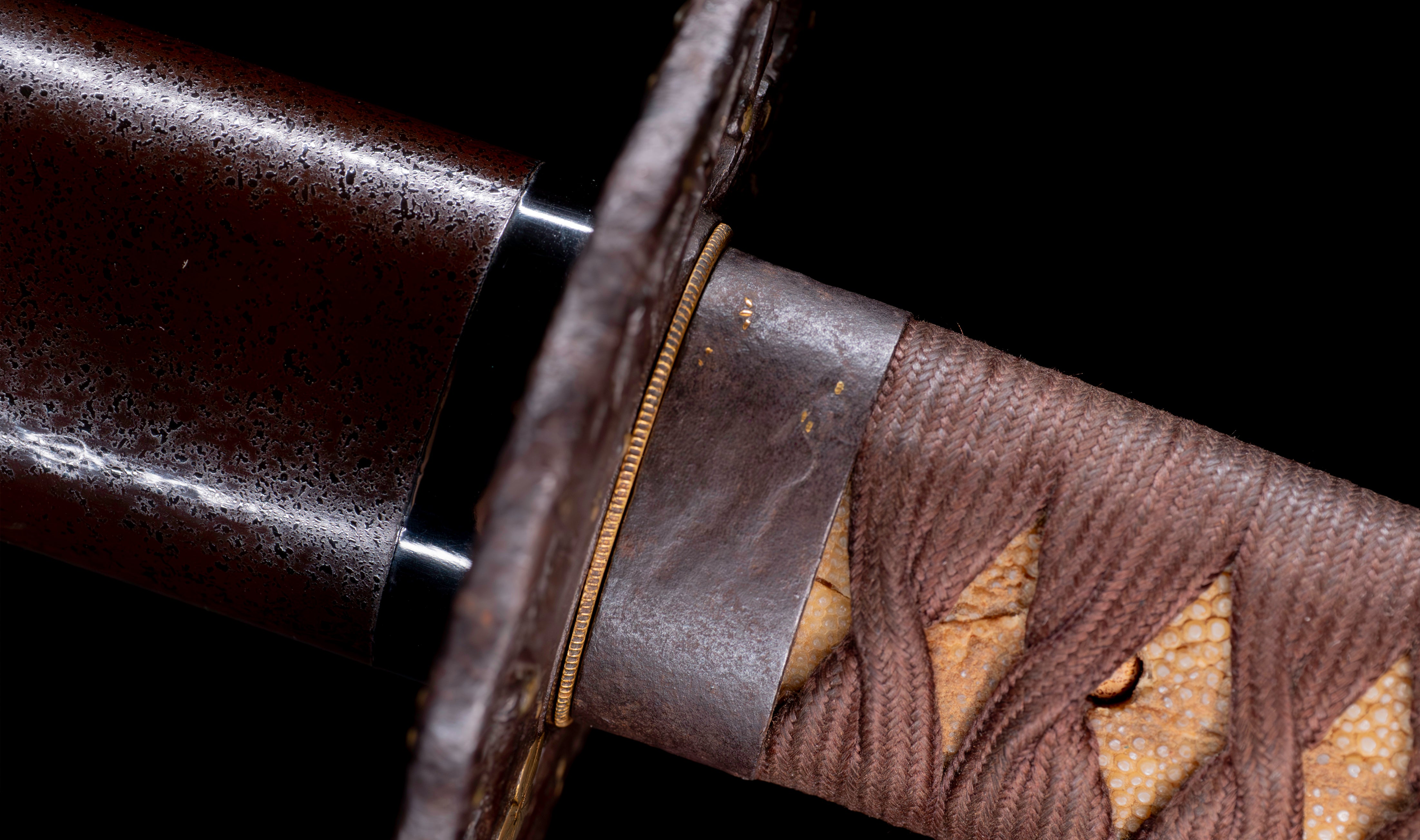
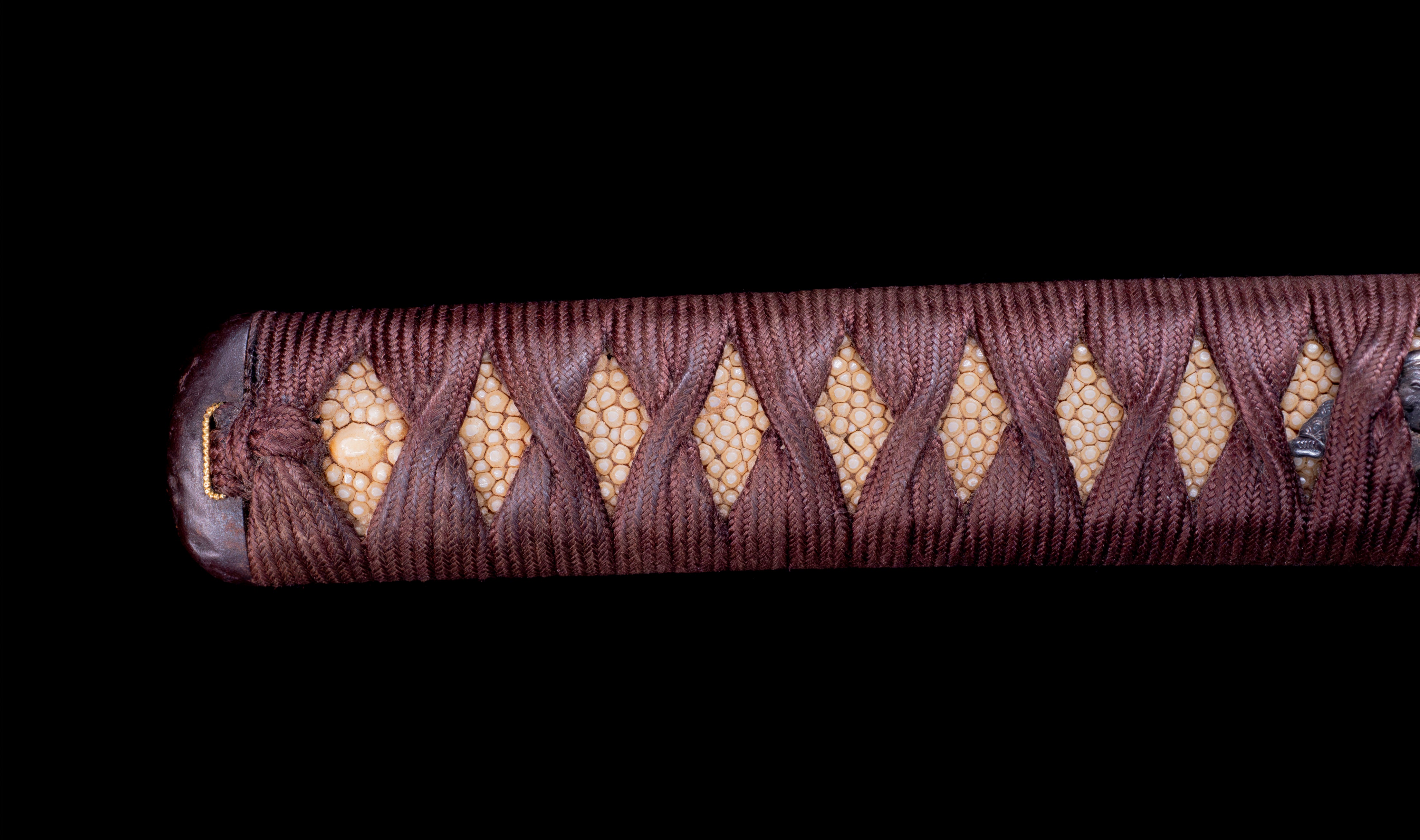
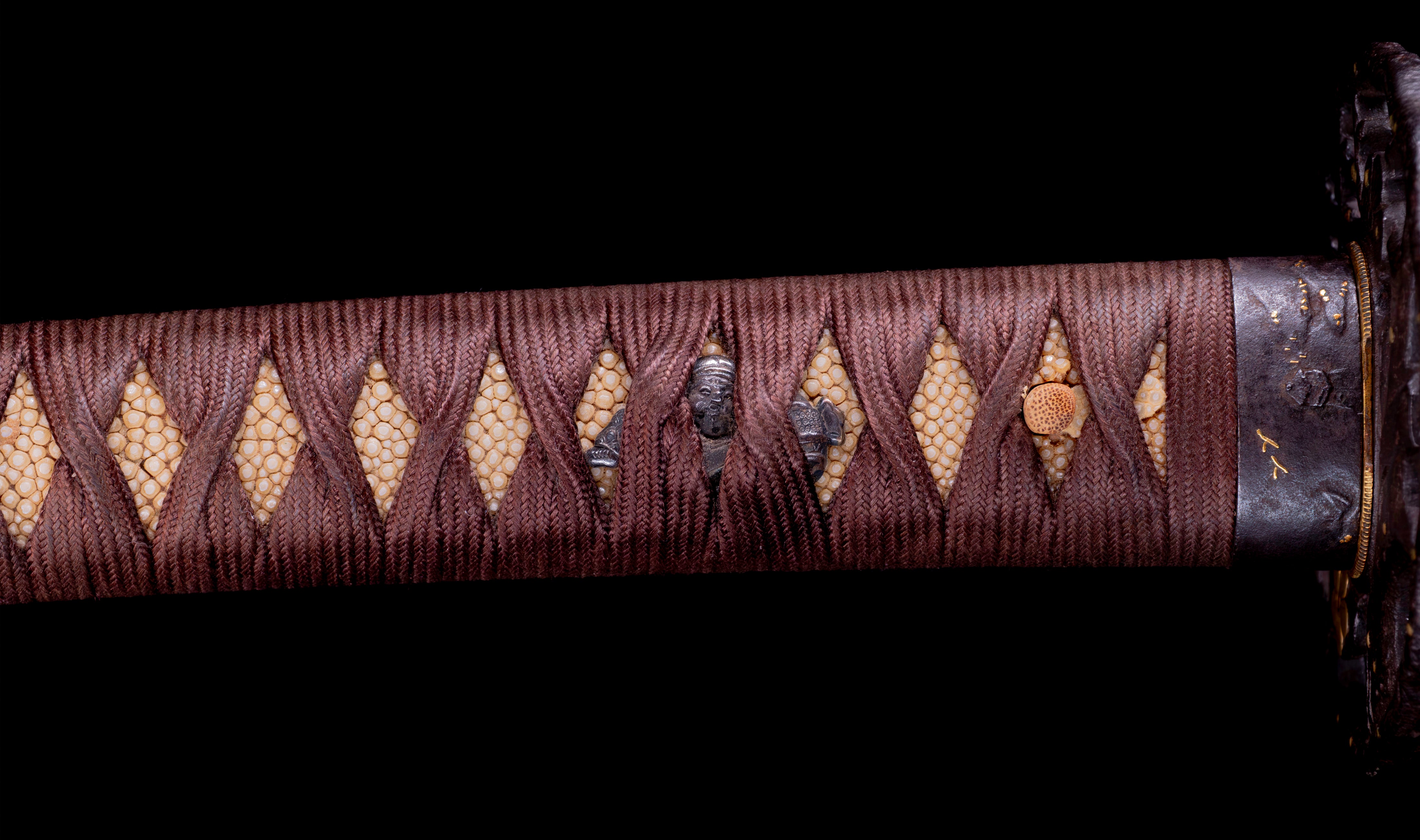
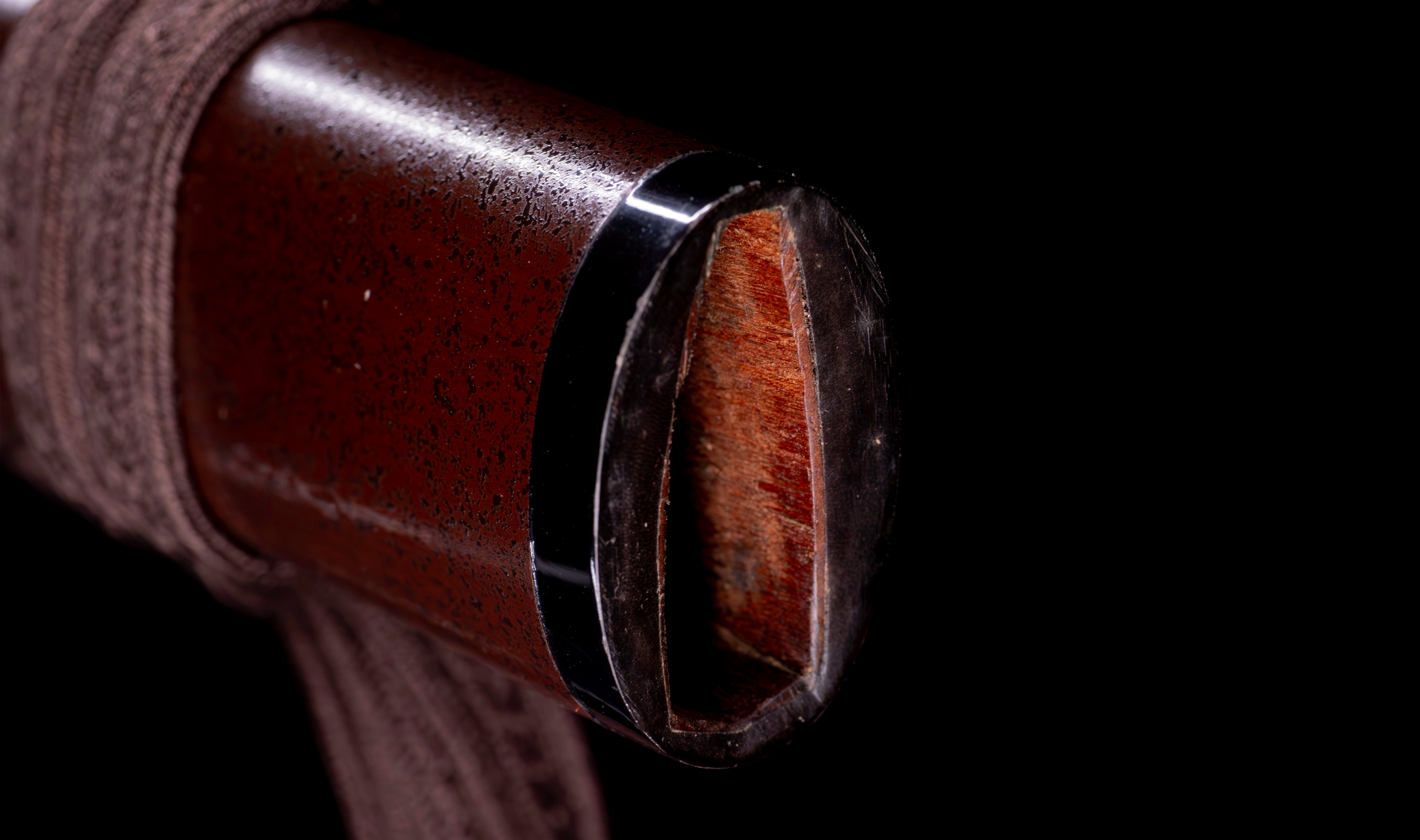
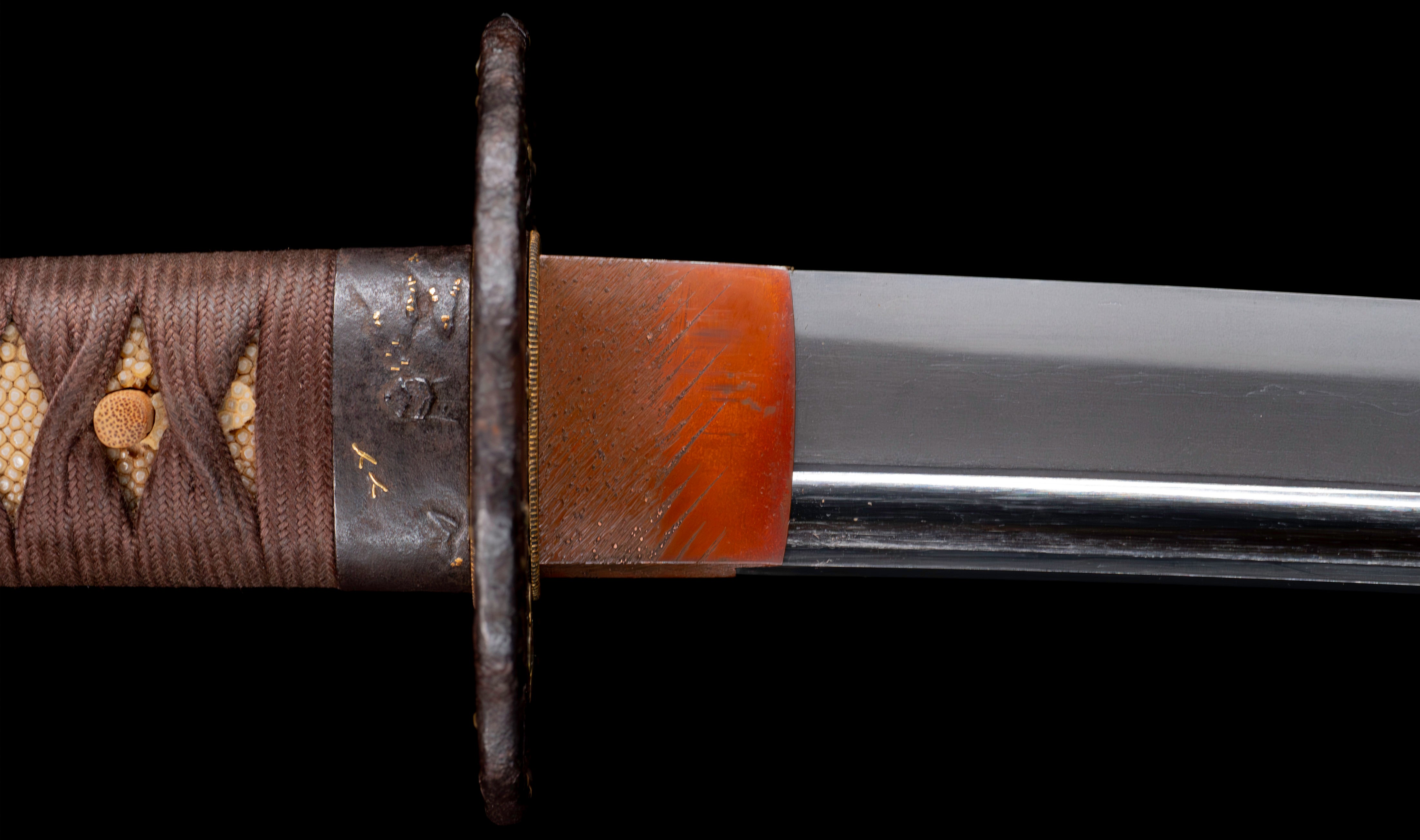
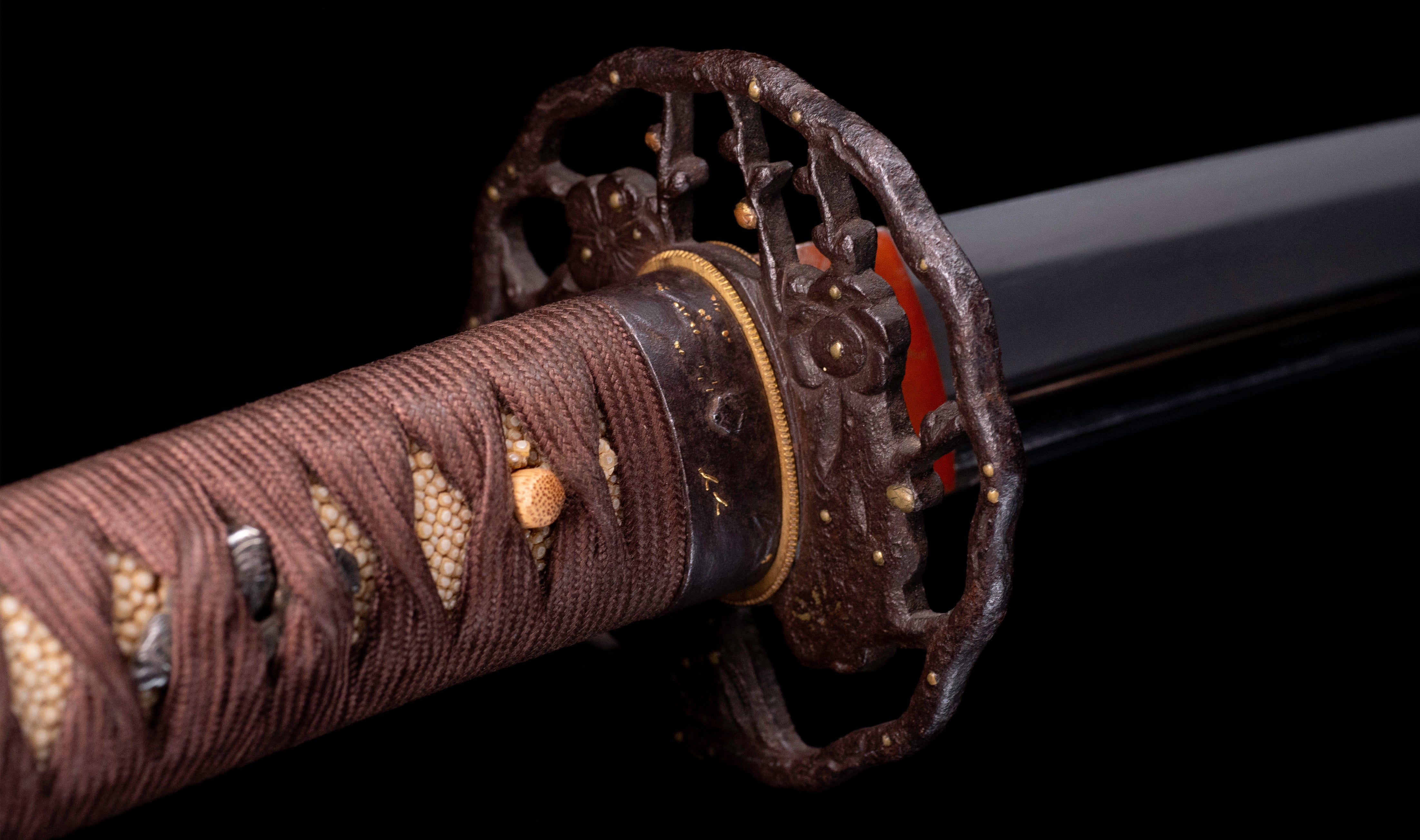
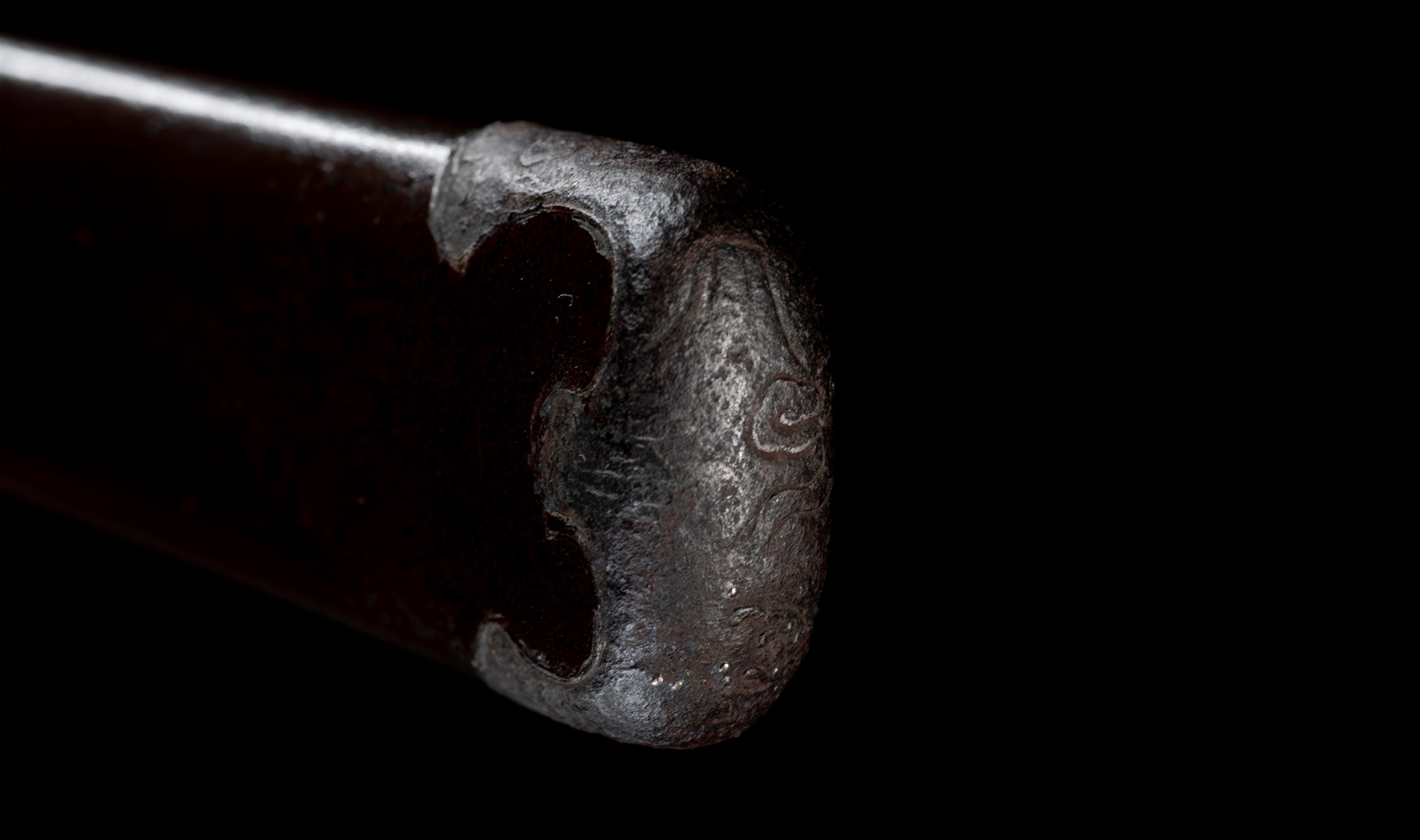
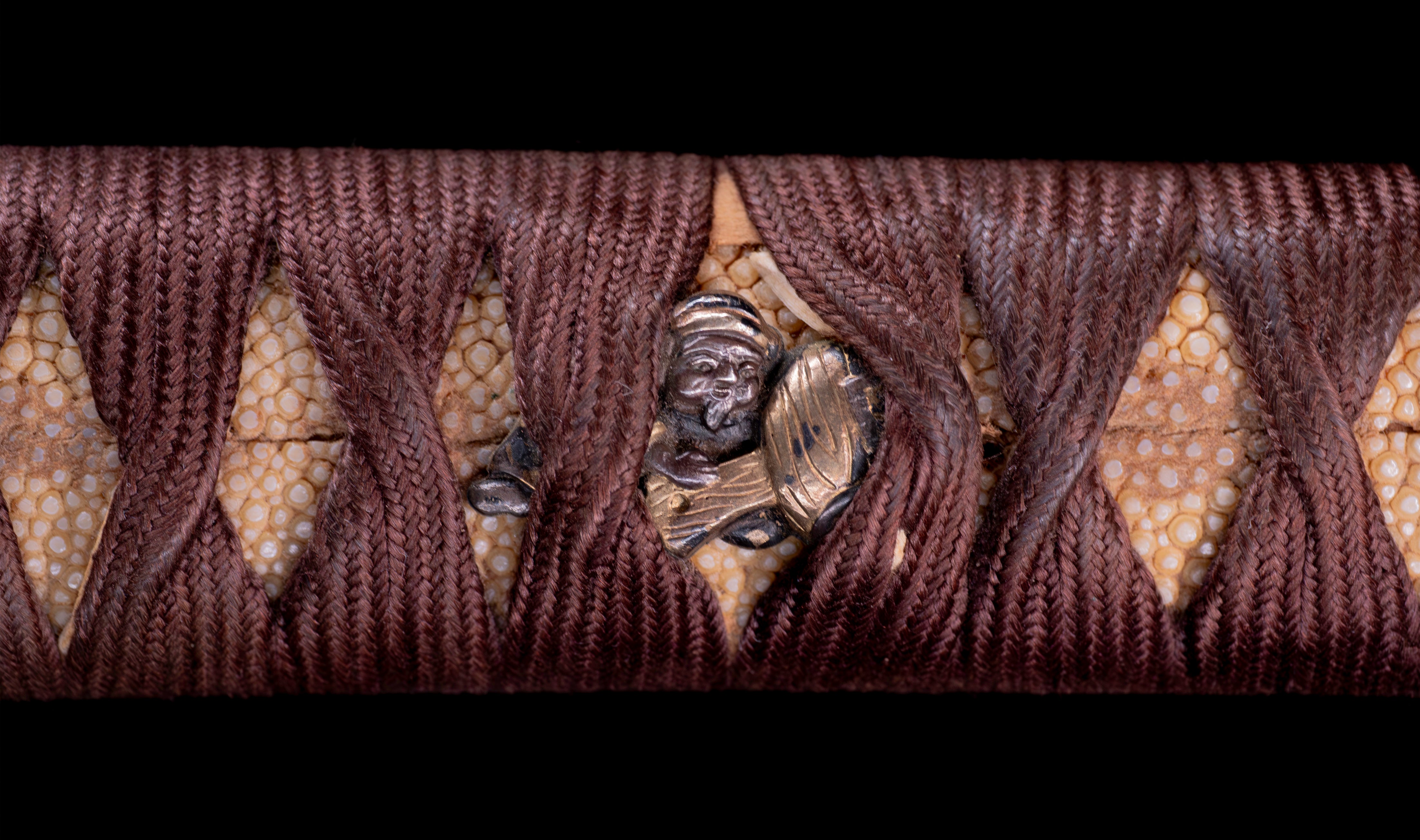
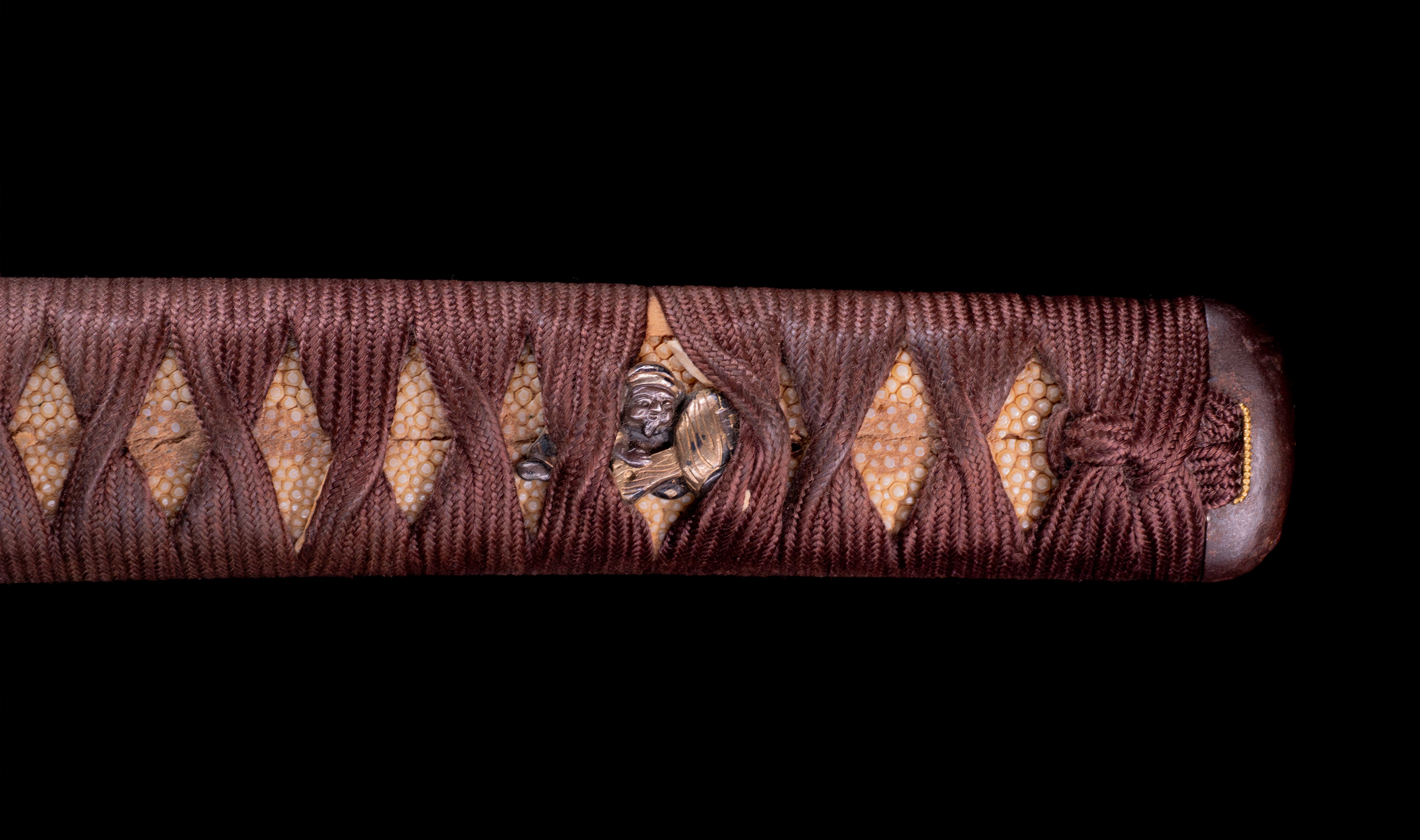
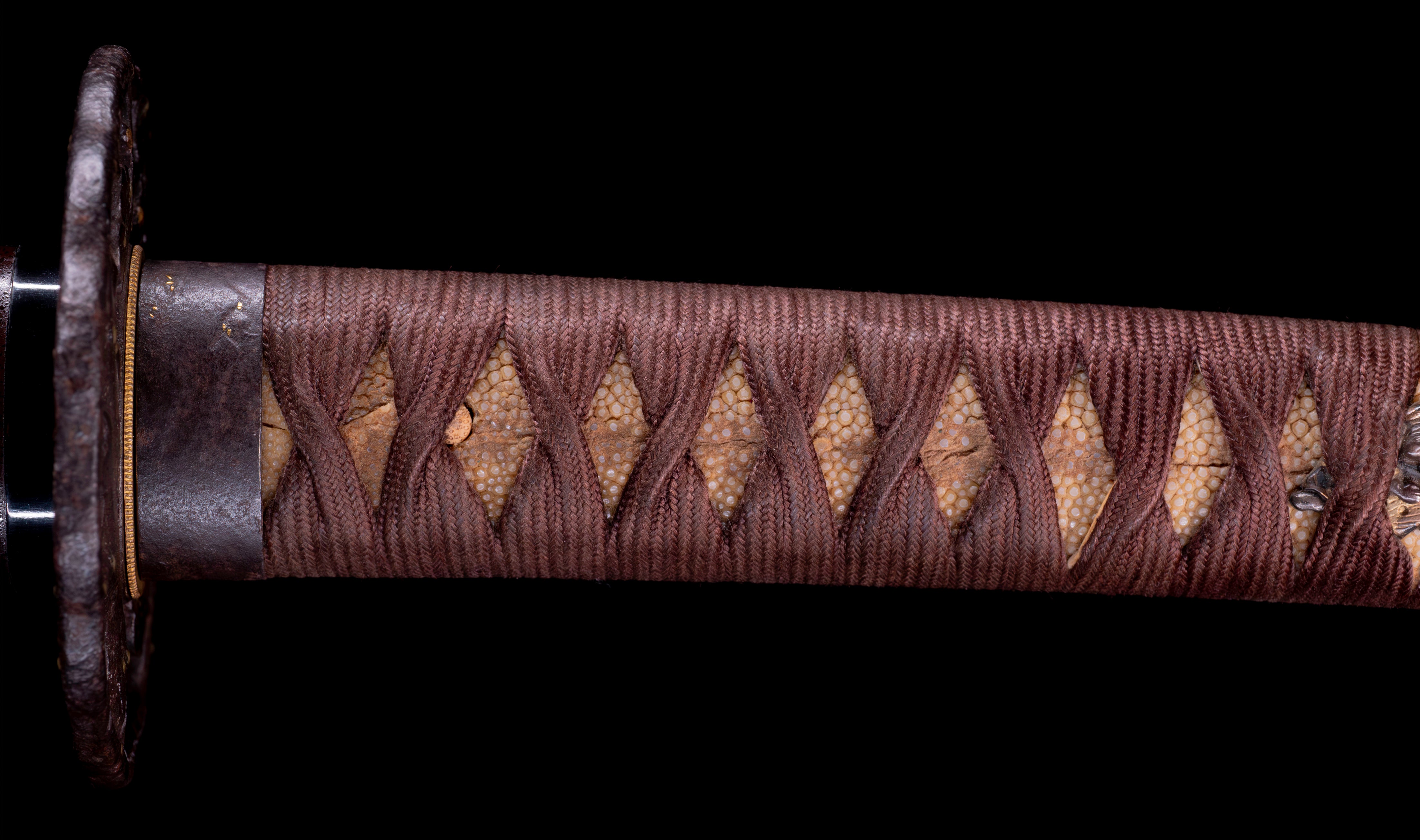
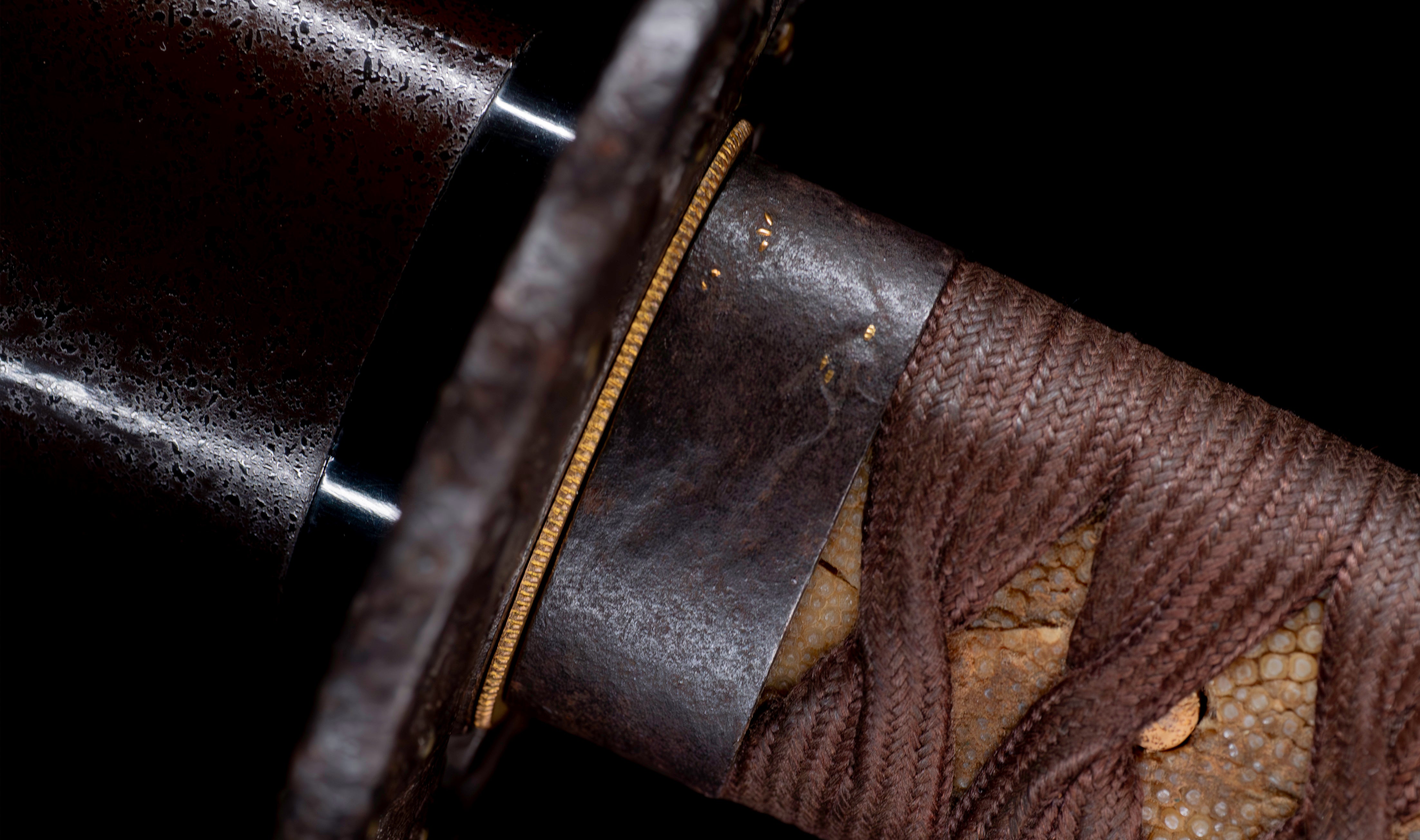
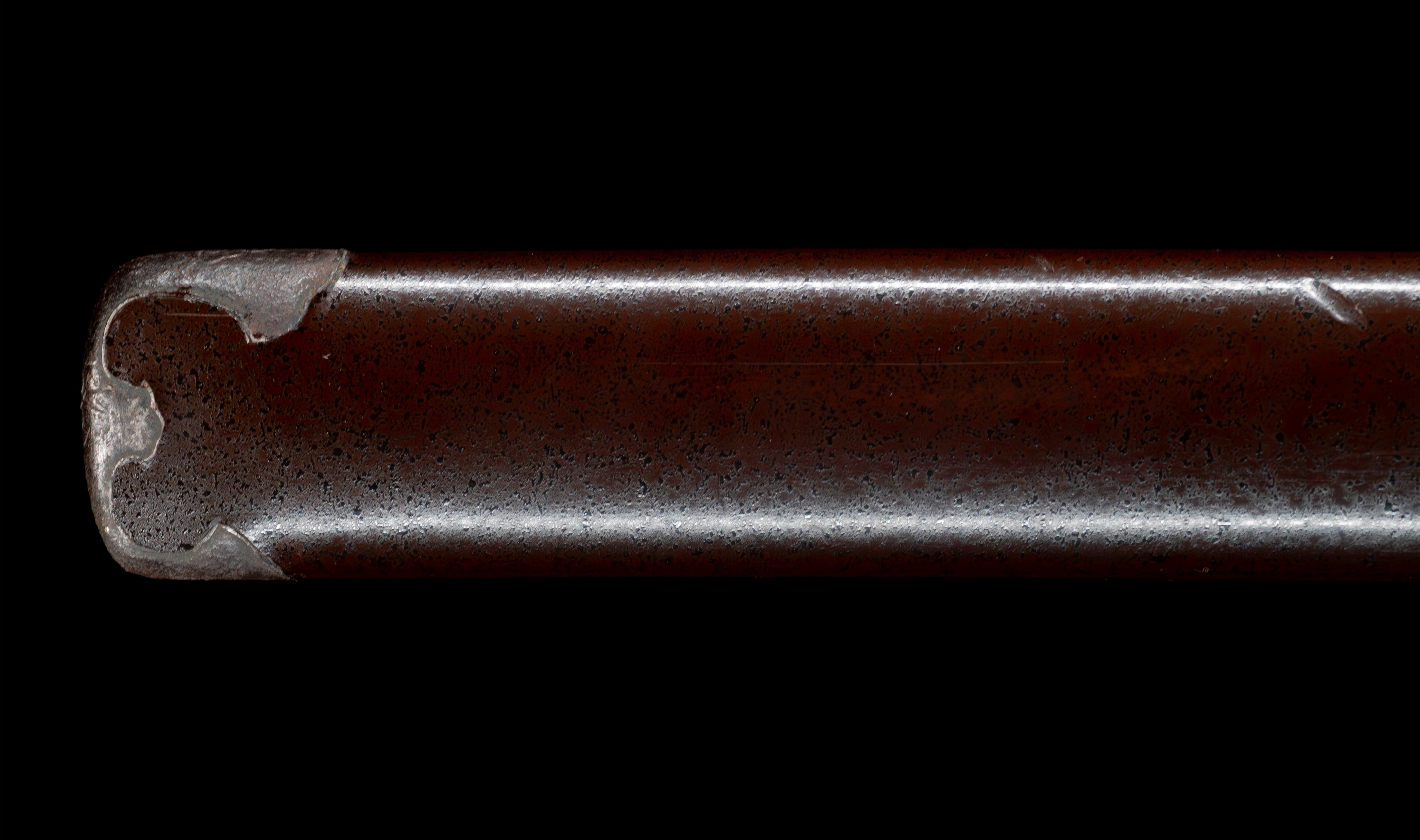
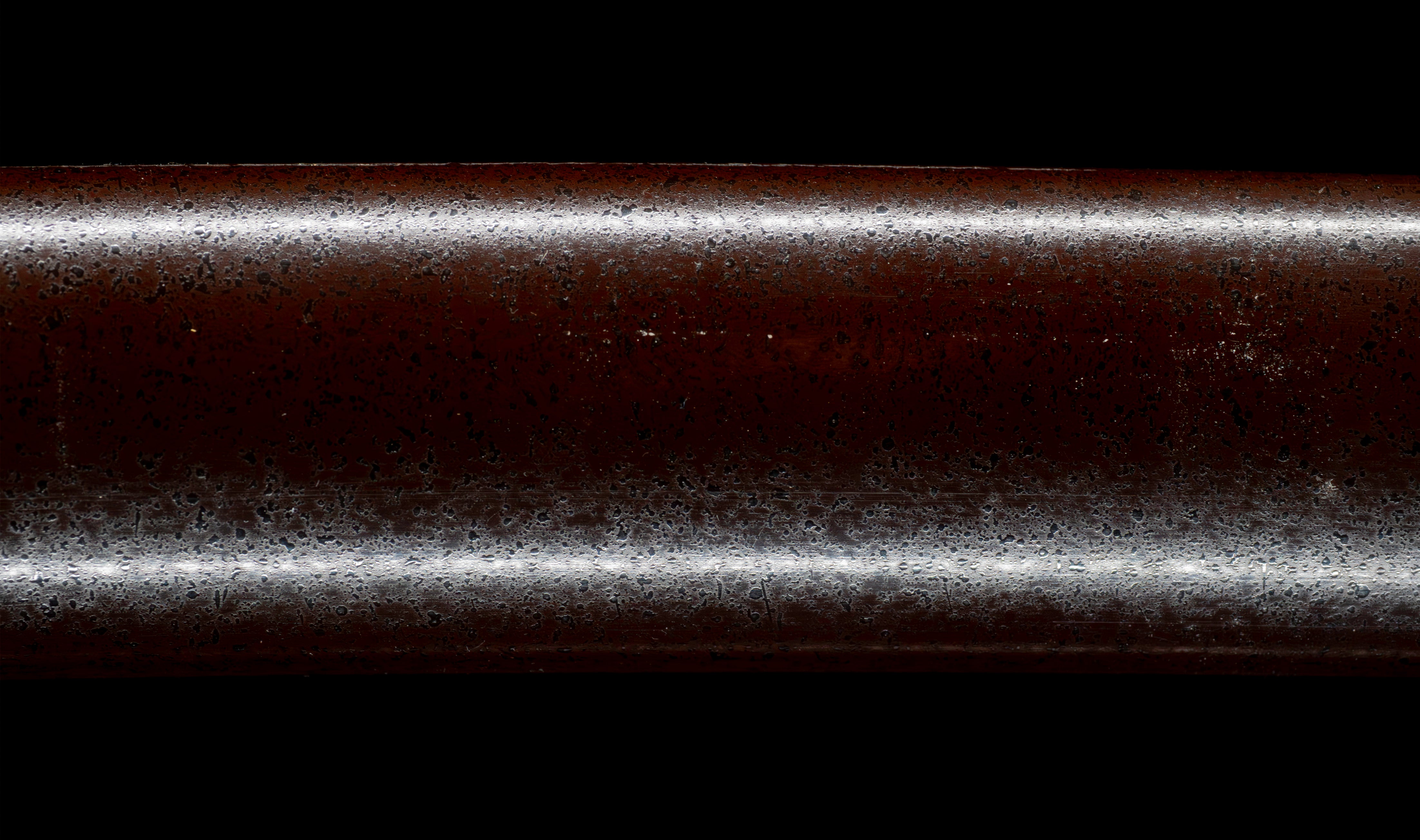
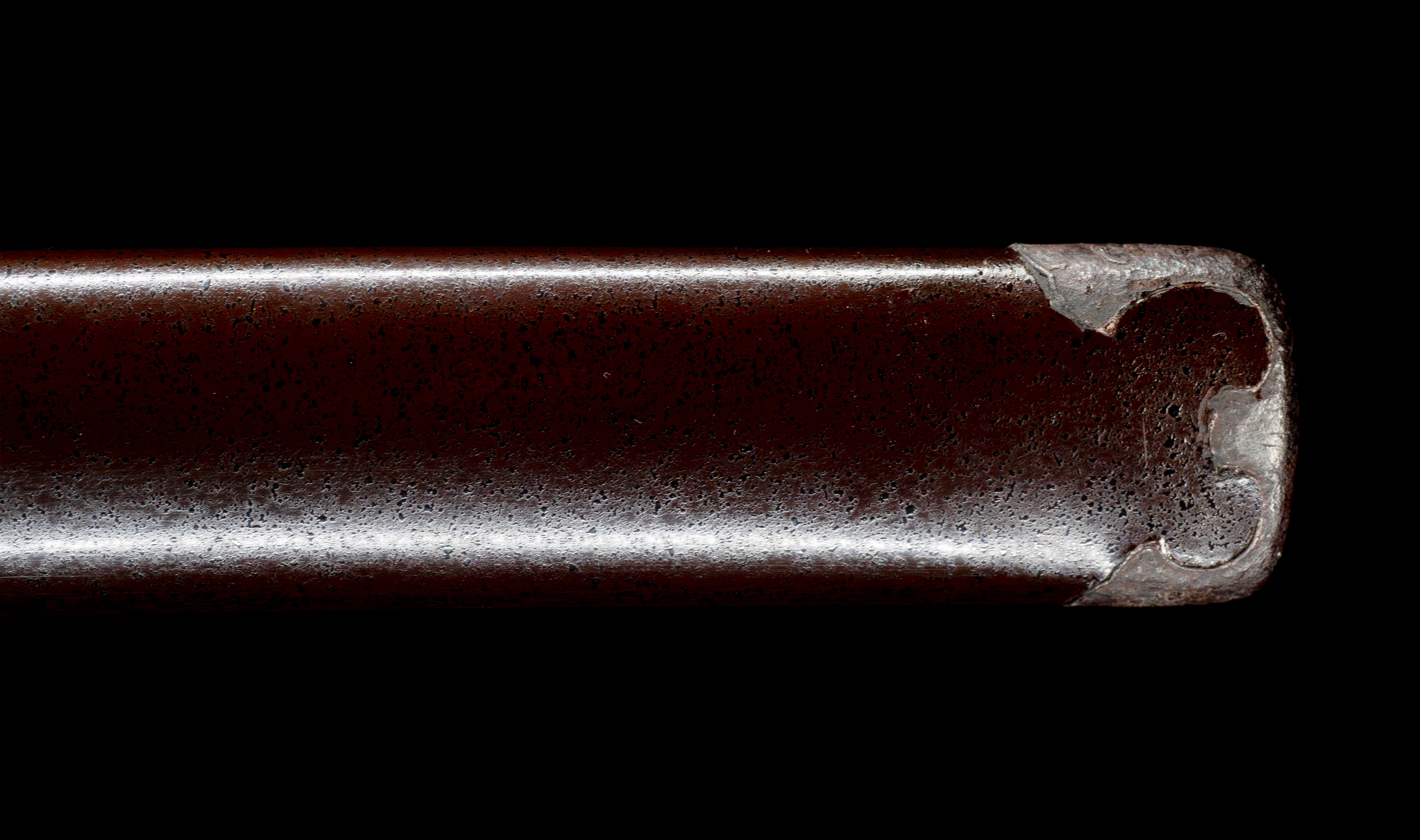
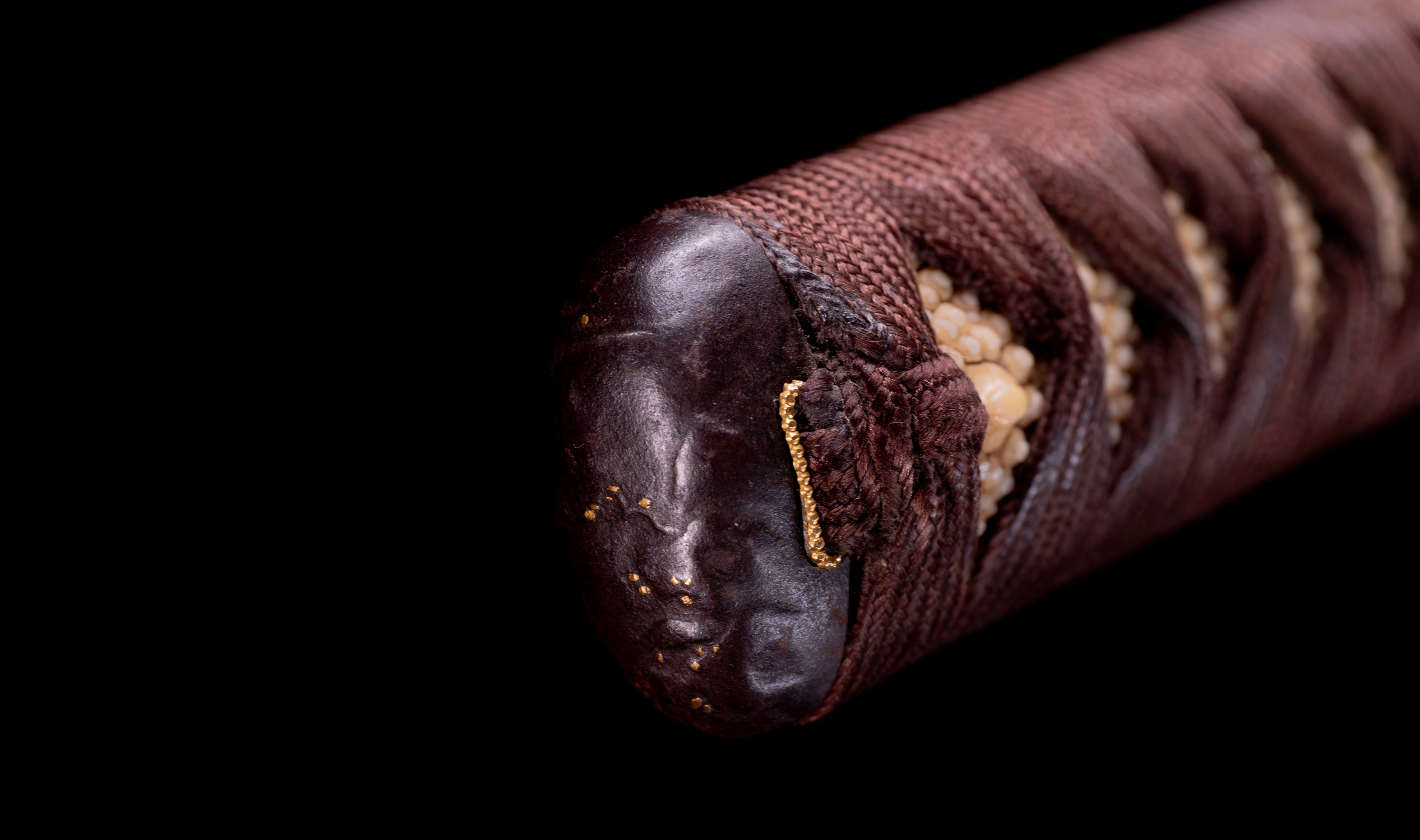
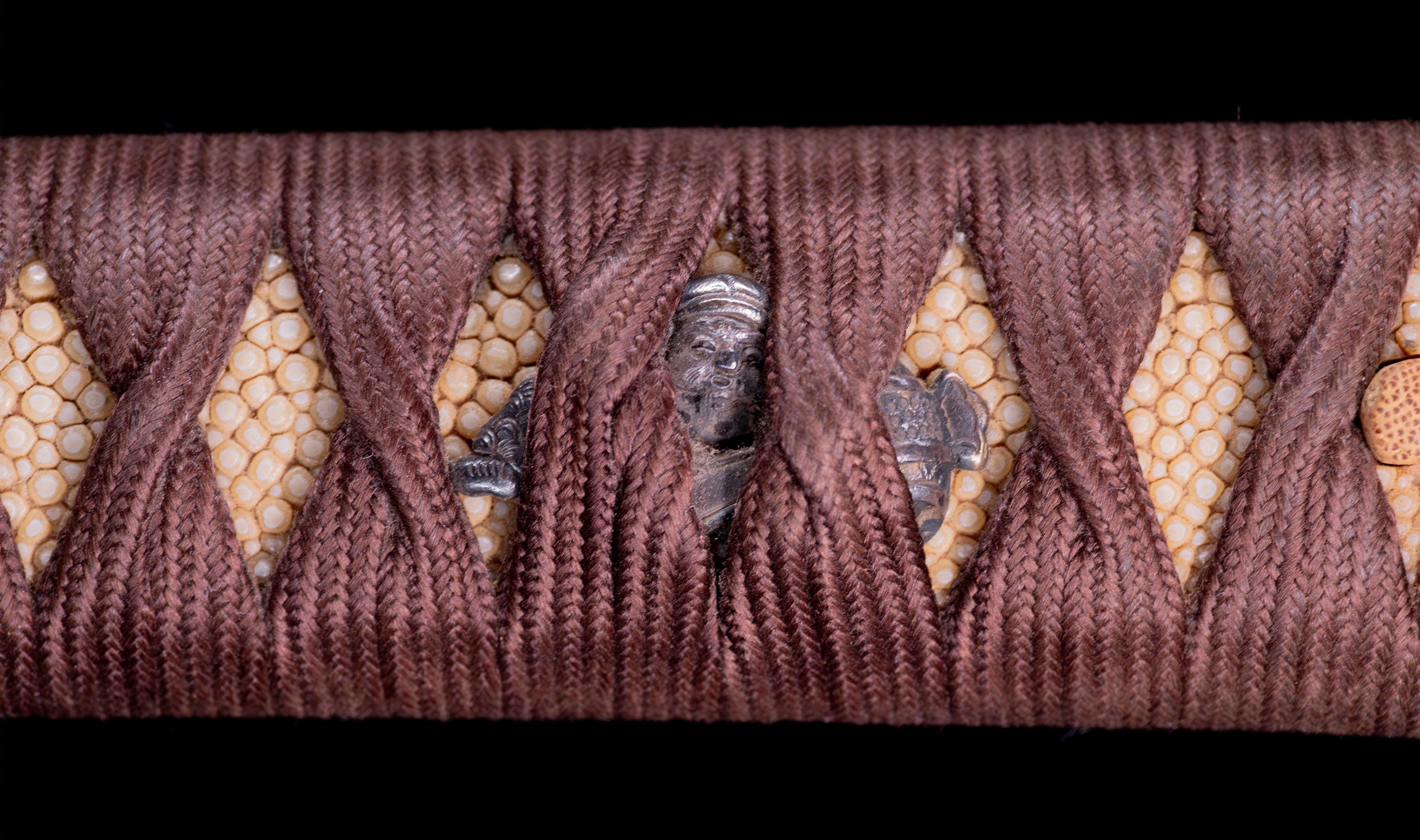
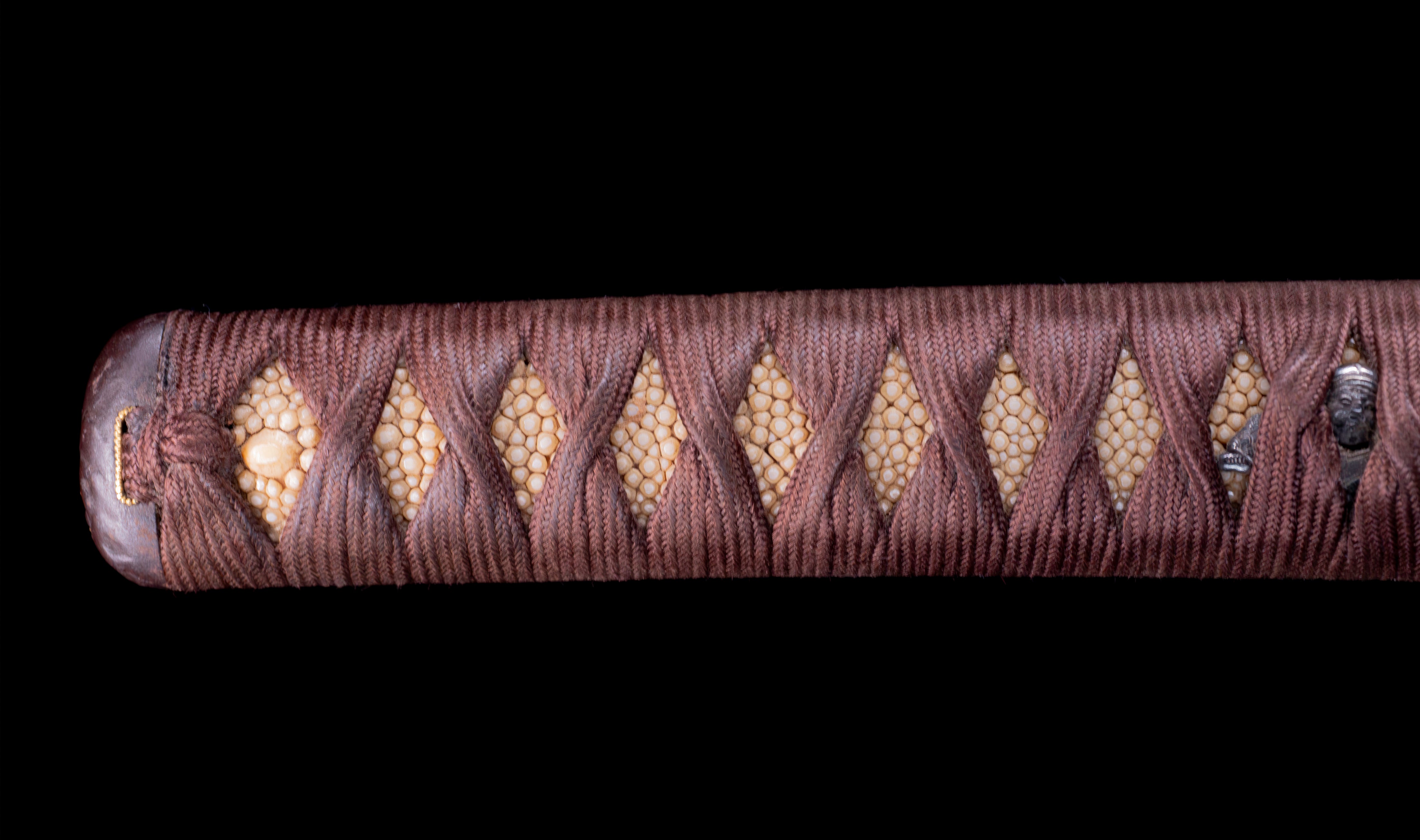
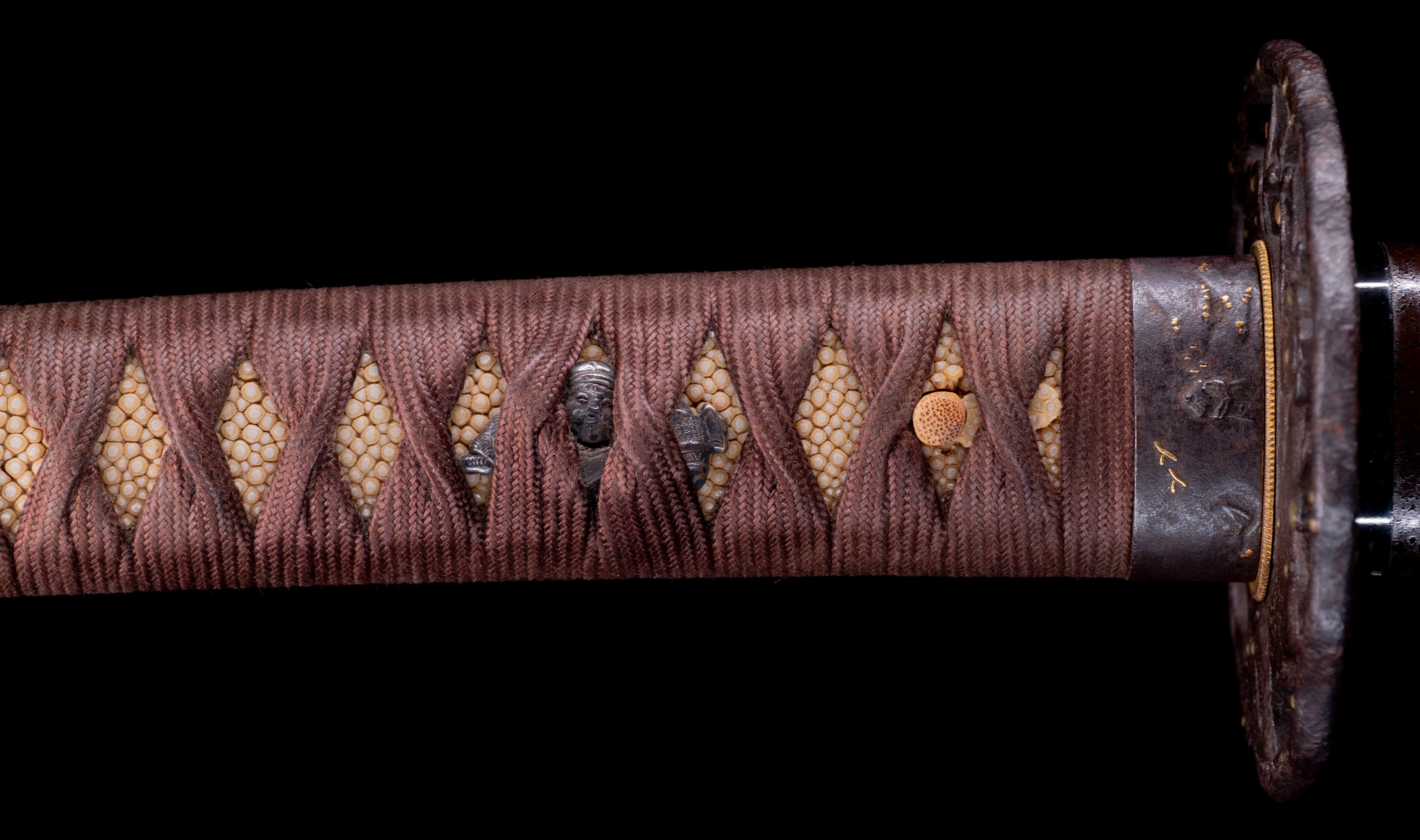
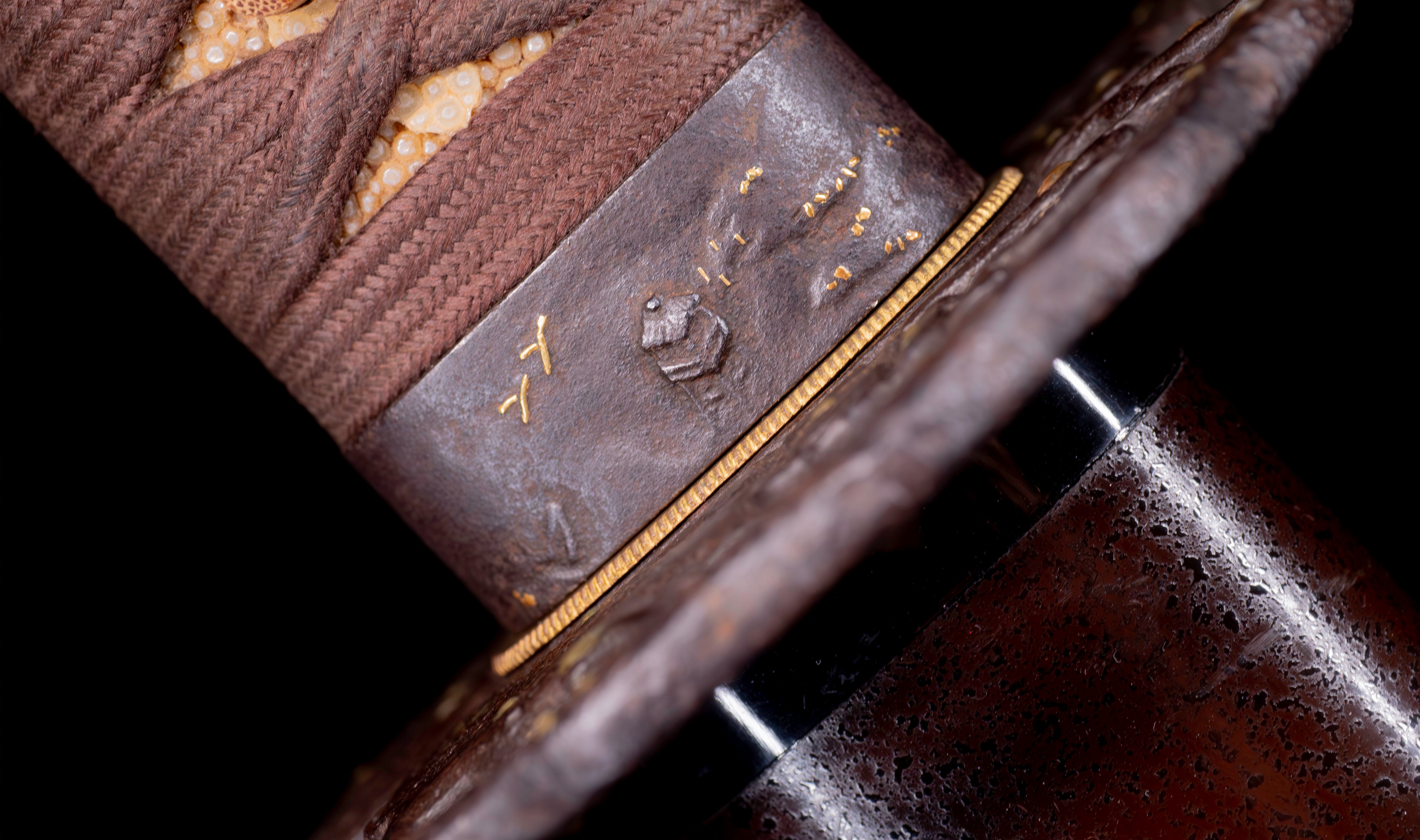
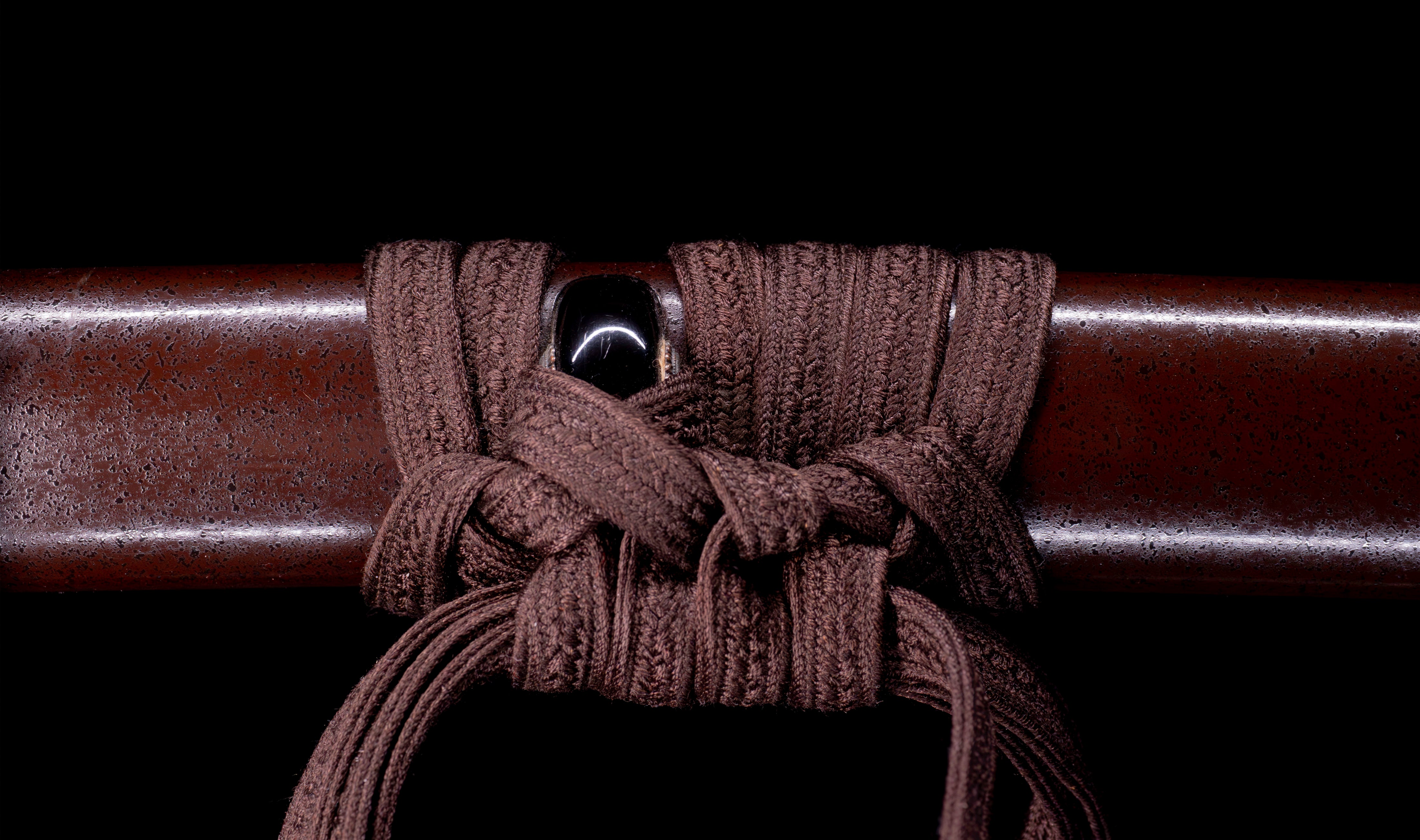
A signed and dated katana of 71.8 cm by Nakao Kazuyoshi 中尾一吉, a licensed swordsmith of Saga Prefecture, the old Hizen Province. The tang reads 肥前国一吉作 and is dated 戊辰年二月日, the second month of the tsuchinoe-tatsu year: February 1988. The sword was registered in Saga on 16 March 1988, a few weeks after it left the forge. This is a shinsakutō, a sword made by hand in the traditional way in modern Japan, and it is sold as such, not as an antique. The shape is a full-sized shinogi-zukuri katana with an iori-mune and a chū-kissaki. At 71.8 cm with 1.9 cm of curvature, it is a long, well-balanced blade, a little over the 2 shaku 3 sun that is the standard length for a katana. A bo-hi is cut on both sides and runs down into the tang, which lightens the blade without reducing its width. The hamon is a suguha, a straight temper line with gentle undulations, formed in nioi, ending in a straight bōshi with a small rounded turnback. A straight hamon is the signature of the Hizen tradition, and it is also the hardest to make well: there is no pattern to hide an uneven line. The steel is a very tight ko-itame, fine and even. The blade is in a bright polish and in healthy condition. The tang is unaltered, with a single mekugi-ana and a light grey surface: at less than forty years old, it has not yet taken the dark patina of an Edo-period tang. Koshirae Details The tsuba is a round iron plate with a lobed rim, cut in openwork (sukashi) as an old plum tree: a thick, gnarled trunk, thin branches and blossoms carved in relief. Small gold dots are inlaid across the iron, and on one face a single plum flower is inlaid in gold. The plum flowers at the end of winter, before any other tree, which made it a favourite emblem of endurance. The fuchi is iron with a stippled surface, carved in relief with a small stone lantern and scattered with gold inlaid pine needles. The kashira is unusual: it is carved as the round, smiling face of Okame, the goddess of good fortune and good humour, with flecks of gold. The tsuka is wrapped in brown silk in hineri-maki over white same, with a large nodule visible on one side. The menuki depict Daikoku, god of wealth and one of the Seven Lucky Gods, in his flat cap: on one side he holds a large gilt mallet or rice bale, on the other he appears in silver. Okame and Daikoku together make this a mounting built entirely around good fortune. The saya is lacquered in a reddish-brown with a fine black speckle, with a black horn koiguchi, an iron kojiri with low-relief scrolls, and a brown sageo. The habaki is a single-piece copper collar with diagonal file marks, and the seppa are gilt and copper. The Swordsmith: Nakao Kazuyoshi 中尾一吉 Nakao Kazuyoshi was born in 1939 into a family of swordsmiths in Saga Prefecture. He trained under his father, Nakao Tadatsugu 忠次, himself a pupil of Horii Toshihide 堀井俊秀, one of the leading smiths of the first half of the twentieth century. He signs 肥前国住一吉作 or, as here, 肥前国一吉作, and is listed in the directory of the All Japan Swordsmith Association (Zen Nihon Tōshō-kai) under Saga Prefecture. Kazuyoshi is known for his utsushi, studies of great historical styles: the Kamakura-period Ichimonji school, Minamoto Kiyomaro, and above all Hizen Tadayoshi, the founder of his own province's tradition. Japanese dealers describe him as a versatile smith who also worked in the manner of Sukehiro and Naotane. He has won several prizes at the annual contemporary sword exhibitions, including Yūshū-shō (excellence) and Doryoku-shō awards. He made relatively few blades. This one is not signed as a copy of any earlier master: it is his own work, in the straight-hamon style of Hizen. Hizen Swords, Then and Now Under the Edo period, Hizen Province was ruled by the Nabeshima clan, and its official swordsmiths, the Tadayoshi line, founded the most consistent school of the shintō era. Over more than two and a half centuries, the Tadayoshi family and its branches trained over a hundred smiths. Their trademark was a fine, almost seamless steel called konuka-hada ("rice-bran grain") and a calm, perfectly controlled suguha. Hizen swords were valued as much for their reliability as for their beauty. After 1945, sword making was banned in Japan, and it only resumed in 1953 under a licensing system that still applies. Every traditional sword is now made by a licensed smith, in tamahagane steel produced in the traditional furnace, and each smith may make only a limited number of long blades a year. Every finished blade is registered with the prefectural Board of Education before it can be sold, which is why this sword carries a registration card issued only weeks after its date. What is offered here is a katana of 71.8 cm, signed by Nakao Kazuyoshi of Hizen and dated February 1988, registered in Saga, with a straight Hizen-style hamon and a complete koshirae built around good-fortune motifs: an iron plum-tree tsuba, an Okame kashira and Daikoku menuki.


販売店の記載のまま
(翻訳なし) 店主の原文のまま表示しています。正確さの確認を通った翻訳のみを表示します。
佐賀 · 1926-1989頃
現在1点販売中
昭和から現代へ 断絶と再生
二十世紀は二度この工芸を殺しかけた。戦時の歪みと、占領下の禁令である。1948年の日刀保設立と1953年の作刀再開が刀を美術として再建し、人間国宝と無鑑査がその頂に立つ。
刀剣商の出品ページで鑑定書を確認できませんでした。日本刀および刀装具は通常、日刀保(または日本刀剣保存会)の鑑定を受けます。鑑定書がない場合、極めは刀剣商の見解にとどまり、第三者による確認は行われていません。ご購入前に刀剣商へ鑑定書の有無をお問い合わせのうえ、慎重にご判断ください。
Returns/exchanges only for manufactured defects or incorrect products; notify within 72 hours of delivery. Cancellation only within 2 hours of placing. Customer pays return shipping. Refund within 3 business days of package arrival.
$4,300