江戸は刀の目利きの時代である。本阿弥の鑑定、1719年の享保名物帳、盛んな刀剣書が、戦で抜かれることのなくなった刀を学問の対象へと変えていった。
 NihontoWatchNihontoWatch
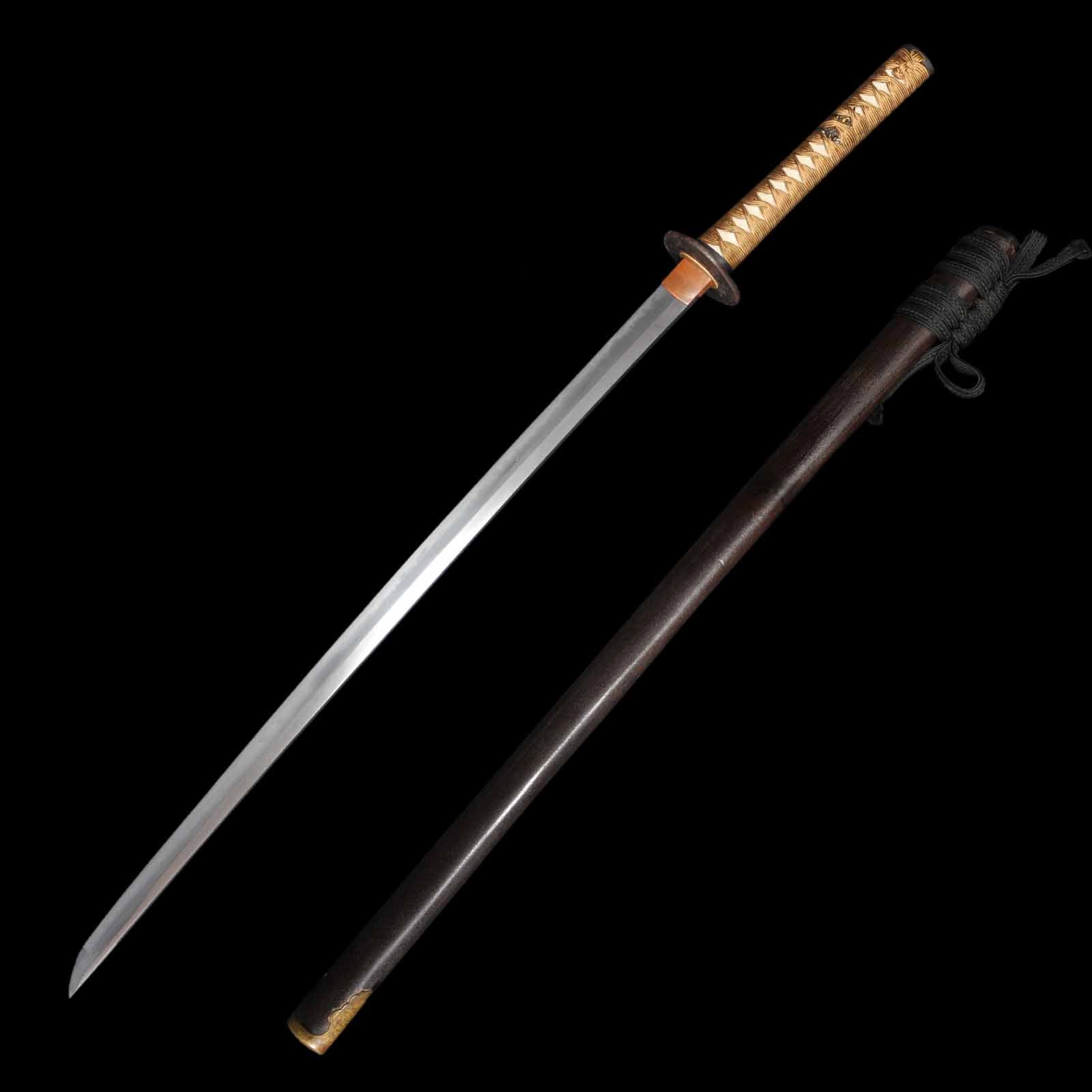
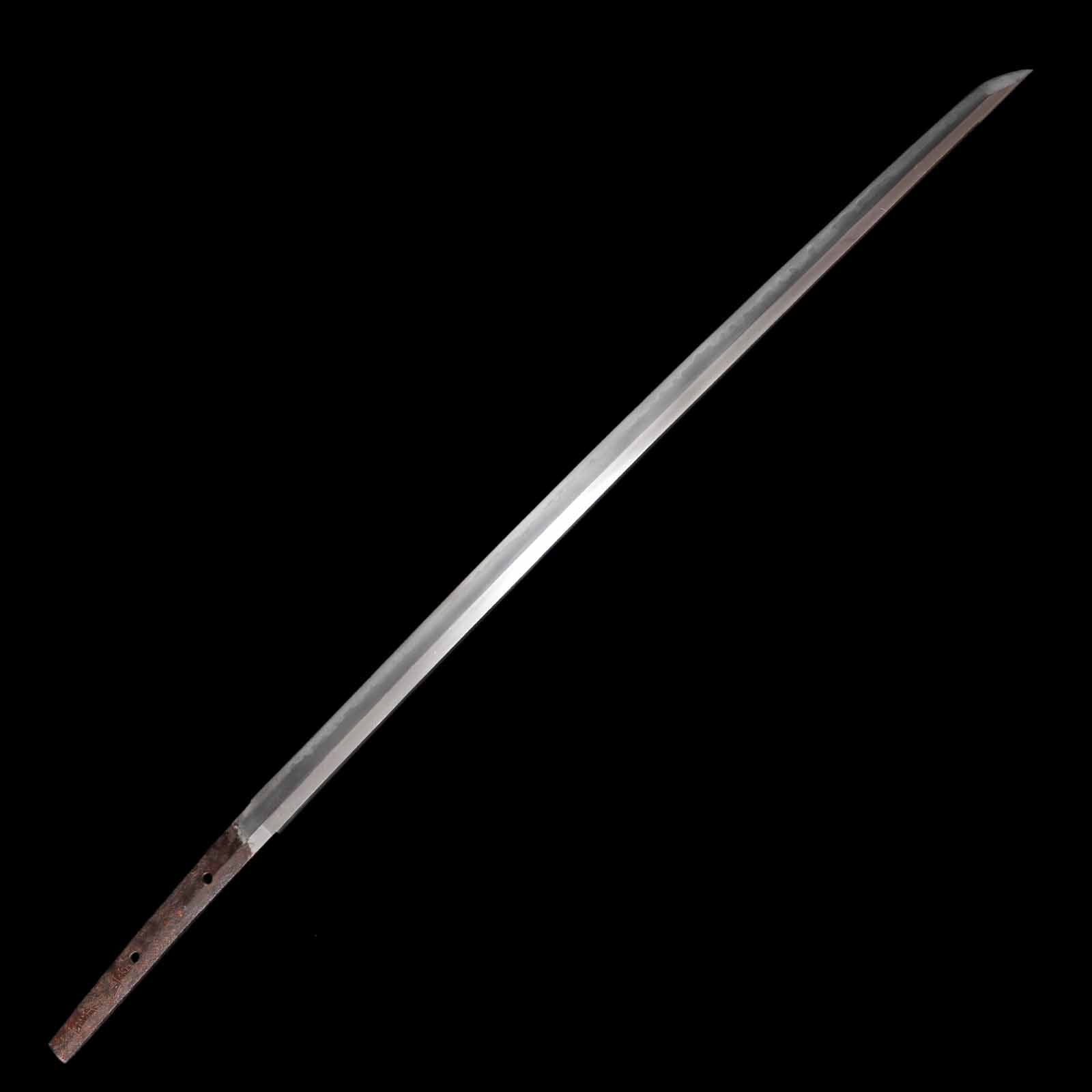
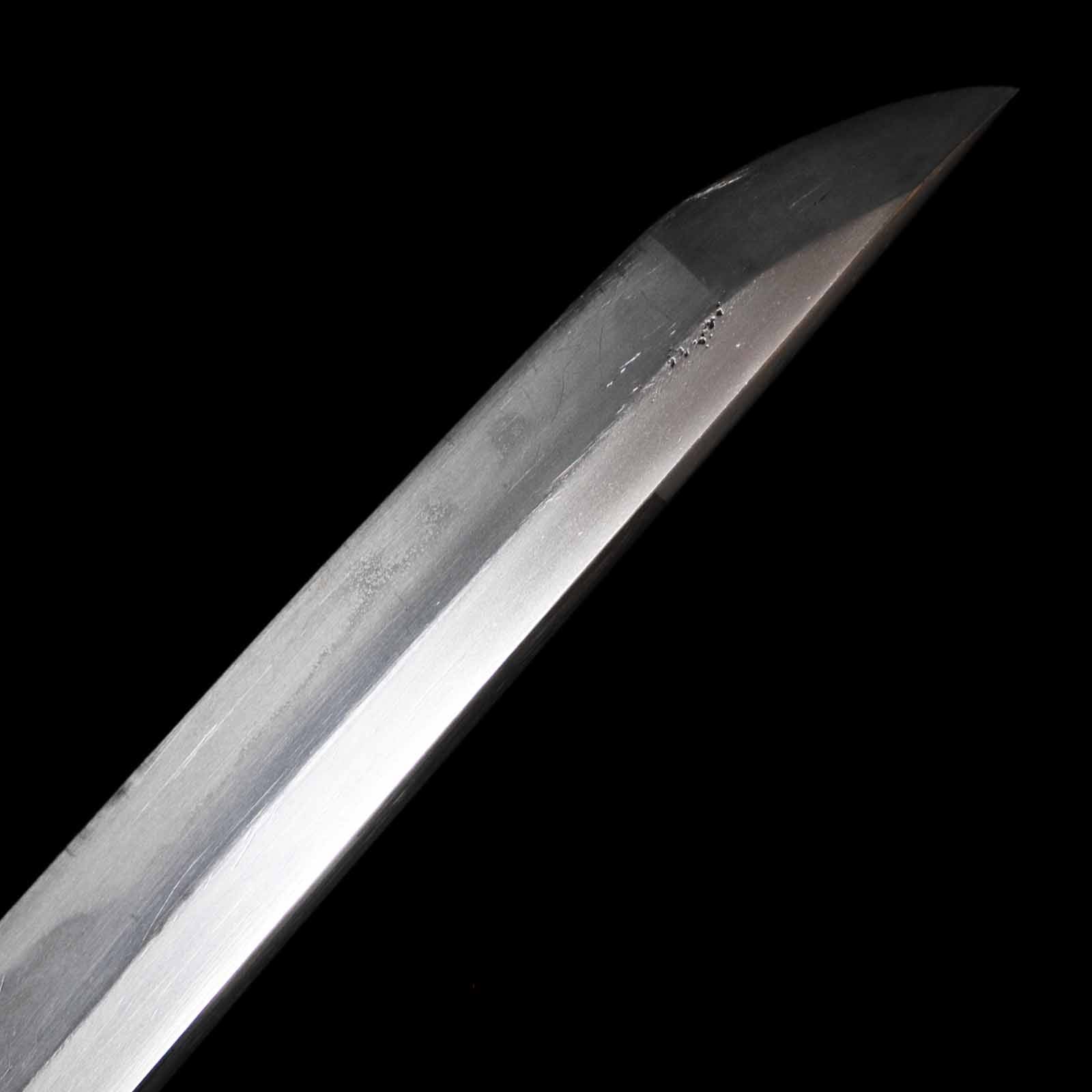
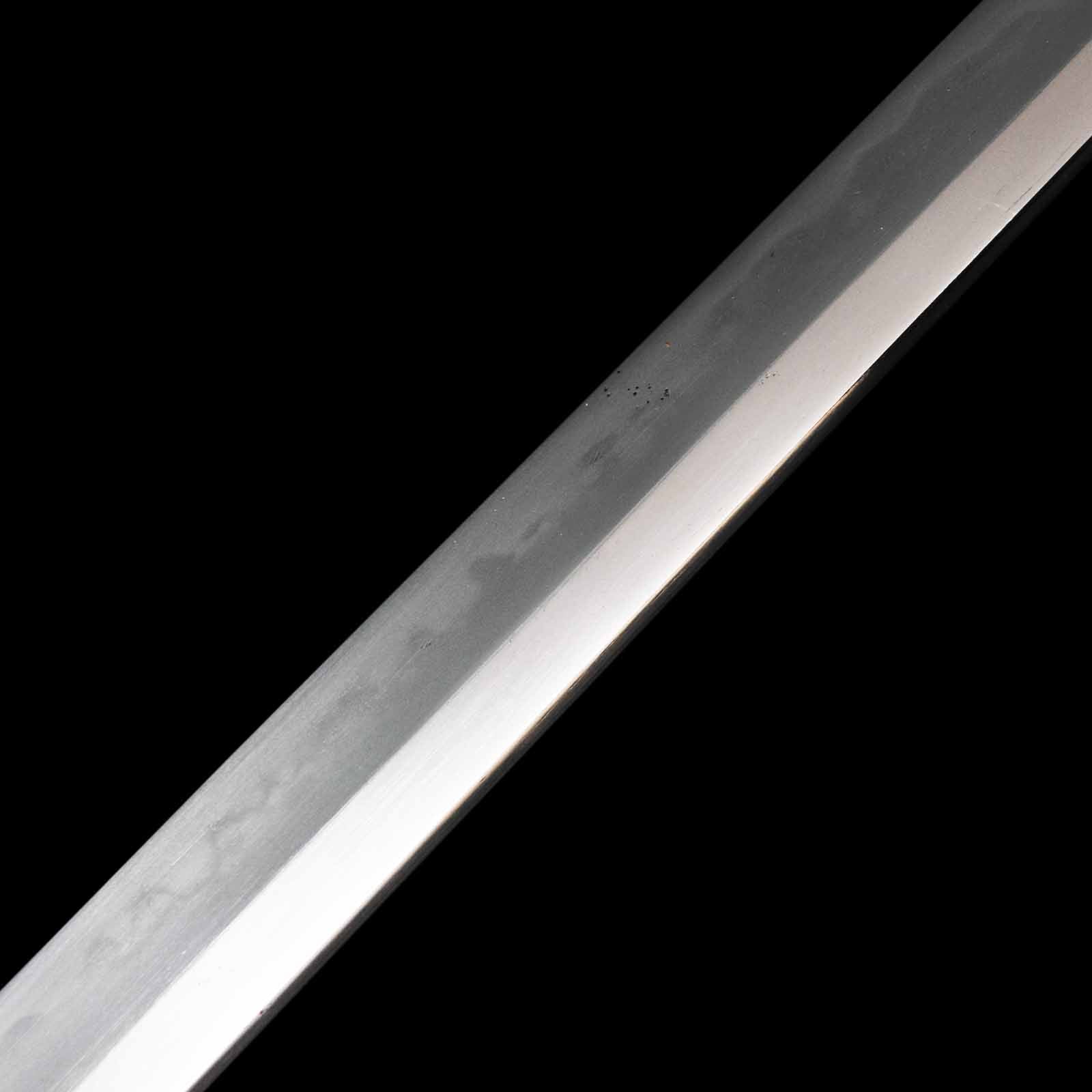
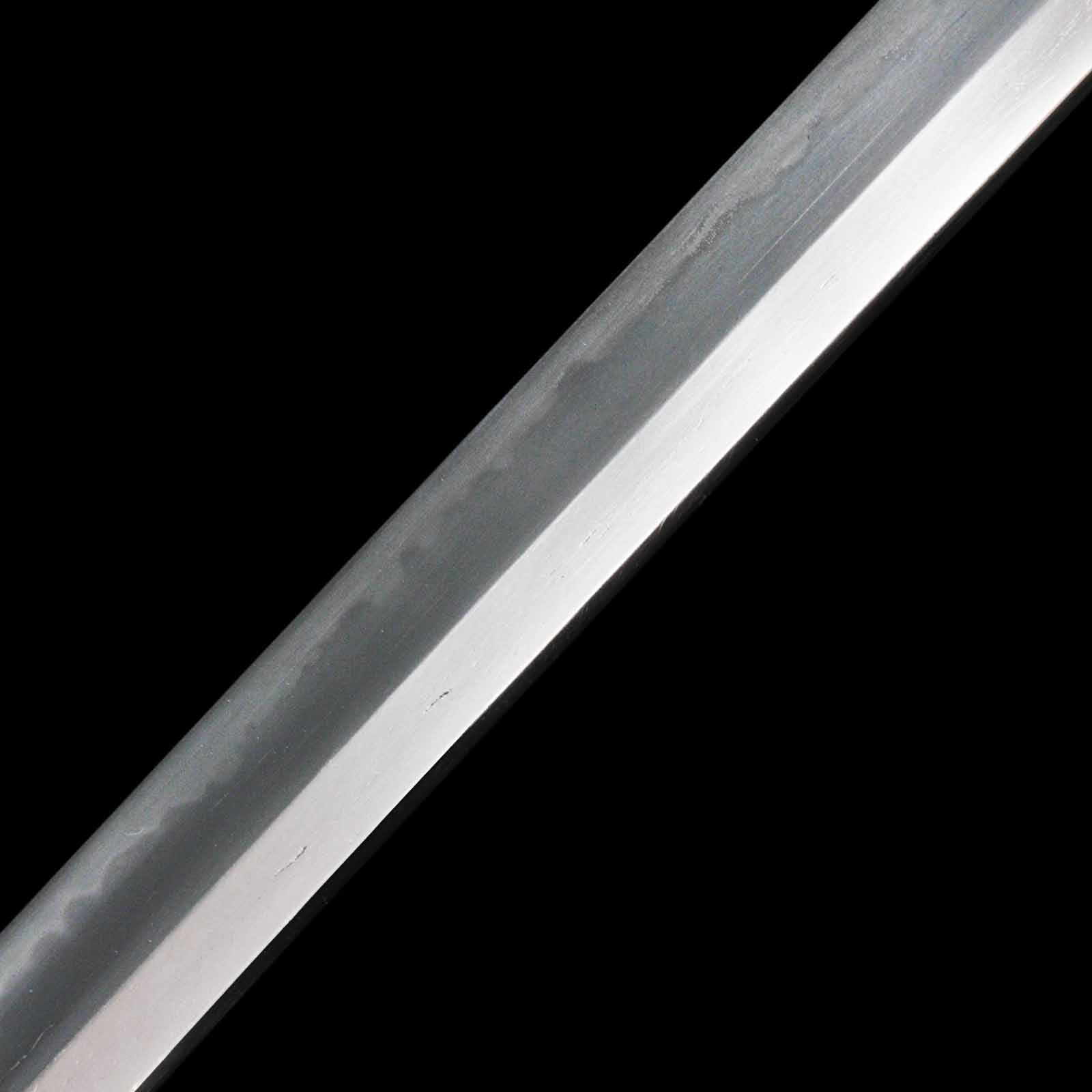
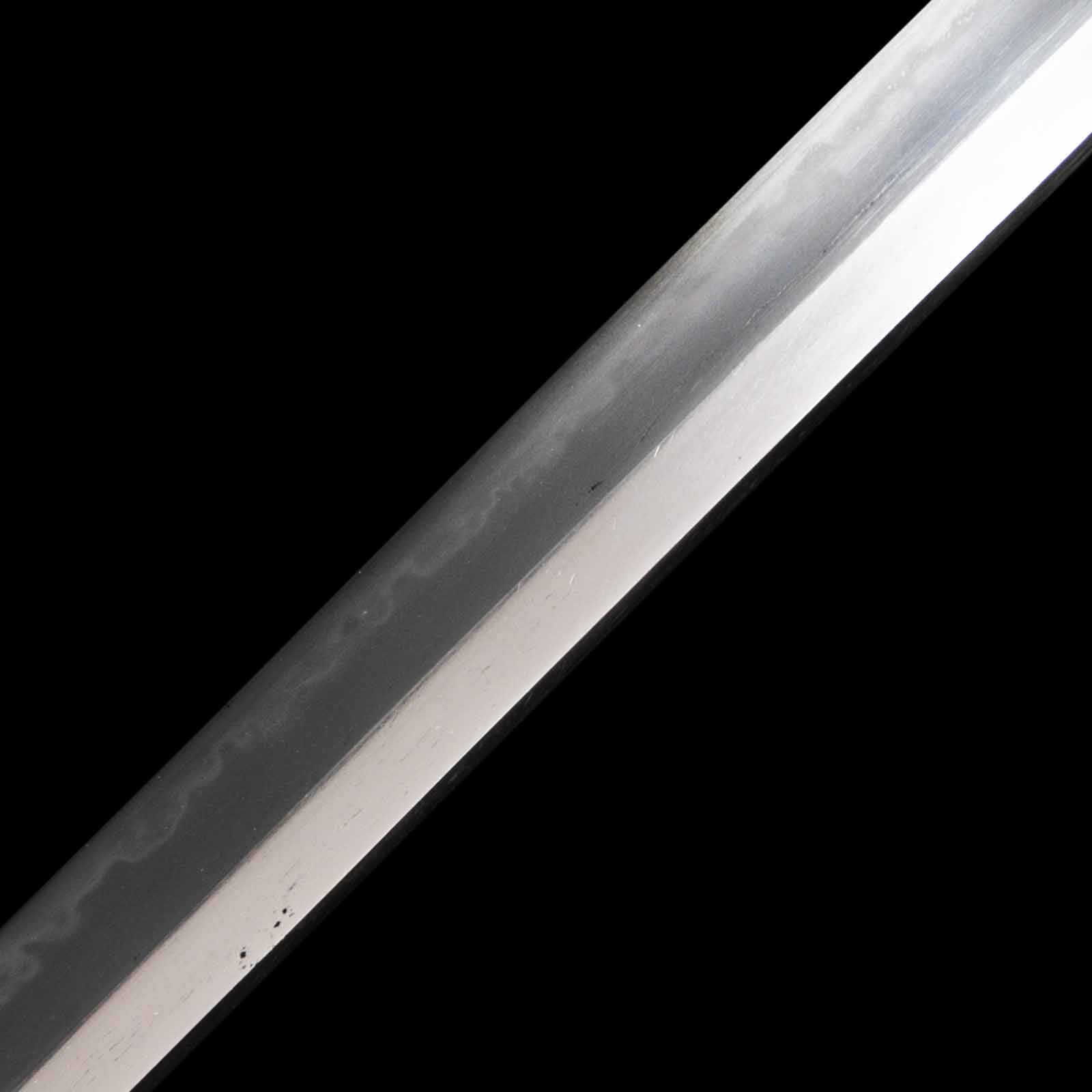
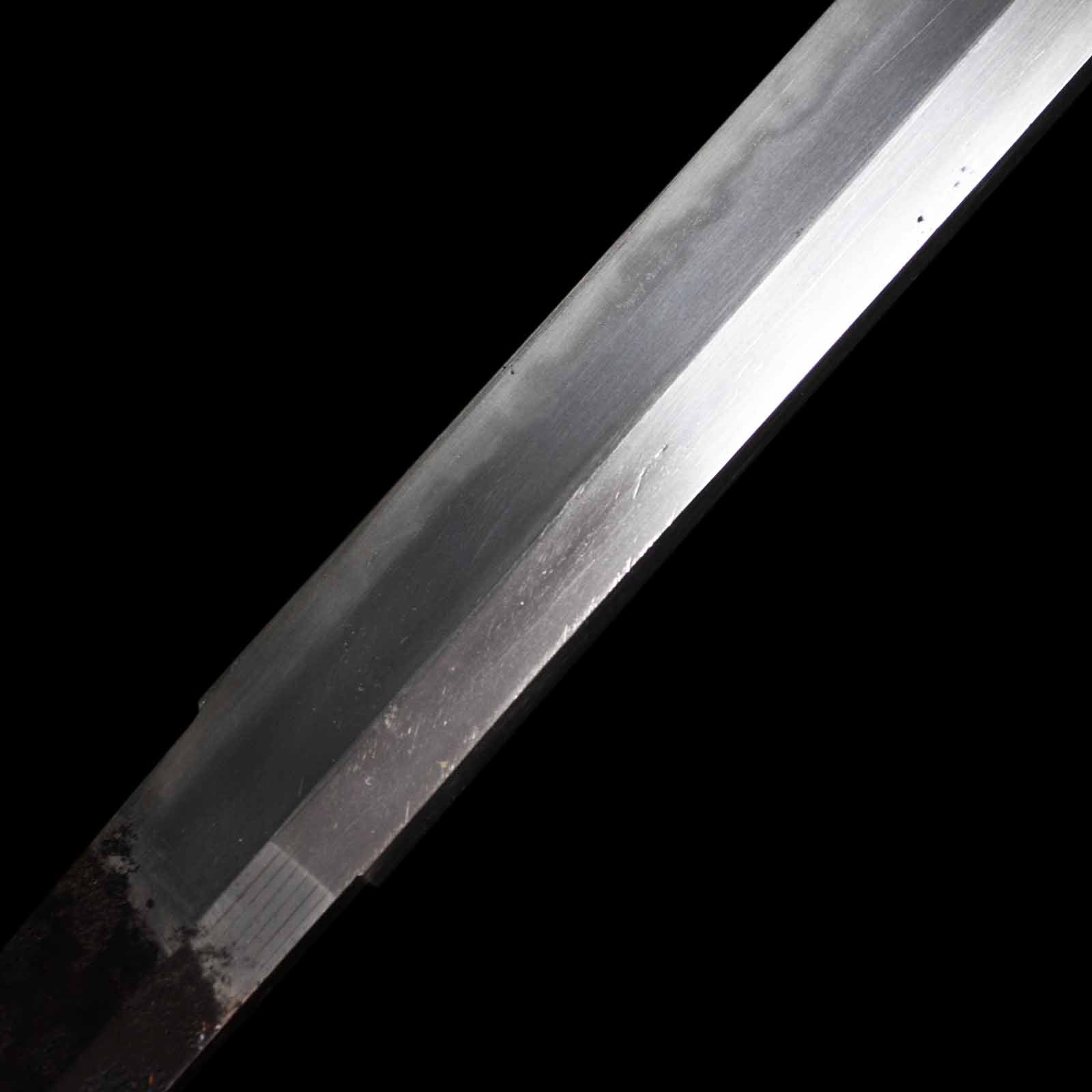
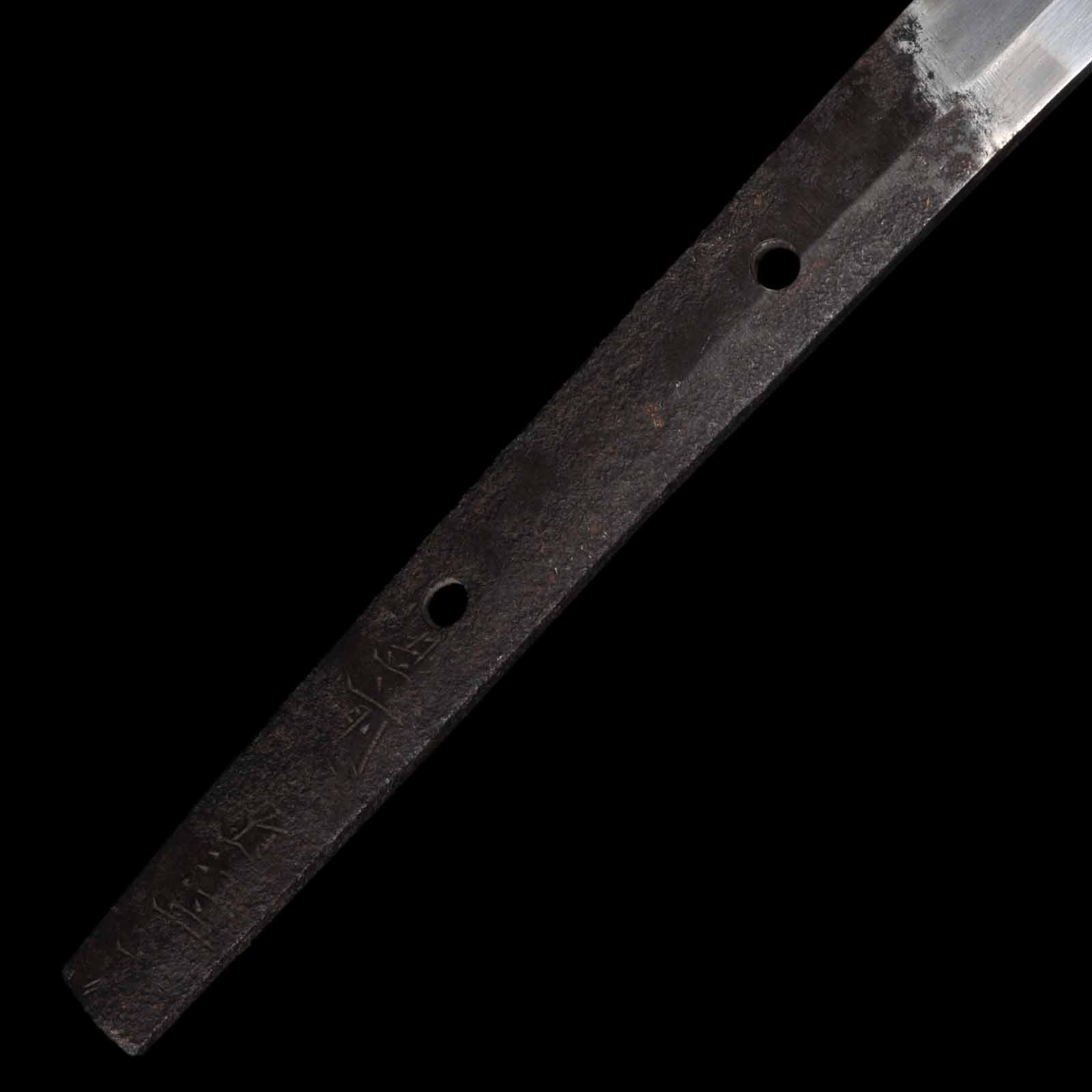
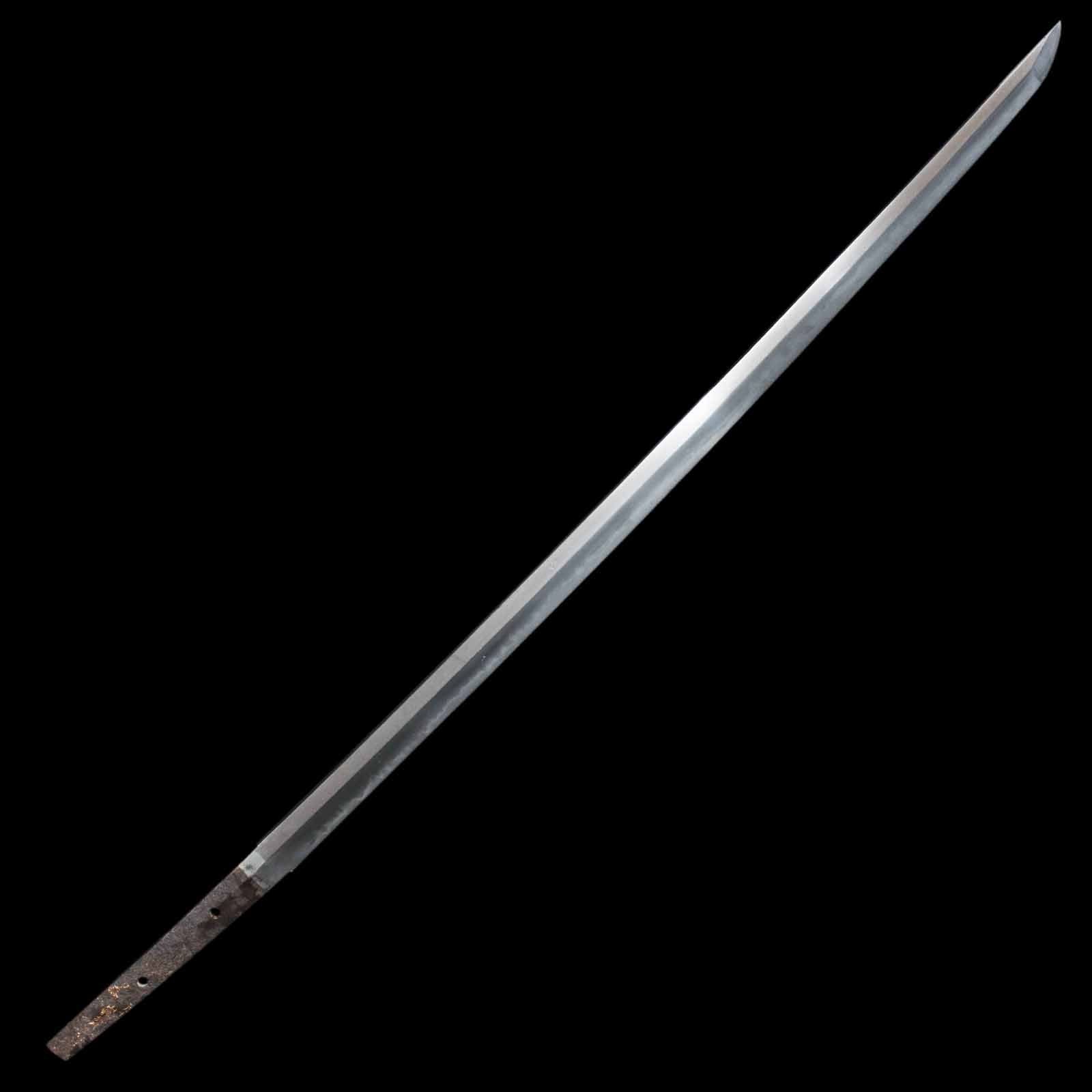
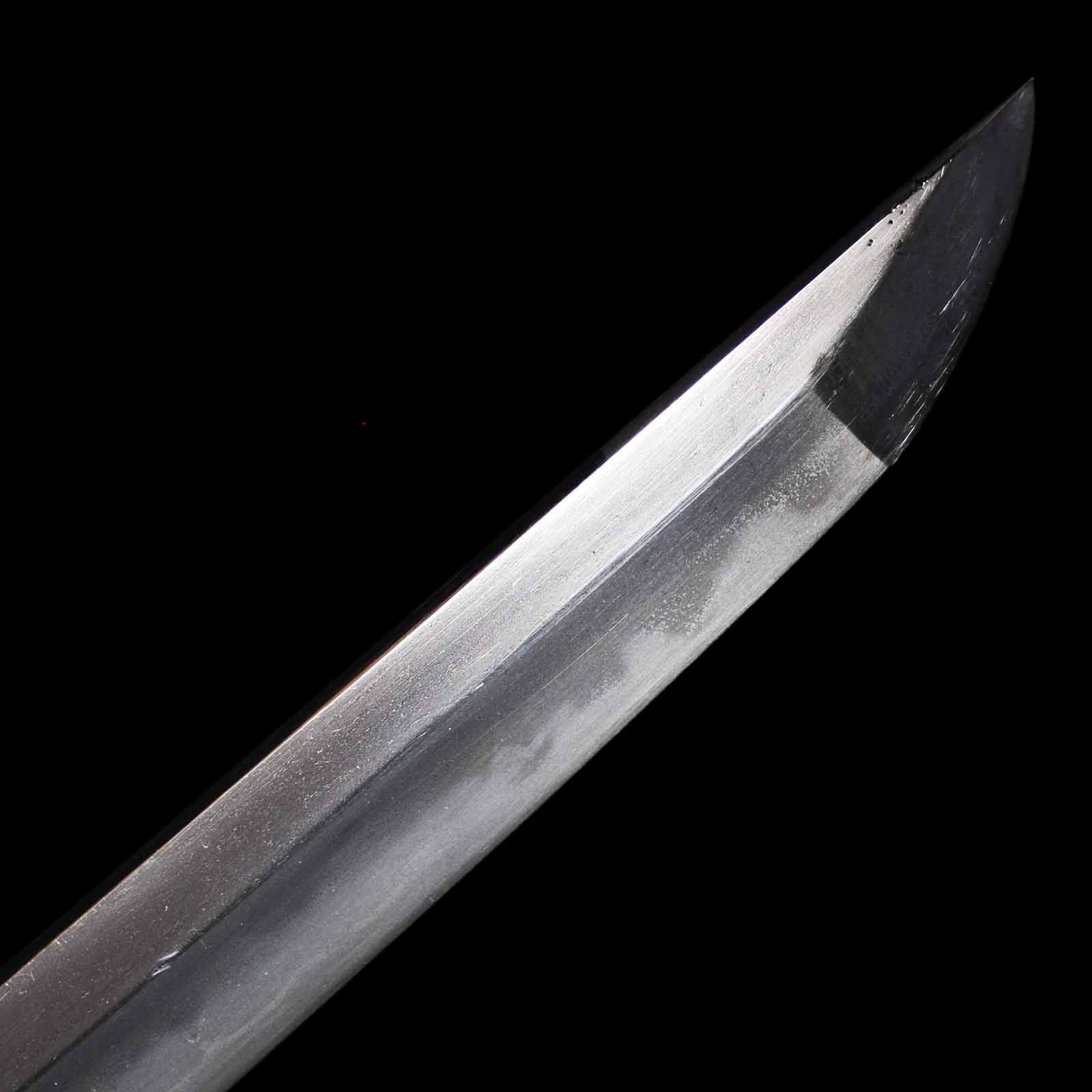
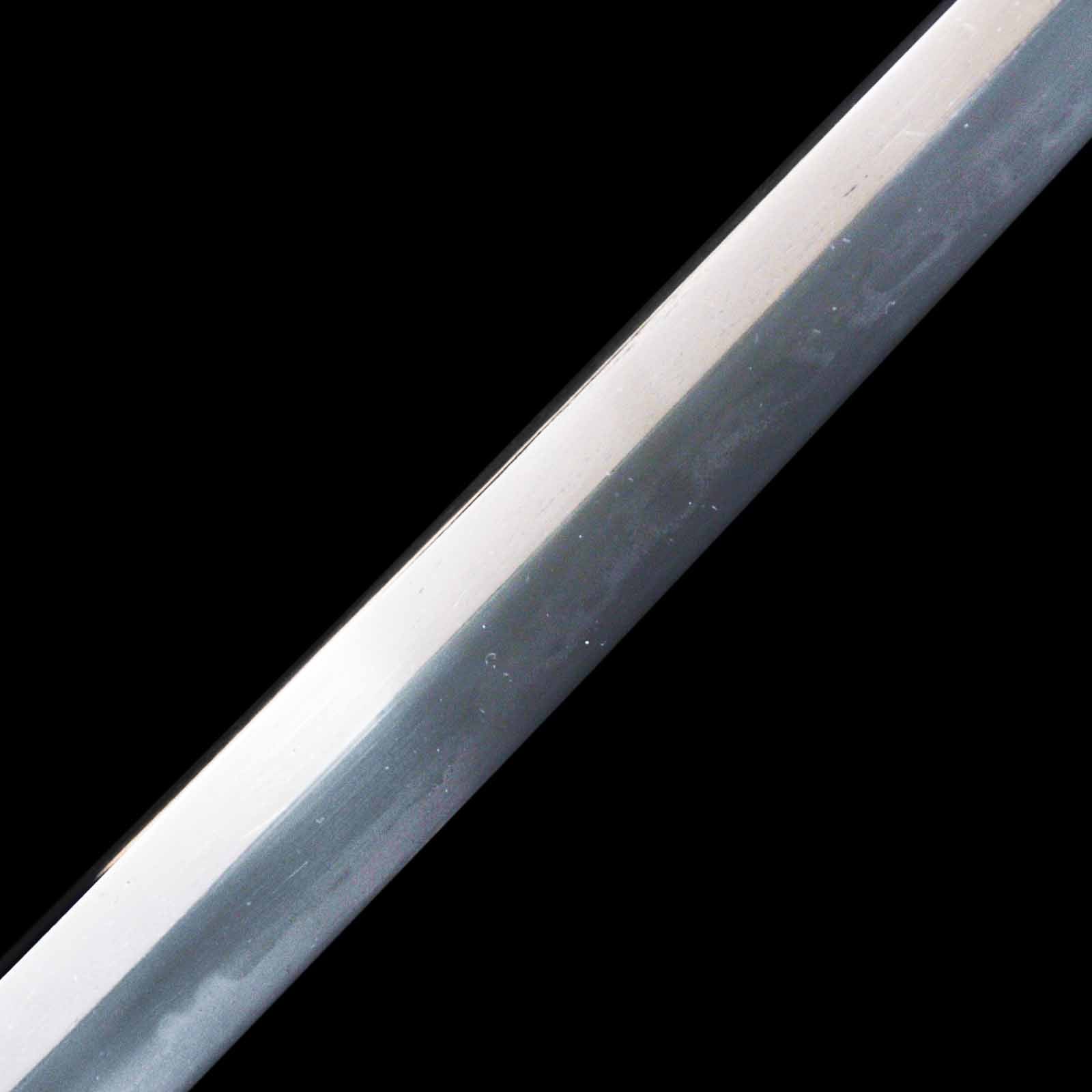
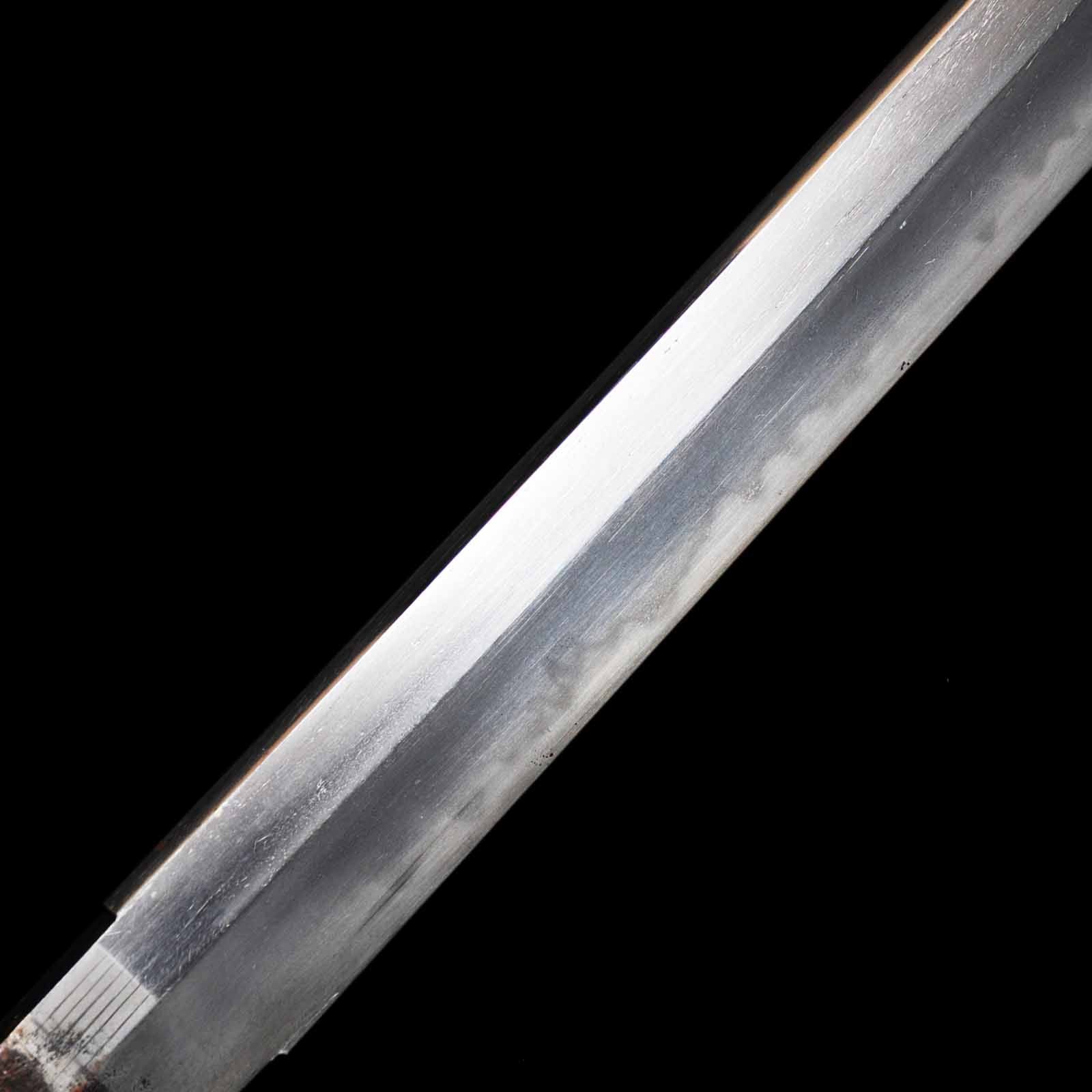
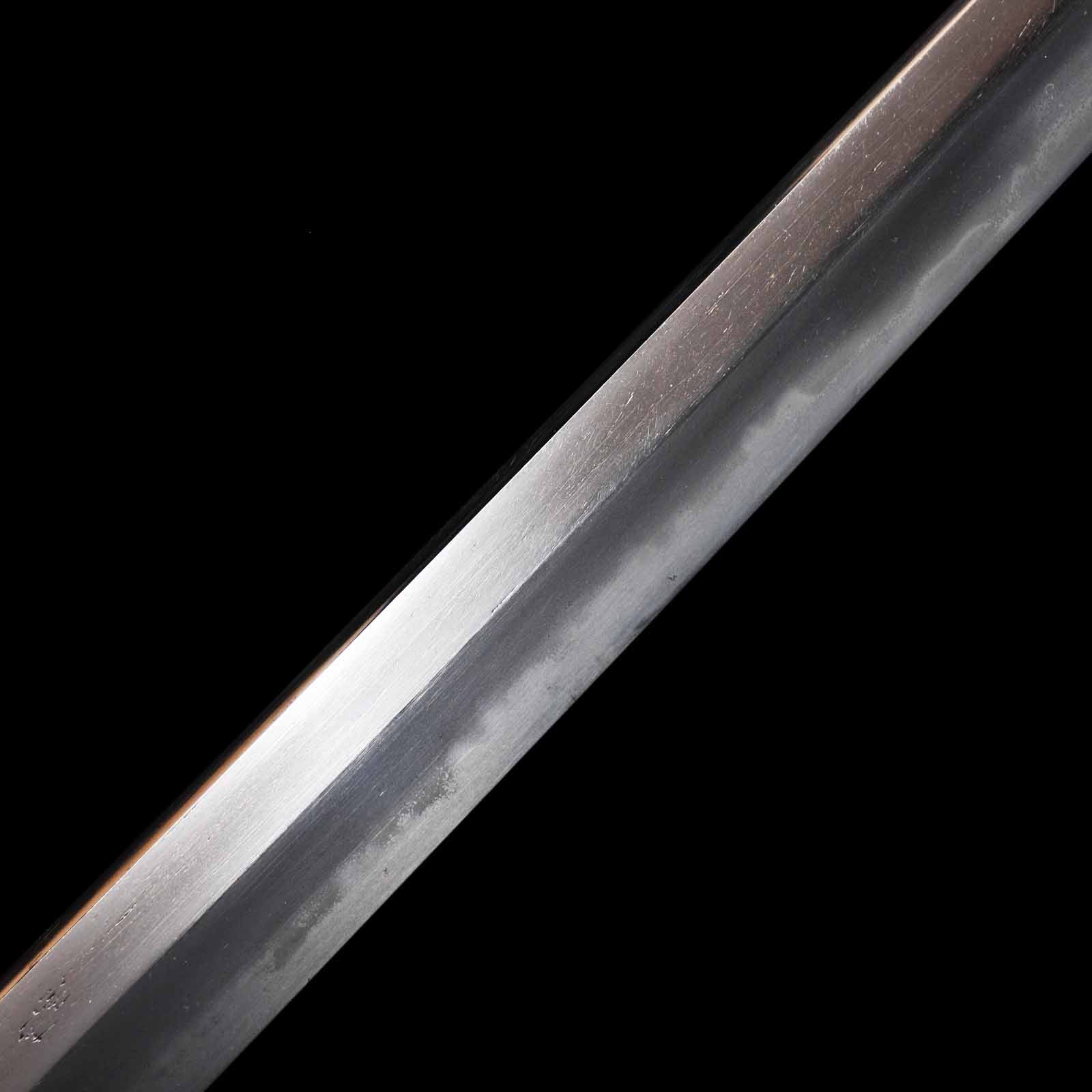
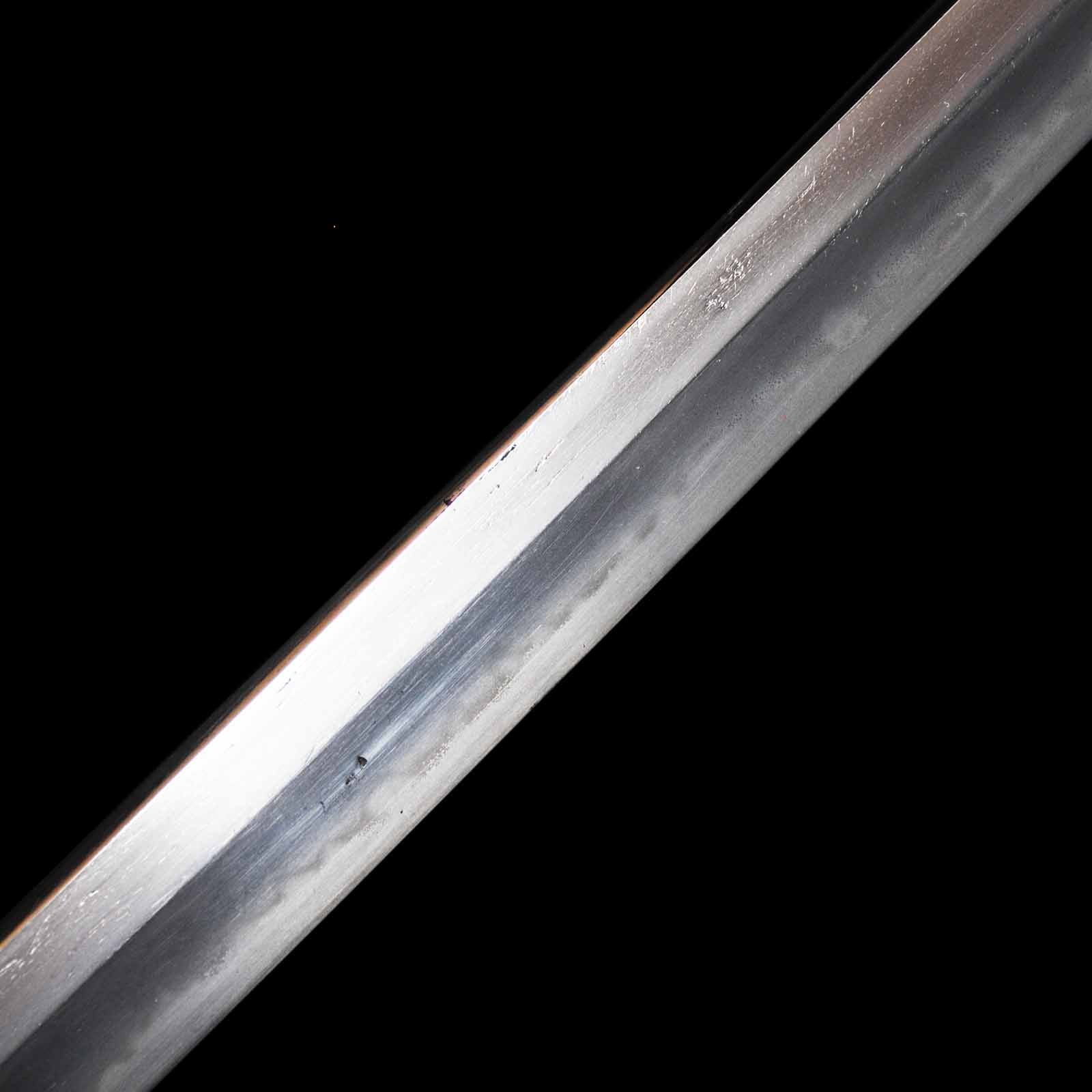
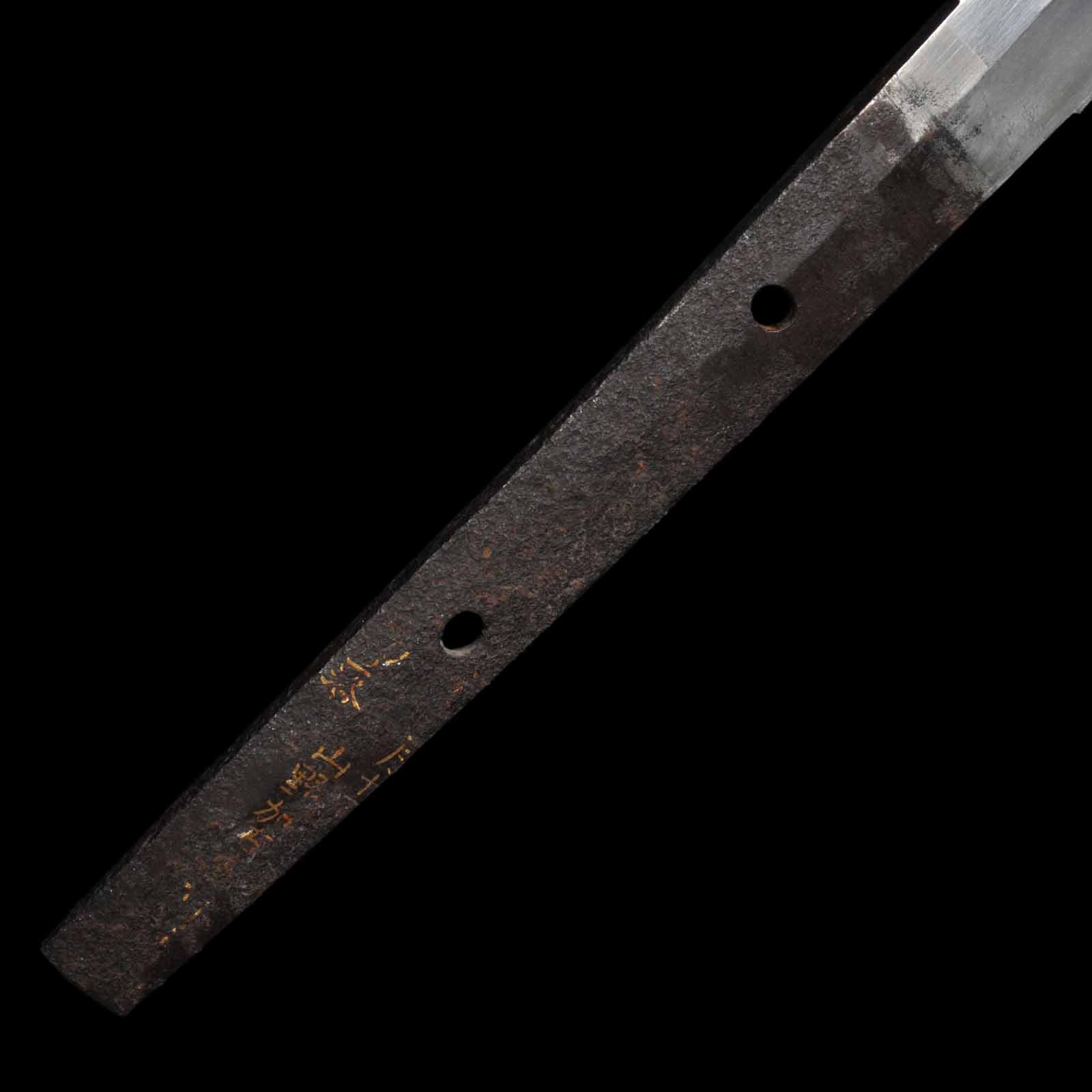
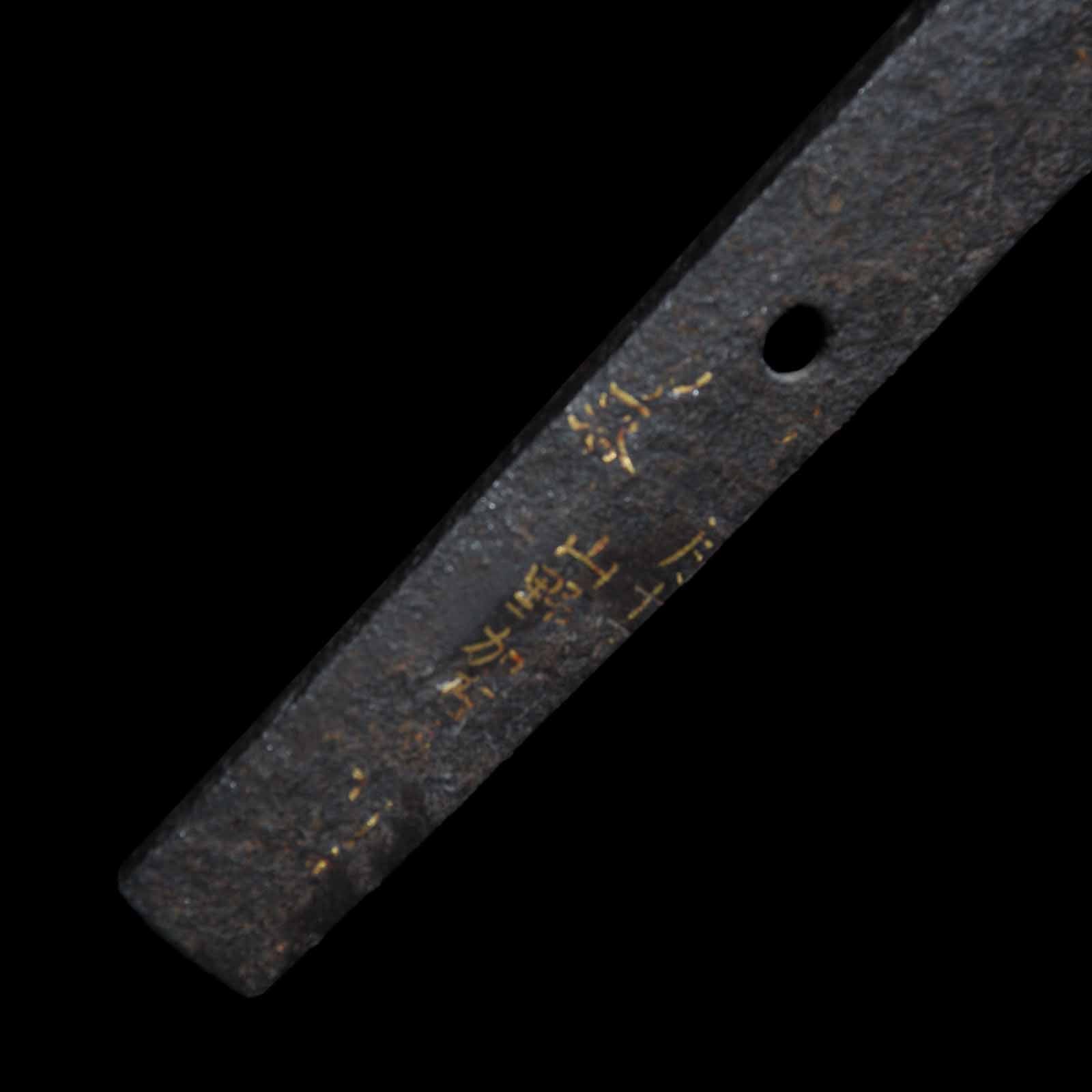
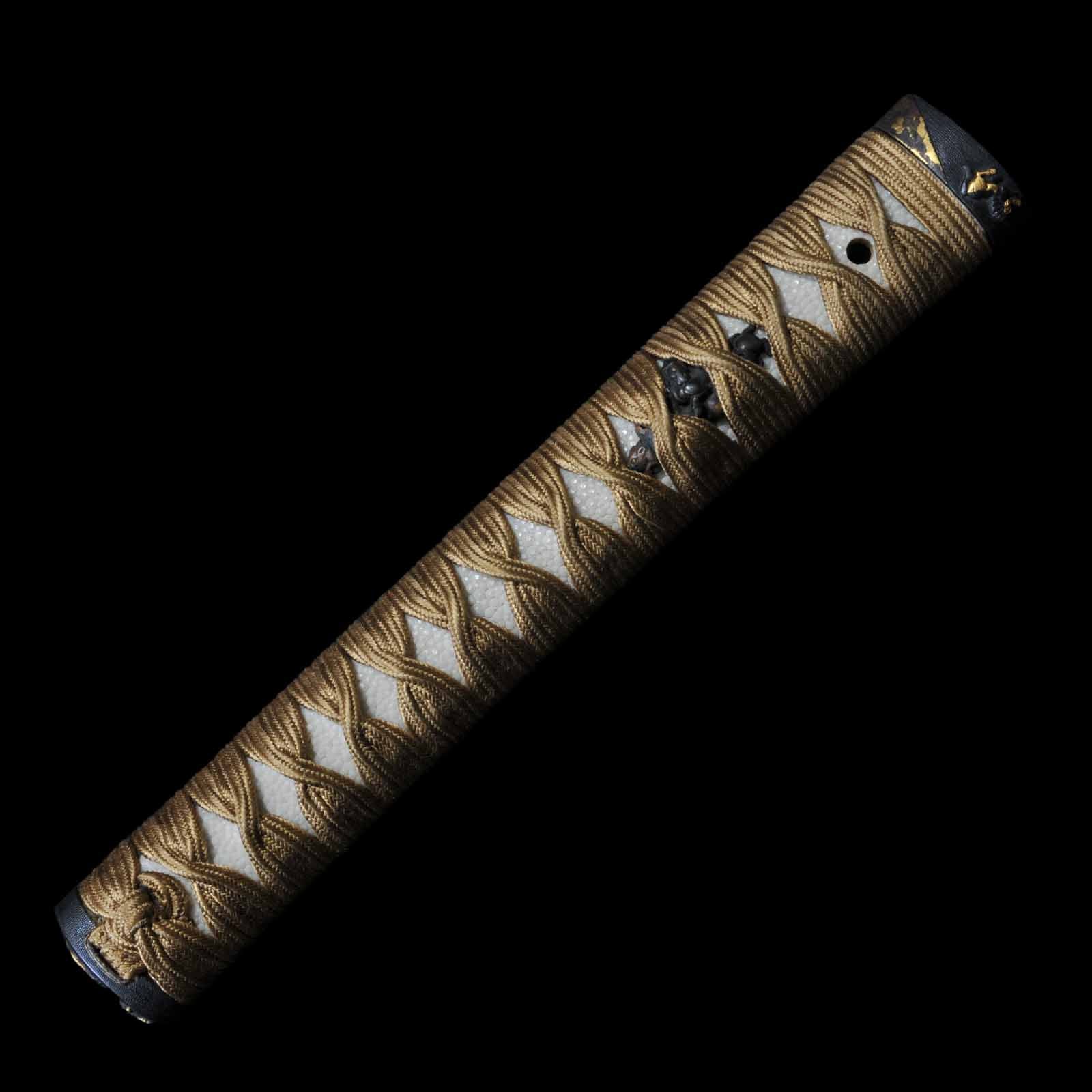
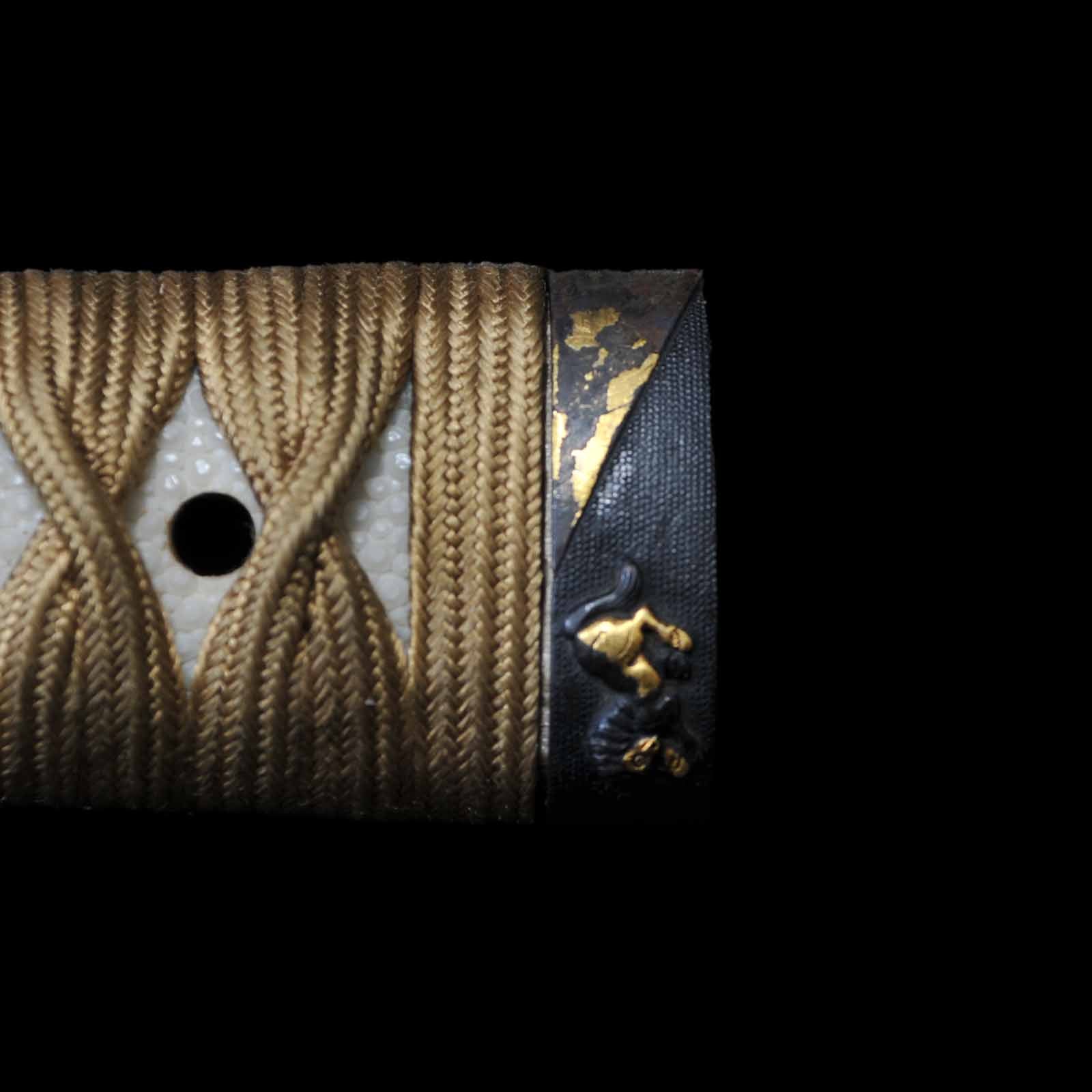
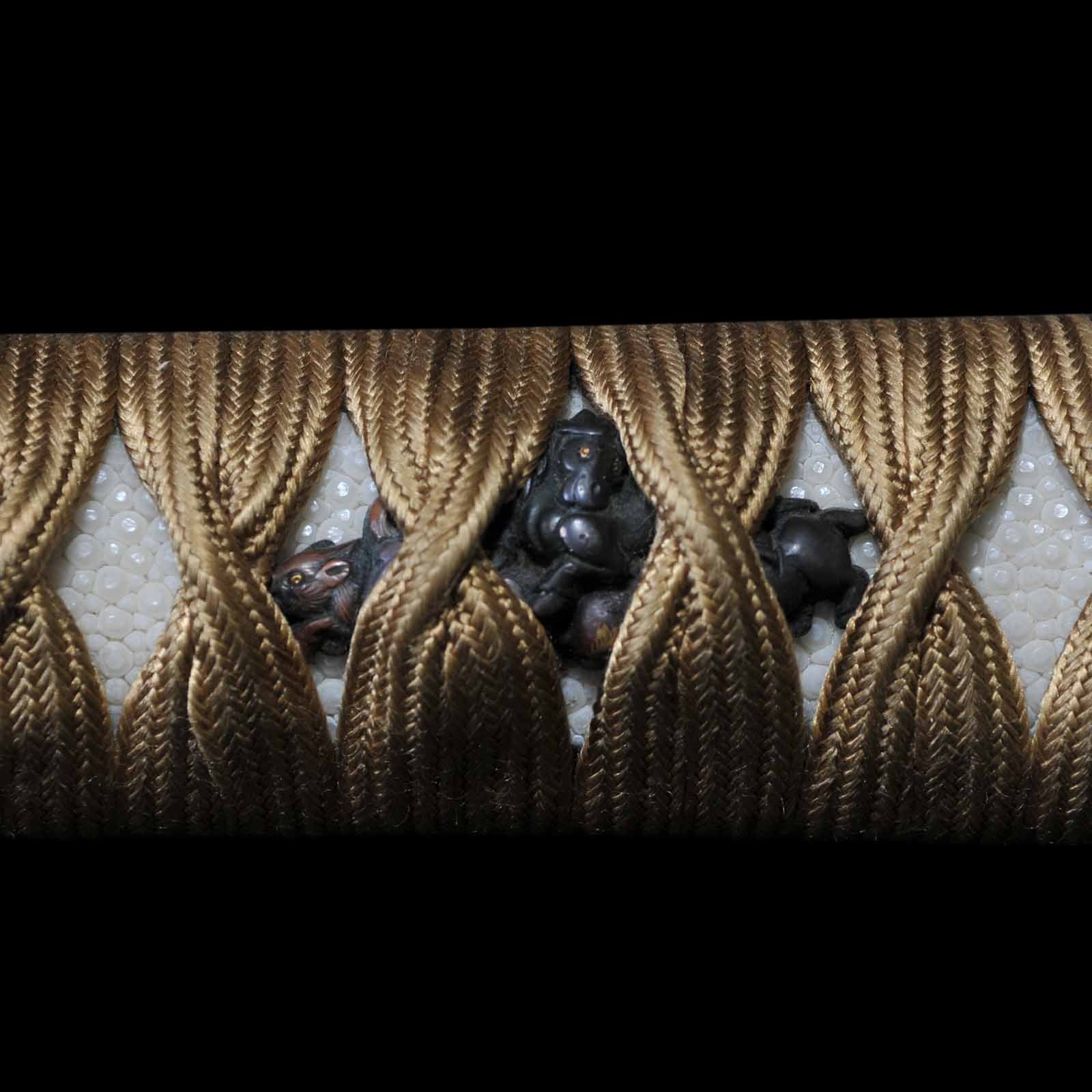
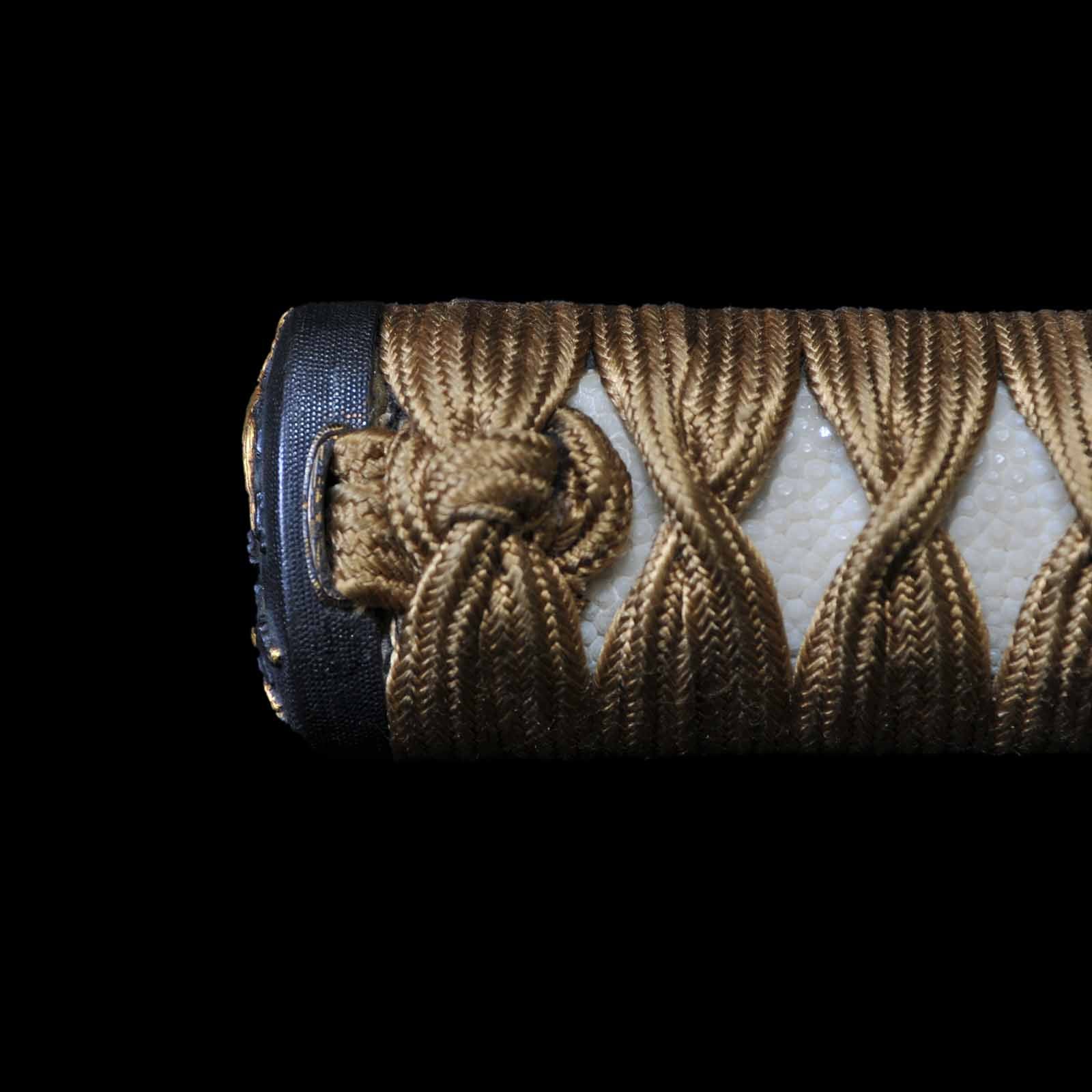
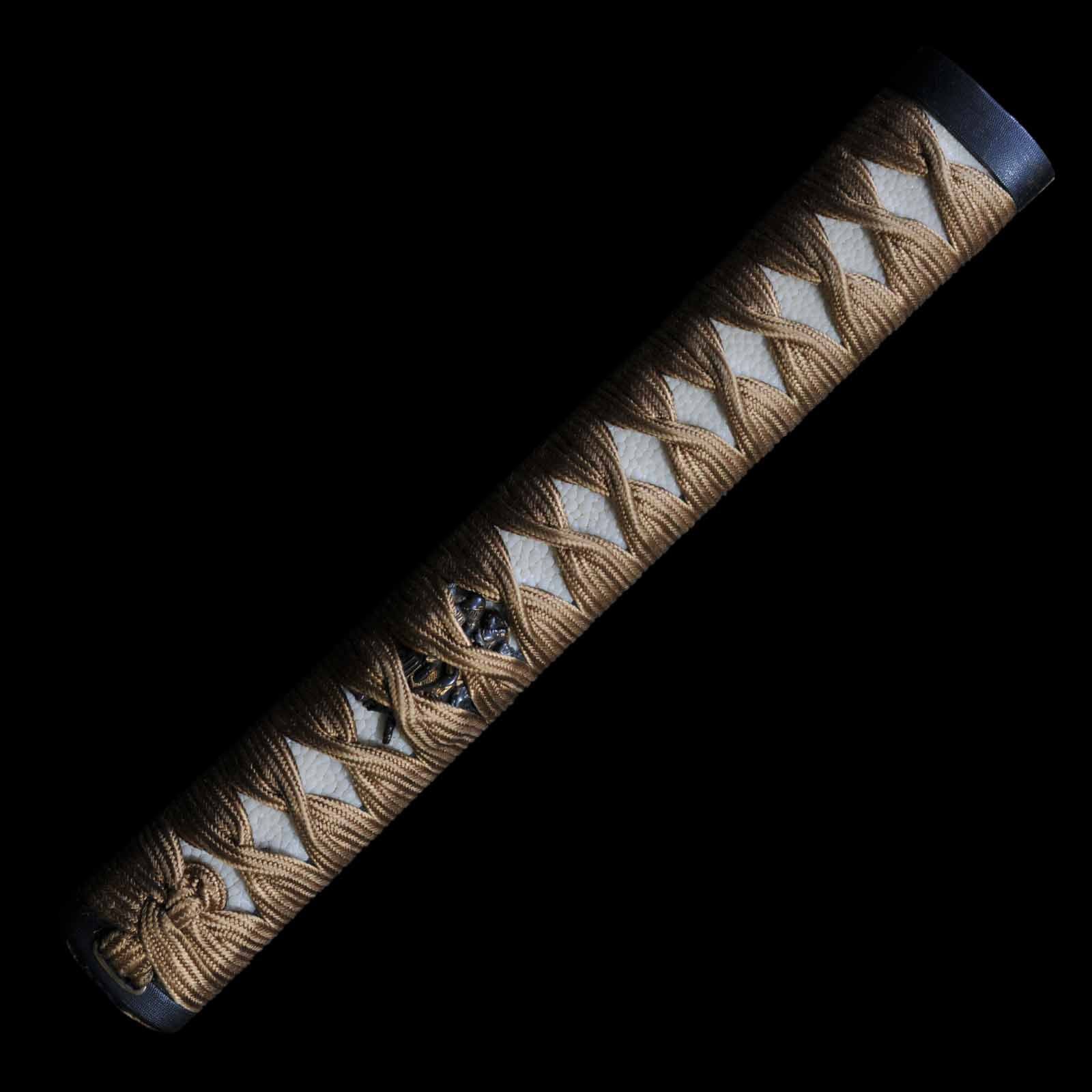
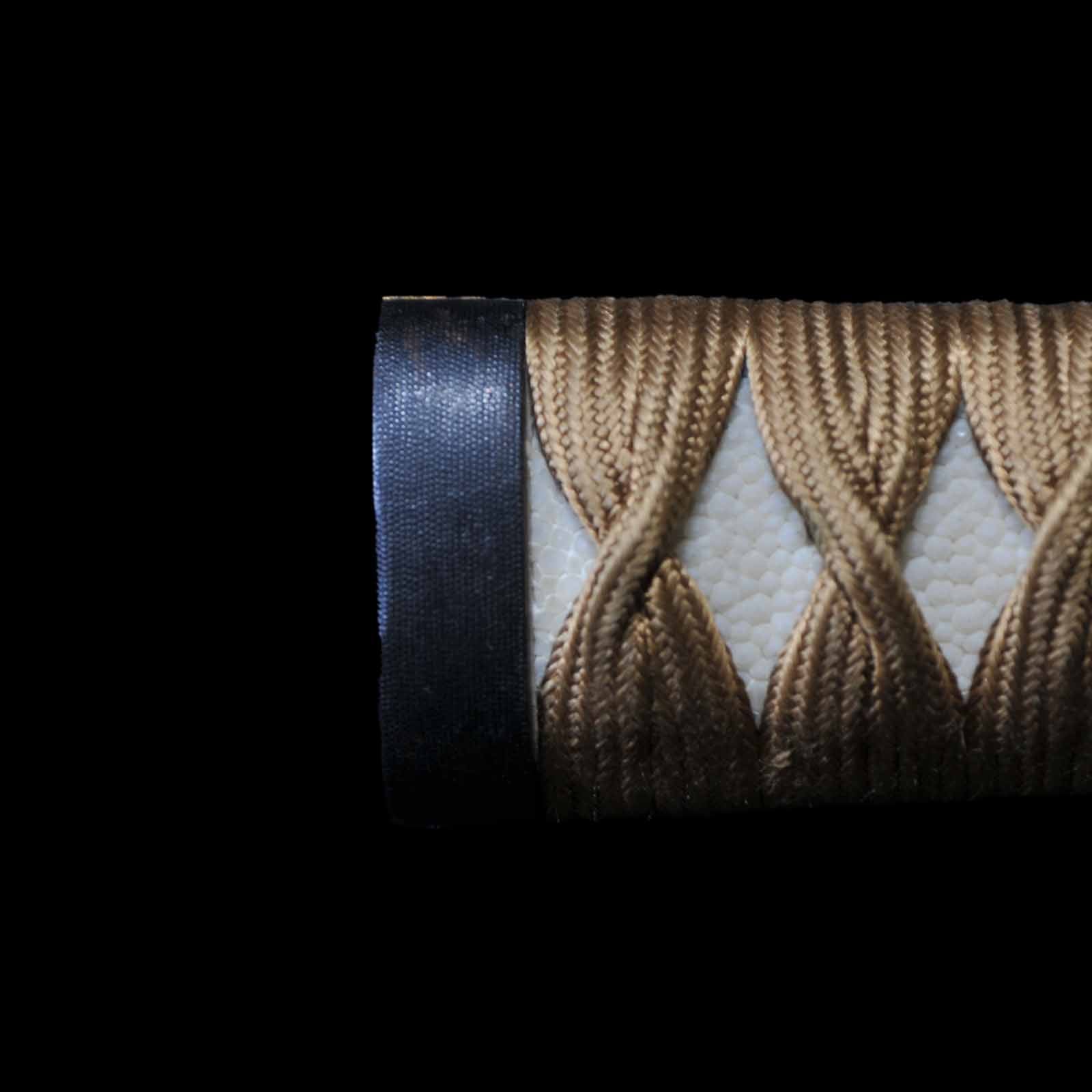
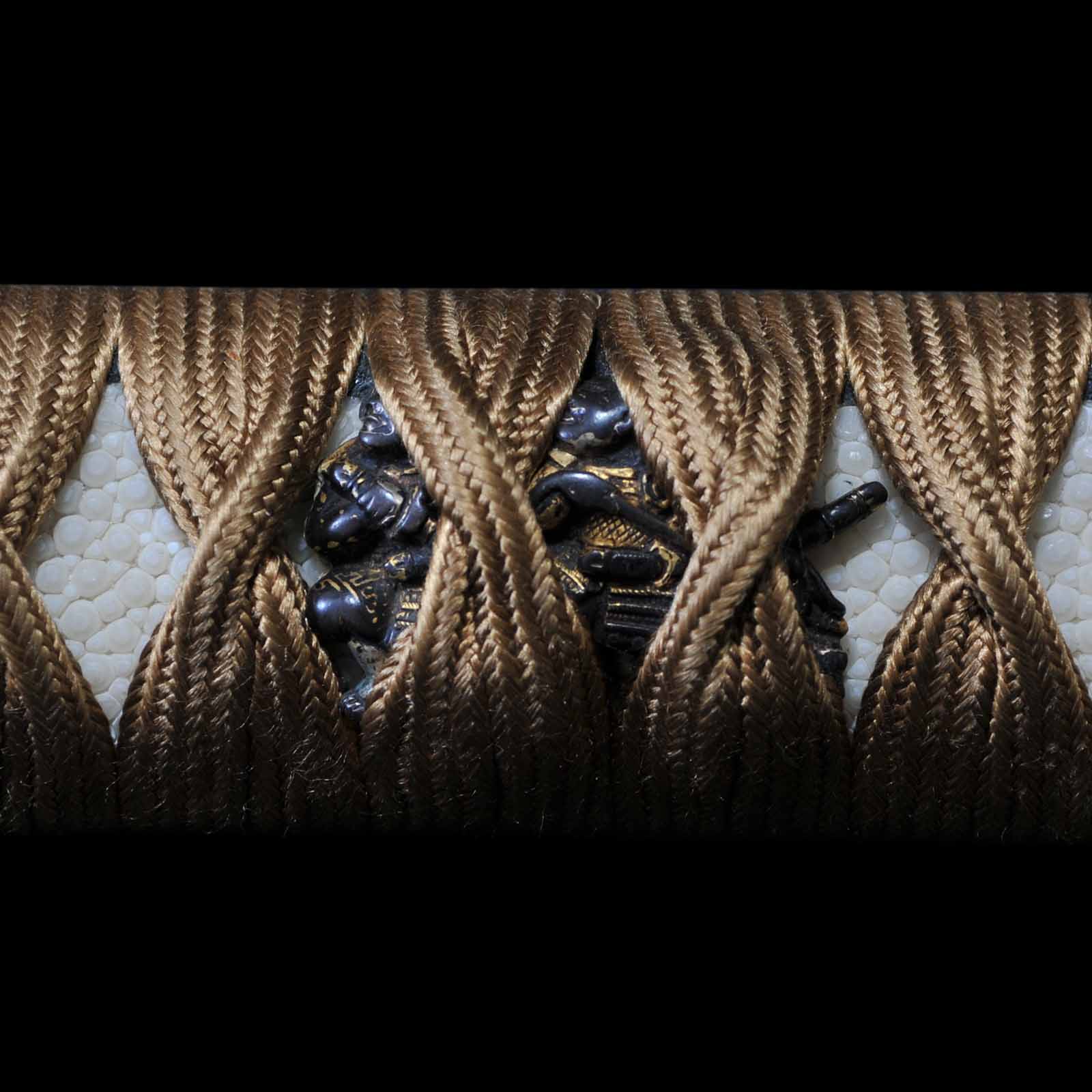
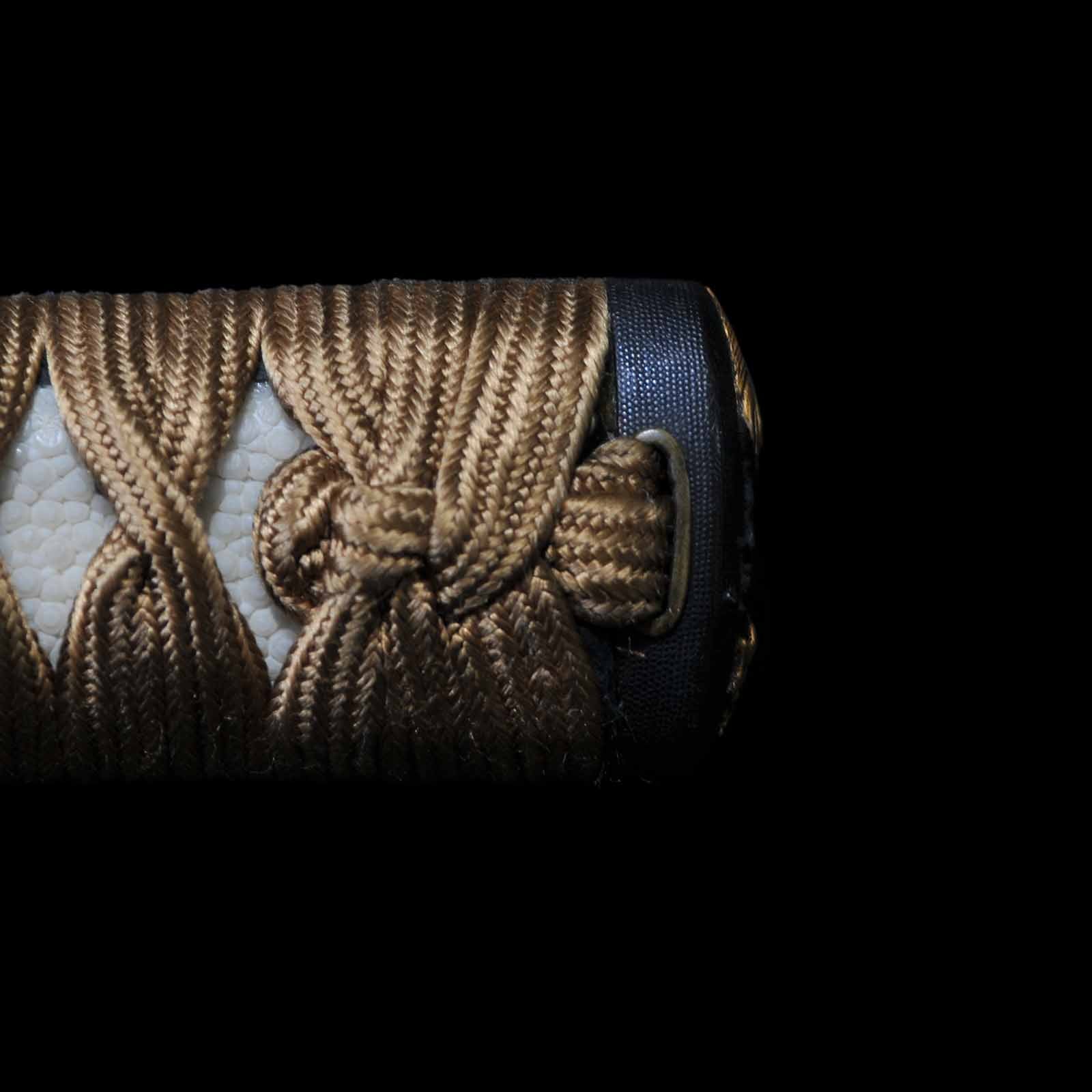
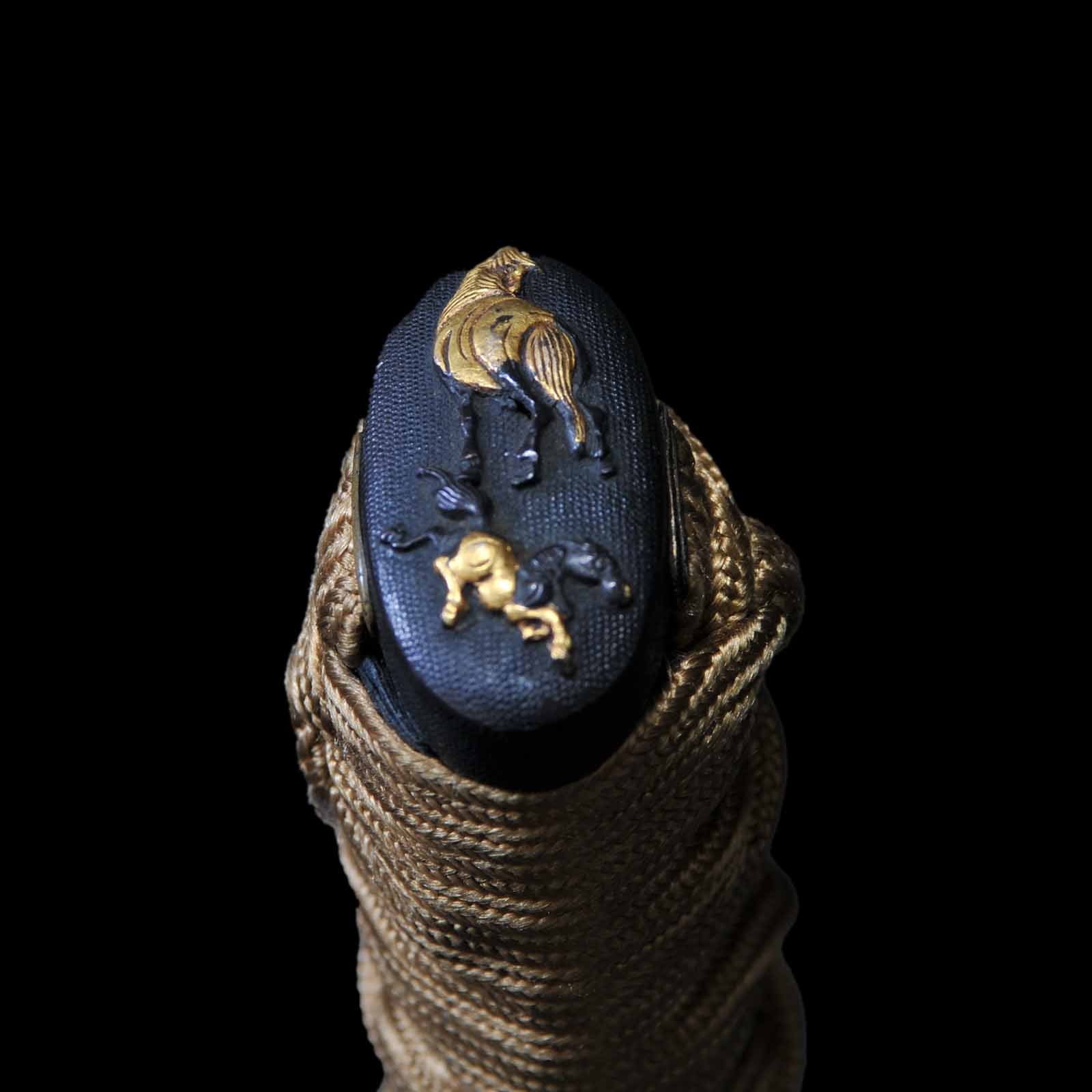
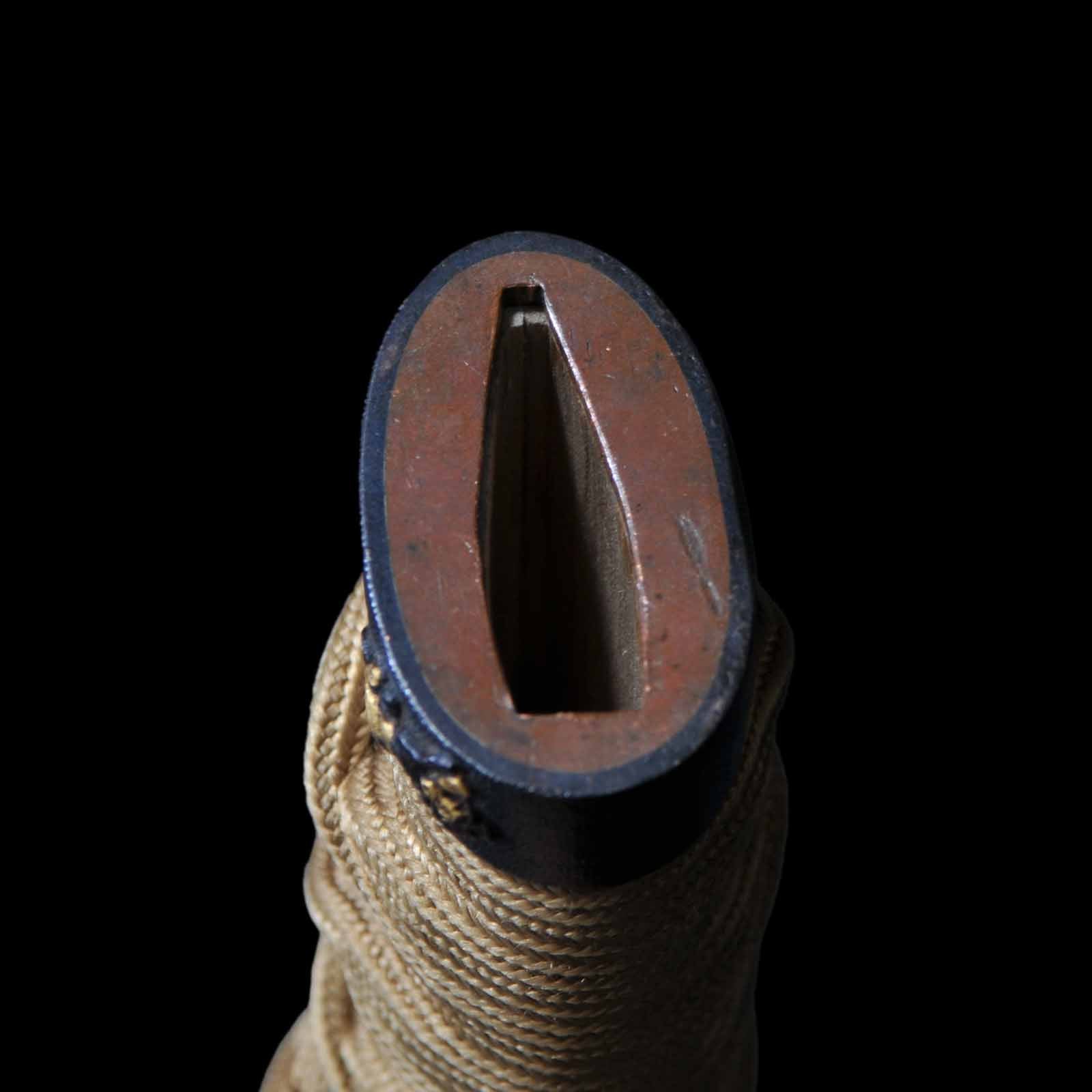
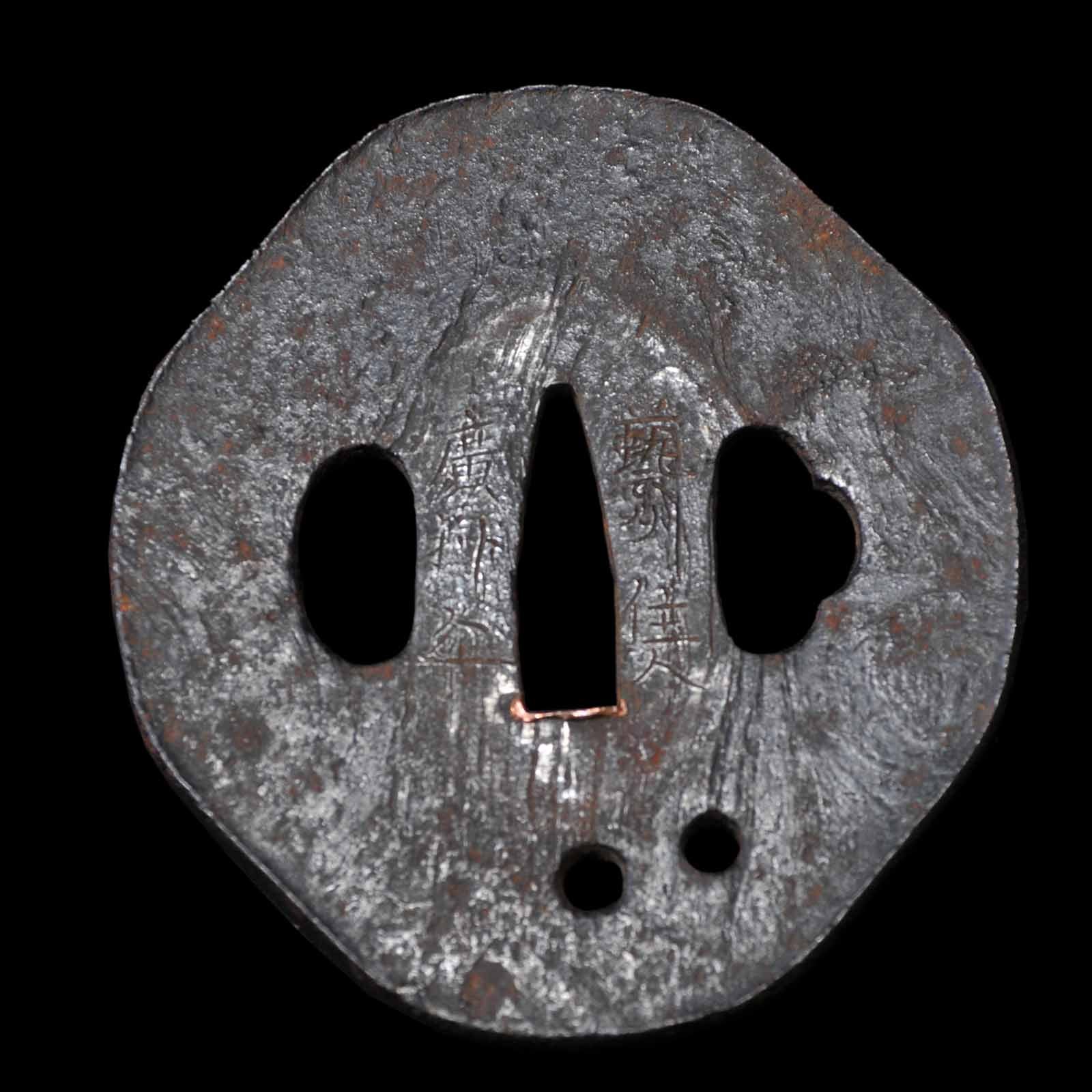
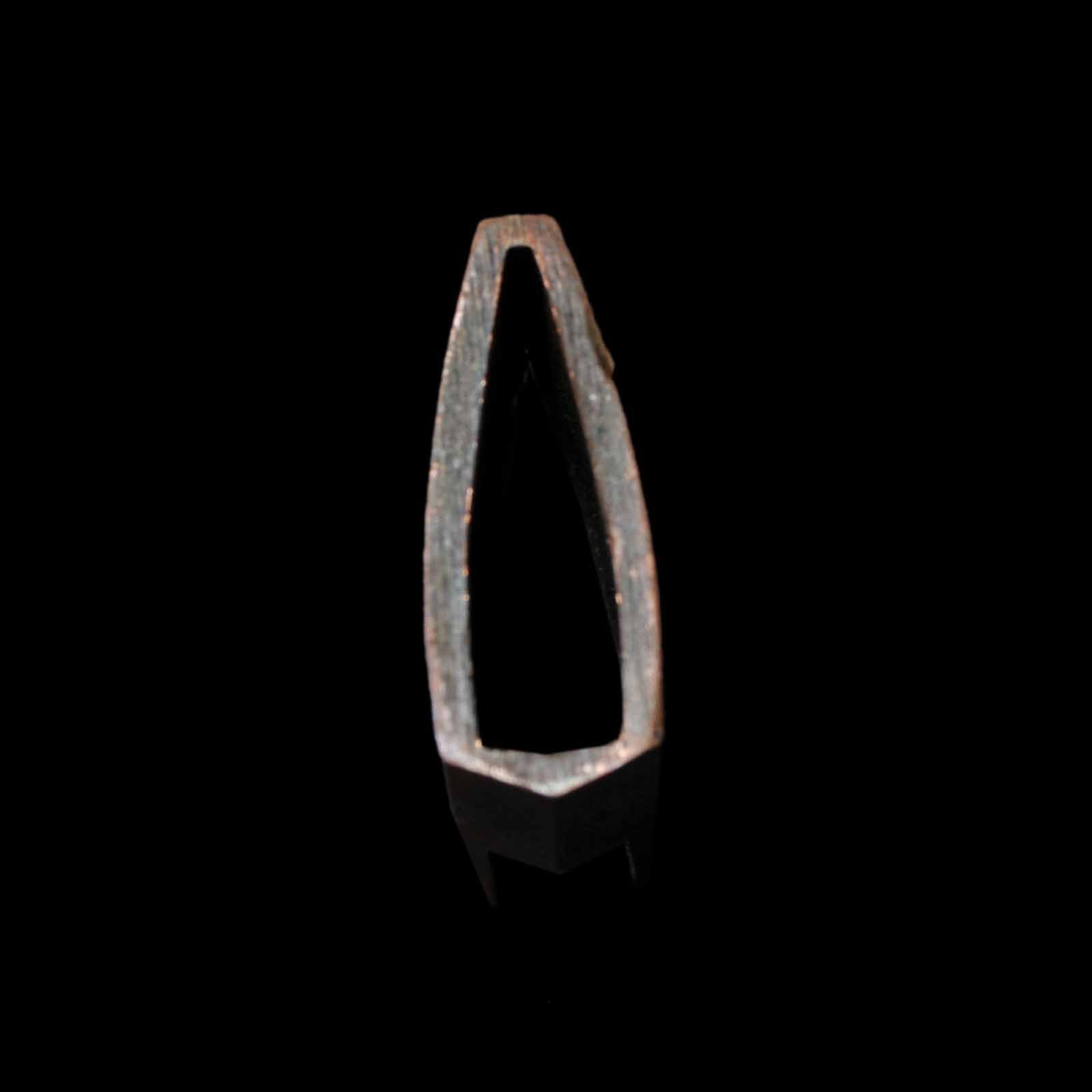
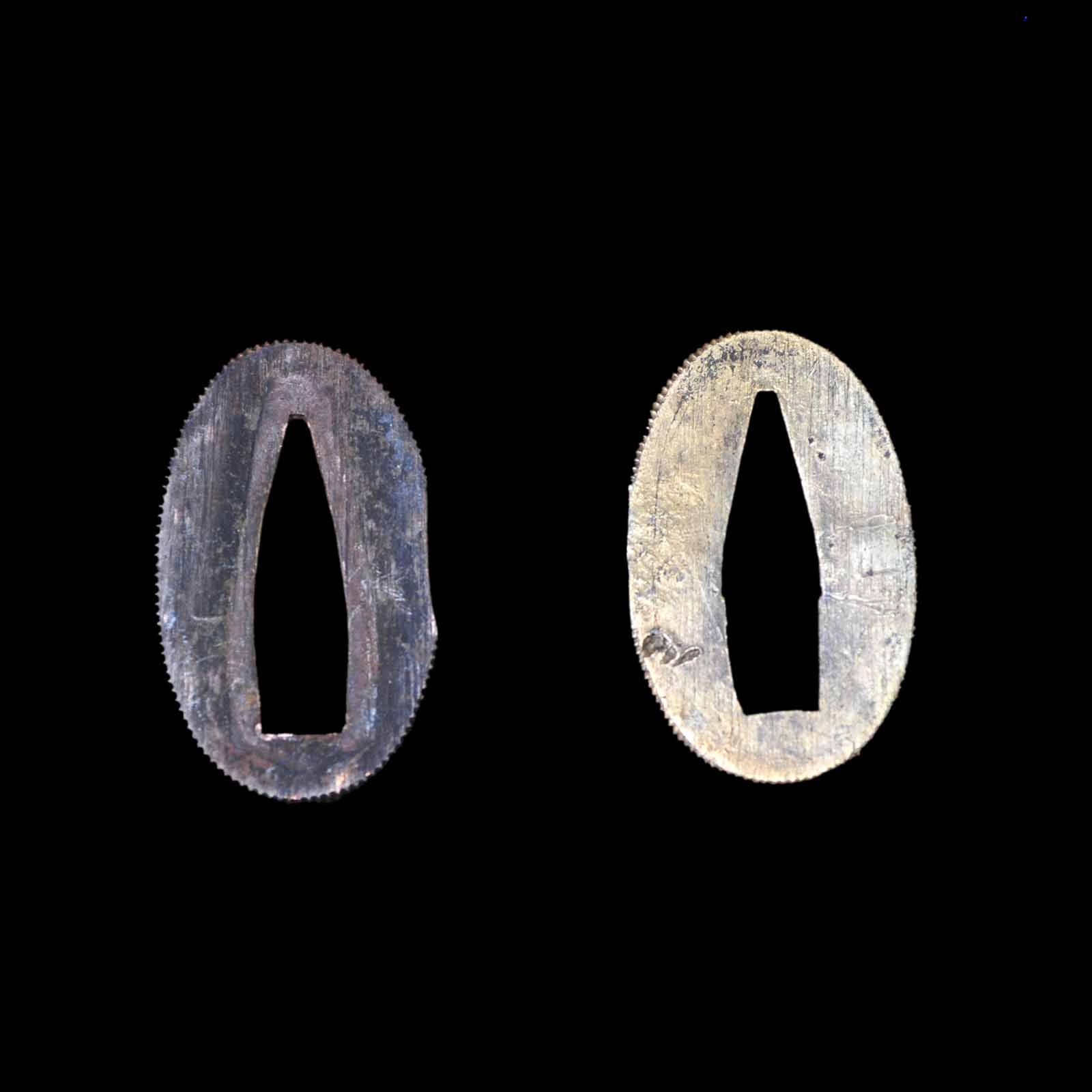
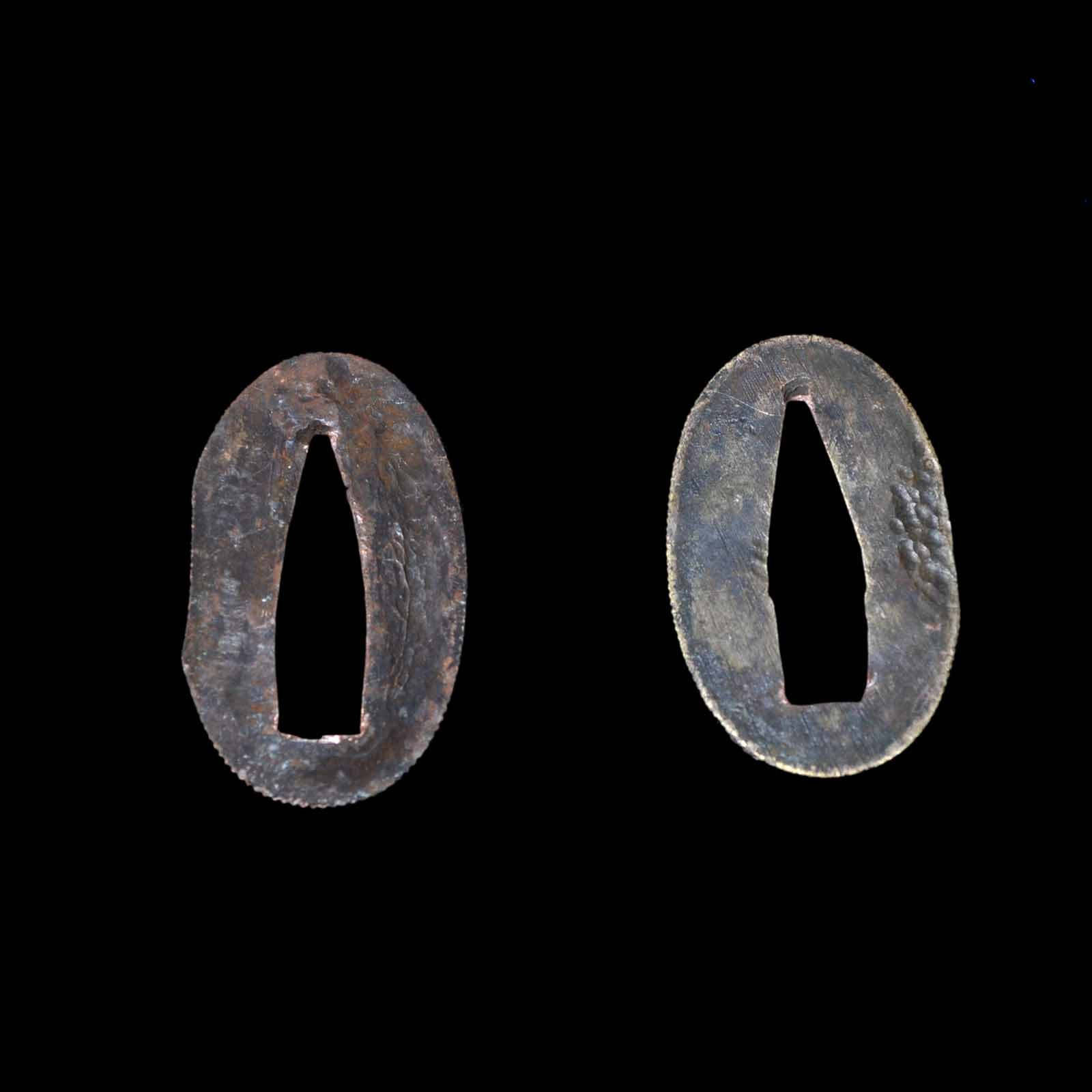
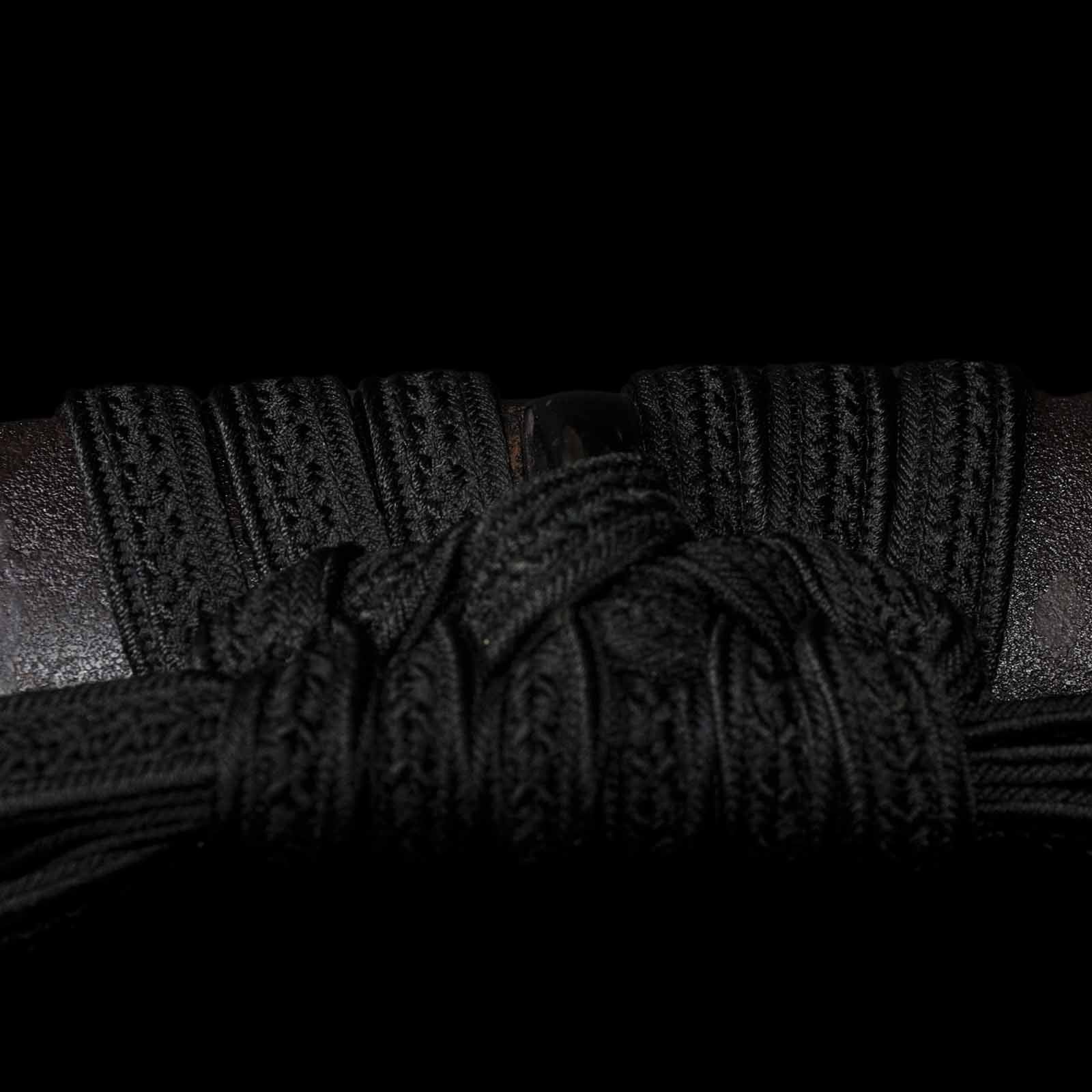
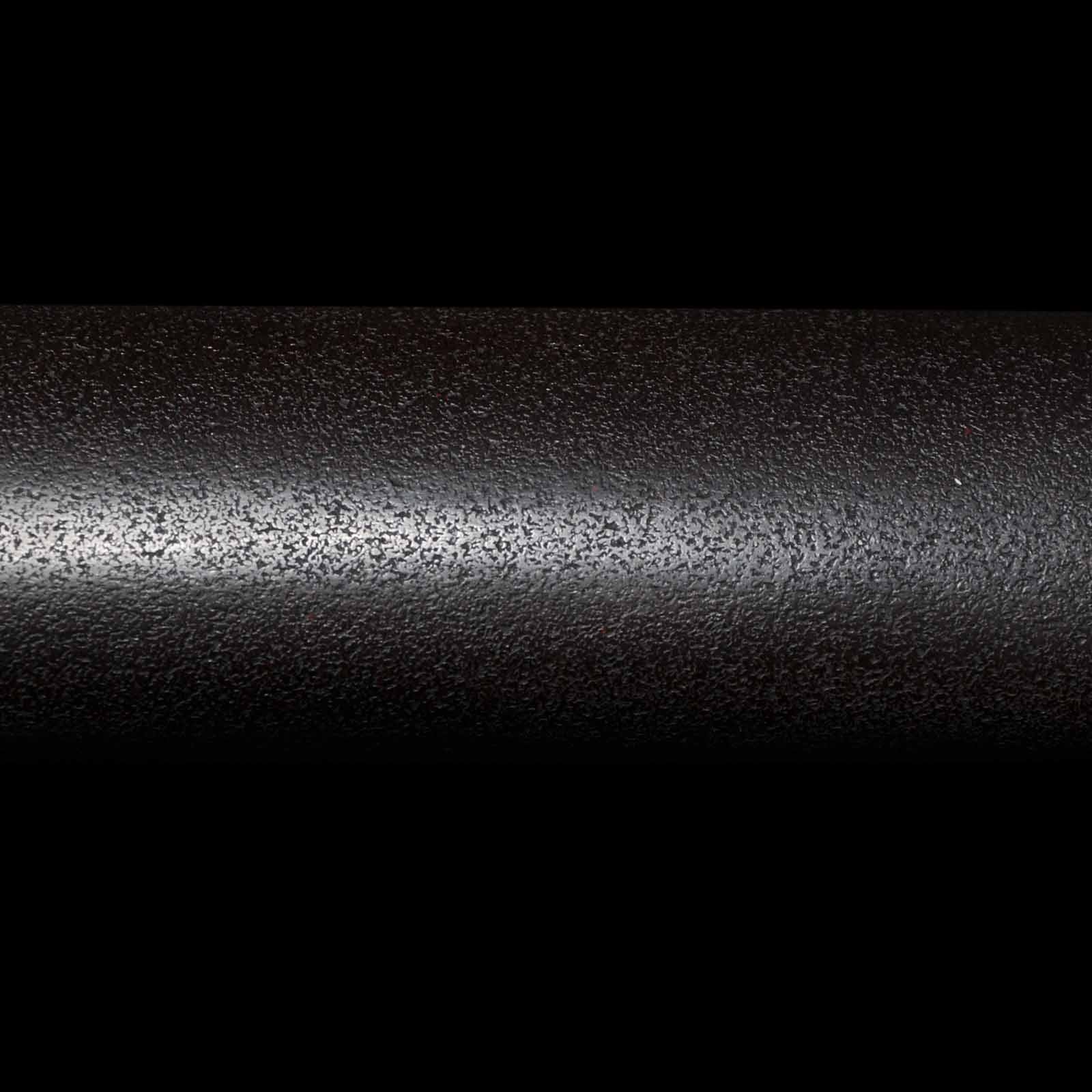
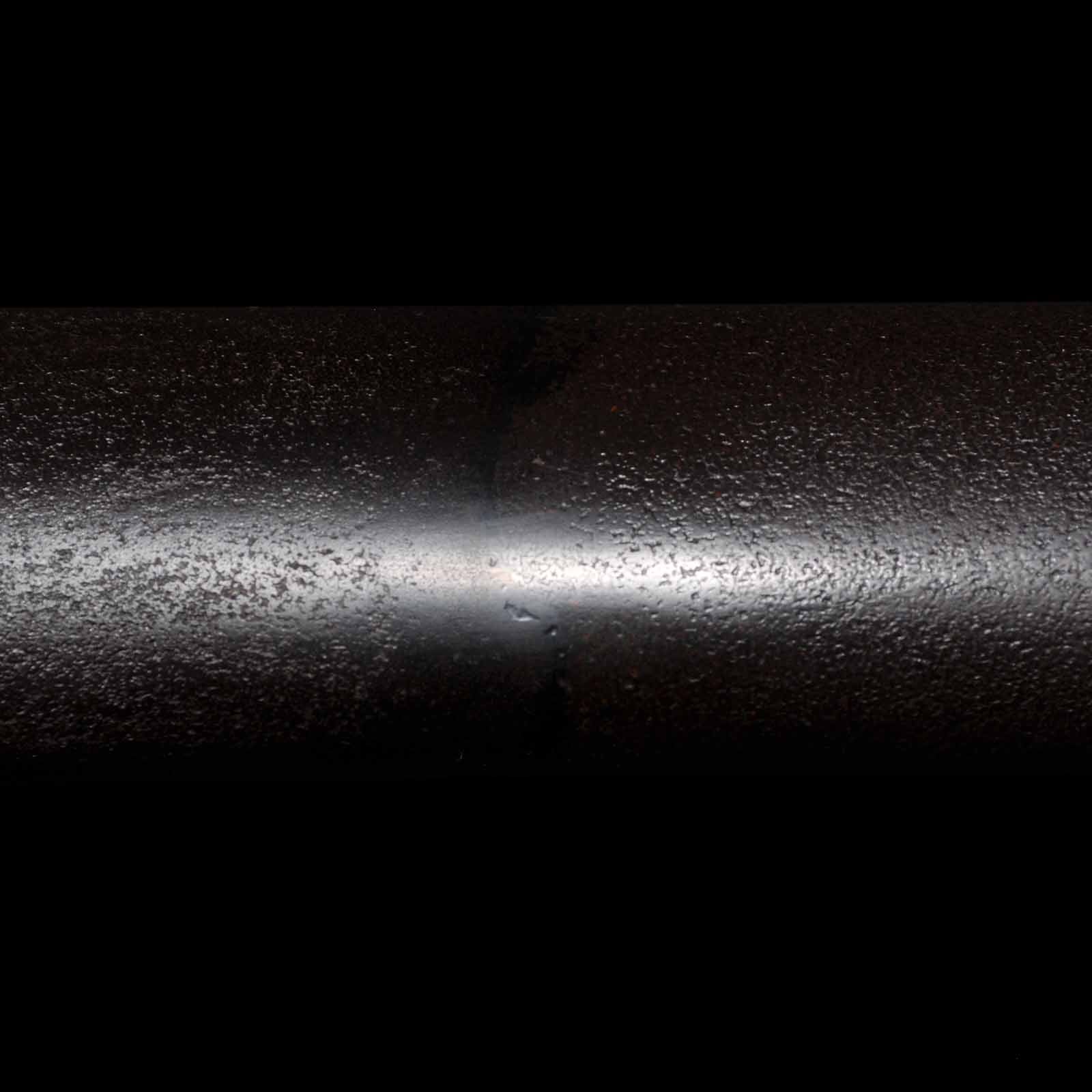
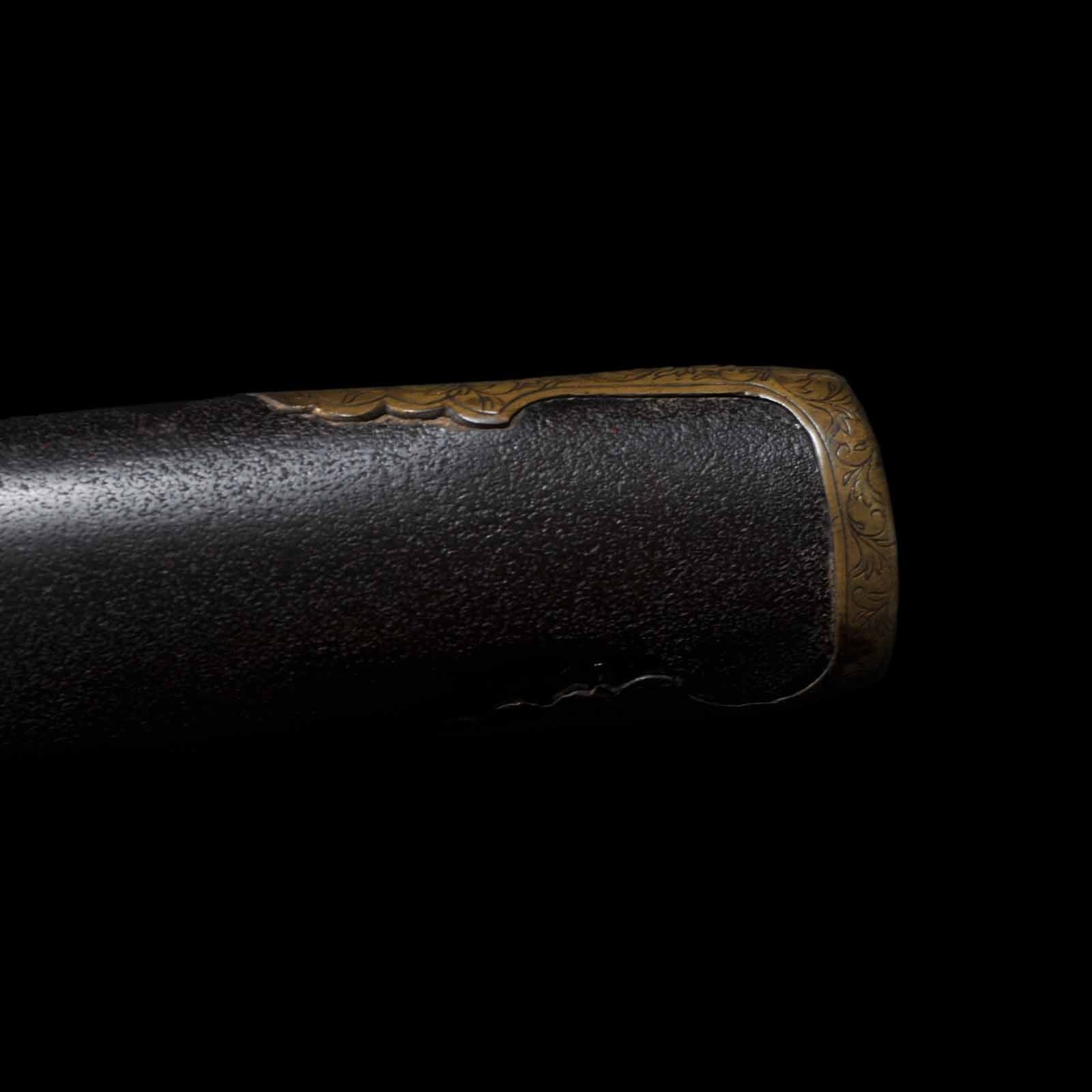
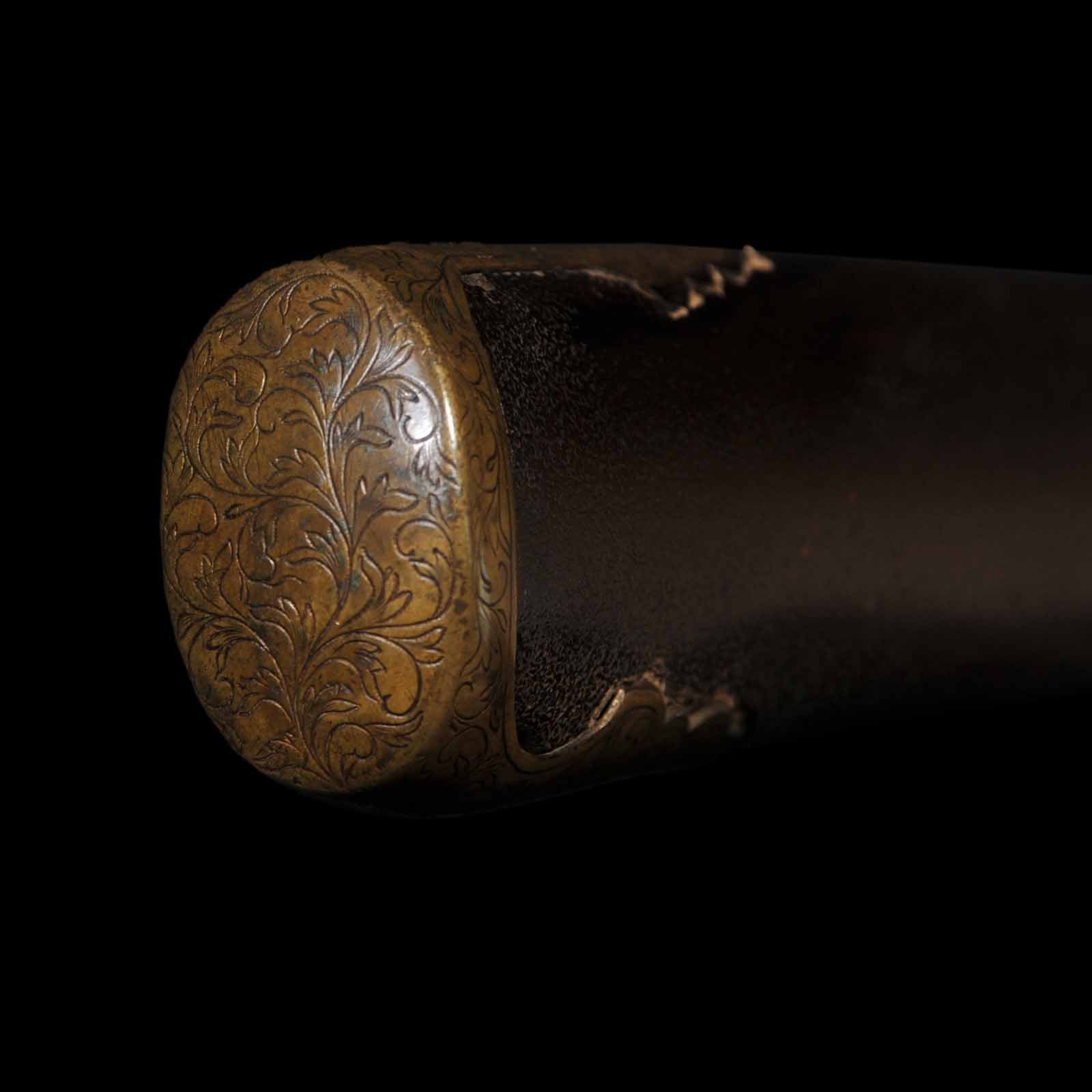
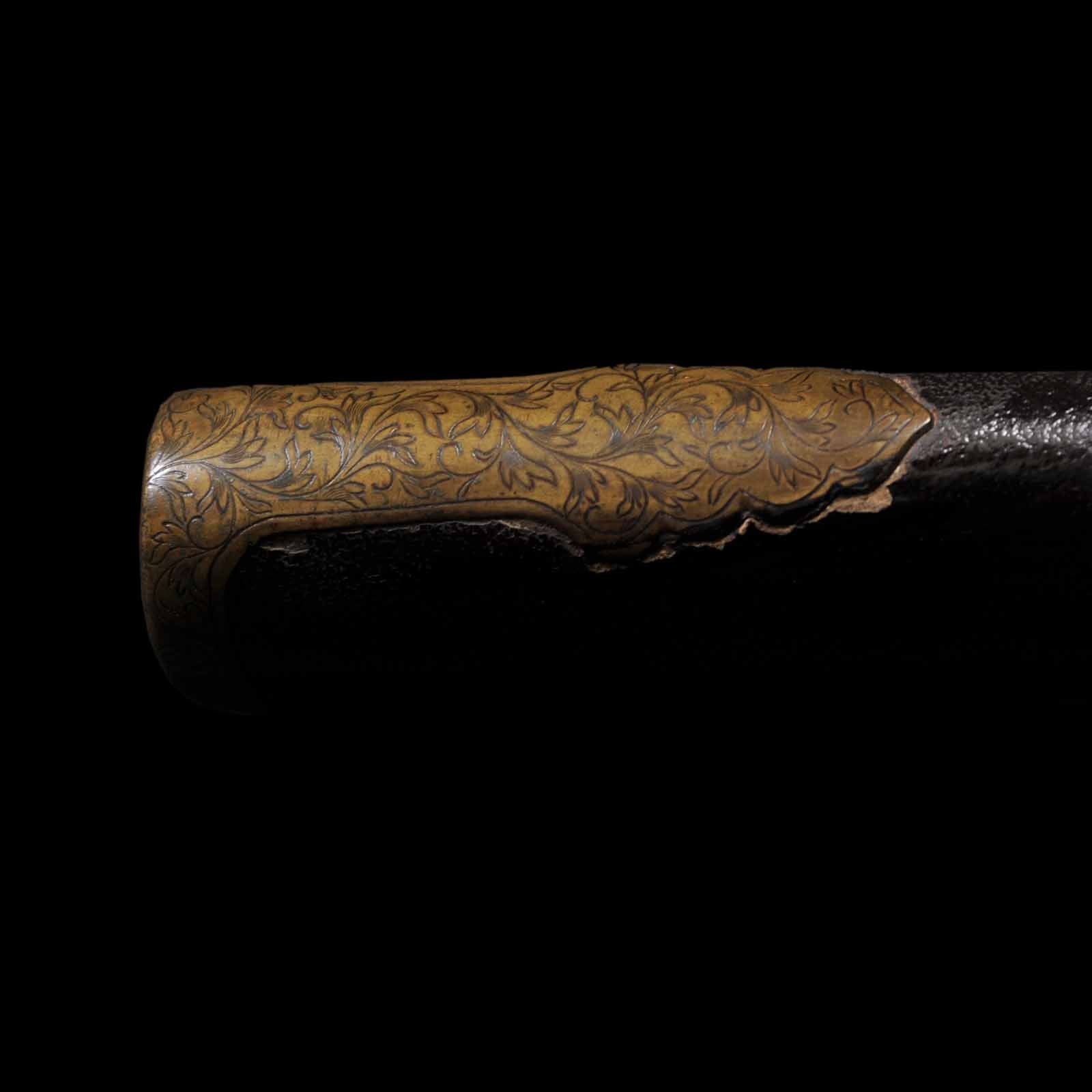
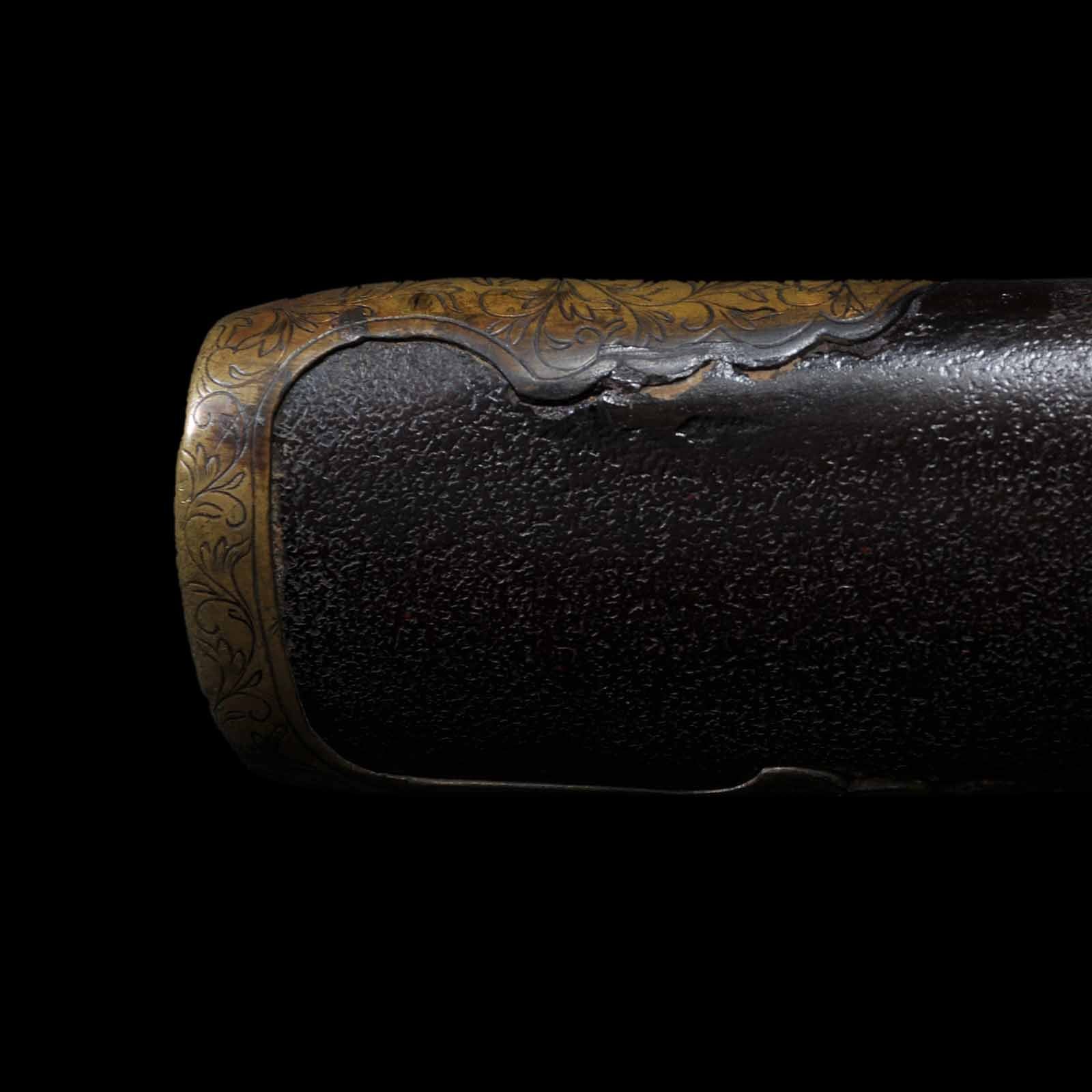
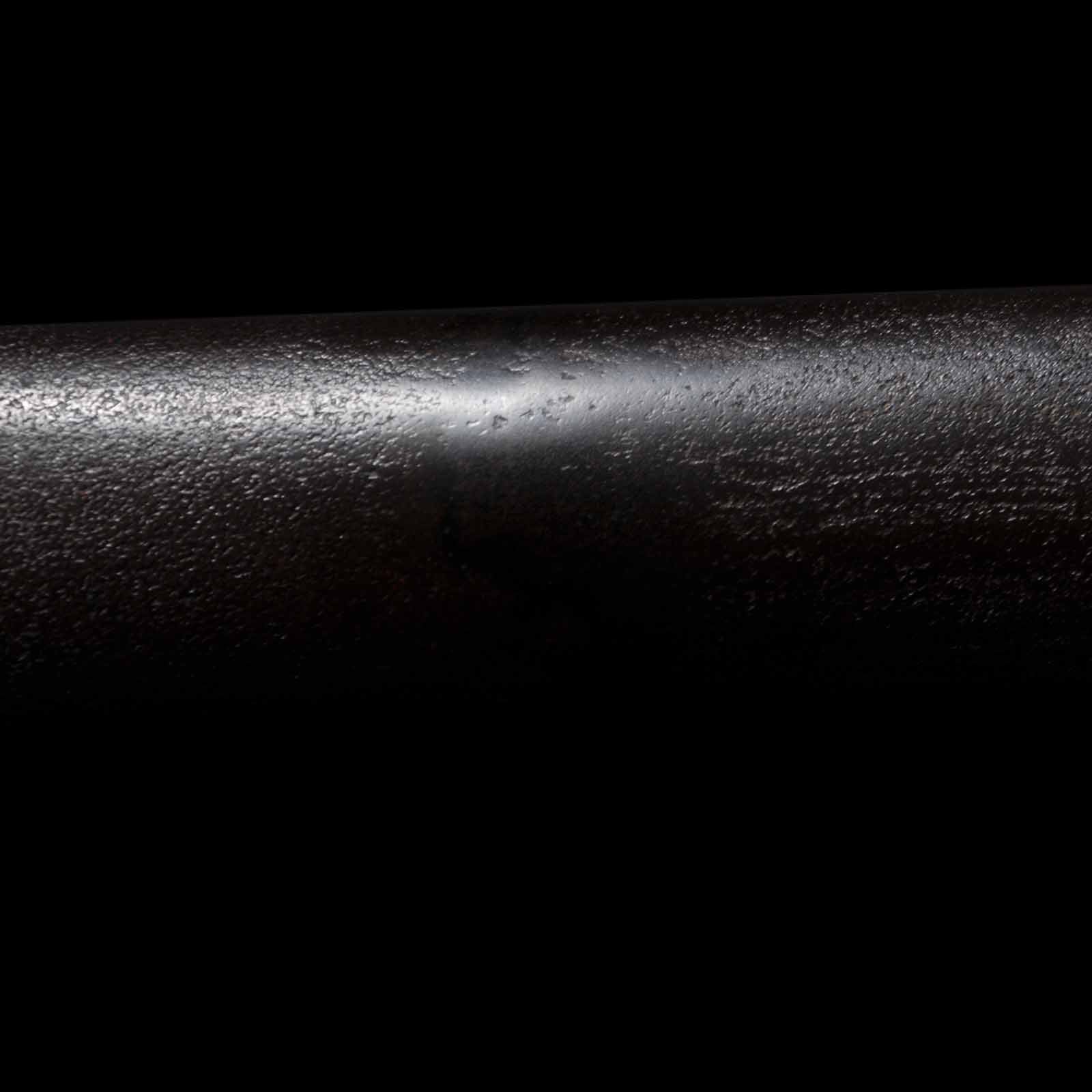
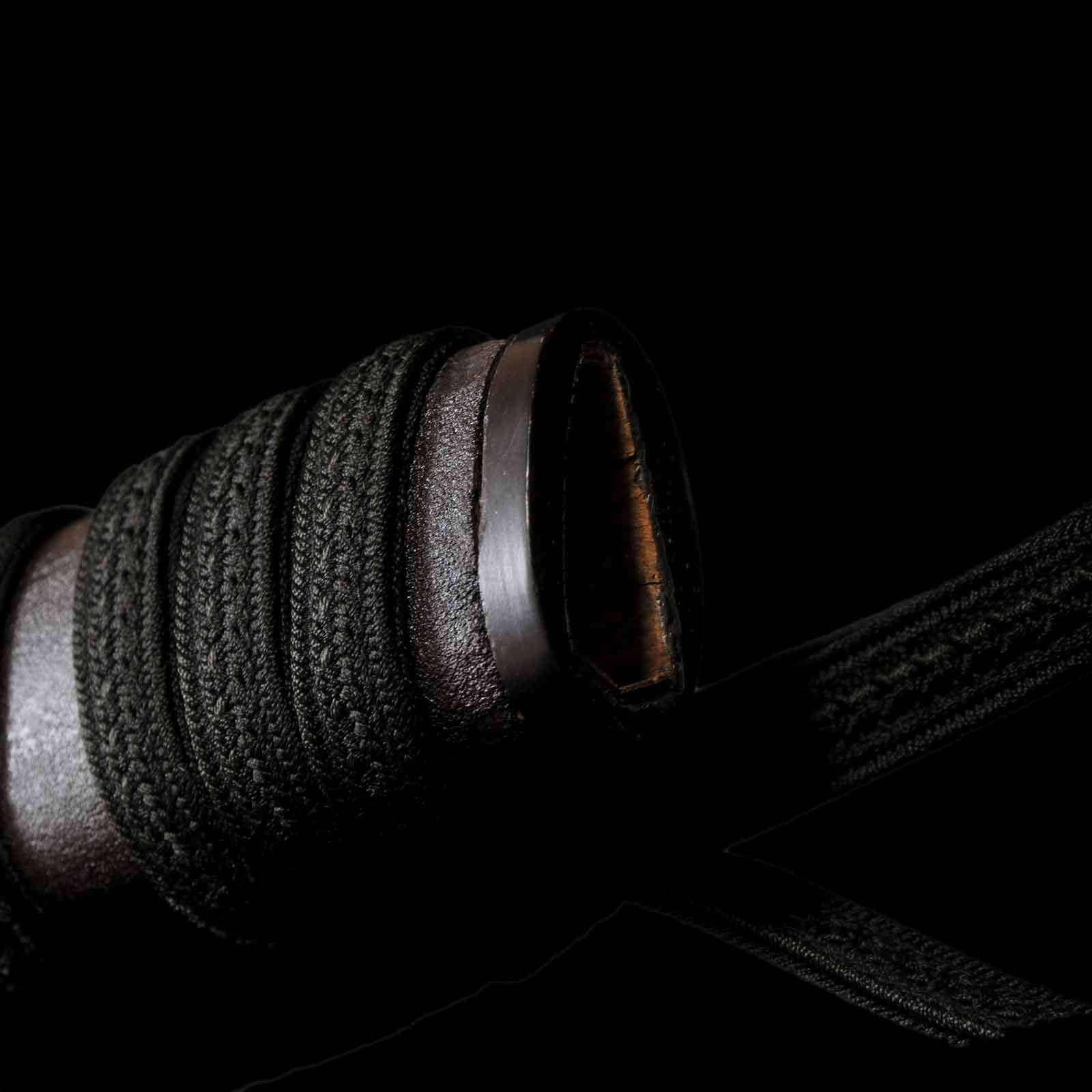
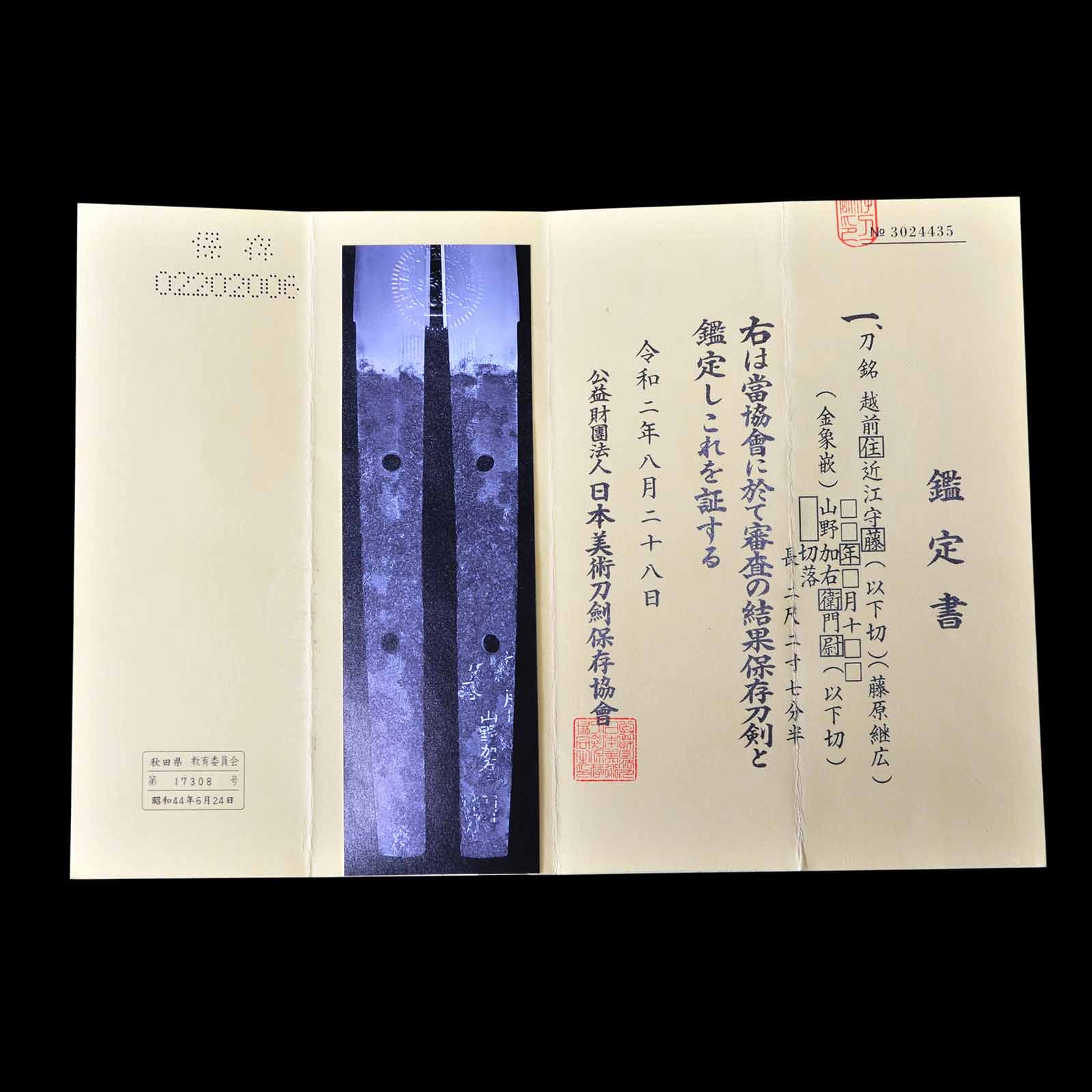
This katana with a shallow curvature is the work of Tsuguhiro, and the reverse side of the nakago also bears the inscription of Yamano Kaemon, a well-known test cutter. The Society for Preservation of Japanese Art Swords has recognized the authenticity of this katana and issued a certificate of authenticity. Tsuguhiro was a leading swordsmith in the Echizen region (present-day Fukui Prefecture) during the Shinto period and was a pupil of the third Yasutsugu. He was first in Echizen, then moved to Zeze in Omi (present-day Shiga Prefecture), and finally to Edo (present-day Tokyo). Echizen shinto katanas were used by samurai as very practical swords with excellent cutting ability, and were very popular during the Edo period when the Tokugawa family ruled. This katana bears evidence of having been measured for sharpness and strength by Yamano Kaemon Nagahisa, and his name is engraved on the Nakago. Yamano was the founder of the Yamano school of test swordsmanship, which was active from the Kan'ei to Kan'bun periods. Originally, the sword was inscribed with gold inlays, but some of the inlays have peeled off due to age. Also, the name of Tsuguhiro has been cut off in the middle of the blade due to the shortened length of the sword. This sword blade is itame hada with jinie. The hamon is a gnome in konye style, with a high and low gnome. In addition, within the ha, you can also enjoy seeing hataraki such as chojiashi and sunagashi. And the boshi are returned to nakamaru in midare style. The condition of the sword is relatively good, but there are some flaws in places. There are a few small spots of rust about 10 cm from the munemachi on the sashiomote side. There are also some small dots of rust about 18 cm from the cutting edge. There is a small dent about 18 cm from the hamachi on the sashiura side. And there is a forging flaw at a point about 20 cm away. The koshirae is made of metal fittings of the period, but only the menuki on the sashiomote seems to have been repla
NihontoWatch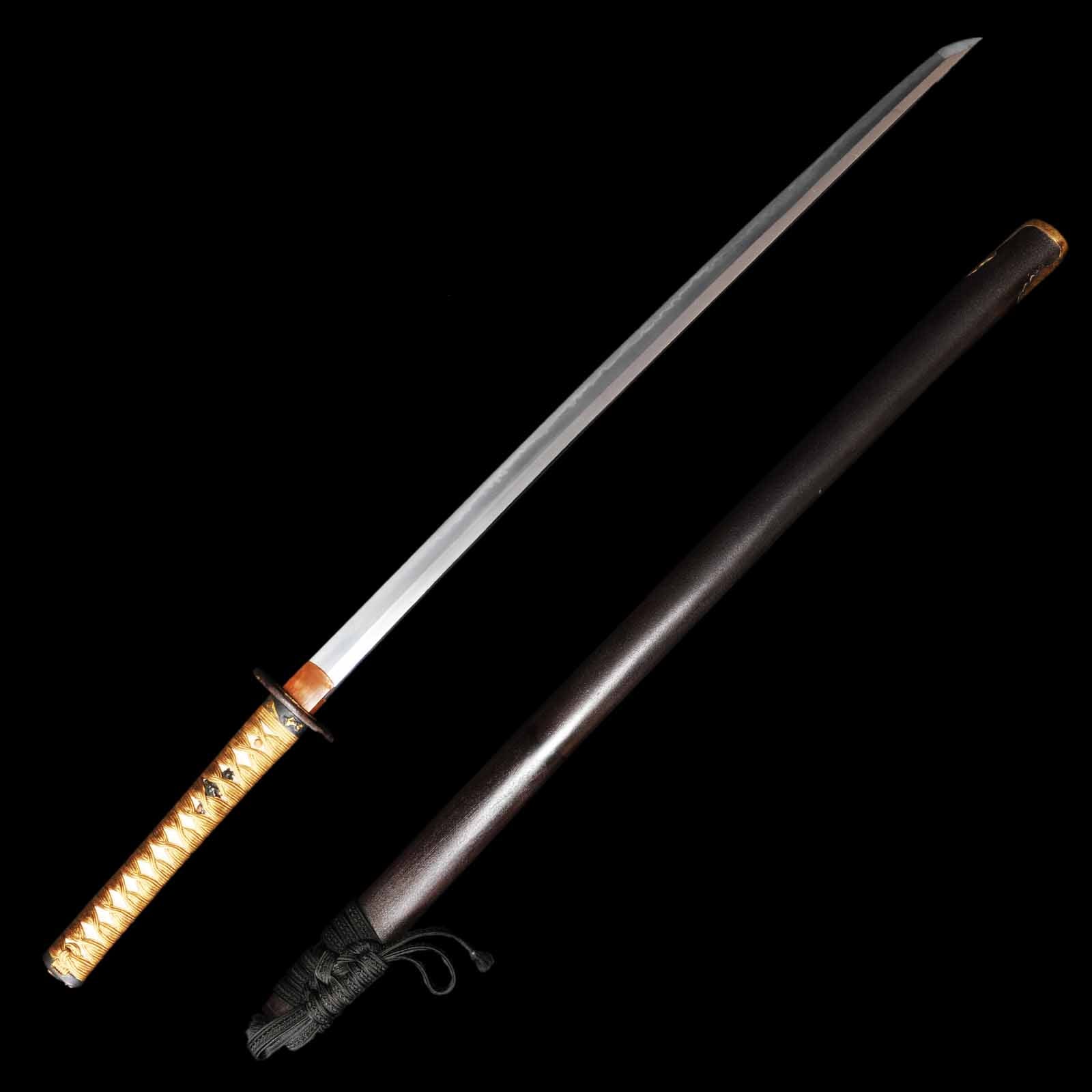
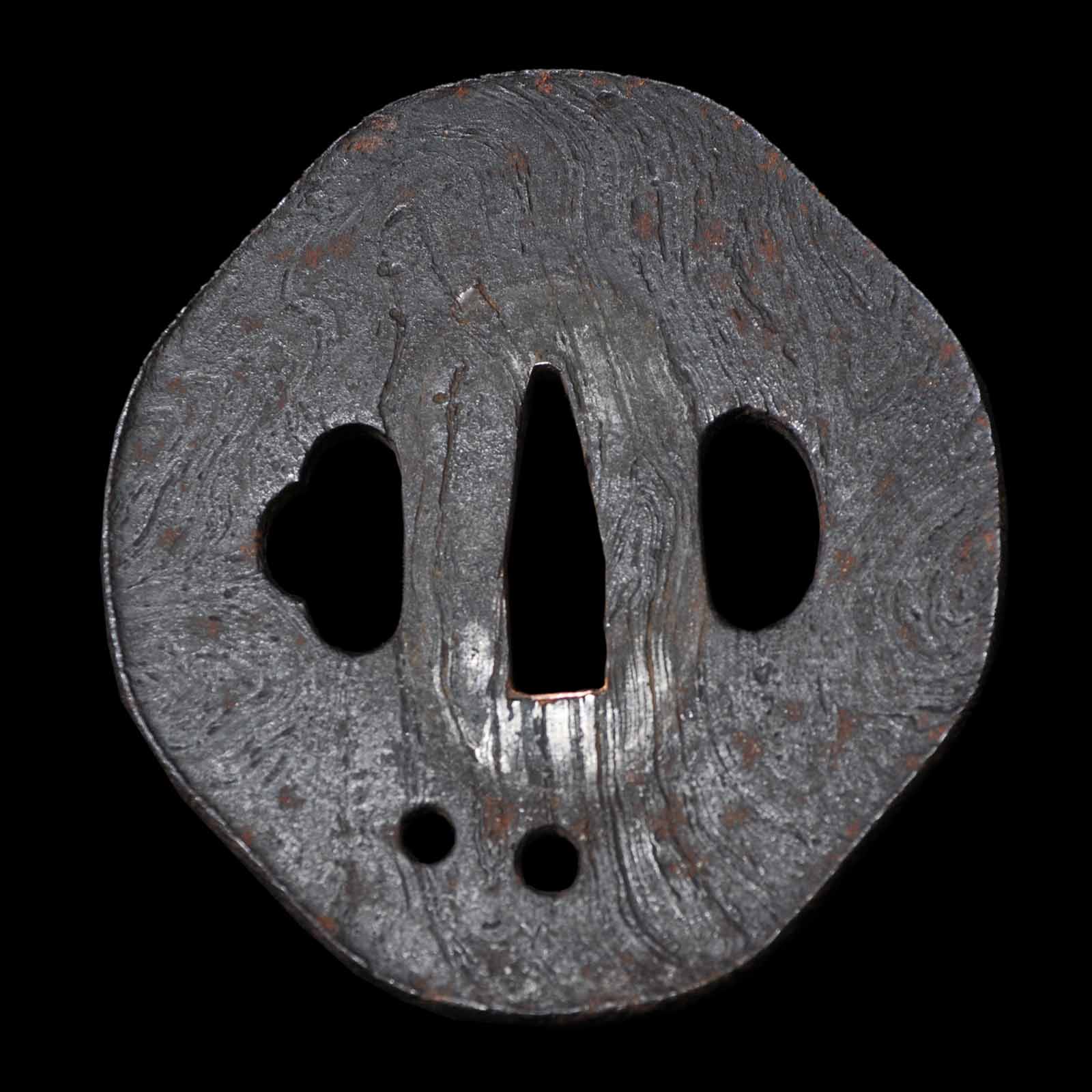
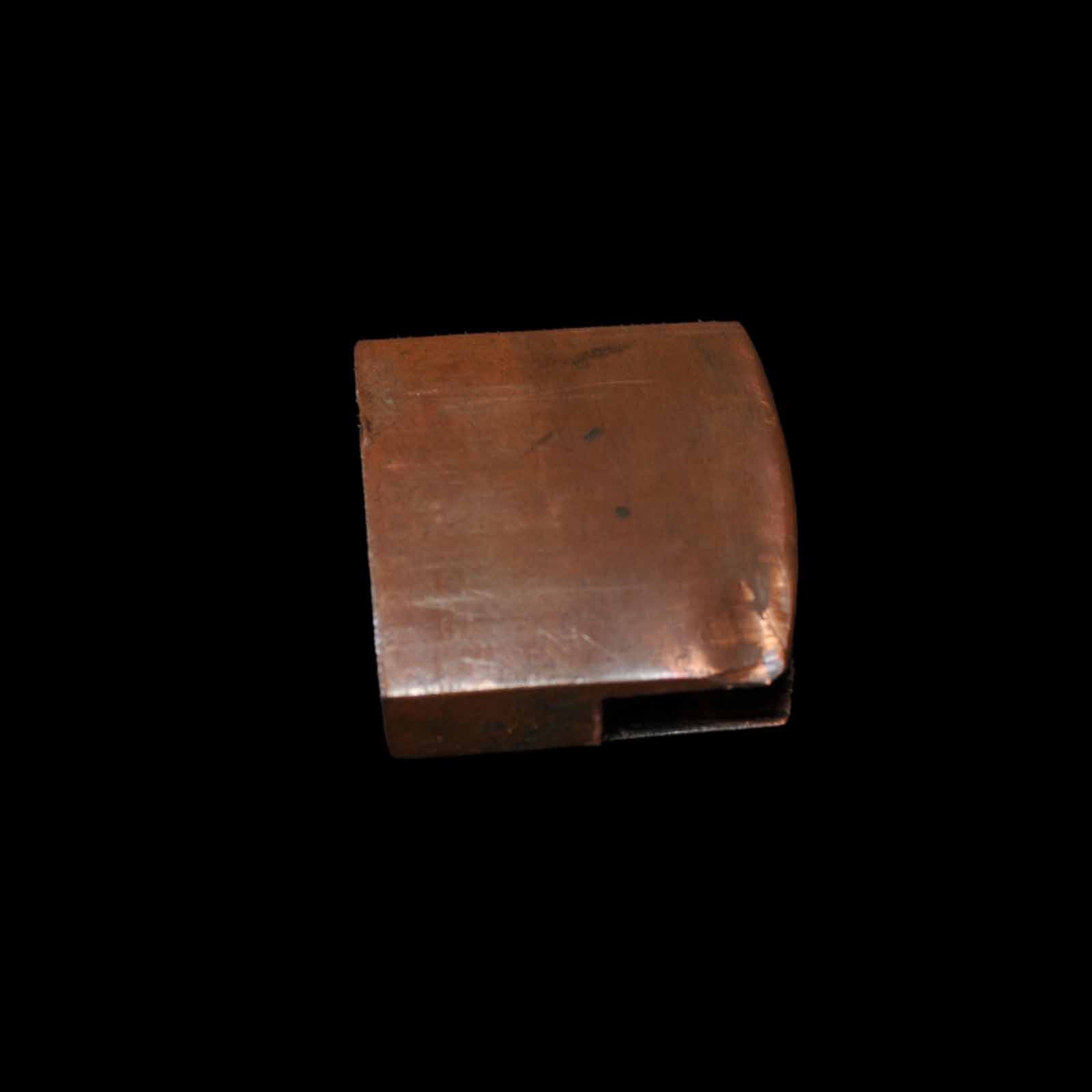
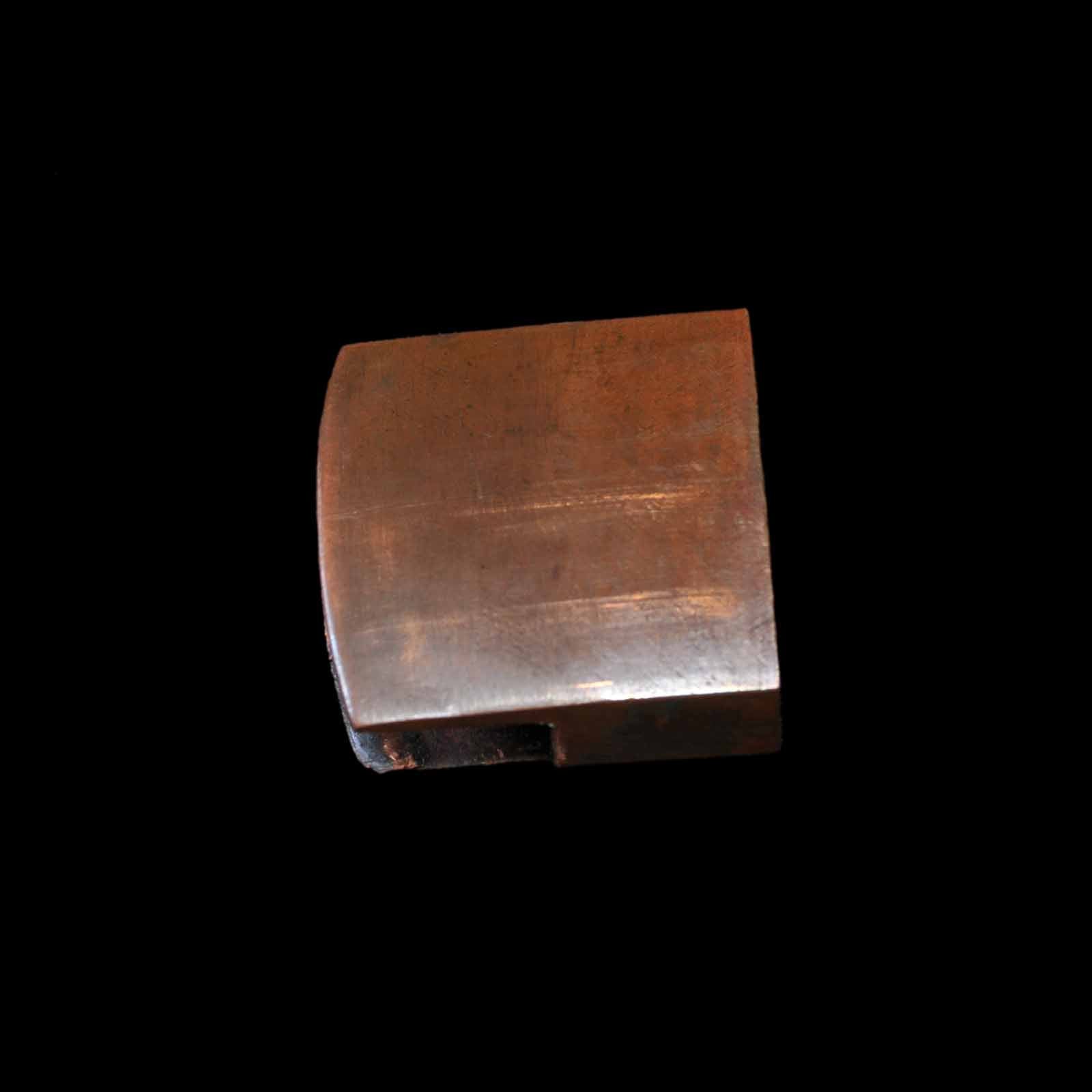
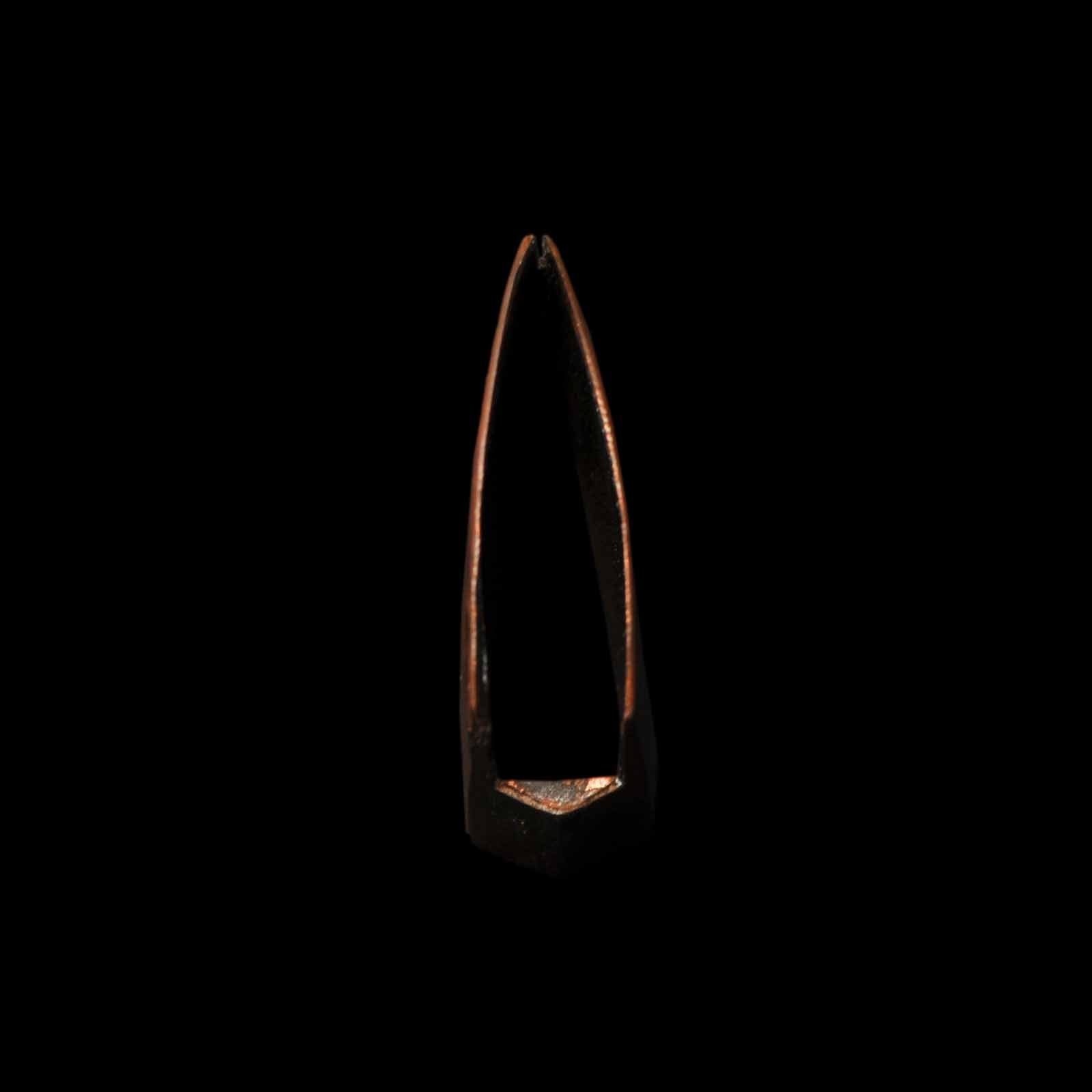
越前 · 1688-1704頃
江戸時代
江戸は刀の目利きの時代である。本阿弥の鑑定、1719年の享保名物帳、盛んな刀剣書が、戦で抜かれることのなくなった刀を学問の対象へと変えていった。
銘が正しい、または無銘でも年代・国・系統を確実に指摘できる、保存に値する真正の作と鑑定されたものです。
日本美術刀剣保存協会(NBTHK)は、1948年に設立され、文化庁の監督を受ける公益財団法人で、東京・刀剣博物館に本部を置きます。専門の審査員が出品作を直接審査し、美術的・歴史的価値に応じた鑑定書を発行します。NBTHKの鑑定書は、日本刀および刀装具の真正性を示す最も広く認知された基準です。
NBTHK公式サイトAs a general rule, returns/exchanges are not accepted on Japanese sword orders unless damaged upon delivery. Other items: returns/exchanges accepted within 7 days of delivery. Cancellation for personal reasons incurs a 30% restocking fee (70% refunded). Return shipping must be prepaid and insured by the buyer; shipping/handling fees are non-refundable. Contact katana@tozando.co.jp to initiate a return.