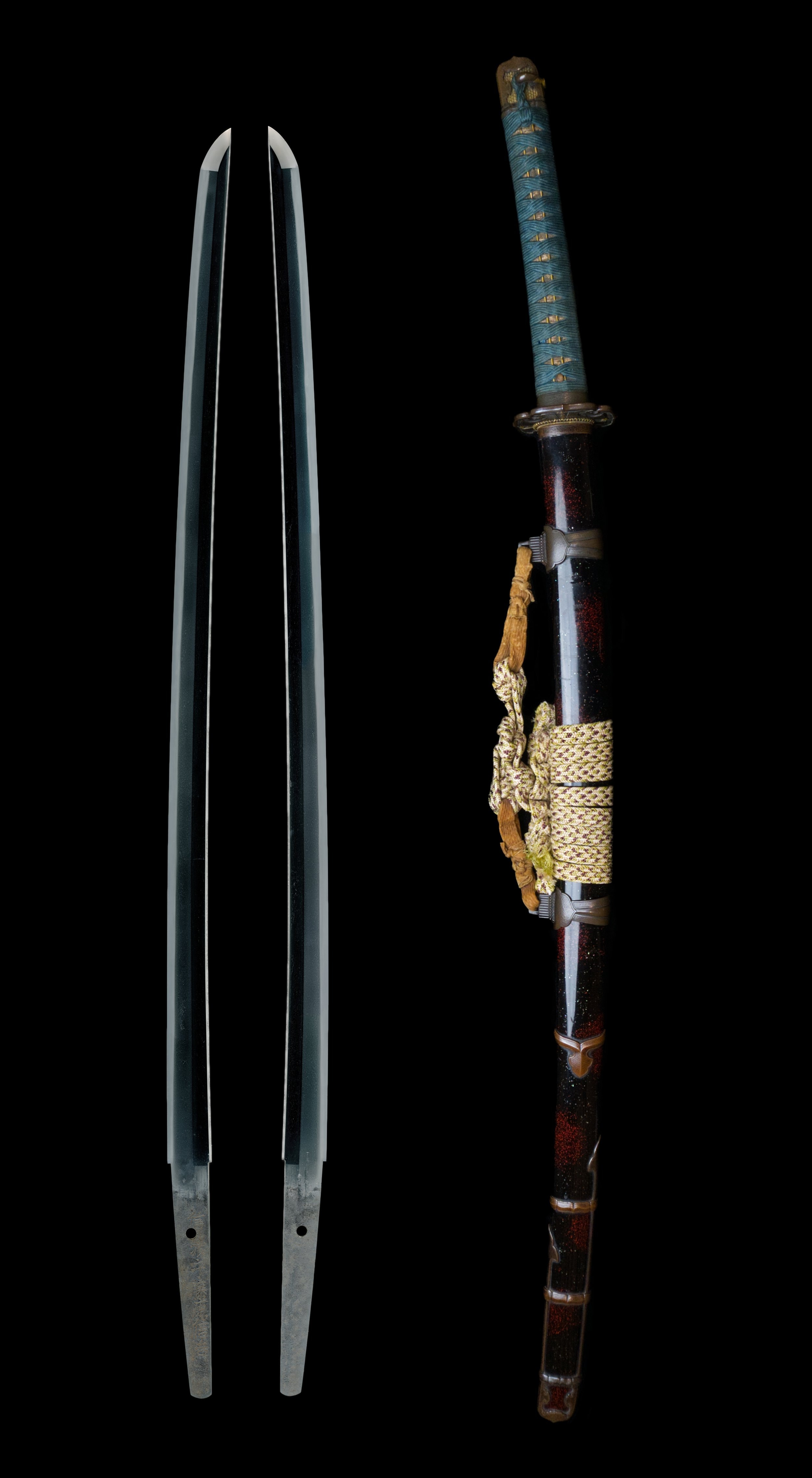
江戸は刀の目利きの時代である。本阿弥の鑑定、1719年の享保名物帳、盛んな刀剣書が、戦で抜かれることのなくなった刀を学問の対象へと変えていった。
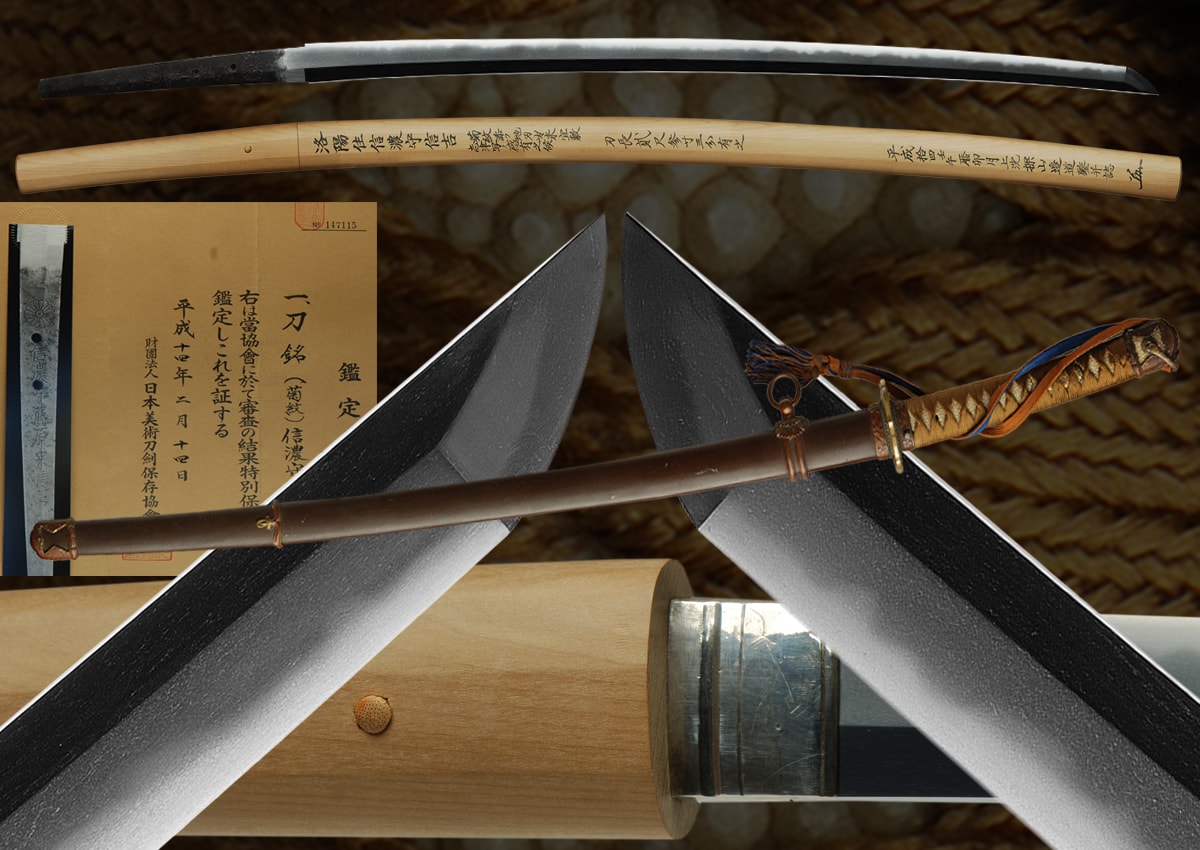
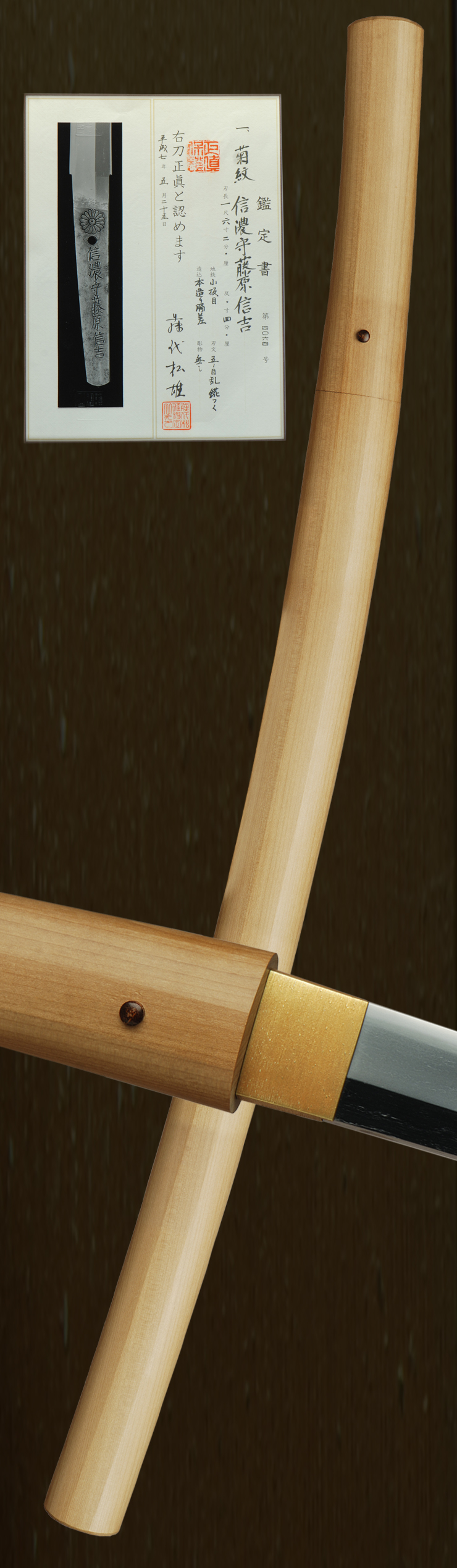
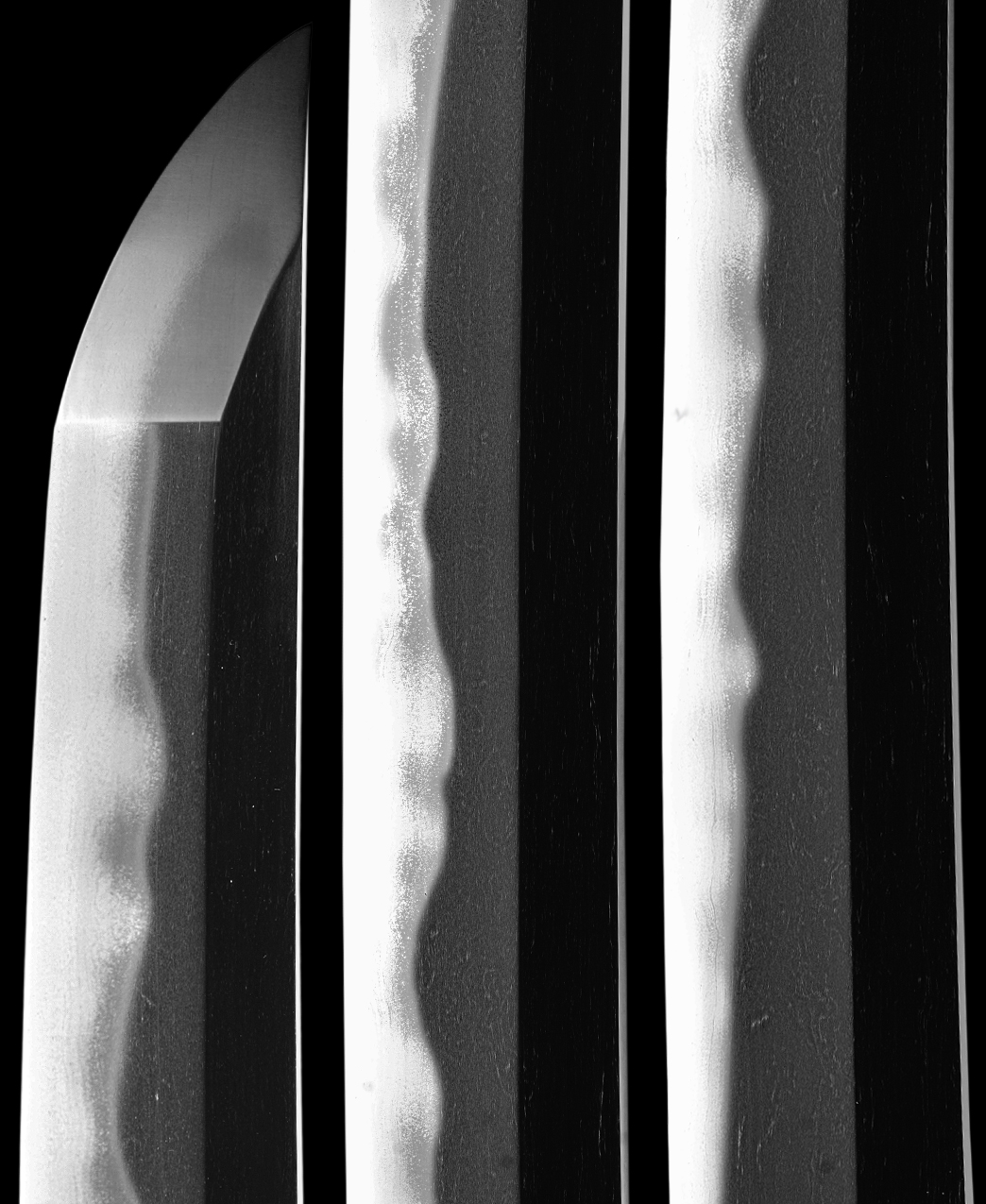
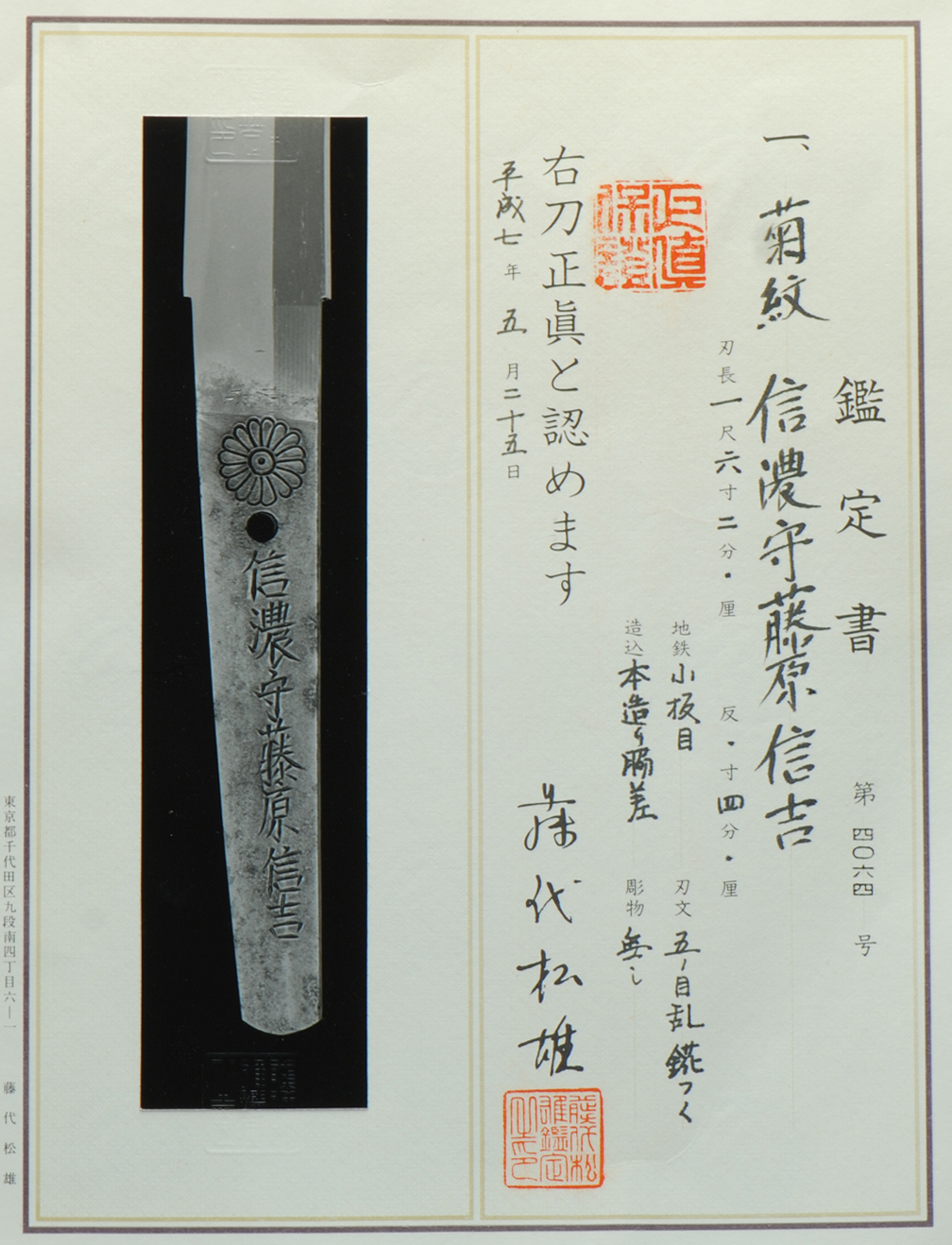
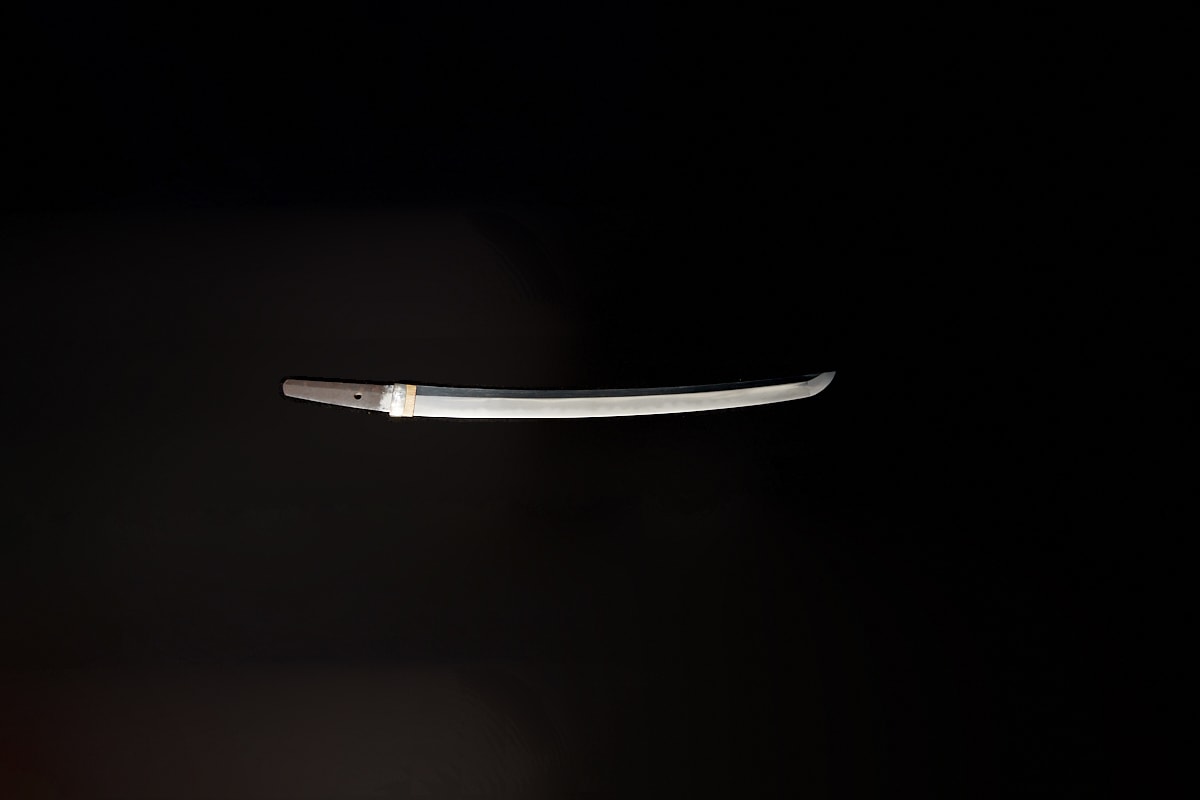
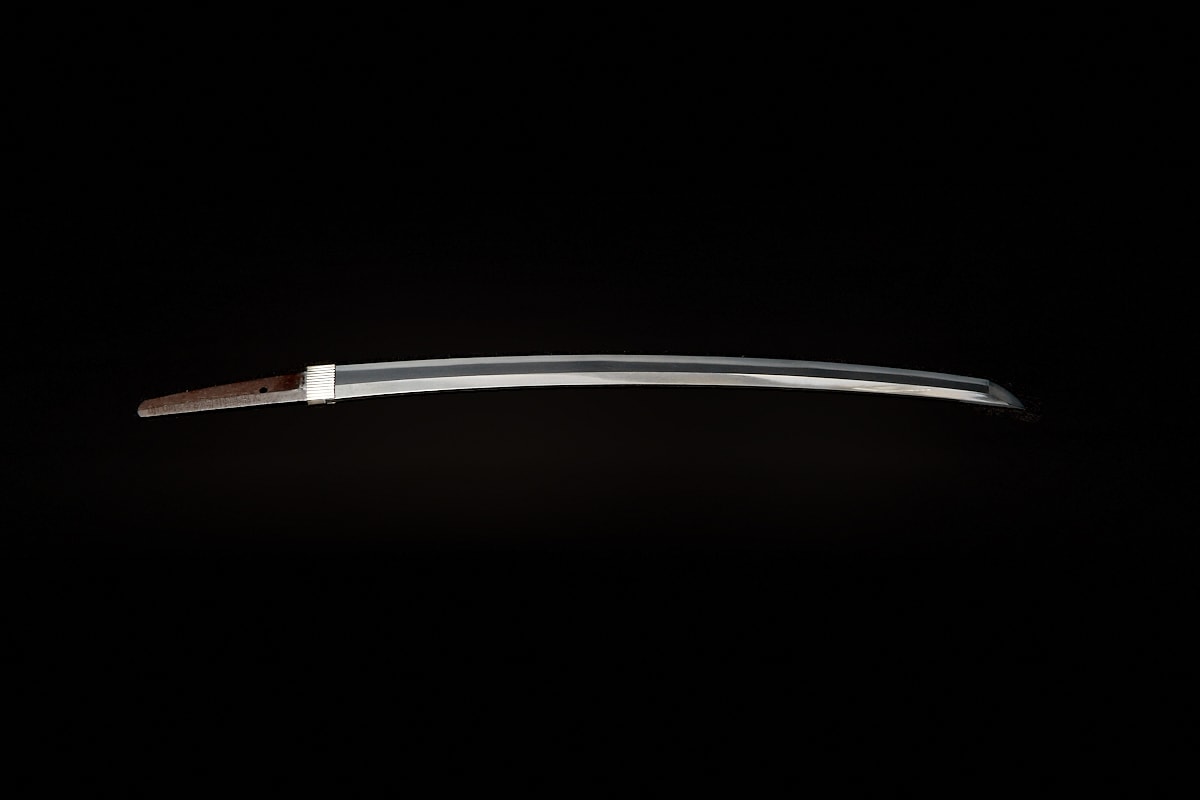
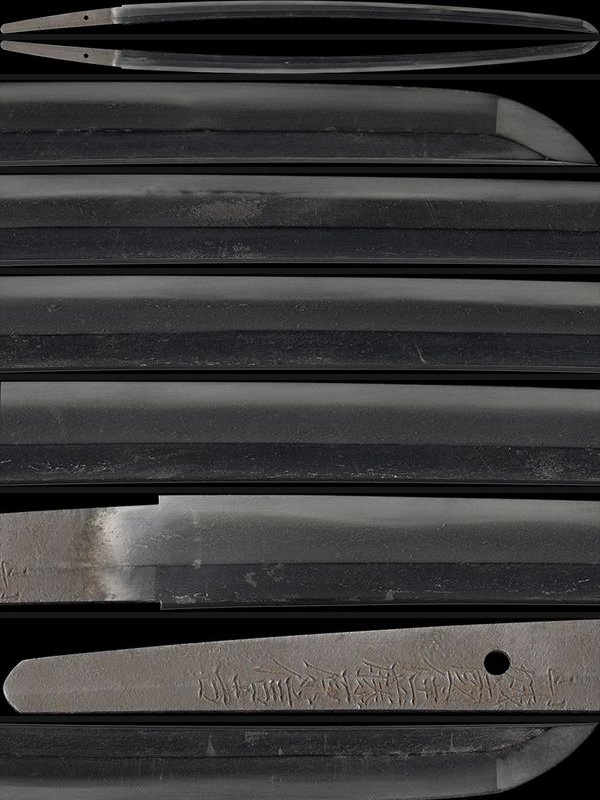
Yamashiro Nobuyoshi Wakazashi (fss-707) A fantastic early Shinto wakazashi this sword is reminiscent of old koto work. The blade is a signed piece with spectacular hada and vibrant hamon. It is signed and Ubu, a longish wakazashi at 19+-“. This blade is a true beauty. The hada is a well worked Mokume with Itame and covered in ji-nie . There is chikei and much nie clusters all over. The hamon is made up of a gunome midare with small clusters of nie the length of the blade. There is sunagasi and kinsuji as well as ko-nie.A great companion piece to the katana we have just posted..The Quintessential Shinto era Japanese Samurai sword, this blade is ubu and maintains the original signature and attributes. The blade comes mounted in shirasaya. there are fujishiro papers and was the sword polished by him. The blade itself is an exciting blend of Gunome with a beautiful thick frosting nie and nioi. The itame hada is tightly forged and very well made.Info from the Fujishiro Taikon:NOBUYOSHI SHINANO NO KAMI SHODAI [SHÔHÔ 1644 YAMASHIRO] SHINTÔ CHÛJÔSAKUHe lived in Heianjô, and (blades in which he inscribed) KIKU MON are also seen. He was a smith between the years of Kan’ei and Kanbun. (Wazamono)Signatures: SHINANO NO KAMI FUJIWARA NOBUYOSHIYAMASHIRO KUNI FUJIWARA NOBUYOSHIPlate III: SHINANO NO KAMI FUJIWARA NOBUYOSHIPage 206NOBUYOSHI SHINANO NO KAMI NIDAI [ENPÔ 1673 YAMASHIRO] SHINTÔ CHÛJÔSAKUHe is also called Takai Kinsaburô, and he also lived in Osaka. At first he called himself FUJIWARA, and he later changed to MINAMOTO.Signatures: RAKUYÔ JÛ SHINANO NO KAMI MINAMOTO NOBUYOSHISHINANO NO KAMI FUJIWARA NOBUYOSHIPlate I: RAKUYÔ JÛ SHINANO NO KAMI NOBUYOSHIMore info on Nobuyoshi:NOBUYOSHI (信吉), 1st gen., Shōhō (正保, 1644-1648), Yamashiro – “Shinano no Kami Minamoto Nobuyoshi” (信濃守源信吉), “Shinano no Kami Fujiwara Nobuyoshi” (信濃守藤原信吉), “Taiai Shinano no Kami Nobuyoshi” (高井信濃守信吉), “Rakuyō-jū Takai Shinano no Kami Fujiwara Nobuyoshi” (洛陽住高井信濃守藤原信吉), “Yamashiro no Kuni Fujiwara Nobuyoshi” (山城国藤原信吉), “Yamashiro no Kuni-jūnin Nobuyoshi” (山城国住人信吉), real name Takai Kinzaburō (高井金三郎, the first name also reads Kanesaburō), he came from the Mishina school and carved also a chrysanthemum onto his tangs, he used first the clan name Fujiwara and changed later to Minamoto but there exist also early works which are already signed with Minamoto, his younger brother was Echizen no Kami Nobuyoshi (越前守信吉) with whom a joint work exists, we know date signatures from the Shōhō era to the twelfth year of Kanbun (寛文, 1672), excellently tempered suguha or gunome in nie-deki with a wide nioiguchi, wazamono, chūjō-sakuThe wearing of daishō was limited to the samurai class, and became a symbol or badge of their rank. Daishō may have became popular around the end of the Muromachi period (1336 to 1573)as several early examples date from the late sixteenth century.An edict in 1629 defining the duties of a samurai required the wearing of a daishō when on official duty. During the Meiji period an edict was passed in 1871 abolishing the requirement of the wearing of daishō by samurai, and in 1876 the wearing of swords in public by most of Japan’s population was banned; this ended the use of the daishō as the symbol of the samurai, and the samurai class was abolished soon after the sword ban. Mei:[kiku-mon] Shinano no Kami Fujiwara Rai NobuyoshiDate:(正保, 1644-1648)Nagasa:19-1/4 inchesSori:10.0 mmWidth at the ha-machi:31.5 mmWidth at the yokote:21.2 mmThickness at the mune-machi:6.9 mmConstruction:Shinogi zukuriMune:IoriNakago:UbuKitae:Itame/mokumeHamon:Midare GunomeBoshi:MaruCondition:Good polish Translation of papers:kantei-sho (鑑定書) No. 4064• kiku-mon Shinano no Kami Fujiwara Nobuyoshi (菊紋 信濃守藤原信吉)hachô 1 shaku 6 sun 2 bu 0 ri jigane (地鉄): ko-itame (小板目)tsukurikomi: 造込): hon-zukuri wakizashi (本造り脇差)Migi no tô shôshin to mitomemasu (右刀正真と認めます)Heisei nananen gogatsu nijûgonichi (平成七年五月二十五日)Certificate• [Chrysanthemum crest] Shinano no Kami Fujiwara Nobuyoshisori 0 sun 4 bu 0 rihamon (刃文): gunome-midare (五ノ目乱), nie-tsuku (錵つく)horimono (彫物): nashi (無し)Fujishiro Matsuo (藤代松雄)page1image6528nagasa ~ 49.1 cm jigane: ko-itameShape: shinog-zukuri wakizashisori ~ 1,2 cmhamon: gunome-midare with nieEngravings: noneHerewith we confirm that this blade is authentic. May 25th 1995No. 4064Fujishiro Matsuo Subscribe for the Latest Updates!Join our mailing list to receive the latest News & Updates fromNihonto Antiques.SUBSCRIBEYou have Successfully Subscribed!Your email address will be kept private & will only be used to send updates from this site! MY INVESTMENT -30% = my bottom lineKo Nio Nambokucho katana $10,500 $7,350Takenori katana $6,500 4,550Akitomo katana $,4,800 3,360Chikushi Ryokai wakizashi $3,600 2,520Miyaguchi Yasuhiro $7,800 5,460Rai Nobuyoshi katana $12,250 8,575Rai Nobuyoshi wakizashi $6,000 4,200Zenjo $10,000 7,000Kunitake $9,226 6,450
 NihontoWatch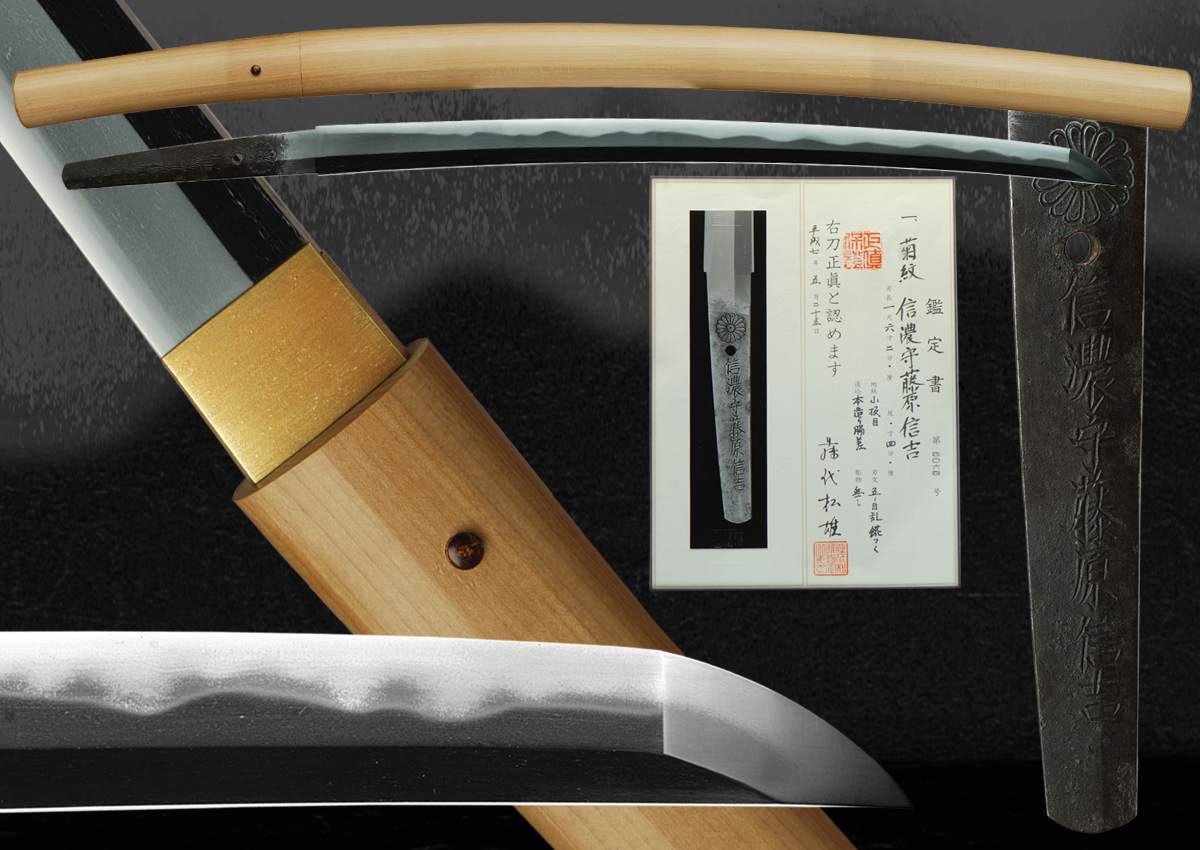

山城 · 1644-1648頃
藤代 Chu-jo saku · 刀剣大鑑 上位49%
現在5点販売中
江戸時代
江戸は刀の目利きの時代である。本阿弥の鑑定、1719年の享保名物帳、盛んな刀剣書が、戦で抜かれることのなくなった刀を学問の対象へと変えていった。
販売店の出品ページで鑑定書を確認できませんでした。日本刀および刀装具は通常、NBTHK(または NTHK)の鑑定を受けます。鑑定書がない場合、極めは販売店の見解にとどまり、第三者による確認は行われていません。ご購入前に販売店へ鑑定書の有無をお問い合わせのうえ、慎重にご判断ください。
We offer a 48 hour inspection period for all Antique items shipped within the United States only. If the item is not to your satisfaction, we will gladly refund your money less any shipping and handling fees. All sales are final after the 48 hour inspection period. Please note that all discounted items are a final sale and not returnable.
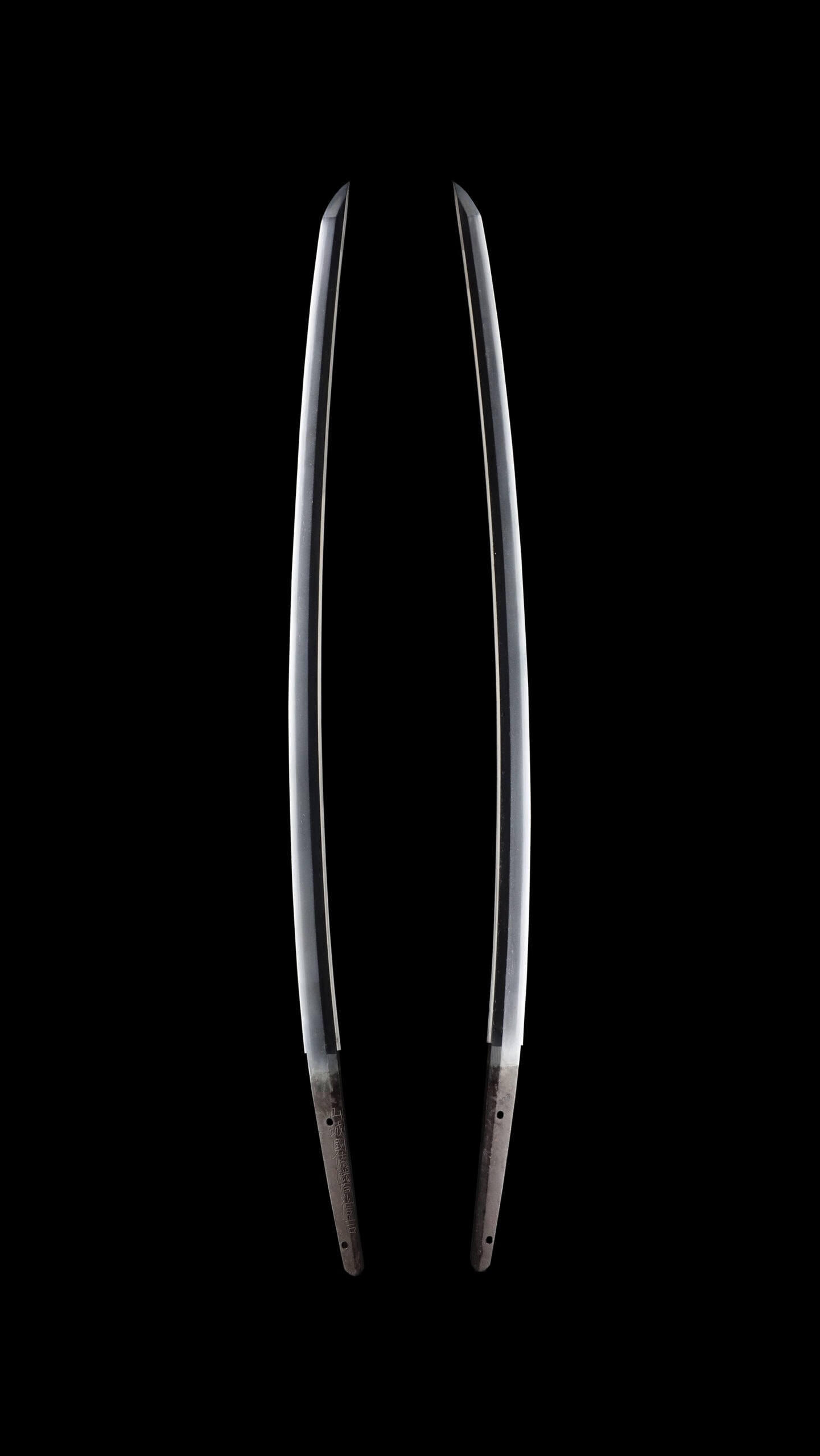


![Katana - Hozon - 作 信吉 - Katana [Mumei Shinano-no-kami Nobuyoshi (Wazamono)][N.B.T.H.K] Hozon Token](/_next/image?url=https%3A%2F%2Fitbhfhyptogxcjbjfzwx.supabase.co%2Fstorage%2Fv1%2Fobject%2Fpublic%2Flisting-images%2Fworld-seiyudo%2FL31372%2F00.jpg&w=2560&q=90)