Yamashiro Nobuyoshi Katana (fss-706)
売却済
世界81社の刀剣商を横断追跡 · 価格履歴 · 売却アーカイブ
仕様
70.8 cm
1.2 cm
3.02 cm
2.02 cm
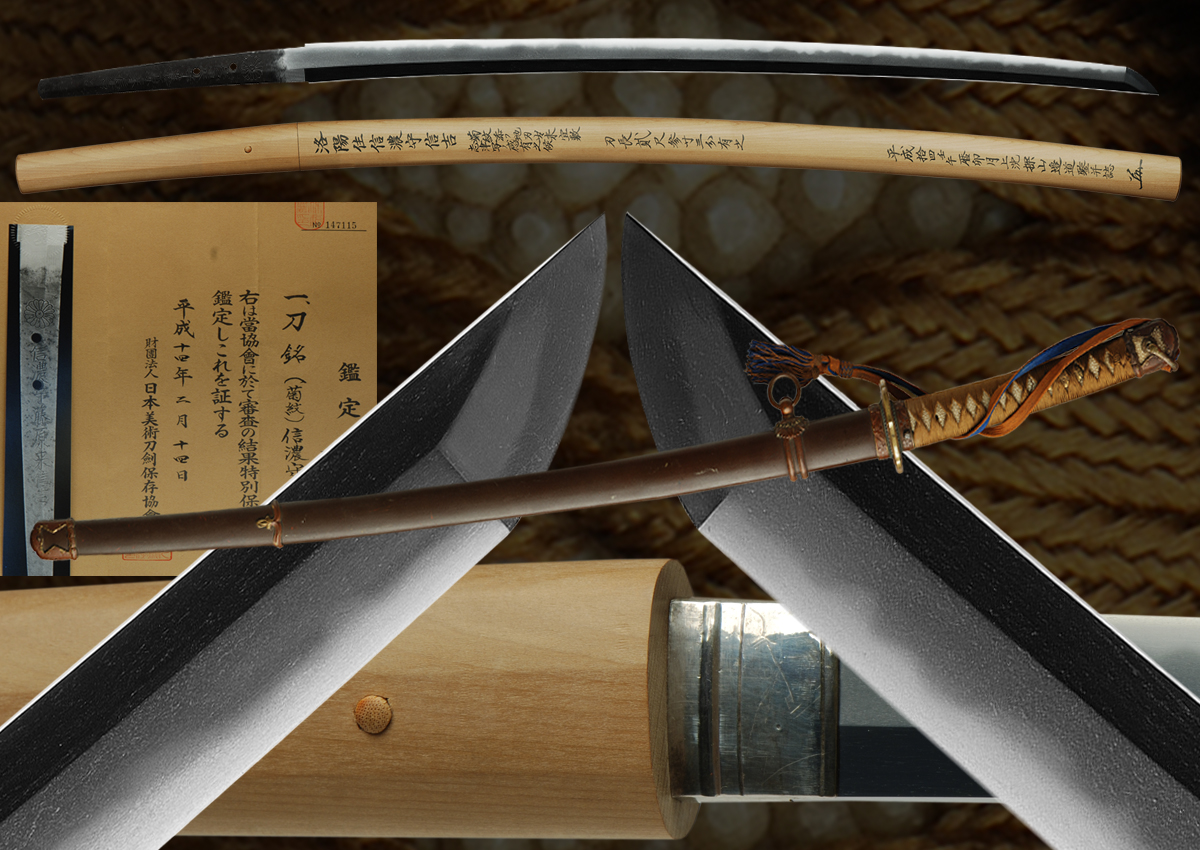
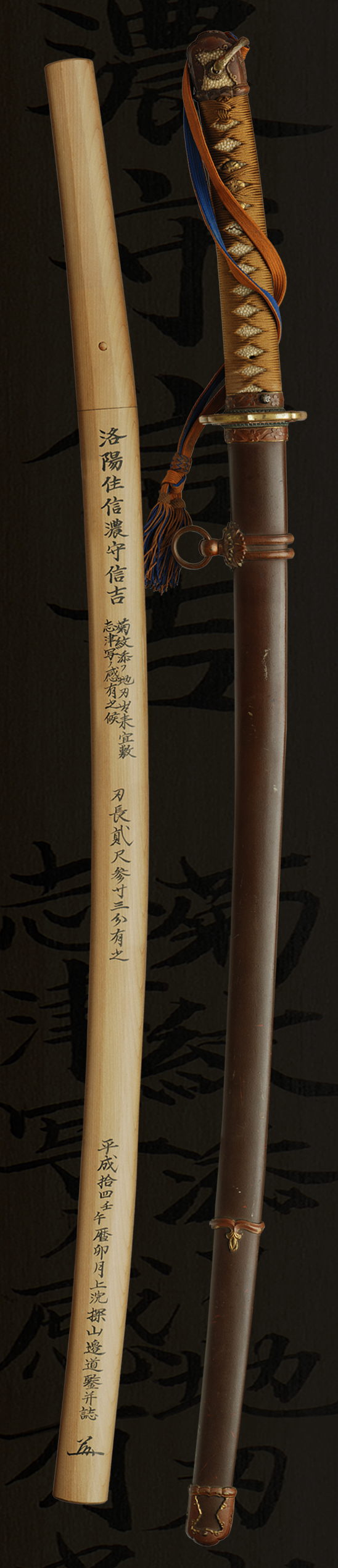
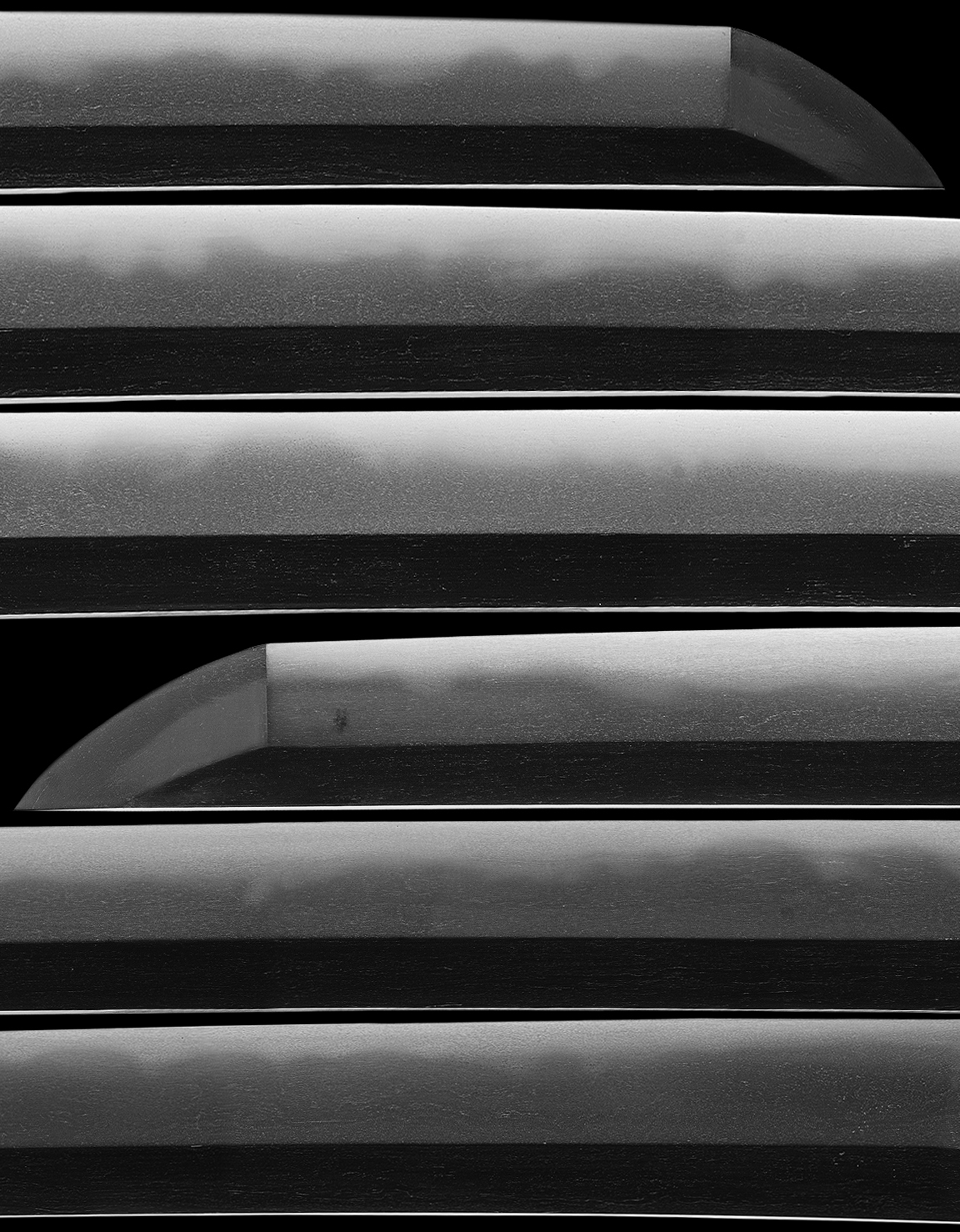
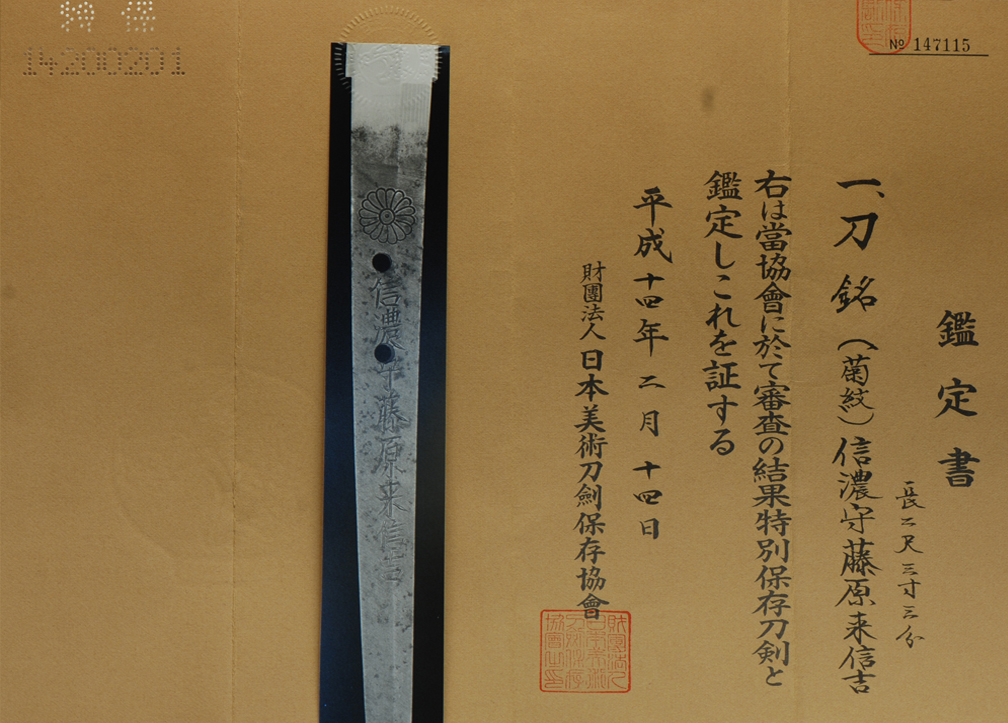
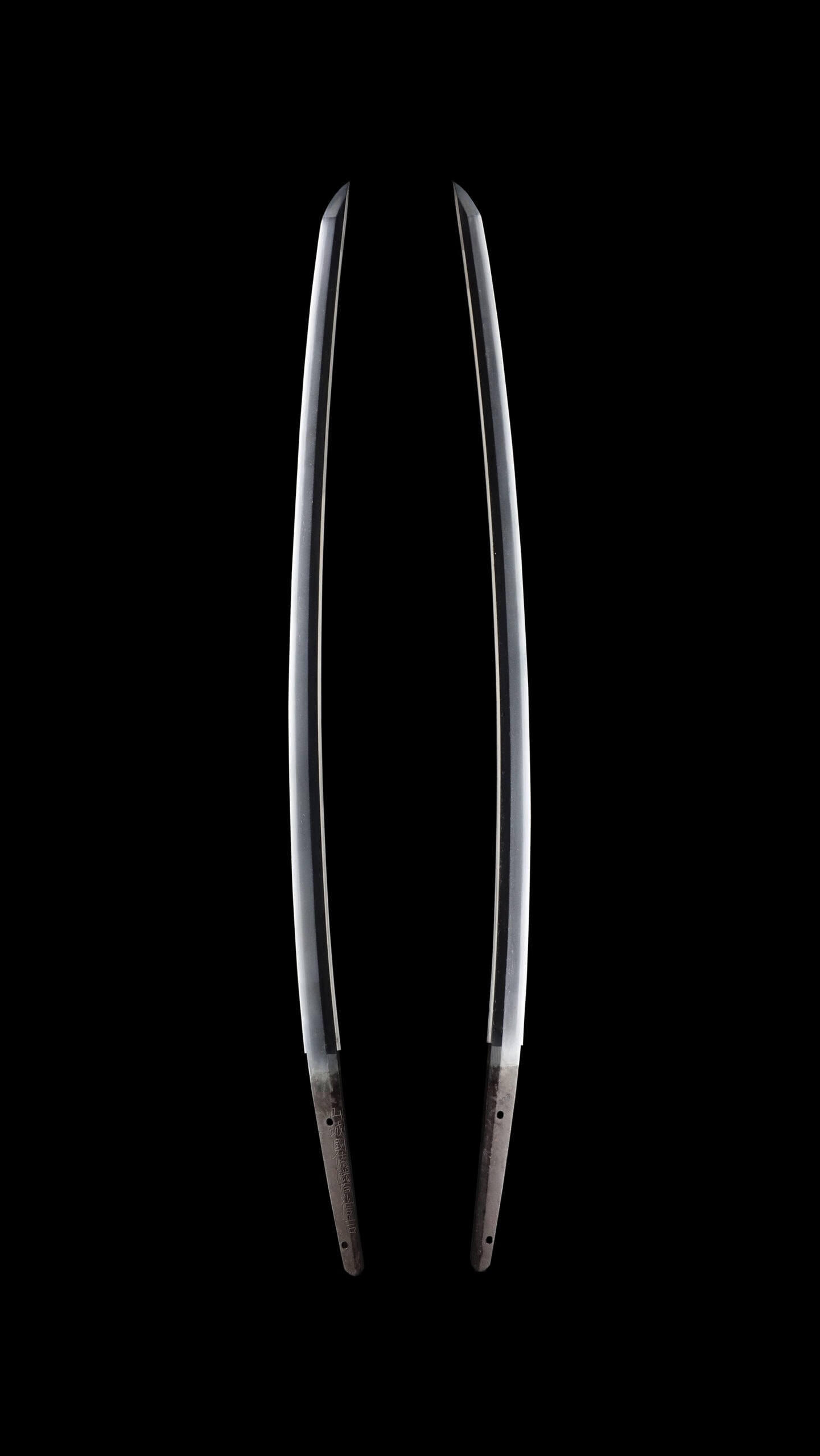
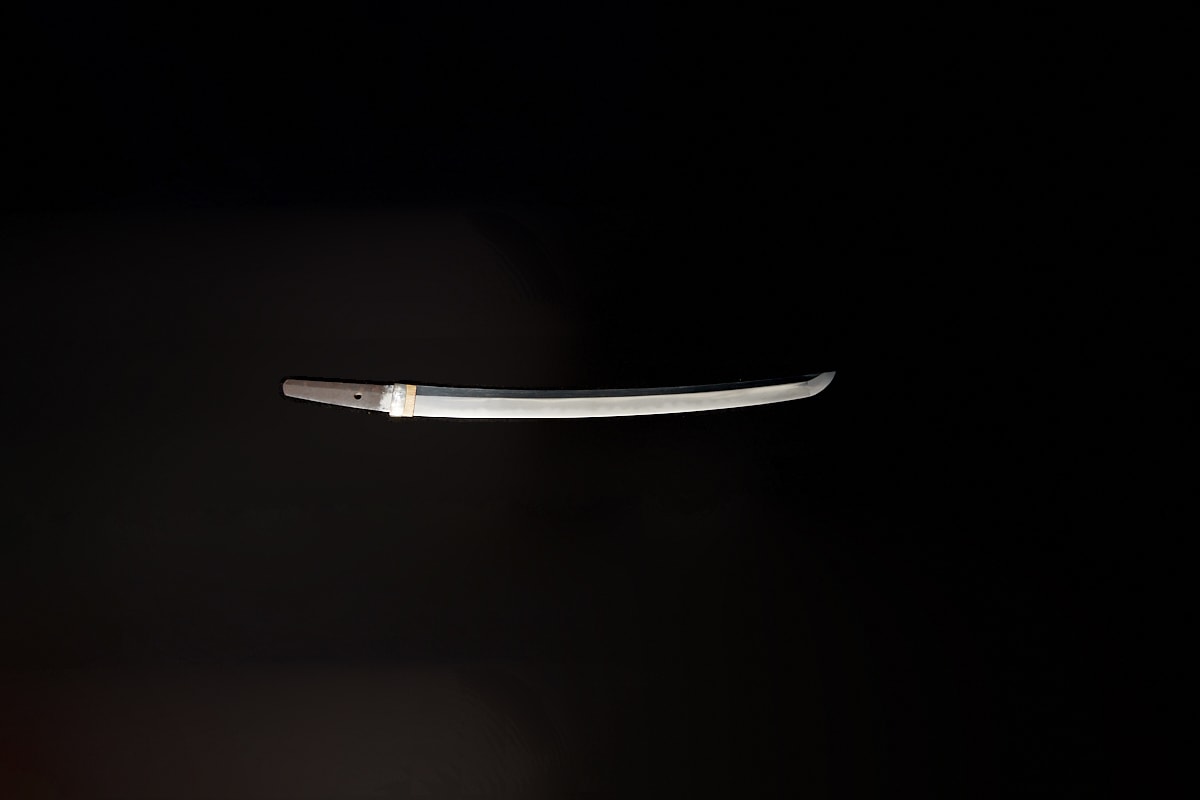
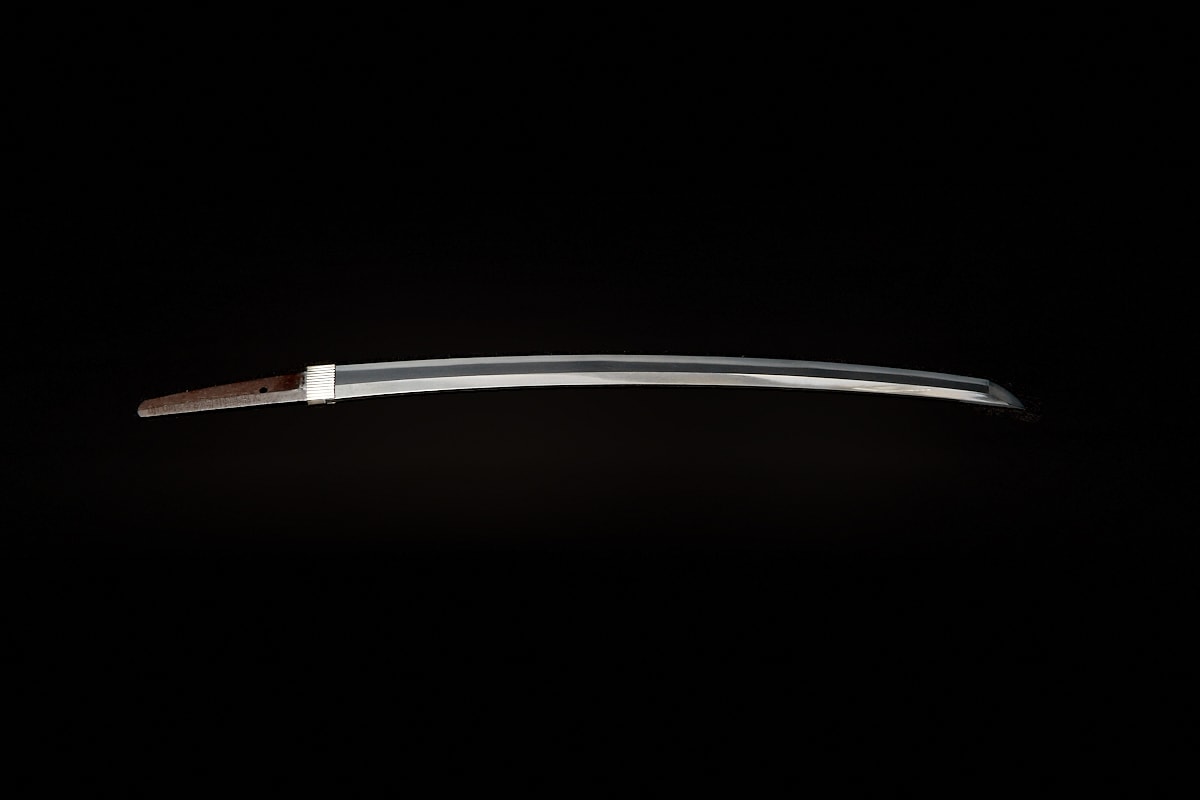
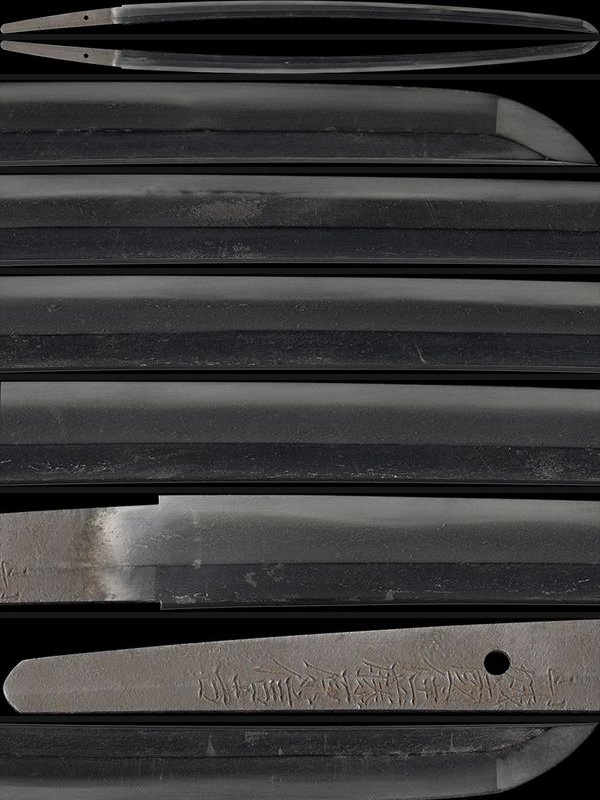
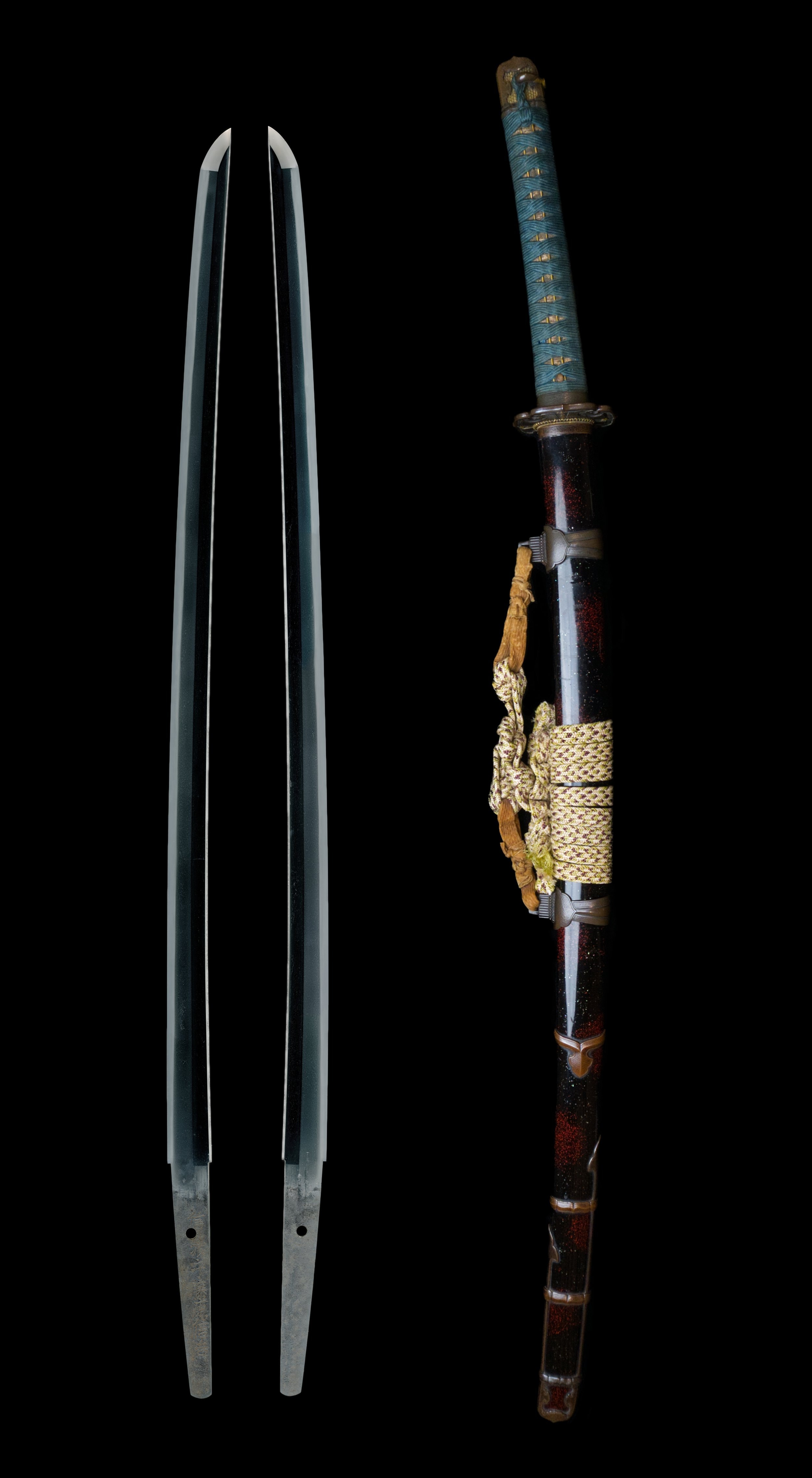
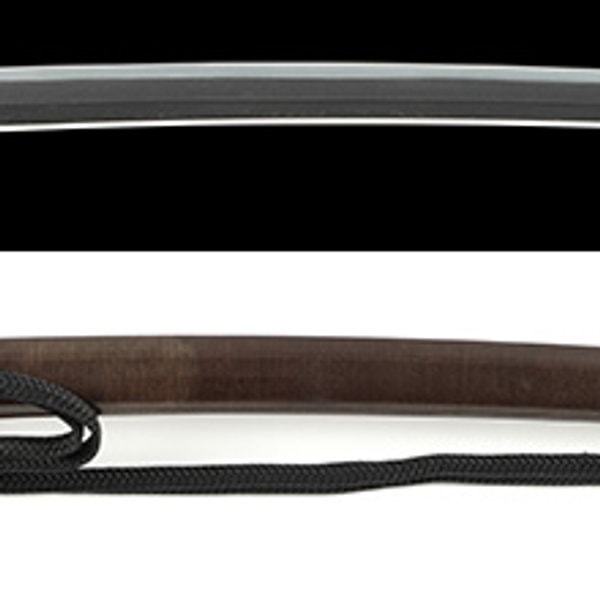
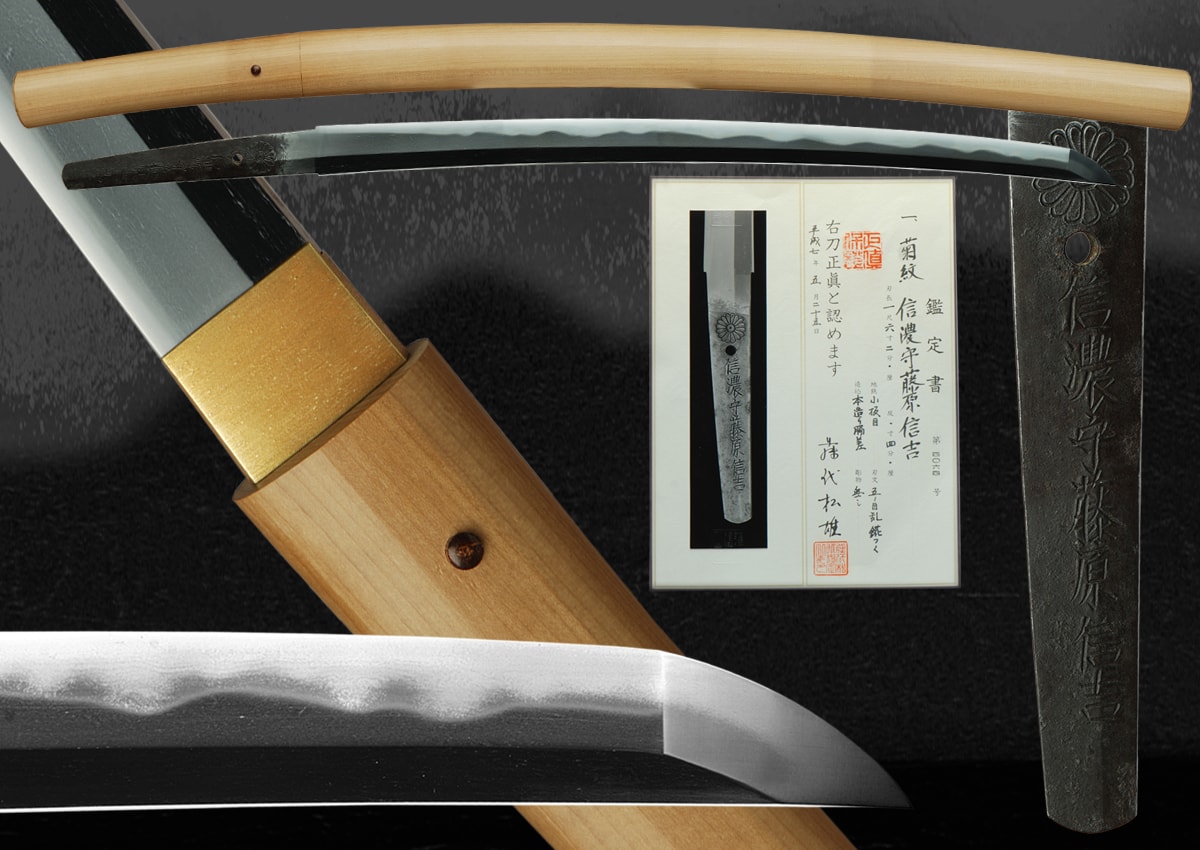
Yamashiro Nobuyoshi Katana (fss-706) Item description:fantastic early Shinto katana, this sword is reminiscent of old koto work. The blade is a signed piece with spectacular hada and a vibrant hamon. It is signed and Ubu, a long sword at 27-7/8′′. This blade is a true beauty. The hada is a well worked Mokume with Itame and covered in ji-nie . There is chikei and much nie all over. The hamon is made up of a gunome base in notare with small clusters of nie the length of the blade. There is sunagasi and kinsuji as well as ko-nie. An impressive sword with much to appreciate.The Quintessential Shinto era Japanese Samurai sword, this blade is ubu and maintains the original signature and attributes. The blade comes with original military mounts. It also has a Shirasaya with sayagaki from Tanobe-San of the NBTHK. The blade itself is an exciting blend of Notare and Gunome with a beautiful thick frosting of nie and nioi. The itame hada is tightly forged and very well made.Info from the Fujishiro Taikon:NOBUYOSHI SHINANO NO KAMI SHODAI [SHÔHÔ 1644 YAMASHIRO] SHINTÔ CHÛJÔSAKUHe lived in Heianjô, and (blades in which he inscribed) KIKU MON are also seen. He was a smith between the years of Kan’ei and Kanbun. (Wazamono)Signatures: SHINANO NO KAMI FUJIWARA NOBUYOSHIYAMASHIRO KUNI FUJIWARA NOBUYOSHIPlate III: SHINANO NO KAMI FUJIWARA NOBUYOSHIPage 206NOBUYOSHI SHINANO NO KAMI NIDAI [ENPÔ 1673 YAMASHIRO] SHINTÔ CHÛJÔSAKUHe is also called Takai Kinsaburô, and he also lived in Osaka. At first he called himself FUJIWARA, and he later changed to MINAMOTO.Signatures: RAKUYÔ JÛ SHINANO NO KAMI MINAMOTO NOBUYOSHISHINANO NO KAMI FUJIWARA NOBUYOSHIPlate I: RAKUYÔ JÛ SHINANO NO KAMI NOBUYOSHIMore info on Nobuyoshi:NOBUYOSHI (信吉), 1st gen., Shōhō (正保, 1644-1648), Yamashiro – “Shinano no Kami Minamoto Nobuyoshi” (信濃守源信吉), “Shinano no Kami Fujiwara Nobuyoshi” (信濃守藤原信吉), “Taiai Shinano no Kami Nobuyoshi” (高井信濃守信吉), “Rakuyō-jū Takai Shinano no Kami Fujiwara Nobuyoshi” (洛陽住高井信濃守藤原信吉), “Yamashiro no Kuni Fujiwara Nobuyoshi” (山城国藤原信吉), “Yamashiro no Kuni-jūnin Nobuyoshi” (山城国住人信吉), real name Takai Kinzaburō (高井金三郎, the first name also reads Kanesaburō), he came from the Mishina school and carved also a chrysanthemum onto his tangs, he used first the clan name Fujiwara and changed later to Minamoto but there exist also early works which are already signed with Minamoto, his younger brother was Echizen no Kami Nobuyoshi (越前守信吉) with whom a joint work exists, we know date signatures from the Shōhō era to the twelfth year of Kanbun (寛文, 1672), excellently tempered suguha or gunome in nie-deki with a wide nioiguchi, wazamono, chūjō-sakuThe wearing of daishō was limited to the samurai class, and became a symbol or badge of their rank. Daishō may have became popular around the end of the Muromachi period (1336 to 1573)as several early examples date from the late sixteenth century.An edict in 1629 defining the duties of a samurai required the wearing of a daishō when on official duty. During the Meiji period an edict was passed in 1871 abolishing the requirement of the wearing of daishō by samurai, and in 1876 the wearing of swords in public by most of Japan’s population was banned; this ended the use of the daishō as the symbol of the samurai, and the samurai class was abolished soon after the sword ban.TO NOTE:WE HAVE POSTED A WAKAZASHI BY THE SAME SMITH, THIS WOULD BE A GREAT PAIR TO MOUNT AS A DAISHO. A POTENTIALLY GREAT PROJECT AND INVESTMENT.Please follow this link to see the matching wakazashi to this katanaWAKAZASHI LINK Mei:[kiku-mon] Shinano no Kami Fujiwara Rai NobuyoshiDate:(正保, 1644-1648)Nagasa:27-7/8 inchesSori:12.0 mmWidth at the ha-machi:30.2 mmWidth at the yokote:20.2 mmThickness at the mune-machi:7.1 mmConstruction:Shinogi zukuriMune:IoriNakago:UbuKitae:Itame/mokumeHamon:Midare GunomeBoshi:MaruCondition:Good polish Sayagaki info on scabbard:洛陽住信濃守信吉菊紋添フ地刃出来宜敷 志津写ノ感有之候 刃長貮尺参寸三分有之 平成拾四壬午暦卯月上浣探山邉道鑒并誌Rakuyô-jû Shinano no Kami NobuyoshiKiku-mon sou jiba deki yoroshikuShizu-utsushi no kan kore ari sôrôHachô 2 shaku 3 sun 3 bu kore ariHeisei jûyon mizunoe-umadoshi uzuki jôkan Tanzan Hendô kangamite narabi ni shirushite + kaôShinano no Kami Nobuyoshi, resident of KyôtoThis blade bears a chrysanthemum crest, is of an excellent deki, and can be seen as a Shizu copy.Blade length ~ 70.6 cmExamined and written by Tanzan Hendô [Tanobe Michihiro] in the first third of April 2002, year of the horse + kaô Translation of papers:kantei-sho (鑑定書) No 147115 katana, mei: [kiku-mon] Shinano no Kami Fujiwara Rai Nobuyoshi (信濃守藤原来信吉)nagasa 2 shaku 3 sun 3 bu Migi wa tô-kyôkai ni oite shinsa no kekka, tokubetsu-hozon-tôken to kantei-shi kore o shô-suru.(右は當協會に於て審査の結果特別保存刀剣と鑑定しこれを証する)Heisei jûyonen nigatsu jûyokka (平成十四年二月十四日)zaidan-hôjin (財團法人): Nihon Bijutsu Tôken Hozon Kyôkai (日本美術刀劍保存協會)Appraisalkatana, signed: [chrysanthemum crest] Shinano no Kami Fujiwara Rai Nobuyoshinagasa ~ 70.6 cm According to the result of the shinsa committee of our society

売却済
世界81社の刀剣商を横断追跡 · 価格履歴 · 売却アーカイブ
70.8 cm
1.2 cm
3.02 cm
2.02 cm
Yamashiro Nobuyoshi Katana (fss-706) Item description:fantastic early Shinto katana, this sword is reminiscent of old koto work. The blade is a signed piece with spectacular hada and a vibrant hamon. It is signed and Ubu, a long sword at 27-7/8′′. This blade is a true beauty. The hada is a well worked Mokume with Itame and covered in ji-nie . There is chikei and much nie all over. The hamon is made up of a gunome base in notare with small clusters of nie the length of the blade. There is sunagasi and kinsuji as well as ko-nie. An impressive sword with much to appreciate.The Quintessential Shinto era Japanese Samurai sword, this blade is ubu and maintains the original signature and attributes. The blade comes with original military mounts. It also has a Shirasaya with sayagaki from Tanobe-San of the NBTHK. The blade itself is an exciting blend of Notare and Gunome with a beautiful thick frosting of nie and nioi. The itame hada is tightly forged and very well made.Info from the Fujishiro Taikon:NOBUYOSHI SHINANO NO KAMI SHODAI [SHÔHÔ 1644 YAMASHIRO] SHINTÔ CHÛJÔSAKUHe lived in Heianjô, and (blades in which he inscribed) KIKU MON are also seen. He was a smith between the years of Kan’ei and Kanbun. (Wazamono)Signatures: SHINANO NO KAMI FUJIWARA NOBUYOSHIYAMASHIRO KUNI FUJIWARA NOBUYOSHIPlate III: SHINANO NO KAMI FUJIWARA NOBUYOSHIPage 206NOBUYOSHI SHINANO NO KAMI NIDAI [ENPÔ 1673 YAMASHIRO] SHINTÔ CHÛJÔSAKUHe is also called Takai Kinsaburô, and he also lived in Osaka. At first he called himself FUJIWARA, and he later changed to MINAMOTO.Signatures: RAKUYÔ JÛ SHINANO NO KAMI MINAMOTO NOBUYOSHISHINANO NO KAMI FUJIWARA NOBUYOSHIPlate I: RAKUYÔ JÛ SHINANO NO KAMI NOBUYOSHIMore info on Nobuyoshi:NOBUYOSHI (信吉), 1st gen., Shōhō (正保, 1644-1648), Yamashiro – “Shinano no Kami Minamoto Nobuyoshi” (信濃守源信吉), “Shinano no Kami Fujiwara Nobuyoshi” (信濃守藤原信吉), “Taiai Shinano no Kami Nobuyoshi” (高井信濃守信吉), “Rakuyō-jū Takai Shinano no Kami Fujiwara Nobuyoshi” (洛陽住高井信濃守藤原信吉), “Yamashiro no Kuni Fujiwara Nobuyoshi” (山城国藤原信吉), “Yamashiro no Kuni-jūnin Nobuyoshi” (山城国住人信吉), real name Takai Kinzaburō (高井金三郎, the first name also reads Kanesaburō), he came from the Mishina school and carved also a chrysanthemum onto his tangs, he used first the clan name Fujiwara and changed later to Minamoto but there exist also early works which are already signed with Minamoto, his younger brother was Echizen no Kami Nobuyoshi (越前守信吉) with whom a joint work exists, we know date signatures from the Shōhō era to the twelfth year of Kanbun (寛文, 1672), excellently tempered suguha or gunome in nie-deki with a wide nioiguchi, wazamono, chūjō-sakuThe wearing of daishō was limited to the samurai class, and became a symbol or badge of their rank. Daishō may have became popular around the end of the Muromachi period (1336 to 1573)as several early examples date from the late sixteenth century.An edict in 1629 defining the duties of a samurai required the wearing of a daishō when on official duty. During the Meiji period an edict was passed in 1871 abolishing the requirement of the wearing of daishō by samurai, and in 1876 the wearing of swords in public by most of Japan’s population was banned; this ended the use of the daishō as the symbol of the samurai, and the samurai class was abolished soon after the sword ban.TO NOTE:WE HAVE POSTED A WAKAZASHI BY THE SAME SMITH, THIS WOULD BE A GREAT PAIR TO MOUNT AS A DAISHO. A POTENTIALLY GREAT PROJECT AND INVESTMENT.Please follow this link to see the matching wakazashi to this katanaWAKAZASHI LINK Mei:[kiku-mon] Shinano no Kami Fujiwara Rai NobuyoshiDate:(正保, 1644-1648)Nagasa:27-7/8 inchesSori:12.0 mmWidth at the ha-machi:30.2 mmWidth at the yokote:20.2 mmThickness at the mune-machi:7.1 mmConstruction:Shinogi zukuriMune:IoriNakago:UbuKitae:Itame/mokumeHamon:Midare GunomeBoshi:MaruCondition:Good polish Sayagaki info on scabbard:洛陽住信濃守信吉菊紋添フ地刃出来宜敷 志津写ノ感有之候 刃長貮尺参寸三分有之 平成拾四壬午暦卯月上浣探山邉道鑒并誌Rakuyô-jû Shinano no Kami NobuyoshiKiku-mon sou jiba deki yoroshikuShizu-utsushi no kan kore ari sôrôHachô 2 shaku 3 sun 3 bu kore ariHeisei jûyon mizunoe-umadoshi uzuki jôkan Tanzan Hendô kangamite narabi ni shirushite + kaôShinano no Kami Nobuyoshi, resident of KyôtoThis blade bears a chrysanthemum crest, is of an excellent deki, and can be seen as a Shizu copy.Blade length ~ 70.6 cmExamined and written by Tanzan Hendô [Tanobe Michihiro] in the first third of April 2002, year of the horse + kaô Translation of papers:kantei-sho (鑑定書) No 147115 katana, mei: [kiku-mon] Shinano no Kami Fujiwara Rai Nobuyoshi (信濃守藤原来信吉)nagasa 2 shaku 3 sun 3 bu Migi wa tô-kyôkai ni oite shinsa no kekka, tokubetsu-hozon-tôken to kantei-shi kore o shô-suru.(右は當協會に於て審査の結果特別保存刀剣と鑑定しこれを証する)Heisei jûyonen nigatsu jûyokka (平成十四年二月十四日)zaidan-hôjin (財團法人): Nihon Bijutsu Tôken Hozon Kyôkai (日本美術刀劍保存協會)Appraisalkatana, signed: [chrysanthemum crest] Shinano no Kami Fujiwara Rai Nobuyoshinagasa ~ 70.6 cm According to the result of the shinsa committee of our society

売却済
世界81社の刀剣商を横断追跡 · 価格履歴 · 売却アーカイブ
70.8 cm
1.2 cm
3.02 cm
2.02 cm