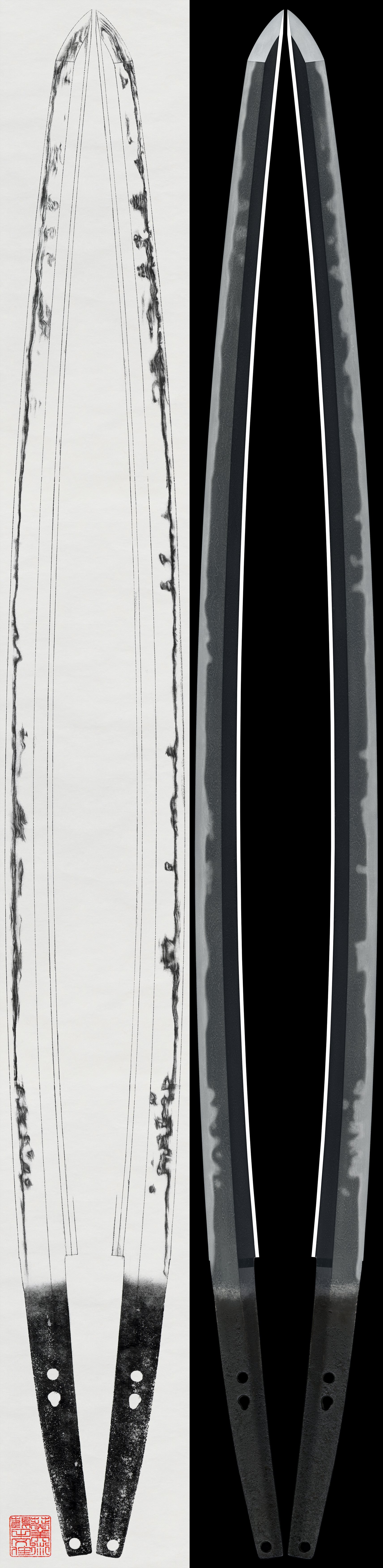
1800年前後、水心子正秀は著述をもって、鍛刀は古作の法に立ち返るべしと説いた。復古刀の運動である。最大の後継者直胤は、数百年絶えていた備前伝と相州伝を確信をもって再現した。
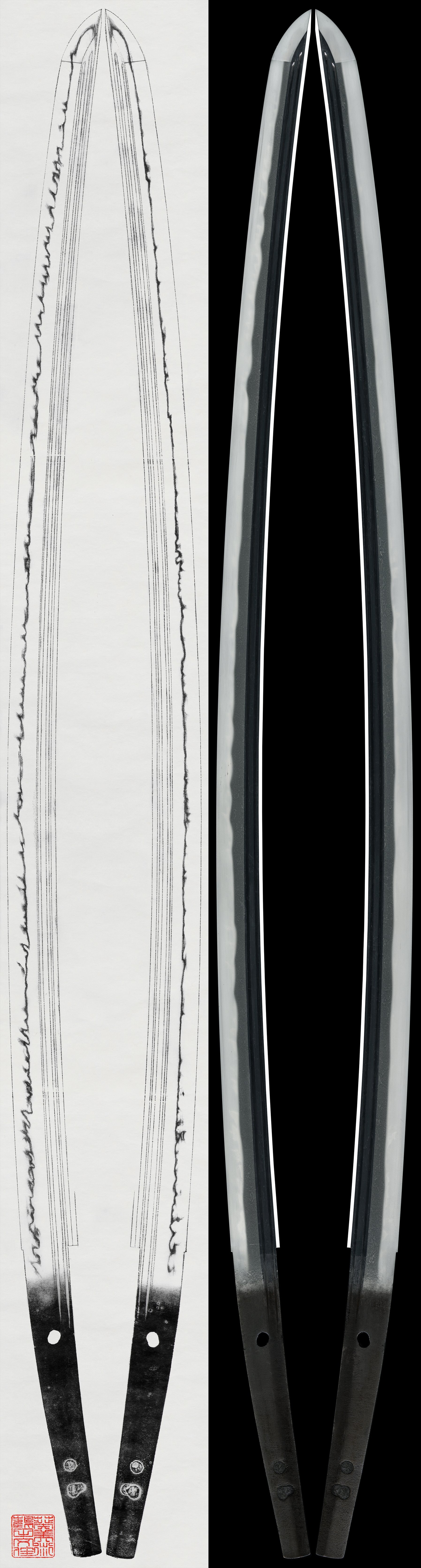
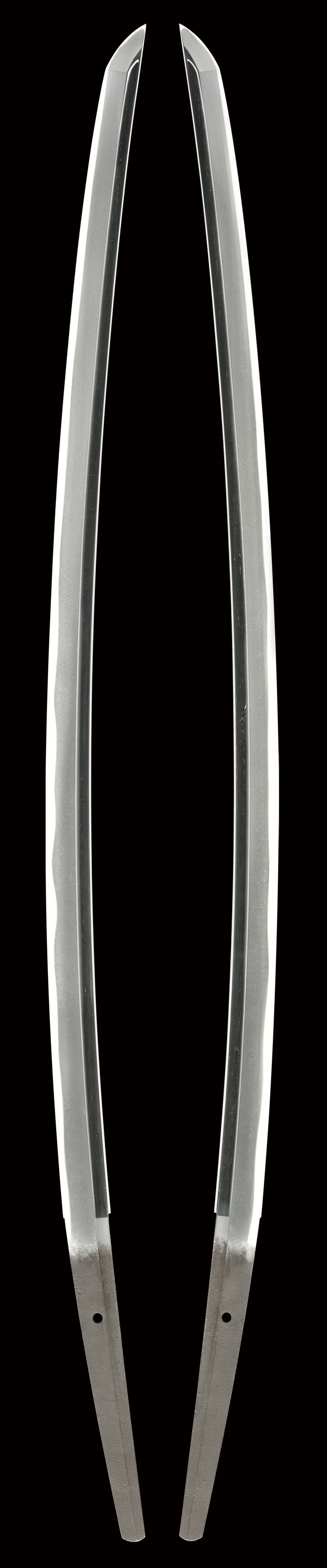
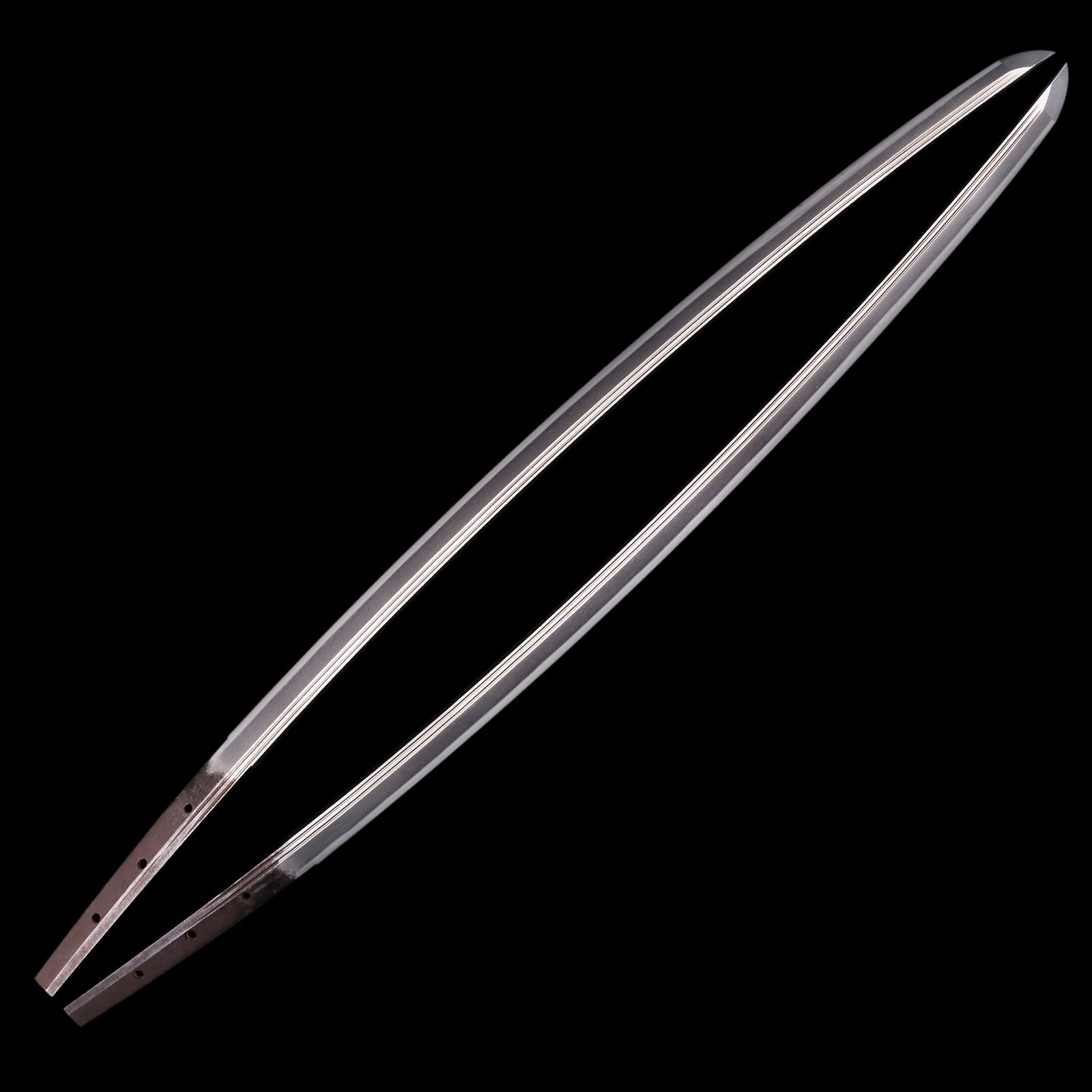
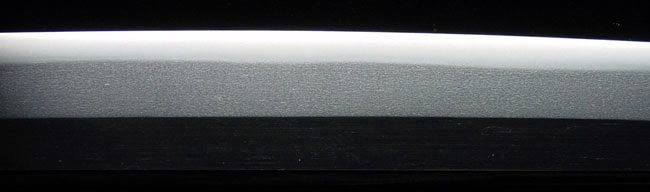
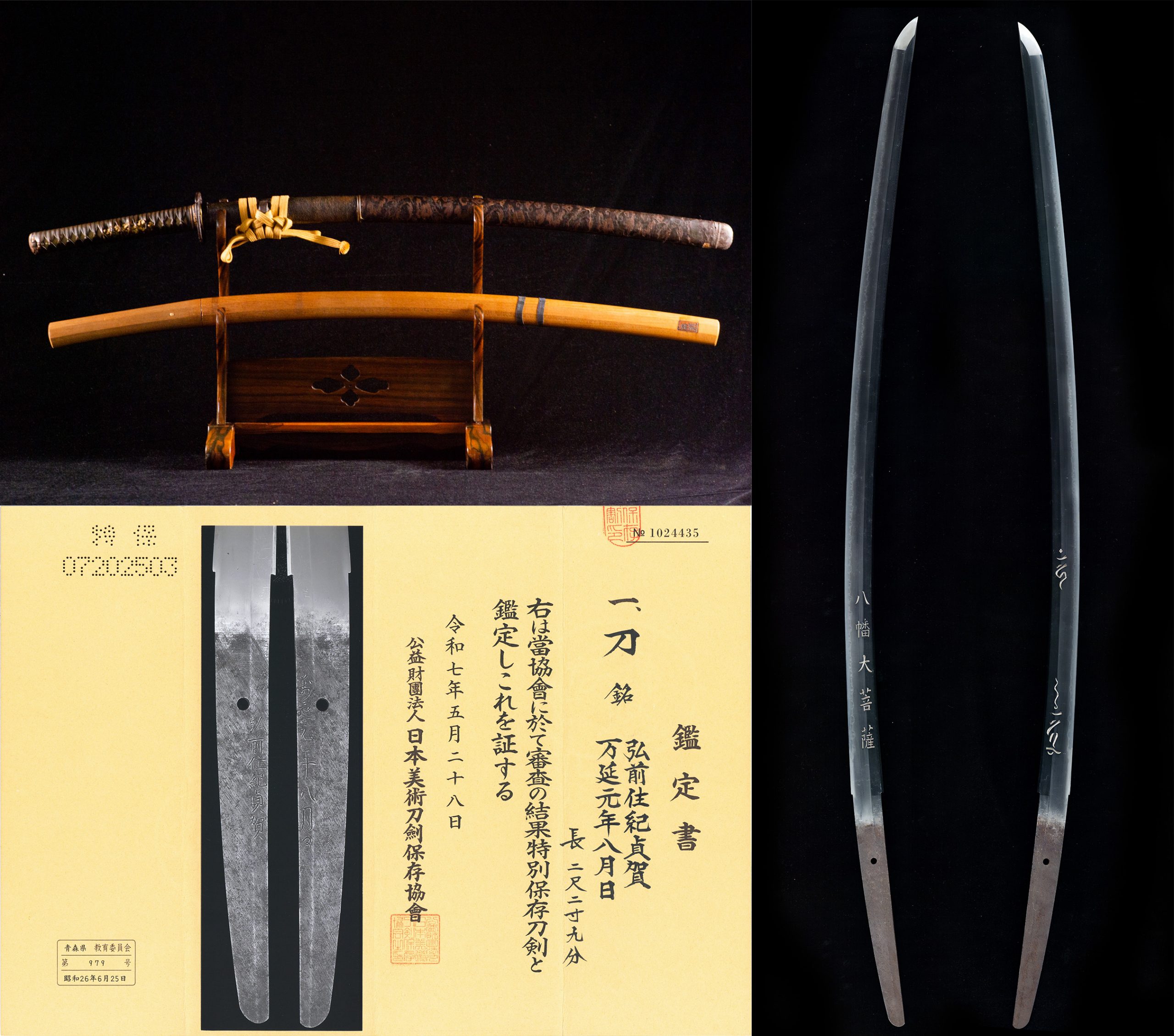
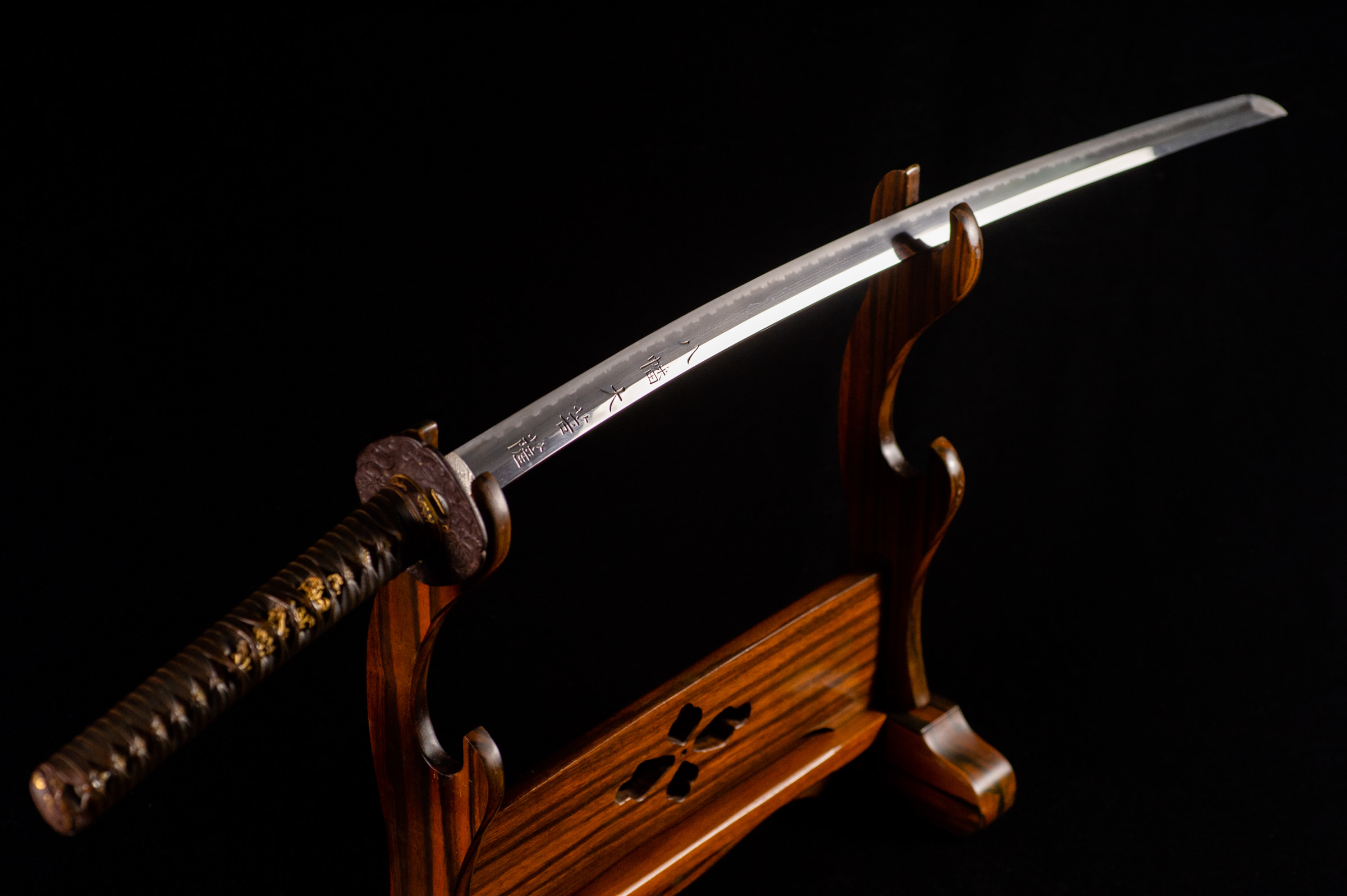
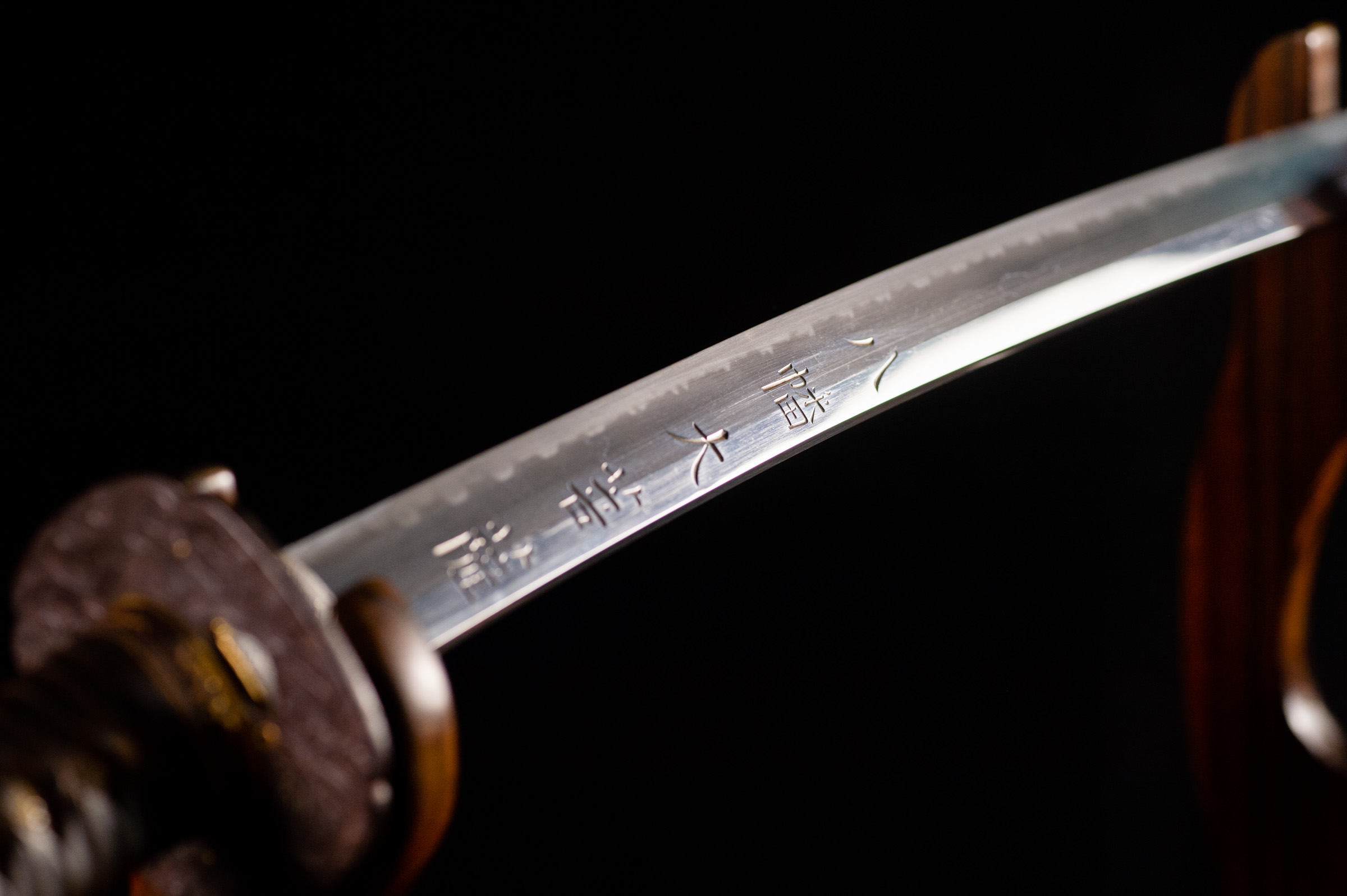
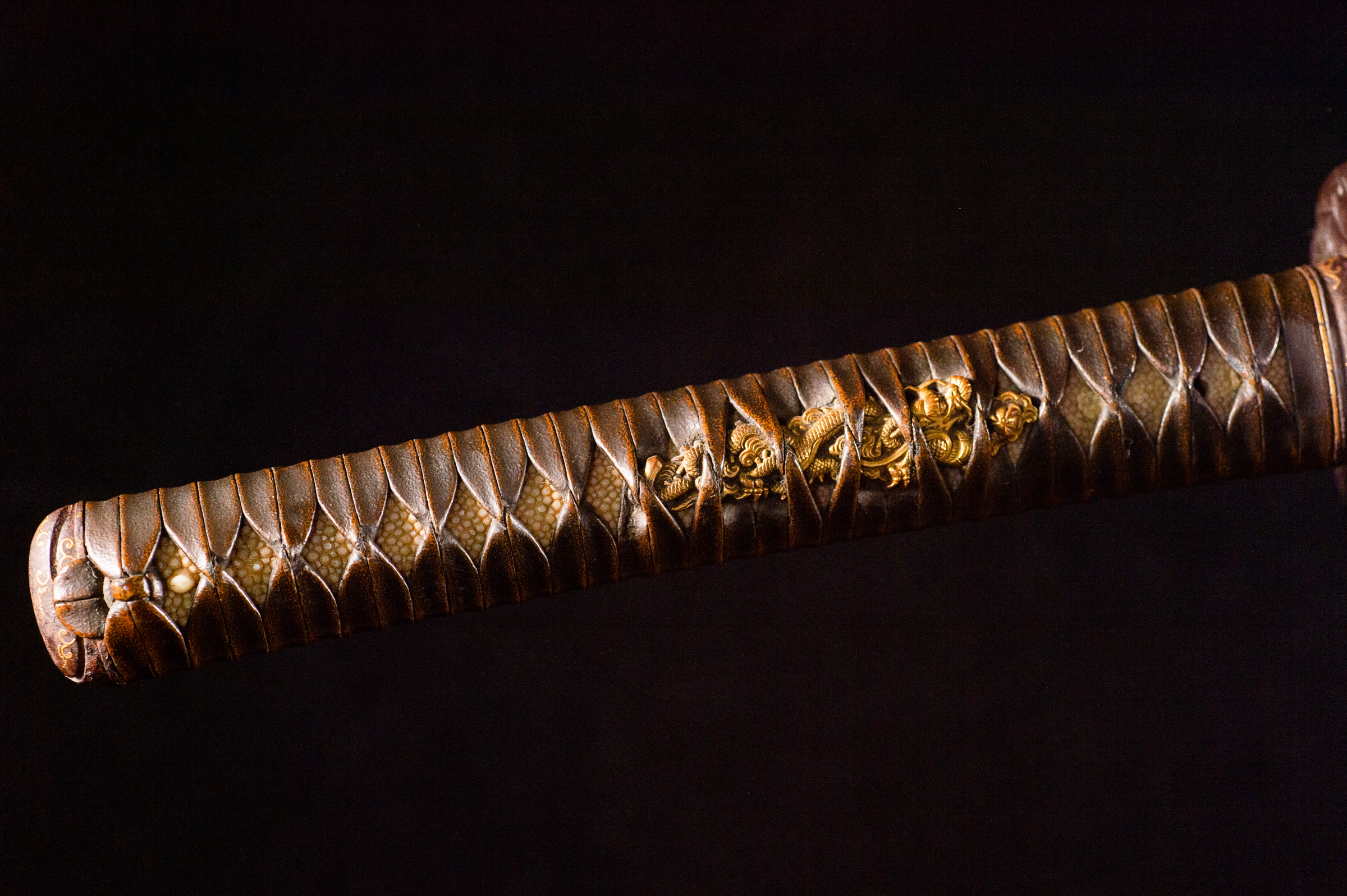
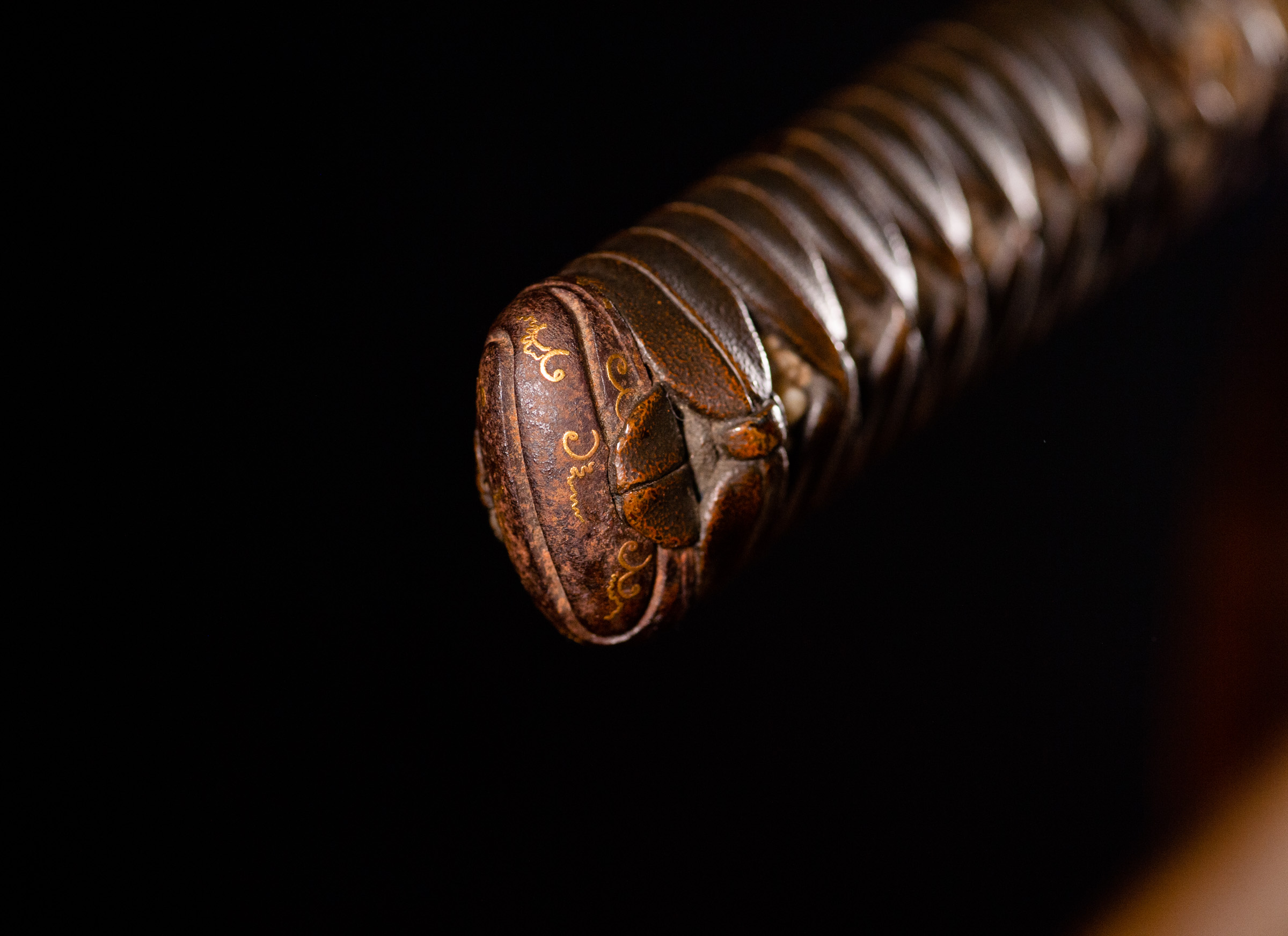
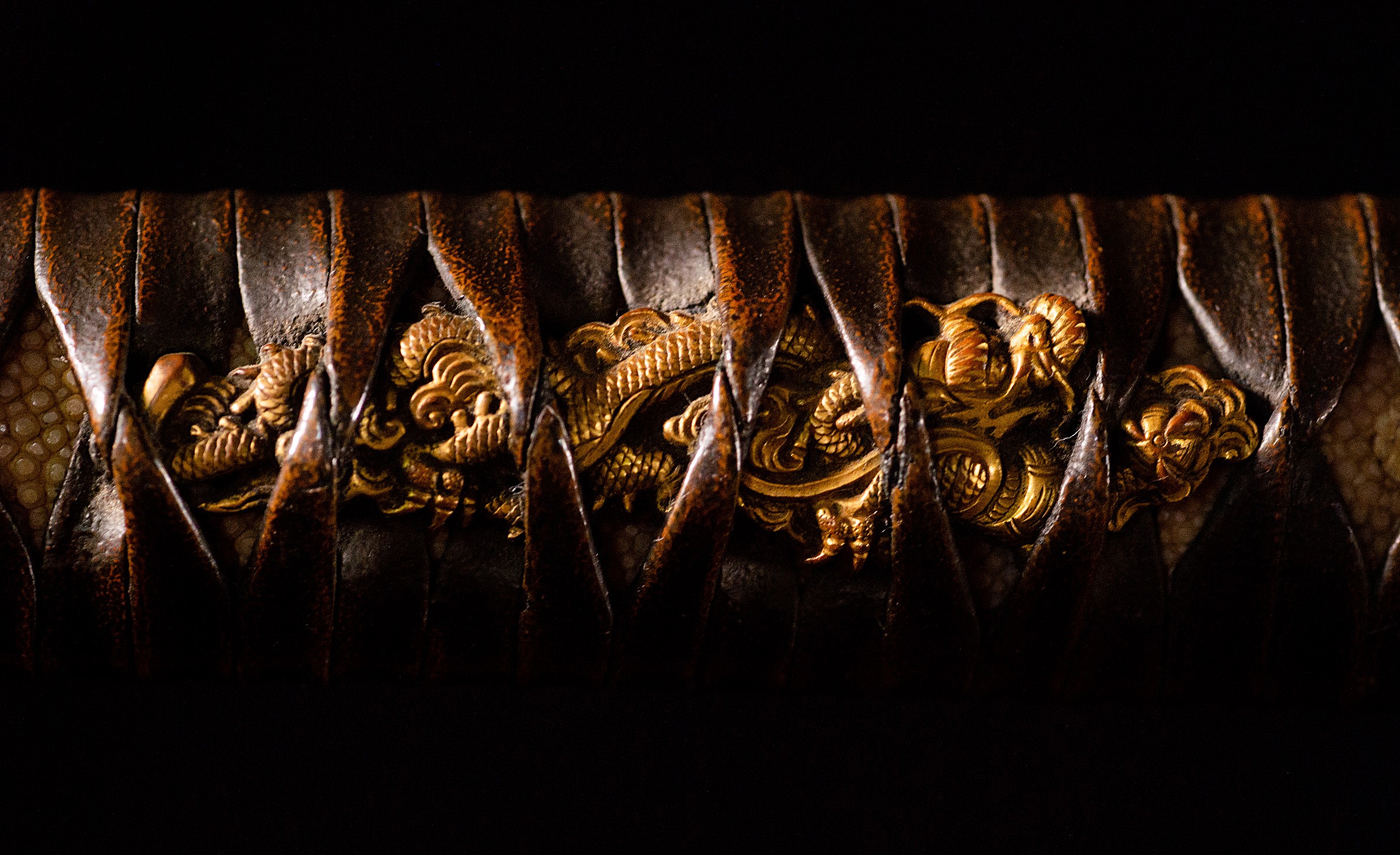
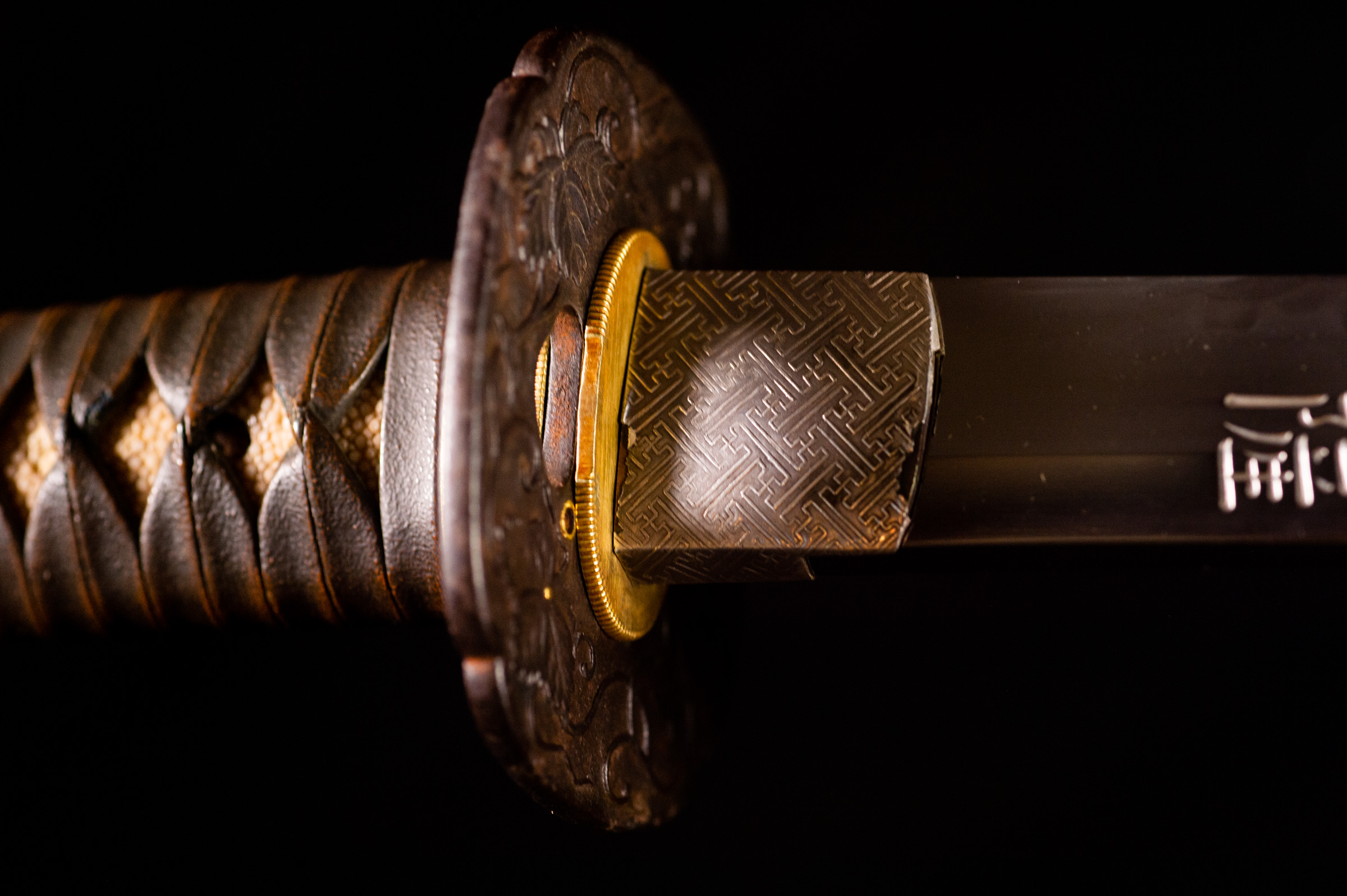
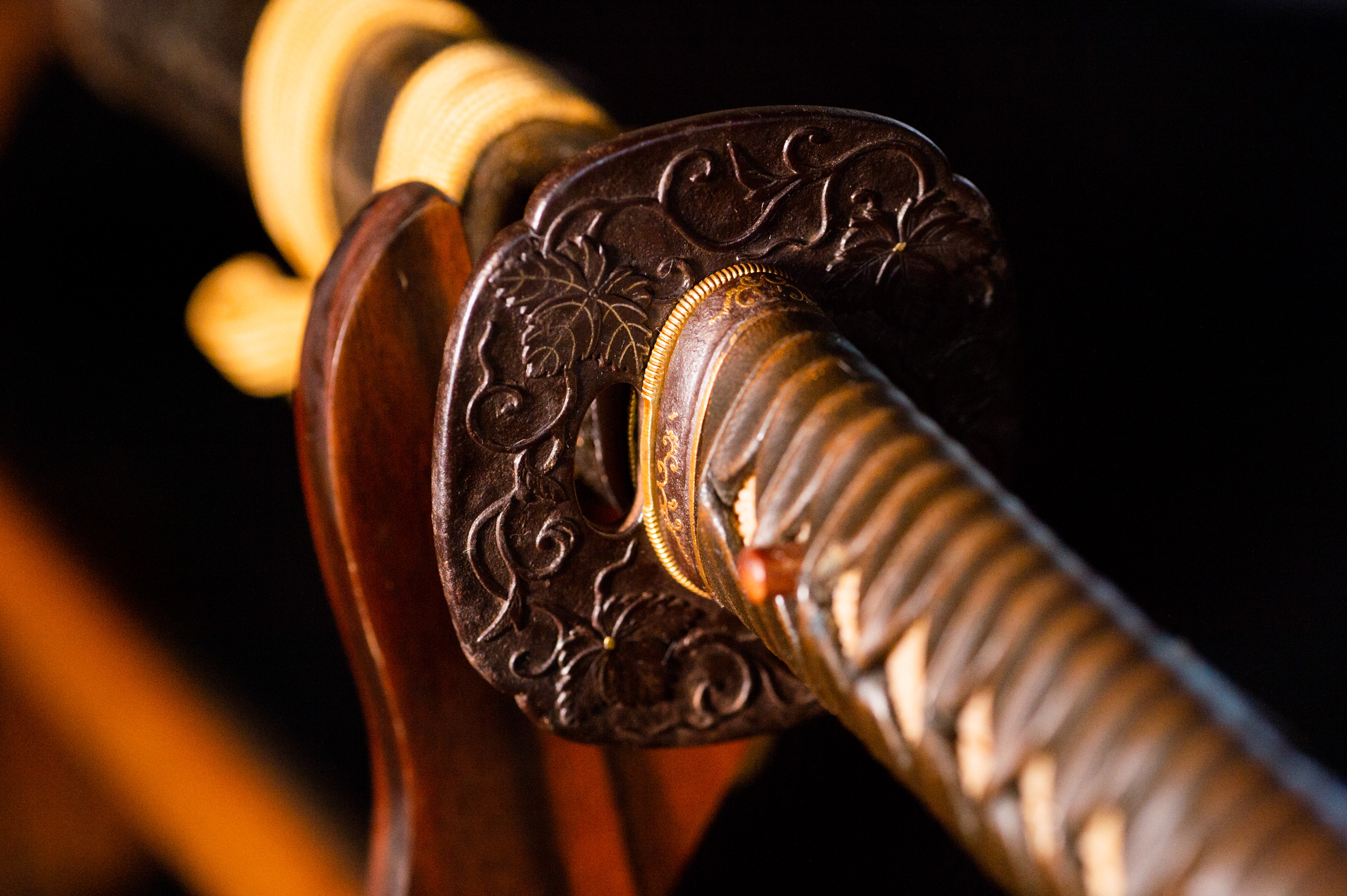
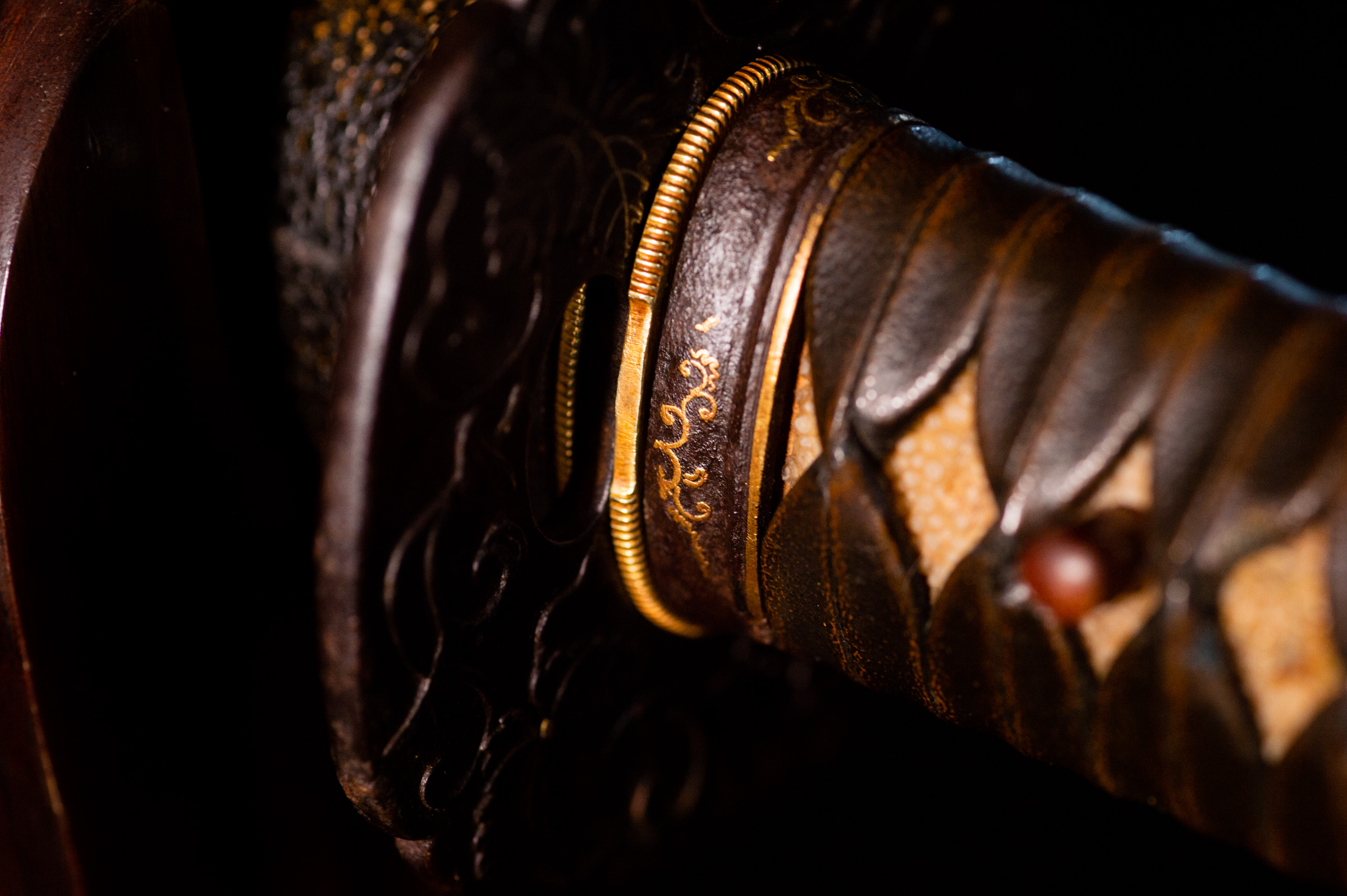
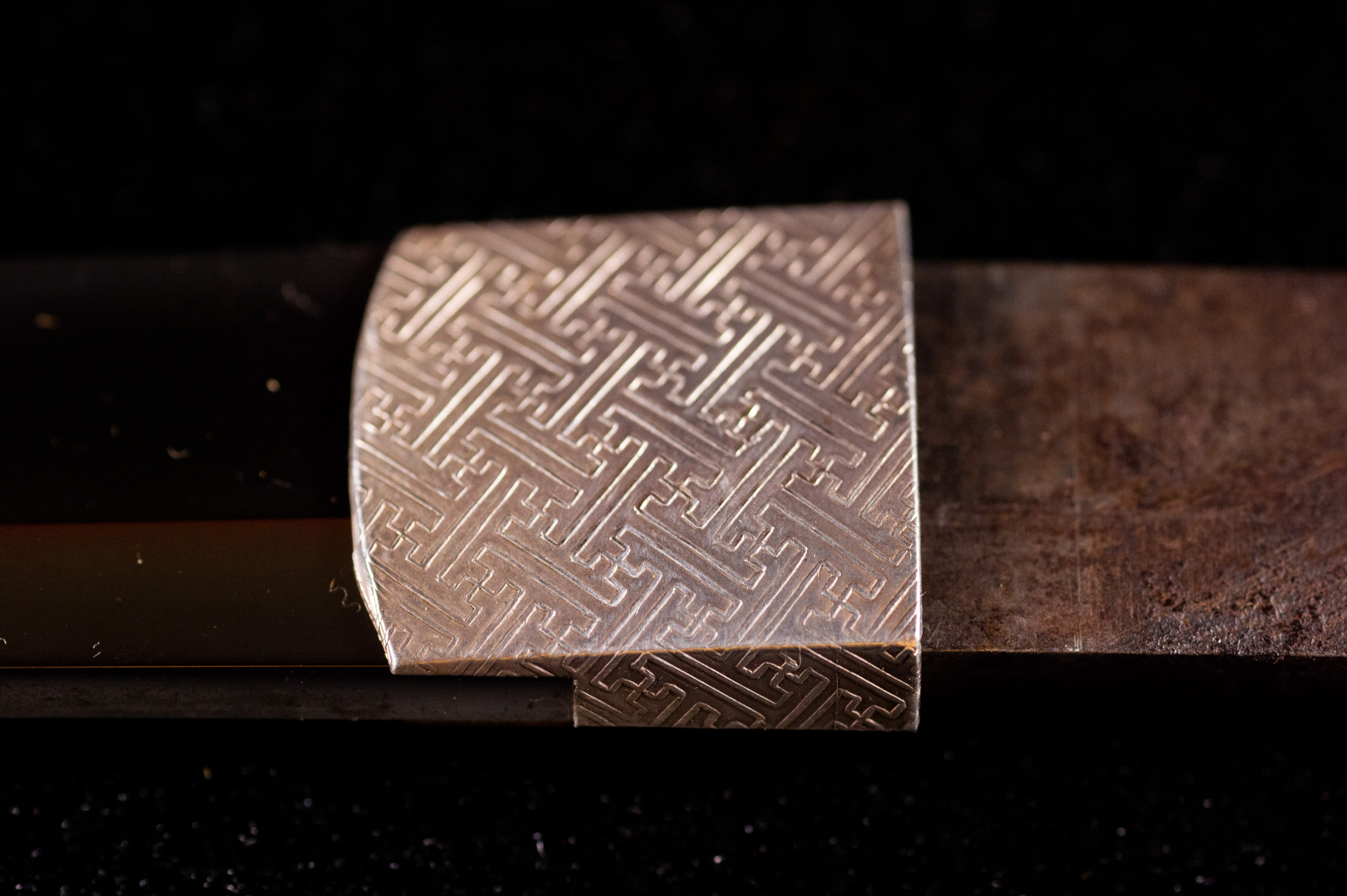
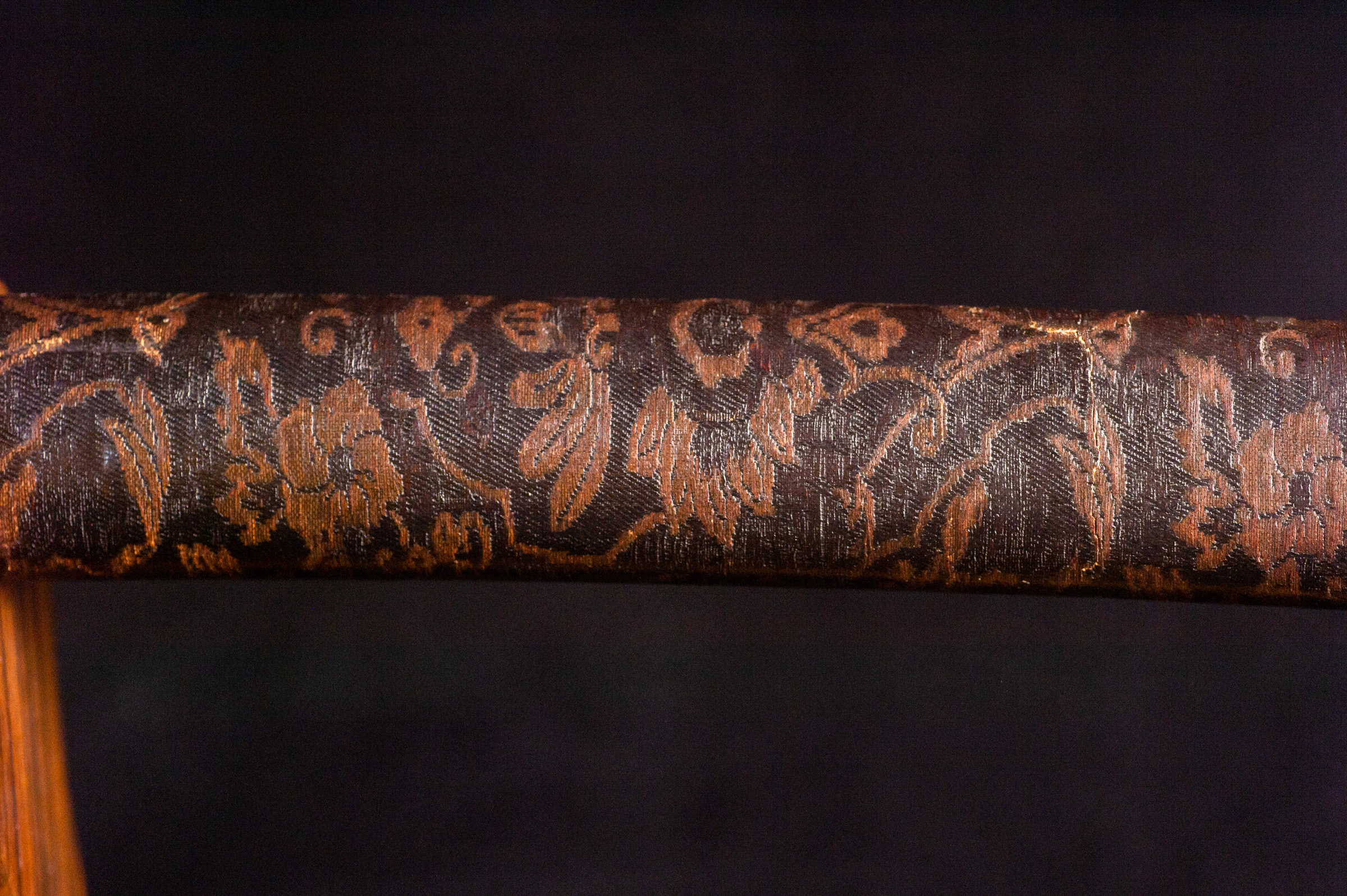
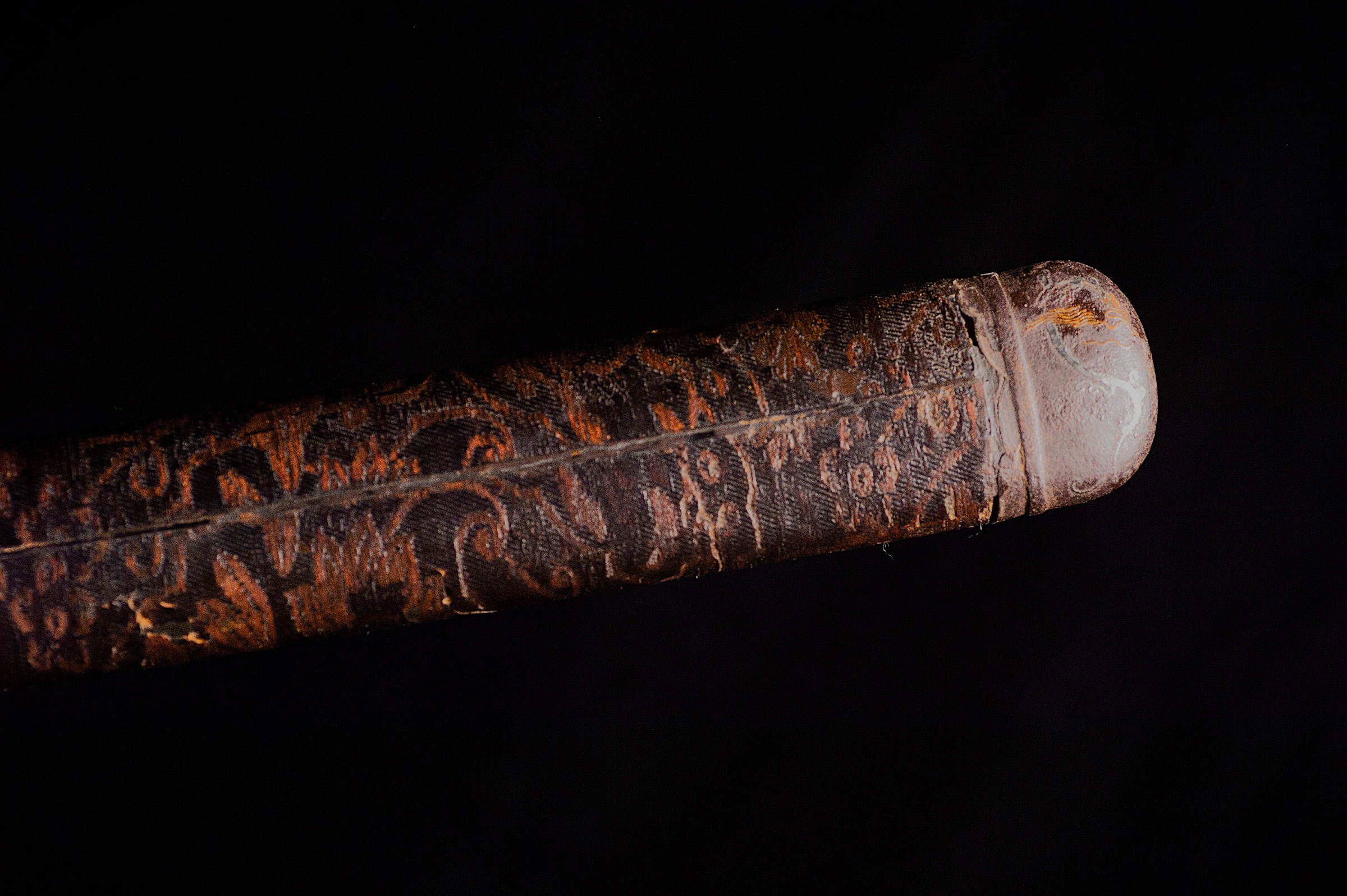
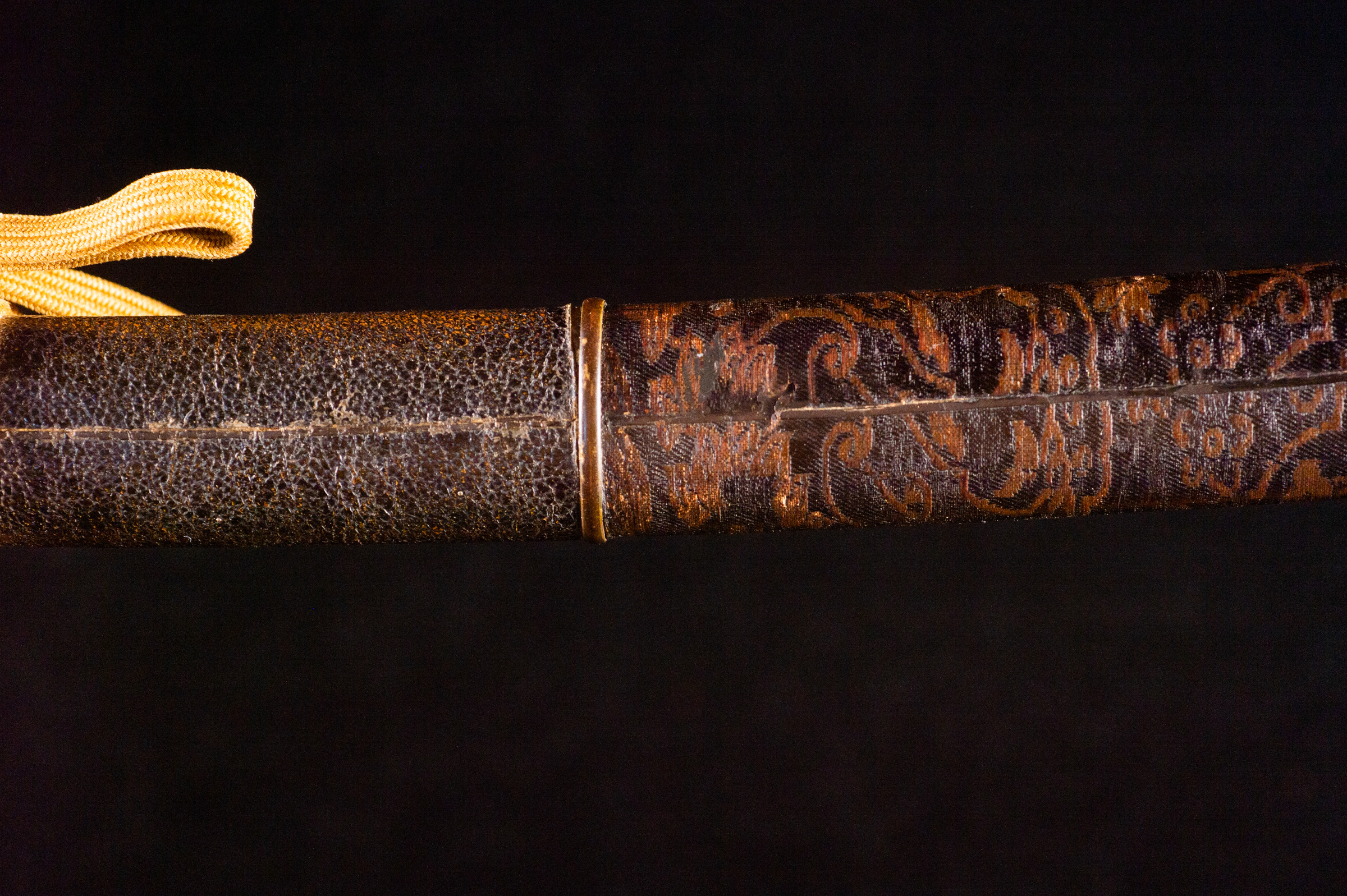
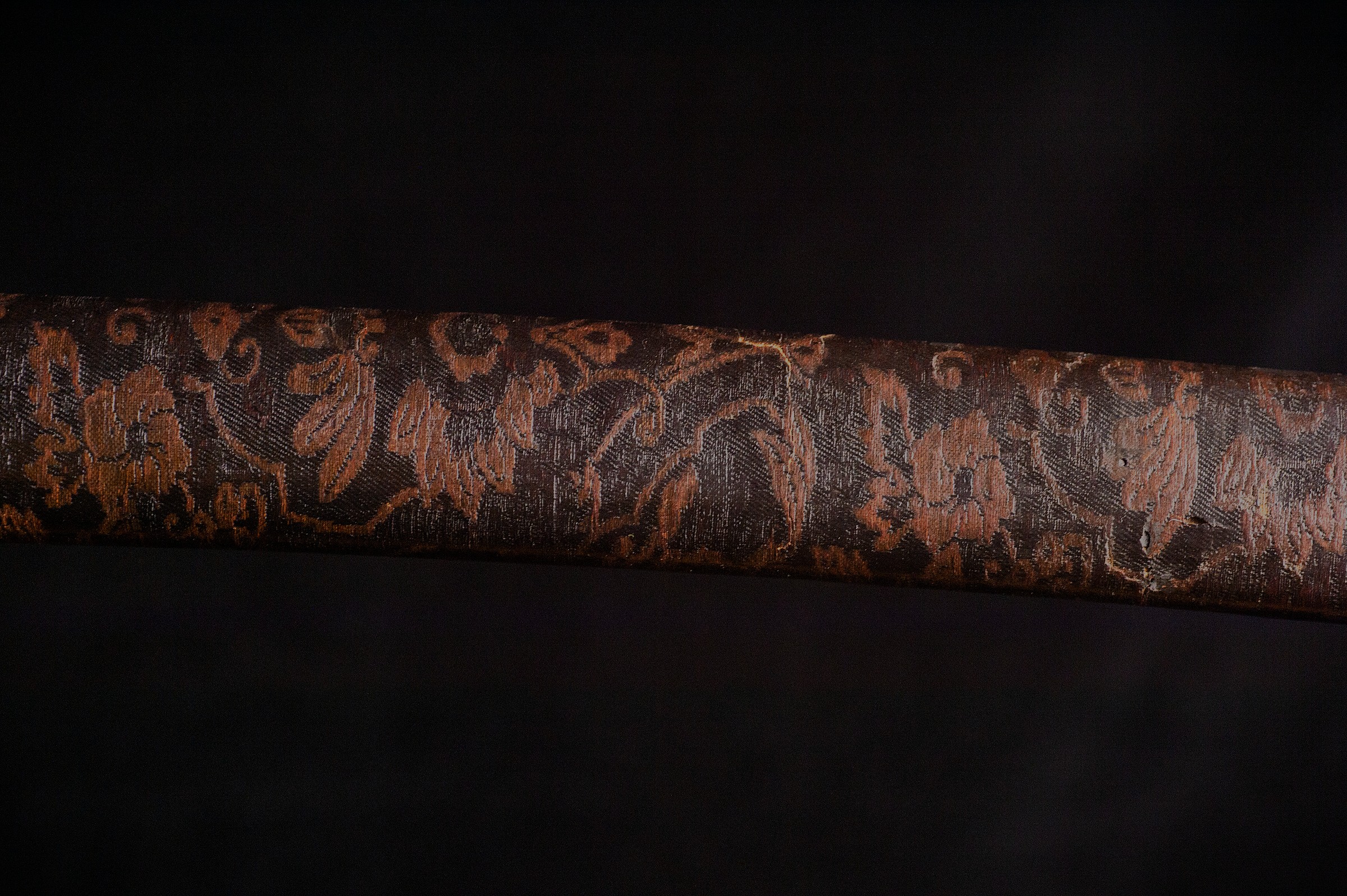
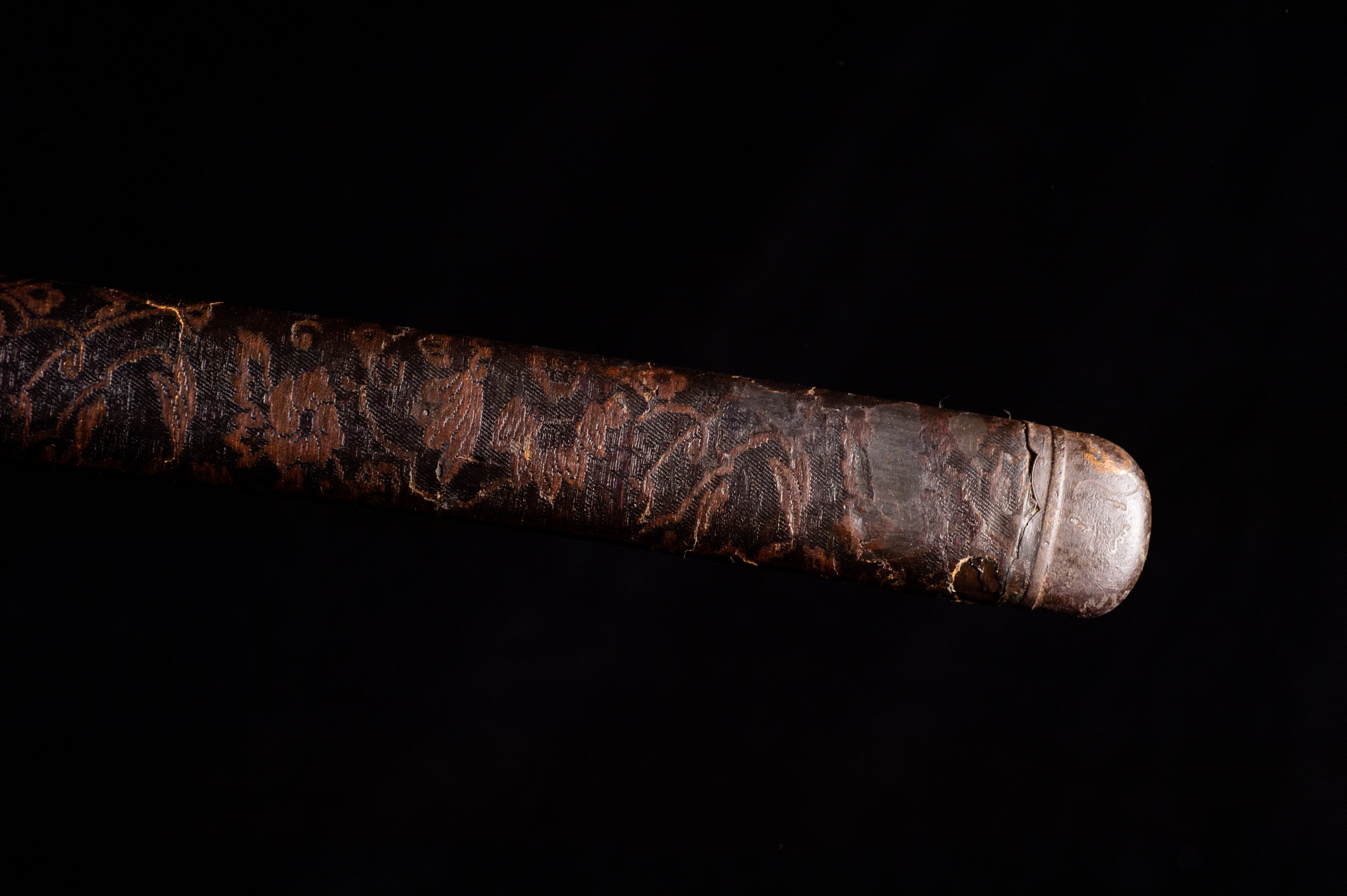
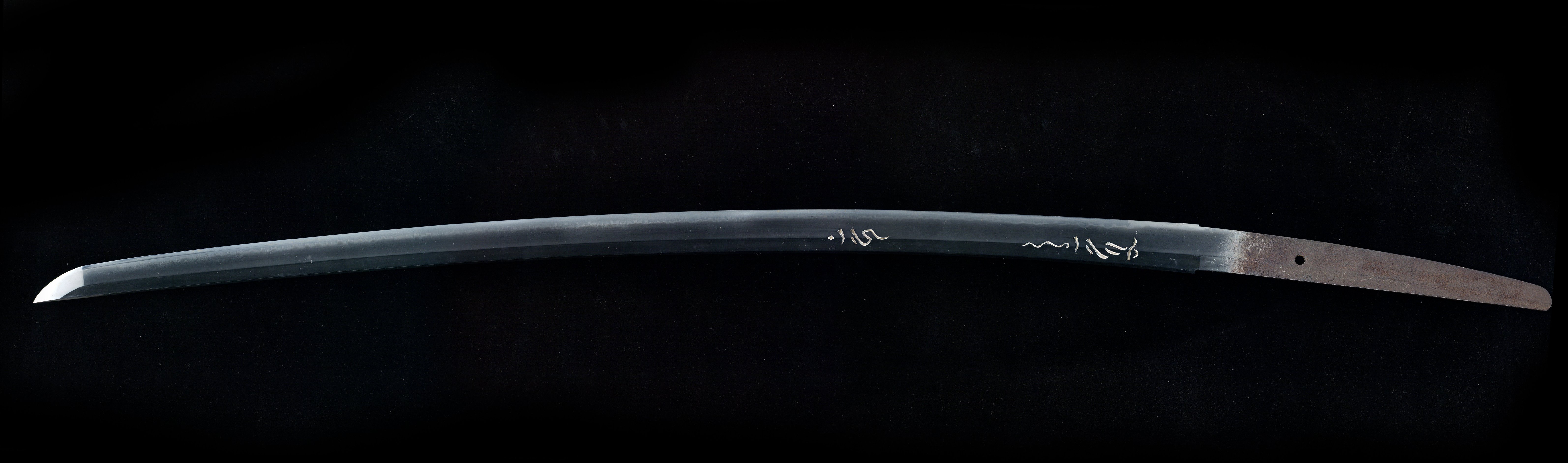
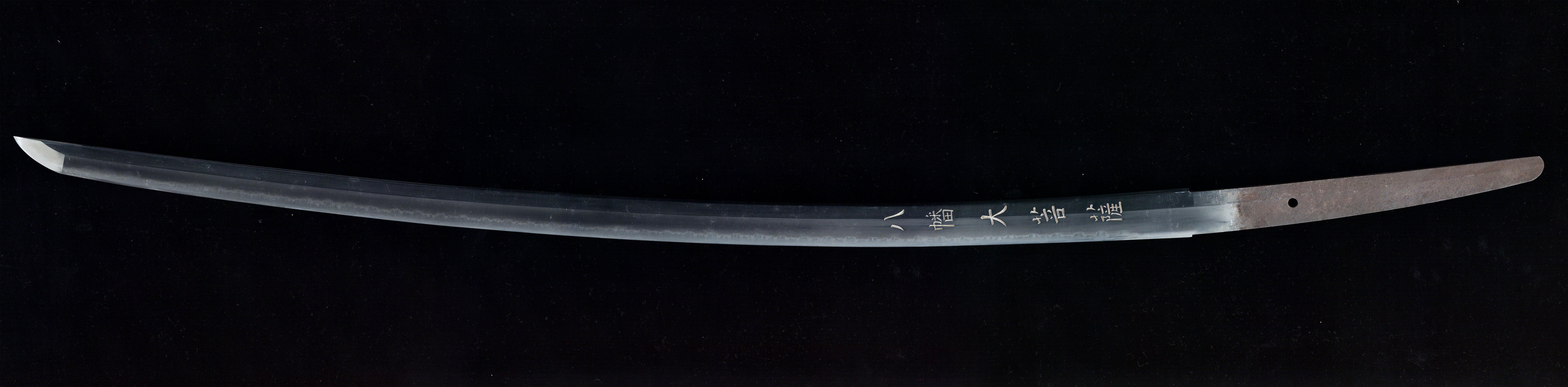
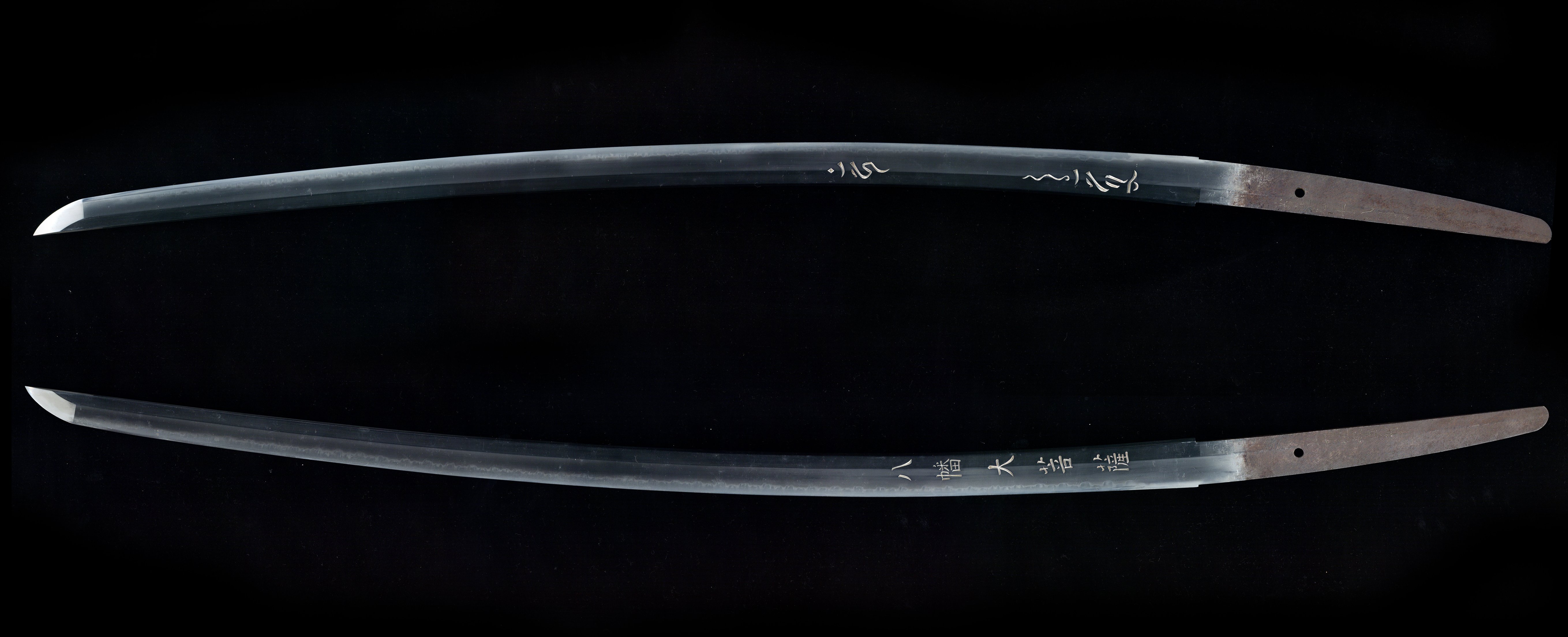
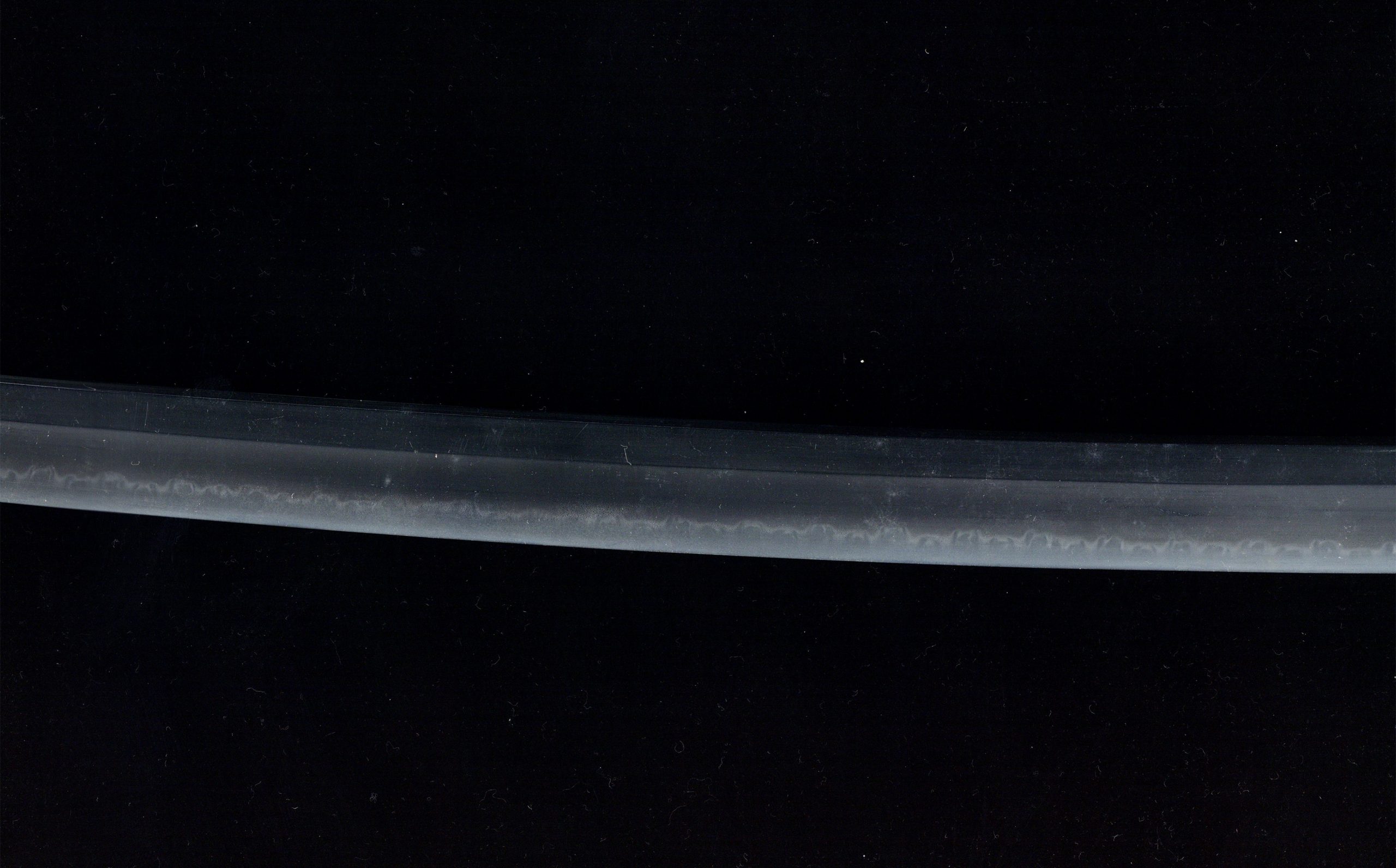
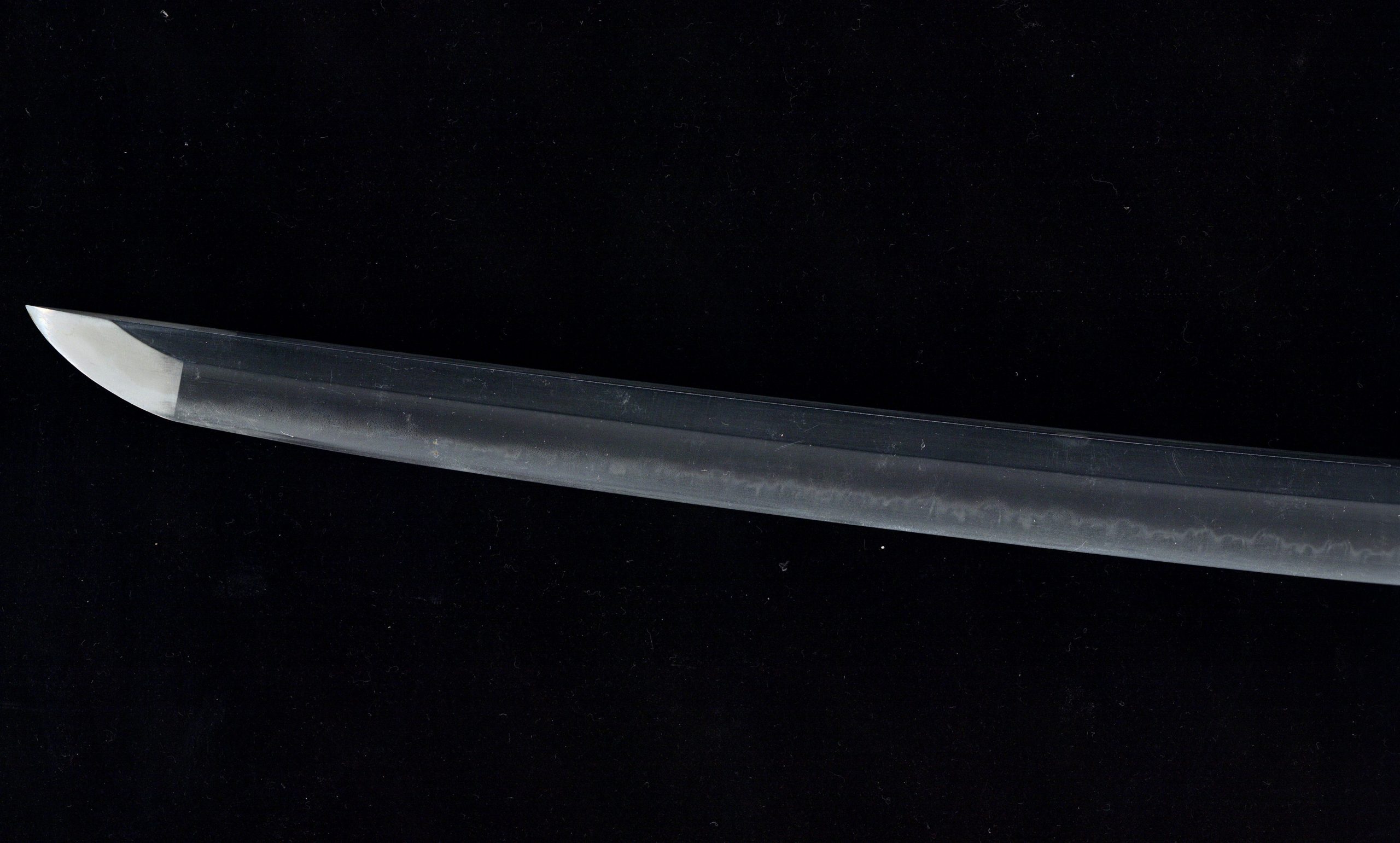
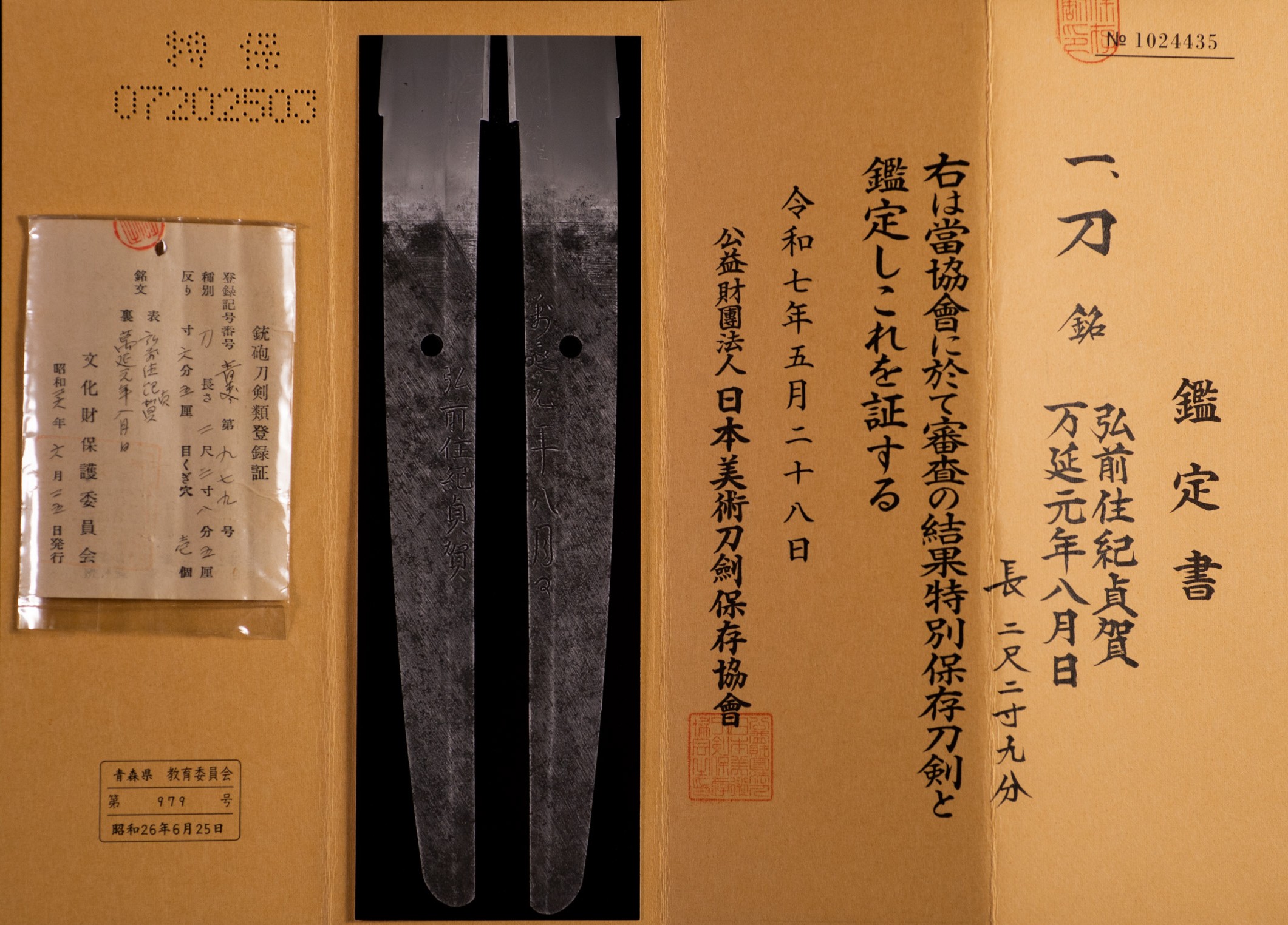
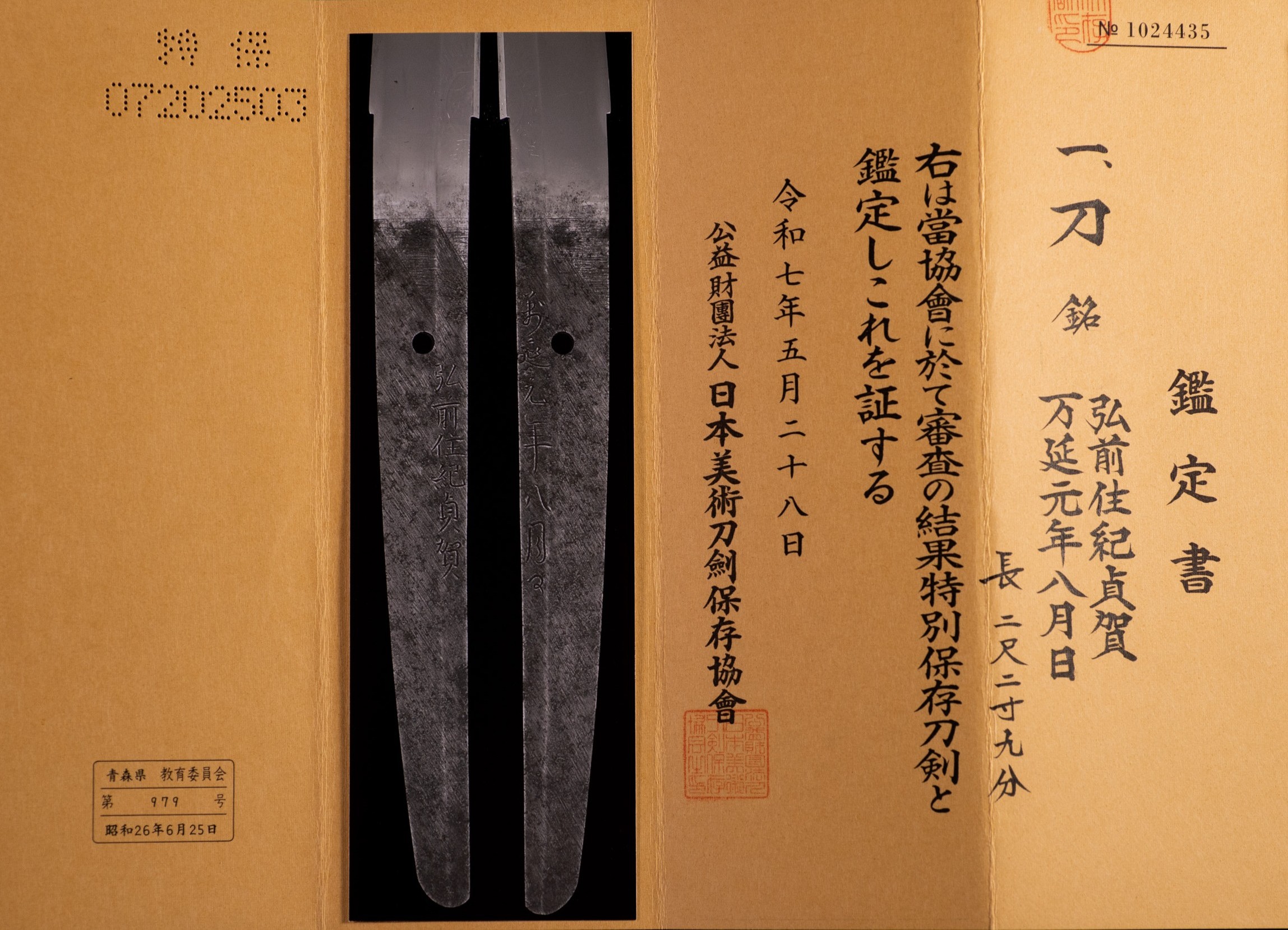
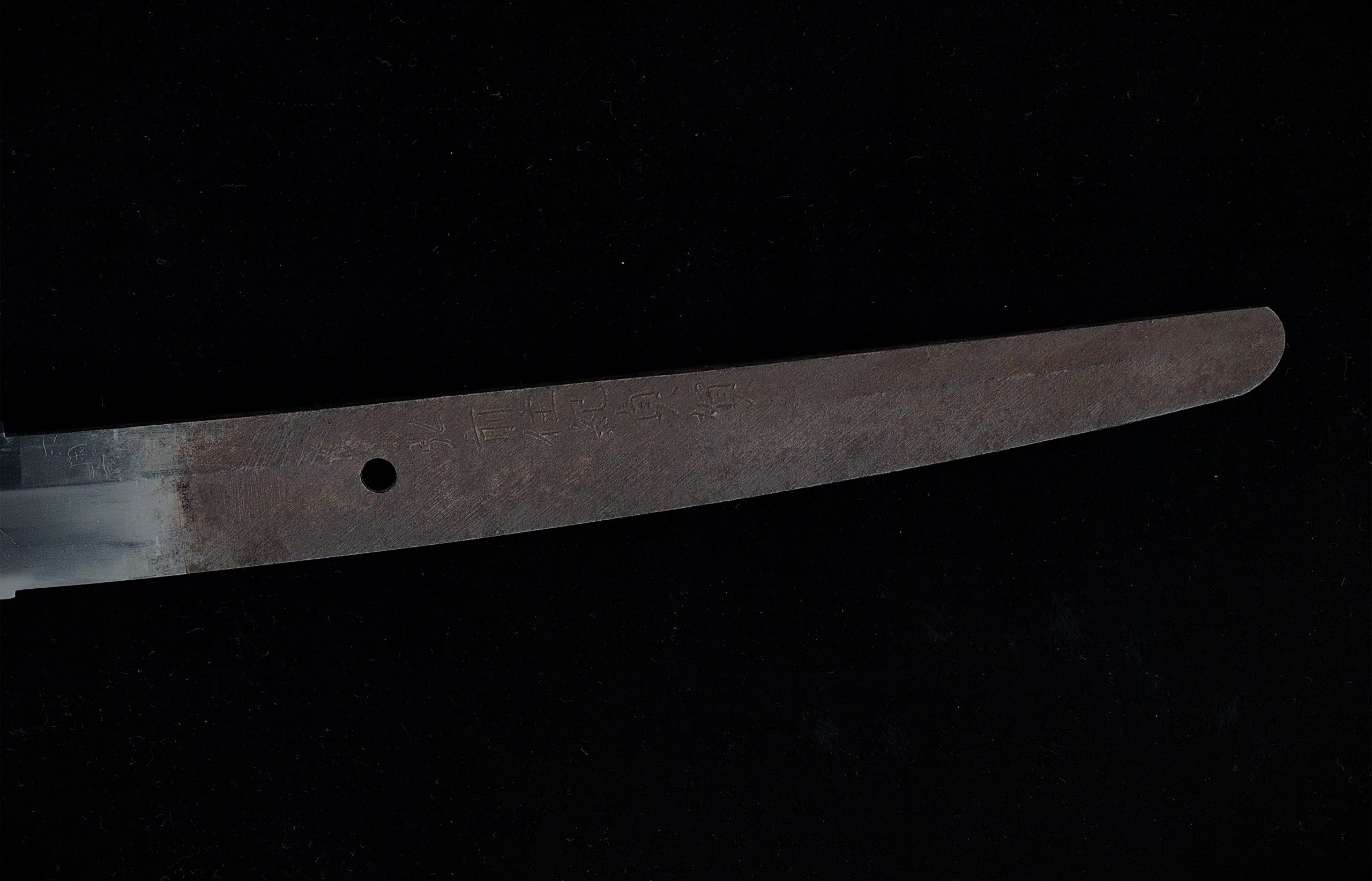
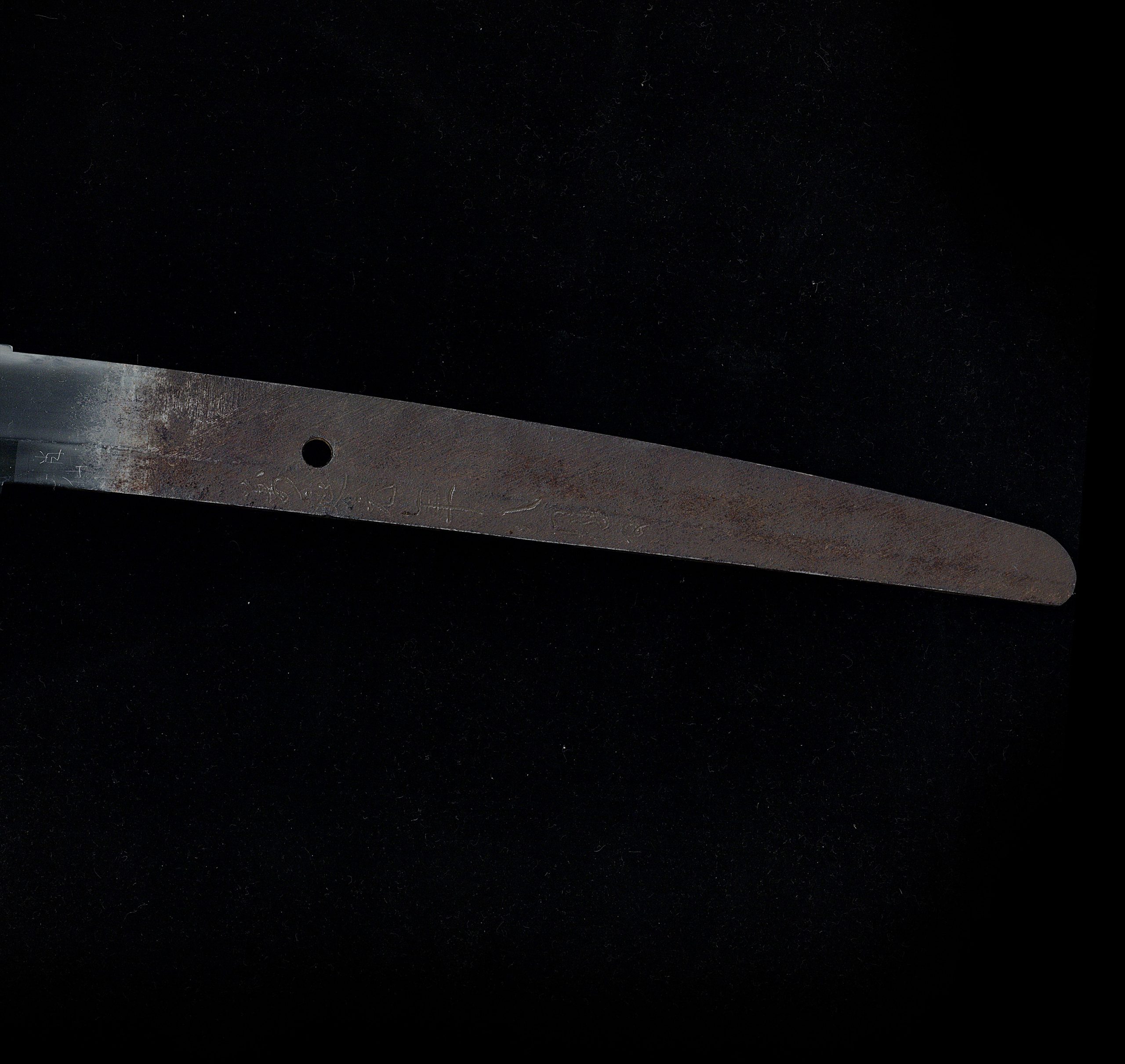
Description ITEM DESCRIPTION: Comes with kimono or cotton bag. Comes with certificate of supein Nihonto. KATANA “Hirosaki-jū Norisada”, Man’en 1 (1860) Detailed description Signature The blade is signed: 弘前住紀貞造 – Hirosaki-jū Norisada tsukuru “Made by Norisada of Hirosaki.” A historically significant moment, just before the fall of the Tokugawa shogunate. 3. Blade – Technical analysis Hamon A clear notare–gunome hamon with refined nie , ashi , yō , and traces of sunagashi . The polish reveals a strong contrast between ji and ha . Hada A well-forged itame mixed with mokume , lively and typical of northern schools. Visible activity and uniform texture throughout. Kissaki A well-proportioned chū-kissaki with a smooth transition and a properly returning boshi . Nakago Two mekugi-ana, well-preserved patina, and a clean, authentic signature consistent with late-Edo work from Aomori. Koshirae – Complete mountings A standout feature of this sword is its magnificent Edo-period koshirae , remarkably well preserved. Tsuka Leather-wrapped tsuka-ito in dark brown tones. Fine-grain samegawa. Menuki: golden dragon , symbolizing power and protection. Fuchi/Kashira with vegetal motifs highlighted in gold. Tsuba Iron tsuba with floral and scroll motifs , featuring a deep, authentic patina and elegant Edo craftsmanship. Saya Saya decorated with a lacquered textile-style floral pattern in brown and black tones. This luxurious decoration reflects a mount made for a samurai of status. Sageo Silk sageo in yellow tones, matching the saya and maintaining historical consistency. Historical narrative Forged in 1860 , this blade belongs to the final era of political tension before the Meiji Restoration. Norisada served the Tsugaru domain , which invested heavily in quality arms as conflicts escalated nationwide. The sophisticated koshirae —golden dragon menuki, textile-style saya, refined fittings— strongly suggests ownership by a high-ranking samurai , possibly an officer or administrator with
 NihontoWatch
在銘 · Northern · 新々刀 · 長さ 69.4cm
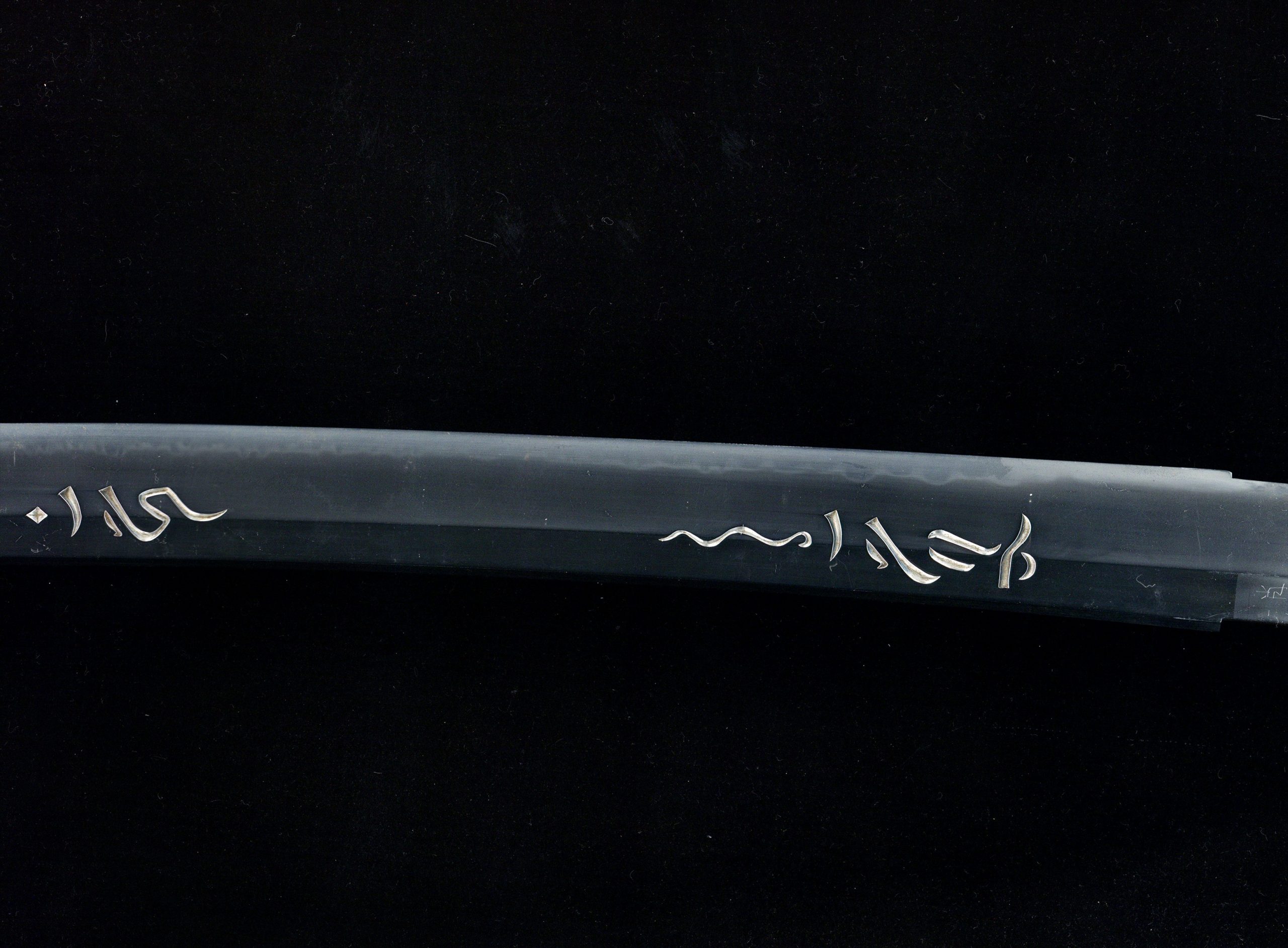
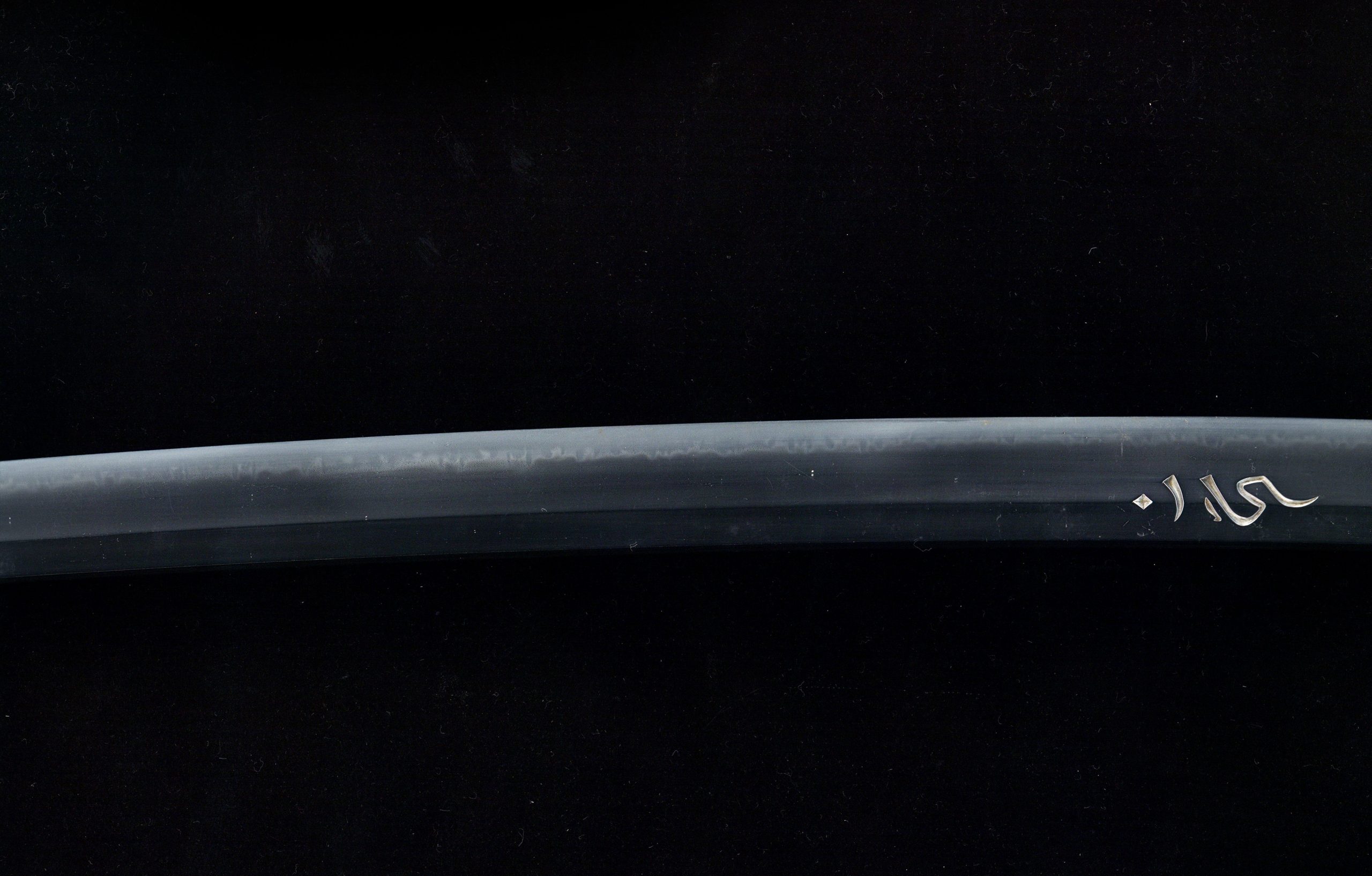
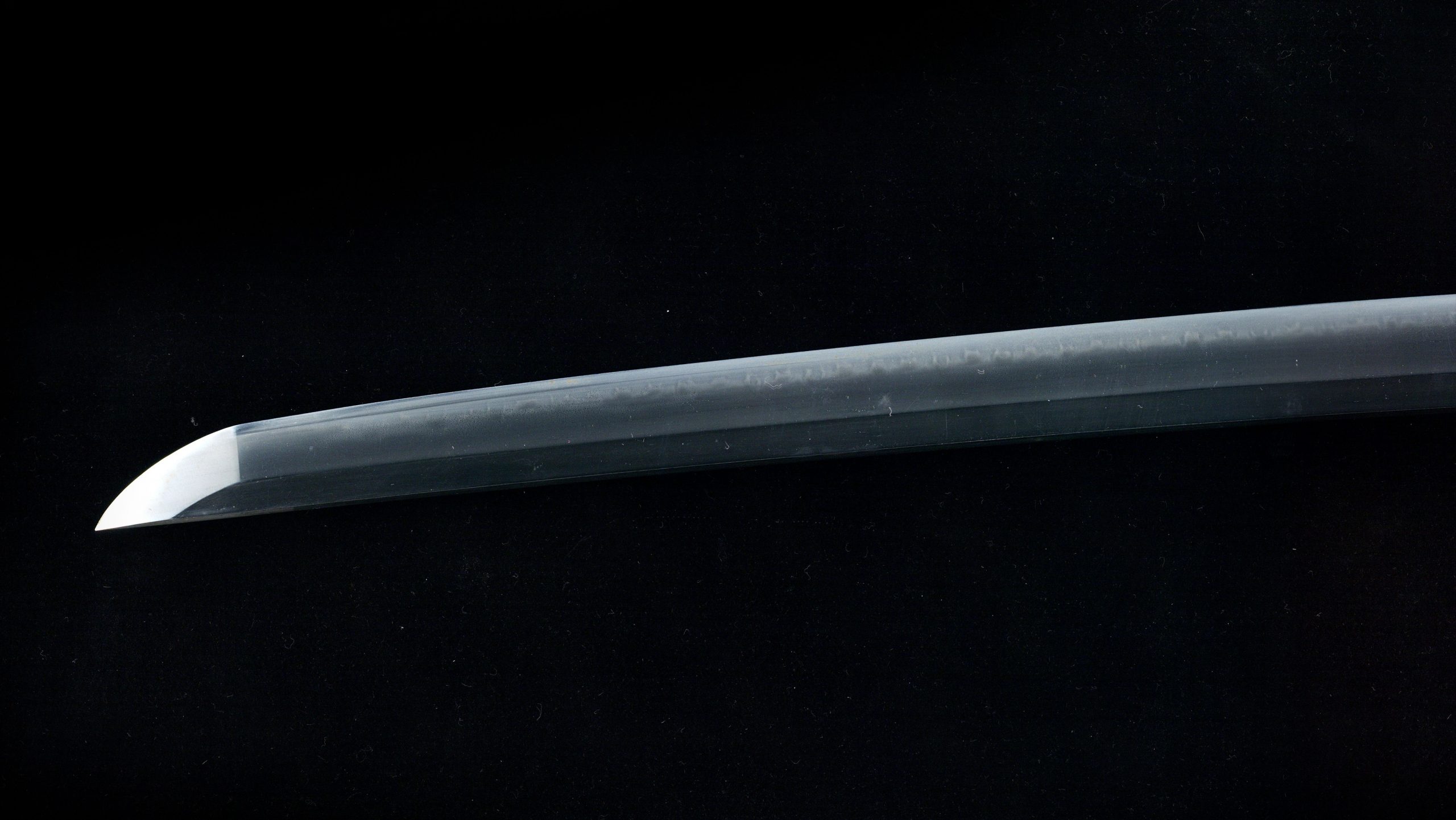
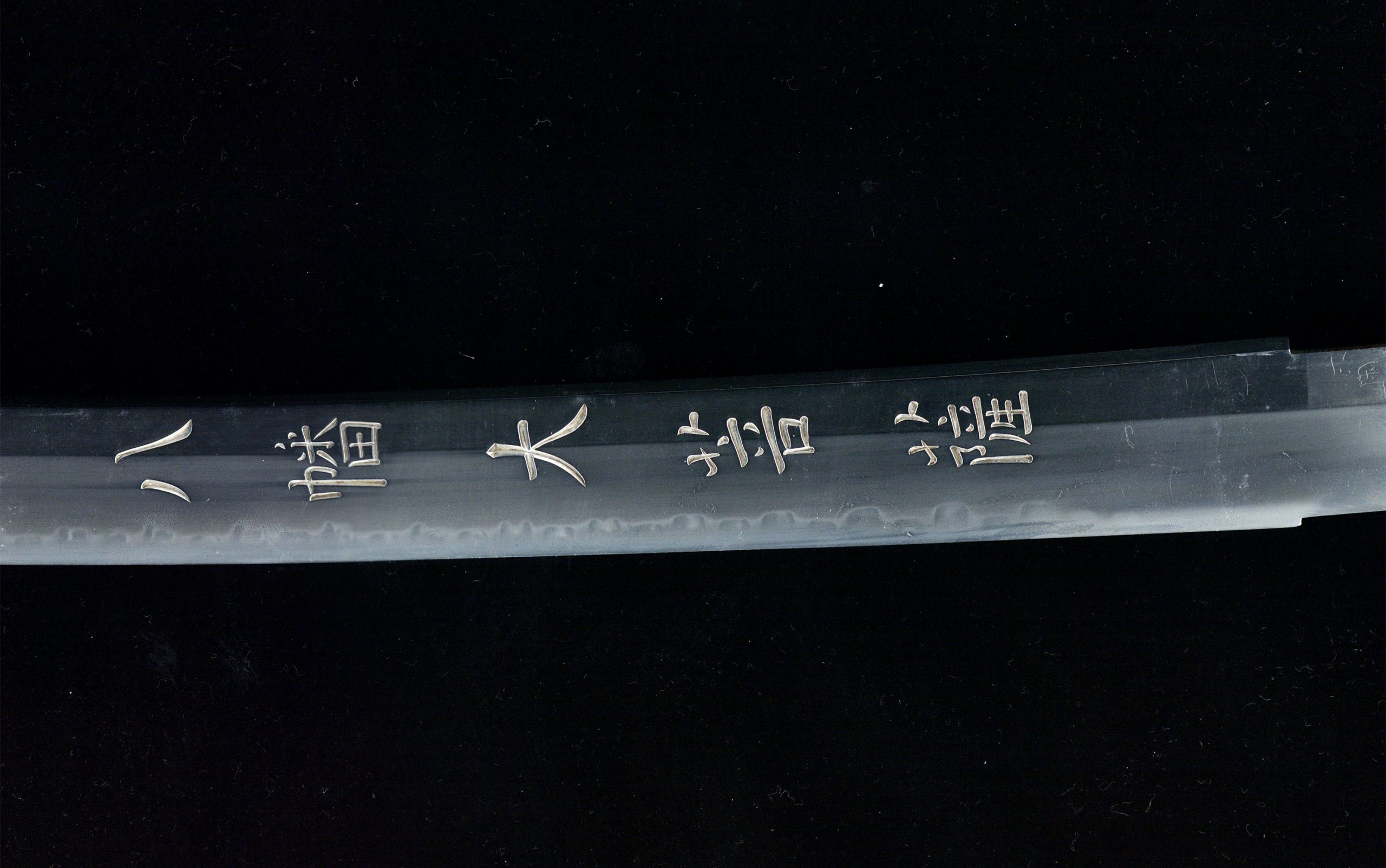
新々刀 復古の運動
1800年前後、水心子正秀は著述をもって、鍛刀は古作の法に立ち返るべしと説いた。復古刀の運動である。最大の後継者直胤は、数百年絶えていた備前伝と相州伝を確信をもって再現した。
保存刀剣のうち、出来が一層優れ、保存状態も良好と認められたものです。再刃や、室町・江戸期の多くの無銘作は対象外となり、保存刀剣より高い基準が課されます。
日本美術刀剣保存協会(NBTHK)は、1948年に設立され、文化庁の監督を受ける公益財団法人で、東京・刀剣博物館に本部を置きます。専門の審査員が出品作を直接審査し、美術的・歴史的価値に応じた鑑定書を発行します。NBTHKの鑑定書は、日本刀および刀装具の真正性を示す最も広く認知された基準です。
NBTHK公式サイト14-day return if items arrive damaged or in unexpected condition; customer bears return shipping + insurance; items returned in original condition with all accessories; antique armour non-returnable; only regular priced items refundable; shipping costs non-refundable.
Description ITEM DESCRIPTION: Comes with kimono or cotton bag. Comes with certificate of supein Nihonto. KATANA “Hirosaki-jū Norisada”, Man’en 1 (1860) Detailed description Signature The blade is signed: 弘前住紀貞造 – Hirosaki-jū Norisada tsukuru “Made by Norisada of Hirosaki.” A historically significant moment, just before the fall of the Tokugawa shogunate. 3. Blade – Technical analysis Hamon A clear notare–gunome hamon with refined nie , ashi , yō , and traces of sunagashi . The polish reveals a strong contrast between ji and ha . Hada A well-forged itame mixed with mokume , lively and typical of northern schools. Visible activity and uniform texture throughout. Kissaki A well-proportioned chū-kissaki with a smooth transition and a properly returning boshi . Nakago Two mekugi-ana, well-preserved patina, and a clean, authentic signature consistent with late-Edo work from Aomori. Koshirae – Complete mountings A standout feature of this sword is its magnificent Edo-period koshirae , remarkably well preserved. Tsuka Leather-wrapped tsuka-ito in dark brown tones. Fine-grain samegawa. Menuki: golden dragon , symbolizing power and protection. Fuchi/Kashira with vegetal motifs highlighted in gold. Tsuba Iron tsuba with floral and scroll motifs , featuring a deep, authentic patina and elegant Edo craftsmanship. Saya Saya decorated with a lacquered textile-style floral pattern in brown and black tones. This luxurious decoration reflects a mount made for a samurai of status. Sageo Silk sageo in yellow tones, matching the saya and maintaining historical consistency. Historical narrative Forged in 1860 , this blade belongs to the final era of political tension before the Meiji Restoration. Norisada served the Tsugaru domain , which invested heavily in quality arms as conflicts escalated nationwide. The sophisticated koshirae —golden dragon menuki, textile-style saya, refined fittings— strongly suggests ownership by a high-ranking samurai , possibly an officer or administrator with
NihontoWatch在銘 · Northern · 新々刀 · 長さ 69.4cm
新々刀 復古の運動
1800年前後、水心子正秀は著述をもって、鍛刀は古作の法に立ち返るべしと説いた。復古刀の運動である。最大の後継者直胤は、数百年絶えていた備前伝と相州伝を確信をもって再現した。
保存刀剣のうち、出来が一層優れ、保存状態も良好と認められたものです。再刃や、室町・江戸期の多くの無銘作は対象外となり、保存刀剣より高い基準が課されます。
日本美術刀剣保存協会(NBTHK)は、1948年に設立され、文化庁の監督を受ける公益財団法人で、東京・刀剣博物館に本部を置きます。専門の審査員が出品作を直接審査し、美術的・歴史的価値に応じた鑑定書を発行します。NBTHKの鑑定書は、日本刀および刀装具の真正性を示す最も広く認知された基準です。
NBTHK公式サイト14-day return if items arrive damaged or in unexpected condition; customer bears return shipping + insurance; items returned in original condition with all accessories; antique armour non-returnable; only regular priced items refundable; shipping costs non-refundable.