NihontoWatch MonNihontoWatch
Market
Encyclopedia
Kantei
NihontoWatch MonNihontoWatch
Market
Encyclopedia
Kantei

Description

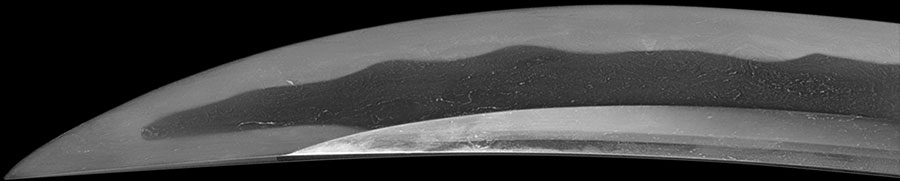
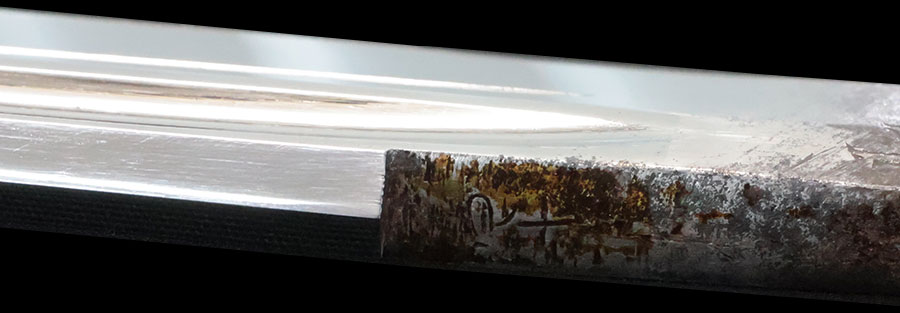
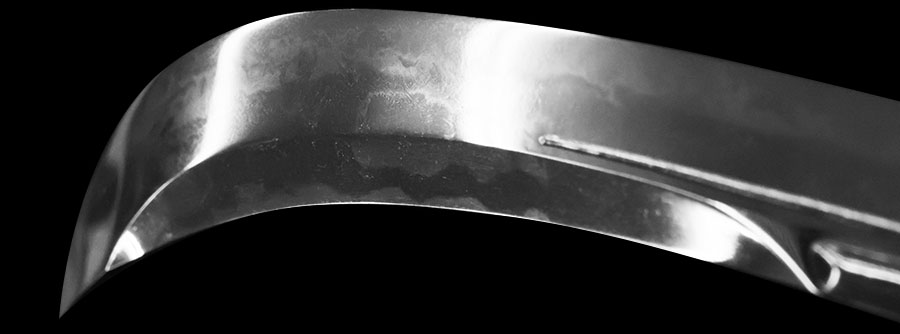
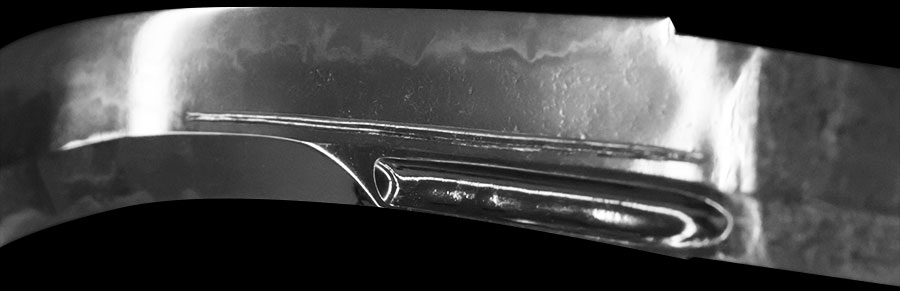
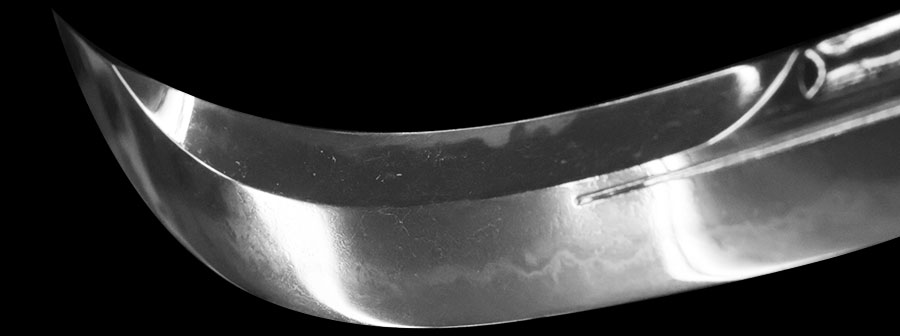
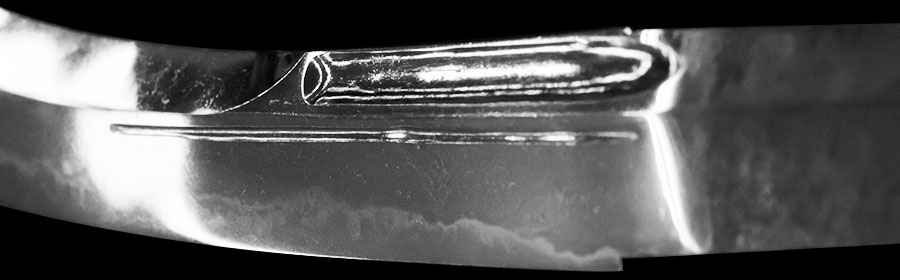
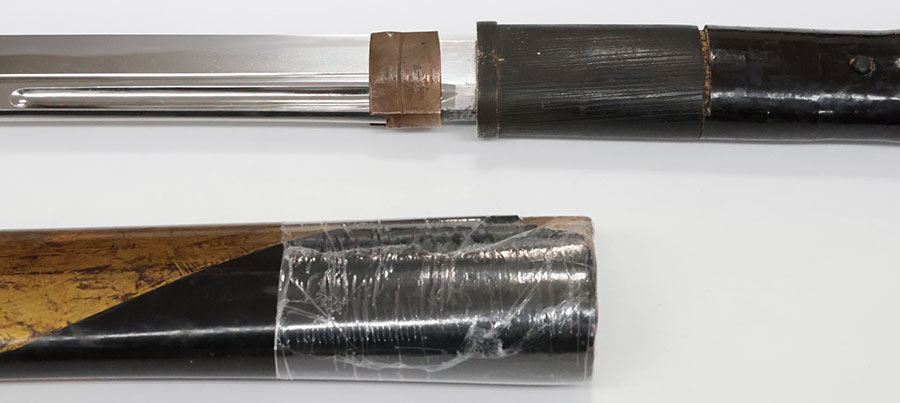
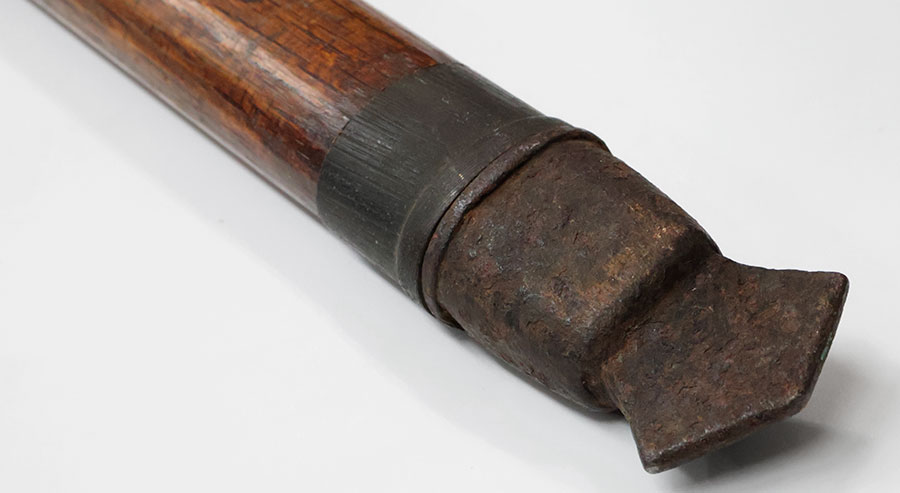
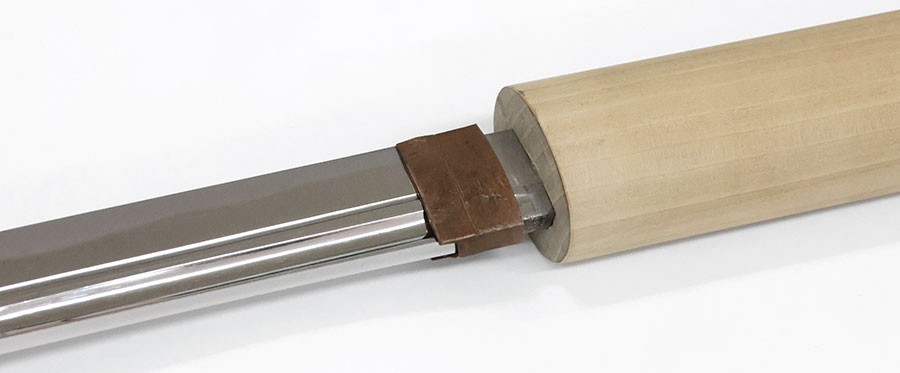
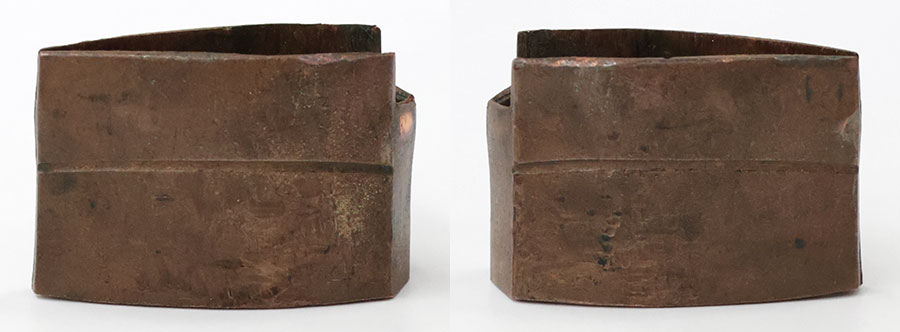
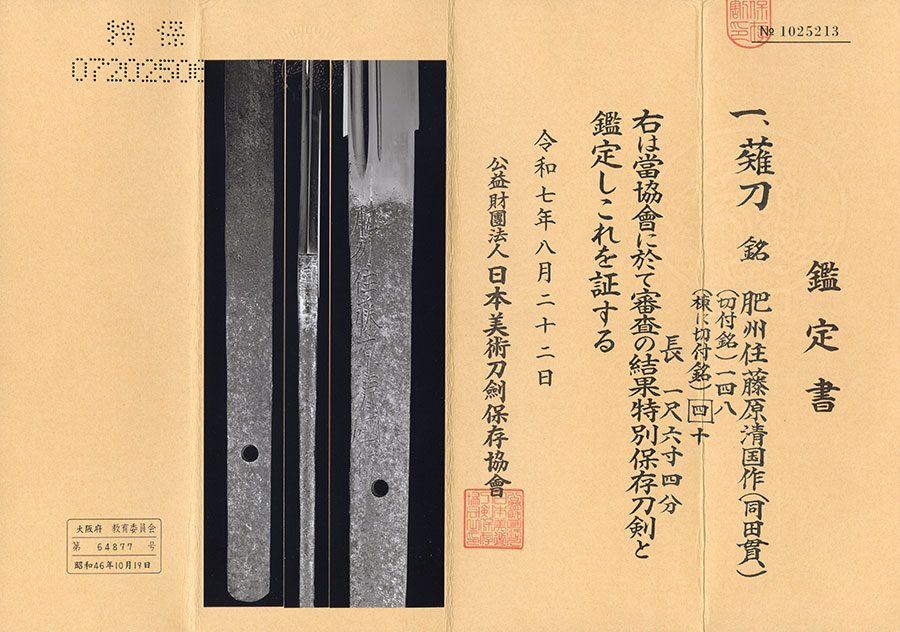
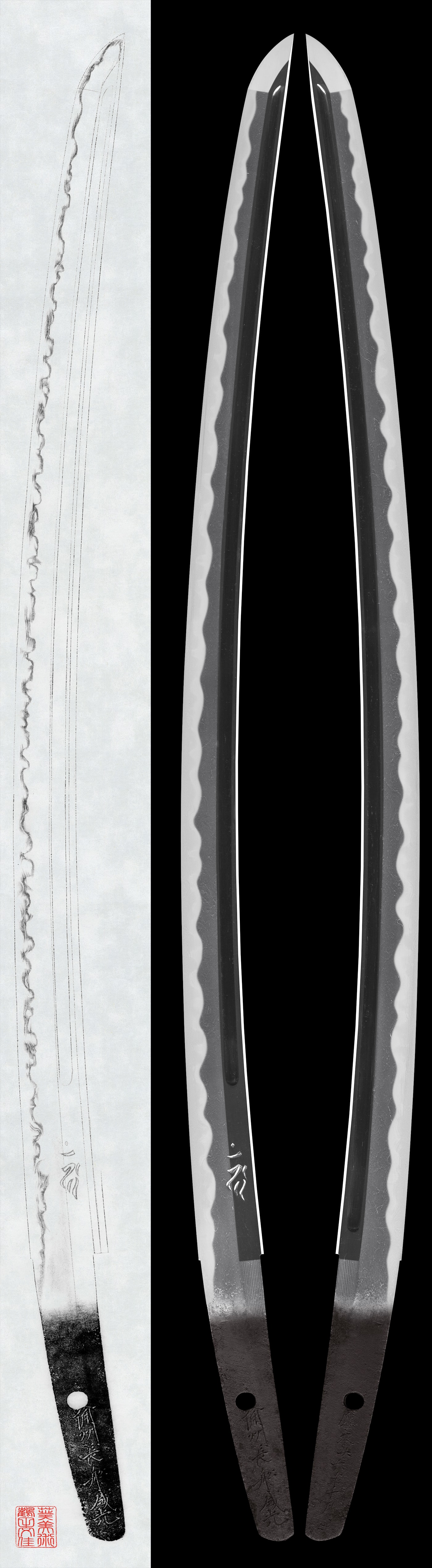
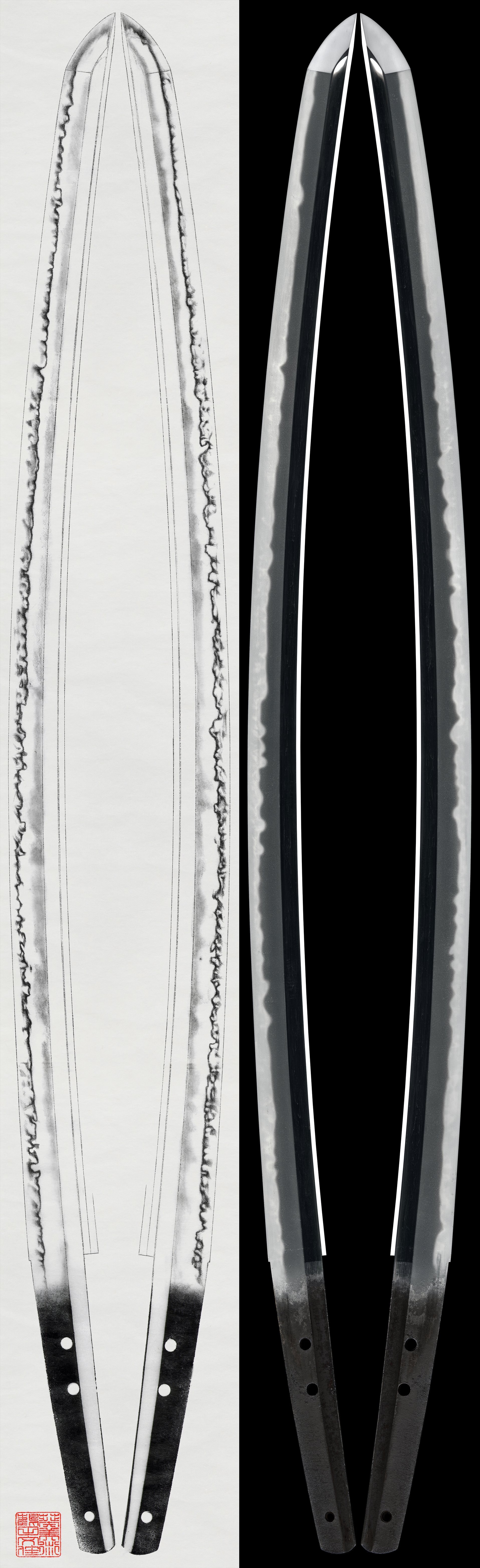
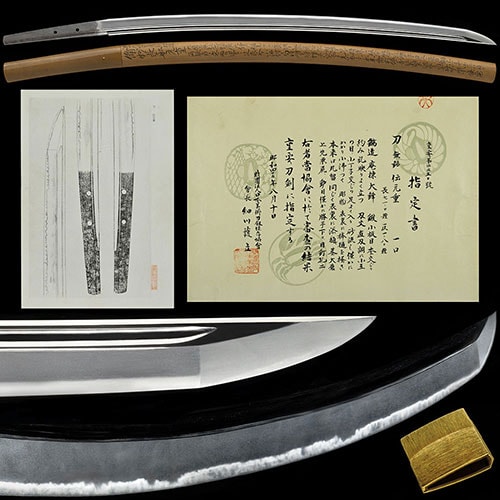
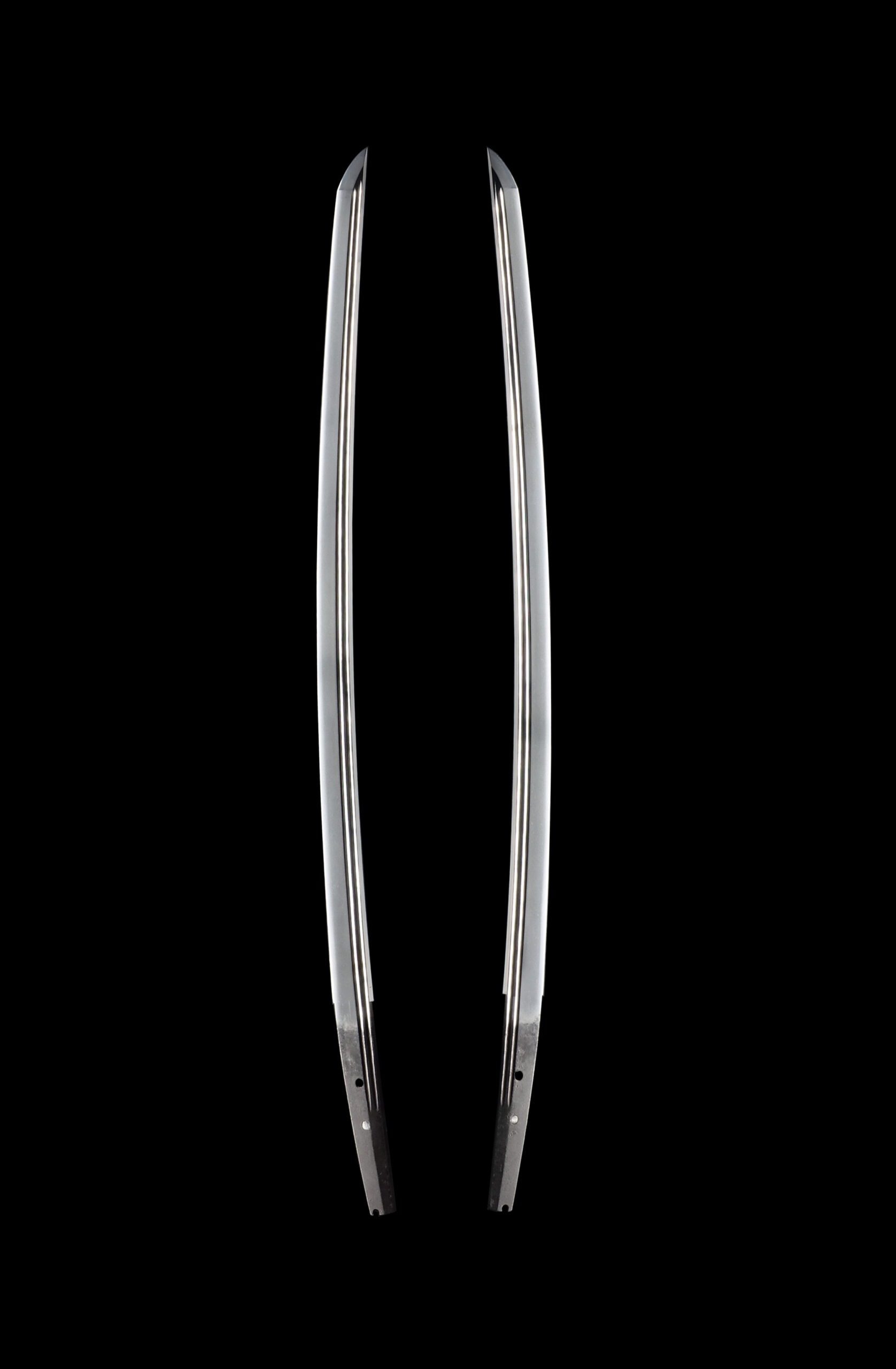
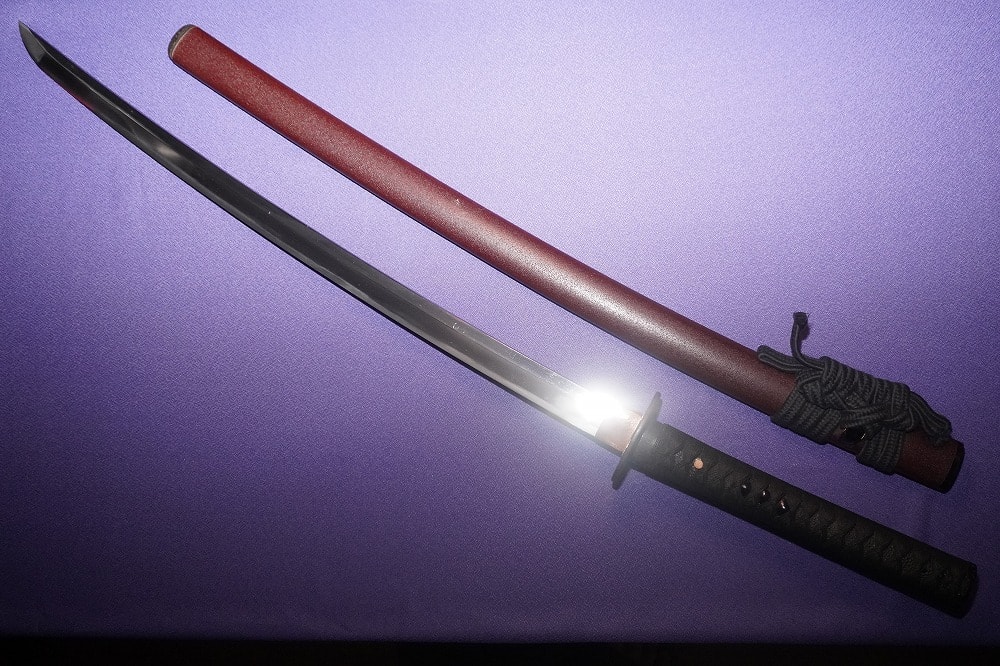
It has appeared, it has appeared! A naginata work by the historically world-famous Dotanuki has emerged. Although the name is renowned throughout the land, extant works are virtually non-existent. This is a miraculously discovered, magnificently crafted masterpiece naginata by Hishu Ju Dotanuki Kiyokuni, who was personally employed by Lord Kato Kiyomasa in Tensho 16 (1588) (438 years ago) and was personally granted the character "Kiyo" (清) from Kiyomasa’s own name. In Keicho 6 (1601), when the 540,000-koku Lord of Higo, Kato Kiyomasa, began the construction of Kumamoto Castle, he appointed Dotanuki Kiyokuni as the head smith and ordered the production of 148 naginata as castle armaments (shiro-sonae). This is the 40th naginata among those 148 made for the defense of Kumamoto Castle, making it a historically ultra-precious piece. Regarding the naginata made as castle armaments at that time, Lord Kato Kiyomasa passed away in Keicho 16 (1611), and the Kato family met its end during the generation of his son, Lord Kato Tadahiro. In Kan'ei 9 (1632), Kumamoto Castle was transferred to the Hosokawa family. Consequently, 400 years later, there are no other extant examples of the castle armament naginata from that period; since this is the only one remaining, it is historically and wonderfully precious in connection to Lord Kato Kiyomasa, the tosho Dotanuki Kiyokuni, and Kumamoto Castle. The sugata of this naginata shows a wide moto-mihaba and an even wider saki-mihaba, presenting an excellent naginata form. The jigane is forged in itame-hada, revealing a bright and fine metal. The hamon is in nioi-deki with ko-nie, tempered in a gunome-midare pattern with tobi-yaki appearing in the ji and mune, creating a magnificent naginata full of haki. The tosho Dotanuki Kiyokuni has been famous since ancient times as a smith whose blades cut exceptionally well, but as it is nearly impossible to see extant works, this naginata is wonderfully rare. The nakago was coated with expensive kindei (gold paint) urushi from that time to prevent rusting, which clearly shows how carefully it was cherished. Although there is some slight wear, the naginata koshirae, which carries the scent of the Momoyama period, adds further splendor to this work by the tosho Dotanuki Kiyokuni. This is a precious masterpiece that a museum in Kumamoto Prefecture would surely want as an exhibit. Please enjoy this historically significant naginata, which possesses a wonderful connection to Lord Kato Kiyomasa, the tosho Dotanuki Kiyokuni, and Kumamoto Castle.

NihontoWatch MonNihontoWatch
MarketEncyclopediaKantei
Swords›Bizen-den›Dotanuki›Kiyokuni›Japanese Sword: Naginata by Hishuju Fujiwara Kiyokuni (Dodanuki), a castle guard naginata for Kato Kiyomasa's Kumamoto Castle
naginataTokubetsu Hozon
Dotanuki Kiyokuni

Japanese Sword: Naginata by Hishuju Fujiwara Kiyokuni (Dodanuki), a castle guard naginata for Kato Kiyomasa's Kumamoto Castle

signed · 同田貫 · Shinto · nagasa 49.7cm · sori 2.7cm

Price on request
Visit seller website →
Dotanuki Kiyokuni (清國) · 同田貫 · Shinto1 work for sale →
Naginata
Could you name the smith from the blade alone? Today’s kantei →
Dotanuki Kiyokuni — 1 of 32
Dotanuki Kiyokuni — 2 of 32
Dotanuki Kiyokuni — 3 of 32
Dotanuki Kiyokuni — 4 of 32
Dotanuki Kiyokuni — 5 of 32
Dotanuki Kiyokuni — 6 of 32
Dotanuki Kiyokuni — 7 of 32
Dotanuki Kiyokuni — 8 of 32
Dotanuki Kiyokuni — 9 of 32
Dotanuki Kiyokuni — 10 of 32
Dotanuki Kiyokuni — 11 of 32
Dotanuki Kiyokuni — 12 of 32
Dotanuki Kiyokuni — 13 of 32
Dotanuki Kiyokuni — 14 of 32
Dotanuki Kiyokuni — 15 of 32
Dotanuki Kiyokuni — 16 of 32
Dotanuki Kiyokuni — 17 of 32
Dotanuki Kiyokuni — 18 of 32
Dotanuki Kiyokuni — 19 of 32
Dotanuki Kiyokuni — 20 of 32
Dotanuki Kiyokuni — 21 of 32
Dotanuki Kiyokuni — 22 of 32
Dotanuki Kiyokuni — 23 of 32
Dotanuki Kiyokuni — 24 of 32
Dotanuki Kiyokuni — 25 of 32
Dotanuki Kiyokuni — 26 of 32
Dotanuki Kiyokuni — 27 of 32
Dotanuki Kiyokuni — 28 of 32
Dotanuki Kiyokuni — 29 of 32
Dotanuki Kiyokuni — 30 of 32
Dotanuki Kiyokuni — 31 of 32
Dotanuki Kiyokuni — 32 of 32
1 / 32
1 / 32
Dotanuki Kiyokuni — 1 of 32Dotanuki Kiyokuni — 2 of 32Dotanuki Kiyokuni — 3 of 32Dotanuki Kiyokuni — 4 of 32Dotanuki Kiyokuni — 5 of 32Dotanuki Kiyokuni — 6 of 32Dotanuki Kiyokuni — 7 of 32Dotanuki Kiyokuni — 8 of 32Dotanuki Kiyokuni — 9 of 32Dotanuki Kiyokuni — 10 of 32Dotanuki Kiyokuni — 11 of 32Dotanuki Kiyokuni — 12 of 32Dotanuki Kiyokuni — 13 of 32Dotanuki Kiyokuni — 14 of 32Dotanuki Kiyokuni — 15 of 32Dotanuki Kiyokuni — 16 of 32Dotanuki Kiyokuni — 17 of 32Dotanuki Kiyokuni — 18 of 32Dotanuki Kiyokuni — 19 of 32Dotanuki Kiyokuni — 20 of 32Dotanuki Kiyokuni — 21 of 32Dotanuki Kiyokuni — 22 of 32Dotanuki Kiyokuni — 23 of 32Dotanuki Kiyokuni — 24 of 32Dotanuki Kiyokuni — 25 of 32Dotanuki Kiyokuni — 26 of 32Dotanuki Kiyokuni — 27 of 32Dotanuki Kiyokuni — 28 of 32Dotanuki Kiyokuni — 29 of 32Dotanuki Kiyokuni — 30 of 32Dotanuki Kiyokuni — 31 of 32Dotanuki Kiyokuni — 32 of 32
Dotanuki Kiyokuni (清國) · 同田貫 · Shinto1 work for sale →
Naginata
Could you name the smith from the blade alone? Today’s kantei →
Measurements & details
Smith
Dotanuki Kiyokuni
Type
Naginata
School
Dotanuki
Period
Around 1573–1592(Tensho)
Province
肥州
Signature
Signed
Measurements
Nagasa 49.7cmSori 2.7cmMotohaba 2.92cmSakihaba 1.52cmKasane 0.8cm
Description

It has appeared, it has appeared! A naginata work by the historically world-famous Dotanuki has emerged. Although the name is renowned throughout the land, extant works are virtually non-existent. This is a miraculously discovered, magnificently crafted masterpiece naginata by Hishu Ju Dotanuki Kiyokuni, who was personally employed by Lord Kato Kiyomasa in Tensho 16 (1588) (438 years ago) and was personally granted the character "Kiyo" (清) from Kiyomasa’s own name. In Keicho 6 (1601), when the 540,000-koku Lord of Higo, Kato Kiyomasa, began the construction of Kumamoto Castle, he appointed Dotanuki Kiyokuni as the head smith and ordered the production of 148 naginata as castle armaments (shiro-sonae). This is the 40th naginata among those 148 made for the defense of Kumamoto Castle, making it a historically ultra-precious piece. Regarding the naginata made as castle armaments at that time, Lord Kato Kiyomasa passed away in Keicho 16 (1611), and the Kato family met its end during the generation of his son, Lord Kato Tadahiro. In Kan'ei 9 (1632), Kumamoto Castle was transferred to the Hosokawa family. Consequently, 400 years later, there are no other extant examples of the castle armament naginata from that period; since this is the only one remaining, it is historically and wonderfully precious in connection to Lord Kato Kiyomasa, the tosho Dotanuki Kiyokuni, and Kumamoto Castle. The sugata of this naginata shows a wide moto-mihaba and an even wider saki-mihaba, presenting an excellent naginata form. The jigane is forged in itame-hada, revealing a bright and fine metal. The hamon is in nioi-deki with ko-nie, tempered in a gunome-midare pattern with tobi-yaki appearing in the ji and mune, creating a magnificent naginata full of haki. The tosho Dotanuki Kiyokuni has been famous since ancient times as a smith whose blades cut exceptionally well, but as it is nearly impossible to see extant works, this naginata is wonderfully rare. The nakago was coated with expensive kindei (gold paint) urushi from that time to prevent rusting, which clearly shows how carefully it was cherished. Although there is some slight wear, the naginata koshirae, which carries the scent of the Momoyama period, adds further splendor to this work by the tosho Dotanuki Kiyokuni. This is a precious masterpiece that a museum in Kumamoto Prefecture would surely want as an exhibit. Please enjoy this historically significant naginata, which possesses a wonderful connection to Lord Kato Kiyomasa, the tosho Dotanuki Kiyokuni, and Kumamoto Castle.

About the maker

Kiyokuni

清國

Bizen-den · Higo · around 1573-1592

Tōken Taikan top 76%

1 piece on the market now

›
1 work by Kiyokuni on the market→
Kiyokuni — full profileBizen-den school

Study this maker →

About the school

Dotanuki

同田貫

Bizen-den · Higo

19 pieces on the market now

›

The Dōtanuki (同田貫) line took shape in Kikuchi District of Higo Province toward the close of the Muromachi period and carried its activity forward into the shintō era, spanning the Momoyama transition into early Edo. The setsumei of the group's own blades name several of its hands: Ueno no Suke, whose dated work runs from Tenshō through Keichō and who is therefore described as a maker active across the divide between old and new traditions; Fujiwara Masakuni, treated as a leading smith of the school; Masahiro, whose naginata the register notes is absent from the meikan and so supplements that omission; and Matahachi. The accounts further list Samanosuke, Hyōbu, Matahachizaemon, and Kunikatsu among the line's signing smiths. The group is repeatedly framed as a representative Kyūshū lineage of the period, working in the domain that would become the ground of Higo's later military culture. The shared vocabulary of the setsumei is plain and consistent. The sugata is described as sturdy and uncompromising, bukotsu, with wide mihaba, thick kasane, and ample hiraniku, and little difference between base and tip width; on swords the sakizori can be pronounced and the chū-kissaki extended, while the spears and large naginata show flaring, full heads. The kitae is itame, often with nagare and mokume mixed in and a tendency toward hada-dachi, with ji-nie adhering and chikei at times visible.

The hamon moves between two registers: a notare base mixed with ko-gunome, ko-chōji, and ko-togariba, and a quieter suguha with ko-ashi and yō; across both the nioiguchi tends to be tight, nie gathers densely, and sunagashi, kinsuji, tobiyaki, and muneyaki recur. The hand is recognized by this combination of robust unrefined build and a midareba whose tight nioiguchi and clustered nie read as rustic rather than ornamental. The register notes a shizumi-gokoro, a subdued tendency in both ji and ha, that lends a restrained austerity. " The setsumei return again and again to cutting power: the sharpness of these blades is highly praised, and they are recorded as practical weapons carried into use. Provenance survives in mounted form, including a naginata by Masakuni accompanied by a black lacquer mounting with gold maki-e judged contemporary with the blade, and a Matahachi naginata with its black-lacquered pole mounting. Within the line, individual works are singled out as superior examples that convey the school's character, the Ueno no Suke katana of Keichō 16 being read as exceptionally fine among its peers. The register places Dōtanuki as a Higo lineage whose unadorned strength and cutting reputation hold a recognized standing in the shintō-period record. Learn more →


4 recorded smiths5 designated works
Leading smiths
SmithEraDesignated
Dotanuki同田貫1573-16112
Kozukenosuke上野介1596-16150
Muneharu宗春1865-18680
Kunikatsu國勝1558-15700
Matahachi又八1573-15921
Explore the Dotanuki school →

Historical context

The Momoyama period (1573 to 1615)

›

Three unifiers ended the century of war, and the sword became an instrument of the new order: the 1588 sword hunt made it the warrior’s badge, famous blades passed between houses like treaties, and appraisal ever after divides the craft here, kotō from shintō.

The Momoyama period (1573 to 1615) →

NBTHK Certificate
Tokubetsu Hozon Tōken特別保存刀剣
Sword Especially Worthy of Preservation
›

A Hozon-certified blade judged to show notably superior workmanship and a better state of preservation. The bar is higher: re-tempered blades and most unsigned Muromachi/Edo works are excluded.

About the NBTHK›

The NBTHK (Nihon Bijutsu Tōken Hozon Kyōkai, the Society for the Preservation of Japanese Art Swords) is a public-interest incorporated foundation founded in 1948 and supervised by Japan’s Agency for Cultural Affairs (Bunkachō); it is based at the Japanese Sword Museum in Tokyo. Its expert panels physically examine each submitted work (shinsa) and issue a certificate (kanteishō) ranking it by artistic and historical merit. NBTHK papers are the most widely recognized standard of authentication for Japanese swords and fittings.

NBTHK official site→
Seller
N
Nipponto
Established 1953 · 73 yrs on the market
🇯🇵Ships from Japan
›
✓Verified dealernipponto.co.jp
✓Ships worldwide✓English supportPayPalCredit card
Return policy

For returns due to customer circumstances, the cost is the customer's responsibility. For returns due to our mis-shipment or a defective item, we bear the cost.

View all of Nipponto’s listings→View this item on the dealer’s site→

Previously sold by Dotanuki Kiyokuni

View all →
Yushindou
Katana - by Dotanuki Kiyokuni - Hishu jyu Fujiwara Kunikatsu (Dodanuki)Katana - by Dotanuki Kiyokuni - Hishu jyu Fujiwara Kunikatsu (Dodanuki)
Sold

Katana

ByDotanuki Kiyokuni
SOLD

More from the Dotanuki school

View all →
Choshuya
Hozon
Daisho - Hozon - by Dotanuki - Ichi-bu Kizami Kuro Ro-iro Nuri Saya Daisho KoshiraeDaisho - Hozon - by Dotanuki - Ichi-bu Kizami Kuro Ro-iro Nuri Saya Daisho Koshirae

Daishō

ByDotanuki
¥2,800,000
Toyuukai
Hozon
Katana - Hozon - by Dotanuki - Mumei (Doudanuki) - Hozon Token CertificateKatana - Hozon - by Dotanuki - Mumei (Doudanuki) - Hozon Token Certificate

Katana

ByDotanuki
¥500,000
Aoi Art
Tokuho
Katana - Tokuho - by Dotanuki Kozukenosuke - Kyushu Higo Dotanuki KozukenosukeKatana - Tokuho - by Dotanuki Kozukenosuke - Kyushu Higo Dotanuki Kozukenosuke

Katana

ByDotanuki Kozukenosuke
¥1,900,000
Nipponto
Katana - by Dotanuki Munehiro - Japanese Sword: Higo Dodanuki MunehiroKatana - by Dotanuki Munehiro - Japanese Sword: Higo Dodanuki Munehiro

Katana

ByDotanuki Munehiro
¥480,000
Shonan Sasaki
Hozon
Katana - Hozon - by Dotanuki - Mumei (Dotanuki) - NBTHK HozonKatana - Hozon - by Dotanuki - Mumei (Dotanuki) - NBTHK Hozon

Katana

ByDotanuki
¥900,000
RVA Katana
NTHK
Katana - NTHK - by Dotanuki Munehiro - Antique Nihonto - Katana in Shirasaya, NTHK Attributed to Late Edo Dotanuki MunehiroKatana - NTHK - by Dotanuki Munehiro - Antique Nihonto - Katana in Shirasaya, NTHK Attributed to Late Edo Dotanuki Munehiro

Katana

ByDotanuki Munehiro
¥2,675
Nakano Kosen
Katana - by Dotanuki Munehiro - MunehiroKatana - by Dotanuki Munehiro - Munehiro

Katana

ByDotanuki Munehiro
¥1,500,000
Nihonto US
Wakizashi - by Dotanuki School - Dotanuki Masatsugu WakizashiWakizashi - by Dotanuki School - Dotanuki Masatsugu Wakizashi

Wakizashi

ByDotanuki School
¥2,800

More from the Bizen tradition

View all →
Aoi Art
Tokuho
Wakizashi - Tokuho - by Oei-Bizen Morimitsu - Bishū Osafune Morimitsu, dated Ōei 26 (1419) - NBTHK Tokubetsu Hozon TokenWakizashi - Tokuho - by Oei-Bizen Morimitsu - Bishū Osafune Morimitsu, dated Ōei 26 (1419) - NBTHK Tokubetsu Hozon Token

Wakizashi

ByOei-Bizen Morimitsu
Starting Bid¥1,500,000
Aoi Art
Jūyō Bijutsuhin
Daisho - Jubi - by Osafune Nagamitsu - Dai Sho: Katana (Important Art Object): Mumei (Attributed to Nagamitsu) / Wakizashi: Mumei (Attributed to Sekishu Naotsuna)Daisho - Jubi - by Osafune Nagamitsu - Dai Sho: Katana (Important Art Object): Mumei (Attributed to Nagamitsu) / Wakizashi: Mumei (Attributed to Sekishu Naotsuna)

Daishō

ByOsafune Nagamitsu
Ask
Hyozaemon
Tokuho
Tokuho - by Fukuoka Ichimonji Yoshifusa - Naginata Naoshi Wakizashi by Fukuoka Ichimonji Yoshifusa, a Master of IchimonjiTokuho - by Fukuoka Ichimonji Yoshifusa - Naginata Naoshi Wakizashi by Fukuoka Ichimonji Yoshifusa, a Master of Ichimonji

Naginata Naoshi Wakizashi by Fukuoka Ichimonji Yoshifusa, a Master of Ichimonji

ByFukuoka Ichimonji Yoshifusa
Ask
Tsuruginoya
Jūyō
Katana - Jūyō - by Fukuoka Ichimonji School - Mumei Fukuoka IchimonjiKatana - Jūyō - by Fukuoka Ichimonji School - Mumei Fukuoka Ichimonji

Katana

ByFukuoka Ichimonji School
Ask
Eirakudo
Jūyō
Katana - Jūyō - by Motoshige - Motoshige - Juyo TokenKatana - Jūyō - by Motoshige - Motoshige - Juyo Token

Katana

ByMotoshige
¥6,000,000
Nihonto.com
Jūyō
Tanto - Jūyō - by Osafune Kagemitsu - Juyo Tanto by Bizen KagemitsuTanto - Jūyō - by Osafune Kagemitsu - Juyo Tanto by Bizen Kagemitsu

Tantō

ByOsafune Kagemitsu
¥89,500
Eirakudo
Tokuho
Katana - Tokuho - by Katayama Ichimonji School - Katayama Ichimonji - Tokubetsu Hozon TokenKatana - Tokuho - by Katayama Ichimonji School - Katayama Ichimonji - Tokubetsu Hozon Token

Katana

ByKatayama Ichimonji School
¥4,500,000
Samurai Museum
Tokuho
Wakizashi - Tokuho - by Osafune Kagemitsu - Antique Japanese Sword Wakizashi Attributed to Den Osafune Kagemitsu NBTHK Tokubetsu Hozon CertificateWakizashi - Tokuho - by Osafune Kagemitsu - Antique Japanese Sword Wakizashi Attributed to Den Osafune Kagemitsu NBTHK Tokubetsu Hozon Certificate

Wakizashi

ByOsafune Kagemitsu
¥3,200,000

Swords

  • Katana
  • Wakizashi
  • Tantō
  • Tachi
  • Naginata
  • Yari
  • Japanese Swords
  • Samurai Swords

Fittings

  • Tsuba
  • Fuchi-Kashira
  • Kozuka
  • Menuki
  • Sword Guards (Tsuba)

Armor

  • Kabuto
  • Samurai Armor
  • All Samurai Armor

By Certification

  • Tokujū
  • Jūyō
  • Tokuho
  • Hozon

Resources

  • Dealer Directory
  • Artist Directory
  • The Daily Kantei
  • Glossary
  • Browse All
Nihontowatch© 2026
TermsPrivacyCookiesAbout

Price on request

View on Nipponto

Description

It has appeared, it has appeared! A naginata work by the historically world-famous Dotanuki has emerged. Although the name is renowned throughout the land, extant works are virtually non-existent. This is a miraculously discovered, magnificently crafted masterpiece naginata by Hishu Ju Dotanuki Kiyokuni, who was personally employed by Lord Kato Kiyomasa in Tensho 16 (1588) (438 years ago) and was personally granted the character "Kiyo" (清) from Kiyomasa’s own name. In Keicho 6 (1601), when the 540,000-koku Lord of Higo, Kato Kiyomasa, began the construction of Kumamoto Castle, he appointed Dotanuki Kiyokuni as the head smith and ordered the production of 148 naginata as castle armaments (shiro-sonae). This is the 40th naginata among those 148 made for the defense of Kumamoto Castle, making it a historically ultra-precious piece. Regarding the naginata made as castle armaments at that time, Lord Kato Kiyomasa passed away in Keicho 16 (1611), and the Kato family met its end during the generation of his son, Lord Kato Tadahiro. In Kan'ei 9 (1632), Kumamoto Castle was transferred to the Hosokawa family. Consequently, 400 years later, there are no other extant examples of the castle armament naginata from that period; since this is the only one remaining, it is historically and wonderfully precious in connection to Lord Kato Kiyomasa, the tosho Dotanuki Kiyokuni, and Kumamoto Castle. The sugata of this naginata shows a wide moto-mihaba and an even wider saki-mihaba, presenting an excellent naginata form. The jigane is forged in itame-hada, revealing a bright and fine metal. The hamon is in nioi-deki with ko-nie, tempered in a gunome-midare pattern with tobi-yaki appearing in the ji and mune, creating a magnificent naginata full of haki. The tosho Dotanuki Kiyokuni has been famous since ancient times as a smith whose blades cut exceptionally well, but as it is nearly impossible to see extant works, this naginata is wonderfully rare. The nakago was coated with expensive kindei (gold paint) urushi from that time to prevent rusting, which clearly shows how carefully it was cherished. Although there is some slight wear, the naginata koshirae, which carries the scent of the Momoyama period, adds further splendor to this work by the tosho Dotanuki Kiyokuni. This is a precious masterpiece that a museum in Kumamoto Prefecture would surely want as an exhibit. Please enjoy this historically significant naginata, which possesses a wonderful connection to Lord Kato Kiyomasa, the tosho Dotanuki Kiyokuni, and Kumamoto Castle.

NihontoWatch MonNihontoWatch
MarketEncyclopediaKantei
Swords›Bizen-den›Dotanuki›Kiyokuni›Japanese Sword: Naginata by Hishuju Fujiwara Kiyokuni (Dodanuki), a castle guard naginata for Kato Kiyomasa's Kumamoto Castle
naginataTokubetsu Hozon
Dotanuki Kiyokuni

Japanese Sword: Naginata by Hishuju Fujiwara Kiyokuni (Dodanuki), a castle guard naginata for Kato Kiyomasa's Kumamoto Castle

signed · 同田貫 · Shinto · nagasa 49.7cm · sori 2.7cm

Price on request
Visit seller website →
Dotanuki Kiyokuni (清國) · 同田貫 · Shinto1 work for sale →
Naginata
Could you name the smith from the blade alone? Today’s kantei →
Dotanuki Kiyokuni — 1 of 32
Dotanuki Kiyokuni — 2 of 32
Dotanuki Kiyokuni — 3 of 32
Dotanuki Kiyokuni — 4 of 32
Dotanuki Kiyokuni — 5 of 32
Dotanuki Kiyokuni — 6 of 32
Dotanuki Kiyokuni — 7 of 32
Dotanuki Kiyokuni — 8 of 32
Dotanuki Kiyokuni — 9 of 32
Dotanuki Kiyokuni — 10 of 32
Dotanuki Kiyokuni — 11 of 32
Dotanuki Kiyokuni — 12 of 32
Dotanuki Kiyokuni — 13 of 32
Dotanuki Kiyokuni — 14 of 32
Dotanuki Kiyokuni — 15 of 32
Dotanuki Kiyokuni — 16 of 32
Dotanuki Kiyokuni — 17 of 32
Dotanuki Kiyokuni — 18 of 32
Dotanuki Kiyokuni — 19 of 32
Dotanuki Kiyokuni — 20 of 32
Dotanuki Kiyokuni — 21 of 32
Dotanuki Kiyokuni — 22 of 32
Dotanuki Kiyokuni — 23 of 32
Dotanuki Kiyokuni — 24 of 32
Dotanuki Kiyokuni — 25 of 32
Dotanuki Kiyokuni — 26 of 32
Dotanuki Kiyokuni — 27 of 32
Dotanuki Kiyokuni — 28 of 32
Dotanuki Kiyokuni — 29 of 32
Dotanuki Kiyokuni — 30 of 32
Dotanuki Kiyokuni — 31 of 32
Dotanuki Kiyokuni — 32 of 32
1 / 32
1 / 32
Dotanuki Kiyokuni — 1 of 32Dotanuki Kiyokuni — 2 of 32Dotanuki Kiyokuni — 3 of 32Dotanuki Kiyokuni — 4 of 32Dotanuki Kiyokuni — 5 of 32Dotanuki Kiyokuni — 6 of 32Dotanuki Kiyokuni — 7 of 32Dotanuki Kiyokuni — 8 of 32Dotanuki Kiyokuni — 9 of 32Dotanuki Kiyokuni — 10 of 32Dotanuki Kiyokuni — 11 of 32Dotanuki Kiyokuni — 12 of 32Dotanuki Kiyokuni — 13 of 32Dotanuki Kiyokuni — 14 of 32Dotanuki Kiyokuni — 15 of 32Dotanuki Kiyokuni — 16 of 32Dotanuki Kiyokuni — 17 of 32Dotanuki Kiyokuni — 18 of 32Dotanuki Kiyokuni — 19 of 32Dotanuki Kiyokuni — 20 of 32Dotanuki Kiyokuni — 21 of 32Dotanuki Kiyokuni — 22 of 32Dotanuki Kiyokuni — 23 of 32Dotanuki Kiyokuni — 24 of 32Dotanuki Kiyokuni — 25 of 32Dotanuki Kiyokuni — 26 of 32Dotanuki Kiyokuni — 27 of 32Dotanuki Kiyokuni — 28 of 32Dotanuki Kiyokuni — 29 of 32Dotanuki Kiyokuni — 30 of 32Dotanuki Kiyokuni — 31 of 32Dotanuki Kiyokuni — 32 of 32
Dotanuki Kiyokuni (清國) · 同田貫 · Shinto1 work for sale →
Naginata
Could you name the smith from the blade alone? Today’s kantei →
Measurements & details
Smith
Dotanuki Kiyokuni
Type
Naginata
School
Dotanuki
Period
Around 1573–1592(Tensho)
Province
肥州
Signature
Signed
Measurements
Nagasa 49.7cmSori 2.7cmMotohaba 2.92cmSakihaba 1.52cmKasane 0.8cm
Description

It has appeared, it has appeared! A naginata work by the historically world-famous Dotanuki has emerged. Although the name is renowned throughout the land, extant works are virtually non-existent. This is a miraculously discovered, magnificently crafted masterpiece naginata by Hishu Ju Dotanuki Kiyokuni, who was personally employed by Lord Kato Kiyomasa in Tensho 16 (1588) (438 years ago) and was personally granted the character "Kiyo" (清) from Kiyomasa’s own name. In Keicho 6 (1601), when the 540,000-koku Lord of Higo, Kato Kiyomasa, began the construction of Kumamoto Castle, he appointed Dotanuki Kiyokuni as the head smith and ordered the production of 148 naginata as castle armaments (shiro-sonae). This is the 40th naginata among those 148 made for the defense of Kumamoto Castle, making it a historically ultra-precious piece. Regarding the naginata made as castle armaments at that time, Lord Kato Kiyomasa passed away in Keicho 16 (1611), and the Kato family met its end during the generation of his son, Lord Kato Tadahiro. In Kan'ei 9 (1632), Kumamoto Castle was transferred to the Hosokawa family. Consequently, 400 years later, there are no other extant examples of the castle armament naginata from that period; since this is the only one remaining, it is historically and wonderfully precious in connection to Lord Kato Kiyomasa, the tosho Dotanuki Kiyokuni, and Kumamoto Castle. The sugata of this naginata shows a wide moto-mihaba and an even wider saki-mihaba, presenting an excellent naginata form. The jigane is forged in itame-hada, revealing a bright and fine metal. The hamon is in nioi-deki with ko-nie, tempered in a gunome-midare pattern with tobi-yaki appearing in the ji and mune, creating a magnificent naginata full of haki. The tosho Dotanuki Kiyokuni has been famous since ancient times as a smith whose blades cut exceptionally well, but as it is nearly impossible to see extant works, this naginata is wonderfully rare. The nakago was coated with expensive kindei (gold paint) urushi from that time to prevent rusting, which clearly shows how carefully it was cherished. Although there is some slight wear, the naginata koshirae, which carries the scent of the Momoyama period, adds further splendor to this work by the tosho Dotanuki Kiyokuni. This is a precious masterpiece that a museum in Kumamoto Prefecture would surely want as an exhibit. Please enjoy this historically significant naginata, which possesses a wonderful connection to Lord Kato Kiyomasa, the tosho Dotanuki Kiyokuni, and Kumamoto Castle.

About the maker

Kiyokuni

清國

Bizen-den · Higo · around 1573-1592

Tōken Taikan top 76%

1 piece on the market now

›
1 work by Kiyokuni on the market→
Kiyokuni — full profileBizen-den school

Study this maker →

About the school

Dotanuki

同田貫

Bizen-den · Higo

19 pieces on the market now

›

The Dōtanuki (同田貫) line took shape in Kikuchi District of Higo Province toward the close of the Muromachi period and carried its activity forward into the shintō era, spanning the Momoyama transition into early Edo. The setsumei of the group's own blades name several of its hands: Ueno no Suke, whose dated work runs from Tenshō through Keichō and who is therefore described as a maker active across the divide between old and new traditions; Fujiwara Masakuni, treated as a leading smith of the school; Masahiro, whose naginata the register notes is absent from the meikan and so supplements that omission; and Matahachi. The accounts further list Samanosuke, Hyōbu, Matahachizaemon, and Kunikatsu among the line's signing smiths. The group is repeatedly framed as a representative Kyūshū lineage of the period, working in the domain that would become the ground of Higo's later military culture. The shared vocabulary of the setsumei is plain and consistent. The sugata is described as sturdy and uncompromising, bukotsu, with wide mihaba, thick kasane, and ample hiraniku, and little difference between base and tip width; on swords the sakizori can be pronounced and the chū-kissaki extended, while the spears and large naginata show flaring, full heads. The kitae is itame, often with nagare and mokume mixed in and a tendency toward hada-dachi, with ji-nie adhering and chikei at times visible.

The hamon moves between two registers: a notare base mixed with ko-gunome, ko-chōji, and ko-togariba, and a quieter suguha with ko-ashi and yō; across both the nioiguchi tends to be tight, nie gathers densely, and sunagashi, kinsuji, tobiyaki, and muneyaki recur. The hand is recognized by this combination of robust unrefined build and a midareba whose tight nioiguchi and clustered nie read as rustic rather than ornamental. The register notes a shizumi-gokoro, a subdued tendency in both ji and ha, that lends a restrained austerity. " The setsumei return again and again to cutting power: the sharpness of these blades is highly praised, and they are recorded as practical weapons carried into use. Provenance survives in mounted form, including a naginata by Masakuni accompanied by a black lacquer mounting with gold maki-e judged contemporary with the blade, and a Matahachi naginata with its black-lacquered pole mounting. Within the line, individual works are singled out as superior examples that convey the school's character, the Ueno no Suke katana of Keichō 16 being read as exceptionally fine among its peers. The register places Dōtanuki as a Higo lineage whose unadorned strength and cutting reputation hold a recognized standing in the shintō-period record. Learn more →

4 recorded smiths5 designated works
Leading smiths
SmithEraDesignated
Dotanuki同田貫1573-16112
Kozukenosuke上野介1596-16150
Muneharu宗春1865-18680
Kunikatsu國勝1558-15700
Matahachi又八1573-15921
Explore the Dotanuki school →

Historical context

The Momoyama period (1573 to 1615)

›

Three unifiers ended the century of war, and the sword became an instrument of the new order: the 1588 sword hunt made it the warrior’s badge, famous blades passed between houses like treaties, and appraisal ever after divides the craft here, kotō from shintō.

The Momoyama period (1573 to 1615) →
NBTHK Certificate
Tokubetsu Hozon Tōken特別保存刀剣
Sword Especially Worthy of Preservation
›

A Hozon-certified blade judged to show notably superior workmanship and a better state of preservation. The bar is higher: re-tempered blades and most unsigned Muromachi/Edo works are excluded.

About the NBTHK›

The NBTHK (Nihon Bijutsu Tōken Hozon Kyōkai, the Society for the Preservation of Japanese Art Swords) is a public-interest incorporated foundation founded in 1948 and supervised by Japan’s Agency for Cultural Affairs (Bunkachō); it is based at the Japanese Sword Museum in Tokyo. Its expert panels physically examine each submitted work (shinsa) and issue a certificate (kanteishō) ranking it by artistic and historical merit. NBTHK papers are the most widely recognized standard of authentication for Japanese swords and fittings.

NBTHK official site→
Seller
N
Nipponto
Established 1953 · 73 yrs on the market
🇯🇵Ships from Japan
›
✓Verified dealernipponto.co.jp
✓Ships worldwide✓English supportPayPalCredit card
Return policy

For returns due to customer circumstances, the cost is the customer's responsibility. For returns due to our mis-shipment or a defective item, we bear the cost.

View all of Nipponto’s listings→View this item on the dealer’s site→

Previously sold by Dotanuki Kiyokuni

View all →
Yushindou
Katana - by Dotanuki Kiyokuni - Hishu jyu Fujiwara Kunikatsu (Dodanuki)Katana - by Dotanuki Kiyokuni - Hishu jyu Fujiwara Kunikatsu (Dodanuki)
Sold

Katana

ByDotanuki Kiyokuni
SOLD

More from the Dotanuki school

View all →
Choshuya
Hozon
Daisho - Hozon - by Dotanuki - Ichi-bu Kizami Kuro Ro-iro Nuri Saya Daisho KoshiraeDaisho - Hozon - by Dotanuki - Ichi-bu Kizami Kuro Ro-iro Nuri Saya Daisho Koshirae

Daishō

ByDotanuki
¥2,800,000
Toyuukai
Hozon
Katana - Hozon - by Dotanuki - Mumei (Doudanuki) - Hozon Token CertificateKatana - Hozon - by Dotanuki - Mumei (Doudanuki) - Hozon Token Certificate

Katana

ByDotanuki
¥500,000
Aoi Art
Tokuho
Katana - Tokuho - by Dotanuki Kozukenosuke - Kyushu Higo Dotanuki KozukenosukeKatana - Tokuho - by Dotanuki Kozukenosuke - Kyushu Higo Dotanuki Kozukenosuke

Katana

ByDotanuki Kozukenosuke
¥1,900,000
Nipponto
Katana - by Dotanuki Munehiro - Japanese Sword: Higo Dodanuki MunehiroKatana - by Dotanuki Munehiro - Japanese Sword: Higo Dodanuki Munehiro

Katana

ByDotanuki Munehiro
¥480,000
Shonan Sasaki
Hozon
Katana - Hozon - by Dotanuki - Mumei (Dotanuki) - NBTHK HozonKatana - Hozon - by Dotanuki - Mumei (Dotanuki) - NBTHK Hozon

Katana

ByDotanuki
¥900,000
RVA Katana
NTHK
Katana - NTHK - by Dotanuki Munehiro - Antique Nihonto - Katana in Shirasaya, NTHK Attributed to Late Edo Dotanuki MunehiroKatana - NTHK - by Dotanuki Munehiro - Antique Nihonto - Katana in Shirasaya, NTHK Attributed to Late Edo Dotanuki Munehiro

Katana

ByDotanuki Munehiro
¥2,675
Nakano Kosen
Katana - by Dotanuki Munehiro - MunehiroKatana - by Dotanuki Munehiro - Munehiro

Katana

ByDotanuki Munehiro
¥1,500,000
Nihonto US
Wakizashi - by Dotanuki School - Dotanuki Masatsugu WakizashiWakizashi - by Dotanuki School - Dotanuki Masatsugu Wakizashi

Wakizashi

ByDotanuki School
¥2,800

More from the Bizen tradition

View all →
Aoi Art
Tokuho
Wakizashi - Tokuho - by Oei-Bizen Morimitsu - Bishū Osafune Morimitsu, dated Ōei 26 (1419) - NBTHK Tokubetsu Hozon TokenWakizashi - Tokuho - by Oei-Bizen Morimitsu - Bishū Osafune Morimitsu, dated Ōei 26 (1419) - NBTHK Tokubetsu Hozon Token

Wakizashi

ByOei-Bizen Morimitsu
Starting Bid¥1,500,000
Aoi Art
Jūyō Bijutsuhin
Daisho - Jubi - by Osafune Nagamitsu - Dai Sho: Katana (Important Art Object): Mumei (Attributed to Nagamitsu) / Wakizashi: Mumei (Attributed to Sekishu Naotsuna)Daisho - Jubi - by Osafune Nagamitsu - Dai Sho: Katana (Important Art Object): Mumei (Attributed to Nagamitsu) / Wakizashi: Mumei (Attributed to Sekishu Naotsuna)

Daishō

ByOsafune Nagamitsu
Ask
Hyozaemon
Tokuho
Tokuho - by Fukuoka Ichimonji Yoshifusa - Naginata Naoshi Wakizashi by Fukuoka Ichimonji Yoshifusa, a Master of IchimonjiTokuho - by Fukuoka Ichimonji Yoshifusa - Naginata Naoshi Wakizashi by Fukuoka Ichimonji Yoshifusa, a Master of Ichimonji

Naginata Naoshi Wakizashi by Fukuoka Ichimonji Yoshifusa, a Master of Ichimonji

ByFukuoka Ichimonji Yoshifusa
Ask
Tsuruginoya
Jūyō
Katana - Jūyō - by Fukuoka Ichimonji School - Mumei Fukuoka IchimonjiKatana - Jūyō - by Fukuoka Ichimonji School - Mumei Fukuoka Ichimonji

Katana

ByFukuoka Ichimonji School
Ask
Eirakudo
Jūyō
Katana - Jūyō - by Motoshige - Motoshige - Juyo TokenKatana - Jūyō - by Motoshige - Motoshige - Juyo Token

Katana

ByMotoshige
¥6,000,000
Nihonto.com
Jūyō
Tanto - Jūyō - by Osafune Kagemitsu - Juyo Tanto by Bizen KagemitsuTanto - Jūyō - by Osafune Kagemitsu - Juyo Tanto by Bizen Kagemitsu

Tantō

ByOsafune Kagemitsu
¥89,500
Eirakudo
Tokuho
Katana - Tokuho - by Katayama Ichimonji School - Katayama Ichimonji - Tokubetsu Hozon TokenKatana - Tokuho - by Katayama Ichimonji School - Katayama Ichimonji - Tokubetsu Hozon Token

Katana

ByKatayama Ichimonji School
¥4,500,000
Samurai Museum
Tokuho
Wakizashi - Tokuho - by Osafune Kagemitsu - Antique Japanese Sword Wakizashi Attributed to Den Osafune Kagemitsu NBTHK Tokubetsu Hozon CertificateWakizashi - Tokuho - by Osafune Kagemitsu - Antique Japanese Sword Wakizashi Attributed to Den Osafune Kagemitsu NBTHK Tokubetsu Hozon Certificate

Wakizashi

ByOsafune Kagemitsu
¥3,200,000

Swords

  • Katana
  • Wakizashi
  • Tantō
  • Tachi
  • Naginata
  • Yari
  • Japanese Swords
  • Samurai Swords

Fittings

  • Tsuba
  • Fuchi-Kashira
  • Kozuka
  • Menuki
  • Sword Guards (Tsuba)

Armor

  • Kabuto
  • Samurai Armor
  • All Samurai Armor

By Certification

  • Tokujū
  • Jūyō
  • Tokuho
  • Hozon

Resources

  • Dealer Directory
  • Artist Directory
  • The Daily Kantei
  • Glossary
  • Browse All
Nihontowatch© 2026
TermsPrivacyCookiesAbout

Price on request

View on Nipponto
NihontoWatch MonNihontoWatch
Market
Encyclopedia
Kantei
NihontoWatch MonNihontoWatch
Market
Encyclopedia
Kantei