Edo was the sword’s age of connoisseurship: the Hon’ami appraisers, the shogunal register of famous blades of 1719, and a thriving literature turned the sword into an object of study even as it ceased to be drawn in war.
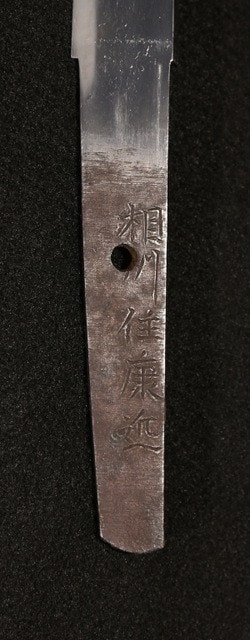
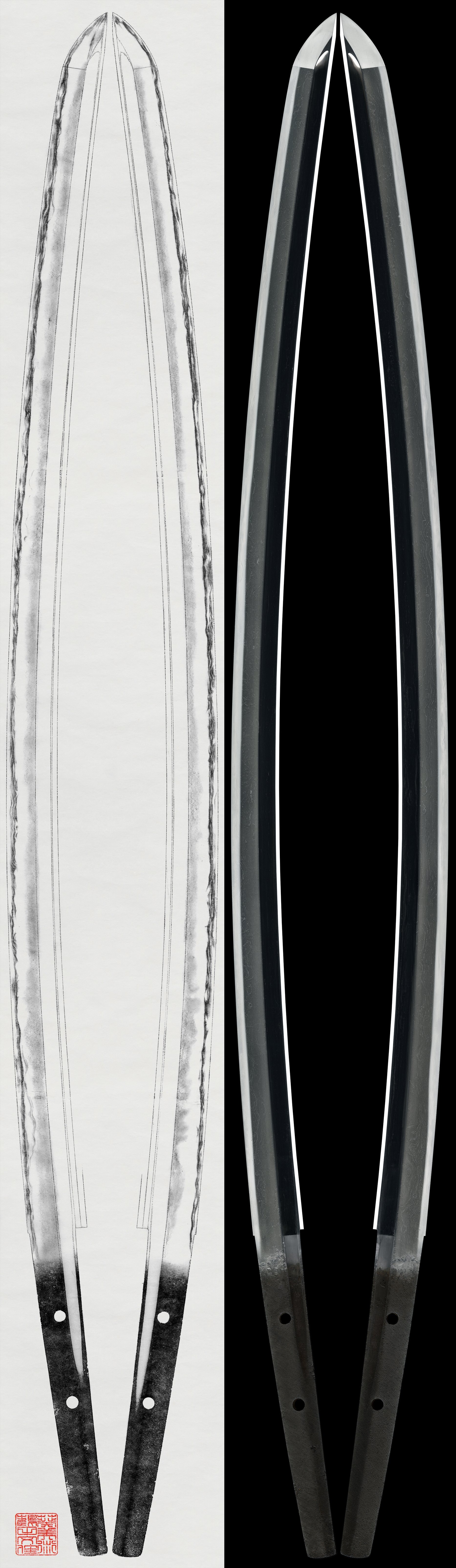
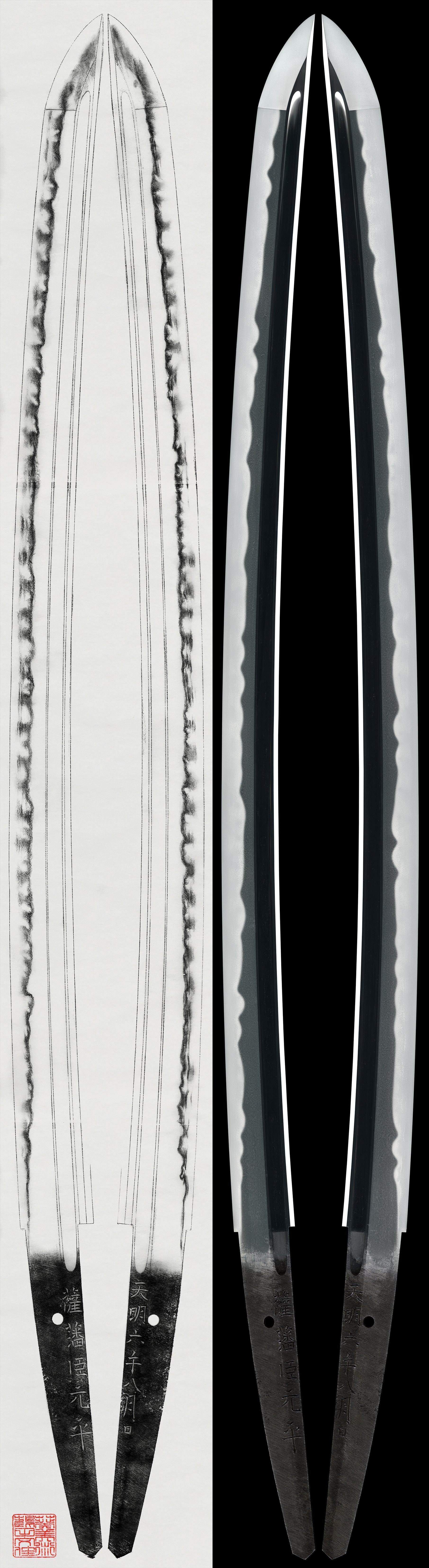
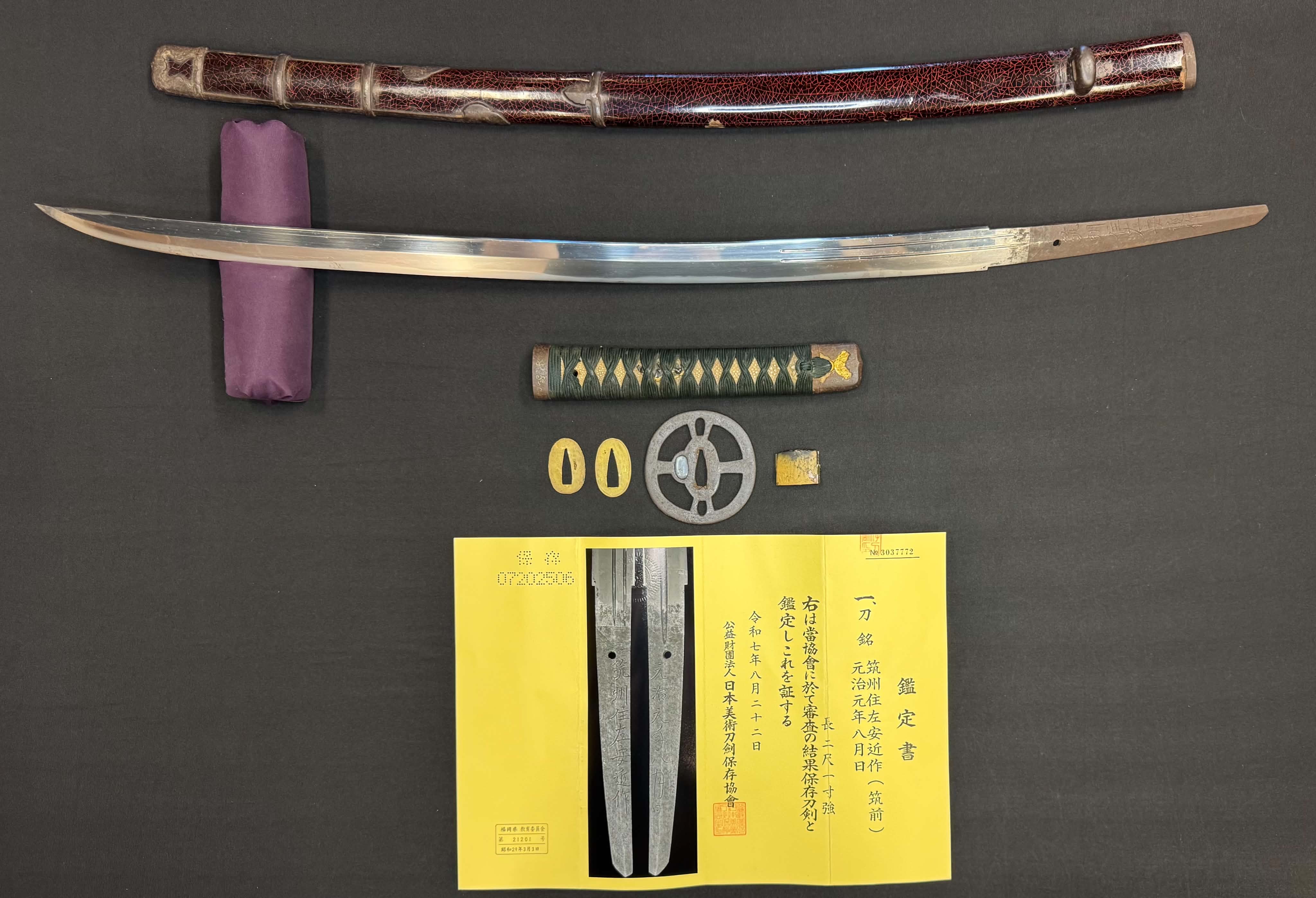
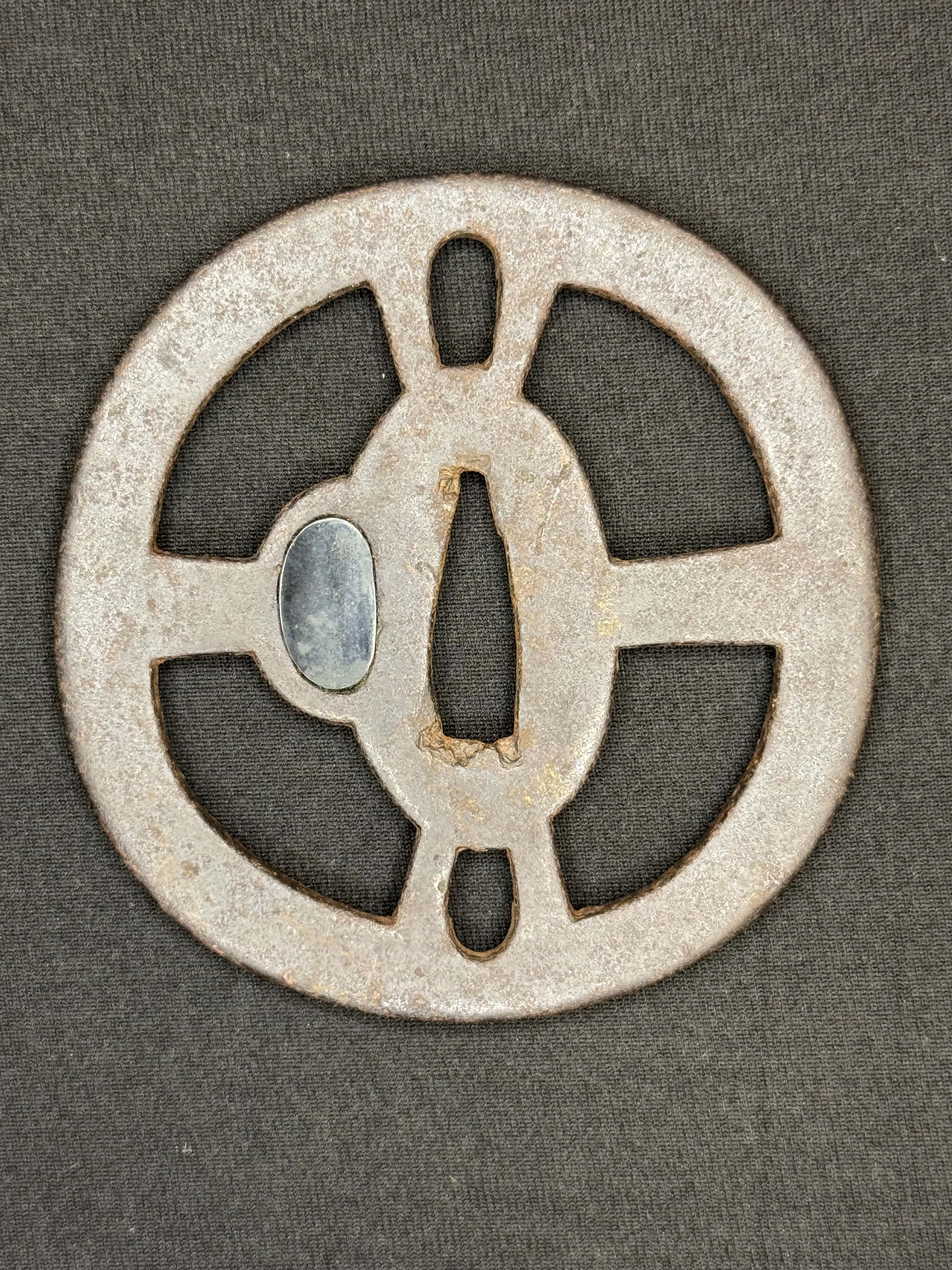
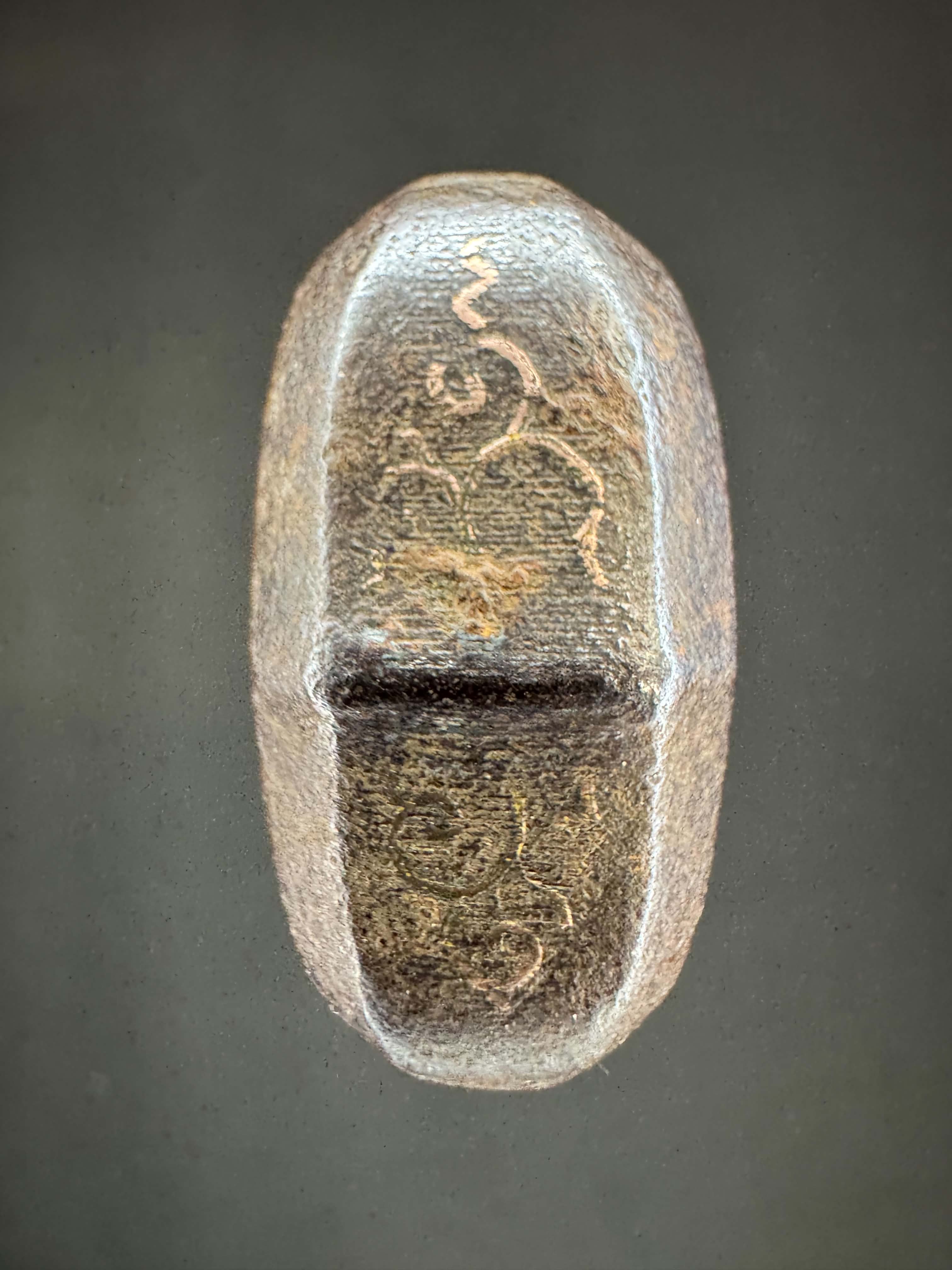
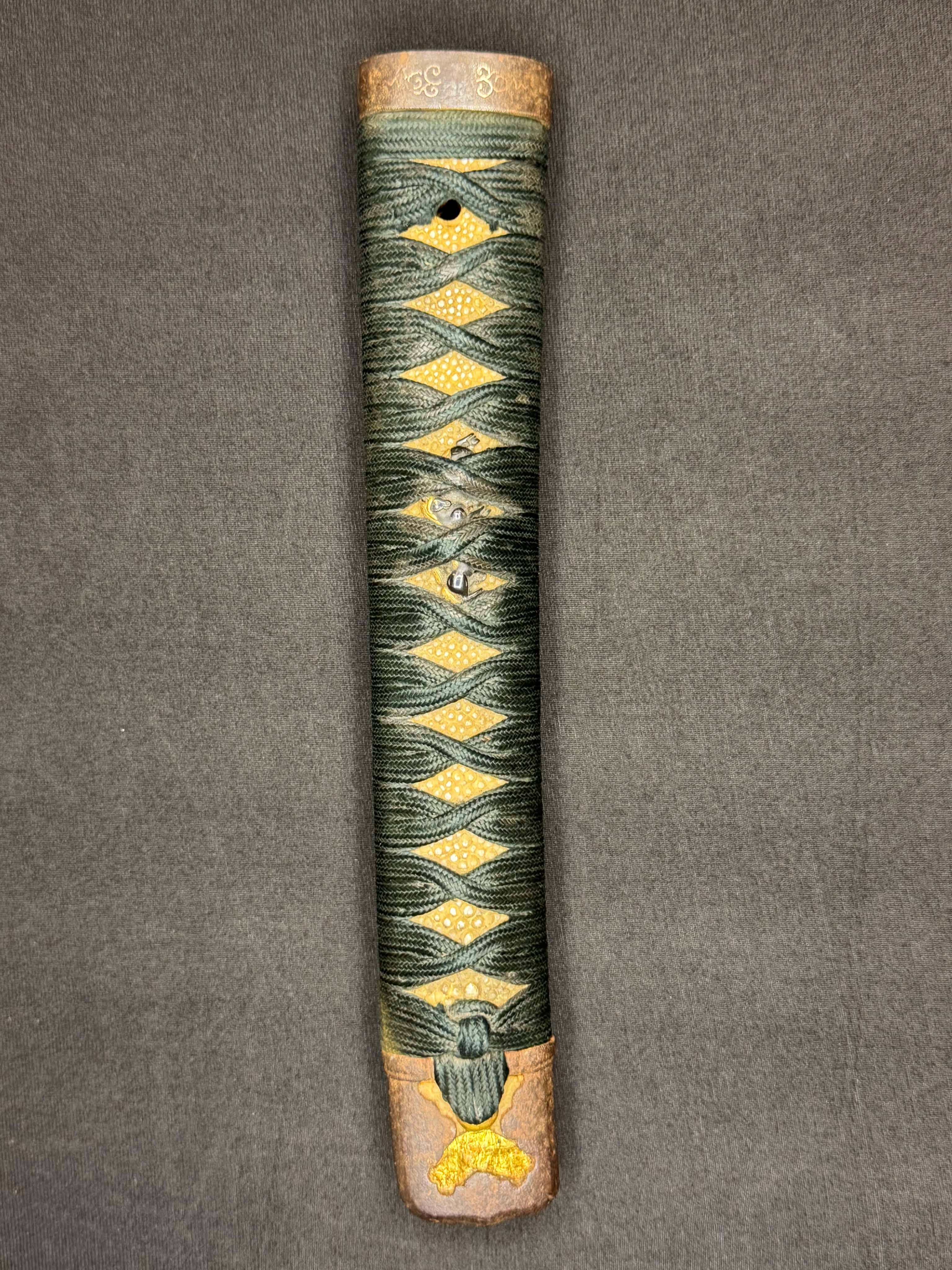
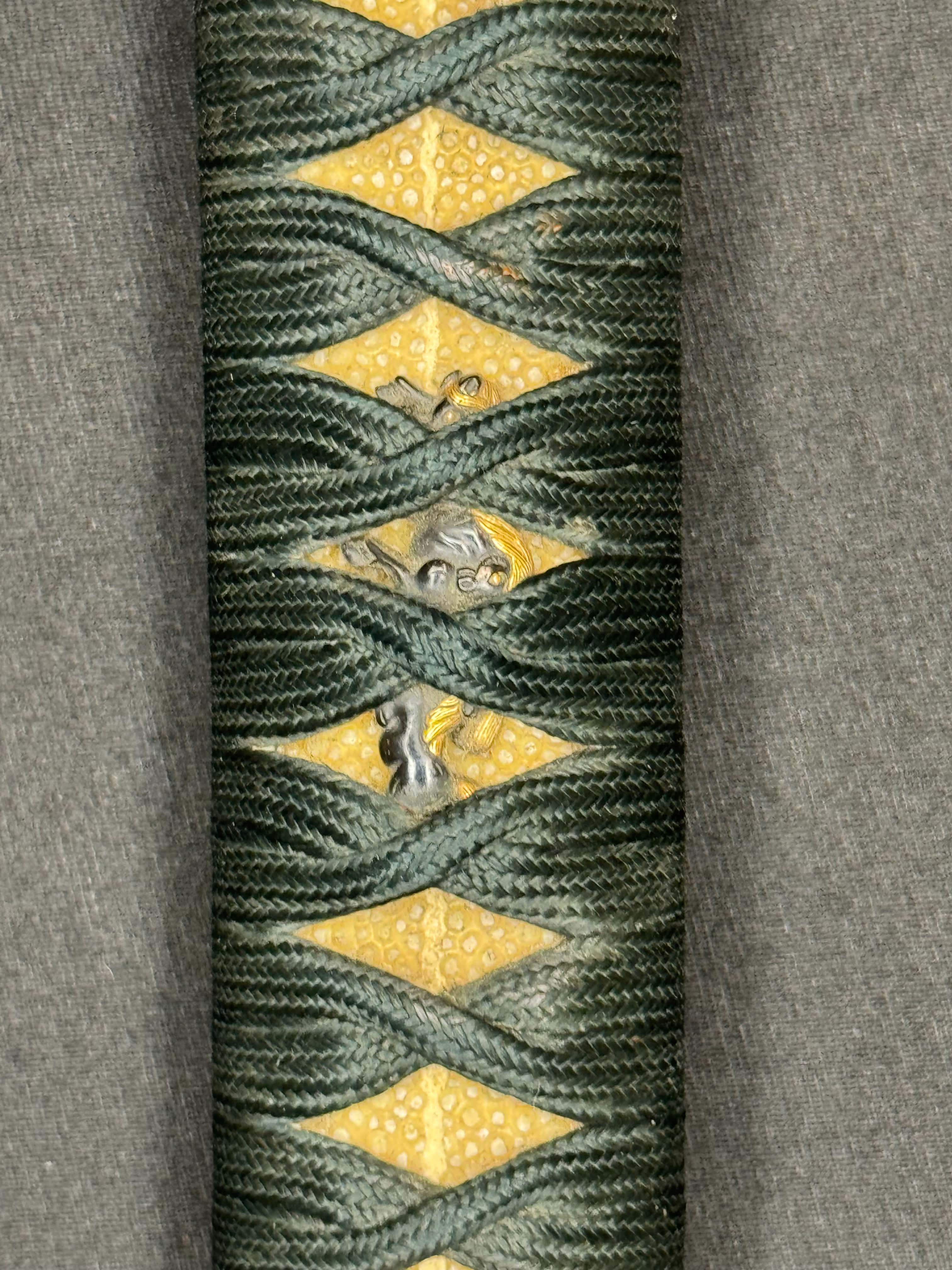
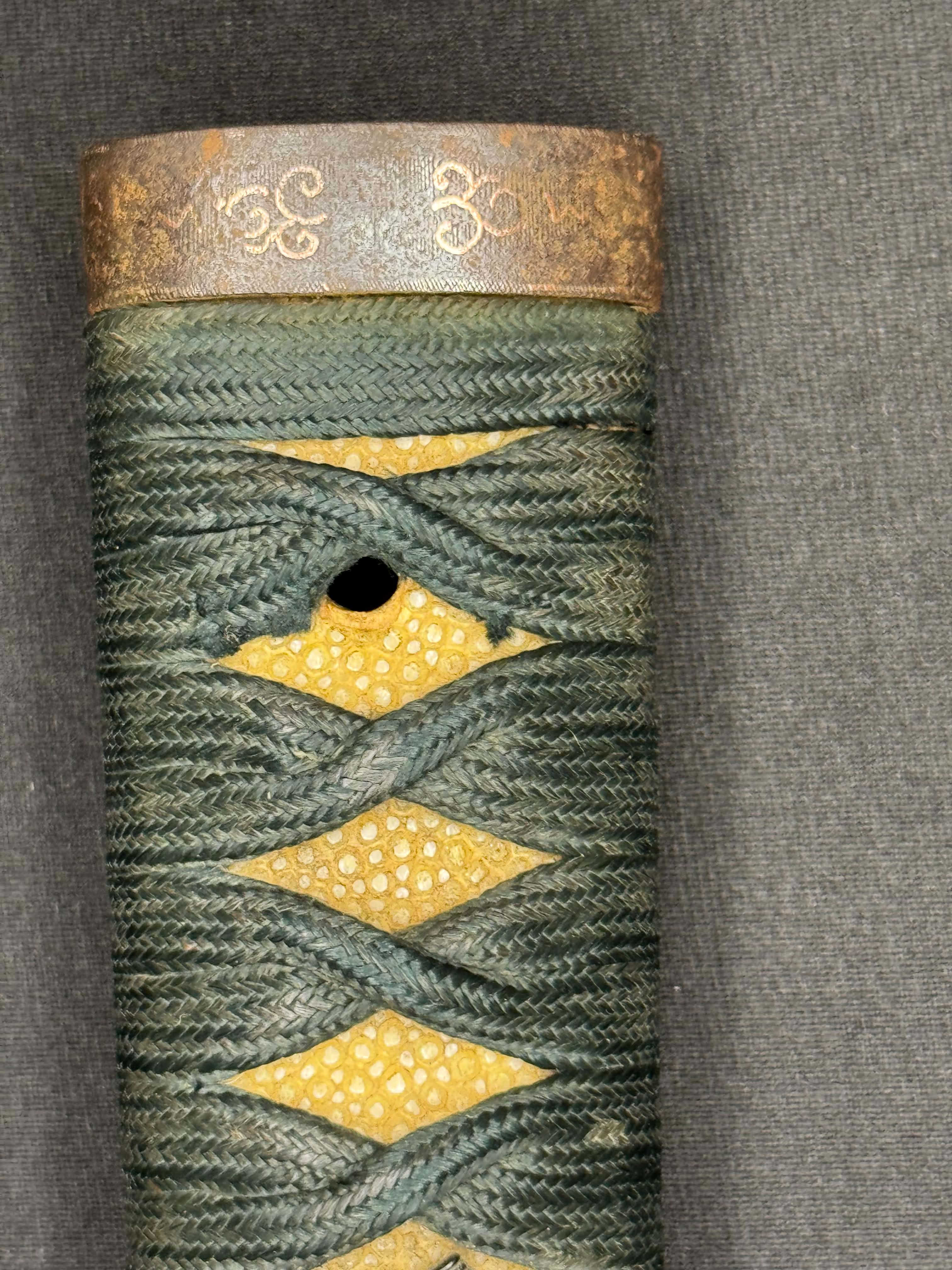
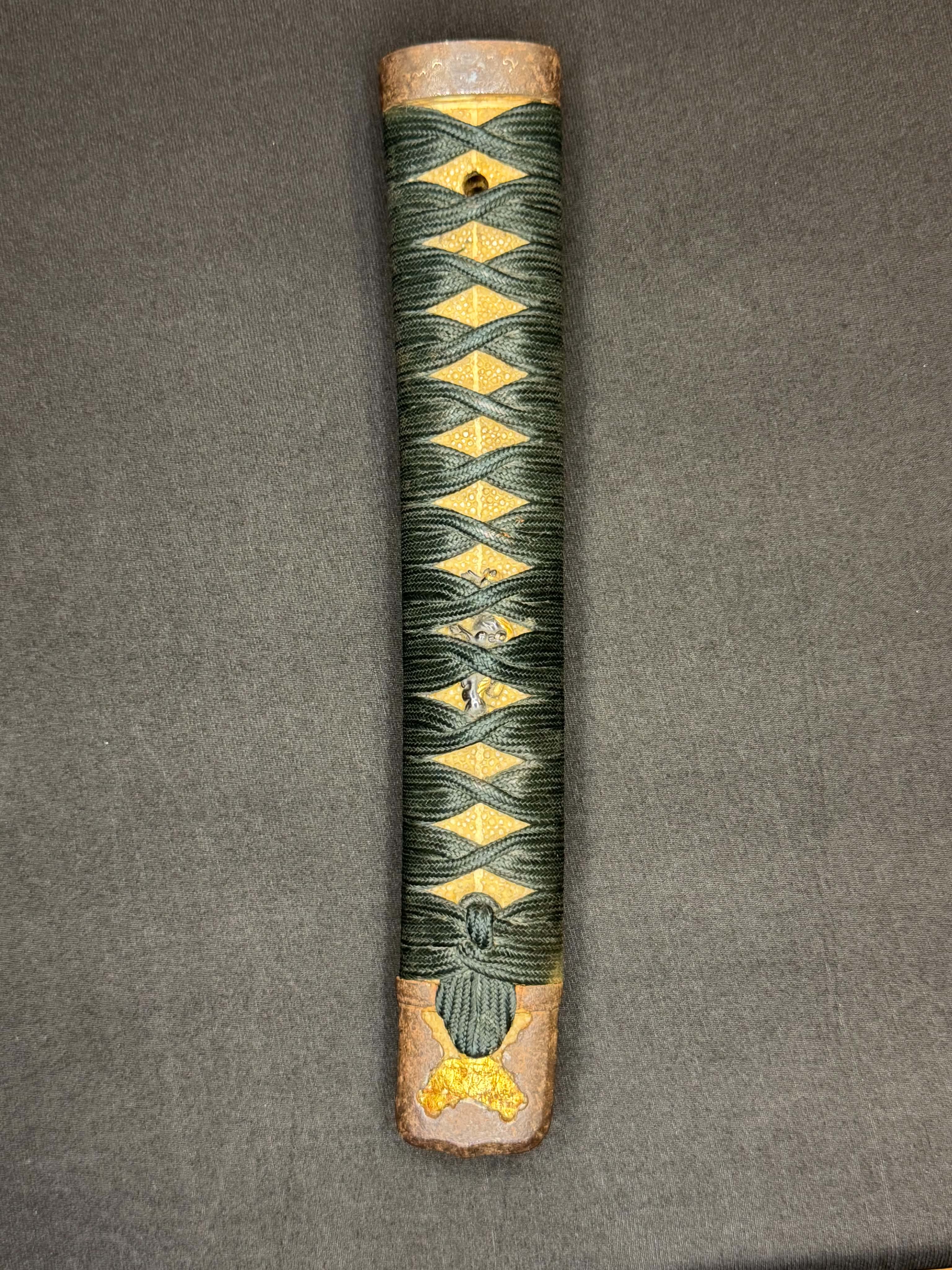
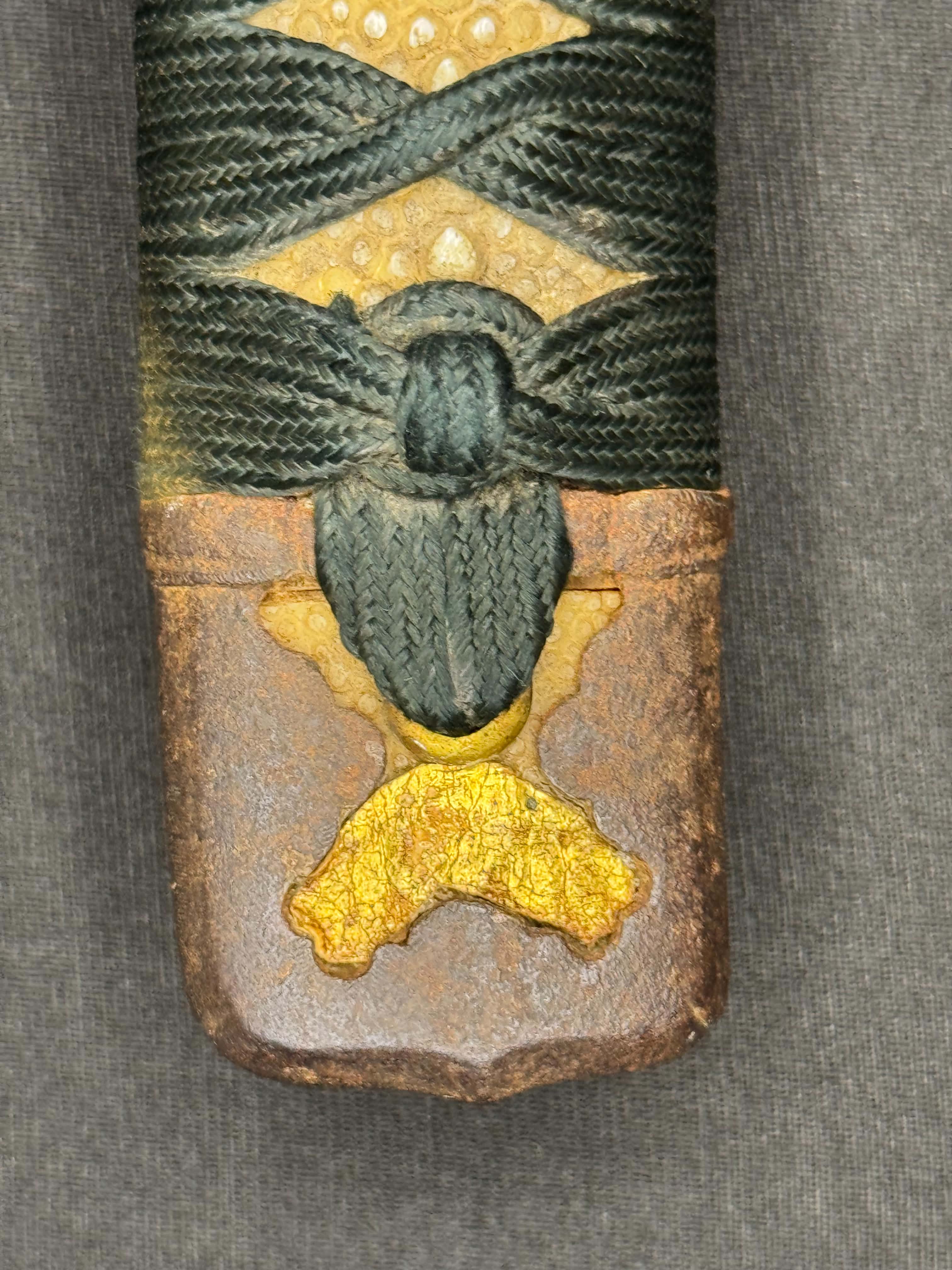
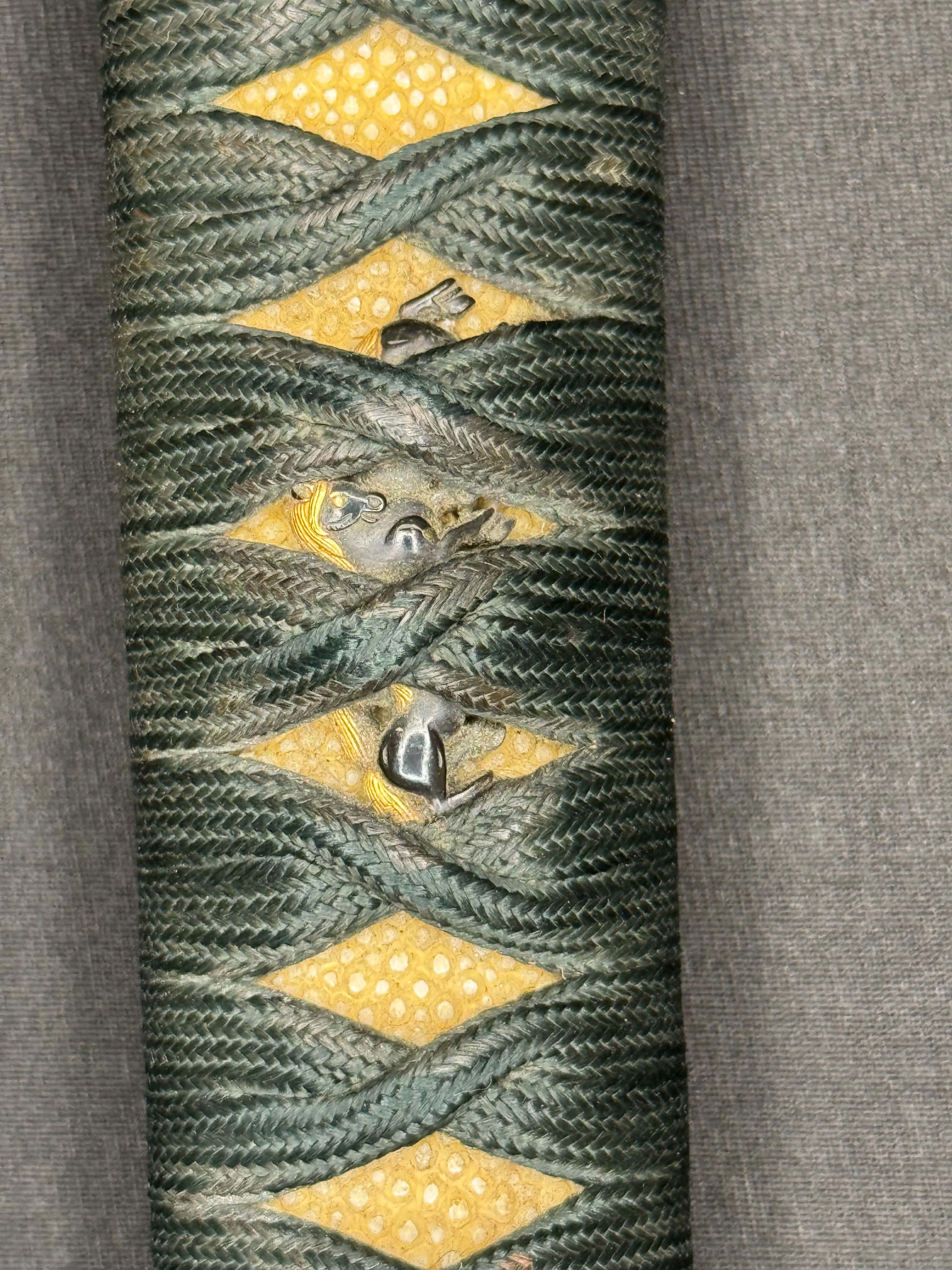
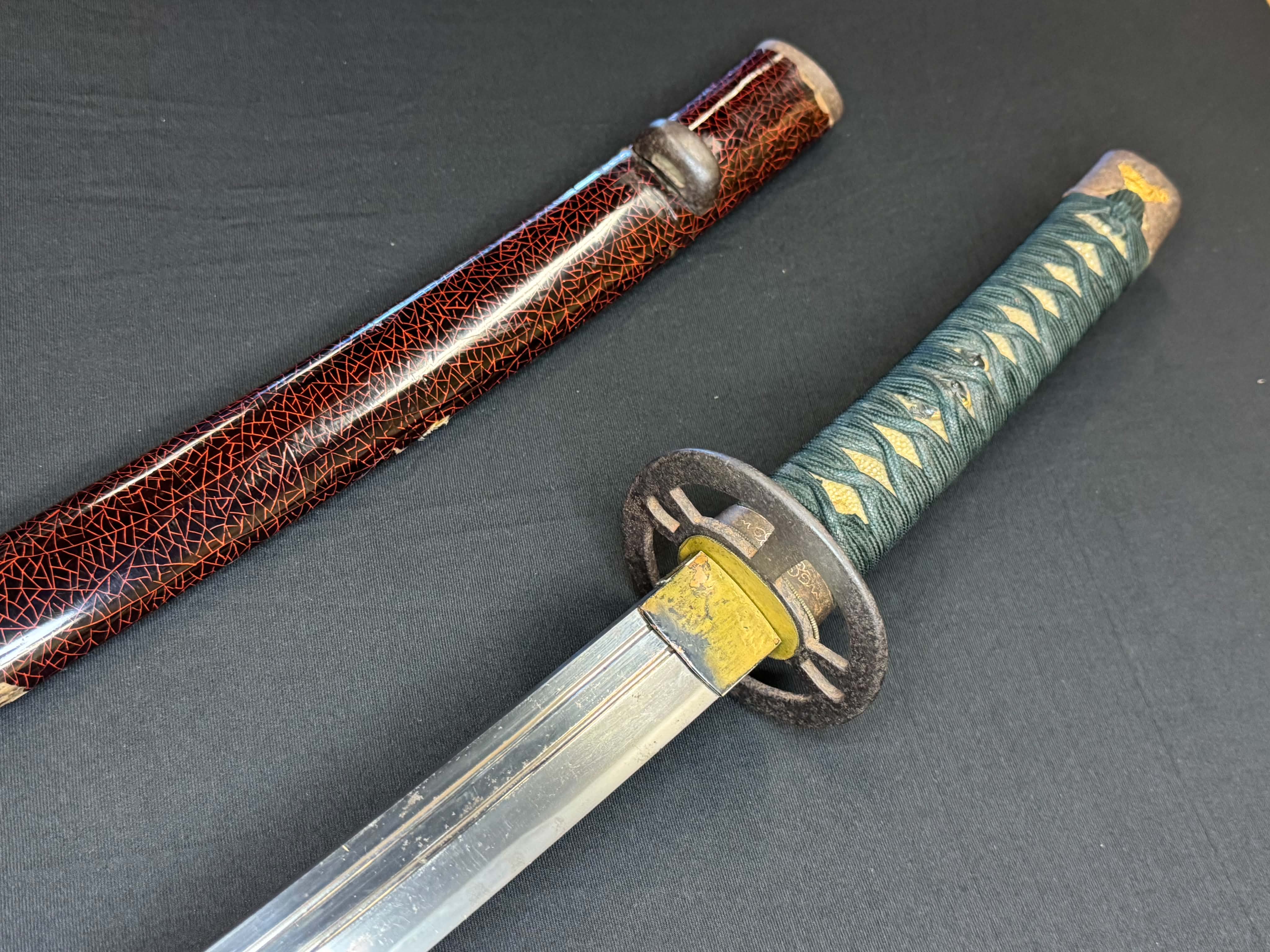
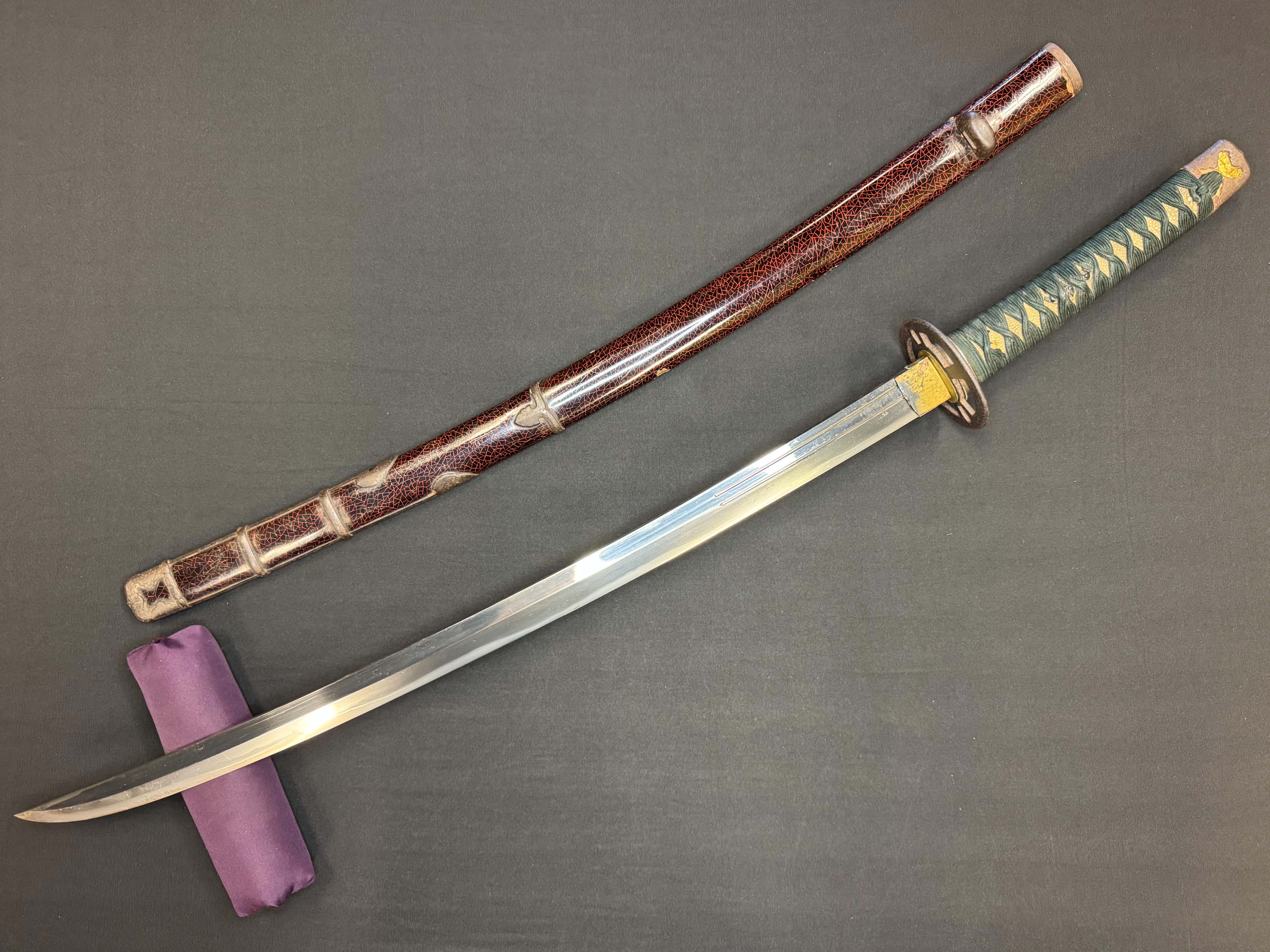
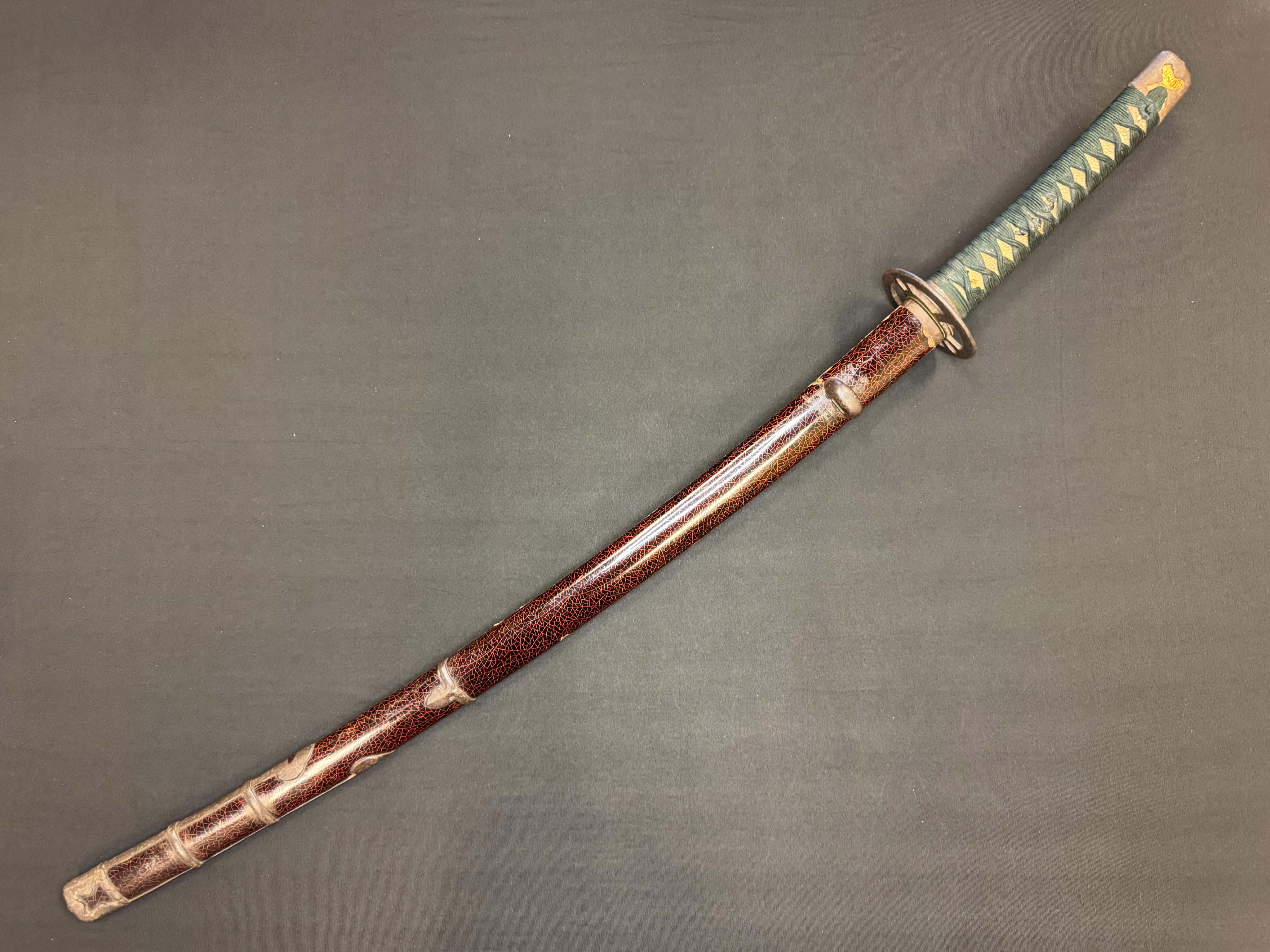
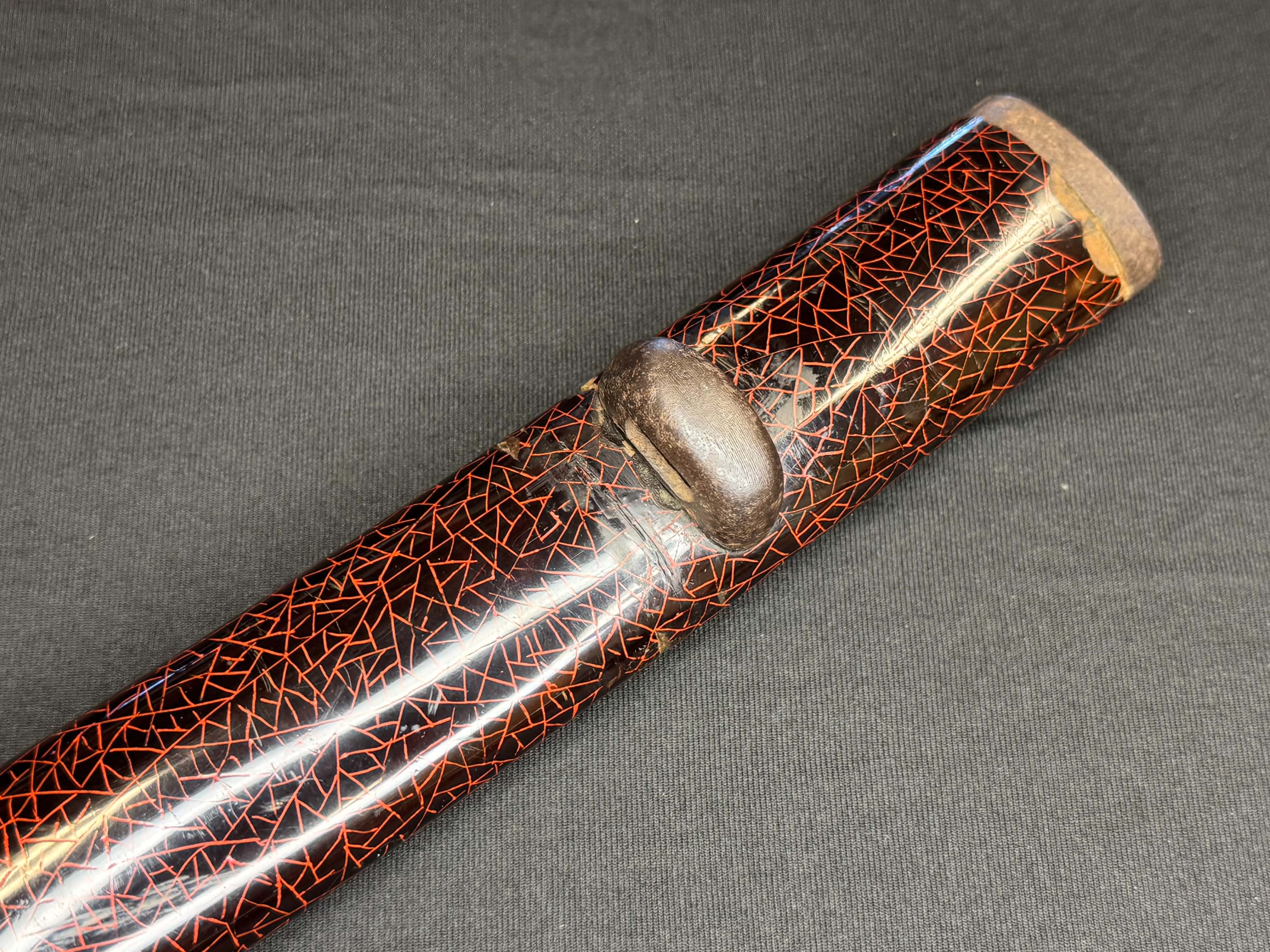
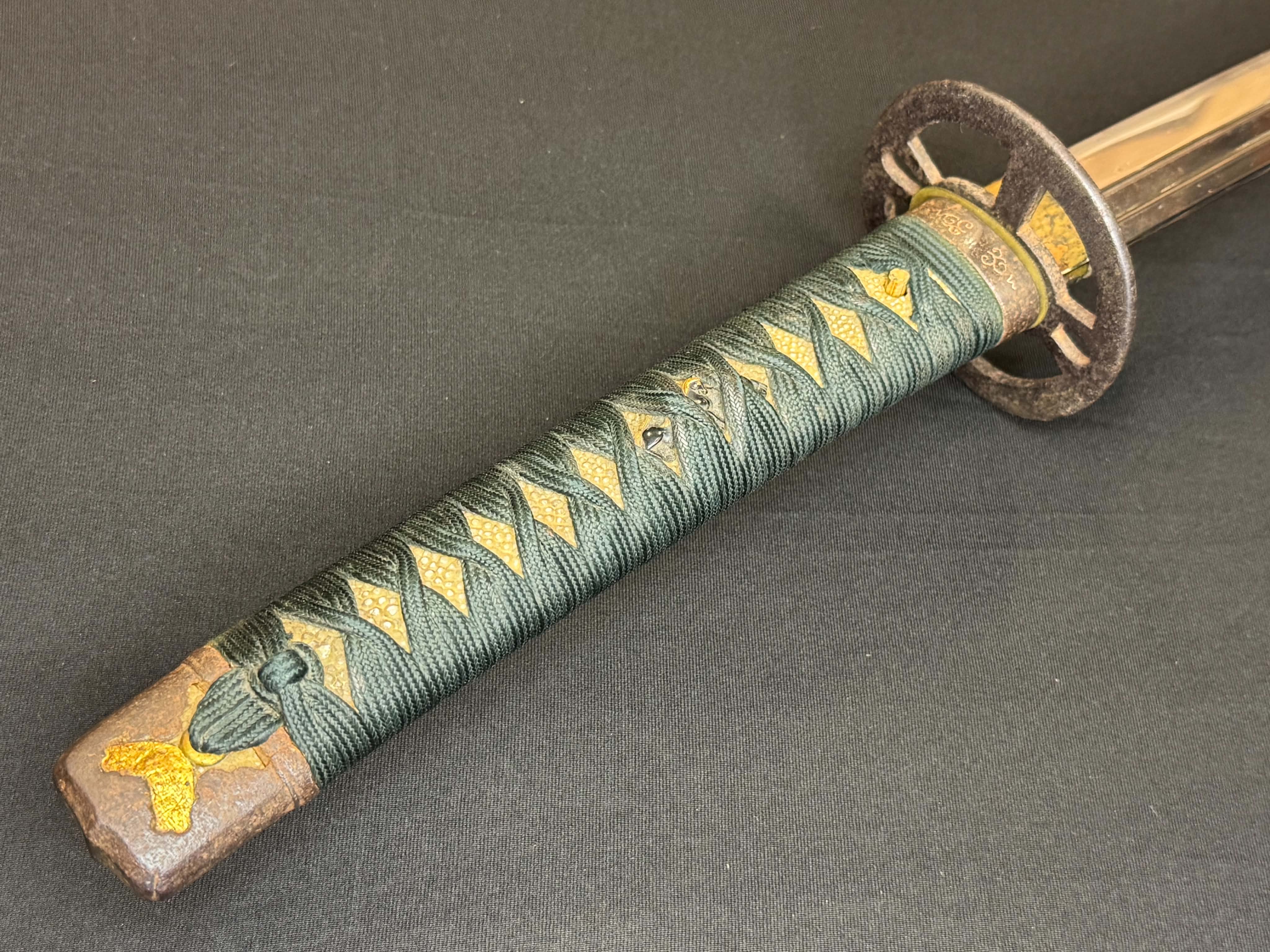
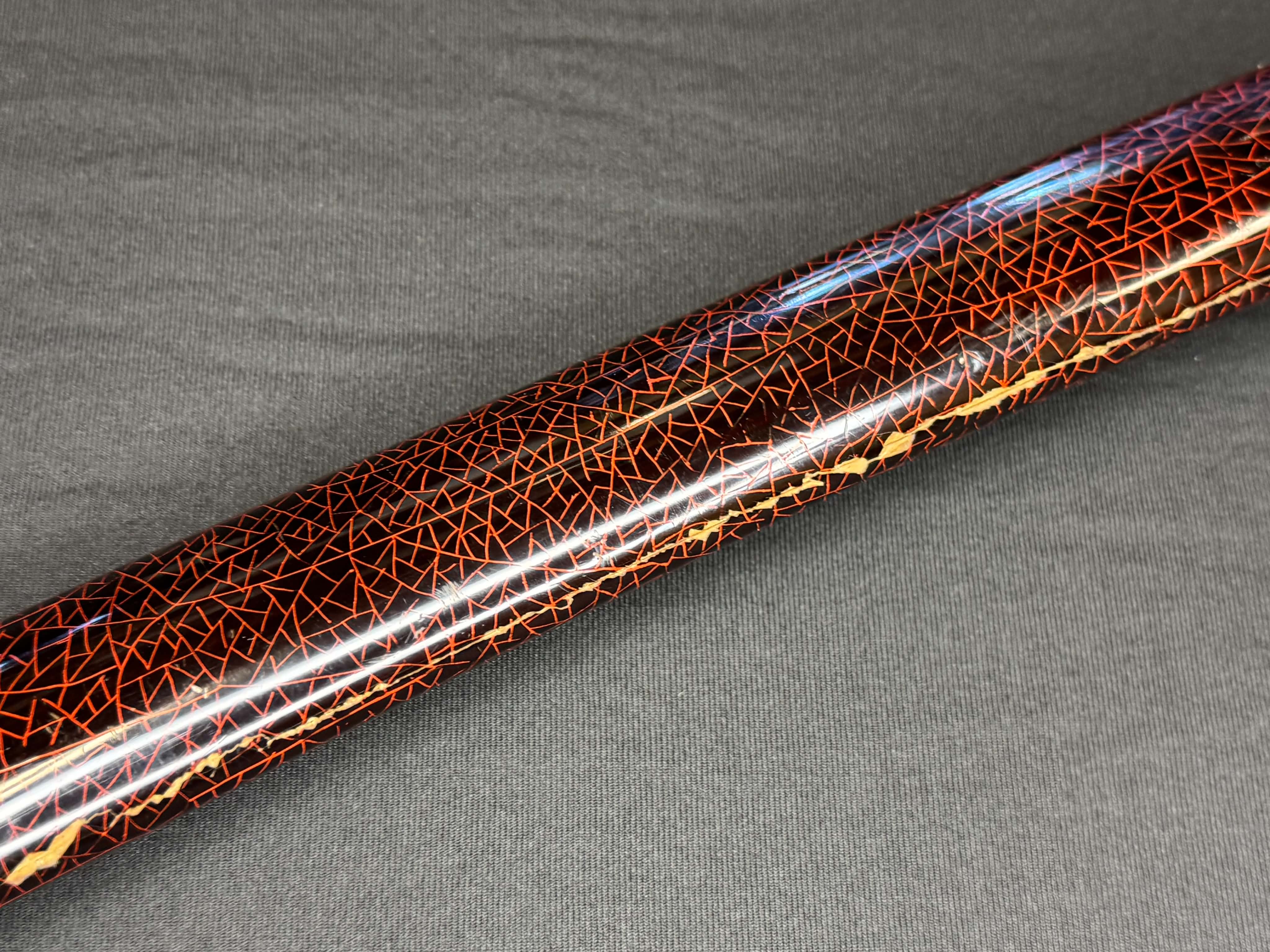
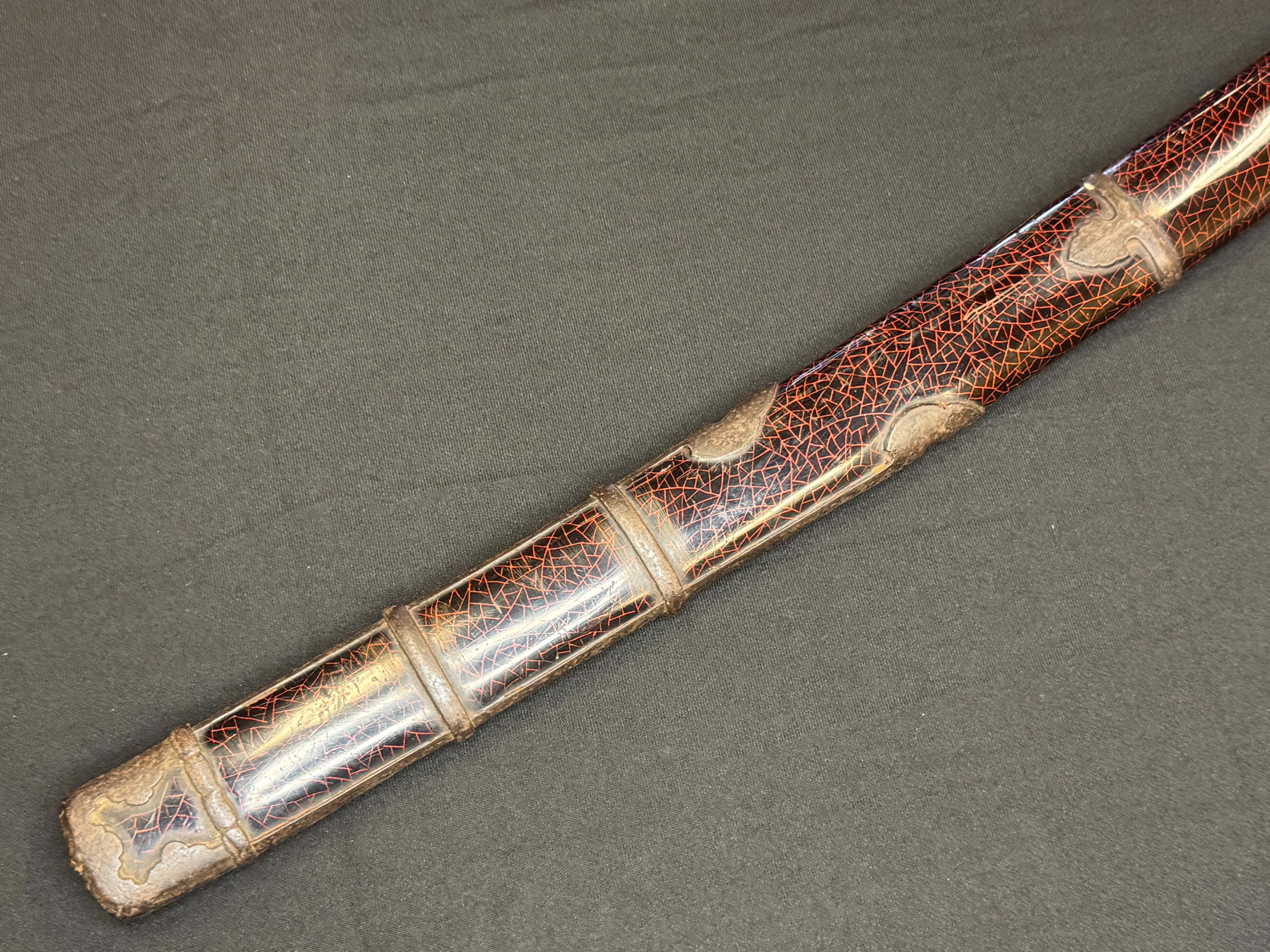
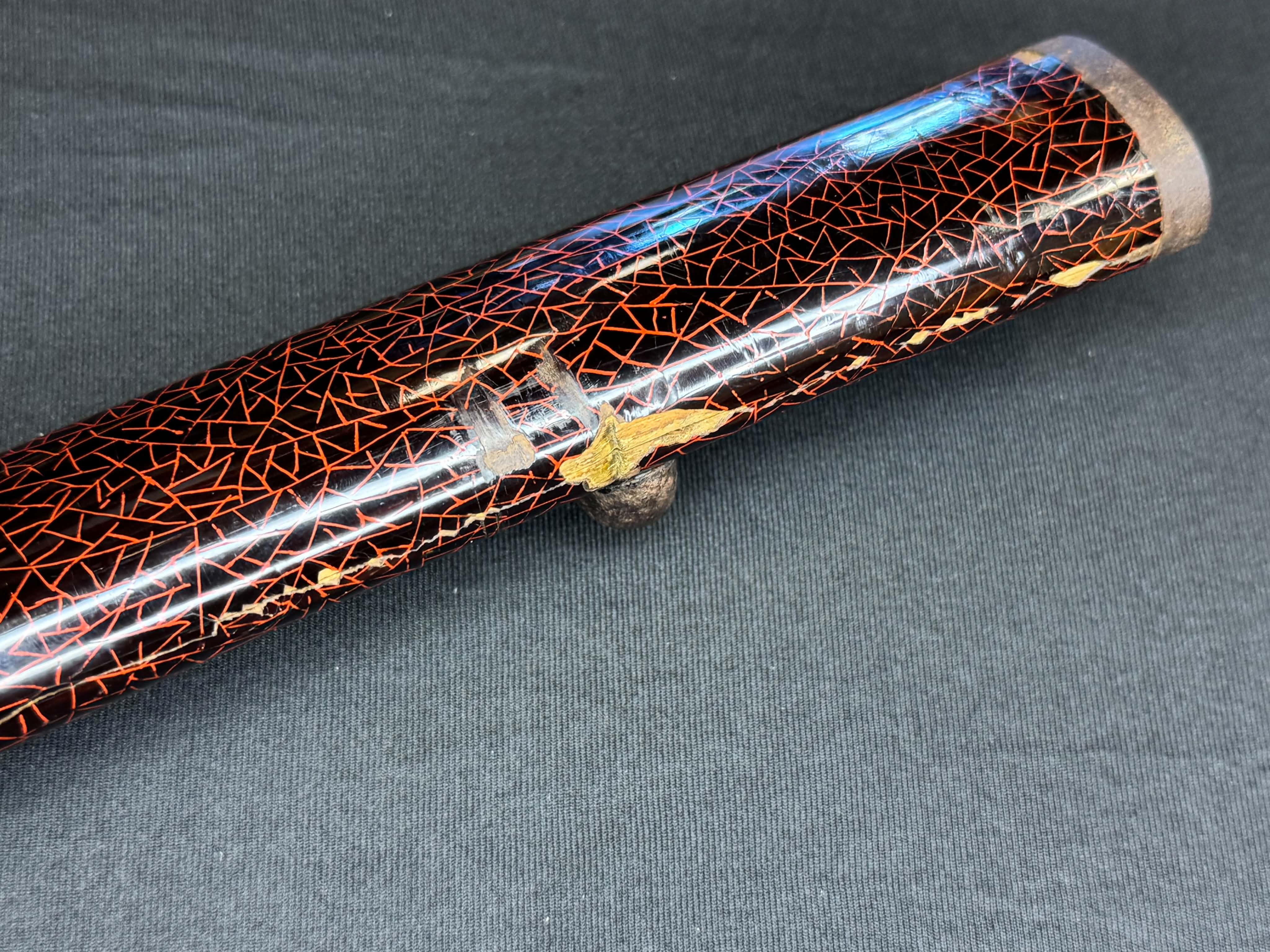
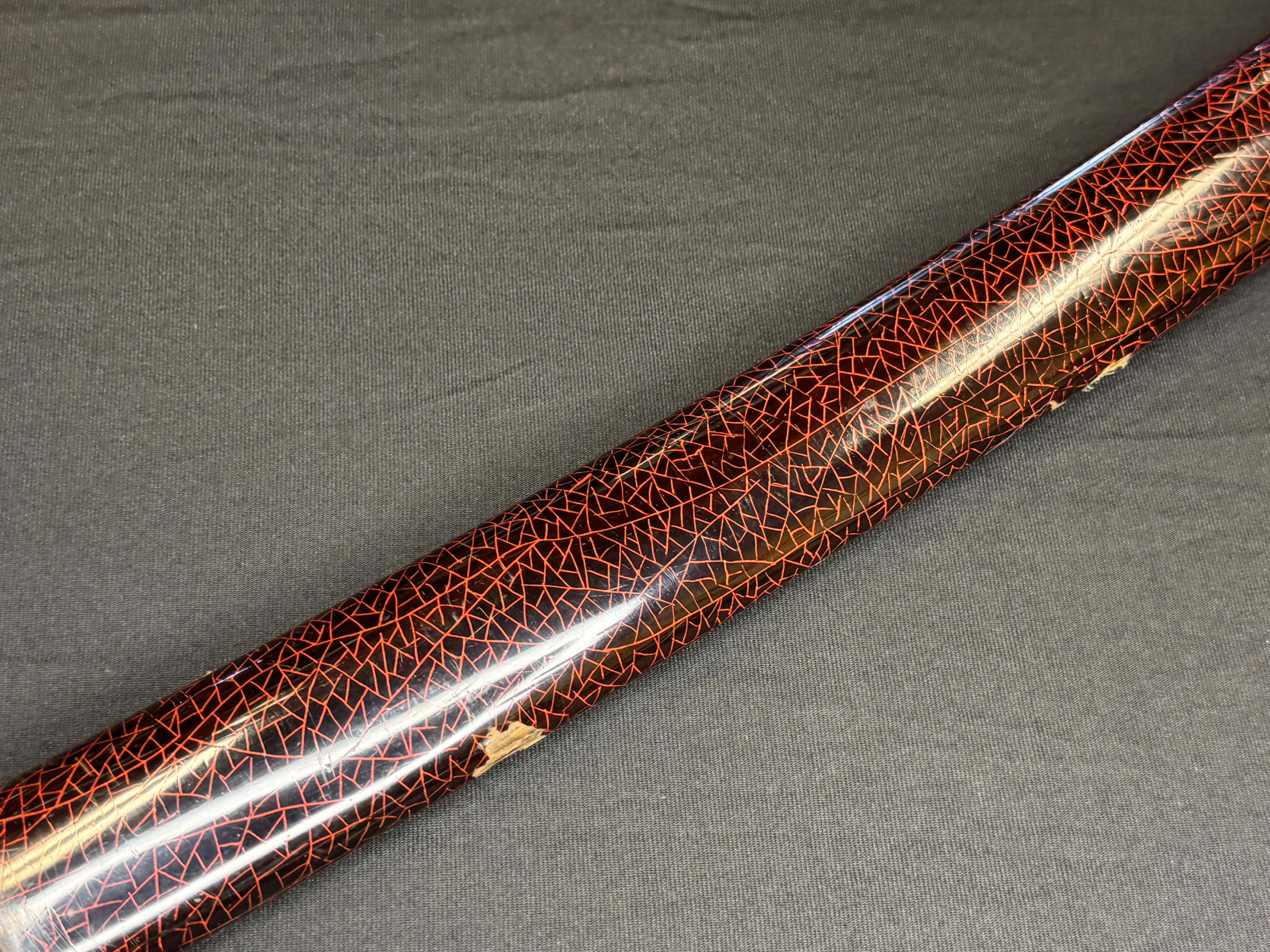
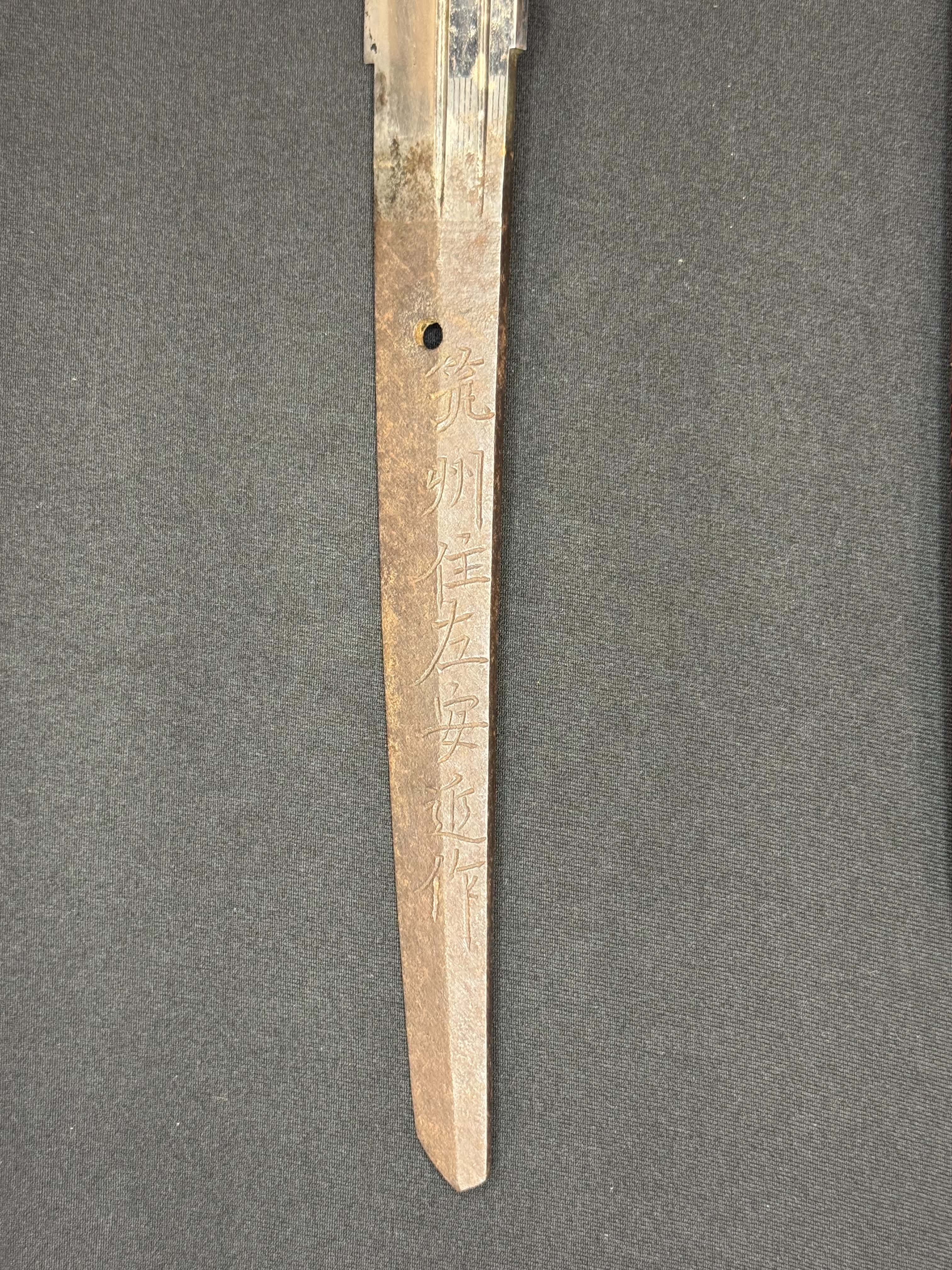
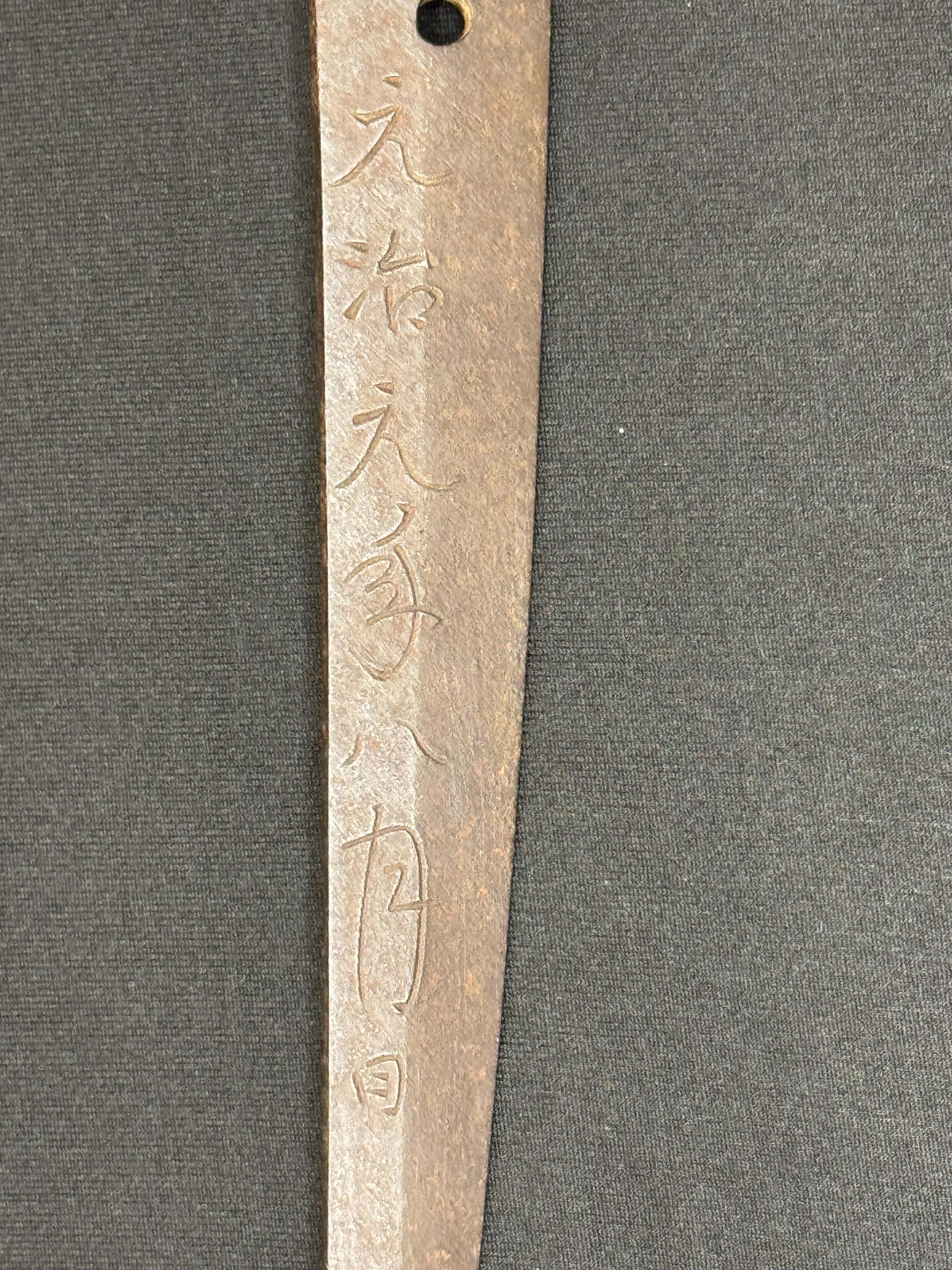
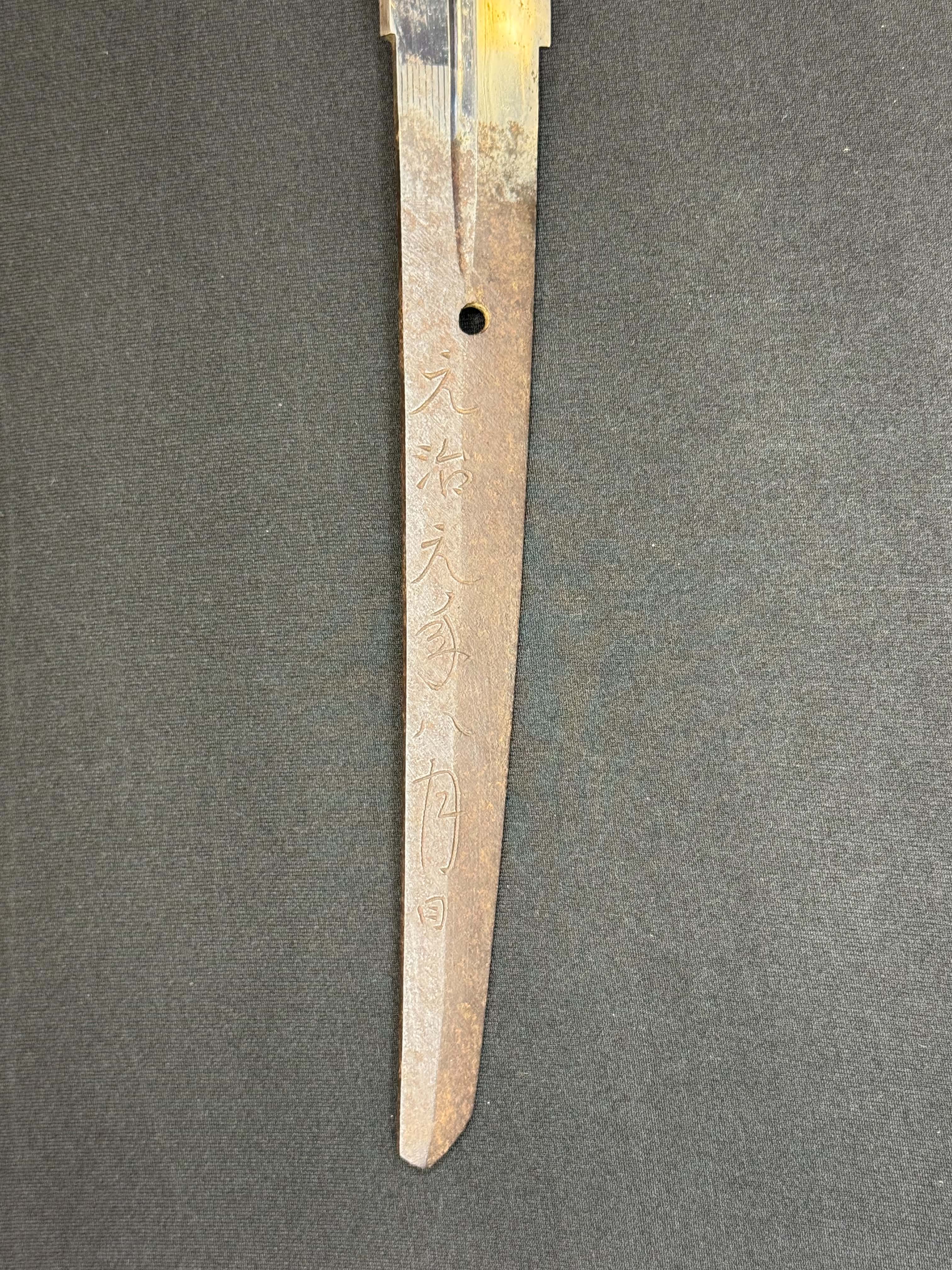
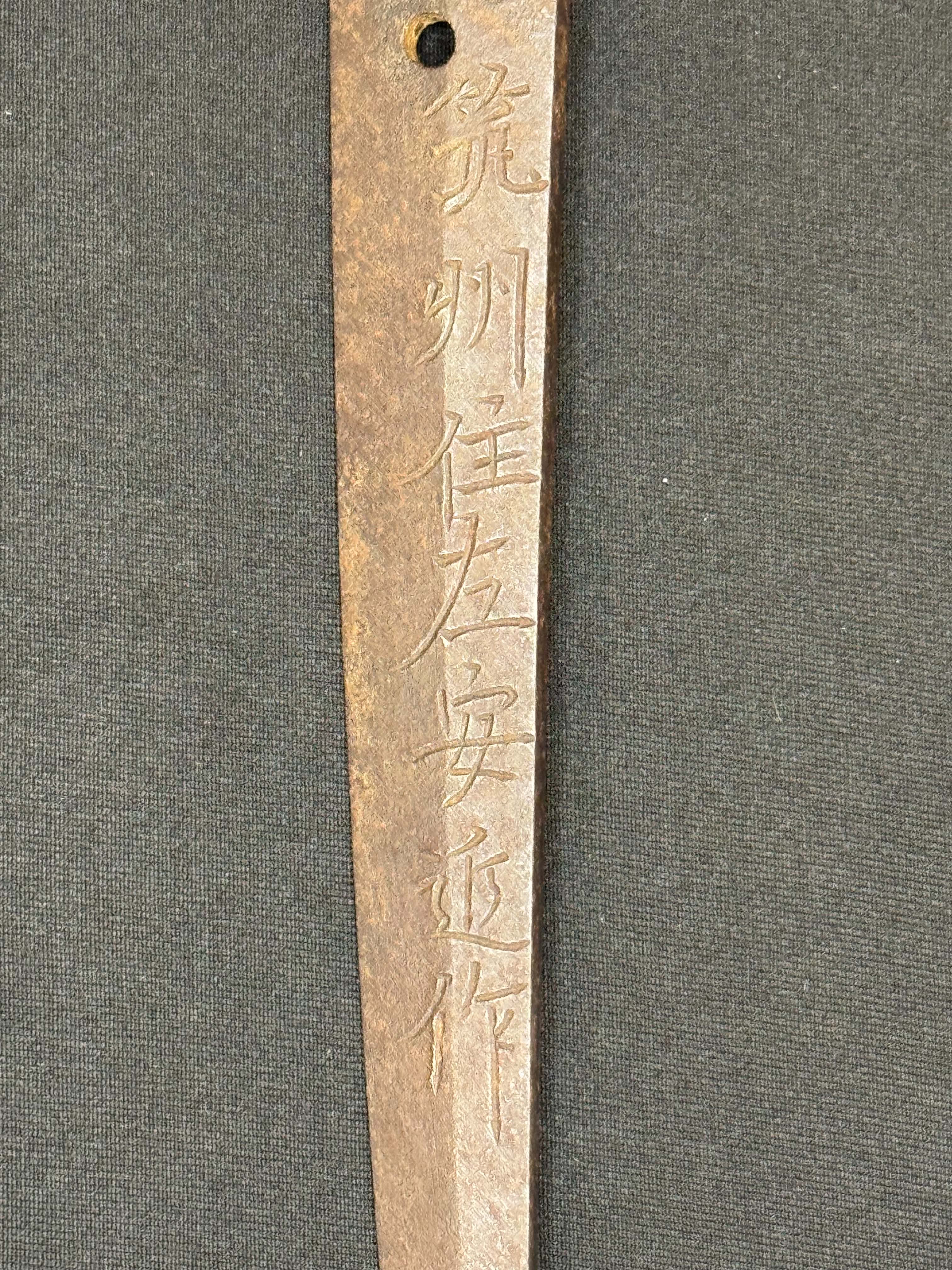
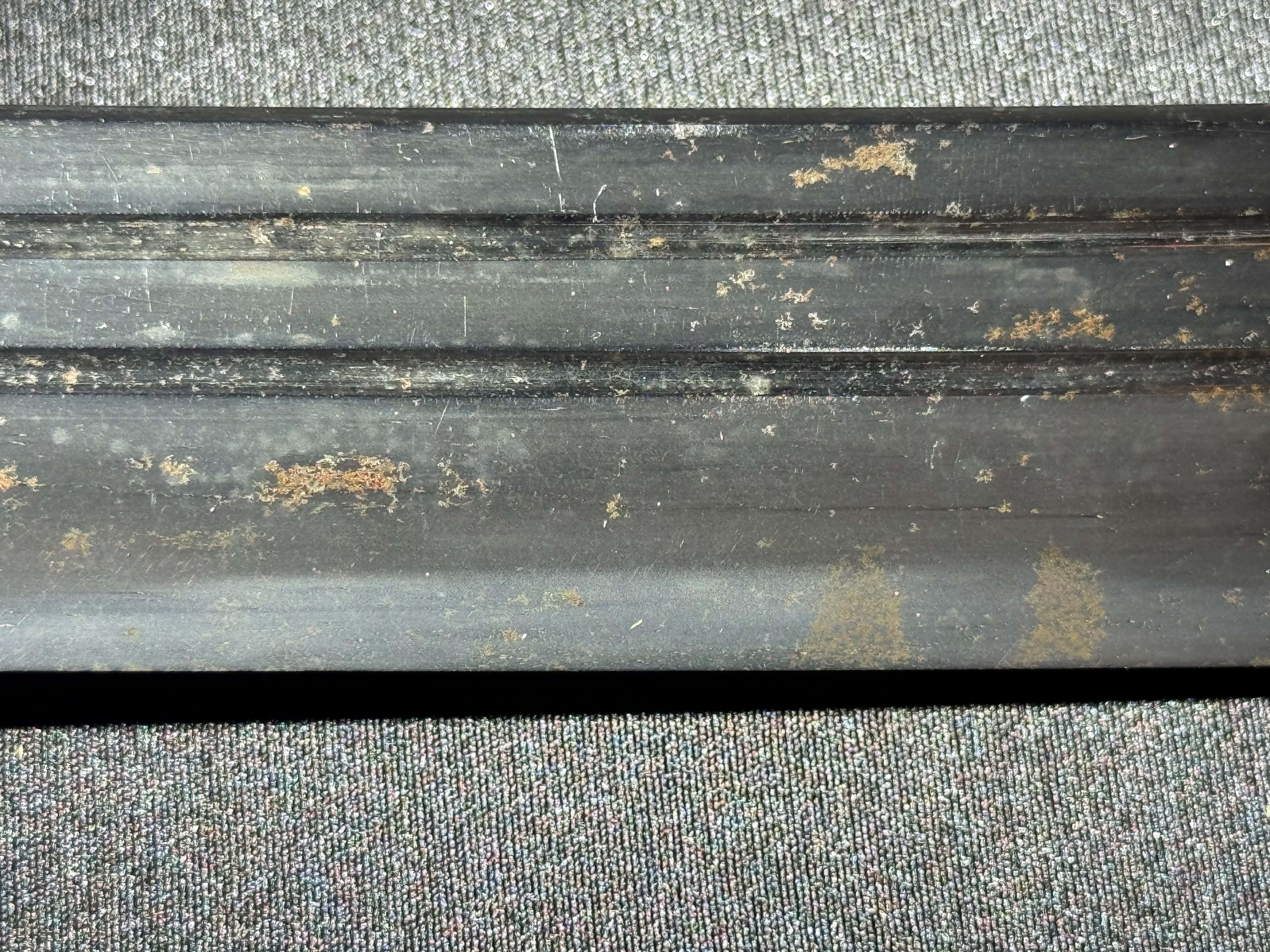
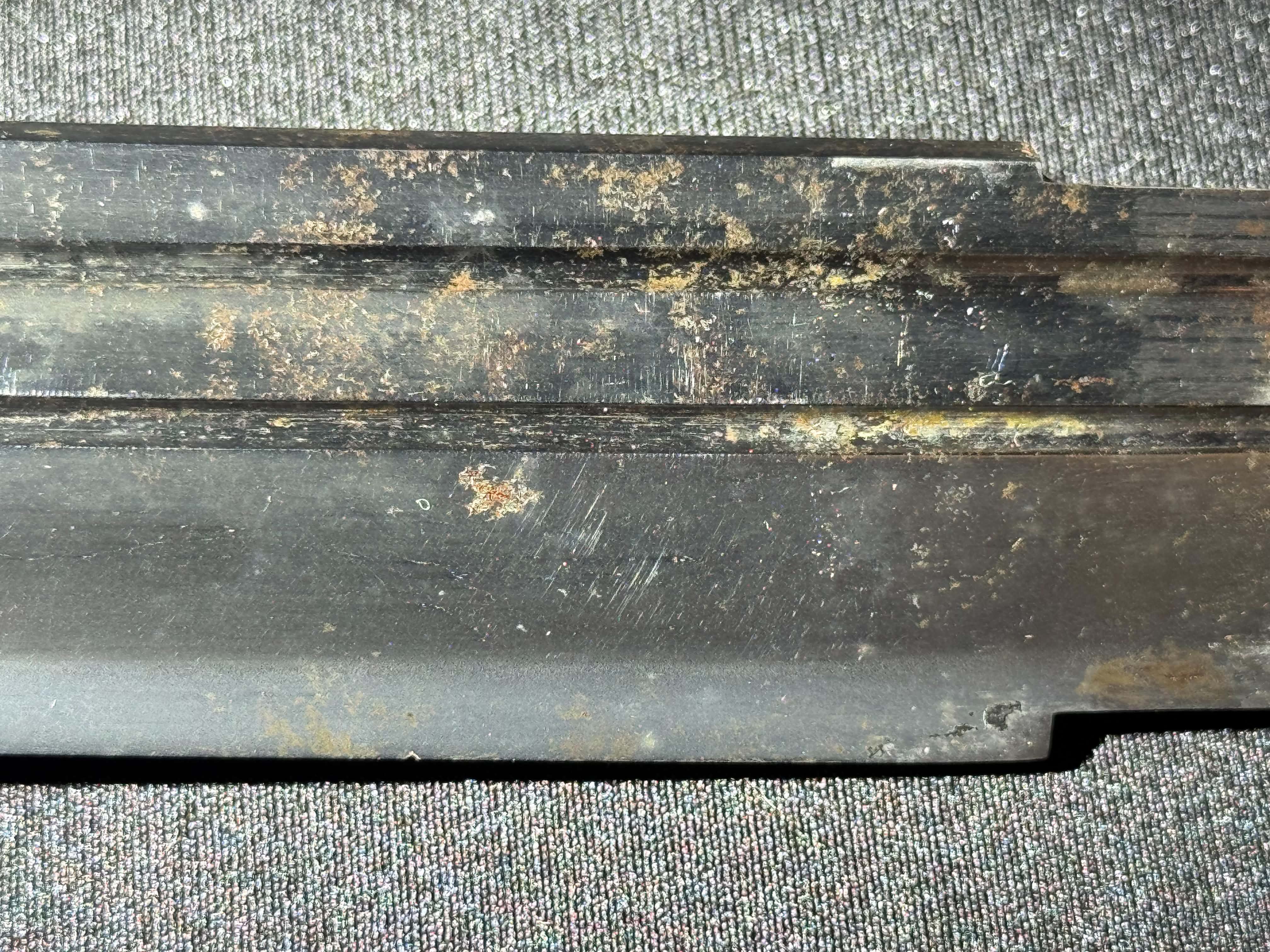
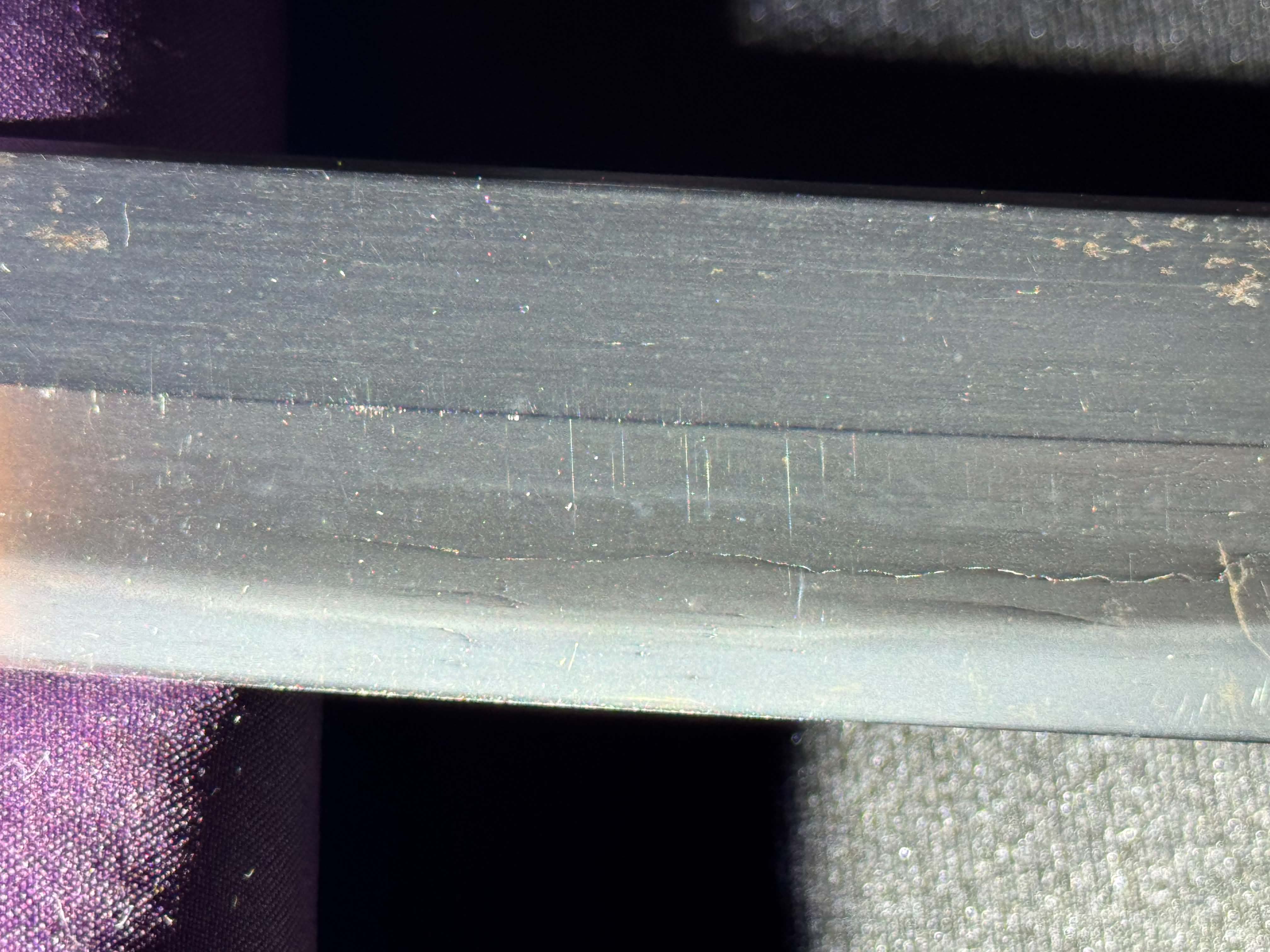
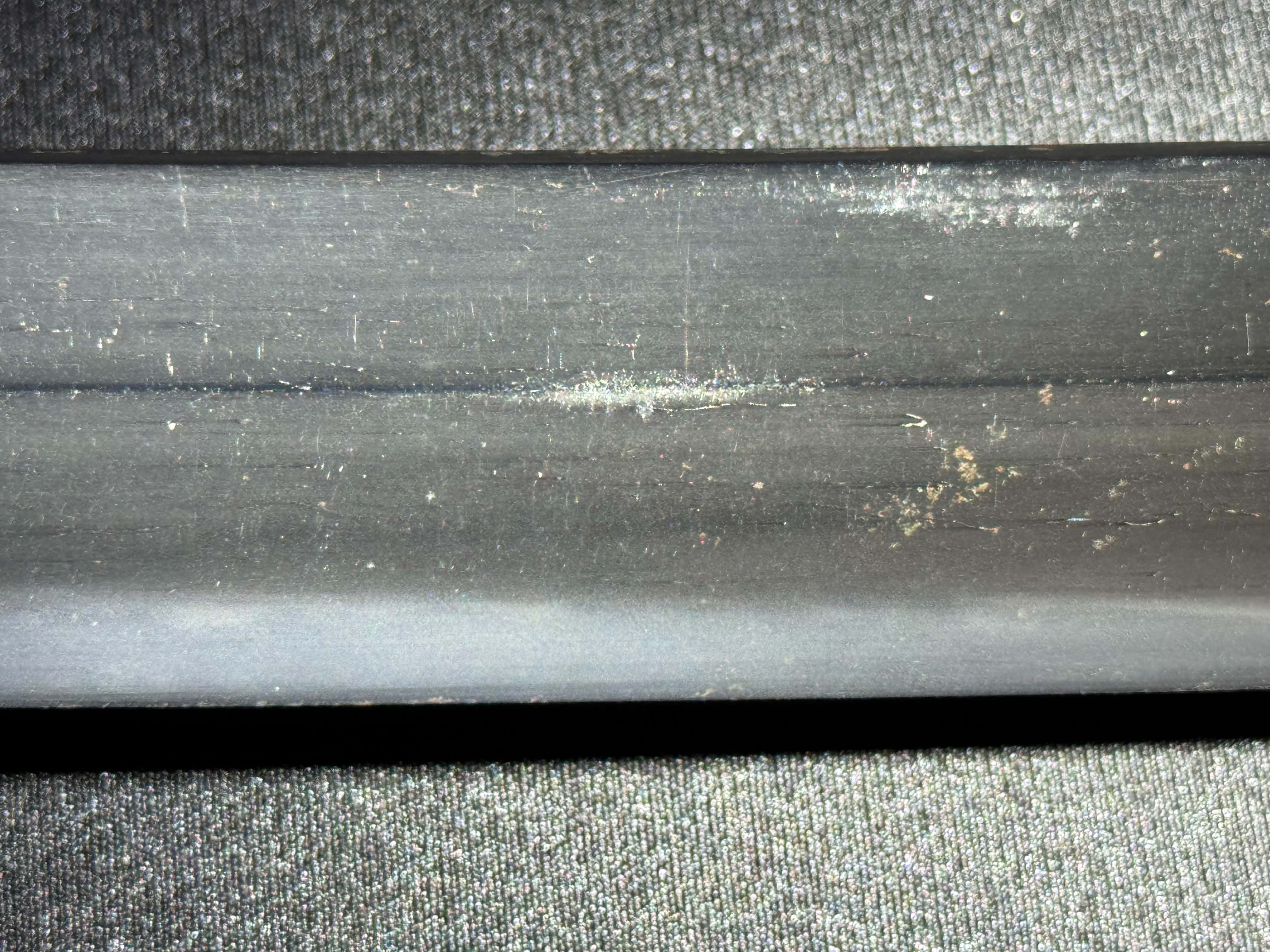
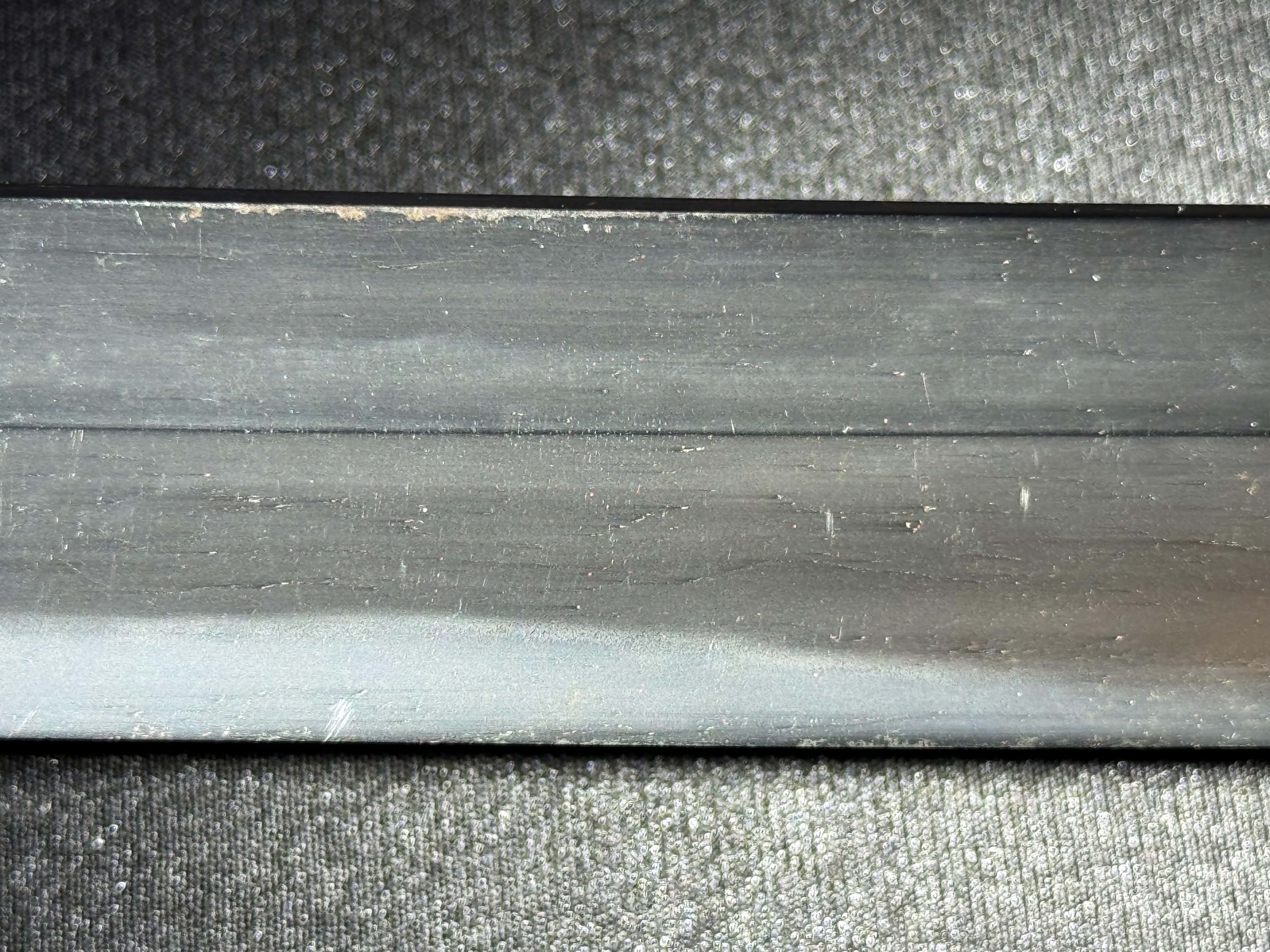
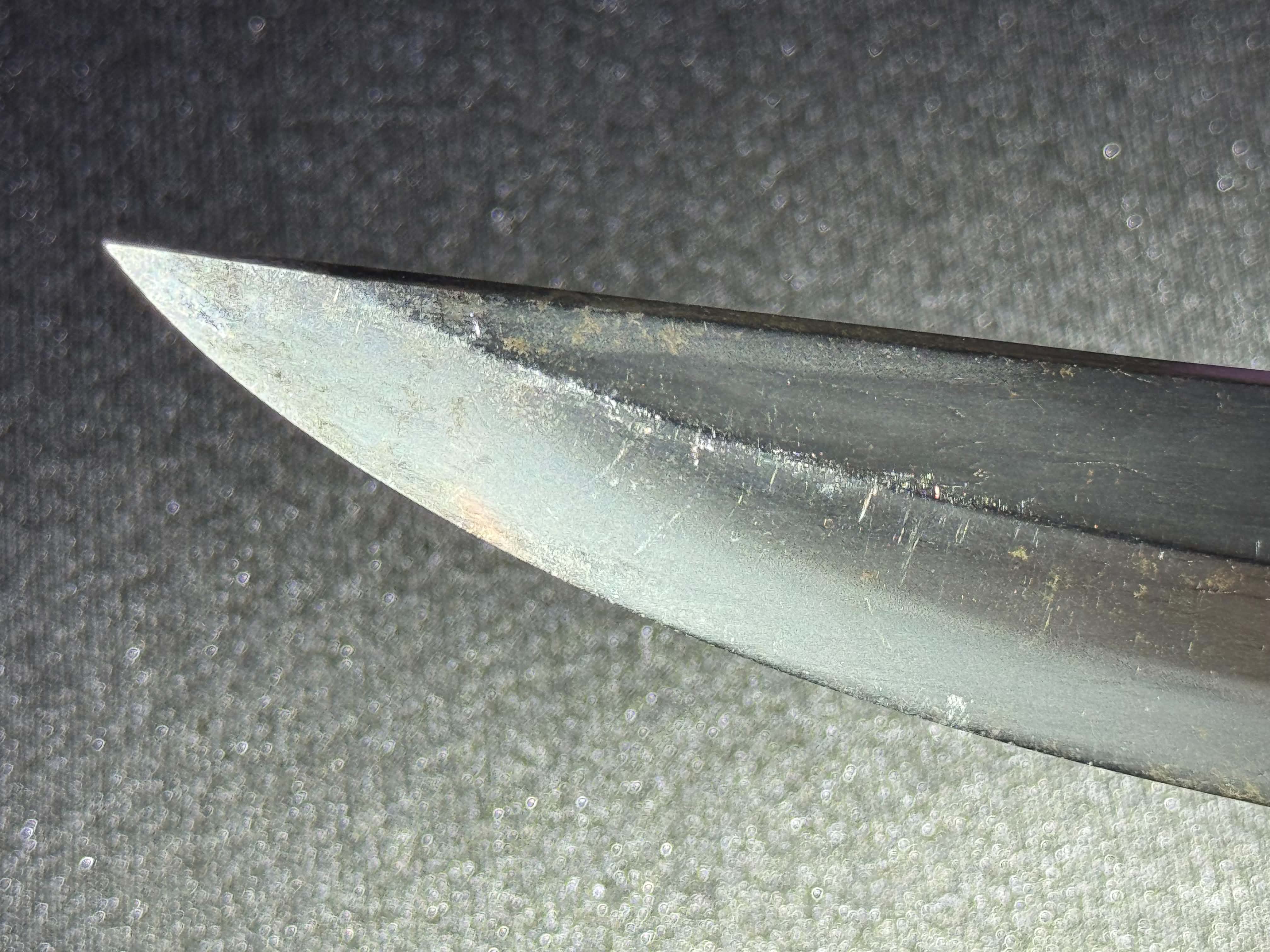
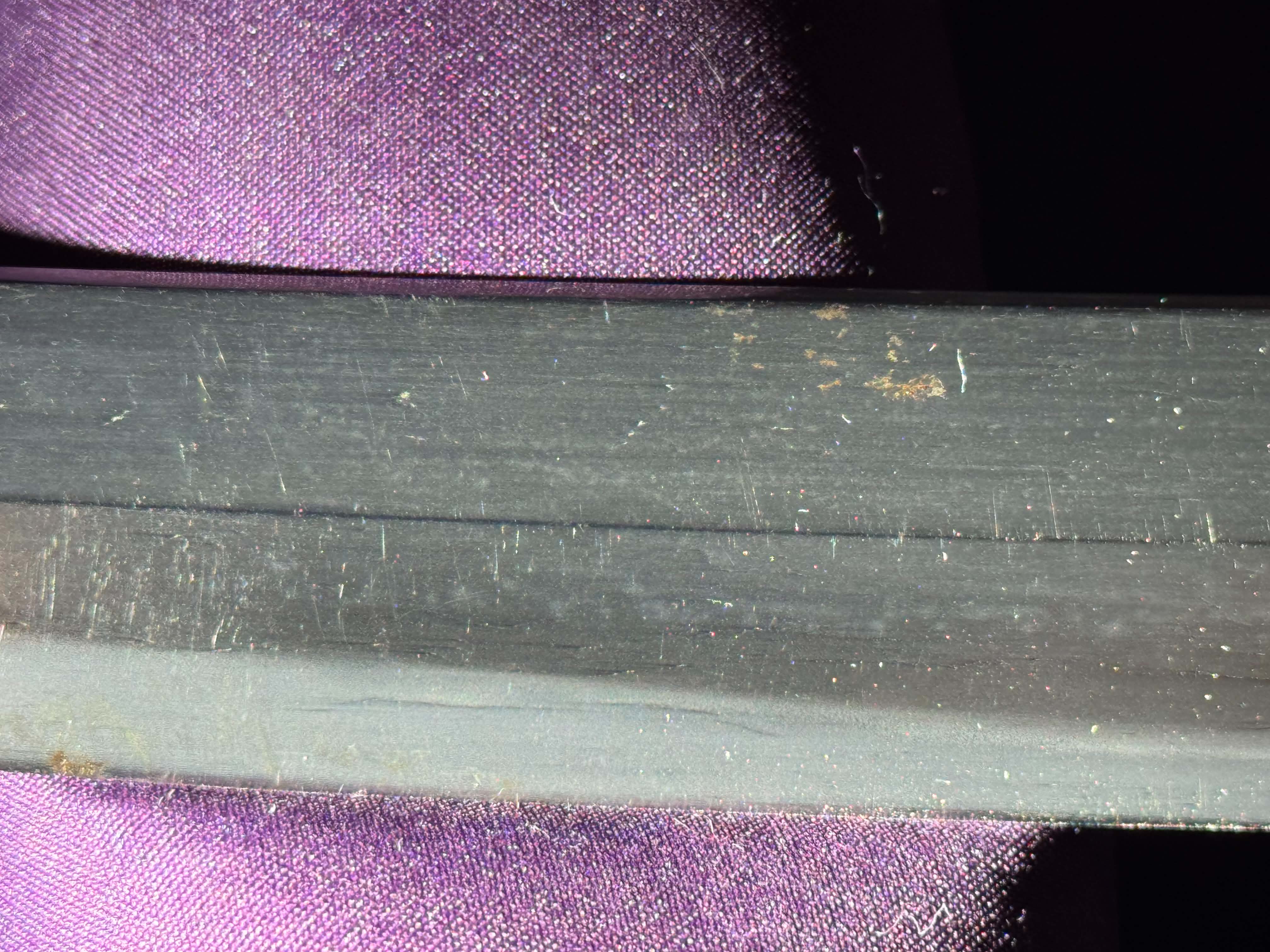
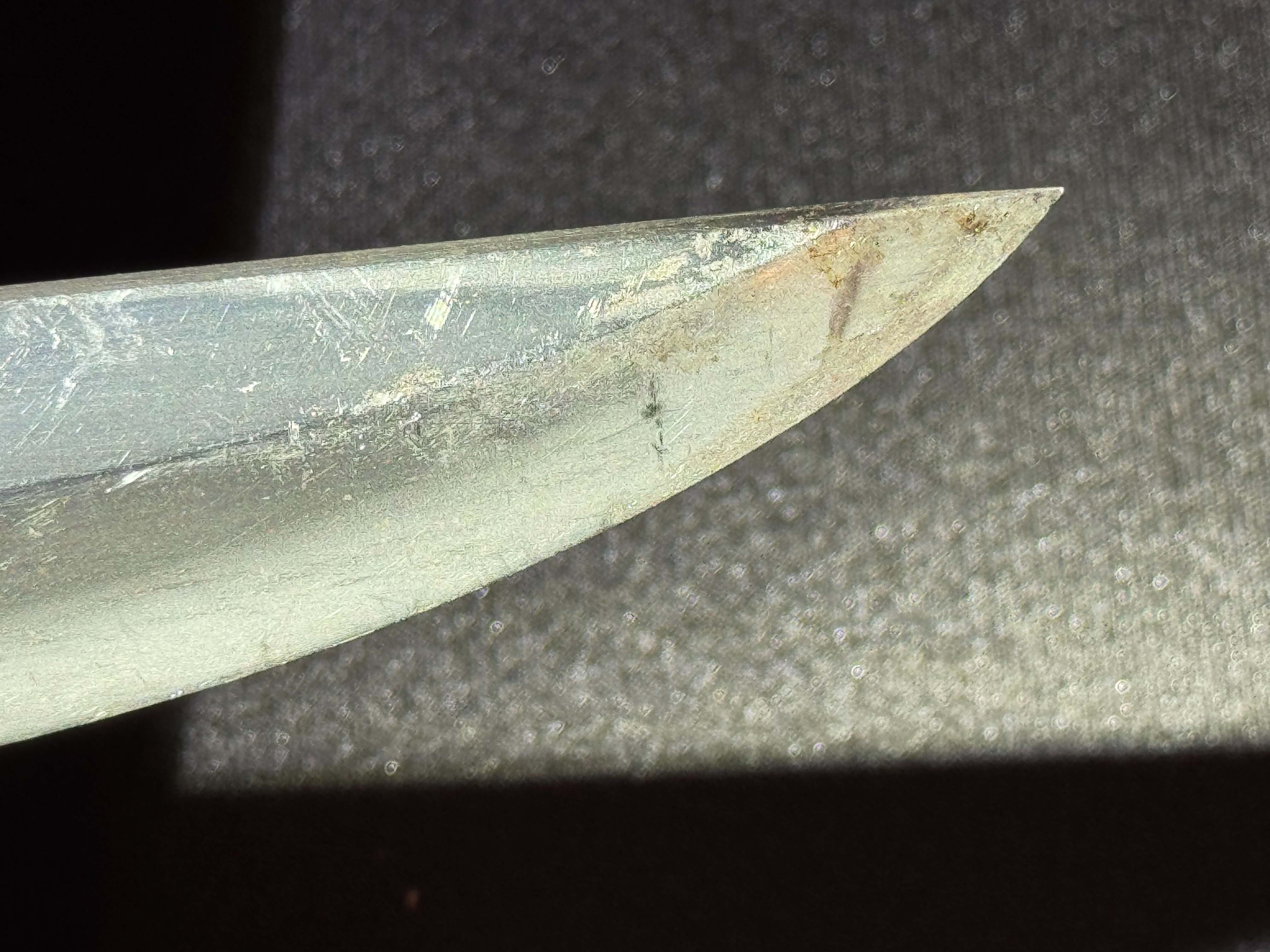
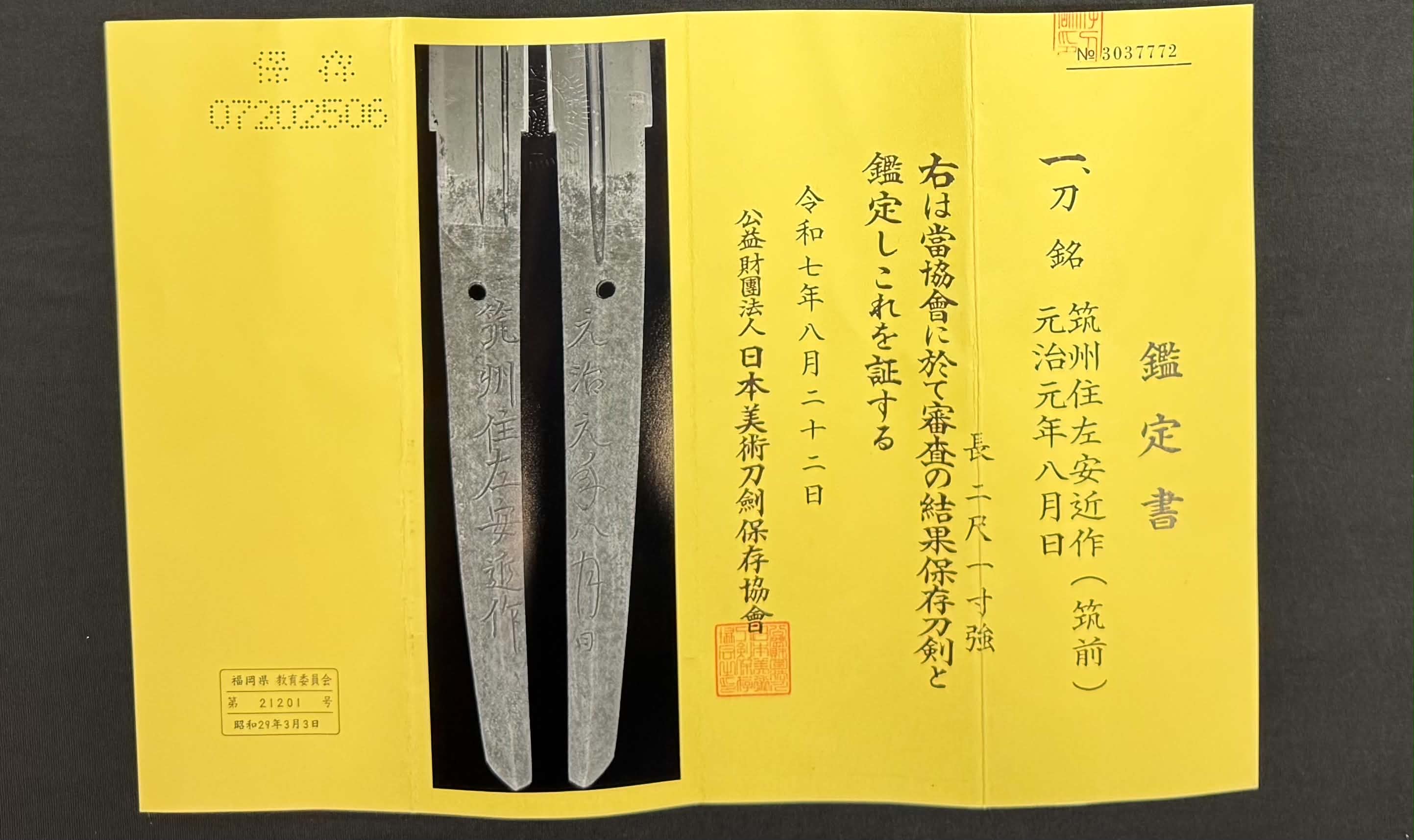
This antique katana is signed Chikushu Ju Sa Yasuchika and dated to Genji 1 (1864). It features a sweeping tip reminiscent of a Nagamaki and is mounted in a Handachi koshirae. The smith's name is inspired by famous Heian Period smiths Sa, Houki Yasatsuna, and Sanjo Munechika.
 NihontoWatch
mei · Hoei (1704-1711) · nagasa 63.6cm · sori 1.5cm
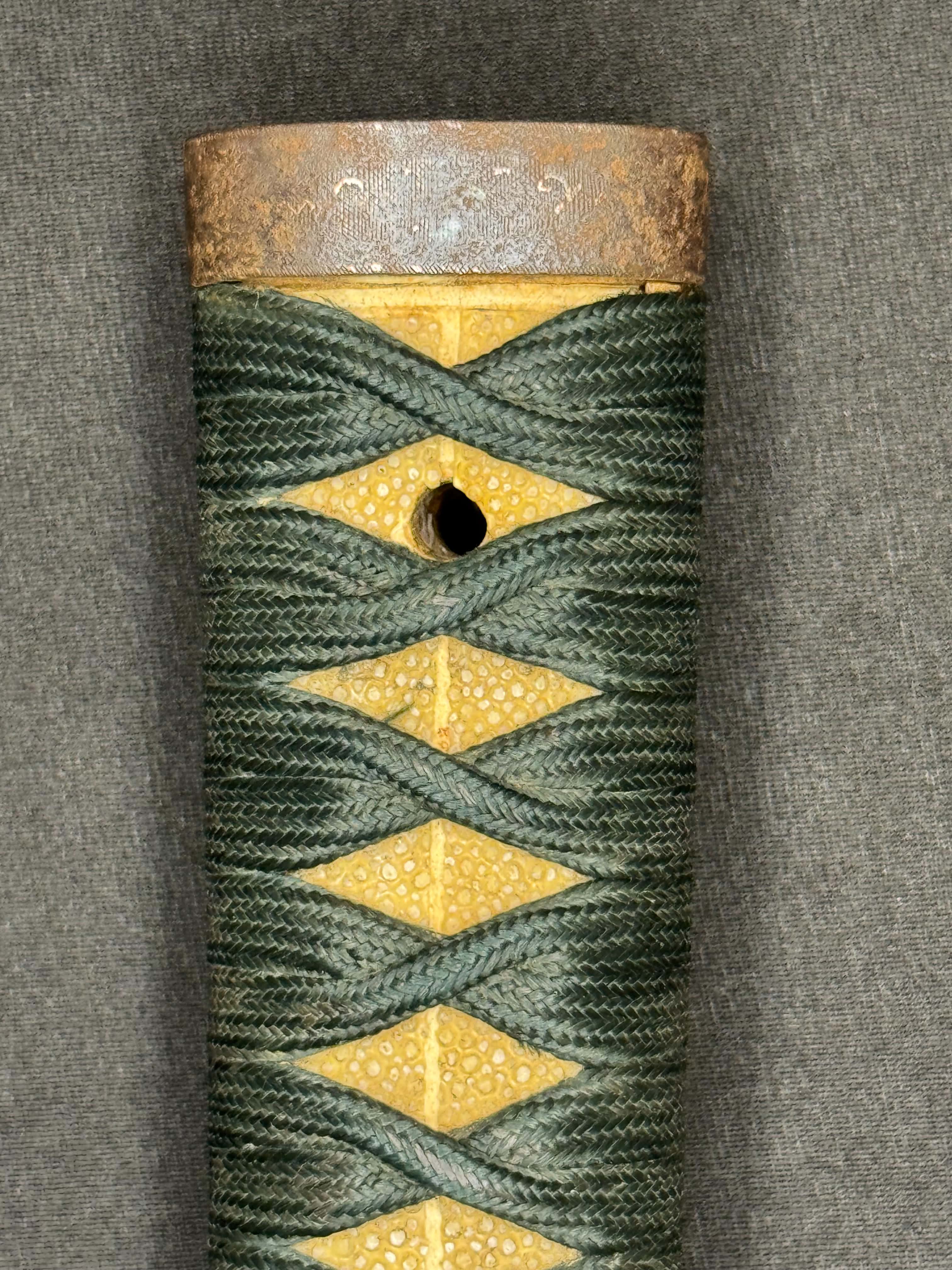
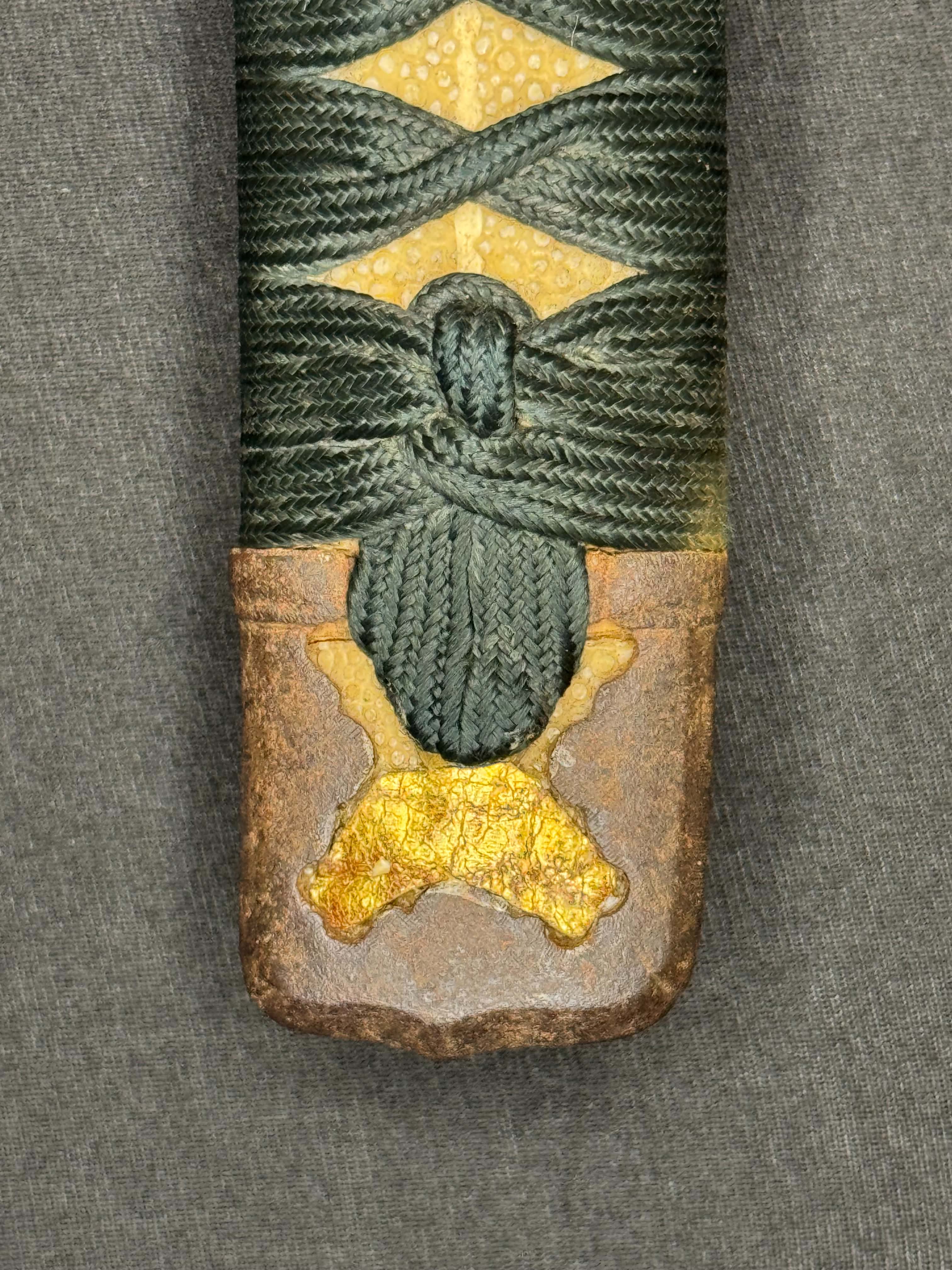
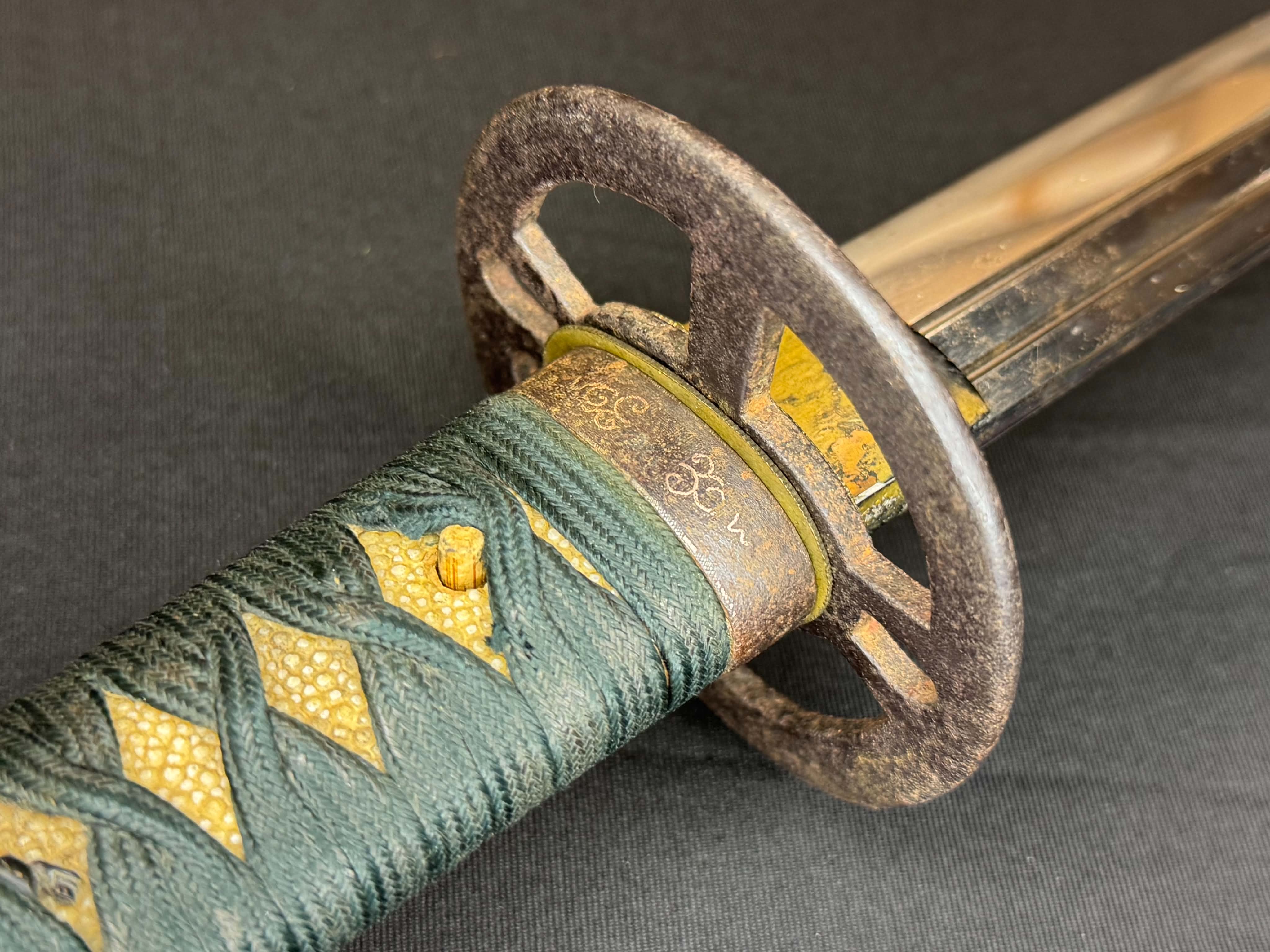
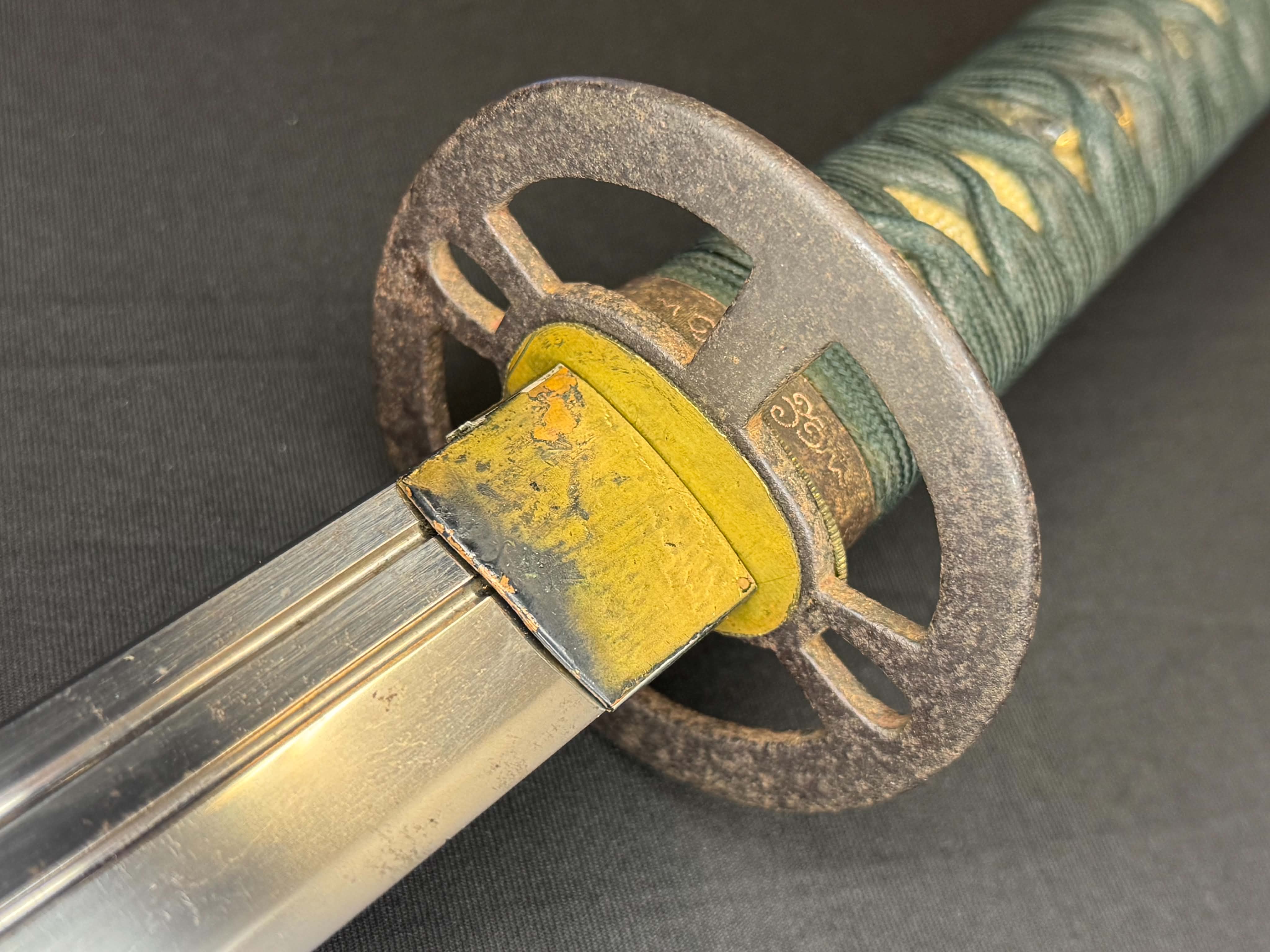
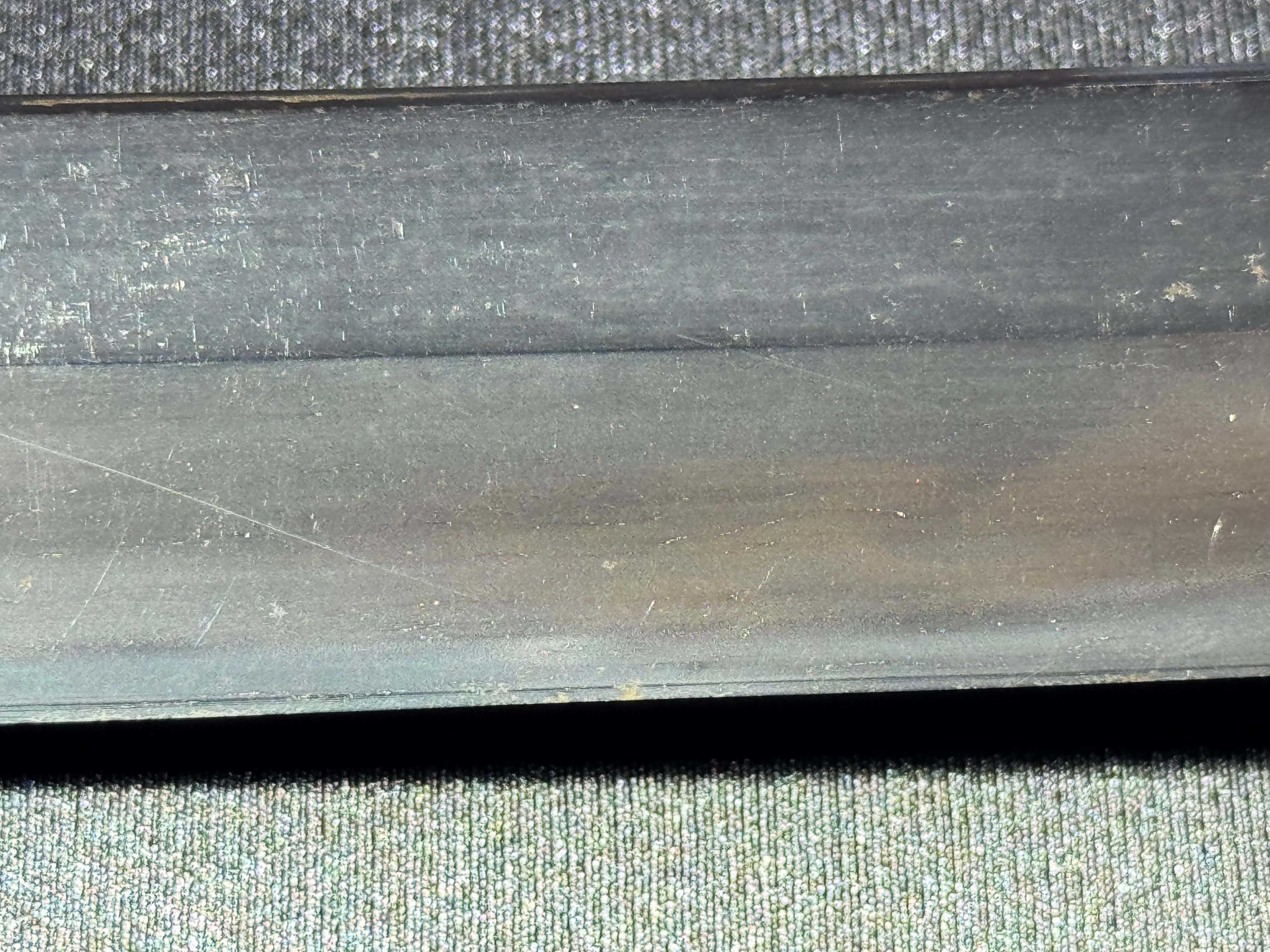
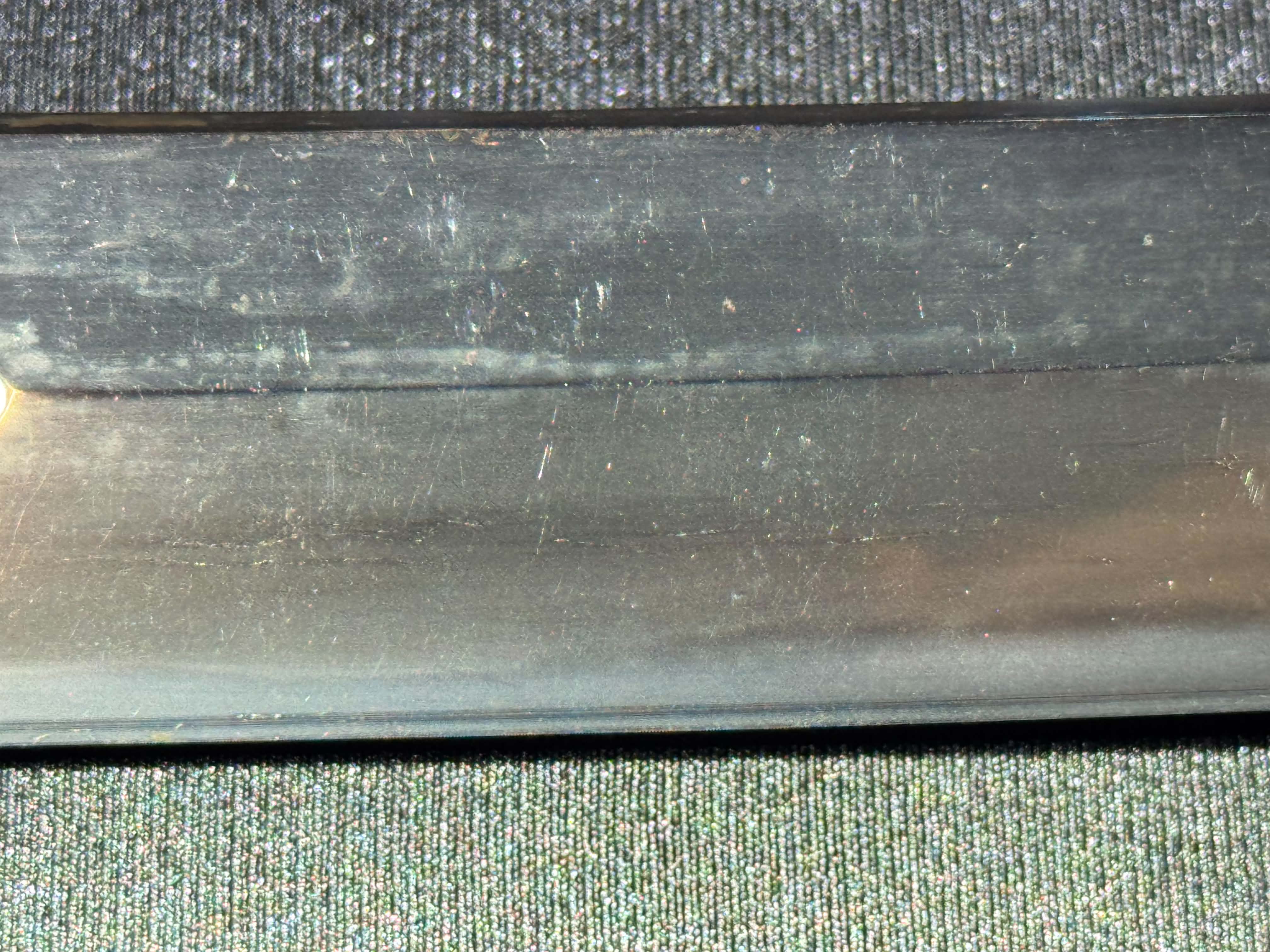
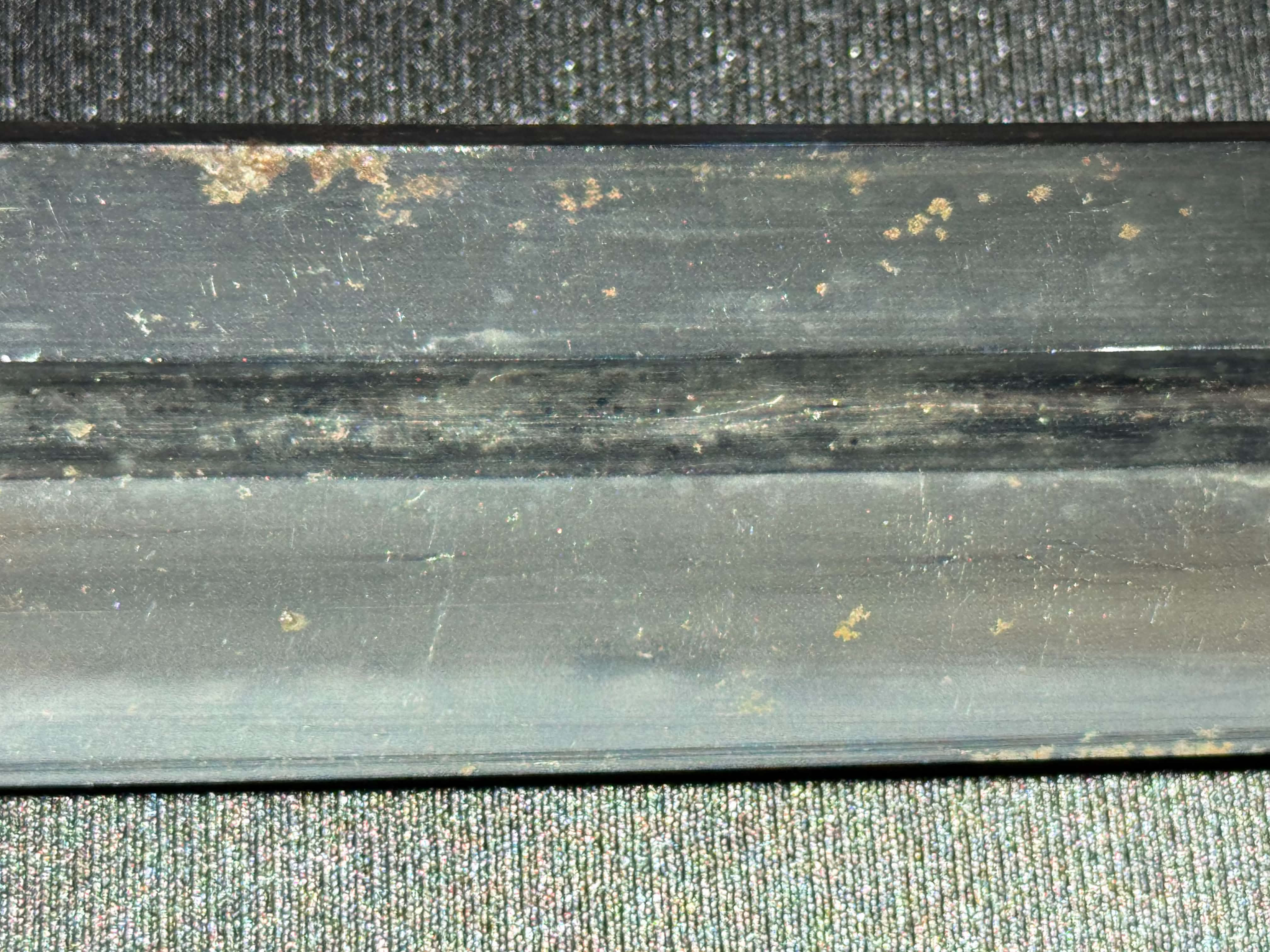
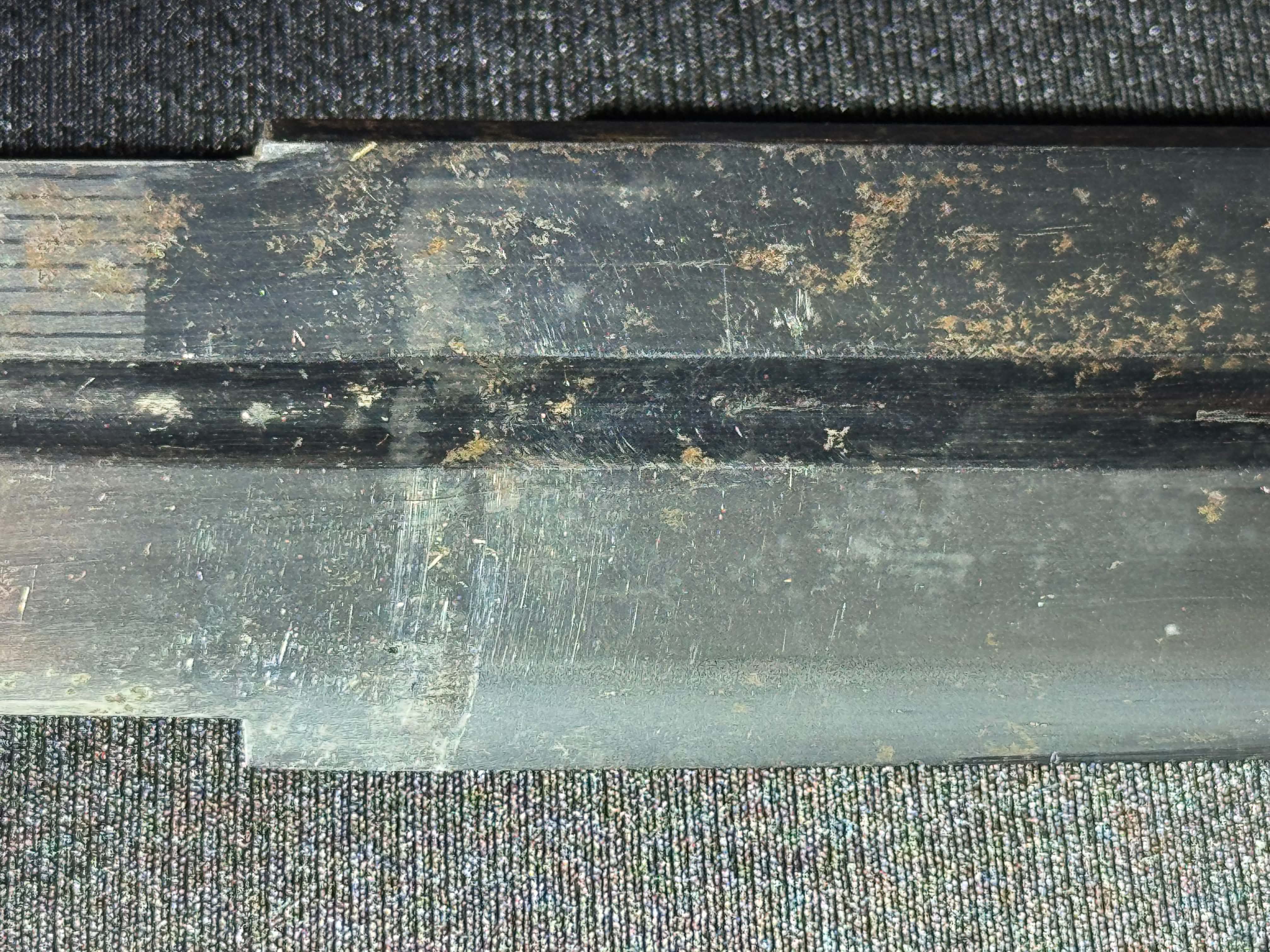
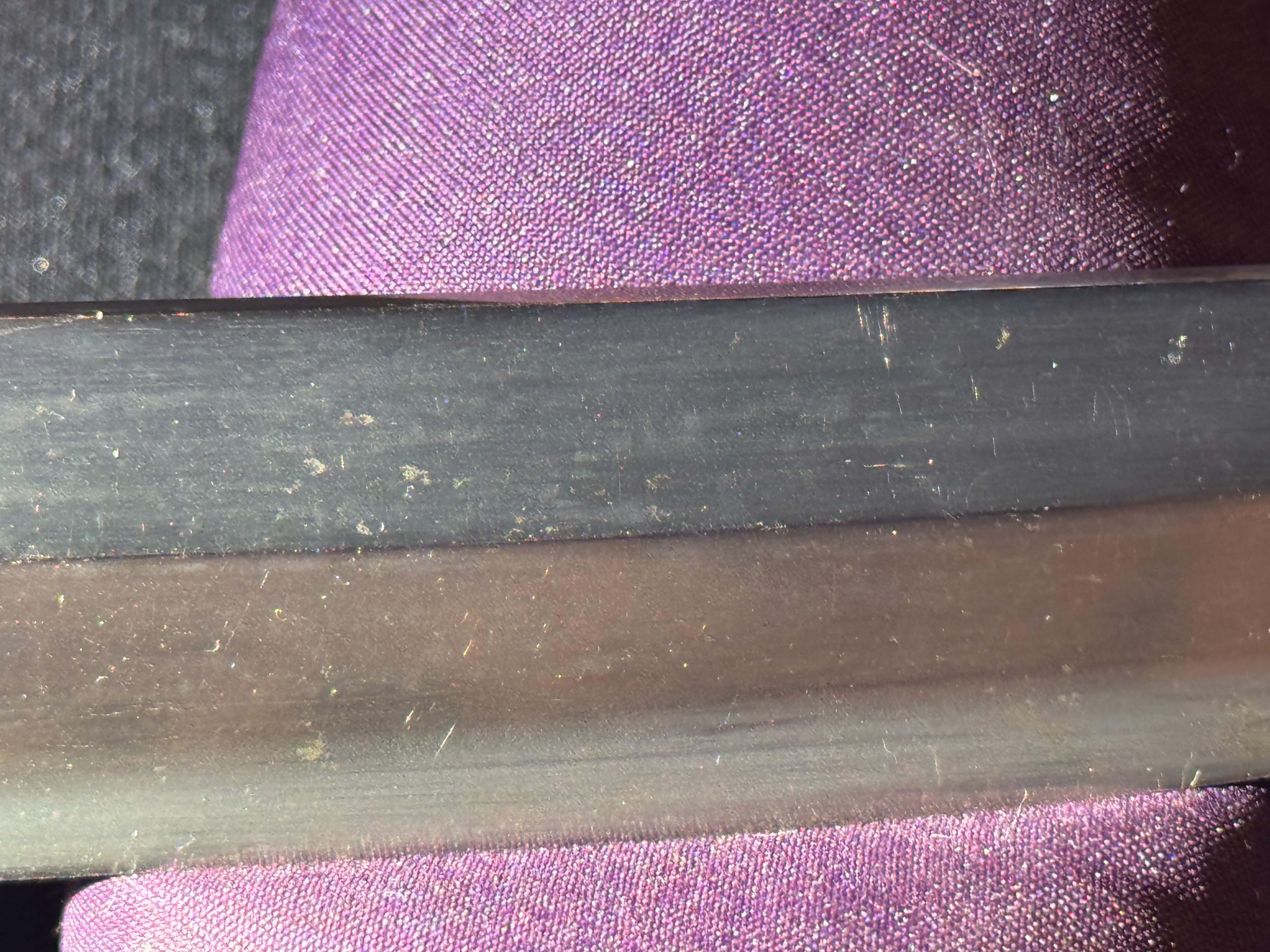
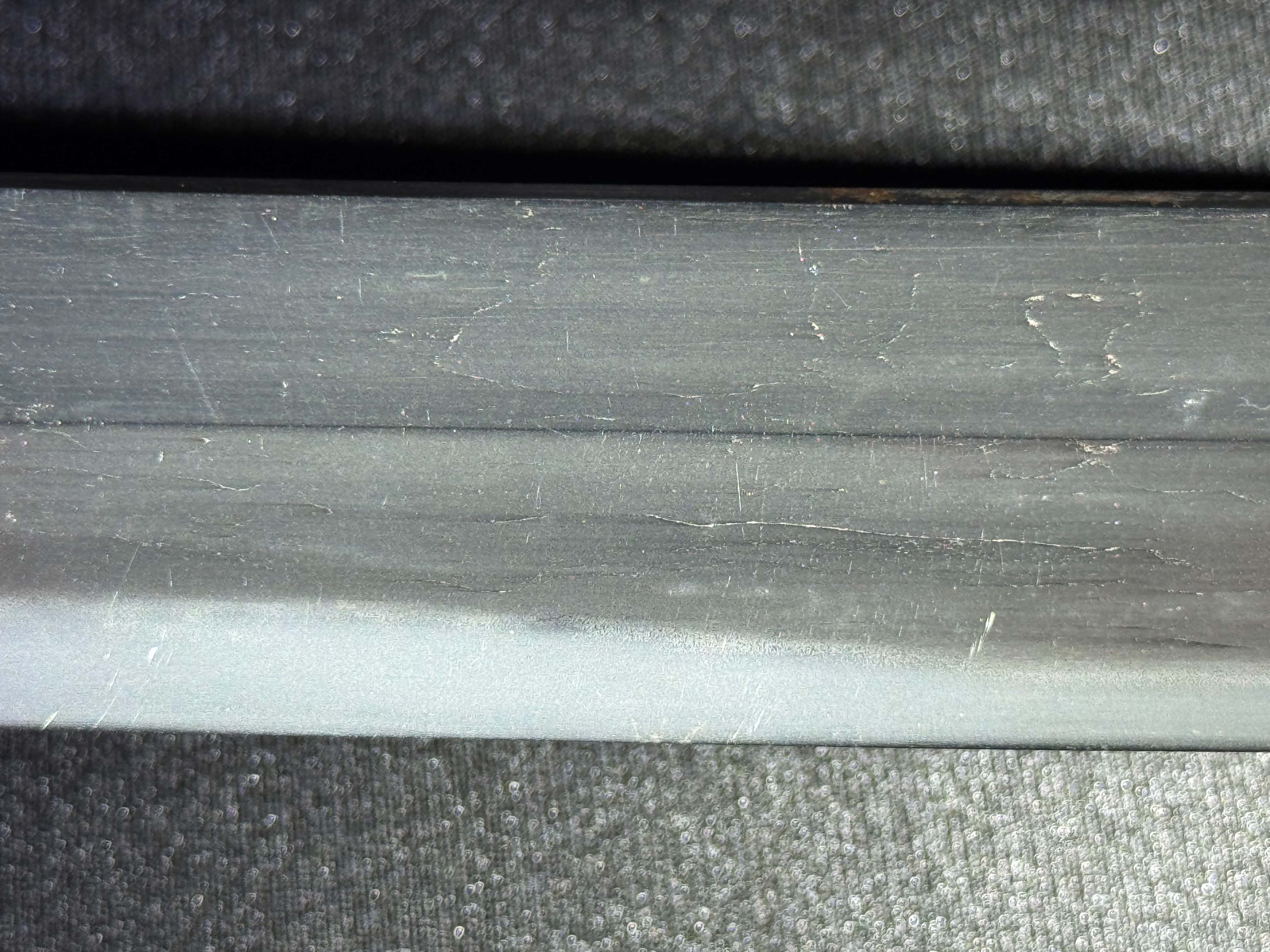
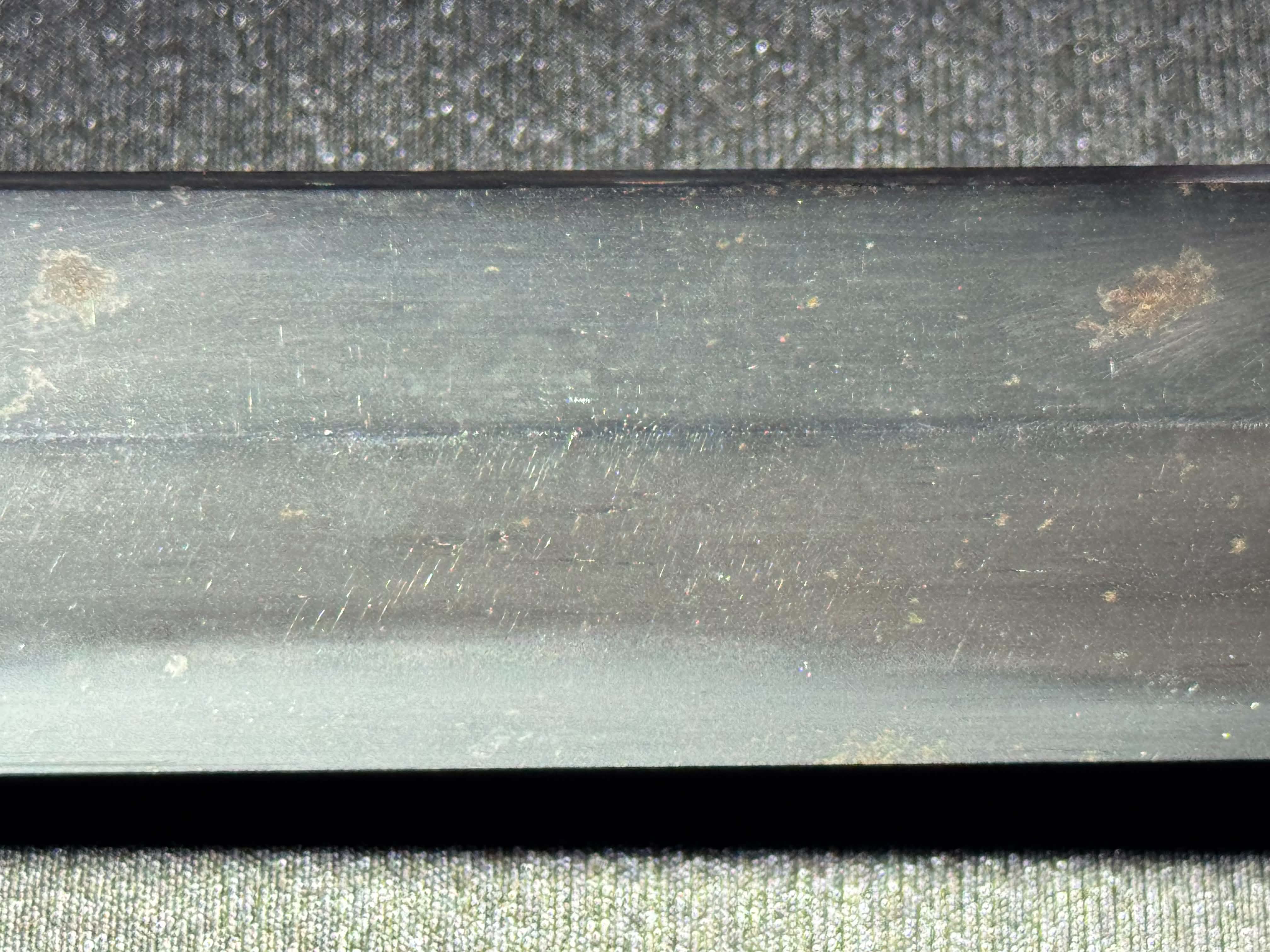
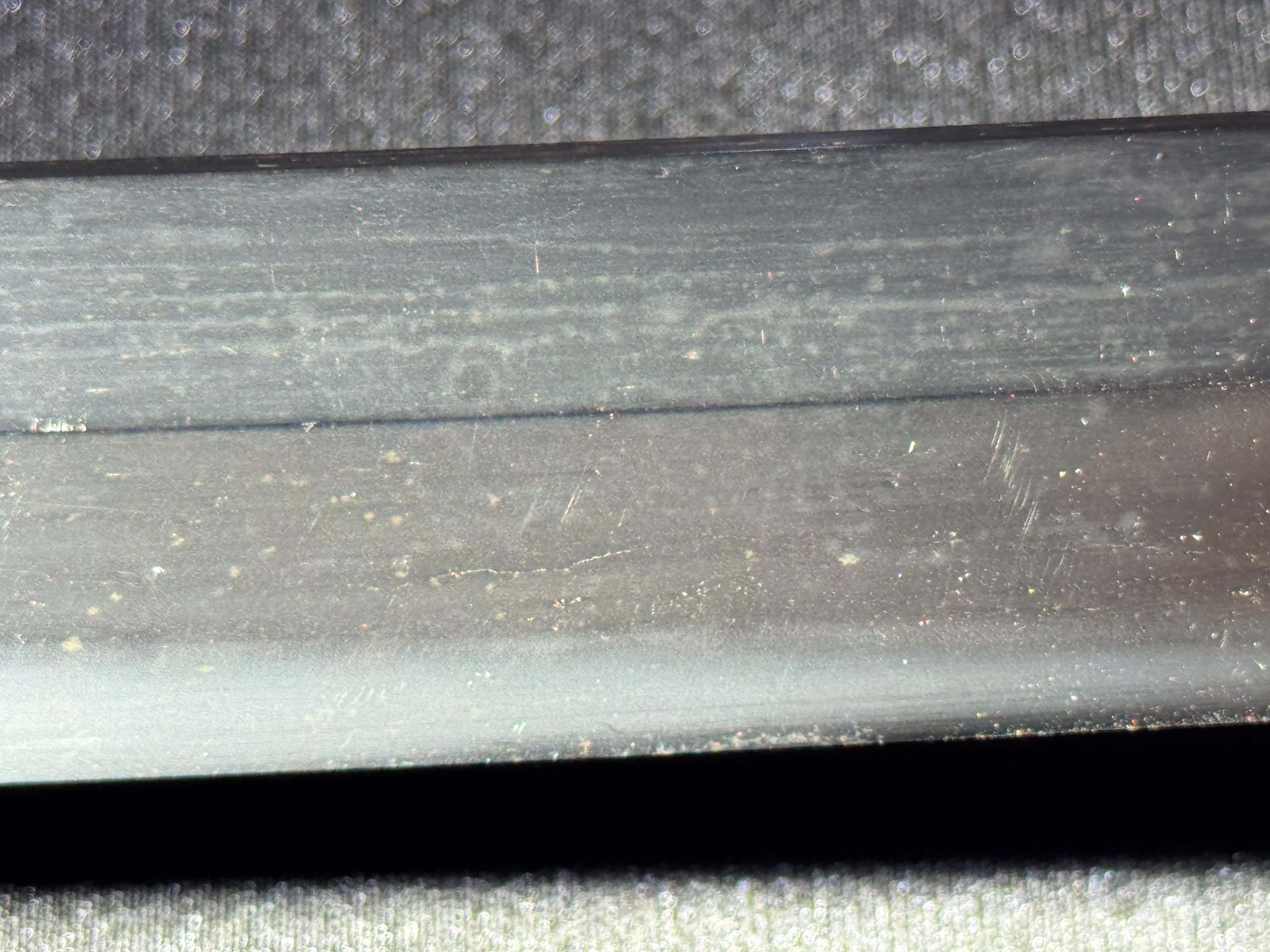
Yamato-den · Satsuma · around 1704-1711
Fujishiro Chu-jo saku · Tōken Taikan top 76%
2 pieces on the market now
Yamato-den · Satsuma
3 pieces on the market now
| Smith | Era | Designated |
|---|---|---|
| Yoshiyasu吉安 | 1394-1428 | 0 |
| Yoshiyuki吉行 | 1487-1489 | 0 |
| Yoshinari吉作 | 1504-1521 | 0 |
| Ietoshi家利 | 1532-1555 | 0 |
| Nobuyasu信安 | 1504-1521 | 0 |
The Edo period (1615 to 1868)
Edo was the sword’s age of connoisseurship: the Hon’ami appraisers, the shogunal register of famous blades of 1719, and a thriving literature turned the sword into an object of study even as it ceased to be drawn in war.
Certifies a genuine blade worth preserving: a signature confirmed correct, or, if unsigned, an era, province, and school that the NBTHK can reliably identify.
The NBTHK (Nihon Bijutsu Tōken Hozon Kyōkai, the Society for the Preservation of Japanese Art Swords) is a public-interest incorporated foundation founded in 1948 and supervised by Japan’s Agency for Cultural Affairs (Bunkachō); it is based at the Japanese Sword Museum in Tokyo. Its expert panels physically examine each submitted work (shinsa) and issue a certificate (kanteishō) ranking it by artistic and historical merit. NBTHK papers are the most widely recognized standard of authentication for Japanese swords and fittings.
NBTHK official site$3,125
This antique katana is signed Chikushu Ju Sa Yasuchika and dated to Genji 1 (1864). It features a sweeping tip reminiscent of a Nagamaki and is mounted in a Handachi koshirae. The smith's name is inspired by famous Heian Period smiths Sa, Houki Yasatsuna, and Sanjo Munechika.
NihontoWatchmei · Hoei (1704-1711) · nagasa 63.6cm · sori 1.5cm
Yamato-den · Satsuma · around 1704-1711
Fujishiro Chu-jo saku · Tōken Taikan top 76%
2 pieces on the market now
Yamato-den · Satsuma
3 pieces on the market now
| Smith | Era | Designated |
|---|---|---|
| Yoshiyasu吉安 | 1394-1428 | 0 |
| Yoshiyuki吉行 | 1487-1489 | 0 |
| Yoshinari吉作 | 1504-1521 | 0 |
| Ietoshi家利 | 1532-1555 | 0 |
| Nobuyasu信安 | 1504-1521 | 0 |
The Edo period (1615 to 1868)
Edo was the sword’s age of connoisseurship: the Hon’ami appraisers, the shogunal register of famous blades of 1719, and a thriving literature turned the sword into an object of study even as it ceased to be drawn in war.
Certifies a genuine blade worth preserving: a signature confirmed correct, or, if unsigned, an era, province, and school that the NBTHK can reliably identify.
The NBTHK (Nihon Bijutsu Tōken Hozon Kyōkai, the Society for the Preservation of Japanese Art Swords) is a public-interest incorporated foundation founded in 1948 and supervised by Japan’s Agency for Cultural Affairs (Bunkachō); it is based at the Japanese Sword Museum in Tokyo. Its expert panels physically examine each submitted work (shinsa) and issue a certificate (kanteishō) ranking it by artistic and historical merit. NBTHK papers are the most widely recognized standard of authentication for Japanese swords and fittings.
NBTHK official site$3,125