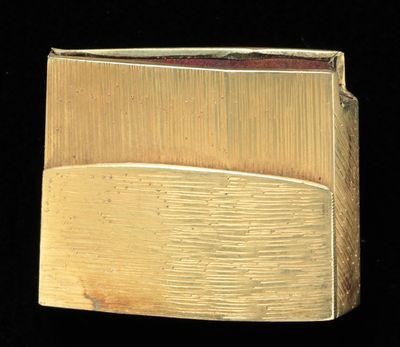
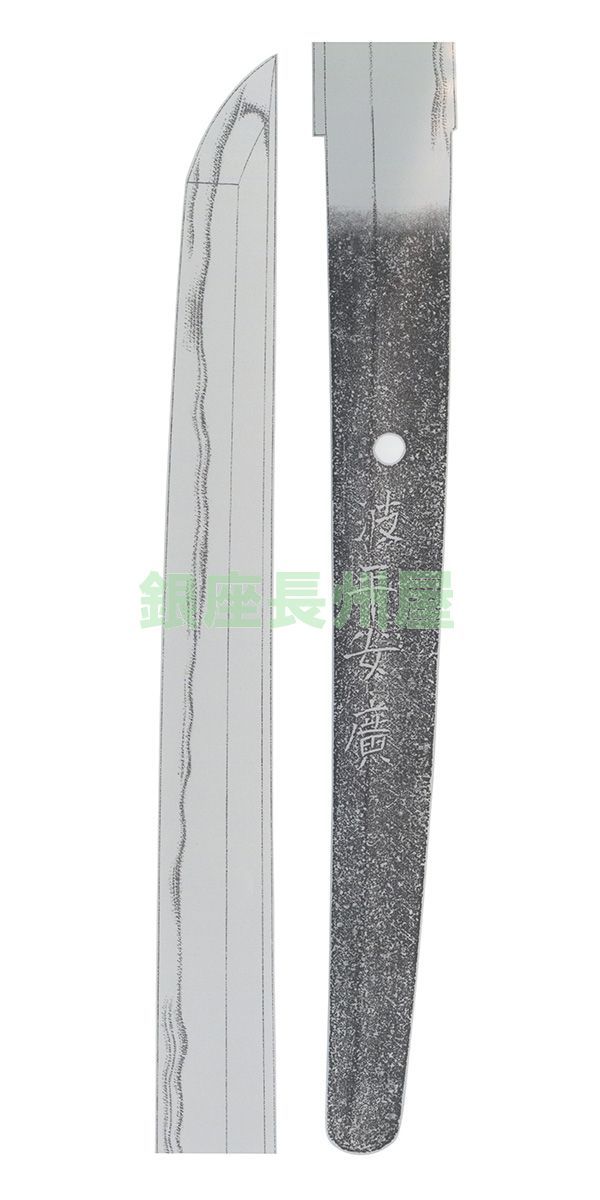
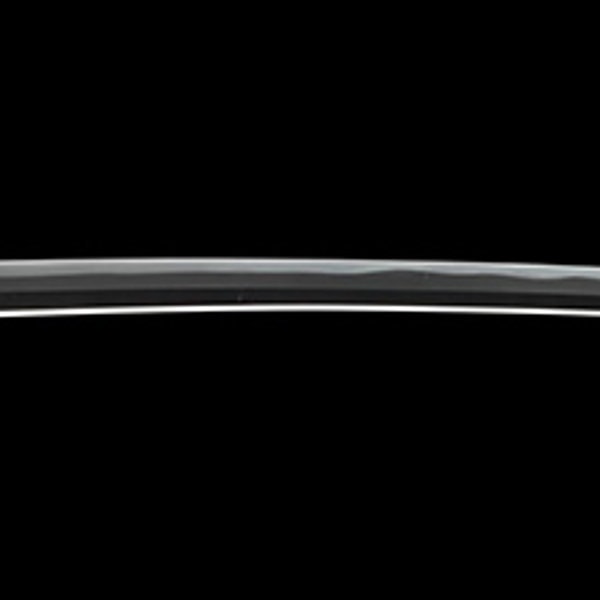
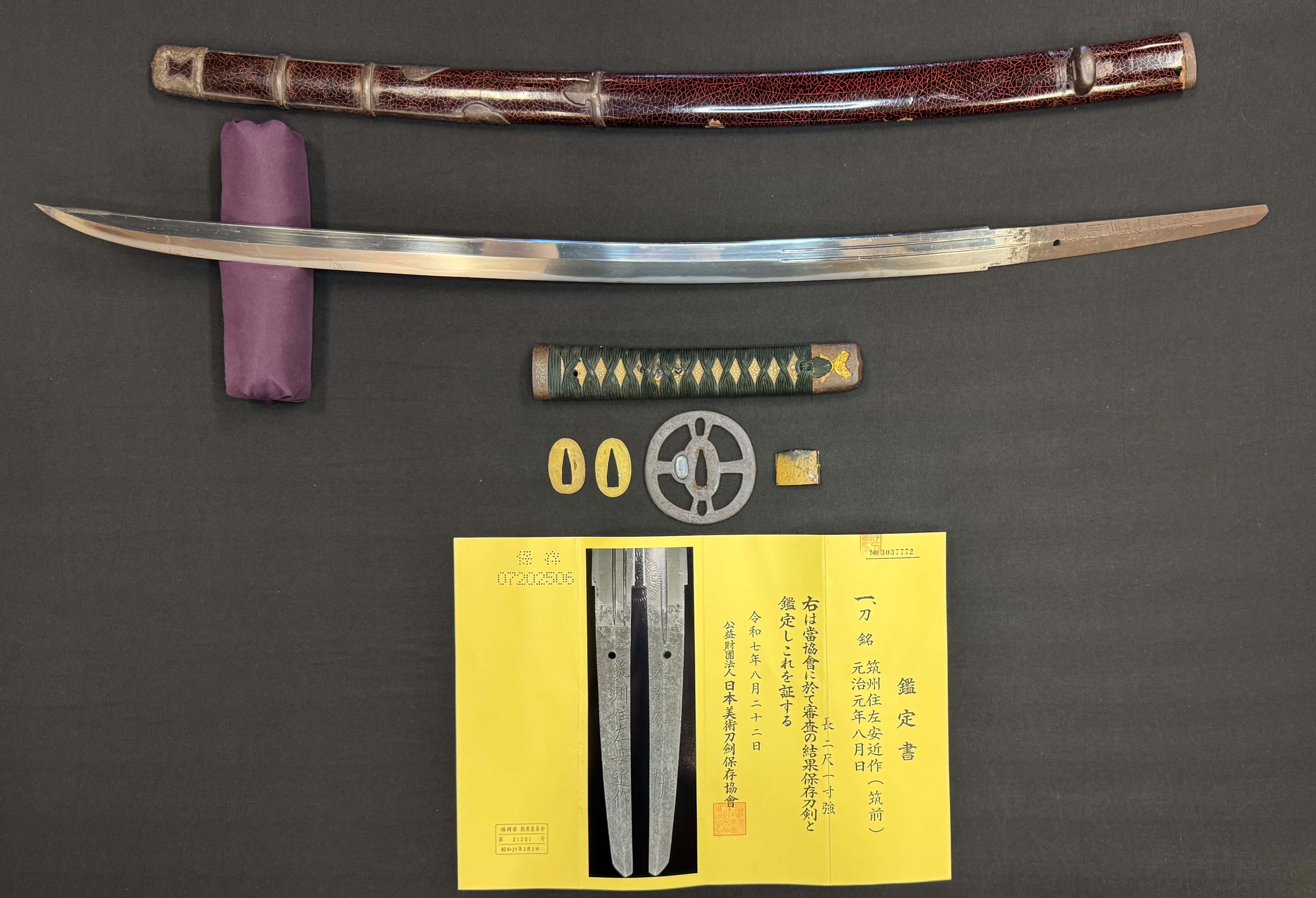
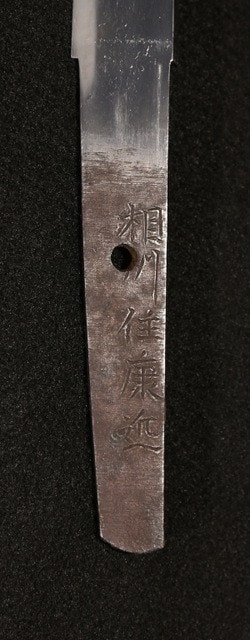
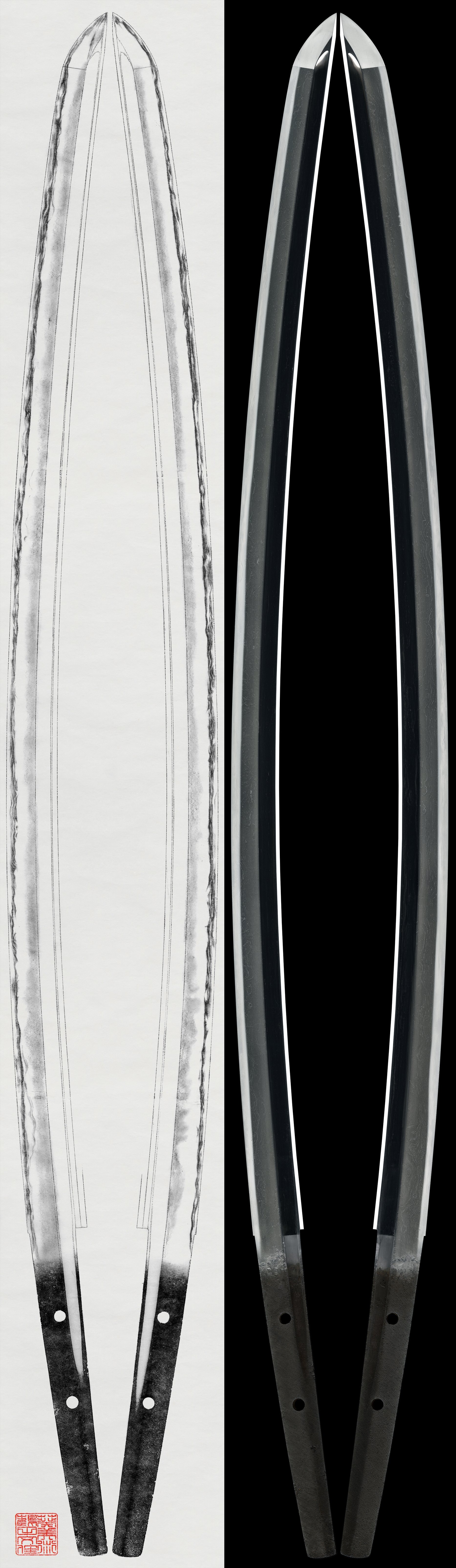
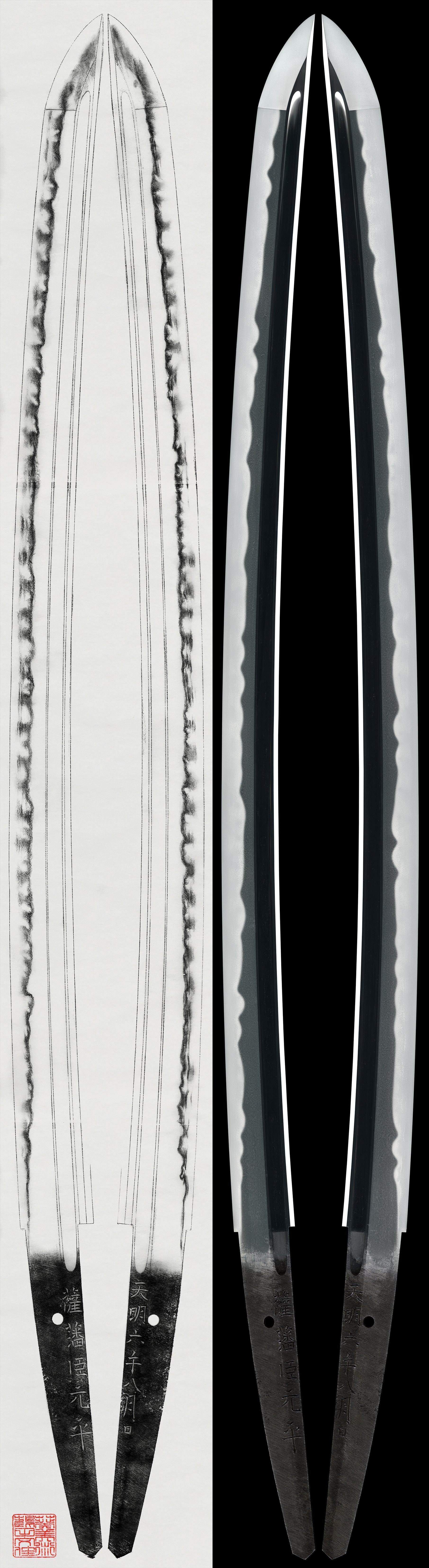
This katana was made by Naminohira Yasuhiro, a grandson of Yasuhiro of Yamato, who studied the Soshu tradition by order of the second lord of the domain, Mitsuhisa Shimazu. It is over two shaku four sun in length, with a subdued curvature and a small point. The blade has a strong and firm appearance, with a prominent shinogi-ji.
mei · Naminohira · Kyoho (1716-1736) · nagasa 72.8cm · sori 1.27cm


Yamato-den · Satsuma · around 1716-1736
Tōken Taikan top 91%
2 pieces on the market now
Yamato-den · Satsuma
2 pieces on the market now
| Smith | Era | Designated |
|---|---|---|
| Yoshiyasu吉安 | 1394-1428 | 0 |
| Yoshiyuki吉行 | 1487-1489 | 0 |
| Yoshinari吉作 | 1504-1521 | 0 |
| Ietoshi家利 | 1532-1555 | 0 |
| Nobuyasu信安 | 1504-1521 | 0 |
A Hozon-certified blade judged to show notably superior workmanship and a better state of preservation. The bar is higher: re-tempered blades and most unsigned Muromachi/Edo works are excluded.
The NBTHK (Nihon Bijutsu Tōken Hozon Kyōkai, the Society for the Preservation of Japanese Art Swords) is a public-interest incorporated foundation founded in 1948 and supervised by Japan’s Agency for Cultural Affairs (Bunkachō); it is based at the Japanese Sword Museum in Tokyo. Its expert panels physically examine each submitted work (shinsa) and issue a certificate (kanteishō) ranking it by artistic and historical merit. NBTHK papers are the most widely recognized standard of authentication for Japanese swords and fittings.
NBTHK official siteIf, due to our fault, the item differs significantly from its proper condition, the item may be returned. Cooling-off is within one week of the item's arrival.
This katana was made by Naminohira Yasuhiro, a grandson of Yasuhiro of Yamato, who studied the Soshu tradition by order of the second lord of the domain, Mitsuhisa Shimazu. It is over two shaku four sun in length, with a subdued curvature and a small point. The blade has a strong and firm appearance, with a prominent shinogi-ji.
mei · Naminohira · Kyoho (1716-1736) · nagasa 72.8cm · sori 1.27cm


Yamato-den · Satsuma · around 1716-1736
Tōken Taikan top 91%
2 pieces on the market now
Yamato-den · Satsuma
2 pieces on the market now
| Smith | Era | Designated |
|---|---|---|
| Yoshiyasu吉安 | 1394-1428 | 0 |
| Yoshiyuki吉行 | 1487-1489 | 0 |
| Yoshinari吉作 | 1504-1521 | 0 |
| Ietoshi家利 | 1532-1555 | 0 |
| Nobuyasu信安 | 1504-1521 | 0 |
A Hozon-certified blade judged to show notably superior workmanship and a better state of preservation. The bar is higher: re-tempered blades and most unsigned Muromachi/Edo works are excluded.
The NBTHK (Nihon Bijutsu Tōken Hozon Kyōkai, the Society for the Preservation of Japanese Art Swords) is a public-interest incorporated foundation founded in 1948 and supervised by Japan’s Agency for Cultural Affairs (Bunkachō); it is based at the Japanese Sword Museum in Tokyo. Its expert panels physically examine each submitted work (shinsa) and issue a certificate (kanteishō) ranking it by artistic and historical merit. NBTHK papers are the most widely recognized standard of authentication for Japanese swords and fittings.
NBTHK official siteIf, due to our fault, the item differs significantly from its proper condition, the item may be returned. Cooling-off is within one week of the item's arrival.