The craft survived the Meiji ban and the occupation’s near-extinction, and rebuilt itself deliberately: licensed forging from 1953, traditional methods required by law, Living National Treasures, and the mukansa rank above judgment.
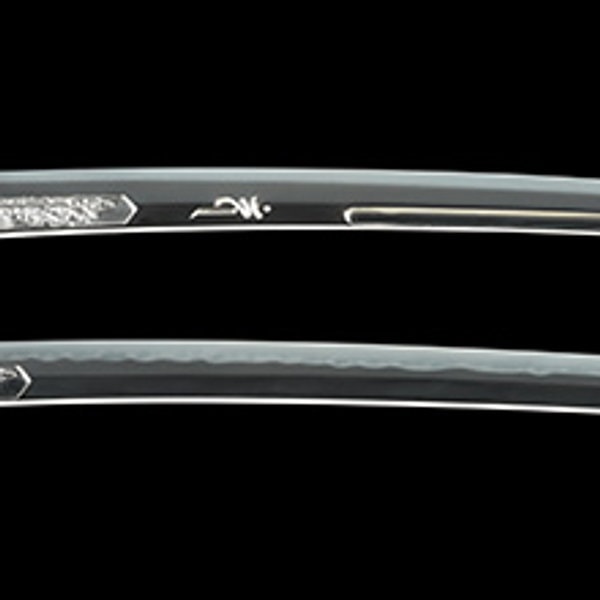
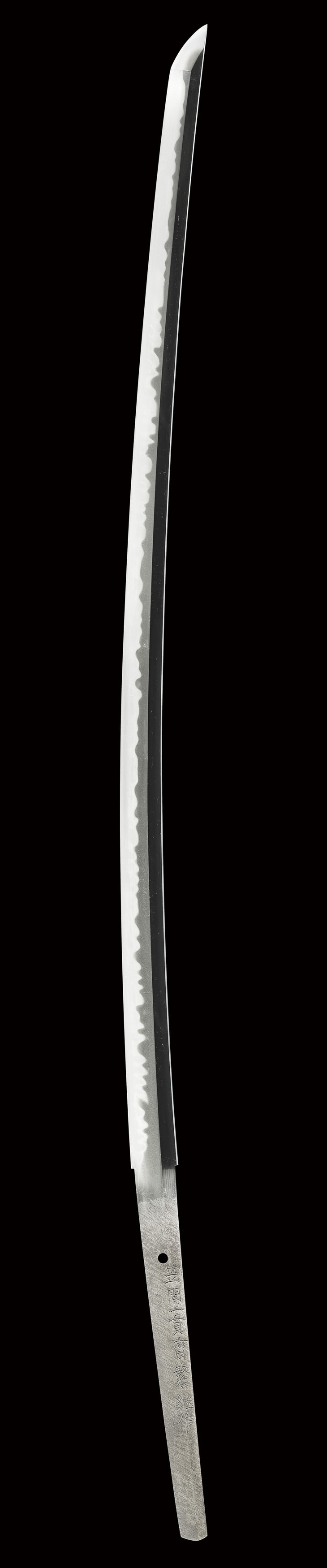
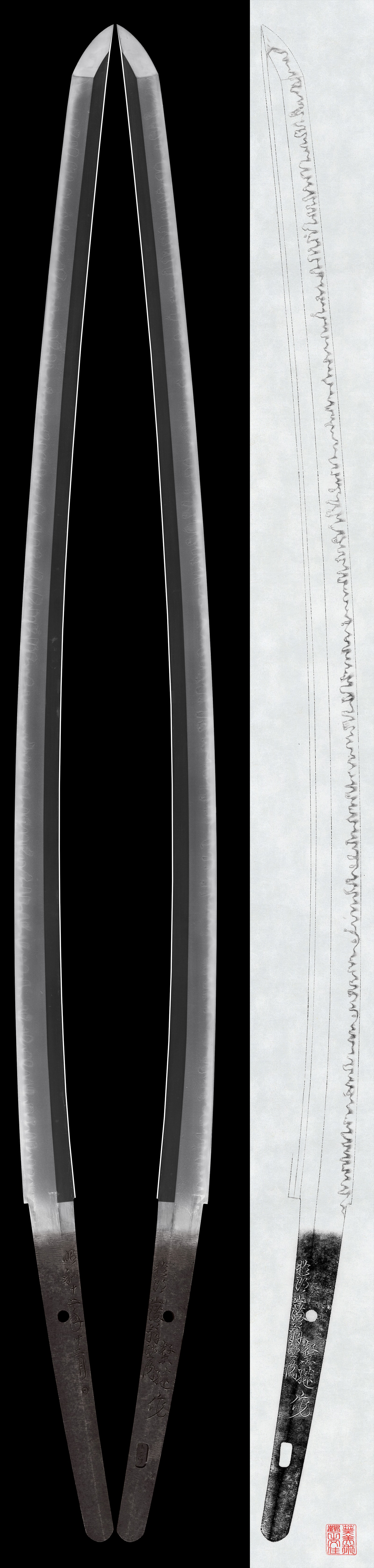
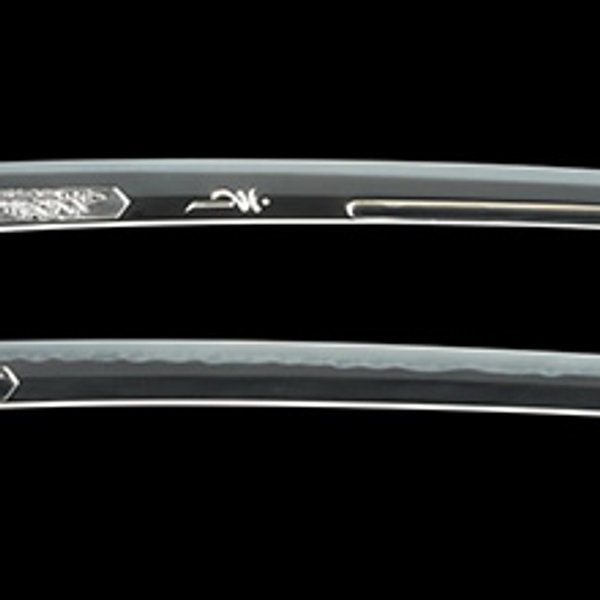
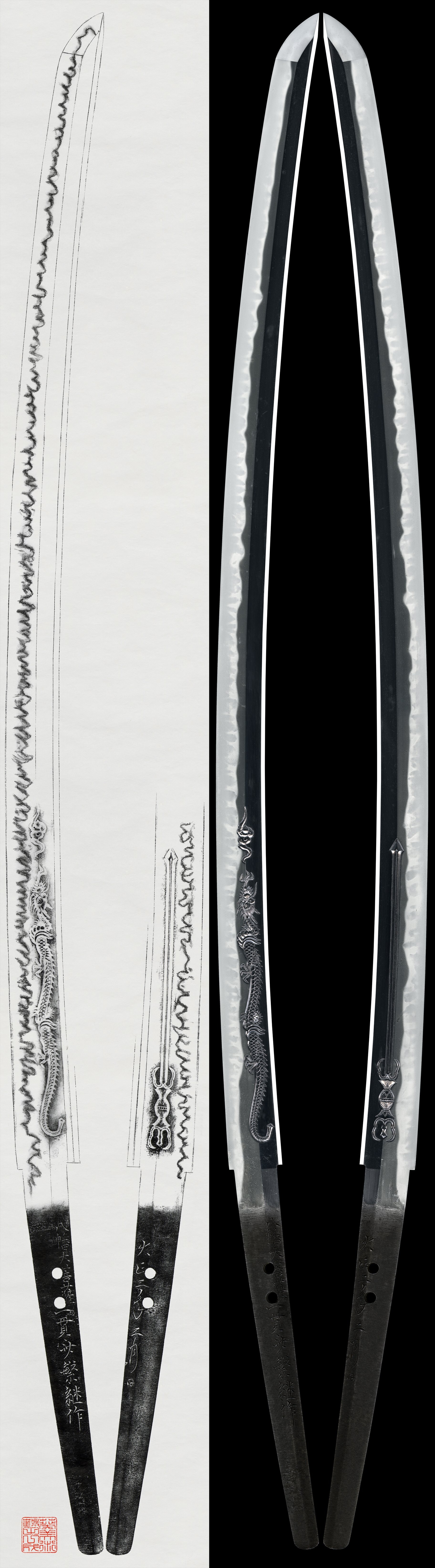
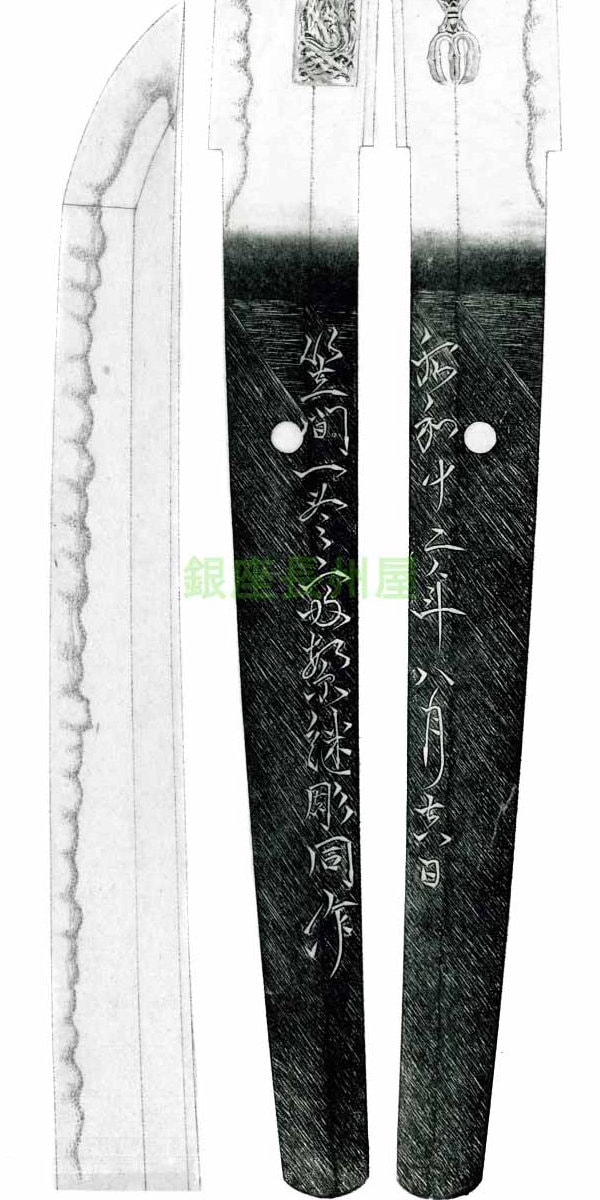
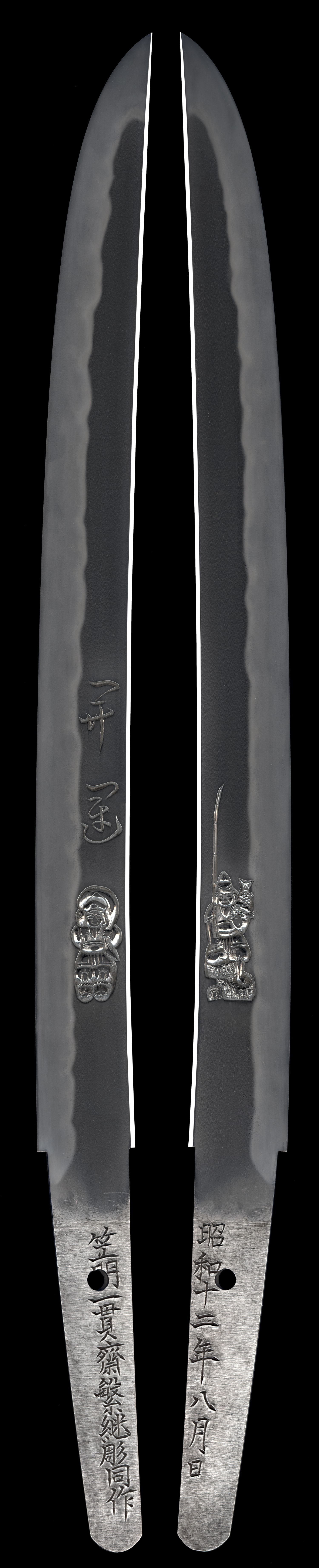
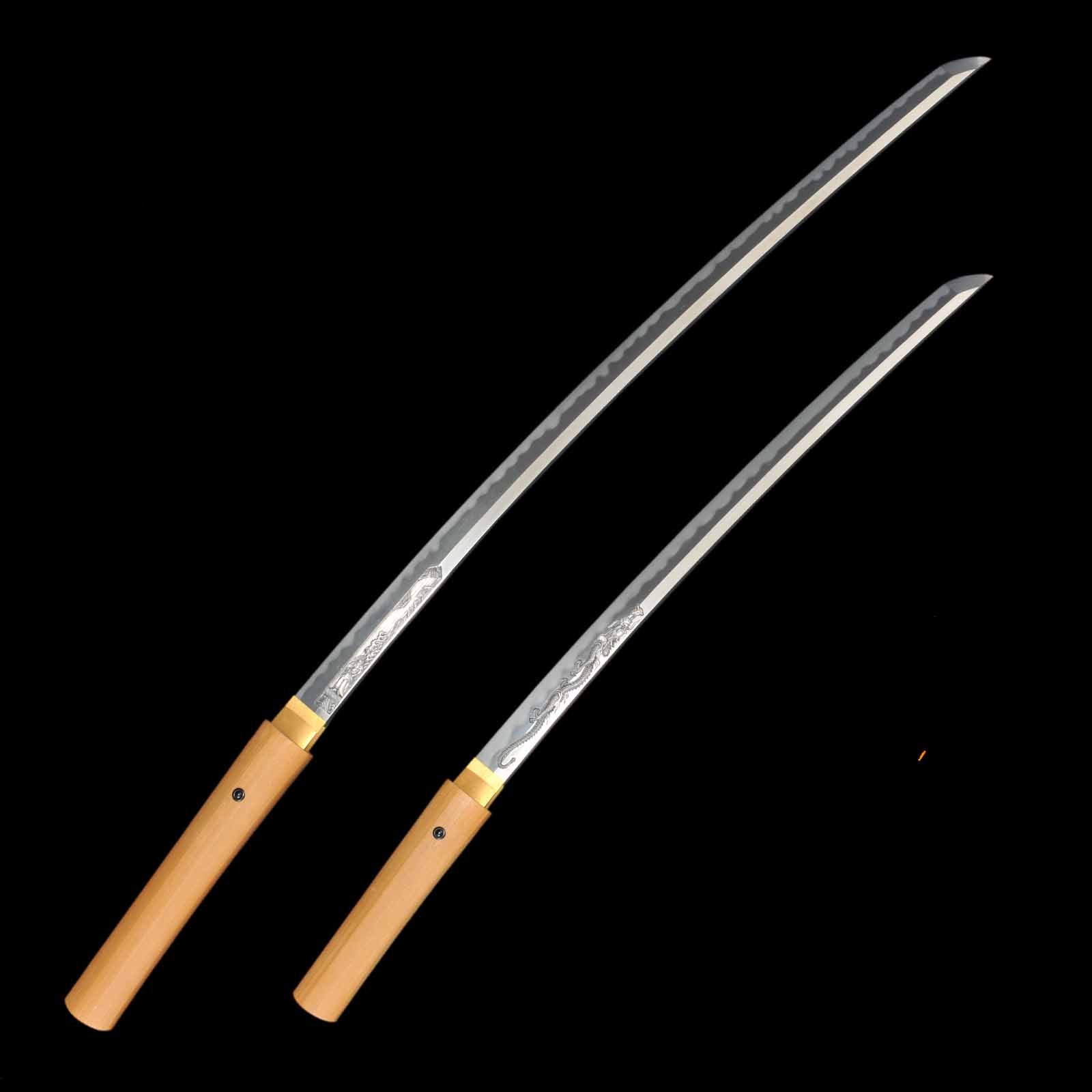
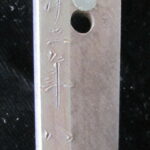
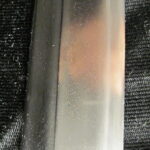
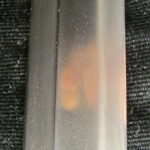
This is a mounted katana by the important Showa era smith Kasama Ikkansai Shigetsugu, made in August 1937 at the estate of Toyama Mitsuru. The blade features a tight ko-itame hada and a gently undulating suguba hamon with ko-nie. It comes in excellent koshirae with a black lacquer saya, iron fittings with dragon inlays, and a kiku-gata tsuba.
 NihontoWatch
mei · Taisho (1912-1926) · nagasa 65.5cm · sori 1.3cm
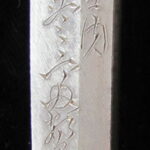
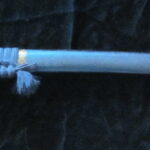
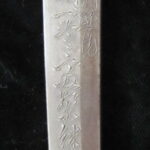
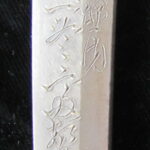
Tokyo · around 1912-1926
Tōken Taikan top 63%
7 pieces on the market now
The modern era (1868 to today)
The craft survived the Meiji ban and the occupation’s near-extinction, and rebuilt itself deliberately: licensed forging from 1953, traditional methods required by law, Living National Treasures, and the mukansa rank above judgment.
We could not find an authenticity certificate on the seller’s listing. Japanese swords and fittings are normally papered by the NBTHK (or the NTHK). Without one, the attribution is the seller’s own assessment and has not been independently verified — treat it with caution and ask the dealer about certification before buying.
3-day return window from receipt.