The craft survived the Meiji ban and the occupation’s near-extinction, and rebuilt itself deliberately: licensed forging from 1953, traditional methods required by law, Living National Treasures, and the mukansa rank above judgment.
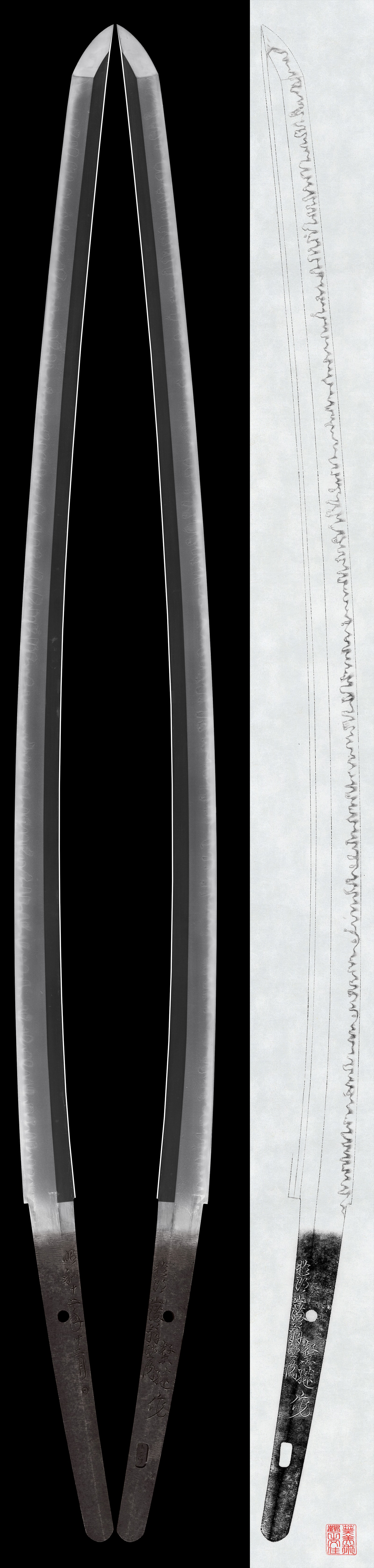
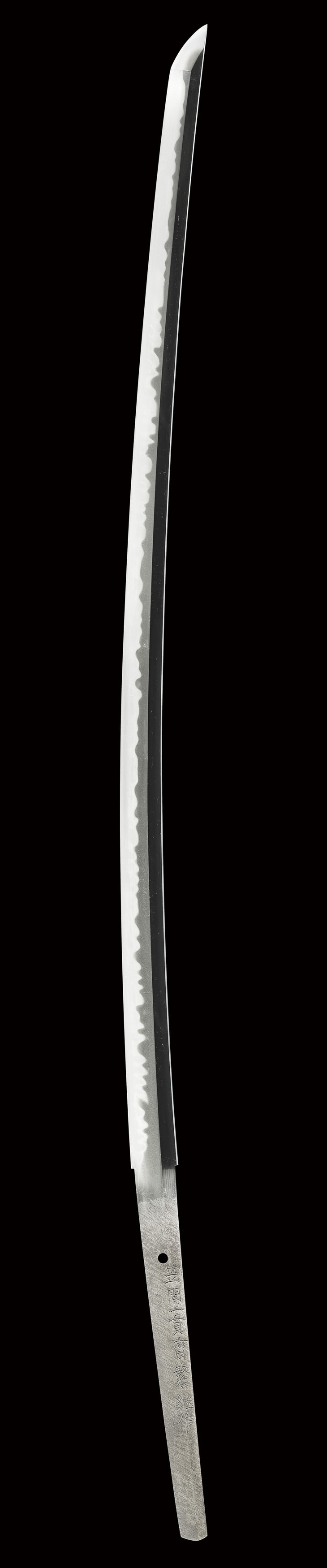
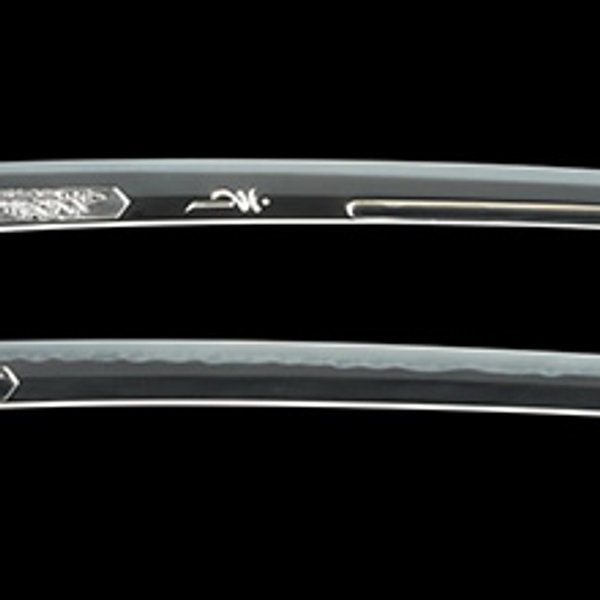
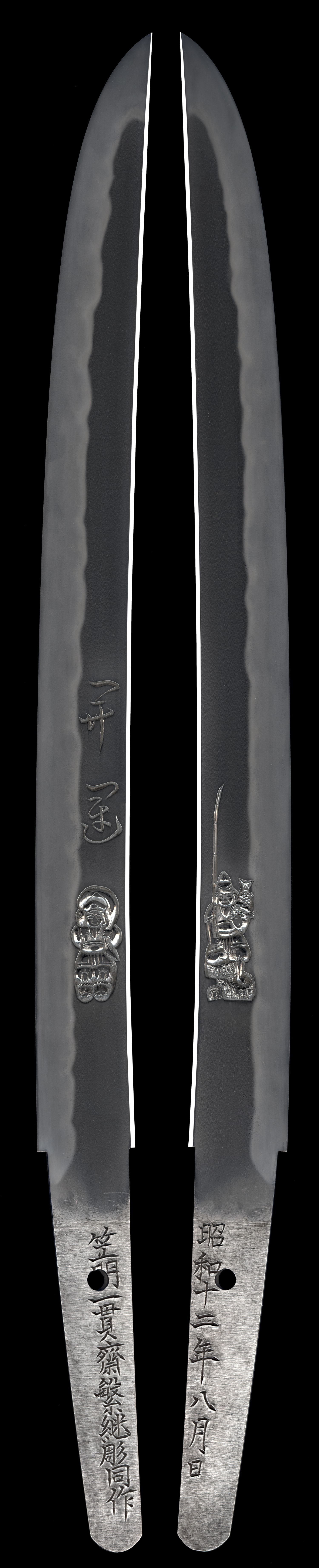
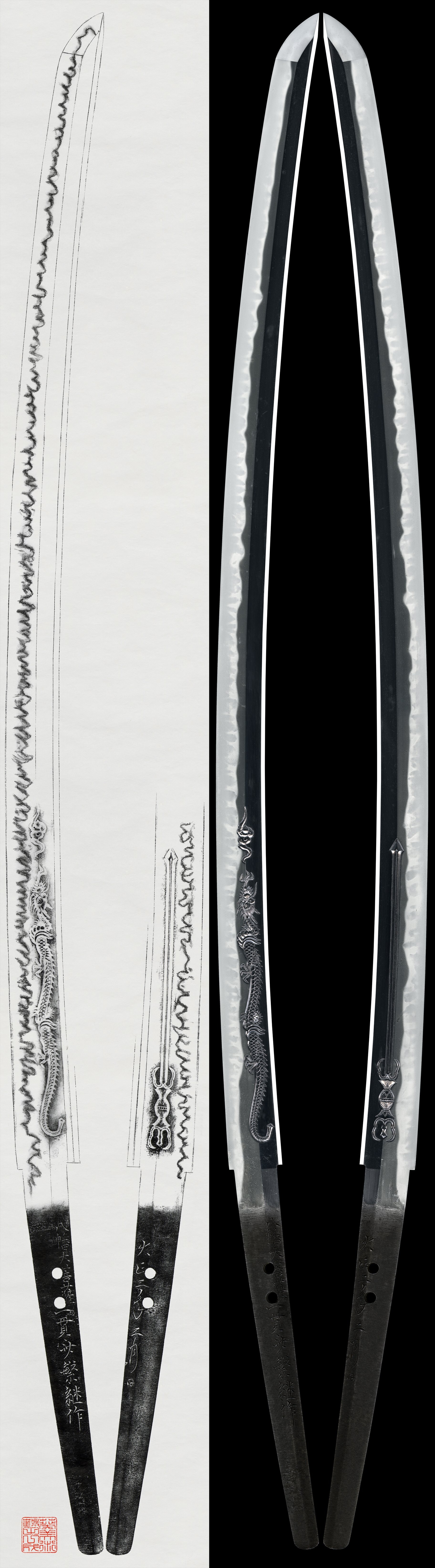
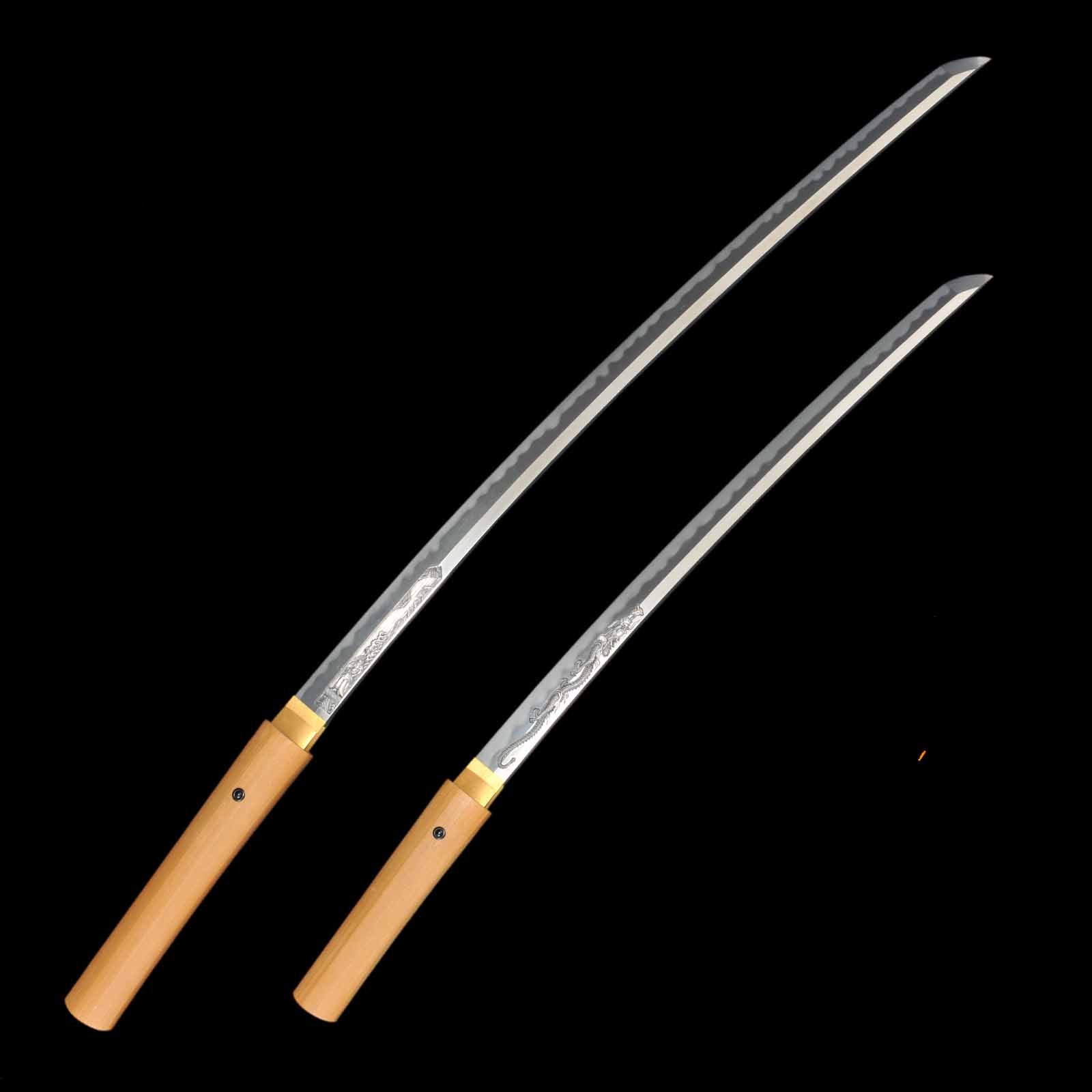
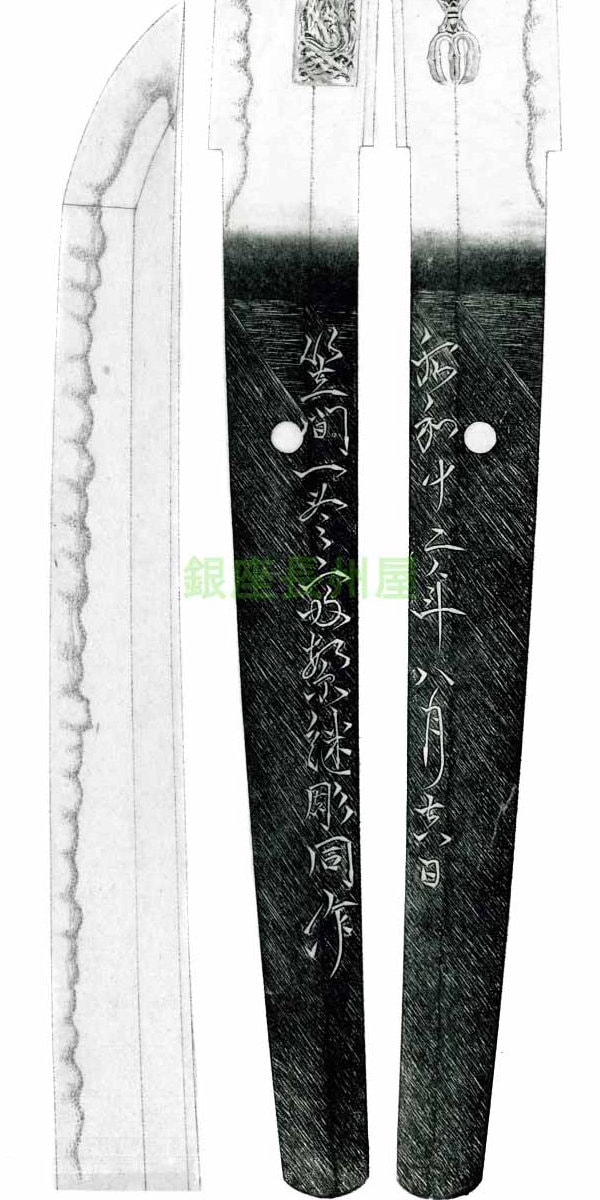
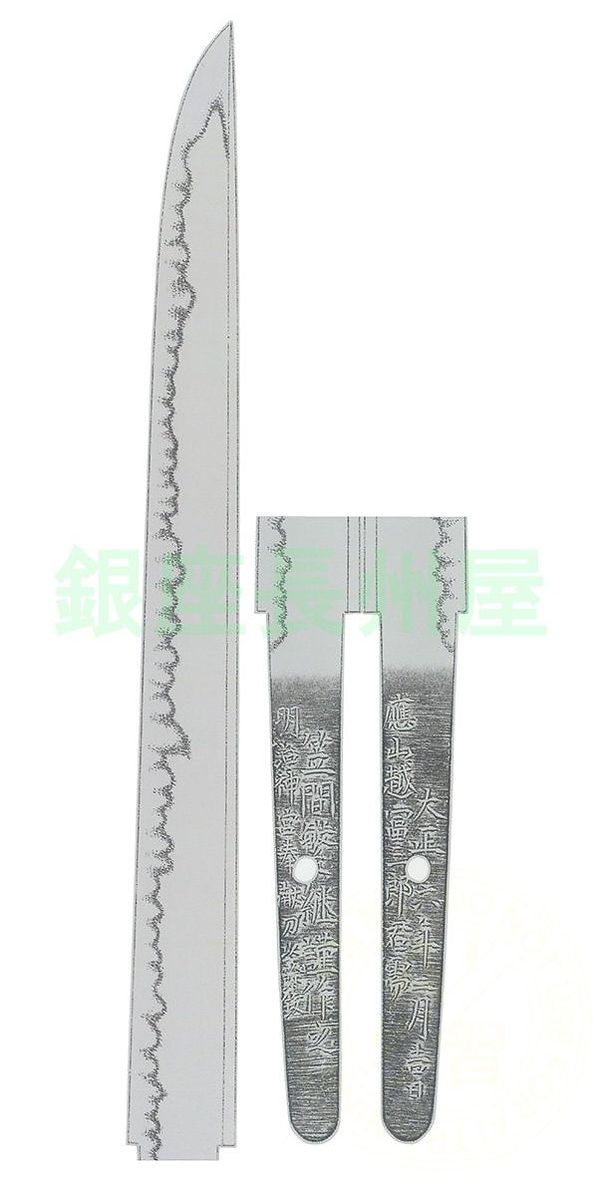
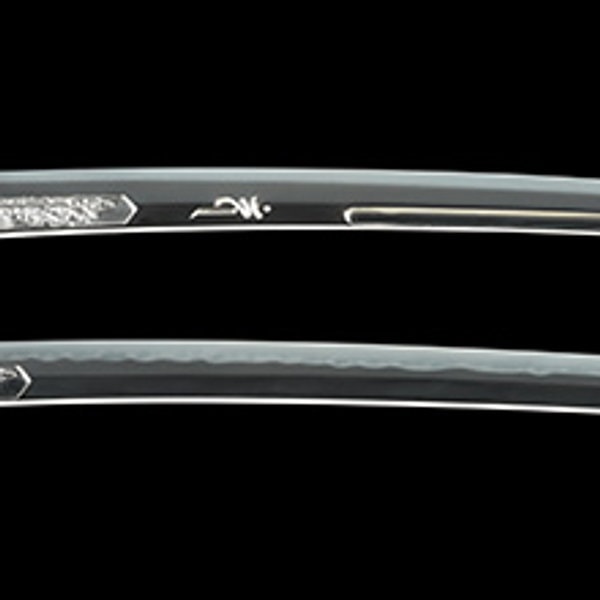
This tanto was meticulously forged by Kasama Shigetsugu, a renowned modern master known for Bizen-den style and sword carvings, using leftover steel from a sword dedicated to Meiji Jingu. It was made for Yamakoshi Tomisaburo, a sword enthusiast who served in China during the Boxer Rebellion and later investigated industrial development for the South Manchuria Railway. He also compiled a 'Token Oshigata' of the Ii family's swords after the Great Kanto Earthquake.
 NihontoWatch
mei · Taisho (1912-1926)
Tokyo · around 1912-1926
Tōken Taikan top 63%
7 pieces on the market now
The modern era (1868 to today)
The craft survived the Meiji ban and the occupation’s near-extinction, and rebuilt itself deliberately: licensed forging from 1953, traditional methods required by law, Living National Treasures, and the mukansa rank above judgment.
We could not find an authenticity certificate on the seller’s listing. Japanese swords and fittings are normally papered by the NBTHK (or the NTHK). Without one, the attribution is the seller’s own assessment and has not been independently verified — treat it with caution and ask the dealer about certification before buying.
If, due to our fault, the item differs significantly from its proper condition, the item may be returned. Cooling-off is within one week of the item's arrival.
Price on request
This tanto was meticulously forged by Kasama Shigetsugu, a renowned modern master known for Bizen-den style and sword carvings, using leftover steel from a sword dedicated to Meiji Jingu. It was made for Yamakoshi Tomisaburo, a sword enthusiast who served in China during the Boxer Rebellion and later investigated industrial development for the South Manchuria Railway. He also compiled a 'Token Oshigata' of the Ii family's swords after the Great Kanto Earthquake.
NihontoWatchmei · Taisho (1912-1926)
Tokyo · around 1912-1926
Tōken Taikan top 63%
7 pieces on the market now
The modern era (1868 to today)
The craft survived the Meiji ban and the occupation’s near-extinction, and rebuilt itself deliberately: licensed forging from 1953, traditional methods required by law, Living National Treasures, and the mukansa rank above judgment.
We could not find an authenticity certificate on the seller’s listing. Japanese swords and fittings are normally papered by the NBTHK (or the NTHK). Without one, the attribution is the seller’s own assessment and has not been independently verified — treat it with caution and ask the dealer about certification before buying.
If, due to our fault, the item differs significantly from its proper condition, the item may be returned. Cooling-off is within one week of the item's arrival.
Price on request