The twentieth century nearly killed the craft twice: wartime distortion, then the occupation ban. The NBTHK’s founding in 1948 and licensed forging from 1953 rebuilt the sword as an art, crowned by Living National Treasures and the mukansa rank.
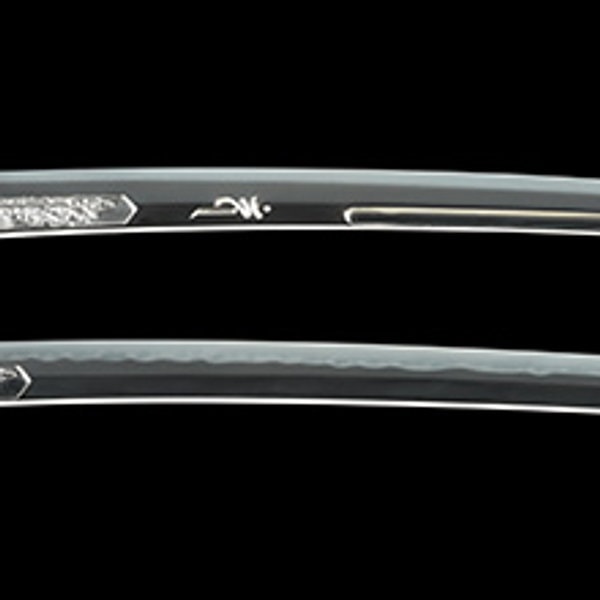
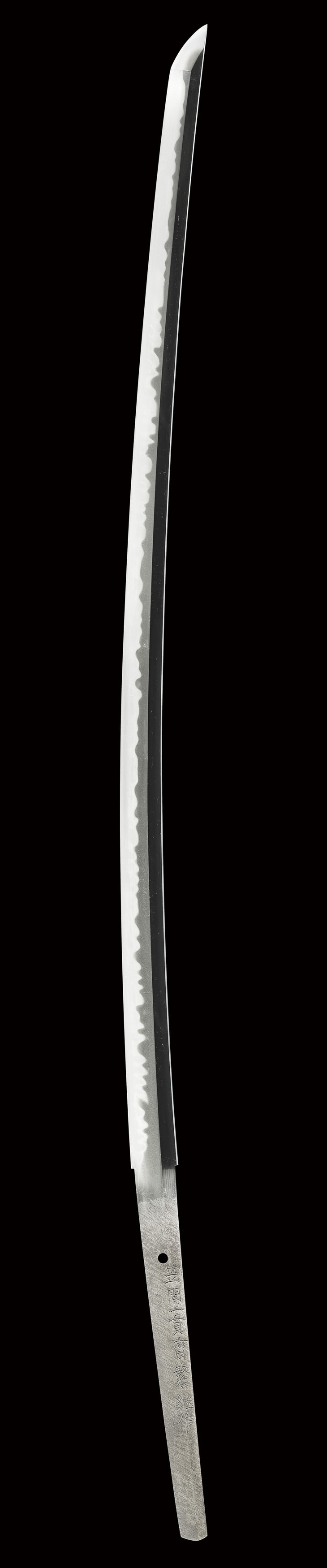
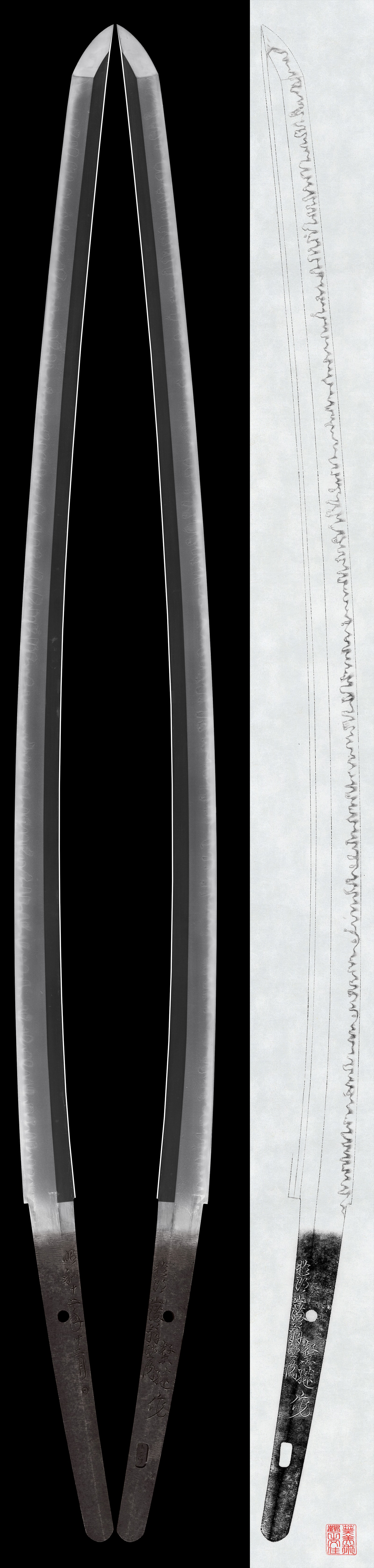
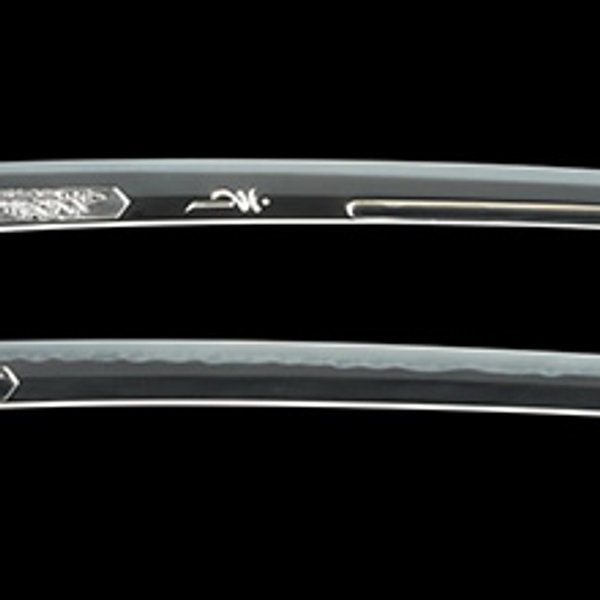
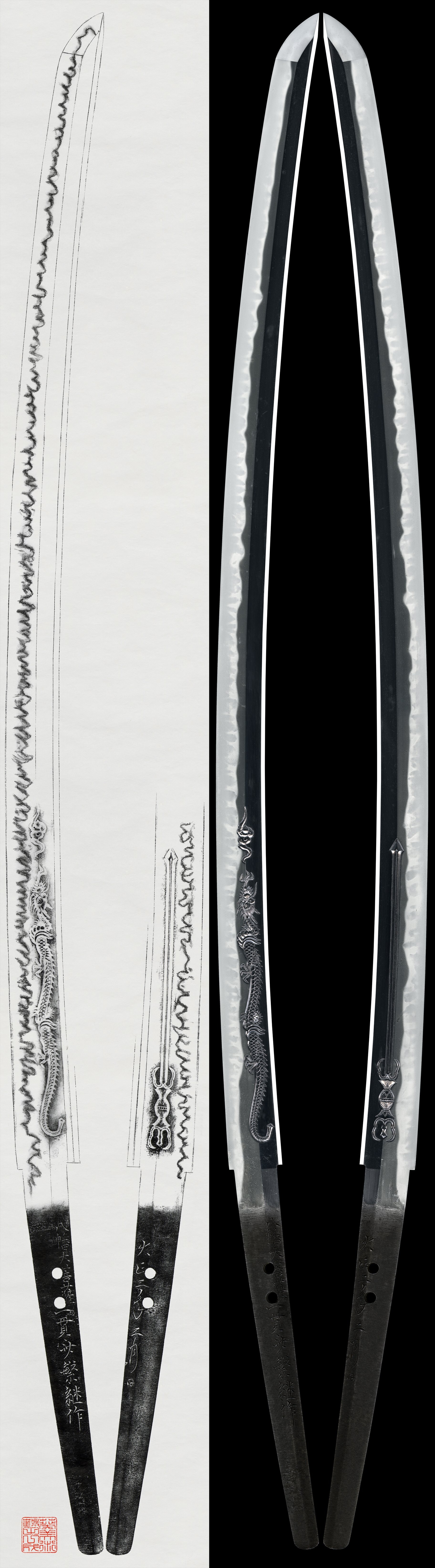
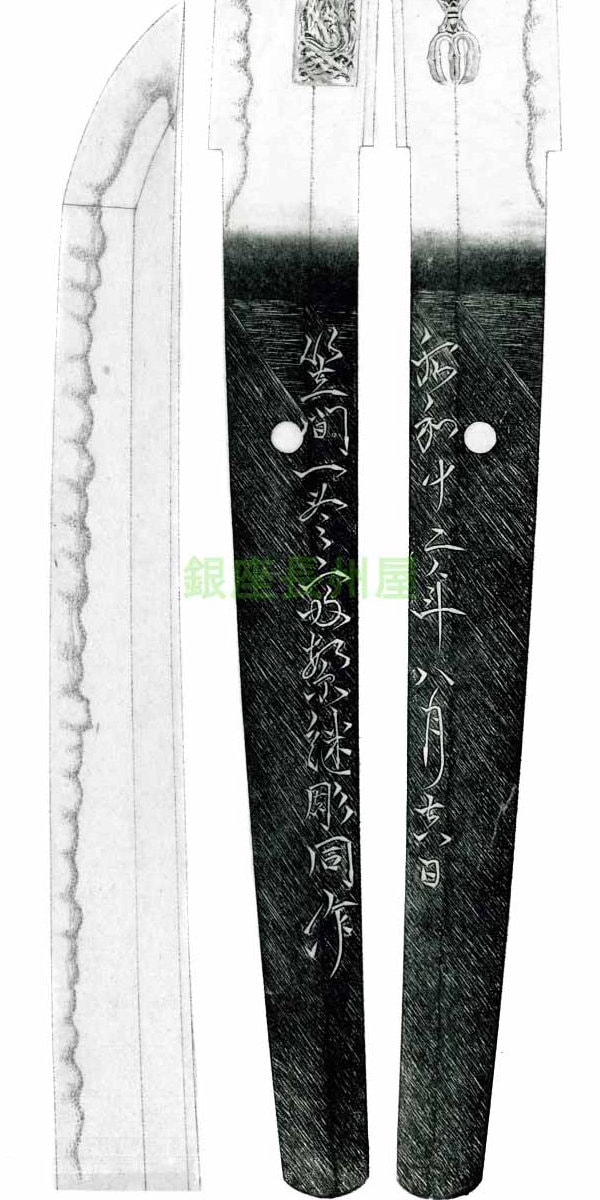
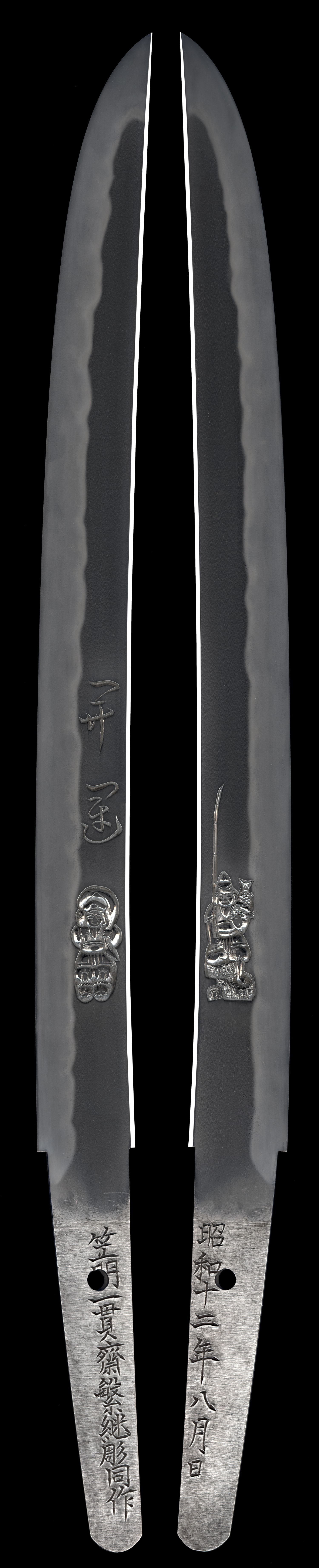
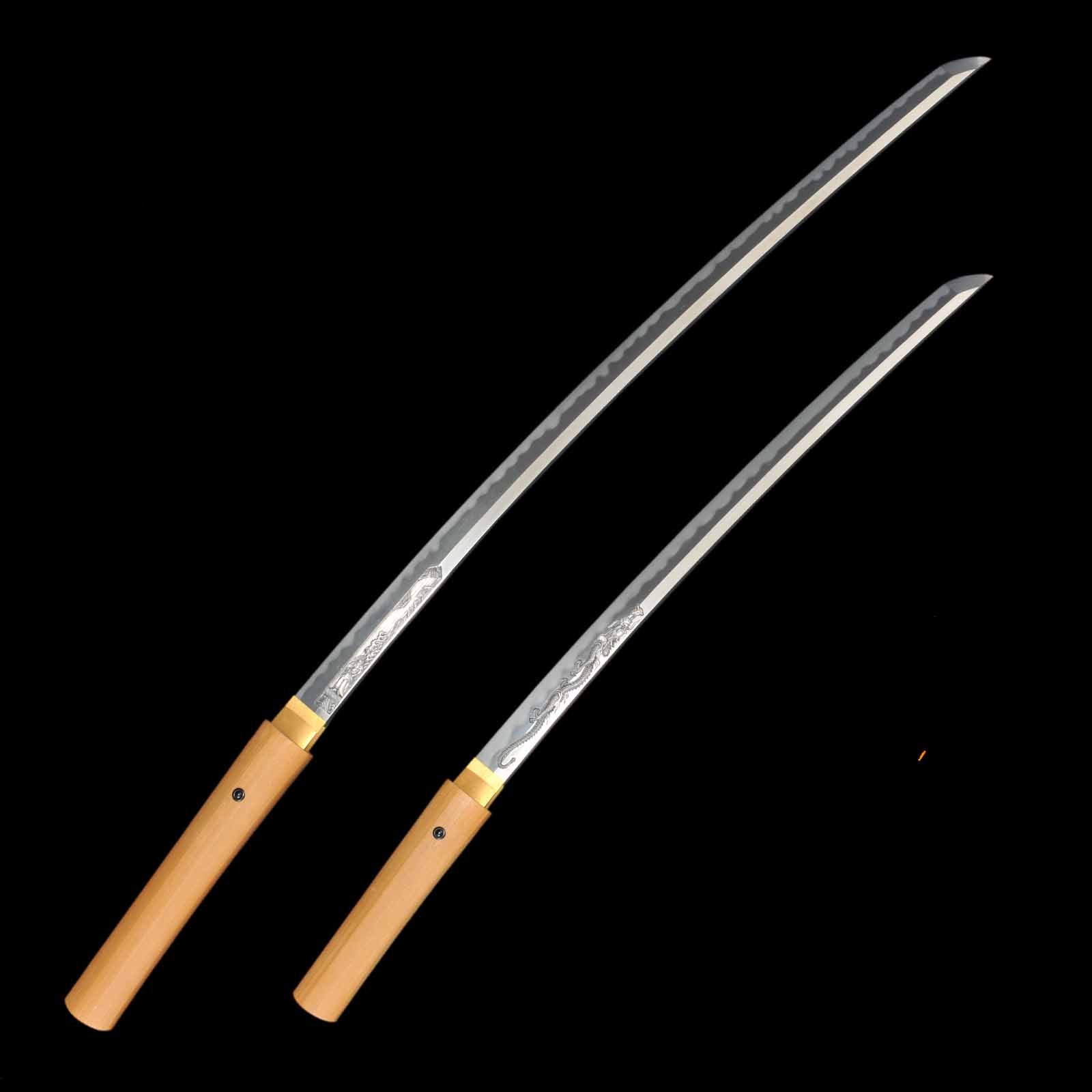
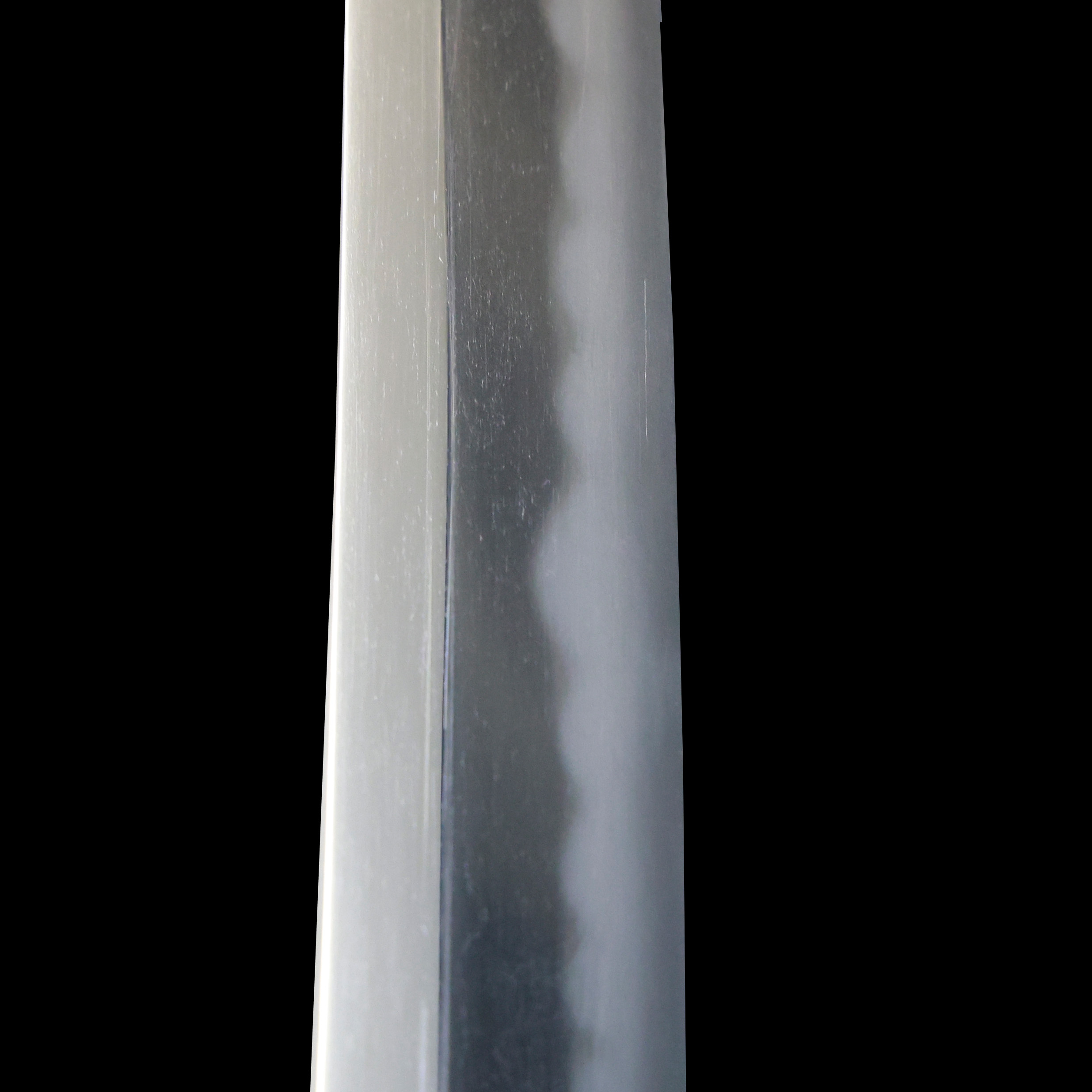
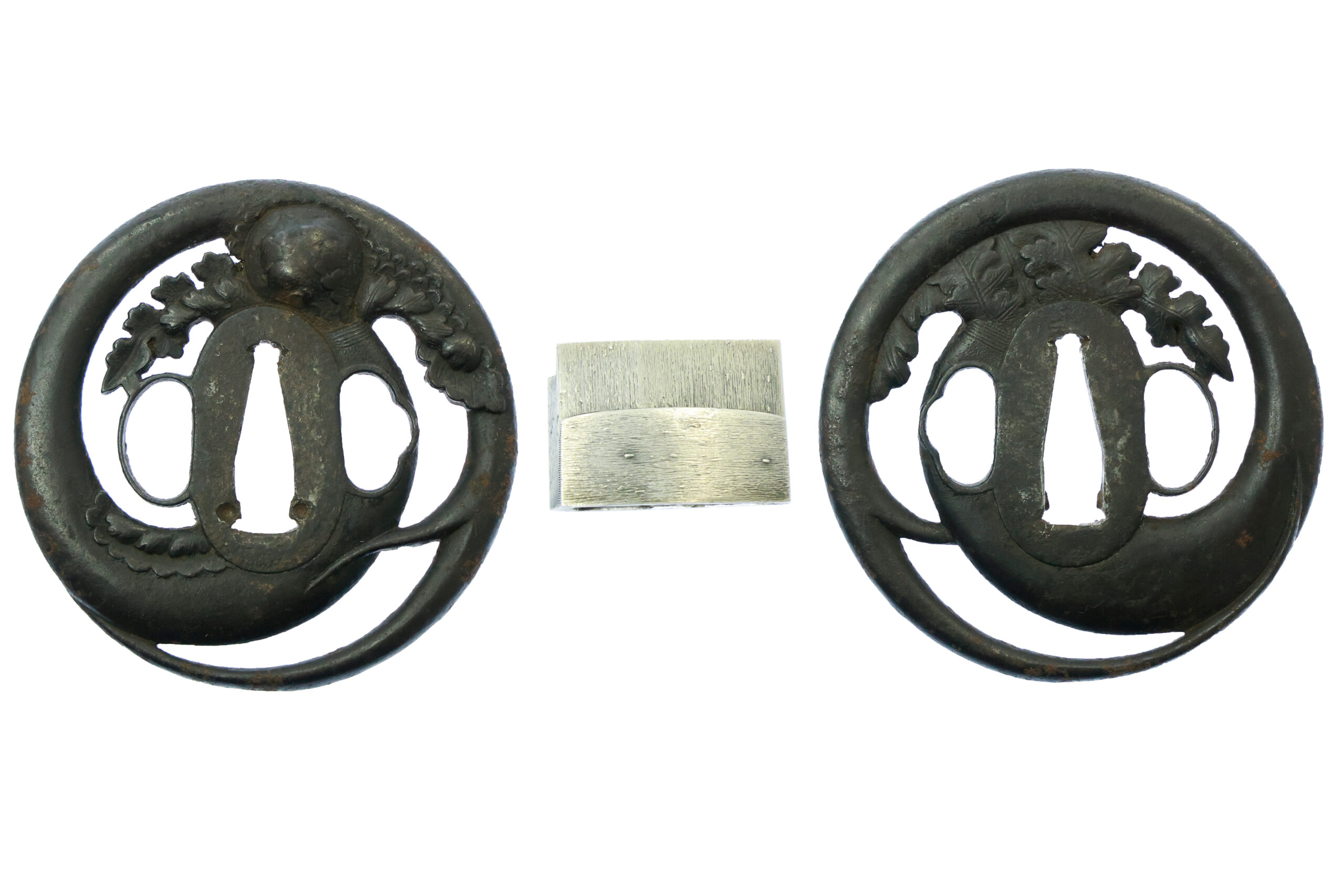
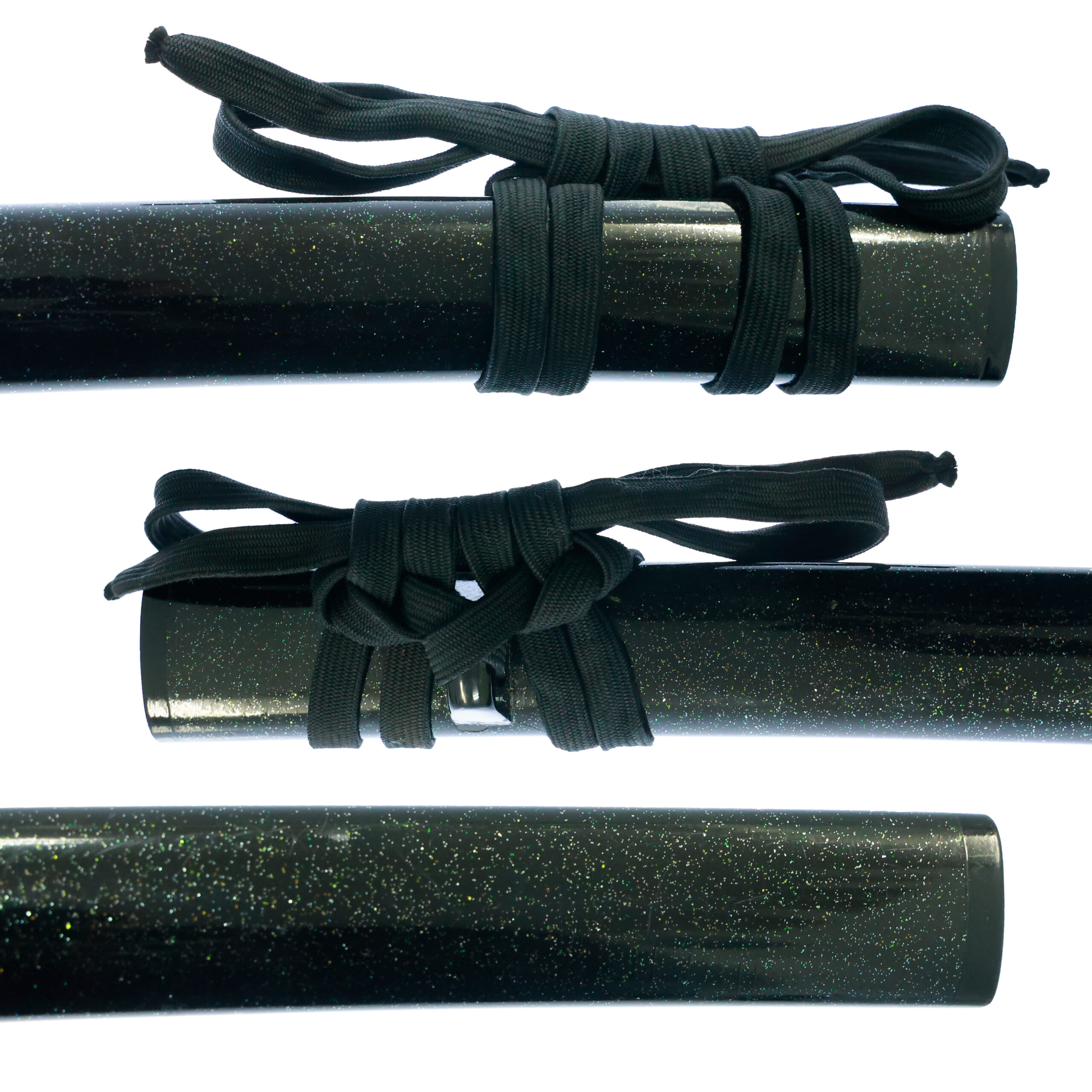
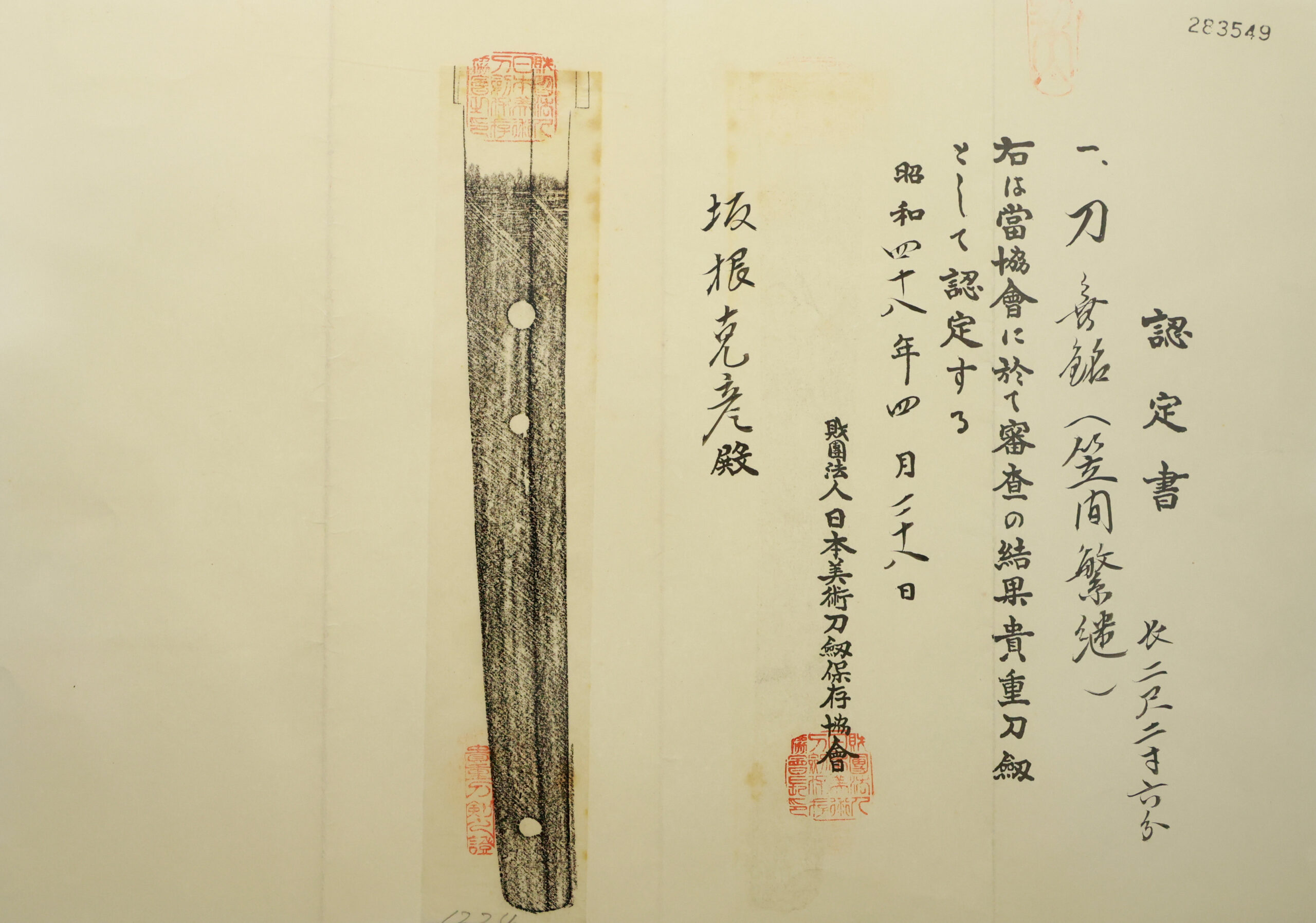
This antique Japanese katana is attributed to the Gendaito smith Kasama Shigetsugu, who was active in the early 20th century. The blade comes with an NBTHK Kicho Certificate, confirming its authenticity and quality. It features a complete koshirae with a turnip-motif tsuba and bat-and-moon menuki.
 NihontoWatch
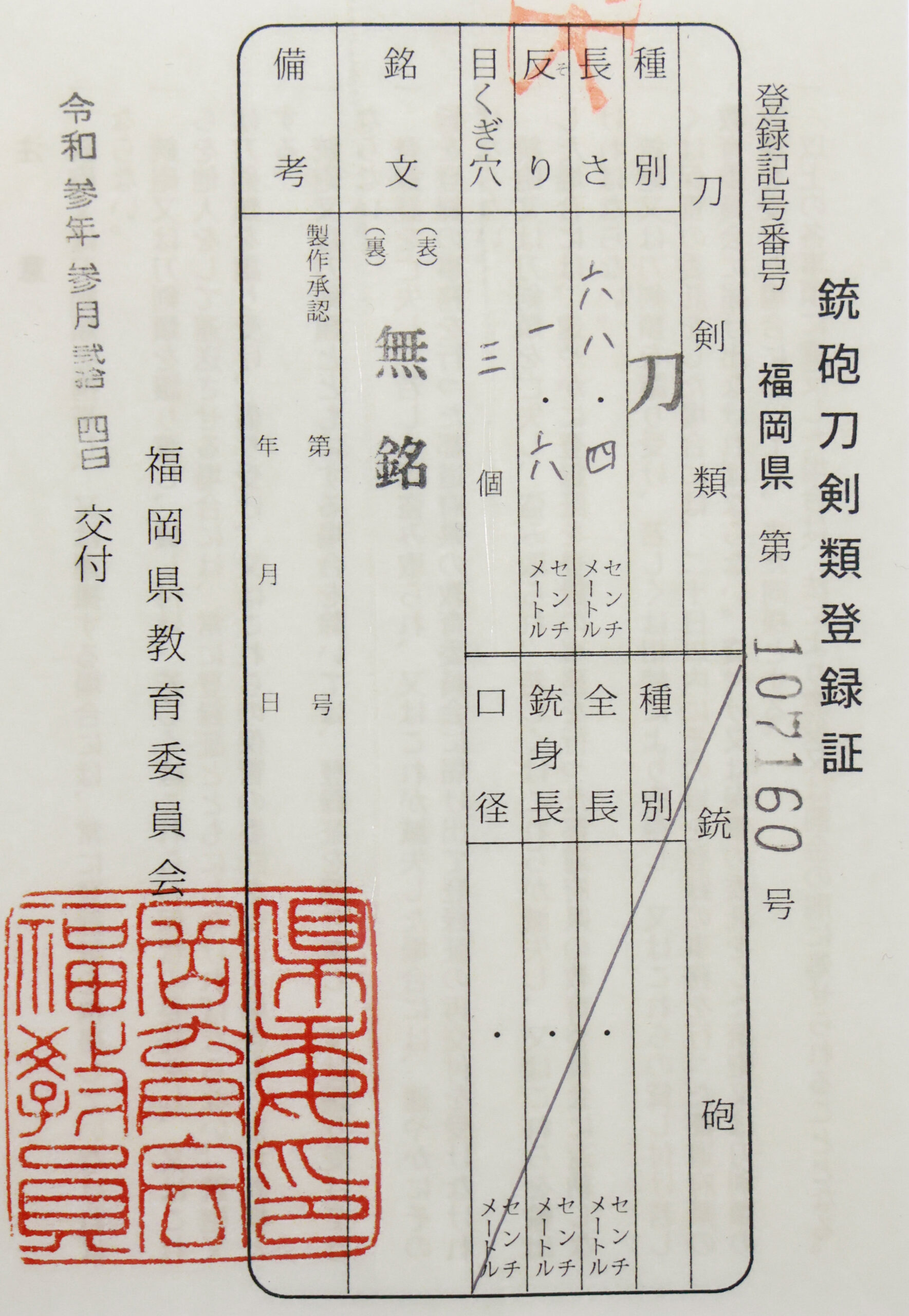
mumei · Gendaito · nagasa 68.4cm · sori 1.6cm
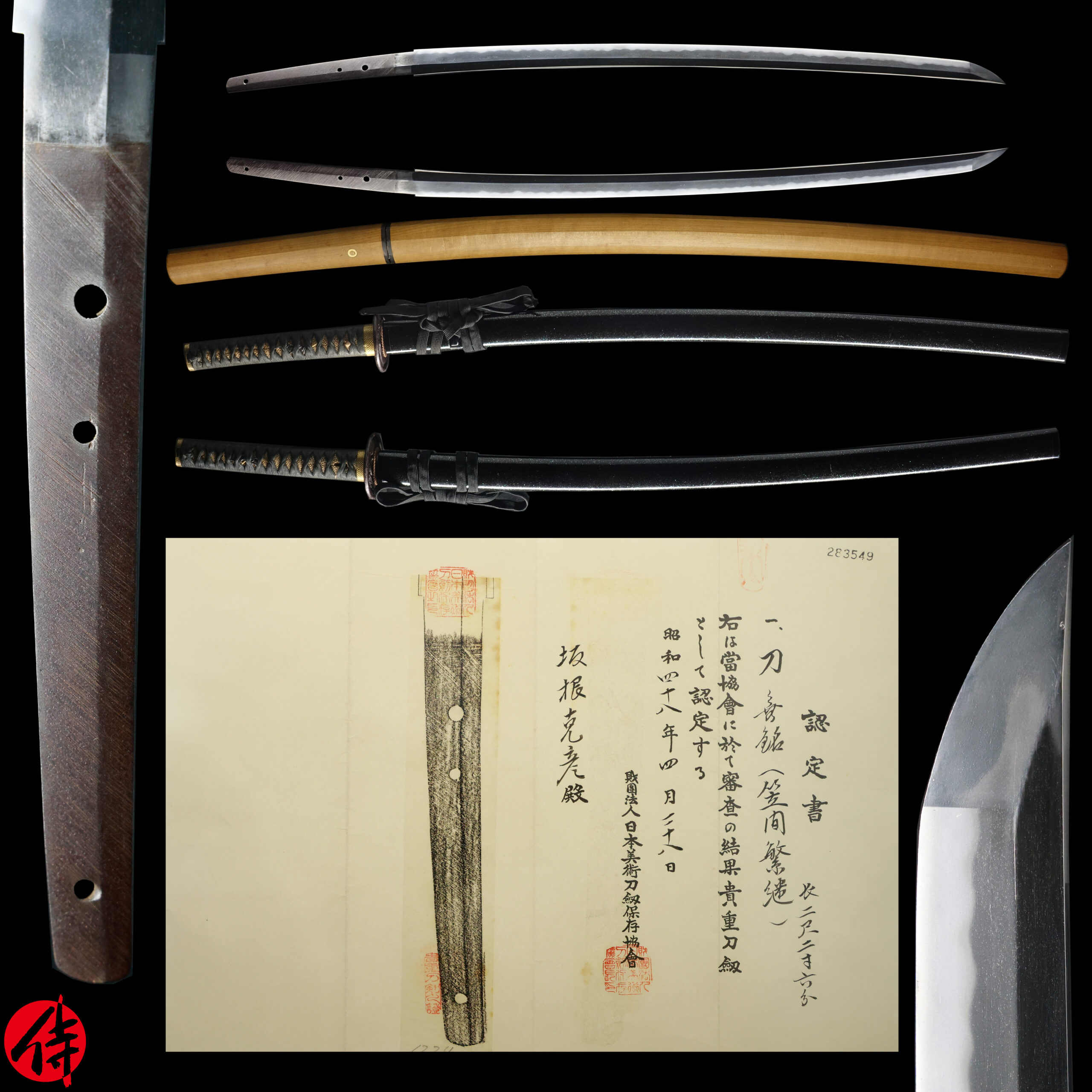
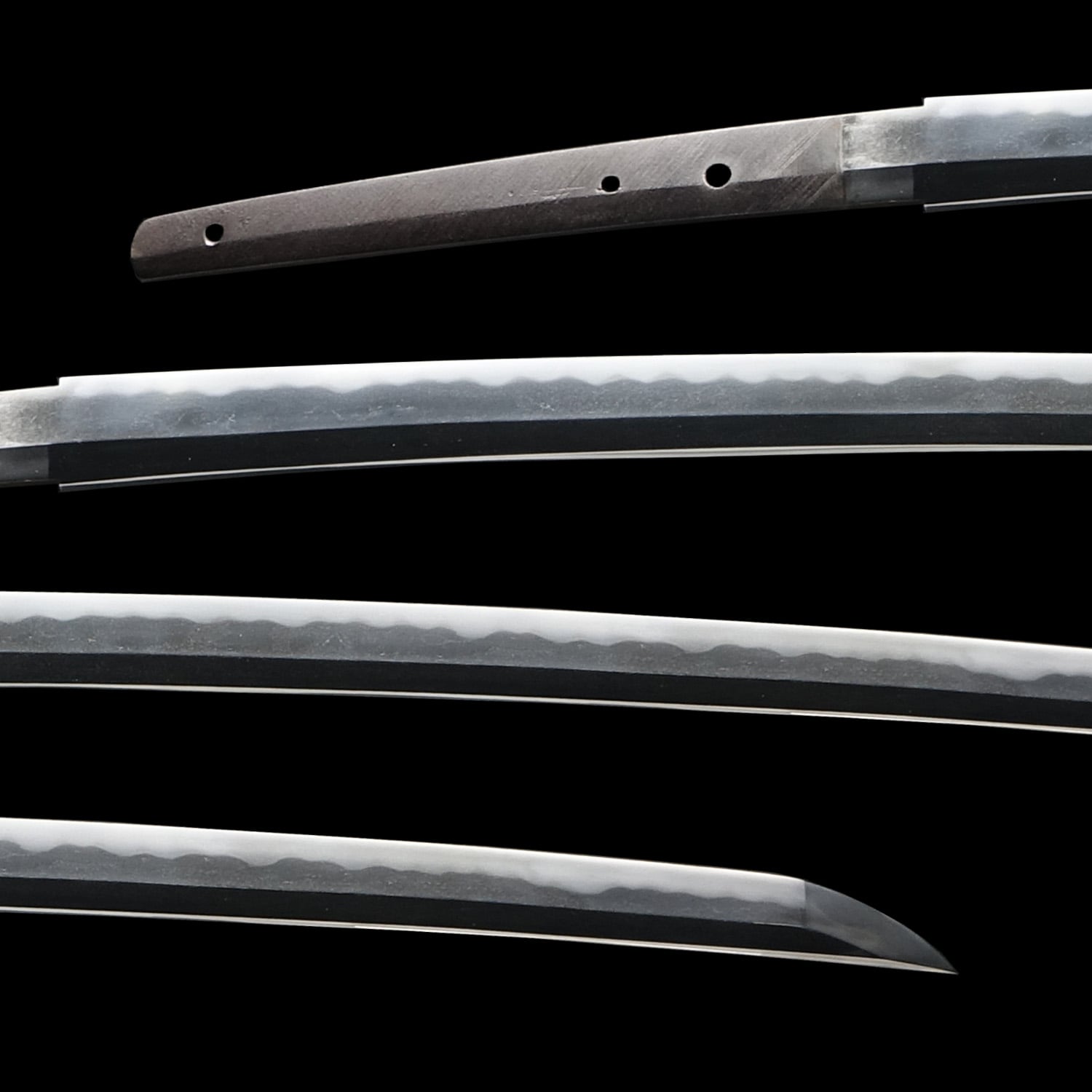
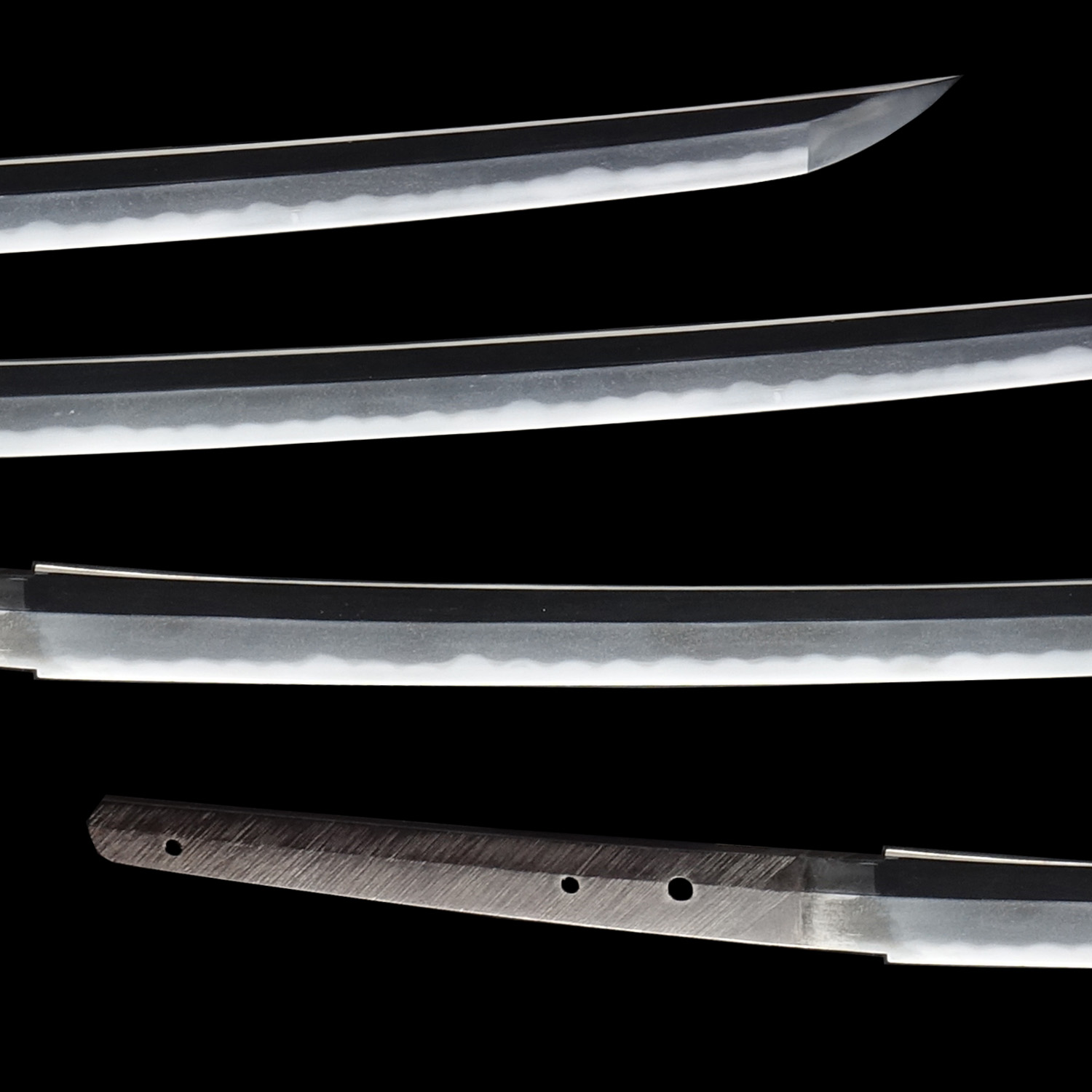
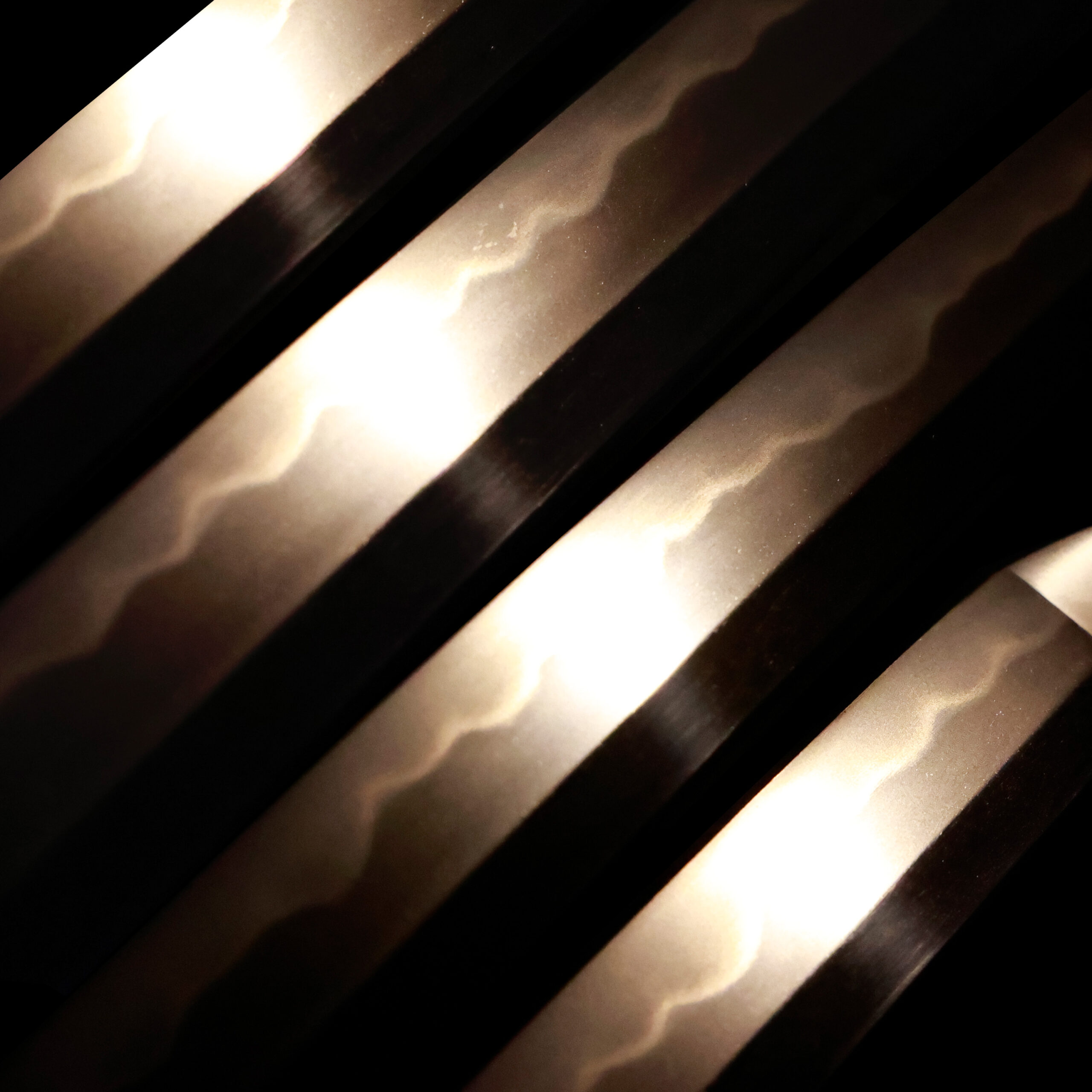
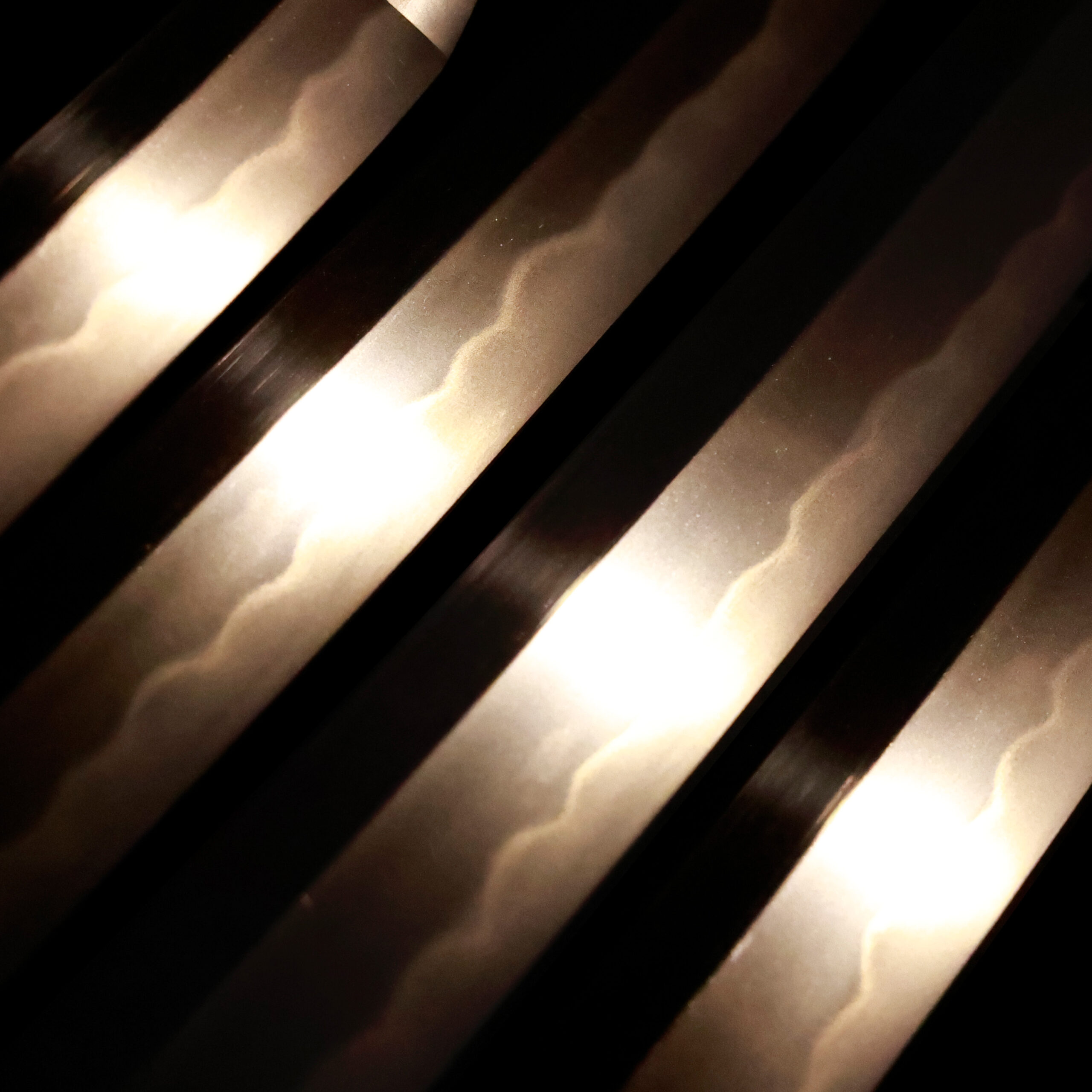
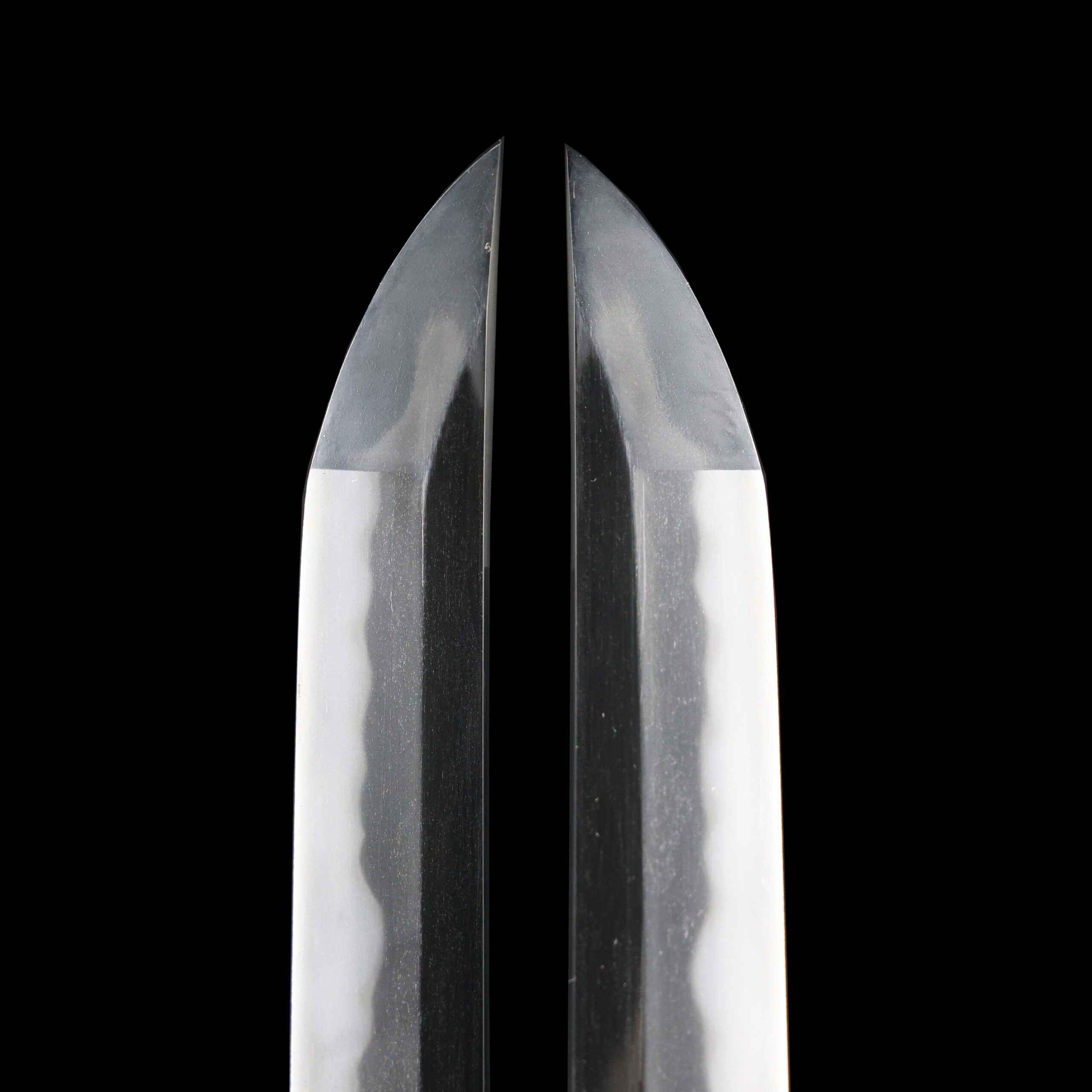
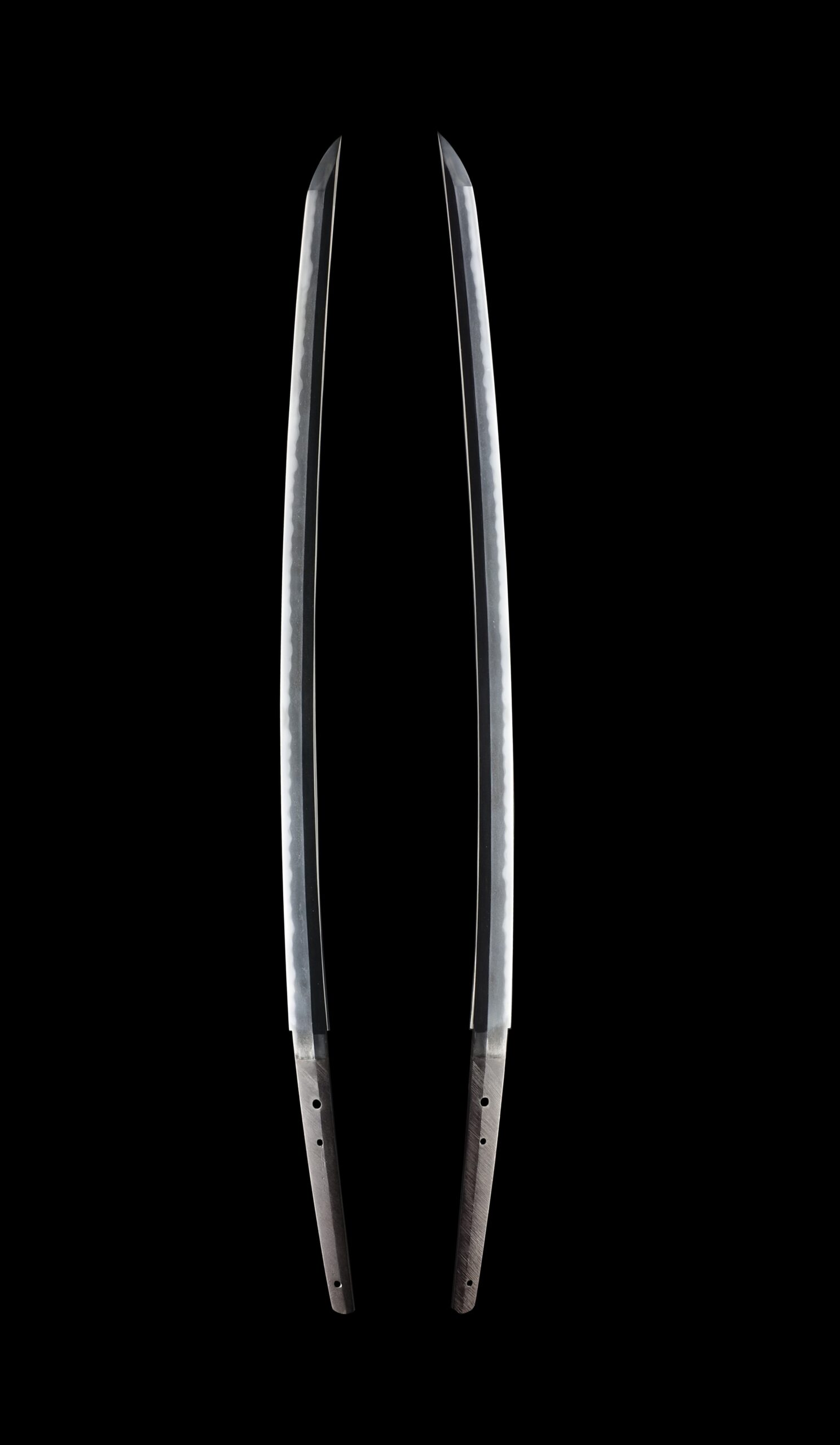
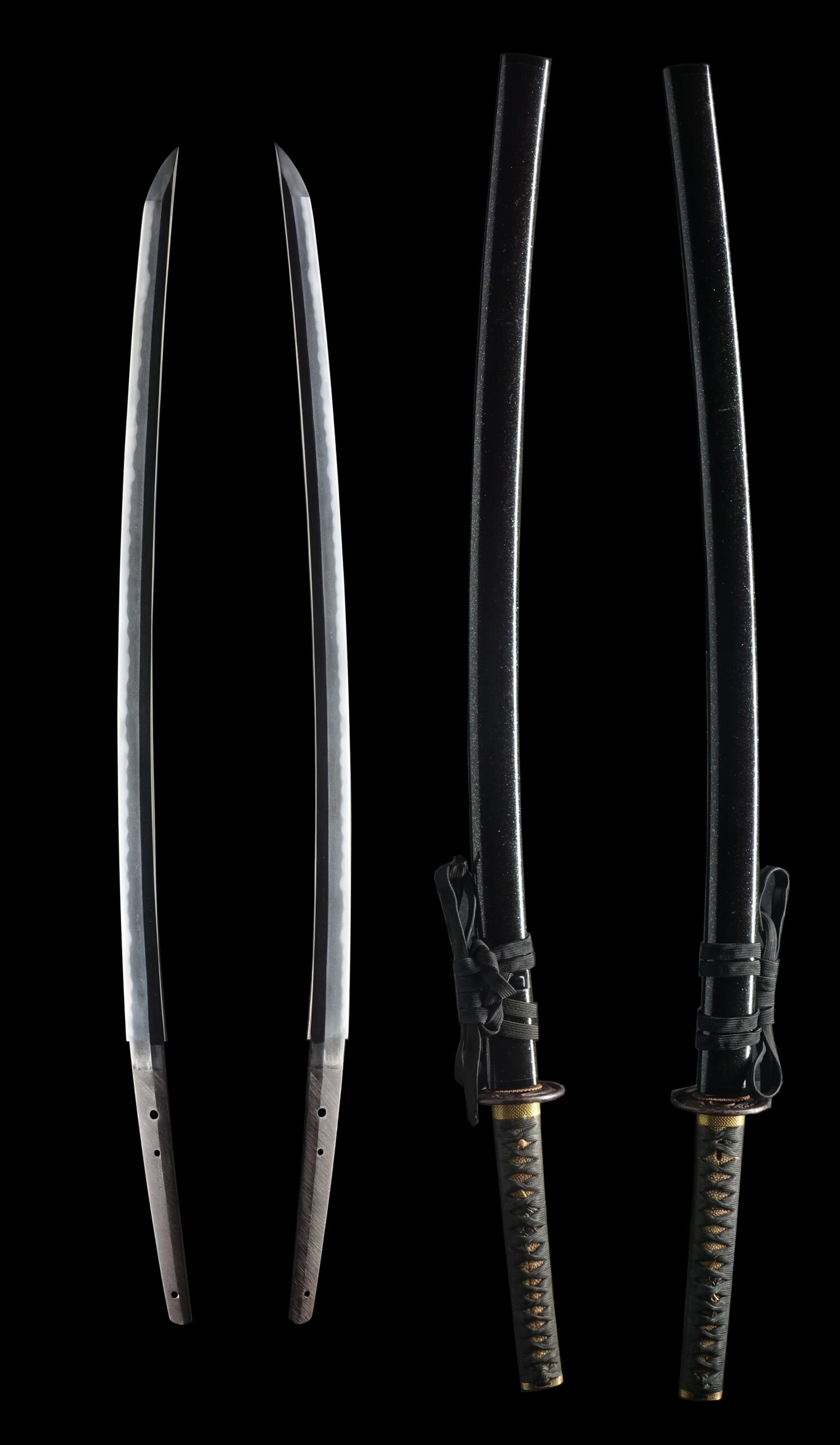
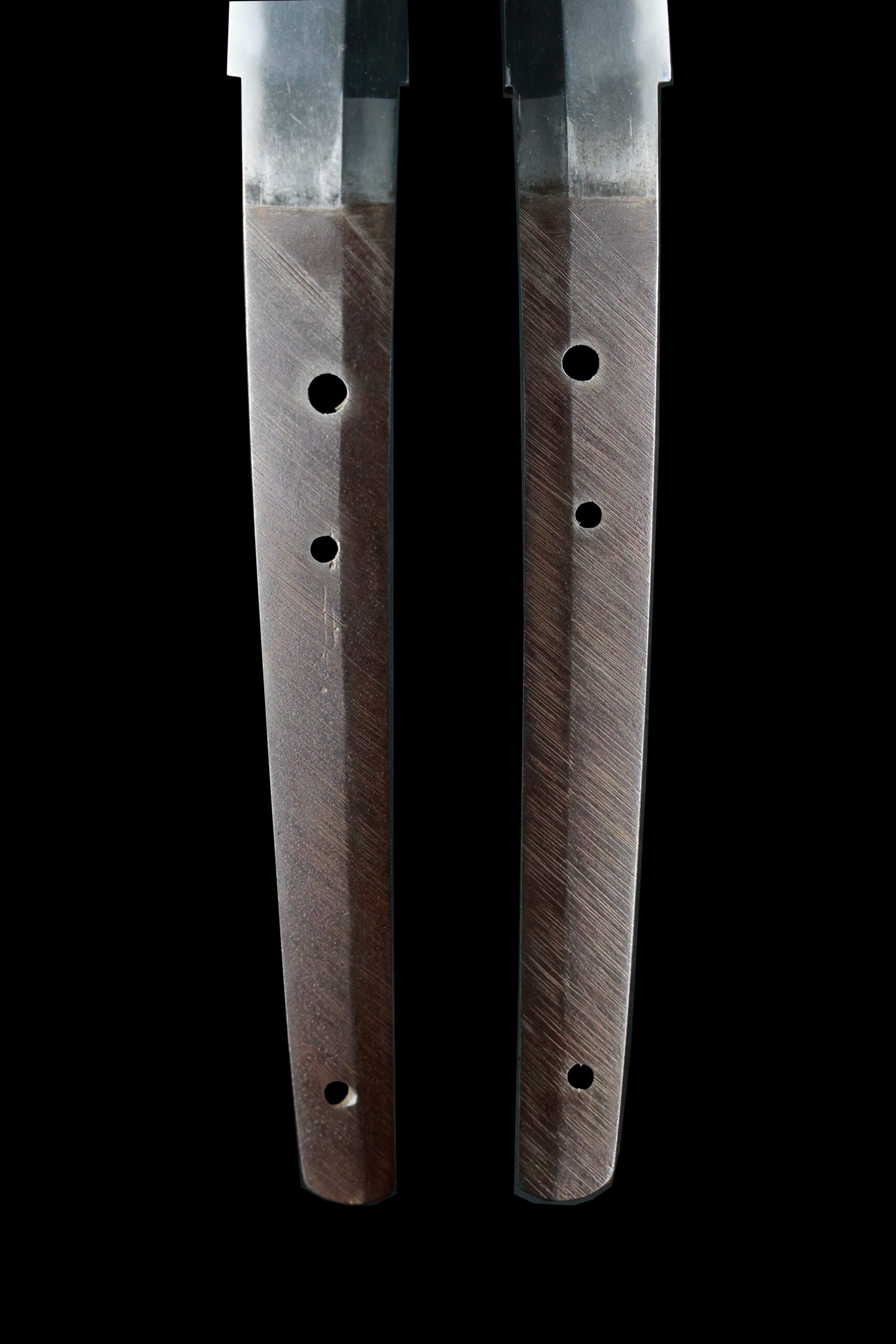
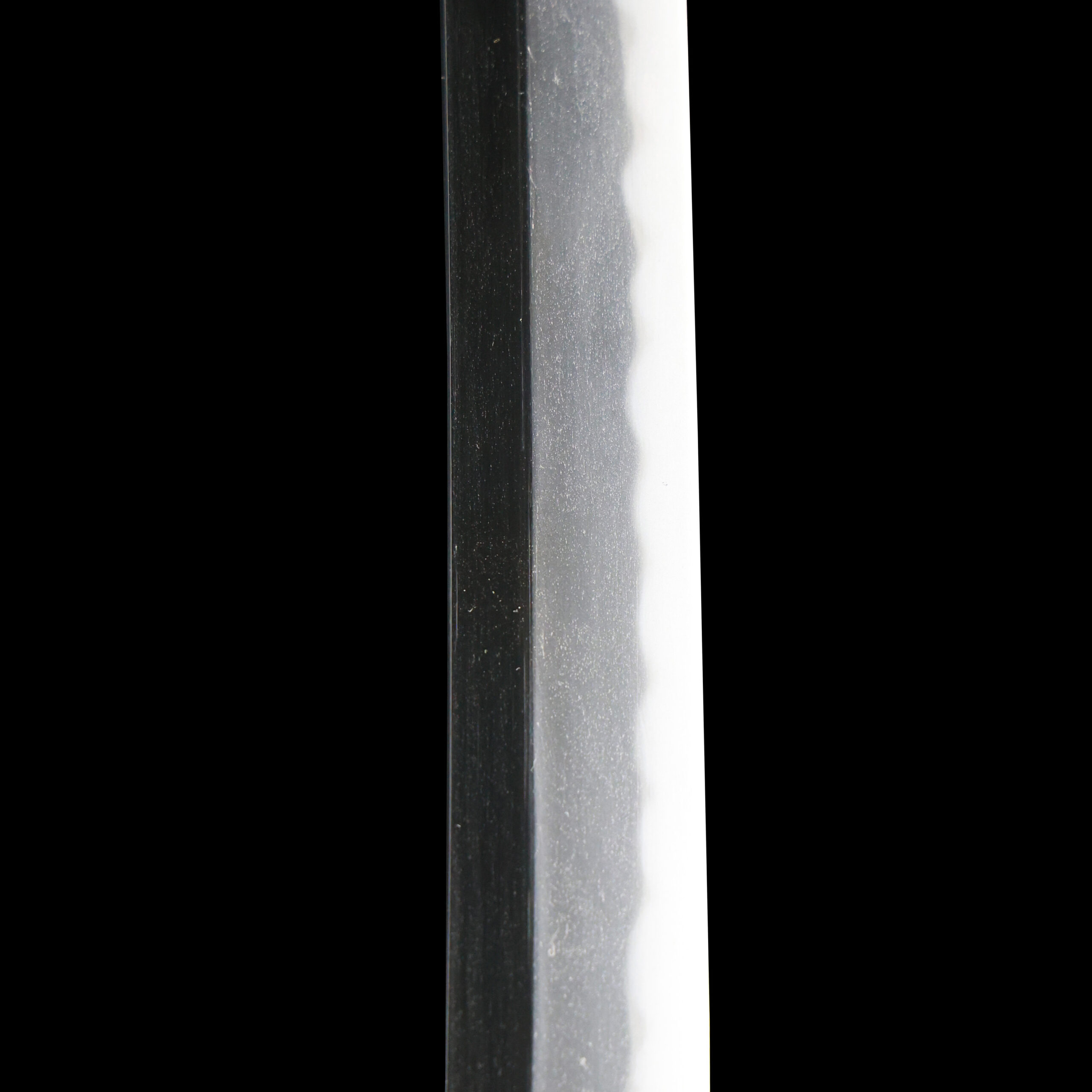

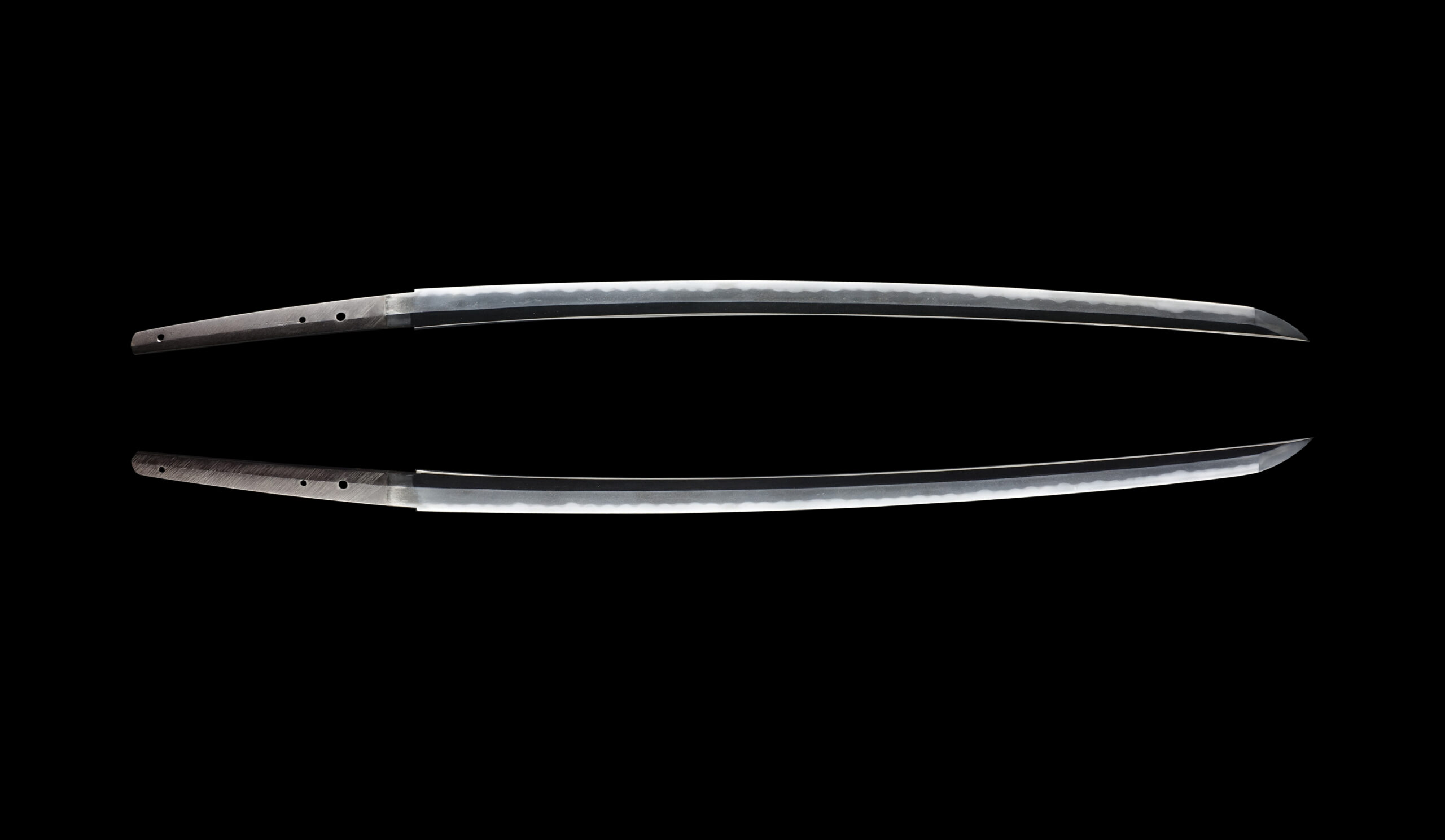
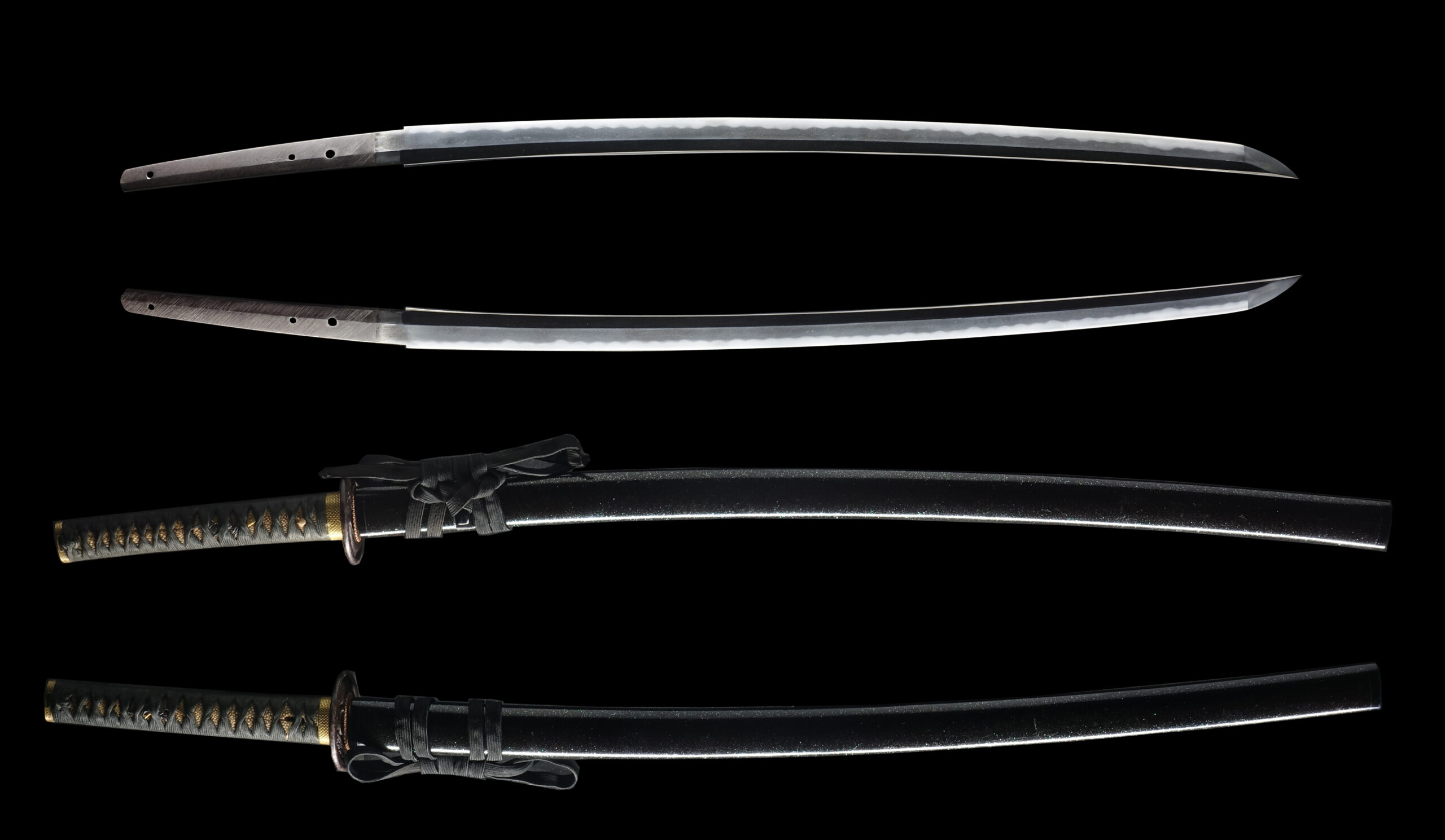
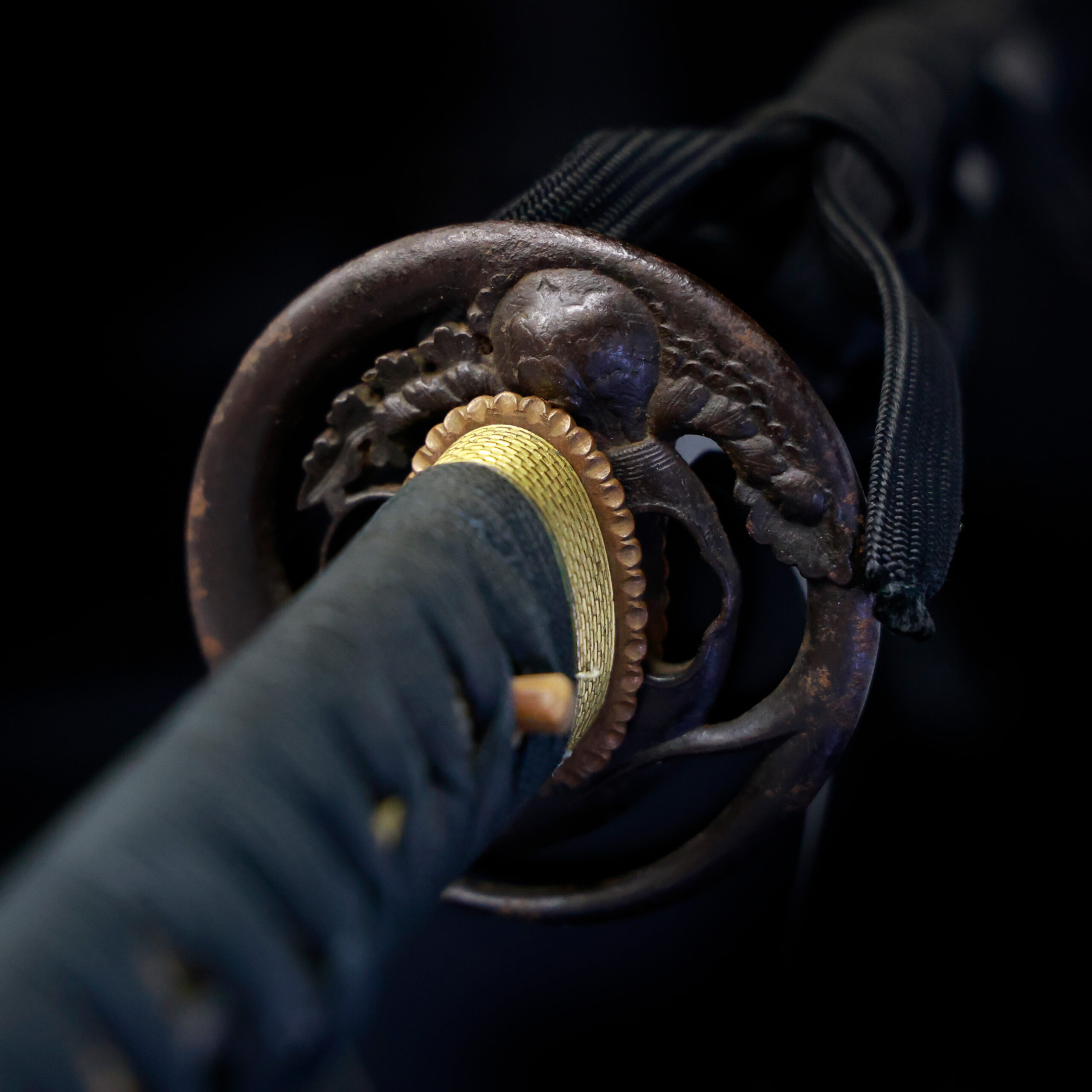
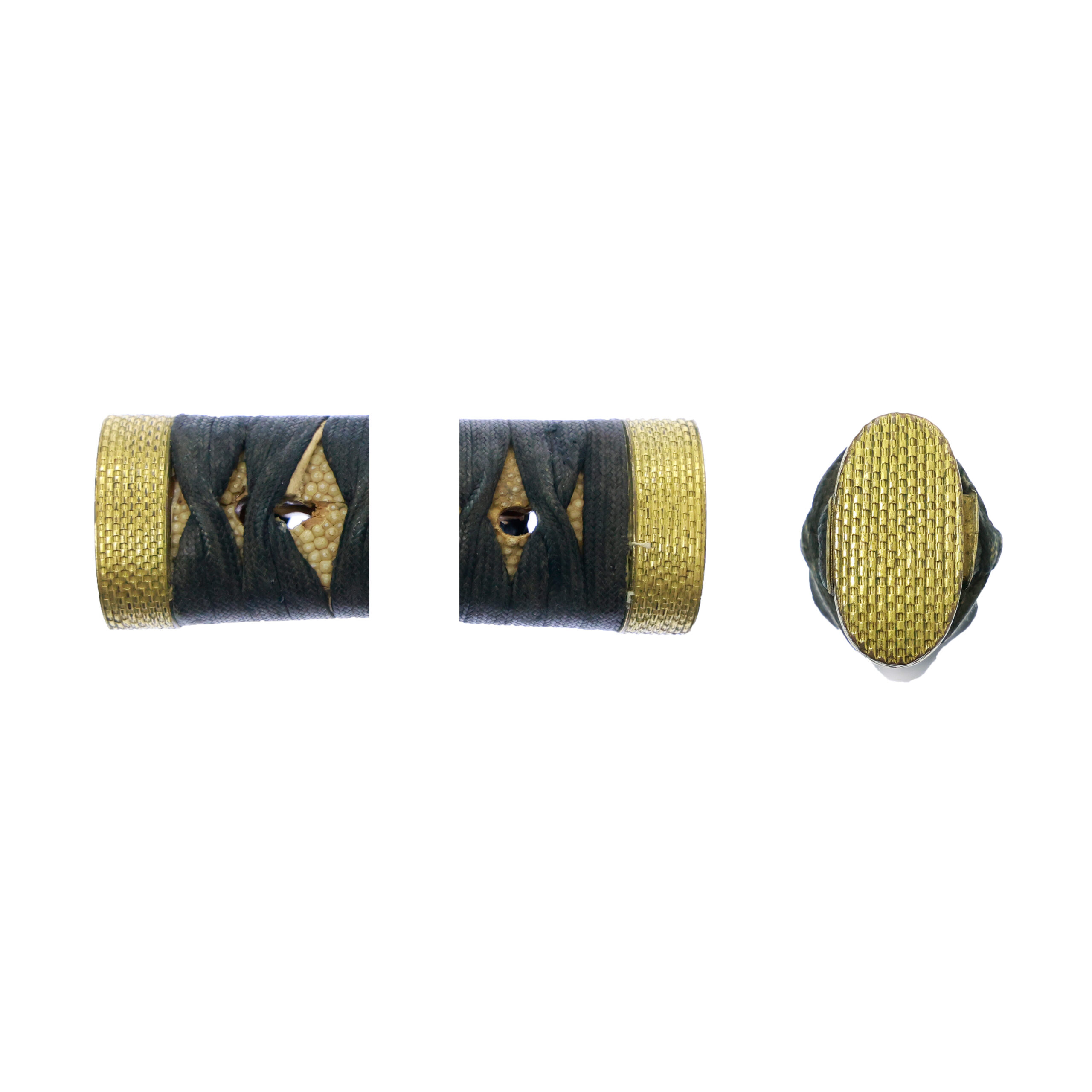
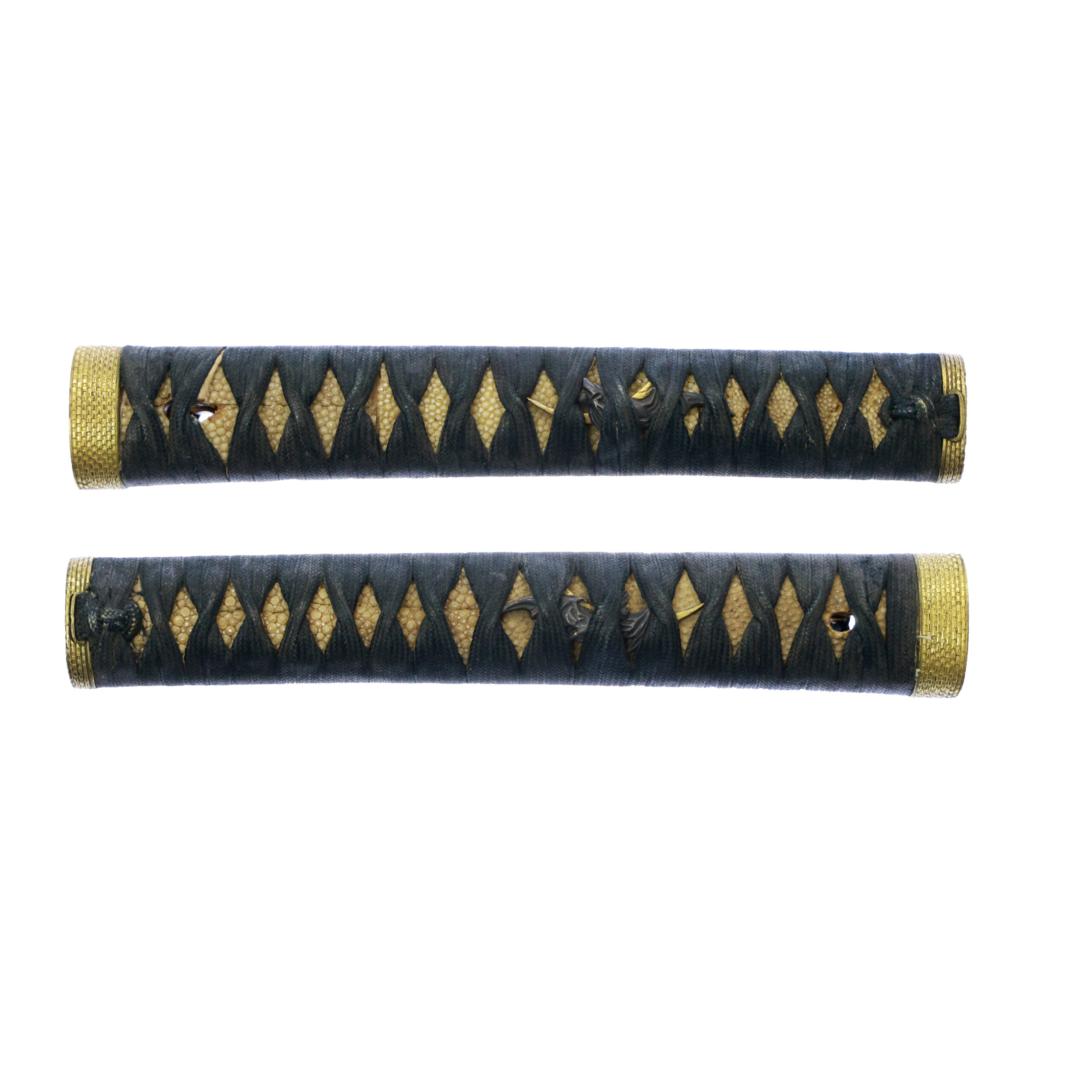

Tokyo · around 1912-1926
Tōken Taikan top 63%
7 pieces on the market now
Shōwa to the present: destruction and revival
The twentieth century nearly killed the craft twice: wartime distortion, then the occupation ban. The NBTHK’s founding in 1948 and licensed forging from 1953 rebuilt the sword as an art, crowned by Living National Treasures and the mukansa rank.
This work carries older NBTHK “Kichō”-era papers, which the NBTHK no longer issues and now regards as unreliable. To confirm the attribution, submission to an official Japanese examination body (such as the NBTHK or NTHK) for modern certification could be considered.
Returns/exchanges limited to defects caused by shipping (except willful misconduct or gross negligence by the company); customers must contact within 72 hours of receiving the product.