NihontoWatch Mon

NihontoWatch

Market
Encyclopedia
Kantei
NihontoWatch Mon

NihontoWatch

Market
Encyclopedia
Kantei

Description

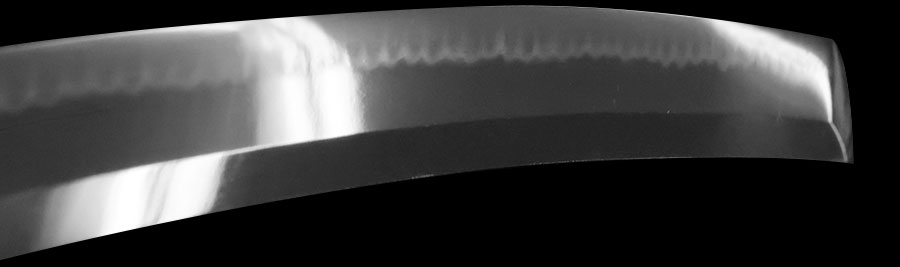
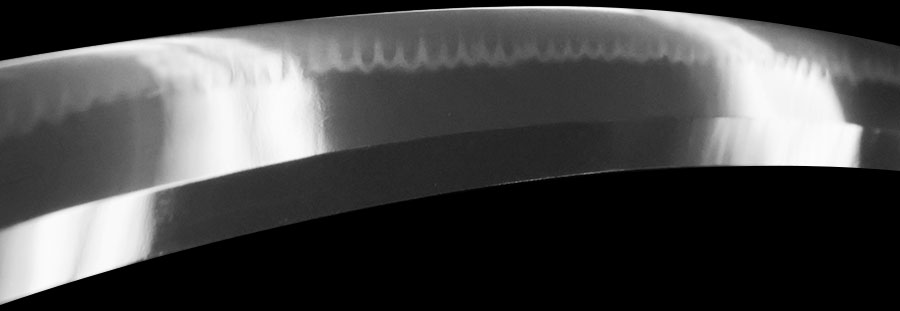
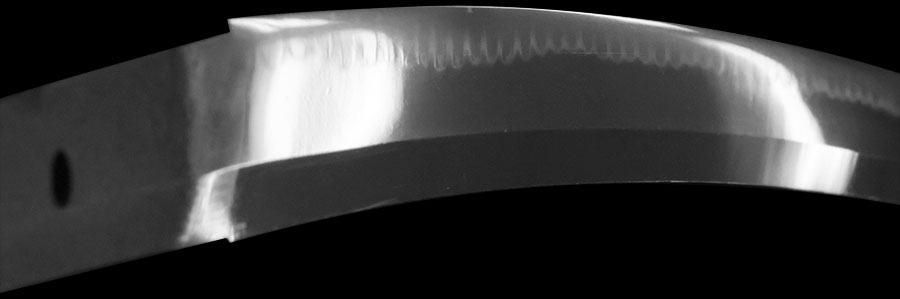
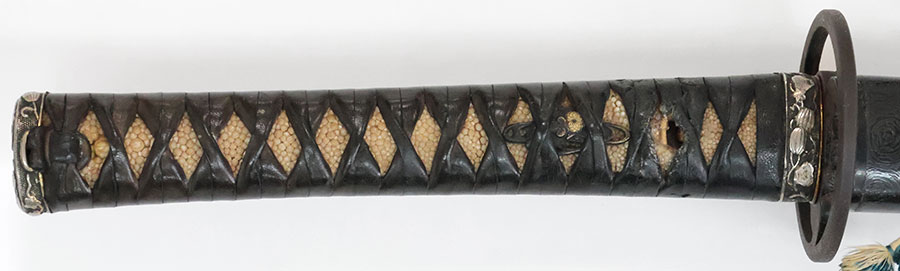
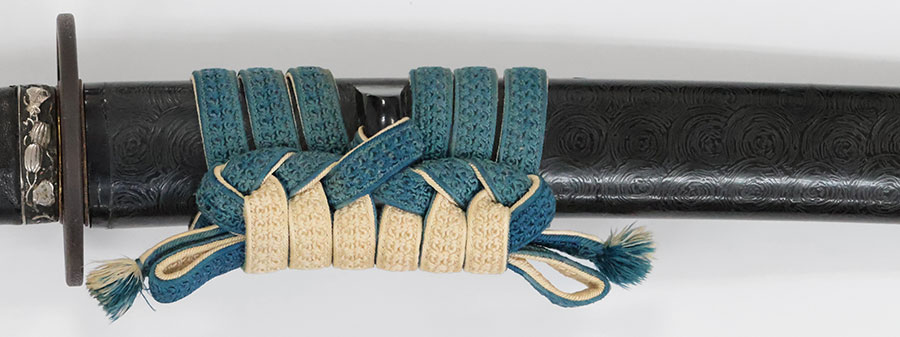
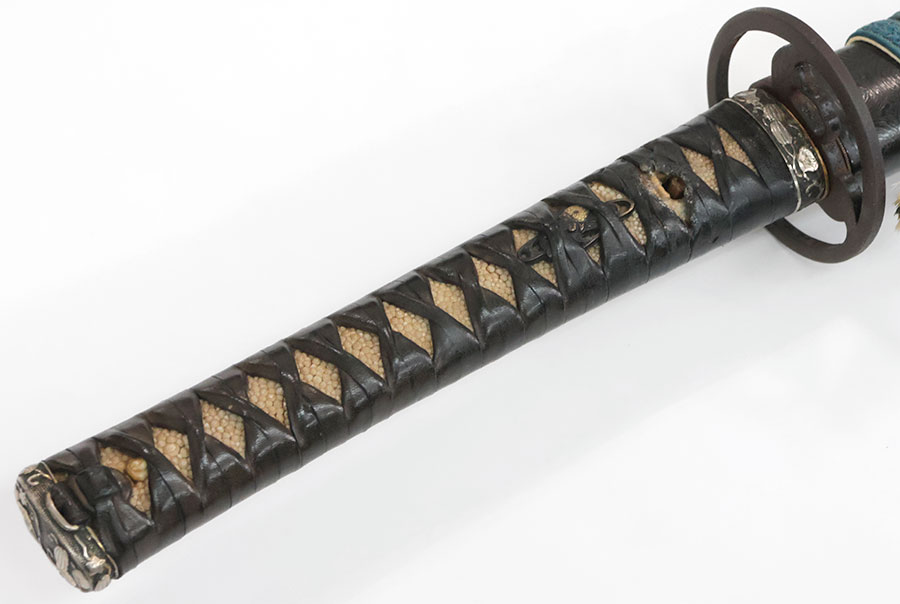
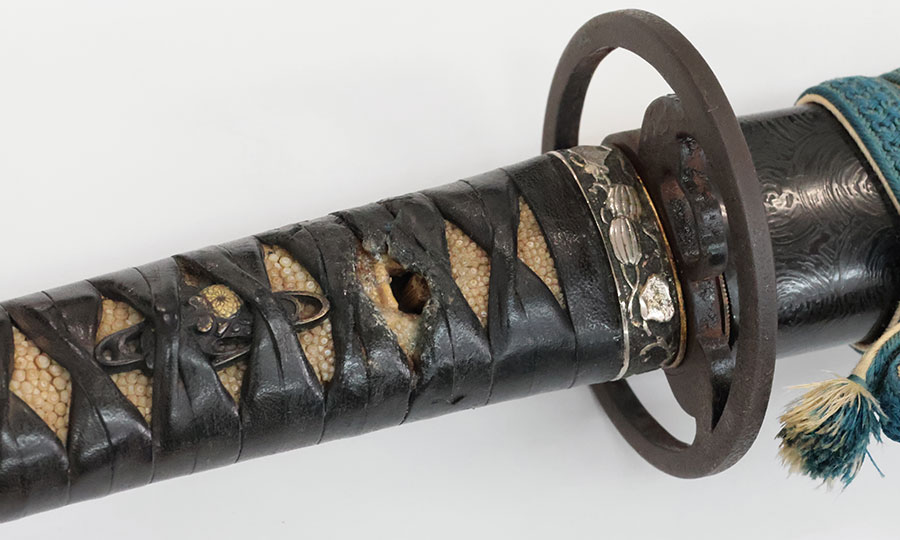
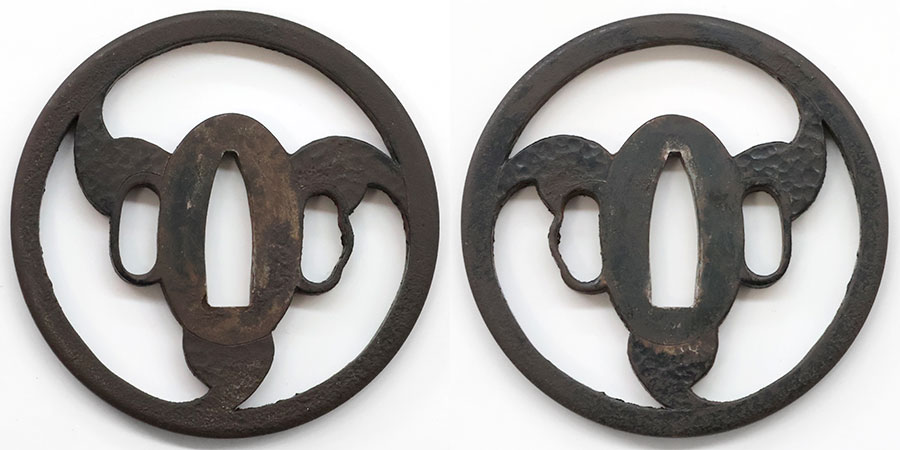
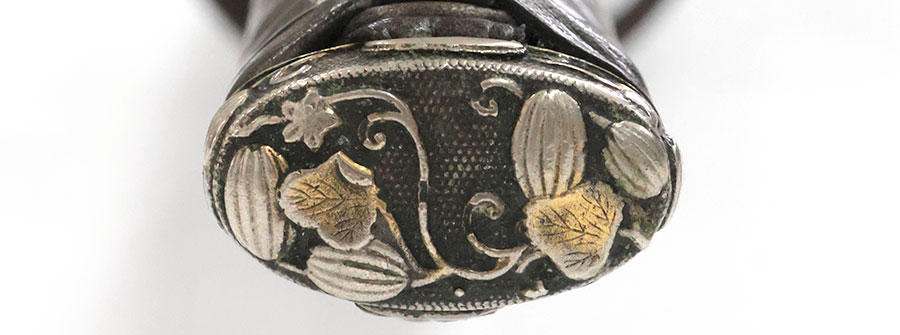
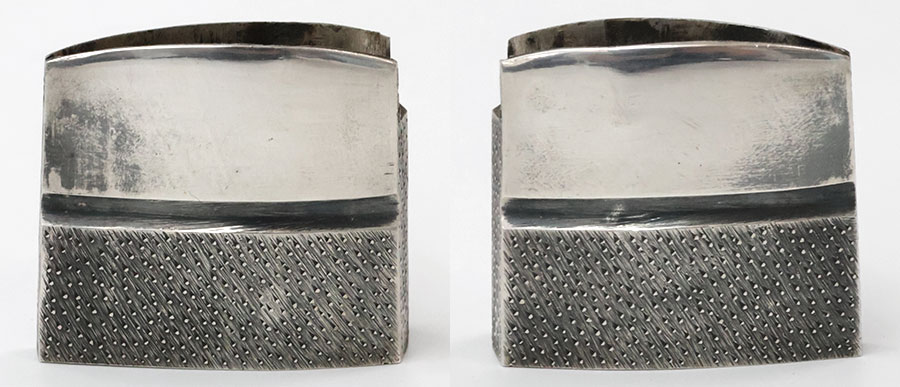
(A swordsmith deeply connected to the giant of the right-wing, Toyama Mitsuru Sensei, who is famous as a supporter of the Father of Modern China, Sun Yat-sen, during his exile in Japan.) Weight (excluding saya): 1100g It has arrived, it has arrived—though mumei, a meito by the famous swordsmith Kasama Shigetsugu has appeared. Kasama Ikkansai Shigetsugu was born in Meiji 19 (1886) and served as an instructor at the Nihonto Tanrenjo. He was supported by the famous right-wing figure Toyama Mitsuru O, who aided Sun Yat-sen (the Father of Modern China) and Rash Behari Bose (the leader of Indian independence). Shigetsugu forged swords at the residence of Toyama Mitsuru O in Tokiwamatsu, Shibuya, Tokyo. He is exceedingly famous as one of the greatest swordsmiths of the Showa era. Regarding Toyama Mitsuru O (and the peace talks between Japan and China that ended as a phantom): When the Second Sino-Japanese War (Shina Jihen) broke out and the Tungchow Mutiny occurred in Showa 12 (1937), the Prime Minister at the time, Konoe Fumimaro, planned to appoint Toyama Mitsuru O—who had close ties with Konoe's father, Konoe Atsumaro, and Foreign Minister Hirota Koki—as a Cabinet Councilor. Furthermore, because Toyama Mitsuru O was close to Chiang Kai-shek, having sheltered and supported him during his exile in Japan, there was a plan to dispatch Toyama to the Republic of China to find a clue toward peace. However, this dispatch faced opposition and unfortunately did not materialize. Had this peace negotiation succeeded, the Sino-Japanese War might have ended early, and the Pacific War might never have occurred; it remains a regrettable event in history. Kasama Shigetsugu trained many swordsmiths at the Nihonto Tanrenjo, and the Ningen Kokuho (Living National Treasure) Miyairi Akihira was one of his disciples. Yoshihara Yoshindo and Yoshihara Kuniie are his grand-disciples. This katana exhibits a goso (magnificent) sugata characteristic of Shigetsugu’s specialty—copying Bizen swords—with a slight koshizori and a distinct difference between the motohaba and sakihaba. The jigane is a finely packed ko-itame hada, forged into a powerful, bright, and clear (saeru) steel. The hamon is Bizen-den gunome-choji mixed with kataochi-choji, featuring magnificent choji-no-ashi and a wonderful clarity. Although it is mumei, please enjoy this sword attributed (kiwame) to Kasama Ikkansai Shigetsugu. On this occasion, an old connoisseur (sukisha) who commissioned the koshirae and had it custom-made by craftsmen has enjoyed it thoroughly and requested that we pass it on to an enthusiast at a low price. Therefore, we are offering it at a special bargain price. Please enjoy this meito set against the backdrop of important Japanese history.

NihontoWatch MonNihontoWatch
MarketEncyclopediaKantei
Swords›Shigetsugu›Japanese Sword, Mumei (Unsigned) Kasama Shigetsugu with Kicho Touken Certificate
katanaKicho
Shigetsugu

Japanese Sword, Mumei (Unsigned) Kasama Shigetsugu with Kicho Touken Certificate

mumei · Meiji · nagasa 70.6cm · sori 1.4cm

SOLD
Shigetsugu — 1 of 28
Shigetsugu — 2 of 28
Shigetsugu — 3 of 28
Shigetsugu — 4 of 28
Shigetsugu — 5 of 28
Shigetsugu — 6 of 28
Shigetsugu — 7 of 28
Shigetsugu — 8 of 28
Shigetsugu — 9 of 28
Shigetsugu — 10 of 28
Shigetsugu — 11 of 28
Shigetsugu — 12 of 28
Shigetsugu — 13 of 28
Shigetsugu — 14 of 28
Shigetsugu — 15 of 28
Shigetsugu — 16 of 28
Shigetsugu — 17 of 28
Shigetsugu — 18 of 28
Shigetsugu — 19 of 28
Shigetsugu — 20 of 28
Shigetsugu — 21 of 28
Shigetsugu — 22 of 28
Shigetsugu — 23 of 28
Shigetsugu — 24 of 28
Shigetsugu — 25 of 28
Shigetsugu — 26 of 28
Shigetsugu — 27 of 28
Shigetsugu — 28 of 28
1 / 28
1 / 28
Shigetsugu — 1 of 28Shigetsugu — 2 of 28Shigetsugu — 3 of 28Shigetsugu — 4 of 28Shigetsugu — 5 of 28Shigetsugu — 6 of 28Shigetsugu — 7 of 28Shigetsugu — 8 of 28Shigetsugu — 9 of 28Shigetsugu — 10 of 28Shigetsugu — 11 of 28Shigetsugu — 12 of 28Shigetsugu — 13 of 28Shigetsugu — 14 of 28Shigetsugu — 15 of 28Shigetsugu — 16 of 28Shigetsugu — 17 of 28Shigetsugu — 18 of 28Shigetsugu — 19 of 28Shigetsugu — 20 of 28Shigetsugu — 21 of 28Shigetsugu — 22 of 28Shigetsugu — 23 of 28Shigetsugu — 24 of 28Shigetsugu — 25 of 28Shigetsugu — 26 of 28Shigetsugu — 27 of 28Shigetsugu — 28 of 28
Measurements & details
Smith
Shigetsugu
Type
Katana
Period
Around 1865–1868(Keio)
Province
備前
Signature
Unsigned
Measurements
Nagasa 70.6cmSori 1.4cmMotohaba 3.21cmSakihaba 2.42cmKasane 0.75cm
Description

(A swordsmith deeply connected to the giant of the right-wing, Toyama Mitsuru Sensei, who is famous as a supporter of the Father of Modern China, Sun Yat-sen, during his exile in Japan.) Weight (excluding saya): 1100g It has arrived, it has arrived—though mumei, a meito by the famous swordsmith Kasama Shigetsugu has appeared. Kasama Ikkansai Shigetsugu was born in Meiji 19 (1886) and served as an instructor at the Nihonto Tanrenjo. He was supported by the famous right-wing figure Toyama Mitsuru O, who aided Sun Yat-sen (the Father of Modern China) and Rash Behari Bose (the leader of Indian independence). Shigetsugu forged swords at the residence of Toyama Mitsuru O in Tokiwamatsu, Shibuya, Tokyo. He is exceedingly famous as one of the greatest swordsmiths of the Showa era. Regarding Toyama Mitsuru O (and the peace talks between Japan and China that ended as a phantom): When the Second Sino-Japanese War (Shina Jihen) broke out and the Tungchow Mutiny occurred in Showa 12 (1937), the Prime Minister at the time, Konoe Fumimaro, planned to appoint Toyama Mitsuru O—who had close ties with Konoe's father, Konoe Atsumaro, and Foreign Minister Hirota Koki—as a Cabinet Councilor. Furthermore, because Toyama Mitsuru O was close to Chiang Kai-shek, having sheltered and supported him during his exile in Japan, there was a plan to dispatch Toyama to the Republic of China to find a clue toward peace. However, this dispatch faced opposition and unfortunately did not materialize. Had this peace negotiation succeeded, the Sino-Japanese War might have ended early, and the Pacific War might never have occurred; it remains a regrettable event in history. Kasama Shigetsugu trained many swordsmiths at the Nihonto Tanrenjo, and the Ningen Kokuho (Living National Treasure) Miyairi Akihira was one of his disciples. Yoshihara Yoshindo and Yoshihara Kuniie are his grand-disciples. This katana exhibits a goso (magnificent) sugata characteristic of Shigetsugu’s specialty—copying Bizen swords—with a slight koshizori and a distinct difference between the motohaba and sakihaba. The jigane is a finely packed ko-itame hada, forged into a powerful, bright, and clear (saeru) steel. The hamon is Bizen-den gunome-choji mixed with kataochi-choji, featuring magnificent choji-no-ashi and a wonderful clarity. Although it is mumei, please enjoy this sword attributed (kiwame) to Kasama Ikkansai Shigetsugu. On this occasion, an old connoisseur (sukisha) who commissioned the koshirae and had it custom-made by craftsmen has enjoyed it thoroughly and requested that we pass it on to an enthusiast at a low price. Therefore, we are offering it at a special bargain price. Please enjoy this meito set against the backdrop of important Japanese history.

About the maker

Shigetsugu

繁継

Echigo · around 1865-1868

›
Shigetsugu — full profile

Historical context

The Haitōrei edict of 1876 ended sword wearing and nearly ended the craft itself. Military demand and imperial patronage kept a remnant alive, and in 1906 Gassan Sadakazu and Miyamoto Kanenori were named Artists to the Imperial Household.

Meiji: survival after the edict →

Authenticity not guaranteed

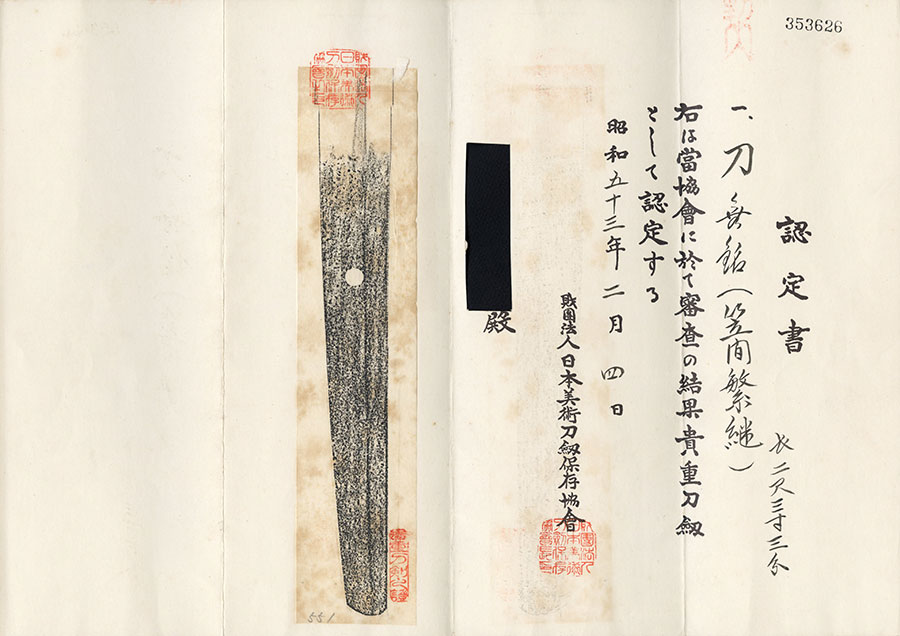
This work carries older NBTHK “Kichō”-era papers, which the NBTHK no longer issues and now regards as unreliable. To confirm the attribution, submission to an official Japanese examination body (such as the NBTHK or NTHK) for modern certification could be considered.

Seller
N
Nipponto
Established 1953 · 73 yrs on the market
🇯🇵Ships from Japan
›
✓Verified dealernipponto.co.jp
✓Ships worldwide✓English supportPayPalCredit card
Return policy

For returns due to customer circumstances, the cost is the customer's responsibility. For returns due to our mis-shipment or a defective item, we bear the cost.


View all of Nipponto’s listings→View this item on the dealer’s site→

Previously sold by Shigetsugu

View all →
Tozando
Hozon
Katana - Hozon - by Shigetsugu - ShigetsuguKatana - Hozon - by Shigetsugu - Shigetsugu
Sold

Katana

ByShigetsugu
SOLD
Tozando
Hozon
Katana - Hozon - by Shigetsugu - ShigetsuguKatana - Hozon - by Shigetsugu - Shigetsugu
Sold

Katana

ByShigetsugu
SOLD
Shoubudou
Hozon
Katana - Hozon - by Shigetsugu - Ikanshi ShigetsuguKatana - Hozon - by Shigetsugu - Ikanshi Shigetsugu
Sold

Katana

ByShigetsugu
SOLD

Swords

  • Katana
  • Wakizashi
  • Tantō
  • Tachi
  • Naginata
  • Yari

Fittings

  • Tsuba
  • Fuchi-Kashira
  • Kozuka
  • Menuki

Armor

  • Kabuto
  • Samurai Armor

By Certification

  • Tokujū
  • Jūyō
  • Tokuho
  • Hozon

Resources

  • Dealer Directory
  • Artist Directory
  • The Daily Kantei
  • Glossary
  • Browse All
Nihontowatch© 2026
TermsPrivacyCookiesAbout

Description

(A swordsmith deeply connected to the giant of the right-wing, Toyama Mitsuru Sensei, who is famous as a supporter of the Father of Modern China, Sun Yat-sen, during his exile in Japan.) Weight (excluding saya): 1100g It has arrived, it has arrived—though mumei, a meito by the famous swordsmith Kasama Shigetsugu has appeared. Kasama Ikkansai Shigetsugu was born in Meiji 19 (1886) and served as an instructor at the Nihonto Tanrenjo. He was supported by the famous right-wing figure Toyama Mitsuru O, who aided Sun Yat-sen (the Father of Modern China) and Rash Behari Bose (the leader of Indian independence). Shigetsugu forged swords at the residence of Toyama Mitsuru O in Tokiwamatsu, Shibuya, Tokyo. He is exceedingly famous as one of the greatest swordsmiths of the Showa era. Regarding Toyama Mitsuru O (and the peace talks between Japan and China that ended as a phantom): When the Second Sino-Japanese War (Shina Jihen) broke out and the Tungchow Mutiny occurred in Showa 12 (1937), the Prime Minister at the time, Konoe Fumimaro, planned to appoint Toyama Mitsuru O—who had close ties with Konoe's father, Konoe Atsumaro, and Foreign Minister Hirota Koki—as a Cabinet Councilor. Furthermore, because Toyama Mitsuru O was close to Chiang Kai-shek, having sheltered and supported him during his exile in Japan, there was a plan to dispatch Toyama to the Republic of China to find a clue toward peace. However, this dispatch faced opposition and unfortunately did not materialize. Had this peace negotiation succeeded, the Sino-Japanese War might have ended early, and the Pacific War might never have occurred; it remains a regrettable event in history. Kasama Shigetsugu trained many swordsmiths at the Nihonto Tanrenjo, and the Ningen Kokuho (Living National Treasure) Miyairi Akihira was one of his disciples. Yoshihara Yoshindo and Yoshihara Kuniie are his grand-disciples. This katana exhibits a goso (magnificent) sugata characteristic of Shigetsugu’s specialty—copying Bizen swords—with a slight koshizori and a distinct difference between the motohaba and sakihaba. The jigane is a finely packed ko-itame hada, forged into a powerful, bright, and clear (saeru) steel. The hamon is Bizen-den gunome-choji mixed with kataochi-choji, featuring magnificent choji-no-ashi and a wonderful clarity. Although it is mumei, please enjoy this sword attributed (kiwame) to Kasama Ikkansai Shigetsugu. On this occasion, an old connoisseur (sukisha) who commissioned the koshirae and had it custom-made by craftsmen has enjoyed it thoroughly and requested that we pass it on to an enthusiast at a low price. Therefore, we are offering it at a special bargain price. Please enjoy this meito set against the backdrop of important Japanese history.

NihontoWatch MonNihontoWatch
MarketEncyclopediaKantei
Swords›Shigetsugu›Japanese Sword, Mumei (Unsigned) Kasama Shigetsugu with Kicho Touken Certificate
katanaKicho
Shigetsugu

Japanese Sword, Mumei (Unsigned) Kasama Shigetsugu with Kicho Touken Certificate

mumei · Meiji · nagasa 70.6cm · sori 1.4cm

SOLD
Shigetsugu — 1 of 28
Shigetsugu — 2 of 28
Shigetsugu — 3 of 28
Shigetsugu — 4 of 28
Shigetsugu — 5 of 28
Shigetsugu — 6 of 28
Shigetsugu — 7 of 28
Shigetsugu — 8 of 28
Shigetsugu — 9 of 28
Shigetsugu — 10 of 28
Shigetsugu — 11 of 28
Shigetsugu — 12 of 28
Shigetsugu — 13 of 28
Shigetsugu — 14 of 28
Shigetsugu — 15 of 28
Shigetsugu — 16 of 28
Shigetsugu — 17 of 28
Shigetsugu — 18 of 28
Shigetsugu — 19 of 28
Shigetsugu — 20 of 28
Shigetsugu — 21 of 28
Shigetsugu — 22 of 28
Shigetsugu — 23 of 28
Shigetsugu — 24 of 28
Shigetsugu — 25 of 28
Shigetsugu — 26 of 28
Shigetsugu — 27 of 28
Shigetsugu — 28 of 28
1 / 28
1 / 28
Shigetsugu — 1 of 28Shigetsugu — 2 of 28Shigetsugu — 3 of 28Shigetsugu — 4 of 28Shigetsugu — 5 of 28Shigetsugu — 6 of 28Shigetsugu — 7 of 28Shigetsugu — 8 of 28Shigetsugu — 9 of 28Shigetsugu — 10 of 28Shigetsugu — 11 of 28Shigetsugu — 12 of 28Shigetsugu — 13 of 28Shigetsugu — 14 of 28Shigetsugu — 15 of 28Shigetsugu — 16 of 28Shigetsugu — 17 of 28Shigetsugu — 18 of 28Shigetsugu — 19 of 28Shigetsugu — 20 of 28Shigetsugu — 21 of 28Shigetsugu — 22 of 28Shigetsugu — 23 of 28Shigetsugu — 24 of 28Shigetsugu — 25 of 28Shigetsugu — 26 of 28Shigetsugu — 27 of 28Shigetsugu — 28 of 28
Measurements & details
Smith
Shigetsugu
Type
Katana
Period
Around 1865–1868(Keio)
Province
備前
Signature
Unsigned
Measurements
Nagasa 70.6cmSori 1.4cmMotohaba 3.21cmSakihaba 2.42cmKasane 0.75cm
Description

(A swordsmith deeply connected to the giant of the right-wing, Toyama Mitsuru Sensei, who is famous as a supporter of the Father of Modern China, Sun Yat-sen, during his exile in Japan.) Weight (excluding saya): 1100g It has arrived, it has arrived—though mumei, a meito by the famous swordsmith Kasama Shigetsugu has appeared. Kasama Ikkansai Shigetsugu was born in Meiji 19 (1886) and served as an instructor at the Nihonto Tanrenjo. He was supported by the famous right-wing figure Toyama Mitsuru O, who aided Sun Yat-sen (the Father of Modern China) and Rash Behari Bose (the leader of Indian independence). Shigetsugu forged swords at the residence of Toyama Mitsuru O in Tokiwamatsu, Shibuya, Tokyo. He is exceedingly famous as one of the greatest swordsmiths of the Showa era. Regarding Toyama Mitsuru O (and the peace talks between Japan and China that ended as a phantom): When the Second Sino-Japanese War (Shina Jihen) broke out and the Tungchow Mutiny occurred in Showa 12 (1937), the Prime Minister at the time, Konoe Fumimaro, planned to appoint Toyama Mitsuru O—who had close ties with Konoe's father, Konoe Atsumaro, and Foreign Minister Hirota Koki—as a Cabinet Councilor. Furthermore, because Toyama Mitsuru O was close to Chiang Kai-shek, having sheltered and supported him during his exile in Japan, there was a plan to dispatch Toyama to the Republic of China to find a clue toward peace. However, this dispatch faced opposition and unfortunately did not materialize. Had this peace negotiation succeeded, the Sino-Japanese War might have ended early, and the Pacific War might never have occurred; it remains a regrettable event in history. Kasama Shigetsugu trained many swordsmiths at the Nihonto Tanrenjo, and the Ningen Kokuho (Living National Treasure) Miyairi Akihira was one of his disciples. Yoshihara Yoshindo and Yoshihara Kuniie are his grand-disciples. This katana exhibits a goso (magnificent) sugata characteristic of Shigetsugu’s specialty—copying Bizen swords—with a slight koshizori and a distinct difference between the motohaba and sakihaba. The jigane is a finely packed ko-itame hada, forged into a powerful, bright, and clear (saeru) steel. The hamon is Bizen-den gunome-choji mixed with kataochi-choji, featuring magnificent choji-no-ashi and a wonderful clarity. Although it is mumei, please enjoy this sword attributed (kiwame) to Kasama Ikkansai Shigetsugu. On this occasion, an old connoisseur (sukisha) who commissioned the koshirae and had it custom-made by craftsmen has enjoyed it thoroughly and requested that we pass it on to an enthusiast at a low price. Therefore, we are offering it at a special bargain price. Please enjoy this meito set against the backdrop of important Japanese history.

About the maker

Shigetsugu

繁継

Echigo · around 1865-1868

›
Shigetsugu — full profile

Historical context

The Haitōrei edict of 1876 ended sword wearing and nearly ended the craft itself. Military demand and imperial patronage kept a remnant alive, and in 1906 Gassan Sadakazu and Miyamoto Kanenori were named Artists to the Imperial Household.

Meiji: survival after the edict →

Authenticity not guaranteed

This work carries older NBTHK “Kichō”-era papers, which the NBTHK no longer issues and now regards as unreliable. To confirm the attribution, submission to an official Japanese examination body (such as the NBTHK or NTHK) for modern certification could be considered.

Seller
N
Nipponto
Established 1953 · 73 yrs on the market
🇯🇵Ships from Japan
›
✓Verified dealernipponto.co.jp
✓Ships worldwide✓English supportPayPalCredit card
Return policy

For returns due to customer circumstances, the cost is the customer's responsibility. For returns due to our mis-shipment or a defective item, we bear the cost.

View all of Nipponto’s listings→View this item on the dealer’s site→

Previously sold by Shigetsugu

View all →
Tozando
Hozon
Katana - Hozon - by Shigetsugu - ShigetsuguKatana - Hozon - by Shigetsugu - Shigetsugu
Sold

Katana

ByShigetsugu
SOLD
Tozando
Hozon
Katana - Hozon - by Shigetsugu - ShigetsuguKatana - Hozon - by Shigetsugu - Shigetsugu
Sold

Katana

ByShigetsugu
SOLD
Shoubudou
Hozon
Katana - Hozon - by Shigetsugu - Ikanshi ShigetsuguKatana - Hozon - by Shigetsugu - Ikanshi Shigetsugu
Sold

Katana

ByShigetsugu
SOLD

Swords

  • Katana
  • Wakizashi
  • Tantō
  • Tachi
  • Naginata
  • Yari

Fittings

  • Tsuba
  • Fuchi-Kashira
  • Kozuka
  • Menuki

Armor

  • Kabuto
  • Samurai Armor

By Certification

  • Tokujū
  • Jūyō
  • Tokuho
  • Hozon

Resources

  • Dealer Directory
  • Artist Directory
  • The Daily Kantei
  • Glossary
  • Browse All
Nihontowatch© 2026
TermsPrivacyCookiesAbout
NihontoWatch Mon

NihontoWatch

Market
Encyclopedia
Kantei
NihontoWatch Mon

NihontoWatch

Market
Encyclopedia
Kantei