The craft survived the Meiji ban and the occupation’s near-extinction, and rebuilt itself deliberately: licensed forging from 1953, traditional methods required by law, Living National Treasures, and the mukansa rank above judgment.
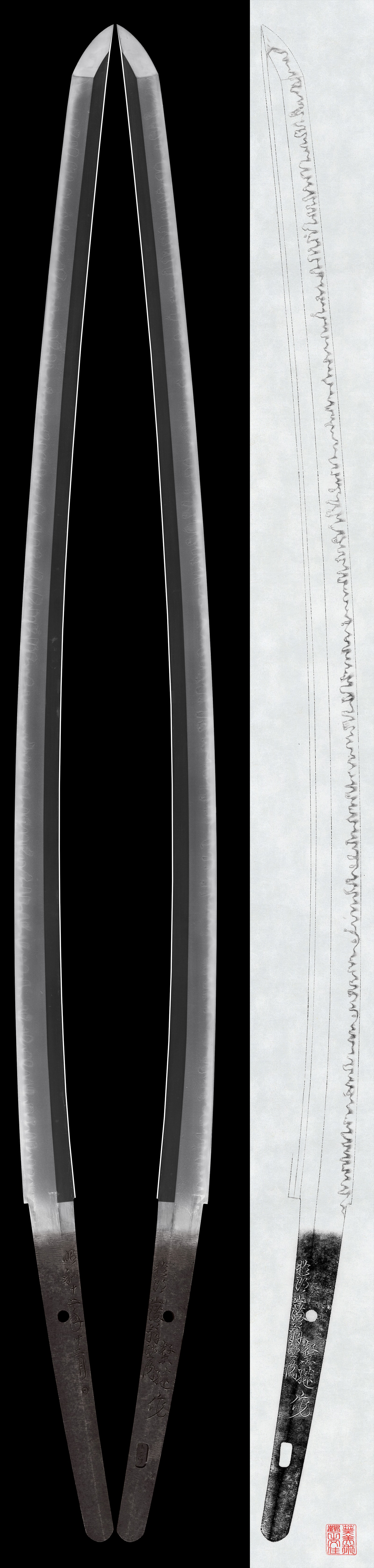
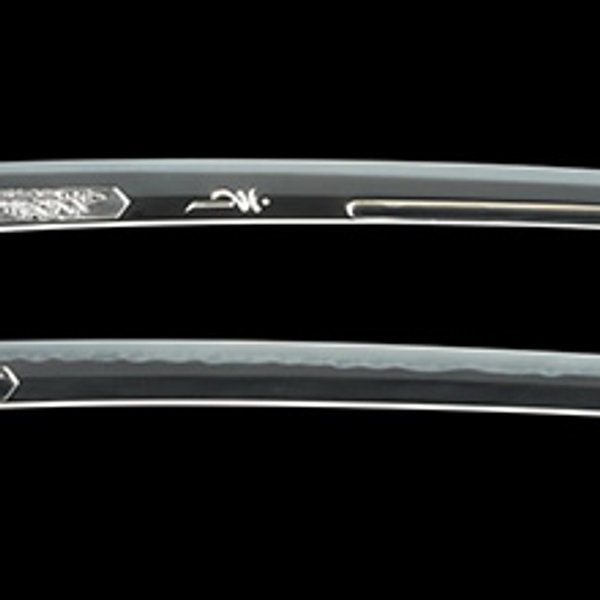
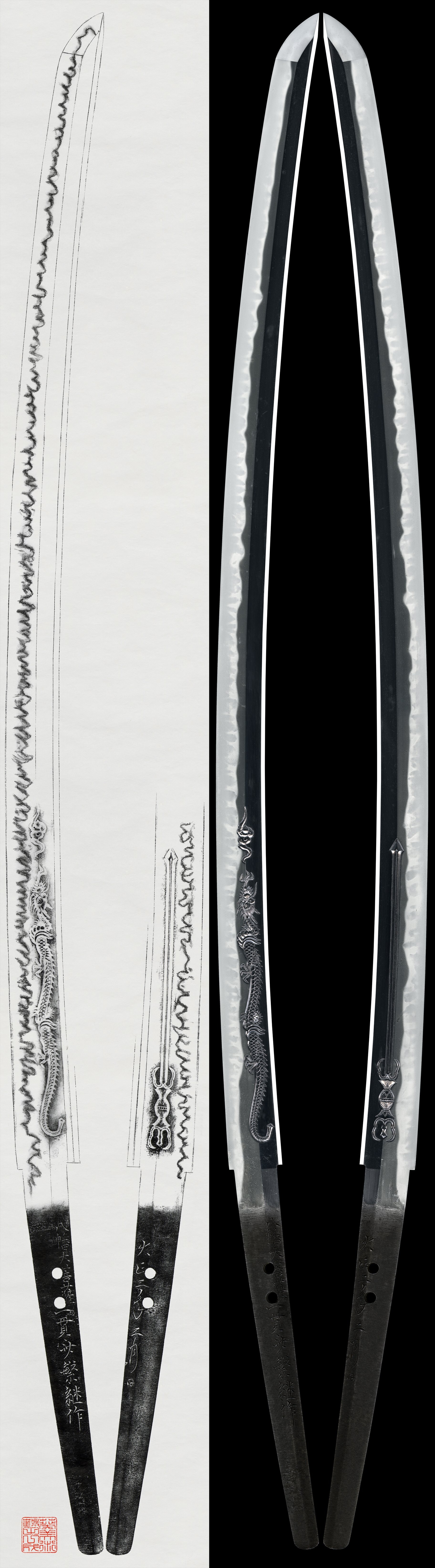
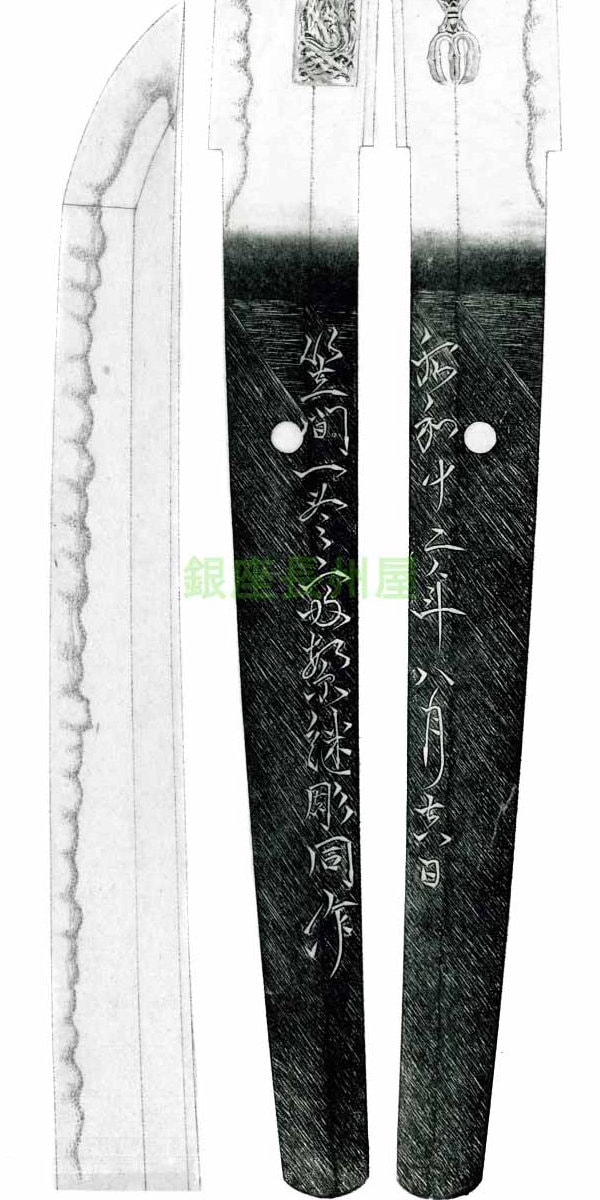
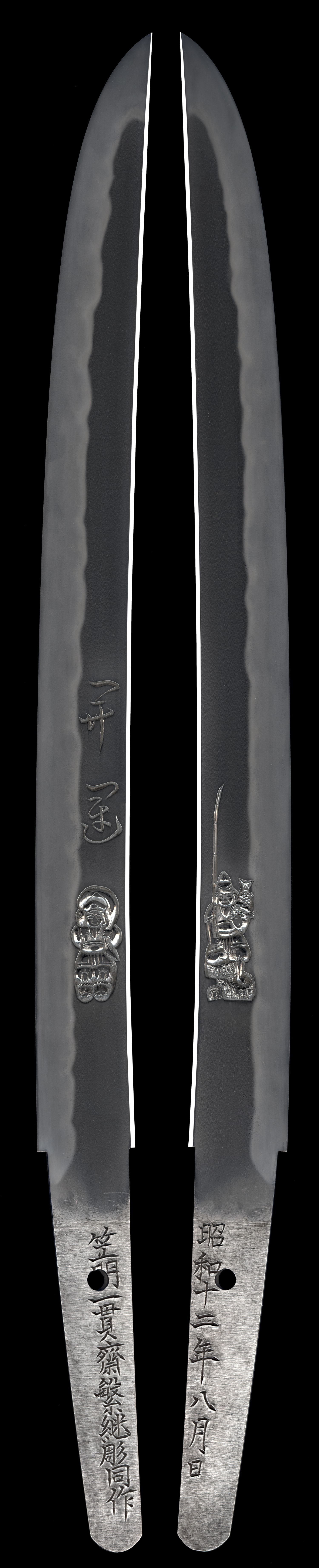
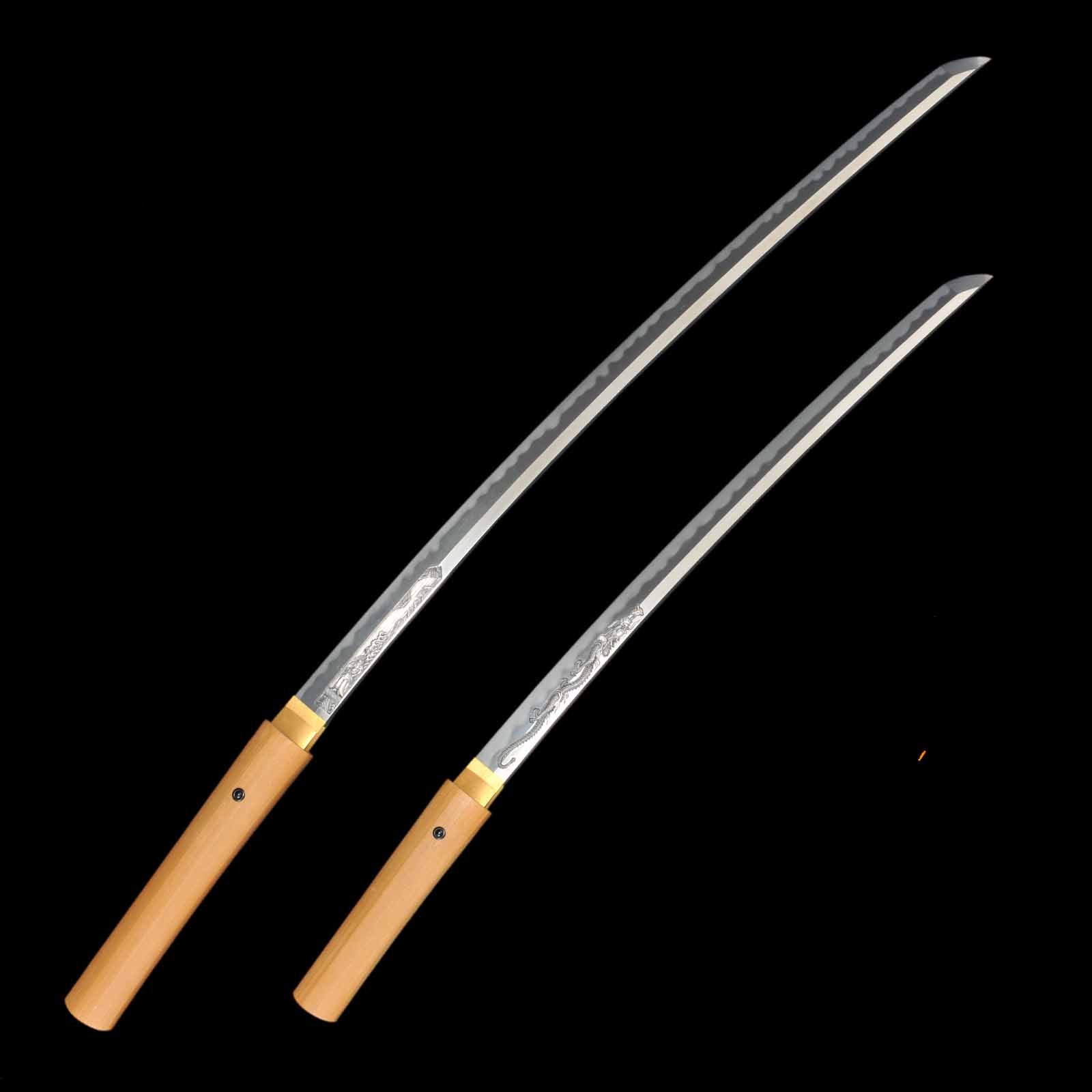
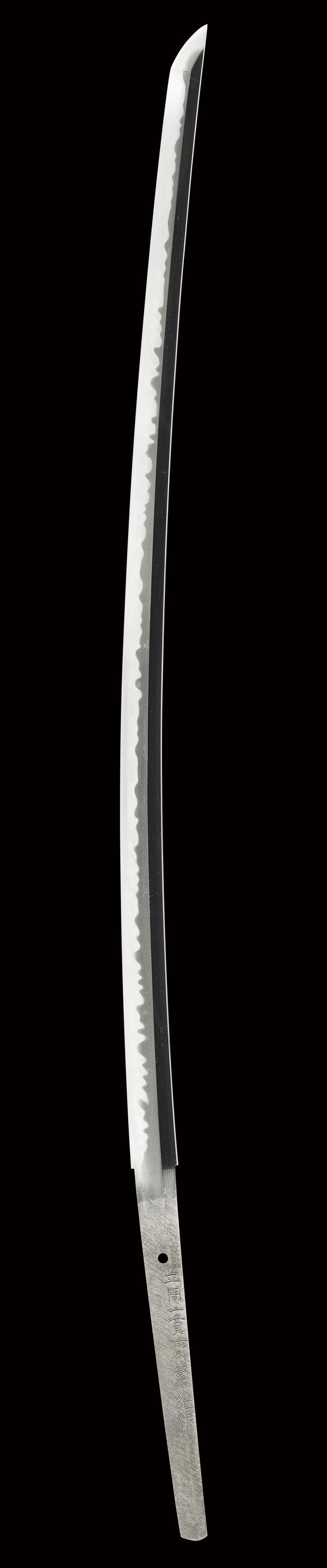
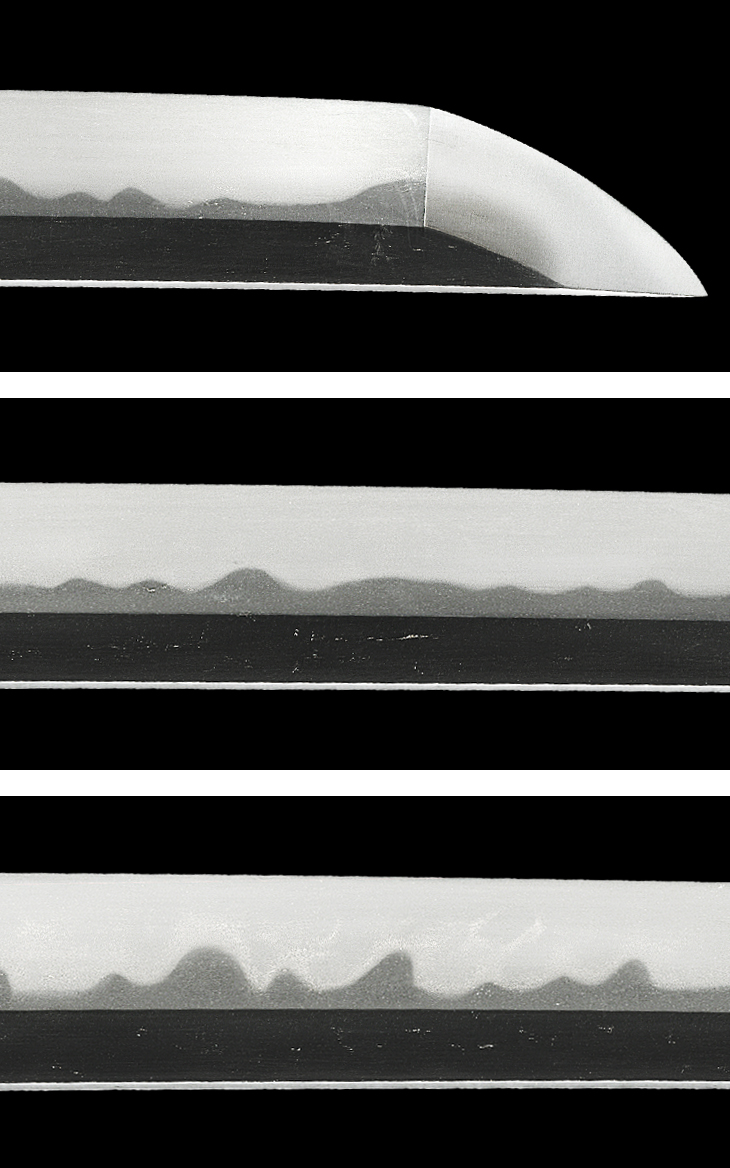
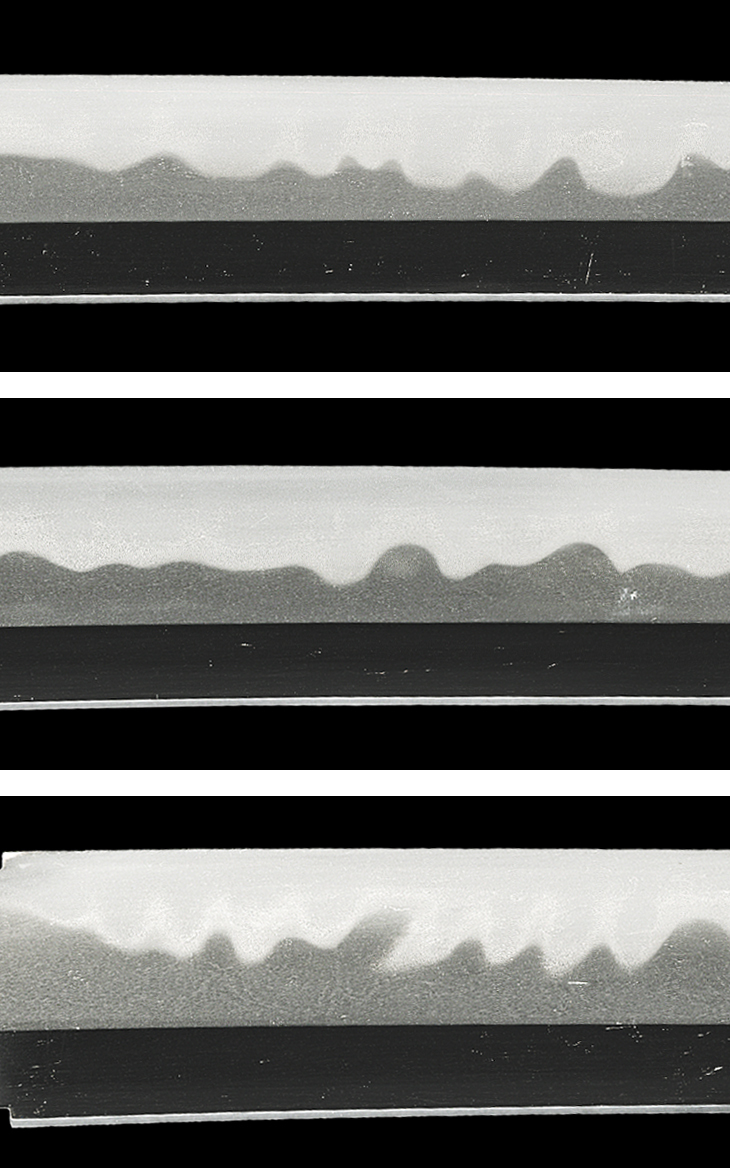
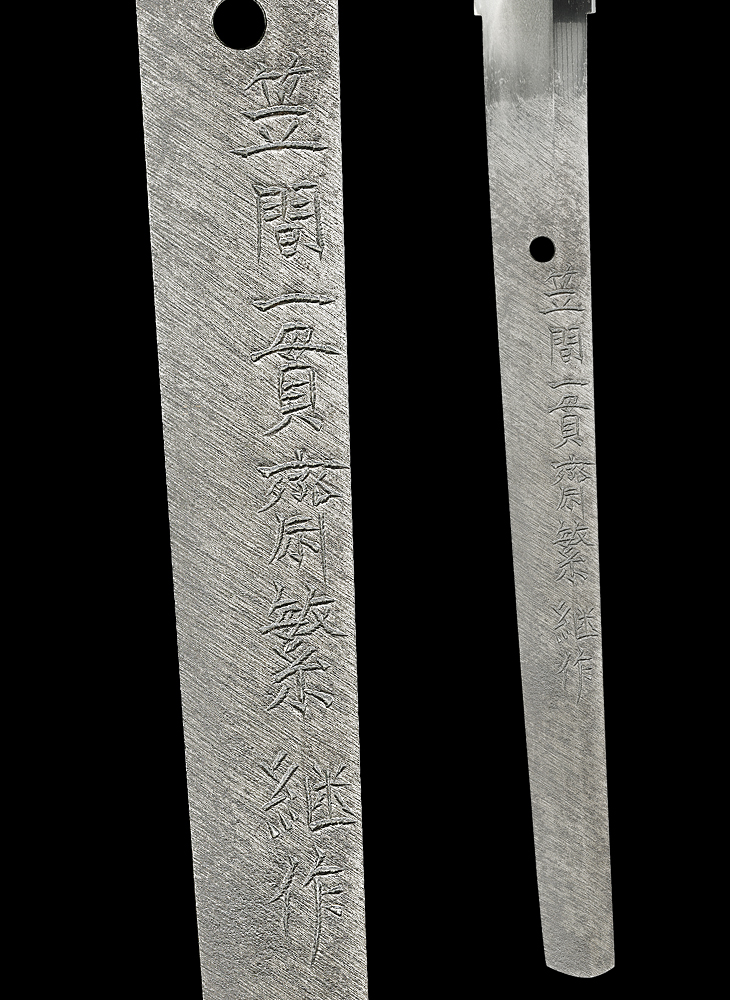
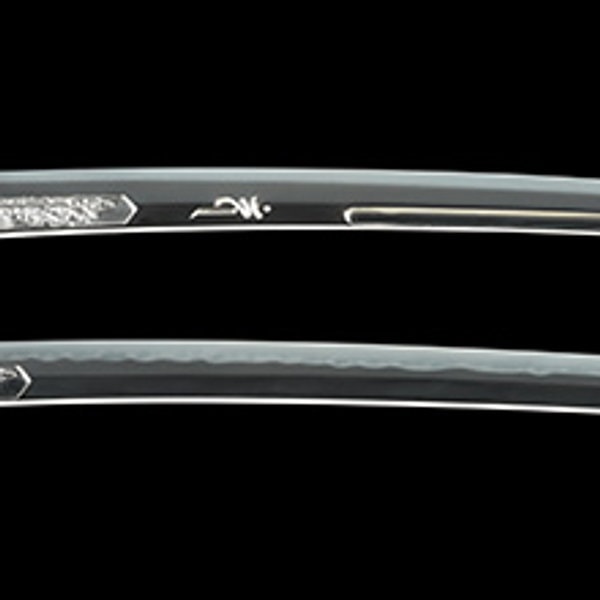
This is a katana made by Kasama Ikkansai Shigetsugu in February 1932, when he was 46 years old. It features a beautiful form with a flamboyant Bizen-den style, characterized by a vibrant gunome-choji hamon with tobiyaki. The blade comes with an NBTHK Hozon Token certificate and a gold-plated double habaki, making it a highly recommended representative work of this renowned smith.
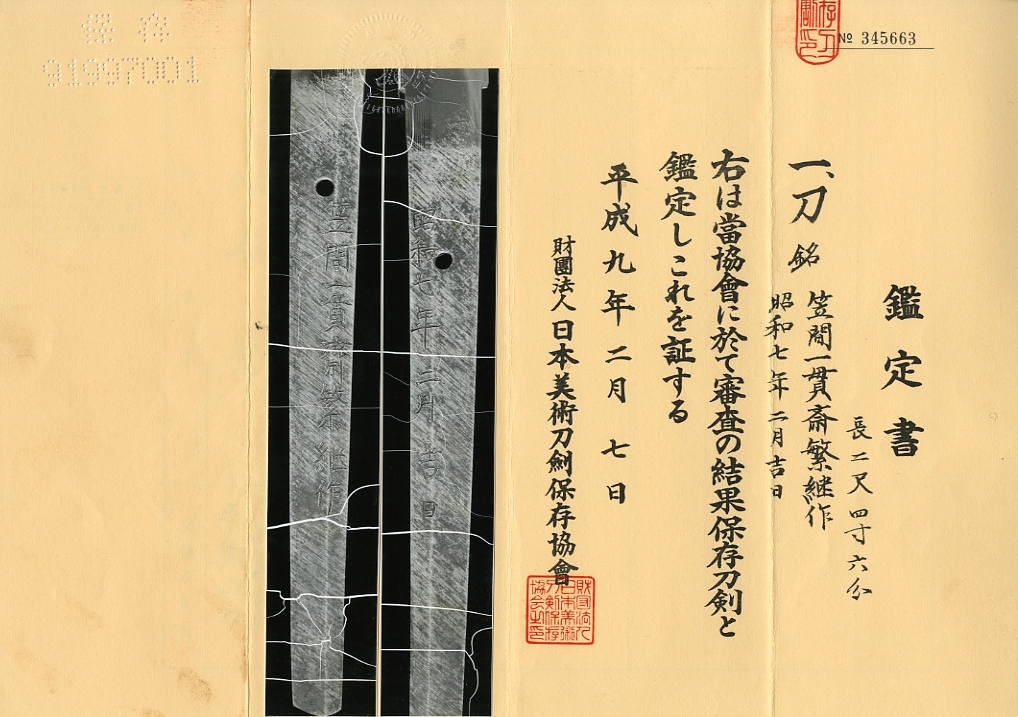
Certificate reading — 銘 笠間一貫斎繁継作 昭和七年二月吉日
 NihontoWatch
mei · Taisho (1912-1926) · nagasa 74.1cm · sori 1.8cm
Tokyo · around 1912-1926
Tōken Taikan top 63%
7 pieces on the market now
The modern era (1868 to today)
The craft survived the Meiji ban and the occupation’s near-extinction, and rebuilt itself deliberately: licensed forging from 1953, traditional methods required by law, Living National Treasures, and the mukansa rank above judgment.
Certifies a genuine blade worth preserving: a signature confirmed correct, or, if unsigned, an era, province, and school that the NBTHK can reliably identify.
The NBTHK (Nihon Bijutsu Tōken Hozon Kyōkai, the Society for the Preservation of Japanese Art Swords) is a public-interest incorporated foundation founded in 1948 and supervised by Japan’s Agency for Cultural Affairs (Bunkachō); it is based at the Japanese Sword Museum in Tokyo. Its expert panels physically examine each submitted work (shinsa) and issue a certificate (kanteishō) ranking it by artistic and historical merit. NBTHK papers are the most widely recognized standard of authentication for Japanese swords and fittings.
NBTHK official siteFor one-of-a-kind items such as swords, sword fittings, and antiques, please contact us about a return within 3 days of the item's arrival and ship it back within 8 days. Refunds are issued the same day the returned item arrives.
¥980,000