Edo was the sword’s age of connoisseurship: the Hon’ami appraisers, the shogunal register of famous blades of 1719, and a thriving literature turned the sword into an object of study even as it ceased to be drawn in war.
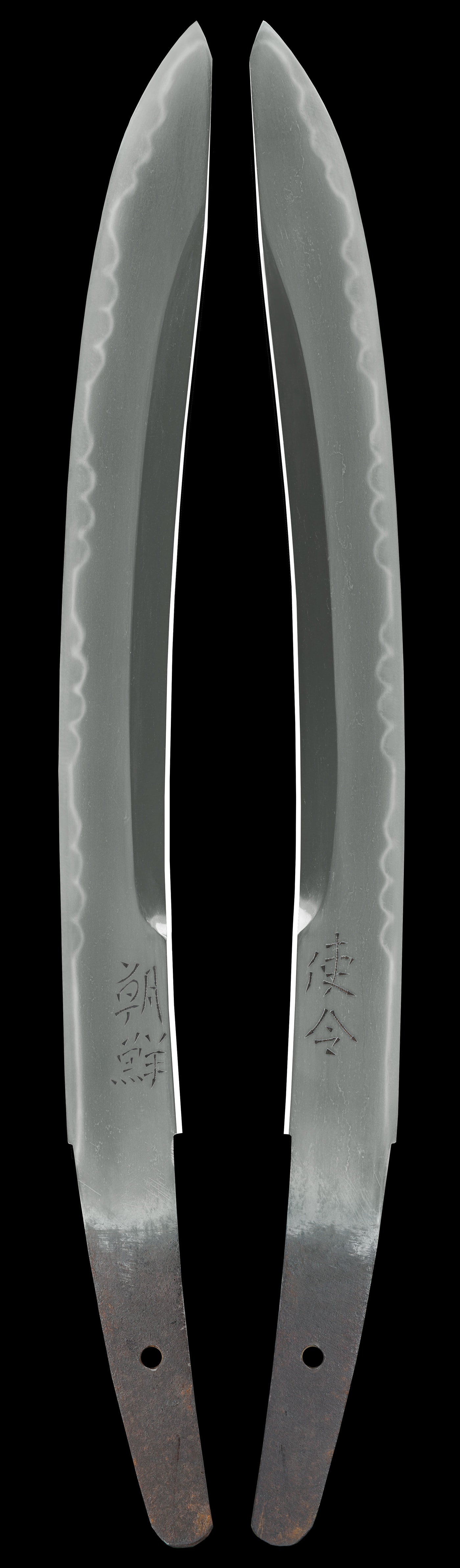
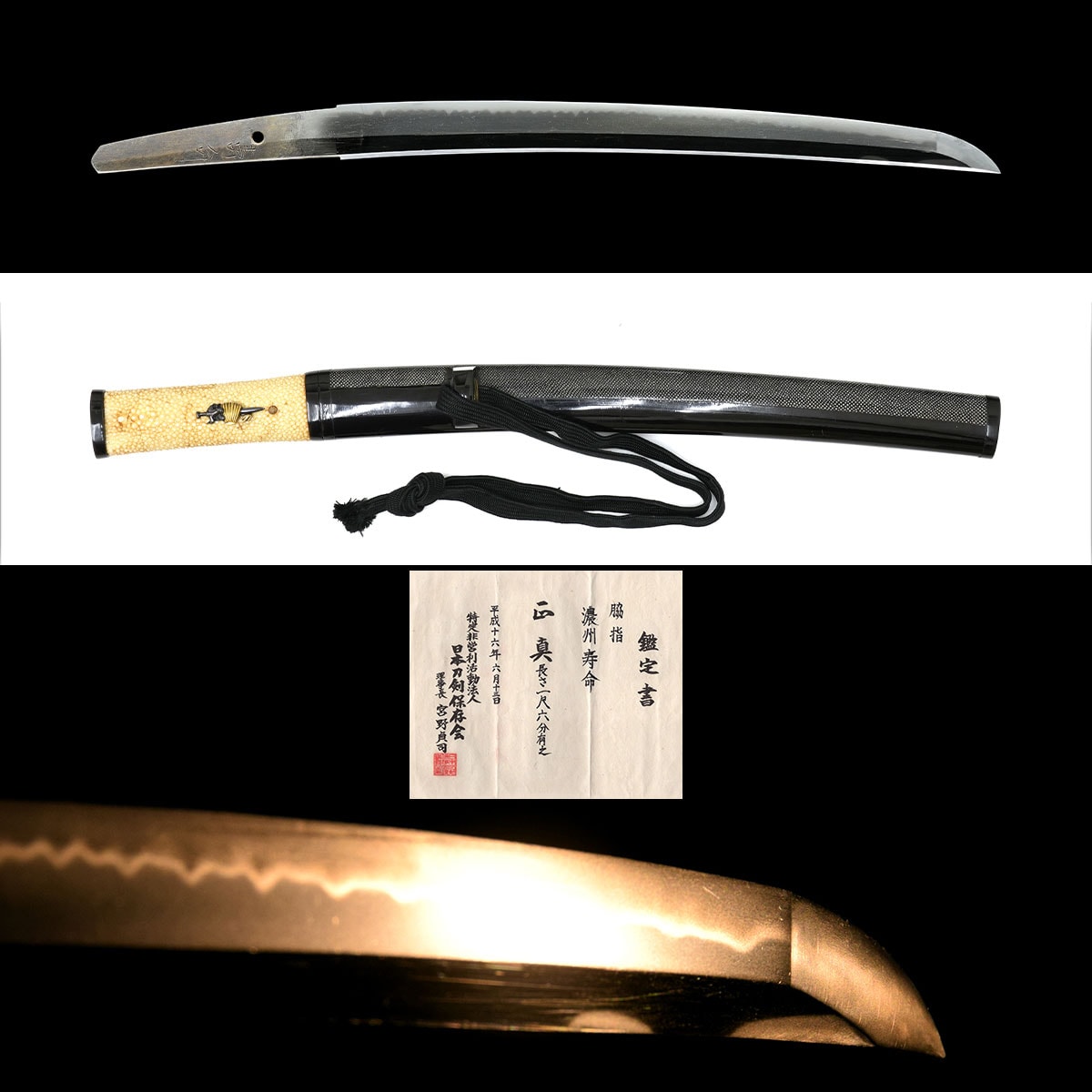
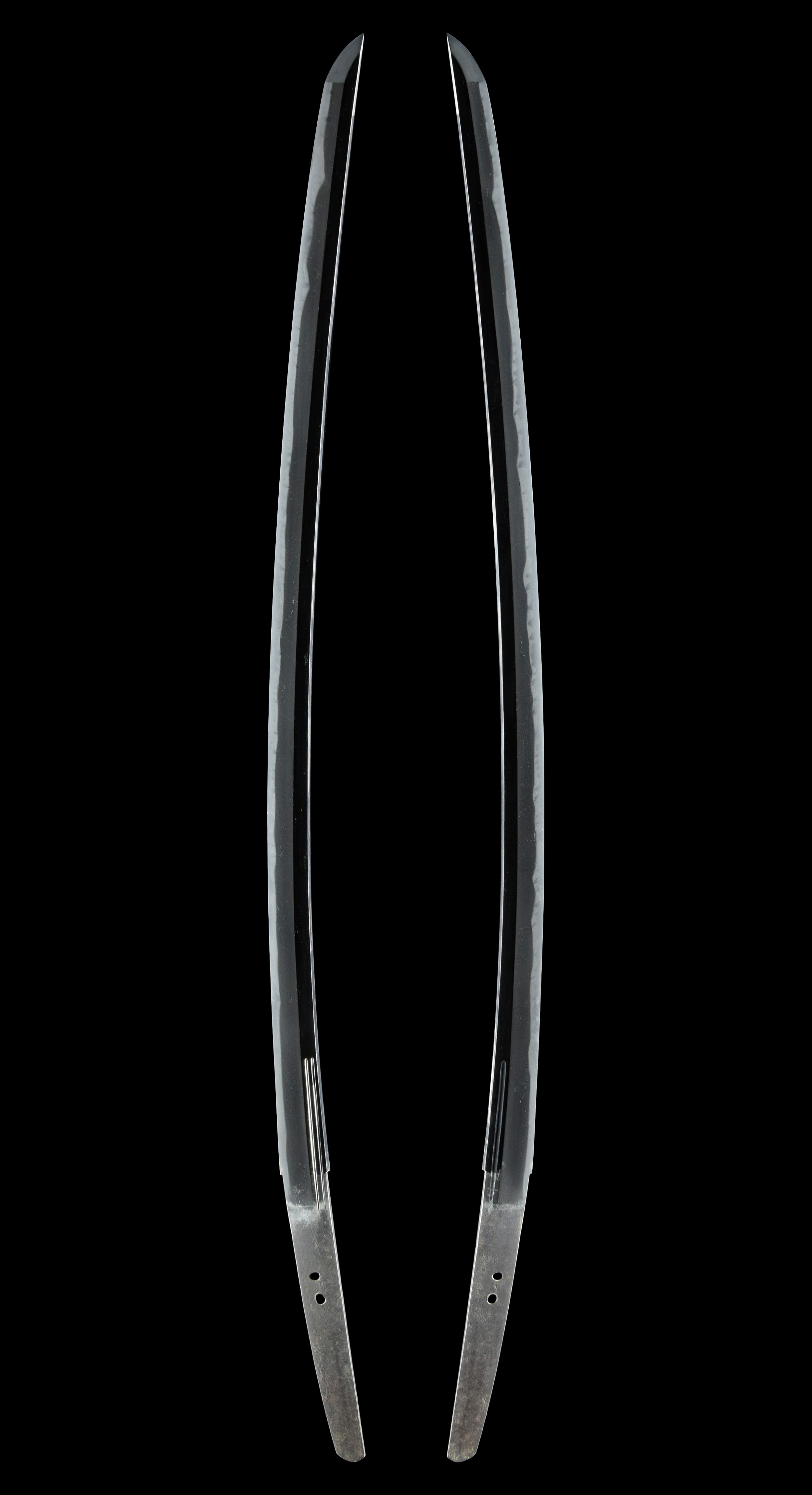
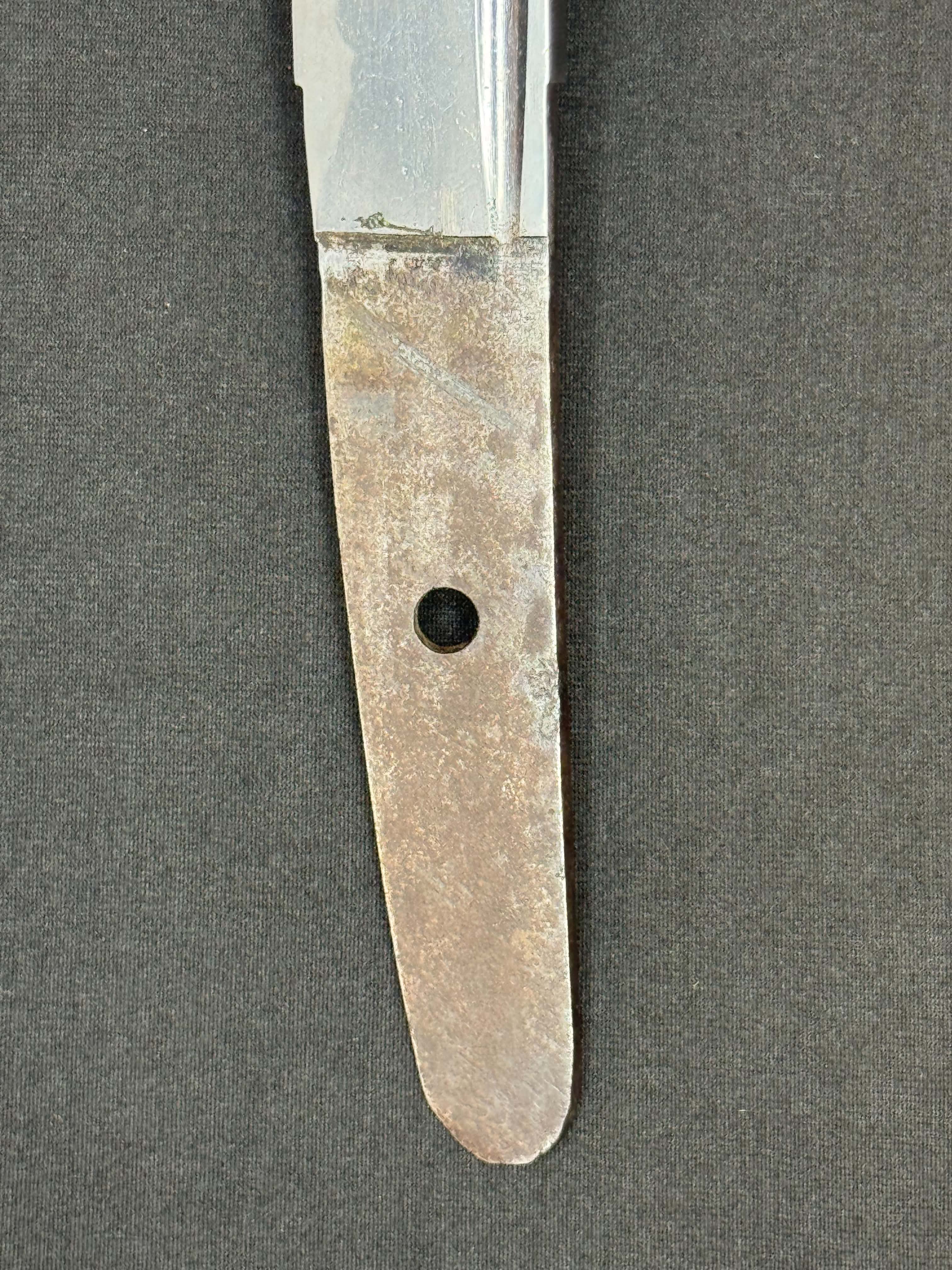
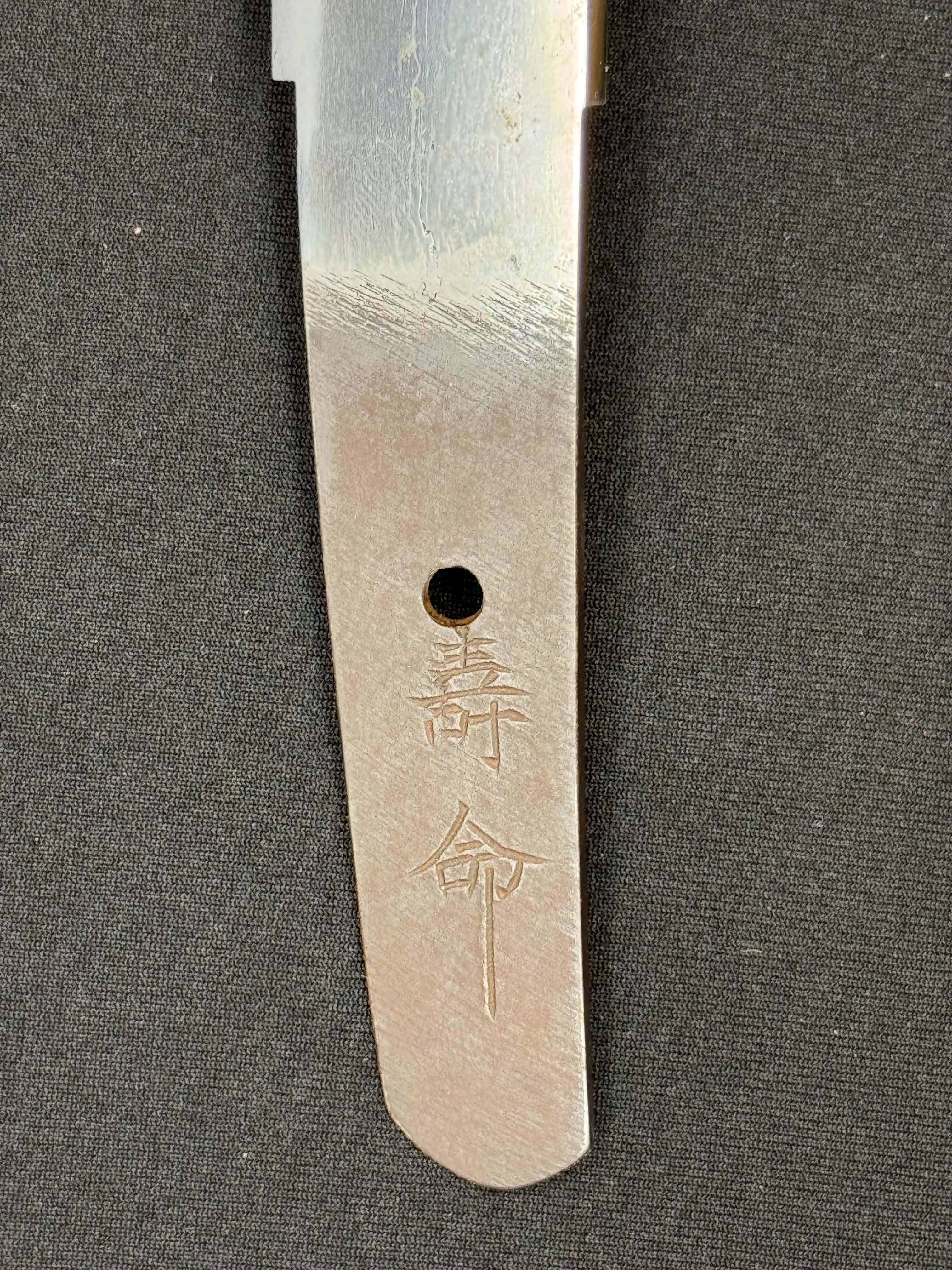
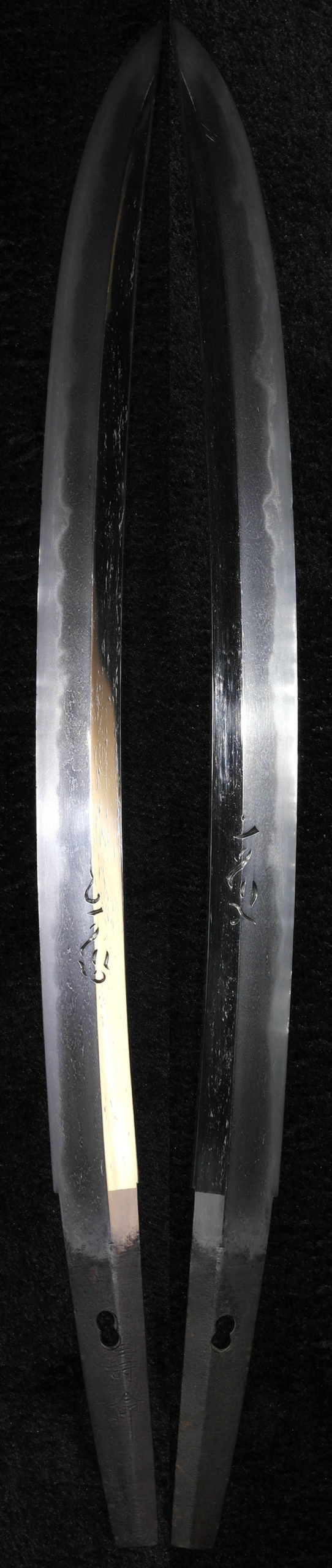
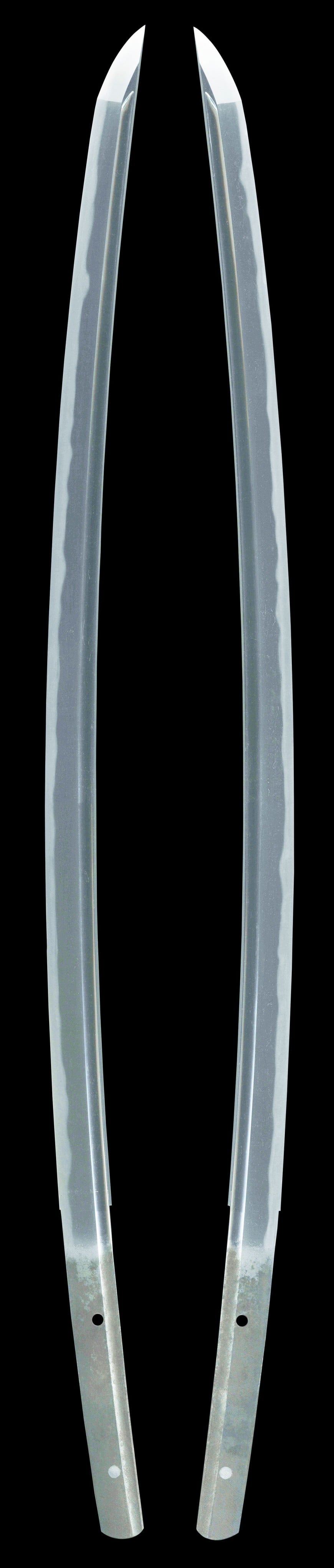
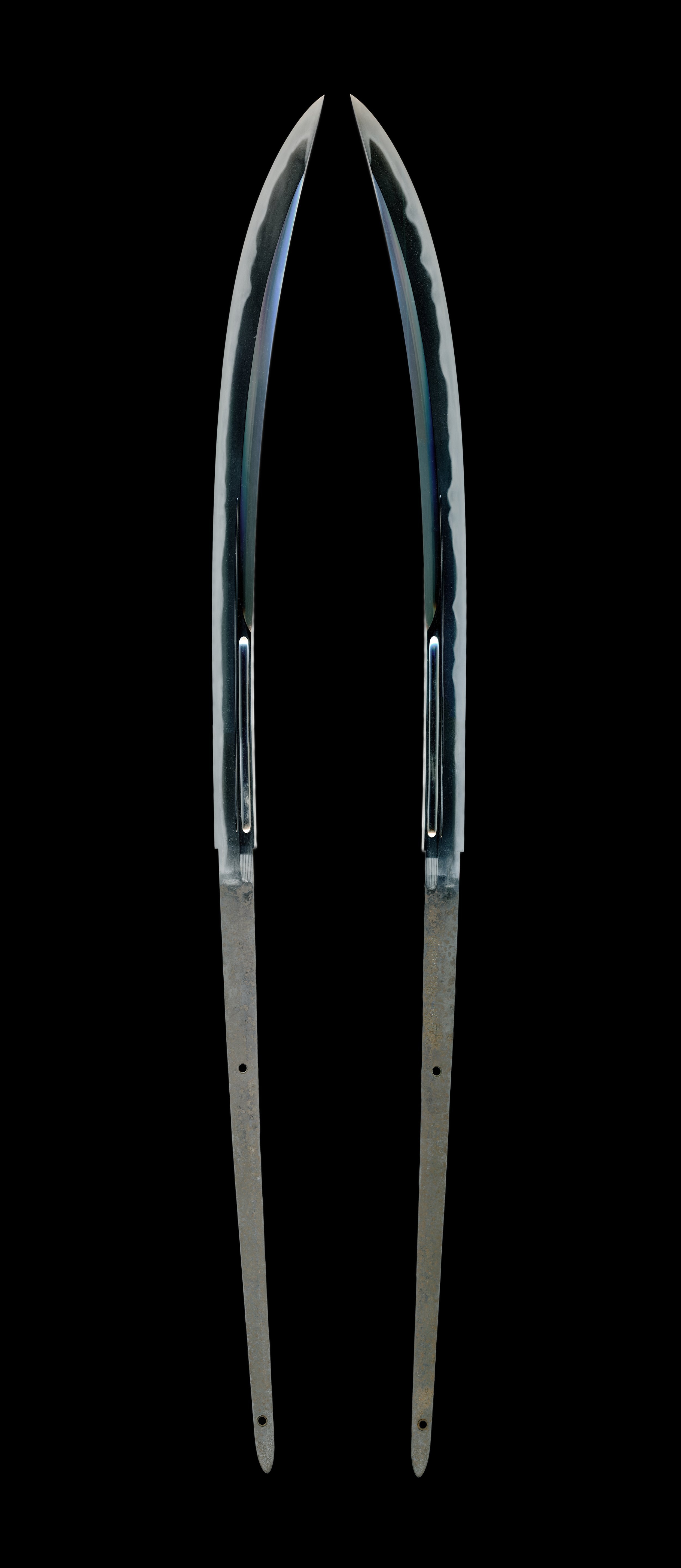
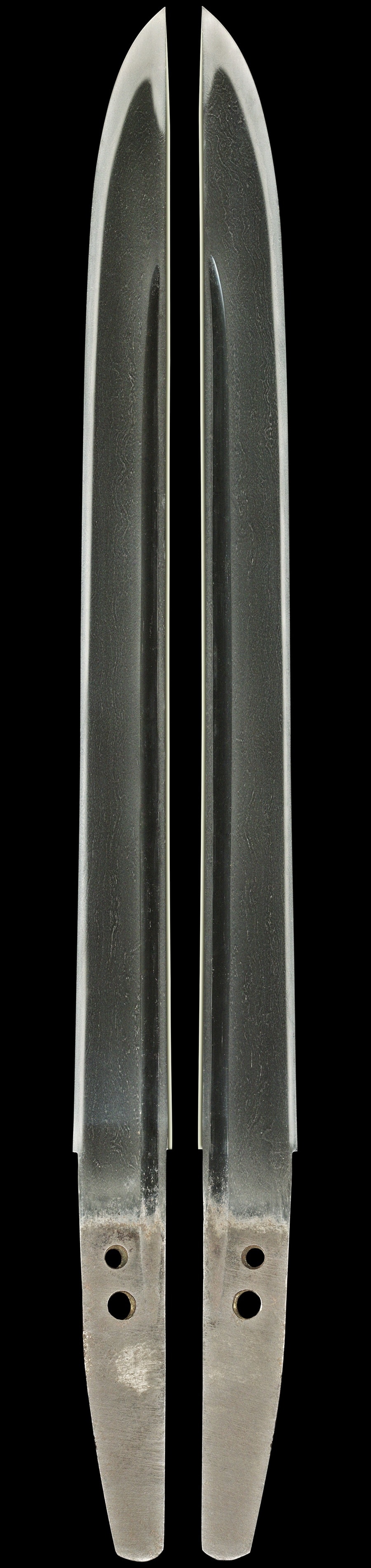
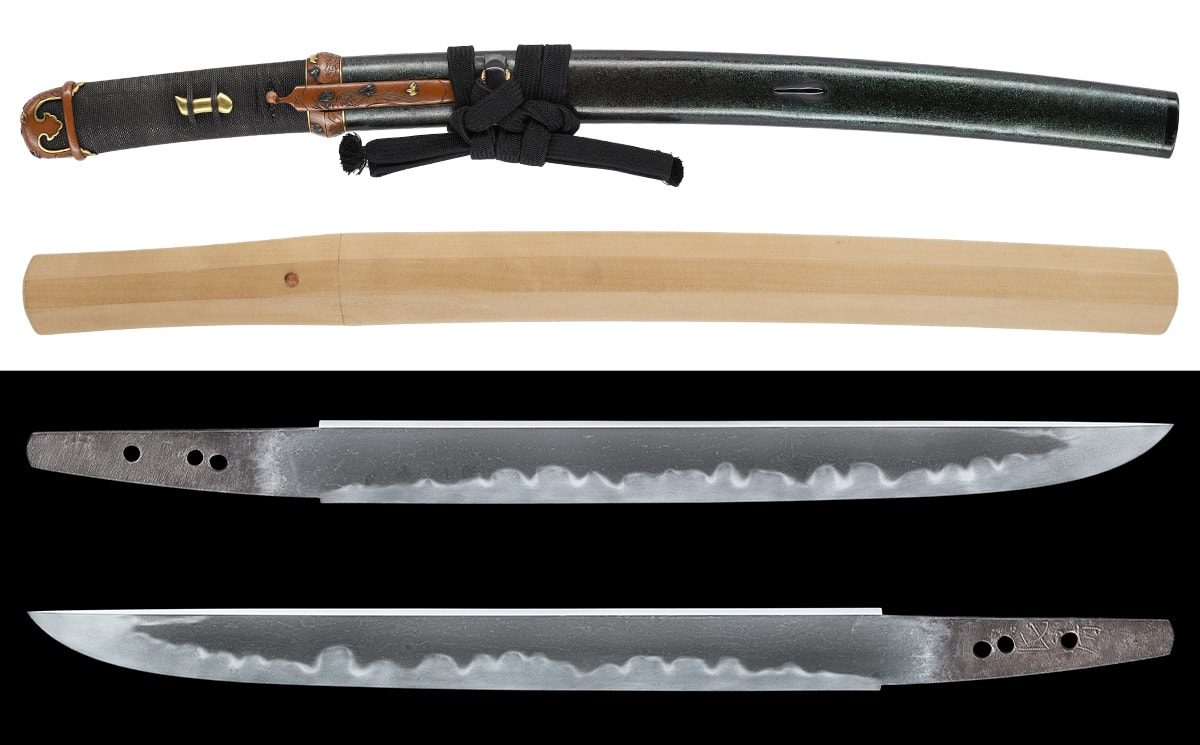
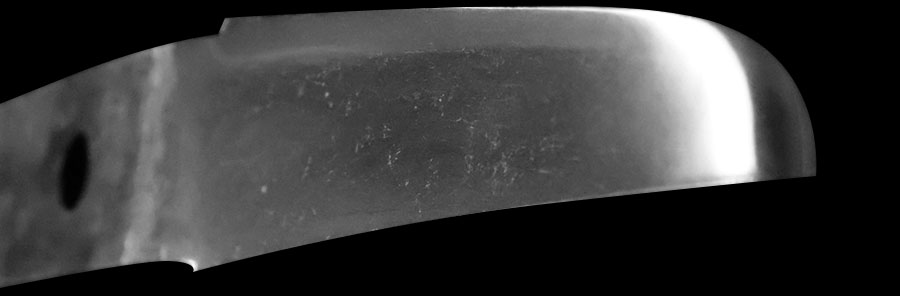
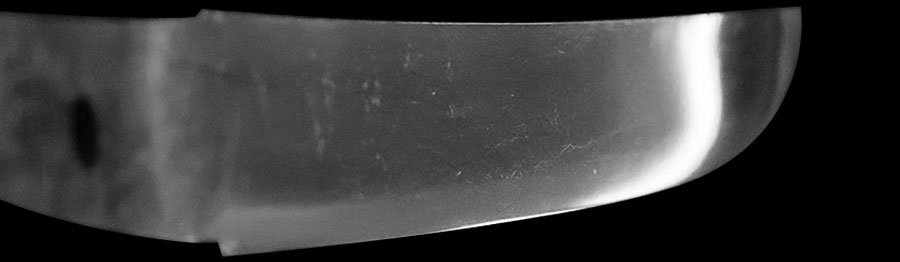
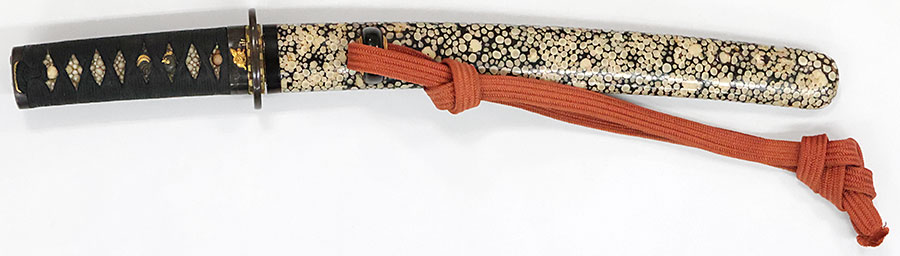
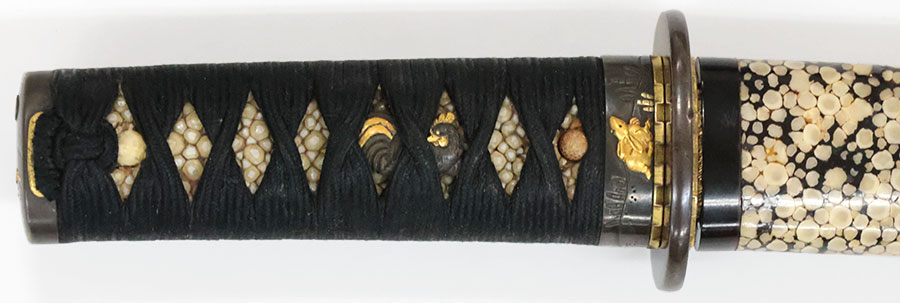
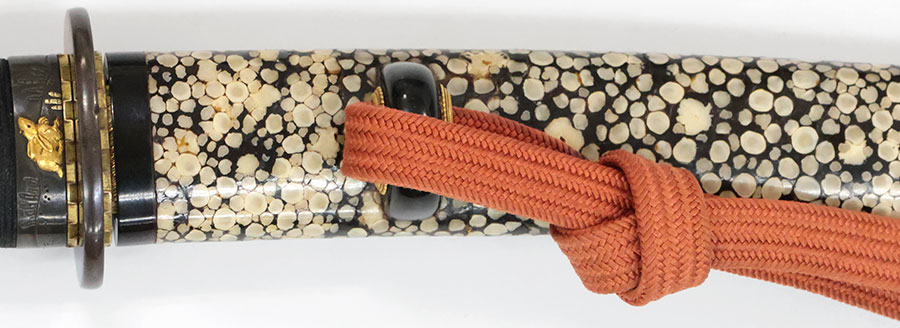
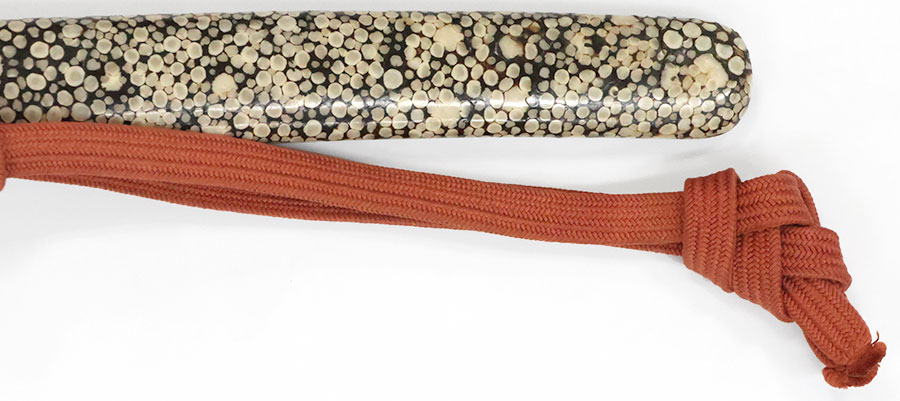
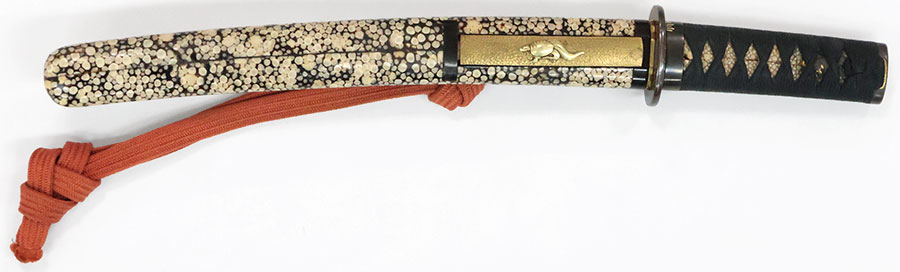
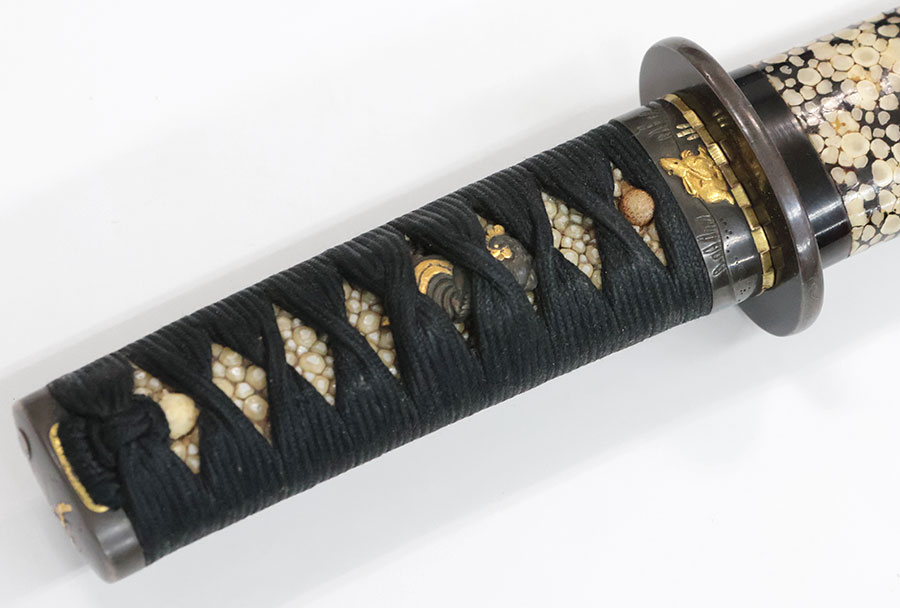
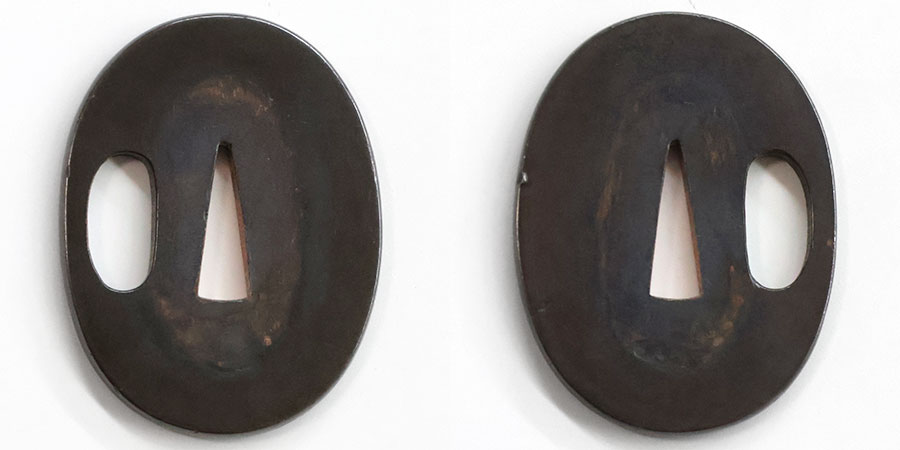
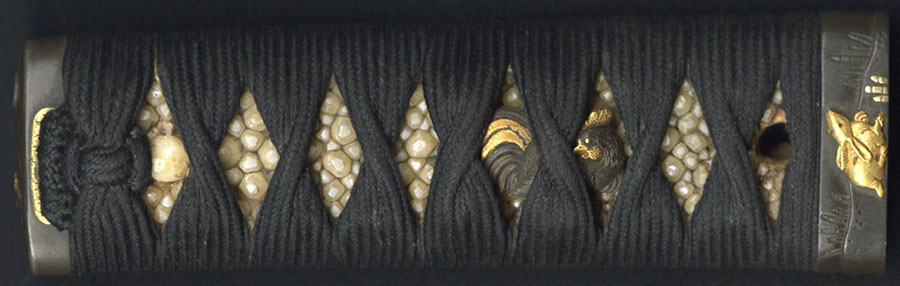
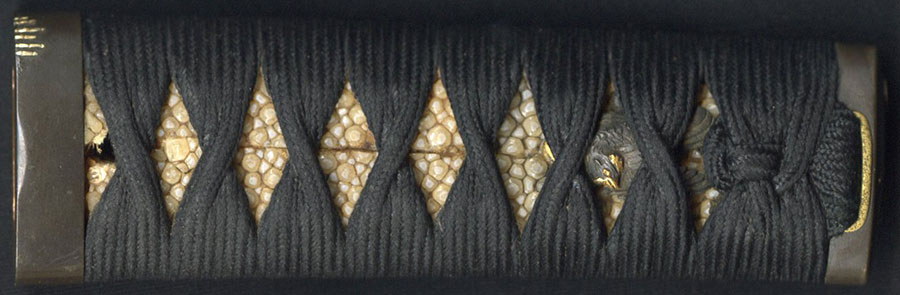
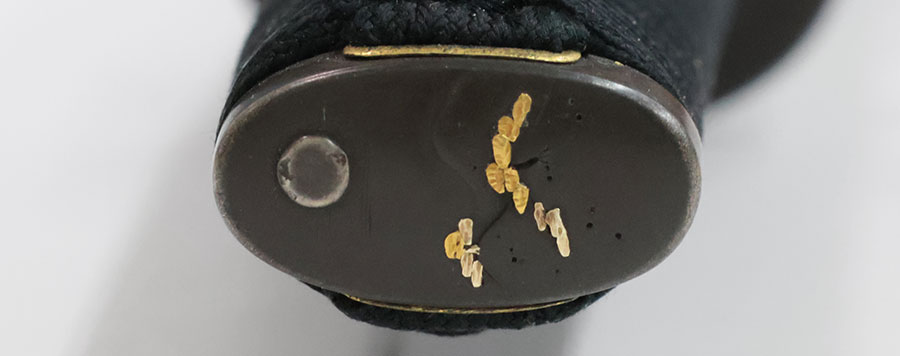
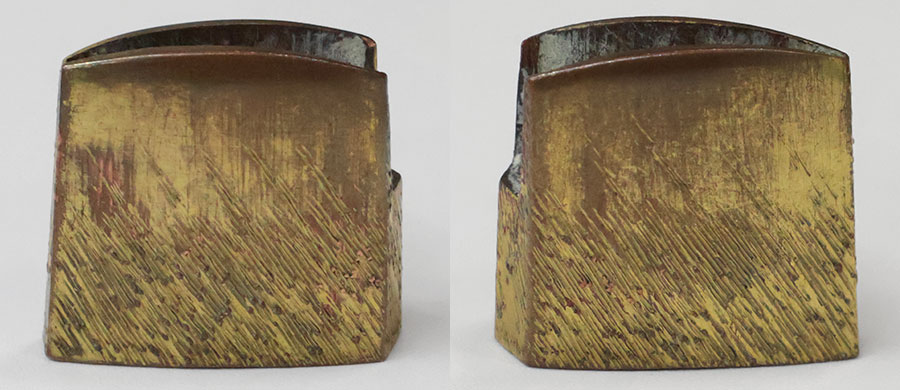
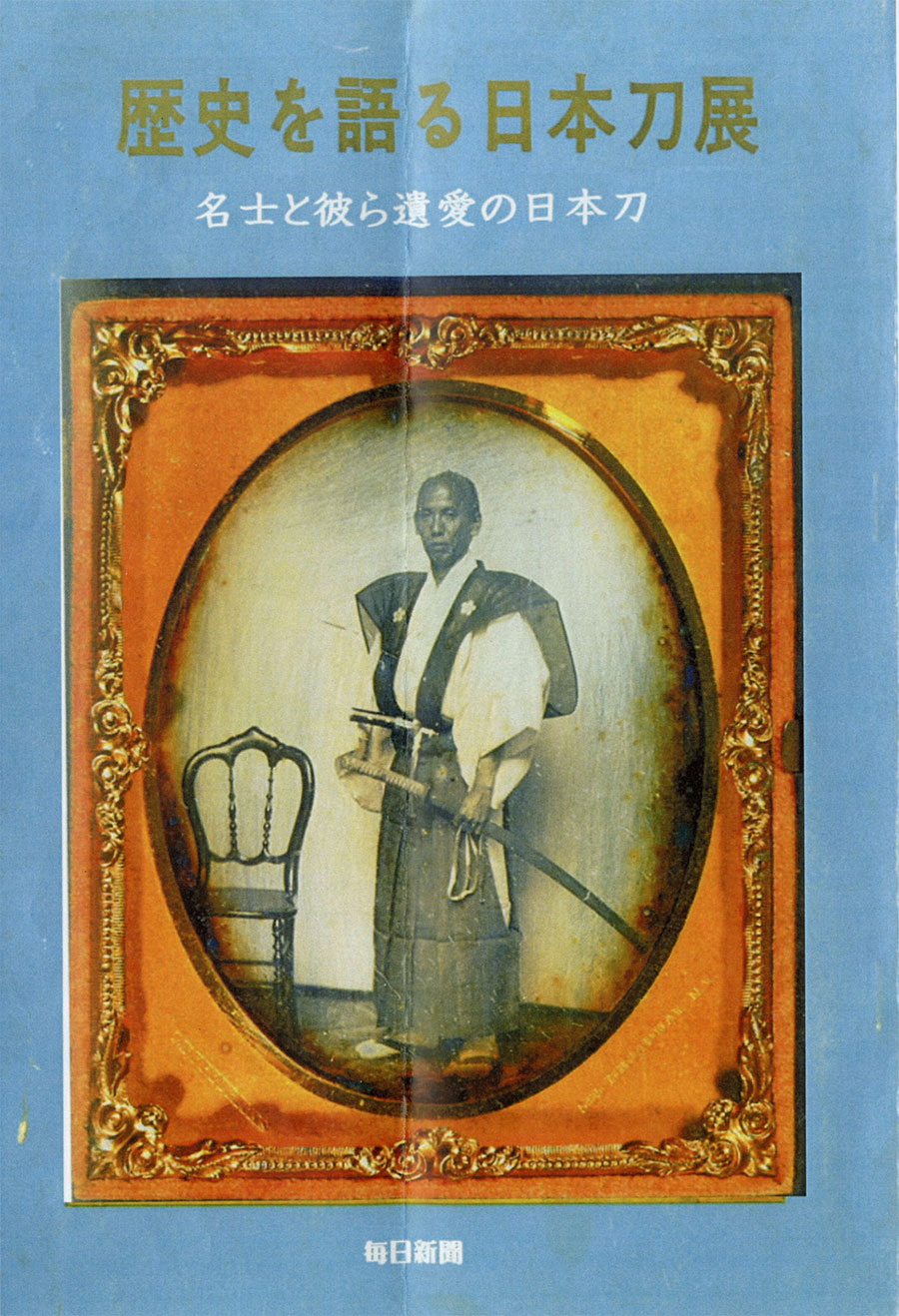
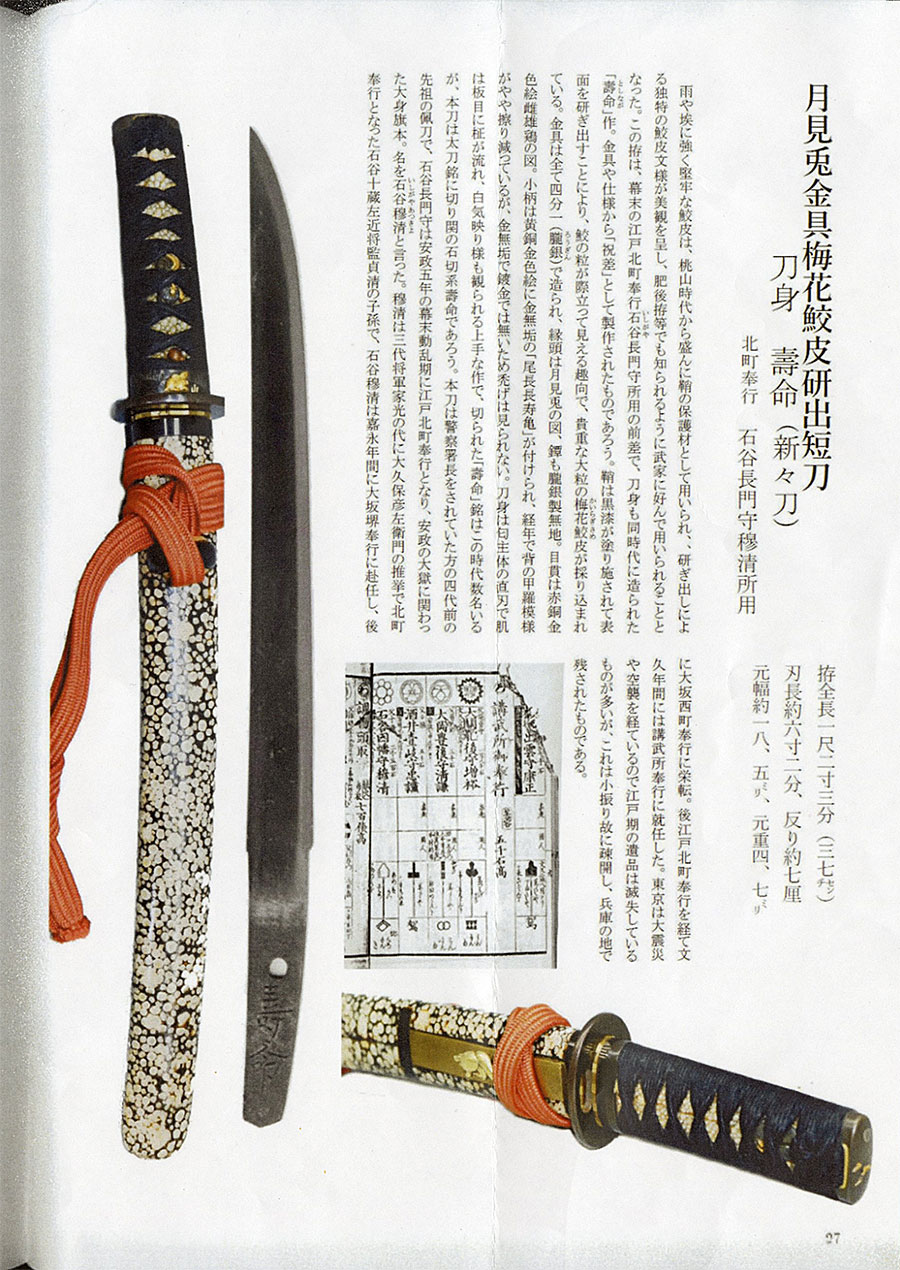
(Tsukimi Usagi Kanagu Baika Samegawa Togidashi Tanto) It has arrived, it has arrived! A miraculous and auspicious celebratory sashizoe, a Tanto by Jumyo, formerly cherished by Ishigaya Nagato-no-kami Atsukiyo—an omi hatamoto of the Edo Kita-machi Bugyo with a 2,500 koku fief. This piece was exhibited in the "Nihonto Telling History" exhibition sponsored by the Mainichi Shimbun. Lord Ishigaya Atsukiyo was a descendant of Ishigaya Kurazakon-no-shogen Sadakiyo, who was appointed Kita-machi Bugyo during the reign of the third Shogun Tokugawa Iemitsu upon the recommendation of Okubo Hikozaemon. At the end of the Bakufu era, in Kaei 2, Atsukiyo became the Osaka Sakai Bugyo, followed by a promotion to Osaka Nishi-machi Bugyo in Kaei 5. He served as Kanjo Bugyo in Ansei 2, Edo Kita-machi Bugyo in Ansei 5, and then assumed the posts of Hitotsubashi-ke Karo and Kobusho Bugyo in Bunkyu 2. In the same year, he served as Nishinomaru Rusui before retiring, later returning to the post of Kobusho Bugyo in Genji 2, and passing away in Meiji 2. He was an omi hatamoto and a bureaucrat of exceptional ability within the Shogunate. The sugata of the Tanto is in hira-zukuri style. The jigane shows itame-hada with flowing masame and utsuri appearing on the ji. The hamon is a skillfully hardened suguha-cho in nioi-deki. The koshirae features a saya of baika-same (plum blossom ray skin) in togidashi finish. The kanagu are made of shibuichi (an alloy of silver and copper); the fuchi-kashira depicts a tsukimi usagi (moon-viewing rabbit) design. The tsuba is plain shibuichi. The menuki are shakudo-ji (an alloy of gold and copper) with a design of a rooster and hen. The kozuka is brass-ji with kin-iroe and a suemon of a solid gold onaga choju-kame (long-tailed longevity turtle), which is quite luxurious. This Tanto has been carefully preserved by the family for generations. We have received it with the request to pass it on at a low price to someone who will cherish it for the next generation. Therefore, we are offering this heirloom Tanto of the Ishigaya family—who served as the Edo Kita-machi Bugyo—at a special, exceptionally low price. Please do enjoy this piece.
 NihontoWatch
Edo · nagasa 18.5cm · sori 0.2cm








Mino-den · Owari · around 1801-1804
2 pieces on the market now
Mino-den · Mino
16 pieces on the market now
The Edo period (1615 to 1868)
Edo was the sword’s age of connoisseurship: the Hon’ami appraisers, the shogunal register of famous blades of 1719, and a thriving literature turned the sword into an object of study even as it ceased to be drawn in war.
We could not find an authenticity certificate on the seller’s listing. Japanese swords and fittings are normally papered by the NBTHK (or the NTHK). Without one, the attribution is the seller’s own assessment and has not been independently verified — treat it with caution and ask the dealer about certification before buying.
For returns due to customer circumstances, the cost is the customer's responsibility. For returns due to our mis-shipment or a defective item, we bear the cost.
(Tsukimi Usagi Kanagu Baika Samegawa Togidashi Tanto) It has arrived, it has arrived! A miraculous and auspicious celebratory sashizoe, a Tanto by Jumyo, formerly cherished by Ishigaya Nagato-no-kami Atsukiyo—an omi hatamoto of the Edo Kita-machi Bugyo with a 2,500 koku fief. This piece was exhibited in the "Nihonto Telling History" exhibition sponsored by the Mainichi Shimbun. Lord Ishigaya Atsukiyo was a descendant of Ishigaya Kurazakon-no-shogen Sadakiyo, who was appointed Kita-machi Bugyo during the reign of the third Shogun Tokugawa Iemitsu upon the recommendation of Okubo Hikozaemon. At the end of the Bakufu era, in Kaei 2, Atsukiyo became the Osaka Sakai Bugyo, followed by a promotion to Osaka Nishi-machi Bugyo in Kaei 5. He served as Kanjo Bugyo in Ansei 2, Edo Kita-machi Bugyo in Ansei 5, and then assumed the posts of Hitotsubashi-ke Karo and Kobusho Bugyo in Bunkyu 2. In the same year, he served as Nishinomaru Rusui before retiring, later returning to the post of Kobusho Bugyo in Genji 2, and passing away in Meiji 2. He was an omi hatamoto and a bureaucrat of exceptional ability within the Shogunate. The sugata of the Tanto is in hira-zukuri style. The jigane shows itame-hada with flowing masame and utsuri appearing on the ji. The hamon is a skillfully hardened suguha-cho in nioi-deki. The koshirae features a saya of baika-same (plum blossom ray skin) in togidashi finish. The kanagu are made of shibuichi (an alloy of silver and copper); the fuchi-kashira depicts a tsukimi usagi (moon-viewing rabbit) design. The tsuba is plain shibuichi. The menuki are shakudo-ji (an alloy of gold and copper) with a design of a rooster and hen. The kozuka is brass-ji with kin-iroe and a suemon of a solid gold onaga choju-kame (long-tailed longevity turtle), which is quite luxurious. This Tanto has been carefully preserved by the family for generations. We have received it with the request to pass it on at a low price to someone who will cherish it for the next generation. Therefore, we are offering this heirloom Tanto of the Ishigaya family—who served as the Edo Kita-machi Bugyo—at a special, exceptionally low price. Please do enjoy this piece.
NihontoWatchEdo · nagasa 18.5cm · sori 0.2cm
Mino-den · Owari · around 1801-1804
2 pieces on the market now
Mino-den · Mino
16 pieces on the market now
The Edo period (1615 to 1868)
Edo was the sword’s age of connoisseurship: the Hon’ami appraisers, the shogunal register of famous blades of 1719, and a thriving literature turned the sword into an object of study even as it ceased to be drawn in war.
We could not find an authenticity certificate on the seller’s listing. Japanese swords and fittings are normally papered by the NBTHK (or the NTHK). Without one, the attribution is the seller’s own assessment and has not been independently verified — treat it with caution and ask the dealer about certification before buying.
For returns due to customer circumstances, the cost is the customer's responsibility. For returns due to our mis-shipment or a defective item, we bear the cost.