Edo was the sword’s age of connoisseurship: the Hon’ami appraisers, the shogunal register of famous blades of 1719, and a thriving literature turned the sword into an object of study even as it ceased to be drawn in war.
 NihontoWatchNihontoWatch
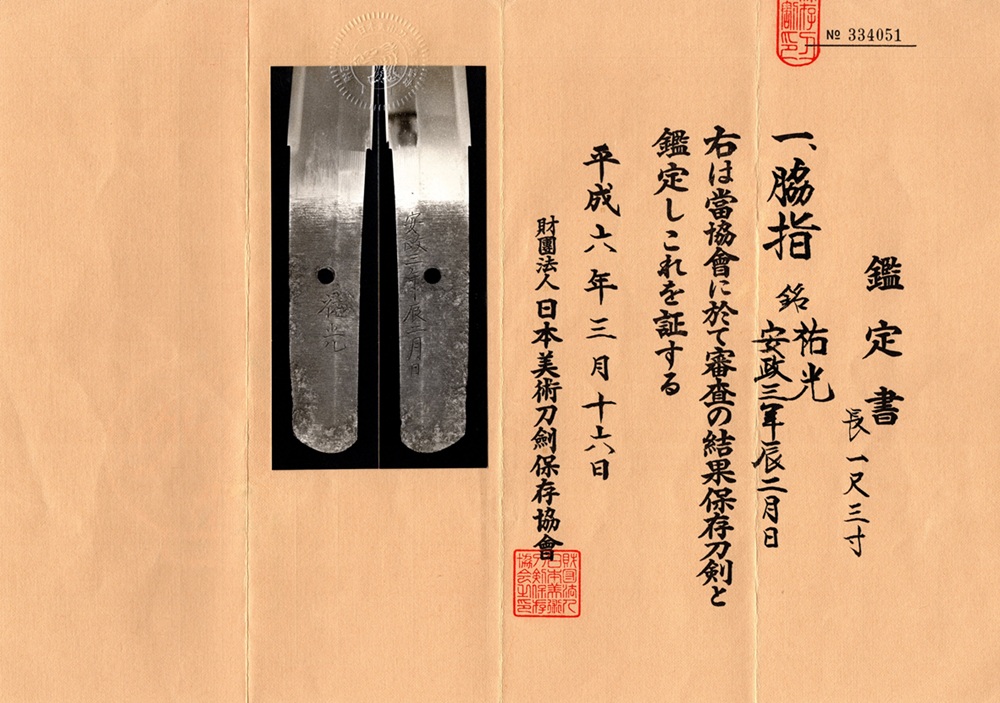
祐光は横山喜十郎。文政三年(1820)江戸青山に生まれ刀鍛冶を志して祐定系の備前長船横山一門に学び横山姓を名乗り名を祐光と改めた。嘉永二年(1849)水戸藩工勝村徳勝の推薦で水戸藩工となり七人半扶持を給せられる。明治六年(1873)水戸八幡の屋敷にて54歳没。本作は、祐光36歳壮年期作の凛々しさ漂う頑健な小脇指。1994年保存刀剣審査合格。正当な黒蠟塗鞘脇指拵が付されている。
NihontoWatchOffered by Touken Matsumoto

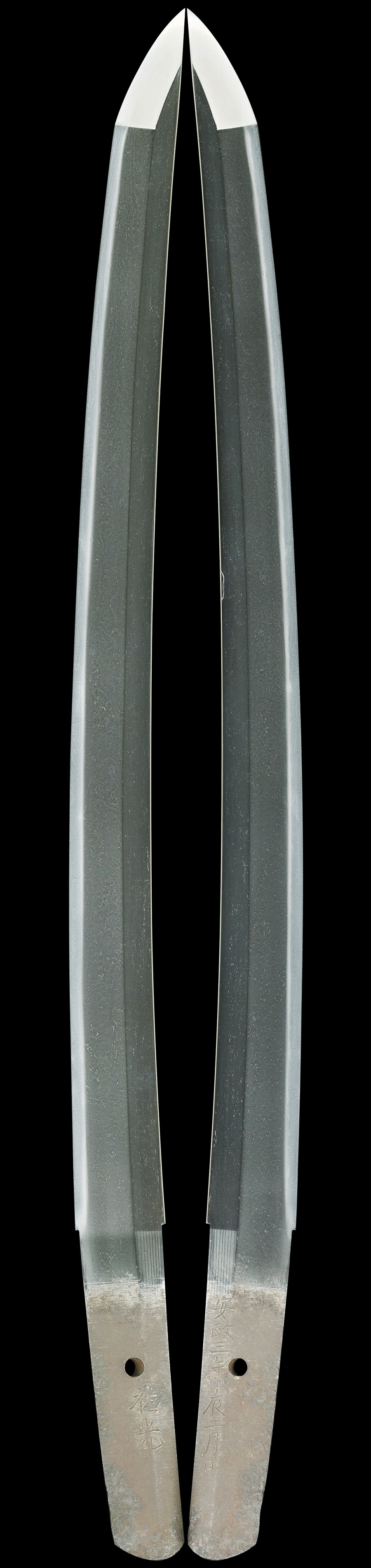

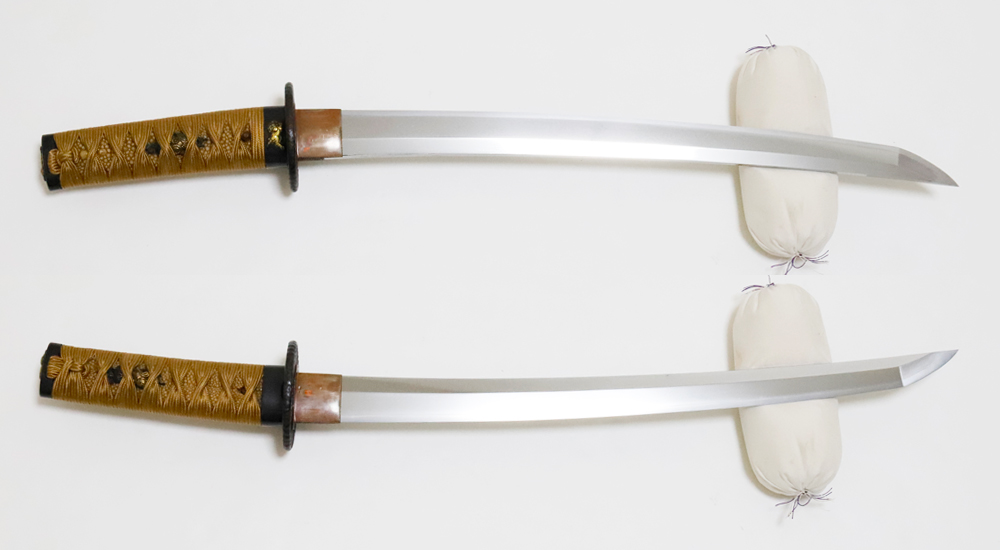
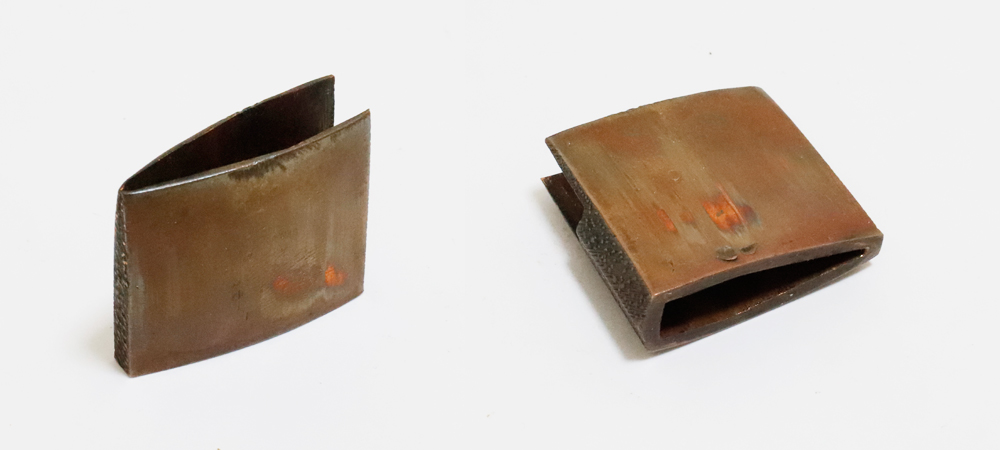
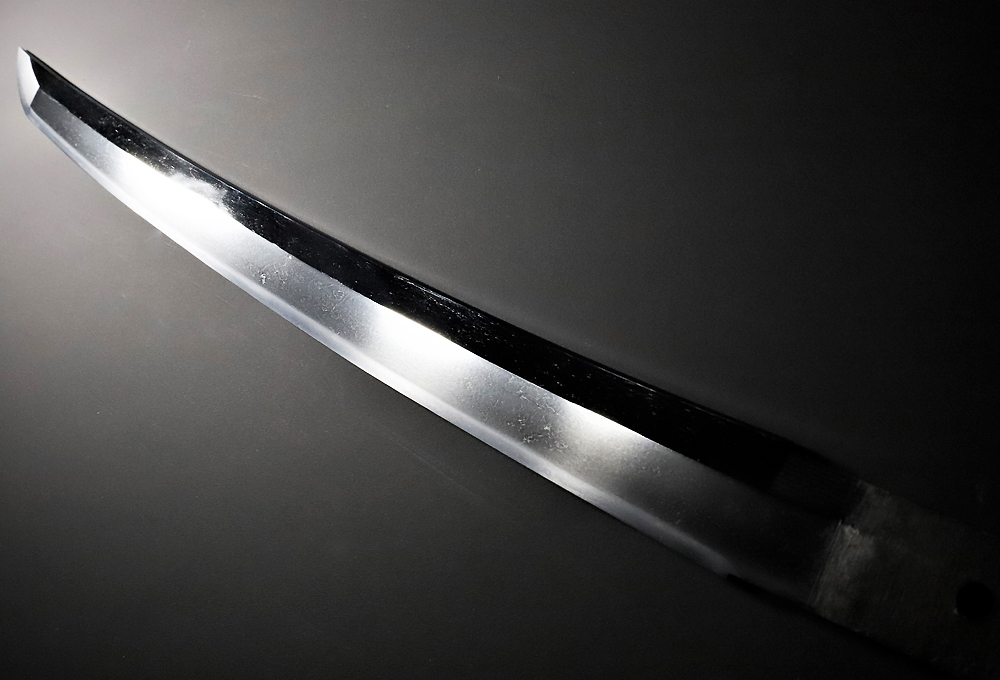
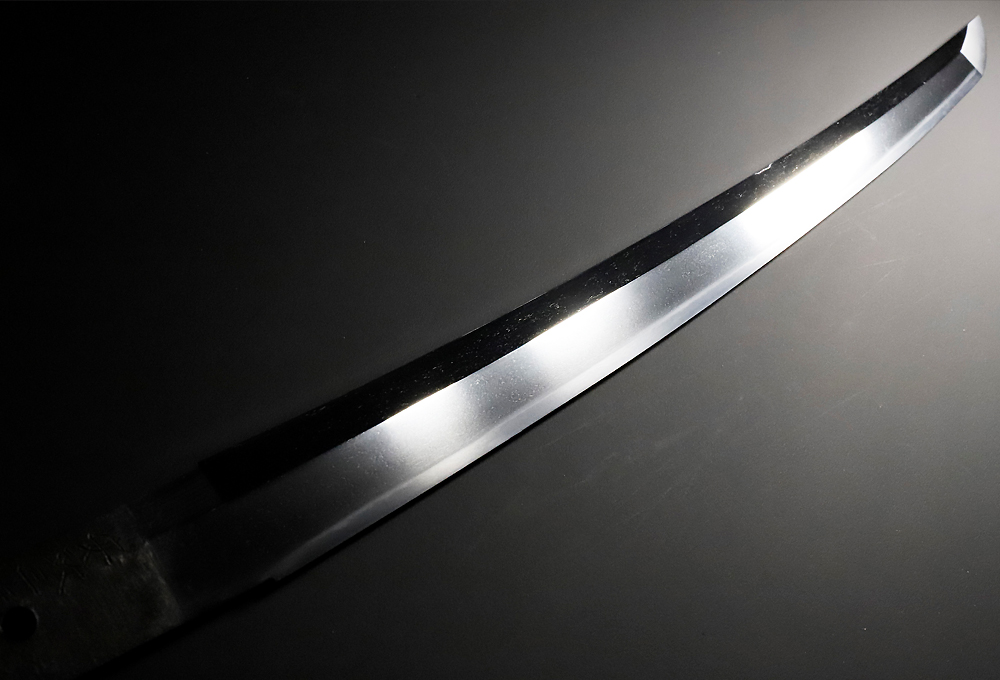
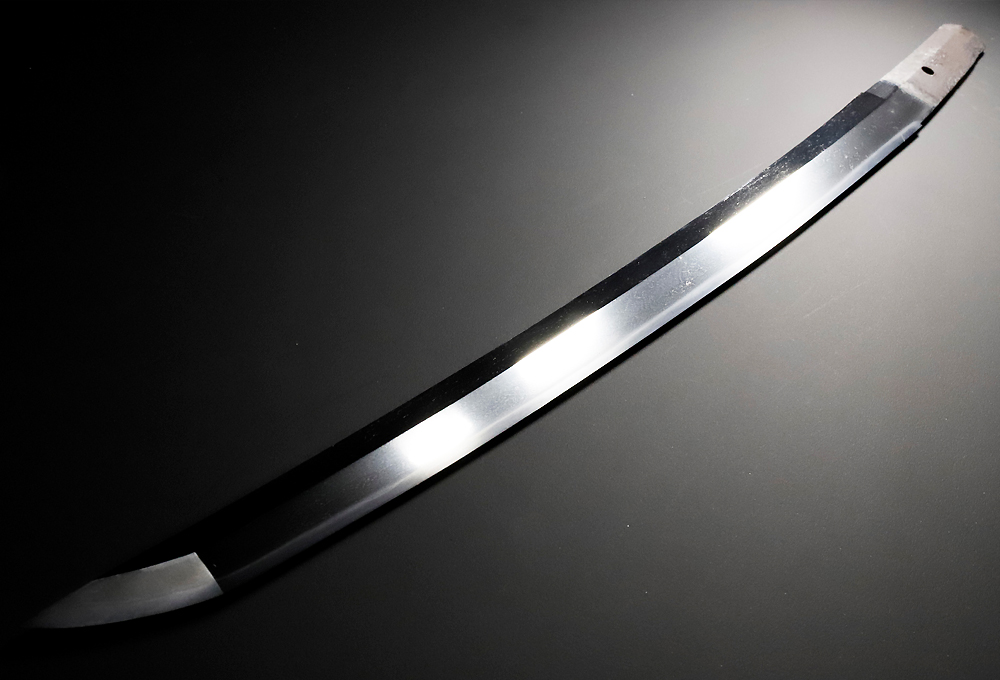
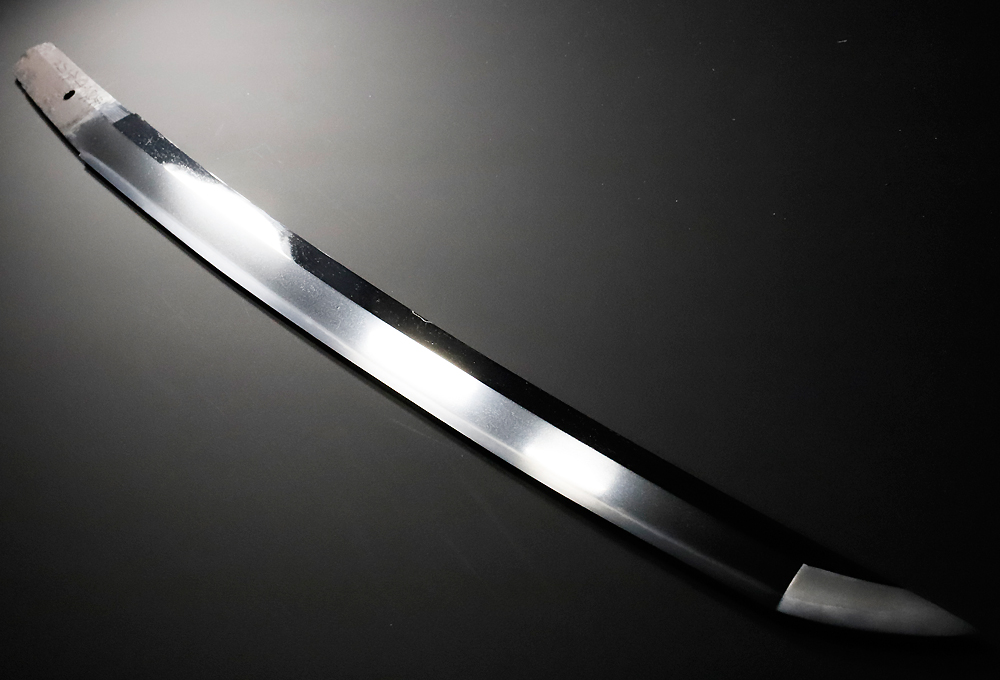
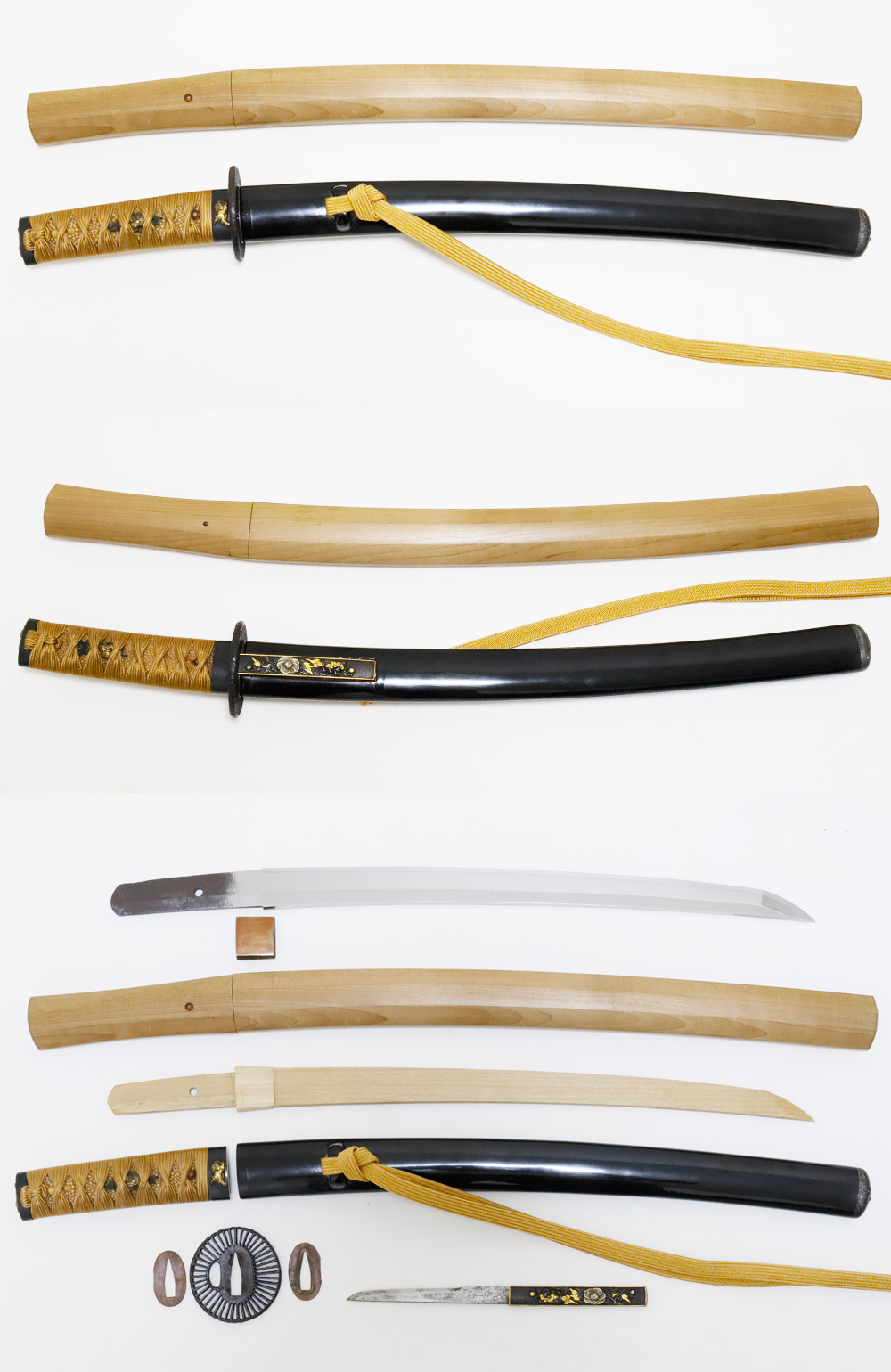
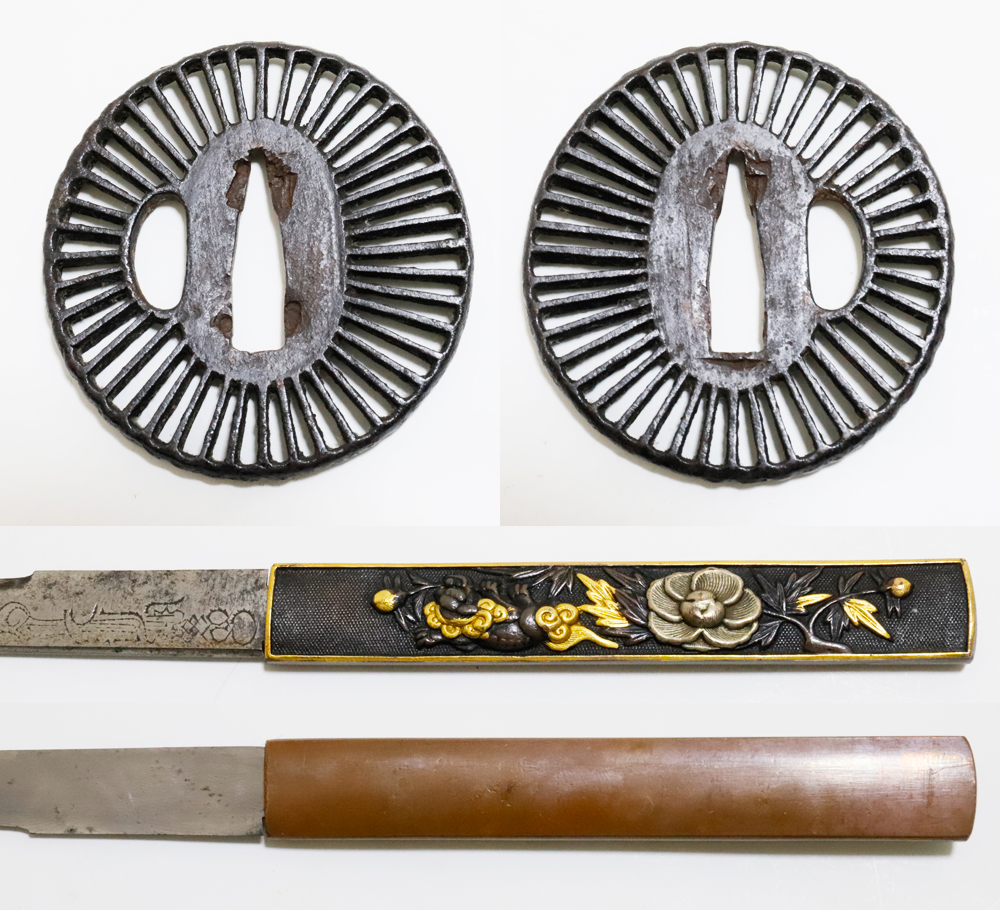
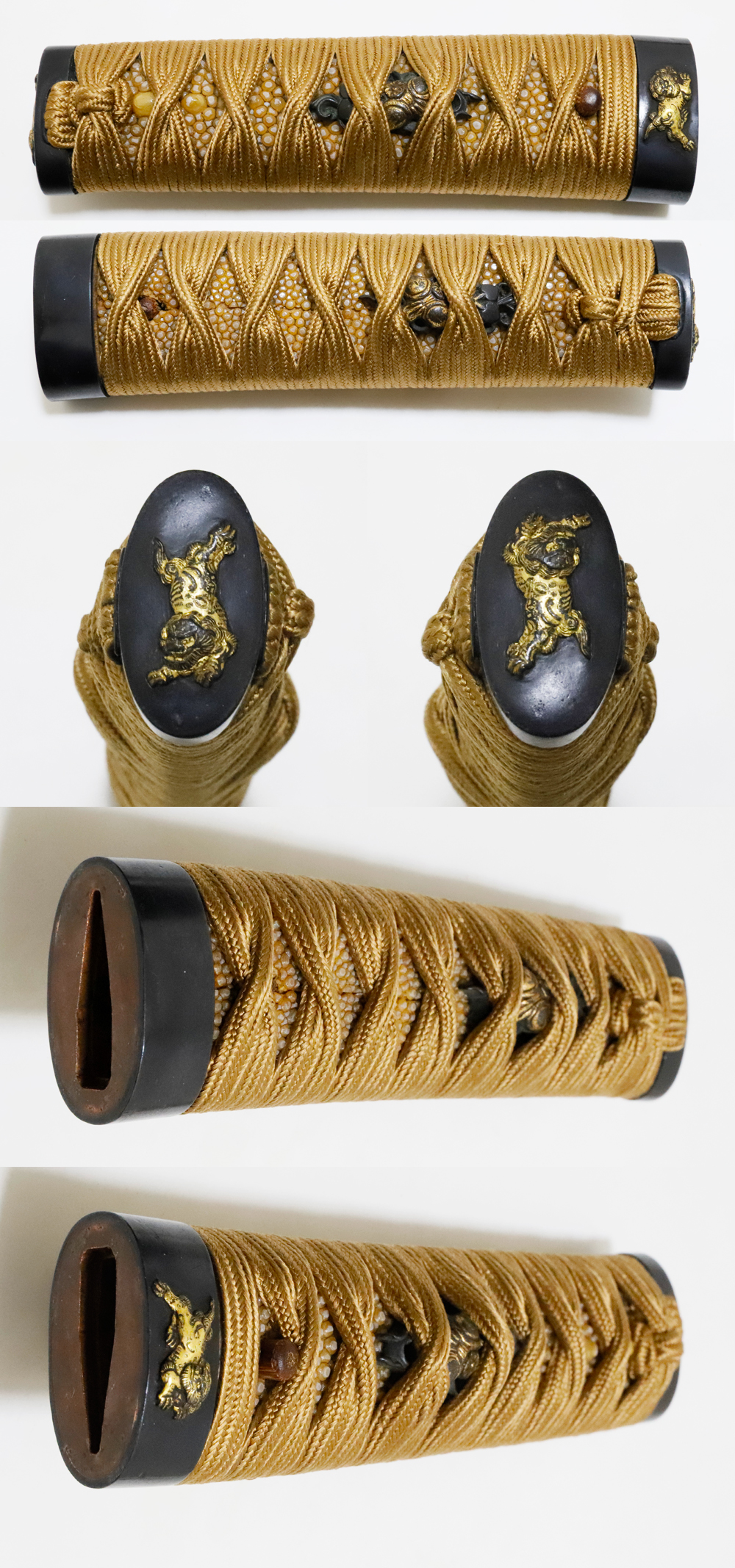
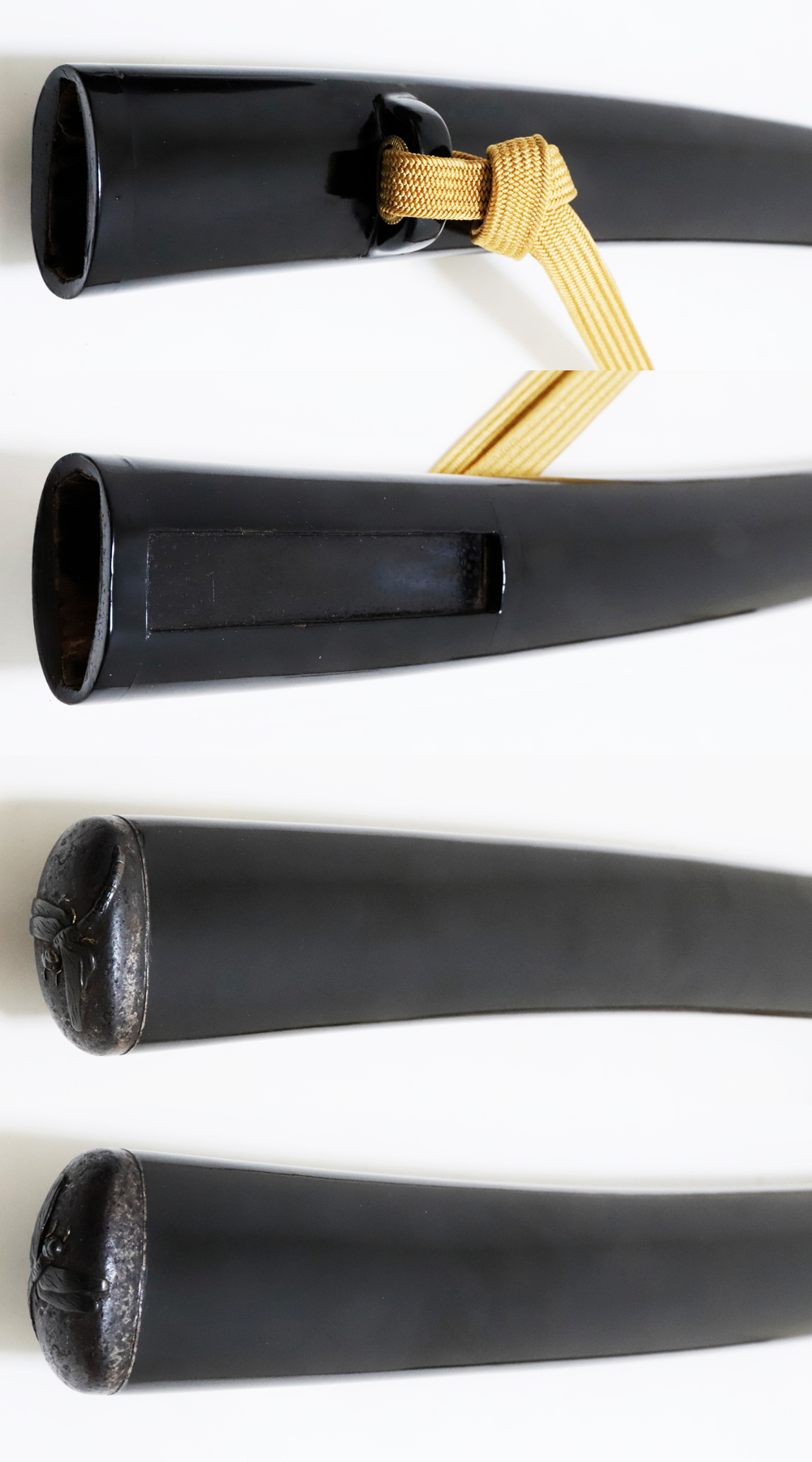
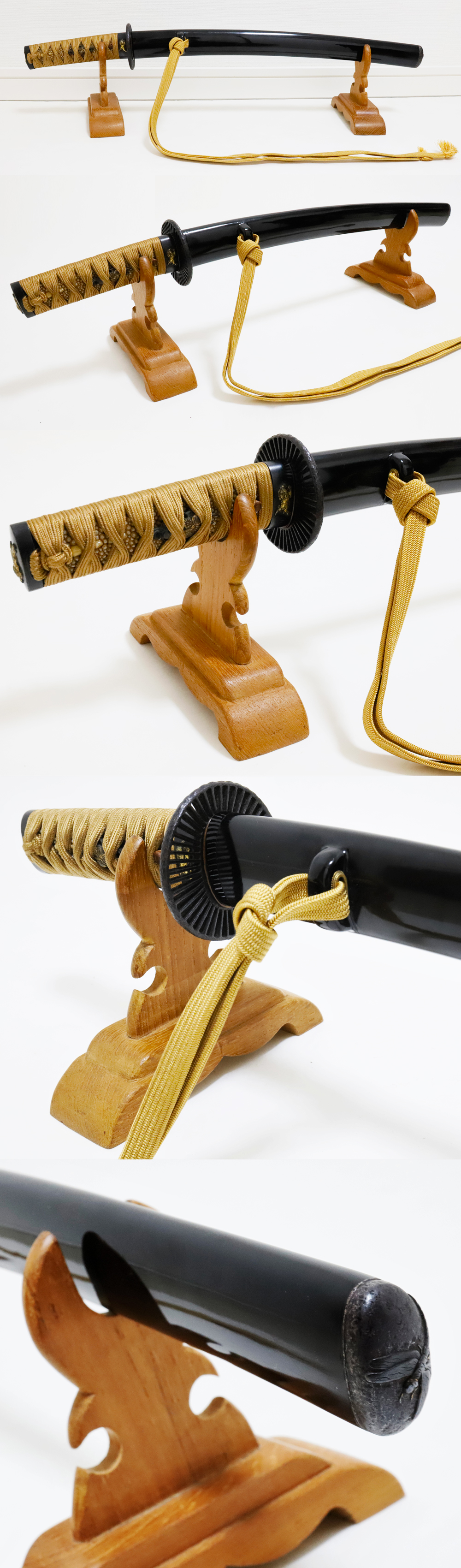
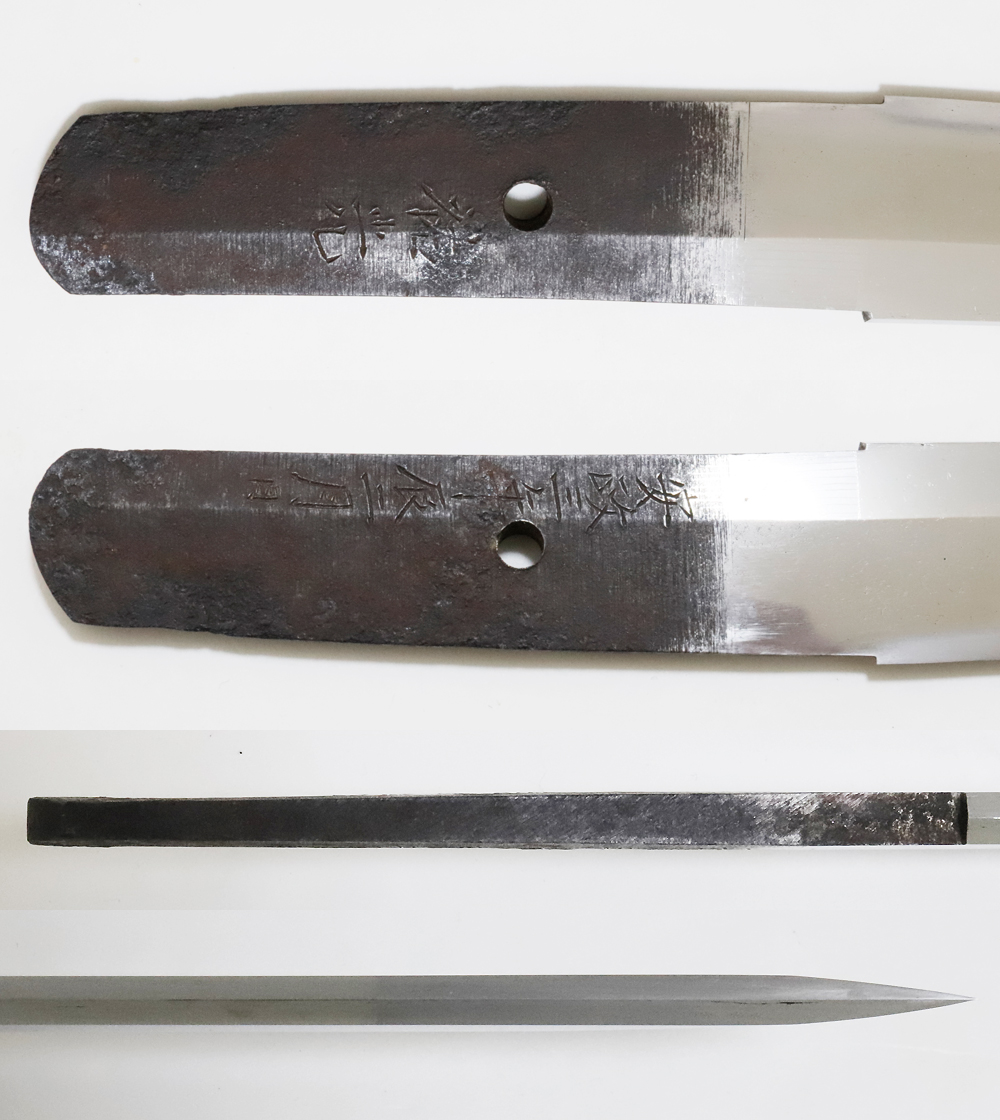
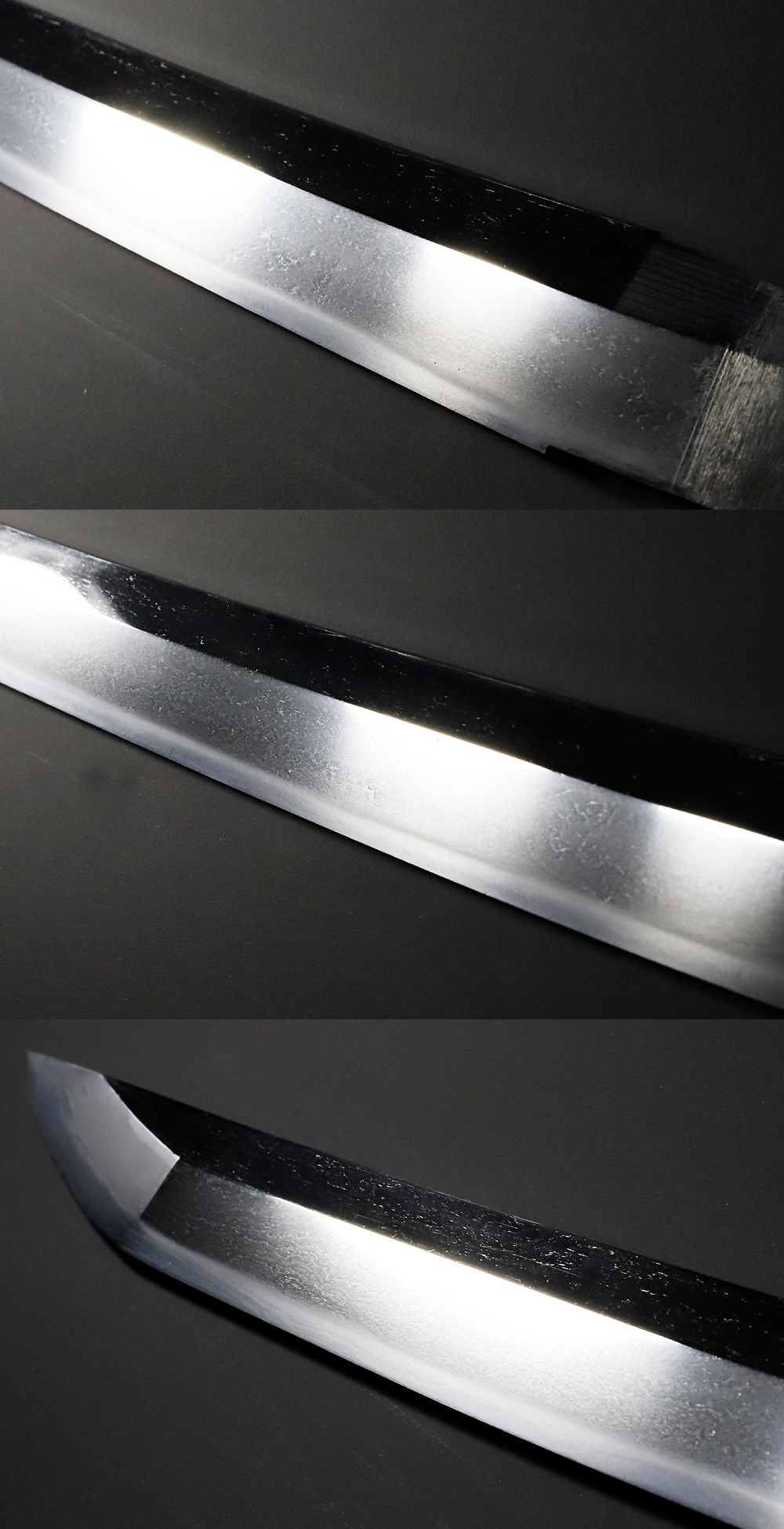
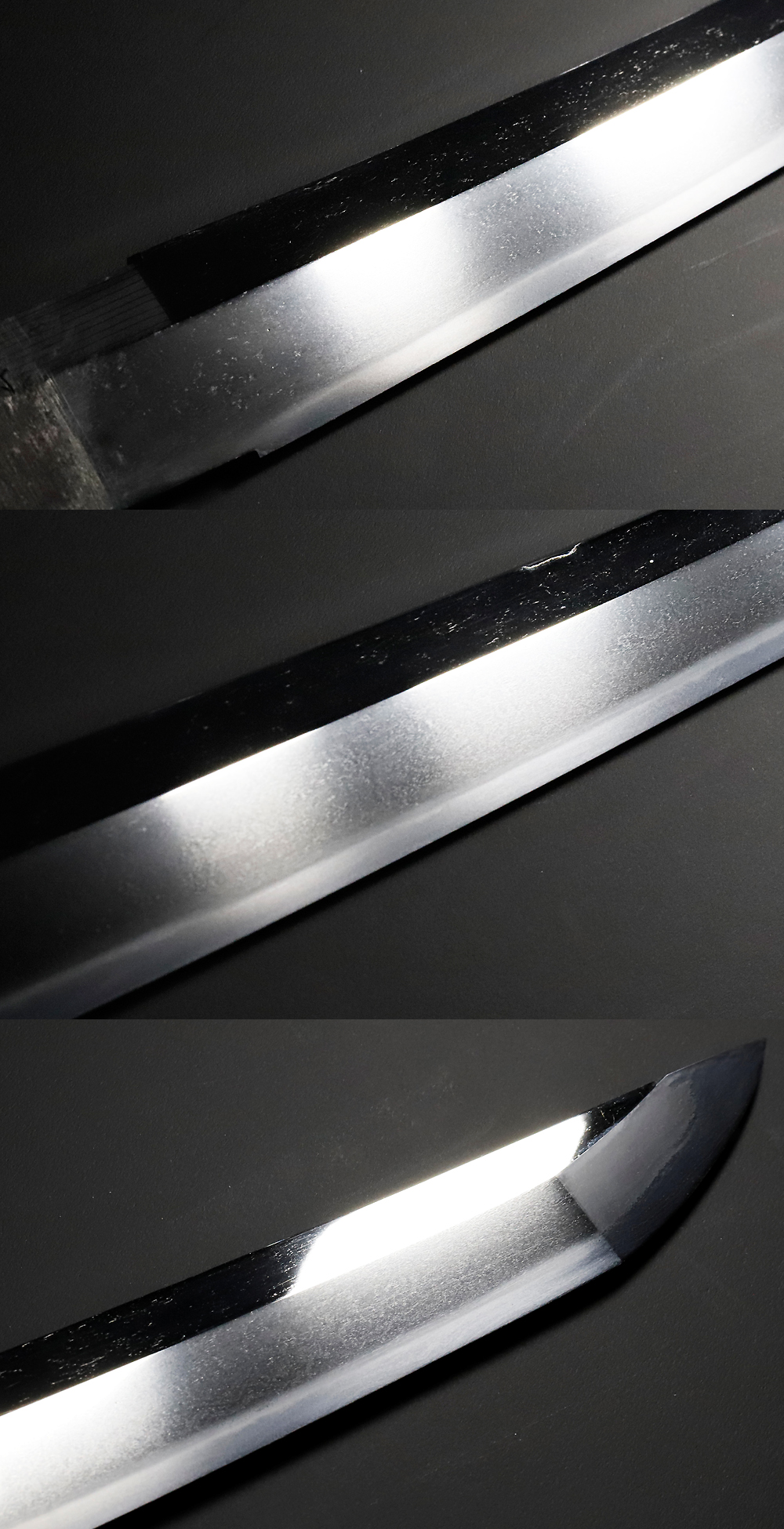
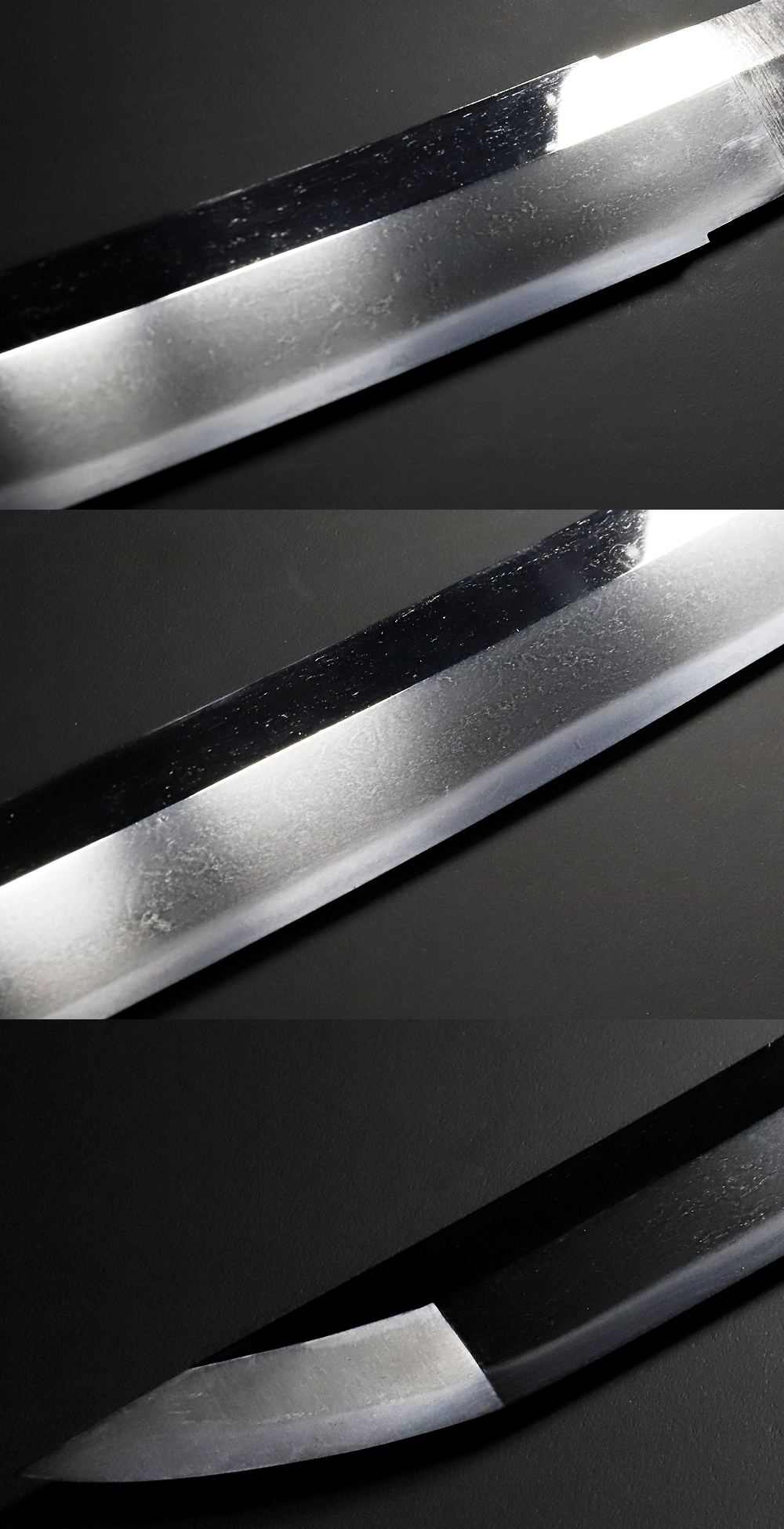
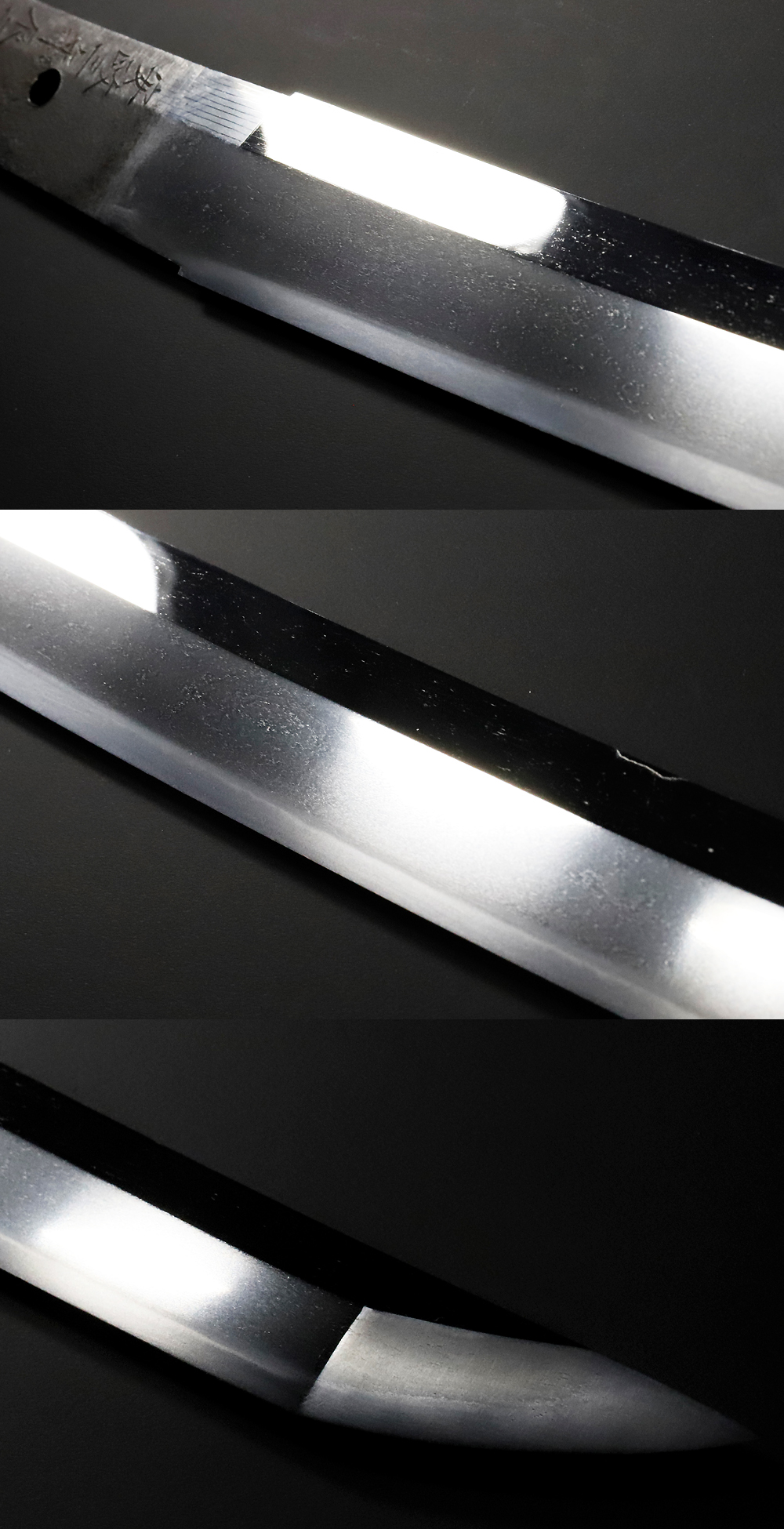
As written by the shop
Hitachi · around 1854-1860
Fujishiro Chu saku · Tōken Taikan top 95%
2 pieces on the market now
The Edo period (1615 to 1868)
Edo was the sword’s age of connoisseurship: the Hon’ami appraisers, the shogunal register of famous blades of 1719, and a thriving literature turned the sword into an object of study even as it ceased to be drawn in war.
Certifies a genuine blade worth preserving: a signature confirmed correct, or, if unsigned, an era, province, and school that the NBTHK can reliably identify.
The NBTHK (Nihon Bijutsu Tōken Hozon Kyōkai, the Society for the Preservation of Japanese Art Swords) is a public-interest incorporated foundation founded in 1948 and supervised by Japan’s Agency for Cultural Affairs (Bunkachō); it is based at the Japanese Sword Museum in Tokyo. Its expert panels physically examine each submitted work (shinsa) and issue a certificate (kanteishō) ranking it by artistic and historical merit. NBTHK papers are the most widely recognized standard of authentication for Japanese swords and fittings.
NBTHK official siteReturns within 7 days of the item's arrival. Returns are not possible if (1) the item has been altered, or (2) for overseas transactions.