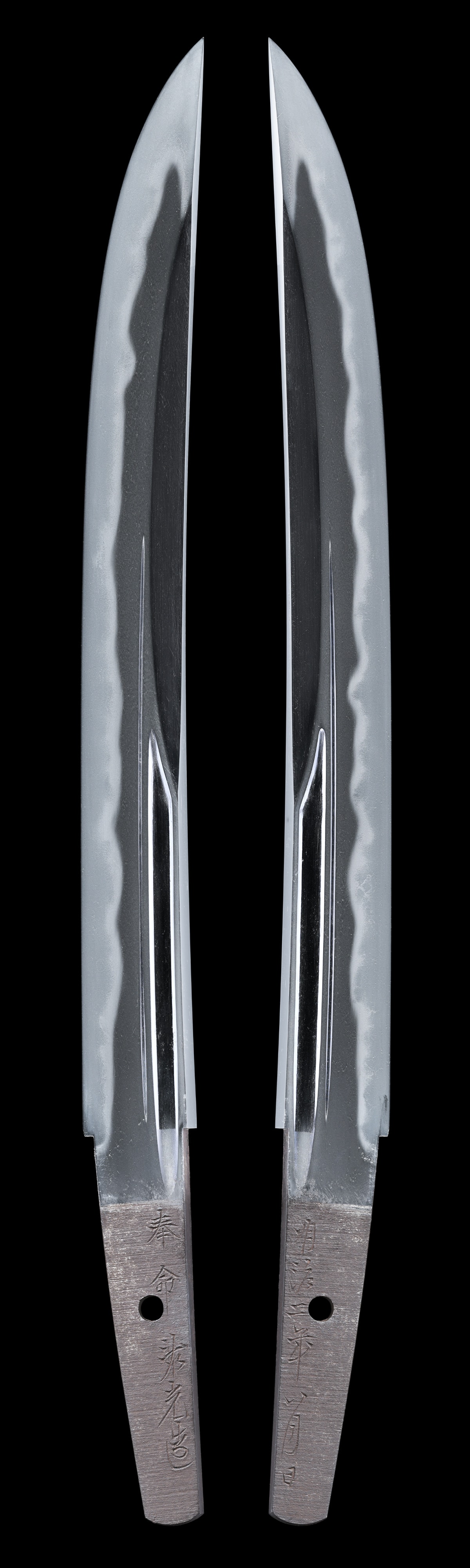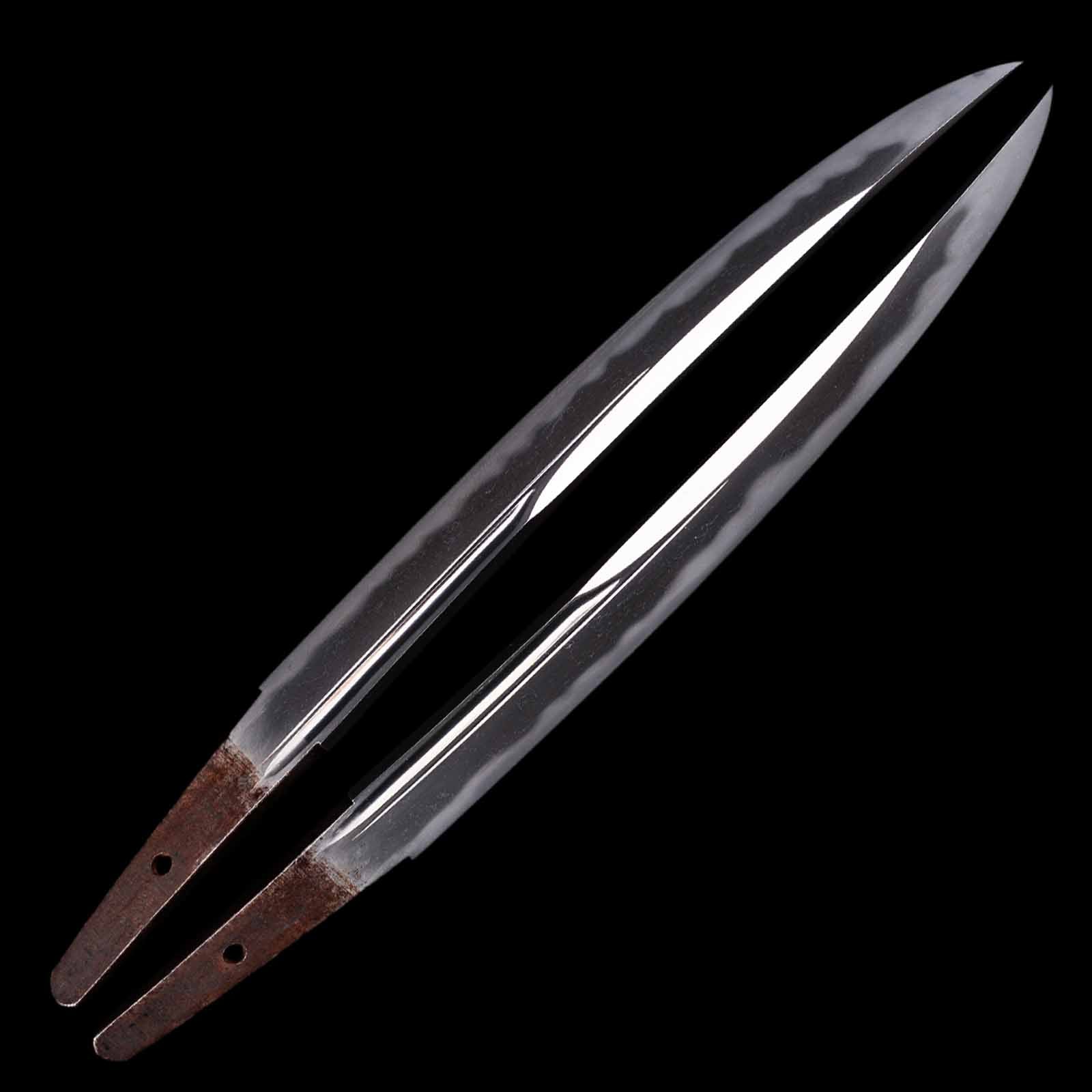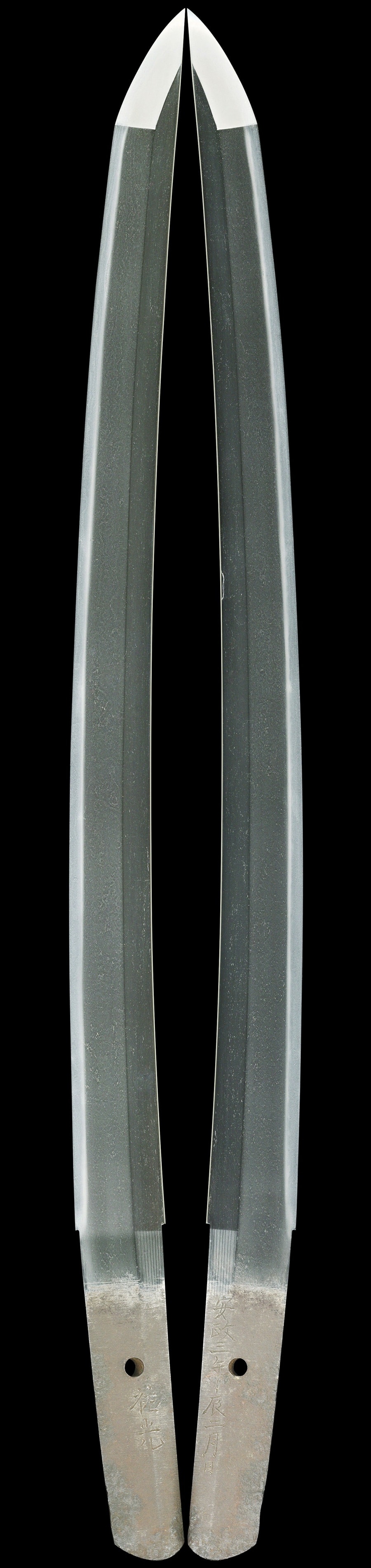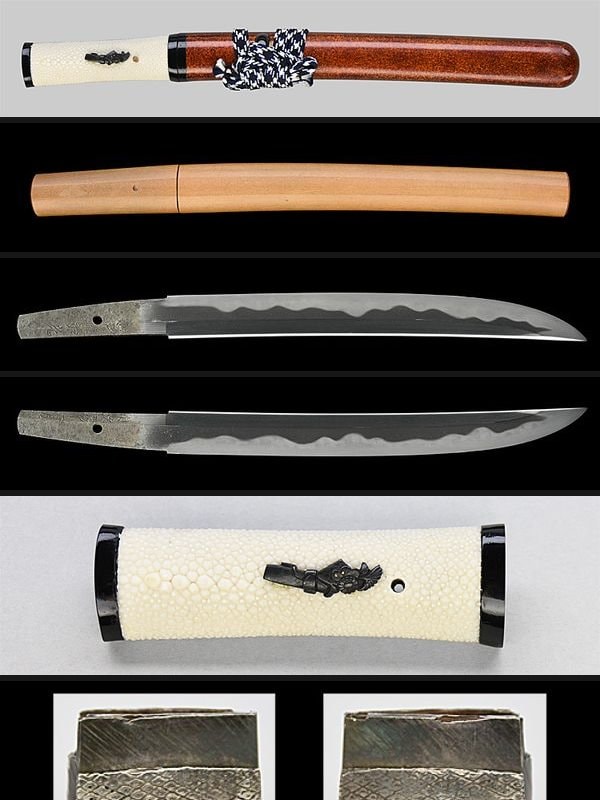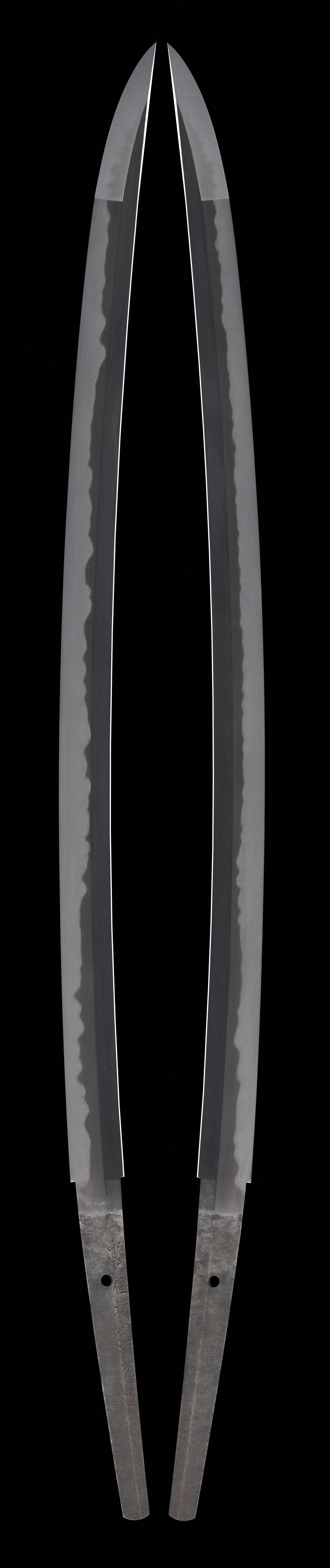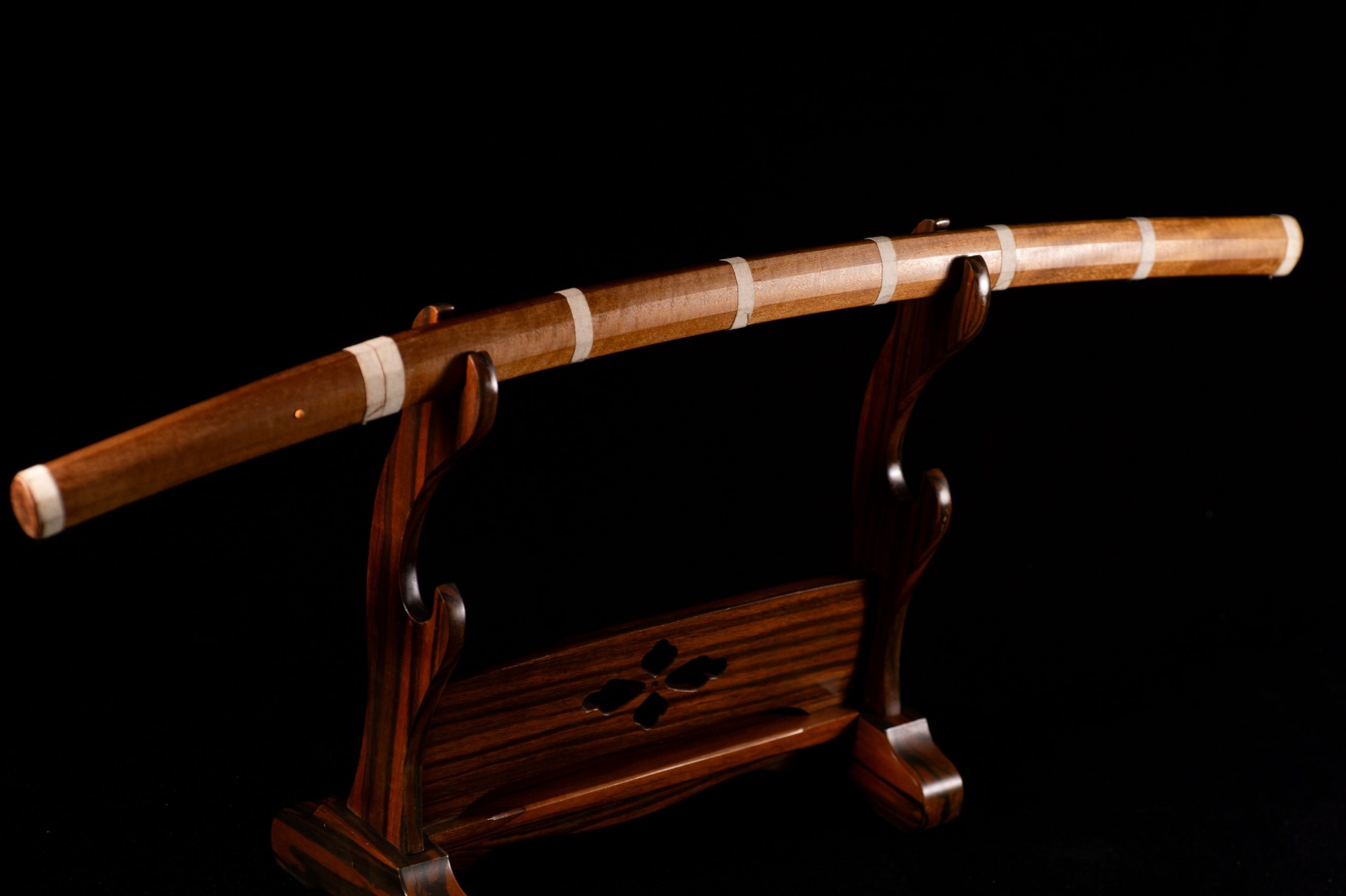
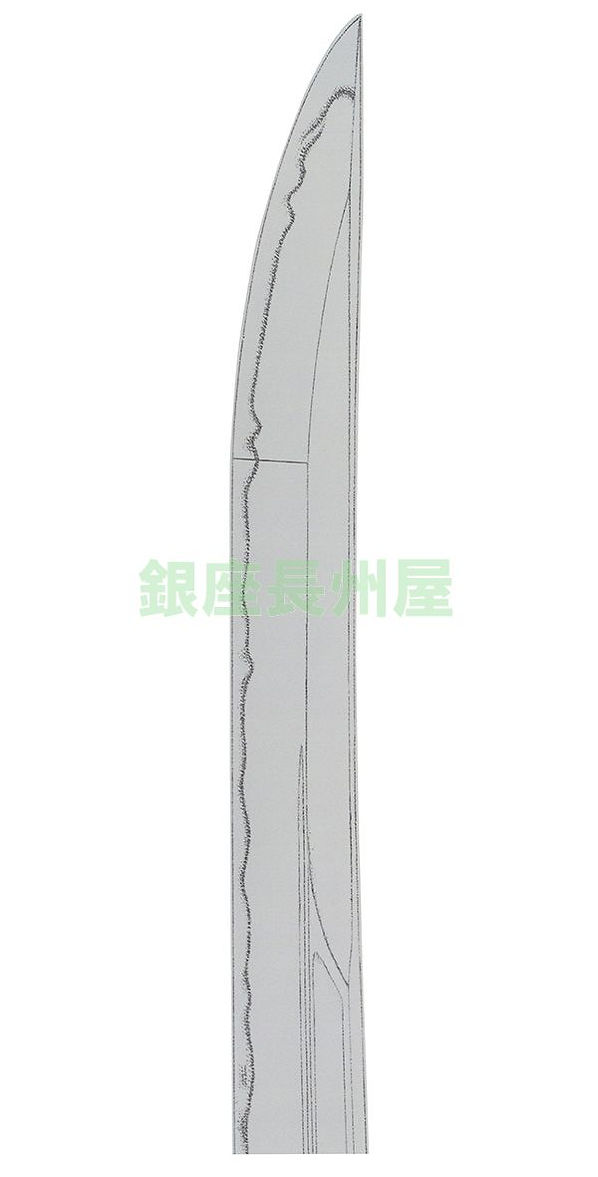
This is a tanto by Sukemitsu of Mito, from the late Edo period (around Bunkyu era). Sukemitsu, born in Edo Aoyama in Bunsei 3, traveled various provinces for smithing training and visited Mito in Kaei 2. He was recruited by Mito Nariaki and later participated in the Tenguto uprising in Genji 1, seeking the closure of Yokohama port. The blade is ubu-mumei (unsigned with original tang) and comes with koshirae.


Hitachi · around 1854-1860
Fujishiro Chu saku · Tōken Taikan top 95%
1 piece on the market now
We could not find an authenticity certificate on the seller’s listing. Japanese swords and fittings are normally papered by the NBTHK (or the NTHK). Without one, the attribution is the seller’s own assessment and has not been independently verified — treat it with caution and ask the dealer about certification before buying.
If, due to our fault, the item differs significantly from its proper condition, the item may be returned. Cooling-off is within one week of the item's arrival.
This is a tanto by Sukemitsu of Mito, from the late Edo period (around Bunkyu era). Sukemitsu, born in Edo Aoyama in Bunsei 3, traveled various provinces for smithing training and visited Mito in Kaei 2. He was recruited by Mito Nariaki and later participated in the Tenguto uprising in Genji 1, seeking the closure of Yokohama port. The blade is ubu-mumei (unsigned with original tang) and comes with koshirae.


Hitachi · around 1854-1860
Fujishiro Chu saku · Tōken Taikan top 95%
1 piece on the market now
We could not find an authenticity certificate on the seller’s listing. Japanese swords and fittings are normally papered by the NBTHK (or the NTHK). Without one, the attribution is the seller’s own assessment and has not been independently verified — treat it with caution and ask the dealer about certification before buying.
If, due to our fault, the item differs significantly from its proper condition, the item may be returned. Cooling-off is within one week of the item's arrival.