Edo was the sword’s age of connoisseurship: the Hon’ami appraisers, the shogunal register of famous blades of 1719, and a thriving literature turned the sword into an object of study even as it ceased to be drawn in war.
 NihontoWatchNihontoWatch
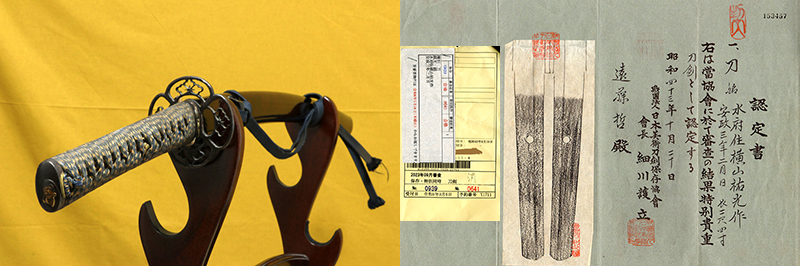
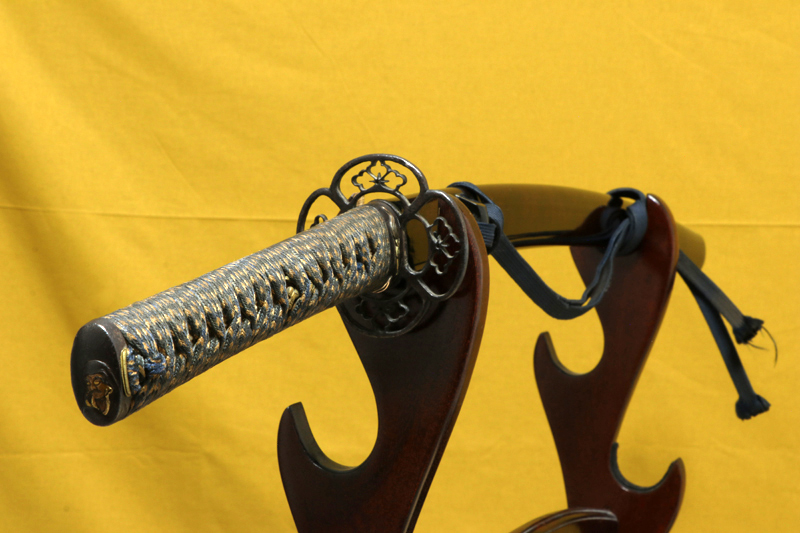
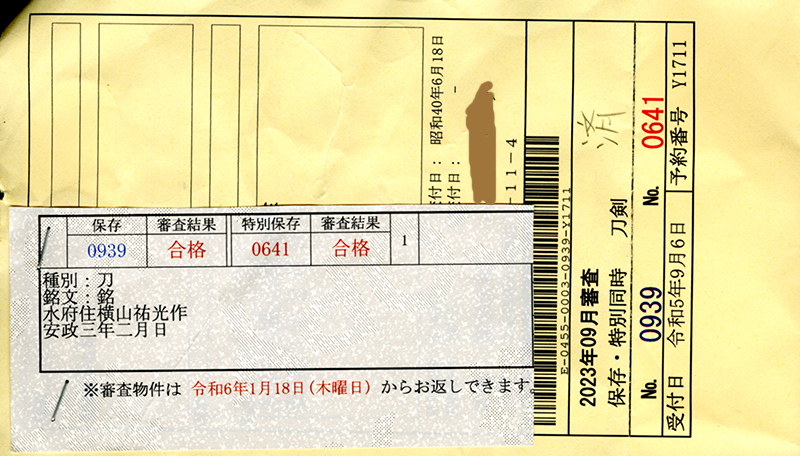
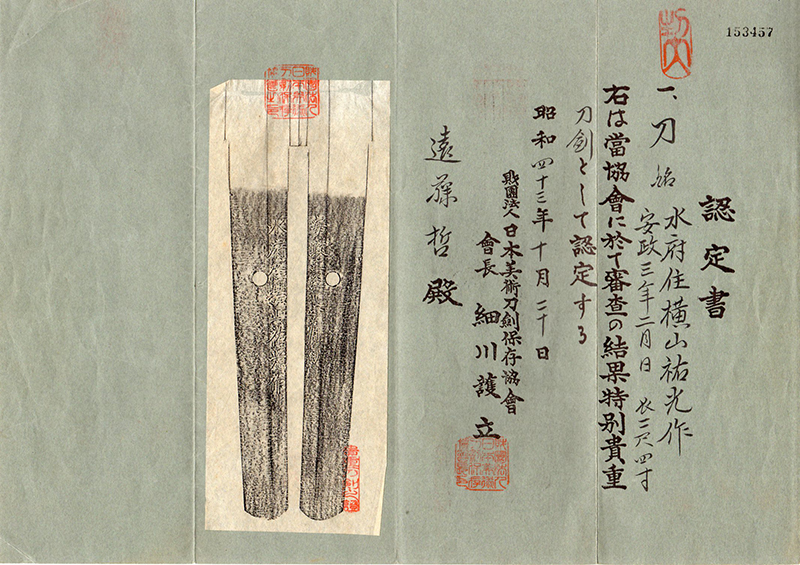
Tokubetsu Hozon Token Suifu ju Yokoyama Sukemitsu saku.江戸時代末の水戸藩の名工横山祐光の作品です。安政3年の年期が入った、幕末尊王攘夷の中心地水戸藩で作られた勤王刀です。This is the work Yokoyama Sukemitsu, a master craftsman of the Mitodomain at the end of the Edo period.This sword was made in Mito, the center of the *Sonnō jōi the 3rd year(1856) of the Ansei era, deuring the end of the Edo period.*Sonno joi(Revere the emperor, expel the barbarians)★我公司可以合法地将日本刀运送到中国。【登録 Reggistration Code】昭和40年6月18日 茨城県第18712号【種別 Category】刀 Katana【長さ Blade length】72.6cm【反り Curvature】2.3cm【目釘穴 a rivet of a sword hilt】1個 One【銘文 Signature and Date】(表)水府住横山祐光作(裏)安政三年二月日【元幅 Width at the bottom part of blade】30.5mm【先幅 Width at the top]20.5mm【元重 Thickness at the bottom part of blade】7.2mm【先重 Thickness at the top】7.0mm【重量 Weight】刀身740g 抜身985gBlade Just 740g With out saya985g.【時代 Period】江戸時代後期 / The latter of Edo period.
NihontoWatchOffered by Giheiya

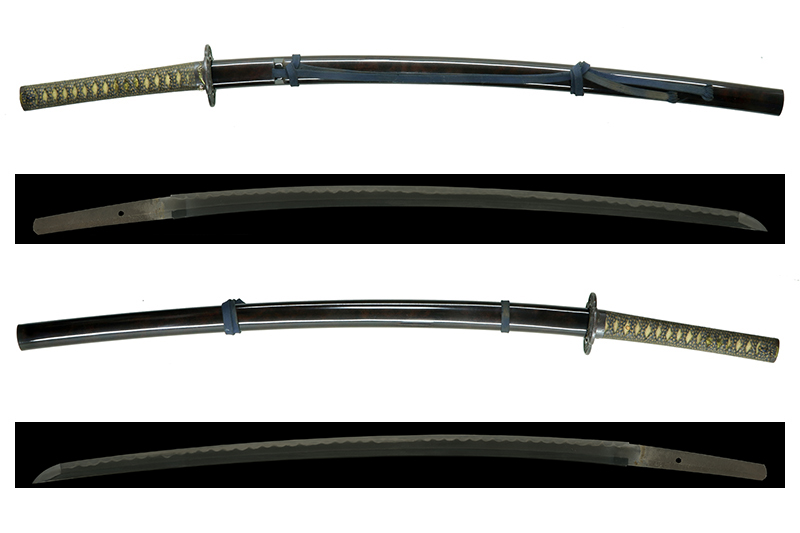

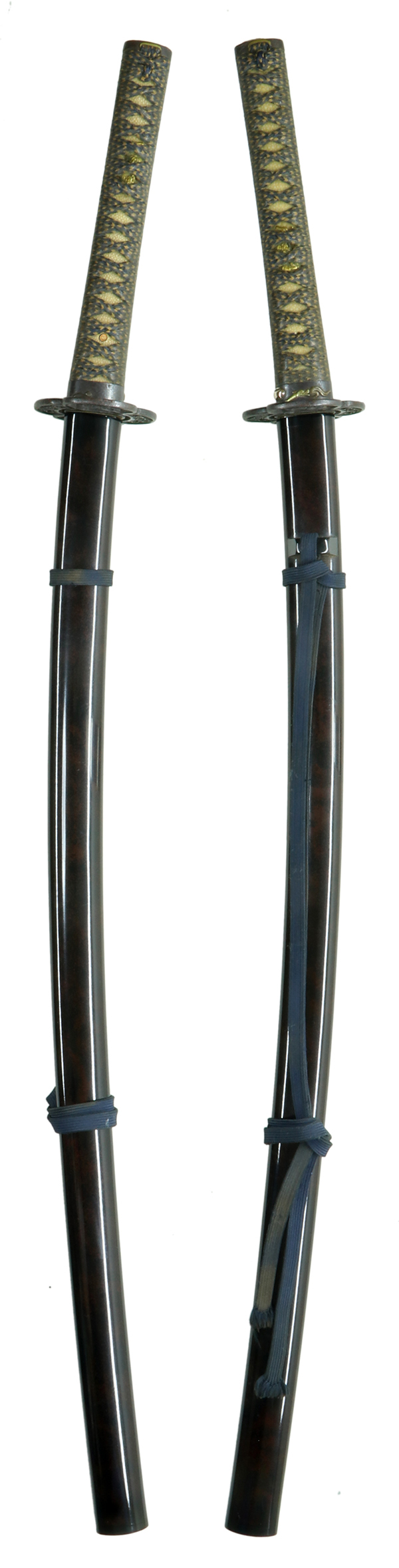
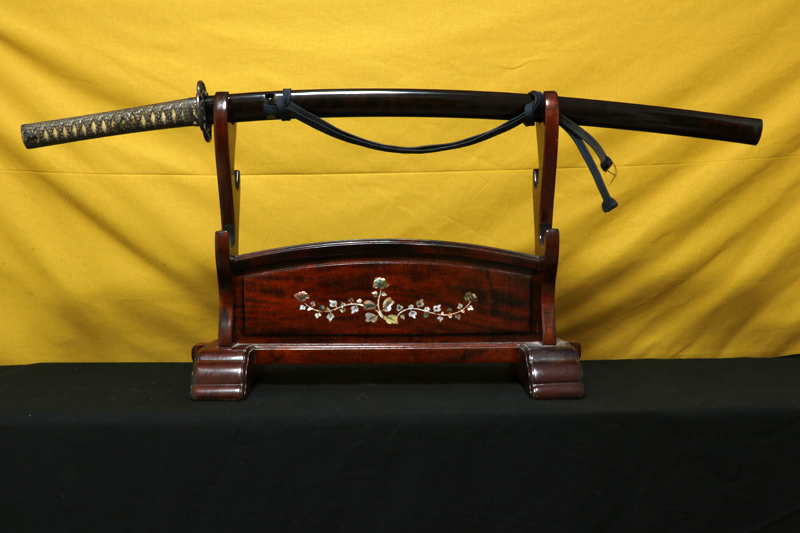
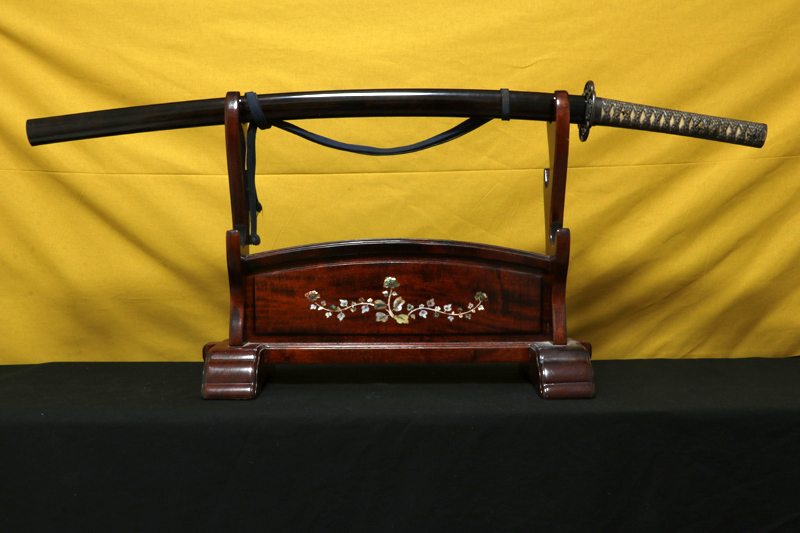
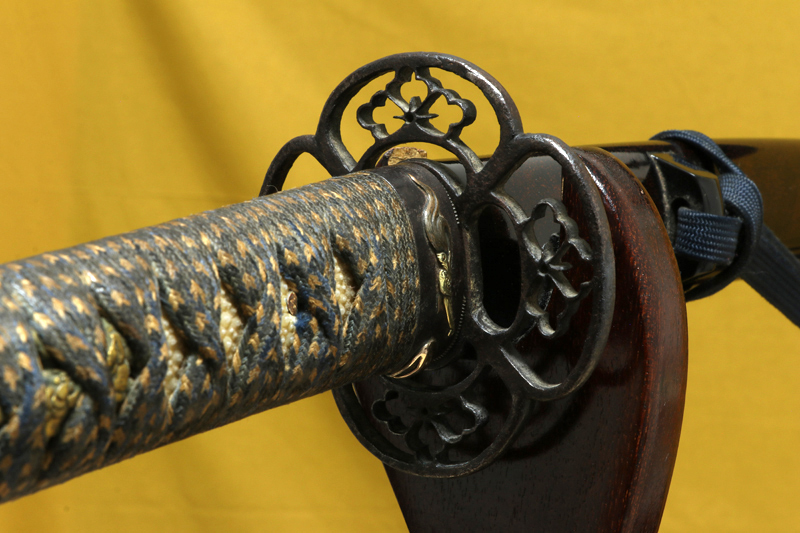
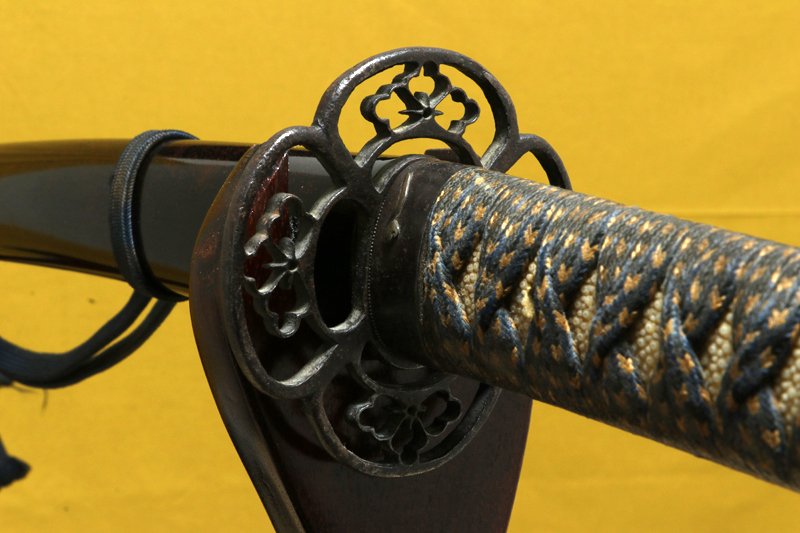
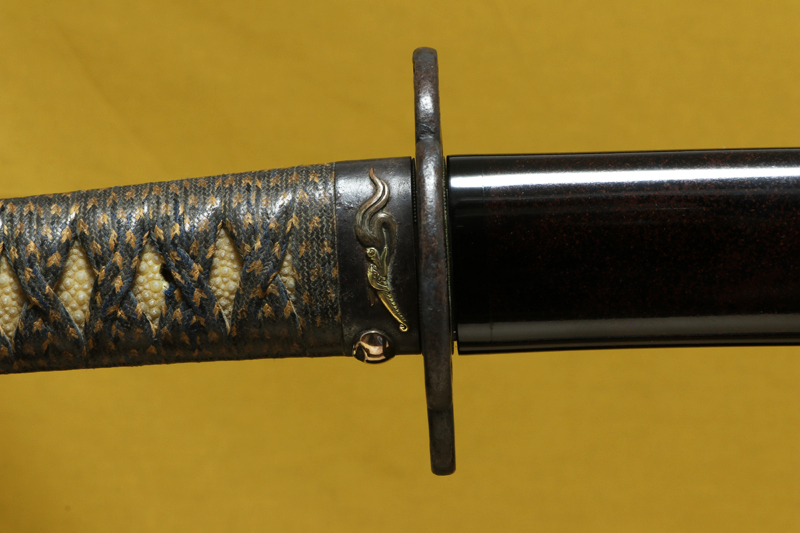
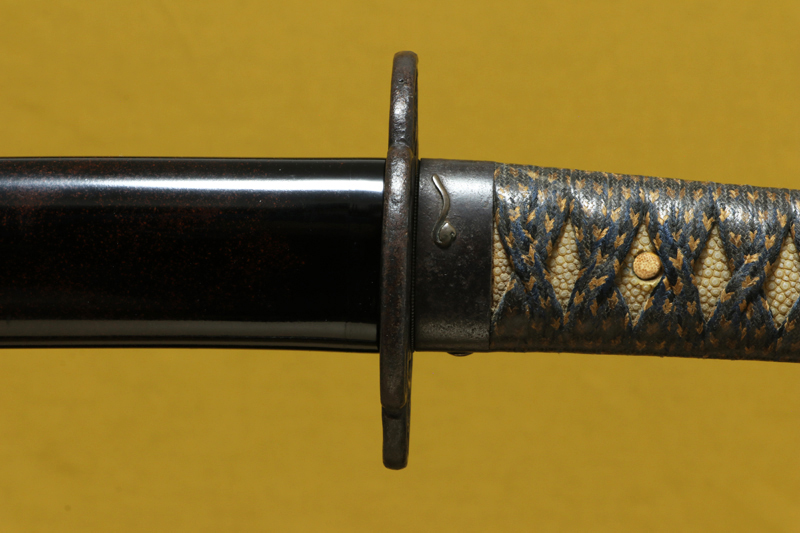
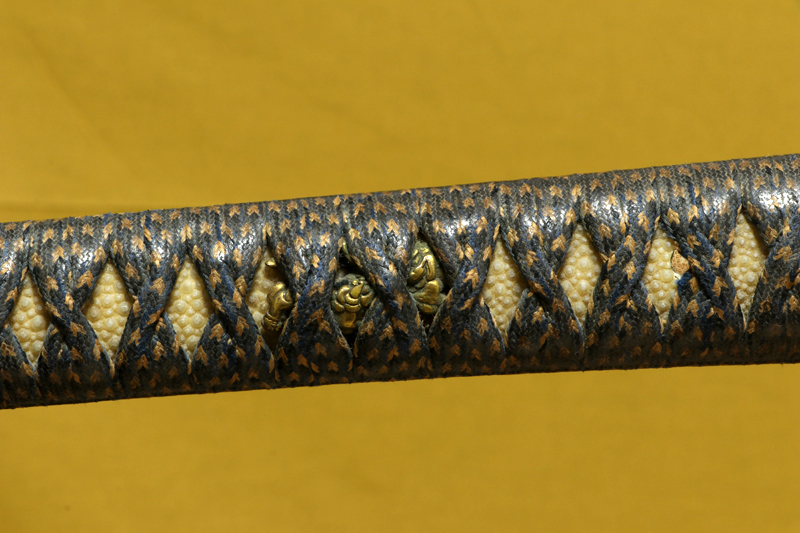
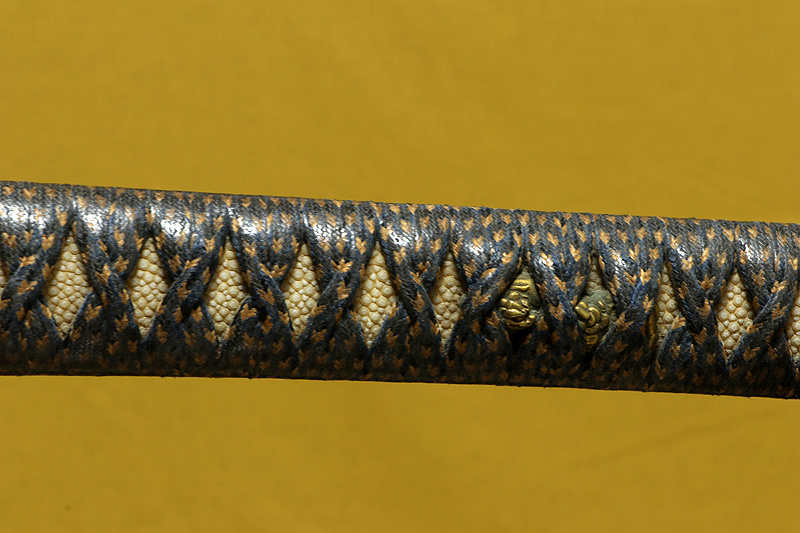
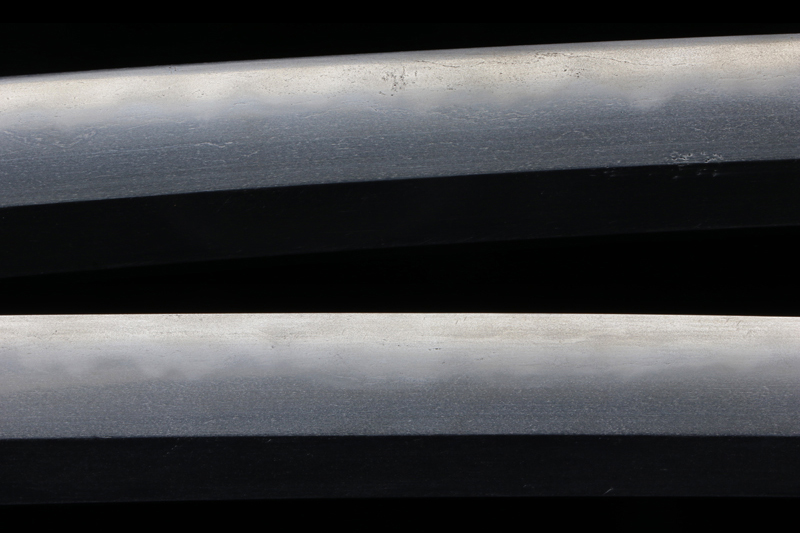
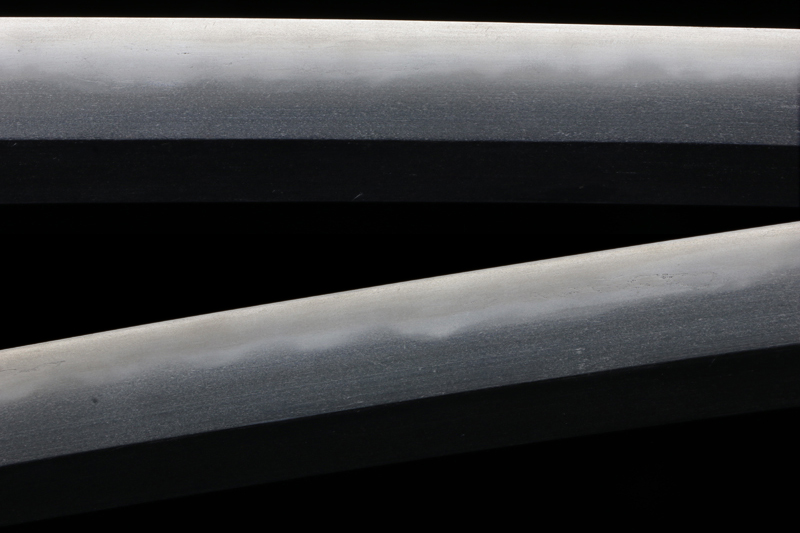
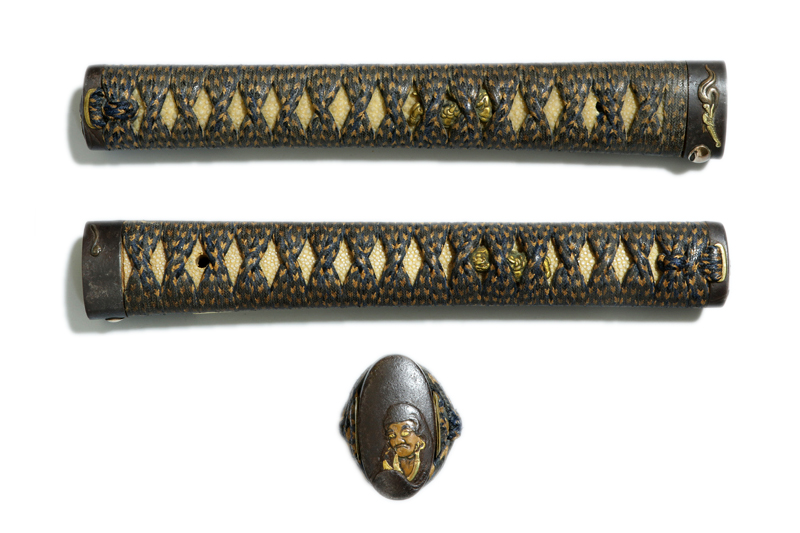
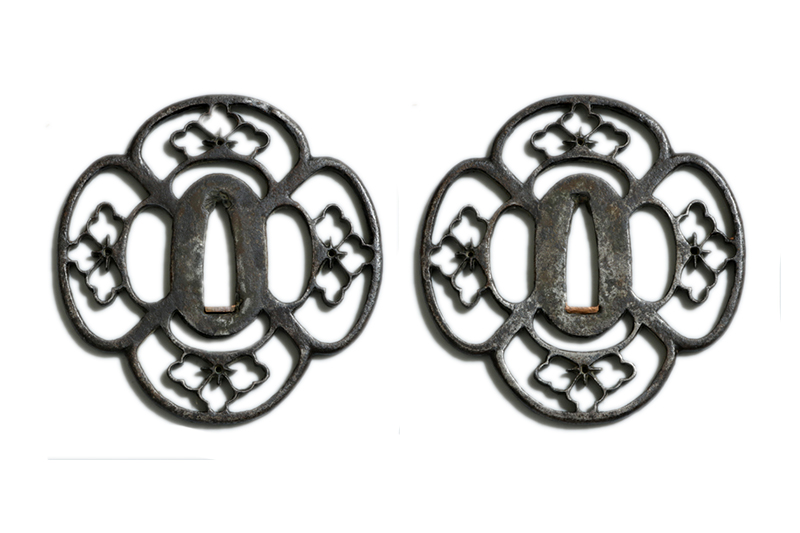
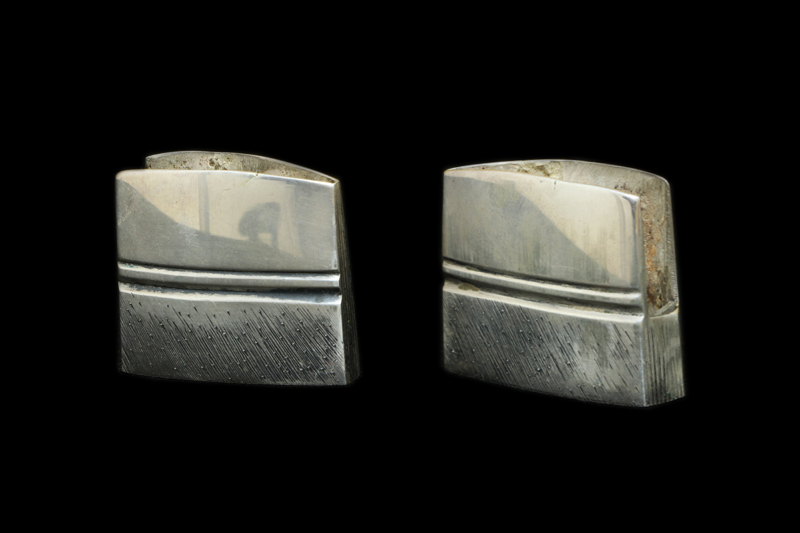
Hitachi · around 1854-1860
Fujishiro Chu saku · Tōken Taikan top 95%
2 pieces on the market now
The Edo period (1615 to 1868)
Edo was the sword’s age of connoisseurship: the Hon’ami appraisers, the shogunal register of famous blades of 1719, and a thriving literature turned the sword into an object of study even as it ceased to be drawn in war.
A Hozon-certified blade judged to show notably superior workmanship and a better state of preservation. The bar is higher: re-tempered blades and most unsigned Muromachi/Edo works are excluded.
The NBTHK (Nihon Bijutsu Tōken Hozon Kyōkai, the Society for the Preservation of Japanese Art Swords) is a public-interest incorporated foundation founded in 1948 and supervised by Japan’s Agency for Cultural Affairs (Bunkachō); it is based at the Japanese Sword Museum in Tokyo. Its expert panels physically examine each submitted work (shinsa) and issue a certificate (kanteishō) ranking it by artistic and historical merit. NBTHK papers are the most widely recognized standard of authentication for Japanese swords and fittings.
NBTHK official siteWithin 3 days of the item's arrival, we offer a refund or an exchange. Return shipping and the bank transfer fee for the refund are at the customer's expense.