NihontoWatch MonNihontoWatch
Market
Encyclopedia
Kantei
NihontoWatch MonNihontoWatch
Market
Encyclopedia
Kantei

Description

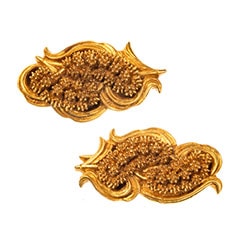
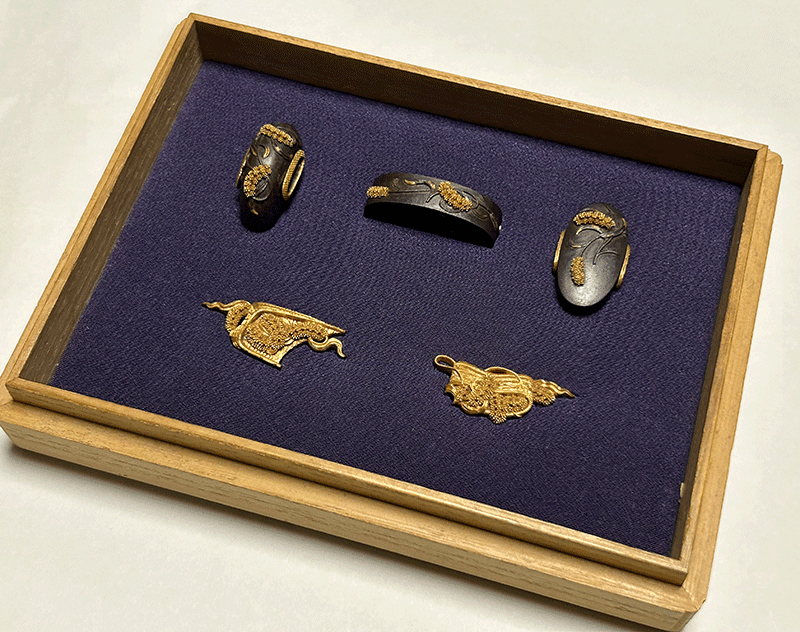
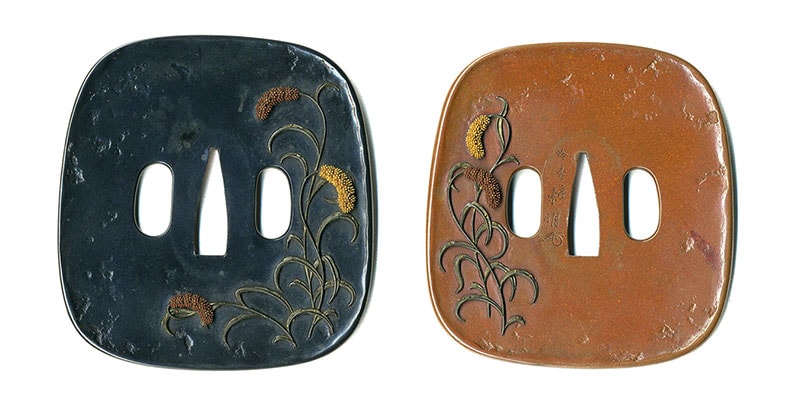
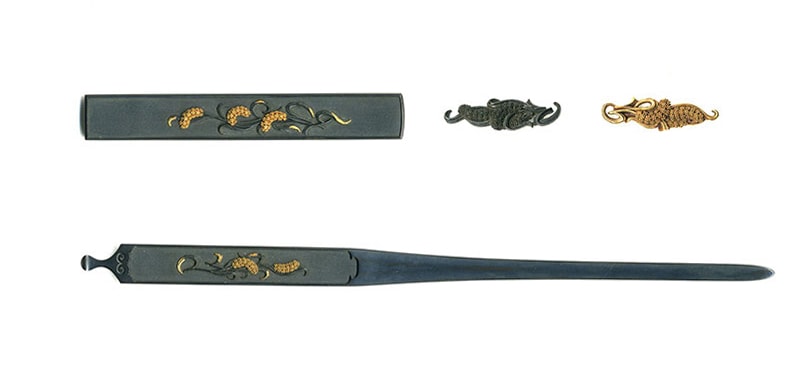
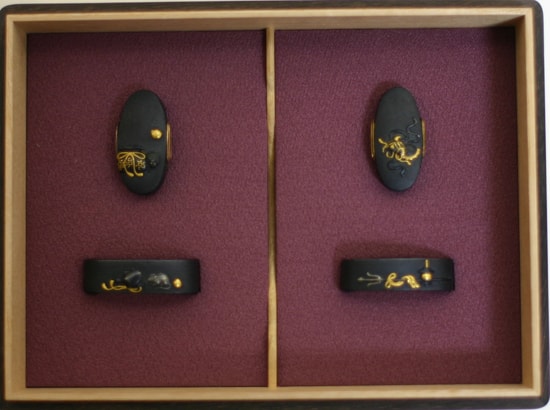
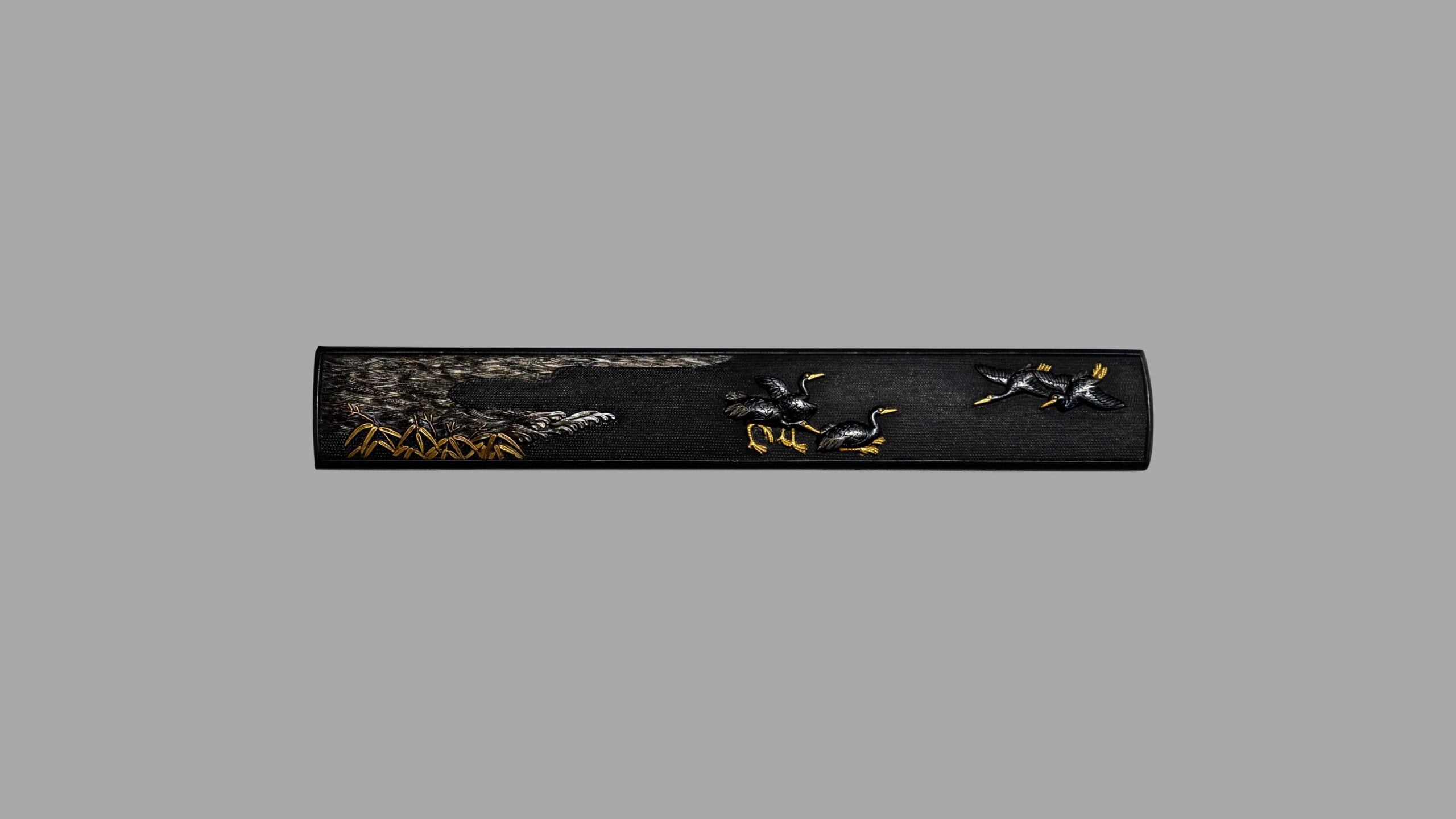
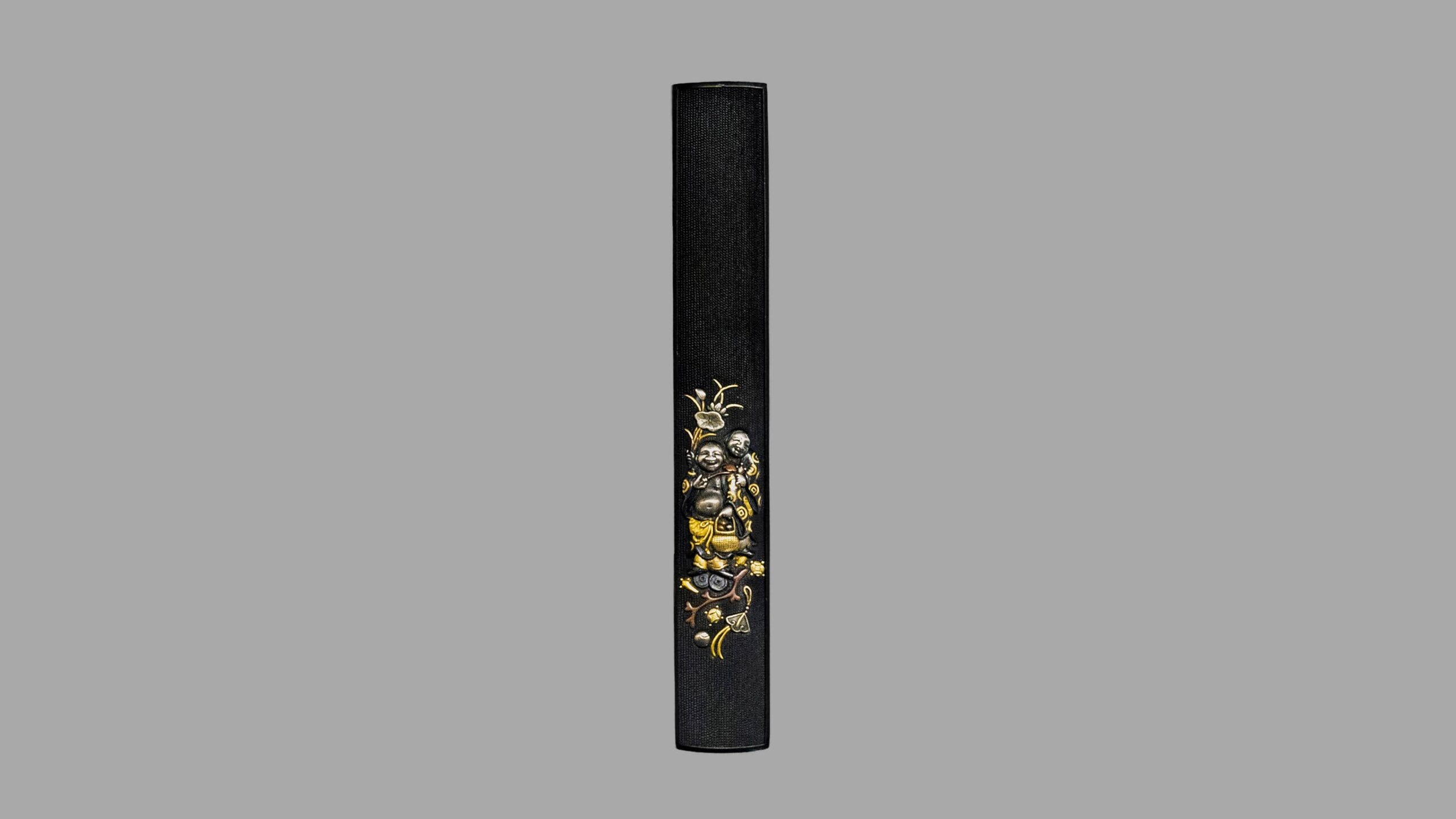
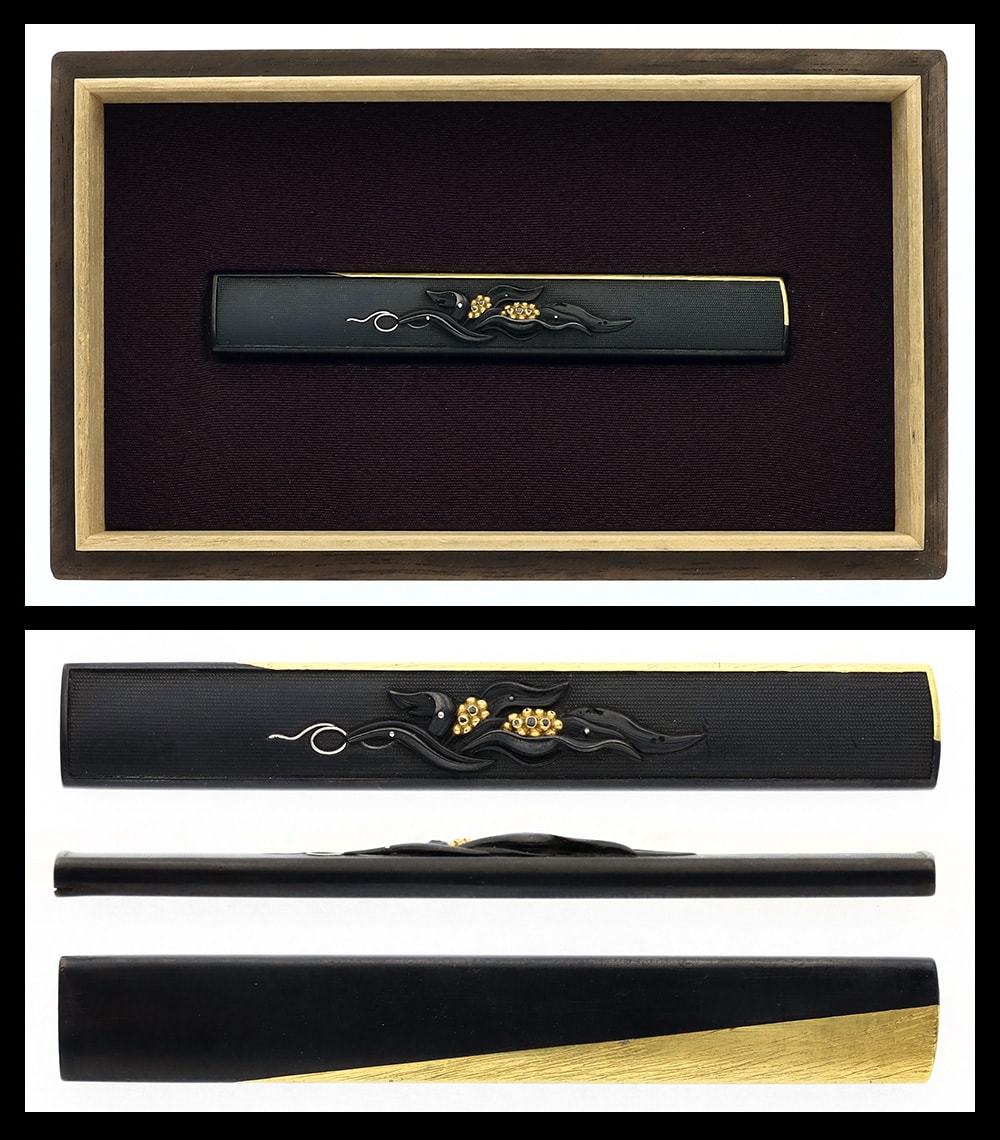
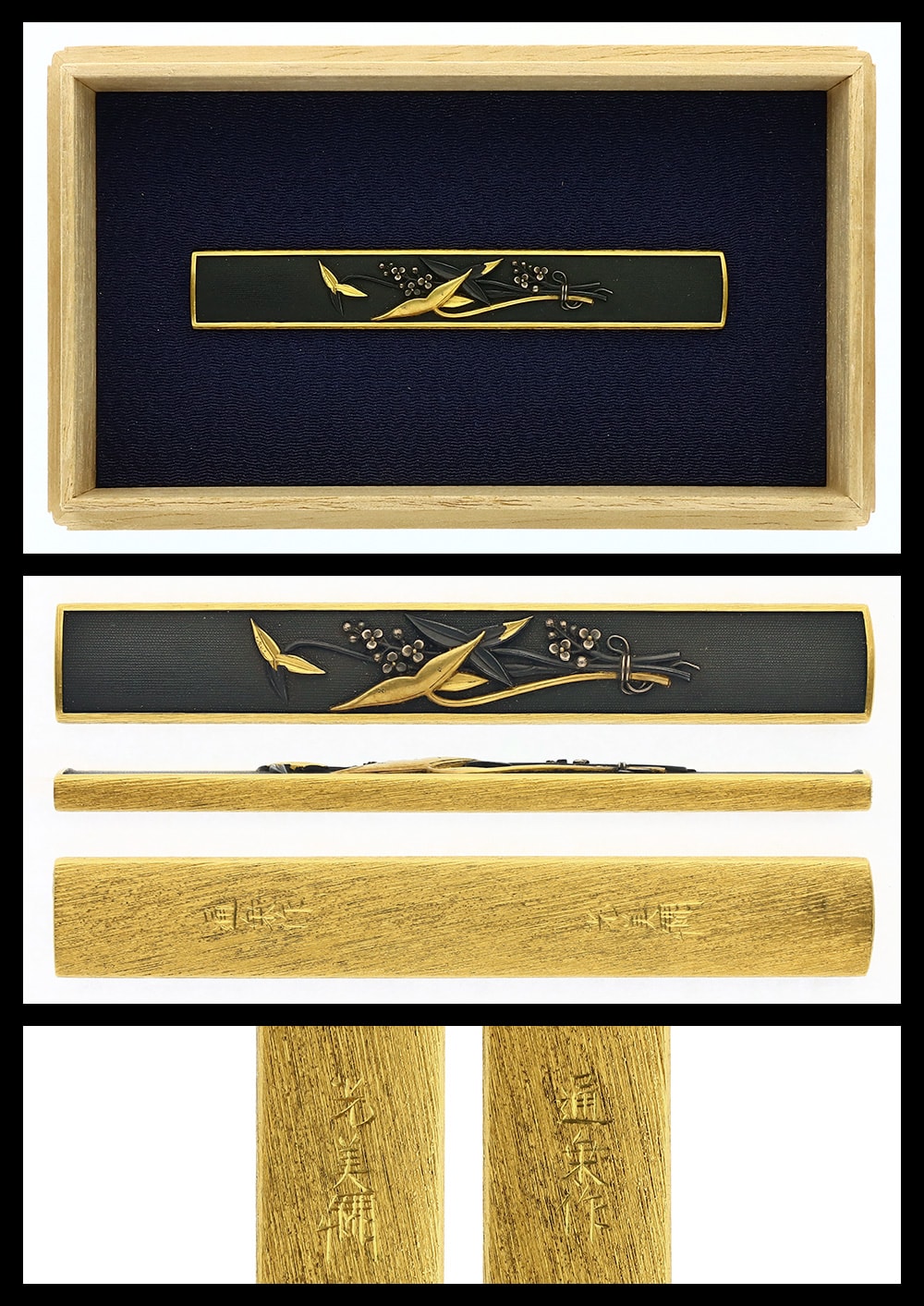
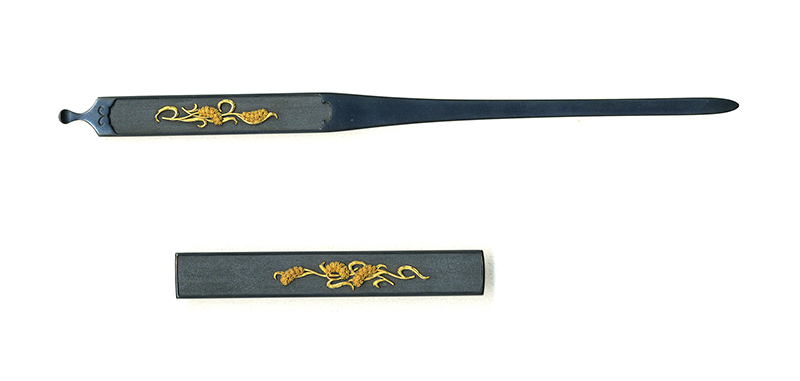
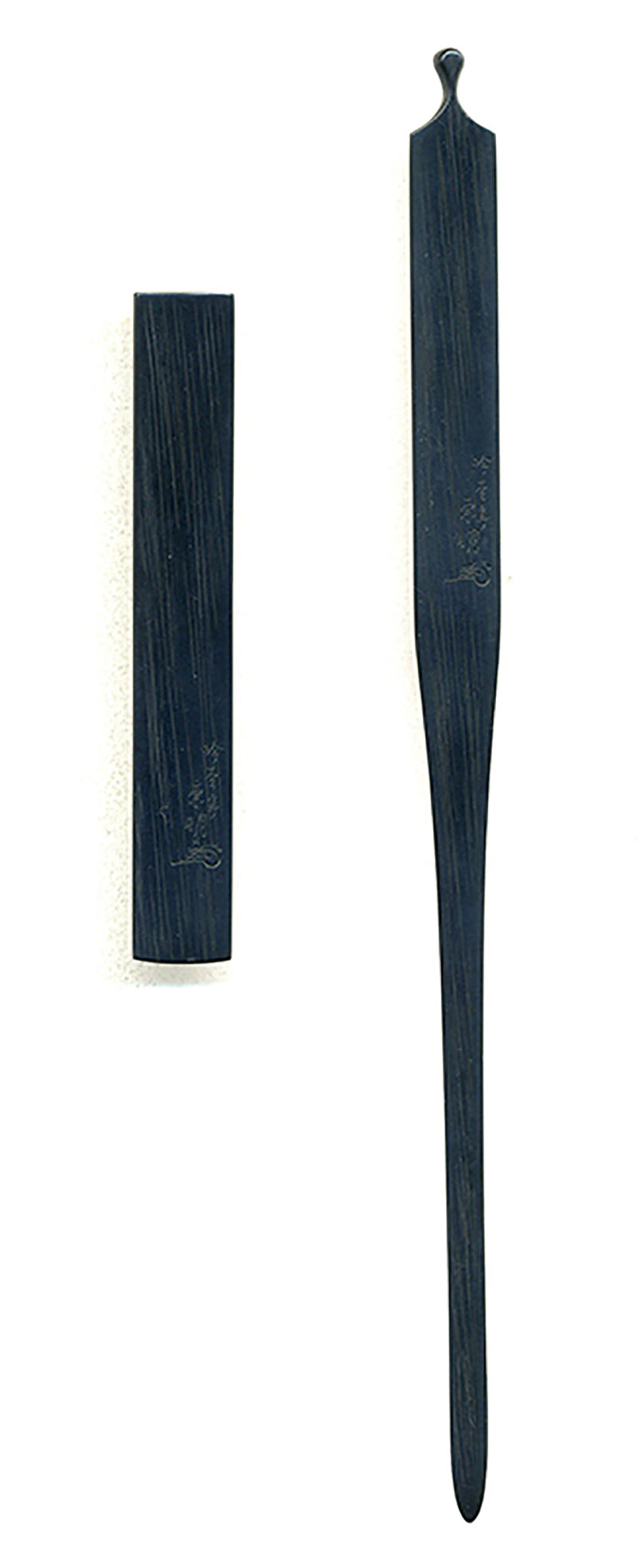
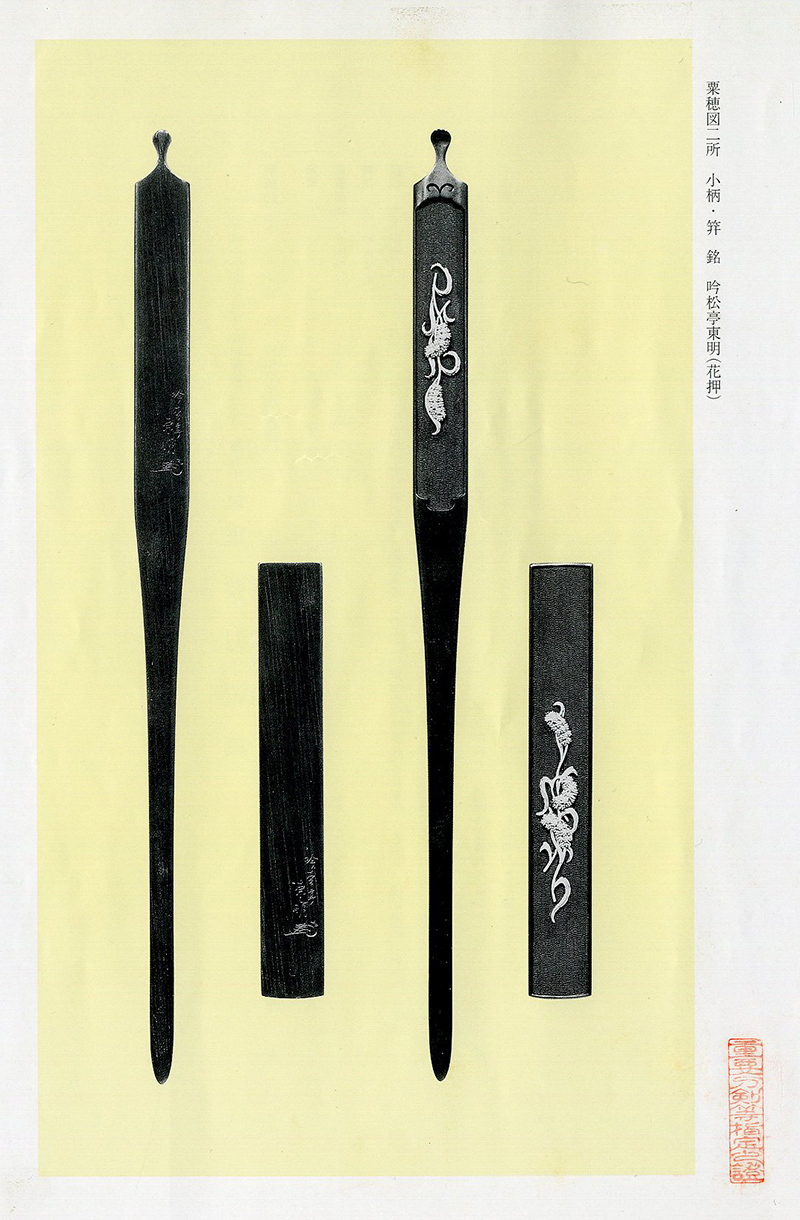
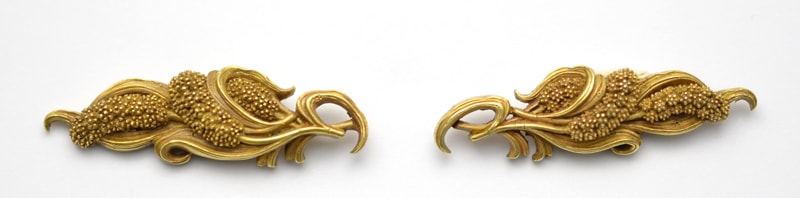
This is a nishomono (set of two fittings) by Araki Toumei, featuring his signature awaho-zu (millet ear design). Toumei, who gained fame in the late Edo period, studied under Goto Tojo and Goto Ichijo. His millet ear carvings are renowned for their exceptional quality, making this piece a highly prized example of his work.

NBTHK Setsumei

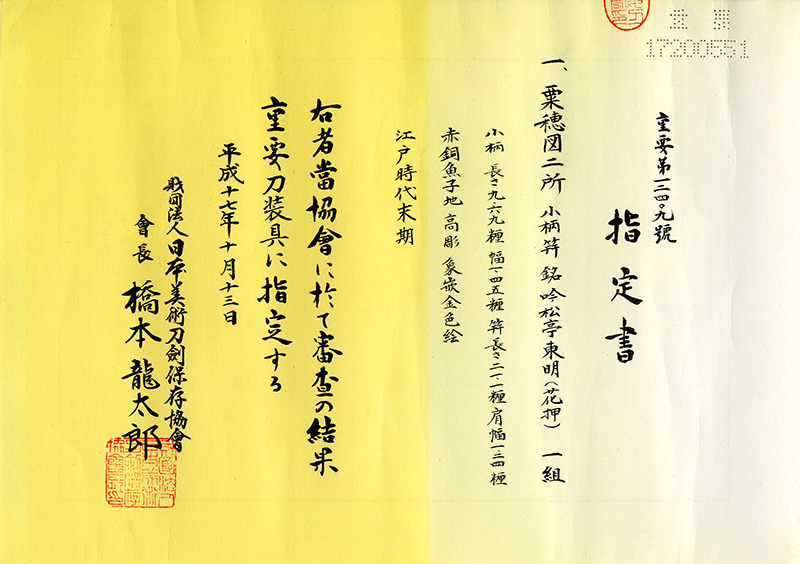
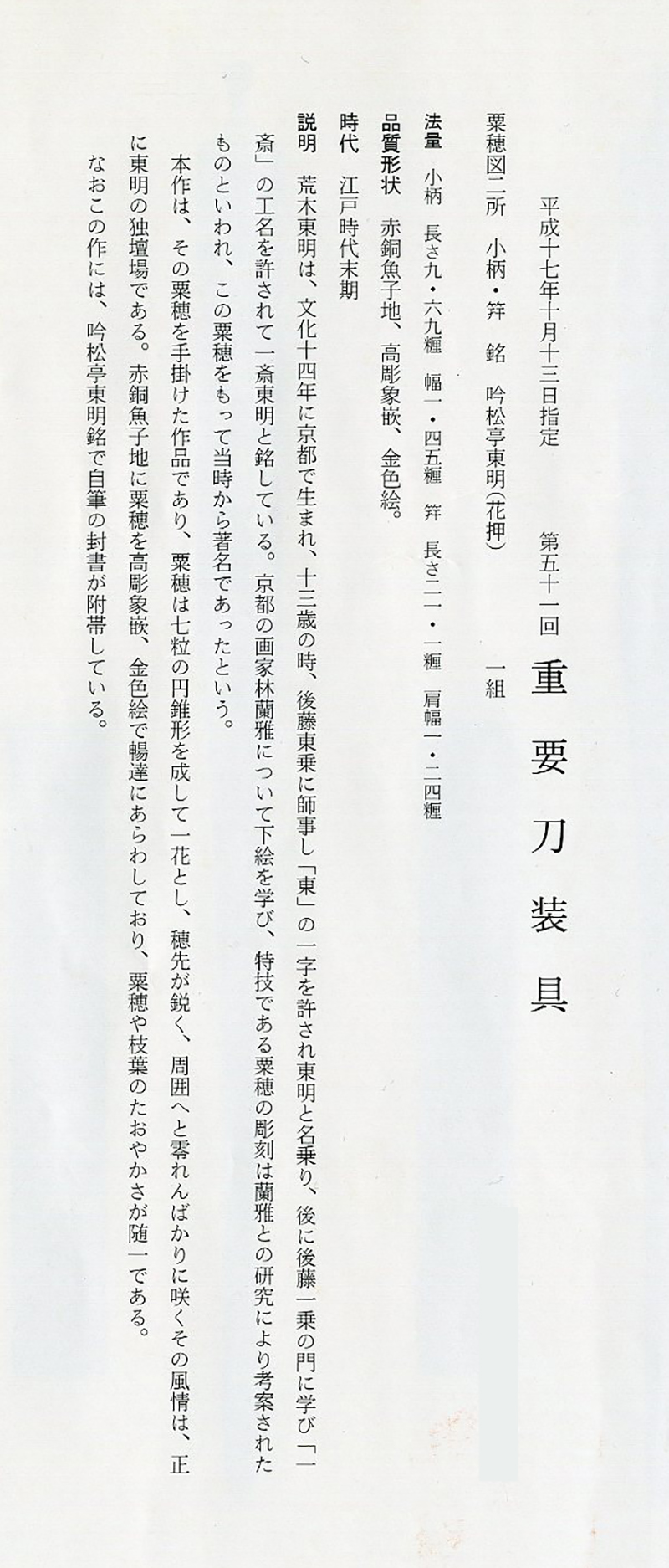
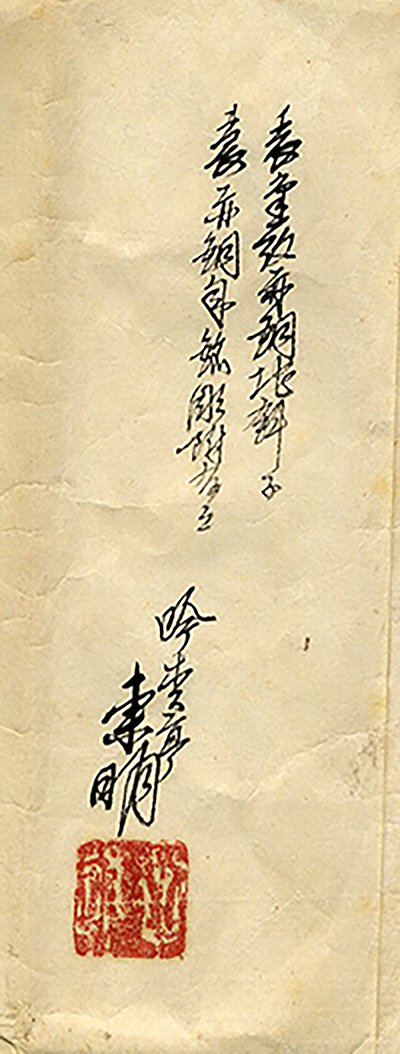
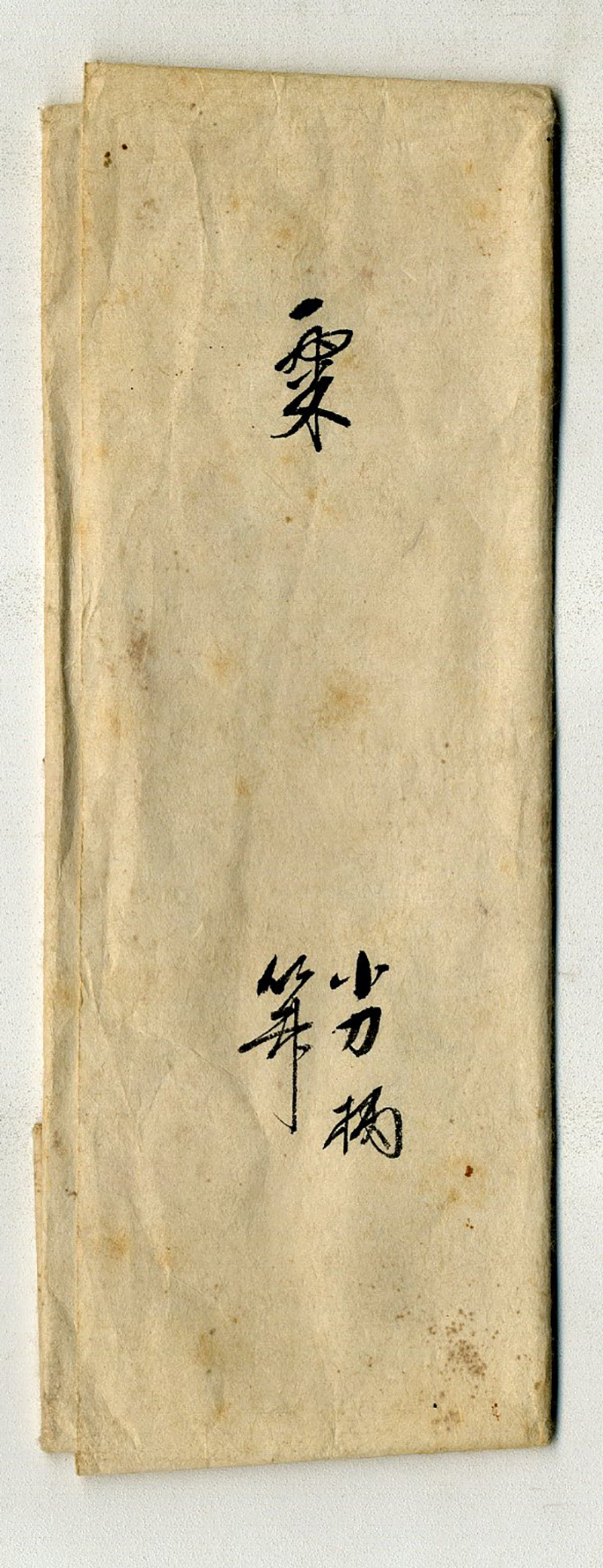
Jūyō-Koshirae, 51st Session — Designated October 13, 2005 Futatokoro mono (kozuka and kogai), millet-ear design (Awaho-zu) — Kozuka and kogai signed Ginshōtei Tōmei with kaō (粟穂図二所 小柄・笄銘 吟松亭東明〈花押〉) Overall Description A matched futatokoro set of kozuka and kogai featuring Araki Tōmei’s celebrated motif of millet ears, rendered on a shakudō nanako-ji ground with vigorous high relief, inlay, and gold iroe. Components Kozuka: Shakudō nanako-ji; millet ears executed in high-relief inlay (takabori zōgan) with gold kin-iroe; signed “Ginshōtei Tōmei” with kaō. Dimensions: length 9.69 cm; width 1.24 cm. Kogai: Shakudō nanako-ji; millet ears executed in high-relief inlay (takabori zōgan) with gold kin-iroe; signed “Ginshōtei Tōmei” with kaō. Dimensions: length 14.5 cm; width 2.4 cm. Artisan/Origin Araki Tōmei (Ginshōtei Tōmei), Kyōto; a master associated with the Gotō tradition through his training under Gotō Tōjō and later Gotō Ichijō. Era Late Edo period. Explanation Araki Tōmei was born in Kyōto in Bunka 14 (1817). At the age of thirteen he became a disciple of Gotō Tōjō, from whom he was granted the use of the character “Tō” (東) and thereafter called himself Tōmei. He later studied in the school of Gotō Ichijō and was permitted the art-name “Issai,” signing works as Issai Tōmei. He learned preparatory drawing (shitae) from the Kyōto painter Hayashi Ranga. It is said that the carving of millet ears—his particular specialty—was devised through study and experimentation with Ranga, and that he had already become well known in his day for this millet-ear motif. This work is a piece in which he applied that millet motif. The millet ears form a single bloom comprised of seven conical grains; the tips of the ear are sharply defined, and the manner in which the cluster seems about to spill outward in all directions is precisely the arena in which Tōmei excelled. Against a shakudō nanako-ji ground, the millet ears are expressed with fluent assurance through high-relief inlay and gold iroe, and the supple elegance of the ears and their branches and leaves is outstanding. It should also be noted that this work is accompanied by an envelope/letter in the artist’s own hand bearing the signature “Ginshōtei Tōmei.”

NihontoWatch MonNihontoWatch
MarketEncyclopediaKantei
Fittings›Iebori›Goto›Waki-Goto›Ichijo›Tomei›Araki Toumei Ginshoutei Toumei (Kao) Awaho-zu Nishomono
futatokoroJūyō
Araki Tomei

Araki Toumei Ginshoutei Toumei (Kao) Awaho-zu Nishomono

mei · late Edo (1817–1870)

¥7,700,000
Visit seller website →
Araki Tomei (東明) · late Edo (1817–1870)6 works for sale · median ask ¥5,000,000 →
Jūyō
Could you name the smith from the blade alone? Today’s kantei →
Araki Tomei — 1 of 7
Araki Tomei — 2 of 7
Araki Tomei — 3 of 7
Araki Tomei — 4 of 7
Araki Tomei — 5 of 7
Araki Tomei — 6 of 7
Araki Tomei — 7 of 7
1 / 7
1 / 7
Araki Tomei — 1 of 7Araki Tomei — 2 of 7Araki Tomei — 3 of 7Araki Tomei — 4 of 7Araki Tomei — 5 of 7Araki Tomei — 6 of 7Araki Tomei — 7 of 7
Araki Tomei (東明) · late Edo (1817–1870)6 works for sale · median ask ¥5,000,000 →
Jūyō
Could you name the smith from the blade alone? Today’s kantei →
Measurements & details
Maker

Araki Tomei

Era

late Edo (1817–1870)

Signature

Signed

Papers

Jūyō #51 (NBTHK)

Description

This is a nishomono (set of two fittings) by Araki Toumei, featuring his signature awaho-zu (millet ear design). Toumei, who gained fame in the late Edo period, studied under Goto Tojo and Goto Ichijo. His millet ear carvings are renowned for their exceptional quality, making this piece a highly prized example of his work.

NBTHK Zufu Commentary

Juyo #51

AI translation — may contain errors

-, 51st Session — Designated October 13, 2005

Futatokoro mono ( and ), millet-ear design (Awaho-zu) — and signed Ginshōtei Tōmei with (粟穂図二所 小柄・笄銘 吟松亭東明〈花押〉)

Overall Description A matched futatokoro set of and featuring Araki Tōmei’s celebrated motif of millet ears, rendered on a ground with vigorous high relief, inlay, and gold .

Components : ; millet ears executed in high-relief inlay ( ) with gold ; signed “Ginshōtei Tōmei” with . Dimensions: length 9.69 cm; width 1.24 cm. : ; millet ears executed in high-relief inlay ( ) with gold ; signed “Ginshōtei Tōmei” with . Dimensions: length 14.5 cm; width 2.4 cm.

Artisan/Origin Araki Tōmei (Ginshōtei Tōmei), Kyōto; a master associated with the Gotō tradition through his training under Gotō Tōjō and later Gotō Ichijō.

Era Late period.

Explanation Araki Tōmei was born in Kyōto in Bunka 14 (1817). At the age of thirteen he became a disciple of Gotō Tōjō, from whom he was granted the use of the character “Tō” (東) and thereafter called himself Tōmei. He later studied in the school of Gotō Ichijō and was permitted the art-name “Issai,” signing works as Issai Tōmei.

He learned preparatory drawing (shitae) from the Kyōto painter Hayashi Ranga. It is said that the carving of millet ears—his particular specialty—was devised through study and experimentation with Ranga, and that he had already become well known in his day for this millet-ear motif.

This work is a piece in which he applied that millet motif. The millet ears form a single bloom comprised of seven conical grains; the tips of the ear are sharply defined, and the manner in which the cluster seems about to spill outward in all directions is precisely the arena in which Tōmei excelled. Against a ground, the millet ears are expressed with fluent assurance through high-relief inlay and gold , and the supple elegance of the ears and their branches and leaves is outstanding.

It should also be noted that this work is accompanied by an envelope/letter in the artist’s own hand bearing the signature “Ginshōtei Tōmei.”
About the maker

Tomei

東明

Iebori · Yamashiro

6 pieces on the market now

›

Araki Tomei was born in Kyoto in Bunka 14 (1817) and entered the apprenticeship of Goto Tojo at the age of thirteen, from whom he was granted the use of the character "to" and took the name Tomei. He later studied under Goto Ichijo, receiving the art name "Issai," and thereafter signed his works "Issai Tomei." He also employed the go Ginshotei and, less frequently, Matsugintei; among comparatively few examples, certain works bear the signature "Tomei Arashu Nobunobu," which constitutes valuable documentary material. In addition to his metalworking training within the Goto lineage, Tomei studied preparatory drawing (shita-e) under the Kyoto painter Hayashi Ranga. It is said that his celebrated specialty -- the carving of millet ears (awaho) -- was devised through research undertaken together with Ranga, and that this distinctive motif brought him renown already in his own day. Active in the Bakumatsu era, Tomei is recognized as an eminent figure in the metalworking world of late Edo-period Kyoto and a distinguished disciple of Goto Ichijo.

Tomei's technical mastery centers on the sculptural rendering of millet ears through specialized chisels. Each ear is conceived as a single bloom composed of seven conical grains, with sharply defined tips; the heavy, abundantly ripened clusters appear as though the grains might spill outward at any moment. This three-dimensional modelling, driven in with purpose-built tools, is described as a domain that permits no rival among other craftsmen[[c:1]]. His preferred grounds include shakudo nanako-ji and polished iron (migaki-ji), upon which the millet is expressed through takabori with suemon-zogan and polychrome iroe in gold, silver, suaka, and shibuichi. The leaves and stems receive equally attentive treatment: the appearance of foliage beginning to wither and change color in autumn is conveyed through the differential application of gold and plain copper, while the branches are rendered with heightened animation. When working on iron grounds, he employs sunago-zogan to evoke haze suspended across the scene, a technique inherited from the Ichijo line. The shiguregane catch construction on the fuchi ceiling plate, and the file marks applied to rim areas, likewise display characteristics transmitted from Ichijo. His menuki are typically executed in solid gold (kinmuku) with sculptural yobori, while his chirimen-ishime-ji ground treatment on shakudo is so finely wrought that it can be mistaken for the texture of silk crepe.

Across his designated works, the NBTHK consistently praises Tomei's millet-ear carvings as occupying a distinctive world of expression that admits no rival. The phrase "the arena in which Tomei excelled above others" recurs as a hallmark evaluation, underscoring that this sculptural artistry was uniquely his domain, far beyond the reach of other artists. Even works departing from the millet subject -- such as his depictions of Mt. Fuji with the Longevity Star Deity, or the Two Deities Daikoku and Bishamonten -- are recognized for exceptionally precise carving and high technical ability applied to a dense, lustrous shakudo. His compositions balance splendor and restraint in just measure, and his complete mounting suites are praised for achieving a refined elegance of unmistakably Kyoto-style character. The NBTHK describes the overall tone of his representative works as elevated and dignified, with a lyrical feeling that fully merits the appellation "Tomei of the millet ears." His position within the late Goto tradition is that of a master who, while grounded in the hereditary methods of the Ichijo school, brought to them a pictorial sensibility and sculptural vitality that defined the highest achievement of Bakumatsu-era kinko in Kyoto.

Historical importance

Where Tomei stands among comparable artisans: across all of nihontō, and within tradition, era, and period. The tiers (Foremost · Leading · Major · Notable) weigh official designations from the NBTHK and Japan's Agency for Cultural Affairs, together with historical honors of lasting repute such as the Sansaku and Meibutsu-chō.

随一
Foremost
屈指
Leading
有数
Major
著名
Notable

Select a lens to see how it's measured.

Designation record
31 designated works
Tokubetsu Jūyō
1
Jūyō
30
6 works by Tomei on the market→
Tomei — full profileIebori school

Study this maker →

About the school

Ichijo

一乗派

Iebori · Kyoto

32 pieces on the market now

›

" Ichijo was the fifth-generation head of the Shichiroemon house, a cadet branch of the Goto family, and trained under Hanzaemon Kamejo before succeeding to the headship at fifteen. His imperial commissions -- fittings for Emperor Kokaku in 1824 and Emperor Komei in 1862 -- earned him the ranks of Hokyo and Hogen respectively, and his atelier in Kyoto attracted a circle of gifted disciples who extended his aesthetic into the Bakumatsu and early Meiji periods. Among them, the celebrated "Five Tigers" (Goko) -- Funada Ikkin, Imai Nagatake, Hashimoto Isshi, Nakagawa Issho, and Wada Isshin -- together with the master's younger brother Goto Koran, constituted one of the most prolific and technically accomplished workshops in the history of Japanese tosogu production. The collective technical identity of the Ichijo school rests upon a foundation of shakudo nanako-ji of surpassing fineness -- described as "minute and orderly, deep and limpid," meriting the appellation kinume-nanako -- upon which elaborate pictorial compositions are built through takabori enriched by polychrome iroe employing gold, silver, shakudo, shibuichi, and suaka. Ichijo himself established the artistic direction by shifting from the canonical iebori subjects of dragons and lions toward compositions centered on close observation (shasei), rendering grasses, flowers, insects, birds, and landscapes with meticulous carving and refined dignity. This painterly sensibility pervades the entire school. Nagatake brought a distinctive ornamental density, arranging seasonal plants across entire surfaces with richly varied colored metals.

" Ikkin developed an unrivaled command of kosuki-bori -- a bold, thick chiseling technique that even Ichijo conceded was "beyond my own reach[[c:1]]" -- and his dragon subjects carried a distinctive forcefulness. " Isshin absorbed the hereditary vocabulary while concentrating creative zeal into individual passages of invention, and Issho achieved works of luxurious, courtly elegance through refined kinu-nanako and precise kebori. Koran, working in a manner akin to his elder brother yet "finished with an even more delicate and nuanced sensibility," brought the Shichiroemon branch to its most accomplished expression. Across the school, the favored tsuba form is the sumi-iri mokko-gata, and many works exhibit chuya shitate -- "day-and-night" construction using contrasting alloys on obverse and reverse. Complete daisho soroe kanagu sets, coordinated around seasonal, auspicious, or literary-historical themes, represent the school's highest format. " This standard was transmitted faithfully through the circle. " The school's productions are consistently praised for an elevated, Kyoto-inflected refinement that balances splendor and restraint in just measure. Learn more →

17 recorded smiths188 designated works
Leading smiths
SmithEraDesignated
Goto Ichijo後藤一乗—91
Tomei東明—31
Nagatake永武—14
Ikkin一琴—11
Issho一匠1828-187610
Explore the Ichijo school →
NBTHK Certificate
Jūyō Tōken重要刀剣
Important Sword
›

A blade of top-grade workmanship and condition, formally judged to rank with a nationally recognized Important Art Object (Jūyō Bijutsuhin). Awarded only at the NBTHK’s competitive annual examination.

Of Japan’s roughly 2.5 million registered swords, only 12,307 (about 1 in 203) have ever attained Jūyō.

About the NBTHK›

The NBTHK (Nihon Bijutsu Tōken Hozon Kyōkai, the Society for the Preservation of Japanese Art Swords) is a public-interest incorporated foundation founded in 1948 and supervised by Japan’s Agency for Cultural Affairs (Bunkachō); it is based at the Japanese Sword Museum in Tokyo. Its expert panels physically examine each submitted work (shinsa) and issue a certificate (kanteishō) ranking it by artistic and historical merit. NBTHK papers are the most widely recognized standard of authentication for Japanese swords and fittings.

NBTHK official site→
Seller
I
Iida Koendo
Established 1880 · 146 yrs on the market
🇯🇵Ships from Japan
›
✓Verified dealeriidakoendo.com
Settles in JPY
✓Ships worldwide✓English supportWire transfer
Return policy

Customer-initiated returns accepted within two days of arrival; return shipping paid by customer and fees non-refundable. Returns/refunds unavailable for overseas deliveries.

View all of Iida Koendo’s listings→View this item on the dealer’s site→

More works by Araki Tomei

View all →
Aoi Art
Tokuho
Futatokoro - Tokuho - by Araki Tomei - Set of Tosogu: Issai Toumei (Kao) (Kozuka and Kogai)Futatokoro - Tokuho - by Araki Tomei - Set of Tosogu: Issai Toumei (Kao) (Kozuka and Kogai)

Futatokoromono

ByAraki Tomei
¥5,000,000
Mandarin Mansion
Tokuho
Koshirae - Tokuho - by Araki Tomei - Araki Tōmei wakizashi koshiraeKoshirae - Tokuho - by Araki Tomei - Araki Tōmei wakizashi koshirae

Koshirae

ByAraki Tomei
Ask
Katanahanbai
Tokuho
Menuki - Tokuho - by Araki Tomei - Araki Tomei - Millet Ear Design with Tanzaku MeiMenuki - Tokuho - by Araki Tomei - Araki Tomei - Millet Ear Design with Tanzaku Mei

Menuki

ByAraki Tomei
¥2,200,000
Aoi Art
Jūyō
Gotokoromono - Jūyō - by Araki Tomei - Set of Tosogu: Tomei - Tsuba, Kozuka, Fuchi-Kashira, Menuki, Ura-gawara, Kurikata : Millet DesignGotokoromono - Jūyō - by Araki Tomei - Set of Tosogu: Tomei - Tsuba, Kozuka, Fuchi-Kashira, Menuki, Ura-gawara, Kurikata : Millet Design

Gotokoromono

ByAraki Tomei
¥12,500,000
Choshuya
Hozon
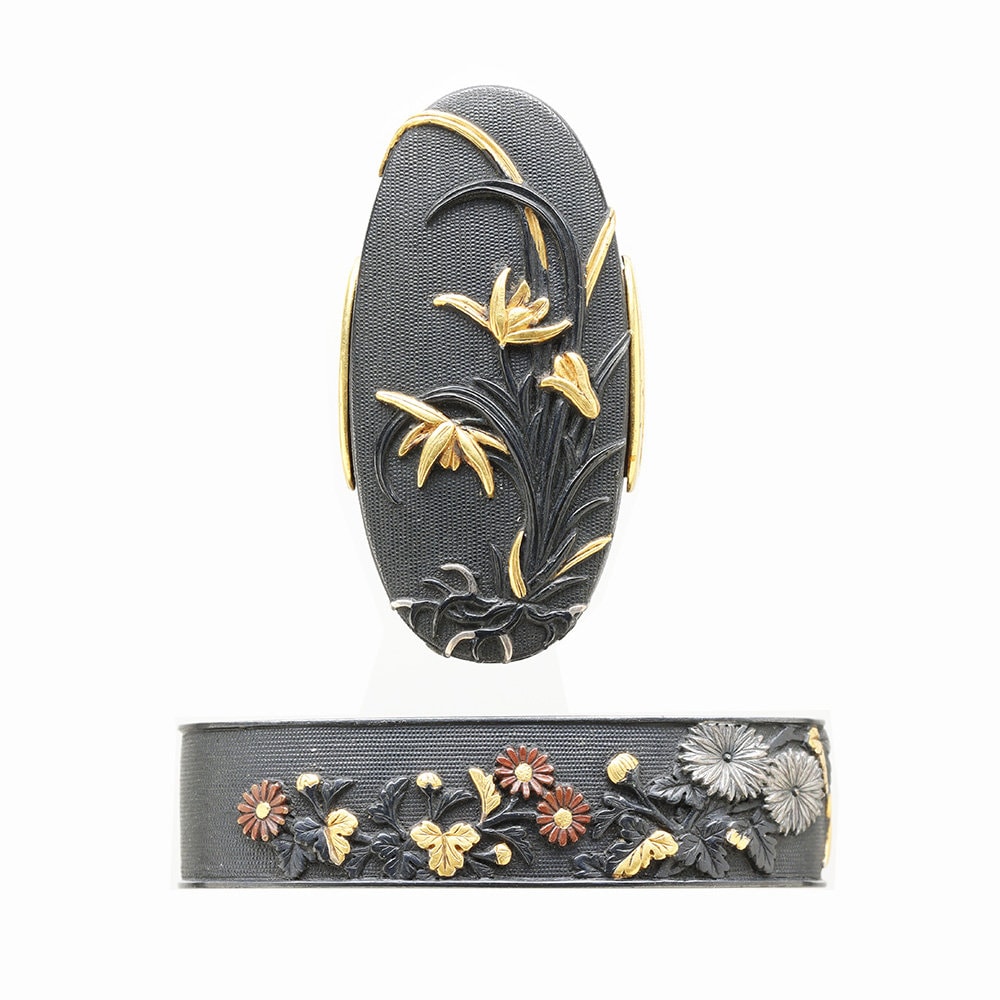
Fuchi-Kashira - Hozon - by Araki Tomei - Fuchi-Kashira: Orchids and Chrysanthemums, Signed Shogintei TomeiFuchi-Kashira - Hozon - by Araki Tomei - Fuchi-Kashira: Orchids and Chrysanthemums, Signed Shogintei Tomei

Fuchi-Kashira

ByAraki Tomei
¥900,000

Previously sold by Araki Tomei

View all →
Eirakudo
Tokuho
Menuki - Tokuho - by Araki Tomei - ToumeiMenuki - Tokuho - by Araki Tomei - Toumei
Sold

Menuki

ByAraki Tomei
SOLD
Iida Koendo
Jūyō
Mitokoromono - Jūyō - by Araki Tomei - Araki Tomei Issai Tomei (Kao) Juyo TosoguMitokoromono - Jūyō - by Araki Tomei - Araki Tomei Issai Tomei (Kao) Juyo Tosogu
Sold

Mitokoromono

ByAraki Tomei
SOLD
Iida Koendo
Tokuho
Fuchi-Kashira - Tokuho - by Araki Tomei - Fuchi-Kashira: Araki Toumei, Millet Ear DesignFuchi-Kashira - Tokuho - by Araki Tomei - Fuchi-Kashira: Araki Toumei, Millet Ear Design
Sold

Fuchi-Kashira

ByAraki Tomei
SOLD
Iida Koendo
Tokuho
Mitokoromono - Tokuho - by Araki Tomei - Tosogu: Araki Toumei, Millet Ear Design MitokoromonoMitokoromono - Tokuho - by Araki Tomei - Tosogu: Araki Toumei, Millet Ear Design Mitokoromono
Sold

Mitokoromono

ByAraki Tomei
SOLD
Iida Koendo
Jūyō
Fuchi-Kashira - Jūyō - by Araki Tomei - Pair of Fuchigashira: Daikoku Bishamon Niten no I, Signed Ginshotei Tomei (Kao)Fuchi-Kashira - Jūyō - by Araki Tomei - Pair of Fuchigashira: Daikoku Bishamon Niten no I, Signed Ginshotei Tomei (Kao)
Sold

Fuchi-Kashira

ByAraki Tomei
SOLD

More from the Ichijo school

View all →
Choshuya
Tokuho
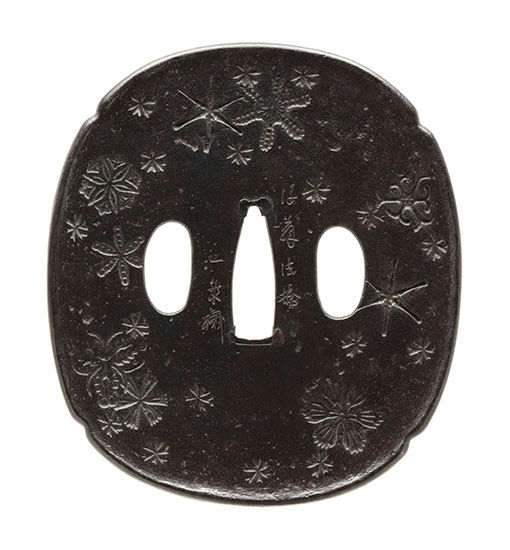
Tsuba - Tokuho - by Goto Ichijo - Snow Crystal Design by Goto Hokyo Ichijo (with Kao)Tsuba - Tokuho - by Goto Ichijo - Snow Crystal Design by Goto Hokyo Ichijo (with Kao)

Tsuba

ByGoto Ichijo
Ask
Iida Koendo
Tokuho
Tsuba - Tokuho - by Goto Ichijo - Tosogu: HakuoTsuba - Tokuho - by Goto Ichijo - Tosogu: Hakuo

Tsuba

ByGoto Ichijo
¥1,320,000
Ginza Seikodo
Tokuho
Futatokoro - Tokuho - by Ichijo Issho - Sakuyo Ju Nakagawa Katsutsugu (kao)Futatokoro - Tokuho - by Ichijo Issho - Sakuyo Ju Nakagawa Katsutsugu (kao)

Futatokoromono

ByIchijo Issho
¥580,000
Ginza Seikodo
Tokuho
Fuchi-Kashira - Tokuho - by Goto Ichijo - Fuchi-Kashira: Goto Hokyo Ichijo (with Kao) - Cranes in Flight motifFuchi-Kashira - Tokuho - by Goto Ichijo - Fuchi-Kashira: Goto Hokyo Ichijo (with Kao) - Cranes in Flight motif

Fuchi-Kashira

ByGoto Ichijo
¥1,900,000
Toushin
Menuki - by Ichijo Ikkin - Ladle Design - Funada IkkinMenuki - by Ichijo Ikkin - Ladle Design - Funada Ikkin

Menuki

ByIchijo Ikkin
¥88,000
Aoi Art
Tokuho
Mitokoromono - Tokuho - by Goto Ichijo - Nitokoro mono (matched pair of Kogai and Kozuka): Kijuo IchijoMitokoromono - Tokuho - by Goto Ichijo - Nitokoro mono (matched pair of Kogai and Kozuka): Kijuo Ichijo

Mitokoromono

ByGoto Ichijo
¥1,250,000
Choshuya
Tokuho
Tsuba - Tokuho - by Goto Ichijo - Mt. Fuji Design, Signed Hakuo at 74 years oldTsuba - Tokuho - by Goto Ichijo - Mt. Fuji Design, Signed Hakuo at 74 years old

Tsuba

ByGoto Ichijo
Ask
Ginza Seikodo
Jūyō
Kozuka - Jūyō - by Ichijo Ikkin - Funada Ikkin kao - God of Harmony and UnionKozuka - Jūyō - by Ichijo Ikkin - Funada Ikkin kao - God of Harmony and Union

Kozuka

ByIchijo Ikkin
Ask

More from the Waki-Goto school

View all →
Katanahanbai
Tokuho
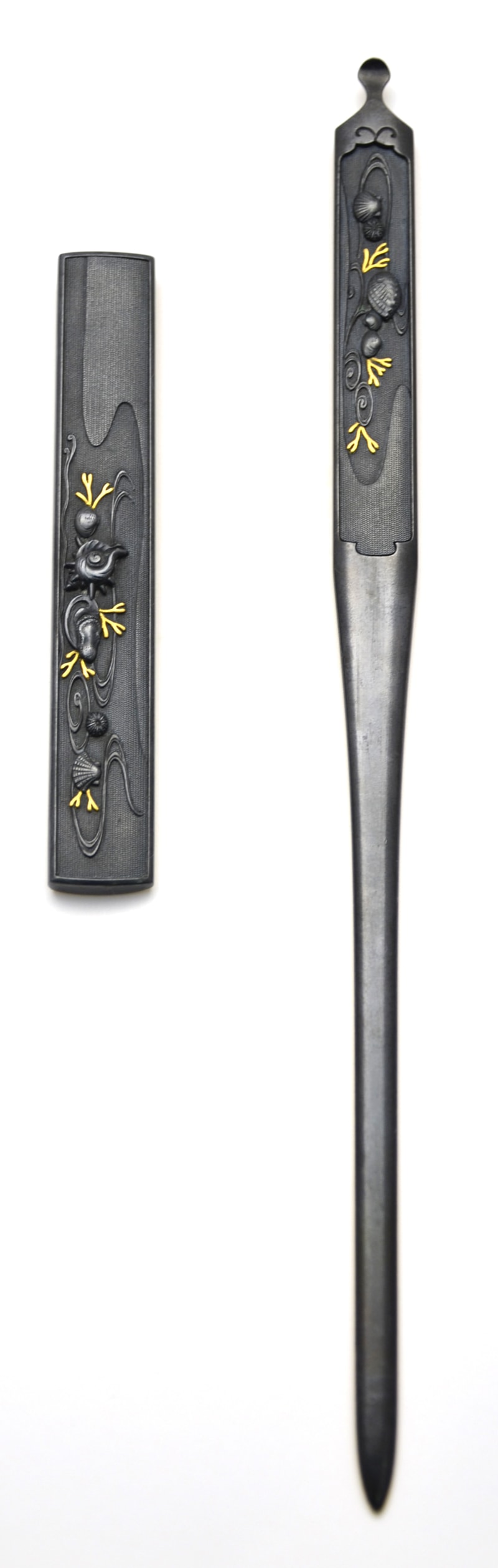
Futatokoro - Tokuho - by Goto Ichijo - Futatokoro: Goto Ichijo - Flowing Water and Shellfish DesignFutatokoro - Tokuho - by Goto Ichijo - Futatokoro: Goto Ichijo - Flowing Water and Shellfish Design

Futatokoromono

ByGoto Ichijo
¥2,200,000
Choshuya
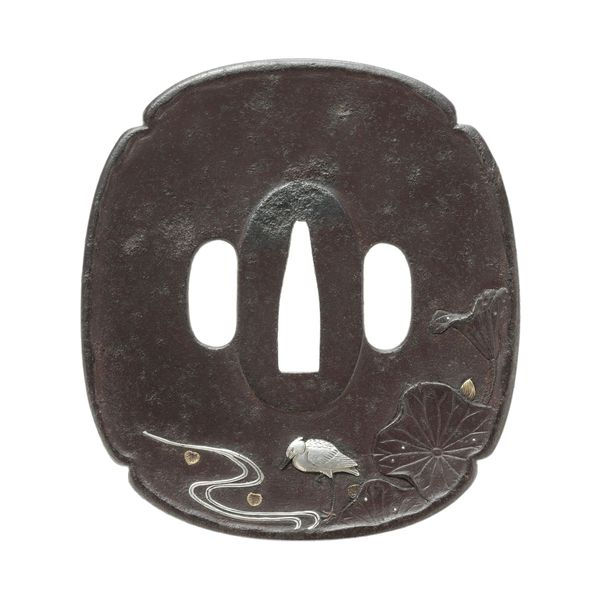
Tsuba - by Ichijo School - Lotus and Egret (Ichiro Renka) Design - Mumei, Goto Ichijo School Koshirae FittingsTsuba - by Ichijo School - Lotus and Egret (Ichiro Renka) Design - Mumei, Goto Ichijo School Koshirae Fittings

Tsuba

ByIchijo School
¥150,000
Samurai Nippon
Jūyō
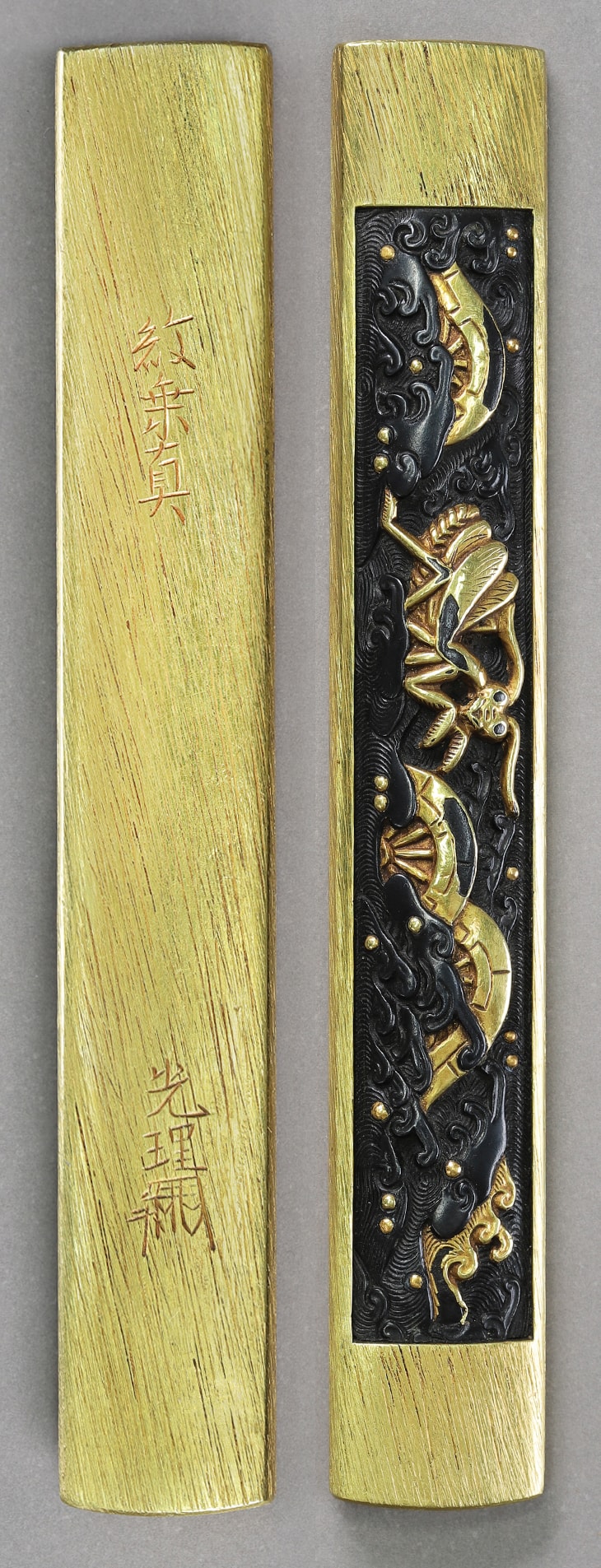
Kozuka - Jūyō - by Waki-Goto Mitsumasa - Ryusha Kamakiri ZuKozuka - Jūyō - by Waki-Goto Mitsumasa - Ryusha Kamakiri Zu

Kozuka

ByWaki-Goto Mitsumasa
¥2,950,000
Choshuya
Tokuho
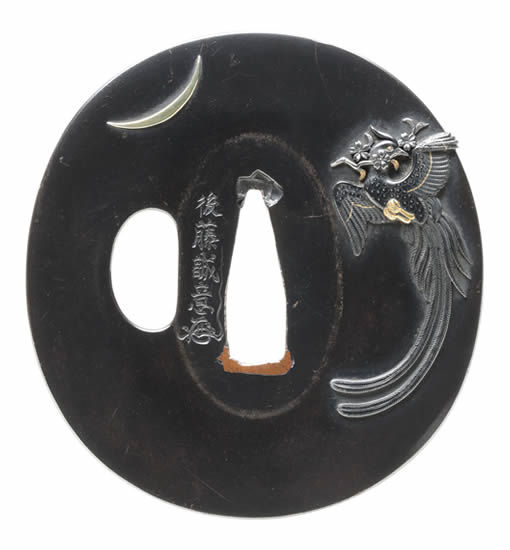
Tsuba - Tokuho - by Waki-Goto Masaoki/Sei’i - Eating Flowers Bird Under the Moon, Signed Goto Seii (Kao) Kinoe ne no haruTsuba - Tokuho - by Waki-Goto Masaoki/Sei’i - Eating Flowers Bird Under the Moon, Signed Goto Seii (Kao) Kinoe ne no haru

Tsuba

ByWaki-Goto Masaoki/Sei’i
Ask
Aoi Art
Tokuho
Kogai - Tokuho - by Waki-Goto Denjo - Kogai and Kozuka: Gotō Denjō / Montokujō MitsutakaKogai - Tokuho - by Waki-Goto Denjo - Kogai and Kozuka: Gotō Denjō / Montokujō Mitsutaka

Kōgai

ByWaki-Goto Denjo
¥500,000
Toukentakarado
Tokuho
Mitokoromono - Tokuho - by Waki-Goto School - Mumei Waki Goto Twelve Zodiac Animals MitokoromoMitokoromono - Tokuho - by Waki-Goto School - Mumei Waki Goto Twelve Zodiac Animals Mitokoromo

Mitokoromono

ByWaki-Goto School
¥750,000
Soryu
Tokuho
Kozuka - Tokuho - by Ichijo School - Shibuichi Kozuka: Adachi Yusai - Crane Design, Dated 1864, with Tokubetsu Hozon TosoguKozuka - Tokuho - by Ichijo School - Shibuichi Kozuka: Adachi Yusai - Crane Design, Dated 1864, with Tokubetsu Hozon Tosogu

Kozuka

ByIchijo School
¥2,400
Iida Koendo
Hozon
Kogai - Hozon - by Waki-Goto Mitsufumi - Tosogu: Goto MitsutomoKogai - Hozon - by Waki-Goto Mitsufumi - Tosogu: Goto Mitsutomo

Kōgai

ByWaki-Goto Mitsufumi
¥550,000

More from the Goto school

View all →
Touken Matsumoto
Hozon
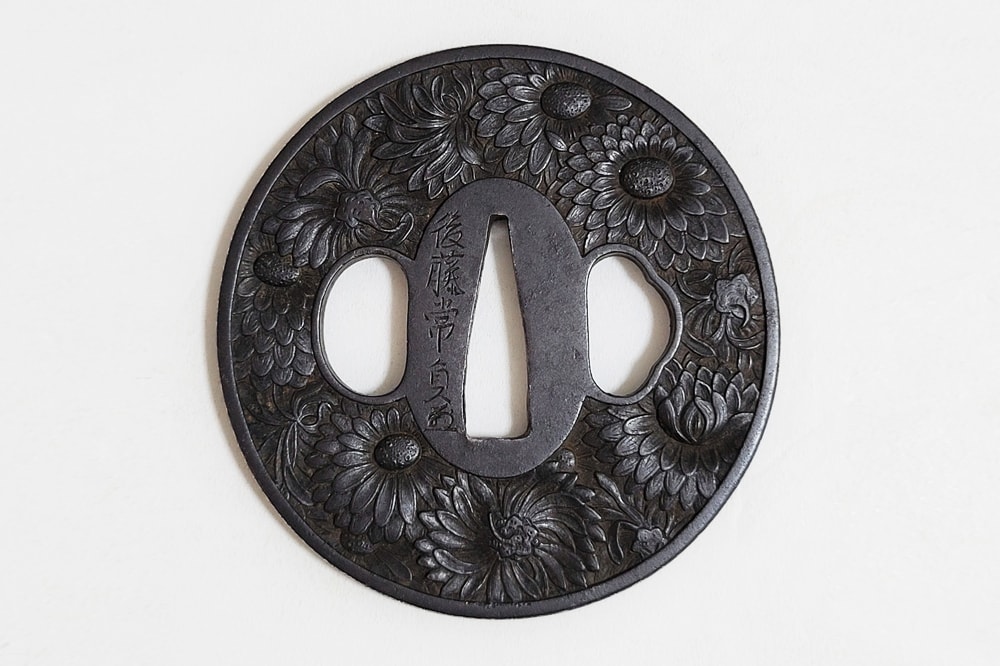
Tsuba - Hozon - by Goto School - Chrysanthemum Motif, Signed Goto Tsunetsune (Kao)Tsuba - Hozon - by Goto School - Chrysanthemum Motif, Signed Goto Tsunetsune (Kao)

Tsuba

ByGoto School
¥150,000
Nihonto Art
Tokuho
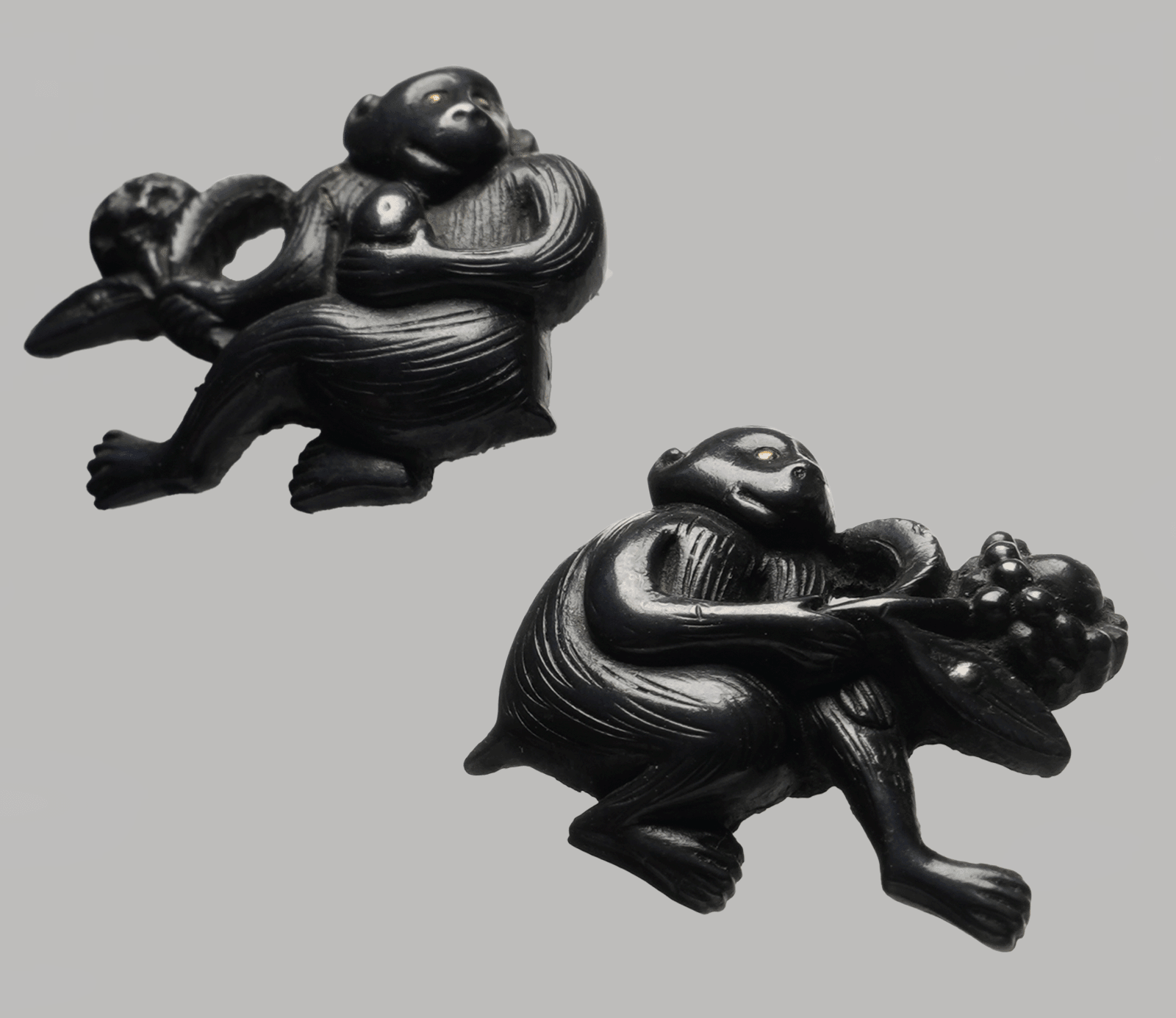
Menuki - Tokuho - by Goto School - Monkeys by Goto (Momoyama) NBTHK Tokubetsu HozonMenuki - Tokuho - by Goto School - Monkeys by Goto (Momoyama) NBTHK Tokubetsu Hozon

Menuki

ByGoto School
¥3,800
Nihontocraft
Tokuho
Kozuka - Tokuho - by Goto Eijo - Goto Eijo KozukaKozuka - Tokuho - by Goto Eijo - Goto Eijo Kozuka

Kozuka

ByGoto Eijo
¥3,850
Samurai Nippon
Jūyō
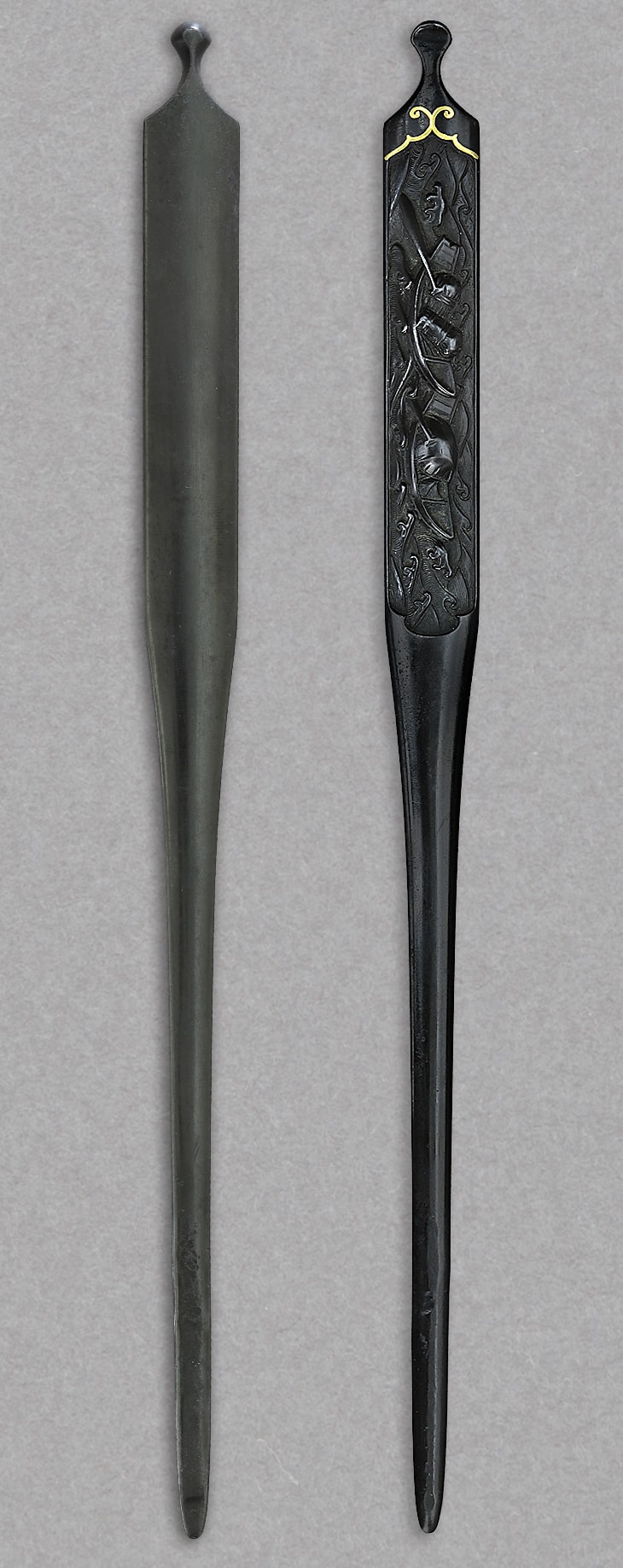
Kogai - Jūyō - by Ko-Goto School - Kogai: Boat DesignKogai - Jūyō - by Ko-Goto School - Kogai: Boat Design

Kōgai

ByKo-Goto School
¥1,500,000
Ginza Seikodo
Tokuho
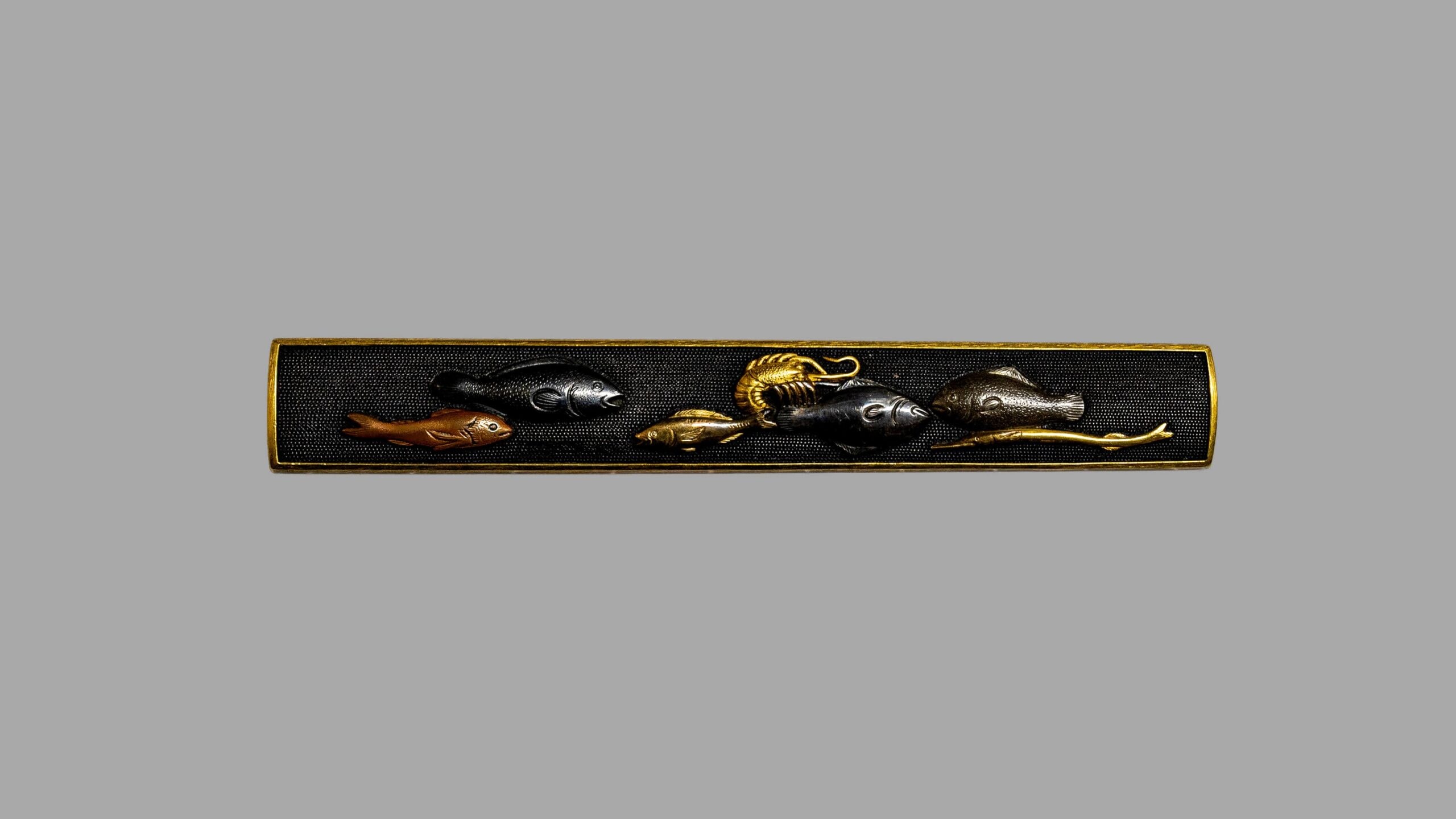
Fuchi-Kashira - Tokuho - by Goto Enjo - Fuchi-Kashira: Goto Mitsutaka (kao) - Fish in a Variety of Forms MotifFuchi-Kashira - Tokuho - by Goto Enjo - Fuchi-Kashira: Goto Mitsutaka (kao) - Fish in a Variety of Forms Motif

Fuchi-Kashira

ByGoto Enjo
¥450,000
Nihontocraft
Tokuho
Kozuka - Tokuho - by Goto Renjo - Goto Renjo KozukaKozuka - Tokuho - by Goto Renjo - Goto Renjo Kozuka

Kozuka

ByGoto Renjo
¥3,800
Eirakudo
Tokuho
Menuki - Tokuho - by Ko-Goto School - Ko-Goto Lion Menuki, Tokubetsu Hozon TosoguMenuki - Tokuho - by Ko-Goto School - Ko-Goto Lion Menuki, Tokubetsu Hozon Tosogu

Menuki

ByKo-Goto School
¥800,000
Samurai Nippon
Hozon
Tsuba - Hozon - by Goto Shinjo - Ryusui ZuTsuba - Hozon - by Goto Shinjo - Ryusui Zu

Tsuba

ByGoto Shinjo
¥850,000

More from the Iebori tradition

View all →
Yamasiroya
Tokujū
Koshirae - Tokuju - by Kaga-Goto Etsujo - Tachi Koshirae: Gold Nashiji Aoi-mon Scattered Gold Shell Maki-e Saya Itomaki Tachi Koshirae / Tsuba (Signed) Goto Etsujo (Kao)Koshirae - Tokuju - by Kaga-Goto Etsujo - Tachi Koshirae: Gold Nashiji Aoi-mon Scattered Gold Shell Maki-e Saya Itomaki Tachi Koshirae / Tsuba (Signed) Goto Etsujo (Kao)

Koshirae

ByKaga-Goto Etsujo
Ask
Iida Koendo
Jūyō
Kozuka - Jūyō - by Goto Sojo - Goto Sojyo - Botan Shishi ZuKozuka - Jūyō - by Goto Sojo - Goto Sojyo - Botan Shishi Zu

Kozuka

ByGoto Sojo
¥3,300,000
Aoi Art
Jūyō
Mitokoromono - Jūyō - by Goto Enjo - Matching Set of Sword Fittings (Kōgai, Kozuka, Menuki): Okina Sanbasō DesignMitokoromono - Jūyō - by Goto Enjo - Matching Set of Sword Fittings (Kōgai, Kozuka, Menuki): Okina Sanbasō Design

Mitokoromono

ByGoto Enjo
¥4,000,000
Aoi Art
Tokuho
Kozuka - Tokuho - by Goto School - Mumei (Goto) - Design of Omoto (Rohdea japonica)Kozuka - Tokuho - by Goto School - Mumei (Goto) - Design of Omoto (Rohdea japonica)

Kozuka

ByGoto School
¥250,000
Asahi Token
Tokuho
Kozuka - Tokuho - by Goto School - Daikon Radish Design (Mumei, Ko-Goto)Kozuka - Tokuho - by Goto School - Daikon Radish Design (Mumei, Ko-Goto)

Kozuka

ByGoto School
¥200,000
Aoi Art
Tokuho
Kozuka - Tokuho - by Goto Tsujo - MitsuyoshiKozuka - Tokuho - by Goto Tsujo - Mitsuyoshi

Kozuka

ByGoto Tsujo
¥500,000
Toushin
Hozon
Kogai - Hozon - by Goto School - Kogai with Two Rhinoceros Design, Mumei (Waki-Goto)Kogai - Hozon - by Goto School - Kogai with Two Rhinoceros Design, Mumei (Waki-Goto)

Kōgai

ByGoto School
¥275,000
Bushido Antique Japanese Swords
Tokuho
Menuki - Tokuho - by Ko-Goto School - Ko-Goto Tiger and Leopard Menuki - NBTHK CertificateMenuki - Tokuho - by Ko-Goto School - Ko-Goto Tiger and Leopard Menuki - NBTHK Certificate

Menuki

ByKo-Goto School
¥2,600

Swords

  • Katana
  • Wakizashi
  • Tantō
  • Tachi
  • Naginata
  • Yari
  • Japanese Swords
  • Samurai Swords

Fittings

  • Tsuba
  • Fuchi-Kashira
  • Kozuka
  • Menuki
  • Sword Guards (Tsuba)

Armor

  • Kabuto
  • Samurai Armor
  • All Samurai Armor

By Certification

  • Tokujū
  • Jūyō
  • Tokuho
  • Hozon

Resources

  • Dealer Directory
  • Artist Directory
  • The Daily Kantei
  • Glossary
  • Browse All
Nihontowatch© 2026
TermsPrivacyCookiesAbout

¥7,700,000

View on Iida Koendo

Description

This is a nishomono (set of two fittings) by Araki Toumei, featuring his signature awaho-zu (millet ear design). Toumei, who gained fame in the late Edo period, studied under Goto Tojo and Goto Ichijo. His millet ear carvings are renowned for their exceptional quality, making this piece a highly prized example of his work.

NBTHK Setsumei

Jūyō-Koshirae, 51st Session — Designated October 13, 2005 Futatokoro mono (kozuka and kogai), millet-ear design (Awaho-zu) — Kozuka and kogai signed Ginshōtei Tōmei with kaō (粟穂図二所 小柄・笄銘 吟松亭東明〈花押〉) Overall Description A matched futatokoro set of kozuka and kogai featuring Araki Tōmei’s celebrated motif of millet ears, rendered on a shakudō nanako-ji ground with vigorous high relief, inlay, and gold iroe. Components Kozuka: Shakudō nanako-ji; millet ears executed in high-relief inlay (takabori zōgan) with gold kin-iroe; signed “Ginshōtei Tōmei” with kaō. Dimensions: length 9.69 cm; width 1.24 cm. Kogai: Shakudō nanako-ji; millet ears executed in high-relief inlay (takabori zōgan) with gold kin-iroe; signed “Ginshōtei Tōmei” with kaō. Dimensions: length 14.5 cm; width 2.4 cm. Artisan/Origin Araki Tōmei (Ginshōtei Tōmei), Kyōto; a master associated with the Gotō tradition through his training under Gotō Tōjō and later Gotō Ichijō. Era Late Edo period. Explanation Araki Tōmei was born in Kyōto in Bunka 14 (1817). At the age of thirteen he became a disciple of Gotō Tōjō, from whom he was granted the use of the character “Tō” (東) and thereafter called himself Tōmei. He later studied in the school of Gotō Ichijō and was permitted the art-name “Issai,” signing works as Issai Tōmei. He learned preparatory drawing (shitae) from the Kyōto painter Hayashi Ranga. It is said that the carving of millet ears—his particular specialty—was devised through study and experimentation with Ranga, and that he had already become well known in his day for this millet-ear motif. This work is a piece in which he applied that millet motif. The millet ears form a single bloom comprised of seven conical grains; the tips of the ear are sharply defined, and the manner in which the cluster seems about to spill outward in all directions is precisely the arena in which Tōmei excelled. Against a shakudō nanako-ji ground, the millet ears are expressed with fluent assurance through high-relief inlay and gold iroe, and the supple elegance of the ears and their branches and leaves is outstanding. It should also be noted that this work is accompanied by an envelope/letter in the artist’s own hand bearing the signature “Ginshōtei Tōmei.”

NihontoWatch MonNihontoWatch
MarketEncyclopediaKantei
Fittings›Iebori›Goto›Waki-Goto›Ichijo›Tomei›Araki Toumei Ginshoutei Toumei (Kao) Awaho-zu Nishomono
futatokoroJūyō
Araki Tomei

Araki Toumei Ginshoutei Toumei (Kao) Awaho-zu Nishomono

mei · late Edo (1817–1870)

¥7,700,000
Visit seller website →
Araki Tomei (東明) · late Edo (1817–1870)6 works for sale · median ask ¥5,000,000 →
Jūyō
Could you name the smith from the blade alone? Today’s kantei →
Araki Tomei — 1 of 7
Araki Tomei — 2 of 7
Araki Tomei — 3 of 7
Araki Tomei — 4 of 7
Araki Tomei — 5 of 7
Araki Tomei — 6 of 7
Araki Tomei — 7 of 7
1 / 7
1 / 7
Araki Tomei — 1 of 7Araki Tomei — 2 of 7Araki Tomei — 3 of 7Araki Tomei — 4 of 7Araki Tomei — 5 of 7Araki Tomei — 6 of 7Araki Tomei — 7 of 7
Araki Tomei (東明) · late Edo (1817–1870)6 works for sale · median ask ¥5,000,000 →
Jūyō
Could you name the smith from the blade alone? Today’s kantei →
Measurements & details
Maker

Araki Tomei

Era

late Edo (1817–1870)

Signature

Signed

Papers

Jūyō #51 (NBTHK)

Description

This is a nishomono (set of two fittings) by Araki Toumei, featuring his signature awaho-zu (millet ear design). Toumei, who gained fame in the late Edo period, studied under Goto Tojo and Goto Ichijo. His millet ear carvings are renowned for their exceptional quality, making this piece a highly prized example of his work.

NBTHK Zufu Commentary

Juyo #51

AI translation — may contain errors

-, 51st Session — Designated October 13, 2005

Futatokoro mono ( and ), millet-ear design (Awaho-zu) — and signed Ginshōtei Tōmei with (粟穂図二所 小柄・笄銘 吟松亭東明〈花押〉)

Overall Description A matched futatokoro set of and featuring Araki Tōmei’s celebrated motif of millet ears, rendered on a ground with vigorous high relief, inlay, and gold .

Components : ; millet ears executed in high-relief inlay ( ) with gold ; signed “Ginshōtei Tōmei” with . Dimensions: length 9.69 cm; width 1.24 cm. : ; millet ears executed in high-relief inlay ( ) with gold ; signed “Ginshōtei Tōmei” with . Dimensions: length 14.5 cm; width 2.4 cm.

Artisan/Origin Araki Tōmei (Ginshōtei Tōmei), Kyōto; a master associated with the Gotō tradition through his training under Gotō Tōjō and later Gotō Ichijō.

Era Late period.

Explanation Araki Tōmei was born in Kyōto in Bunka 14 (1817). At the age of thirteen he became a disciple of Gotō Tōjō, from whom he was granted the use of the character “Tō” (東) and thereafter called himself Tōmei. He later studied in the school of Gotō Ichijō and was permitted the art-name “Issai,” signing works as Issai Tōmei.

He learned preparatory drawing (shitae) from the Kyōto painter Hayashi Ranga. It is said that the carving of millet ears—his particular specialty—was devised through study and experimentation with Ranga, and that he had already become well known in his day for this millet-ear motif.

This work is a piece in which he applied that millet motif. The millet ears form a single bloom comprised of seven conical grains; the tips of the ear are sharply defined, and the manner in which the cluster seems about to spill outward in all directions is precisely the arena in which Tōmei excelled. Against a ground, the millet ears are expressed with fluent assurance through high-relief inlay and gold , and the supple elegance of the ears and their branches and leaves is outstanding.

It should also be noted that this work is accompanied by an envelope/letter in the artist’s own hand bearing the signature “Ginshōtei Tōmei.”
About the maker

Tomei

東明

Iebori · Yamashiro

6 pieces on the market now

›

Araki Tomei was born in Kyoto in Bunka 14 (1817) and entered the apprenticeship of Goto Tojo at the age of thirteen, from whom he was granted the use of the character "to" and took the name Tomei. He later studied under Goto Ichijo, receiving the art name "Issai," and thereafter signed his works "Issai Tomei." He also employed the go Ginshotei and, less frequently, Matsugintei; among comparatively few examples, certain works bear the signature "Tomei Arashu Nobunobu," which constitutes valuable documentary material. In addition to his metalworking training within the Goto lineage, Tomei studied preparatory drawing (shita-e) under the Kyoto painter Hayashi Ranga. It is said that his celebrated specialty -- the carving of millet ears (awaho) -- was devised through research undertaken together with Ranga, and that this distinctive motif brought him renown already in his own day. Active in the Bakumatsu era, Tomei is recognized as an eminent figure in the metalworking world of late Edo-period Kyoto and a distinguished disciple of Goto Ichijo.

Tomei's technical mastery centers on the sculptural rendering of millet ears through specialized chisels. Each ear is conceived as a single bloom composed of seven conical grains, with sharply defined tips; the heavy, abundantly ripened clusters appear as though the grains might spill outward at any moment. This three-dimensional modelling, driven in with purpose-built tools, is described as a domain that permits no rival among other craftsmen[[c:1]]. His preferred grounds include shakudo nanako-ji and polished iron (migaki-ji), upon which the millet is expressed through takabori with suemon-zogan and polychrome iroe in gold, silver, suaka, and shibuichi. The leaves and stems receive equally attentive treatment: the appearance of foliage beginning to wither and change color in autumn is conveyed through the differential application of gold and plain copper, while the branches are rendered with heightened animation. When working on iron grounds, he employs sunago-zogan to evoke haze suspended across the scene, a technique inherited from the Ichijo line. The shiguregane catch construction on the fuchi ceiling plate, and the file marks applied to rim areas, likewise display characteristics transmitted from Ichijo. His menuki are typically executed in solid gold (kinmuku) with sculptural yobori, while his chirimen-ishime-ji ground treatment on shakudo is so finely wrought that it can be mistaken for the texture of silk crepe.

Across his designated works, the NBTHK consistently praises Tomei's millet-ear carvings as occupying a distinctive world of expression that admits no rival. The phrase "the arena in which Tomei excelled above others" recurs as a hallmark evaluation, underscoring that this sculptural artistry was uniquely his domain, far beyond the reach of other artists. Even works departing from the millet subject -- such as his depictions of Mt. Fuji with the Longevity Star Deity, or the Two Deities Daikoku and Bishamonten -- are recognized for exceptionally precise carving and high technical ability applied to a dense, lustrous shakudo. His compositions balance splendor and restraint in just measure, and his complete mounting suites are praised for achieving a refined elegance of unmistakably Kyoto-style character. The NBTHK describes the overall tone of his representative works as elevated and dignified, with a lyrical feeling that fully merits the appellation "Tomei of the millet ears." His position within the late Goto tradition is that of a master who, while grounded in the hereditary methods of the Ichijo school, brought to them a pictorial sensibility and sculptural vitality that defined the highest achievement of Bakumatsu-era kinko in Kyoto.

Historical importance

Where Tomei stands among comparable artisans: across all of nihontō, and within tradition, era, and period. The tiers (Foremost · Leading · Major · Notable) weigh official designations from the NBTHK and Japan's Agency for Cultural Affairs, together with historical honors of lasting repute such as the Sansaku and Meibutsu-chō.

随一
Foremost
屈指
Leading
有数
Major
著名
Notable

Select a lens to see how it's measured.

Designation record
31 designated works
Tokubetsu Jūyō
1
Jūyō
30
6 works by Tomei on the market→
Tomei — full profileIebori school

Study this maker →

About the school

Ichijo

一乗派

Iebori · Kyoto

32 pieces on the market now

›

" Ichijo was the fifth-generation head of the Shichiroemon house, a cadet branch of the Goto family, and trained under Hanzaemon Kamejo before succeeding to the headship at fifteen. His imperial commissions -- fittings for Emperor Kokaku in 1824 and Emperor Komei in 1862 -- earned him the ranks of Hokyo and Hogen respectively, and his atelier in Kyoto attracted a circle of gifted disciples who extended his aesthetic into the Bakumatsu and early Meiji periods. Among them, the celebrated "Five Tigers" (Goko) -- Funada Ikkin, Imai Nagatake, Hashimoto Isshi, Nakagawa Issho, and Wada Isshin -- together with the master's younger brother Goto Koran, constituted one of the most prolific and technically accomplished workshops in the history of Japanese tosogu production. The collective technical identity of the Ichijo school rests upon a foundation of shakudo nanako-ji of surpassing fineness -- described as "minute and orderly, deep and limpid," meriting the appellation kinume-nanako -- upon which elaborate pictorial compositions are built through takabori enriched by polychrome iroe employing gold, silver, shakudo, shibuichi, and suaka. Ichijo himself established the artistic direction by shifting from the canonical iebori subjects of dragons and lions toward compositions centered on close observation (shasei), rendering grasses, flowers, insects, birds, and landscapes with meticulous carving and refined dignity. This painterly sensibility pervades the entire school. Nagatake brought a distinctive ornamental density, arranging seasonal plants across entire surfaces with richly varied colored metals.

" Ikkin developed an unrivaled command of kosuki-bori -- a bold, thick chiseling technique that even Ichijo conceded was "beyond my own reach[[c:1]]" -- and his dragon subjects carried a distinctive forcefulness. " Isshin absorbed the hereditary vocabulary while concentrating creative zeal into individual passages of invention, and Issho achieved works of luxurious, courtly elegance through refined kinu-nanako and precise kebori. Koran, working in a manner akin to his elder brother yet "finished with an even more delicate and nuanced sensibility," brought the Shichiroemon branch to its most accomplished expression. Across the school, the favored tsuba form is the sumi-iri mokko-gata, and many works exhibit chuya shitate -- "day-and-night" construction using contrasting alloys on obverse and reverse. Complete daisho soroe kanagu sets, coordinated around seasonal, auspicious, or literary-historical themes, represent the school's highest format. " This standard was transmitted faithfully through the circle. " The school's productions are consistently praised for an elevated, Kyoto-inflected refinement that balances splendor and restraint in just measure. Learn more →

17 recorded smiths188 designated works
Leading smiths
SmithEraDesignated
Goto Ichijo後藤一乗—91
Tomei東明—31
Nagatake永武—14
Ikkin一琴—11
Issho一匠1828-187610
Explore the Ichijo school →
NBTHK Certificate
Jūyō Tōken重要刀剣
Important Sword
›

A blade of top-grade workmanship and condition, formally judged to rank with a nationally recognized Important Art Object (Jūyō Bijutsuhin). Awarded only at the NBTHK’s competitive annual examination.

Of Japan’s roughly 2.5 million registered swords, only 12,307 (about 1 in 203) have ever attained Jūyō.

About the NBTHK›

The NBTHK (Nihon Bijutsu Tōken Hozon Kyōkai, the Society for the Preservation of Japanese Art Swords) is a public-interest incorporated foundation founded in 1948 and supervised by Japan’s Agency for Cultural Affairs (Bunkachō); it is based at the Japanese Sword Museum in Tokyo. Its expert panels physically examine each submitted work (shinsa) and issue a certificate (kanteishō) ranking it by artistic and historical merit. NBTHK papers are the most widely recognized standard of authentication for Japanese swords and fittings.

NBTHK official site→
Seller
I
Iida Koendo
Established 1880 · 146 yrs on the market
🇯🇵Ships from Japan
›
✓Verified dealeriidakoendo.com
Settles in JPY
✓Ships worldwide✓English supportWire transfer
Return policy

Customer-initiated returns accepted within two days of arrival; return shipping paid by customer and fees non-refundable. Returns/refunds unavailable for overseas deliveries.

View all of Iida Koendo’s listings→View this item on the dealer’s site→

More works by Araki Tomei

View all →
Aoi Art
Tokuho
Futatokoro - Tokuho - by Araki Tomei - Set of Tosogu: Issai Toumei (Kao) (Kozuka and Kogai)Futatokoro - Tokuho - by Araki Tomei - Set of Tosogu: Issai Toumei (Kao) (Kozuka and Kogai)

Futatokoromono

ByAraki Tomei
¥5,000,000
Mandarin Mansion
Tokuho
Koshirae - Tokuho - by Araki Tomei - Araki Tōmei wakizashi koshiraeKoshirae - Tokuho - by Araki Tomei - Araki Tōmei wakizashi koshirae

Koshirae

ByAraki Tomei
Ask
Katanahanbai
Tokuho
Menuki - Tokuho - by Araki Tomei - Araki Tomei - Millet Ear Design with Tanzaku MeiMenuki - Tokuho - by Araki Tomei - Araki Tomei - Millet Ear Design with Tanzaku Mei

Menuki

ByAraki Tomei
¥2,200,000
Aoi Art
Jūyō
Gotokoromono - Jūyō - by Araki Tomei - Set of Tosogu: Tomei - Tsuba, Kozuka, Fuchi-Kashira, Menuki, Ura-gawara, Kurikata : Millet DesignGotokoromono - Jūyō - by Araki Tomei - Set of Tosogu: Tomei - Tsuba, Kozuka, Fuchi-Kashira, Menuki, Ura-gawara, Kurikata : Millet Design

Gotokoromono

ByAraki Tomei
¥12,500,000
Choshuya
Hozon
Fuchi-Kashira - Hozon - by Araki Tomei - Fuchi-Kashira: Orchids and Chrysanthemums, Signed Shogintei TomeiFuchi-Kashira - Hozon - by Araki Tomei - Fuchi-Kashira: Orchids and Chrysanthemums, Signed Shogintei Tomei

Fuchi-Kashira

ByAraki Tomei
¥900,000

Previously sold by Araki Tomei

View all →
Eirakudo
Tokuho
Menuki - Tokuho - by Araki Tomei - ToumeiMenuki - Tokuho - by Araki Tomei - Toumei
Sold

Menuki

ByAraki Tomei
SOLD
Iida Koendo
Jūyō
Mitokoromono - Jūyō - by Araki Tomei - Araki Tomei Issai Tomei (Kao) Juyo TosoguMitokoromono - Jūyō - by Araki Tomei - Araki Tomei Issai Tomei (Kao) Juyo Tosogu
Sold

Mitokoromono

ByAraki Tomei
SOLD
Iida Koendo
Tokuho
Fuchi-Kashira - Tokuho - by Araki Tomei - Fuchi-Kashira: Araki Toumei, Millet Ear DesignFuchi-Kashira - Tokuho - by Araki Tomei - Fuchi-Kashira: Araki Toumei, Millet Ear Design
Sold

Fuchi-Kashira

ByAraki Tomei
SOLD
Iida Koendo
Tokuho
Mitokoromono - Tokuho - by Araki Tomei - Tosogu: Araki Toumei, Millet Ear Design MitokoromonoMitokoromono - Tokuho - by Araki Tomei - Tosogu: Araki Toumei, Millet Ear Design Mitokoromono
Sold

Mitokoromono

ByAraki Tomei
SOLD
Iida Koendo
Jūyō
Fuchi-Kashira - Jūyō - by Araki Tomei - Pair of Fuchigashira: Daikoku Bishamon Niten no I, Signed Ginshotei Tomei (Kao)Fuchi-Kashira - Jūyō - by Araki Tomei - Pair of Fuchigashira: Daikoku Bishamon Niten no I, Signed Ginshotei Tomei (Kao)
Sold

Fuchi-Kashira

ByAraki Tomei
SOLD

More from the Ichijo school

View all →
Choshuya
Tokuho
Tsuba - Tokuho - by Goto Ichijo - Snow Crystal Design by Goto Hokyo Ichijo (with Kao)Tsuba - Tokuho - by Goto Ichijo - Snow Crystal Design by Goto Hokyo Ichijo (with Kao)

Tsuba

ByGoto Ichijo
Ask
Iida Koendo
Tokuho
Tsuba - Tokuho - by Goto Ichijo - Tosogu: HakuoTsuba - Tokuho - by Goto Ichijo - Tosogu: Hakuo

Tsuba

ByGoto Ichijo
¥1,320,000
Ginza Seikodo
Tokuho
Futatokoro - Tokuho - by Ichijo Issho - Sakuyo Ju Nakagawa Katsutsugu (kao)Futatokoro - Tokuho - by Ichijo Issho - Sakuyo Ju Nakagawa Katsutsugu (kao)

Futatokoromono

ByIchijo Issho
¥580,000
Ginza Seikodo
Tokuho
Fuchi-Kashira - Tokuho - by Goto Ichijo - Fuchi-Kashira: Goto Hokyo Ichijo (with Kao) - Cranes in Flight motifFuchi-Kashira - Tokuho - by Goto Ichijo - Fuchi-Kashira: Goto Hokyo Ichijo (with Kao) - Cranes in Flight motif

Fuchi-Kashira

ByGoto Ichijo
¥1,900,000
Toushin
Menuki - by Ichijo Ikkin - Ladle Design - Funada IkkinMenuki - by Ichijo Ikkin - Ladle Design - Funada Ikkin

Menuki

ByIchijo Ikkin
¥88,000
Aoi Art
Tokuho
Mitokoromono - Tokuho - by Goto Ichijo - Nitokoro mono (matched pair of Kogai and Kozuka): Kijuo IchijoMitokoromono - Tokuho - by Goto Ichijo - Nitokoro mono (matched pair of Kogai and Kozuka): Kijuo Ichijo

Mitokoromono

ByGoto Ichijo
¥1,250,000
Choshuya
Tokuho
Tsuba - Tokuho - by Goto Ichijo - Mt. Fuji Design, Signed Hakuo at 74 years oldTsuba - Tokuho - by Goto Ichijo - Mt. Fuji Design, Signed Hakuo at 74 years old

Tsuba

ByGoto Ichijo
Ask
Ginza Seikodo
Jūyō
Kozuka - Jūyō - by Ichijo Ikkin - Funada Ikkin kao - God of Harmony and UnionKozuka - Jūyō - by Ichijo Ikkin - Funada Ikkin kao - God of Harmony and Union

Kozuka

ByIchijo Ikkin
Ask

More from the Waki-Goto school

View all →
Katanahanbai
Tokuho
Futatokoro - Tokuho - by Goto Ichijo - Futatokoro: Goto Ichijo - Flowing Water and Shellfish DesignFutatokoro - Tokuho - by Goto Ichijo - Futatokoro: Goto Ichijo - Flowing Water and Shellfish Design

Futatokoromono

ByGoto Ichijo
¥2,200,000
Choshuya
Tsuba - by Ichijo School - Lotus and Egret (Ichiro Renka) Design - Mumei, Goto Ichijo School Koshirae FittingsTsuba - by Ichijo School - Lotus and Egret (Ichiro Renka) Design - Mumei, Goto Ichijo School Koshirae Fittings

Tsuba

ByIchijo School
¥150,000
Samurai Nippon
Jūyō
Kozuka - Jūyō - by Waki-Goto Mitsumasa - Ryusha Kamakiri ZuKozuka - Jūyō - by Waki-Goto Mitsumasa - Ryusha Kamakiri Zu

Kozuka

ByWaki-Goto Mitsumasa
¥2,950,000
Choshuya
Tokuho
Tsuba - Tokuho - by Waki-Goto Masaoki/Sei’i - Eating Flowers Bird Under the Moon, Signed Goto Seii (Kao) Kinoe ne no haruTsuba - Tokuho - by Waki-Goto Masaoki/Sei’i - Eating Flowers Bird Under the Moon, Signed Goto Seii (Kao) Kinoe ne no haru

Tsuba

ByWaki-Goto Masaoki/Sei’i
Ask
Aoi Art
Tokuho
Kogai - Tokuho - by Waki-Goto Denjo - Kogai and Kozuka: Gotō Denjō / Montokujō MitsutakaKogai - Tokuho - by Waki-Goto Denjo - Kogai and Kozuka: Gotō Denjō / Montokujō Mitsutaka

Kōgai

ByWaki-Goto Denjo
¥500,000
Toukentakarado
Tokuho
Mitokoromono - Tokuho - by Waki-Goto School - Mumei Waki Goto Twelve Zodiac Animals MitokoromoMitokoromono - Tokuho - by Waki-Goto School - Mumei Waki Goto Twelve Zodiac Animals Mitokoromo

Mitokoromono

ByWaki-Goto School
¥750,000
Soryu
Tokuho
Kozuka - Tokuho - by Ichijo School - Shibuichi Kozuka: Adachi Yusai - Crane Design, Dated 1864, with Tokubetsu Hozon TosoguKozuka - Tokuho - by Ichijo School - Shibuichi Kozuka: Adachi Yusai - Crane Design, Dated 1864, with Tokubetsu Hozon Tosogu

Kozuka

ByIchijo School
¥2,400
Iida Koendo
Hozon
Kogai - Hozon - by Waki-Goto Mitsufumi - Tosogu: Goto MitsutomoKogai - Hozon - by Waki-Goto Mitsufumi - Tosogu: Goto Mitsutomo

Kōgai

ByWaki-Goto Mitsufumi
¥550,000

More from the Goto school

View all →
Touken Matsumoto
Hozon
Tsuba - Hozon - by Goto School - Chrysanthemum Motif, Signed Goto Tsunetsune (Kao)Tsuba - Hozon - by Goto School - Chrysanthemum Motif, Signed Goto Tsunetsune (Kao)

Tsuba

ByGoto School
¥150,000
Nihonto Art
Tokuho
Menuki - Tokuho - by Goto School - Monkeys by Goto (Momoyama) NBTHK Tokubetsu HozonMenuki - Tokuho - by Goto School - Monkeys by Goto (Momoyama) NBTHK Tokubetsu Hozon

Menuki

ByGoto School
¥3,800
Nihontocraft
Tokuho
Kozuka - Tokuho - by Goto Eijo - Goto Eijo KozukaKozuka - Tokuho - by Goto Eijo - Goto Eijo Kozuka

Kozuka

ByGoto Eijo
¥3,850
Samurai Nippon
Jūyō
Kogai - Jūyō - by Ko-Goto School - Kogai: Boat DesignKogai - Jūyō - by Ko-Goto School - Kogai: Boat Design

Kōgai

ByKo-Goto School
¥1,500,000
Ginza Seikodo
Tokuho
Fuchi-Kashira - Tokuho - by Goto Enjo - Fuchi-Kashira: Goto Mitsutaka (kao) - Fish in a Variety of Forms MotifFuchi-Kashira - Tokuho - by Goto Enjo - Fuchi-Kashira: Goto Mitsutaka (kao) - Fish in a Variety of Forms Motif

Fuchi-Kashira

ByGoto Enjo
¥450,000
Nihontocraft
Tokuho
Kozuka - Tokuho - by Goto Renjo - Goto Renjo KozukaKozuka - Tokuho - by Goto Renjo - Goto Renjo Kozuka

Kozuka

ByGoto Renjo
¥3,800
Eirakudo
Tokuho
Menuki - Tokuho - by Ko-Goto School - Ko-Goto Lion Menuki, Tokubetsu Hozon TosoguMenuki - Tokuho - by Ko-Goto School - Ko-Goto Lion Menuki, Tokubetsu Hozon Tosogu

Menuki

ByKo-Goto School
¥800,000
Samurai Nippon
Hozon
Tsuba - Hozon - by Goto Shinjo - Ryusui ZuTsuba - Hozon - by Goto Shinjo - Ryusui Zu

Tsuba

ByGoto Shinjo
¥850,000

More from the Iebori tradition

View all →
Yamasiroya
Tokujū
Koshirae - Tokuju - by Kaga-Goto Etsujo - Tachi Koshirae: Gold Nashiji Aoi-mon Scattered Gold Shell Maki-e Saya Itomaki Tachi Koshirae / Tsuba (Signed) Goto Etsujo (Kao)Koshirae - Tokuju - by Kaga-Goto Etsujo - Tachi Koshirae: Gold Nashiji Aoi-mon Scattered Gold Shell Maki-e Saya Itomaki Tachi Koshirae / Tsuba (Signed) Goto Etsujo (Kao)

Koshirae

ByKaga-Goto Etsujo
Ask
Iida Koendo
Jūyō
Kozuka - Jūyō - by Goto Sojo - Goto Sojyo - Botan Shishi ZuKozuka - Jūyō - by Goto Sojo - Goto Sojyo - Botan Shishi Zu

Kozuka

ByGoto Sojo
¥3,300,000
Aoi Art
Jūyō
Mitokoromono - Jūyō - by Goto Enjo - Matching Set of Sword Fittings (Kōgai, Kozuka, Menuki): Okina Sanbasō DesignMitokoromono - Jūyō - by Goto Enjo - Matching Set of Sword Fittings (Kōgai, Kozuka, Menuki): Okina Sanbasō Design

Mitokoromono

ByGoto Enjo
¥4,000,000
Aoi Art
Tokuho
Kozuka - Tokuho - by Goto School - Mumei (Goto) - Design of Omoto (Rohdea japonica)Kozuka - Tokuho - by Goto School - Mumei (Goto) - Design of Omoto (Rohdea japonica)

Kozuka

ByGoto School
¥250,000
Asahi Token
Tokuho
Kozuka - Tokuho - by Goto School - Daikon Radish Design (Mumei, Ko-Goto)Kozuka - Tokuho - by Goto School - Daikon Radish Design (Mumei, Ko-Goto)

Kozuka

ByGoto School
¥200,000
Aoi Art
Tokuho
Kozuka - Tokuho - by Goto Tsujo - MitsuyoshiKozuka - Tokuho - by Goto Tsujo - Mitsuyoshi

Kozuka

ByGoto Tsujo
¥500,000
Toushin
Hozon
Kogai - Hozon - by Goto School - Kogai with Two Rhinoceros Design, Mumei (Waki-Goto)Kogai - Hozon - by Goto School - Kogai with Two Rhinoceros Design, Mumei (Waki-Goto)

Kōgai

ByGoto School
¥275,000
Bushido Antique Japanese Swords
Tokuho
Menuki - Tokuho - by Ko-Goto School - Ko-Goto Tiger and Leopard Menuki - NBTHK CertificateMenuki - Tokuho - by Ko-Goto School - Ko-Goto Tiger and Leopard Menuki - NBTHK Certificate

Menuki

ByKo-Goto School
¥2,600

Swords

  • Katana
  • Wakizashi
  • Tantō
  • Tachi
  • Naginata
  • Yari
  • Japanese Swords
  • Samurai Swords

Fittings

  • Tsuba
  • Fuchi-Kashira
  • Kozuka
  • Menuki
  • Sword Guards (Tsuba)

Armor

  • Kabuto
  • Samurai Armor
  • All Samurai Armor

By Certification

  • Tokujū
  • Jūyō
  • Tokuho
  • Hozon

Resources

  • Dealer Directory
  • Artist Directory
  • The Daily Kantei
  • Glossary
  • Browse All
Nihontowatch© 2026
TermsPrivacyCookiesAbout

¥7,700,000

View on Iida Koendo
NihontoWatch MonNihontoWatch
Market
Encyclopedia
Kantei
NihontoWatch MonNihontoWatch
Market
Encyclopedia
Kantei