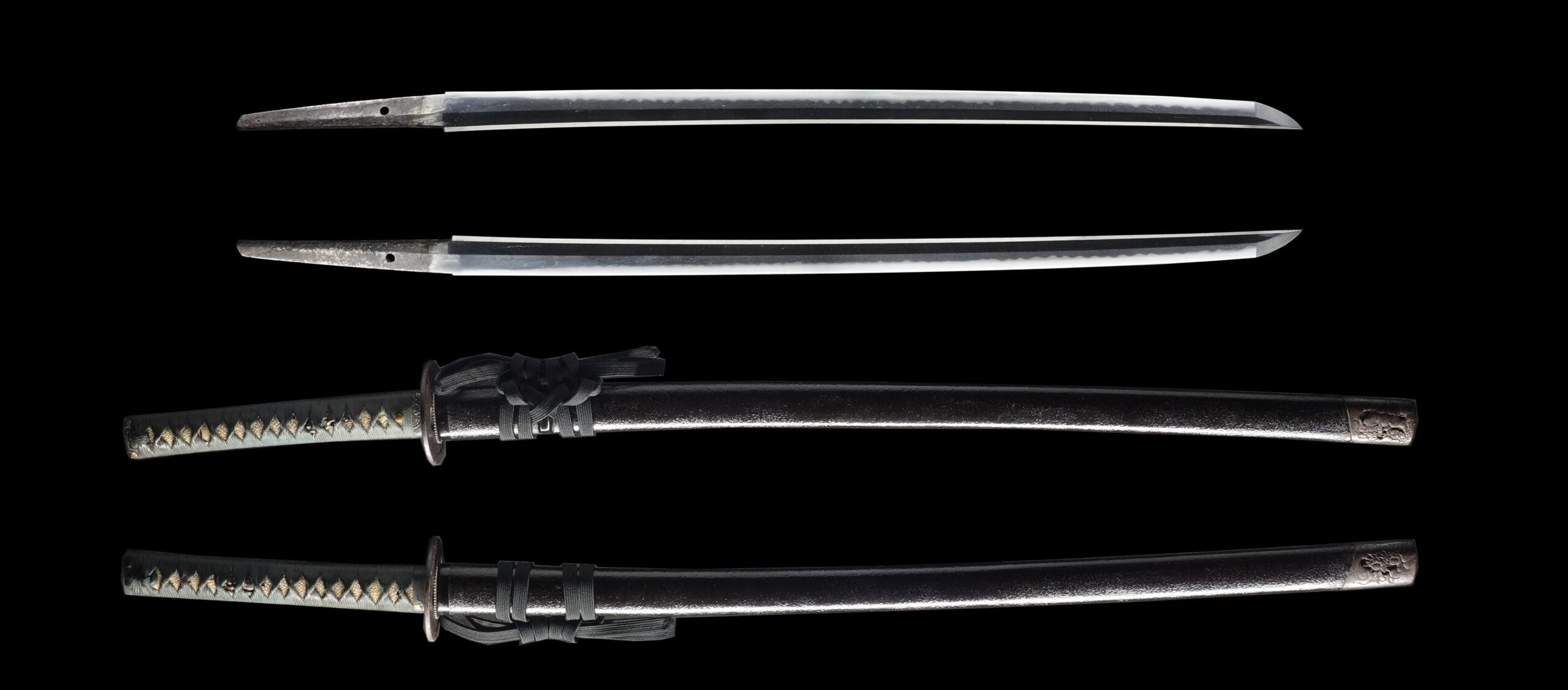
Unification closed the mass market, and Seki’s smiths moved to where the new money was: the Mishina line to Kyōto with court titles, Daidō smiths to castle towns across the provinces. Mino became the great technical ancestor of the Shintō age.
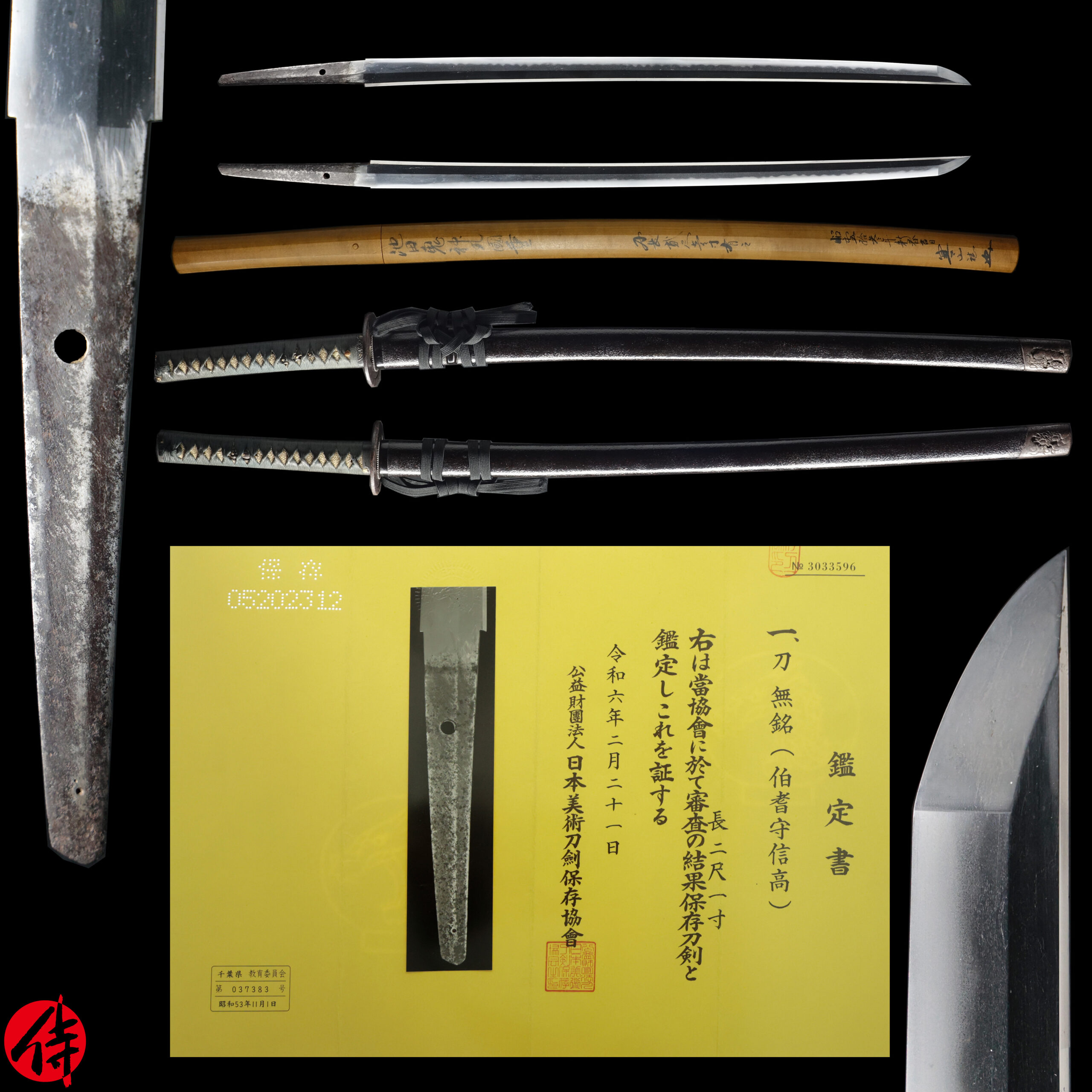
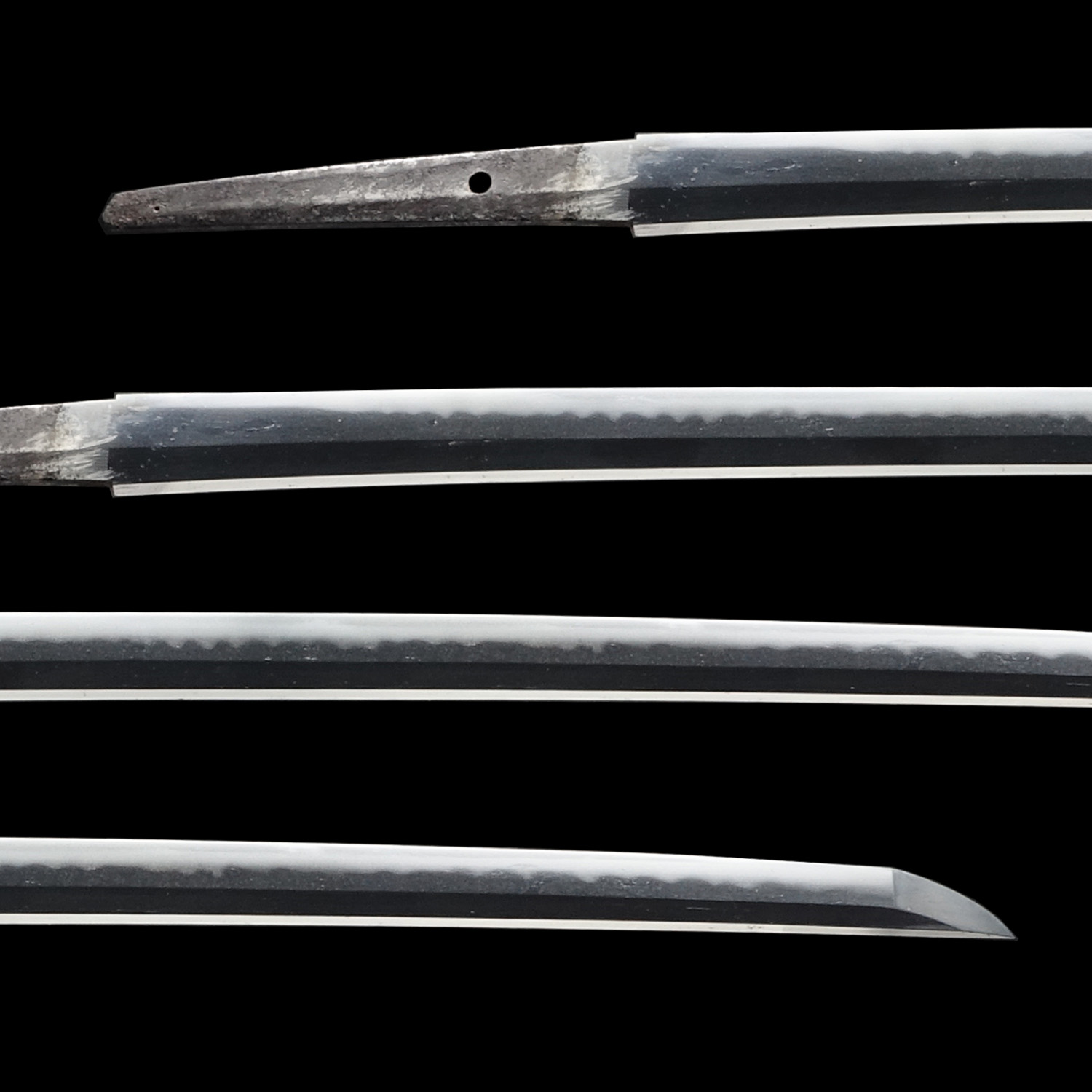
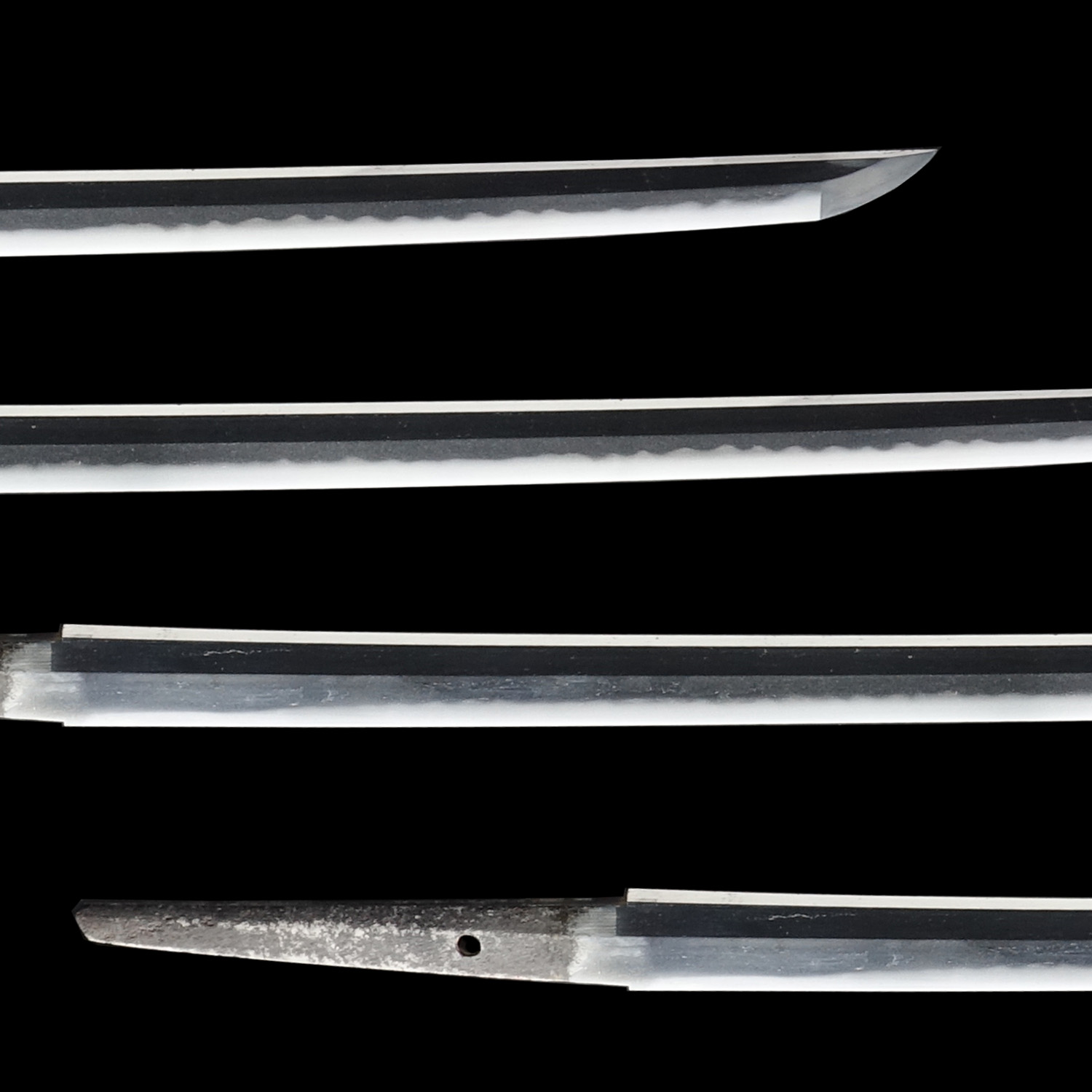
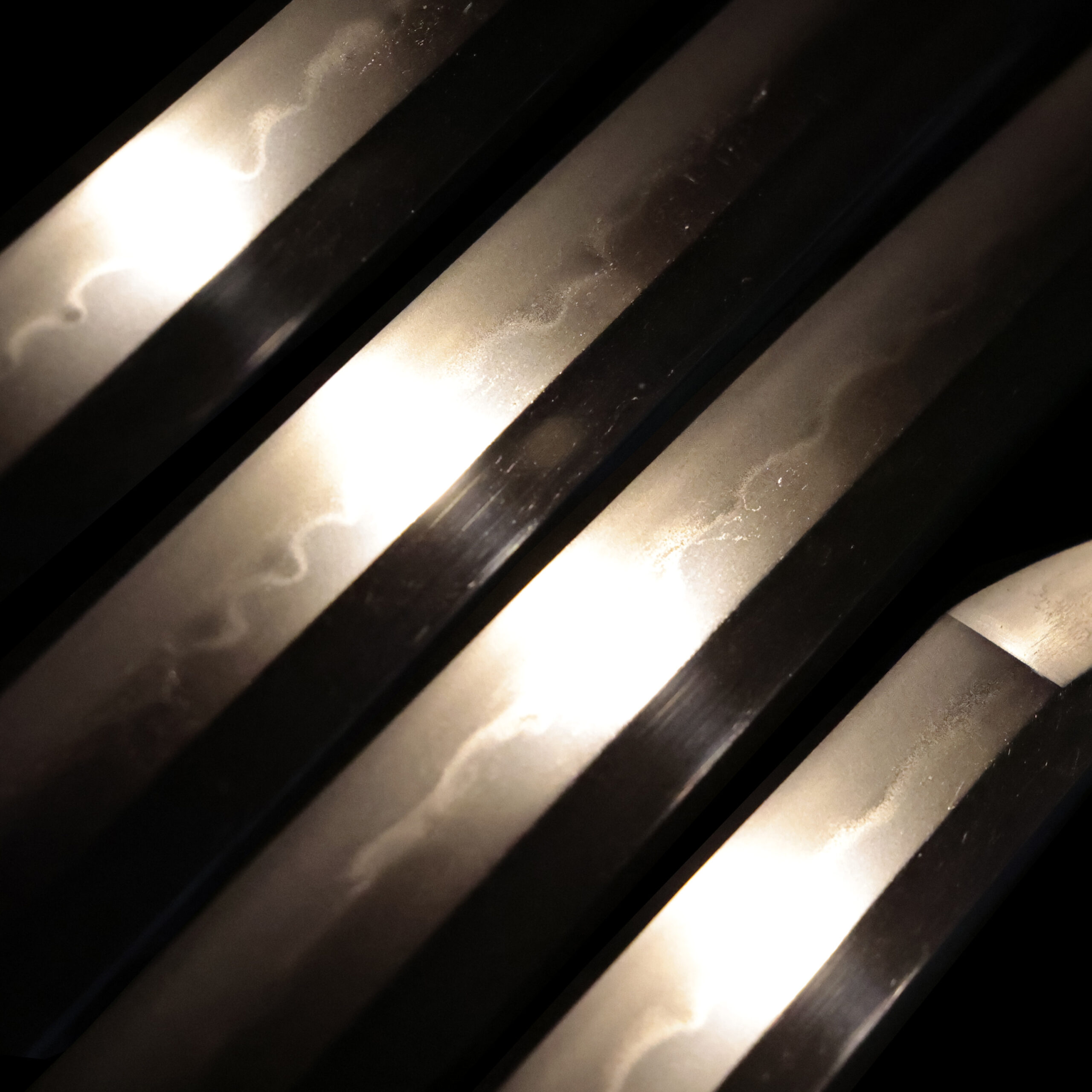
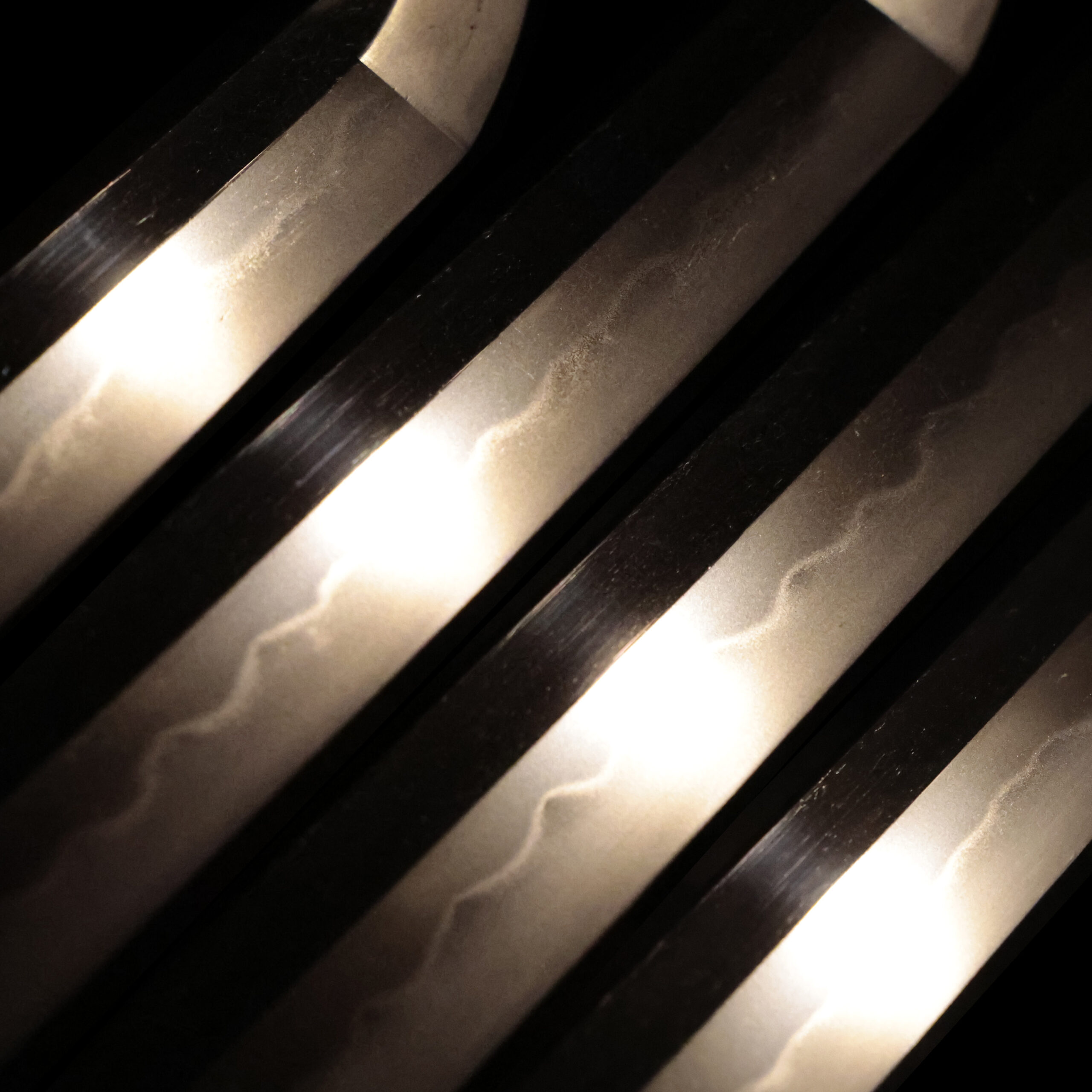
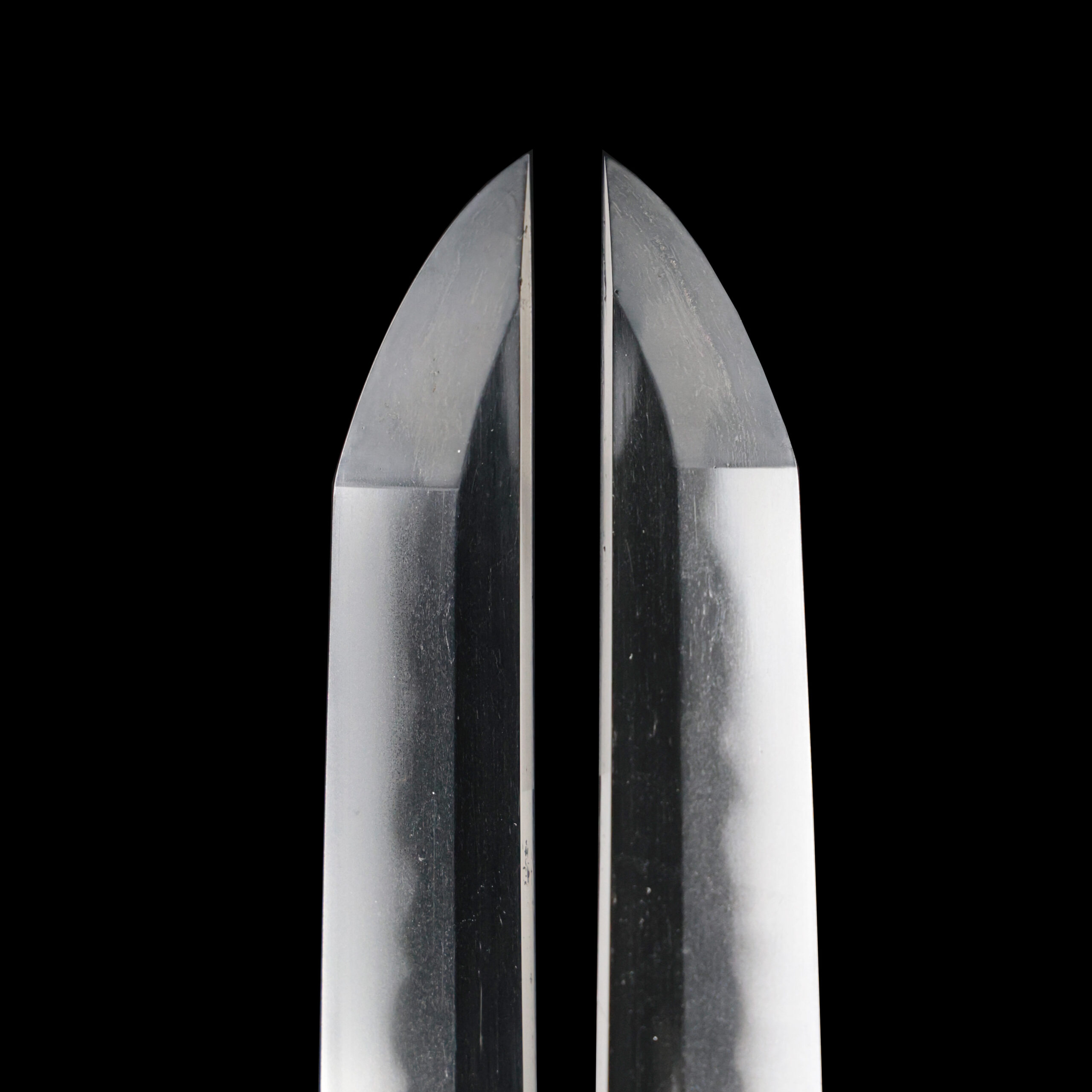
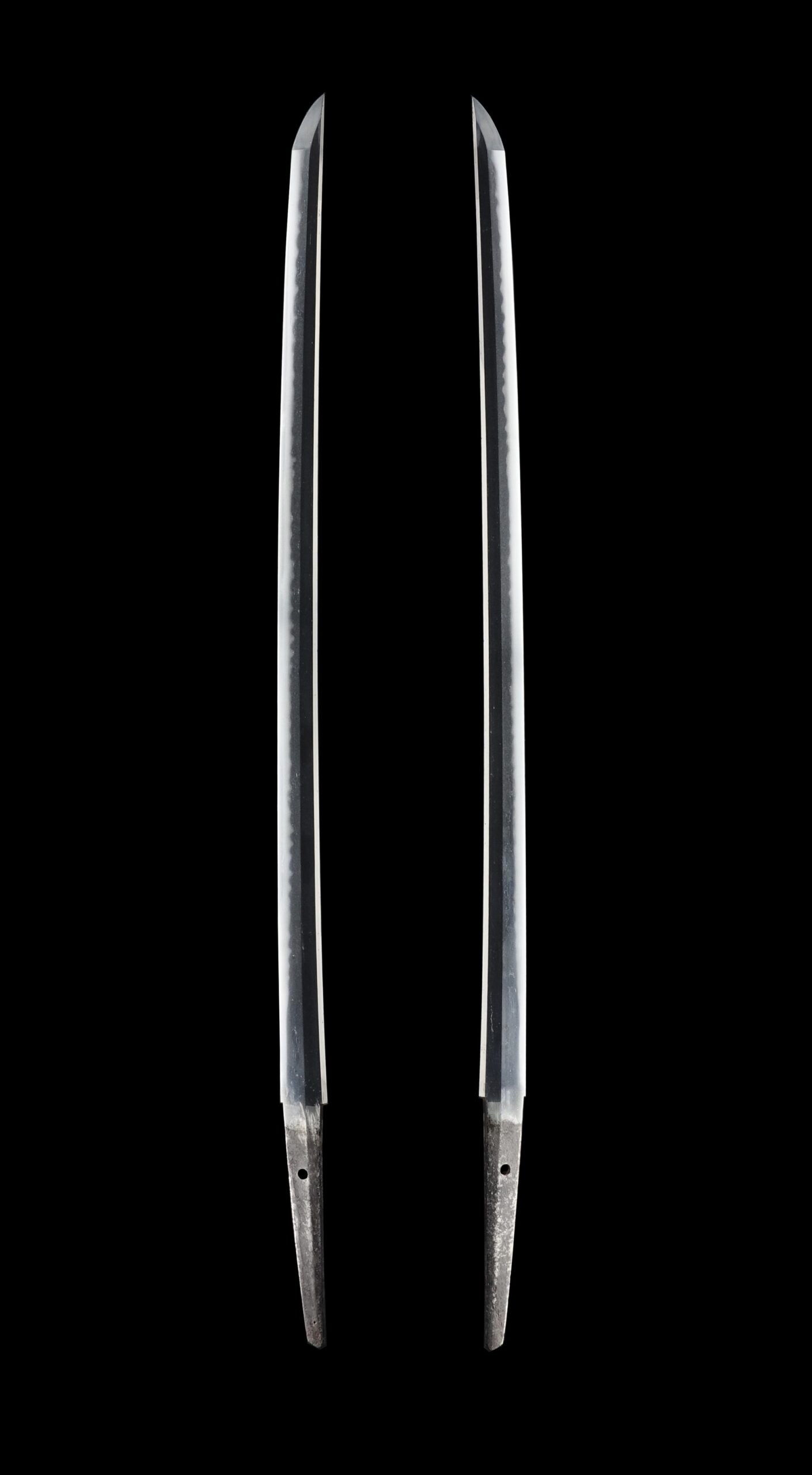
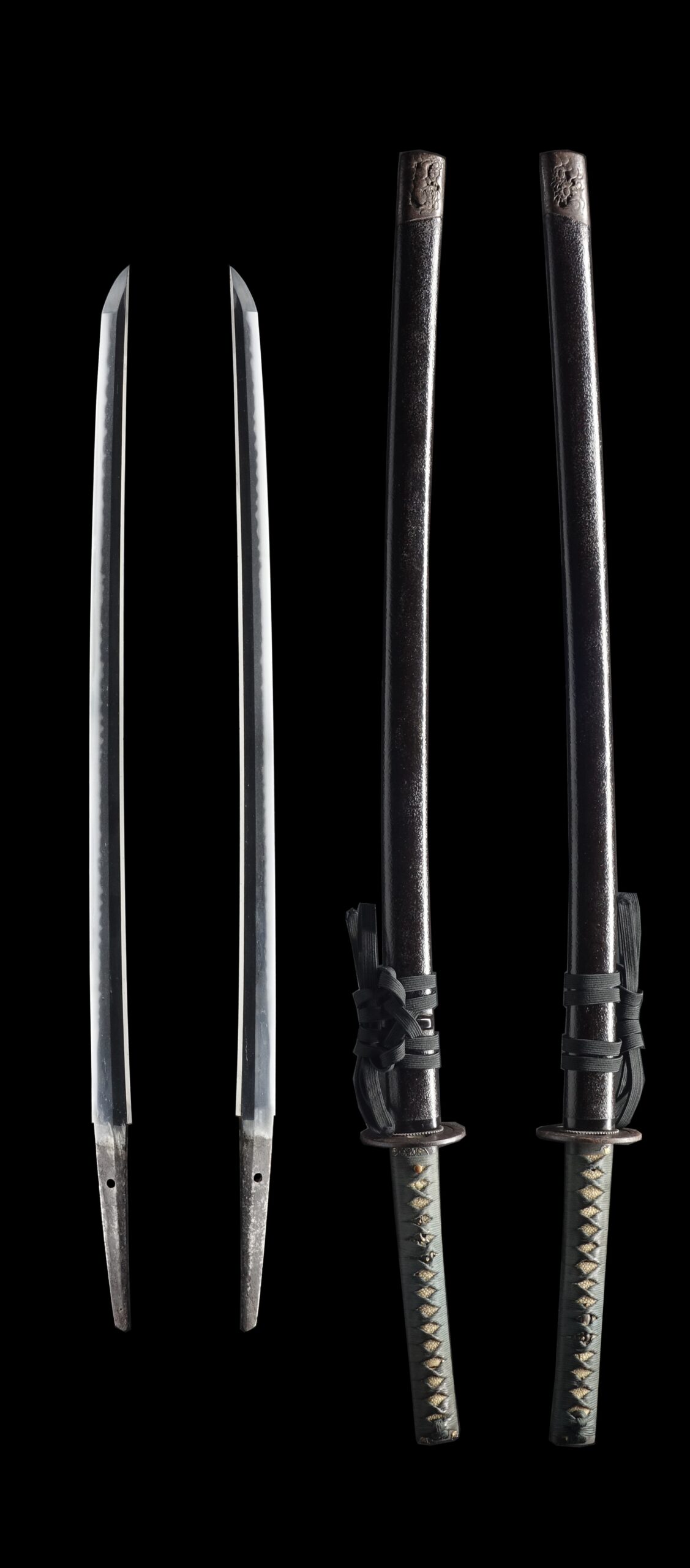
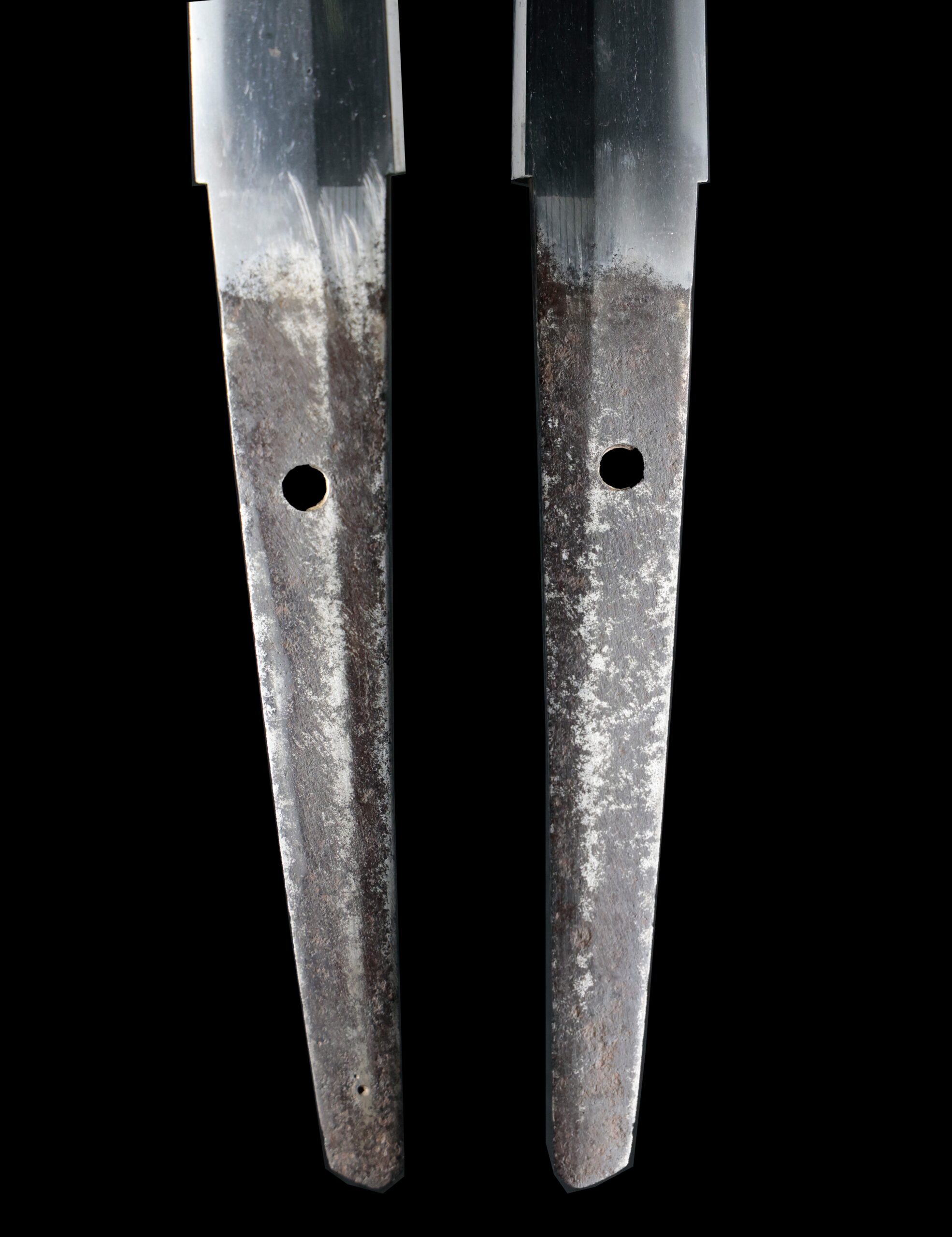
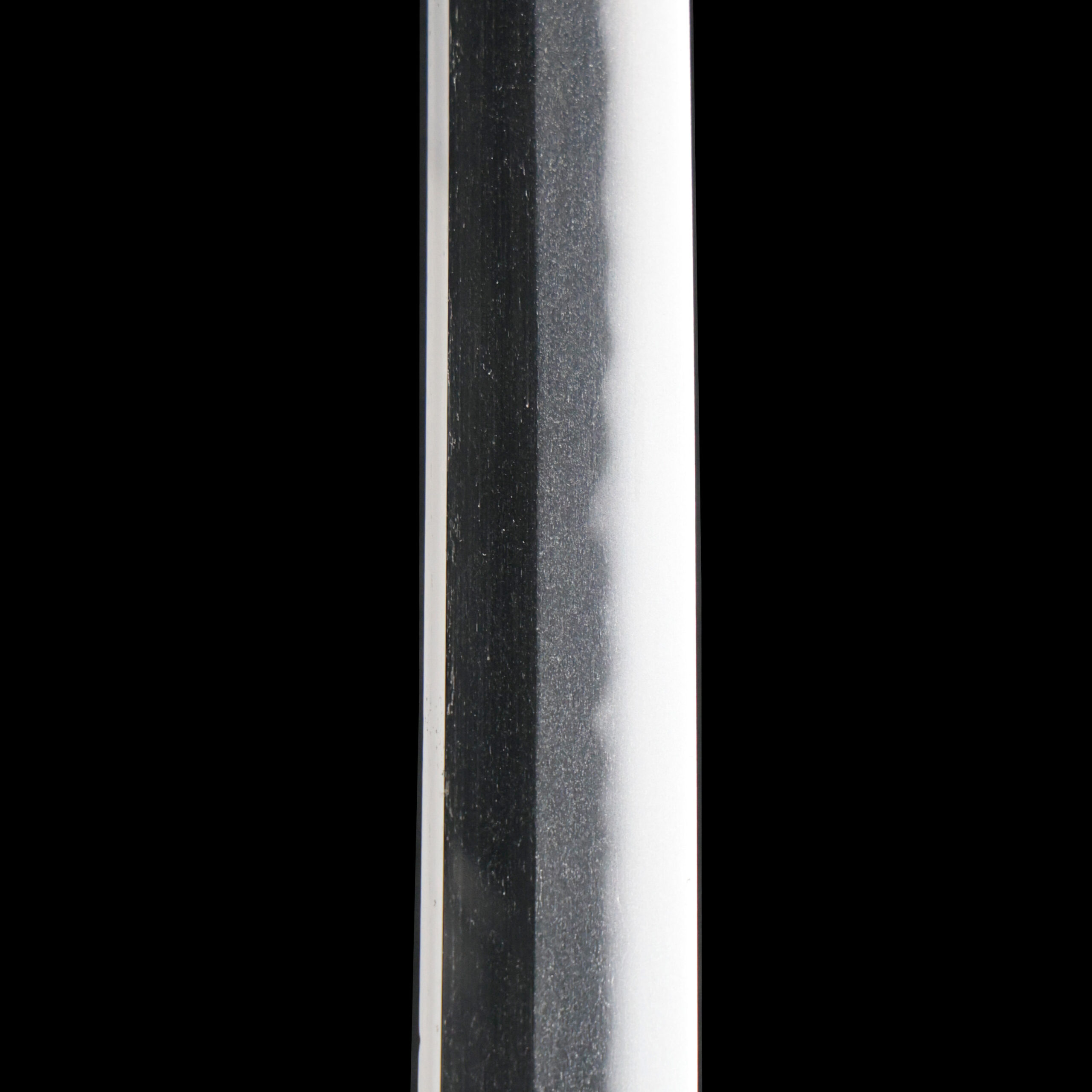
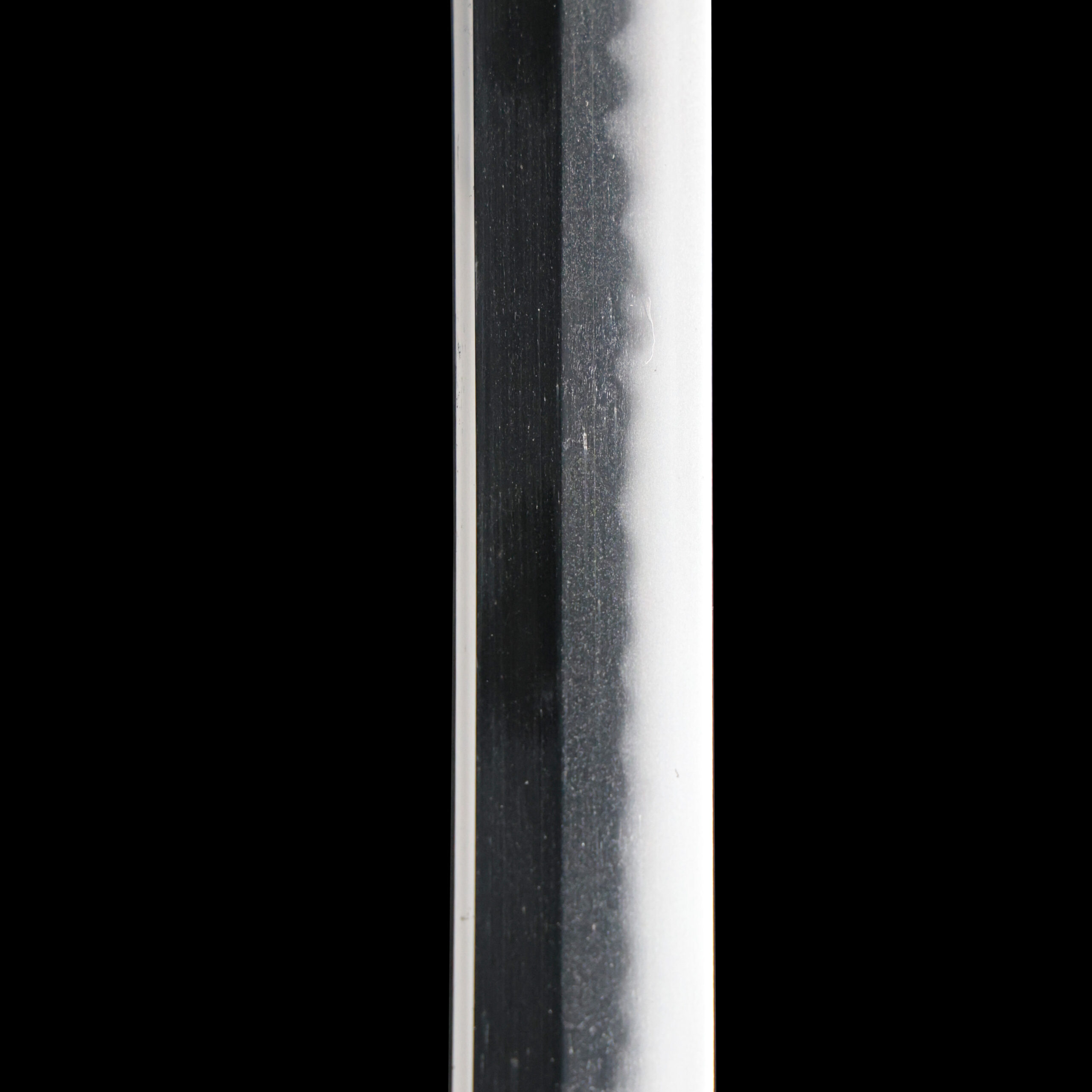
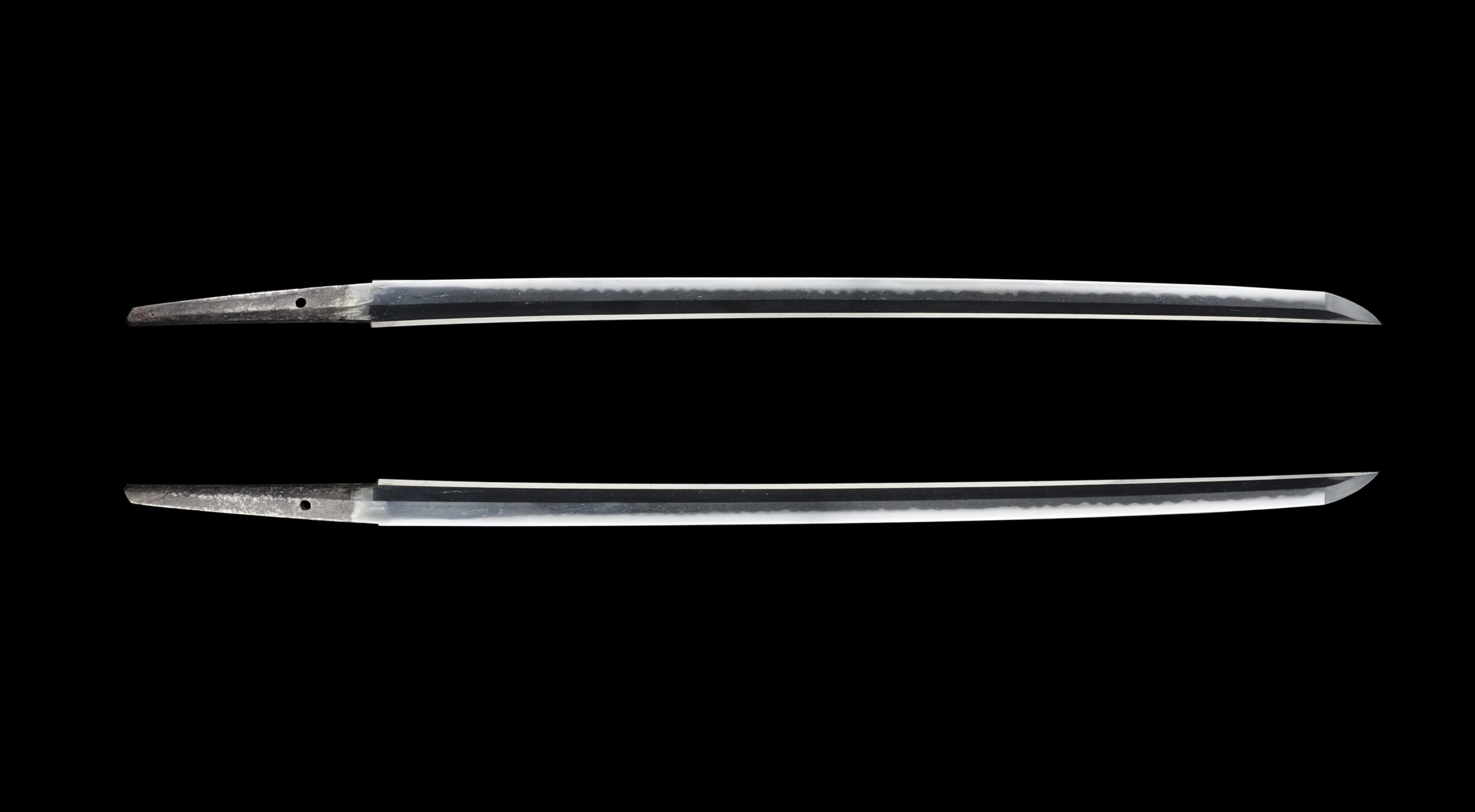
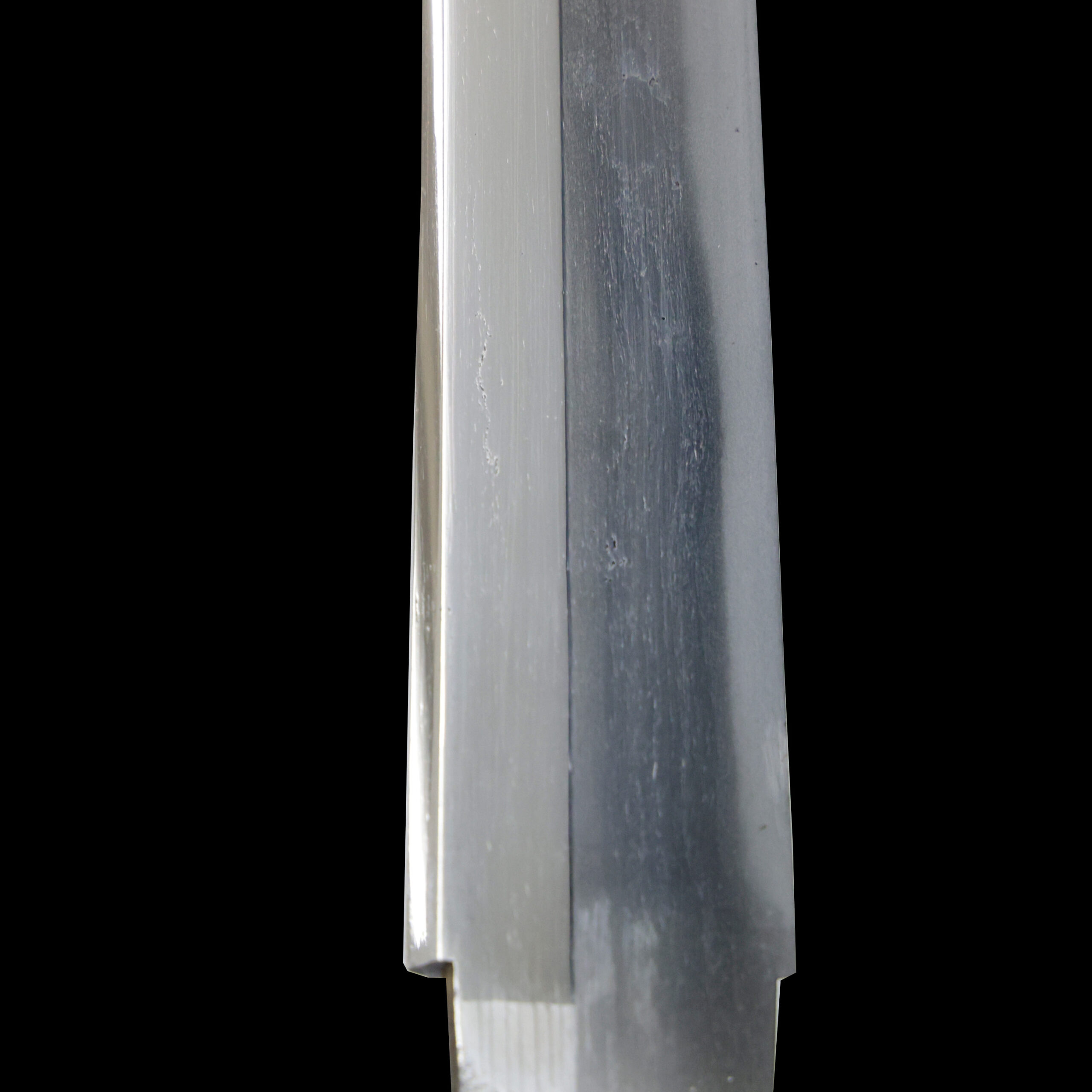
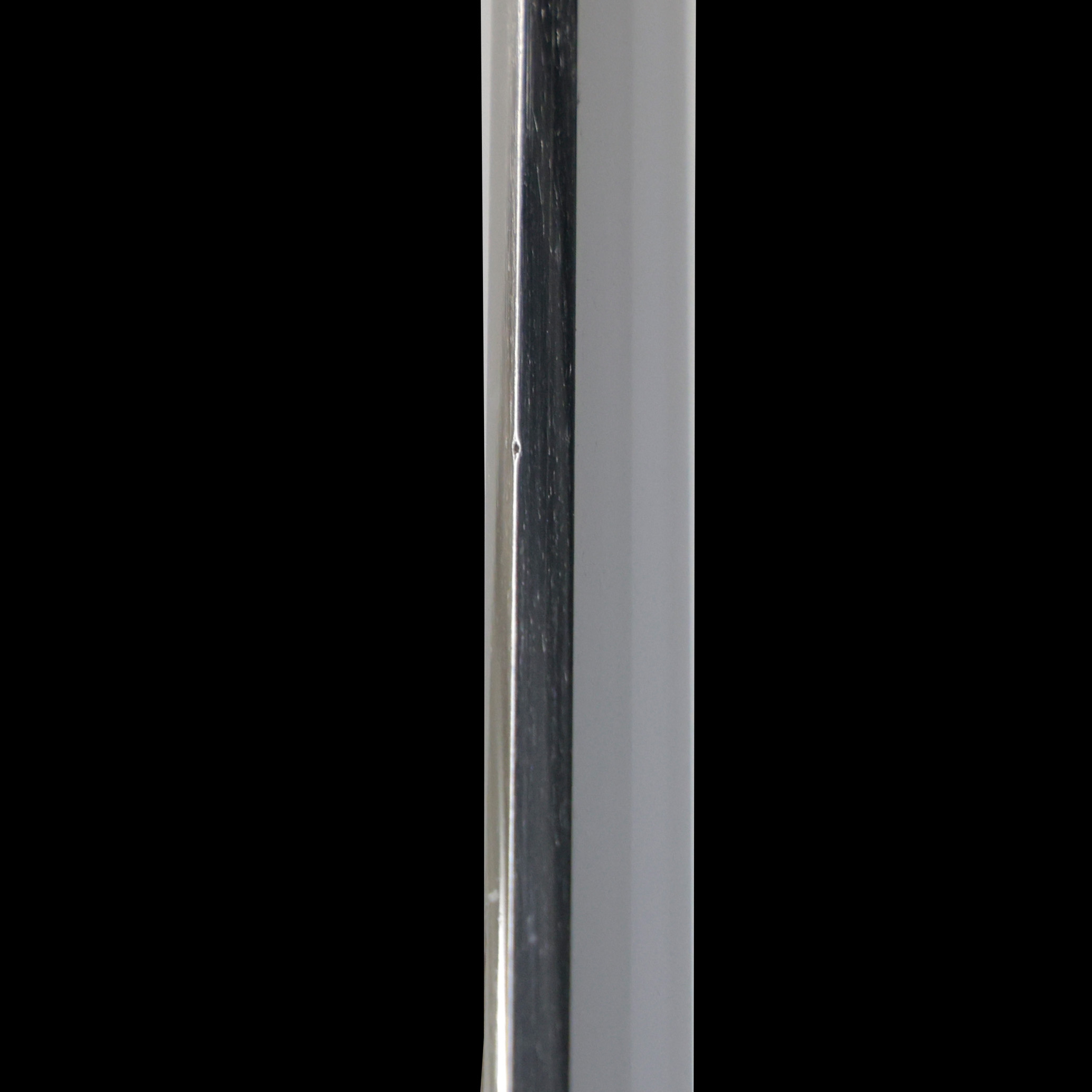
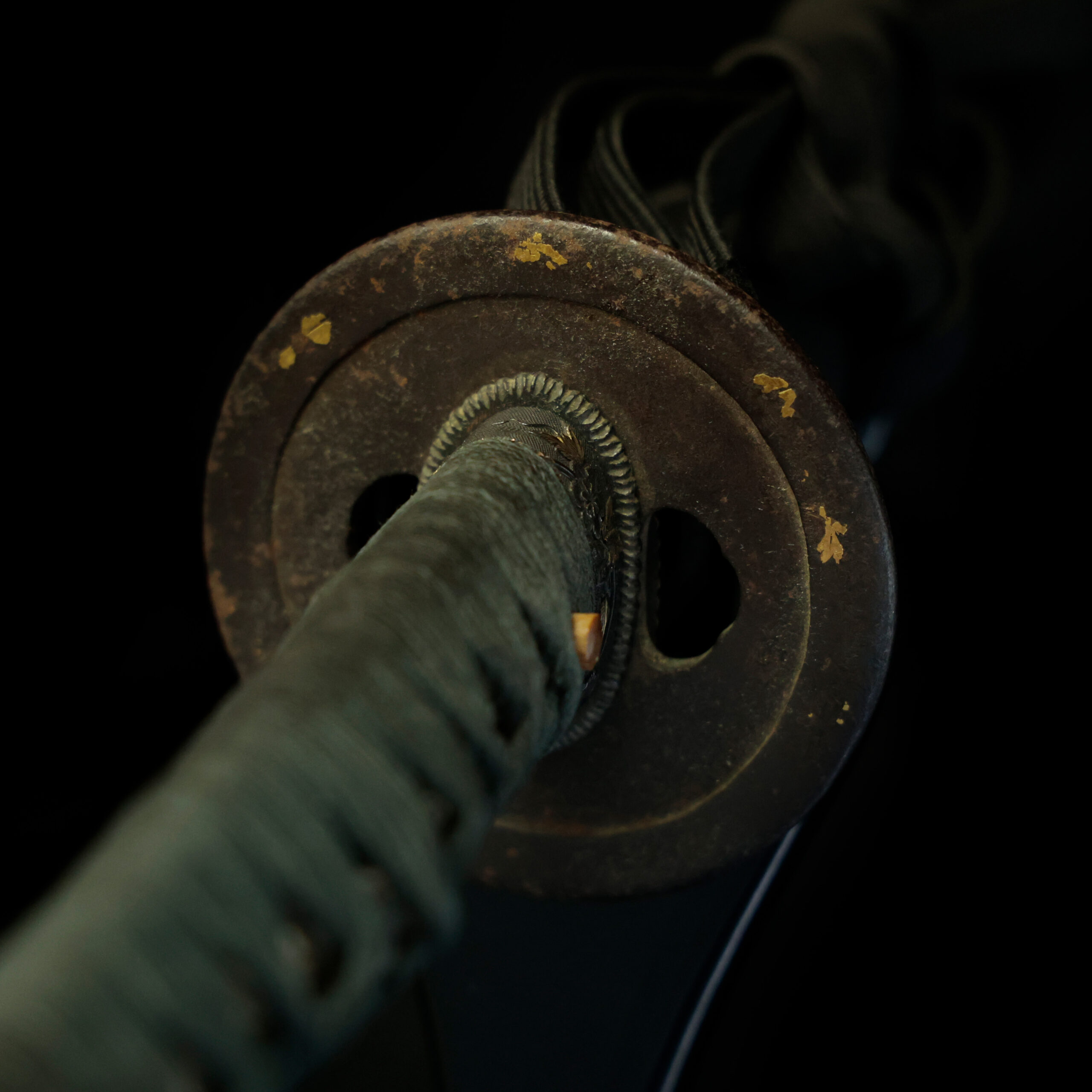
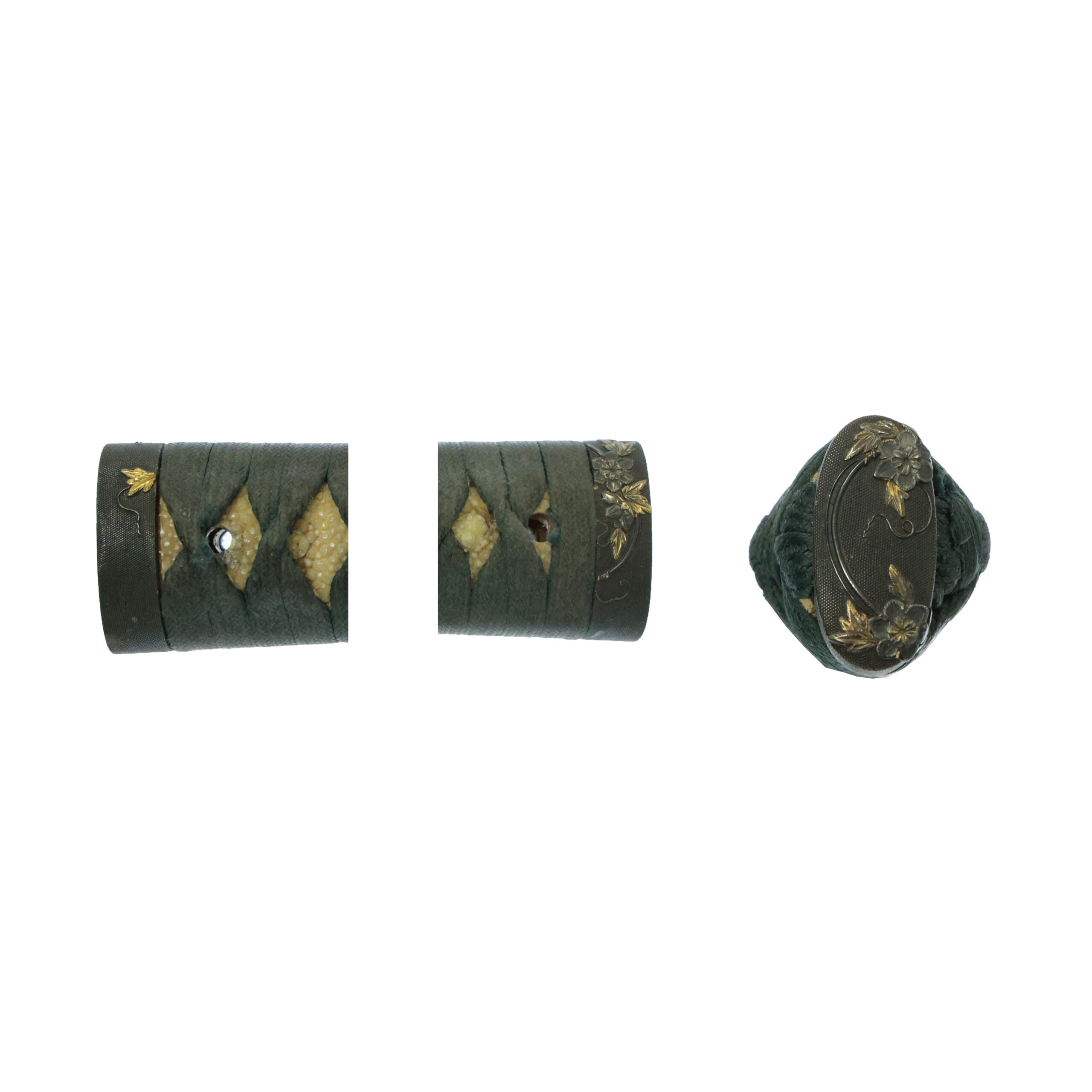
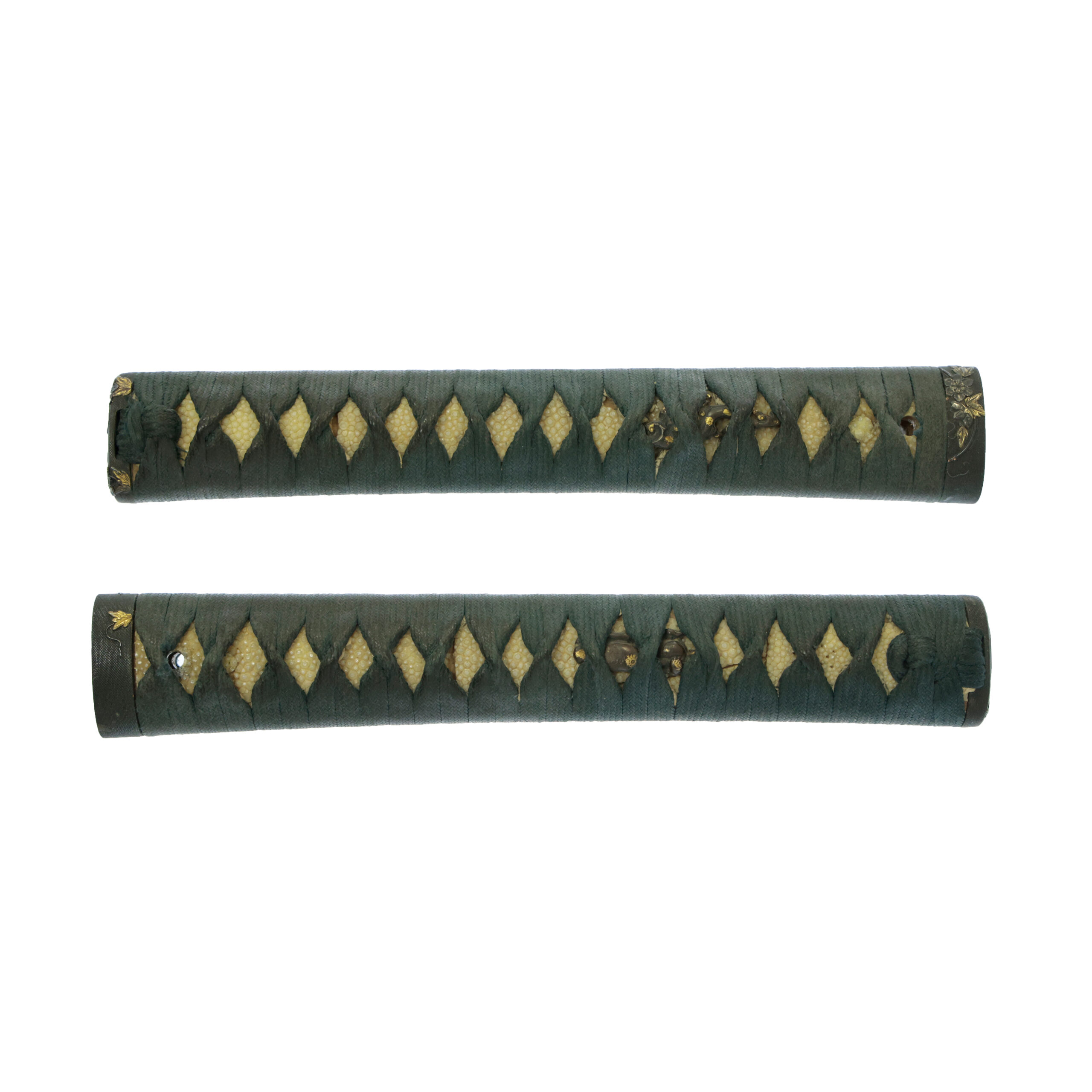
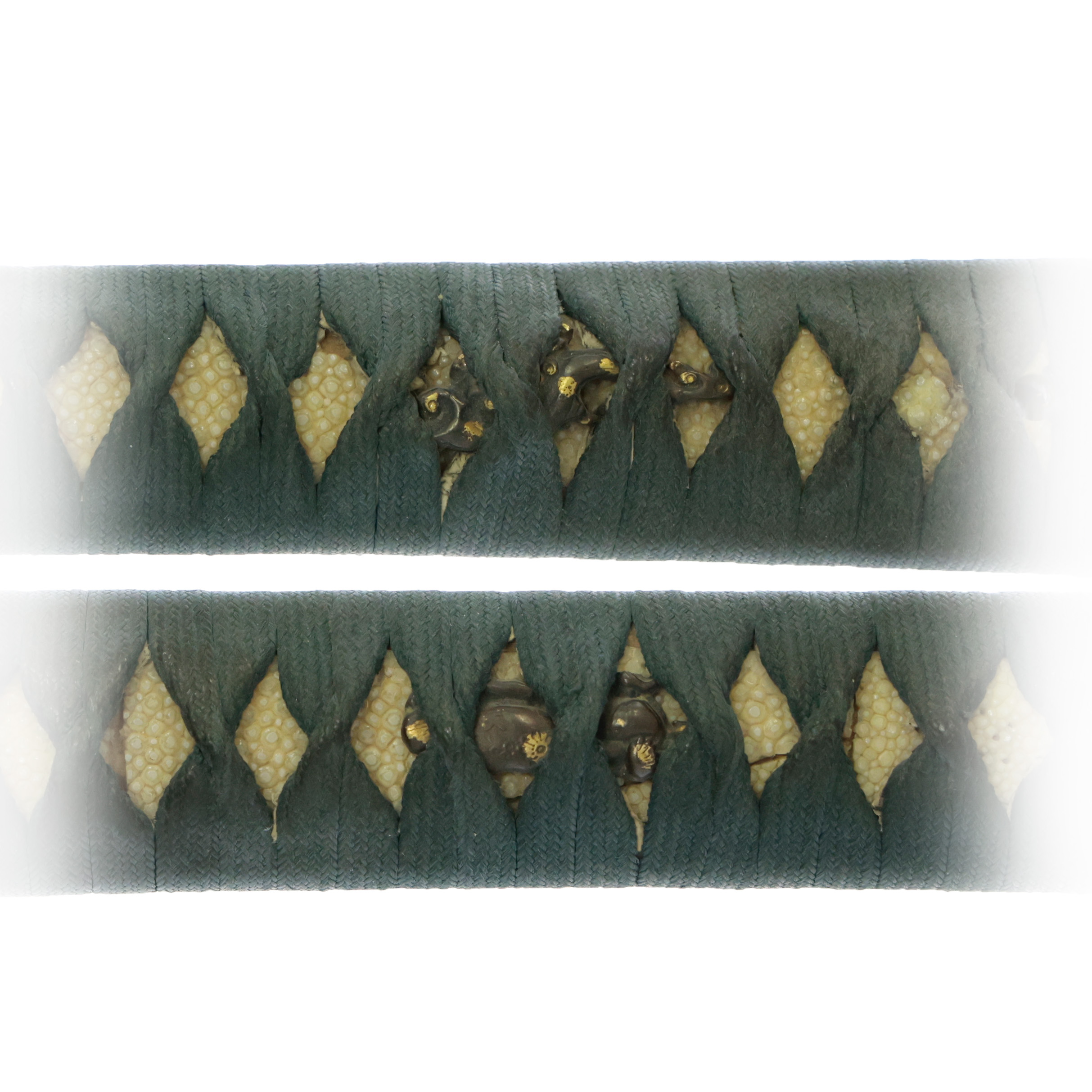
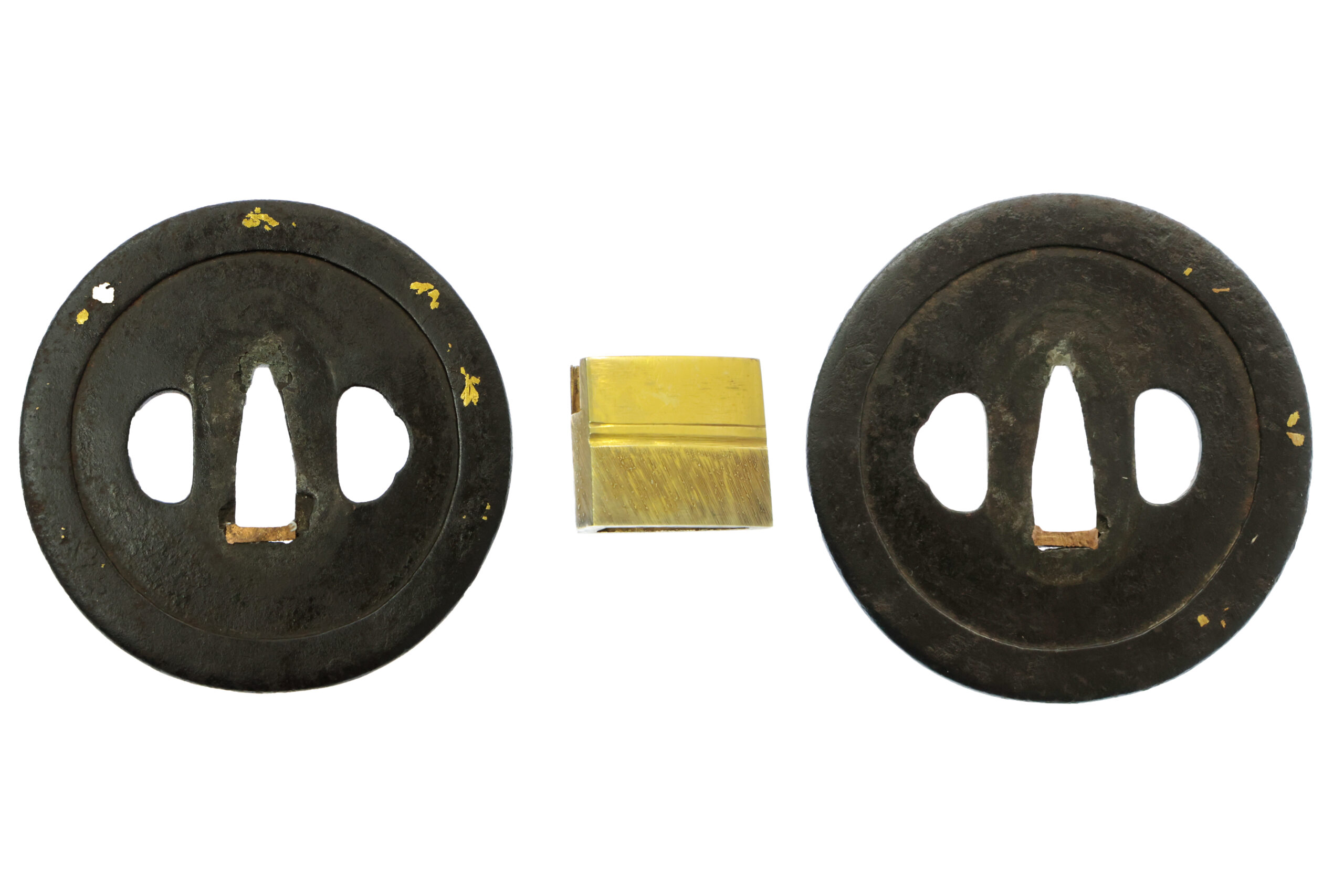
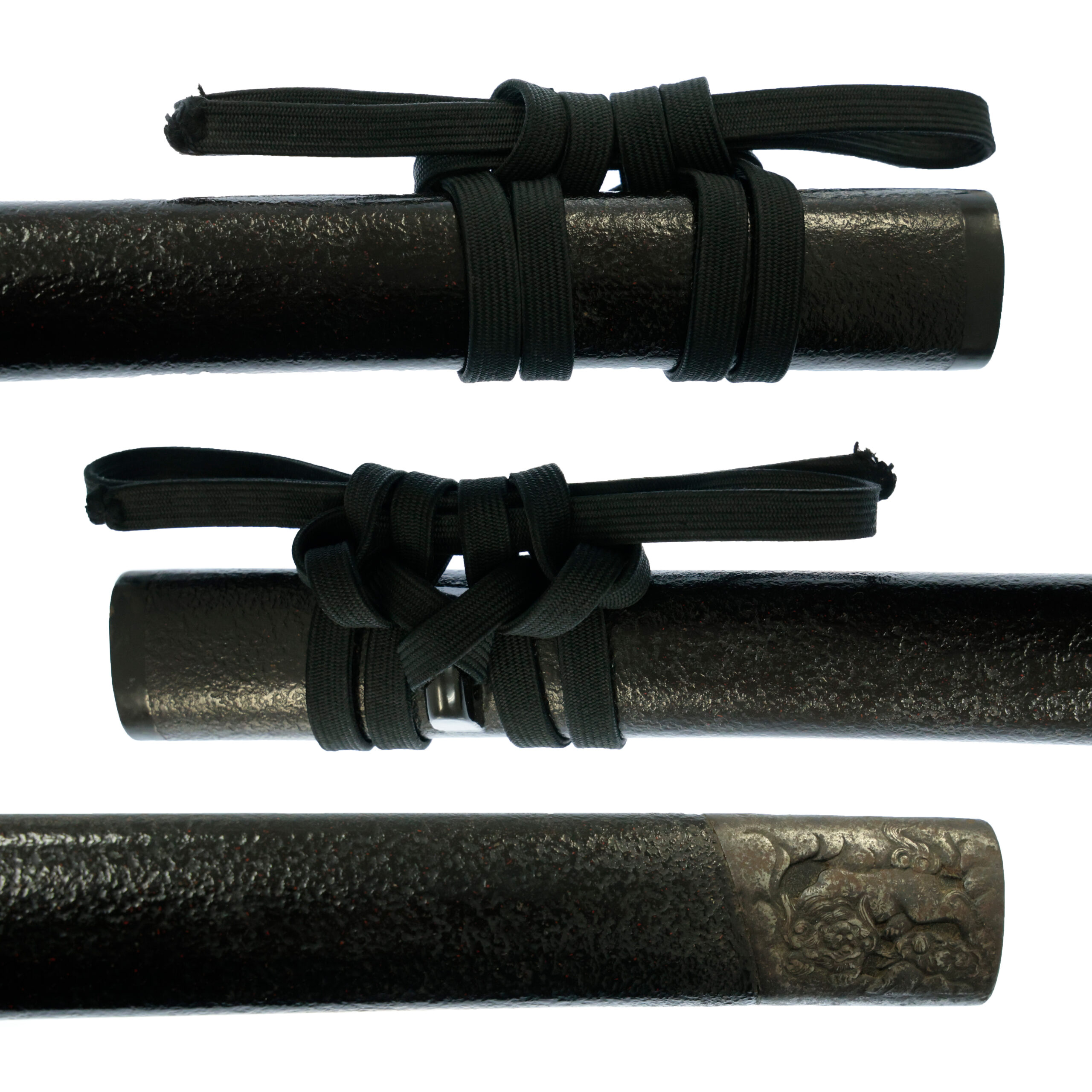
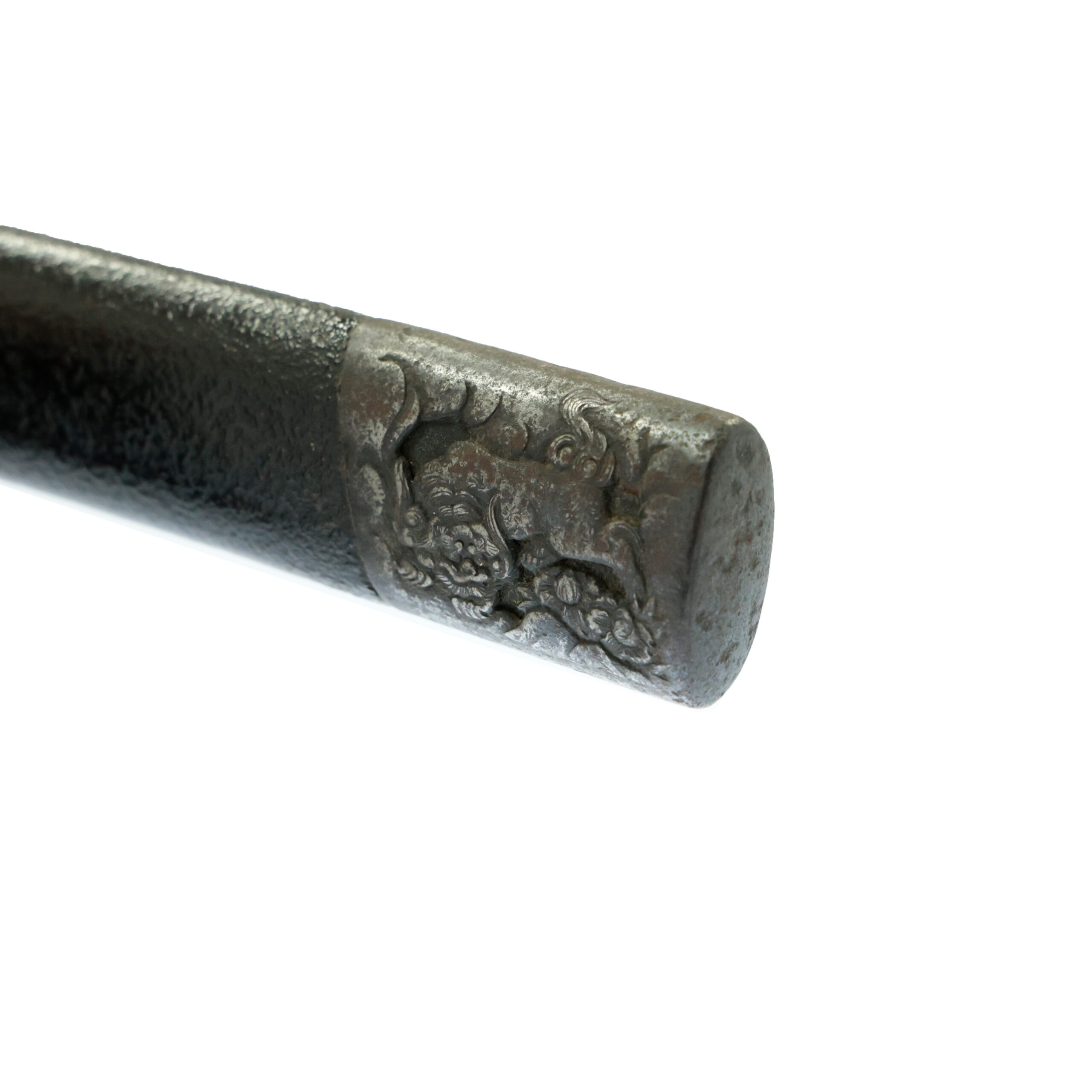
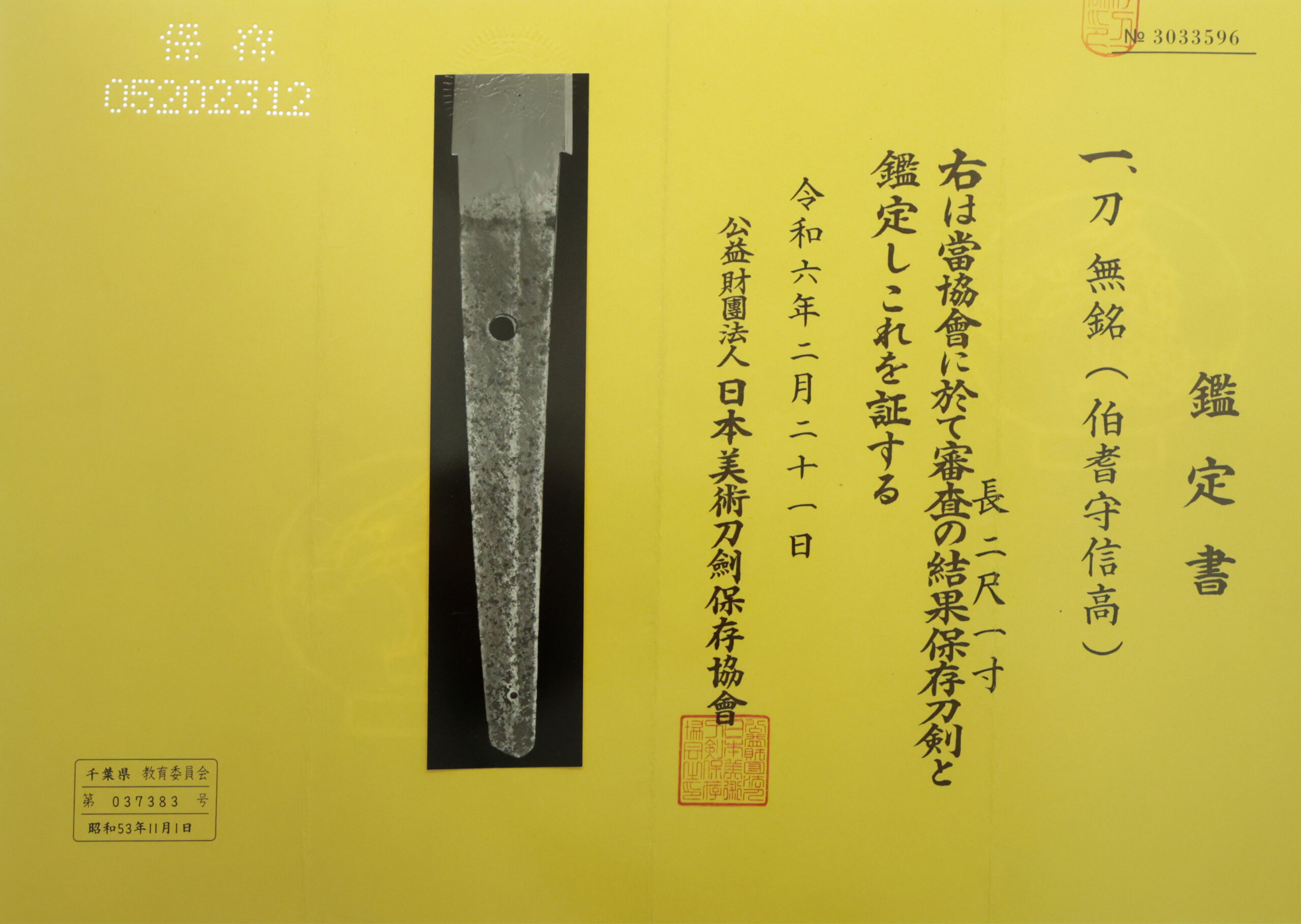
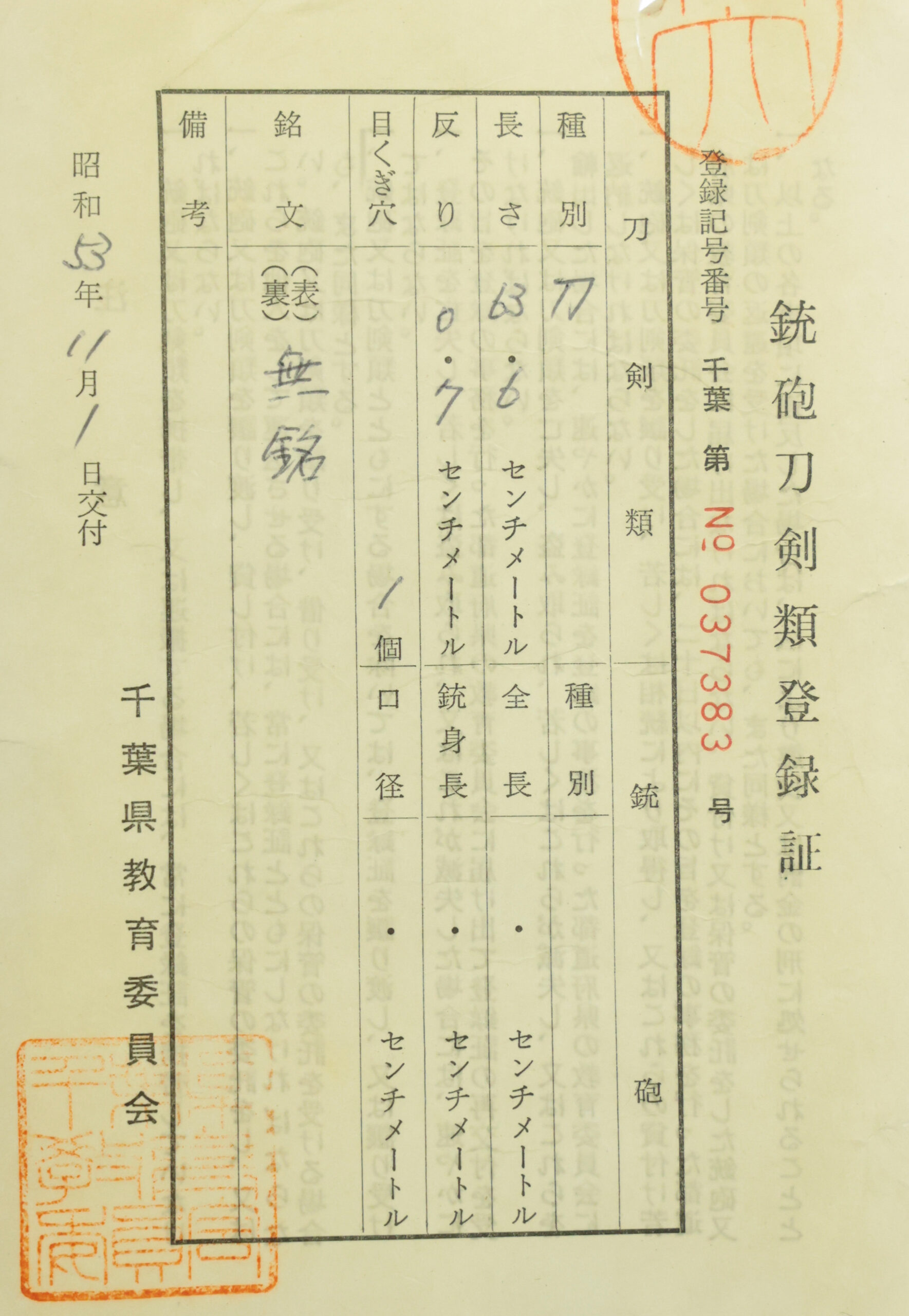
This blade is attributed to Hoki no Kami Nobutaka (伯耆守信高). The swordsmith’s name “Nobutaka” lasted six generations during the Edo period. Hoki no Kami was an honorable title given to this swordsmith, and the 1st-5th generation received this title. It is said that Nobutaka was a descendant of Kanekuni, who belonged to Mino koku San-Ami school. We believe the attribution was given to the first-gen Nobutaka, who was especially active during 1596-1615 (Late Azuchi Momoyama- early Edo period). The first-gen Nobutaka was originally from Mino province, which is famous for Japanese sword tradition, MINO-DEN. The first-gen moved to Owari castle at the beginning of the Keicho era (the late 1590s). And he relocated to Nagoya after Nagoya castle was built. There were many swordsmiths from Mino province who moved to Owari province. They are called Owari Seki. The most famous swordsmiths categorized as Owari Seki are the first-gen Hoki no Kami Nobutaka, Hida no Kami Ujifusa, and Sagami no Kami Masatsune. All the highly refined sword-forging techniques the first-gen Nobutaka had passed down to the second-gen. As Owari province (today’s Aichi prefecture) was active in martial arts during the early Edo period, there was much demand among high-class Samurai to order swords forged by the second-gen Nobutaka. He often worked with his son (the third-gen Nobutaka), and there is some remaining work where both signatures are found. This blade is appraised as a Hozon Touken (保存刀剣) issued by NBTHK (Nihon Bijutsu Touken Hozon Kyokai: 日本美術刀剣保存協会). *Please keep in mind that there are a couple of Kitae Kizu on the blade. Fuchi-Kashira The motif of this Fuchi Kashira is Tessen (鉄線/鉄扇, clematis), or called Tessenka (鉄線花). Tessenka has six petals, and it was brought from China. This flower’s petals spread out like a windmill and have stiff vines. According to a theory, the Japanese name for this flower, Tessen, was derived from the fact that the hard vines remind us of iron wires (鉄線 means iron wire in the Japanese dictionary sense). This flower was appreciated as a flower to decorate tea parties, and people favored its graceful appearance. There are also various Tessen flower-designed family crests. It was also used in the design of bridal gowns and visiting clothes in hopes of connecting or bonding with others. In addition, the surface of this Fuchi Kashira is decorated with the Nanako-Ji (魚子地) technique. This process makes a uniform minimal protrusions pattern by hitting the Nanako-Ji Tagane (魚子地鏨, a chisel for this technique) on a metal surface. This decorative technique is often seen on sword mountings. Tsuka and Menuki Each Menuki has a different motif. One of the Menuki seems be waves (波, Nami). As waves’ movements continue endlessly, the wave pattern represents eternity, immortality, longevity, birth, etcetera. Also, since tides repeatedly change the shape and terrain of rocks, some people hoped for a strong will by using this motif. People used this pattern wishing for an indomitable spirit to rechallenge time and time without giving up. Thanks to its dynamic design, this motif has been appreciated, especially for men’s Kimono (traditional Japanese costume). We assume the other one might be some tool which has a design of chrysanthemum (菊, Kiku) on it. A long time ago, the chrysanthemum was used as a medicine for obtaining a long life in China, and it was brought to Japan with this thought in the Nara period (648-781). Chrysanthemum is one of the flowers which symbolizes fall, and people appreciate it very much since ancient times. As its petals form radially, the chrysanthemum has been likened to the sun. That is why this flower pattern is treated as the symbol of perpetual youth and longevity or good health. “Kiku no Gomon (菊の御紋)” is a kind of chrysanthemum pattern, and it has been used as the crest of the Emperor and the royal family in Japan so that it is well-known as a noble pattern. *Please keep in mind that the Samehada (鮫肌, shark skin covering the handle) is partly missing. Tsuba and Habaki The surface of this circle-shaped Tsuba is partly decorated with the Kin Nunome Zougan (金布目象嵌, gold inlay) technique. The Nunome Zougan (布目象嵌) is a technique in which vertical and horizontal stripes are attached to the surface that seems to be a texture of a fabric, and gold or silver foil is pasted on the surface to make it bite in and prevent it from peeling off. Although the golden color is partly faded, this inlay makes this Tsuba look decorative. Saya If you look at the head of this Saya, you would find a combination of Botan (牡丹, peony) flower and Karajishi (唐獅子). The combination of Botan and Karajishi is called Karajishi Botan (唐獅子牡丹) or Shishi Botan (獅子牡丹). While lions have been known as the “king of beasts”, peonies have also been called the “king of flowers.” Therefore, this combination motif has been favored since ancient times. The Shishi (獅子) means a lion in Japanese, and the Karajishi is a lion brought from the continent to Japan in the Toh period (唐, Tang dynasty, 618-907). The Karajishi typically has curly hair for its head, neck, body, and tail, as seen on this work. In Buddhism, the Karajishi is regarded as a symbol of wisdom, and Monju Bosatu (文殊菩薩, Manjushri Bodhisattva) rides lions. According to a theory, the Karajishi is the origin of Komainu (狛犬, stone guardian dogs that exorcize evil spirits). It shows this animal motif has been familiar to Japanese people since ancient times. There is a Houwa (法話, Buddhist monks tell the story of Buddhism in an easy-to-understand manner) that treats the Karajishi and this flower. The lion is called the king of the beasts. However, even this invincible animal has only one fear: a bug in the lion’s body. This pest grows in the lion’s hair and eventually breaks the skin and bites the flesh. Nevertheless, it dies if it is exposed to the night dew of a peony. Therefore, the lion rests under peony flowers at night, looking for a haven. The design of these sword mountings might have been quoted from this story. Peony represents happiness, wealth, nobleness, and gorgeousness. This flower pattern has been treated as a kind of good-omen motif; people regarded it as a rich harvest sign. Peony is called “Botan” in Japanese. When we write this flower’s name in Japanese, its second letter means mountain hermit medicine that would give us eternal youth. Based on the meaning of this letter, the peony pattern symbolizes eternal youth and longevity. Authentication Paper They authenticated the blade on Feb 21st in the 6th year of Reiwa (2024). They appraised it as Hozon Touken, the blade worth preserving for Japanese society.
Offered by Samurai Museum


Mino-den · Owari · around 1581-1615
Fujishiro Jo-jo saku · Tōken Taikan top 21%
1 piece on the market now
The first-generation Hoki no Kami Fujiwara Nobutaka was born in Eiroku 6 (1563) at Kami-Aruchi in Mino Province. Traditionally said to descend from the San'ami Kanekuni lineage, he received the court title of Hoki no Kami in Tensho 9 (1581) at the age of nineteen. He subsequently moved to Kiyosu in Owari Province and, in Keicho 15 (1610), accompanied Tokugawa Yoshinao to Nagoya, where he became one of the founding figures of the Owari shinto tradition. In Kan'ei 10 (1633) he retired under the Buddhist name Keiyu, dying three years later at seventy-six. His personal name was Kawamura Saemon, and the majority of his extant works are shinogi-zukuri katana and wakizashi, with hira-zukuri tanto and polearms comparatively few.
Nobutaka's forge work reveals the Mino tradition of his origin: itame-hada mixed with nagare-hada, tending toward hada-dachi, with thick ji-nie and chikei. His tempering ranges from tightly controlled notare with clear nioiguchi to bold, spirited compositions in which gunome-midare, tobiyaki, and yubashiri span into the shinogi-ji, developing into hitatsura-like all-over hardening. The nie is deep and sometimes coarsely formed, yielding nie-kuzure at the yakigashira and hotsure along the habuchi, punctuated by frequent kinsuji and sunagashi. His boshi tends to be deeply tempered with long kaeri, at times assuming an ichimai-like boldness.
Among the designated pieces, the Tensho 9 katana is celebrated as an utsushi after the renowned Inabae, executed with natural assurance immediately upon receiving his court title. His imposing o-kissaki katana display the wide-bodied proportions characteristic of the Momoyama period, while even his yari of extraordinary length show no breakdown in execution, demonstrating technical mastery across blade forms.
Where Nobutaka stands among comparable artisans: across all of nihontō, and within tradition, era, and period. The tiers (Foremost · Leading · Major · Notable) weigh official designations from the NBTHK and Japan's Agency for Cultural Affairs, together with historical honors of lasting repute such as the Sansaku and Meibutsu-chō.
Select a lens to see how it's measured.
Years he was demonstrably active, proven by signed-and-dated blades
Mino-den · Mino
6 pieces on the market now
The San'ami line takes its root in Mino Province, where its head smith Kanenori (兼則) worked as one of the so-called Seki Seven Schools. The setsumei place Kanenori from the close of the Nanbokuchō period into the Ōei era of the early Muromachi, alongside Kanemoto and Kanesada among the representative hands of Sue-Seki, and the earliest extant signed tachi of his is appraised as no later than Ōei. A second early smith, Kanekuni (兼国), is recorded as belonging to the San'ami lineage and is judged to predate the Sue-Seki group proper; the remote ancestry given for him runs variously to a disciple of Naoe Kanetomo, to Yamato Kanekuni, or to Kanenori, though the setsumei note that nothing survives to confirm so distant a descent. From this Mino stock came Hōki no Kami Fujiwara Nobutaka (信高), born at Kami-Ōchi in Mino in 1563 and said to descend from San'ami Kanekuni. After receiving the title Hōki no Kami in Tenshō 9 (1581) he moved to Kiyosu in Owari and, serving Tokugawa Yoshinao, later settled at Nagoya, carrying the line into the early Shintō era through a second generation who took the tonsure in Kanbun 2 (1662). Across the corpus the jigane is itame, often closely forged and tending to nagare-hada or flowing grain along the edge, with ji-nie and a frequent standing of the grain (hada-dachi); a faint whitish cast (shirake) marks the older Mino work of Kanenori and Kanekuni. The temper rests on suguha as a base. In the early hands it is a tight, clear (saete) suguha in nioi-deki, sometimes mixed with small gunome, angular elements and pointed ha, carrying ashi, hotsure and scattered tobiyaki.
The Nobutaka works open this out: a broad suguha shifting to shallow notare, ko-notare with a gunome-flavored edge, deep nioi with nie unevenly applied and partly coarse, nie-kuzure at the yakigashira, kuichigai-ba, kinsuji, sunagashi, yubashiri and tobiyaki that climb into the shinogi-ji until the upper half reads as hitatsura. The bōshi runs to sugu with ko-maru, at times midare-komi, pointed, or hakikake, and the early swords keep a slender, high-sori tachi shape while Nobutaka's carry the wide-bodied, ō-kissaki form of the Momoyama transition. The hand is recognized in this pairing of a flowing Mino itame with a suguha core that, in the descendants, breaks toward bold hitatsura. For kantei, the setsumei fix several anchors. In Kanenori's signature the scooped chisel at the fourth stroke of the character kane (兼) is read as a trait of late Nanbokuchō through Ōei work, matched in dated Kaneyoshi mei; the clear suguha of Kanekuni is likened to a Zenjō Kaneyoshi masterpiece. The jizō-flavored bōshi and the nagare-mixed itame in Nobutaka are named as the surviving stamp of the Mino root beneath his Owari manner, and one of his katana is recorded as an Inabae-utsushi. Provenance runs through the corpus: a Kanekuni bears kinzōgan recording it as the sashiryō of Ōkubo Genban-no-jō Tadanari, lord of Odawara in Sagami, worn at the age of ninety-three; Kanenori's tachi descended in the Yamanouchi family. Among the Owari yari makers beginning with Masatsune, Nobutaka's yari of extraordinary length is held in particular regard, and the second-generation Nobutaka is judged no less skilled than his father, with the finest extant Nobutaka works counted to his hand. Learn more →
| Smith | Era | Designated |
|---|---|---|
| Nobutaka信高 | 1581-1615 | 3 |
| Kanenori兼則 | 1370-1372 | 1 |
| Nobutaka信高 | 1624-1644 | 2 |
| Kanekuni兼國 | 1455-1457 | 1 |
| Nobutaka信高 | 1673-1681 | 0 |
Mino in the Momoyama period
Unification closed the mass market, and Seki’s smiths moved to where the new money was: the Mishina line to Kyōto with court titles, Daidō smiths to castle towns across the provinces. Mino became the great technical ancestor of the Shintō age.
Certifies a genuine blade worth preserving: a signature confirmed correct, or, if unsigned, an era, province, and school that the NBTHK can reliably identify.
The NBTHK (Nihon Bijutsu Tōken Hozon Kyōkai, the Society for the Preservation of Japanese Art Swords) is a public-interest incorporated foundation founded in 1948 and supervised by Japan’s Agency for Cultural Affairs (Bunkachō); it is based at the Japanese Sword Museum in Tokyo. Its expert panels physically examine each submitted work (shinsa) and issue a certificate (kanteishō) ranking it by artistic and historical merit. NBTHK papers are the most widely recognized standard of authentication for Japanese swords and fittings.
NBTHK official siteReturns/exchanges limited to defects caused by shipping (except willful misconduct or gross negligence by the company); customers must contact within 72 hours of receiving the product.