NihontoWatch MonNihontoWatch
Market
Encyclopedia
Kantei
NihontoWatch MonNihontoWatch
Market
Encyclopedia
Kantei

Description

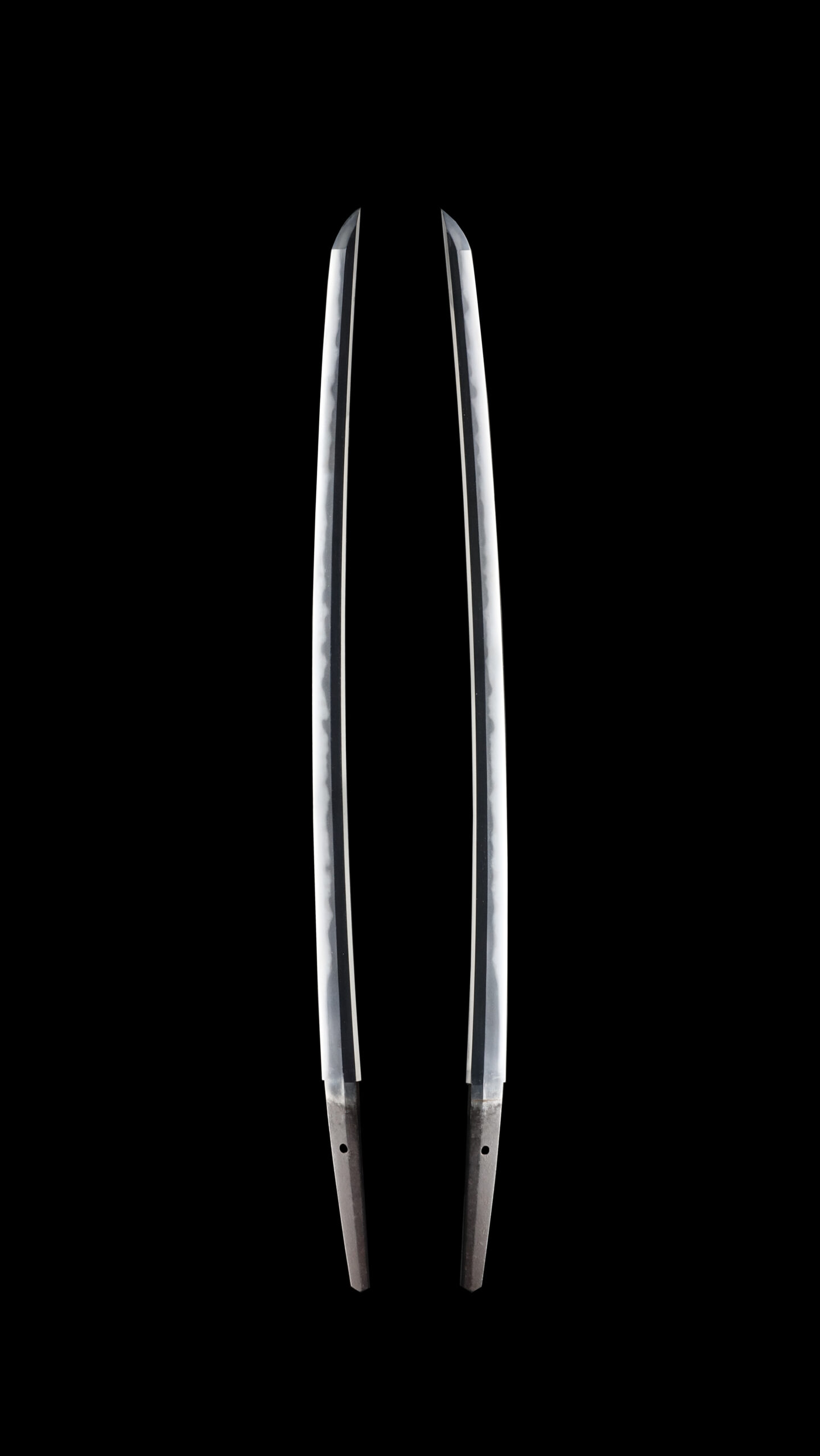
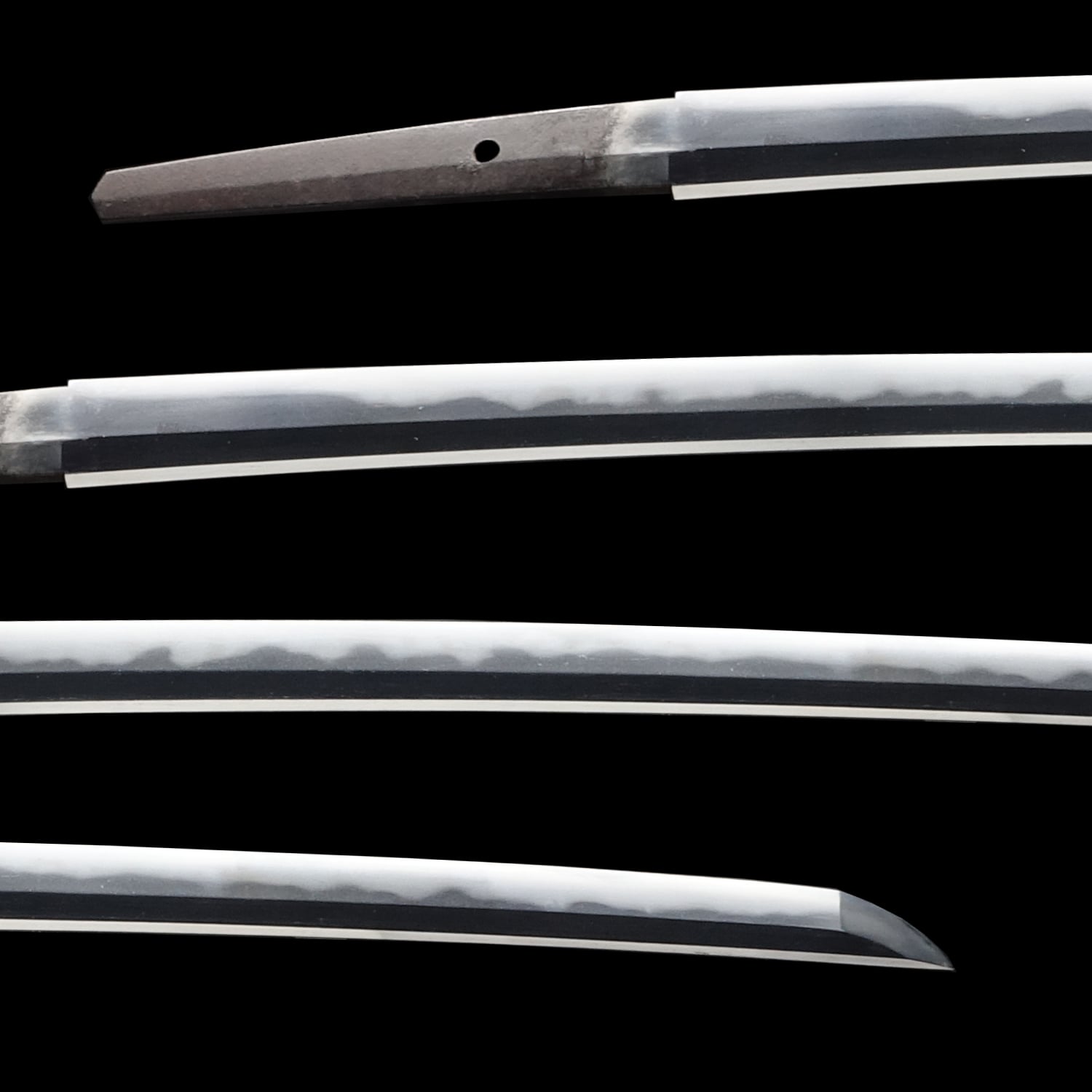
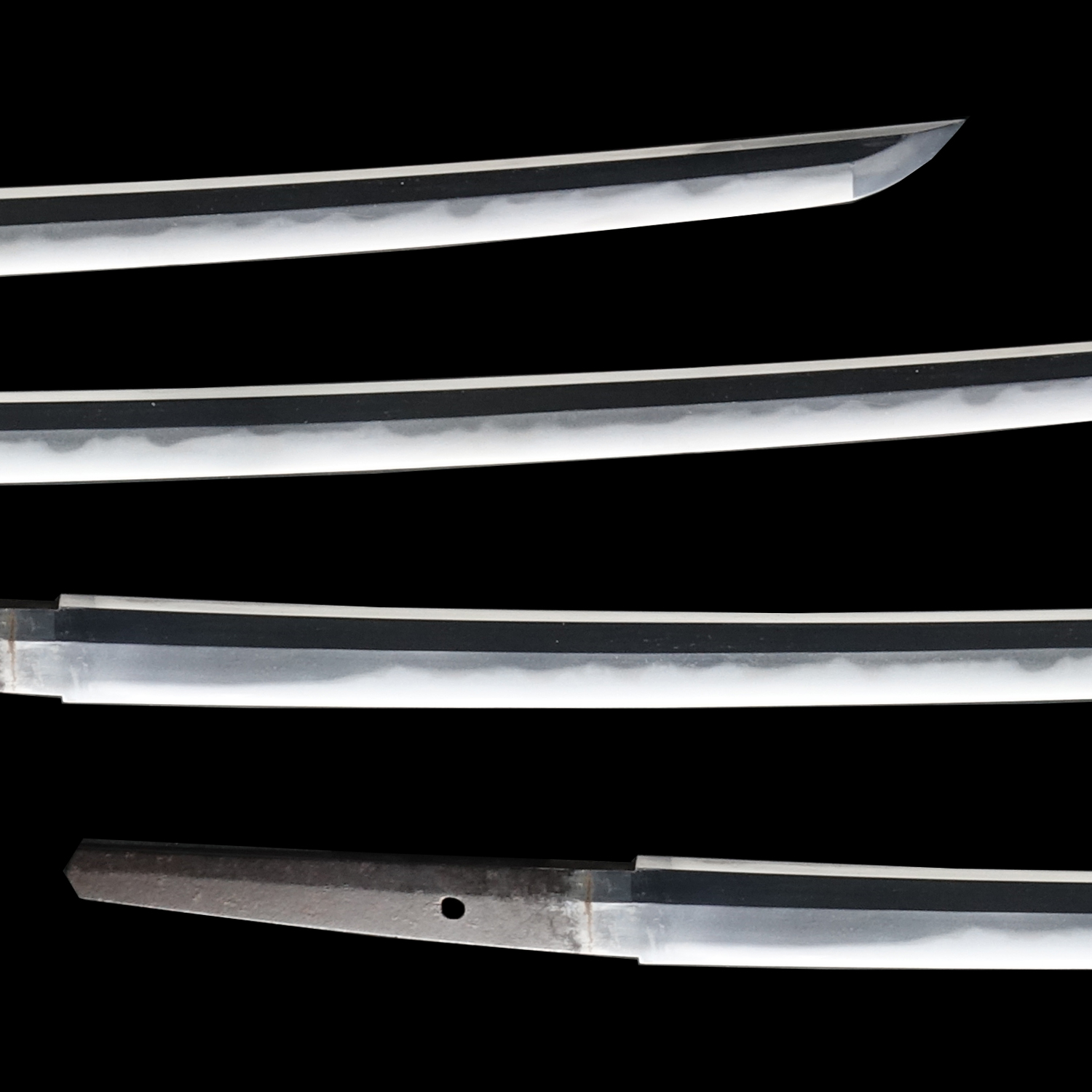
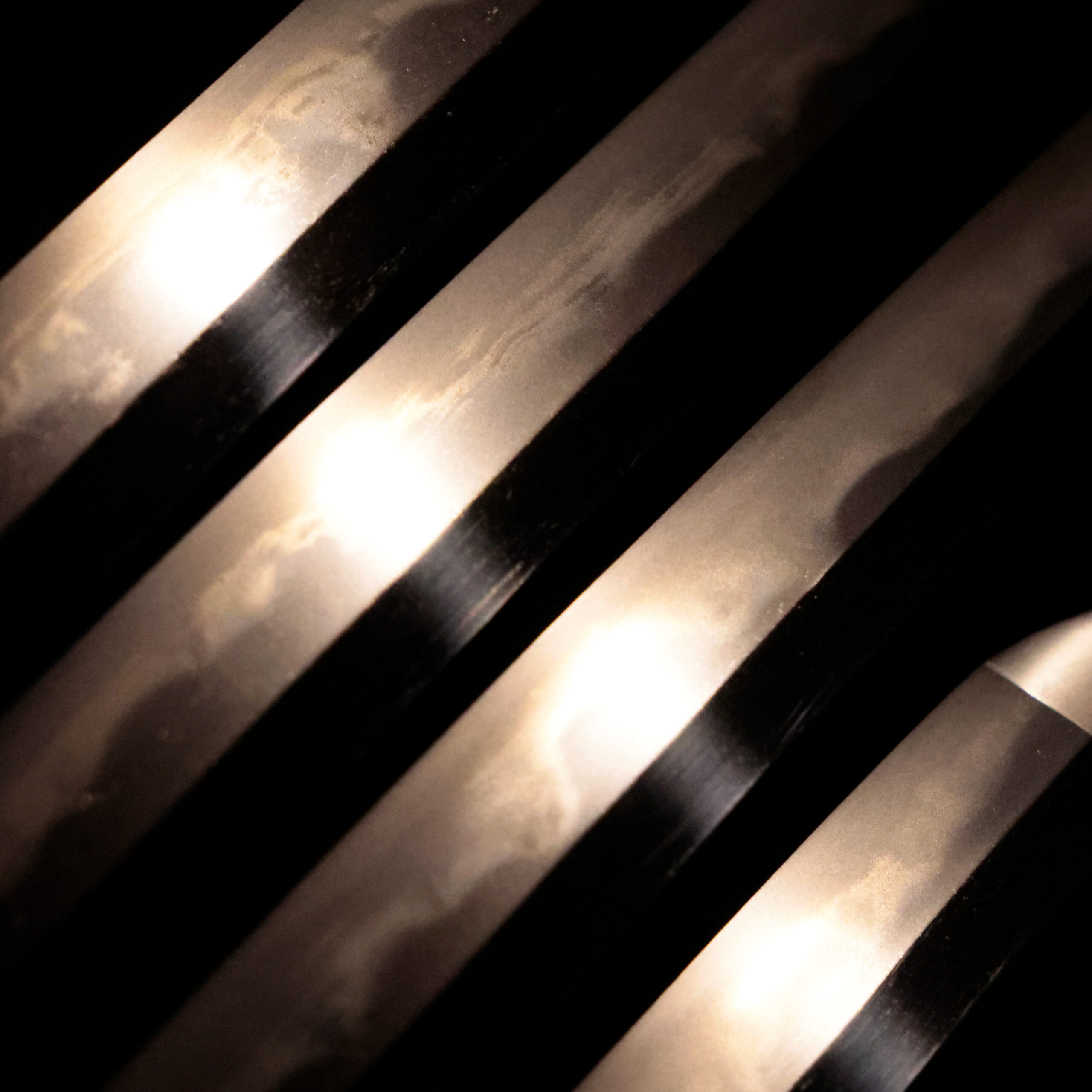
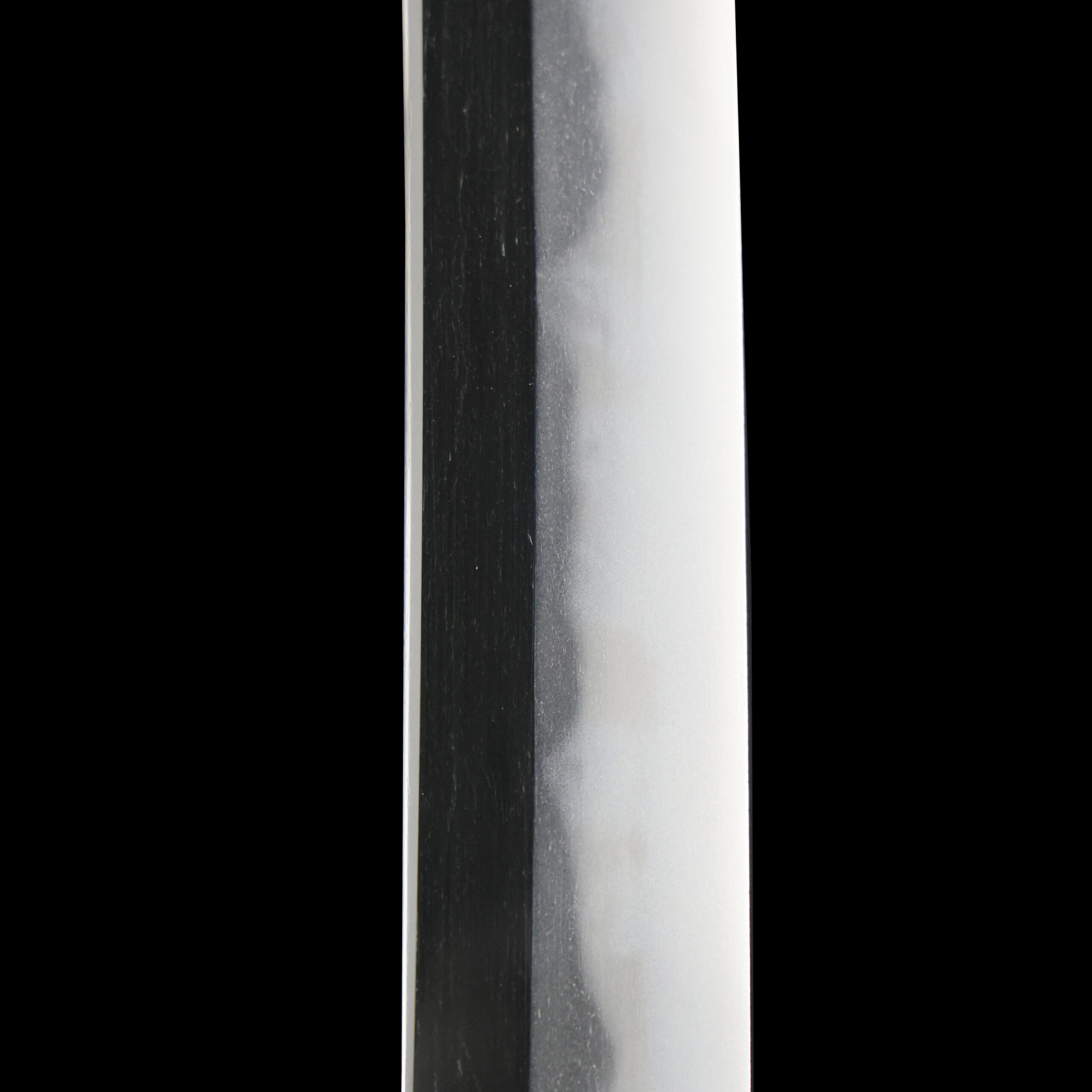
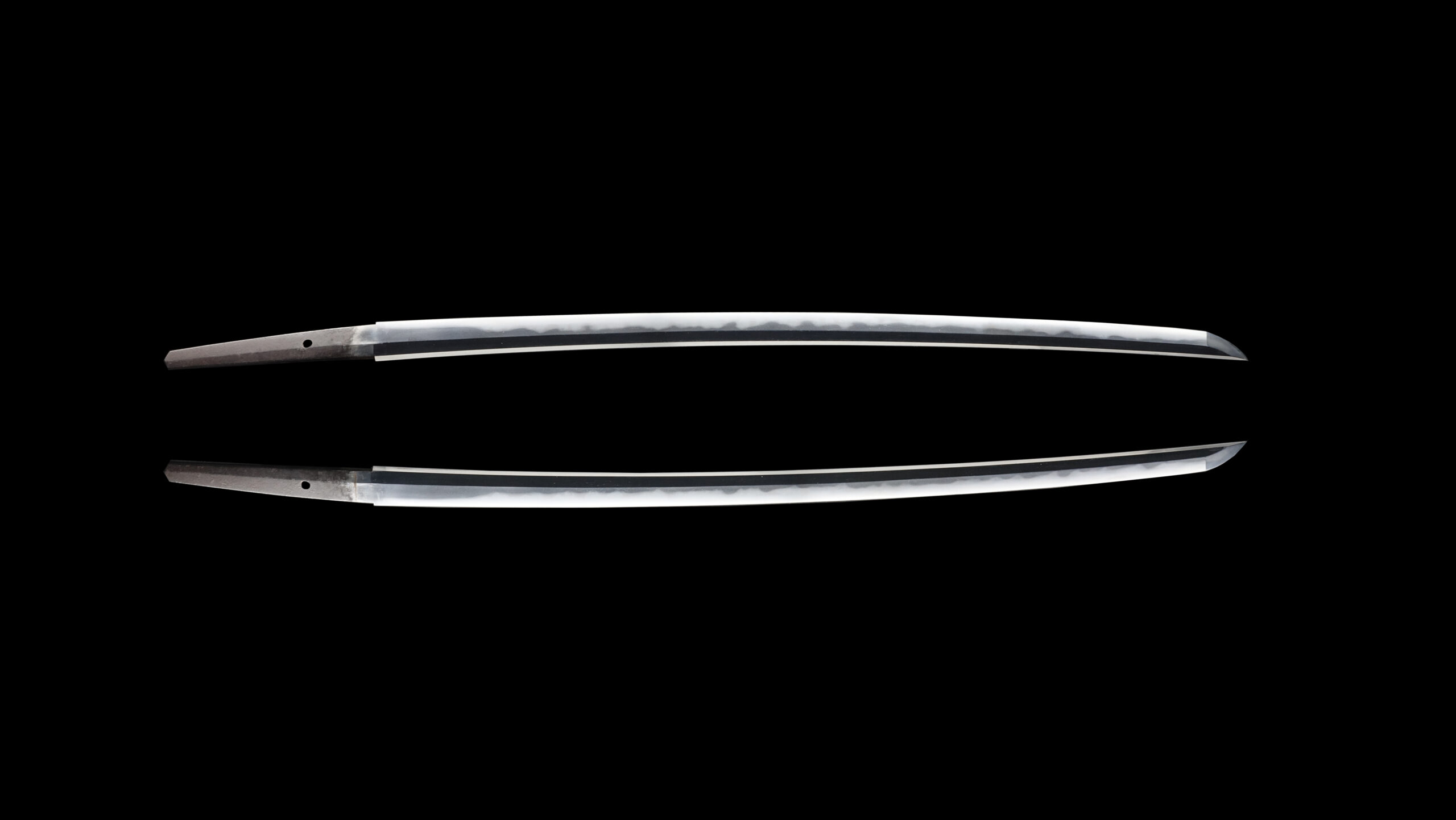
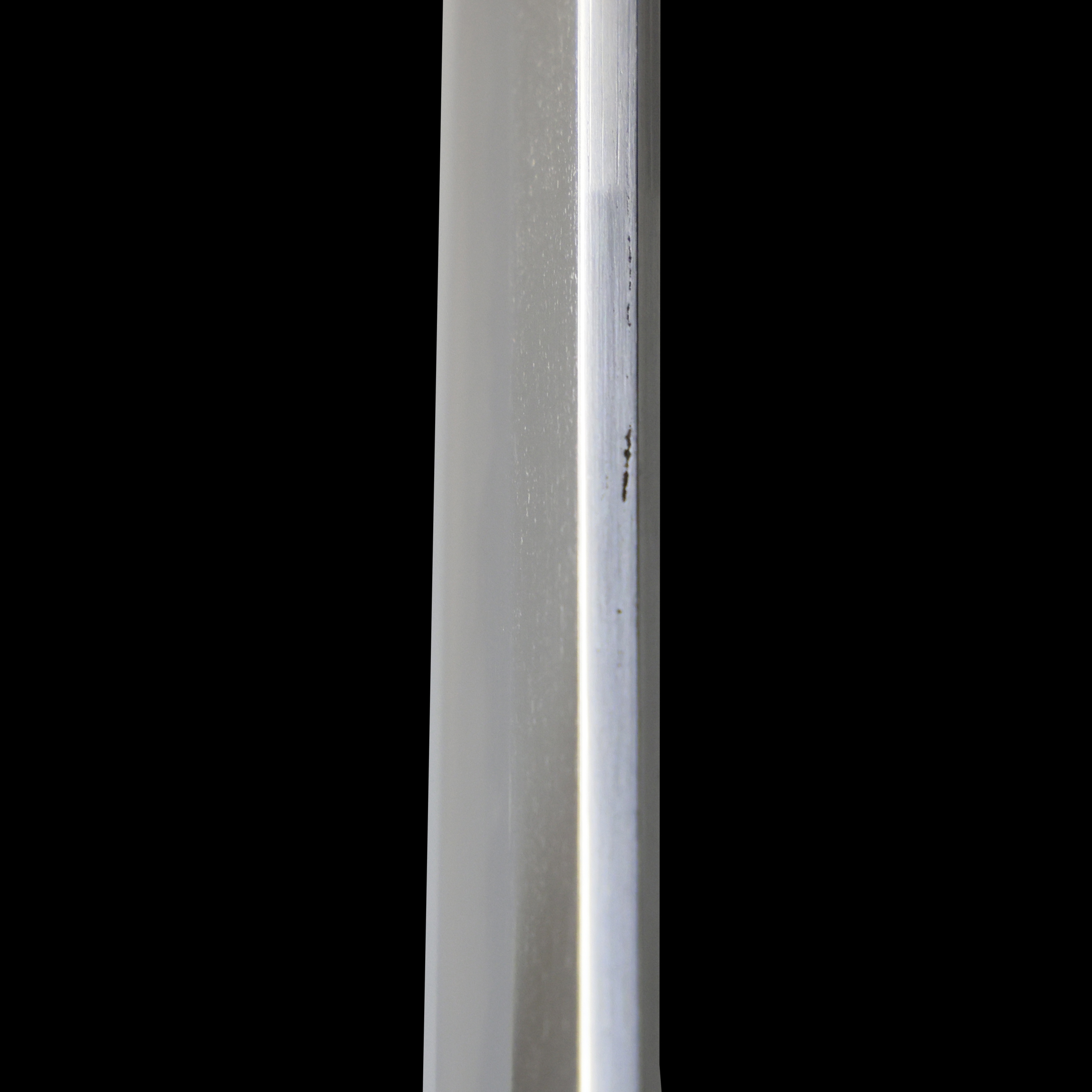
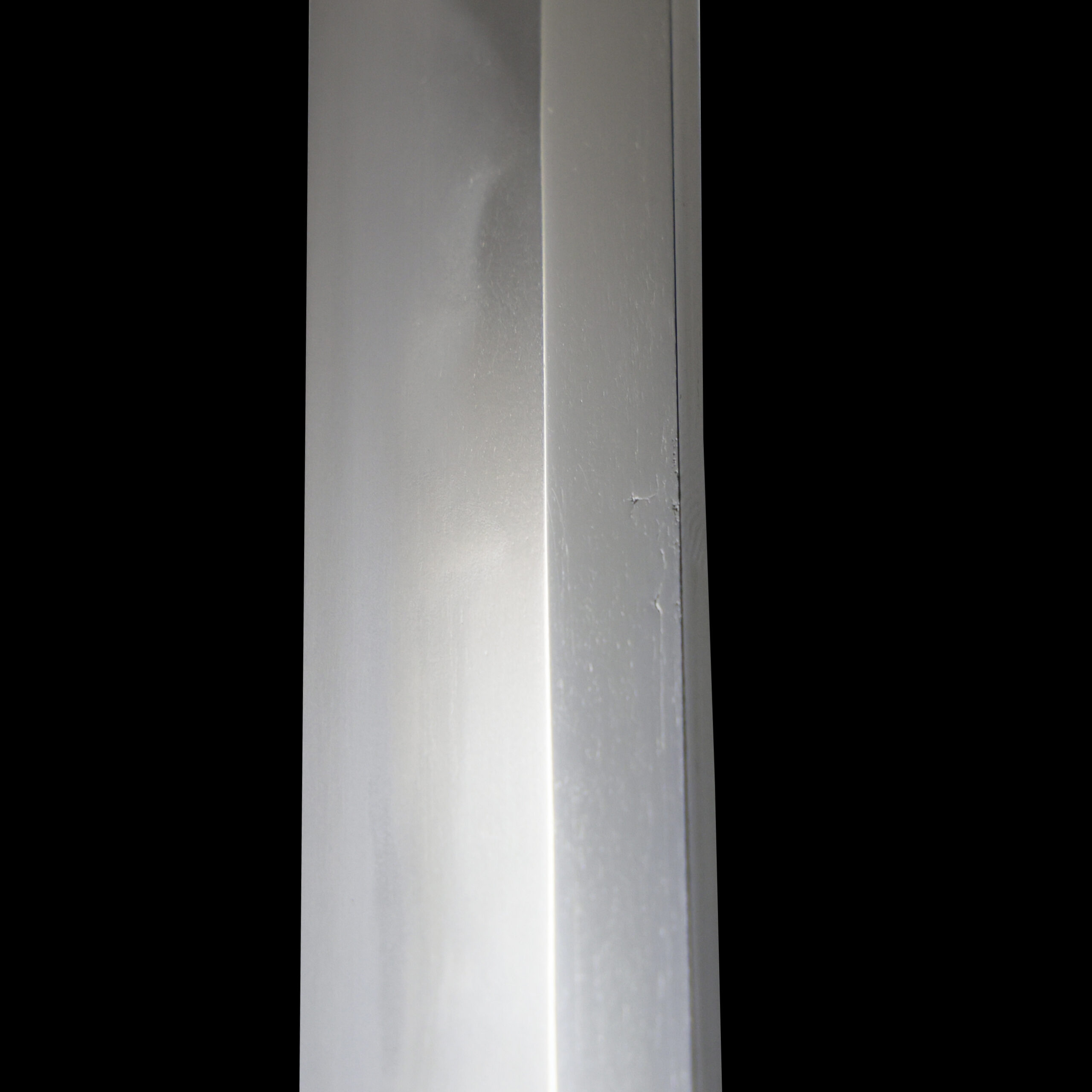
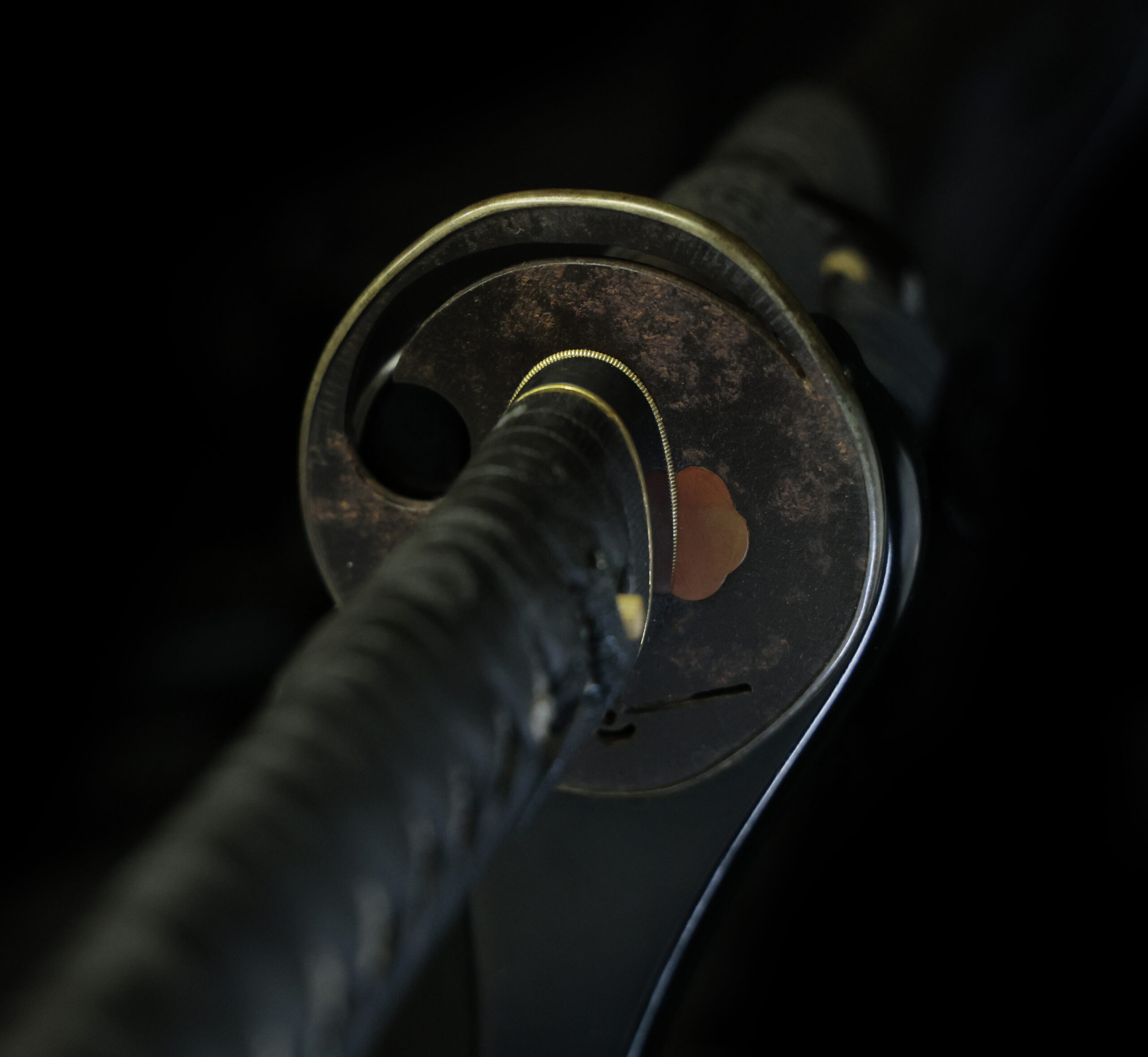
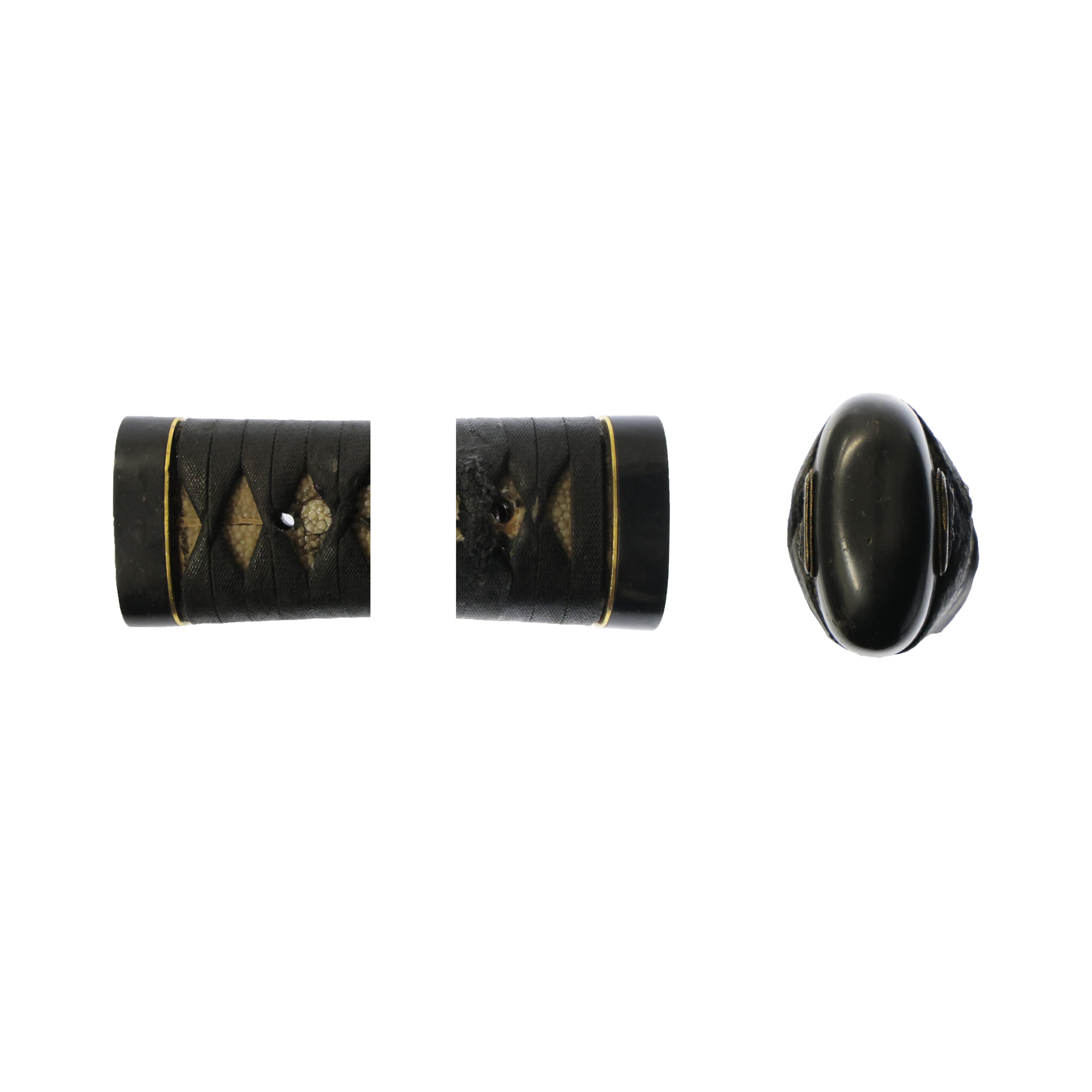
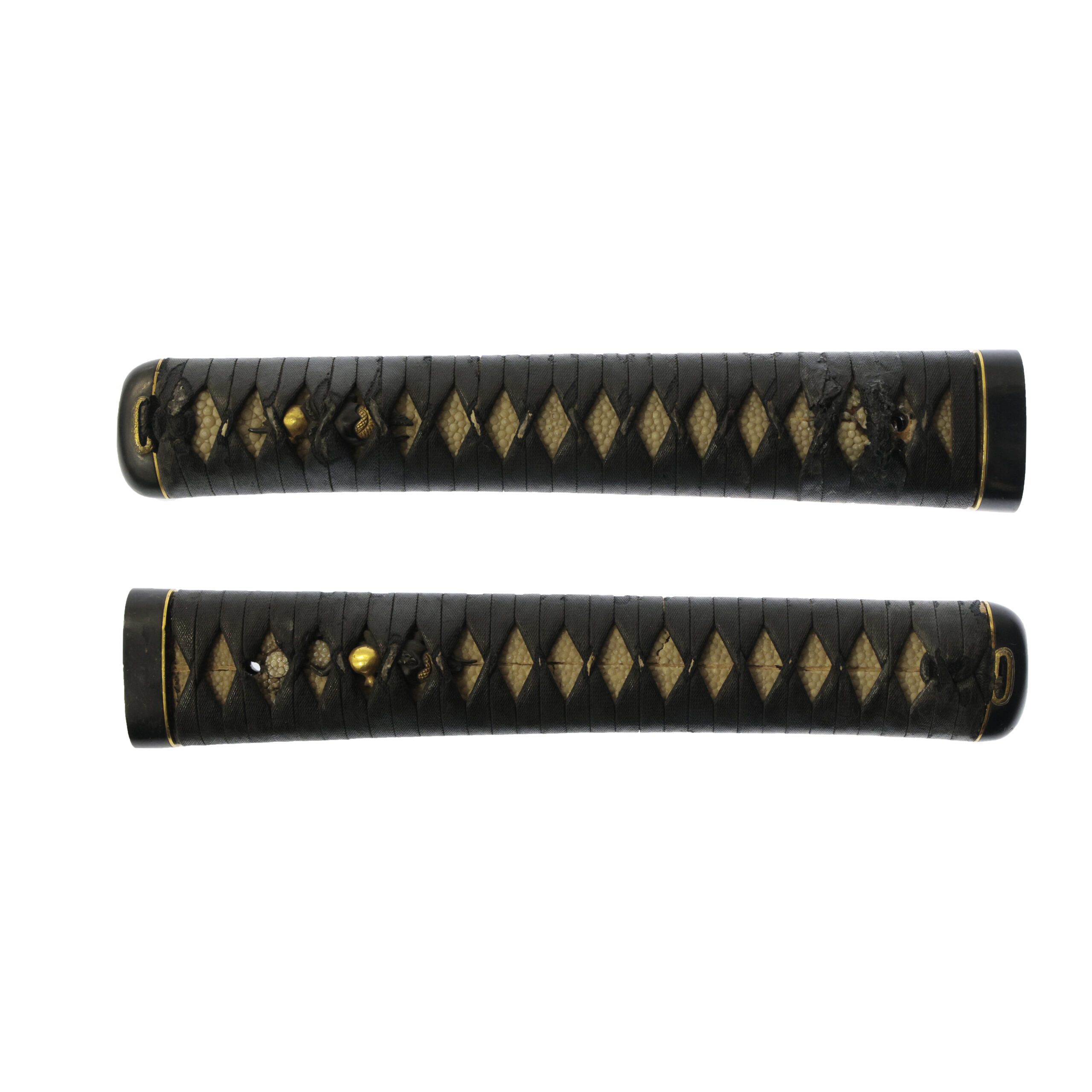
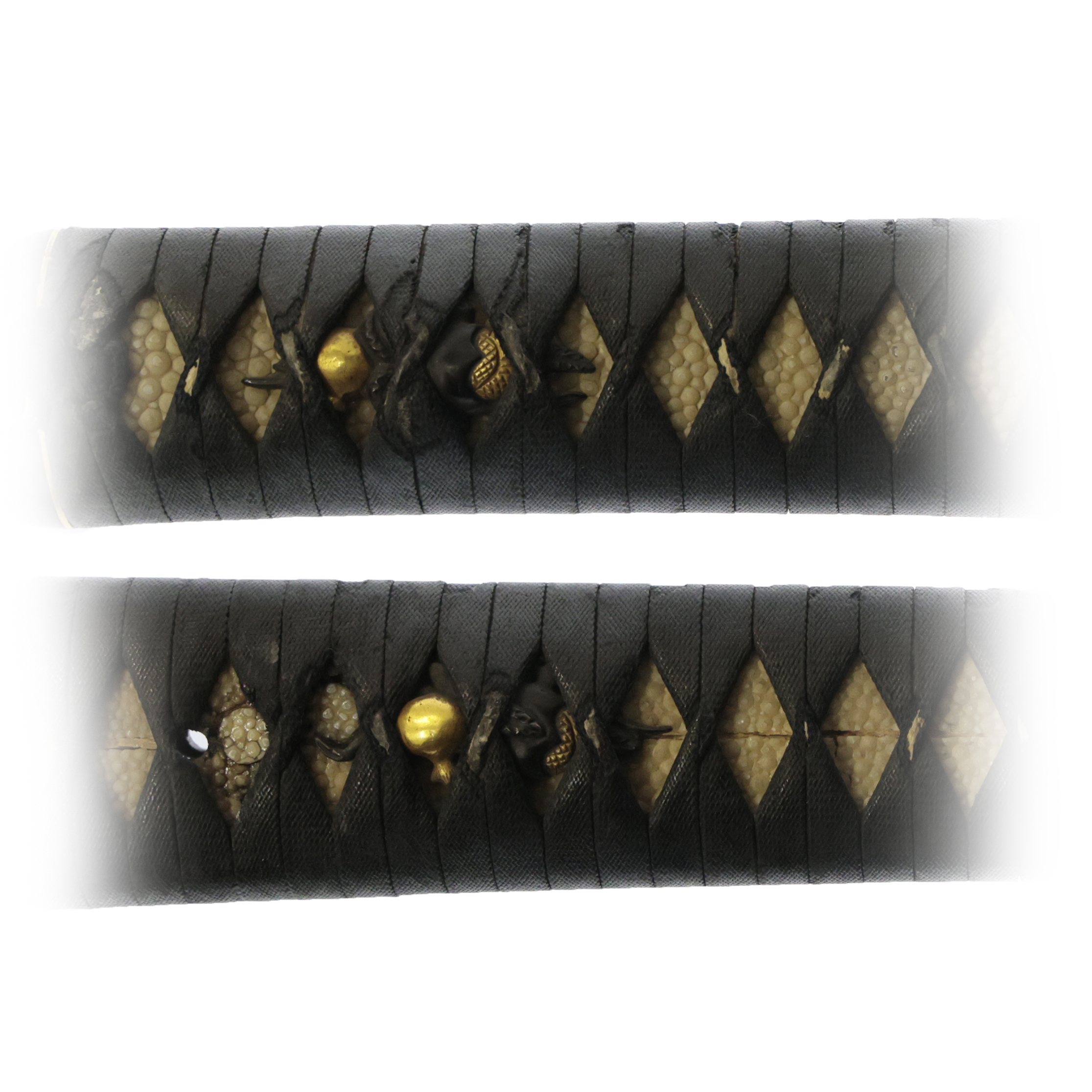
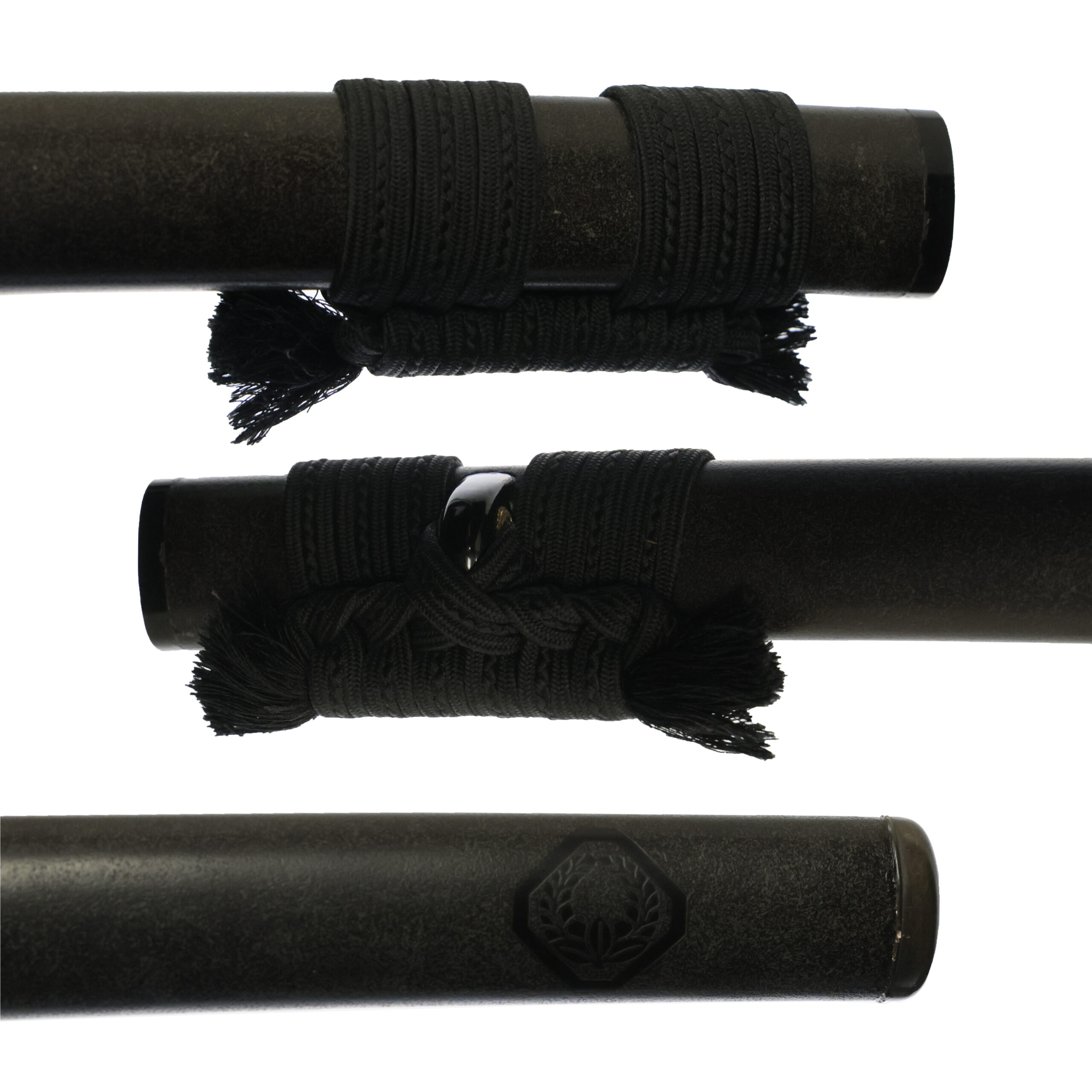
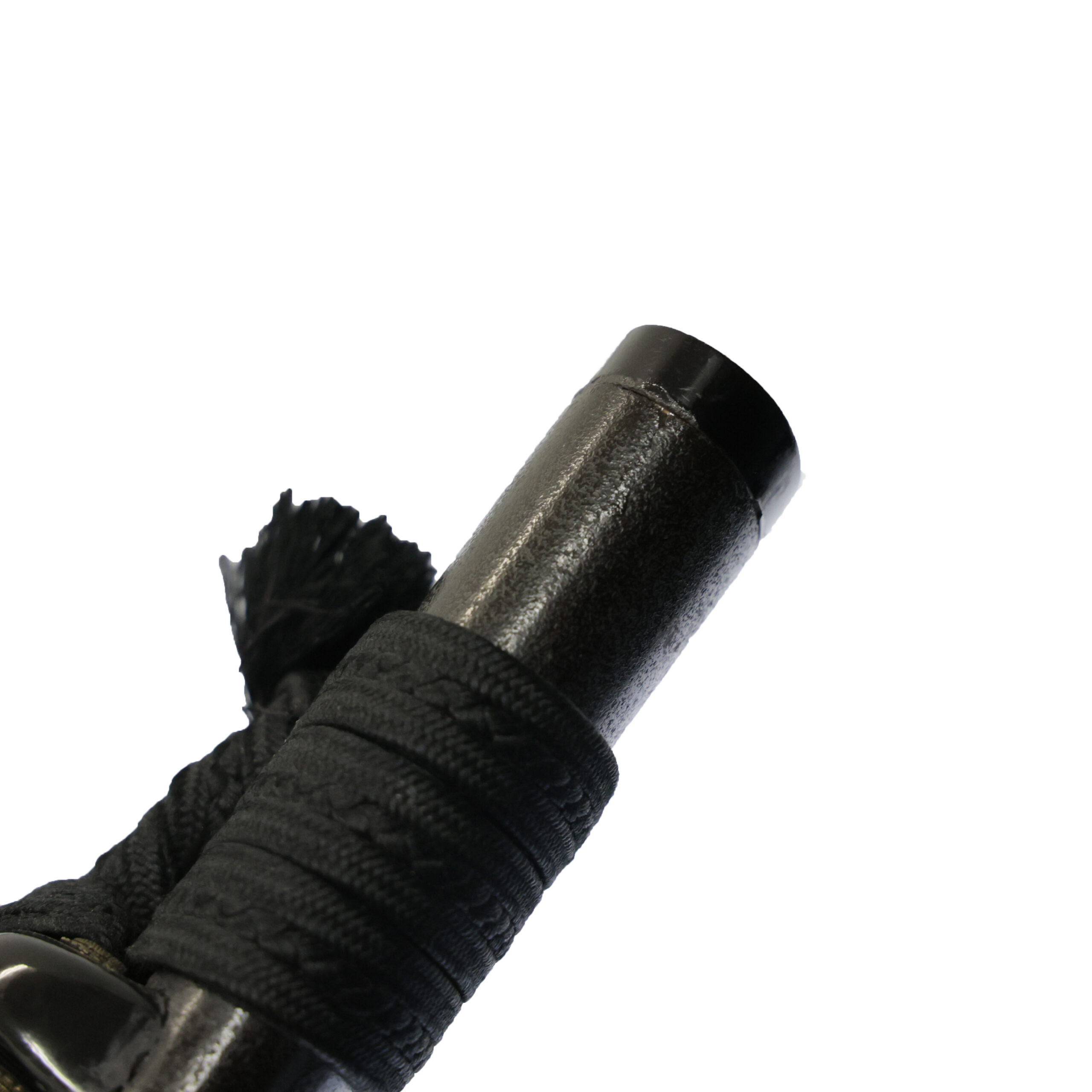
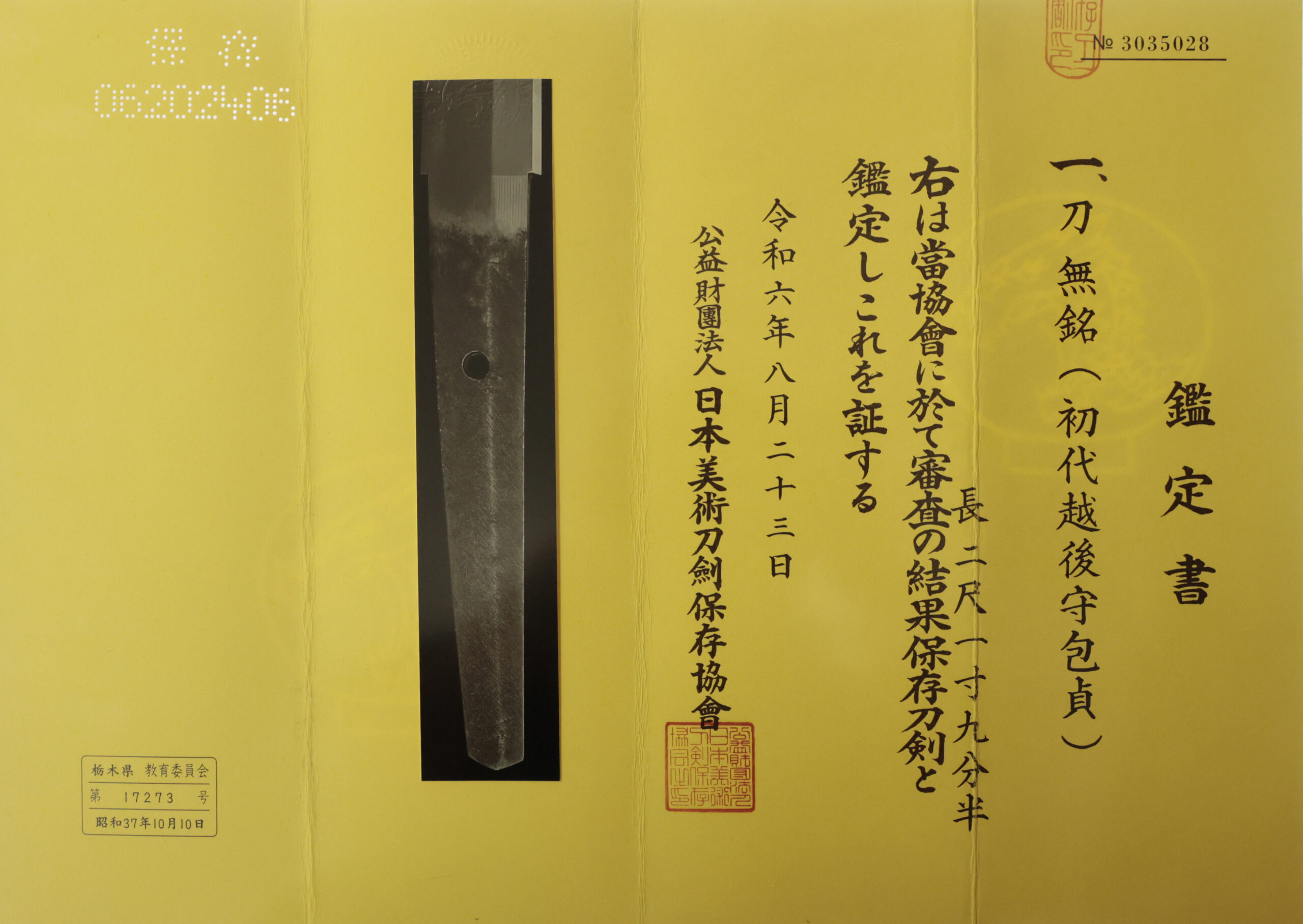
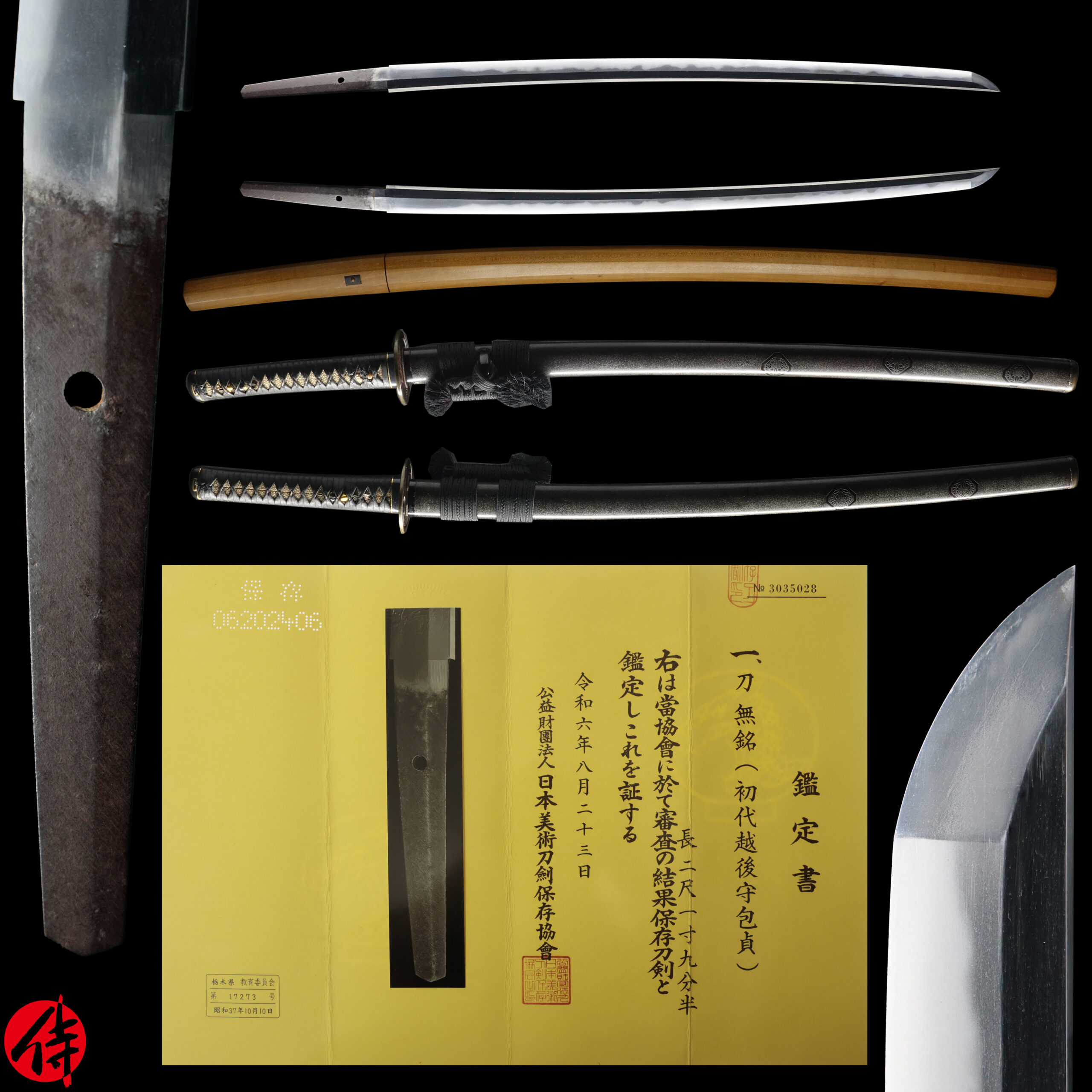
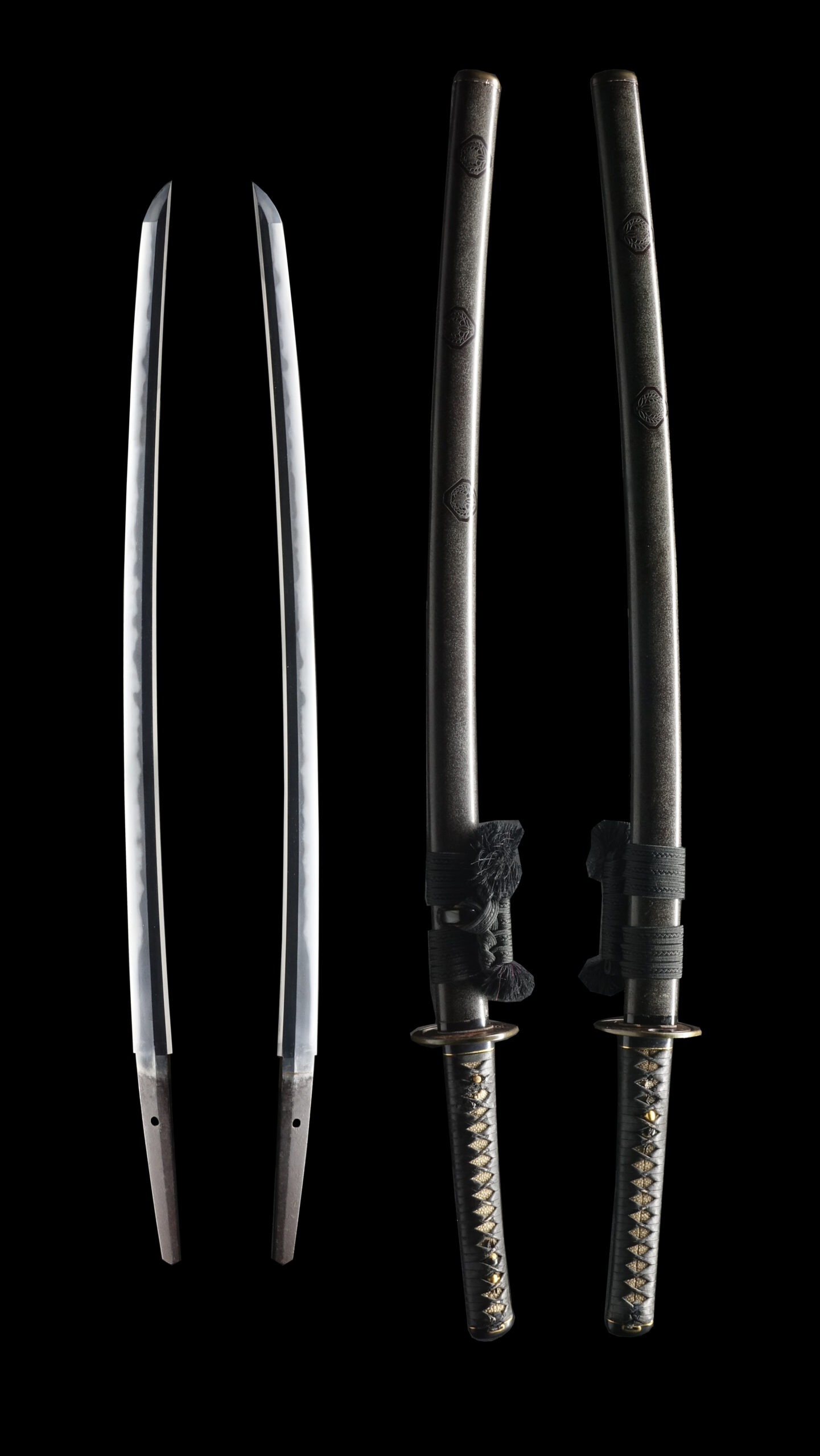
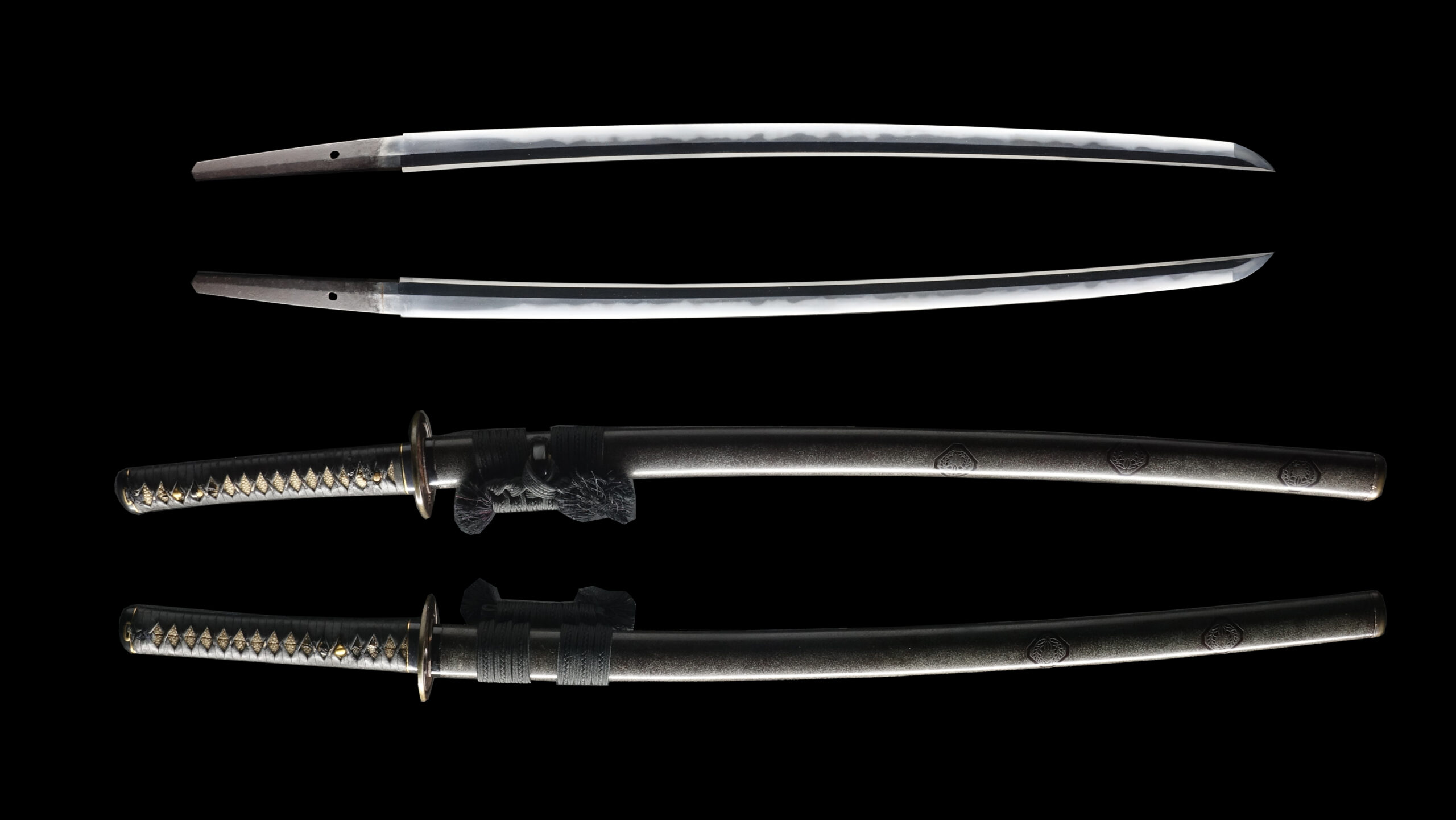
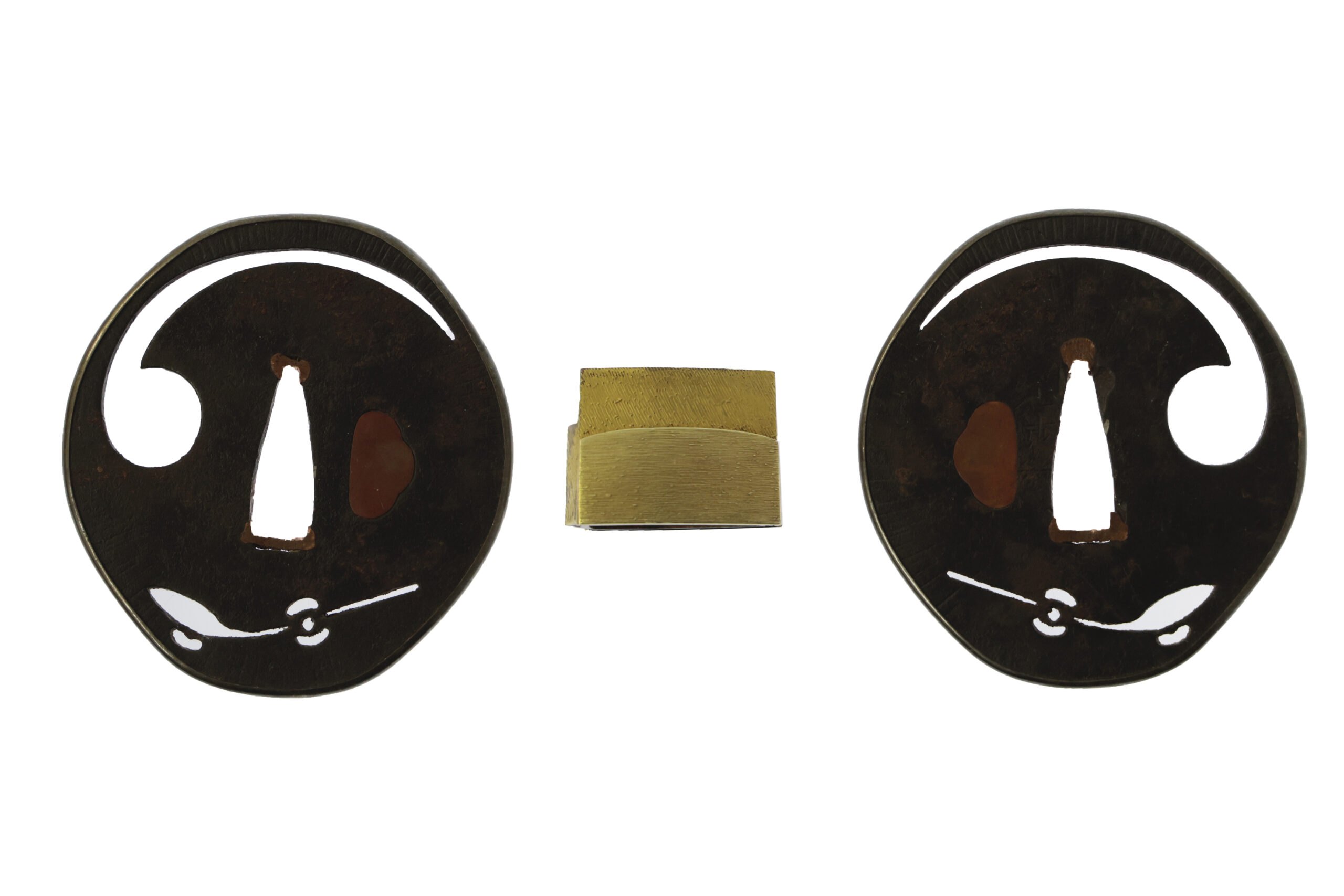
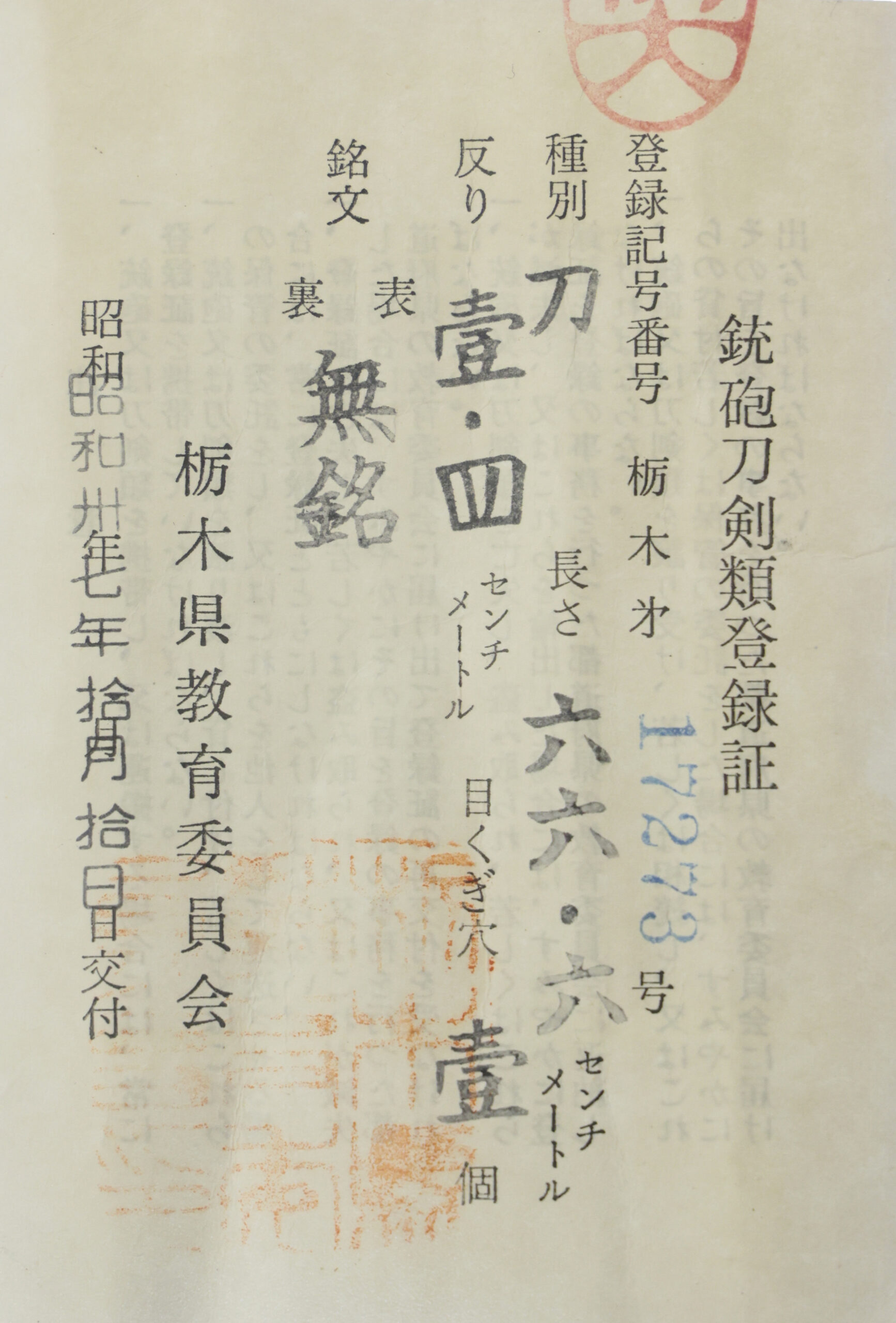
This katana is attributed to the first-generation Echigo no Kami Kanesada, an Osaka Shinto smith active during the early Edo period (1648-1673). Originally from Yamato, he moved to Settsu province and received the honorable title of Echigo no Kami for his craftsmanship. The blade comes with an NBTHK Hozon Certificate, koshirae, and shirasaya.

NihontoWatch MonNihontoWatch
MarketEncyclopediaKantei
Swords›Osaka Shinto›Kanesada›Antique Japanese Sword Katana Attributed to the first-gen Echigo no Kami Kanesada with NBTHK Hozon Certificate
katanaHozon
Shinto Kanesada

Antique Japanese Sword Katana Attributed to the first-gen Echigo no Kami Kanesada with NBTHK Hozon Certificate

mumei · Osaka Shinto · Keian (1648-1652) · nagasa 66.6cm · sori 1.4cm

SOLD
Shinto Kanesada (包貞) · Osaka Shinto · Keian (1648-1652)5 works for sale →
KatanaHozon
Could you name the smith from the blade alone? Today’s kantei →
Shinto Kanesada — 1 of 24
Shinto Kanesada — 2 of 24
Shinto Kanesada — 3 of 24
Shinto Kanesada — 4 of 24
Shinto Kanesada — 5 of 24
Shinto Kanesada — 6 of 24
Shinto Kanesada — 7 of 24
Shinto Kanesada — 8 of 24
Shinto Kanesada — 9 of 24
Shinto Kanesada — 10 of 24
Shinto Kanesada — 11 of 24
Shinto Kanesada — 12 of 24
Shinto Kanesada — 13 of 24
Shinto Kanesada — 14 of 24
Shinto Kanesada — 15 of 24
Shinto Kanesada — 16 of 24
Shinto Kanesada — 17 of 24
Shinto Kanesada — 18 of 24
Shinto Kanesada — 19 of 24
Shinto Kanesada — 20 of 24
Shinto Kanesada — 21 of 24
Shinto Kanesada — 22 of 24
Shinto Kanesada — 23 of 24
Shinto Kanesada — 24 of 24
1 / 24
1 / 24
Shinto Kanesada — 1 of 24Shinto Kanesada — 2 of 24Shinto Kanesada — 3 of 24Shinto Kanesada — 4 of 24Shinto Kanesada — 5 of 24Shinto Kanesada — 6 of 24Shinto Kanesada — 7 of 24Shinto Kanesada — 8 of 24Shinto Kanesada — 9 of 24Shinto Kanesada — 10 of 24Shinto Kanesada — 11 of 24Shinto Kanesada — 12 of 24Shinto Kanesada — 13 of 24Shinto Kanesada — 14 of 24Shinto Kanesada — 15 of 24Shinto Kanesada — 16 of 24Shinto Kanesada — 17 of 24Shinto Kanesada — 18 of 24Shinto Kanesada — 19 of 24Shinto Kanesada — 20 of 24Shinto Kanesada — 21 of 24Shinto Kanesada — 22 of 24Shinto Kanesada — 23 of 24Shinto Kanesada — 24 of 24
Shinto Kanesada (包貞) · Osaka Shinto · Keian (1648-1652)5 works for sale →
KatanaHozon
Could you name the smith from the blade alone? Today’s kantei →
Measurements & details
Smith
Shinto Kanesada
Type
Katana
School
Osaka Shinto
Period
Around 1648–1652(Keian)
Province
Settsu
Signature
Unsigned(100% of this smith's designated works are signed)
Measurements
Nagasa 66.6cmSori 1.4cm
Description

This katana is attributed to the first-generation Echigo no Kami Kanesada, an Osaka Shinto smith active during the early Edo period (1648-1673). Originally from Yamato, he moved to Settsu province and received the honorable title of Echigo no Kami for his craftsmanship. The blade comes with an NBTHK Hozon Certificate, koshirae, and shirasaya.

About the maker

Kanesada

包貞

Osaka Shinto (Echigo no Kami Kanesada line) · Settsu · around 1648-1652

Tōken Taikan top 37%

5 pieces on the market now

›

A katana dated Kanbun 4, the eighth month, stands among the ten Echigo no Kami Kanesada blades the published record gathers under one signature, and it is the kind of dated piece that lets the two hands behind that name be told apart. Echigo no Kami Kanesada is an Osaka art name carried across two generations. The first was Yamada Heidayu, born in Yamato, a smith of the Monju group whom the published sources trace to Iga no Kami Kanemichi in the line of the first Mutsu no Kami Kaneyasu, the smith called Sa Mutsu; he signed Sesshu Fujiwara Kanesada at first and, on receiving the court title, Echigo no Kami Kanesada, working from the Keian years to the start of Kanbun. The second was his pupil and adopted son Sakakura Gonnoshin Terukane, who succeeded to the name, then ceded it when the founder's biological son Iwamatsu came of age, and signed Terukane from about Enpo 8. Within Osaka Shinto the line stands beside Tsuda Sukehiro, whose surging-wave temper the second generation made his own; the published sources rank him among the foremost masters of the school.

The most recognizable feature of the line is the second generation's toran-midare, the rolling-wave temper modeled on Tsuda Sukehiro. Over a base of large gunome the hamon surges in waves, the long ashi reaching down into it, the nioi deep and the ko-nie adhering well, with sunagashi running through the tempered area and a somewhat long yakidashi opening the edge at the base. Half the blades on record carry this manner and every securely second-generation piece does, a katana of the twentieth session showing the o-gunome roll in full. The published sources read it directly against its model: one katana, they say, with its toran tempering reaches the level of Tsuda Sukehiro, 「津田助広に迫る」, and they hold that the second generation came even closer to Sukehiro than the first. Where the wave alone might pass for the model, the published sources locate his own individuality in particulars, a tendency for the large gunome to take a yahazu, an arrow-nock, flavor, conspicuous sunagashi within the temper, and a robust, sturdy construction; a wakizashi of the twenty-seventh session, they note, shows these tells well, 「彼の見どころをよく示した」[[c:1]].

The jigane under both hands is a tightly forged ko-itame with ji-nie, the steel bright and clear, at times a fine chikei entering and the surface taking on the lustre Osaka work is known for. The nioiguchi over it is the constant of the school, deep in nioi and bright, clear and crisp at the habuchi, the quality the published sources name as saeru. The boshi runs straight and turns back in ko-maru, often tending to hakikake at the point, on occasion turning long. The first generation's hand is the more varied of the two: he places a short straight yakidashi at the base and forges above it suguha, choji, and a gunome-midare mixed with choji, the nioi deep and sunagashi present, the nie well developed. A hira-zukuri wakizashi of the fifty-second session shows this manner at full strength, a broad, slightly elongated, sun-nobi build with round-headed gunome, conspicuous sunagashi and kinsuji, a single tama-yaki burned above the monouchi on each side, and a standing Fudo carved with bonji, the published sources calling the tama-yaki a foretaste of the second generation's tempering, 「後の二代包貞の刃文のさきがけ」[[c:2]].

The two generations are told apart by the published sources along three lines. The temper is the first: the first generation's choji-leaning gunome over a yakidashi, against the second's surging toran-midare after Sukehiro, his forte the manner they call 「本領は助広に倣った濤瀾乱れ」[[c:3]]. The signature is the second: the first generation's inscription is linear and angular, a calligraphy the texts connect to the founder Sa Mutsu, while the second's is rounded, often a large five-character signature boldly cut with a thick chisel. The succession is the third and the matter the published record returns to most often, since it bears on which hand a blade is by. The second generation, the pupil and adopted son, took the Echigo no Kami Kanesada name and later gave it back when Iwamatsu came of age, reverting to Sakakura Gonnoshin Terukane; the published sources date the change to about Enpo 8 from an extant blade inscribed Terukane with the first generation recorded as retired. Extant first-generation works being comparatively few, a dated piece such as the Kanbun 4 katana is the more valued, the more so as its workmanship recalls the second generation and may, the texts allow, be a daisaku of that hand.

The line's whole bearing is read against Tsuda Sukehiro, the master who reshaped Osaka tempering, and the resemblance runs from the start. Already the first generation, with his deep nioiguchi and a gunome carrying a choji feeling, is read as close to Sukehiro, 「津田助広と近似」 in the words of the published record; the second generation followed the toran-midare so faithfully, and with such control, that the published sources set him beside the model and within the front rank of Osaka Shinto. His individuality is drawn not by departing from that manner but by the precise variants named above, the yahazu turn in the gunome, the visible sunagashi, the stout build, so that the kantei rests on his own grounded tells rather than on the borrowed wave. A representative wakizashi of the seventeenth session is called by the published sources a typical and representative work, 「典型的且つ代表作」[[c:4]], the workmanship in both ji and ha excellent.

The Kanesada name is held in ten Juyo blades on the record, seven katana and three wakizashi, all signed and none unsigned, a wholly signed corpus for a smith whose succession is otherwise a tangle of yielded names. He has no National Treasures or Important Cultural Properties, and none of the ten carries a recorded provenance, so the line is encountered through its designated Juyo blades rather than through any famous holding. Within that compass the second generation is the more sought, his toran-midare the manner collectors look for, his output judged even across pieces, the published sources observing that his work shows no unevenness and ranking him for it among the foremost masters of Osaka Shinto, 「作品に叢がなく」 and 「屈指の名工」. A signed Echigo no Kami Kanesada of either generation comes to market only from time to time, a katana or wakizashi at Juyo level being the realistic encounter, and the rarer prize is a dated or hira-zukuri piece, or one whose angular early signature and yakidashi-led choji mark it as the founder's own work rather than the celebrated second-generation wave.

Historical importance

Where Kanesada stands among comparable artisans: across all of nihontō, and within tradition, era, and period. The tiers (Foremost · Leading · Major · Notable) weigh official designations from the NBTHK and Japan's Agency for Cultural Affairs, together with historical honors of lasting repute such as the Sansaku and Meibutsu-chō.

随一
Foremost
屈指
Leading
有数
Major
著名
Notable

Select a lens to see how it's measured.

Designation record
10 designated works
Jūyō
10
5 works by Kanesada on the market→
Kanesada — full profileOsaka Shinto (Echigo no Kami Kanesada line) school

Dated Works

Years he was demonstrably active, proven by signed-and-dated blades

Active period
1664Editorial estimate: 1648–1652
1 of 10 designated works carry a date

Study this maker →

About the school

Osaka Shinto

大坂新刀

Shinto · Settsu

77 pieces on the market now

›

Osaka in the early-to-mid Edo period was a merchant capital, a city of commerce and capital rather than a castle town tied to a single daimyo house, and the swordsmiths who gathered there worked for a wealthy townsman clientele as much as for warriors. The grouping known as Osaka Shinto (大坂新刀) took shape in Settsu from two feeder currents. One was the Horikawa line of Kyoto: Izumi no Kami Kunisada, the elder Kunisada whom later sources call the Oya-Kunisada, came down to Osaka after the death of his master Horikawa Kunihiro in Keicho 19 (1614), and with him came Kawachi no Kami Kunisuke, a late disciple of the same Kunihiro. The other was the Ishido tradition of Settsu and Ise, which had revived the koto Bizen choji in new-sword steel; the Kunisuke house traced its descent to that group, and its second generation, known as Naka-Kawachi, turned the line decisively toward the Ishido clove. From these beginnings the school grew through the Kanbun, Enpo, and Genroku years into the most coherent regional manner of the shinto age. What binds these smiths is a shared steel before any shared temper. The forging is the bright, packed Osaka ko-itame, sometimes called the Osaka-gitae, a jihada so tightly worked that the grain scarcely shows, the ji-nie adhering minutely and fine chikei threading the surface, the jigane clear and lustrous. A second constant is the start of the temper: nearly every blade opens with a straight suguha yakidashi at the base before the hamon declares its individual pattern, and a deep, bright nioiguchi runs the length above it. Within that common grammar the great hands diverge.

Tsuda Echizen no Kami Sukehiro founded the billowing toranba, the surging-wave toran-midare that became the school's most imitated signature. Inoue Shinkai, called the Osaka Masamune, tempered no wave at all but a deeply nie-laden suguha shading into shallow notare, with kinsuji and sunagashi entering vigorously, and the published sources pair the two by contrast as the school's two great champions, Sukehiro outstanding for nioi and Shinkai for fine ko-nie. Ikkanshi Tadatsuna carried the Sukehiro wave into his own sudareba, the surging temper that reads like a hanging bamboo blind, and matched it with the relief carving treasured as Ikkanshi-bori. The Echigo no Kami Kanesada line followed Sukehiro's toran so faithfully that the second generation is read as approaching the model, marking his own work with a leaning katayama-midare and three linked gunome below the yokote; Naka-Kawachi and his brothers Higo no Kami Kuniyasu and Ise no Kami Kuniteru held the rival clove wing, the flamboyant choji crowned by the fist-shaped kobushigata-choji over a beautifully ordered ji. A collector seeks Osaka Shinto for the union of bright steel and brilliant edge, an art-sword (bijutsu-token) appeal in which the jigane itself is half the pleasure. The grouping reads at kantei from its own grammar: look first for the Osaka-gitae, the lustrous near-muji ko-itame, then for the straight yakidashi opening the temper, then for the deep clear nioiguchi; the individual hand follows from the pattern above, Sukehiro's and Kanesada's and Tadatsuna's toran, Shinkai's nie-deep suguha, the Kunisuke wing's fist-shaped clove. The standing of the best members is high in the NBTHK register: Shinkai is rated Sai-jo saku, Tadatsuna and Kunisuke Jo-jo saku, and the line of the second Kanesada is held to rank immediately after Sukehiro and Shinkai, with later admirers such as the shinshinto smith Nagato no Kami Suketaka still copying the toranba a century on. Many of these blades are signed and dated, so their inscriptions double as documentary anchors for the whole tradition, and provenance, where it survives, runs through known houses and modern collectors, the Yamauchi of Tosa, the Itakura, the Imperial collection, and the Meiji sword-lover General Tani Tateki. A signed Shinkai of the Enpo prime or a dated Tadatsuna carrying his own carving is a landmark when it appears, while the productive clove masters of the Kunisuke wing offer a more attainable entry into the brightest steel and edge the early Osaka school produced. Learn more →

17 recorded smiths255 designated works
Leading smiths
SmithEraDesignated
Shinkai真改1649-168279
Tadatsuna忠綱1673-171753
Kanesada包貞1673-168278
Kunisuke國助1658-166310
Kanesada包貞1648-165210
Explore the Osaka Shinto school →

Historical context

Ōsaka: swords for the merchant capital

›

Ōsaka was the merchant capital, and its swords followed the money: luxury wakizashi for townsmen permitted no more than one, and the brilliant showpieces of Sukehiro’s tōranba and of Shinkai, called the Ōsaka Masamune. Swords made, frankly, to be looked at.

Ōsaka: swords for the merchant capital →

NBTHK Certificate
Hozon Tōken保存刀剣
Sword Worthy of Preservation
›

Certifies a genuine blade worth preserving: a signature confirmed correct, or, if unsigned, an era, province, and school that the NBTHK can reliably identify.

About the NBTHK›

The NBTHK (Nihon Bijutsu Tōken Hozon Kyōkai, the Society for the Preservation of Japanese Art Swords) is a public-interest incorporated foundation founded in 1948 and supervised by Japan’s Agency for Cultural Affairs (Bunkachō); it is based at the Japanese Sword Museum in Tokyo. Its expert panels physically examine each submitted work (shinsa) and issue a certificate (kanteishō) ranking it by artistic and historical merit. NBTHK papers are the most widely recognized standard of authentication for Japanese swords and fittings.

NBTHK official site→
Seller
S
Samurai Museum
🇯🇵Ships from Japan
›
✓Verified dealersamuraimuseum.jp
✓Ships worldwide✓English supportPayPalCredit card
Return policy

Returns/exchanges limited to defects caused by shipping (except willful misconduct or gross negligence by the company); customers must contact within 72 hours of receiving the product.

View all of Samurai Museum’s listings→View this item on the dealer’s site→

More works by Shinto Kanesada

View all →
Token-Net
Tokuho
Katana - Tokuho - by Shinto Kanesada - Echigo no Kami Kanemasa (1st Gen.) (Settsu)Katana - Tokuho - by Shinto Kanesada - Echigo no Kami Kanemasa (1st Gen.) (Settsu)

Katana

ByShinto Kanesada
¥2,650,000
Nipponto
Jūyō
Katana - Jūyō - by Shinto Kanesada - Juyo Katana by Echigonokami KanesadaKatana - Jūyō - by Shinto Kanesada - Juyo Katana by Echigonokami Kanesada

Katana

ByShinto Kanesada
Ask
Yazawa Shokai
Hozon
Katana - Hozon - by Shinto Kanesada - Echigo no Kami Kanetada (1st Gen.) - Over 3cm Motohaba, Hozon, 68.9cm Nagasa, 0.4cm Sori, in ShirasayaKatana - Hozon - by Shinto Kanesada - Echigo no Kami Kanetada (1st Gen.) - Over 3cm Motohaba, Hozon, 68.9cm Nagasa, 0.4cm Sori, in Shirasaya

Katana

ByShinto Kanesada
¥600,000
Nihonto Australia
Tokuho
Katana - Tokuho - by Shinto Kanesada - Shodai KanesadaKatana - Tokuho - by Shinto Kanesada - Shodai Kanesada

Katana

ByShinto Kanesada
Ask
Nihonto Australia
Tokuho
Katana - Tokuho - by Shinto Kanesada - KanesadaKatana - Tokuho - by Shinto Kanesada - Kanesada

Katana

ByShinto Kanesada
Ask

Previously sold by Shinto Kanesada

View all →
Katana Yamadaiya
Hozon
Wakizashi - Hozon - by Shinto Kanesada - Hozon Token: Echizen no Kami Kanesada (1st Generation)Wakizashi - Hozon - by Shinto Kanesada - Hozon Token: Echizen no Kami Kanesada (1st Generation)
Sold

Wakizashi

ByShinto Kanesada
SOLD
Nipponto
Tokubetsu Kichō
Katana - Tokubetsu Kichō - by Shinto Kanesada - Katana by Echigonokami Kanesada, formerly owned by boxing champion Kuniaki ShibataKatana - Tokubetsu Kichō - by Shinto Kanesada - Katana by Echigonokami Kanesada, formerly owned by boxing champion Kuniaki Shibata
Sold

Katana

ByShinto Kanesada
SOLD
Nipponto
Katana - by Shinto Kanesada - Katana attributed to Echigonokami KanesadaKatana - by Shinto Kanesada - Katana attributed to Echigonokami Kanesada
Sold

Katana

ByShinto Kanesada
SOLD
Samurai Museum
Tokuho
Wakizashi - Tokuho - by Shinto Kanesada - Antique Japanese Sword Wakizashi Signed by the first-gen Kanesada NBTHK Tokubetsu Hozon CertificateWakizashi - Tokuho - by Shinto Kanesada - Antique Japanese Sword Wakizashi Signed by the first-gen Kanesada NBTHK Tokubetsu Hozon Certificate
Sold

Wakizashi

ByShinto Kanesada
SOLD
Token Bizenya
Tokuho
Katana - Tokuho - by Shinto Kanesada - Echigo no Kami Sadamochi (1st Gen.)Katana - Tokuho - by Shinto Kanesada - Echigo no Kami Sadamochi (1st Gen.)
Sold

Katana

ByShinto Kanesada
SOLD
Giheiya
Tokuho
Katana - Tokuho - by Shinto Kanesada - Tokubetsu Hozon Token: Echigo no Kami Kanesada (1st Gen.) - 2 Shaku 1 Sun 4 Bu, with Uchigatana KoshiraeKatana - Tokuho - by Shinto Kanesada - Tokubetsu Hozon Token: Echigo no Kami Kanesada (1st Gen.) - 2 Shaku 1 Sun 4 Bu, with Uchigatana Koshirae
Sold

Katana

ByShinto Kanesada
SOLD
Ikeda Art
Katana - by Shinto Kanesada - Echigo no Kami KaneyasuKatana - by Shinto Kanesada - Echigo no Kami Kaneyasu
Sold

Katana

ByShinto Kanesada
SOLD
Samurai Museum
Tokuho
Wakizashi - Tokuho - by Shinto Kanesada - Early Edo Wakizashi Signed by Echigo no Kami Kanesada with NBTHK Tokubetsu Hozon CertificateWakizashi - Tokuho - by Shinto Kanesada - Early Edo Wakizashi Signed by Echigo no Kami Kanesada with NBTHK Tokubetsu Hozon Certificate
Sold

Wakizashi

ByShinto Kanesada
SOLD

More from the Osaka Shinto school

View all →
Seikeido
Jūyō
Katana - Jūyō - by Osaka Shinkai - Inoue ShinkaiKatana - Jūyō - by Osaka Shinkai - Inoue Shinkai

Katana

ByOsaka Shinkai
Ask
Aoi Art
Tokuho
Katana - Tokuho - by Shinto Kuniyasu - Higo-no-kami KuniyasuKatana - Tokuho - by Shinto Kuniyasu - Higo-no-kami Kuniyasu

Katana

ByShinto Kuniyasu
¥700,000
Iida Koendo
Tokuho
Katana - Tokuho - by Osaka Shinkai - Inoue Shinkai (Kiku Seal) - Enpo 6th Year, AugustKatana - Tokuho - by Osaka Shinkai - Inoue Shinkai (Kiku Seal) - Enpo 6th Year, August

Katana

ByOsaka Shinkai
¥13,200,000
Touken Komachi
Tokuho
Katana - Tokuho - by Osaka Shinkai - 1st Generation Izumi-no-kami KunisadaKatana - Tokuho - by Osaka Shinkai - 1st Generation Izumi-no-kami Kunisada

Katana

ByOsaka Shinkai
¥1,200,000
Yamasiroya
Tokuho
Katana - Tokuho - by Osaka Shinkai - Inoue ShinkaiKatana - Tokuho - by Osaka Shinkai - Inoue Shinkai

Katana

ByOsaka Shinkai
Ask
Nipponto
Jūyō
Katana - Jūyō - by Osaka Shinkai - Juyo Katana by Inoue Shinkai, dated Enpo 4th year (1676)Katana - Jūyō - by Osaka Shinkai - Juyo Katana by Inoue Shinkai, dated Enpo 4th year (1676)

Katana

ByOsaka Shinkai
Ask
Token-Net
Jūyō
Katana - Jūyō - by Horikawa Kunisuke - Kawachi no Kami Fujiwara KunisukeKatana - Jūyō - by Horikawa Kunisuke - Kawachi no Kami Fujiwara Kunisuke

Katana

ByHorikawa Kunisuke
¥9,500,000
Touken Komachi
Tokuho
Wakizashi - Tokuho - by Shinto Tadatsuna - Awataguchi Omi-no-kami Tadatsuna in ShirasayaWakizashi - Tokuho - by Shinto Tadatsuna - Awataguchi Omi-no-kami Tadatsuna in Shirasaya

Wakizashi

ByShinto Tadatsuna
¥550,000

Swords

  • Katana
  • Wakizashi
  • Tantō
  • Tachi
  • Naginata
  • Yari
  • Japanese Swords
  • Samurai Swords

Fittings

  • Tsuba
  • Fuchi-Kashira
  • Kozuka
  • Menuki
  • Sword Guards (Tsuba)

Armor

  • Kabuto
  • Samurai Armor
  • All Samurai Armor

By Certification

  • Tokujū
  • Jūyō
  • Tokuho
  • Hozon

Resources

  • Dealer Directory
  • Artist Directory
  • The Daily Kantei
  • Glossary
  • Browse All
Nihontowatch© 2026
TermsPrivacyCookiesAbout
Sold

Description

This katana is attributed to the first-generation Echigo no Kami Kanesada, an Osaka Shinto smith active during the early Edo period (1648-1673). Originally from Yamato, he moved to Settsu province and received the honorable title of Echigo no Kami for his craftsmanship. The blade comes with an NBTHK Hozon Certificate, koshirae, and shirasaya.

NihontoWatch MonNihontoWatch
MarketEncyclopediaKantei
Swords›Osaka Shinto›Kanesada›Antique Japanese Sword Katana Attributed to the first-gen Echigo no Kami Kanesada with NBTHK Hozon Certificate
katanaHozon
Shinto Kanesada

Antique Japanese Sword Katana Attributed to the first-gen Echigo no Kami Kanesada with NBTHK Hozon Certificate

mumei · Osaka Shinto · Keian (1648-1652) · nagasa 66.6cm · sori 1.4cm

SOLD
Shinto Kanesada (包貞) · Osaka Shinto · Keian (1648-1652)5 works for sale →
KatanaHozon
Could you name the smith from the blade alone? Today’s kantei →
Shinto Kanesada — 1 of 24
Shinto Kanesada — 2 of 24
Shinto Kanesada — 3 of 24
Shinto Kanesada — 4 of 24
Shinto Kanesada — 5 of 24
Shinto Kanesada — 6 of 24
Shinto Kanesada — 7 of 24
Shinto Kanesada — 8 of 24
Shinto Kanesada — 9 of 24
Shinto Kanesada — 10 of 24
Shinto Kanesada — 11 of 24
Shinto Kanesada — 12 of 24
Shinto Kanesada — 13 of 24
Shinto Kanesada — 14 of 24
Shinto Kanesada — 15 of 24
Shinto Kanesada — 16 of 24
Shinto Kanesada — 17 of 24
Shinto Kanesada — 18 of 24
Shinto Kanesada — 19 of 24
Shinto Kanesada — 20 of 24
Shinto Kanesada — 21 of 24
Shinto Kanesada — 22 of 24
Shinto Kanesada — 23 of 24
Shinto Kanesada — 24 of 24
1 / 24
1 / 24
Shinto Kanesada — 1 of 24Shinto Kanesada — 2 of 24Shinto Kanesada — 3 of 24Shinto Kanesada — 4 of 24Shinto Kanesada — 5 of 24Shinto Kanesada — 6 of 24Shinto Kanesada — 7 of 24Shinto Kanesada — 8 of 24Shinto Kanesada — 9 of 24Shinto Kanesada — 10 of 24Shinto Kanesada — 11 of 24Shinto Kanesada — 12 of 24Shinto Kanesada — 13 of 24Shinto Kanesada — 14 of 24Shinto Kanesada — 15 of 24Shinto Kanesada — 16 of 24Shinto Kanesada — 17 of 24Shinto Kanesada — 18 of 24Shinto Kanesada — 19 of 24Shinto Kanesada — 20 of 24Shinto Kanesada — 21 of 24Shinto Kanesada — 22 of 24Shinto Kanesada — 23 of 24Shinto Kanesada — 24 of 24
Shinto Kanesada (包貞) · Osaka Shinto · Keian (1648-1652)5 works for sale →
KatanaHozon
Could you name the smith from the blade alone? Today’s kantei →
Measurements & details
Smith
Shinto Kanesada
Type
Katana
School
Osaka Shinto
Period
Around 1648–1652(Keian)
Province
Settsu
Signature
Unsigned(100% of this smith's designated works are signed)
Measurements
Nagasa 66.6cmSori 1.4cm
Description

This katana is attributed to the first-generation Echigo no Kami Kanesada, an Osaka Shinto smith active during the early Edo period (1648-1673). Originally from Yamato, he moved to Settsu province and received the honorable title of Echigo no Kami for his craftsmanship. The blade comes with an NBTHK Hozon Certificate, koshirae, and shirasaya.

About the maker

Kanesada

包貞

Osaka Shinto (Echigo no Kami Kanesada line) · Settsu · around 1648-1652

Tōken Taikan top 37%

5 pieces on the market now

›

A katana dated Kanbun 4, the eighth month, stands among the ten Echigo no Kami Kanesada blades the published record gathers under one signature, and it is the kind of dated piece that lets the two hands behind that name be told apart. Echigo no Kami Kanesada is an Osaka art name carried across two generations. The first was Yamada Heidayu, born in Yamato, a smith of the Monju group whom the published sources trace to Iga no Kami Kanemichi in the line of the first Mutsu no Kami Kaneyasu, the smith called Sa Mutsu; he signed Sesshu Fujiwara Kanesada at first and, on receiving the court title, Echigo no Kami Kanesada, working from the Keian years to the start of Kanbun. The second was his pupil and adopted son Sakakura Gonnoshin Terukane, who succeeded to the name, then ceded it when the founder's biological son Iwamatsu came of age, and signed Terukane from about Enpo 8. Within Osaka Shinto the line stands beside Tsuda Sukehiro, whose surging-wave temper the second generation made his own; the published sources rank him among the foremost masters of the school.

The most recognizable feature of the line is the second generation's toran-midare, the rolling-wave temper modeled on Tsuda Sukehiro. Over a base of large gunome the hamon surges in waves, the long ashi reaching down into it, the nioi deep and the ko-nie adhering well, with sunagashi running through the tempered area and a somewhat long yakidashi opening the edge at the base. Half the blades on record carry this manner and every securely second-generation piece does, a katana of the twentieth session showing the o-gunome roll in full. The published sources read it directly against its model: one katana, they say, with its toran tempering reaches the level of Tsuda Sukehiro, 「津田助広に迫る」, and they hold that the second generation came even closer to Sukehiro than the first. Where the wave alone might pass for the model, the published sources locate his own individuality in particulars, a tendency for the large gunome to take a yahazu, an arrow-nock, flavor, conspicuous sunagashi within the temper, and a robust, sturdy construction; a wakizashi of the twenty-seventh session, they note, shows these tells well, 「彼の見どころをよく示した」[[c:1]].

The jigane under both hands is a tightly forged ko-itame with ji-nie, the steel bright and clear, at times a fine chikei entering and the surface taking on the lustre Osaka work is known for. The nioiguchi over it is the constant of the school, deep in nioi and bright, clear and crisp at the habuchi, the quality the published sources name as saeru. The boshi runs straight and turns back in ko-maru, often tending to hakikake at the point, on occasion turning long. The first generation's hand is the more varied of the two: he places a short straight yakidashi at the base and forges above it suguha, choji, and a gunome-midare mixed with choji, the nioi deep and sunagashi present, the nie well developed. A hira-zukuri wakizashi of the fifty-second session shows this manner at full strength, a broad, slightly elongated, sun-nobi build with round-headed gunome, conspicuous sunagashi and kinsuji, a single tama-yaki burned above the monouchi on each side, and a standing Fudo carved with bonji, the published sources calling the tama-yaki a foretaste of the second generation's tempering, 「後の二代包貞の刃文のさきがけ」[[c:2]].

The two generations are told apart by the published sources along three lines. The temper is the first: the first generation's choji-leaning gunome over a yakidashi, against the second's surging toran-midare after Sukehiro, his forte the manner they call 「本領は助広に倣った濤瀾乱れ」[[c:3]]. The signature is the second: the first generation's inscription is linear and angular, a calligraphy the texts connect to the founder Sa Mutsu, while the second's is rounded, often a large five-character signature boldly cut with a thick chisel. The succession is the third and the matter the published record returns to most often, since it bears on which hand a blade is by. The second generation, the pupil and adopted son, took the Echigo no Kami Kanesada name and later gave it back when Iwamatsu came of age, reverting to Sakakura Gonnoshin Terukane; the published sources date the change to about Enpo 8 from an extant blade inscribed Terukane with the first generation recorded as retired. Extant first-generation works being comparatively few, a dated piece such as the Kanbun 4 katana is the more valued, the more so as its workmanship recalls the second generation and may, the texts allow, be a daisaku of that hand.

The line's whole bearing is read against Tsuda Sukehiro, the master who reshaped Osaka tempering, and the resemblance runs from the start. Already the first generation, with his deep nioiguchi and a gunome carrying a choji feeling, is read as close to Sukehiro, 「津田助広と近似」 in the words of the published record; the second generation followed the toran-midare so faithfully, and with such control, that the published sources set him beside the model and within the front rank of Osaka Shinto. His individuality is drawn not by departing from that manner but by the precise variants named above, the yahazu turn in the gunome, the visible sunagashi, the stout build, so that the kantei rests on his own grounded tells rather than on the borrowed wave. A representative wakizashi of the seventeenth session is called by the published sources a typical and representative work, 「典型的且つ代表作」[[c:4]], the workmanship in both ji and ha excellent.

The Kanesada name is held in ten Juyo blades on the record, seven katana and three wakizashi, all signed and none unsigned, a wholly signed corpus for a smith whose succession is otherwise a tangle of yielded names. He has no National Treasures or Important Cultural Properties, and none of the ten carries a recorded provenance, so the line is encountered through its designated Juyo blades rather than through any famous holding. Within that compass the second generation is the more sought, his toran-midare the manner collectors look for, his output judged even across pieces, the published sources observing that his work shows no unevenness and ranking him for it among the foremost masters of Osaka Shinto, 「作品に叢がなく」 and 「屈指の名工」. A signed Echigo no Kami Kanesada of either generation comes to market only from time to time, a katana or wakizashi at Juyo level being the realistic encounter, and the rarer prize is a dated or hira-zukuri piece, or one whose angular early signature and yakidashi-led choji mark it as the founder's own work rather than the celebrated second-generation wave.

Historical importance

Where Kanesada stands among comparable artisans: across all of nihontō, and within tradition, era, and period. The tiers (Foremost · Leading · Major · Notable) weigh official designations from the NBTHK and Japan's Agency for Cultural Affairs, together with historical honors of lasting repute such as the Sansaku and Meibutsu-chō.

随一
Foremost
屈指
Leading
有数
Major
著名
Notable

Select a lens to see how it's measured.

Designation record
10 designated works
Jūyō
10
5 works by Kanesada on the market→
Kanesada — full profileOsaka Shinto (Echigo no Kami Kanesada line) school

Dated Works

Years he was demonstrably active, proven by signed-and-dated blades

Active period
1664Editorial estimate: 1648–1652
1 of 10 designated works carry a date

Study this maker →

About the school

Osaka Shinto

大坂新刀

Shinto · Settsu

77 pieces on the market now

›

Osaka in the early-to-mid Edo period was a merchant capital, a city of commerce and capital rather than a castle town tied to a single daimyo house, and the swordsmiths who gathered there worked for a wealthy townsman clientele as much as for warriors. The grouping known as Osaka Shinto (大坂新刀) took shape in Settsu from two feeder currents. One was the Horikawa line of Kyoto: Izumi no Kami Kunisada, the elder Kunisada whom later sources call the Oya-Kunisada, came down to Osaka after the death of his master Horikawa Kunihiro in Keicho 19 (1614), and with him came Kawachi no Kami Kunisuke, a late disciple of the same Kunihiro. The other was the Ishido tradition of Settsu and Ise, which had revived the koto Bizen choji in new-sword steel; the Kunisuke house traced its descent to that group, and its second generation, known as Naka-Kawachi, turned the line decisively toward the Ishido clove. From these beginnings the school grew through the Kanbun, Enpo, and Genroku years into the most coherent regional manner of the shinto age. What binds these smiths is a shared steel before any shared temper. The forging is the bright, packed Osaka ko-itame, sometimes called the Osaka-gitae, a jihada so tightly worked that the grain scarcely shows, the ji-nie adhering minutely and fine chikei threading the surface, the jigane clear and lustrous. A second constant is the start of the temper: nearly every blade opens with a straight suguha yakidashi at the base before the hamon declares its individual pattern, and a deep, bright nioiguchi runs the length above it. Within that common grammar the great hands diverge.

Tsuda Echizen no Kami Sukehiro founded the billowing toranba, the surging-wave toran-midare that became the school's most imitated signature. Inoue Shinkai, called the Osaka Masamune, tempered no wave at all but a deeply nie-laden suguha shading into shallow notare, with kinsuji and sunagashi entering vigorously, and the published sources pair the two by contrast as the school's two great champions, Sukehiro outstanding for nioi and Shinkai for fine ko-nie. Ikkanshi Tadatsuna carried the Sukehiro wave into his own sudareba, the surging temper that reads like a hanging bamboo blind, and matched it with the relief carving treasured as Ikkanshi-bori. The Echigo no Kami Kanesada line followed Sukehiro's toran so faithfully that the second generation is read as approaching the model, marking his own work with a leaning katayama-midare and three linked gunome below the yokote; Naka-Kawachi and his brothers Higo no Kami Kuniyasu and Ise no Kami Kuniteru held the rival clove wing, the flamboyant choji crowned by the fist-shaped kobushigata-choji over a beautifully ordered ji. A collector seeks Osaka Shinto for the union of bright steel and brilliant edge, an art-sword (bijutsu-token) appeal in which the jigane itself is half the pleasure. The grouping reads at kantei from its own grammar: look first for the Osaka-gitae, the lustrous near-muji ko-itame, then for the straight yakidashi opening the temper, then for the deep clear nioiguchi; the individual hand follows from the pattern above, Sukehiro's and Kanesada's and Tadatsuna's toran, Shinkai's nie-deep suguha, the Kunisuke wing's fist-shaped clove. The standing of the best members is high in the NBTHK register: Shinkai is rated Sai-jo saku, Tadatsuna and Kunisuke Jo-jo saku, and the line of the second Kanesada is held to rank immediately after Sukehiro and Shinkai, with later admirers such as the shinshinto smith Nagato no Kami Suketaka still copying the toranba a century on. Many of these blades are signed and dated, so their inscriptions double as documentary anchors for the whole tradition, and provenance, where it survives, runs through known houses and modern collectors, the Yamauchi of Tosa, the Itakura, the Imperial collection, and the Meiji sword-lover General Tani Tateki. A signed Shinkai of the Enpo prime or a dated Tadatsuna carrying his own carving is a landmark when it appears, while the productive clove masters of the Kunisuke wing offer a more attainable entry into the brightest steel and edge the early Osaka school produced. Learn more →

17 recorded smiths255 designated works
Leading smiths
SmithEraDesignated
Shinkai真改1649-168279
Tadatsuna忠綱1673-171753
Kanesada包貞1673-168278
Kunisuke國助1658-166310
Kanesada包貞1648-165210
Explore the Osaka Shinto school →

Historical context

Ōsaka: swords for the merchant capital

›

Ōsaka was the merchant capital, and its swords followed the money: luxury wakizashi for townsmen permitted no more than one, and the brilliant showpieces of Sukehiro’s tōranba and of Shinkai, called the Ōsaka Masamune. Swords made, frankly, to be looked at.

Ōsaka: swords for the merchant capital →

NBTHK Certificate
Hozon Tōken保存刀剣
Sword Worthy of Preservation
›

Certifies a genuine blade worth preserving: a signature confirmed correct, or, if unsigned, an era, province, and school that the NBTHK can reliably identify.

About the NBTHK›

The NBTHK (Nihon Bijutsu Tōken Hozon Kyōkai, the Society for the Preservation of Japanese Art Swords) is a public-interest incorporated foundation founded in 1948 and supervised by Japan’s Agency for Cultural Affairs (Bunkachō); it is based at the Japanese Sword Museum in Tokyo. Its expert panels physically examine each submitted work (shinsa) and issue a certificate (kanteishō) ranking it by artistic and historical merit. NBTHK papers are the most widely recognized standard of authentication for Japanese swords and fittings.

NBTHK official site→
Seller
S
Samurai Museum
🇯🇵Ships from Japan
›
✓Verified dealersamuraimuseum.jp
✓Ships worldwide✓English supportPayPalCredit card
Return policy

Returns/exchanges limited to defects caused by shipping (except willful misconduct or gross negligence by the company); customers must contact within 72 hours of receiving the product.

View all of Samurai Museum’s listings→View this item on the dealer’s site→

More works by Shinto Kanesada

View all →
Token-Net
Tokuho
Katana - Tokuho - by Shinto Kanesada - Echigo no Kami Kanemasa (1st Gen.) (Settsu)Katana - Tokuho - by Shinto Kanesada - Echigo no Kami Kanemasa (1st Gen.) (Settsu)

Katana

ByShinto Kanesada
¥2,650,000
Nipponto
Jūyō
Katana - Jūyō - by Shinto Kanesada - Juyo Katana by Echigonokami KanesadaKatana - Jūyō - by Shinto Kanesada - Juyo Katana by Echigonokami Kanesada

Katana

ByShinto Kanesada
Ask
Yazawa Shokai
Hozon
Katana - Hozon - by Shinto Kanesada - Echigo no Kami Kanetada (1st Gen.) - Over 3cm Motohaba, Hozon, 68.9cm Nagasa, 0.4cm Sori, in ShirasayaKatana - Hozon - by Shinto Kanesada - Echigo no Kami Kanetada (1st Gen.) - Over 3cm Motohaba, Hozon, 68.9cm Nagasa, 0.4cm Sori, in Shirasaya

Katana

ByShinto Kanesada
¥600,000
Nihonto Australia
Tokuho
Katana - Tokuho - by Shinto Kanesada - Shodai KanesadaKatana - Tokuho - by Shinto Kanesada - Shodai Kanesada

Katana

ByShinto Kanesada
Ask
Nihonto Australia
Tokuho
Katana - Tokuho - by Shinto Kanesada - KanesadaKatana - Tokuho - by Shinto Kanesada - Kanesada

Katana

ByShinto Kanesada
Ask

Previously sold by Shinto Kanesada

View all →
Katana Yamadaiya
Hozon
Wakizashi - Hozon - by Shinto Kanesada - Hozon Token: Echizen no Kami Kanesada (1st Generation)Wakizashi - Hozon - by Shinto Kanesada - Hozon Token: Echizen no Kami Kanesada (1st Generation)
Sold

Wakizashi

ByShinto Kanesada
SOLD
Nipponto
Tokubetsu Kichō
Katana - Tokubetsu Kichō - by Shinto Kanesada - Katana by Echigonokami Kanesada, formerly owned by boxing champion Kuniaki ShibataKatana - Tokubetsu Kichō - by Shinto Kanesada - Katana by Echigonokami Kanesada, formerly owned by boxing champion Kuniaki Shibata
Sold

Katana

ByShinto Kanesada
SOLD
Nipponto
Katana - by Shinto Kanesada - Katana attributed to Echigonokami KanesadaKatana - by Shinto Kanesada - Katana attributed to Echigonokami Kanesada
Sold

Katana

ByShinto Kanesada
SOLD
Samurai Museum
Tokuho
Wakizashi - Tokuho - by Shinto Kanesada - Antique Japanese Sword Wakizashi Signed by the first-gen Kanesada NBTHK Tokubetsu Hozon CertificateWakizashi - Tokuho - by Shinto Kanesada - Antique Japanese Sword Wakizashi Signed by the first-gen Kanesada NBTHK Tokubetsu Hozon Certificate
Sold

Wakizashi

ByShinto Kanesada
SOLD
Token Bizenya
Tokuho
Katana - Tokuho - by Shinto Kanesada - Echigo no Kami Sadamochi (1st Gen.)Katana - Tokuho - by Shinto Kanesada - Echigo no Kami Sadamochi (1st Gen.)
Sold

Katana

ByShinto Kanesada
SOLD
Giheiya
Tokuho
Katana - Tokuho - by Shinto Kanesada - Tokubetsu Hozon Token: Echigo no Kami Kanesada (1st Gen.) - 2 Shaku 1 Sun 4 Bu, with Uchigatana KoshiraeKatana - Tokuho - by Shinto Kanesada - Tokubetsu Hozon Token: Echigo no Kami Kanesada (1st Gen.) - 2 Shaku 1 Sun 4 Bu, with Uchigatana Koshirae
Sold

Katana

ByShinto Kanesada
SOLD
Ikeda Art
Katana - by Shinto Kanesada - Echigo no Kami KaneyasuKatana - by Shinto Kanesada - Echigo no Kami Kaneyasu
Sold

Katana

ByShinto Kanesada
SOLD
Samurai Museum
Tokuho
Wakizashi - Tokuho - by Shinto Kanesada - Early Edo Wakizashi Signed by Echigo no Kami Kanesada with NBTHK Tokubetsu Hozon CertificateWakizashi - Tokuho - by Shinto Kanesada - Early Edo Wakizashi Signed by Echigo no Kami Kanesada with NBTHK Tokubetsu Hozon Certificate
Sold

Wakizashi

ByShinto Kanesada
SOLD

More from the Osaka Shinto school

View all →
Seikeido
Jūyō
Katana - Jūyō - by Osaka Shinkai - Inoue ShinkaiKatana - Jūyō - by Osaka Shinkai - Inoue Shinkai

Katana

ByOsaka Shinkai
Ask
Aoi Art
Tokuho
Katana - Tokuho - by Shinto Kuniyasu - Higo-no-kami KuniyasuKatana - Tokuho - by Shinto Kuniyasu - Higo-no-kami Kuniyasu

Katana

ByShinto Kuniyasu
¥700,000
Iida Koendo
Tokuho
Katana - Tokuho - by Osaka Shinkai - Inoue Shinkai (Kiku Seal) - Enpo 6th Year, AugustKatana - Tokuho - by Osaka Shinkai - Inoue Shinkai (Kiku Seal) - Enpo 6th Year, August

Katana

ByOsaka Shinkai
¥13,200,000
Touken Komachi
Tokuho
Katana - Tokuho - by Osaka Shinkai - 1st Generation Izumi-no-kami KunisadaKatana - Tokuho - by Osaka Shinkai - 1st Generation Izumi-no-kami Kunisada

Katana

ByOsaka Shinkai
¥1,200,000
Yamasiroya
Tokuho
Katana - Tokuho - by Osaka Shinkai - Inoue ShinkaiKatana - Tokuho - by Osaka Shinkai - Inoue Shinkai

Katana

ByOsaka Shinkai
Ask
Nipponto
Jūyō
Katana - Jūyō - by Osaka Shinkai - Juyo Katana by Inoue Shinkai, dated Enpo 4th year (1676)Katana - Jūyō - by Osaka Shinkai - Juyo Katana by Inoue Shinkai, dated Enpo 4th year (1676)

Katana

ByOsaka Shinkai
Ask
Token-Net
Jūyō
Katana - Jūyō - by Horikawa Kunisuke - Kawachi no Kami Fujiwara KunisukeKatana - Jūyō - by Horikawa Kunisuke - Kawachi no Kami Fujiwara Kunisuke

Katana

ByHorikawa Kunisuke
¥9,500,000
Touken Komachi
Tokuho
Wakizashi - Tokuho - by Shinto Tadatsuna - Awataguchi Omi-no-kami Tadatsuna in ShirasayaWakizashi - Tokuho - by Shinto Tadatsuna - Awataguchi Omi-no-kami Tadatsuna in Shirasaya

Wakizashi

ByShinto Tadatsuna
¥550,000

Swords

  • Katana
  • Wakizashi
  • Tantō
  • Tachi
  • Naginata
  • Yari
  • Japanese Swords
  • Samurai Swords

Fittings

  • Tsuba
  • Fuchi-Kashira
  • Kozuka
  • Menuki
  • Sword Guards (Tsuba)

Armor

  • Kabuto
  • Samurai Armor
  • All Samurai Armor

By Certification

  • Tokujū
  • Jūyō
  • Tokuho
  • Hozon

Resources

  • Dealer Directory
  • Artist Directory
  • The Daily Kantei
  • Glossary
  • Browse All
Nihontowatch© 2026
TermsPrivacyCookiesAbout
Sold
NihontoWatch MonNihontoWatch
Market
Encyclopedia
Kantei
NihontoWatch MonNihontoWatch
Market
Encyclopedia
Kantei