The twentieth century nearly killed the craft twice: wartime distortion, then the occupation ban. The NBTHK’s founding in 1948 and licensed forging from 1953 rebuilt the sword as an art, crowned by Living National Treasures and the mukansa rank.
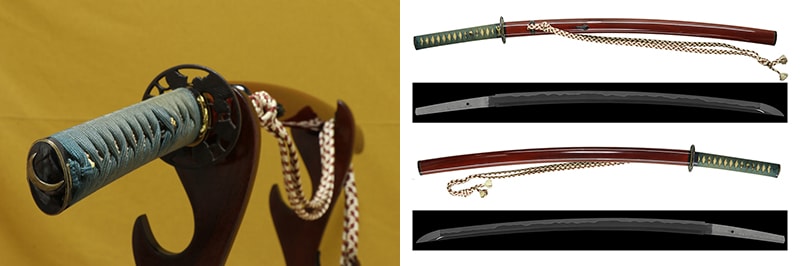
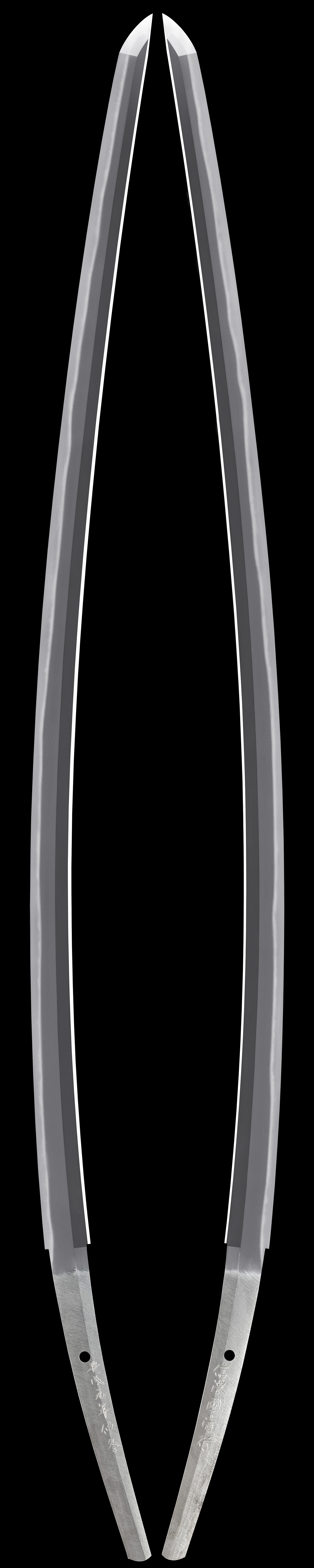
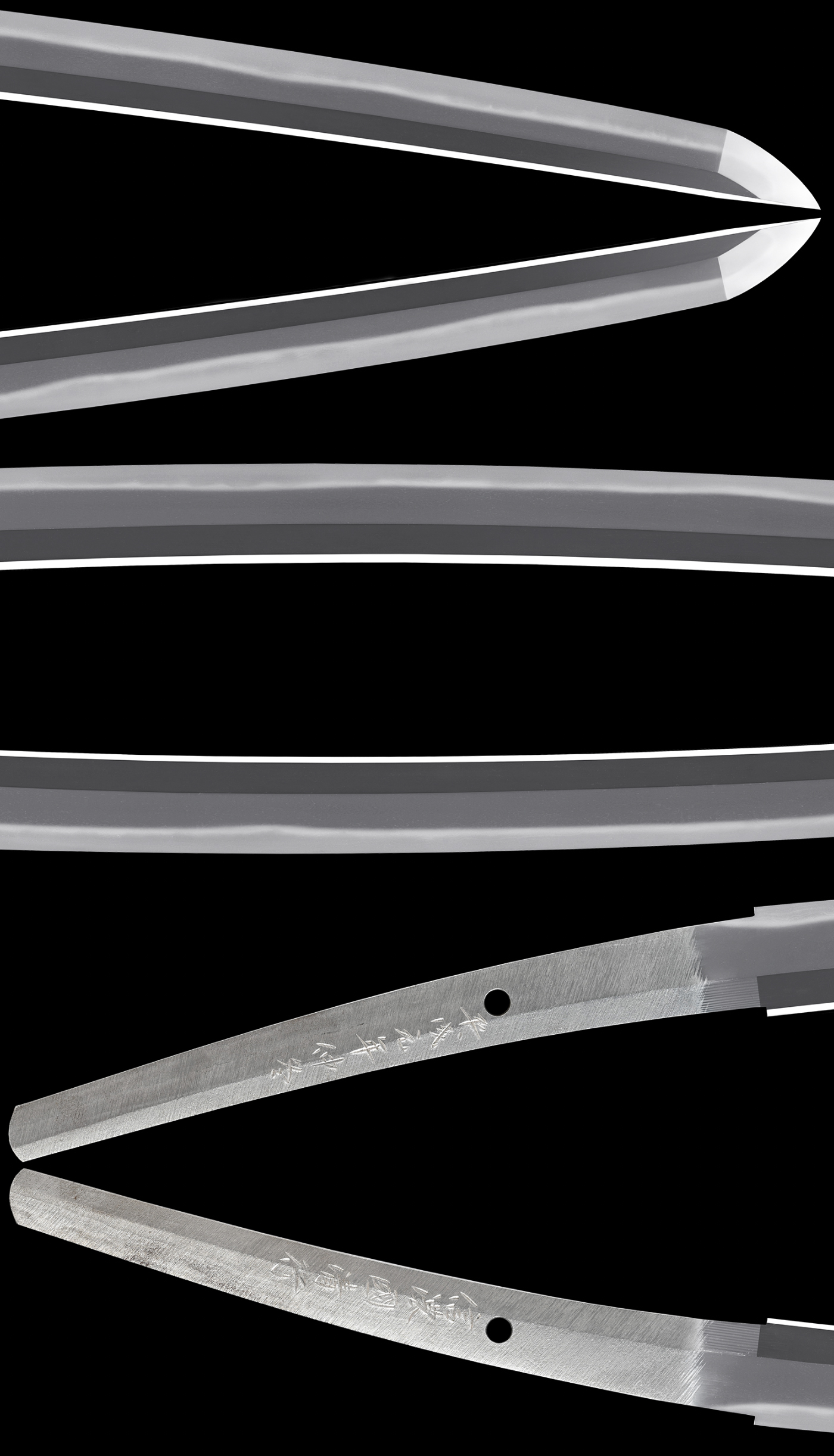
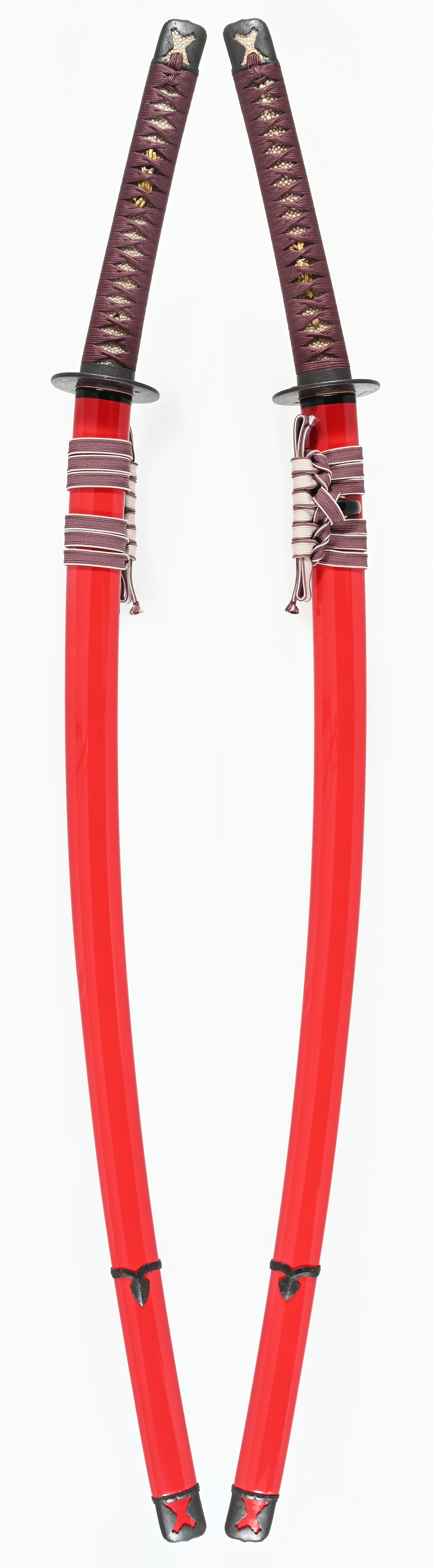
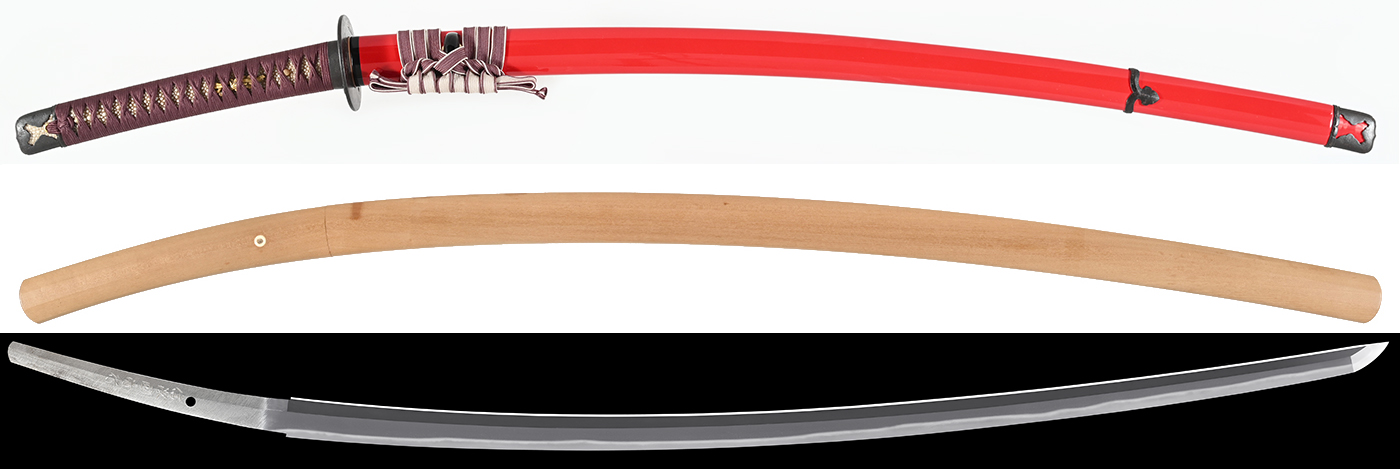
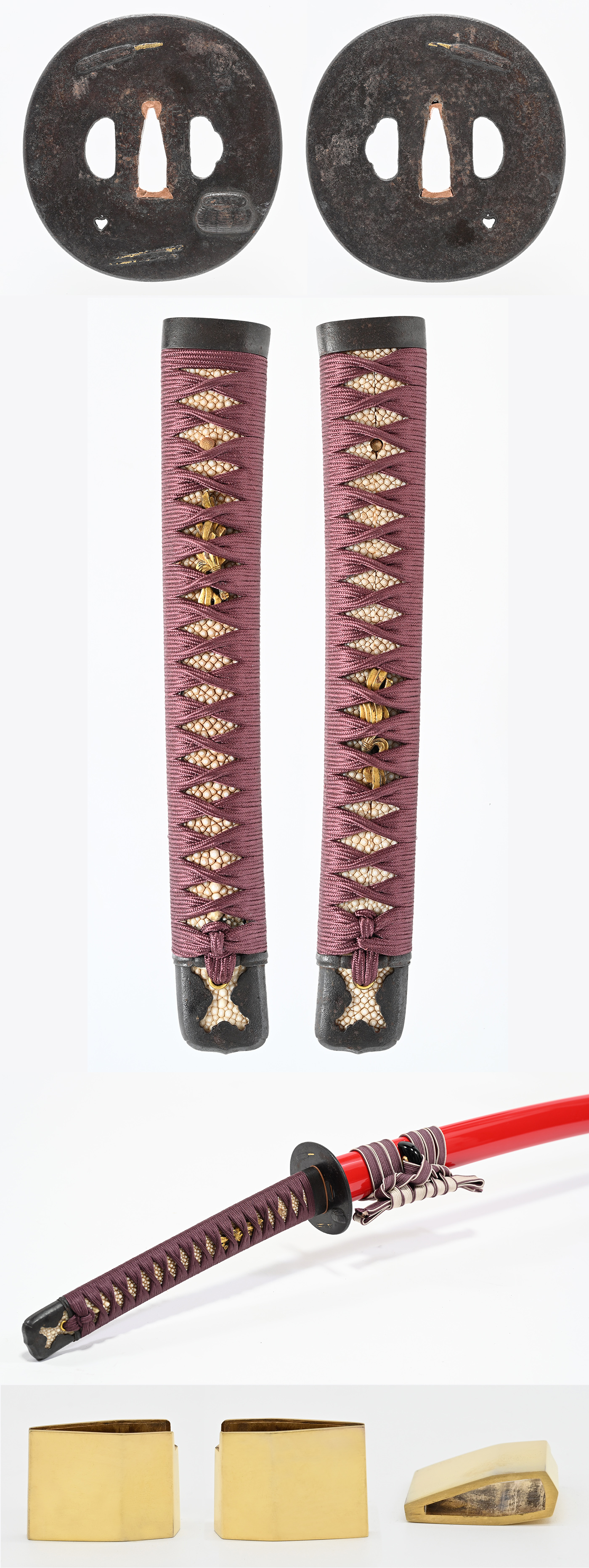
This is a tachi made by Shinano Kuni KiyoYuki in the Heisei era. KiyoYuki, whose real name is Furukawa Nobuo, studied under Miyairi Kiyohira and received authorization to forge swords from the Agency for Cultural Affairs in 1978. He won the Kanzan Prize at the New Swords Exhibition and was designated as an intangible cultural property of Suzaka City in 2007.
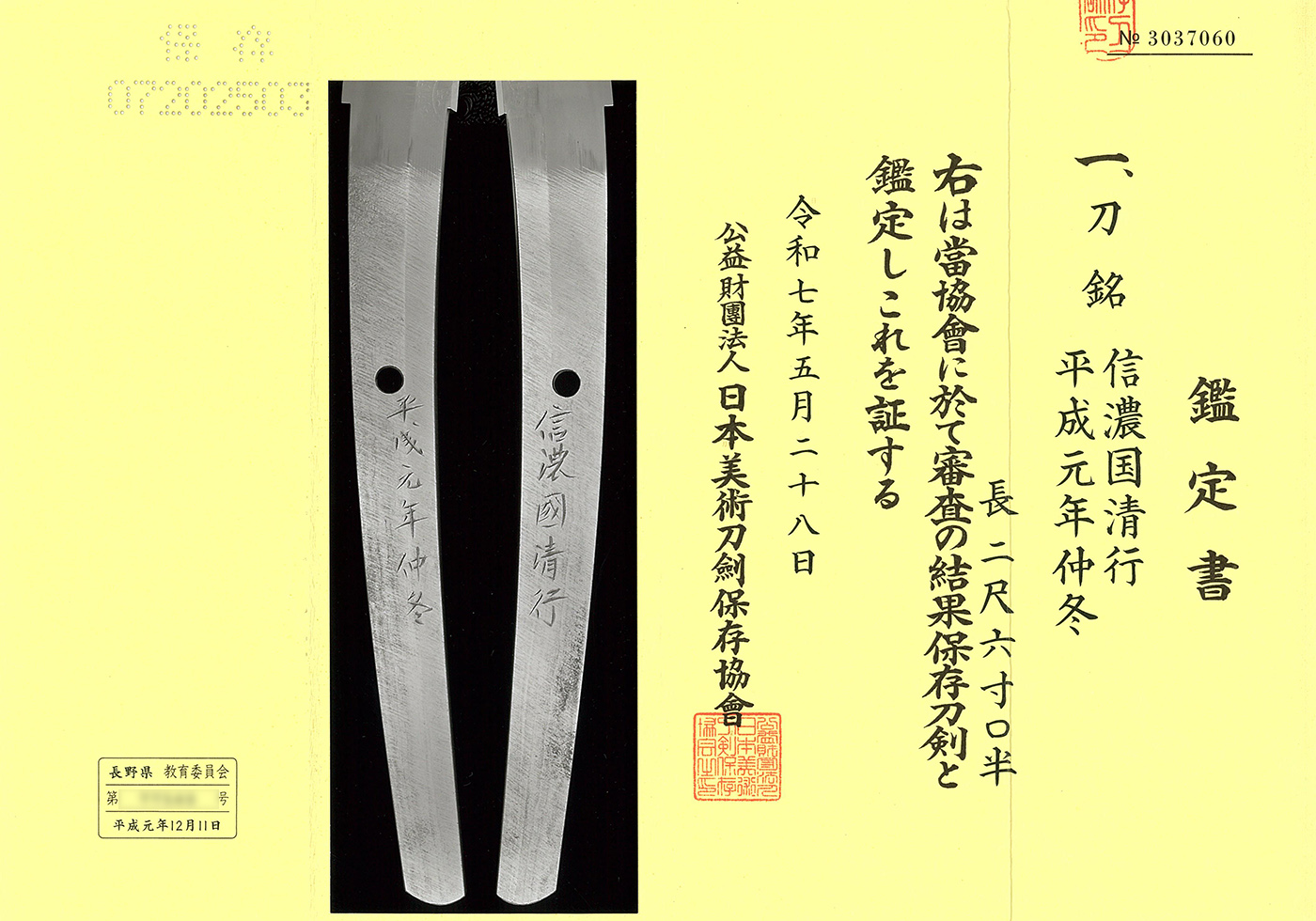
Certificate reading — 銘 信濃國清行 平成元年仲冬
 NihontoWatch
mei · Miyairi · Showa-Heisei (1978-2015) · nagasa 79.1cm · sori 3cm
Shinano · around 1978-2015
1 piece on the market now
Shōwa to the present: destruction and revival
The twentieth century nearly killed the craft twice: wartime distortion, then the occupation ban. The NBTHK’s founding in 1948 and licensed forging from 1953 rebuilt the sword as an art, crowned by Living National Treasures and the mukansa rank.
Certifies a genuine blade worth preserving: a signature confirmed correct, or, if unsigned, an era, province, and school that the NBTHK can reliably identify.
The NBTHK (Nihon Bijutsu Tōken Hozon Kyōkai, the Society for the Preservation of Japanese Art Swords) is a public-interest incorporated foundation founded in 1948 and supervised by Japan’s Agency for Cultural Affairs (Bunkachō); it is based at the Japanese Sword Museum in Tokyo. Its expert panels physically examine each submitted work (shinsa) and issue a certificate (kanteishō) ranking it by artistic and historical merit. NBTHK papers are the most widely recognized standard of authentication for Japanese swords and fittings.
NBTHK official siteReturns possible within 3 days of arrival. Customer pays return shipping and bank transfer fees. Excluded: condition differs from sale, 3+ days passed, overseas delivery, in-store purchases, and deposit transactions.
¥800,000
This is a tachi made by Shinano Kuni KiyoYuki in the Heisei era. KiyoYuki, whose real name is Furukawa Nobuo, studied under Miyairi Kiyohira and received authorization to forge swords from the Agency for Cultural Affairs in 1978. He won the Kanzan Prize at the New Swords Exhibition and was designated as an intangible cultural property of Suzaka City in 2007.
Certificate reading — 銘 信濃國清行 平成元年仲冬
NihontoWatchmei · Miyairi · Showa-Heisei (1978-2015) · nagasa 79.1cm · sori 3cm
Shinano · around 1978-2015
1 piece on the market now
Shōwa to the present: destruction and revival
The twentieth century nearly killed the craft twice: wartime distortion, then the occupation ban. The NBTHK’s founding in 1948 and licensed forging from 1953 rebuilt the sword as an art, crowned by Living National Treasures and the mukansa rank.
Certifies a genuine blade worth preserving: a signature confirmed correct, or, if unsigned, an era, province, and school that the NBTHK can reliably identify.
The NBTHK (Nihon Bijutsu Tōken Hozon Kyōkai, the Society for the Preservation of Japanese Art Swords) is a public-interest incorporated foundation founded in 1948 and supervised by Japan’s Agency for Cultural Affairs (Bunkachō); it is based at the Japanese Sword Museum in Tokyo. Its expert panels physically examine each submitted work (shinsa) and issue a certificate (kanteishō) ranking it by artistic and historical merit. NBTHK papers are the most widely recognized standard of authentication for Japanese swords and fittings.
NBTHK official siteReturns possible within 3 days of arrival. Customer pays return shipping and bank transfer fees. Excluded: condition differs from sale, 3+ days passed, overseas delivery, in-store purchases, and deposit transactions.
¥800,000