Susaka city Important Intangible Cultural Property
Mukansa (Non-Juried) Master Swordsmith
Shinano no kuni Kuniyuki.
Shinano no kuni Kiyoyuki is a master swordsmith who was designated as a Mukansa swordsmith in Heisei 21 (2009).
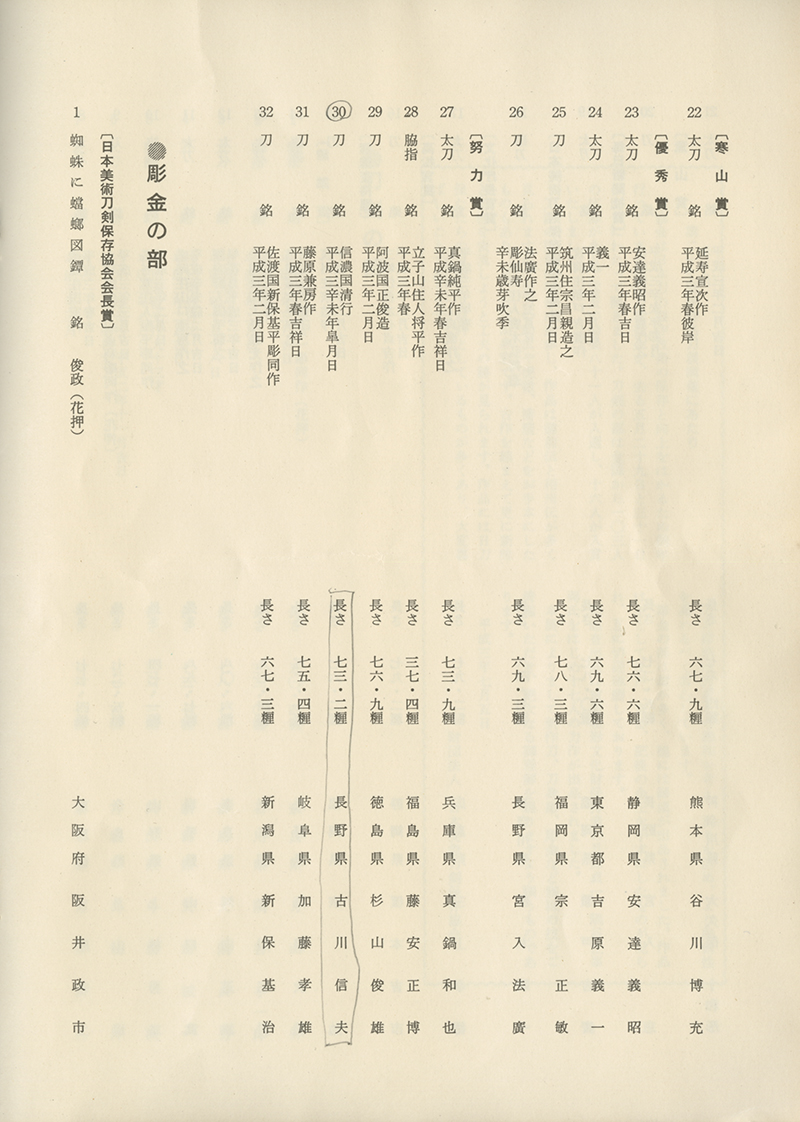
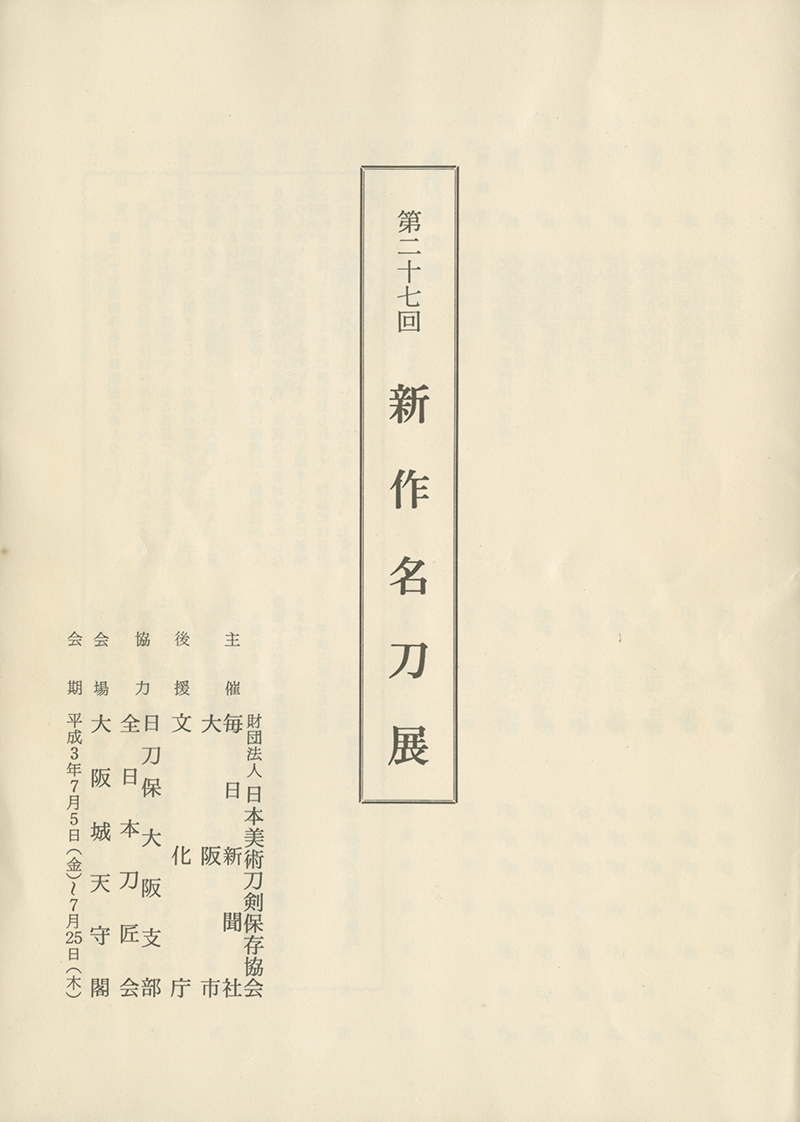
This work is an excellent piece that received the 4th place Effort Award at the Heisei 3 (1991) Shinsakuto Exhibition. It is a masterpiece featuring a grand sugata with exquisite jigane and a flamboyant gunome choji hamon.
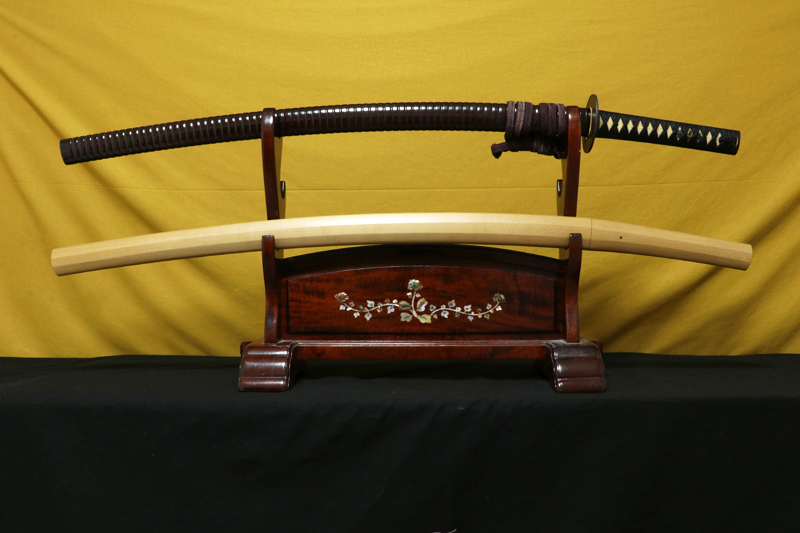
The koshirae is a high-quality mounting by the Mukansa sayashi Mr. Maeda, and both the blade and koshirae are in extremely good condition.
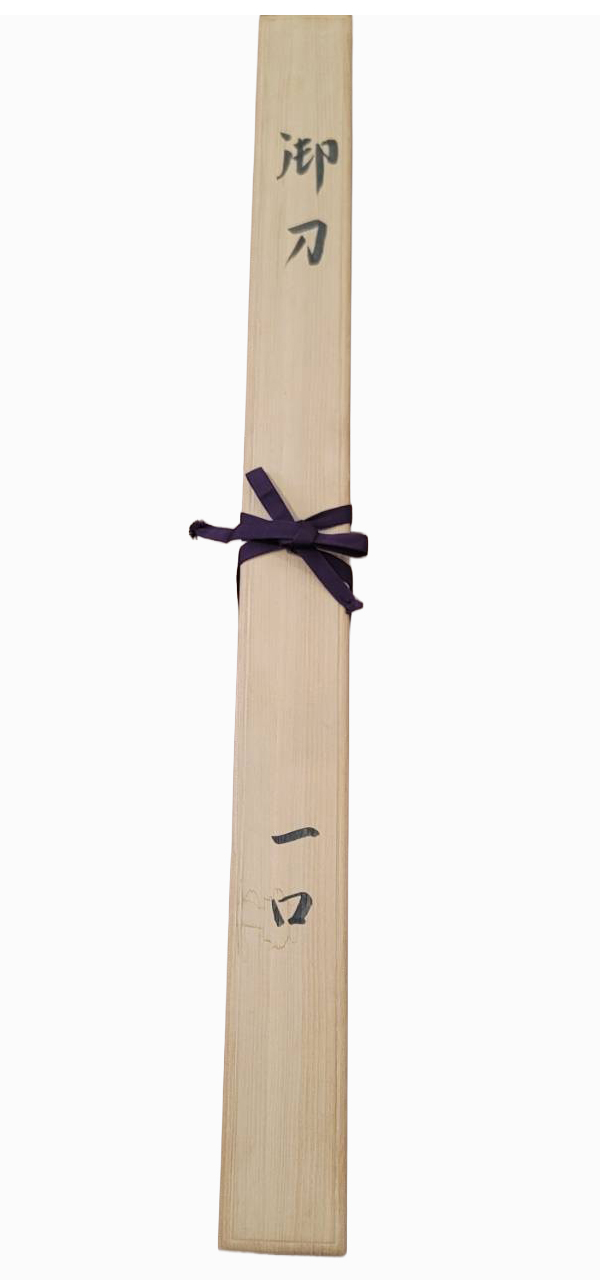
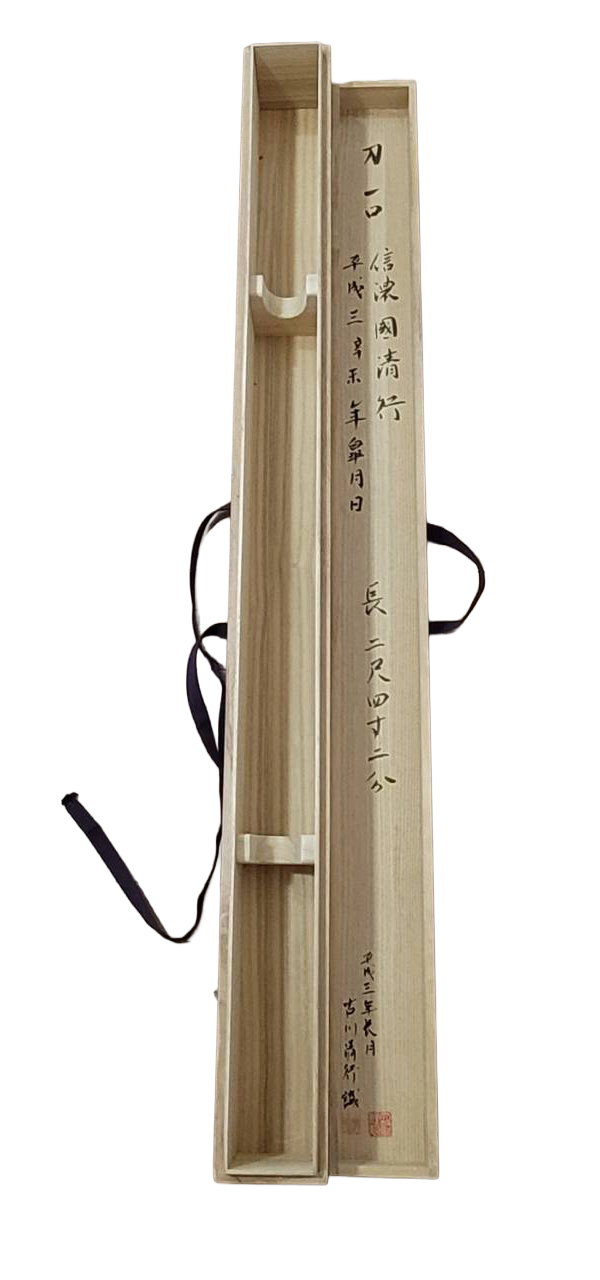
Accompanied by a paulownia wood sword box with the swordsmith's own handwriting, this is a recommended sword for a collection.
Shinano no Kuni Kiyoyuki is a highly accomplished swordsmith who was designated a Mukansa swordsmith in 2009.
This sword is an award-winning masterpiece that received 4th place in the Effort Award category at the 1991 Shinsakuto Exhibition. It features a powerful sugata, finely forged jigane, and a magnificent gunome-choji hamon.
The high-quality koshirae was crafted by Mr. Maeda, a Mukansa-ranked saya craftsman. Both the blade and koshirae are in excellent condition. The sword also comes with a paulownia wood box bearing a handwritten inscription by the swordsmith himself.
An exceptional modern Japanese sword, highly recommended for collectors.
"sugata"
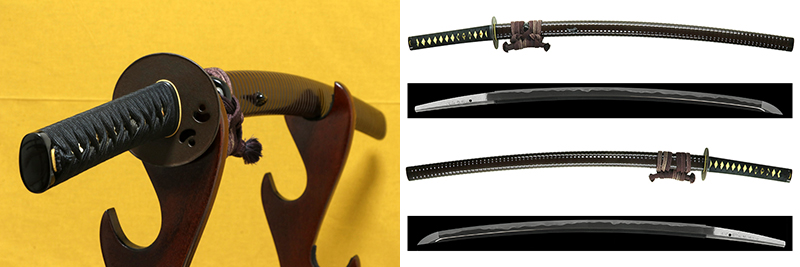
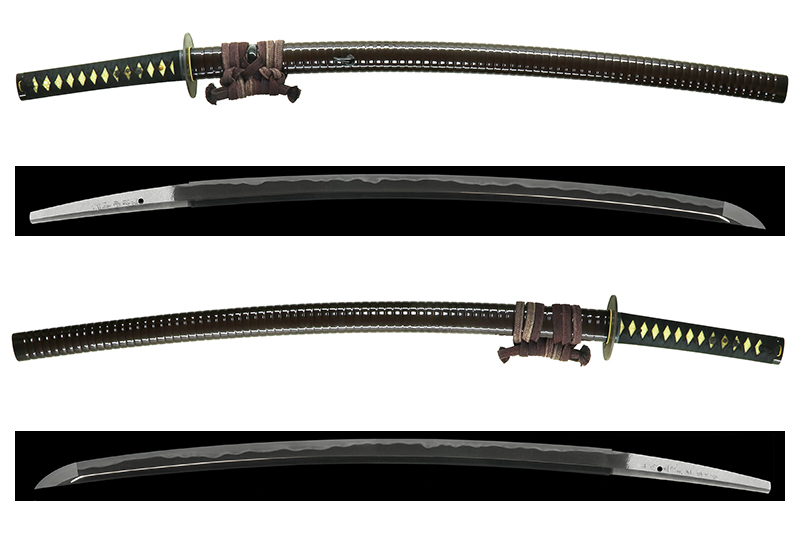
Shinogi-zukuri, iori-mune, wide mihaba, standard kasane, torii-zori, o-kissaki. The nakago is ubu with sujikai yasurime, and the nakago-jiri is kuri-jiri.
"horimono"
The horimono consists of a bo-hi with kata-chiri that is kaki-toshi at the nakago-jiri.
"jigane"
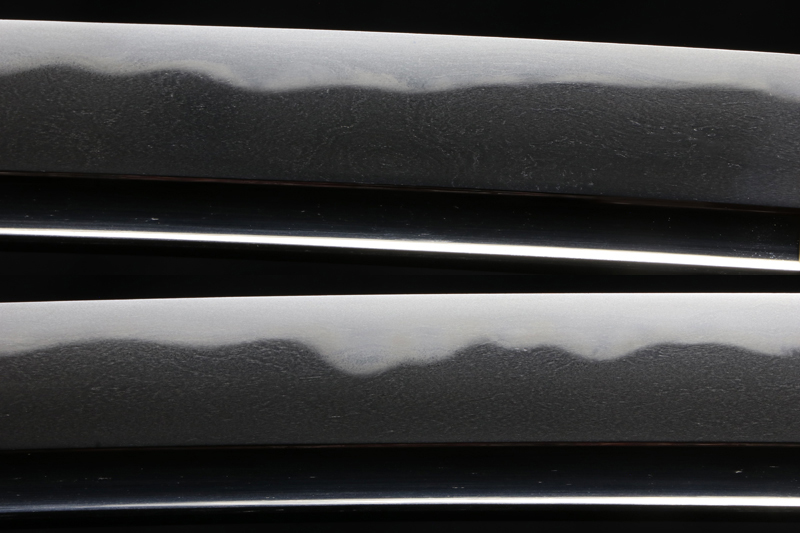
The jigane is ko-itame mixed with mokume, well-tightened, with thick and fine ji-nie, detailed chikei appearing, and a faint nie-utsuri standing out.
"hamon"
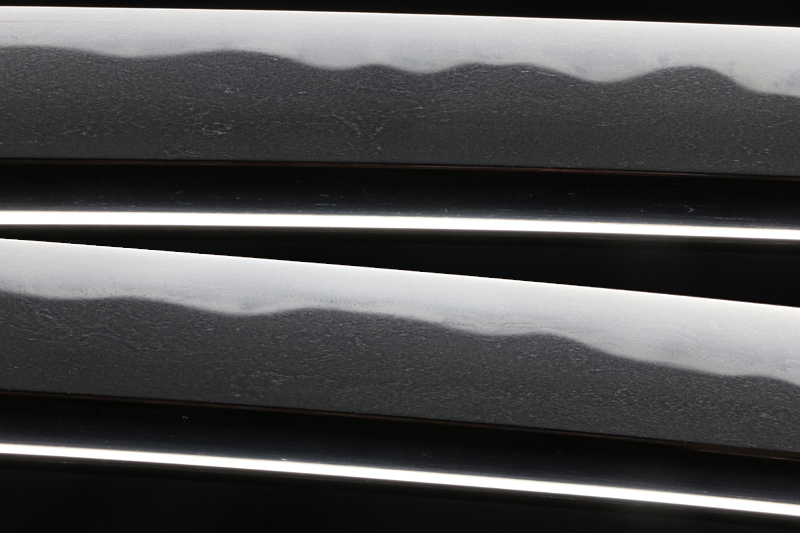
The hamon is notare gunome choji mixed with togari-ba, the nioiguchi is deep and bright with frequent sunagashi, and well-covered in ko-nie. Within the ha, yo enters and kinsuji works. The boshi is midarekomi returning in ko-maru.
"detailed"
Shinano no kuni Kiyoyuki, real name Furukawa Nobuo. Born in Nagano City in Showa 23 (1948).
While enrolled in a science and engineering university in Tokyo, he was captivated by the beauty of nihonto at a masterpiece sword exhibition held at the Shinano Art Museum and aspired to become a swordsmith. After graduating university, he entered the apprenticeship of swordsmith Miyairi Kiyohira in Sakaki-machi, and in Showa 56 (1981), he established a forge in Nagano City and became independent.
He won numerous awards at the Shinsakuto Exhibitions sponsored by the Nihon Bijutsu Token Hozon Kyokai, and in Heisei 21 (2009), he received the Chairman's Award, which is the highest prize. In the same year, he was designated a Mukansa swordsmith.
This work is an excellent piece that received the 4th place Effort Award at the Heisei 3 (1991) Shinsakuto Exhibition.
It is a superbly finished sword where the grand and dignified sugata harmonizes beautifully with the exquisitely forged jigane and the gunome choji hamon that shows rich hataraki.
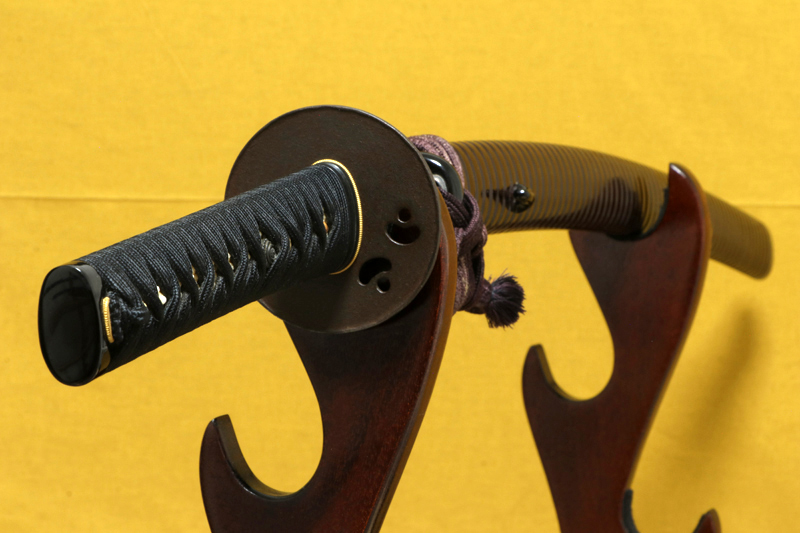
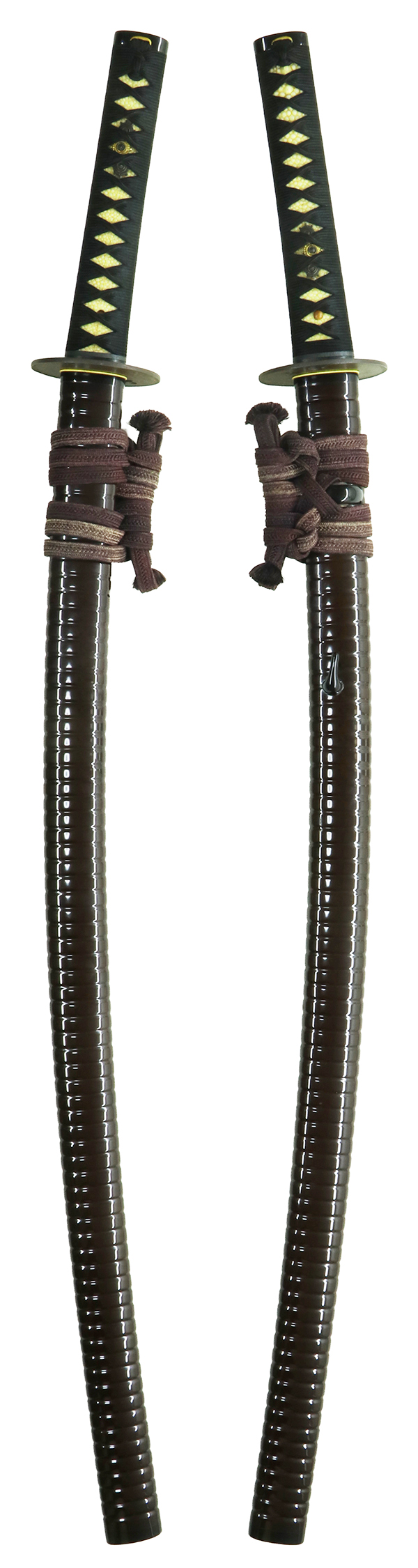
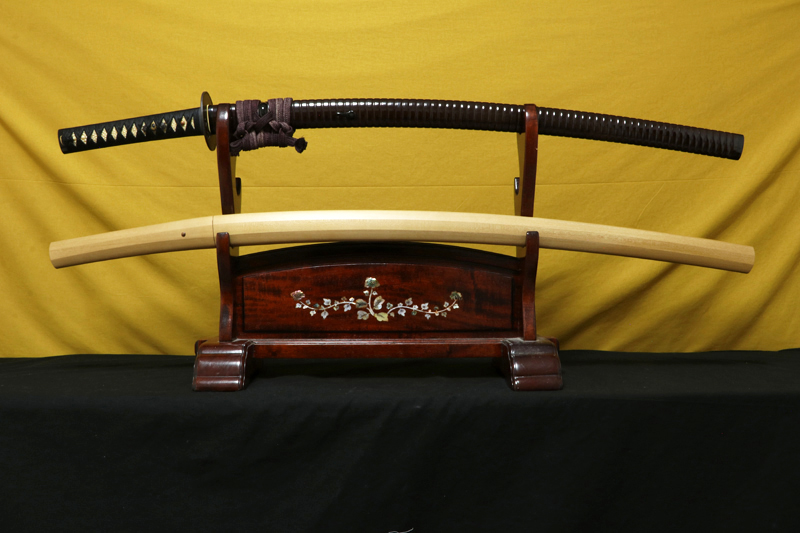
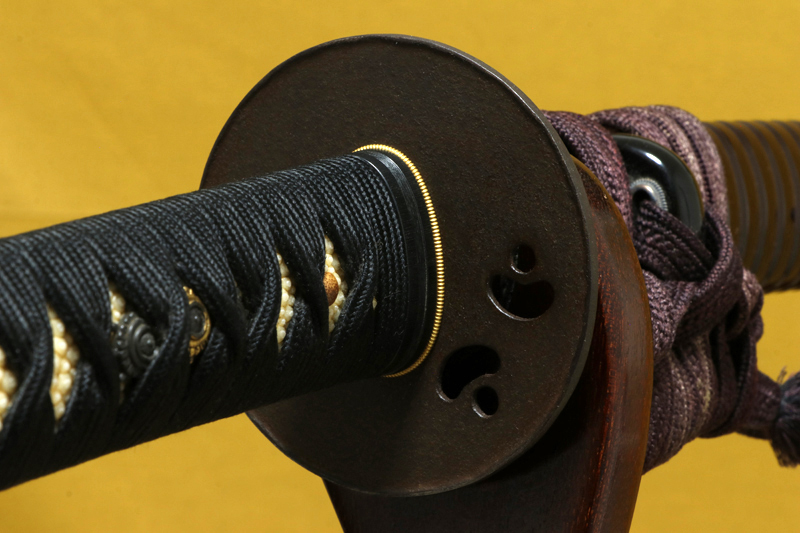
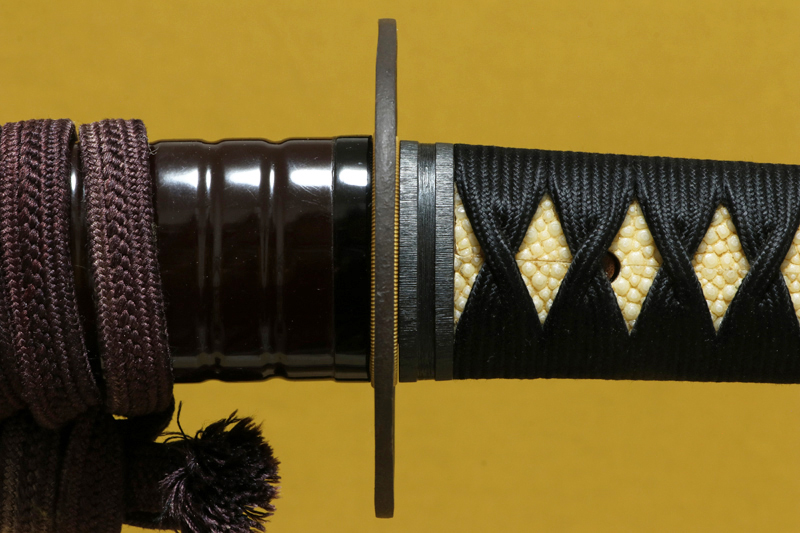
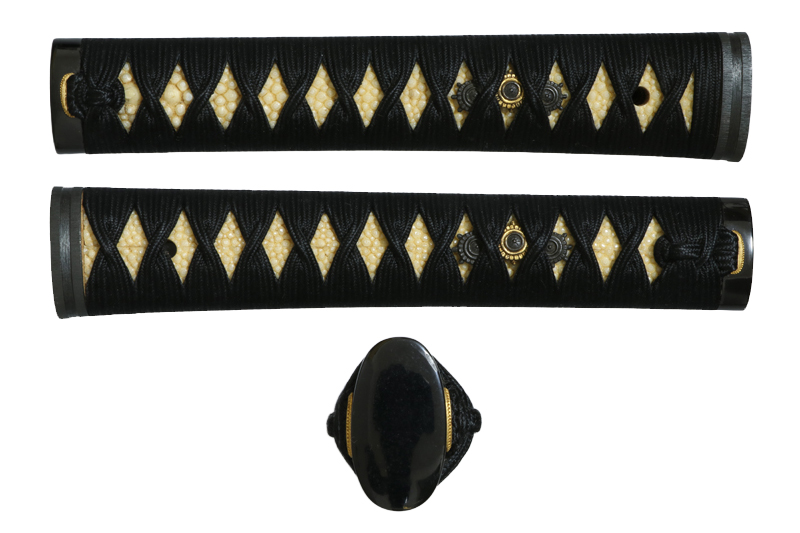
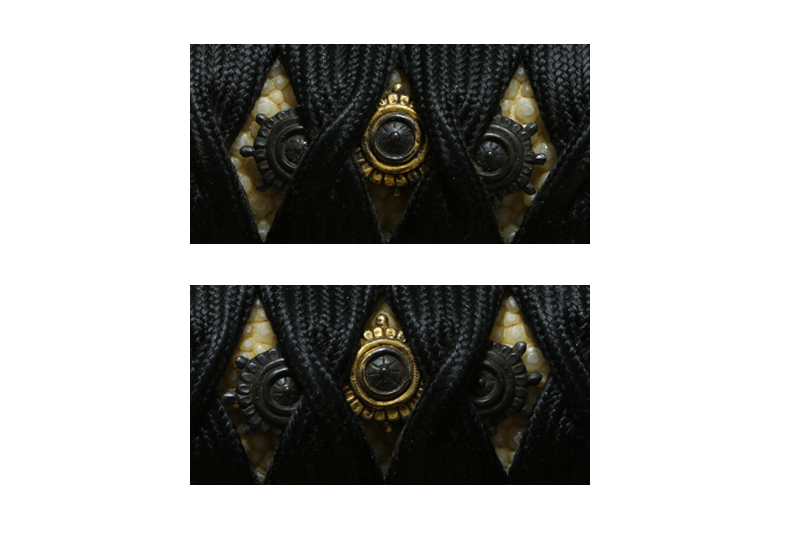
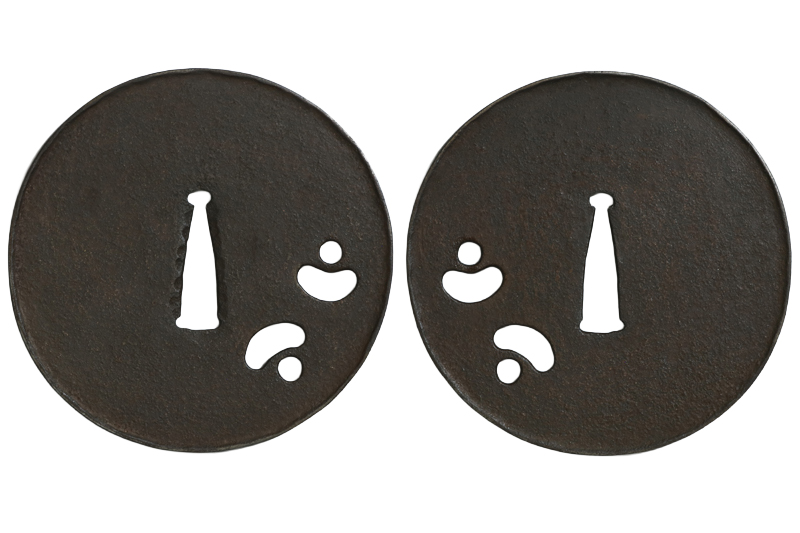
The koshirae was crafted by the Mukansa sayashi Mr. Maeda residing in Himeji, and a calm elegance drifts through the whole piece. The fittings, excluding the Edo period menuki, are works by modern metal artists. The fuchi is a shakudo base, the kashira is buffalo horn, the tsuba is an iron base with mushroom sukashi, and the menuki feature a shakudo base with a horin design.
All are careful work by first-class craftsmen, and the state of preservation for both the blade and koshirae is extremely good. Furthermore, a paulownia wood sword box inscribed with the handwriting of swordsmith Kuniyuki is included.
Equipped with an excellent blade boasting an award history and high-quality koshirae by master craftsmen, this is a masterpiece of gendaito. Please take this opportunity to add it to your collection.
Shinano no Kuni Kiyoyuki, whose real name was Nobuo Furukawa, was born in Nagano City in 1948.
While studying at a science and engineering university in Tokyo, he became fascinated by the beauty of Japanese swords at a sword exhibition held at the Shinano Art Museum and decided to become a swordsmith. After graduating, he apprenticed under swordsmith Miyairi Kiyohira in Sakaki Town. In 1981, he established his own forge in Nagano City and began working independently.
He received numerous awards at the Shinsakuto Exhibitions organized by the Society for the Preservation of Japanese Art Swords (NBTHK). In 2009, he received the Chairman’s Award, the exhibition’s highest honor, and was designated a Mukansa swordsmith that same year.
This sword is an award-winning masterpiece that received 4th place in the Effort Award category at the 1991 Shinsakuto Exhibition.
The blade features a powerful yet dignified sugata, finely forged jigane, and a magnificent gunome-choji hamon rich in intricate activities. These elements combine beautifully, making this an exceptionally fine work.
The koshirae was crafted by Mr. Maeda, a Mukansa-ranked saya craftsman based in Himeji. It displays a refined and elegant appearance with a sense of understated dignity. Except for the Edo-period menuki, all the fittings were made by contemporary metalwork artisans. The fuchi is made of shakudo, the kashira of buffalo horn, the tsuba is iron with a mushroom-shaped sukashi design, and the menuki feature a sacred wheel (horin) motif in shakudo.
Every component reflects the exceptional craftsmanship of highly skilled artisans. Both the blade and koshirae are preserved in outstanding condition. The sword also comes with a paulownia wood sword box bearing a handwritten inscription by swordsmith Kiyoyuki himself.
Combining an award-winning blade with superb koshirae crafted by master artisans, this is an outstanding example of modern Japanese swordmaking.
We highly recommend adding this exceptional sword to your collection.
"Koshirae"
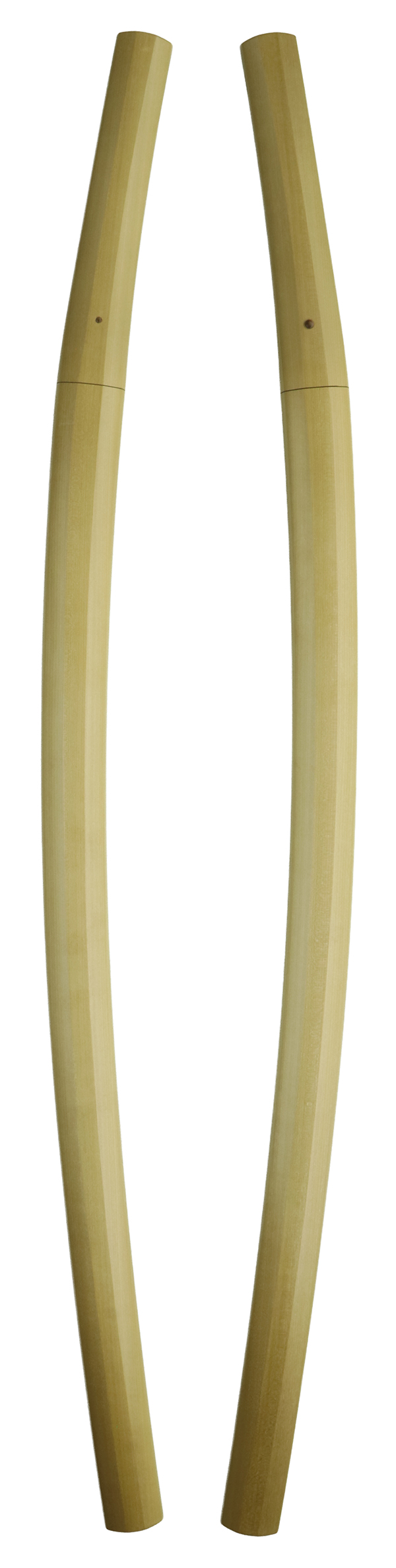
Shirasaya, tsunagi.
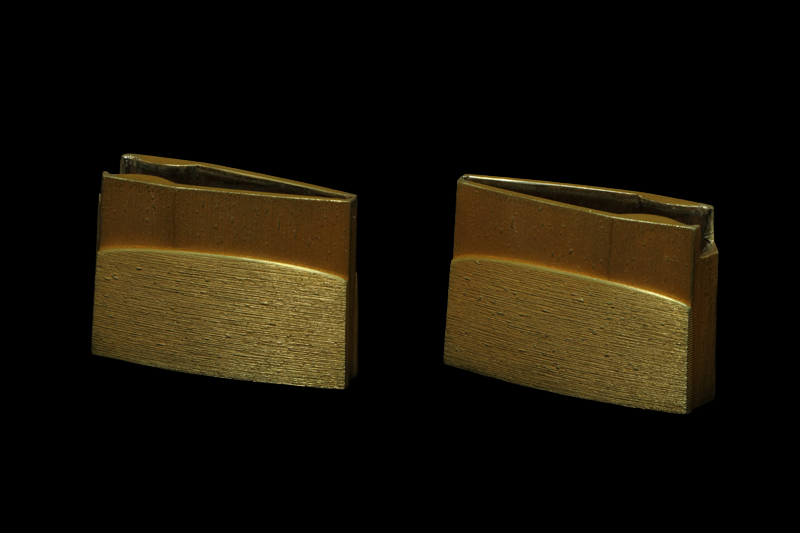
Habaki: Su-akagane base, kin-gise double.
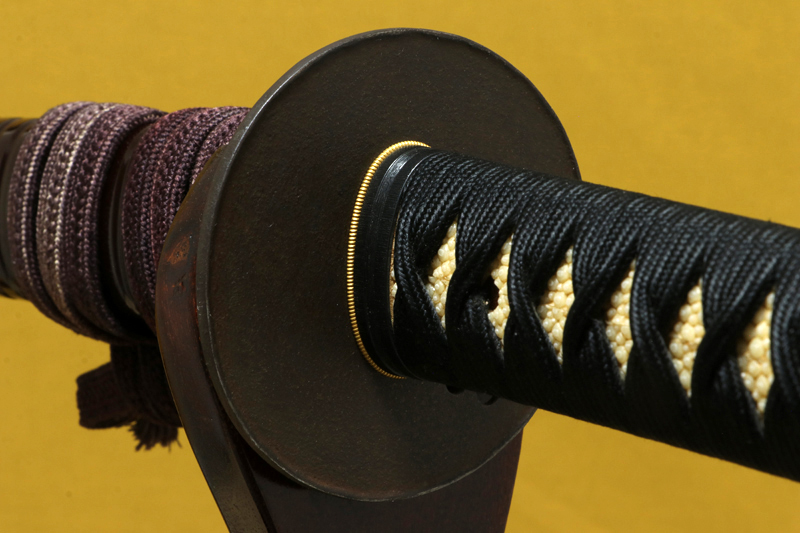
Tsuba: Iron base, mushroom sukashi.
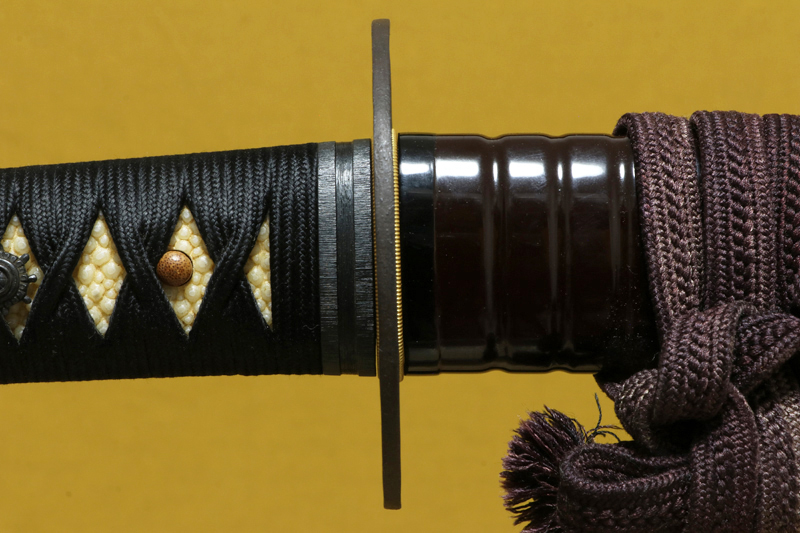
Fuchikashira: Fuchi is shakudo, kashira is buffalo horn.
Seppa: Su-akagane base, kin-gise.
Menuki: Shakudo base, horin design.
Tsuka: Same has an o-tsubu and is maki-zame, tsuka-ito is pure silk black moro-tsumami-maki.
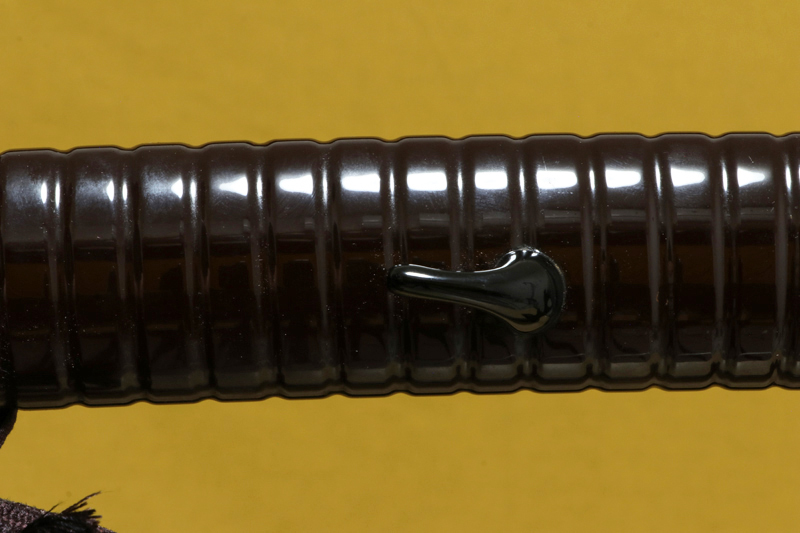
Saya: Sendan-kizami-saya, hon-urushi tame-nuri, with kaeri-tsuno.
"condition of blade"
Togi: Good.
Kizu: There are no flaws that would constitute a defect.
Machine translation from the shop's Japanese · may contain errors ·
Susaka city Important Intangible Cultural Property
Mukansa (Non-Juried) Master Swordsmith
Shinano no kuni Kuniyuki.
Shinano no kuni Kiyoyuki is a master swordsmith who was designated as a Mukansa swordsmith in Heisei 21 (2009).
This work is an excellent piece that received the 4th place Effort Award at the Heisei 3 (1991) Shinsakuto Exhibition. It is a masterpiece featuring a grand sugata with exquisite jigane and a flamboyant gunome choji hamon.
The koshirae is a high-quality mounting by the Mukansa sayashi Mr. Maeda, and both the blade and koshirae are in extremely good condition.
Accompanied by a paulownia wood sword box with the swordsmith's own handwriting, this is a recommended sword for a collection.
Shinano no Kuni Kiyoyuki is a highly accomplished swordsmith who was designated a Mukansa swordsmith in 2009.
This sword is an award-winning masterpiece that received 4th place in the Effort Award category at the 1991 Shinsakuto Exhibition. It features a powerful sugata, finely forged jigane, and a magnificent gunome-choji hamon.
The high-quality koshirae was crafted by Mr. Maeda, a Mukansa-ranked saya craftsman. Both the blade and koshirae are in excellent condition. The sword also comes with a paulownia wood box bearing a handwritten inscription by the swordsmith himself.
An exceptional modern Japanese sword, highly recommended for collectors.
"sugata"
Shinogi-zukuri, iori-mune, wide mihaba, standard kasane, torii-zori, o-kissaki. The nakago is ubu with sujikai yasurime, and the nakago-jiri is kuri-jiri.
"horimono"
The horimono consists of a bo-hi with kata-chiri that is kaki-toshi at the nakago-jiri.
"jigane"
The jigane is ko-itame mixed with mokume, well-tightened, with thick and fine ji-nie, detailed chikei appearing, and a faint nie-utsuri standing out.
"hamon"
The hamon is notare gunome choji mixed with togari-ba, the nioiguchi is deep and bright with frequent sunagashi, and well-covered in ko-nie. Within the ha, yo enters and kinsuji works. The boshi is midarekomi returning in ko-maru.
"detailed"
Shinano no kuni Kiyoyuki, real name Furukawa Nobuo. Born in Nagano City in Showa 23 (1948).
While enrolled in a science and engineering university in Tokyo, he was captivated by the beauty of nihonto at a masterpiece sword exhibition held at the Shinano Art Museum and aspired to become a swordsmith. After graduating university, he entered the apprenticeship of swordsmith Miyairi Kiyohira in Sakaki-machi, and in Showa 56 (1981), he established a forge in Nagano City and became independent.
He won numerous awards at the Shinsakuto Exhibitions sponsored by the Nihon Bijutsu Token Hozon Kyokai, and in Heisei 21 (2009), he received the Chairman's Award, which is the highest prize. In the same year, he was designated a Mukansa swordsmith.
This work is an excellent piece that received the 4th place Effort Award at the Heisei 3 (1991) Shinsakuto Exhibition.
It is a superbly finished sword where the grand and dignified sugata harmonizes beautifully with the exquisitely forged jigane and the gunome choji hamon that shows rich hataraki.
The koshirae was crafted by the Mukansa sayashi Mr. Maeda residing in Himeji, and a calm elegance drifts through the whole piece. The fittings, excluding the Edo period menuki, are works by modern metal artists. The fuchi is a shakudo base, the kashira is buffalo horn, the tsuba is an iron base with mushroom sukashi, and the menuki feature a shakudo base with a horin design.
All are careful work by first-class craftsmen, and the state of preservation for both the blade and koshirae is extremely good. Furthermore, a paulownia wood sword box inscribed with the handwriting of swordsmith Kuniyuki is included.
Equipped with an excellent blade boasting an award history and high-quality koshirae by master craftsmen, this is a masterpiece of gendaito. Please take this opportunity to add it to your collection.
Shinano no Kuni Kiyoyuki, whose real name was Nobuo Furukawa, was born in Nagano City in 1948.
While studying at a science and engineering university in Tokyo, he became fascinated by the beauty of Japanese swords at a sword exhibition held at the Shinano Art Museum and decided to become a swordsmith. After graduating, he apprenticed under swordsmith Miyairi Kiyohira in Sakaki Town. In 1981, he established his own forge in Nagano City and began working independently.
He received numerous awards at the Shinsakuto Exhibitions organized by the Society for the Preservation of Japanese Art Swords (NBTHK). In 2009, he received the Chairman’s Award, the exhibition’s highest honor, and was designated a Mukansa swordsmith that same year.
This sword is an award-winning masterpiece that received 4th place in the Effort Award category at the 1991 Shinsakuto Exhibition.
The blade features a powerful yet dignified sugata, finely forged jigane, and a magnificent gunome-choji hamon rich in intricate activities. These elements combine beautifully, making this an exceptionally fine work.
The koshirae was crafted by Mr. Maeda, a Mukansa-ranked saya craftsman based in Himeji. It displays a refined and elegant appearance with a sense of understated dignity. Except for the Edo-period menuki, all the fittings were made by contemporary metalwork artisans. The fuchi is made of shakudo, the kashira of buffalo horn, the tsuba is iron with a mushroom-shaped sukashi design, and the menuki feature a sacred wheel (horin) motif in shakudo.
Every component reflects the exceptional craftsmanship of highly skilled artisans. Both the blade and koshirae are preserved in outstanding condition. The sword also comes with a paulownia wood sword box bearing a handwritten inscription by swordsmith Kiyoyuki himself.
Combining an award-winning blade with superb koshirae crafted by master artisans, this is an outstanding example of modern Japanese swordmaking.
We highly recommend adding this exceptional sword to your collection.
"Koshirae"
Shirasaya, tsunagi.
Habaki: Su-akagane base, kin-gise double.
Tsuba: Iron base, mushroom sukashi.
Fuchikashira: Fuchi is shakudo, kashira is buffalo horn.
Seppa: Su-akagane base, kin-gise.
Menuki: Shakudo base, horin design.
Tsuka: Same has an o-tsubu and is maki-zame, tsuka-ito is pure silk black moro-tsumami-maki.
Saya: Sendan-kizami-saya, hon-urushi tame-nuri, with kaeri-tsuno.
"condition of blade"
Togi: Good.
Kizu: There are no flaws that would constitute a defect.
The twentieth century nearly killed the craft twice: wartime distortion, then the occupation ban. The NBTHK’s founding in 1948 and licensed forging from 1953 rebuilt the sword as an art, crowned by Living National Treasures and the mukansa rank.
Within 3 days of the item's arrival, we offer a refund or an exchange. Return shipping and the bank transfer fee for the refund are at the customer's expense.


 NihontoWatch