 NihontoWatchNihontoWatch
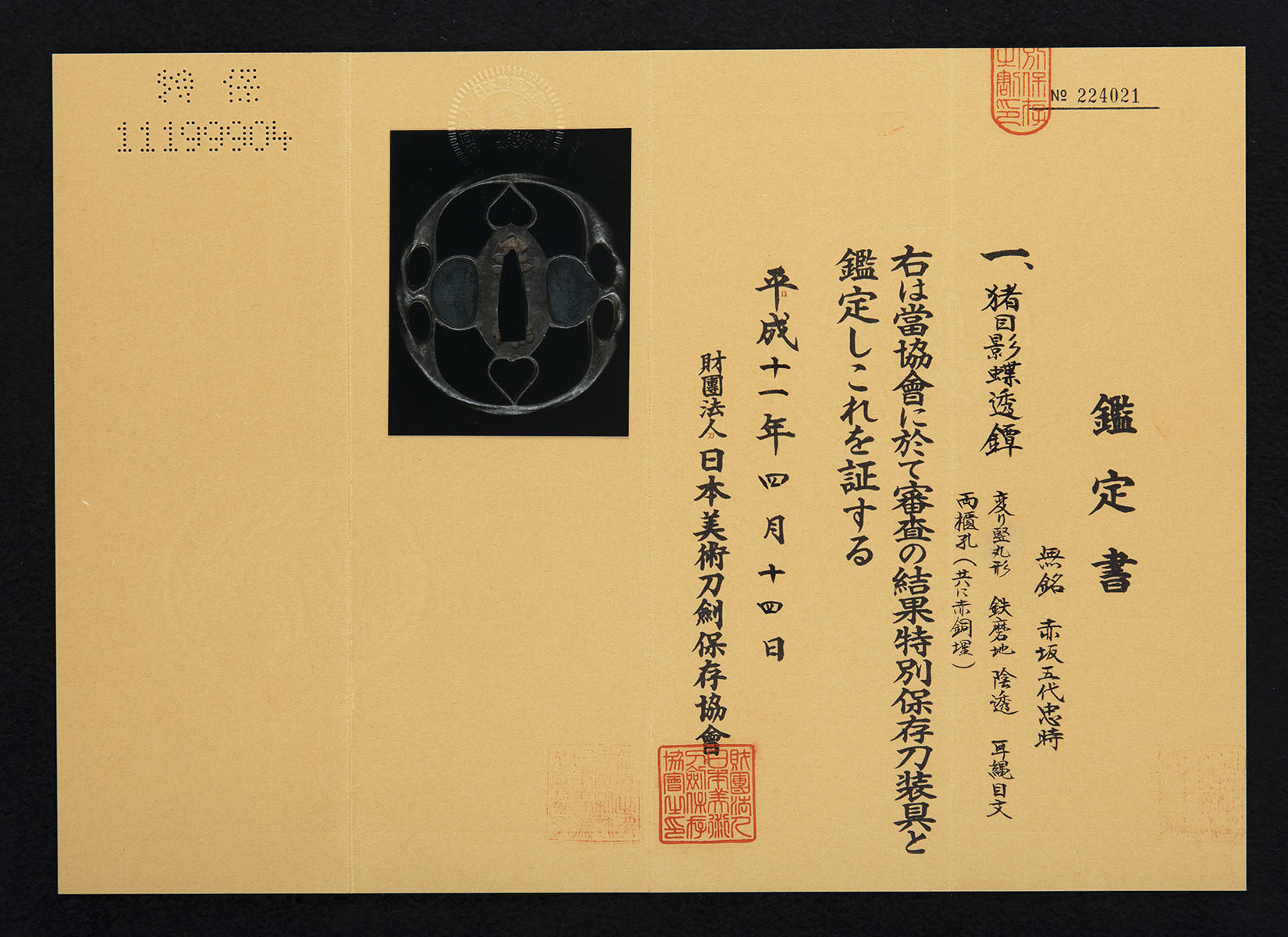
Godai Akasaka Tadatoki Tsuba NBTHK Tokubetsu Hozon The Akasaka (èμ¤å‚) area exists to this day as a residential and commercial area in the Minato ward of Tokyo. It lies in hilly area southwest of where Edo castle lay, and closest to it the Akasaka-mitsuke (Akasaka Guard Post) protected that zone of Edo castle. While there are several theories as to the origins of its name, a recurrent explanation is that it alluded to the Common Madder Plant that grew in the area. Madder plant roots were used to produce a red (in Japanese “aka†èμ¤) dye, and thus the name “red slope”, or Akasaka evolved. Thus, the Akasaka school assumed the name of the area when the first master of the school, Shozaemon Tadamasa settled there in the early 17th century, and through his effort, it became noted as a place where high quality sukashi tsuba were made for several generations. Tadamasa was a former student of the famed Higo tsuba maker, Hayashi Matashichi. The fifth generation (godai), was named Hikojuro Tadatoki, and is sometimes referred to as “Nakahiko” (“naka” means “in between”) as he succeeded the Hikojuro name from the fourth generation (who was nicknamed “Oyahiko” or “parent hiko”), and that name became hereditary for every subsequent generation up to the ninth. The style and workmanship of this tsuba was identifiable as the product of the fifth generation Tadatoki as it is noted specifically on its Tokubetsu Hozon paper. There is a great cumulative number of extant Akasaka tsuba, most mumei, and many having either been made in times the generations briefly overlapped, or were produced completely or in part from the many other students of the school working under each successive master, so having a clear attribution to a specific generation is quite beneficial. Additionally, to have that pinpoint attribution elevated to Tokubetsu Hozon, which is a more difficult tier to achieve in fittings vs. swords, provides further merit to the quality and character of this guard. This tsuba
NihontoWatchOffered by Legacy Swords
This piece has sold
Get an email when a new Akasaka Tadatoki piece hits the market.

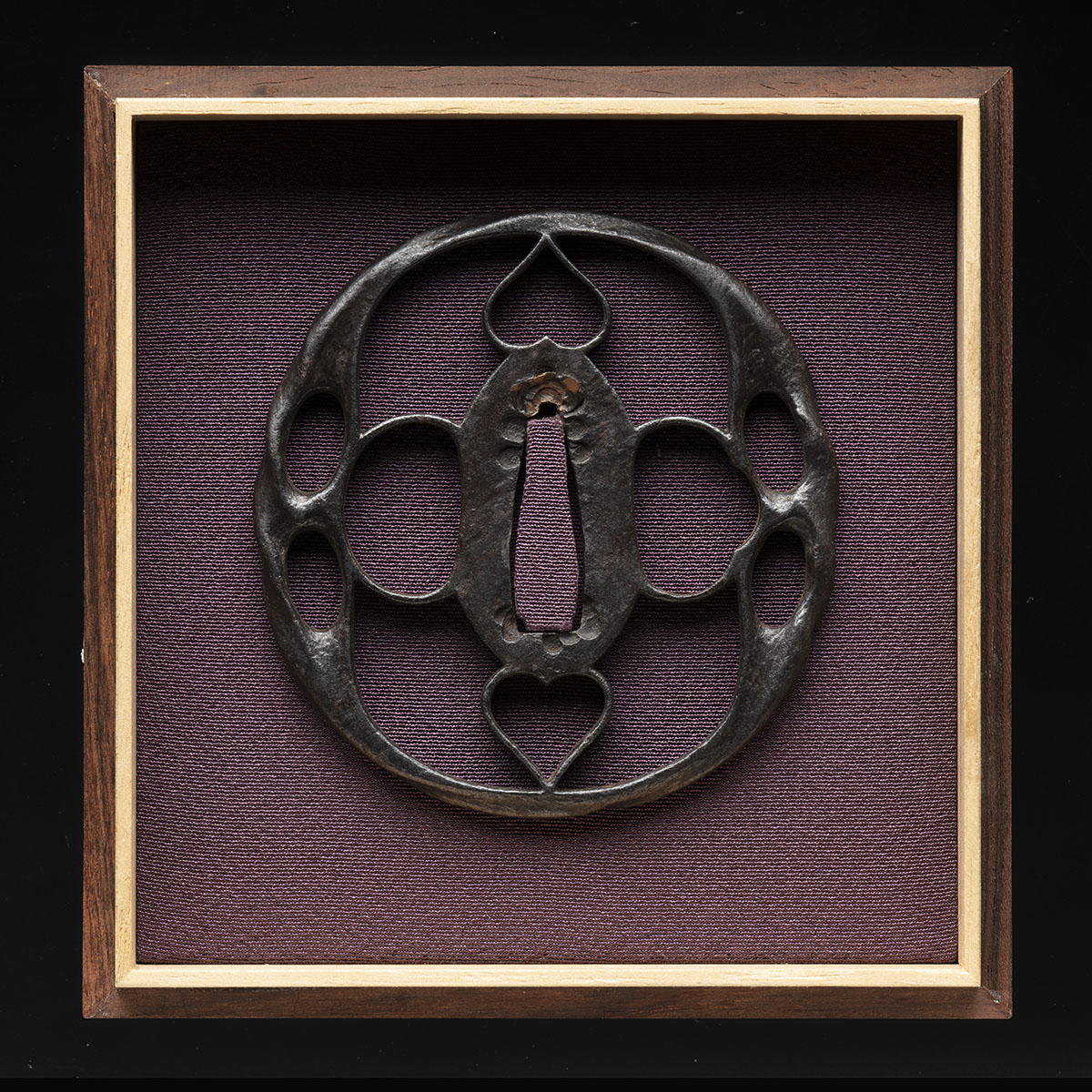
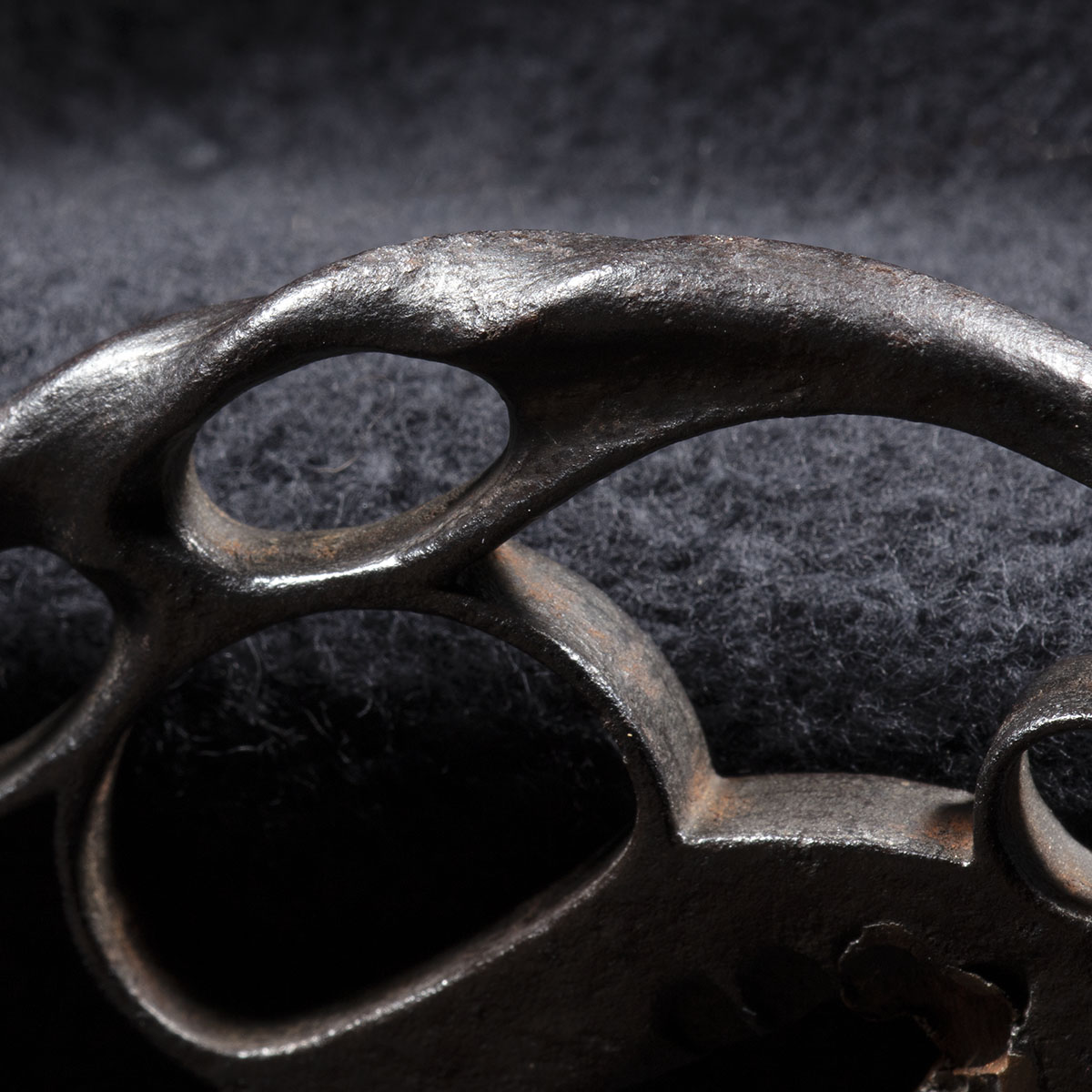
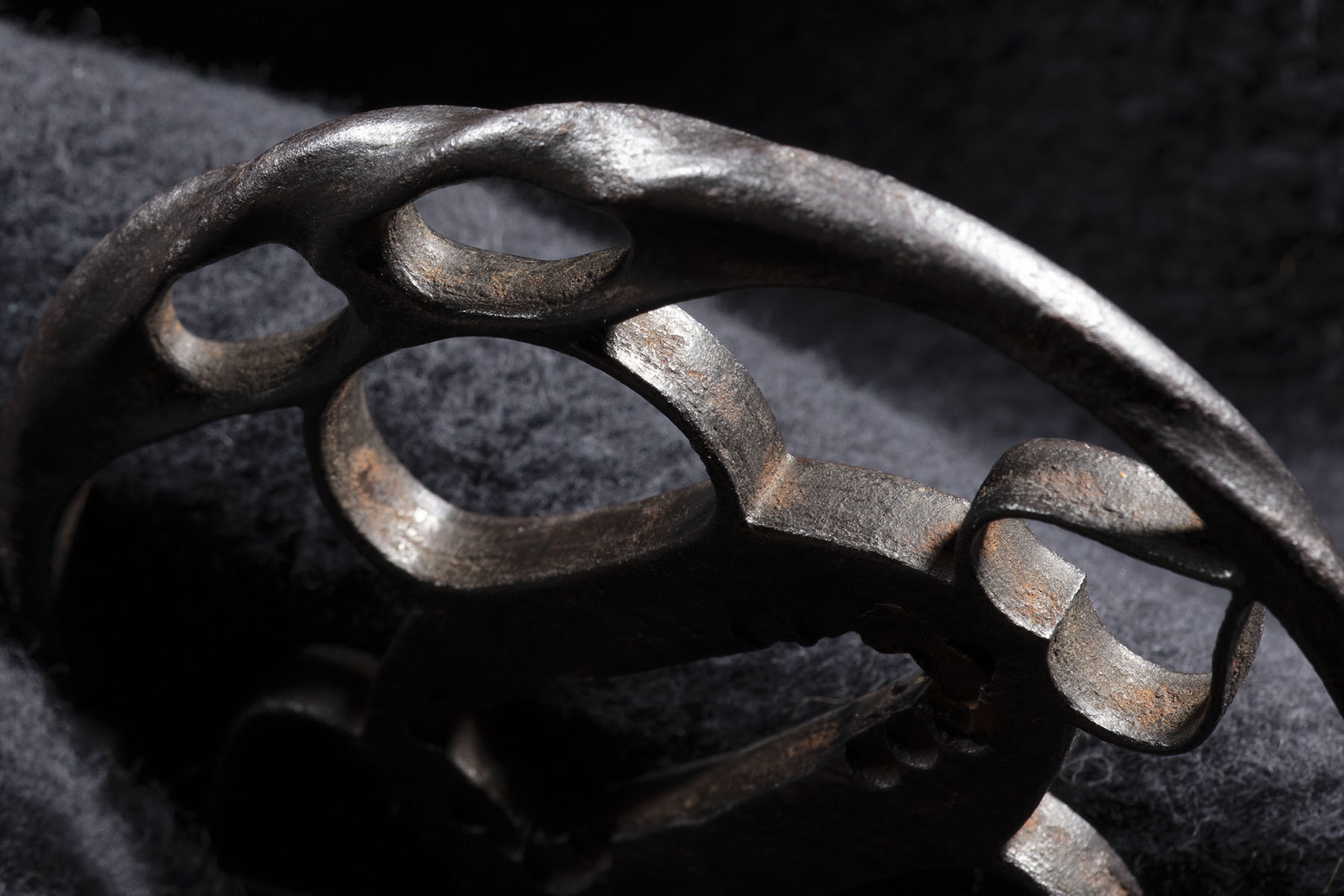
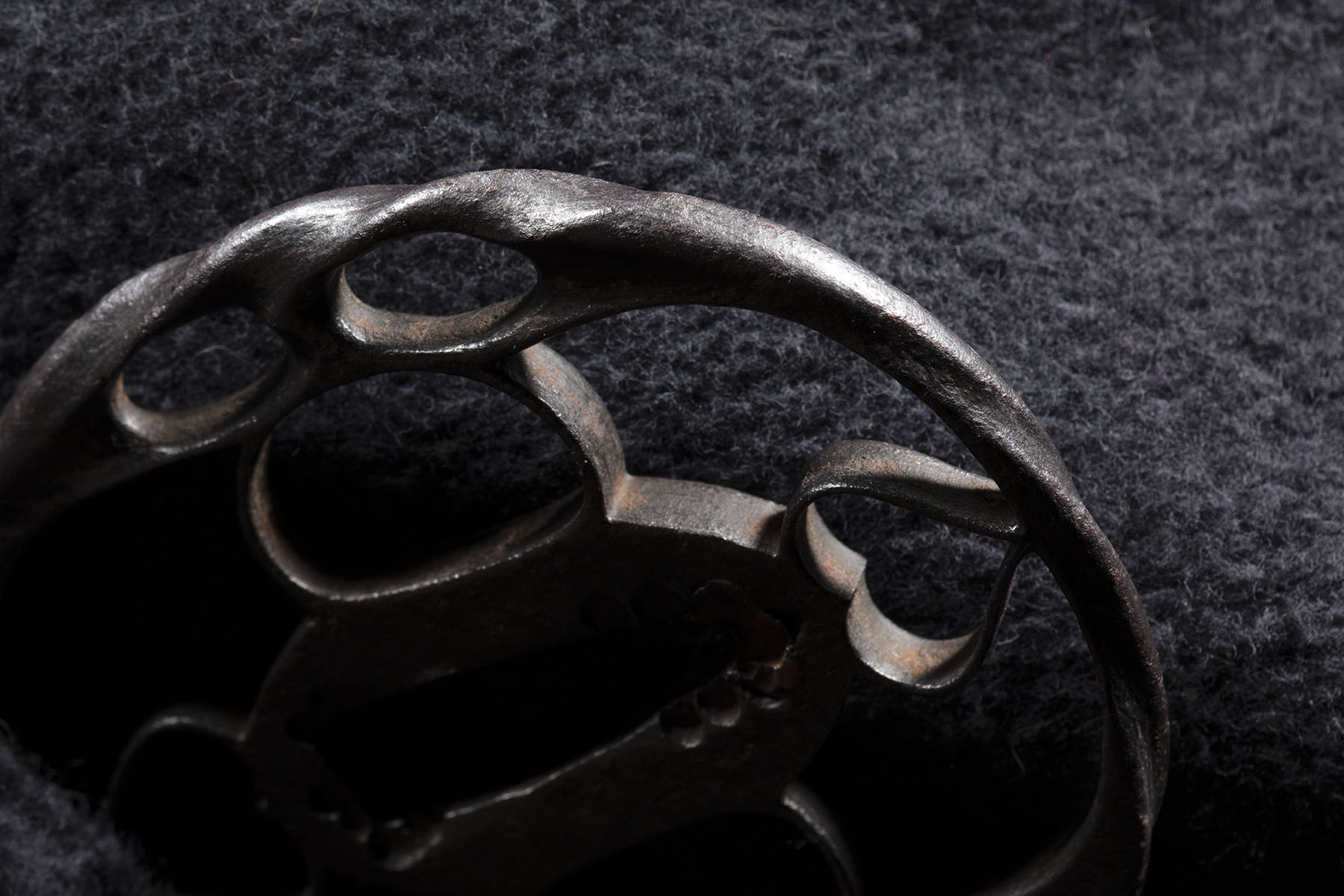
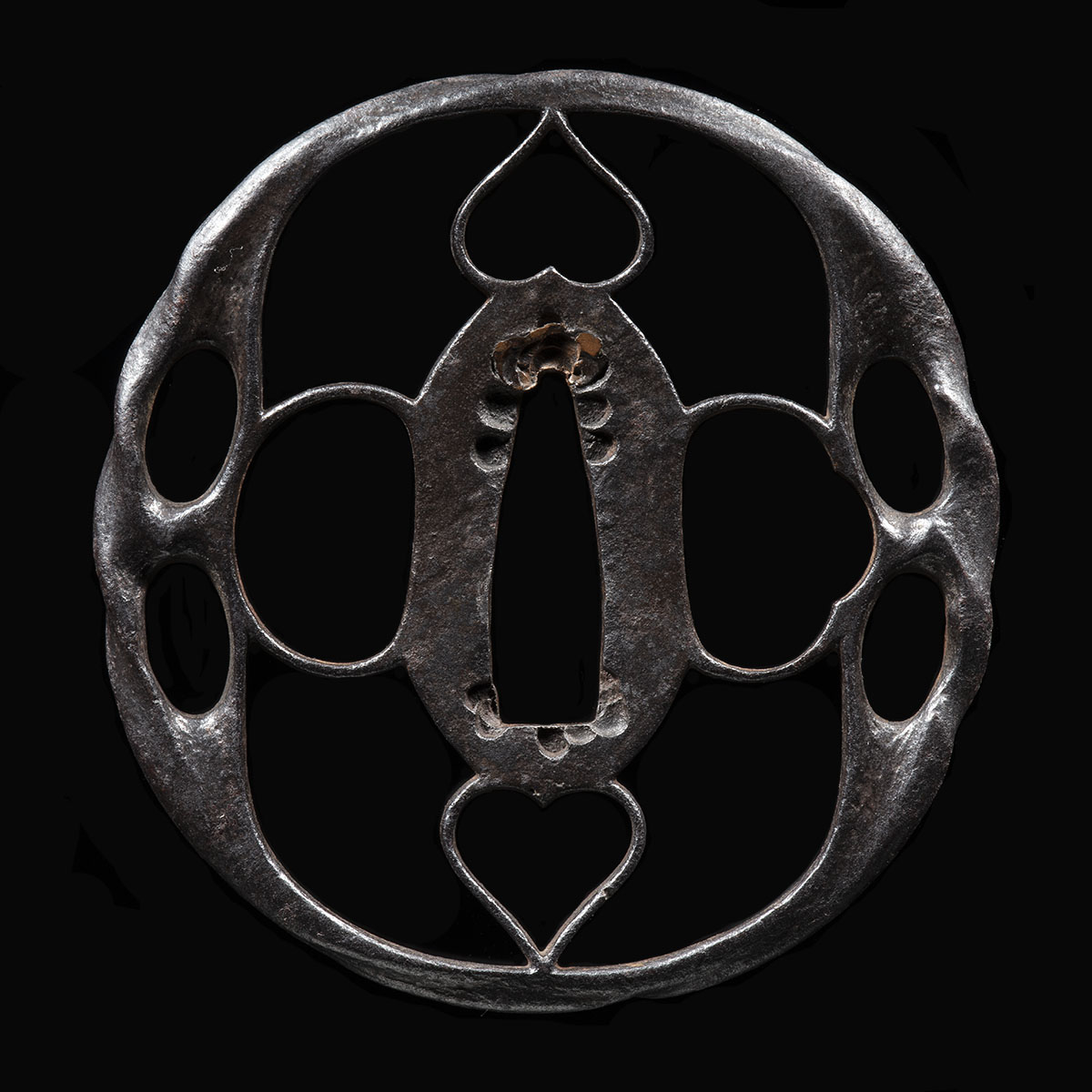
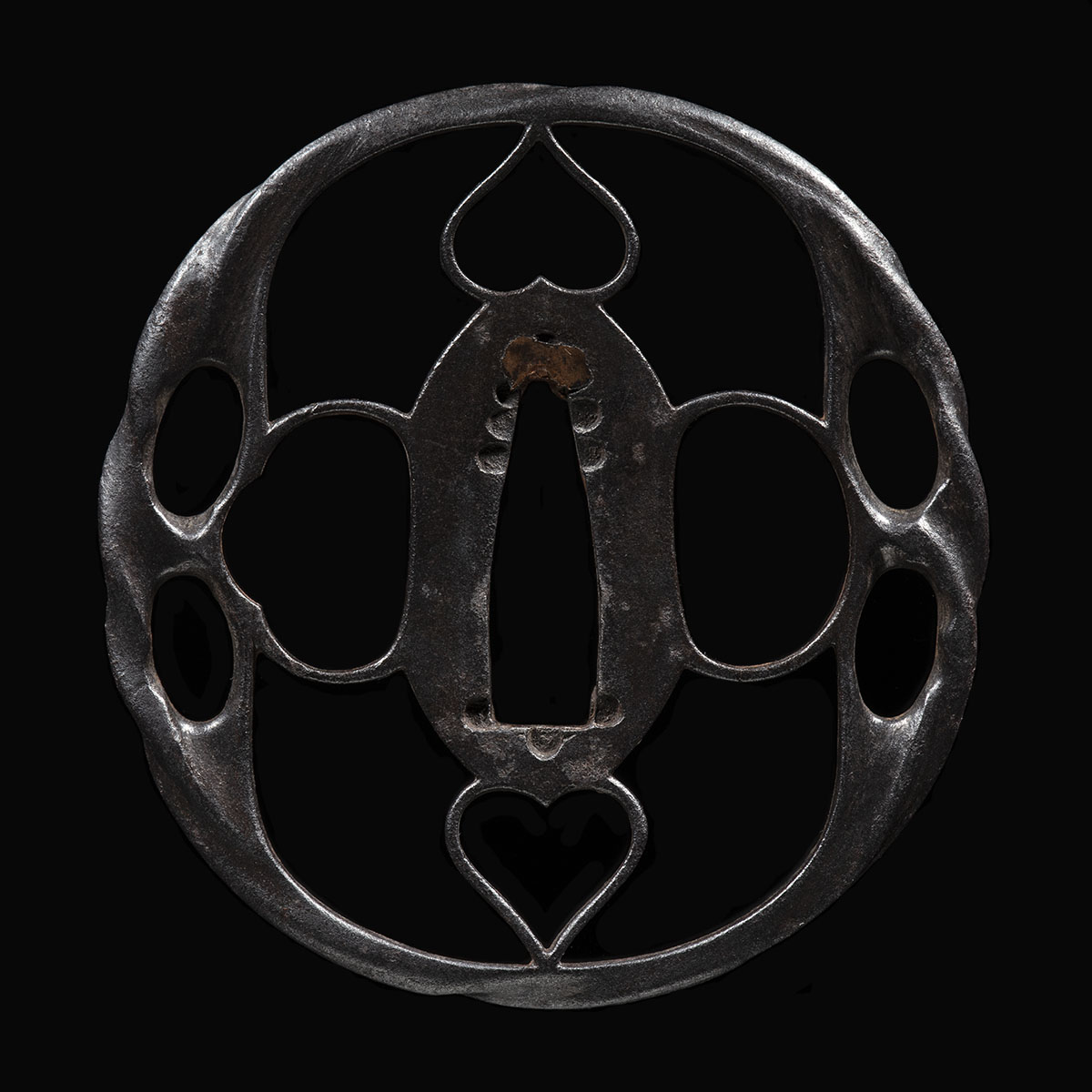
Iron-tsuba · Musashi · around 1704-1764
6 pieces on the market now
Iron-tsuba · Edo
Phase: Akasaka赤坂· 1688–1860
59 pieces on the market now
| Smith | Era | Designated |
|---|---|---|
| Tadamasa忠正 | 1624-1657 | 5 |
| Tadashige忠重 | 1730-1816 | 5 |
| Tadatoki忠時 | 1704-1764 | 0 |
| Juchiku/Toshitake寿竹 | — | 0 |
| Tadanori忠則 | 1730-1780 | 0 |
A Hozon-certified fitting of notably superior craftsmanship and condition, often with signature or workmanship of high reference value.
The NBTHK (Nihon Bijutsu Tōken Hozon Kyōkai, the Society for the Preservation of Japanese Art Swords) is a public-interest incorporated foundation founded in 1948 and supervised by Japan’s Agency for Cultural Affairs (Bunkachō); it is based at the Japanese Sword Museum in Tokyo. Its expert panels physically examine each submitted work (shinsa) and issue a certificate (kanteishō) ranking it by artistic and historical merit. NBTHK papers are the most widely recognized standard of authentication for Japanese swords and fittings.
NBTHK official site