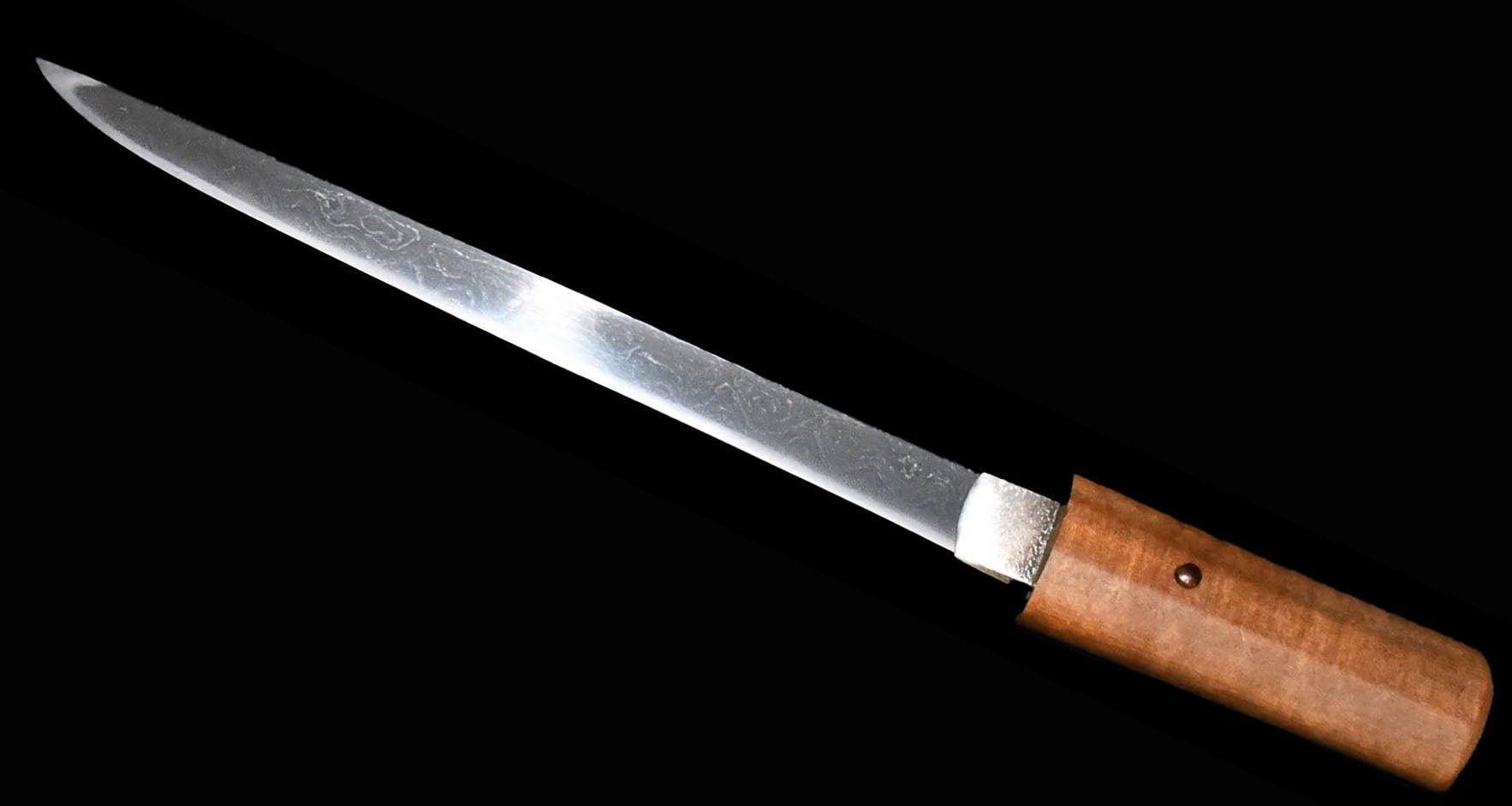
The twentieth century nearly killed the craft twice: wartime distortion, then the occupation ban. The NBTHK’s founding in 1948 and licensed forging from 1953 rebuilt the sword as an art, crowned by Living National Treasures and the mukansa rank.
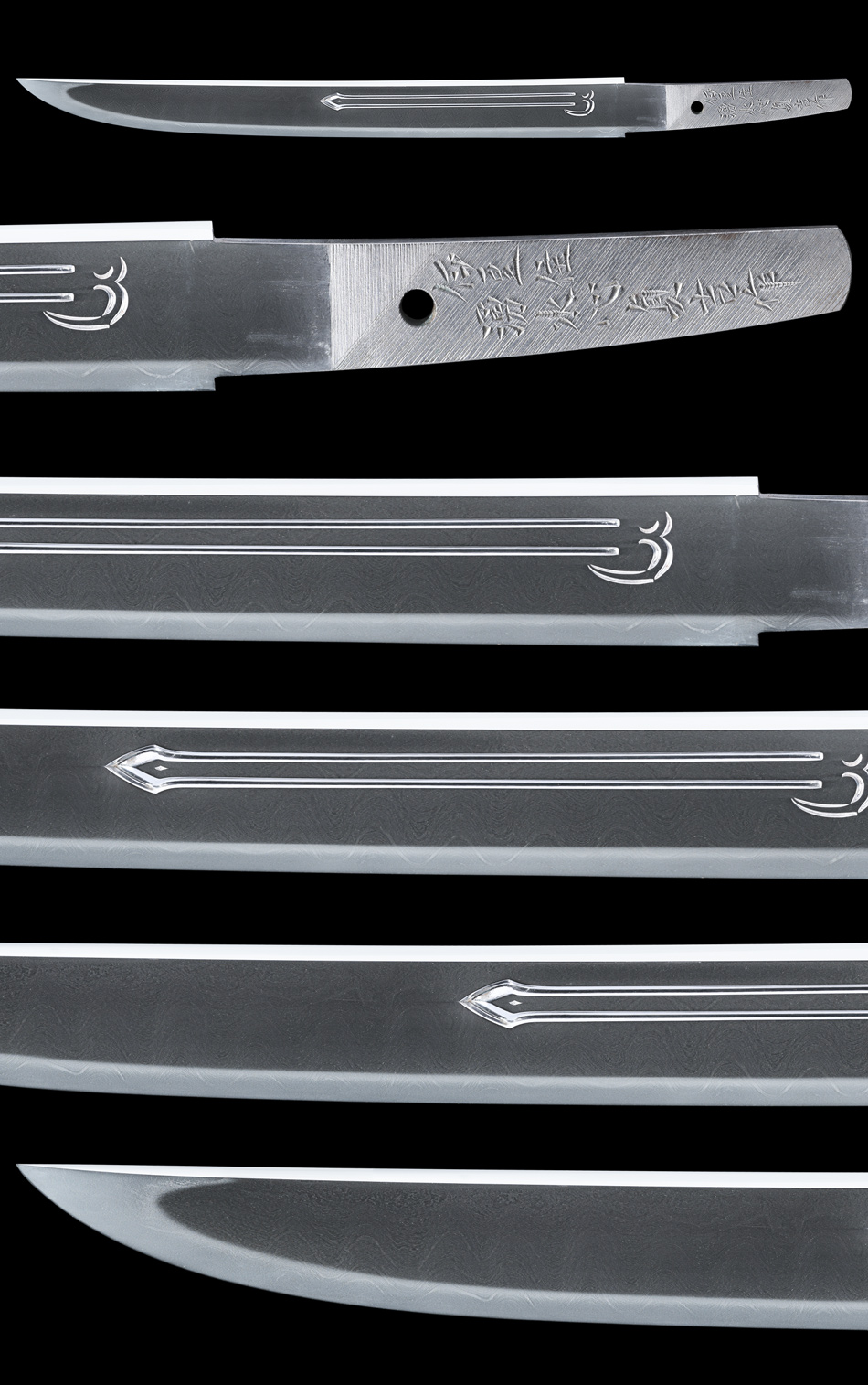
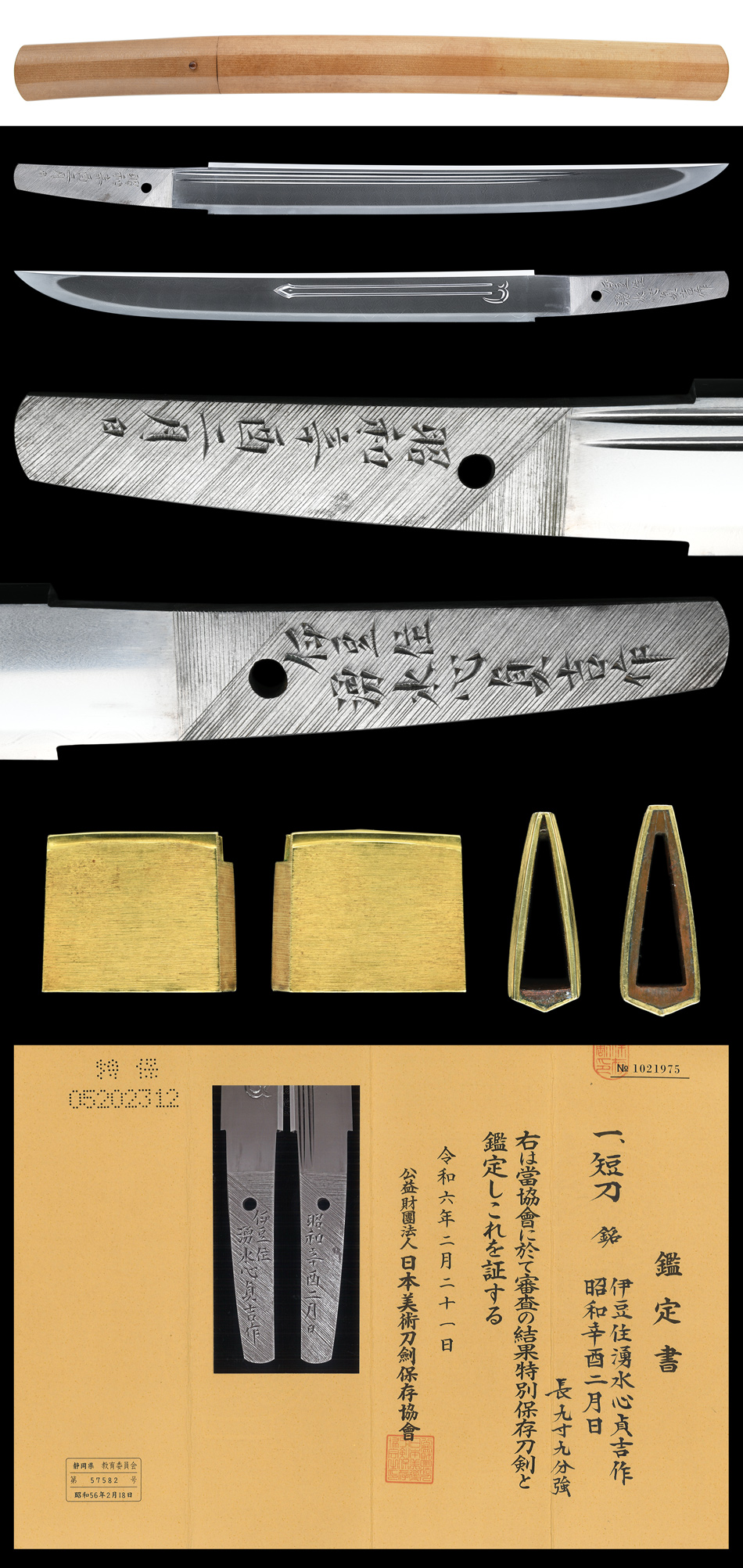
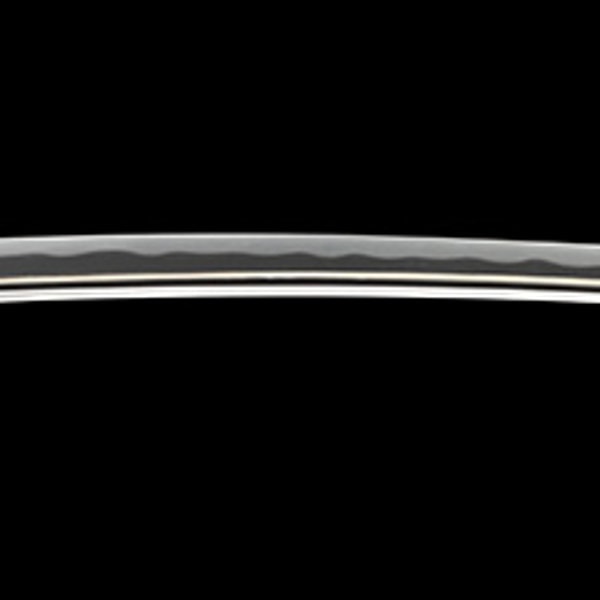
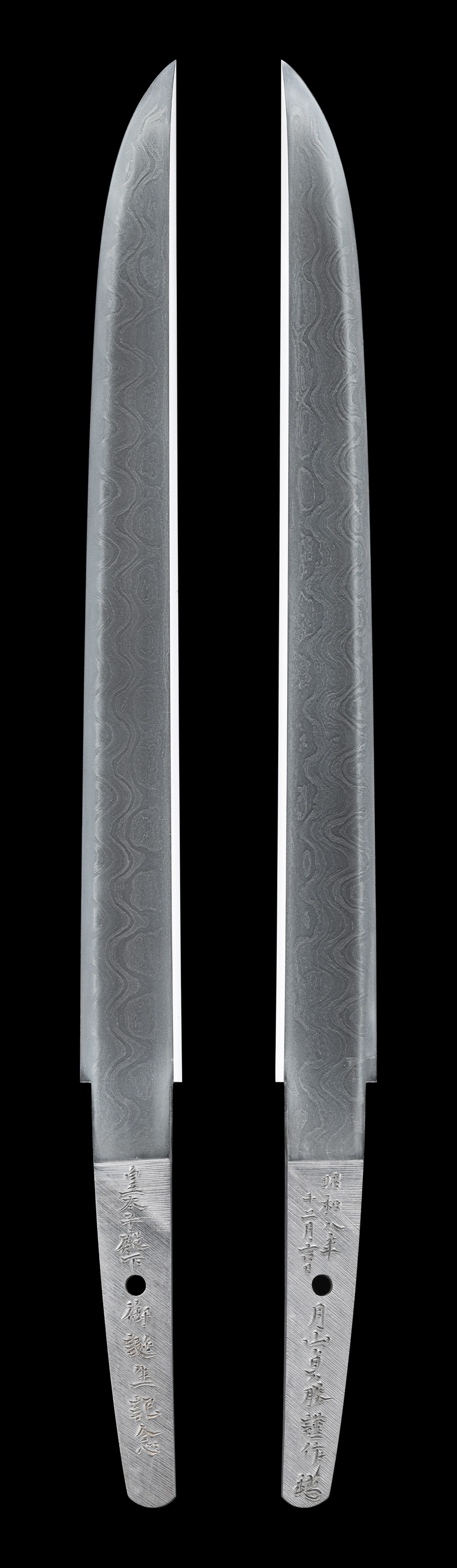
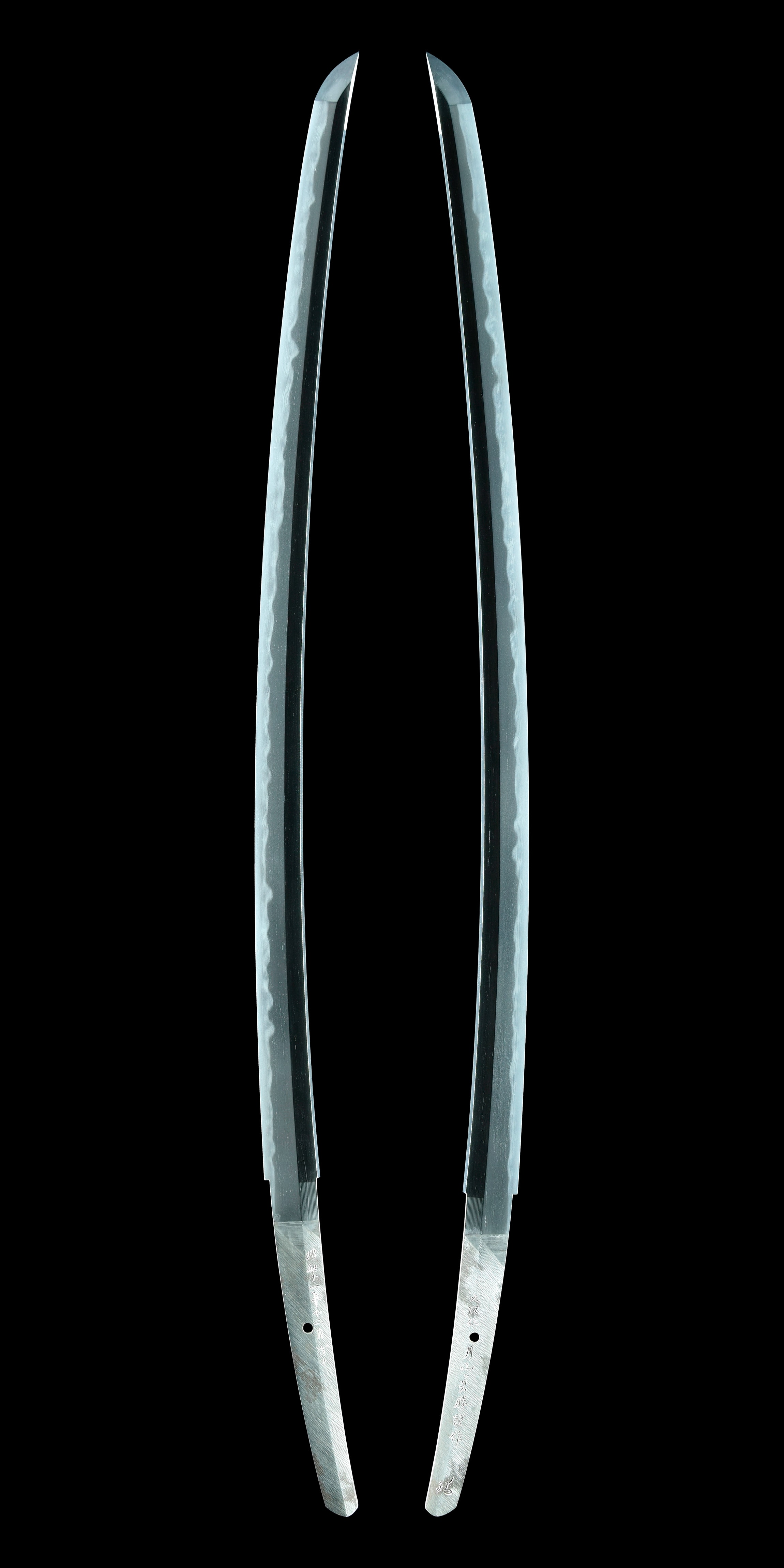
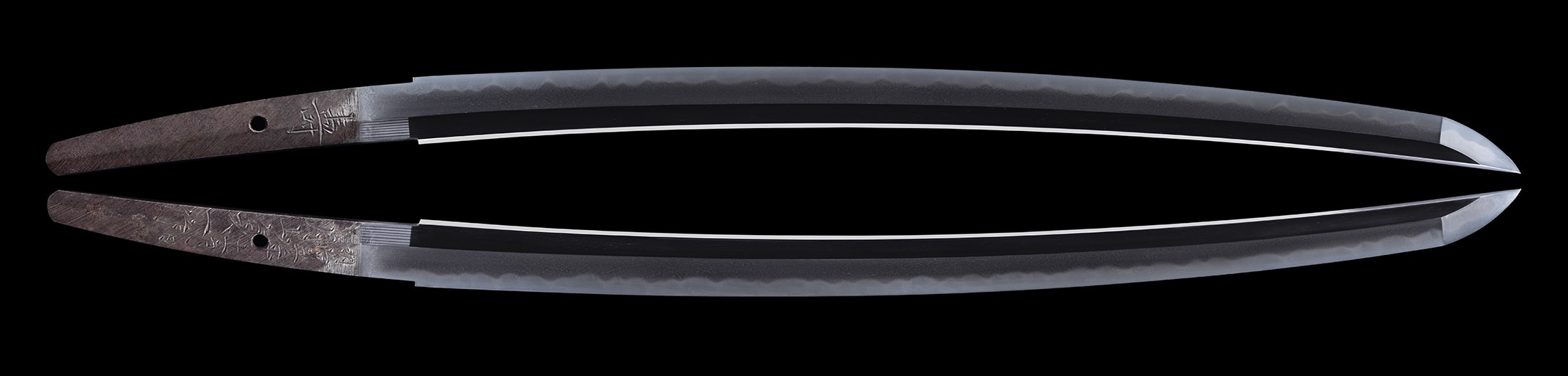
This is a Tanto by the Mukansa-ranked smith Yusuishin Sadayoshi, born in Tokushima Prefecture in 1908. He studied under Gassan Sadakatsu, the father of the 2nd generation Gassan Sadakazu, a Living National Treasure. The blade features a hirazukuri shape with iorimune, ayasugi jigane, and suguha hamon, accompanied by an NBTHK Tokubetsu Hozon Token certificate.
 NihontoWatch
mei · Gassan · Showa (1926-1989) · nagasa 30.2cm · sori 0.2cm
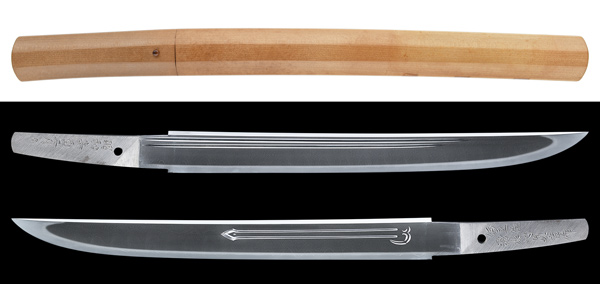
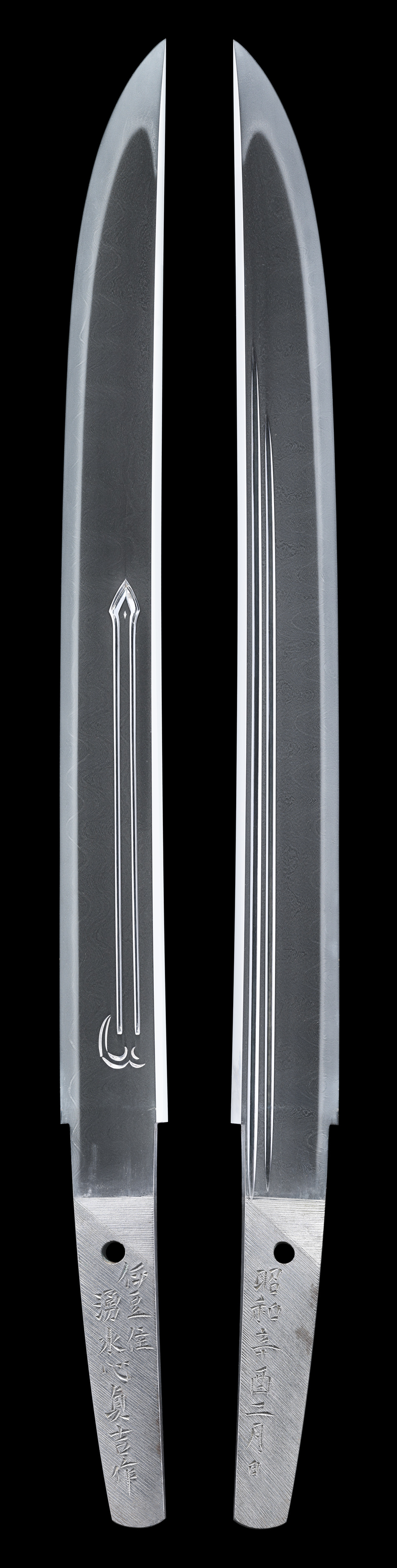
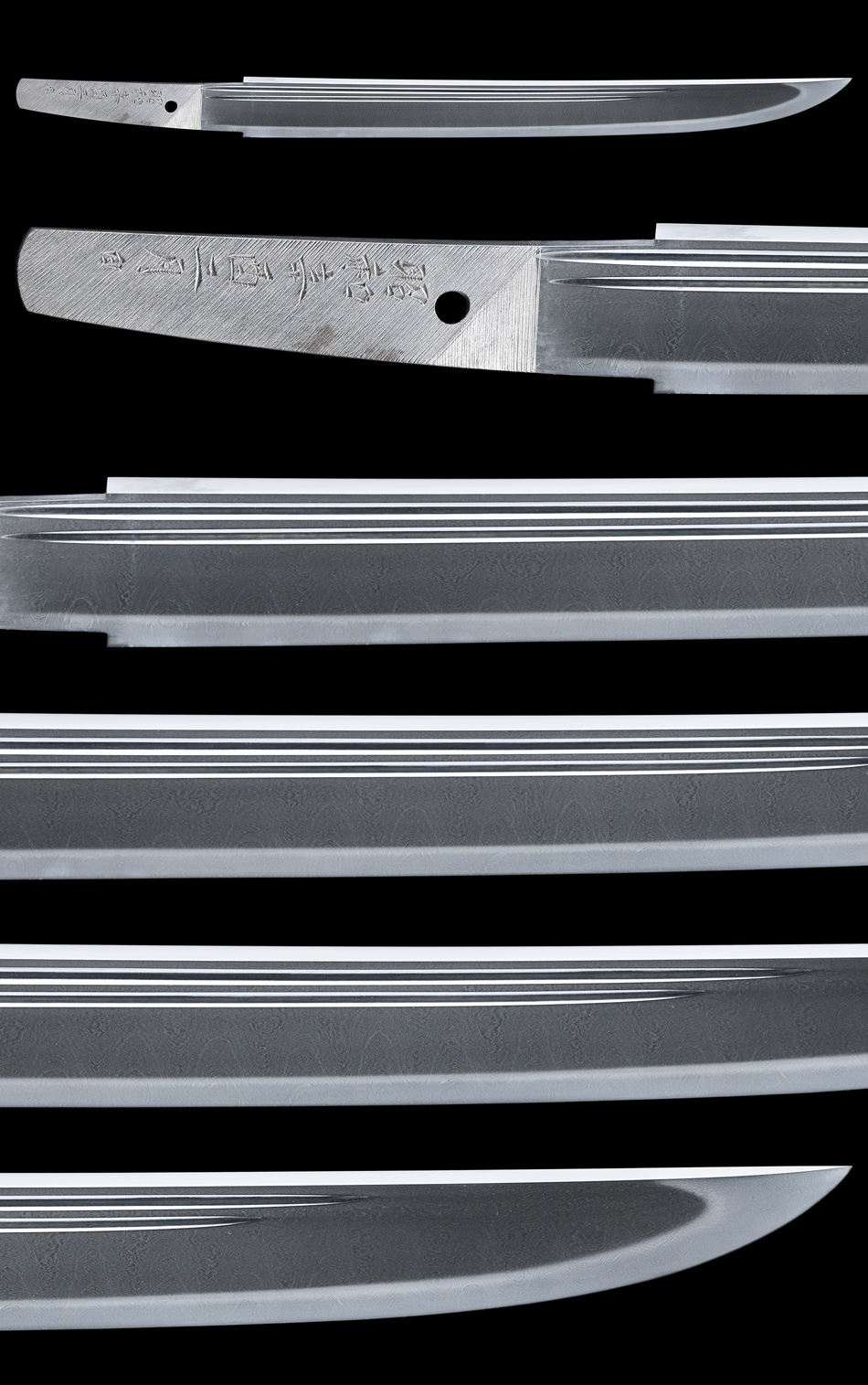
Shinshinto · Shizuoka · around 1926-1989
1 piece on the market now
Shinshinto · Settsu
37 pieces on the market now
| Smith | Era | Designated |
|---|---|---|
| Sadakazu貞一 | 1864-1865 | 2 |
| Sadaharu貞晴 | 1865-1868 | 0 |
| Sadayoshi貞吉 | 1926-1989 | 0 |
| Yoshiaki吉明 | 1844-1848 | 0 |
| Sadayoshi貞吉 | 1830-1863 | 0 |
Shōwa to the present: destruction and revival
The twentieth century nearly killed the craft twice: wartime distortion, then the occupation ban. The NBTHK’s founding in 1948 and licensed forging from 1953 rebuilt the sword as an art, crowned by Living National Treasures and the mukansa rank.
Certifies a genuine blade worth preserving: a signature confirmed correct, or, if unsigned, an era, province, and school that the NBTHK can reliably identify.
The NBTHK (Nihon Bijutsu Tōken Hozon Kyōkai, the Society for the Preservation of Japanese Art Swords) is a public-interest incorporated foundation founded in 1948 and supervised by Japan’s Agency for Cultural Affairs (Bunkachō); it is based at the Japanese Sword Museum in Tokyo. Its expert panels physically examine each submitted work (shinsa) and issue a certificate (kanteishō) ranking it by artistic and historical merit. NBTHK papers are the most widely recognized standard of authentication for Japanese swords and fittings.
NBTHK official siteNo cooling-off period or returns; refund only if the purchased sword is proven fake, capped at purchase price (excludes commission sales, accessories, auction items).
This is a Tanto by the Mukansa-ranked smith Yusuishin Sadayoshi, born in Tokushima Prefecture in 1908. He studied under Gassan Sadakatsu, the father of the 2nd generation Gassan Sadakazu, a Living National Treasure. The blade features a hirazukuri shape with iorimune, ayasugi jigane, and suguha hamon, accompanied by an NBTHK Tokubetsu Hozon Token certificate.
NihontoWatchmei · Gassan · Showa (1926-1989) · nagasa 30.2cm · sori 0.2cm
Shinshinto · Shizuoka · around 1926-1989
1 piece on the market now
Shinshinto · Settsu
37 pieces on the market now
| Smith | Era | Designated |
|---|---|---|
| Sadakazu貞一 | 1864-1865 | 2 |
| Sadaharu貞晴 | 1865-1868 | 0 |
| Sadayoshi貞吉 | 1926-1989 | 0 |
| Yoshiaki吉明 | 1844-1848 | 0 |
| Sadayoshi貞吉 | 1830-1863 | 0 |
Shōwa to the present: destruction and revival
The twentieth century nearly killed the craft twice: wartime distortion, then the occupation ban. The NBTHK’s founding in 1948 and licensed forging from 1953 rebuilt the sword as an art, crowned by Living National Treasures and the mukansa rank.
Certifies a genuine blade worth preserving: a signature confirmed correct, or, if unsigned, an era, province, and school that the NBTHK can reliably identify.
The NBTHK (Nihon Bijutsu Tōken Hozon Kyōkai, the Society for the Preservation of Japanese Art Swords) is a public-interest incorporated foundation founded in 1948 and supervised by Japan’s Agency for Cultural Affairs (Bunkachō); it is based at the Japanese Sword Museum in Tokyo. Its expert panels physically examine each submitted work (shinsa) and issue a certificate (kanteishō) ranking it by artistic and historical merit. NBTHK papers are the most widely recognized standard of authentication for Japanese swords and fittings.
NBTHK official siteNo cooling-off period or returns; refund only if the purchased sword is proven fake, capped at purchase price (excludes commission sales, accessories, auction items).



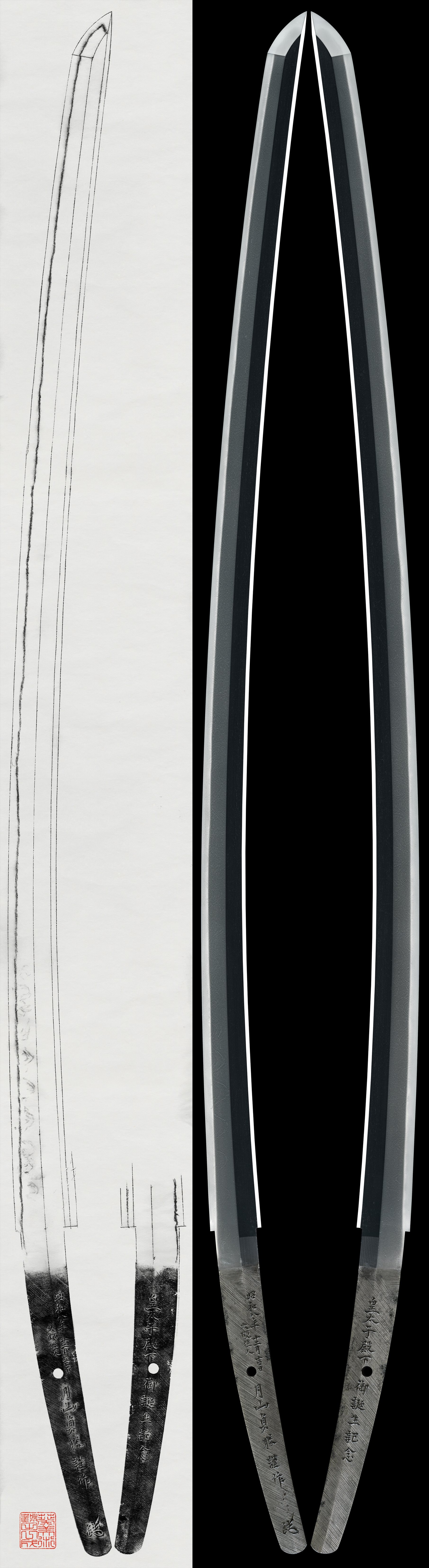








![Tanto - Hozon - by Gassan Sadayoshi - Fuyou Asahi, Ansei Hebidoshi 8gatsuhi (Attributed to Gassan Sadayoshi) [NBTHK Hozon]](/_next/image?url=https%3A%2F%2Fitbhfhyptogxcjbjfzwx.supabase.co%2Fstorage%2Fv1%2Fobject%2Fpublic%2Flisting-images%2Ftoyuukai%2FL519985%2F04.jpg&w=2560&q=90)