Perry’s arrival in 1853 unraveled the Tokugawa peace and created the first mass demand for working swords in two centuries. Kiyomaro, called the Masamune of Yotsuya, died on its eve; Munetsugu and Yukihide carried the boom to the end.
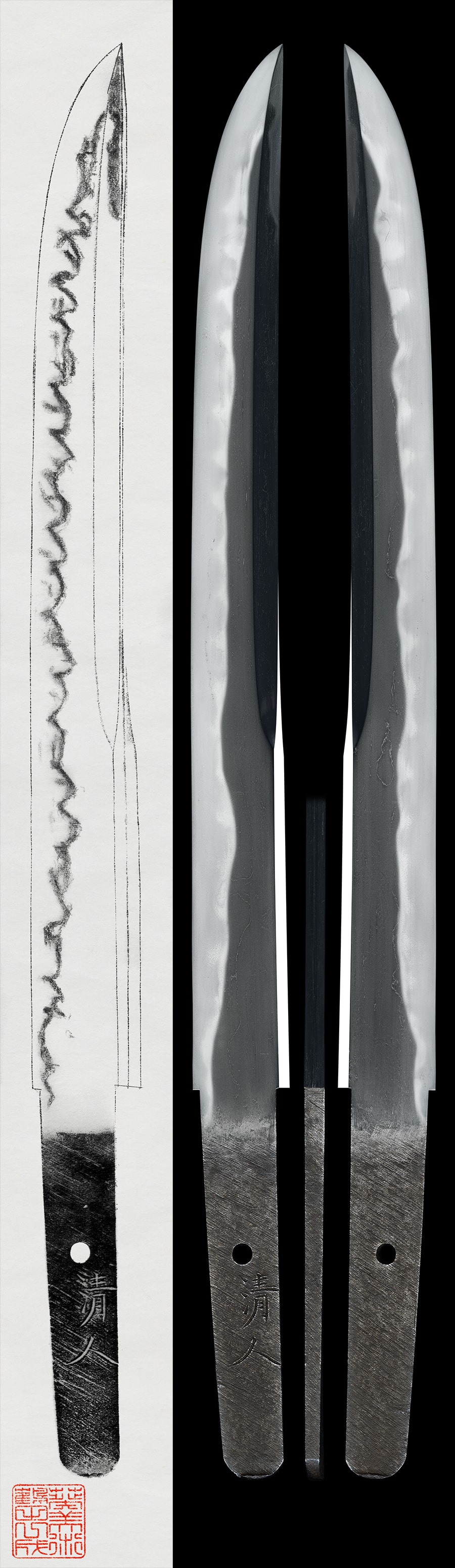
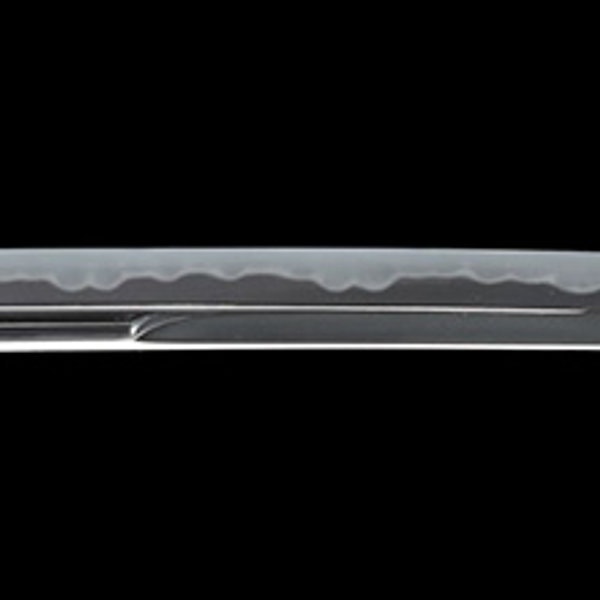
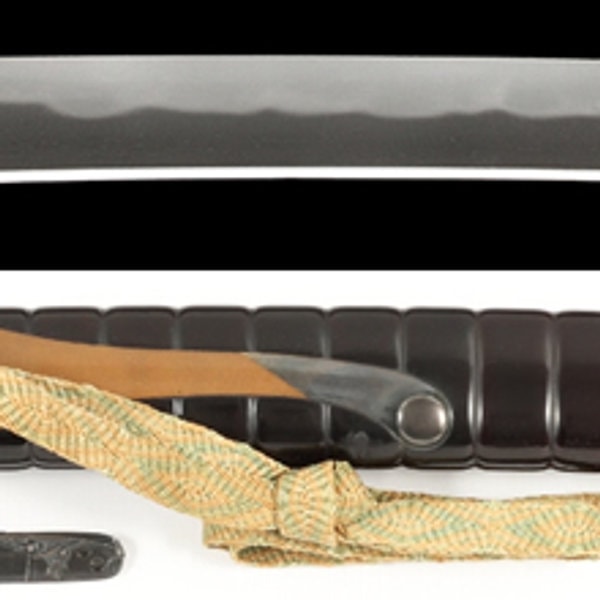
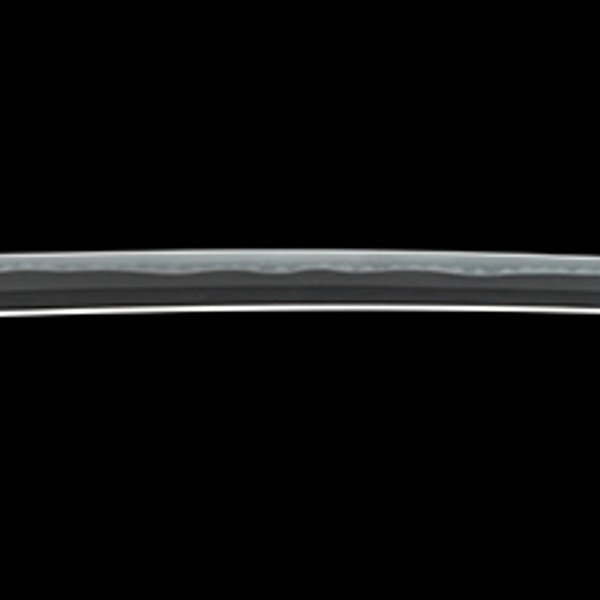
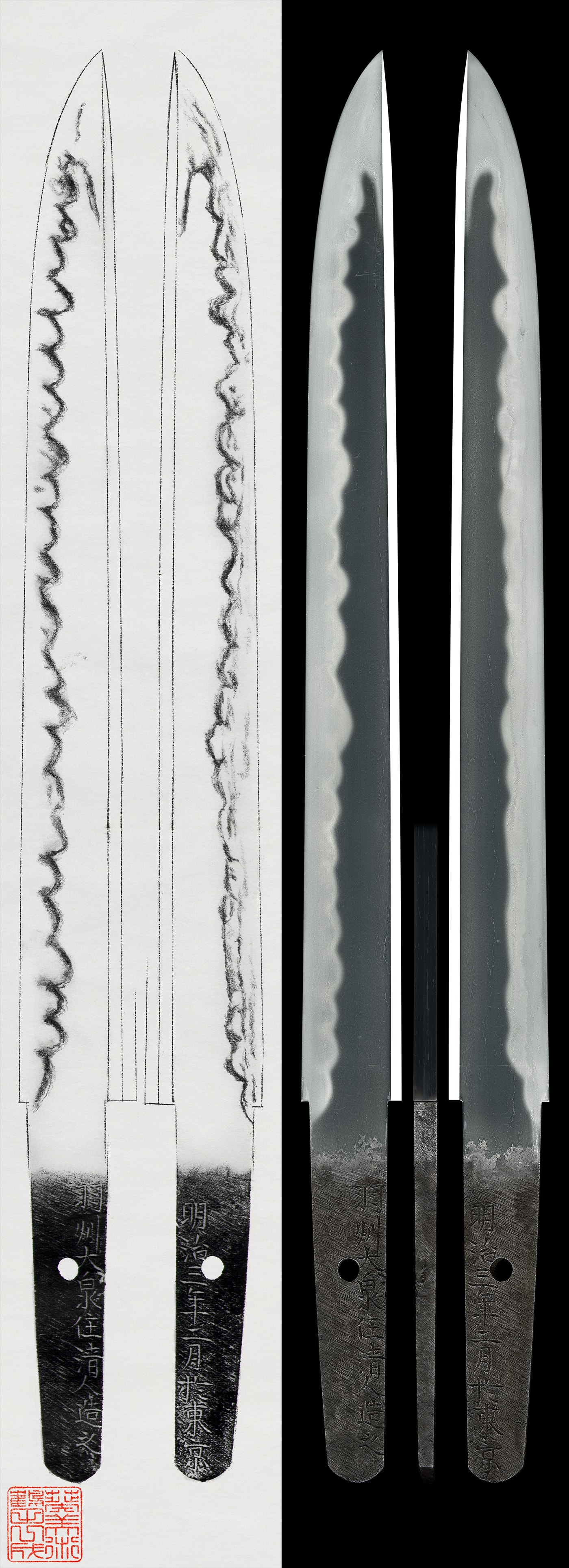
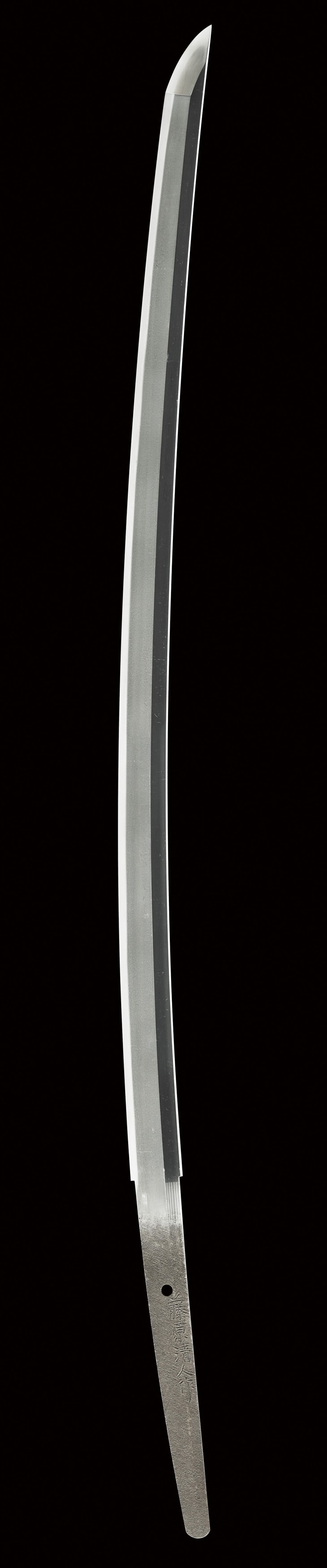
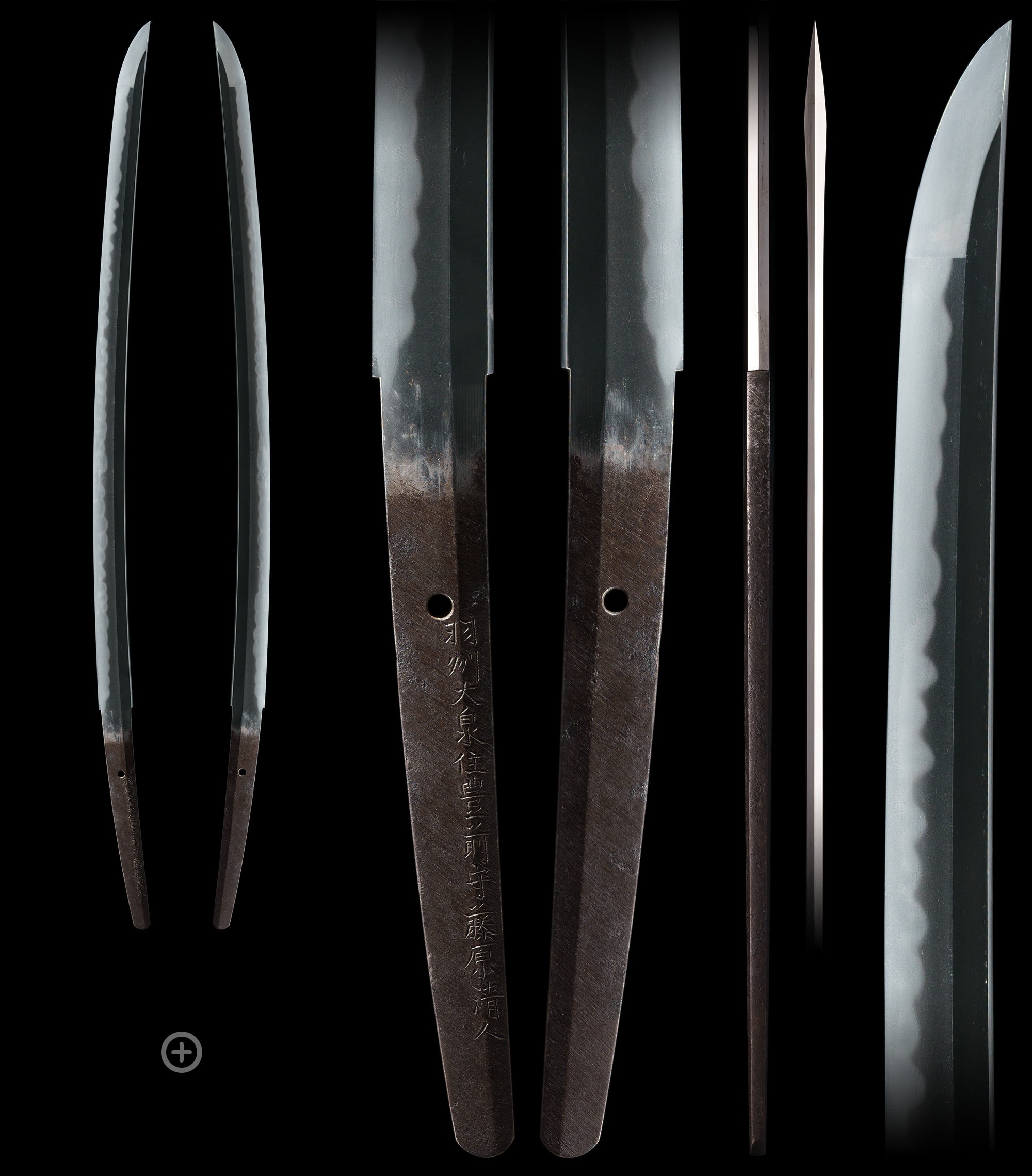
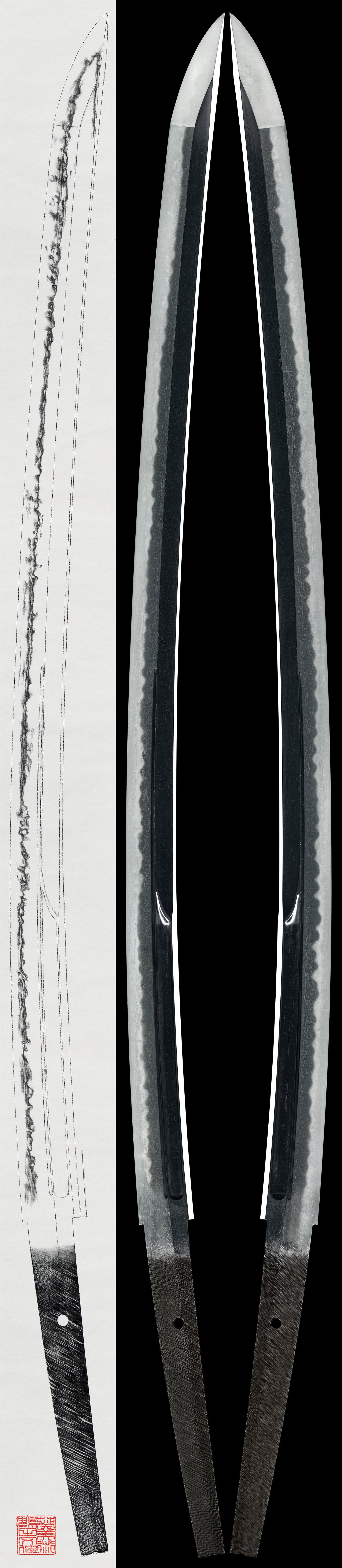
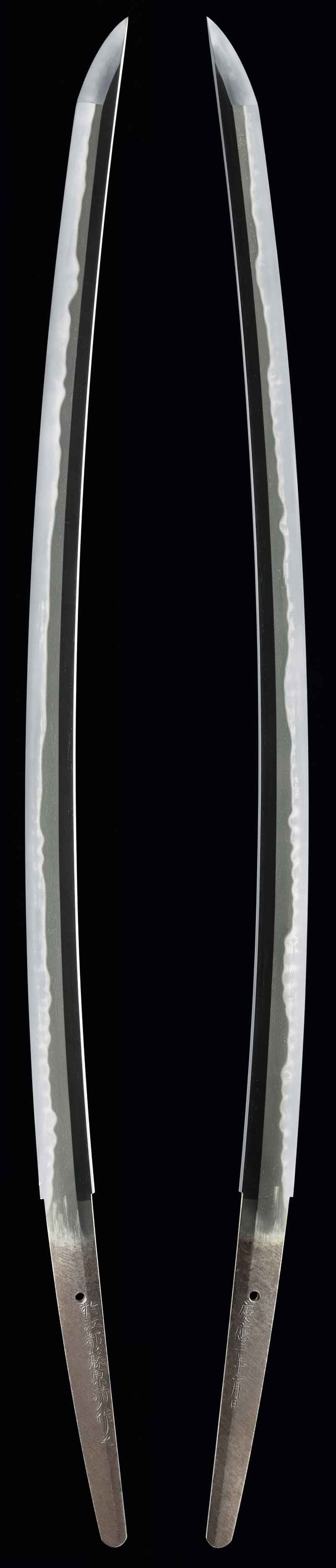
This is a katana by Fujiwara Kiyondo, a student of the renowned Minamoto Kiyomaro, from the late Edo period (1866). The blade features a robust shinogizukuri shape with a deep sori and a well-forged itame hada with masame. It comes with a shirasaya and an NBTHK Tokubetsu Hozon Token certificate.
 NihontoWatch
mei · Minamoto Kiyomaro · Kaei (1848-1854) · nagasa 75.4cm · sori 2.1cm
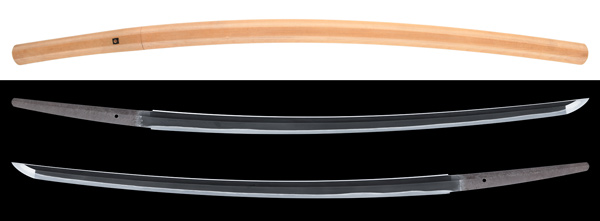

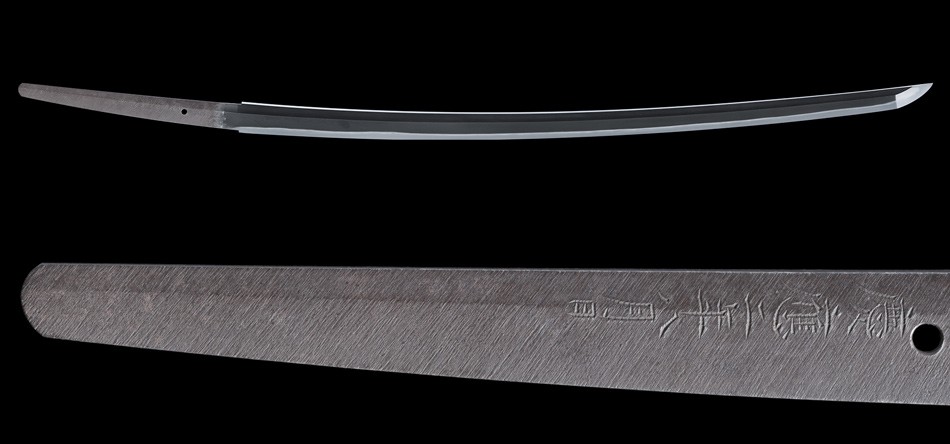
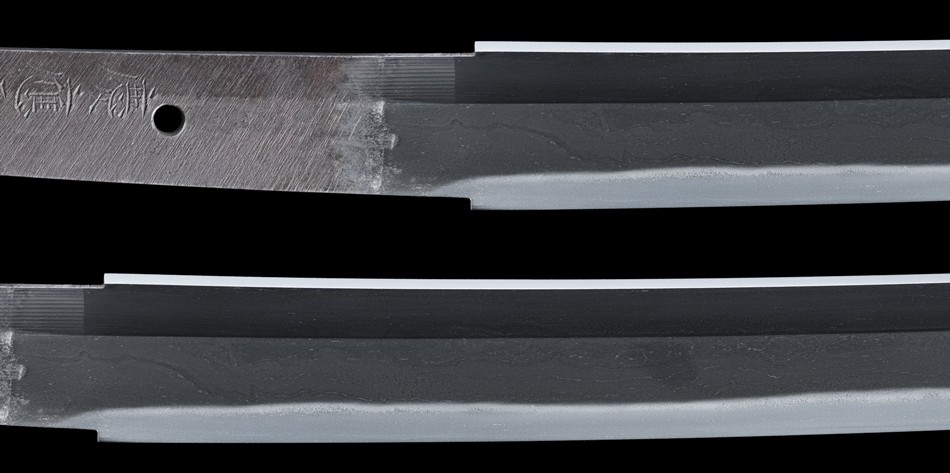
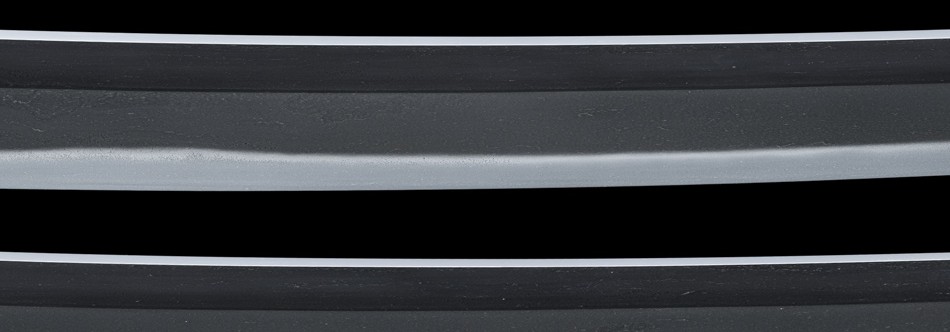
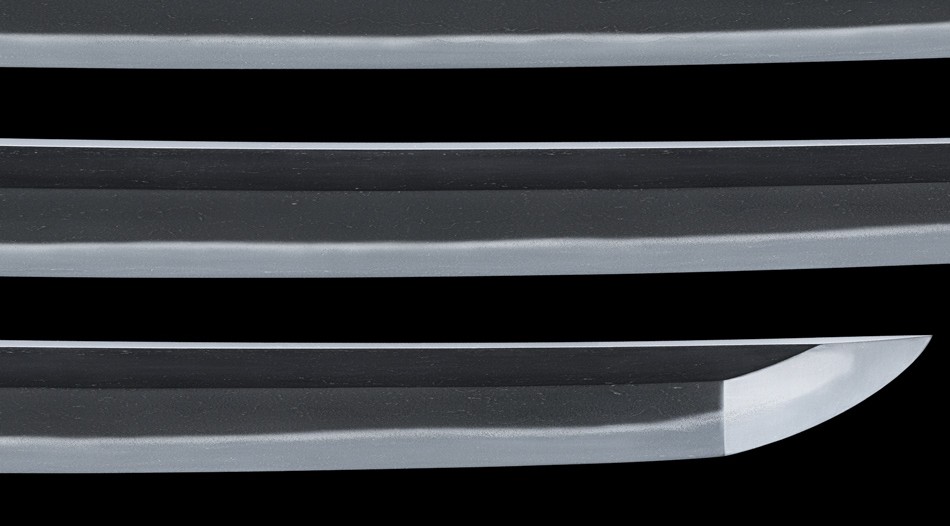
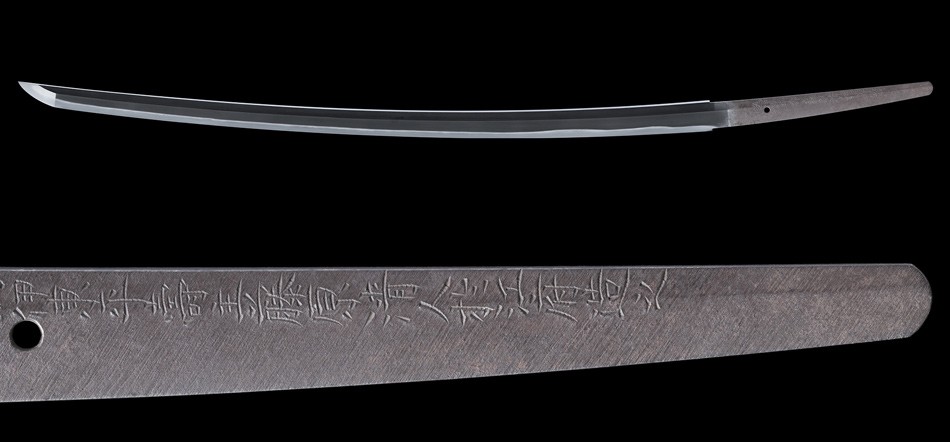
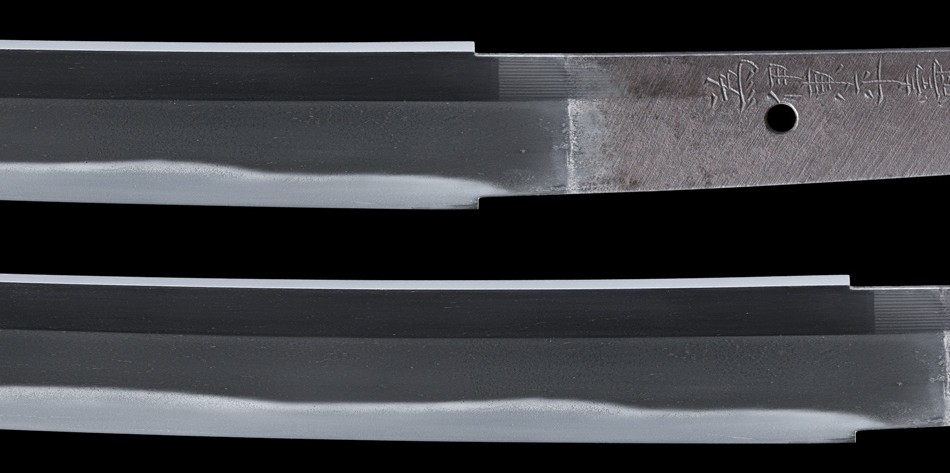
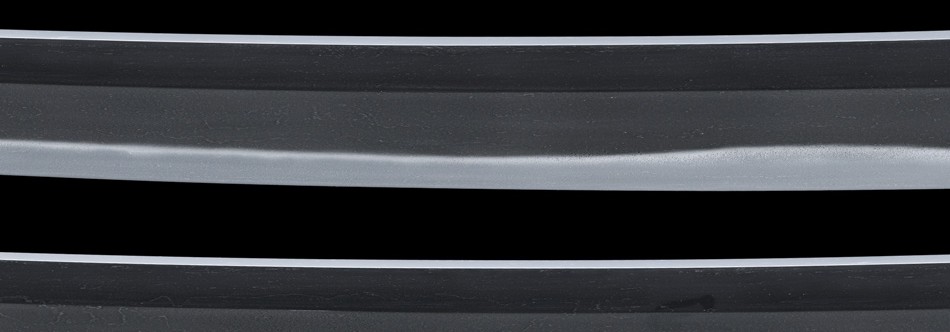
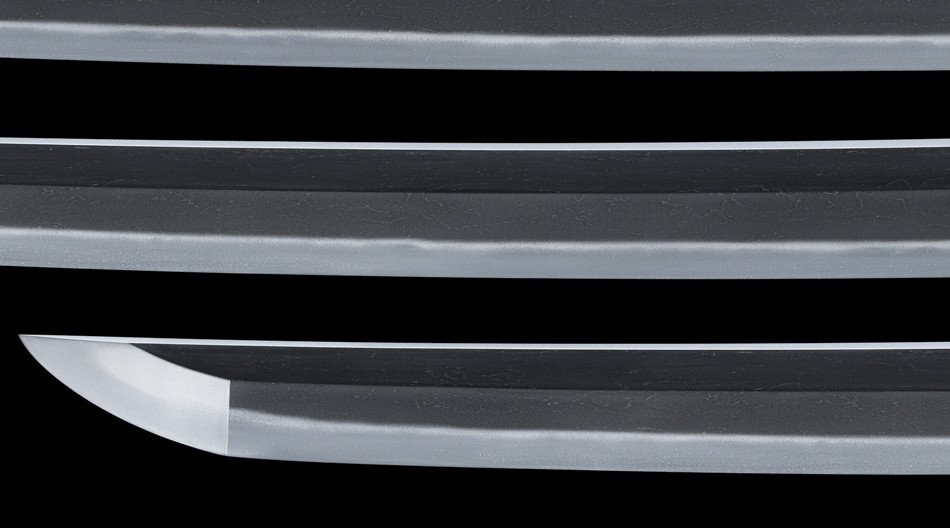
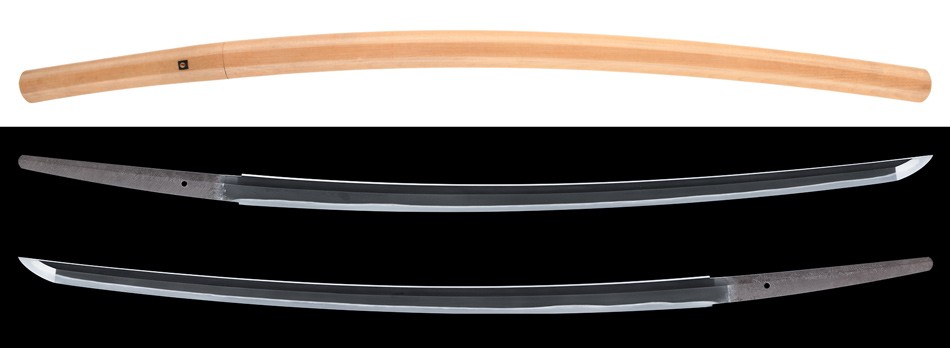
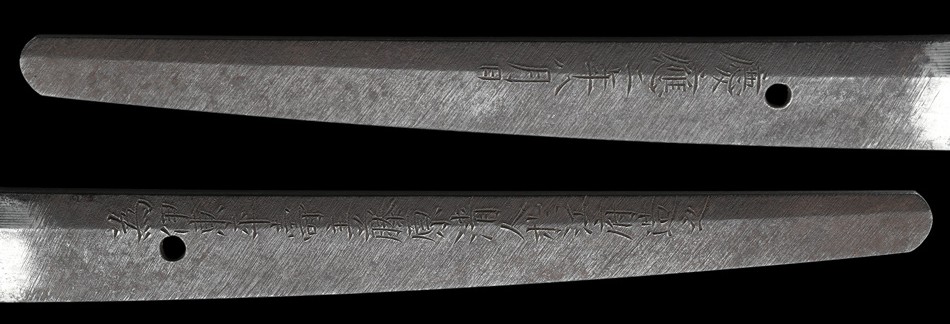
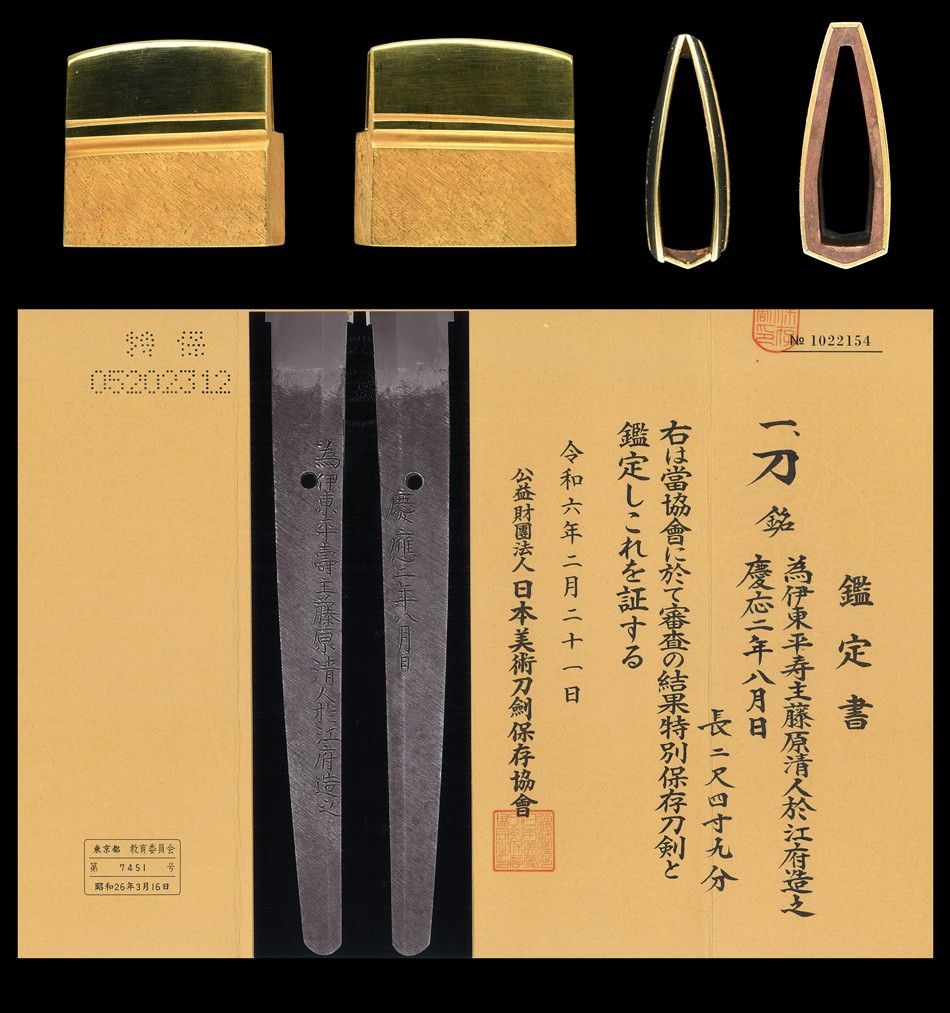
Kiyomaro school (Saito Kiyondo, of Shonai in Dewa) · Musashi · around 1848-1868
Fujishiro Jo saku · Tōken Taikan top 37%
5 pieces on the market now
Saito Ichiro Kiyondo was born in Bunsei 10 (1827) at Oizumi-sho in the Shonai district of Dewa, the present Atsumi Onsen, into a family said to have kept a hot-spring inn, and in the fourth month of Ka'ei 5 (1852) he went up to Edo, where an introduction by the Shonai-born metalworker Funada Ikkin brought him into the school of Minamoto Kiyomaro. The training lasted only a little more than two years before Kiyomaro took his own life in the eleventh month of Ka'ei 7 (1854), yet the published sources stress that in that short span he learned well and faithfully carried on his teacher's manner. What raised his name beyond the workshop was an act outside the forge: he afterward settled the sword debts his master had left behind, and that episode became the one most often told of him. He set up independently at Kanda Ogawa-cho, received the court title Buzen no Kami in the seventh month of Keio 3 (1867), and when the government prohibited the wearing of swords in Meiji 3 (1870) he gave up the craft and returned home to keep the family inn, dying there in Meiji 34 (1901) at the age of seventy-five. He stands as the most accomplished of Kiyomaro's pupils and the chief carrier of that manner into the final years of the shinshinto.
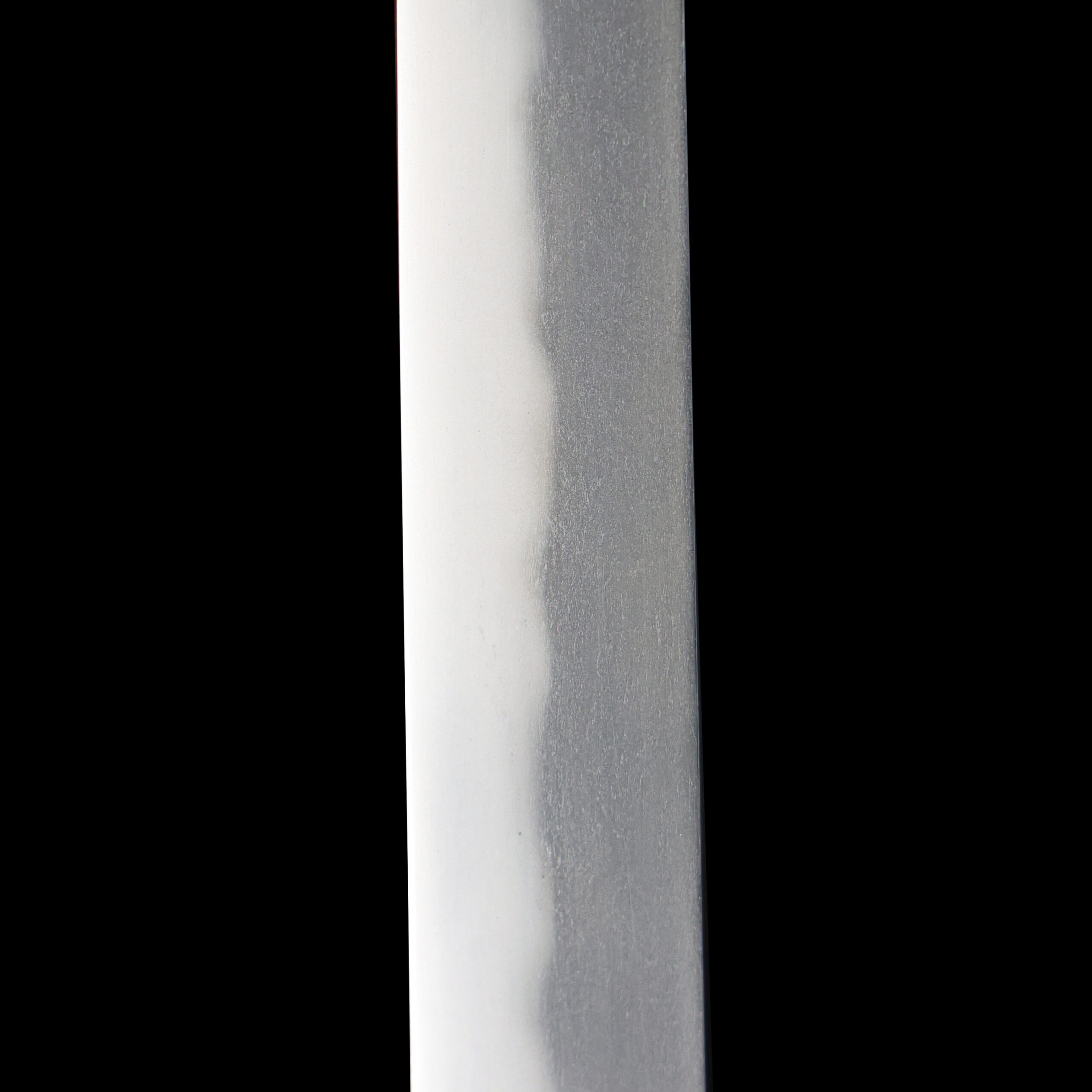
The hand by which he is known is the one inherited from his master, a vigorous gunome-midare that is the Soshu revival held at full strength. The shape carries it: a wide body with little taper from base to tip, the shinogi-haba narrow for the breadth, little hiraniku, a greatly extended o-kissaki whose fukura is allowed to wither, grand and forceful, what the published record calls the form particular to the Kiyomaro line. Over it the temper is built on a round-headed gunome as its main theme, intermixing gunome, ko-gunome, angular and slightly pointed teeth and gunome-choji-flavored elements, the ashi entering long and vigorously. Thick nie gathers, in places coarse and uneven, and through the whole run long and conspicuous kinsuji, nie-suji and sunagashi, with yubashiri-like tobiyaki drifting into the shinogi-ji. The boshi turns in with the midare, the point pointed and brushed with strong hakikake, at times returning in a jizo-like sweep. It is a manner with appetite to it, and the sources describe one such blade as a powerful work of gunome-midare carrying forward the master's tradition.
The jigane beneath that edge is an itame mixed with mokume and a flowing nagare-hada, standing in places so that the surface takes on a faintly hadamono character, over which the ji-nie attaches thickly, sometimes coarse and gathering unevenly, and chikei enter frequently. The nioiguchi runs deep and is for the most part bright, though on his boldest pieces it can sink toward a subdued tone where the tempering grows assertive and rough in the lower half. The temper sits high on the blade overall, the long ashi sometimes broken by yo, here and there a rounded shima-ba where the hardening seems to drop out, with hotsure and yubashiri-like nijuba along the habuchi. The whole reads as nie-laden Soshu work pushed toward flamboyance rather than restraint, the activity the published sources say stands out all the more the bolder the piece becomes.
Against that inherited mode the sources set a second and quite different manner that they call his own and absent from Kiyomaro, 「清人独特の大和伝の直刃」[[c:1]], a suguha aligned with the Yamato tradition. Here the forging tightens to a well-packed ko-itame, at times running to a masame-leaning grain, the ji-nie fine and the jigane clear, with chikei intermixed; the temper is a suguha, or a suguha-base carrying a slight gunome with small choji ko-ashi well in, the ko-nie adhering and the nioiguchi tight and bright, the boshi straight to a ko-maru with hakikake at the tip. Of his earliest dated Juyo blade the published sources write that 「この作は清磨の作風とは別に直刃を焼いて地刃の出来が殊に優れている」[[c:2]], that here, apart from Kiyomaro's manner, he has tempered a suguha and the quality of both ji and ha is particularly superior. The Keio 3 katana he forged at Kyoto while traveling up for his appointment, taken by the sources to be 「豊前守を冠した第一作と思われる」[[c:3]], probably his first work bearing the Buzen no Kami title, is in this same Yamato suguha. The two manners together are the model by which he is read, the showy midare and the quiet suguha, with the Kiyomaro lineage shape carried across both.
What distinguishes him is best read through his own work rather than by contrast with his master, for the relation is one of fidelity rather than departure. The midare blades keep the round-headed gunome, the long ashi, the abundant nie and the long kinsuji and sunagashi that are Kiyomaro's, and the sources measure his success by how nearly he reaches that standard: of one orderly piece they write that the tempering is more even than usual, the nie steadier, the activity within the ha richer, a result approaching the master and 「師清麿に迫る出来映えで, 清人会心の一口」[[c:4]], a work of his own fulfillment. The Yamato suguha is the manner he holds alone, never worked by Kiyomaro, and it is there that the sources find both ji and ha at their most refined in his hand. His tells, then, are the round-headed gunome-midare with its conspicuous kinsuji and sunagashi on the one side and the bright Yamato suguha on the other, set within the broad-bodied, large-pointed Kiyomaro silhouette.
The record on which all of this rests is, for a smith of his standing, narrow and uniform: eight blades on record, every one designated Juyo Token, every one signed and in original ubu form, several dated, with no National Treasure or Important Cultural Property among them and no earlier provenance on their tangs. Fujishiro grades him Jo-saku. The sources reserve their highest words for the Keio 3 katana dated immediately after his title, which they call 「師清麿に比肩する出来映えを示した清人の相州伝の最高傑作」[[c:5]], the supreme masterpiece in the Soshu-den manner that demonstrates a level rivaling Kiyomaro himself. Rarer still in interest is the katana whose tang bears the sacred name Iwai Obahari, the Ame no Ohabari of the Kojiki, and a long chiseled text recording that Kiyomaro had vowed to forge a sacred sword for his friend Saito Tomomaro but died before fulfilling it, so that Kiyondo, entrusted with the unfulfilled intention, forged this blade from the very materials his master had amassed. Because every recorded Kiyondo is a signed, designated work in private hands rather than museum patrimony, his blades reach the market more readily than those of a Kamakura master, yet they are few and held closely; a dated signed example comes to a collector only from time to time, and a piece carrying an inscription such as the Obahari sword would be a landmark whenever it appeared.
Where Kiyondo stands among comparable artisans: across all of nihontō, and within tradition, era, and period. The tiers (Foremost · Leading · Major · Notable) weigh official designations from the NBTHK and Japan's Agency for Cultural Affairs, together with historical honors of lasting repute such as the Sansaku and Meibutsu-chō.
Select a lens to see how it's measured.
Years he was demonstrably active, proven by signed-and-dated blades
Shinshinto · Musashi
14 pieces on the market now
The Kiyomaro school gathered in the workshops of Yotsuya in Edo around the middle of the nineteenth century, its founder Yamaura Kiyomaro (清麿) born in Bunka 10 (1813) at Akaiwa village in the Komoro district of Shinano, the second son of the country gentry-warrior Yamaura Nobukaze. He learned forging first under the Ueda-domain smith Kawamura Toshitaka, signing his early blades Masayuki, went up to Edo in Tenpo 6 (1835) under the patronage of the military scholar Kubota Kiyone, and in the autumn of Koka 3 (1846) settled at Iga-cho in Yotsuya and changed his signature to Kiyomaro; he died by his own hand at forty-two in Kaei 7 (1854). Around him moved his elder brother Yamaura Masao (真雄/正雄), who took the same instruction from Toshitaka and walked the same course from choji into Soshu-den, and the pupils who entered the Yotsuya forge in its final years: Kurihara Nobuhide (信秀), a mirror-maker from Sanjo in Echigo whom the published sources place nearest the master's hand; Saito Kiyondo (清人) of Dewa, who afterward settled his teacher's sword debts and carried the manner into early Meiji; and the wider circle of associates and patrons through which the line passed. The shared vocabulary of the school is a powerful Soshu-revival manner. Over an itame that flows and stands a little, well packed and at times opening into mokume and o-itame, the smiths lay thick ji-nie with frequent chikei, the steel clear and without utsuri, for this is a late hand reaching back five centuries to Sagami rather than a Bizen revival. The temper is an o-midare or gunome-midare mixed with ko-notare, the ashi and yo entering, the nie thick and gathering coarse in clusters of ara-nie, with long kinsuji and streaming sunagashi running through nearly every blade; the boshi answers in a midare-komi turning pointed with hakikake. A Bizen-leaning side survives from the early years in the residual choji that shades into the mature work. Within this common ground the hands diverge. Kiyomaro's is read as the overwhelming one, his Soshu-den reaching the upper transmission with the Shizu vein as his forte of fortes, the NBTHK calling his work 「覇気に満ちている」, filled with commanding spirit.
Masao's grounded forging is candidly weighed against his brother's, the texts noting that his chikei, sunagashi, and kinsuji run fewer and the quality does not reach Kiyomaro's level. Nobuhide is named the closest approach to the master and is alone in the school for his carving, a mirror-maker's hand that set kurikara, dragons, and bonji into blades the others left plain. Kiyondo holds the round-headed gunome-midare at full strength and adds a manner of his own, a bright suguha aligned with the Yamato tradition that Kiyomaro never worked. To kantei the school, read first the imposing shape particular to the Yamaura line: a wide body with little taper, the sori toward the point, a chu-kissaki extended or run to an o-kissaki whose fukura is allowed to wither for a sharp impression, often a shobu-zukuri or kanmuri-otoshi wakizashi. Read then the nie, thick in ji and ha, the chikei and the conspicuous kinsuji and sunagashi that mark the force of the steel rather than any borrowed pattern. Carving narrows the field to Nobuhide; a Yamato suguha narrows it to Kiyondo. Kiyomaro stands at the head of the line, ranked by the published sources as high as Kotetsu and named without question the leading master among the shinshinto, the smith called the Yotsuya Masamune (四谷正宗). His extant work is scarce and closely held, passing through documented hands such as the Iwasaki family and the Seikado Bunko, and reaches the market only from time to time and at the very top of it. The pupils and the elder brother offer the more attainable face of the circle, signed and dated blades that come to a collector with patience; a signed example of any of these hands is a document of the moment when Soshu was reborn in Edo. Learn more →
| Smith | Era | Designated |
|---|---|---|
| Kiyomaro清麿 | 1839-1854 | 52 |
| Nobuhide信秀 | 1857-1867 | 34 |
| Kiyondo清人 | 1848-1868 | 8 |
| Masao真雄 | 1844-1866 | 6 |
| Masanao正直 | 1865-1868 | 3 |
Bakumatsu: the last war market
Perry’s arrival in 1853 unraveled the Tokugawa peace and created the first mass demand for working swords in two centuries. Kiyomaro, called the Masamune of Yotsuya, died on its eve; Munetsugu and Yukihide carried the boom to the end.
A Hozon-certified blade judged to show notably superior workmanship and a better state of preservation. The bar is higher: re-tempered blades and most unsigned Muromachi/Edo works are excluded.
The NBTHK (Nihon Bijutsu Tōken Hozon Kyōkai, the Society for the Preservation of Japanese Art Swords) is a public-interest incorporated foundation founded in 1948 and supervised by Japan’s Agency for Cultural Affairs (Bunkachō); it is based at the Japanese Sword Museum in Tokyo. Its expert panels physically examine each submitted work (shinsa) and issue a certificate (kanteishō) ranking it by artistic and historical merit. NBTHK papers are the most widely recognized standard of authentication for Japanese swords and fittings.
NBTHK official siteNo cooling-off period or returns; refund only if the purchased sword is proven fake, capped at purchase price (excludes commission sales, accessories, auction items).
¥4,500,000
This is a katana by Fujiwara Kiyondo, a student of the renowned Minamoto Kiyomaro, from the late Edo period (1866). The blade features a robust shinogizukuri shape with a deep sori and a well-forged itame hada with masame. It comes with a shirasaya and an NBTHK Tokubetsu Hozon Token certificate.
NihontoWatchmei · Minamoto Kiyomaro · Kaei (1848-1854) · nagasa 75.4cm · sori 2.1cm
Kiyomaro school (Saito Kiyondo, of Shonai in Dewa) · Musashi · around 1848-1868
Fujishiro Jo saku · Tōken Taikan top 37%
5 pieces on the market now
Saito Ichiro Kiyondo was born in Bunsei 10 (1827) at Oizumi-sho in the Shonai district of Dewa, the present Atsumi Onsen, into a family said to have kept a hot-spring inn, and in the fourth month of Ka'ei 5 (1852) he went up to Edo, where an introduction by the Shonai-born metalworker Funada Ikkin brought him into the school of Minamoto Kiyomaro. The training lasted only a little more than two years before Kiyomaro took his own life in the eleventh month of Ka'ei 7 (1854), yet the published sources stress that in that short span he learned well and faithfully carried on his teacher's manner. What raised his name beyond the workshop was an act outside the forge: he afterward settled the sword debts his master had left behind, and that episode became the one most often told of him. He set up independently at Kanda Ogawa-cho, received the court title Buzen no Kami in the seventh month of Keio 3 (1867), and when the government prohibited the wearing of swords in Meiji 3 (1870) he gave up the craft and returned home to keep the family inn, dying there in Meiji 34 (1901) at the age of seventy-five. He stands as the most accomplished of Kiyomaro's pupils and the chief carrier of that manner into the final years of the shinshinto.
The hand by which he is known is the one inherited from his master, a vigorous gunome-midare that is the Soshu revival held at full strength. The shape carries it: a wide body with little taper from base to tip, the shinogi-haba narrow for the breadth, little hiraniku, a greatly extended o-kissaki whose fukura is allowed to wither, grand and forceful, what the published record calls the form particular to the Kiyomaro line. Over it the temper is built on a round-headed gunome as its main theme, intermixing gunome, ko-gunome, angular and slightly pointed teeth and gunome-choji-flavored elements, the ashi entering long and vigorously. Thick nie gathers, in places coarse and uneven, and through the whole run long and conspicuous kinsuji, nie-suji and sunagashi, with yubashiri-like tobiyaki drifting into the shinogi-ji. The boshi turns in with the midare, the point pointed and brushed with strong hakikake, at times returning in a jizo-like sweep. It is a manner with appetite to it, and the sources describe one such blade as a powerful work of gunome-midare carrying forward the master's tradition.
The jigane beneath that edge is an itame mixed with mokume and a flowing nagare-hada, standing in places so that the surface takes on a faintly hadamono character, over which the ji-nie attaches thickly, sometimes coarse and gathering unevenly, and chikei enter frequently. The nioiguchi runs deep and is for the most part bright, though on his boldest pieces it can sink toward a subdued tone where the tempering grows assertive and rough in the lower half. The temper sits high on the blade overall, the long ashi sometimes broken by yo, here and there a rounded shima-ba where the hardening seems to drop out, with hotsure and yubashiri-like nijuba along the habuchi. The whole reads as nie-laden Soshu work pushed toward flamboyance rather than restraint, the activity the published sources say stands out all the more the bolder the piece becomes.
Against that inherited mode the sources set a second and quite different manner that they call his own and absent from Kiyomaro, 「清人独特の大和伝の直刃」[[c:1]], a suguha aligned with the Yamato tradition. Here the forging tightens to a well-packed ko-itame, at times running to a masame-leaning grain, the ji-nie fine and the jigane clear, with chikei intermixed; the temper is a suguha, or a suguha-base carrying a slight gunome with small choji ko-ashi well in, the ko-nie adhering and the nioiguchi tight and bright, the boshi straight to a ko-maru with hakikake at the tip. Of his earliest dated Juyo blade the published sources write that 「この作は清磨の作風とは別に直刃を焼いて地刃の出来が殊に優れている」[[c:2]], that here, apart from Kiyomaro's manner, he has tempered a suguha and the quality of both ji and ha is particularly superior. The Keio 3 katana he forged at Kyoto while traveling up for his appointment, taken by the sources to be 「豊前守を冠した第一作と思われる」[[c:3]], probably his first work bearing the Buzen no Kami title, is in this same Yamato suguha. The two manners together are the model by which he is read, the showy midare and the quiet suguha, with the Kiyomaro lineage shape carried across both.
What distinguishes him is best read through his own work rather than by contrast with his master, for the relation is one of fidelity rather than departure. The midare blades keep the round-headed gunome, the long ashi, the abundant nie and the long kinsuji and sunagashi that are Kiyomaro's, and the sources measure his success by how nearly he reaches that standard: of one orderly piece they write that the tempering is more even than usual, the nie steadier, the activity within the ha richer, a result approaching the master and 「師清麿に迫る出来映えで, 清人会心の一口」[[c:4]], a work of his own fulfillment. The Yamato suguha is the manner he holds alone, never worked by Kiyomaro, and it is there that the sources find both ji and ha at their most refined in his hand. His tells, then, are the round-headed gunome-midare with its conspicuous kinsuji and sunagashi on the one side and the bright Yamato suguha on the other, set within the broad-bodied, large-pointed Kiyomaro silhouette.
The record on which all of this rests is, for a smith of his standing, narrow and uniform: eight blades on record, every one designated Juyo Token, every one signed and in original ubu form, several dated, with no National Treasure or Important Cultural Property among them and no earlier provenance on their tangs. Fujishiro grades him Jo-saku. The sources reserve their highest words for the Keio 3 katana dated immediately after his title, which they call 「師清麿に比肩する出来映えを示した清人の相州伝の最高傑作」[[c:5]], the supreme masterpiece in the Soshu-den manner that demonstrates a level rivaling Kiyomaro himself. Rarer still in interest is the katana whose tang bears the sacred name Iwai Obahari, the Ame no Ohabari of the Kojiki, and a long chiseled text recording that Kiyomaro had vowed to forge a sacred sword for his friend Saito Tomomaro but died before fulfilling it, so that Kiyondo, entrusted with the unfulfilled intention, forged this blade from the very materials his master had amassed. Because every recorded Kiyondo is a signed, designated work in private hands rather than museum patrimony, his blades reach the market more readily than those of a Kamakura master, yet they are few and held closely; a dated signed example comes to a collector only from time to time, and a piece carrying an inscription such as the Obahari sword would be a landmark whenever it appeared.
Where Kiyondo stands among comparable artisans: across all of nihontō, and within tradition, era, and period. The tiers (Foremost · Leading · Major · Notable) weigh official designations from the NBTHK and Japan's Agency for Cultural Affairs, together with historical honors of lasting repute such as the Sansaku and Meibutsu-chō.
Select a lens to see how it's measured.
Years he was demonstrably active, proven by signed-and-dated blades
Shinshinto · Musashi
14 pieces on the market now
The Kiyomaro school gathered in the workshops of Yotsuya in Edo around the middle of the nineteenth century, its founder Yamaura Kiyomaro (清麿) born in Bunka 10 (1813) at Akaiwa village in the Komoro district of Shinano, the second son of the country gentry-warrior Yamaura Nobukaze. He learned forging first under the Ueda-domain smith Kawamura Toshitaka, signing his early blades Masayuki, went up to Edo in Tenpo 6 (1835) under the patronage of the military scholar Kubota Kiyone, and in the autumn of Koka 3 (1846) settled at Iga-cho in Yotsuya and changed his signature to Kiyomaro; he died by his own hand at forty-two in Kaei 7 (1854). Around him moved his elder brother Yamaura Masao (真雄/正雄), who took the same instruction from Toshitaka and walked the same course from choji into Soshu-den, and the pupils who entered the Yotsuya forge in its final years: Kurihara Nobuhide (信秀), a mirror-maker from Sanjo in Echigo whom the published sources place nearest the master's hand; Saito Kiyondo (清人) of Dewa, who afterward settled his teacher's sword debts and carried the manner into early Meiji; and the wider circle of associates and patrons through which the line passed. The shared vocabulary of the school is a powerful Soshu-revival manner. Over an itame that flows and stands a little, well packed and at times opening into mokume and o-itame, the smiths lay thick ji-nie with frequent chikei, the steel clear and without utsuri, for this is a late hand reaching back five centuries to Sagami rather than a Bizen revival. The temper is an o-midare or gunome-midare mixed with ko-notare, the ashi and yo entering, the nie thick and gathering coarse in clusters of ara-nie, with long kinsuji and streaming sunagashi running through nearly every blade; the boshi answers in a midare-komi turning pointed with hakikake. A Bizen-leaning side survives from the early years in the residual choji that shades into the mature work. Within this common ground the hands diverge. Kiyomaro's is read as the overwhelming one, his Soshu-den reaching the upper transmission with the Shizu vein as his forte of fortes, the NBTHK calling his work 「覇気に満ちている」, filled with commanding spirit.
Masao's grounded forging is candidly weighed against his brother's, the texts noting that his chikei, sunagashi, and kinsuji run fewer and the quality does not reach Kiyomaro's level. Nobuhide is named the closest approach to the master and is alone in the school for his carving, a mirror-maker's hand that set kurikara, dragons, and bonji into blades the others left plain. Kiyondo holds the round-headed gunome-midare at full strength and adds a manner of his own, a bright suguha aligned with the Yamato tradition that Kiyomaro never worked. To kantei the school, read first the imposing shape particular to the Yamaura line: a wide body with little taper, the sori toward the point, a chu-kissaki extended or run to an o-kissaki whose fukura is allowed to wither for a sharp impression, often a shobu-zukuri or kanmuri-otoshi wakizashi. Read then the nie, thick in ji and ha, the chikei and the conspicuous kinsuji and sunagashi that mark the force of the steel rather than any borrowed pattern. Carving narrows the field to Nobuhide; a Yamato suguha narrows it to Kiyondo. Kiyomaro stands at the head of the line, ranked by the published sources as high as Kotetsu and named without question the leading master among the shinshinto, the smith called the Yotsuya Masamune (四谷正宗). His extant work is scarce and closely held, passing through documented hands such as the Iwasaki family and the Seikado Bunko, and reaches the market only from time to time and at the very top of it. The pupils and the elder brother offer the more attainable face of the circle, signed and dated blades that come to a collector with patience; a signed example of any of these hands is a document of the moment when Soshu was reborn in Edo. Learn more →
| Smith | Era | Designated |
|---|---|---|
| Kiyomaro清麿 | 1839-1854 | 52 |
| Nobuhide信秀 | 1857-1867 | 34 |
| Kiyondo清人 | 1848-1868 | 8 |
| Masao真雄 | 1844-1866 | 6 |
| Masanao正直 | 1865-1868 | 3 |
Bakumatsu: the last war market
Perry’s arrival in 1853 unraveled the Tokugawa peace and created the first mass demand for working swords in two centuries. Kiyomaro, called the Masamune of Yotsuya, died on its eve; Munetsugu and Yukihide carried the boom to the end.
A Hozon-certified blade judged to show notably superior workmanship and a better state of preservation. The bar is higher: re-tempered blades and most unsigned Muromachi/Edo works are excluded.
The NBTHK (Nihon Bijutsu Tōken Hozon Kyōkai, the Society for the Preservation of Japanese Art Swords) is a public-interest incorporated foundation founded in 1948 and supervised by Japan’s Agency for Cultural Affairs (Bunkachō); it is based at the Japanese Sword Museum in Tokyo. Its expert panels physically examine each submitted work (shinsa) and issue a certificate (kanteishō) ranking it by artistic and historical merit. NBTHK papers are the most widely recognized standard of authentication for Japanese swords and fittings.
NBTHK official siteNo cooling-off period or returns; refund only if the purchased sword is proven fake, capped at purchase price (excludes commission sales, accessories, auction items).
¥4,500,000