

NihontoWatch Mon

NihontoWatchBETA

MarketAuctions
Encyclopedia
NihontoWatch Mon

NihontoWatchBETA

MarketAuctions
Encyclopedia

Description

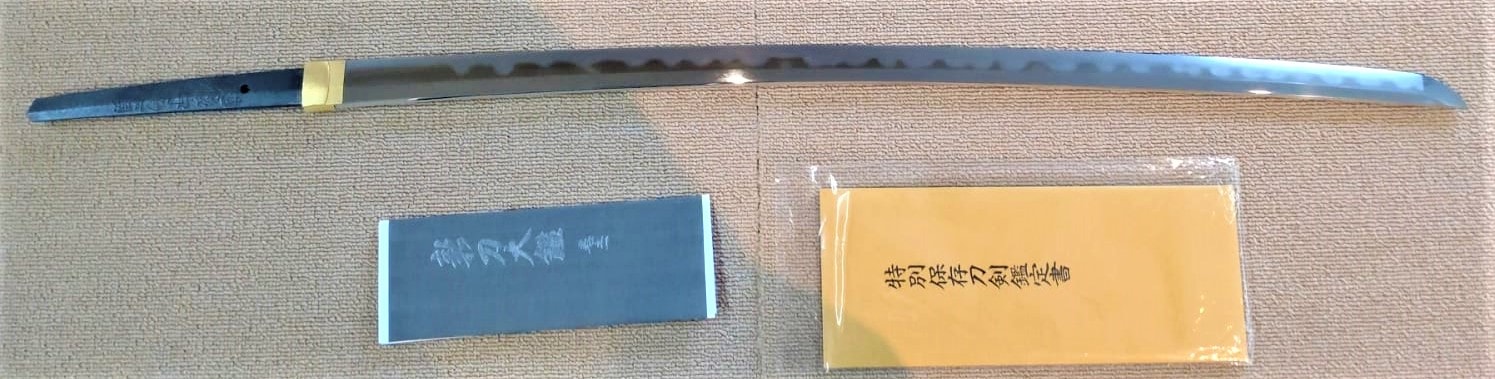
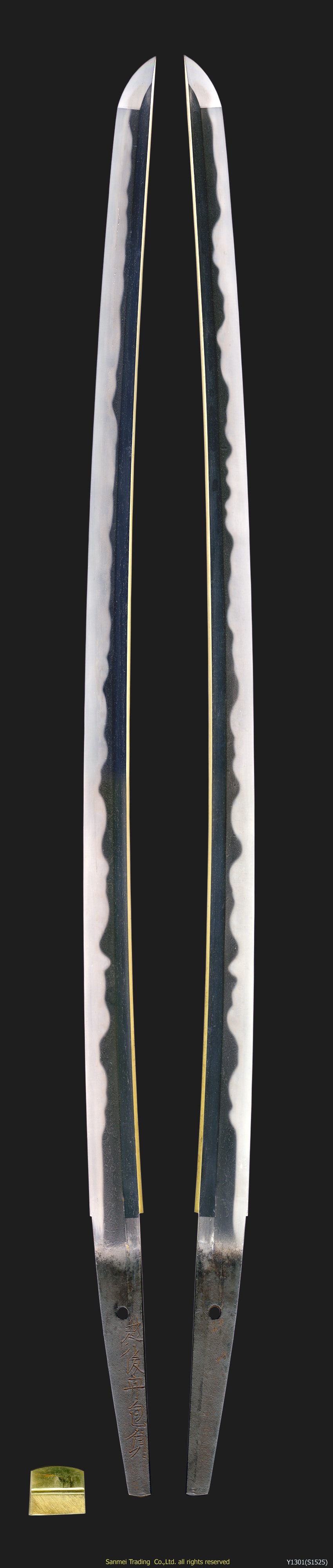
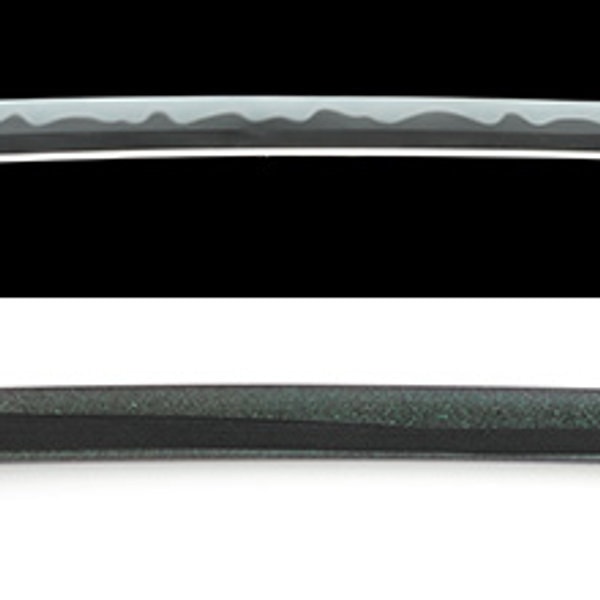
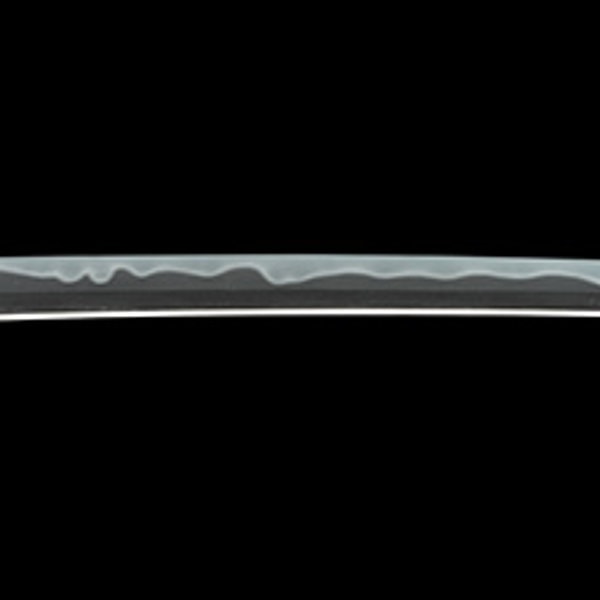
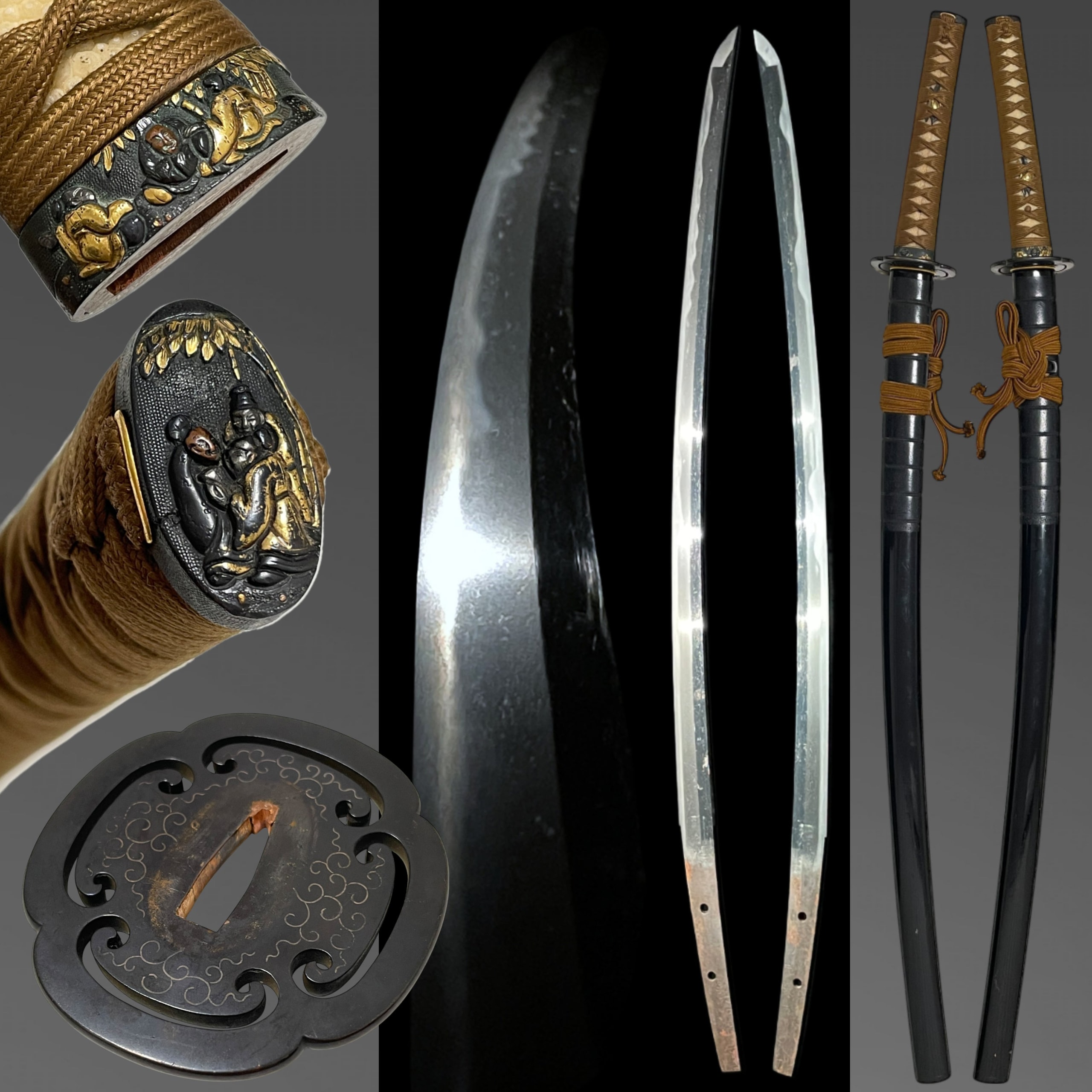
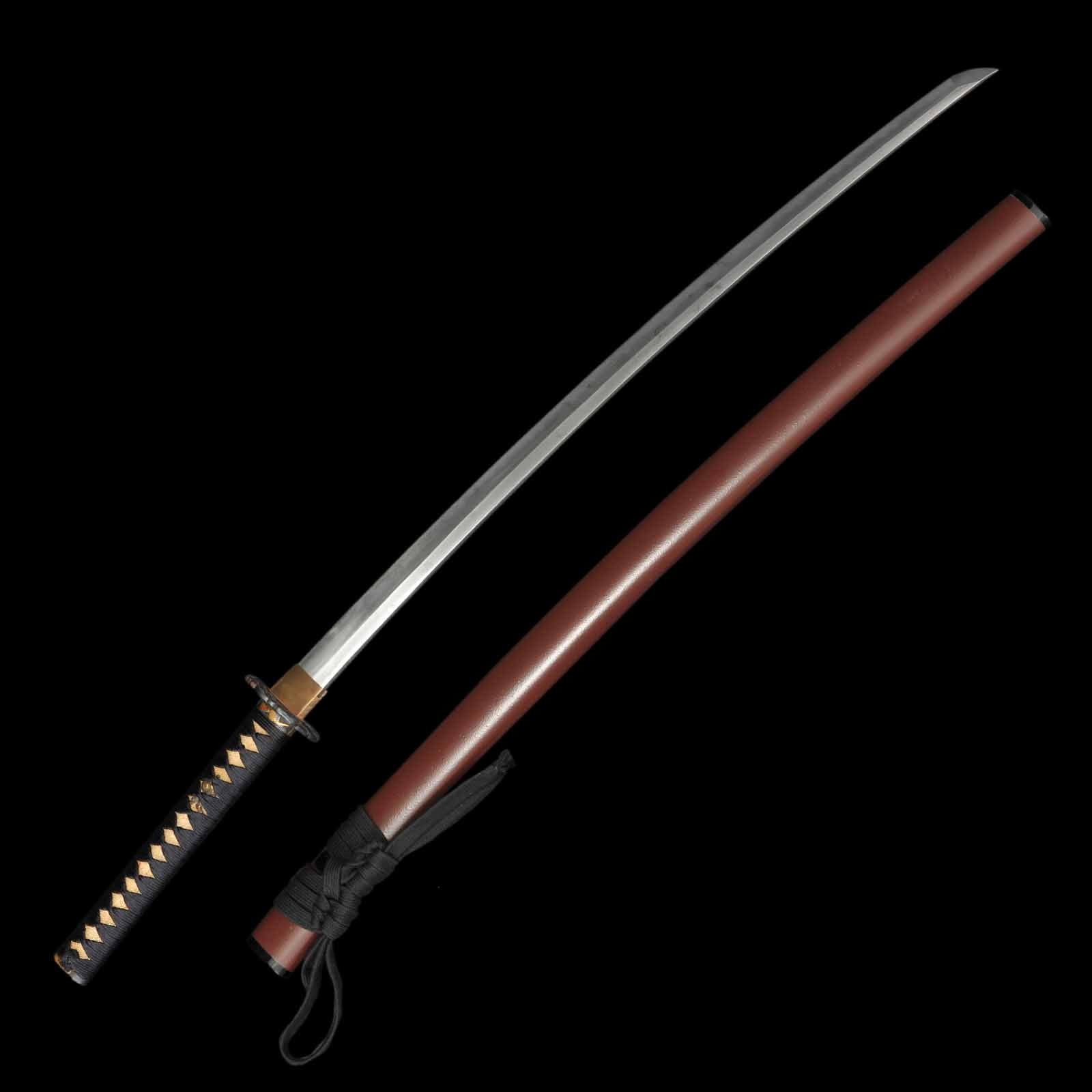
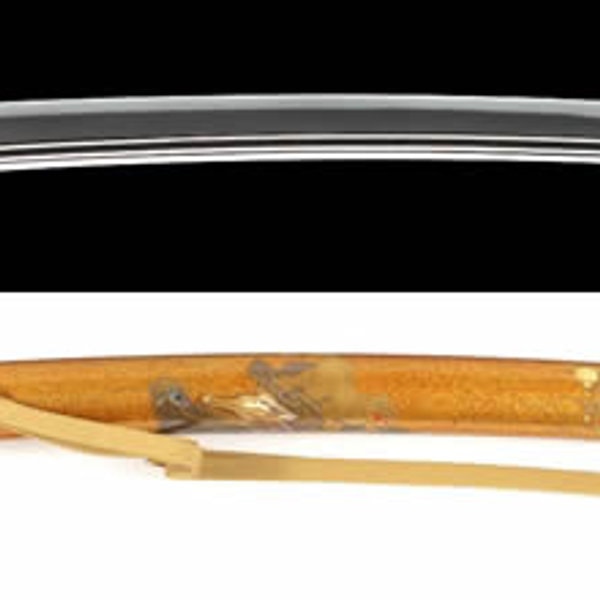
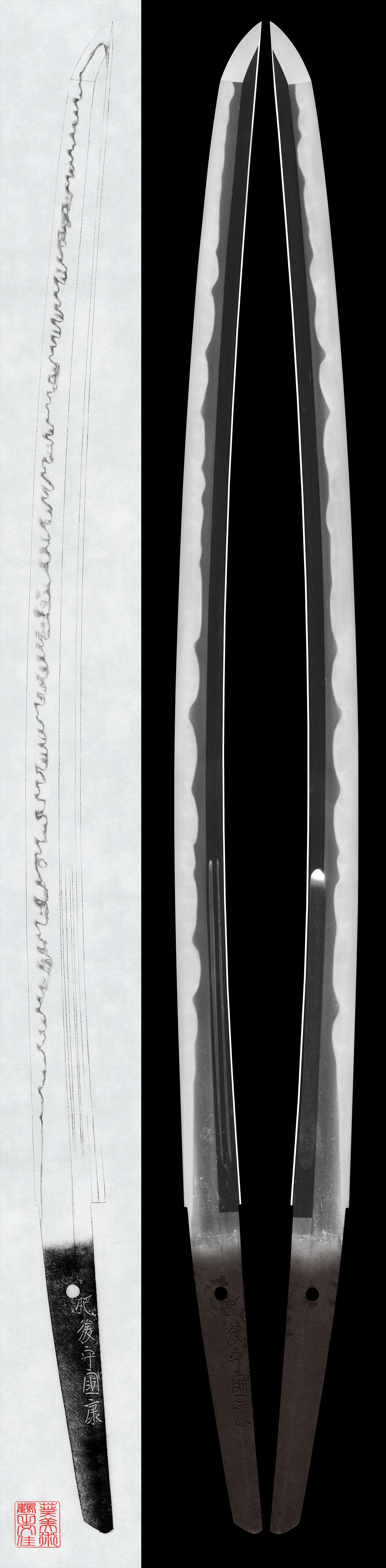
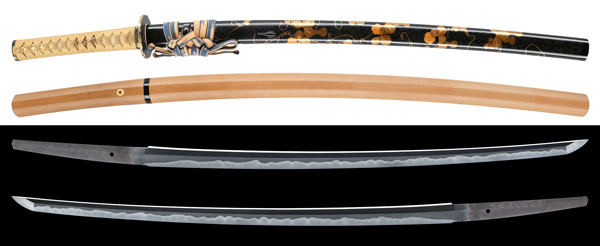
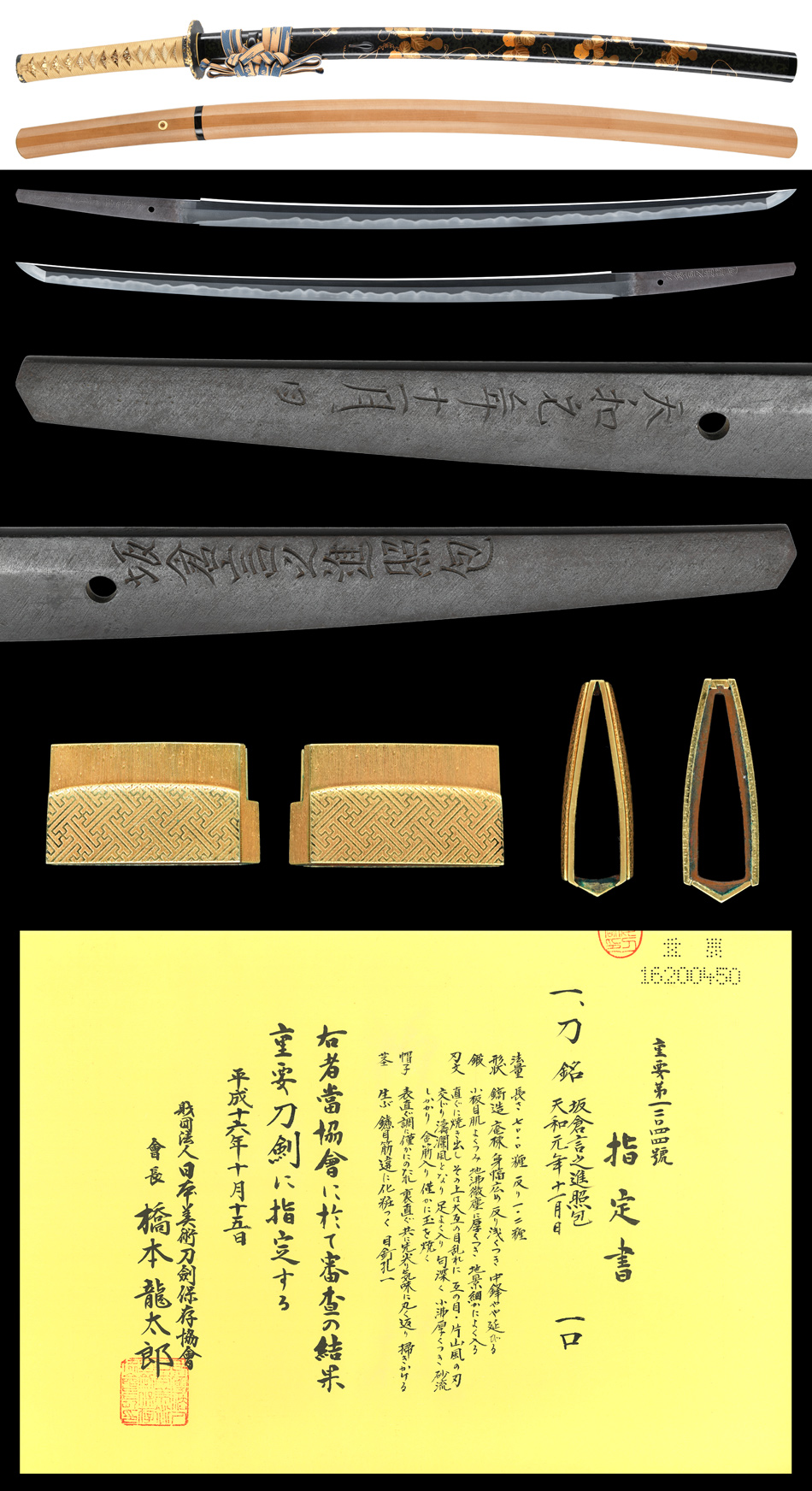
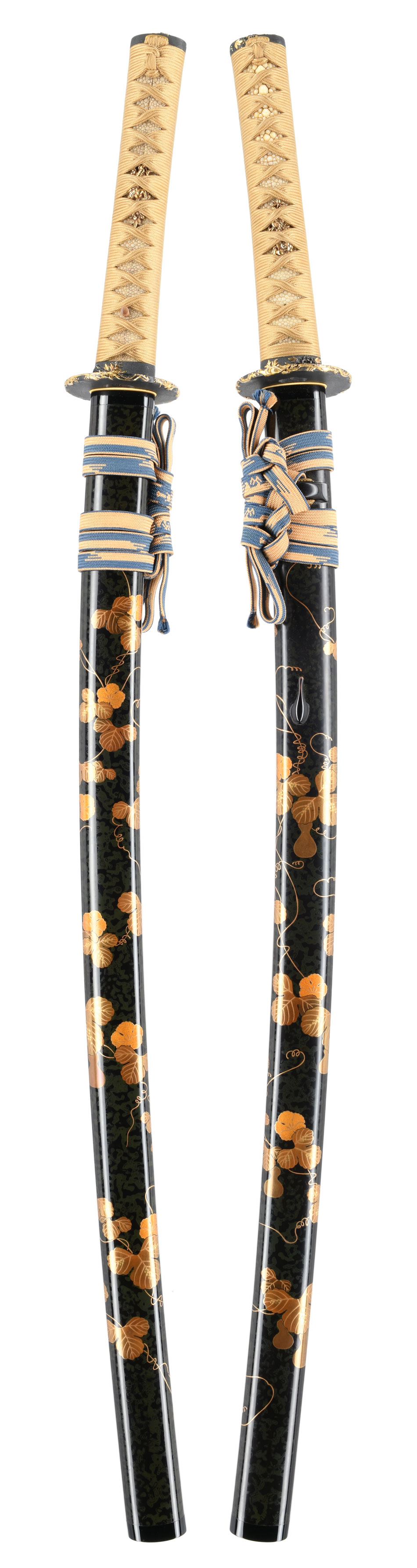
This is a katana by Sakakura Gon-no-Shin Terukane, also known as Terukane, from the Yamashiro province during the middle Edo period. The blade has a length of 70.0cm and is designated as a Juyo Token by the NBTHK. It features a koshirae and is described as having a bright and striking appearance.

NihontoWatch MonNihontoWatchBETA
MarketAuctionsEncyclopedia
Swords›Osaka Shinto›Terukane›Katana: Sakakura Gon-no-Shin Terukane (O-wazamono) - Juyo Token
katanaJūyō
Shinto Terukane

Katana: Sakakura Gon-no-Shin Terukane (O-wazamono) - Juyo Token

mei · Kanbun (1661-1673) · nagasa 70cm · sori 1.2cm

SOLD
Shinto Terukane — 1 of 7
Shinto Terukane — 2 of 7
Shinto Terukane — 3 of 7
Shinto Terukane — 4 of 7
Shinto Terukane — 5 of 7
Shinto Terukane — 6 of 7
Shinto Terukane — 7 of 7
1 / 7
1 / 7
Shinto Terukane — 1 of 7Shinto Terukane — 2 of 7Shinto Terukane — 3 of 7Shinto Terukane — 4 of 7Shinto Terukane — 5 of 7Shinto Terukane — 6 of 7Shinto Terukane — 7 of 7
Measurements & details
Smith
Shinto Terukane
Type
Katana
School
Osaka Shinto
Period
Around 1673–1681(Enpo)
Province
Yamashiro
Signature
Signed
Measurements
Nagasa 70cmSori 1.2cmMotohaba 3cmSakihaba 1.95cm
Description

This is a katana by Sakakura Gon-no-Shin Terukane, also known as Terukane, from the Yamashiro province during the middle Edo period. The blade has a length of 70.0cm and is designated as a Juyo Token by the NBTHK. It features a koshirae and is described as having a bright and striking appearance.

Official Catalog Translation

Juyo

-, 50th Session — Designated October 15, 2004

, : Sakakura Gonoshin Terukane (坂倉言之進照包)

Measurements 70.0 cm, 1.2 cm, 3.0 cm, 1.95 cm, 3.7 cm, 27.0 cm, extremely slight

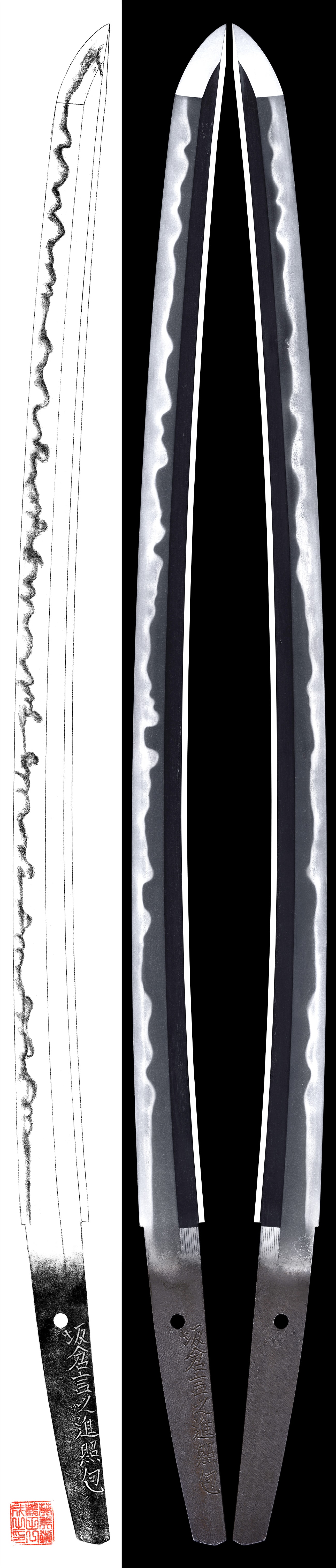
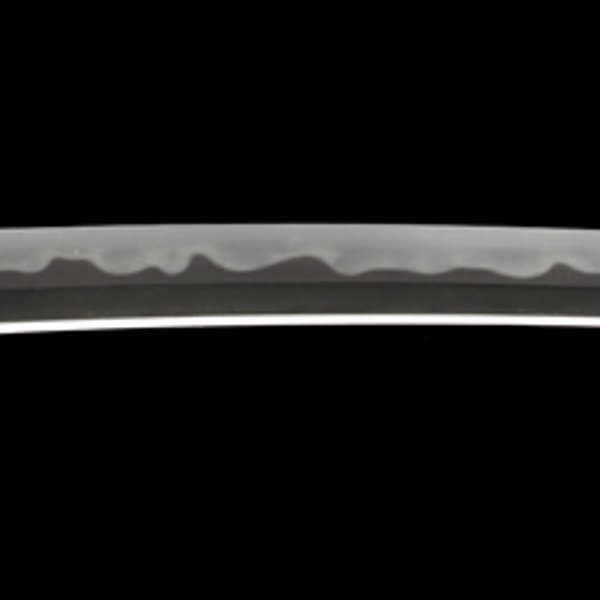
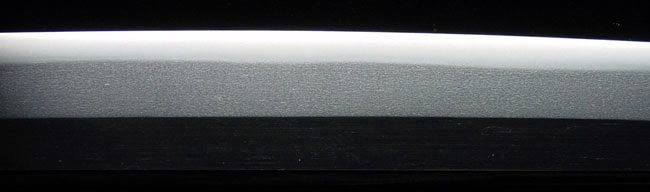
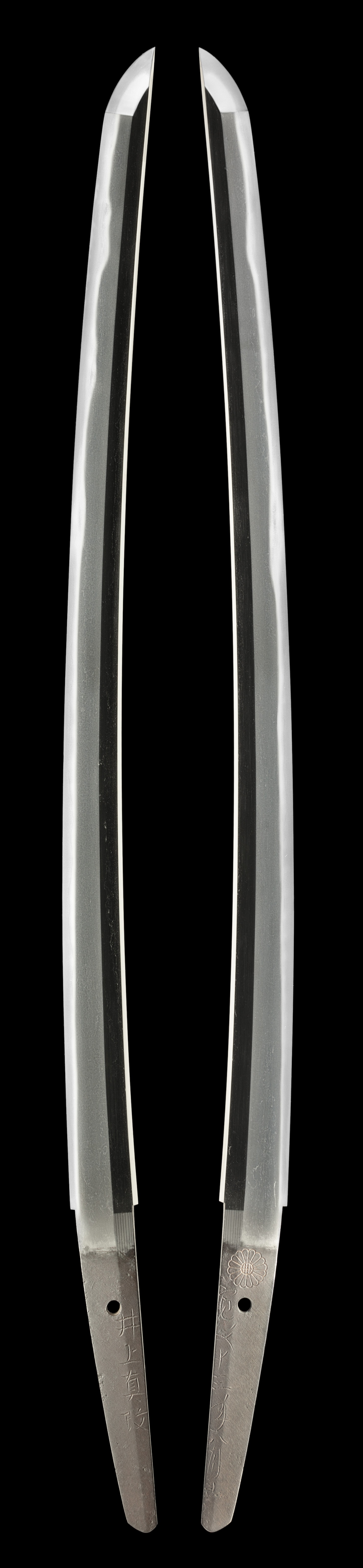
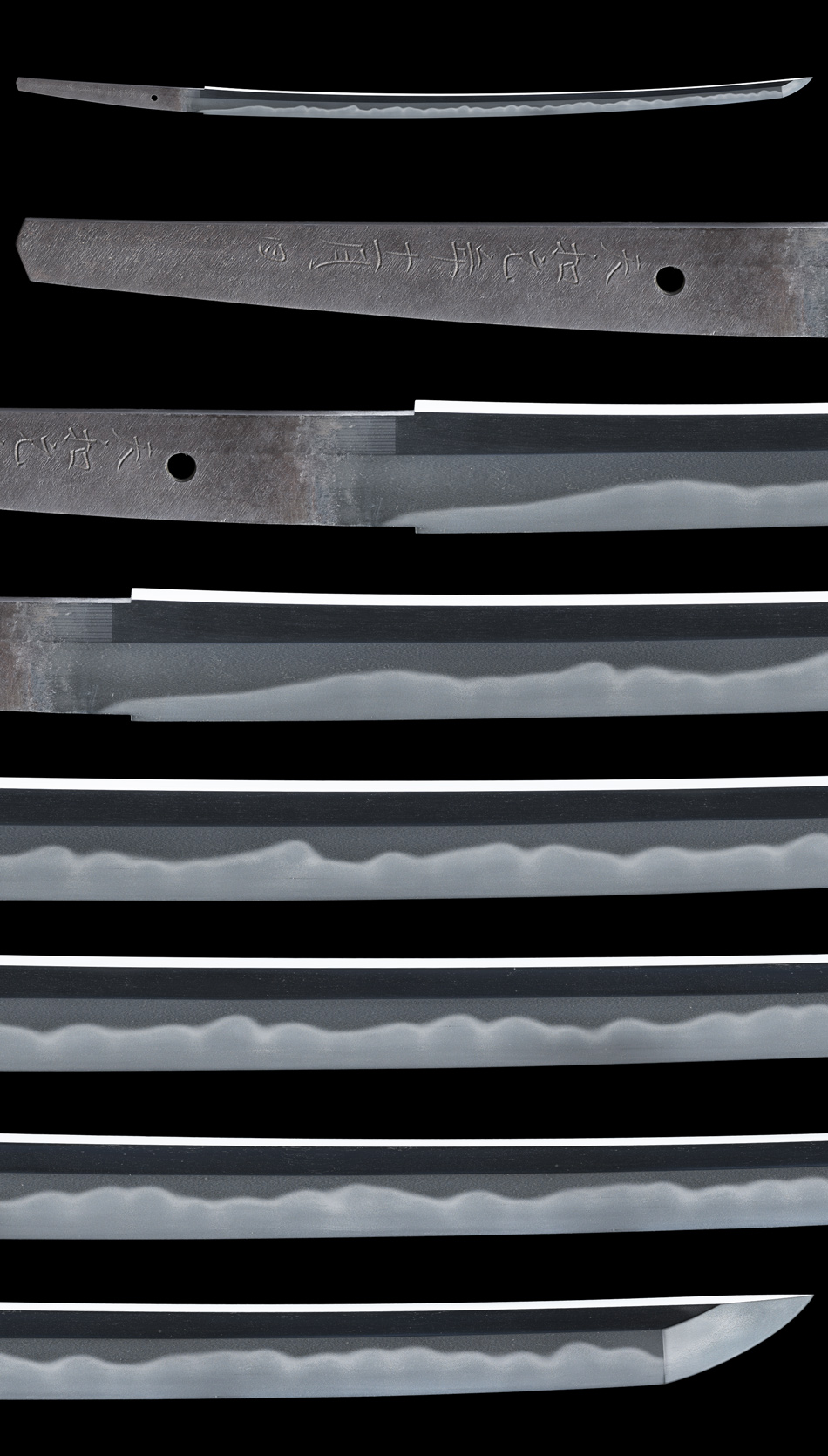
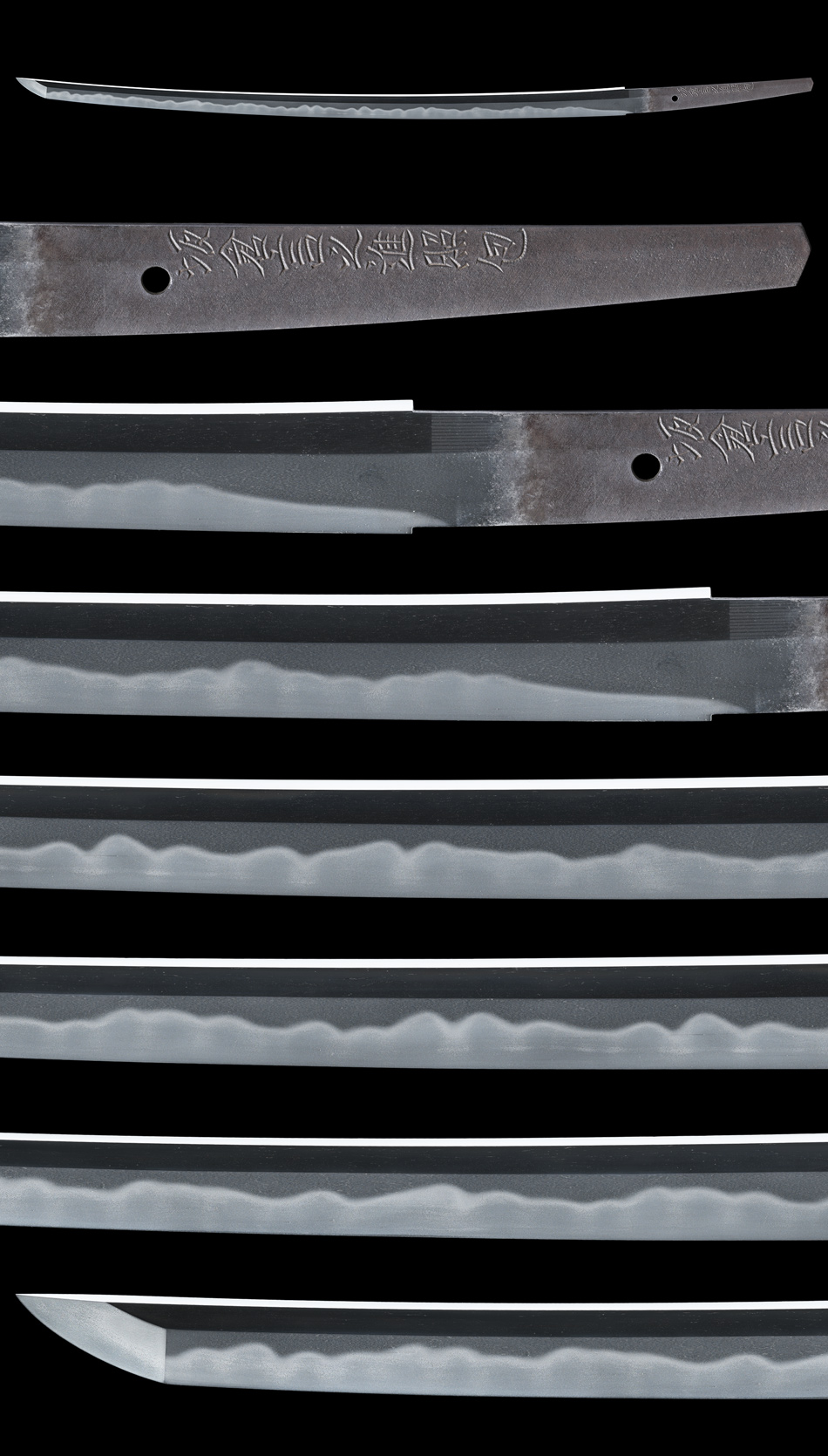
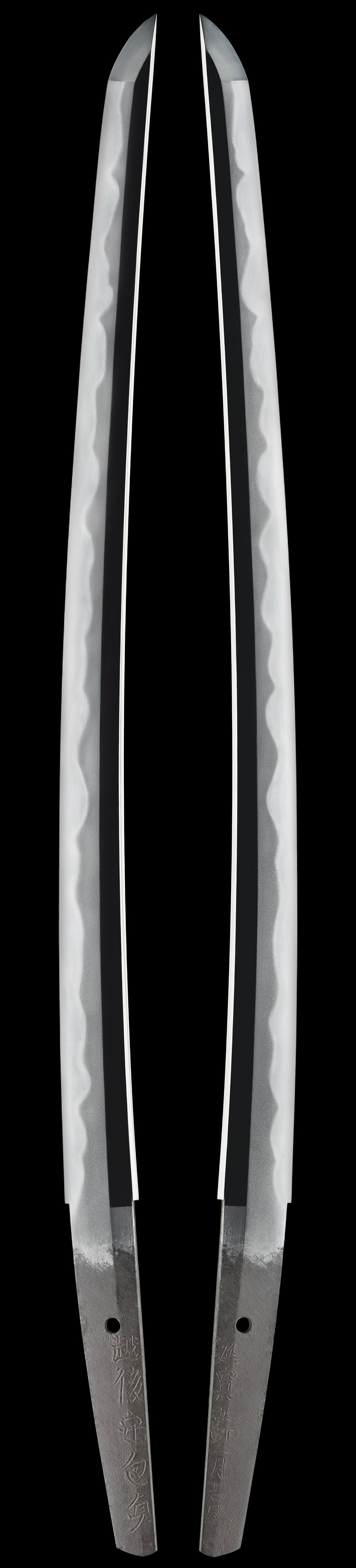
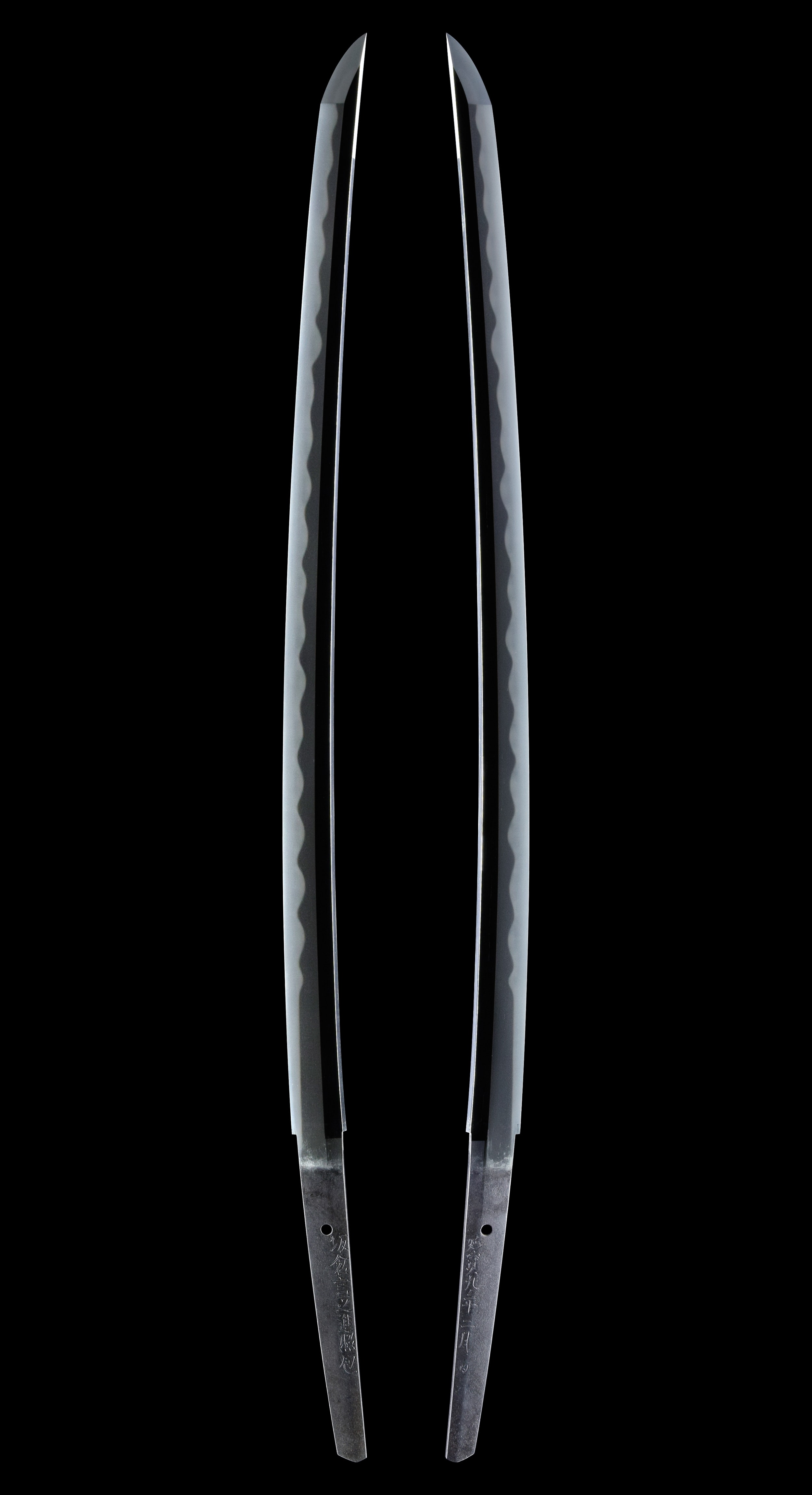
Description Keijō: , ; steep ; rather wide with somewhat evident difference between base and tip widths; little ; some feeling of ; shallow ; slightly extended. : Tight ; extremely fine adheres thickly; fine enters well; the steel is bright. : Begins with , and above this becomes an ō-gunome-midare in a tōran-like manner, mixing and katayama-style elements; thick, long enter well; the is deep; thickly adhering ; overall runs through, with appearing here and there; slight ; the is bright. : On the , basically with a slight tendency to ; on the , ; in both, it turns back in a somewhat pointed manner, with vigorous . : None. : ; tip; ; one ; on the , below the and toward the , there is a long inscription cut in large characters with bold chisel work; on the there is likewise a date inscription, somewhat finer than the .

Artisan Sakakura Gonoshin Terukane (坂倉言之進照包)

Era Dated Tenna 1 (1681), 11th month (day unspecified)

Explanation The second-generation Kanesada (包貞) studied under the first-generation Echigo no Kami Kanesada (越後守包貞), succeeded him, and at first used the name Echigo no Kami Kanesada. However, when the first generation’s biological son Iwamatsu (岩松) reached adulthood, he ceded the name Echigo no Kami Kanesada to him and thereafter signed himself Sakakura Gonoshin Terukane.

Regarding the time when he changed his name from Kanesada to Terukane: because an extant work is signed “Sakakura Gonoshin Terukane; Echigo no Kami Kanesada, retired (on the reverse) an auspicious day in the second month of Enpō 8,” this change is thought to have taken place around that second month of Enpō 8. In style, he often produced tōran-midare following Sukehiro, as well as of a Monju-like character; more rarely, works in large or even are also seen. In any of these modes, it is typical that his workmanship shows deep , well-adhering , and a bright .

This displays a tightly forged , with extremely fine adhering thickly and fine entering well. The begins with and then develops into a tōran-like pattern based on bold ō-gunome-midare, mixed with and katayama-style forms. Thick, long enter strongly; the is deep; thickly adhering is seen; runs overall; appears in places; and slight is present. Both and are bright, revealing a characteristic manner of workmanship.

While it presents the bold, tōran-like ō-gunome-midare that Terukane particularly favored, the prominence and “linked” quality of the shows features of the Monju lineage from which he emerged. This can also be inferred from the way runs through the temper overall. Within the deep- with thick , katayama-style forms can be discerned; furthermore, the steeply angled and the construction with relatively little also display notable points of his workmanship. The bold ō-gunome-midare is daring and forceful, and the blade is an especially bright example in both and .
Source: Yuhinkai Catalog
About the maker

Terukane

照包

Shinto · Settsu · around 1673-1681

Fujishiro Jo-jo saku · Tōken Taikan top 10%

3 pieces on the market now

›

Sakakura Gon'noshin Terukane was the second-generation Echigo no Kami Kanesada. He studied under the first-generation Echigo no Kami Kanesada, succeeded to his position, and at first signed under that name. However, when the first generation's biological son Iwamatsu came of age, he yielded the Kanesada name and thereafter signed "Sakakura Gon'noshin Terukane." The change is documented by an extant work inscribed "Sakakura Gon'noshin Terukane; Echigo no Kami Kanesada, retired" with a reverse date of "an auspicious day in the second month of Enpō 8" (1680). Among the Osaka shintō smiths, the setsumei consistently place him as possessing "excellent technical ability," with workmanship that is "notably free of unevenness or coarseness." His technical skill "has long been regarded as ranking immediately after Sukehiro and Shinkai."

Terukane's dominant mode is the tōran-midare -- the billowing-wave temper modeled after Tsuda Sukehiro -- yet the NBTHK descriptions identify several features that distinguish his interpretation from its prototype. The large ō-gunome-midare characteristically incorporates yahazu-like (arrow-nock) forms and a distinctive hamon shape referred to as katayama-midare, unique to this smith. A habitual mannerism appears below the yokote, where "about three gunome appear in succession." The forging is invariably a tightly packed ko-itame-hada with extremely fine ji-nie adhering thickly and fine chikei entering well. Whatever the chosen pattern -- and more rarely he produced works in large notare, suguha, or even a rosary-bead-like (juzu-ba) temper recalling Nagasone Kotetsu -- "it is typical that the nioi is deep, the nie adheres well, and the nioiguchi is bright." His construction also bears distinctive marks: a steeply formed iori-mune (mune-oroshi), comparatively little hiraniku, and a high shinogi -- features that the NBTHK repeatedly notes as "points of interest" particular to Terukane. The hamon begins consistently with a suguha yakidashi, after which thick, long ashi enter well; sunagashi runs broadly throughout the temper; and kinsuji and nie-suji appear with a frequency that one setsumei notes exceeds "his usual works." In his most accomplished pieces, rounded bead-like tobiyaki "resembling spray" (shibuki) are tempered within the tōran-like pattern, harmonizing with the wave-like rhythm to striking aesthetic effect.

Across nearly twenty Juyo designations spanning three decades, the evaluative consensus is emphatic: Terukane was a master of the Osaka shintō tradition whose output was "consistently high in quality, without marked unevenness." His range extended from the bold tōran-midare that constituted his greatest forte to rarities modeled on Go Yoshihiro and the Sōshū-den, each "finished with consummate skill." The deep nioi, thickly adhering ko-nie, the conspicuous activities of kinsuji and sunagashi, and above all the brightness and clarity of the nioiguchi are cited in every assessment as the hallmarks by which his work may be identified, securing his place as "a solid mainstay within the Osaka shintō tradition" and the foremost heir of the Kanesada line.

3 works by Terukane on the market→
Terukane — full profileShinto school
About the school

Osaka Shinto

大坂新刀

Shinto · Settsu

73 pieces on the market now

›

Osaka in the early-to-mid Edo period was a merchant capital, a city of commerce and capital rather than a castle town tied to a single daimyo house, and the swordsmiths who gathered there worked for a wealthy townsman clientele as much as for warriors. The grouping known as Osaka Shinto (大坂新刀) took shape in Settsu from two feeder currents. Learn more →

17 recorded smiths255 designated works
Leading smiths
SmithEraDesignated
Shinkai真改1649-168279
Tadatsuna忠綱1673-171753
Kanesada包貞1673-168278
Kanesada包貞1648-165210
Kunisuke國助1658-166310
Explore the Osaka Shinto school →
✓N.B.T.H.K Jūyō
Seller
W
World Seiyudo
Established 2008 · 18 yrs on the market
🇯🇵Ships from Japan
›
✓Verified dealerworld-seiyudo.com
✓Ships worldwide✓English supportWire transferPayPalCredit card
Return policy

No cooling-off period or returns; refund only if the purchased sword is proven fake, capped at purchase price (excludes commission sales, accessories, auction items).

View all of World Seiyudo’s listings→View this item on the dealer’s site→

More works by Shinto Terukane

View all →
World Seiyudo
Tokuho
Wakizashi - Tokuho - by Shinto Terukane - Sakakura Gonnoshin TerukaneWakizashi - Tokuho - by Shinto Terukane - Sakakura Gonnoshin Terukane

Wakizashi

ByShinto Terukane
¥1,900,000
Aoi Art
Tokuho
Wakizashi - Tokuho - by Shinto Terukane - Sakura Gonnoshin TerukaneWakizashi - Tokuho - by Shinto Terukane - Sakura Gonnoshin Terukane

Wakizashi

ByShinto Terukane
¥1,200,000
Choshuya
Katana - by Shinto Terukane - Sakakura Gon'noshin TerukaneKatana - by Shinto Terukane - Sakakura Gon'noshin Terukane

Katana

ByShinto Terukane
Ask

Previously sold by Shinto Terukane

Tozando
Katana - by Shinto Terukane - TerukaneKatana - by Shinto Terukane - Terukane
Sold

Katana

ByShinto Terukane
SOLD
Choshuya
Wakizashi - by Shinto Terukane - Sakakura Gon no Shin Terukane (O-wazamono)Wakizashi - by Shinto Terukane - Sakakura Gon no Shin Terukane (O-wazamono)
Sold

Wakizashi

ByShinto Terukane
SOLD
World Seiyudo
Hozon
Katana - Hozon - by Shinto Terukane - 2nd Generation Kanesada (Sakakura Gon-no-shin Terukane) - Owazamono, NBTHK Hozon TokenKatana - Hozon - by Shinto Terukane - 2nd Generation Kanesada (Sakakura Gon-no-shin Terukane) - Owazamono, NBTHK Hozon Token
Sold

Katana

ByShinto Terukane
SOLD
World Seiyudo
Tokuho
Katana - Tokuho - by Shinto Terukane - Sakakura-Gonnoshin TerukaneKatana - Tokuho - by Shinto Terukane - Sakakura-Gonnoshin Terukane
Sold

Katana

ByShinto Terukane
SOLD

More from the Osaka Shinto school

View all →
World Seiyudo
Tokuho
Wakizashi - Tokuho - by Shinto Tadatsuna - Awataguchi Omi-no-kami Tadatsuna (Ikkanshi Tadatsuna) - Tokubetsu Hozon TokenWakizashi - Tokuho - by Shinto Tadatsuna - Awataguchi Omi-no-kami Tadatsuna (Ikkanshi Tadatsuna) - Tokubetsu Hozon Token

Wakizashi

ByShinto Tadatsuna
¥1,500,000
Touken Komachi
Tokuho
Katana - Tokuho - by Osaka Shinkai - 1st Generation Izumi-no-kami KunisadaKatana - Tokuho - by Osaka Shinkai - 1st Generation Izumi-no-kami Kunisada

Katana

ByOsaka Shinkai
¥1,200,000
Bushido Antique Japanese Swords
Tokuho
Wakizashi - Tokuho - by Shinto Tadatsuna - Awataguchi Omi No Kami Tadatsuna WakizashiWakizashi - Tokuho - by Shinto Tadatsuna - Awataguchi Omi No Kami Tadatsuna Wakizashi

Wakizashi

ByShinto Tadatsuna
¥24,000
Aoi Art
Tokuho
Wakizashi - Tokuho - by Osaka Shinto School - Higo no Kami KuniyasuWakizashi - Tokuho - by Osaka Shinto School - Higo no Kami Kuniyasu

Wakizashi

ByOsaka Shinto School
Starting Bid¥650,000
Katana Yamadaiya
Tokubetsu Kichō
Wakizashi - Tokubetsu Kichō - by Shinto Suketaka - Special Kicho Token: Ozaki Suketaka, forged at the request of Mr. Okamura, Tenmei 6, February 4th...Wakizashi - Tokubetsu Kichō - by Shinto Suketaka - Special Kicho Token: Ozaki Suketaka, forged at the request of Mr. Okamura, Tenmei 6, February 4th...

Wakizashi

ByShinto Suketaka
¥350,000
Aoi Art
Hozon
Katana - Hozon - by Shinto Kuniyasu - Higo Kami KuniyasuKatana - Hozon - by Shinto Kuniyasu - Higo Kami Kuniyasu

Katana

ByShinto Kuniyasu
¥2,700,000
World Seiyudo
Tokuho
Katana - Tokuho - by Shinto Tadatsuna - Omi-No-Kami Tadatsuna (Ikkanshi Tadatsuna)Katana - Tokuho - by Shinto Tadatsuna - Omi-No-Kami Tadatsuna (Ikkanshi Tadatsuna)

Katana

ByShinto Tadatsuna
¥4,000,000
Toushin
Tokuho
Daisho - Tokuho - by Shinto Kuniyasu - Daisho: Higo no kami KuniyasuDaisho - Tokuho - by Shinto Kuniyasu - Daisho: Higo no kami Kuniyasu

Daishō

ByShinto Kuniyasu
¥2,640,000

Swords

  • Katana
  • Wakizashi
  • Tantō
  • Tachi
  • Naginata
  • Yari

Fittings

  • Tsuba
  • Fuchi-Kashira
  • Kozuka
  • Menuki

By Certification

  • Tokujū
  • Jūyō
  • Tokuho
  • Hozon

Resources

  • Dealer Directory
  • Artist Directory
  • Glossary
  • Browse All
Nihontowatch© 2026
TermsPrivacyCookiesAbout

Description

This is a katana by Sakakura Gon-no-Shin Terukane, also known as Terukane, from the Yamashiro province during the middle Edo period. The blade has a length of 70.0cm and is designated as a Juyo Token by the NBTHK. It features a koshirae and is described as having a bright and striking appearance.

NihontoWatch MonNihontoWatchBETA
MarketAuctionsEncyclopedia
Swords›Osaka Shinto›Terukane›Katana: Sakakura Gon-no-Shin Terukane (O-wazamono) - Juyo Token
katanaJūyō
Shinto Terukane

Katana: Sakakura Gon-no-Shin Terukane (O-wazamono) - Juyo Token

mei · Kanbun (1661-1673) · nagasa 70cm · sori 1.2cm

SOLD
Shinto Terukane — 1 of 7
Shinto Terukane — 2 of 7
Shinto Terukane — 3 of 7
Shinto Terukane — 4 of 7
Shinto Terukane — 5 of 7
Shinto Terukane — 6 of 7
Shinto Terukane — 7 of 7
1 / 7
1 / 7
Shinto Terukane — 1 of 7Shinto Terukane — 2 of 7Shinto Terukane — 3 of 7Shinto Terukane — 4 of 7Shinto Terukane — 5 of 7Shinto Terukane — 6 of 7Shinto Terukane — 7 of 7
Measurements & details
Smith
Shinto Terukane
Type
Katana
School
Osaka Shinto
Period
Around 1673–1681(Enpo)
Province
Yamashiro
Signature
Signed
Measurements
Nagasa 70cmSori 1.2cmMotohaba 3cmSakihaba 1.95cm
Description

This is a katana by Sakakura Gon-no-Shin Terukane, also known as Terukane, from the Yamashiro province during the middle Edo period. The blade has a length of 70.0cm and is designated as a Juyo Token by the NBTHK. It features a koshirae and is described as having a bright and striking appearance.

Official Catalog Translation

Juyo

-, 50th Session — Designated October 15, 2004

, : Sakakura Gonoshin Terukane (坂倉言之進照包)

Measurements 70.0 cm, 1.2 cm, 3.0 cm, 1.95 cm, 3.7 cm, 27.0 cm, extremely slight

Description Keijō: , ; steep ; rather wide with somewhat evident difference between base and tip widths; little ; some feeling of ; shallow ; slightly extended. : Tight ; extremely fine adheres thickly; fine enters well; the steel is bright. : Begins with , and above this becomes an ō-gunome-midare in a tōran-like manner, mixing and katayama-style elements; thick, long enter well; the is deep; thickly adhering ; overall runs through, with appearing here and there; slight ; the is bright. : On the , basically with a slight tendency to ; on the , ; in both, it turns back in a somewhat pointed manner, with vigorous . : None. : ; tip; ; one ; on the , below the and toward the , there is a long inscription cut in large characters with bold chisel work; on the there is likewise a date inscription, somewhat finer than the .

Artisan Sakakura Gonoshin Terukane (坂倉言之進照包)

Era Dated Tenna 1 (1681), 11th month (day unspecified)

Explanation The second-generation Kanesada (包貞) studied under the first-generation Echigo no Kami Kanesada (越後守包貞), succeeded him, and at first used the name Echigo no Kami Kanesada. However, when the first generation’s biological son Iwamatsu (岩松) reached adulthood, he ceded the name Echigo no Kami Kanesada to him and thereafter signed himself Sakakura Gonoshin Terukane.

Regarding the time when he changed his name from Kanesada to Terukane: because an extant work is signed “Sakakura Gonoshin Terukane; Echigo no Kami Kanesada, retired (on the reverse) an auspicious day in the second month of Enpō 8,” this change is thought to have taken place around that second month of Enpō 8. In style, he often produced tōran-midare following Sukehiro, as well as of a Monju-like character; more rarely, works in large or even are also seen. In any of these modes, it is typical that his workmanship shows deep , well-adhering , and a bright .

This displays a tightly forged , with extremely fine adhering thickly and fine entering well. The begins with and then develops into a tōran-like pattern based on bold ō-gunome-midare, mixed with and katayama-style forms. Thick, long enter strongly; the is deep; thickly adhering is seen; runs overall; appears in places; and slight is present. Both and are bright, revealing a characteristic manner of workmanship.

While it presents the bold, tōran-like ō-gunome-midare that Terukane particularly favored, the prominence and “linked” quality of the shows features of the Monju lineage from which he emerged. This can also be inferred from the way runs through the temper overall. Within the deep- with thick , katayama-style forms can be discerned; furthermore, the steeply angled and the construction with relatively little also display notable points of his workmanship. The bold ō-gunome-midare is daring and forceful, and the blade is an especially bright example in both and .
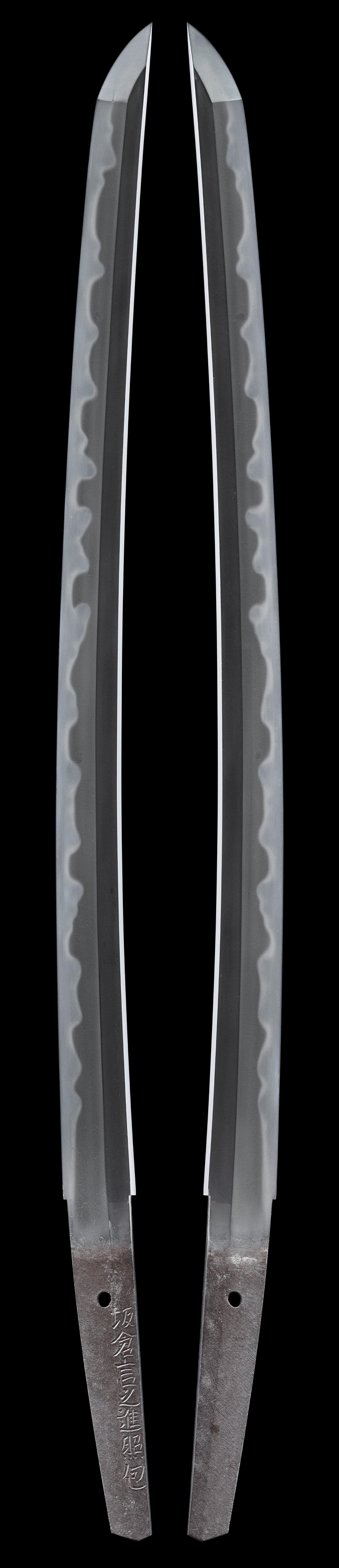
Source: Yuhinkai Catalog
About the maker

Terukane

照包

Shinto · Settsu · around 1673-1681

Fujishiro Jo-jo saku · Tōken Taikan top 10%

3 pieces on the market now

›

Sakakura Gon'noshin Terukane was the second-generation Echigo no Kami Kanesada. He studied under the first-generation Echigo no Kami Kanesada, succeeded to his position, and at first signed under that name. However, when the first generation's biological son Iwamatsu came of age, he yielded the Kanesada name and thereafter signed "Sakakura Gon'noshin Terukane." The change is documented by an extant work inscribed "Sakakura Gon'noshin Terukane; Echigo no Kami Kanesada, retired" with a reverse date of "an auspicious day in the second month of Enpō 8" (1680). Among the Osaka shintō smiths, the setsumei consistently place him as possessing "excellent technical ability," with workmanship that is "notably free of unevenness or coarseness." His technical skill "has long been regarded as ranking immediately after Sukehiro and Shinkai."

Terukane's dominant mode is the tōran-midare -- the billowing-wave temper modeled after Tsuda Sukehiro -- yet the NBTHK descriptions identify several features that distinguish his interpretation from its prototype. The large ō-gunome-midare characteristically incorporates yahazu-like (arrow-nock) forms and a distinctive hamon shape referred to as katayama-midare, unique to this smith. A habitual mannerism appears below the yokote, where "about three gunome appear in succession." The forging is invariably a tightly packed ko-itame-hada with extremely fine ji-nie adhering thickly and fine chikei entering well. Whatever the chosen pattern -- and more rarely he produced works in large notare, suguha, or even a rosary-bead-like (juzu-ba) temper recalling Nagasone Kotetsu -- "it is typical that the nioi is deep, the nie adheres well, and the nioiguchi is bright." His construction also bears distinctive marks: a steeply formed iori-mune (mune-oroshi), comparatively little hiraniku, and a high shinogi -- features that the NBTHK repeatedly notes as "points of interest" particular to Terukane. The hamon begins consistently with a suguha yakidashi, after which thick, long ashi enter well; sunagashi runs broadly throughout the temper; and kinsuji and nie-suji appear with a frequency that one setsumei notes exceeds "his usual works." In his most accomplished pieces, rounded bead-like tobiyaki "resembling spray" (shibuki) are tempered within the tōran-like pattern, harmonizing with the wave-like rhythm to striking aesthetic effect.

Across nearly twenty Juyo designations spanning three decades, the evaluative consensus is emphatic: Terukane was a master of the Osaka shintō tradition whose output was "consistently high in quality, without marked unevenness." His range extended from the bold tōran-midare that constituted his greatest forte to rarities modeled on Go Yoshihiro and the Sōshū-den, each "finished with consummate skill." The deep nioi, thickly adhering ko-nie, the conspicuous activities of kinsuji and sunagashi, and above all the brightness and clarity of the nioiguchi are cited in every assessment as the hallmarks by which his work may be identified, securing his place as "a solid mainstay within the Osaka shintō tradition" and the foremost heir of the Kanesada line.

3 works by Terukane on the market→
Terukane — full profileShinto school
About the school

Osaka Shinto

大坂新刀

Shinto · Settsu

73 pieces on the market now

›

Osaka in the early-to-mid Edo period was a merchant capital, a city of commerce and capital rather than a castle town tied to a single daimyo house, and the swordsmiths who gathered there worked for a wealthy townsman clientele as much as for warriors. The grouping known as Osaka Shinto (大坂新刀) took shape in Settsu from two feeder currents. Learn more →

17 recorded smiths255 designated works
Leading smiths
SmithEraDesignated
Shinkai真改1649-168279
Tadatsuna忠綱1673-171753
Kanesada包貞1673-168278
Kanesada包貞1648-165210
Kunisuke國助1658-166310
Explore the Osaka Shinto school →
✓N.B.T.H.K Jūyō
Seller
W
World Seiyudo
Established 2008 · 18 yrs on the market
🇯🇵Ships from Japan
›
✓Verified dealerworld-seiyudo.com
✓Ships worldwide✓English supportWire transferPayPalCredit card
Return policy

No cooling-off period or returns; refund only if the purchased sword is proven fake, capped at purchase price (excludes commission sales, accessories, auction items).

View all of World Seiyudo’s listings→View this item on the dealer’s site→

More works by Shinto Terukane

View all →
World Seiyudo
Tokuho
Wakizashi - Tokuho - by Shinto Terukane - Sakakura Gonnoshin TerukaneWakizashi - Tokuho - by Shinto Terukane - Sakakura Gonnoshin Terukane

Wakizashi

ByShinto Terukane
¥1,900,000
Aoi Art
Tokuho
Wakizashi - Tokuho - by Shinto Terukane - Sakura Gonnoshin TerukaneWakizashi - Tokuho - by Shinto Terukane - Sakura Gonnoshin Terukane

Wakizashi

ByShinto Terukane
¥1,200,000
Choshuya
Katana - by Shinto Terukane - Sakakura Gon'noshin TerukaneKatana - by Shinto Terukane - Sakakura Gon'noshin Terukane

Katana

ByShinto Terukane
Ask

Previously sold by Shinto Terukane

Tozando
Katana - by Shinto Terukane - TerukaneKatana - by Shinto Terukane - Terukane
Sold

Katana

ByShinto Terukane
SOLD
Choshuya
Wakizashi - by Shinto Terukane - Sakakura Gon no Shin Terukane (O-wazamono)Wakizashi - by Shinto Terukane - Sakakura Gon no Shin Terukane (O-wazamono)
Sold

Wakizashi

ByShinto Terukane
SOLD
World Seiyudo
Hozon
Katana - Hozon - by Shinto Terukane - 2nd Generation Kanesada (Sakakura Gon-no-shin Terukane) - Owazamono, NBTHK Hozon TokenKatana - Hozon - by Shinto Terukane - 2nd Generation Kanesada (Sakakura Gon-no-shin Terukane) - Owazamono, NBTHK Hozon Token
Sold

Katana

ByShinto Terukane
SOLD
World Seiyudo
Tokuho
Katana - Tokuho - by Shinto Terukane - Sakakura-Gonnoshin TerukaneKatana - Tokuho - by Shinto Terukane - Sakakura-Gonnoshin Terukane
Sold

Katana

ByShinto Terukane
SOLD

More from the Osaka Shinto school

View all →
World Seiyudo
Tokuho
Wakizashi - Tokuho - by Shinto Tadatsuna - Awataguchi Omi-no-kami Tadatsuna (Ikkanshi Tadatsuna) - Tokubetsu Hozon TokenWakizashi - Tokuho - by Shinto Tadatsuna - Awataguchi Omi-no-kami Tadatsuna (Ikkanshi Tadatsuna) - Tokubetsu Hozon Token

Wakizashi

ByShinto Tadatsuna
¥1,500,000
Touken Komachi
Tokuho
Katana - Tokuho - by Osaka Shinkai - 1st Generation Izumi-no-kami KunisadaKatana - Tokuho - by Osaka Shinkai - 1st Generation Izumi-no-kami Kunisada

Katana

ByOsaka Shinkai
¥1,200,000
Bushido Antique Japanese Swords
Tokuho
Wakizashi - Tokuho - by Shinto Tadatsuna - Awataguchi Omi No Kami Tadatsuna WakizashiWakizashi - Tokuho - by Shinto Tadatsuna - Awataguchi Omi No Kami Tadatsuna Wakizashi

Wakizashi

ByShinto Tadatsuna
¥24,000
Aoi Art
Tokuho
Wakizashi - Tokuho - by Osaka Shinto School - Higo no Kami KuniyasuWakizashi - Tokuho - by Osaka Shinto School - Higo no Kami Kuniyasu

Wakizashi

ByOsaka Shinto School
Starting Bid¥650,000
Katana Yamadaiya
Tokubetsu Kichō
Wakizashi - Tokubetsu Kichō - by Shinto Suketaka - Special Kicho Token: Ozaki Suketaka, forged at the request of Mr. Okamura, Tenmei 6, February 4th...Wakizashi - Tokubetsu Kichō - by Shinto Suketaka - Special Kicho Token: Ozaki Suketaka, forged at the request of Mr. Okamura, Tenmei 6, February 4th...

Wakizashi

ByShinto Suketaka
¥350,000
Aoi Art
Hozon
Katana - Hozon - by Shinto Kuniyasu - Higo Kami KuniyasuKatana - Hozon - by Shinto Kuniyasu - Higo Kami Kuniyasu

Katana

ByShinto Kuniyasu
¥2,700,000
World Seiyudo
Tokuho
Katana - Tokuho - by Shinto Tadatsuna - Omi-No-Kami Tadatsuna (Ikkanshi Tadatsuna)Katana - Tokuho - by Shinto Tadatsuna - Omi-No-Kami Tadatsuna (Ikkanshi Tadatsuna)

Katana

ByShinto Tadatsuna
¥4,000,000
Toushin
Tokuho
Daisho - Tokuho - by Shinto Kuniyasu - Daisho: Higo no kami KuniyasuDaisho - Tokuho - by Shinto Kuniyasu - Daisho: Higo no kami Kuniyasu

Daishō

ByShinto Kuniyasu
¥2,640,000

Swords

  • Katana
  • Wakizashi
  • Tantō
  • Tachi
  • Naginata
  • Yari

Fittings

  • Tsuba
  • Fuchi-Kashira
  • Kozuka
  • Menuki

By Certification

  • Tokujū
  • Jūyō
  • Tokuho
  • Hozon

Resources

  • Dealer Directory
  • Artist Directory
  • Glossary
  • Browse All
Nihontowatch© 2026
TermsPrivacyCookiesAbout
NihontoWatch Mon

NihontoWatchBETA

MarketAuctions
Encyclopedia
NihontoWatch Mon

NihontoWatchBETA

MarketAuctions
Encyclopedia