Unification closed the mass market, and Seki’s smiths moved to where the new money was: the Mishina line to Kyōto with court titles, Daidō smiths to castle towns across the provinces. Mino became the great technical ancestor of the Shintō age.
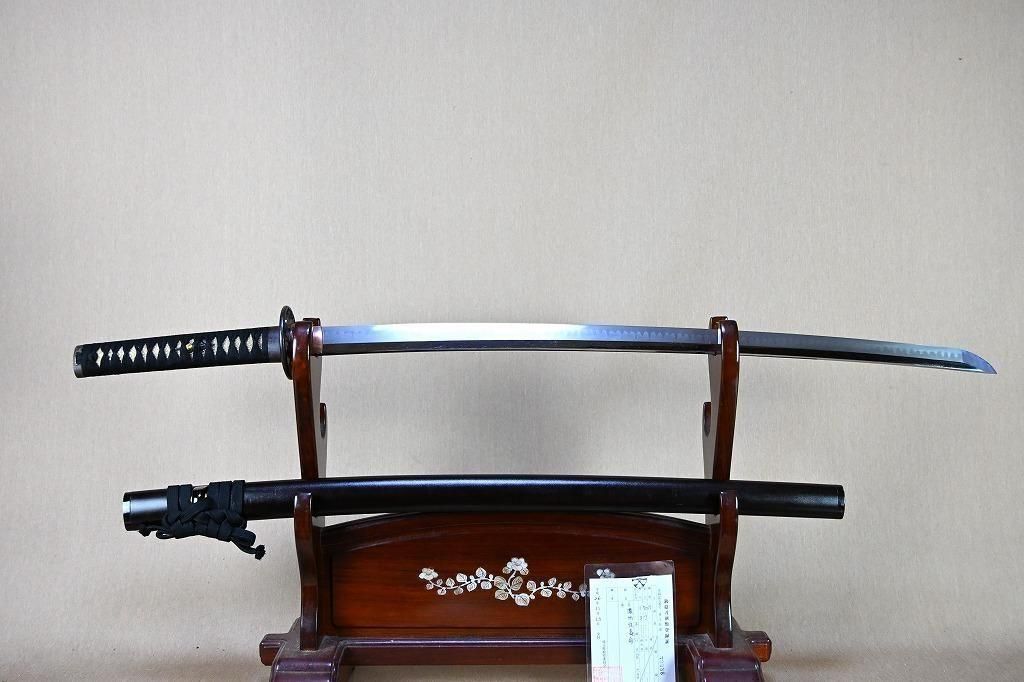
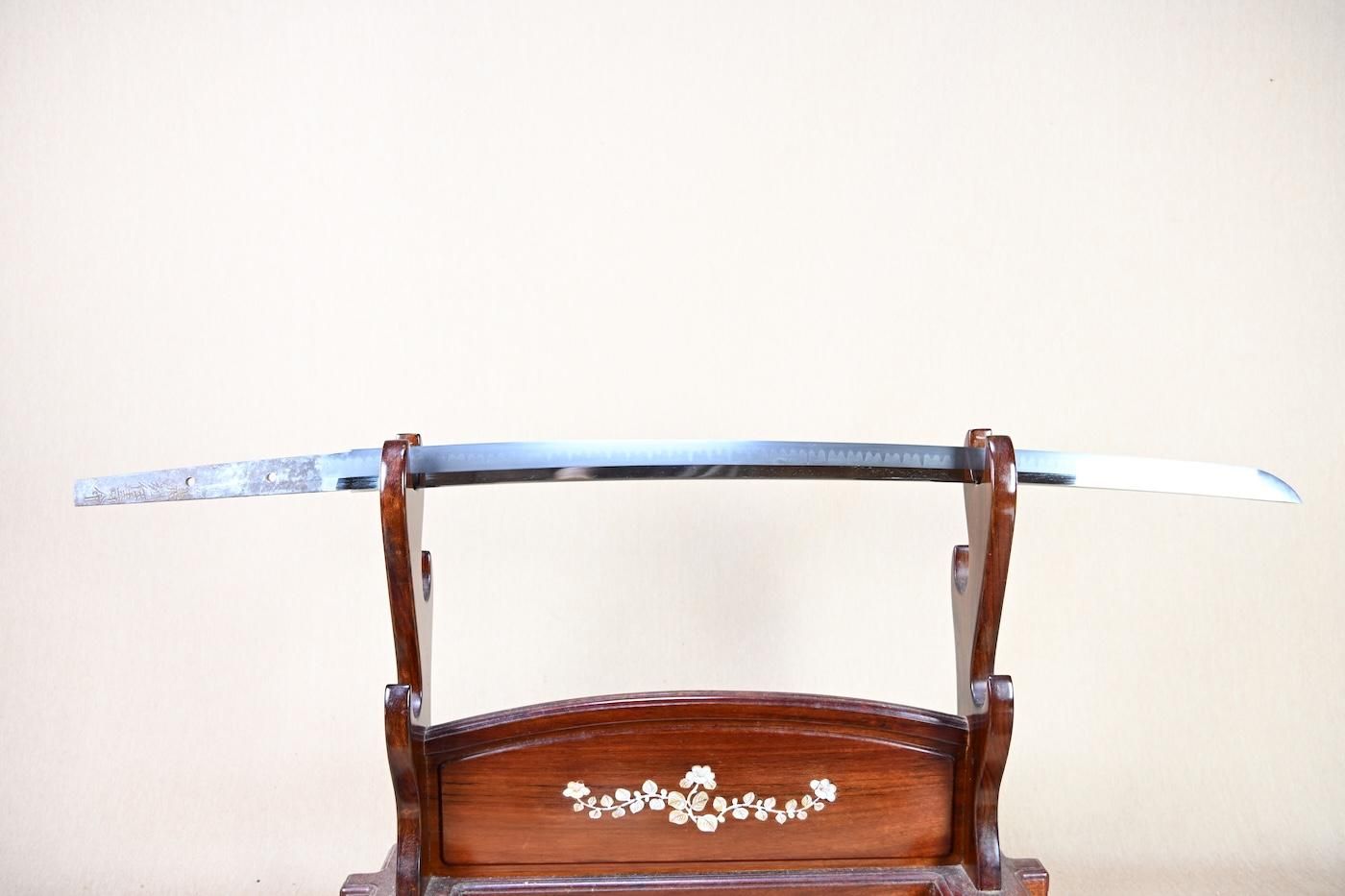
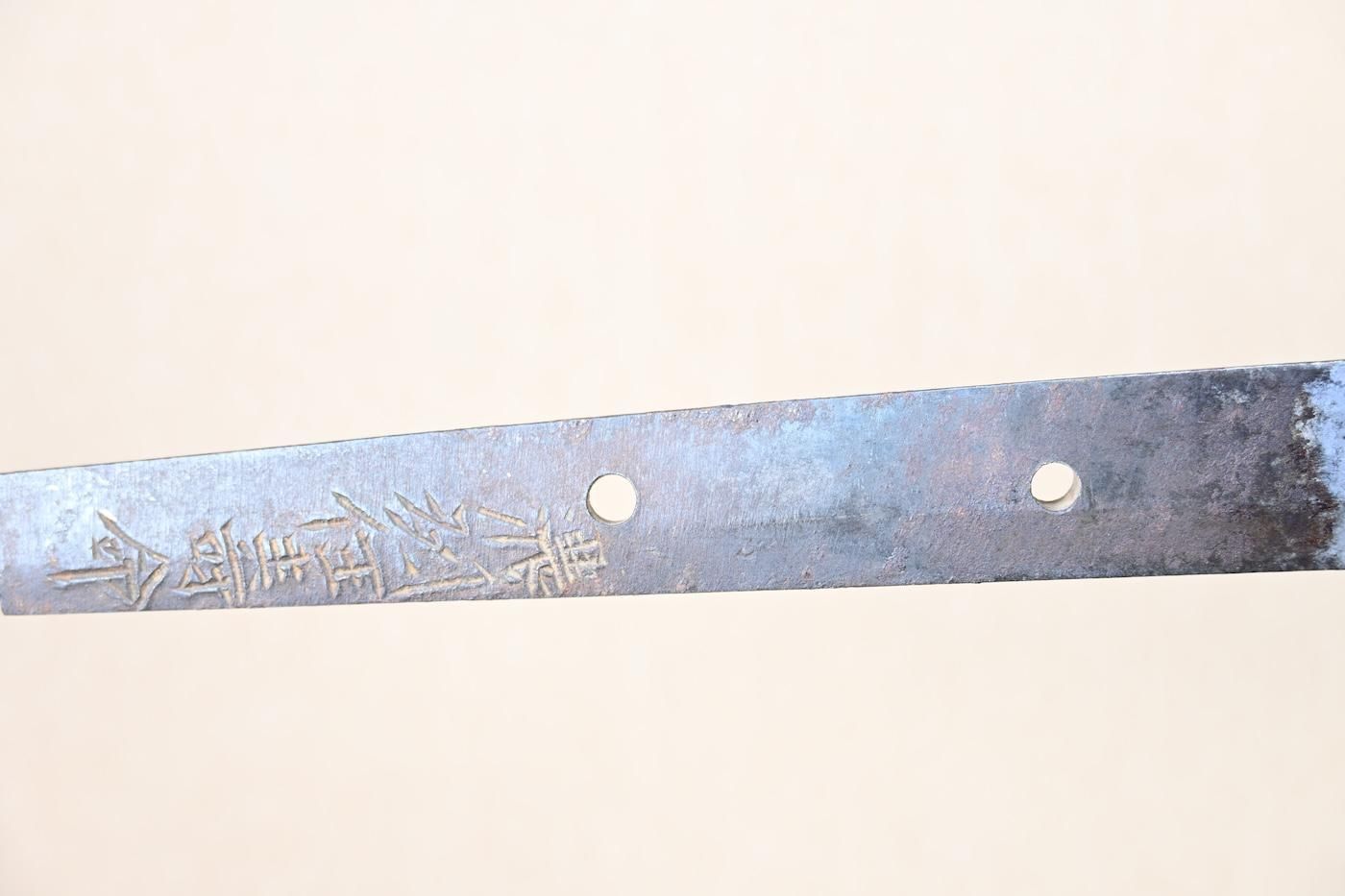
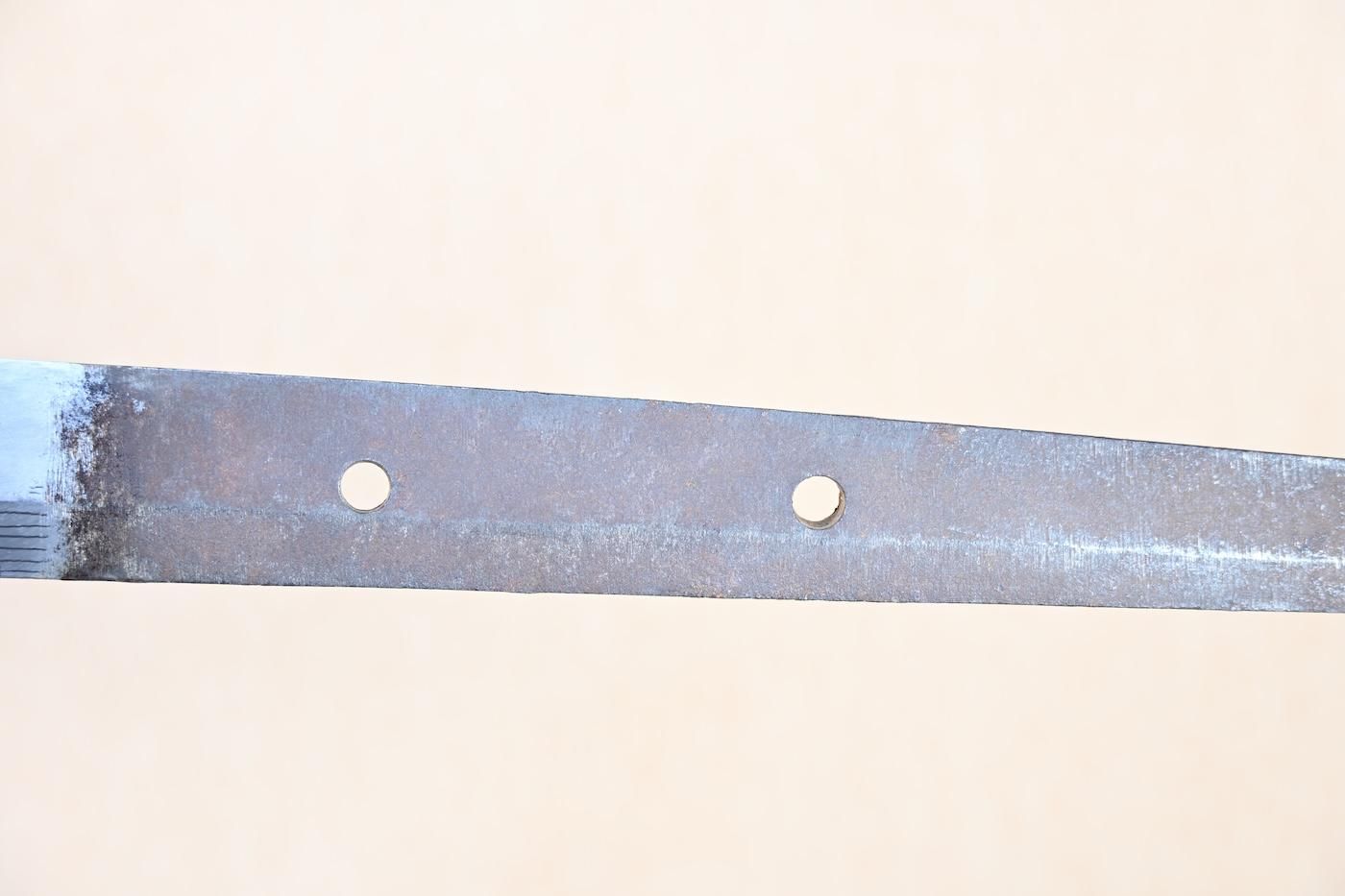
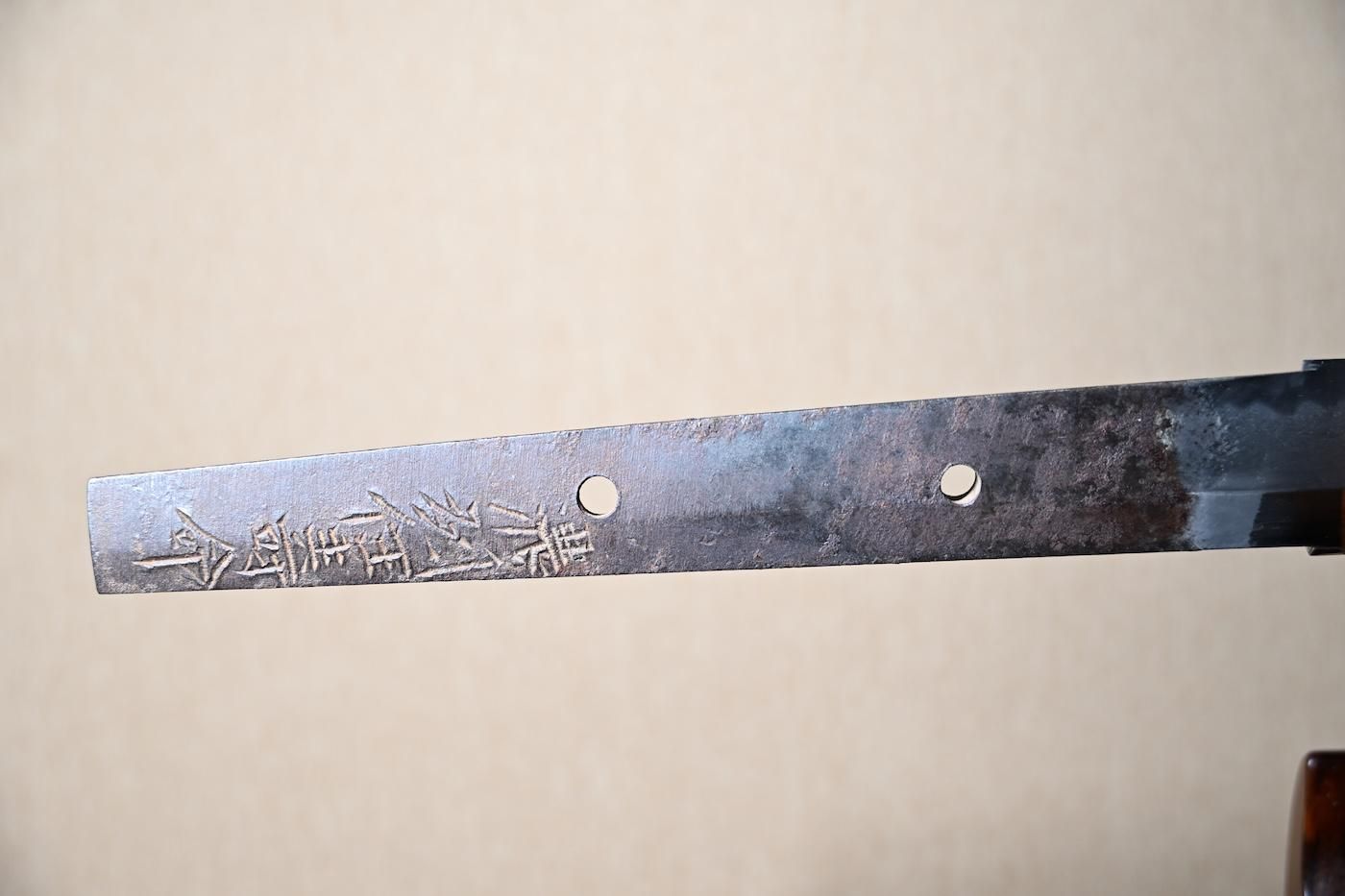
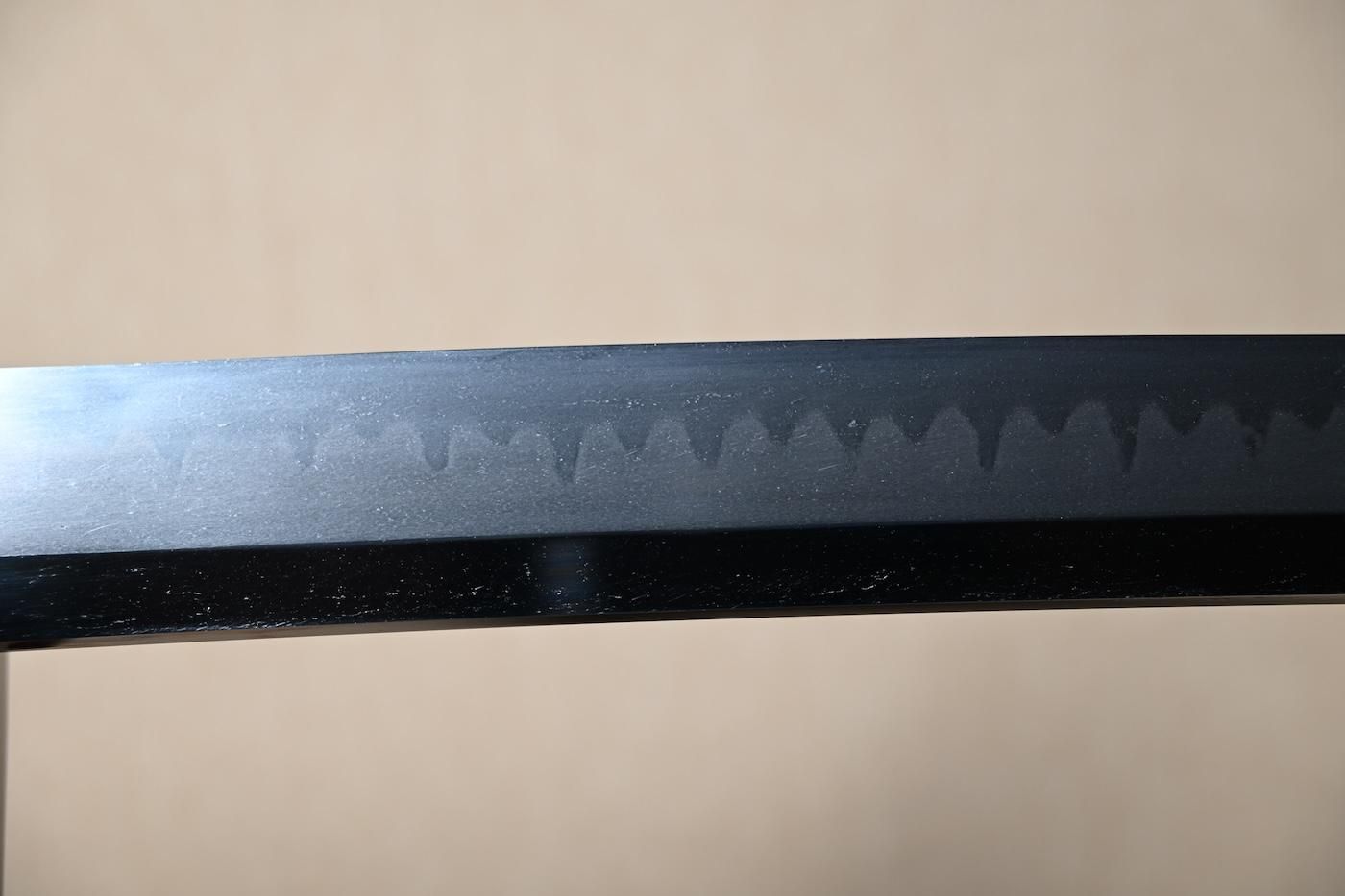
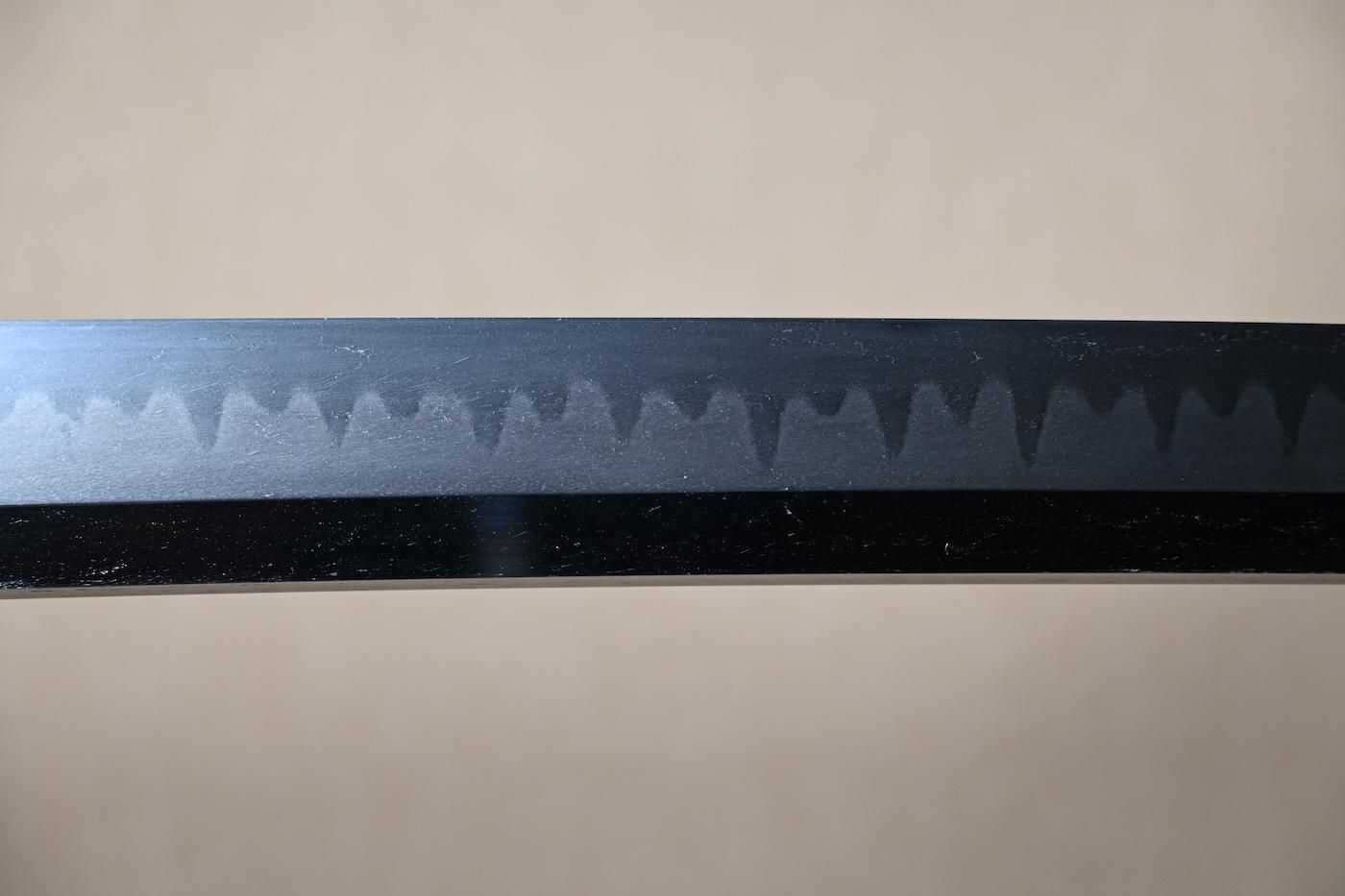
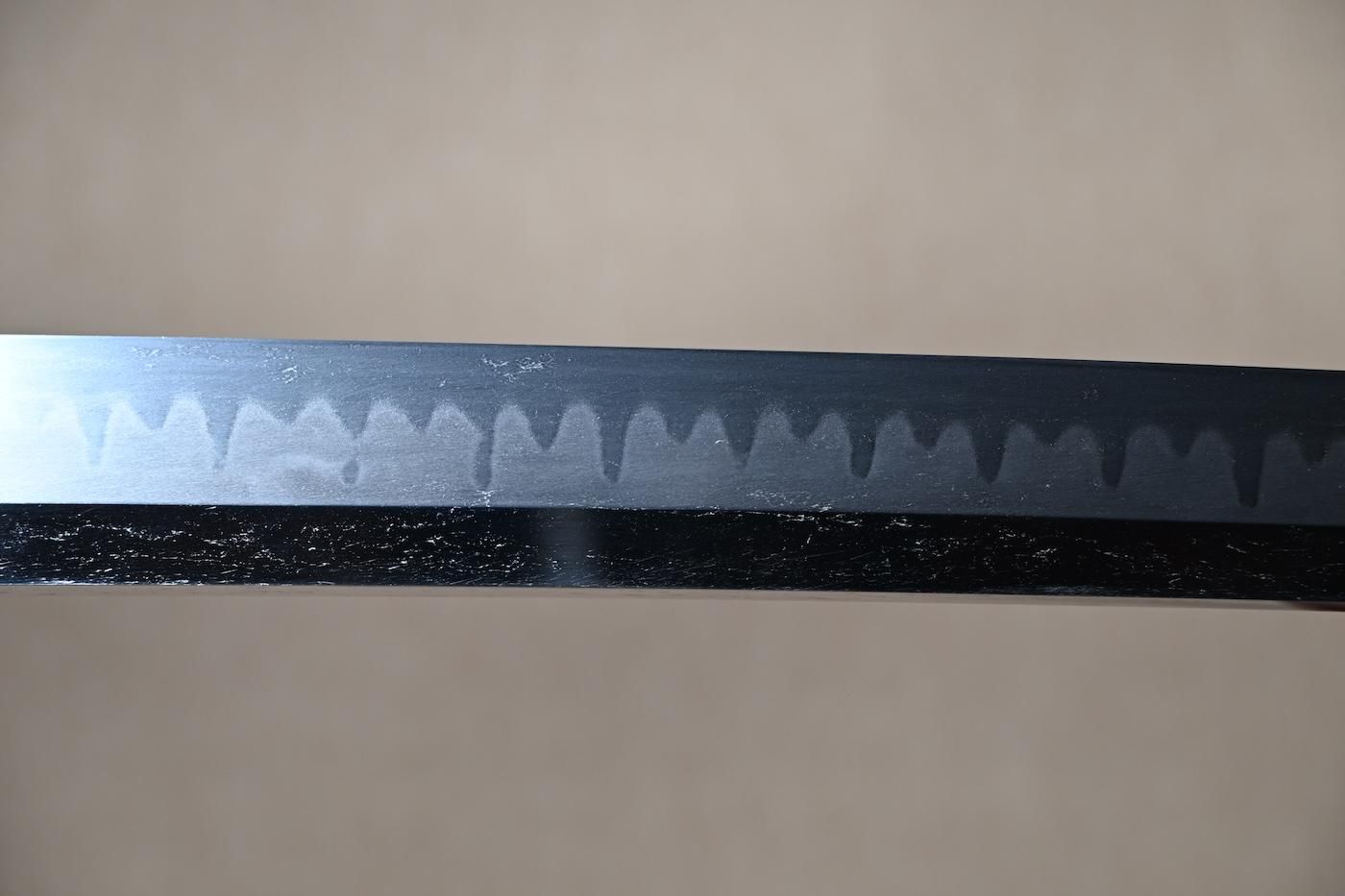
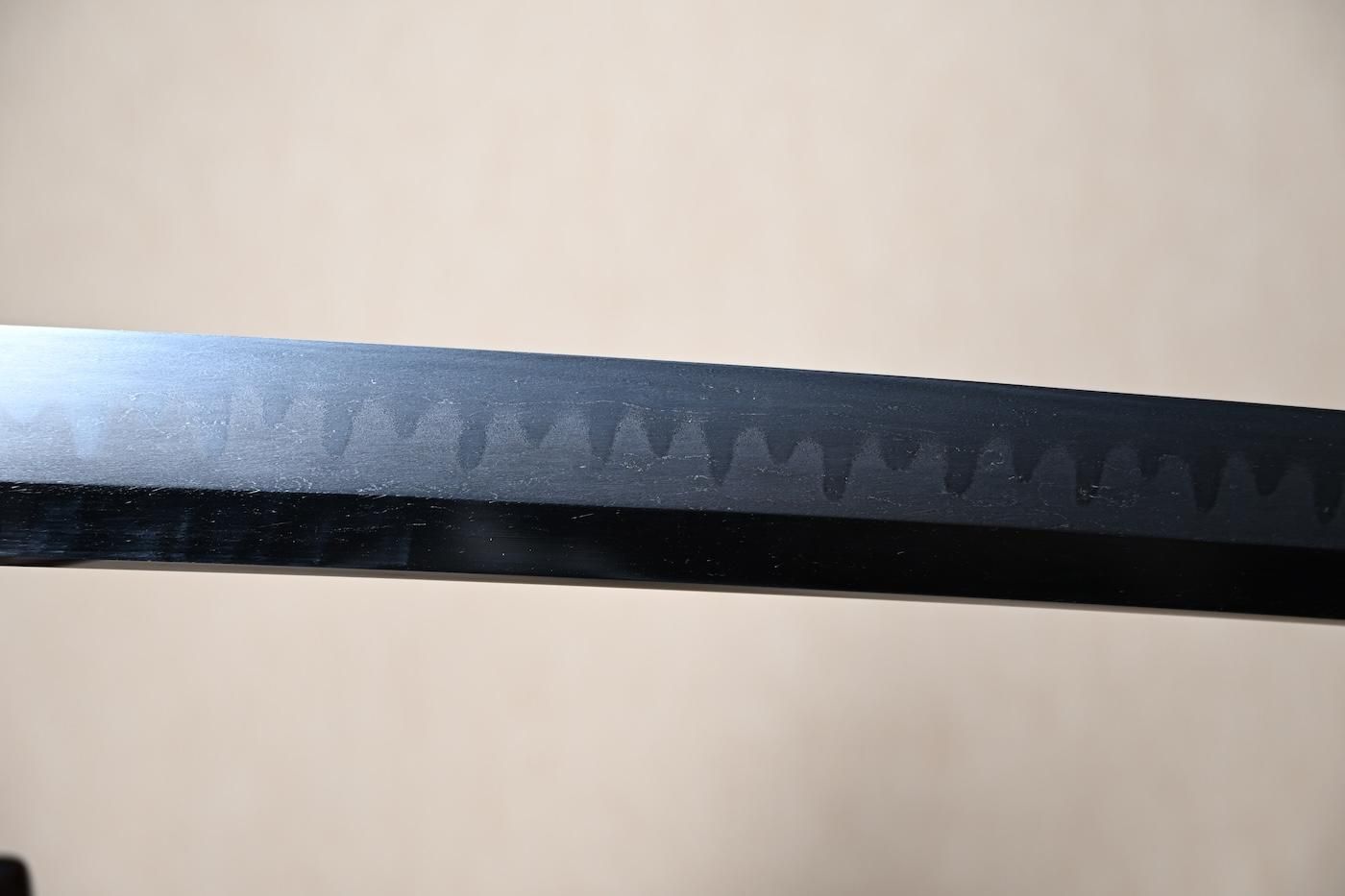
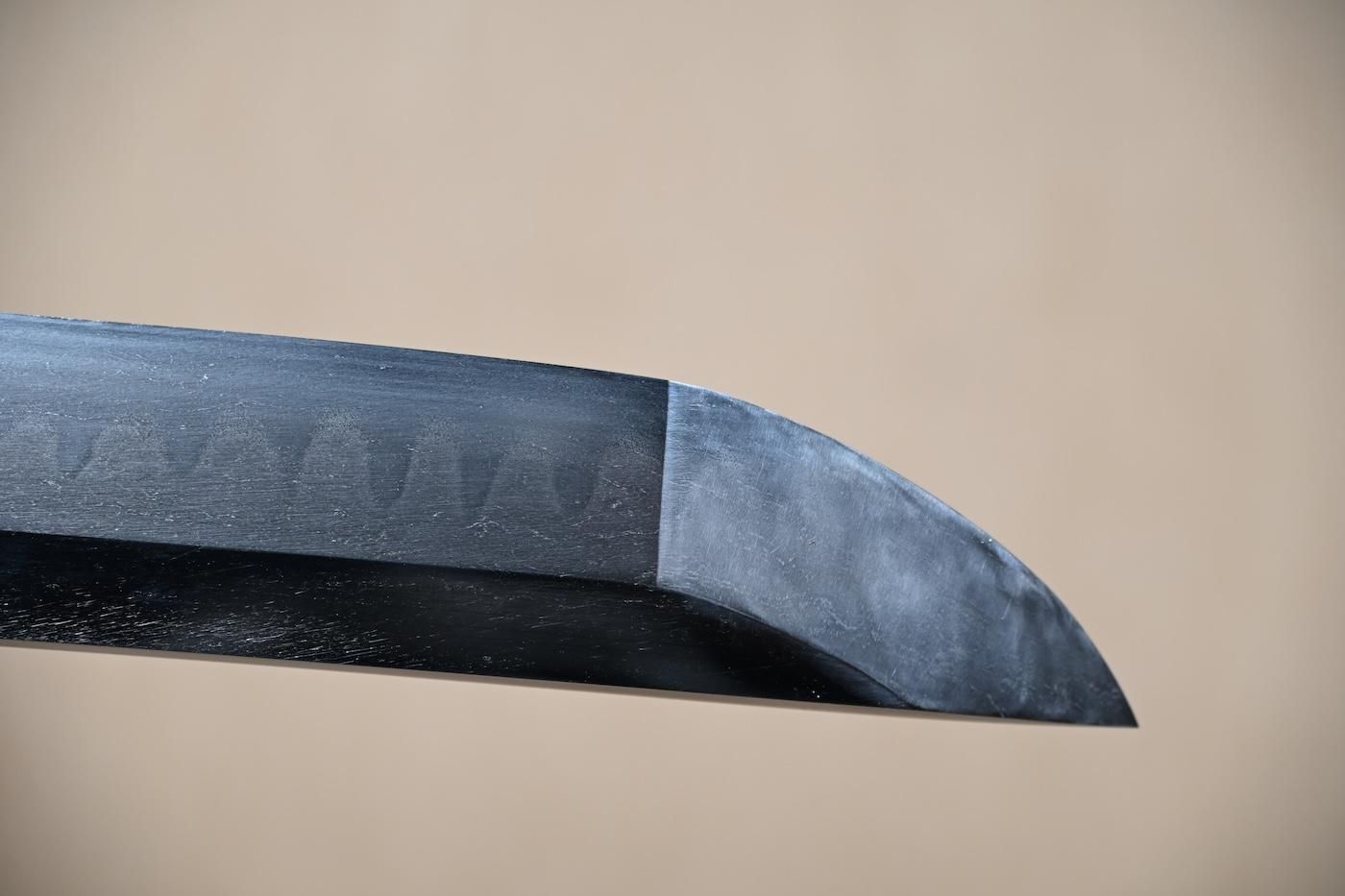
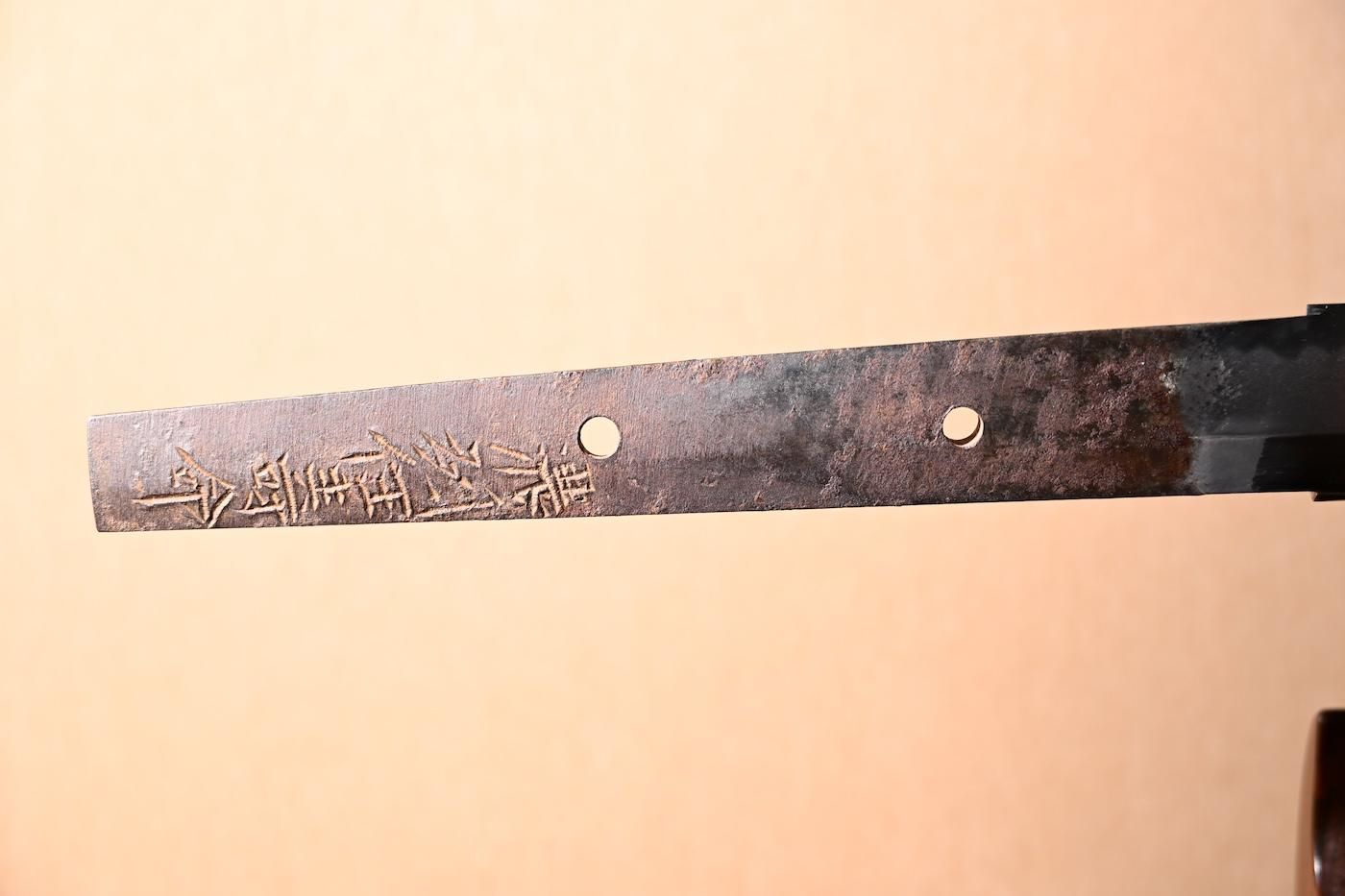
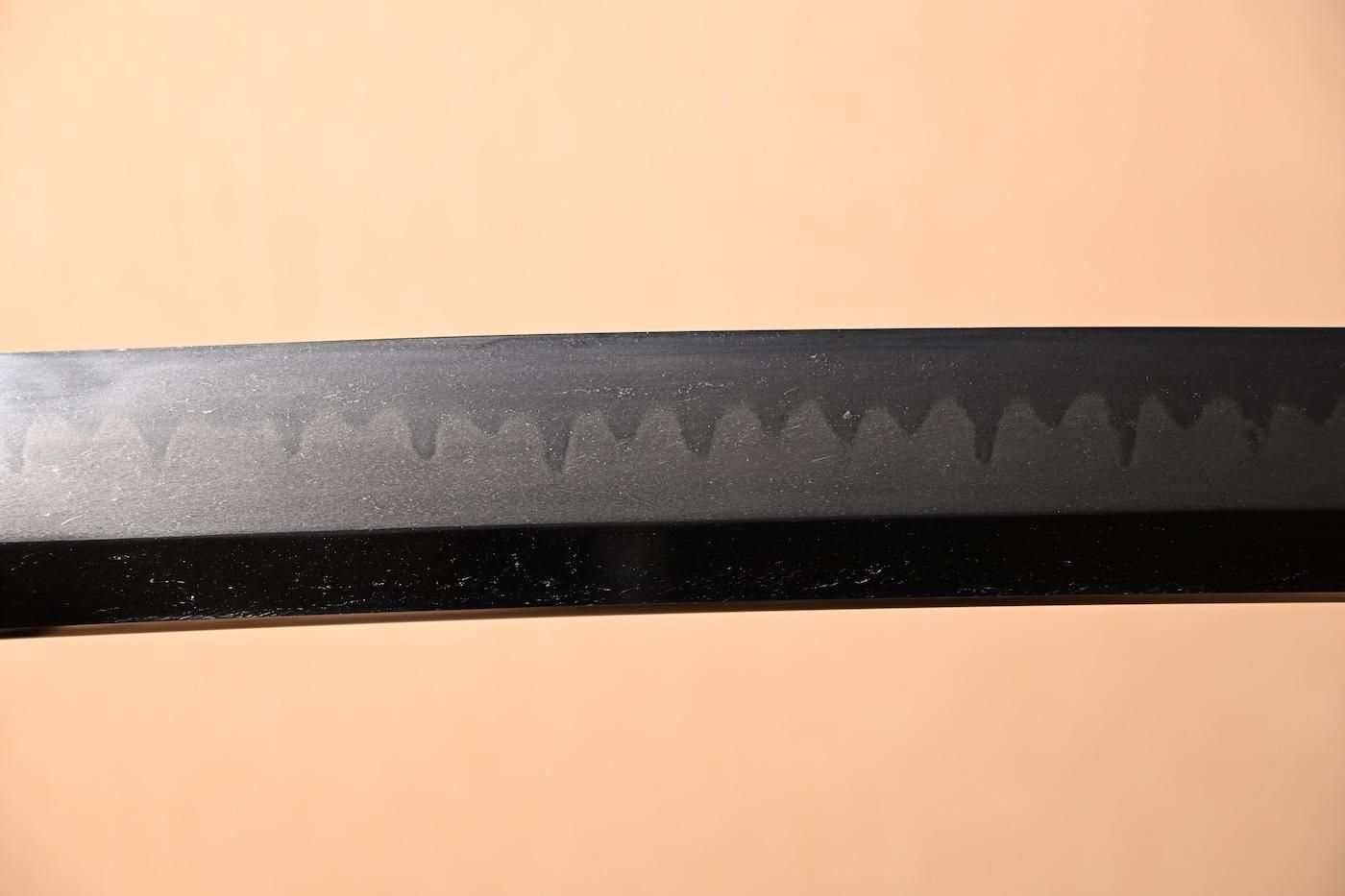
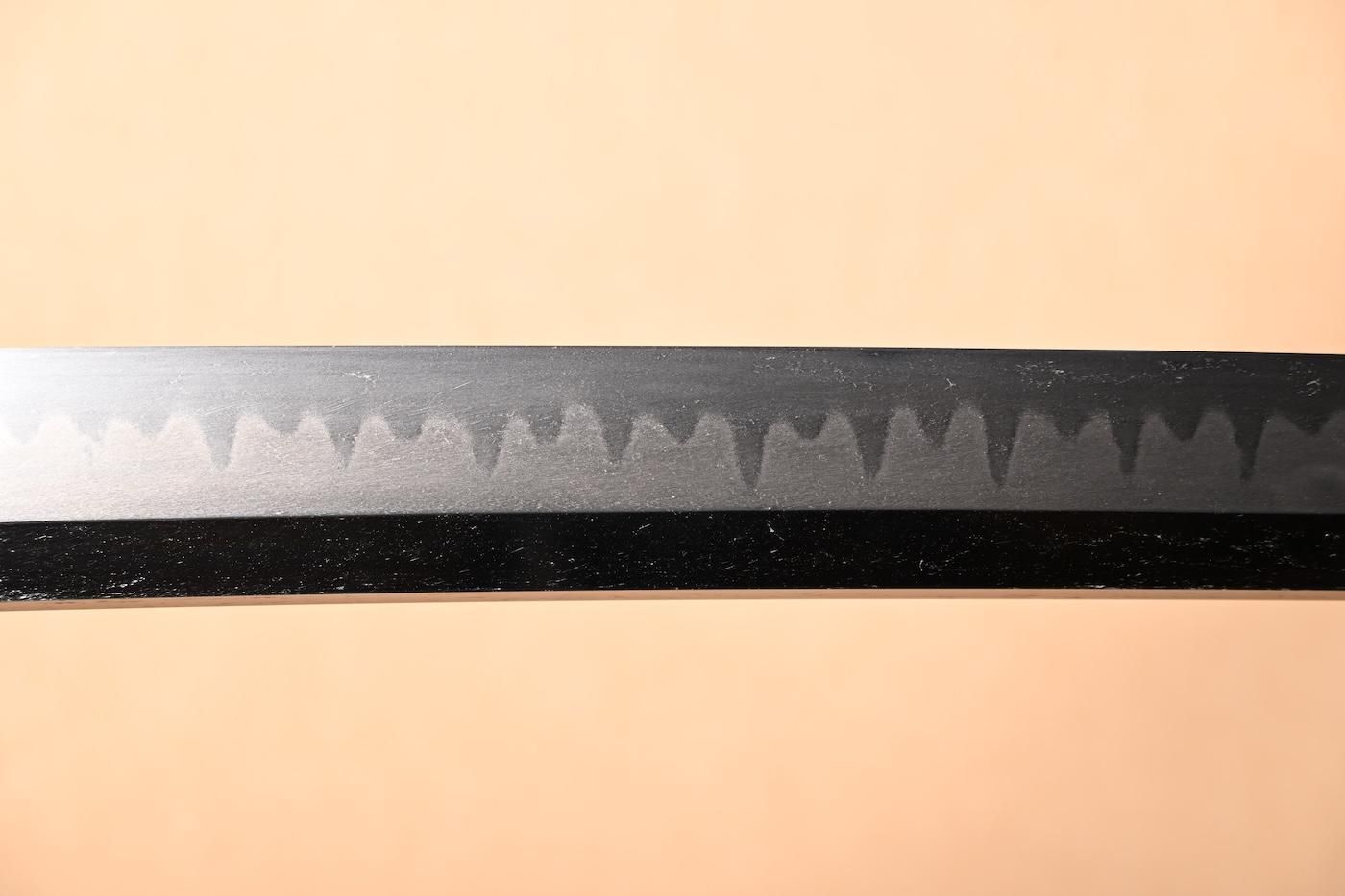
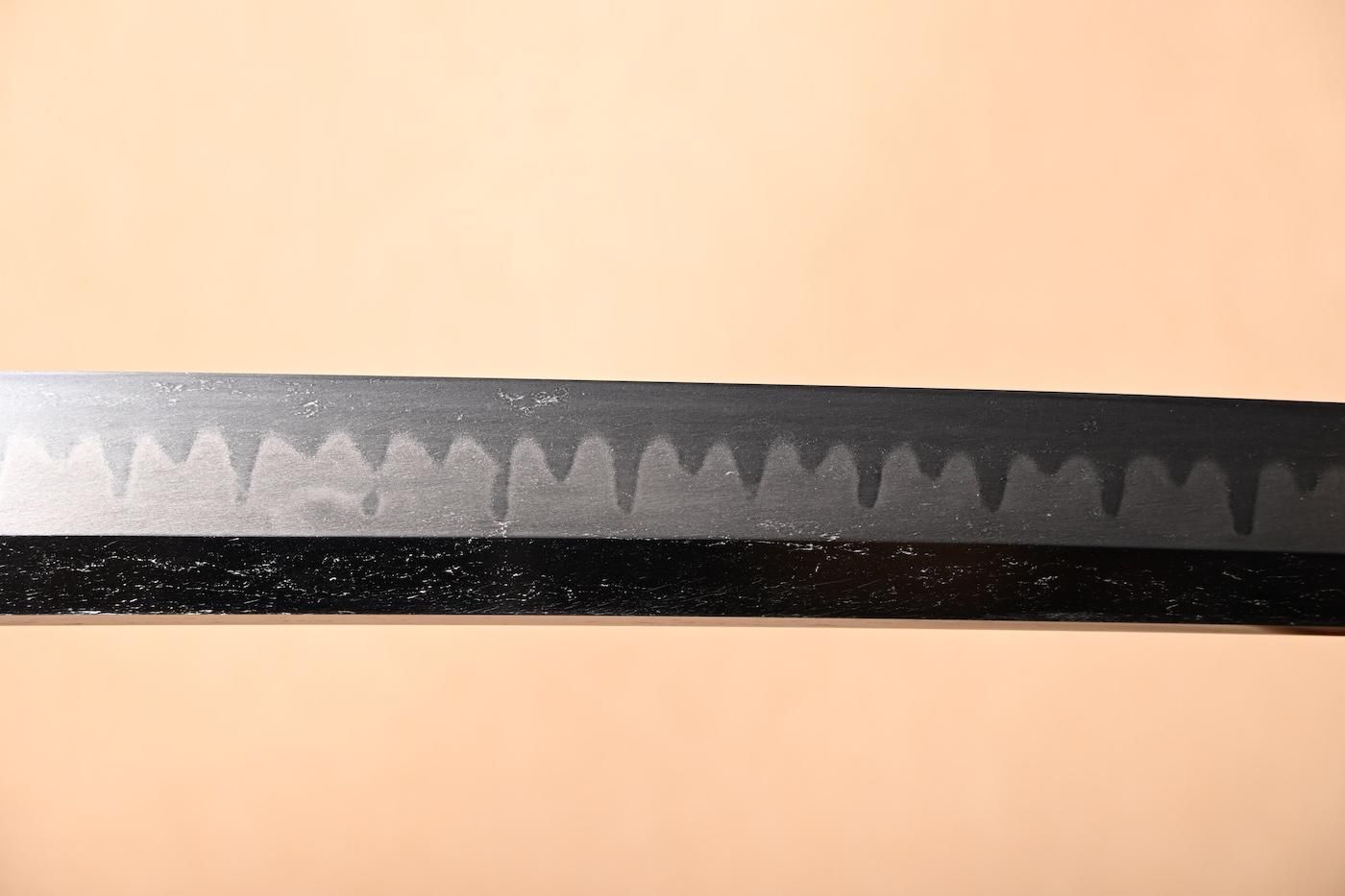
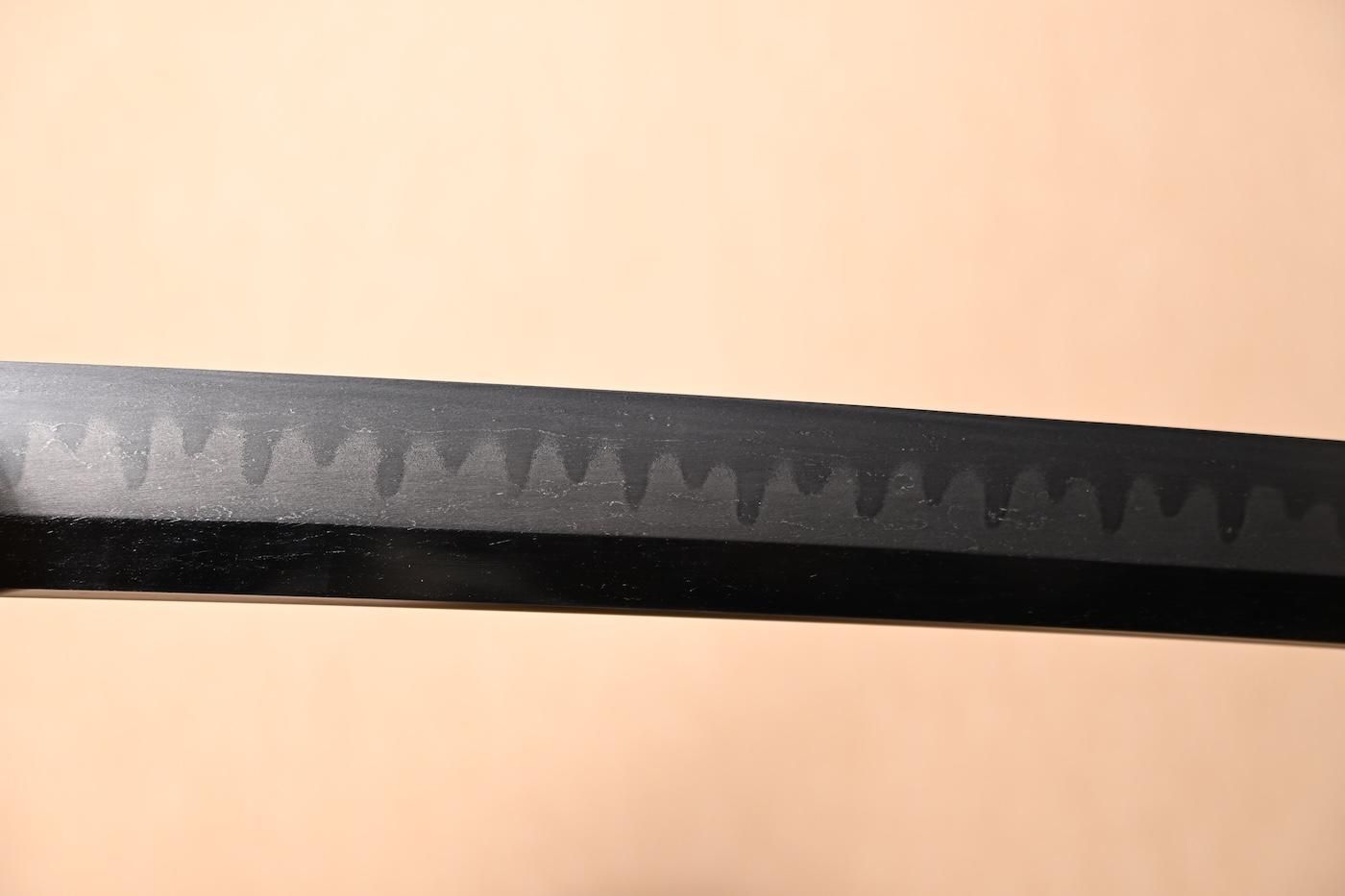
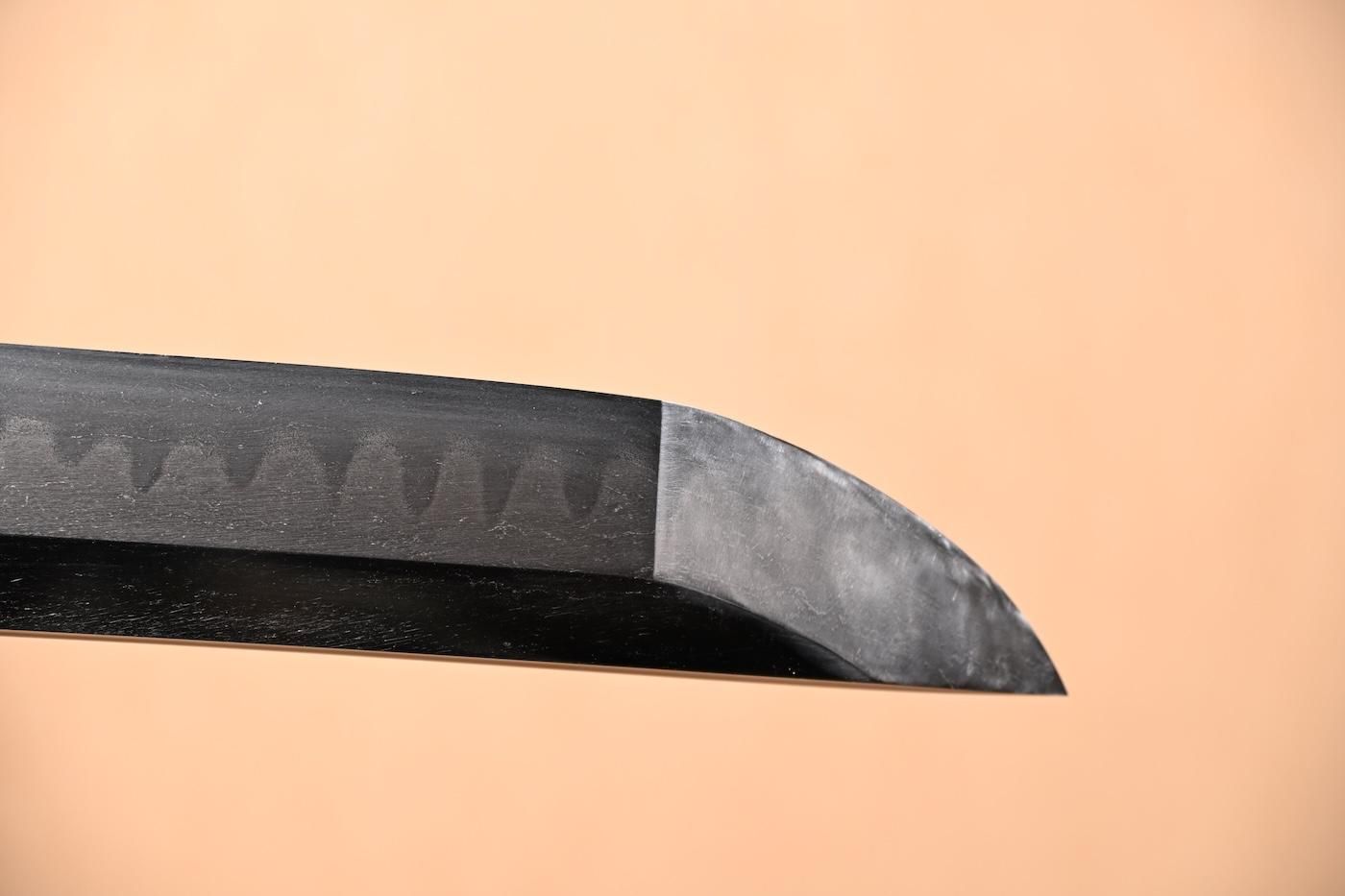
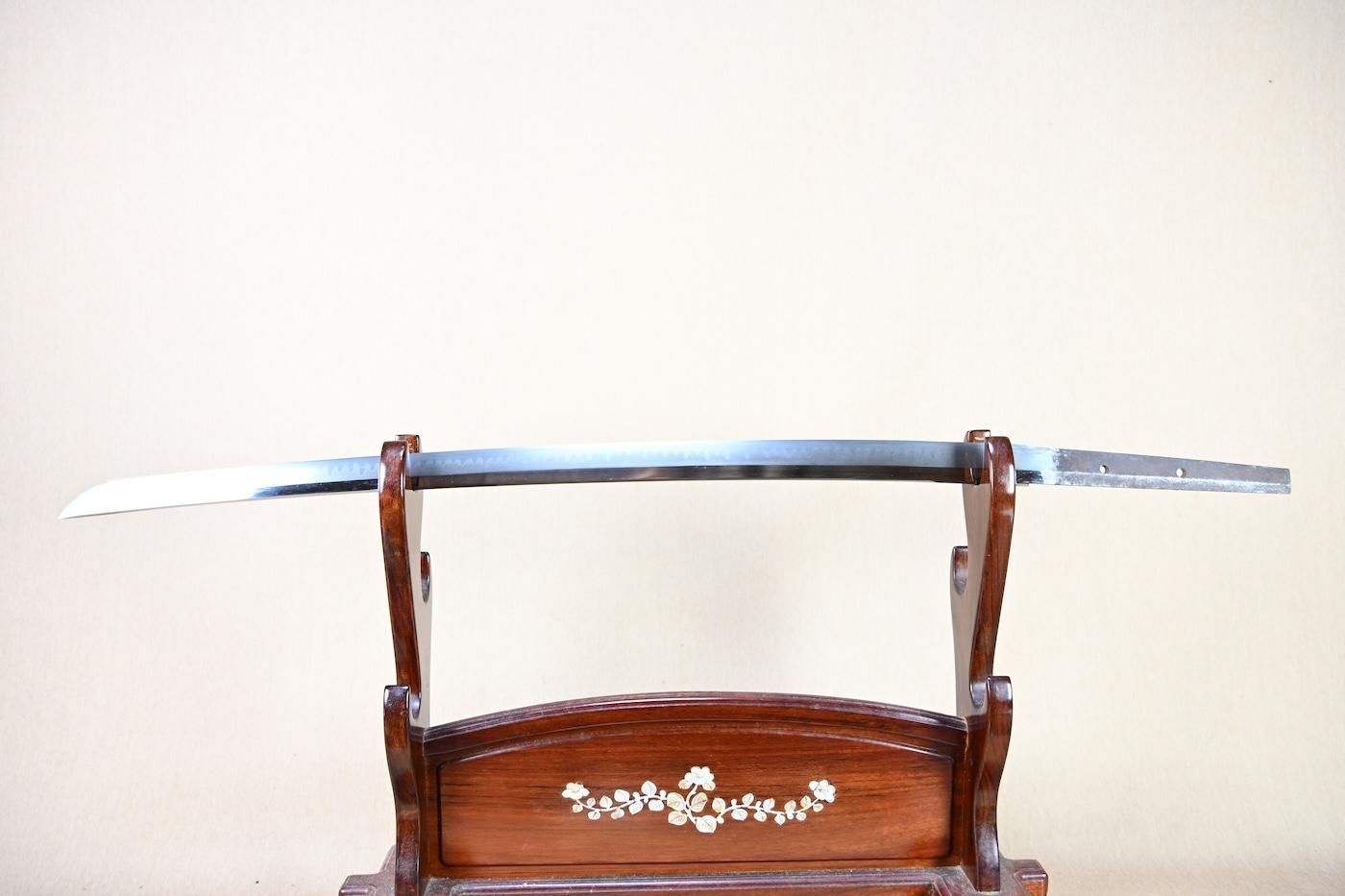
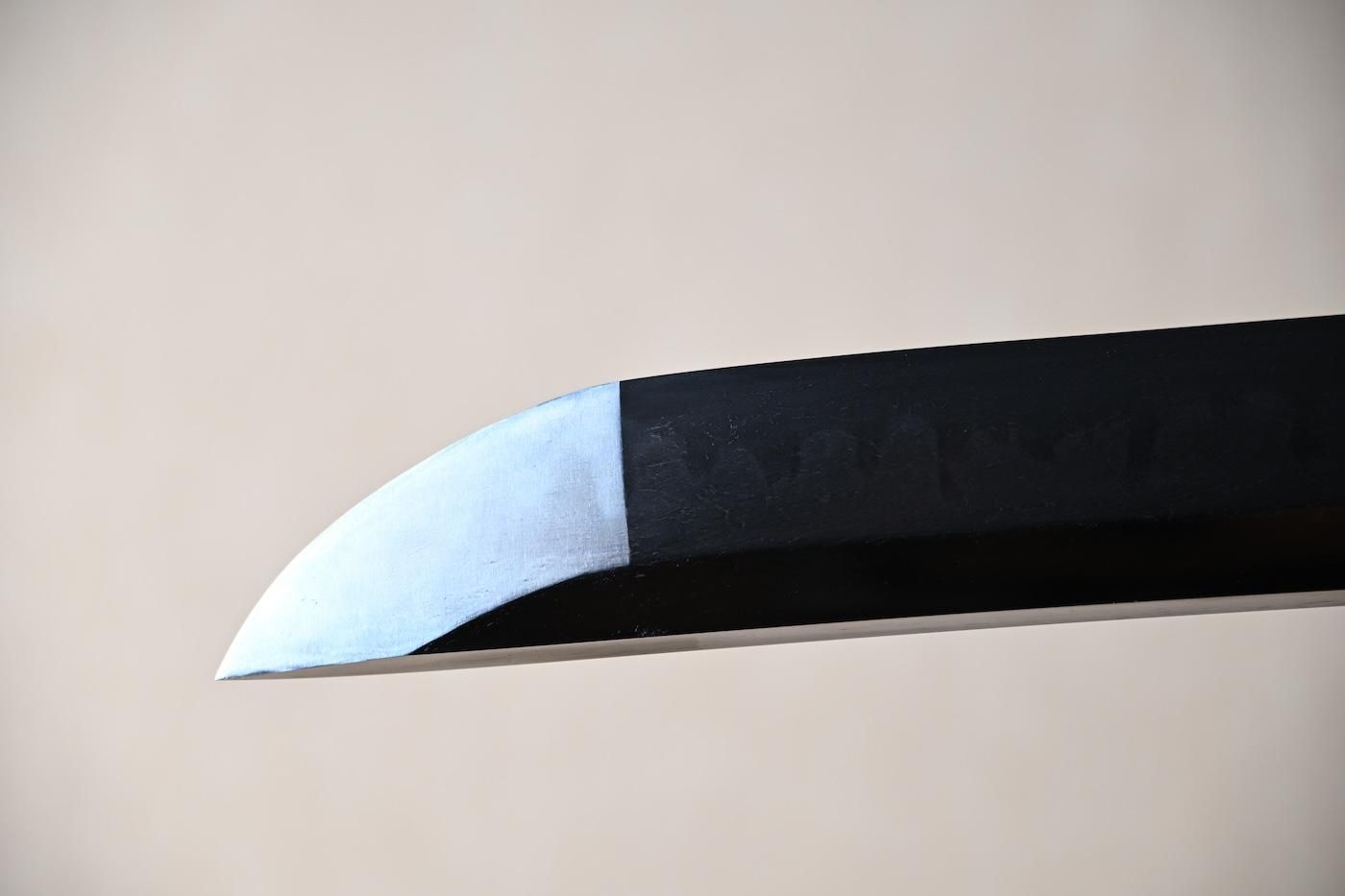
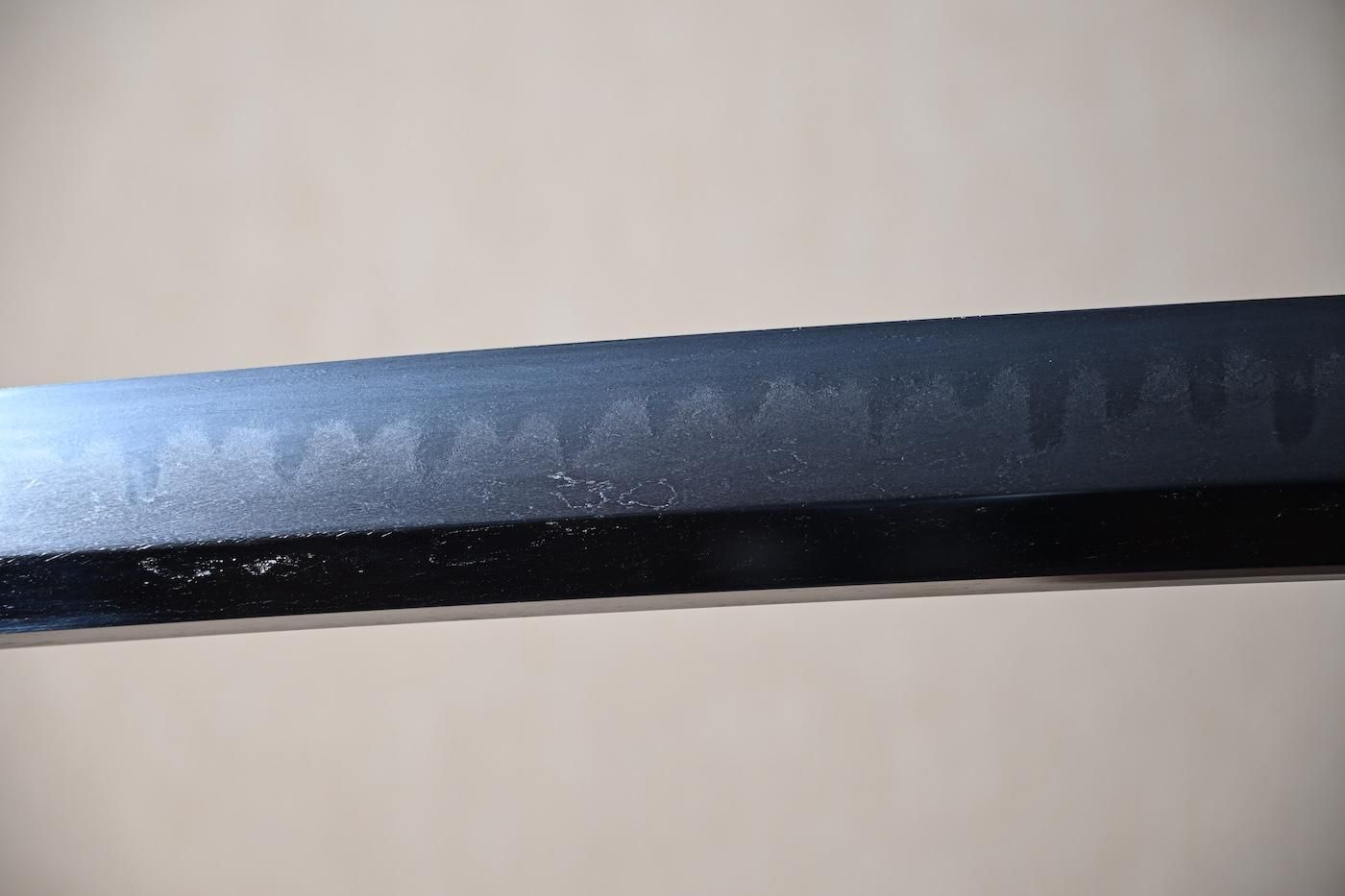
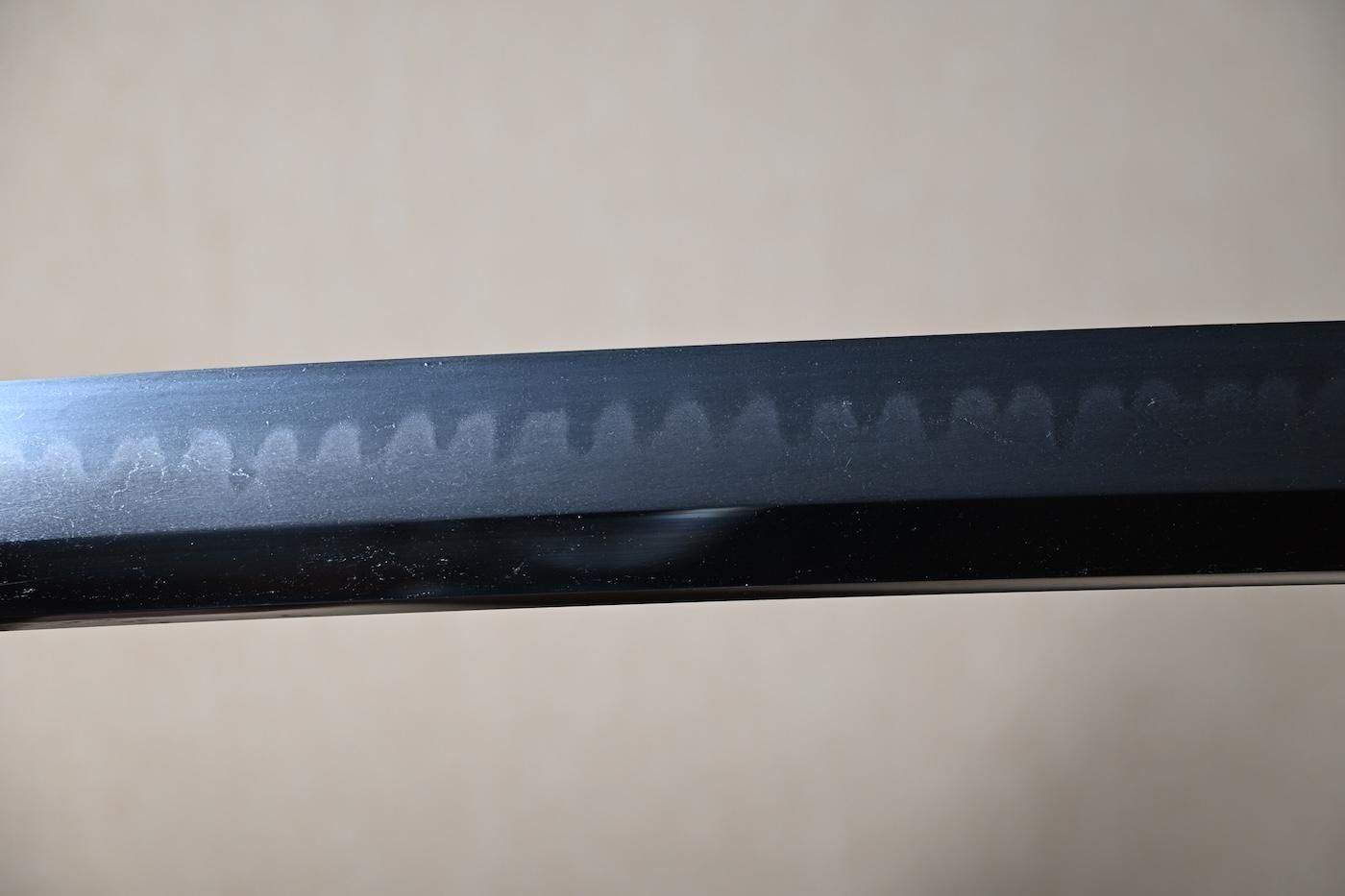
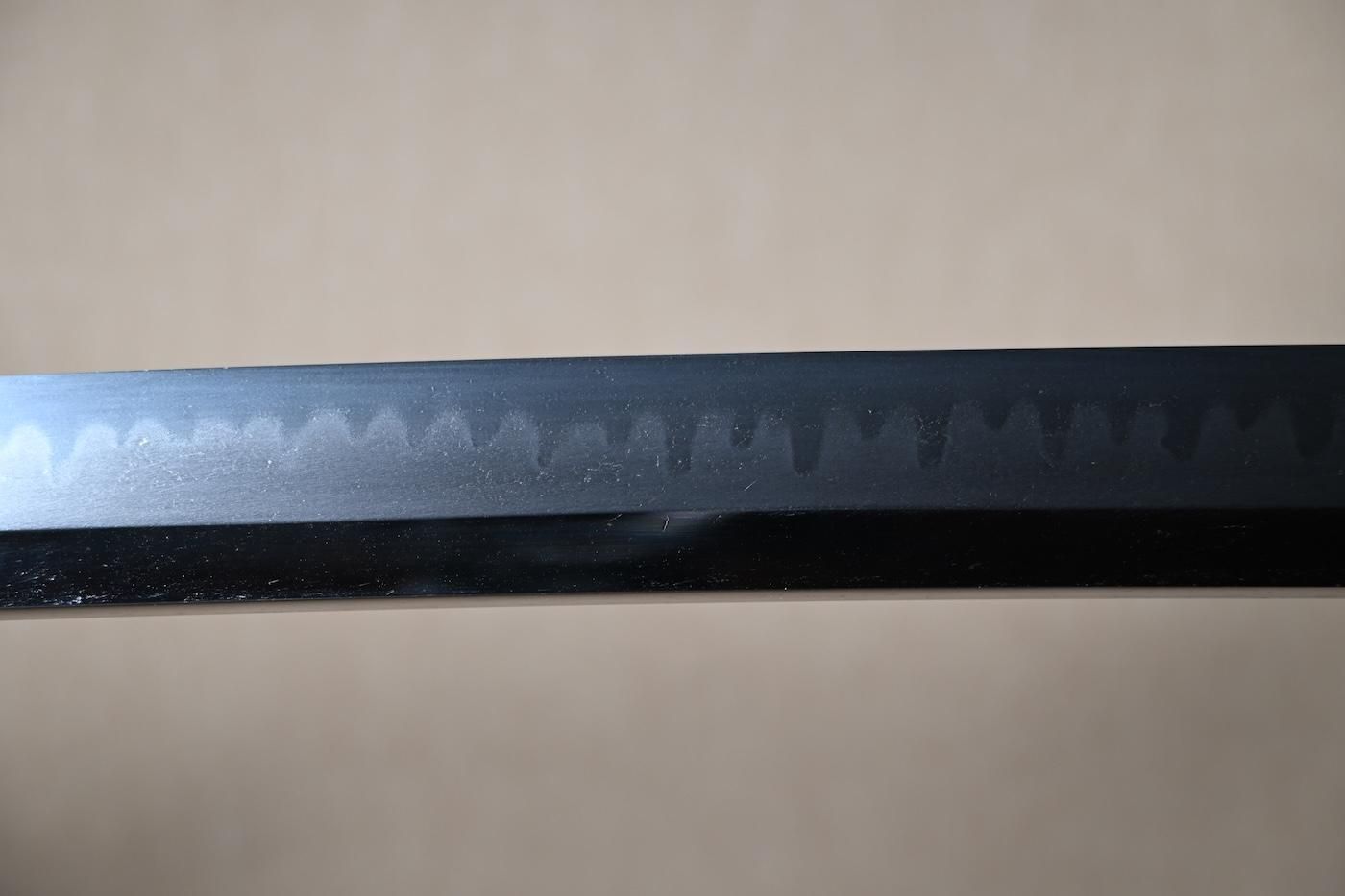
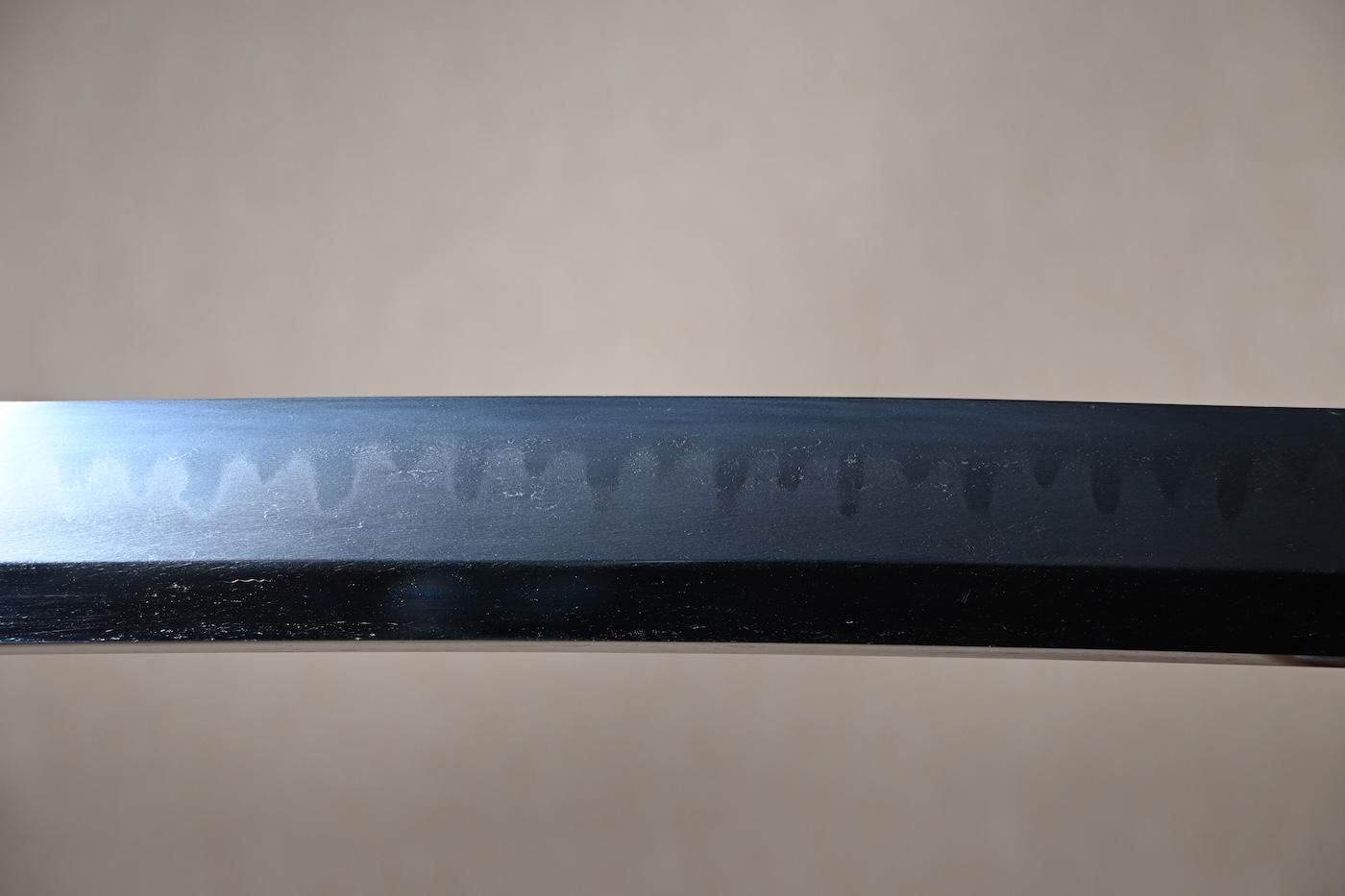
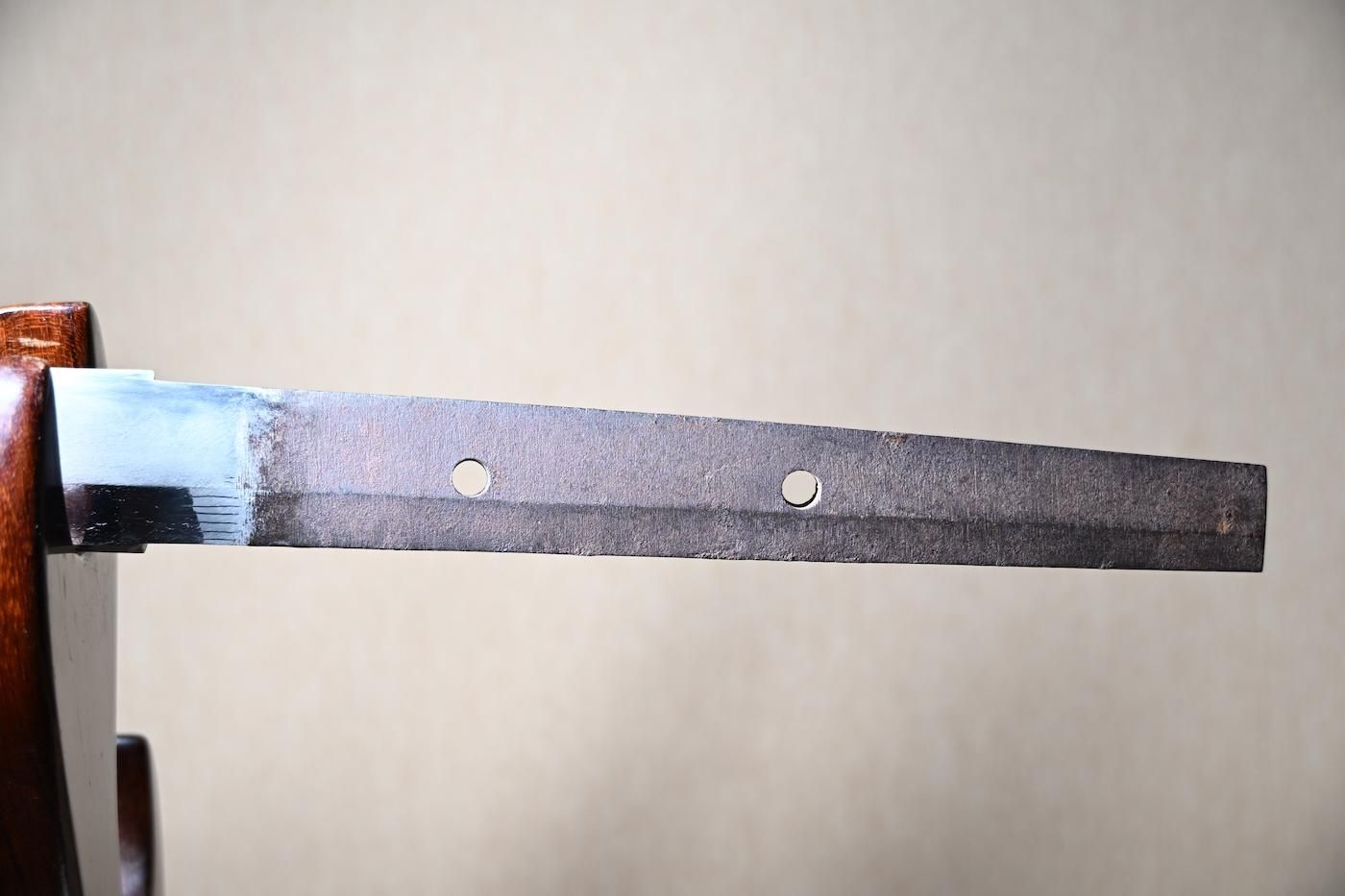
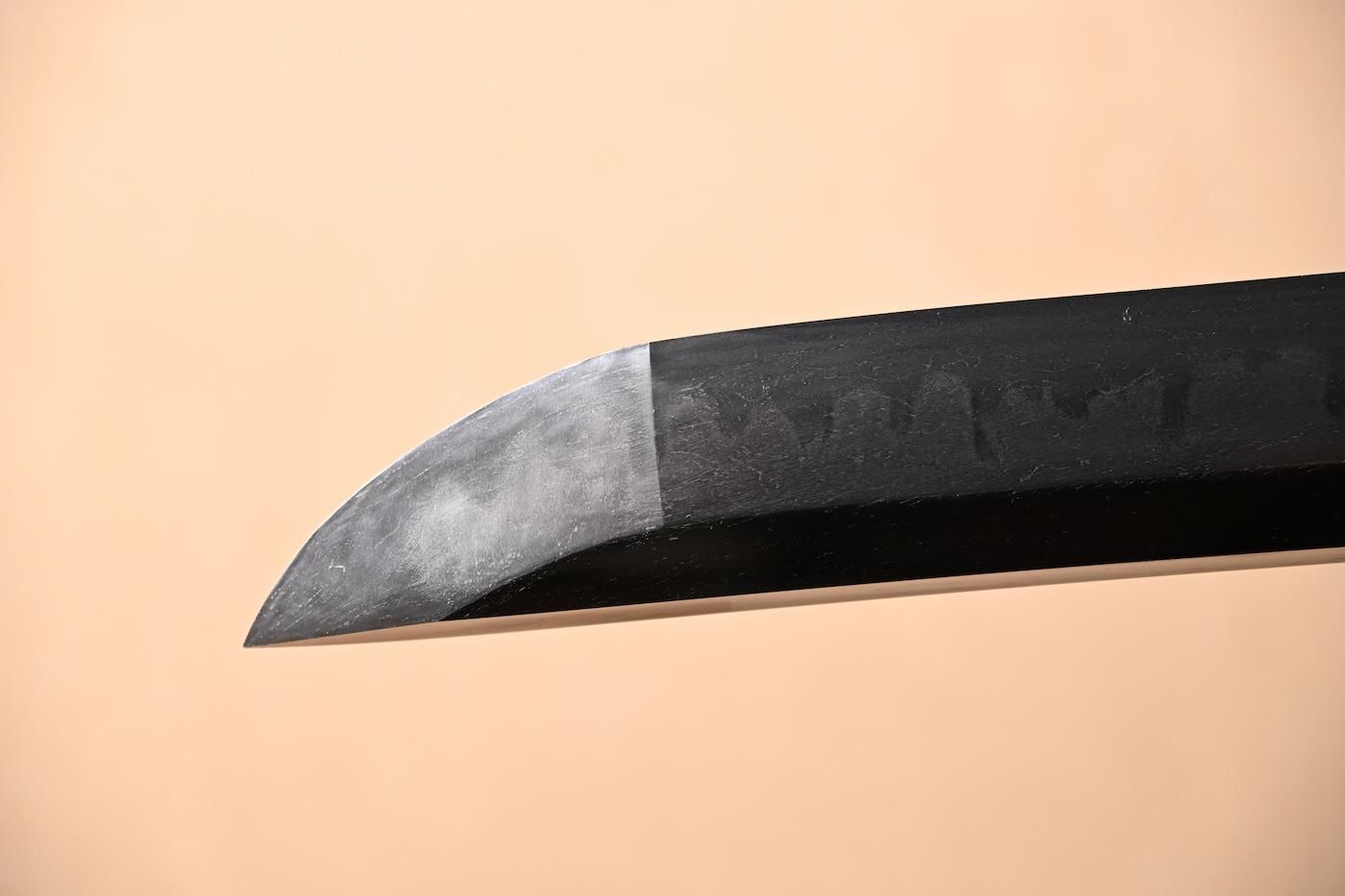
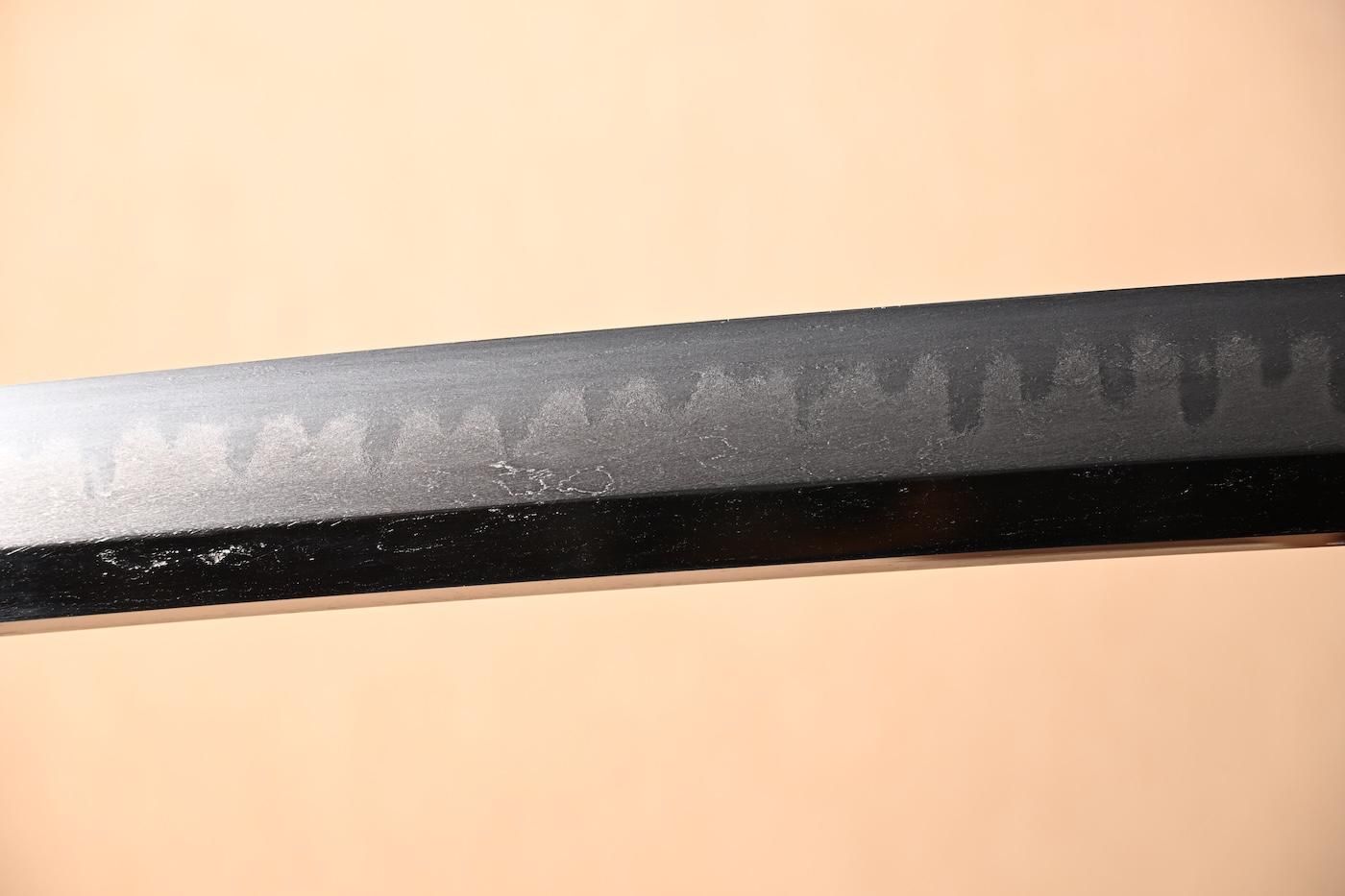
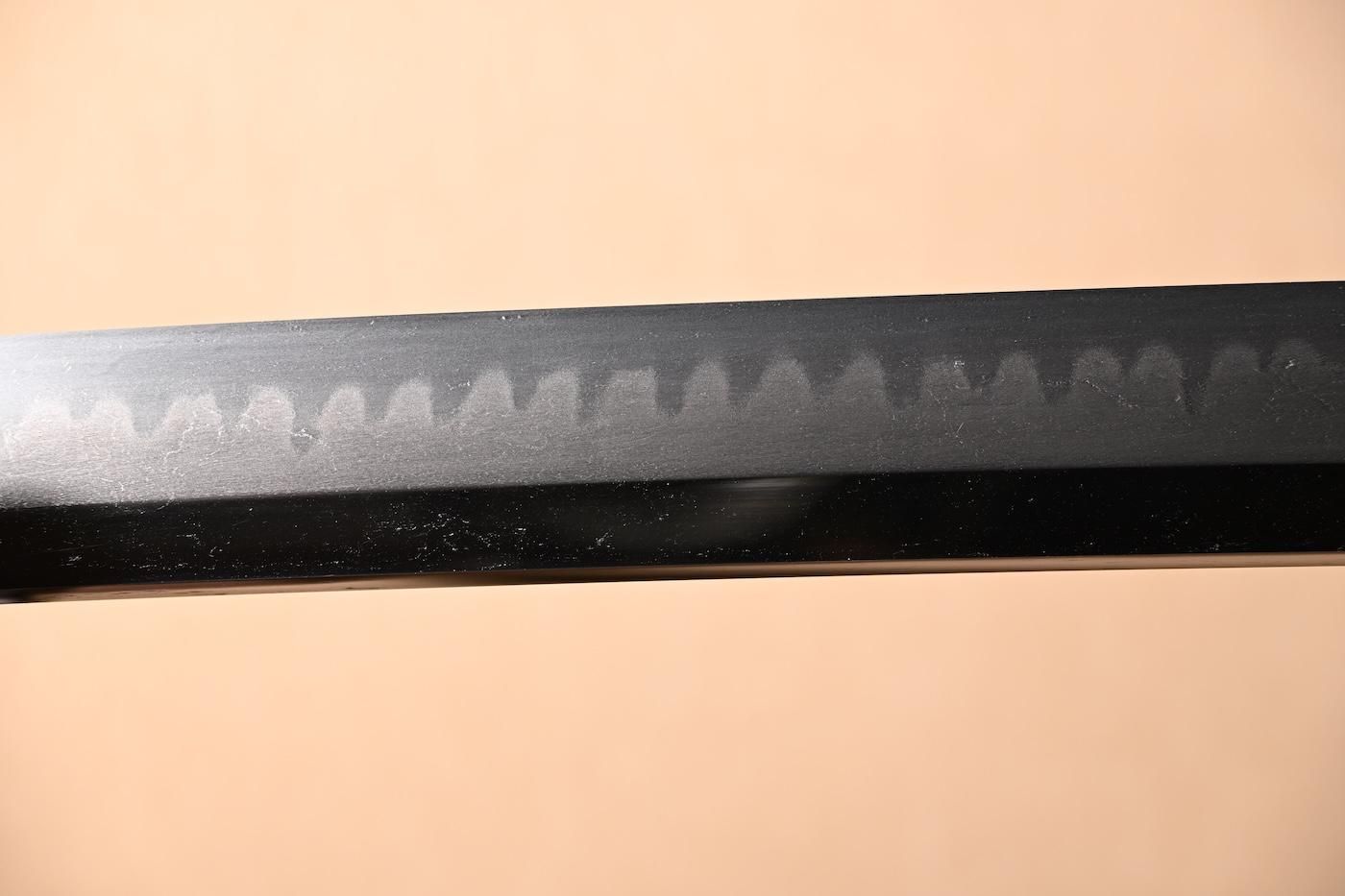
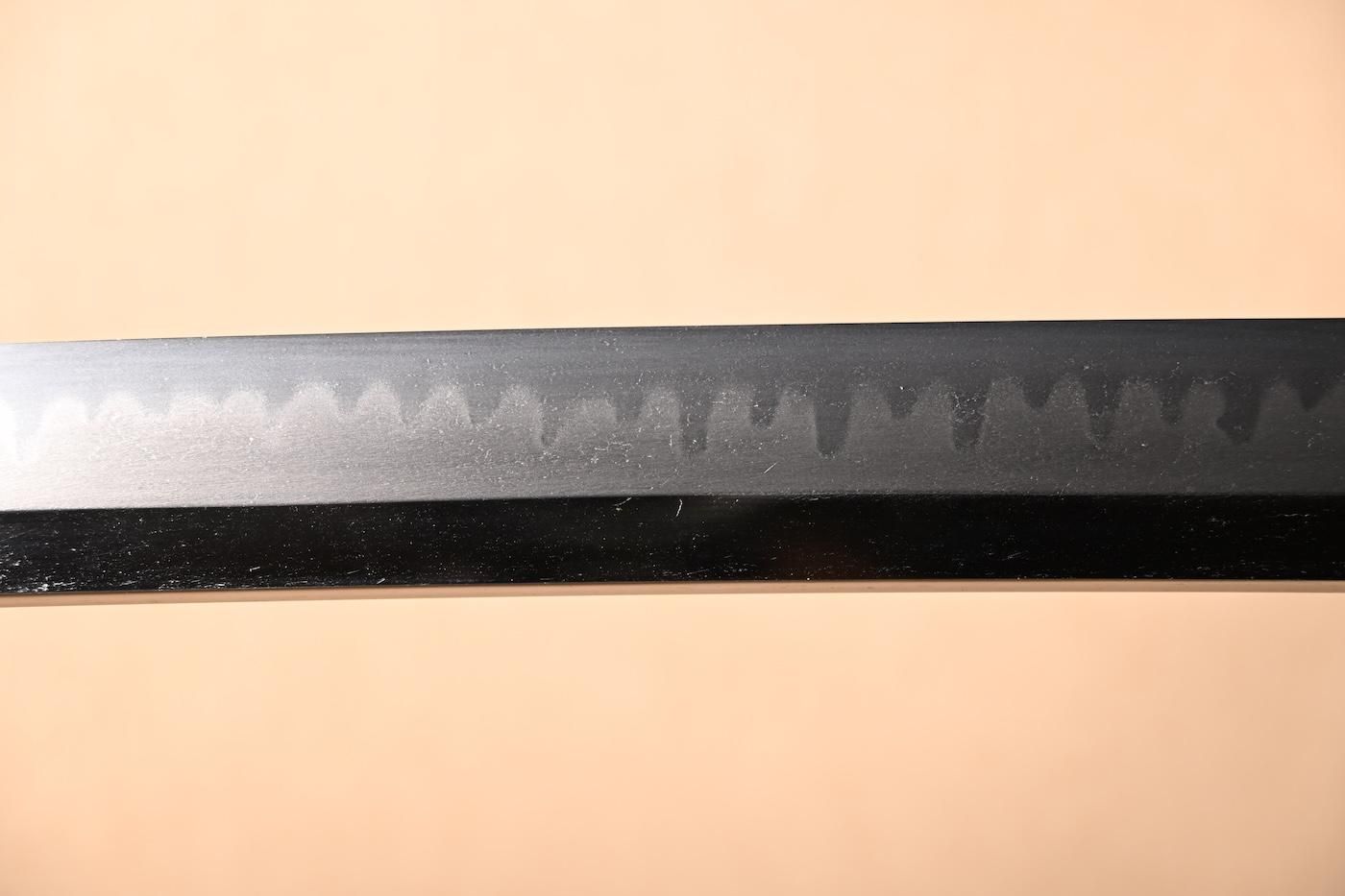
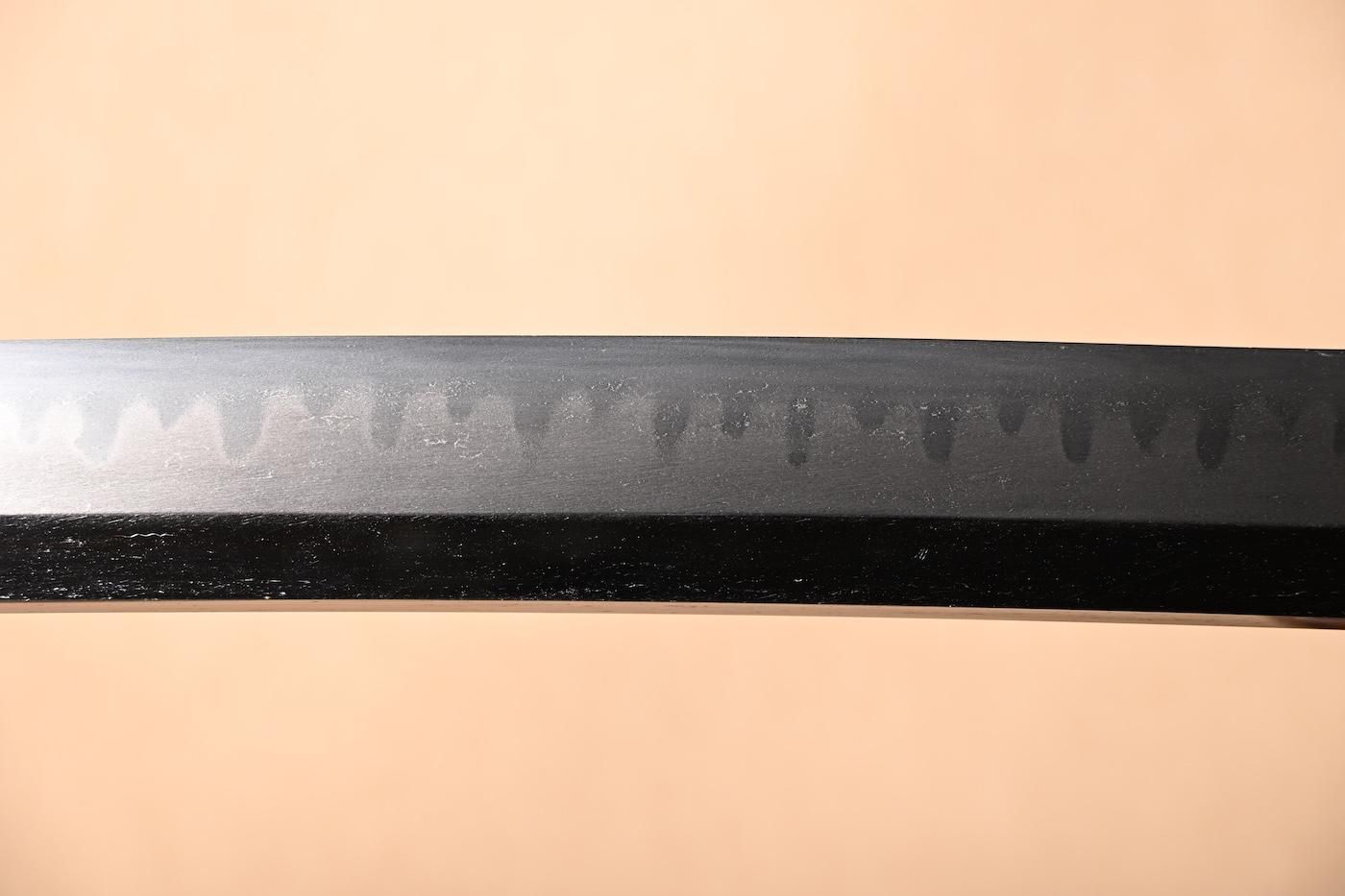
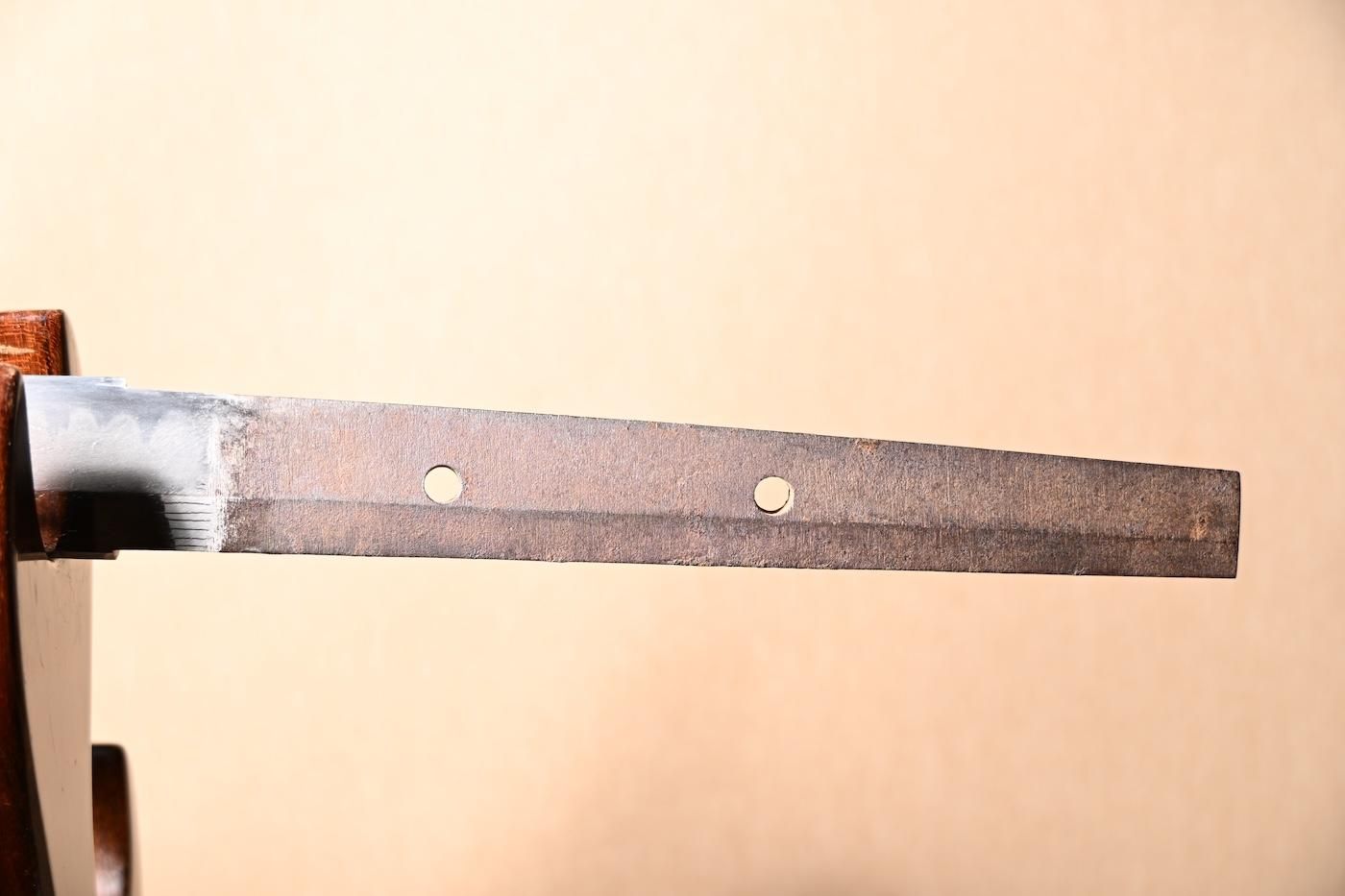
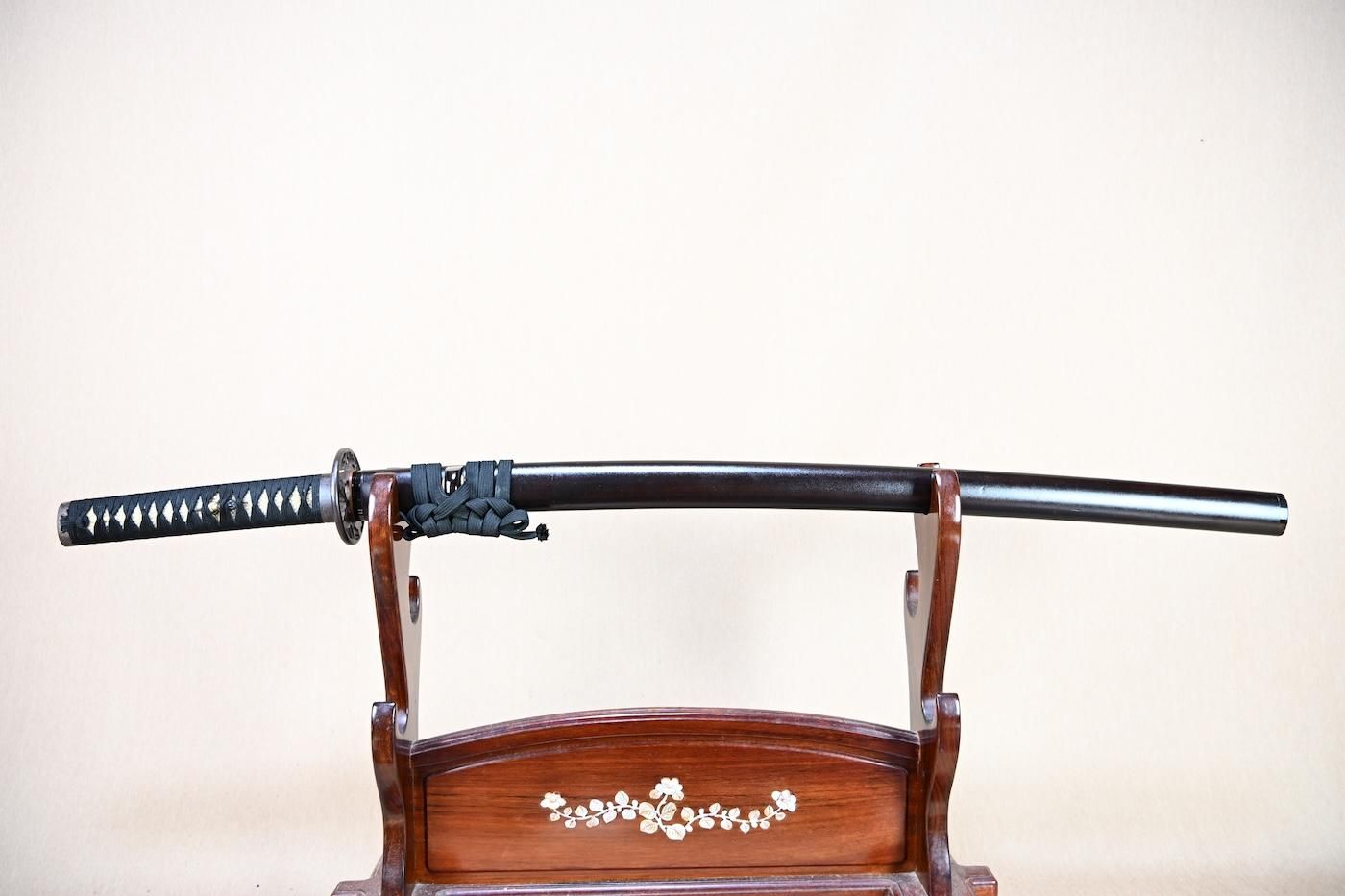
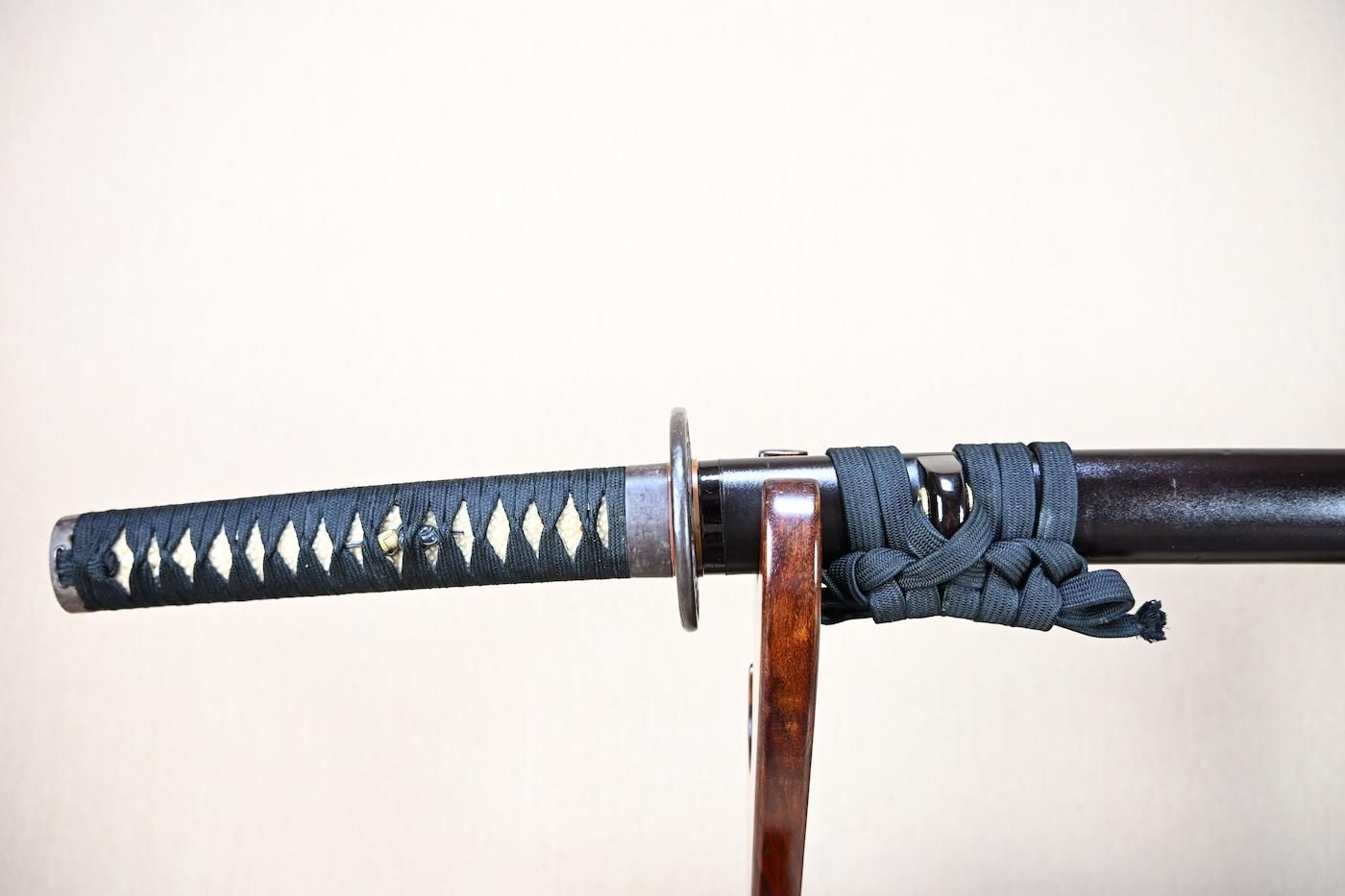
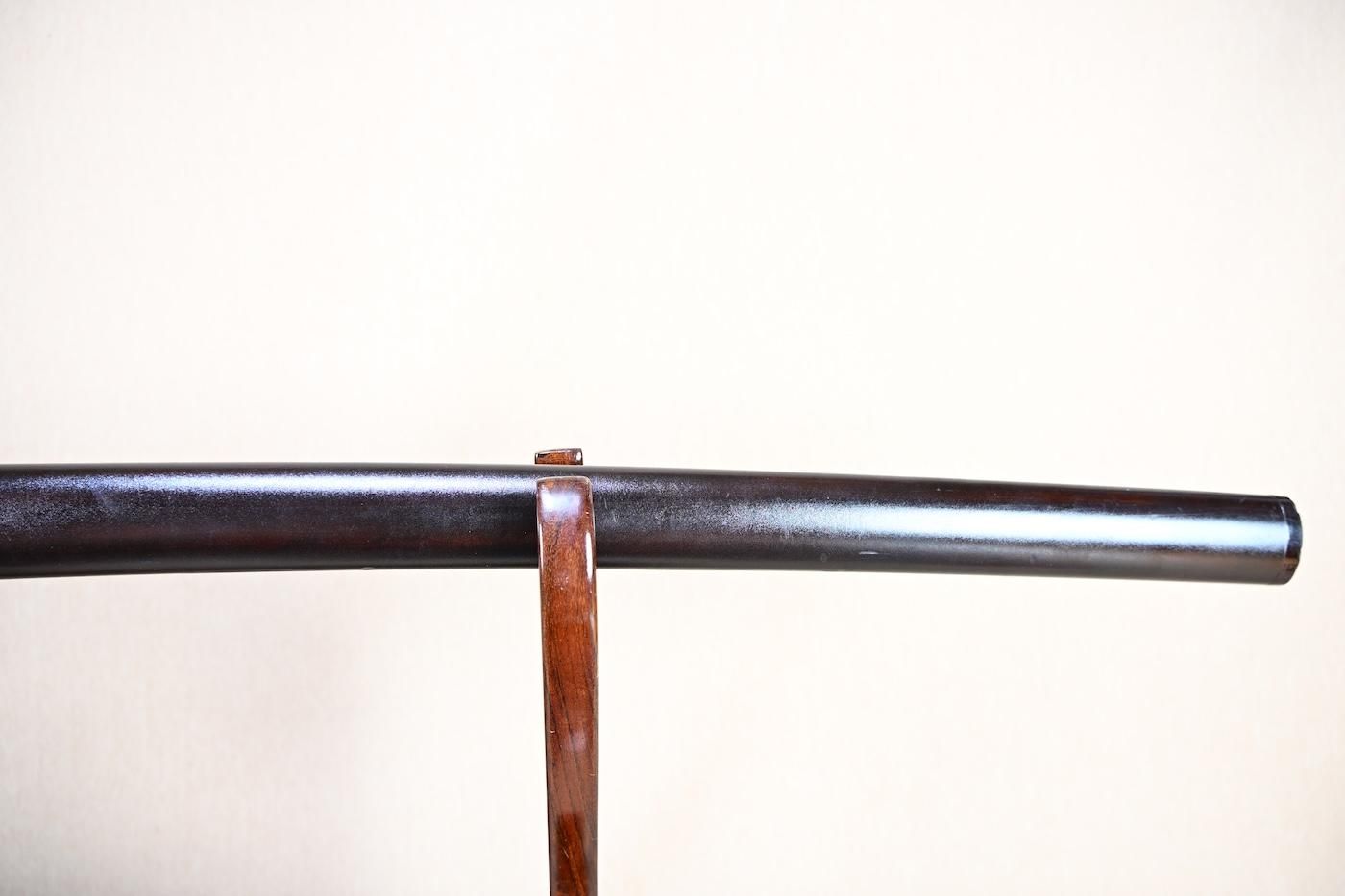
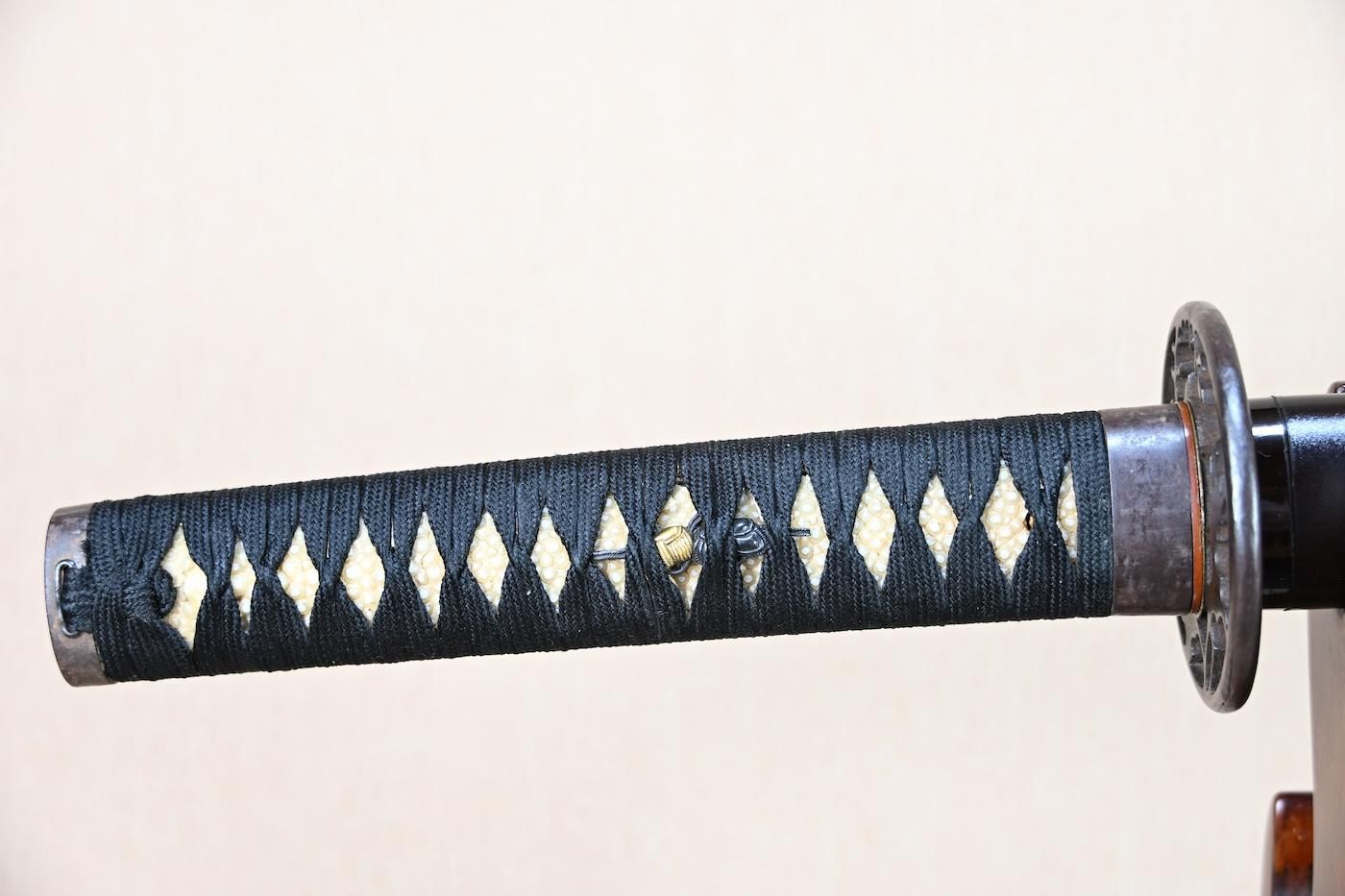
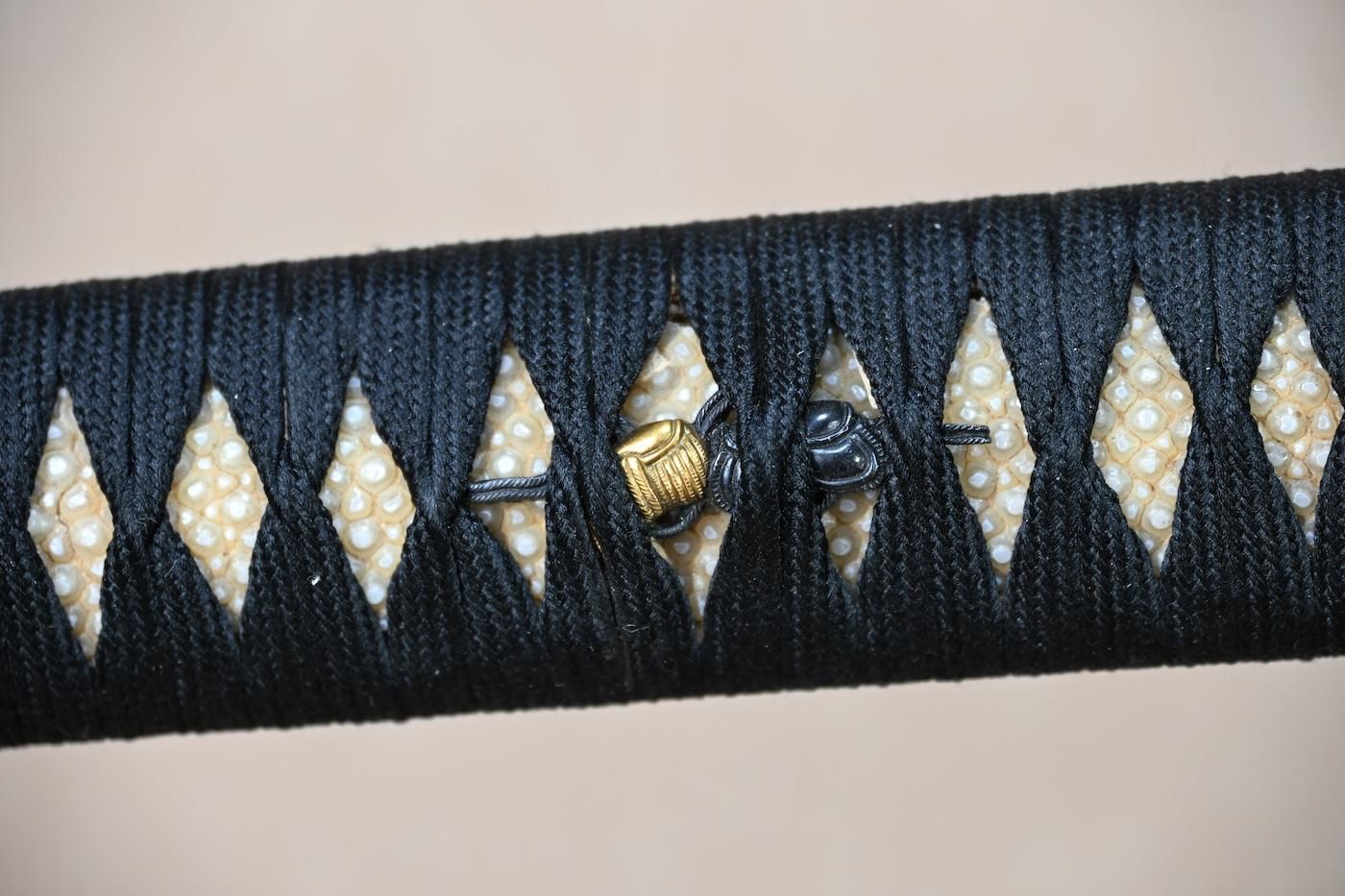
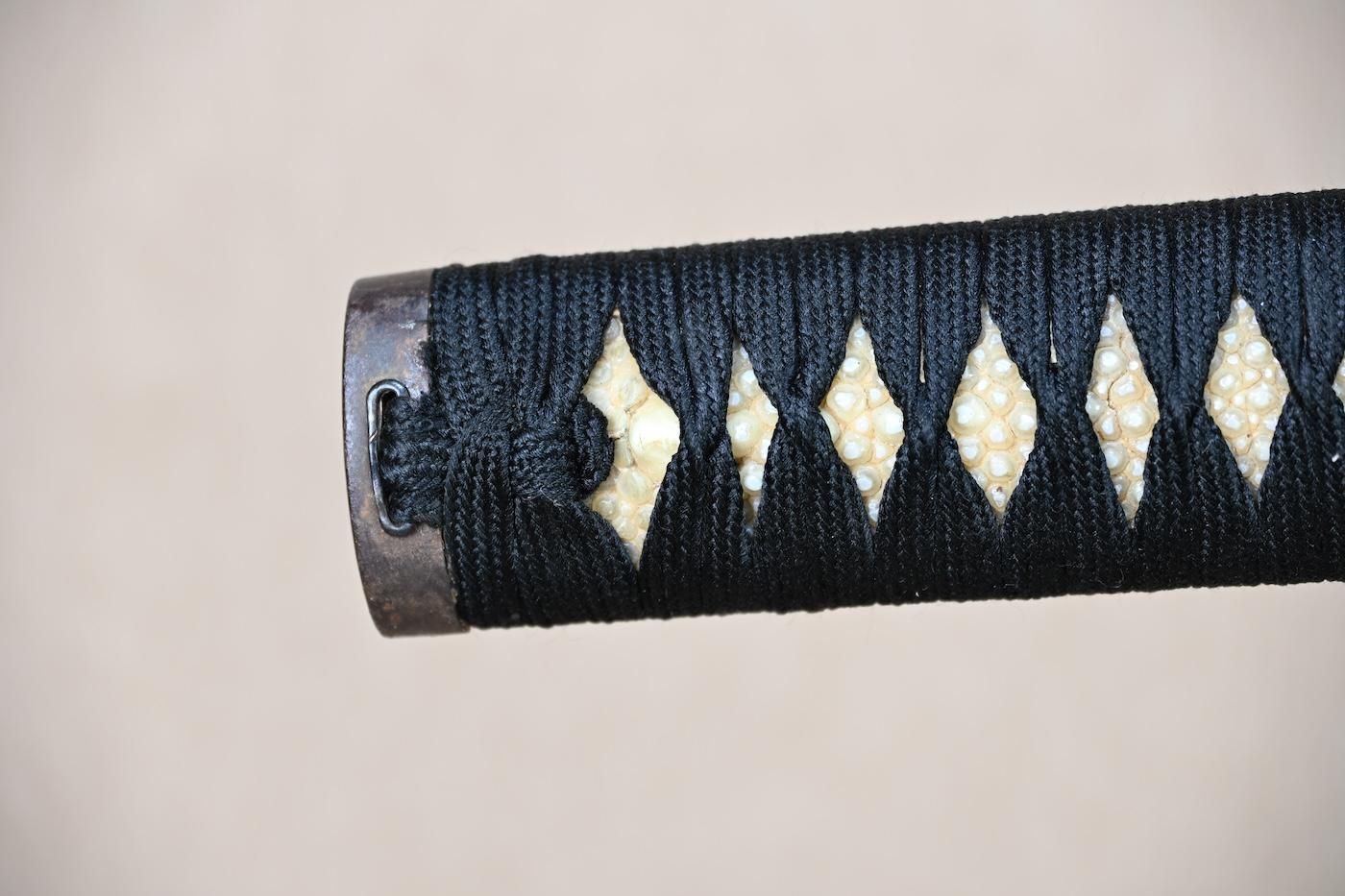
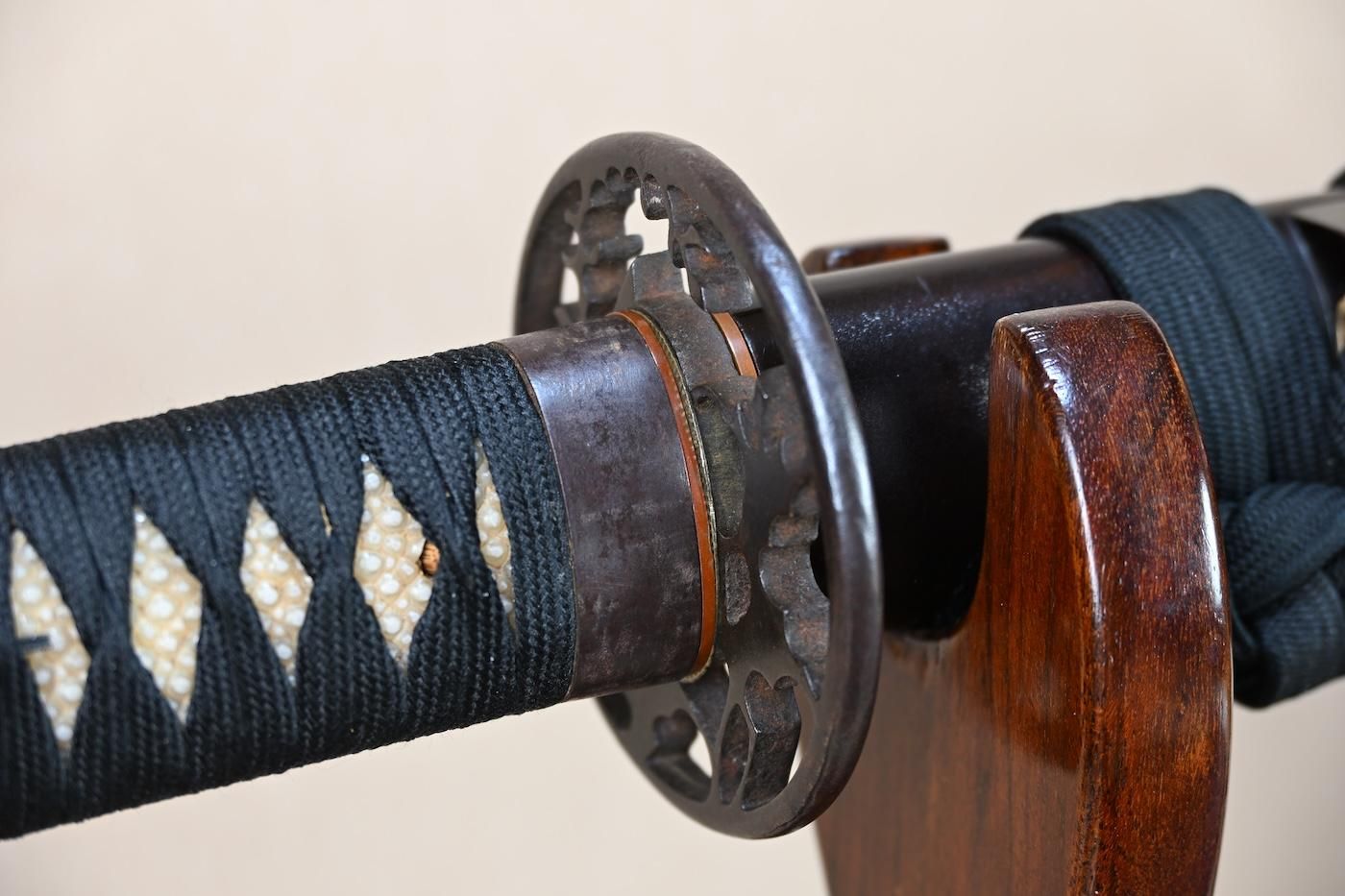
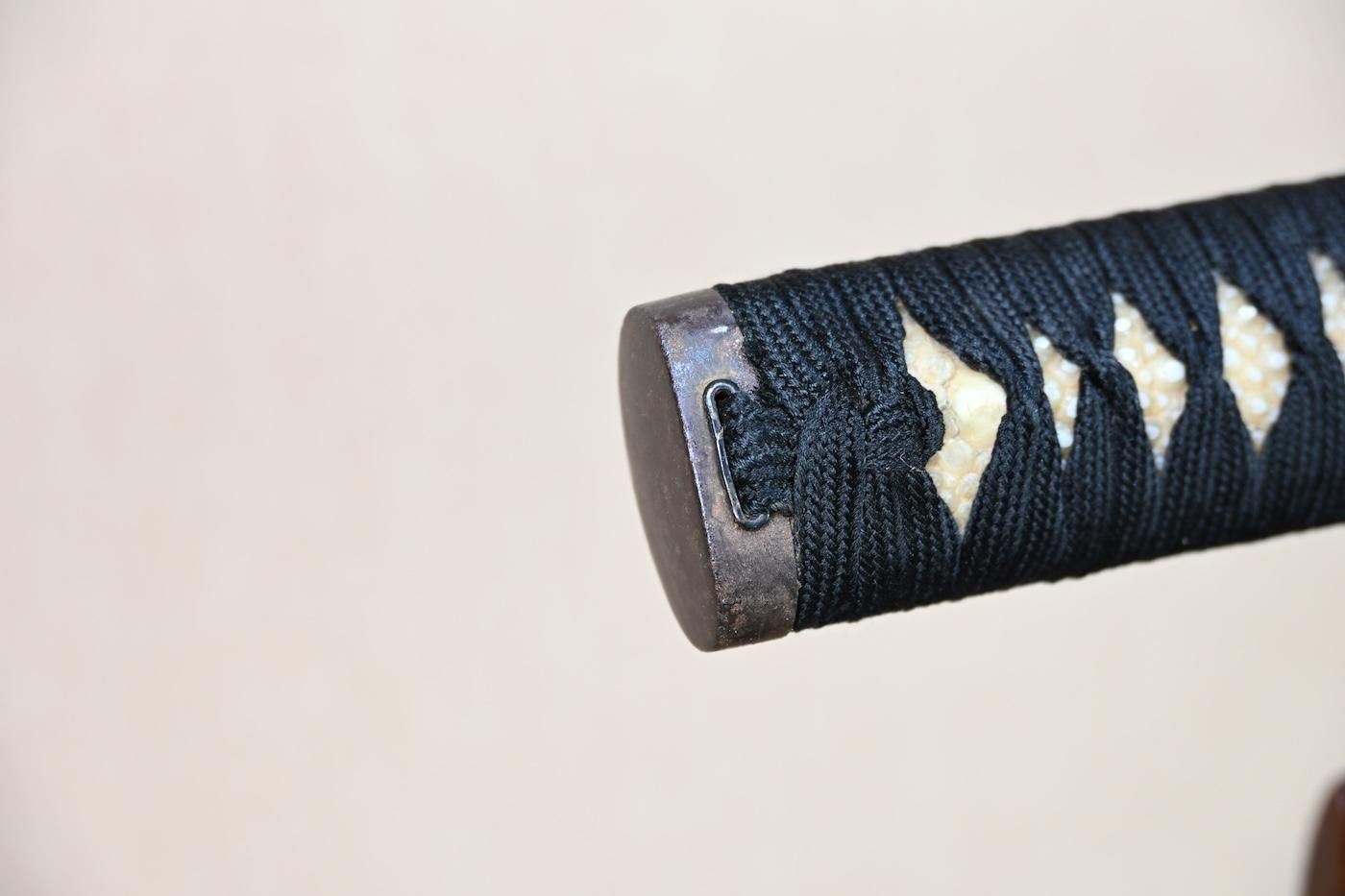
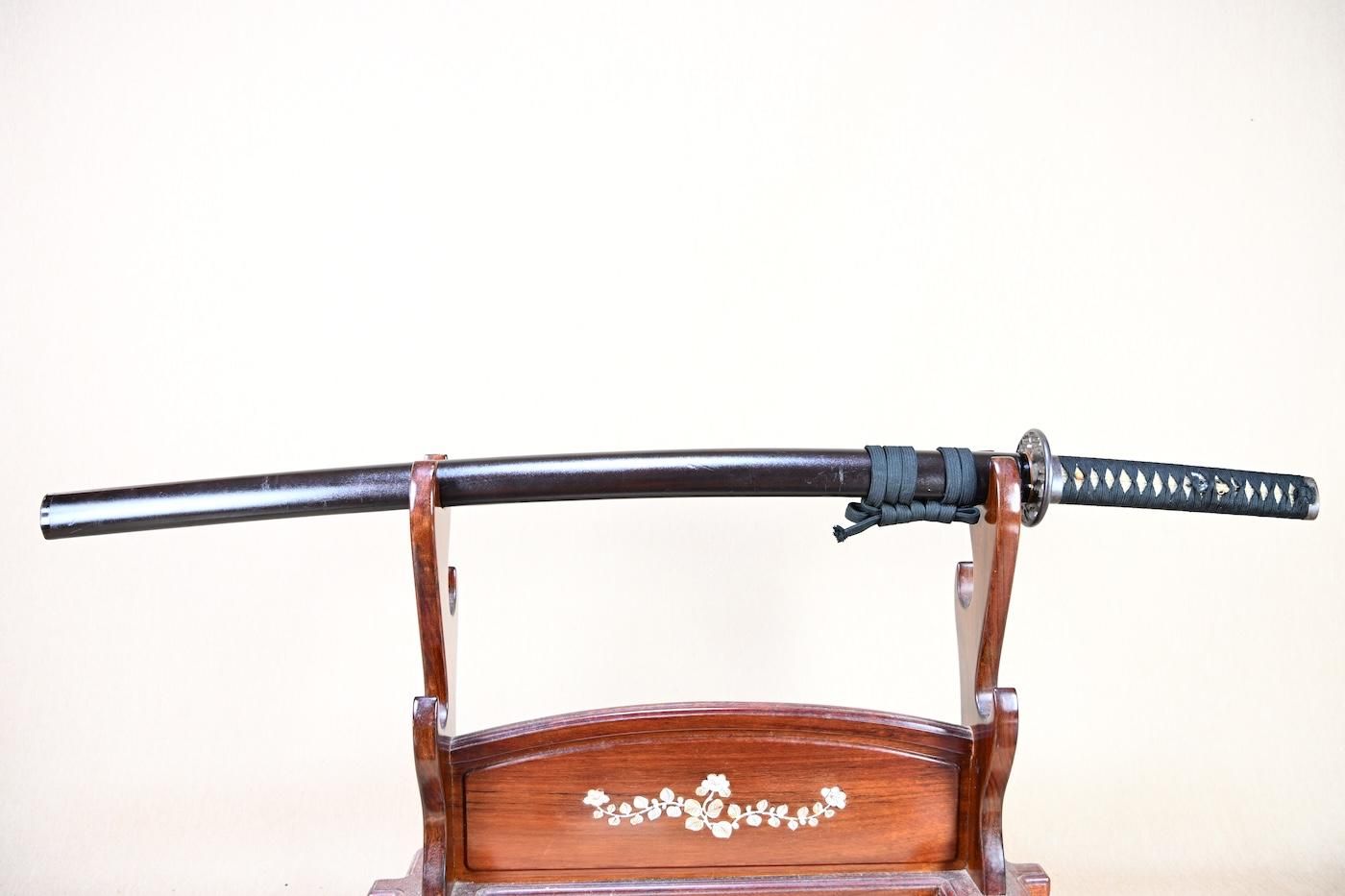
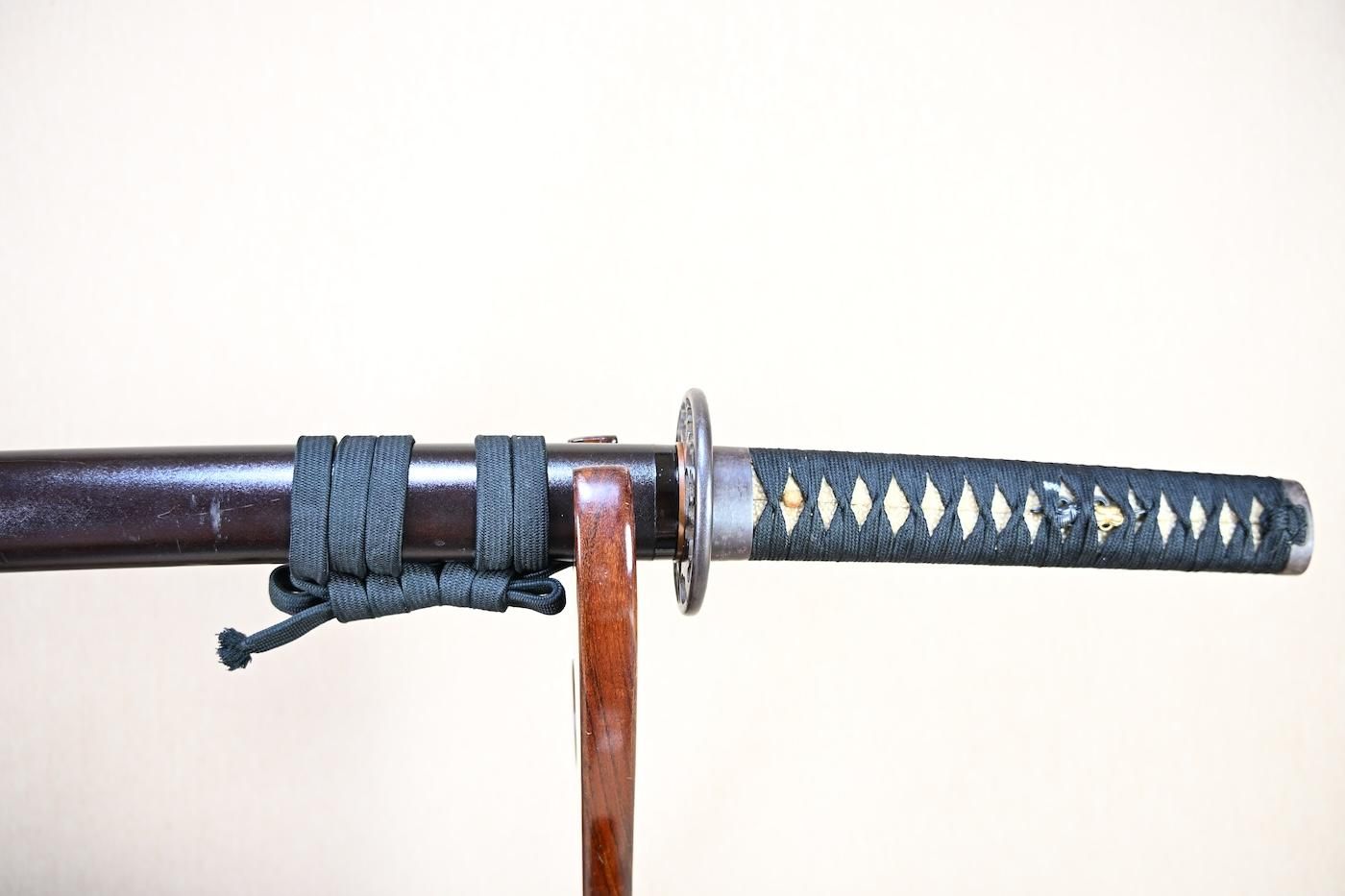
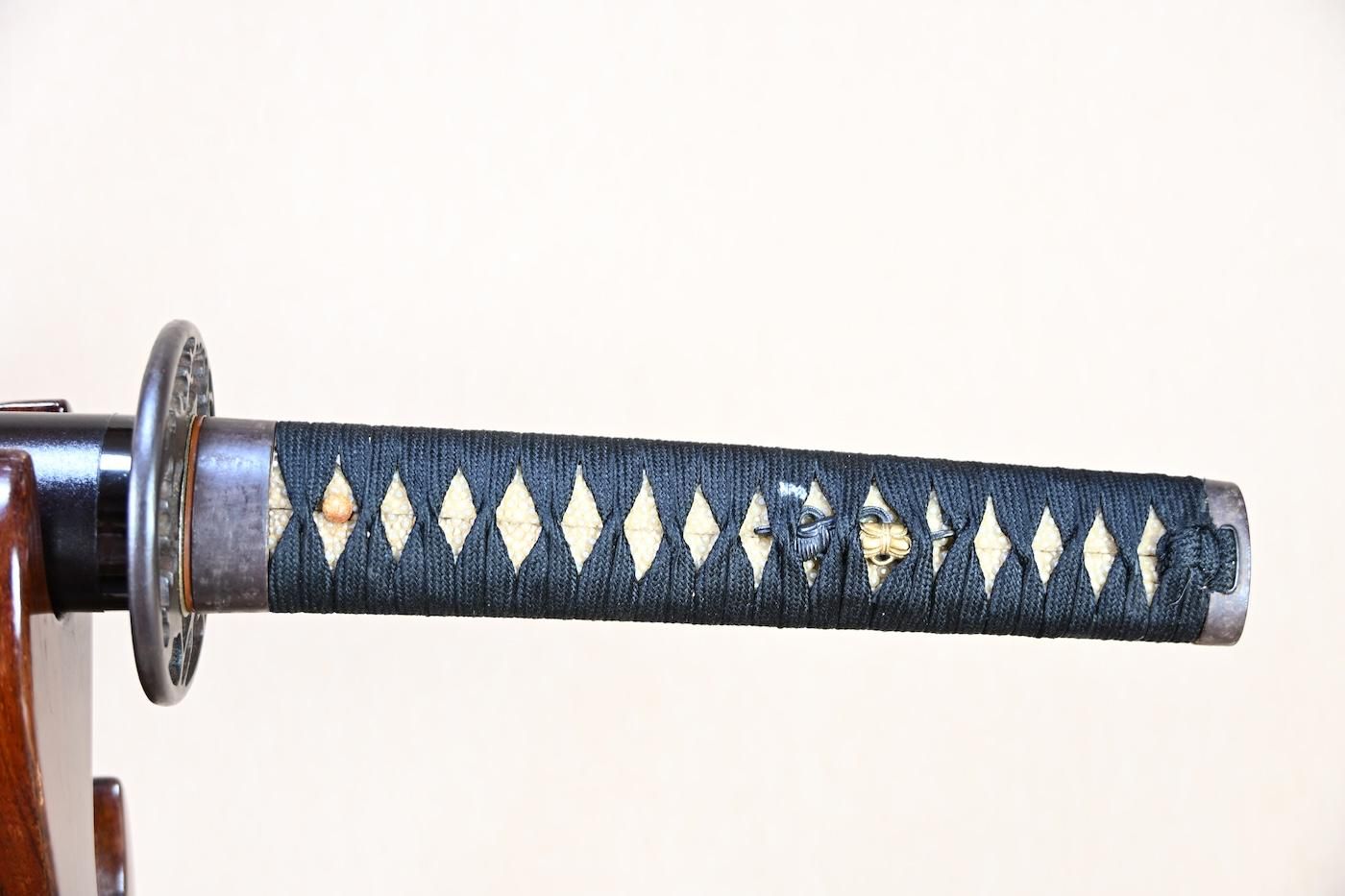
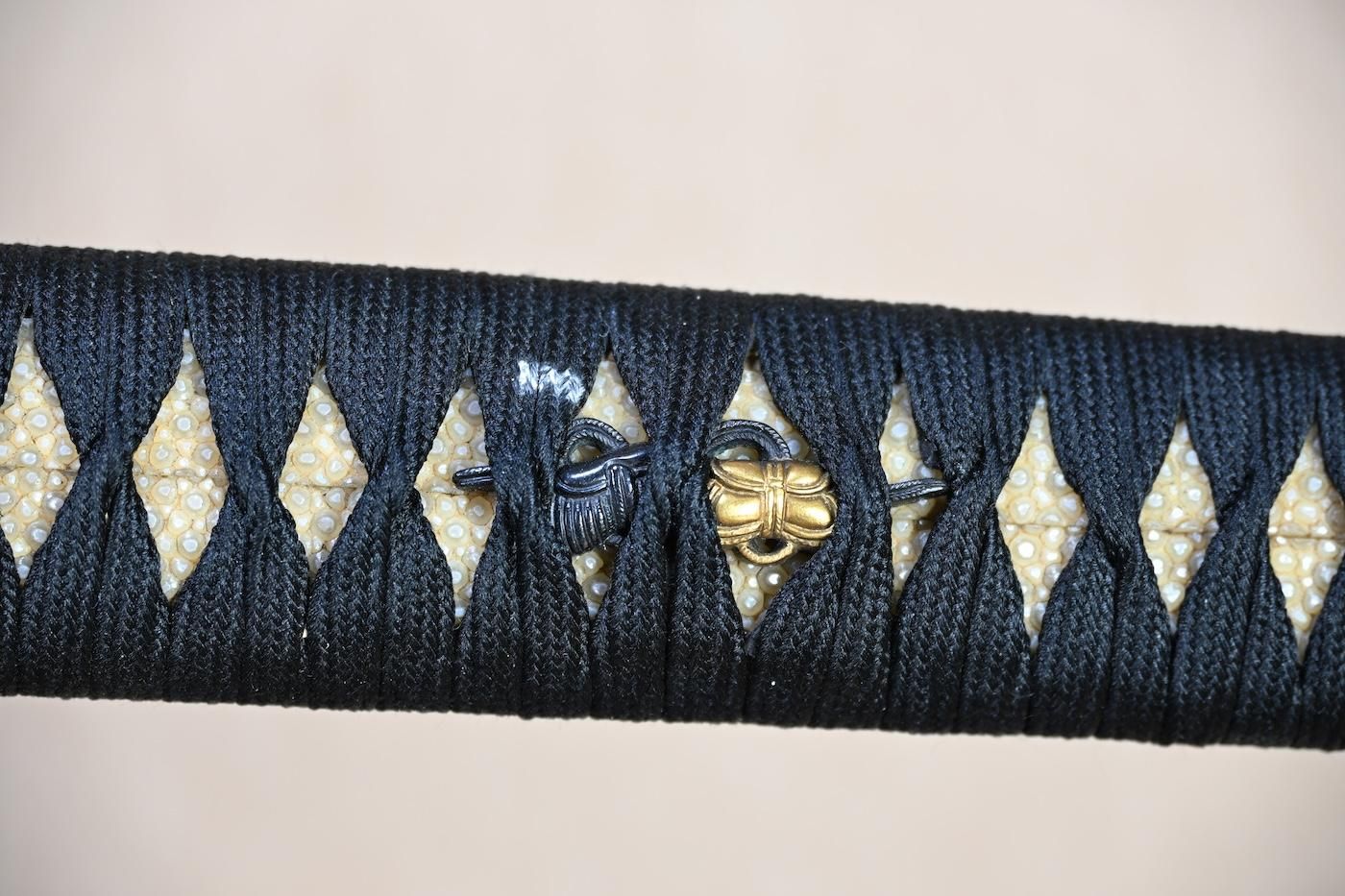
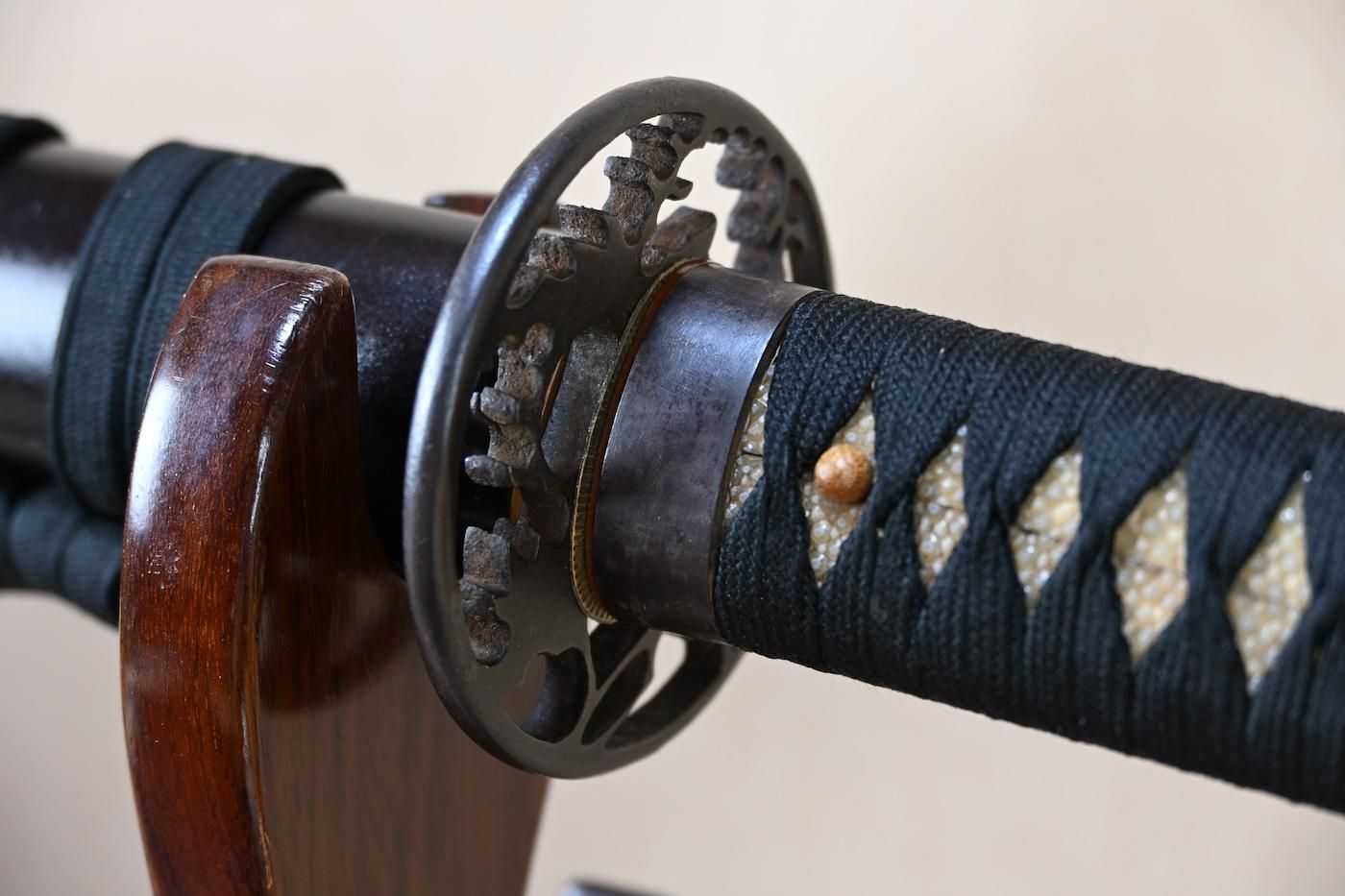
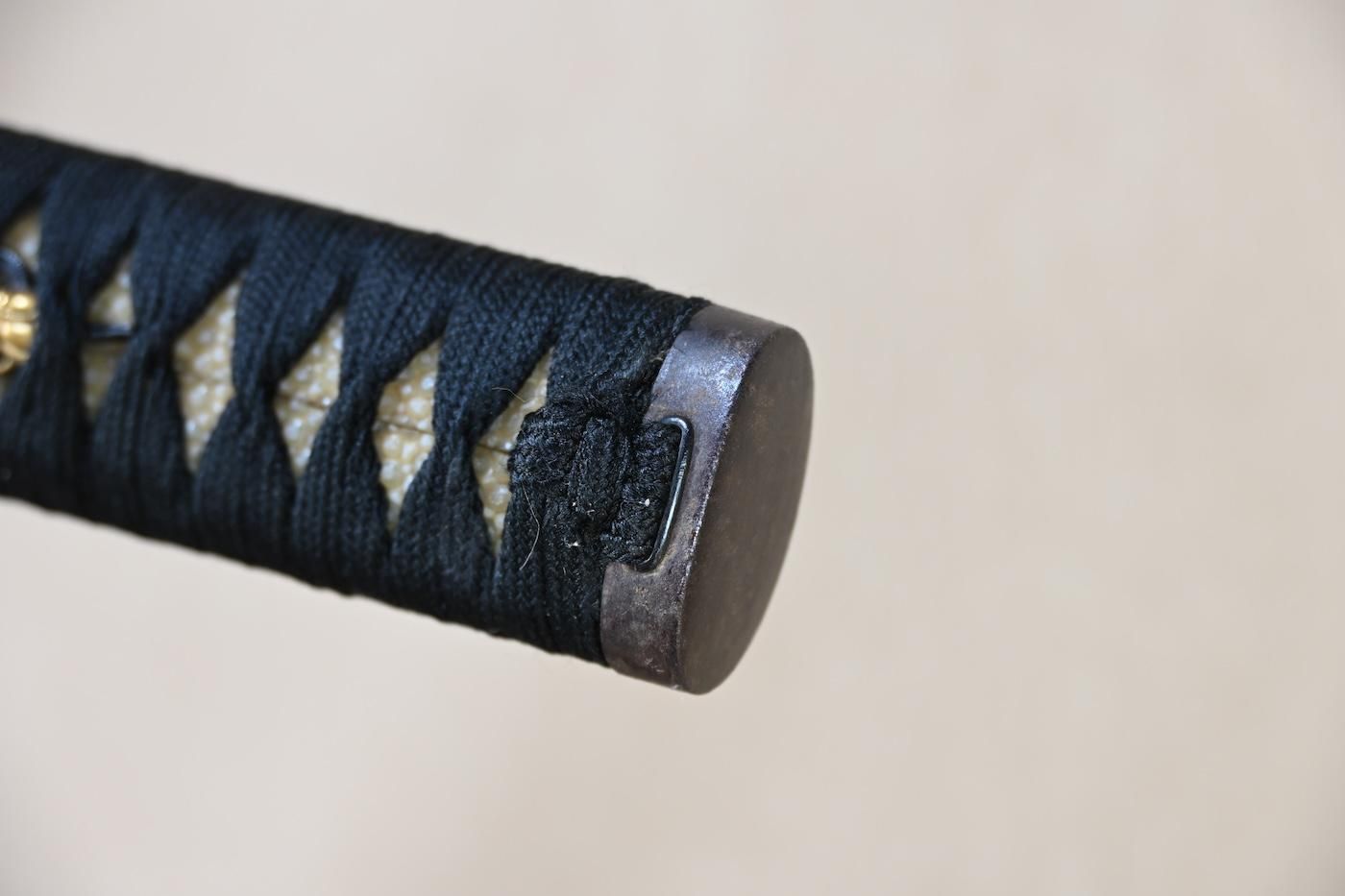
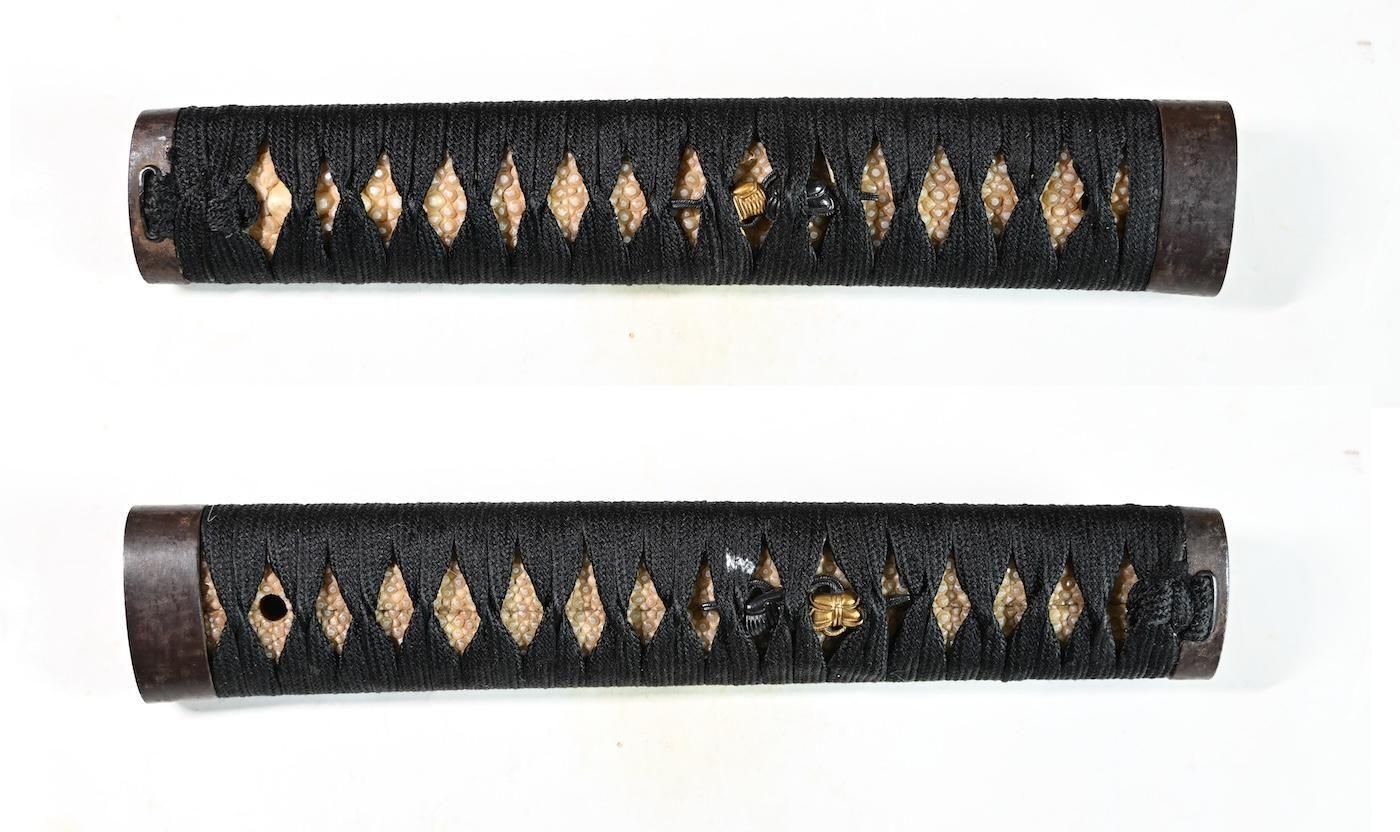
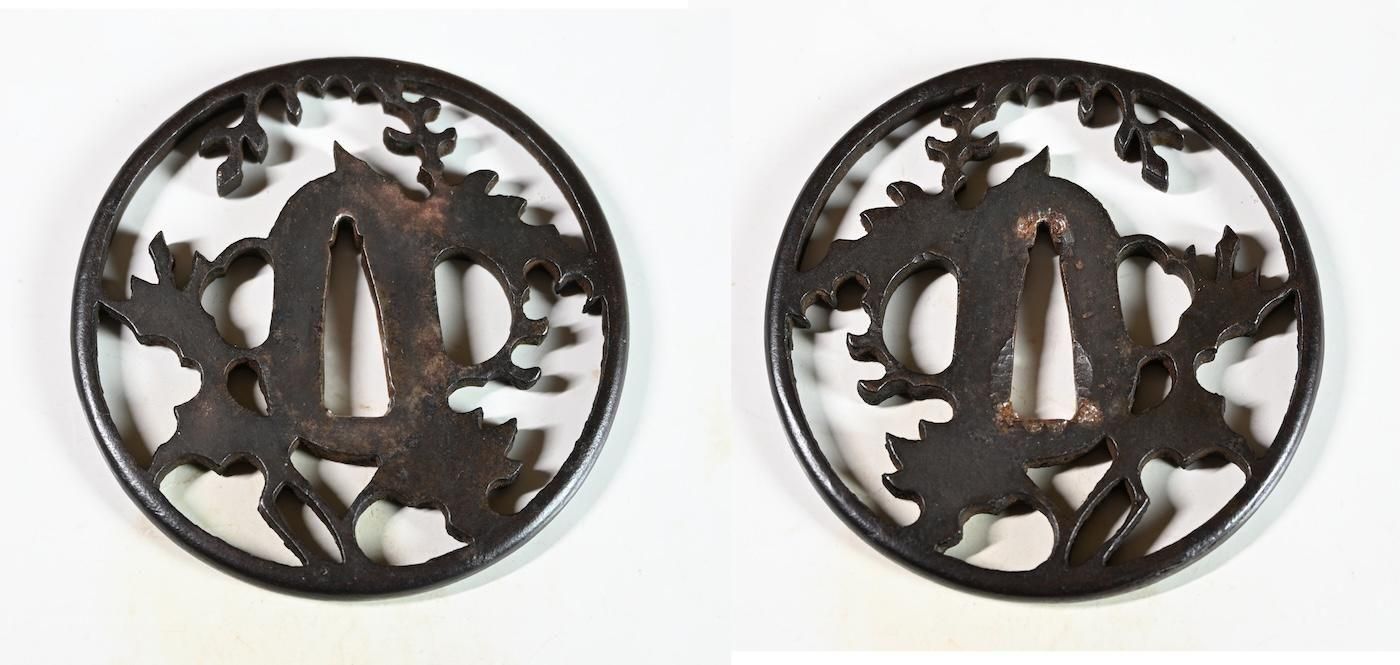
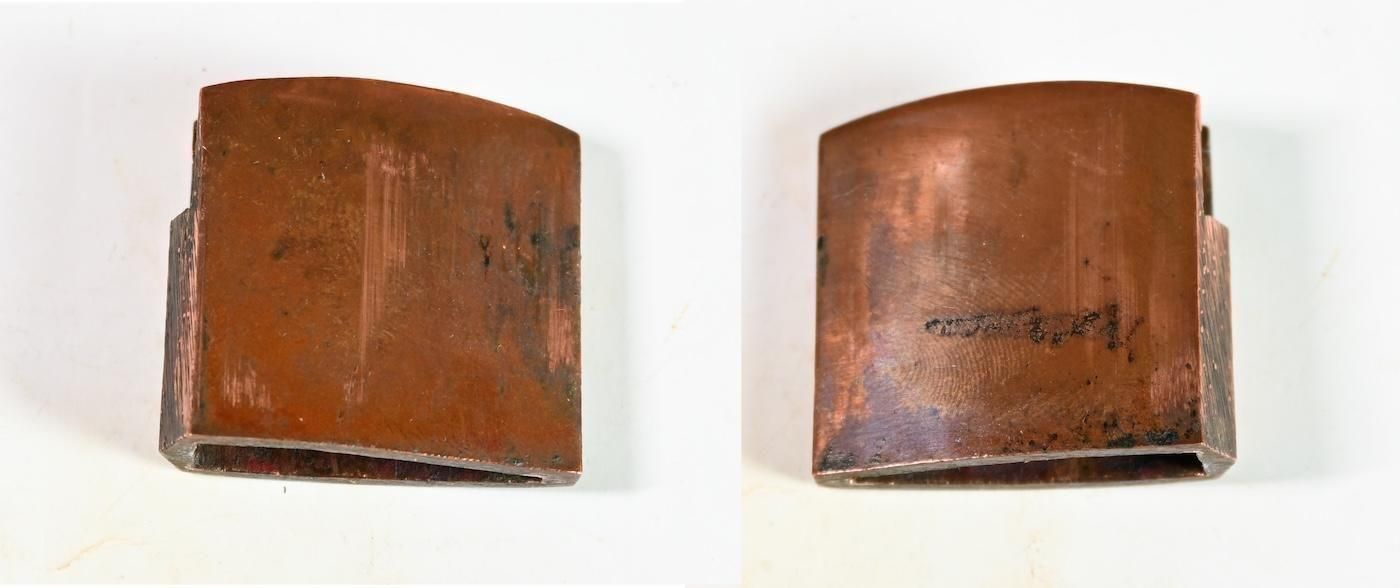
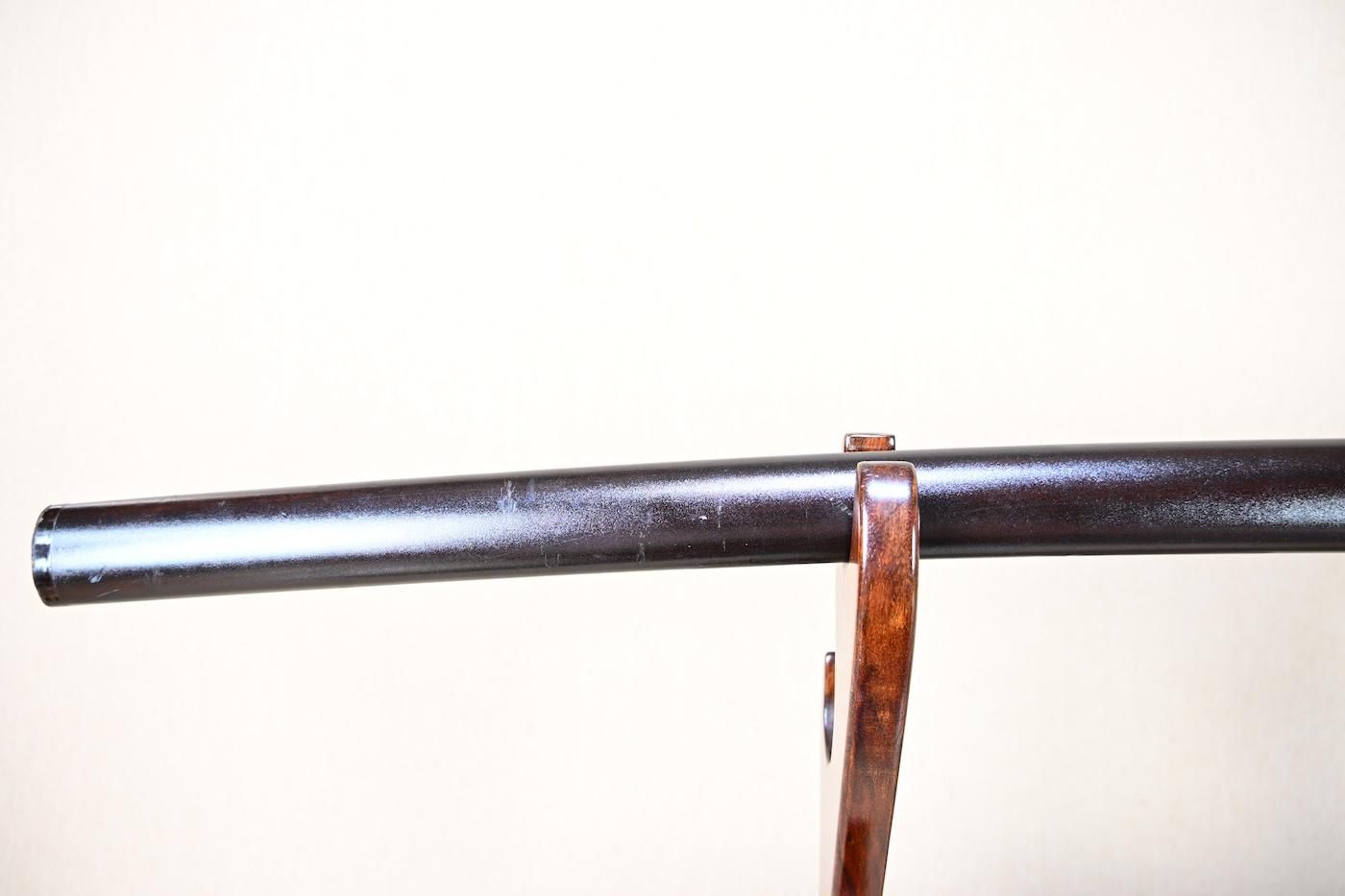
Jumyo is a prestigious school of swordsmiths that began in the late Kamakura period and continued until the Shinshinto period at the end of the Edo period. Furthermore, Jumyo is a famous sword because the name is a pun on having a very long life, and because it was a name that was considered auspicious and lucky, it was highly prized among the samurai of the time as a gift or as a Genpuku sword. In the sword world, it is referred to as "Jumyo," but it seems that "Toshinaga" is the correct reading. ■ Sword blade condition The blade has been suriage but still has a sense of weight, and the sugata has a wide sakihaba. The jitetsu is forged in ko-itame hada. The hamon is a nioi-deki with a wide yakihaba, midare with togari-gokoro gunome, and the kissaki is a chu-kissaki with a midare boshi that turns back shallowly. The edge is as sharp as a razor, but according to the polisher, the quality of the steel is good, and it could be used for cutting hard objects like bamboo if the hasuji is aligned. It is a fine work with a heavy blade that I recommend as a shizanto. ■ Koshirae The kanagu use sturdy, period-authentic iron pieces, and it is mounted with a maru-gata sukashi tsuba on a slightly short tsuka. It is a koshirae housed in a brown ishime-saya.
Jumyo壽命
Offered by Ikeda Art
We couldn’t find current papers for this piece. Ask the dealer whether it has been, or can be, submitted to shinsa. — Hoshi


Machine translation of the shop's Japanese ·
Machine translation from the shop's Japanese · may contain errors ·
Mino-den · Mino · around 1573-1592
Tōken Taikan top 76%
1 piece on the market now
Mino-den · Mino
11 pieces on the market now
Mino in the Momoyama period
Unification closed the mass market, and Seki’s smiths moved to where the new money was: the Mishina line to Kyōto with court titles, Daidō smiths to castle towns across the provinces. Mino became the great technical ancestor of the Shintō age.
We could not find an authenticity certificate on the seller’s listing. Japanese swords and fittings are normally papered by the NBTHK (or the NTHK). Without one, the attribution is the seller’s own assessment and has not been independently verified — treat it with caution and ask the dealer about certification before buying.
Please contact us promptly after the item's arrival. Except where the item is defective, we cannot accept returns. For returns due to customer circumstances, the cost is the customer's responsibility. In the case of a defective item, we bear the cost.
¥374,000