Unification closed the mass market, and Seki’s smiths moved to where the new money was: the Mishina line to Kyōto with court titles, Daidō smiths to castle towns across the provinces. Mino became the great technical ancestor of the Shintō age.
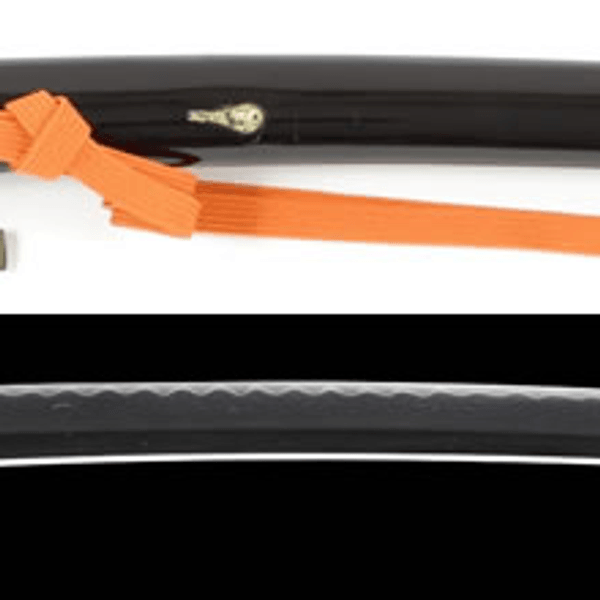
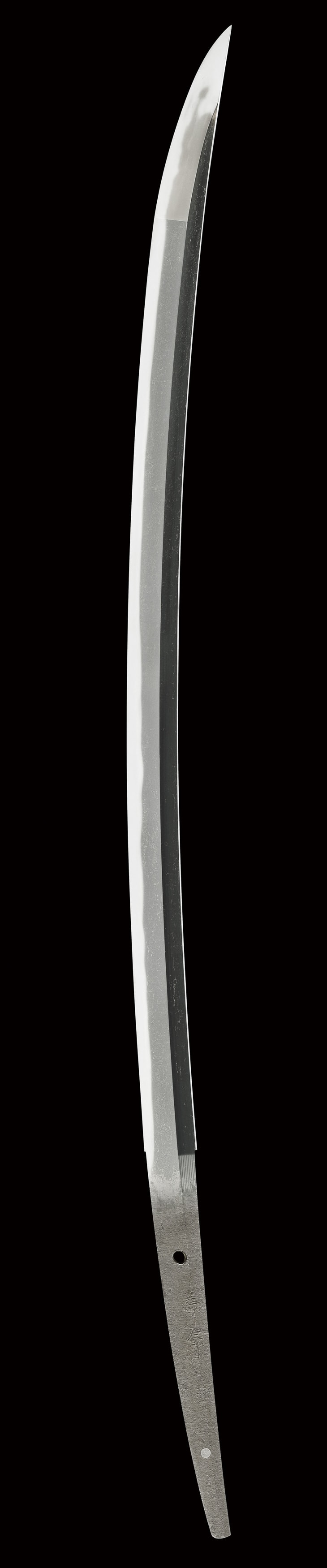
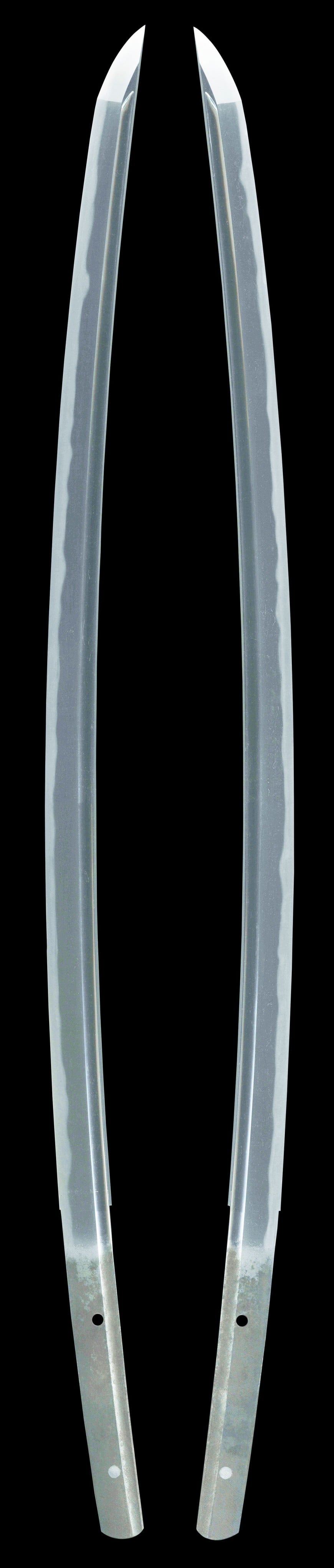
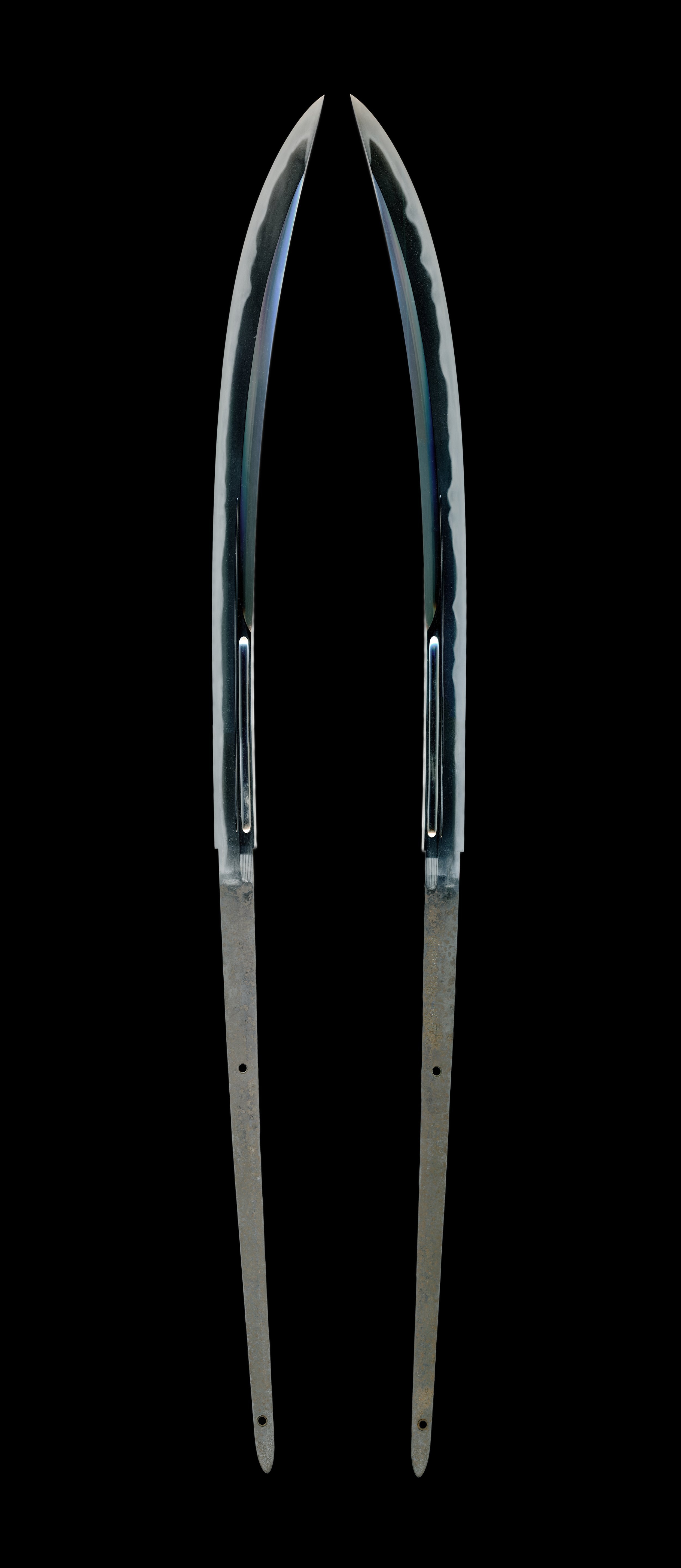
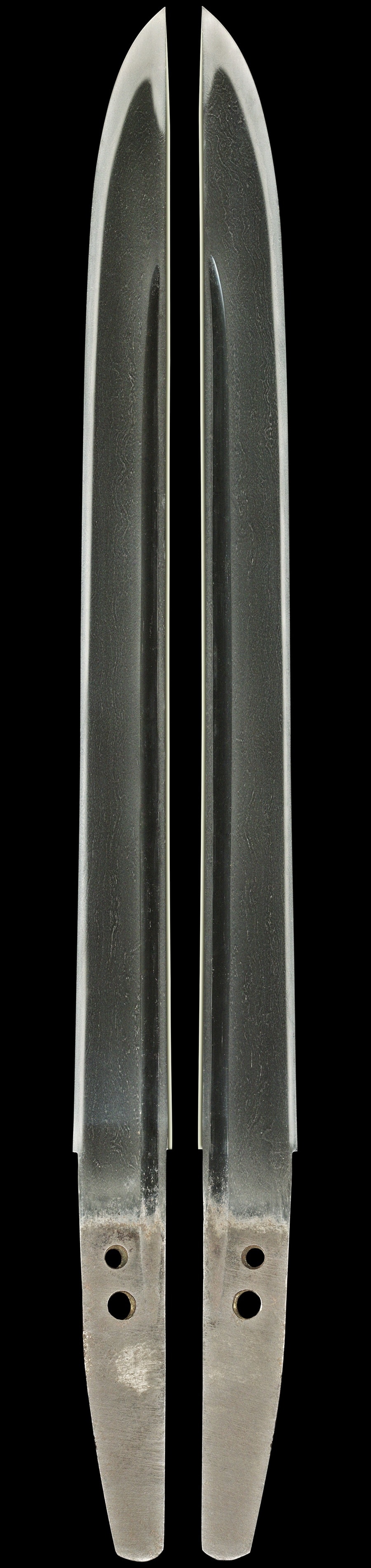
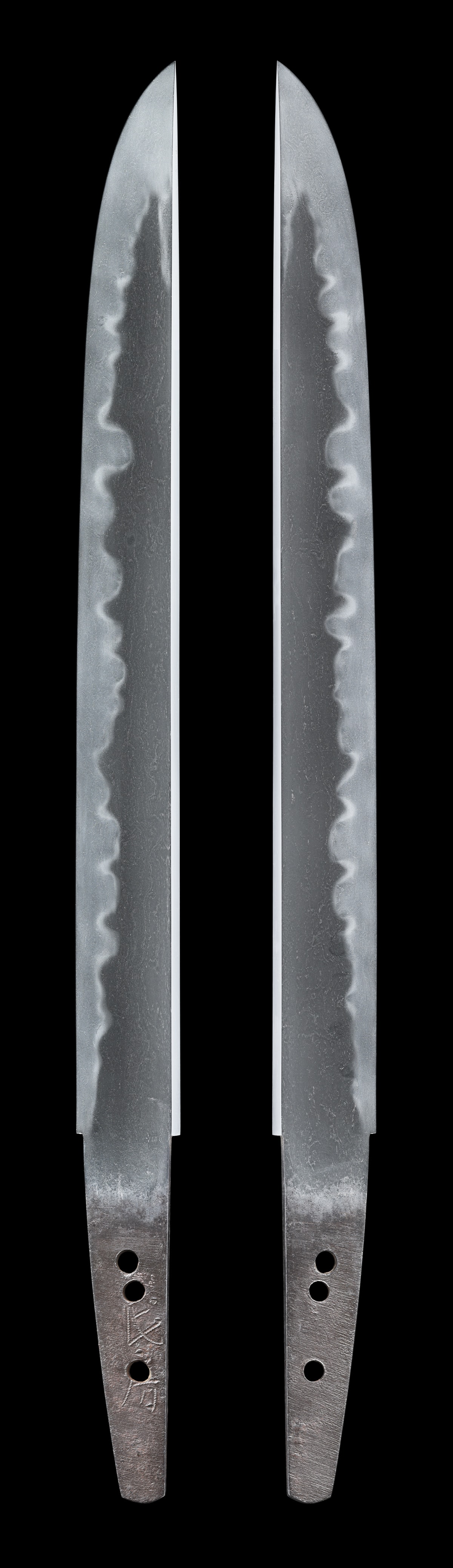
This is a katana by the smith Jumyo from Mino Province, active during the Momoyama period (around Tensho era). The Jumyo lineage is known for good cutting ability and auspicious names, with the Tensho-era Jumyo serving the warlord Inaba Ittetsu.
 NihontoWatch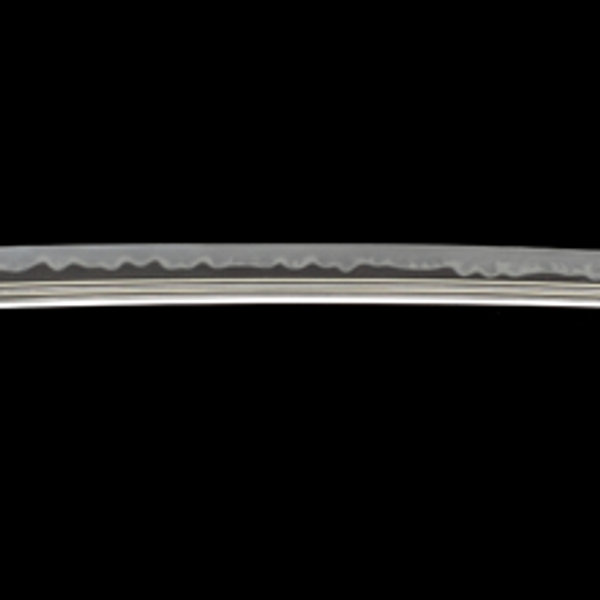
Mino-den · Mino · around 1573-1592
Tōken Taikan top 76%
1 piece on the market now
Mino-den · Mino
16 pieces on the market now
Mino in the Momoyama period
Unification closed the mass market, and Seki’s smiths moved to where the new money was: the Mishina line to Kyōto with court titles, Daidō smiths to castle towns across the provinces. Mino became the great technical ancestor of the Shintō age.
We could not find an authenticity certificate on the seller’s listing. Japanese swords and fittings are normally papered by the NBTHK (or the NTHK). Without one, the attribution is the seller’s own assessment and has not been independently verified — treat it with caution and ask the dealer about certification before buying.
If, due to our fault, the item differs significantly from its proper condition, the item may be returned. Cooling-off is within one week of the item's arrival.
This is a katana by the smith Jumyo from Mino Province, active during the Momoyama period (around Tensho era). The Jumyo lineage is known for good cutting ability and auspicious names, with the Tensho-era Jumyo serving the warlord Inaba Ittetsu.
NihontoWatchMino-den · Mino · around 1573-1592
Tōken Taikan top 76%
1 piece on the market now
Mino-den · Mino
16 pieces on the market now
Mino in the Momoyama period
Unification closed the mass market, and Seki’s smiths moved to where the new money was: the Mishina line to Kyōto with court titles, Daidō smiths to castle towns across the provinces. Mino became the great technical ancestor of the Shintō age.
We could not find an authenticity certificate on the seller’s listing. Japanese swords and fittings are normally papered by the NBTHK (or the NTHK). Without one, the attribution is the seller’s own assessment and has not been independently verified — treat it with caution and ask the dealer about certification before buying.
If, due to our fault, the item differs significantly from its proper condition, the item may be returned. Cooling-off is within one week of the item's arrival.