Edo was the sword’s age of connoisseurship: the Hon’ami appraisers, the shogunal register of famous blades of 1719, and a thriving literature turned the sword into an object of study even as it ceased to be drawn in war.
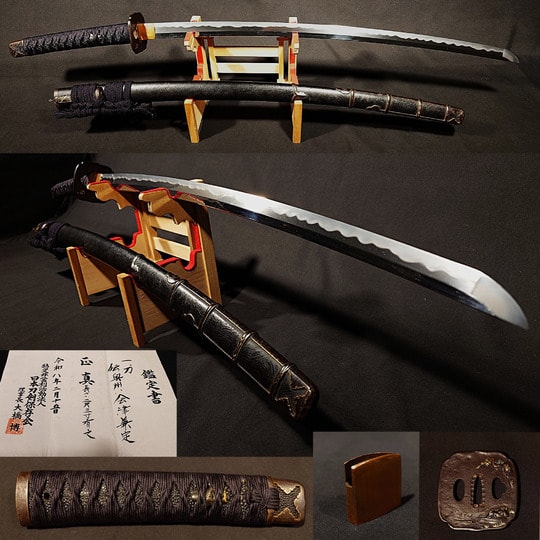
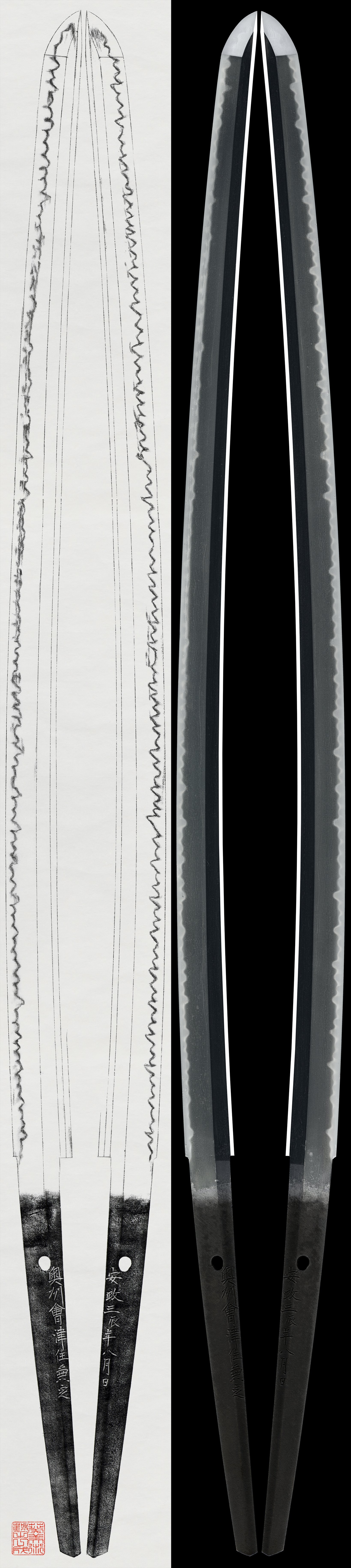
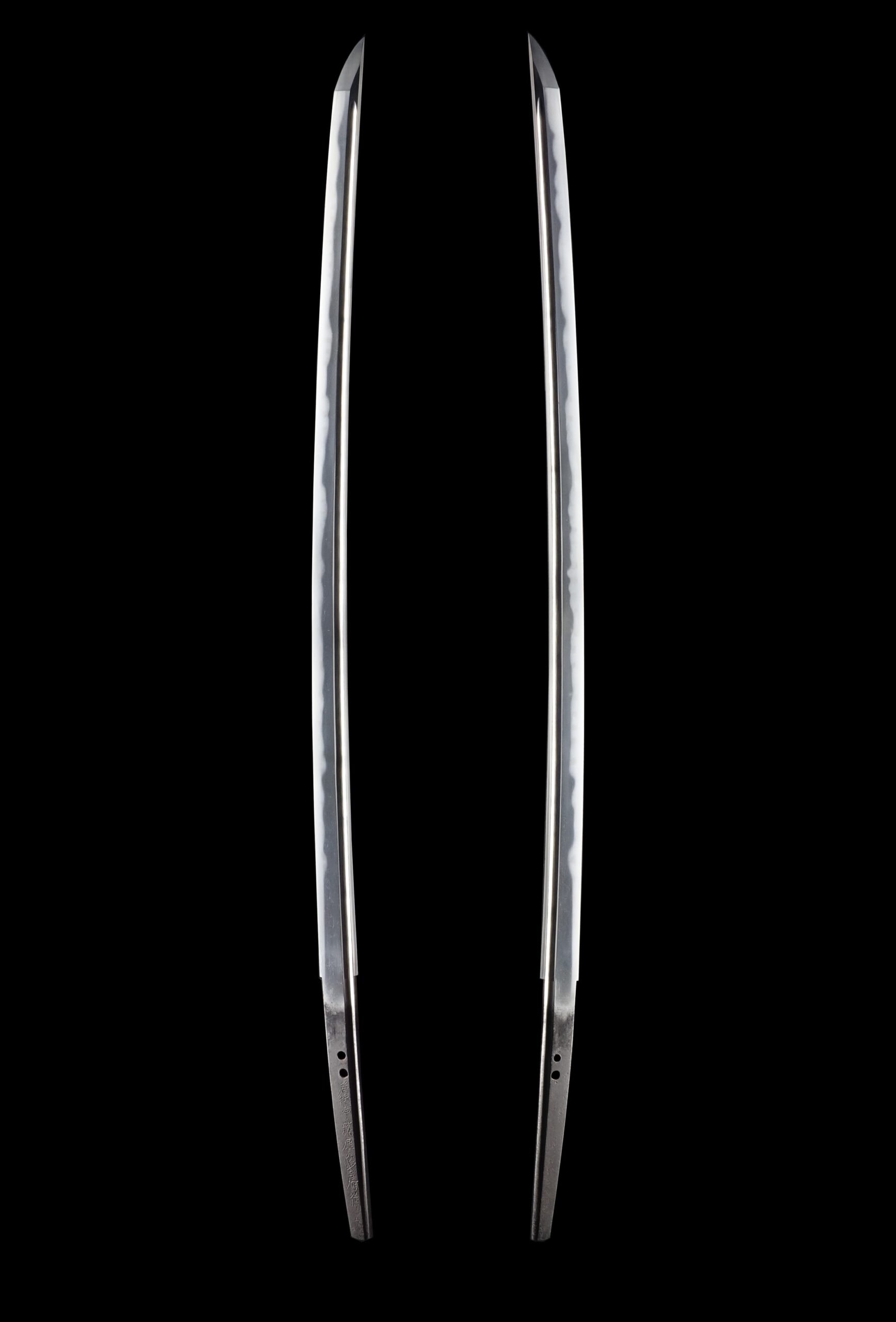
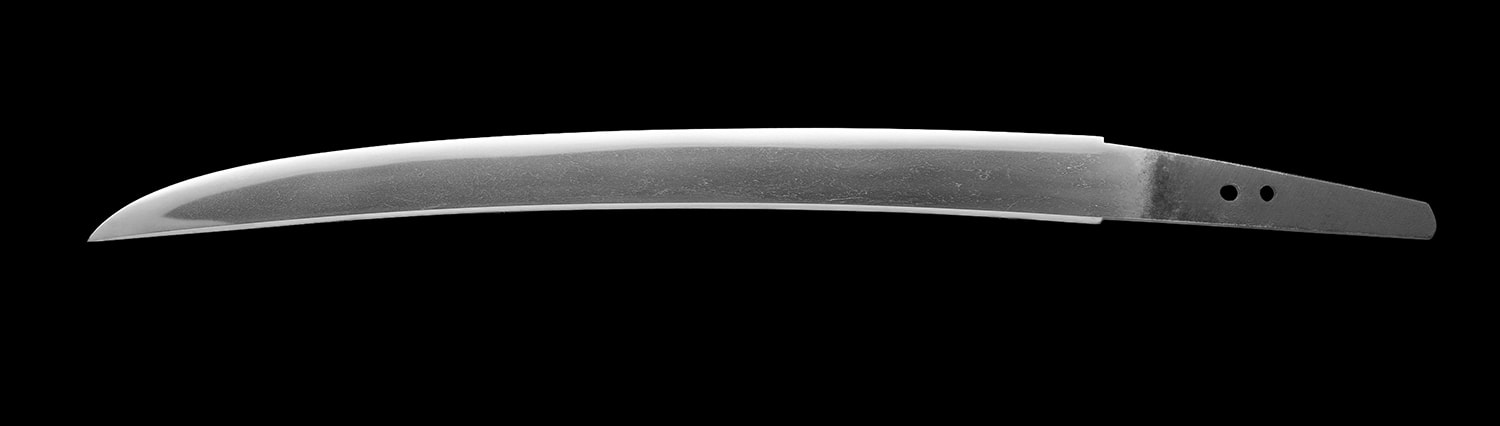
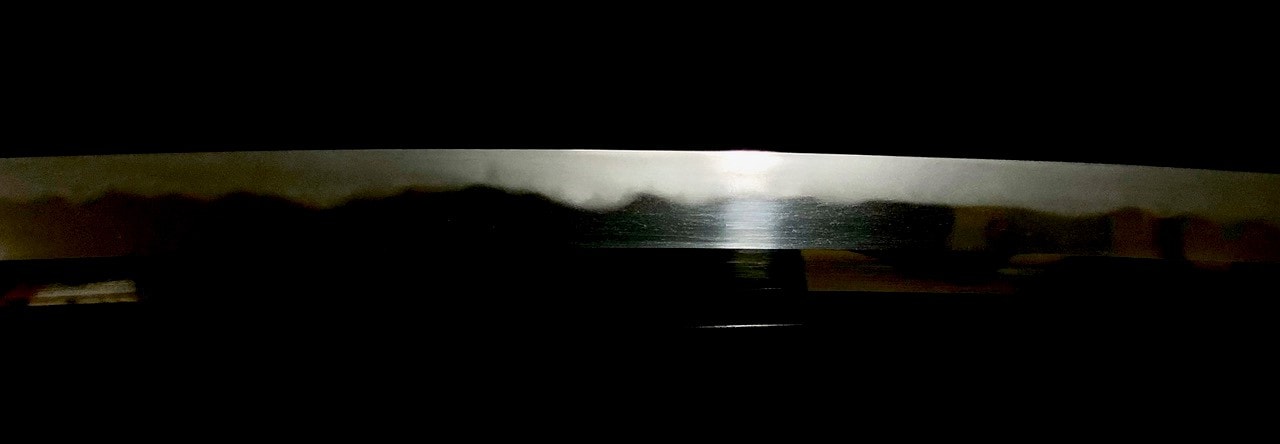
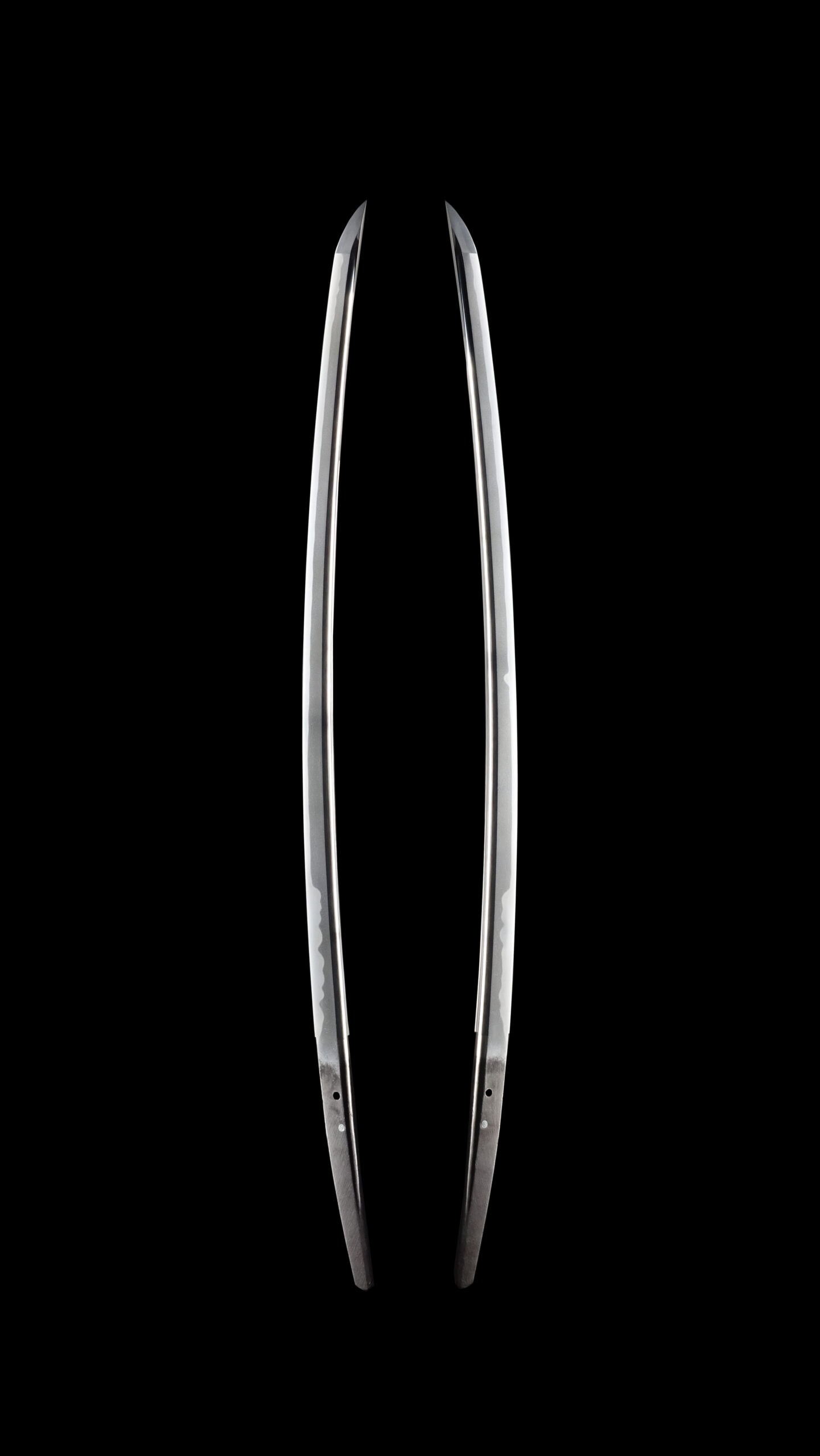
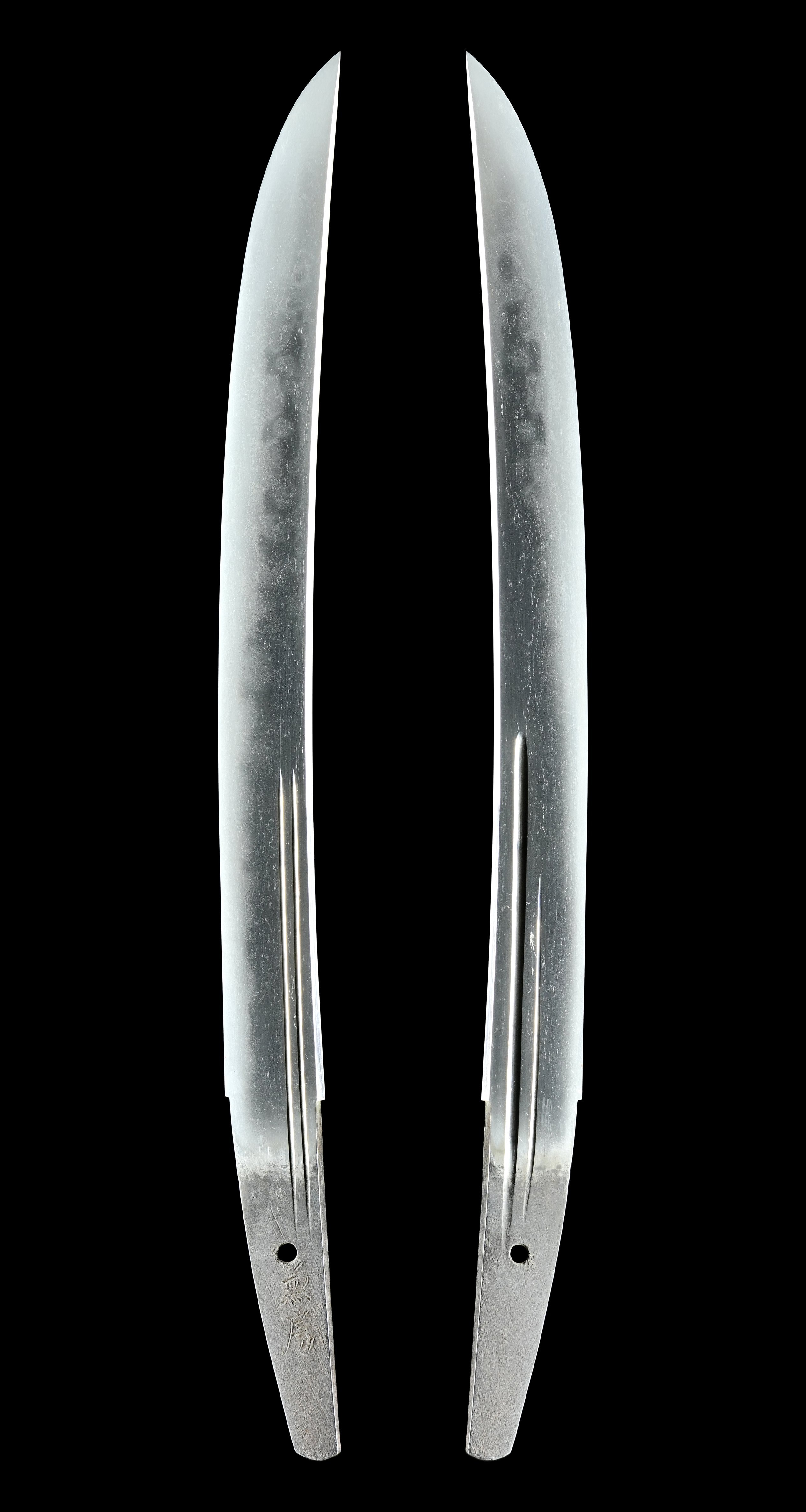
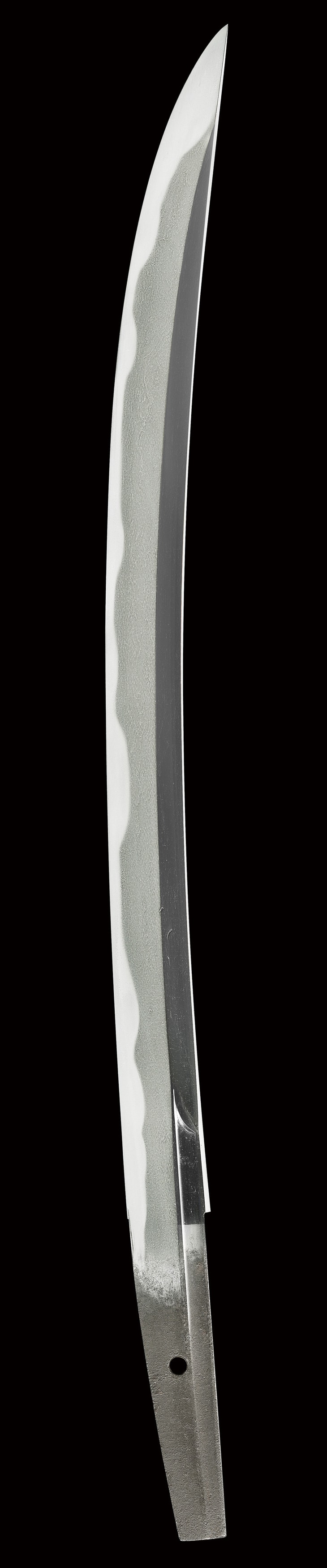
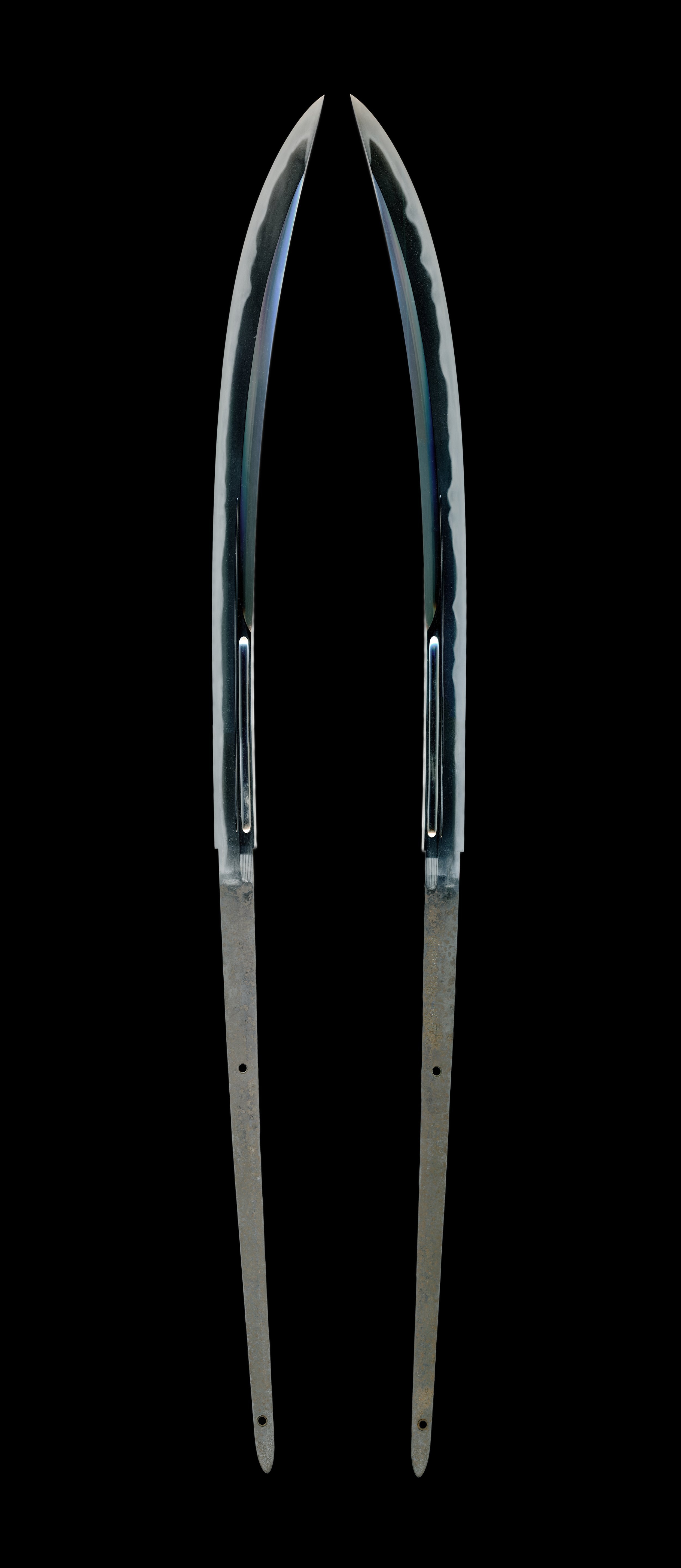
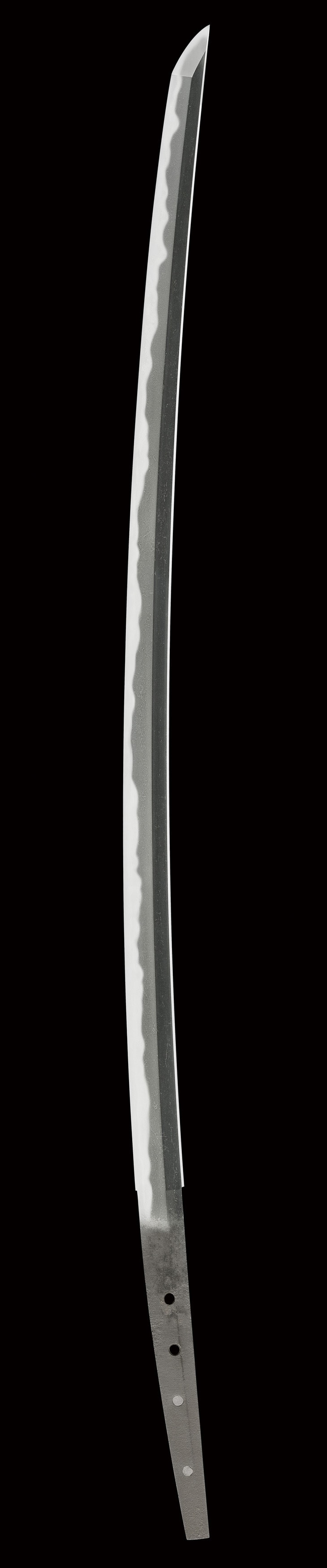
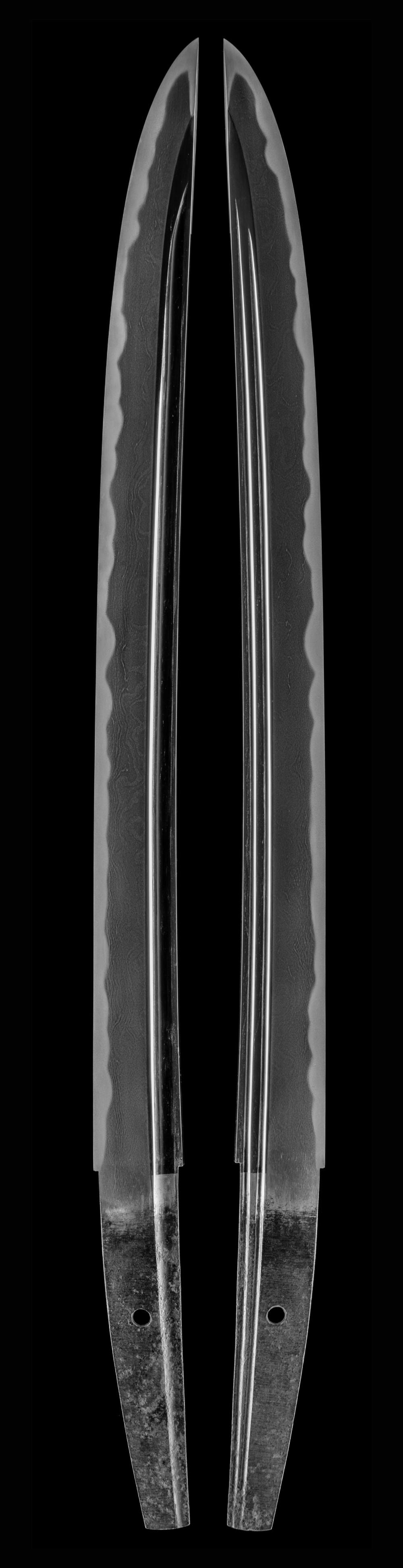
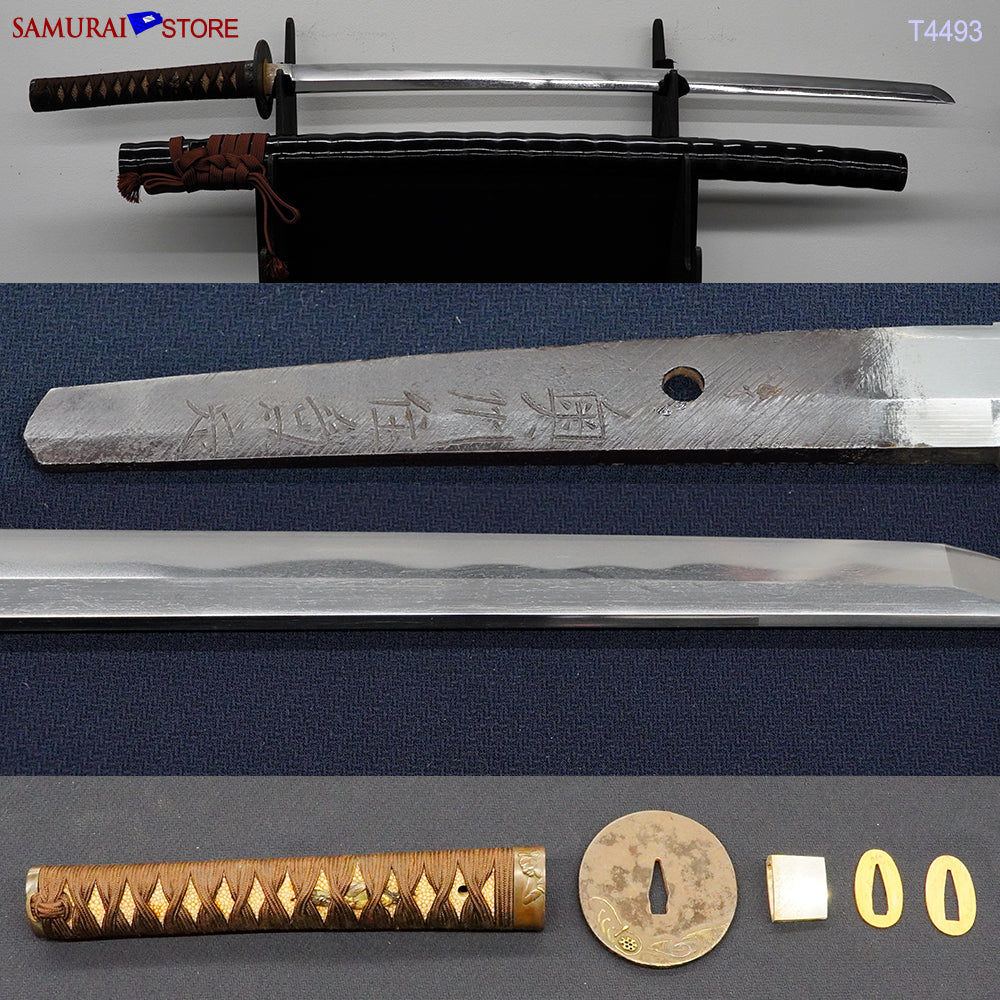
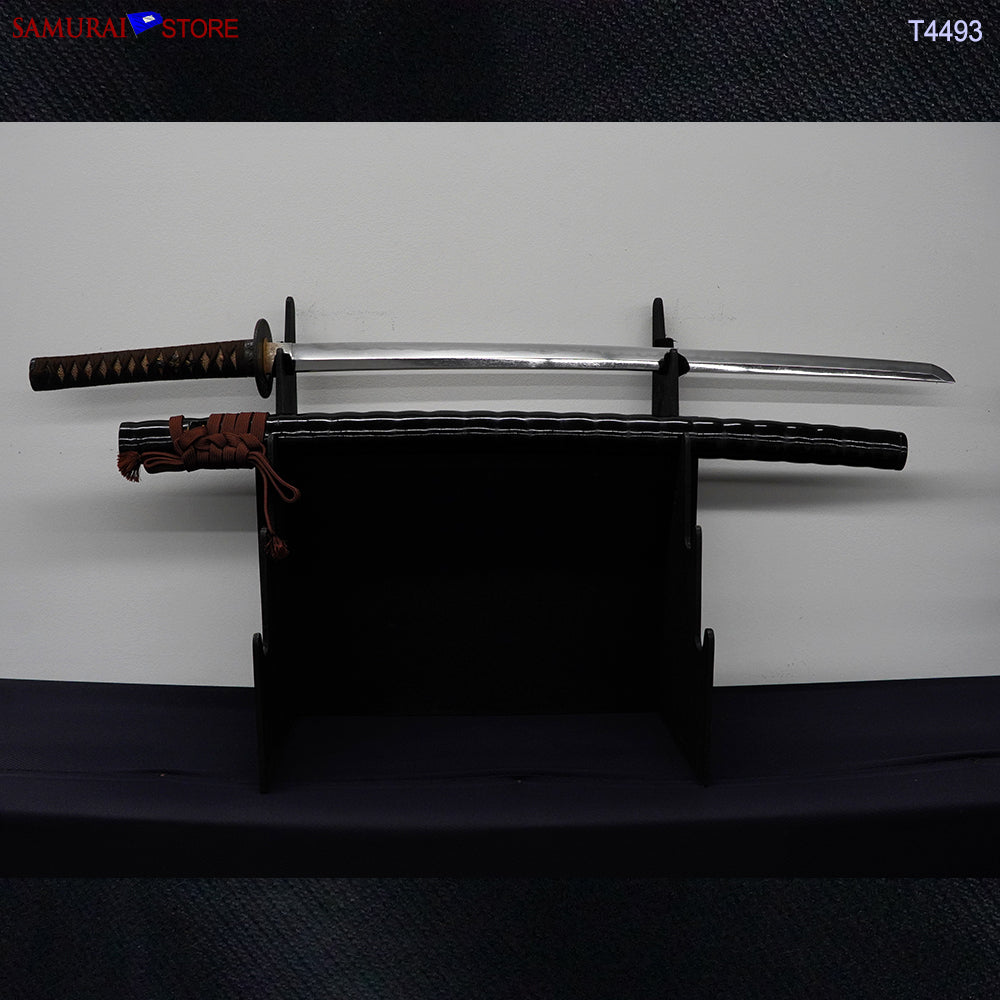
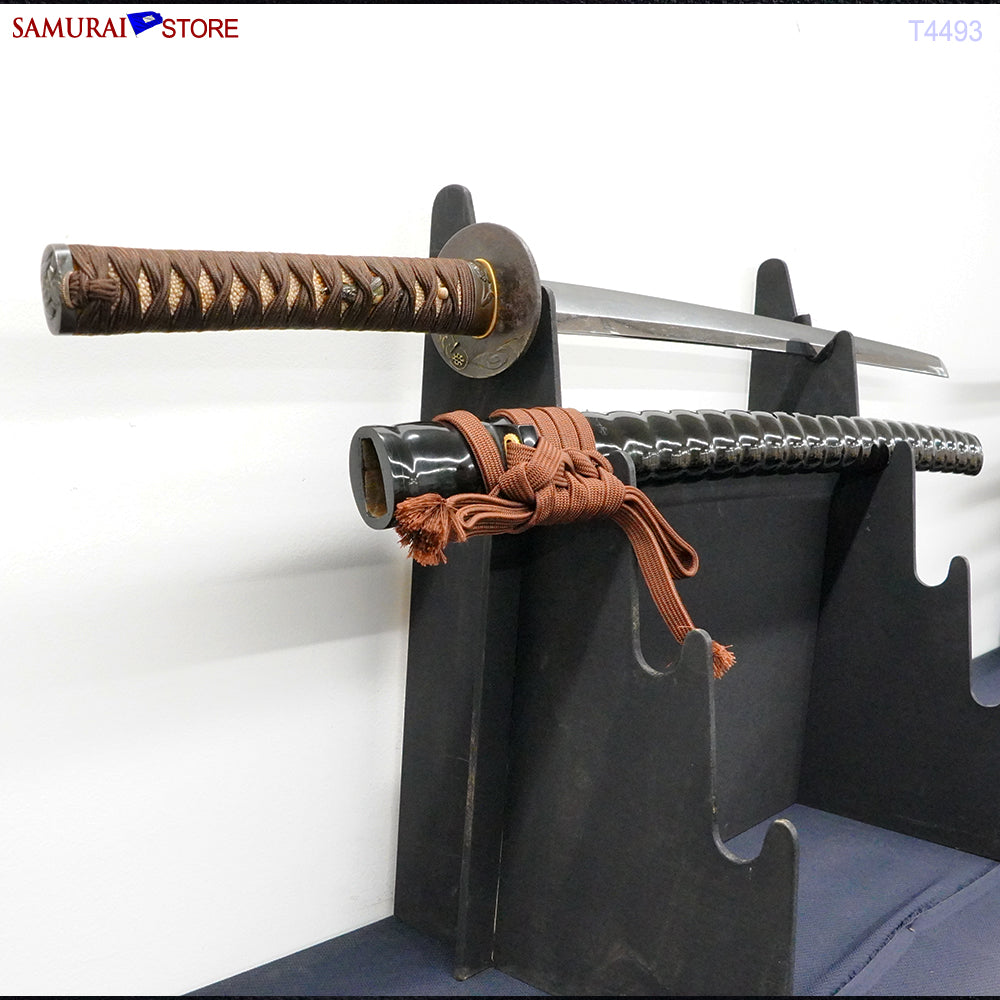
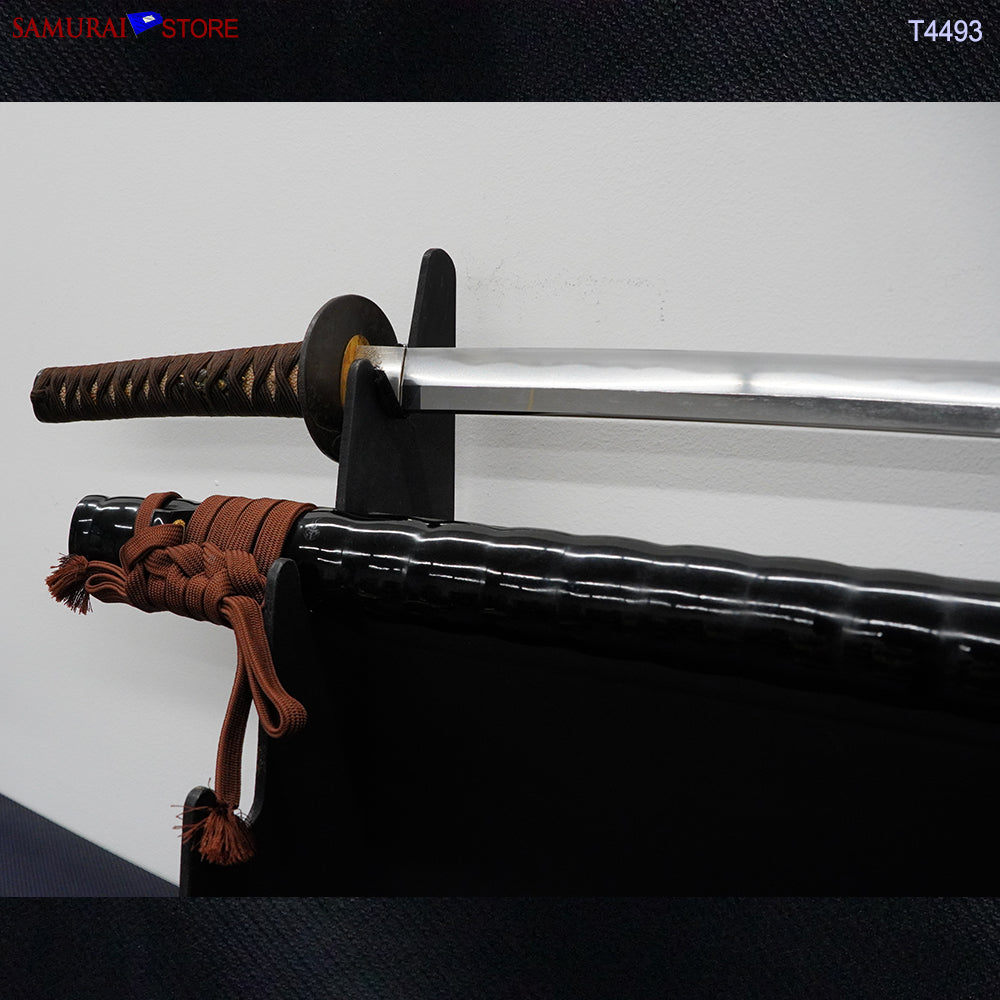
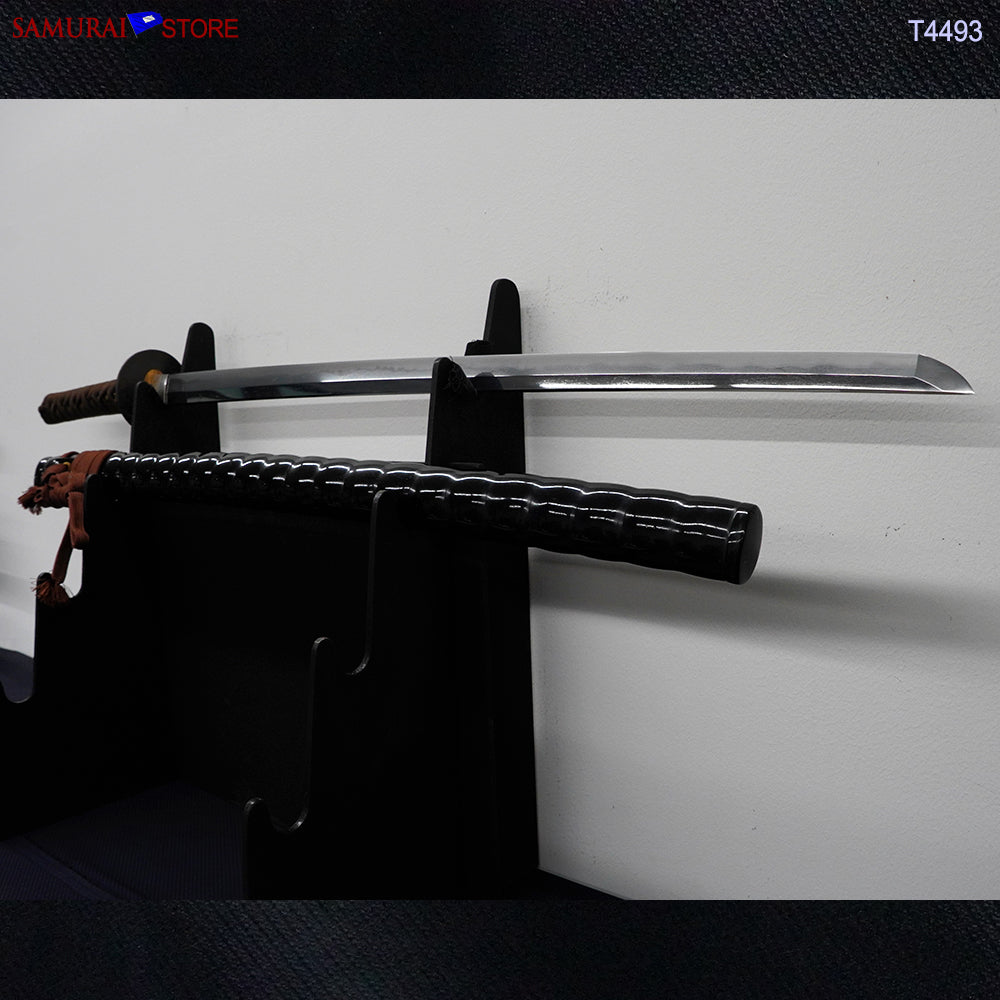
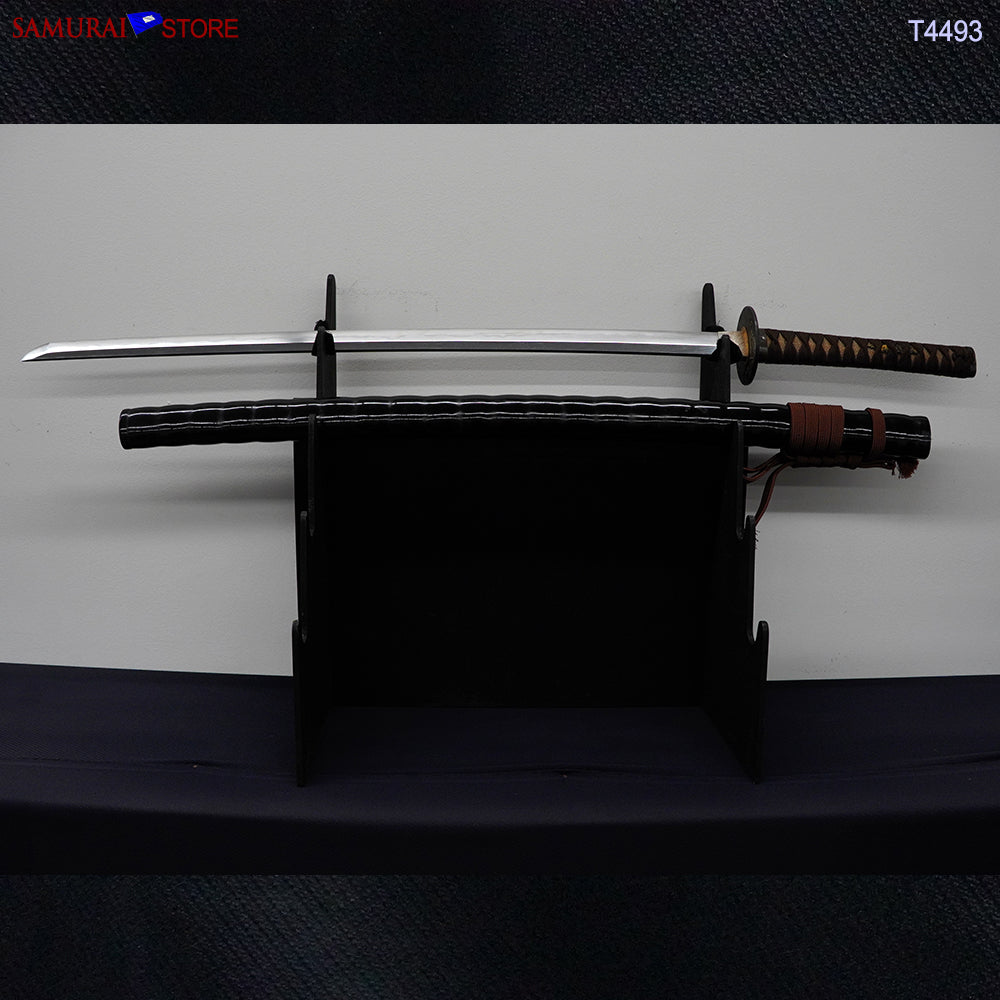
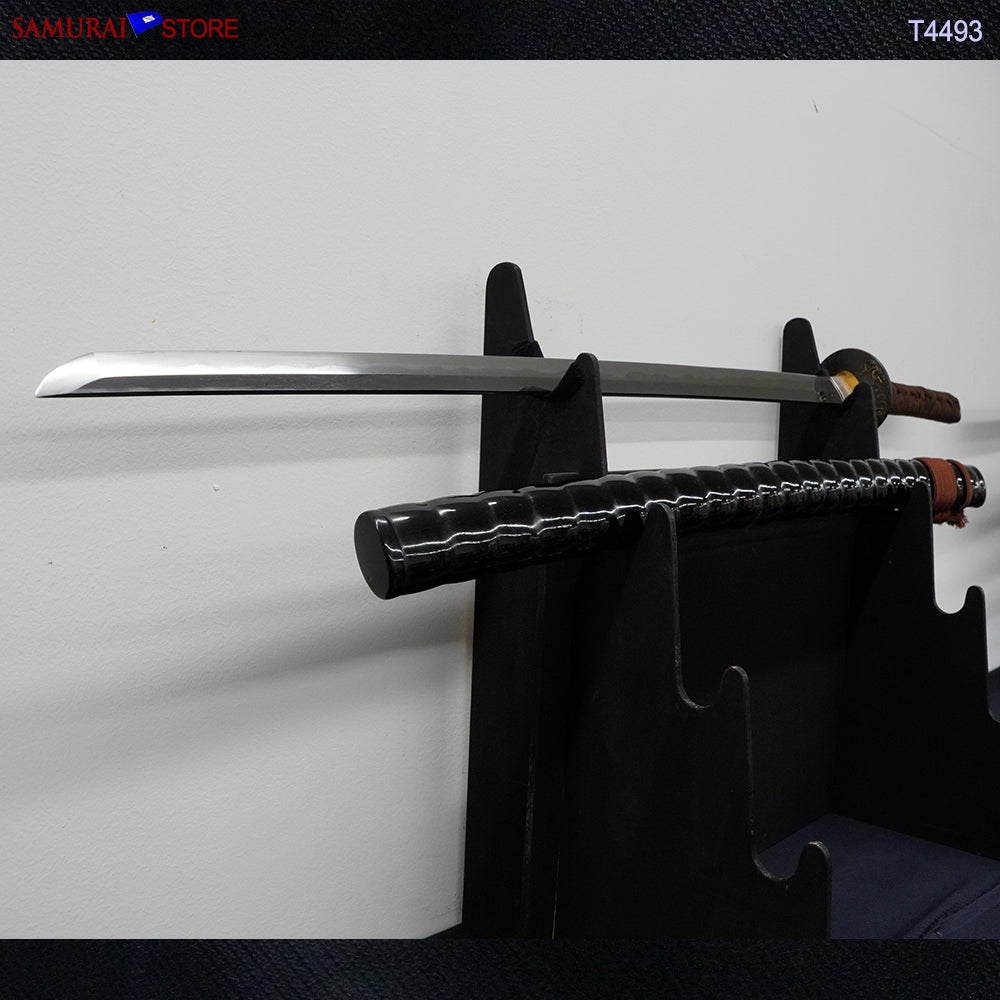
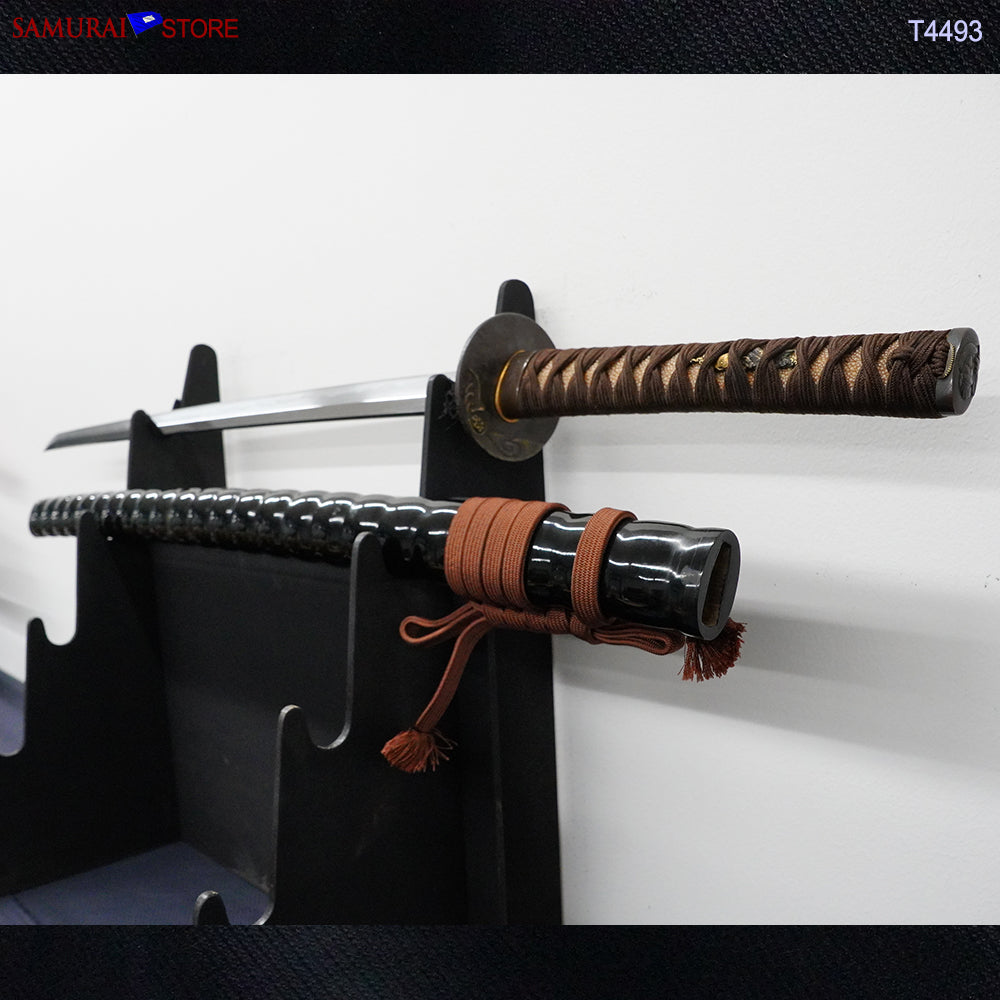
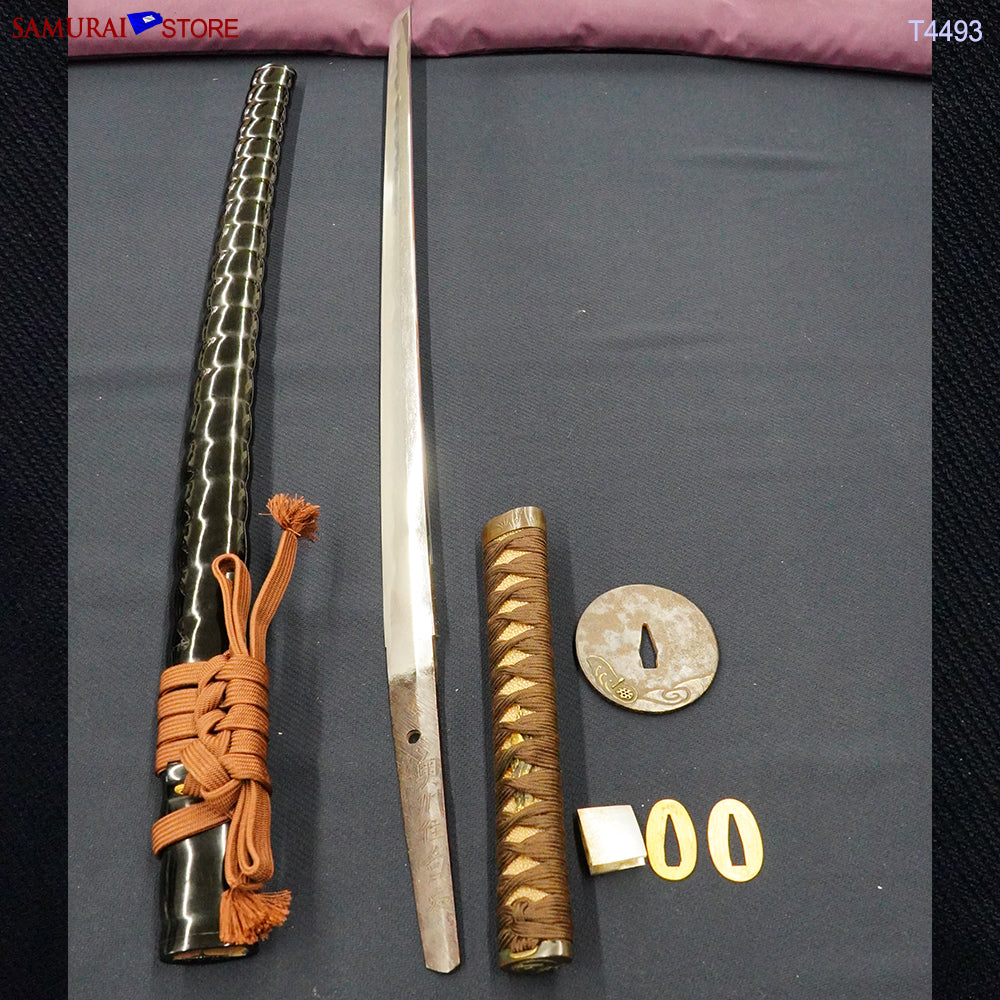
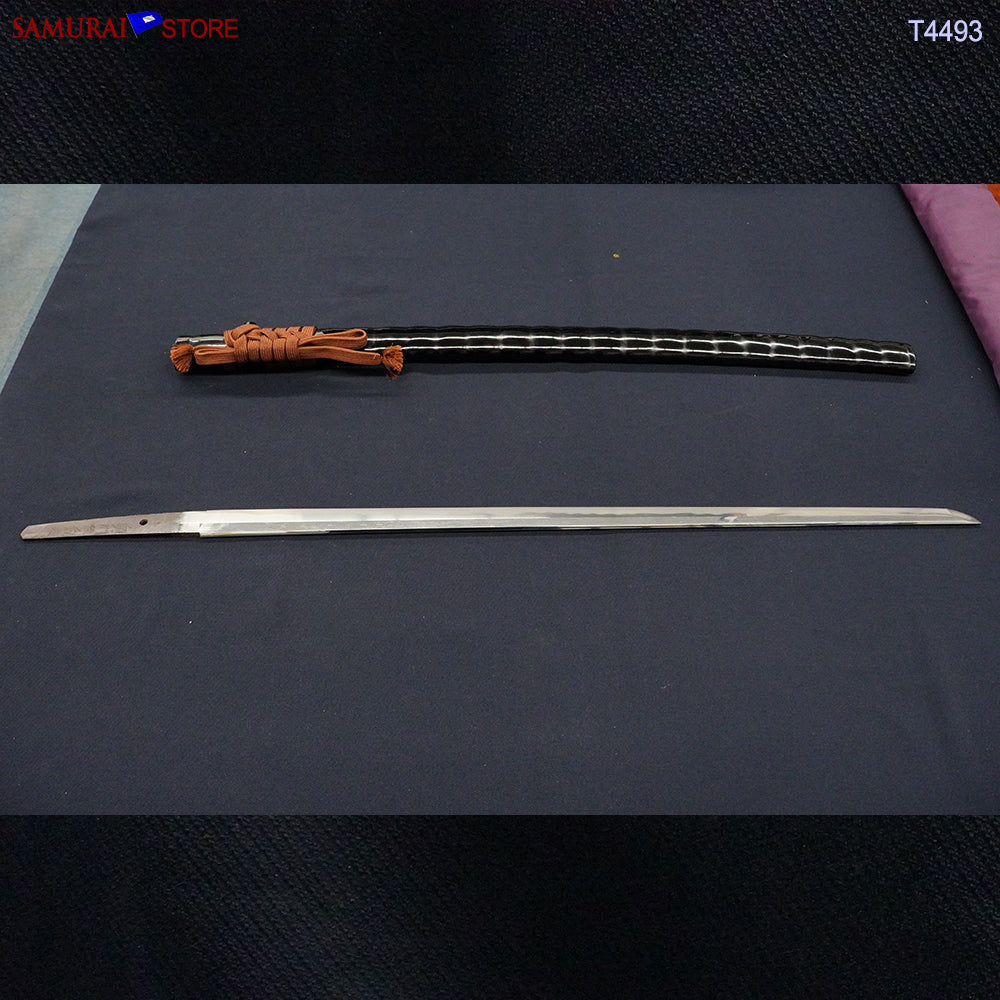
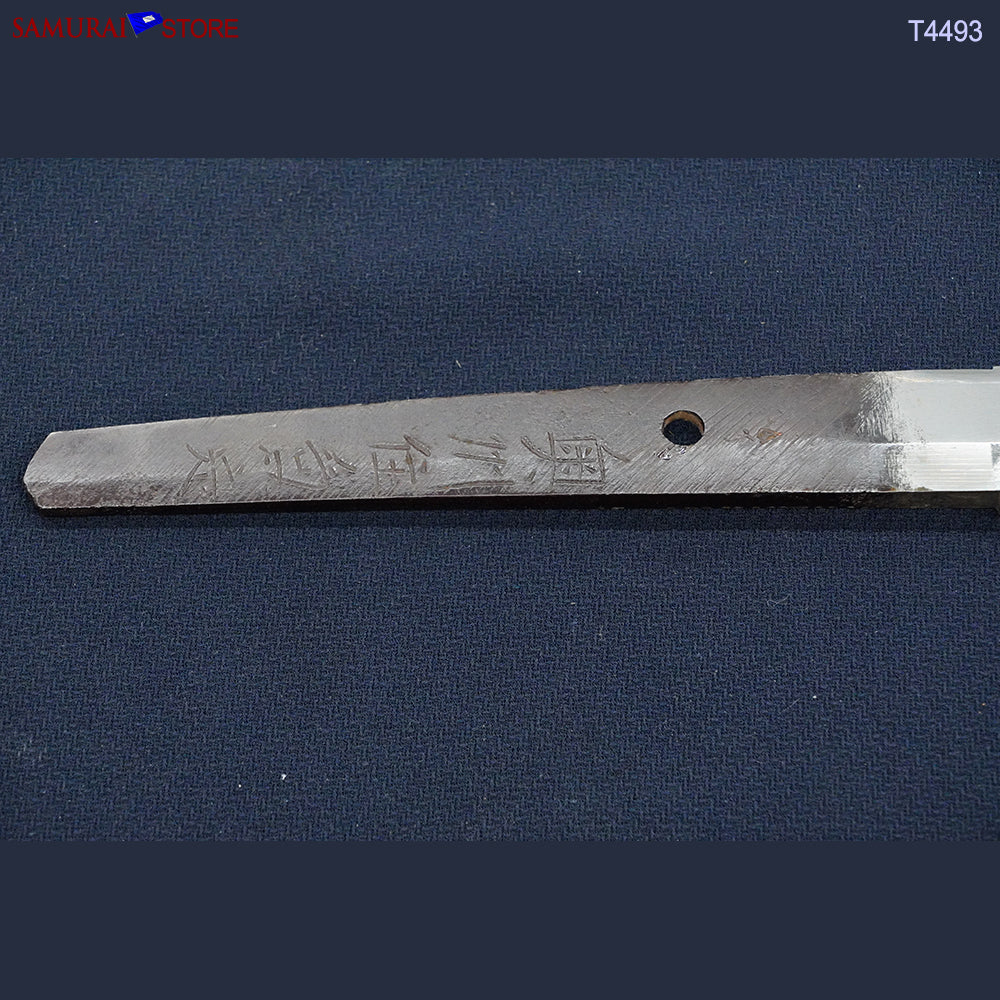
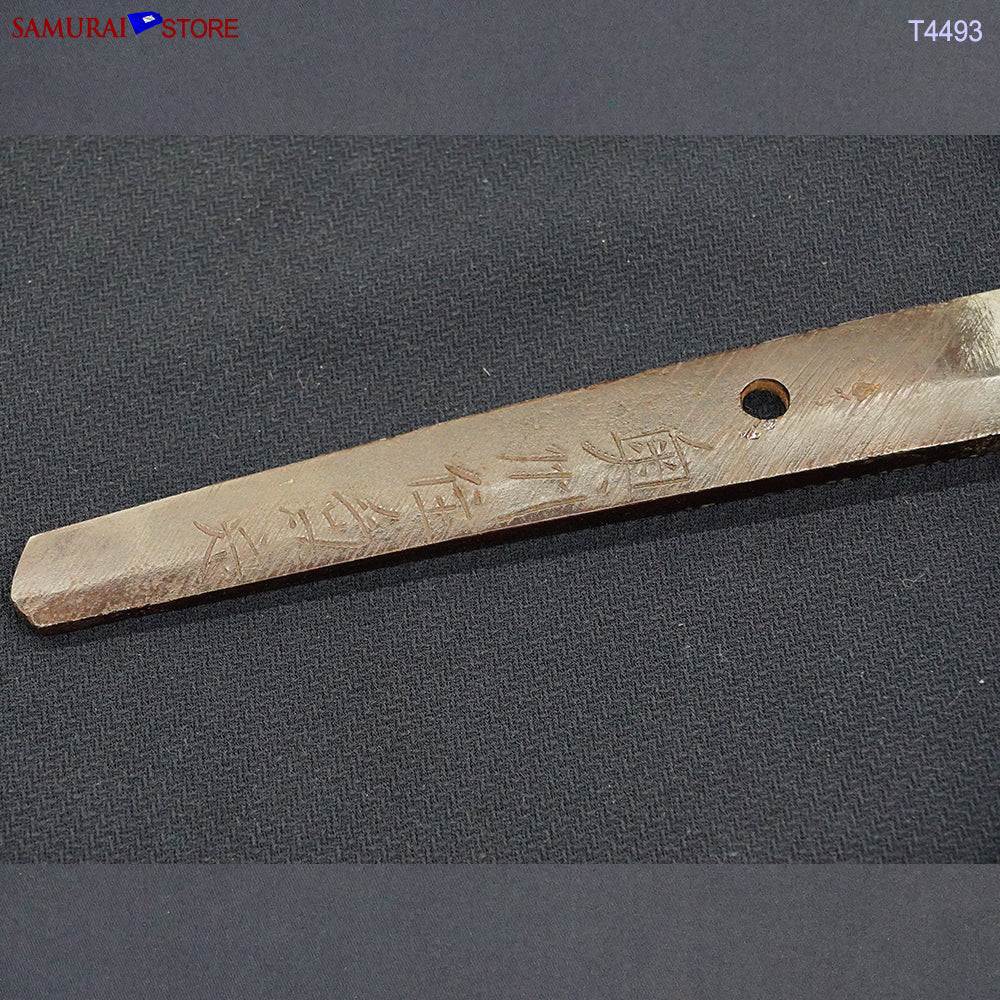
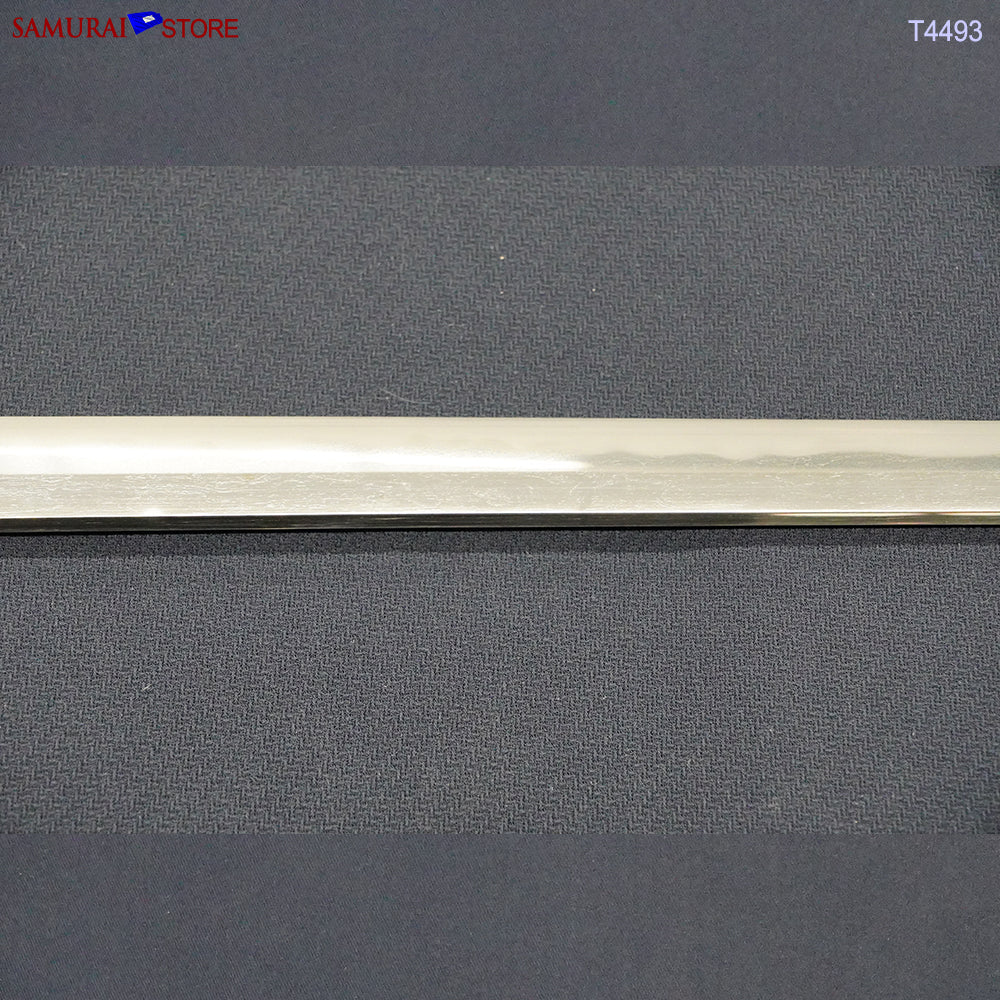
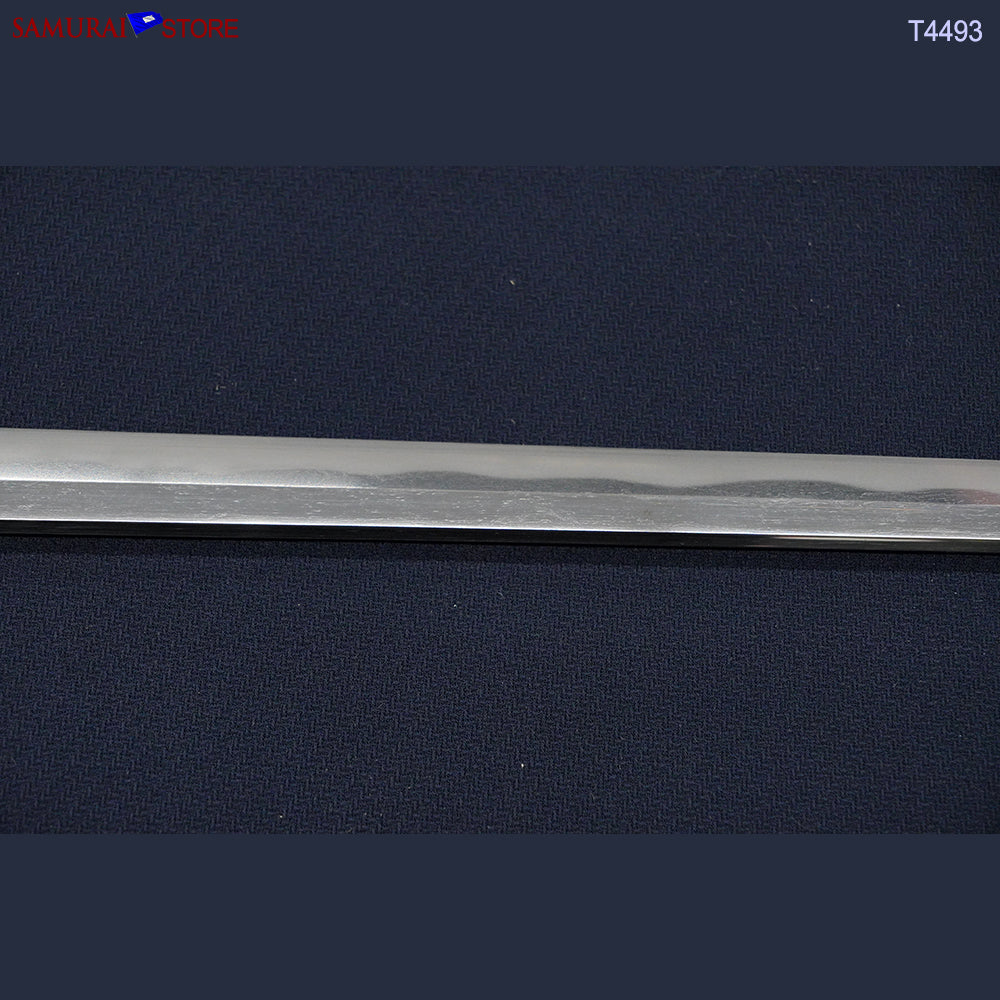
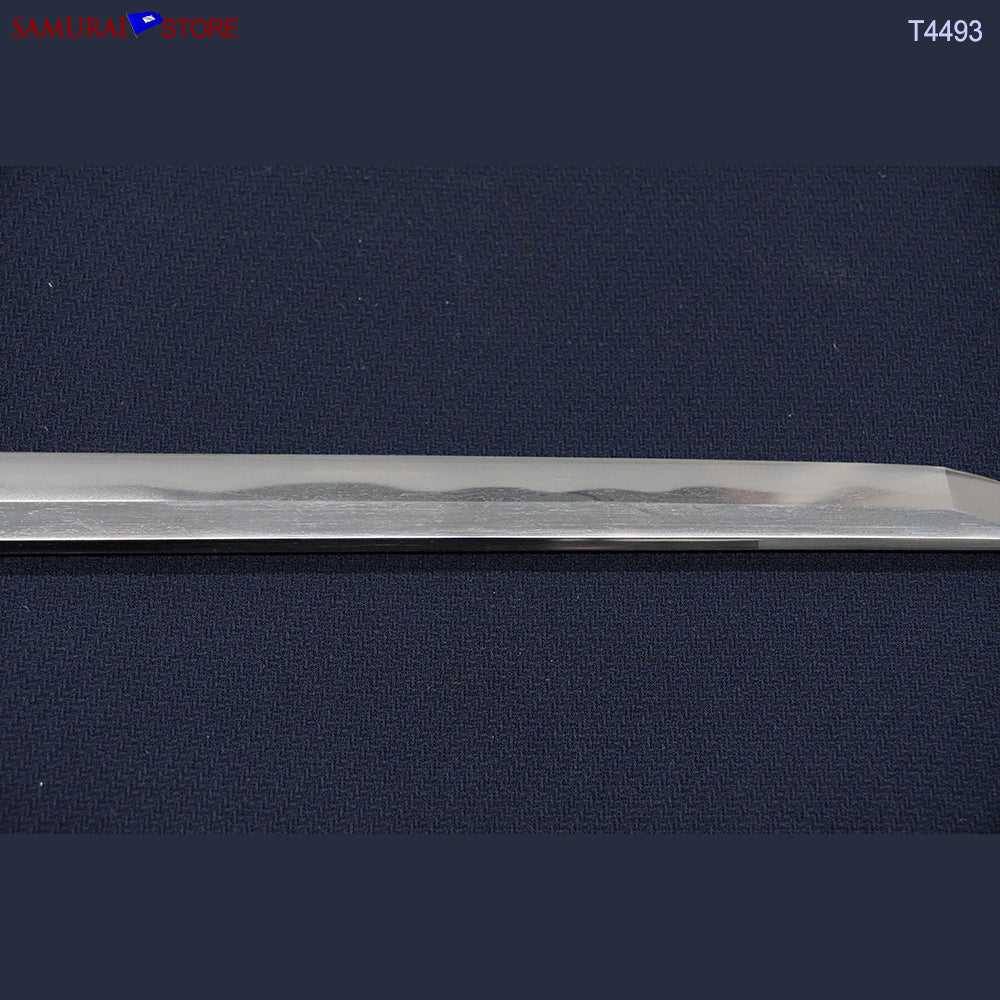
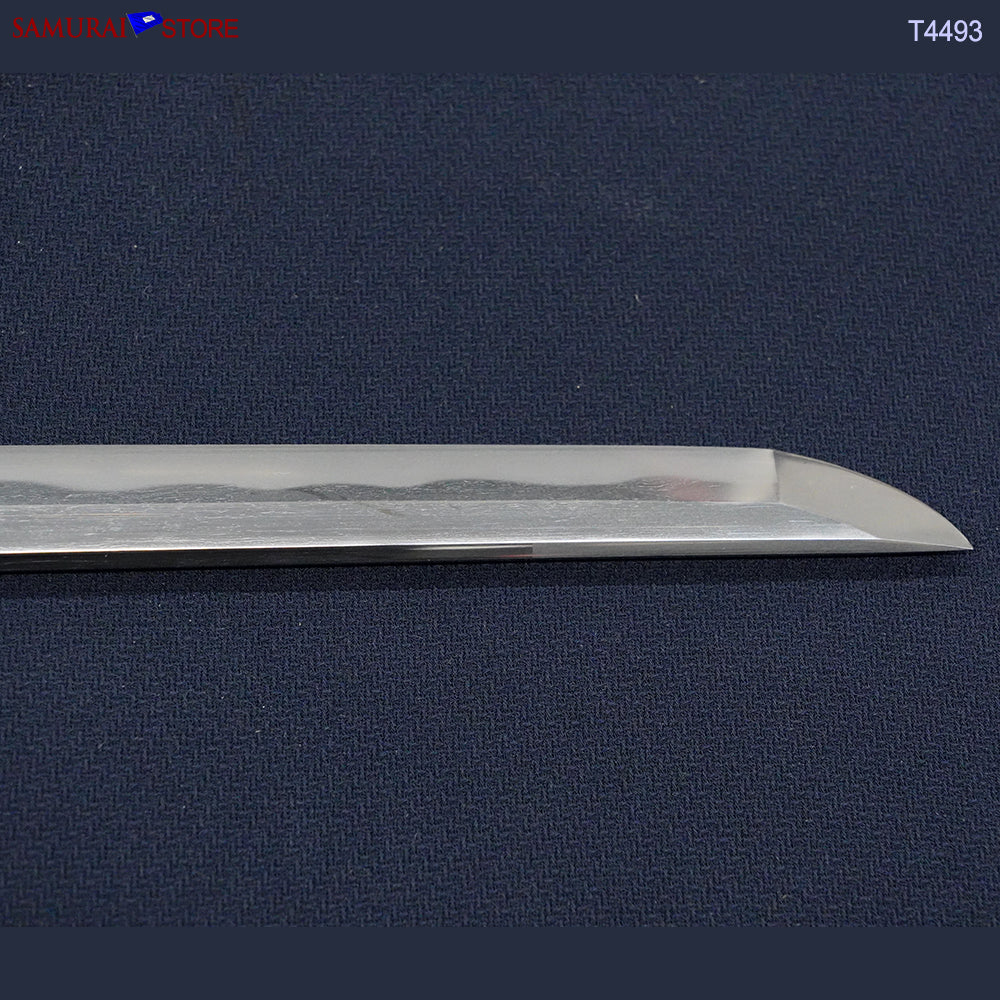
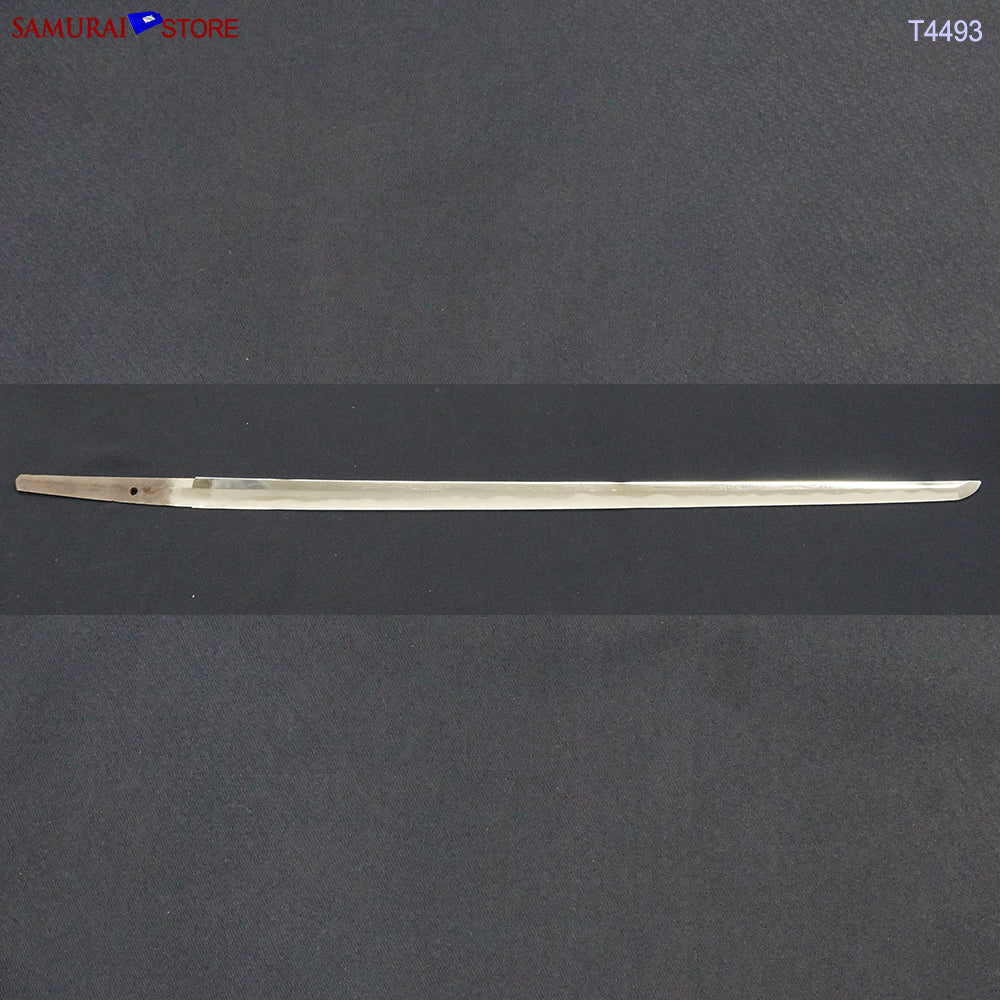
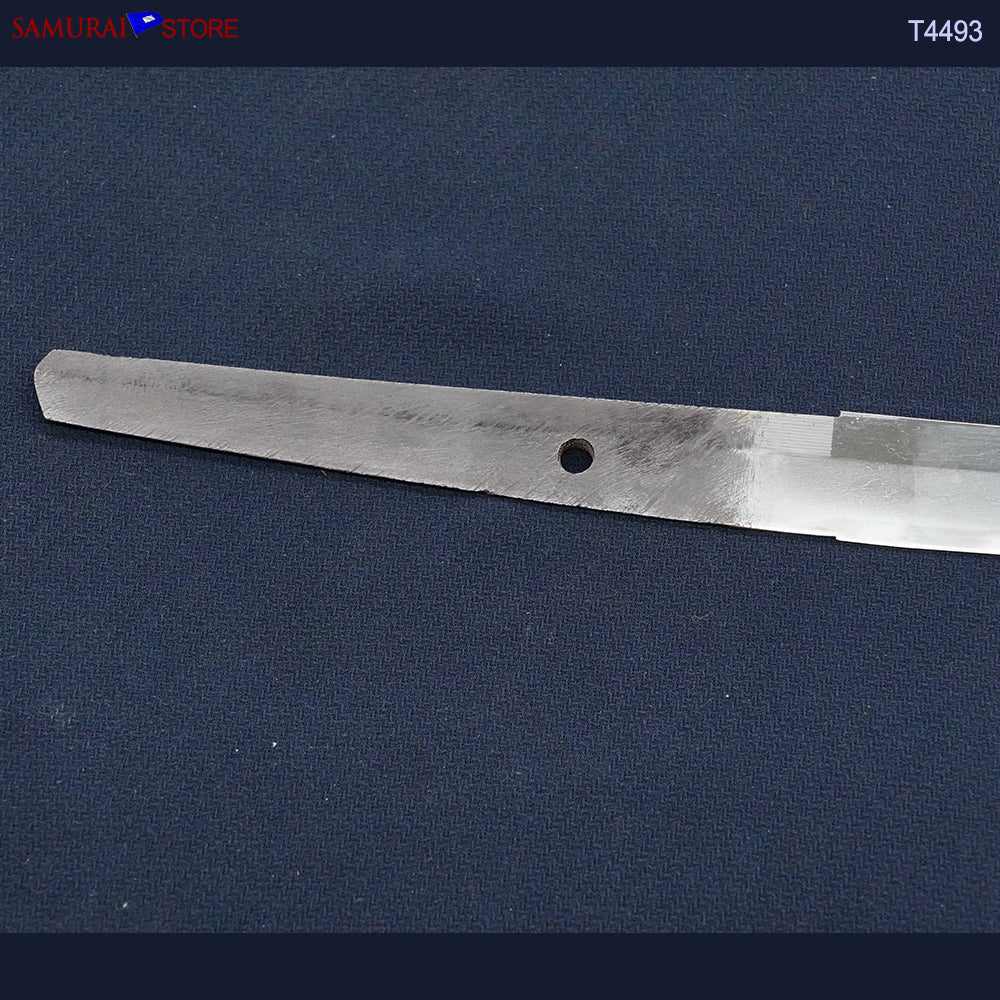
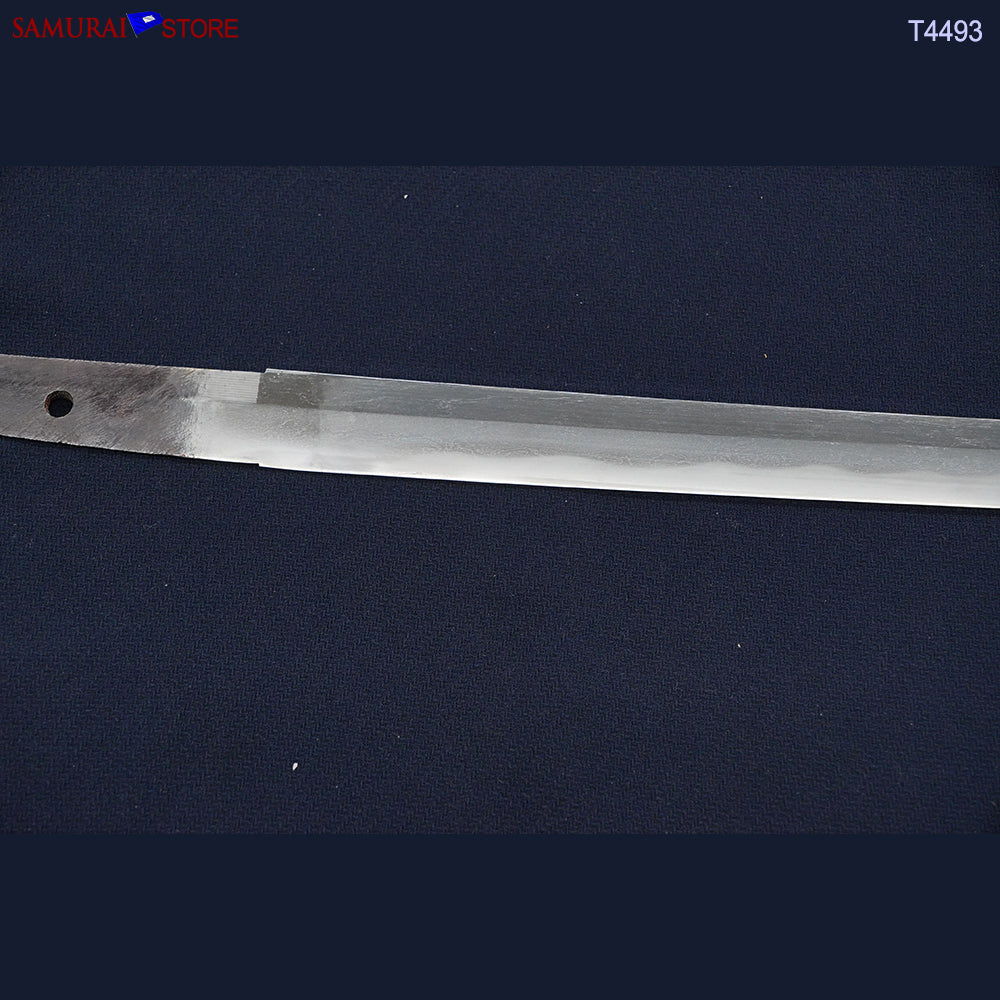
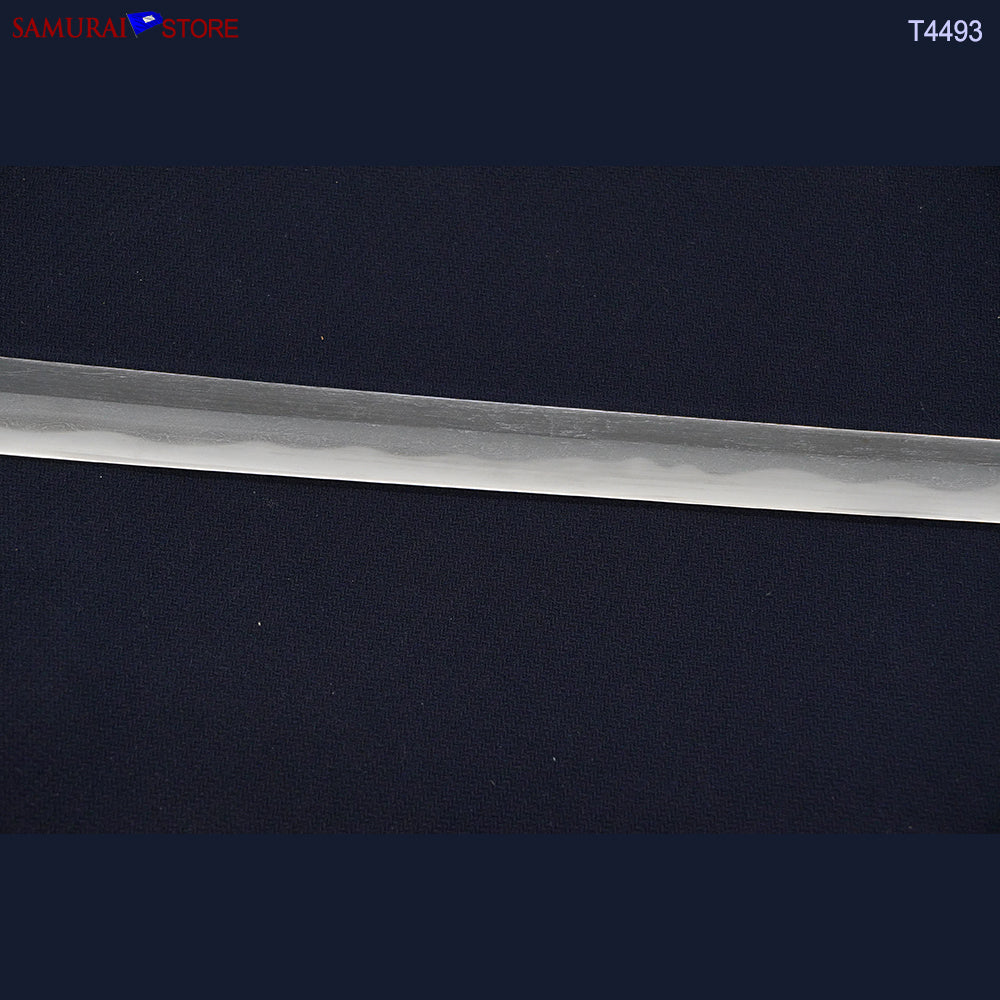
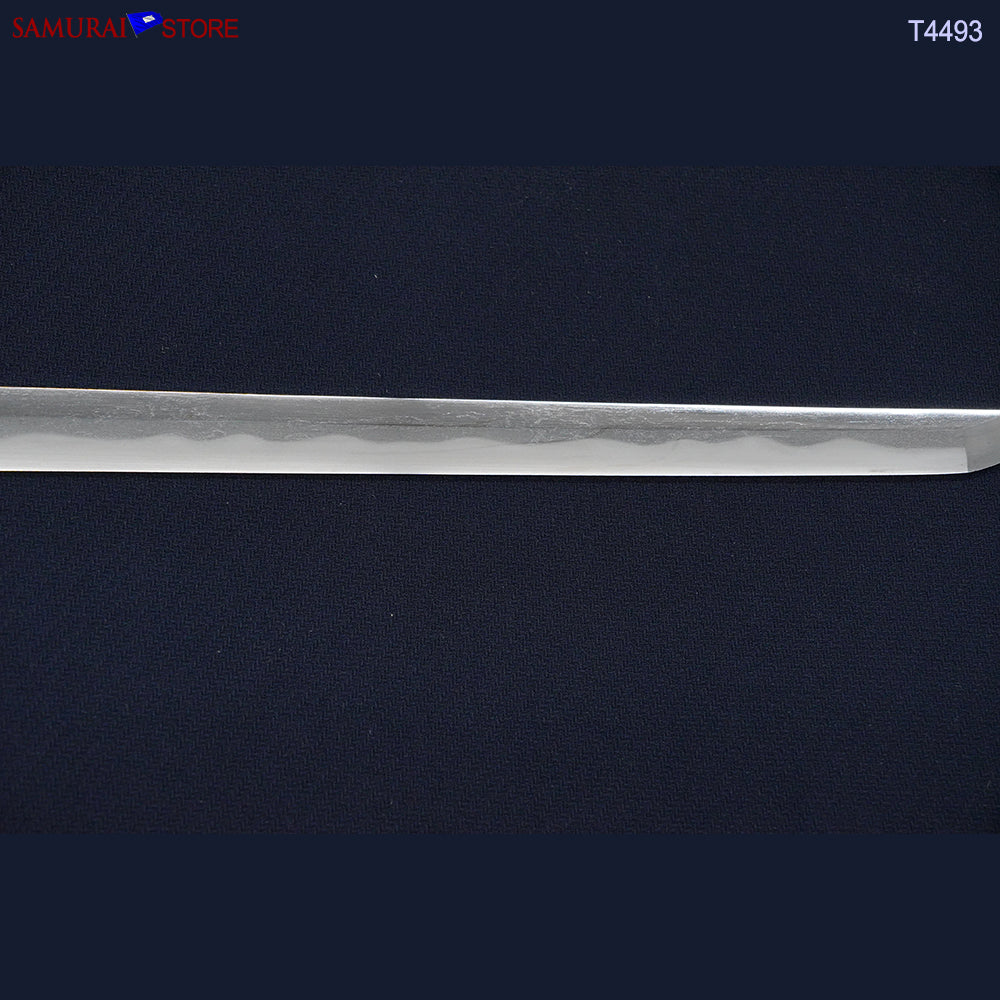
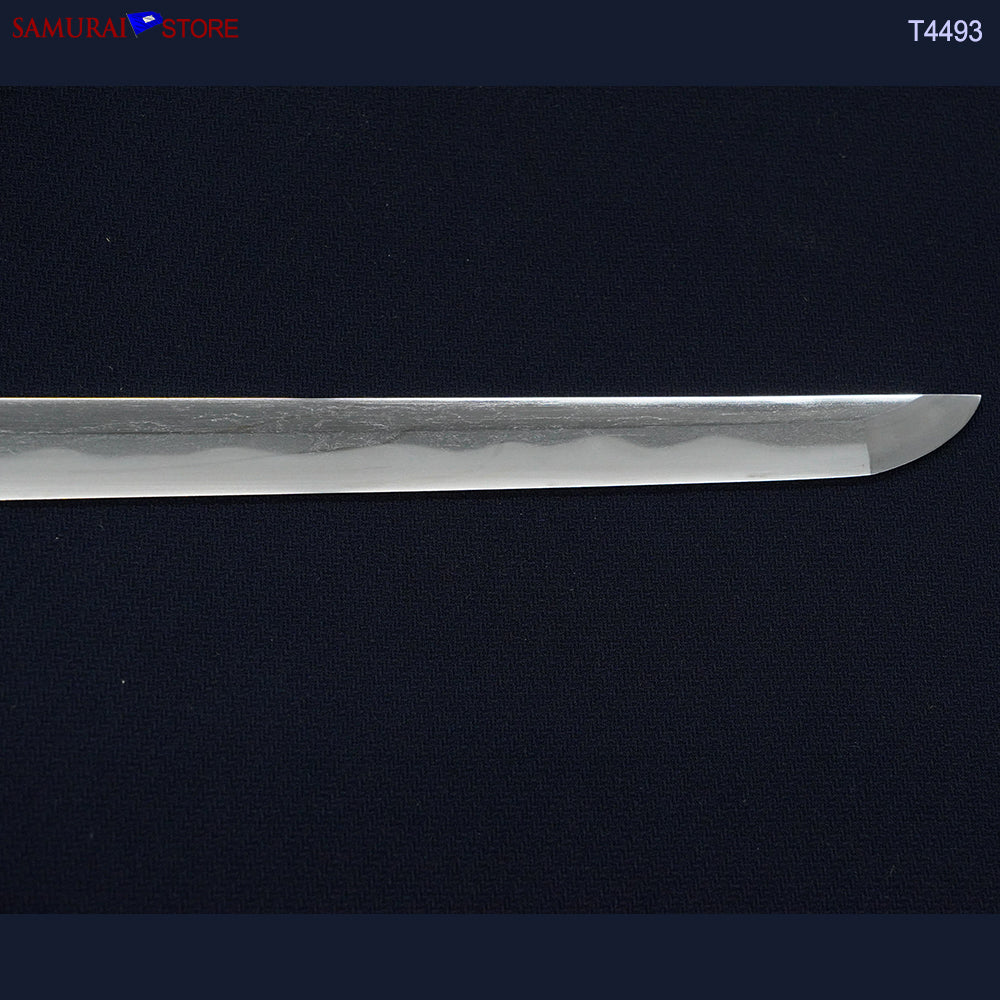
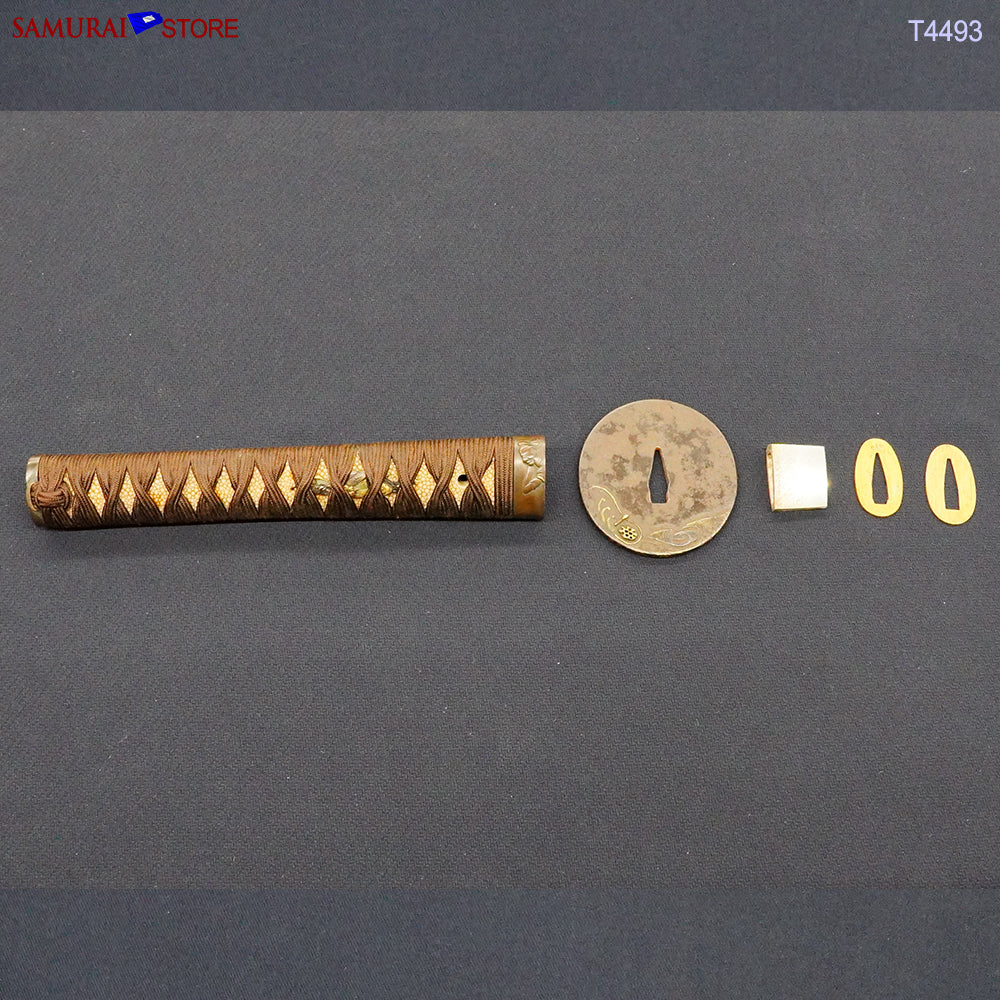
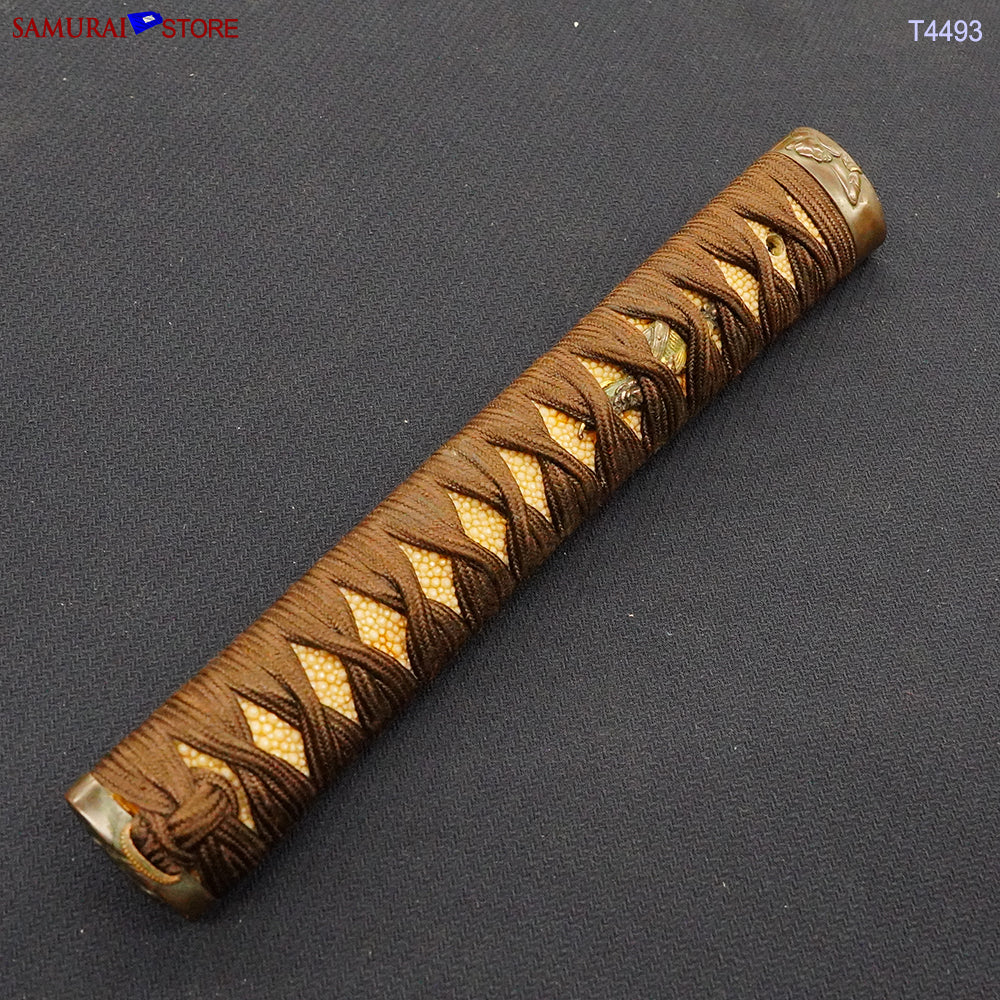
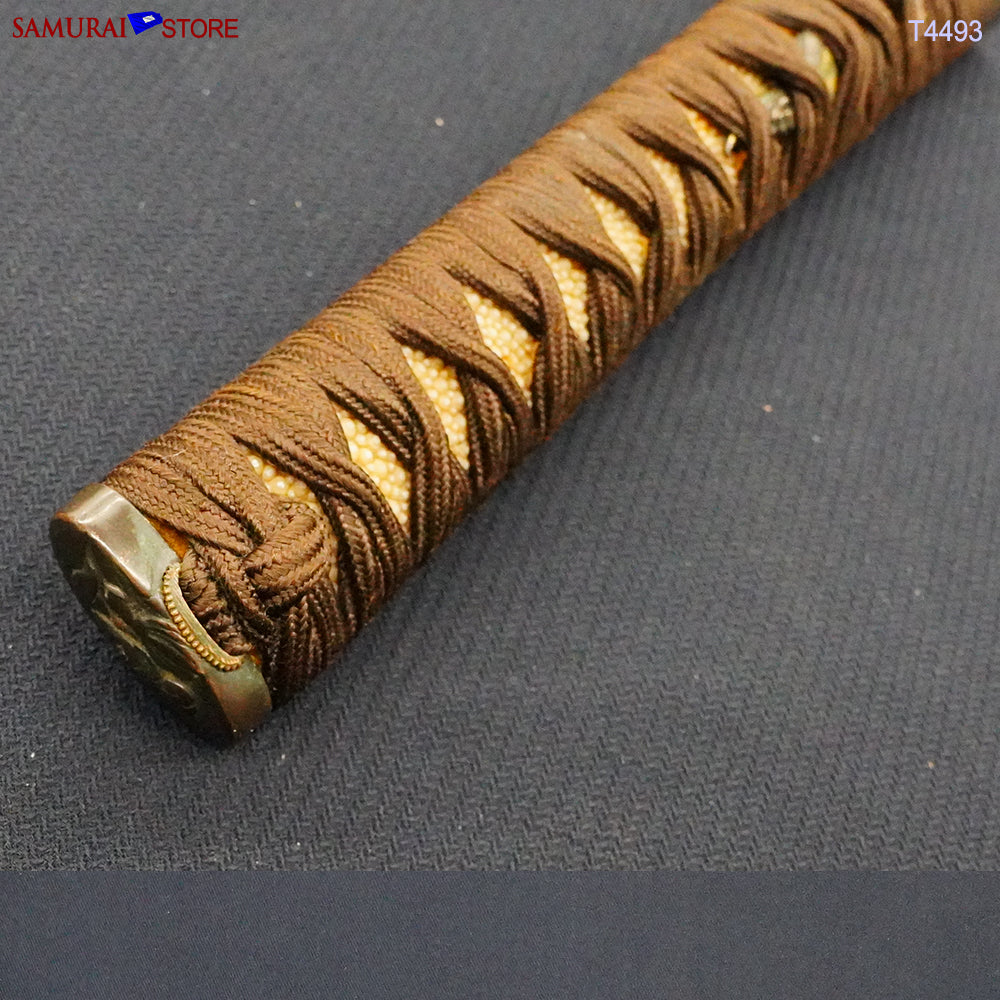
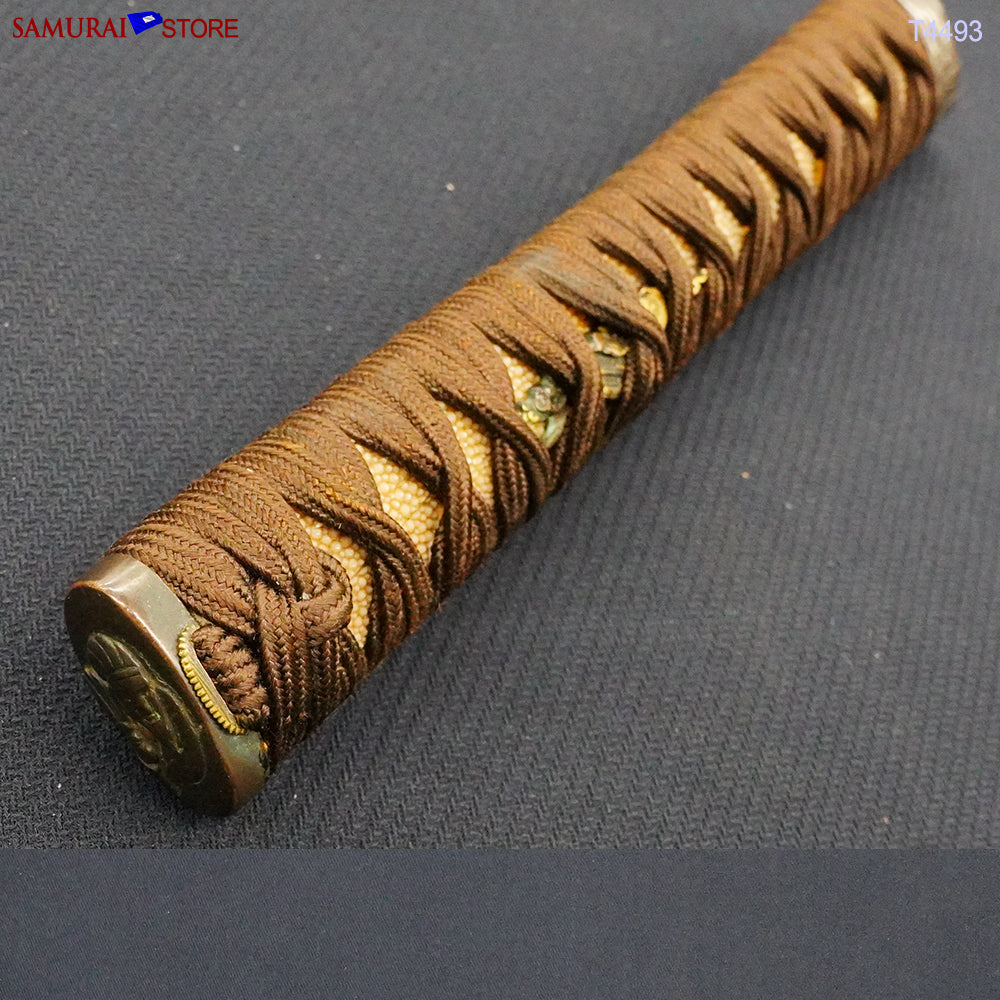
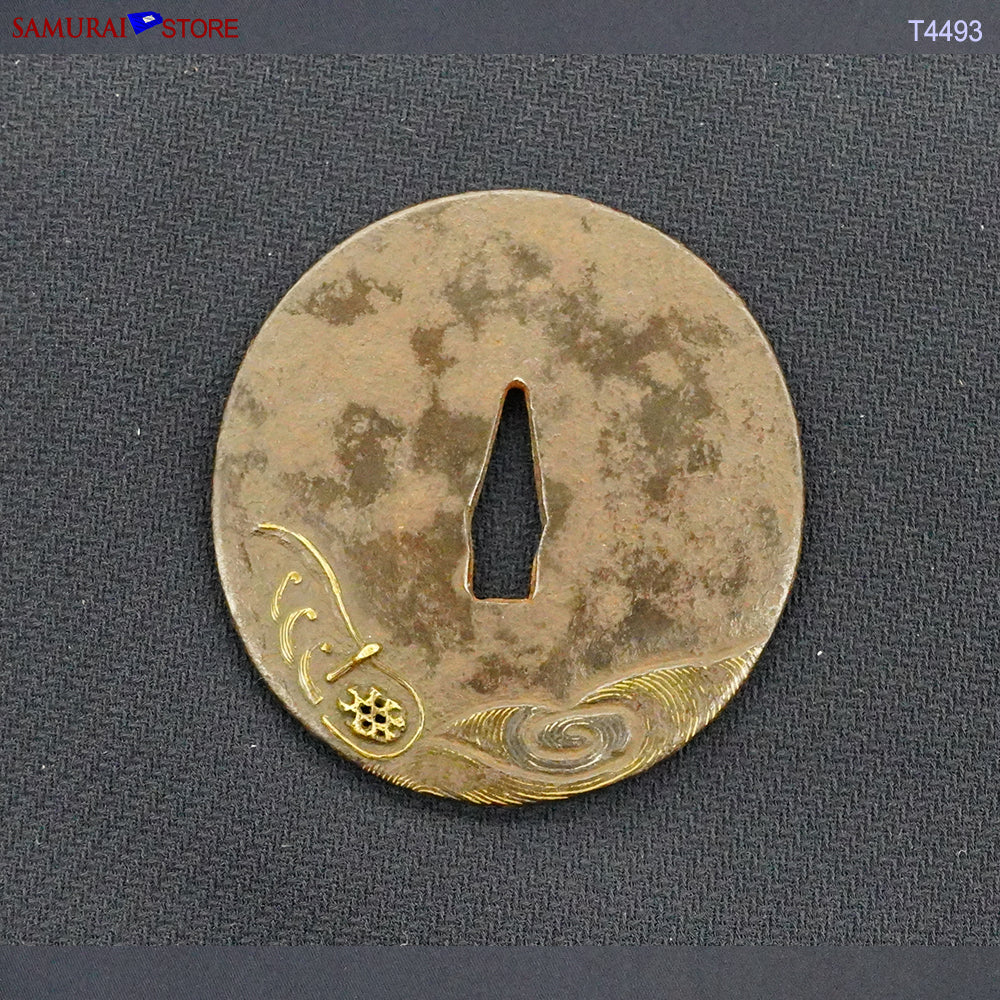
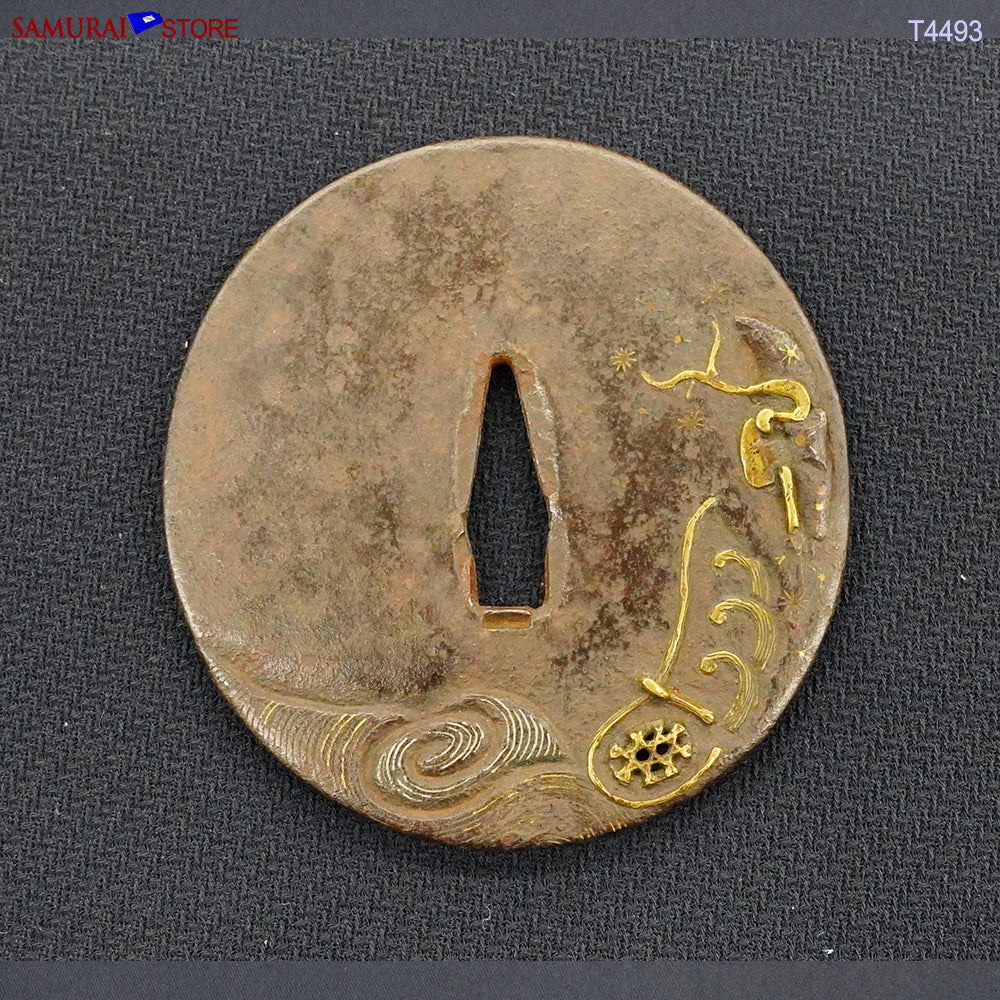
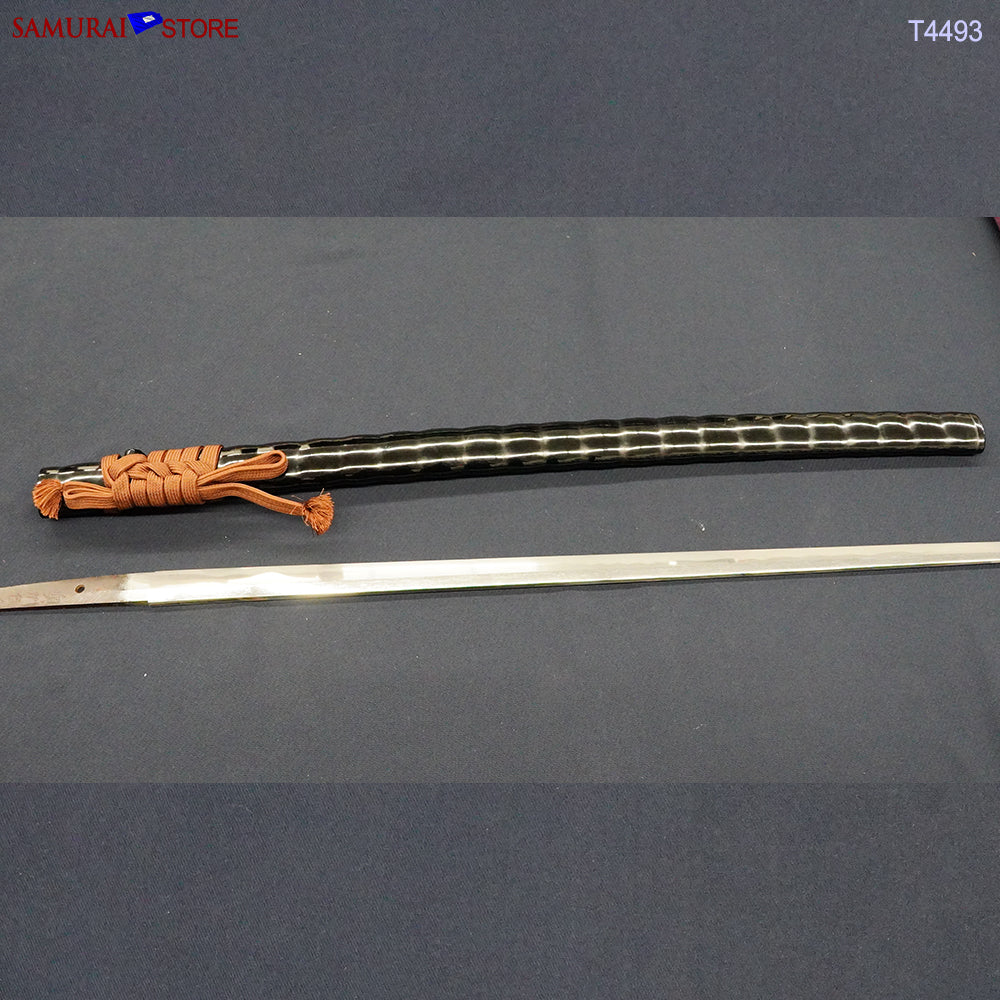
This is a quality antique Katana long sword created by Kanesada in 1625 during the early Edo period. The blade features a beautiful mixed tempered-line pattern of Notare zig-zag and Suguha straight patterns, with the smith's inscription and location 'Ohshu' engraved on the tang. It comes with a black urushi lacquered scabbard, a complete set of ornate mountings including an iron Tsuba, and a Shirasaya wooden holder.
 NihontoWatch
mei · Edo · nagasa 69.3cm · sori 0.5cm
Mino-den · Mutsu · around 1818-1869
1 piece on the market now
Mino-den · Iwashiro
5 pieces on the market now
| Smith | Era | Designated |
|---|---|---|
| Kanesada兼定 | 1818-1869 | 0 |
| Kanesada兼定 | 1624-1644 | 0 |
| Kanesada兼定 | 1624-1644 | 0 |
| Kanesada兼定 | 1655-1658 | 0 |
| Kanesada兼定 | 1661-1673 | 0 |
Edo was the sword’s age of connoisseurship: the Hon’ami appraisers, the shogunal register of famous blades of 1719, and a thriving literature turned the sword into an object of study even as it ceased to be drawn in war.
We could not find an authenticity certificate on the seller’s listing. Japanese swords and fittings are normally papered by the NBTHK (or the NTHK). Without one, the attribution is the seller’s own assessment and has not been independently verified — treat it with caution and ask the dealer about certification before buying.
Returns accepted only for errors/damage: damaged or incorrect items reported by email within 10 calendar days; defective goods within 30 calendar days.
This is a quality antique Katana long sword created by Kanesada in 1625 during the early Edo period. The blade features a beautiful mixed tempered-line pattern of Notare zig-zag and Suguha straight patterns, with the smith's inscription and location 'Ohshu' engraved on the tang. It comes with a black urushi lacquered scabbard, a complete set of ornate mountings including an iron Tsuba, and a Shirasaya wooden holder.
NihontoWatchmei · Edo · nagasa 69.3cm · sori 0.5cm
Mino-den · Mutsu · around 1818-1869
1 piece on the market now
Mino-den · Iwashiro
5 pieces on the market now
| Smith | Era | Designated |
|---|---|---|
| Kanesada兼定 | 1818-1869 | 0 |
| Kanesada兼定 | 1624-1644 | 0 |
| Kanesada兼定 | 1624-1644 | 0 |
| Kanesada兼定 | 1655-1658 | 0 |
| Kanesada兼定 | 1661-1673 | 0 |
Edo was the sword’s age of connoisseurship: the Hon’ami appraisers, the shogunal register of famous blades of 1719, and a thriving literature turned the sword into an object of study even as it ceased to be drawn in war.
We could not find an authenticity certificate on the seller’s listing. Japanese swords and fittings are normally papered by the NBTHK (or the NTHK). Without one, the attribution is the seller’s own assessment and has not been independently verified — treat it with caution and ask the dealer about certification before buying.
Returns accepted only for errors/damage: damaged or incorrect items reported by email within 10 calendar days; defective goods within 30 calendar days.