NihontoWatch Mon

NihontoWatch

Market
Encyclopedia
Kantei
NihontoWatch Mon

NihontoWatch

Market
Encyclopedia
Kantei

Description

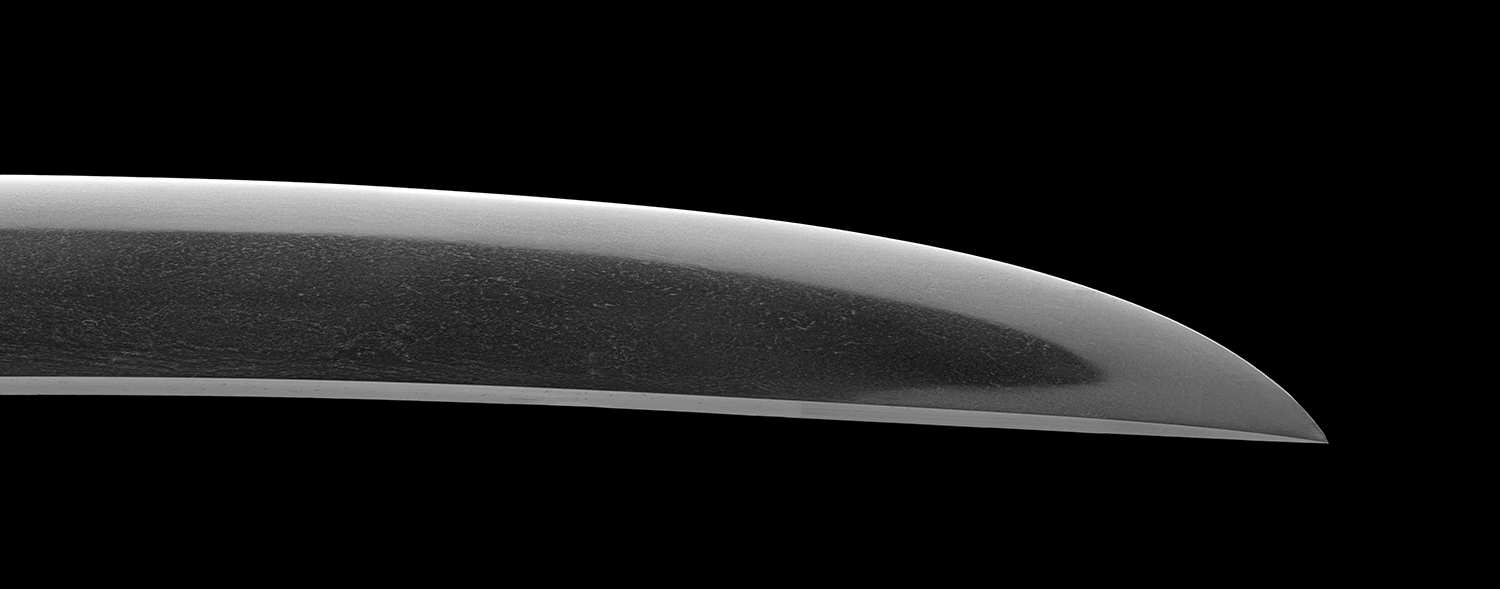
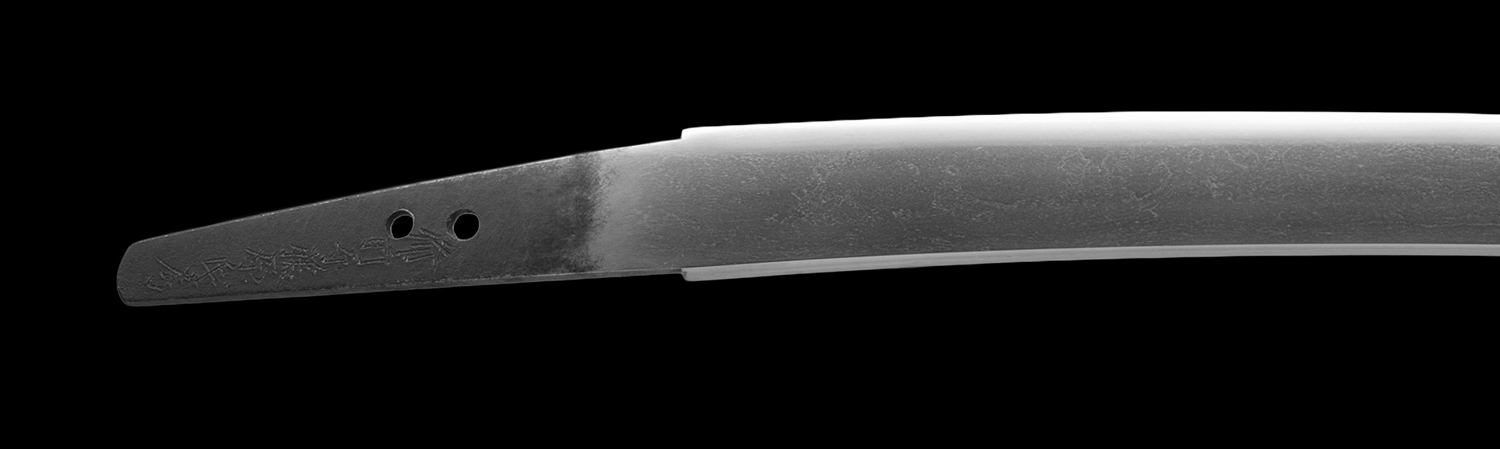
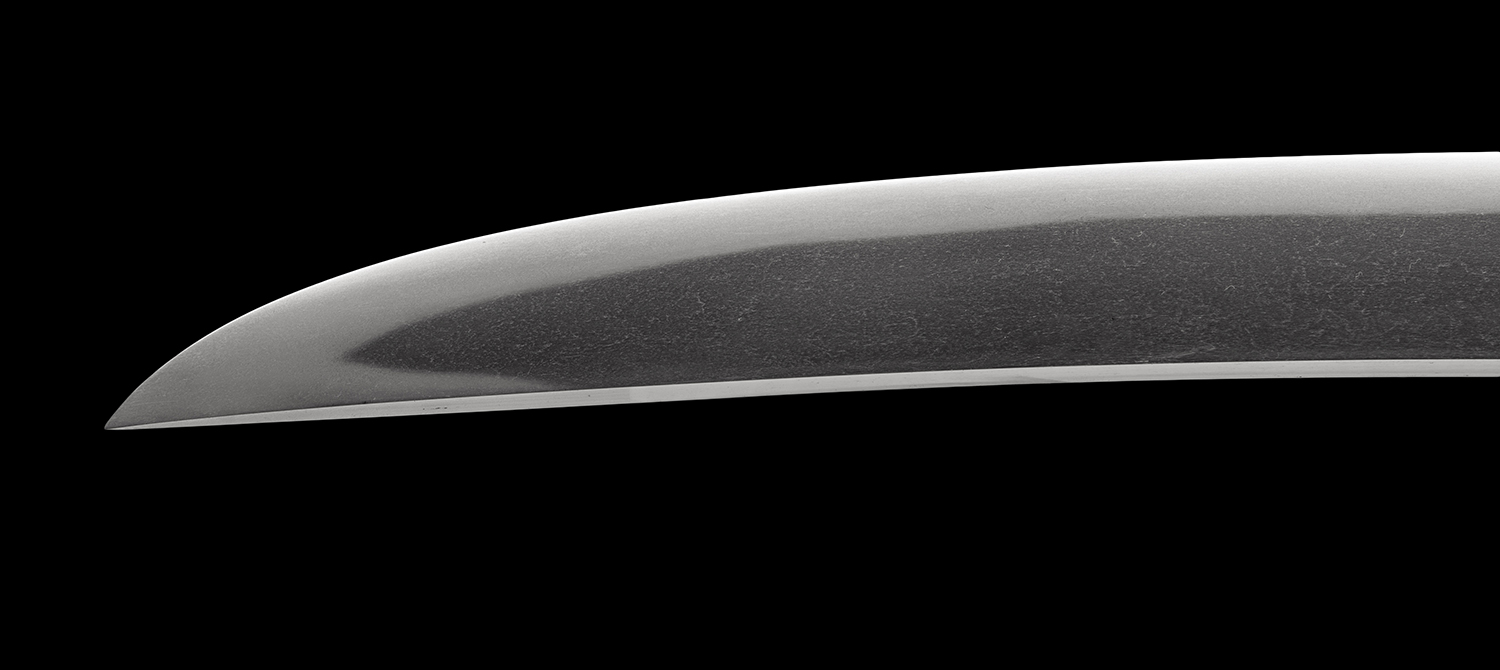
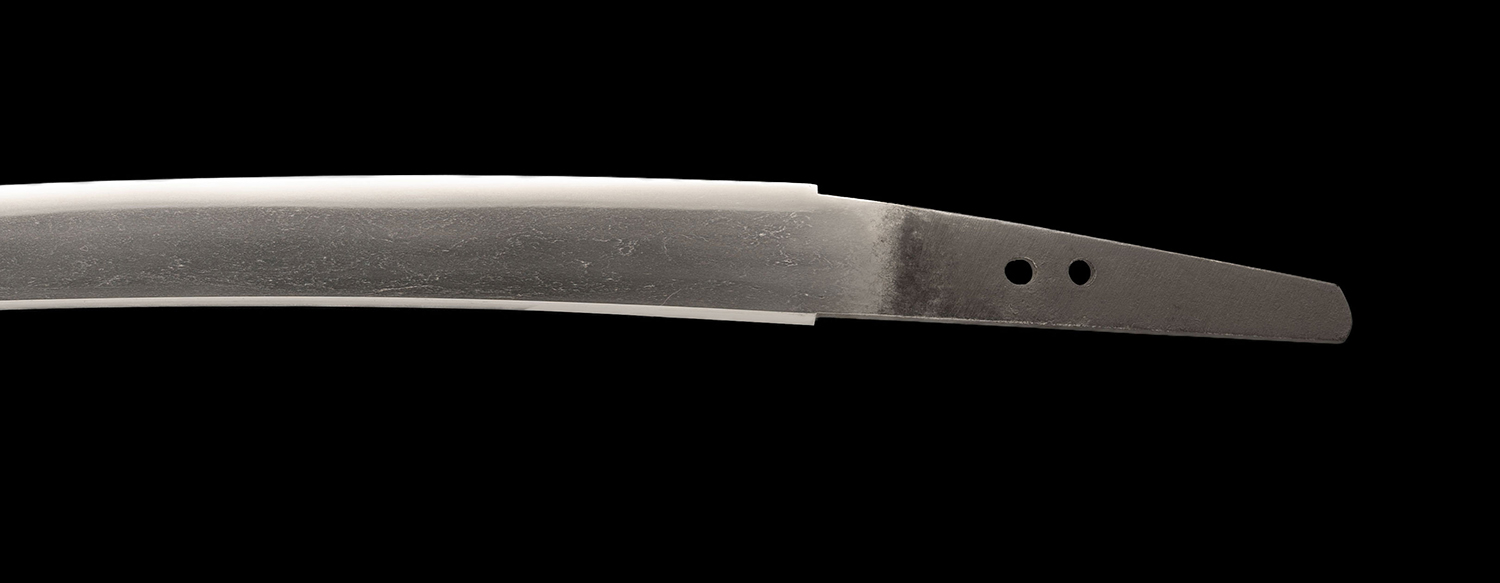
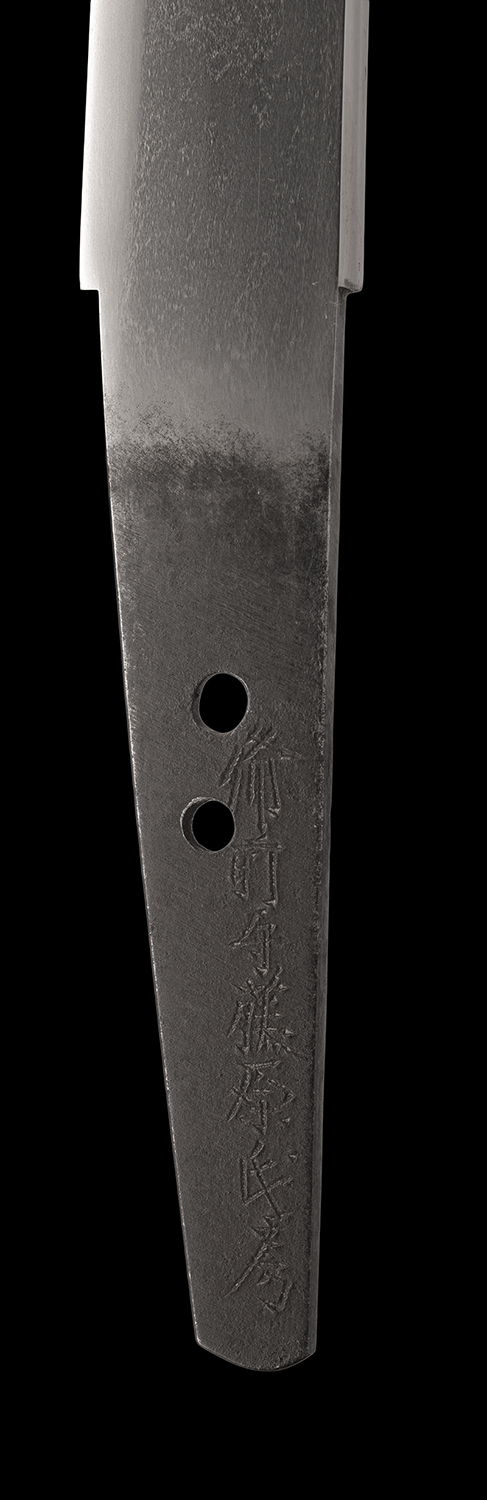
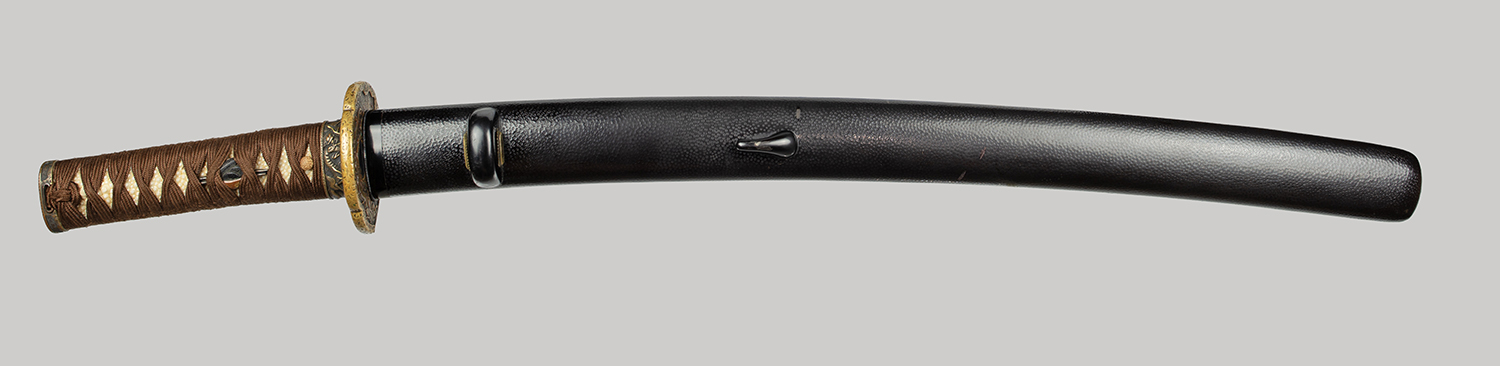
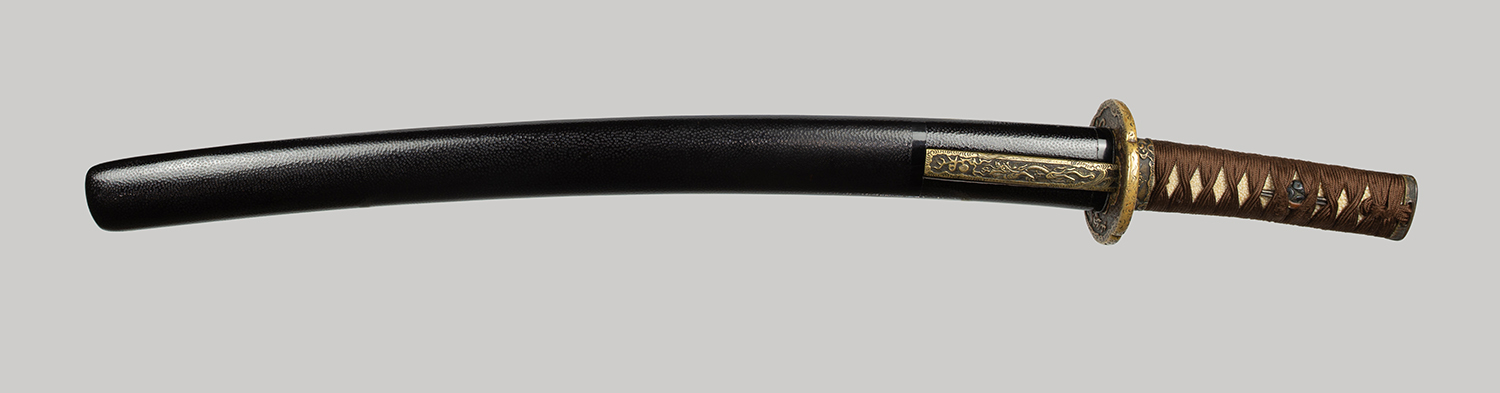
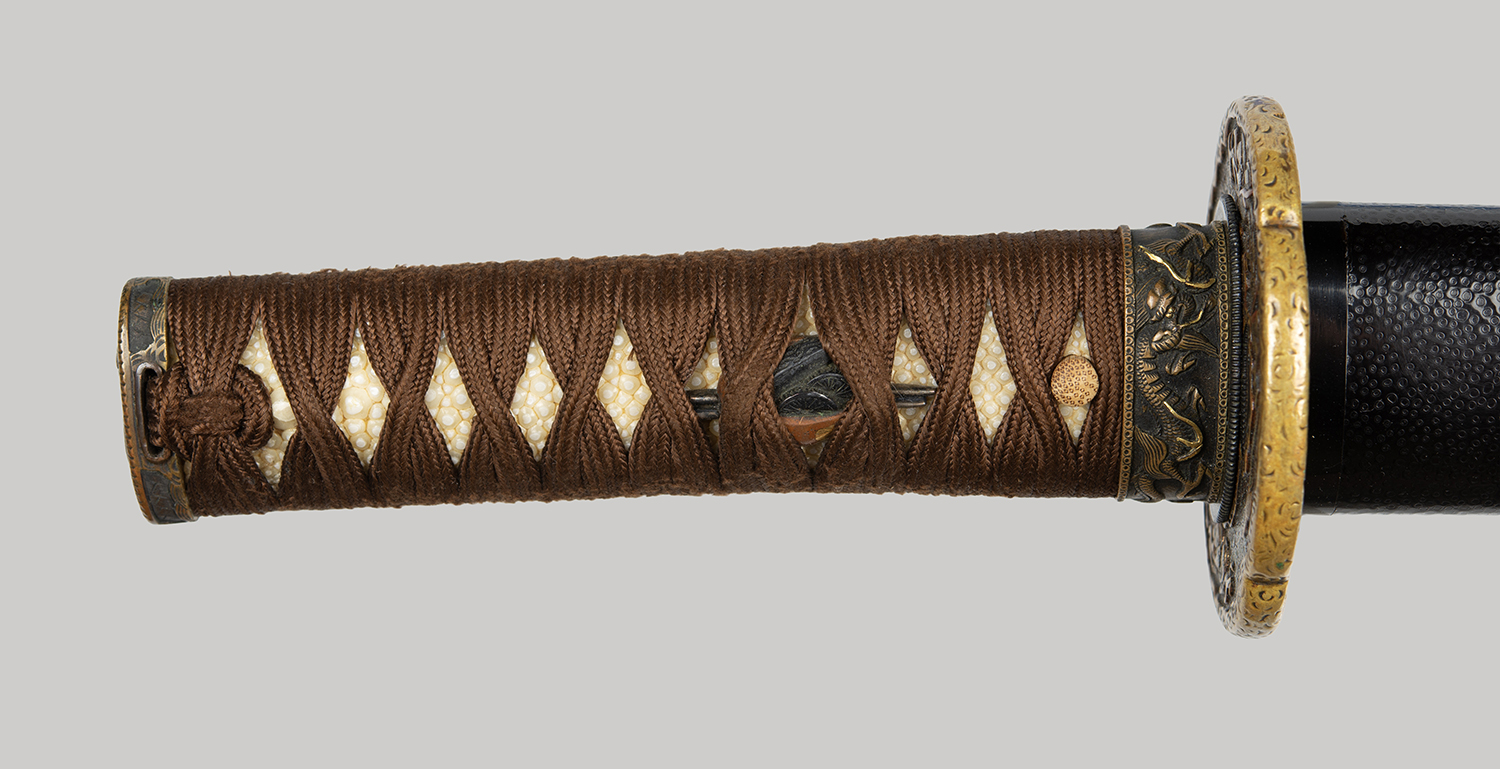
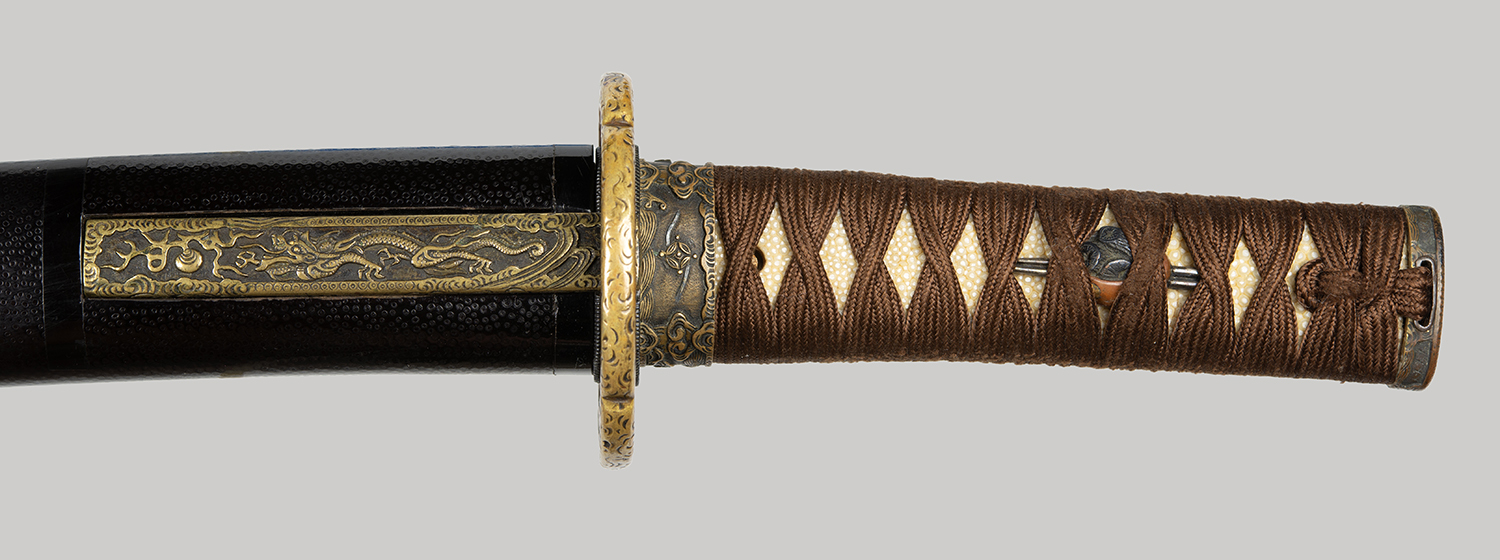
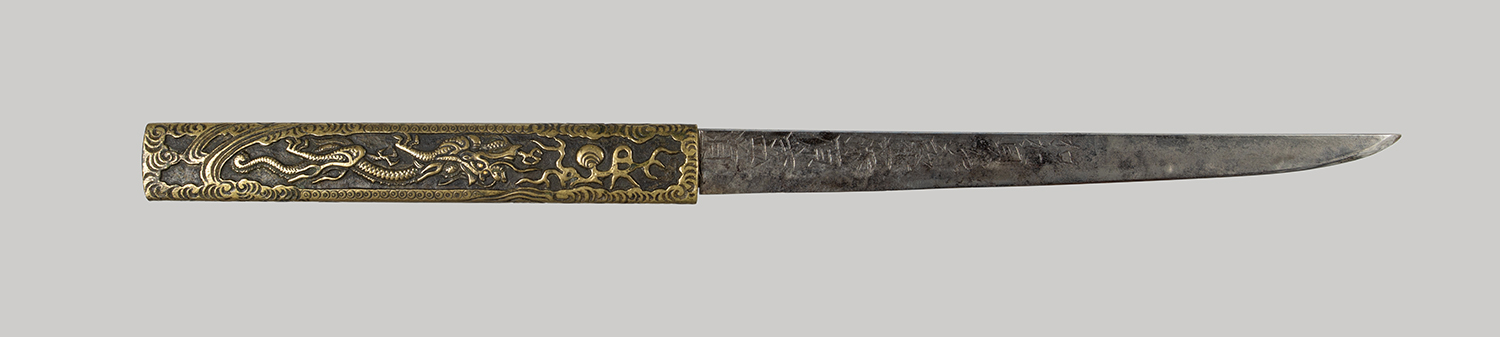
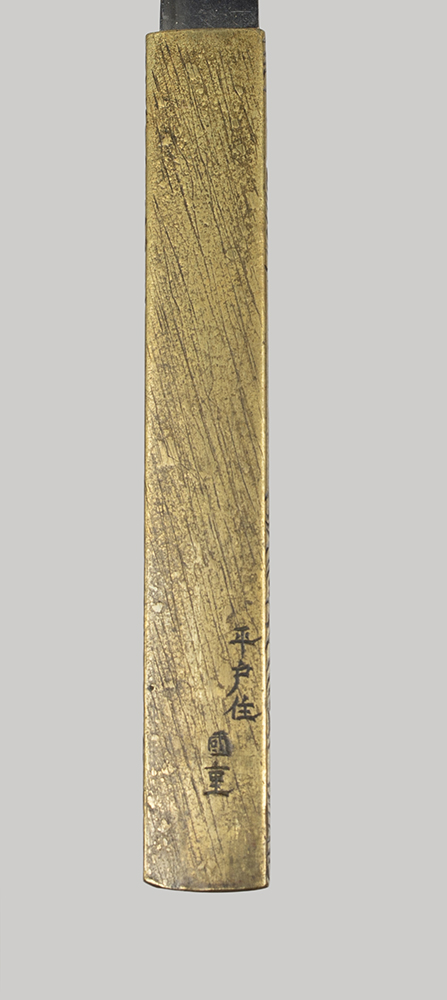
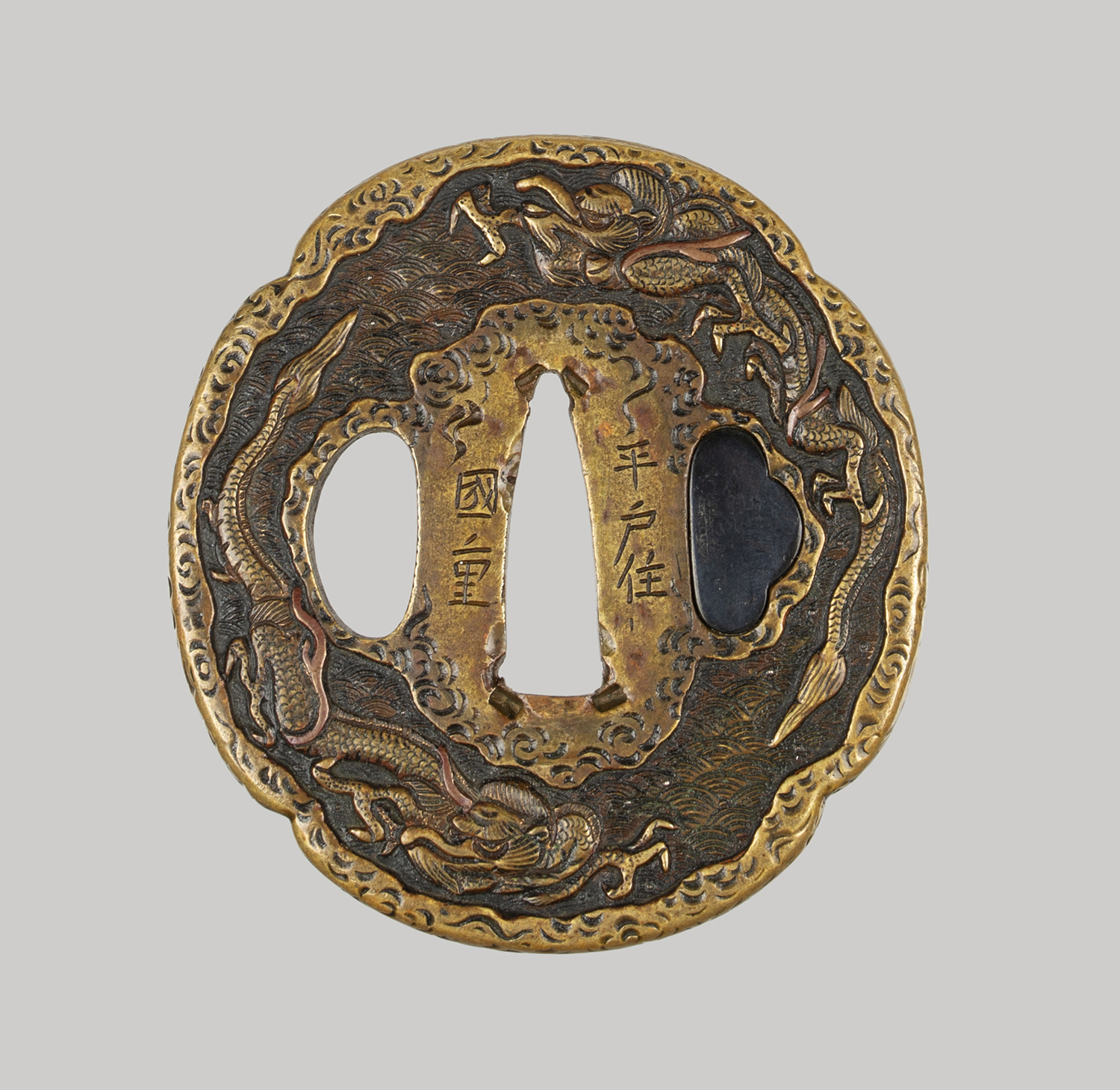
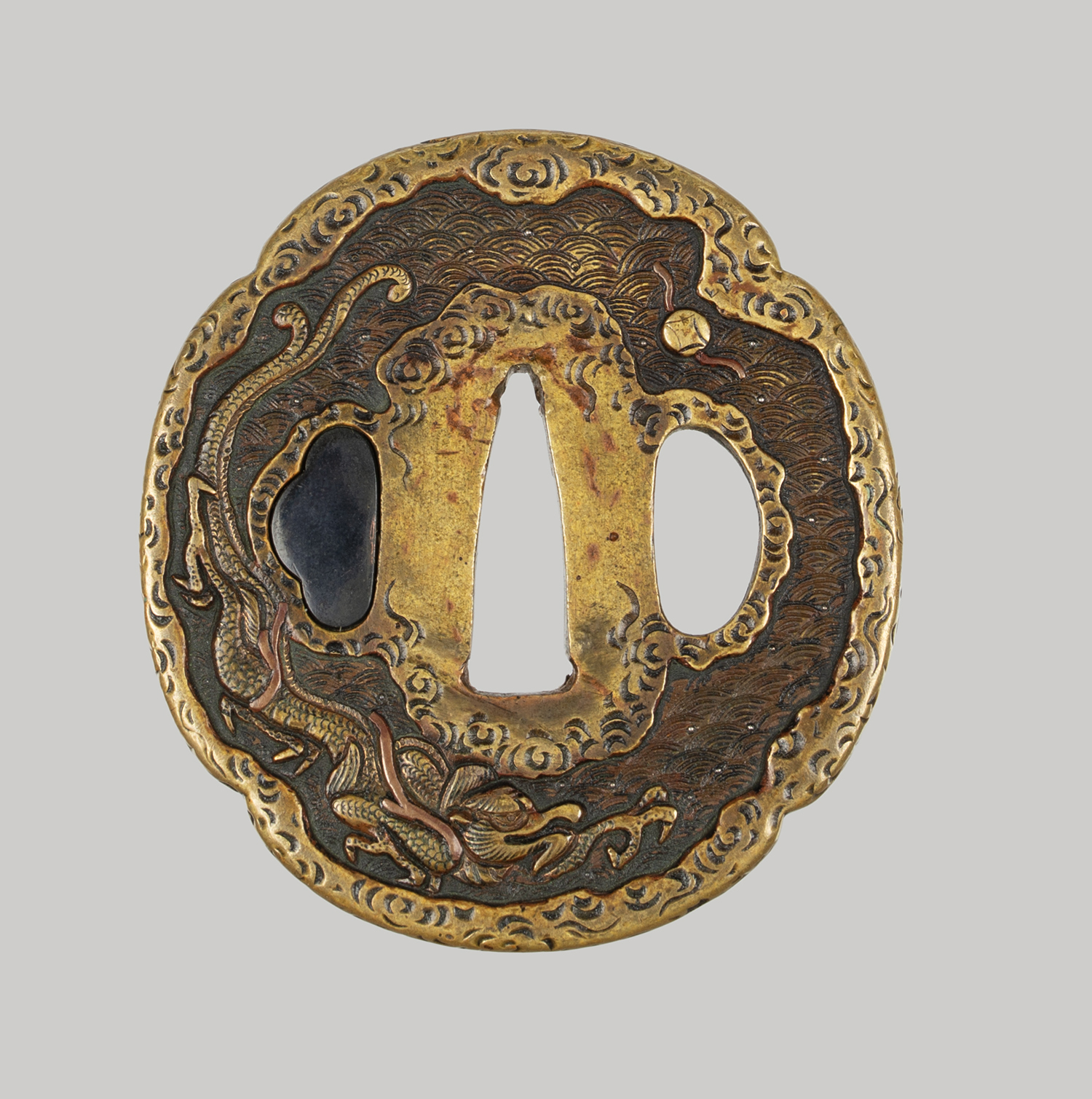
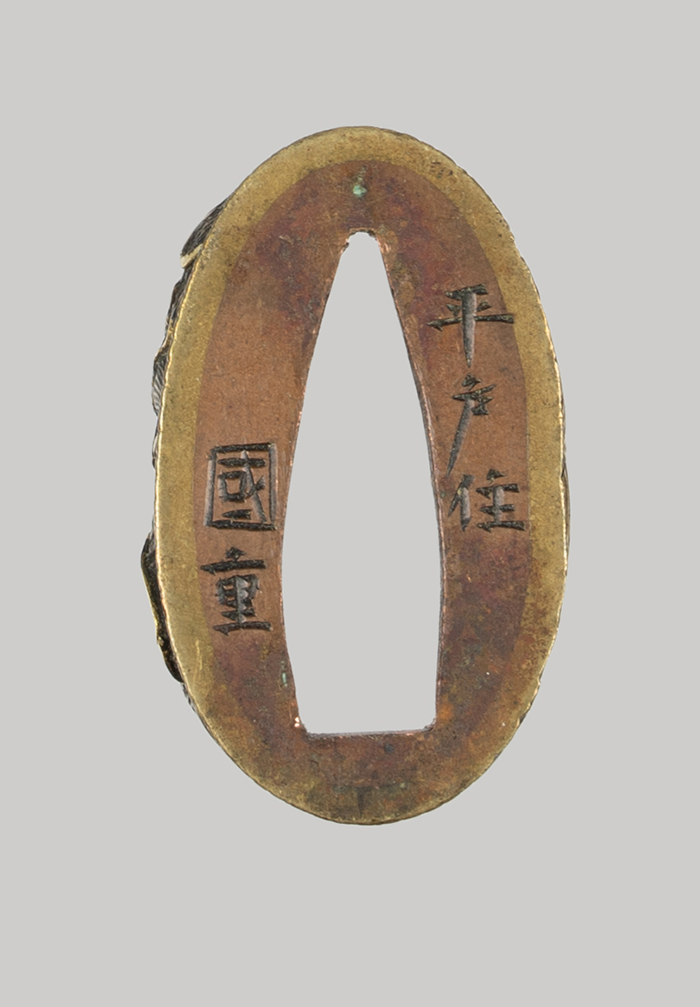
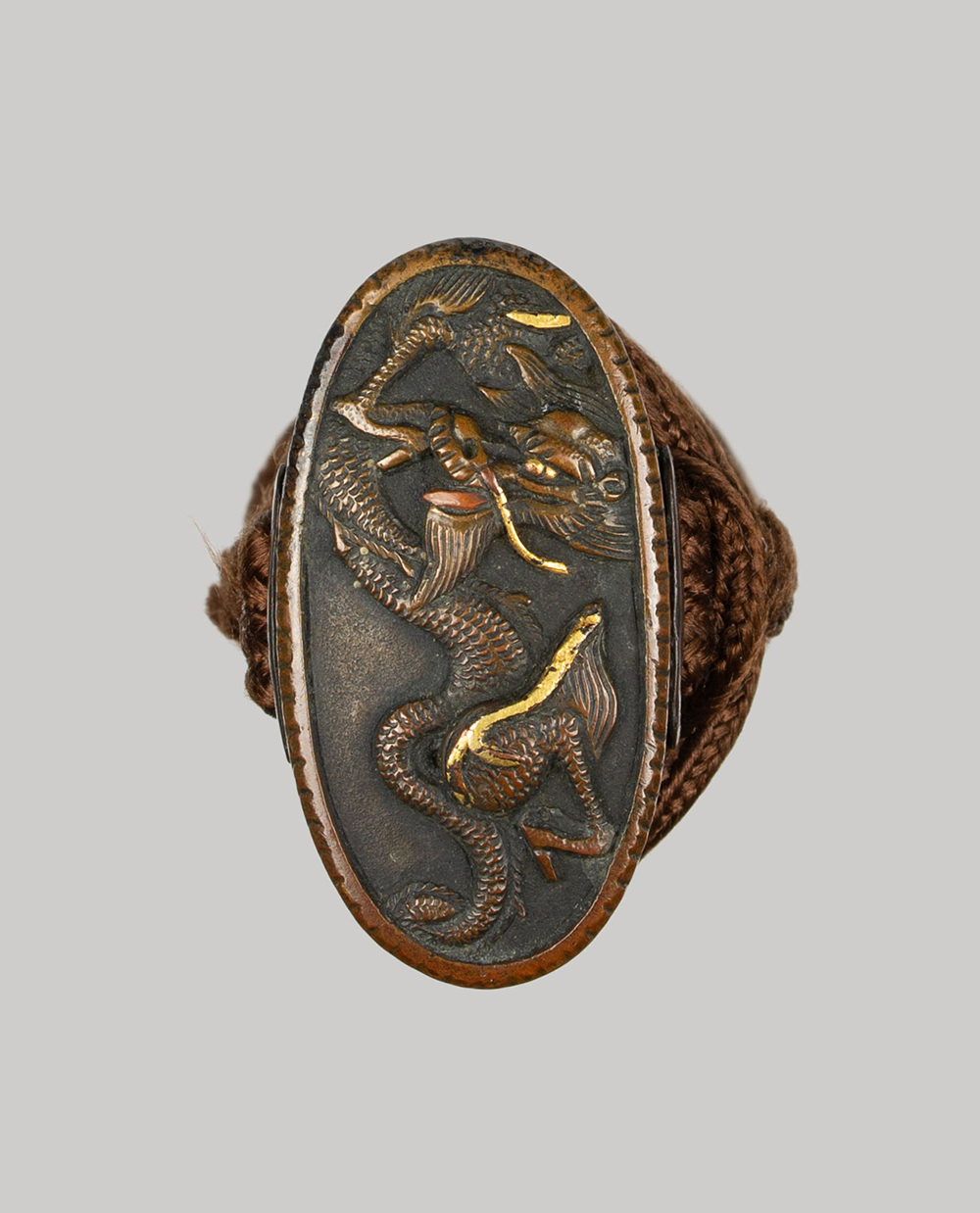
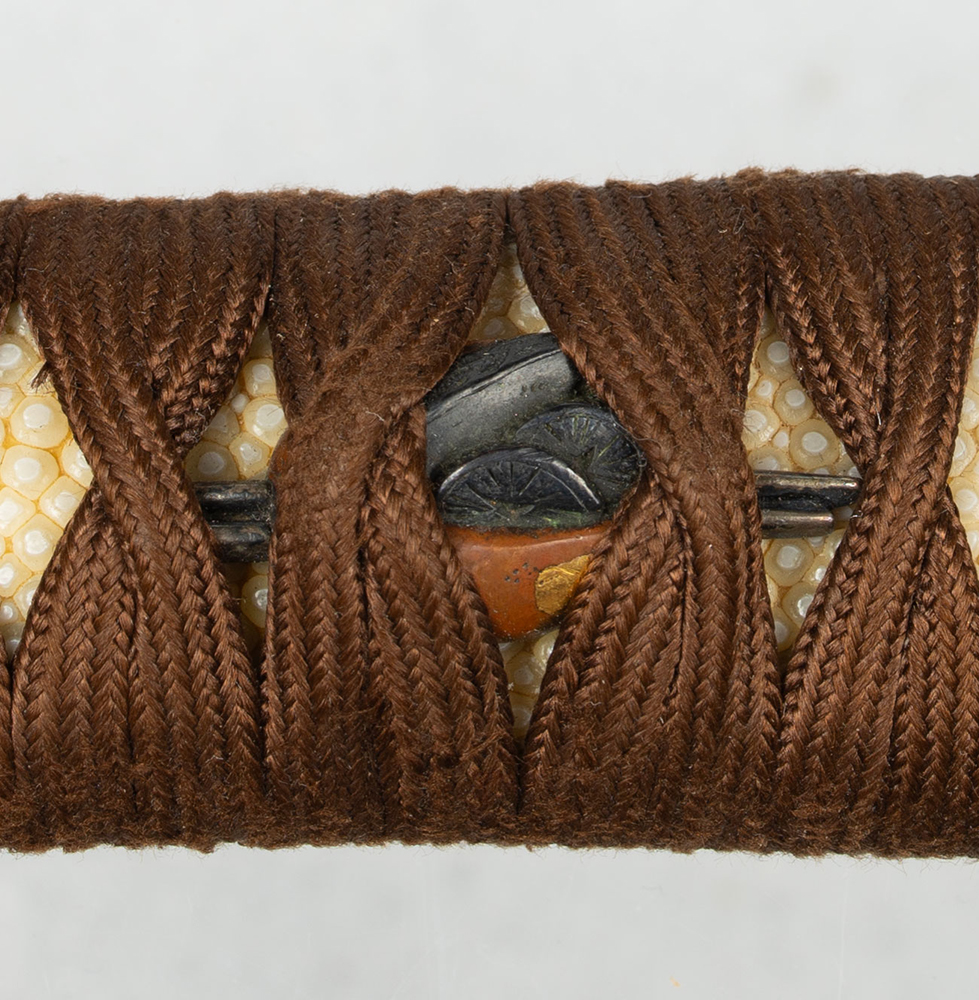
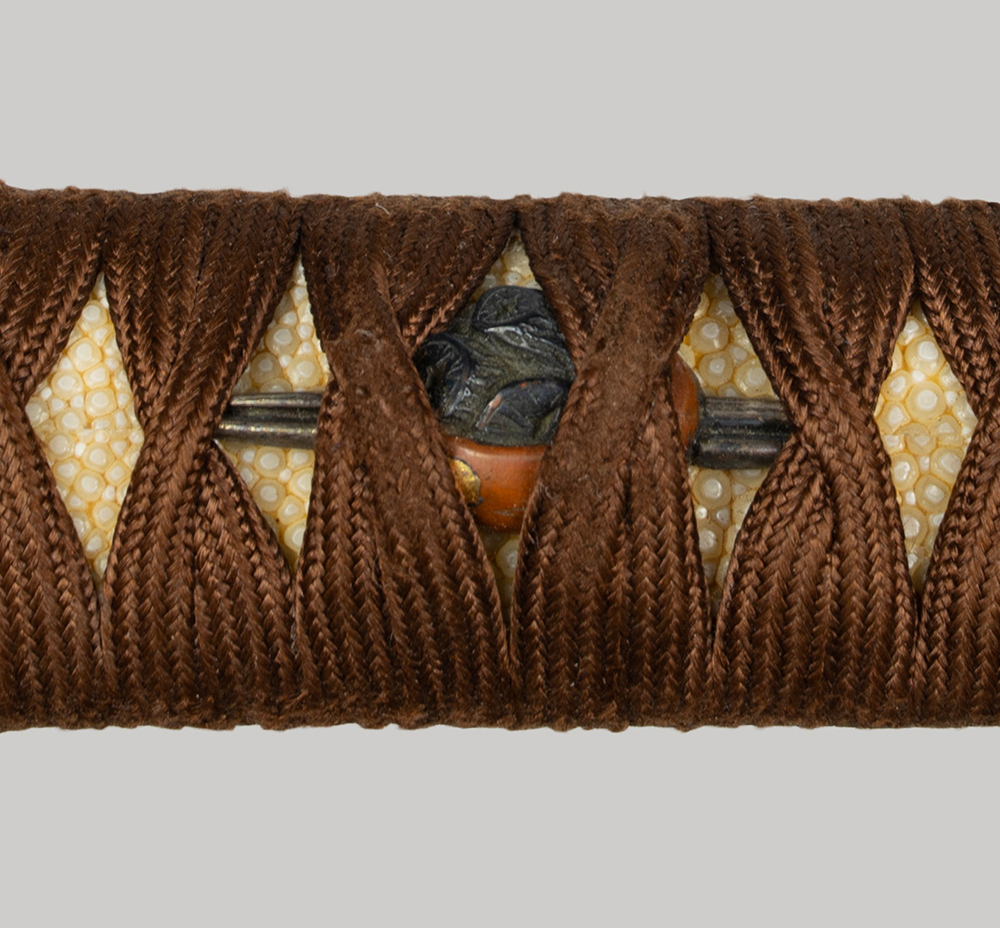
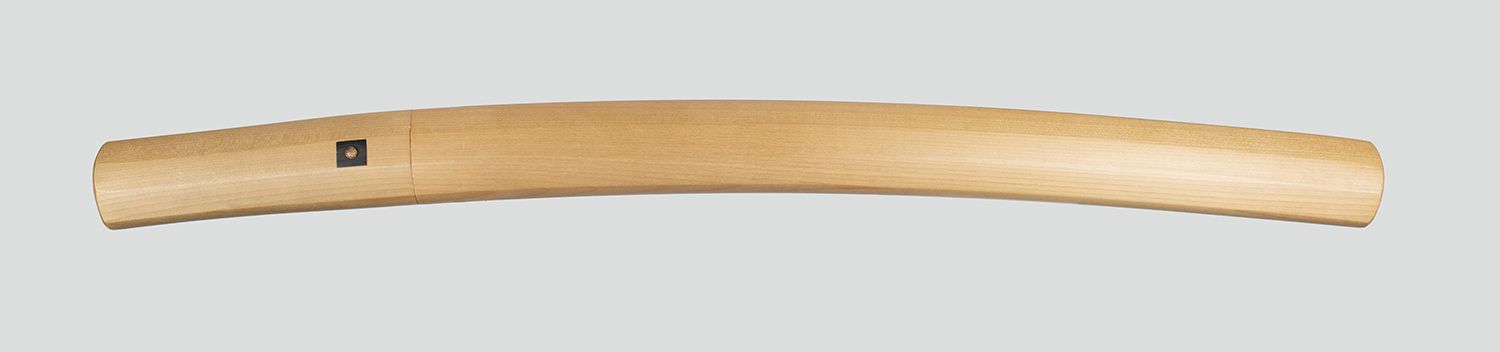
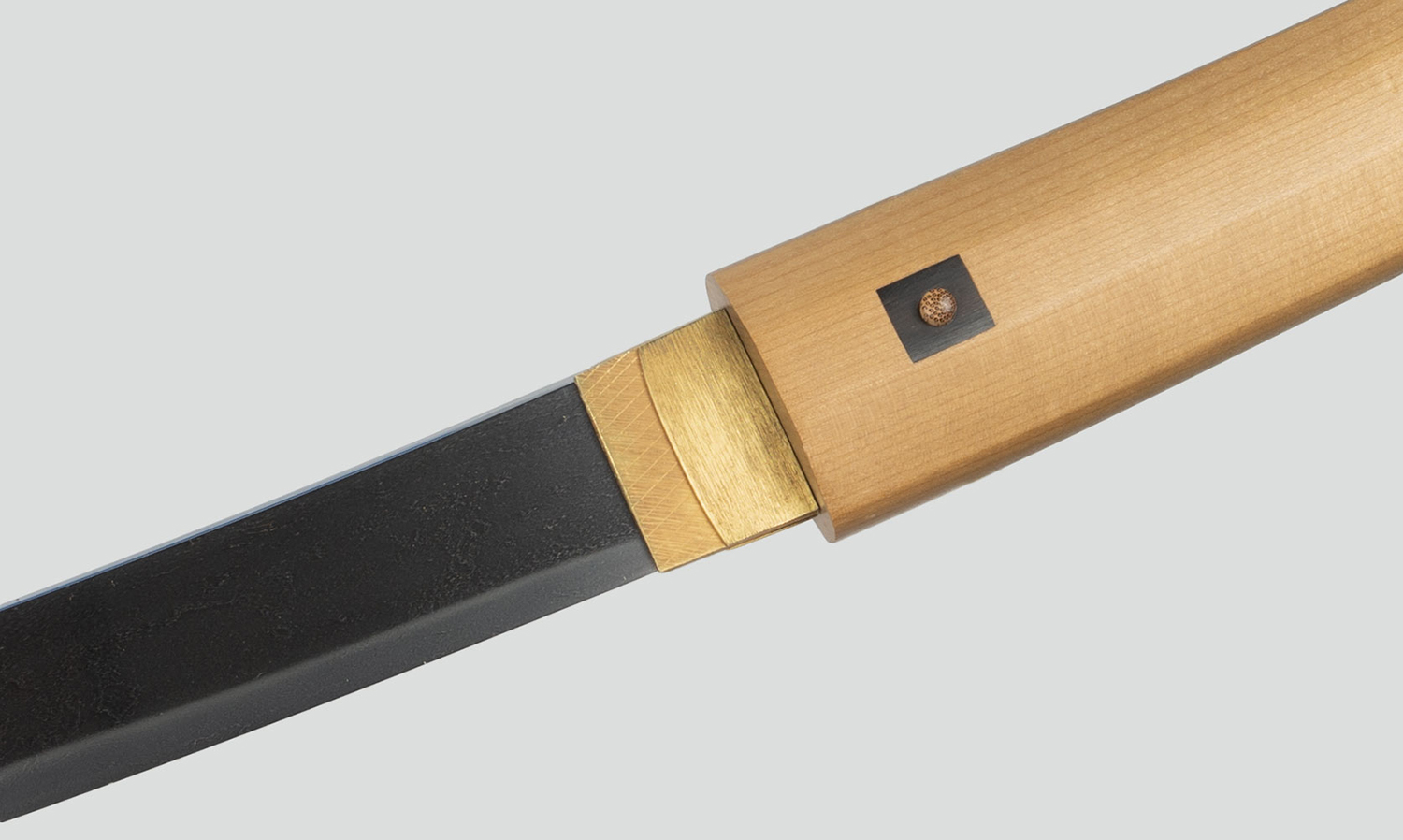
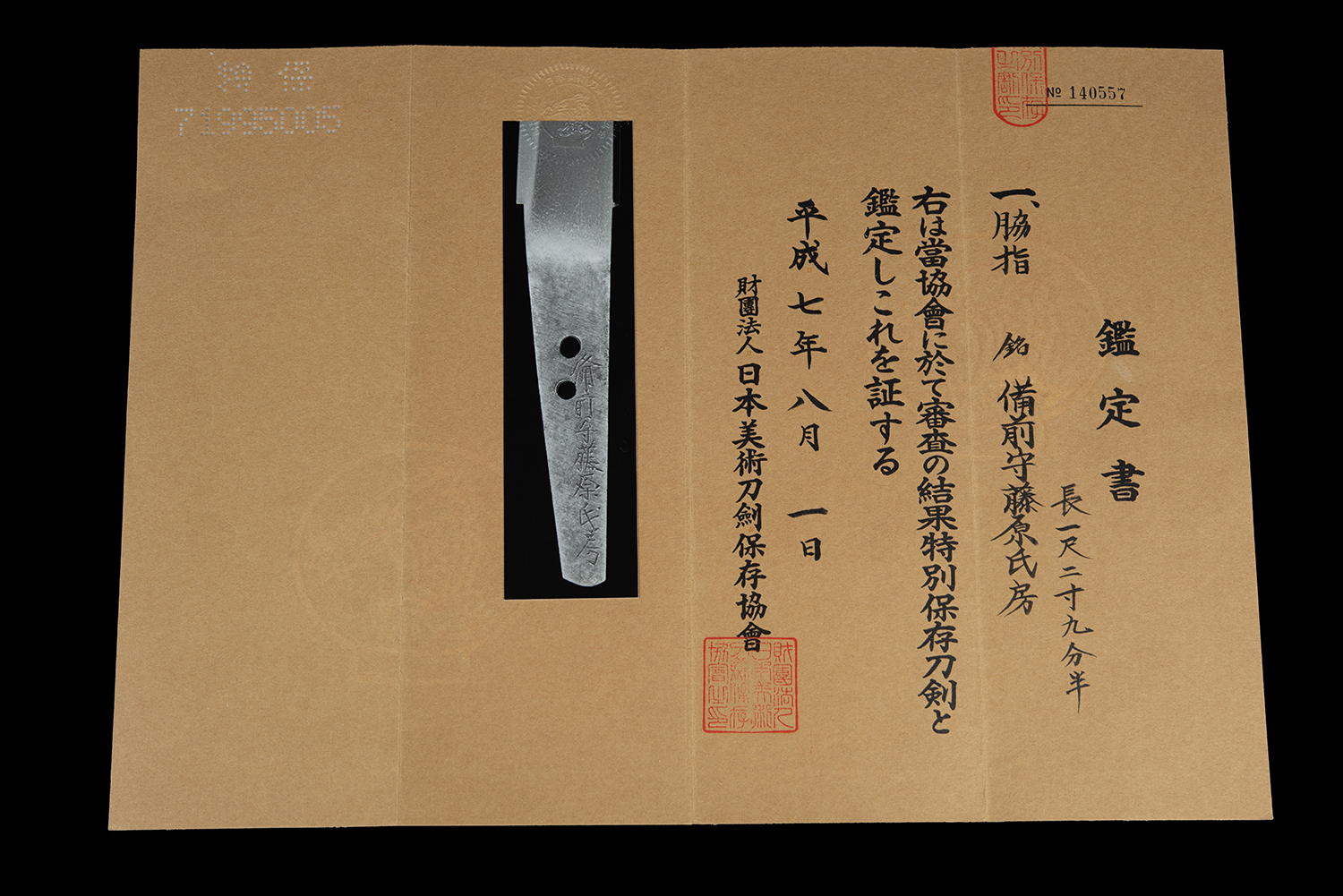
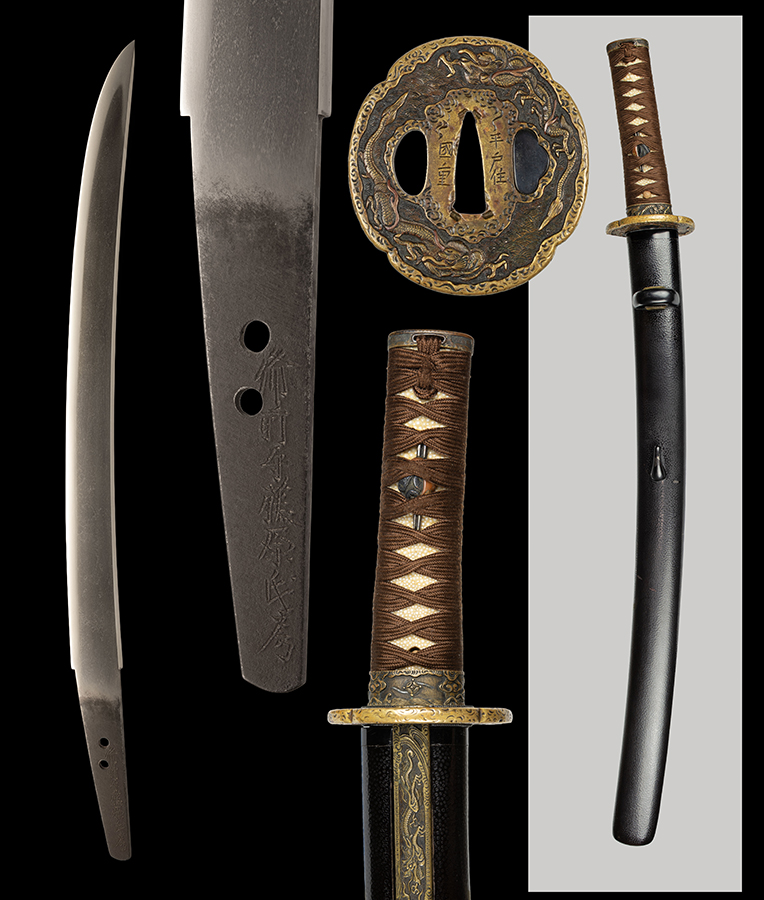
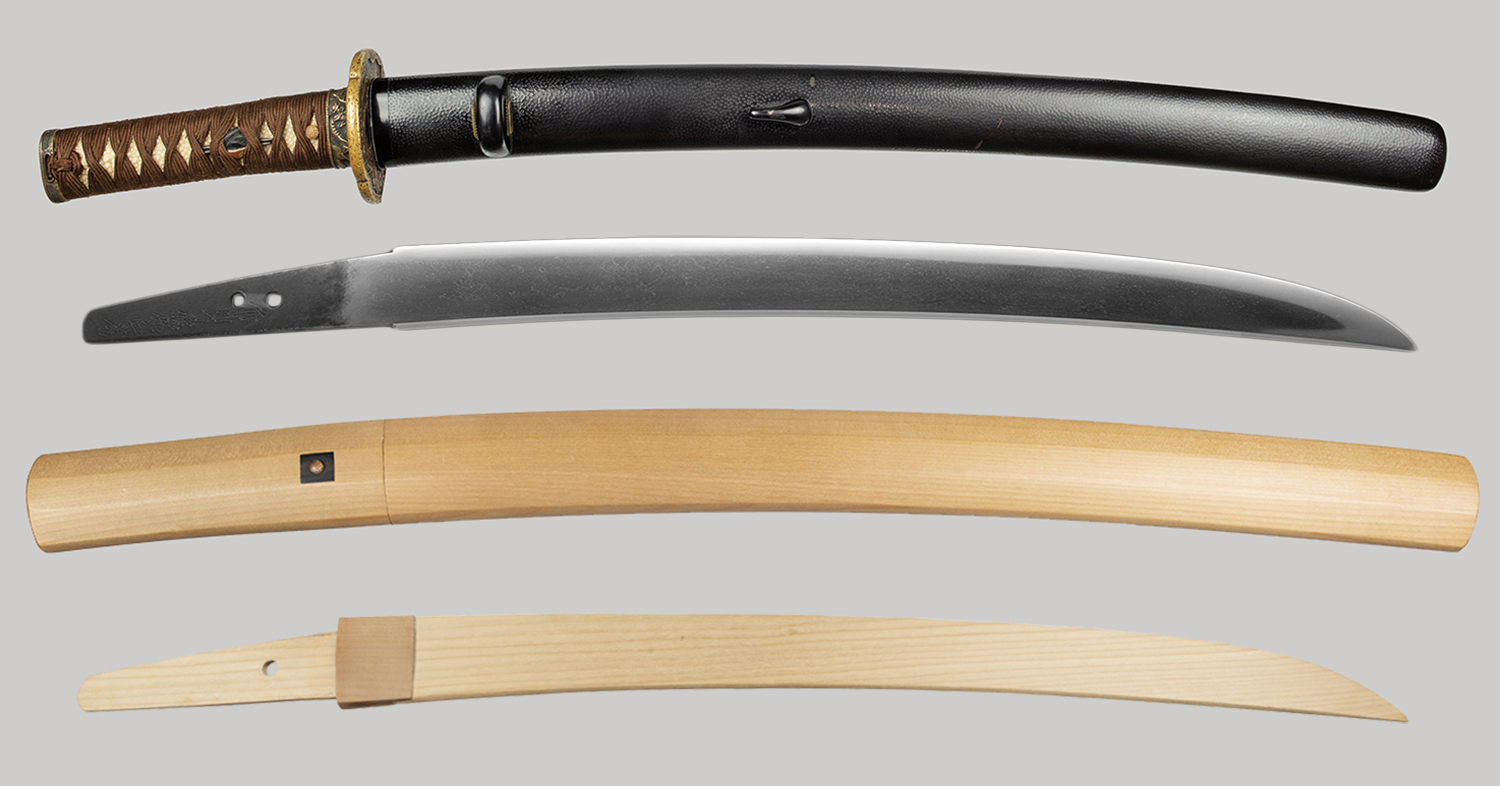
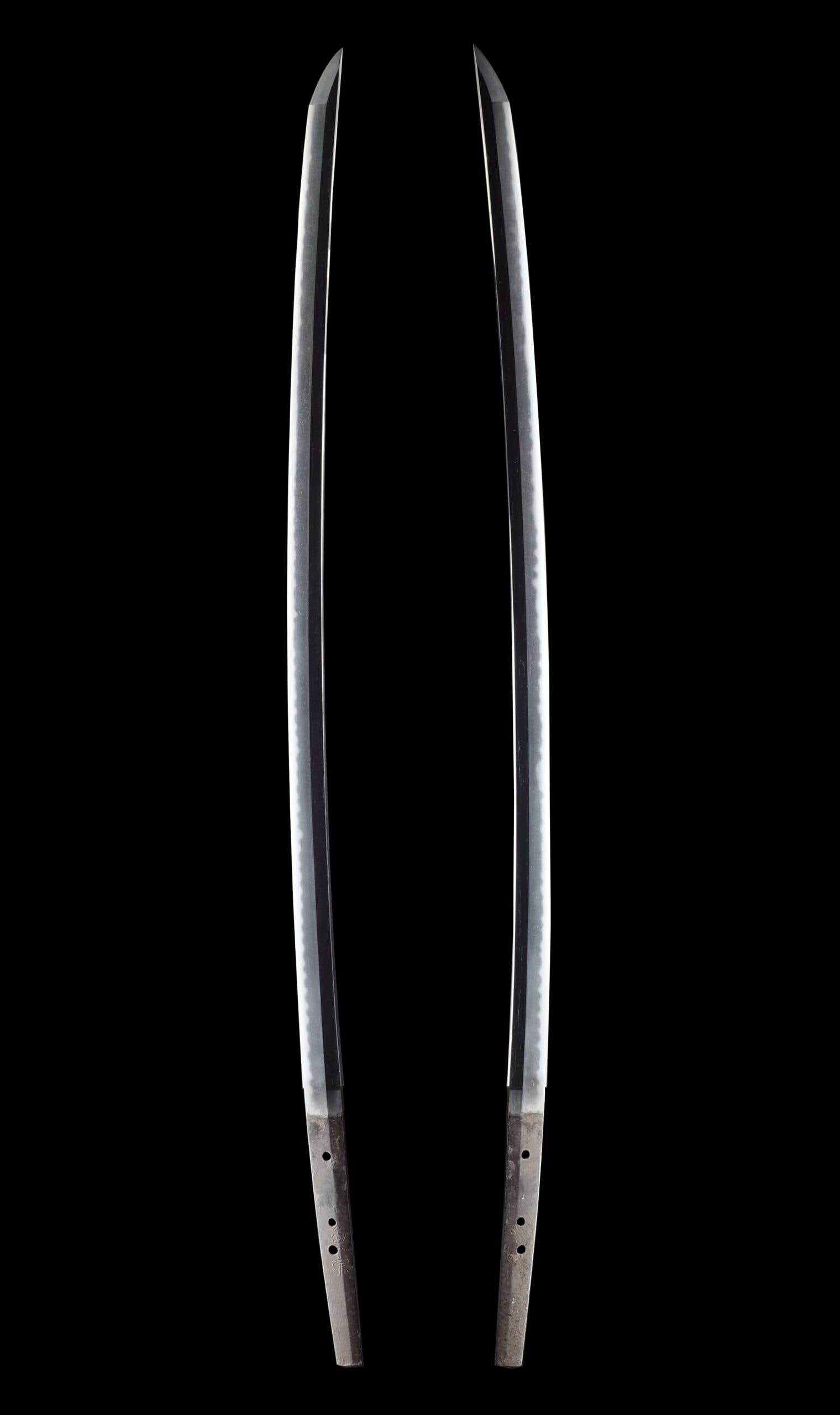
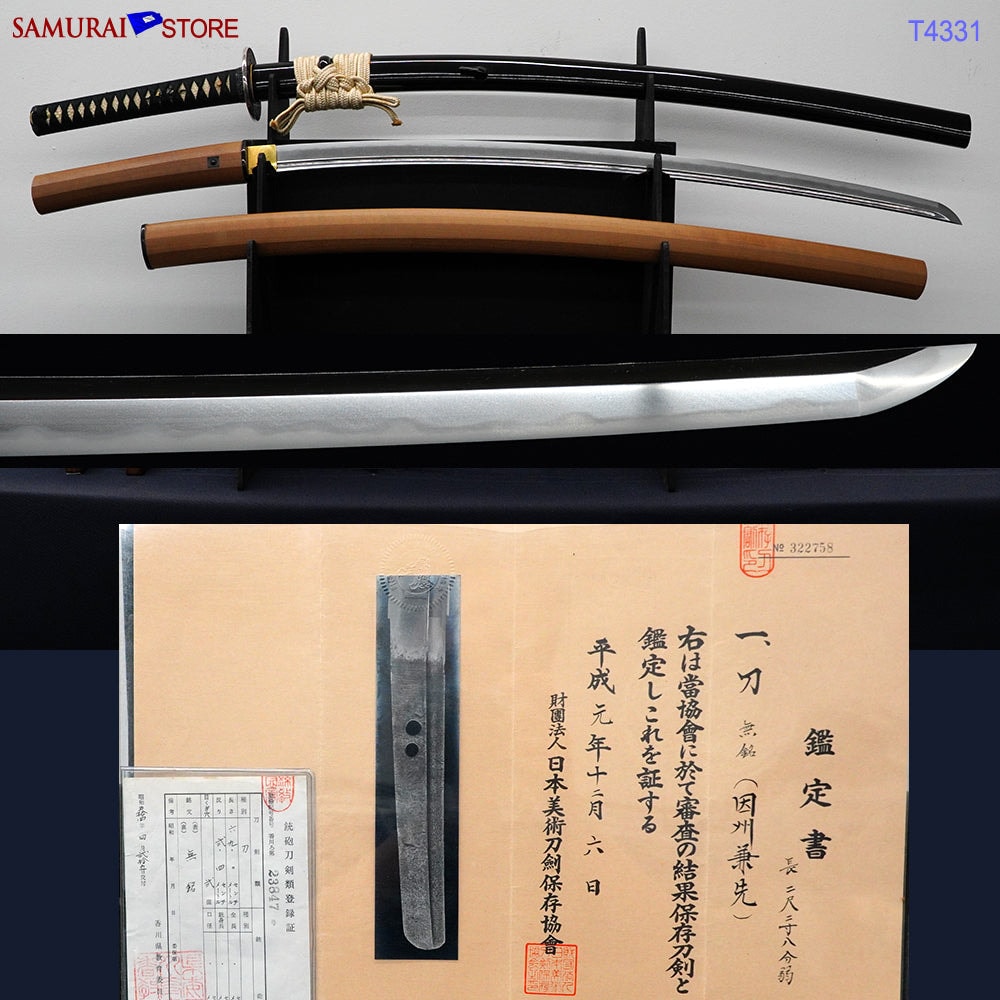
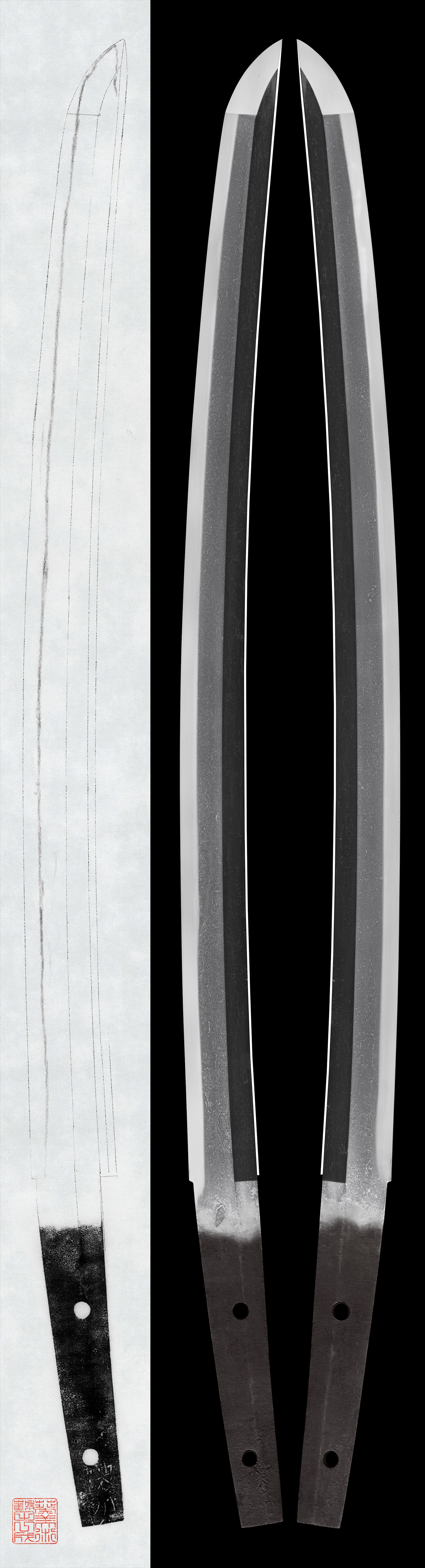
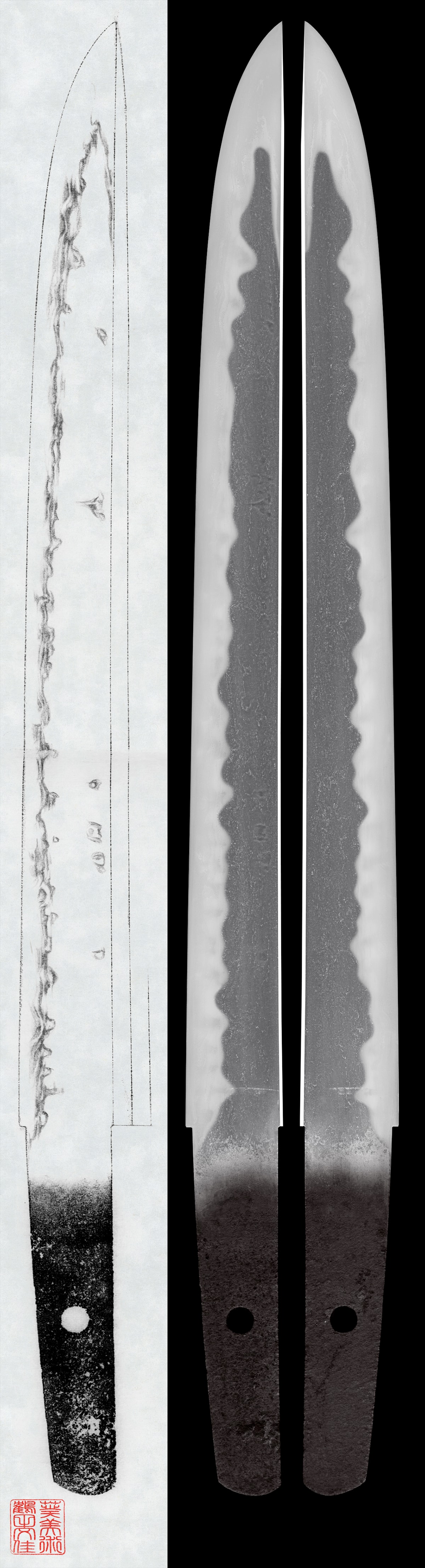
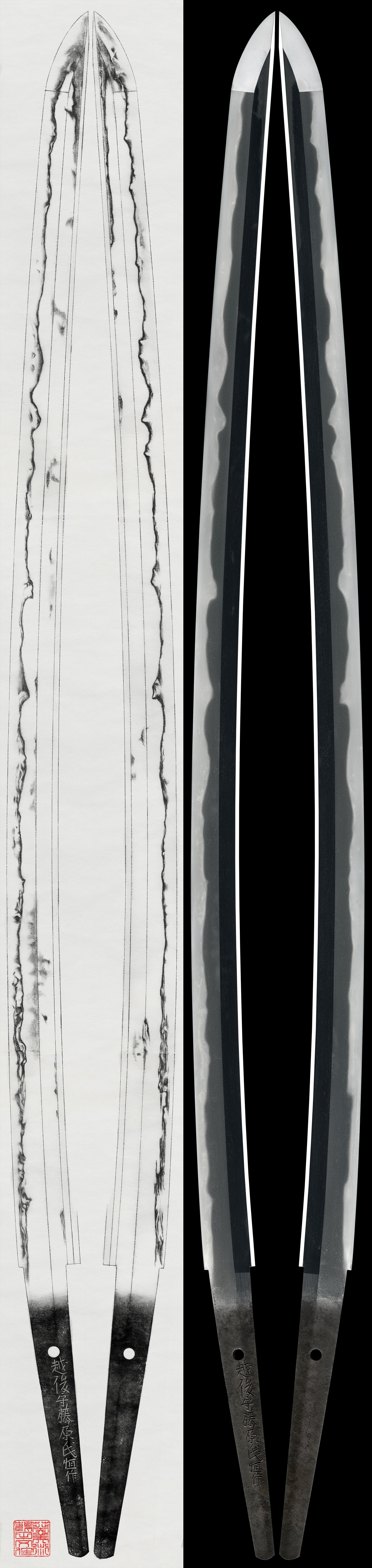
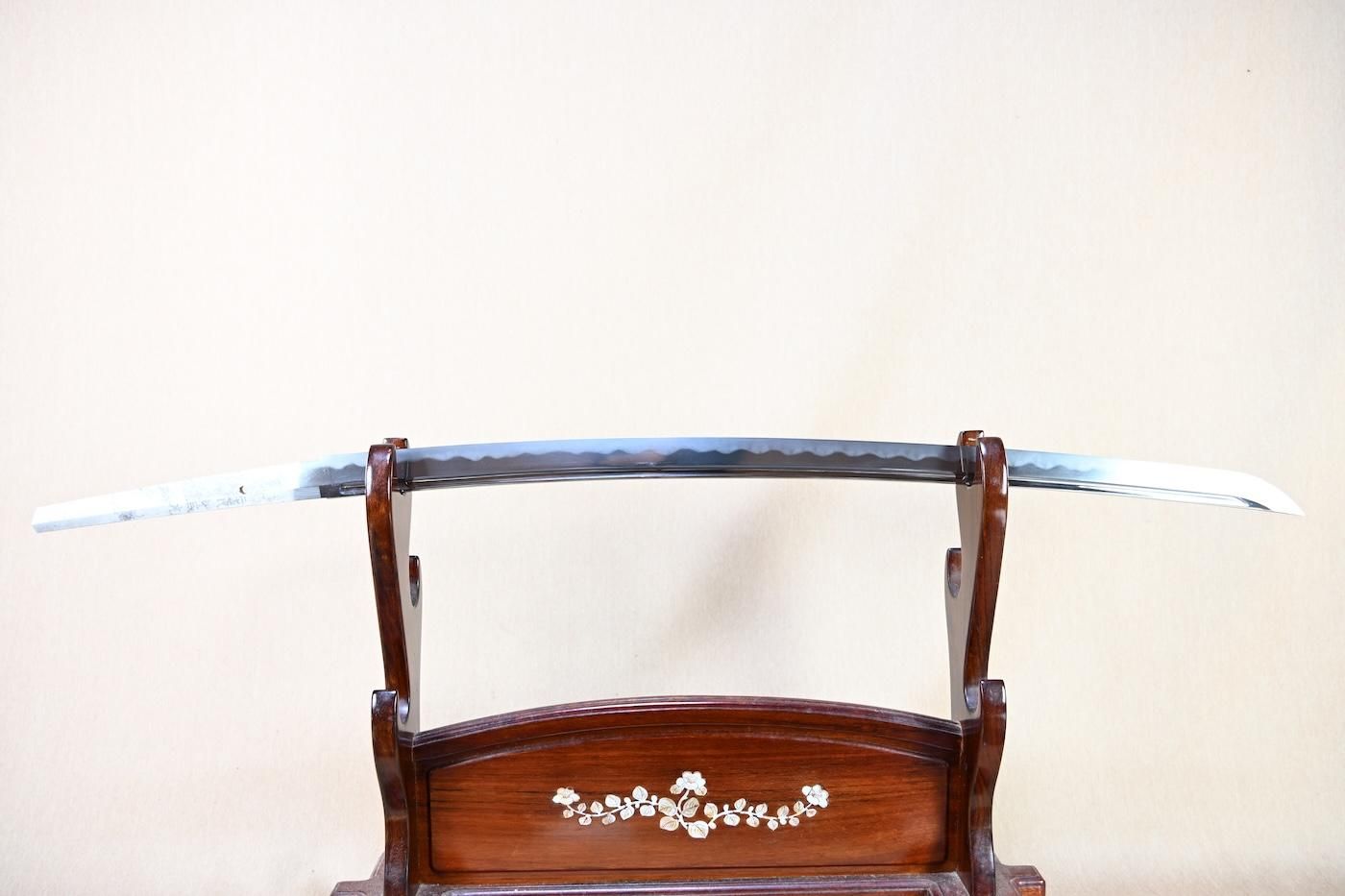
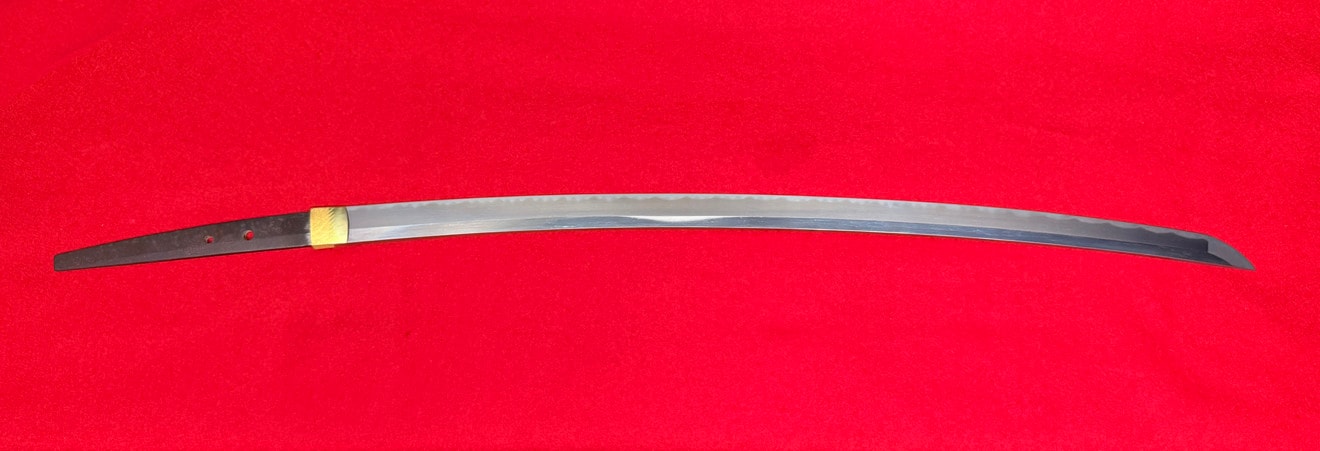
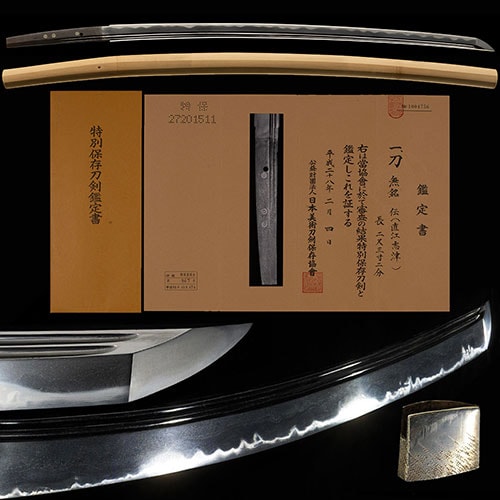
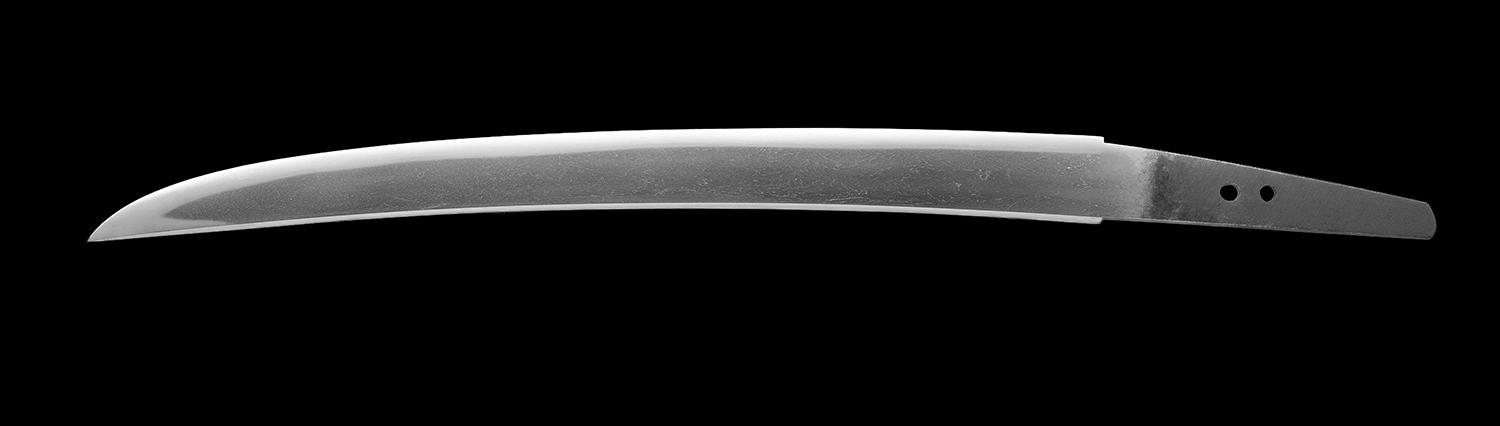
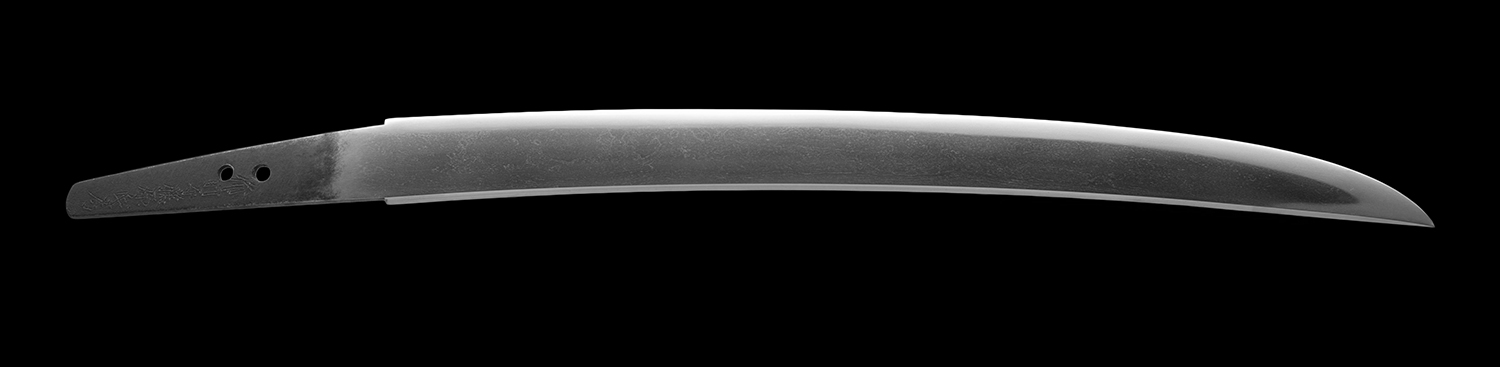
This is a fine and powerful wakizashi by Bizen no Kami Fujiwara Ujifusa, a well-regarded smith active between 1621 and 1634. It comes with a gorgeous en-suite Hirado-school koshirae, signed by Hirado Ju Kunishige, featuring a dragon theme. The sword is in full polish, has no kizu, and is accompanied by NBTHK Tokubetsu Hozon papers.

NihontoWatch MonNihontoWatch
MarketEncyclopediaKantei
Swords›Mino-den›Seki›Wakizashi by Bizen no Kami Fujiwara Ujifusa
wakizashiTokubetsu Hozon
Seki School

Wakizashi by Bizen no Kami Fujiwara Ujifusa

mei · Owari · Shinto · nagasa 39.2cm · sori 0.9cm
$5,700
Visit seller website →
Seki School — 1 of 24
Seki School — 2 of 24
Seki School — 3 of 24
Seki School — 4 of 24
Seki School — 5 of 24
Seki School — 6 of 24
Seki School — 7 of 24
Seki School — 8 of 24
Seki School — 9 of 24
Seki School — 10 of 24
Seki School — 11 of 24
Seki School — 12 of 24
Seki School — 13 of 24
Seki School — 14 of 24
Seki School — 15 of 24
Seki School — 16 of 24
Seki School — 17 of 24
Seki School — 18 of 24
Seki School — 19 of 24
Seki School — 20 of 24
Seki School — 21 of 24
Seki School — 22 of 24
Seki School — 23 of 24
Seki School — 24 of 24
1 / 24
1 / 24
Seki School — 1 of 24Seki School — 2 of 24Seki School — 3 of 24Seki School — 4 of 24Seki School — 5 of 24Seki School — 6 of 24Seki School — 7 of 24Seki School — 8 of 24Seki School — 9 of 24Seki School — 10 of 24Seki School — 11 of 24Seki School — 12 of 24Seki School — 13 of 24Seki School — 14 of 24Seki School — 15 of 24Seki School — 16 of 24Seki School — 17 of 24Seki School — 18 of 24Seki School — 19 of 24Seki School — 20 of 24Seki School — 21 of 24Seki School — 22 of 24Seki School — 23 of 24Seki School — 24 of 24
Measurements & details
Smith
Seki School
Type
Wakizashi
School
Seki
Period
Shinto
Province
Owari
Signature
Signed
Measurements
Nagasa 39.2cmSori 0.9cmMotohaba 3.4cmKasane 0.7cm
Description

This is a fine and powerful wakizashi by Bizen no Kami Fujiwara Ujifusa, a well-regarded smith active between 1621 and 1634. It comes with a gorgeous en-suite Hirado-school koshirae, signed by Hirado Ju Kunishige, featuring a dragon theme. The sword is in full polish, has no kizu, and is accompanied by NBTHK Tokubetsu Hozon papers.

About the school

Seki

関

Mino-den · Mino

154 pieces on the market now

›

Seki (関), in Mino Province, grew from two roots set down in the Nanbokuchō period and rose to become the great center of mass sword production in the late medieval age. The published sources trace the wellspring of Mino swordmaking to Kinju (whose name the commentary also reads Kaneshige), counted since antiquity among the Masamune Jittetsu, the ten disciples of Sōshū Masamune, and to Kaneuji of the Shizu line; the Kokon Meizukushi records Kinju as a native of Tsuruga in Echizen who "crossed over to Seki and resided there," carrying the Sōshū-den manner east. Beneath that Sagami inheritance lay a Yamato foundation, legible in the Tegai descent of the Seki Zensada line through Kaneyoshi, so that the Mino-den the Seki workshops forged stands as a fusion of Yamato grain and Sōshū activity in nie. From this Nanbokuchō founding the name multiplied across the Muromachi period into Sue-Seki, the last and largest body of the tradition; its representative masters at the close of the old-sword age were Magoroku Kanemoto, famed for the sanbonsugi, and Izumi no Kami Kanesada, the smith called Nosada, while the Kanefusa, Ujifusa and Daidō hands worked beside them and the move of Wakasa no Kami Ujifusa to Kiyosu carried the Mino body to the threshold of Owari shintō. A common Mino vocabulary binds the Seki body, however widely its members range. The forging is an itame that stands and runs to masame, often mixed with mokume and nagare, over which rises the cool whitish shirake-utsuri of Mino steel rather than the bright midare-utsuri of Bizen; this pale, standing jigane is the constant tell the judges read first, present alike on Kinju's Nanbokuchō katana, Kaneyoshi's Ōei tachi and Nosada's late-Muromachi blades. Over it the smiths temper gunome into which the pointed togariba of Mino enters, with ko-nie clinging to a tight nioiguchi, ashi and yō, and sunagashi streaming through; the bōshi answers in midare-komi turning to a pointed or jizō-cast ko-maru swept with hakikake. From this shared grammar the individual hands diverge.

Kanemoto fixed the regular three-cedar sanbonsugi of pointed teeth; Kanefusa devised the rounded-head, constricted-waist "Kanefusa midare"; Kinju and the early founders held a calmer, rounder gunome away from the restless Shizu line, their work laid with thicker ji-nie and dry, standing grain. The late masters carried the manner to a higher finish: Nosada wove togariba among rounder forms for a broader temper than Kanemoto's one-sided file, and turned at times to a slender Rai-styled suguha with a hidden gunome; Kaneyoshi held instead to a cool ito-suguha, the disciplined Yamato face of late Seki, lightly broken with ko-gunome. A collector seeks Seki because it is the connoisseur's ground for reading Mino-den across a vast body of signed and attributed work. The kantei runs through the jigane first: the standing, masame-leaning itame and the whitish shirake separate a Seki blade from Bizen and Yamashiro, after which the pointed togariba, the dry nie, and the pointed or jizō bōshi confirm the province; the discriminations the judges draw, Kinju held apart from Shizu by his rounder gunome, Nosada parted from Kanemoto by his breadth, give the eye its anchors. Within the school the standing of the best members is settled: Magoroku Kanemoto for the sanbonsugi, Nosada whom the swordbooks call simply "an excellent master" and the most accomplished of the several Kanesada hands, and the early Kinju as a rare and precious founding name, his record running through the Jūyō tier with the signed pieces few and the long blades attributed den. Signature works carry real provenance: a Kinju tantō presented to the Tokugawa shogunal house in 1679, a Nosada katana borne by a chief retainer of the Kii Tokugawa and a tachi forged for the father of Takeda Shingen, a Kaneyoshi tachi transmitted in the Chikuzen Kuroda family. Beyond connoisseurship, Seki's blades earned a battlefield reputation for cutting; the full hiraniku and stout build of the Sue-Seki katana, made to sever, set the wazamono standing that made Mino the working sword of its age. Learn more →

55 recorded smiths244 designated works
Leading smiths
SmithEraDesignated
Kinju金重1340-134645
Ujifusa氏房1596-161516
Kaneyuki金行1350-135210
Ujifusa氏房1571-15929
Kanekore兼之1504-15557
Explore the Seki school →

Historical context

Edo was the sword’s age of connoisseurship: the Hon’ami appraisers, the shogunal register of famous blades of 1719, and a thriving literature turned the sword into an object of study even as it ceased to be drawn in war.

The Edo period (1615 to 1868) →

NBTHK Certificate
Tokubetsu Hozon Tōken特別保存刀剣
Sword Especially Worthy of Preservation
›

A Hozon-certified blade judged to show notably superior workmanship and a better state of preservation. The bar is higher: re-tempered blades and most unsigned Muromachi/Edo works are excluded.

About the NBTHK›

The NBTHK (Nihon Bijutsu Tōken Hozon Kyōkai, the Society for the Preservation of Japanese Art Swords) is a public-interest incorporated foundation founded in 1948 and supervised by Japan’s Agency for Cultural Affairs (Bunkachō); it is based at the Japanese Sword Museum in Tokyo. Its expert panels physically examine each submitted work (shinsa) and issue a certificate (kanteishō) ranking it by artistic and historical merit. NBTHK papers are the most widely recognized standard of authentication for Japanese swords and fittings.

NBTHK official site→
Seller
N
Nihontocraft
🇺🇸Ships from United States
›
✓Verified dealernihontocraft.com
Settles in USD
Wire transfer
Return policy

3 day inspection period on all sales. Items can be returned for any reason for a full refund, less return shipping cost. Returned items must be in the same condition as when purchased.

View all of Nihontocraft’s listings→View this item on the dealer’s site→

Previously sold — Seki School

World Seiyudo
Hozon
Katana - Hozon - by Seki School - Echizen Kanenori - NBTHK Hozon TokenKatana - Hozon - by Seki School - Echizen Kanenori - NBTHK Hozon Token
Sold

Katana

BySeki School
SOLD
Samurai Museum
Wakizashi - by Seki School - Kanefusa - Signed with NBTHK Kicho CertificateWakizashi - by Seki School - Kanefusa - Signed with NBTHK Kicho Certificate
Sold

Wakizashi

BySeki School
SOLD
Choshuya
Wakizashi - by Seki School - KanenagaWakizashi - by Seki School - Kanenaga
Sold

Wakizashi

BySeki School
SOLD
Touken Matsumoto
Hozon
Wakizashi - Hozon - by Seki School - KanetsunaWakizashi - Hozon - by Seki School - Kanetsuna
Sold

Wakizashi

BySeki School
SOLD
Giheiya
Hozon
Tanto - Hozon - by Seki School - Kanefusa with Shirasaya - Hozon TokenTanto - Hozon - by Seki School - Kanefusa with Shirasaya - Hozon Token
Sold

Tantō

BySeki School
SOLD
Toushin
Hozon
Katana - Hozon - by Seki School - Noshu ju KanehisaKatana - Hozon - by Seki School - Noshu ju Kanehisa
Sold

Katana

BySeki School
SOLD
Mandarin Mansion
Tanto - by Seki School - Aikuchi with snakes and centipedesTanto - by Seki School - Aikuchi with snakes and centipedes
Sold

Tantō

BySeki School
SOLD
Touken Matsumoto
Tokuho
Wakizashi - Tokuho - by Seki School - Mino Seki Kanetsune, Kansei 7th year, NovemberWakizashi - Tokuho - by Seki School - Mino Seki Kanetsune, Kansei 7th year, November
Sold

Wakizashi

BySeki School
SOLD

More from the Seki school

View all →
Supein Nihonto
Tokuho
Katana - Tokuho - by Sakakura Seki Masatoshi - Japanese Katana: Masatoshi – Sakakura Seki | NBTHK Tokubetsu HozonKatana - Tokuho - by Sakakura Seki Masatoshi - Japanese Katana: Masatoshi – Sakakura Seki | NBTHK Tokubetsu Hozon

Katana

BySakakura Seki Masatoshi
¥12,500
Samurai Museum
Tokuho
Katana - Tokuho - by Seki Ujifusa - Wakasa no Kami Fujiwara UjifusaKatana - Tokuho - by Seki Ujifusa - Wakasa no Kami Fujiwara Ujifusa

Katana

BySeki Ujifusa
¥18,862
Connoisseur Arms
Jūyō
Katana - Jūyō - by Kanemoto - Historic Katana by Sekino Magoroku KanemotoKatana - Jūyō - by Kanemoto - Historic Katana by Sekino Magoroku Kanemoto

Katana

ByKanemoto
Ask
Samurai Museum
Tokuho
Katana - Tokuho - by Seki Kanefusa - Late Muromachi Katana Signed by Kanefusa with NBTHK Tokubetsu Hozon CertificateKatana - Tokuho - by Seki Kanefusa - Late Muromachi Katana Signed by Kanefusa with NBTHK Tokubetsu Hozon Certificate

Katana

BySeki Kanefusa
¥22,634
Toushin
Tokuho
Wakizashi - Tokuho - by Seki Kanefusa - KanefusaWakizashi - Tokuho - by Seki Kanefusa - Kanefusa

Wakizashi

BySeki Kanefusa
¥1,650,000
Samurai Nippon
Tokuho
Yari - Tokuho - by Seki Kanefusa - Ohmiyari: KanefusaYari - Tokuho - by Seki Kanefusa - Ohmiyari: Kanefusa

Yari

BySeki Kanefusa
¥550,000
Aoi Art
Tokuho
Tanto - Tokuho - by Seki Ujifusa - Hida-no-Kami Fujiwara UjifusaTanto - Tokuho - by Seki Ujifusa - Hida-no-Kami Fujiwara Ujifusa

Tantō

BySeki Ujifusa
¥800,000
Shoubudou
Hozon
Katana - Hozon - by Kanemoto - Kanemoto (Magoroku)Katana - Hozon - by Kanemoto - Kanemoto (Magoroku)

Katana

ByKanemoto
¥5,000,000

More from the Mino tradition

View all →
Samurai Nippon
Tokuho
Wakizashi - Tokuho - by Shizu Kaneuji - Naginata-naoshi Wakizashi: Mumei (Attributed to Shizu)Wakizashi - Tokuho - by Shizu Kaneuji - Naginata-naoshi Wakizashi: Mumei (Attributed to Shizu)

Wakizashi

ByShizu Kaneuji
¥1,550,000
Toukentakarado
Tokuho
Naginata - Tokuho - by Aki Teruhiro School - Harima no Kami Fujiwara TeruhiroNaginata - Tokuho - by Aki Teruhiro School - Harima no Kami Fujiwara Teruhiro

Naginata

ByAki Teruhiro School
¥850,000
Samurai Nippon
Jūyō
Katana - Jūyō - by Shizu Kaneuji - Shizu (Mumei)Katana - Jūyō - by Shizu Kaneuji - Shizu (Mumei)

Katana

ByShizu Kaneuji
¥9,500,000
Aoi Art
Tokuho
Katana - Tokuho - by Naoe Shizu School - Mumei (Attributed to Naoe Shizu)Katana - Tokuho - by Naoe Shizu School - Mumei (Attributed to Naoe Shizu)

Katana

ByNaoe Shizu School
¥2,200,000
Choshuya
Tokuho
Katana - Tokuho - by Naoe Shizu School - O-suriage Mumei, attributed to Naoe ShizuKatana - Tokuho - by Naoe Shizu School - O-suriage Mumei, attributed to Naoe Shizu

Katana

ByNaoe Shizu School
¥2,500,000
Aoi Art
Tokuho
Katana - Tokuho - by Yamato Shizu School - Yamato Shizu Kaneuji (with gold-inlaid attribution) Hon'ami (kao) (Koson)Katana - Tokuho - by Yamato Shizu School - Yamato Shizu Kaneuji (with gold-inlaid attribution) Hon'ami (kao) (Koson)

Katana

ByYamato Shizu School
¥2,300,000
Shoubudou
Tokuho
Wakizashi - Tokuho - by Naoe Shizu School - Mumei (Naoeshizu)Wakizashi - Tokuho - by Naoe Shizu School - Mumei (Naoeshizu)

Wakizashi

ByNaoe Shizu School
¥1,200,000
Sanmei
Tokuho
Katana - Tokuho - by Naoe Shizu School - Naoe-Shizu - Unsigned, attributedKatana - Tokuho - by Naoe Shizu School - Naoe-Shizu - Unsigned, attributed

Katana

ByNaoe Shizu School
¥1,350,000

Swords

  • Katana
  • Wakizashi
  • Tantō
  • Tachi
  • Naginata
  • Yari

Fittings

  • Tsuba
  • Fuchi-Kashira
  • Kozuka
  • Menuki

Armor

  • Kabuto
  • Samurai Armor

By Certification

  • Tokujū
  • Jūyō
  • Tokuho
  • Hozon

Resources

  • Dealer Directory
  • Artist Directory
  • The Daily Kantei
  • Glossary
  • Browse All
Nihontowatch© 2026
TermsPrivacyCookiesAbout

Description

This is a fine and powerful wakizashi by Bizen no Kami Fujiwara Ujifusa, a well-regarded smith active between 1621 and 1634. It comes with a gorgeous en-suite Hirado-school koshirae, signed by Hirado Ju Kunishige, featuring a dragon theme. The sword is in full polish, has no kizu, and is accompanied by NBTHK Tokubetsu Hozon papers.

NihontoWatch MonNihontoWatch
MarketEncyclopediaKantei
Swords›Mino-den›Seki›Wakizashi by Bizen no Kami Fujiwara Ujifusa
wakizashiTokubetsu Hozon
Seki School

Wakizashi by Bizen no Kami Fujiwara Ujifusa

mei · Owari · Shinto · nagasa 39.2cm · sori 0.9cm
$5,700
Visit seller website →
Seki School — 1 of 24
Seki School — 2 of 24
Seki School — 3 of 24
Seki School — 4 of 24
Seki School — 5 of 24
Seki School — 6 of 24
Seki School — 7 of 24
Seki School — 8 of 24
Seki School — 9 of 24
Seki School — 10 of 24
Seki School — 11 of 24
Seki School — 12 of 24
Seki School — 13 of 24
Seki School — 14 of 24
Seki School — 15 of 24
Seki School — 16 of 24
Seki School — 17 of 24
Seki School — 18 of 24
Seki School — 19 of 24
Seki School — 20 of 24
Seki School — 21 of 24
Seki School — 22 of 24
Seki School — 23 of 24
Seki School — 24 of 24
1 / 24
1 / 24
Seki School — 1 of 24Seki School — 2 of 24Seki School — 3 of 24Seki School — 4 of 24Seki School — 5 of 24Seki School — 6 of 24Seki School — 7 of 24Seki School — 8 of 24Seki School — 9 of 24Seki School — 10 of 24Seki School — 11 of 24Seki School — 12 of 24Seki School — 13 of 24Seki School — 14 of 24Seki School — 15 of 24Seki School — 16 of 24Seki School — 17 of 24Seki School — 18 of 24Seki School — 19 of 24Seki School — 20 of 24Seki School — 21 of 24Seki School — 22 of 24Seki School — 23 of 24Seki School — 24 of 24
Measurements & details
Smith
Seki School
Type
Wakizashi
School
Seki
Period
Shinto
Province
Owari
Signature
Signed
Measurements
Nagasa 39.2cmSori 0.9cmMotohaba 3.4cmKasane 0.7cm
Description

This is a fine and powerful wakizashi by Bizen no Kami Fujiwara Ujifusa, a well-regarded smith active between 1621 and 1634. It comes with a gorgeous en-suite Hirado-school koshirae, signed by Hirado Ju Kunishige, featuring a dragon theme. The sword is in full polish, has no kizu, and is accompanied by NBTHK Tokubetsu Hozon papers.

About the school

Seki

関

Mino-den · Mino

154 pieces on the market now

›

Seki (関), in Mino Province, grew from two roots set down in the Nanbokuchō period and rose to become the great center of mass sword production in the late medieval age. The published sources trace the wellspring of Mino swordmaking to Kinju (whose name the commentary also reads Kaneshige), counted since antiquity among the Masamune Jittetsu, the ten disciples of Sōshū Masamune, and to Kaneuji of the Shizu line; the Kokon Meizukushi records Kinju as a native of Tsuruga in Echizen who "crossed over to Seki and resided there," carrying the Sōshū-den manner east. Beneath that Sagami inheritance lay a Yamato foundation, legible in the Tegai descent of the Seki Zensada line through Kaneyoshi, so that the Mino-den the Seki workshops forged stands as a fusion of Yamato grain and Sōshū activity in nie. From this Nanbokuchō founding the name multiplied across the Muromachi period into Sue-Seki, the last and largest body of the tradition; its representative masters at the close of the old-sword age were Magoroku Kanemoto, famed for the sanbonsugi, and Izumi no Kami Kanesada, the smith called Nosada, while the Kanefusa, Ujifusa and Daidō hands worked beside them and the move of Wakasa no Kami Ujifusa to Kiyosu carried the Mino body to the threshold of Owari shintō. A common Mino vocabulary binds the Seki body, however widely its members range. The forging is an itame that stands and runs to masame, often mixed with mokume and nagare, over which rises the cool whitish shirake-utsuri of Mino steel rather than the bright midare-utsuri of Bizen; this pale, standing jigane is the constant tell the judges read first, present alike on Kinju's Nanbokuchō katana, Kaneyoshi's Ōei tachi and Nosada's late-Muromachi blades. Over it the smiths temper gunome into which the pointed togariba of Mino enters, with ko-nie clinging to a tight nioiguchi, ashi and yō, and sunagashi streaming through; the bōshi answers in midare-komi turning to a pointed or jizō-cast ko-maru swept with hakikake. From this shared grammar the individual hands diverge.

Kanemoto fixed the regular three-cedar sanbonsugi of pointed teeth; Kanefusa devised the rounded-head, constricted-waist "Kanefusa midare"; Kinju and the early founders held a calmer, rounder gunome away from the restless Shizu line, their work laid with thicker ji-nie and dry, standing grain. The late masters carried the manner to a higher finish: Nosada wove togariba among rounder forms for a broader temper than Kanemoto's one-sided file, and turned at times to a slender Rai-styled suguha with a hidden gunome; Kaneyoshi held instead to a cool ito-suguha, the disciplined Yamato face of late Seki, lightly broken with ko-gunome. A collector seeks Seki because it is the connoisseur's ground for reading Mino-den across a vast body of signed and attributed work. The kantei runs through the jigane first: the standing, masame-leaning itame and the whitish shirake separate a Seki blade from Bizen and Yamashiro, after which the pointed togariba, the dry nie, and the pointed or jizō bōshi confirm the province; the discriminations the judges draw, Kinju held apart from Shizu by his rounder gunome, Nosada parted from Kanemoto by his breadth, give the eye its anchors. Within the school the standing of the best members is settled: Magoroku Kanemoto for the sanbonsugi, Nosada whom the swordbooks call simply "an excellent master" and the most accomplished of the several Kanesada hands, and the early Kinju as a rare and precious founding name, his record running through the Jūyō tier with the signed pieces few and the long blades attributed den. Signature works carry real provenance: a Kinju tantō presented to the Tokugawa shogunal house in 1679, a Nosada katana borne by a chief retainer of the Kii Tokugawa and a tachi forged for the father of Takeda Shingen, a Kaneyoshi tachi transmitted in the Chikuzen Kuroda family. Beyond connoisseurship, Seki's blades earned a battlefield reputation for cutting; the full hiraniku and stout build of the Sue-Seki katana, made to sever, set the wazamono standing that made Mino the working sword of its age. Learn more →

55 recorded smiths244 designated works
Leading smiths
SmithEraDesignated
Kinju金重1340-134645
Ujifusa氏房1596-161516
Kaneyuki金行1350-135210
Ujifusa氏房1571-15929
Kanekore兼之1504-15557
Explore the Seki school →

Historical context

Edo was the sword’s age of connoisseurship: the Hon’ami appraisers, the shogunal register of famous blades of 1719, and a thriving literature turned the sword into an object of study even as it ceased to be drawn in war.

The Edo period (1615 to 1868) →

NBTHK Certificate
Tokubetsu Hozon Tōken特別保存刀剣
Sword Especially Worthy of Preservation
›

A Hozon-certified blade judged to show notably superior workmanship and a better state of preservation. The bar is higher: re-tempered blades and most unsigned Muromachi/Edo works are excluded.

About the NBTHK›

The NBTHK (Nihon Bijutsu Tōken Hozon Kyōkai, the Society for the Preservation of Japanese Art Swords) is a public-interest incorporated foundation founded in 1948 and supervised by Japan’s Agency for Cultural Affairs (Bunkachō); it is based at the Japanese Sword Museum in Tokyo. Its expert panels physically examine each submitted work (shinsa) and issue a certificate (kanteishō) ranking it by artistic and historical merit. NBTHK papers are the most widely recognized standard of authentication for Japanese swords and fittings.

NBTHK official site→
Seller
N
Nihontocraft
🇺🇸Ships from United States
›
✓Verified dealernihontocraft.com
Settles in USD
Wire transfer
Return policy

3 day inspection period on all sales. Items can be returned for any reason for a full refund, less return shipping cost. Returned items must be in the same condition as when purchased.

View all of Nihontocraft’s listings→View this item on the dealer’s site→

Previously sold — Seki School

World Seiyudo
Hozon
Katana - Hozon - by Seki School - Echizen Kanenori - NBTHK Hozon TokenKatana - Hozon - by Seki School - Echizen Kanenori - NBTHK Hozon Token
Sold

Katana

BySeki School
SOLD
Samurai Museum
Wakizashi - by Seki School - Kanefusa - Signed with NBTHK Kicho CertificateWakizashi - by Seki School - Kanefusa - Signed with NBTHK Kicho Certificate
Sold

Wakizashi

BySeki School
SOLD
Choshuya
Wakizashi - by Seki School - KanenagaWakizashi - by Seki School - Kanenaga
Sold

Wakizashi

BySeki School
SOLD
Touken Matsumoto
Hozon
Wakizashi - Hozon - by Seki School - KanetsunaWakizashi - Hozon - by Seki School - Kanetsuna
Sold

Wakizashi

BySeki School
SOLD
Giheiya
Hozon
Tanto - Hozon - by Seki School - Kanefusa with Shirasaya - Hozon TokenTanto - Hozon - by Seki School - Kanefusa with Shirasaya - Hozon Token
Sold

Tantō

BySeki School
SOLD
Toushin
Hozon
Katana - Hozon - by Seki School - Noshu ju KanehisaKatana - Hozon - by Seki School - Noshu ju Kanehisa
Sold

Katana

BySeki School
SOLD
Mandarin Mansion
Tanto - by Seki School - Aikuchi with snakes and centipedesTanto - by Seki School - Aikuchi with snakes and centipedes
Sold

Tantō

BySeki School
SOLD
Touken Matsumoto
Tokuho
Wakizashi - Tokuho - by Seki School - Mino Seki Kanetsune, Kansei 7th year, NovemberWakizashi - Tokuho - by Seki School - Mino Seki Kanetsune, Kansei 7th year, November
Sold

Wakizashi

BySeki School
SOLD

More from the Seki school

View all →
Supein Nihonto
Tokuho
Katana - Tokuho - by Sakakura Seki Masatoshi - Japanese Katana: Masatoshi – Sakakura Seki | NBTHK Tokubetsu HozonKatana - Tokuho - by Sakakura Seki Masatoshi - Japanese Katana: Masatoshi – Sakakura Seki | NBTHK Tokubetsu Hozon

Katana

BySakakura Seki Masatoshi
¥12,500
Samurai Museum
Tokuho
Katana - Tokuho - by Seki Ujifusa - Wakasa no Kami Fujiwara UjifusaKatana - Tokuho - by Seki Ujifusa - Wakasa no Kami Fujiwara Ujifusa

Katana

BySeki Ujifusa
¥18,862
Connoisseur Arms
Jūyō
Katana - Jūyō - by Kanemoto - Historic Katana by Sekino Magoroku KanemotoKatana - Jūyō - by Kanemoto - Historic Katana by Sekino Magoroku Kanemoto

Katana

ByKanemoto
Ask
Samurai Museum
Tokuho
Katana - Tokuho - by Seki Kanefusa - Late Muromachi Katana Signed by Kanefusa with NBTHK Tokubetsu Hozon CertificateKatana - Tokuho - by Seki Kanefusa - Late Muromachi Katana Signed by Kanefusa with NBTHK Tokubetsu Hozon Certificate

Katana

BySeki Kanefusa
¥22,634
Toushin
Tokuho
Wakizashi - Tokuho - by Seki Kanefusa - KanefusaWakizashi - Tokuho - by Seki Kanefusa - Kanefusa

Wakizashi

BySeki Kanefusa
¥1,650,000
Samurai Nippon
Tokuho
Yari - Tokuho - by Seki Kanefusa - Ohmiyari: KanefusaYari - Tokuho - by Seki Kanefusa - Ohmiyari: Kanefusa

Yari

BySeki Kanefusa
¥550,000
Aoi Art
Tokuho
Tanto - Tokuho - by Seki Ujifusa - Hida-no-Kami Fujiwara UjifusaTanto - Tokuho - by Seki Ujifusa - Hida-no-Kami Fujiwara Ujifusa

Tantō

BySeki Ujifusa
¥800,000
Shoubudou
Hozon
Katana - Hozon - by Kanemoto - Kanemoto (Magoroku)Katana - Hozon - by Kanemoto - Kanemoto (Magoroku)

Katana

ByKanemoto
¥5,000,000

More from the Mino tradition

View all →
Samurai Nippon
Tokuho
Wakizashi - Tokuho - by Shizu Kaneuji - Naginata-naoshi Wakizashi: Mumei (Attributed to Shizu)Wakizashi - Tokuho - by Shizu Kaneuji - Naginata-naoshi Wakizashi: Mumei (Attributed to Shizu)

Wakizashi

ByShizu Kaneuji
¥1,550,000
Toukentakarado
Tokuho
Naginata - Tokuho - by Aki Teruhiro School - Harima no Kami Fujiwara TeruhiroNaginata - Tokuho - by Aki Teruhiro School - Harima no Kami Fujiwara Teruhiro

Naginata

ByAki Teruhiro School
¥850,000
Samurai Nippon
Jūyō
Katana - Jūyō - by Shizu Kaneuji - Shizu (Mumei)Katana - Jūyō - by Shizu Kaneuji - Shizu (Mumei)

Katana

ByShizu Kaneuji
¥9,500,000
Aoi Art
Tokuho
Katana - Tokuho - by Naoe Shizu School - Mumei (Attributed to Naoe Shizu)Katana - Tokuho - by Naoe Shizu School - Mumei (Attributed to Naoe Shizu)

Katana

ByNaoe Shizu School
¥2,200,000
Choshuya
Tokuho
Katana - Tokuho - by Naoe Shizu School - O-suriage Mumei, attributed to Naoe ShizuKatana - Tokuho - by Naoe Shizu School - O-suriage Mumei, attributed to Naoe Shizu

Katana

ByNaoe Shizu School
¥2,500,000
Aoi Art
Tokuho
Katana - Tokuho - by Yamato Shizu School - Yamato Shizu Kaneuji (with gold-inlaid attribution) Hon'ami (kao) (Koson)Katana - Tokuho - by Yamato Shizu School - Yamato Shizu Kaneuji (with gold-inlaid attribution) Hon'ami (kao) (Koson)

Katana

ByYamato Shizu School
¥2,300,000
Shoubudou
Tokuho
Wakizashi - Tokuho - by Naoe Shizu School - Mumei (Naoeshizu)Wakizashi - Tokuho - by Naoe Shizu School - Mumei (Naoeshizu)

Wakizashi

ByNaoe Shizu School
¥1,200,000
Sanmei
Tokuho
Katana - Tokuho - by Naoe Shizu School - Naoe-Shizu - Unsigned, attributedKatana - Tokuho - by Naoe Shizu School - Naoe-Shizu - Unsigned, attributed

Katana

ByNaoe Shizu School
¥1,350,000

Swords

  • Katana
  • Wakizashi
  • Tantō
  • Tachi
  • Naginata
  • Yari

Fittings

  • Tsuba
  • Fuchi-Kashira
  • Kozuka
  • Menuki

Armor

  • Kabuto
  • Samurai Armor

By Certification

  • Tokujū
  • Jūyō
  • Tokuho
  • Hozon

Resources

  • Dealer Directory
  • Artist Directory
  • The Daily Kantei
  • Glossary
  • Browse All
Nihontowatch© 2026
TermsPrivacyCookiesAbout
NihontoWatch Mon

NihontoWatch

Market
Encyclopedia
Kantei
NihontoWatch Mon

NihontoWatch

Market
Encyclopedia
Kantei