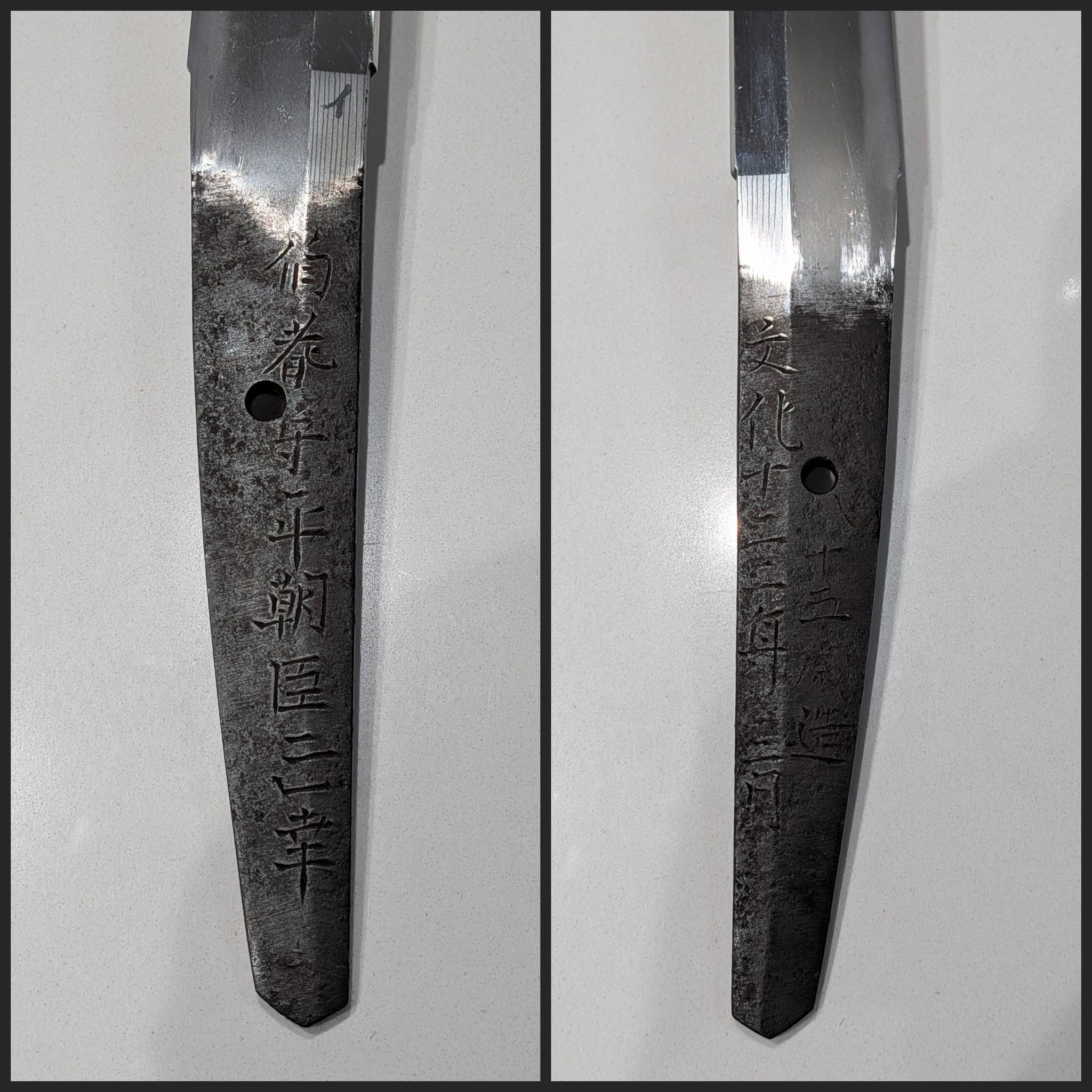
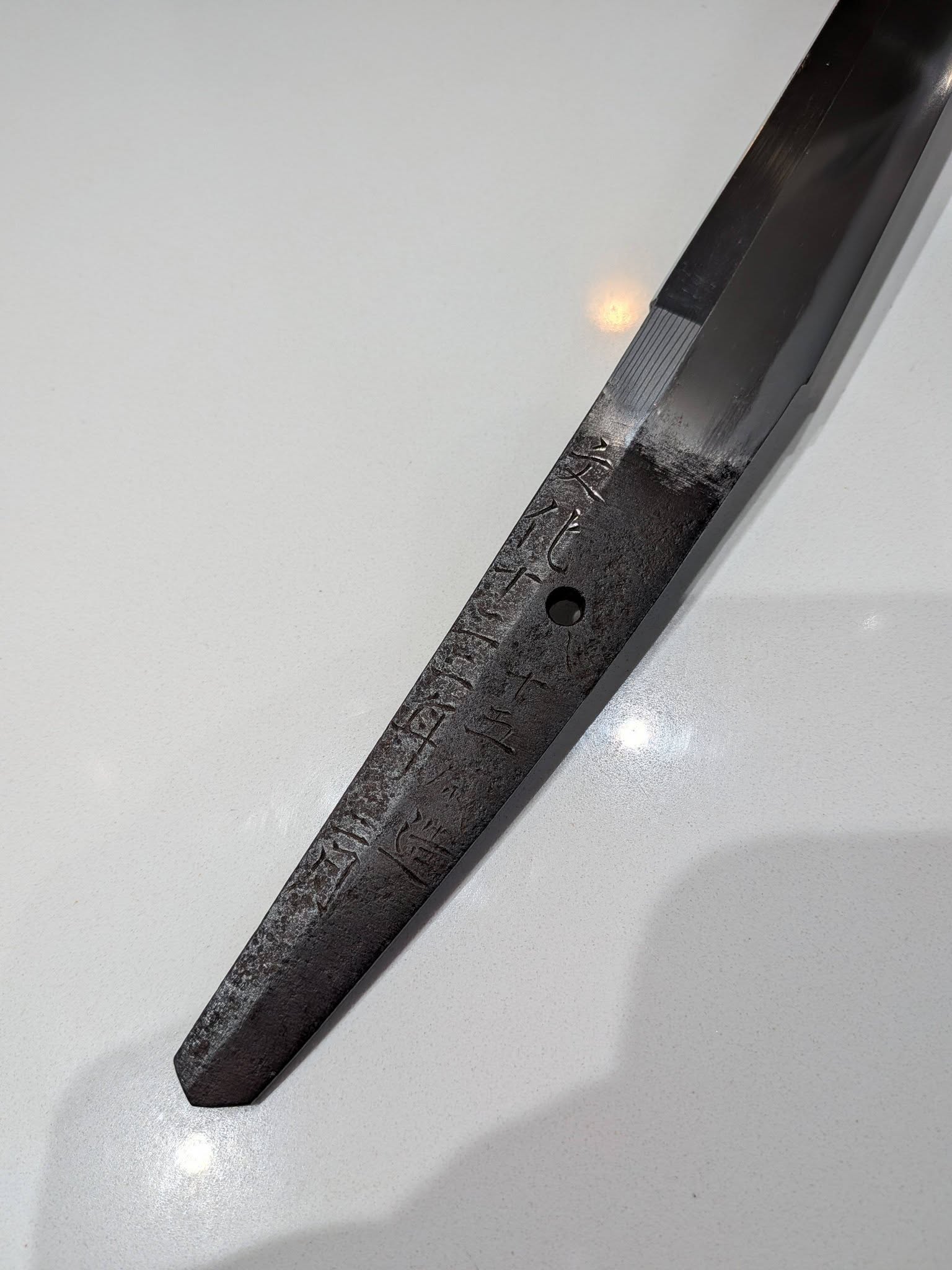
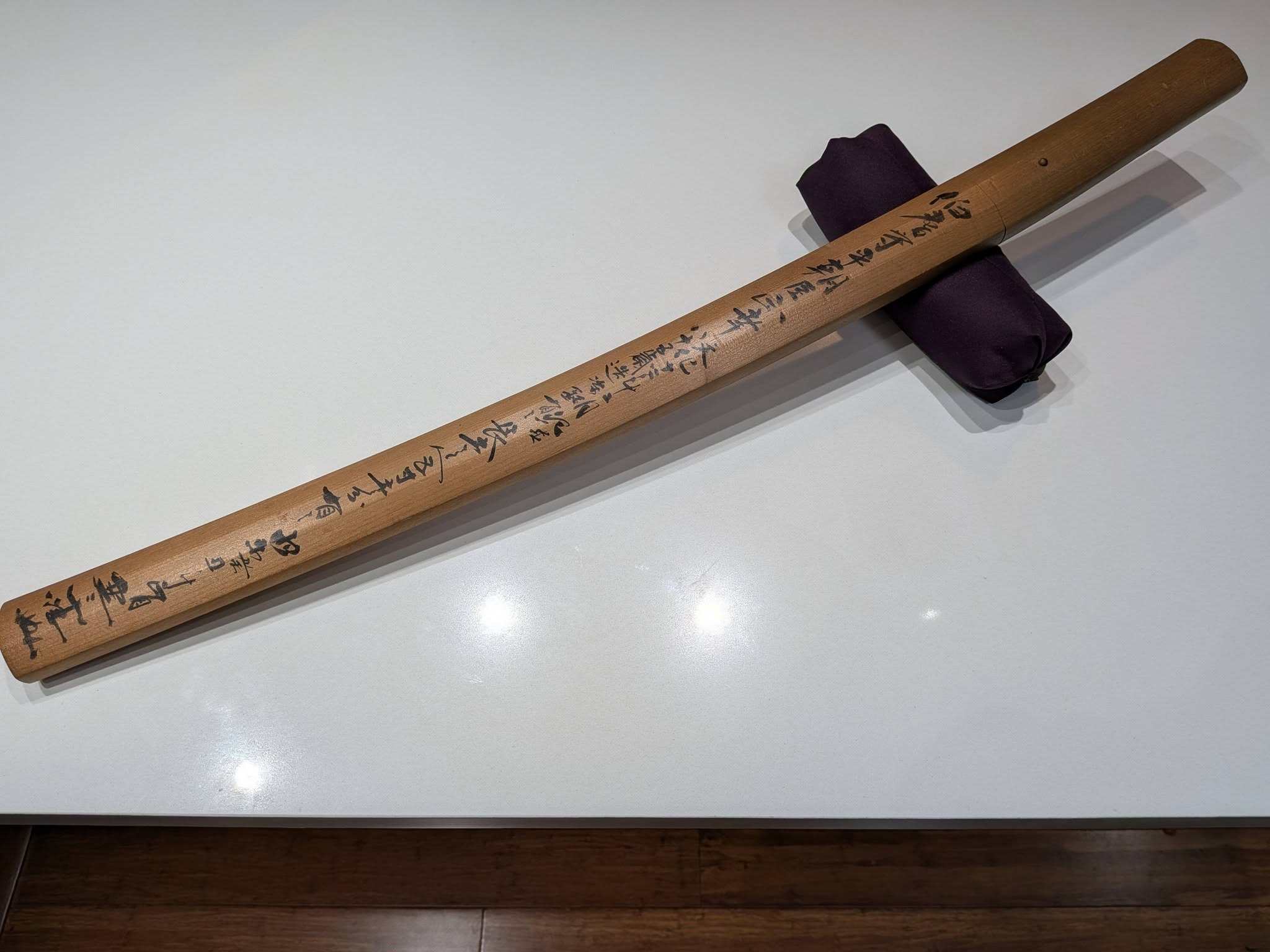
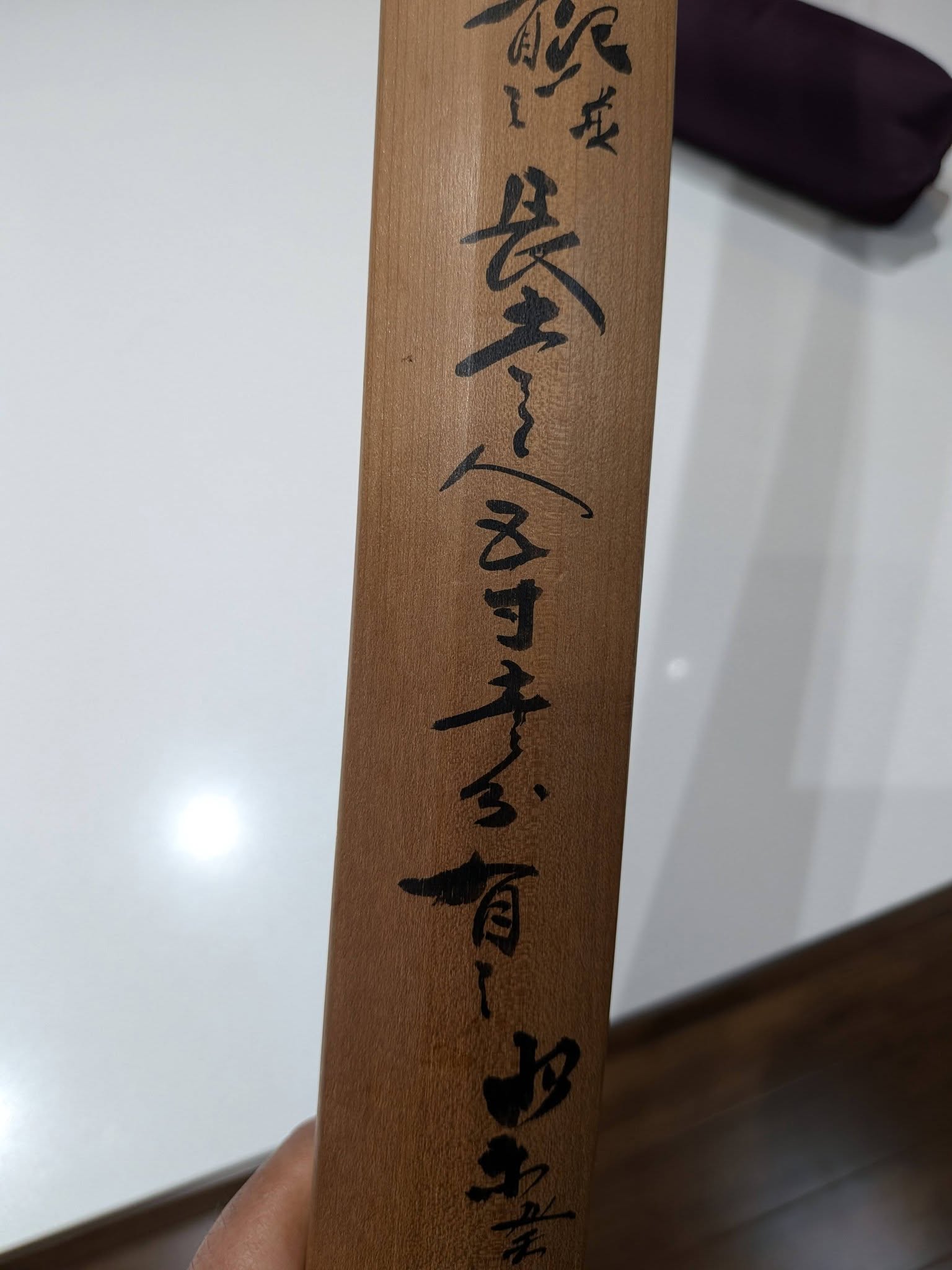
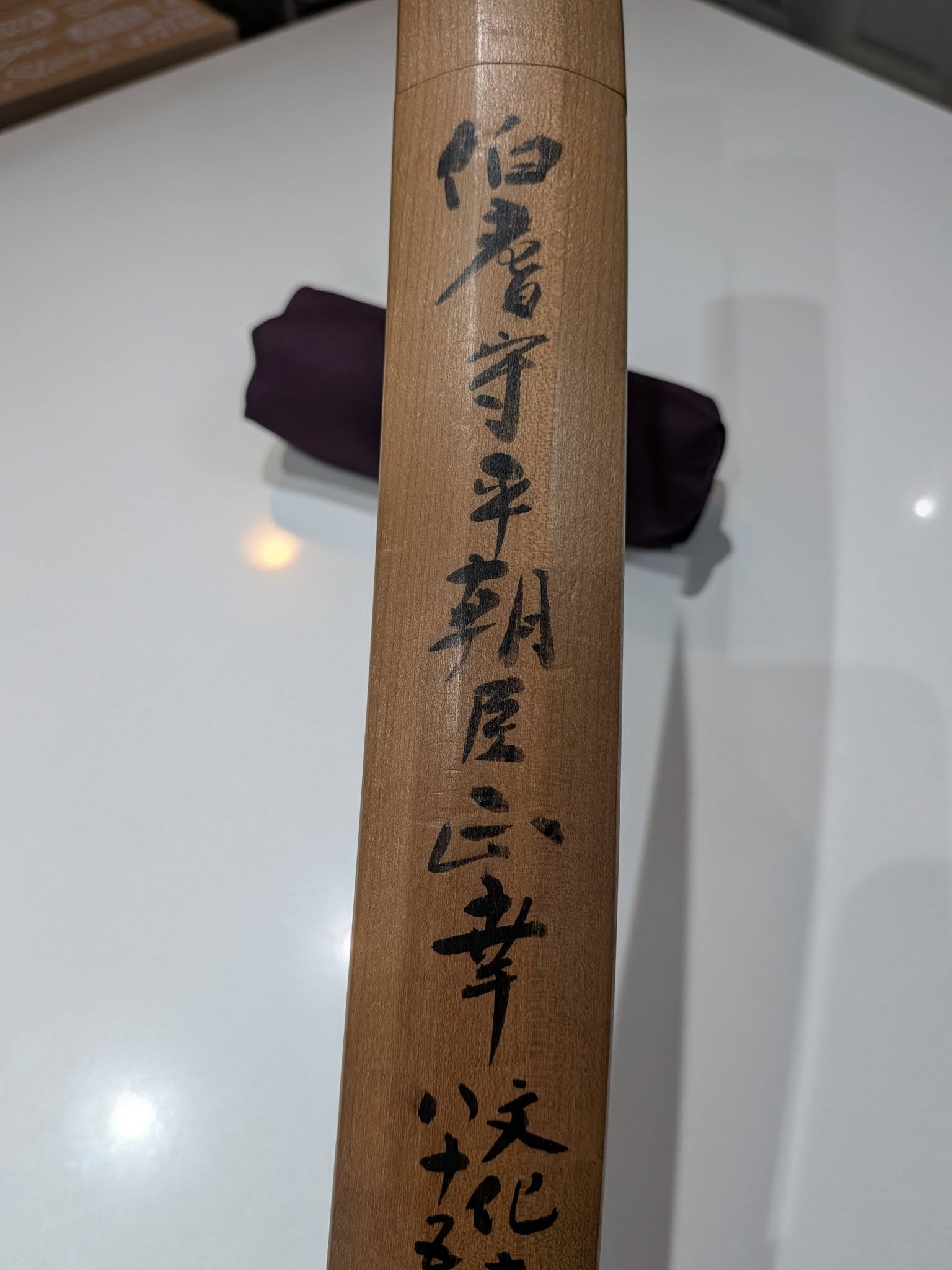
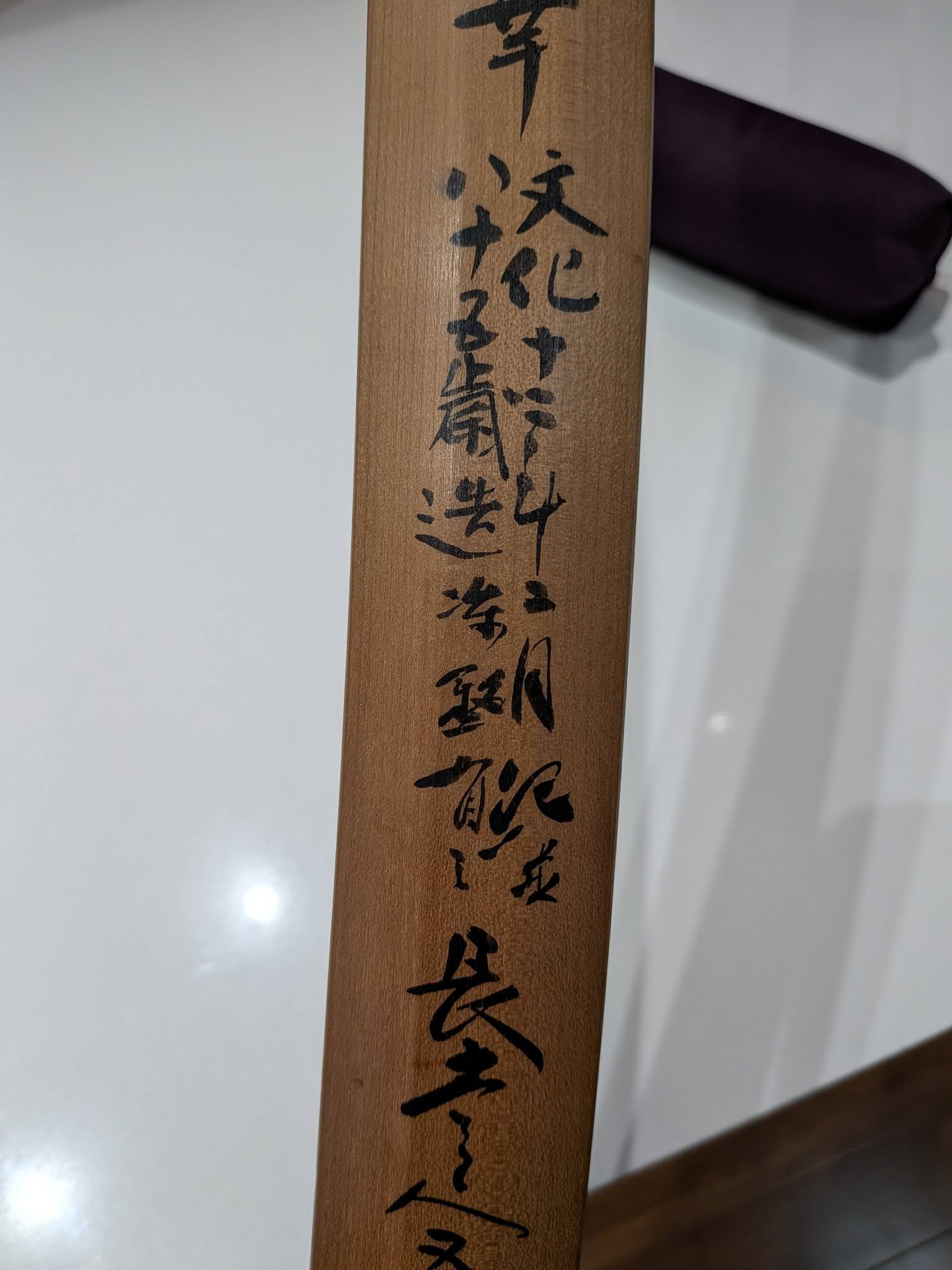
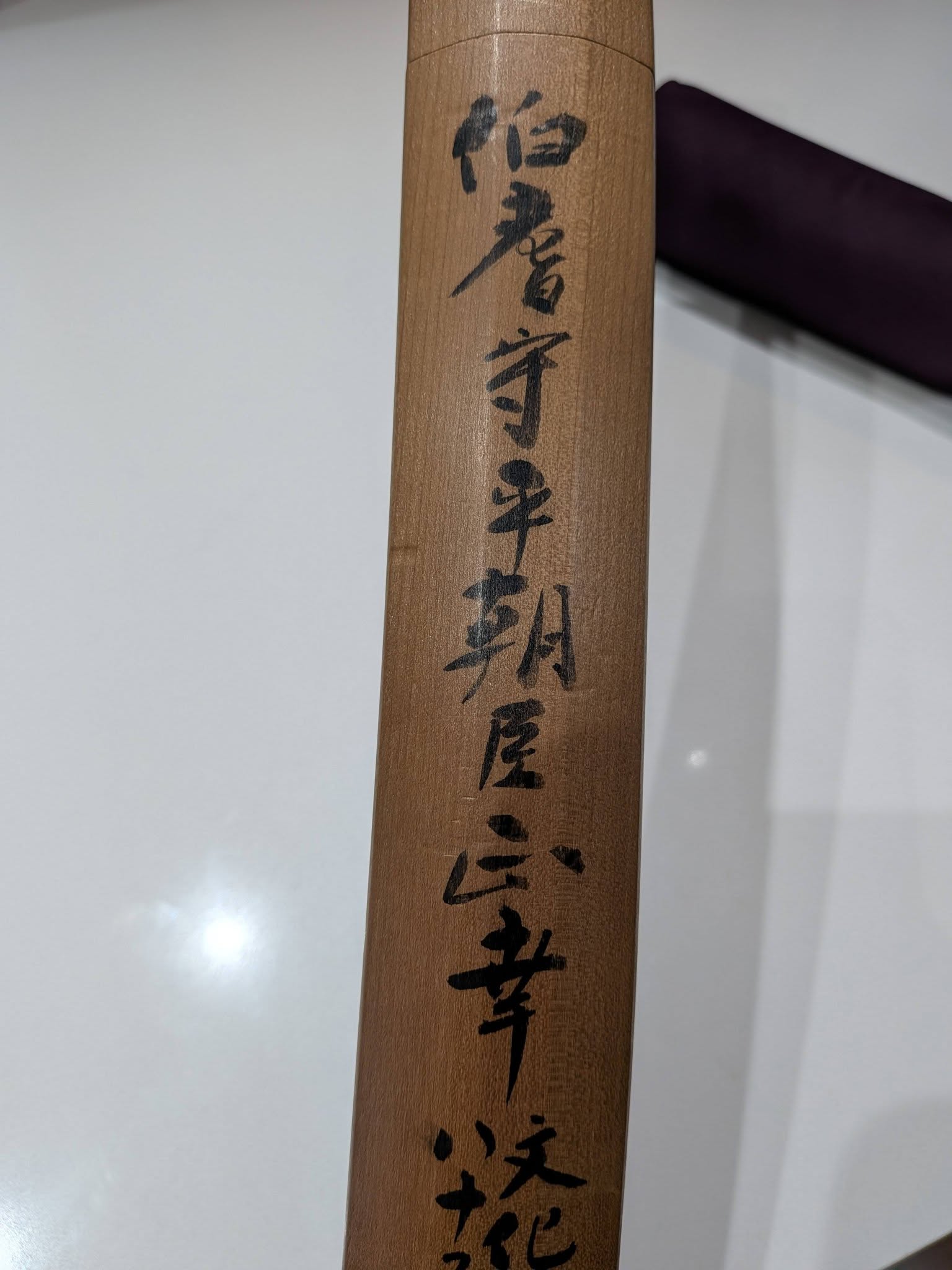
Hoki no Kami Masayuki was a smith of the Ijichi house, the Satsuma domain smiths, the son of the second-generation Masayoshi, born in Kyoho 18 (1733). He succeeded as the third generation and signed Masayoshi (正良), with works from about the Horeki era. In Kansei 1 (1789), in the same year that his townsman Oku Motohira became Yamato no Kami, he received the title Hoki no Kami and changed his name to Masayuki. He worked into great old age, many late blades carrying his age in the signature, and died in Bunsei 1 or 2 (1818 to 1819) at eighty-six or eighty-seven. The published sources place him by one recurring pairing: with Oku Motohira he is one of the "twin pillars of Satsuma shinshinto"[[c:1]], and they add that he surpassed his forebears in skill and early won the repute of a pupil who outshone his teacher.
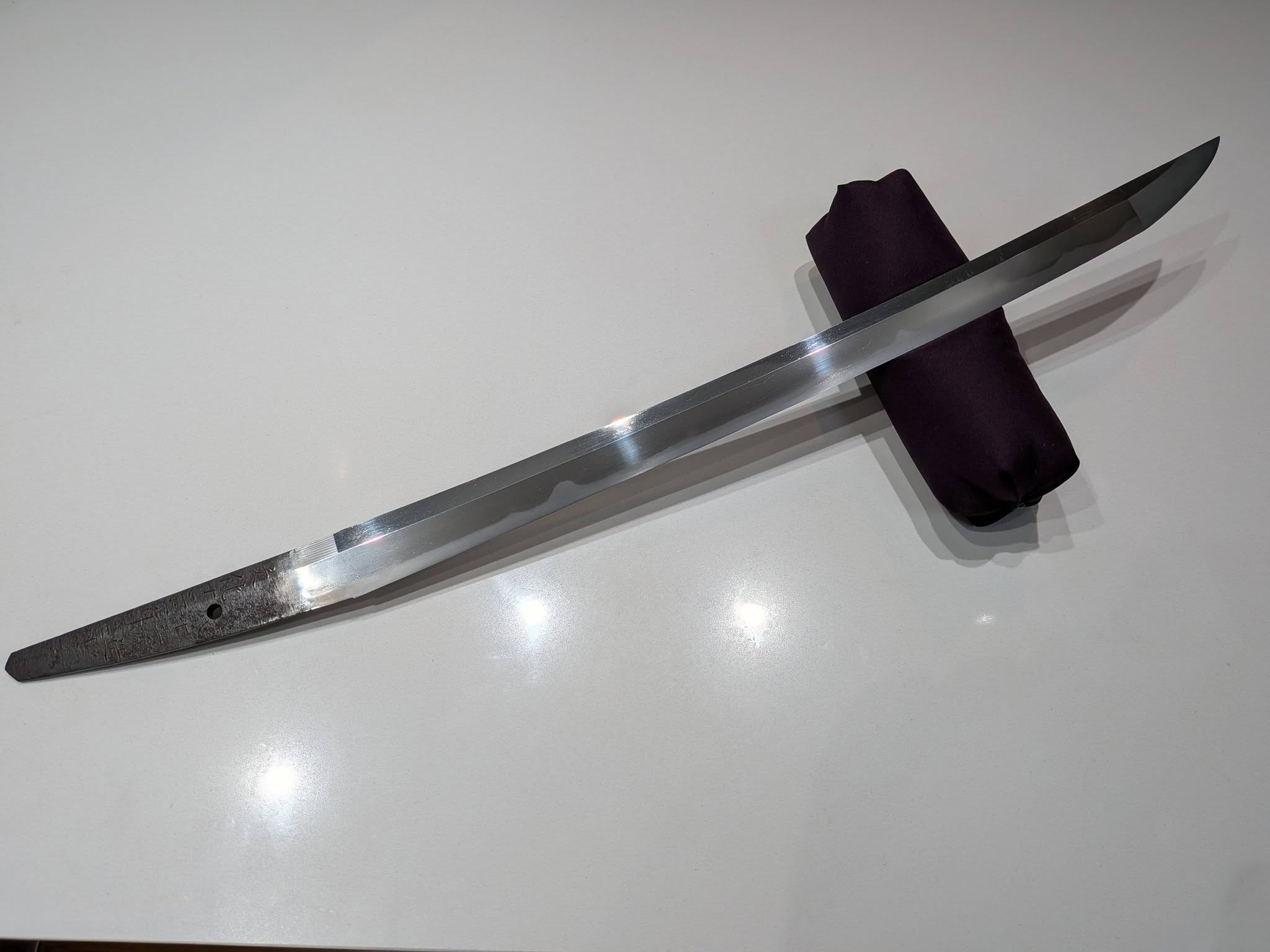
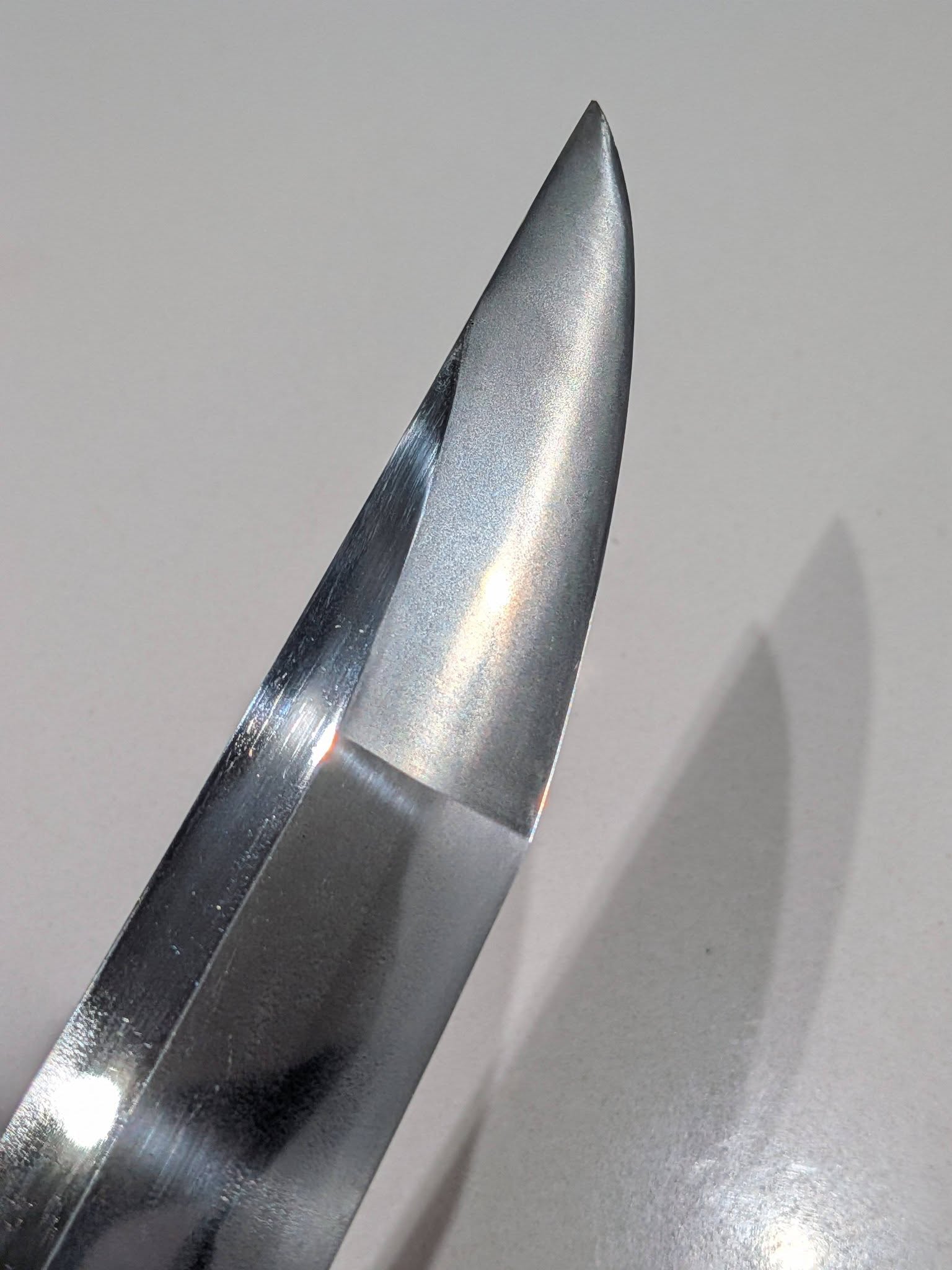
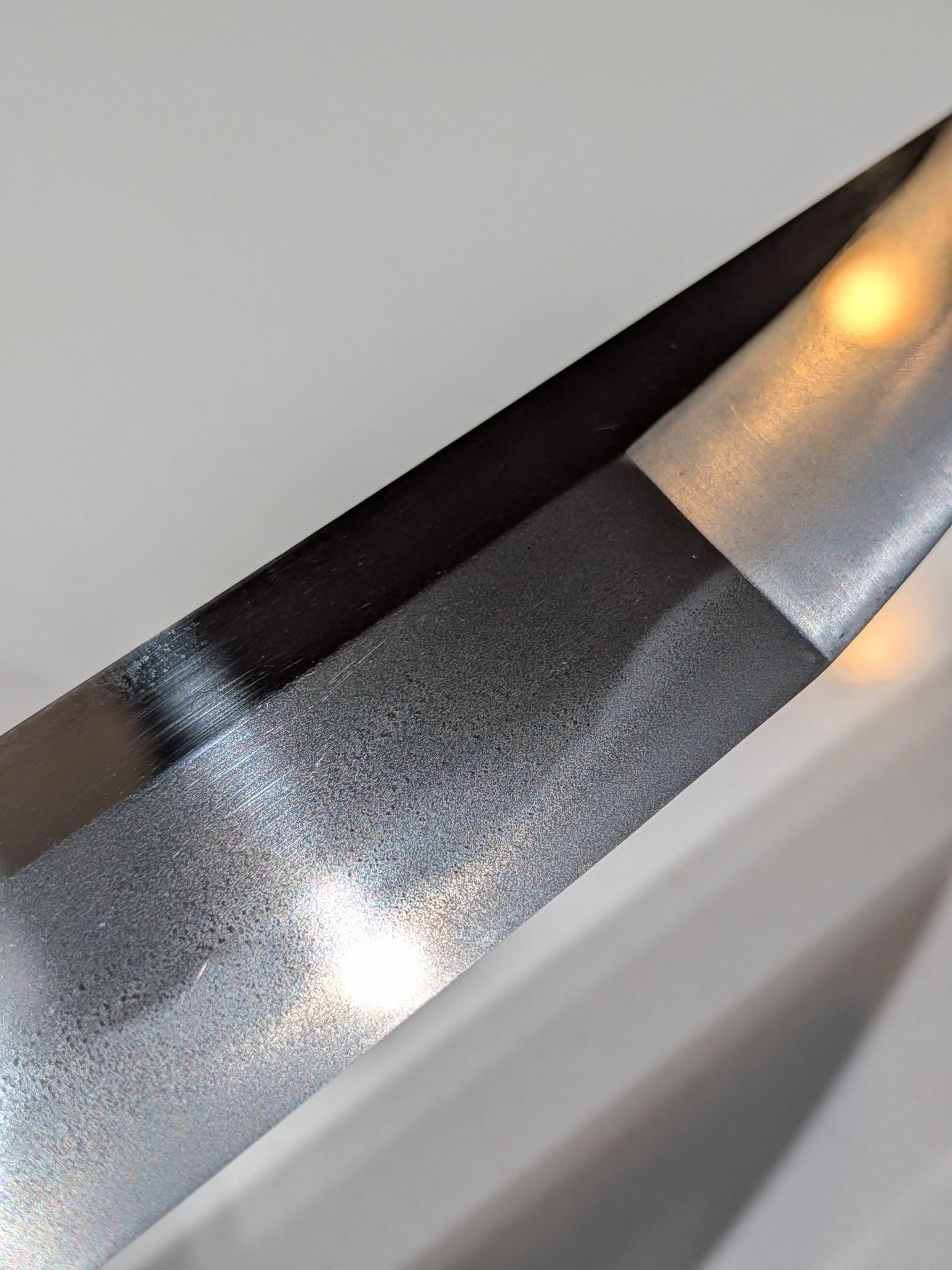
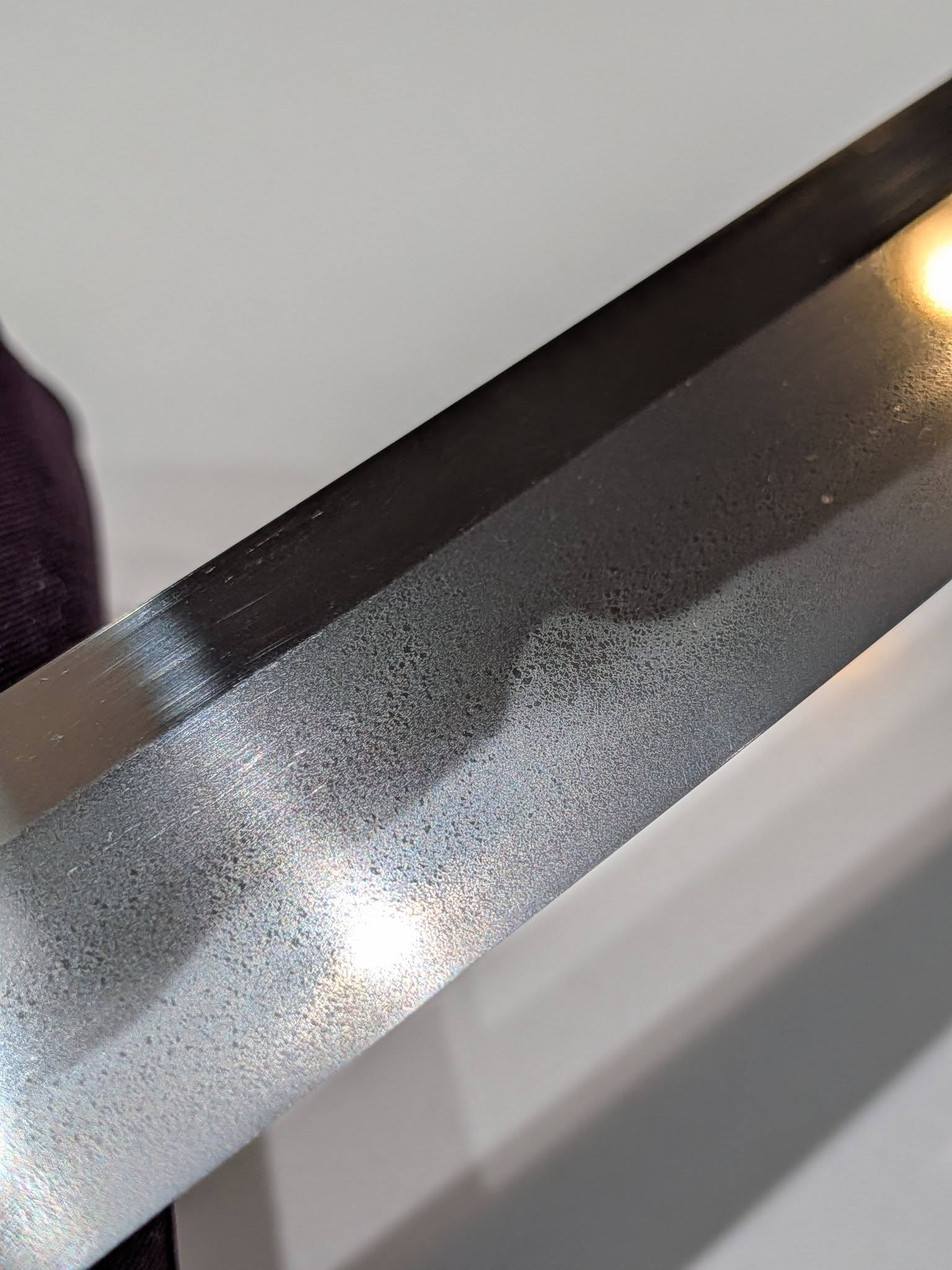
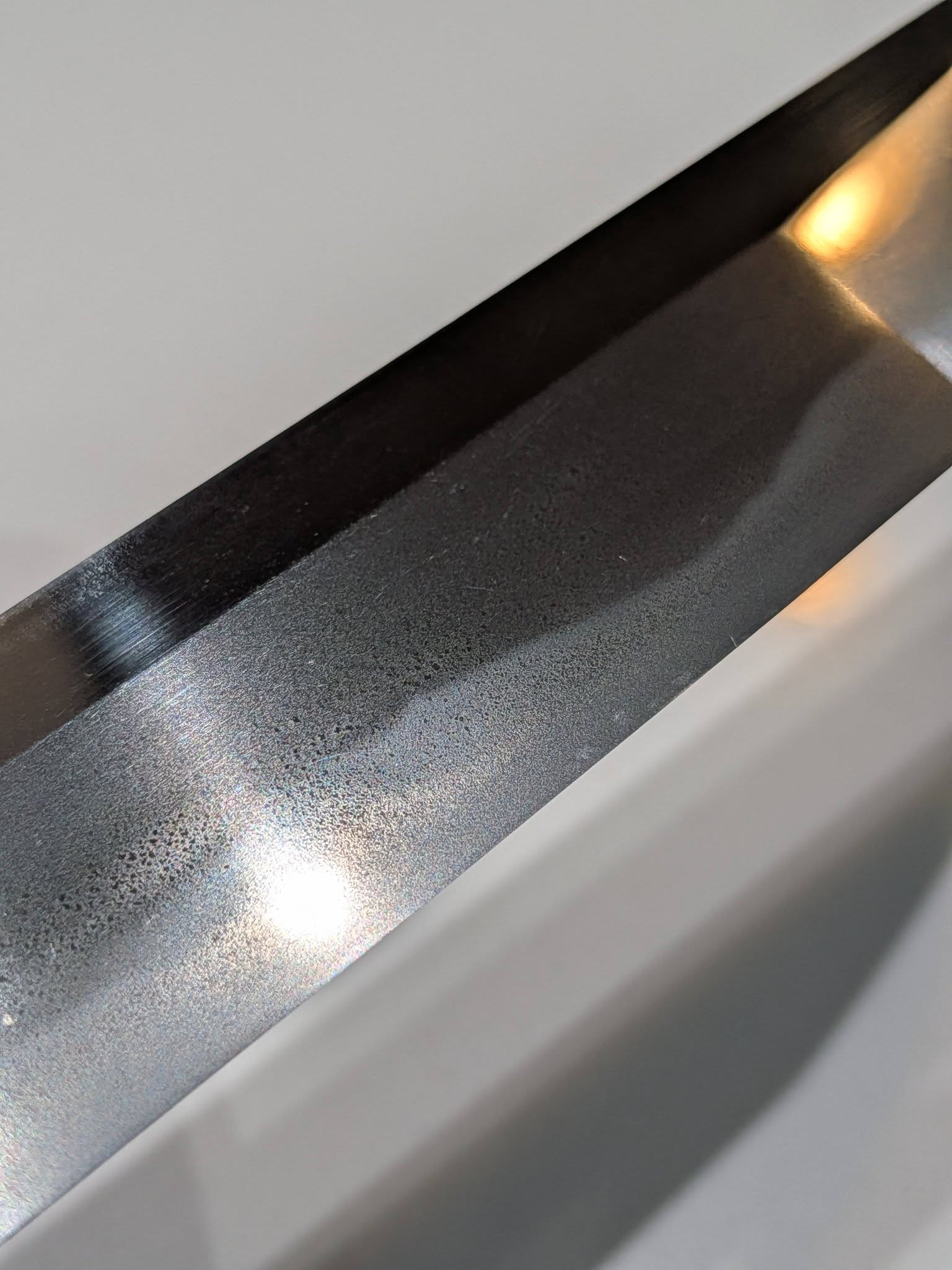
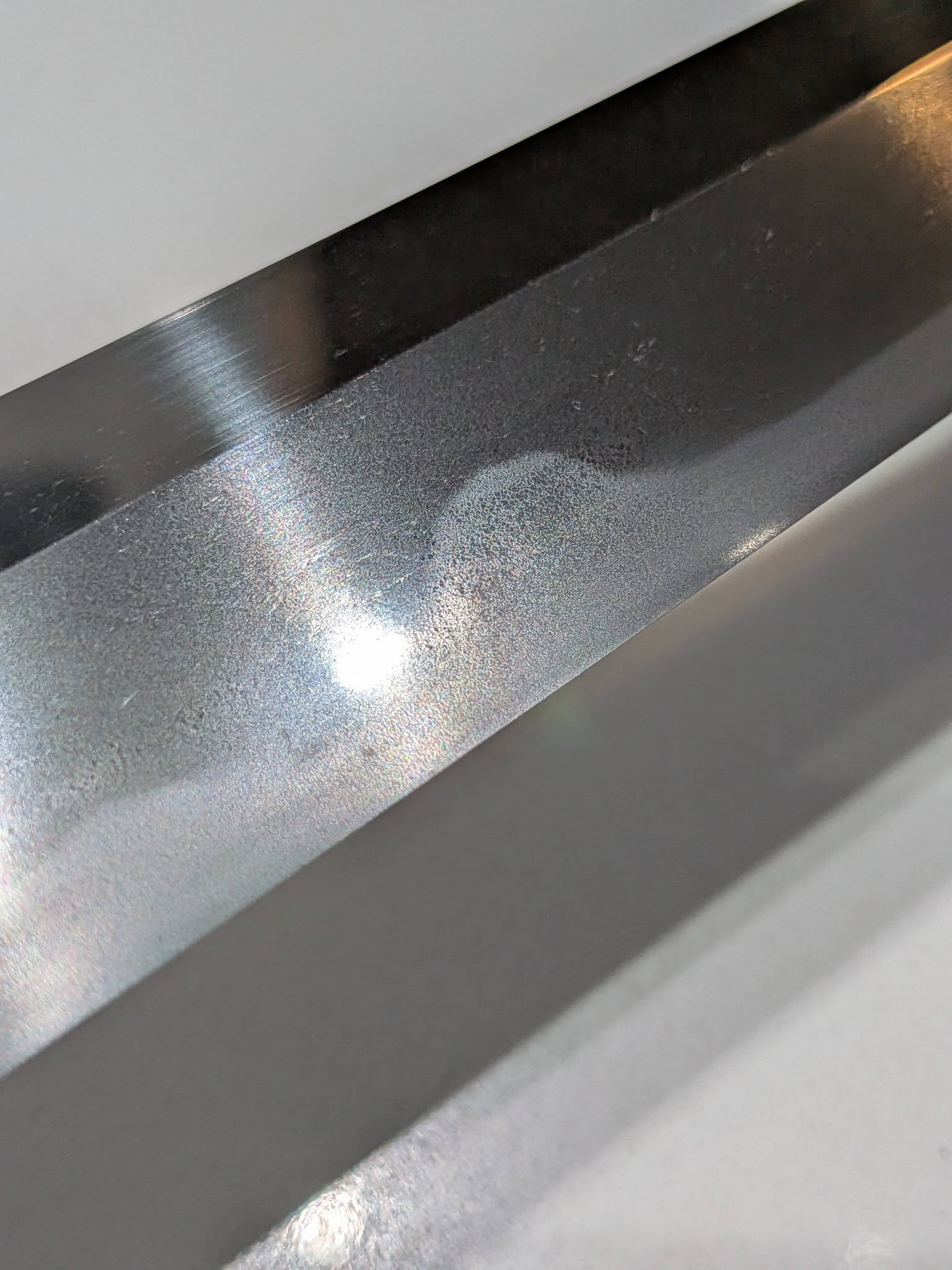
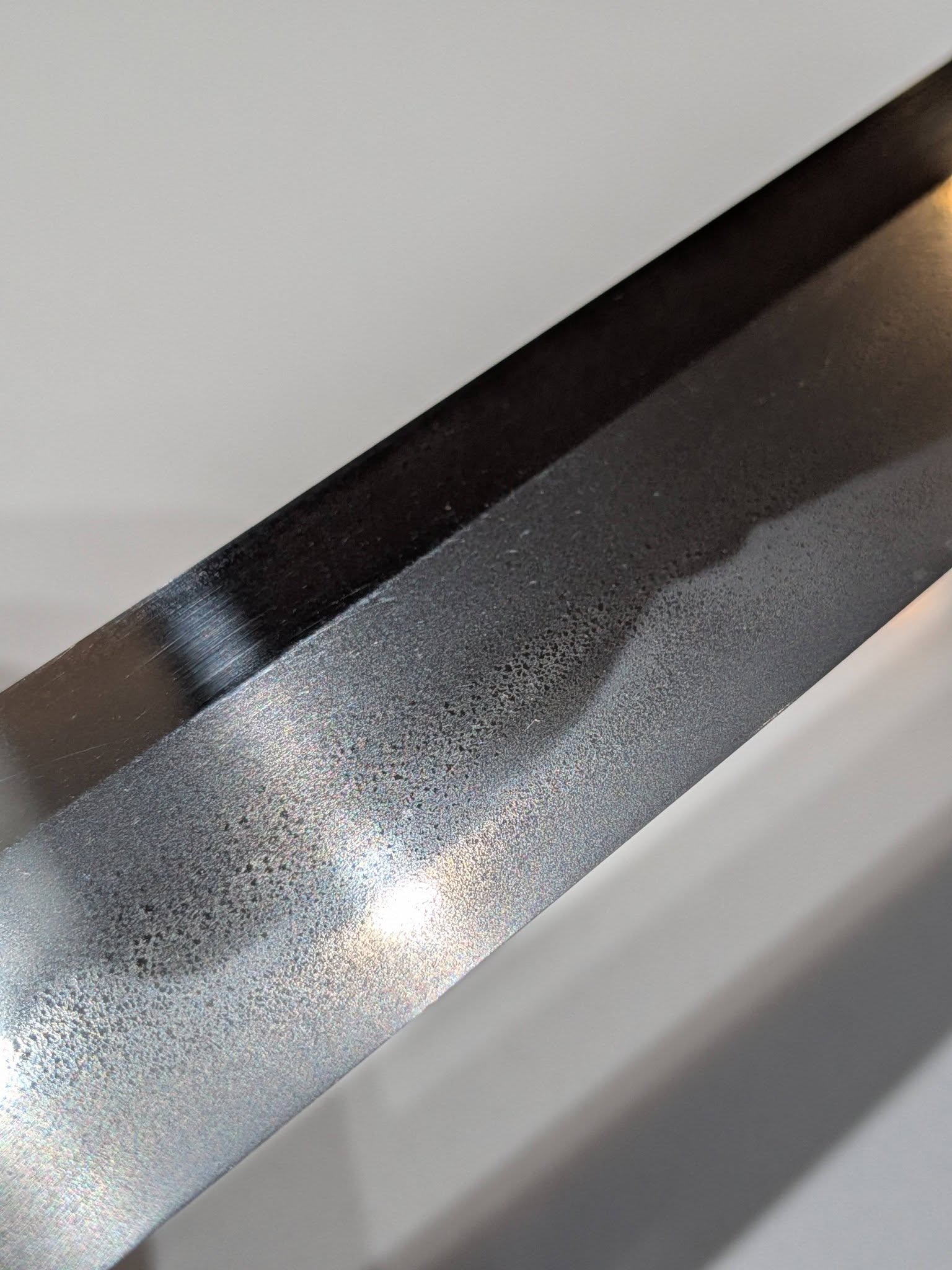
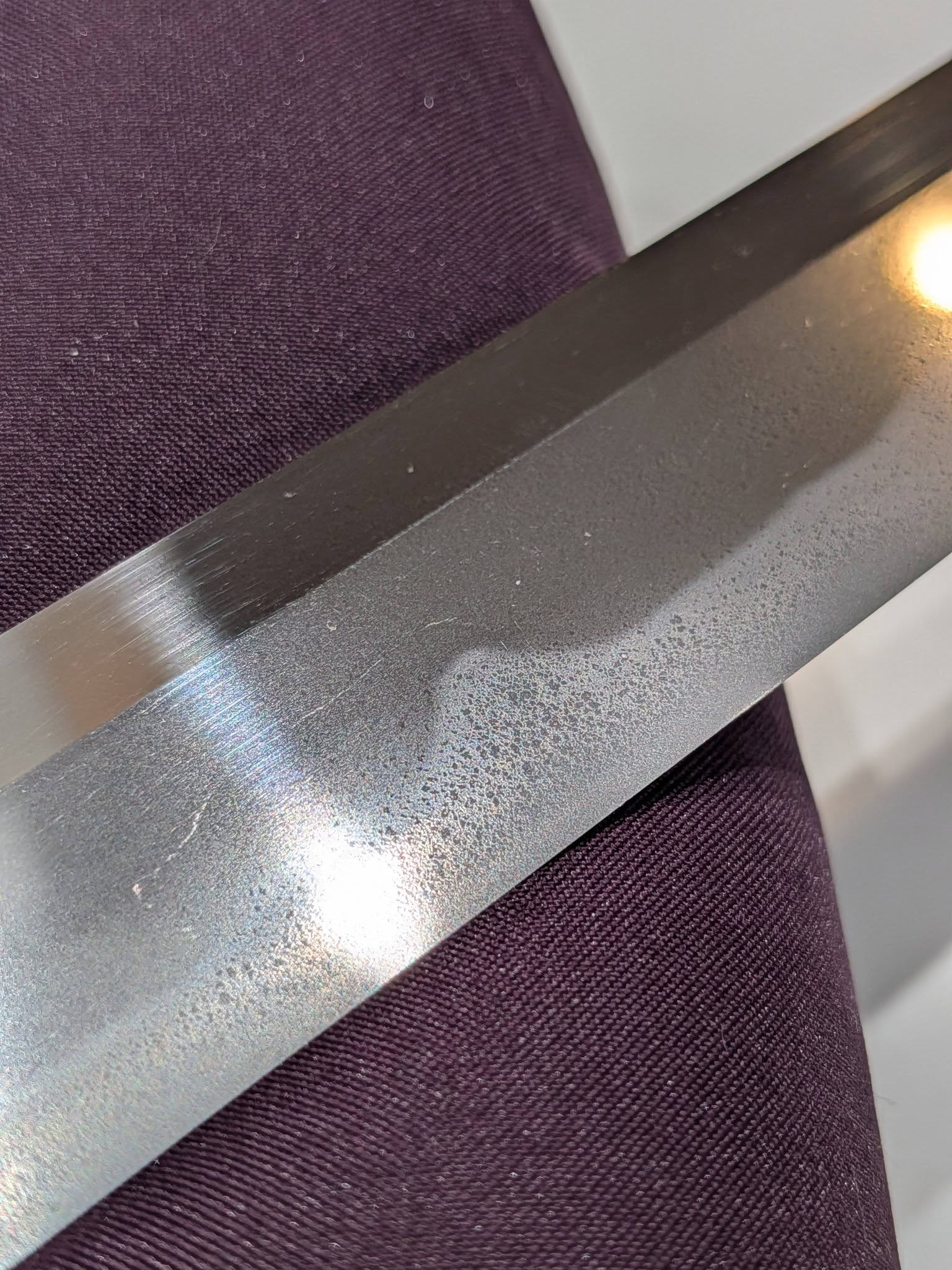
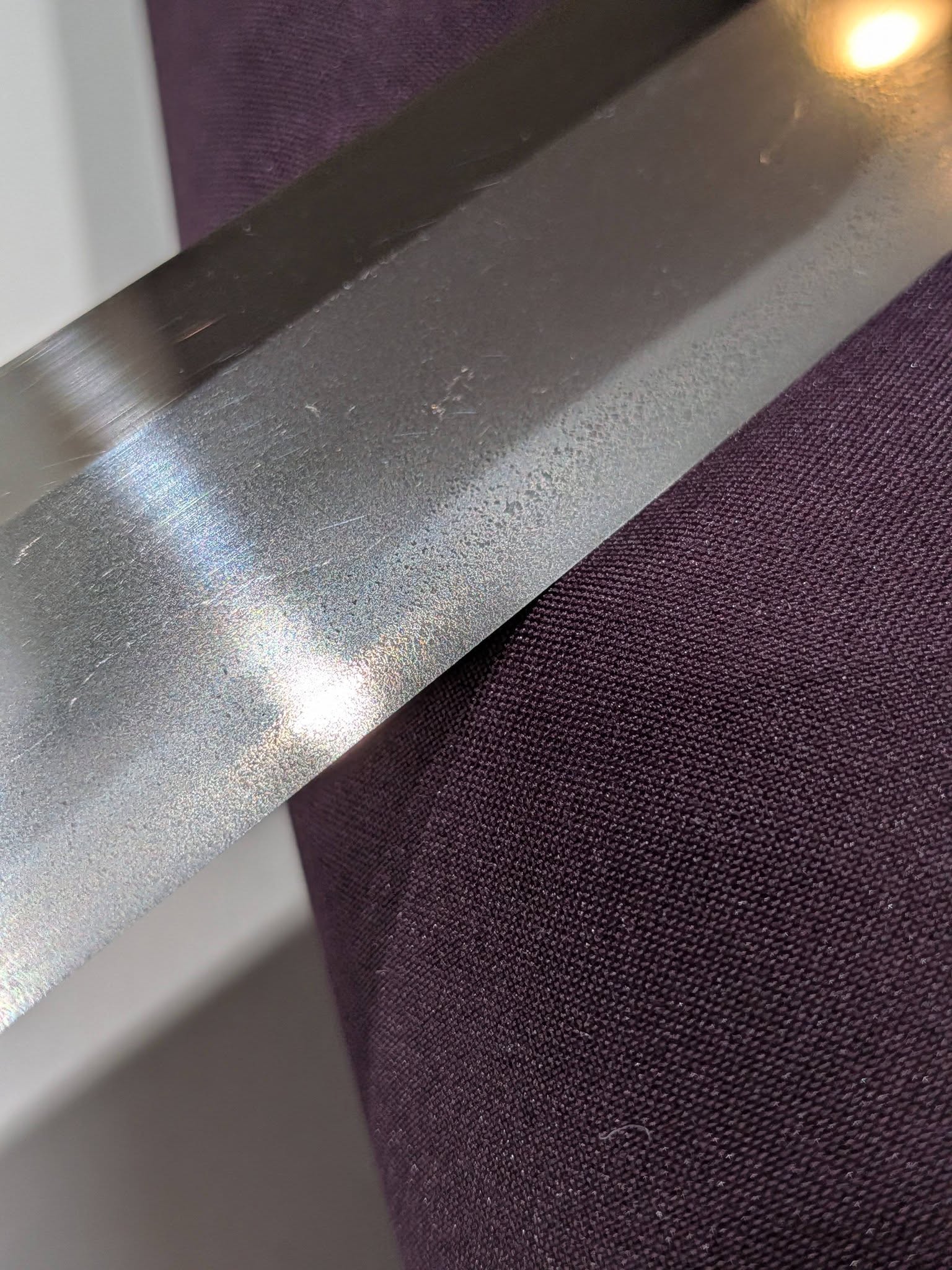
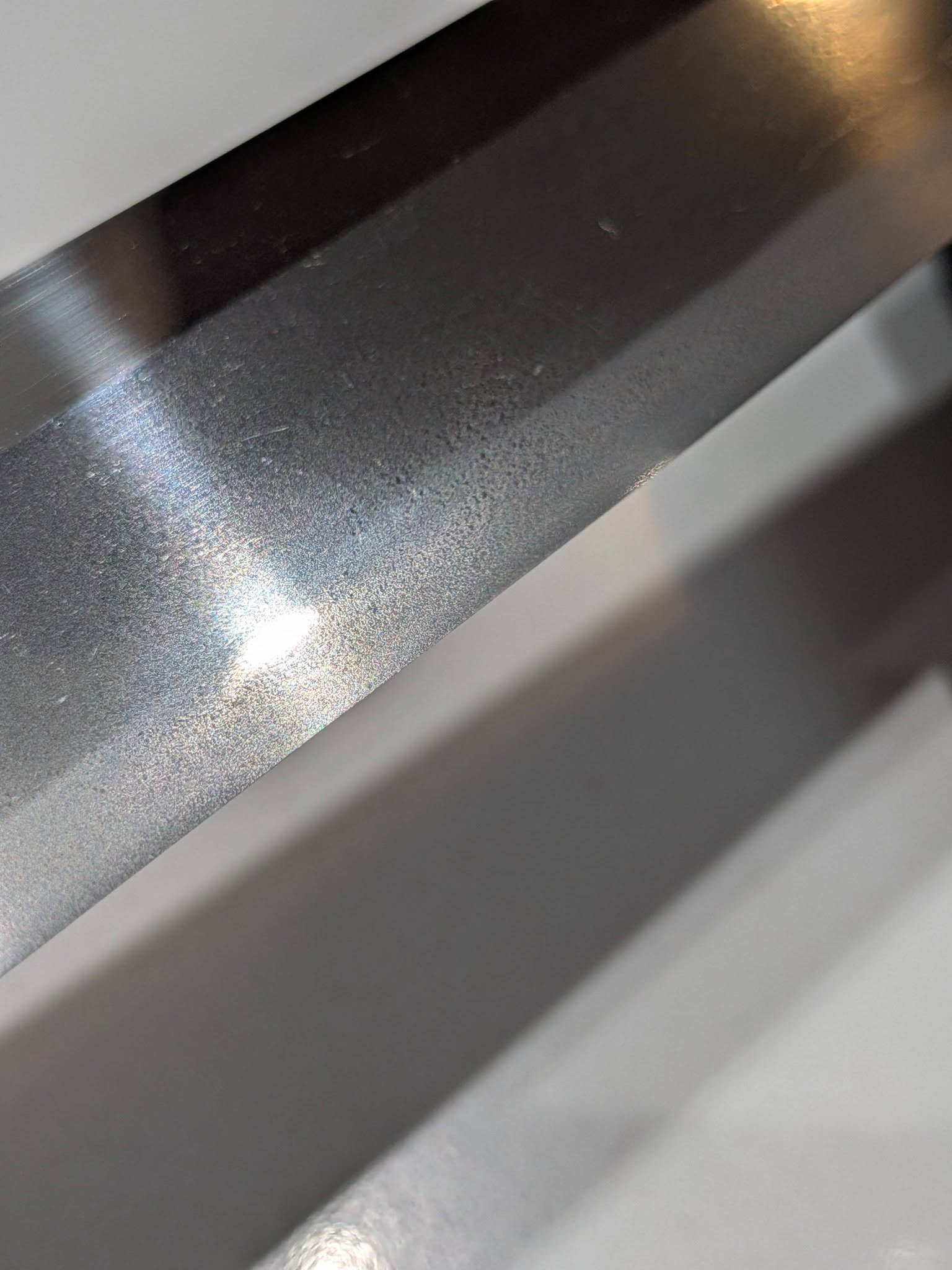
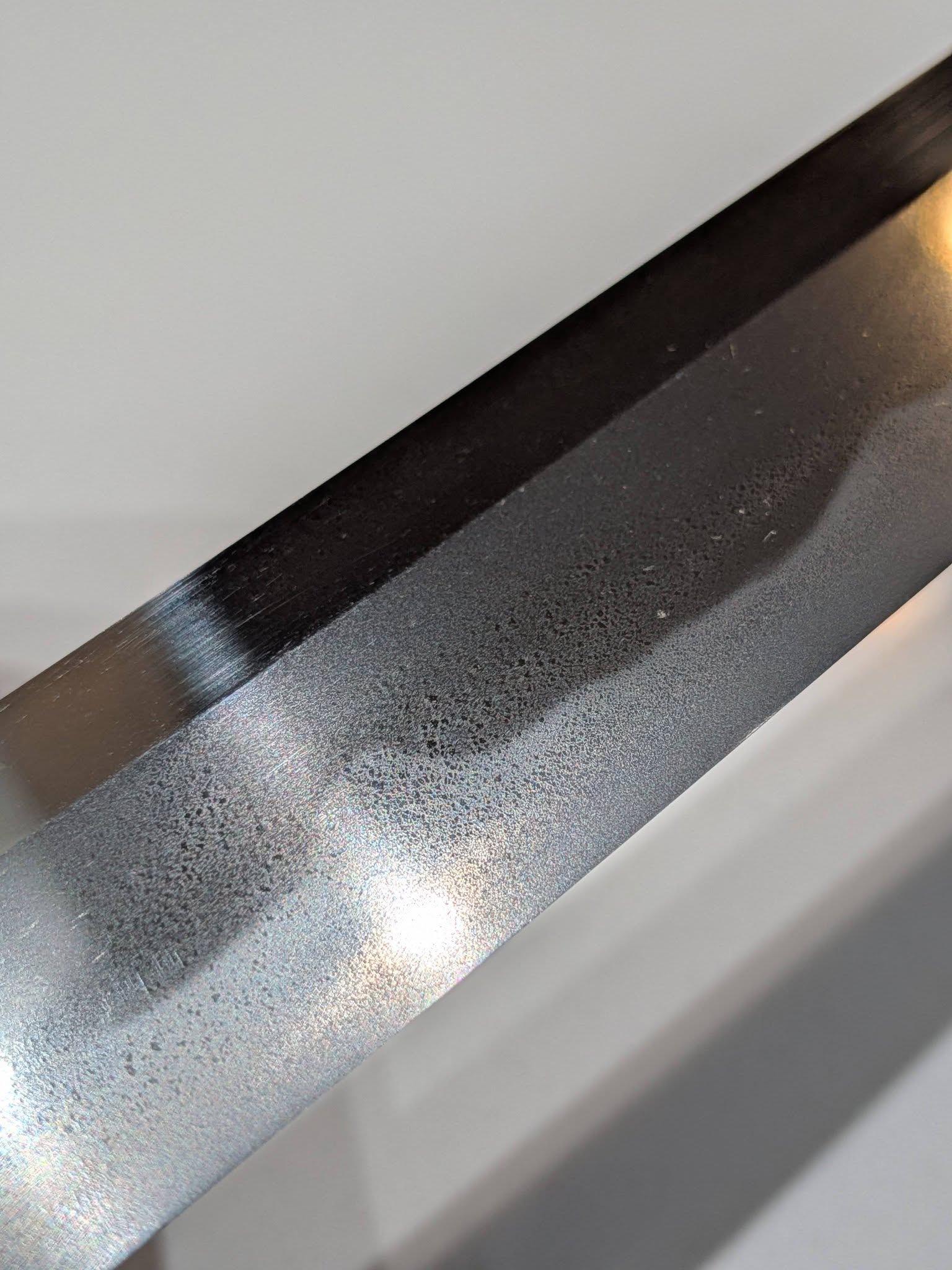
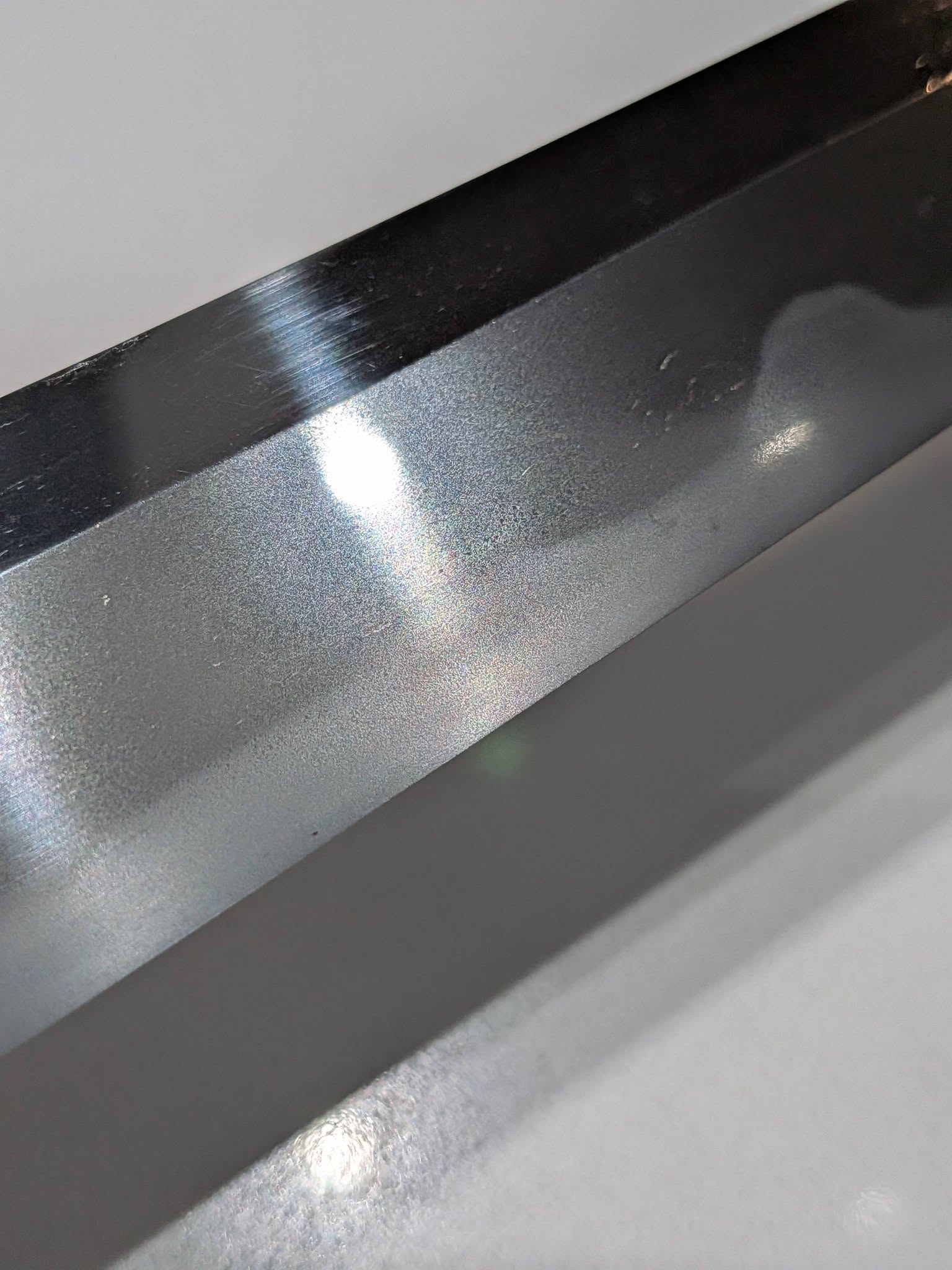
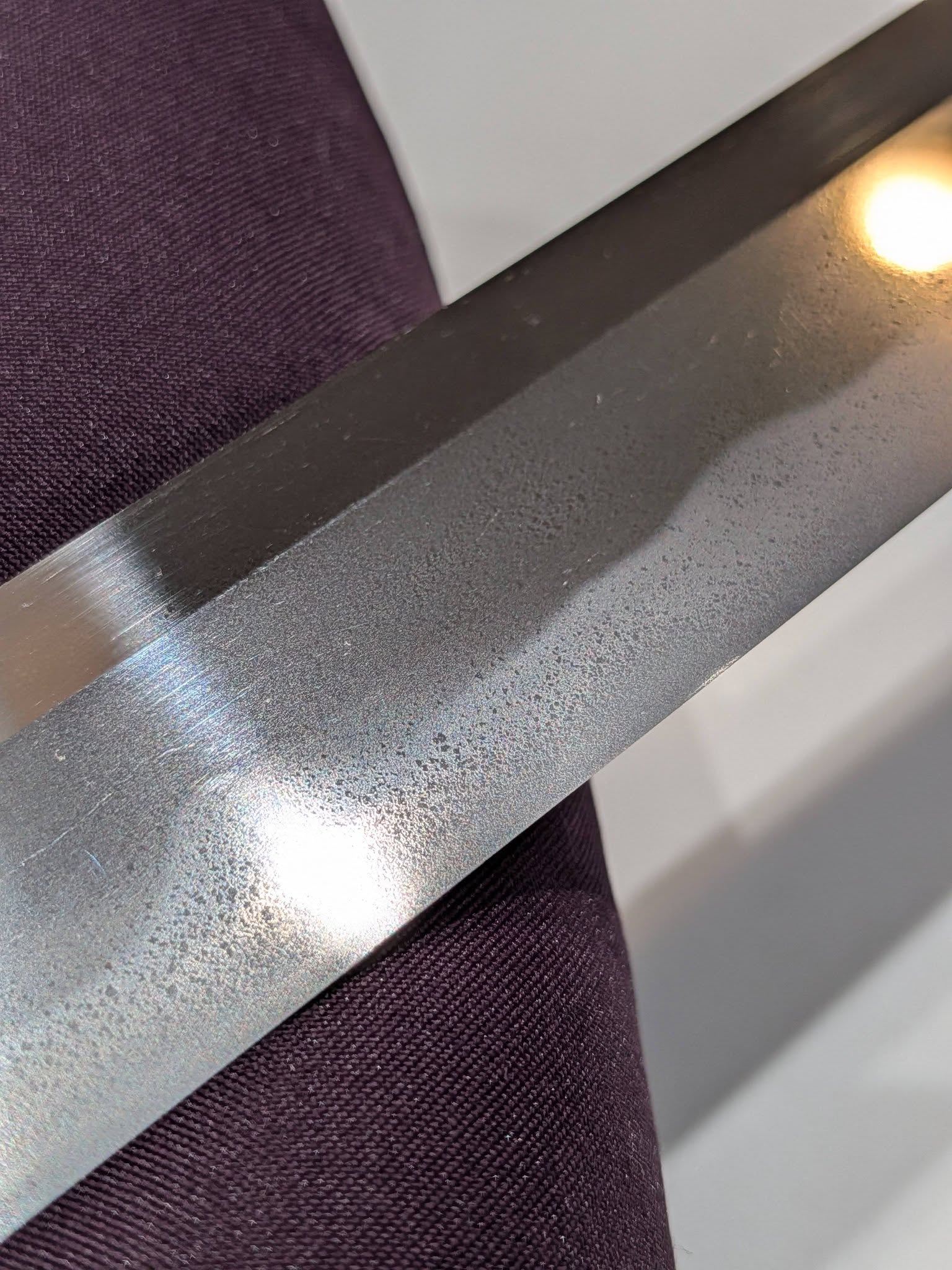
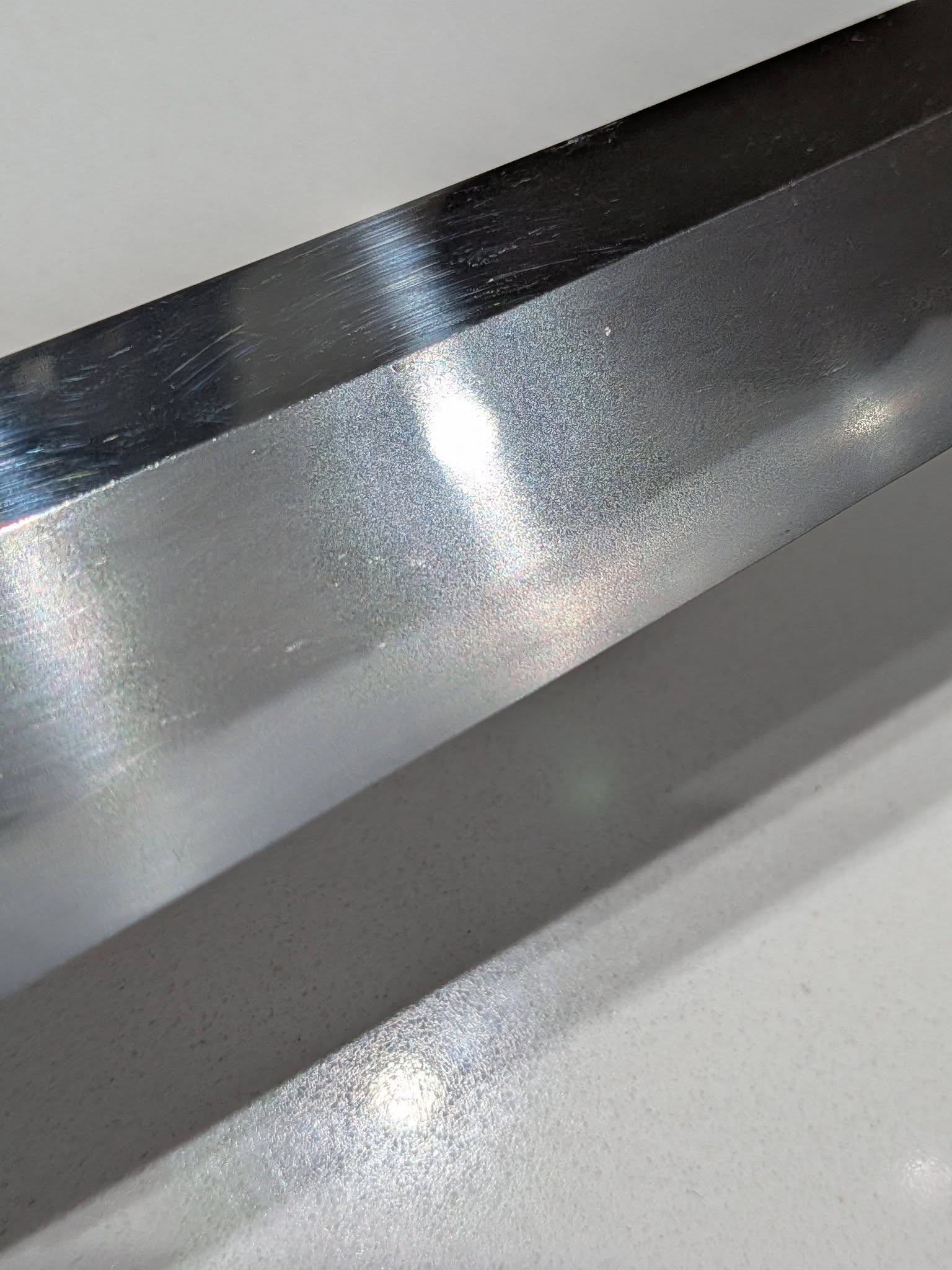
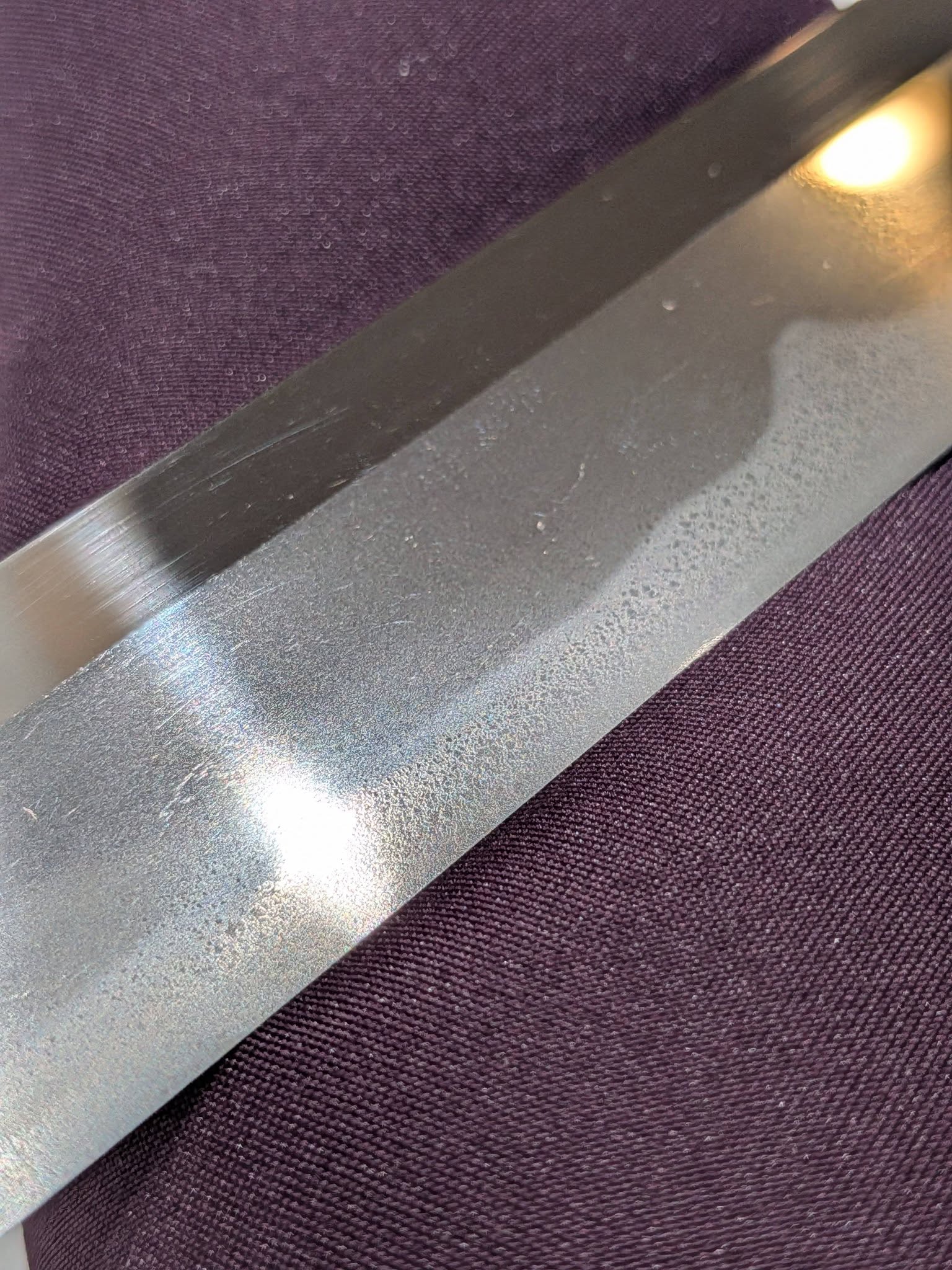
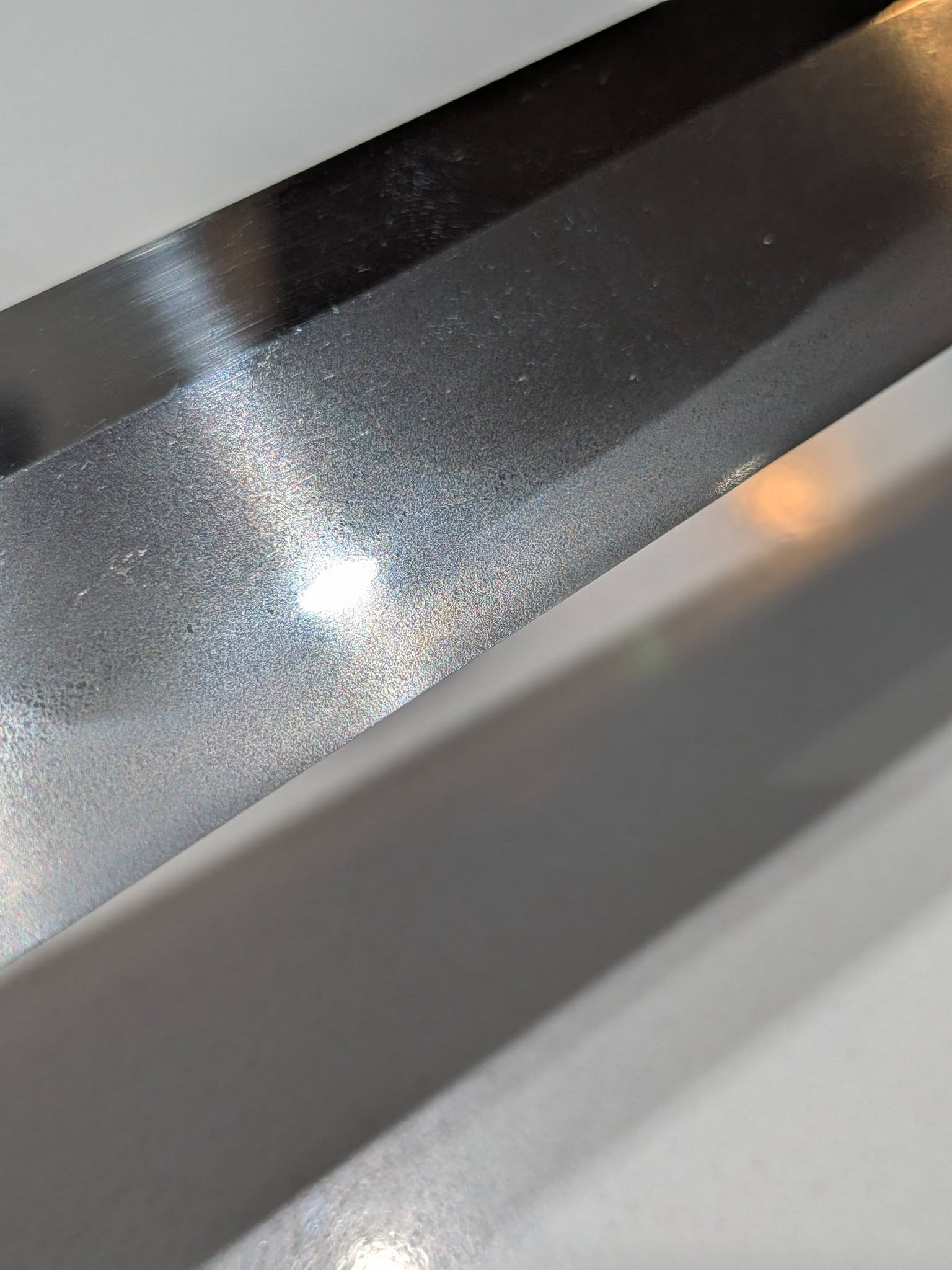
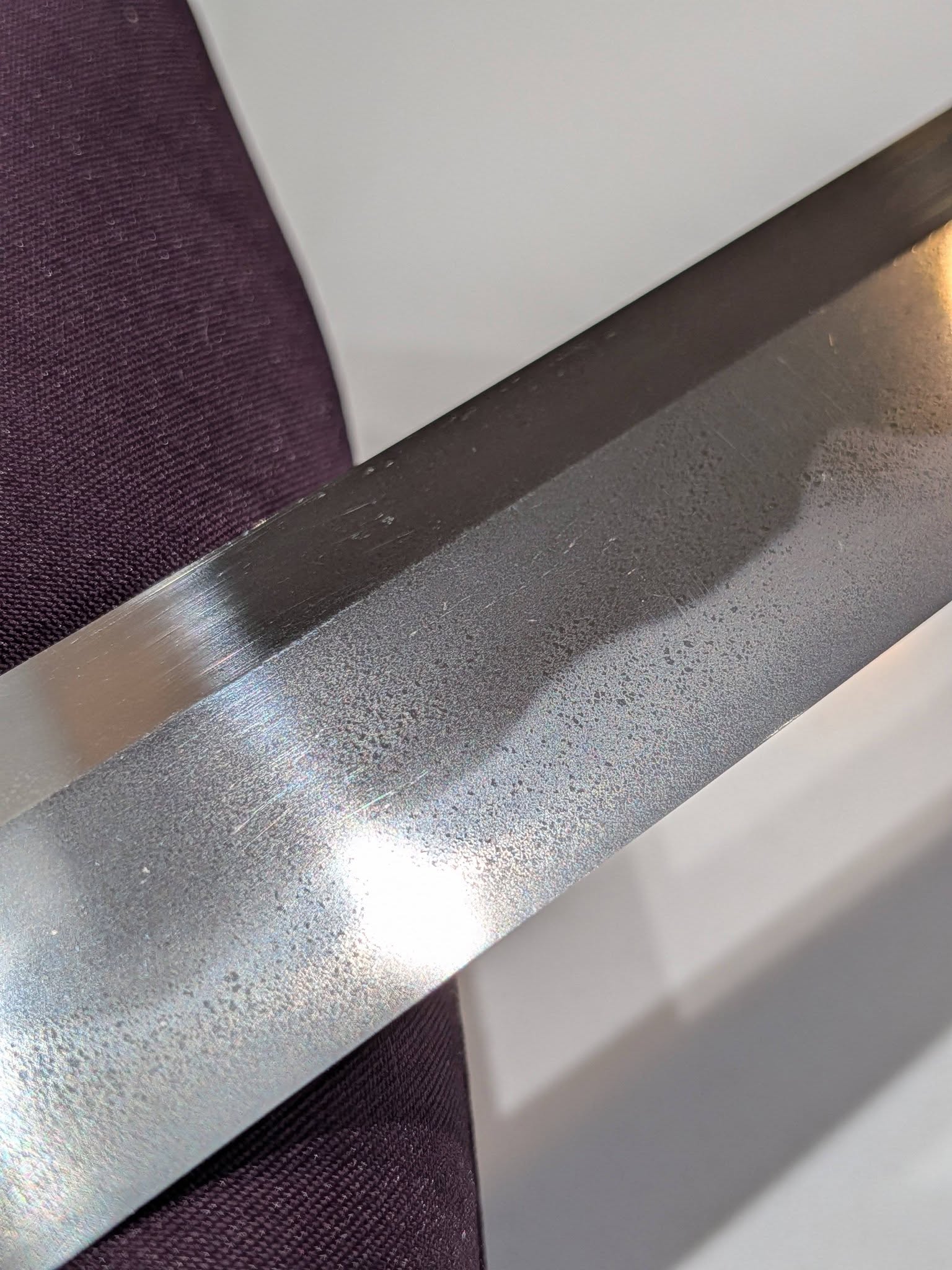
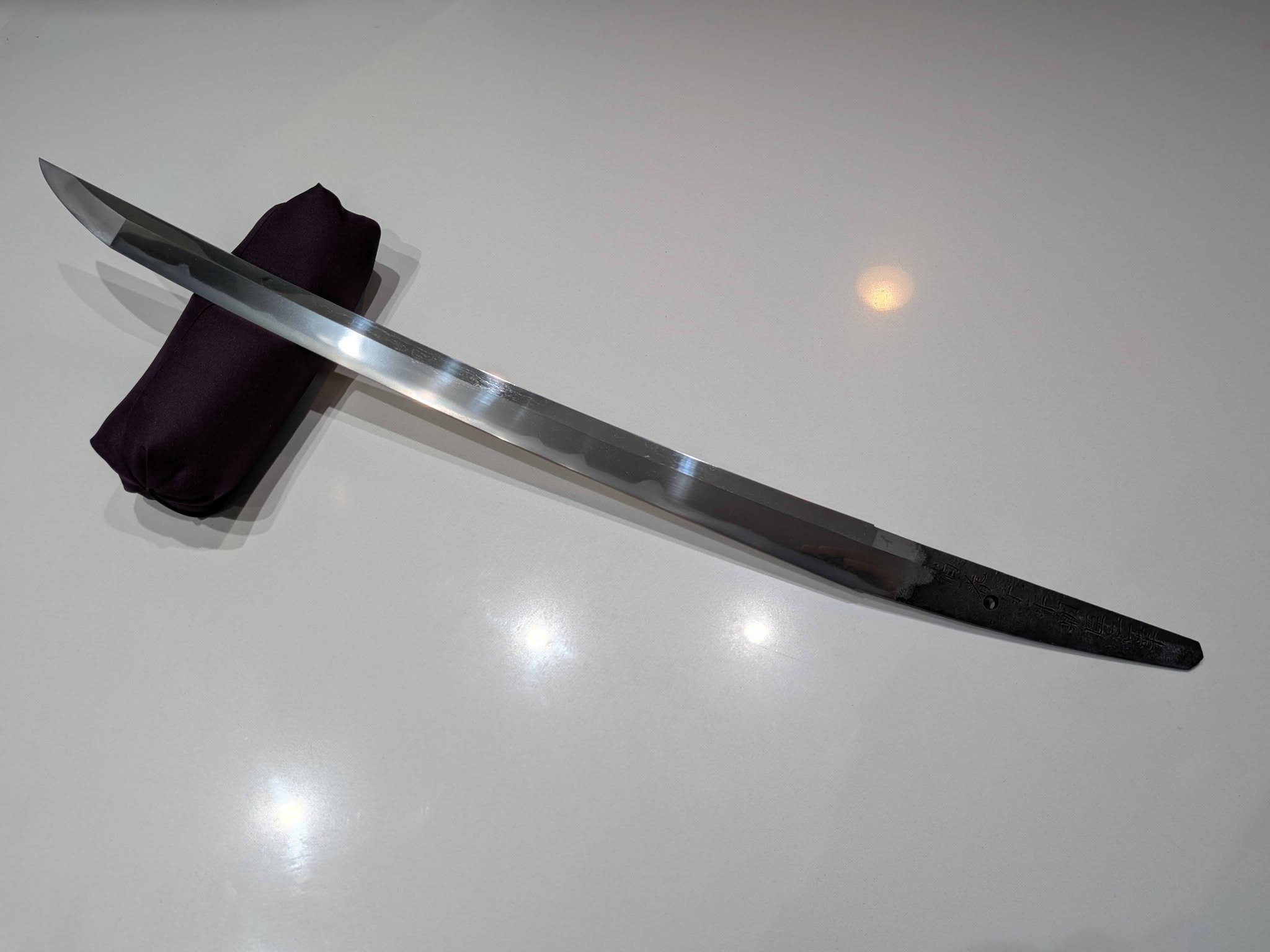
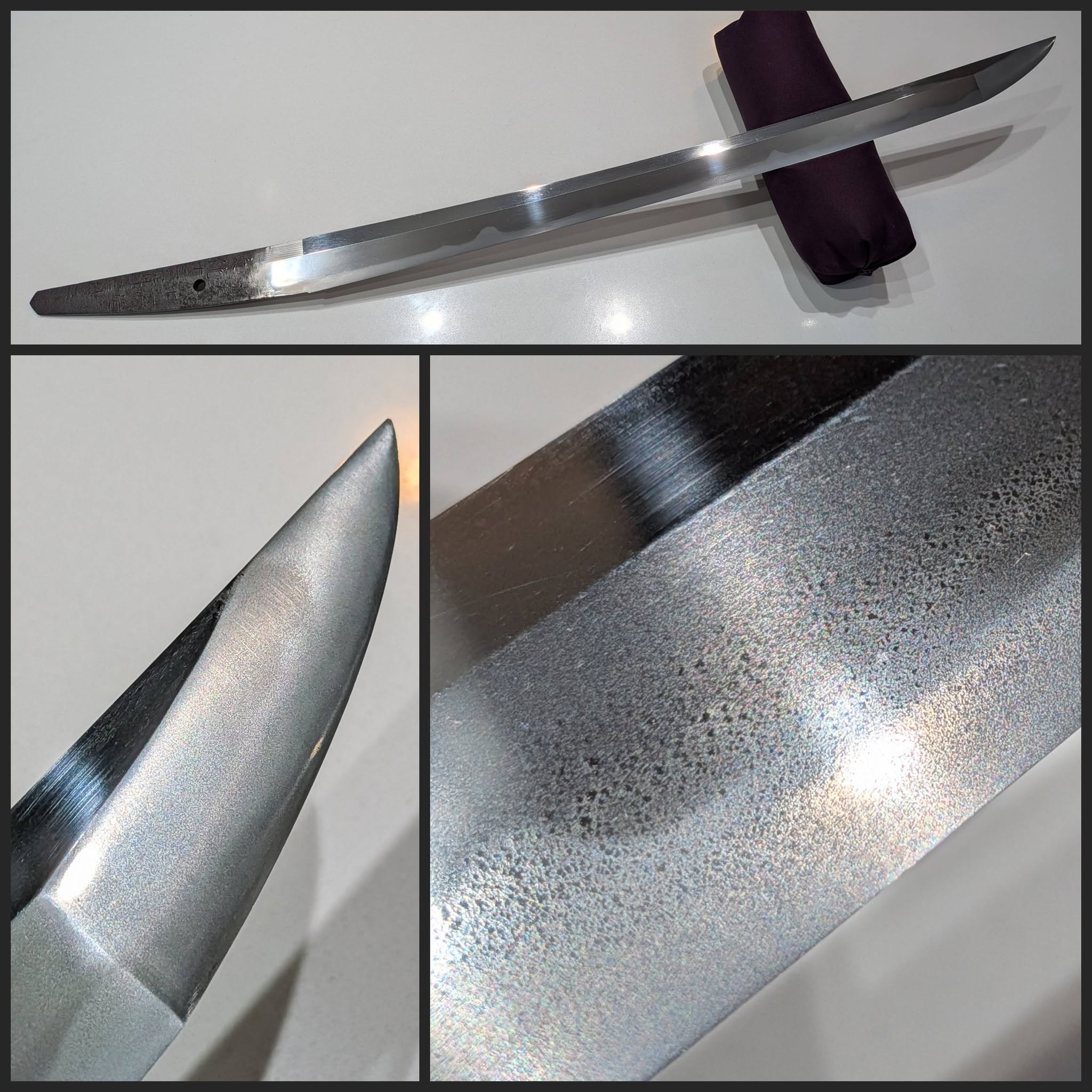
His characteristic hand is a broad, long, robust katana. The mihaba is wide, the kasane thick and the kissaki extended. Over it he tempers a ko-notare or shallow notare mixed with gunome, setting in pointed teeth, the nioi deep and the nie somewhat coarse, with sunagashi and kinsuji. The published sources call this his favoured manner and record that "he himself called it Soshu-den"[[c:2]]. Elsewhere they read it more exactly: he "excels in work modelled on Soshu-den, and above all on Shizu"[[c:3]]. The kinsuji and nie-suji that run long through his ha are the Satsuma lines known as imozuru, the yam-vine.
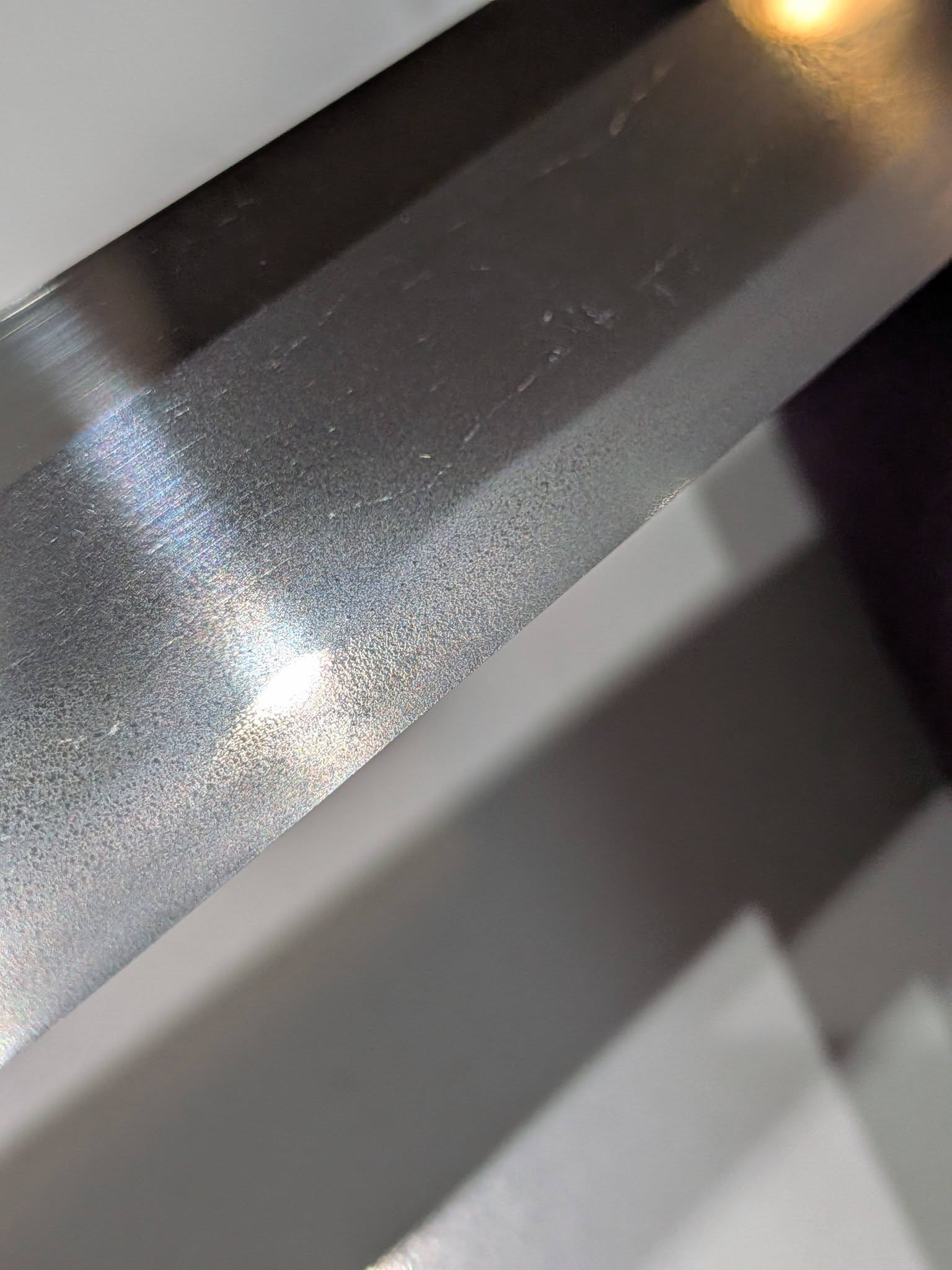
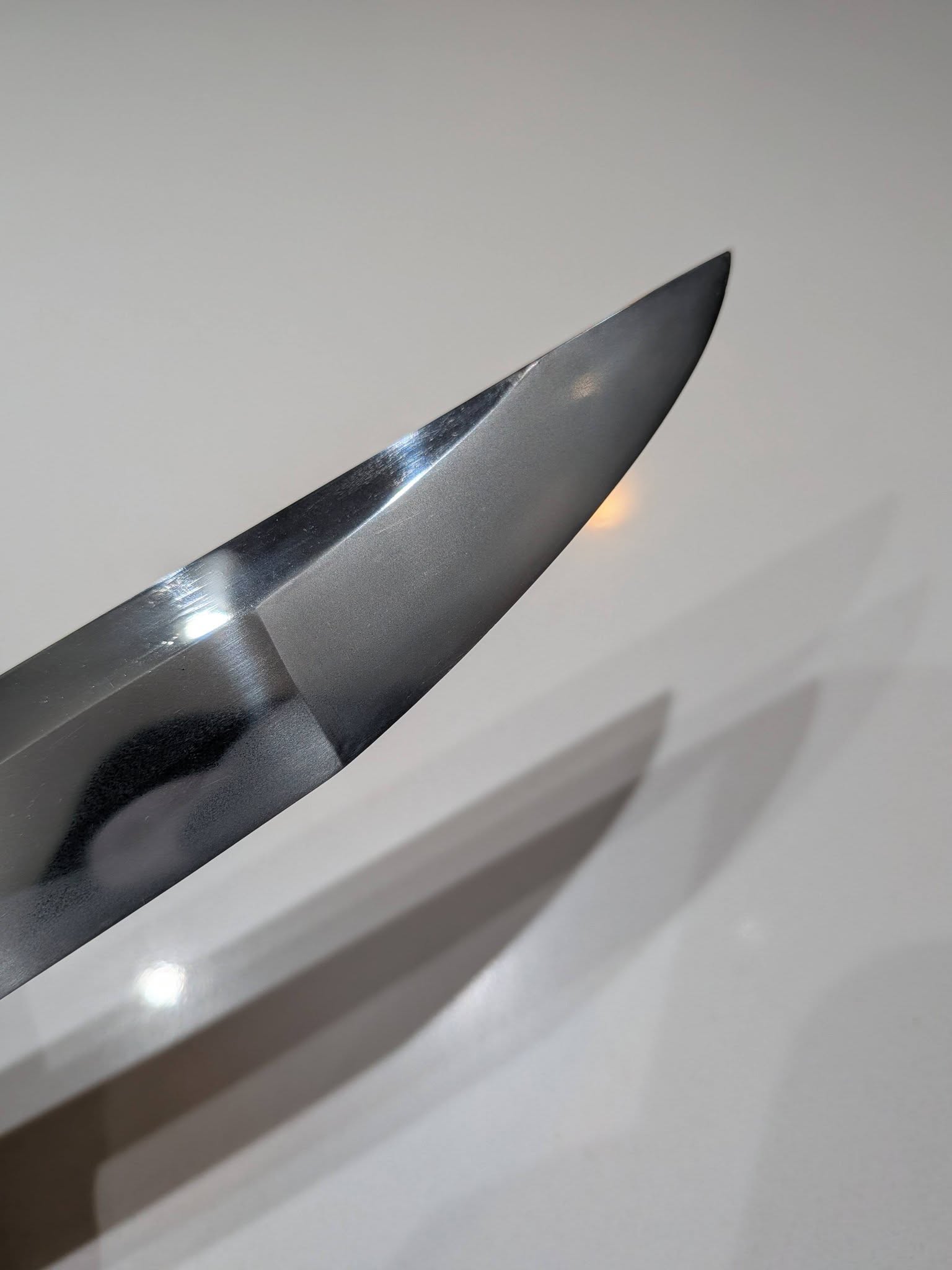
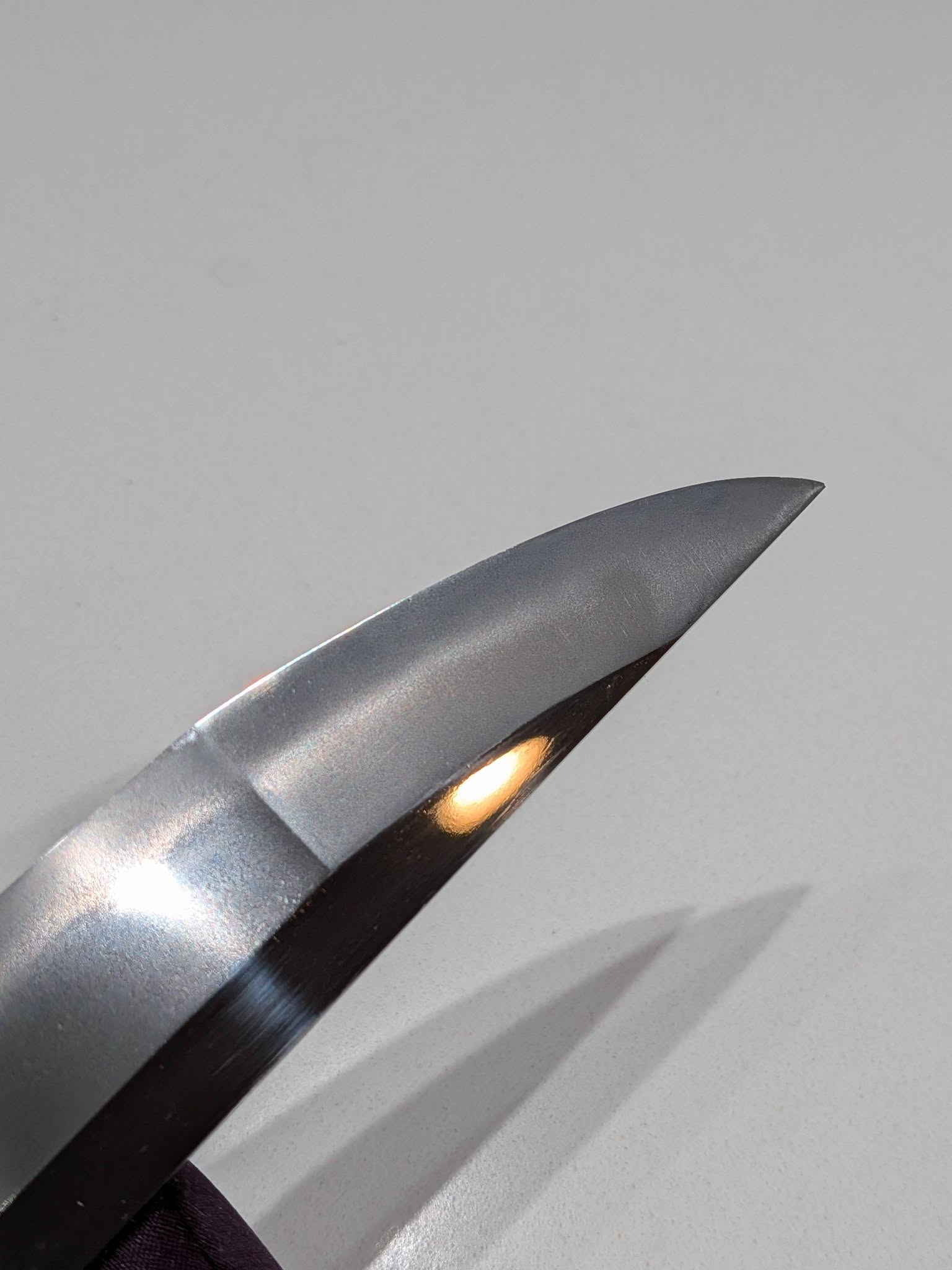
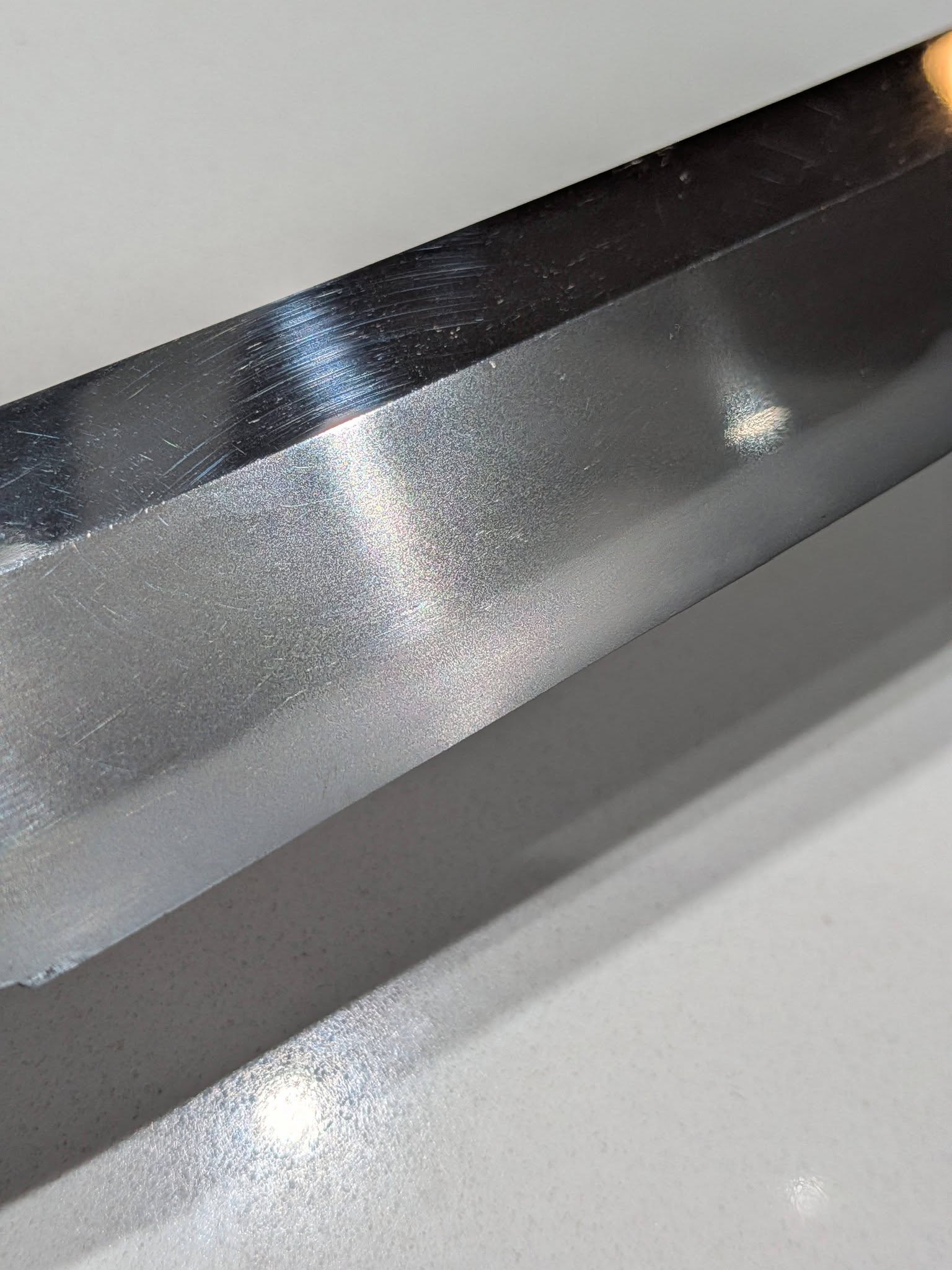
The jigane beneath is a well-forged itame, often mixed with mokume and flowing grain, with thick ji-nie and chikei, at times a conspicuous o-itame. The boshi runs in midare-komi or straight, turning back in ko-maru or o-maru, swept with hakikake and at times breaking into nie-kuzure. The nakago is almost always ubu, narrowing to a sword-shaped or iriyama-gata tip, with katte-agari file marks and a bold long signature cut with a thick chisel. The published sources say he carves a bo-hi on most of his blades, tying it to their wide mihaba and thick kasane, and they note one katana left without a groove because its width is comparatively standard.
The signature divides his record, but not his manner. Twelve of his thirty-six designated blades are signed Masayoshi, dated from Meiwa 7 to the second month of Kansei 1, and the published sources call several of them typical and among his best. The robust body and the deep-nioi, coarse-nie temper are already present. What marks some early pieces is the base of the temper, a suguha-cho or broad suguha-cho line with a shallow notare, mixed with ko-gunome and pointed teeth, the kinsuji and nie-suji winding through the ha. The sources say this manner is often seen in his Meiwa and An'ei work and appears "modelled on the old works of Go and on Inoue Shinkai"[[c:4]]. One Tenmei 5 katana, 86.5 cm long and heavy in the hand, they judge without parallel among his works and call "the great work of Hoki no Kami Masayuki's life and its crowning piece"[[c:5]].
His inscriptions run beyond the date. One katana of Kansei 12 (1800) carries a Koshin-faith text, that a sword forged in a year when the Koshin day falls seven times secures lasting martial fortune, and the published sources call its province signature unusual. Others bear the invocation "Namu Hachiman Daibosatsu"[[c:6]] on the tang. Within his province he is read beside Motohira, the Oku house and the Ijichi house raised to their court titles in the same year. His own traits set him apart: the broad, robust sugata, the pointed teeth in a deep-nioi gunome, the coarse nie and the running imozuru. The sources measure refinement against that vine as well, praising one katana because "the yam-vine kinsuji and nie-suji"[[c:7]] do not appear on it, which lends it higher dignity.
For the collector he is one of the leading names of late Satsuma, and Fujishiro grades him Jo saku. He has no National Treasures and no Important Cultural Properties. His record on the modern designation tiers runs through the Juyo rank, where thirty-six of his works are held, all signed. Two carry distinguished local provenance. One katana descended in the Shimazu house, the lords of Satsuma, kept as a reserve sword of Tsurumaru castle. Another came down in the Kabayama family, a Shimazu branch, with a Satsuma koshirae whose fuchi-kashira and kojiri are by Masayuki's own hand. Most designated blades are held rather than traded, and a fine signed Masayuki in his Soshu-den manner comes to market only from time to time and with patience. He is more findable than the locked heritage of the older traditions, but a dated, age-inscribed katana in his full manner remains a substantial acquisition.
 NihontoWatch