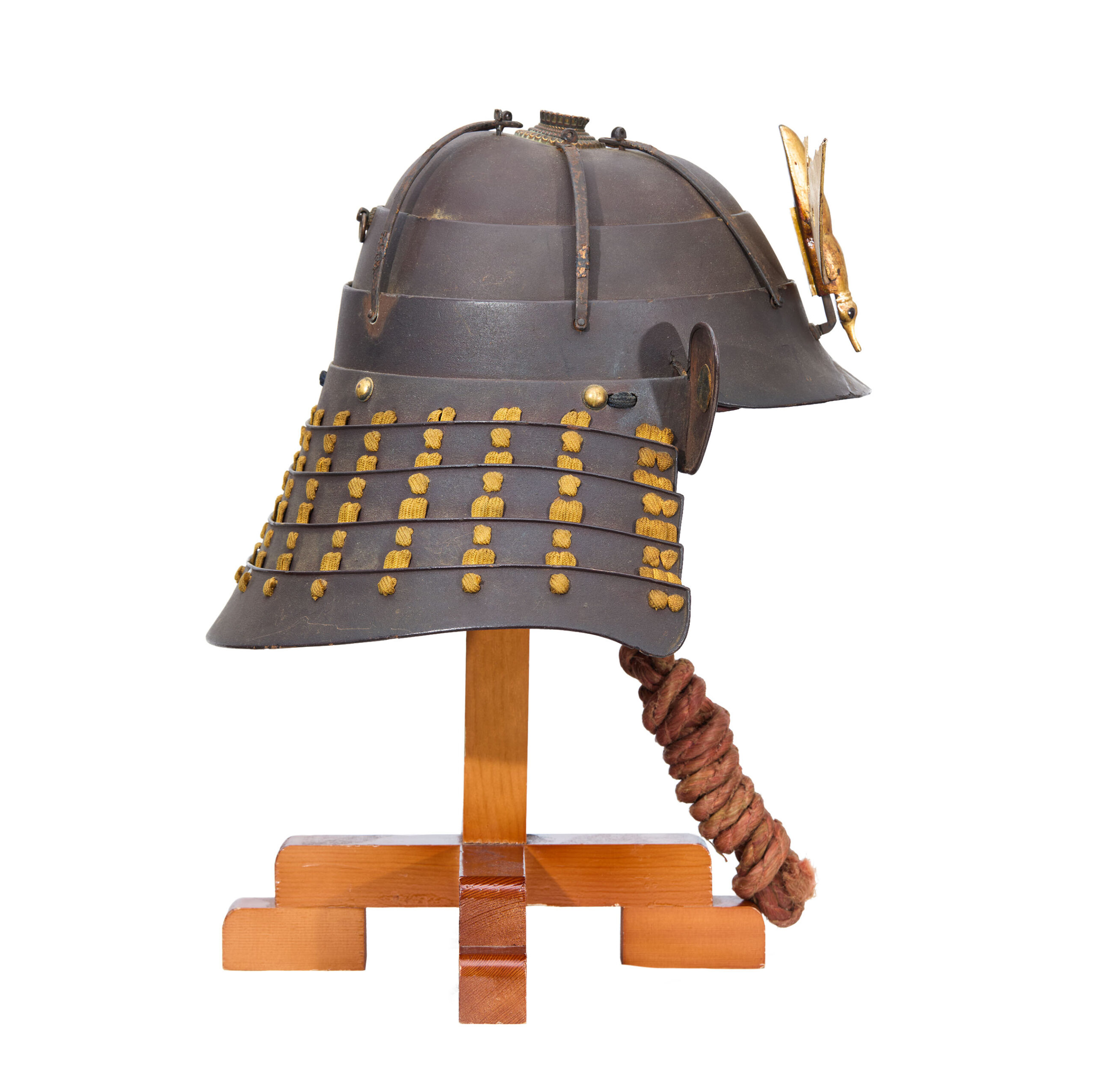
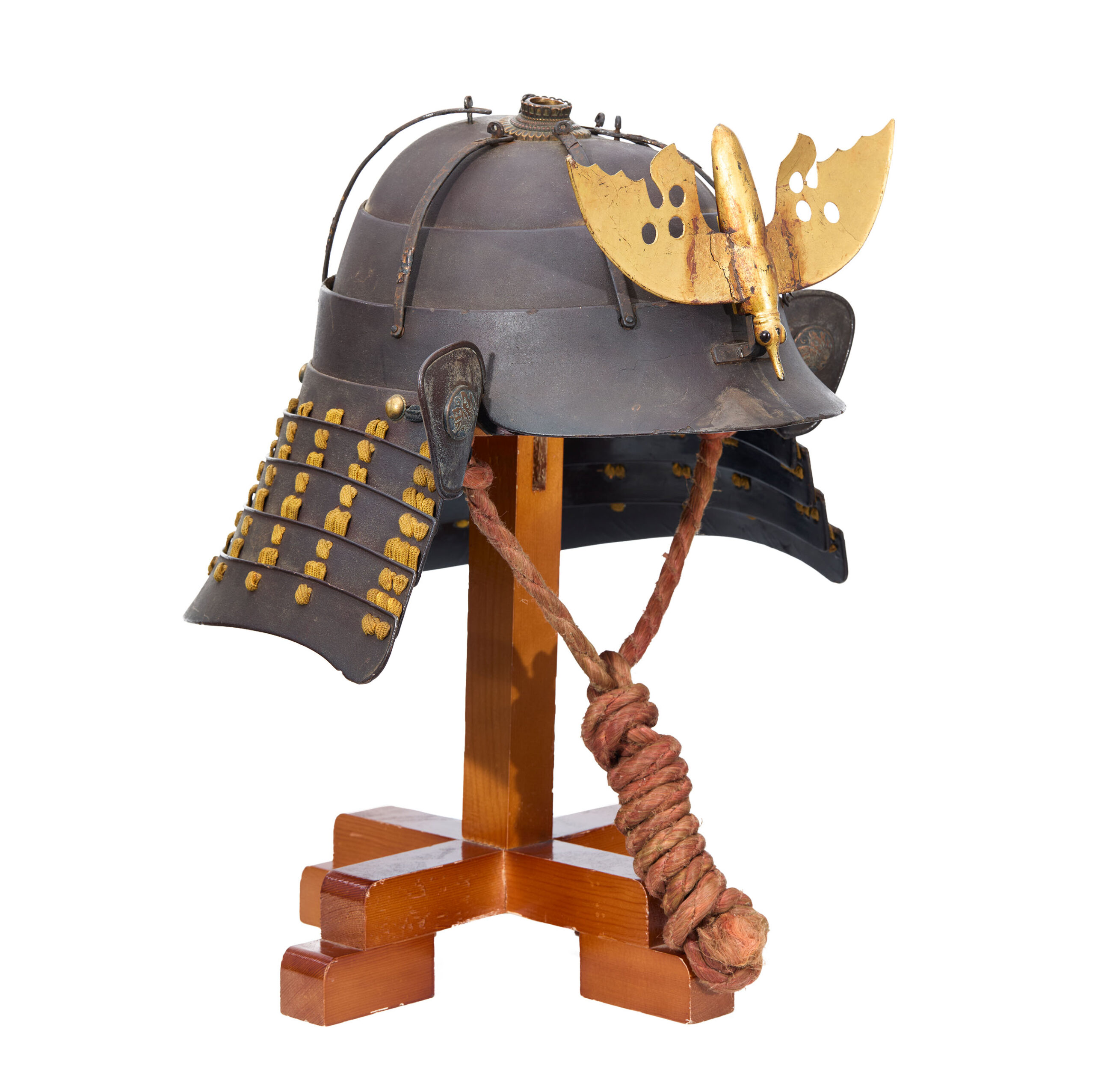
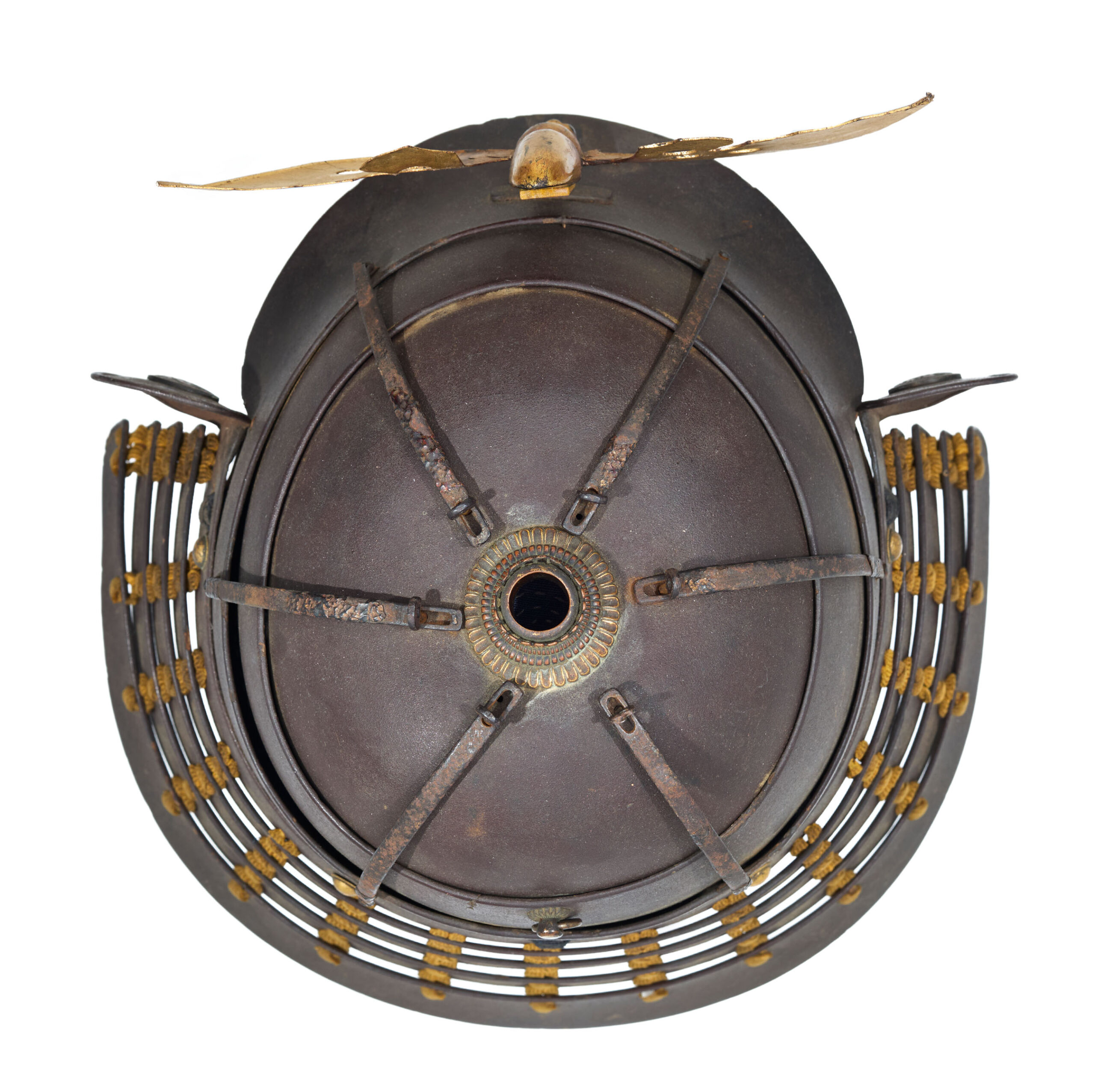
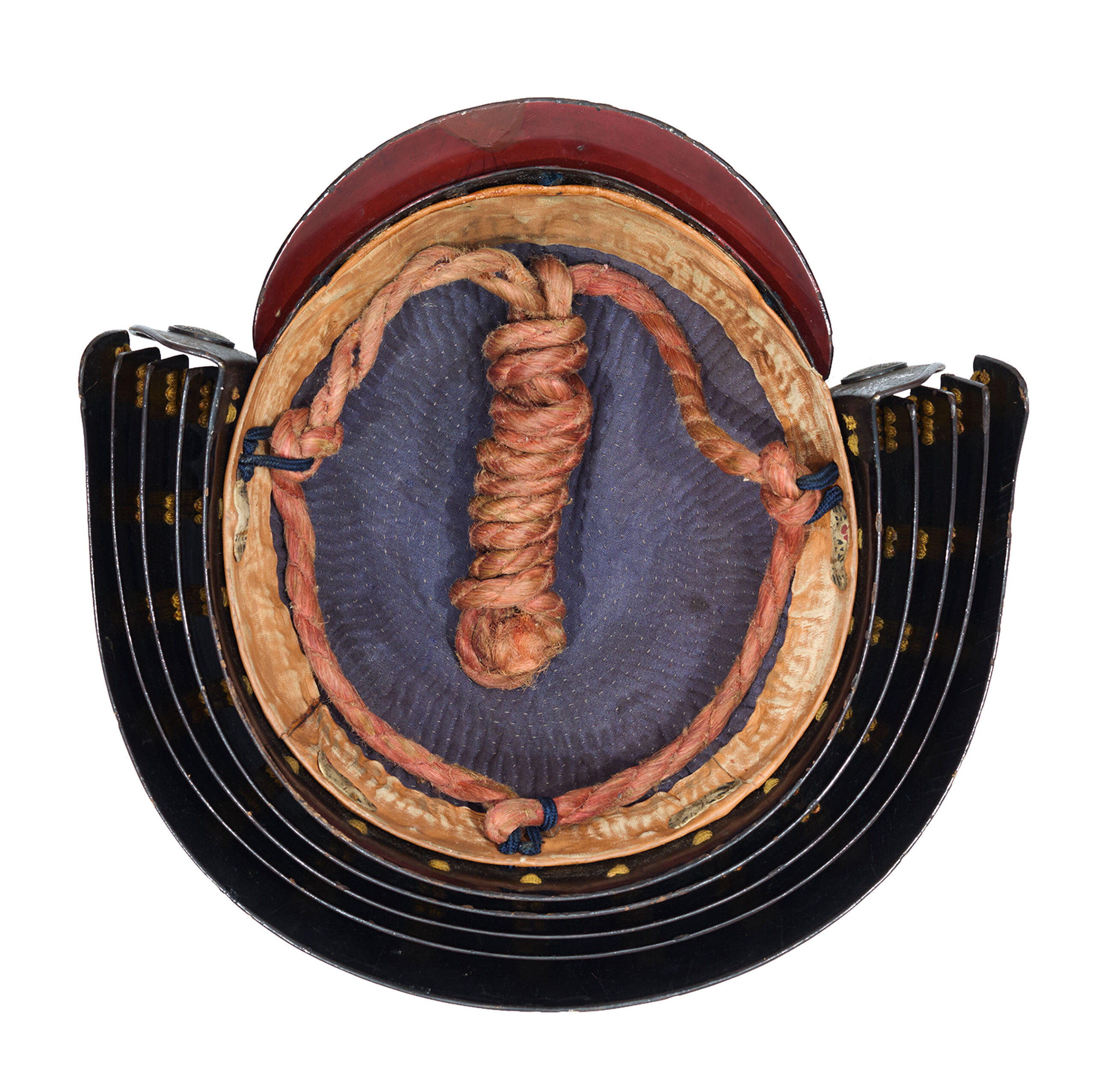
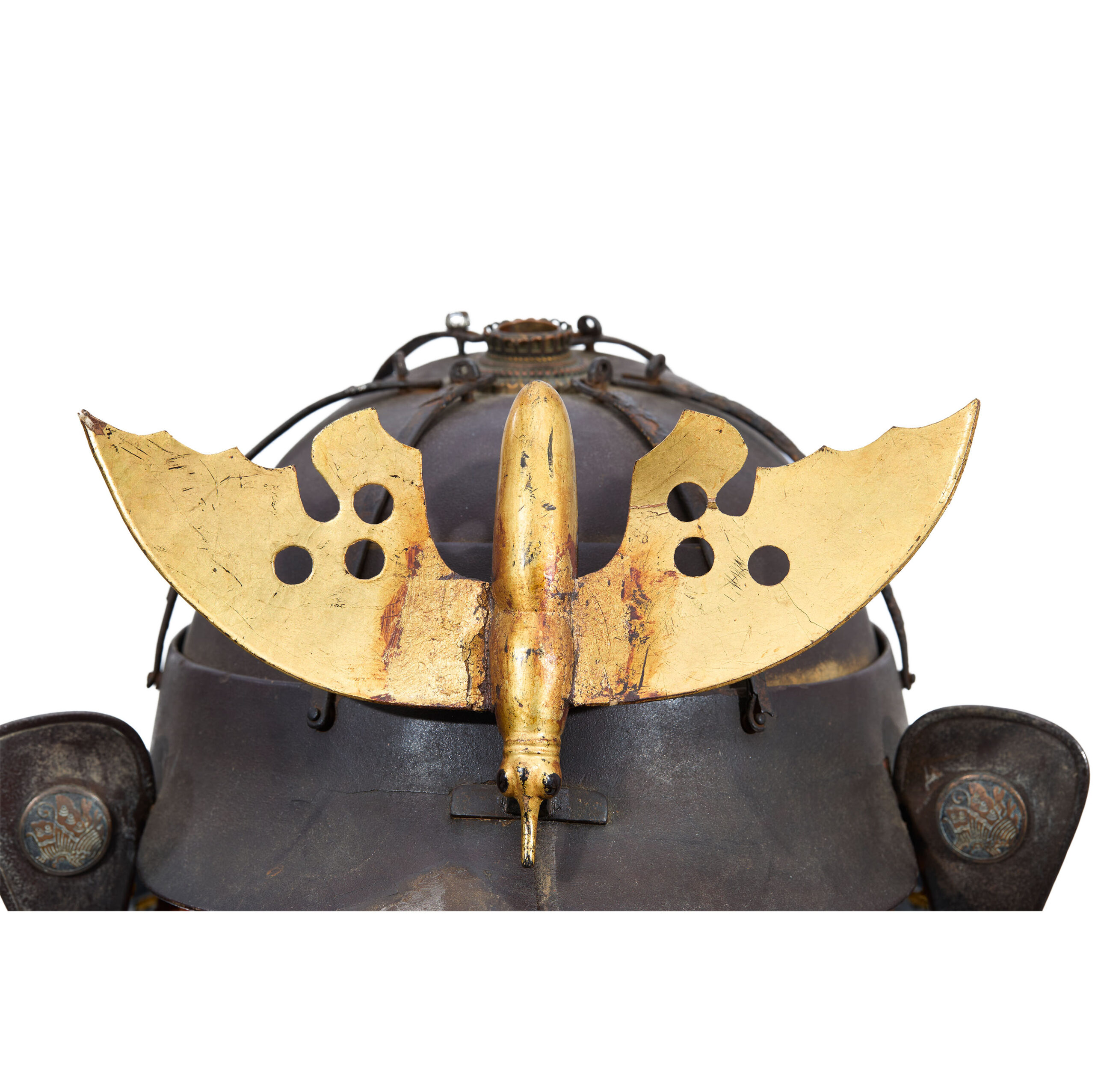
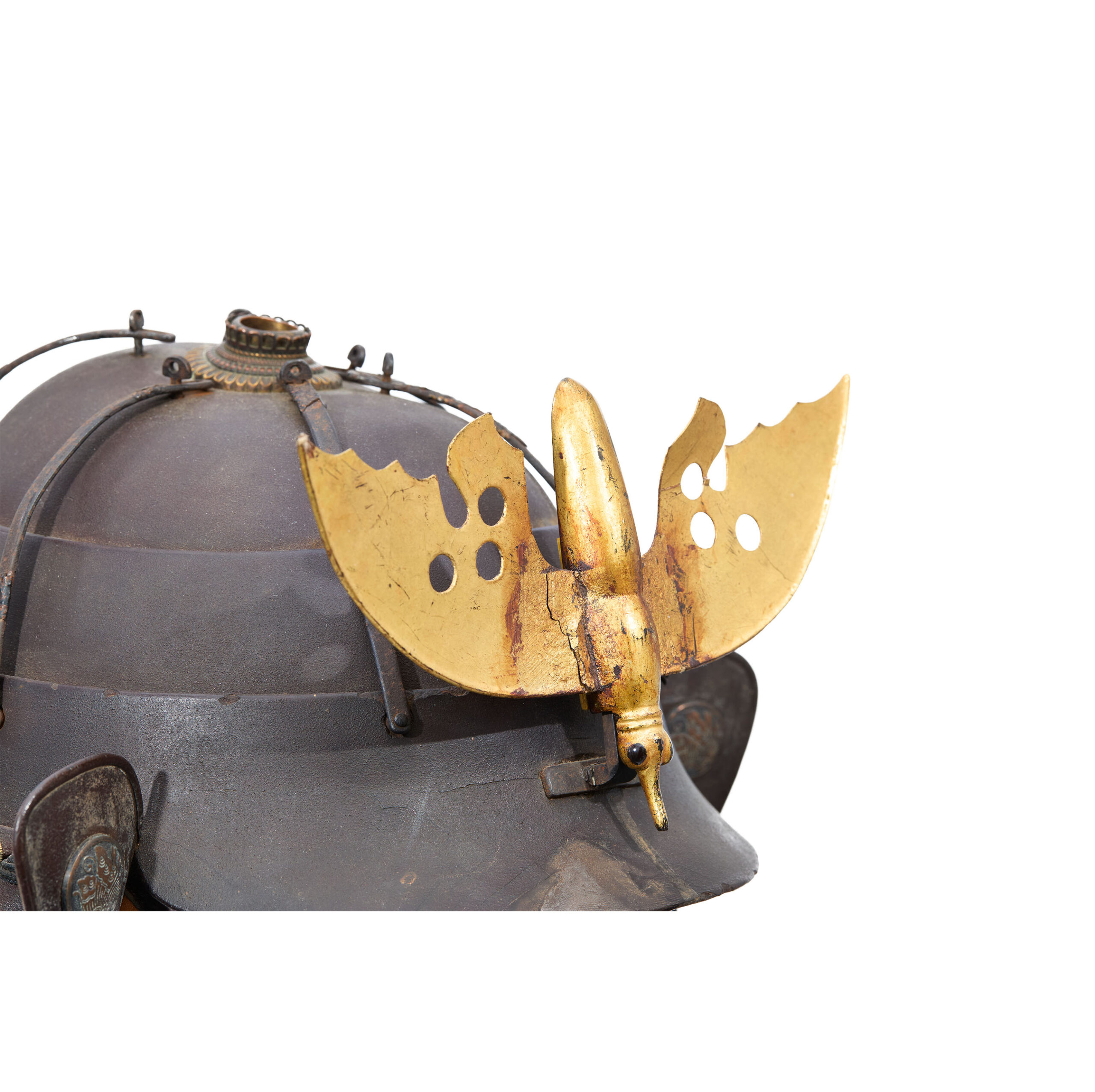
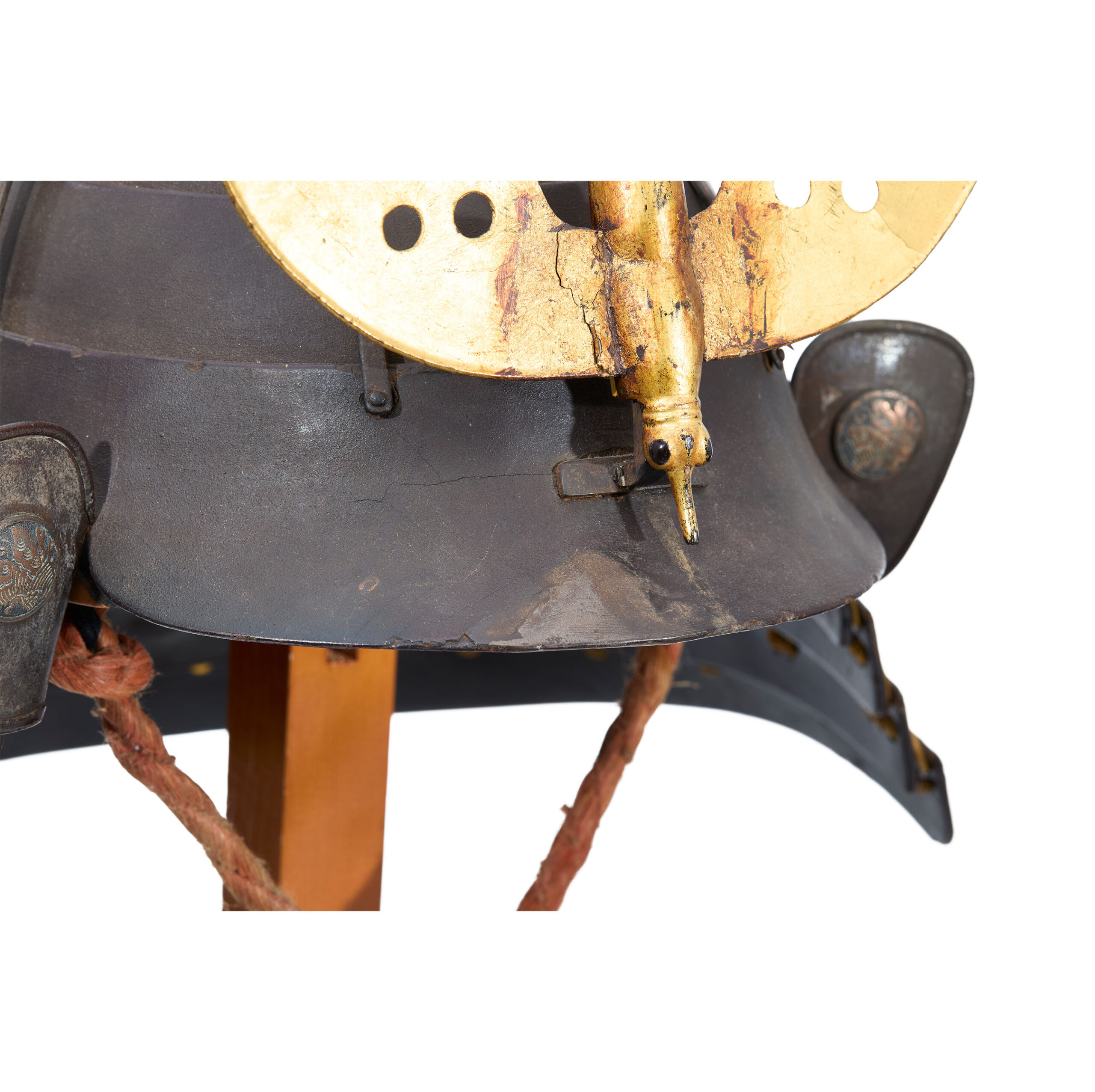
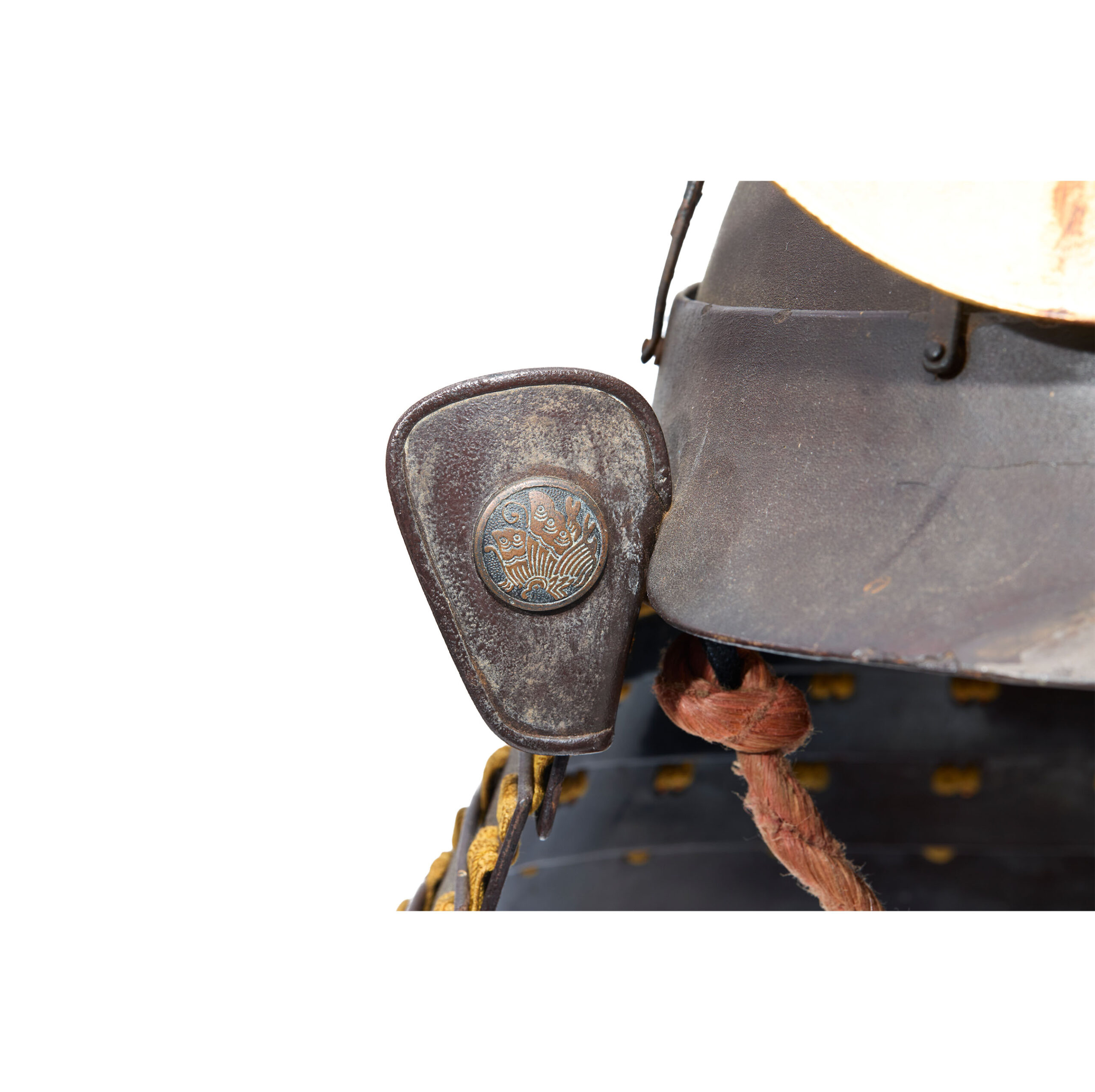
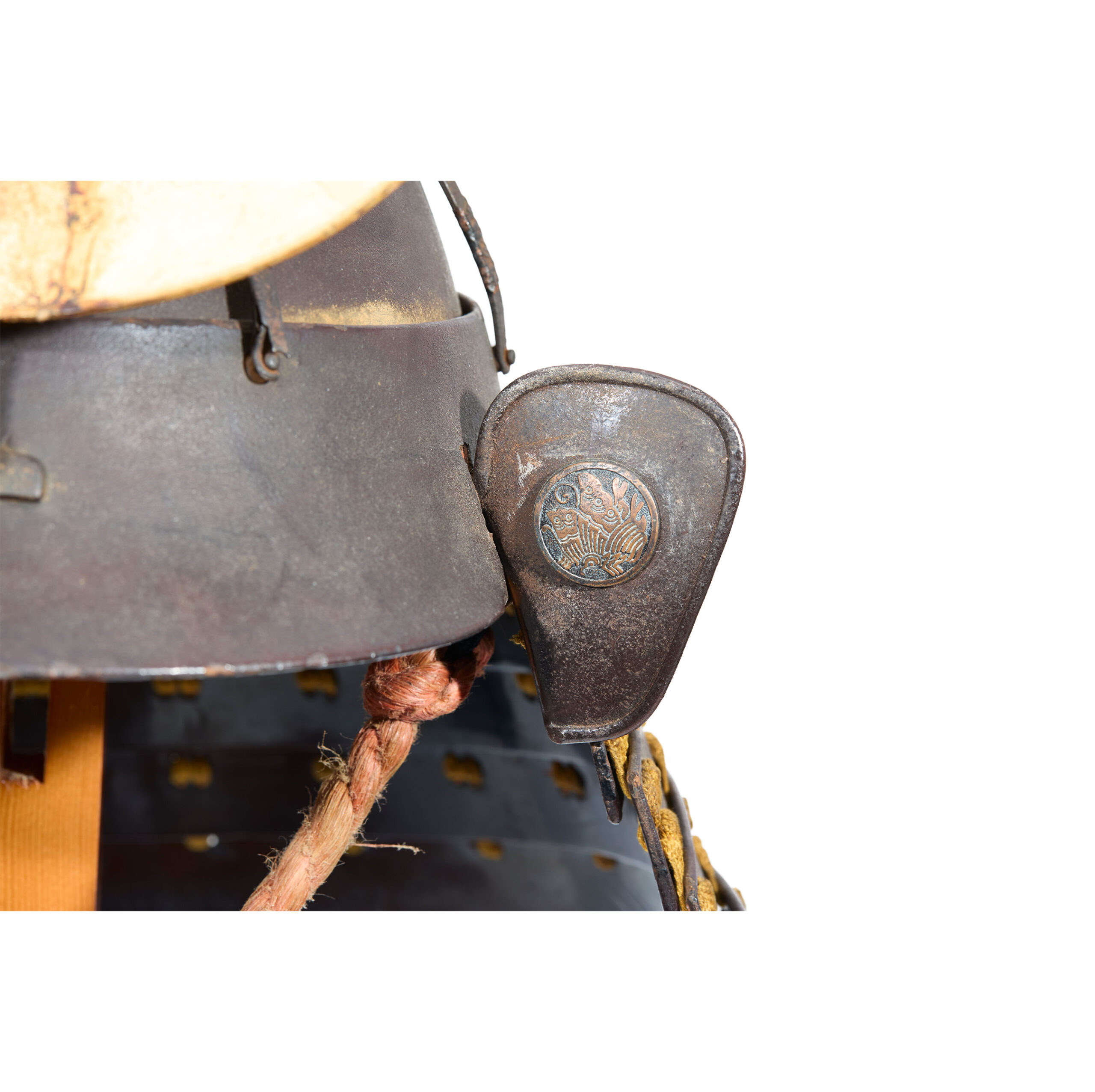
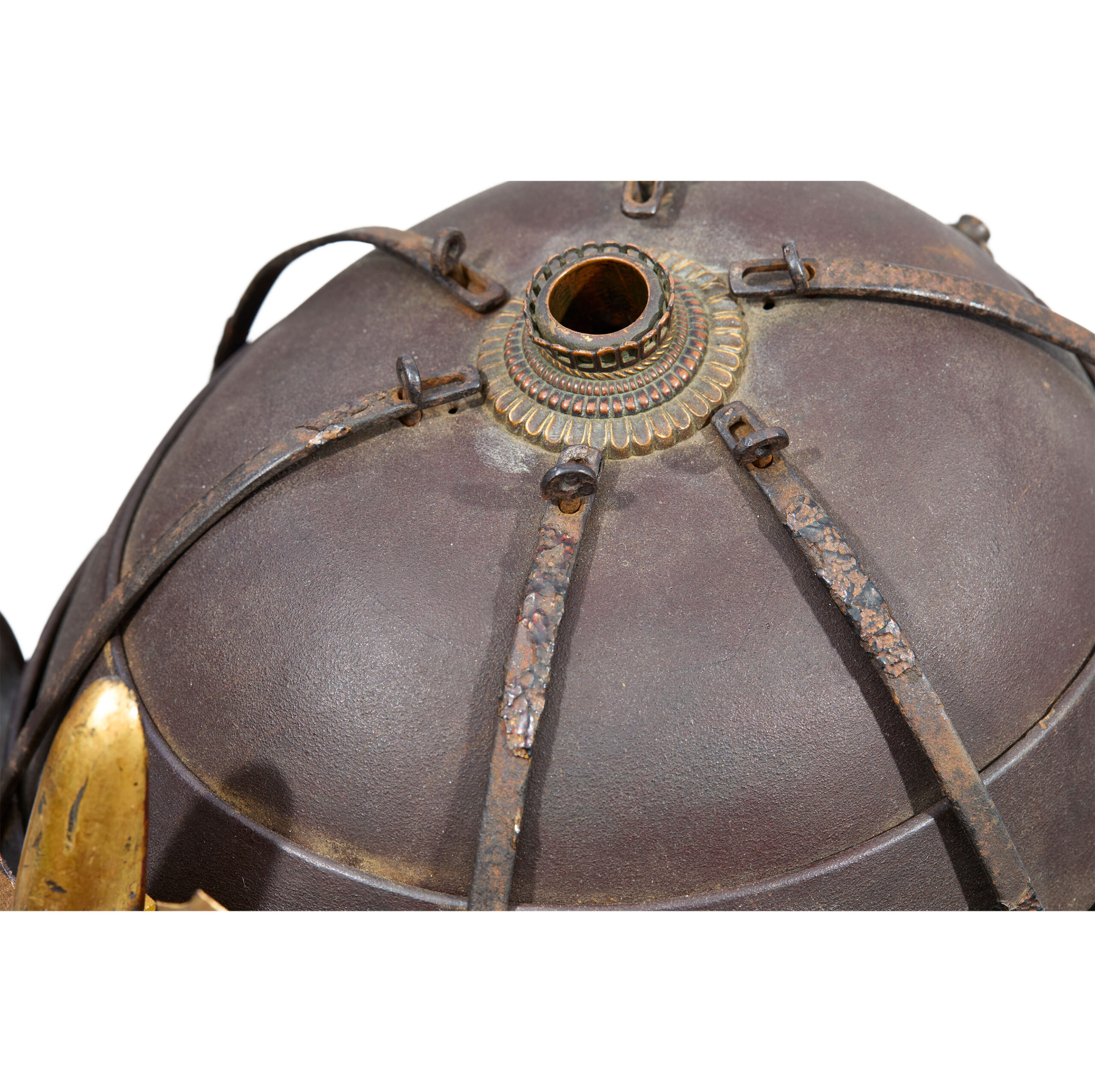
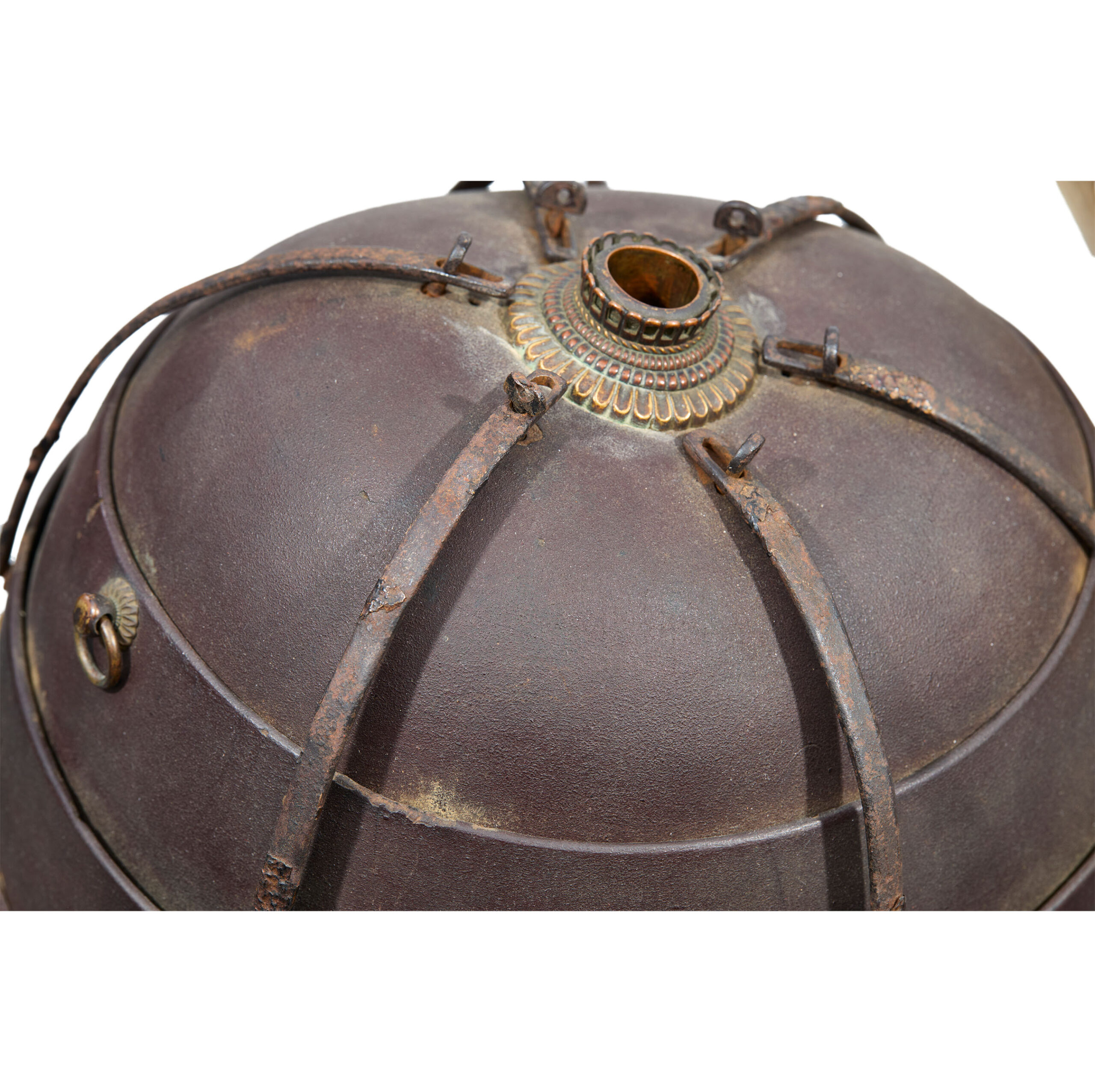
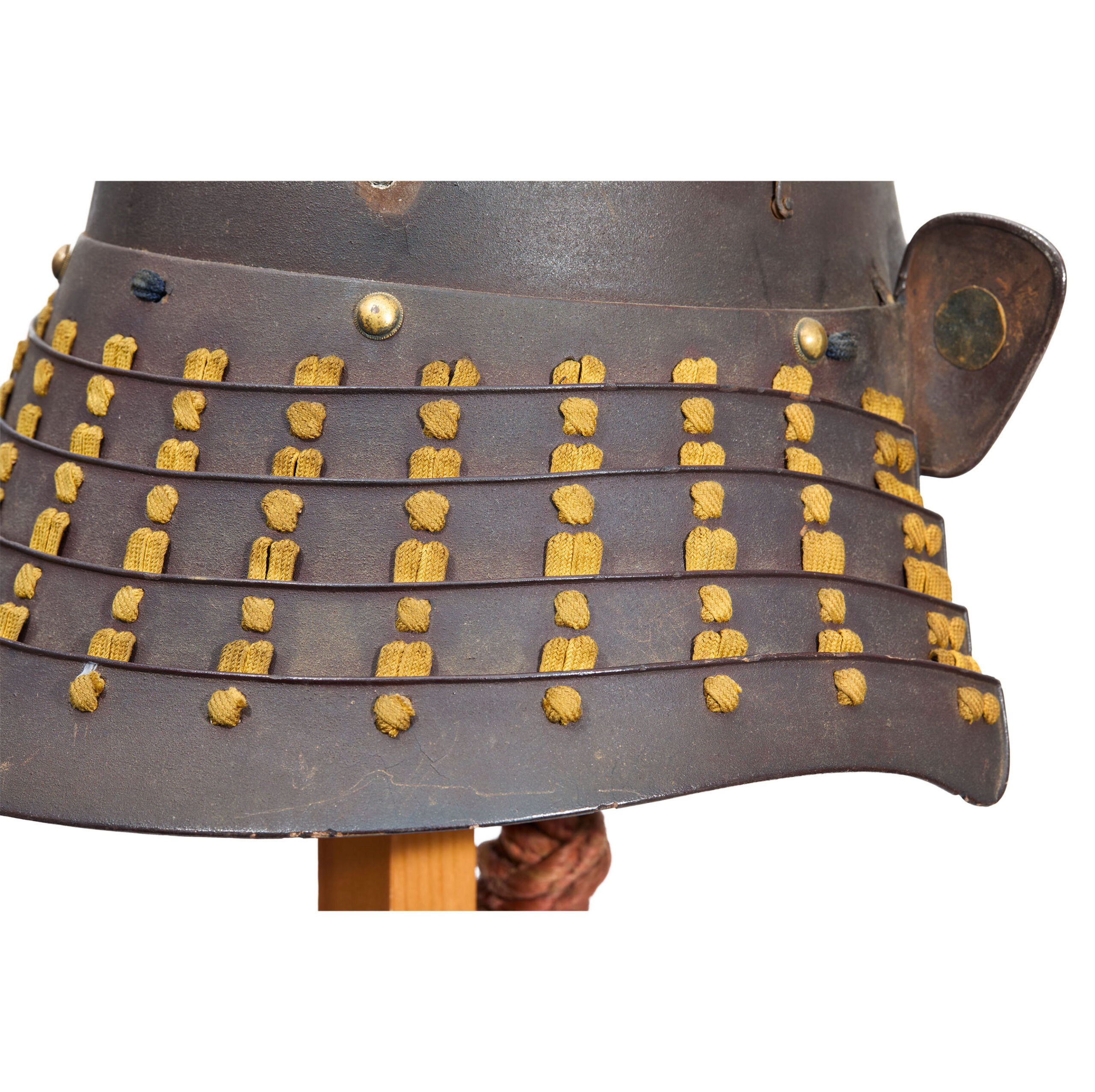
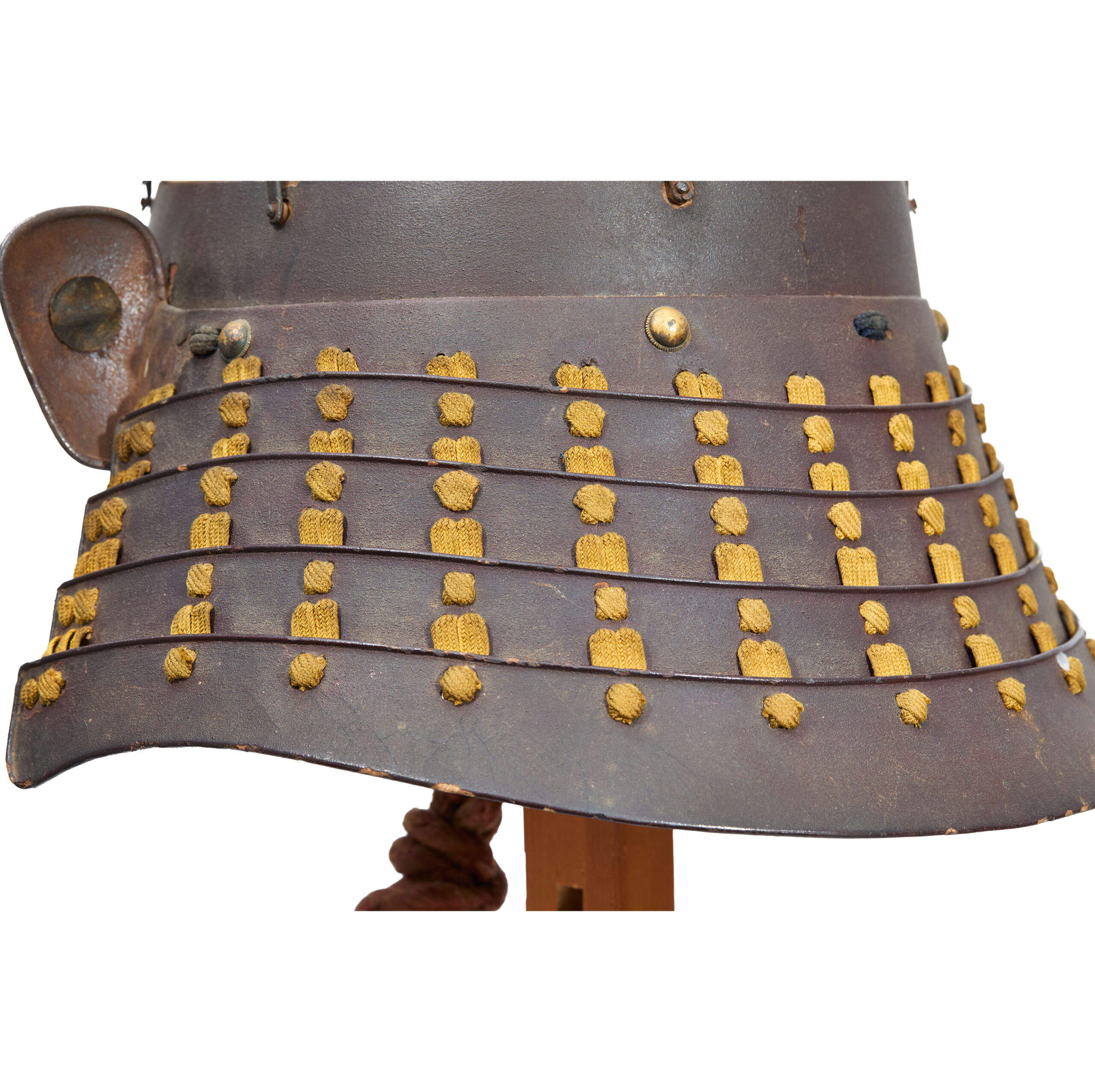
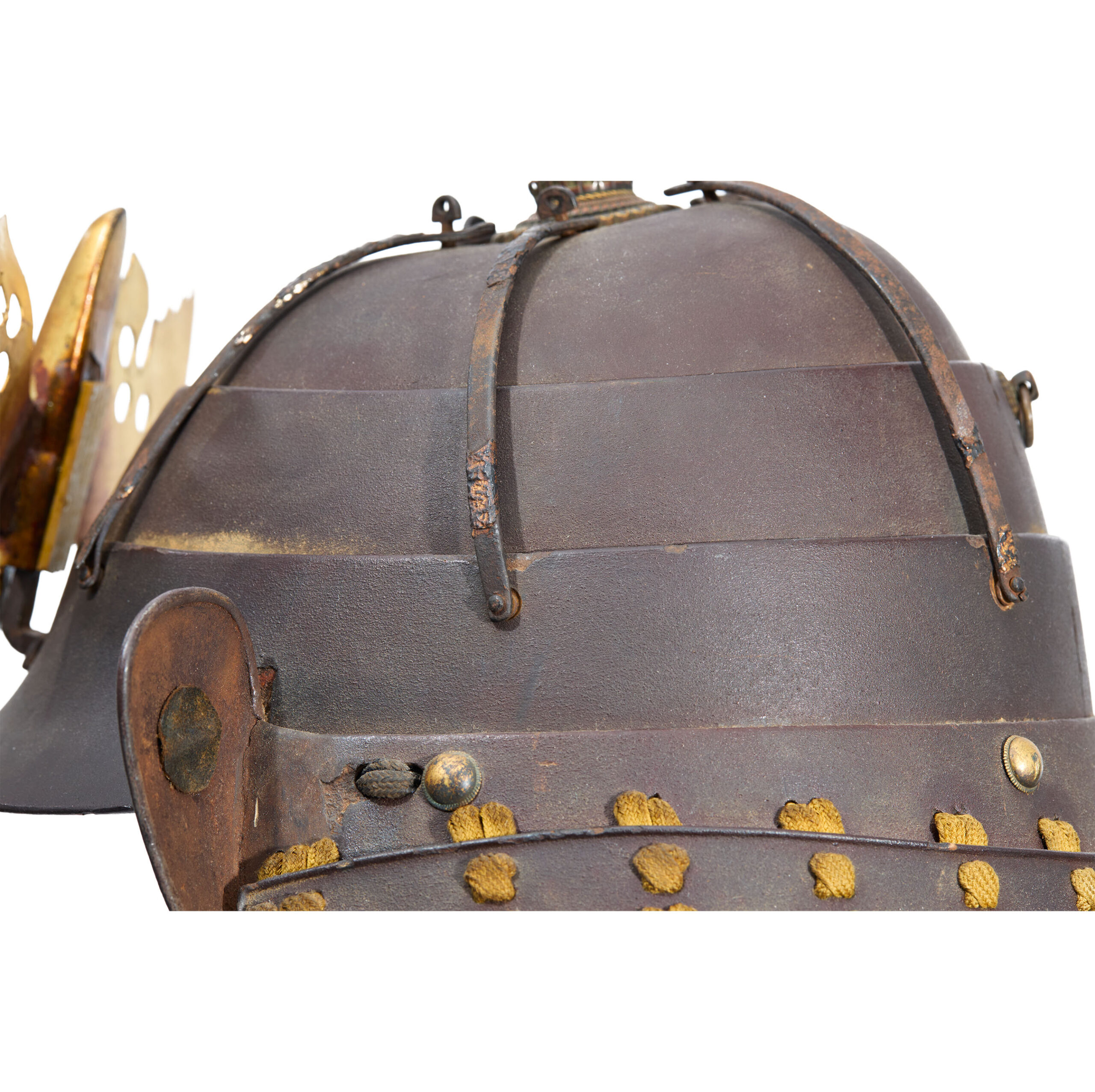
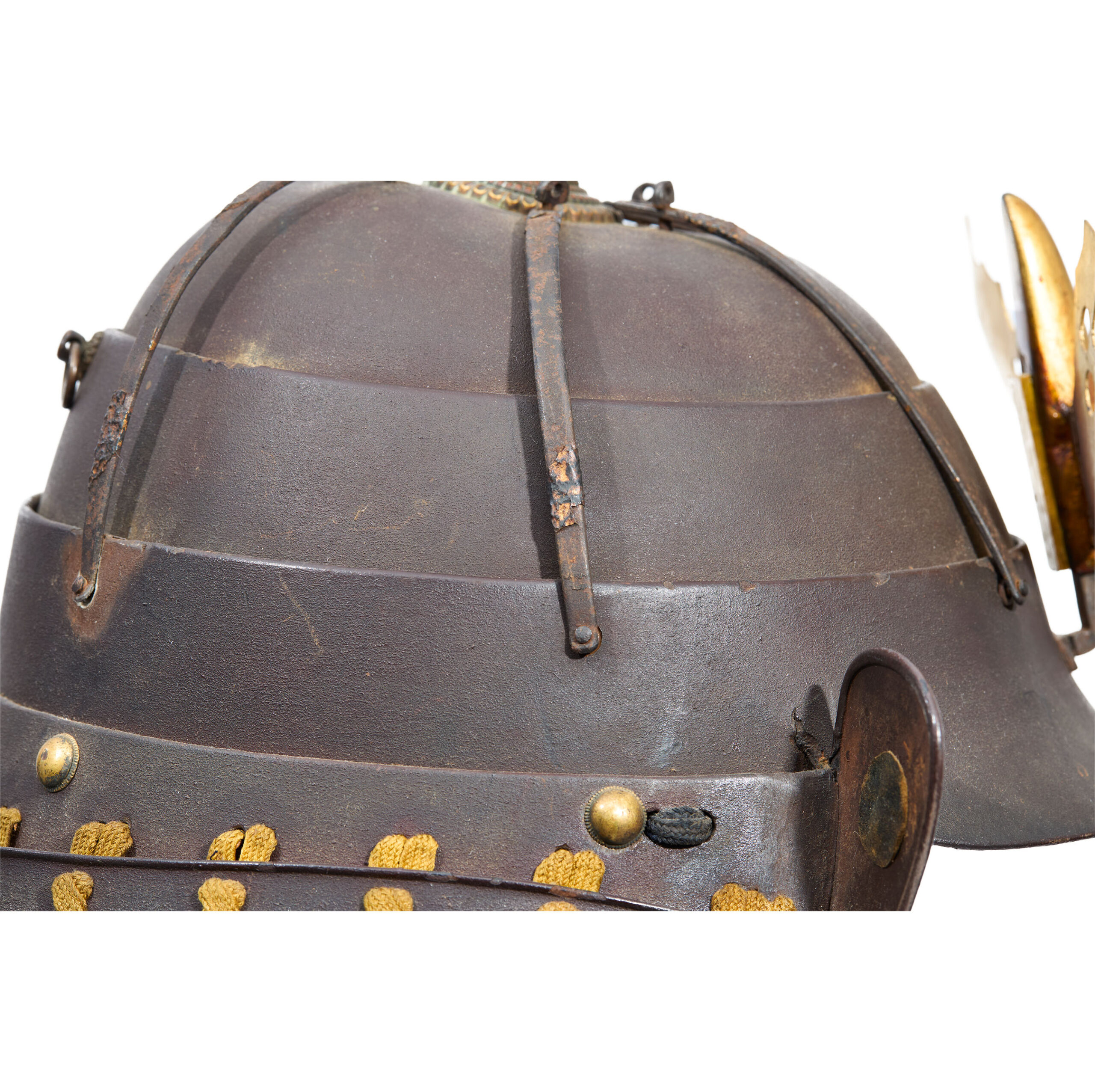
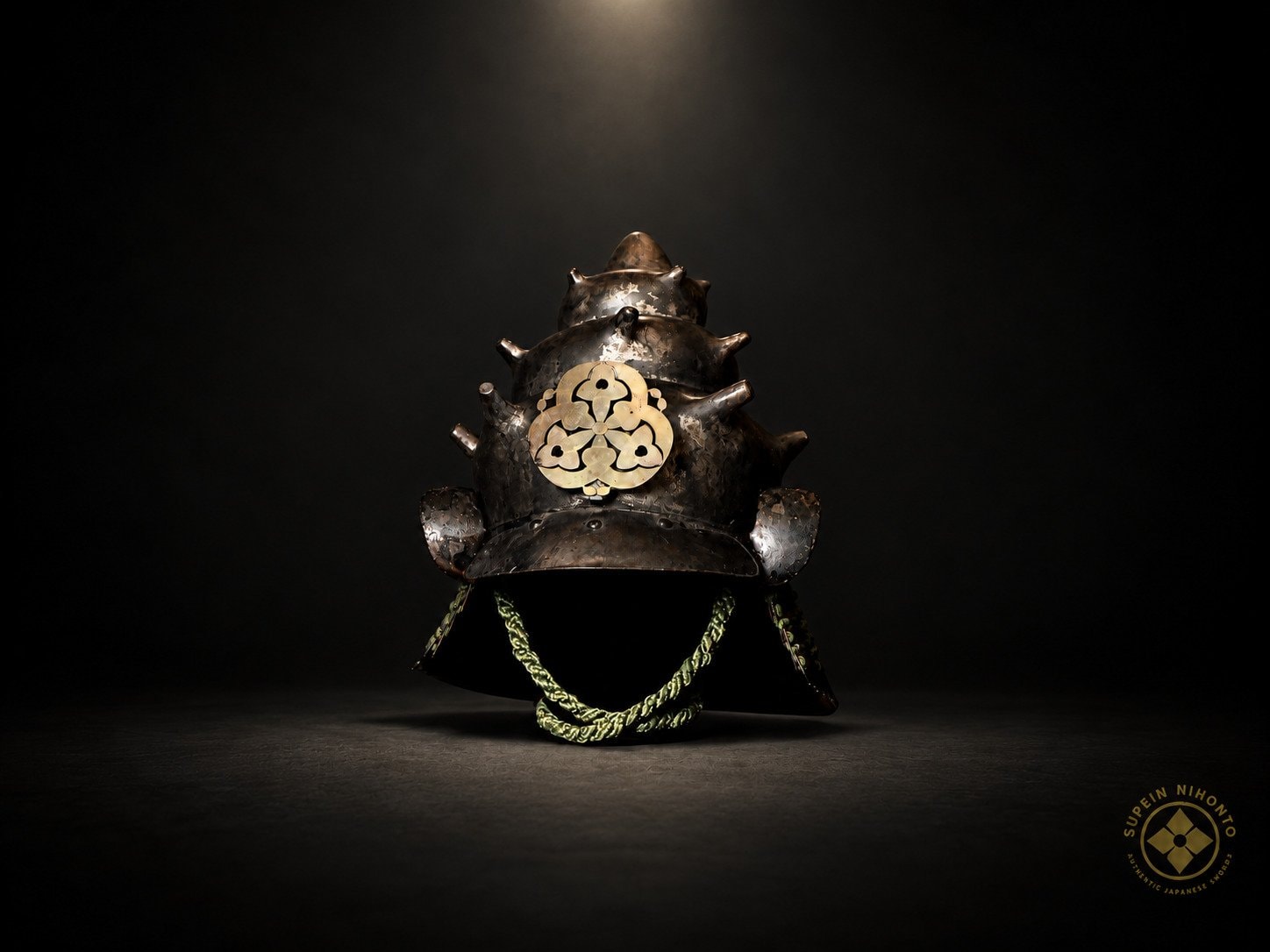
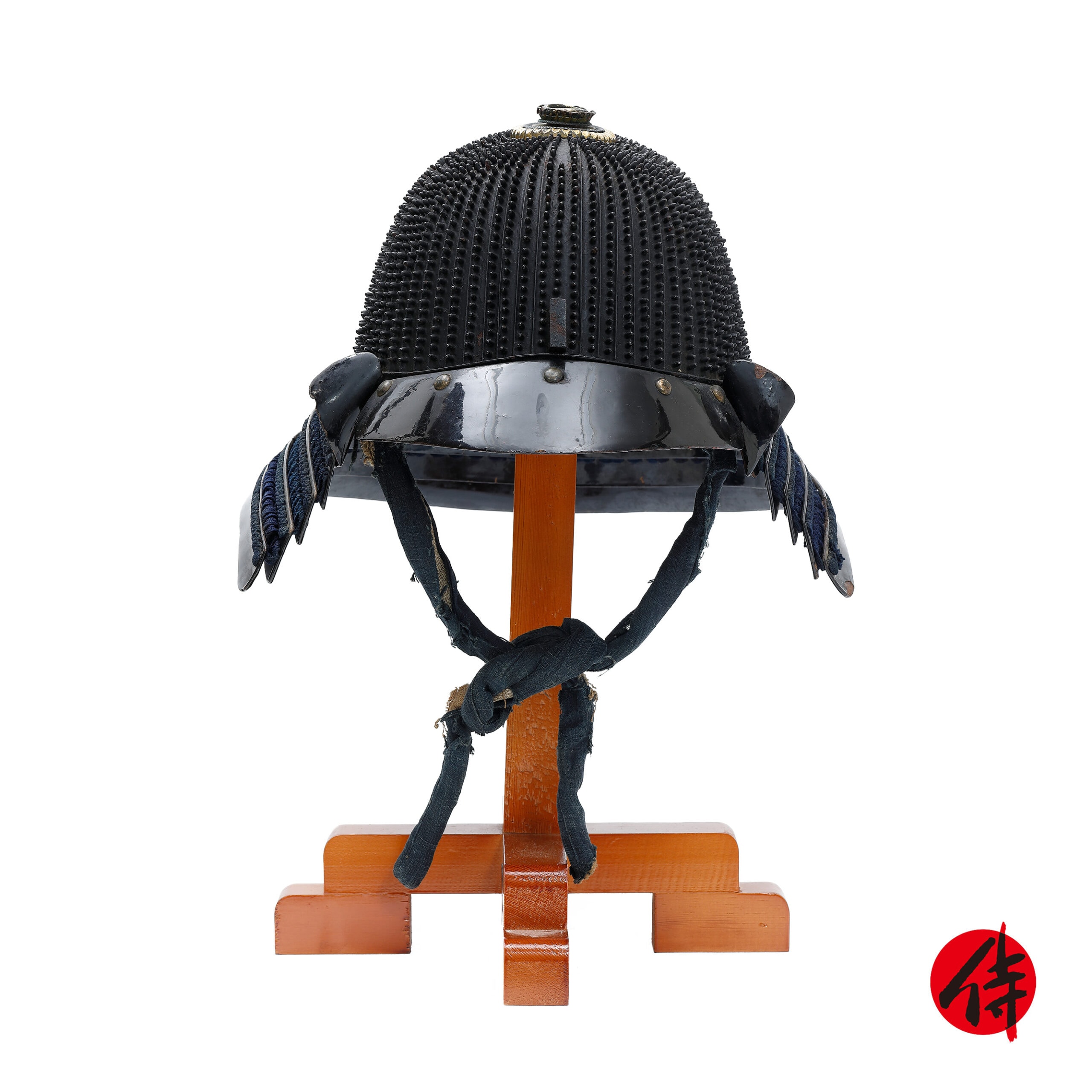
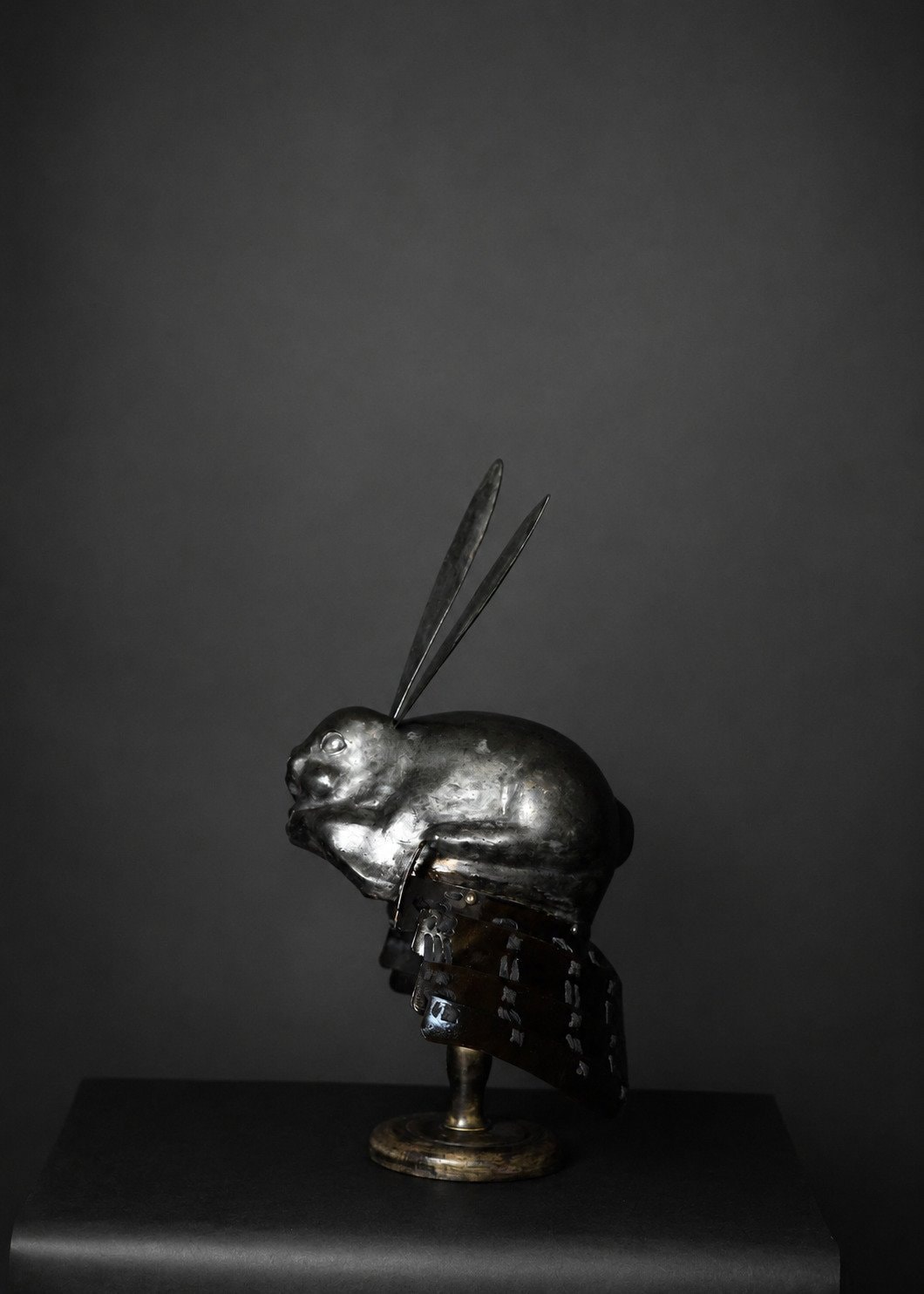
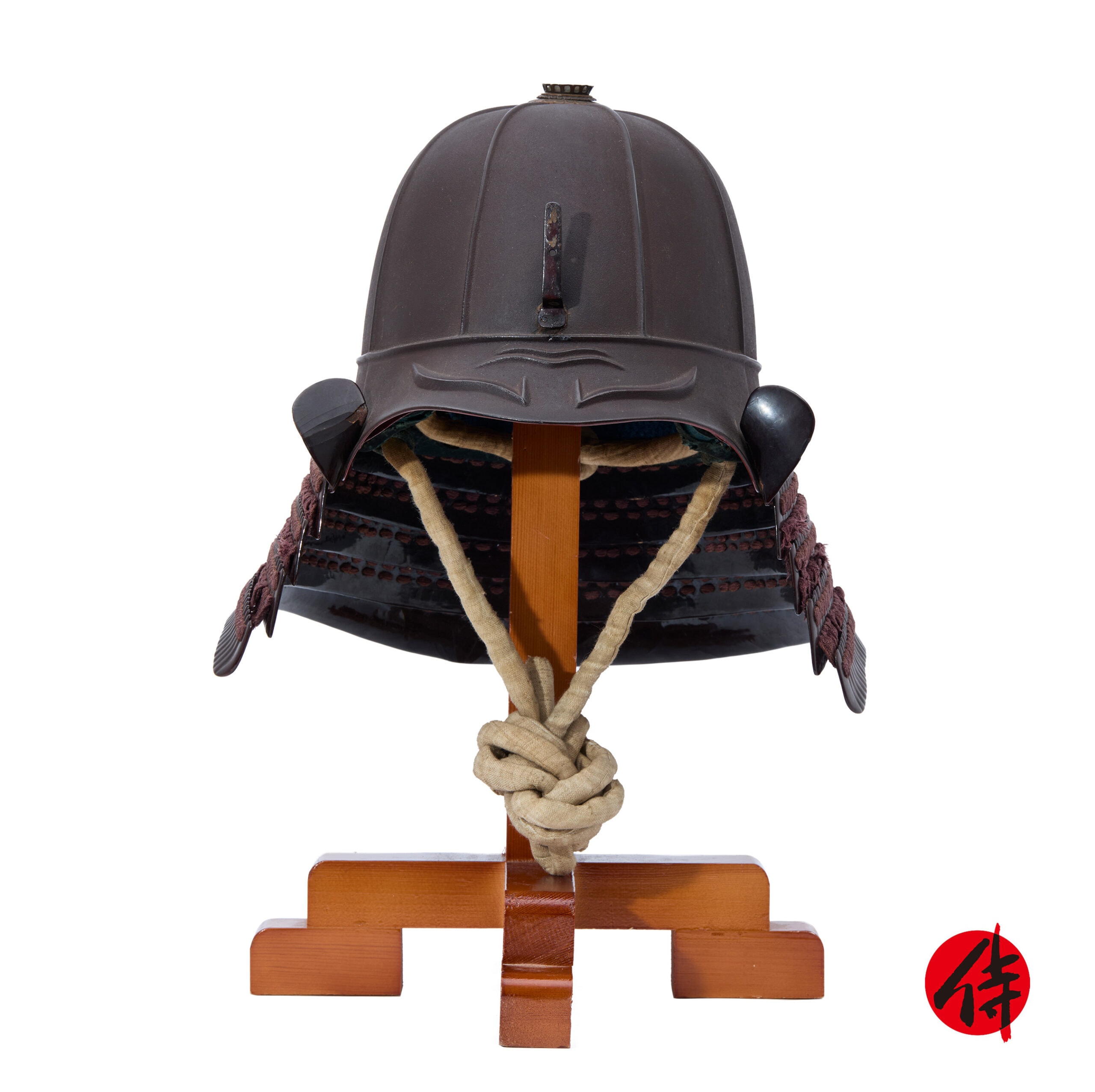
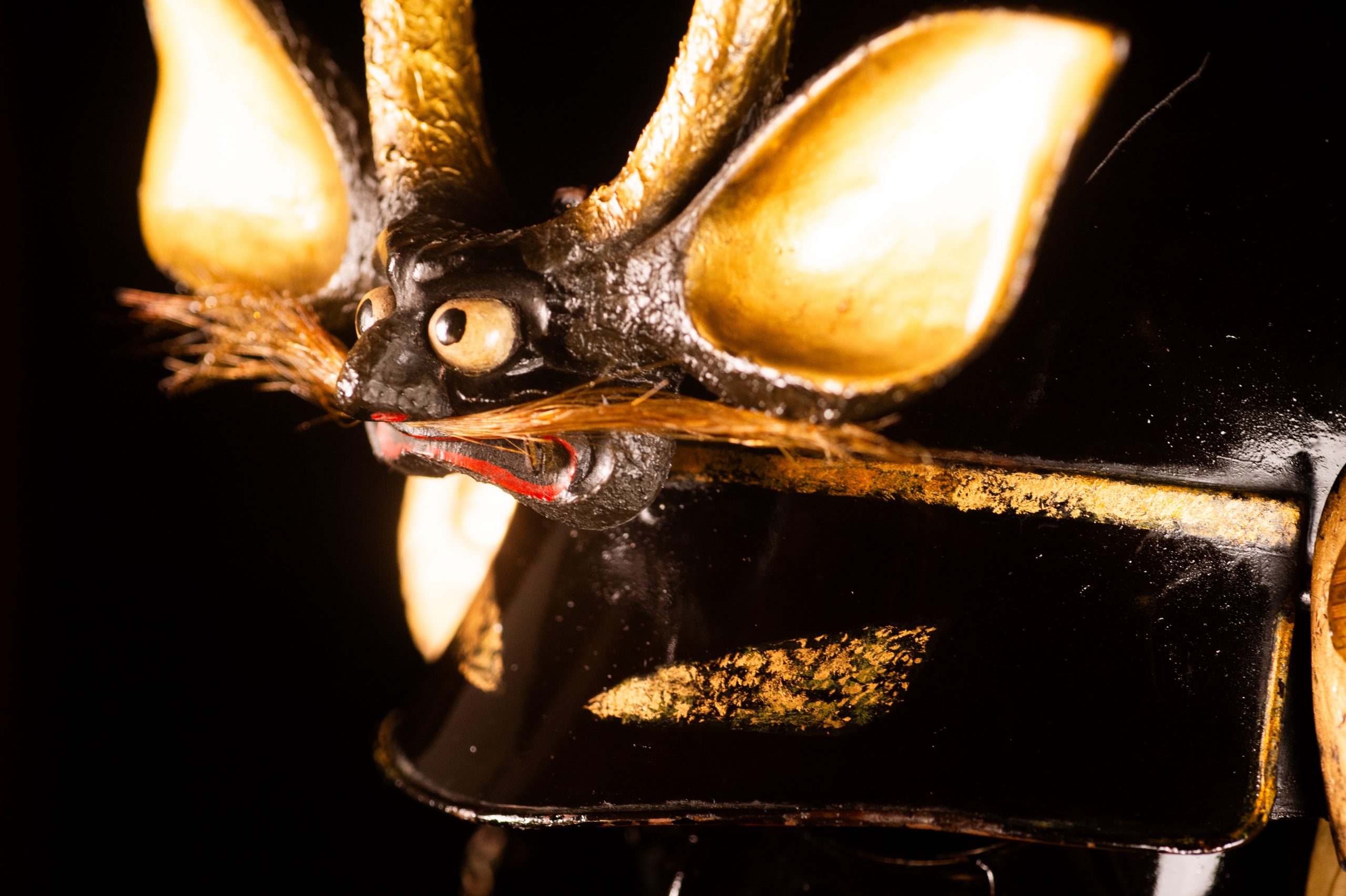
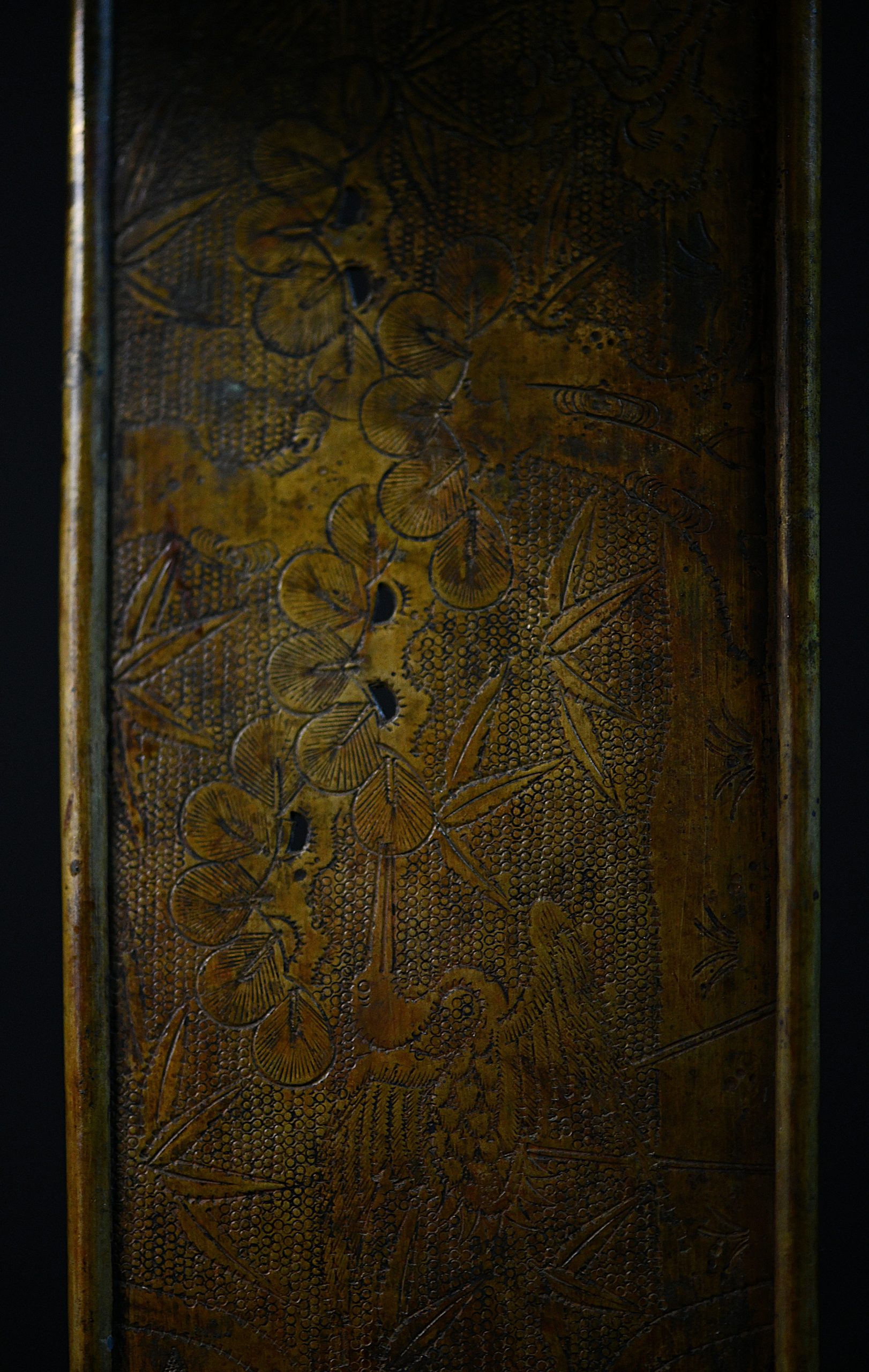
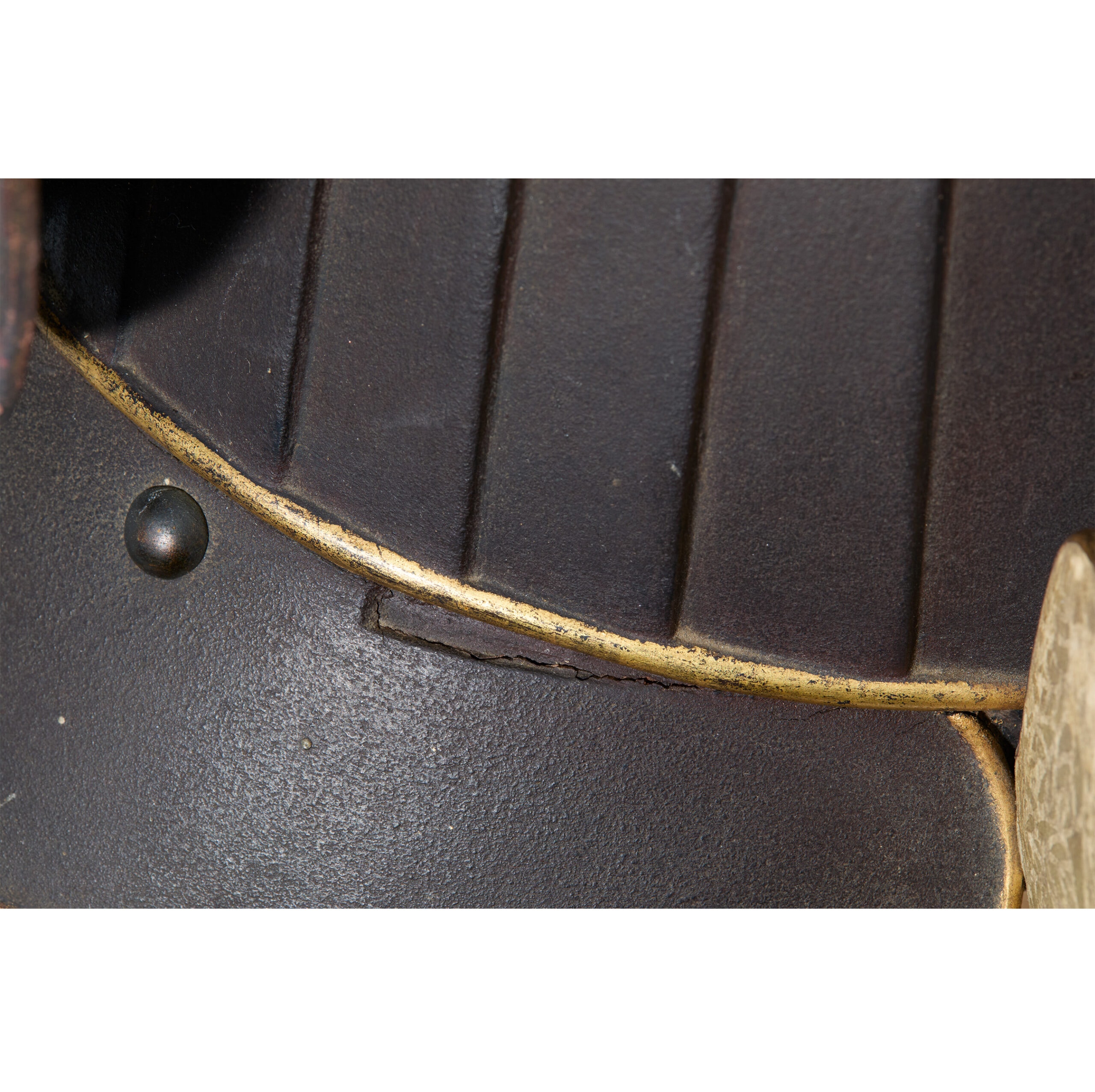
Antique Samurai Helmet Tatami Kabuto with Tokubetsu Kicho Shiryo Certificate (KT-76) Period: Mid Edo Period (appraised by The Association for the Research and Preservation of Japanese Helmets and Armor) Appraised by The Association for the Research and Preservation of Japanese Helmets and Armor on July 26th, 2026. We are expecting to receive its authentication paper during Sep-Oct. Prime Material: Iron This kabuto was made during the middle Edo period (circa 1690–1780). The kabuto (兜, helmet) was originally developed to protect a warrior’s head in battle. Over time, however, it came to serve not only a practical purpose but also as a means for samurai to express their dignity, individuality, religious beliefs, and social standing. Helmets with particularly distinctive or unconventional forms are generally known as kawari kabuto (変わり兜, “extraordinary helmets”). They became especially popular from the late Muromachi period (1467–1573) through the Edo period (1603–1868). Craftsmen used a wide range of materials and techniques to create their unique designs, incorporating such materials as animal fur, seashells, plants, lacquered paper, and metal. This particular kawari kabuto is a type known as a tatami kabuto (畳兜), or folding helmet. Its most distinctive feature is its collapsible construction. The helmet bowl and the shikoro (錣, protective neck guard) were designed as an integrated structure that could be folded into a compact form. This made the helmet considerably easier to carry and store than a conventional rigid kabuto. Tatami kabuto can generally be divided into two principal types. The first is the zukin kabuto (頭巾兜, “hood helmet”), made by sewing chain mail or small rectangular iron plates known as karuta-gane (骨牌金) onto an ieji (家地), the fabric foundation of the helmet. The second is the chōchin kabuto (提灯兜, “lantern helmet”), constructed from iron plates connected with lacing. This flexible construction allowed the helmet bowl to collapse in a manner resembling the folds of a traditional Japanese lantern. Because tatami kabuto were compact and portable, they were particularly practical for travel, emergencies, and situations in which a samurai needed protective equipment that could be carried discreetly. At the same time, their ingenious construction and distinctive appearance reflected the creativity and craftsmanship associated with kawari kabuto. The surface of this helmet is finished with tetsusabi-iro urushi (鉄錆色漆塗), an iron-rust-colored lacquer. The Fukikaeshi (吹き返し), both ends of a Kabuto, is attached to this Kabuto. It protects the face from swords and also shows its beautiful workmanship. Family crests are sometimes designed on this part, as seen on this Kabuto. This crest is known as a Chō-mon (蝶紋, butterfly crest), a traditional Japanese emblem depicting the graceful form of a butterfly. Butterfly designs had been used as decorative motifs in Japan since at least the Nara period (710–794) and later became widely incorporated into clothing, furnishings, and other objects during the Heian period (794–1185). One of the best-known variations is the Ageha-chō mon (揚羽蝶紋), which portrays a butterfly at rest with its wings raised. This crest became closely associated with the Heike (平家), or Taira clan, a powerful warrior family that rose to prominence toward the end of the Heian period. It consequently came to be regarded as one of the representative emblems of the Taira lineage. Because a butterfly undergoes a remarkable transformation from caterpillar to chrysalis and finally to its winged form, it has long been regarded as an auspicious symbol of transformation, renewal, and longevity. Its graceful appearance also made it a favored motif representing elegance and refinement. During the Sengoku period (1467–1615), the Oda family, which claimed descent from the Taira clan, is also said to have used the butterfly crest alongside its better-known mokkō crest. The Chō-mon therefore served not merely as a decorative d
 NihontoWatch
江戸
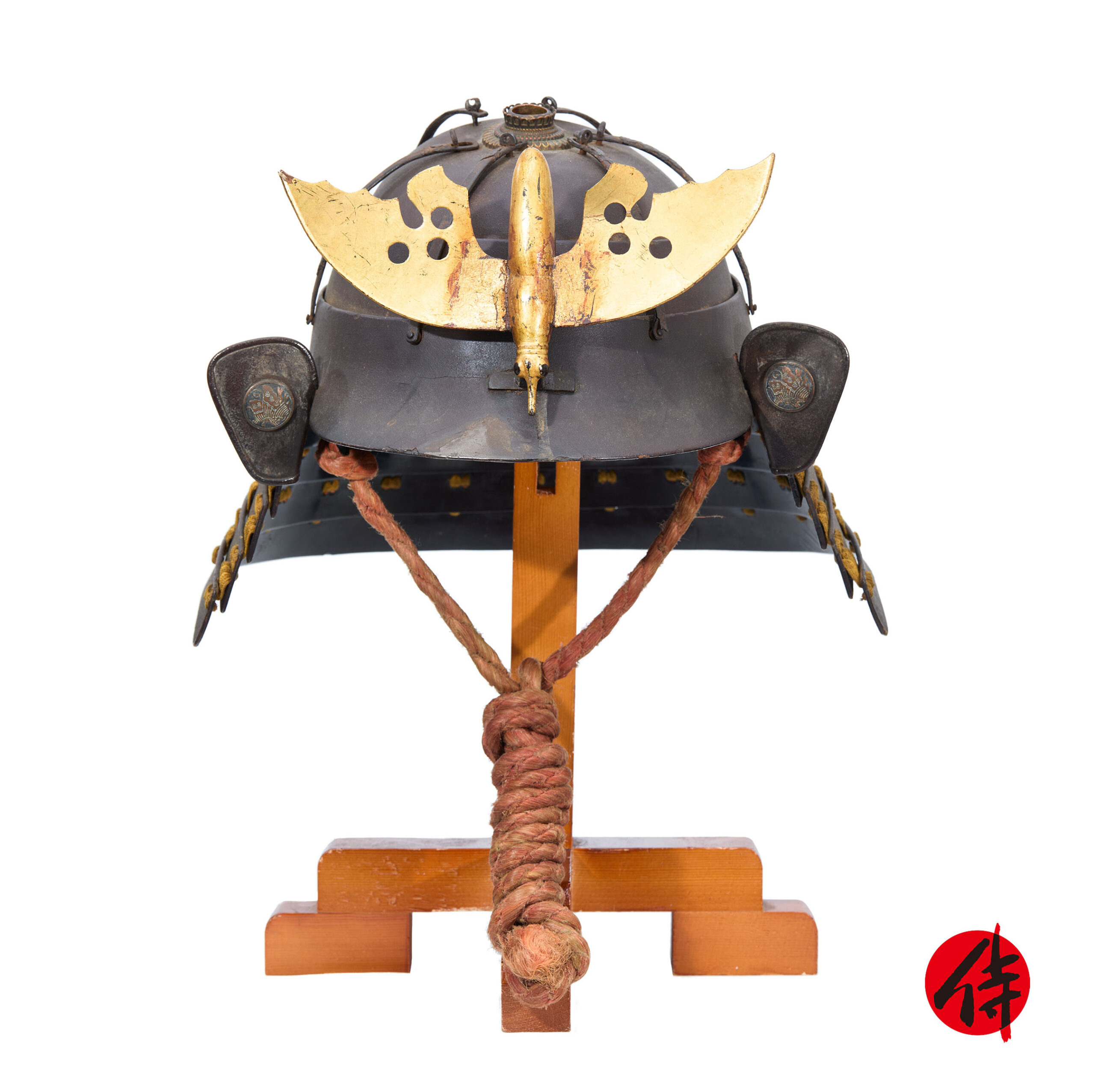
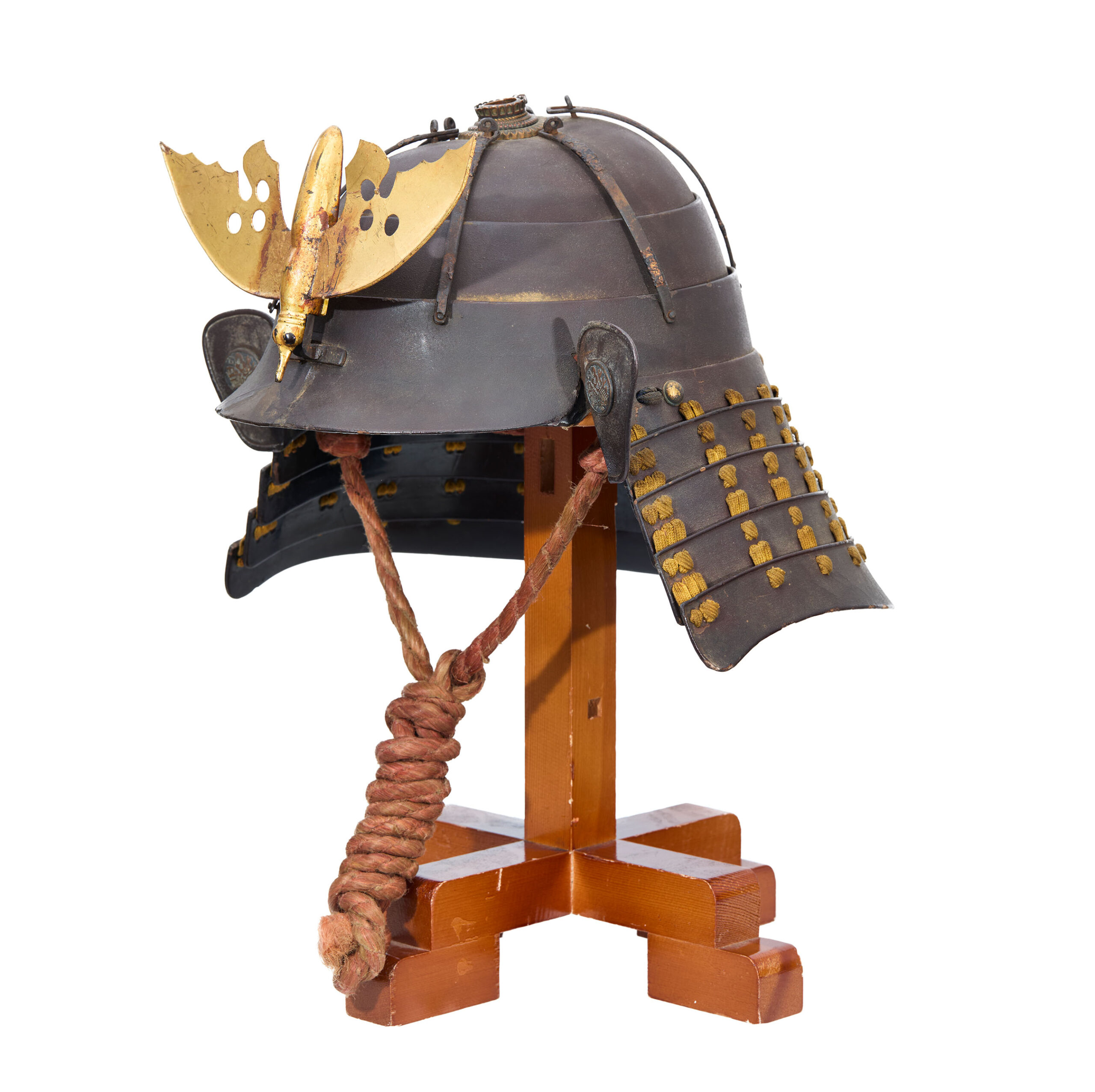
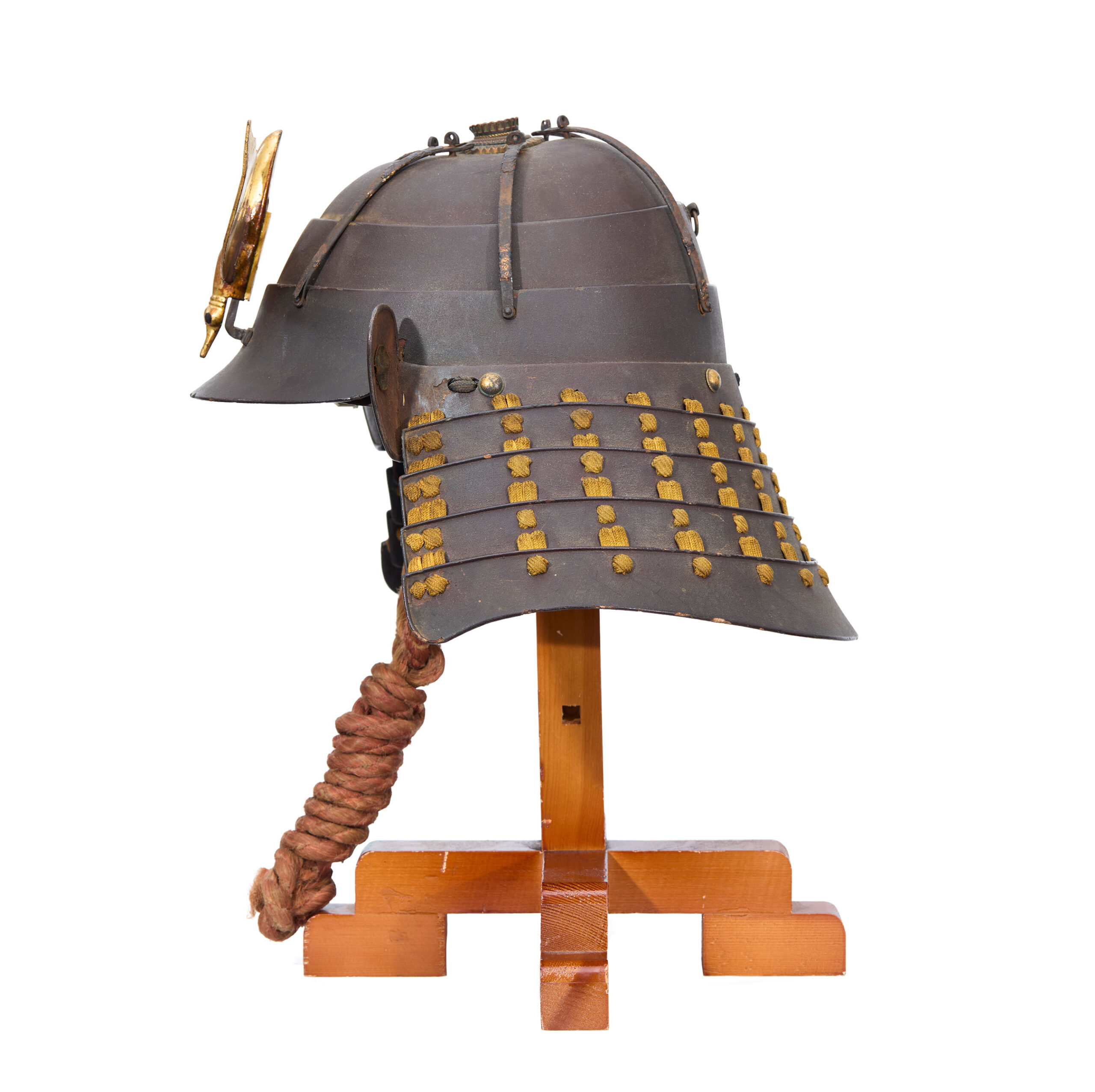
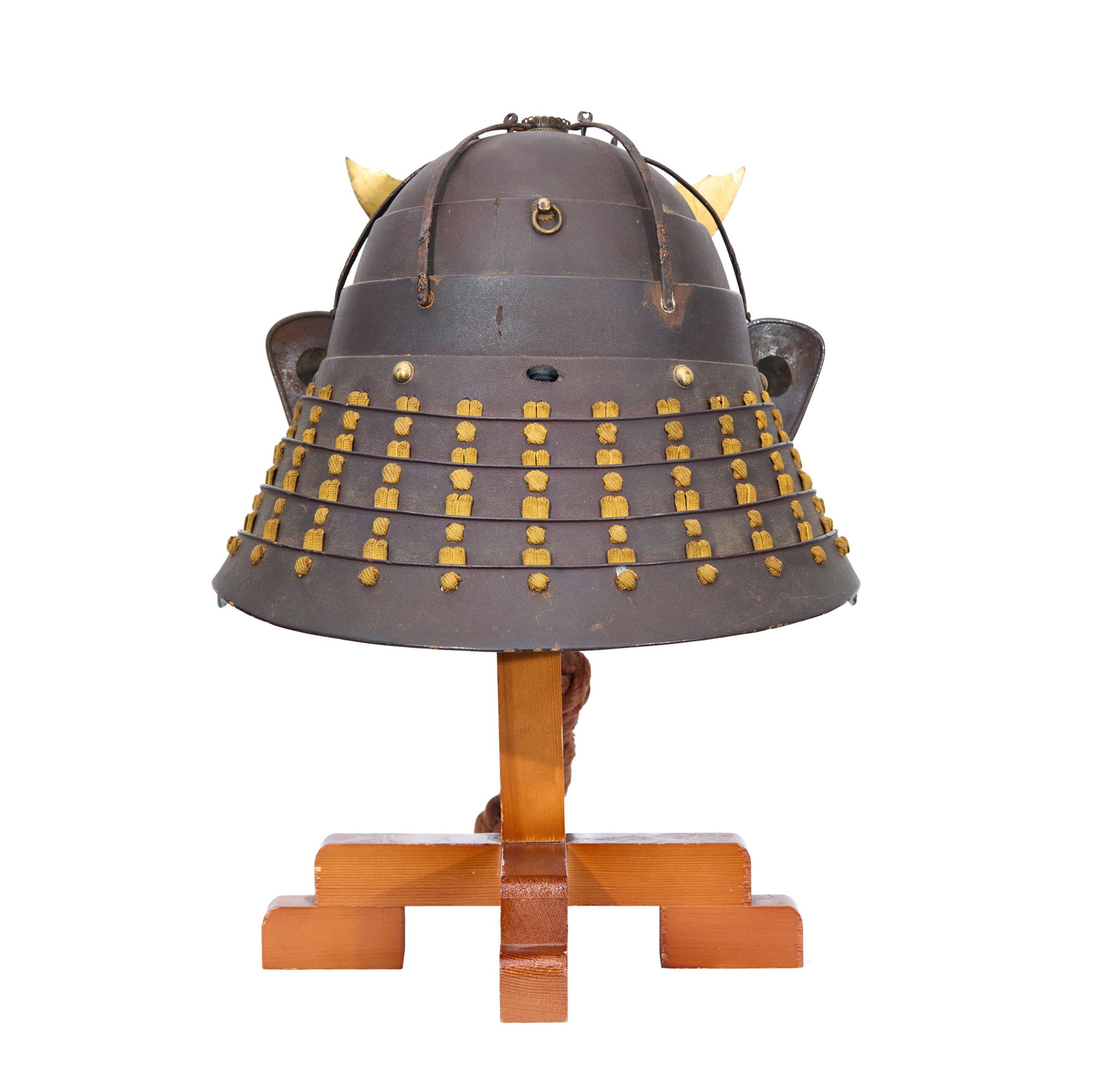
畳具足
兜のみ
変り兜
無銘
Chō-mon (butterfly crest)
江戸
Heike (Taira), Oda
出来・保存状態が特に優れ、特別に貴重と認められた甲冑武具で、五段階の第三位にあたります。
甲冑はNBTHKの鑑定対象ではありません。日本甲冑武具研究保存会(1961年設立)が甲冑武具の研究・保存を担う中心的団体で、その審査は作品を「資料」として、保存資料・貴重資料・特別貴重資料・甲種特別貴重資料・最高位の重要文化資料という五段階で格付けします。「資料」という呼称は、刀剣の鑑定とは別に、甲冑を文化的・歴史的な資料として保存するという会の趣旨を表しています。
Returns/exchanges limited to defects caused by shipping (except willful misconduct or gross negligence by the company); customers must contact within 72 hours of receiving the product.
$5,182
Antique Samurai Helmet Tatami Kabuto with Tokubetsu Kicho Shiryo Certificate (KT-76) Period: Mid Edo Period (appraised by The Association for the Research and Preservation of Japanese Helmets and Armor) Appraised by The Association for the Research and Preservation of Japanese Helmets and Armor on July 26th, 2026. We are expecting to receive its authentication paper during Sep-Oct. Prime Material: Iron This kabuto was made during the middle Edo period (circa 1690–1780). The kabuto (兜, helmet) was originally developed to protect a warrior’s head in battle. Over time, however, it came to serve not only a practical purpose but also as a means for samurai to express their dignity, individuality, religious beliefs, and social standing. Helmets with particularly distinctive or unconventional forms are generally known as kawari kabuto (変わり兜, “extraordinary helmets”). They became especially popular from the late Muromachi period (1467–1573) through the Edo period (1603–1868). Craftsmen used a wide range of materials and techniques to create their unique designs, incorporating such materials as animal fur, seashells, plants, lacquered paper, and metal. This particular kawari kabuto is a type known as a tatami kabuto (畳兜), or folding helmet. Its most distinctive feature is its collapsible construction. The helmet bowl and the shikoro (錣, protective neck guard) were designed as an integrated structure that could be folded into a compact form. This made the helmet considerably easier to carry and store than a conventional rigid kabuto. Tatami kabuto can generally be divided into two principal types. The first is the zukin kabuto (頭巾兜, “hood helmet”), made by sewing chain mail or small rectangular iron plates known as karuta-gane (骨牌金) onto an ieji (家地), the fabric foundation of the helmet. The second is the chōchin kabuto (提灯兜, “lantern helmet”), constructed from iron plates connected with lacing. This flexible construction allowed the helmet bowl to collapse in a manner resembling the folds of a traditional Japanese lantern. Because tatami kabuto were compact and portable, they were particularly practical for travel, emergencies, and situations in which a samurai needed protective equipment that could be carried discreetly. At the same time, their ingenious construction and distinctive appearance reflected the creativity and craftsmanship associated with kawari kabuto. The surface of this helmet is finished with tetsusabi-iro urushi (鉄錆色漆塗), an iron-rust-colored lacquer. The Fukikaeshi (吹き返し), both ends of a Kabuto, is attached to this Kabuto. It protects the face from swords and also shows its beautiful workmanship. Family crests are sometimes designed on this part, as seen on this Kabuto. This crest is known as a Chō-mon (蝶紋, butterfly crest), a traditional Japanese emblem depicting the graceful form of a butterfly. Butterfly designs had been used as decorative motifs in Japan since at least the Nara period (710–794) and later became widely incorporated into clothing, furnishings, and other objects during the Heian period (794–1185). One of the best-known variations is the Ageha-chō mon (揚羽蝶紋), which portrays a butterfly at rest with its wings raised. This crest became closely associated with the Heike (平家), or Taira clan, a powerful warrior family that rose to prominence toward the end of the Heian period. It consequently came to be regarded as one of the representative emblems of the Taira lineage. Because a butterfly undergoes a remarkable transformation from caterpillar to chrysalis and finally to its winged form, it has long been regarded as an auspicious symbol of transformation, renewal, and longevity. Its graceful appearance also made it a favored motif representing elegance and refinement. During the Sengoku period (1467–1615), the Oda family, which claimed descent from the Taira clan, is also said to have used the butterfly crest alongside its better-known mokkō crest. The Chō-mon therefore served not merely as a decorative d
NihontoWatch江戸
畳具足
兜のみ
変り兜
無銘
Chō-mon (butterfly crest)
江戸
Heike (Taira), Oda
出来・保存状態が特に優れ、特別に貴重と認められた甲冑武具で、五段階の第三位にあたります。
甲冑はNBTHKの鑑定対象ではありません。日本甲冑武具研究保存会(1961年設立)が甲冑武具の研究・保存を担う中心的団体で、その審査は作品を「資料」として、保存資料・貴重資料・特別貴重資料・甲種特別貴重資料・最高位の重要文化資料という五段階で格付けします。「資料」という呼称は、刀剣の鑑定とは別に、甲冑を文化的・歴史的な資料として保存するという会の趣旨を表しています。
Returns/exchanges limited to defects caused by shipping (except willful misconduct or gross negligence by the company); customers must contact within 72 hours of receiving the product.
$5,182