江戸は刀の目利きの時代である。本阿弥の鑑定、1719年の享保名物帳、盛んな刀剣書が、戦で抜かれることのなくなった刀を学問の対象へと変えていった。
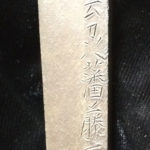
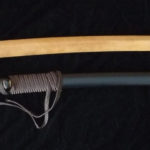
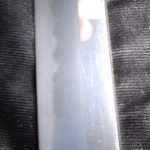
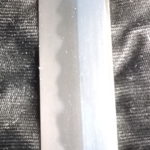
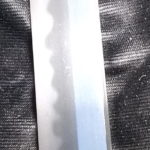
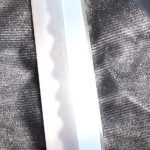
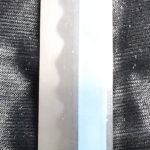
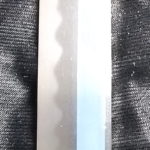
Q664. Katana signed Oite Edo Kojimachi Unshu Han Fujiwara Naganobu Saku and dated Ansei Shichi Nen Ni Gatsu Ju Yon Hi (the 14th day of February, 1860).Nagasa: 24 3/8′′ 61.7 cm.Sori: 1.1 cm.Moto haba: 3.1 cm.Moto kasane: .8 cm.Saki haba: 2.3 cm.Saki kasane: .5 cm.Nakago Nagasa: 8 5/8′′ 21.9 cm.Overall in shirasaya: 35 1/2′′ 90 cm.Overall koshirae: 40′′ 100.5 cm.Ubu, one hole. Shinogi zukuri, koshi zori, iore mune, chu kissaki. The hada is finest ko-nuka or muji covered in the finest of ji-nie. The hamon begins with a short, straight yaki dashi and becomes gunome with pointed elements, sunagashi and ashi, in a consistent nioi guchi covered in finest ko-nie. The boshi is a continuation of the hamon, ending in ko-maru and a short kaeri. The blade is mounted with a double gold wash habaki in well made shirasaya. It is flawless, in high quality polish (most likely done in Japan), and comes with a Tokubetsu Kicho paper from the NBTHK, dated 1980 and attesting to the signature and work.The koshirae is mounted with a full length, well made tsunagi and wood habaki. The saya is textured black lacquer. There are a few very shallow and tiny dents in the surface (nothing really) but no cracks and none of the lacquer is missing. Koi guchi, ko jiri, and kurikata are horn. The tsuba is iron, well made and in excellent condition (8.3 x 8.3 cm). The fuchi is shakudo with a copper moth; the kashira is horn. The menuki are shakudo with gold and silver inlay. The tsuka-ito, over decent quality same’, is, again, well done. I would say the koshirae is overall excellent condition.Takahashi Naganobu came out of the Fuyuhiro Mon; he was the adopted son of the 17th Fuyuhiro. He traveled to Edo (Tokyo) and studied with the Chounsai Tsunatoshi group. Other than for his decidedly skillful work (ranked jo-saku), he is known for never having singed twice in the same way.Flawless blade, ubu, signed & dated, in polish, papered, with shirasaya and koshirae: this one has a lot going for it. 3 pounds, 13 ou
 NihontoWatch
在銘 · Fuyuhiro Mon · 天保 · 長さ 61.7cm · 反り 1.1cm
脇物 · 出雲 · 1830-1860頃
藤代 Jo saku · 刀剣大鑑 上位31%
現在2点販売中
長信の位置づけを、日本刀全体および伝統・時代・時期ごとに示します。各位(随一・屈指・有数・著名)は、NBTHK および文化庁による指定に加え、三作や名物帳などの歴史的栄誉を加味したものです。
各項目を選ぶと評価方法が表示されます。
在銘年紀作が示す、確実に活動していた年代
脇物 · 出雲
現在2点販売中
雲州は出雲国を指す呼称であり、ここに括られるのは同国に縁を持つ工である。説示に名の挙がるのは二工で、時代も作域も大きく隔たる。古い側は雲州忠貞で、二字銘を切り、その作は永正頃とみられる。新しい側は雲州長信、すなわち高橋理兵衛で、自ら若州冬広の十七代目を称し、天保の末年頃に江戸へ出て長運斎綱俊の門に学び、後に認められて松江の松平家の抱え工となり、明治十二年に没した。忠貞が中世末の地方工であるのに対し、長信は綱俊の系統を承けた幕末新刀の作者であって、両者を一つの伝統として括ることはできず、出雲という土地を介してここに並ぶ。 作風は工によって異なる。長信は長寸で姿の豪壮なものが多く、地鉄は小板目がよくつんで無地風となり、足の揃った丁子を得意とし、匂口の深い沸出来をみせる。掲げられた一刀は身幅広く重ね薄め、腰反りついて大鋒となり、互の目に尖りごころの刃や角ばる刃を交え、頭の丸い互の目を基調に高低を見せて華やかに乱れ、匂口が明るく冴える。これは綱俊門らしい房の細い丁子とはやや趣を異にし、山浦一門の上作を彷彿とさせる出来である。忠貞は小板目に刃寄りの柾を交え、広直刃に小互の目を交えて足・葉がよく入り、砂流しかかって匂口の沈むものをみせる。 鑑定にあたっては、長信は逆大筋違の茎鑢が手懸かりとなり、これは同工の特徴として説示が繰り返し記すところである。長銘や注文者銘、年紀を生ぶ茎に長く存する作が遺り、抱え工としての注文打ちの性格をよく伝える。忠貞は二字銘を残し、その作は一見備前の清光・忠光に通う作風を示して、地方工ながら出来のよい佳作を含む。出雲という一国にあって時代を異にする両工が、それぞれ綱俊系の新刀と備前風の中世末の作という別個の拠り所を持ちつつ、雲州の名のもとに位置づけられている。 詳しく見る →
江戸時代
江戸は刀の目利きの時代である。本阿弥の鑑定、1719年の享保名物帳、盛んな刀剣書が、戦で抜かれることのなくなった刀を学問の対象へと変えていった。
本作はNBTHKの旧鑑定書(貴重・特別貴重)を有しますが、これらは現在発行されておらず、信頼性に欠けるとされています。極めを確認するには、公的な鑑定機関(NBTHK・NTHKなど)への再提出による現代の鑑定をご検討いただけます。
3-day return window from receipt.
Q664. Katana signed Oite Edo Kojimachi Unshu Han Fujiwara Naganobu Saku and dated Ansei Shichi Nen Ni Gatsu Ju Yon Hi (the 14th day of February, 1860).Nagasa: 24 3/8′′ 61.7 cm.Sori: 1.1 cm.Moto haba: 3.1 cm.Moto kasane: .8 cm.Saki haba: 2.3 cm.Saki kasane: .5 cm.Nakago Nagasa: 8 5/8′′ 21.9 cm.Overall in shirasaya: 35 1/2′′ 90 cm.Overall koshirae: 40′′ 100.5 cm.Ubu, one hole. Shinogi zukuri, koshi zori, iore mune, chu kissaki. The hada is finest ko-nuka or muji covered in the finest of ji-nie. The hamon begins with a short, straight yaki dashi and becomes gunome with pointed elements, sunagashi and ashi, in a consistent nioi guchi covered in finest ko-nie. The boshi is a continuation of the hamon, ending in ko-maru and a short kaeri. The blade is mounted with a double gold wash habaki in well made shirasaya. It is flawless, in high quality polish (most likely done in Japan), and comes with a Tokubetsu Kicho paper from the NBTHK, dated 1980 and attesting to the signature and work.The koshirae is mounted with a full length, well made tsunagi and wood habaki. The saya is textured black lacquer. There are a few very shallow and tiny dents in the surface (nothing really) but no cracks and none of the lacquer is missing. Koi guchi, ko jiri, and kurikata are horn. The tsuba is iron, well made and in excellent condition (8.3 x 8.3 cm). The fuchi is shakudo with a copper moth; the kashira is horn. The menuki are shakudo with gold and silver inlay. The tsuka-ito, over decent quality same’, is, again, well done. I would say the koshirae is overall excellent condition.Takahashi Naganobu came out of the Fuyuhiro Mon; he was the adopted son of the 17th Fuyuhiro. He traveled to Edo (Tokyo) and studied with the Chounsai Tsunatoshi group. Other than for his decidedly skillful work (ranked jo-saku), he is known for never having singed twice in the same way.Flawless blade, ubu, signed & dated, in polish, papered, with shirasaya and koshirae: this one has a lot going for it. 3 pounds, 13 ou
NihontoWatch在銘 · Fuyuhiro Mon · 天保 · 長さ 61.7cm · 反り 1.1cm
脇物 · 出雲 · 1830-1860頃
藤代 Jo saku · 刀剣大鑑 上位31%
現在2点販売中
長信の位置づけを、日本刀全体および伝統・時代・時期ごとに示します。各位(随一・屈指・有数・著名)は、NBTHK および文化庁による指定に加え、三作や名物帳などの歴史的栄誉を加味したものです。
各項目を選ぶと評価方法が表示されます。
在銘年紀作が示す、確実に活動していた年代
脇物 · 出雲
現在2点販売中
雲州は出雲国を指す呼称であり、ここに括られるのは同国に縁を持つ工である。説示に名の挙がるのは二工で、時代も作域も大きく隔たる。古い側は雲州忠貞で、二字銘を切り、その作は永正頃とみられる。新しい側は雲州長信、すなわち高橋理兵衛で、自ら若州冬広の十七代目を称し、天保の末年頃に江戸へ出て長運斎綱俊の門に学び、後に認められて松江の松平家の抱え工となり、明治十二年に没した。忠貞が中世末の地方工であるのに対し、長信は綱俊の系統を承けた幕末新刀の作者であって、両者を一つの伝統として括ることはできず、出雲という土地を介してここに並ぶ。 作風は工によって異なる。長信は長寸で姿の豪壮なものが多く、地鉄は小板目がよくつんで無地風となり、足の揃った丁子を得意とし、匂口の深い沸出来をみせる。掲げられた一刀は身幅広く重ね薄め、腰反りついて大鋒となり、互の目に尖りごころの刃や角ばる刃を交え、頭の丸い互の目を基調に高低を見せて華やかに乱れ、匂口が明るく冴える。これは綱俊門らしい房の細い丁子とはやや趣を異にし、山浦一門の上作を彷彿とさせる出来である。忠貞は小板目に刃寄りの柾を交え、広直刃に小互の目を交えて足・葉がよく入り、砂流しかかって匂口の沈むものをみせる。 鑑定にあたっては、長信は逆大筋違の茎鑢が手懸かりとなり、これは同工の特徴として説示が繰り返し記すところである。長銘や注文者銘、年紀を生ぶ茎に長く存する作が遺り、抱え工としての注文打ちの性格をよく伝える。忠貞は二字銘を残し、その作は一見備前の清光・忠光に通う作風を示して、地方工ながら出来のよい佳作を含む。出雲という一国にあって時代を異にする両工が、それぞれ綱俊系の新刀と備前風の中世末の作という別個の拠り所を持ちつつ、雲州の名のもとに位置づけられている。 詳しく見る →
江戸時代
江戸は刀の目利きの時代である。本阿弥の鑑定、1719年の享保名物帳、盛んな刀剣書が、戦で抜かれることのなくなった刀を学問の対象へと変えていった。
本作はNBTHKの旧鑑定書(貴重・特別貴重)を有しますが、これらは現在発行されておらず、信頼性に欠けるとされています。極めを確認するには、公的な鑑定機関(NBTHK・NTHKなど)への再提出による現代の鑑定をご検討いただけます。
3-day return window from receipt.


![Katana - Tokuho - 作 長信 - 刀[雲陽子高橋長信][日本美術刀剣保存協会]特別保存刀剣](/_next/image?url=https%3A%2F%2Fitbhfhyptogxcjbjfzwx.supabase.co%2Fstorage%2Fv1%2Fobject%2Fpublic%2Flisting-images%2Fworld-seiyudo%2FL31312%2F00.jpg&w=2560&q=90)
![Tanto - Hozon - 作 長信 - 短刀[長信(雲州/高橋長信)][日本美術刀剣保存協会]保存刀剣](/_next/image?url=https%3A%2F%2Fitbhfhyptogxcjbjfzwx.supabase.co%2Fstorage%2Fv1%2Fobject%2Fpublic%2Flisting-images%2Fworld-seiyudo%2FL31314%2F00.jpg&w=2560&q=90)

![Katana - Tokuho - 作 長信 - 刀 [運寿斎藤原長信][日本美術刀剣保存協会]特別保存刀剣](/_next/image?url=https%3A%2F%2Fitbhfhyptogxcjbjfzwx.supabase.co%2Fstorage%2Fv1%2Fobject%2Fpublic%2Flisting-images%2Fworld-seiyudo%2FL31552%2F00.jpg&w=2560&q=90)


![Katana - Tokuho - 作 長信 - 刀[雲州藩高橋長信][日本美術刀剣保存協会]特別保存刀剣](/_next/image?url=https%3A%2F%2Fitbhfhyptogxcjbjfzwx.supabase.co%2Fstorage%2Fv1%2Fobject%2Fpublic%2Flisting-images%2Fworld-seiyudo%2FL31728%2F00.jpg&w=2560&q=90)
