徳川の泰平のもと、大小は法度の定める身分の制服となり、需要は城下町、とりわけ江戸に集まった。工芸は二つに分かれる。目利きのための華やかな鑑賞の作と、截断の結果を金象嵌に刻む実証の刀である。
 NihontoWatchNihontoWatch
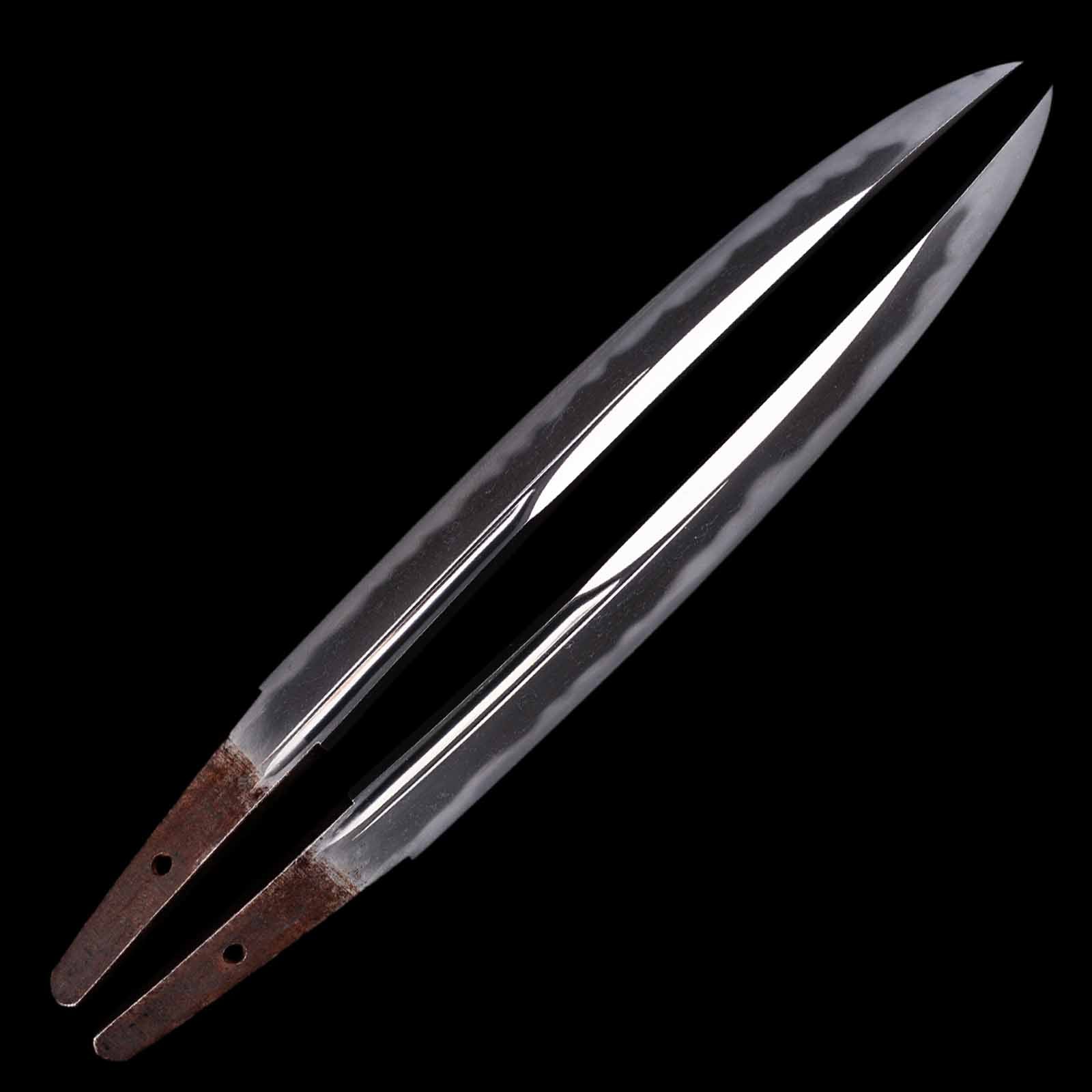
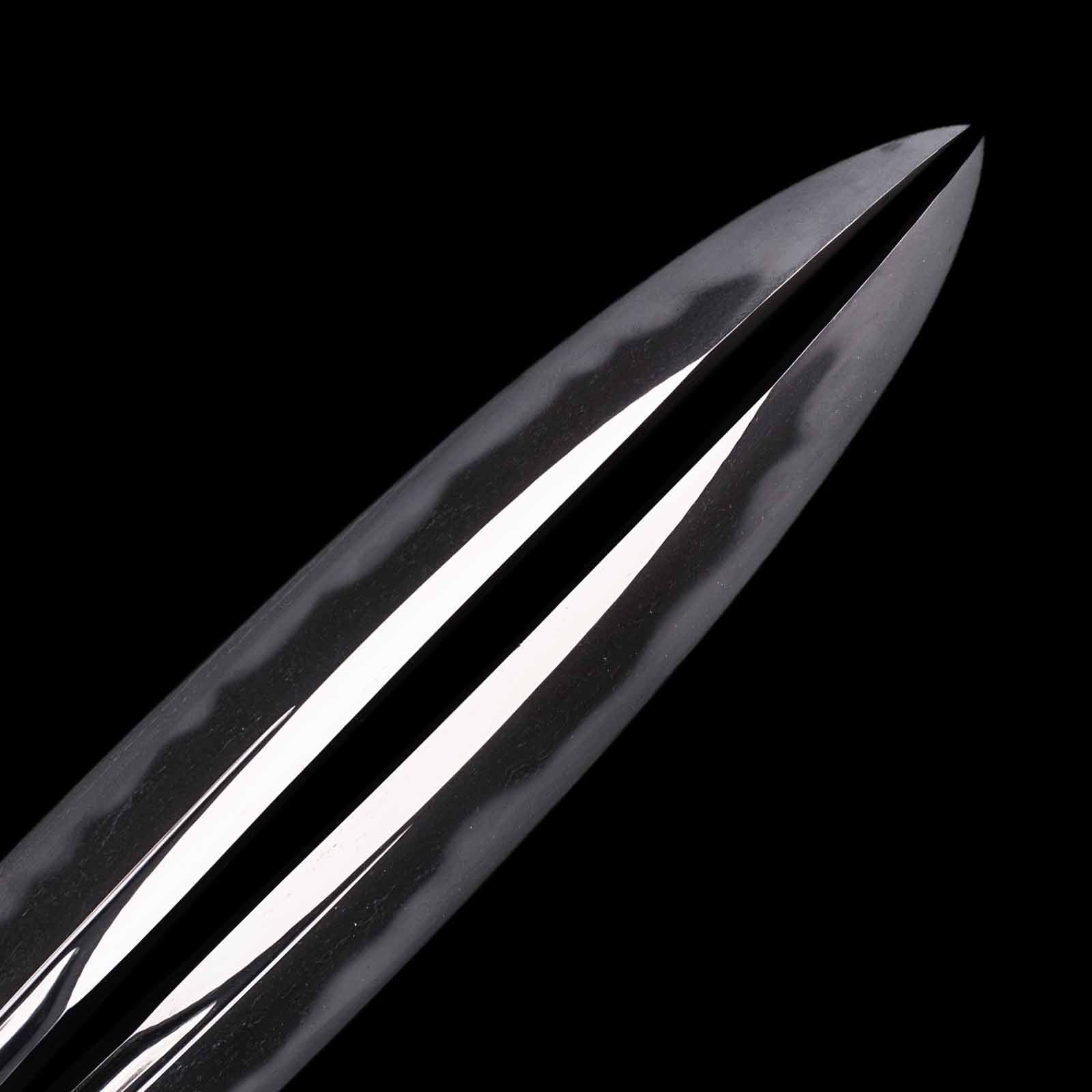
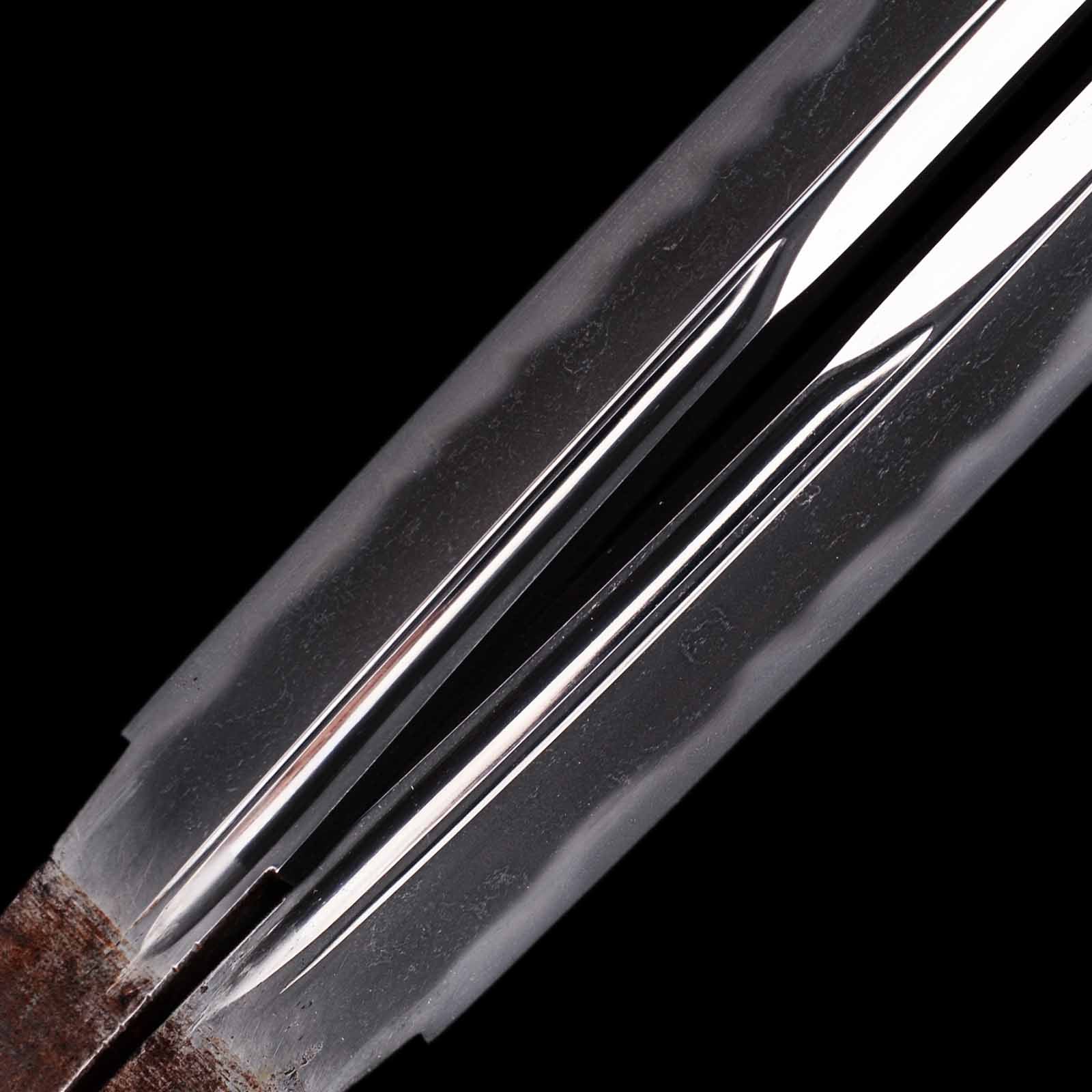
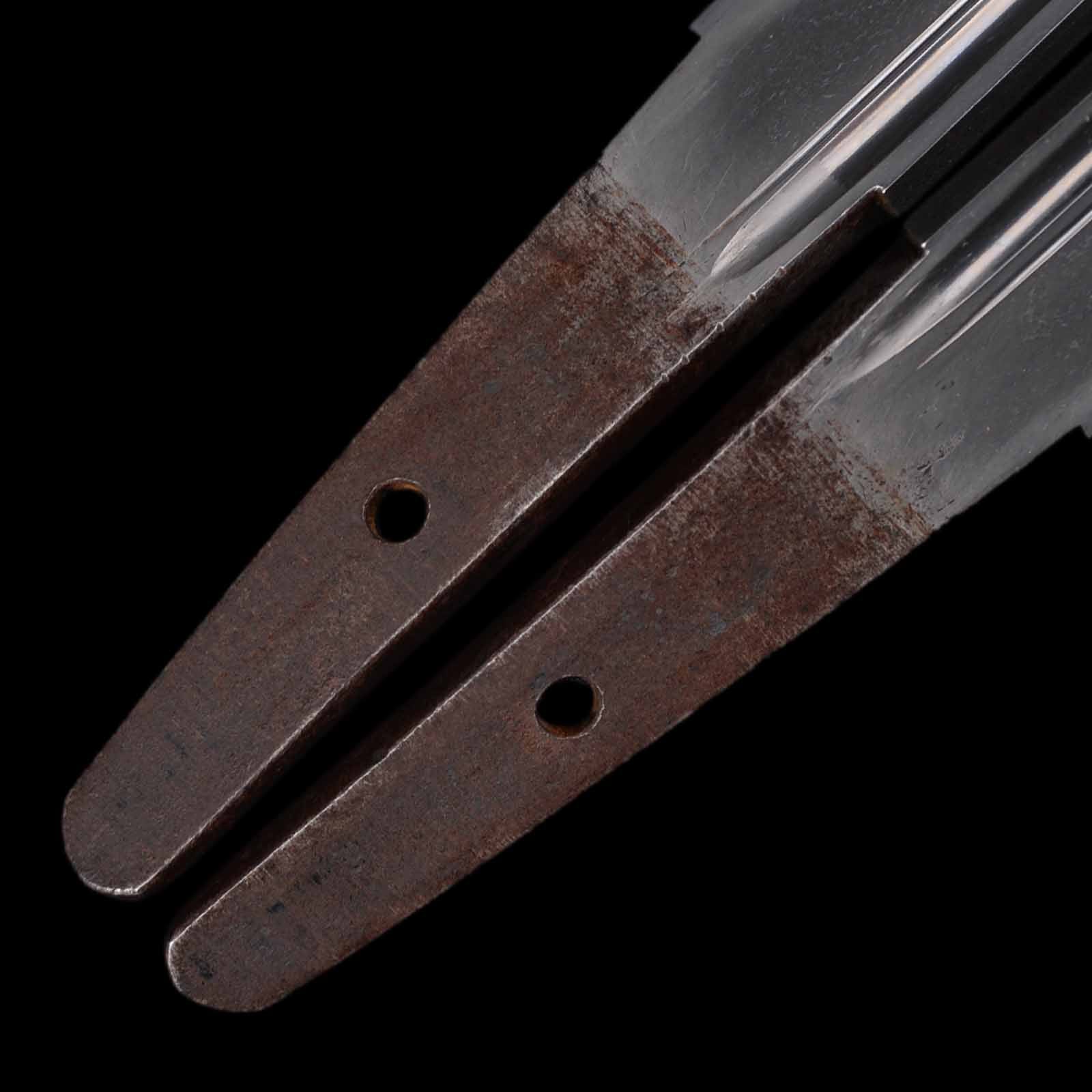
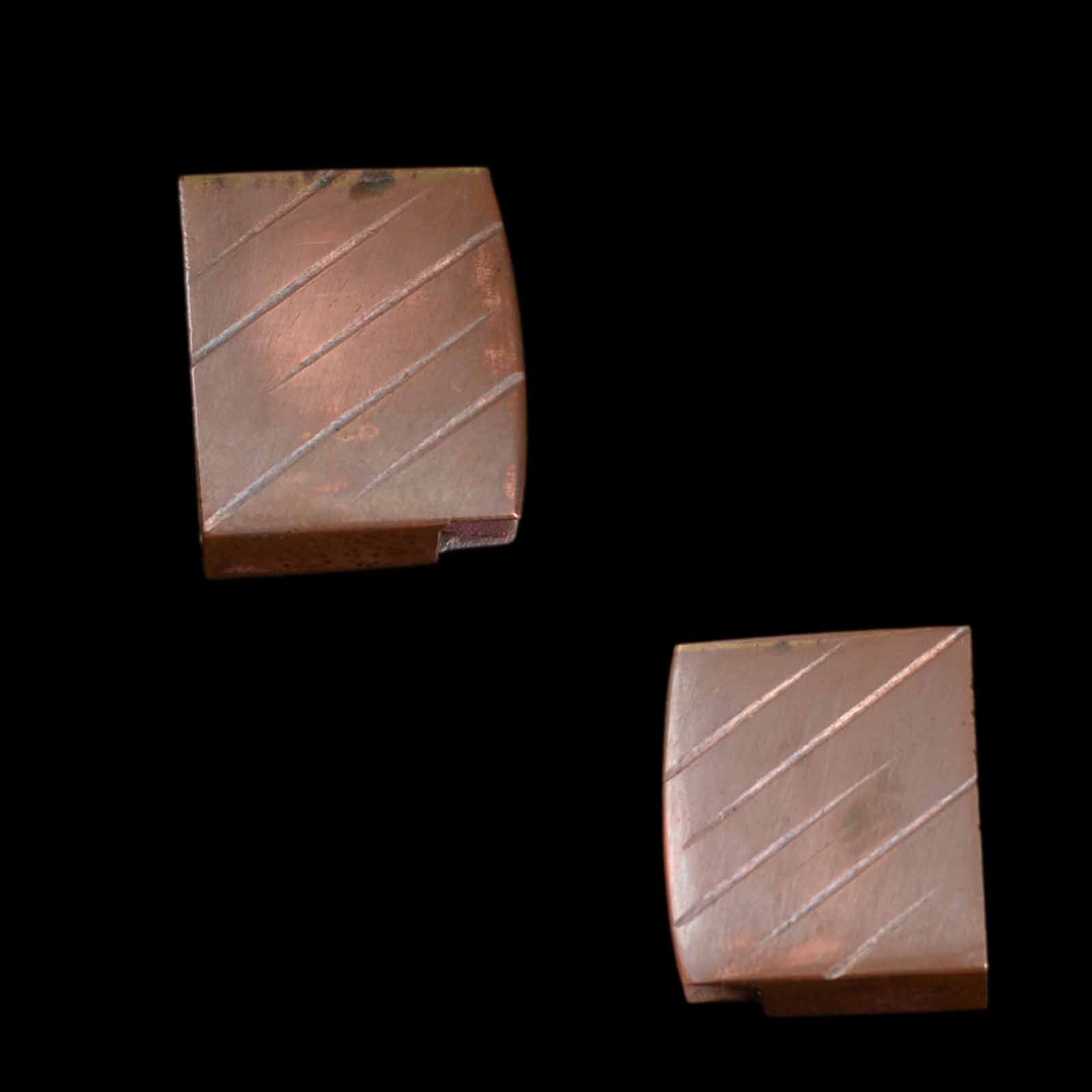
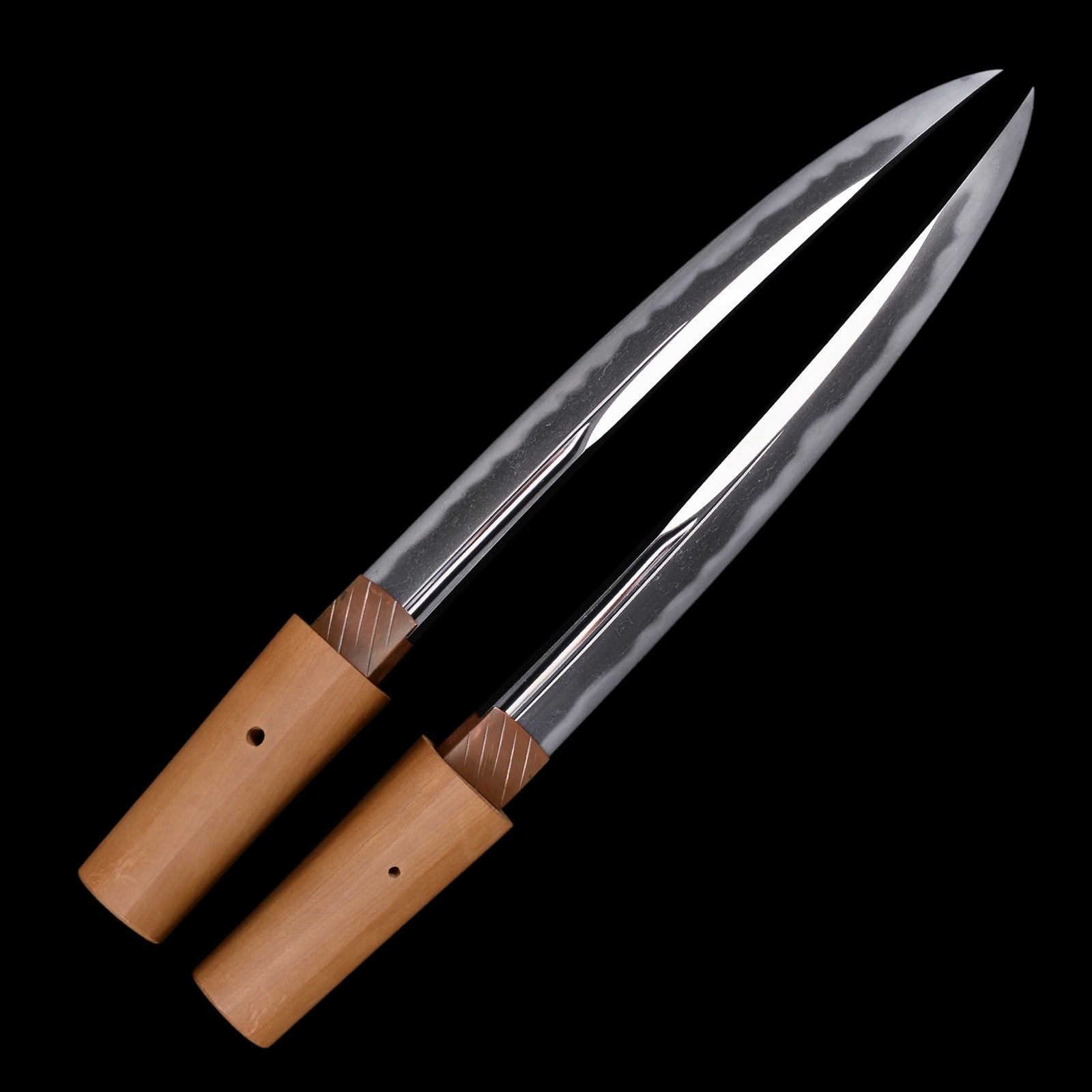
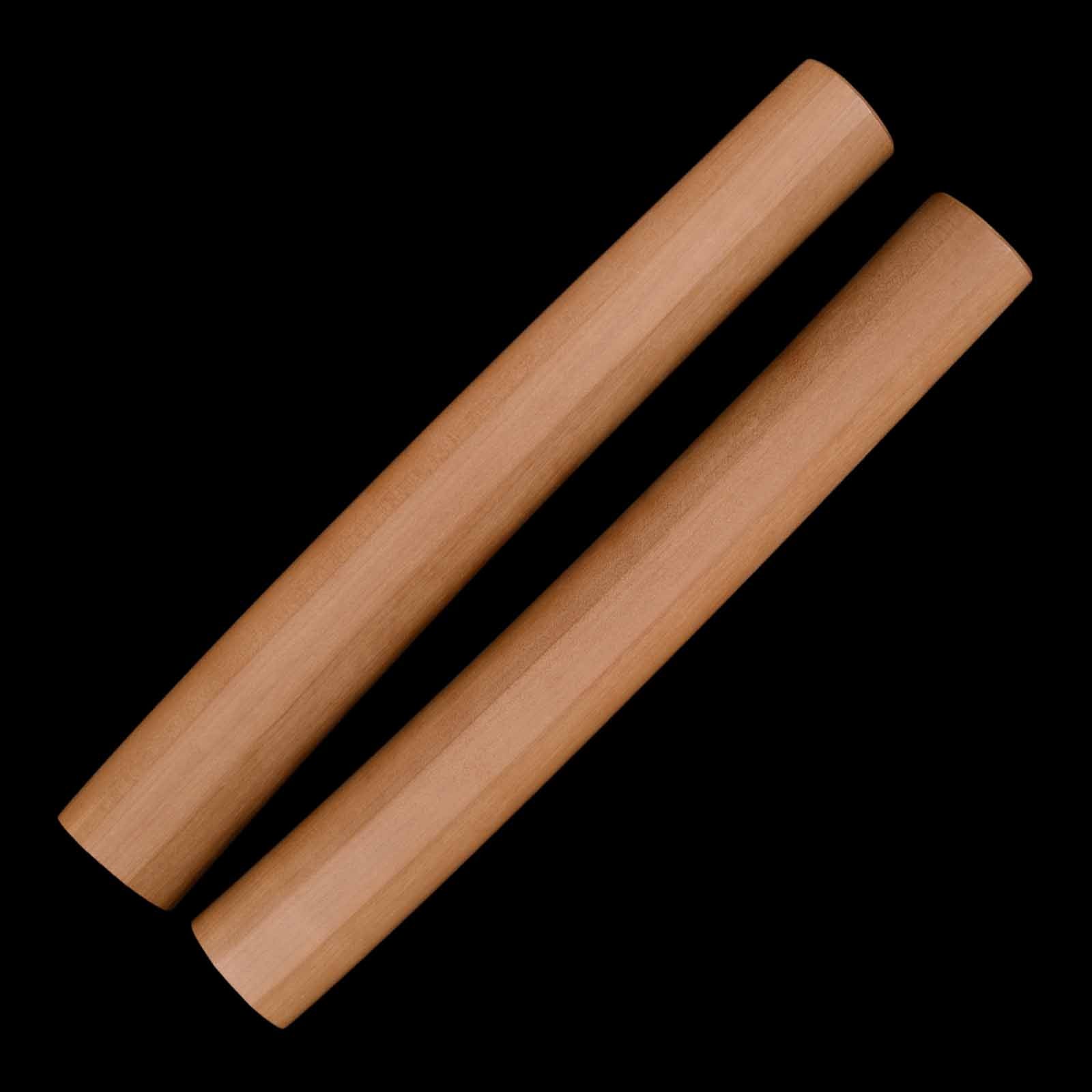
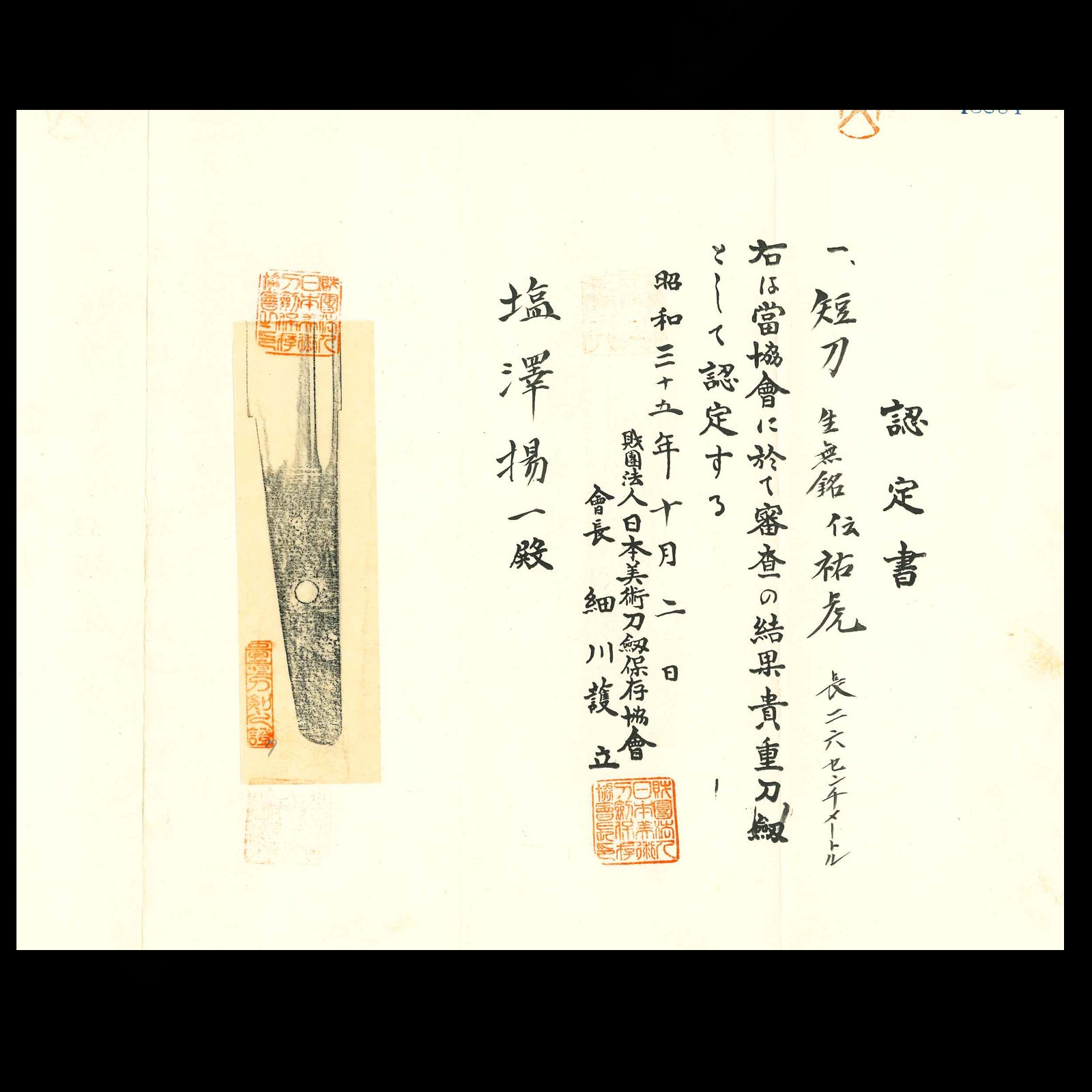
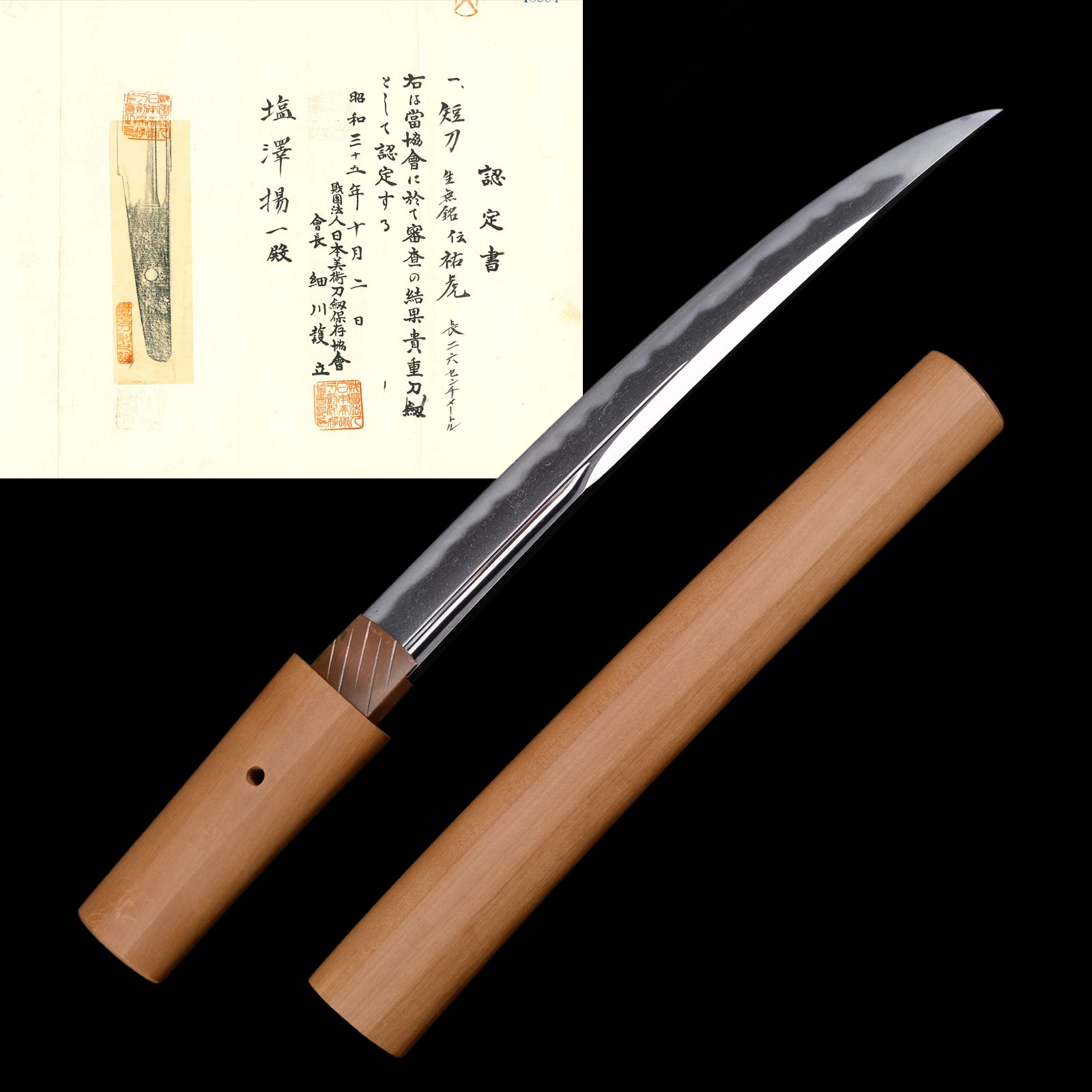
Antique Japanese Tanto, unsigned attributed to Sukemitsu (伝 祐光) — Yokoyama Kijūrō Sukemitsu of Hitachi (Mito domain) — late-Edo Ansei era — NBTHK Kichō Tōken — ubu, custom-order kanmuri-otoshi form, in shirasaya Ubu, unsigned tanto attributed to the Mito-domain master Yokoyama Sukemitsu · a custom-order (chūmon-uchi) blade in thick kanmuri-otoshi / shōbu-zukuri form with a full bō-hi · finely forged ko-itame · gentle ko-notare with ko-gunome · NBTHK Kichō Tōken papered A strikingly individual and high-toned ubu (original-length), unsigned ( mumei ) tanto, worthy of its NBTHK Kichō Tōken ("Precious Sword") authentication. Made in the late Edo period, around the Ansei era (1854–1860), by a swordsmith active in Hitachi province (present-day Ibaraki), it is a chūmon-uchi — a special custom order in which a samurai or discerning patron projected his own sense of beauty onto the blade — and is attributed by the NBTHK to Sukemitsu (伝 祐光). Workmanship and condition Freshly polished and nearly flawless, the blade shows a ground and edge in very sound ( kenzen ) condition. What first catches the eye is the thick kasane and the kanmuri-otoshi construction, in which the upper back is boldly beveled down. To the crisp sharpness of a shōbu-zukuri form it adds the strength of the kanmuri-otoshi profile — a tanto with the spirit of a practical fighting blade. A bō-hi (straight groove) is carefully carved through from the base up into the shinogi-ji : not merely to lighten the blade but as a deliberate design element, giving the elaborate surface composition that only a true custom order tends to receive. Form and workmanship of the blade The jigane is a finely and carefully forged ko-itame (small wood-grain), beautifully packed — a superb skin that reveals the master's meticulous hand. The hamon is based on a calm, gently undulating ko-notare , into which refined, softly rounded ko-gunome mix with elegance. The boundary with the ground ( habuchi ) is bright and clear white, drawing
NihontoWatch
常陸 · 1854-1860頃
藤代 中作 · 刀剣大鑑 上位95%
現在2点販売中
江戸時代
徳川の泰平のもと、大小は法度の定める身分の制服となり、需要は城下町、とりわけ江戸に集まった。工芸は二つに分かれる。目利きのための華やかな鑑賞の作と、截断の結果を金象嵌に刻む実証の刀である。
本作はNBTHKの旧鑑定書(貴重・特別貴重)を有しますが、これらは現在発行されておらず、現在の日刀保ではほとんど認められていません。極めを確認するには、公的な鑑定機関(NBTHK・NTHKなど)に再提出し、現行の鑑定を受けることもご検討ください。
As a general rule, returns/exchanges are not accepted on Japanese sword orders unless damaged upon delivery. Other items: returns/exchanges accepted within 7 days of delivery. Cancellation for personal reasons incurs a 30% restocking fee (70% refunded). Return shipping must be prepaid and insured by the buyer; shipping/handling fees are non-refundable. Contact katana@tozando.co.jp to initiate a return.